


























































































By Shane Gallagher

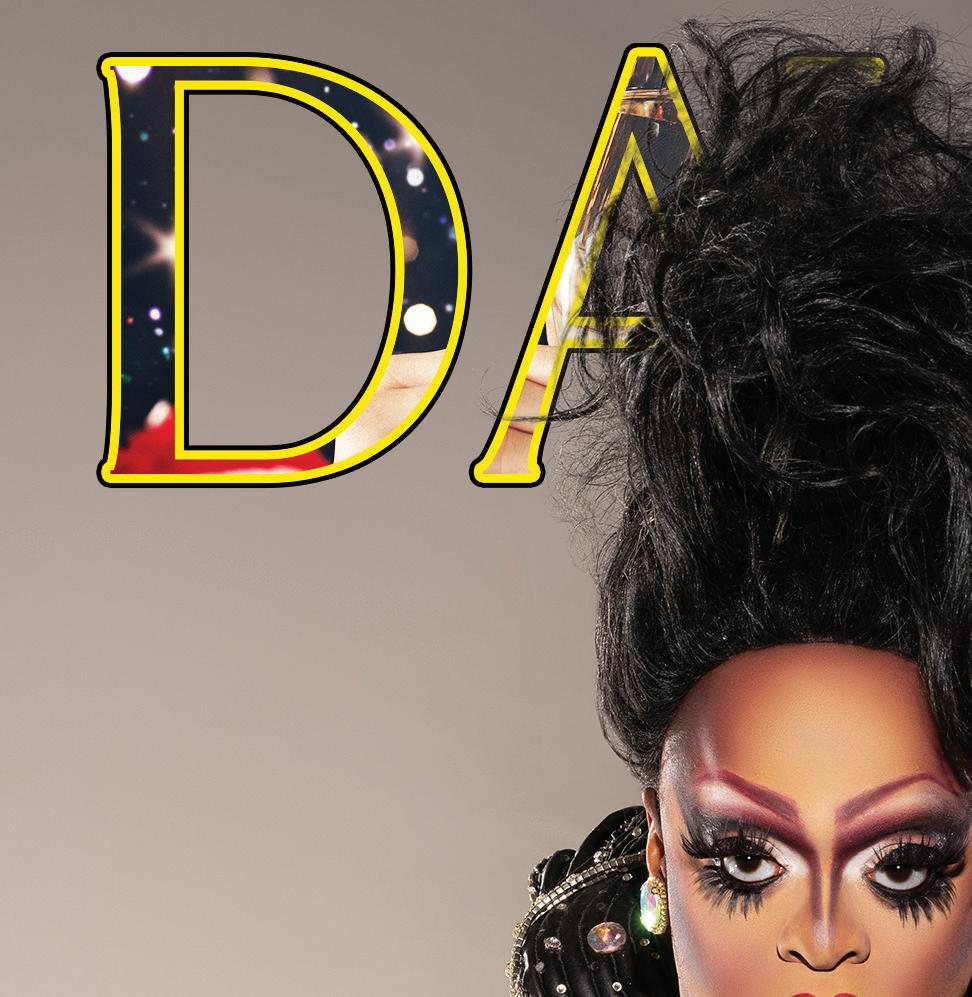
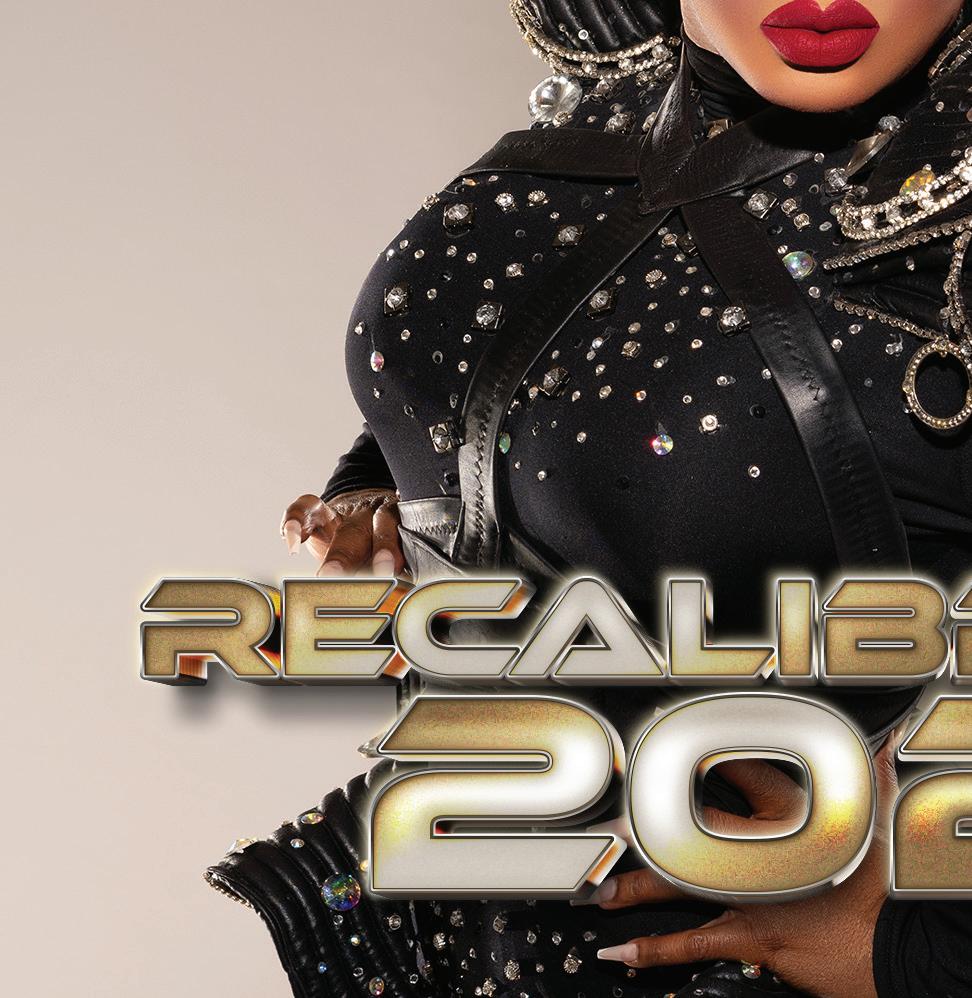
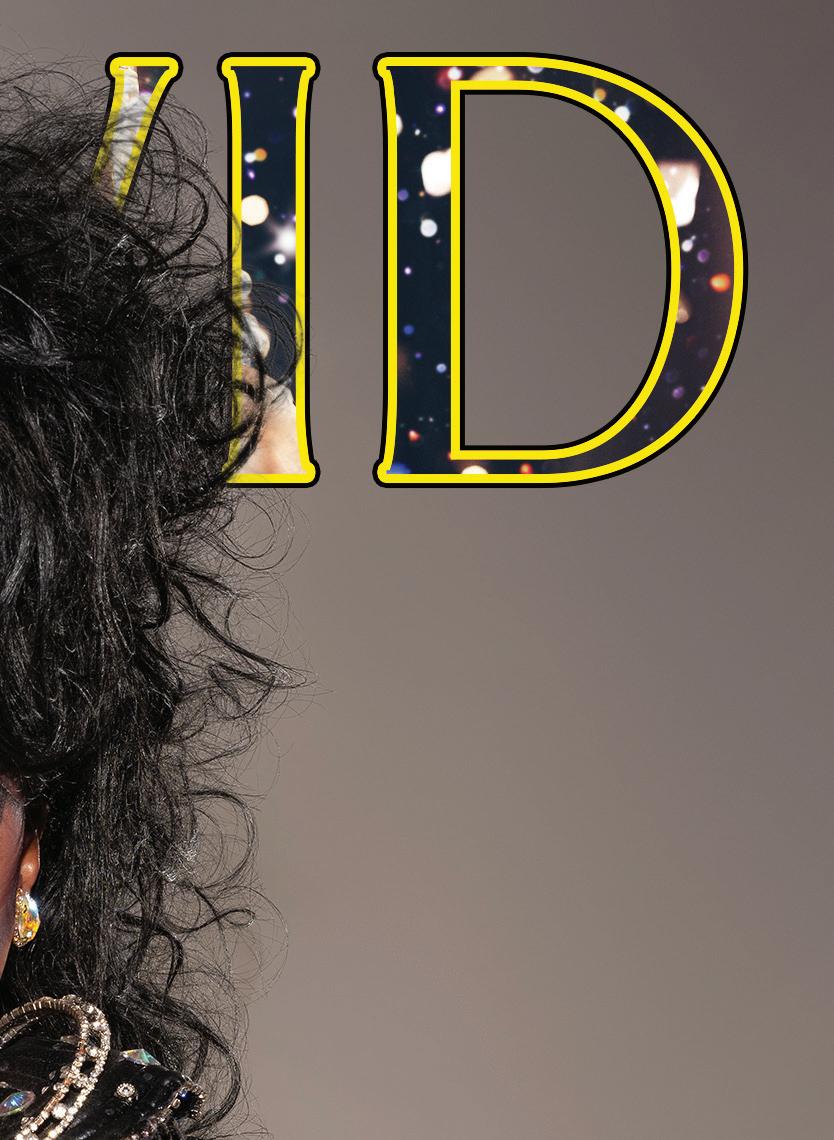
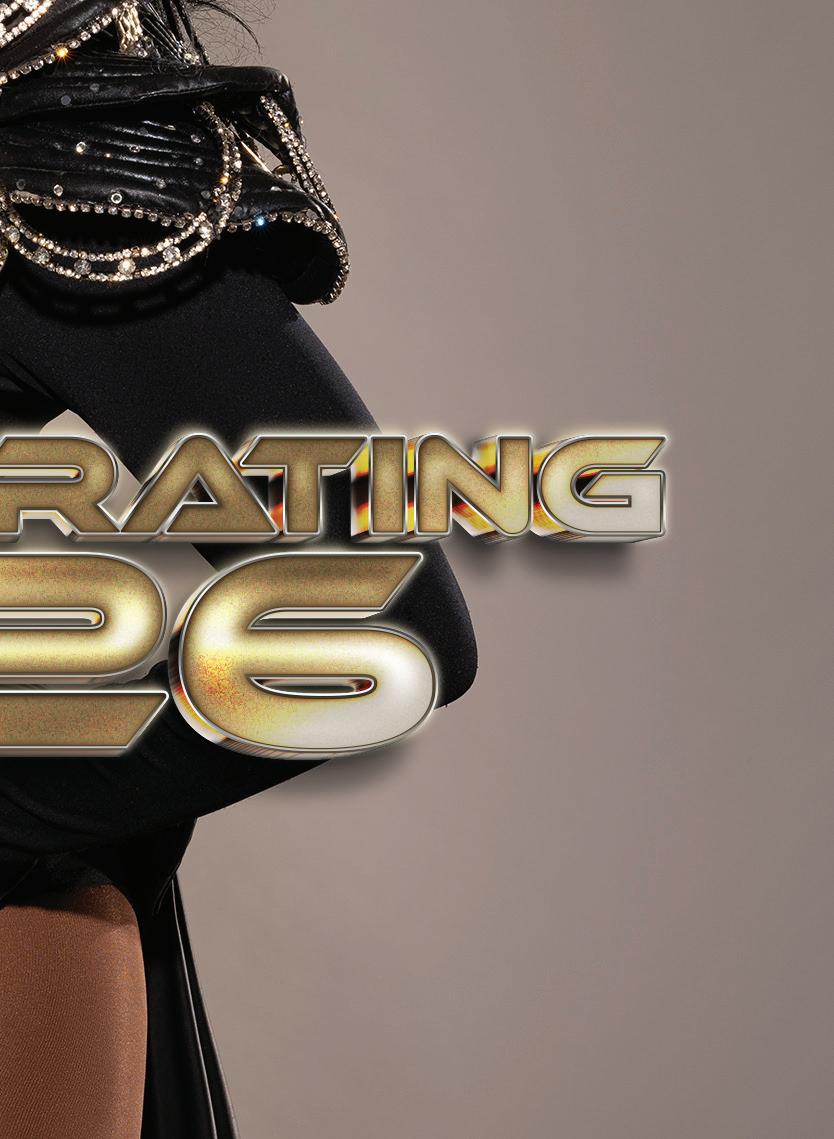
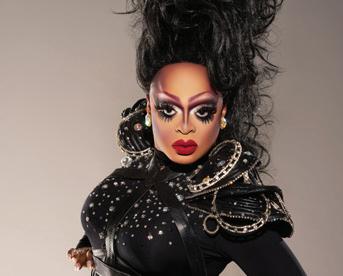
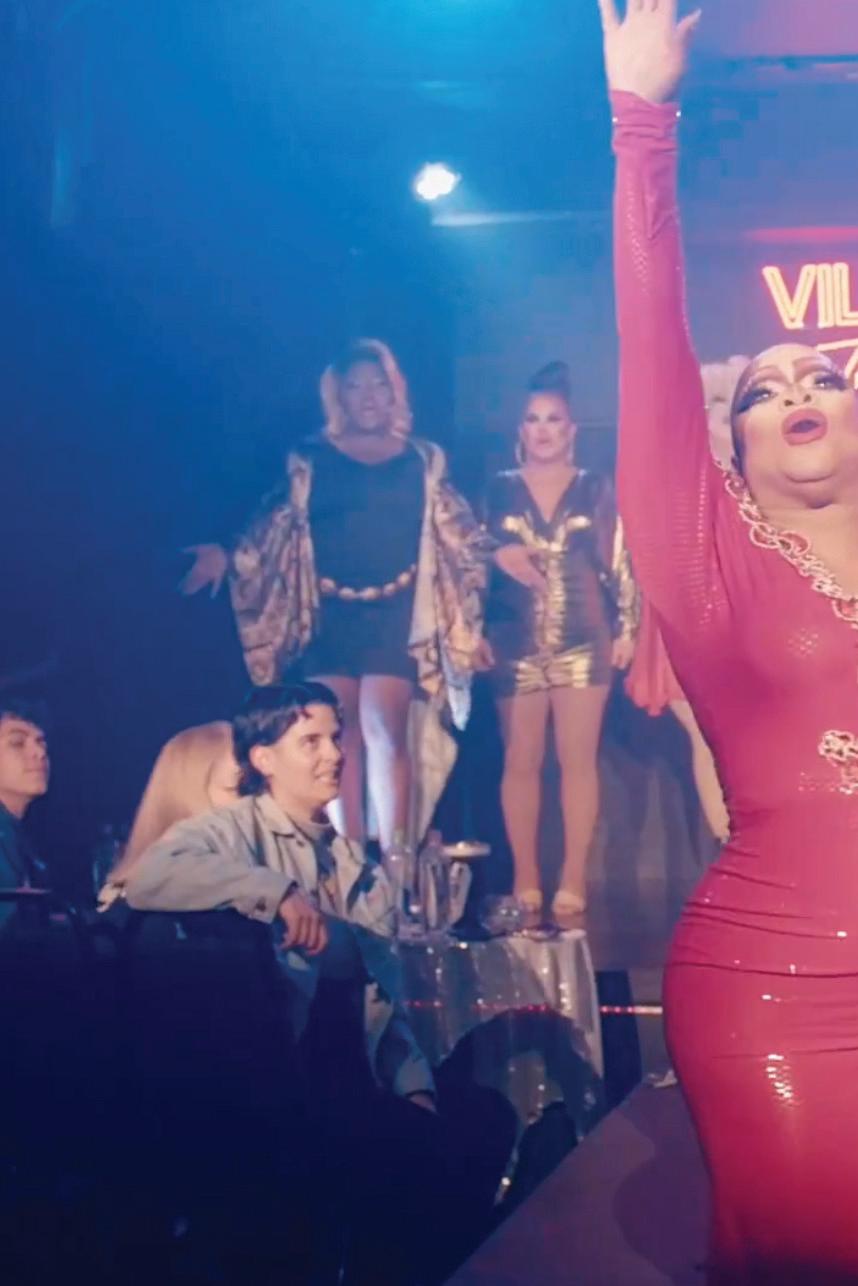
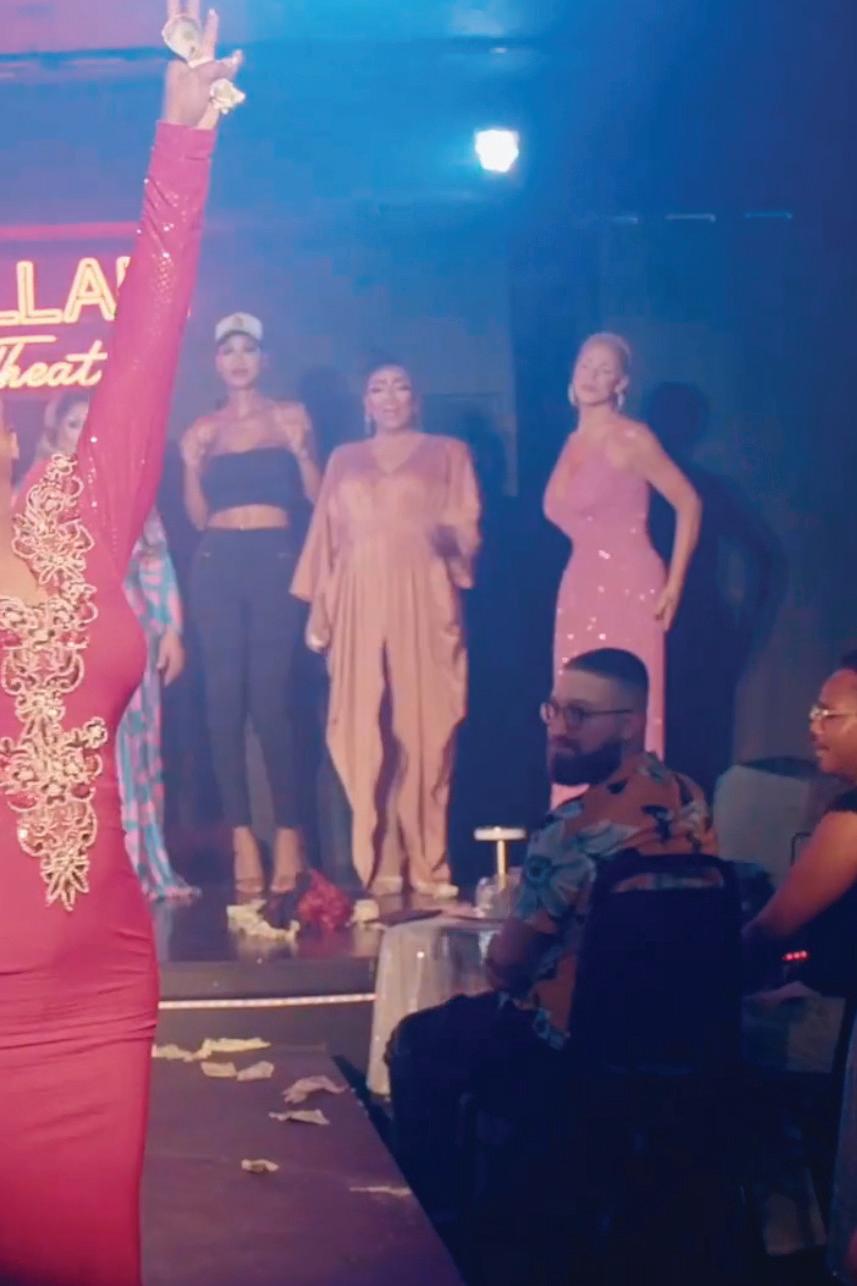
Kennedy Davenport, the dazzling powerhouse celebrated for her show-stopping performances on RuPaul’s Drag Race and her reign across the national pageant circuit, is once again commanding the spotlight. This year, she stars in Pageant Queens: Our Story Behind the Crown, a groundbreaking new 12-episode docuseries that redefines what it means to compete, create, and connect through drag. Directed by Travis Stancil and featuring Michael Silas as Artistic Director, the series brings together ten of the most decorated queens in drag history as they move into a glamorous South Florida mansion to vie for the ultimate crown: “The Queen of Drag” and a $50,000 grand prize.
But Pageant Queens isn’t your typical drag competition. Instead

of cutthroat eliminations, the series celebrates collaboration, replacing the drama of lip sync battles with heartfelt storytelling and creative unity. Together, the queens design every element of their own pageant - from judging criteria to final performances - offering viewers an intimate, behind-the-scenes look at the artistry, resilience, and sisterhood that define drag culture.
For Kennedy Davenport, the opportunity to join Pageant Queens felt like a homecoming. “Pageantry has always

been my life,” she shares. “When they asked me to be part of Pageant Queens and mentioned there was $50,000 on the line, there was no question that I was in!”
She laughs, then leans in to explain more. Pageant Queens is described as “not a race, but a revolution.”
When I hear the I word revolution, I think of a battle, but I don’t see pageantry as a battle. It’s more of a friendly competition. Pageantry is built on camaraderie. We push each other to be better, to stay sharp, and that mutual support keeps everyone operating like a well-oiled machine.
The series brings together ten legendary pageant queens that hold over thirty-eight national titles.
legends who inspired my career was magical. I was excited to make new memories with them.
South Florida serves as a powerful backdrop for the show, especially at a time when LGBTQ+ visibility there matters more than ever.
I actually lived in Florida for eight years, so it felt like coming home. Despite all of the anti-trans legislation going on at the moment, I didn’t feel any opposition from Floridians at all. Florida was full of love, joy, and peace. When we visited The Palace, people welcomed us with open arms. Love is always the answer, especially in Florida’s LGBTQ+ spaces.
How did you challenge yourself artistically during Pageant Queens, especially with the selfdesigned elements like choosing judges and scoring systems?
Thirty-eight, is that all? Those thirty-eight titles are probably all mine! (Laughs) Honestly, that number should be way higher because some of these queens, like Shae Shae Laree, have so many titles. Being under one roof with so many veterans and
It was all about strategy for me. When it came to choosing judges, I cast my vote, then sat back and let my sisters duke it out because at the end of the day, I’m my own competition. No matter what others decide, I’m going to show up and show out. It’s about working smart, staying focused, and always leading with heart.
What truths about your life do you hope this series helps illuminate?

Most people already know the story of Kennedy Davenport because I’ve always been transparent about

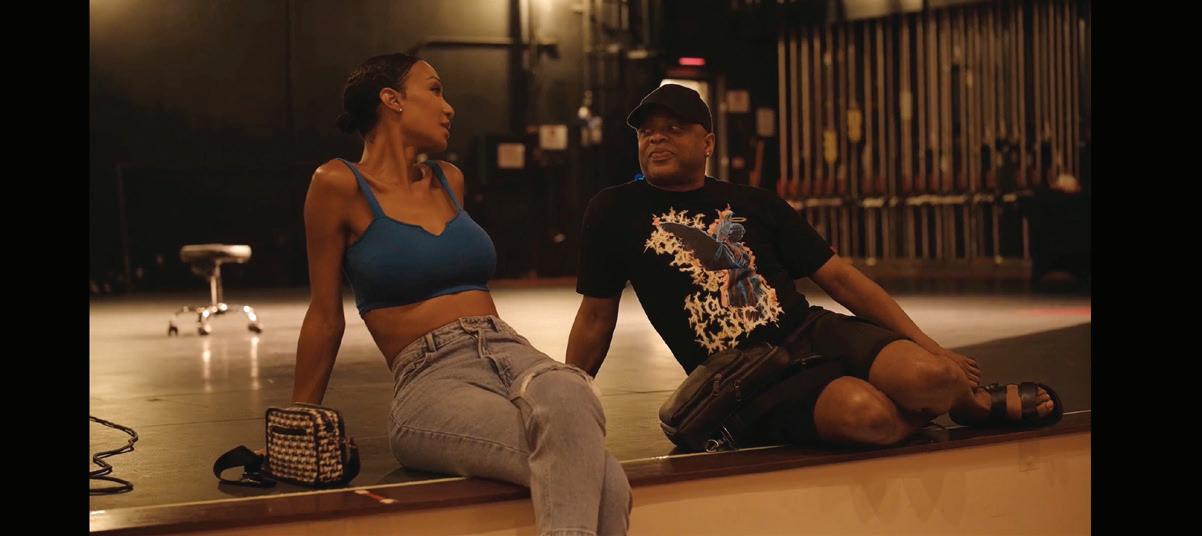
my life. I think this show will finally solidify everything I’ve been saying for years. It’ll show another side of me: the real, raw truth. You can talk all day on Drag Race, but this show strips away the polish and shows us as we are. We all have stories, and that’s what draws people to us. My story isn’t fabricated, it’s real. And Pageant Queens captured that authenticity in one take.
What parts of your personal story are you most excited or nervous for audiences to see?
This show dives deep into why I do what I do, and it’s all rooted in my family. I take care of them, and that’s my driving force. I’m a little anxious about inviting people into my home, because that space is sacred. But if my story can inspire someone else to keep going after their dreams, then it’s worth it.
What would winning this competition mean to you personally?
It would mean everything to me. Winning would solidify my place in the world and put a stamp on my purpose. But win or lose, this show
marks a new chapter for me, and I know it will hold a special place in my legacy.

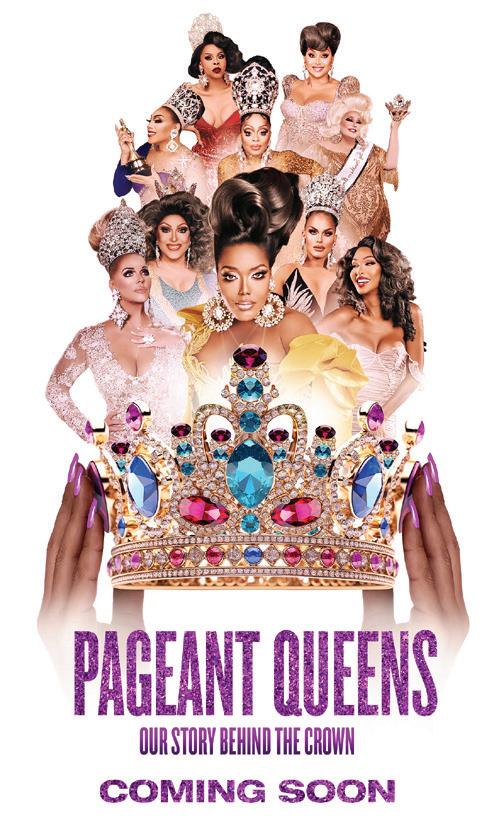
Pageant Queens: Our Story Behind the Crown is available this month on Amazon Prime.



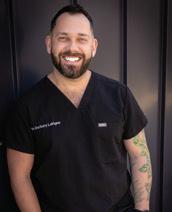
By Dr. Zachary LaVigne, B.S., D.C



January gets blamed for a lot. Low mood, low energy, low motivation. We point to cold weather, post-holiday whiplash, or the quiet pressure to suddenly have it all together. But there is a quieter factor shaping how your body feels this time of year, one that rarely gets named directly. Light.

Not candles or cozy lamps or the glow of your phone at midnight. Real environmental light, the kind your nervous system evolved to read like a clock.
Seasonal mood changes often get framed as a mental health issue alone. Biology deserves equal attention. Light exposure directly influences serotonin, dopamine, sleep depth, immune function, and pain sensitivity. If your nervous system is already under strain from stress, poor sleep, or chronic tension, winter lighting patterns amplify every one of those signals.

Your body does not run on dates, planners, or resolutions. It runs on light and dark. For most of human history, winter meant shorter days, longer nights, and a natural slowing that required no effort. There was less light, more rest, and fewer demands after sunset. Today, winter still brings shorter days, but we override that signal completely. We spend our days under dim indoor lighting and our nights staring into bright screens. From a biological perspective, that creates a mismatch.

That mismatch often feels like low-grade jet lag without the travel. You wake up tired even after enough sleep. Your mood feels flat or heavy. Cravings shift. Motivation takes longer to arrive. Aches and tension linger. None of this means you are lazy, broken, or failing January. It means your internal timing system is confused.
Your brain uses morning light to set the rhythm for the entire day. Light entering your eyes early tells your nervous system when to release cortisol for alertness, when to raise body temperature, and when to begin the countdown toward melatonin later that night. When that morning signal is weak or missing, everything shifts later. Energy dips earlier. Sleep quality suffers. Mood and pain sensitivity follow.
Winter makes this especially tricky. Many people wake up in darkness, commute in darkness, and spend most of the day under lighting that is far dimmer than an overcast sky. Then at night, we flood our eyes with blue-heavy light from phones, tablets, and televisions. From an evolutionary standpoint, that looks like living in a cave during the day and standing next to a bonfire at night.

The adjustment does not need to be dramatic. It needs to be directional. Morning light matters more than total daylight hours. Ten to twenty minutes outside shortly after waking can help anchor your rhythm. Cloudy days still count. Your eyes need brightness, not sunshine. A porch, sidewalk, balcony, or short walk is enough to send the message.
During the day, brighter environments support alertness and mood. Open the blinds. Sit near windows. Step outside when you can. Most indoor spaces are far dimmer than your nervous system expects, especially in winter.


At night, dimming helps the body downshift. Lower lights after sunset. Warm tones work better. Screens closer to your face matter more than overhead lights, so distance helps. This is not about perfection or abandoning modern life. It is about clarity.

January does not ask for reinvention. It asks for alignment. When light timing improves, sleep often follows. When sleep improves, pain sensitivity drops. Mood steadies. Energy returns without force. Winter is a quieter season by design. Your body still knows that. Give it the signals it expects, and January becomes something your nervous system can finally understand.
Dr. Zachary LaVigne, B.S., D.C



























































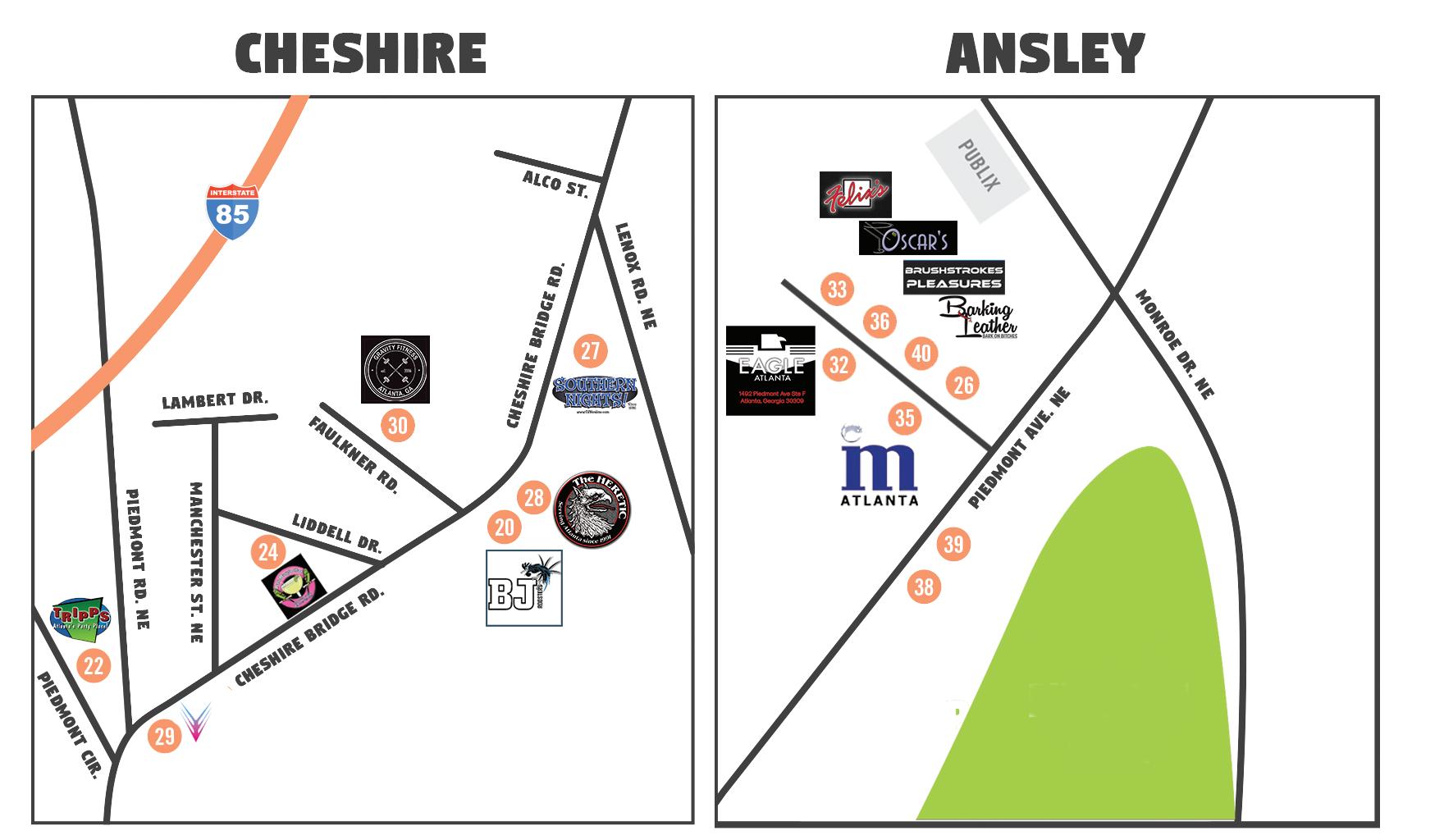




BARS & CLUBS MIDTOWN
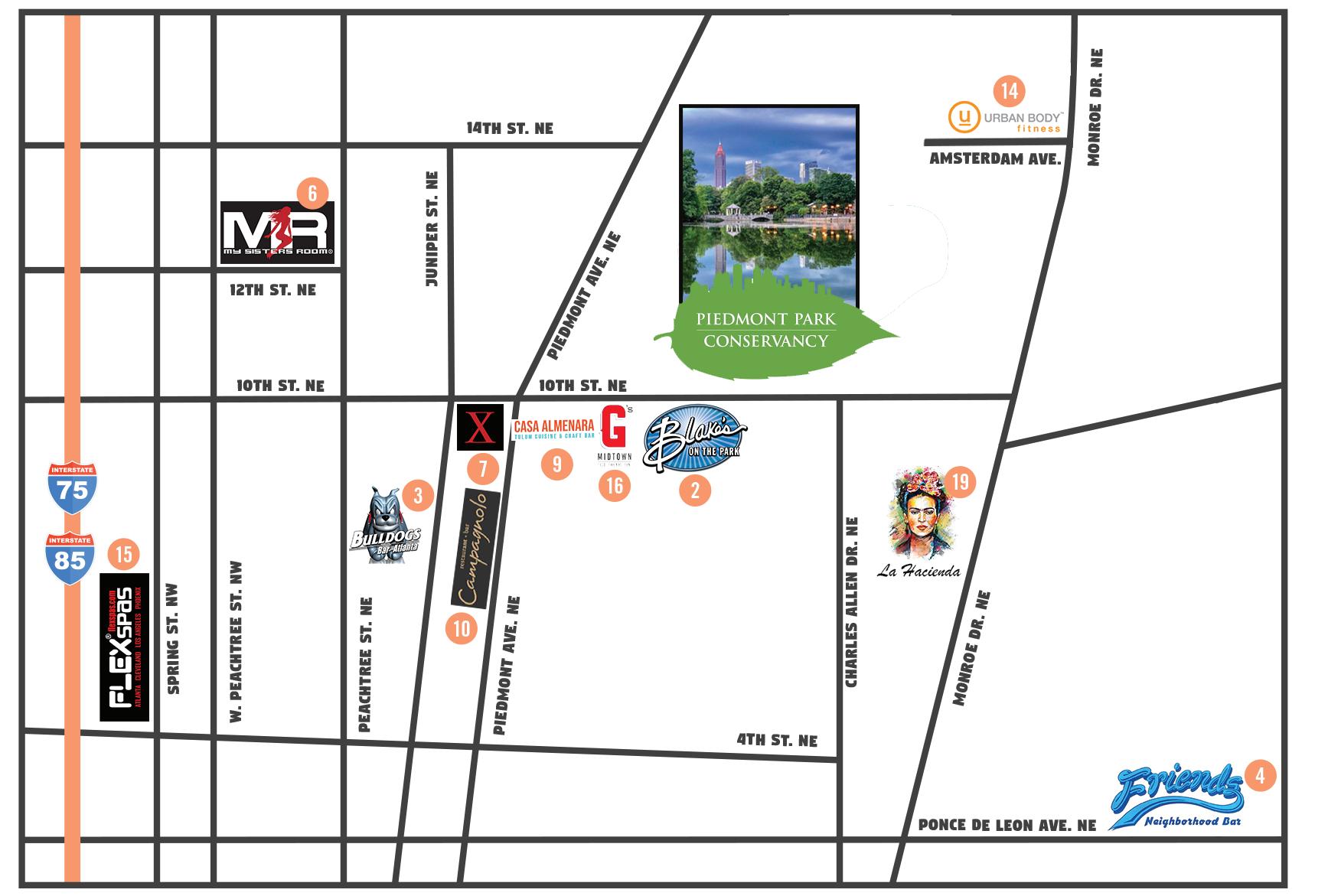
BLAKE’S ON THE PARK blakesontheparkatlanta.com 227 10th St NE
BULLDOGS 893 Peachtree St NE
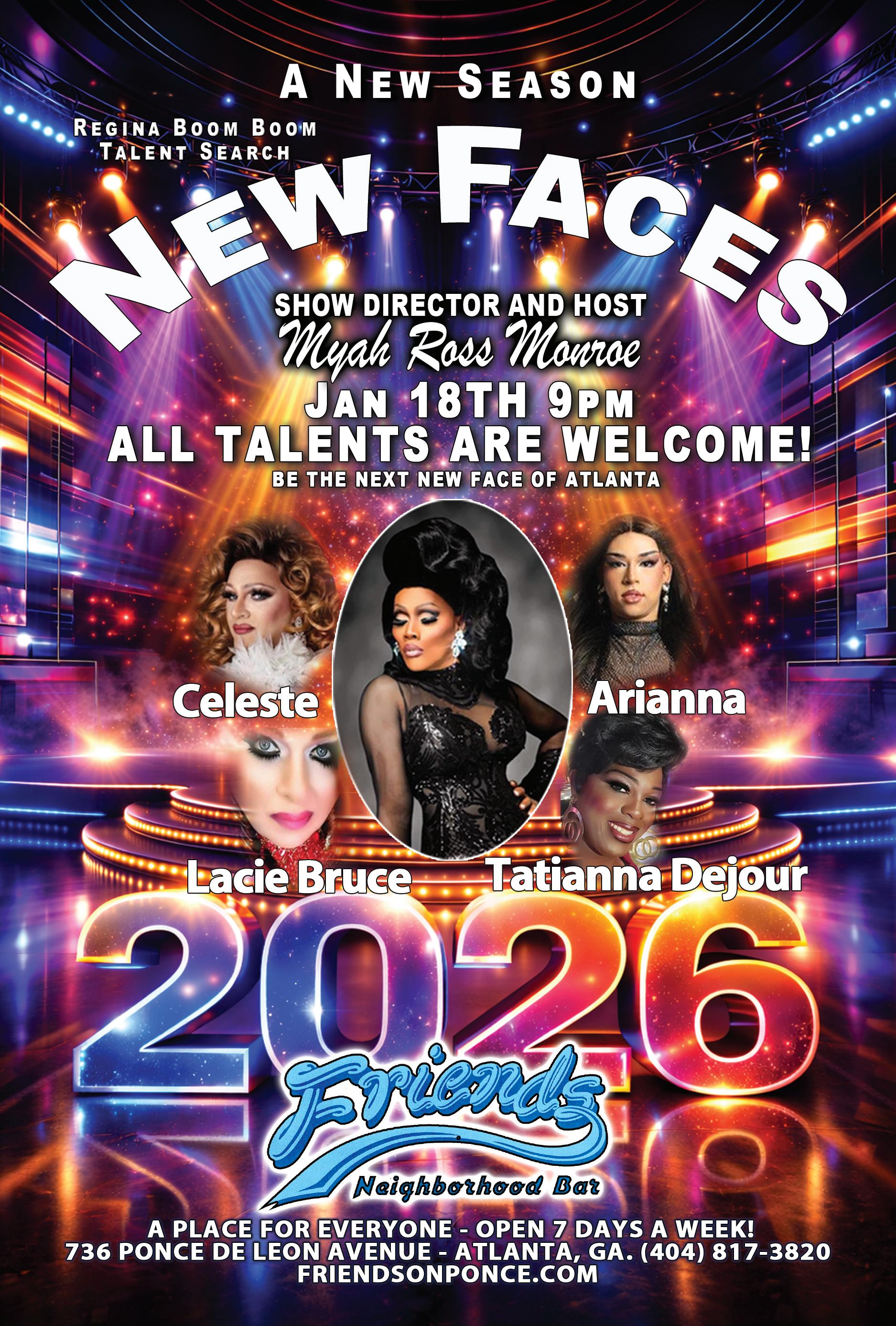
FRIENDS NEIGHBORHOOD BAR friendsonponce-atl. com
736 Ponce De Leon Ave NE
MY SISTER’S ROOM mysistersroom.com 66 12th St NE
X MIDTOWN xmidtown.com 990 Piedmont Ave NE
THE T modeltatlanta.com 465 Boulevard SE
CHESHIRE
HERETIC hereticatlanta.com 2069 Cheshire Bridge Road
BJ ROOSTERS bjroosters.com 2043 Cheshire Bridge Road NE
WESTSIDE
MARQUETTE 868 Joseph E. Boone Blvd NW
840ATL 840 Ralph David Abernathy Blvd
ANSLEY
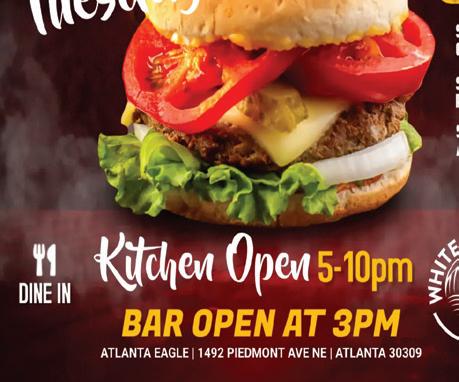
ATLANTA EAGLE 1492 Piedmont Ave NE
FELIX’S 1510 Piedmont Ave NE
MIXX mixxatlanta.com 1492 Piedmont Ave NE
OSCAR’S oscarsatlanta.com 1510 Piedmont Ave NE
WOOFS woofsatlanta.com 494 Plasters Ave NE
TRIPPS fb: tripps-bar 1931 Piedmont Cir NE
EAST ATLANTA, GRANT PARK & EDGEWOOD
MARY’S marysatlanta.com 1287 Glenwood Ave SE
SISTER LOUISA’S CHURCH sisterlouisaschurch. com 466 Edgewood Ave SE
LORE ATLANTA loreatl.com 466 Edgewood Ave loreatl.com
DINING
MIDTOWN
CASA ALMENARA 991 Piedmont Ave NE casa-almenara.com
OLIVE BISTRO olivebistro.com 1050 Juniper St NE #4
LA HACIENDA lahaciendamidtown. com
900 Monroe Dr NE
TUK TUK THAI FOOD LOFT TUKTUKATL.COM 1745 Peachtree Rd NW
DEKALB
LIPS ATLANTA atldragshow.com 3011 Buford Hwy NE
RETAIL MIDTOWN
BOY NEXT DOOR MENSWEAR boynextdoormenswear.com 1000 Piedmont Ave NE, Ste A
ANSLEY
BARKING LEATHER AFTER DARK barkingleather.com 1510 Piedmont Ave NE
GCB & PLEASURES brushstrokesatlanta. com
1510-D Piedmont Ave. NE
FITNESS MIDTOWN
URBAN BODY FITNESS urbanbody tness. com
500 Amsterdam Ave N
CHESHIRE
GRAVITY FITNESS gravity tnessatl.com 2201 Faulkner Rd NE
SPAS/BATHS ADULT
FLEX SPA exspas.com 76 4th St NW
SOUTHERN NIGHTS VIDEO 2205 Cheshire Bridge Rd NE














































































Edited by Mikkel Hyldebrandt
3. Set Sexual Intentions, Not Just Goals
“Have more sex” or “have better sex” are common New Year fantasies, but they’re vague and often pressure-filled. Instead, try setting sexual intentions. Do you want more honesty? More playfulness? Better communication? Less obligation?
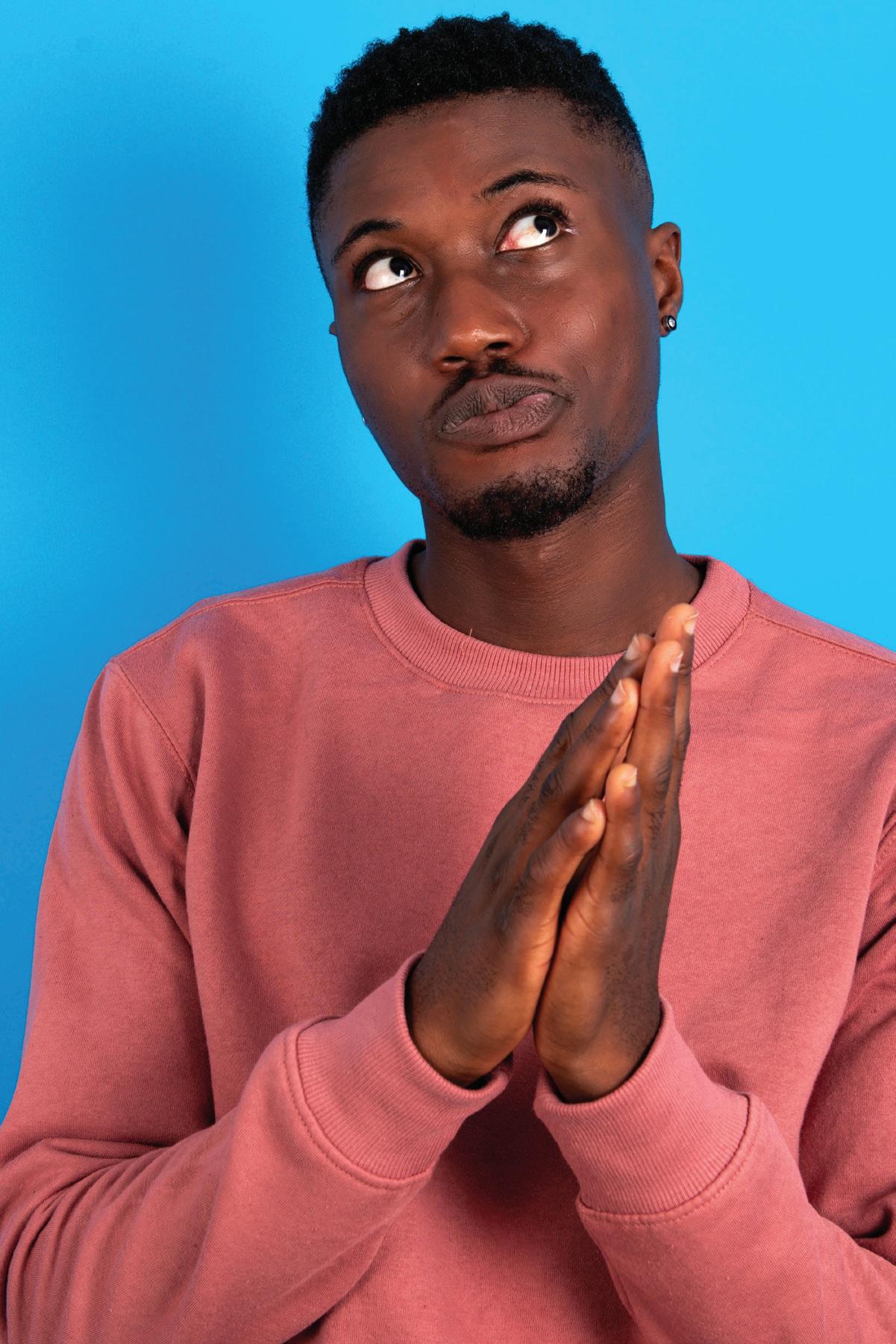
By the time January rolls around most of us are already tired of being told to reinvent ourselves, tired of performative resolutions, tired of pretending that a green juice and a gym membership are going to fix systemic stress, political anxiety, or heartbreak. For many of us, “New Year, New Me” doesn’t feel empowering— it feels exhausting.
So what if this year’s reset wasn’t about shrinking, grinding, or optimizing? What if it was about recalibrating? Below is an alternative New Year routine—one rooted in queer wisdom, self-trust, and sustainability. Not about becoming someone else, but about living better as who you already are.
1. Audit Your Inputs, Not Your Body
Instead of obsessing over calories or macros, take stock of what you’re consuming emotionally, digitally, and socially. Who gets your attention? What news sources leave you informed versus depleted? Which group chats lift you up—and which quietly drain you?
This kind of audit can change your diet without ever mentioning food. You may notice that when you scroll less doom, you snack less mindlessly. When you protect your mornings from emails and outrage, you make more intentional choices throughout the day. Nourishment isn’t just what’s on your plate—it’s what’s in your head.
2. Redefine Fitness as Capacity, Not Aesthetics
Queer bodies have long been politicized, fetishized, or policed. This year, try defining fitness as what your body can do, not how it looks. Can you carry groceries without pain? Dance for an entire song without getting winded? Have sex without cramping or dissociating?
Fitness becomes more interesting—and compassionate—when it’s about stamina, flexibility, and recovery. Stretching before bed, taking walks to think instead of punish yourself, or practicing breathwork during anxiety spikes all count. Movement should expand your life, not narrow it.
This could mean scheduling conversations with partners about desires and boundaries, exploring pleasure without orgasm as the goal, or intentionally taking a break from dating apps to reconnect with your own body. Sexual wellbeing isn’t about quantity—it’s about agency.
4. Practice Strategic Rest
Rest is still radical, especially for queer people who spend so much time explaining, advocating, and surviving. But rest doesn’t just mean collapsing on the couch. Strategic rest is about knowing when and how to pause so you don’t burn out.
This might look like building recovery days into social plans, saying no without overexplaining, or treating sleep as non-negotiable rather than optional. Rest is not a reward for productivity; it’s a prerequisite for being present in your own life.
5. Build One Micro-Ritual That Grounds You
Forget massive overhauls. Choose one small ritual that you can return to when everything feels chaotic. Morning journaling. Lighting a candle before dinner. A weekly solo date. A fiveminute body check-in before bed.
These rituals become anchors. They remind you that you belong to yourself first, no matter what the world demands. Over time, they quietly improve mental health, digestion, intimacy, and focus—not because they’re trendy, but because they’re consistent.

6. Invest in Queer Connection Over SelfImprovement
Self-improvement culture often isolates us, framing growth as a solo project. But queer thriving has always been communal. Instead of asking, “How can I fix myself?” try asking, “Who do I want to grow alongside?”
Join a club, volunteer, host a dinner, show up to community events—even when you don’t feel perfectly ready. Belonging regulates the nervous system more effectively than any wellness hack ever could.


As Queerly Beloved, we know that becoming “new” isn’t the goal. Becoming truer, softer, stronger, and more sustainable is. This year, let your resolutions be less about reinvention and more about reverence – for your body, your desires, your limits, and your community. You are not behind. You are already becoming.

We all have those moments of ‘wait, did they just say that?’ Lucky for you, we compile the best of the best right here on this page. Want to join in on the b*tch session? Submit your own nuggets to info@davidatlanta.com.



These days, everything seems to be a little bit of a joke to me.

No new year’s resolutions for me. It’s the circumstances turn to improve.



To everyone who couldn’t stand me in 2025 – stay tuned, because this year is going to be worse.
I hear fireworks. Erika Kirk must be grieving nearby.
I will never elaborate, because I have no idea what I just said.
I’m no cockologist, but I’ll take a look.

I’ve been enjoying this time off so much that I pretty much forgot I had a job…
I don’t care what you’re eating: you pair red wine with feeling sexy and white wine with feeling slu y.