CELEBRATING THE PEOPLE AND PROJECTS SHAPING OUR INDUSTRY
CORE is produced by staff primarily located in Toronto, Ontario, on the traditional territory of the Mississaugas of the Credit First Nation, the Haudenosaunee, the Wendat, also known as the Huron, the Chippewa, the Anishnabeg and all other Indigenous nations that have lived on these sacred lands since time immemorial.
As the voice of mineral exploration and development in Canada, PDAC is committed to reconciliation through respectful dialogue and the creation of meaningful and mutually-beneficial partnerships between First Nations, Inuit and Métis communities and industry.
We respect that as an industry that operates the world over, we engage with organizations and individuals far beyond these lands, and wish to acknowledge all Indigenous lands and peoples across the world, wherever you are reading this from and call home.
CORE
WINTER 2026
PRODUCED & PUBLISHED BY PDAC’s Communications Dept.
FOLLOW PDAC the_PDAC thePDAC the PDAC PDAC_official ThePDAC
VISIT US ONLINE pdac.ca
CONTENT & FEATURES
PDAC IN THE NEWS
Key PDAC news, including METC renewal, record member referrals, Globe and Mail features and Planning a Path Towards Reconciliation.
THE 2026 AWARDS RECIPIENTS
Profiling this year’s recipients with biographies, photos and information about their accomplishments.
THE 2026 CONVENTION
Looking ahead to the World’s Premier Mineral Exploration and Mining Convention with highlights and interviews.
LIFE MEMBER INTERVIEW
An in-depth and exclusive Q&A with prospector David Ross, kicking off a new interview series.
MINING NEEDS YOU: YEAR ONE
Profiling the Mining Industry Human Resources Council’s nationwide outreach campaign after its first full year of impact.
THIS MONTH IN HISTORY
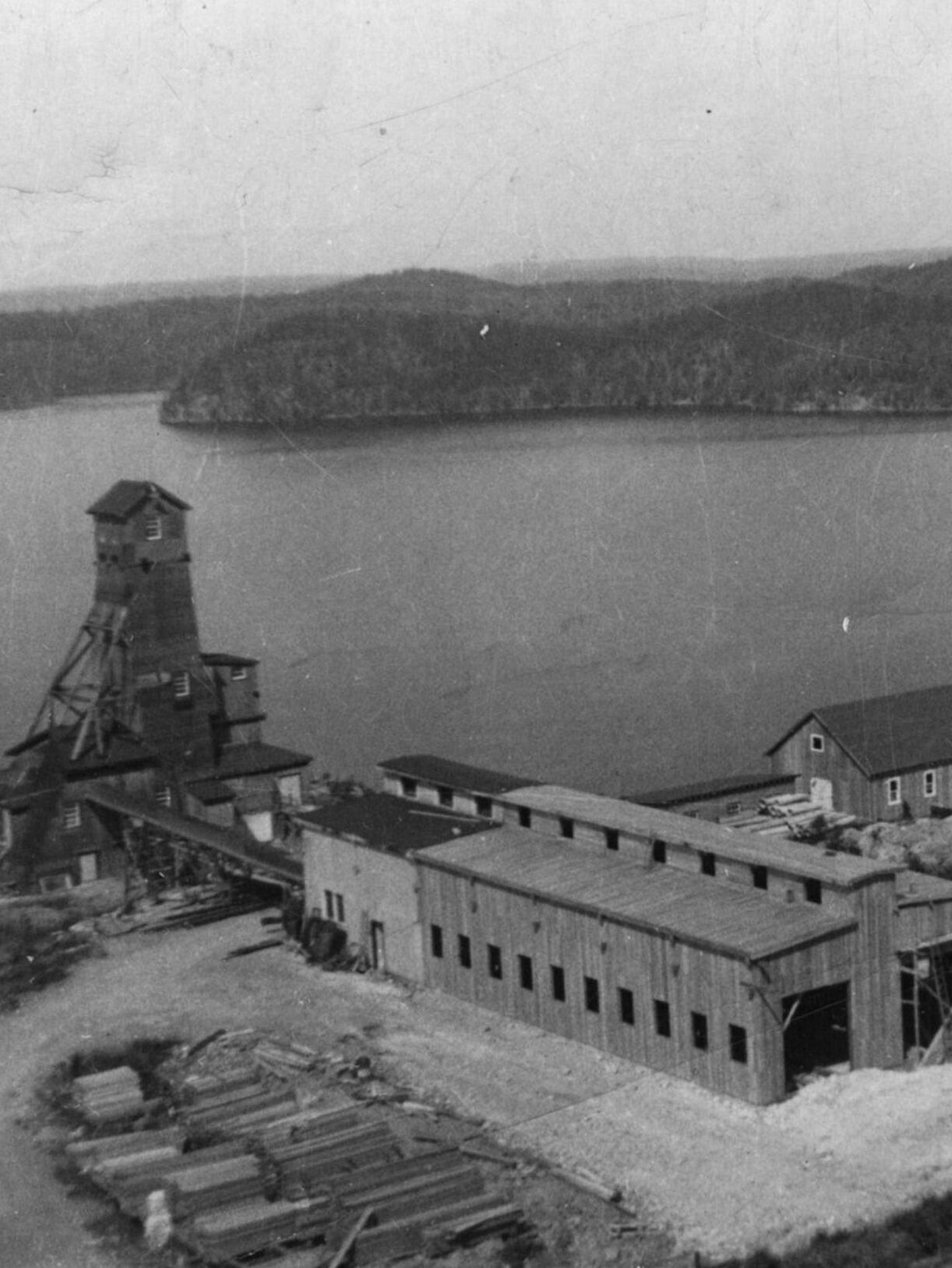
Steep Rock Iron Mines was founded to develop an iron ore deposit that became an Ontario engineering marvel. 31 38 46 4 8 1 8 4 46 18
PDAC IN THE NEWS
WINTER 2026
PDAC'S MEMBER REFERRAL PROGRAM'S RECORD NUMBERS
PDAC's Member Referral Program celebrated an impressive milestone: over 1,300 new members have joined our association in the past three years, bringing our total membership to more than 8,200. Driven by the enthusiasm of over 270 members from 28 countries, the referral program has seen remarkable engagement, a testament to the strength and global appeal of our community.
Now in its fourth year, PDAC has revamped the Member Referral Program to build on its success. For 2026, the program features a new framework designed to more effectively engage our diverse community. Members can now invite new individuals from Canada and internationally, aligning with our goals to attract more students, enhance membership in specific provinces, and strengthen our corporate member base. We also encourage multi-year renewals, offering both convenience and savings to our valued members, along with double the points for referrers.
Participants can track their referrals across multiple leaderboards, increasing their chances of winning exciting monthly rewards and grand prizes. This year, top referrers will be recognized both in Canada and internationally, with each region having its own set of prizes: an iPhone 17 Pro for the top referrer, a C$1,200 travel voucher for second place, and a VIP All Access Pass to PDAC 2027 for third place. These fantastic incentives motivate participation and celebrate our members’ efforts.
Mary Louise Hill, chair of PDAC’s Membership Committee, emphasized the importance of the program. “Growing our membership through the referral program is crucial to supporting PDAC’s advocacy work on behalf of prospectors, explorers and developers. Each new member strengthens our voice, allowing us to better represent the diverse interests of our industry.” To learn more about how you can get involved, visit pdac.ca/members/referral-program
PDAC WELCOMES TWOYEAR METC RENEWAL
The association was encouraged to see the government’s two-year extension of the Mineral Exploration Tax Credit (METC) in Budget 2025, released in November of last year. The METC is a centrepiece of Canada’s mineral investment ecosystem, and since its inception in 2000, it has generated more than $20 billion in equity financing, created jobs, supported remote and Indigenous communities, and led to major discoveries across the Canadian mining sector.
The budget also expanded the Critical Minerals Exploration Tax Credit (CMETC) to include 12 additional minerals and committed $2 billion to a Critical Minerals Sovereign Fund. The association welcomed the measures but stressed the need for long-term certainty to sustain investment and exploration. PDAC is calling on the federal government to make both the METC and the CMETC permanent fixtures in Canada’s fiscal framework, saying stable, long-term tax credits are essential to competitiveness, attracting capital and supporting continued mineral discovery.
To learn more and read all of PDAC's Budget 2025 recommendations, visit pdac.ca/federal-budget-2025.
PDAC’S GLOBE AND MAIL SPECIAL FEATURES
PDAC regularly contributes to The Globe and Mail special features on mineral exploration and mining, highlighting the industry’s role in Canada’s economy. In an article titled “Government’s growth push puts spotlight on exploration,” published in Nov. 2025 as part of the Gold and Precious Metals Report, PDAC discussed how precious metals exploration in Canada supports the overall health of the mineral sector. The article notes that gold and other precious metals anchor the industry, and often serve as the starting point for discoveries across a broader range of mineral deposits. PDAC President Karen Rees said exploration programs targeting gold generate new geotechnical data, models, drill results and infrastructure hubs that can lead to new strategic partnerships and the discovery of critical mineral deposits. “Advancing these targets can boost domestic supply of materials used in batteries, semiconductors, grid equipment, transportation and defence.”
Also focusing on the industry’s future, the article “PDAC Convention opens new pathways for Indigenous youth in mineral exploration and mining,” published in Dec. 2025 as part of the Leadership in Mining and Exploration Report, features reflections from participants in PDAC’s Indigenous Youth and Early Career Ambassador Program. The program connects Indigenous youth and early career professionals from across Canada to the PDAC Convention, with the goal of inspiring careers in the mineral industry and providing networking opportunities and insights into PDAC and the sector.
PDAC IN THE NEWS
WINTER 2026
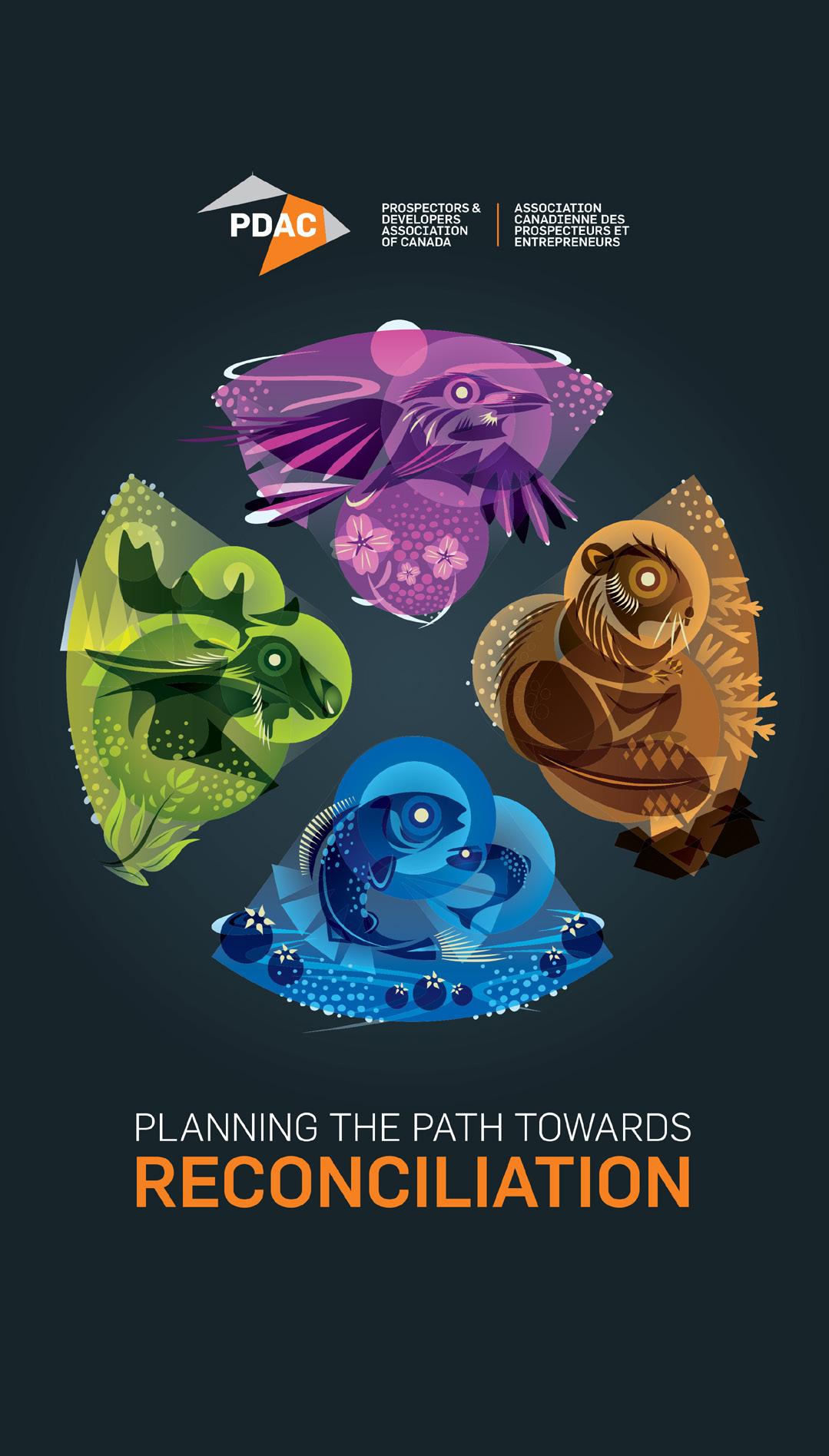
PDAC PRODUCES A PATH TOWARDS RECONCILIATION
PDAC recognizes that the participation of Indigenous communities is vital to the future of our sector and to our work as an association. Aligned with this understanding, PDAC has developed and finalized an important document: Planning the Path Towards Reconciliation (the Plan).
Created as a living document, the Plan includes four pillars: dialogue, education, participation, and advocacy, that will serve as a guidepost for PDAC’s executive team, staff, and volunteers to elevate the participation and leadership of Indigenous Peoples in the mineral sector and foster productive, mutually beneficial and collaborative relationships between industry and communities. The Plan was informed by the shared knowledge, experiences and stories from hundreds of Indigenous and nonIndigenous contributors from both within and outside the association.
PDAC aims to put the pillars described in the Plan into action through practical actions and commitments. Planning the Path Towards Reconciliation is an important first step, but its implementation and evolution will be a continuous journey founded on reflection and ongoing dialogue. To read the full Plan, visit pdac.ca/about-pdac/our-roadmap
To learn more about PDAC’s work to support mutually beneficial relationships between Indigenous communities and industry, visit pdac.ca/indigenousaffairs
2025’S INTERNATIONAL VOLUNTEER DAY
International Volunteer Day for Economic and Social Development (IVD) has been celebrated every Dec. 5 for the past 40 years. This day was created by the United Nations General Assembly to amplify volunteerism at local, national and international levels, with the goal of fostering worldwide recognition of the impact that volunteers make in our social and economic sectors.
The UN General Assembly also recently passed a milestone resolution, Resolution A/RES/78/127, which calls for the recognition of the role volunteers make in global Sustainable Development Goals (SDGs). This new resolution also led to the UN declaration that 2026 will be the International Year of Volunteers for Sustainable Development (IVY 2026).
As a nonprofit organization, PDAC is guided by the dedication of its volunteer Board of Directors and committee members, who generously share their time and expertise to shape the association’s advocacy, policies and programs in support of our members, stakeholders and industry partners. Learn more about PDAC’s Board of Directors and committees at pdac.ca/about-pdac.
THE 2026 PDAC AWARDS
RECOGNIZING ACHIEVEMENT, INNOVATION AND LEADERSHIP ACROSS MINERAL EXPLORATION AND MINING
The 2026 recipients demonstrate how passion and teamwork can turn ideas into achievement. Their work reflects the determination, resourcefulness, and shared commitment that keep our industry moving forward.
- Karen Rees PDAC President
The awards presented this year are: the Bill Dennis Award for a Canadian discovery or prospecting success; Skookum Jim Award for Indigenous achievement in the mineral industry; Sustainability Award for outstanding leadership in environmental protection and/or good community relations; Thayer Lindsley Award for an international mineral discovery; and the Viola R. MacMillan Award for company or mine development.
The following pages highlight the 2026 PDAC Award recipients and their exemplary achievements .
BILL DENNIS AWARD
Named in honour of a former PDAC president, this award is presented to an individual or team of explorationists who has made a significant mineral discovery in Canada with potential economic viability, and/or made an important contribution to the Canadian prospecting or exploration industry.
The Canadian Royalties Exploration Team was selected for the 2026 Bill Dennis Award for their landmark discovery of the Inukshuk Deposit –a magmatic Ni-Cu-PGE system within the Expo Intrusive Suite of the Cape Smith Belt, Nunavik, Que.
The name “Inukshuk” was chosen by an Inuit member of the exploration team, as it symbolizes both abundance and guidance, aptly reflecting its importance for the project’s future. It was first identified in 2021 through a combination of ground-based electromagnetic surveys, 3D geological modelling, and bold step-out drilling. In May of that year, the first drill hole intersected a stacked, mineralized dyke system roughly 300 metres below surface, which represented the most significant new deposit in the belt in over 70 years. Follow-up drilling and resource delineation campaigns rapidly expanded the deposit, and with over 114 diamond drill holes totaling 53,700 metres completed to date, Inukshuk is now
recognized as the largest undeveloped deposit in the Cape Smith Belt. Inukshuk already accounts for more than 40 per cent of Canadian Royalties’ mineral inventory, and is projected to extend mine life to at least 2034. Its economic and strategic significance is underscored by its role in securing financing in 2025 and onward, and it is expected to generate lasting benefits through employment of more than 1,000 people, including 600 direct employees and 400 contractors.
The Inukshuk discovery is both a geological and operational milestone. It highlights the power of integrating modern geophysical tools with advanced modelling and a willingness to drill bold targets in challenging subarctic conditions. It also demonstrates the perseverance, technical expertise, and innovation of the Canadian Royalties Exploration Team. With its scale, grade, and potential for expansion, Inukshuk is poised to have a transformative impact on northern development and Canada’s role in supplying critical minerals to the world.
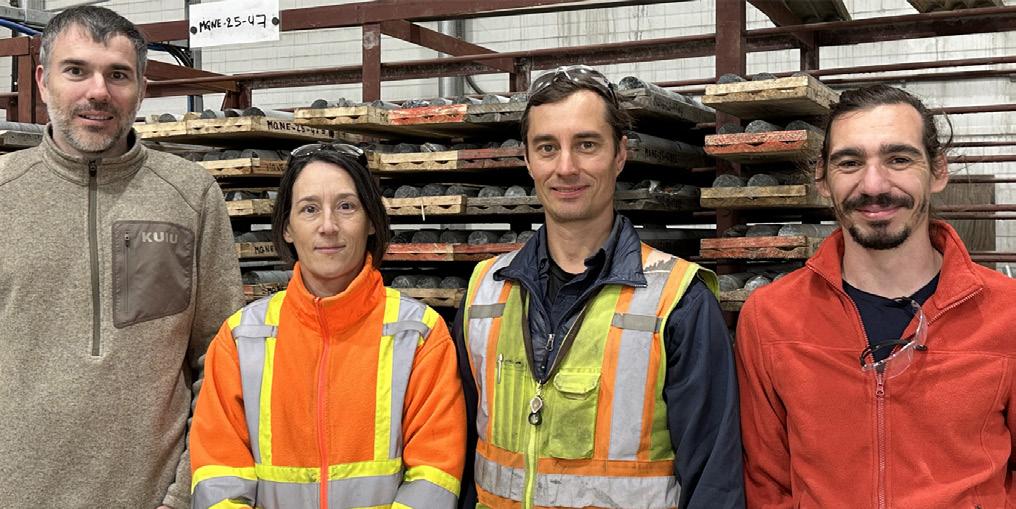
Pictured: Canadian Royalties Exploration Team members: Maxim Boisvert, Circe Malo Lalonde, Mathieu Richer and Guillaume Augereau.
SKOOKUM JIM AWARD
This award is named after Skookum Jim, the Indigenous leader of the group that discovered the Yukon Klondike goldfields. Recipients are from a recognized Indigenous group in Canada who have demonstrated exceptional achievements in the mining industry as part of a Canadian Indigenous business organization, as a Canadian Indigenous exploration or mining company, or have made a significant individual contribution to mineral exploration in Canada.
The Des Nedhe Group was selected for the 2026 Skookum Jim Award for advancing Indigenous entrepreneurship and community-led economic development across the mineral industry in Saskatchewan.
Founded in 1991 by English River First Nation (ERFN), Des Nedhe Group (DNG) has grown from a grassroots community initiative into one of Canada’s most respected Indigenous-owned business enterprises. Over three decades, DNG has expanded into a network of 21 companies active in mining services, construction, land development, infrastructure, and professional services. This growth reflects a clear and enduring vision: to create sustainable wealth for ERFN members while demonstrating how Indigenous leadership can shape the future of Saskatchewan’s resource economy.
An early partnership with Cameco laid the foundation for Des Nedhe’s success, establishing a collaborative model that continues to shape Indigenous–industry relationships across Canada.
Since then, DNG’s partnerships across Saskatchewan’s uranium and critical minerals sectors have generated more than $343 million in benefits for ERFN communities, creating employment, training, and procurement opportunities while funding land-based healing, cultural programs, and education initiatives that strengthen identity and well-being.
By connecting northern expertise, industrial capacity, and community priorities, DNG has become a cornerstone of Indigenous participation in Saskatchewan’s mining and exploration ecosystem. Their leadership in this space is also exemplified through their role in negotiating and implementing the Shared Prosperity Agreement for Denison’s Wheeler River Project – the first democratically ratified impact benefit-style agreement in Saskatchewan. The agreement embedded shared decision-making, benefits-sharing, and environmental monitoring in project governance, setting a new national precedent for Indigenous–industry collaboration. Guided by ERFN’s vision and grounded in community values, DNG has strengthened Saskatchewan’s mining and exploration industries, created lasting prosperity for ERFN, and redefined how reconciliation and resource development can advance together, capturing the spirit of the Skookum Jim Award.
SUSTAINABILITY AWARD
This award honours individuals or organizations who demonstrate outstanding initiative, leadership and accomplishment in protecting and preserving the natural environment during an exploration program, or the development or operation of a mine. The award also recognizes efforts to establish and maintain good relations with local communities.
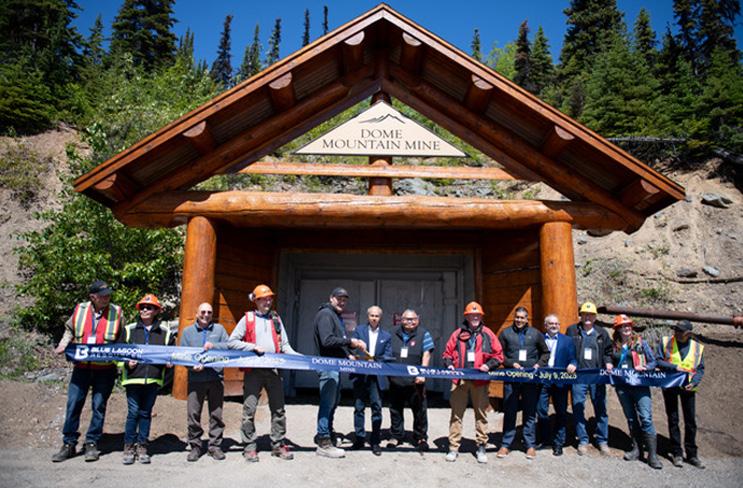
Blue Lagoon Resources was selected for the 2026 Sustainability Award for their approach to responsible mine development and meaningful Indigenous engagement at the Dome Mountain Gold Project in British Columbia.
A defining milestone of the Dome Mountain Gold Project was the Mine Restart Agreement with the Lake Babine Nation, built on years of consultation and trust. This agreement culminated in a July 2025 ceremonial reopening of the mine, attended by 18 hereditary chiefs and Guardians, along with more than 100 investors and stakeholders from around the world, which underscored a new model of partnership between industry and Indigenous Peoples.
Environmental leadership, however, has been a hallmark of the project. Blue Lagoon invested early in a two-stage water treatment system, combining a high-density sludge circuit with a moving bed biofilm reactor that biologically removes blasting-related ammonia and nitrates.
Designed to exceed regulatory standards, the system reflects a long-term commitment to safeguarding local waterways. Developed in collaboration with SRK Consulting and with input from Lake Babine Nation Guardians, the plant was successfully commissioned in 2025 and stands as one of the most advanced facilities of its kind at a Canadian junior mining project.
Blue Lagoon’s emphasis on transparency, community hiring, and contracting with Indigenous businesses demonstrates how junior companies can advance projects while fostering shared prosperity. With a high-grade gold deposit, a fully permitted operation, and strong community relationships, Blue Lagoon Resources exemplifies how sustainability, culture, and economic opportunity can be integrated from the outset of mine development.
THAYER LINDSLEY AWARD
Open to individuals and teams of any nationality, this award honours the memory of Thayer Lindsley, one of the greatest mine finders of all time. The award is presented to an individual or team of explorationists credited with a recent mineral discovery with potential economic viability anywhere in the world.
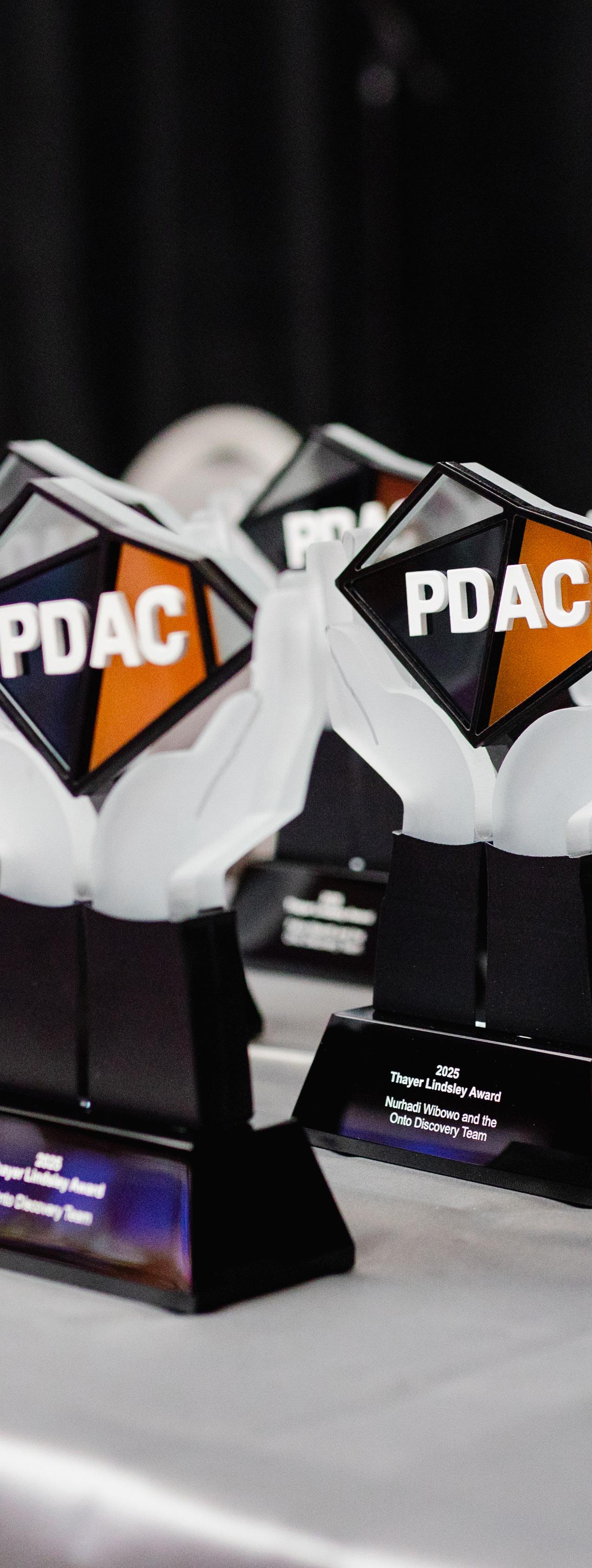
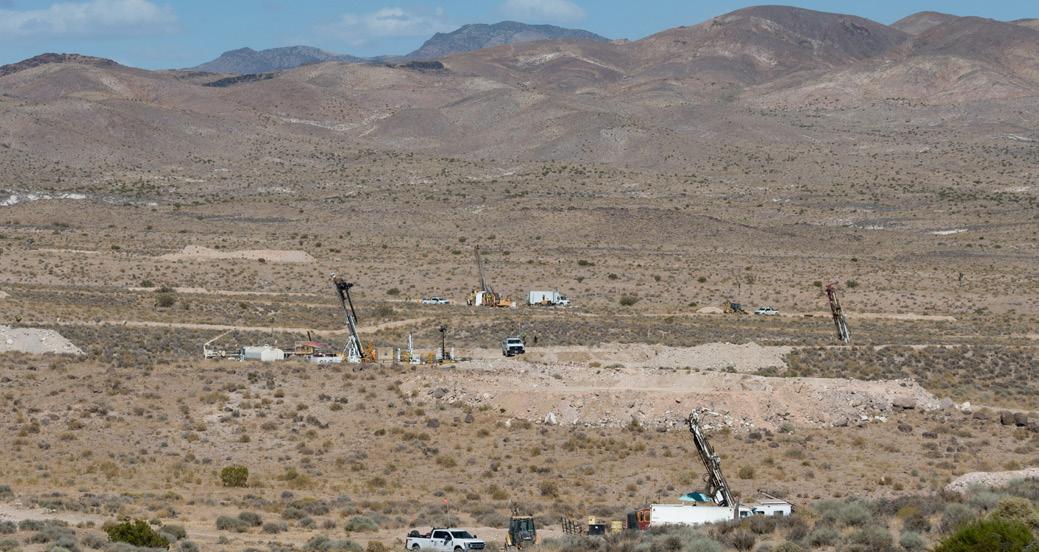
AngloGold Ashanti, Renaissance Gold, and Callinan Royalties were selected for the 2026 Thayer Lindsley Award for the discovery of the Silicon and Merlin gold-silver deposits (Expanded Silicon Project, now the Arthur Gold Project), near Beatty, Nev., U.S.
Beginning as a generative program in the southern Walker Lane in 2014, at a time when the district was often considered mature, the work ultimately delineated Silicon and the later Merlin discovery, now collectively advanced by AngloGold Ashanti as the Arthur Gold Project.
The discovery timeline showcases disciplined geoscience and calculated risk-taking. Renaissance and Callinan initiated target generation which was followed by reconnaissance mapping that identified an extensive, barren, steam-heated alteration zone with silicified structures and mercury at surface. Strategic land acquisitions in 2014 and 2015 secured ground that would later host Silicon. AngloGold Ashanti optioned into the project in 2017 and through detailed mapping, 2018 drilling programs
and subsequent geophysical work, multiple significant gold intercepts revealed the scale potential of Silicon. The discovery of the Merlin deposit then followed shortly thereafter. AngloGold Ashanti’s drilling between late 2020 and early 2021 confirmed mineralization initially discovered by Coeur Mining Inc. and Corvus Gold Inc. and recognized a major new mineralized system with follow-up programs delivering exceptional oxide intercepts.
These discoveries have catalyzed substantial value creation and industry confidence, and the outcome is the product of cross-company collaboration. Renaissance’s generative team and executive leadership partnered with Callinan’s funding/ royalty strategy to create the platform for success, while AngloGold Ashanti’s team identified the specific target, executed the drilling, and performed further targeting and delineation to convert the concept to discovery. Together, they delivered a model case of prospect generation and partnerships that transformed an overlooked landscape into a world-class gold district.
VIOLA R. MACMILLAN AWARD
In honour of Viola MacMillan, the longest-serving PDAC president, this award is given to an individual or company demonstrating strong leadership in management and finance for the exploration and development of mineral resources. Recipients have made significant contributions to the financial side of the industry, are a recognized leader in raising funds for a particular area, development or project, or used new or innovative financing methods.
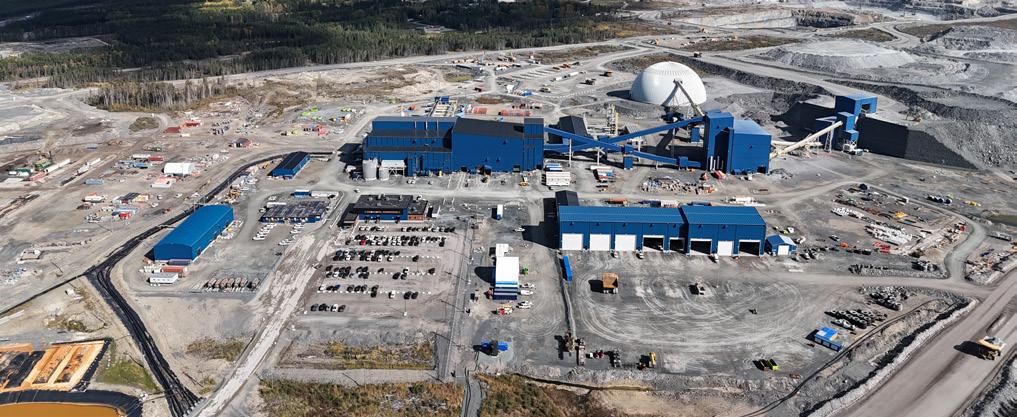
Equinox Gold was selected for the 2026 Viola R. MacMillan Award for its strategic vision and financial execution in acquiring, financing, and developing the Greenstone Mine in Geraldton, Ont.
Equinox Gold initially acquired a 50 per cent interest in the Greenstone project through its April 2021 purchase of Premier Gold Mines Ltd., with Orion Mine Finance acquiring the other 50 per cent interest. The two companies announced groundbreaking for the new mine in October 2021, and in 2024, Equinox Gold purchased the remaining interest from Orion – a transformative transaction that established Greenstone as Equinox Gold’s flagship asset and cornerstone operation.
The development of Greenstone required more than US$1.2 billion in upfront capital – a significant commitment relative to Equinox Gold’s size at the time. The first gold was poured on schedule in May 2024 and the mine is ramping up to design capacity. Greenstone is expected to produce an average of 330,000 ounces of gold annually for an initial 15-year mine life, and these volumes make Greenstone one of Canada’s largest gold mines, positioned in the lower
half of global cash costs, with high margins and robust cash flow generation.
Beyond financing and production, Equinox Gold has demonstrated a strong commitment to stakeholder engagement and responsible development. The Greenstone Mine is located on the traditional territories of several Indigenous nations, and Equinox Gold, through Greenstone Gold Mines, has signed long-term relationship agreements with these communities, reflecting years of dialogue and partnership. These agreements recognize that Indigenous rights, environmental stewardship, and prioritizing local employment and procurement are integral to the project’s success. Additionally, to celebrate the opening of Greenstone Mine, Equinox Gold organized a cross-Canada cycling fundraiser that raised more than C$1.34 million for the Geraldton District Hospital, which provides healthcare for Greenstone’s Indigenous partners, the local community, and a 2,767-square-kilometre region in Northern Ontario.
By combining bold acquisition strategy, innovative financing, disciplined execution, and meaningful community partnerships, Equinox Gold’s success at Greenstone exemplifies the entrepreneurial spirit, technical excellence and commitment to responsible mining celebrated by the Viola R. MacMillan Award.
This year’s recipients will be celebrated at the Awards Celebration & Nite Cap on March 3, 2026 at the Fairmont Royal York Hotel in Toronto. Submit a nomination for the 2027 PDAC Awards and help bring the next recipients to the awards stage. Nominations open Feb. 20, 2026. For more information visit pdac.ca/ awards .
THE 2026 CONVENTION
MARCH 1-4, 2026, TORONTO
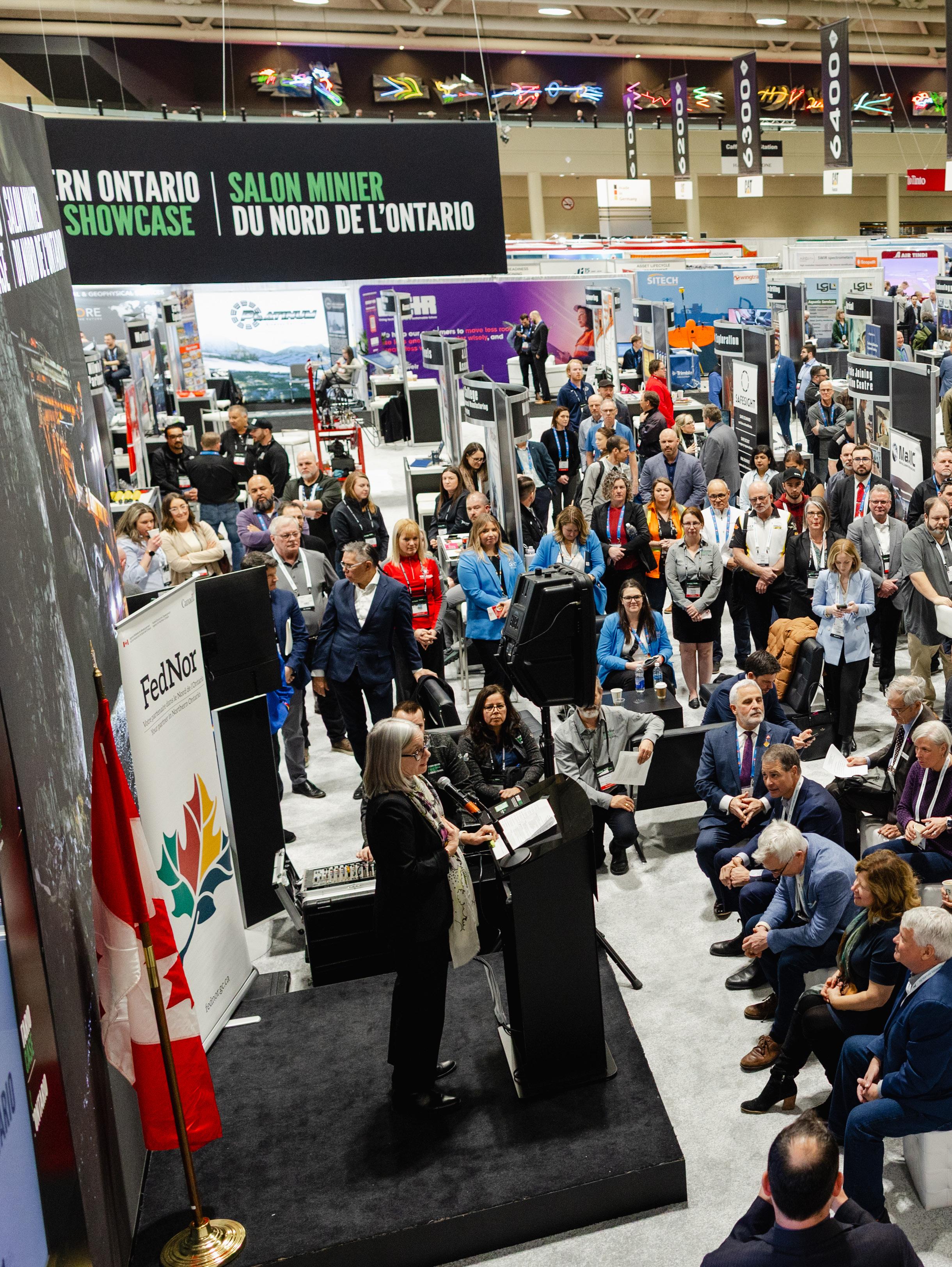
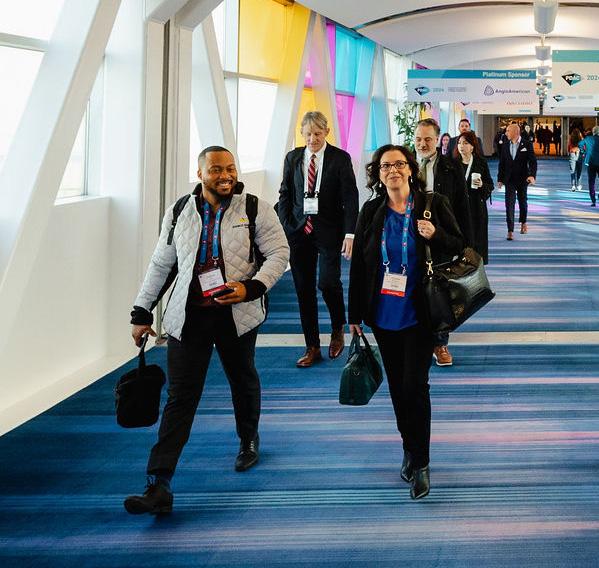
The World’s Premier Mineral Exploration and Mining Convention returns to once again provide engaging exhibits, industryleading programming, special events and unparalleled networking opportunities.
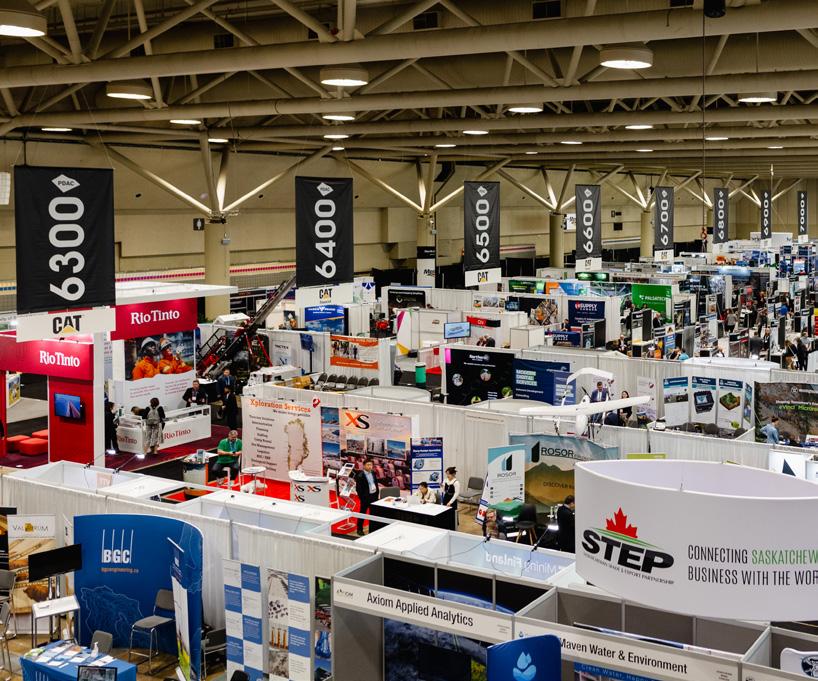
PDAC 2026 will be expanding into the Metro Toronto Convention Centre further than ever before. The industry-leading event for miners, investors, executives, scientists, students, prospectors and community leaders will host the largest number of exhibitors in the show's 94-year history.
For a comprehensive list of the exhibitors, events, networking & programming for PDAC 2026, please visit pdac.ca/convention . Events and programming are subject to change.
PRESIDENT’S MESSAGE
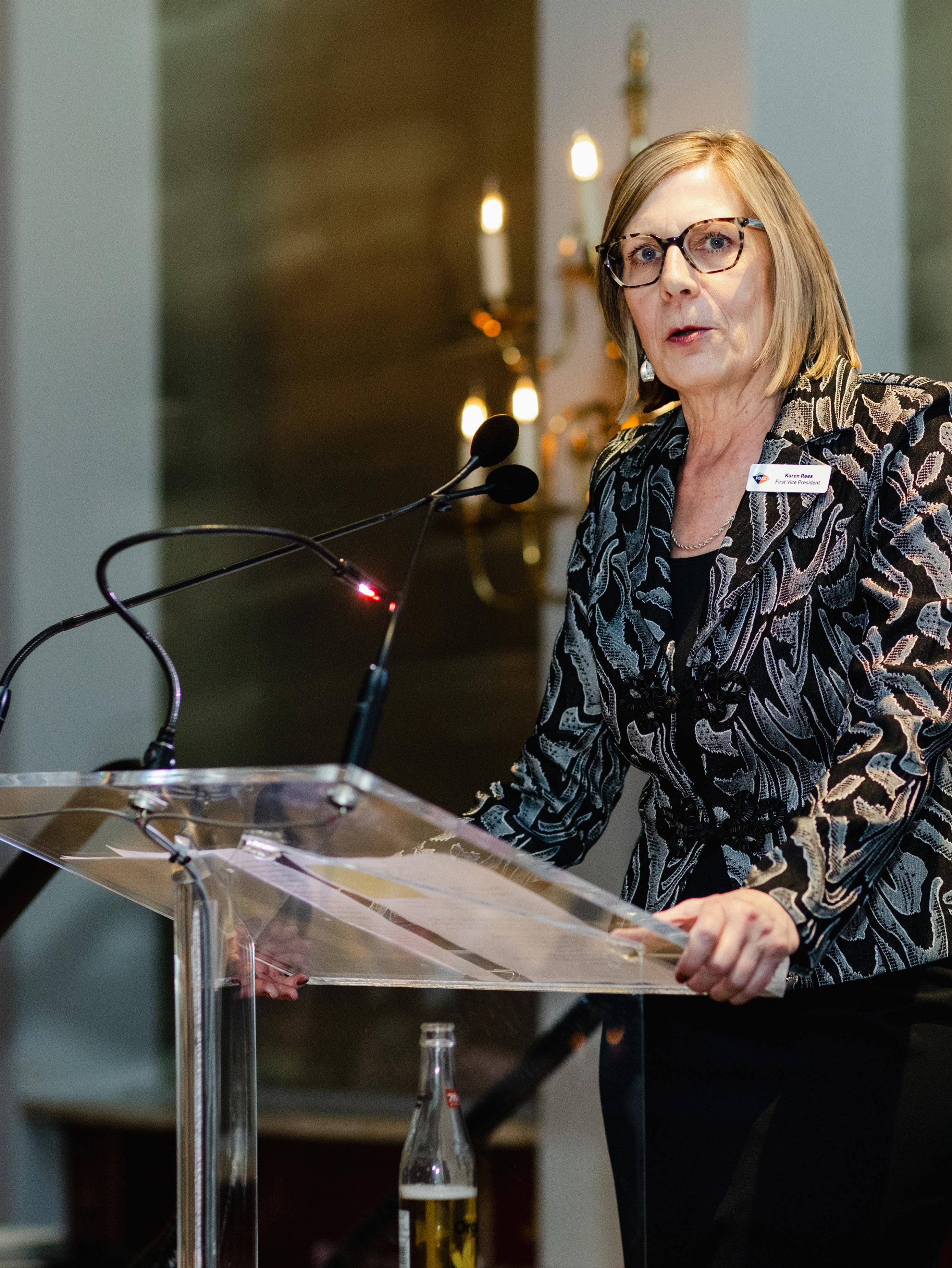
In a period of significant change for the global minerals sector, opportunities to connect, collaborate and share expertise remain essential. PDAC 2026 will once again bring the world to Toronto from March 1-4 for the World’s Premier Mineral Exploration and Mining Convention.
PDAC 2026 will be our most expansive Convention to date. This year’s exhibition will feature more than 1,300 exhibitors, the largest number in the event’s 94-year history, with continued growth across the Metro Toronto Convention Centre. This strong participation reflects both the resilience of our industry and the event’s importance as a global meeting place.
While the convention continues to grow in scale, its purpose remains the same. PDAC 2026 is more than a trade show. It is a place where ideas are shared, relationships are built and collaboration drives progress. Each year, it provides a forum for industry, investors, governments and communities to come together and advance responsible mineral exploration and development.
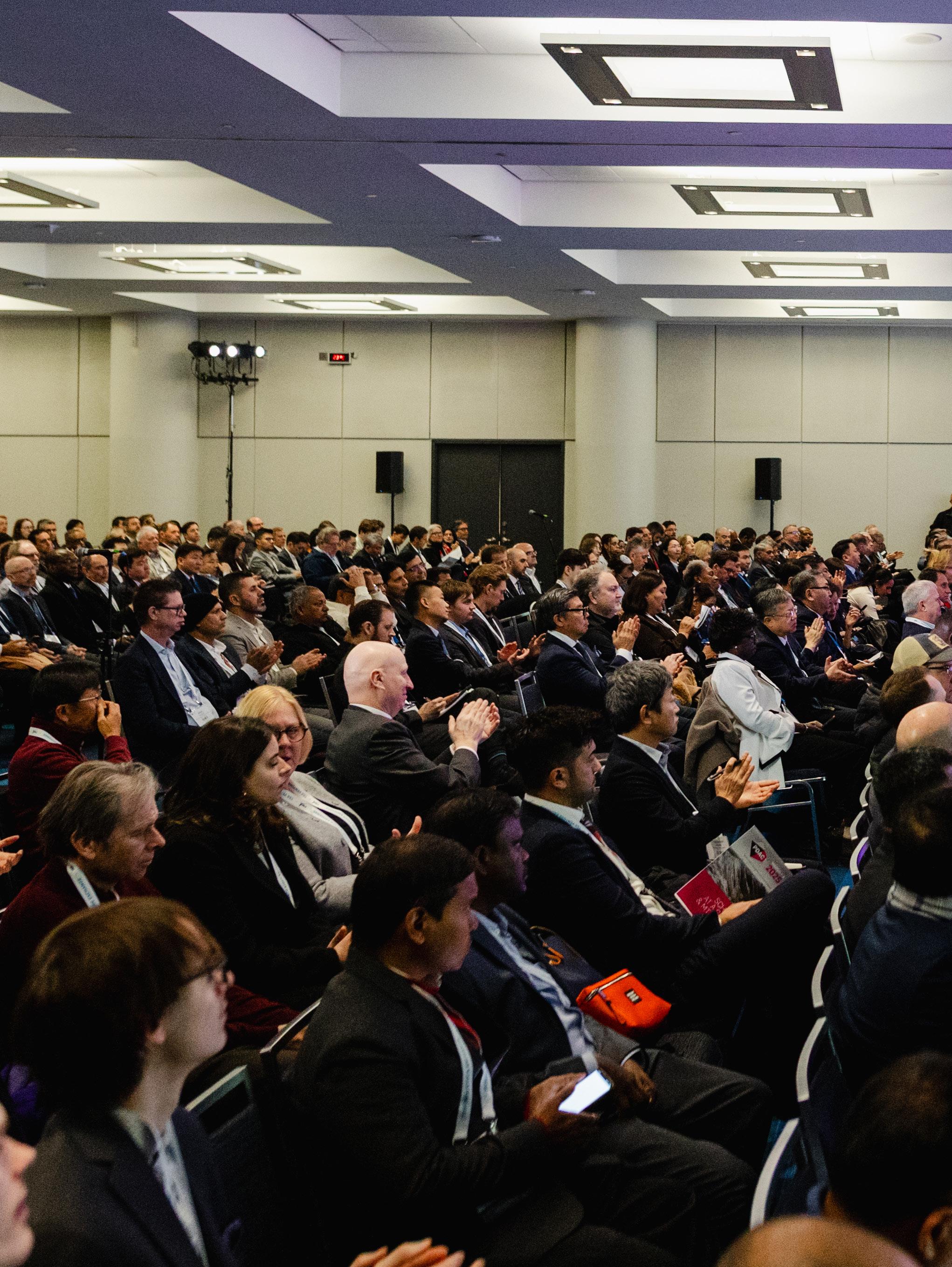
At this year’s Convention, attendees will once again benefit from a robust program of expert-led sessions covering capital markets, sustainability, Indigenous relations, innovation, and technical research and analysis. Through panels, presentations and short courses, participants will gain insight into emerging technologies, current and evolving industry practices, and regulatory developments that help the sector remain competitive in a rapidly changing global environment.
Connection is at the heart of the experience. PDAC 2026 will feature a full slate of networking opportunities designed to bring our global community together. Events will take place at both the Metro Toronto Convention Centre and the Fairmont Royal York Hotel, creating spaces for meaningful conversation, collaboration and relationship-building.
From Coffee Connections and PDAC’s New Members Networking Reception to signature events such as The Network: Gold Rush Gathering, the Awards Celebration & Nite Cap and the We Will Rock You Finale, these gatherings play an important role in strengthening professional networks across the industry.
PDAC 2026 is also an important moment for member engagement and governance. Membership gives participants a direct say in PDAC’s leadership. Participating in the Annual General Meeting is a key opportunity to exercise voting rights and help shape the association’s future. The AGM, open to all PDAC members, will be held on March 1 at the convention.
Supporting the next generation of mineral exploration professionals remains a core priority for PDAC. Through initiatives such as the Dr. Donald Leishman Convention Experience, the Teck Student Accommodation Fund and the PDAC Convention Travel Fund, PDAC continues to reduce barriers for students and early-career professionals to attend the convention. Dedicated programming, including the Student & Early Career Program sessions, the PDAC-SEG Student Minerals Colloquium and the Student-Industry Mixer, provides valuable opportunities to learn, connect and explore careers across the sector.
PDAC is also committed to fostering a diverse, inclusive and forward-looking industry. The Indigenous Youth & Early Career Ambassador Program, launched at PDAC 2025, is now an annual part of the convention. Alongside PDAC’s established Indigenous Program, it reflects a commitment to supporting Indigenous participation and building respectful, mutually beneficial relationships that contribute to a strong and sustainable mineral sector.
I
look forward to welcoming members, exhibitors, partners, volunteers and attendees to Toronto for PDAC 2026. There is no better opportunity to experience the energy of this industry firsthand and gather as a global community at a pivotal time.
Karen Rees, PDAC President
A CENTURY IN THE MAKING
YEAR AFTER YEAR, PDAC'S CONVENTION PLANNING COMMITTEE (CPC) PROVIDES ATTENDEES THE MOST ENGAGING PROGRAMMING AND SESSIONS IN THE SECTOR.
The CPC has invited a dynamic and diverse group of presenters from both outside and within our exploration community to speak on a number of key topics that are of great importance to the sector. Along with the various talks and educational workshops scheduled for PDAC 2026, the programming for this year’s show will prove why this has been the event of choice for the industry for almost a century.
The CPC is a volunteer committee of industry experts from the mineral exploration and mining development sector. Their goal is to bring thought-provoking and relevant programming to PDAC's Convention in Toronto, which annually hosts tens of thousands of attendees from over 125 countries.
The content produced by the CPC covers a wide range of topics including technical research and industry analysis, investments, exploration, innovations and more. Attendees who come from across the world engage with dynamic presentations and short courses that give valuable insight into emerging trends and technologies, current best practices, and regulatory developments that allow them to stay competitive in this dynamic global market.
Along with providing expert-level panel discussions, the dedication and hard work of the CPC proves that the World's Premier Mineral Exploration and Mining Convention is not just a trade show – it is an important gathering place for industry professionals to meaningfully connect, exchange ideas, build relationships and foster collaborations that help drive our industry forward.
The CPC is co-chaired by
Valerie Wilson, geology technical director, mining advisory at SLR Consulting, and Charles Beaudry, vicepresident of exploration and director at Stardust Metal Corp.
They have a combined 23 years on the CPC, in addition to the many decades of experience the 30-member committee holds. The committee members come from a wide range of roles in our sector including geologists, finance experts, mining executives, senior advisors and more.
As it has for almost a century, PDAC has chosen topics and content from industry experts, committee members, PDAC specialists and through member requests. The aim is to continue to advance the industry-leading programming the CPC produces to address the current needs and interests of attendees, and the mineral exploration and mining development community as a whole.
When planning the programming for such a largescale event, the CPC looks for a dynamic and diverse group of presenters from across the full spectrum of the mineral exploration and mining community to speak on a number of key topics that are of great importance to the sector.
During a recent interview, the CPC co-chairs gave a brief behind-the-scenes look at the planning that went into PDAC 2026. As explained by Beaudry, " The process of planning starts in January of the year before, even before the next convention, which is about a 14-month planning horizon." As the largest committee of PDAC, the members and their roles within the CPC is flexible and modular during the production timeline. The number of people involved in putting together the programming for the annual event goes beyond the 30 members of the CPC as well, and can include PDAC's Convention team, the Communications department, the Policy and Programs group and more. " Those who want to
participate have ample opportunity to do so. Some like to chair sessions, whereas others like to help select candidate companies or projects for certain programs, like the Core Shack," added Beaudry.
One of the most significant changes the CPC has made to this process has been the transition to a more open application process. " Where previously content was exclusively generated by the CPC. We now host an open application process which complements, and litmus tests proposed CPC content," Wilson explained.
Beaudry also noted that the CPC today, compared to when he first volunteered for the committee, is more diverse which has resulted in positive changes to the technical content of the convention. This diversity and updated application process has resulted in a more comprehensive suite of topics given by presenters, a wider range of speakers and increased attendee engagement.
When asked if they feel they've been able to bring something new or unique to the planning process, Beaudry noted that the change to a consensus-based approach at selecting sessions, short courses and more has created a dynamic within the committee where the best ideas are able to make their way to the top. Wilson added that this approach " has facilitated more inclusion from valuable members less inclined to participate in (sometimes) intense discussions. It is one of the ways we’re making the selection process more inclusive." Wilson further explained that " Final session selection within the group has migrated from a discussion-based approach to a discussion stemming from an anonymous ranking survey completed in advance." This method of selecting session topics via anonymous surveys ensures programs are chosen by their relevance and importance to the mineral exploration community.
When asked about what programs or sessions they are personally most excited for attendees to experience at PDAC 2026, Wilson and Beaudry both named the brownfield copper session, marqueed by Richard Schodde. " I think this session will present an alternative scenario to the metals shortfall narrative, and promises to be very interesting," said Wilson about the session, for which Beaudry is co-chairing.
Additionally, when asked if there were any items of interest that should be on every attendee's "must do" list at PDAC 2026, Wilson said " This year, I’m excited for the Indigenous Artisan booths, and I am happy to see it here at PDAC." For Beaudry, his "musts" still include the Trade Show area, as "exhibitors represent the backbone of the convention."
When there are opportunities to browse the show floor, Beaudry also likes to personally visit the international booths from various countries, " especially those from South America." He also enjoys the Prospectors Tent, and visiting junior mining company booths "to find out what projects they are working on."
Both Wilson and Beaudry are thankful for the CPC's work in planning for what is going to be the largest number of exhibitors in PDAC's history. This growth and success is attributed not just to CPC members, but to all of the association's volunteers, sponsors, and presenters who participate in the industry-leading programming each year. As Beaudry said earlier this year, " PDAC is known for the quality of the sessions, and I hope that 2026 will live up to our reputation.”
Wilson, adding to this, had this closing thought about 2026's upcoming event, "T he convention presents so much value from within and outside the formal programming that I’m hoping to do my part to continue the legacy of the ‘must-attend’ mining convention.”
Looking ahead to PDAC 2027, the co-chairs are excited to continue enhancing the convention's technical content with the CPC, as well as engaging with more PDAC members to hear first-hand " what content they’d like to see more of, so that we can continue to meet members needs."
Visit pdac.ca/convention for more information on all the incredible programming, sessions and events that have been put together for PDAC 2026.
The convention presents so much value from within and outside the formal programming that I’m hoping to do my part to continue the legacy of the ‘must-attend’ mining convention.
- Valerie Wilson PDAC CPC Co-chair
THANK YOU TO OUR PDAC 2026
SPONSORS
PLATINUM SPONSORS
HOST COUNTRY SPONSOR
PATRON SPONSORS 2026
PREMIER SPONSORS
GOLD SPONSORS
MEMBER Q&A
A NEW SERIES FEATURING PDAC MEMBERS SHARING INSIGHTS ON THEIR CAREERS, THE INDUSTRY, AND MEMORABLE MOMENTS WITH THE ASSOCIATION
PDAC has proudly served as the leading voice of Canada's mineral exploration and development community since 1932. We advocate on behalf of Canada's mineral sector to support our more than 8,200 members in achieving success in this globally competitive industry.
Our members represent the full breadth of the sector. They include exploration and junior mining companies, major producers and professional service providers, as well as individuals such as prospectors, geoscientists, environmental consultants, mining executives, students and more.
Over the next year, CORE magazine will feature interviews with members that share their unique perspectives and insights on how they have used their PDAC membership and the association’s tools, resources, policies and programs to strengthen environmental stewardship, advance diversity and inclusion, improve health and safety performance, and support sustainable economic growth and prosperity.
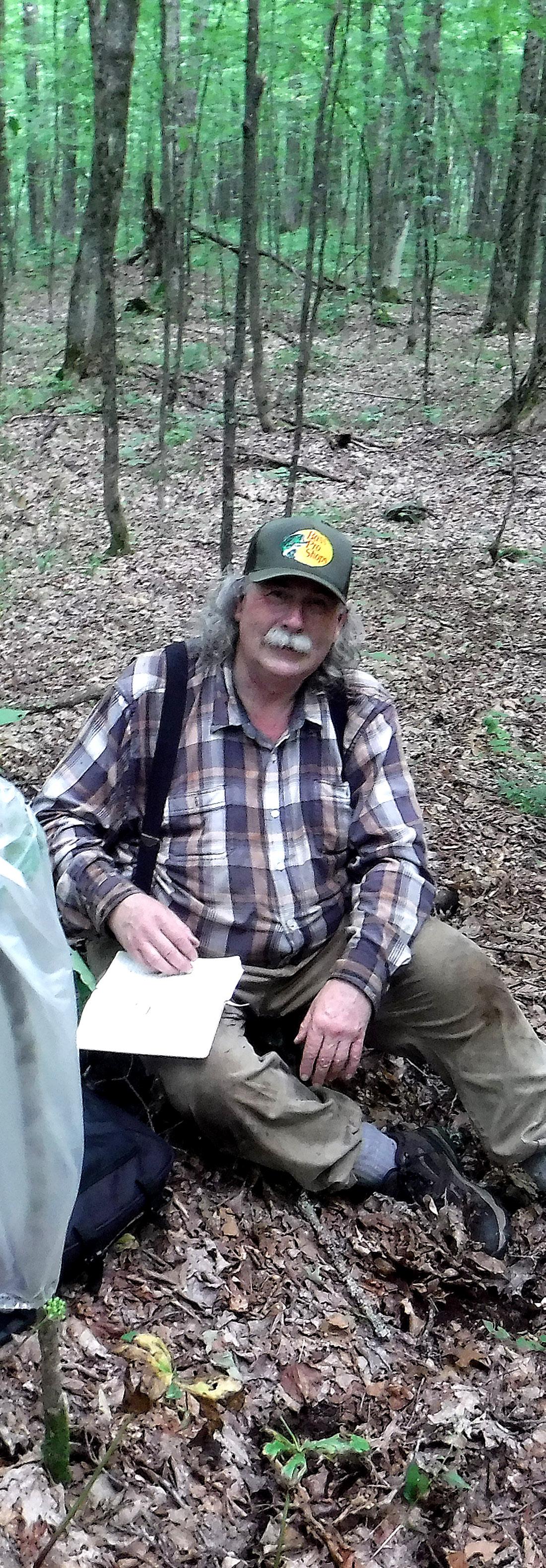
In this edition, we are excited to feature prospector David Ross – a PDAC Life Member with more than 25 years in the industry. We asked David how being a PDAC member has helped support his prospecting career, what industry changes he has witnessed through the decades, and what he is most looking forward to for our sector's future.
| Tell us a bit about your history prior to entering the mineral exploration sector?
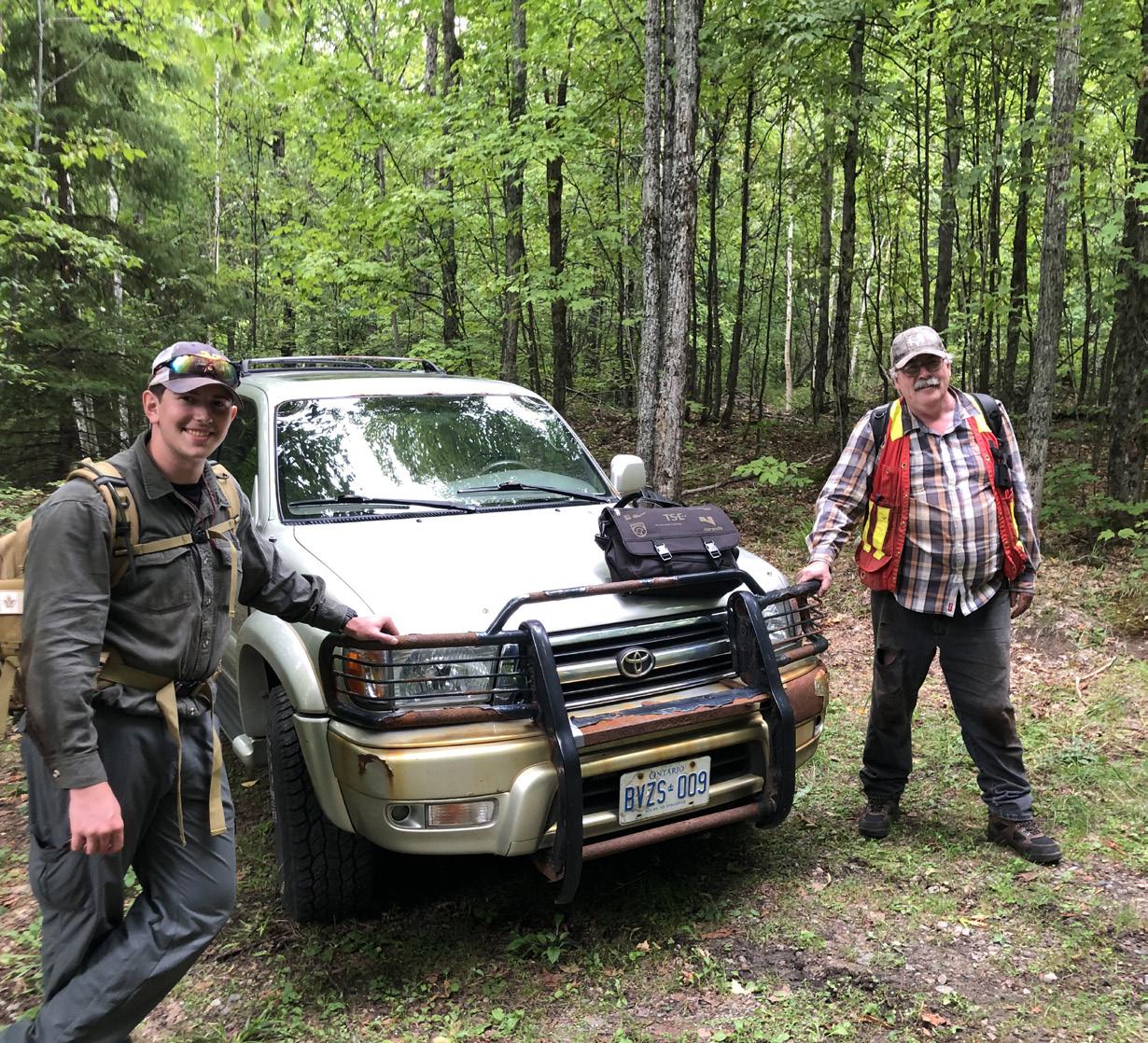
Ross: My entry into prospecting took a course a little different than most. When I was very young as a military dependent in Europe, I saw for the first time a mineral collection of a spelunker who happened to be a geology student. A few years later while living in Ottawa my family joined a mineral club offering my first chance to collect mineral specimens. After moving to north of Toronto as a teenager, my family connected with local rockhounds, and I did some international mineral exchanges by mail.
A high school guidance counsellor that encouraged days off school for outdoor education was perfect for mineral collecting opportunities.
At the age of 18 came decision time to hone in on my interests …geology/minerals or fisheries. I chose the aquatic field, and over the next 32 years managed to work from the Toronto Waterfront to north of Lake Nipigon, with lab, office, fly in work, fish culture, population assessments and management, resource protection, habitat reconstruction, and plan review from small to large and essential infrastructure projects, as well as environmental assessments.
I had the good fortune to work with aquaculture industry operators, scientists and regulators, the public and government agencies in multiple jurisdictions taking me across Canada. The years really brought home the value of resources and sustainable approaches to their development and the interests of stakeholders. Whether it is fisheries, minerals or timber these ideals apply.
I had decided early on that when I hit age 55 I’d switch over from fish to rocks, which happened. Halfway into my fish/environmental career, at age 42, I staked my first few claims with a geologist friend, and us young guys many years later are still on the hunt. We had travelled to Northwestern Ontario as far as Kenora, did some rock snooping near Pickle Lake, Thunder Bay and Chapleau areas, but ended up with our attention to prospects in southern Ontario for convenience. I have claims of my own, and shared claims in three locations.
| As a prospector, what motivated you to first join PDAC?
Ross: I first joined the PDAC in the late 1990s, after being introduced by a well-seasoned prospector friend. I was very fortunate to accompany him on trips to his gold prospects in the Savant Lake area. He shared a cabin with one of the local Elders on Crown land, and brought on the Elder's son and another local fellow to help with the prospecting investigations.
Taking it home, common sense in the field gets you through the day, there are lots of dos and don'ts, and safety means work can be weather dependent too. You need to have flexibility, as planned activities can change rapidly. The experienced serve as mentors for the younger. I was fortunate.
PDAC covers a lot of areas that link into prospecting, like environmental stewardship and Indigenous interests. There are multiple users of resource lands, and there is a resource concern that until they experience and witness it, many people involved in prospecting might miss.
Years ago, while white water rafting for a fisheries project in the north, my camp was regularly visited by two brothers on ATVs from a community a few kilometres down the railway tracks. We talked about resources, regulations and future outcomes. They fished in traditional locations once or twice a year, catching many fish that fed the community, and provided for their Elders. Sites were revered for their productivity, and upsetting the resource would limit the harvest, and no longer provide for sustenance. At that time there were concerns that harvest licensing may not have been sufficient to protect a traditional resource. Over time we have seen increased accommodation of concerns by resource managers. The simple act of showing up in an area can give rise to alarm. There is a lot at stake.
PDAC supports dialogue between the industry and Indigenous Peoples, and offers opportunities for sharing, learning and honest communication.
| In your more than 25 years in the industry, what changes do you believe have had the biggest impact on mineral exploration and mining development?
Ross: There are many changes influencing prospecting in recent years. We have moved from traditional post to map staking, and the online administration of claims. Staking a claim by hand cutting line through hundreds of metres of alder thicket can turn you right off prospecting. It seems more efficient to depend on modern GPS technology to establish claim boundaries, and dedicate time to field investigation and advancing the claims. Going online to manage claims, electronically submitting reports, and distributing credits to keep claims in good standing has evolved over the last few decades. Access to the Ministry of Northern Development and Mines (MNDM) e-files and electronic filing has made a significant difference. The MNDM Recorders Office staff contribute to the orderly and fair process of information reporting requirements, and are available to help with online filing and claim management. MNDM district offices (Ontario Geological Survey) provide prospector access to knowledgeable geological staff, libraries of reports and drill core, resource info and data conveniently available to the prospector – a very useful portal to communicating with stakeholders. Government investment in coordinating the inventory of geological related information furthers the opportunity for discovery.
As a prospector I use a few electronic aids while prospecting to determine geologic unit boundaries, to quantify changes within a mineral deposit, the simple stuff. Modern equipment and its availability used in prospecting has changed over the years. It is reflected in data reporting in varying degrees depending on the resourcefulness of prospectors and mining companies. Companies marketing mineral supporting technology and services – the mineral exploration companies applying those technologies – all show up at the PDAC’s convention. From pick and chisel prospectors to tech savvy geophysicists and assayers, the equipment developers and providers, it's all there. Modern technology is leading the way in determining targets and assessments, with people still needed on the ground.
| As a PDAC Life Member, how could the association better support their members in navigating the challenges and changes of the industry?
Ross: PDAC brings the current advances and issues to the forefront. Technology is rapidly moving the mining agenda forward. There are continuous educational advances. The greatest challenge to exploration and development relates to the social contract, governance and legal issues. Partnership is about expressing common goals and outcomes, and protection of interests.
It gets increasingly more complicated moving from prospecting into the mining permitting cycle. If there was a magic formula it would be applied. Keeping stakeholders under one roof is an essential step. PDAC is the forum that brings it all together, and is the association that lobbies regulators on industry needs, while extending a hand of information-sharing to stakeholders. Finding agreements point by point takes us forward. Multiple jurisdictions around the world have their required assessments; synthesis to an accepted observable standard is a challenge. With artificial intelligence, approval time for designated projects should improve in the near future. PDAC may want to immerse itself into that game as a facilitator.
| Is there a noteworthy project or highlight from your own professional experience in the sector?
Ross: I am a grass roots prospector, so even the smallest project I am involved in has significance. My personal greatest highlights include that newest mineral sample, nearly getting run over by a wolf actively pursuing its dinner, and getting out of the bush safely well after dark after unforeseen challenges in a traverse.
| What are you most excited about for PDAC 2026? Are there any specific networking opportunities or sessions you’re particularly looking forward to?
Ross: Attending the PDAC convention has presented great opportunities for meeting folks, from logistics entrepreneurs moving heavy mining equipment, to international investors, legal contributors to the mining industry, mineral company and government
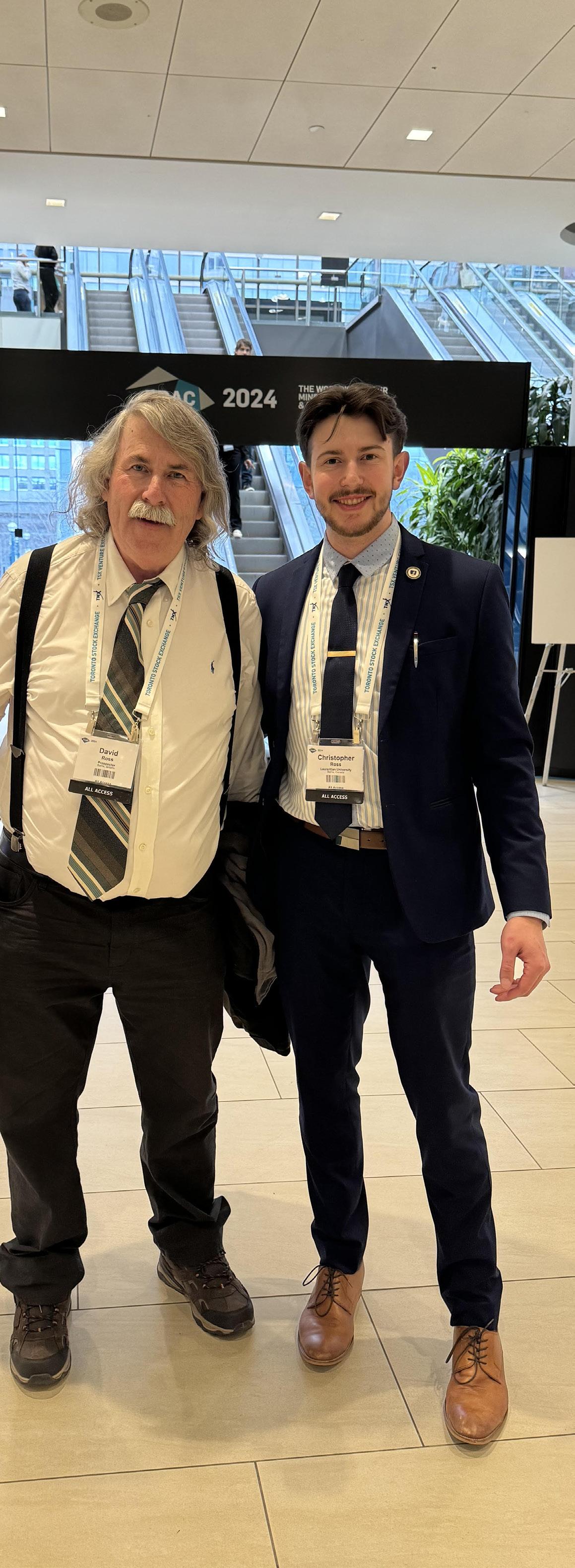
After experiencing that first visit to the PDAC convention, it was a very easy decision by Chris to pursue geology.
communications folk, geologists and prospectors. The prospectors get my greatest attention. The folks on the ground looking for stuff and linking all the work of the past with hunches and the sharing from their vast accumulation of knowledge. They read the mineral assemblages, landscape and terrain to find the optimum places of exploration. There is excitement from geologists and prospectors when sharing information about their discoveries.
| Tell us about some of your most memorable moments while attending PDAC’s conventions.
Ross: I am also glad to say my interest in prospecting has moved on to the next generation. My son Chris attended Laurentian University for geology and now works as a production geologist in Northwestern Ontario. All it took for Chris was a visit to the PDAC convention in grade 11 to see the buzzing activity of all those involved in the industry – represented by suit business attire to the plaid shirts, the trade show, companies, drill core, multitudes of services, the investment forum, support agencies, and government from around the world. The amount of commerce reflected at PDAC's event is astounding. After experiencing that first visit to the PDAC convention, it was a very easy decision by Chris to pursue geology.
Highlights for me are also the learning opportunities surrounding new technologies, new discoveries, visiting the Investment Forum, and the talks on commodities and predictive outlooks are also memorable moments. Plus, listening to a talk by a legal professional of a large legal firm, and then fulfilling my request to speak on mining legislation to a large gathering involved in aspects of permitting.
Other memorable moments include just meeting so many people in years gone by, including attending the convention with my prospecting mentor, meeting friends, and unknowingly (at the time) lunching with the CEO of a major multinational mining corporation at the Front Street food court. I once called a prospector from Pictou N.S., while on vacation, that I had met at the PDAC Convention. He had me meet him in Halifax at the mining recorders office, then insisted on a few days touring claim sites with my family in tow. Now that’s enthusiasm!
MINING NEEDS YOU YEAR ONE
At the beginning of 2025, the Mining Industry Human Resources Council (MiHR) launched the Mining Needs You campaign. In partnership with The Mining Association of Canada, World Gold Council, Canadian Institute of Mining, Metallurgy and Petroleum, and PDAC, this multi-faceted initiative is aimed at youth who are looking for career options. Now, after its first full year, we take a look at how Mining Needs You started, and what impacts the initiative has had so far.
The Mining Needs You campaign's objective is to change negative perceptions among youth about the mining industry, and highlight the benefits and wide range of careers within the Canadian mineral exploration and mining sector.
The ultimate goal is to see an increase in new entrants to the mining community by ensuring the exploration and development industry is an attractive and exciting career path for the next generation.
MiHR understood that this would be a long-term strategy, and aimed to reach individuals as young as 15 in order to foster a sustained campaign that grows with the target audience. For the first half of this year, a pilot program was launched along with focus group engagements. The results of these helped inform and adapt the various programs and media pieces produced by the Mining Needs You initiative in the third and fourth quarters. The national campaign is overseen by MiHR's Mining Career Awareness and Youth Engagement Committee (Careers Committee) – a subcommittee reporting to the MiHR Board of Directors – that offers input and guidance.
With a goal budget of $1 million per year, Mining Needs You has been able to produce in its first year an online video series, regional advertising, traditional media and social media campaigns, displayed at career fairs across Canada, promoted a targeted educational curriculum, expanded a career ambassador program and more.
After one full year of this five-year initiative, MiHR has achieved a significant response from youth and partners across the country. The success of the ongoing campaign is attributed to the plethora of resources and outreach initiatives that have been undertaken.
The "I Chose Mining. Mining Chose Me." scholarship program for post-secondary students that was initially launched in 2021 was expanded as part of the Mining Needs You campaign. With the expanded scholarship program, MiHR was able to offer two additional awards, for a total of four award recipients in 2025. On Nov. 28, MiHR announced the recipients as Coby Morris, first-year student of the College of the North Atlantic Civil Engineering Technology CoOp program; Jean-Luc Becerra Leclere, third year Materials Engineering student at McGill University; Lauren Coffin, undertaking a Bachelor of Chemical Engineering Co-Op at the University of Ottawa; and Sophie Guerin, taking a Bachelor of Earth Sciences at Laurentian University.
Participating in this campaign was an opportunity to help broaden that picture and show that there is room in the industry for different backgrounds, experiences and life paths.
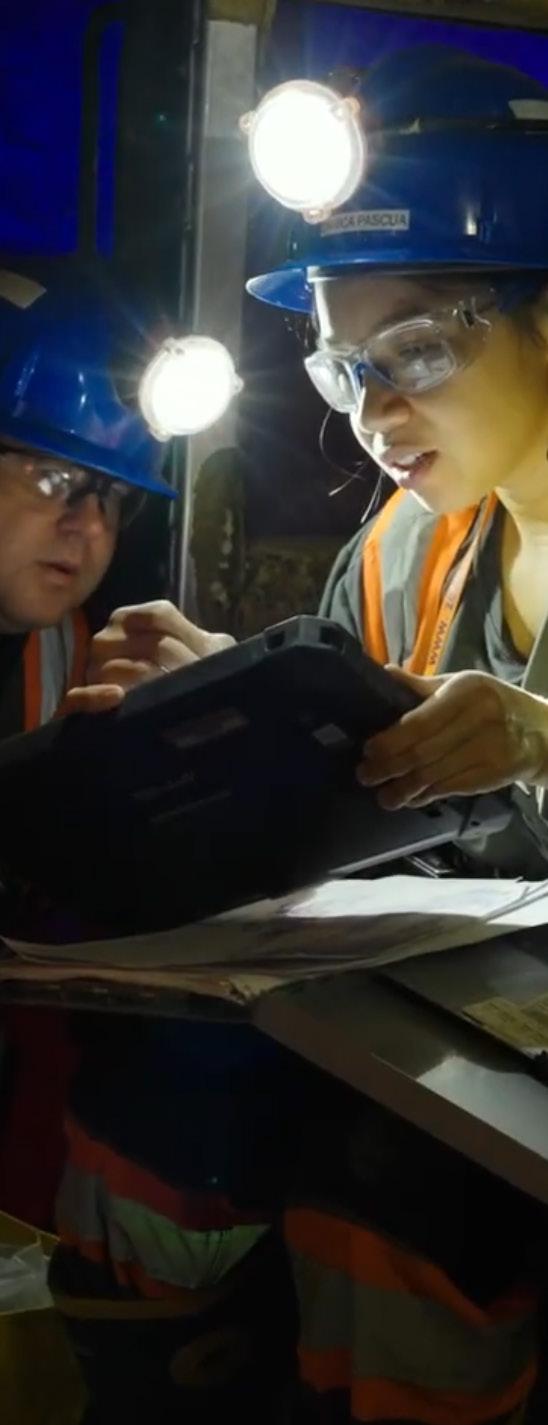
One of Mining Needs You's career ambassadors who was filmed for the "Why I Chose Mining" video also happens to be an alum of PDAC's Student-Industry Mineral Exploration Workshop (S-IMEW). Danica Pascua was a geology student at the University of Toronto when she attended S-IMEW in 2011, and is currently a 3D modelling geologist with Agnico Eagle Mines.
Working at Agnico's Odyssey Mine (a major new project that is set to become one of Canada’s largest underground gold mines ) in the northwestern region of Quebec, Danica generously gave us time for an interview. Here, she discusses her entrance into the world of mineral exploration, her time working in the industry and the Mining Needs You campaign.
| What originally sparked your fascination with geology and mining?
Pascua: I grew up in the Philippines surrounded by mountains, volcanoes and coastlines, so studying geology always felt natural to me. After moving to Canada after high school, I started looking into what I could do with a geology degree and discovered mining – an industry that’s strong in both countries. It seemed to offer solid career opportunities and the kind of outdoor, hands - on field work I enjoyed. Over time, I realized that the blend of science and practical, real - world work was a great fit for me.
| Tell us about your experience working in the mineral industry.
Pascua: I’ve worked in the mineral industry for over a decade in a variety of roles and mining environments – from surface and underground exploration to underground production, including sites with open-pit components. For a significant part of my career, I was actively involved in day-to-day field work and operational decision-making. My work has taken me across Canada with both junior and major companies, from start-ups to long-established operations. I’ve experienced both fly-in fly-out and local roles. At one operation, I lived so close to the shaft I could see it from my bedroom window, and walked to the mine in minutes.
I’ve even driven a small underground locomotive, and walked along the tracks in one of those classic rail-operated mines you rarely see today. Learning French along the way opened doors for me and helped me integrate more fully into Quebec’s mining community.
Danica Pascua, 3D Modelling Geologist, Agnico Eagle Mines
The
time
is now for Canadian critical minerals
• Over 60 minerals and metals produced across 200 active mines
• $2B in strategic investments and infrastructure solutions through the Critical Minerals Sovereign Fund and First and Last Mile Fund
• Global leader in ESG
Where you'll find one of the world's most resource-rich economies.
Le moment est venu d’investir dans les minéraux critiques canadiens
• Plus de 60 minéraux et métaux produits dans 200 mines actives
• 2 milliards $ en investissements stratégiques et solutions d’infrastructure grâce au Fonds souverain pour les minéraux critiques et au Fonds du premier et du dernier kilomètre
• Chef de file mondial en ESG
Là où vous trouverez l’une des économies les plus riches en ressources naturelles au monde.
Canada, where bold feels at home.
Le Canada, là où les audacieux se sentent chez eux.
Since becoming a parent four years ago, I’ve transitioned into geological modelling, where I now use 3D tools and integrated datasets to support medium and long-term mine planning. This shift has allowed me to continue contributing at a technical and strategic level while maintaining a healthy balance between work and family life. My experience shows that mining careers can evolve over time and adapt to different stages of life.
| You participated in PDAC’s Student-Industry Mineral Exploration Workshop (S-IMEW) in 2011. How did that experience help pave your way into the industry?
Pascua: S - IMEW was a turning point early in my career. It showed me how important networking is in the mining industry and helped me learn how to do it with confidence. The workshop also provided hands - on exposure to exploration techniques and connected me with mentors and peers who supported my transition into the industry. Even today, I continue to encounter and work alongside former S - IMEW participants on different projects, which speaks to the lasting value of the relationships built through the program.
| How have you benefited from other PDAC student and early-career program initiatives?
Pascua: PDAC programs opened doors to conferences, professional connections, and mentorship opportunities. They helped me build a strong network and gain confidence as a young geologist entering a competitive and closely knit industry.
| Throughout your career, you’ve been an active advocate for the industry, with membership in PDAC, WIM Toronto, and participation in the PGO’s Mentoring Program. What motivated you to get involved in these organizations?
Pascua: I was motivated by a desire to give students an accessible, low-barrier way to learn about the mining industry. Having benefited from several mentorship programs myself – including the Goldcorp Graduate Development Program and the International Women in Resources Mentorship Program (IWRMP) where I was one of 52 women paired with mentors from around the world –I saw first-hand the value of mentorship and community. Those experiences inspired me to give back. In 2021, I co-founded a mentorship program at the University of Toronto with friends from my undergraduate years. The goal was to give students direct insight into real careers in mining, help them build confidence, and make the industry feel more approachable and understood.
| What role do you think young professionals play in shaping the future of exploration and mining?
Pascua: Young professionals play a key role by bringing adaptability, digital skills, and new ways of thinking to exploration and mining. We are driving innovation in areas like 3D modelling, data integration, energy efficiency and sustainability. Many young professionals today are also first or second generation Canadians, or come from diverse backgrounds. That diversity brings fresh perspectives that help the industry evolve, strengthen relationships with communities, and tackle complex challenges in new ways.
| The Mining Needs You campaign aims to improve public perceptions of mining and highlight the over 120 career paths in the industry. What inspired you to participate in the "Why I Chose Mining" video?
Pascua: Sharing my story felt like a way to challenge outdated perceptions of mining and show what the industry really looks like today. I also realized that voices like mine aren’t often visible. As a young mom and a first generation Canadian, I don’t see many people with similar experiences represented in mining.
Participating in this campaign was an opportunity to help broaden that picture and show that there is room in the industry for different backgrounds, experiences and life paths.
| What advice would you give to high school students considering a career in the mining industry?
Pascua: Stay curious and open - minded. Mining includes a wide range of careers, from geology and engineering to environmental science, technology and data analysis. If you enjoy solving problems and want a career that combines innovation, teamwork, and real - world impact, mining is worth exploring –no pun intended.
| Are there any misconceptions about the mining industry you would like to address?
Pascua: A common misconception is that mining is outdated or unsafe, the old pickaxe stereotype many people still imagine. In reality, modern mining is highly technical, innovative, and prioritizes everyone’s health and safety above all.
PDAC strongly supports investment into engaging students and early career professionals entering the mineral exploration and mining industry. Fostering the next generation of explorationists is one of the most practical ways of ensuring our community will endure.
The response from youth across Canada to the Mining Needs You campaign has shown better-than-expected results – from its pilot program, social media and influencer campaigns, website, ambassador recruitment efforts, and an out-of-home community advertising campaign that received an impressive 8,000,000 impressions with a target of just 250,000.
For more insights into the results after the first year, we were fortunate to have William Meyer, MiHR's director, communications and career development give us a behind-the-scenes look at how the Mining Needs You began, and look ahead to the next phase.
| Can you tell us the who, when and how the Mining Needs You campaign was conceptualized?
Meyer: MiHR saw the need for a national, sustained mining career awareness campaign stemming back before 2020. Our labour market research continually indicated a tight mining labour market along with declining enrollment in mining-related post-secondary education.
In addition to the labour market and enrolment data, MiHR polled thousands of youth nationally in 2020 and 2023 on their perceptions of mining careers. Results of both polls were very similar, with mining being the least attractive sector to youth when compared to other sectors like construction, health care and IT. During those years, we also discussed the issue with many mining stakeholders to gauge their view on the need for a campaign, and if MiHR was the right channel to lead such an initiative and bring the industry together with a unified voice.
We also created Mining Needs You around that time, with the aim to change negative youth perceptions of mining. We wanted to do what we could to dispel outdated views of mining and support industry recruitment efforts.
Our members and other stakeholders viewed Mining Needs You favourably, and support for a national campaign with MiHR as the lead steadily grew. So, in 2024 we built a business case for Mining Needs You to become an industry supported, sustained five-year national campaign. Through a coalition of partners, Mining Needs You could become more than what we were able to achieve alone. With the coalition of partners
I think that the bigger win for me, as well as every other student that was able to participate in this, is the excuse to be able to learn about our future and find careers that we might enjoy.
established, we have been able to expand mining’s presence in front of youth aged 15 to 24, teachers, parents, and other target audiences.
| After a full year, have you heard any noteworthy comments from young people that speak to a positive change in their interest and/or changed perceptions of the industry?
Meyer: There have been many such comments. Our scholarship recipients conveyed that they want to show young people that there are many different career paths in the sector, and the more they learned about mining the more they saw how it connects everything: science, the environment and people.
Submissions to the myBlueprint October Immersion Series educational grant contest – which Mining Needs You was a sponsor of – had many great comments. myBlueprint is a career awareness tool used by over 360 school boards in Canada. Twenty students won a $500 educational grant and submissions included many comments about the need for mining, its importance to the economy and positive aspects of many of the careers available. One student was interested in being a mine closure and reclamation specialist, a career he wasn’t aware of before exploring mining careers as part of the immersion series. Another focused on geologists, covering the demand for geologists across Canada, the work they do and where they work.
There was also a note sent in by one of the applicants that stated: “The micro-grant, of course, is so amazing for me as I pursue post-secondary education to try to become an environmental/civic engineer (possibly in the mining industry now since I learned so much). I think that the bigger win for me, as well as every other student that was able to participate in this, is the excuse to be able to learn about our future and find careers that we might enjoy."
Mining Needs You’s presence at elementary and high school career events also enabled us to dispel youths’ outdated beliefs like mining is all about sitting in a rail cart with a pickaxe, and to get them interested in the sector.
| The Q3 report shows better-than-expected engagement results on website views/visitors, and some of the advertising slots. What do you think is driving this positive engagement?
Meyer: We made sure to build continual performance evaluations into the first year of the campaign. Having developed and delivered a pilot test of the campaign in Kamloops and Saskatoon in May and June, we were able to assess its performance through focus groups and digital analytics. We adjusted our creative in response to focus group results – which showed youth wanted to see more about the financial benefits of the industry and see real people in real jobs. People like them.
Our resulting creative aims to make mining careers a top choice – not a default of last choice. The industry offers so much, so our goal was to present its opportunities in a way that would resonate with young people. Social influencers in STEM were leveraged to get the message out to their audiences and urge them to visit the campaign website and to learn more. We increased our efforts to recruit volunteer career ambassadors to deliver presentations in elementary and high schools. Influencers – real people in real mining roles – and videos have been key drivers of connecting with our youth audiences.
| Is there a plan for the program beyond the initial five years, given its success so far?
Meyer: Right now, we’re focused on delivering a sustained five-year campaign with the support of our coalition of partners. As we transition to year two, we look to build on the successes of the first year and expand Mining Needs You’s presence in front of our target audiences.
As the campaign progresses it will be evaluated annually through youth polling on their perceptions of mining careers, post-secondary enrolment data and other metrics. When the campaign is in its fifth year, MiHR, its Careers Committee and coalition of partners will assess MiHR’s national labour market analysis and other campaign success factors to determine if the national Mining Needs You campaign will continue beyond its original five years.
To learn more about the engaging and important Mining Needs You campaign, visit miningneedsyou.ca .
The future of responsibly produced resources is clear.
It’s happening now.
As the world continues to grow and urbanize, so does the need for essential resources to be responsibly produced.
Resources like copper to help connect us and potash to help grow more of the food we need.
This is what BHP is committed to, wherever we operate.
Learn more at bhp.com/betterfuture
ONTARIO'S MINING ENGINEERING MARVEL
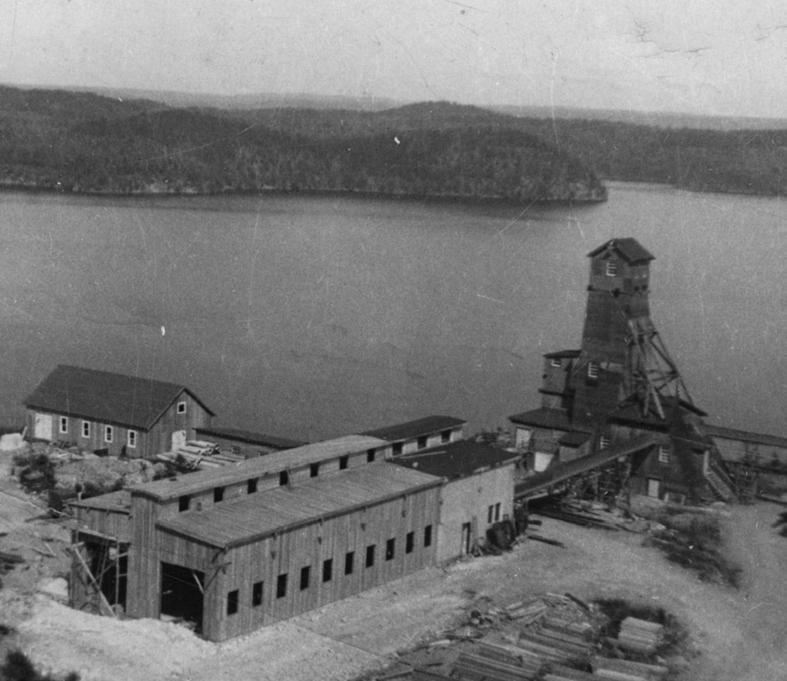
In February, 1939, Steep Rock Iron Mines Limited was registered, headlining what was considered to be one of the greatest mining engineering feats in the world.
| A GLOBAL DEMAND
A few kilometres north of Atikokan, Ont., within a swampy area surrounded by rocky outcrops almost 100 feet high, is Steep Rock Lake. Straddling two major fault lines, the "M" shape of this 22-kilometre body of water was carved out of the landscape by retreating ancient glaciers, which left behind patches of visible hematite iron ore.
Speculation around Steep Rock Lake was recorded as far back as 1885, and though it appeared to be a potentially iron-rich site, the area was considered too rough to be an economically viable mining location. This determination would change, however, during the early 1900s when steel production became a worldwide priority during World War I. By this time, the government of Ontario had already begun offering financial rewards for new iron deposits, and Steep Rock Lake once again became the focus after A.P. Coleman, a University of Toronto professor working with the Ontario Bureau of Mines, discovered a large boulder of iron ore not high up on the stony ridges, but right on the lakeshore. This meant that a major ore deposit could potentially be right beneath the waters.
In 1937, through exploratory drilling by mining engineer and prospector Julian Cross, with assistance by Joseph Errington and Thayer Lindsley (one of the PDAC Award namesakes), the anticipated major body of iron ore was discovered underneath the lake. After testing, it was concluded that the ore’s grade was of a quality that could be marketable internationally, and with support from financiers and governments in both Canada and the United States, Steep Rock Iron Mines Limited was founded in February of 1939. And with Canada entering World War II in September of that same year, followed by the United States joining the war effort in 1941, the need for a major new iron-producing site in North America was more important than ever before.
| A FEAT OF ENGINEERING
During this period, there were already established large-scale mining operations, including the Bingham Canyon Mine, known globally as the world’s largest mine. So what made the Steep Rock Iron Mine such an engineering marvel? While Bingham was known for its size and output, the Steep Rock Iron Mine was considered a marvel for its engineering challenges, solved by employing never-before-seen innovations.
Gaining access to the iron ore was not a straight-forward operation. Located at the very bottom of Steep Rock Lake, engineers had to figure out how to drain the lake's waters, divert the surrounding rivers, and dredge millions of years of glacial sediment that covered the lake bottom – all before being able to expose the ore body and begin mining.
There was skepticism as to whether this was even possible. With both Canadian and American investors involved, a host of geologists, mining engineers and consultants from both countries were brought in to examine the site and create a report on the feasibility of Steep Rock Iron Mines’ project. In March of 1941, the report was presented, which gave the
company and its financiers confidence to move ahead. They began negotiations with the government of Ontario, with the Ontario-Minnesota Pulp and Paper Company and Ontario Hydro for rights to dam and divert Steep Rock Lake.
The results of these negotiations culminated in a piece of legislation titled “An Act Respecting the hydro Electric Power Commission of Ontario, Steep Rock Iron Mines Limited and the Ontario-Minnesota Pulp and Paper Company Limited.” Passed in 1942, this legislation represented the provincial government’s acknowledgement of the sheer size and scope of the operation – which would include coordinating mining engineers, geologists and specialists, executives and financiers, power generation, millions of dollars in construction equipment, miles of roads, bridges, rails, and thousands of workers, while also fostering international relationships during World War II.
Thus began the massive and complicated task of reversing water levels not just in Steep Rock Lake, but two other lakes in close proximity, as well as diverting a river. This was done by creating a 300-foot wide channel over six kilometres long from nearby Marmion Lake to drain into Finlayson Lake. Finlayson Lake’s waters then had to be lowered, which was done by creating a tunnel that had to be cut through 1,300 feet of rock, sand and gravel underneath the lakebed. This tunnel, which culminated in the excavation of almost 1,250,000 cubic yards of material, drained Finlayson’s waters into the nearby large Seine River, which was itself diverted away from the site. An article published in Canada’s Iron Ore Bonanza at the time describing the engineering work being completed in the area is quoted as saying “A river which for centuries has flowed incessantly along a single channel, had, by the hand of man, been diverted from that route and brought into the service of mankind.” Now the work of draining Steep Rock Lake could begin.
With the first phase of water diversion completed in late 1943, concrete, steel, and wood superstructures were built to isolate Steep Rock Lake so its waters could be pumped out. With the major dams completed by the spring of 1944, pumps and centrifuges began to drain Steep Rock Lake. By August of that year, around 100 billion gallons of water was removed, becoming the largest pumping operation ever conducted in Canada. With the removal of this massive volume of water, engineers could see ore for the first time.
However, another challenge lay before them before they could begin mining operations. Covering the ore body was an equally massive layer of glacial silt, sand and sediment. To fully expose the iron ore body for excavation, a unique pumping barge was produced specifically to dredge Steep Rock Lake. When the dredging was completed in the fall of 1944, it was reported that the 260 million square metres of sediment removed was more than the volume of material moved when the original Panama Canal was built. Finally, the hundreds of millions of tonnes of ore that Steep Rock Iron Mines estimated to be in the area was accessible.
As the first load of ore travelled to Duluth, Minnesota in the fall of 1944 for processing, another milestone was achieved: this was the first time iron ore crossed from Ontario into the United States, marking an all-new international trade economy. Steep Rock Iron Mines was extracting one million tonnes of ore annually by 1949, and full-scale production of the open pit mine, named Errington Mine in honor of the first president and one of the founders of Steep Rock Iron Mines, was maintained until 1953.
After 1953, Steep Rock Iron Mines began additional iron ore production at Hogarth Mine, which was the second of what would be three major iron ore mines operating in Steep Rock Lake, and named after General Donald Hogarth, the second president of the company. By 1964, iron ore shipments were being sent from the third and final ore zone, named the Roberts Mine after Hugh Roberts, lead geologist of Steep Rock Iron Mines. At its peak depth of 1,100 feet, the Roberts mine was one of the deepest open pit mines in Canada and produced 18,000,000 tonnes of ore during its life.
The volume of ore produced at the Steep Rock Mine site, and the immediate demand due to war and markets, also sparked industrial innovation. This included a newlydiscovered process for concentrating the extracted rock into commercially viable ore. Additionally, the first use of new specialized equipment, like the first 100-tonne electrical wheel haulage trucks, plus the development of slope stability and site design, were advancements that became widely adopted at mine sites throughout Canada that were initially developed at the Steep Rock Iron Mine.
Iron ore was produced by Steep Rock Iron Mines until 1979, after which all mining activity ceased, due mostly to demand and economic factors. But for almost 30 years, with three active mine sites in Steep Rock Lake, tens of
A river which for centuries has flowed incessantly along a single channel, had, by the hand of man, been diverted from that route and brought into the service of mankind.
millions of tonnes of iron ore were extracted from Ontario, travelled by train, and transported by ships to cities in Canada and internationally for processing.
| LESSONS FOR THE FUTURE
For over three decades, the Steep Rock Iron Mine supplied raw material that was processed for fighter planes made in Thunder Bay, Ont. during World War II, as well as building materials and appliances through the 1970s. It became known as an exceptional mine development for both the province of Ontario and for the Town of Atikokan, as well as for the expansion of Thunder Bay, Ont.’s international shipping capabilities. But while the Steep Rock Iron Mine brought clear economic benefits, the full environmental impact of this engineering marvel is still being assessed.
During its construction and operations, water contamination in the area required action, and although full mining activity stopped in 1979, site reclamation is ongoing now almost 50 years later. The Ontario Ministry of Natural Resources is currently leading the site remediation, which includes cleanup and reclamation, environmental monitoring studies, and an extraordinary effort to maintain dams and water tunnels originally engineered in the 1940s. For example, in 2024, the province began reconstruction of one of the site’s largest dams, extending its life by up to 100 years.
Additional cleanup and development efforts have also been undertaken by private citizen groups. One volunteer collective from the Town of Atikokan received a $1 million grant to rebuild parts of the abandoned mine site into hiking and nature trails, as well as a large outdoor activity centre.
Through the lessons learned from the Steep Rock Iron Mine’s construction, operation and ongoing reclamation has underscored for governments and industry in Canada the importance of embedding comprehensive and transparent regulatory frameworks into mineral discovery and mine development. In Canada’s mineral industry today, proactive engagement and sustainable best practice are core philosophies that PDAC helps to champion through convention programming, our Driving Responsible Exploration (DRE) guidance, and advocacy on behalf of our members.
To learn more about PDAC’s environmental advocacy efforts and programs that help support our members’ sustainability initiatives, visit pdac.ca/sustainability