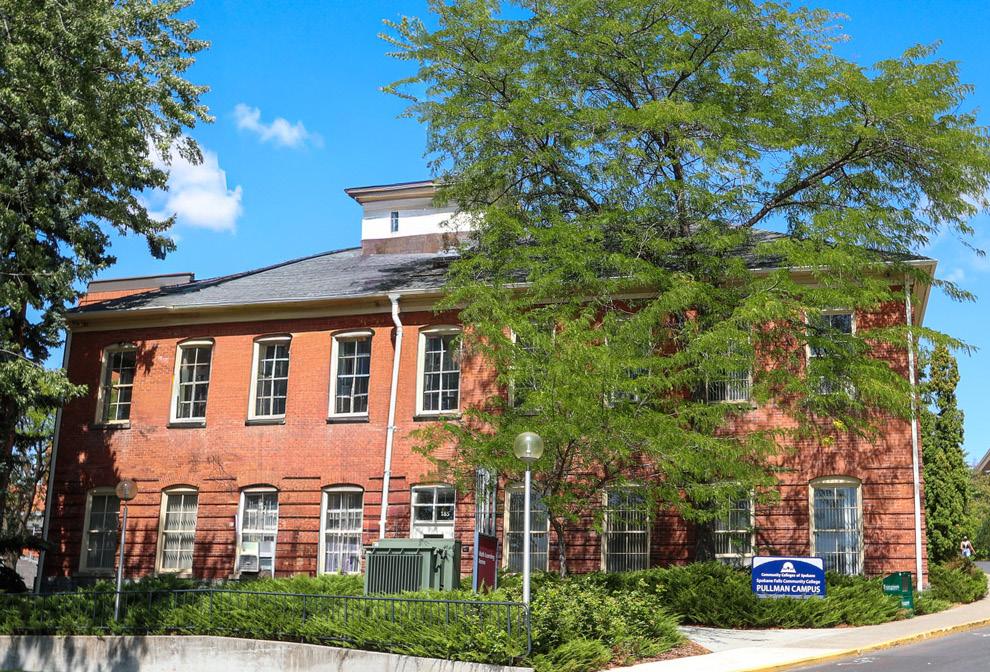
STEP INTO YOUR FUTURE SFCC PULLMAN CENTER 25 TH ANNIVERSARY
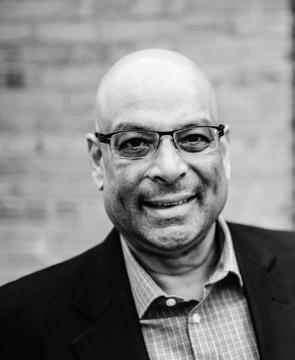
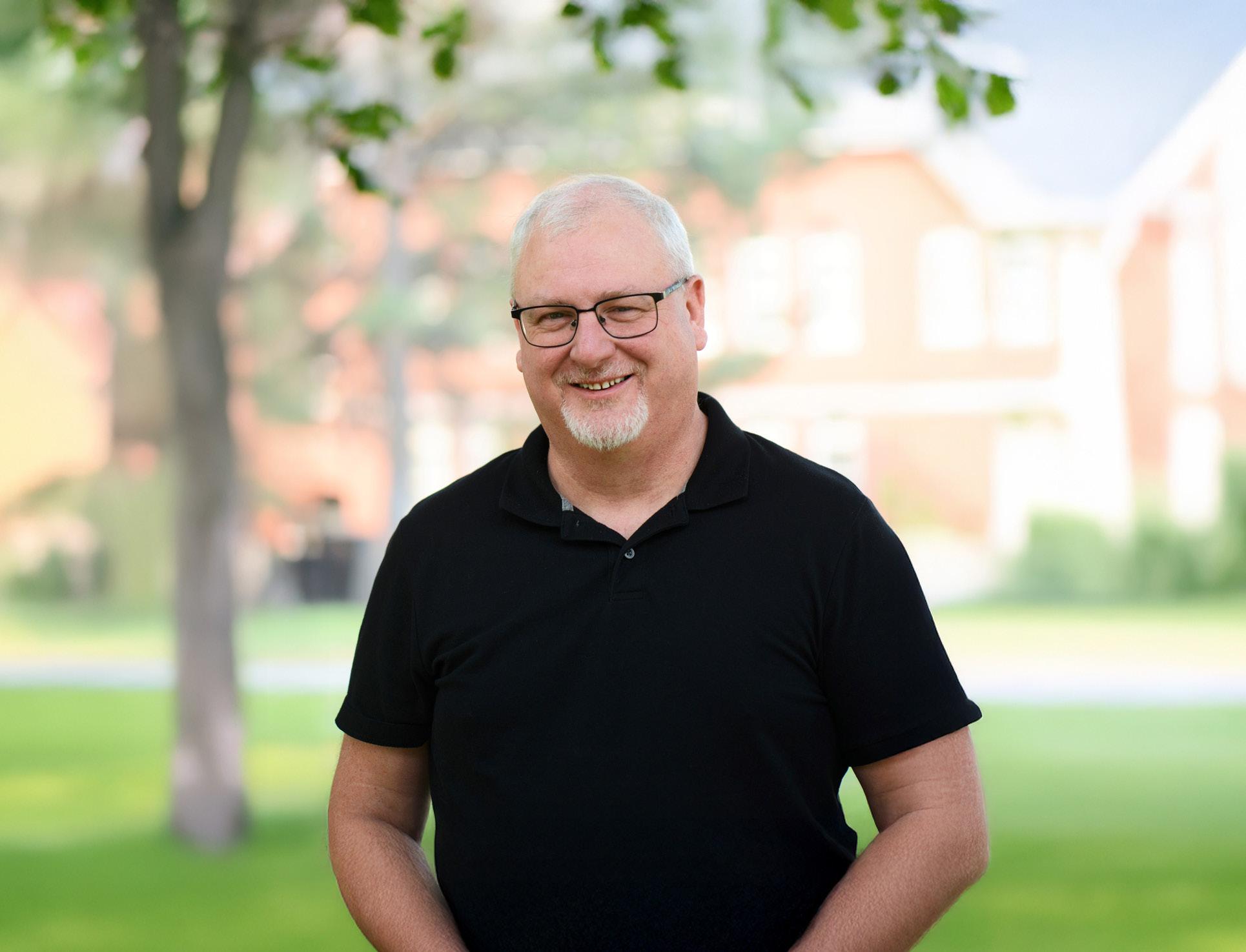
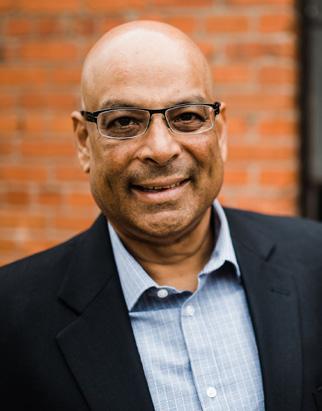
Dr. David Martin has been a longtime English and ESL faculty member at SFCC, UI, and WSU and served as the President of the Washington Association of the Education of Speakers of Other Languages. He shared the following observations and insights about the Pullman Center.
What comes to mind when considering the Pullman Center’s 25th anniversary and its service to the Palouse?
I remember when the Pullman Center began and the excitement Pullman residents shared about having lowercost class offerings here in Pullman. I remember thinking that I wished I’d had that option in the 90s when I returned to the Palouse. The Center is such a valuable resource.
What are your connections to the community college?
My first direct connection with the Pullman Center came when inquiring about class offerings for my son when he was considering his options. However, I have always had a deep respect for community colleges, as I attended three of them prior to returning to UI for a bachelor's in the mid 1990s. Now I have the privilege to teach in the same system where I got my start.
What do you value about the community college?
The smaller class sizes provide important opportunities for students to ask questions, seek extra help as needed, and develop professional relationships with teachers and staff in a relaxed atmosphere. It is also a budgetfriendly option to get started in college.
What do you wish more people knew about the Pullman Center?
I really wish more people knew how much community support for the Center matters. There is so much potential for growth; I hope we can all work together and create an environment that fosters growth in numbers, enthusiasm, and expanded options.
What do you hope the Pullman Center will look like in 5 to 10 years?
I hope that the Pullman Center will be a hub for community members of all ages and backgrounds to learn and grow together, with increasing options for face-to-face classes where real-world, hands-on learning as well as online options are the norm. I would also love to see students take more advantage of the Center's social spaces to build professional skills and network with professionals and organizations in the community.
News & Updates
Apply now and continue your education as early as April at the Pullman Center! We know life is busy, so we offer flexible options designed to fit your schedule, not the other way around. Take inperson or online classes, or combine both, to create a schedule that fits you best. Ready to start? Scan the QR code below to begin your journey.
Join our English as a Second Language (ESL), General Education Diploma (GED), and High School+ (HS+) programs! Flexible classes and supportive instructors make it easy to take the next step toward your goals. Contact SCC.Pullman@scc.spokane. edu or call 509-332-2706. Sign up now for the winter term!
The Pullman Center is hiring! We are inviting applications for adjunct faculty to join us in the school year 2026-27. Apply now at: bit.ly/pullman_employment
Calendar
January 5 - March 25
Winter Term ’26, College, ESL, GED, and HS+ Programs
April 6 - June 18
Spring Term ’26, College, ESL, GED, and HS+ Programs
June 16 Pullman Center Commencement
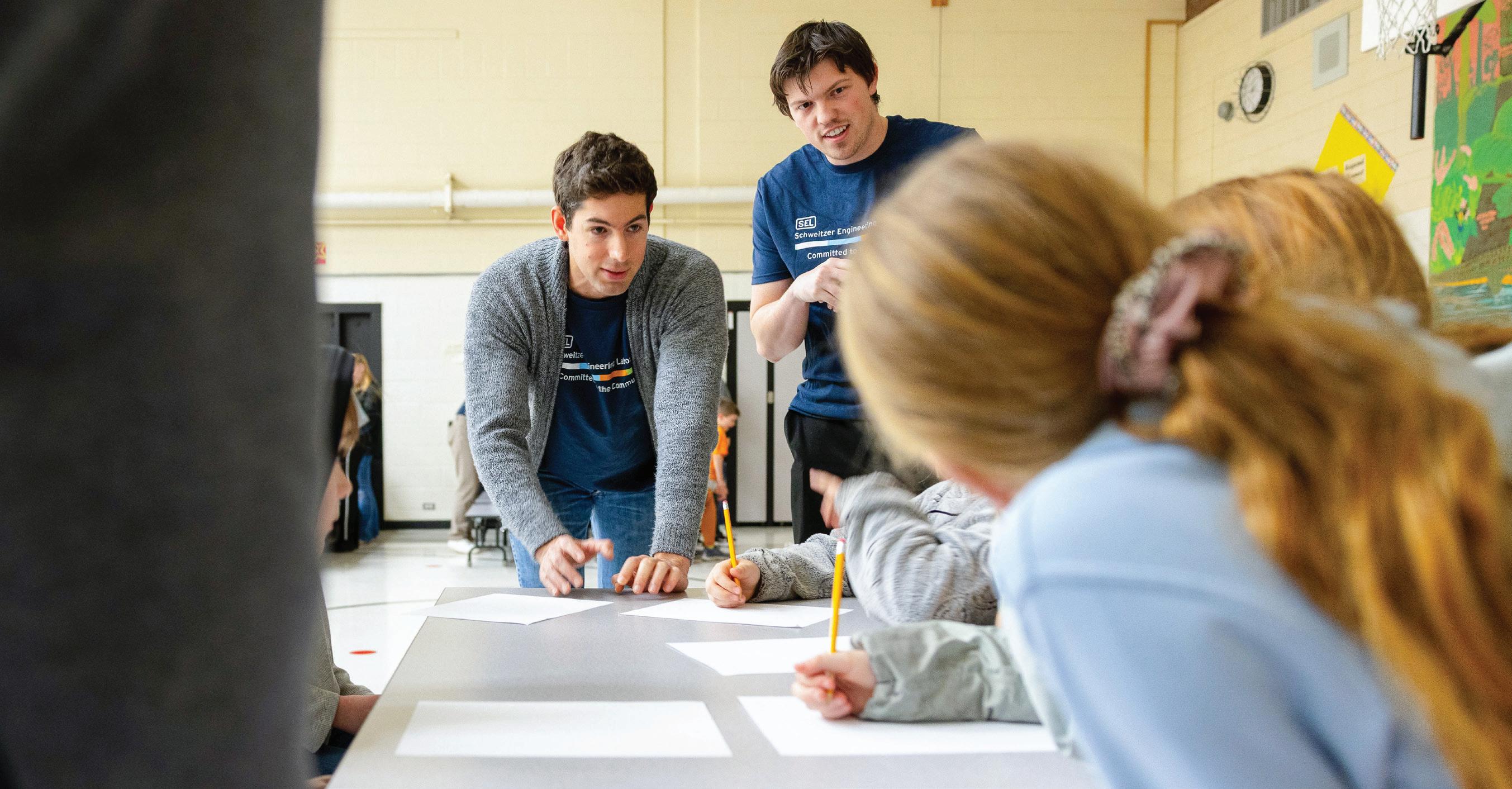
Learn more at selinc.com/company/about
IS IT TIME TO CONSIDER ADULT DAY HEALTH?
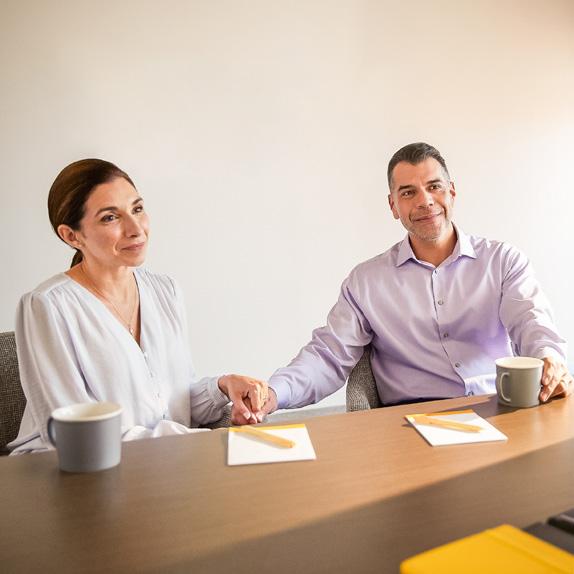
Caring for a loved one can be one of the most meaningful roles we take on, but it can also be overwhelming. Many families wait until there is a crisis before asking for help. The truth is, support works best when it starts early.
Here are some signs it may be time to explore adult day health services:
Respite support. If you feel exhausted, anxious, or stretched too thin, that’s important. Caregivers need care, too!
Growing memory concerns. Repeated questions, missed medications, or confusion about daily routines may signal the need for structured support.
Social Isolation. If your loved one spends most days alone, their emotional and cognitive health can decline.
Falls, balance issues, or difficulty moving safely at home are signs extra supervision may help.
Adult Day Health is not about giving up independence. It’s about strengthening it.
Living Room
Your living room is more than a space, it’s the heart of your home.
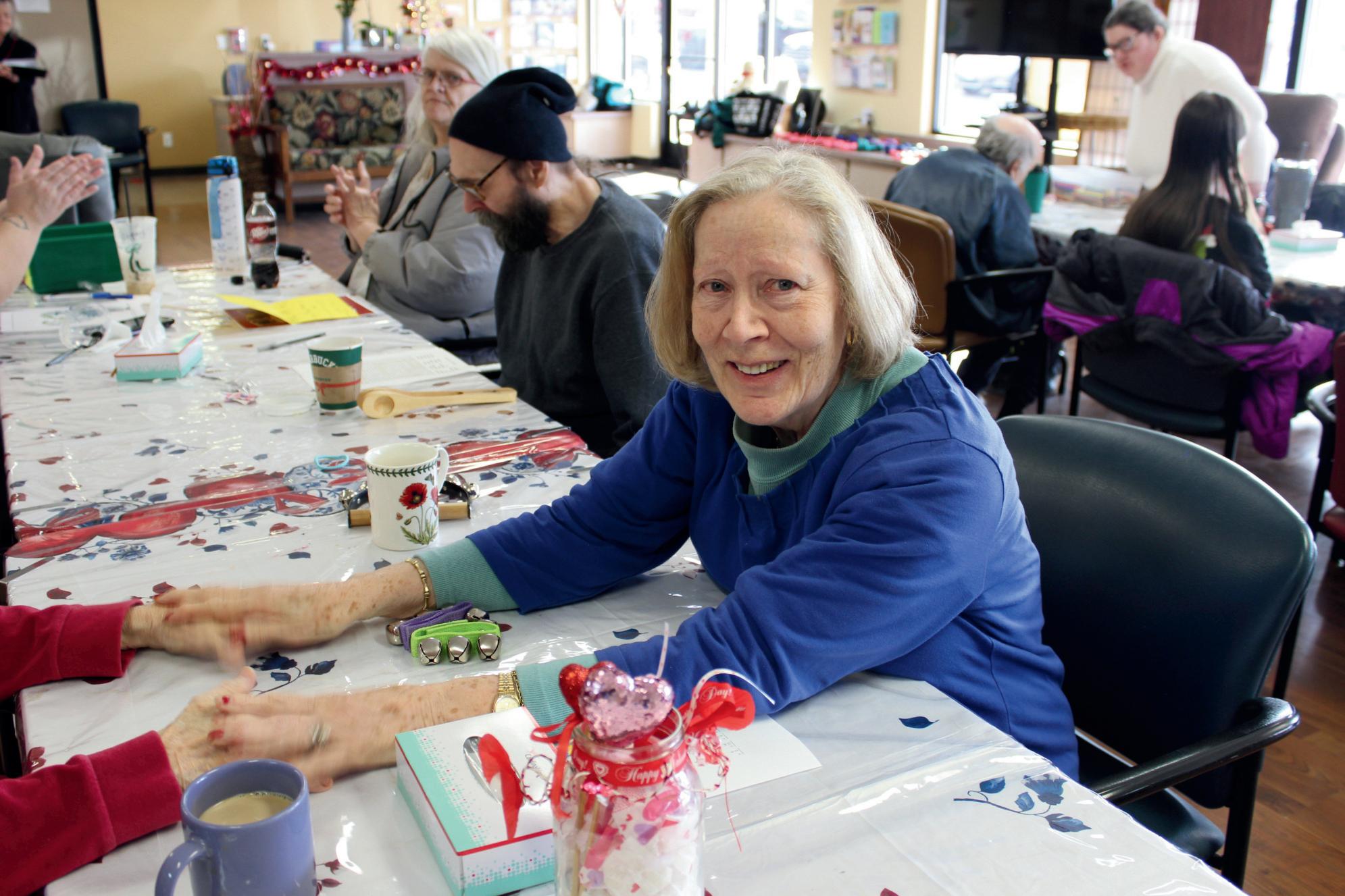
At Circles of Caring Adult Day Health, participants enjoy meaningful activities, social connection, meals, and professional oversight, all while caregivers gain time to rest, work, or simply recharge.
You don’t have to wait for a crisis. If you’re unsure whether it’s the right time, let’s talk.
(509) 334-6483
info@circlesofcaring.org
Conditions We Treat:
• Acne
• Actinic Keratoses
• Hair Loss
• Eczema
• Mole Check
• Psoriasis
• Rosacea
• Seborrheic Dermatitis
• Skin Cancer
• Skin Tags
• Pullman Farmers Market, 10 a.m. –3 p.m., 300 E Main St, 10 a.m. –3 p.m., Indoor
• WSU, Student Recital: Hazel Gomez, soprano, Bryan Hall, 3:10 p.m.
• WSU, Student Recital: Carl Reese, trumpet, Bryan Hall, 7:30 p.m.
• Farmers & Makers Market in Pullman, WA | Pullman Market on Main
• City of Pullman, Free Tax Return Help | 12:00 p.m. –4 p.m. | Neill Public Library
• WSU, Student Recital: Karl Falskow, bassoon, and Benjamin Findley, trumpet, Bryan Hall, 4:10 p.m.
• PSD, LMS & PHS Orchestra Concert, 7:30p.m. at PHS
• League of Women Voters, Where Civics Meets Art: 5th Annual Visual Arts Competition for students in grades 3–12, Greystone Gallery 6:00-7:30 p.m., lwvpullman.org
• WSU, Cougar Tennis vs. Pepperdine, 1:00 p.m., Hollingbery Fieldhouse
• 2025-26 Tennis ScheduleWashington State University Athletics
• Pullman Depot –At the Freight Room, open 1 –4 p.m. pullmandepot.org
• Pullman Farmers Market, 10 a.m. –3 p.m., 300 E Main St, 10 a.m. –3 p.m., Indoor
• Farmers & Makers Market in Pullman, WA | Pullman Market on Main
• WSU, Student Recital: Tristan Donaldson, composition, Bryan Hall, 4:10 p.m.
• WSU, FAS: Katie Rice, clarinet, Kimbrough Music Building, 7:30 p.m.
• PSD, Board Work Session, 4:30p.m. Meeting will be held at Franklin Elementary
• PSD, Pullman Greyhound Booster Committee Meeting, 7:00p.m. at PHS
• PSD, Sunnyside Elementary PTO Meeting, 6:00p.m. at SES
• WSU Combined Jazz Big Band Concert, Kimbrough Music Building, 7:30 p.m.
• Pullman Depot –At the Freight Room, open 1 –4 p.m. pullmandepot.org
• WSU, Student Recital: Tycho Honeywell, tenor saxophone, Bryan Hall, 7:30 p.m.
• PSD, Regular Board Meeting, 6:30p.m. Meeting will be held at Pullman High School and live streamed on our YouTube Channel • PSD, LMS Choir Concert, 7:30p.m. at LMS
• Pullman Chamber, General Membership Luncheon, 11:30 a.m., see pg 1
• PSD, Jefferson Elementary PTA Meeting, 6:30p.m. at JES
• Lincoln Middle School Booster Meeting, 6:45p.m. at LMS • LMS 6th grade Band, Solo/ Ensemble Groups & 7th/8th grade Jazz Band Concert, 7:30 p.m. at LMS
• City of Pullman, Pullman City Council Meeting | 5:30 p.m. –7 p.m. | City Hall Council Chambers • WSU, Graduate Recital:
• Pullman Farmers Market, 10 a.m.–3 p.m., 300 E Main St, 10 a.m.–3 p.m., Indoor
• PSD, Conference Day, No School for Grades K-5
• PSD, Conference Day, No School for Grades K-5
• PSD, Conference Day, ½ Day Grades K-5
p.m.
|
• St Patrick's Day
• Farmers & Makers Market in Pullman, WA | Pullman Market on Main
• Pullman Depot –At the Freight Room, open 1–4 p.m. pullmandepot.org • WSU, Cougar Tennis vs. Eastern Washington, 1:00 p.m., Hollingbery Fieldhouse • 2025-26 Tennis ScheduleWSU Athletics
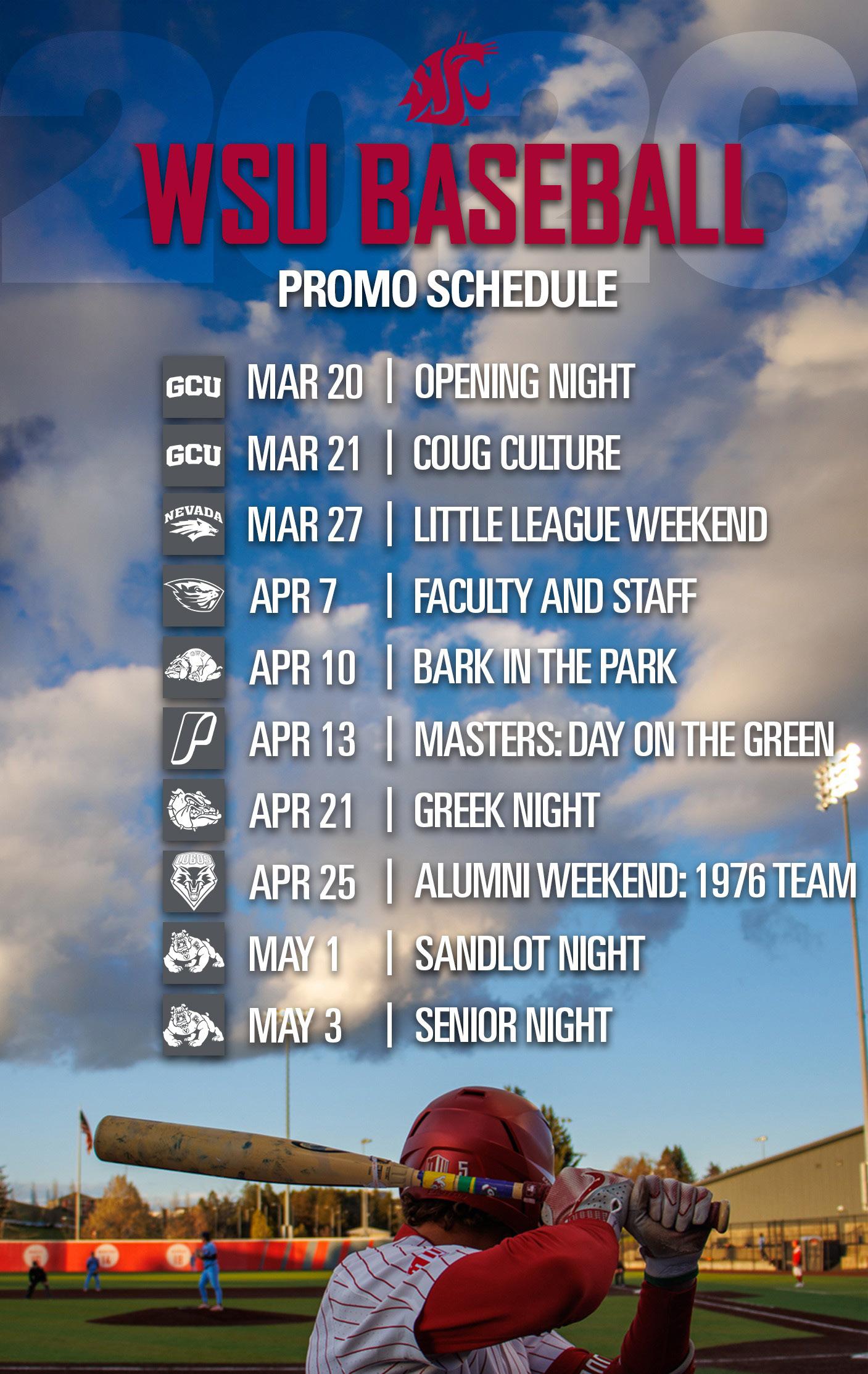
• WSU, Cougar Baseball vs Grand Canyon, 4:05 p.m., Bailey-Brayton Field,
• 2026 Baseball ScheduleWashington State University Athletics
• WSU, Cougar Baseball vs Grand Canyon, 2:05 p.m., BaileyBrayton Field • 2026 Baseball ScheduleWSU Athletics
• Pullman Farmers Market, 10 a.m.
–3 p.m., 300 E Main St, 10 a.m. –3 p.m., Indoor
• Farmers & Makers Market in Pullman, WA | Pullman Market on Main
• WSU, Cougar Baseball vs Nevada, 4:05 p.m., BaileyBrayton Field
• Pullman Depot –At the Freight Room, open 1 –4 p.m. pullmandepot.org
• City of Pullman, Free Tax Return Help | 12:00 p.m.
• 2026 Baseball ScheduleWashington State University Athletics
–4 p.m. | Neill Public Library
• WSU, Cougar Baseball vs Nevada, 2:05 p.m., BaileyBrayton Field
• 2026 Baseball ScheduleWSU Athletics
• Pullman Chamber, Cabaret, Starlight and Splendor, 5 p.m., see cover
7 p.m. | City Hall Council Chambers • WSU, Graduate Recital: Makenna Wagnon, soprano, Bryan Hall, 7:30 p.m. 15 22 16 23 17 24 18 25 19 26 20 27 21 28 29 30 31
• PSD, Regular Board Meeting, 6:30p.m. Meeting will be held at Pullman High School and live streamed on our YouTube Channel
• City of Pullman, Pullman City Council Meeting | 5:30 p.m. –7 p.m. | City Hall Council Chambers
• PSD, Franklin PTA Meeting, 6:00p.m. at FES
• WSU, FAS: Brayden Schultz, piano, Kimbrough Music Building, 7:30 p.m.
• WSU. Joint Recital: Luke Richardson and Patrick Donoghue, guitar, Kimbrough Music Building, 7:30 p.m.
• WSU, Cougar Tennis vs. Loyola Marymount, 11:00 a.m., Hollingbery Fieldhouse
• 2025-26 Tennis ScheduleWashington State University Athletics
• WSU, Cougar Baseball vs Grand Canyon, 12:05 p.m., Bailey-Brayton Field
• 2026 Baseball ScheduleWashington State University Athletics
Abbreviations
• PHS= Pullman High School
• PDSC= Palouse Discovery Science Center
• PRH= Pullman Regional Hospital
• JES = Jefferson Elementary School
• KES –Kamiak Elementary
• LMS= Lincoln Middle School
• SES = Sunnyside Elementary School
• PAFC= Pullman Aquatic and Fitness Center
• SFCC=Spokane Falls Community College
• PCM = Pullman Community Montessori
• League of Women Voters, Where Civics Meets Art: 5th Annual Visual Arts Competition for students in grades 3–12, artwork deadline, lwvpullman.org
• WSU, Cougar Baseball vs Nevada, 12:05 p.m., BaileyBrayton Field
• 2026 Baseball ScheduleWashington State University Athletics
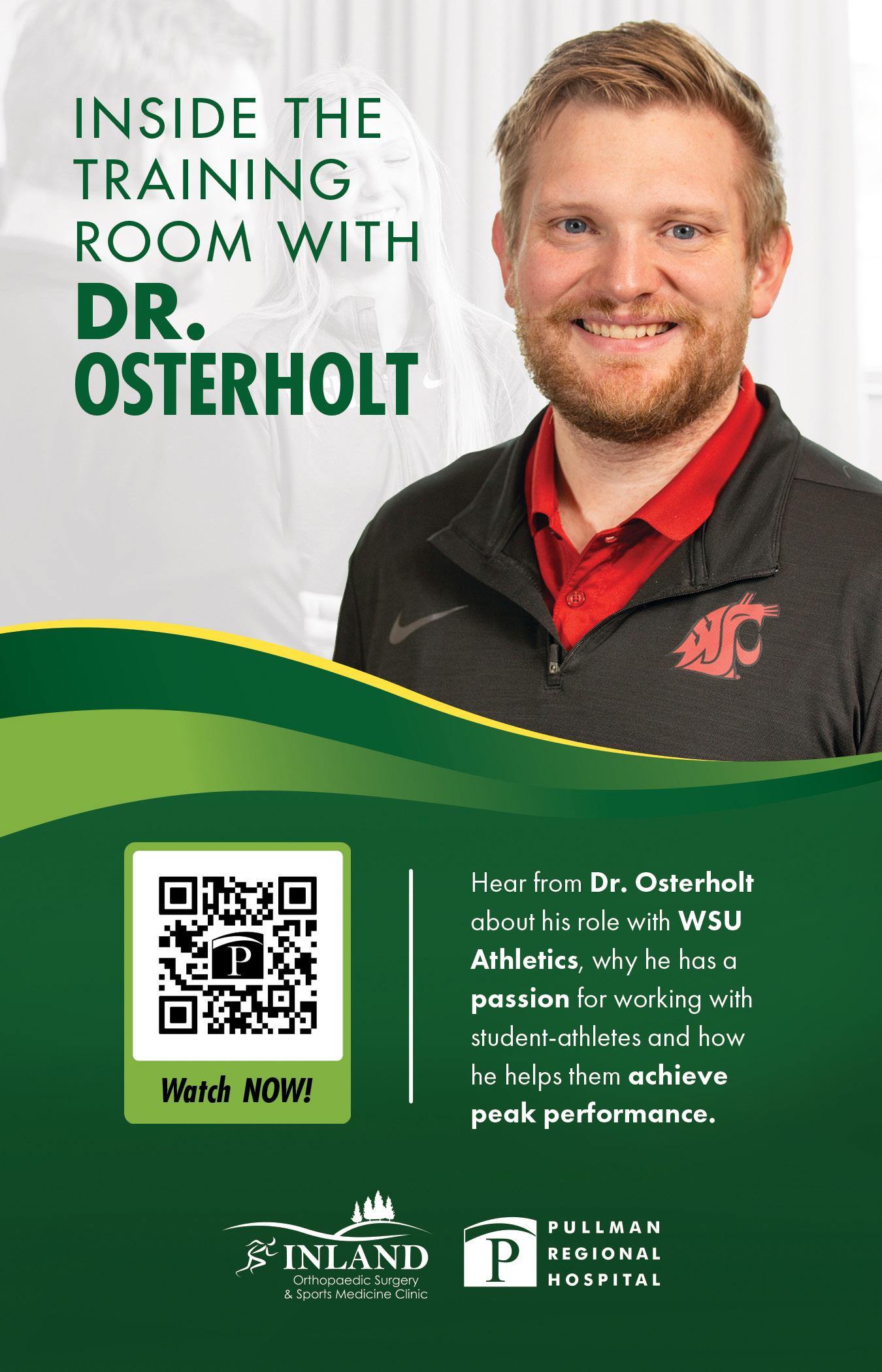
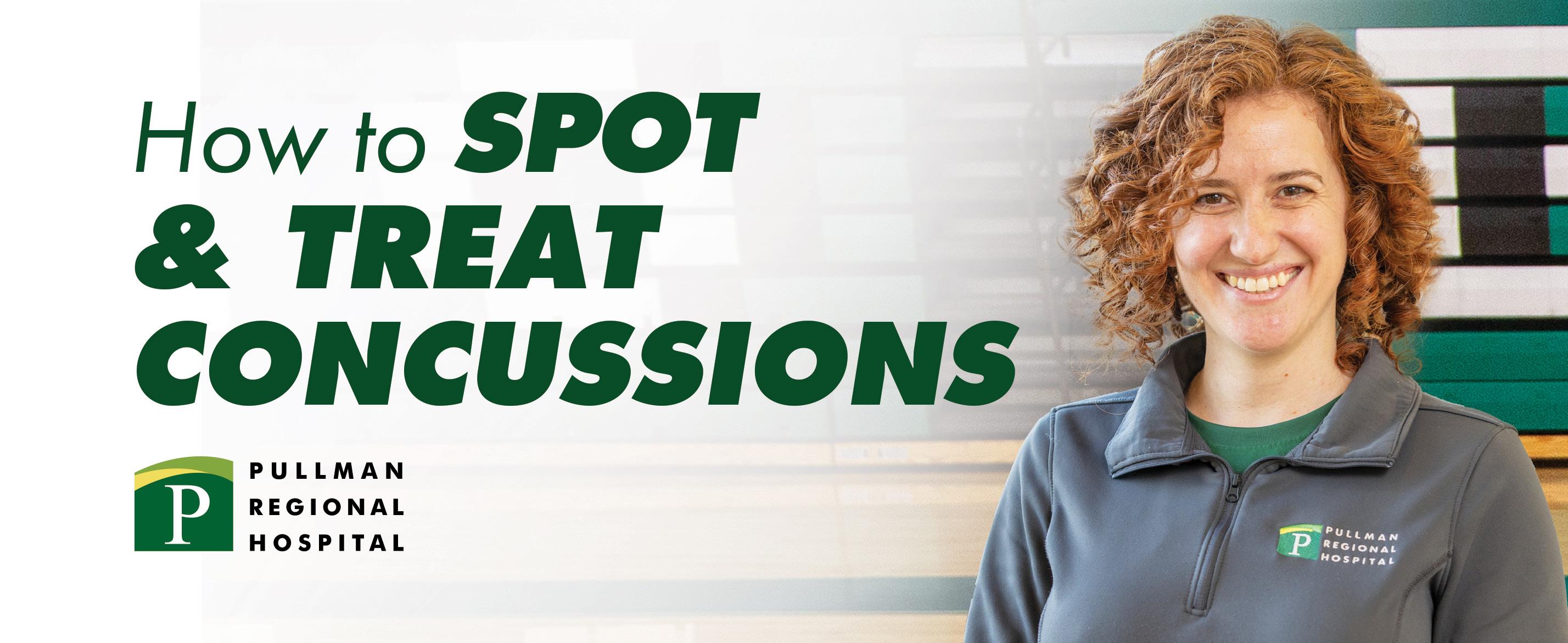
We’ve probably all seen someone get hit in the head- whether it was during a professional sports game, high school athletics event, or even little league practice. You may have caught yourself wondering- did they get a concussion? Nicole Clements, MS, LAT, ATC, is a Certified Athletic Trainer for Pullman Regional Hospital’s Regional High School Athletic Training Program, serving Potlatch High School and has treated her fair share of athletic injuries, including concussions. Nicole breaks down what a concussion is, what the warning signs are, and how she uses concussion protocols to keep student-athletes safe.
What is a concussion?
A concussion is a traumatic brain injury (TBI). It occurs when the body stops suddenly or violently, causing the brain to slam into the skull. It can result in cognitive and physical symptoms lasting anywhere from a few days to several months, or even years.
Nicole cautions that, “concussions are serious injuries and should be taken seriously!” Typically if they are treated correctly, recovery can be relatively quick and easy. But ignoring a concussion can lead to worse injuries to your brain, and can impact your cognitive ability for the rest of your life.
What are the initial warning signs of a concussion?
Typically headache, dizziness, nausea, confusion, sensitivity to light and noise, drowsiness, and feeling “off” are some of the telltale signs something might be up, following a blow to the face or head.
As an Athletic Trainer, Nicole looks for signs that an athlete may be confused or ‘out of it’- such as stumbling, off their game, shaking, or rubbing their head. “Anytime an athlete takes a hard hit, or fall, I monitor them closely for signs of a concussion. This isn’t always indicative though, because not all hard hits lead to concussions and not all concussions are caused by hard hits.”
What should you do if you have a concussion?
The best thing for a concussion is rest- both physically and cognitively. Physical activity can exacerbate symptoms, so limiting them as much as possible is key to recovery. Avoiding things like bright lights and screens (like televisions, computers, tablets, and phones) is advised, as well as sleeping however much you need to. Nicole recommends that if a concussion doesn’t seem to be going away and you’re still experiencing symptoms after a few weeks, it may be time to ask your primary care physician about seeing a specialist. There are exercises and therapies that can aid in the healing process that a specialist can recommend, based on your specific situation.
Why do athletes undergo baseline concussion testing?
Nicole explains that “since not everyone has the same balance, reaction time, and recall ability, evaluating the progression of the concussion against anything other than the athlete’s initial baseline
numbers would be inaccurate.”
Concussion symptoms are usually the first things to clear up in a patient, but things like balance and reaction time can take longer to recover after someone sustains a concussion. Seeing these delays shows that a patient may not be fully healed yet. “Athletes who struggle with balance or reaction time post-concussion are at a higher risk of being injured, which we certainly don’t want. That’s why concussion testing is so important,” Nicole says.
“We get a baseline with our high school athletes so we can know what each person’s ‘normal’ is, and can compare that to when evaluating the athlete returning to play. If an athlete is below their baseline levels, I know that they’re not ready to return to their sport yet,” explains Nicole.
What is standard concussion protocol?
Nicole explains that her team follows graduated return to play (RTP) policies, state guidelines, and national recommendations for safely returning to play. “Our protocol consists of a five-step process: before beginning, the patient must rest fully for a minimum of 24 hours and shouldn't be experiencing any severe symptoms. Each day after, more exertion and a higher level of activity is gradually increased, until the 5th day, which is full activity with no restrictions.”
After each step, the athlete is evaluated by an athletic trainer to ensure that no symptoms have increased. If the patient's symptoms do not worsen, they are allowed to continue to the next step. If they do have worsening or new symptoms, we stop the RTP protocol for 24 hours and then resume at the point of pause once they are again at their previous levels. The athlete must be completely symptomfree in order to be fully cleared.
Can concussions be prevented?
You can take steps to ensure you’re doing your part to prevent concussions and other traumatic brain injuries during sport, and in your everyday life. These include:
• Wearing a helmet (or other appropriate headgear) when playing contact sports, riding a bike, motorcycle, skateboard, or other wheeled devices, riding a horse, and skiing and snowboarding
• Never participate in sports or ride/drive moving devices when under the influence of alcohol or drugs
• Get an annual wellness exam by your primary care provider and an annual eye exam to evaluate prescriptions, identify new areas of concern, and ensure you’re up-to-date on routine screenings and vaccinations
If you’re interested in learning more about the Regional High School Athletic Training Program and its mission to keep local student-athletes safe, please visit pullmanregional.org/athletictraining
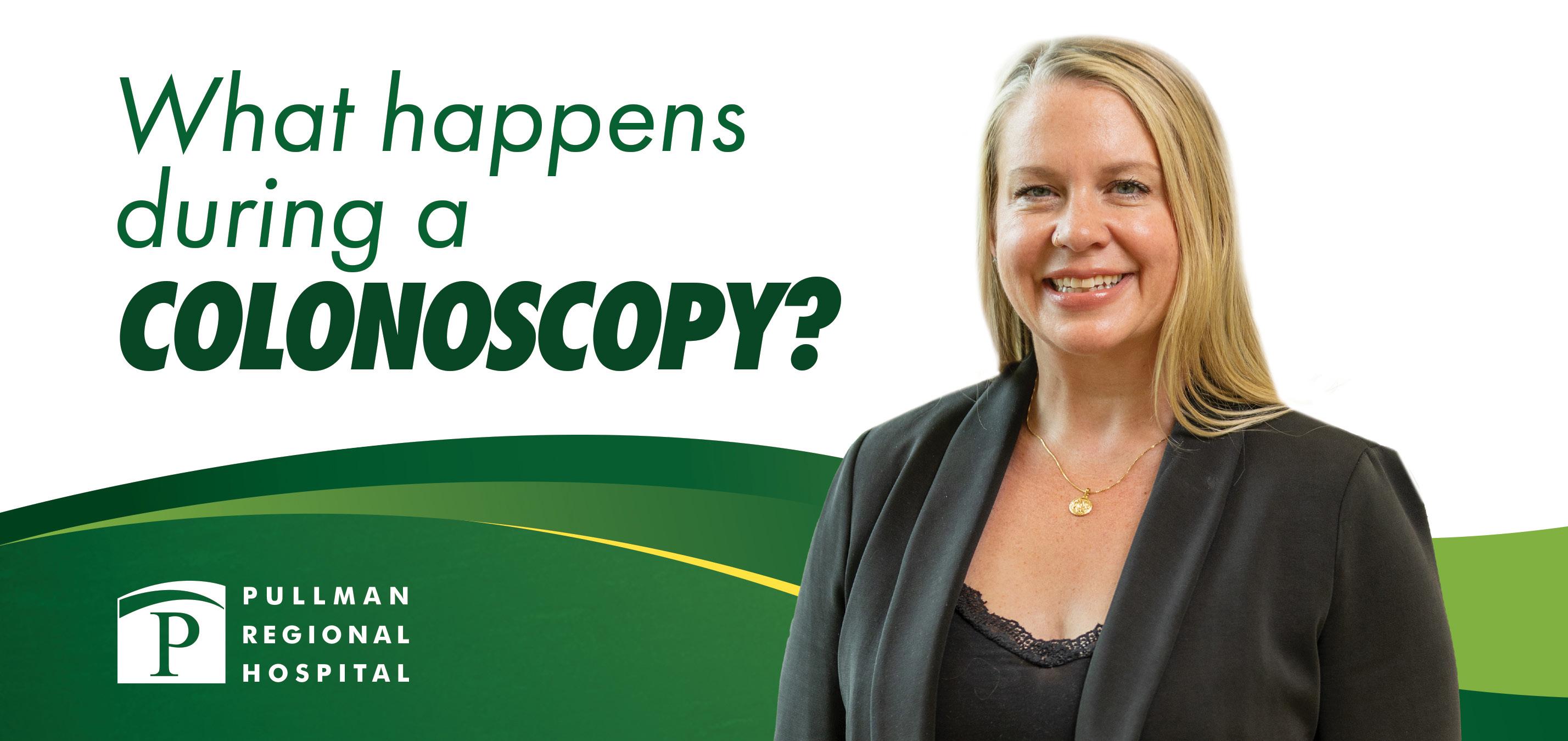
Let's be honest, getting a colonoscopy is not on anyone’s “wish list.” Yet, colonoscopies are the best gift you can give yourself to prevent colon cancer—one of the deadliest cancers out there.
Dr. Nancy Panko, Board-Certified General Surgeon and Medical Director of Pullman Surgical Associates, shares important information about the procedure and why it’s such a critical screening tool.
What Happens During a Colonoscopy?
During the colonoscopy procedure, a specialized camera views the entire lining of the large intestine (colon). Patients are under anesthesia and don’t feel a thing. In fact, many report experiencing the “best rest” of their life. The procedure is an outpatient procedure and typically takes about an hour.
Dr. Panko is specifically looking for abnormalities, such as precancerous growths known as polyps. These growths can turn to cancer over time, so it’s crucial to identify them and remove them in their early stages. Should polyps be detected, they can be removed right then and there and sent off to pathology for examination.
“By removing them, we're potentially preventing cancer from forming. That's the primary thing I'm looking for during a colonoscopy. We're also looking for any abnormalities in the lining of the colon, any inflammation or other things that could be causing dysfunction with bowel habits,” she explains. The primary type of polyps detected are adenomatous polyps—ones that have an increased risk of transforming to colon cancer. If a patient has been diagnosed with adenomatous polyps, that means they need to have an increased frequency of screening colonoscopy, generally between three and five years as opposed to 10.
“There are other benign polyps we see and we can't tell the difference just looking at them during the exam. It's really something that has to be determined when pathology looks at these specimens under the microscope. But, those benign polyps do not increase the risk of colon cancer and don't increase the frequency with which you need a
colonoscopy,” notes Dr. Panko.
When Should You Start Colonoscopy Screening?
National guidelines recommend individuals start colorectal cancer screening with colonoscopy at the age of 45. In a patient with a normal colonoscopy, the recommended interval is every 10 years.
There are some patient groups that need to have colonoscopies more frequently or at an earlier age. For example, if someone has a first degree relative—mom, dad, brother, sister, child—who has colon cancer, the recommended time to start screening is either at age 40 or five years earlier than the age of the family member when they were diagnosed with colon cancer.
“Similarly, if you've had polyps or if you've had a personal history of colon cancer, we do more frequent screening,” shares Dr. Panko.
What does colonoscopy preparation look like?
It is true that the prep required for colonoscopy isn’t the easiest to endure. However, it’s necessary to get the most accurate view of the colon.
“I always tell my patients the prep is the least fun part of the colonoscopy. That being said, it's very important. In order for your physician to take a very good look at the lining of the colon and detect any polyps or any abnormalities in the lining of the colon, we need that colon to be very, very clean,” advises Dr. Panko.
She also urges individuals to keep up with their colonoscopies, as they do save lives. “By doing colonoscopies, we can prevent really devastating health issues down the road. I really express to all my patients, and my own family, that this is a vital part of taking care of yourself as we get older.”
Talk with your primary care provider to determine your colonoscopy screening plan.