

COACHES CORNER
PERFORMANCE NEWSLETTER
Paul & Hank


PAGE 3
Message From Coach Paul
PAGE 4
Con-Ed Opportunities
PAGE 5-6
Coaching Cheat Code of the Month:
Coach Melody posed the question of “What is my purpose as a coach?”
PAGE 7
Nutrition Hack
Weather you’ve heard about it or not let's touch up on Resistant Starches with Coach Paul
PAGE 8-9
Wave Loading: A Different Approach to Arbitrary Load Progression
Let’s dive deep into the tool box and see what Coach Paul has learned about “Wave Loading”
PAGE 10
The Library
Check Out This Months Podcast and Read
Floatation
As coaches, much of our work happens in motion. We are programming, cueing, adjusting, and constantly responding to the people in front of us. This month we want to highlight the idea of floatation as a reminder to occasionally step back and observe. Creating space from the noise of constant movement allows us to see patterns more clearly, refine our approach, and return to the floor with sharper intention for the communities we lead.
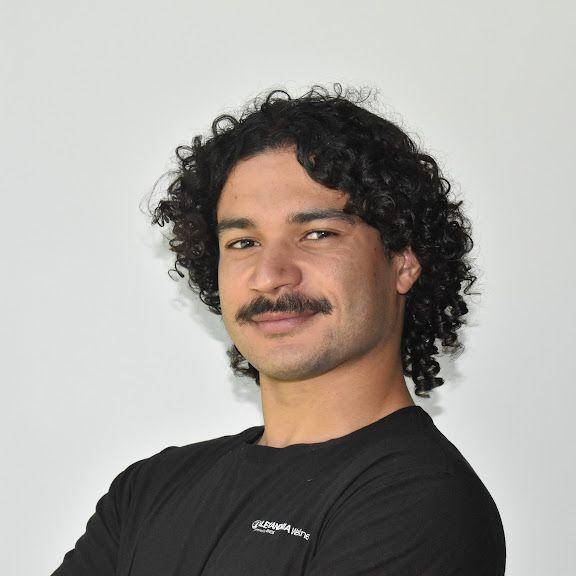

Paul Scott Performance Coach
Hank Dembrowski Senior Performance Coach

Con Ed CEU Opportunities
In person:
● Looking to get your NSCA CSCS? Point Loma is Holding a CSCS Exam Prep Clinic May 16th-17th!
Digital Options:
● Fitfixnow - offers online courses to gain NASM CEUs Check it out
● Did you know that exos offers CEUs through Workday? Check it out!
○ If you completed IXPM or XPS you will receive CEUs!
● If you hold a membership with NSCA you have access to online quizzes and videos that count towards Area-D of your CEUs!
Workday Options:
● March 2026 Virtual Continuous Improvement Summit: Click me!
● Craig Rasmussen - A Coach's Practical Guide to Managing Pain in General Population Clients: Click me!
What is my Purpose as a Coach?
With the high turn-over this past year, I have felt burnt-out and overwhelmed as I am sure most of us do. Sometimes I ask myself “What am I doing here”. So I decided to write about it. I wanted to tell you about some personal encounters and give you my tips to ensure we are doing our job with intent and purpose. Hopefully this will encourage you to remember the impact we make in our members' lives.
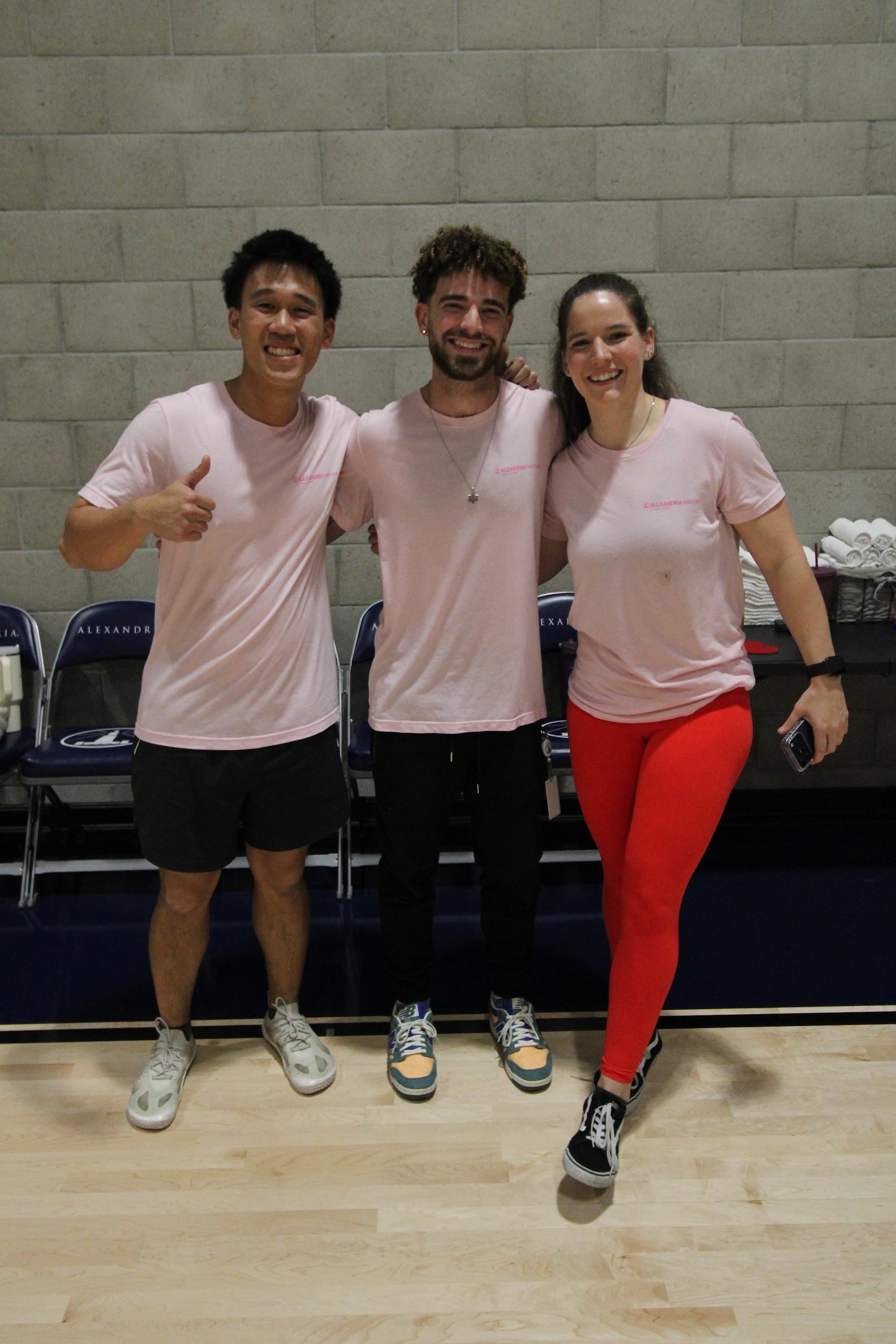
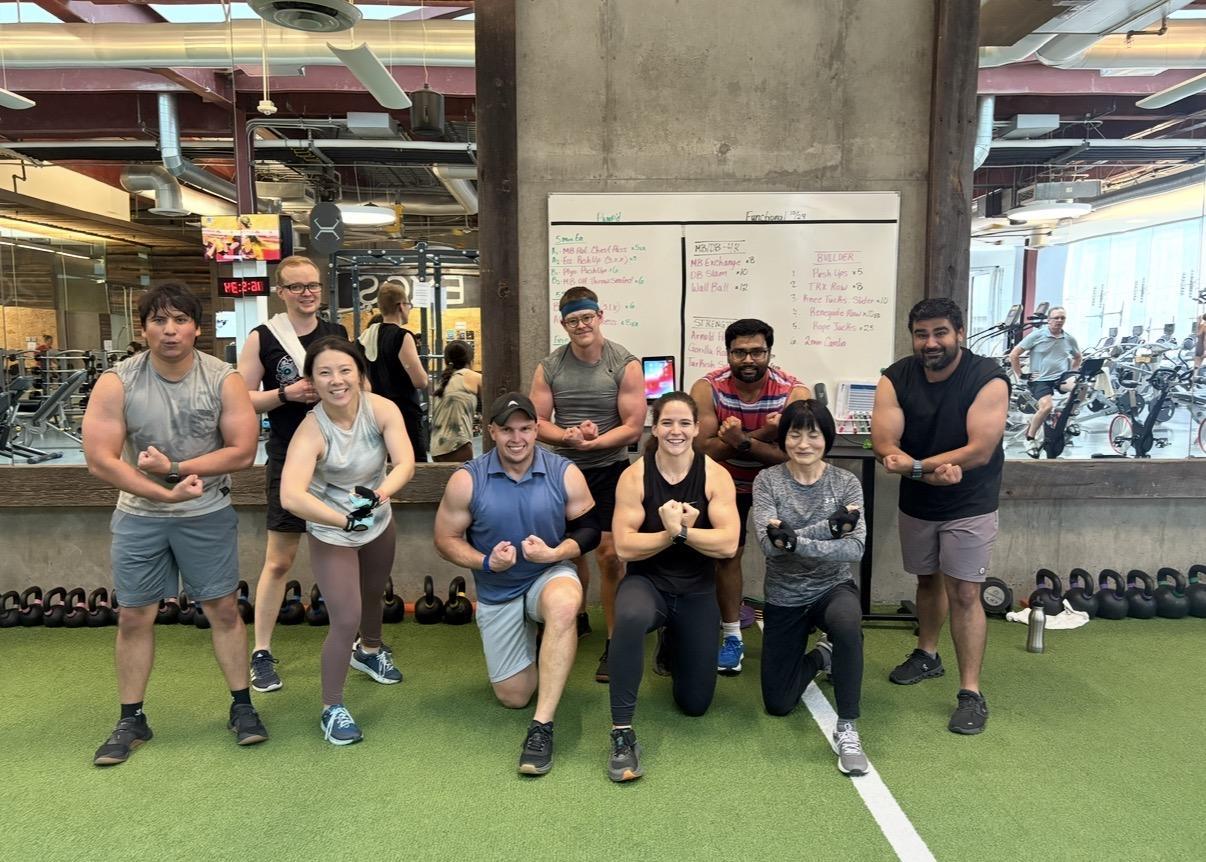
Just this past week, I had a member say she’s never tried the treadmill because it intimidated her. On our next cardio interval block, I encouraged her to give it a shot, since it was time based she could even walk if she wanted. She hopped off the treadmill with a huge smile. She had done it, and most importantly she was proud of herself! This is what our job is about, helping members build confidence in the gym, in themselves, and in their capabilities.
A few months ago I had a member who had never attempted a pull up in her life and was convinced it was a movement she would just never be able to do. While the others were using band assistance, I put her on the assisted machine. She completed the reps and was shocked that, even though she had assistance, she could do it! It built a belief in her that one day, she might actually be able to complete a bodyweight pull up.
My favorite moment was when a member completed a 36 inch box jump! She almost cried after completing it. She had never jumped that high before and told me that she had a double hip replacement a few years ago. She was told she would have pain when walking for the rest of her life and surely would not be able to jump. She expressed her love for our classes, and gratitude for us coaches who have quite literally changed her life. It was with our support and her consistency, that she is able to live her everyday life pain free with the ability to jump!
What is my Purpose as a Coach?
These small but incredibly impactful moments are what fuel my love for this job. They remind me that everyday, we are changing our members' lives, whether we see it or not.
To get our members to this point, I give them 8-10 weeks to learn movement patterns, get comfortable being in the gym, and build a relationship with me.
We always hear “growth happens outside of your comfort zone”, but our new members are already out of their comfort zone just by showing up in a new environment with new people.
After those 8-10 weeks, I start implementing different techniques to ensure they continue making progress toward their goals while I support and encourage them.
- Melody
Here are some examples:
● I’ll say “You’re a regular now, so I’m going to push you a little harder”
● I’ll simply get them a heavier weight to use before they start their set. Something I know they can do, even if they don’t think they can.
● I’ll say “From what I’ve seen, you’re stronger than you think, I know you can go harder/heavier/faster”
Helping them push themselves will allow them to one day share their accomplishments with us that will continually fuel our motivation to do our job with the highest degree of quality.
Resistant Starches and Retrogradation
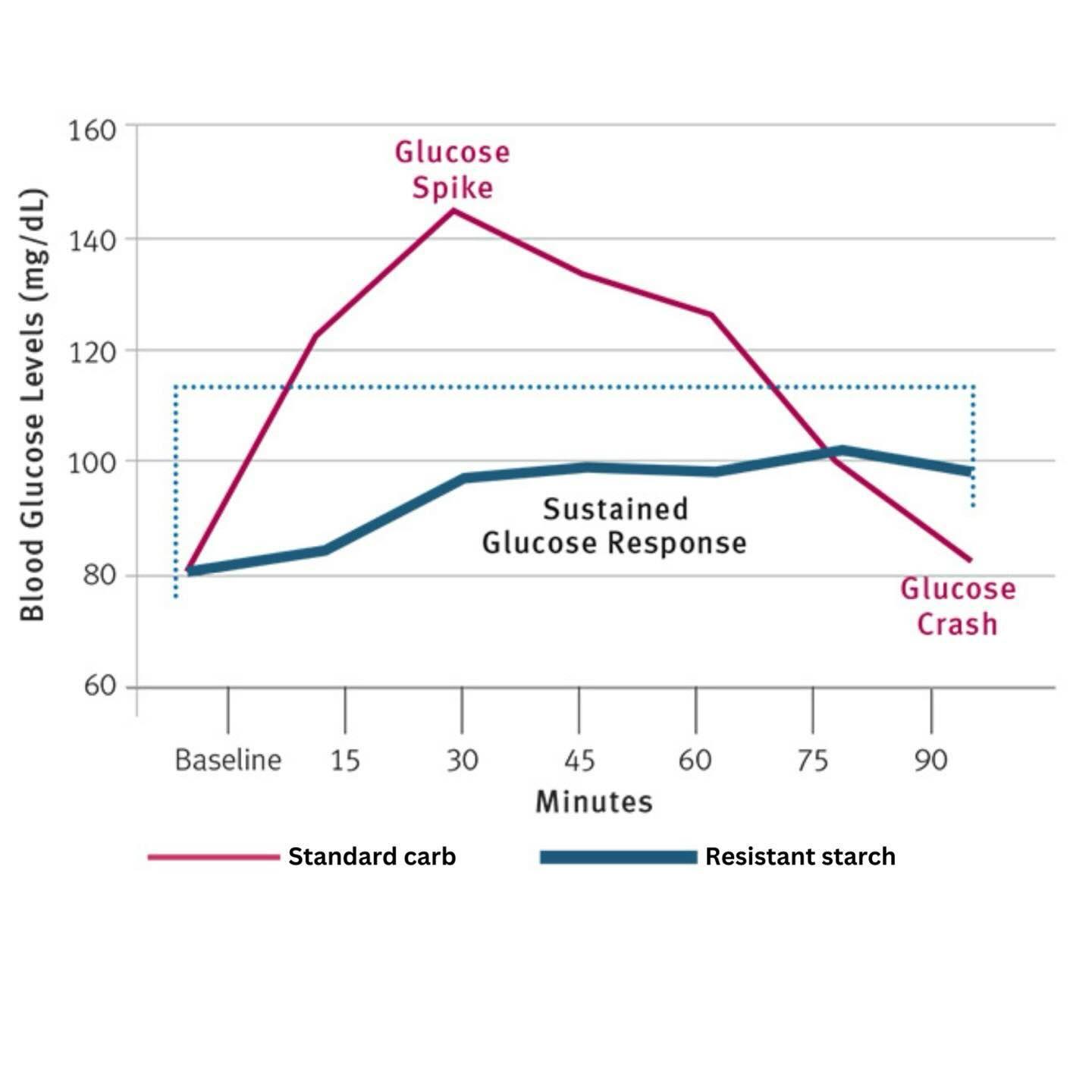
One concept that has been gaining more attention in nutrition discussions is resistant starch. As the name suggests, resistant starch is a type of carbohydrate that resists digestion in the small intestine. Instead of being rapidly broken down into glucose, it travels to the large intestine where it behaves more like fiber and is fermented by gut bacteria.
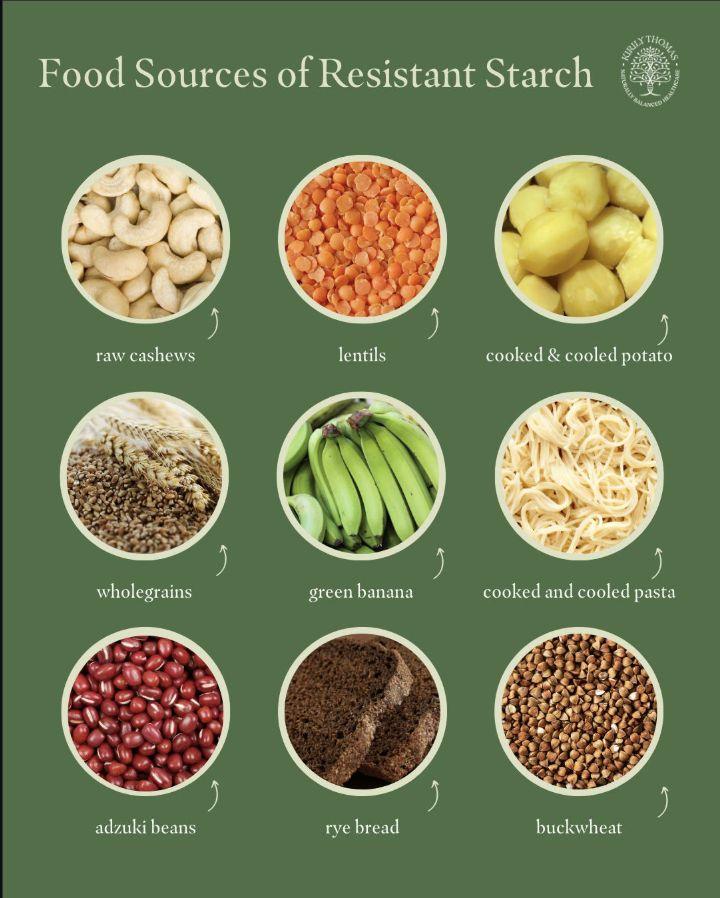
A common way resistant starch forms is through a process called retrogradation. When starchy foods like potatoes, rice, or pasta are cooked and then cooled, some of the starch molecules reorganize into a structure that digestive enzymes have a harder time breaking down. This increases the amount of resistant starch in the food.
For us, the practical takeaway is simple. Cooking and then cooling foods like rice or potatoes can slightly increase their resistant starch content, which may support gut health, improve satiety, and lead to a smaller blood glucose response compared to eating the same foods freshly cooked and hot. The effect is not dramatic, but it is an interesting example of how food preparation can influence digestion and metabolic response
While this concept has been studied for years, it is starting to show up more frequently in conversations about gut health, fiber intake, and blood sugar management. It also reinforces a broader point in nutrition: how we prepare food can matter just as much as what we eat.
Wave Loading: A Different Approach to Arbitrary Load Progression
As we move through this month, I wanted to highlight a method that sits a little deeper in the toolbox. Not super flashy, but new to me, and can be incredibly effective when applied with intention. That method is wave loading
At a glance, wave loading is simply a way of organizing sets so that intensity rises while reps fall, repeating in small “waves.” You might see this as a sequence like 3 reps, then 2, then 1, at a percentage of 1RM, gradually increasing the load each set. After that first wave is complete, you repeat the series again, usually with slightly higher percentages of 1RM. It is structured, but it does not feel rigid.
To make this more practical, it helps to think in terms of “series.” Each wave is one series, and each series builds on the last
For example, a classic 3-2-1 wave might look like this:
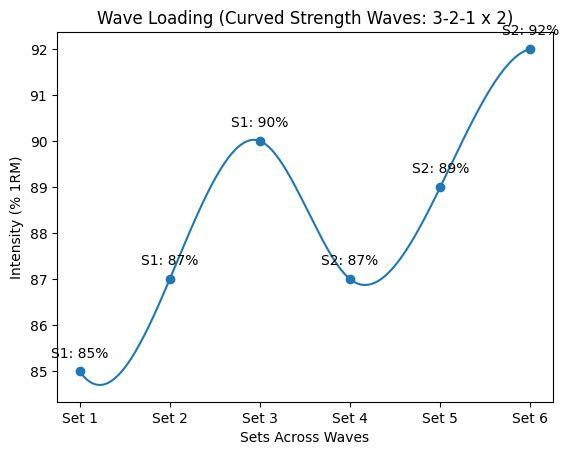
If performance is still high, a third wave can follow:
Series 3
3 reps at 89%1RM
2 reps at 91%1RM
1 rep at 94%1RM
*Rule of thumb is to increase load about 2-3% each set*
What makes wave loading valuable is not just the structure, but what it does to the nervous system. Each set builds on the one before it. Early efforts help “wake up” the system, and the body is better prepared to produce force in later sets . When done well, later waves can actually feel smoother and more powerful despite the increase in weight.
One of the biggest shifts in understanding with this method is recognizing that the heaviest lift is not the main event. It is part of the setup. That top single, or near-max effort, creates a response that carries into the next wave. In many cases, the most productive work happens immediately after, when the athlete returns to slightly higher reps with improved output and efficiency.
Wave Loading: A Different Approach to Arbitrary Load Progression
What is often noticed is that series 2 feels better than series 1, even though the loads are heavier. That is the potentiation effect doing its job. If that trend continues, series 3 becomes your highest quality work. If it does not, that is your cue to shut it down for the day.
Chasing maximal effort too early or turning those top sets into grinders tends to take away from the very effect we are trying to create. Leaving a rep or two in reserve allows the system to stay responsive, which is ultimately what keeps performance trending upward across the session.
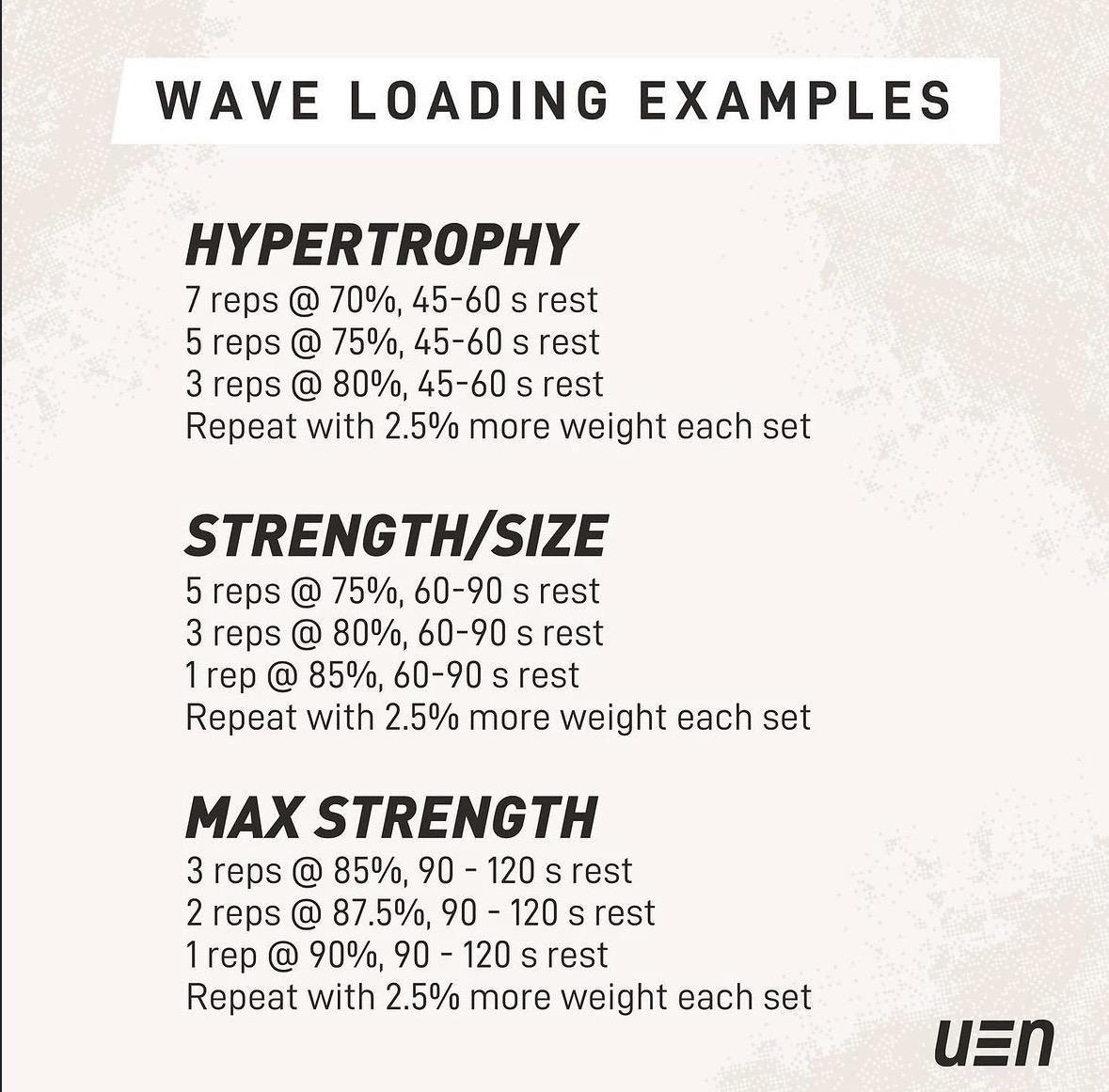
Wave loading is not something that we need to program year round. It is better thought of as a focused tool. Think when you are doing high performance training with a member, or programming for classes and the main intent is the expression of strength. It is best used in small bouts, no longer than 3 weeks with maybe 6 sessions total. By limiting the duration of waves, you allow for progression but finish before long lasting neurological fatigue sets in and diminishes results.
At the end of the day, strength is not just something we build, it is something we express. When we train the system that drives that expression, we can see results that carry over in a meaningful way!
If you have any questions on why, when, or how to implement this method into your programming for classes, HP training, or your own splits do not hesitate to reach out to myself or Hank!
Stay Tuned for Next Month…
We will cover Triphasic training, aimed at closing the V!
Episode of the month:
Essentials: Using Salt to Optimize Mental & Physical Performance
Listen Here!
Read of the month:
Training Volume and Hypertrophy - Evidence-Based Approach for Personal Trainers
Read Here!