

COACHES CORNER
PERFORMANCE NEWSLETTER
Paul & Hank


PAGE 3
Message From Coach Paul
PAGE 4
Con-Ed Opportunities
PAGE 5-6
Coaching Cheat Code of the Month:
Check in with Coach Daniel to Learn About Nonverbal Communication Skills
PAGE 7
National Nutrition Month
Lets See What Coach Paul Has to Say About The Current Trends in Nutrition
PAGE 8
Why Should Gen Pop Train Like Athletes?
Coach Paul Outlines Why Agility/Speed/Plyos Training is Valuable For Our Members
PAGE 9
TPI Movement Screening With Josh
PAGE 10
The Library
Check Out This Months Podcast and Read
Momentum
March invites us to settle in. The rush of the new year has passed, and what remains are the habits we are willing to keep. This month is about patience, consistency, and trusting the process even when progress feels quiet. As community leaders, we are committed to showing up with intention and setting the standard through the unglamorous but meaningful work of getting better. Real change is rarely loud, but it is always built over time.
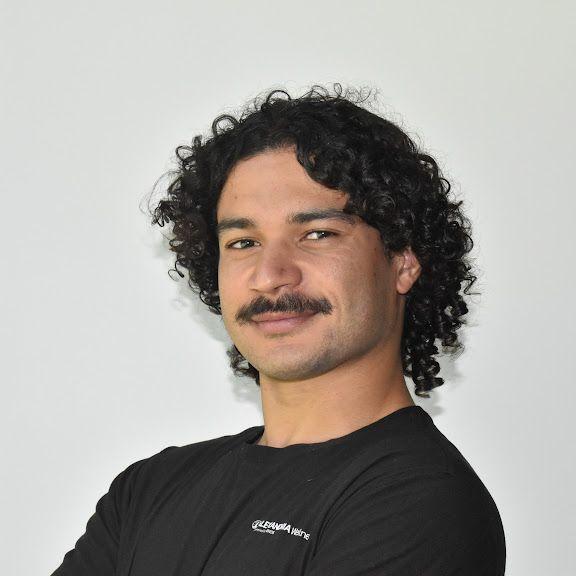
Paul Scott Performance Coach
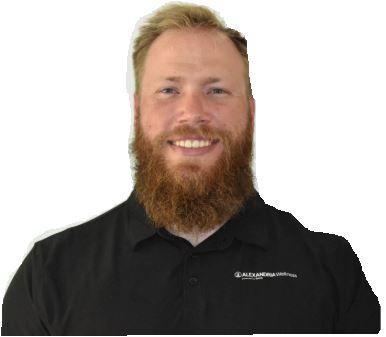
Hank Dembrowski Senior Performance Coach
Con Ed CEU Opportunities

In-person Options:
● Barbell Rehab Method Mar. 21st-22nd Los Angeles, CA Click Me
Digital Options:
● Fitfixnow - offers online courses to gain NASM CEUs Check it out
● Did you know that exos offers CEUs through Workday? Check it out!
○ If you completed IXPM or XPS you will receive CEUs!
● If you hold a membership with NSCA you have access to online quizzes and videos that count towards Area-D of your CEUs!
Hey Team,
NONVERBAL COMMUNICATION AND COACHING
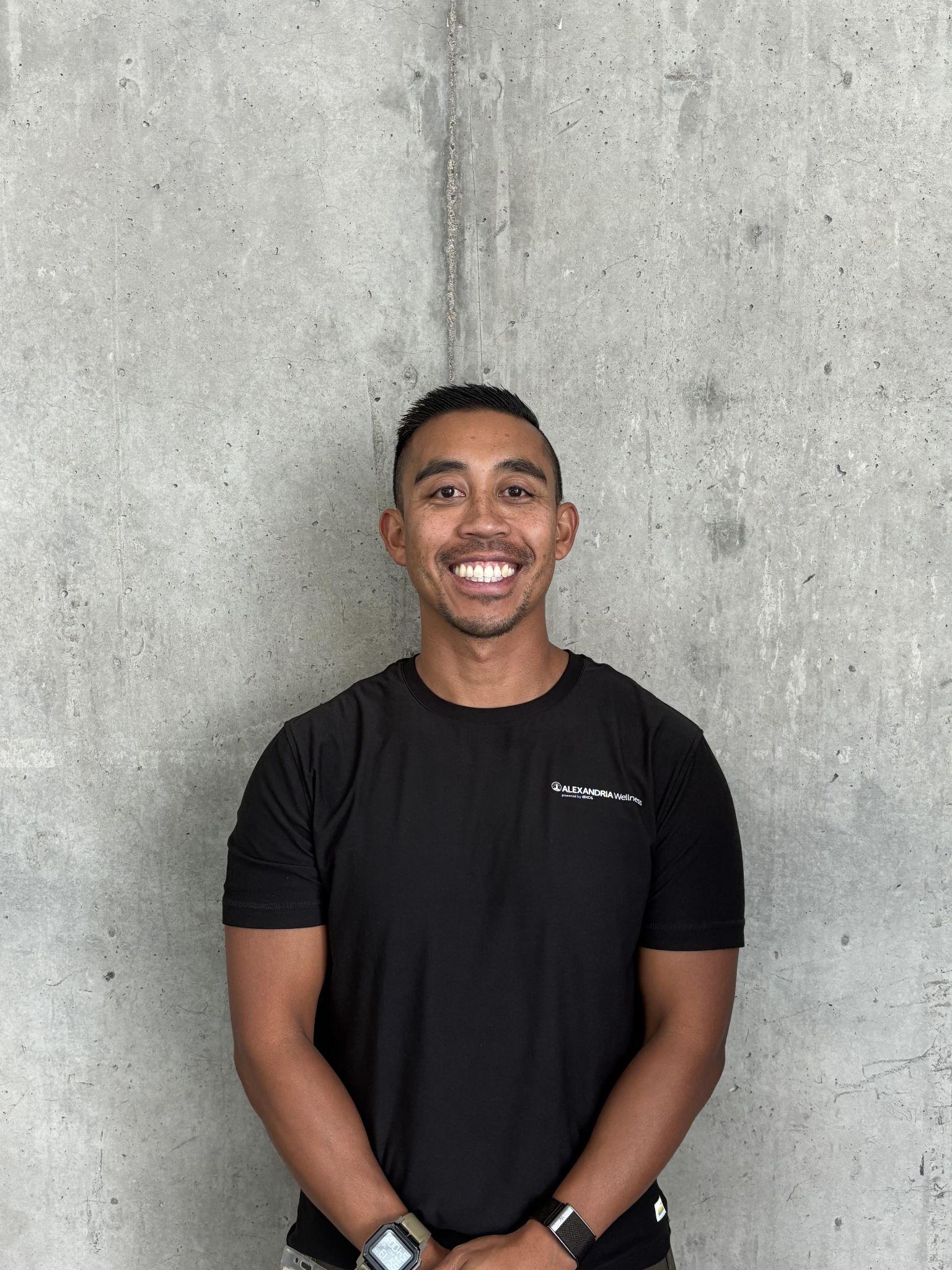
Recently I have lost my voice now and then to either being sick and or accumulating many hours of coaching as I imagine we all currently do. Our voice is our biggest weapon while coaching but should we lose it for whatever reason, that can not be the deciding factor whether we are able to coach our clients/members or not. Working as a part-time youth soccer coach has taught me the art of non-verbal coaching and communication.
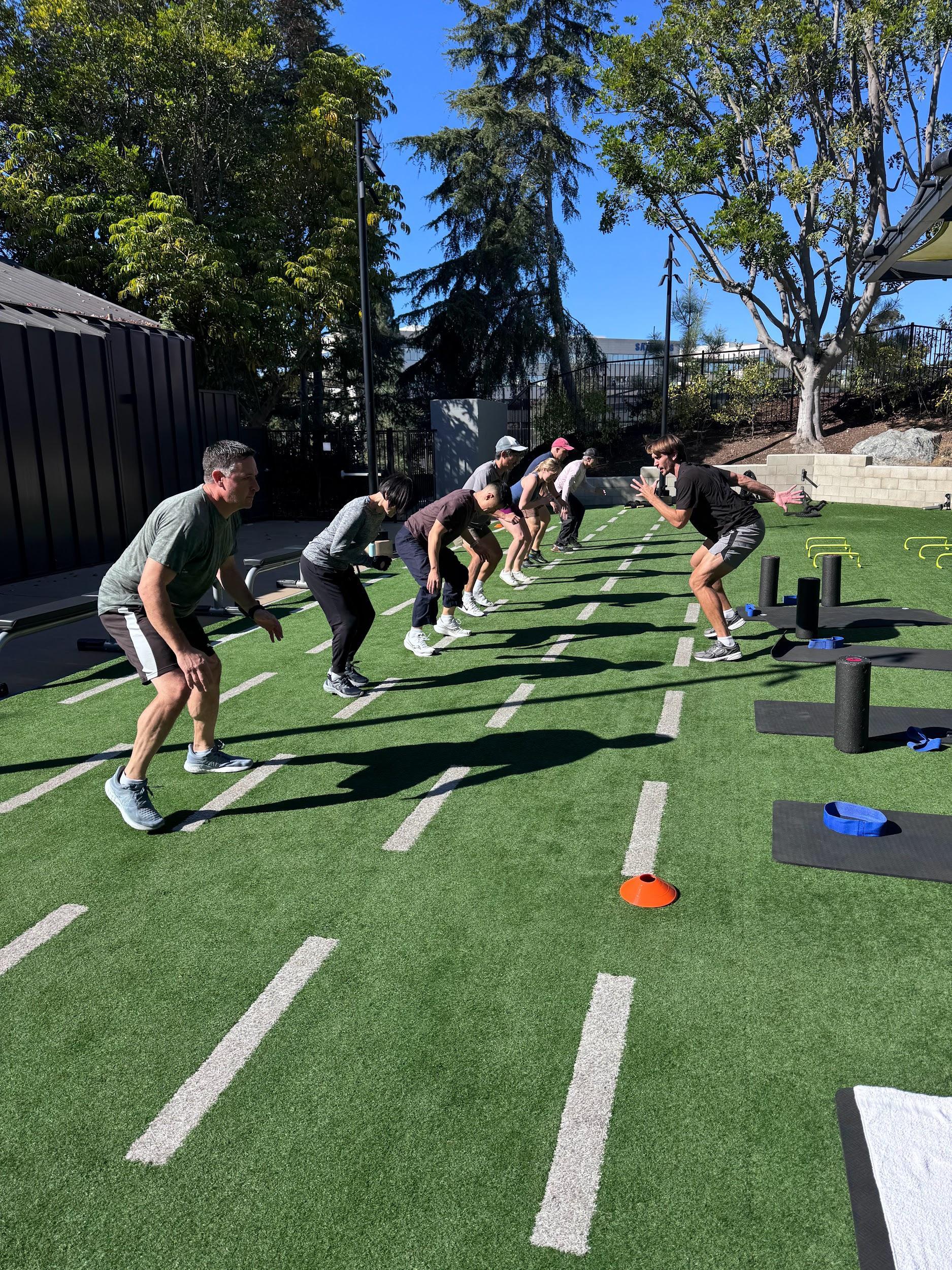
I have condensed some non-verbal coaching techniques that we could all implement along with our verbal coaching. The techniques I constantly practice are eye contact, hand/physical gestures, facial expressions, physical contact timing, and silence.
Eye contact with our members while performing any non-verbal contact is key for effectiveness and I have learned I can coach from a long distance just by establishing eye contact because the people we are coaching are also looking for that validation of whether they are doing something right or not.
Hand and physical gestures include exaggerating movements like when we demo. I can place my hand on my hips while hip hinging during a demo or to help correct someone and ultimately what we want from that movement. Another example is overarching back to neutral but the point being is that some people will take seconds to understand while we explain, but others will only understand through visual representation. I can even clap my hands to start and stop an exercise which I have learned in the adult setting works just as well with kids. It forces them to pay extra close attention to you, the coach, and adds a sense of an auditory factor.
NONVERBAL COMMUNICATION AND COACHING
My favorite one I use the most is facial expressions. I could look at a member from across the room and they could immediately understand whether I meant to tell them that it was a killer set or something needs to be corrected. Scrunching my face while demoing can help someone understand the amount of effort I want them to put in, breathing a calming and relaxing face can let them know they can relax or breathe during an exercise, smiling and laughing lets them know everything is good, and a serious expression will let them know we got work to do.
The one I am working on most is silence as a form of coaching. Especially early on I had the most trouble trying not to overcoach. This is still something I am currently working on but our voice is our biggest weapon and when we use it it should always carry meaning. Whether that be minimal cueing to let someone learn and get some uninterrupted reps, or to simply let them workout in solitude. The whole purpose is to have them rely less on you as the coach. If you constantly cue they see you as an error detector, a decision maker, and timing regulator.
Physical contact timing to me means when someone finishes up a set or just put in some serious effort I acknowledge their work and I fist bump them to let them know “hey that was awesome, great work.” When I greet my members coming into the gym I fist bump as many people as possible because it establishes physical contact and a sense of closeness. It puts us past a random coach or person at the front. The second they enter or leave my class I am fist bumping them to acknowledge their presence and serves as a personal welcome or good bye to them specifically.
Main Takeaways
● Establish Eye Contact
● Hand and Physical Gestures
● Facial Expressions
● Physical Contact
New Skill to Practice
● Silence!
Thanks,
Daniel
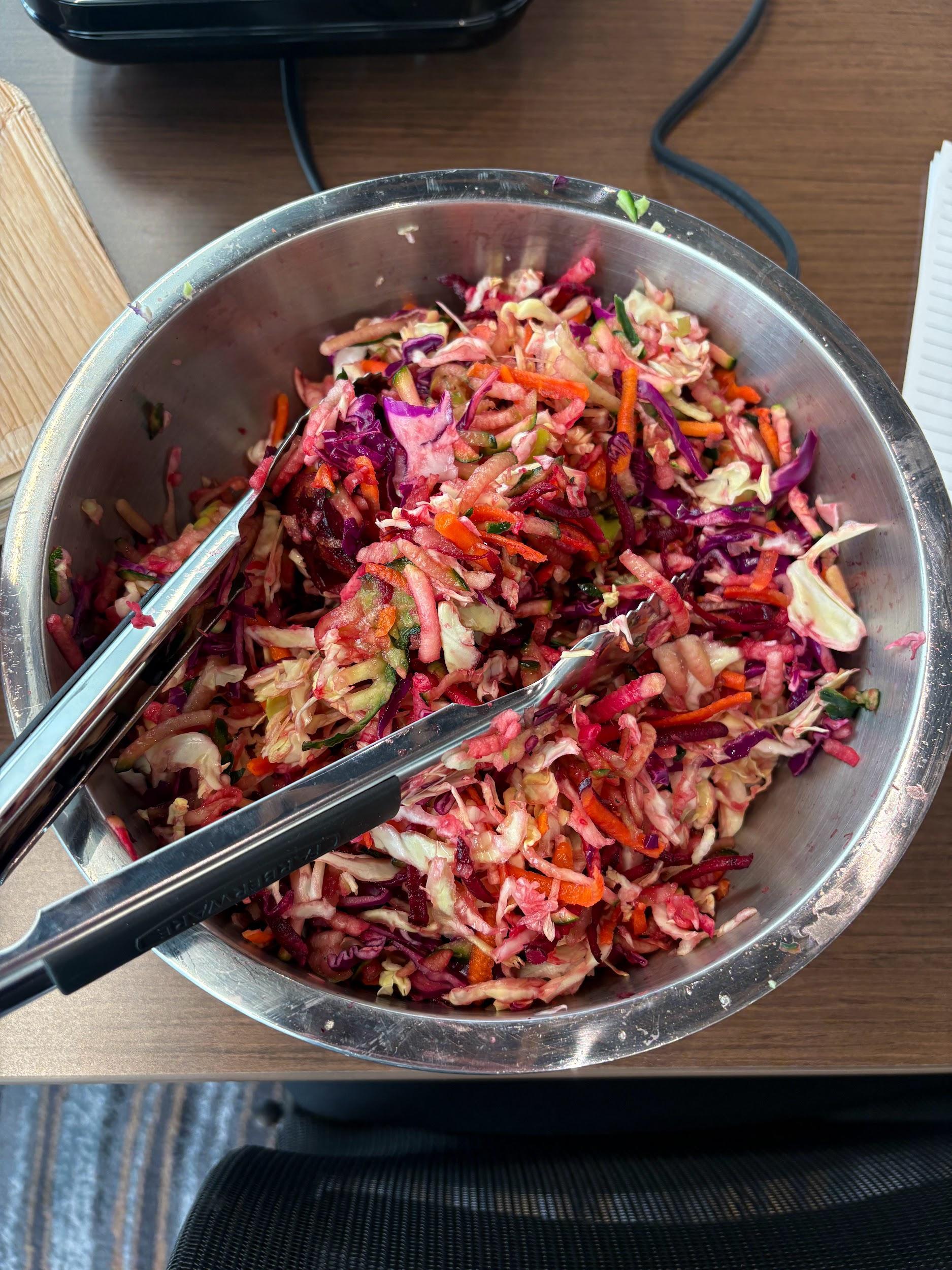
2026 NUTRITION TRENDS
As we progress through this year, the education team wanted to highlight that March is National Nutrition Month! Some of the strongest trends in 2026 are not just about what people are eating but why. High protein and high fiber meals continue to dominate, but digging deeper, it is nutrient density and satiety that are driving this trend. Widespread use of GLP-1 medications is influencing appetite patterns, with higher fiber meals spearheading the trend. Gut health has moved to the spotlight with prebiotic fibers, resistant starches, and fermented foods becoming everyday staples rather than specialty items.
For us, this means clients are increasingly thinking in terms of fullness, blood sugar stability, and digestive support instead of just calories or macros. Another emerging shift worth noting is the increase in women supplementing with creatine. Once associated primarily with strength sports, creatine is now gaining traction among active women for its benefits related to strength, recovery, lean mass support, and even cognitive and bone health, prompting more informed questions from clients about how and when to incorporate it.
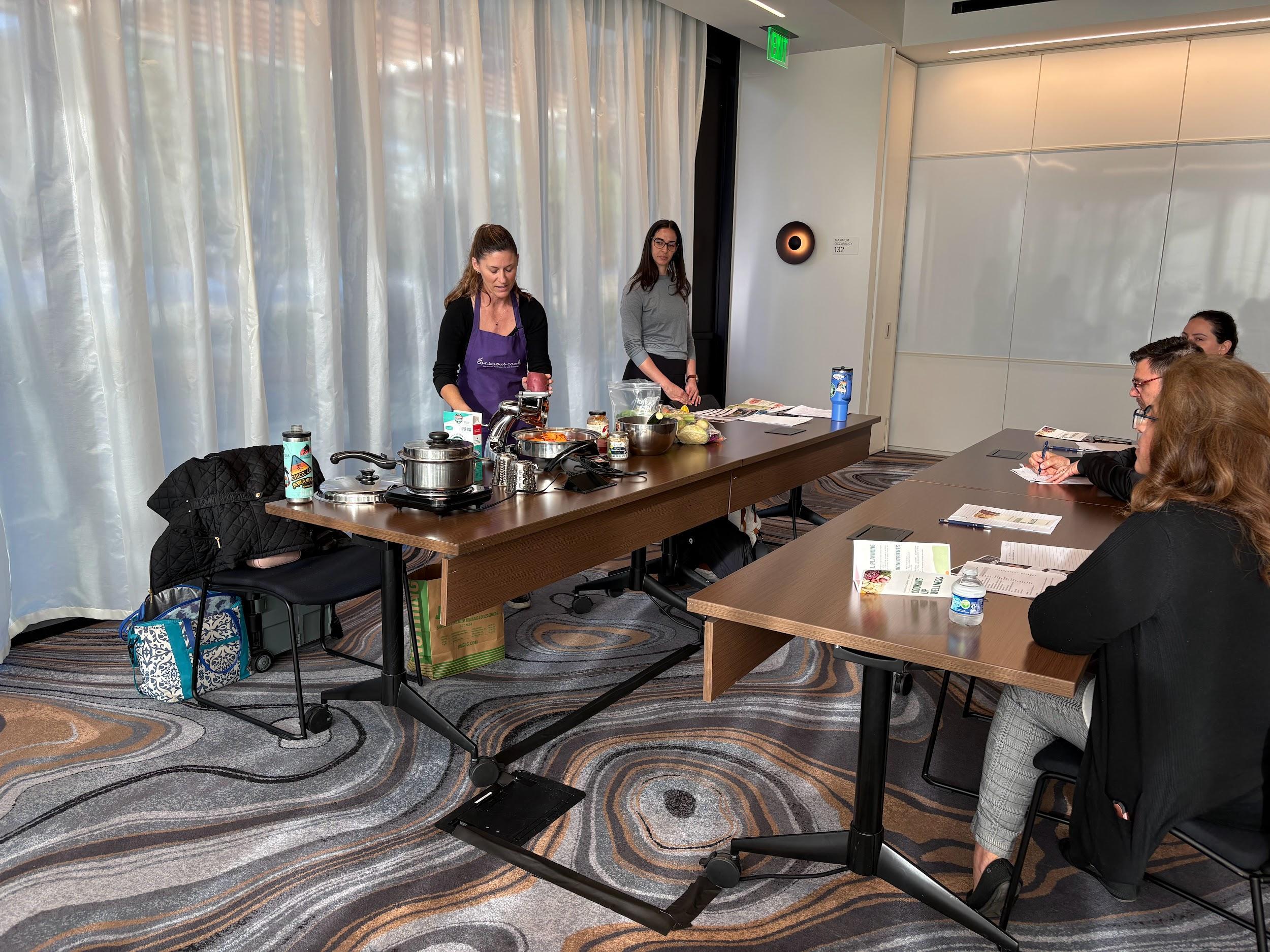
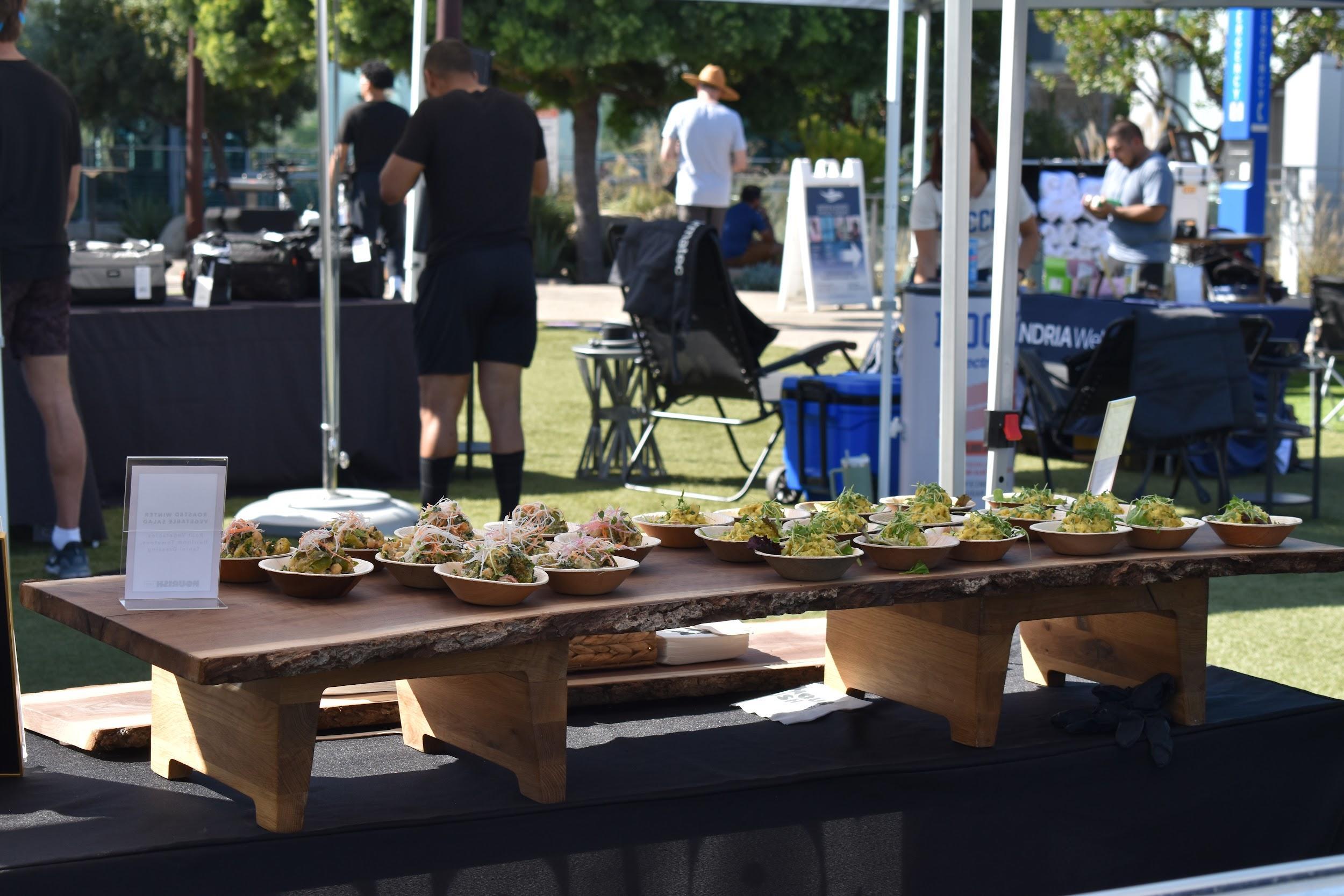
Beyond macros, functional and personalized nutrition are shaping behavior trends. People are looking for foods that actively support longevity, cognitive performance, stress resilience, and metabolic health as the broader food as medicine mindset continues to grow. Wearables and AI driven tracking are reinforcing more individualized approaches, making one size fits all plans feel outdated. Adding in the continued demand for clean labels and truly convenient whole food options. 2026 nutrition is about simplicity, with nutrient dense purposeful eating that fits real life while supporting long term health outcomes.
WHY SHOULD GEN POP TRAIN LIKE ATHLETES?
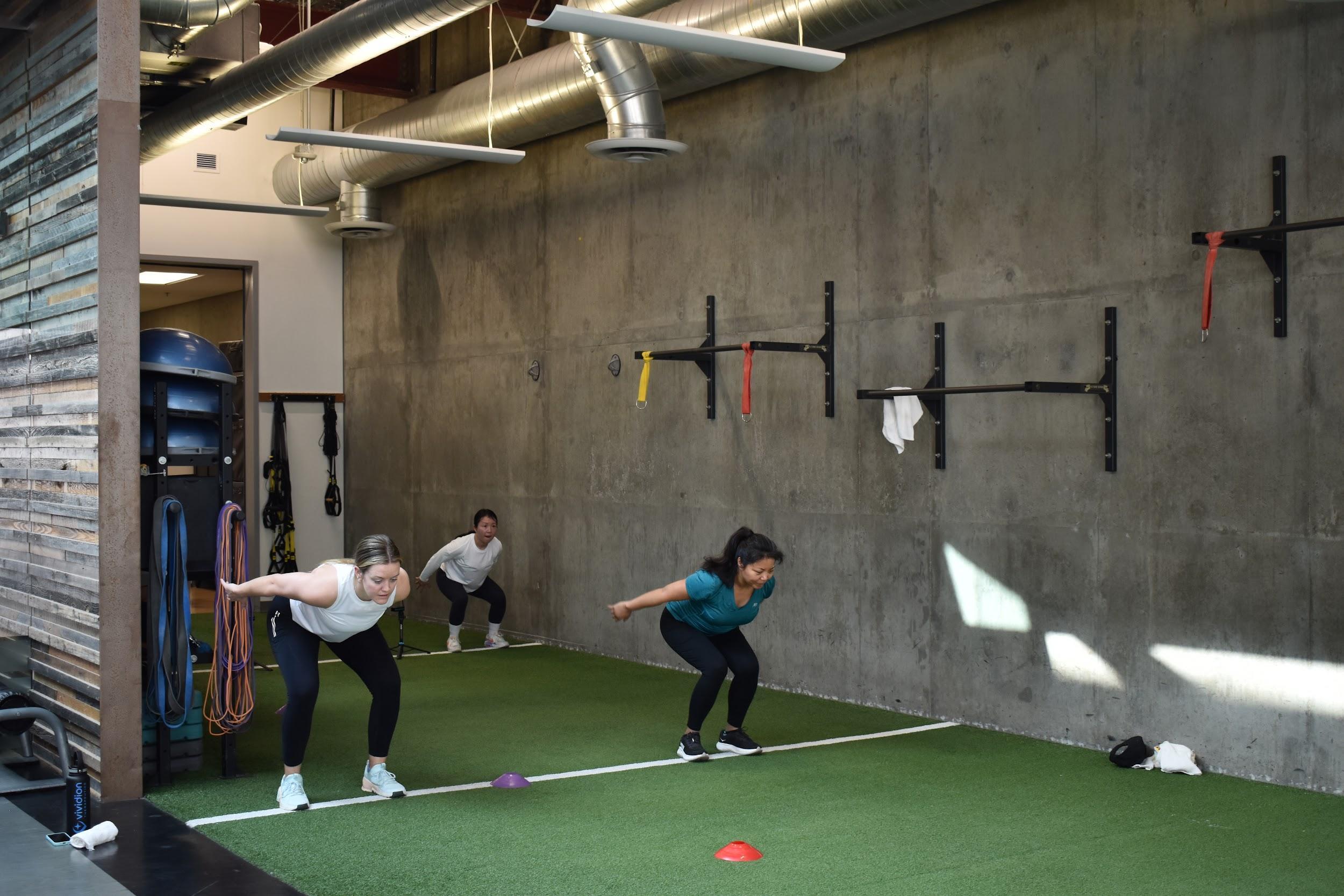
When most people hear “speed, agility, and plyometrics,” they think elite athletes. The truth is, these movement skills matter for everyone. Training your body to move quickly, change direction efficiently, and react under control improves balance, coordination, and strength and it directly translates to daily life. Whether you’re chasing your kids, navigating stairs, or simply getting out of a chair safely, these skills help you move with confidence and reduce the risk of falls or injuries.
Agility and reaction time naturally decline faster than strength as we age. That means even if you feel strong, you might still struggle with sudden stops, pivots, or quick changes in direction. Incorporating drills that emphasize braking, deceleration, single-leg balance, and timing can preserve these abilities, keeping you mobile and independent well into later years. For younger adults and teens, agility work also reinforces movement quality, coordination, and body awareness, laying a foundation that makes every activity safer and more efficient.
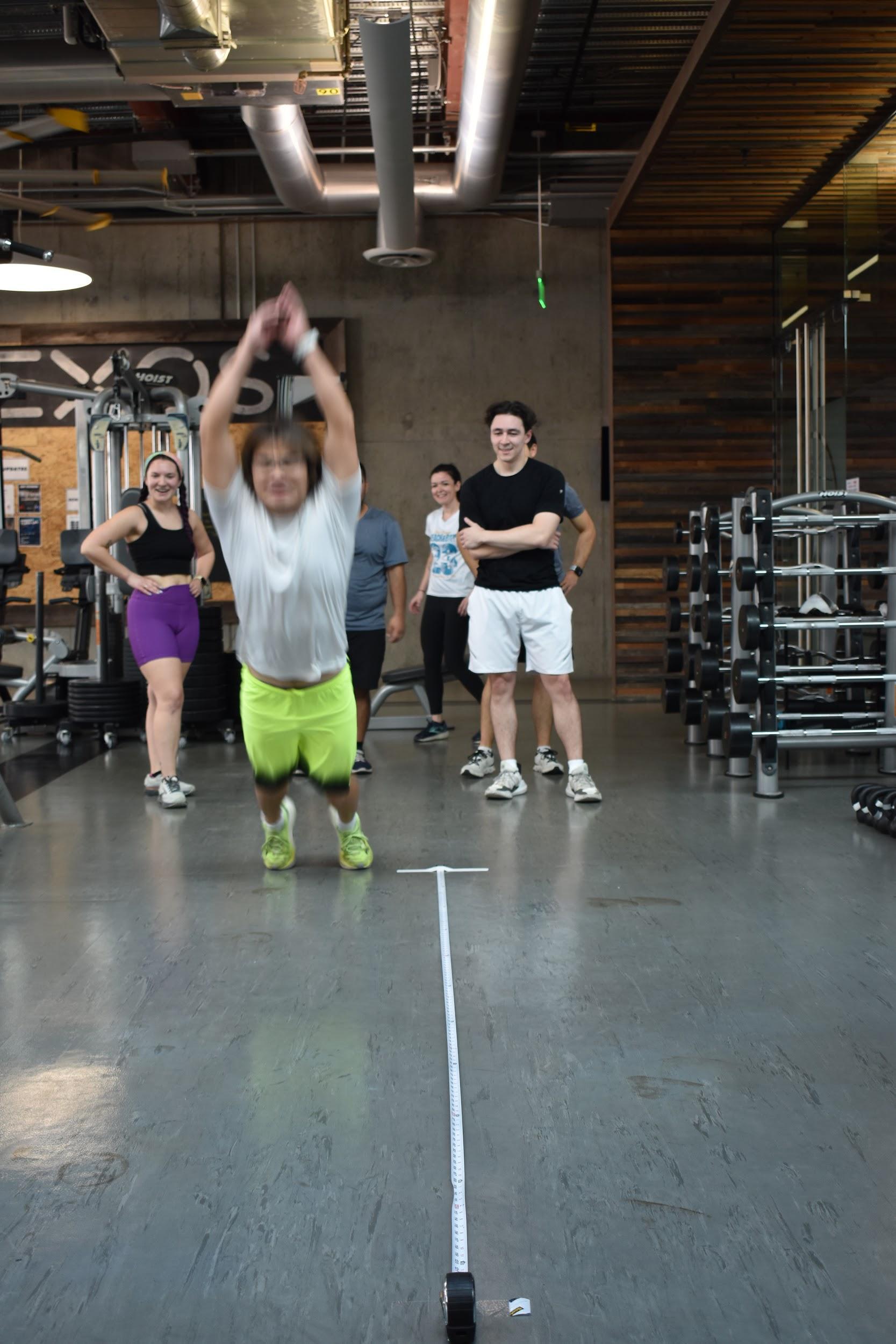
Speed and plyometric training take this a step further by teaching your muscles to generate force rapidly. Small doses of short sprints, explosive jumps, or controlled plyometric drills improve rate of force development, power, and mechanics, making every movement smoother and more effective. The result isn’t just better performance in the gym, it’s better performance in life. A few minutes a week can enhance strength, coordination, and confidence, helping you move quicker, safer, and with more control every day.
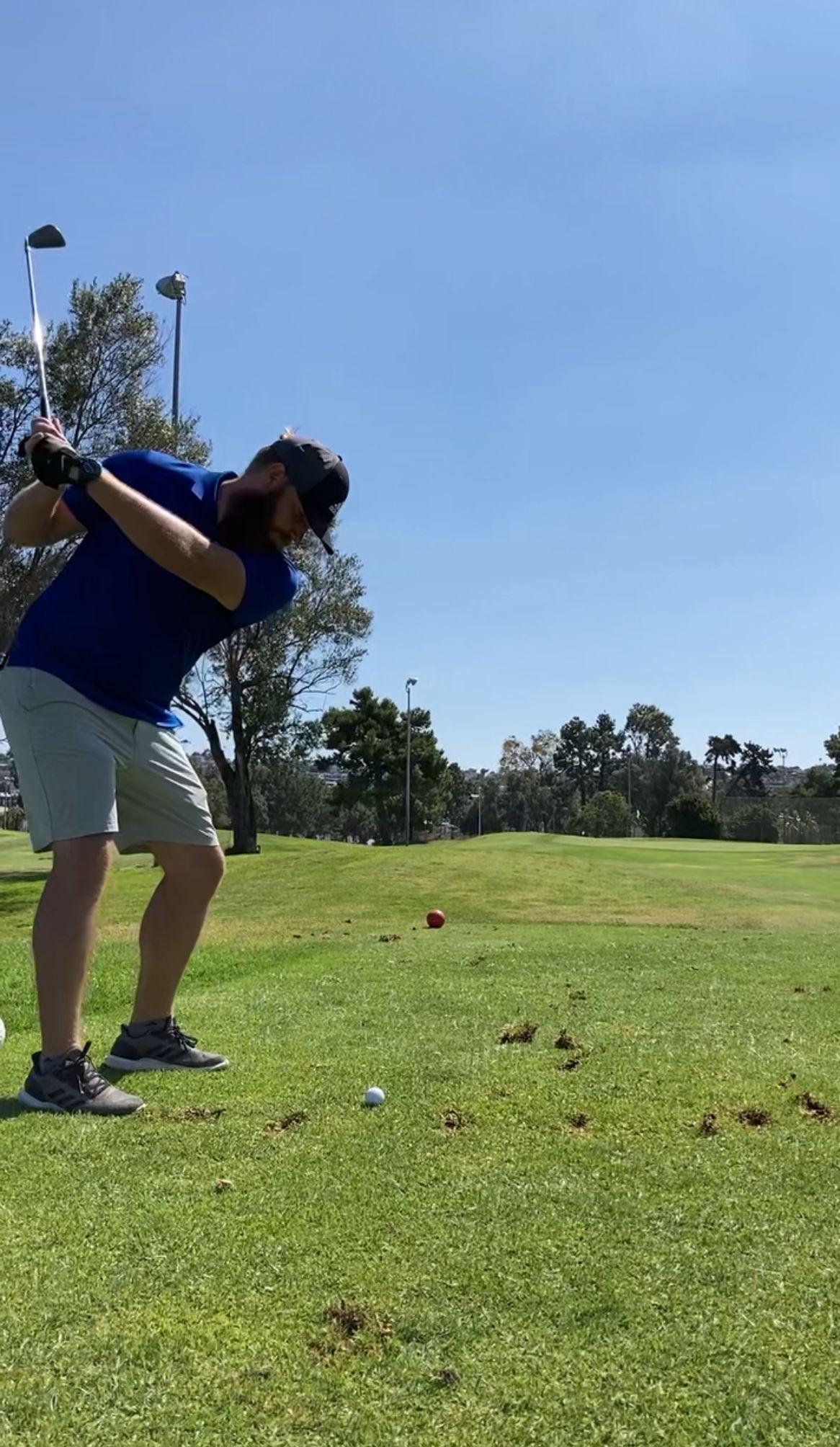
Golf, much like all sports, has its own specific demands. As a coach, you need to have a foundational understanding of what your athlete needs to perform their sport at a high level. To attain this understanding, a movement screen is a crucial element.
A TPI movement screen arms the coach with the ability to pinpoint specific areas to improve movement in the golf swing. This is not about teaching you how to swing, but rather getting you to understand inefficiencies and how your body moves when you swing.
A coach will use a joint-by-joint approach to determine which areas of the body require stability and which require more mobility. This process gives us the ability to assess, rather than guess, the needs of the athlete or client.
Episode of the month:
The Optimal Creatine Protocol for Strength, Brain, and Longevity Listen Here!
Read of the month:
Using Intensity Based on Sets and Repetitions - A Brief Overview of Load Setting and Program Strategy Read Here!