Moments

(Not Just Surviving)
For kids facing life’s hardest moments, Phoenix Children’s provides care that supports both healing and hope.
4 7
The Insider
Updates from around Phoenix Children’s.
Better Options for Growing Spines
Phoenix Children’s orthopedic surgeon Dr. Matthew Halanski receives NIH funding to unlock how spinal growth can guide safer, more personalized surgery for children.
Passion to Purpose
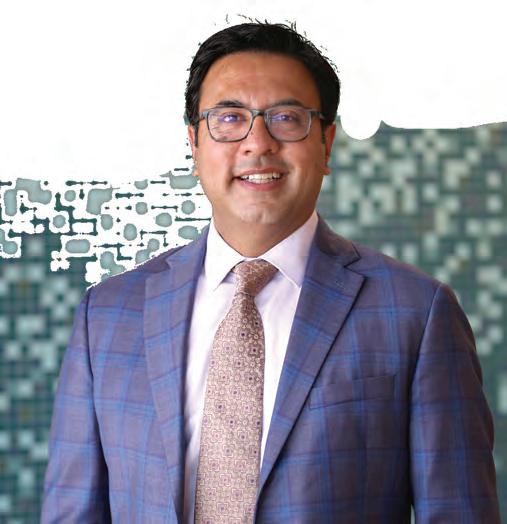
As physician-in-chief, pediatric gastroenterologist
Dr. Ashish Patel brings clinical excellence, a passion for mentorship and a love of food to every moment of care.
Care on the Move
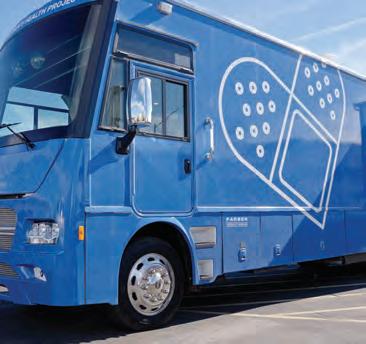
How Phoenix Children’s Crews’n Healthmobiles bring essential care to kids and families experiencing homelessness.
Common Cause
PHOENIX CHILDREN’S FOUNDATION BOARD MEMBERS
CHAIRMAN OF THE BOARD
Michael Bill
The MJ Companies
VICE CHAIRMAN OF THE BOARD & SECRETARY
Taylor Burke Rainy Partners
Alexa Schneider Kimbell, Inc.
PHOENIX CHILDREN’S PRESIDENT & CEO
John R. Nickens IV
PHOENIX CHILDREN’S FOUNDATION EXECUTIVE VICE PRESIDENT & CHIEF DEVELOPMENT OFFICER
Steven S. Schnall
Kevin Czerwinski Merit Partners, Inc.
As we step into spring, I’m reminded that this season is defined by growth, resilience and hope—qualities that are deeply woven into the work happening at Phoenix Children’s every day.
One area where that work feels especially urgent is pediatric behavioral health. Across our community, more children and families are seeking support, and Phoenix Children’s continues to respond with compassion, innovation and an unwavering commitment to meeting kids where they are. From expanding access to care to strengthening programs that support emotional well-being, the impact of this work is felt by families when they need it most.

Brian Cousins Rainy Partners
Tarl J. Robinson Plexus Worldwide
Scott Bindley Screenwriter
Ed Grant Scottsdale Investment Management
Ahron Cohen Polar Sun Ventures
Lisa Graziosi Entrepreneur & Philanthropist
Shane Doan Toronto Maple Leafs
Larry Clemmensen Community Volunteer
That impact is reflected throughout this issue of Moments Our cover story—Thriving, Not Just Surviving (page 8)— highlights how Phoenix Children’s is addressing complex challenges, reducing stigma and opening doors to care for children facing mental health challenges. These efforts are not only transforming care today but also helping shape a healthier future for generations to come.
None of this progress would be possible without the generosity of our donors, partners and community. Your support unlocks that healthier future. Because of you, families can move beyond fear and begin moving forward. Because of you, childhood continues.
Thank you for standing with Phoenix Children’s and for helping make brighter moments possible for children and families across our community.
With sincere gratitude,
19 Thriving, Not Just Surviving For kids facing life’s hardest moments, Phoenix Children’s provides care that supports both healing and hope.
Recent and upcoming events supporting Phoenix Children’s patients and their families.
Gratitude in Action Since Phoenix Children’s saved his daughter’s life, Tim Hague has been focused on making sure other parents have that same chance.
Unlocking the Grip of Pain
A new endowed chair at Phoenix Children’s expands care, helping kids overcome chronic pain—and return to the lives they love.


STEVE SCHNALL
Executive Vice President and Chief Development Officer

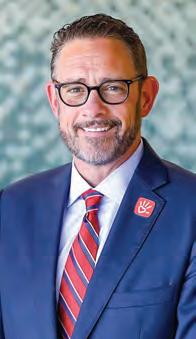
News and Updates from the Desk of President and CEO
John R. Nickens IV
At Phoenix Children’s, we have an extraordinary opportunity and responsibility to Improve the Health of a Generation.
This vision is a bold call to action rooted in the belief that every child deserves to grow up healthy, strong and full of possibility. Every day, that commitment comes to life through pioneering physicians, world-class care teams and compassionate supporters who believe in what’s possible. Together, we are creating a healthier future for children across Arizona and beyond.
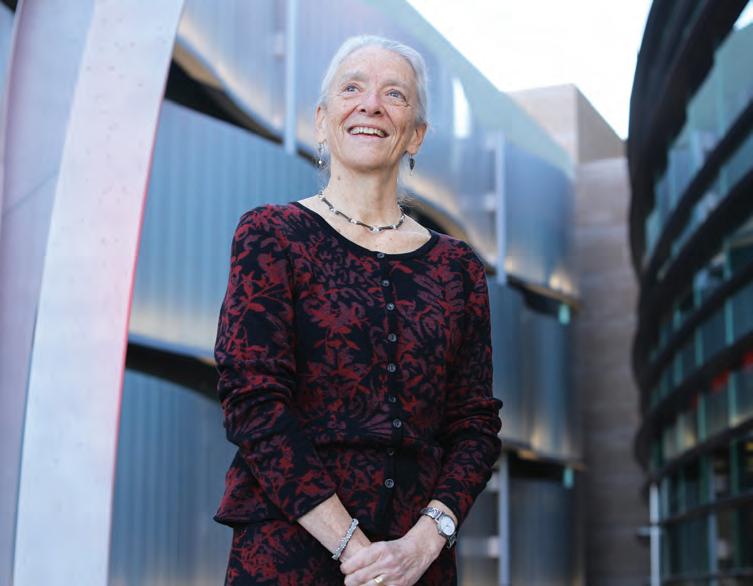
Roberta Adams, MD, medical director of the Center for Cancer and Blood Disorders and director of the Blood and Marrow Transplant Program at Phoenix Children’s, is retiring after spending 40 years as a pioneering force in childhood cancer and blood disorder care.
Her vision and leadership launched the Bone Marrow Transplant Program in 2003. These transplants are lifesaving treatments for children with cancer, and they vastly improve quality of life for
bone marrow transplants performed since 2003
children with other diseases. The program recently completed its 700th transplant and continues to drive groundbreaking research and deliver hope to families across the Valley.
“I’m proud that we have been able to care for and have such an impact on so many children and their families,” she says.
Dr. Adams received the Lifetime Achievement Award from Phoenix Children’s as part of its 2025 Clinical Excellence Awards.
The Legacy Society honors supporters who have included Phoenix Children’s in their estate plans. Through their foresight and generosity, members help ensure the health and well-being of future generations.
Membership in the Legacy Society is offered to anyone who names Phoenix Children’s as a beneficiary in their will or trust, with gifts of any size. Members have opportunities to strengthen their connection to Phoenix Children’s through special events, volunteer activities and the Legacy Society Council, which provides guidance to those considering an estate gift. In April, the Legacy Society’s annual lunch-and-learn event brought together 90 people to hear from a patient family about the impact of philanthropic support.
Create Your Legacy of Hope
To learn how a simple decision today can create a legacy of hope, visit GiveToPCH.org/ Legacy or contact the Gift Planning team at 602-933-3870 or giftplanning@phoenix childrens.com
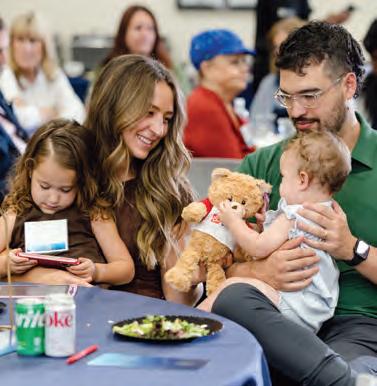
“These folks are creating a legacy for people that they’ll never meet, which is something that’s really meaningful and impactful,” says Justin Pace, senior marketing strategist at Phoenix Children’s Foundation. “It’s one of the most selfless things someone can do.”
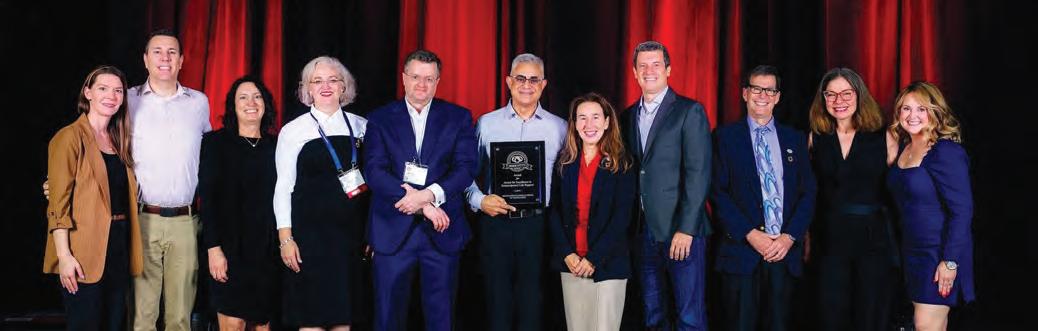
Phoenix Children’s has earned Platinum Center of Excellence status from the Extracorporeal Life Support Organization (ELSO)—the highest level of recognition for programs providing extracorporeal membrane oxygenation (ECMO) therapy. ECMO therapy is an advanced life support treatment for children whose hearts and lungs aren’t healthy enough to keep them alive. It supports children who are
in life-threatening situations like severe respiratory failure and cardiac failure, and those who are recovering from complex cardiac surgeries.
Phoenix Children’s is the first and only center in Arizona to achieve Platinum status.
Just 48 programs worldwide have earned this designation, out of more than 700 ELSO centers. The program recently treated its 1,000th patient.
1,000 children treated with lifesaving extracorporeal membrane oxygenation (ECMO) therapy at Phoenix Children’s
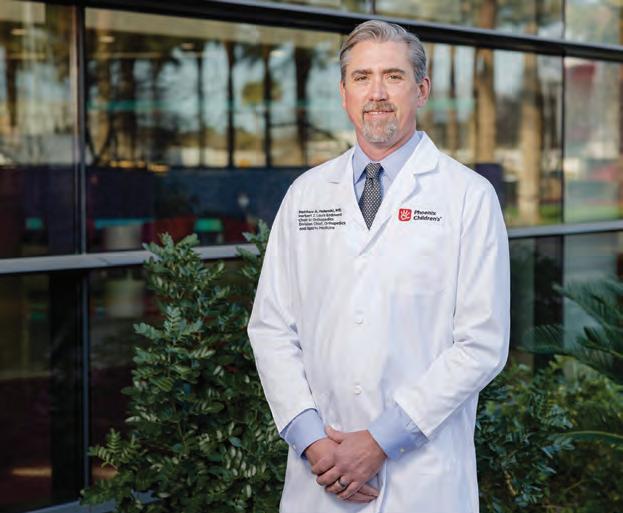
Orthopedic surgeon Dr. Matthew Halanski receives NIH funding to unlock secrets of spinal growth and deliver safer, more personalized surgery to children.
Spinal surgery for a child is never a small decision. But when bracing can no longer slow the progression of a spinal deformity, spinal surgery can protect a child’s long-term health. Still, choosing the right approach can be challenging.
Matthew A. Halanski, MD, division chief of orthopedics and sports medicine and the Herbert J. Louis Endowed Chair in Orthopedics at Phoenix Children’s, recently received a prestigious R01 grant—a highly competitive, multiyear research award from the National Institutes of Health (NIH) that supports large-scale studies—to better understand how best to modulate a child’s spinal growth and preserve flexibility. The insights gained aim to improve surgical techniques and better predict which children will benefit most from specific procedures.
Spinal deformity surgeries carry significant risks and are among the most expensive in orthopedics, Dr. Halanski says. The most common procedure is spinal fusion, which uses rods and screws to straighten the spine and permanently fuse sections of it together, leading to restricted flexibility.
A newer alternative, vertebral body tethering (VBT), uses a flexible cord to modulate the remaining growth of the vertebrae to correct the deformity, allowing for increased motion. However,
the procedure is relatively new and does not effectively work for many children.
Inspired by what’s possible for children and families?
Learn how your support can help fuel the next breakthrough in pediatric health care at GiveToPCH.org
Currently, the field is limited by gaps in understanding of how skeletal maturity and flexibility affect spinal growth. Thus, the ability to harness that growth to correct deformities has been limited. “We know that VBT works in some kids, but not in others,” he says. “I want to know why.” Understanding how skeletal maturity and curve flexibility affect growth will allow the development of a predictive model capable of identifying which patients will do best with which procedures given patient specific parameters.
This entire line of inquiry began over 10 years ago with an industry sponsored grant. That initial, philanthropic support generated data necessary in obtaining a previous NIH R21 award. The findings from that extramural award have recently been published and were crucial in securing the current $2.7 million R01 award.
As he begins work on this five-year study, Dr. Halanski is focused on his research program’s overall purpose: “To minimize morbidity and increase the safety of pediatric orthopedic procedures,” he says. “I hope that from this work, we find new, less-invasive approaches to correct spinal deformities and eliminate bad outcomes, ultimately leading to treatments that are easier on our patients and their families.”
physician-in-chief, pediatric
Dr. Ashish Patel brings clinical excellence, a passion for mentorship and a love of food to every moment of care.
Whether he’s treating young patients, guiding new doctors or building national research programs, pediatric gastroenterologist Ashish S. Patel, MD, is driven by one goal: moving pediatric care forward. As physician-in-chief, he brings energy, empathy and innovation to every part of his work—while keeping kids and families at the center of it all.
What drew you to Phoenix Children’s?
For me personally, it was about the opportunity to grow my personal leadership within a growing and thriving health system. We have grown the amount of research internally year over year and increased our presence on the national stage exponentially. We continue to do that with a focus on physician development and mentorship.


You care deeply about education and mentorship. Why is that such a priority?
Education pushes us forward—it keeps our physicians sharp, it challenges us to innovate and it builds a pipeline of future leaders. We can’t keep every fellow we train, but those who leave carry the Phoenix Children’s mission with them.
True or false: You’re a foodie?
True! Phoenix is quickly becoming a great foodie spot, and I love discovering new restaurants. A few of my local favorites: Uchi, Buck & Rider and Little Miss BBQ. If you’ve got recommendations, let me know—I’m always hungry for more!
What have you learned from patients or your team that has shaped your approach to care?
Shared decision-making. In medicine, there’s rarely one perfect choice. I believe in leading with education and partnering with patients and families. The same applies to leadership— teams thrive when we listen, share concerns openly and move forward together.
What makes you hopeful about the future of pediatrics?
It’s a dynamic time. From research and novel therapeutics to improving the patient and family experience, we’re constantly evolving. I’m most excited by the chance to cure chronic disease and reimagine the care journey from start to finish.
For kids facing life’s hardest moments, Phoenix Children’s provides care that supports both healing and hope.

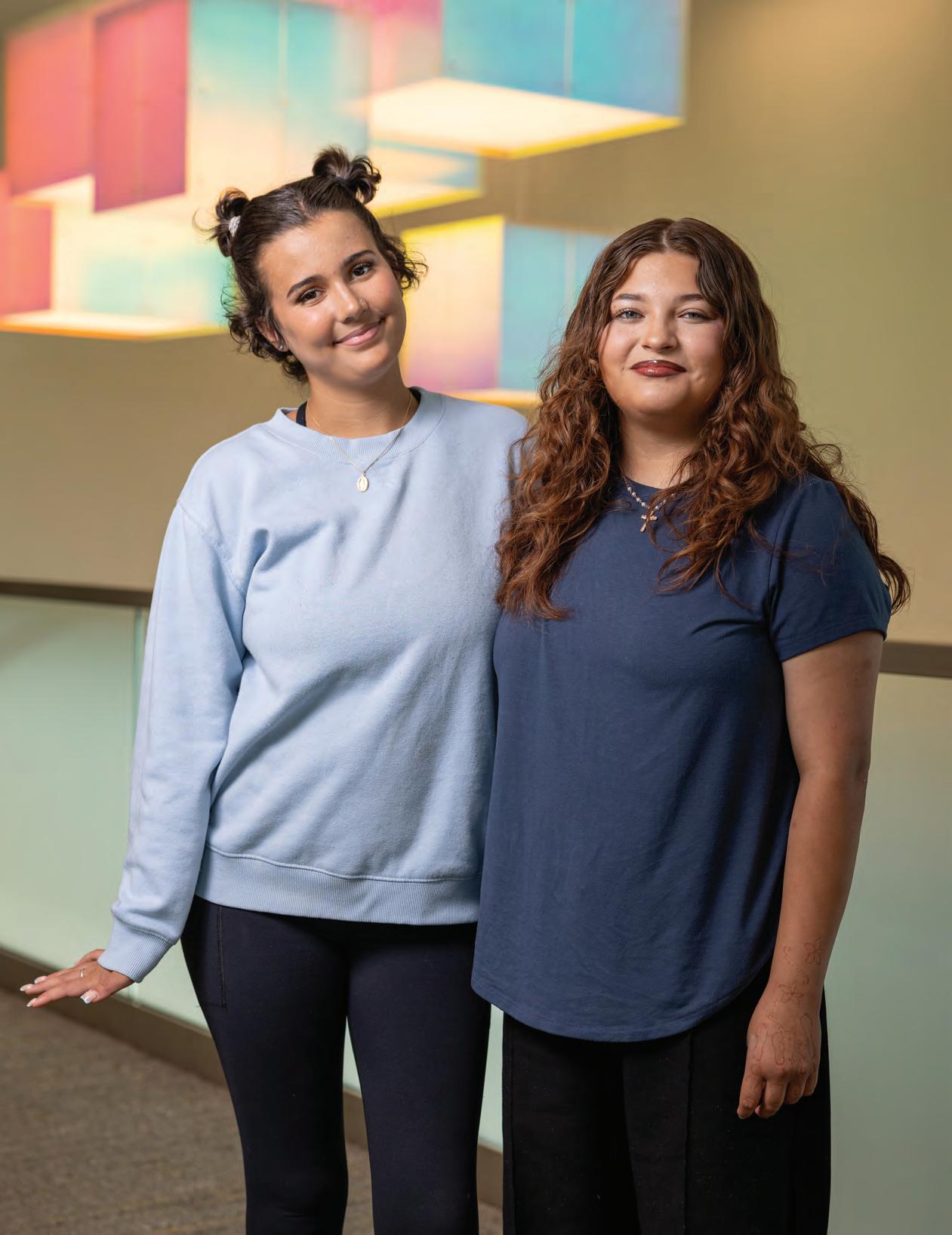
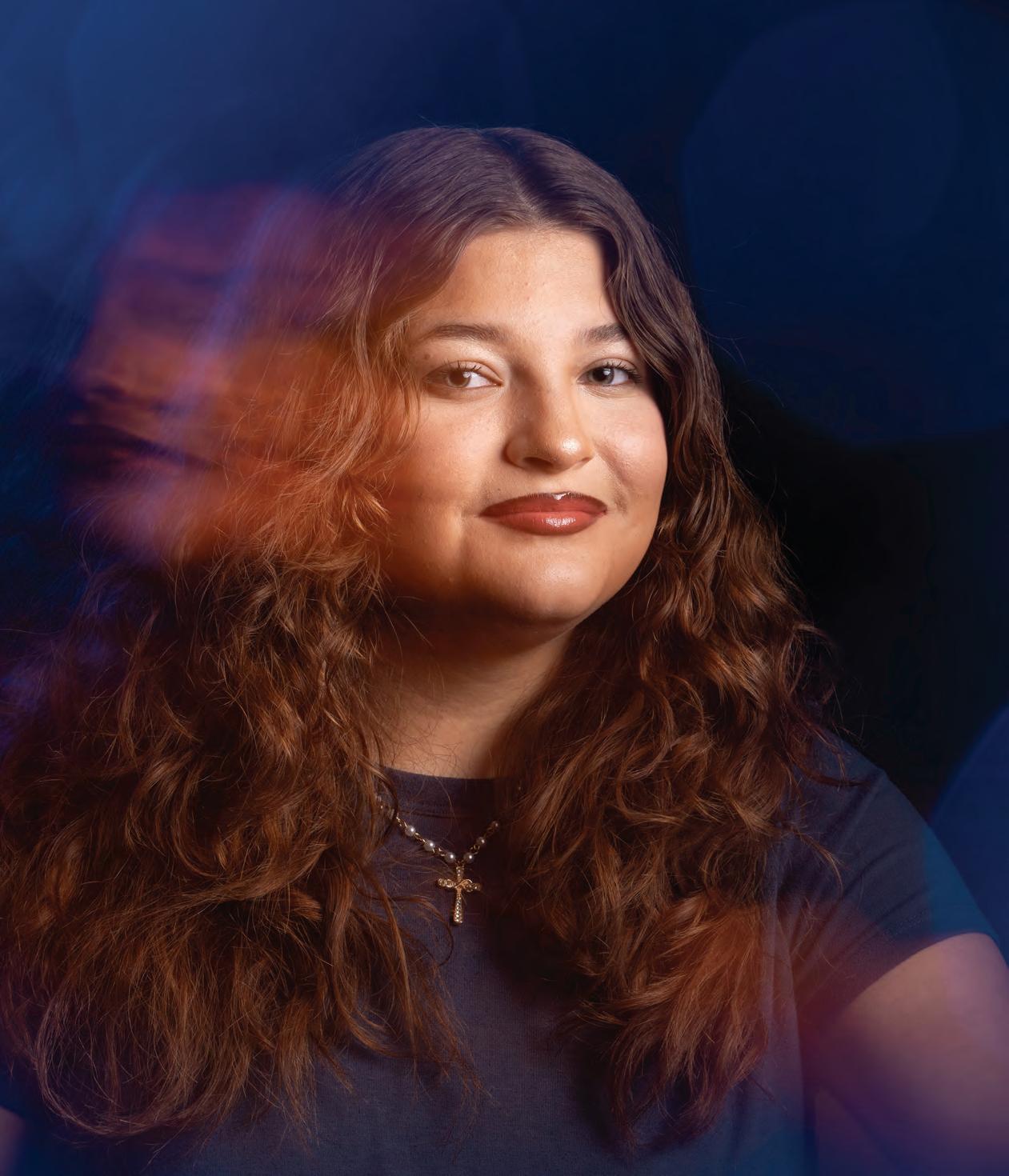
Andrea was a happy 11-year-old kid when she and her family received devastating news—she was in heart failure and likely wouldn’t live to see her teenage years. Even worse? Andrea’s older sister, Adina (not pictured), was also in heart failure. Both girls had been born with a life-threatening condition called hypertrophic cardiomyopathy, and both would need heart transplants.
When Andrea’s parents got the call that there was a donor heart ready for her, Andrea’s feelings were confusing to her. She recalls being relieved but also scared to undergo the operation first, before her sister, and guilty that a match hadn’t been found yet for Adina.
“A heart transplant is an extraordinary lifesaving and life-changing experience for a child with a serious heart condition,” says Sarah Anais Mejia, PhD, a psychologist who works exclusively with heart patients at Phoenix Children’s. “Everyone calls it a gift, but we don’t really use that word for our patients. It’s often more complicated than that.”
Complicated, indeed.
Phoenix Children’s felt like a safe space to express myself. ... They helped so much with my mental struggles. I’m thankful I got to receive care here.”
Andrea struggled to balance feeling both grateful for her new heart and grief for the donor family who lost a loved one to make her new life possible. She battled depression and hopelessness. Her mental health declined, and she turned to self-harm. But it was the steadfast support of her family— including Adina, who received her own new heart shortly after Andrea—and the expertise of Dr. Mejia that helped Andrea begin to heal. Together, they worked to untangle the complicated emotions surrounding her transplant and to build healthier coping strategies. Even today, the two continue to meet for regular check-ins.
“Phoenix Children’s felt like a safe space to express myself,” Andrea says. “They have so many resources to help you when you need it, and the doctors are amazing. They helped so much with my mental struggles. I’m thankful I got to receive care here.”
Health care isn’t only about treating the body. Saving lives doesn’t happen exclusively in the operating room, and recovery isn’t solely dependent on prescribing the right medicines. And supporting patients goes beyond the individual.
At Phoenix Children’s, care is a spectrum that prioritizes mental health with physical health, and casts a wide net to encompass patients and families.
“Here, we care about the health of the whole child, as well as the health of the whole family,” says Carla C. Allan, PhD, division chief of psychology and the Hagenah Family Endowed Chair in Psychology.
Dr. Allan’s “whole child, whole family” philosophy drives her collaboration with a team of mental health professionals who support children across the Phoenix Children’s system—from routine care to the most complex medical journeys. What does this look like? For Dr. Allan, it’s a strategic series of meaningful, evidence-based— and early—interventions.
“Traditional models of mental health care are that you wait until [a patient] is at crisis,” Dr. Allan explains. “What’s innovative in this space is that we’ve built screening processes universally throughout the health system, so we can catch kids earlier. The goal is not to meet them at the crisis point, but before.
“This represents a real opportunity for us to get ahead of it and serve kids who might otherwise go unrecognized as needing help,” Dr. Allan says.
Under Dr. Allan’s leadership, meaningful mental health intervention at Phoenix Children’s manifests in a suite of behavioral health initiatives that address a continuum of care. The goal: Position young patients, their families and caregivers for happy, healthier lives in the long term.
One such program embeds compassionate mental health experts, such as Dr. Mejia, the psychologist who shepherded Andrea through her heart transplant, within various specialties. To date, there are nine specialists embedded within five specialties. Philanthropy continues to expand this model, including a recent endowed gift that will support a dedicated psychologist within the pain management program (learn more on page 16).
These psychologists and psychiatrists support patients and families at every stage of care—from routine visits to life-changing diagnoses—helping them navigate the emotional complexities of illness while bringing an unprecedented level of knowledge and nuance to each patient’s unique situation.
“Creating a broad spectrum of behavioral health care is the new frontier,” says Julia A. Soto, Phoenix Children’s Medical Group administrative director.
“Dr. Allan’s leadership and clinical expertise have built this very new frontier of embedding providers in the specialties where children are already coming and receiving care. To have that holistic care with both your medical specialist and your trusted behavioral health provider is unlike previous ways of operating.”
Another crucial intervention includes the donor-funded Suicide Prevention Program. Suicide is the second-leading cause of death for Arizona children 10 and older, according to the Centers for Disease Control and Prevention. Phoenix Children’s treats as many as 45 patients a day while they are on a mandatory hold for suicidal ideation or waiting for an opening at an inpatient behavioral health facility. The average age of patients coming in with suicidal ideation is 12, but Phoenix Children’s has treated children as young as 5. All of which is to say: Standard methods for treating mental health issues are not as effective as they could be. That’s why the Suicide Prevention Program screens for suicidal ideation across all Phoenix Children’s outpatient, rehab and medical specialty clinics, as well as across inpatient medical floors. So, for example, when a child visits a Phoenix Children’s clinic for any reason, such as a wellness visit, an eye exam, even a sports medicine appointment, they are given a mental

health screening survey. Responses that reveal risk prompt an immediate connection to a mental health therapist before the patient leaves the exam room. The therapist evaluates the child’s mental and emotional state to ensure their safety and determine appropriate next steps.
“Phoenix Children’s has prioritized this as a critical area of health,” Soto says. “And because of that, families do not receive a bill for the screening or immediate intervention. We’re not charging for this care. Caring for kids in all ways is just part of the fabric of who we are and what we aim to do.”
The Suicide Prevention Program launched in 2022 thanks to a philanthropic gift from Chris Koch and Carlisle Companies Incorporated and is now operating across all outpatient clinics, as well as inpatient medical floors. To date, the program has launched 188,000 screenings, identifying over 3,600 kids at risk for suicide. The good news: All these kids had access to real-time interventions and care, and were immediately able to talk directly to a therapist.
Moving forward, the hope is that the Suicide Prevention Program will not only have a profound effect on families in crisis, but also that it can be used as a model for other programs across Arizona and nationally.
Additional intervention-based behavioral health initiatives spearheaded at Phoenix Children’s include:
• Center for Resiliency and Wellbeing, which helps families address life stressors so that they can better prioritize their medical and mental health care.
• Phoenix Children’s Bridge Clinic, a postdischarge program where patients meet with a Phoenix Children’s behavioral health provider as often as necessary—sometimes daily—as a “bridge” while long-term care with a community pediatric provider is arranged.
• A maternal fetal program that offers Day 1 support—i.e., right at the birth of the baby—for parents and caregivers who’ve been given a tough fetal diagnosis.
• A program for neurodiverse children, who often avoid lifesaving medical care because of their heightened sensitivities.
• Bullying group therapy, which leverages Phoenix Children’s internal resources to offer group therapy that includes skill-building activities and strategies to address bullying.
• Homeless Youth Outreach, a program that provides no-cost comprehensive primary and preventive health care and embedded behavioral health care via three mobile
• 1 in 7 U.S. youth ages 6-17 experiences a mental health condition each year.
• Suicide is the second-leading cause of death among youth ages 10-14.
• 50% of all lifetime mental illness begins by age 14, and 75% by age 24.
Source: National Alliance on Mental Illness
• 6,504 children ages 0-17 visited a hospital in 2022 due to suicide attempts or suicide ideation; 46 children in that same age group died by suicide.
• In 2021, Arizona’s rate of suicide was 35% higher than the national average per 100,000 people.
Source: Arizona Department of Health Services
• Every day, an average of 7 children visit Phoenix Children’s emergency department because they wish to harm themselves or others.
• 12 is the average age of children seen at Phoenix Children’s for suicide ideation.
medical units and three fixed-site clinics.
• Caregiver support groups, which provide a safe, guided environment for parents and caregivers to share experiences, build coping strategies and receive emotional support while navigating a child’s medical or behavioral health challenges.
• An Eating Disorder Clinic that offers treatment and ongoing care for children and adolescents with eating disorders, combining medical monitoring, nutritional guidance and behavioral health support.
• Mind, Body, Breath Groups that teach children and adolescents mindfulness and breathwork to manage stress, regulate emotions and support overall mental well-being.
These innovations in the mental health space are integral for building a healthy community here in Arizona and the Southwest, yes—but the outcomes can reverberate nationwide.
“When you couple universal screenings, like those in the Suicide Prevention Program, with a series of evidence-based interventions,” says Dr. Allan, “you can keep kids out of those higher, more costly and challenging levels of care.”
Adds Soto: “As we pilot, build and scale these programs to become as sustainable as possible, and for Dr. Allan to be able to research the outcomes to prove that these work to keep kids out of crisis, we want to share the information. This is not something Phoenix Children’s is copyrighting. We’re ready to share to impact the health of all children.”
As for the future of pediatric mental health—for children facing complex medical diagnoses and for those navigating everyday struggles alike— the groundbreaking work unfolding at Phoenix Children’s leaves Dr. Allan hopeful.
“I’m always hopeful,” she says. “We should all be hopeful. This next generation of kids, for all the challenges they have, are smart, they are kind, they are compassionate, they’re connected, they have
passion. This is a good generation. I think they just need a little bit of support when they hit a bump in the road—and that’s what we’re here to provide. We want kids to be engaged with our health system, not to turn away from it.”
Kids like Allyson.
When the teen received a diagnosis of acute lymphoblastic leukemia at the end of her freshman year of high school, her life changed. Her second home soon became Phoenix Children’s Center for Cancer and Blood Disorders, where she underwent three years of treatment, a draining experience that not only took a physical toll but a mental one as well.
“I don’t think I could have grasped the reality of what was about to come,” Allyson remembers. Grappling with a sea of emotions, trying to understand her diagnosis, adjusting to the drastic changes of her day-to-day life and facing the uncertainty of her future triggered crippling anxiety and fear in Allyson.
But it was her psychologist—a specialist embedded in the Center for Cancer and Blood Disorders as part of Dr. Allan’s behavioral health initiatives—and Allyson’s Child Life team who supported her medical needs by caring for her mental well-being, giving her tools to manage her feelings while also helping her build coping skills that would serve her, and others, for the rest of her life.
Allyson continues to receive treatment today and is a beacon of hope for those around her. She shares her experiences with other patients and families to help them understand the process—and to make them feel less alone. Thanks to Phoenix Children’s commitment to integrating medical and behavioral health care, Allyson is surviving. And, more importantly, thriving.
“If I could go back and talk to my past self when I first got diagnosed,” Allyson says, “I would tell her that this is just the beginning. You’ll eventually get through this. All the sleepless nights and the pain and the thinking that you’re not going to make it—it passes. You are going to make it. And something beautiful will eventually come out of it.”
Here, we care about the health of the whole child, as well as the health of the whole family.”
— CARLA C. ALLAN, PHD, DIVISION CHIEF OF PSYCHOLOGY AND THE HAGENAH FAMILY ENDOWED CHAIR IN PSYCHOLOGY
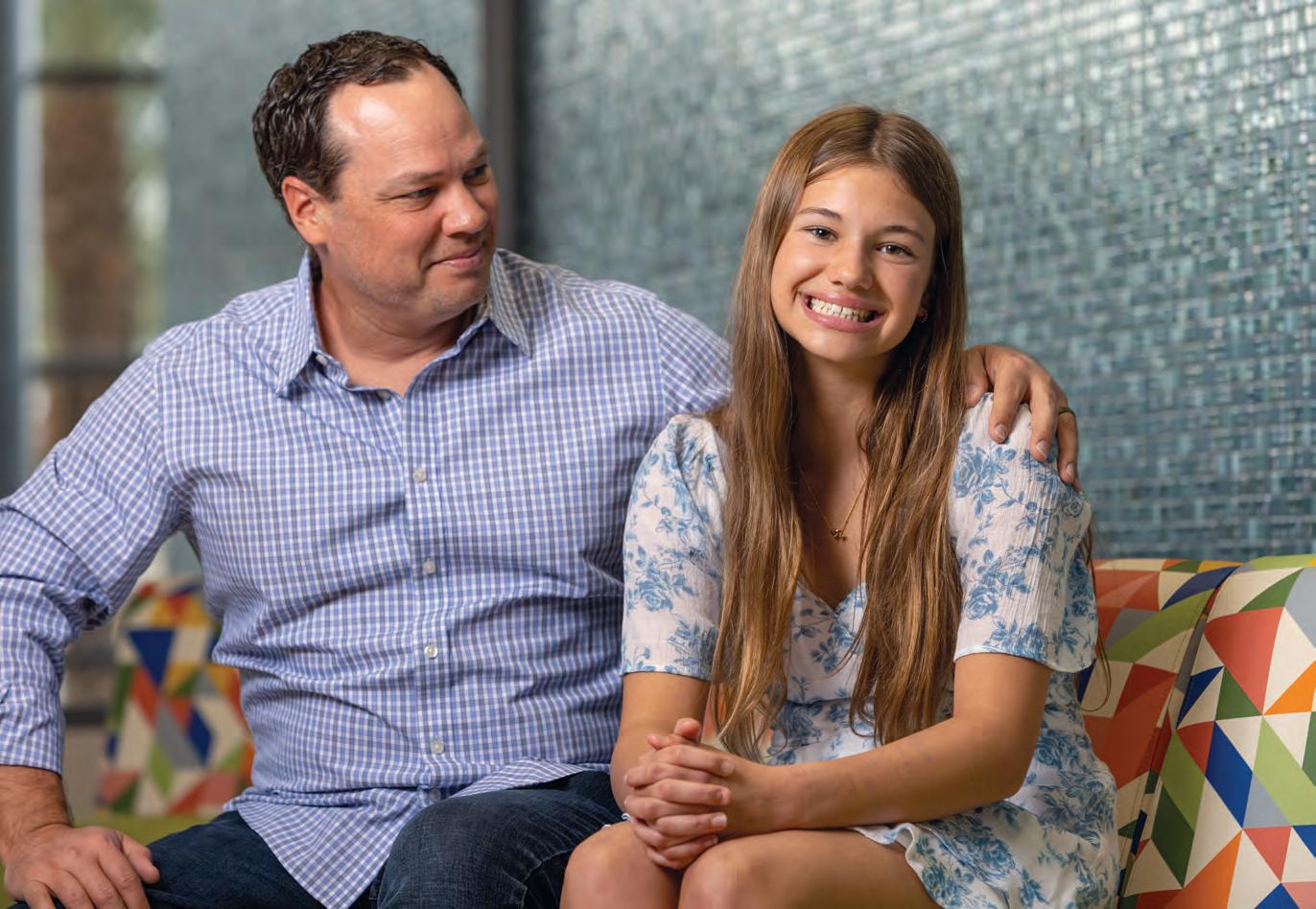
Since Phoenix Children’s saved his daughter’s life, Tim Hague has been focused on making sure other parents have that same chance. Get Involved
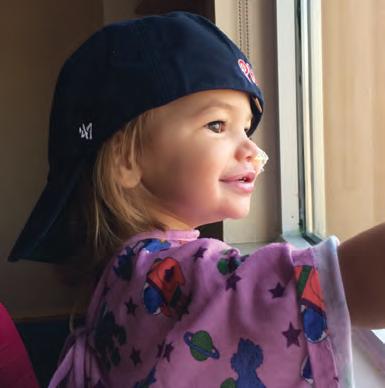
When Lauren spit up the Pedialyte, her parents made an executive decision.
“We’re going to Phoenix Children’s,” said her father, Tim Hague. That decision in November 2014 saved Lauren’s life.
Upon arrival at Phoenix Children’s, Lauren received an IV for severe dehydration, and doctors from multiple specialties evaluated her.
“Over the course of the first two or three hours, the level of care that we received was so vastly different than what we had gotten at the other hospital,” Tim says. “It wasn’t even a comparison. It was at that moment that my wife and I took a deep breath because we knew we were in the right spot.”
After an MRI, CT scan and X-rays, they had an answer.
Pediatric gastroenterologist Emmanuel K.O. Siaw, MD, told the Hagues: “She has an impaction from the bottom of her stomach to the top of her rectum, and first thing tomorrow morning, we’re going to fix her.”
Before she had an upper GI endoscopy and flexible sigmoidoscopy to remove the hardened stool from her intestines, the toddler was sedated. Lauren gripped her parents’ fingers in each hand as the anesthesia took effect.
“It’s probably the hardest thing that my wife and I have ever had to do in our lives,” Tim recalls. “We both fell apart. It was so hard to watch.”
A few hours later, Dr. Siaw returned with good news: The procedure was a success. The Hagues also learned that without the correct diagnosis and timely care, Lauren might not have survived.
“Phoenix Children’s answered our prayers,” Tim says. “We aren’t grateful just for the care for my daughter, but also the care that the nurses gave to us as parents. They didn’t know if everything
To learn more about giving groups at Phoenix Children’s Foundation and how to join one, visit GiveToPCH.org/ Giving-Groups.
was going to be OK, but they made us feel like everything was going to be OK—that she was in the best hands that she could be in. And she was.”
Because of his family’s experience at Phoenix Children’s, Tim was eager to donate his personal time and money to help raise funds for the hospital. He joined Innovation Circle, a giving group that funds high-impact projects. In 2019, he experienced a full-circle moment when Shauna Schroeder, MD, applied for a grant to launch a transnasal endoscopy program at Phoenix Children’s so that children could have an endoscopy without anesthesia.
“Of course, I voted for that because it was so close to my heart,” he says. The project received funding, and today, Phoenix Children’s is recognized as a leader in pediatric transnasal endoscopy.
Tim also serves on the Allied Advisor Council, a network of professionals in finance, wealth management, real estate and law who build awareness and inspire philanthropic support. In 2024, he raised more than $50,000 through an office fundraiser and outreach to clients, family and friends.
A financial services professional of more than 25 years, Tim runs Dynamite Wealth Management, a full-service financial planning firm. Clients across 24 states knew his family’s story and were eager to support the cause.
Today, Lauren is 13 and a healthy, active, straight-A student. In March, she competed in 10 state championship swimming events and earned three bronze medals. She loves traveling, spending time with her family and playing with the family’s French bulldog, Mrs. Pickles. She still keeps a small souvenir from her stay at Phoenix Children’s: a Beanie Baby mouse named Tiptoe, who accompanied her during her MRI. The Hagues are certain Phoenix Children’s is the reason Lauren is alive and thriving.
“What I want people to know,” Tim says, “is that there is no comparison with the level of care you get at Phoenix Children’s.”
Kids can overcome chronic pain, but they need focused, comprehensive care. A new endowed chair at Phoenix Children’s helps get kids back to enjoying life.
When children are dealing with chronic pain, it can be debilitating. Sometimes, they can’t even get out of bed, take a shower or go to the bathroom without help. Chronic pain in children is treatable, but kids need a comprehensive plan designed and implemented by an experienced team of health care professionals.
That’s why Neil Raj Singhal, MD, a Phoenix Children’s pediatric anesthesiologist and pain management specialist, and his wife, Sonia Bhushan Singhal, recently made a blended gift establishing the Singhal Family Endowed Chair in Pediatric Pain Management. Their commitment includes both an outright pledge and a bequest—demonstrating how families can combine immediate impact with a lasting legacy to fund an endowment.
“These kids really want to go to school. They want to play with their friends. And they do get better,” Dr. Singhal says. “But chronic pain in pediatrics is a very underserved population.”
He points out that Phoenix Children’s has the only comprehensive program for treating chronic pain in children within 400 miles, and it draws families from Arizona, Utah, Colorado, New Mexico, Texas and California.
Kids with chronic pain may be dealing with issues like juvenile idiopathic arthritis, fibromyalgia or chronic headaches, back pain or abdominal pain.
“There’s a lot of need for this care,” Sonia Bhushan Singhal says. “There’s a growing population of kids who are having these issues, and there should be support to match
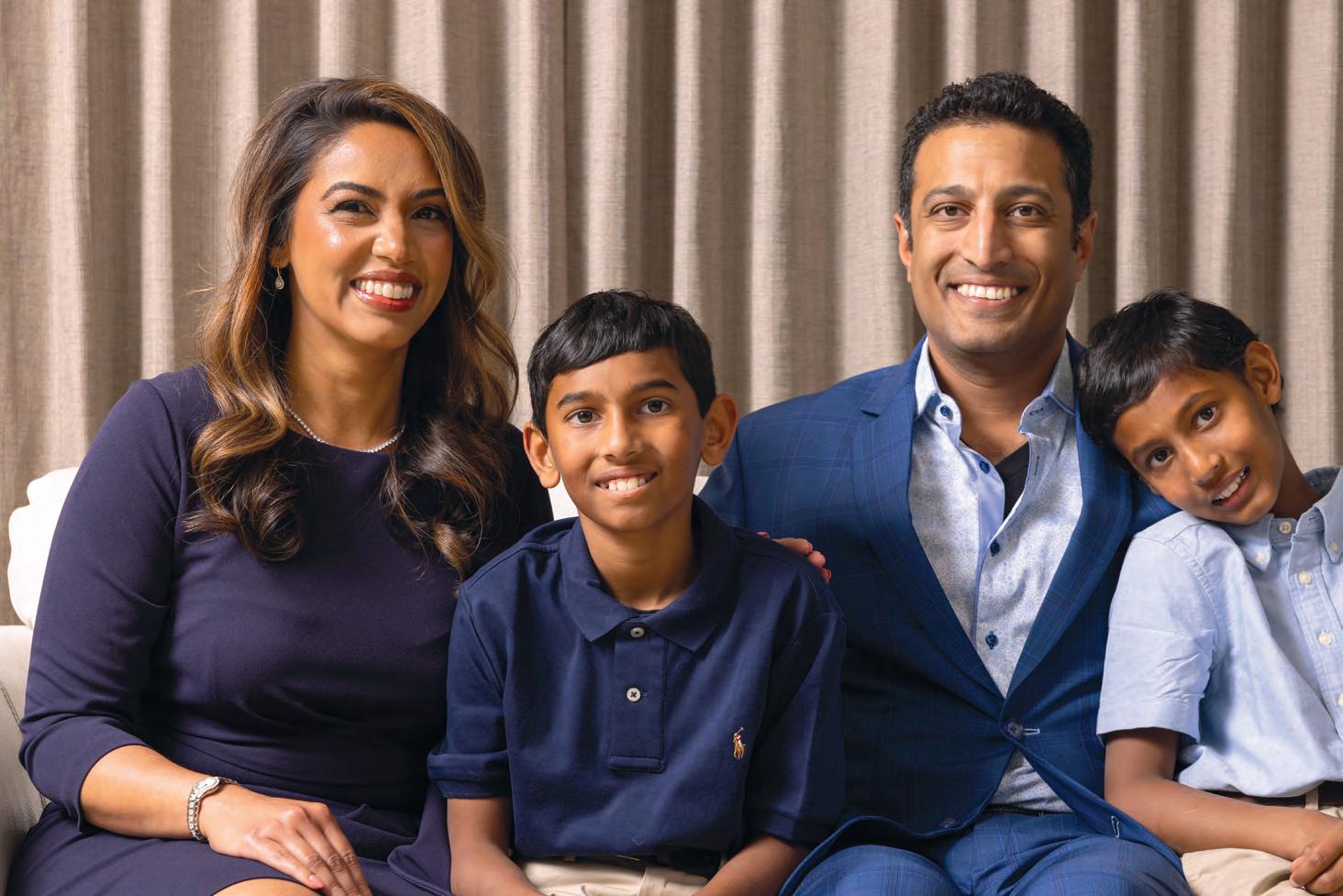
that. If we're able to provide resources that help more children, that's a win-win for everybody.”
Because the Singhals made their gift to Phoenix Children’s through the City of Phoenix’s Pediatric Health Care Initiative, it will be matched with governmental funds at a rate of roughly two times the amount of the gift. “It’s a great way to multiply the effect of the gift and direct the money to something that’s meaningful for us,” Dr. Singhal says.
“Pain is a problem that can be dealt with in a very logical, rational, scientific way, with strategies that help children live their best lives and be successful in the future,” Dr. Singhal says. The endowment will help support coordinated treatment that includes interventional care, rehabilitation, physical therapy and psychology.
A focus on psychology is key: The biggest reason chronic pain is unsuccessfully treated is because underlying anxiety and depression aren’t addressed. The endowment will support a dedicated psychologist who will further develop the pain management program.
“Having a dedicated psychologist really helps these kids see a different path forward and understand that, in spite of the pain, they can still be functional and live full, meaningful, happy lives,” Dr. Singhal says.
Plans for the endowment also include support for an inpatient rehab program for children who have debilitating chronic pain with no organic cause. This type of program typically runs for three to four weeks where the child stays in the hospital for intense physical
therapy, psychology and pain management, as well as school, individual therapy and family therapy.
“We’ve really grown a lot over the last decade, and the hope is, brick by brick, to keep growing it into a bigger program and take it to the next level,” Dr. Singhal says. “Having an endowed chair really allows us to build the program.”
“Endowments create sustainability,” says Nicola Lawrence, vice president of individual giving at Phoenix Children’s Foundation.
“They help us recruit top talent and strengthen our leadership in clinical care and research."
There are two main types of endowments, both delivering lasting impact for children and families:
Endowed chair: Provides ongoing funding directed by the chair-holder and helps attract leading experts. Endowed program: Supports a specific area of care with reliable, longterm funding.
If you're interested in learning more about making an endowment and how your gift could benefit Phoenix Children's, please contact Nicola Lawrence vice president of individual giving, at 602-933-3870 or nlawrence@phoenixchildrens.com
How Phoenix Children’s Crews’n Healthmobiles—powered by donor support—bring essential care to kids and families experiencing homelessness.
F
or families facing housing instability, access to health care can be uncertain or out of reach.
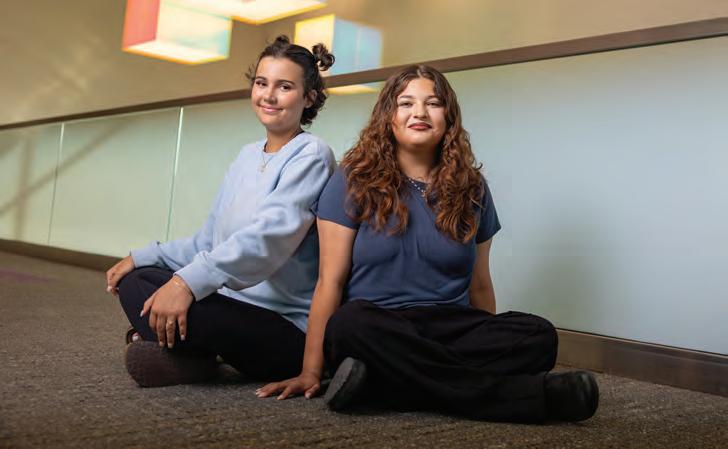
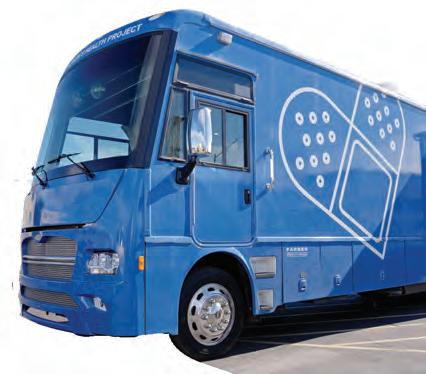
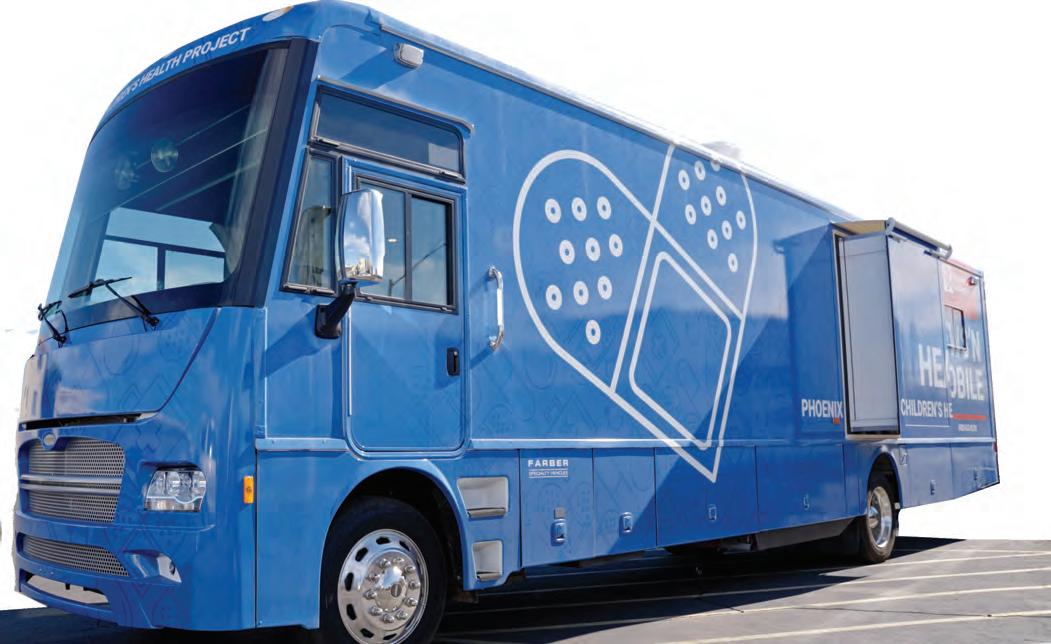
Phoenix Children’s Homeless Youth Outreach (HYO) program meets that challenge by bringing care directly to where it’s needed most. Using mobile medical units called Crews’n Healthmobiles,
HYO delivers medical, behavioral and preventive services across Maricopa County, removing barriers that often keep youth without housing from receiving care. Each visit is grounded in the belief that every child deserves compassionate support—no matter where they call home.
Each visit begins in the intake area, where patients are greeted by the care team in a space designed to feel calm, private and welcoming.
FIRST STEPS
In the triage area, clinicians perform initial assessments to determine the next steps for each child’s care.
Recent and upcoming events supporting Phoenix Children’s patients and their families.

Concours in the Hills
Each Healthmobile has a small pharmacy so patients can receive medications— eliminating another barrier to getting treatment.

An onboard lab allows clinicians to perform certain tests immediately, while other samples can be collected and sent out for further analysis.
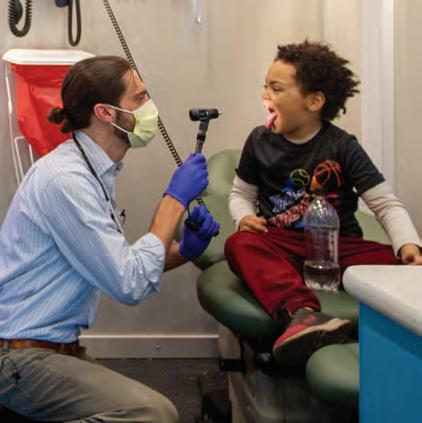
Dedicated exam rooms provide a confidential setting where providers can diagnose illnesses and address ongoing health concerns.

The “greatest car show on grass” raised a record $467,000 for Phoenix Children’s Center for Cancer & Blood Disorders and the Cardiothoracic Surgery Fund

WINGS Gala
Attendees came together to dance, mingle and make memories, raising funds to support the expansion of the Simulation Lab at Phoenix Children’s.

Beach Ball
More than 500 community leaders gathered for a night of resort-style sophistication, raising more than $1.3 million for Phoenix Children’s.

Team Taylor Family Fun Run
More than 830 runners gathered for the 14th annual Team Taylor Family Fun Run, raising nearly $175,000 for the Home Safety and Safe Sleep Program.
GIVE-A-THON
August 2026
Tune in to KTAR News
92.3 FM and Arizona Sports 98.7 FM for the nation’s largest radiothon for a children’s hospital. GiveAThonForPCH.org
SPOOKTACULAR
SPRINT & 5K
October 24, 2026
Join fitness enthusiasts and families for a Halloweenthemed 5K benefiting Phoenix Children’s. PhoenixChildrens5K.org

PCH50 Pickleball Championships
Over 46 teams competed in the annual PCH50 Pickleball Championships, raising over $217,000 for Phoenix Children’s.

PCH50 Half-Round Showdown
Participants gathered at the second annual PCH50 Half-Round Showdown, a unique, nighttime golf tournament benefiting Phoenix Children’s
PCH GOLF TOURNAMENT
November 20, 2026
Hit the green with more than 300 community leaders and philanthropists at Phoenix Children’s 27th annual Golf Tournament. PCHGolf.com
IGNITE HOPE
December 12, 2026
Help raise funds for Phoenix Children’s while showing patients and their families they’re not alone during the holidays.
PCHIgniteHope.org
PHOENIX CHILDREN’S HOSPITAL FOUNDATION
2929 E. Camelback Road, Suite 122 Phoenix, AZ 85016

The most powerful moments are the ones that give a child another chance to dream. Your support ensures kids get the lifesaving care they need—and the future remains full of possibility. Be a Moment Maker.