
EXCLUSION ZONES & AUTHORISED ACCESS
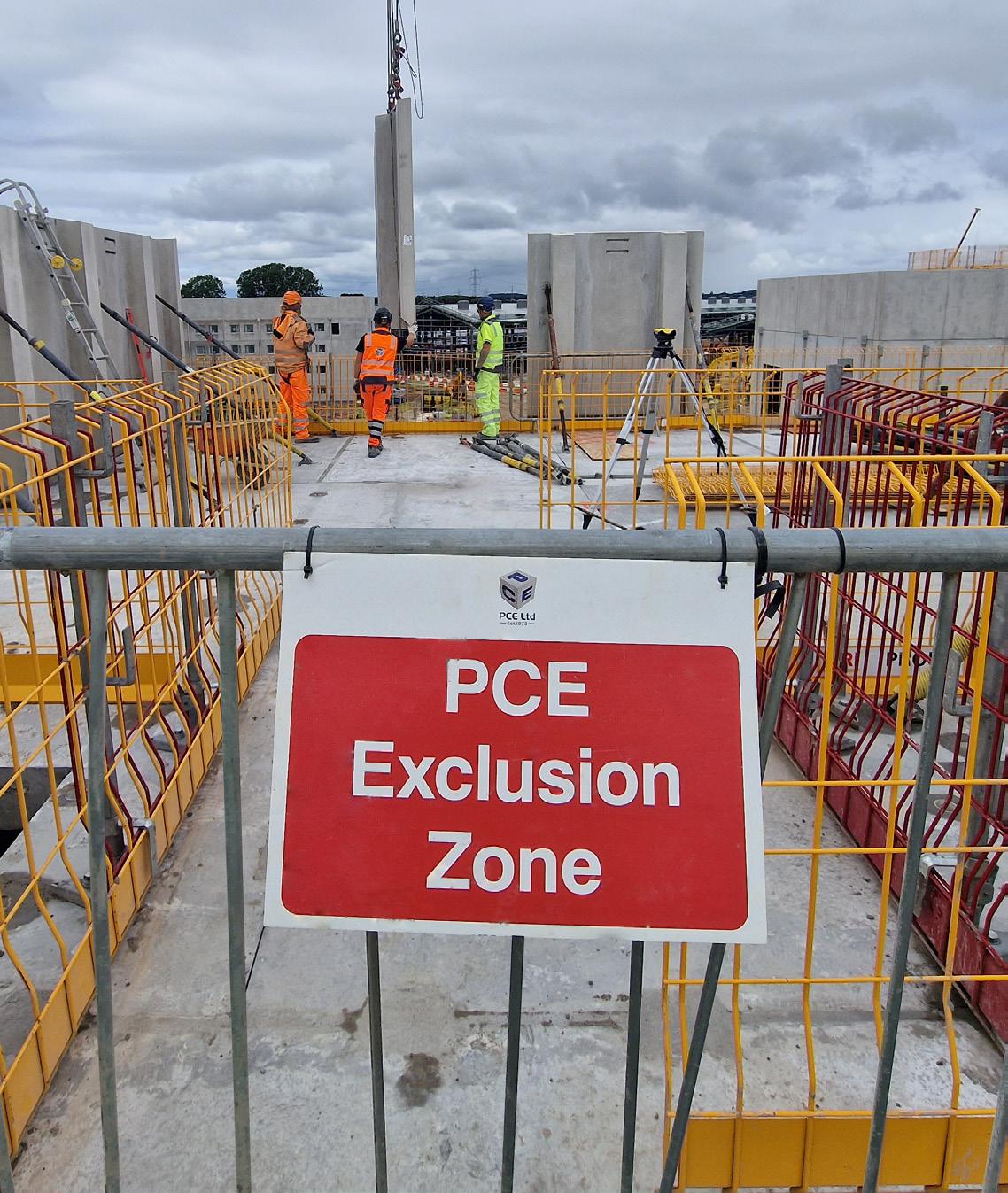
PCE’s management of exclusion zones ensures assembly remains safe and structured, whilst delivering added value, speed and concurrent construction benefits.
A two-floor exclusion zone below PCE lifting activities is crucial for safety and risk reduction. This measure addresses several key concerns:
• Impact of Dropped Loads: The two-floor buffer prevents harm from falling objects, accounting for potential bounce or shatter risks across both levels.
• Unpredictability of Lifting: The exclusion zone reduces risks from unforeseen incidents like wind or equipment failure.
• Safety Compliance: This zone ensures adherence to regulations, minimising accidents and legal risks.
• Psychological Safety: The buffer provides workers with peace of mind, allowing them to focus on tasks without fear of overhead hazards.
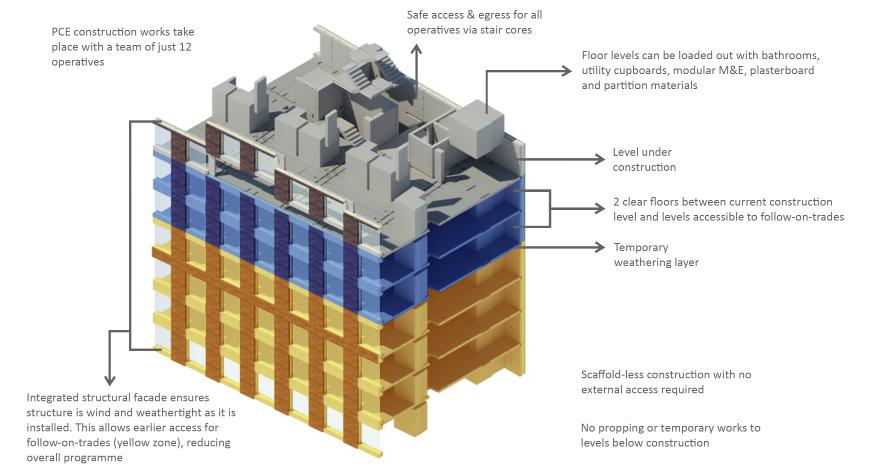
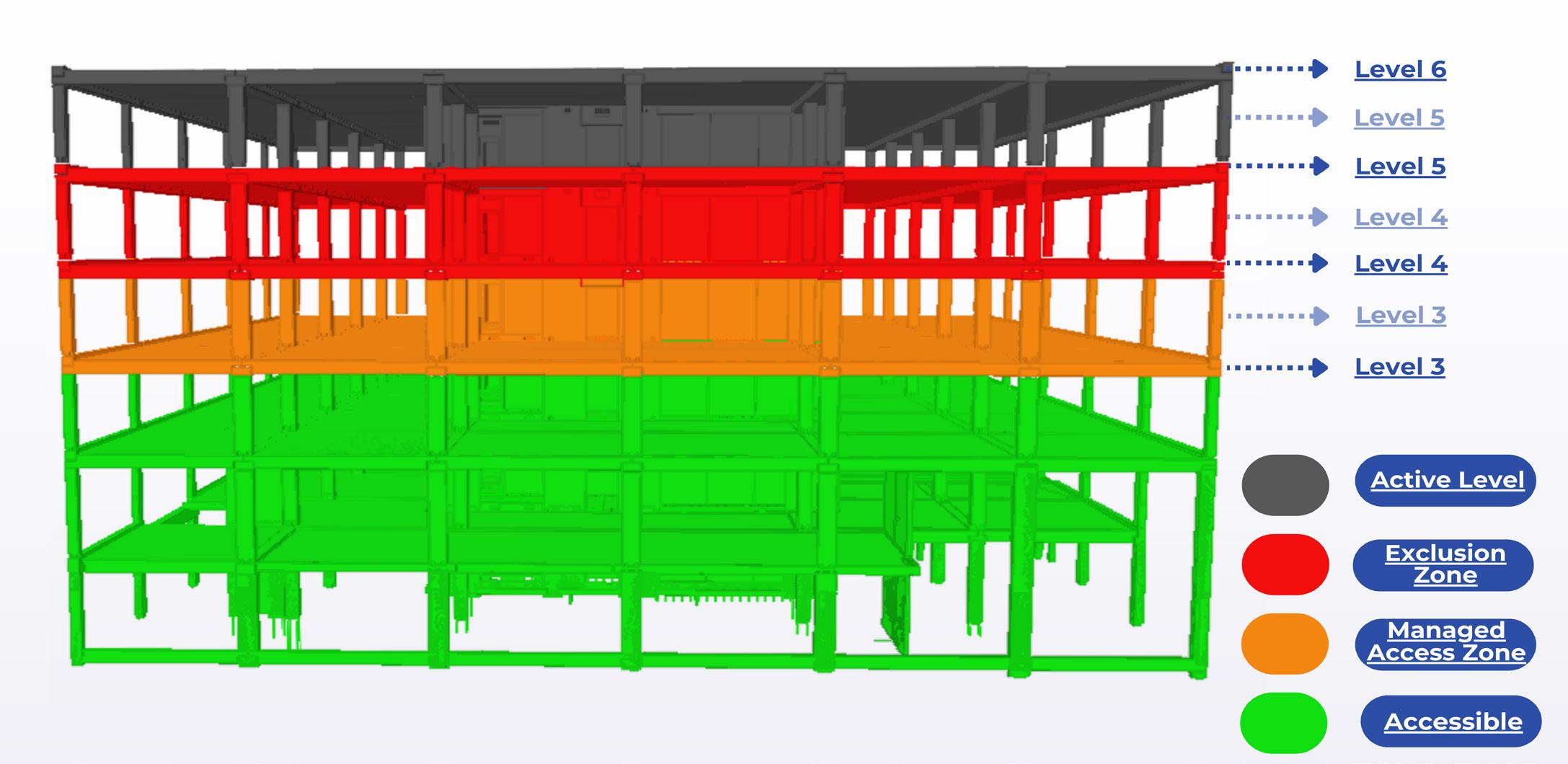
Throughout installation works, PCE require two structural floor levels as exclusion zones below the active construction level. For example, whilst installing level 5 components, level 4 will be an exclusion zone and level 3 will be a managed access zone, dependent on the component types, ie solid floor slab or hollowcore slab as these components will behave differently if a load was dropped.
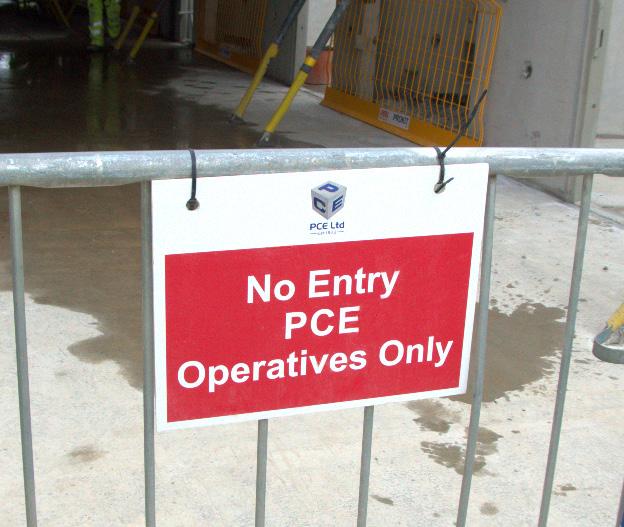
Qualified PCE operatives may continue work whilst operating within PCE’s exclusion zones. Operatives will adhere to PCE RAMS and attend daily HSE briefings which detail and coordinate all PCE works. PCE supervisors or site management will continue to oversee any and all PCE works,