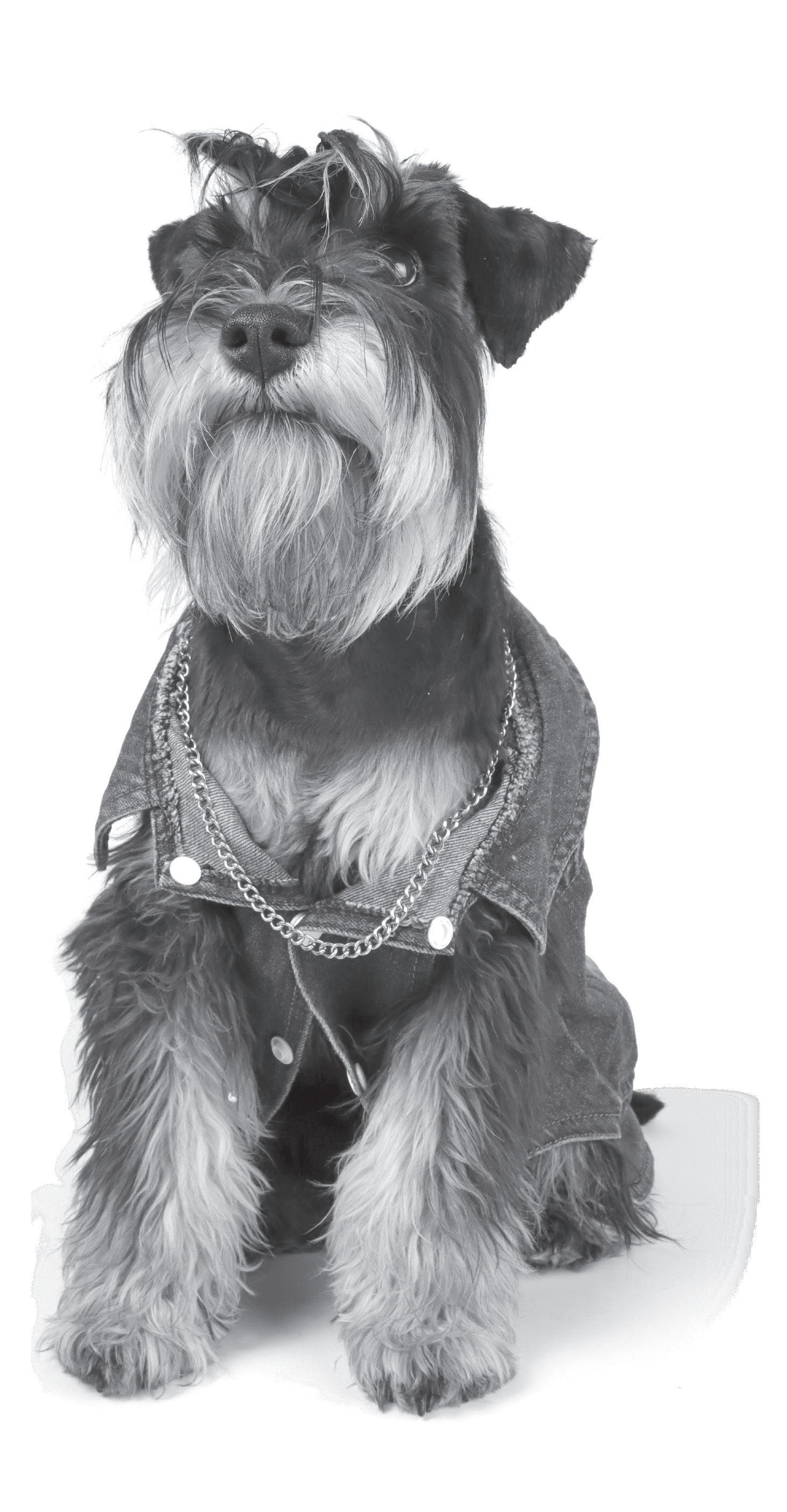
How rules and boundaries build a better dog. SURVIVING THE SEASON OF SOGGY PAWS
Ways to manage mud this season.
SPRING INTO THE ZOOMIES!
EDITOR
Shawn Sotkowy
PAW Quarterly
Welcome to the spring issue of Paw Quarterly, where the world is thawing, the trails are calling, and our dogs are more than ready to stretch, sprint, and sniff their way into a brand‑new season. April marks Canine Fitness Month, and this edition is packed with everything you need to help your pup shake off winter and step confidently into the sunshine.
We’re diving into the heart of spring wellness with features on rules and boundaries that build trust and harmony at home, plus a much‑needed guide to spring mud management (because let’s be honest — the mud always wins, but we can stay one step ahead). You’ll also find a breakdown of what freeze‑dried food really is, and why it’s become a favourite among dog owners.
And because spring is the season of nourishment, we’re serving up a delicious, dog‑safe bone broth spotlight — complete with the benefits, the science, and a simple DIY recipe you can make in your own kitchen.
Here’s to fresh air, fresh starts, and the dogs who make every season brighter.
Happy spring, and happy reading.
PAWQuarterly SPRING 2026
Volume 4 | Issue 2
CONTRIBUTING EDITOR
Shawn Sotkowy
EDITORIAL & SALES
publish@pawquarterly.com
DESIGN & PUBLISHING
Tracy Hahn
CONTRIBUTORS
Nicole Vaughn, Carly Patryluk, Cheryl Petryshyn, and staff writers.
SOCIAL
PAWQuarterly.com
PAWQuarterly is independently owned and published in Regina, Saskatchewan. Opinions and advice expressed in PAWQuarterly are those of the authors and do not necessarily reflect the views of the publisher or advertisers. PAWQuarterly does not assume liability for content. Articles and information are published for information purposes only. For training, health, or nutritional advice specific to your pet, consult with your veterinarian or a trained professional.
S P E C I A L I Z I N G I N P E T , E Q U I N E & D O G S P O R T P H O T O G R A P H Y
E X P E R T I S E
O v e r 1 0 y e a r s o f
e x p e r i e n c e c a p t u r i n g
e v e r y p e t ’ s u n i q u e
p e r s o n a l i t y
B
T A I L O R E D
S E S S I O N S
Q u e s t i o n n a i r e s b e f o r e
e v e r y s e s s i o n , m a k i n g
s u r e t o p r o v i d e y o u
a n d y o u r p e t s w i t h a
g r e a t e x p e r i e n c e
S T U N N I N G
K E E P S A K E S
H i g h q u a l i t y w a l l a r t , a l b u m s & p r i n t s t o
c h e r i s h f o r e v e r
o o k y o u r s e s s i o n t o d a y !
h e l l o @ l i a n n e m a t i e s h i n p h o t o g r a p h y . c o m
K9 Unleash the Spring Zoomies! FITNESS MONTH
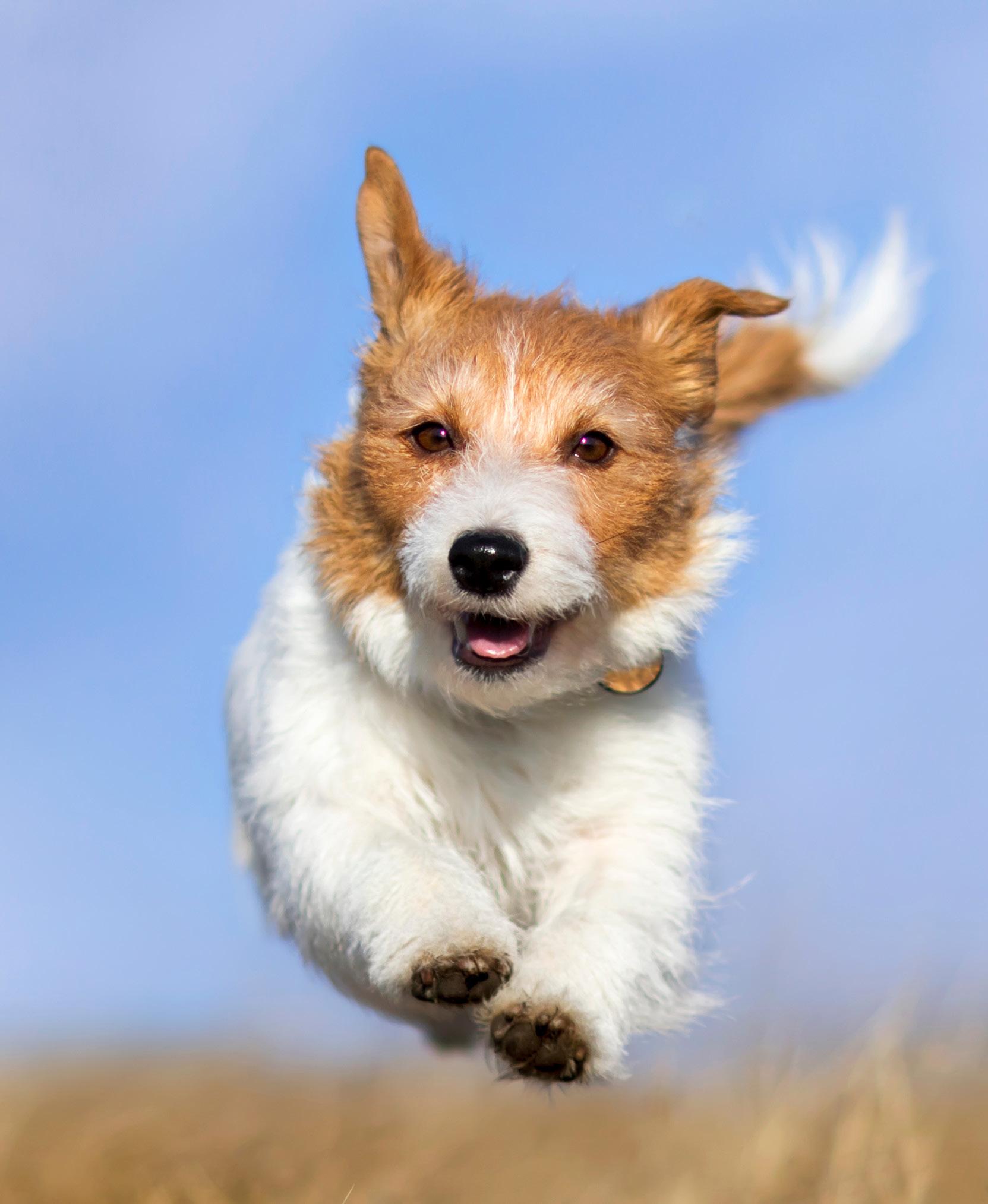
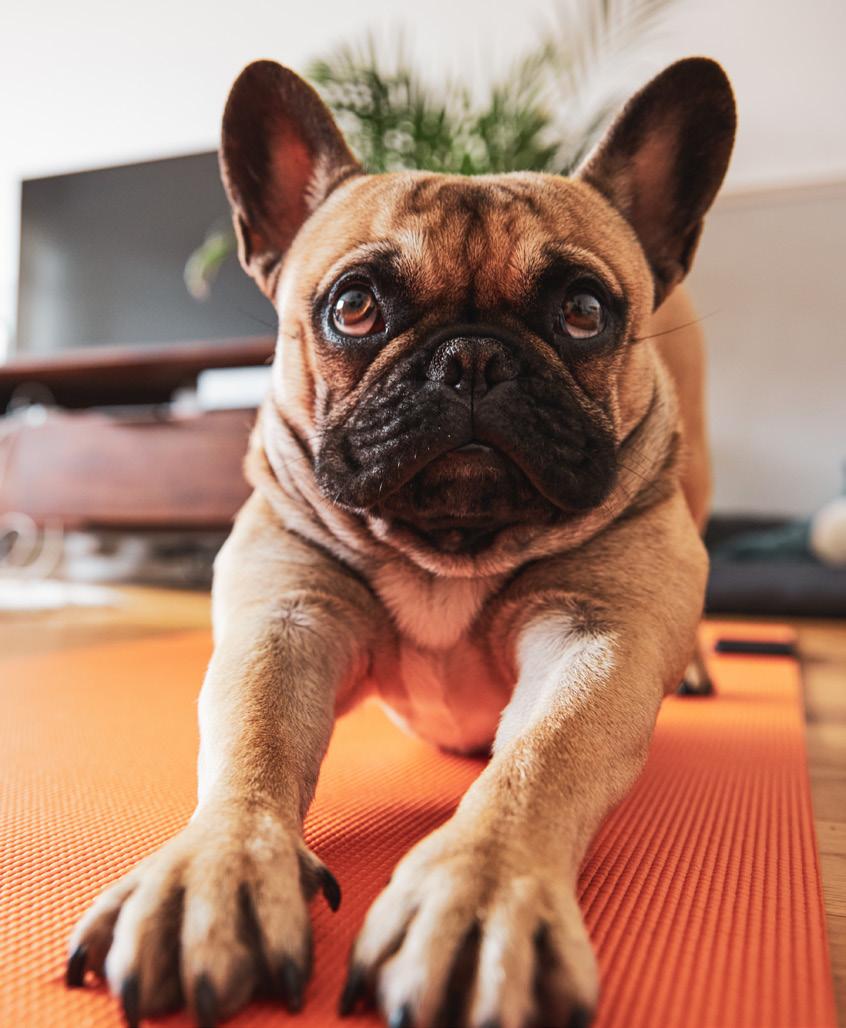
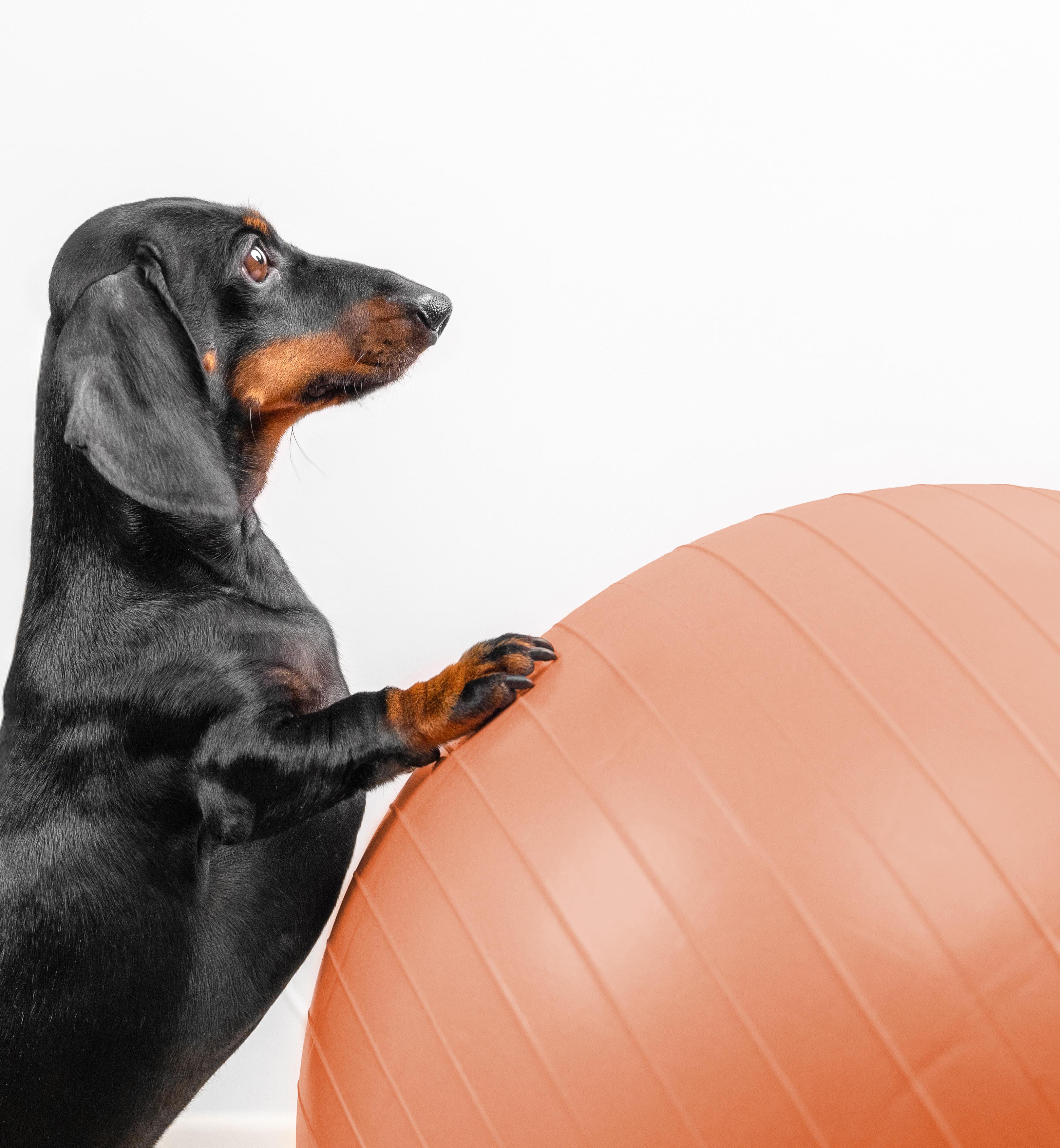
Winter is over, and our dogs know it. All the fresh sights, smells and eagerness to get outside and get your steps in. It’s the ultimate reboot button. Warmer temperatures, perfect vibes, and the perfect excuse to turn your daily walk into a full‑body, tail‑wagging fitness fiesta. April is Canine Fitness Month, where every pup — from couch‑potato cuties to turbo‑charged trail blazers — gets a chance to gear up, and zoom into the sunshine.
Exercise should build your dog up, not wear them down — watch for the moment their spark softens. The workout should end before their energy does.
THE FOUR FITNESS SUPERPOWERS
From powering up muscles to sharpening the mind, these four fitness superpowers — strength, cardio, flexibility, and mental fitness — form the foundation of your dog’s overall well‑being.
STRENGTH CARDIO FLEXIBILITY MENTAL
• Hill climbs that activate the booty.
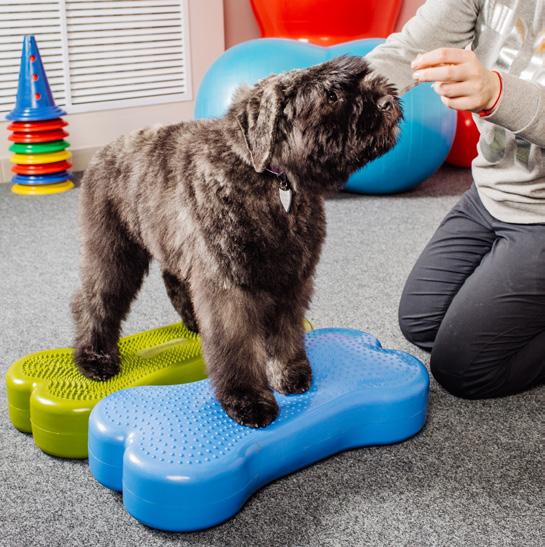
• Balance pods for wobbly‑but‑adorable core work.
• Pulling a wagon or walking with weight packs.
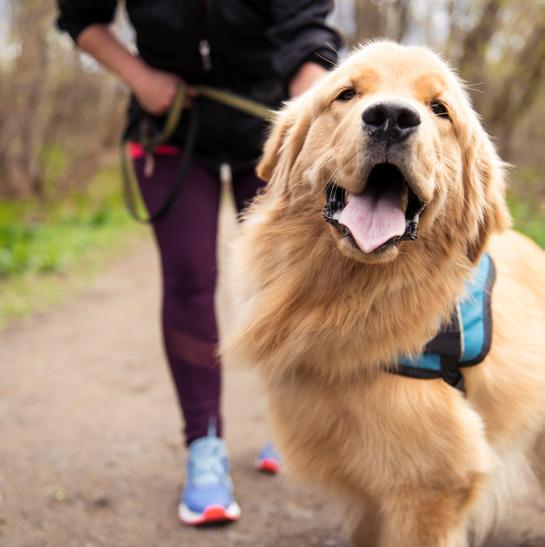
• Canicross, running your dog with a waist belt. (aka “drag your human with purpose”).
• Fetch intervals for the ball or disc‑obsessed athlete.
• Swimming once the water is warmer.
FUN-CTIONAL FITNESS TOYS
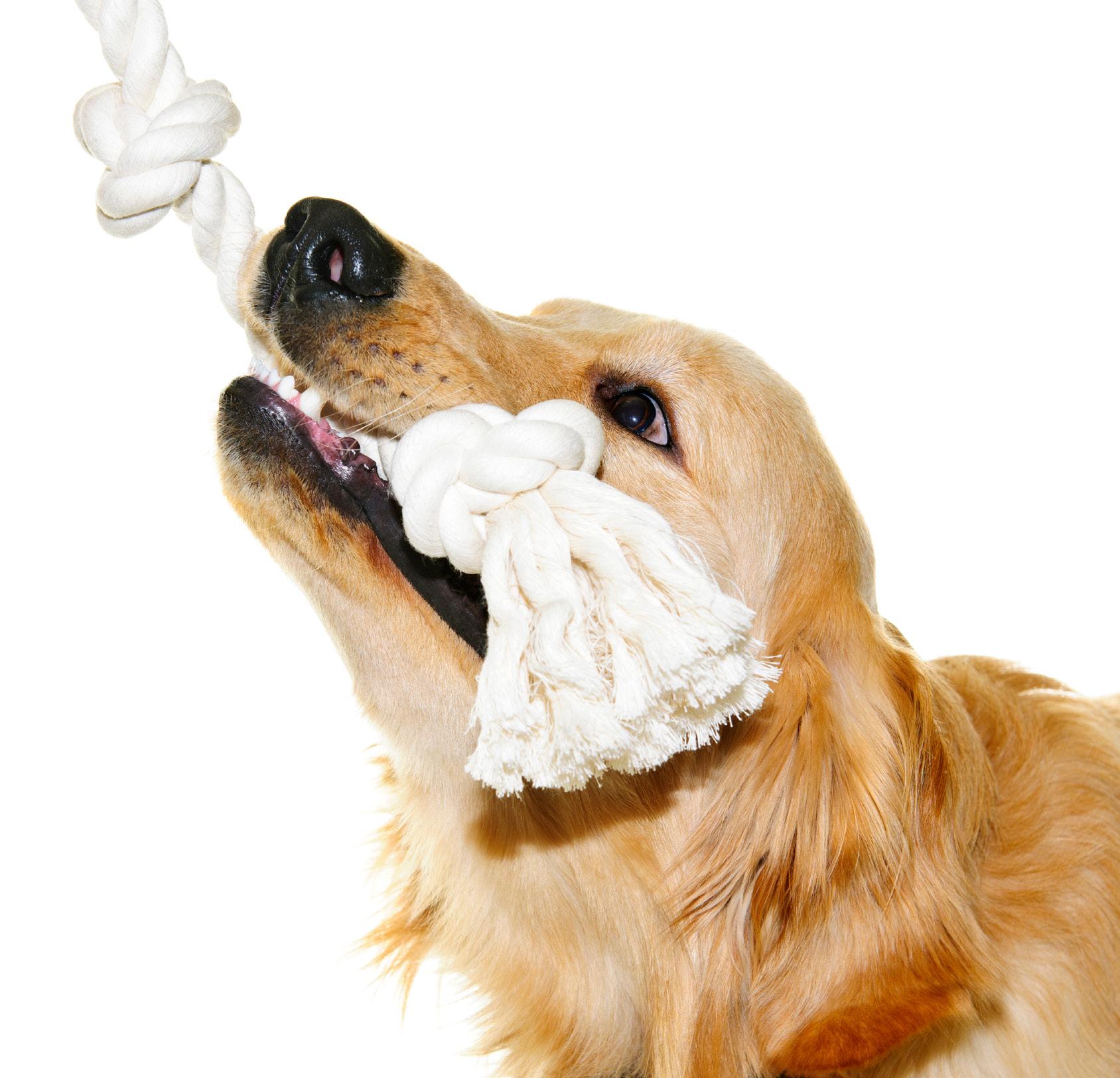
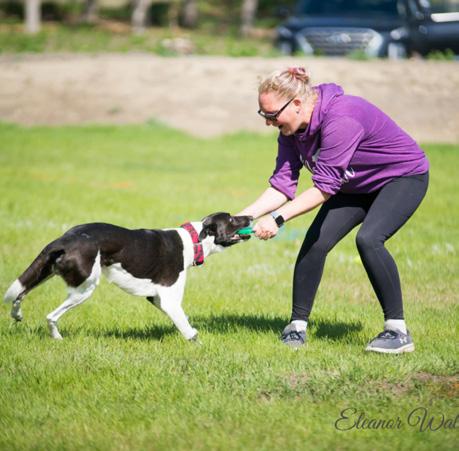
Fitness gets a whole lot more fun when toys do the work for you. Flirt poles turn playtime into sprint sessions, balance discs build core strength and confidence, tug toys add strength and joyful determination, and treat‑dispensing balls blend cardio with brain‑work. These aren’t just toys; they’re personal trainers disguised as enrichment, helping your dog move, think, and thrive.
Move Together, Bond Together
Turn everyday spaces into fitness opportunities for your dog — from urban agility sessions where park benches become dog walks and curbs become balance beams, to backyard bootcamps built with cones, tunnels, and platforms that feel like a canine CrossFit zone. It’s also a great season to explore new activities together, whether that’s hiking, classes, flyball, barn hunt, or disc sports like Toss & Fetch.
Canine Fitness Month isn’t about perfection — it’s about connection. Every stretch, sprint, and wiggle strengthens the bond between you and your dog.
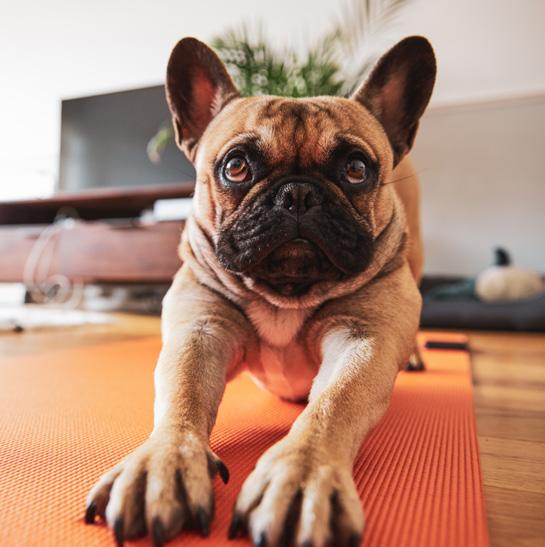
• Stretching routines that say “goodbye stiffness, hello sassiness.”
• Warm‑ups that prevent zoomie‑related wipeouts.
• Mobility moves for the hips and shoulders.
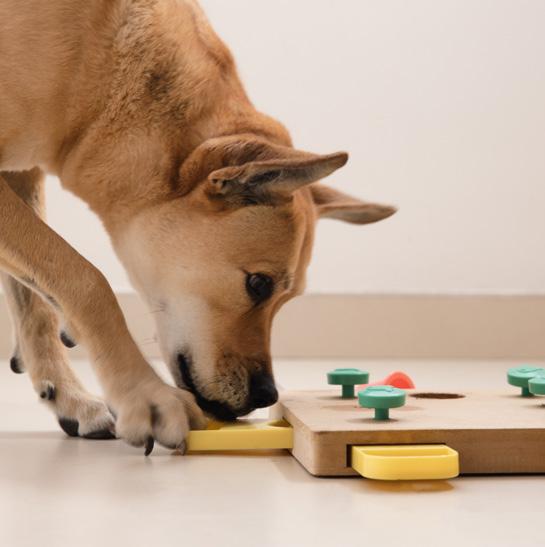
• Puzzle toys that make your dog feel like a genius.
• Sniff walks where the nose is the boss.
• Hide‑and‑seek with treats, toys, or yourself if you’re dramatic.
Warm up. Cool down. Hydrate.
When in doubt always check with your vet before starting anything intense.
From the creators of the Pet Shop Girls Podcast
PODCAST
Welcome to Tip The Dish
The natural pet care podcast for pet parents hosted by Carly Patryluk & Sherry Redwine.
FREEZE-DRIED RAW... OR RAW-ISH?
One of the most misunderstood words in the pet food industry right now is “Raw”. Raw inspired. Raw coated. Raw infused. Unless it's frozen and living in a freezer, it's not raw. If the product is stored at room temperature, it has been processed to be shelf stable. So where does that leave freeze dried?
Freeze-dried food is not raw, but it is still something worth getting excited about.
Other shelf stable pet food options use heat in the manufacturing process. Kibble is cooked at extremely high temperatures. Dehydrated food is dried using heat. Canned food is cooked inside the can. Heat is fast, cheap, and efficient, but it also destroys a significant portion of the nutrients in the original ingredients, which is why synthetic vitamins and minerals get added back in after the fact.
WHAT IS FREEZE-DRIED?
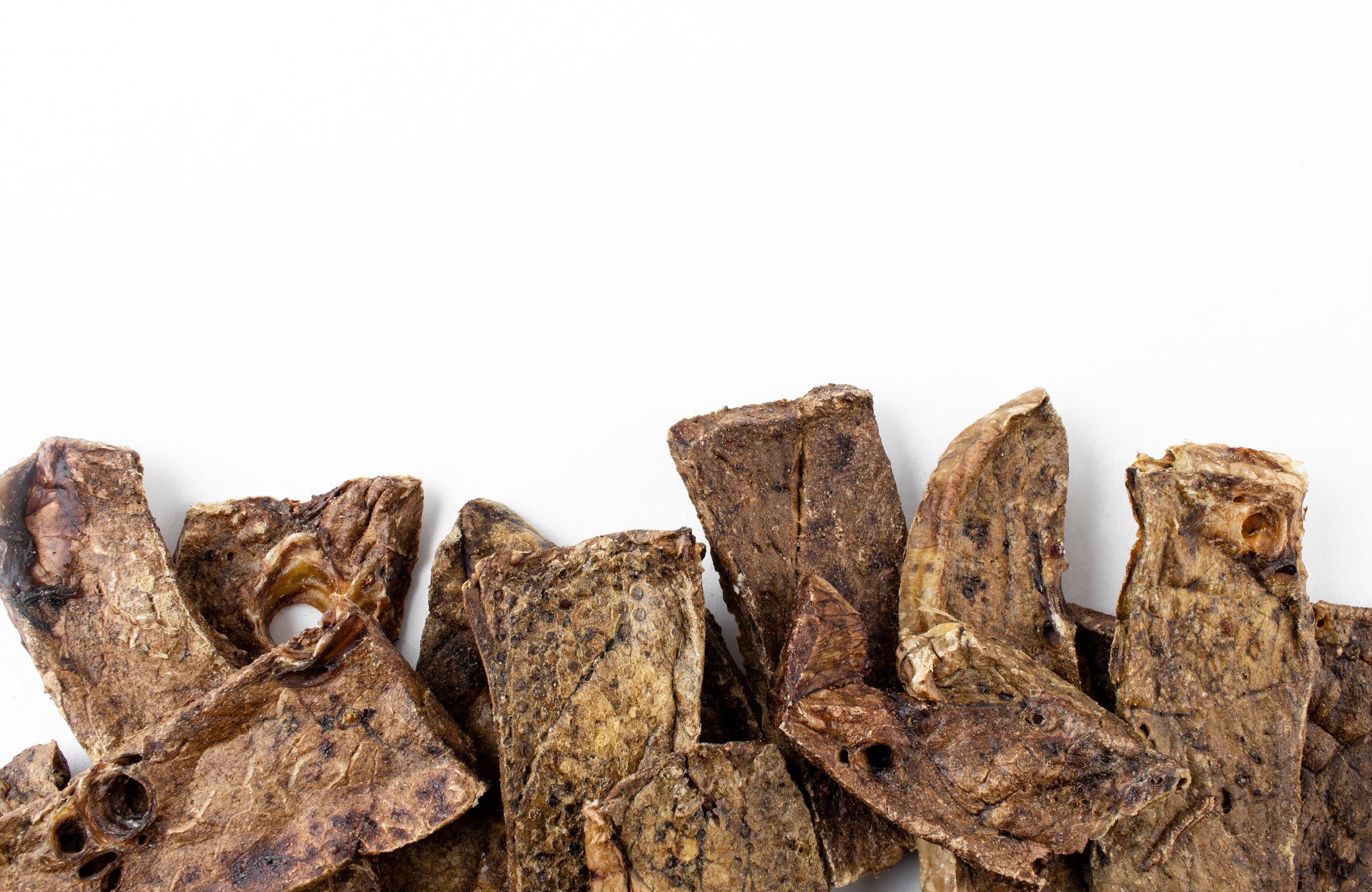
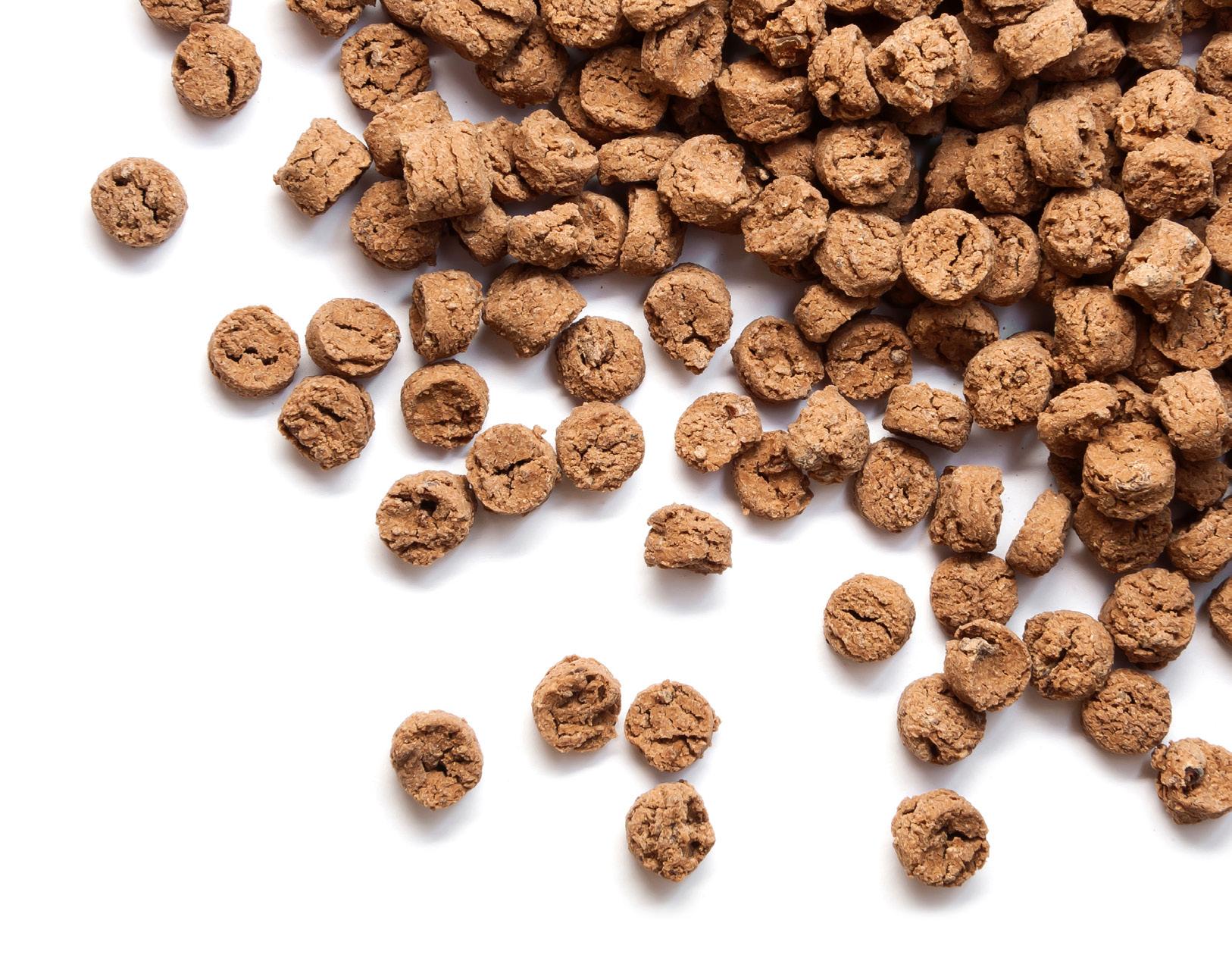
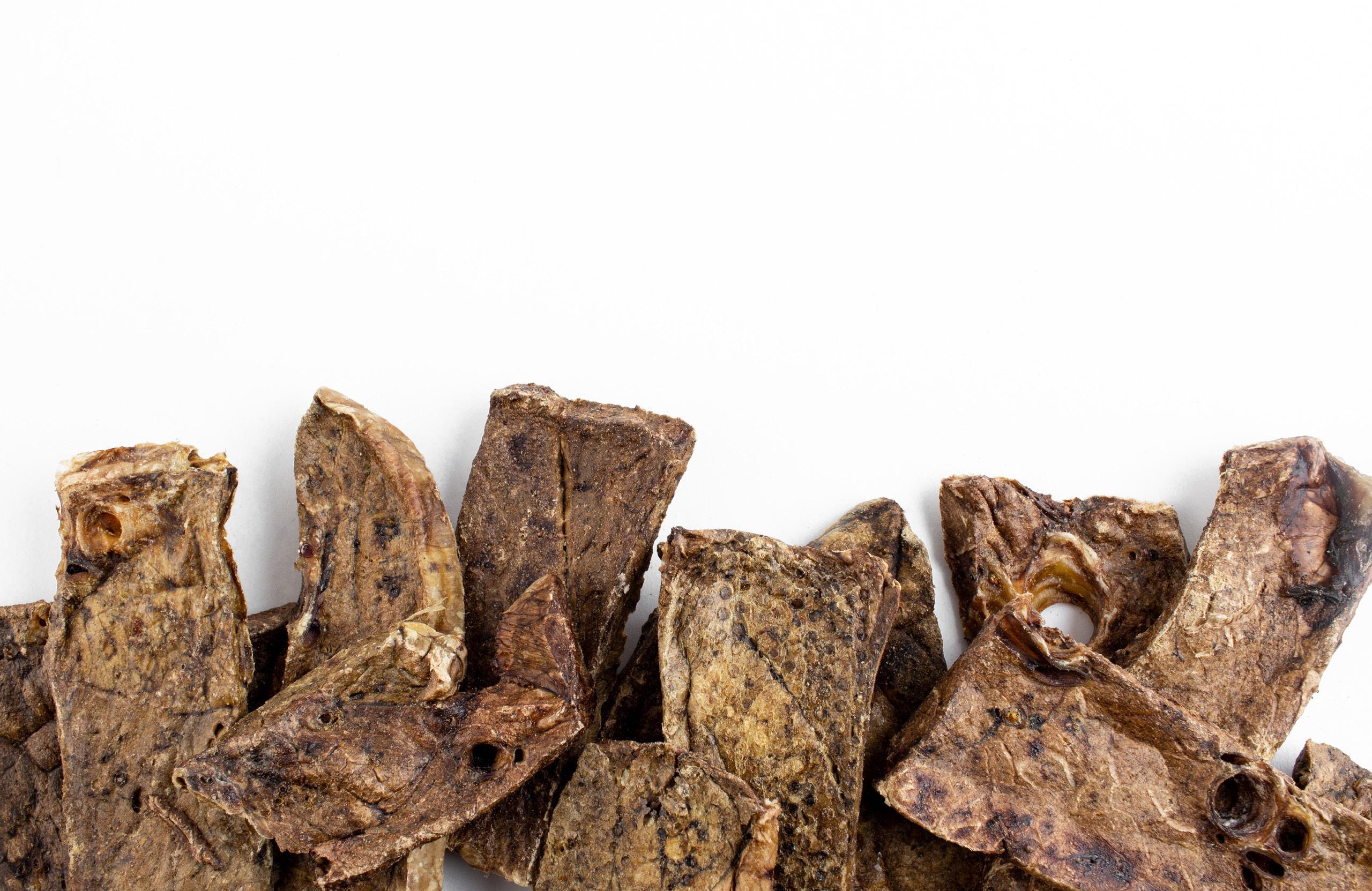
Freeze drying is different. The process removes moisture through a long, slow vacuum process at freezing temperatures. No heat. Not a single degree of it. The food is frozen first, then the moisture is drawn out while it is frozen, which is why it becomes light, shelf stable, and crunchy without ever being cooked.
That makes freeze dried the only shelf stable pet food option that does not require heat to manufacture. Making it the second best option behind fresh frozen raw, and the second least processed food we can put in our pet's bowl.
WHAT IS RETAINED?
Freeze dried food retains approximately 95% of the nutrients from the raw ingredients. Proteins, enzymes, vitamins, and minerals that would be damaged or destroyed by cooking are largely preserved through the freeze drying process.
Freeze drying concentrates the flavour by removing all that moisture, which makes the food roughly 50 times more flavourful than the original ingredients. This is why our pets like it so much. It is not a trick or an additive. It is just incredibly concentrated, real food.
When adding different options to the bowl, replace some of the existing meal to avoid overfeeding.
FREEZE-DRIED VS DEHYDRATED: WHAT'S THE DIFFERENCE?
Food is dehydrated by using low heat over a long period of time. It is a gentler process than cooking, so it’s still a good option, but when heat is involved, some nutrient loss still occurs.
Freeze dried doesn’t use heat at all. That is the key distinction. If you are ever trying to decide between the two, freeze dried wins on nutrient retention every single time.
WHO IS IT FOR?
Generally, a full freeze dried diet is not recommended for pets over 10 pounds. It can become a very expensive diet very quickly. On the other hand, freeze dried as a topper is one of the best upgrades you can make, regardless of your pet's size. A small amount goes a long way. The concentrated flavour means even a light sprinkle makes a bowl more appealing, and the nutrient density means you are adding genuine value without needing a large quantity to make a difference.
HOW TO USE FREEZE-DRIED AS A FOOD TOPPER
There are two ways you can serve freeze dried as a food topper. Try both and let your pets vote with their enthusiasm.
Serve it dry by simply crumbling it over the bowl. This adds crunch, flavour, and nutrients to their bowl. Most pets love the texture contrast and will eat their entire bowl just to get to the good stuff.
Rehydrate it by adding bone broth or warm water, and let it sit for a few minutes. Rehydrating brings the food closer to its original texture and adds a little extra moisture to the meal.
Rehydrating is a great option for older pets, pets with dental sensitivities, or any pet who needs a little extra encouragement to eat. If you're feeding freeze dried as a meal, you always want to rehydrate it.
Freeze dried is not raw. But it is the next best thing, and it is genuinely one of the most nutrient dense, flavourful, and least processed options available on a shelf today.
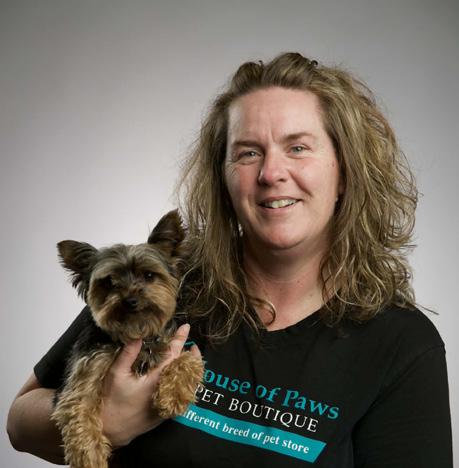
CARLY PATRYLUK
Carly is the owner of House of Paws Pet Boutique and is certified in a variety of pet nutrition areas. Carly believes in continuous learning and when she’s not working with pet parents at her store, she spends her time developing new and engaging methods to empower pet parents to make the best choices for their pet’s nutrition.
MANAGEMENT MUD
SURVIVING THE SEASON OF SOGGY PAWS
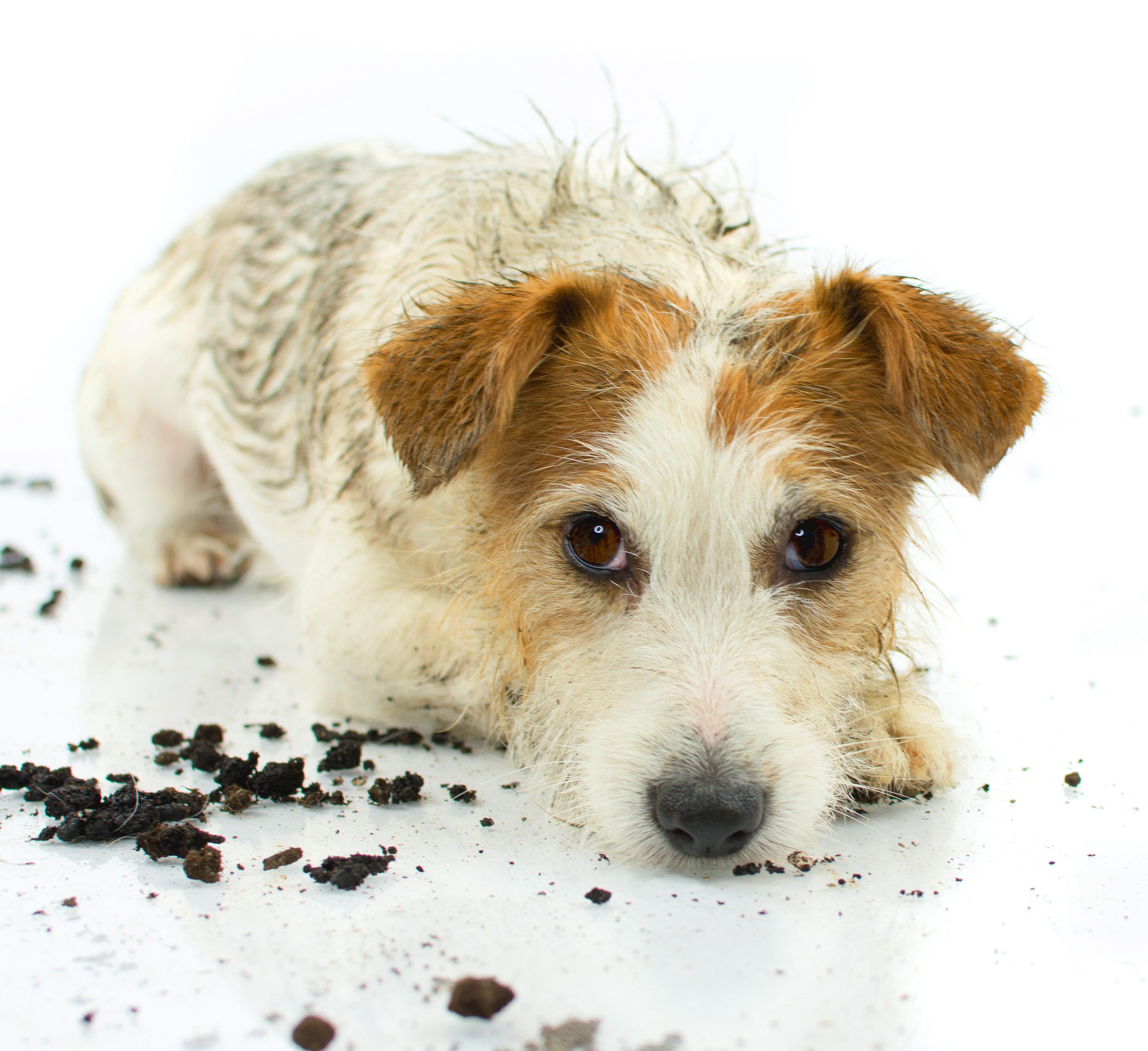
As the snow melts and spring rains roll in, yards, trails, and dog parks quickly turn into muddy messes. While many pups love the chaos, managing mud can save you time, stress, and a lot of cleanup!
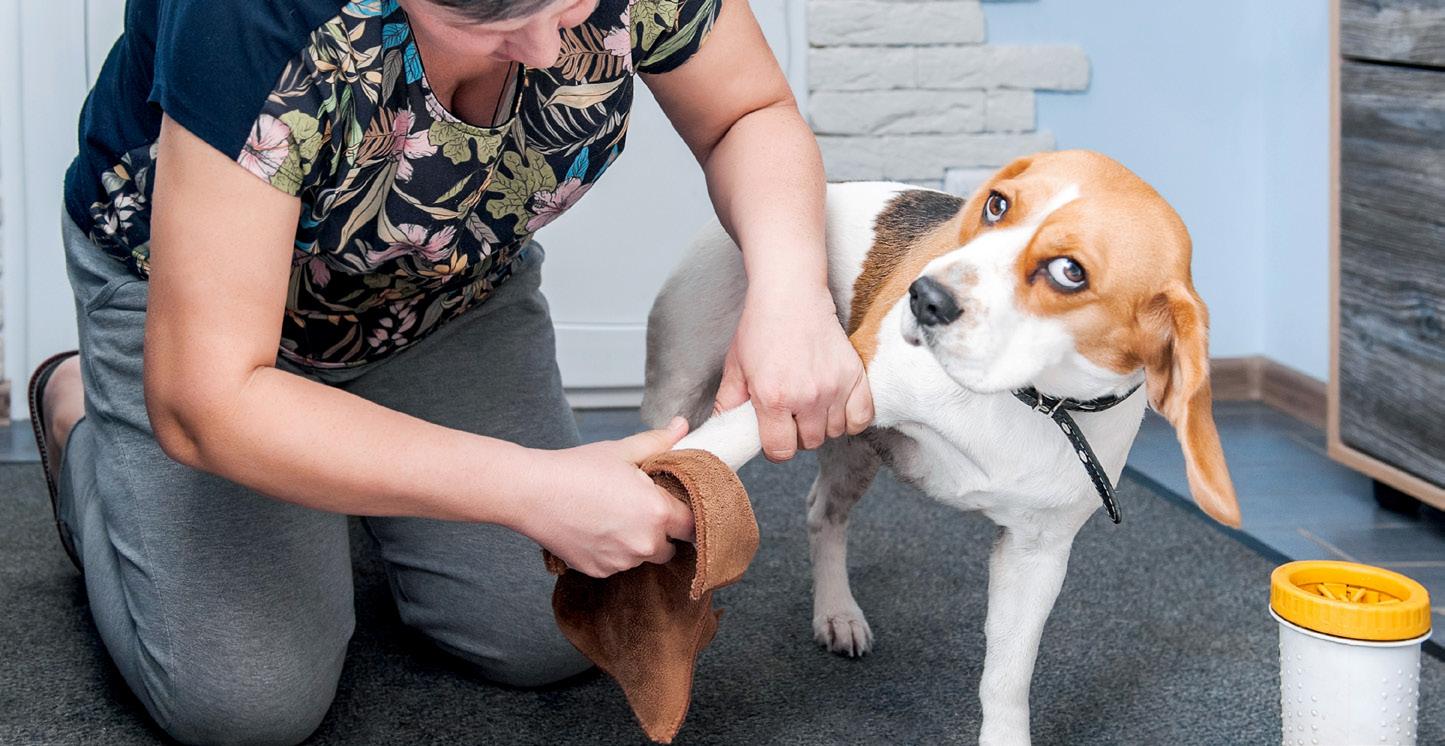
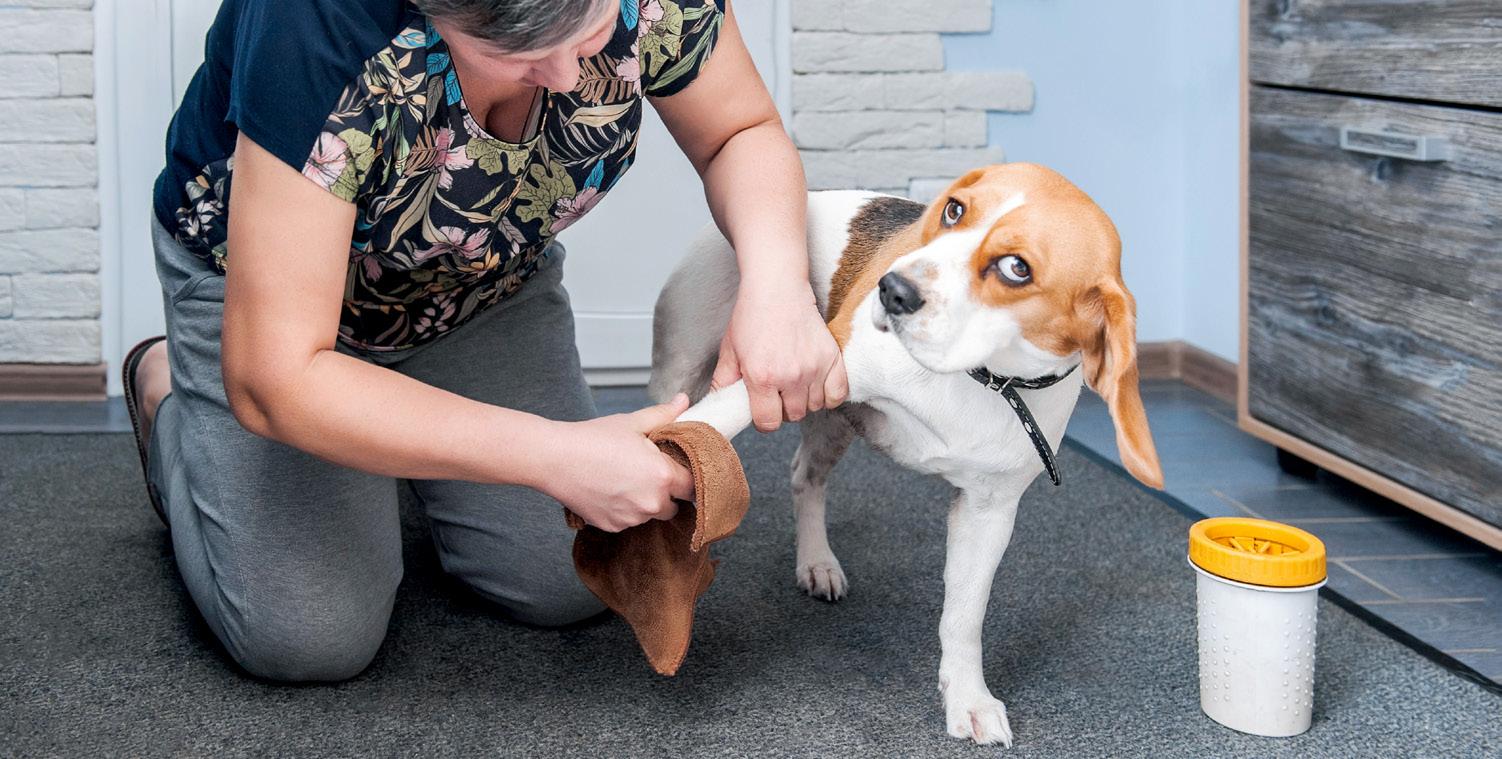
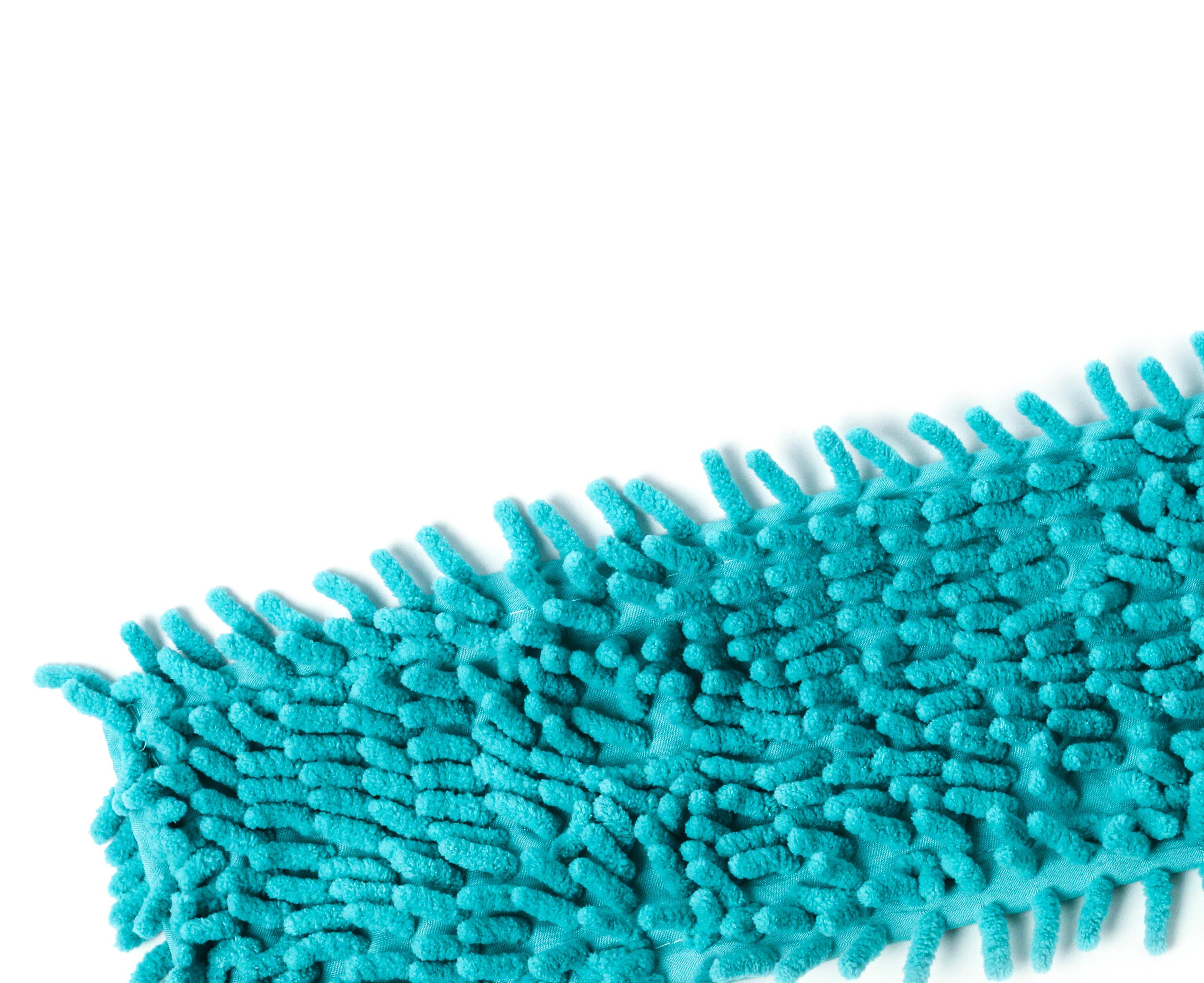
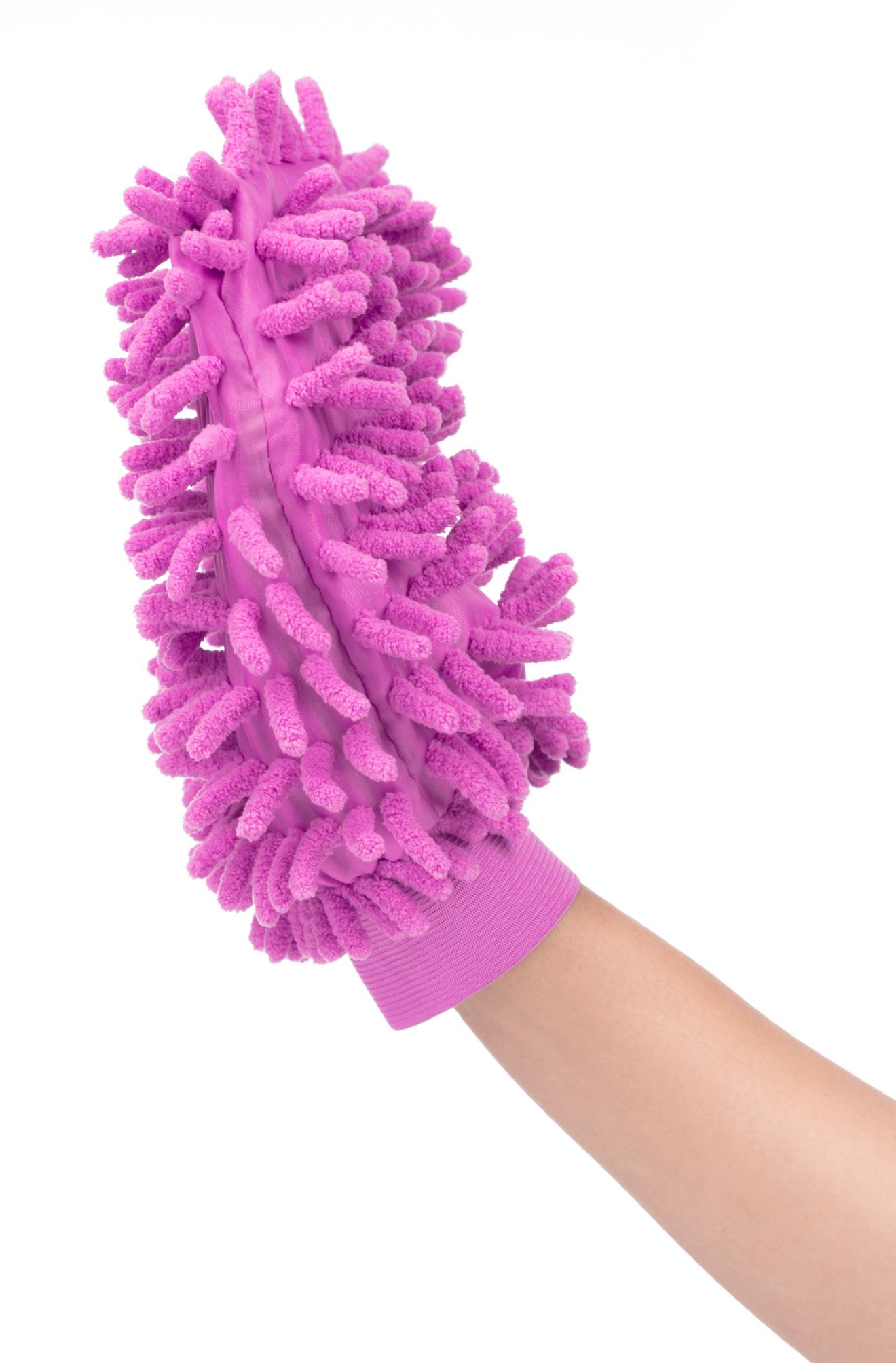
Create a designated cleaning station near your entryway and keep an absorbent microfibre mat and mitt within reach. This allows you to quickly tackle muddy paws before your dog tracks the mud throughout the house. You can even keep a second set in your vehicle for quick access when you are out and about. Handheld paw dippers can also be extremely helpful and are quick and easy to use.
Preventing excessive mud exposure is also key. If your yard tends to get swampy, consider adding gravel, mulch, or stepping stones to high traffic areas. These materials improve drainage and reduce the quantity of mud your dog will pick up. On walks, try sticking to paved paths or grassy areas that drain well.
Visit
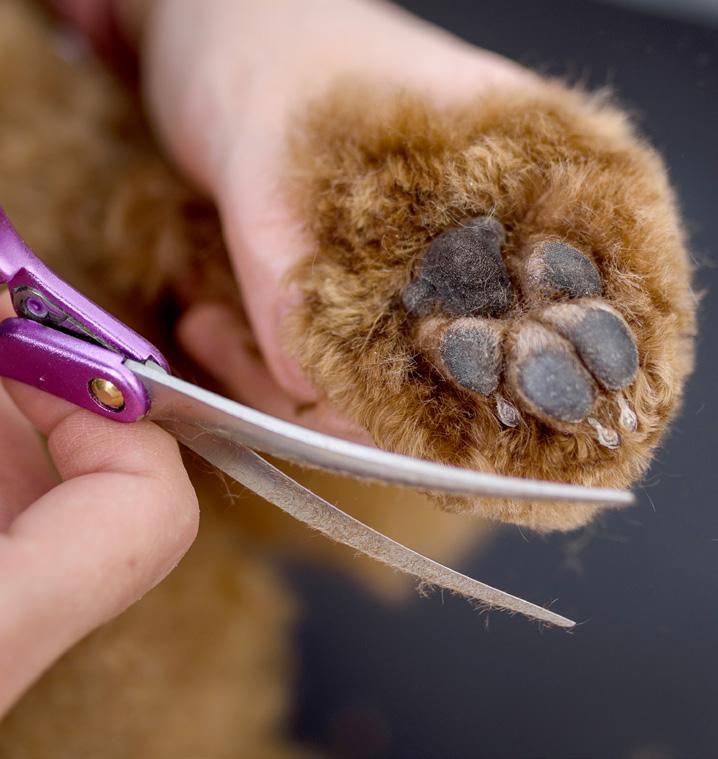
Grooming plays an important role, too. Keeping the fur around your dog’s paws and legs trimmed can significantly reduce how much mud clings to their fur. Regular brushing also helps remove dirt before it spreads indoors. You can even use waterproof pants for your dog to wear, too, and further protect their coat from the messy joys of Spring.
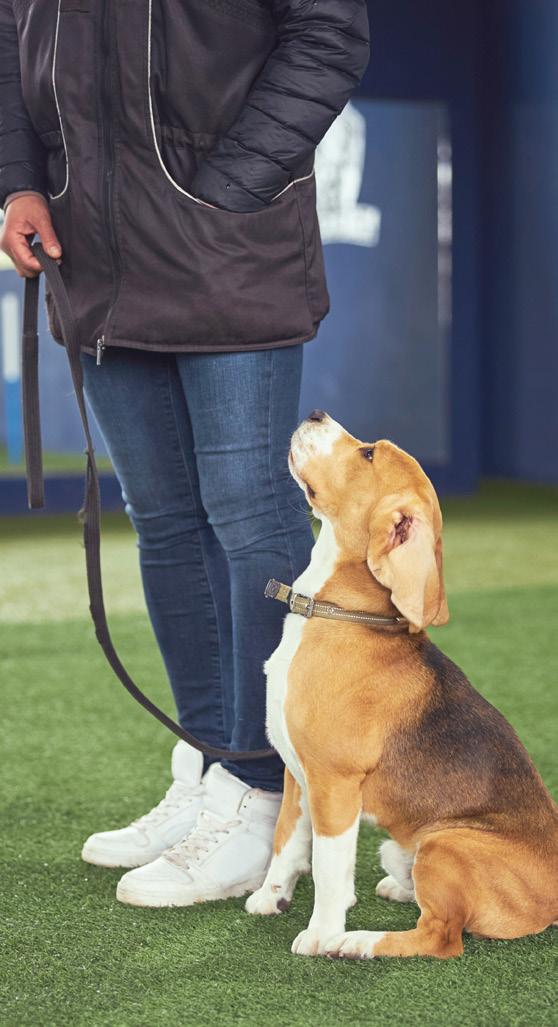
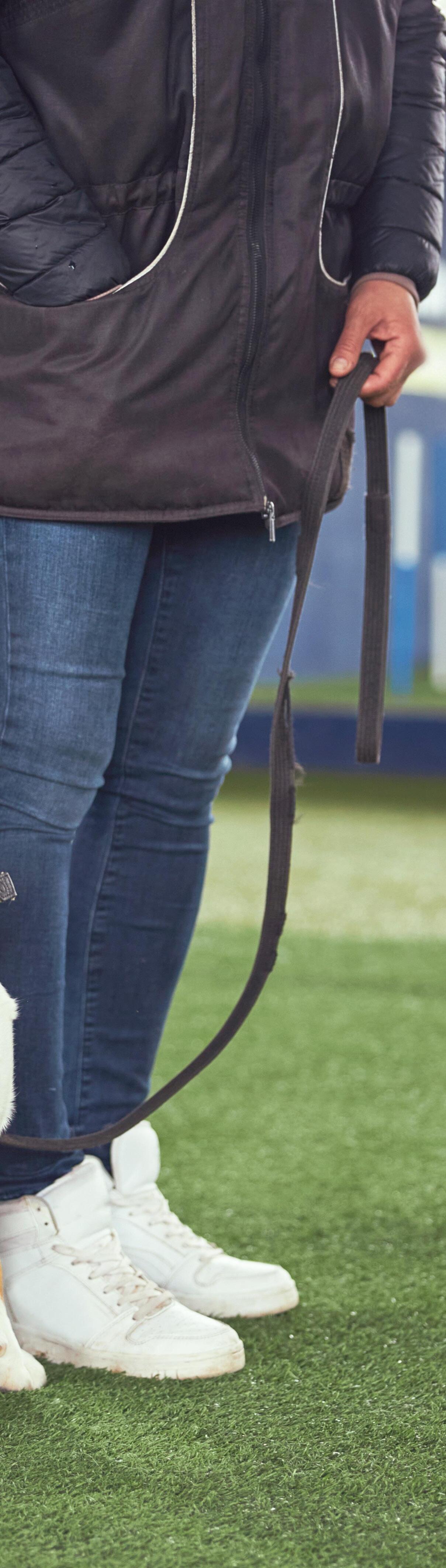
Training your dog to pause at the door for a quick wipe down can make a big difference, and a tether can be useful for particularly willful pups. With consistency and a few simple tools, you can embrace the joys of spring without letting mud take over your home.
NICOLE VAUGHN
Grooming Manager, Pawsitively Purrfect
Nicole is a veteran dog groomer, trainer, and partner of the Good2Go Dog Sports Club. When she’s not busy making dogs beautiful, you can find her playing flyball, barn hunt, disc, tricks, and agility with several members of her pack.
THE POWER OF STRUCTURE
How Rules and Boundaries
Build a Better Dog
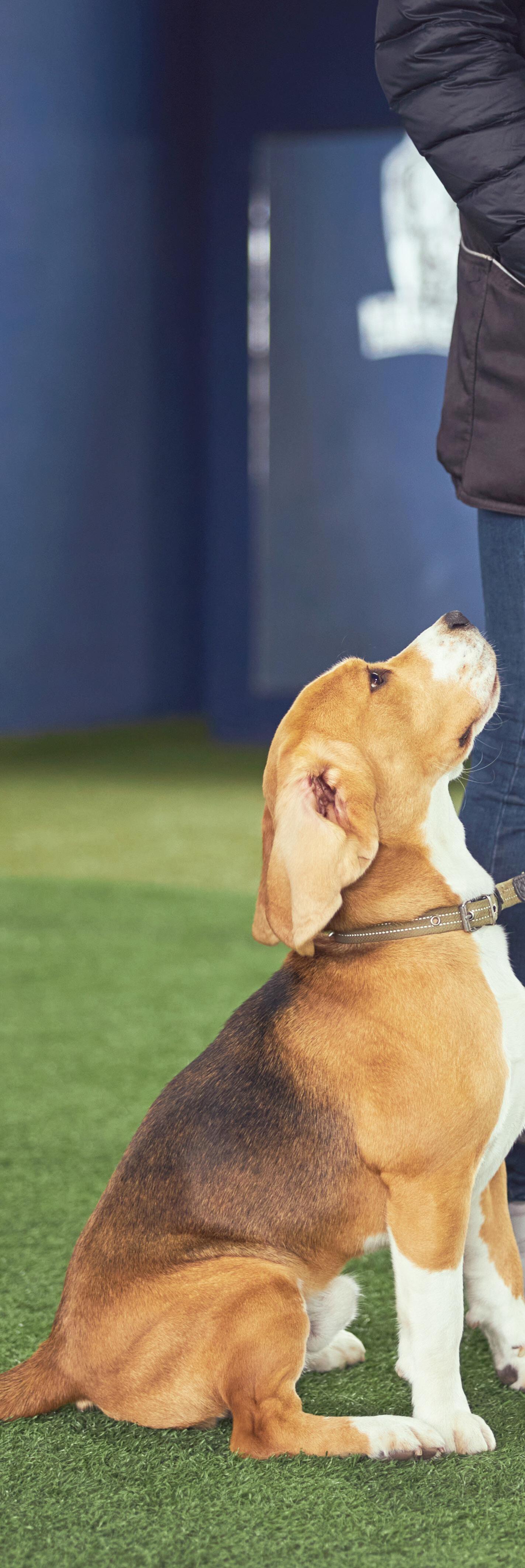
Rules and boundaries are important for dogs as they provide structure and predictability, which gives dogs security, confidence, and reduces anxiety and stress.
Why
do dogs need rules and boundaries?
Rules and boundaries cover everything from security and con fidence to the safety benefits for both the dog and the people around them. They emphasize the bond between dog and owner, which truly makes the relationship more enjoyable for both sides.
What really stands out with rules and boundaries is how they con tribute to reducing anxiety in dogs. It’s like they know where they stand in the world when there’s structure, which helps them feel more secure.
Security & Confidence
Dogs, like people, need structure to feel secure. Without it, they might start acting out due to insecurity or anxiety.
A dog feels secure through a combination of consistency, a safe personal space, positive interactions, and meeting their fundamen tal needs for food, exercise and structure.
Behavioural Guidance
Boundaries create a clear understanding of what is okay and what is not. This helps curb unwanted behaviours like reactivity, fear, and barking. Guidance reinforces good manners such as sitting to be petted, walking calmly on a leash, and settling on their bed during dinner.
Clear rules help dogs understand expectations, preventing unwanted behaviours like jumping or barking, and allow dogs to trust and respect the relationship.
Improved Relationship
When you provide consistent leadership, your dog learns to trust and rely on you. Leading to a stronger, more confident bond.
Safety
Rules can protect your dog from dangerous situations, such as wandering into traffic or running into aggressive animals. If your dog has a rule that they can't leave an open door until they hear their release word, they won't run into traffic when they get out of the car or bolt out of the house when the door opens.
Predictable Routines
Dogs love routines, and when meal times and other activities are predictable, they feel more at ease and less stressed. This doesn't mean you have to feed your dog at 8:00 am and 5:00 pm every day. No matter what time, it may look like this — we wake up, let the dog out to pee, make and drink our coffee, then feed the dog. Or, in the evening, it may be to get home, let the dog out to pee, make supper, eat supper, and feed the dog. You don’t need to feel bad if you
For humans, having a dog that understands boundaries leads to:
Better Communication
Clear rules make expectations more transparent, improving mutual under standing with your dog.
Reduced Management
With boundaries in place, you can count on your dog to make good decisions, so you're not constantly hovering over them.
A More Relaxed Home
The better trained and more confident your dog is, the more relaxed everyone in the household becomes.
In the end, rules and boundaries aren’t about restricting a dog’s freedom — they’re about giving them the structure they need to feel safe, confident, and understood. When expectations are consistent, dogs relax into their routines, make better choices, and develop stronger trust in the people guiding them. And for humans, that clarity pays off in easier communication, less daily man agement, and a calmer home environment. By putting thoughtful boundaries in place, you’re not just shaping behaviour; you’re building a relationship rooted in confidence, security, and mutual respect.
CHERYL PETRYSHYN
Cheryl is the owner of Encore Dog Sports and has over 20 years of experience as a dog trainer. She has titled dogs in many sports including Rally O, Agility, Scent Detection, Barn Hunt, Disc and Flyball. She is also an UpDog Judge. She mainly works with reac tive and fearful dogs but also helps owners start their puppies out on the right paw.
PAW-SOME Treats
BONE BROTH FOR DOGS
Simple, Nutritious, and Belly‑Friendly
Bone broth is one of the easiest ways to boost your dog’s nutrition. It’s gentle on the stomach, packed with collagen and minerals, and great for joint health, hydration, and picky eaters. Whether you pour it over meals, freeze it into treats, or use it to encourage appetite, homemade broth is a simple wellness upgrade your dog will love.
INGREDIENTS
• 2–3 lbs, raw or cooked bones (chicken, turkey, beef, or pork)
• Water - Enough to cover the bones
• Carrots, celery, parsley (dog-safe only)
• Apple cider vinegar - 1 tbsp (optional)
AVOID: onions, garlic, heavy seasoning, or salty store-bought broths.
METHOD
1. Place bones in a slow cooker, Instant Pot, or large stockpot and cover with water.
2. Add apple cider vinegar to help draw nutrients from the bones. (Optional)
3. Cook low and slow: 18–24 hrs in a slow cooker, 12–18 hrs on the stovetop, or 2–3 hrs in an Instant Pot.
4. Strain thoroughly to remove all bones and fragments.
5. Refrigerate until the fat solidifies on top, then skim and discard the fat layer.
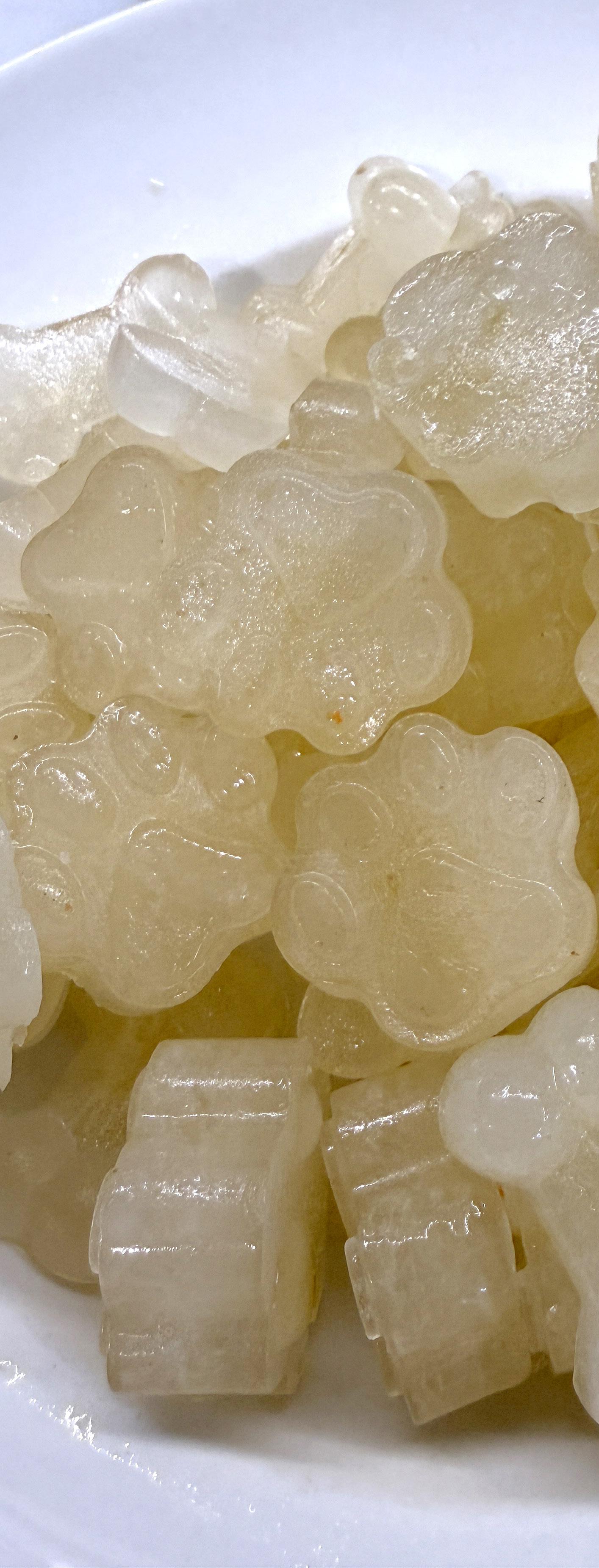
6. Store broth in the fridge for up to 5 days or freeze in silicone molds for up to 3 months.
GET YOUR MOTOR RUNNING
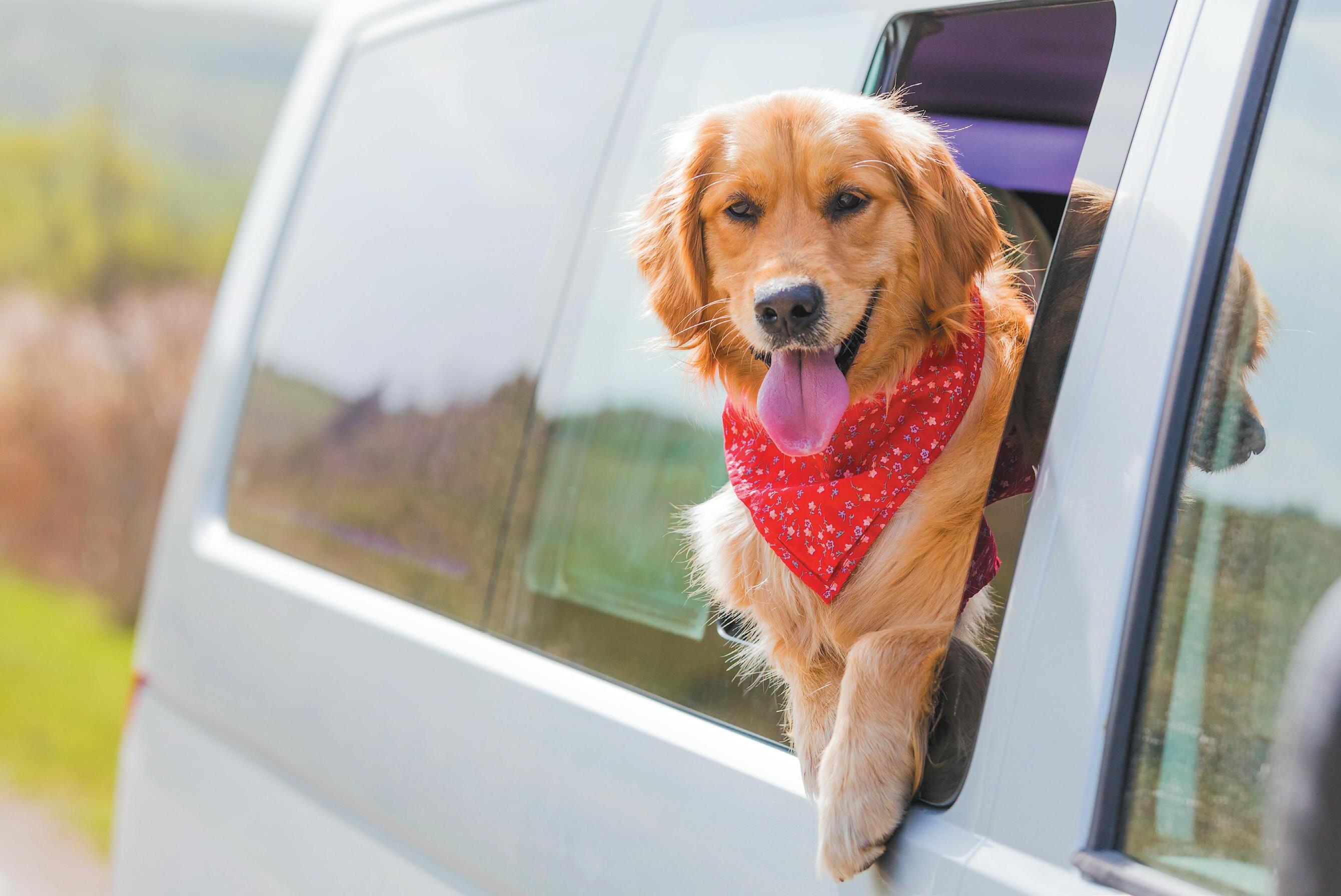
Are you ready to head out on the highway this Spring?