






EDITOR
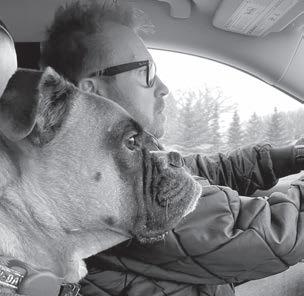
Shawn Sotkowy
Winter has settled in, bringing crisp air, snowy trails, and the perfect excuse to slow down and savour time with our dogs. But while the world outside gets quieter, our dogs certainly don’t—and that’s exactly why this issue is all about “Snow much fun, so much to learn.” Winter isn’t just a season to stay warm; it’s a season to keep bodies and minds busy in ways that strengthen skills, deepen connection, and make every day a little more fun.
Inside, you’ll find winter workouts to help burn off that extra cold‑weather energy, plus some natural ways to support dental health without the wrestling match. We’re diving into Tricks 101 to keep those clever brains engaged, showing you how to turn nail care into a game, and revisiting back‑to‑basics training to reinforce the foundations that make life with dogs smoother all year long. And because winter is also the season for comfort, we’ve included a delicious treat recipe your dog will happily curl up for.
So grab a cozy blanket, settle in with your favourite furry companion, and enjoy a winter issue designed to inspire, energize, and celebrate everything we love about life with dogs.
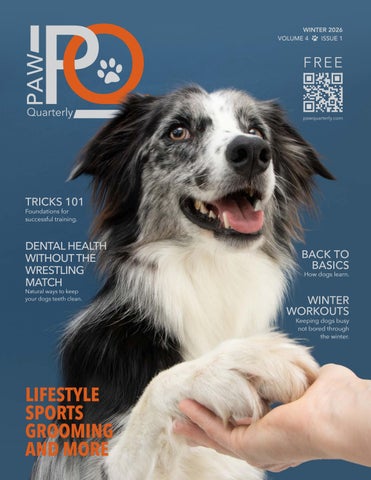
PAWQuarterly WINTER 2026 Volume 4 | Issue 1
CONTRIBUTING EDITOR
Shawn Sotkowy
EDITORIAL & SALES
publish@pawquarterly.com
DESIGN & PUBLISHING
Tracy Hahn
REGUALAR CONTRIBUTORS
Emily Garland, Nicole Vaughn, Carly Patryluk, and Cheryl Petryshyn.
SOCIAL
PAWQuarterly is independently owned and published in Regina, Saskatchewan. Opinions and advice expressed in PAWQuarterly are those of the authors and do not necessarily reflect the views of the publisher or advertisers. PAWQuarterly does not assume liability for content. Articles and information are published for information purposes only. For training, health, or nutritional advice specific to your pet, consult with your veterinarian or a trained professional.
All rights reserved ©PAWQuarterly. Reproduction in whole or in part without permission is prohibited. For reproduction requests, please contact publish@pawquarterly.com.
Over 10 years of experience capturing every pet’s unique personality

Questionnaires before every session, making sure to provide you and your pets with a great experience
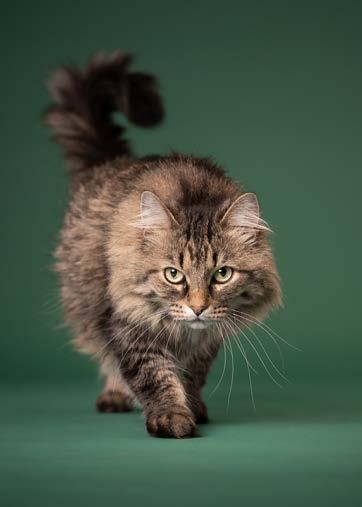
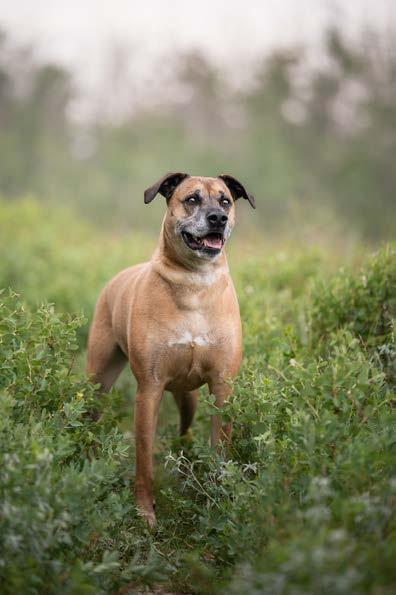
High quality wall art, albums & prints to cherish forever

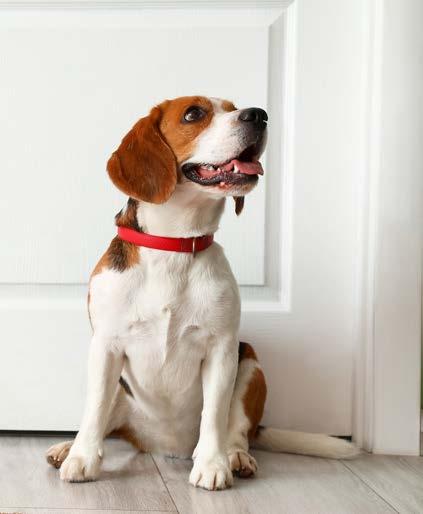
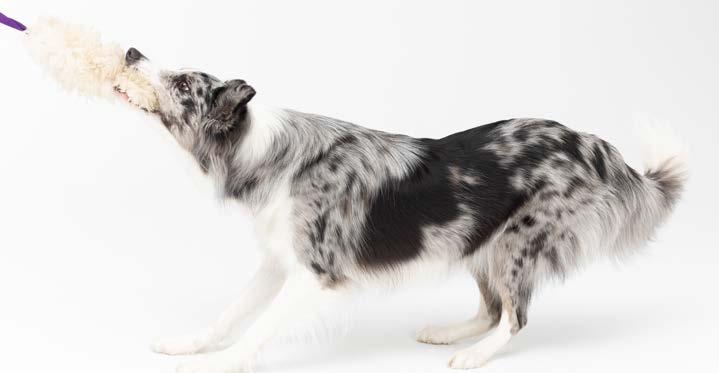



Tug & Release Games
Great for strength, impulse control, and bonding.
Hallway Fetch
Short bursts of speed in a controlled space.
Indoor Obstacle Course
Use chairs, cushions, broomsticks, tunnels, etc.
Treadmill Training
Slow, steady cardio—great for high‑energy breeds.
Watch for early signs of cold‑weather fatigue — shivering, lifted paws, or slowing down all mean it’s time to head inside.
Winter can be a tough season for keeping dogs active, but it’s also a great chance to mix things up with fun, safe, enrichment activities. Here are some structured, creative winter workout ideas to brighten those winter blues.
Name That Toy Builds vocabulary and focus.
Hide & Seek
(Humans, Toys or Treats.)
Because who doesn't love a game of hide and seek.
Shaping Games
Teach new tricks or refine old ones.
Snuffle Mats
Slow, calming enrichment.
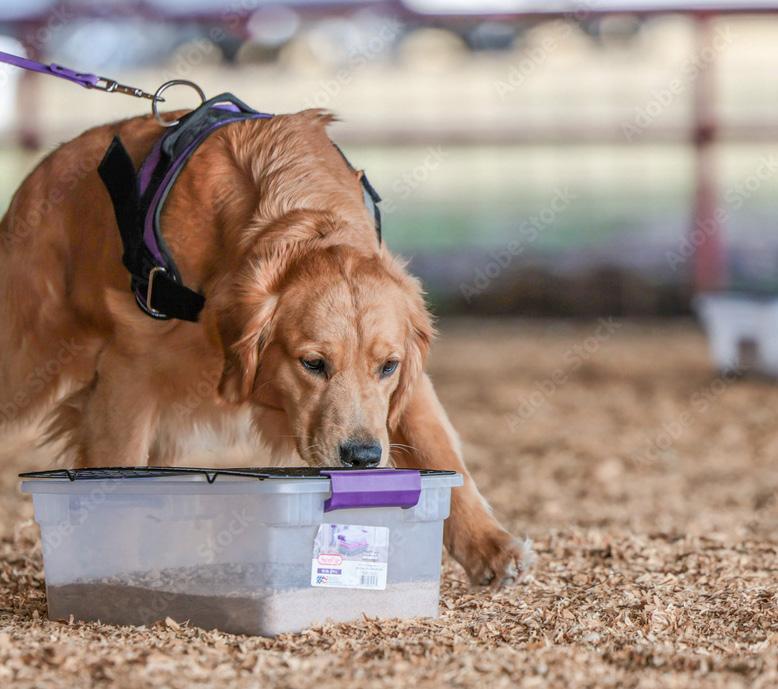
Scent‑Tracking Games
Burn mental energy fast.
Snow Romps
Light resistance training thanks to the snow.
Short Walks
Keeps joints happy in cold weather.
Pulling Sports
For breeds built for it—gentle sled pulls or harness resistance.
Winter Fetch
Keeps the game going even in deep snow.
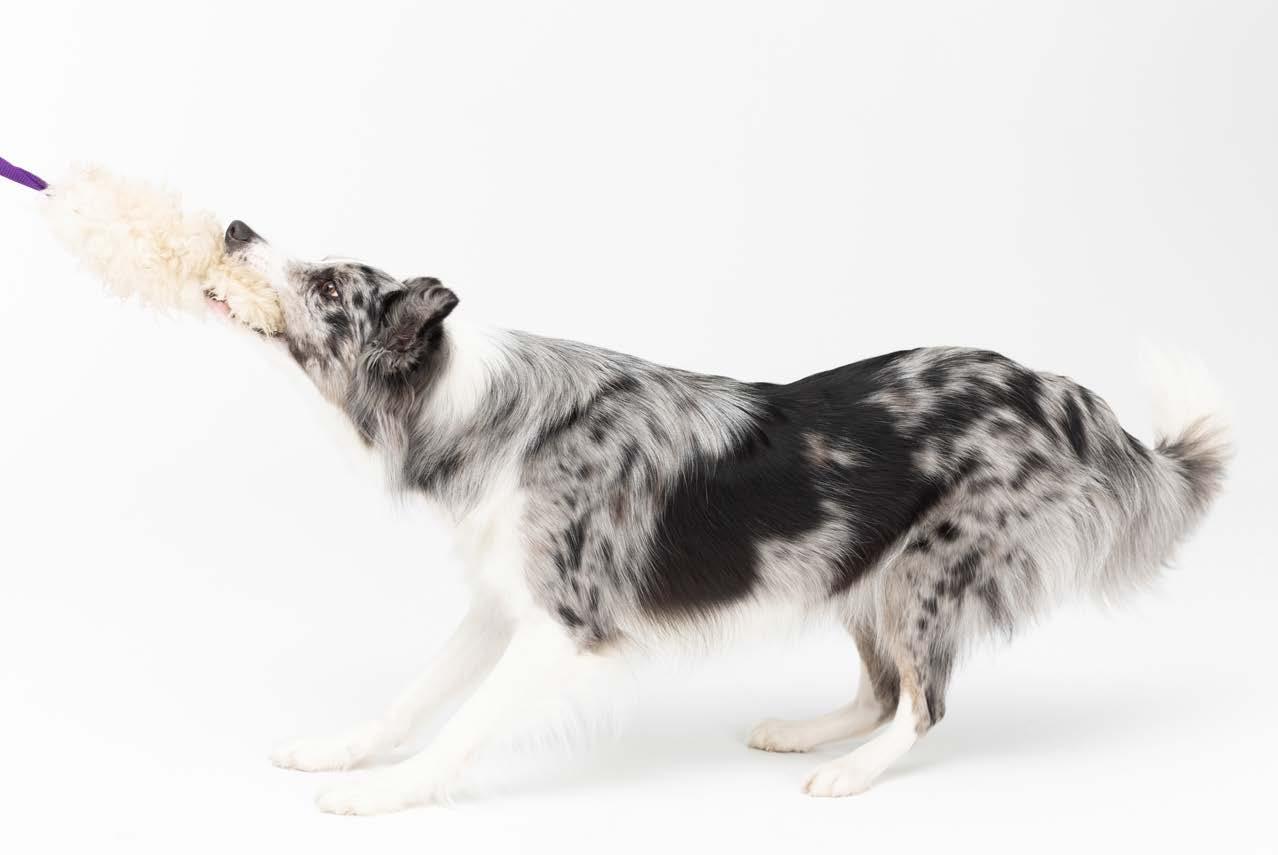
Dress for the weather for breeds with shorter, thinner coats, and protect your dog’s feet with booties to guard against freezing paws and debris. Shorter, more frequent sessions are better than one long outing to keep your dog comfortable, and safe all winter long.
Welcome to Tip The Dish
The natural pet care podcast for pet parents hosted by Carly Patryluk & Sherry Redwine.

If you’ve ever attempted to brush your pet’s teeth and found yourself in a full Olympic‑level wrestling match, you’re in good company. Most pets would rather eat the toothbrush than let you use it. Even though brushing can be tricky, good oral care is essential for their long‑term health.
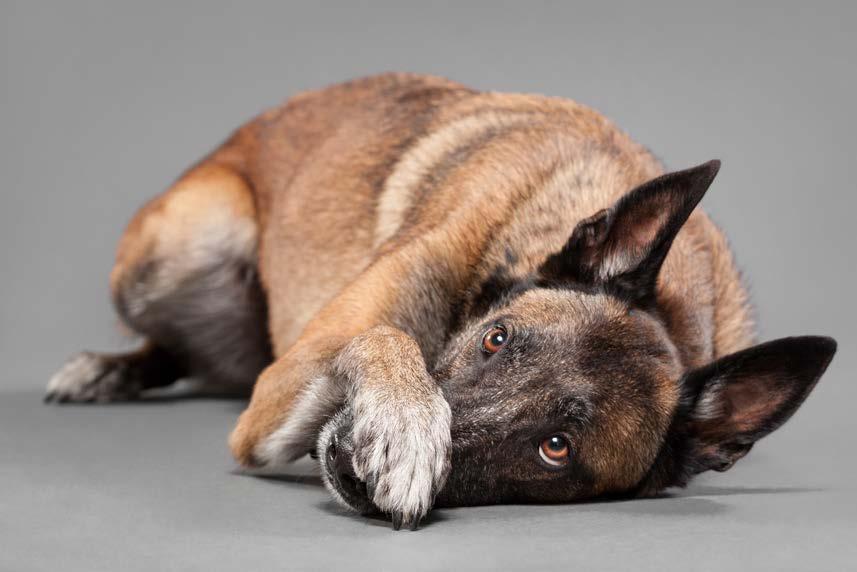
Dental disease is common—studies show that up to 80% of dogs will have some form of dental issue by age two. Because plaque regrows every 24 hours, daily brushing is ideal. But if your pet has other plans, you’re far from alone. The good news? You can still support dental health without turning every evening into a wrestling match.
Nature gave our pets the perfect tools to keep their teeth clean, and when we use them the way they were intended, the results can be amazing.
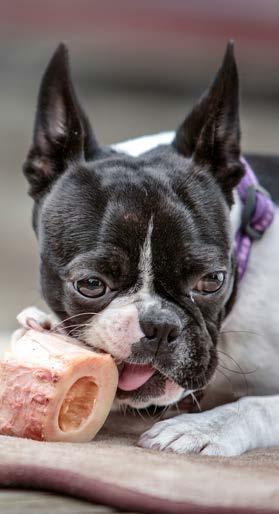
Raw meaty bones are one of the most effective natural ways to clean your pet’s teeth—and yes, that includes cats. Their mouths are built for chewing bones just like dogs. As pets chew, the bone scrapes against plaque, massages the gums, and provides minerals like calcium and phosphorus. It’s basically a dental cleaning that they actually enjoy.
Some pet parents worry about resource guarding, but when bones are offered regularly and predictably, most pets relax. For dental maintenance, raw‑fed pets typically do well with one raw meaty bone per week, while dry‑fed pets benefit from two.
Chewing is one of the most natural behaviours for our pets—and one of the easiest ways to support oral health. Natural chews help scrape away plaque, strengthen the jaw, keep gums healthy, and provide mental enrichment. While they don’t outperform raw meaty bones, they’re still a great option for daily or weekly maintenance.
Raw meat naturally contains enzymes that help break down plaque and debris on the teeth. When combined with the mechanical action of chewing raw meaty bones, these enzymes support cleaner teeth, healthier gums, and fresher breath. It’s one of the reasons raw‑fed pets often have noticeably better dental health.
Selecting the right size chew is essen tial for safety. A good rule of thumb is to choose a bone or chew that cannot fit entirely in your pet’s mouth—ideally something close to the size of their head. Once your pet learns how to chew properly, supervised chewing becomes both safe and beneficial.
Under 15 lbs
Thin bully sticks, small esophagus chews, small collagen sticks, marrow bones for tiny breeds.
15 to 30 lbs
Standard bully sticks, medium esophagus, medium collagen chews, chicken necks, duck necks, or duck feet.
30 to 60 lbs
Thick bully sticks, large collagen sticks, beef ribs, lamb necks.
Over 60 lbs
Jumbo bully sticks, extra‑large collagen chews, turkey necks, beef knuckles, or large marrow bones.
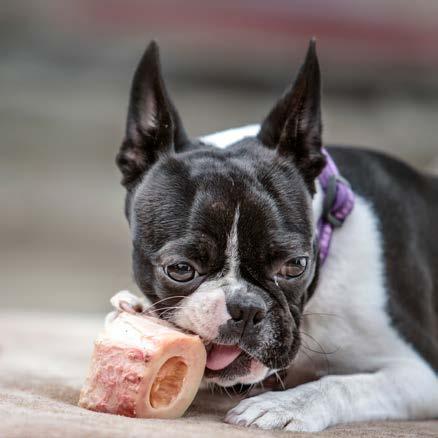
Here’s to happy teeth, fresh breath, and a future with zero brush battles.

Before you dive into teaching spins, bows, or those crowd‑pleasing “showpiece” tricks, every dog needs a solid foundation built on clear communication, confidence, and understanding. Trick training isn’t just about the final behavior — it’s about giving your dog the skills to learn how to learn. By focusing on marker clarity, reward mechanics, techniques, and body awareness, you can build a training partnership based on trust and enthusiasm. These basic skills make learning faster, cleaner, and more enjoyable for both you and your dog, setting the stage for many more things to come.
Using a clicker or verbal marker like saying the word "yes" tells the dog the exact moment they did the right thing. Dogs understand patterns quickly when timing and communication is clear and consistent. This will build confidence by your dog knowing how to "win" the game.
Use soft, smelly, small high value treats and deliver the treats where you want the dog to move next. Once a behaviour is solid, mix up the reward schedule.
Luring involves using a treat to guide the dog into position, while shaping focuses on rewarding small, progressive steps that move the dog closer to the final behaviour. Capturing complements both techniques by marking and rewarding behaviours that occur naturally on their own, turning spontaneous actions into reliable cues over time.
Paw targeting lays the foundation for skills like shake, wave, high‑five, and even button‑pressing, while rear‑end awareness is crucial for behaviours such as spins, backing up, and pivot tricks. Balance work supports more controlled movements, helping dogs perform bows, stands, and other poses with confidence and stability.
Wait and stay are essential for clean, controlled trick execution, while leave it helps dogs maintain focus even when distractions are present. Together, these skills build calm engagement, teaching the dog to pause, think, and make deliberate choices rather than reacting impulsively.
Name recognition teaches the dog to look at you when you say their name, while offered attention encourages them to check in on their own without being prompted. Pattern games add rhythm and predictability to the interaction, helping the dog stay engaged and confident as they learn to focus more naturally.
Dogs learn best when skills are practiced in new environments, since they don’t automatically generalize behaviours from one place to another. Introducing distractions and new places helps keep success high and prevents them from being overwhelmed.
Training in short 3–5 minute blocks helps prevent frustration, and focusing on just one skill per session keeps everything clear and easy for the dog to understand. Ending on a win reinforces confidence and enthusiasm, making the next session even more successful.
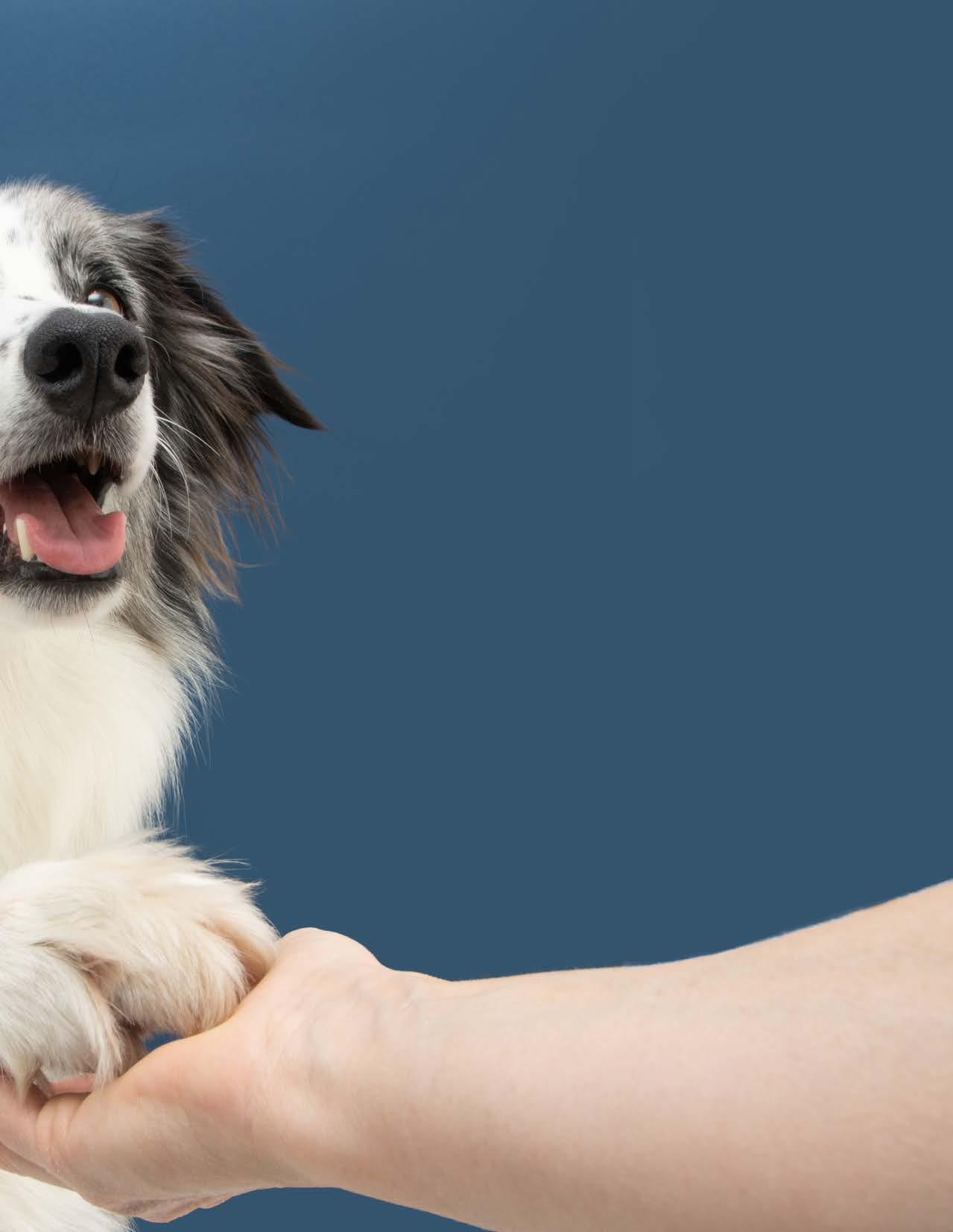
Building solid trick foundations isn’t just about preparing your dog for impressive behaviors — it’s about creating a shared language, strengthening your bond, and setting your dog up for lifelong learning success. When you focus on clear markers, thoughtful rewards, smart teaching techniques, and the skills that support coordination, focus, and impulse control, every trick becomes easier, cleaner, and more joyful to teach. With these fundamentals in place, you and your dog can step into more advanced training with confidence, enthusiasm, and a true sense of teamwork.
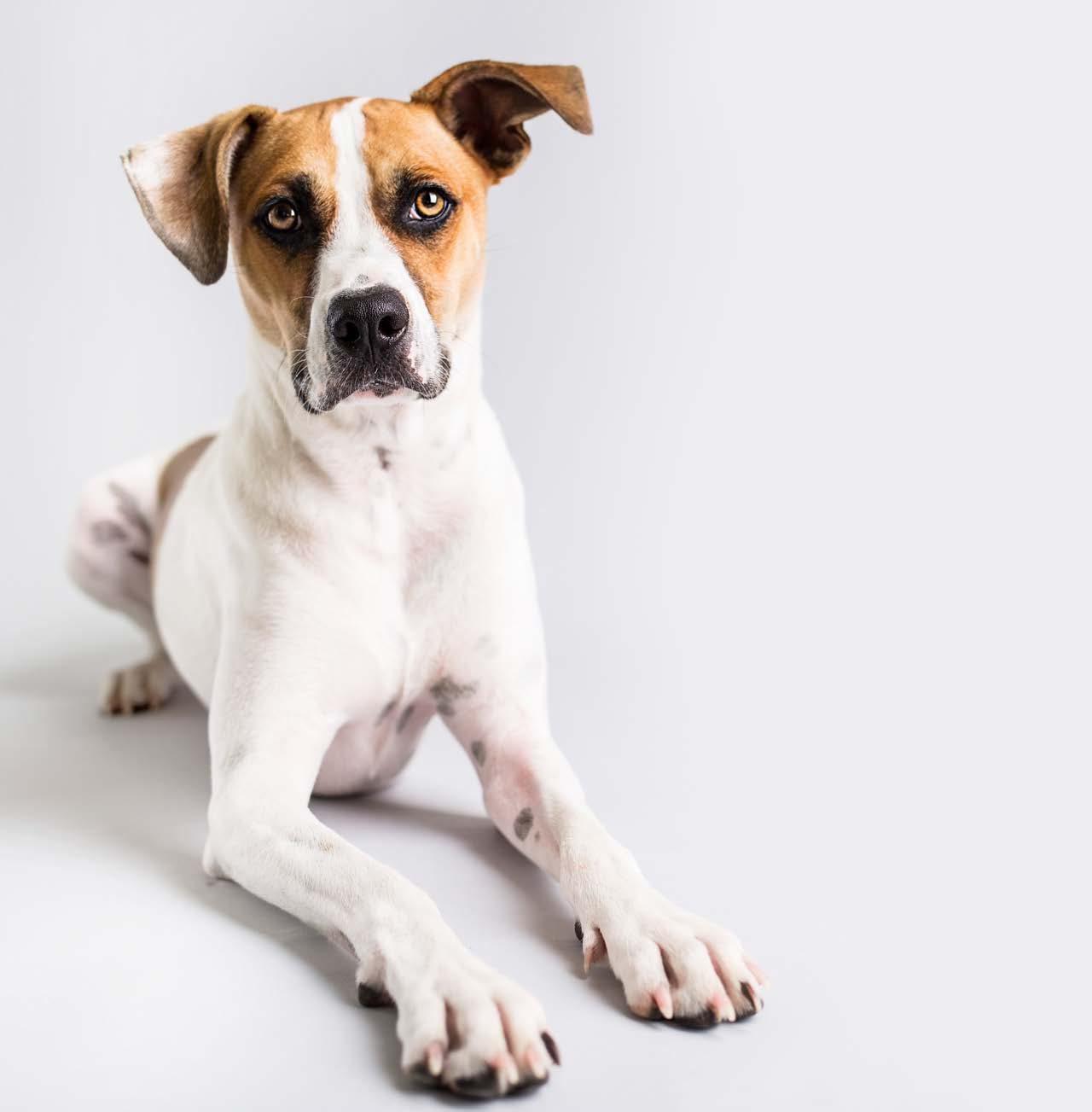
Turning nail care into a game turns one of the most dreaded grooming tasks into something dogs can actually enjoy. In stead of uncomfortable associations like restraint, clippers, or grinders, you’re giving your dog a chance to participate voluntarily in their own care.
Dogs learn faster when they’re having fun because play activates curiosity and reduces stress, making the learning process smoother. This approach also builds confidence, as dogs who feel in control become more willing participant. Over time, it creates positive associations and the board becomes a predictor of rewards. The behaviour is also self‑reinforcing, since scratching is natural for dogs; you’re simply shaping something they already enjoy into a useful skill.
The principles of having fun along with positive associations and self reinforcement tie into cooperative care foundations and help dogs feel safe and empowered.
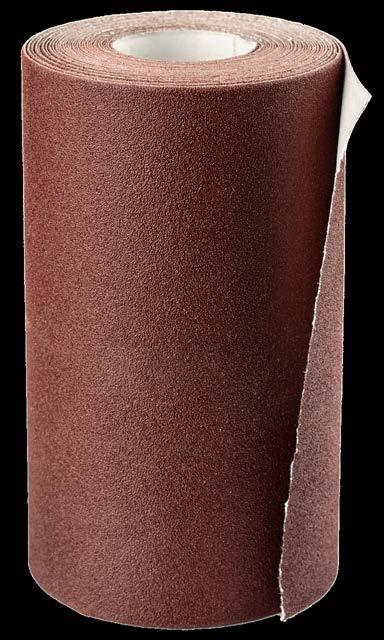
A scratch board can be simple. A sturdy surface covered with coarse sandpaper can turn into a powerful tool.
The board eliminates the need for sharp tools, which makes it a great option for dogs who are nervous about clippers or grinders, and the movement feels familiar using their natural digging instincts. The dog controls the pressure and angle so the risk of hitting the quick is very low. With just a few scratches every few days, the board also makes nail maintenance easy and stress‑free.
Scratch board training blends three core techniques: shaping, where you reward small steps toward the final behavior; capturing, which involves marking natural paw movements as they happen; and strategic reward placement, using the direction of the treat to guide the dog’s motion. Together, these elements make the experience feel more like an engaging puzzle game than a grooming task.
From the dog’s point of view, scratch board training is predictable because they quickly learn exactly what earns re wards, and it remains completely volun tary since they can choose to participate at their own pace. The scratching itself is
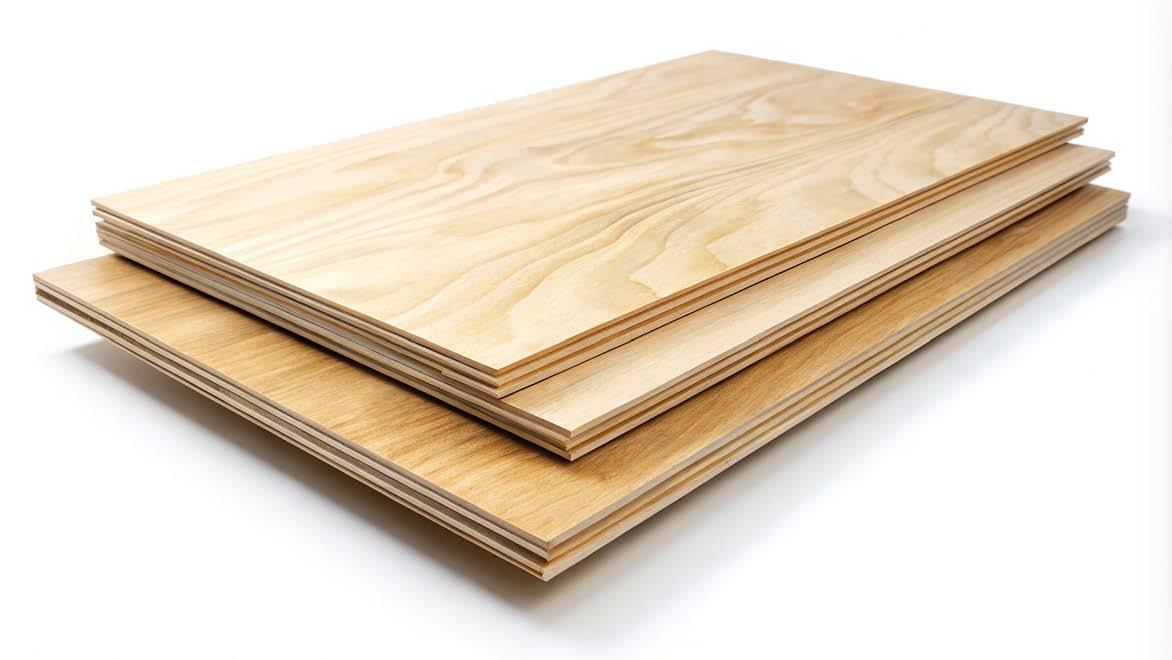
A simple scratch board is easy to make at home. Start with a piece of plywood that’s appropriately sized and sturdy for your dog, then attach a sheet of roughly 80‑grit sandpaper to the surface—adhesive‑backed sandpaper makes the job even easier. Once it’s built, begin by shaping and capturing your dog’s natural scratching behaviour using positive reinforcement. Keep sessions short, upbeat, and rewarding so your dog quickly understands the game and builds confidence.
physically satisfying, while the shaping process keeps their mind engaged and encourages problem‑solving. Because success happens frequently and builds momentum, the activity naturally boosts confidence.
By turning nail care into a game, you’re not just teaching a clever skill — you’re reshaping your dog’s entire experience of grooming. A simple scratch board becomes a tool for choice, confidence, and connection, allowing your dog to participate willingly in something that once felt stressful. This playful, force‑free approach lays the groundwork for cooperative care success far beyond nail maintenance, helping your dog build trust in both the process and in you. When nail care becomes a partnership instead of a battle, everyone wins — and your dog walks away feeling capable, empowered, and proud of their own participation.






Understanding how dogs learn is the key to effective training. While every dog is unique, the science behind their learning is surprisingly consistent — and wonderfully simple once you learn to see the patterns.
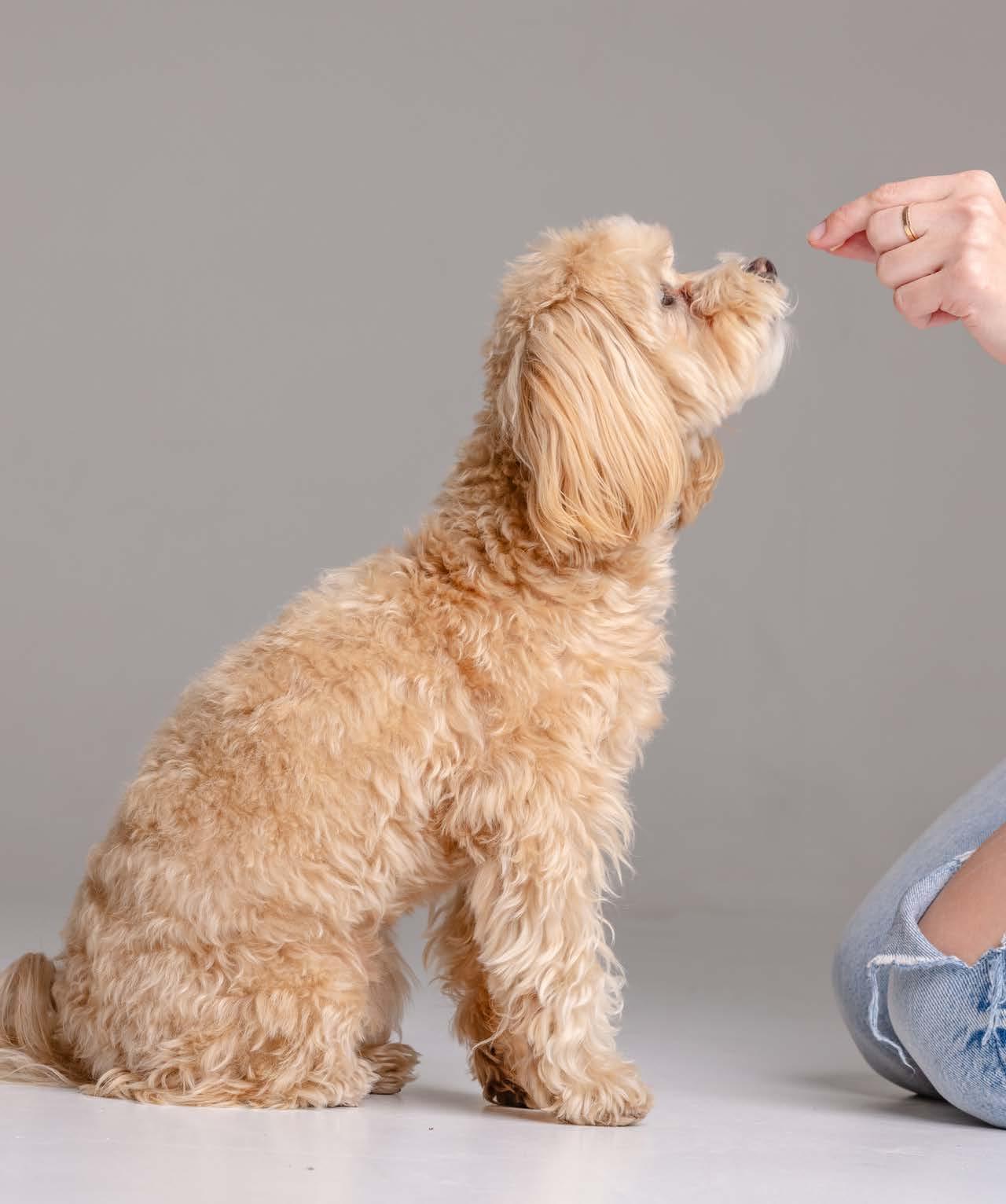
Dogs learn through forming associations. They aren't motivated by "right" or "wrong"; they're motivated by outcomes that feel safe and rewarding.
At the heart of canine learning is association — connecting an action, cue, or event with a consequence. Their brains are wired for pattern recognition, which is why consistency matters more than complexity. When cues, rewards, and expectations stay predictable, dogs learn quicker and will become more confident.
Dogs are lifelong social learners, constantly exploring, observing, and adjusting based on what works for them. Positive reinforcement builds on this by rewarding desirable behaviors, making learning both effective and enjoyable.
Whether you’re teaching manners, tricks, or cooperative care skills, remembering that dogs learn through clear communication, consistent patterns, and reward‑based consequences will transform the way you train — and deepen your relationship along the way.
Cause‑and‑effect is one of the clearest ways to understand how dogs learn. Dogs don’t understand right or wrong—they understand what works. They repeat behaviours that cause good outcomes and avoid behaviours that cause unpleasant ones.
CAUSE: The dog puts its bum on the ground.
EFFECT: The dog immediately receives a treat and praise.
THE DOG LEARNS:
“When I sit, good things happen.”
Sitting becomes more frequent because the effect (reward) reinforces the cause (the behaviour).
Association is the backbone of how dogs understand the world. They constantly link one thing with another, even when we don’t realize it.
Every time you pick up the leash, you take your dog for a walk. Eventually, just touching the leash or even walking toward the hook where it hangs can trigger excitement.
ASSOCIATION FORMED
Leash = Walk = Fun
THE DOG LEARNS:
“When the leash appears, we’re going for a walk.”
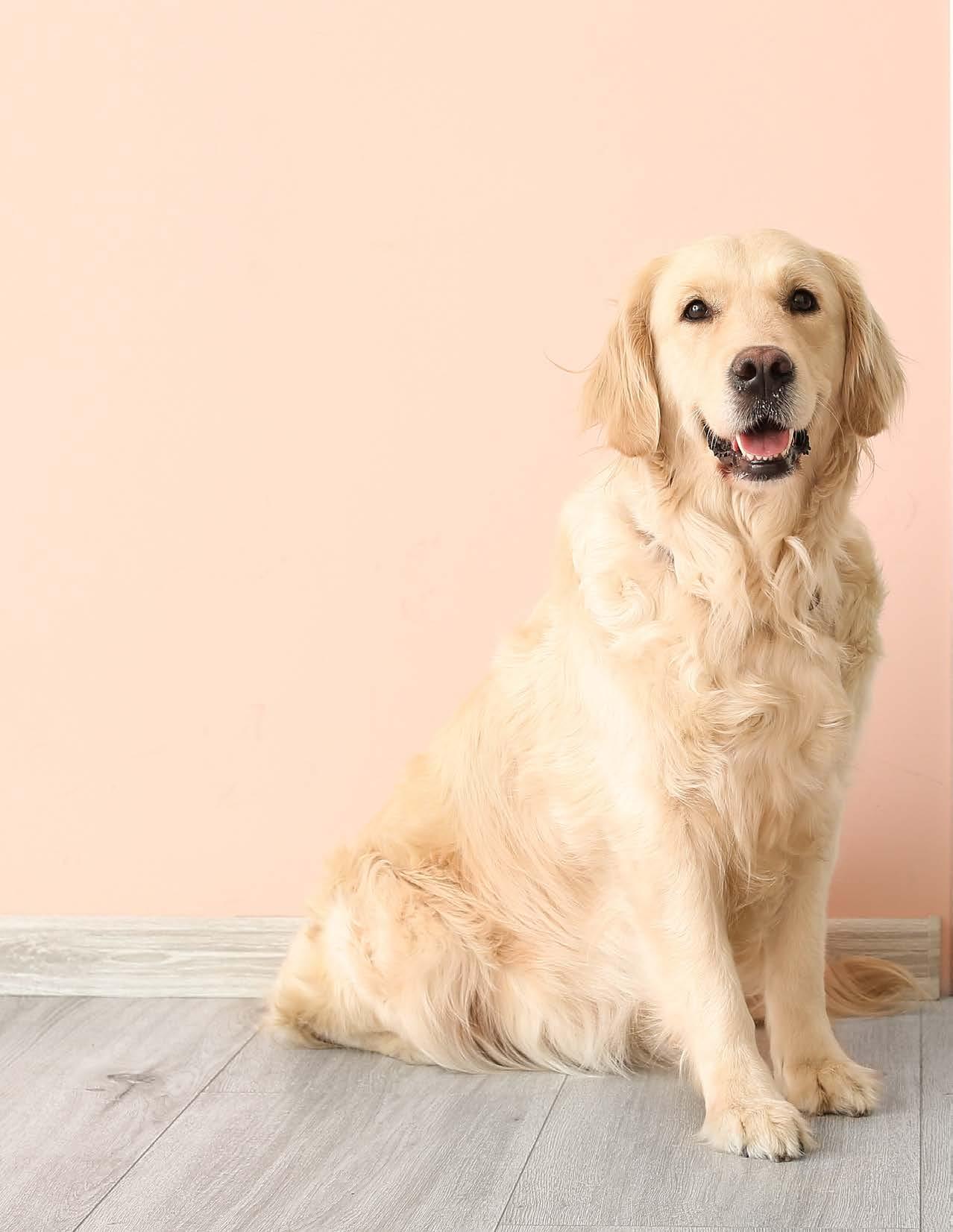
Effective training is about helping dogs succeed through patterns they can trust and outcomes they enjoy.
Consistency is one of the quiet superpowers in dog training. Dogs thrive when the rules, cues, and consequences stay the same.
Every time the dog pulls, you stop walking. Every time the leash becomes loose, you move forward again. You don’t "sometimes" let pulling slide because you’re in a hurry.
THE DOG LEARNS:
“Pulling makes the walk stop. Loose leash makes the walk continue.”
The pattern is predictable, so the dog adjusts faster.
If the rule changes depending on the day, the person, or the mood, they can’t figure out what behaviour actually works. Consistency removes the guesswork.

A dog “responding to an outcome” is the basis of operant conditioning. The dog tries a behaviour, something hap pens, and that outcome shapes what the dog does next.
The dog wants to go outside. It jumps at the door, scratches, whines—none of those behaviours make the door open.
Eventually, the dog sits. When the dog sits you immediately open the door.
THE DOG LEARNS:
“When I sat, the door opened.”
The behaviour strengthens because the outcome was rewarding.
Dogs don’t reason—they test behaviours and pay attention to what each one gets them. The outcome tells them whether to repeat or avoid the behaviour.

Positive reinforcement is all about adding something the dog likes to increase the chance they repeat a behaviour.
(Come When Called)
You say, “Come!” and the dog walks toward you. You immediately give a treat, praise, or a quick game.
THE DOG LEARNS:
“When I go to my person when they say ‘come,’ good things happen.”
The dog becomes faster and more reliable at coming because the reward strengthens the behaviour, and the dog repeats the behaviour that leads to enjoyable outcomes.
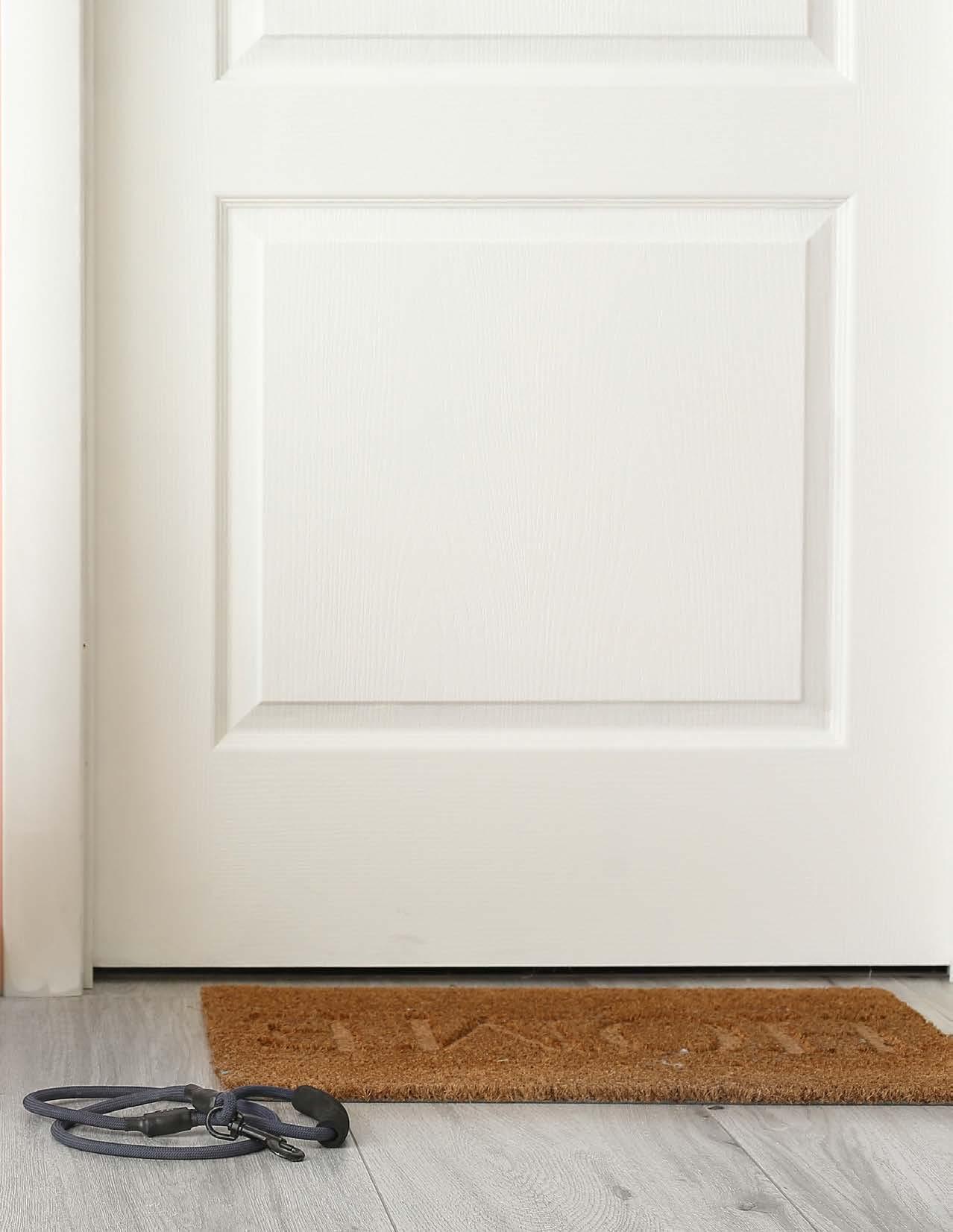

All of these principles work together to create clear communication and predictable learning for dogs. When be haviours reliably lead to rewarding results, when cues and routines stay consistent, and when everyday experiences form positive associations, dogs will quickly understand what works and feel confident offering those behaviours again. Effective training is about helping dogs succeed through patterns they can trust and outcomes they enjoy.
The sweetener Xylitol found in some products and peanut butter is toxic to dogs. Recipes are intended to be a treat and not intended to replace a full balanced diet. If your pet has any health issues, or if you have any concerns, consult your pet’s veterinarian before offering this treat to your dog.
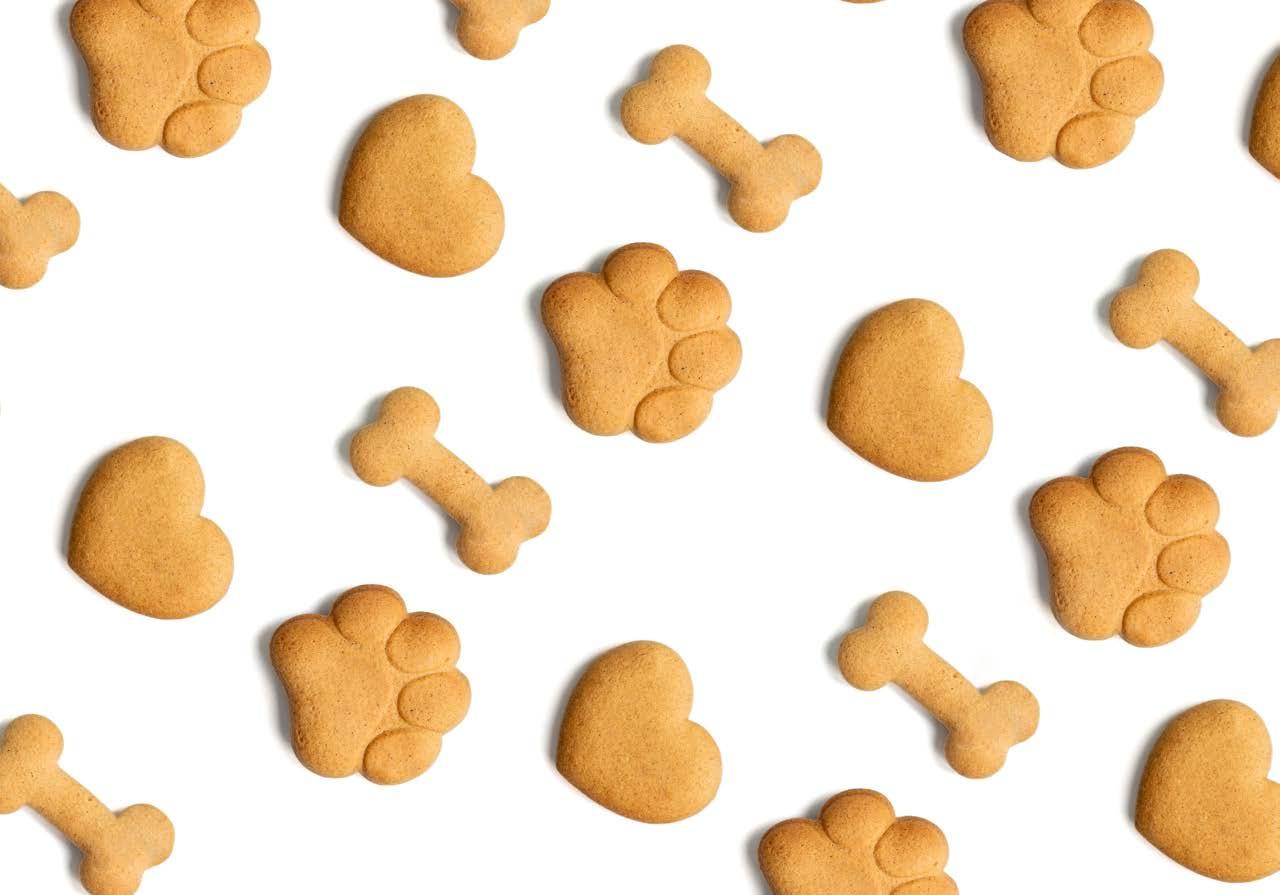
When you’re shaping great behaviour, you need a reward that truly motivates—and these high‑value tuna fudge treats deliver. Packed with irresistible scent and soft enough for rapid‑fire reps, they keep your dog laser‑focused and ready to learn. If fish isn’t their thing, no worries—this recipe plays just as nicely with other meat choices like chicken or ham.
• 1 can of tuna, chicken, or ham (Don't drain.)
• 1 1 1/2 cups of whole wheat flour (or flour substitute)
• 2 eggs
• 1/2 cup of shredded cheese (optional)
METHOD (Bake at 350º for 20 30 min.)
1. Mix ingredients in a bowl or blender until smooth. Add water 1 tspn at a time until it’s slightly batter‑like.
2. Spread the batter on a sheet pan or fill a silicone mold.
3. Bake for the recommended time for your pan or mold, checking as it cooks.
4. Cool and cut into small pieces or pop out of the mold.
5. Store in the fridge or freezer.