Game Changers



Yassine Maaroufi 04-10

Viktoria Soltesz 20-21
Joseph Zaval 25-27
GC: CHARITY
Omayma Amrani - Your Mind Media 66-69
Aziz Albogdady 32-37
ZK Sports 76-80 GC: SPORTS


Yassine Maaroufi 04-10
Viktoria Soltesz 20-21
Joseph Zaval 25-27
GC: CHARITY
Omayma Amrani - Your Mind Media 66-69
Aziz Albogdady 32-37
ZK Sports 76-80 GC: SPORTS
There’s always a moment—just before you open a new edition—where expectation meets curiosity. This issue delivers on both.
On our front cover is Charlie Jbeily of XS, a figure who represents the evolving face of modern finance—where speed, innovation, and strategic clarity intersect. Charlie’s journey, insights, and outlook set the tone for this edition: forward-looking, grounded in experience, and unapologetically ambitious. We thank him for his openness and contribution.
Across these pages, you’ll find a collection of voices that reflect the diversity — and complexity—of the industries we follow.
We feature Yassine Maaroufi of Your Mind Media, exploring the power of narrative and perception. Chris Costas and Joseph Zaval bring their own perspectives, while Viktoria Soltesz of PSP Angels offers sharp insight into the payments space. Andrea Stefani appears across multiple fronts—from the Cyprus Business Council to Playbell—highlighting the intersection between policy, innovation, and real-world execution.

From the trading world, we hear from Aziz Albogdady of FXEM and Mohammed from Tickmill, each offering a view into market structure and opportunity. And within our own pages, The Banking Expert tackles one of the most pressing operational questions in the industry: “Why Do MSB’s Keep Running Off With My Money?”—a piece that cuts through assumption and gets to the infrastructure beneath.
Beyond interviews, this edition expands into ideas and culture.
offers a guide to dining alone—without apology— while GC:Going Out steps into the unexpected with Nude Bar. In GC:LIFE, we provide a sharper lens on modern connection with A Guide to Smarter Online Dating.
We also spotlight community and impact. Rescue & Rehome Cyprus and Omayma Amrani of Your Mind Media remind us that beyond business and performance, there is responsibility— and humanity.
In GC:Think, we explore The Morality of Winning— a question that sits quietly beneath many modern success stories. In GC:Health, we look at Sleep as the Final Luxury, while GC:Brain asks what happens when high performers stop performing. These are not just topics—they’re reflections of the pressures shaping modern life.
Lifestyle remains at the heart of Game Changers.
From Ganni in FEMME to Zegna in HOMME, we continue to explore identity through design. GC:EAT
In networking, we take you inside the FXBO Inner Circle Event, where relationships continue to shape opportunity behind the scenes. And in GC:Luxury, Panos Melekkis brings refinement into focus, while GC:Sports highlights ZK Sports, reflecting the discipline and drive that underpin elite performance.
This edition is, in many ways, a study in contrast— performance and reflection, ambition and responsibility, speed and structure.
As always, thank you to everyone who contributed. And to our readers—this is your view from the top.

Paul Orford
EDITOR-IN-CHIEF
In the high - stakes world of financial services, visibility is important. But in an era of 24 - hour market cycles, volatile trends, and rapid fintech disruption, it is not enough; credibility is everything. Enter Your Mind Media (YMM), the leading strategic marketing and PR agency dedicated exclusively to the financial sector. Supporting its clients, Yassine Maaroufi, the head of PR, stands at the intersection of media and financial markets. Based in Dubai, a city rapidly cementing itself as the world’s new finance capital, he coordinates the communication strategies that turn brokerages, banks, and fintech startups into household names. We sat down with Yassine to discuss the art of reputation management, the explosion of fintech in the Middle East, and what it really takes to be a "Game Changer" in finance PR.
Q You work for Your Mind Media (YMM). What makes this agency different from a standard PR firm?
Your Mind Media is unique because we are hyper - specialized in our field. We only work with companies that operate in finance and its immediate vicinity, including anything related to investment. We were founded to fill a specific gap: financial services companies needed a partner who actually understood their product. At YMM, we speak the language of the trading floor. This specialization enables us to secure higher - quality coverage by pitching stories that genuinely resonate with finance editors at prominent outlets like Bloomberg, CNBC, and Reuters, rather than simply sending out generic press releases.
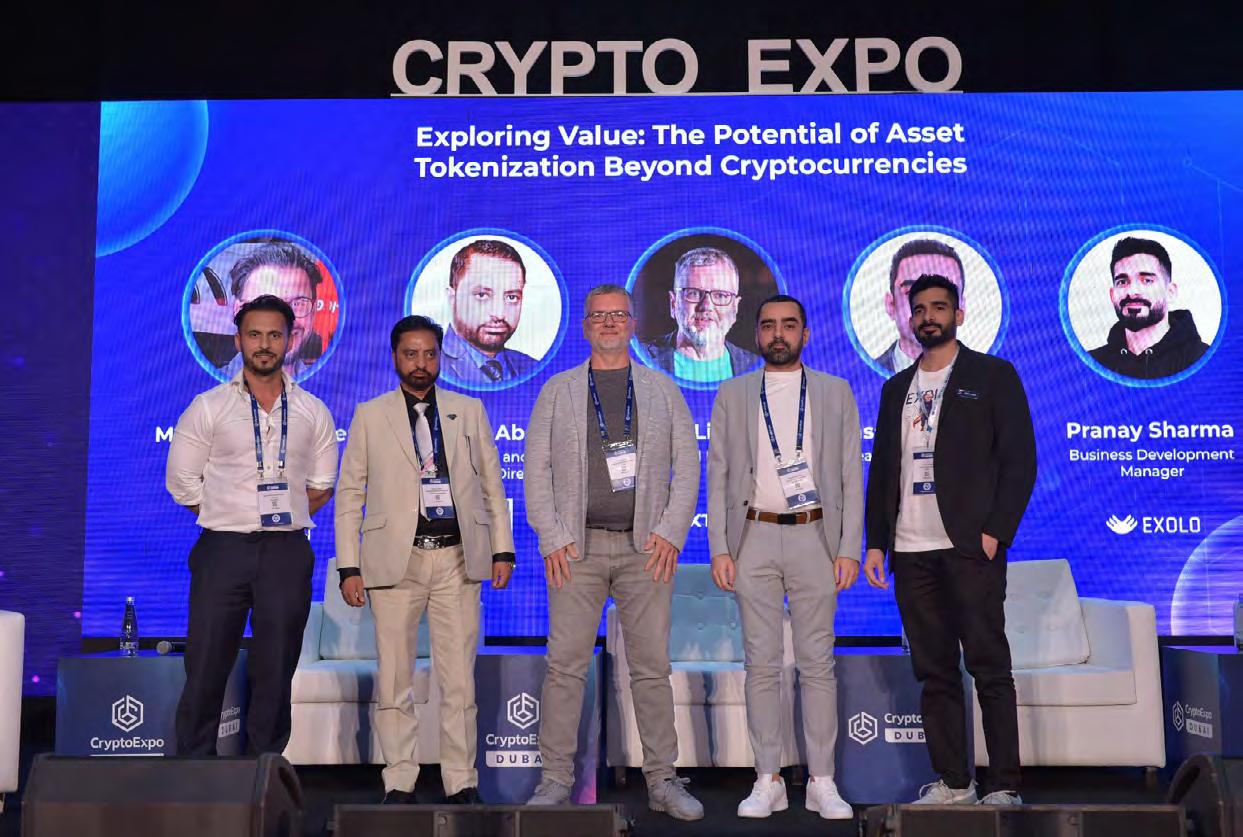
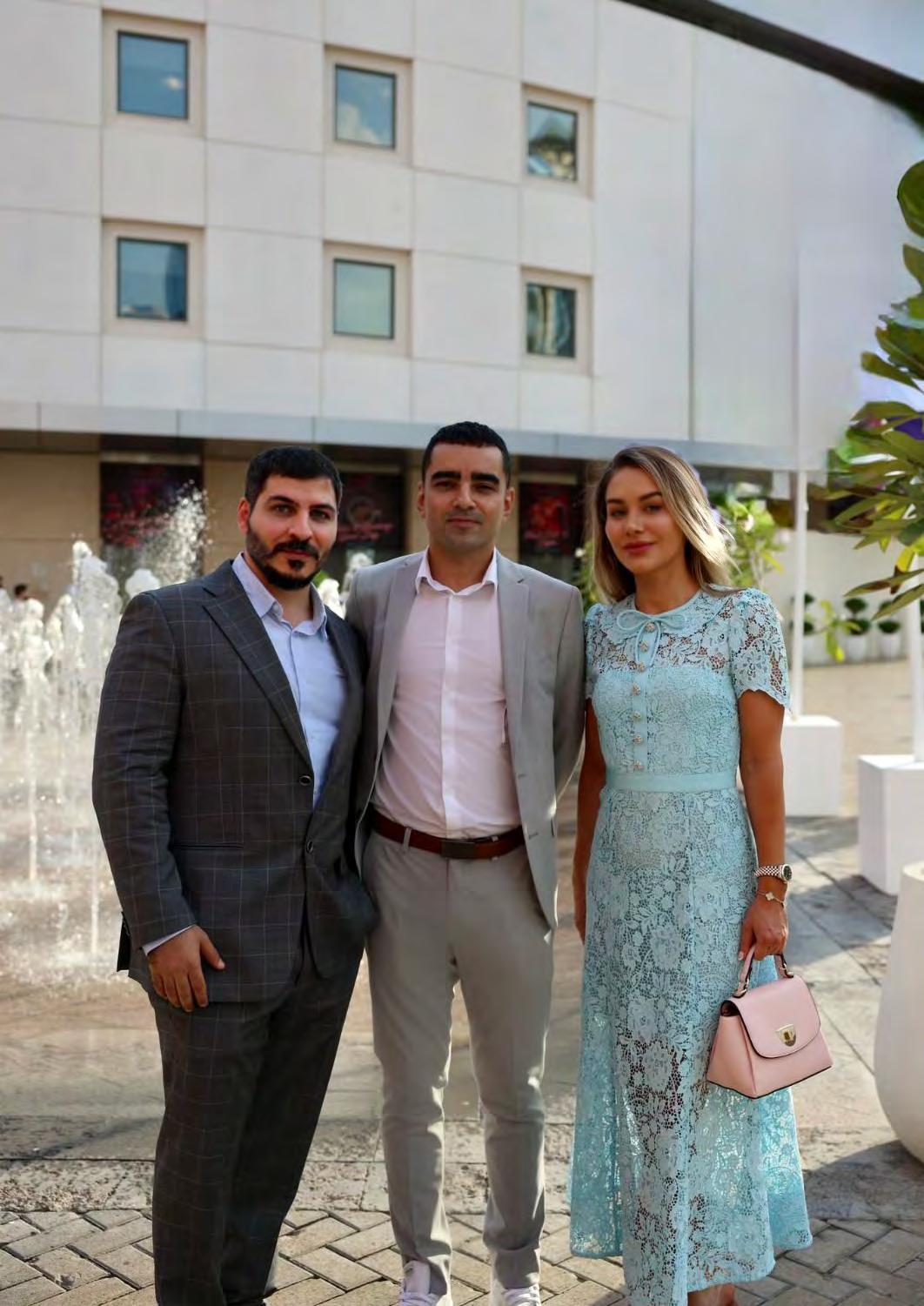
Q How did your role at Your Mind Media begin?
I joined Your Mind Media to lead PR for our finance, crypto, and real estate clients. Our work spans securing expert interviews, thought leadership, event participation, and strategic media campaigns tailored to regional and global markets. Being part of a team that blends deep financial understanding with media strategy has been rewarding, allowing me to help clients achieve impactful visibility across press, TV, and digital platforms. My professional world revolves around crafting narratives for the finance industry, specifically within the dynamic markets of the MENA, LATAM regions and Europe. Finance can be incredibly technical and opaque and my job is to translate that complexity into compelling stories that resonate with the public and the media.
Q What inspired you to build your career in finance PR?
From the outset, I was drawn to the intersection of finance and storytelling. Financial markets are built on trust, and PR plays a critical role in shaping that conviction. Helping leaders articulate insight to investors and media became my passion since it bridges analytical rigor with human narrative, which ultimately empowers firms to elevate their voice in the competitive financial services market. On top of that, I am always amazed by the fast pace of the markets,
whether it’s a sudden forex shift or a spike in volatility. Being the person who helps brands navigate and find opportunities in that chaos is very rewarding.
Q What makes finance PR different from other PR sectors?
Finance PR demands subject-matter fluency as the industry relies on data integrity, market context, and regulatory awareness. Miscommunication can harm credibility, so precision and trust are paramount. Clients expect their narratives to be anchored in analytical insight and tailored for audiences ranging from investors to analysts and journalists. Our role is to interpret complex finance stories and position them in ways that make sense without oversimplifying.
Q What’s a PR strategy that consistently delivers results?
A successful PR strategy starts with clarity, defining what a client wants to be known for and who they want to be in touch with. From there, we leverage various channels including interviews, event participation and more. Measurement is key: we track engagement, share of voice, and follow-on opportunities. But success isn’t just numbers, it’s about perception. Did the story spark meaningful conversations? Did it shift sentiment? Those are signals of lasting impact for a brand.
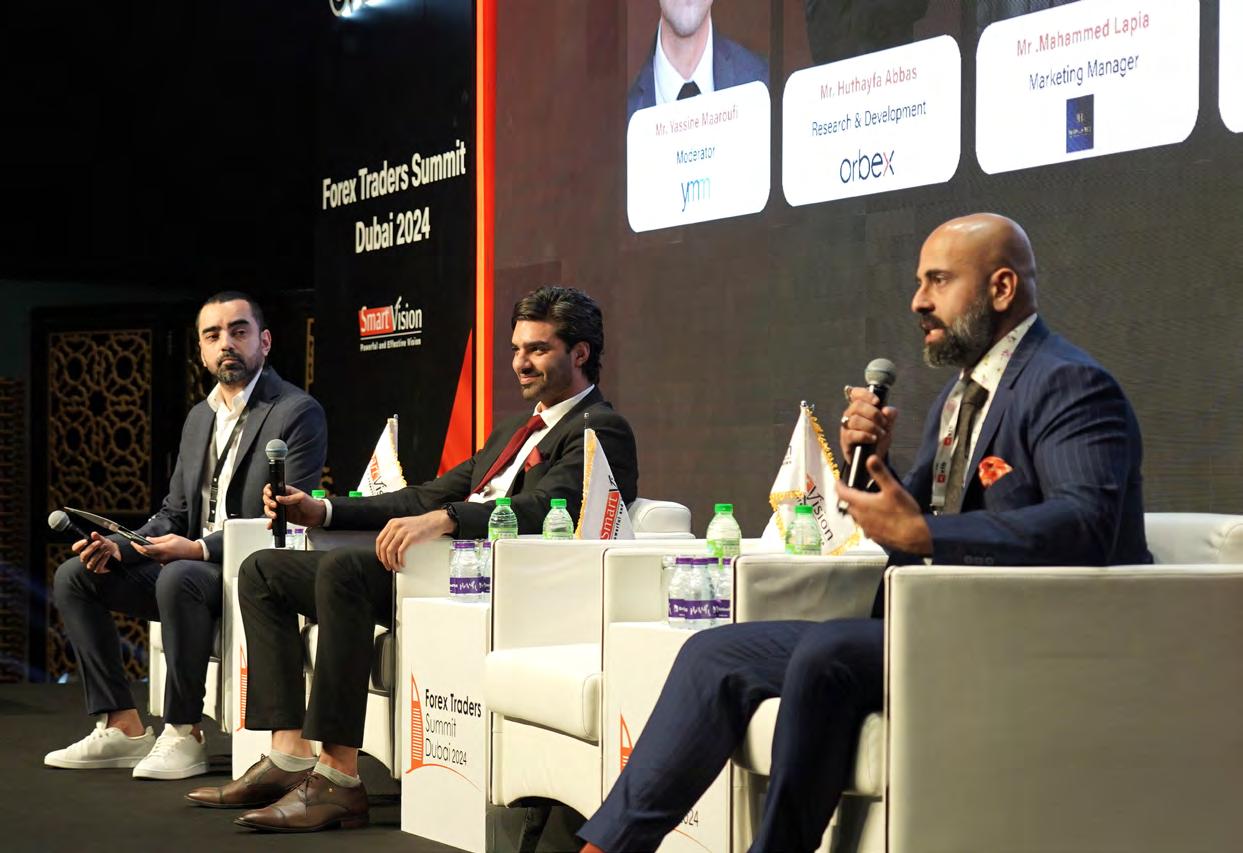
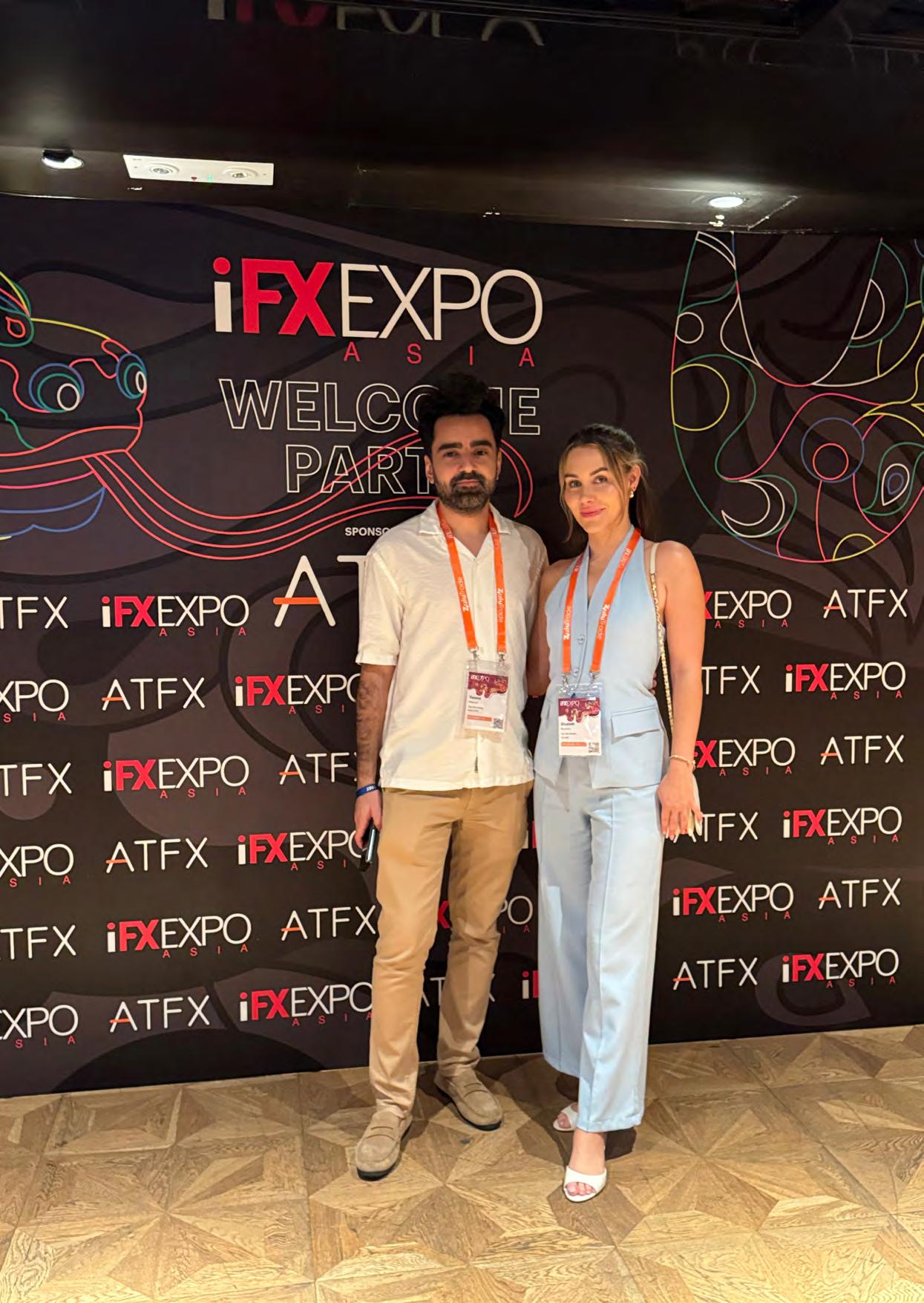
Q Getting into "Tier 1" media like Bloomberg or Forbes is a goal for many. Is it really that important?
Absolutely, but perhaps not for the reason people think. It’s not just about ego or showing off a logo on your website. Tier 1 coverage creates legitimacy in a world flooded by advertising and countless competitors. In the financial sector, trust is the barrier to entry. If a potential investor sees a firm quoted in the Financial Times or interviewed on Sky News, the due diligence process becomes significantly smoother. It signals that the company has passed a certain threshold of credibility. For our clients, that validation directly correlates to user acquisition and retention.
Q What role do events and expos play in your strategy?
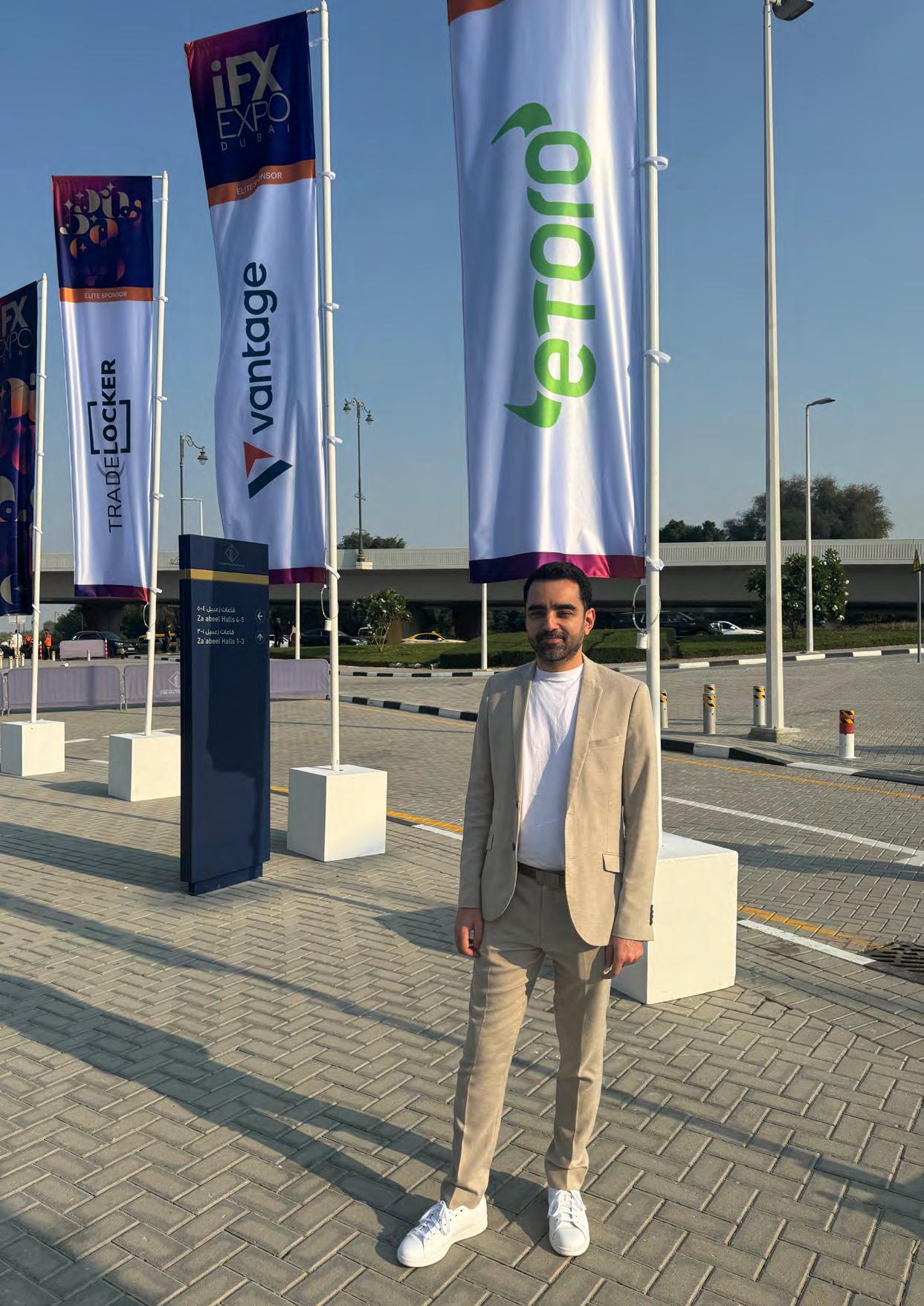
Events are the physical manifestation of the brand. In a digital-first industry like online trading, face-to-face events like the Dubai Forex Expo are rare moments to build tangible trust. We organize media interviews on-site, ensure our clients are speaking on panels, and facilitate networking with partners. Events have become a strong platform for finance companies to gain exposure with both potential partners and clients as both work on building relationships and interfacing with trusted market players.
Q Crisis management is a huge part of finance PR. Can you walk us through your philosophy when a crisis hits?
Your Mind Media’s approach leans toward transparency by default. The worst thing a company can do is hide. In the age of social media, the truth, or a damaging version of it, will come out eventually. As such, we advise our clients to acknowledge the issue quickly, state clearly what they are doing to fix it, and keep the communication lines open in order to bolster trust in the company. If a firm goes dark, the market, the clients and the media assume the worst. By communicating proactively, you can turn a potential disaster into a demonstration of competence and integrity. You can't control the event, but you can control how you react to it.
Q What is the biggest mistake you see finance CEOs make when it comes to their personal branding?
The biggest mistake is silence. Many CEOs believe their product should speak for itself, or they are afraid of compliance issues, so they stay invisible. In today's market, trust is tied to people, expertise, and strategy, not just logos. Investors and traders want to know who is steering the ship. If a CEO doesn't have a towering voice, they are ceding control of their narrative to competitors or rumors. This also applies to the rest of the team, and strong voices can help demonstrate the firm’s expertise and contribute to building and growing trust among current and potential clients.
Q How do you prepare clients for high-stakes media appearances?
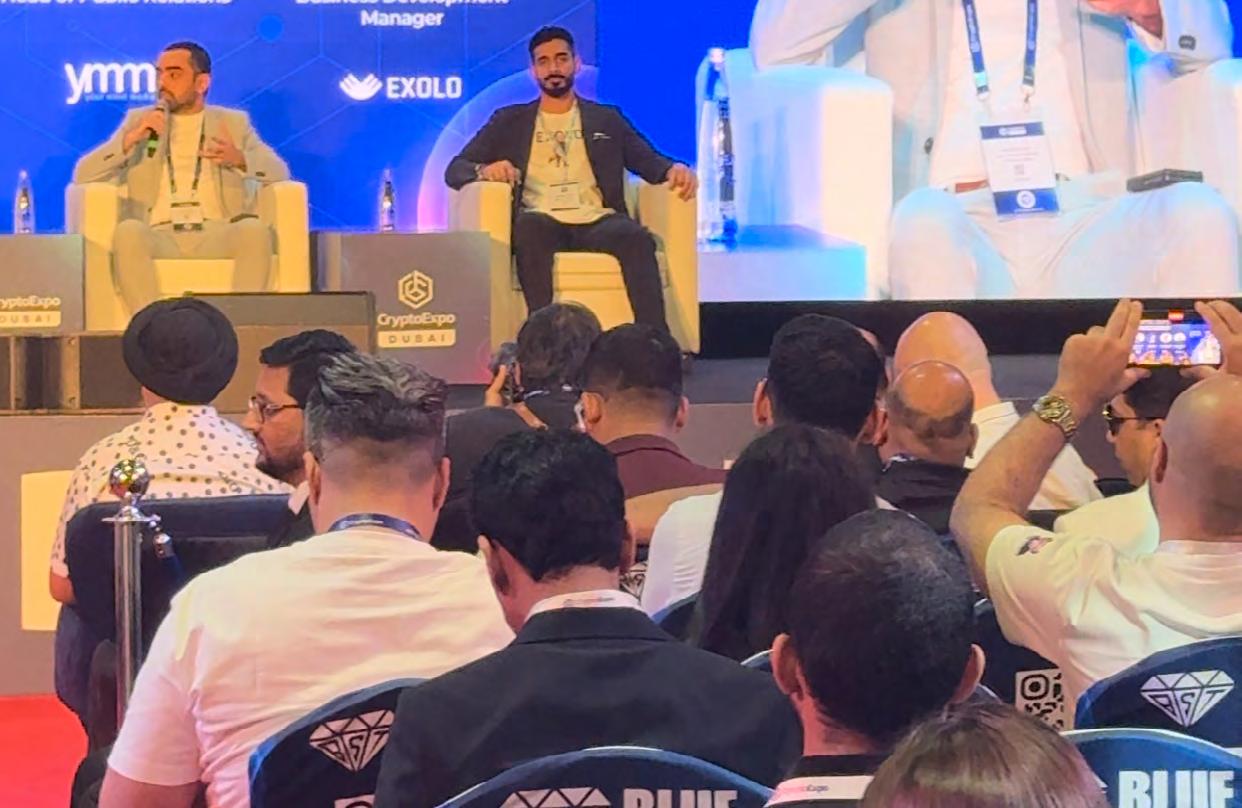
Preparation must be comprehensive. We coach clients on key messaging, anticipated questions, and delivery. This includes mock interviews, tailored talking points, and guidance on tone and pacing. Understanding the outlet’s audience and journalist style is critical. We help spokespeople stay concise while delivering substance, especially as every word can shape perception. We also focus on navigating regulatory constraints and political sensitivities in a world where geopolitical tensions remain elevated, developments can be volatile, and stakes often are high.
Q You are based in Dubai. How has the finance landscape in the MENA region evolved in recent years?
The transformation has been nothing short of electric. Dubai has evolved into a genuine global finance superpower. We are seeing a massive influx of European and Asian brokers establishing headquarters here, driven by progressive regulations locally. The appetite for investment here is maturing. Retail trading is booming, and there is a sophisticated demand for fintech solutions, while large institutional investors are increasingly setting up shop in the emirate. For a PR professional, it’s an exciting place to be because the market is hungry for innovation and new voices.
Q How has crypto and blockchain affected finance PR?
Crypto brought new vocabulary and audiences to finance. It demands a different kind of storytelling,
one that balances innovation with responsible communication. Regulators, investors, and media each approach crypto with distinct expectations, so clarity and credibility are essential. At Your Mind Media, we help clients navigate that narrative terrain, ensuring their message is understood across traditional finance media and emerging tech platforms.
Q Fintech and Crypto are notoriously volatile sectors. How do you manage PR for clients in such unpredictable industries?
Volatility is actually an opportunity in PR, provided you are prepared. In stable times, we focus on education and brand building, establishing our clients as thought leaders. In volatile times, we shift to "reactive PR." This means positioning our clients as the experts who can explain why the market is moving. When a market suddenly drops or hits an all-time high, journalists need expert commentary immediately. Our role is to ensure our clients are the first ones to be in touch with journalists with valuable insights. It’s about turning market chaos into brand authority.

Q What is the most rewarding part of working with the team at Your Mind Media?
It’s the collaborative energy. Working with a founder like Elizabeth Rayment, who has such deep roots in the industry, sets a high bar for all of us. We are a team that is constantly learning because the market changes every day. The most rewarding moments are the "wins" for our clients, seeing a small fintech startup we nurtured get a feature on a global news network, or watching a client we media-trained confidently handle a tough interview. Knowing we played a part in their growth story is incredibly satisfying.
Q You’ve had a long history in fintech, including time at Wire Wallet — how did your experience there shape your vision for BounceMoney?
It was W-W that first introduced me to paid Ibans, actually I never even realised that High Risk Merchants were open to substantial fees for processing after years in deliverable foreign exchange it seemed a natural move .
Q What problem in payments and financial services were you trying to solve when you launched BounceMoney?
Bouncemoney.com is a consultancy that aligns with some of the largest FCA regulated and EMI Regulated institutions that will offer High risk facilities to organisations looking to grow and evolve through master & sub accounts , Diversifing Risk.
Q How do you prioritise innovation versus regulation in such a complex ecosystem?
At the end of the day we are a people business - and people buy from people . Regulation & security is key - add in a bit of flair and personality , and your onto a winning formula.
Q You work with high-risk verticals such as online casinos, PSPs, and gaming — what are the unique challenges in serving those markets, and why focus on them?
High Risk verticals do not come without their challenges , more often than not , we can work with our clients to ensure they get the correct facility or facilities to manage client flow .
Q Many fintechs position themselves as one-stop solutions — what genuinely differentiates BounceMoney from incumbents and other white-label platforms?
BounceMoney works with multiple solutions and keeps every provider as a friend. Clients will often plug into multiple solutions we just look to add to their suite of products .
Q For brands considering embedded finance or outsourced payment infrastructure, what should they really ask before signing a contract?
Contracts in today’s world are transparent , pricing is key however , so is history , SLAs, and payouts ! Its alleged when things are going well, I would ask what happens when things go wrong !

Q BounceMoney is a young company — how hard has it been to build partnerships, navigate compliance, and win trust in a crowded market?
I guess , every sales guy will tel l you the same , looking at a empty pipeline is the hardest thing to do, however, years of trust, strong and well maintained relationships' have meant that actually we havent really felt the migration from teh old company to new, and now Bouncemoney.com has the ability to move in what direction it wishes.
Q How long do typical client relationships last, and what defines success in those partnerships?
Good client relationships can last in excess of 5 years - obviously many much shorter, however with good relationship management and hands-on approach , as risk and partners change , its always good to keep in touch with your client base.
Q Can you share examples (or case studies) of current clients or use cases where BounceMoney has delivered measurable impact — without breaching confidentiality?
Most recently we have onboarded several MSBs of 50m plus each per month !! Thats 350million of monthly volume to our fantastic panel of providers. For the MSBs re-assurance and trust is of optimal importance here. For the banking partners a warm introduction rather than a cold email enquiry reduces onboarding by weeks .
Q With AI transforming fintech, payments, and risk management, do you see sales teams or service delivery being replaced by automation — or is human expertise still indispensable?
Check out www.bouncemoney.com we installed an AI agent aptly called ’The Bouncer “ sure he is still learning, but hes 24/7 and reliable, never takes sick days and never complains about bonus structures . We love AI it’s the future.

CHARLIE JBEILY

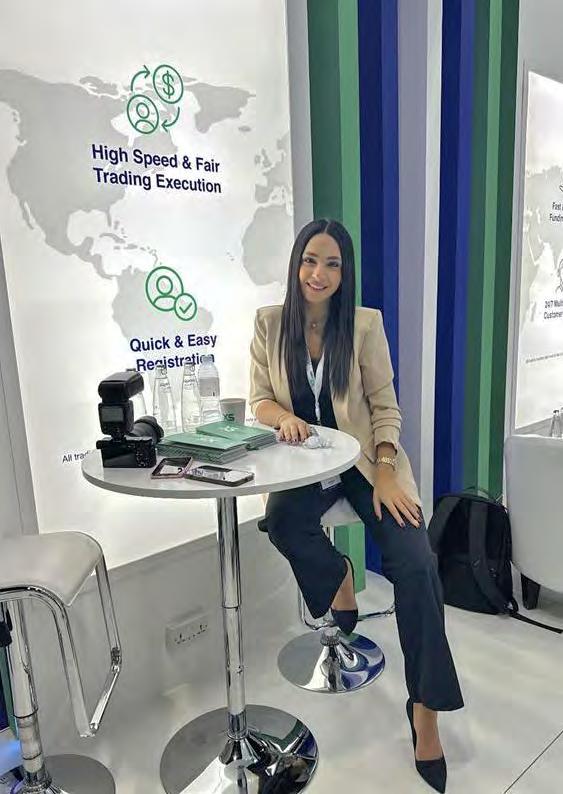
In today’s highly competitive global talent landscape, organizations must go beyond recruitment to build environments where professionals can grow, contribute, and thrive. In this exclusive Game Changers interview, Charlie Jbeily, Senior HR Manager at XS.com, shares insights into the company’s global talent strategy, workplace culture, and its commitment to attracting and empowering top professionals worldwide.
Q Charlie, thank you for joining us. You oversee HR functions across multiple regions. What have you learned about managing talent across very different cultural and economic environments?
Thank you for having me. One of the most important lessons is that while business goals may be global, the human experience of work is always influenced by local culture. Every region has its own professional norms, expectations, and economic realities that shape how employees approach their roles. Successful global HR leadership therefore requires taking the time to understand these differences and adapting approaches accordingly.
Listening to local teams is essential. When organizations respect cultural nuances while maintaining clear values and principles, employees are more likely to feel supported and engaged. At the same time, a strong global framework helps ensure that everyone is working toward the same broader vision. Balancing these two elements, global alignment and local understanding, has been key to building cohesive teams across our international offices. It also reinforces the message that employees are valued as individuals, which boosts morale, retention, and overall performance.
Q With talent becoming increasingly mobile and global, how does XS.com approach building a workforce that can thrive across borders?
Building a global workforce means recognizing that talent today is no longer limited by geography and that organizations must be ready to engage professionals wherever they are. At XS.com, we view global talent as
one of the most important drivers of innovation and long-term growth. Our goal is to bring together professionals from different regions, backgrounds, and experiences who can contribute unique perspectives while working toward shared objectives.
At the same time, creating a global workforce requires more than hiring internationally. It involves building strong systems of collaboration, communication, and leadership alignment so that employees across different markets feel equally connected to the company’s mission. When people feel that connection, distance becomes far less relevant. Ultimately, a diverse global team allows us to think more creatively, respond more effectively to changing markets, and operate with a broader understanding of the industries and communities we serve. Building trust across geographies and fostering inclusivity are additional layers that make our global workforce resilient and engaged.
Q Many companies talk about global expansion, but scaling people operations across continents is complex. What were some of the early lessons XS.com learned while building its international workforce?
One of the early lessons we learned is that expanding internationally requires a strong people strategy from the very beginning. Growth in new markets brings opportunities, but it also introduces challenges related to communication, cultural alignment, and operational consistency. Organizations cannot simply replicate the same model in every location without understanding local dynamics.
Another important insight was the value of investing early in strong leadership and communication frameworks. When employees across regions feel informed, supported, and connected to leadership, it becomes much easier to maintain cohesion as the organization grows. These foundations help ensure that teams remain aligned even as operations expand across multiple continents. We also realized the importance of patience and continuous learning—scaling globally is an ongoing process that requires iterative improvements and listening closely to feedback from local teams.

Q Competition for top talent has intensified worldwide. What makes XS.com competitive when attracting professionals who often have opportunities across multiple global companies?
In today’s market, professionals evaluate employers based on a wide range of factors, including career development opportunities, workplace culture, and the overall sense of purpose they feel in their roles. At XS.com, we focus on creating an environment where talented individuals can grow both professionally and personally.
Our international presence provides employees with opportunities to collaborate across regions and gain exposure to different markets, which can be extremely valuable for career development. We also emphasize a collaborative culture where ideas are welcomed and contributions are recognized. When professionals see that they can build meaningful careers within a supportive and forward - looking organization, it becomes a powerful differentiator. Additionally, we highlight real success stories from our teams around the world, so candidates can see tangible examples of career growth and cross-border collaboration.
Q We often hear the importance of “following the talent.” How do you identify where the next major talent hubs are emerging?
Identifying emerging talent hubs requires a continuous awareness of global workforce trends and industry developments. Certain regions often experience rapid growth in specialized skills due to factors such as investment in education, expanding technology sectors, or evolving economic landscapes.
Our approach involves monitoring these developments closely while building relationships with local professional communities, universities, and industry networks. Engaging with these ecosystems allows us to better understand where strong talent pipelines are developing. By maintaining this proactive perspective, we are able to identify opportunities early and ensure that our recruitment strategies reflect the changing geography of global talent. We also make sure to create partnerships that strengthen the local ecosystem, which benefits both XS.com and the talent we engage with.
Q Leadership culture can determine whether a company successfully scales globally. How do you ensure that managers across different regions embody the same leadership philosophy?
Leadership alignment plays a critical role in maintaining consistency across a global organization. At XS.com, we emphasize leadership principles that focus on transparency, collaboration, and accountability. Managers are encouraged to support their teams not only as supervisors but also as mentors
who help employees develop their skills and confidence.
We also create opportunities for leaders from different regions to exchange ideas and share experiences. These interactions help strengthen a common understanding of how leadership should function across the company. By reinforcing shared values and encouraging open communication among leaders, we ensure that our management philosophy remains consistent even as we continue expanding internationally. Continuous training programs and leadership workshops also help managers stay aligned with evolving best practices and global expectations.
Q Workplace culture is often harder to scale than business operations. How do you preserve a strong company culture while growing across multiple countries?
Culture is something that must be demonstrated through everyday actions rather than simply defined through policies or statements. At XS.com, we place a strong emphasis on collaboration, respect, and shared success as the foundation of our workplace culture.
As we grow into new markets, we encourage local teams to bring their perspectives while still embracing the core values that define the company. Leadership also plays a key role by modeling these behaviors and ensuring that communication remains open and inclusive. When employees feel respected and empowered to contribute ideas, culture becomes something that grows naturally rather than something that needs to be enforced. We also celebrate cultural diversity through cross-regional initiatives and storytelling, which helps teams feel connected no matter where they are located.
Q Employees today expect more than just compensation, they want growth, flexibility, and purpose. How is XS.com adapting to these changing expectations?
Workplace expectations have evolved significantly in recent years. Professionals are increasingly looking for environments where they can continuously learn, grow, and maintain a healthy balance between their professional and personal lives. At XS.com, we recognize that meeting these expectations is essential for building an engaged and motivated workforce.
We support this through development opportunities, collaborative work environments, and policies that allow flexibility where possible. Equally important is ensuring that employees understand how their contributions connect to the company’s broader goals. When individuals feel that their work has purpose and that their efforts are valued, it creates a stronger sense of commitment and engagement. We also gather feedback regularly to ensure that our policies and programs evolve in line with what employees need to thrive personally and professionally.
Q Technology is rapidly reshaping how organizations manage people. Where do you see digital tools making the biggest impact in HR operations today?
Digital transformation is redefining how HR teams operate and how employees experience the workplace. Technology allows organizations to streamline many administrative processes, from recruitment and onboarding to performance tracking and development planning.
This shift enables HR professionals to focus more on strategic initiatives such as leadership development, employee engagement, and organizational growth. Data analytics also plays an increasingly important role by providing insights that help organizations make better decisions about talent management. When used effectively, technology supports both efficiency and transparency while improving the overall employee experience. Additionally, it allows us to personalize learning opportunities, monitor engagement trends, and quickly identify areas where employees may need extra support.
Q Hybrid work has transformed how global teams collaborate. What strategies have proven most effective in keeping distributed teams aligned and productive?
Hybrid work models require organizations to rethink how collaboration and communication take place. At XS.com, we focus on creating clear expectations around
goals and outcomes so that employees understand what success looks like regardless of their location.
Digital collaboration platforms help teams remain connected across regions, while shared working windows allow colleagues in different time zones to interact in real time when needed. At the same time, managers are encouraged to maintain regular communication with their teams to ensure that employees feel supported and engaged. By combining technology with a strong culture of trust and accountability, distributed teams can remain both productive and connected. We also encourage virtual social initiatives and cross - regional team - building activities to strengthen relationships and reduce the sense of distance.
Q Diversity has become a strategic priority for many global companies. How does XS.com approach building diverse teams across different regions?
Operating across multiple regions naturally brings together individuals with a wide range of cultural backgrounds, perspectives, and professional experiences. At XS.com, we see this diversity as an important source of strength that enhances creativity and problem-solving.
Our recruitment strategies aim to attract talent from different markets and professional communities, allowing us to build teams that reflect the global nature of our operations. At the same time, we emphasize

inclusion by creating an environment where employees feel respected and encouraged to share their ideas. When people from diverse backgrounds collaborate effectively, organizations gain a deeper understanding of global markets and opportunities. We also provide ongoing cultural awareness and inclusive leadership training to ensure that diversity leads to real impact and innovation.
Q Retention has become one of the biggest challenges for employers worldwide. What keeps talented professionals engaged and committed to growing with XS.com?
Professionals are more likely to remain with organizations where they see clear opportunities for growth and where they feel their contributions are recognized.
At XS.com, we focus on creating an environment where employees can develop new skills, collaborate with talented colleagues, and pursue meaningful career paths. Recognition and open communication also play important roles in maintaining engagement. When individuals feel valued and see a long-term future within the company, they are far more likely to stay and continue contributing to its success. We also conduct regular engagement surveys and career conversations, ensuring we respond to evolving employee needs and aspirations proactively.
Q When you look at high-performing teams across the company, what characteristics or behaviors stand out the most?
High-performing teams consistently demonstrate strong collaboration, adaptability, and a shared commitment to achieving common goals. Members of these teams communicate openly, support each other’s strengths, and remain focused on delivering results even in challenging or rapidly changing situations.
Another important characteristic is a willingness to learn and improve continuously. Teams that perform well are often those that actively seek new ideas and embrace constructive feedback. Trust also plays a significant role, as it allows individuals to take initiative and contribute confidently to the team’s success. Finally, high-performing teams share a sense of ownership and purpose, which drives both engagement and innovation consistently across projects.
Q As someone responsible for shaping the workforce behind a global brand, what leadership principles guide your approach to HR?
My approach to HR is guided by the belief that people are at the center of every successful organization. Leadership in this field requires empathy, strategic thinking, and a genuine commitment to supporting employee development.
It is important to create systems that allow individuals to perform at their best while also fostering a culture where people feel respected and heard. HR leaders must also anticipate change and help organizations prepare for evolving workforce expectations. By focusing on both people and long-term strategy, HR can play a meaningful role in shaping sustainable business success. Additionally, leadership should inspire trust, encourage experimentation, and continuously reinforce organizational values to ensure alignment across all teams.
Q Lastly, what advice would you give to professionals looking to join your team, and where can they learn more about opportunities?
Be curious, adaptable, and ready to contribute in a collaborative, fast-moving environment. We value individuals who are eager to take on challenges, grow their skills, and collaborate across regions with diverse teams. Our goal is to create an environment where talented professionals can thrive and make a meaningful impact on a global scale.
For those interested in exploring opportunities and becoming part of our journey, we encourage you to visit our XS.com Careers page to learn more about open roles. Even better, I’m always one message away on LinkedIn and happy to connect directly to discuss potential opportunities and share insights about working with our global team. I also recommend following our updates and employee stories to understand the real experiences of people across our global organization.
ANDREA STEFANI MELEKKI
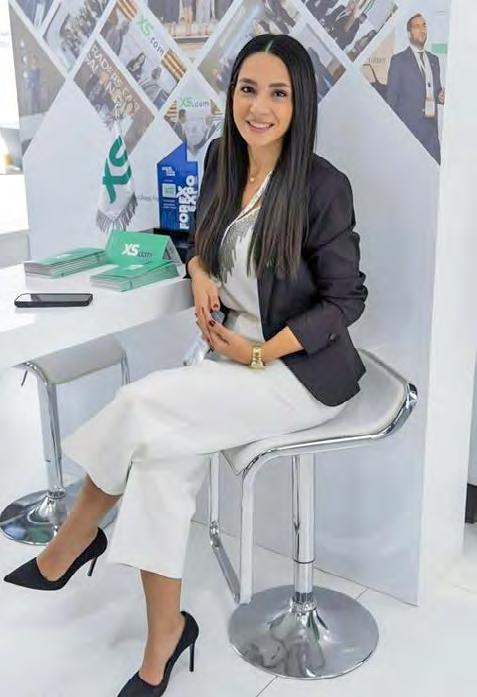
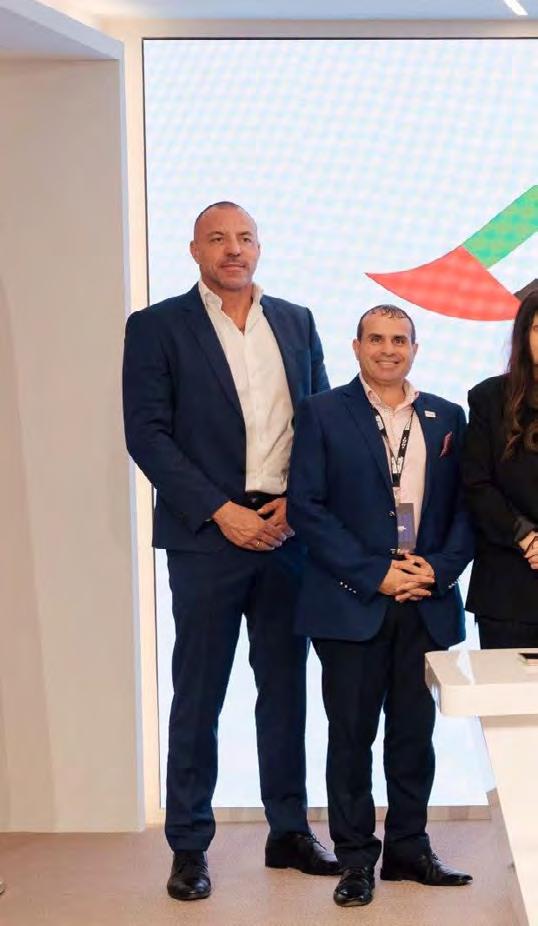
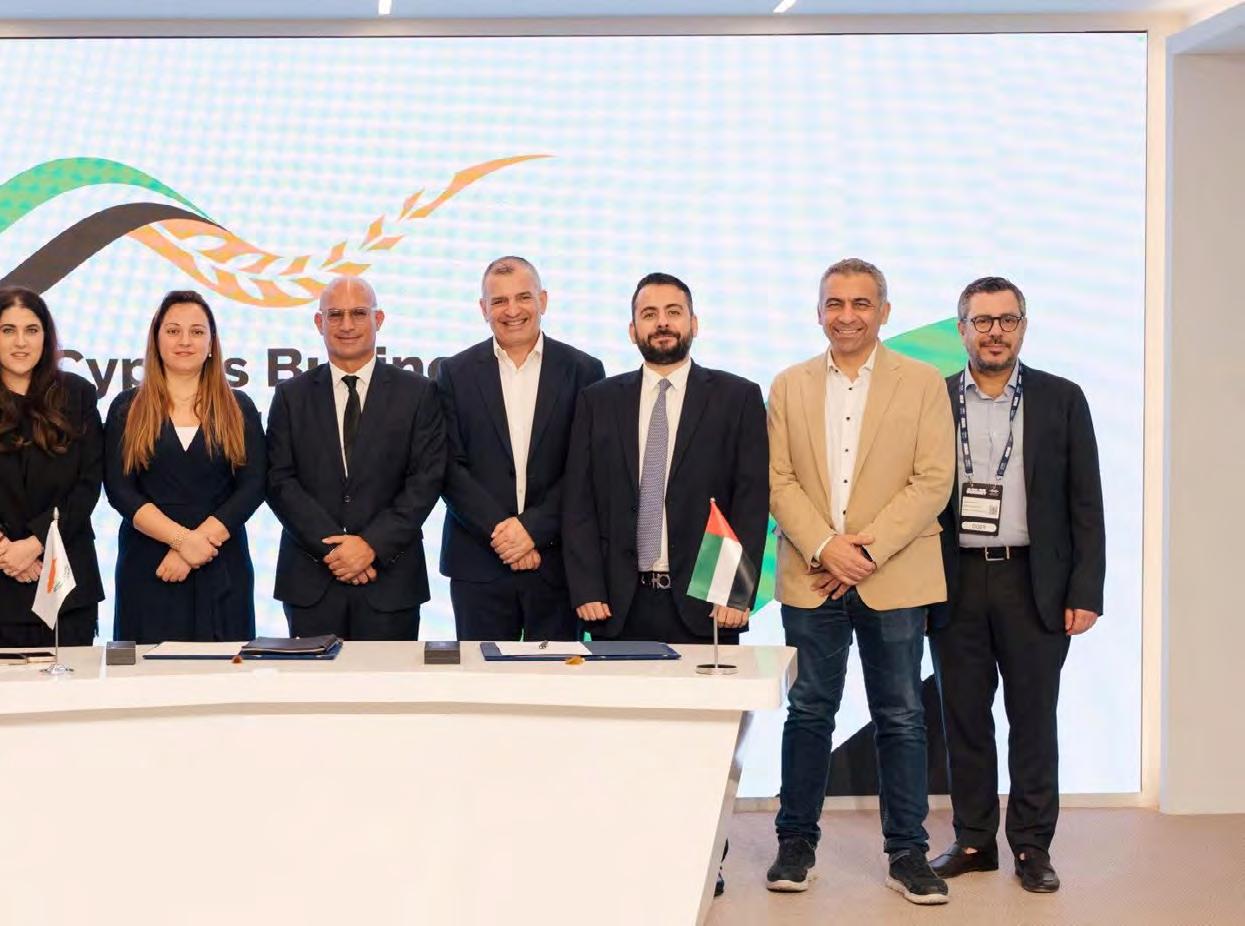
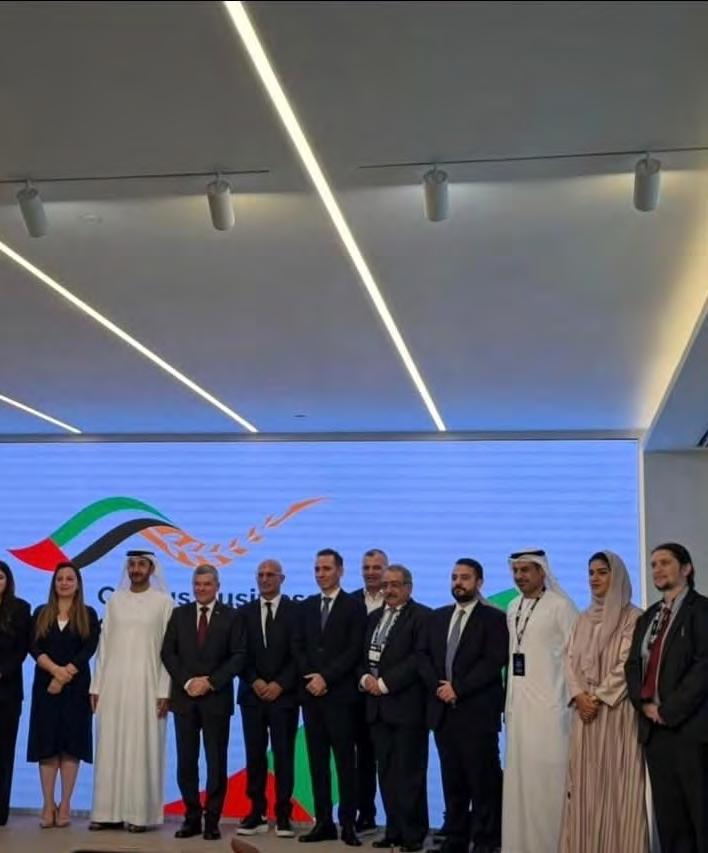
We were incredibly pleased to speak again with Andrea Stefani, who has recently taken on the role of Vice Chairwoman and Board Member of the Cyprus Business Council. Her appointment reflects the growing importance of strengthening commercial ties between Cyprus and the United Arab Emirates.
The council has been established to bring together entrepreneurs, investors, financial institutions, and professional service providers who are looking to develop partnerships across both regions.
Through structured networking, business events, and collaborative dialogue, the organisation aims to create a platform that supports internationally operating businesses while encouraging new trade and investment opportunities between the two markets.
With Cyprus continuing to position itself as a strategic gateway into Europe and Dubai maintaining its role as one of the world’s most dynamic commercial hubs, the Cyprus Business Council is expected to play an increasingly important role in facilitating cross-border cooperation.
Andrea’s involvement in the council’s leadership highlights the growing momentum behind initiatives designed to strengthen business connectivity between the two jurisdictions. By helping to foster relationships, share expertise, and open channels between industries such as finance, fintech, trade, and professional services, the council is well placed to support companies seeking to expand their presence across both regions.
Board Member’s also include Chairman Yiannos Olympios, Treasurer: Dina El Guindi, Secretary: Andreas Tsintos and board members Theodoros Kringou, Georgios Pantechis, Phivos Stephanou, Dimitris Zamboglou and Michalis Nicolaou.
For more information and membership enquiries please visit: https://cyprusbcdubai.org/
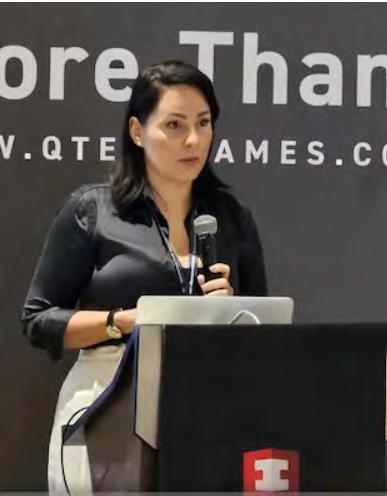
Our conversation also turned to Playbell and Stefani Legal and two of the most talked-about regulatory developments in the UAE today — Cat 7 licensing and VARA licensing for crypto businesses.


Foreign exchange, CFD brokers and prop trading firms all stand at the centre of one of the most active digital trading sectors in the world, yet when it comes to payments, they face some of the toughest hurdles of any online business. Their business model involves constant fund movement between traders, liquidity providers, and banks across multiple jurisdictions, under strict rules that change faster than their own systems can adapt. While the focus is usually on trading speed or spreads, the real operational bottleneck often lies elsewhere: in the flow of money itself.
Traders expect their deposits to arrive in seconds and withdrawals to settle within hours, but these expectations collide with the reality of cross-border payment systems. Card schemes, correspondent banks, and e-wallet providers all apply their own limits and checks. A single rejected payment can delay client onboarding or even trigger regulatory alerts. When deposits and withdrawals run through multiple
intermediaries, reconciliation also becomes a daily struggle. (And I have seen finance teams who are still reconciling payment data manually, using excel sheets).
Each transaction touches several middlemen and tech platforms (fraud system, bank, orchestration, gateway, acquirer, etc) before funds reach a broker’s account which are all an extra added layer of friction of the operation. Even when a broker meets every rule, the bank may still restrict or close accounts due to perceived or deemed risks. That leaves many brokers constantly switching payment providers, adding new integrations, and explaining their business model to new partners all over again.
Despite the size and sophistication of the industry, many brokers still rely on introducers to access payment providers or banks. These intermediaries present themselves as “consultants” or “connectors,” but in reality, they are simple resellers, working for commissions from the very providers they recommend. This structure creates a clear conflict of interest, as the introducer’s goal becomes maximising their profit rather than securing the most suitable and cost-efficient solution for the broker.
Beyond the ethical concern, this practice also brings serious operational and regulatory risks. The higher the commission, the more desperate and therefore risky the provider tends to be. I have seen introducers push extremely unsafe recommendations only because those options paid higher “finders fees”. In many cases, brokers were directed toward unstable or even non - compliant financial providers without understanding the danger, putting client funds and company reputation at risk.
A system built on commissions can never serve the broker’s interest. Having an advisor who represent the broker’s side, and not the banks and PSPs’ should be the bare minimum, yet often overlooked. Investment firms must distance themselves from introducers and work only with independent and certified advisors, not only because it’s cheaper, but because it’s safer, too!
Few outside the industry realise how fragmented broker payments truly are. Deposits arrive through cards, instant transfers, and wallets. Withdrawals might leave through entirely different systems. Internal reconciliations link multiple currencies, client IDs, and trading accounts that often sit under separate legal entities. This patchwork structure demands precise control of how funds move between clients, liquidity providers, and hedging accounts, or the entire system risks audit issues, regulatory fines, or blocked settlements.
When investment firms expand internationally, the problem grows. Every new country adds another set of rules, local payment preferences, and regulatory expectations. Even the smallest detail such as the name format on a transfer or the origin of a card can cause delays or rejections. Without a structured payment and banking strategy, these issues multiply silently in the background until they surface as liquidity shortages or operational downtime.
Payment and banking today impact customer experience, risk management, technology, product development, data security, compliance, finance, and more. Yet, the ones who manage payment and banking tasks are not adequately trained to do so. Key areas, such as how payments and banking affect technology, UX, compliance, and other essential aspects in a business, are absent from accounting, economics courses, and MBAs.
To build scalable payment systems, FX companies need leadership focused solely on this area. Only an educated and certified Chief Payment Officer (CPayO) can oversee every aspect of payment and banking, from provider selection and licensing setup to fraud control and liquidity management. This role ensures payment operations stay aligned with business strategy, compliance, and customer experience.
Finance departments were never designed to handle this kind of operational pressure. Their systems focus on accounting, reporting, and cost control, not on managing instant, multi - channel payment flows that move across several providers and jurisdictions every minute. Traditional finance teams usually lack the tools, integrations, and real-time data visibility needed to track thousands of micro transactions, match them with trading activity, and handle rolling settlements that occur day and night. This is why even experienced finance professionals struggle when payment operations scale, as they manage numbers after the fact, while payments demand control in real time.
The next phase of banking and payments is moving toward real-time settlement, account-to-account (A2A) payments, and embedded financial infrastructure. Instant payment networks such as SEPA Instant, Faster Payments, or FedNow will gradually replace traditional card and wire transfers for broker
deposits and withdrawals. These methods reduce fees, improve speed, and strengthen traceability.
AI - driven payment agents are also transforming how clients fund their trading accounts. Instead of clicking through websites or speaking with a sales representative, users can now instruct AI tools to compare brokers, open an account, and make a deposit automatically within seconds. The decision, checkout, and payment all happen in one flow, often inside the same chat interface. This automation removes the traditional sales call and user journey from the process, meaning brokers must prepare for payments triggered by AI agents rather than human interaction.
Companies who wish to stay relevant in this new environment must act now. The speed of payment innovation will not wait for traditional finance teams or legacy systems to catch up. Brokers need to restructure their operations around payment and banking as a strategic core, not as a background process.
Those who build controlled, scalable, and transparent systems will remain trusted partners for both regulators and clients, while those who keep treating payments as a side function will slowly lose access to reliable providers, markets, and liquidity. The brokers who understand that only payment and banking strategy defines their stability, reputation, and growth will lead the next generation of the industry.


Over the past few years, a familiar and increasingly anxious question has been circulating among Canadian businesses operating in payments, fintech, and cross-border commerce. A company opens an account with a Money Services Business. Everything appears to work smoothly at first. Payments are processed quickly, foreign exchange is competitive, and onboarding feels refreshingly straightforward compared to dealing with a traditional bank. Then, often without warning, transfers are delayed, funds become inaccessible, or accounts are frozen altogether. Support responses become vague, explanations are slow, and the business is left asking a deeply unsettling question: where is my money?
This article is not written to accuse MSBs of wrongdoing as a category. Many Canadian payment institutions operate responsibly, solve real problems, and provide essential services to businesses that would otherwise struggle to access the financial system. The issue is not that MSBs exist, but that they are widely misunderstood. When problems arise, they are usually
the result of structural limitations, ownership incentives, and misplaced assumptions about what regulation actually means, rather than deliberate misconduct.
To understand why these situations occur, it is necessary to look beyond the surface branding and into how money actually moves.
In Canada, a Money Services Business is a non-bank financial institution authorised to provide specific services such as payments, foreign exchange, and stored-value accounts. MSBs do not take deposits in the way banks do, they do not lend from a balance sheet, and they do not have access to central bank liquidity or deposit protection schemes. They exist as intermediaries, providing access to payment rails and banking infrastructure rather than owning that infrastructure themselves. This distinction is critical, yet often glossed over in marketing language that frames MSBs as “bank alternatives”.


One of the reasons MSBs have grown so quickly is that they are far easier to obtain than traditional bank accounts. For many businesses, particularly those operating internationally or in sectors perceived as higher risk, banks can be slow, conservative, or unwilling to engage at all. MSBs step into that gap with faster onboarding, lower barriers to entry, and a greater willingness to process complex or cross-border flows. For startups and growing companies, this accessibility can feel like a lifeline.
However, accessibility is not the same as resilience. Unlike banks, which are designed to absorb shocks and withstand failures, MSBs are designed to facilitate flow. When that flow is disrupted, the consequences are immediate and often severe.
The part of the system most clients never see, and rarely ask about, is the role of correspondent and executing banks. MSBs do not move money independently. They rely on underlying banking partners to clear, settle, and ultimately hold client funds. The MSB provides the interface, but the bank provides the engine. If a correspondent banking relationship is interrupted, restricted, or terminated, the MSB may suddenly be unable to process transactions or release funds, even if it remains operational on the surface.
From the client’s perspective, this looks indistinguishable from misappropriation. In reality, funds are often frozen upstream, caught in compliance reviews, or
trapped in accounts the MSB does not fully control. The client has no direct relationship with the executing bank and no visibility into what is happening behind the scenes. What feels like money “running off” is often money stuck between institutions.
This is why due diligence before using an MSB is so important. Businesses should understand who the MSB banks with, where settlement actually occurs, how client funds are held, and what happens if a banking relationship ends. They should also understand who owns the institution and how concentrated its dependencies are. A professionally run MSB should be able to explain its structure clearly. Vague or evasive answers are often a sign that the risks are being downplayed rather than managed.
Regulation is another area where expectations and reality frequently diverge. Many clients assume that because an MSB is registered with FINTRAC, there is meaningful protection if something goes wrong. In practice, FINTRAC’s role is limited to anti-money laundering and counter-terrorist financing oversight. It is an intelligence and reporting body, not a consumer protection authority. It does not resolve commercial disputes, compel the release of funds, or compensate losses. Filing a complaint may satisfy a regulatory requirement, but it rarely results in money being returned.

This creates a false sense of security. Regulation ensures reporting and compliance obligations are met, but it does not guarantee operational stability or ethical ownership. The distinction between being regulated and being protected is one of the most important, and most misunderstood, aspects of the payments industry.
It is also important to state clearly that not all MSBs are problematic. Many are run by experienced professionals with conservative risk management, diversified banking relationships, and a long-term view of their role in the financial ecosystem. The real issue tends to lie with ownership incentives. Institutions that are thinly capitalised, overly reliant on a single banking partner, or driven primarily by transaction volume rather than sustainability are far more likely to fail under pressure. In these cases, the problem is not regulatory compliance but governance.
When MSBs fail clients, the same patterns tend to repeat. There is often an over-reliance on one correspondent bank, aggressive onboarding without matching infrastructure, weak internal controls, and poor communication when issues arise. These weaknesses remain invisible during periods of growth and only surface when stress is introduced into the system. By the time clients become aware of them, the damage is often already done.
MSBs still have a legitimate place in modern payments. They can be effective for transactional routing, foreign exchange execution, and short-term operational needs. What they are less suited for is holding long - term operating capital, managing treasury functions, or supporting mission - critical settlement flows where downtime threatens the survival of the business. The more essential the funds are to day-to-day operations, the closer they should sit to a balance - sheet bank with the capacity to absorb shocks.
Most of the high-profile MSB failures and fund freezes seen in recent years are not the result of outright fraud. They are the consequence of structural fragility combined with misplaced trust. Businesses assume that ease of access implies safety, that regulation implies protection, and that convenience implies durability. In payments, these assumptions can be costly.
Understanding how money actually moves, who controls the pipes, and where the real points of failure lie is no longer optional. It is a fundamental part of operating responsibly in a modern financial system where access has become easier, but stability has not always kept pace.
In the end, the most dangerous risks in payments are rarely the obvious ones. They are the quiet assumptions that go unexamined, right up until the moment the money stops moving.
Q Can you give the readers an outline about yourself and your experience.
I’ve spent nearly 20 years in high-risk industries, where regulation and licensing are core to any serious business. My background includes leadership roles at MetaQuotes, where I sold hundreds of MetaTrader 4 and MetaTrader 5 licenses to investment firms, experience in investment/banking environments, involvement with the world’s first digital precious metals exchange, and building my own payments business. In that payments business, we worked with major industry players to structure complex payment rails tailored to their operational needs and legal frameworks. Across every stage, I’ve worked deeply with licensing procedures, compliance structures, and regulatory requirements—experience I now bring to kunaisalicense.com together with a strong legal and professional team.
Q How did this license come about?
The KUNAISA framework was built to solve a global problem: legacy regulation is often slow for modern financial innovation. Established under the autonomous legal authority of Kuna de Wargandí in Panama, it creates a sovereign, next - generation jurisdiction designed for the digital economy of 2026 and beyond. Today, we maintain a direct relationship with the authority, ensuring a streamlined and transparent process without the need for intermediaries.
Q What is KUNAISA, and under what legal framework does it operate in Panama?
KUNAISA (Kuna International Service Authority) is the official regulatory body for the Kuna de Wargandi autonomous territory. It operates under the Organic Charter and Law 34 of 2000, which grant the region the right to manage its own administrative and economic affairs. This provides a distinct legal foundation within the Republic of Panama, allowing the authority to issue licenses for financial and digital asset services.
Q What market gap was the KUNAISA FX/CFD licence designed to address?
It addresses the accessibility and speed gap in FX/CFD licensing. Many serious startups are stuck between
operating unregulated and waiting years in Tier-1 jurisdictions. KUNAISA offers a supervised framework that can be launched in weeks, with the regulatory standing needed for banking, payments, and long-term scaling.
It also creates a practical upgrade path for firms currently relying on legal opinions instead of true licensing. In today’s market, that distinction matters: incorporation or legal interpretation is not the same as regulatory authorization. KUNAISA helps these businesses transition into a legitimate, supervised model - raising market standards and supporting the broader clean-up of the brokerage space.
Q What activities does a KUNAISA FX/CFD licence allow a firm to conduct in practice?
The KUNAISA FX/CFD license is a versatile authorization designed for modern brokerage operations. In practice, it allows firms to provide online trading services across multiple asset classes, including Foreign Exchange (FX), CFDs on indices, commodities, precious metals, and other eligible financial instruments.
It is built to support firms that want to operate within a supervised, structured regulatory framework rather than through informal or fragmented models. For full scope and activity - specific conditions, interested parties can contact kunaisalicense.com.
Q Are licensees permitted to act as principal or market maker?
Yes - KUNAISA supports B-Book, A-Book, and hybrid execution models, but only with proper risk controls and liquidity/hedging arrangements in place. This requirement is not cosmetic; it is a hard gate that helps exclude “boiler-room” style operators that prioritize deposits while failing basic standards of fair client treatment, including withdrawals. By enforcing these mandatory arrangements, the framework ensures that every licensed firm is professionally equipped to handle market risk and fulfill its obligations to clients.
Q Does the framework support STP and ECN brokerage models? Yes, absolutely.
Q Are brokers allowed to offer crypto-linked CFDs or digital asset derivatives?
Yes. One of the key strengths of this framework is its built-in support for digital assets. Licensees may offer crypto - linked CFDs and certain digital asset derivatives, subject to the approved scope of their license and applicable compliance requirements. This enables brokers to meet growing global demand for crypto trading within a supervised regulatory environment.
Q Are there restrictions on instruments, leverage levels, or client categories?
KUNAISA follows a flexible, principles-based approach rather than a one-size-fits-all model. Brokers can structure instruments, leverage, and client segmentation in line with their business model, provided this aligns with their internal risk management framework and includes clear client risk disclosures.
Q Does the licence allow international client onboarding, and if so, from which regions?
Yes. It is an international-facing licence that supports global client onboarding, subject to sanctions restrictions, prohibited jurisdictions, and applicable AML/CFT requirements.
Q What governance, substance, and operational requirements must licensees meet?
KUNAISA requires local substance, including a registered office and POR (proof of residence / proof of business residence). Through kunaisalicense.com, this requirement is facilitated via our local registering facilitator (local law firm). The registered office and POR component is included in the regulator’s monthly fee. In addition, licensees must maintain defined corporate governance, an appointed Compliance Officer and robust AML/CFT policies and controls.
Q How are client funds treated, and are segregation or safeguarding requirements enforced?
Client fund segregation is mandatory. Client funds must be held separately from the firm’s operational capital, with safeguarding controls designed to protect client assets and maintain clear auditability and oversight.
Q What AML, KYC, and reporting standards apply to FX/CFD licensees under KUNAISA?
FX/CFD licensees are expected to apply full risk-based
AML/CFT and KYC standards: customer identification and verification, UBO checks, source-of-funds/wealth review where required, sanctions / PEP screening, transaction monitoring, record-keeping, and suspicious activity reporting. They must also maintain ongoing compliance reporting, internal controls, and periodic reviews to ensure the framework is applied in practice - not just on paper.
Q How does KUNAISA align its framework with international standards such as FATF recommendations?
KUNAISA is built on a risk-based AML/CFT model aligned with core FATF principles, including customer due diligence, beneficial ownership transparency, sanctions/PEP screening, transaction monitoring, record-keeping, and suspicious activity reporting. In practice, it applies these standards through enforceable internal controls, governance, and ongoing compliance oversight for licensed firms.
Q How does the regulator supervise licensed firms on an ongoing basis, and how are breaches handled?
The regulator applies ongoing, risk-based supervision through periodic compliance reporting, file reviews, and supervisory follow-ups where required. Where breaches are identified, the process is escalation-based: corrective actions and remediation deadlines first, followed by supervisory measures where needed, including possible restrictions, sanctions or license action for serious or repeated non-compliance.
Q How does KUNAISA engage with international banks, EMIs, and payment service providers supporting licensed brokers?
This is already happening in practice. There are banks and EMIs that accept the KUNAISA license and jurisdiction. At kunaisalicense.com, we also support clients with payment solutions, helping them structure the right banking/EMI/PSP setup based on their model and compliance profile.
Q How does the KUNAISA FX/CFD framework compare with offshore jurisdictions such as SVG or Comoros, and which broker profiles is it best suited for?
KUNAISA is a supervised licensing framework, not a legal-opinion workaround. SVG does not issue an FX/CFD brokerage license, so firms there typically rely on incorporation plus legal opinion. Comoros does offer licensing, but KUNAISA is designed for brokers that prioritize long-term credibility, infrastructure quality, and stronger banking/payments compatibility.

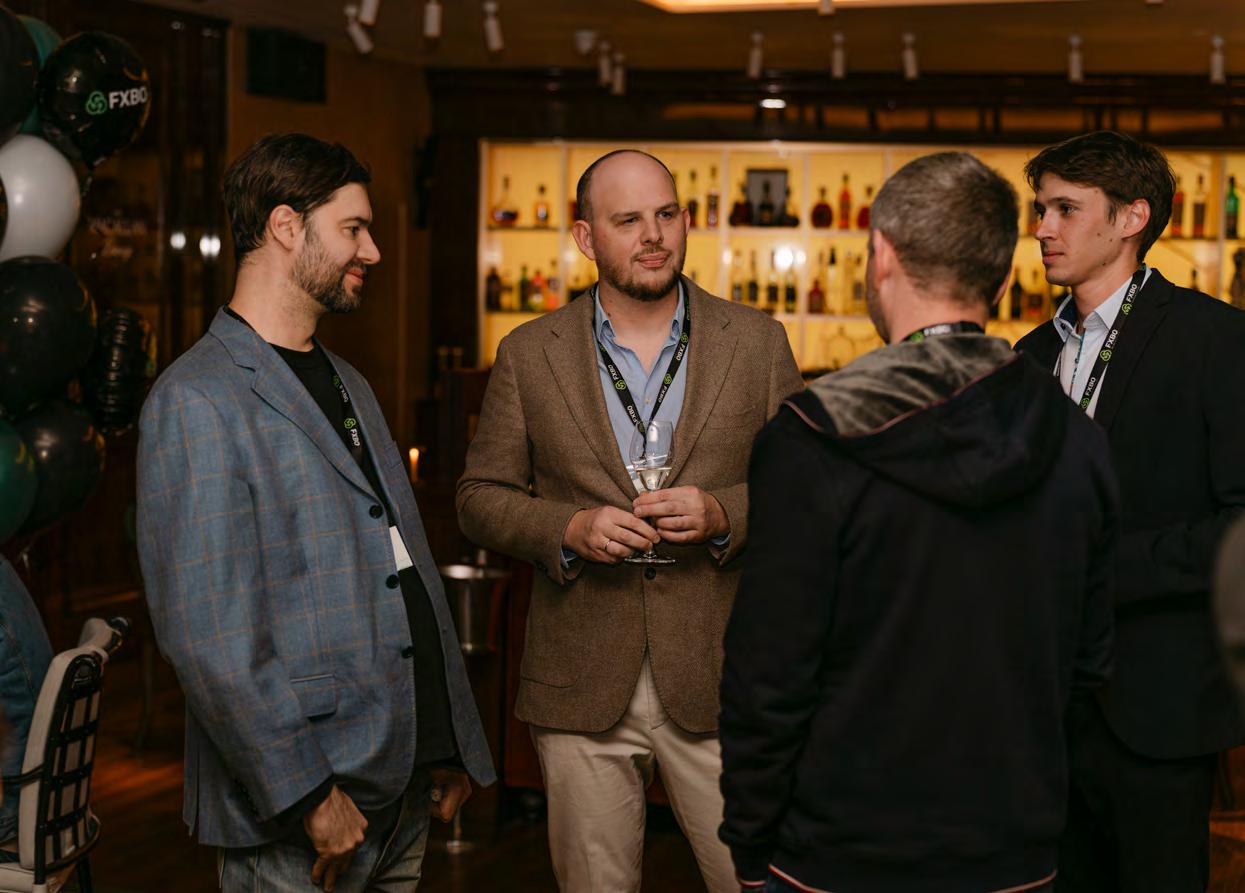
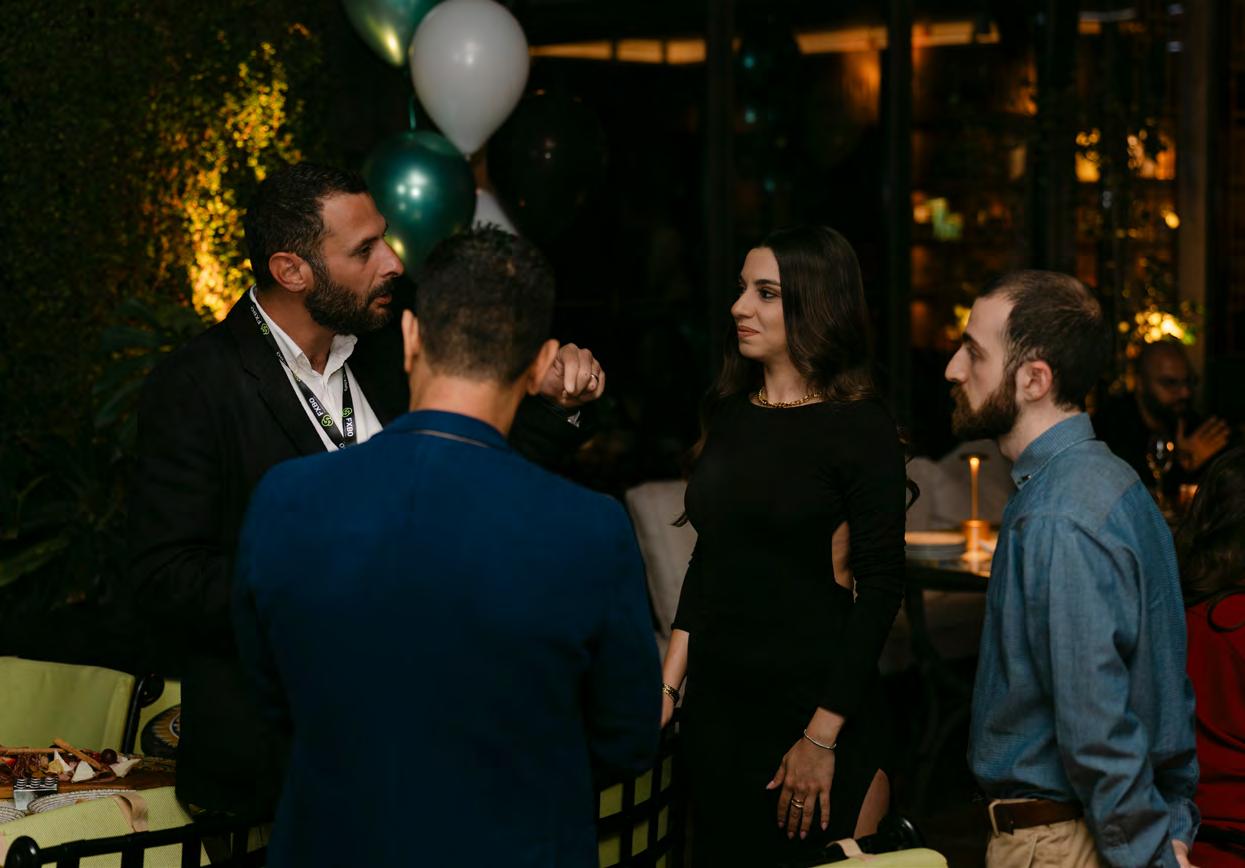
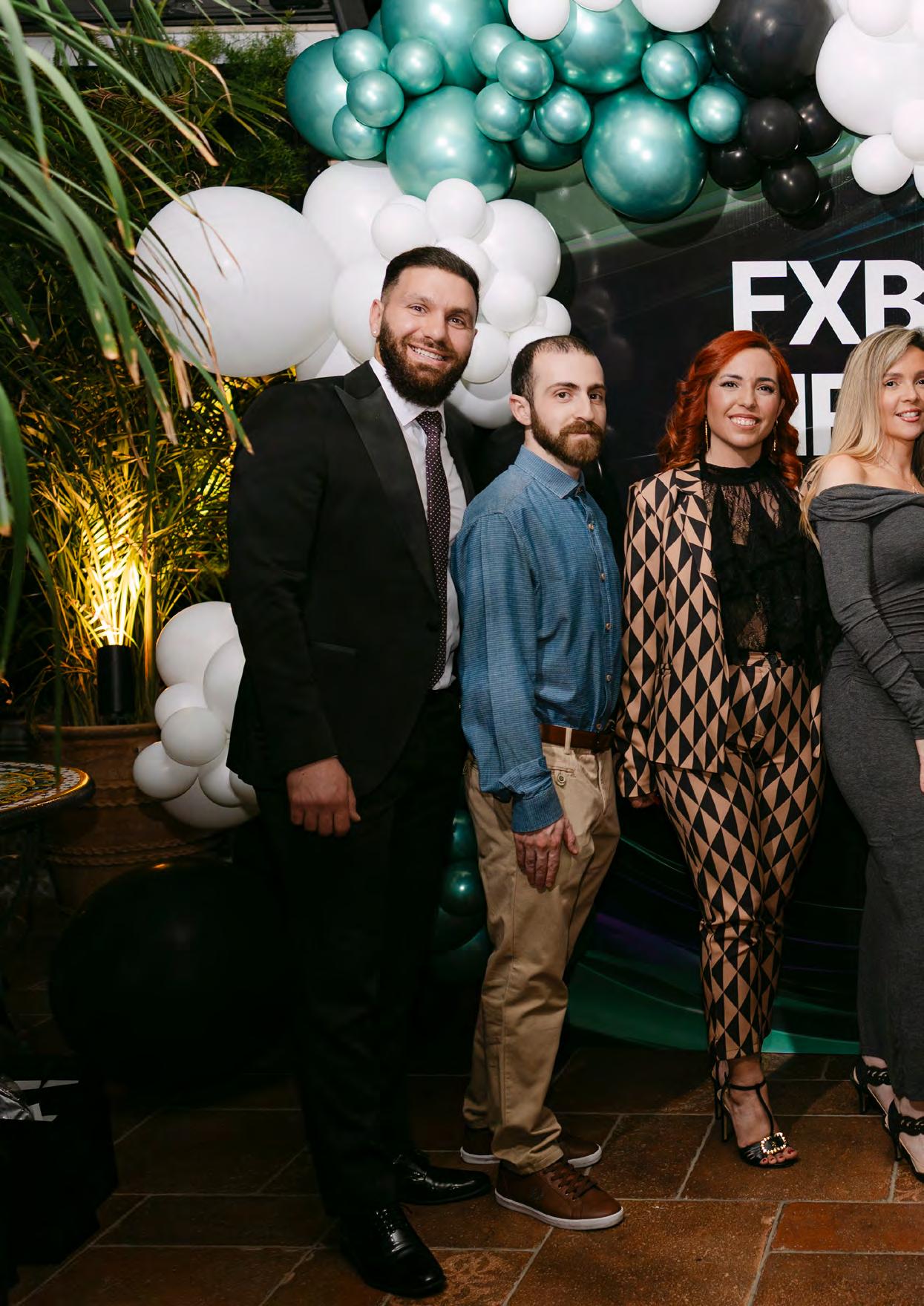
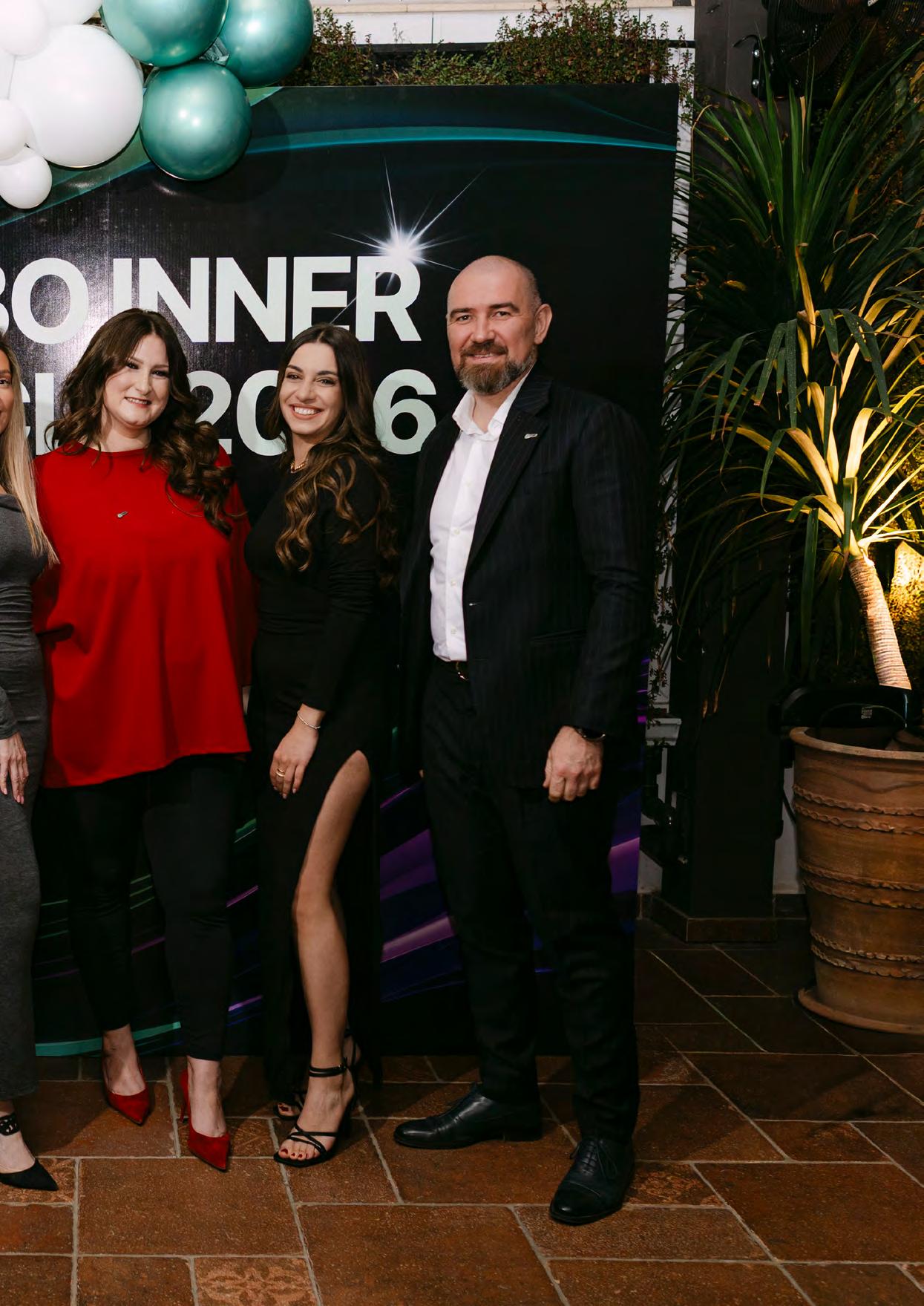
Game Changers Magazine was incredibly honoured to attend the exclusive “Inner Circle” event hosted by FXBO this month at the prestigious Ararat venue in Limassol. The strictly invitation-only gathering brought together a select group of senior figures and decision-makers from across the global FX industry, creating an environment where meaningful conversations and industry insights could unfold among peers.
Held at Ararat — widely recognised as one of Limassol’s most sophisticated luxury venues — the evening provided a refined setting for some of the sector’s most experienced professionals to connect. The guest list was carefully curated, consisting primarily of brokerage founders, senior executives, and long-standing industry partners, reinforcing the event’s purpose of facilitating genuine dialogue rather than large-scale networking.
The FX industry continues to evolve rapidly, with brokers navigating increasing operational complexity, regulatory expectations, and the need for scalable technology infrastructure. Events such as the FXBO Inner Circle provide an opportunity for those shaping the industry to step away from daily operations and discuss broader trends in a relaxed and informal environment.
Natalie Agopian, Chief Commercial Officer at FXBO, emphasised the importance of maintaining strong relationships across the sector.
“The FX industry is built on trust and long-term partnerships,” Agopian explained.
“Events like the Inner Circle give us the opportunity to bring together the people who are actively shaping the future of the brokerage space and have open conversations about where the industry is heading.”
Roy Semaan, Partnerships Manager at FXBO, highlighted the value of creating an environment where collaboration can develop organically.
“Limassol has long been one of the key hubs for the global FX sector, ” Semaan said. “Hosting the Inner Circle here allows us to bring together brokers, partners, and technology providers who are all part of the same ecosystem. When the right people are in the room, the
conversations that take place can often lead to the next wave of innovation in our industry.”
The event also served as a platform to recognise the role that operational technology plays in supporting brokerage growth. As one of the established providers of CRM and brokerage management systems, FXBO continues to support firms navigating an increasingly competitive environment.
Eleftheria Zacharia, Head of Marketing at FXBO, noted that the concept behind the event was intentionally intimate.
“We wanted the Inner Circle to feel different from a typical industry gathering,” Zacharia said. “Rather than a large conference environment, the goal was to create a space where meaningful conversations could happen naturally among people who already share a strong connection to the industry.”
Nicole Demosthenous, Chief Operating Officer at FXBO, added that the company values opportunities to bring the community together.
“Our industry moves quickly, and it is easy for people to become focused solely on day-to-day operations,” Demosthenous explained. “Events like this remind us that behind every brokerage and every platform are individuals working to build sustainable businesses. Creating moments for those individuals to connect is incredibly valuable.”
As the evening unfolded, guests enjoyed a relaxed atmosphere, exceptional hospitality, and high-level conversation among peers who play a key role in shaping the future of the FX industry.
With Limassol continuing to serve as a major meeting point for the global FX community, the FXBO Inner Circle event once again demonstrated how smaller, curated gatherings can play an important role in strengthening relationships and encouraging collaboration within one of the financial industry’s most dynamic sectors.
For more information on how FXBO can support your brokerage or financial brand, visit their website at fxbackoffice.com
AZIZ ALBOGDADY
Featuring Aziz Albogdady, Market Research & Fintech Strategy Manager at FXEM
Q You operate at the crossroads of market research, fintech, and strategy. How do you personally define your role in today’s fast - moving trading environment?
We now have access to more data than ever in financial history , but raw data alone doesn't provide insight. I aim to convert macro themes, price movements, and client behaviors into clear narratives, specific product options, and executable trading strategies that are proven to be effective in real accounts, not just presentations, instilling confidence in our clients and colleagues.
My role is to act as a bridge between the overwhelming flow of market sentiment, macro data, algorithmic trades, and the trader’s screen, simplifying it into something actionable.
The real power for our clients comes from merging fintech with research. We aren't just handing them a PDF report anymore; we’re using technology to deliver insights that are actionable. By baking strategy directly into the trading interface, we give our clients a massive speed advantage, making them feel at the forefront of innovation and empowering their decision-making.
“At FXEM, this approach operates within a regulated framework, including our UAE Capital Market Authority (CMA) Category 5 license, which reinforces the importance of structured processes and responsible market participation.”
Strategy isn't just about predicting Gold's price next week; it’s about creating tools and narratives that guide traders to implement their ideas smoothly. When I do my job well, I clear the fog so clients can clearly see the road ahead.
Q With so much market noise, what disciplines or frameworks help you consistently separate meaningful signals from short-term distractions?
I adhere to the "Three-Day Rule" and prioritize volume analysis. In this industry, headlines are crafted
to elicit an emotional response, such as fear or greed, within seconds. However, genuine institutional capital does not transact at such a rapid pace. When a breaking story induces a price spike, I reserve judgment until the volume sustains the move over several sessions. If the price escalates but the flow of capital does not follow, it is merely noise.
Additionally, I place significant emphasis on understanding the "Why." For example, if an asset moves by 2 or 3% during the trading session while the fundamentals remain unchanged, I approach such movements with considerable skepticism. While markets are efficient in the long term, they can also be highly volatile and dramatic in the short term. The key to distinguishing the real price direction change from noise is largely ignoring short-term volatility and focusing on the underlying fundamentals, such as yields, liquidity, and the instrument's historical behaviours. This discipline is something we try to embed across the research process at FXEM. Operating within a regulated environment such as our CMA License in the UAE means maintaining a structured and responsible approach to how market insights are delivered to clients.
Q From a technical analysis perspective, which indicators or structures do you find most reliable across different market regimes?
I’ve stripped my charts down significantly over the last decade. I find that Market Structure specifically higher highs and lower lows combined with Volume Profile, is superior to almost any lagging indicator. You want to know where the business is actually being done, not just where the price briefly touched.
That said, I still keep an eye on RSI (Relative Strength Index), but not for the standard overbought/oversold signals. I look for divergence. When price makes a new high but momentum fails to follow, that exhaustion signal is one of the few technical setups that tends to hold true regardless of whether we are in a bull or bear regime.

Q How should traders think about adapting technical analysis during periods of heightened volatility versus more stable, range-bound markets?
Wise traders should treat the different market phases as different sports; each has its own gear and rules. For example, you wouldn’t use a tennis racket on a football pitch, so you need to select the suitable tools and play according to that sport’s rules to win the game.
In high-volatility markets, price movements occur faster and with greater volatility than your emotions can handle, so focus should shift to managing per-trade risk, implementing wider but justified stops, and adopting shorter holding periods as a suitable strategy. Tools like ATR for sizing, volatility bands, and lower timeframes for execution are more relevant to that market phase. Strictly implementing a trailing stop would protect your profits, especially with continuous breakout patterns, which often have stronger follow-through.
On the other hand, in markets that are moving sideways or range-bound, the advantage favours a mean-reversion strategy: traders should have well-defined support and resistance levels, use oscillators to spot entry and exit points, and be patient enough to wait for extremes within the range. Overtrading is a risk for any trader in that market, and the wise trader should know when prices break that trading range and switch to a trend-following strategy as quickly as possible, because holding a losing position against the trend can be very dangerous to their account.
The secret word here is adaptability, traders who adjust their strategies based on the market phase will succeed; those who stick to the same tactics will eventually lose their capital to more flexible traders.
Q On the fundamental side, which macro themes do you believe are currently under-appreciated by traders?
One is the impact of AI and data centre growth on energy and infrastructure, the surge in electricity demand, and its effects on grids and commodities like coal, oil, and Uranium, shifting pricing power and capex cycles with implications lasting beyond a single year. This influences everything from utility stocks to specific currencies and commodity contracts.
Another theme is the ongoing geopolitical fragmentation and trade tariffs, which will affect supply chains, defence spending, and regional trade. However, to date, no one has a clear vision of the magnitude of that effect or its repercussions on the global financial system.
But I think the “silent liquidity drain” will be the real story of 2026. Central banks are no longer backstopping markets the way they did in the early 2020s. We are witnessing a shift in which government spending is driving economies more than monetary policy and the quantitative easing programs.
For retail traders, this means the classical correlations they used to treat it as constant are breaking down, and I don’t think asset prices have fully priced that in yet.
Q How do central bank policy expectations and geopolitical developments feed into your broader market outlook?
I view central bank policy as the tide and geopolitics as the wind. You can sail against the wind for a while, but you can’t fight the tide; from a strategic perspective, central bank policies are always our primary focus in long-term analysis.
Currently, markets are moving from a decade of predictable monetary policy with clear forward guidance from central banks to a period in which policy paths are bumpier, inflation is stickier across sectors, and central bank credibility is sometimes questioned. That means markets will react not only to what central banks do but also to how credible their future path appears, and to the extent to which political influence affects the central banks’ independence.
At present, we pay close attention to the divergence between the Fed and the ECB, or between the Fed and the Bank of Japan. That policy difference is where the major currency trends originate.
At the same time, geopolitics is no longer a temporary overlay; it is a core input. From energy security and sanctions to supply-chain reshoring and regional blocs, geopolitical decisions are feeding into inflation, growth, and currency flows more durably. In my broader outlook, I view every major asset through three lenses: local macro data, the central bank reaction function, and the geopolitical “risk tax” or tailwind associated with that region or sector. When all three move in the same direction, you have a powerful narrative
Q When technicals and fundamentals align, what does a high-conviction trade setup look like to you?
This is the moment of a 'perfect storm,' where a key technical level meets a fundamental catalyst. For instance, consider a currency pair that has repeatedly tested a multi-year resistance level. Suddenly, a central bank releases a statement indicating it will cease rate hikes. Strategically, when fundamentals shift while the price is at a breakout point and supported by news that corroborates the chart pattern, it's the ideal time to
execute your trading tactics with confidence. Although infrequent, such alignment between narrative and price action often leads to sustained, multi - week directional moves.
From a tactical standpoint, I seek three elements: a clear macro driver with a horizon of over a week, a technical setup offering a high reward-to-risk ratio (such as a breakout from a multi - month range supported by nearby support levels), and consistency across multiple timeframes, ensuring that daily and four - hour charts align. When these factors align, conviction stems not from predicting the future but from having enough evidence. And if wrong, you can clearly identify why and know when to step back.
Q Where do you see traders most commonly going wrong when trying to combine technical and fundamental analysis?
The most common mistake is treating technicals and fundamentals as two separate religions rather than as parts of one process. Many traders either marry a macro view and then force the chart to agree, or they chase every technical pattern without asking whether there is enough fundamental fuel to sustain the move. In both cases, confirmation bias quietly takes the wheel.
Confirmation bias is the killer. Traders often form a fundamental opinion, “Oil has to go up because of supply cuts,” and then they stare at the chart until they find a pattern that agrees with them, ignoring the three other patterns screaming, “sell.”
Some traders use technicals to justify a bad fundamental view, or vice versa. You have to let them argue with each other. If your fundamental view says buy, but the technicals are in a downtrend, you don’t buy; you have to wait. The market is telling you your timing is wrong, and the market is always right in the end.
Another frequent error is time - horizon mismatch. A trader might base a position on a long - term macro theme, like AI-driven infrastructure demand, but manage it on a 5-minute chart, only to get shaken out by normal intraday noise. Or they see a short-term technical setup during a major central bank week and ignore the event risk entirely. The practical fix is simple: define the time frame of your thesis first, then choose the appropriate charts, indicators, and holding period to match that horizon.
Q Fintech has transformed how market insights are delivered - what separates genuinely valuable research from commentary that simply reacts to headlines?
Reactive commentary is just reading the scoreboard after the game is over. “Stocks fell because yields rose.” Okay, thanks, but I can see that on my screen. That’s not insight; that’s reporting.
Valuable research is forward - looking and scenario-based. It sounds like this: “If yields break 4.5%, we expect sector rotation out of tech and into utilities.” It gives the trader a plan before the event happens. Good research prepares you for the next move; it doesn’t just explain the last one. It’s the difference between a history lesson and a battle plan.
Fintech has made research more accessible, but it has also flooded the space with reactive commentary. For me, genuinely valuable research has three characteristics: it is anchored in a coherent framework, it is forward-looking rather than descriptive, and it is actionable without being a signal service. It should help you understand why a move happened and what scenarios could unfold next, not just repackage yesterday’s headlines with fancy charts.
On the delivery side, technology should filter, not amplify, the noise. Smart platforms now can tailor content by asset preference, time horizon, and risk profile, turning a firehose of information into a focused stream. The difference between value and hype is whether the research improves your decision process over months and years or spikes your adrenaline for one trading session.
Q For traders looking to stay informed without feeling overwhelmed, what role can structured, ongoing market insights - such as regular research notes or newsletters - play in improving long-term discipline and decision-making?
Consider a good morning briefing as your anchor. The market environment is filled with emotional triggers - flashing lights, fluctuating numbers, and red and green arrows. Having a structured research routine encourages you to take a step back before the chaos unfolds. Reading a comprehensive briefing with your morning coffee that highlights key levels and risks sets a baseline. When volatility spikes in the middle of the trading session, you’re less apt to panic because you already have your road map. This practice builds discipline, helping you avoid chasing every noise and irrational price move and instead follow your plan. That level of consistency often is the element that distinguishes a professional investor from a hobbyist trader.
MOHAMED ABDELBAKI
Regional Marketing Manager (MENA) & Global Sponsorships

Q Mohamed, your recent LinkedIn post about the accident resonated with many people across the industry. What happened that day?
It was meant to be a moment to disconnect and reset. I went out for a high-speed desert ride on horseback, something I’ve always enjoyed as a way to release stress and get that adrenaline boost before the weekend. But in a split second, everything changed.
A violent fall at full gallop resulted in three fractured ribs and a collapsed lung. I spent four days in ICU and another three in a surgical ward. It was one of those moments where life suddenly forces you to stop completely and reflect.
Q Experiencing something so sudden can shift perspective. What were the biggest lessons you took from that experience?
The biggest realisation was how fragile everything is. We often operate at full speed in our careers - campaigns, sponsorship activations, travel, deadlines. But when you’re lying in an ICU bed, struggling to breathe, you realise very quickly that health is the foundation for everything else.
Another lesson was gratitude. In those moments you truly appreciate your support system - family, friends, colleagues. The messages I received during those days meant more than people probably realise.
Q You mentioned the support from the Tickmill team. How important was that during your recovery?
It made all the difference. Knowing the team had things under control allowed me to focus entirely on recovery without worrying about work. That level of trust and support is something you don’t take for granted.
Tickmill has built a strong culture of teamwork, especially in MENA where we operate in a very fast-moving environment. This experience reinforced for me that behind every successful campaign or sponsorship activation is a group of people who genuinely support one another.
Q Your role involves leading marketing initiatives and global sponsorship strategies. Has this experience influenced how you approach work and leadership?
Absolutely. When you go through something like this, you become more intentional about how you manage your energy and priorities.
In marketing and sponsorships, we often talk about performance, visibility, and growth. But leadership also means recognising the human side of business - supporting your team, encouraging balance, and building an environment where people can perform without burning out.
Ironically, the experience has made me even more motivated to come back stronger and continue building meaningful campaigns and partnerships for Tickmill.
Q The industry saw a huge wave of support for you online. What did that mean personally?
It was incredibly moving. When you’re in the ICU, every message feels like a lifeline.
I was especially touched by the support from colleagues and partners across the industry - including the teams at Your Mind Media, Alfan, Lana, Add Effect Advertising, Hive Media and many others. Moments like that remind you that beyond business relationships, this industry is built on genuine human connections.
Q You’ve always been someone who embraces high energy activities, both professionally and personally. Will this experience change that?
I think it will change the mindset rather than the spirit. I’ll probably approach things with a bit more caution but the passion for life, sport, and challenges won’t disappear.
What it has given me is perspective. When you recover from something like this, you appreciate the ability to simply breathe, move, and work again. That appreciation fuels you in a different way.

Q As you focus on recovery, what are you most looking forward to professionally?
Getting back to full strength and reconnecting with the team. We have exciting initiatives planned across the region, and sponsorships continue to play an important role in building the Tickmill brand globally.
But more than anything, I’m looking forward to returning with a renewed mindset, one that balances ambition with perspective.
Q Finally, if you could share one message with professionals who are constantly operating at high speed, what would it be?
Don’t wait for life to force you to slow down.
Take care of your health, appreciate the people around you, and build strong support networks. Success in business is important, but it means very little if you don’t have the well-being and the people around you to share it with.
Sometimes the biggest lessons come when life brings you from a full gallop to a complete standstill.
under control allowed me to focus entirely on recovery without worrying about work. That level of trust and support is something you don’t take for granted.
ANDREA STEFANI MELEKKI
Q Dubai has positioned itself as one of the first jurisdictions to introduce a dedicated crypto regulator through VARA. What makes this regulatory framework attractive for digital asset exchanges?
In contrary with other jurisdictions, VARA was specifically tailored to accommodate completely the virtual assets rather than implemented into existing rules. This means that the rules and regulations introduced by VARA are customized for exchanges, brokers, custodians, and token issuers which clearly shows that there is a better understanding of the industry’s needs, risks and business models.
VARA rules and regulations created an internationally accepted compliant and non-restrictive environment. This essentially means that, unlike in other jurisdictions around the world, crypto activities under VARA are explicitly permitted. They are not merely structured to appear legal while remaining within regulatory grey areas that make it difficult, or even impossible, for virtual asset providers to operate in full compliance.
Also, the fact that the Government in the UAE is pro - digitalization and technological innovations create undoubtably the impression that the intention is to build a long-term policy direction which will enable investors, and virtual asset providers to invest in a stable, compliant, and business friendly environment.
Q What are the key licensing stages and operational requirements that crypto exchanges must meet in order to obtain full authorization under VARA?
We would say that the application process is completed in two stages, following the conclusion of the discovery phase. First, an application for Initial Approval to establish a legal entity and to commence operational setup and then submission of the application for the VASP license.


Particularly, the first stage is the initial approval application. At this stage, we submit an initial disclosure questionnaire to the Dubai Economy and Tourism (DET) for mainland firms or the relevant Dubai Freezones in the Emirate of Dubai (excluding DIFC). This is accompanied by additional documents such as a business plan, which stipulates the proposed business model, and information about the firm’s beneficial owners and senior management. At that stage, the applicants have to pay the initial fees which are normally 50% of license application fee, which is required in order to commence the application review.
Upon completion of the above, and given that the relevant authority has clarified all needed particulars, the applicant will receive the initial approval, which will enable them to finalize the firm’s legal incorporation and complete the operational setup, which includes but is not limited to the office space rental and employee onboarding. It is very important to highlight here, that the firm is not permitted under any circumstances to carry on any virtual asset activities yet.
Moving to stage two, the firm shall prepare and submit all the remaining required documentation pursuant to the initial approval. At this point, the applicant will receive feedback directly from VARA on the submission, which may include among other requests, meetings, interviews, and possibly submission of further detailed documentation and/or information.
Once everything is in order from the regulator’s perspective, the applicant shall pay the remaining portion of the license application fees and first year’s supervision fees. The last phase of stage two is that the applicant receives the VASP license, which may be subject to operational conditions.
We would like to reiterate that firms may only operate fully and perform virtual assets activities, only upon fulfillment of the above stages and given that the final VASP license has been properly obtained by VARA.
Q How does VARA balance encouraging innovation in digital assets while still maintaining strong investor protection and compliance standards?
VARA is designed in such a way, which encourages innovation while ensuring full compliance. Meaning while it supports, among other innovations, tokenization and new crypto products within a strong legal framework, it provides also a robust Anti-Money Laundering and Know Your Client requirements that align fully with global industry standards.
As previously stated, VARA rules and regulations are so carefully designed for this specific purpose, which ensures that all material aspects are covered and properly addressed, including investor protection. The designed framework requires full segregation of client assets, imposes stringent risk disclosure obligations, and enforces strict marketing rules to prevent misleading communications or representations, or undue influence on clients. In addition, it sets high standards for custody and security.
Basically, the VARA’s framework is designed to foster a long-term trust relationship between clients and the firms providing such services, which is particularly important given the rapid growth of the digital asset industry around the world.
Q For exchanges considering relocating to Dubai, what are the most common challenges they face when preparing for VARA licensing?
Most of the exchanges wishing to relocate to Dubai, especially those coming from the European regulated environment, are treating VARA licensing as a less stringent regulator, almost similar to a lightly regulated or offshore jurisdiction. This is definitely a misconception, which can easily lead to application rejection.
The preparation phase is demanding and can be resource intensive. In particular, VARA does not support or otherwise accept virtual or paper entities. Firms are required to have a physical presence in Dubai and employ properly qualified staff. This can definitely be a challenge for exchanges used to operating remotely from less regulated jurisdictions.
Many firms relocating to Dubai, also underestimate the compliance levels, required both for obtaining and maintaining a license under VARA’s supervision. The regulator expects applicants to have proper governance in place and also all personnel appointed, either at employee level, senior management level or beneficial ownership level, must meet the fit-and-proper criteria. It is expected that all individuals involved are familiar with the financial services industry, have proven experience, are of good repute, and have no prior regulatory refusals
All applicants and subsequently licensed VASPs shall also ensure that they have strong operational infrastructure, including secure custody solutions, cybersecurity mechanisms, and business continuity measures. Therefore, small firms, or startup businesses should make significant upgrades or implementations accordingly, to ensure compliance with VARA requirements and standards.
Generally speaking, this is documentation heavy process, therefore applicants who intend to relocate should seriously consider this, as an important characteristic of the licensing process. The regulator frequently requests additional details, information or clarifications especially with regards to the business plan, financial projections, policies and the technical functions intending to be implemented.
Therefore, all the above should be considered by any exchange intending to relocate or build a future within the VARA environment. It is definitely not a regulator to be taken loosely. VARA expects all firms to be operationally ready even before full licensing.
Q Looking ahead, how do you see Dubai and VARA shaping the global regulatory landscape for digital assets over the next five years?
As already stated, VARA framework is one of the few crypto-native regulatory regimes, which have been specifically designed to accommodate virtual asset providers, in contrast with many other jurisdictions, where crypto-regulations have been implemented to the already existing traditional finance laws.
We expect that VARA will serve as an example for multiple jurisdictions which are looking to become innovation hubs, showing how digital asset regulations can be fully segregated from traditional finance frameworks.
It is expected that its business-friendly ecosystem will attract even more global industry players, which will definitely expedite its innovation and market development. Consequently, this will attract crypto-talent, capital and further liquidity to the region.
Maintaining high innovation alongside thorough AML and compliance standards is definitely a challenge that VARA is meeting through continuous improvement, development and active oversight ensures that any potential risks are minimized.
Q Dubai has become an increasingly attractive jurisdiction for Virtual Asset Providers. What is driving the interest in obtaining a Category 7 license in the region?
With the transition from the Securities and Commodities Authority (SCA) to Capital Markets Authority (CMA) at a federal level, the UAE now has created a unified regulator who has the responsibility of overseeing capital markets, which include among others, virtual assets. The subject change has enhanced the legal certainty and investor protection.
Category 7 was established following a series of regulatory enhancements, amendments and updates aimed to align the UAE’s financial regulatory framework with the evolving needs of the industry worldwide. In particular, Category 7 is relevant to the Virtual Asset Service Providers (VASPs).
There are a lot of questions as to why applying to CMA for a VASP license rather than to any other UAE regulator, such as VARA. The answer is, where an entity is licensed and regulated by the CMA, it is permitted to operate across the UAE mainland and all seven Emirates, subject always to compliance with applicable laws and regulations. In contrary, entities licensed by VARA are restricted to VARA’s designated jurisdiction and must obtain separate licenses or approvals accordingly, to conduct activities outside of its jurisdiction.
Therefore, this broader permissive scope is a significant advantage for firms aiming to operate nationwide rather than just one jurisdiction.
Q What are the key regulatory and operational requirements that firms must meet to obtain and maintain a Category 7 license?
The regulatory requirements posed by CMA for obtaining and maintaining a Category 7 license, are not materially different from those of VARA mentioned above.
Essentially, once the proposed structure is in place, we apply to the DED for a name reservation, thereby obtaining an initial approval from the DED to enable us to submit for initial approval to the CMA. During the initial approval application with CMA, the regulator seeks to fully understand the intentions of the applicant. This means that core documents such as business plan, feasibility study, corporate and ownership structure, among other information, shall be submitted for preliminary review. Most commonly, the regulator will revert requiring clarifications as to the specifics of the business plan, or the ownership structure. Once and if the CMA is satisfied, it grants the applicant initial approval to proceed with the incorporation of the Company.


The initial approval obtained by CMA gives the applicant 6 months to fulfill all the requirements to submit for a final license application. Meaning that within those 6 months, the applicant must appoint qualified personnel. Such personnel, in addition to relevant experience, must have passed the required CMA examinations or, if not already completed, must do so within this timeframe. The applicant must also finalise all required manuals (approximately 15 -16 policies and procedures), secure a physical office, open a local bank account, and deposit the required capital.
It should be noted that Category 7 license, given its nature, requires the appointment of multiple key roles, including IT Officer, Head of Category, Head of Compliance, Head of Risk Management, and Operations Manager, among others.
In order to obtain and subsequently maintain a Category 7 license, the firm must demonstrate that appropriate systems and infrastructure are in place that are secure, reliable and resilient. This means that the required manuals must not only set out the proper processes and controls in theory, but must also be effectively implemented in practice.
CMA licensed firms are subject to continuous supervision in order to maintain their licenses in good standing. This includes periodic and unannounced inspections, compliance reviews, testing of systems implemented, and the submission of financial and operational returns to ensure that the firm complies with regulatory standards at all times.
Q How does the Category 7 framework support the growth of VASP firms while ensuring strong compliance and governance standards?
Category 7 allows VASPs to engage in a wide range of activities and firms seeking Category 7 license do not need separate licences for each core function, making it easier for applicants or existing firms to expand service offerings under a single regulated license.
Unlike certain free-zones or emirate-specific licences, the Category 7 license is recognized across all seven Emirates, allowing firms to expand their operations across the UAE without the requirement of needing additional licenses or approvals.
All the key personnel must be approved by CMA, ensuring that there is a qualified and strong leadership in place, and therefore, the respective governance structures are implemented to ensure formal reporting lines, accountability and oversight, aiming to reduce any potential operational risk.
In addition to the above, firms are expected to have in place and implemented strong KYC processes, transaction monitoring, and suspicious activity reporting,
aligning with the rules, regulations and circulars of CMA. In this way the regulator ensures that the growth does not come at the expense of regulatory compliance or exposure to potential financial fraud or crime.
Similarly with VARA, CMA is encouraging innovation by allowing new products and token listings, under regulatory review, providing guidance where and if needed, instead of prohibit certain functions which allows firms to be experimental responsibly.
In summary, Category 7 framework provides clear rules, extensive operational scope and nationwide recognition, while at the same time maintaining strong compliance, governance, and risk management standards to safeguard both the market and investors. It is essentially allowing firms to expand in an innovative way, within a secure and regulated environment.
Q What are the most common misconceptions VASPs have when applying for a Category 7 license in Dubai?
Most common misconception VASPs have is that Category 7 is the same as a VARA license in Dubai. Most applicants do not realize that CMA has different requirements, broader geographic scope, and more stringent expectations, and holding a VARA license does not automatically qualify applicants for a Category 7 license.
Another misconception is that having the capital required is enough to enter a regulated environment, which is wrong given the fit-and-proper requirements, experience requirements, and the expected mechanisms and controls required to be in place in practice to properly operate at the expectations of the Regulator.
Further, some applicants believe that most of the required functions will be outsourced such as the compliance and risk functions. In reality, outsourcing is allowed only in limited areas, and the regulator expects that the core control, oversee, monitoring, is executed by the firm itself since they bear the ultimate responsibility.
The misconception we face very frequently is that once the documents are submitted the approval is quick and nothing else will be required. Applicants most of the time underestimate the depth, effort and nature of the licensing process, especially with regulators such as CMA which operates in line with international standards. The regulator conducts full due diligence, reviews, interviews where necessary and requests clarifications as the case may be, and applications are going through multiple rounds of feedback as a result the timelines may extend significantly.
Finally, many applicants believe that once they are licensed under Category 7 they may offer freely any virtual asset they choose. This is incorrect, as only approved or vetted virtual assets can be offered to the public, even
by licensed entities. Therefore, firms must demonstrate that thorough due diligence processes are in place for the selection of virtual assets along with ongoing monitoring, to ensure market integrity, transparency and investor protection.
Q For firms currently operating in offshore jurisdictions, what strategic considerations should they evaluate before transitioning to a regulated structure such as Category 7?
Firms currently operating in offshore or lightly regulated jurisdictions, moving into a fully regulated environment like UAE’s Category 7 license under CMA is not just a step. These firms should understand that it is an important transformation from what they are used to, as this decision affects their business model, cost, structure, governance, and market presence.
Offshore models are used to flexibility on virtual asset offerings, leverages and minimal onboarding procedures, while stepping into a regulated environment means much more stricter client onboarding procedures, limitation of product offerings, capital commitment and frequent reporting obligations.
Further, the costs are an important factor that most of the offshore firms do not consider prior transitioning into the regulated sphere. The ongoing obligations to maintain capital requirements, paying salaries for the core functions, maintaining physical presence in the UAE, adopting technologies and tools to ensure compliance at all times, are adding to the financial requirements.
Offshore firms also serve clients around the globe with limited restrictions, while a regulated CMA entity may need to segment clients, restrict certain jurisdictions and enhance disclosures and suitability checks.
Although it is a big step for offshore entities to enter into the regulated sphere, it is very important to highlight the advantages of such transition which are, having access to significant and reputable banking institutions where in other jurisdictions banking relationships can be challenging, enhanced investor credibility and trust, including the ability to operate across the UAE market, which is undoubtably one of the fastest growing hubs around the globe.
For companies exploring opportunities in Dubai’s evolving financial ecosystem, both the Category 7 license and VARA licensing for digital asset exchanges offer a structured regulatory pathway within one of the world’s fastest-growing financial hubs. Businesses seeking further guidance on establishing their presence in the region can obtain additional information by contacting Andrea Stefani and her team at Playbell (Dubai Office)/ Stefani Legal, who advise firms on regulatory strategy, licensing procedures, and market entry within the UAE’s financial services landscape.
For more information please contact Andrea at astefani@playbell.com / andrea@stefanilegal.ae
AZIZ ALBOGDADY

In the modern economy, winning looks like unicorn valuations, viral reach, and inboxes filled with investor decks. But beneath the curated sheen of success, a quieter question persists—one not often voiced in shareholder updates or keynote speeches: can you win without making some part of you complicit?
It’s not just a moral riddle. It’s a structural one. Because when you peel back the sleek branding of many modern empires, what you often find isn’t a clean engine—it’s contradiction. Growth that depends on extraction. Visibility built on algorithmic manipulation. Wealth accumulation that can’t always be untangled from exploitation — of labor, of data, of attention, of the planet itself.
So we have to ask, uncomfortably and honestly: is it possible to be ethical and still win? Or has moral compromise become a prerequisite for survival in the system we’ve inherited?
If there’s one philosophy modern entrepreneurs love to invoke, it's Stoicism. From seed round decks to CEO podcasts, the names Marcus Aurelius, Epictetus, and Seneca are often deployed as shorthand for mental clarity, resilience, and discipline. But the modern-day Stoic doesn’t live in a marble villa. He lives on Slack, drinks ceremonial matcha, and tweets about silence while closing a $12 million Series A.
Seneca once wrote, “We suffer more in imagination than in reality.” But Seneca also inherited slaves and made much of his fortune through high-interest loans to struggling provinces. Even Stoics had blind spots.
Many founders today quote Aurelius while driving their teams to burnout, or share platitudes about mental health while chasing relentless quarterly growth. Stoicism becomes an aesthetic—something to brand around—instead of an ethical framework to live by. What gets lost is that Stoic philosophy, in its true form, demanded restraint, humility, and service to the common good. In our late-stage capitalist culture, these qualities are often performative, folded into pitch decks and ESG pages rather than embedded into decision-making.
Nowhere is this more visible than in the optics of morality — where ethical posturing often replaces ethical practice. Consider the founder who promotes a carbon-neutral office while shipping fast fashion via air freight across continents. Or the platform executive who proudly speaks of “redefining connection” while monetizing the biometric data of teenagers. Or the venture firm that launches a new “impact fund,” conveniently seeded by profits from decades of extractive enterprise.
These are not cartoon villains. In fact , many of these individuals believe deeply in their missions. But as the ethicist Daryl Koehn has written, true business ethics cannot be surface - level. They must operate at the foundation of how organisations function—not as a layer of gloss, but as a framework of rigor.
The structure of the system itself rewards the appearance of virtue far more than its practice. And as Warren Buffett once put it, “It takes 20 years to build a reputation and five minutes to ruin it.” In a world of digital memory and perpetual transparency, ethical shortcuts often come with delayed but inevitable consequences.
Epictetus, once a slave and later a revered philosopher, taught that real freedom isn’t external—it’s internal. You can’t outsource integrity. You can’t delegate it to branding. The only thing we truly control, he argued, is our response to the world. Were he alive today, witnessing the hyper- visibility and hyper - performance of modern entrepreneurship, he might ask: if you win the world but lose your peace, have you really won at all?
The solution isn’t abandoning ambition. It’s redefining what victory means. It’s shifting away from short-term scale at any cost, toward longer-term clarity about what it means to build something that doesn’t require apology in hindsight.
Some of this moral awakening is already visible, particularly in the workplace. The phenomenon of “quiet quitting”— dismissed by many as laziness—is, in many cases, a moral withdrawal. It is not just a disengagement from the job, but from the value system that underpins it. It's a refusal to pretend that productivity equals worth. That burnout is a badge of honour. That loyalty is measured by how much of yourself you’re willing to sacrifice for someone else’s metrics.



Professionals are beginning to ask sharper questions. Why do we build systems we wouldn’t want to live inside? Why does the word “impact” so often translate into marketing with a cause? Why do the same founders who preach sustainability throw lavish crypto yacht parties powered by diesel and airlifted sushi?
To build ethically is not to romanticise failure or preach austerity. It’s to accept friction. It means taking the slower partnership over the faster one with caveats. It means choosing sustainable business models even when they're less efficient. It means applying the same moral scrutiny to internal decisions—how we hire, compensate, lead—as we do to external positioning.
Real ethics in business are rarely loud. They are quiet, repeated decisions made under pressure, without applause. And yet, they are profoundly radical. Because if enough founders chose this path—of integrity over optics, substance over performance—the system would shift.
What if the true role of the founder is not just to build a company, but to build a system within a broken structure? What if the “unfair advantage” isn't blitz-scaling, but moral clarity?
It doesn’t require perfection. It requires presence. Because in a world where compromise is the norm, the most rebellious act may be refusing to win the wrong way.
This is not a call for purity. Purity is a fantasy. It’s a call to be awake. To know the cost of what you build. To win—but not at the expense of your conscience. To succeed—and still sleep.
You don’t have to renounce ambition. You just have to remain honest.
Because in a system that rewards speed, scale, and noise, the most disruptive thing you can do might be this: Choose restraint.

The older I get, the more I notice something strange about powerful people. Not the ones shouting on stages or mainlining optimisation like a cocktail of vitamins and insecurity — I mean the ones who have already won. The ones who have seen the game for what it is and quietly stepped out of it. They sleep. Not because they are lazy. Not because they have some elite mattress shipped from a monastery in the Alps. But because they no longer need to prove they can go without it.
Sleep has become the last true status symbol. You can fake intelligence. You can fake fitness. You can fake productivity and emotional stability with enough apps and caffeine. But you cannot fake rest. Sooner or later, your nervous system will tell the truth for you — in your face, your posture, your memory, and your emotional volatility.
Neuroscientists have been warning us about this for decades. Matthew Walker, one of the world’s leading sleep researchers, describes sleep as the brain’s “overnight therapy.” During deep sleep, the brain flushes metabolic waste, resets emotional reactivity, and consolidates memory . Without it, the mind quite literally begins to malfunction. Reaction times slow. Impulse control collapses. Anxiety rises. And yet culturally, we still glorify exhaustion as if it were proof of character.

Psychologists see this every day in their clinics. Chronic sleep deprivation mimics depression. It amplifies anxiety. It reduces empathy. It makes people feel detached from themselves and others. Many people who believe they are “burnt out” or broken are simply profoundly tired — trapped in a nervous system that has not had a chance to reset.
But rather than treat sleep as medicine, we have turned it into another performance metric. We wear Oura rings and Whoop straps, turning something deeply human into a spreadsheet. We score our dreams like traders tracking assets. We optimise rest the same way we optimise work — and then wonder why it stops working.
Therapists know this paradox well. You cannot force safety. You cannot force stillness. The nervous system only relaxes when it feels it is no longer being evaluated. And yet modern life keeps us in constant low - grade surveillance — notifications, deadlines, performance, visibility. Even in bed, people are still “on.”
I used to think sleep was optional. I believed the right combination of espresso and discipline could override biology. I remember walking into meetings feeling like a corpse in a tailored suit, nodding politely while my brain screamed for mercy. I thought this was strength. In hindsight, it was denial.
There is a point where exhaustion stops being tiredness and becomes dissociation. Trauma therapists describe this state as functional collapse — the body keeps moving, but the person is no longer fully there. You can still answer emails. You can still attend meetings. But something essential has quietly left the room.
My reckoning came not with burnout, but with silence. A strange, hollow stillness that arrived after I stopped performing. For a while I couldn’t sleep, because sleep felt like surrender. And then one night, it didn’t. My body finally remembered how to let go.
Nobody tells you how long it takes to feel genuinely tired again — not overstimulated tired, not wired-and-fried tired, but clean tired. The kind that comes from being honest for long enough that your system no longer has to hold itself together. That fatigue does not come from overworking. It comes from stopping.
Somatic therapists will tell you that sleep is not just rest — it is integration. It is when the nervous system files away the day, releases stored tension, and returns the body to baseline. Without it, stress accumulates like static in the tissues. Eventually, something breaks.
And yet we live in a culture that treats exhaustion as virtue. Hustle culture. Grind culture. Productivity porn. Everyone performing energy. Nobody resting. It is tragic in a soft, mundane way — a civilisation running on adrenaline, wondering why it feels hollow.
The people who have seen too much know better. They know you don’t win by outlasting everyone else. You win by opting out. By closing the laptop. By turning the phone off. By going to bed.
Sleep is not a reward. It is not something you earn after you have proven your worth. It is a right. A rebellion. A quiet refusal to be turned into a machine.
There is something deeply intimate about sleep that we have forgotten. It is the only time you are not curating yourself. No branding. No performance. No language. Just breath, gravity, and the fragile hope that when you wake up, you will still be there.
The world does not need your tired brilliance. It needs your presence. And presence only comes from a nervous system that feels safe enough to rest.
So go to bed early. Miss the party. Leave the group chat. Turn the screen off. Refuse to perform fatigue for applause.
Sometimes the most powerful thing you can do is lie down in a dark room and stop explaining yourself to the noise.
Sleep well. Not because you earned it. But because you are human. And that is enough.


In a fashion world still split between intimidating luxury and disposable fast fashion, Ganni has carved out something far more powerful: a space where style feels human again. The Copenhagen-based brand has become one of the most influential voices in modern women’s fashion not by telling women who to be, but by giving them permission to be many things at once.
Founded in 2000 and reimagined in the late 2000s under Ditte and Nicolaj Reffstrup, Ganni emerged from a uniquely Scandinavian design tradition — one rooted in simplicity, functionality, and understatement. But
instead of following the rigid minimalism that once defined Nordic fashion, Ganni chose to do something quietly radical: it injected joy into it.
Where much of contemporary fashion still sells perfection — flawless silhouettes, unreachable beauty, curated lives — Ganni celebrates personality. Its clothes feel worn by people, not by ideals. Dresses are playful rather than pristine. Prints are bold rather than polite. Silhouettes move with the body instead of sculpting it into submission. Ganni does not dress women to be admired from a distance. It dresses them to live.

This is perhaps Ganni’s greatest cultural contribution: it has turned Scandinavian minimalism into joyful expression. In a world where women are constantly pressured to refine, optimise, and aestheticise themselves, Ganni’s collections offer something softer and more real. A floral dress can be messy. A cardigan can be slouchy. A silhouette can be imperfect — and still beautiful.
What makes Ganni so powerful is not just its design language, but the community it has built around it. Ganni is not a brand that speaks down to women from the runway. It speaks with them, through social media, street style, collaborations, and shared cultural moments. Its campaigns feature women who feel like real people — artists, creatives, thinkers — rather than abstract ideals of femininity.
This has created something rare in fashion: emotional loyalty. Ganni customers don’t just buy clothes; they feel part of a shared identity. The brand has become a kind of visual shorthand for a generation of women who are intelligent, expressive, and slightly rebellious — women who want to look good without disappearing into trends.
Ganni’s rise also reflects a deeper shift in how women think about fashion. Younger generations no longer want wardrobes that feel aspirational in a distant, untouchable way. They want clothes that integrate into their lives — into their work, their friendships, their bodies, their moods. Ganni’s collections respond to this by blending style with softness, structure with ease.
Its latest designs lean heavily into colour, texture, and relaxed silhouettes. There is a tactile quality to Ganni’s pieces: quilted jackets, soft knits, flowing dresses, textured fabrics that invite touch. The clothes feel warm and lived-in, not sterile or performative. They are made to be worn, not archived.
This matters because modern women are exhausted by being curated. Social media has turned femininity into a performance — always styled, always filtered, always on display. Ganni quietly resists this. It offers clothes that feel expressive rather than prescriptive. You can wear them your way. You can mix them badly. You can spill coffee on them. You can live.

In this sense, Ganni is not just a fashion brand — it is a cultural response to a hyper-aestheticised world. It tells women that style does not have to be perfect to be powerful. That joy is a form of confidence. That playfulness is not weakness.
This is why Ganni fits GC:Femme so naturally. Like the women Game Changers celebrates, Ganni is not interested in fitting into old categories. It is confident without being arrogant. Creative without being chaotic. Modern without being disposable. It stands for a kind of femininity that is self - defined, emotionally intelligent, and unapologetically real.
In a fashion industry still obsessed with surfaces, Ganni has done something quietly revolutionary: it has focused on how clothes make women feel. And in doing so, it has helped redefine what modern style looks like — not as perfection, but as presence.




In a fashion world obsessed with speed, scale, and spectacle, Zegna has always moved in the opposite direction — quietly, deliberately, and with an almost stubborn devotion to craft. Long before it became one of the most influential names in modern menswear, Zegna was something rarer: a textile house obsessed with how cloth feels, how it breathes, and how it lives on the body.
Founded in 1910 in the Alpine town of Trivero by Ermenegildo Zegna, the company did not begin with runways or seasonal collections, but with looms. Zegna’s earliest ambition was to produce the finest wool in the world, sourcing fibres from Australia, weaving them in Italy, and perfecting their touch through relentless experimentation. This pursuit of material excellence would later become the foundation of one of fashion’s most refined tailoring traditions.
Today, that legacy lives most vividly inside the Zegna
Atelier — a space where modern luxury returns to its oldest truth: that a garment should be built around a human being, not a trend.
Unlike ready - to - wear fashion, bespoke tailoring is an intimate process. It begins not with a rack, but with a conversation. A client sits with a master tailor, discussing not just measurements but posture, movement, lifestyle, and personality. Shoulders slope. Backs curve. Some men gesture wildly when they speak; others barely move. Every nuance is taken into account. Zegna’s bespoke suits are not designed for mannequins — they are sculpted for living, breathing men.
From there, cloth is selected from Zegna’s vast archive of proprietary fabrics. This is where the brand’s textile heritage truly shines. Zegna controls its wool from source to suit, tracing fibres back to specific flocks and regions, ensuring consistency, softness, and durability. The client can feel the difference immediately — lighter, more fluid, more responsive to the body.

A bespoke Zegna garment is then constructed through multiple fittings, each one refining balance, drape, and silhouette. The goal is not to impose shape, but to reveal it. A good bespoke suit does not feel worn — it feels discovered.
This philosophy aligns perfectly with how masculinity is evolving. In the past, tailoring was about armour — sharp shoulders, rigid lines, visual dominance. Zegna’s modern bespoke approach is about something far more subtle: presence. The suit follows the man, not the other way around. It moves when he moves. It softens when he relaxes. It reflects who he is rather than who he is trying to appear to be.
This is why Zegna’s bespoke work feels so contemporary, even though it is rooted in century-old tradition. In a world where status is often performed online, bespoke tailoring becomes something quietly radical: a private luxury. No logos. No spectacle. Just a garment that fits perfectly, because it was made for only one person.
Sustainability, too, is embedded in this philosophy. Zegna’s ownership of the Oasi Zegna — a vast natural


reserve in northern Italy — ensures that its wool supply is not just ethical, but regenerative. Trees are planted. Ecosystems are protected. The land that produces the fibre is treated with the same respect as the people who wear it. Bespoke, by its nature, also rejects waste: one garment, made to last, instead of endless cycles of replacement.
The men who choose Zegna Bespoke are not chasing fashion. They are building lives — careers, families, identities — and they want clothing that reflects that permanence. A bespoke suit is not for one season. It is for a chapter of life.
In this way, Zegna stands apart in modern menswear. While many brands chase novelty, Zegna continues to invest in what cannot be automated or scaled: human skill, material knowledge, and time. The Bespoke Atelier is not just a service — it is the living heart of the brand’s philosophy.
As menswear moves into an uncertain future, filled with algorithms and fast production, Zegna offers something increasingly rare: clothing that remembers what it is for. Not to impress. Not to perform. But to belong — to the man who wears it, and to the hands that made it.


There is a strange social myth that eating alone is tragic. A lone person with a sandwich is apparently one awkward glance away from a full - blown existential crisis. Movies have taught us that if you sit by yourself in a café, rain will begin to fall and a melancholic piano will start playing somewhere behind you. In reality, you’re just… having lunch.
The pressure to be seen eating with others is bizarre. Nobody panics when you go to the toilet alone. No one asks, “Are you okay?” when you buy groceries solo. But sit at a restaurant table without companions and suddenly you’re being treated like a wounded bird. People assume you’ve been stood up, dumped, or abandoned by society. The truth is far simpler: you were hungry and went to fix it.


Eating alone is actually one of life’s quiet luxuries. You don’t have to wait while three people debate whether they want “something light” or “something fun” and then order exactly what they always order. You don’t have to split bills, negotiate sides, or pretend you’re fine sharing fries. You don’t have to listen to someone else explain why gluten is “a vibe now.” You simply decide, order, and eat. Like a functioning adult.
There’s also something deeply peaceful about being alone with your food. You can eat quickly, slowly, messily, neatly, or in complete silence. You can stare out the window. You can scroll your phone. You can think. You can not think. You can people-watch without having to maintain eye contact or small talk. It’s you and your plate, in a respectful, mutually beneficial relationship.
And let’s be honest: eating with others is not always the heartwarming bonding experience we pretend it is. Half the time someone is on their phone, another person is talking with their mouth full, and someone else is doing that thing where they want to “just try” your food. Alone, nobody steals your chips.
So if you’re eating alone today, congratulations. You’re not lonely. You’re efficient, self-sufficient, and enjoying one of life’s underrated pleasures: lunch without negotiation.
Here are our three favorite places to eat alone.
Dionysus Mansion is the obvious choice, if you’re paying attention. The courtyard is elegant, sure, but not in the insecure way that tries to impress you with itself. It’s confident. The staff don’t hover. They don’t ask where your friends are. You can sit under the fairy lights with a glass of wine and read something serious — or nothing at all — and feel like the meal might be the most emotionally stable relationship you’ve had all year.
Ousia Lounge sits somewhere between a café and a room where you go to pause time. It’s understated, minimal, and just detached enough from the Marina chaos that you can pretend you’re elsewhere. The food is clean, the staff are kind, and the espresso arrives without asking twice. You can eat here like someone who no longer needs to be impressive.
NOA, on the seafront, is where you go when you want the ocean to eat with you. It’s not cheap, but neither is peace. Sit at the edge of the world with a plate of grilled fish and let the wind clear the inbox out of your mind. If you stay long enough, you’ll forget what time it is. That’s the point.
Sometimes the best conversations are the ones you never have.





There are places you go to drink, and there are places you go because you’ve been drinking too many things in the wrong places for too long. Nude is the latter. And I mean that as a compliment.
It sits in Limassol like a well-kept secret — not hidden, exactly,but completely uninterested in being discovered by the masses. There's no giant sign, no bored doorman on his phone, no queue of people dressed for Instagram rather than conversation. Just a bar — minimalist, well-lit, and built like someone finally gave a damn about what drinking should feel like.
The name “Nude” tells you everything and nothing. Strip it back. No noise. No posturing. No bartender trying to explain the emotional journey of your cocktail. Just clean lines, elegant service, and a menu that clearly spent more time being tested than tweeted.
Inside, it feels like someone took the mood of a Tokyo listening bar and gave it a Mediterranean cigarette break. Blonde wood, soft light, a curated silence that makes you realise how much of modern nightlife is just marketing with a volume knob.
And the drinks? Serious. No novelty here. I started with a Yuzu Highball — the kind of thing that makes you wonder why you've been pretending gin and tonic is enough. Crisp, dry, citrus - laced and balanced like a surgeon's hand. Then a Matcha Negroni — a cocktail that somehow manages to taste like regret and enlightenment in equal measure. In the best way possible.
There’s no menu trying to “tell a story.” The drinks are the story — if you’re paying attention. And you should be.



The clientele? Mixed, but not random. Designers, quietly loaded creatives, a few people in quiet shirts that probably cost more than your car. Nobody’s shouting. Nobody’s doing TikToks. One guy was reading Kafka on the Shore — I didn’t ask, but I appreciated it.
This isn’t the place you go to make a scene. It’s the place you go after you’ve realised scenes are usually full of people trying to remember why they’re there. Nude isn’t interested in convincing you of anything. It doesn’t want to be the next big thing. It wants to be right now. And honestly, that’s rare.
The service is quiet, confident, and efficient. No theatrics. No “is this your first time here?” interrogation. Just a respectful assumption that you know how to behave in public.
There’s something refreshing about a place that doesn’t feel the need to impress you — because it already knows it’s better than most of what’s out there. Nude is the kind of bar you wish you’d known about five years ago, before every other place in town got a ring light and a DJ who thinks minimal techno is a personality.
You come here because you want a drink made properly. You stay because, for once, no one’s pretending this is anything more than what it is.
And what it is… is exactly enough.

STACY THOMSON - REDDI APP
CEO & Founder of REDDI - a private members-only dating club.


Online dating can feel like sifting through a never-ending haystack, searching for that elusive needle—a meaningful connection. But what if the trick isn’t in searching harder, but smarter? Enter the Burned Haystack Dating Method, a fresh approach to online dating that cuts through the clutter and helps you focus on what truly matters. It’s all about ditching the time-wasters and fine-tuning your approach to find quality matches more efficiently. Curious?
Let’s break down exactly what the Burned Haystack Method is and how you can use it to level up your online dating game.
The Burned Haystack Concept: What’s the Deal?
Imagine this: instead of sifting through every piece of hay (aka every match), what if you could burn the haystack down to reveal the needle? That’s the basic idea here. It’s about filtering out the noise and distractions so you can see the real, high - quality matches faster. This method encourages intentionality, clarity, and a no-nonsense approach to online dating, focusing on depth rather than breadth.
The Burned Haystack Method isn’t just about swiping left on more people. It’s about changing the way you engage with the process altogether, from setting up your profile to messaging potential matches. By making some simple tweaks, you can stop wasting time on people who aren’t a good fit and spend more energy on building meaningful connections with those who are.
Your profile is your first line of defense in filtering out those who aren’t compatible. Think of it like setting a trap—one that only catches the kind of people you’re actually interested in. To do this, you need to be clear, authentic, and specific. Don’t just say you’re “looking for someone fun.” Instead, describe what “fun” means to you. Is it hiking on weekends? Checking out live music? Curling up with a book on a rainy day?
By being specific, you attract people who share your interests and values, while filtering out those who don’t. A killer profile doesn’t just tell people what you like—it shows them who you are. That way, the right people will be drawn in, and the wrong ones will keep swiping past.
The Burned Haystack Method is all about setting high standards and sticking to them. You don’t need to give everyone a chance. If someone’s profile doesn’t meet your criteria, swipe left and move on. It’s about efficiency — why waste time on people who aren’t a good fit when you could be focusing on those who are?
This doesn’t mean you should be overly picky or superficial, but it does mean being intentional about who you engage with. If you know you want someone who values health and fitness, and their profile shows no signs of that? Keep moving. This method helps you avoid falling into the trap of chatting with tons of people who might seem nice but aren’t actually aligned with your core values.
When you do start messaging someone, it’s easy to get caught up in the back-and-forth banter that leads nowhere. The Burned Haystack Method is all about keeping things short and to the point. Don’t waste days or weeks chatting if you’re not sure they’re a good fit. Ask direct questions early on to gauge compatibility.
For example, instead of “Hey, how was your weekend?” try something like, “What’s one thing you’re really passionate about?” or “What’s your favorite way to spend a Saturday?” These questions get to the heart of who someone is and help you figure out quickly whether or not they’re worth your time.
And remember—if the conversation isn’t flowing, or if they’re giving vague or noncommittal answers, don’t be afraid to burn that haystack and move on. You’re here for a needle, not another piece of straw.
One of the biggest mistakes people make in online dating is hanging onto a match or conversation that’s going nowhere. Whether it’s because you’re bored or feel like you’ve already invested time, it’s easy to keep someone around even when you know they’re not the one.
The Burned Haystack Method encourages you to cut ties as soon as you realize a match isn’t right. No hard feelings, no wasted time. Just move on and focus on finding someone who’s actually worth your energy. Walking away early saves you from getting stuck in dead-end conversations or half-hearted connections.
The b eauty of the Burned Haystack Method is that
it emphasizes quality over quantity. It’s easy to get caught up in matching with as many people as possible, thinking that one of them has to be “the one.” But with this method, it’s all about focusing your efforts on the people who truly stand out.
Instead of juggling a dozen mediocre matches, narrow it down to a few strong ones and invest more energy in those. You’ll have better, deeper conversations and a higher chance of finding someone who’s actually compatible.
Boundaries are essential in the Burned Haystack Method. Know what you’re willing to accept and what you’re not, and don’t compromise just to keep a conversation going. If someone isn’t meeting your standards — whether it’s a lack of effort in the conversation or a mismatch in values—cut them loose.
This method encourages you to be unapologetically clear about what you want. By setting and enforcing boundaries, you make room for the people who actually align with your goals and desires.
At the end of the day, online dating doesn’t have to feel like an endless search. The Burned Haystack Method helps you cut through the noise, filter out time - wasters, and focus on what really matters—finding a meaningful connection. By being intentional, setting high standards, and sticking to them, you’ll stop wasting time on people who aren’t a good fit and start finding the ones who are.
So, grab your metaphorical match, burn that haystack, and let the right people reveal themselves. After all, you’re not here to collect hay—you’re here to find the needle.


In the heart of Cyprus, one organisation is quietly confronting a growing crisis affecting tens of thousands of animals across the island. Rescue & Rehome Cyprus (RnR Cyprus) is a registered charity dedicated to rescuing, rehabilitating and rehoming abandoned and vulnerable dogs, aiming to give every animal a chance at a full, happy life with a loving family.
Cyprus faces a serious challenge when it comes to stray and abandoned dogs. With thousands of dogs living in pounds, shelters, or on the streets, RnR Cyprus was founded to tackle this issue head-on by offering practical care and long-term solutions for these animals. Their vision is simple but profound: a day when every dog on the island is treated with respect and given a stable, nurturing home.
At the core of RnR Cyprus’s mission is the belief that every dog deserves a forever home. The organisation works tirelessly to rescue dogs from high-risk situations, provide veterinary care, and prepare them for adoption. Through their website and social media channels, they profile many of these dogs — from puppies looking for their first loving family to older dogs in need of a peaceful retirement. Each dog has a story, often marked by hardship, but shaped by the care and commitment of the charity’s volunteers.



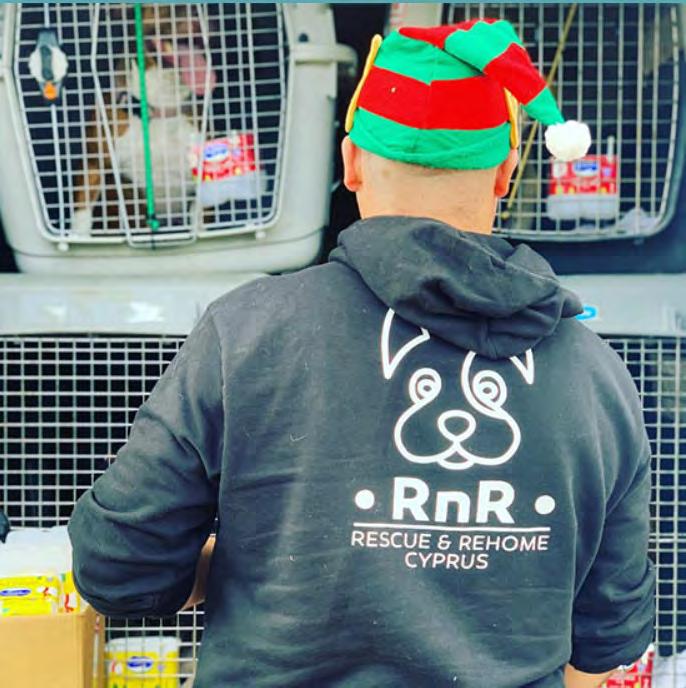
Adoption is one of the most impactful ways readers can help. RnR Cyprus consistently features dogs ready to join homes both in Cyprus and abroad. Potential adopters can view profiles of dogs in need, learn about their personalities and histories, and complete adoption forms through the charity’s website. By choosing to adopt rather than buy from breeders, families not only save a life but also help reduce the demand that fuels irresponsible breeding and further abandonment.
However, adoption is just one piece of the puzzle. RnR Cyprus also welcomes fostering — a temporary but vital way to care for dogs that may not yet be ready for permanent homes due to age, health, or behavioural issues. Fostering gives dogs crucial time in a stable environment, helping them adjust to life outside a shelter and increasing their chances of successful rehoming.
For those unable to adopt or foster, there are other meaningful ways to contribute. Donations support the essential work of feeding, caring, and medicating the dogs in the charity’s care. Even small, regular contributions can make a big difference.
RnR Cyprus also encourages volunteers to join their efforts at events, fundraisers, and everyday activities like walking and socialising the dogs.
Beyond these practical avenues, readers can help by raising awareness. Sharing posts, reporting cases of cruelty, or simply talking about the issue within their communities helps the cause gain momentum. Every share and conversation increases the chance that a dog finds not just a home, but a family.
Rescue & Rehome Cyprus embodies the spirit of compassion and community. Through adoption, fostering , volunteering, donation, and advocacy, readers have many ways to get involved and make a lasting impact on the lives of dogs across the island.
OMAYMA AMRANI - YOUR MIND MEDIA
Q You recently returned from Morocco where you were volunteering with families affected by the earthquakes. What inspired you to take part in this initiative?
The earthquakes that hit Morocco left a lasting impact on many communities, particularly in remote mountain villages where recovery takes much longer. When I heard about the opportunity to volunteer and help families who are still rebuilding their lives, I felt it was something I couldn’t ignore.
Working in PR means we often talk about storytelling and community, but this was a chance to be present and support people directly. Seeing the resilience of these families was incredibly powerful and reminded me how important solidarity can be during difficult times.
Q What kind of work were you involved in during your time there?
The work focused mainly on supporting families as they prepare for Eid, which is such an important moment of celebration and togetherness.
We helped distribute food packages, clothing, and essential household items to families who have been living in temporary accommodation since the earthquakes. A big part of the experience was also simply spending time with people — listening to their stories, helping with preparations, and ensuring children had small gifts and treats to enjoy during the celebrations.
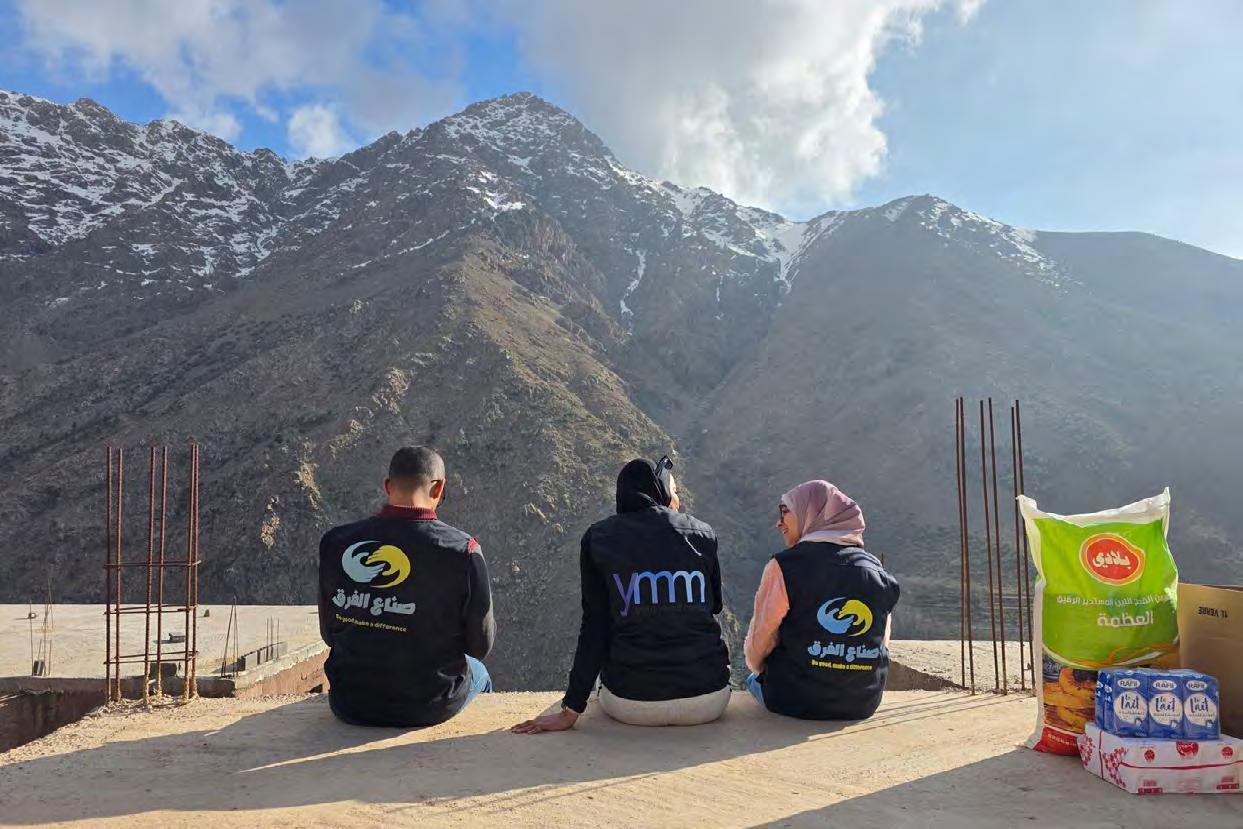



Q What was the atmosphere like in the communities you visited as Eid approaches?
Despite everything these communities have endured, the atmosphere was surprisingly hopeful.
Eid represents renewal and family, and even in difficult circumstances people were determined to celebrate together. You could see neighbours supporting each other, sharing what they had, and making sure that children especially could experience the joy of the holiday.
That sense of community spirit was incredibly moving.
Q Was there a particular moment during the trip that stayed with you?
One moment that really stayed with me was meeting a family who had lost their home but were still determined to host relatives for Eid in their temporary shelter.
They insisted on sharing tea with us and talking about their plans for the holiday. It was such a simple gesture, but it reflected a deep sense of dignity and generosity that you don’t forget.
Q How did this experience affect you personally?
It was a humbling experience. Seeing how people
maintain hope and kindness even after losing so much puts a lot of things into perspective.
It reminded me how important it is to step outside our daily routines and contribute where we can. Even small acts of support can make a meaningful difference.
Q What lessons do you think professionals and companies can take from experiences like this?
I think it highlights the importance of remembering that business and community are connected.
As professionals, especially in industries that operate internationally, we have the opportunity to support initiatives that create positive impact beyond our day-to-day work. Volunteering and community engagement help us stay grounded and remind us of the broader purpose behind what we do.
Q Are you planning to stay involved with the community in Morocco going forward?
Yes, absolutely. The recovery process in these regions will take time, and there are still many families who need support.
This experience has definitely inspired me to stay involved and continue supporting initiatives that help these communities rebuild and regain stability.
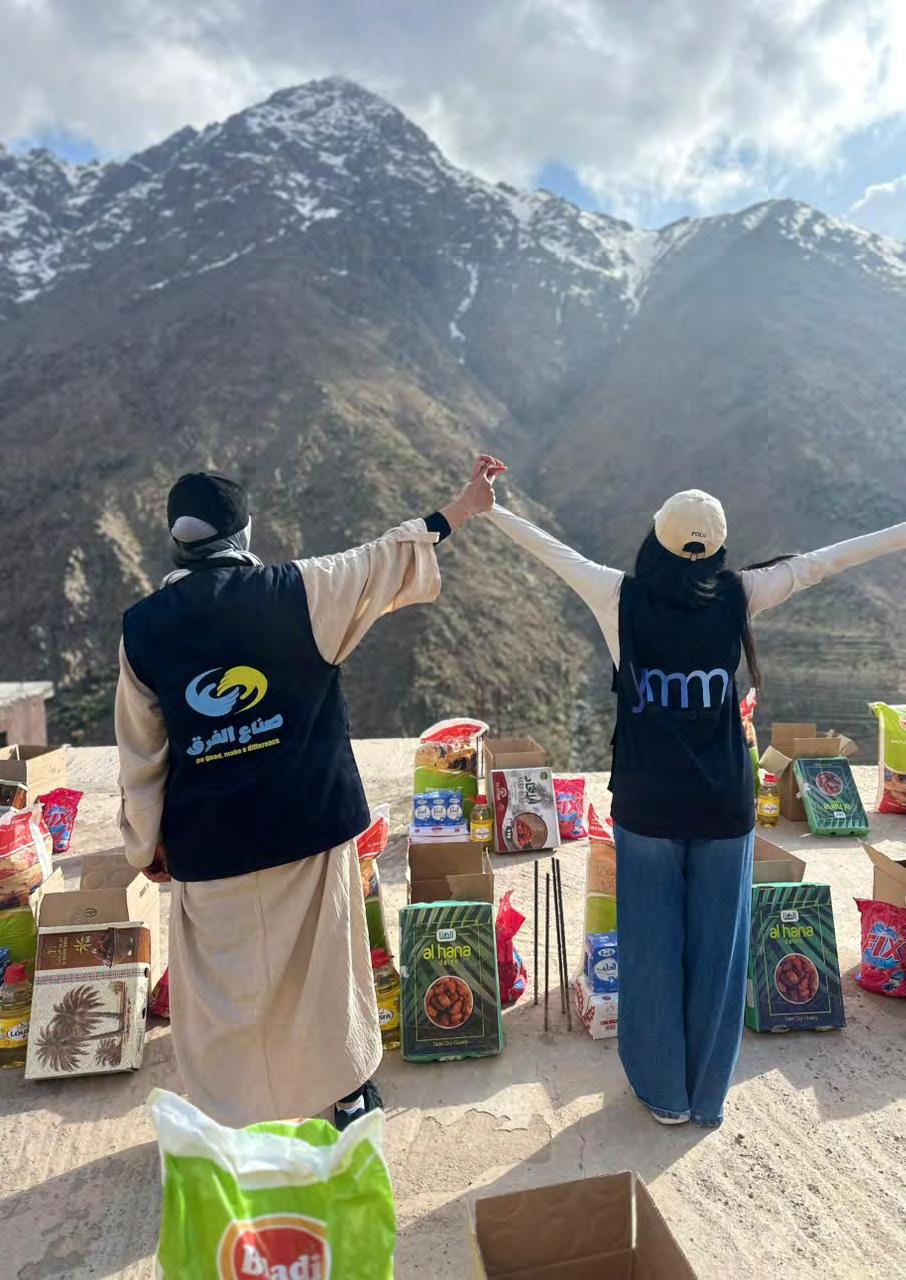
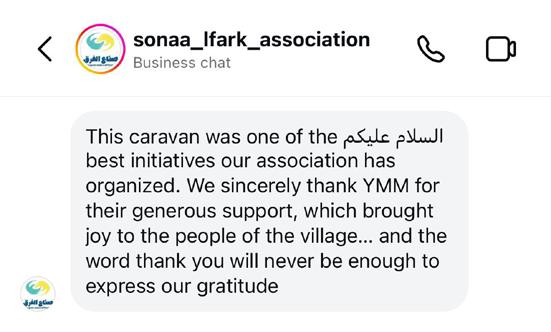
MARIA MERAMVELIOTAKI
Having worked within fast - paced corporate environments while also trained as a psychotherapist, I have had a unique vantage point on high performers. Founders, executives, operators, and senior leaders — individuals whose identities gradually become fused with performance itself.
In industries such as fintech, where growth cycles are relentless and the pace of change is constant, high performance becomes the organizing principle of professional life. Targets, product launches, funding rounds, regulatory pressure, expansion strategies — the environment rewards constant responsiveness and momentum. Over time, this rhythm does not only shape careers; it also shapes the nervous system.
Much of what we call high performance is supported by the sympathetic branch of the autonomic nervous system — the system responsible for mobilization, focus, and action under pressure. In healthy conditions, this activation operates in cycles. Intense effort is followed by parasympathetic recovery, allowing the body to restore energy and maintain balance.
In many corporate environments, however, these cycles compress. Pressure becomes continuous rather than episodic, and urgency becomes the background condition of daily work. Over time, the nervous system adapts to sustained states of activation, where speed, responsiveness, and constant problem-solving become the body’s baseline.
This adaptation can drive extraordinary productivity. But it also has consequences that often become visible only when the pace finally slows.
High performers rarely experience pressure only at a cognitive level. Over time, the body itself becomes
conditioned to operate in a state of heightened arousal. The nervous system becomes highly efficient at managing stress, processing large volumes of information, and responding quickly to challenges.
This physiological adaptation is part of what allows leaders to navigate volatile markets and complex strategic environments. The sympathetic nervous system mobilizes energy and sharpens attention, making it possible to sustain demanding workloads for extended periods.
However, when this activation persists for years without sufficient recovery, the nervous system gradually loses some of its flexibility. Instead of moving fluidly between activation and restoration, the system becomes organized around constant mobilization.
In practical terms, urgency begins to feel normal. Slowing down feels unfamiliar.
This narrowing of physiological range is one of the underlying dynamics behind burnout.
The effects of this pattern often become most visible during moments of transition. Executives who have spent years operating at high intensity frequently describe an unexpected internal experience after major milestones — company exits, leadership transitions, or career pauses.
Externally, these moments represent success. Yet internally, many report a sense of restlessness or disorientation once the pressure subsides.
Without the familiar signals of urgency — targets, negotiations, decisions — the nervous system must suddenly reorganize itself. For a system accustomed to sustained sympathetic activation, the absence of pressure can feel surprisingly destabilizing.
Some individuals experience anxiety, as if they should already be pursuing the next objective. Others encounter the opposite response: a drop in energy or motivation that feels difficult to explain.
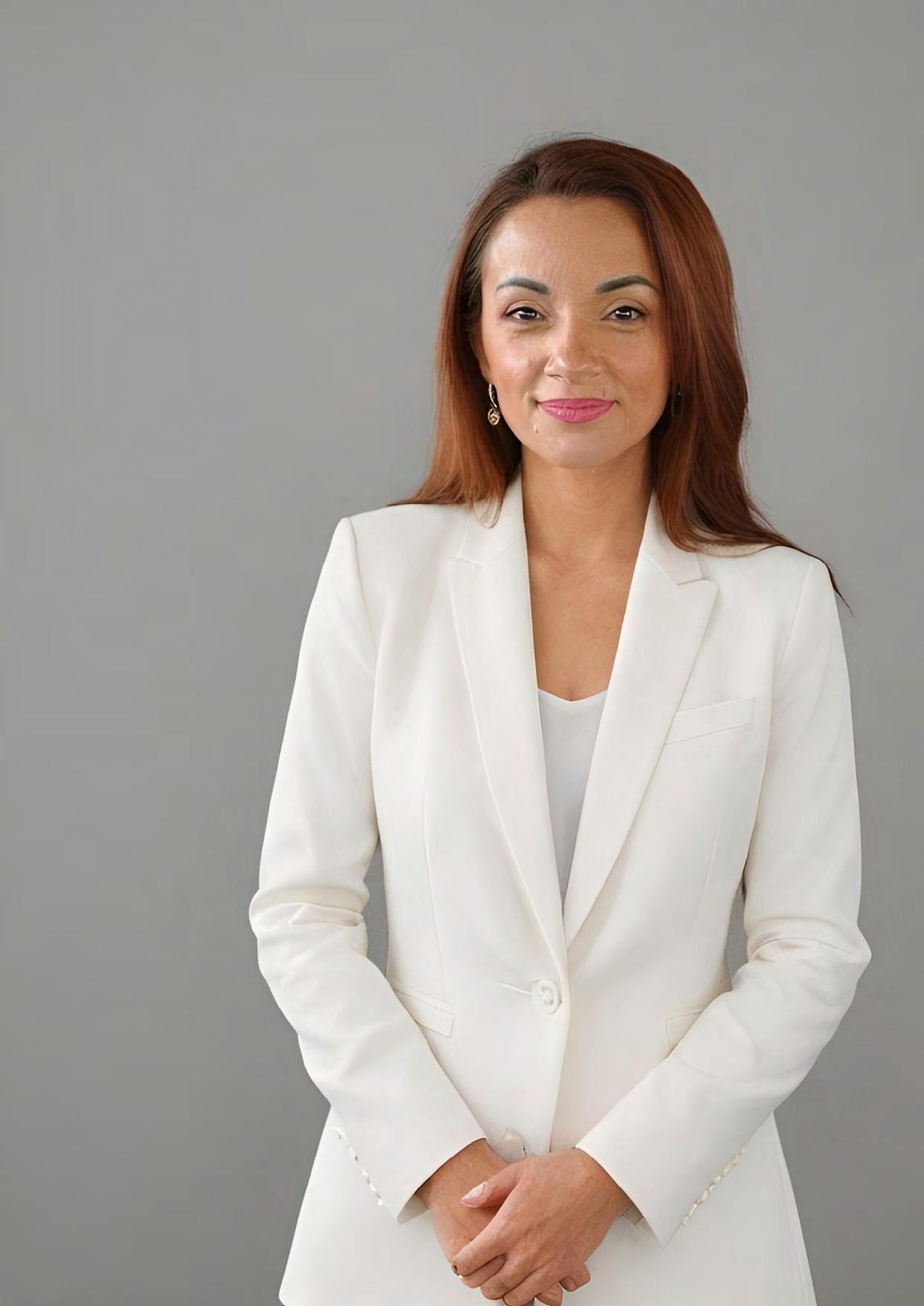
From a physiological perspective, this dynamic reflects the nervous system oscillating between sympathetic activation and parasympathetic shutdown — a pattern frequently associated with chronic stress and burnout.
Polyvagal theory, developed by neuroscientist Stephen Porges, helps explain this response. Healthy regulation depends on the nervous system’s capacity to move flexibly between states of activation, social engagement, and recovery. When individuals spend prolonged eriods in high - pressure environments, this flexibility can diminish.
The body becomes highly skilled at operating under stress, but less practiced at returning to restorative states.
For many leaders, the instinctive response to this disorientation is to restore momentum as quickly as possible. A new venture, a new leadership challenge, or another growth phase can quickly recreate the familiar physiological state of urgency.
While this approach often restores a sense of direction, it does not necessarily resolve the underlying exhaustion produced by prolonged activation.
What the nervous system frequently requires after years of sustained pressure is recalibration. This means restoring the body’s ability to move between activation and recovery without remaining locked in either state.
When this recalibration occurs, performance does no t disappear. In many cases, it becomes more sustainable. Leaders regain the ability to engage fully with complex challenges while maintaining the physiological capacity for restoration and clear thinking.
In industries that celebrate speed and relentless growth, nervous system regulation rarely appears on leadership agendas. Yet it may be one of the most overlooked components of sustainable high performance.
Burnout, in this sense, is not simply an individual inability to cope with pressure. It is often a signal that the nervous system has been operating beyond its regulatory limits for too long.
Understanding how high- performance environments shape the body’s stress responses may therefore become increasingly important — not only for individual wellbeing, but for the long - term sustainability of leadership itself.
PANOS MELEKKIS
Jewellery designer Panos Melekkis grew up surrounded by craftsmanship. His story begins in Cyprus in the 1950s, when his grandfather first entered the world of watchmaking. Over time, the modest family trade evolved into a respected jewellery business, with Panos Melekkis’ parents establishing a reputation for quality, precision, and artistry within the Cypriot market.
For Panos Melekkis, however, heritage was only the beginning.
After graduating from the Gemological Institute of America in Florence in 2008 with a degree in gemology and jewellery design, he began to view jewellery through a deeper lens. Beyond beauty and ornamentation, he recognised that jewellery holds memory and meaning — each piece capturing a personal story through gemstones, craftsmanship, and design.
Returning to Cyprus, Panos Melekkis continued the family tradition while introducing his own creative perspective. In Limassol, he opened a boutique that reflects his vision: jewellery inspired by the Mediterranean, infused with light and refined through subtle European influences. The pieces echo their surroundings—the warmth of Cyprus, the shimmer of the sea, and a modern yet poetic aesthetic.
A new chapter unfolded when Panos Melekkis moved to Dubai, where he collaborated in the creation of a gold and jewellery factory. The experience gave him rare insight into the scale and complexity of contemporary production and deepened his understanding of how raw materials are transformed into works of art. It was also in Dubai that he rediscovered his creative momentum. He later established his own studio in Dubai Design District, offering bespoke design services, private exhibitions, and custom creations for an international clientele.
Today, Panos Melekkis has become the first Cypriot jewellery brand to open a second store outside Cyprus, bringing his Mediterranean heritage to a global stage.
At the heart of the brand lies a strong focus on bespoke engagement rings, where design becomes deeply personal. Each piece is created in close collaboration with the client, transforming individual love stories into timeless jewellery.
Sustainability also plays an important role in Panos Melekkis’ philosophy. Clients are often invited to recycle and transform existing jewellery, allowing heirloom pieces to be reimagined into contemporary designs while preserving their sentimental value.
Alongside his bespoke work, Panos Melekkis has developed several distinctive collections that reveal the different dimensions of his design language.
The Empire Collection reflects the idea of jewellery as legacy. Crafted in 18-carat gold and defined by refined, timeless forms, the collection blends heritage with contemporary elegance. Designed to be worn across generations, each piece embodies the notion of jewellery as an heirloom — objects of beauty meant to carry family stories into the future.
The Geo Collection explores a more architectural direction. Inspired by geometry and structural balance, the collection features clean lines, angular silhouettes, and carefully placed gemstones. The result is jewellery that feels bold, modern, and sculptural, where symmetry and precision become part of the aesthetic language.
In contrast, the Candy Collection celebrates colour and playfulness. With vibrant gemstones and joyful compositions, the designs capture a lighter, expressive spirit while maintaining the meticulous craftsmanship that defines the brand.

Meanwhile, the Quantum Love Collection explores the invisible forces that connect people. Inspired by the concept of unseen bonds—similar to the principles of quantum energy—the collection translates the idea of connection and emotion into modern, symbolic jewellery.
For Panos Melekkis, jewellery is never simply decoration. It is a language of memory, love, and identity—crafted in gold, shaped by heritage, and designed to be worn for generations.
In a world of mass-produced pieces, owning something truly unique—something that reflects your personal story and emotions—is more meaningful than ever.
At Panos Melekkis Jewellery, we specialise in transforming your cherished, sentimental jewellery into new creations that celebrate love, memory, and personal milestones.
Our team of expert designers doesn’t just make jewellery; we craft meaningful, one-of-a-kind pieces that embody who you are. Every design is a collaboration, tailored to your vision and handcrafted with exceptional care and attention to detail—from the initial concept and 3D design to the final masterpiece.
Each piece we create is more than jewellery—it’s a continuation of your story.

Step 1
We begin by carefully checking the purity of your old jewellery and safely removing all valuable stones.

Step 2
Next, we work with you to design your dream piece using 3D modelling and high-quality renderings.

Step 3
Once you approve the design, we melt your own gold to recreate your new piece using your personal materials.

Step 4
After melting, your gold is refined and tested to ensure its exact purity and quality.

Step 5
Our expert craftsmaster then begins the meticulous process of handcrafting your final piece.
And there you have it — a truly unique design, created with love and infused with the memories of your cherished pieces, brought to life using your own sentimental gold. www.panosmelekkis.com
Client Relations & Operations Director, ZK Sports & Entertainment

From VIP hospitality at the world’s most prestigious sporting events to high-impact sponsorship strategies and data-driven marketing campaigns, ZK Sports & Entertainment has positioned itself as a key player in the global sports and entertainment ecosystem.
Working with leading brands such as Gillette, ADNOC, PepsiCo, Etisalat, Deutsche Bank, Visa, and Zurich Insurance, the agency operates at the intersection of sport, business, and experience — delivering access, influence, and measurable impact.
We spoke with Jennifer Kent, Client Relations & Operations Director, about the evolution of the business, how brands are leveraging global sporting platforms, and why the outlook for the year ahead remains firmly positive.
Q Jennifer, ZK Sports & Entertainment operates across multiple verticals. How would you describe the core of the business today?
At its core, we are a fully integrated sports and entertainment agency, but what really defines us is how seamlessly those divisions work together.

We provide Official Sports Packages to some of the world’s biggest events, manage corporate hospitality and travel at a very high level, and advise on sponsorship strategy while also delivering full-scale marketing activations.
What that means in practice is that we’re not just opening doors — we’re helping clients maximise the value of every opportunity, whether that’s through access, partnerships, or measurable campaign performance.
We’re also proud to be one of a very small number of globally authorised agencies permitted to sell Formula 1 Paddock Club™, one of the most sought-after hospitality products in world sport. That level of access underpins much of what we do and allows us to operate at the very top tier of the market.
Q Your Corporate Hospitality & Travel division is particularly prominent. What sets your offering apart in such a competitive space?
It’s the level of detail and the quality of experience we deliver. We’re working with multinational and regional companies who expect more than just access — they want something memorable, seamless, and aligned with their brand positioning.
Whether it’s the FIFA World Cup, Formula 1 races, the Champions League Final, or major cultural events like fashion

shows and global concerts, we curate experiences that go beyond the event itself.
A key part of that is the strength of our relationships with promoters, circuits and rights holders globally, which allows us to access premium inventory, unlock unique spaces and create bespoke environments that aren’t widely available.
It’s about creating an environment where business relationships can develop naturally, in a setting that reflects the prestige of both the event and the client.
Q Sponsorship consultancy is another key pillar. How are you helping rights holders and brands maximise value today?
We sit in a unique position because we work on both sides — brands and rights holders. That allows us to create partnerships that are genuinely aligned.
For teams, athletes, and tournaments, it’s about identifying the right partners and structuring deals that deliver long-term value. For brands, it’s about ensuring their investment translates into visibility, engagement, and ultimately ROI.
There’s a lot more sophistication now in how these partnerships are approached. Data, audience insights, and strategic alignment are all playing a much bigger role.
Q And on the marketing side — how are brands activating differently within sport today?
There’s been a clear shift towards more intentional and experience-led marketing.
Brands want to stand out, but they also want to connect in a meaningful way. That means creating campaigns that are immersive, targeted, and backed by data.
Through our network and analytics capabilities, we help clients not only execute these campaigns but also measure their impact in a very tangible way. It’s no longer just about visibility — it’s about results.
Q Formula 1 is a major part of your portfolio. How does it fit into the wider ZK Sports & Entertainment ecosystem?
Formula 1 is one of the most powerful platforms we work with. It brings together everything we do — hospitality, sponsorship, and marketing — into one environment.
It offers global reach, premium audiences, and a very high standard of execution, which makes it incredibly attractive for brands.
We are one of a limited number of agencies globally authorised to sell F1 Paddock Club™, which has become one of the most in-demand experiences in sport. Availability is extremely limited, and demand continues to grow year-on-year.
Alongside official hospitality, we also design and operate our own VIP venues at key races. A standout example is our Skybridge Terrace at the Abu Dhabi Grand Prix, which offers one of the most unique vantage points on the circuit and allows clients to host guests within a branded environment.
For our clients, it’s not just about attending a race — it’s about leveraging that platform to build relationships, enhance brand perception, and drive business outcomes.
Q Turning to the region, how would you describe the current environment for events and partnerships?
Like any global industry, sport and events are not completely immune to wider geopolitical developments, and we have seen some adjustments to the calendar, including the cancellation of certain Formula 1 races.
However, what stands out is the way the region has responded — with clarity, adaptability, and a strong commitment to continuity where possible. From a partnerships perspective, the underlying confidence hasn’t shifted. Brands and stakeholders understand that this is a long - term growth market, and they’re approaching it with that mindset.
In many ways, moments like this reinforce the importance of strong infrastructure, trusted relationships, and strategic planning — all of which the region continues to demonstrate at a very high level.
Q From a client perspective, are you seeing any shift in sentiment or strategy?
Our clients remain very focused on growth and long-term opportunity.
There’s a clear understanding that this is a region with strong fundamentals — access to global markets, high-value networks, and a forward-looking economic vision.
As a result, we’re seeing continued investment in partnerships, experiences, and brand activations.
Q Looking ahead, what is your outlook for the rest of the year?
I’m very optimistic. The demand for high - quality experiences, strategic partnerships, and global sporting platforms remains strong.

In particular, we’re seeing significant growth in demand for premium Formula 1 hospitality and bespoke hosting environments, where availability is increasingly limited.
We expect to see continued momentum across all of our divisions, particularly in Formula 1 and other major international events.
There’s a real sense that the industry — and the region — are building for the long term.
Q Finally, what message would you share with brands and partners globally?
Stay engaged and think long term.
Sport continues to be one of the most powerful platforms for connection, and regions like the Middle East offer incredible opportunities to do that at scale.
Formula 1 in particular has become one of the most watched and commercially powerful global sporting platforms, offering brands a unique combination of reach, prestige and access to high-value audiences.
For those willing to invest in the right partnerships and experiences, the potential is significant — and still growing.

www.gchangersmag.com info@gchangersmag.com