Using Interactive Content to Boost Automotive
Marketing with Automotive Marketing Professionals like Paul Burkemper
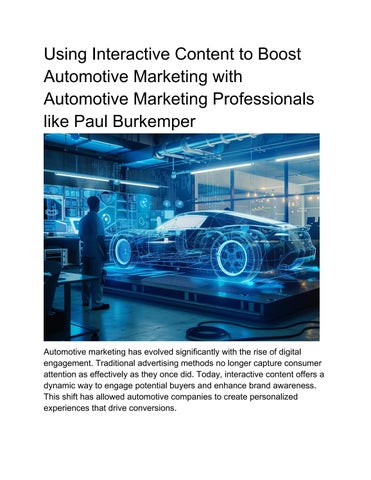
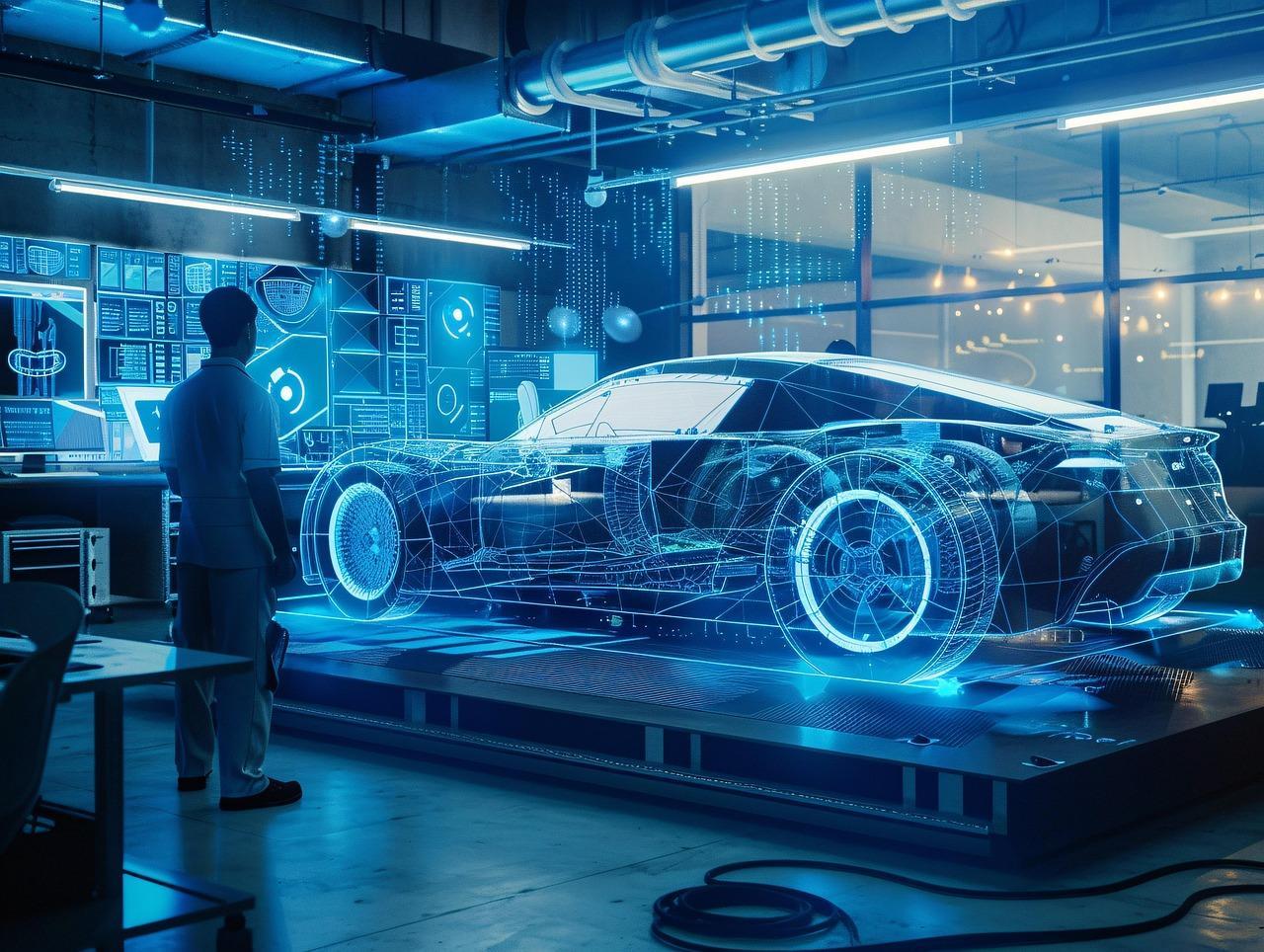
Automotive marketing has evolved significantly with the rise of digital engagement. Traditional advertising methods no longer capture consumer attention as effectively as they once did. Today, interactive content offers a dynamic way to engage potential buyers and enhance brand awareness. This shift has allowed automotive companies to create personalized experiences that drive conversions.
Interactive content encourages user participation as noted by automotive marketing professionals like Paul Burkemper, making marketing campaigns more memorable. Instead of passive consumption, customers can engage with quizzes, virtual test drives, or car customization tools. These interactive features help brands stand out in a competitive market by providing engaging and informative experiences.
Additionally, interactive content builds stronger customer relationships. When users actively engage with a brand, they develop a deeper connection with its products and services. Automotive companies that embrace interactive strategies benefit from increased website traffic, longer user engagement, and higher conversion rates. This approach transforms how businesses communicate with potential buyers.
Enhancing Customer Engagement Through Gamification
Gamification makes automotive marketing more engaging by incorporating game-like elements into campaigns. It motivates users to interact with content, whether through rewards, points, or challenges. Automotive marketers such as Paul Burkemper mention that this strategy keeps potential buyers entertained while subtly promoting vehicles or services.
For example, brands can introduce interactive quizzes that match users with their ideal car based on lifestyle preferences. These quizzes provide valuable insights while keeping consumers engaged. Customers are more likely to explore further when they receive personalized recommendations.
Leaderboards, contests, and digital scavenger hunts also encourage participation. Automotive companies can reward users for sharing content, visiting dealerships, or interacting with promotional materials. These tactics increase brand visibility while fostering excitement around new vehicle releases.
Virtual Test Drives and Augmented Reality Experiences
Technology has transformed how consumers experience vehicles before making a purchase. Virtual test drives allow users to explore a car’s features without visiting a dealership. This convenient option helps potential buyers make informed decisions from the comfort of their homes.
Augmented reality (AR) enhances the shopping experience by allowing users to visualize a car in their driveway. Through mobile apps, customers can see how different models fit their space and explore color options. This interactive approach increases confidence in purchasing decisions.
These innovations also benefit dealerships by reducing logistical challenges as highlighted by automotive marketing professionals including Paul Burkemper. Instead of coordinating multiple test drives, sales teams can direct customers to immersive digital experiences. This strategy improves efficiency while maintaining a high level of customer engagement.
Personalized Car Customization Tools
Car buyers appreciate the ability to personalize their purchases. Interactive customization tools allow users to modify exterior colors, interior materials, and additional features. These digital experiences create a sense of ownership before the transaction is complete.
Automotive marketers like Paul Burkemper convey that by offering a virtual build-and-price feature, automotive brands can cater to individual preferences. Customers can experiment with different configurations, compare pricing, and explore financing options. This transparency encourages trust and streamlines the purchasing process.
Additionally, these tools generate valuable data for businesses. By analyzing user interactions, companies can identify popular features and
adjust marketing strategies accordingly. This data-driven approach helps brands align their offerings with customer preferences.
Increasing Lead Generation with Interactive Ads
Interactive advertisements capture attention more effectively than static ads. Unlike traditional banners, these ads encourage direct engagement through clickable elements. This approach keeps potential customers interested and improves conversion rates.
For instance, interactive car comparison tools help buyers evaluate multiple models within a single ad. Users can explore features, view pricing, and receive tailored recommendations. This method simplifies the research process while guiding consumers toward informed choices.
Automotive brands can also leverage interactive video ads that allow users to control the narrative. By selecting different driving scenarios or features, viewers become active participants in the ad experience. This engagement increases brand recall and enhances marketing effectiveness.
Strengthening Social Media Presence with UserGenerated Content
Social media plays a vital role in automotive marketing. Interactive content encourages users to share experiences, fostering community engagement. When consumers participate in challenges, polls, or interactive posts, brands gain organic visibility.
User-generated content (UGC) strengthens credibility by showcasing real customer experiences. Car owners who share photos, reviews, or videos create authentic endorsements. This content resonates with potential buyers more than traditional advertisements.
Brands can further encourage engagement through interactive stories, live Q&A sessions, and collaborative campaigns. Automotive marketing
professionals such as Paul Burkemper express that by actively involving their audience, automotive companies build trust and foster long-term customer relationships. These interactions create lasting brand loyalty.
Interactive content has revolutionized automotive marketing by enhancing customer engagement and driving conversions. Digital experiences such as gamification, virtual test drives, and car customization tools provide consumers with personalized and informative interactions. These strategies make the car-buying process more enjoyable and efficient.
By incorporating interactive ads and user-generated content, brands strengthen their online presence. Social media engagement fosters trust, while immersive digital experiences build confidence in purchasing decisions. This approach benefits both consumers and businesses by creating meaningful interactions.
As technology continues to evolve, interactive content will remain a crucial component of automotive marketing. Companies that embrace these innovations will gain a competitive edge, ensuring their marketing efforts resonate with modern consumers.