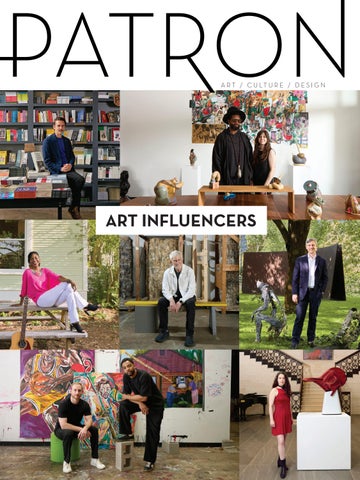
ART INFLUENCERS
DAVID BATES
HUMA BHABHA
JONATHAN BOROFSKY
ANTHONY CARO
TONY CRAGG
MICHAEL CRAIG-MARTIN
RAÚL DE NIEVES
ARIA DEAN
MARK DI SUVERO
JIM DINE
LEONARDO DREW
JEAN DUBUFFET
BARRY FLANAGAN
LIAM GILLICK
KATHARINA GROSSE
KAWS
JOAN MIRÓ
JONATHAN MONK
HENRY MOORE
IVÁN NAVARRO
PAMELA NELSON AND
ROBERT A. WILSON
JEAN-MICHEL OTHONIEL
BEVERLY PEPPER
DEBORAH ROBERTS
JOEL SHAPIRO
FRANK STELLA
HANK WILLIS THOMAS
LEO VILLAREAL
URSULA VON RYDINGSVARD
ANDY WARHOL
HE XIANGYU
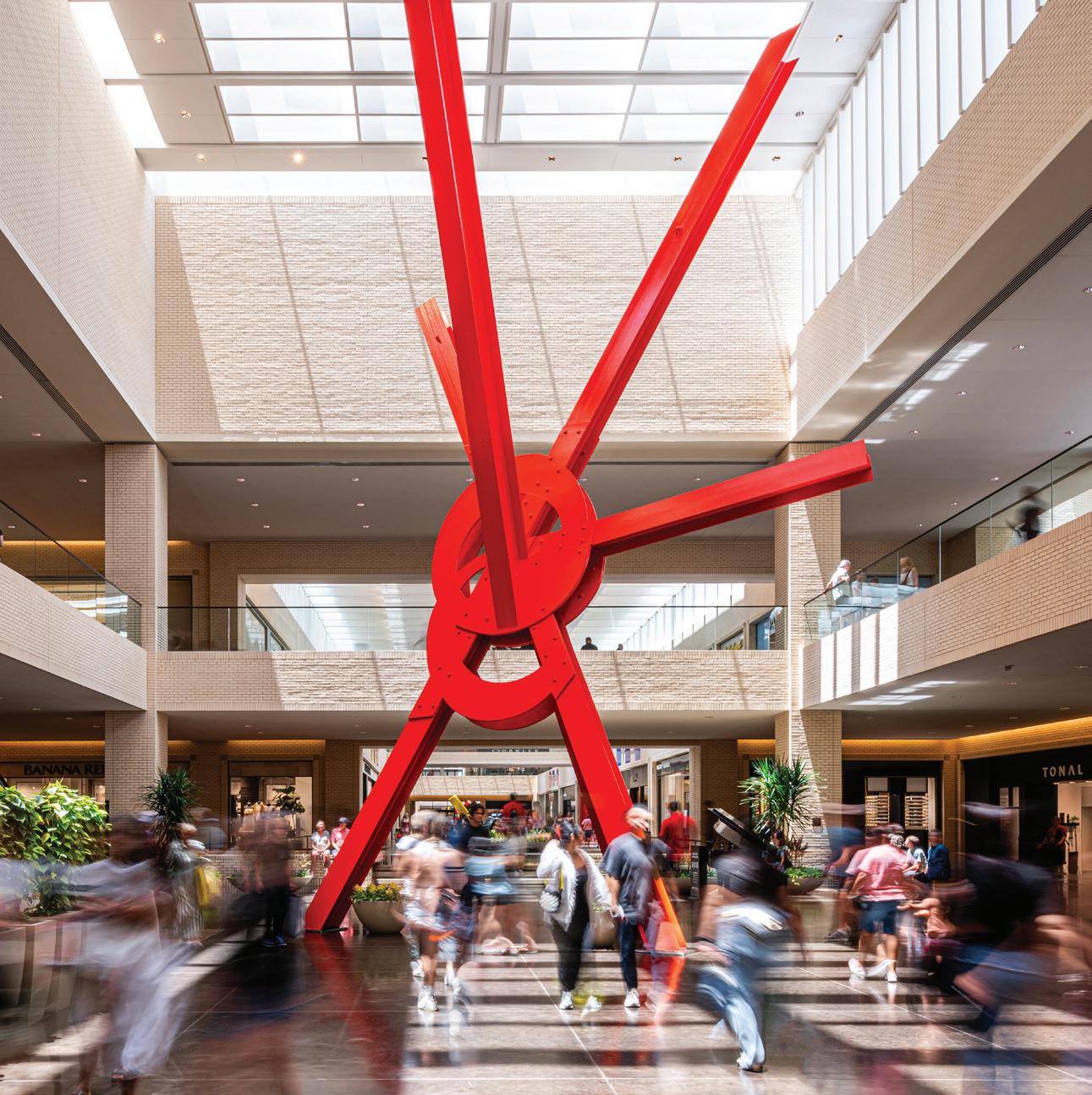
A MUSEUM UNLIKE ANY OTHER. THE ART OF SHOPPING.
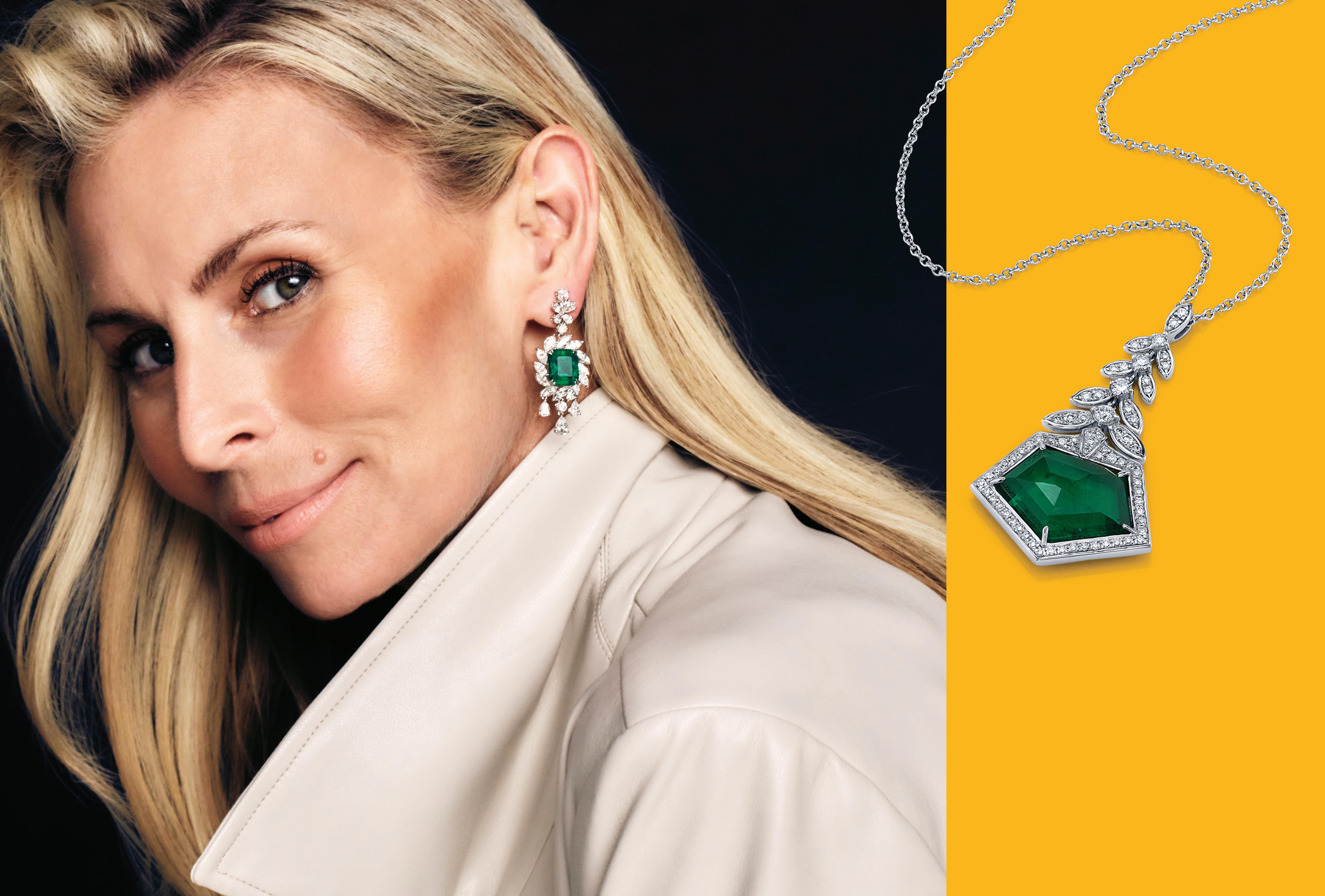
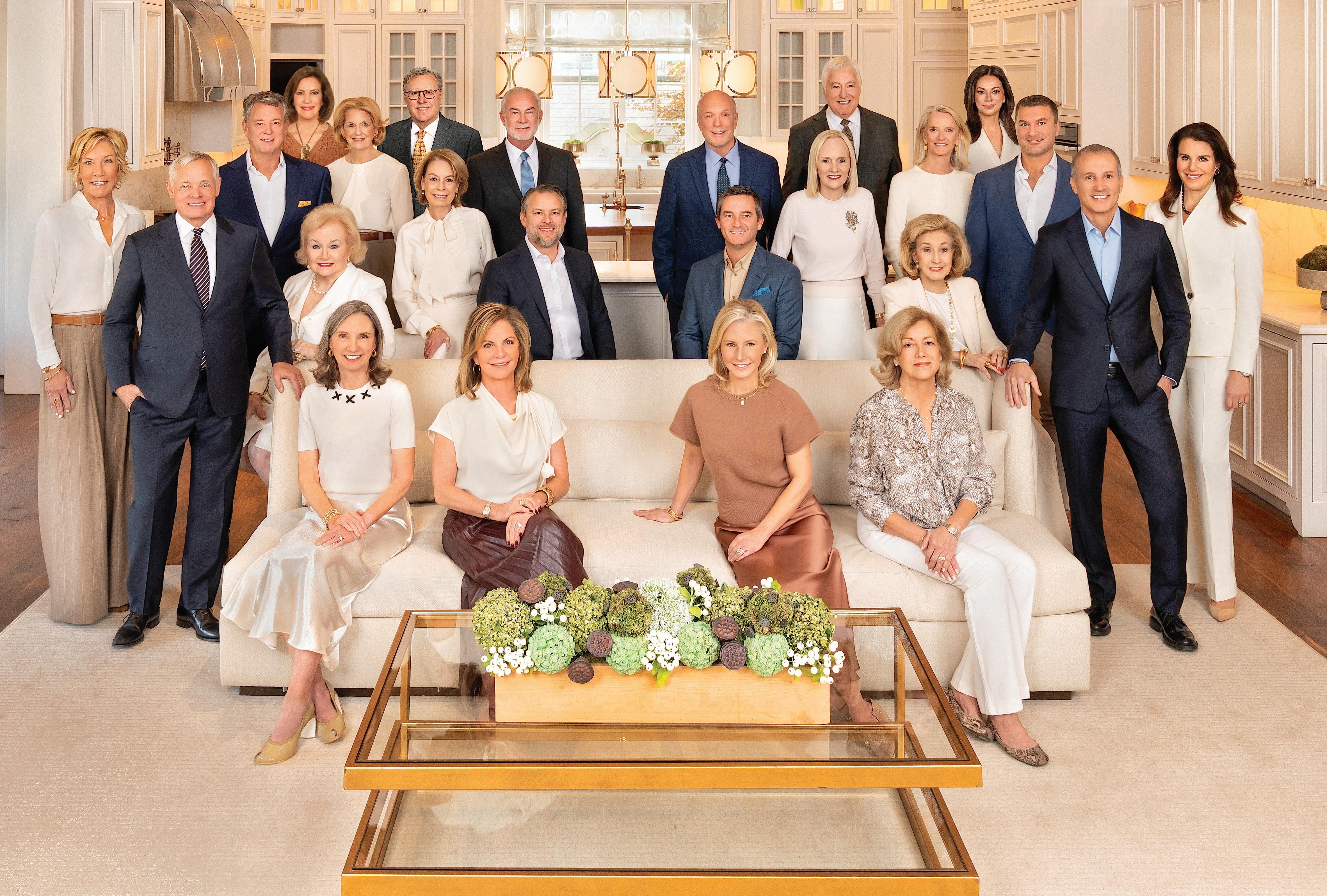
PLUG IN TO ONE AGENT. LIGHT A NETWORK OF 24. They bring this city to life like no other group. In a spirit of collaboration that has propelled some of Dallas’ most legendary real estate transactions, this premier networking group continues to do what it does best—connect people and properties. What does that mean for you? A more expertly facilitated sale of your prized property. A more perfectly matched home for your next move. Twenty-four of the most admired and knowledgeable real estate professionals in Dallas come together to put their resources and their vast experience to work for you. Insider information, off-market properties, Dallas’ most exquisite estates—all leveraged for your benefit. Thinking of a change? Put the Masters of Residential Real Estate to work for you.
FRONT ROW SEATED : Susan Baldwin, Allie Beth Allman and Assoc. Michelle Wood, Compass Real Estate Amy Detwiler, Compass Real Estate Jackie McGuire, Allie Beth Allman and Assoc. SECOND ROW SEATED: Penny Rivenbark, Ebby Halliday Realtors Joan Eleazer, Compass Real Estate Ryan Streiff, Dave Perry-Miller Real
Estate Chad Barrett, Allie Beth Allman and Assoc. Doris Jacobs, Allie Beth Allman and Assoc. THIRD ROW STANDING: Becky Frey, Compass Real Estate Ralph Randall, Briggs Freeman Sotheby’s Tom Hughes, Compass Real Estate Emily Price Carrigan, Emily Price Carrigan Properties Susan Marcus, Briggs Freeman Sotheby’s Stewart Lee, Dave Perry-Miller Real Estate Mark Cain, Compass Real Estate Kyle Crews, Allie
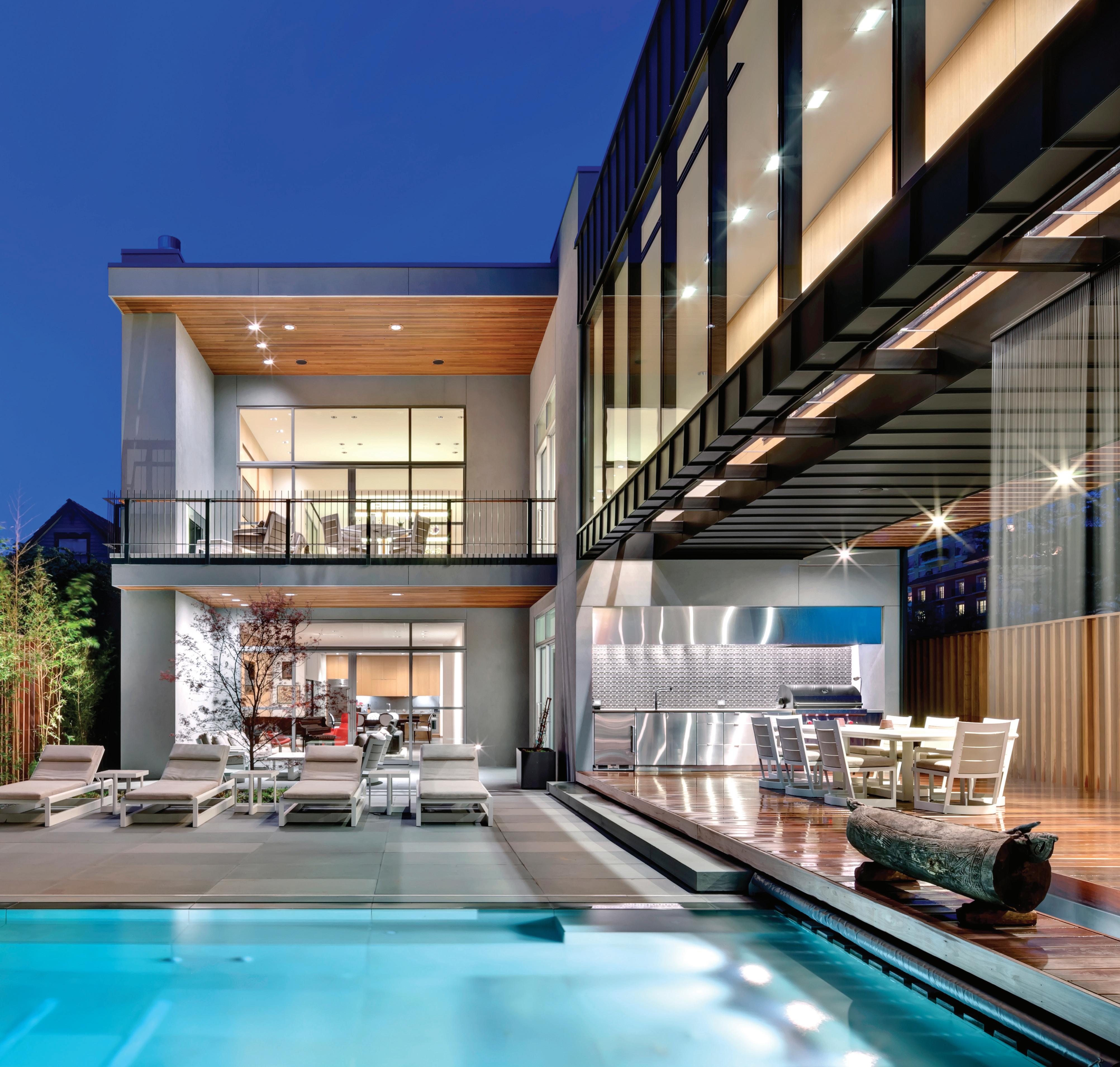
Beth Allman and Assoc. Erin Mathews, Allie Beth Allman and Assoc. Madeline Jobst, Briggs Freeman Sotheby’s Emily Ray Porter, Compass Real Estate Jonathan Rosen, Compass Real Estate Faisal Halum, Compass Real Estate Rachel Trowbridge, Allie Beth Allman and Assoc. PHOTOGRAPHED at 3612 Crescent Ave. courtesy of Jonathan Rosen, Compass Real Estate.
EDITOR’S NOTE
June / July 2026

TERRI PROVENCAL Publisher / Editor in Chief terri@patronmagazine.com
Instagram terri_provencal and patronmag
This issue highlights a diverse group of interdisciplinary creatives whose bold, multifaceted work invigorates and shapes the arts landscape. Boundary pushers in every sense, they are artists and educators, musicians and singers, a steward of stories, and a curator whose vocations resist singular categorization. Visionary and undaunted, these innovators explore the outer edges of creativity with striking originality, rigor, and conviction.
Within these pages, discover the individuals and collectives reshaping the art conversation through sound, sculpture, performance, literature, curation, pedagogy, and social practice. Some mentor emerging voices in classrooms and studios; others blur the lines between music and visual art, intimacy and intervention, form and experience. And at the Nasher Sculpture Center, chief curator Jed Morse brings all these ideas together through internationally regarded exhibitions and programming, one of which is highlighted in this issue: local artist Nic Nicosia’s Everyday Surreal
Together, this year’s Art Influencers demonstrate that creativity is not confined to one medium but thrives in the intersection of communities, disciplines, and ideas.
James Sullivan, a multidisciplinary artist with endless inspiration and Professor Emeritus of Sculpture in the Division of Art at Southern Methodist University, has long enriched generations of artists through his multimedia work and decades of teaching. An associate professor at SMU, Courtney Brown created Dinosaur Choir, an ongoing investigation of dinosaur vocalization through musical skull instruments. Through her meticulously researched saurians, Brown’s choir evokes the possible sounds of these prehistoric creatures, far removed from the exaggerated roars of popular film.
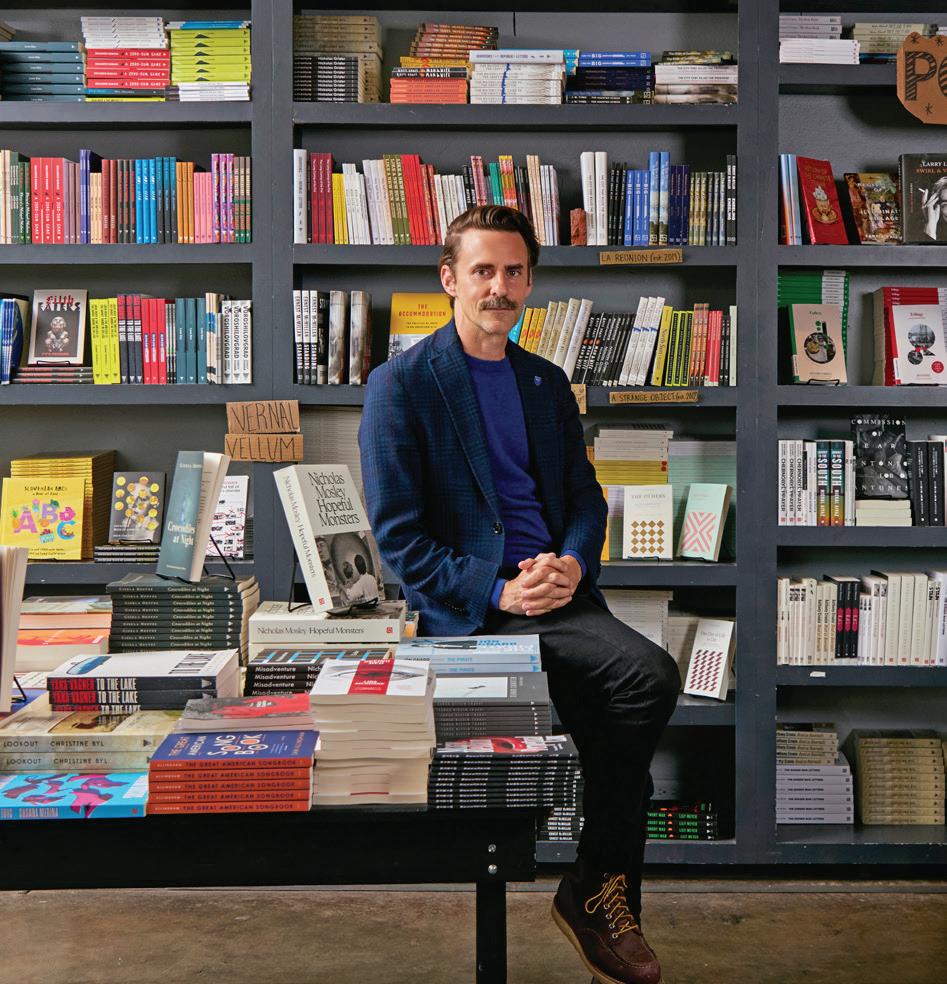
At a moment when artistic boundaries continue to intermingle, these visionaries embrace hybridity as both method and message. Will Evans finds beauty in one of art’s most enduring forms, the written word, through his independent publishing company, Deep Vellum. This summer, Evans will host a Music & Literature Festival. One can easily imagine Kamica King, the founder of King Creative Art Expressions known for her “message music,” arriving with guitar in hand to join him in Deep Ellum with her inspired song.
Two of the three members of the Empire of Dirt collective, Xxavier Carter and Tabatha Trolli, might appear at the festival as well, bringing the experimental vibe of their installations into the mix. Nearby, you might visit Ra Kazadi and Rob Grass at Nostalgia and Noise for an electrifying experience. Through art exhibitions, pop-up markets, and events, the duo cultivates experiences that are as artistically immersive as they are spirited and communal. They have energy to spare, and they want you to feel it too.
Speaking of electrifying, we have two stories in this issue highlighting the soccer buzz hitting North Texas this month. Culture with a Kick reveals the vibrant happenings surrounding FIFA World Cup in the Dallas Arts District and beyond, while The Modern West, Curated offers further insight into the region’s evolving community found at NorthPark Center amid the world-class art and shops.
On a global scale, few figures have disrupted the conventions of contemporary art as profoundly as Rashid Johnson, whose A Poem For Deep Thinkers , currently on view at the Modern Art Museum of Fort Worth, is reviewed here by Matthew Bourbon. Also in Fort Worth, Nate Eudaly, executive director of the Dallas Architecture Forum and an honorary AIA member, shares the history behind the legendary Tandy House, designed by I.M. Pei.
We close this issue where we began: with a life devoted to influence. Dancer turned artistic director turned executive director, Lily Cabatu Weiss may have retired in January from the Dallas Arts District, but her impactful cultural work is something to enjoy and applaud for years to come.
–Terri Provencal
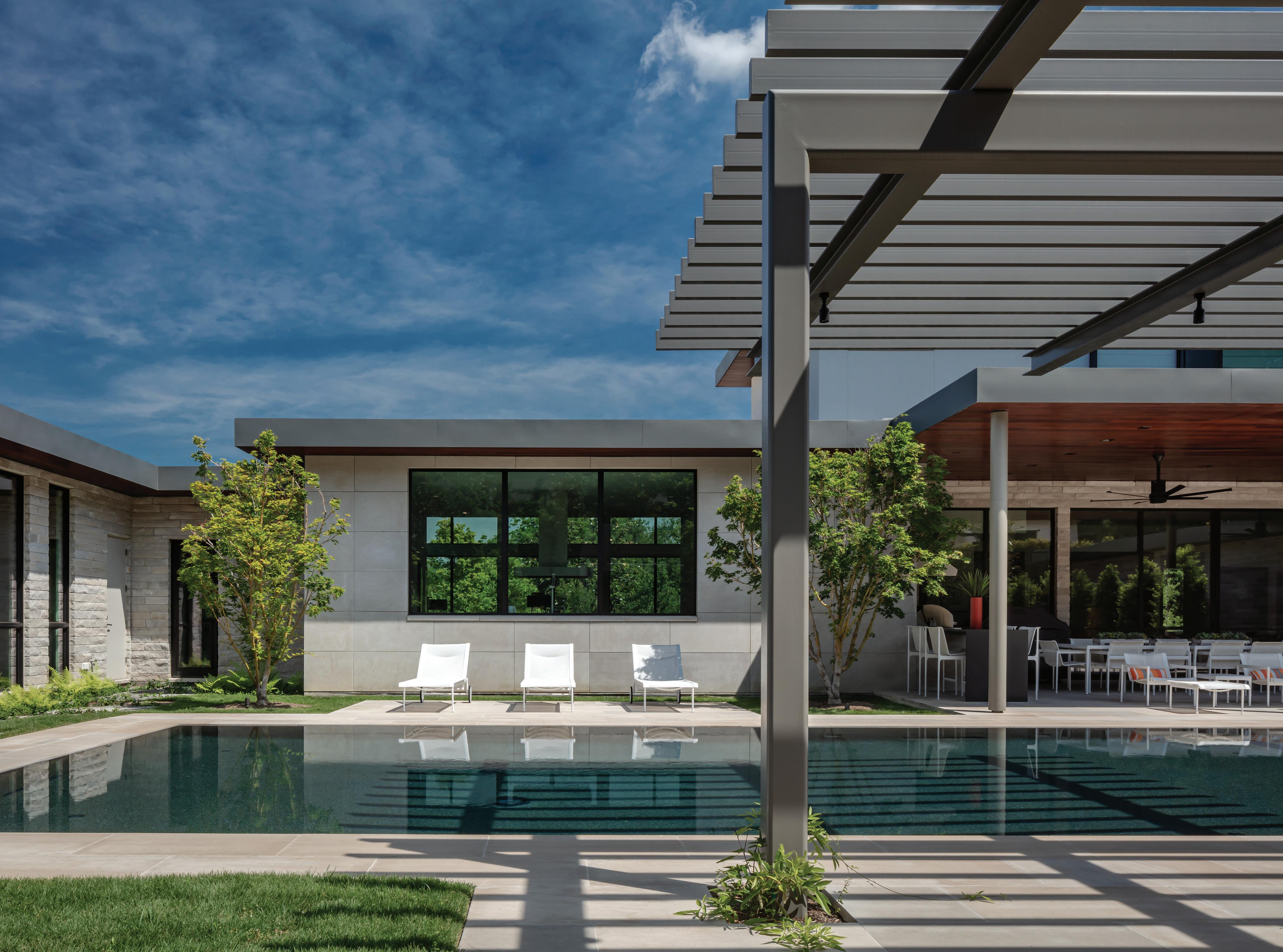
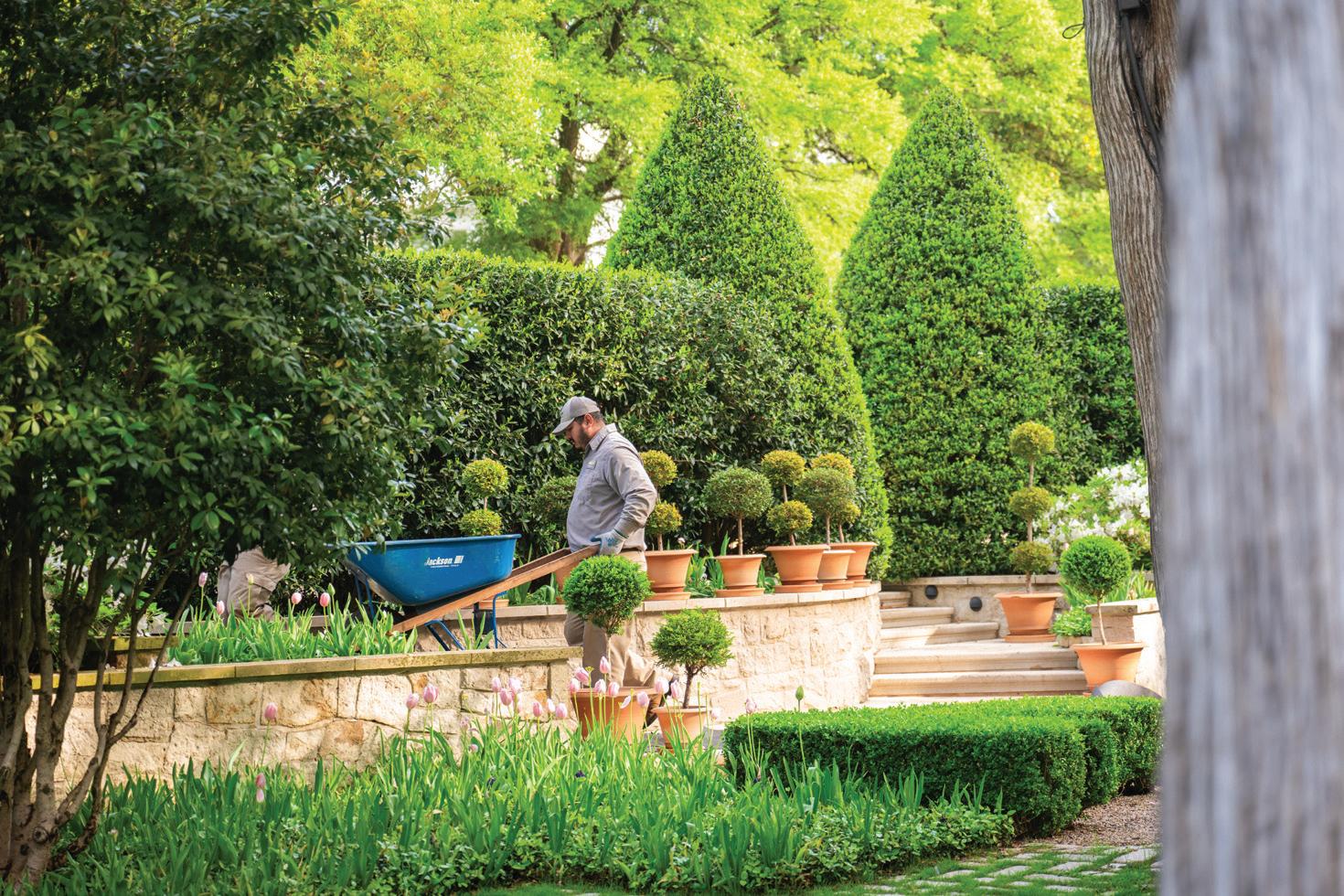
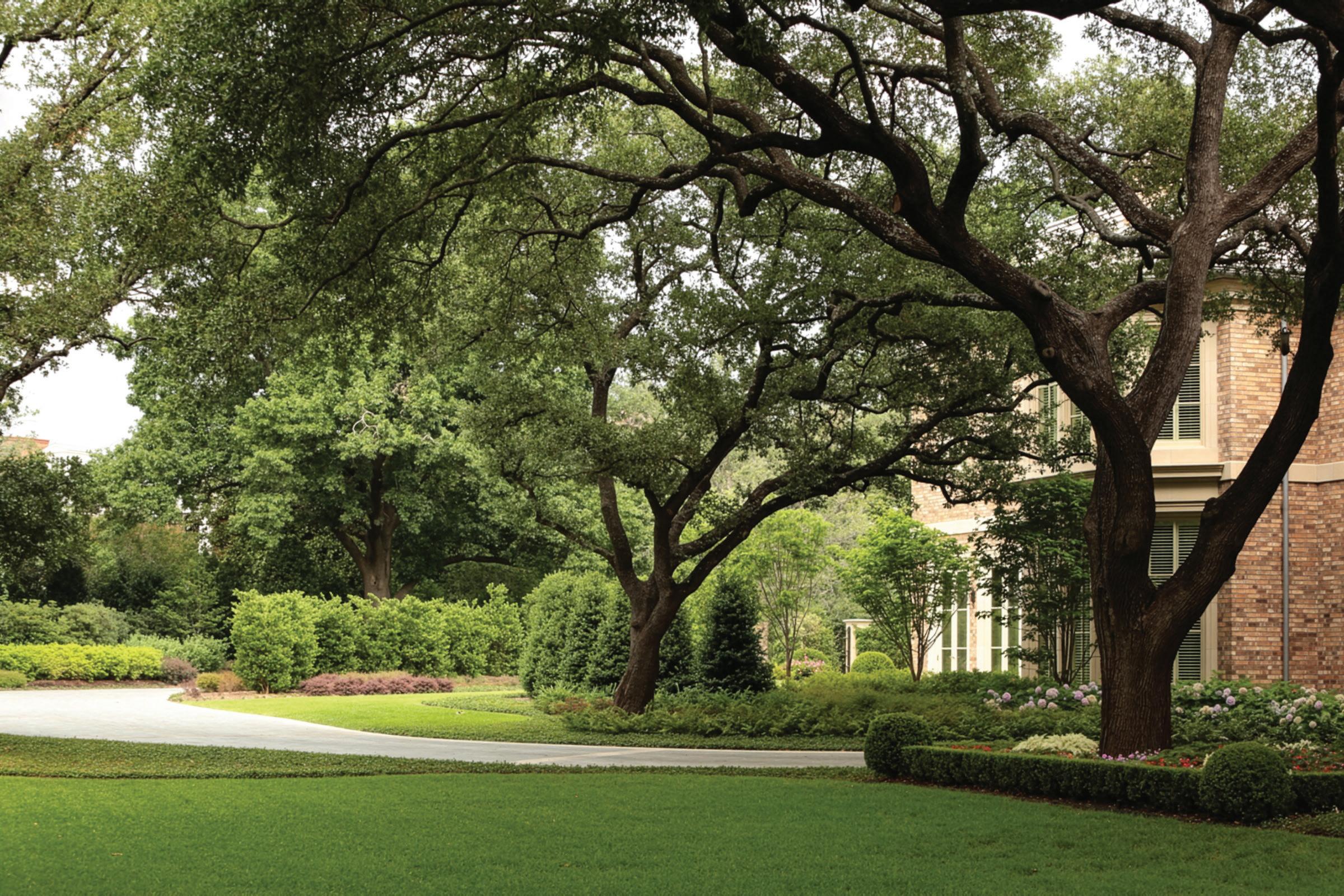
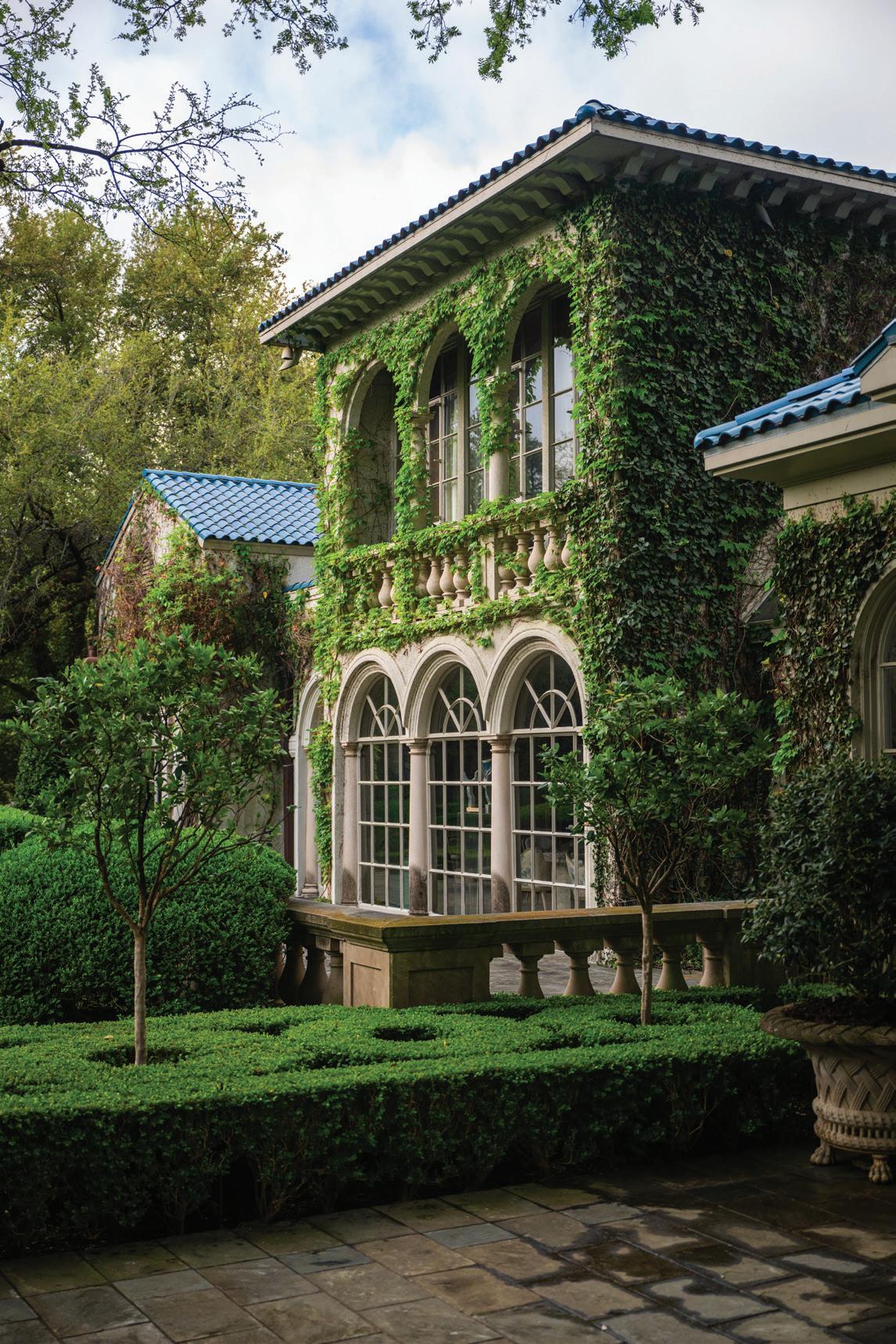
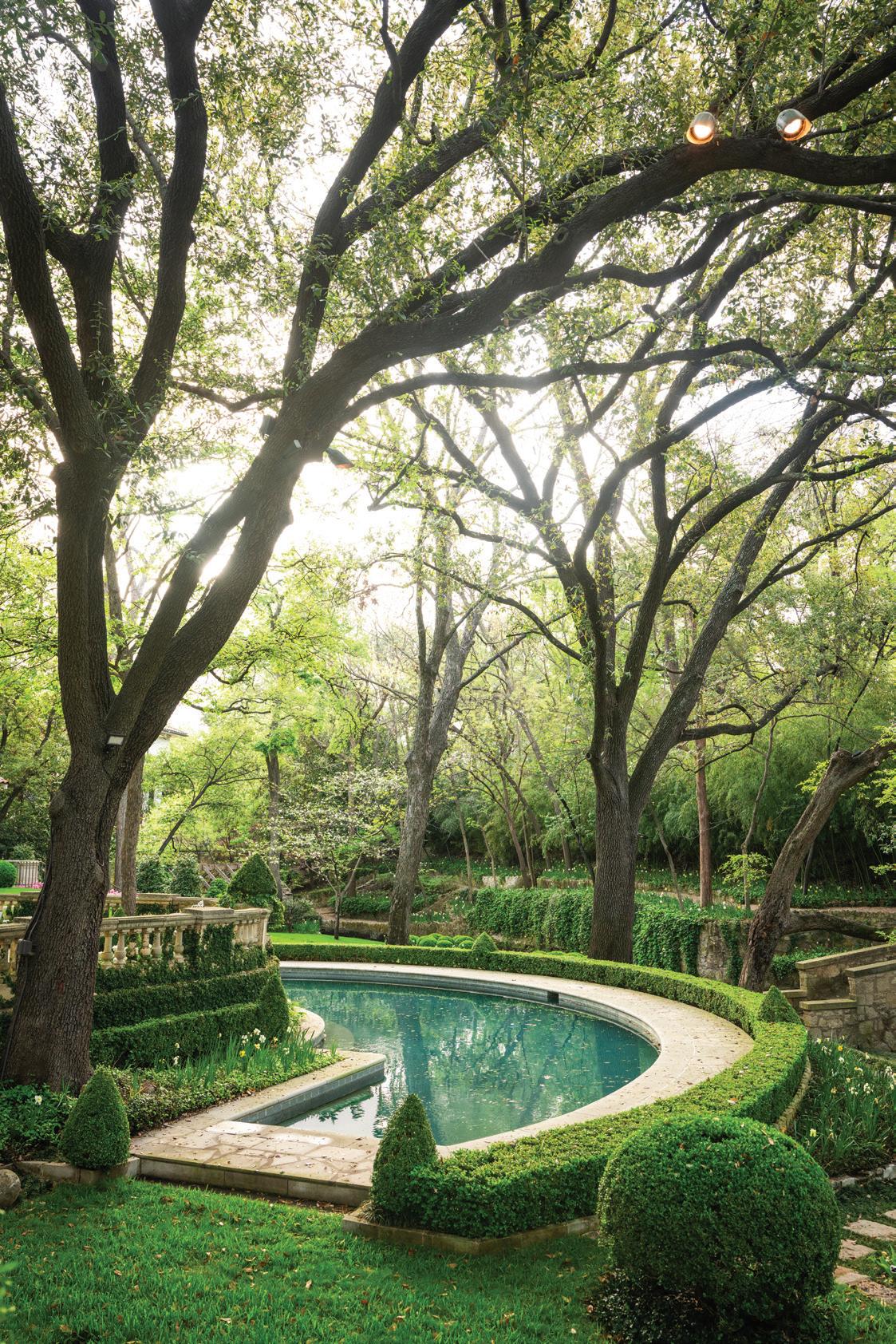
Bonick Landscaping/ Hocker Design Group collaborative project
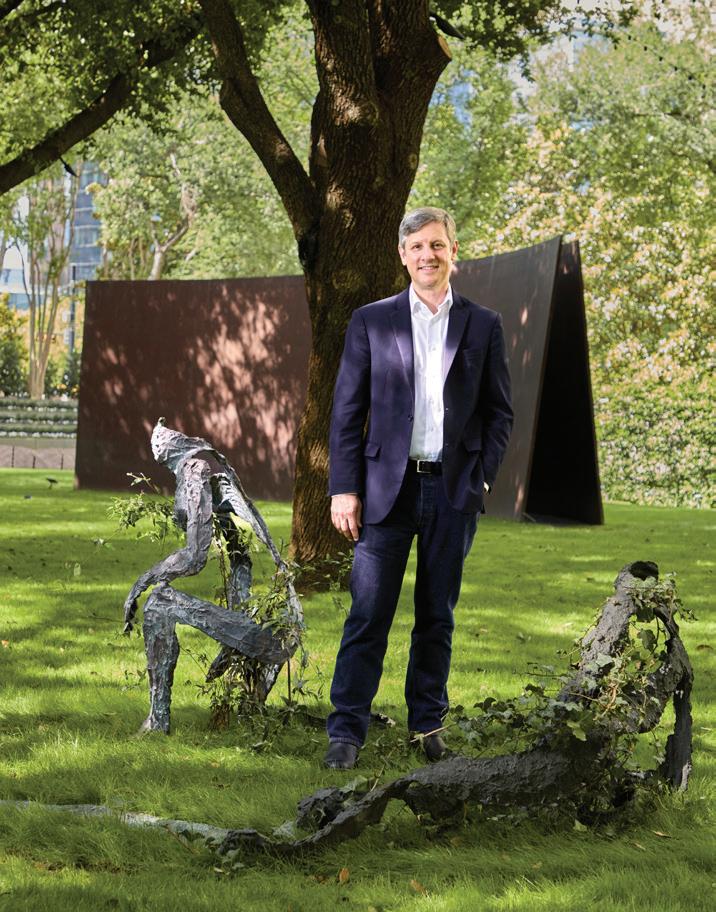
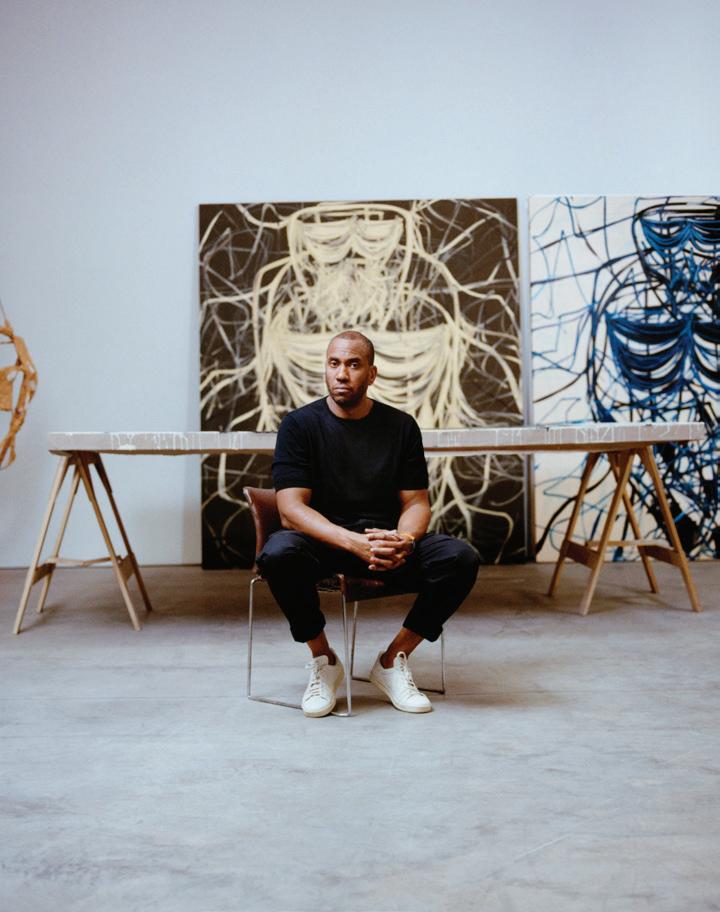
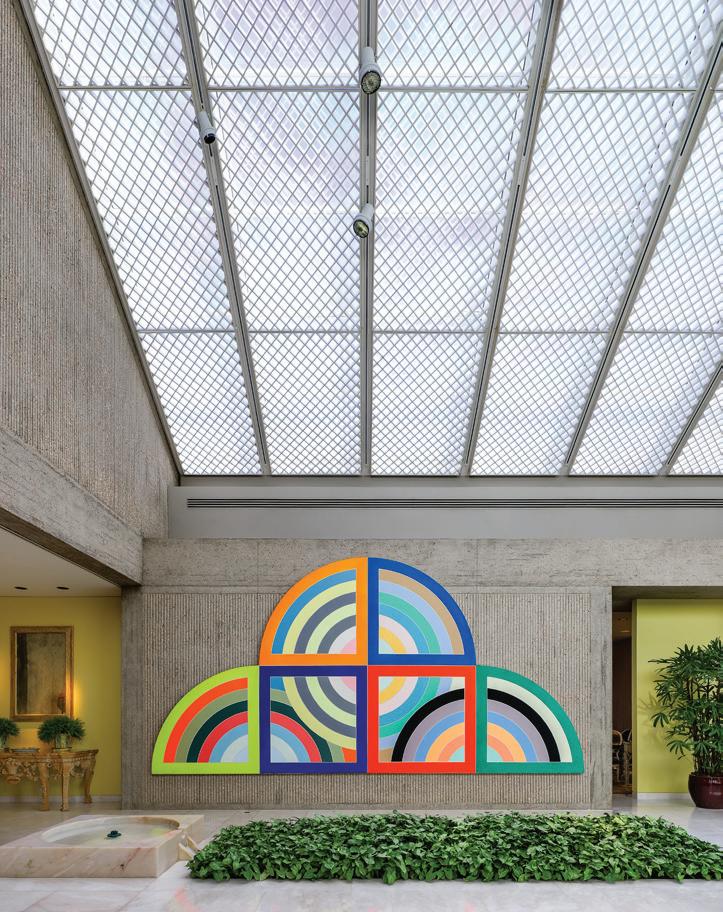
FEATURES
42 ART INFLUENCERS
Fearlessly original and irresistibly daring, these cultural alchemists push artistic expression into uncharted territory, transforming possibility into provocation while revealing art’s infinite range. By Nancy Cohen Israel, Terri Provencal, and Darryl Ratcliff
50 RASHID JOHNSON’S POETIC LEANINGS
Between self-care and history, a restless visual language. By Matthew Bourbon
54 STAGED REALITY
Nic Nicosia’s constructed environments and shifting viewpoints turn everyday experience into unstable perceptual fields.
A conversation with Jed Morse, Sydney Smith, Erin Cluley, and Nic Nicosia.
60 I. M. PEI’S FORT WORTH MASTERPIECE
The Tandy House and the two legendary Texas women who called it home. By Nate Eudaly
66 THE MODERN WEST, CURATED
NorthPark Center welcomes soccer fans for activations, special merch, and world-class art. By Terri Provencal
79 CULTURE WITH A KICK
In Dallas, the arts scene pairs creative engagement with the city’s unprecedented soccer energy. By Nancy Cohen Israel
DEPARTMENTS
06 Editor’s Note
12 Contributors
20 Noted
Fair Trade
36 STRANGE HORIZONS
Jonathan Ryan’s textured landscapes arrive in Aspen.
Interview by Carroll Cummings
Destinations
38 ART ELEVATED
The Aspen Art Fair adds to the curated encounters across the mountain town. By Terri Provencal
There
74 CAMERAS COVERING CULTURAL EVENTS
Furthermore
80 THE CULTURAL CHOREOGRAPHER
From dance studios to sidewalks, Lily Cabatu Weiss helped shape the Dallas Arts District into a thriving neighborhood. By Terri Provencal
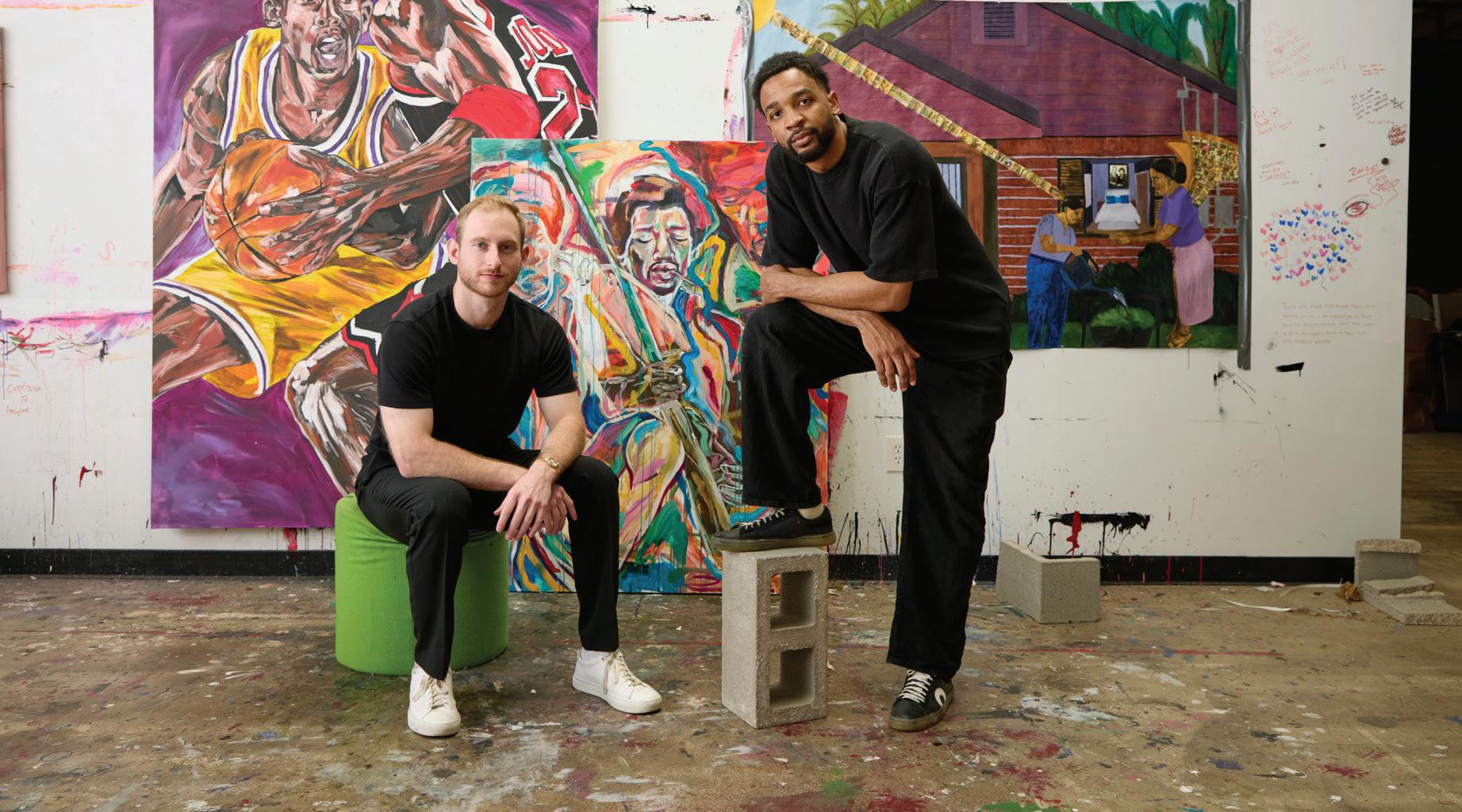
Evans, Xxavier Carter and Tabatha Trolli; Row 2: Kamica King, Jay Sullivan, Jed Morse; Row 3: Rob Grass and Ra Kazadi, and Courtney Brown. Photographs by Victoria Gomez.



26/27 SEASON
BALLETS JAZZ MONTRÉAL * (CANADA) THREE SHOWS
SEPTEMBER 18 . 19 2026
MOODY PERFORMANCE HALL
PILOBOLUS
NOVEMBER 06 . 07 2026
MOODY PERFORMANCE HALL
ALONZO KING LINES BALLET
DECEMBER 19 2026
WINSPEAR OPERA HOUSE
STEP AFRIKA! (DEBUT)
JANUARY 15 . 16 2027
MOODY PERFORMANCE HALL
ALAN LAKE FACTORI(E) (CANADA)

FEBRUARY 05 . 06 2027
MOODY PERFORMANCE HALL
SOCIAL TANGO PROJECT (ARGENTINA – TEXAS DEBUT)
FEBRUARY 26 . 27 2027
MOODY PERFORMANCE HALL
HERVÉ KOUBI (FRANCE)
MARCH 27 2027
WINSPEAR OPERA HOUSE
YUE YIN DANCE COMPANY (TEXAS DEBUT)
APRIL 02 . 03 2027
MOODY PERFORMANCE HALL
COMMAND PERFORMANCE
+TITAS/DANCE UNBOUND GALA
APRIL 24 2027
WINSPEAR OPERA HOUSE
PHILADANCO! (DEBUT)
MAY 08 2027
WINSPEAR OPERA HOUSE
* BROADWAY ADD-ON

CONTRIBUTORS

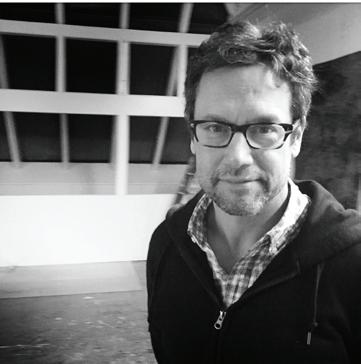
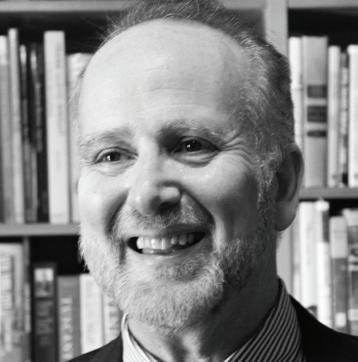
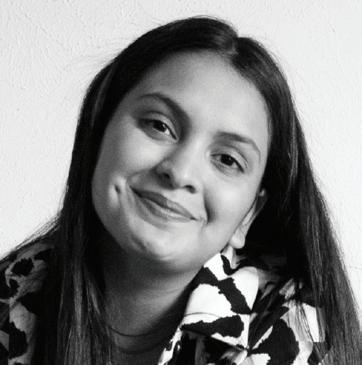
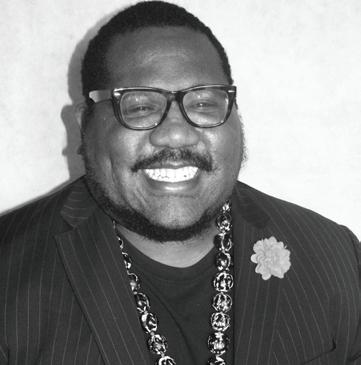
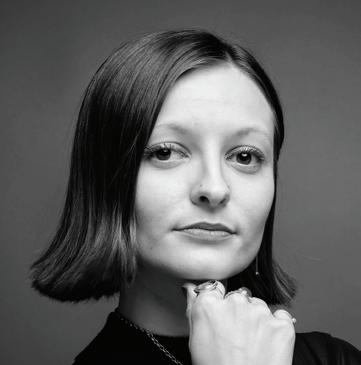
MATTHEW BOURBON
is a painter, art critic, and educator based in Texas. He is a professor of studio art in the College of Visual Arts and Design at the University of North Texas, teaching drawing and painting while maintaining a career as a practicing artist. In Rashid Johnson’s Poetic Leanings, Matthew reviews the artist’s A Poem for Deep Thinkers, which spans painting, sculpture, film, and installation, on view at the Modern Art Museum of Fort Worth.
CHRIS BYRNE
is the author of The Magician (Marquand Books, 2013), included the Library of Congress. The Dallas Museum of Art, and University of Sydney Library acquired the graphic novel for its Rare Books and Special Collections. Chris is also the co-editor (with Keith Mayerson) of Frank Johnson, Secret Pioneer of American Comics Vol. 1 (Fantagraphics, 2024), an Eisner Award–nominated anthology. The co-editors are currently working on Vol. 2, to include essays by Gregory Gallant and Dash Shaw.
LAUREN CHRISTENSEN
has over two decades of experience in advertising and marketing. As a principal with L+S Creative Group, she consults with a wide variety of nonprofit organizations and businesses in many sectors, including retail, real estate, and hospitality. Lauren is a Dallas native and a graduate of SMU with a BA in advertising. Her clean, contemporary aesthetic and generous spirit make Lauren the perfect choice to art direct Patron.
NANCY COHEN ISRAEL
is an art historian, writer, and educator at the Meadows Museum. Based in Dallas, she is a regular contributor to Patron, where she covers the city’s arts scene. In this issue she delved into the cultural experiences awaiting FIFA World Cup visitors and locals alike in Culture with a Kick . In Art Influencers, she profiled artists Courtney Brown and James Sullivan, who create work exploring the evolving possibilities of art while also inspiring and mentoring students pursuing their own creative careers.
NATE EUDALY
is an Honorary AIA and has advanced the architecture and design professions through strategic leadership over two decades as The Dallas Architecture Forum’s executive director. Under his leadership, The Forum has presented hundreds of lectures, panel discussions, and special events. Nate has served in leadership roles for nonprofits, including The Family Place, the Association of Architecture Organizations, and CityLab High School Foundation. In I.M. Pei’s Fort Worth Masterpiece, Nate delved into the history of the Tandy House.
VICTORIA GOMEZ
is a visual storyteller committed to capturing life through her lens with a particular interest in people and the stories they carry. A 2022 graduate of the University of North Texas, she currently works full-time as a photographer at Corgan, an architecture firm, while continuing her freelance work specializing in editorial photography. Driven by curiosity about culture, identity, and human connection, she brings a thoughtful focus to the artistic voices in Art Influencers
DARRYL RATCLIFF
is an artist and poet whose writing and curatorial practice explores collaborative cultural projects that illuminate shared narratives and foster civic participation and collective well-being. He is also the founder of Gossypion Investments, helping businesses and communities thrive together. In this issue, Darryl shares his enthusiasm for the creative pulse shaping the community, spotlighting the talents of Jed Morse, Will Evans, and Kamica King, along with Ra Kazadi and Rob Grass in this year’s Art Influencers feature.
PEYTON MIXON
is a photographer and founder of Mixon It Up Photography. Through bold color, movement, and carefully constructed light, she creates vibrant portraiture and live-event imagery that explore embodiment, performance, and human connection. Working collaboratively with artists, performers, and other creatives, her practice emphasizes immersive visual storytelling and photographs that feel both energetic and emotionally grounded. Peyton is Patron ’s go-to photographer for arts and culture events, bringing her keen eye to the people shaping our arts community.

PUBLISHER | EDITOR-IN-CHIEF
Terri Provencal terri@patronmagazine.com
ART DIRECTION
Lauren Christensen
DIGITAL MANAGER/PUBLISHING COORDINATOR
Anthony Falcon
COPY EDITOR
Sophia Dembling
PRODUCTION
Michele Rodriguez
CONTRIBUTING WRITERS
Matthew Bourbon
Chris Byrne
Nancy Cohen Israel
Erin Cluley
Nate Eudaly
Jed Morse
Nic Nicosia
Darryl Ratcliff
Sydney Smith
CONTRIBUTING PHOTOGRAPHERS
Jason Anderson
Olivia Bastone
Marc Brenner
Tamytha Cameron
Joseph Coscia Jr.
Sarah Croop
Carroll Cummings
Lance Gerber
Victoria Gomez
Chase Hall
Logan Jackson
Jörg Baumann
Joseph Kramm
Tom Martin
Luis Martinez
Peyton Mixon
Matthew Murphy
Kevin Todora
Can Turkyilmaz
Evan Zimmerman
ADVERTISING info@patronmagazine.com or by calling (214) 642-1124
PATRONMAGAZINE.COM
View PATRON online @ patronmagazine.com
REACH US info@patronmagazine.com
SUBSCRIPTIONS
patronmagazine.com/subscribe
One year $48/6 issues, two years $60/12 issues
For international subscriptions add $50 for postage
For subscription inquiries, email info@patronmagazine.com
SOCIAL @patronmag

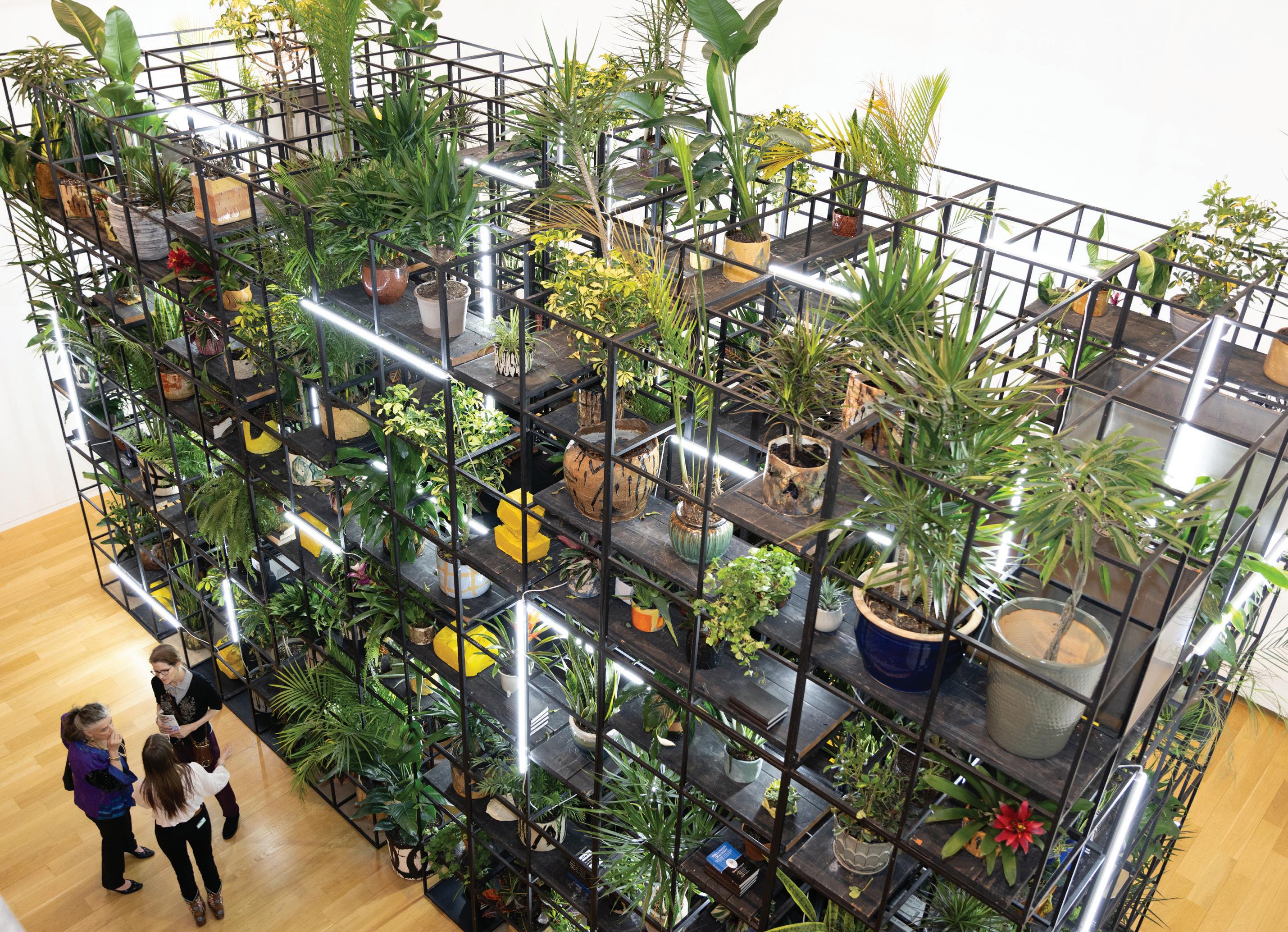
Pictured: Rashid Johnson, Antoine’s Organ, 2016/2026. Steel, grow lights, ceramic, plants, wood, shea
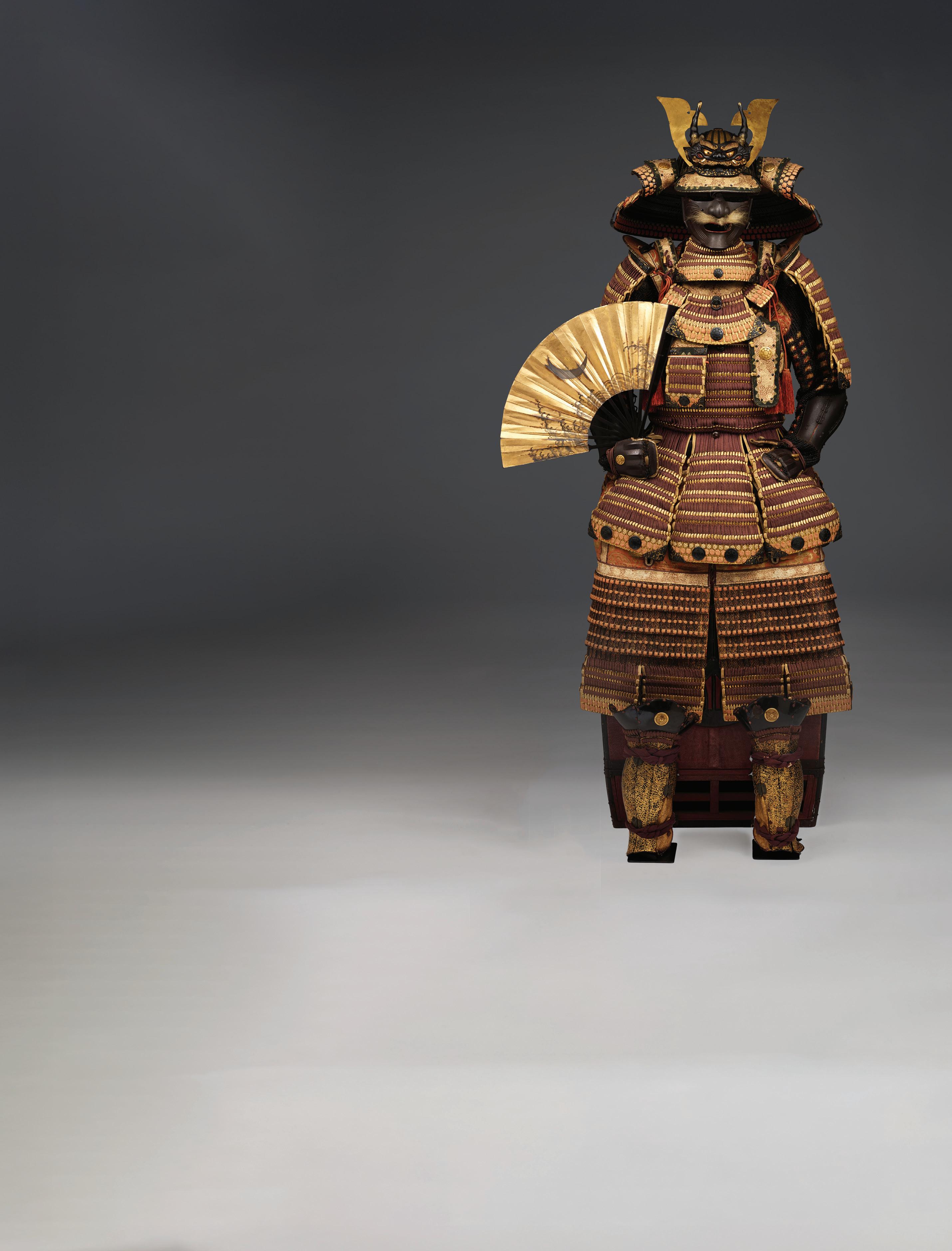
ON VIEW THROUGH SEPTEMBER 6, 2026
Marvel at the beauty and artistry of Japan’s metalworking tradition through more than 90 works of art across five centuries, from the late Muromachi period through the Meiji period.
Learn more at dma.org.
Haramaki gusoku armor with gunsen (war fan); Helmet by Masanobu; Mid to late Edo period, 18th century; © The Ann & Gabriel Barbier-Mueller Museum: The Samurai Collection, Dallas; Photo: Brad Flowers.
Samurai to the Imperial Court: Japanese Metalwork is organized by the Dallas Museum of Art. The Dallas Museum of Art is supported, in part, by generous DMA Members and donors, the Texas Commission on the Arts, and the citizens of Dallas through the City of Dallas Office of Arts and Culture.
E. Rhodes and Leona B. Carpenter Foundation
Bromberg Wendover Endowed Fund
Dallas Contemporary invites you to an evening inspired by the cultural awakening of 1950s Latin America an immersive celebration of art, design, and community rooted in the heat, rhythm, and elegance of a world that has never stopped moving.
by
let it be known far and wide, the 2026 Gala marks a bold new chapter for Dallas Contemporary. Tables, tickets & sponsorship opportunities available at dallascontemporary.org/gala-2026
Presented
Ann & John McReynolds. Co-Chairs: Catalina Gonzalez Jorba, Peter Augustus Owen, and Ramiro Garcia. Honorary Co-Chairs: Joyce Goss & Kenny Goss. Honorary Artist: Iván Argote.

Continental
Visit bentleydallas.com.

NOTED
01 AFRICAN AMERICAN MUSEUM
THE LATEST CULTURAL NEWS COVERING ALL ASPECTS OF THE ARTS IN NORTH TEXAS: NEW EXHIBITS, NEW PERFORMANCES, GALLERY OPENINGS, AND MORE.
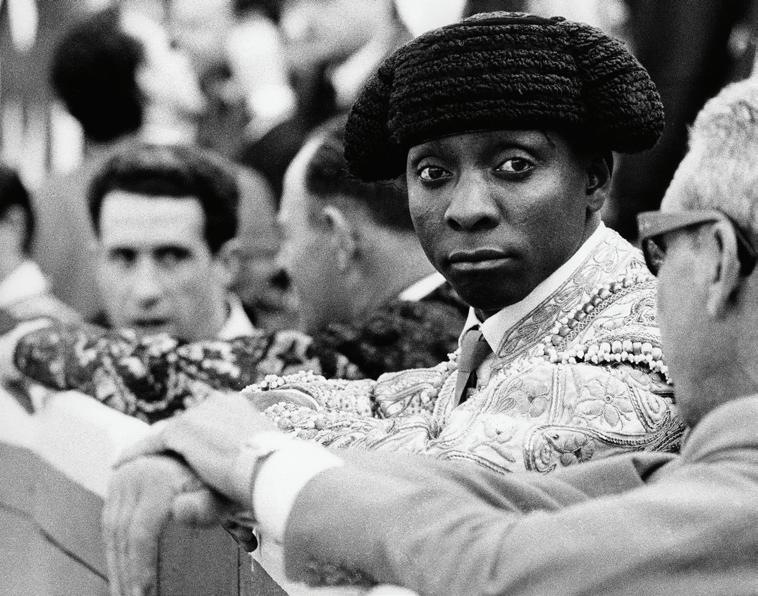
People Who Make the World Go ‘Round: The Legacy of Sepia Magazine spotlights some of the 20th century’s most influential Black icons. On view through Aug. 11, the exhibition draws from the museum’s renowned Sepia photographic archive of more than 40,000 images. Icons of Liberation: King and Mandela explores the shared leadership values and global impact of Dr. Martin Luther King Jr. and Nelson Mandela , through Nov. 1. Image: Alberto Aguilera, Ricardo Chibanga the Black Matador, August 1967, modern print on aluminum, 25 x 31 in. Courtesy of the Sepia Photographic Archive at the African American Museum of Dallas. aamdallas.org
02 AMON CARTER MUSEUM OF AMERICAN ART
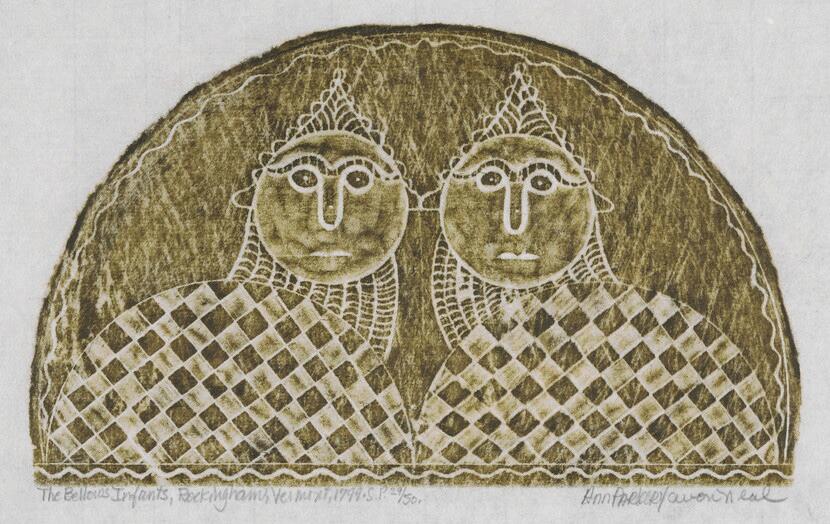
Georgia O’Keeffe and the Carter presents the Carter’s holdings of paintings and works on paper by O’Keeffe alongside photographs, letters, and other materials, through Sep. 2027. Celia Álvarez Muñoz: El Límite features a new site-specific commission transforming the museum’s sloping gallery, exploring the railroad’s role in connecting and dividing cultures, languages, and traditions, through Oct. 18. Black Photojournalism, on view through July 5, features more than 250 photographs by over 60 photographers highlighting the vital role of Black photojournalists in shaping visual narratives across the US from 1945 through the mid-1980s. Here Lyeth: Grave Rubbings by Ann Parker and Avon Neal offers a fascinating look at a mid-20thcentury project to preserve early American gravestone art through the practice of grave rubbing. Featuring original rubbings by photographer Ann Parker and multimedia artist Avon Neal, this exhibition highlights an artistic tradition that is both historically grounded and visually striking. Image: Ann Parker, Avon Neal, The Bellows Infants, Rockingham Vermont, 1799, 1963, stone rubbing, 4.68 x 7.75 in. Amon Carter Museum of American Art, Fort Worth, Texas. © Ann Parker and Avon Neal. cartermuseum.org
03 CROW MUSEUM OF ASIAN ART OF THE UNIVERSITY OF TEXAS AT DALLAS
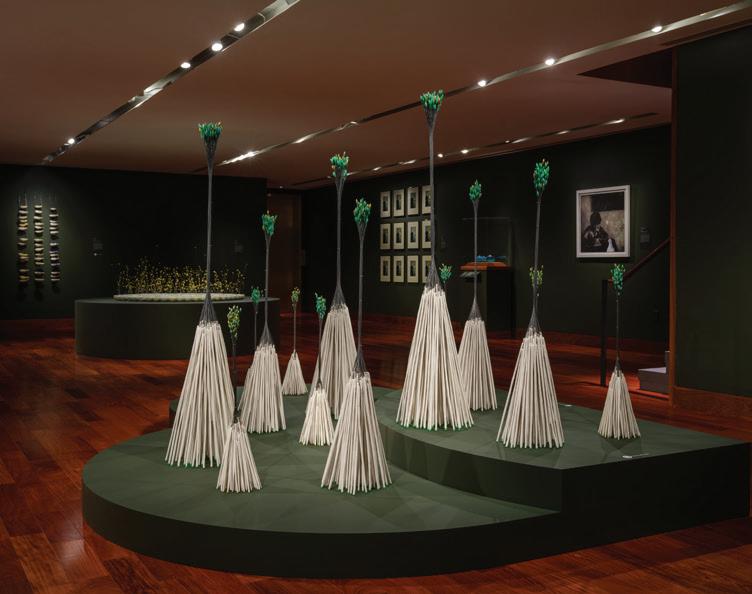
Mountain Jade with Lam Tung Pang ; Echoes of the Earth ; and Ancient Echoes, Modern Voices: The Crow Collection Goes Beyond run through July 15, 2029. Groundbreakers: Post-War Japan and Korea from the Dallas Museum of Art and The Rachofsky Collection runs through July 26, 2026, surveying postwar experimentation and cross-cultural exchange through works from regional collections. [ _____ ] Mirage runs through Jun. 21, examining perception and illusion through contemporary practices. Mounds and Mist: Kondo Traditions in Clay runs through May 31, focusing on ceramic traditions within the Kondo lineage. Intersections: Photographs by Carolyn Brown runs through Mar. 28, 2027, presenting the photographer’s observational works. At the
Dallas Arts District location, Fire and Earth: Early Chinese Pottery from the MacLean Collection runs through Sep. 26, 2027, highlighting early ceramic development; Paper Knife: Objects of Beauty in Early Modern Japan runs through Aug. 29, 2027, focusing on crafted objects and design; and Du Chau: Tracing the Threads of Memory, on view through Mar. 14, 2027, explores memory and identity. Image: Installation view of Du Chau: Tracing the Threads of Memory at the Crow Museum of Asian Art of The University of Texas at Dallas, 2026, © Crow Museum of Asian Art. Photograph by Kevin Todora. Courtesy of UT Dallas. crowmuseum.org
04
DALLAS CONTEMPORARY
Francisco Moreno: Historia Sintética , curated by Thomas Feulmer, highlights DC through Oct. 11. In his first solo museum presentation, Dallas-based Mexican American artist Francisco Moreno presents new mural-scale paintings and immersive works that merge Old Master traditions with science fiction, mythology, and Mexican iconography, exploring cultural hybridity, history, and the narratives that shape identity. Image: Francisco Moreno, Historia Sintética , installation view at Dallas Contemporary. Photograph by Kevin Todora. dallascontemporary.org
05 DALLAS HOLOCAUST AND HUMAN RIGHTS MUSEUM
The Walt Disney Studios and World War II features more than 500 artifacts, film clips, and original artworks. This traveling exhibition explores how Walt Disney and his studio supported the Allied war effort through training films, propaganda, military insignia, and morale-boosting animation following the attack on Pearl Harbor. On view through Sep. 10. dhhrm.org
06 DALLAS MUSEUM OF ART
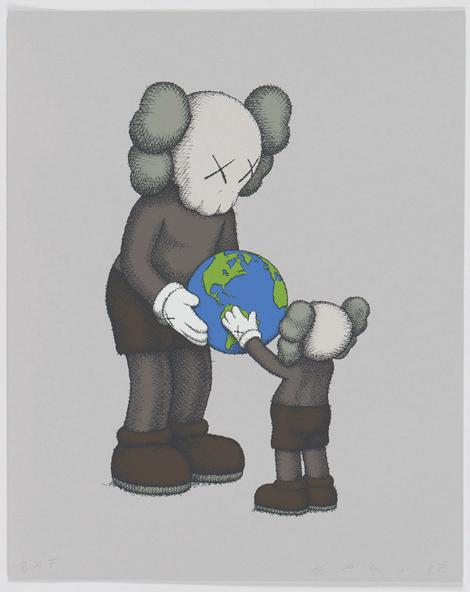
Through Jul. 5, Roy Lichtenstein in the Studio offers a glimpse into the Pop artist’s meticulous process. Samurai to the Imperial Court: Japanese Metalwork continues through Sep. 6 and showcases more than 90 works spanning five centuries of Japanese metal artistry, from samurai armor and weaponry to imperial commissions, enameled vessels, and sculptural forms drawn from the museum’s holdings and major private collections. Paradise on Earth: Florals in Indian Textiles, through Nov. 29, explores the influence of plant and floral motifs across India’s 6,000-year textile tradition, bringing together Mughal-era garments, embroidered shawls, carpets, and contemporary fashion pieces. X Marks the Spot: Contemporary Screenprinting at Brand X Editions remains on view through Nov. 8. Image: KAWS, THE PROMISE, 2022, screenprint in nine colors, 20 x 16 in. Philadelphia Museum of Art: Gift of Brand X Editions, New York, 2023. © KAWS. Photograph by Sarah Croop. dma.org

PRESIDENTIAL LIBRARY AND MUSEUM
This summer, Game Changer: United by Sports, presented by Garry Weber, brings together memorabilia from FC Dallas, Trinity FC, and the National Soccer Hall of Fame, including a scarf signed by US soccer legend Landon Donovan, jerseys worn by the US Men’s National Team during their October 2001 victory over Jamaica, and a soccer ball signed by the 2026 FC Dallas team . America’s Birthday: A History of Independence Day Story Walk , through Oct. 2026, traces how celebrations have evolved across generations through an outdoor exhibition. bushcenter.org
08 KIMBELL ART MUSEUM
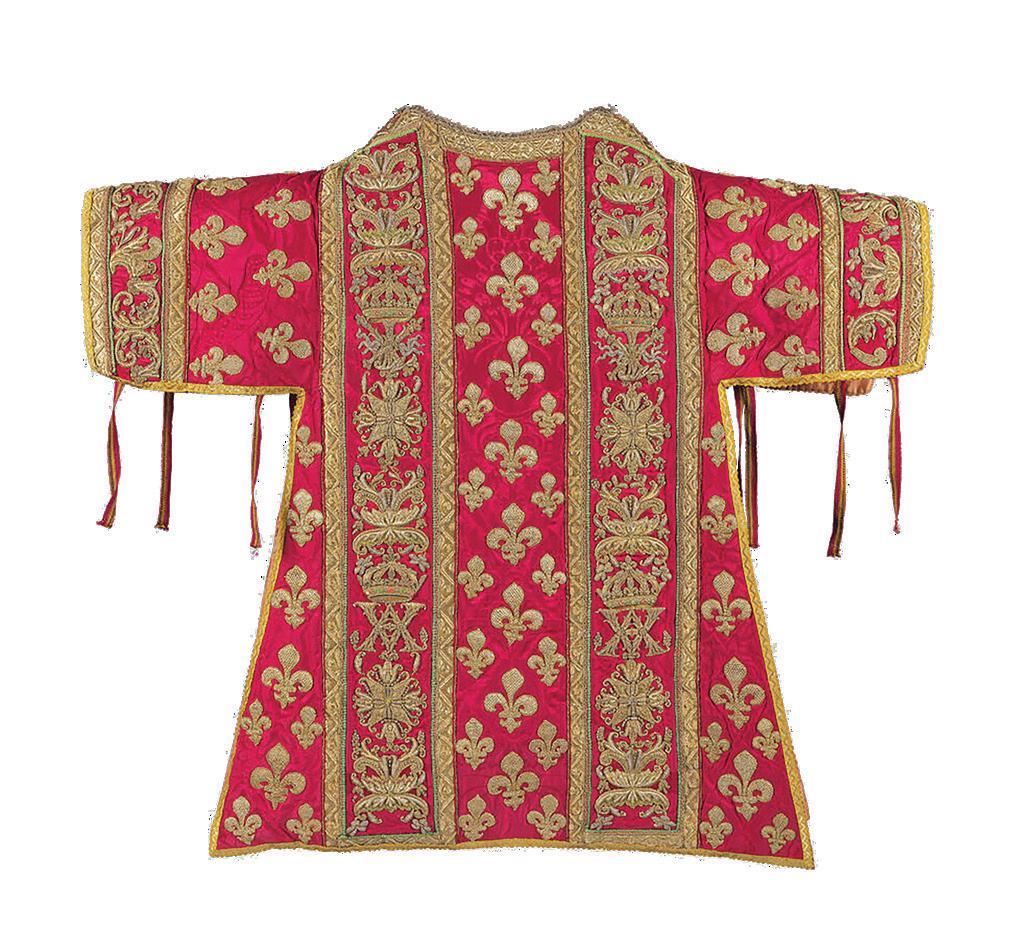
The Holy Sepulcher: Treasures from the Terra Sancta Museum, Jerusalem is on view through Jun. 28, presenting more than 60 ceremonial objects in silver, gold, enamel, and precious materials gifted to the Church of the Holy Sepulcher by European monarchs. Ranging from reliquaries and crosses to chalices and vestments, the works reflect 17th- and 18th-century craftsmanship and centuries of devotional use. Image: Alexandre Paynet, Dalmatic from pontifical set of vestments from Louis XIII, King of France, 1619, damask and silk satin of crimson red color; embroidery (carried over) in gold (yarn, cord, shiny and curly tinsel), spun silver, silk threads of various thicknesses; flat stitch execution on padding, in relief on large hemp threads. Treasury of the Holy Sepulcher, Jerusalem. Photograph by Joseph Coscia Jr. kimbellart.org
09 LATINO CULTURAL CENTER
Celebrate the 18th Annual Hecho en Dallas, an exhibition honoring the talent and creativity of local artists. This juried showcase features a vibrant mix of media and voices that reflect the cultural richness of our city, Jun. 6–Jul. 24. lcc.dallasculture.org
10 MEADOWS
MUSEUM
Raimundo de Madrazo marks the first retrospective devoted to the Spanish genre painter and portraitist, tracing his international career and success in Belle Époque Paris. Meadows/ARCO Artist Spotlight: Rubén Guerrero presents paintings by the contemporary Spanish artist that move between abstraction and figuration as part of the museum’s ongoing collaboration with Fundación ARCO. Yáñez: Saint Sebastian Revealed commemorates the 50th anniversary of the museum’s acquisition of Saint Sebastian through a technical study examining the artist’s Renaissance materials and methods. All three exhibitions are on view through Jun. 21. meadowsmuseumdallas.org
11 MODERN ART MUSEUM OF FORT WORTH
Rashid Johnson: A Poem for Deep Thinkers, through Sep. 27, marks the artist’s largest exhibition to date and his first major museum survey in more than a decade. Bringing together nearly 90 works
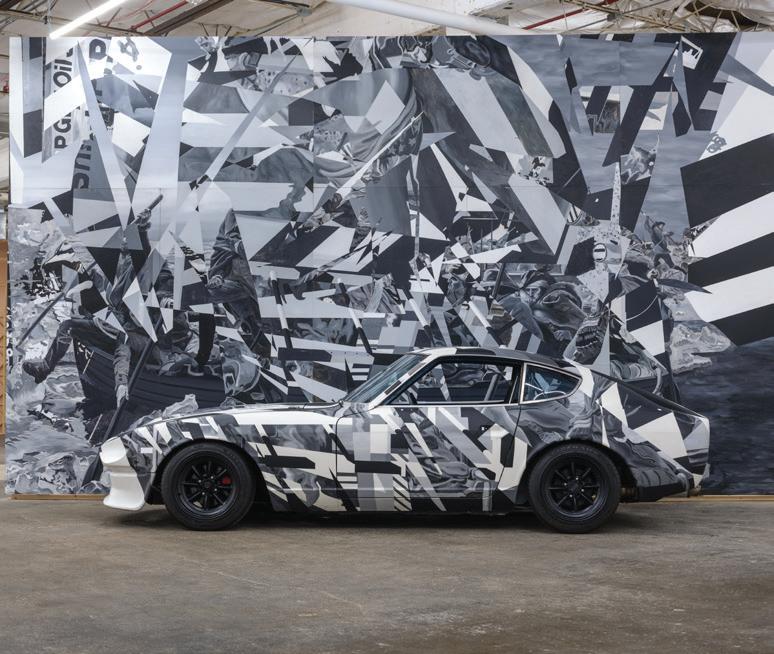
across painting, sculpture, film, and installation, the exhibition traces Johnson’s evolving practice and its engagement with history, philosophy, and Black popular culture, exploring themes of identity, masculinity, and self-reflection. themodern.org
12 MUSEUM OF BIBLICAL ART
The Color of Devotion reveals Sister Mary Frances Judge’s lifelong pursuit to translate faith into form. From her quiet studio to international installations, the exhibition traces her journey of luminous abstraction. Through Aug. 16. biblicalarts.org
13 NASHER SCULPTURE CENTER
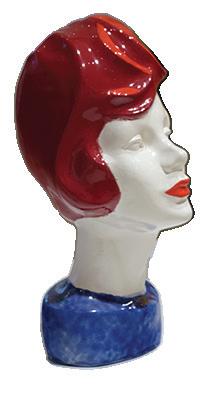
Nic Nicosia: Everyday Surreal is a survey of the last 25 years of the artist’s five-decade career that reveals the material and conceptual evolution of one of the city’s most important living artists, May 16–Aug. 16. Sculptures and Related Works by Roy Lichtenstein displays through Aug. 16, presenting prints, drawings, and sculptures from a major joint acquisition gifted by the Roy Lichtenstein Foundation to the Nasher and Dallas Museum of Art. Image: Roy Lichtenstein, Ceramic Heads (Abandoned), 1964–65, glazed high-fire ceramic. © Roy Lichtenstein Foundation. Photograph by Kevin Todora. Courtesy of the Nasher Sculpture Center. nashersculpturecenter.org
14 OAK CLIFF CULTURAL CENTER
Through Jun. 9, in Tracing the Traces, artist Chenxi Gao uses paper, thread, fabric, and video to explore objects, homes, spaces, people, and the connections between them. occc.dallasculture.org
15 PEROT MUSEUM
Soccer: More Than a Game, running through Sep. 7, presents a fastpaced, interactive exhibition that explores how physics, biology, and technology shape the world’s most popular sport. Through handson challenges and behind-the-scenes innovations, the exhibition examines performance, teamwork, and design, arriving as FIFA World Cup 2026 brings global attention to North Texas. perotmuseum.org
16 SIXTH FLOOR MUSEUM
Through Mar. 28, 2027, On Assignment: Dallas Times Herald 1963 places visitors inside the newsroom during the weekend of President John F. Kennedy’s assassination through original photographs, field notes, press credentials, and Pulitzer Prize–winning images created by Dallas Times Herald reporters and photographers. Centered around a recreated 1960s newsroom, the exhibition explores how journalists documented the unfolding national crisis in real time. jfk.org
17 TYLER MUSEUM OF ART
The Piney Prints Exhibition continues through Jun. 9. tylermuseum.org
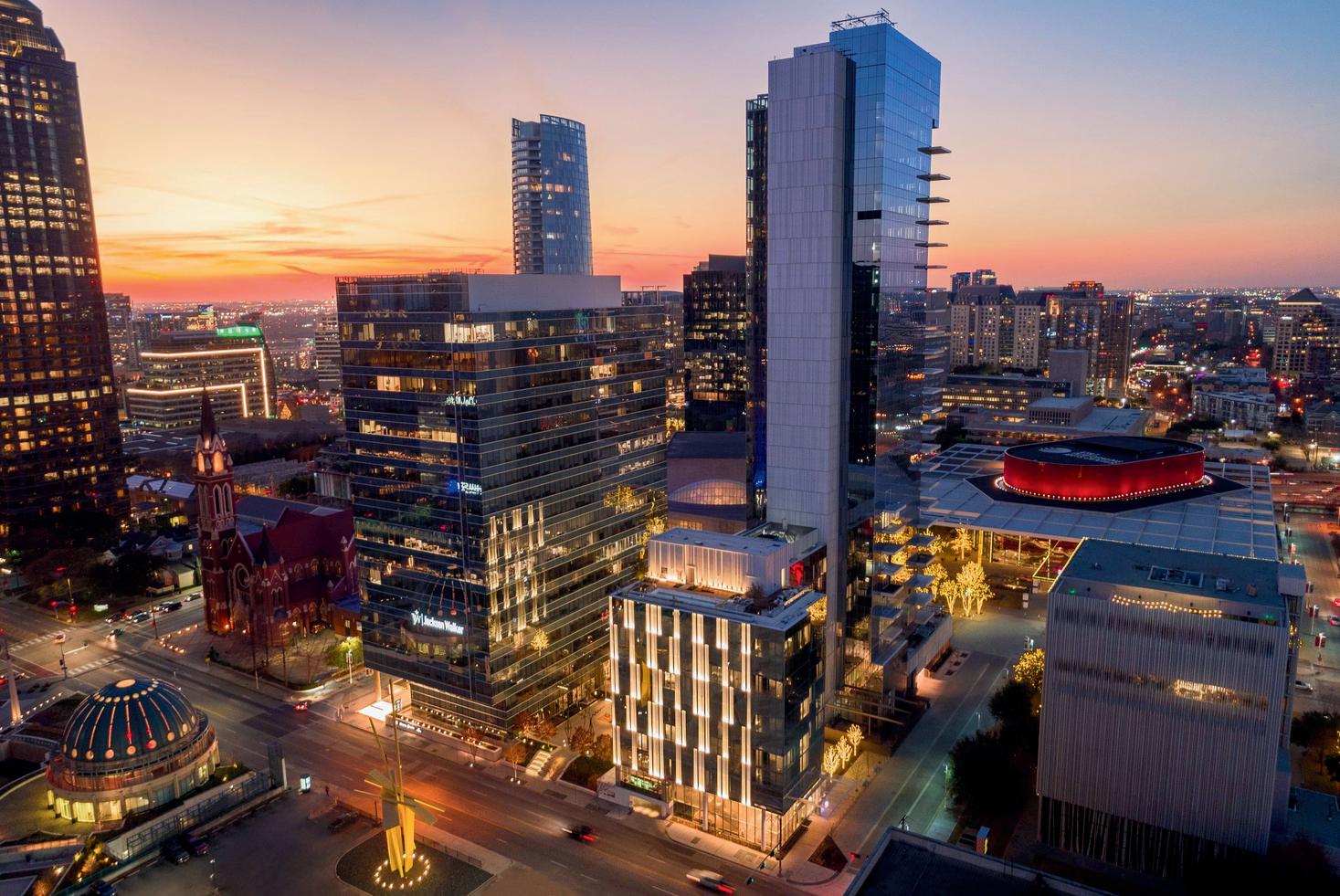
AN ARTFUL EVOLUTION AT HALL ARTS HOTEL
More to Discover with Marriott Bonvoy ’s
Autograph
Collection
Autograph Collection brings together one -of -akind hotels defined by originality and thoughtful design . ery stay is intentionally different .
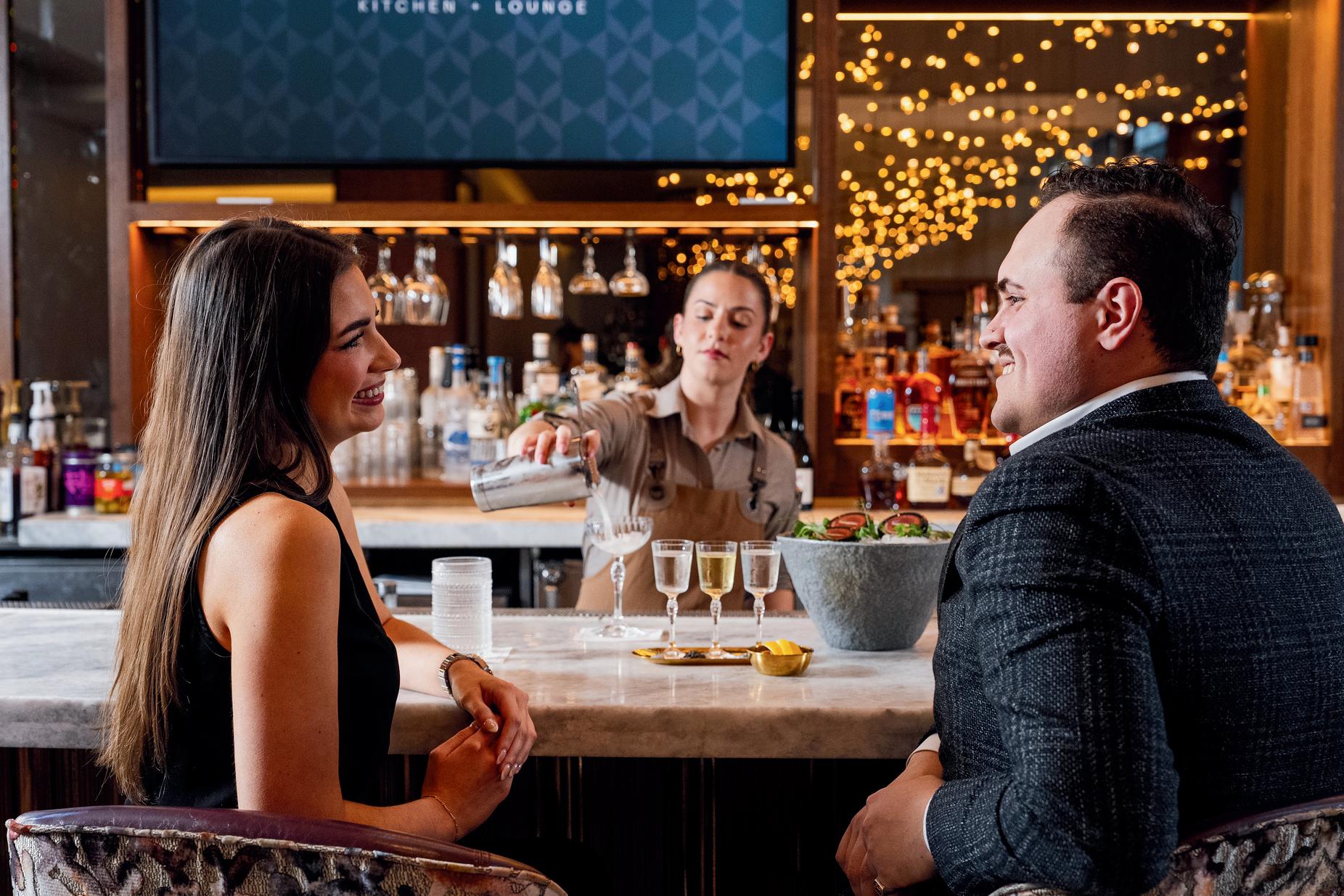
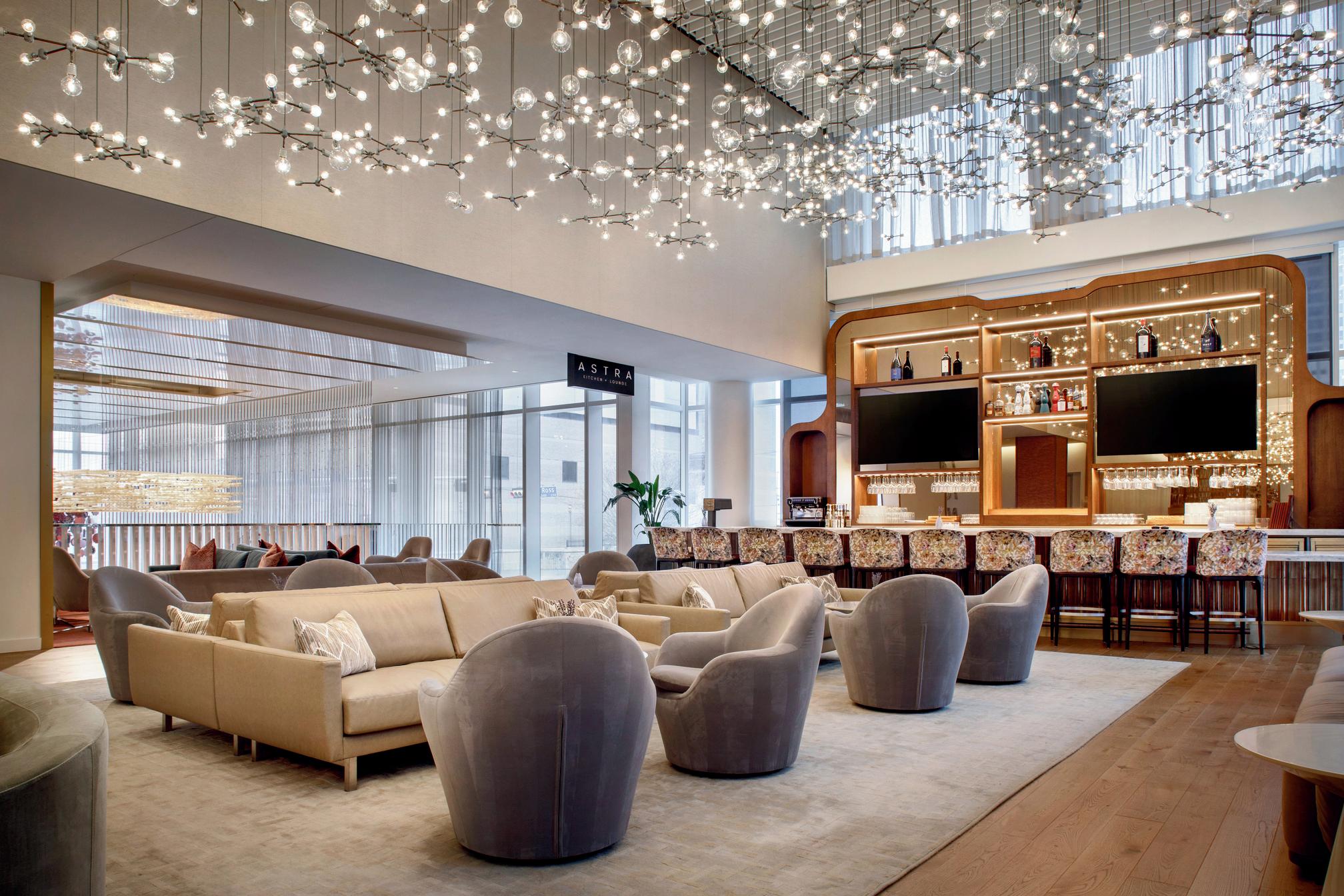
ASTRA Kitchen & Lounge Has Arrived
Now open , ASTRA brings bold flavors , vibrant energy , and elevated dining to t e eart of t e Dallas Arts District
Thoughtfully Curated Experiences
Wine on arrival , immersive contemporary art , and beautifully designed in -room touches set the tone
01 AMPHIBIAN
The Playboy of the Western World screens at the Modern Art Museum of Fort Worth , Jul. 22–Aug. 16. On the main stage, The Shark Is Broken by Ian Shaw and Joseph Nixon explores the behind-thescenes chaos of filming Jaws ; directed by David A. Miller, runs Jul. 29 and Aug. 1. Image: Erin Hennessey in The Playboy of the Western World at National Theatre. Photograph by Marc Brenner. amphibianstage.com
02 AT&T PERFORMING ARTS CENTER
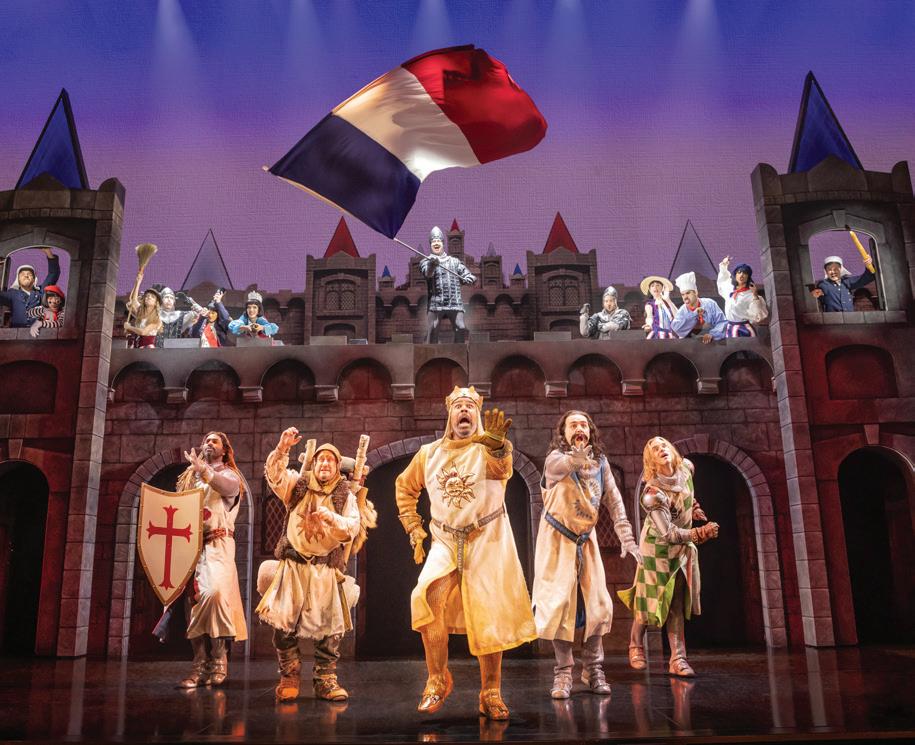
Pride in the Park Karaoke Night takes place Jun. 4 at Flora Cantina. Up Close with Ali Zafar follows Jun. 6, featuring singer-songwriter Ali Zafar. NEXT… but first, coffee runs Jun. 11–13, reflecting on life post-2020 through performance. A packed mid-June lineup includes Riverdance 30—The New Generation and Bruce Wood Dance Dallas’ IGNITE (both Jun. 12–14), alongside The Kevin Langue Show and Psychics vs Science on Jun. 13 Myron Butler—Still We Sing: The Legacy Sessions takes the stage Jun. 20, followed by The Peace & Presence Tour: Omari Dillard , Jun. 21. Kinky Boots runs Jun. 23–25, the Broadway musical featuring music and lyrics by Cyndi Lauper. Flora Street Live takes place Jun. 26, including a featured performance by Shakey Graves. Amon! The Ultimate Texan runs Jun. 27–28. July programming includes Shayar Sartaaj Live, Jul. 5, Spamalot, Jul. 9–12, Max Amini, Jul. 13, and Tori Amos on Jul. 15. Later in the summer, Wakati Wa Mavuno brings an interactive experience guided by the music and dance of Sub-Saharan Africa, Jul. 24–25 Image: The Broadway Cast of Spamalot. Photograph by Matthew Murphy and Evan Zimmerman. attpac.org
03 BASS PERFORMANCE HALL
Hadestown , a haunting and hopeful theatrical experience , runs Jun. 5–7, bringing the Tony Award–winning musical by Anaïs Mitchell to the Broadway at the Bass Series. The Notebook , Jun. 23–28, adapts the novel by Nicholas Sparks into a stage production centered on enduring love across time. Hamilton is up next, Jul. 15–26, with book, music, and lyrics by Lin-Manuel Miranda tracing the rise of Alexander Hamilton through a score that blends hip-hop, jazz, and Broadway. basshall.com
04 BROADWAY DALLAS
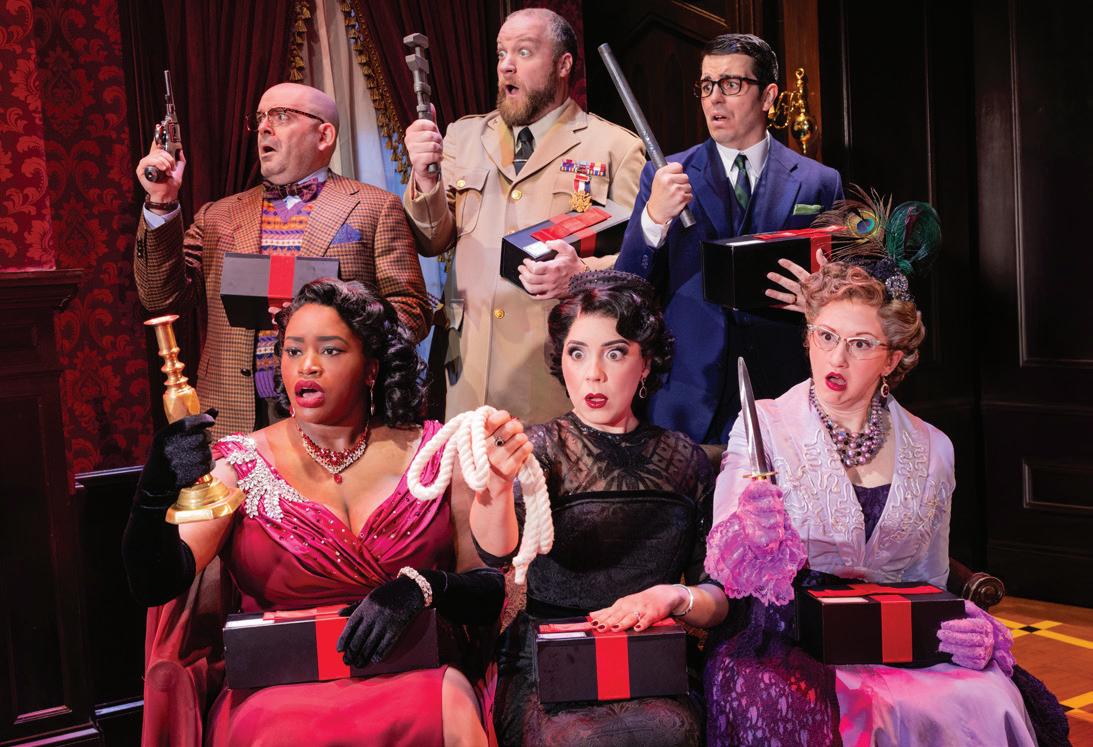
Wicked continues through Jun. 14 at the Music Hall at Fair Park, presenting the long-running musical by Stephen Schwartz that reimagines the story of the witches of Oz. Clue follows Jun. 16–28 at the Winspear Opera House, bringing the stage adaptation of the classic murder mystery to the 25/26 Broadway Series. Image: The Company of the Second North American tour of Clue. Photograph by Evan Zimmerman. broadwaydallas.org
05 CASA MAÑANA
Come From Away runs through Jun. 7, telling the true story of Gander, Newfoundland, where thousands of stranded airline passengers were taken in following 9/11. Rent: School Edition, Jul. 30–Aug. 2, follows a group of young artists navigating love, loss, and identity through a rock-driven score. casamanana.org
06 DALLAS CHILDREN’S THEATER
Matilda Jr., Jul. 10–12, is a Broadway Junior adaptation of the Tony Award–winning musical by Tim Minchin and follows a young girl who discovers her voice and challenges the adults around her through wit, resilience, and imagination. dct.org
07 THE DALLAS OPERA
Mark your calendars for The Elixir of Love on Oct. 9. dallasopera.org
08 DALLAS SYMPHONY ORCHESTRA
The DSO’s Parks Concert Series takes place Jun. 2–6 with free performances at Fretz Park, Exall Park, Kidd Springs Park, and Paul Quinn College. At the Morton H. Meyerson Symphony Center, Ben Rector: Symphonies Across America with Jon McLaughlin runs Jun 11–12, followed by Together We Sing: The Ultimate Symphonic Tribute to Kurt Carr, Jun 17. Icons of the Strip: Sinatra & The Rat Pack follows, Jun 19–21, revisiting mid-century Las Vegas standards, and Back to the Future in Concert, Jun 26–28, pairs the film with a live performance of Alan Silvestri’s score. mydso.com
09 DALLAS THEATER CENTER
Malcolm X & Redd Foxx Washing Dishes at Jimmy’s Chicken Shack in Harlem continues through Jun. 7 at the Wyly Theatre. Written by Jonathan Norton and directed by Dexter Singleton, this world premiere imagines a formative encounter between two future icons, exploring friendship, ambition, and identity against the backdrop of 1940s Harlem. dallastheatercenter.org
10 DALLAS WIND SYMPHONY
A Star-Spangled Spectacular! celebrates America’s 250th birthday under the direction of Jerry Junkin, bringing a program of patriotic works to the stage with the ensemble’s signature precision and scale. dallaswinds.org
11 EISEMANN CENTER
See Me Shine takes place Jun 1, followed by Celtic Throne II: Psalter of Ireland, Jun. 4, and the Richardson Civic Art Society’s First Fridays Art Reception, Jun. 5. Mid-month programming includes the Shelley Carrol Quartet Jun 11, and Bennett “The Good Life,” Jun
13, a tribute to Tony Bennett. Super Pickle: A Musical Parody brings the laughs Jun. 20. The Kazunori Tanaka Quartet also appears as part of the Eisemann Center Jazz series on Jul. 16. eisemanncenter.com
12 FORT WORTH SYMPHONY ORCHESTRA
Night of Strings at the Garden: Light & Color takes place Jun 5, followed by Old World Charm, Jun 12 and The Virtuoso Spirit, Jun. 19 at the Fort Worth Botanic Garden. The series presents intimate string programs spanning classical and contemporary works. The FWSO also presents Concert on the Lawn @ The Carter, Jun. 13 at the Amon Carter Museum of American Art, an outdoor performance with family-friendly programming. fwsymphony.org
13 KITCHEN DOG THEATER
Venus runs Jun. 4–28. Directed by Christie Vela and written by Steve Yockey, this dark comedy follows two women navigating love, memory, and permanence within a surreal, pitch-black narrative. The annual New Works Festival includes the D-PAC PUP Fest , Jun. 6 and staged readings, Jun. 13 and 27, featuring new plays by Texas-based writers including Jamal Sterling and Jenny Ledel. kitchendogtheater.org
14 MAJESTIC THEATRE
The Rush Tribute Project Tour takes place Jun 5, followed by Dance & Arts Connection Spring Recital: Rockin’ Down the Yellow Brick Road to OZ, Jun 7. Fronted by husband-and-wife duo Phantom & Phoenix, Thee Phantom & Illharmonic Orchestra performs Jun 14. Mid-month concerts include Todd Rundgren , Jun. 16, and Joe Jackson, Jun. 17. Later programming includes The YSK House Tour, Jul . 25 and Matt Fraser, Jul . 31. majestic.dallasculture.org
15 TACA
TACA is dedicated to making the Dallas arts community one of the strongest in the nation by investing in the arts through meaningful programming including Catalyst Grants, Arts Accelerator, New Works Fund, Pop-Up Grants, Amplifier Workshops, and more. taca–arts.org
16 THEATRE THREE
Dirty Rotten Scoundrels runs Jun. 11–Jul. 12. With book by Jeffrey Lane and music and lyrics by David Yazbek, the musical follows two rival con artists competing to swindle a wealthy heiress, unfolding as a fast-paced comedy of deception and one-upmanship. theatre3dallas.com
17 TITAS/DANCE UNBOUND
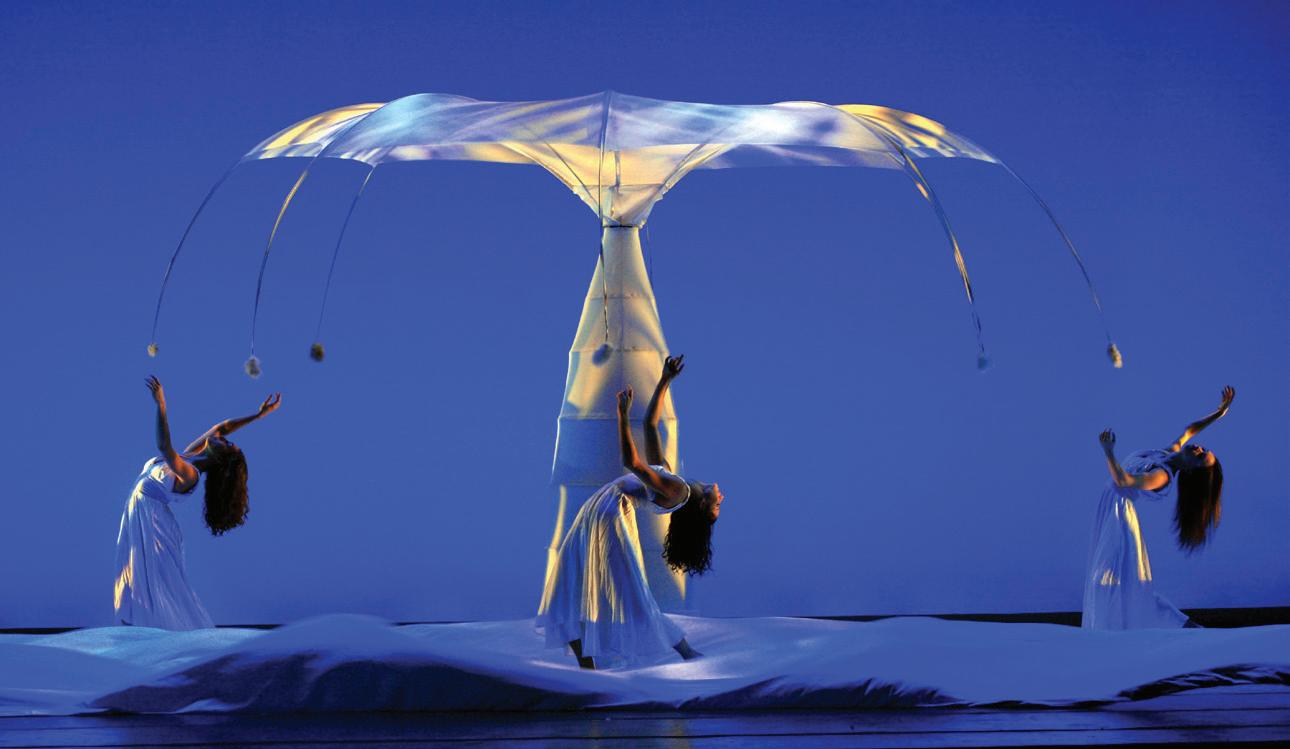
MOMIX, the company renowned for its illusion-driven choreography
and a fan-favorite, returns to the stage with Botanica on Jun. 6 at the Winspear Opera House. This visually stunning production takes audiences on a journey through the rhythms of the seasons and the ever-changing forms of life on Earth. Image: MOMIX: Botanica Photograph by Max Pucciariello. titas.org
18 TURTLE CREEK CHORALE
Join Turtle Creek Chorale for Pride As Big As Texas, continuing through Jun. 26 across multiple locations, including the Meyerson Symphony Center. The program celebrates the LGBTQ+ community and Texas identity through music by artists including Willie Nelson, Kacey Musgraves, and Beyoncé, alongside contemporary choral works by Marques Garrett and Victor Johnson. turtlecreekchorale.com
19 UNDERMAIN THEATRE
The Search for Signs of Intelligent Life in the Universe runs Jun. 11–28. Written by Jane Wagner and directed by Ashley Puckett Gonzales, the one-woman comedy stars Marianne Galloway in a series of characters examining American culture, identity, and human connection through humor and observation. undermain.org
FESTIVALS
01 DALLAS ARTS DISTRICT PRIDE BLOCK PARTY
On Jun. 19, the Dallas Arts District will host spirited programming featuring concerts, films, and guided museum tours during the Dallas Arts District Pride Block Party. Enjoy a night filled with regional and Dallas artists, Roundup Saloon Line Dancing, gourmet fare, makers, a community mural, family-friendly activities, and more. The Community Stage will feature Uptown Players, Bruce Wood Dance Dallas, Dezi 5, and others. This free, public event celebrates Pride Month through the lens of the arts. dallasartsdistrict.org
02 JUNETEENTH 4K FREEDOM WALK & FESTIVAL
On Saturday, Jun. 13, the Martin Luther King, Jr. Community Center is hosting the 4K Freedom Walk for health and wellness, ending with a free community festival with live entertainment and activities for the entire family. dallasmlkcenter.com
03 KLYDE WARREN PARK INDEPENDENCE DAY
On Jul. 4, celebrate Independence Day with food, family, and fireworks at the Official Independence Day Celebration for the City of Dallas. Sample treats from a variety of vendors, enjoy live music and family activities. The day ends with a citywide pyrotechnic display. klydewarrenpark.org

01 12.26
Herald runs through Aug. 1, featuring new work by Jennifer Carvalho, Em Kettner, and Simon Petepiece. A solo presentation of new paintings by Katayoun Hosseinrad opens Jun. 27 and runs through Aug. 1. gallery1226.com
02 AKIM MONET FINE ARTS
Time Capsule–Rodin—The Sculpted Voice brings together studio casts, intimate studies, and monumental bronzes produced under the stewardship of Musée Rodin. akimmonetfinearts.com
03 ALAN BARNES FINE ART
Fine 19th & 20th Century Paintings and Sculpture Spring–Summer will be on view through the summer at the gallery. alanbarnesfineart.com
04 ARTSPACE111
Wild Forms, Western Light , through Jul. 18, features new work by Lindsey Meyer and Terry Browder and explores interpretations of the contemporary West through figuration and landscape, pairing Meyer’s depictions of the western figure with Browder’s textured, place-driven compositions. The 2026 Texas Juried Exhibition presented by the Love Texas Art Foundation opens Jul. 25 and remains on view through Aug. 29. artspace111.com
05 BARRY WHISTLER GALLERY
Welcome to Texas, Jun. 6–Jul. 25, features work by John Pomara, Allison V. Smith, and Jay Shinn among a group of twelve artists. Spanning works from 1933 to the present, the exhibition reflects on regional identity in connection with the World Cup and the 250th anniversary of the US. barrywhistlergallery.com
06 CADD
The Contemporary Art Dealers of Dallas hosts member gallery days, happy hours, scholarships, and other events supporting artists and member galleries. caddallas.org
07 CHRISTOPHER MARTIN GALLERY
The gallery displays the reverse-glass paintings of Christopher H. Martin along with 25-plus mid-career artists who work within painting, photography, mixed media, and sculpture. christophermartingallery.com
08 CONDUIT GALLERY
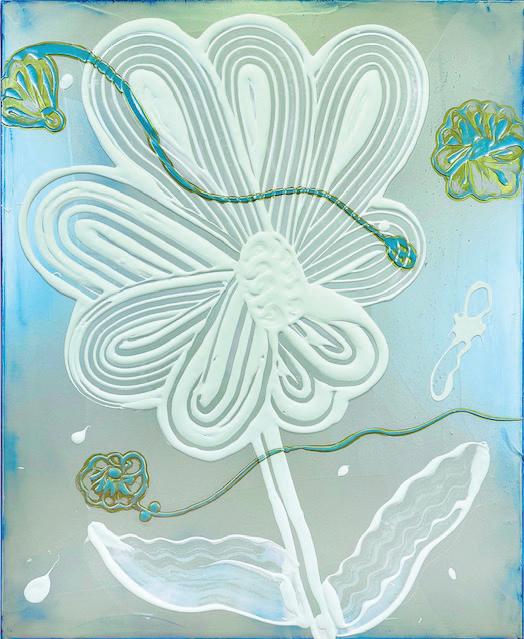
Catherine Howe: Life-Size, through Jul. 25, presents new paintings by the artist. The exhibition moves from botanical representation toward abstraction, using layered materials and reflective surfaces to explore nature as both subject and metaphor. Image: Catherine Howe, Big Bloom No. 3, 2026, acrylic, iridescent mineral pigments, metal leaf on canvas, 55 x 45 in. conduitgallery.com
09 CRAIGHEAD GREEN GALLERY
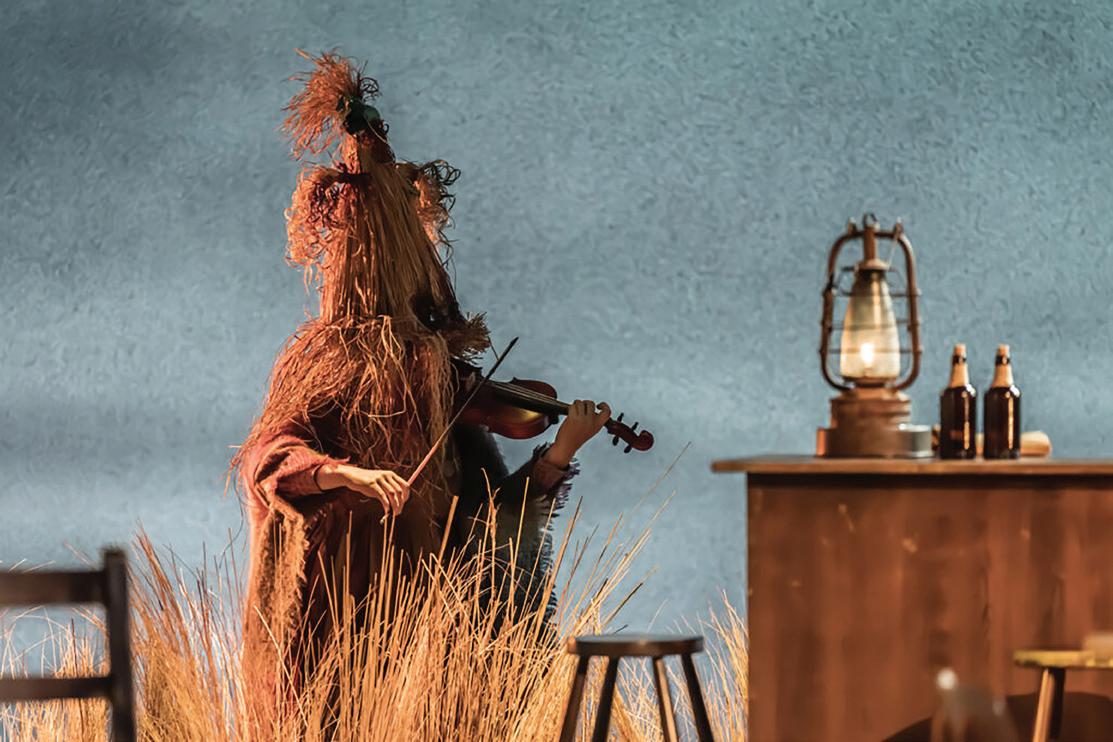
The Annual Group Show continues through Jun. 20. Next, New Texas Talent 33, juried by Daisha Board, returns Jun. 27 and continues through Aug. 22. craigheadgreen.com
10 CRIS WORLEY FINE ARTS NEXT
Alan Govenar: The Eyes and Ears of the People, Jun. 13–Jul. 25, presents full-body portraits. Held in conjunction with Juneteenth, the exhibition centers on individuals whose lived experiences reflect broader cultural and historical narratives. crisworley.com
11 CVAD, UNT COLLEGE OF ART AND DESIGN GALLERIES
Communication Design Senior B.F.A. Exhibition runs through Jul. 25, featuring work by graduating students. cvad.unt.edu
12 DAVID DIKE FINE ART
Recent Arrivals features a selection of works by artists including Porfirio Salinas, Martin Grelle, Olin Travis, Jerry Bywaters, William Slaughter, Dan Rizzie, and Marcus Stone. By appointment. daviddike.com
13 ERIN CLULEY GALLERY
Katie Miller: Riverbraids, through Jun. 20, presents textile-based works that explore weaving, natural materials, and ecological systems. Nic Nicosia: a little more runs through Aug. 1, featuring new and recent multimedia works that examine perception, narrative, and the artist’s evolving practice. erincluley.com
14 FERRARI FINE ART GALLERY
The gallery represents six artists, including Debra and James Ferrari, working across painting, sculpture, wall installations, collage, and mixed media. ferrarigallery.net
15 FWADA
Fort Worth Art Dealers Association stimulates interest in the visual arts through educational programs, scholarships, and member events. fwada.com
16 GALLERI URBANE
Summer Group Show—The Kitchen will remain on view through Jul. 31. galleriurbane.com
17 GREEN FAMILY ART FOUNDATION
Fields of Vision: Dallas Collects, curated by Sara Hignite, brings together 21st-century artworks acquired since 2020 by Dallasbased collectors. The exhibition highlights the breadth of collecting practices in Dallas and situates them within a broader global art context. On view through Aug. 9. greenfamilyartfoundation.org



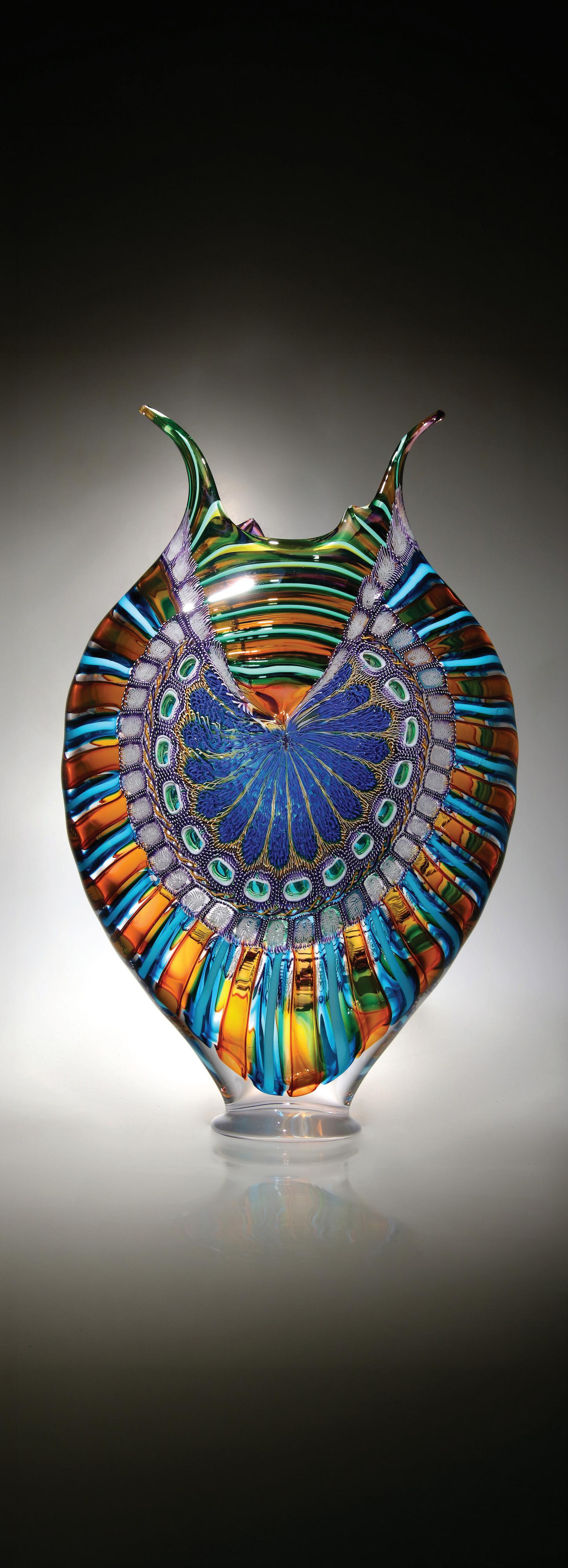
David Patchen
18 JAMES COPE GALLERY
An exhibition of new work by Lee Lozano remains on view through Jul. 4. jamescope.biz
19 JAMES HARRIS GALLERY
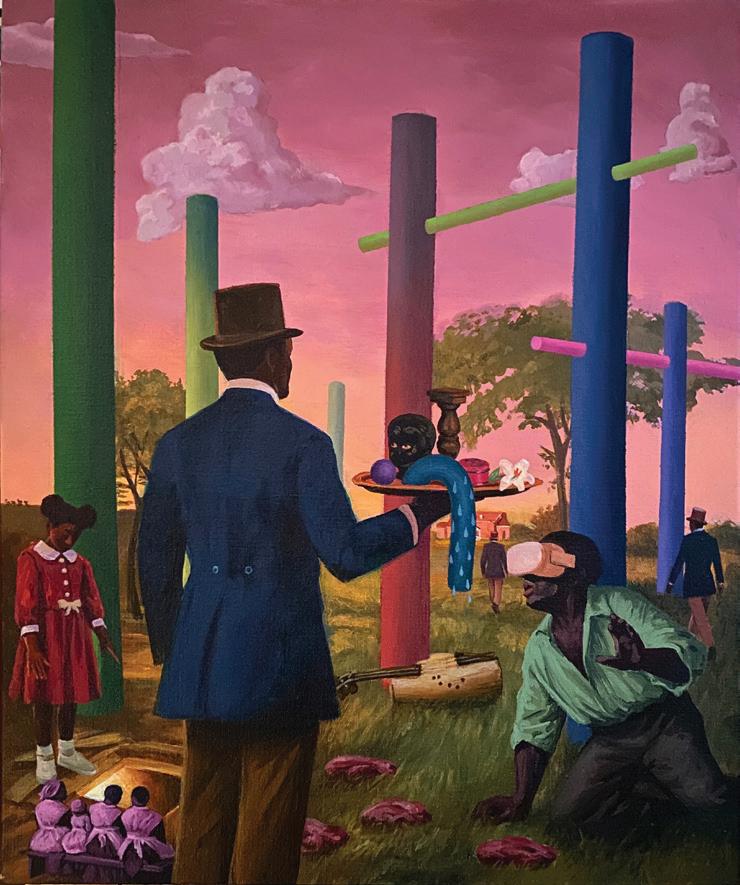
Ghost Stories, a two-person exhibition featuring the work of Brooklyn-based artist Ronald Hall and El Paso–based artist Freddy Ortega continues through Jun. 27. Through richly layered narrative paintings, both artists construct otherworldly spaces where figures grapple with the complexities of past, present, and future. Image: Ronald Hall, Virtual Assimilation, 2026, acrylic on linen, 25 x 20 in. jamesharrisgallery.com
20 KEIJSERS KONING
Keijsers Koning is an international contemporary art gallery presenting emerging and established artists. keijserskoning.com
21 KIRK HOPPER FINE ART NEXT
Kirk Hopper Fine Art is on a summer break; for more information visit their website. kirkhopperfineart.com
22 KITTRELL/RIFFKIND ART GLASS
Alex Bernstein: A Solo Exhibition featuring kiln-cast glass continues through Jun. 30. kittrellriffkind.com
23 LAURA RATHE FINE ART
Undercurrent presents a new body of work by Janna Watson. Watson translates fleeting sensations into complex fields of color and motion. Through Jun. 20. laurarathe.com
24 LILIANA BLOCH GALLERY


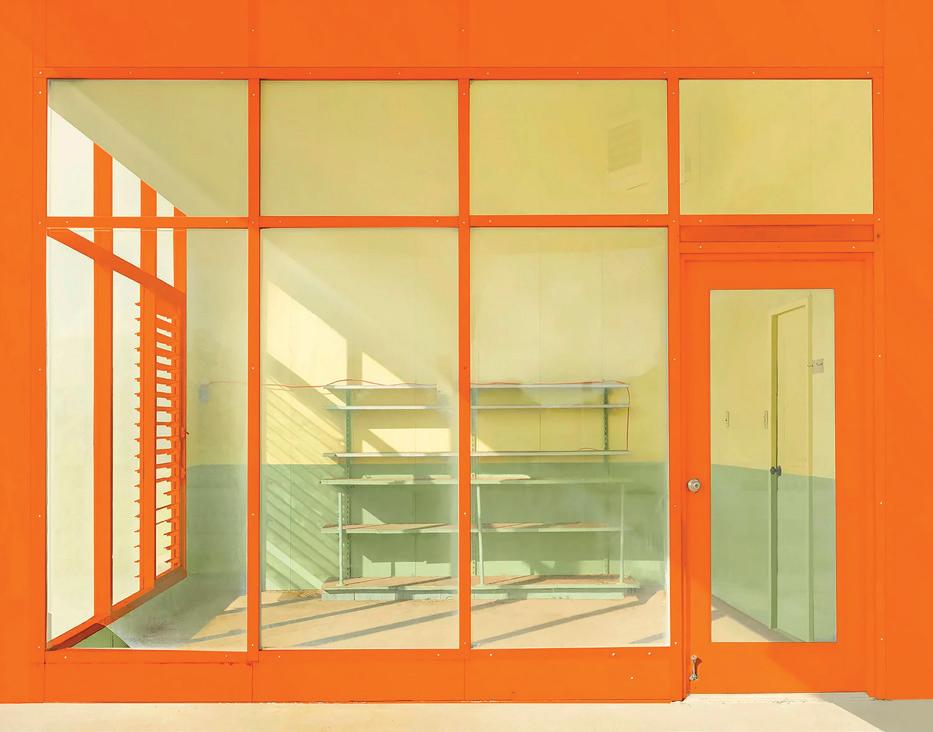
Leigh Merrill: Window and Wind presents new work exploring photography as both document and constructed image. Merrill assembles and layers photographs from diverse locations to create composite landscapes that question perception, memory, and the built environment. Through Jul. 11. Image: Leigh Merrill, Window and Wind, archival pigment print on Hahnemühle watercolor paper, 33 x 42 in., 2026, framed size 37 x 46 in. Edition of 3 + 1AP, digital collage. lilianablochgallery.com
25 LONE GALLERY
Lone Gallery showcases a diverse array of artists including painters Bradley Kerl, Danny Joe Rose III, and Camille Woods, alongside mixed-media artists such as Bruce Lee Webb and Cruz Ortiz. lonegallery.com
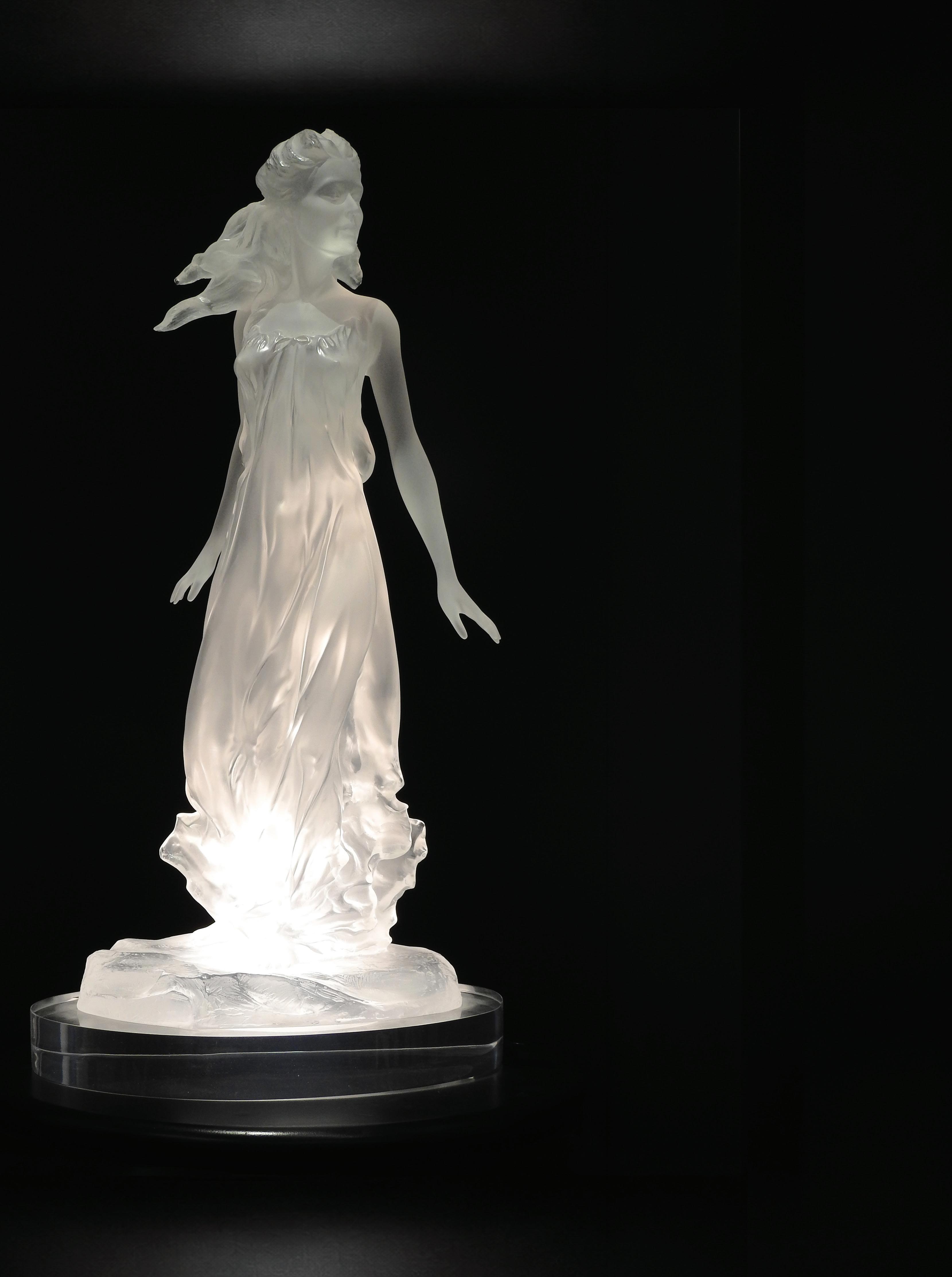
(November 3, 1943 – August 13, 1999)
OPENING EXHIBITION
JUNE 13TH, 2026
THROUGH THE MONTH OF JULY
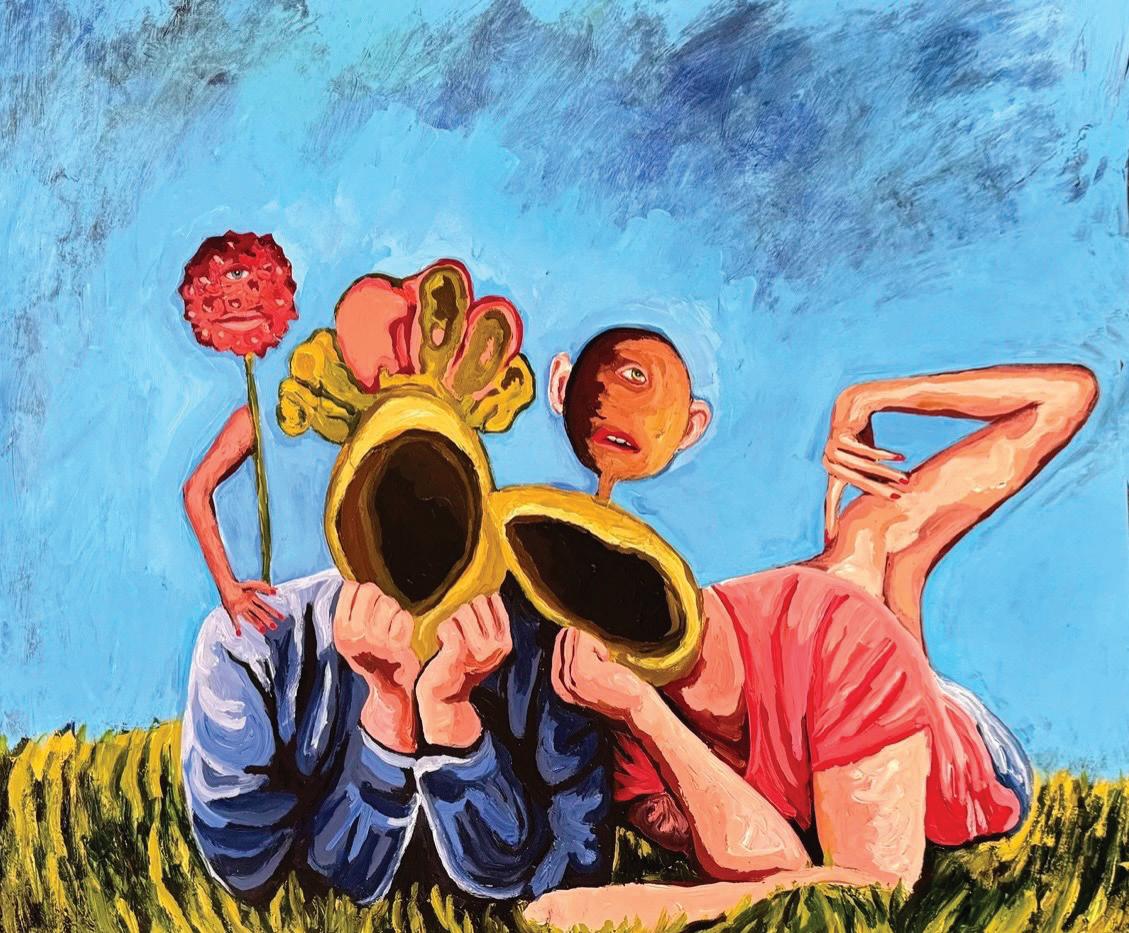
In a landmark event marking the end of an era, Southwest Gallery has been chosen to assist in the sale of the remaining inventory from the publisher and estate of Frederick Hart.
No additional works will ever be produced again, making this the de nitive close of a remarkable chapter in American sculpture.


26 MELIKSETIAN | BRIGGS
The gallery presents works by conceptual artists including the Estate of Bas Jan Ader, Meg Cranston, Yifan Jiang, and others. meliksetianbriggs.com
27 NATURE OF THINGS
earthlicker runs Jun. 27–Aug. 15, featuring work by Ellen Khansefid and Clint Bargers. The exhibition considers the act of looking through Khansefid’s references to alternative subcultures and voyeuristic imagery alongside Bargers’ ceramic wall works, which engage themes of the body and surface through forms that reveal themselves only from oblique viewpoints. natureofthings.xyz
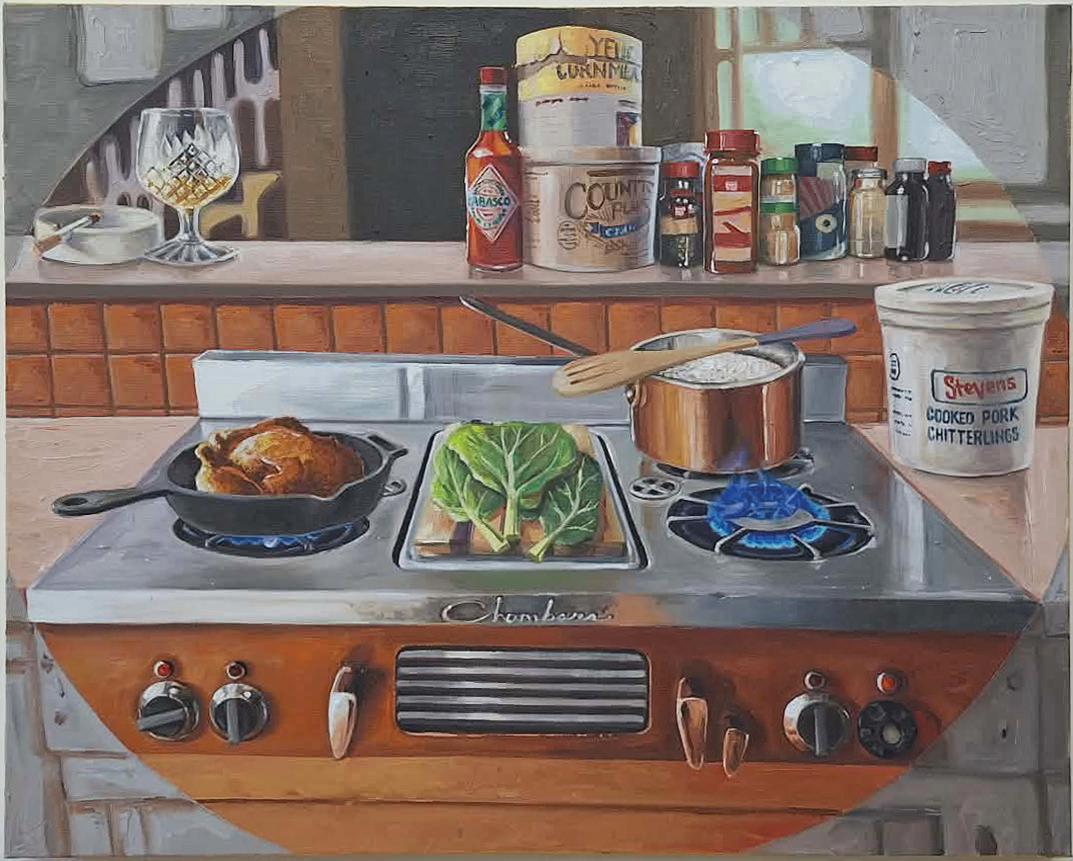
28 PENCIL ON PAPER
Rapheal Crump: Home , Jun. 15–Jul. 25, presents oil paintings that depict intimate interior scenes drawn from memory, reflecting on personal history and lived experience. Image: Rapheal Crump, G Ma's Kitchen, 2026, oil on canvas, 30 x 24 in. pencilonpapergallery.com
THROUGH JULY 5
29 PHOTOGRAPHS DO NOT BEND
America, on view Jun. 13–Aug. 15, is a group exhibition marking the 250th anniversary of the US through photography, bringing together multiple artists to reflect on national identity and history. pdnbgallery.com
30 THE POWER STATION
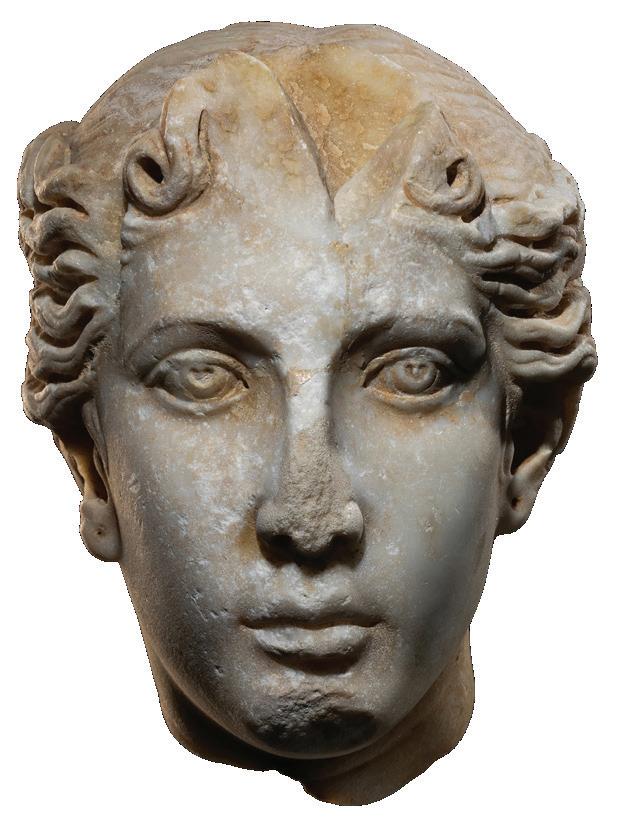
Feel Good Hit of the Summer, through Jun. 13 at The Power Station annex and third floor organized by Picnic Curatorial Projects, features Cindy Sherman, Isa Genzken, and Gabriel Rico. Body Fragment, through Jun. 27, curated by Rob Teeters, brings together works from antiquity to the present to examine fragmentation as a recurring motif in representations of the human body. Image: Roman Marble Portrait Head of a Woman, 1st half of the 3rd century A.D., 8.25 in. (h). Courtesy of The Power Station. powerstationdallas.com
31 RO2 ART
Through Jun. 14, Yuni Lee: Tides of Equilibrium, synchronizes the complexities of the natural world with the technological in paintings built from color, pattern, and layered mark. Also on view, Yuliya Lanina: Broken Lullabies populates the gallery with fantastical figures in a multimedia exhibition of paintings, sculpture, hand-painted music boxes, animation, and installation. Image: Yuliya Lanina,
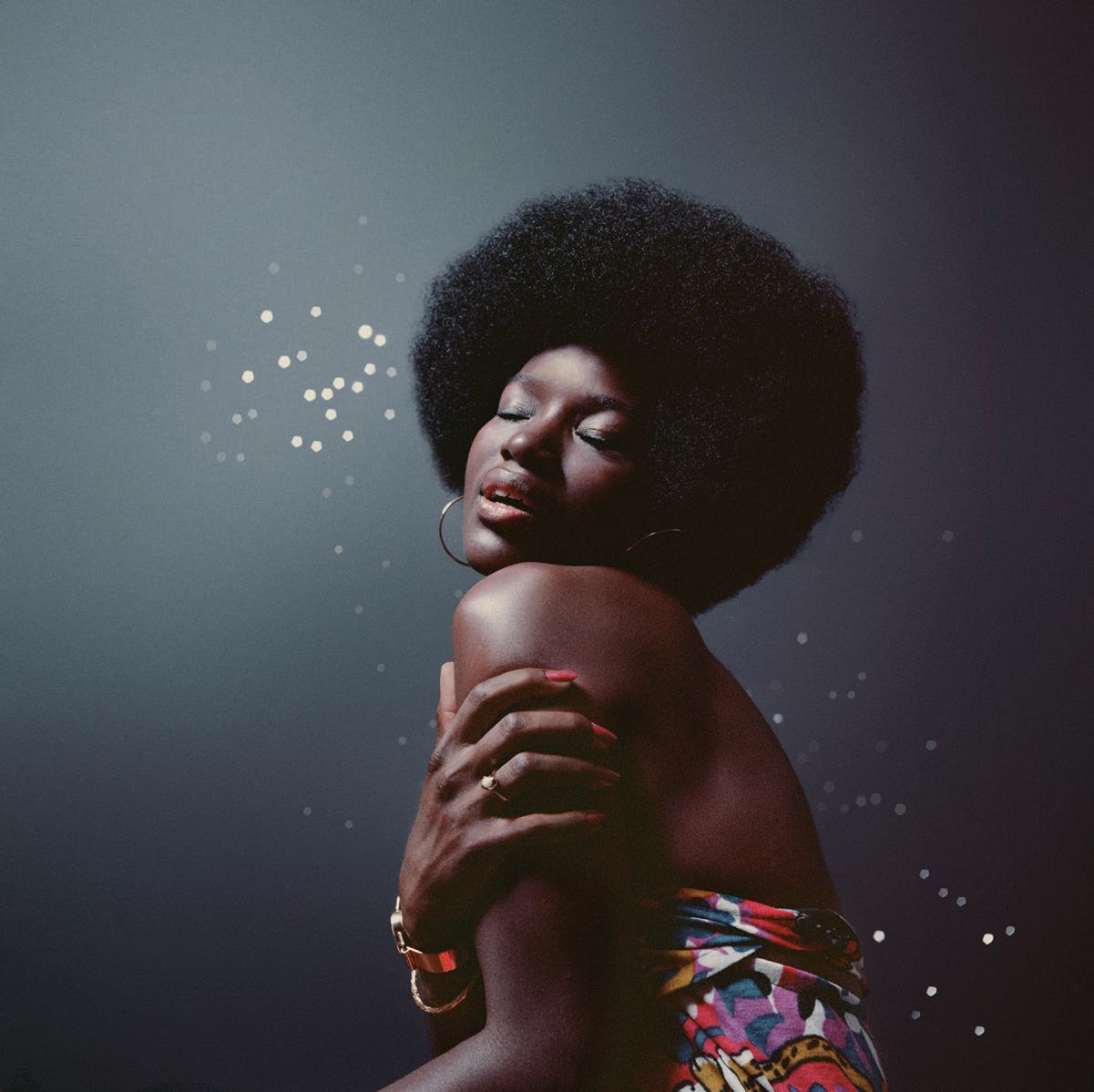
Black Photojournalism is organized by Carnegie Museum of Art. The Carter’s presentation of this exhibition is supported in part by The David H. Gibson Foundation, the Leo Potishman Foundation, and the Alice L. Walton Foundation Temporary Exhibitions Endowment. In-kind support provided by the Fort Worth Report. Image: Kwame Brathwaite (1938–2023), Changing Times, ca. 1973, inkjet print, The Kwame Brathwaite Archive, © Kwame Brathwaite
SATURDAY, SEPTEMBER 12
Minutes from downtown on the SMU campus, the Meadows Museum offers an intimate museum experience inspired by the art and culture of
Photography by Kim Leeson
Open-Minded, 2026, acrylic on paper, 19 x 24 in. ro2art.com
32 SAMUEL LYNNE GALLERIES
Samuel Lynne Galleries, established in 2008 by artist JD Miller and Philip Romano, showcases a curated selection of contemporary artists with unique visions, including Tyler Shields, Lea Fisher, and Brandon Boyd. samuellynne.com
33 SMINK
A showcase of fine design and furniture, SMINK is a purveyor of quality products for living. The showroom also hosts exhibitions featuring Robert Szot, Gary Faye, Richard Hogan, Dara Mark, and Paula Roland. sminkinc.com
34 SOUTHWEST GALLERY
The Frederick Hart Estate Farewell takes place Jun. 13, presenting works from the estate of Frederick Hart. The event offers a final opportunity to view and acquire pieces from the late artist’s collection. swgallery.com
35 TALLEY DUNN GALLERY
Breaking Ground: A Transformative Project with Joel Shapiro, Ursula von Rydingsvard, Christopher Wool, Elmgreen & Dragset, Claes Oldenburg and Coosje van Bruggen, Joseph Havel, Ugo Rondinone, Giuseppe Penone, Leonardo Drew. and Roxy Paine remains on view through Aug. 29. talleydunn.com
36 TUREEN GALLERY
Located in Oak Cliff, Tureen represents artists Celia Álvarez-Muñoz, John Garcia, Hannah Taurins, and Sonya Kelliher-Combs along with rotating exhibitions. tureen.info
37 VALLEY HOUSE GALLERY
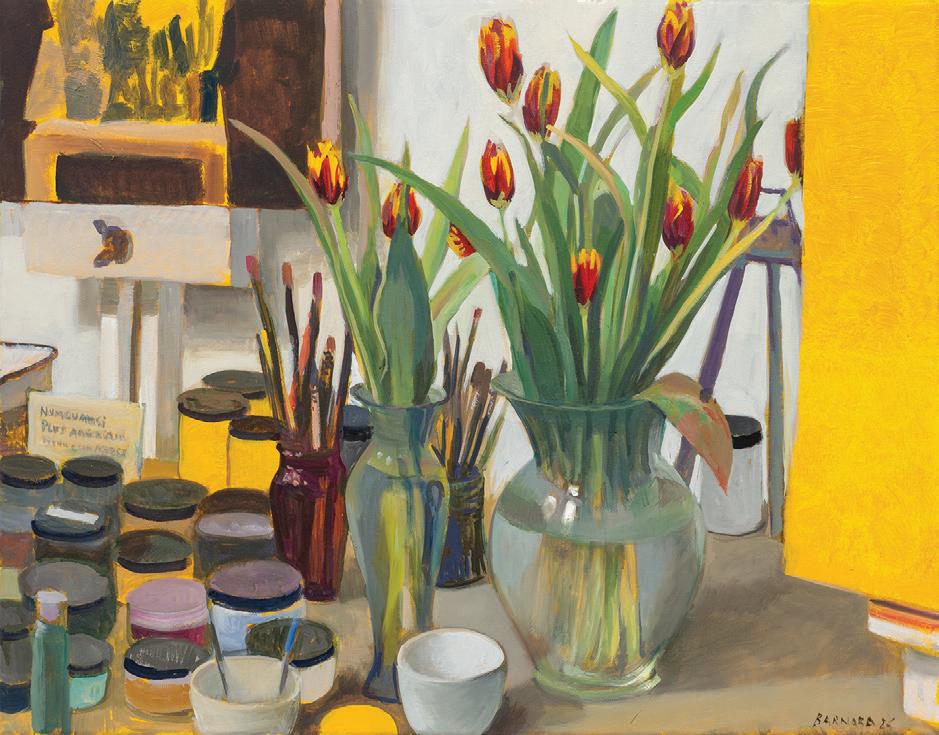
Barnaby Fitzgerald: Tender Salvage runs through Jul. 18, presenting oil paintings, egg tempera works, and drawings by the artist. The exhibition marks the artist’s ninth solo presentation with the gallery and reflects a longstanding practice shaped by classical training, teaching, and observation. Image: Barnaby Fitzgerald, Two Vases of 2 Lips, 2026, oil over acrylic wash on canvas, 22 x 28 in. valleyhouse.com
38 THE WAREHOUSE
Yoshitaka Amano surveys more than five decades of work by the Japanese artist whose practice spans illustration, painting, design, and narrative worlds. Chase a Crooked Shadow: Film Noir as Contemporary Mirror continues concurrently through Jul. 18. thewarehousedallas.org
39 WEBB GALLERY
Webb Gallery in Waxahachie champions contemporary, self-taught, and visionary artists whose work embodies the grit, humor, and heart of true Southern culture. The gallery presents rotating exhibitions alongside an eclectic mix of folk art, books, and curiosities. webbartgallery.com
40 WILLIAM CAMPBELL GALLERY
The gallery represents emerging and established artists whose work bridges regional identity and global abstraction. williamcampbellgallery.com
AUCTIONS
01 HERITAGE AUCTIONS
June highlights include A Century of Marilyn: The Timeless Image–Photographs Showcase Auction Jun. 1; Urban Art Showcase Auction featuring works from GraffitiPrints, Jun. 3; Important European Art Signature Auction, Jun. 5; Depth of Field: Photographs Showcase Auction, Jun. 10; Fine & Decorative Arts Showcase Auction, Jun. 11; Ethnographic Art: American Indian, Pre-Columbian and Tribal Art Signature Auction, Jun. 17; Prints & Multiples Showcase Auction, Jun. 17; Western Art Signature Auction, Jun. 18; The Art of Everything Cool–Vol. VIII Signature Auction, Jun. 19–21; Photography Books featuring the collection of the Joy of Giving Something Foundation Showcase Auction, Jun. 24; Contemporary Art Within Reach Showcase Auction, Jun. 25; and Texas Art Signature Auction, Jun. 26. July continues with Moments: The Pulitzer Prize Photographs Showcase Auction, Jul. 1; Urban Art Showcase Auction, Jul. 1; Depth of Field: Photographs Showcase Auction, Jul. 8; Fine & Decorative Arts Showcase Auction, Jul. 9; Comic Art Signature Auction, Jul. 10–12; Urban Art Signature Auction, Jul. 14; Illustration Art Showcase Auction, Jul. 14; Prints & Multiples Showcase Auction, Jul. 15; Photo Legends Type 1 Showcase Auction, Jul. 19; Movie Posters Signature Auction, Jul. 23–24; and Key Comics Showcase Auction Jul. 31. ha.com.
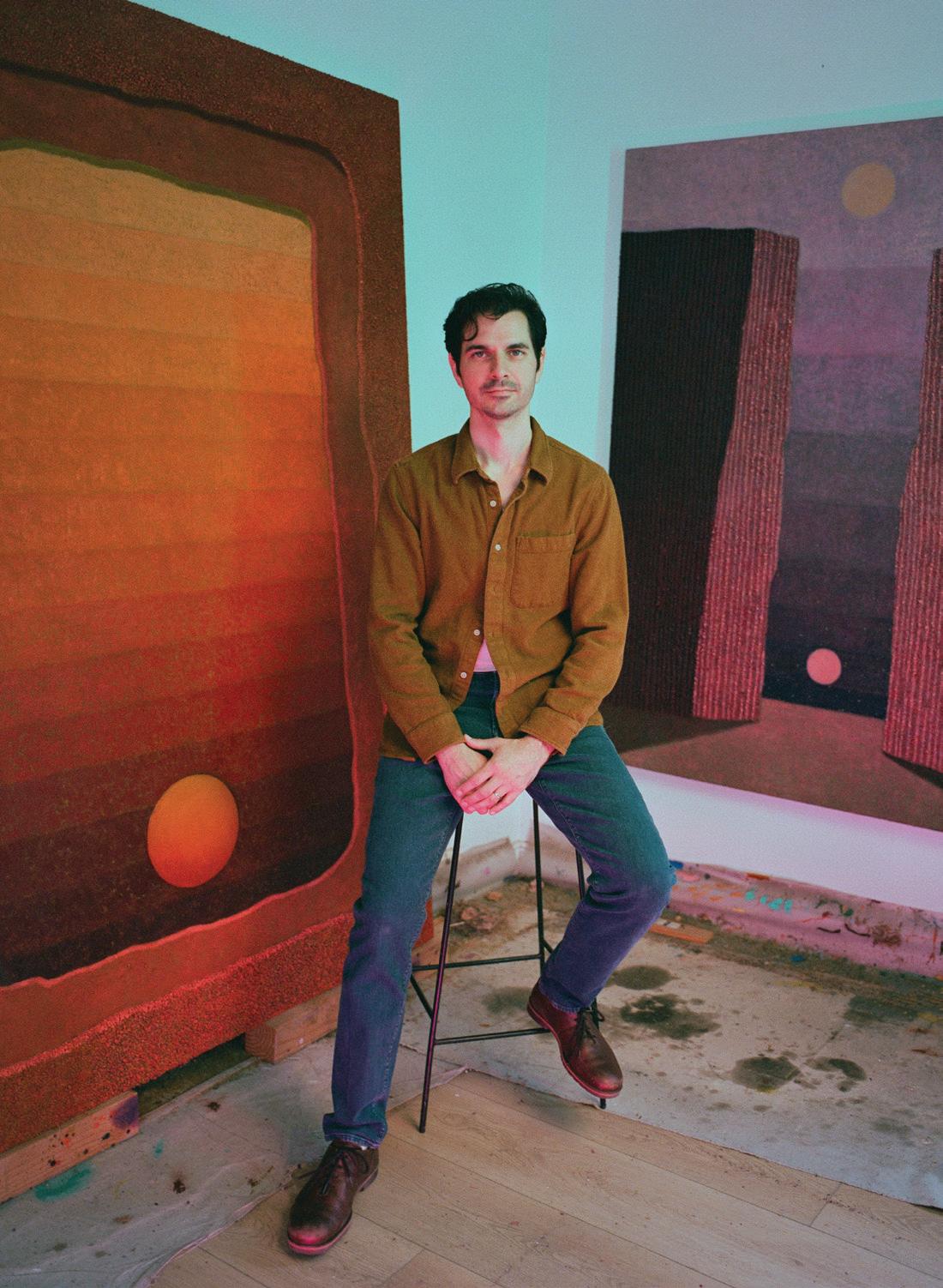
STRANGE HORIZONS
JONATHAN RYAN’S TEXTURED LANDSCAPES ARRIVE IN ASPEN.
INTERVIEW BY CARROLL CUMMINGS
Longtime Dallas Art Fair director Kelly Cornell leads this year’s Aspen Art Fair at the historic Hotel Jerome in July.
Among the invited galleries, HESSE FLATOW returns to Aspen with textural landscapes by painter Jonathan Ryan. Houston-based art advisor and the gallery’s former sales director Carroll Cummings visits with Ryan about his artistic practice:
Carroll Cummings (CC): Jonathan, I’ve deeply admired your work since my time at HESSE FLATOW, and as someone from Texas, I’ve watched it find a strong audience among Texan collectors. What has the evolution of that relationship between your work and its audience felt like from your perspective?
Jonathan Ryan (JR): I felt it begin when I started showing with HESSE FLATOW, partly because of the gallery’s relationships with collectors and advisors there, but it also coincided with a meaningful shift in the imagery of my paintings.
My work is rooted in my experiences of the strange, vast desert landscapes of Southern California and the Southwest. I have a vivid memory of doing a motorcycle trip across Texas about twelve years ago, riding from east to west across the entire state. The scale of it stayed with me—how geographically and culturally diverse it is, and
especially the deserts in West Texas, where the roads feel infinite, and the sky seems almost impossibly large.
CC: As you prepare to exhibit with HESSE FLATOW in Aspen once again, what feels distinct or new about the body of work you’re bringing to this year’s fair?
JR: My practice has come a long way since I last showed in Aspen. At that time, I was just beginning to incorporate imagery and a deeper pictorial space into the paintings.
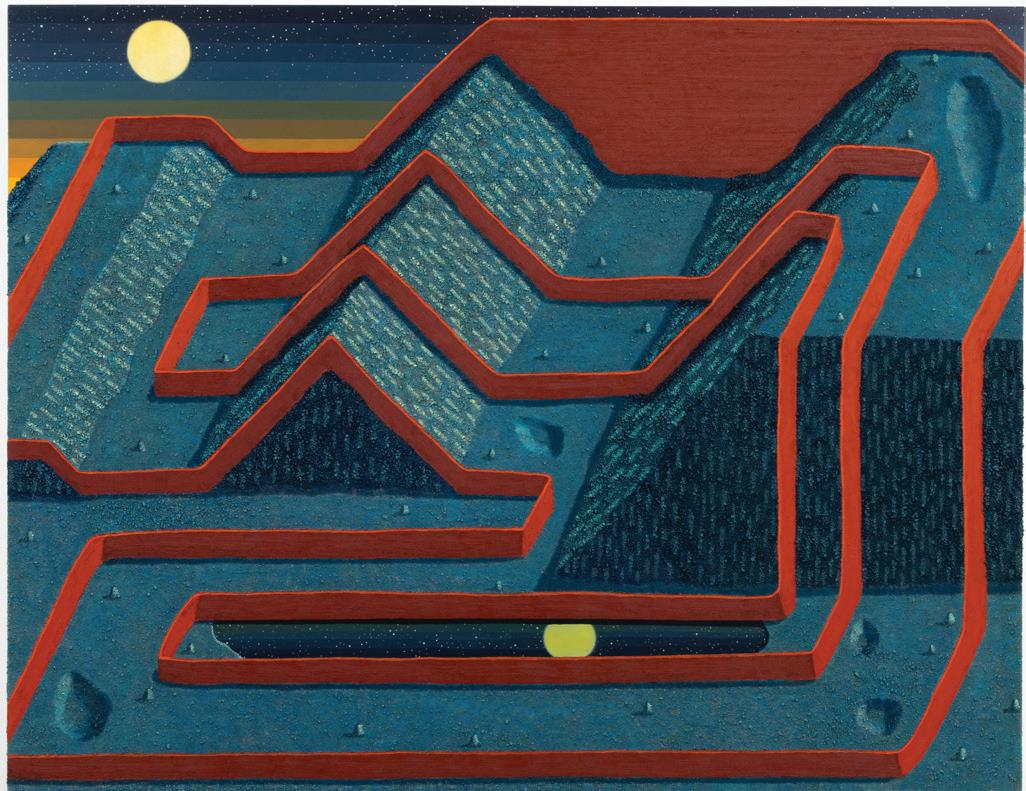
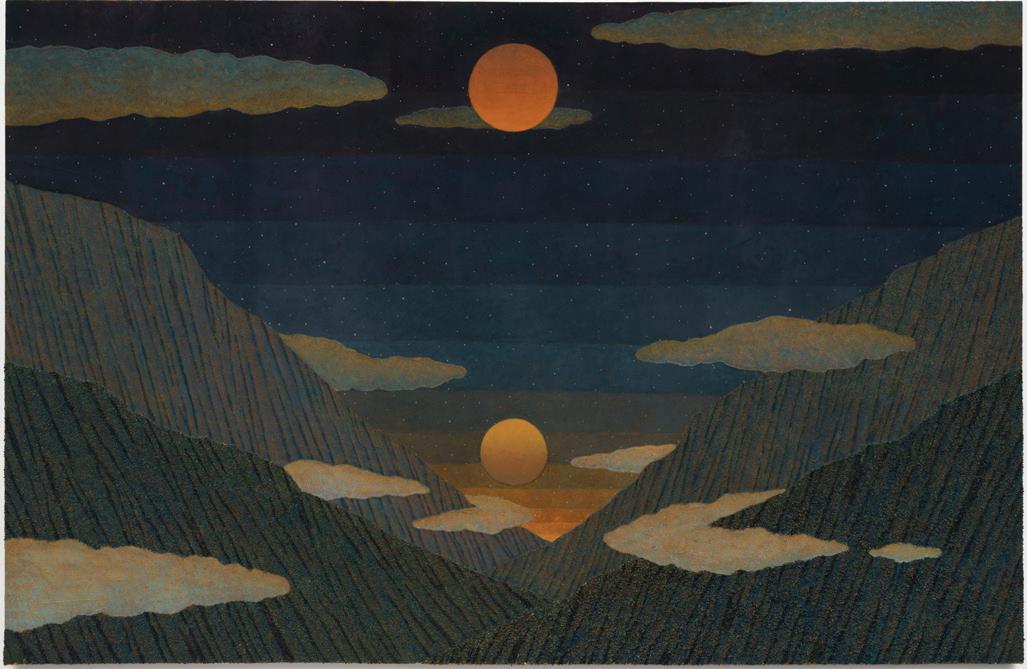
Now the work feels untethered in the best possible way. My command of color has also deepened over the years, through an involved process of weaving many transparent layers atop one another. The paintings depict strange landforms and unusual atmospheres, and they function as meditations on memory and experience: time spent in the world, and time spent with art and images.
CC: You’ve mentioned being influenced by ’80s video games like EarthBound , where highly artificial, monochromatic environments somehow still feel emotionally immersive. Did that early experience of navigating constructed digital worlds shape the way you think about atmosphere, color, or psychological space in your paintings?
JR: I came to those old games at a moment when I had hit a brick
Clockwise from left: Jonathan Ryan. Courtesy of HESSE FLATOW. Photograph by Ruben Diaz. Jonathan Ryan (b. 1989), Blue Ridge, 2023, oil and sand on canvas, 62 x 80 in. Courtesy of the artist and HESSE FLATOW, New York. Photograph by Jenny Gorman; Jonathan Ryan (b. 1989), Horizon, 2025, oil, sand, and decomposed granite on canvas, 60 x 92 in. Courtesy of HESSE FLATOW. Photograph by Ruben Diaz.
wall with my work, shortly after finishing graduate school and moving to Los Angeles. Up until that point I had relied entirely on direct observation to generate ideas: plein air drawings, photographs, studies brought back to the studio. But the work had grown dull, and I needed to find another path. I spent that summer making experimental work and looking for landscape imagery that existed outside of my usual framework. What struck me about those old games was the tension between limitation and invention. The creators had to be wildly imaginative within technological constraints, yet the worlds they built still had to have their own visual logic. Otherwise, you couldn’t play the game. They also used color and inventive optical techniques to carry emotional weight and drive narrative, which I found compelling as a painter. And of course, these games were part of my childhood, worlds I had moved through as a kid.
CC: The surfaces of your paintings have become increasingly physical and textured over time. What drew you toward incorporating materials like sand and decomposed granite?
JR: That same summer was also when I started using sand and rocks in my paintings. I was mixing all sorts of materials into the paint—it was a frenetic time in the studio, and most of what I made was quickly thrown away. But there came a moment when, rather than folding some new material into the paint, I poured sand directly on top of a wet layer of oil paint. The effect stopped me. Because the sand was poured on top rather than mixed in, it kept its texture, but the oil paint and color still showed through. The materials were in conversation with each other, and I finally felt like I might be on to something. I kept exploring sand after that, half expecting it to eventually feel limiting or exhausted as a material. The opposite happened. It became a crucial and expansive element of the work—the visual scaffolding of every painting. Initially it was a way to counteract a certain slickness that had crept in, since I was briefly working from digital references and making more visually constructed images. It literally added grittiness. But beyond that, it also has a symbolic resonance with the earthen imagery in the paintings, and it has completely transformed the way I apply paint.
CC: Your paintings balance ruin and construction simultaneously — they can feel ancient and futuristic at once. Is time something you think about consciously in the work?
JR: It’s probably one of the longest-running themes in my work, going back to my undergraduate years. When I was in college in Louisiana, I would travel up and down the Mississippi River, painting active industrial sites along the banks. Throughout my life I’ve also been drawn to abandoned quarries in Pennsylvania, ancient ruins in Mexico and Europe, and so much in the Southwest: the Hoover Dam, Michael Heizer’s Double Negative , and an almost infinite variety of confounding geological formations.
These places share something, despite their differences. They are vast and complex, shaped by both nature and human hands, and they resist easy comprehension. Some are ancient. Some are entirely modern constructions, but at a certain scale, it becomes difficult not to see even these as ruins for the future.
My work has become increasingly removed from any of these specific references, especially now. But I’ve always been chasing the feeling they produce—that particular mix of curiosity, disorientation, and wonder. I want the paintings to hold your attention and make you ask, what am I looking at? They should feel ancient and futuristic, of this world and somehow beyond it, natural and manmade all in the same breath. P
Opulent. Sumptuous. Spectacular. Luxurious. Dazzling.
The Wall Street Journal “ ”
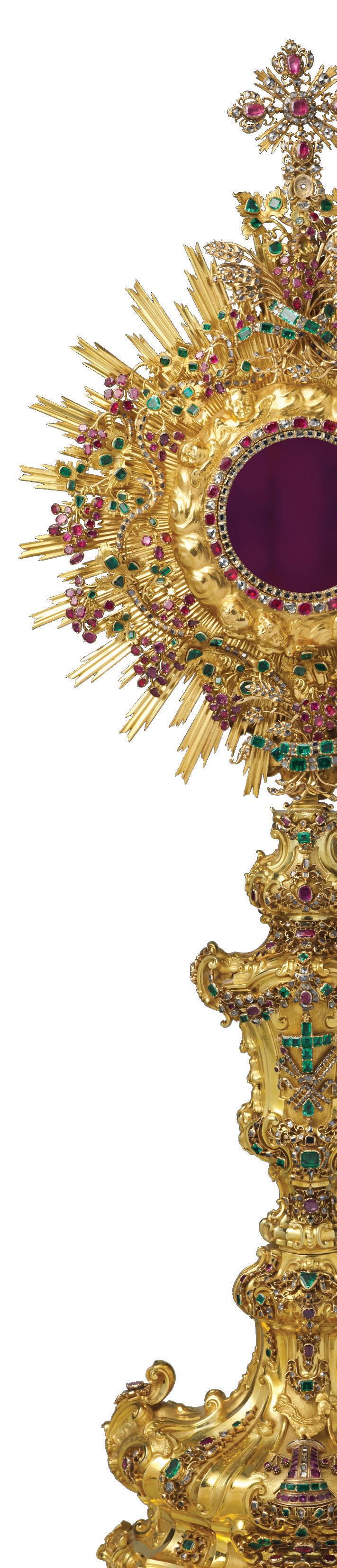
This exhibition is organized by The Frick Collection, New York.
(detail), Naples, 1746, gold, rubies, emeralds,
diamonds. Terra Sancta Museum, Jerusalem. Photo by Joseph Coscia Jr.
ART ELEVATED
THE ASPEN ART FAIR ADDS TO THE CURATED ENCOUNTERS
ACROSS THE MOUNTAIN TOWN.
BY TERRI PROVENCAL
Each summer, as the Rocky Mountains sharpen into their most cinematic form, Aspen transforms from alpine retreat into a global crossroads of contemporary culture. At the center of it all is The Aspen Art Fair, a curated convergence unfolding during Aspen Art Week, when the art world trades city grids for mountain air.
From July 29 to August 1, 2026, the fair returns for its third edition, led by a steady hand alongside a fresh perspective. Cofounder Bob Chase, longtime Aspen resident and the force behind Hexton Gallery, joins newly appointed director Kelly Cornell in shaping a program staged inside the storied Hotel Jerome. The Aspen Art Fair leans into a salon-style ambience, swapping standard booths for hotel rooms to create a more boutique, lived-in vibe.
“What began as an idea to create a more intimate and thoughtful fair experience has evolved into a meaningful gathering place for artists, galleries, and collectors who value engagement and dialogue
in a rare setting of exceptional natural beauty,” says Chase. In just two editions, the fair has drawn over 7,000 collectors, curators, artists, and cultural figures, signaling a growing gravitational pull.
As she steps into the role, Cornell is looking to build on the fair’s foundation. “I’m excited to bring my experience at the Dallas Art Fair to Aspen and to connect the collector communities in each city more closely,” she says. “My focus for 2026 is to strengthen the quality of presentations, support our returning galleries, and introduce new voices while maintaining the intimate and collaborative spirit and sense of place that defines The Aspen Art Fair.”
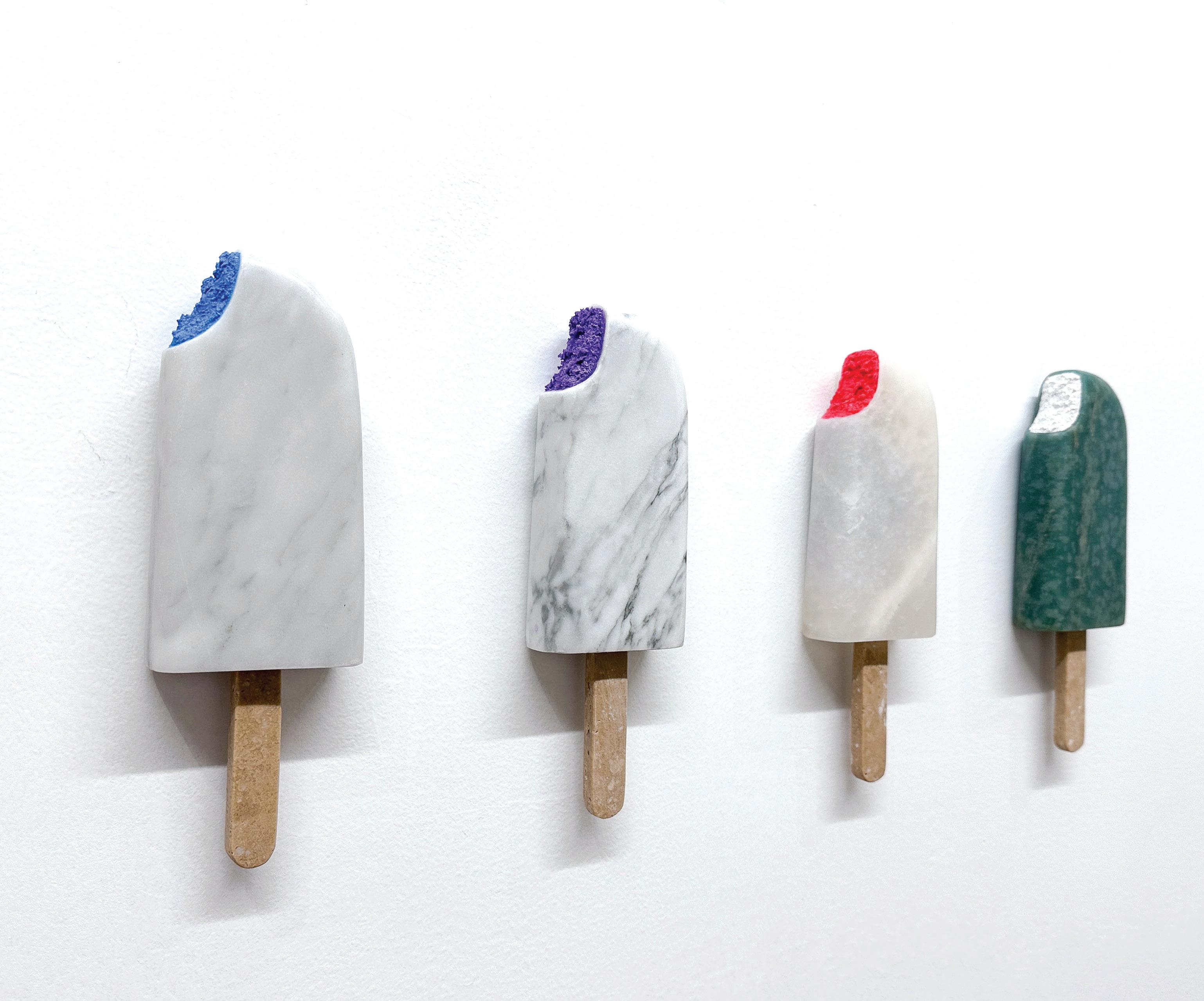
More than 35 exhibitors—including Marianne Boesky Gallery, Friedman Benda, Library Street Collective, Southern Guild, Charlie James Gallery, Galerie Maximillian, Monique Meloche Gallery, and Proyectos Monclova—will participate, presenting a tightly edited mix of established and emerging voices that reward close looking. From Dallas, Galleri Urbane returns.
Juan Miguel Quiñones, Ice Cream (installation), 2025, Carrara white marble, travertine and epoxy resin, 8.46 x 2.75 x 1.18 in. Courtesy of IRL GALLERY, New York.
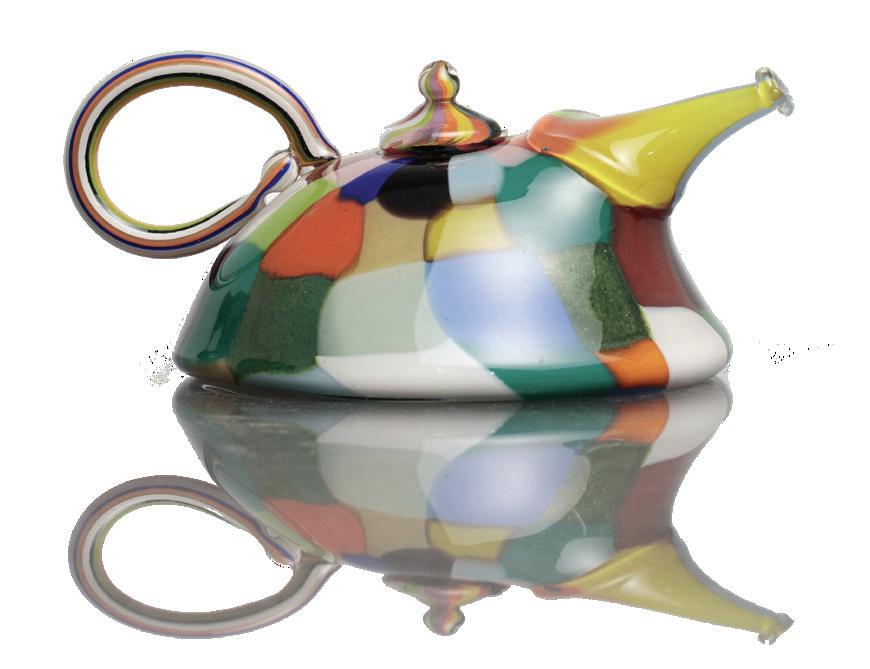
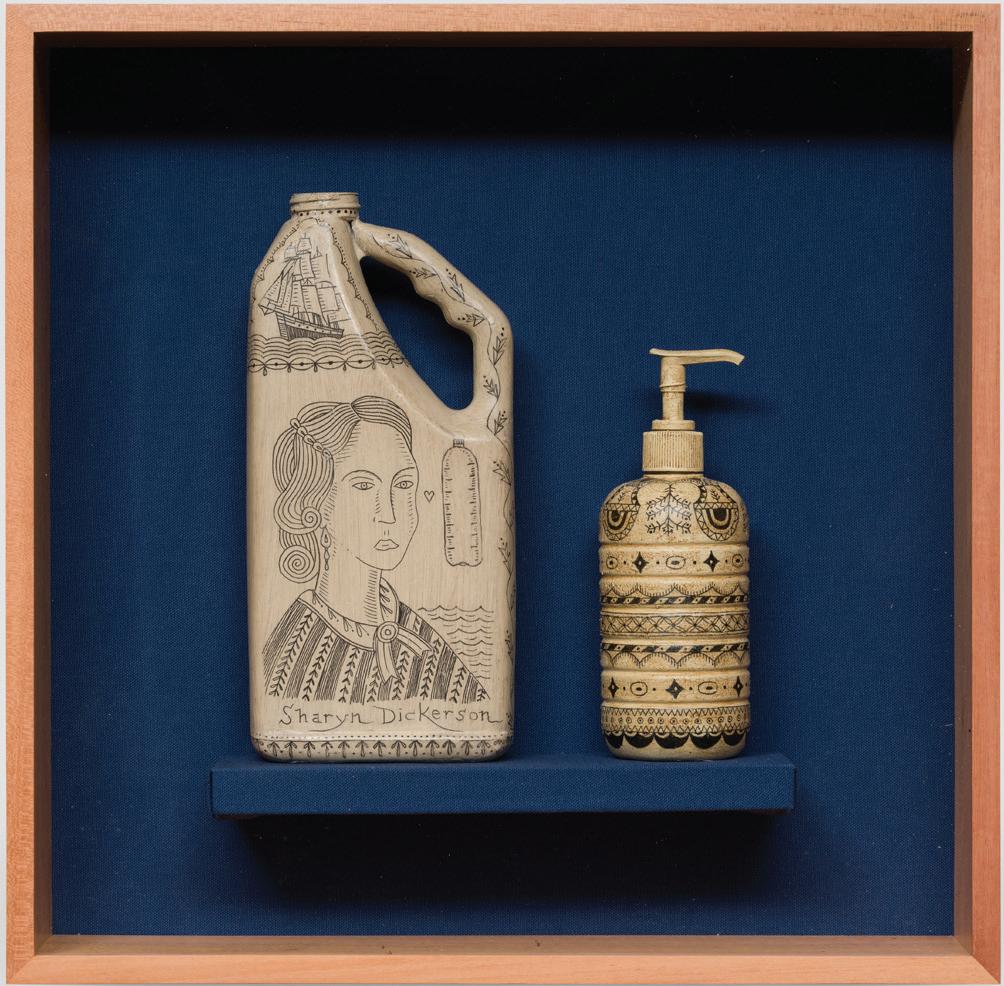
Outside the hotel, the fair’s wider program—talks, performances, screenings, prizes, residencies, and private-collection tours—extends into the town itself, engaging both its cultural institutions and its striking natural surroundings. The Aspen Art Museum, for example, will hold its 21st annual ArtCrush 2026 gala on July 31, honoring Adrián Villar Rojas as the recipient of the 2026 Lewis Family Art Award. The event, the museum’s largest annual fundraiser, will feature a live auction of works by leading international artists, with proceeds supporting exhibitions and educational programs.
In tandem with the award, the museum will also present Adrián Villar Rojas: First Gods, Lost Animals. On view July 2 through October 18, 2026, the exhibition will occupy two floors of the museum, staging an immersive meditation on the cave as both geological formation and mythic construct. For Villar Rojas, the cave becomes a site of dual accumulation, formed over millennia through mineral processes and layered with human ritual, symbolism, and projection.
The exhibition posits that human cognition, limited in scale, has produced symbolic systems—mythology, mathematics, and now artificial intelligence—to render an otherwise incomprehensible universe legible. These tools extend thought across time, marking successive thresholds in humanity’s effort to grasp complexity. At its center is Untitled (from the series The Language of the Enemy), a
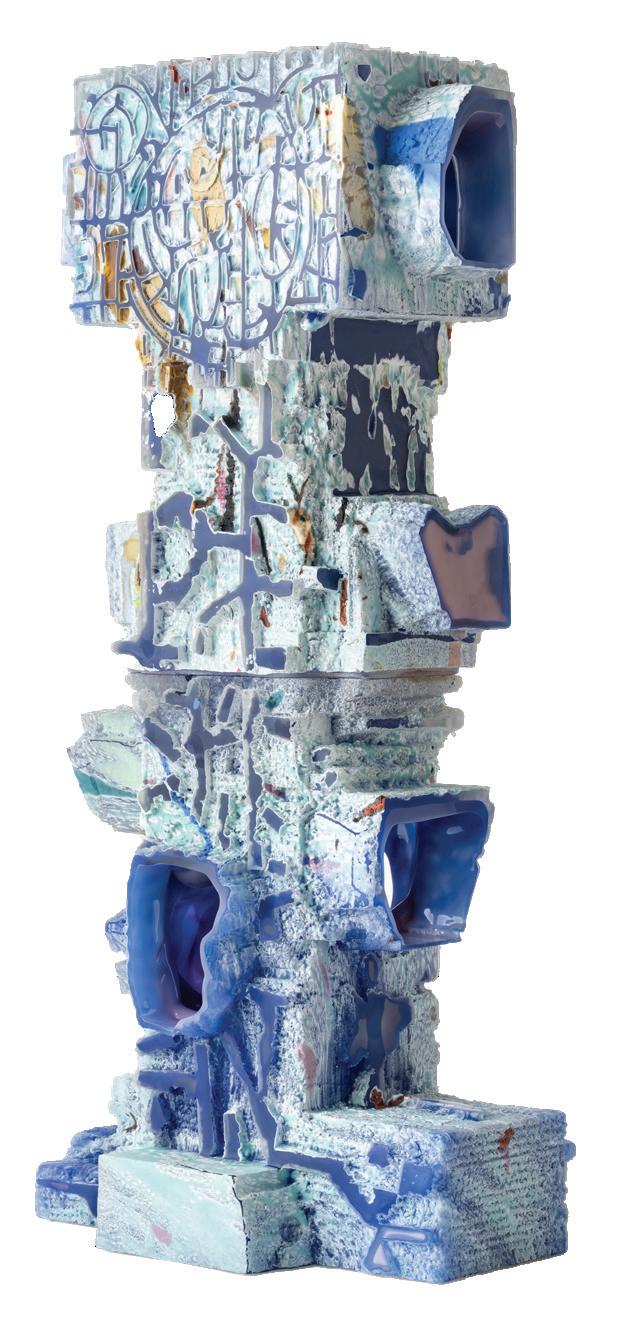
Duke Riley, No. 58-p and 285 of the Poly S. Tyrene Memorial Maritime Museum, 2022, painted, salvaged plastic, ink, wax, 17 x 16 x 4 in. framed. Courtesy of Charlie James Gallery, Los Angeles.
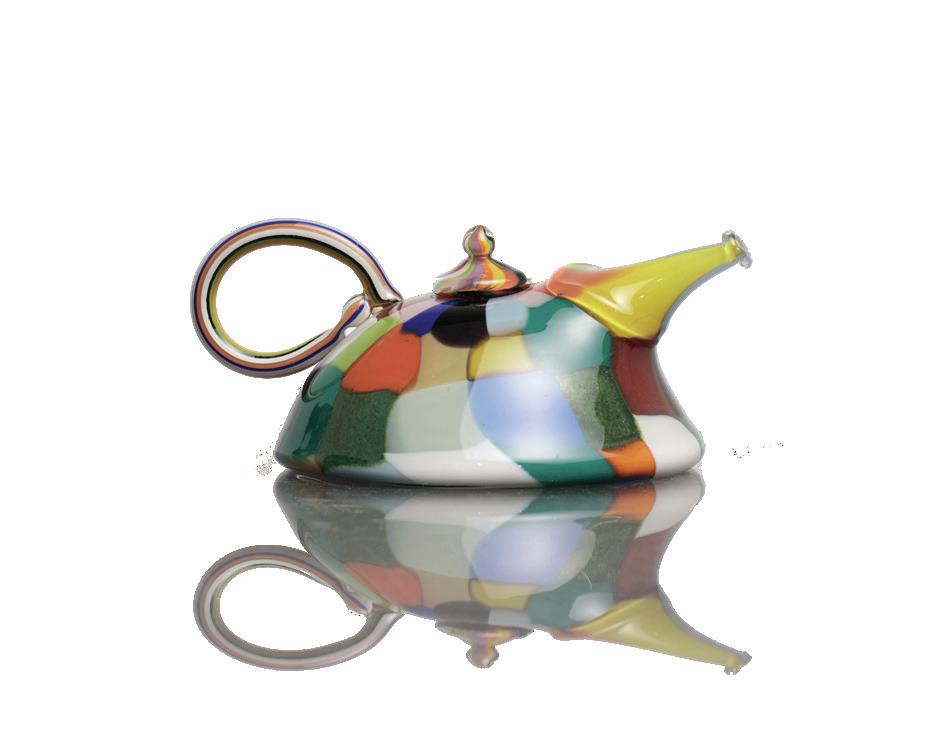
Richard Marquis, Teapot, 1974, glass. Photograph by Logan Jackson. Courtesy of the Artist and R & Company.
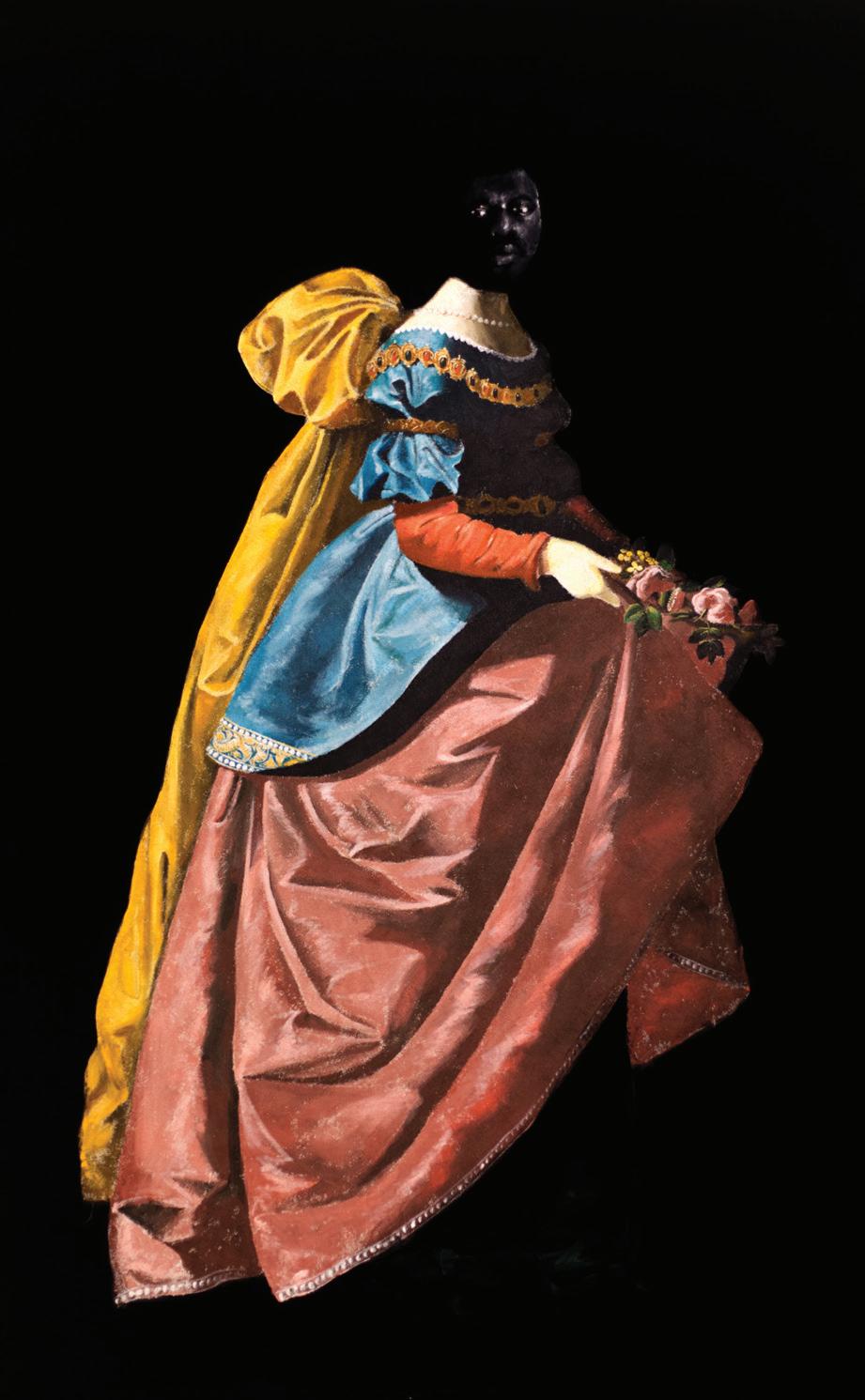
Roméo Mivekannin, Saint Elizabeth of Portugal (1630–1635), after Francisco de Zurbarán, 2026, acrylic, elixir bath on velvet, 94.5 x 59.1 in. Image courtesy of the artist and Southern Guild, New York, Cape Town.
Thaddeus Wolfe, Untitled, 2023, blown glass, 25.50 x 11.50 x 8.25 in. Courtesy of the artist and Friedman Benda, New York. Photograph by Joseph Kramm.
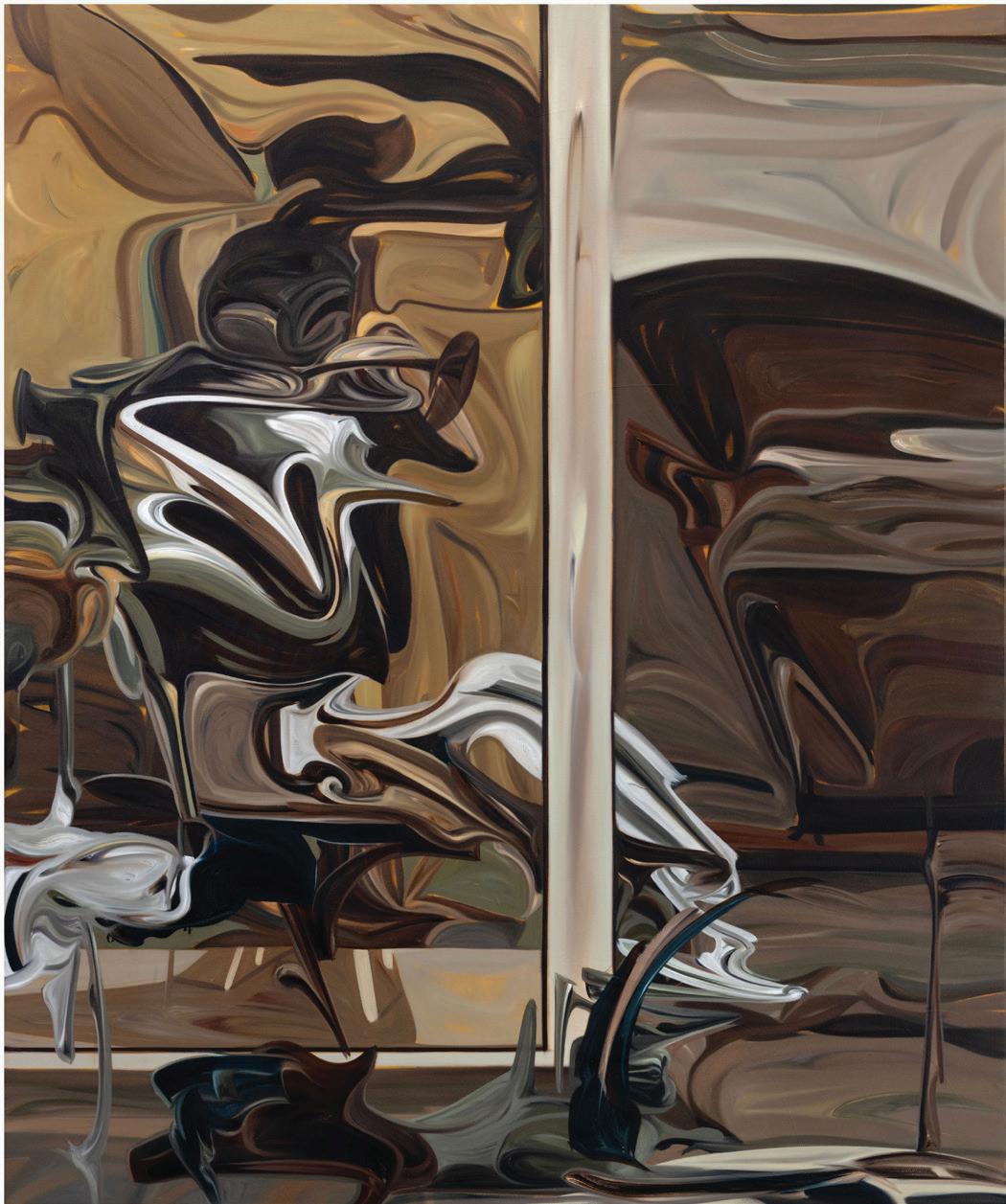
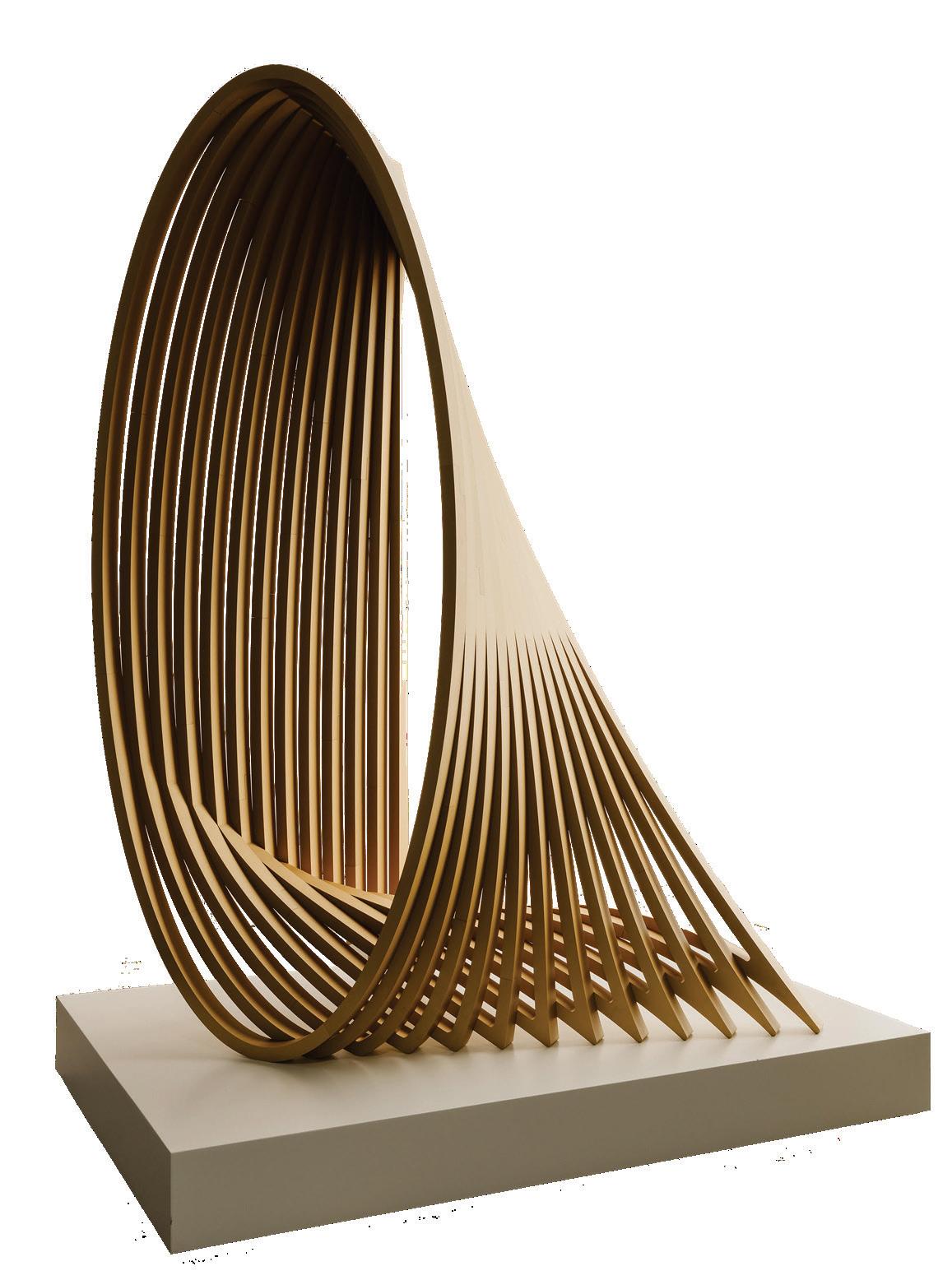
life-size triceratops skull co-commissioned with Audemars Piguet Contemporary. The work reimagines a prehistoric encounter between Homo sapiens and Neanderthals, suggesting symbolic culture may stem from shared, now-lost lineages rather than human exceptionalism.
Anderson Ranch Arts Center draws some of the biggest names in contemporary art to Aspen, and the 2026 season brings a clear standout: Marilyn Minter as the International Artist Honoree. Known for her bold, highly detailed work across painting, photography, and video, Minter has built a global reputation for tackling themes of beauty, gender, and power in ways that feel both striking and direct. She’ll be celebrated during Ranch Week, including at the annual Ranch Gala, one of the season’s marquee events.
Minter will also take part in the Summer Series on July 14, joining Lisa Phillips of the New Museum for a public conversation. The broader series, running July 9 through August 6, features artists like Roberto Lugo, Athena LaTocha, and Aliza Nisenbaum in discussion with leading curators. A highlight of these talks, on July 9, includes Lugo in conversation with Carmen Hermo, the Lorraine and Alan Bressler Curator of Contemporary Art at the Museum of Fine Arts, Boston.
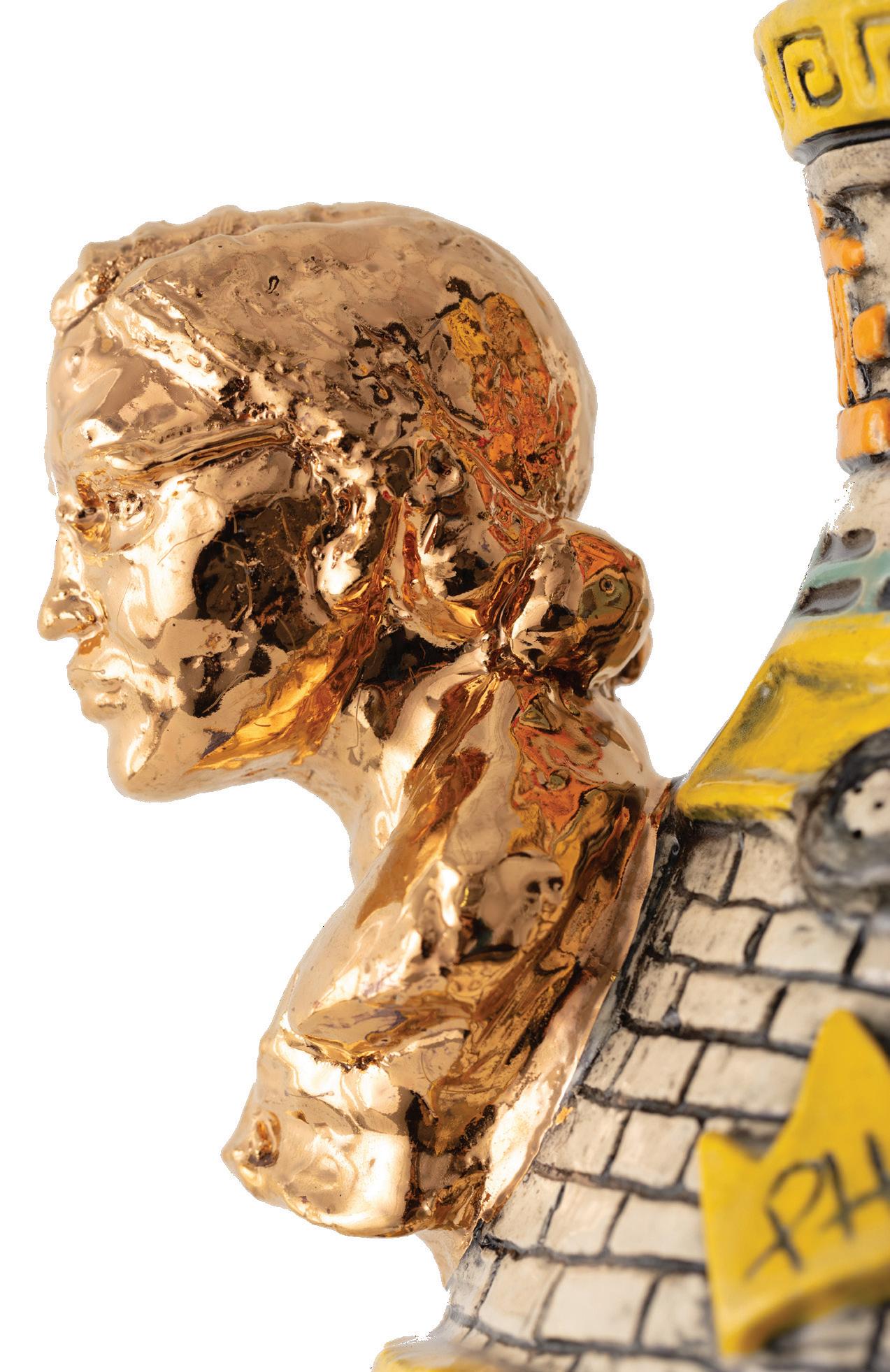
Lugo stands at the intersection of art and advocacy, reshaping the boundaries of contemporary ceramics. An American potter, spokenword poet, educator, and social activist, he infuses his work with a layered narrative that draws from hip-hop, history, and politics, as well as his own cultural background. Lugo transforms traditional forms into powerful vessels of commentary. Describing himself as a “ghetto potter,” he repurposes these structures to confront inequality, violence, poverty, and racism while honoring African American and Puerto Rican culture. New York’s R & Company will show his work at The Aspen Art Fair.
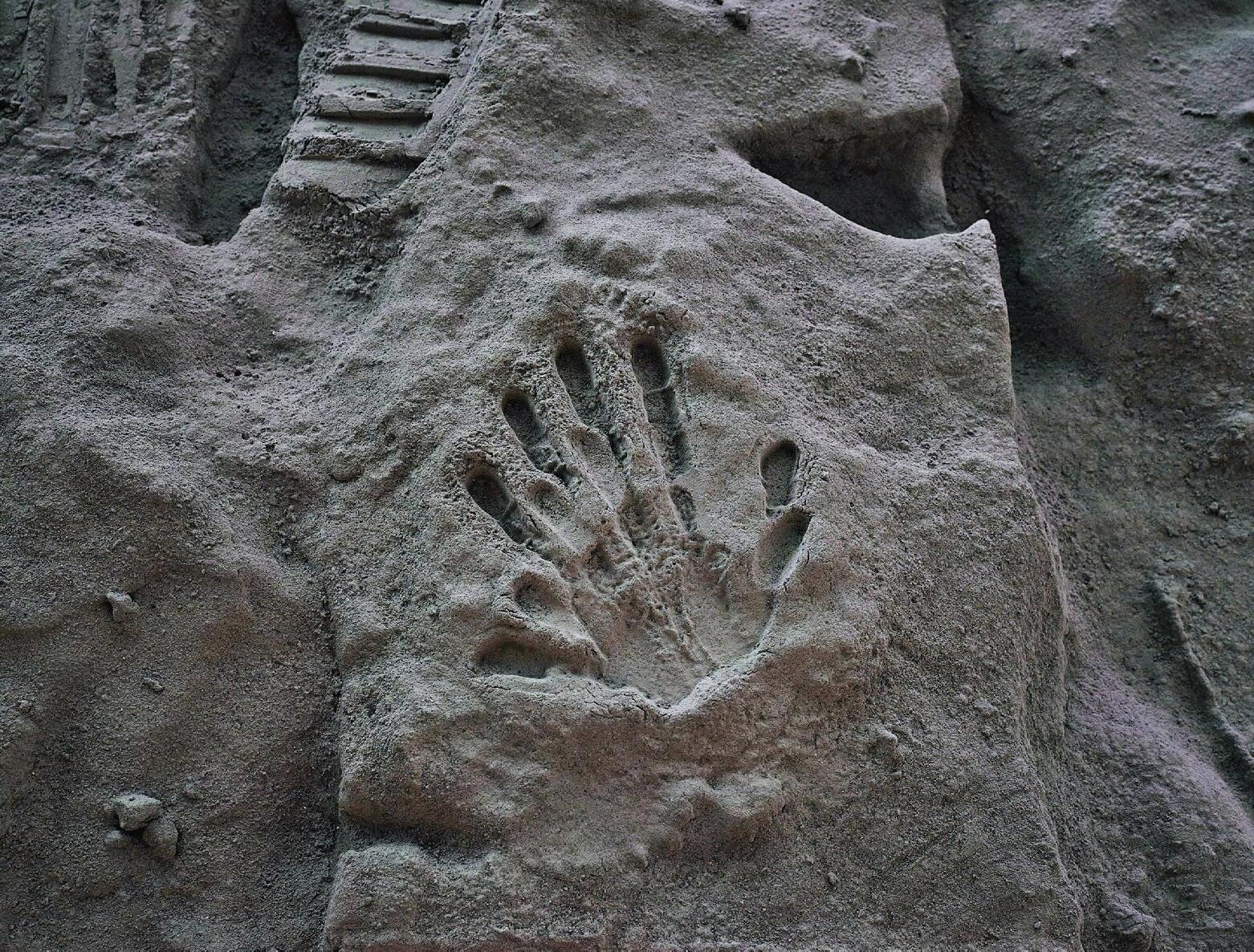
Phillip K. Smith III, Chrysalis 16, anodized aluminum, 72 x 28 x 52 in. Courtesy of Hexton Gallery, Aspen. Photograph by Lance Gerber.
Luke Agada, Saudade (Rust and Blue), 2026, oil on canvas, 72 x 60 in. Image courtesy of the artist and Monique Meloche Gallery, Chicago.
Adrián Villar Rojas, El fin de la imaginación, (installation view), The Bass Museum, Miami, USA, 2022. Courtesy of the artist and Marian Goodman Gallery, New York, Paris, Los Angeles. Photograph by Jörg Baumann.
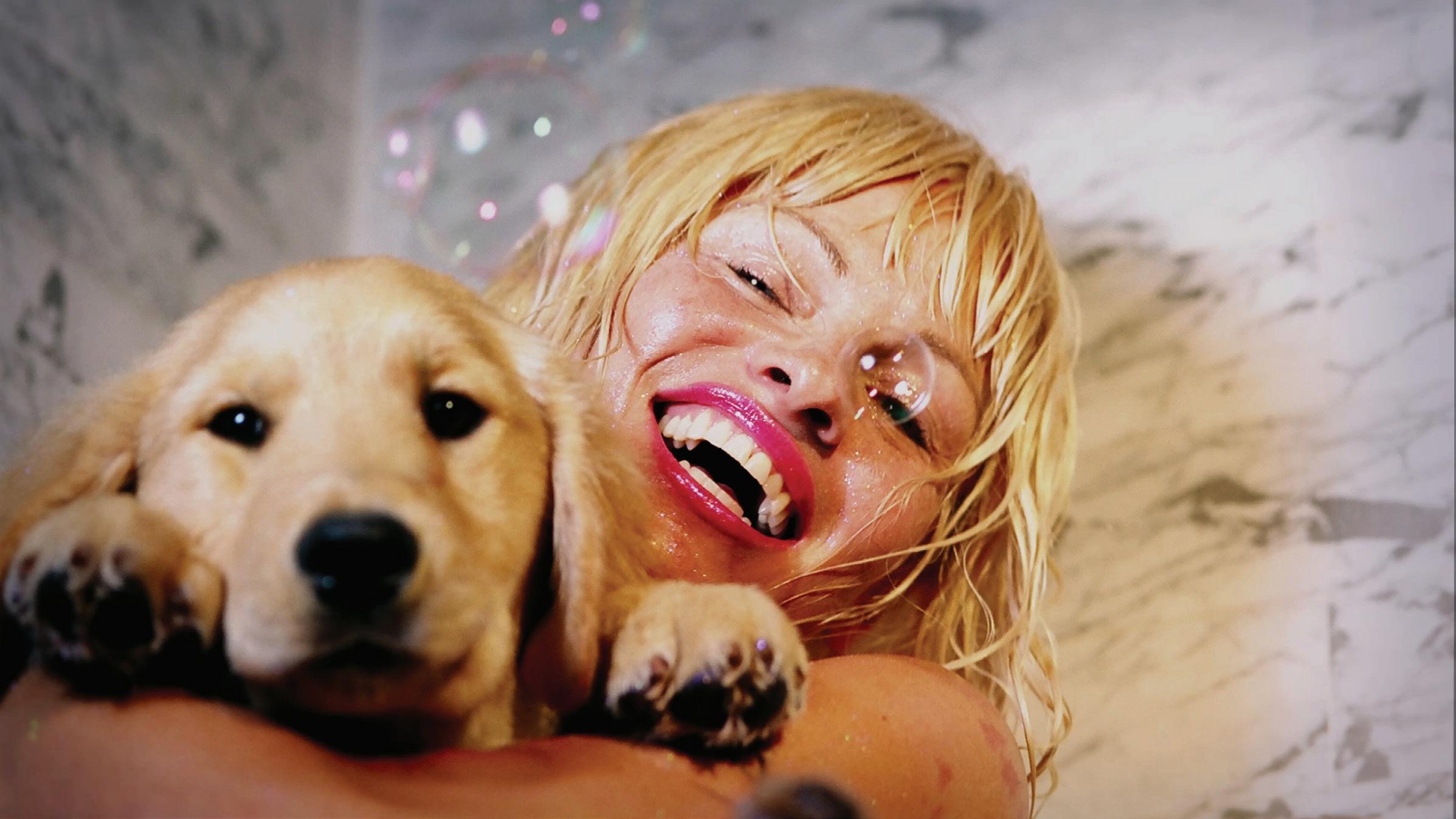
Alongside talks, Ranch Week (July 13–18) includes a July 13 screening of Minter’s documentary Pretty Dirty: The Life and Times of Marilyn Minter at the Isis Theatre. From filmmakers Jennifer Ash Rudick and Amanda M. Benchley, the documentary presents an unflinching portrait of the artist that doubles as a commentary on the art world’s uneasy relationship with sexuality, beauty, and power. Minter states, “For me, art is about how it feels to look—about questioning conventions and pushing boundaries—and the Ranch has long been a place where artists are encouraged to take risks, think deeply, and engage honestly with each other.”
Together, these events position Aspen as more than a summer retreat—it becomes a concentrated site of artistic exchange. Anchored by The Aspen Art Fair’s intimate format and expanded by the city’s broader cultural programming, the week offers a fluid, immersive experience where art, dialogue, and landscape intersect. P
Marilyn Minter, Pretty Dirty: The Life and Times of Marilyn Minter (still). Courtesy of Anderson Ranch Arts Center and filmmakers Jennifer Ash Rudick and Amanda M. Benchley.
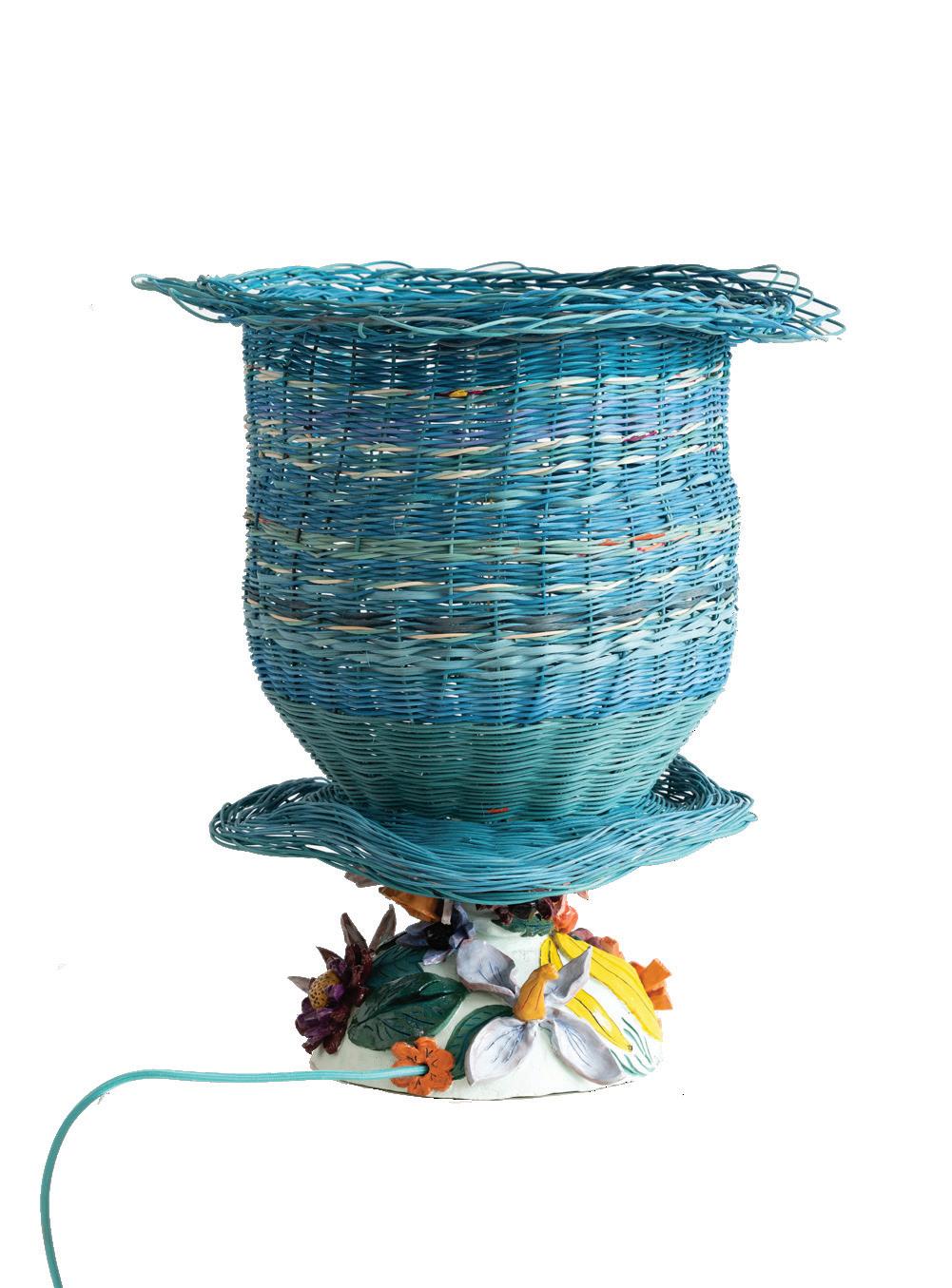
Dee Clements, Flower Lamp, 2025, ceramic, reed, dye, gouache, polyurethane, UL, lighting parts, clothcovered cord with thumb switch, 24 x 26 in. dia. Courtesy of Library Street Collective, Detroit.
Roberto Lugo, Untitled (detail), 2023, glazed ceramic and luster, 25 x 13 x 10 in. Photograph by Logan Jackson. Courtesy of R & Company, New York.
ARTS INFLUENCERS
Fearlessly original and irresistibly daring, these cultural alchemists push artistic expression into uncharted territory, transforming possibility into provocation while revealing art’s infinite range.
BY NANCY COHEN ISRAEL, DARRYL RATCLIFF, AND TERRI PROVENCAL PHOTOGRAPHS BY VICTORIA GOMEZ
Any form of art is a form of power; it has impact, it can affect change— it can not only move us, it makes us move.
–Ossie Davis (1917–2005), actor, writer, and activist
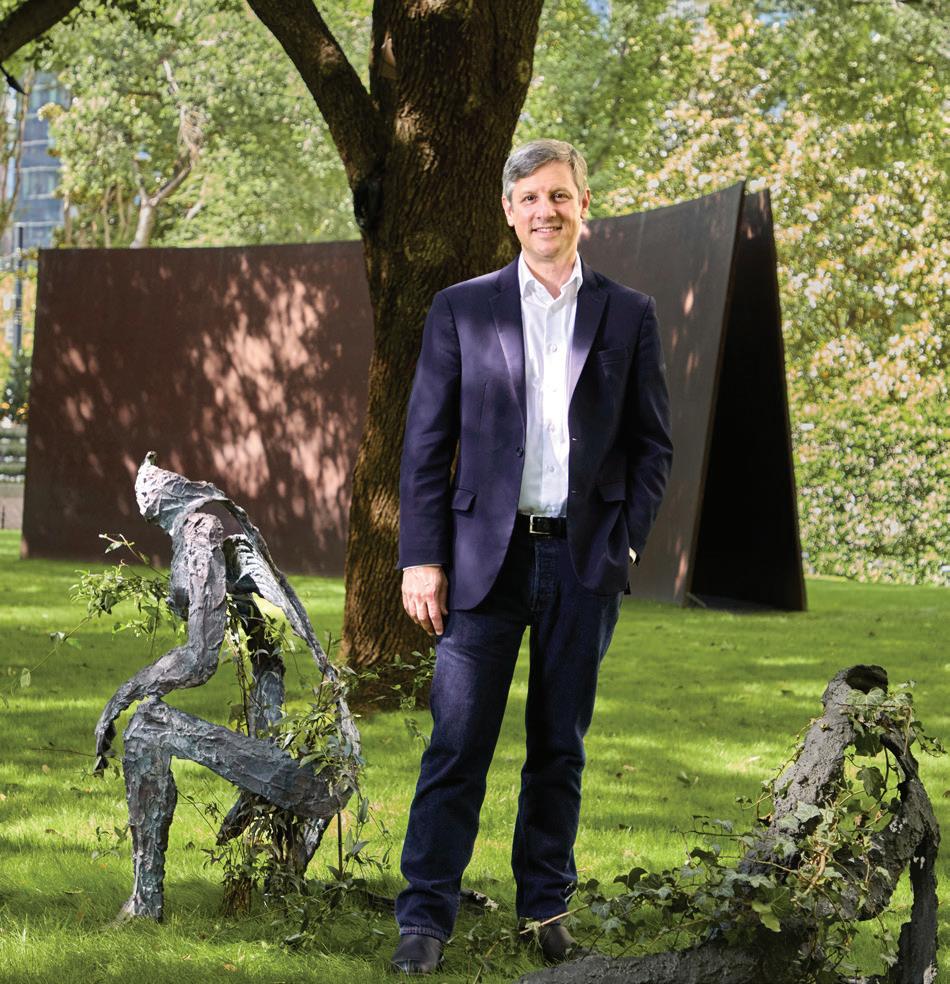
JED MORSE
Chief Curator, Nasher Sculpture Center
When Jed Morse joined the Nasher Sculpture Center in February 2002, the museum was still under construction. As assistant curator, he helped shape not only the first installations, but the way Dallas audiences would encounter one of the world’s most significant collections of modern and contemporary sculpture. More than two decades later, as chief curator, Morse’s influence is woven into the institution’s evolution.
The Nasher, for Morse, was never meant to be a sealed container for rare objects; it was meant to be a place of encounter. Looking back, he says what the institution got right early was “creating a space where people can have meaningful experiences with works of art,” while making that space feel as warm and welcoming as Raymond and Patsy Nasher’s own home.
That sense of welcome has shaped Morse’s curatorial presence in Dallas. Trained in modernism, he arrived with a deep relationship to archives and historical artists. But the Nasher gave him another education: the “joy of working with
living artists.” With Miró or Picasso, one searches letters, images, and fragments for clues. With contemporary artists, Morse says, “you can just ask.”
That directness has mattered. For many local artists, Morse has been a rare institutional figure who listens without pretension. He understands studio visits as an “incredible privilege,” aware that artists are inviting him into spaces of experimentation, vulnerability, and private thought.
His proudest moments include the ambitious citywide Nasher XChange in 2013 and Return to Earth, his exhibition on postwar ceramic sculpture by artists better known for other materials. Both projects reflect a curatorial interest in expanding the language of sculpture while keeping the public engaged. In fact, it was through XChange that I first met Morse, and he has been very influential on my development as a transdisciplinary artist.
For Morse, influence is not about gatekeeping. It is about making art feel available without making it smaller. In Dallas, he has helped sculpture remain intimate, ambitious, and alive. –Darryl Ratcliff
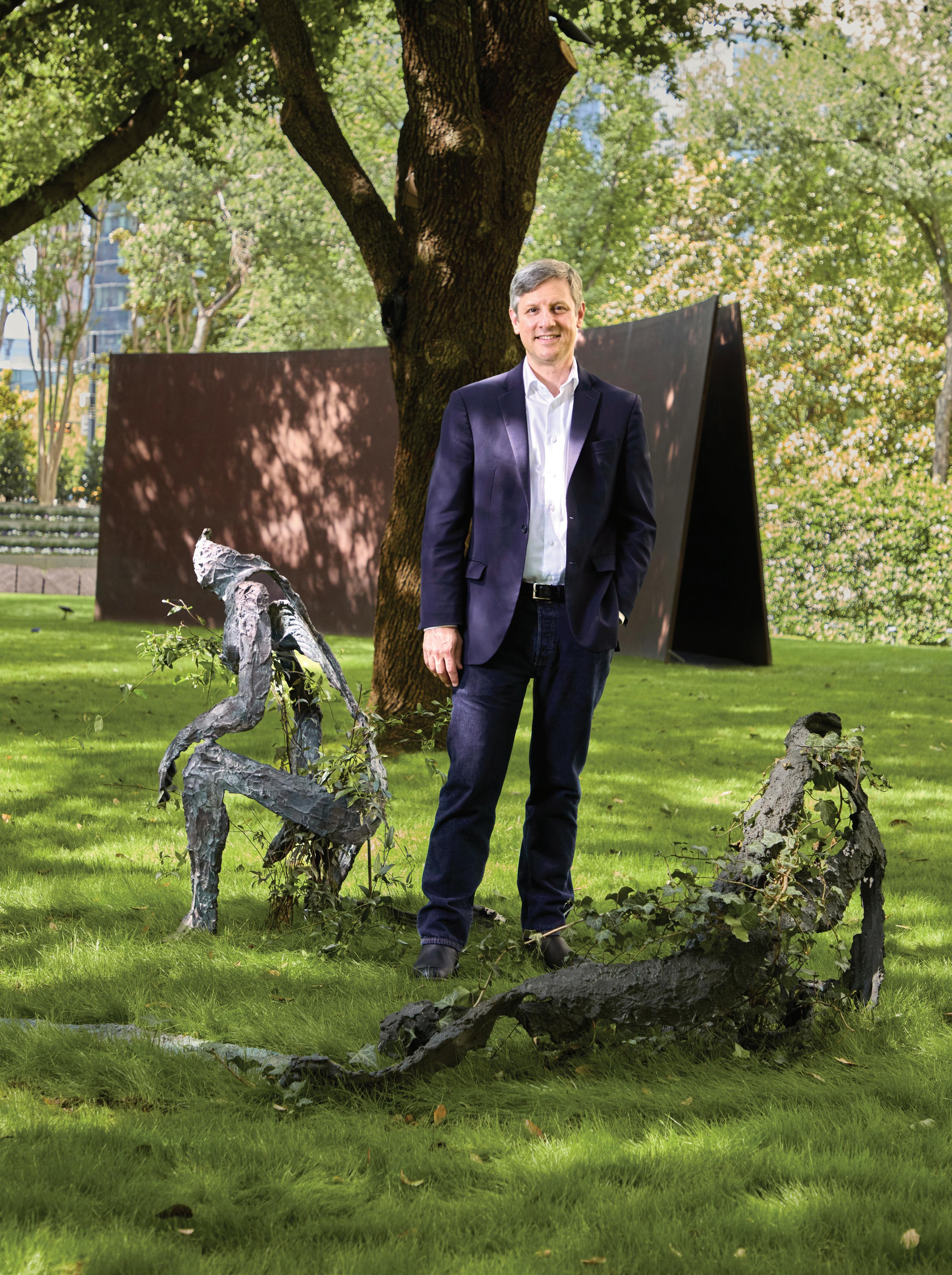
Jed Morse at the Nasher Sculpture center with Guiseppe Penone, Gesto vegetale (Vegetable Gesture), 1983; and Gesto vegetale (Vegetable Gesture), 1983, bronze. Courtesy Gagosian and Guiseppe Penone Archive.
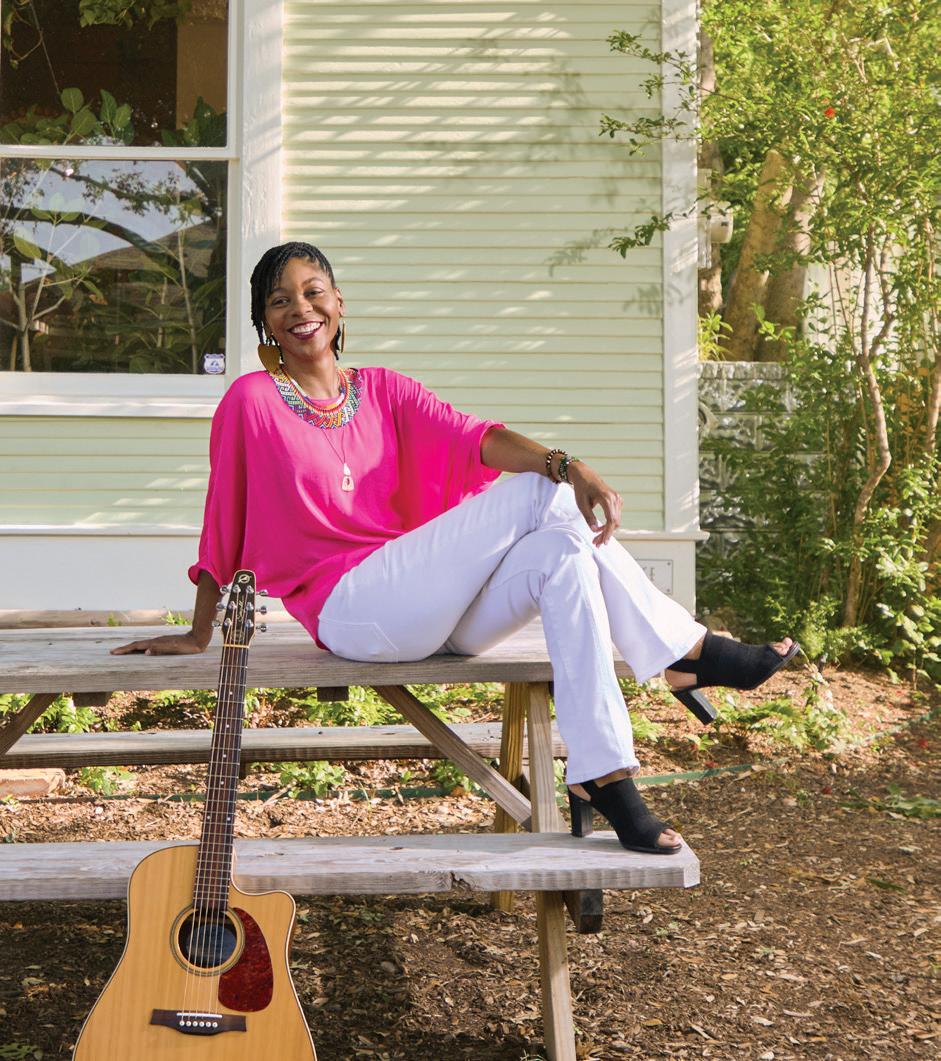
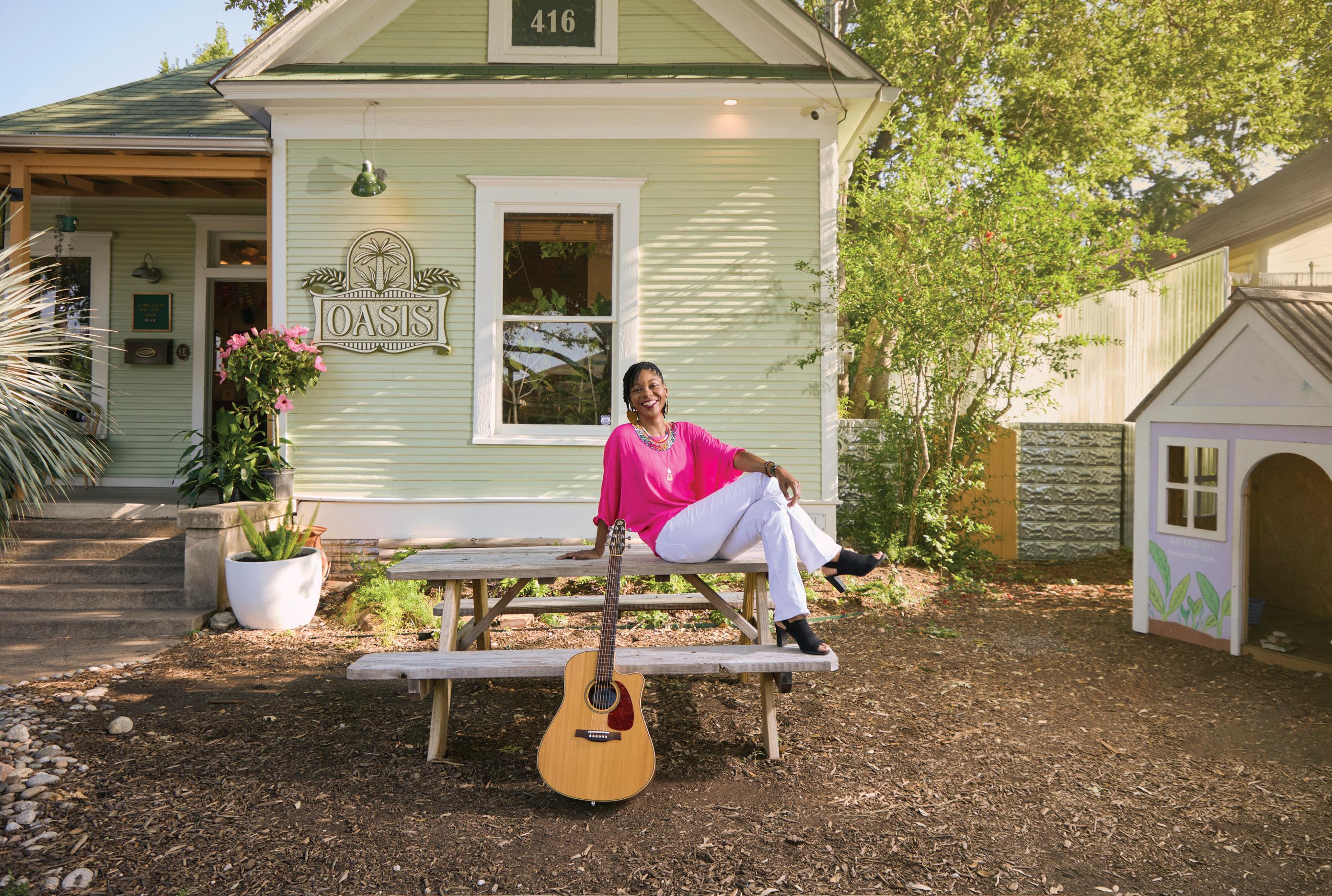
KAMICA KING
King Creative Art Expressions
Kamica King describes herself as working at the intersection of “arts, culture, wellness, and social impact.” It is a fittingly layered description for an artist whose practice moves among performance, music therapy, documentary film, education, and community care.
The simplest word for the throughline, she says, is “connection.” Joy and love are close contenders, but connection “hits every aspect.” For King, music is not only something performed for an audience. It is something that can gather people, steady them, and make room for parts of themselves that are often unseen.
King’s path began early. She recalls singing at one and a half, growing up in a household immersed in recorded music, where each family member had “a different flavor and vibe and taste.” But the work took shape in college, when she helped students in the disability community prepare for a campus performance. The moment stayed with her: students often seen first through disability were suddenly centered through poetry, singing, presence, and skill.
That experience helped lead her to music therapy, a field where she has helped develop programs across DFW in medical- and homeless-recovery spaces. Yet King has also pushed the work beyond clinical walls, bringing music-based mindfulness, enrichment, and therapeutic arts access into neighborhoods and community spaces
where the word “therapy” may feel distant or stigmatized.
Her influence is clearest among artists and practitioners trying to work outside inherited models. “There’s not necessarily a clear blueprint when we’re outside of the box,” she says. For many of them, King’s career has become evidence that the path can be made while walking it.
Students of color entering music therapy look to her. Artists wanting to move from entertainment toward social impact see her as a model. One recently told her that watching her work taught him how to bring music into recreation centers, cultural centers, and youth programs with purpose.
Her documentary, For They Endured, preserves the legacy of Black women in music therapy, many of whom were not simply the first Black women to accomplish something in the field, but the first people to do it. Now King is preparing the film for a festival run while seeking support for her debut album, a project she describes as “message music” rooted in oral tradition and storytelling.
What she is building next is not only a body of work, but a broader invitation: more connection, more support, and more spaces where music becomes a way for people to recognize themselves and one another. –Darryl Ratcliff
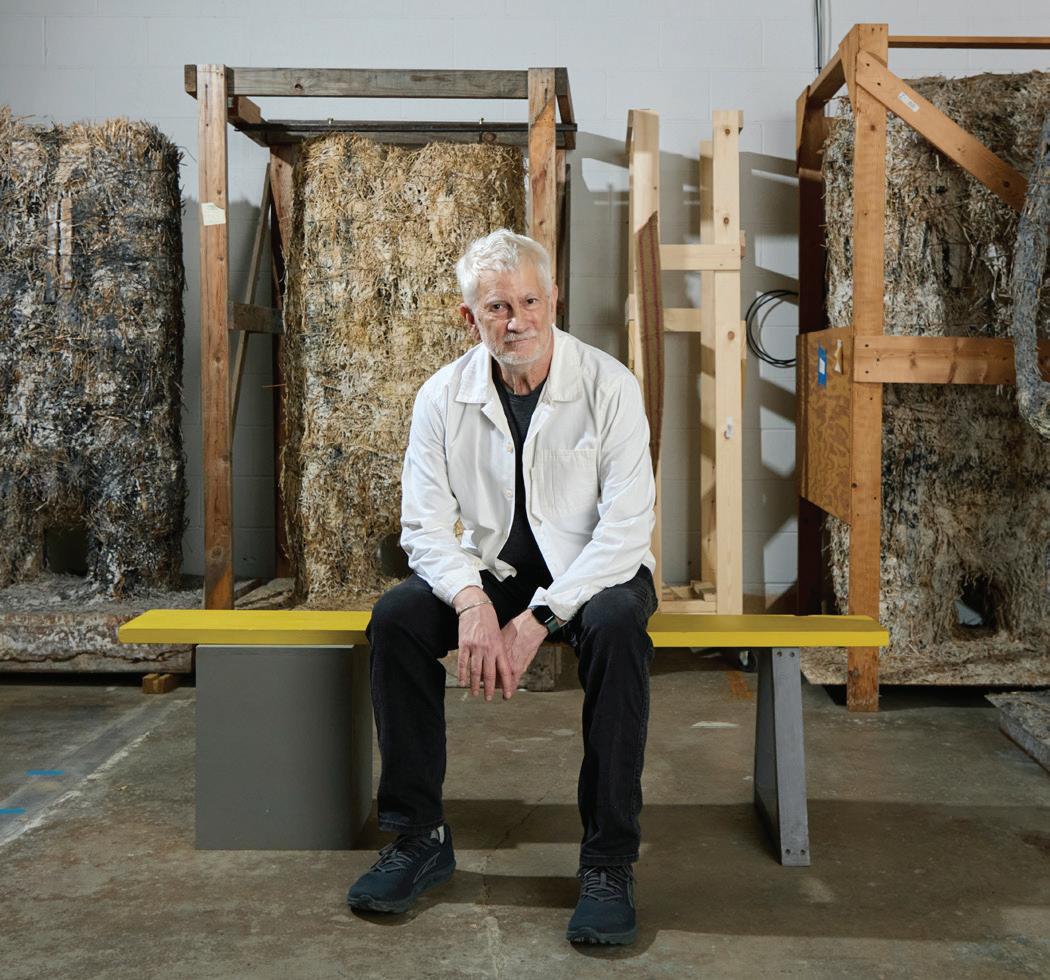
JAMES SULLIVAN
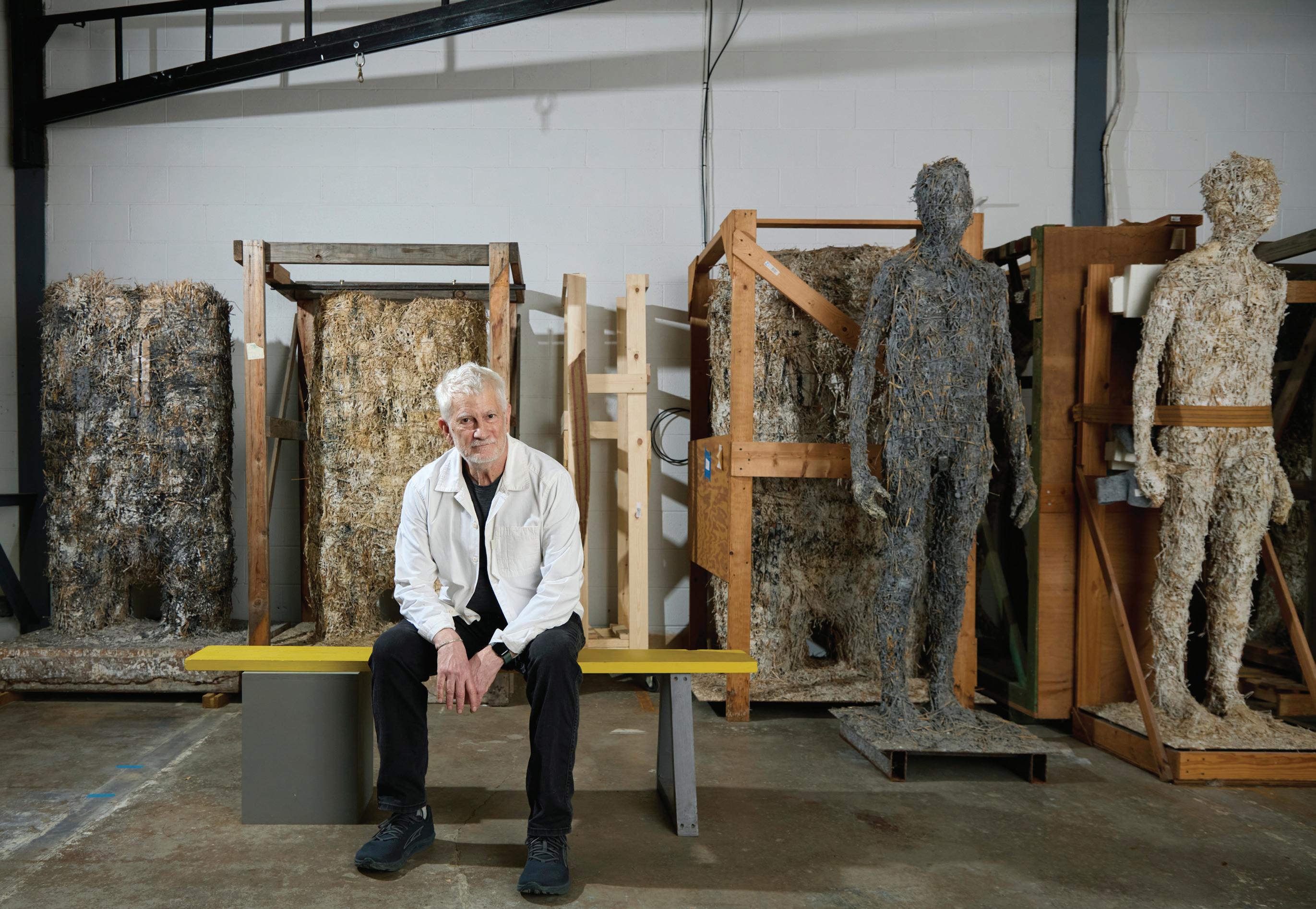
Artist and Educator
A good teacher imparts knowledge and wisdom to his students. A great teacher can impact the trajectory of their lives. James Sullivan, Professor Emeritus of Sculpture and Design, as well as the former department chair at Southern Methodist University, falls into the latter category. In his post-academic life, he continues his own art practice while engaging with the next generation of artists.
That he has an open invitation to speak with and advise participating cohorts at the Corsicana Artist & Writer Residency is a function of his history with its founders. Several of them, including executive director and founder Kyle Hobratschk, are former students. Sullivan has been connected to the organization in one capacity or another since its founding almost 15 years ago; he currently sits on its board. He says, “I look at my involvement with the residency in two ways. You could say it was an outgrowth of my own experience as an administrator.” In this capacity, he provides sound guidance for building a sustainable organization, from its physical structures to administrative aspects, such as budgeting.
On the second point, he focuses on the participation of being in residency and the sense of dislocation that it can bring. As he says, “I think any artistic growth is meant to deal with resistances and negotiate them.” Sullivan notes that being in a foreign environment, particularly in an individual space, can have a profound effect.
Produced in a variety of media, Sullivan’s own work broadens the scope of sculptural practice. His work—sculpture, performances, prints, and drawings—has been included in galleries and museum exhibitions on four continents.
His decades of experience as a working artist, combined with a nuanced approach to gleaning artists’ intentions without then telling them what to do, makes him a sought-after advisor. “Corsicana is very much a continuation of the kinds of discussions and engagements that I had as a teacher, but also the engagements that I had as an administrator.” he explains. “And I’ve always treated students as co-artists, as collaborators in some way, shape, or form. Corsicana just continues that.” –Nancy Cohen Israel
James Sullivan in his East Dallas studio.
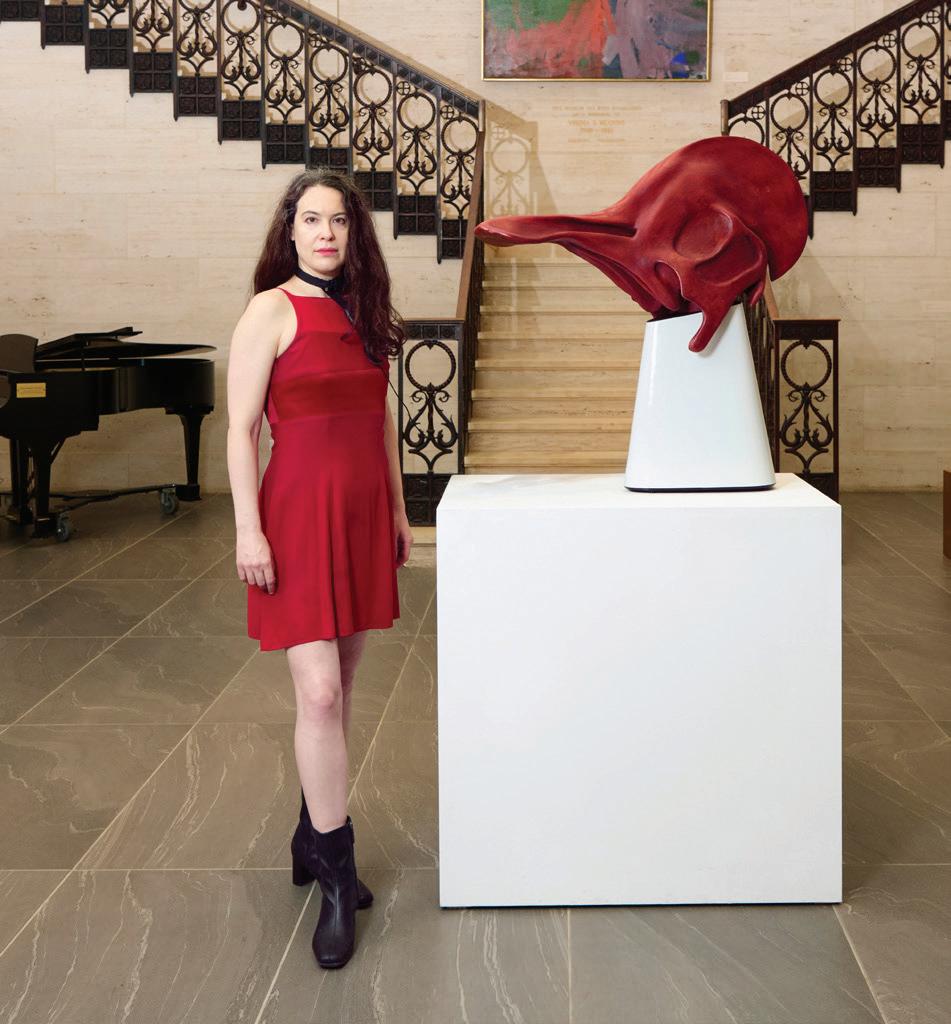
COURTNEY BROWN Musician, Composer, Sound Artist, Dinosaur Choir
Imagine combining a background of binaries, stretching from paleontology to computer science, while interspersing it with music composition and vocal studies. Imagine using that background to create something entirely new from something that is so old, it is extinct. This is the starting point for Dinosaur Choir, a project launched by Courtney Brown, assistant professor in the Center for Creative Computation in the Meadows School of the Arts at Southern Methodist University.
Brown came to the topic serendipitously. On a road trip heading to a graduate program at Arizona State University, she stopped at a dinosaur museum in New Mexico. An interactive exhibition allowed her to hear the conjectured sound made by the Cretaceous-era crested herbivore Parasaurolophus. As a singer, Brown was already interested in interactive sound. The degree she was pursuing was a doctor of musical arts in interdisciplinary digital media and performance.
Since then, in addition to her own research, she has been working with collaborators in paleontology, 3D printing, and CTscan segmentation to create instruments based on the structure
of prehistoric skulls. With scant soft tissue remains, she says, “I create the instrument based on the physiological details,” adding, “The sound that you hear is a physically based model of a dinosaur sound, as speculated by me. By that I mean it’s basically a set of mathematical equations that describe the airflow below the vocal folds, how it goes through the vocal folds, changes the vocal folds, and then comes out.”
Working with two research assistants—her “dinosaur musicians”—she has a choir of three instruments, activated largely using throat microphones. A saxophone player accompanies the Corythosaurus, Lambeosaurus, and Nothosaur. The latter is based on a fossil housed at SMU. “I thought it’d be nice to do a local dinosaur,” she says.
Dinosaur Choir enjoys a varied performance schedule that includes art spaces, computer music festivals, and conferences. They even have an upcoming gig at a science museum in the northeast. As for local audiences who want to enjoy interpreted sounds from millennia ago, the group also performs on campus every semester. –Nancy Cohen Israel
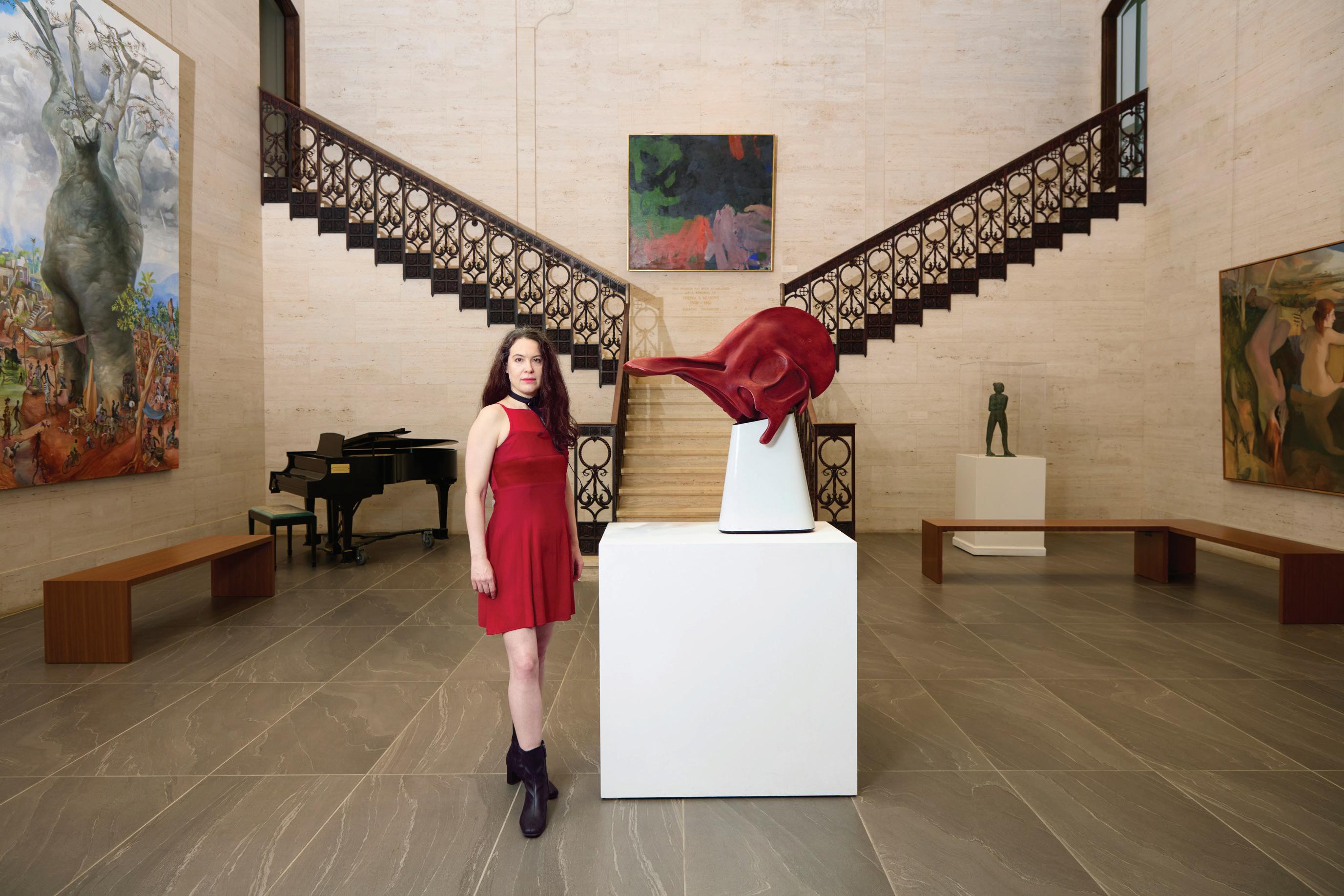
Courtney Brown at Owen Art Center, Meadows School of the Arts, Southern Methodist University.
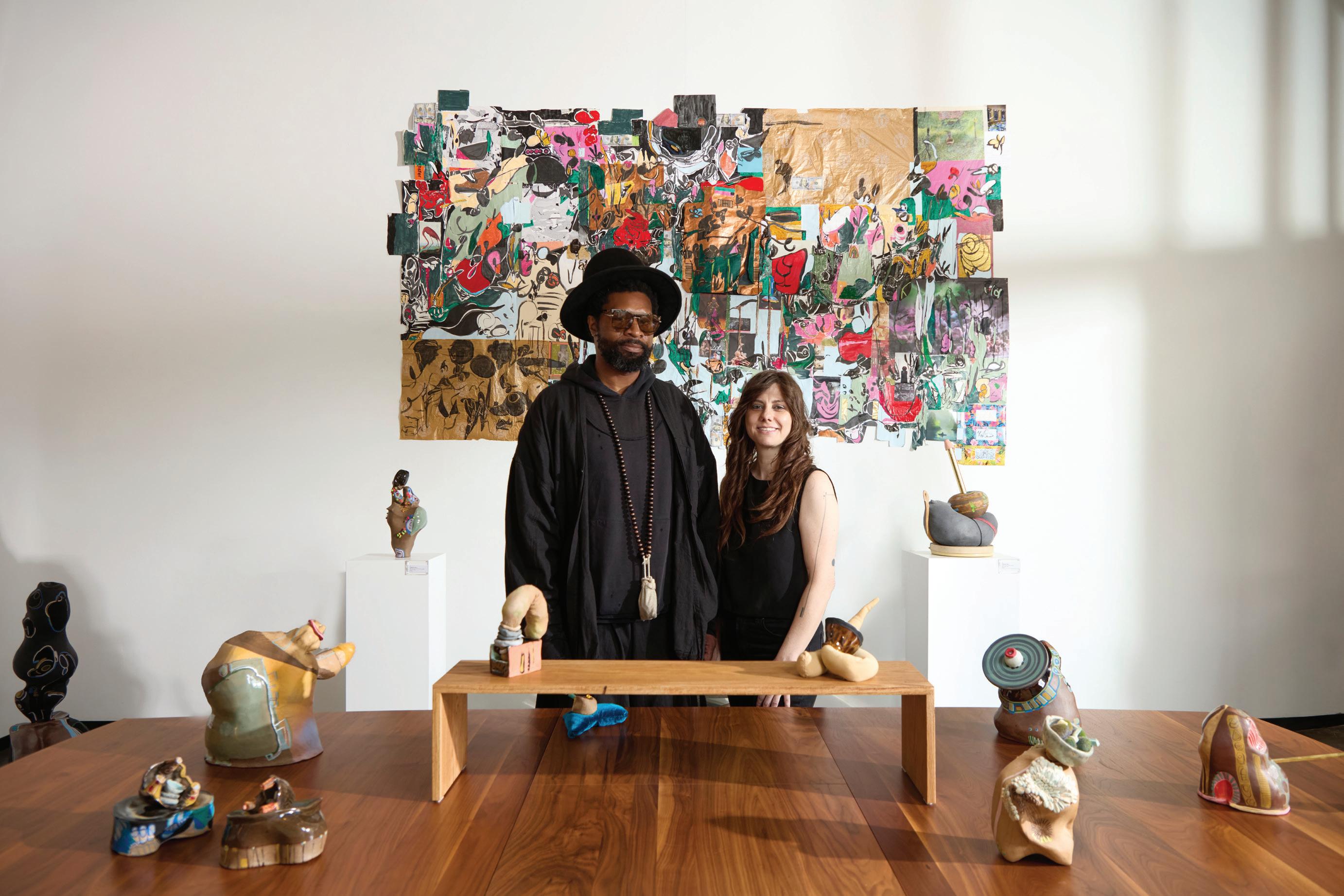
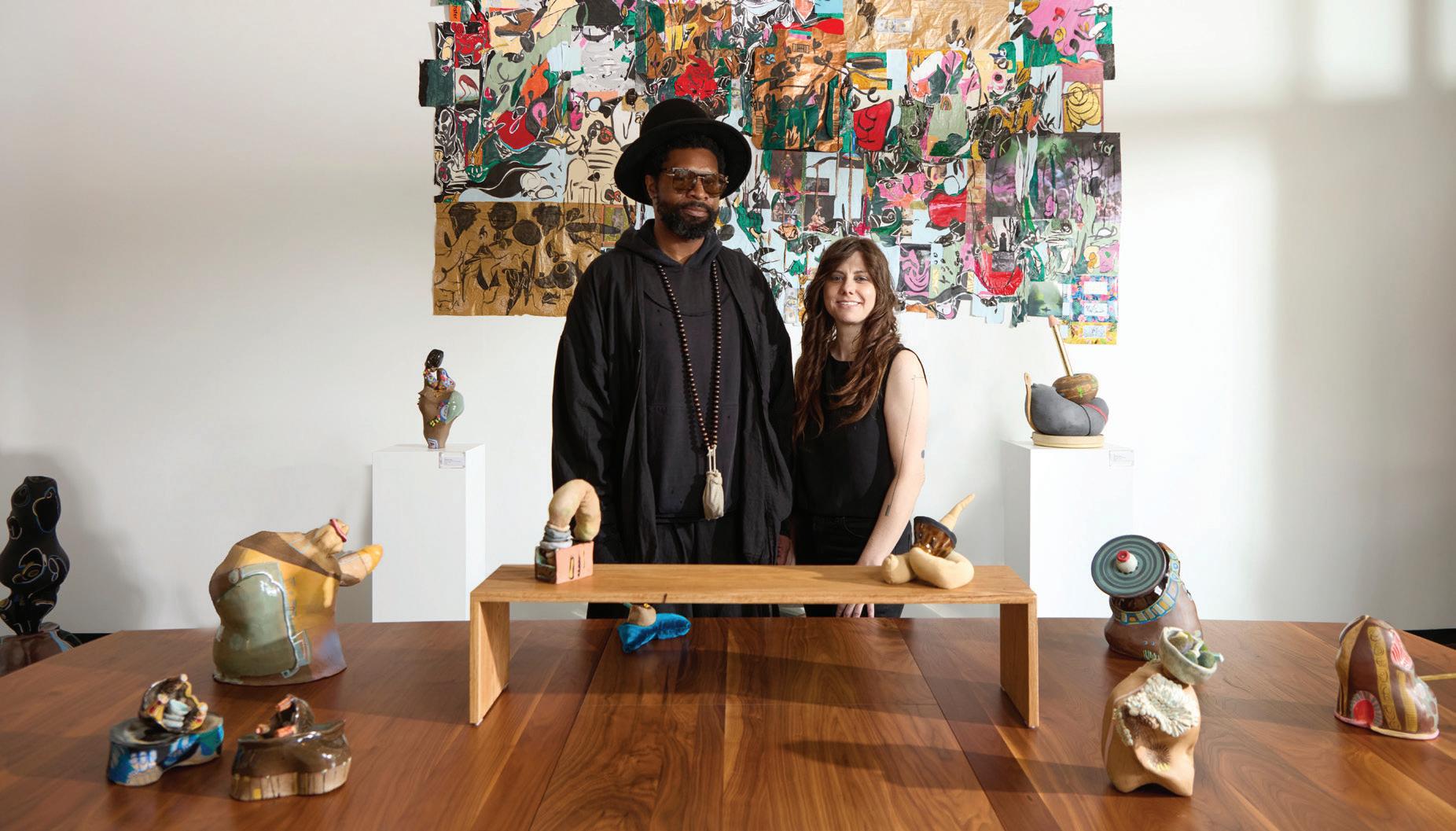
Xxavier Carter, Tabatha Trolli, Gata Voladora Empire of Dirt
Empire of Dirt—its name drawn from a lyric in Nine Inch Nails’ Hurt —is the collaborative project of Dallas artists Xxavier Carter and Tabatha Trolli alongside Gata Voladora (Olga Maldonado), a Venezuelan national based in Mexico City whose travel to the US is limited due to border restraints. Working across installation, ceramics, works on paper, and performance, the collective merges distinct practices into a shared visual language rooted in transformation, experimentation, and exchange.
For Trolli, whose work spans both functional ceramics and sculpture, the name speaks to materiality and reinvention. “It spoke to this idea that dirt could be so menial, but that we could make it this larger transformative thing,” she says.
Carter expands the metaphor beyond clay and process: “It’s this place for all of us—we’re all on this dirt-ball planet, so it’s like…”
“…the ground that we stand on,” Trolli finishes, adding, “Plus I’m a Taurus—I’m an Earth sign, so I call myself Dirt Girl.” Carter notes that the collective also incorporates refuse into their work, further reinforcing ideas of renewal.
What unites Empire of Dirt is not only shared aesthetics, but an organic dialogue between mediums and sensibilities. “The impetus for the collective was resource sharing and making things together,” Trolli explains. “But when you step back, you can see similar mark making and formal qualities that naturally converse with each other.”
Carter describes the collaboration as “a three-circle Venn
diagram,” where each artist’s visual language overlaps with the others while retaining its individuality. “Gata has a lot of color and movement that comes across,” he says of his co-creator, who is trained in contemporary dance, classical ballet, and aerial acrobatics. Trolli introduced him to ceramic processes during their artist residency at Cerámica Suro in Guadalajara. Those experiences now inform Carter’s own tapestry works, “carrying through a fluidity of mark making and palette,” he says, and echoing across the collective’s practice. Together they exhibited at Nasher Sculpture Center. Carter’s work is in that museum’s collection as well as the Dallas Museum of Art’s.
Community remains central to Empire of Dirt’s practice, evident in projects like their Easter Tea Service at Southwest Contemporary, where they transformed a traditional tea gathering into an immersive performance installation exploring ritual, colonial histories, and contemporary culture through ceramics and engagement. Conceived by Carter and Trolli, the event invited the arts community into a shared experience, where handmade vessels became symbols of exchange and memory. Guests departed with ceramic cups made by the pair, extending the work’s meditation on service and fellowship.
For them, artistic kinship begins with possibility. “Seeing a space and imagining what could be there but also meeting a person and seeing what the potential could be…that collaboration is going to bring so much more excitement than just you on your own,” Trolli muses. –Terri Provencal
Xxavier Carter and Tabatha Trolli at their Empire of Dirt exhibition Phantom Limb
WILL EVANS Deep Vellum
When Will Evans founded Deep Vellum in 2013, it was not obvious that Dallas was waiting for a nonprofit publisher devoted to literature in translation. A few years later, when he opened a bookstore in Deep Ellum, the idea may have seemed even stranger. Who opens a literary bookstore in a neighborhood better known for music, bars, and nightlife? Who looks at a city famous for sports, business, real estate, and spectacle and bets on the erudite, the translated, the difficult? Will Evans did.
What began as a small press committed to international literature translated into English has become one of the most consequential literary organizations in the country. Deep Vellum now operates as a publisher, bookstore, literary arts organization, and home to imprints including Dalkey Archive Press, A Strange Object, Phoneme Media, and La Reunion Its catalogue has helped move Dallas into global literary circulation. The proof is no longer theoretical. Deep Vellum has published work connected to Nobel Prize winner Jon Fosse through Dalkey Archive Press. Its books have received major recognition, including Amang’s Raised by Wolves, winner of the PEN Award for Poetry in Translation; Fowzia Karimi’s Above Us the Milky Way, winner of the Big Other Book Award for Fiction; Fiston
Mwanza Mujila’s The Villain’s Dance, a National Book Award finalist for Translated Literature; and Ethan Rutherford’s North Sun, a National Book Award finalist for Fiction and winner of the Rosenthal Family Foundation Award for Literature from the American Academy of Arts and Letters. Even the New York Times took note of the scale of the achievement, highlighting North Sun as the rare National Book Award finalist published by the smallest press in its category.
Evans’ own honors have followed. In 2022, he was inducted into the Texas Institute of Letters. In 2024, France named him Chevalier de l’Ordre des Arts et des Lettres, or Knight of the Order of Arts and Letters, for his work bringing French literature to English-language readers.
But Evans’ influence is not only measured in prizes. Deep Vellum’s republication of Jim Schutze’s The Accommodation returned one of Dallas’ most urgent civic texts to public life. Through Big D Reads, the book became a citywide conversation about race, memory, and power.
Now, as Deep Vellum prepares its Music & Literature Festival during the World Cup, Evans’ original wager feels prophetic. Dallas was always a literary city. He simply built the infrastructure for the rest of us to see it. –Darryl Ratcliff
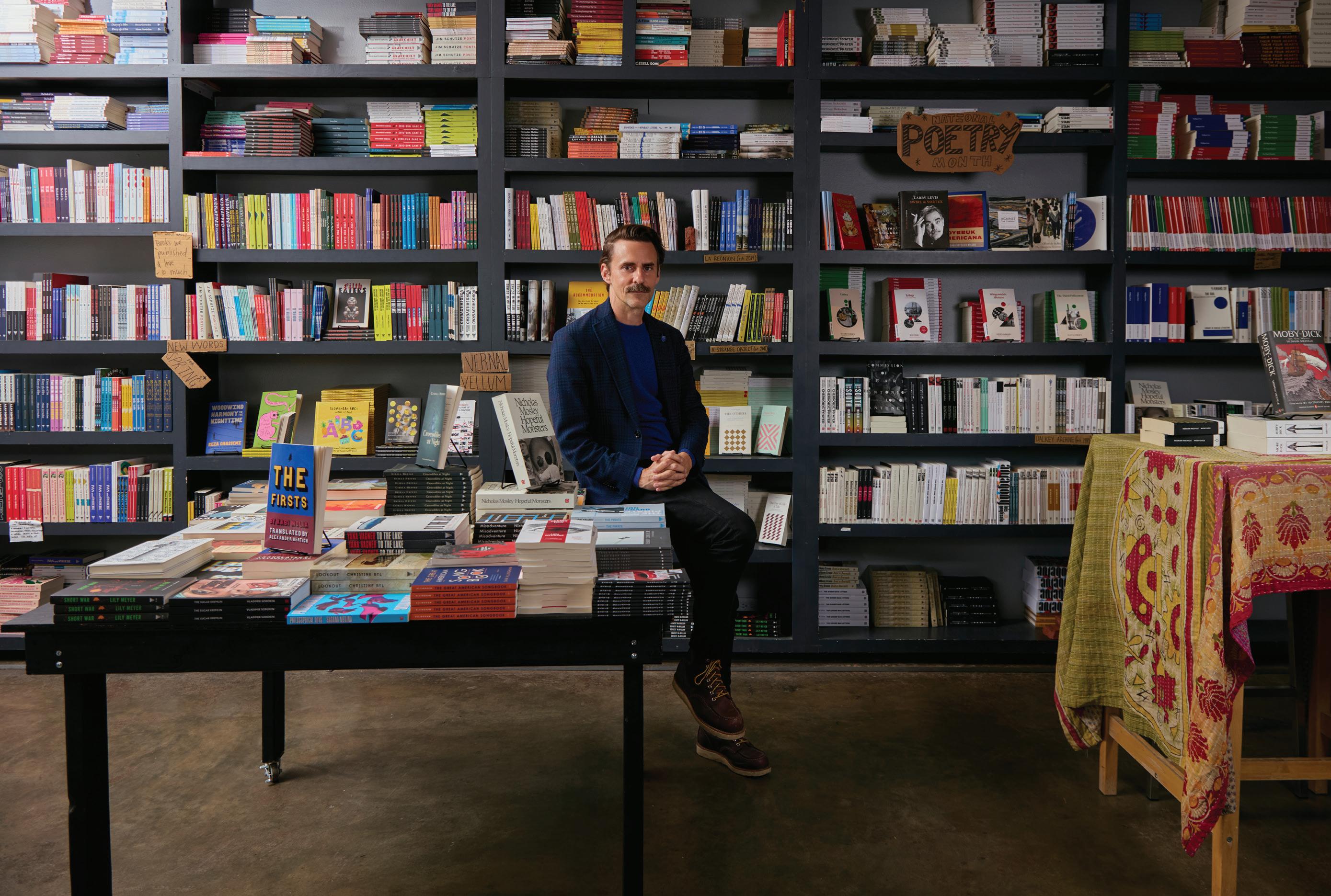
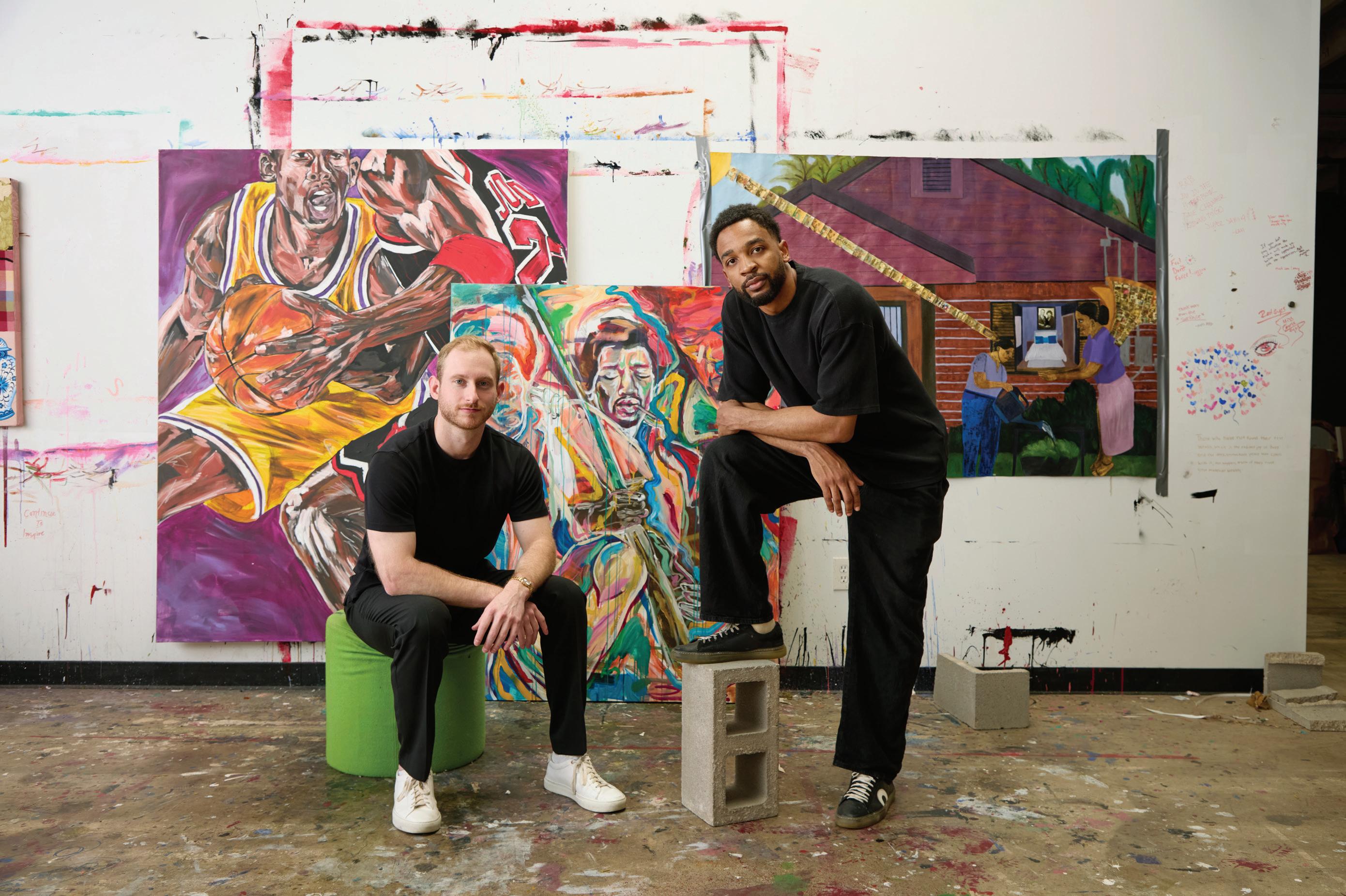
RA KAZADI AND ROB GRASS
Nostalgia and Noise
Ra Kazadi and Rob Grass are not simply throwing events. Through Nostalgia and Noise, they are building a new kind of Dallas cultural infrastructure, one that moves among art, music, nightlife, branding, and community with unusual fluency.
Their partnership works because their strengths are distinct. Kazadi brings the creative language: art, branding, curation, and cultural strategy. Grass brings finance, operations, startups, and scale. “Ra is almost building the brand,” Grass says, “I’m almost building the business.” The company grows in the tension between those two roles.
What began as a small 2023 gathering behind a barbershop, with T-shirts, artwork, and a chaotic crowd, has become a platform for artists, DJs, designers, musicians, and audiences who want Dallas to feel more connected. Kazadi describes the mission plainly: “democratize and demystify the arts.” The goal is to welcome both the “tourist and the purist,” creating spaces where someone new to the scene can feel at ease while serious artists, curators, collectors, and brands still find substance.
That balance is intentional. Kazadi thinks through thesis, curation, visual language, artist access, and audience flow. Grass thinks about the infrastructure that allows the experience to scale. He often returns to the idea that their events feel “big community” and “intimate” at once, shaped by early adopters who taught people how to show up.
For Kazadi, Dallas’ advantage is that it is still becoming. “People underestimate the opportunity here,” he says. “You can still create yourself in Dallas.” Grass calls the city’s defining quality “desire”: a hunger for models that have not yet hardened into tradition. Their next move, Nosta, aims to turn nomadic energy into a permanent Deep Ellum hub. Kazadi describes it as “cultural infrastructure”—a place where creatives, funders, brands, and civic players can meet through shared space rather than cold outreach. The misconception, Kazadi says, is “that we only throw parties.”
The deeper ambition is artist income, visibility, partnerships, and a city where creatives can stay, grow, and get paid.
–Darryl Ratcliff
Rob Grass and Ra Kazadi at Nostalgia and Noise.
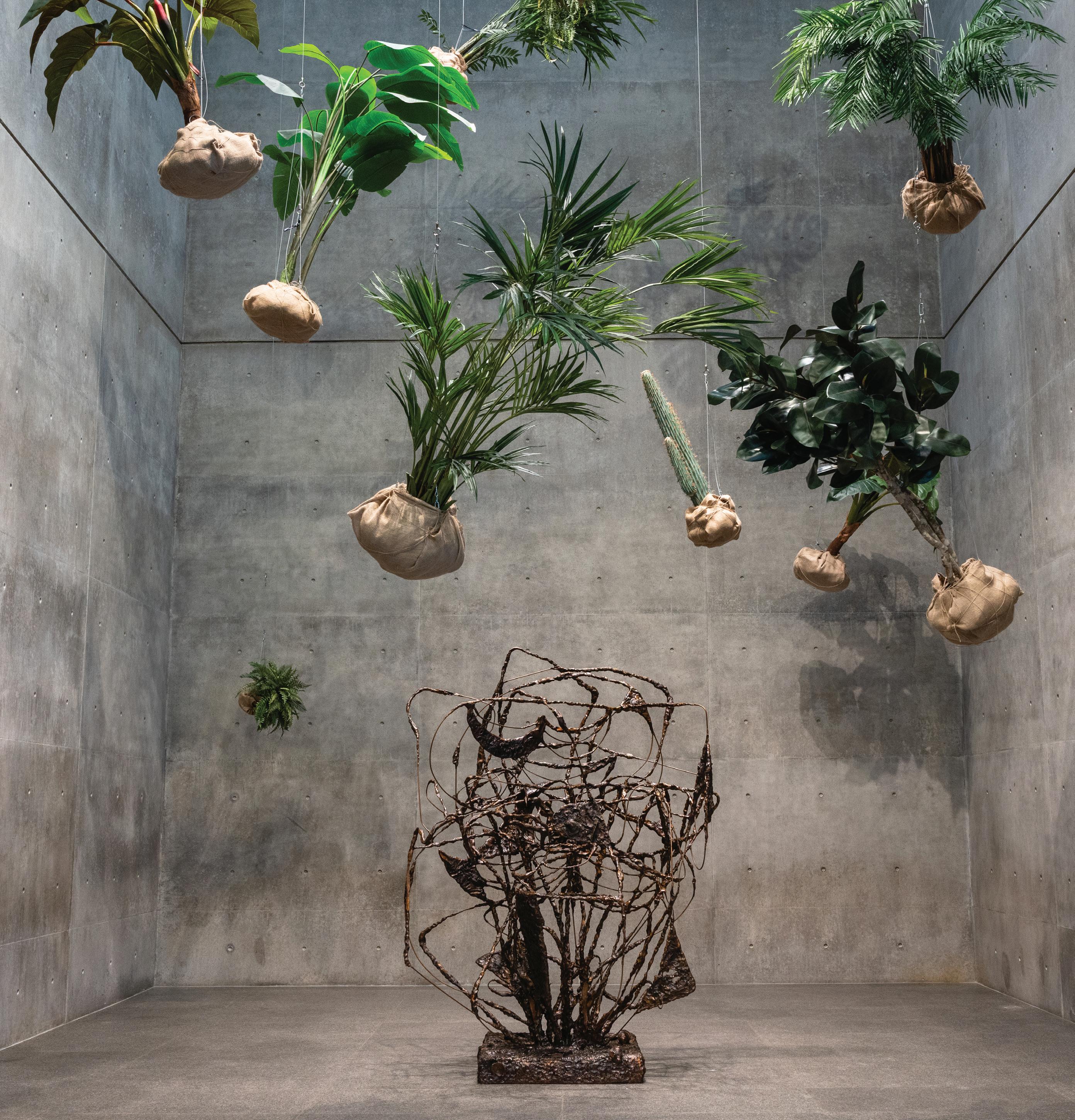
“…you have to ask yourself two questions, Who am I? And how may I become myself?”
–Paul Beatty, The Sellout
Rashid Johnson: A Poem for Deep Thinkers installation view, Modern Art Museum of Fort Worth. Photograph by Evie Marie Bishop.
RASHID JOHNSON’S POETIC LEANINGS
BETWEEN SELF-CARE AND HISTORY, A RESTLESS VISUAL LANGUAGE.
BY MATTHEW BOURBON
Rashid Johnson has been on a mission. His work, while wildly diverse in materials and methodology, has a consistency of need that is undeniable. Urgency and ambition seem to define every artwork he produces. This fundamental tenacity is pitched toward recontextualizing Black intellectualism in relation to the artist’s sense of personal and familial identity. What’s clear is that Johnson uses his art practice to probe topics like the everpresent pall of American racism, the richness of Black excellence, and desire for protective self-care amidst recurring states of unease.
He explores all these themes through a carefully curated use of materials and found objects that are commonly understood Black cultural and intellectual landmarks. One sees objects like the records of Al Green and Miles Davis, and stacks of books by activist comedian Dick Gregory or poet and essayist Claudia Rankine. If you read the title cards, you can also see his regular use of black soap and shea butter as emblematic carriers of meaning. In this sense his art is a remixing of loaded symbolical imagery and ingredients as a way to manage his own thinking around what it means to be Black in America.
Much like Johnson’s lauded recent Guggenheim installation in New York, this new arrangement at the Modern Art Museum of Fort Worth makes ample use of the specific building sight lines and idiosyncrasies of the Tadao Ando architecture. When entering the show, titled A Poem for Deep Thinkers, one is immediately greeted by a succession of hanging plants floating above the main steps to the second-floor galleries; these plants are a recurring motif throughout the exhibition and seem to refer to acts of care while also subtly invoking the troubled histories of colonialism. This is but a small example of how Johnson regularly places things in decisive combinations to indicate both a direct interpretation and a layered suggestiveness.
After climbing the stairs and entering the first room, one is lured to a wall with a range of artworks tightly hung, so that they read as a large installation. They are, in fact, a series of individual works reconfigured in this exhibition as a kind of template revealing the various methods the artist employs. In this thematic blueprint are photographs, prints, painted surfaces, videos, and sculptures. In some ways, Johnson adopts these diverse modes of making not just because he can, but because his searching ethos requires a breadth appropriate to the many valences of Black experience he seeks to address. What is the nature of poetry and deep thinking if not to seek nuance and to invite contradictions as a necessity for speaking truthfully?
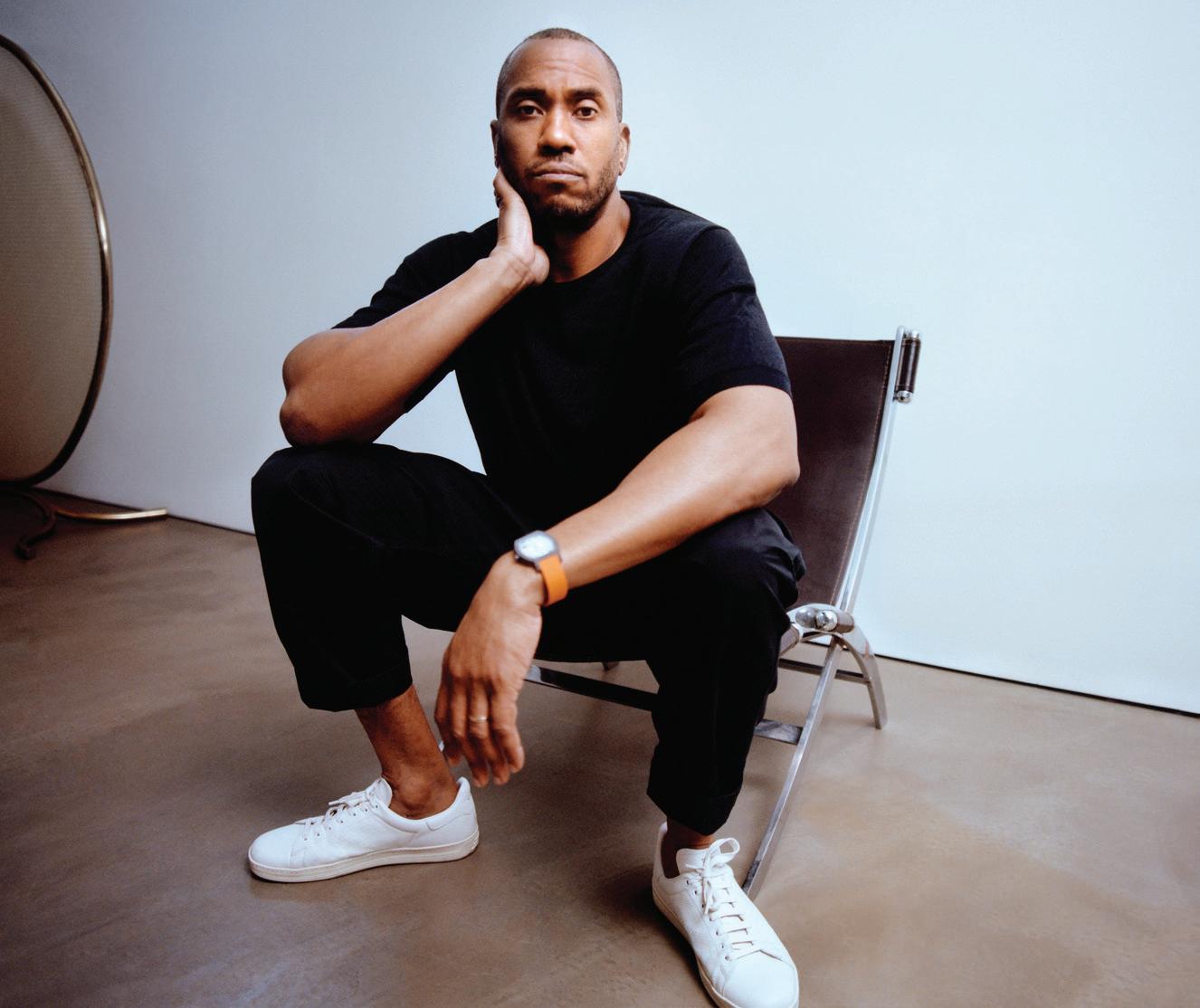
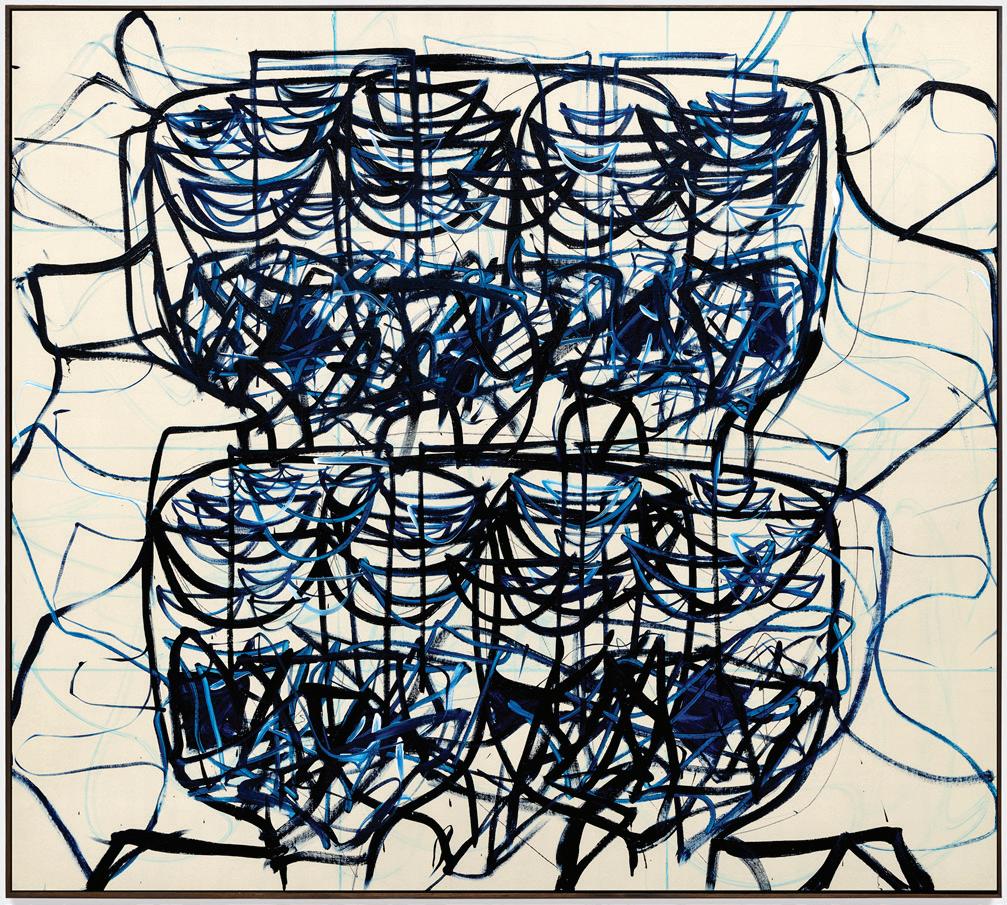
Rashid Johnson, Soul Painting “Six Souls”, 2024, oil on linen, 96 x 108 x 1.68 in. Modern Art Museum of Fort Worth. © Rashid Johnson.
Photograph by Stephanie Powell.
Portrait of Rashid Johnson, 2025, New York. Photograph by Joshua Woods. Courtesy of the artist and Hauser & Wirth.
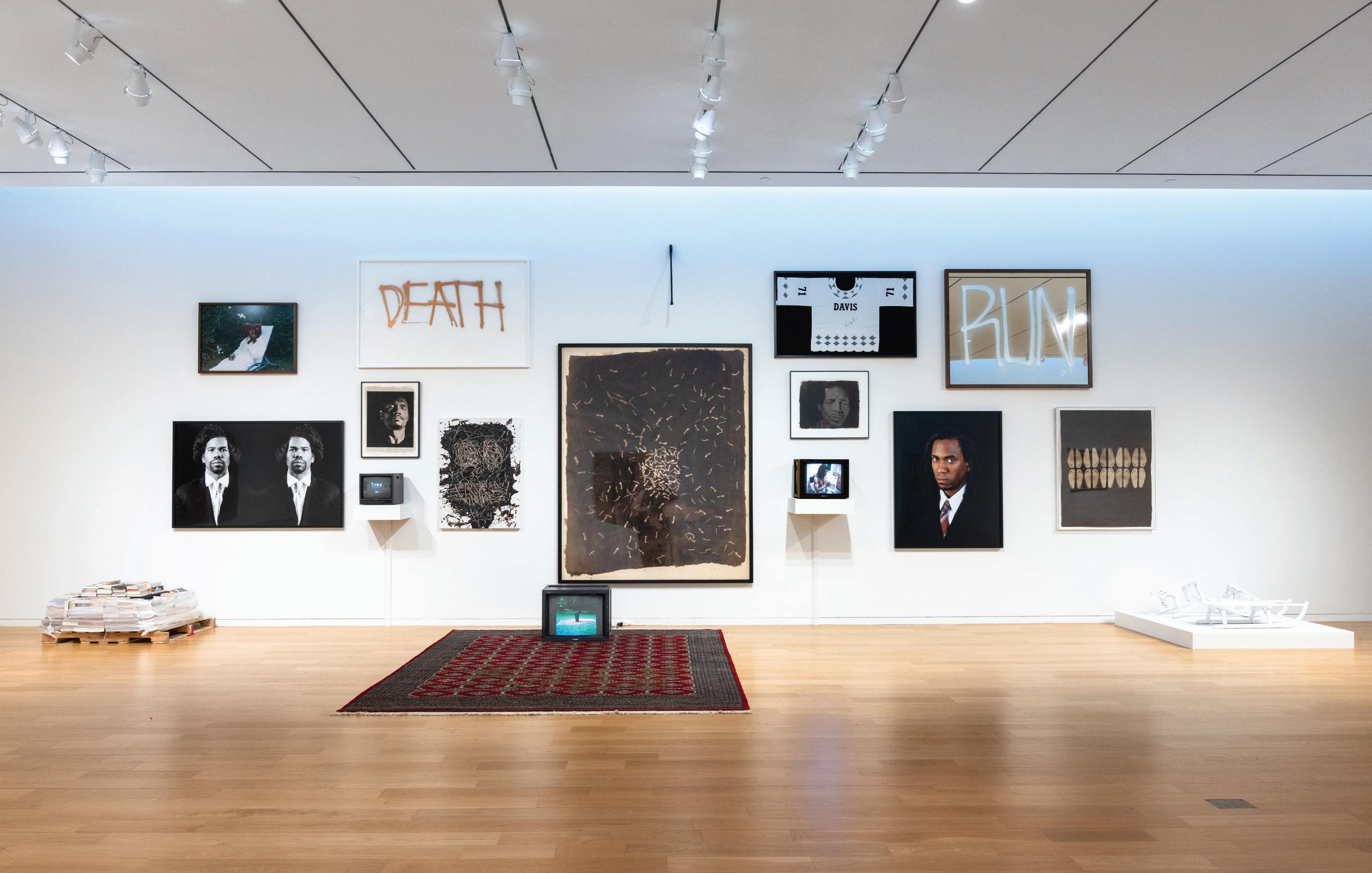
For example, the work The New Negro Escapist Social and Athletic Club (Emmett) is one of a series of portraits where the artist and friends take on the guise of famous Black individuals from history. In this particular portrait we have Johnson adopting the look and hairstyle of Frederick Douglass. The title of the photo also evokes 14-year-old Emmitt Till, who was brutally murdered in 1955 Mississippi
In this artwork Johnson weaves thoughts through time, conjuring abolitionist struggle and the toxic persistence of racial violence that is our American history. Johnson’s mimicry is a way of discovering and feeling his way into a present sense of self. He suggests that these historically important lives inform everything about our present; despite differences in our current milieu, the vast accomplishments of Black culture set against a bedrock of American racist animus are forever part of the true, unvarnished identity of this country.
Amongst this same grouping is a wall shelf holding a small TV that plays the video Me, Tavis Smiley and Shea Butter. Here the artist sits in a bathroom moisturizing his post-shower body while listening to the Tavis Smiley NPR show. This seemingly unexciting work shrewdly pulls one into a direct expression of self-care that is rife with layered meanings. The solitude of care is not meant as some kind of onedirectional putting one’s head in the sand and forgetting the world at large. Instead, the everyday activity commingles with the first Blackhosted show on the nation’s public radio. There is an attunement to both the requirements of private life with the obligation of concern for a larger public sphere. The artist’s use of shea butter is also loaded
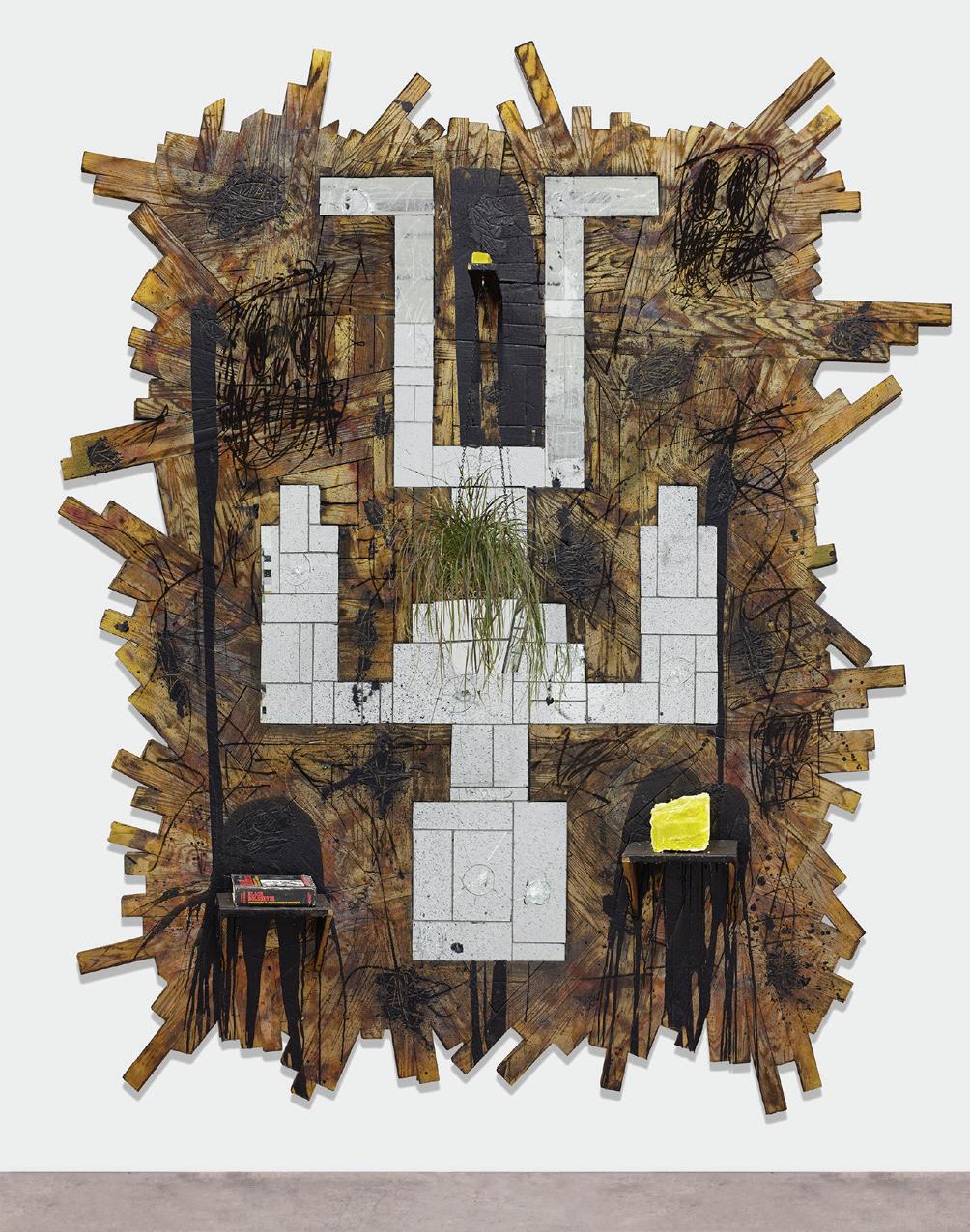
Rashid Johnson: A Poem for Deep Thinkers installation view, Modern Art Museum of Fort Worth. Photograph by Evie Marie Bishop.
Rashid Johnson, Falling Man, 2016, burned red oak flooring, spray enamel, mirror, shea butter, black soap, wax, plant, book, 118 x 104 x 12 in. Collection of Marguerite Steed Hoffman. © Rashid Johnson. Photograph Martin Parsekian.
with suggestion: first as a commonly used substance, and second as a connector to a history that includes the commodification of a material indigenous to Africa. As with many of Johnson’s projects, there is a multifaceted exploration within the bones of this artwork that never settles on one easy reading. With the recent politically motivated defunding of NPR, this work takes on interesting new meanings as it flows into a continuing American dialogue set within current machinations of abusive power.
As you walk the museum you will realize, as I did, that there is too much work in this retrospective exhibition to adequately absorb it all. Resigned to incompleteness, I will merely mention that the paintings, both distinct and with found objects, are some of my favorite moments. If there is name dropping that Johnson adopts by adding records, books, and golden brass objects to his artworks like Triple Consciousness, there is also a background hum of art-historical referents. One can see Robert Raushchenberg, Cy Twombly, Jean Dubuffet, Karel Appel, and Antoni Tàpies as pictorial antecedents to many of the works displayed.
Even more of Johnson’s work can be seen in the groundfloor galleries. The grandest of all is a huge, stacked, cubistic spectacle. It feels like a synthesized mind map as apotheosis. Within a giant steel structure one finds plants under grow lights, the ubiquitous stacks of books, mounds of shea butter, and videos that offer images and floating sound. The overall impression is an architecture of metal and greenery that feels like a behemoth product display or some modern redo of the Hanging Gardens of Babylon. Like his other artworks, everything seems coded for potential meanings. Mounds of books are clues to personal stories or philosophical curiosities—notice Alcoholics Anonymous or the versions of books named around the notion of the “race betrayer.” The particular use of the Paul Beatty novel The Sellout feels like the artist is in part speculating about what it feels like to tune one’s life in relation to cultural and political history as a measure of self-identification or worth. Perhaps Johnson is also raising questions about what is considered legitimate or illegitimate in the African American community or beyond. As always, Johnson’s art asserts that there is never one monolithic answer or validation.
If there is any possible summation of Johnson’s art, perhaps it is that he both challenges and complicates every meaning he summons. Or maybe it is that he insists that as a visual and material poet he must write from his own deeply felt personal story, even as he stands on the shoulders of past giants. Either way, Johnson always seems focused on what is salient while working to not be pigeonholed into anyone’s single narrative or interpretation, including my words here. He uses his art to powerfully intone that it is not enough to speak of who we are in straight lines or only by looking at oneself through the lens of others—be they cultural heroes or bigots. This type of limited framing does a disservice to the depths and caprices of our inherently complex self-regard.
As the artist stated in the monograph accompanying the show:“…limitation of twoness comes at the expense of recognizing other characteristics integral to personality.” P
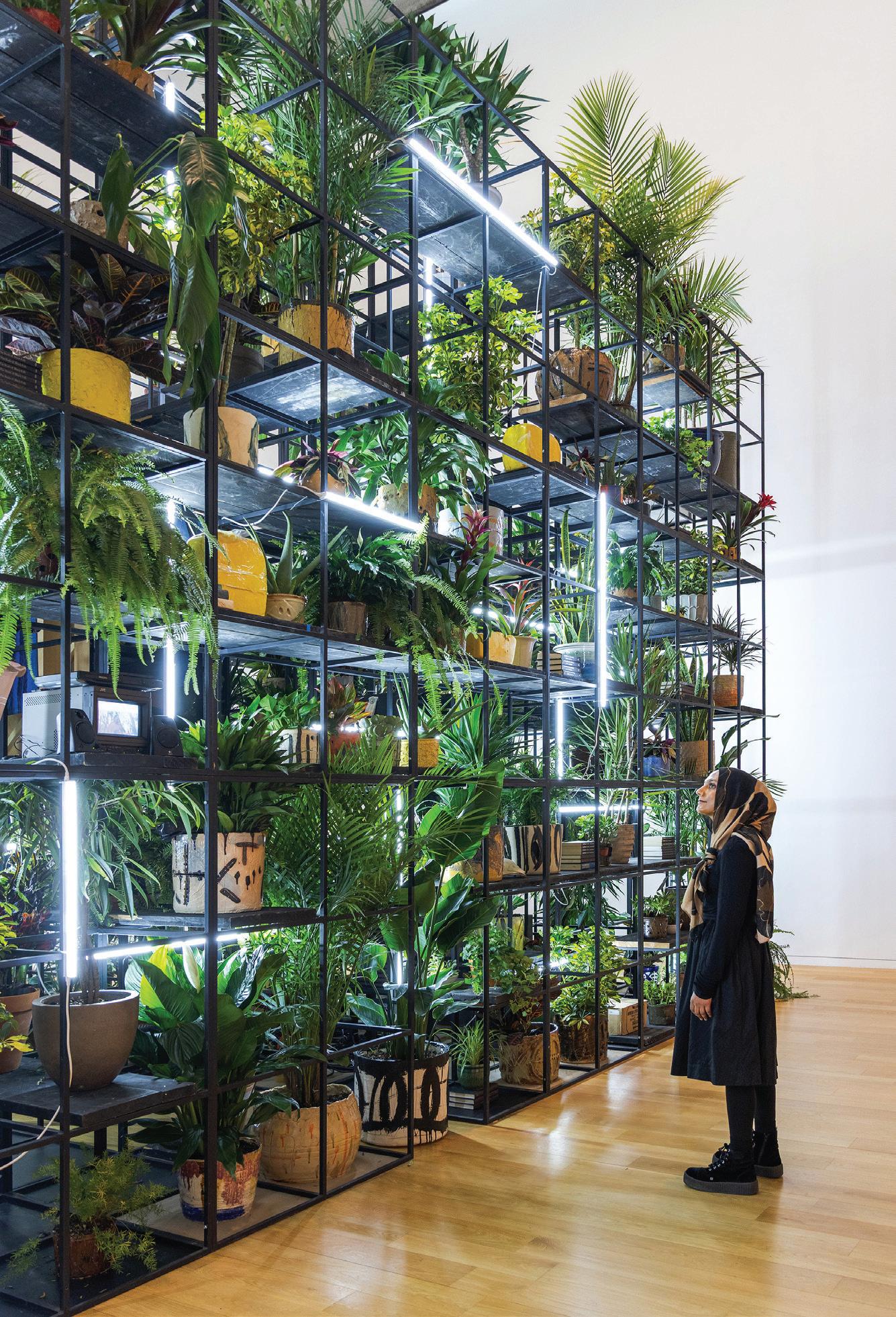
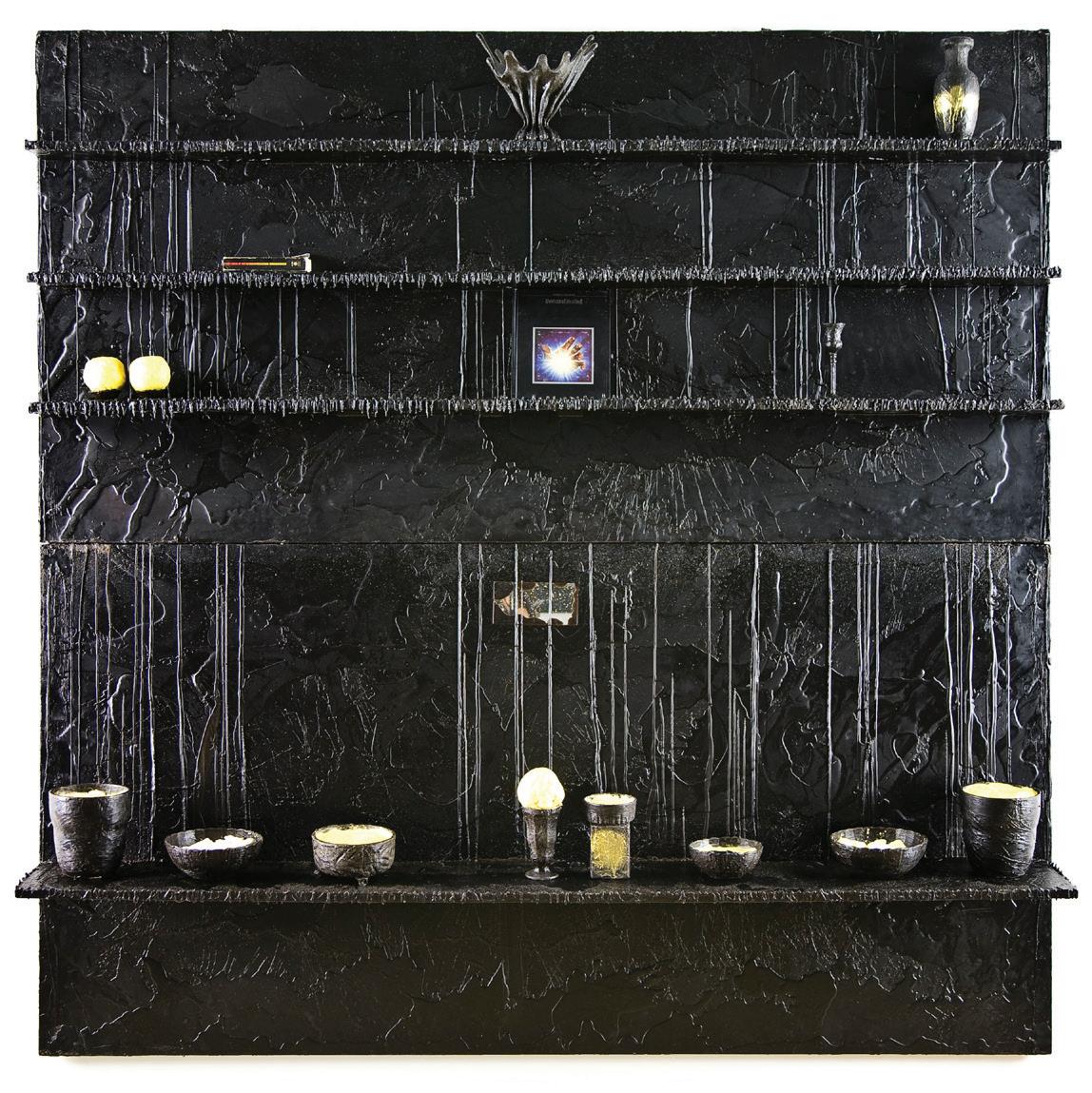
Rashid Johnson, Antoine’s Organ, 2016, steel, grow lights, ceramic, plants, wood, shea butter, books, monitors, Persian rugs, and piano. Collection of the artist.
Rashid Johnson, The Crisis of the Negro Intellectual (The Power of Healing), 2008, shelves, wax, black soap, shea butter, candles, mixed media, 96 x 96 x 12 in. © Rashid Johnson. Rubell Museum, Miami and Washington DC.
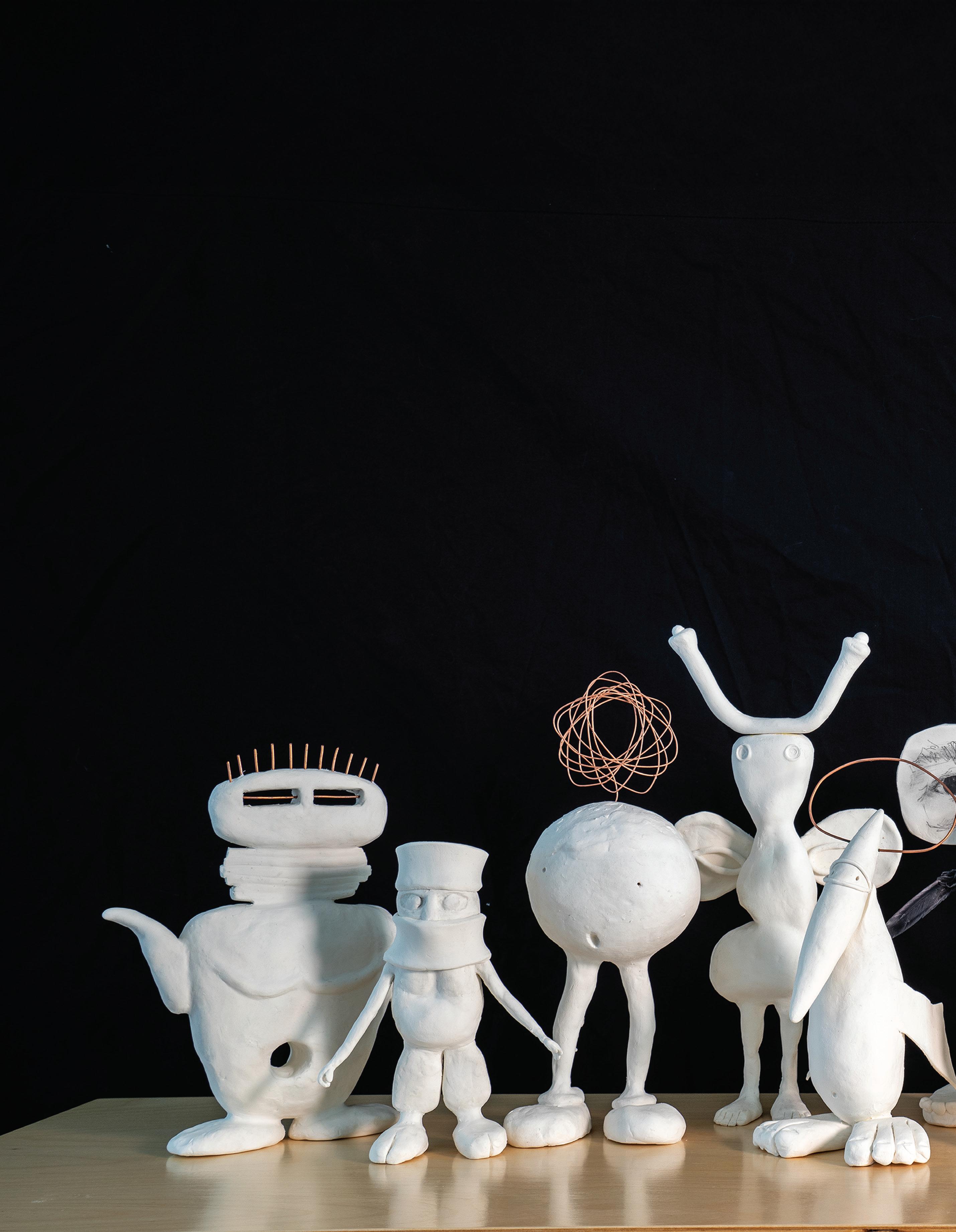
STAGED REALITY
NIC NICOSIA’S CONSTRUCTED ENVIRONMENTS AND SHIFTING VIEWPOINTS TURN EVERYDAY EXPERIENCES INTO UNSTABLE PERCEPTUAL FIELDS.
Nic Nicosia, Dreamboats 2, 2017-2018, Paperclay and mixed media. Dimensions variable. © Nic Nicosia. Image courtesy of the artist and Erin Cluley Gallery, Dallas.
A conversation with Jed Morse, Sydney Smith, Erin Cluley, and Nic Nicosia
At the Nasher Sculpture Center, Nic Nicosia: Everyday Surreal surveys over two decades of the Dallas-born artist’s multidisciplinary practice, tracing his ongoing exploration of how ordinary life becomes subtly staged, unstable, and psychologically charged.
Across sculpture, photography, drawing, and film, Nicosia constructs worlds in which domestic interiors, figures, and objects hover between the familiar and the fabricated, suggesting that the surreal is not elsewhere, but embedded in the everyday. Through 70some works, what begins as recognizably everyday often slips into something slightly dislocated: miniature figures with unexpected presence, carefully built sets that refuse photographic certainty, and drawings that turn time, repetition, and thought into visible form.
In advance of the opening, this conversation with the artist, exhibition and chief curator Jed Morse, curatorial assistant Sydney Smith, and gallerist Erin Cluley unfolds from the exhibition’s central themes probing questions of perception, construction, scale,
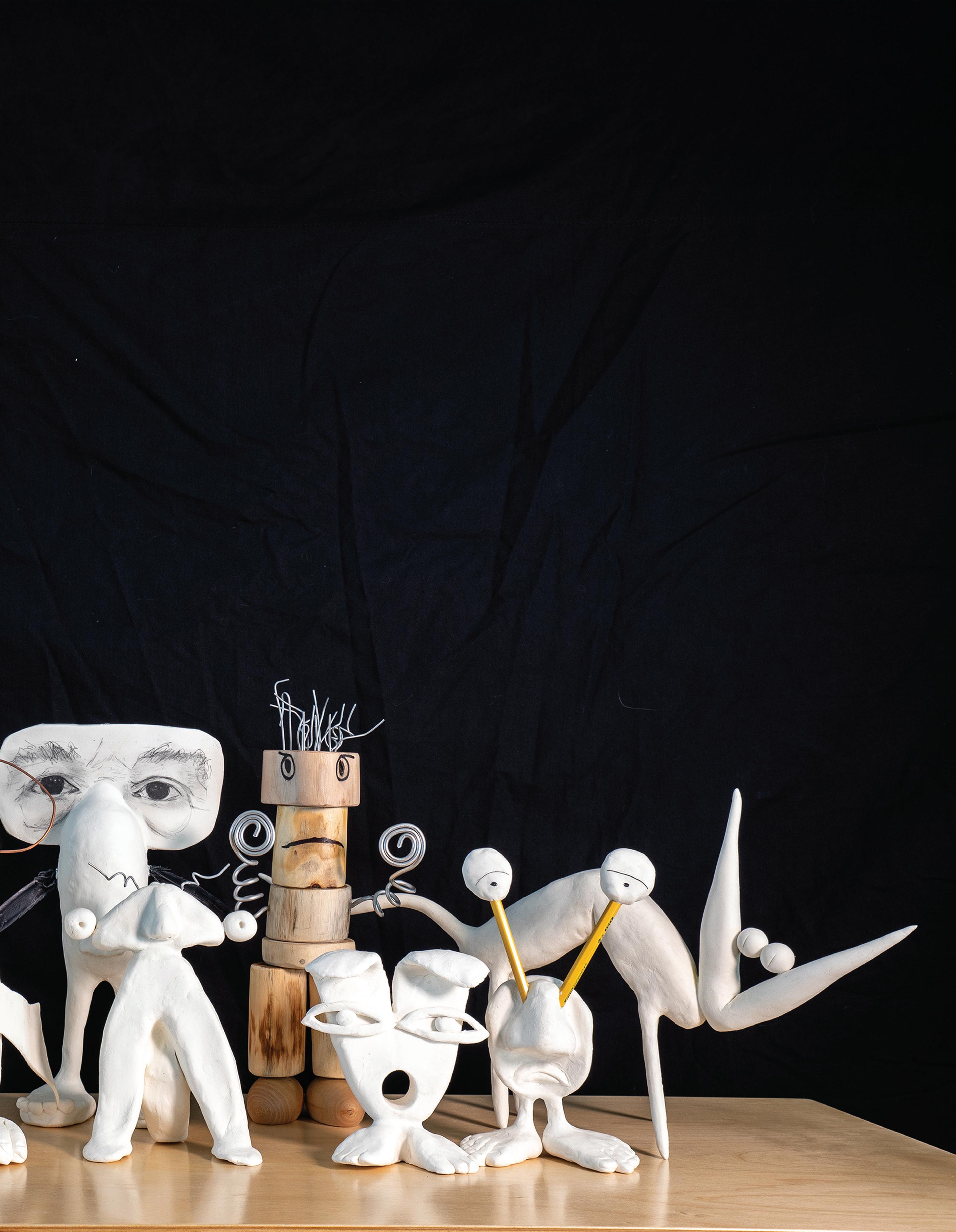
and time, and how meaning shifts as works move between image, object, and experience.
Terri Provencal (TP): The exhibition suggests that the surreal exists within the everyday rather than outside of it. Where do each of you locate that tipping point, where the ordinary becomes psychologically or perceptually strange? Maybe we start with Nic.
Nic Nicosia (NN): It’s hard to isolate a single moment in the day where that shift happens because I don’t really experience things as cleanly divided between “ordinary” and “not ordinary.” It’s more like a constant overlap.
I’m a daydreamer. I don’t really track where ideas come from because they tend to be this accumulation of whatever I’ve seen, what I’ve been thinking about, what I’ve overheard, or just what’s happening emotionally at the time. So when something appears as an image or a concept, it doesn’t feel like it arrives from a single source—it just kind of surfaces.
A lot of the time, it doesn’t happen when I’m actively trying to
think. It’s usually when I’m not focused in a direct way. I meditate every day, about half an hour, and that’s often when things loosen up enough for images or ideas to come through. They’ll also come at four in the morning when I’m half asleep.
As a child, my family on both sides were involved in fashion, so when Vogue and other magazines arrived each month, I’d draw directly into them—erase things, alter faces, change compositions. It wasn’t destructive, it was transformative. I was already treating images as unstable.
Jed Morse (JM): The title comes from something I suggested to Nic, which is the way I experience his work. There’s so much in it that has to do with everyday life—domestic interiors, objects, symbols of existential moments—and that sense of the everyday being suffused with meaning or portent in a way we don’t necessarily notice as we move through the day. Unless, of course, your mind naturally goes toward the imaginary, the whimsical, or the existential. I guess I can go there pretty easily, which is why I’ve connected with Nic’s work.
TP: In your early photographs you relied on highly constructed sets, props , and actors to stage reality. How has your understanding of construction changed, and do you still think of your work as staging perception?
NN: When I’m making work, that shift becomes even more pronounced. It’s not that reality disappears, but it gets narrowed down to a very specific channel.
I just have to make whatever it is to visualize my concept. And if it requires making sculpture, I better learn how to do it, and if I’m doing it wrong, as long as it stands up and doesn’t fall apart, I guess it works. My early work, the staged photographic pictures, were very
much planned, and I was very awake in those because it was all so new and also a lot of fun because I was younger. I’m talking about Domestic Dramas and Near (modern) Disasters
Erin Cluley (EC): I think that’s part of what people respond to when they first encounter the work. There’s a recognition, but also a slight disorientation. I see the viewers and their response to this in the gallery, looking at the work and asking what are these. And often when I’m talking to people about the works where Nic has photographed his space and has then worked and collaged over those images, it’s much like what you were doing with the fashion magazines. You were messing with the picture plane and then rephotographing it , and that’s the final iteration. The final iteration leaves people asking about the scale and what is real and what is not.
TP: That instability seems tied to construction—sets, props, photography, and sculpture. Erin, you’ve worked closely with Nic for a long time. How do you frame that for viewers without explaining it too much?
EC: We try not to overexplain it because part of the experience is the viewer figuring it out in real time. What’s interesting is that Nic’s process is cyclical. Something might start as a drawing, become a sculpture, enter a photographic set, then return again as an object in space. Or it might begin in a photograph and then get extracted into the real world. So instead of a linear progression, it’s more like circulation.
At the gallery we’re very aware of not presenting it as a step-bystep demonstration. It’s not “first this, then this.” It’s more like all of those states coexist.
Sydney Smith (SS): That’s something we’ve tried to emphasize in
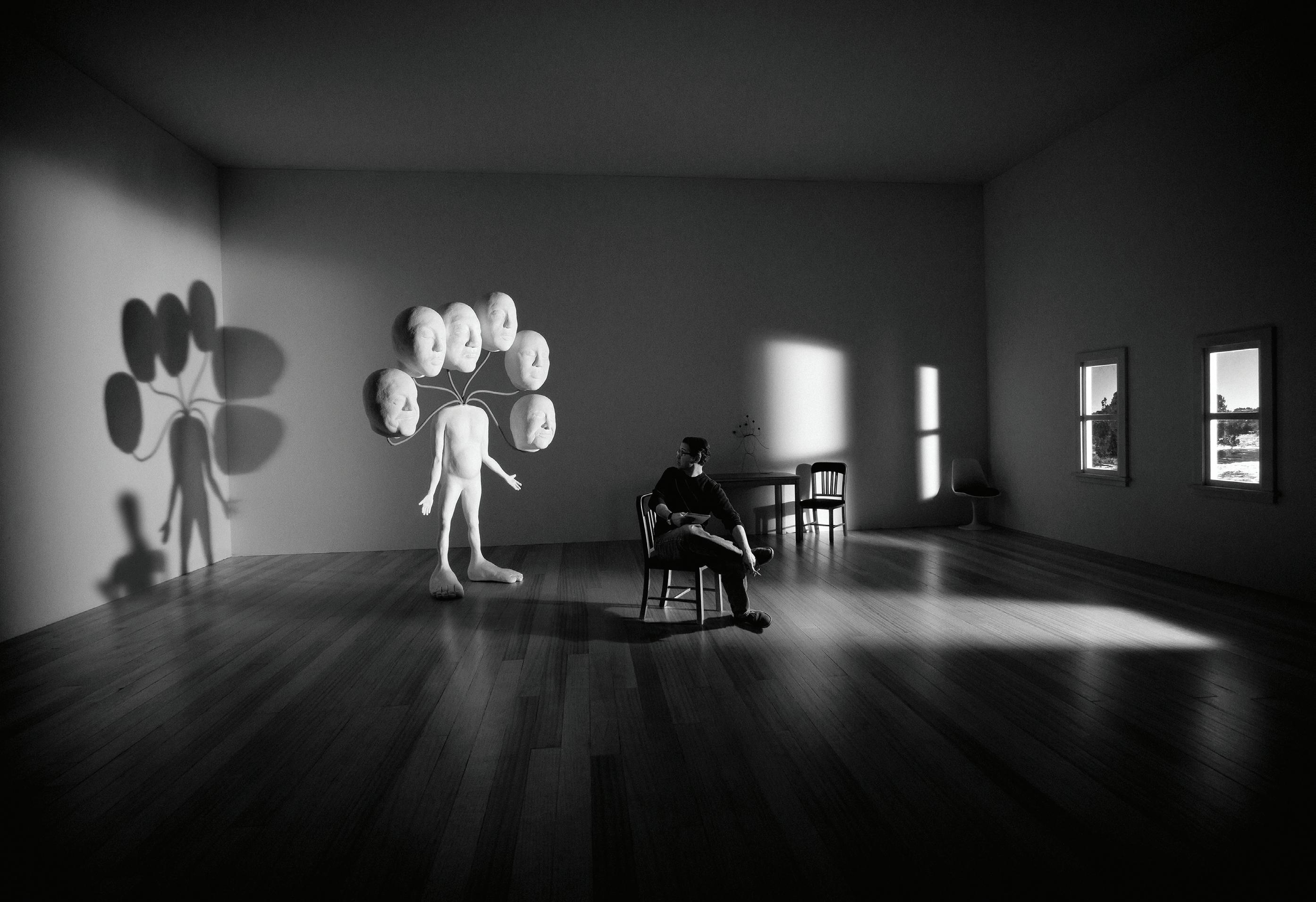
the exhibition design as well. There’s a temptation with a practice like this to turn it into a didactic sequence—drawing becomes sculpture becomes photograph—but that flattens what’s actually happening.
Instead the installation allows works to interrupt each other. Sculptures appear outside photographic logic. Photographs behave like constructed spaces. Drawings function almost like environments. And because there’s so much material across decades, you can start to see patterns, but they’re not forced into a single narrative.
TP: Nic, earlier work of yours often involved highly staged environments— constructed sets, actors, controlled scenes. How do you think about construction now?
NN: I still think of it as staging perception, but I don’t consciously separate it the way I might have early on.
I’ve always liked theatrical space. Theater feels more dreamlike to me than film does. I don’t know exactly why. Maybe because of the physical presence of it—the fact that you’re aware of the construction in real time.
With film I notice too much. I see lighting rigs, reflections, mistakes, technical things. I can’t fully enter it without a second viewing. Theater allows for a different kind of suspension.
JM: That’s the “fourth wall” effect.
NN: Yes, and I think that’s closer to how I experience making work too. I know it’s constructed, but I still need to believe in it while I’m inside it.
SS: I think that there’s a relationship between your emotional connection to theater and your immersion in theater and the way that you approach sculpture. As someone who wasn’t trained as a sculptor, you can feel closer to it , and you can do things with it that are more imaginative because you don’t have the technical training and the background in it.
NN: That’s true, but it’s also very practical. If I need something to exist for an idea, I just figure out how to make it. If it’s wrong, I adjust it until it works visually.
Early on, especially in series like Domestic Dramas or Near (modern) Disasters, everything was very planned. I was younger, and there was a lot of energy around showing work in New York. At the time, I wasn’t really selling much, so it felt more like building events than building commodities. There was a sense that people were just coming to experience something, almost like watching a strange film unfold in space.
TP: Jed, how do you make the constructed nature of Nic’s work visible without making it too explicit?
JM: Part of the goal is to let viewers sense permeability—between sculpture, photograph, and lived space.
When you walk into the exhibition, you’re not just looking at objects; you’re entering a kind of cognitive environment. You’re in dialogue with Nic’s process, even if you don’t immediately recognize it. At the same time, we don’t want to dissolve the museum context entirely. Institutions matter, but we try to let the works remain slightly unsettled within that frame.
NN: I also think objects have a kind of life to them, especially the smaller sculptures. They sit in the studio and almost feel animated. I’ve always liked miniatures for that reason. Scale changes perception immediately. A small object feels precious, but also strange. It forces you to recalibrate how you’re looking.
SS: That connects to the idea of threshold perception— miniatures as a space between waking and dreaming. You’re conscious, but you’re also shifting scale in a way that doesn’t exist in everyday vision.
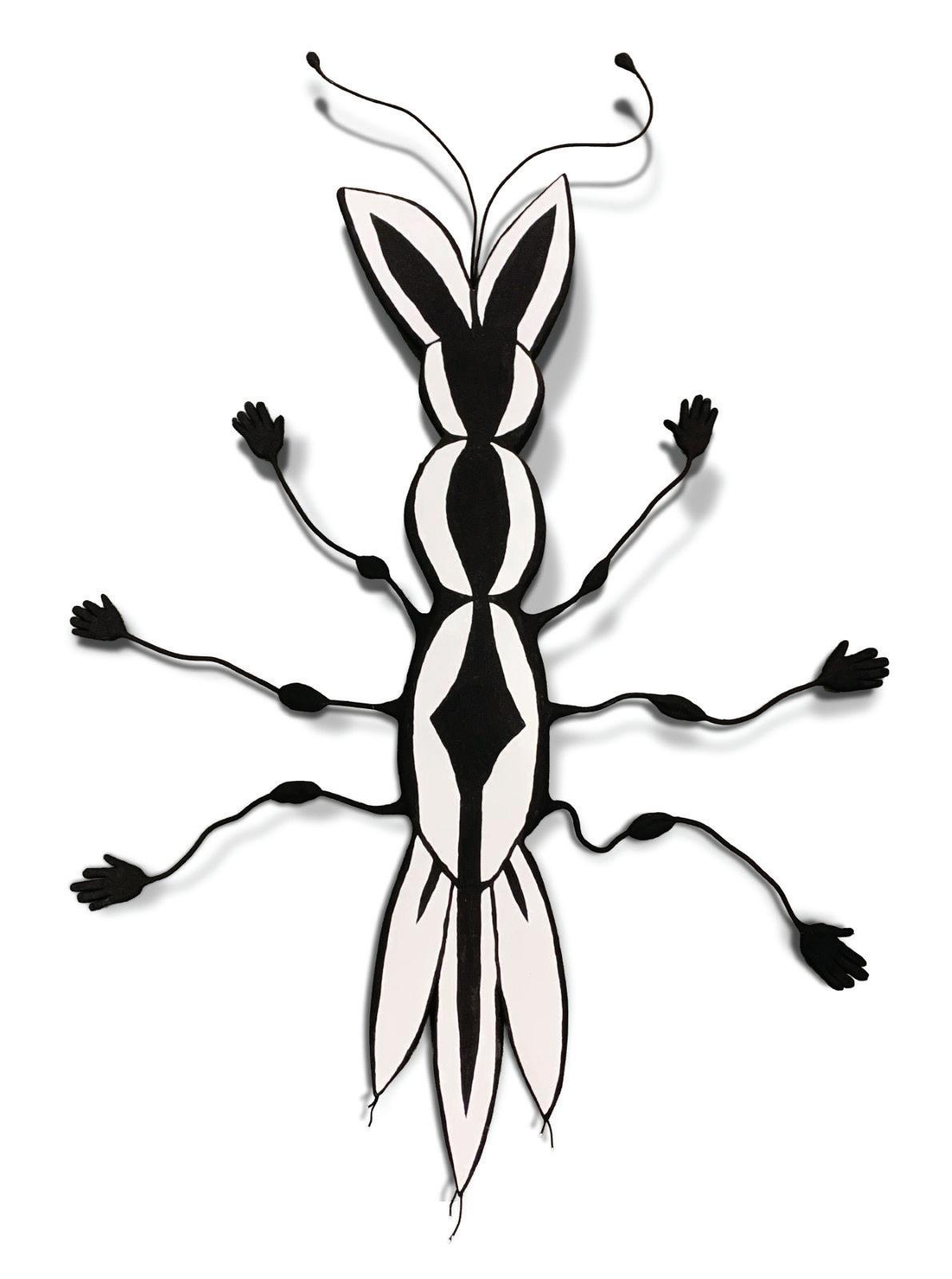
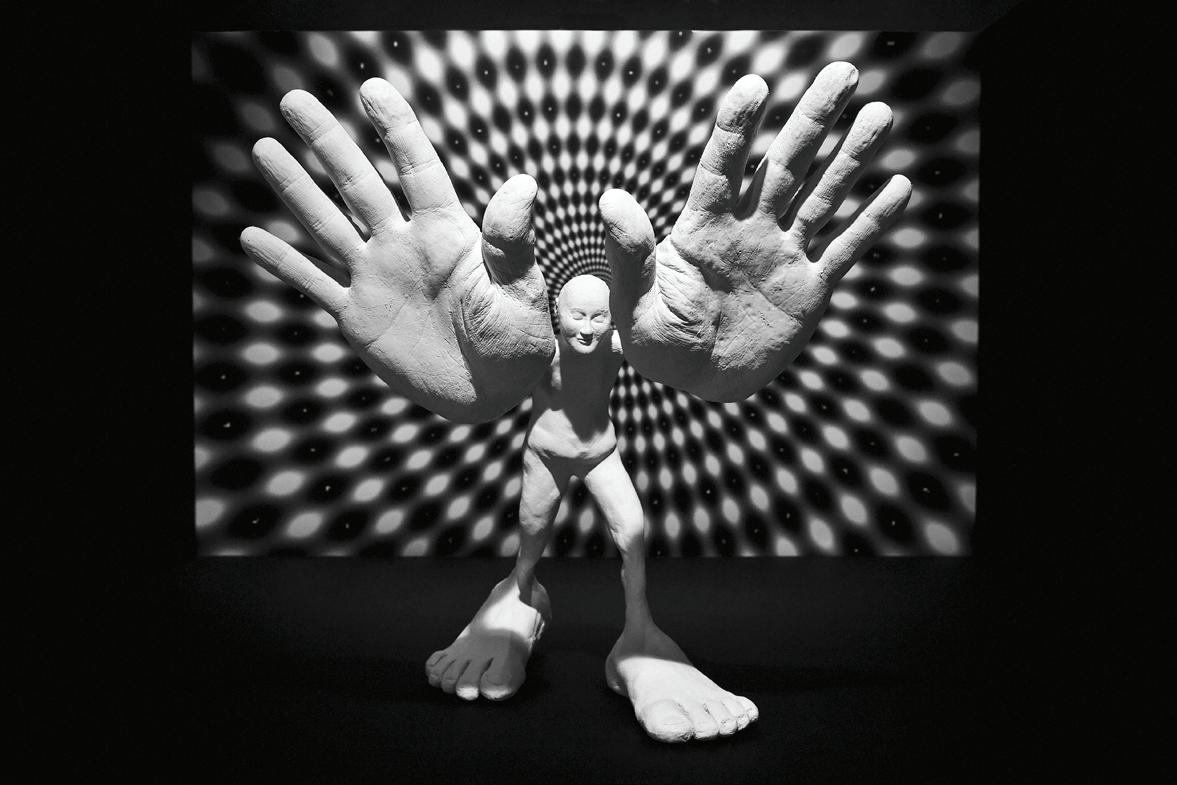
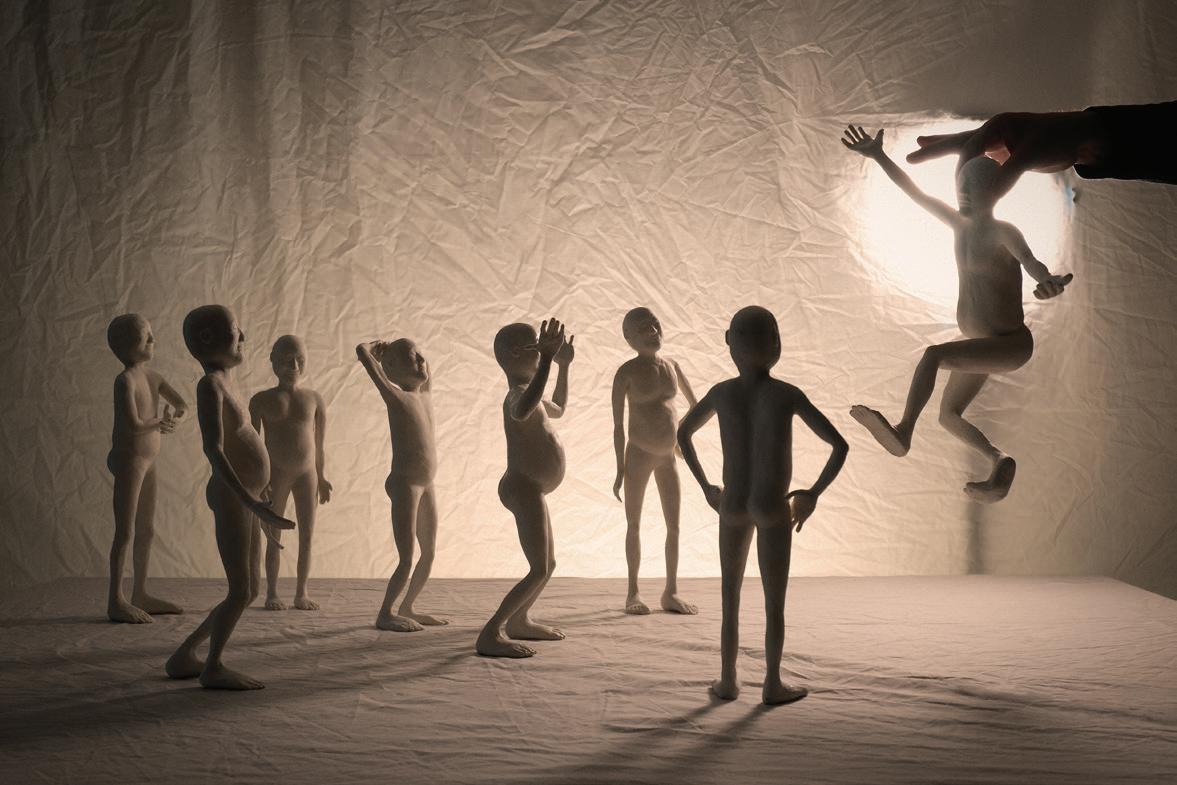
From above: Nic Nicosia, dreamboat #28, 2020, sign foam, copper, Paperclay, acrylic paint, 53 x 36 x 6 in.; concentration in bits, 2011, from the series in the absence of others, archival inkjet on Somerset watercolor paper, 40 x 60 in; 7 whys and big thankyou (in a picture), 2018, archival inkjet on Hahnmühle paper. 24 x 36 in. All © Nic Nicosia. Images courtesy of the artist and Erin Cluley Gallery, Dallas.
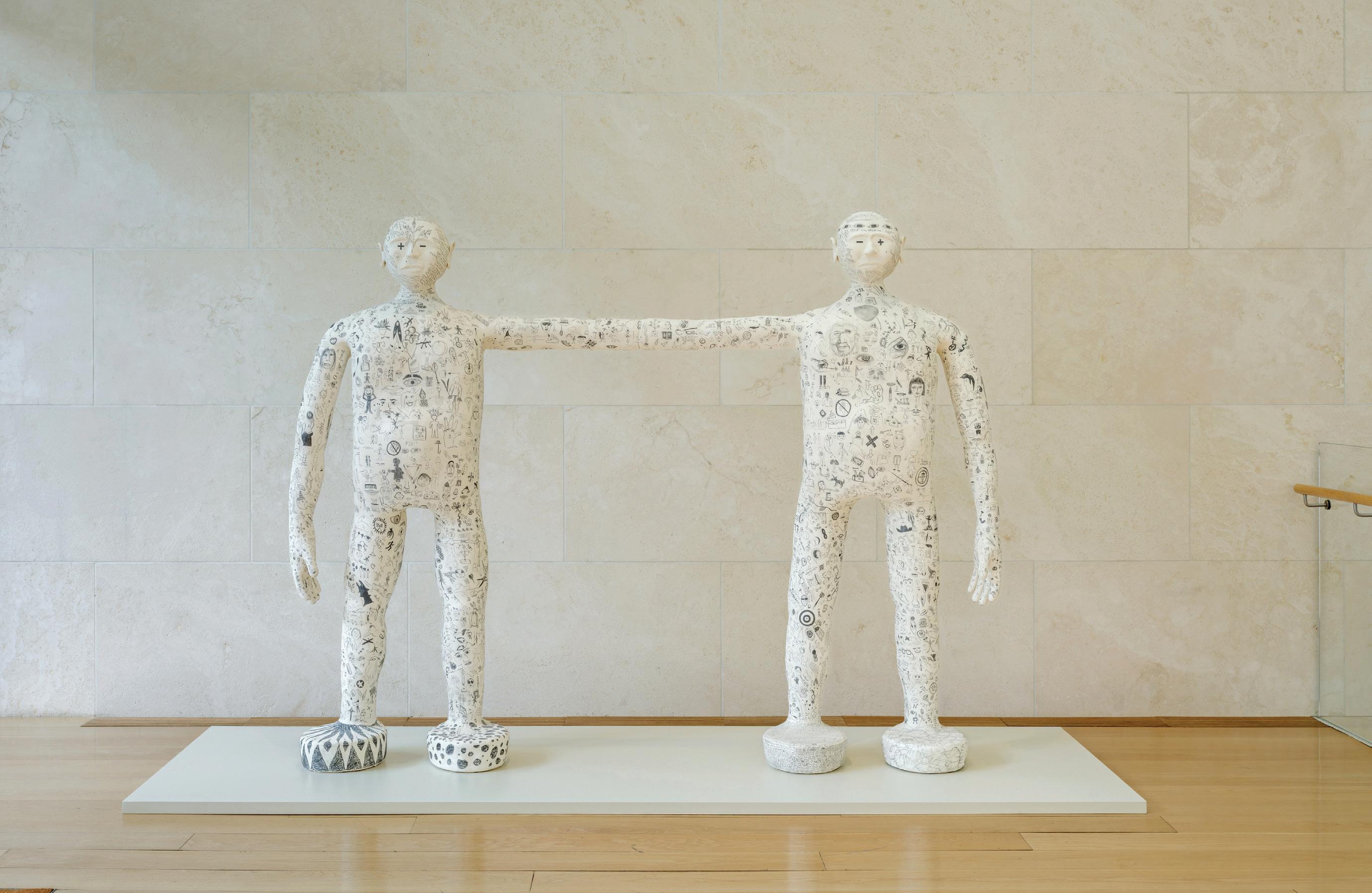
JM: And you play with scale constantly. There are enlargements of small sculptures, versions that are still smaller than life-size, and then the large ones like bighands
NN: Exactly. And changing scale changes thought. It opens things up.
TP: There’s also a broader context here—the exhibition opening during a major international moment, with visitors coming into the city for the FIFA World Cup. Does that change how you think about audience?
NN: I don’t think about audience in a strategic way. But I do think it matters that the work is in a museum context. People approach it differently. When work is in a space like this, people assume it has been validated in some way. That changes attention.
But I’ve also had experiences where the local response and international response are completely different. Early on, I had more attention outside Dallas than inside it. That shifted later, especially after institutional shows.
JM: That’s part of why the timing feels meaningful. It situates a long practice within a city that has changed significantly around it.
SS: And the community context now is very different. There’s a much larger ecosystem of artists working in Dallas than there was even a decade ago.
NN: Yes, but I’ve never really been part of an “artist community” in the way people talk about it. I’m friendly with people, but I don’t move socially through that world much. I tend to work and then go back to work.
EC: Which is probably why the work itself becomes the connective tissue. It circulates more than the artist does socially.
TP: Last question : Nic’s drawings of time—days, seconds, grids of years—feel like both documentation and meditation. How do each of you see them?
NN: They’re definitely meditation. They began when I had an illness and became older, and I just wanted to visualize time. I had lymphoma , and I had the pain from that lymphoma for six years before one of five doctors went ahead and asked for an MRI and found that’s what I had. Many suggested Pilates and to manage stress to ease my pains, yet I was riddled with cancer the entire time.
There’s 2 ,190 days in six years. So I started doing drawings to represent that amount of time. I was trying to understand duration in a visual way. So I began mapping days, then years, then seconds. It wasn’t symbolic—it was literal translation of time into marks, x’s.
EC: And even the word drawings in the show—they don’t explicitly reference time, but they still feel like time. They carry duration inside them.
JM: They’re also aesthetically very restrained, almost minimal fields, but conceptually dense. They sit alongside the sculptures and photographs without needing to resolve into a single meaning system.
NN: That’s fine with me. I don’t think the work is meant to resolve. It’s just meant to keep moving between states. And I think that’s probably the closest answer I have to the original question. There isn’t a tipping point. It’s all already slightly in motion. P
Nic Nicosia, duet, 2024–2025, aluminum wire, rubber foam, plastic gauze. Hydrocal, Paperclay, graphite, and matte acrylic sealant, 72 x 96 x 17 in. Installation view at Nasher Sculpture Center. Photograph by Kevin Todora.
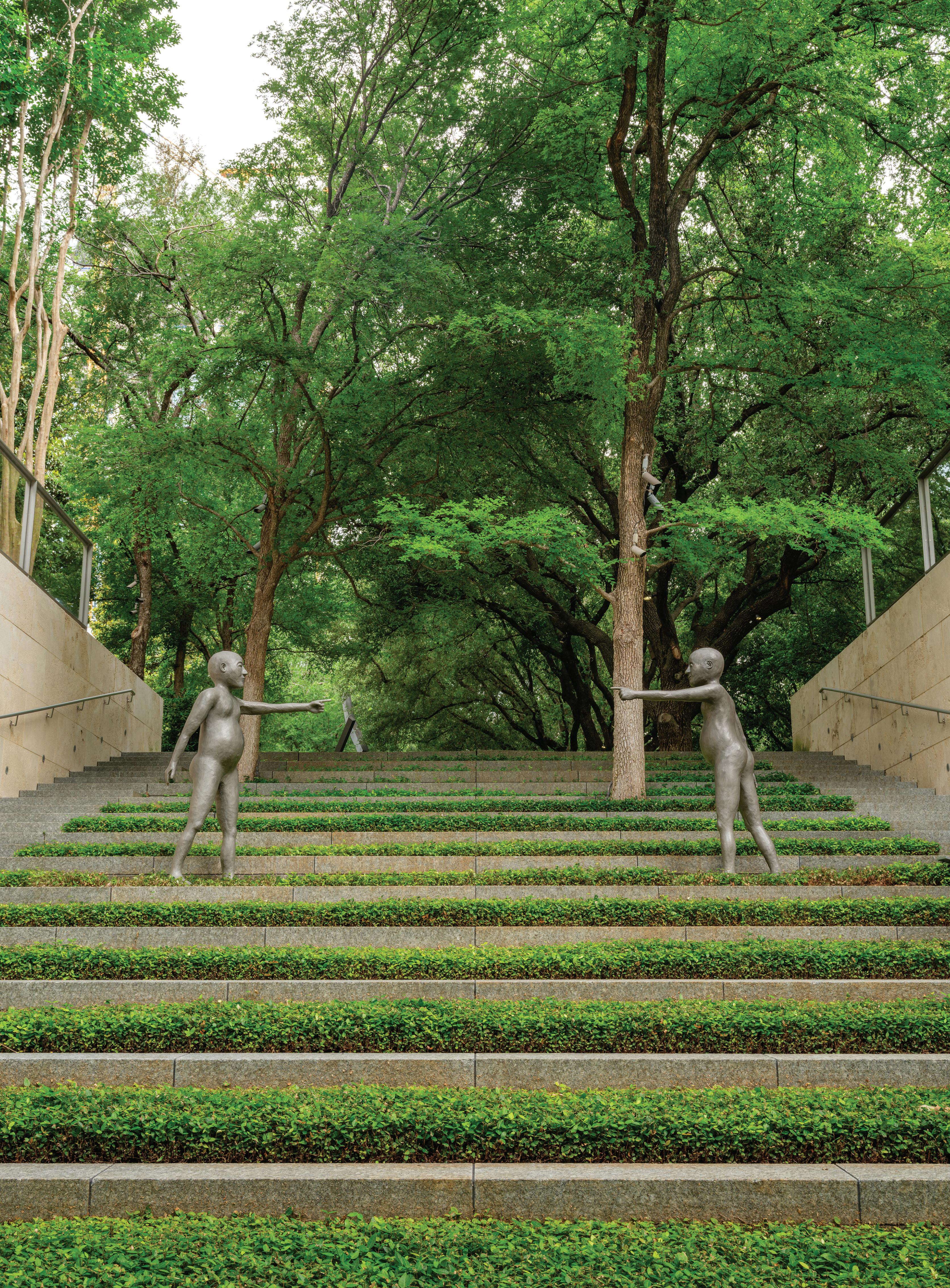
Nic Nicosia, the twins, 2018. Stainless steel. Two figures: left: 72 x 51 x 25 in. , right: 71 x 48 x 23 in. Installation
view of Nic Nicosia: Everyday Surreal, Nasher Sculpture Center, Dallas, Texas. May 16–August 16, 2026. Photograph by Kevin Todora. Courtesy of the Nasher Sculpture Center.
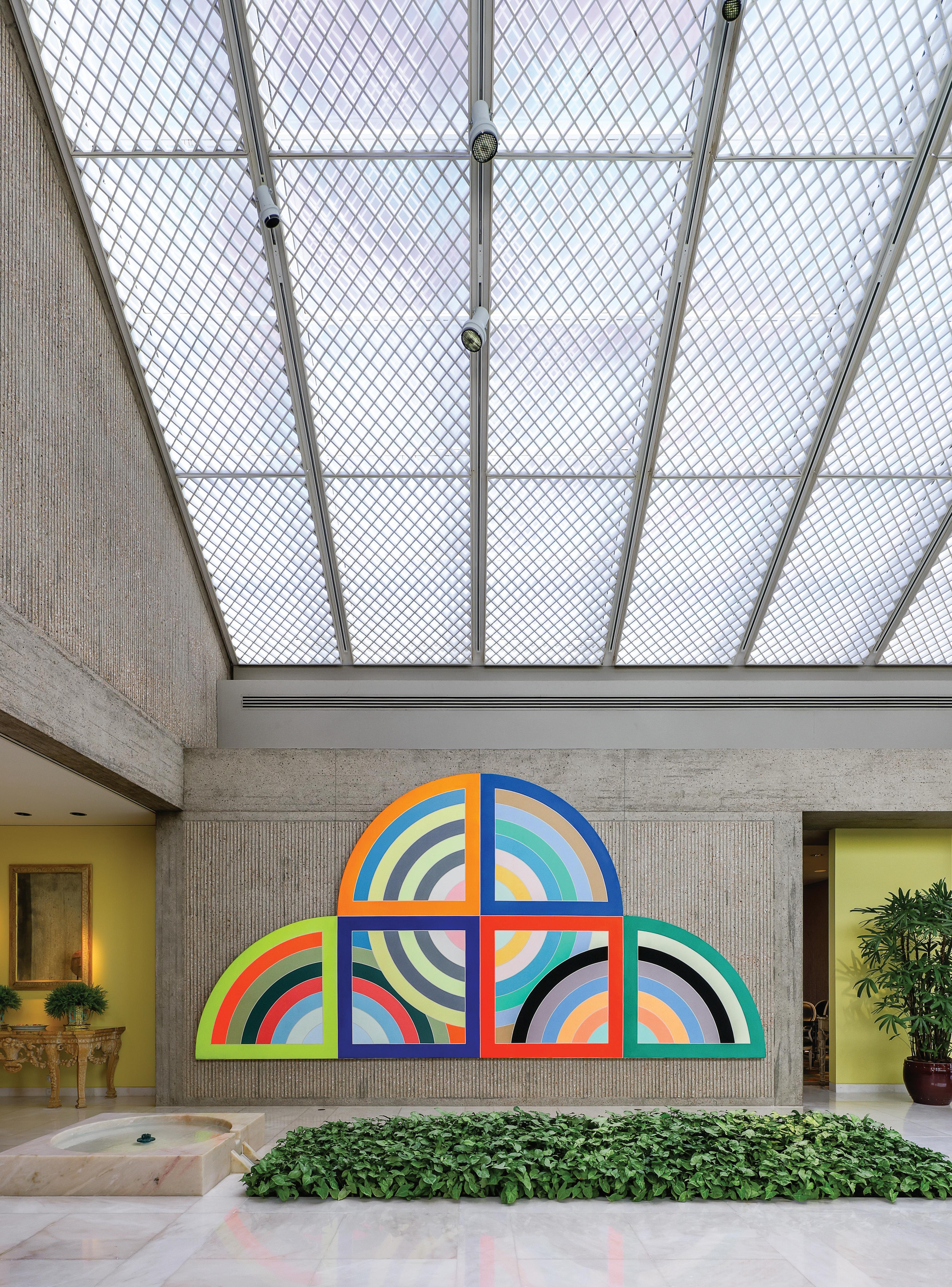
Inside the garden room, a monumental Frank Stella painting anchors the hand-hammered, fluted concrete walls.
I. M. PEI’S FORT WORTH MASTERPIECE
THE TANDY HOUSE AND THE TWO LEGENDARY TEXAS WOMEN WHO CALLED IT HOME.
BY NATE EUDALY PHOTOGRAPHS BY JASON ANDERSON
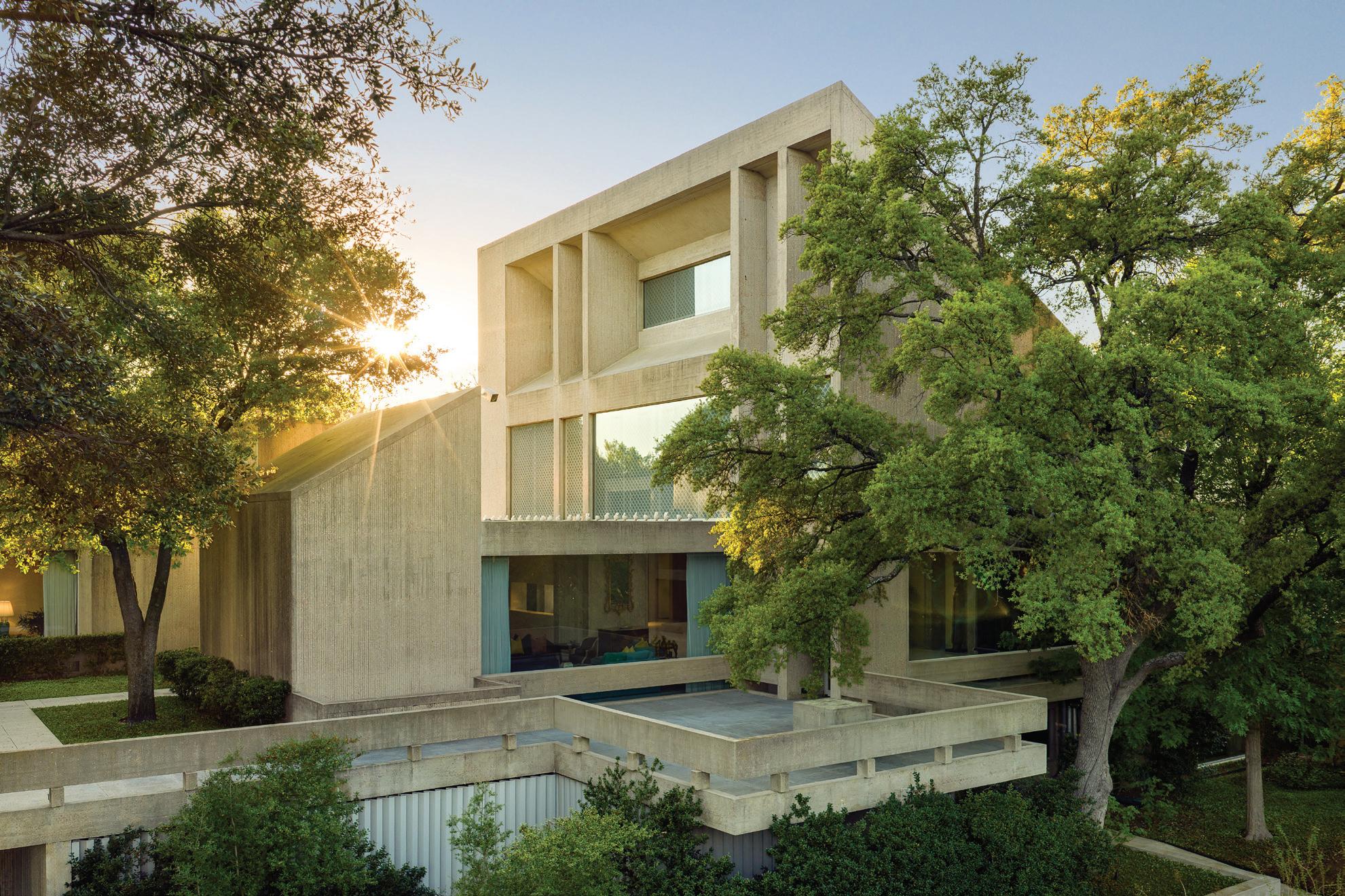
The I. M. Pei-designed manse located in Westover Hills certainly merits many superlatives. Pei only designed three residences, including his own, and the Tandy House is the largest and most architecturally significant of the three. The residence is 19,000 square feet on a four-acre lushly landscaped estate and currently listed with Briggs Freeman Sotheby’s International Realty. Completed in 1969, it contains three living rooms, two dining rooms, three kitchens, seven bedrooms with ensuite baths, two climate-controlled wine cellars, an art gallery, and a monumental garden room with a sloping steel-and-glass ceiling, now home to a large-scale work by Frank Stella.
To connect to nature, there are six outdoor courtyards with flower beds and a carefully curated tree canopy, along with a circular
motor court. Portuguese marble runs throughout the public areas, and the private quarters have Burmese teak flooring.
As creative and compelling as the design of the residence is, the museum-quality construction of the Tandy House renders a permanence and presence rarely found in private homes. Carefully engineered poured-in-place concrete and steel beams provide strong structural “bones” as well as sound walls equipped to display largescale modern art that has graced the house for almost six decades.
But the Tandy House is much more than just a house. The stories these walls could tell are almost improbable: an elephant promenading at the entrance for Charles Tandy’s birthday, cultural luminaries including Bob Hope and Van Cliburn, plus business and political leaders, to mention only a few.
Garden room, seen from rear lawn.
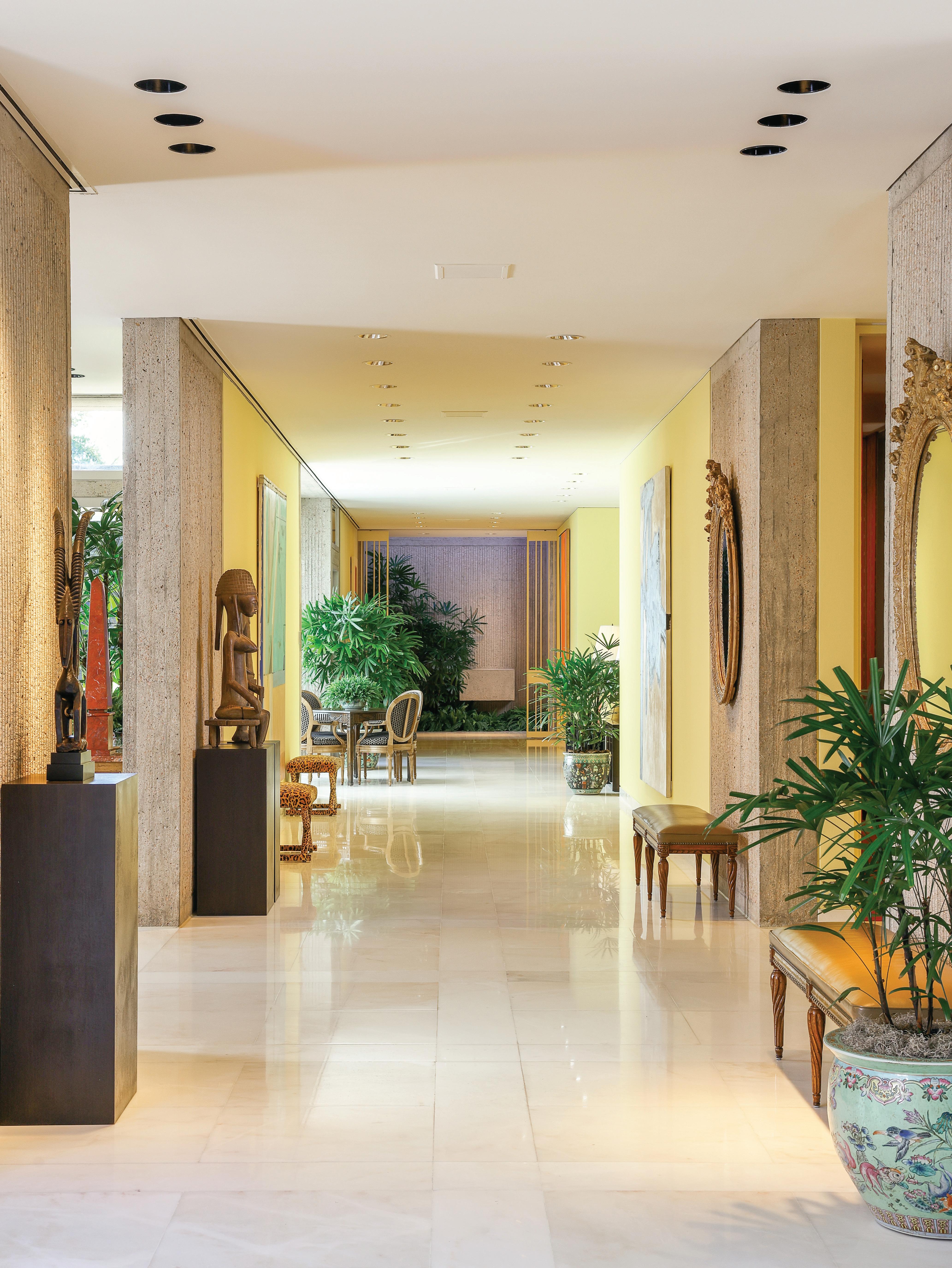
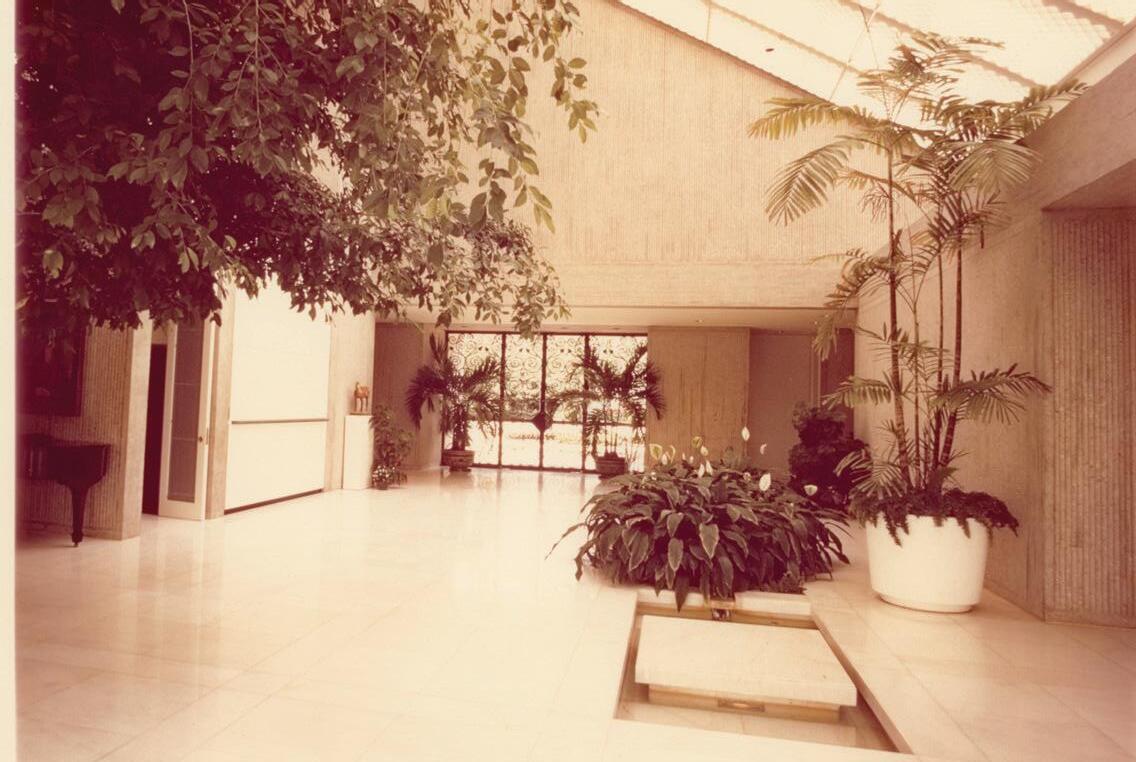
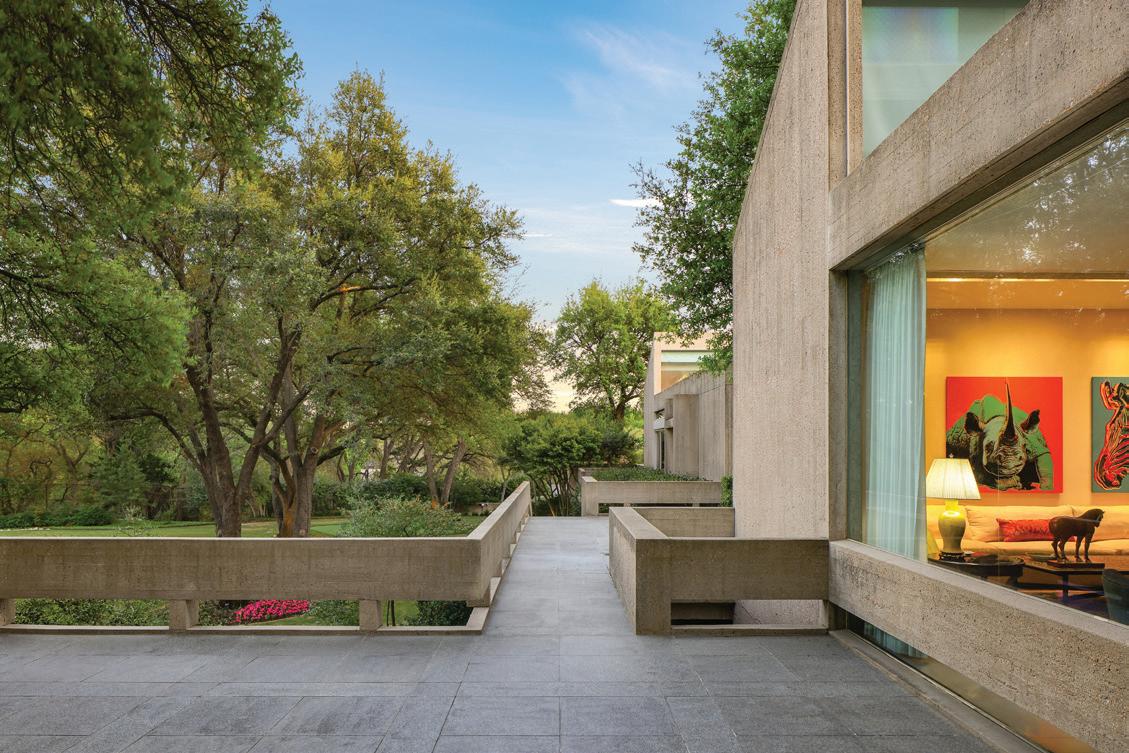
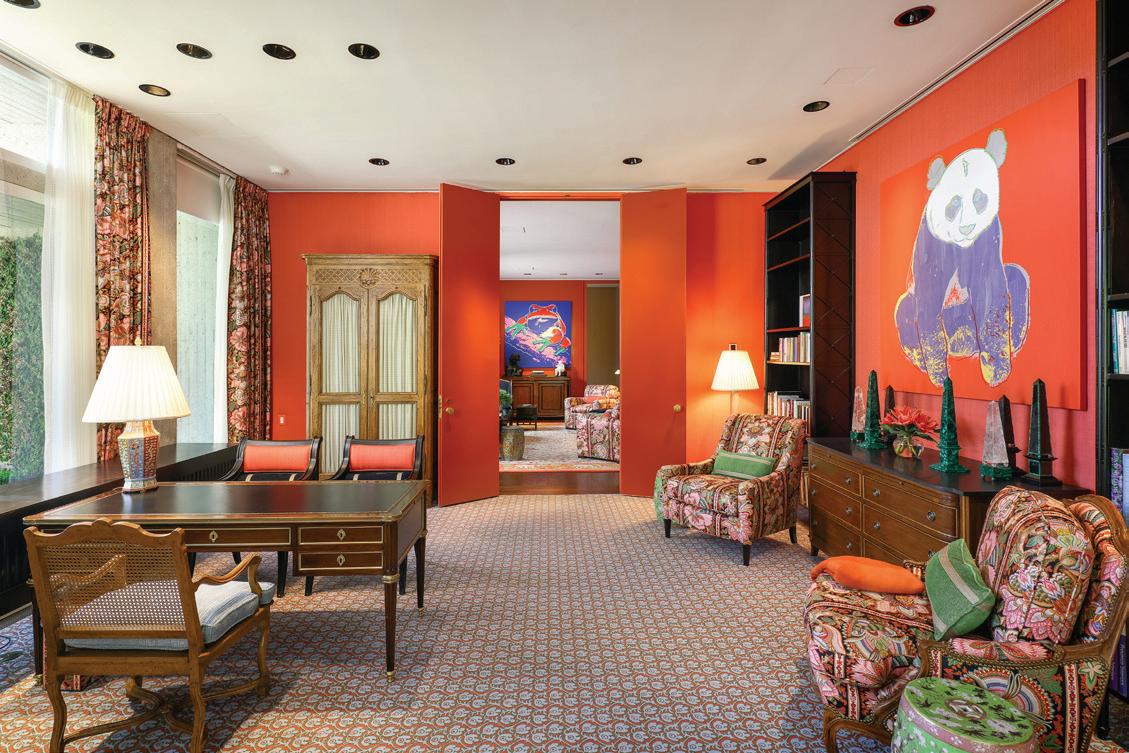
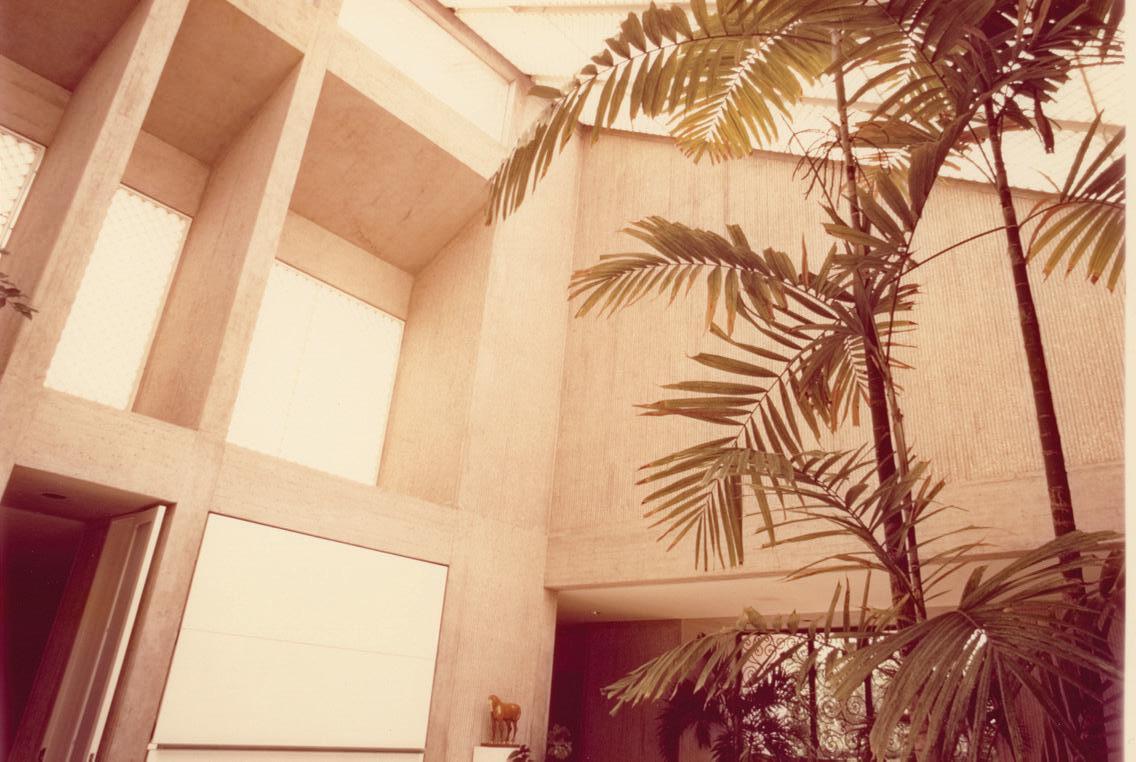
But this house would not exist or be the Texas legend it is without two visionary grande dames who were as comfortable in couture and jaw-dropping jewels at a society gala as they were in chaps and boots riding prizewinning quarter horses on their Four Sixes ranch. The Tandy House is a story of two women— Anne Valliant Burnett Windfohr Tandy and her daughter, Anne Windfohr Marion—as well as the architect who created the Tandy House: Pritzker Prize laureate Ieoh Ming Pei.
Anne Burnett Tandy forged a trail for women across Texas and the Southwest. In 1922, at age 21, she inherited the Four Sixes ranch, one of the largest ranches in the country. She received the ranch from her grandfather and ranch founder, Samuel Burk Burnett, who recognized the resolve and intelligence that his granddaughter possessed to preserve the ranch and its burgeoning stable of superior quarter horses and angus cattle.
Anne’s first marriage was one of ranching royalty to Guy Waggoner of the famed Waggoner Ranch. The marriage did not last long. After a second marriage and divorce, from James Hall, which produced a child, she married Robert Windfohr, who adopted her daughter, Anne Burnett Windfohr.
After Windfohr’s death, Anne married Charles Tandy, CEO of Tandy Corporation, in 1969. The marriage of two high-profile dynamos drew regional and national coverage. Though Charles was becoming wealthy from his growing company, Anne’s net worth exceeded his many times over. She was described by Fortune
magazine as “a wealthy woman in her own right from a socially prominent, pioneer Texas family [with] one of the most extensive collections of modern art in the country.” Anne and Charles found in each other soul mates who loved living life large.
Anne Tandy was drawn to architecture throughout her adult life. She and James Hall purchased a home designed by architect John Staub. After an extensive renovation with interior designer William Haines, the project was featured in the August 1956 issue of House & Garden
When Anne was married to Robert Windfohr, they commissioned Frank Lloyd Wright to design a residence for them on the site where the Tandy House is now located. Named Crownfield, the modernist design included a single level of circular domed structures with a gold ceiling in the living room. Wright’s unwillingness to include air conditioning was one reason the plans never came to fruition. In a similar manner, the house that Wright designed for Stanley Marcus was never built because Wright was convinced that North Texas residents did not need heating or cooling.
Shortly before her third husband’s death, Anne engaged I. M. Pei to design a residence for her on the site. The design and construction took five years and was completed the same year she and Charles Tandy married. Anne recognized the inherent talent and potential that Pei possessed and thus awarded him this important commission. The influences of Pei’s professors
Clockwise from above left: A vintage photograph captures the garden room; the terrace unfolds beside the larger of the home’s two principal living rooms, where a Warhol rhino comes into view at right; a vintage photograph reveals I.M. Pei’s architecture; an Andy Warhol panda from the Endangered Species series of 1983 in the bedroom's study area, which opens onto the primary-suite library with a Warhol bullfrog visible in the distance.
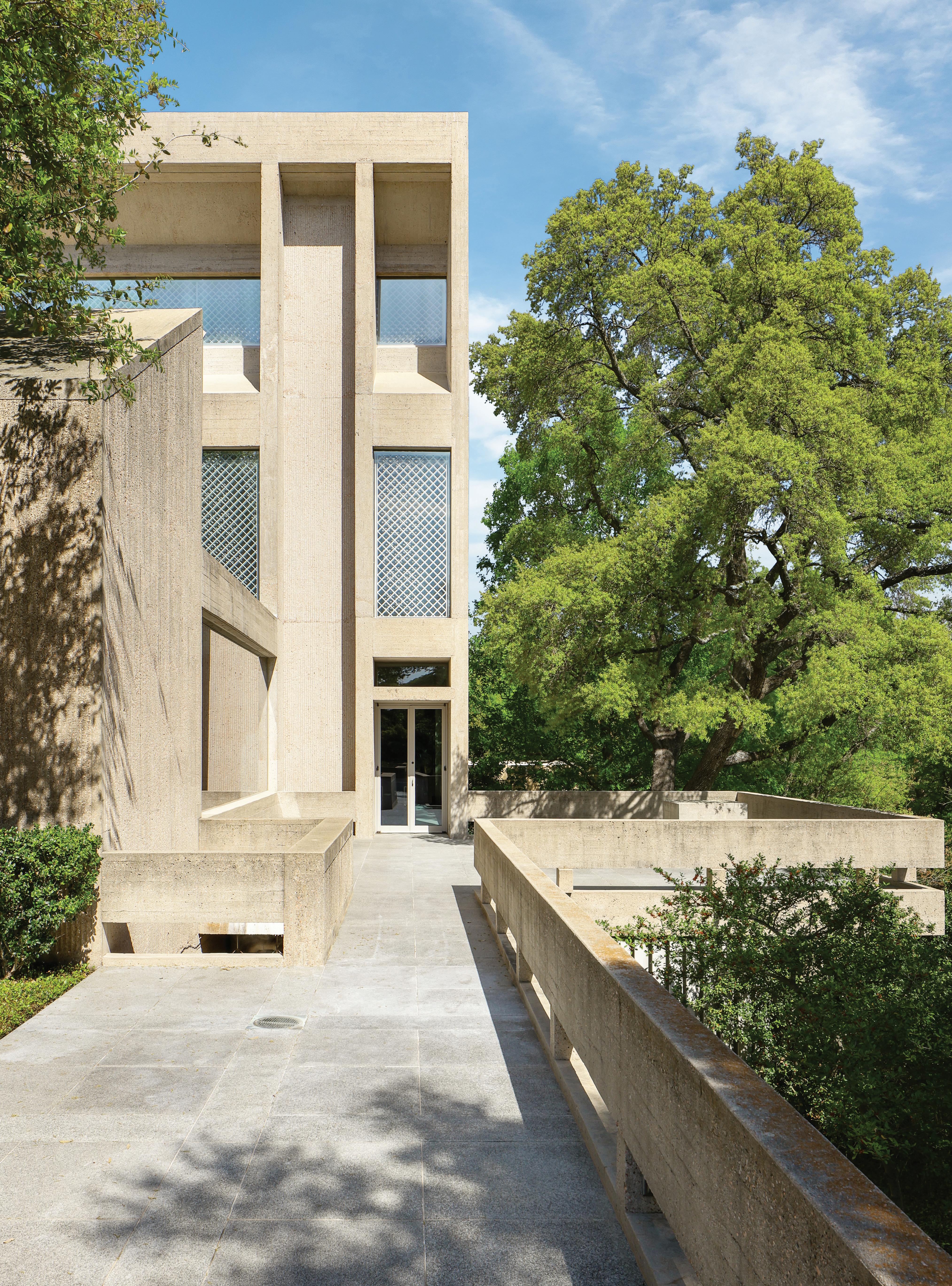
Terrace view toward the garden room with wood lattice for diffusing light.
Walter Gropius and Marcel Breuer from Harvard graduate school, in concert with Pei’s admiration for Le Corbusier can be seen in the use of geometric forms; spatial organization; light, clean lines; and refined materials evident throughout. Pei was also inspired by the Isabella Stewart Gardner Museum, with its strong geometry, interlocking forms, and central gallery space.
In an insightful interview in the November 1970 issue of House & Garden magazine that featured the recently completed project, Pei said, “Mrs. Tandy loves parties, and she gives them very often, so she wanted lots of space. She needed a house that would be comfortable for two people — or two or three hundred.” The home was also designed to showcase visionary art collections.
Pei also outlined the four major areas of the residence: the party area, the Tandys’ private rooms, the pool/pavilion area, and the guest area. In the article Pei also noted that most of the home’s windows were set directly into the concrete walls, with no conventional window frames, “so you feel the rooms are open,” said Pei. “It was quite a feat inserting large sheets of glass into concrete and took much time and effort.” In recognition of the harsh Texas sun, most of the windows face to the north. Because the Tandys often entertained at night, champagne-colored light reflectors were utilized to enhance people’s appearance.
Pei worked closely with Anne Tandy on design and construction. “The aggregate took a year to choose. It’s pinkish brown. Warm, like Mrs. Tandy. I do feel a house should reflect its owner. A house must make people feel good. Mrs. Tandy was there all the time and gave the job much personal attention.” The walls are concrete, but they were warmed by mixing in pink feldspar and quartz.
In the interview, Pei also emphasized that a “… house needs to be as maintenance-free as possible,” leading to his selection of durable materials: concrete and glass, marble and teak, exposed concrete walls, and no window frames. Perhaps his most interesting statement in the interview is “Simplification always takes time.”
Anne Tandy died in 1980, and her only daughter, Anne Burnett Windfohr Marion, inherited the Four Sixes ranch and the Tandy House. Anne also continued the philanthropic legacy of her mother. As a longtime board leader for the Modern Art Museum of Fort Worth, she purchased the block across from the Kimbell and, as chair of the building committee, engaged Tadao Ando to design the now-iconic museum and grounds. She and her husband, John Marion (chair emeritus of Sotheby’s) were primary drivers for the establishment of the Georgia O’Keeffe Museum in Santa Fe and built on her mother’s collection of the artist’s paintings to grow the museum’s collection from about 50 paintings to today’s collection of over 2,500 paintings and related art objects. By the time Anne Marion passed in 2020, the foundation started by her mother and carefully nurtured by Marion and foundation administrators had given over one billion dollars to the arts, culture, education, and medical research in North Texas.
The legendary Four Sixes ranch was sold by her estate to Taylor Sheridan in 2022 and now builds on its legacy as it serves as a filming location and inspiration for Sheridan’s Yellowstone universe, including the 6666 spinoffs.
With the Tandy House now on the market, a fortunate future homeowner will be able to steward another important part of the legacy of Anne Burnett Windfohr Tandy and her daughter, Anne Windfohr Marion: the Tandy House, Pritzker Prize laureate I. M. Pei’s residential masterpiece. P
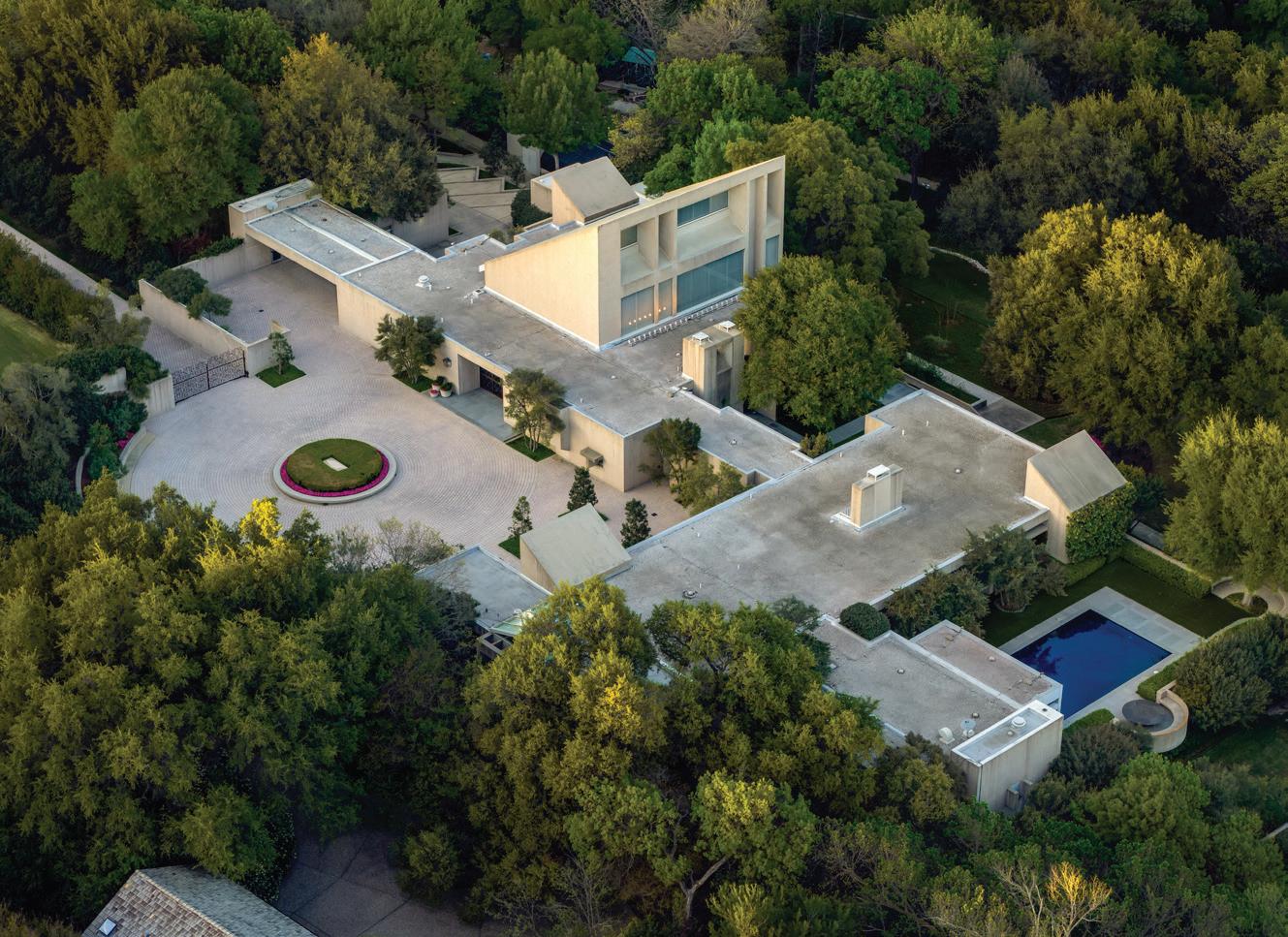
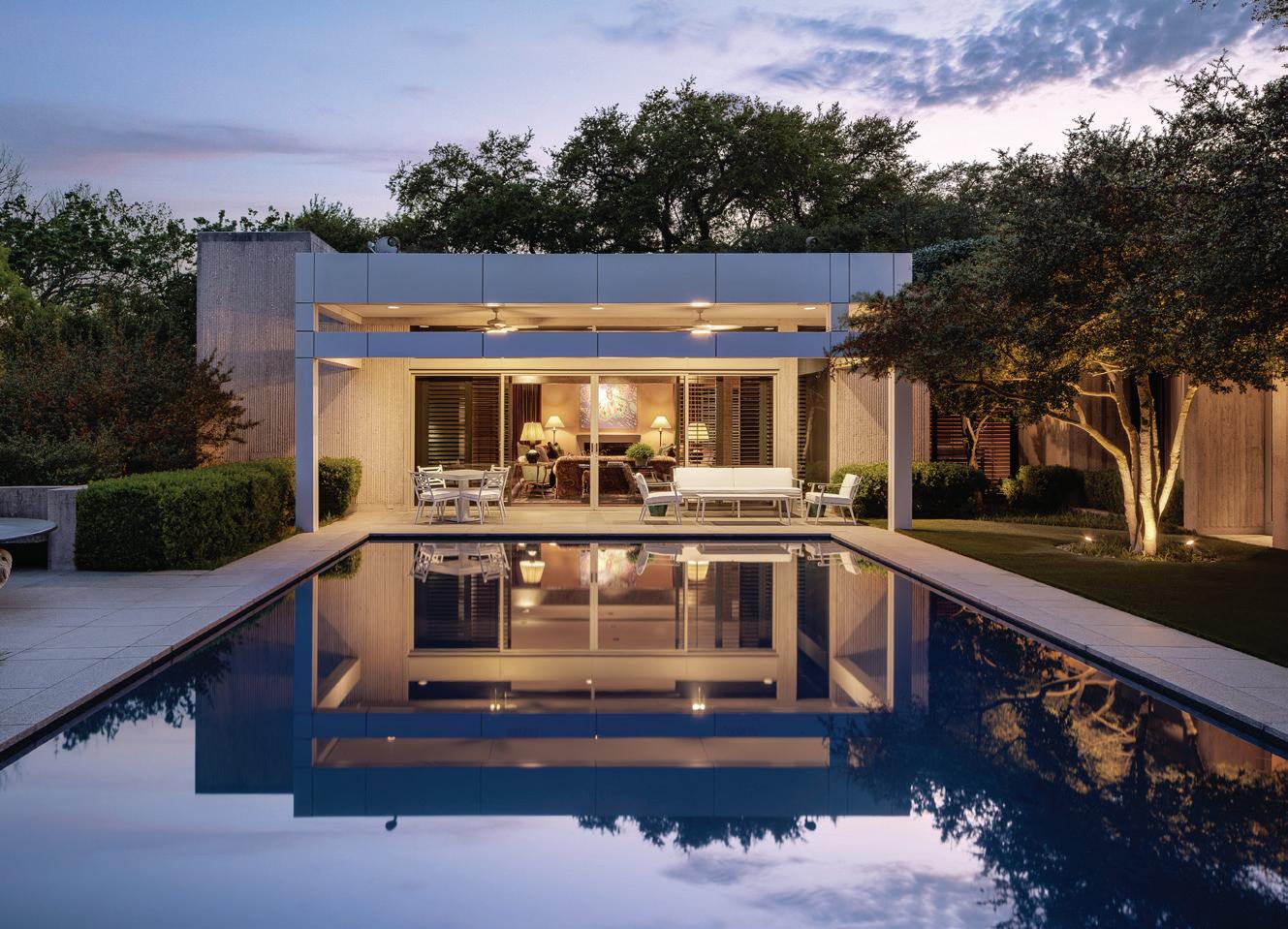
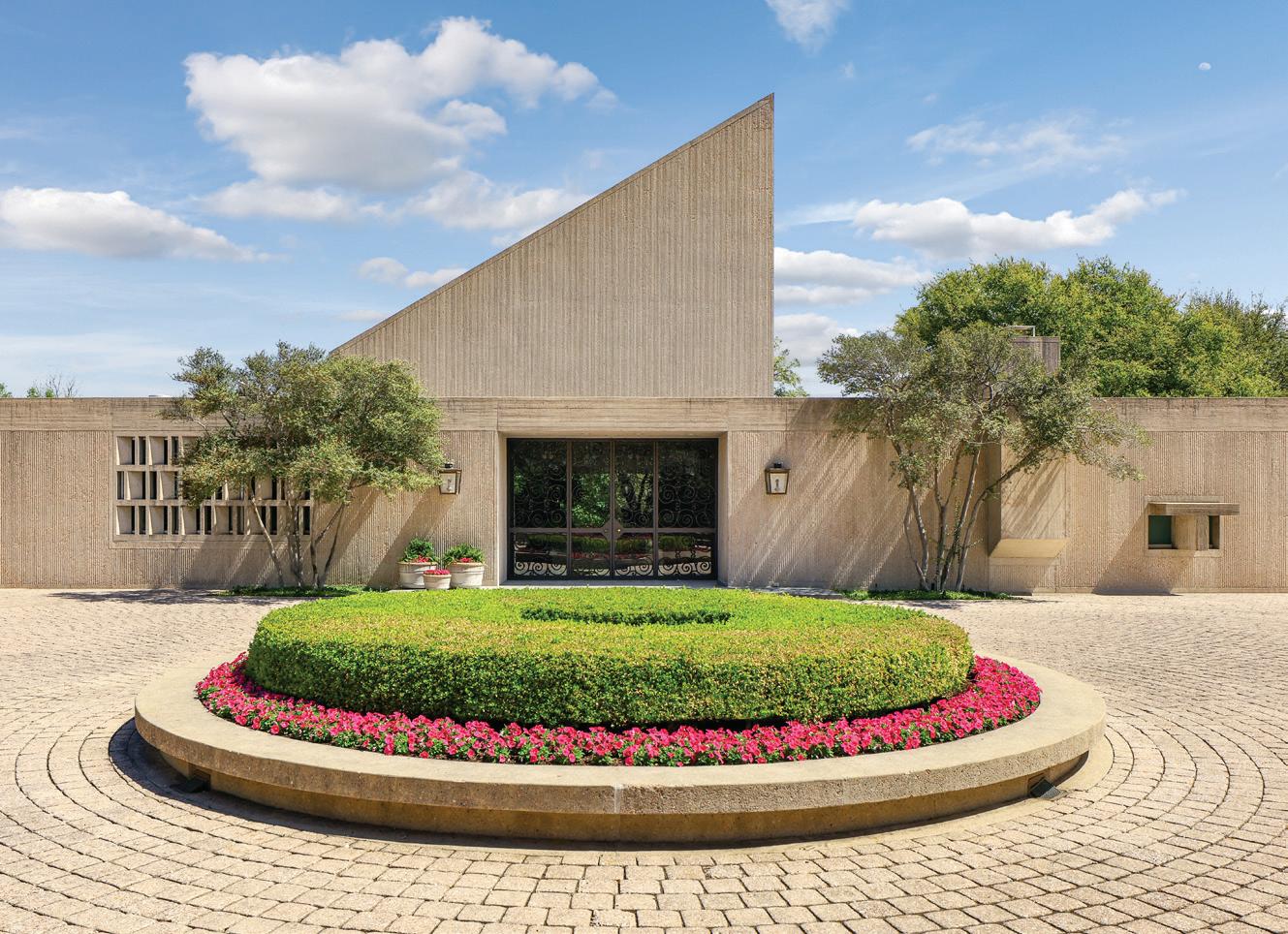
Tandy House aerial view
The stunning pavilion and den.
The main façade and driveway.
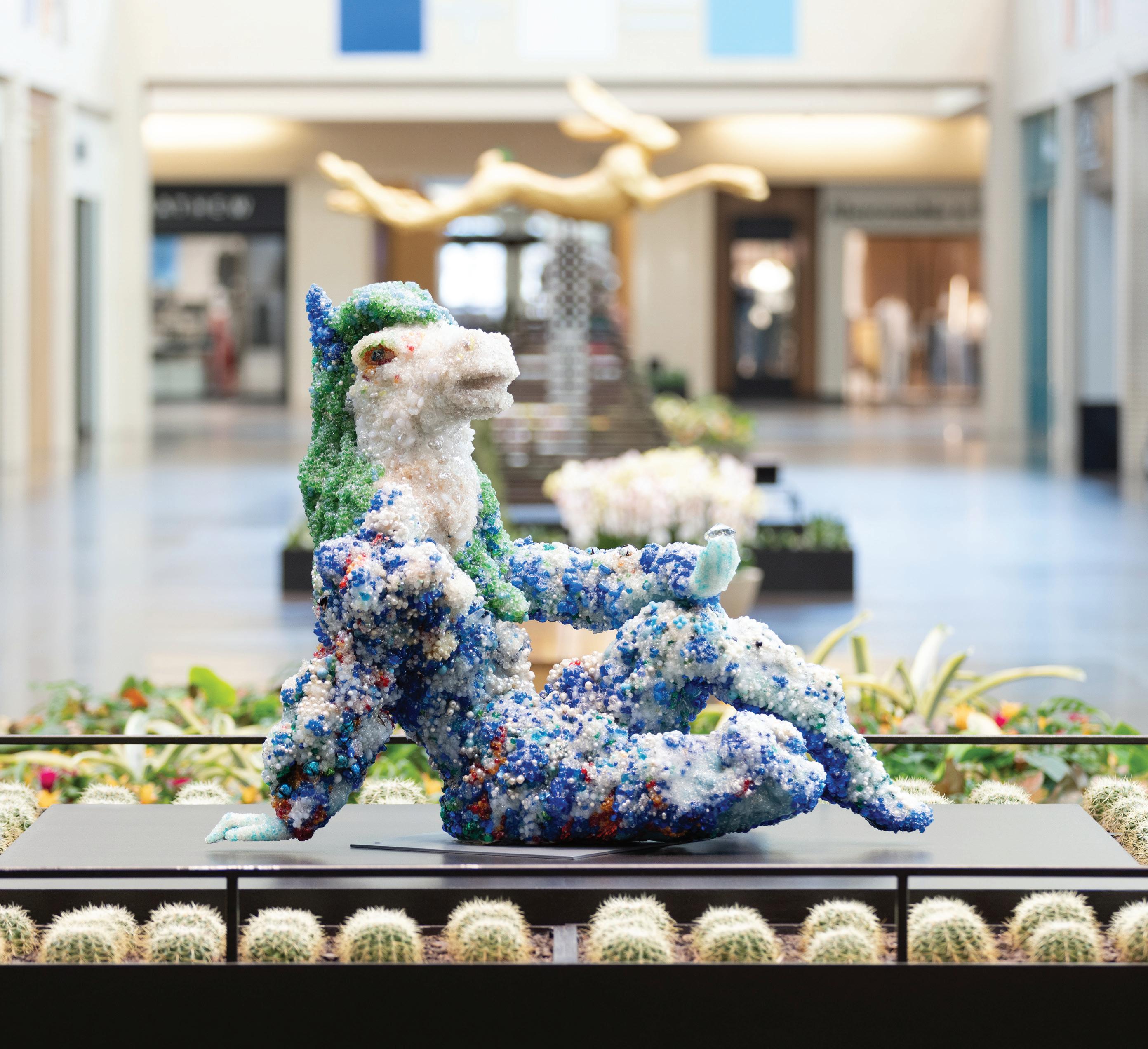
THE MODERN WEST, CURATED
NORTHPARK CENTER WELCOMES SOCCER FANS FOR ACTIVATIONS, SPECIAL MERCH, AND WORLD-CLASS ART.
BY TERRI PROVENCAL
Raúl de Nieves (b. Michoacán, Mexico, 1983), And The Night Mare Rides On, 2020, fiberglass, plastic beads, glass beads, epoxy foam, leather, crystals, resin, 51.50 x 40 x 28.50 in. Courtesy of the Nancy A. Nasher and David J. Haemisegger Collection. Photograph by Justin Clemons.
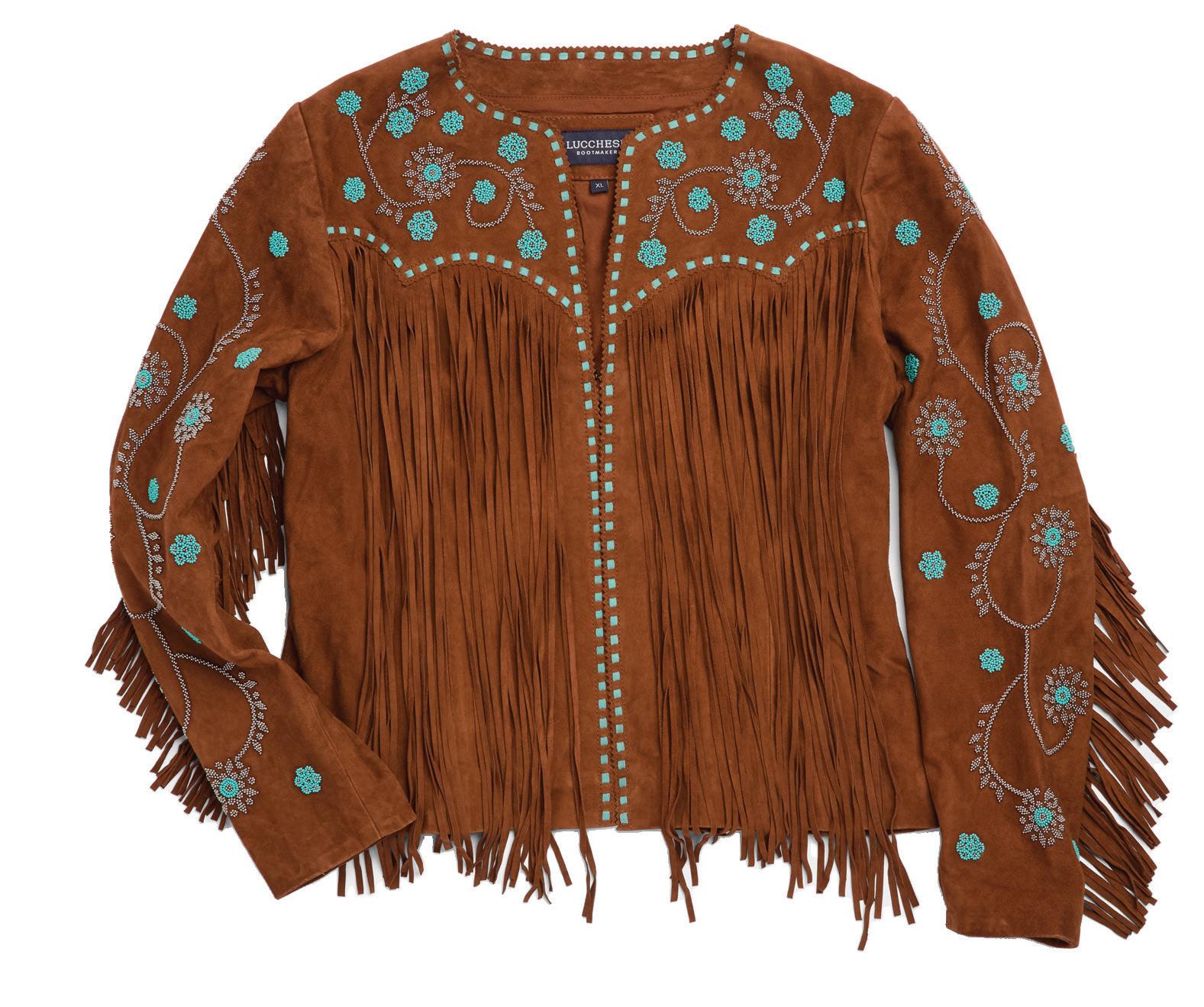
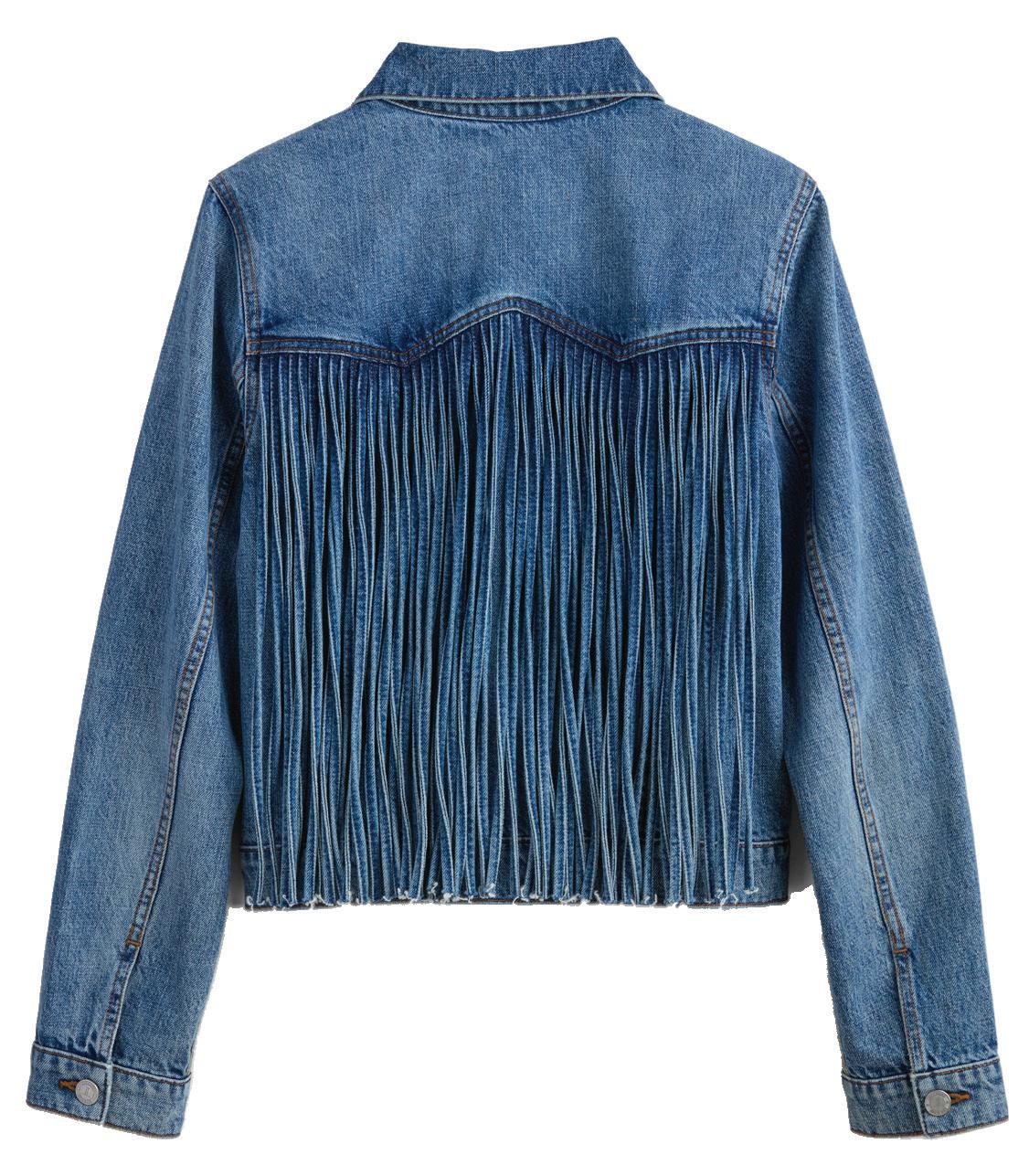
This summer, NorthPark Center welcomes fans from every nation, transforming into a lively destination where fashion, art, dining, and activations come together to celebrate the excitement of the FIFA World Cup. Newcomers to Dallas will find that NorthPark blends modern architecture, sunlit corridors, landscaped gardens, museum-quality installations, and iconic retail brands to create an atmosphere that feels both global and distinctly local.
A new Guest Services Lounge will serve as a central hub for visitors, offering personalized assistance to enhance their NorthPark experience during the World Cup. Guests can receive directions, curated shopping and dining recommendations, and guidance on tax-free shopping, as well as take advantage of convenient baggage storage. The lounge will also feature exclusive merchandise— including T-shirts, tote bags, and collectible pins—allowing visitors to take home souvenirs from their time in Dallas.
No visit to Dallas is complete without a piece of authentic Western wear to commemorate the experience. Lucchese has been outfitting Texans in expertly crafted cowboy- and cowgal-bespoke style since 1883. The boots are a must, with styles ranging from horseman to barn-ready to traditional cowboy boots with signature flair. This Texas brand was founded by two Sicilian immigrant brothers who brought their heritage of shoemaking to San Antonio. Today Lucchese offers a full range of American West flair, including fringe jackets in denim and suede, ready-to-wear, cowboy hats, and sneakers. For cowgirls, pair the Priscilla boots in crinkle-cut patent leather with the Justine fringe denim jacket. The adventurous can customize their own pair through Made to Order.
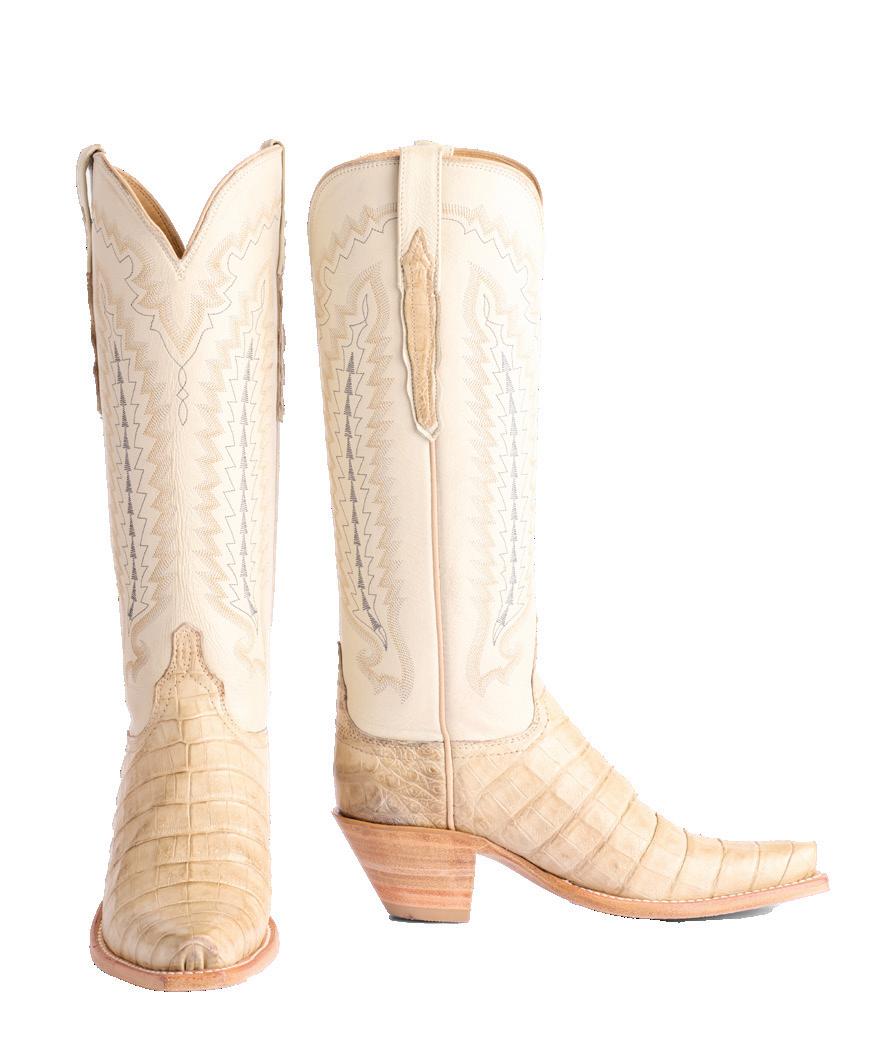
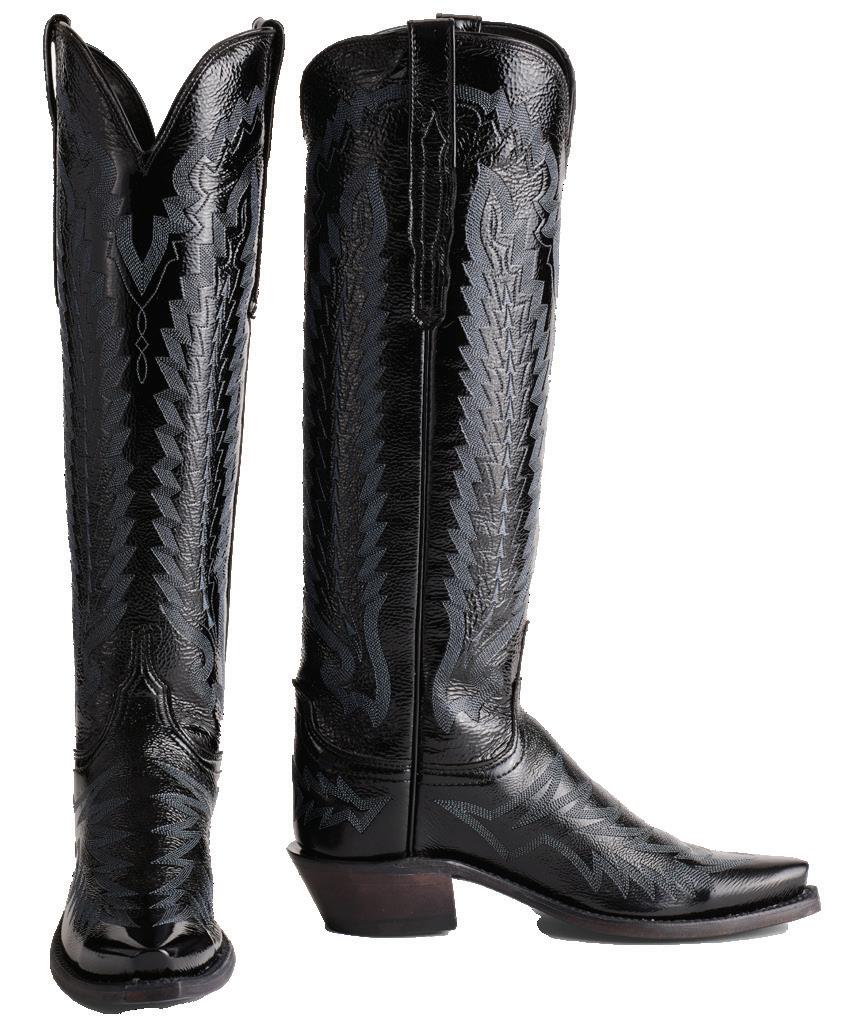
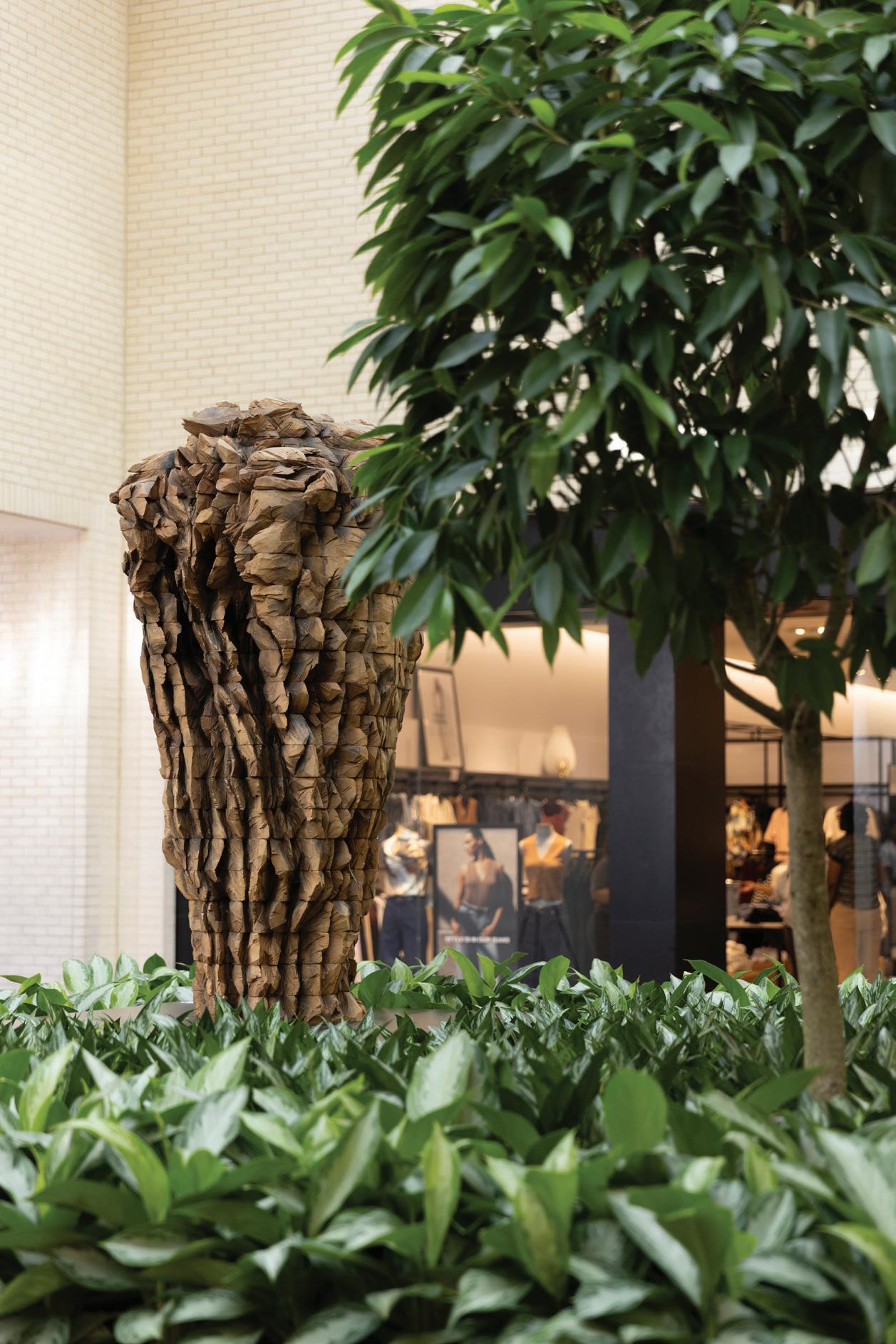
Ursula von Rydingsvard (b. Deensen, Germany, 1942), Manilla, 2016, cedar, 70 x 38 x 31 in. Courtesy of the Nancy A. Nasher and David J. Haemisegger Collection. Photograph by Justin Clemons.
Lucchese fringe denim jacket. Courtesy of Lucchese Bootmaker.
Lucchese Priscilla in black crinkle patent. Courtesy of Lucchese Bootmaker.
Lucchese beaded fringe jacket in suede. Courtesy of Lucchese Bookmaker.
Lucchese Presley exotic in wheat. Courtesy of Lucchese Bookmaker.
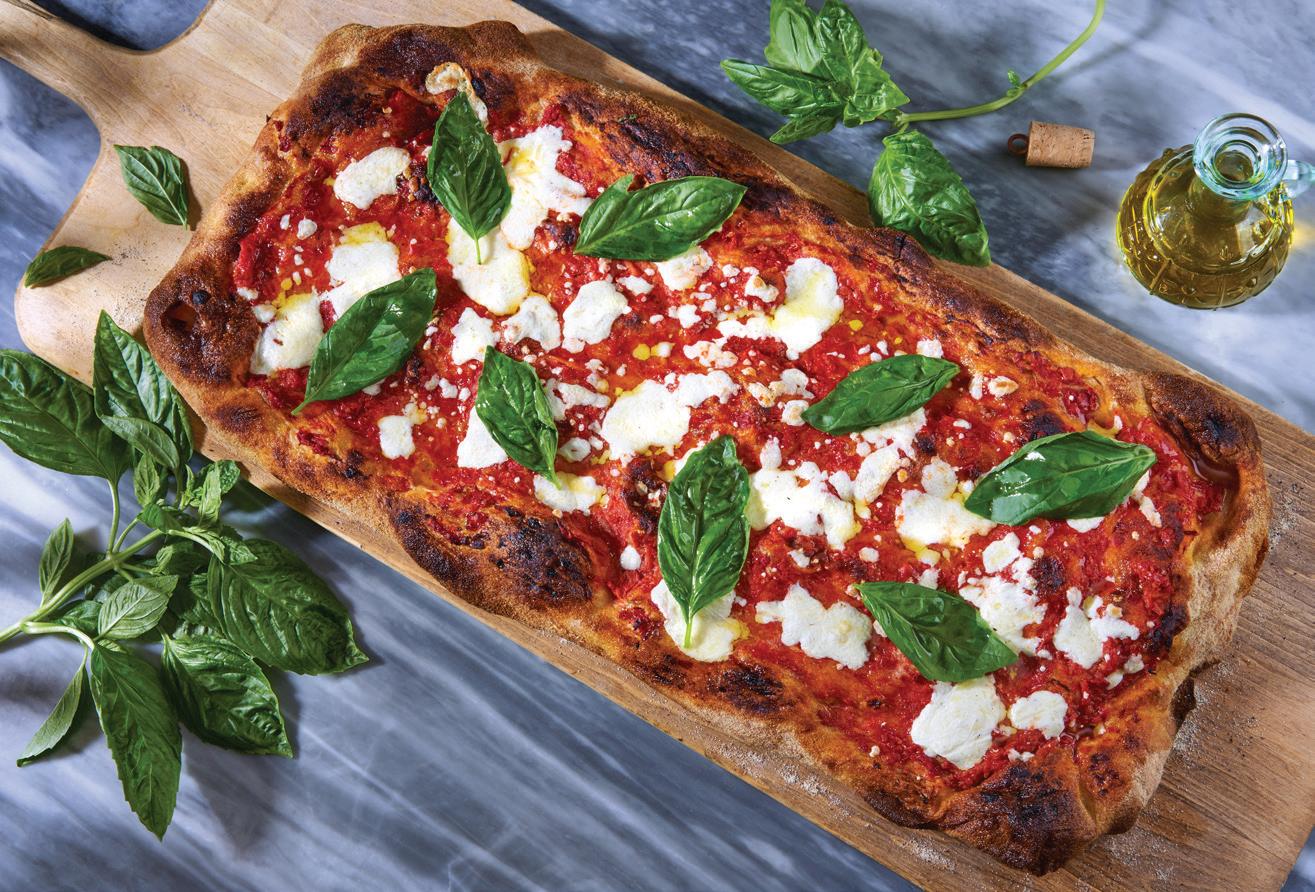
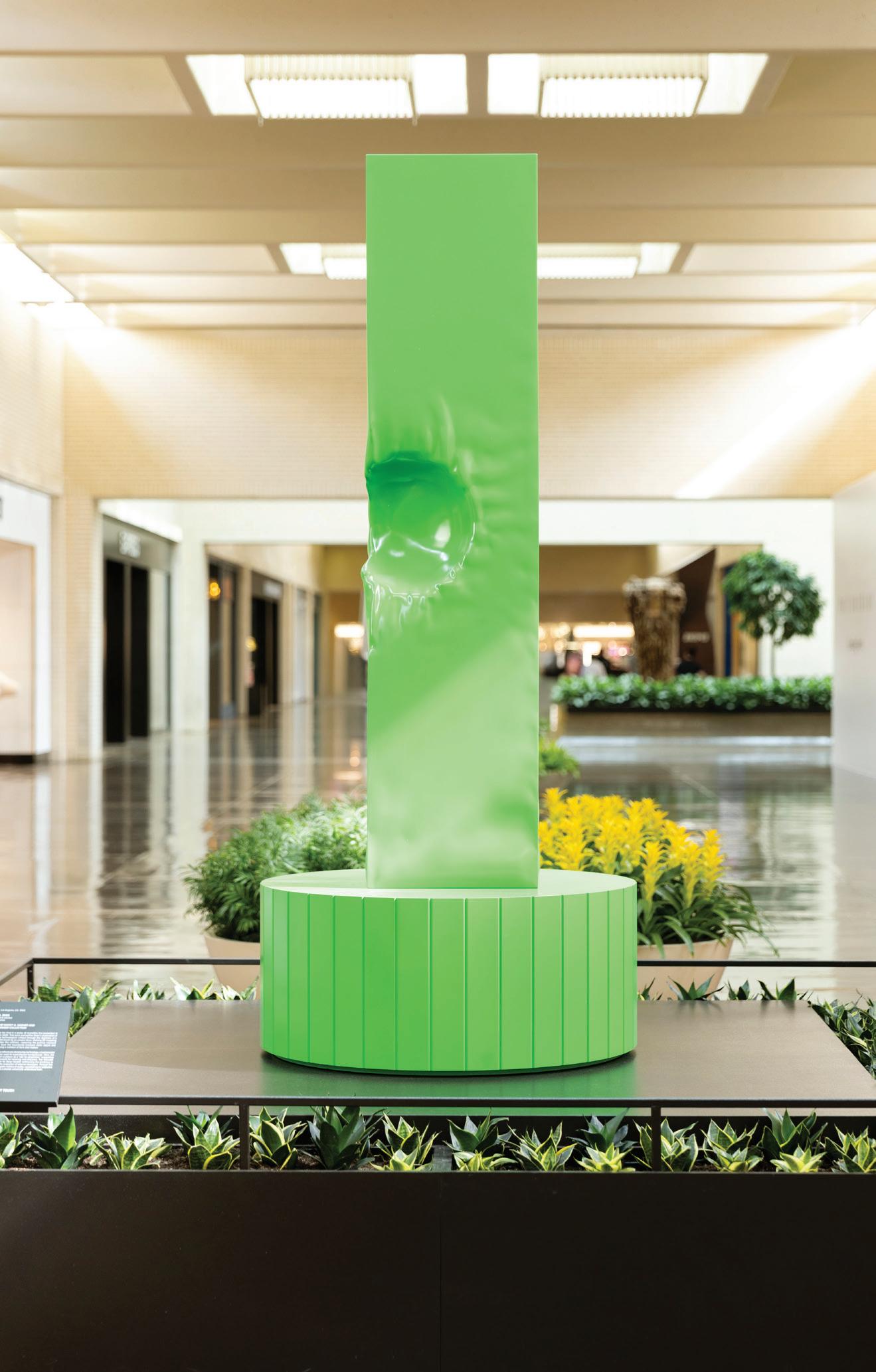
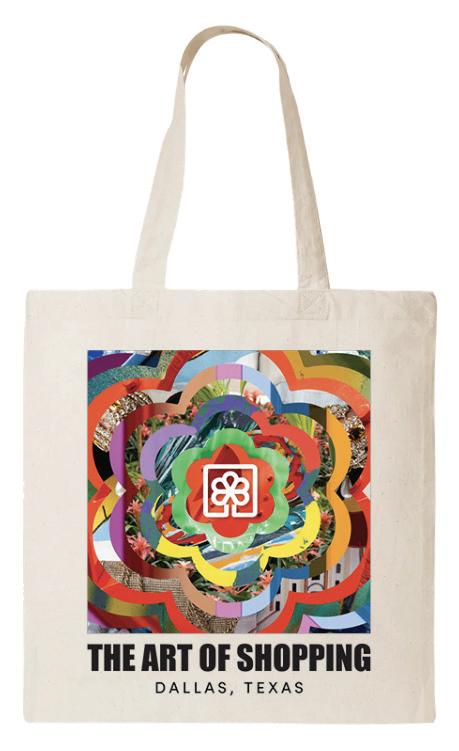
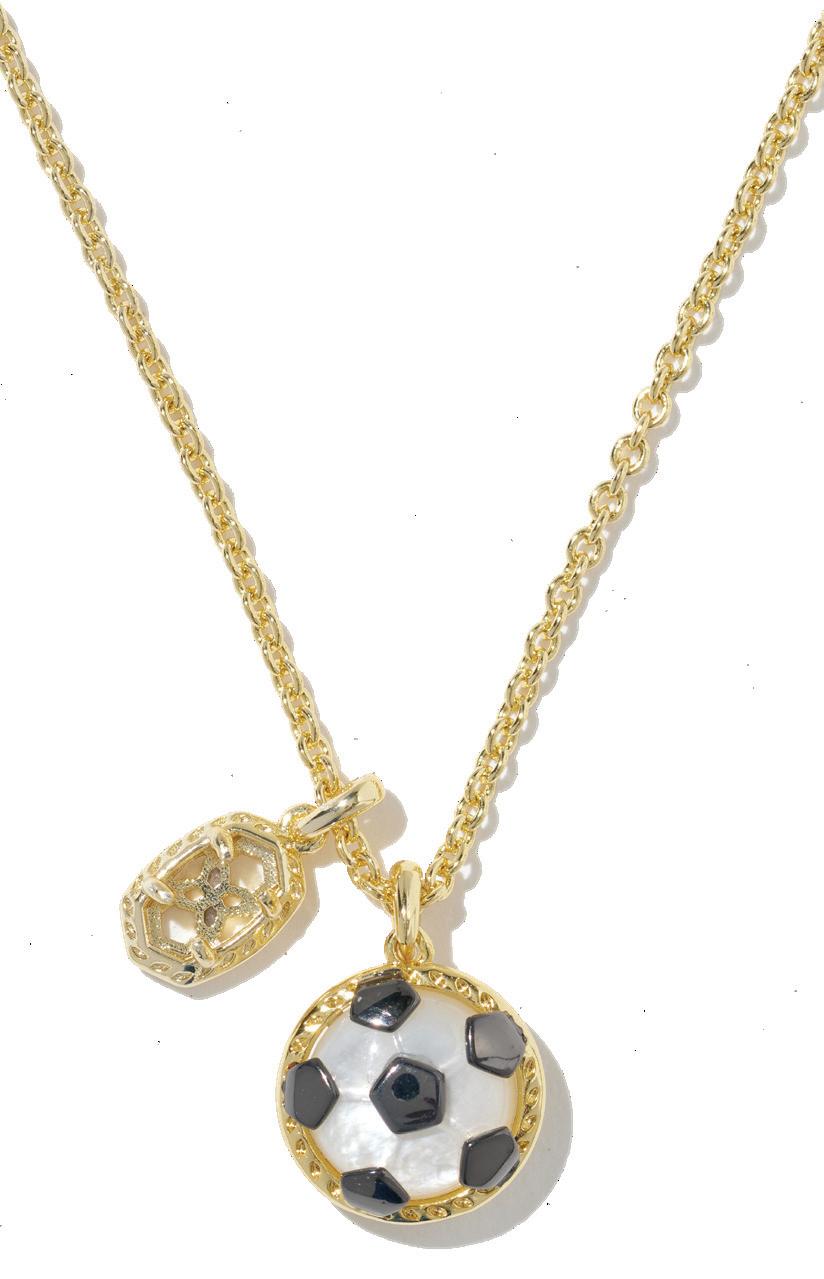
Founded in Austin, Texas, jewelry brand Kendra Scott is stepping onto the pitch this season with the Emilie Soccer Charm necklace, which benefits youth sports programs through The Kendra Scott Foundation Sports Fund.
From June 19–21, visitors can visit the brand’s pop-up in North Court for a “Get Game Day Ready” experience. Fans can build their own lineup at the Color Bar, designing custom game-day accessories featuring the new Soccer Ball Color Bar pendant and clear bag collection—perfect for match-day style from kickoff to final whistle.
Throughout the center, art in every corridor punctuates the shopping experience. One piece that can’t be missed is And The Night Mare Rides On, 2020, by Raúl de Nieves, which adds a burst of colorful whimsy to Western enthusiasm. De Nieves transforms everyday materials—beads, resin, leather, and crystals—into a shimmering, larger-than-life figure that blurs the line between sculpture and costume.
Known for weaving together Catholic iconography, Mexican vernacular traditions, and queer club culture, de Nieves builds a personal mythology through ornament and excess. Here a bedazzled horse-like form becomes both performer and alter ego, offering a glittering gesture of rest and wistful enthusiasm. Drawing on performance as much as sculpture, the work reflects the artist’s ongoing exploration of transformation, identity, and transcendence through acts of embellishment. The sculpture was exhibited in 2022 at the Jardin des Tuileries in Paris.
“And The Night Mare Rides On is a striking presence at NorthPark,” says Nancy A. Nasher, owner of NorthPark Center. “From the moment guests encounter the work, they are drawn to its detail and scale—moving around it, engaging with it from every angle, and often pausing to capture it. It reflects our ongoing commitment to presenting art that invites curiosity, participation, and shared experience.”
This work is located near North Court between Hill House and Nike, which also joins the football frenzy with their match jerseys and soccer polos.
While here, stroll into Levi’s and discover the in-store Tailor Shop where you can customize just about anything, from jackets to
Aria Dean, (b. Los Angeles, CA., 1993), Gut Punch 3, 2023, hard foam coated and painted, 84.62 x 36 x 36 in. Courtesy of the Nancy A. Nasher and David J. Haemisegger Collection. Photograph by Justin Clemons.
Kendra Scott Emilie Soccer Charm necklace in gold. Courtesy of Kendra Scott.
Eataly's Pizza al Taglio. Courtesy of Eataly Dallas.
Special edition NorthPark T-shirt and tote bag. Courtesy of NorthPark Center.
backpacks to jeans. Add a patch from your favorite team (choose from among 14 countries) to your Trucker Jacket or 501s, or choose from a curated menu, including custom chain stitch, back-patch swaps, or custom paneling. For added zest, pick up a batwing flag pin.
Levi’s will also be popping up in North Court, July 11-13, with their special “Urban Pitch” installation, featuring a photo moment and expanded customization options.
Over in the west wing of NorthPark, Jean-Michel Othoniel’s work transforms simple modular forms—like bricks and his signature beads—into elegant, jewelry-like sculptures that shift between intimate scale and monumental presence. Crafted in mirror-polished stainless steel, Lotus Miroir reflects its surroundings, a defining feature of Othoniel’s practice since the early 1990s. The sculpture changes with light, movement, and the viewer’s position, constantly engaging the space around it. At once bold and delicate, Lotus Miroir invites visitors into a quiet, contemplative encounter where form, reflection, and environment come together.
The sculpture is situated down the corridor from Hugo Boss, which is great news for soccer enthusiasts, as the NorthPark boutique will have a foosball table activation right outside of the store, June 14-17. For fans who live and breathe the beautiful game and Boss style, the brand unveils a dynamic new collection of reimagined soccer jerseys, jackets, polos, T-shirts, shorts, and caps that celebrate national pride with a bold edge. The lineup also includes three zip-front sweat jackets inspired by the host nations—USA, Canada, and Mexico—bringing tournament-day spirit to everyday style.
While browsing NorthPark’s recently opened Pottery Barn, take in Aria Dean’s Gut Punch 3, which concluded her series first introduced at the Whitney Biennial in 2022, tightening her inquiry into how sculpture behaves under the pressures of cinema, computation, and critique.
At its center is a luminous green monolith, held in the aftermath of an unseen collision. The form originates in 3D software, where the moment of impact is simulated rather than implied, rendered until it resolves into objecthood. Its saturated green surface recalls chroma key technology, the post-production device used to replace and recombine filmic space. Here that reference folds back onto the sculpture itself, framing the object as a projection surface.
Situated between Macy’s and Dillard’s, find another monumental sculpture. Manilla , by Ursula von Rydingsvard, explores form, texture, and material through hand-carved wood. Its towering ridges and folds create a surface that feels both architectural and organic, evoking natural forms such as a tornado, rock face, or termite mound. Constructed from stacked cedar beams and finished with graphite, Manilla has a dark, silvery patina that enhances its weathered appearance. The sculpture reflects themes of resilience, identity, and the tactile memory of natural materials.
After a marathon of shopping and sightseeing stops, trade the crowds for a cold Italian beer and a hot slice at Eataly’s Center Park popup, running June 11 through July 19—with live matches on the big screen, Italian street-fair favorites, and all the energy of a summer piazza.
Together these experiences underscore what has long defined NorthPark: a place where retail, art, and culture intersect with intention. As visitors move through the center this summer, they will experience a place of design and creativity that reflects Dallas on an international stage.
“NorthPark has always been envisioned as more than a shopping destination,” says Nasher. “We are pleased to share that experience with those visiting Dallas during this extraordinary season.” P
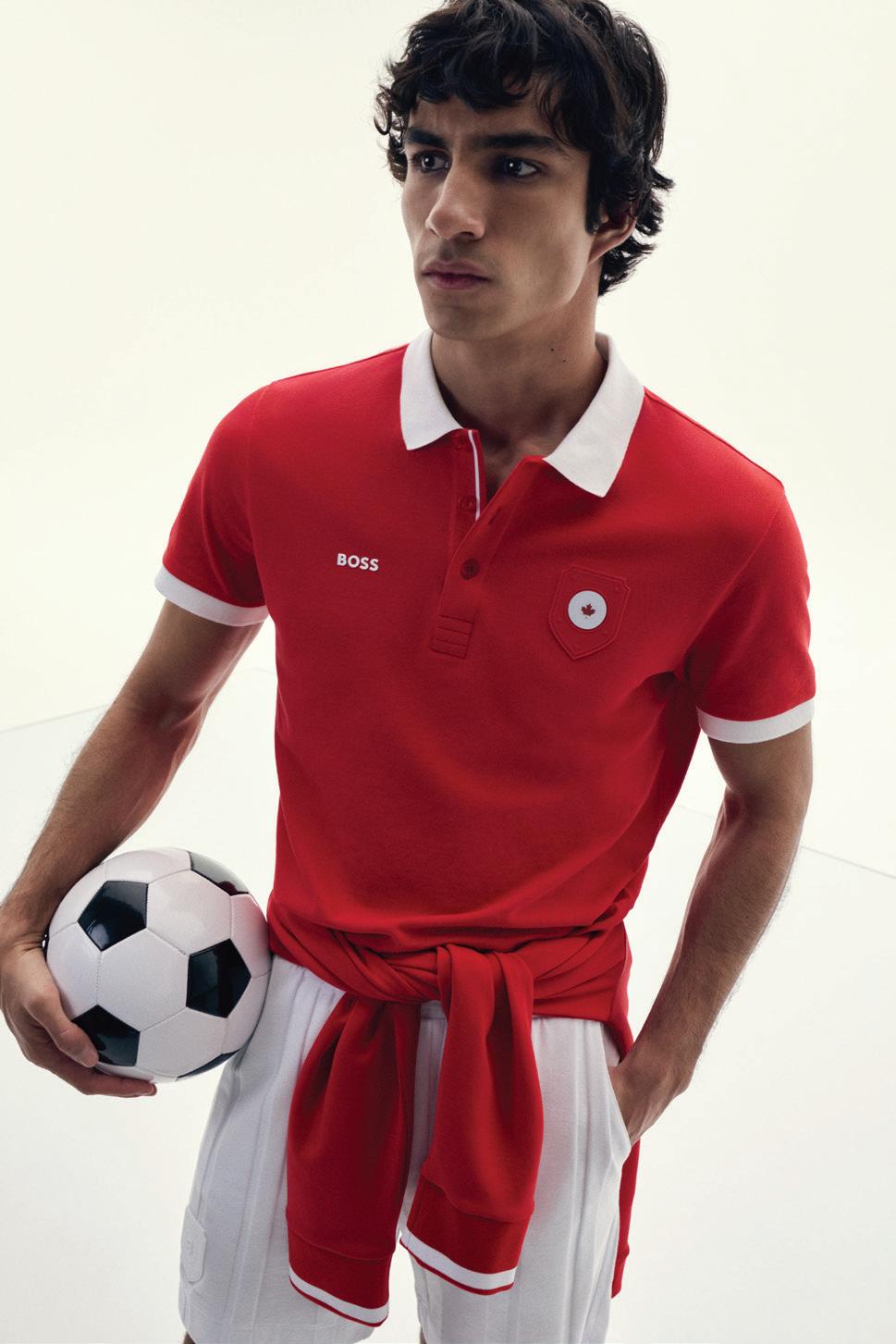
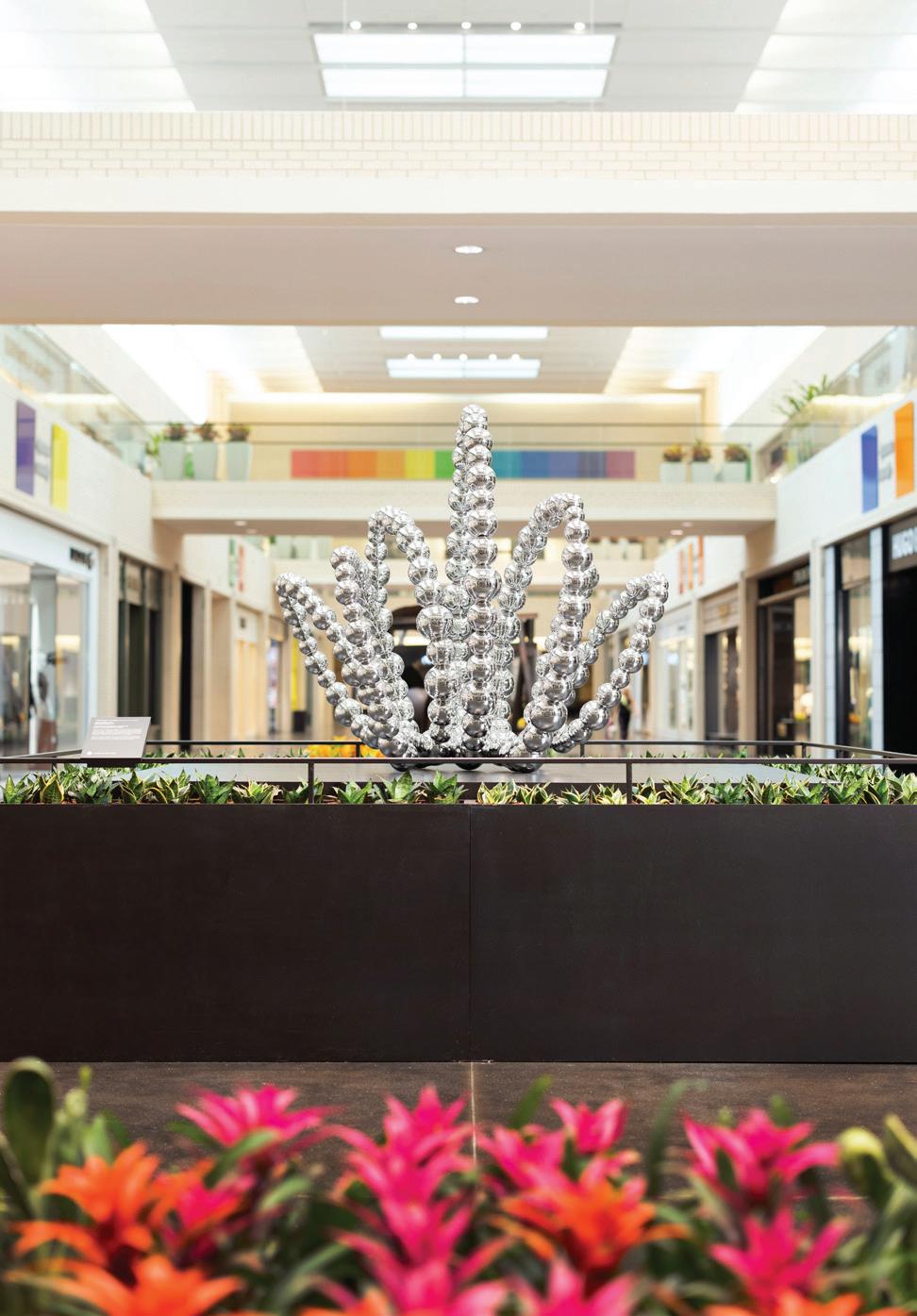
Jean-Michel Othoniel (b. Saint-Étienne, France, 1964), Lotus Miroir, 2018, mirror-polished stainless steel, 59.12 x 63 x 57.12 in. Courtesy of the Nancy A. Nasher and David J. Haemisegger Collection.
Photograph by Justin Clemons.
BOSS Paddy Polo shirt with country flag. Courtesy of Hugo Boss.
CULTURE WITH A KICK
In Dallas, the arts scene pairs creative engagement with the city’s unprecedented soccer energy.
BY NANCY COHEN ISRAEL
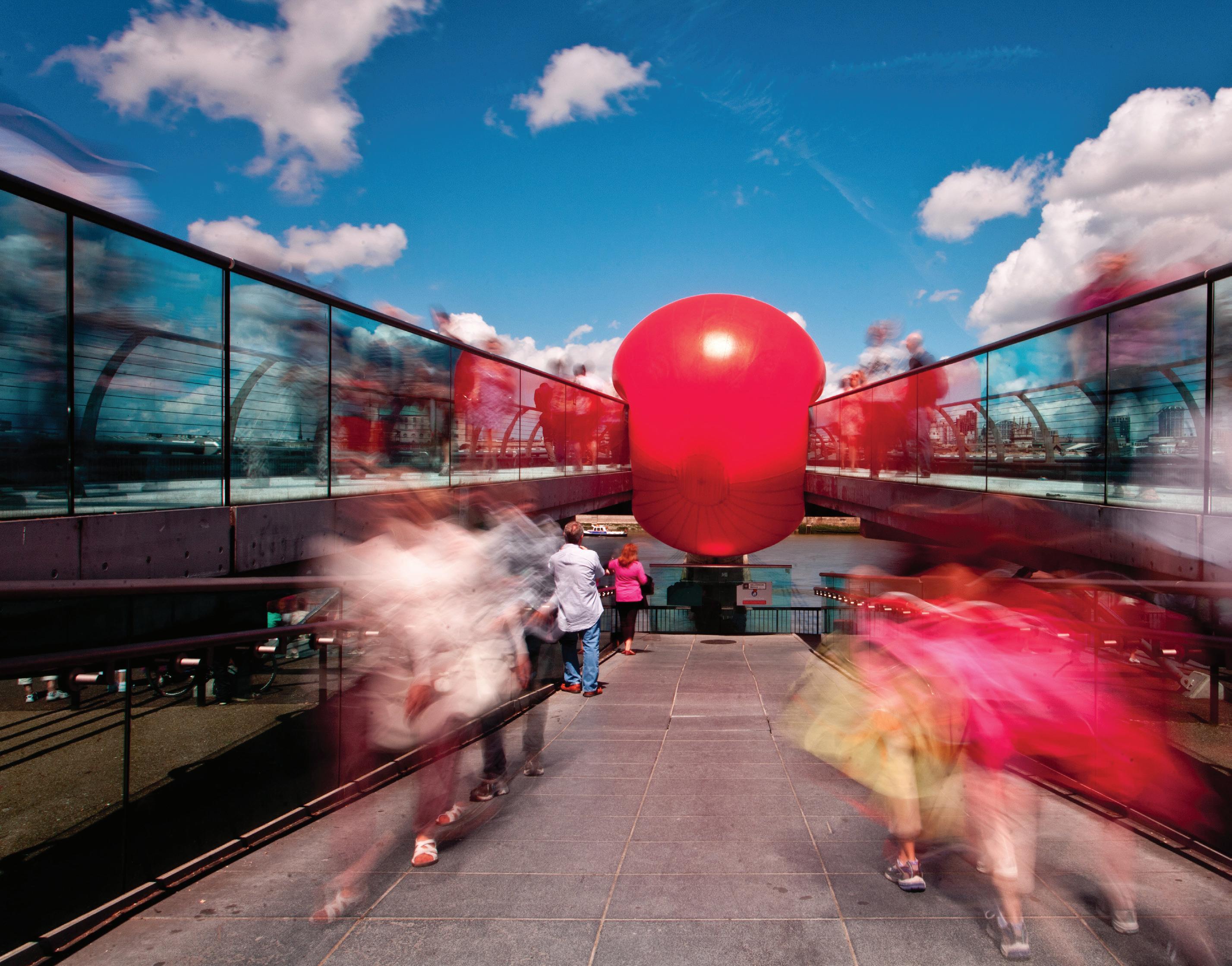
Kurt Perschke, RedBall Project, London, 2012. Photograph by Tom Martin.
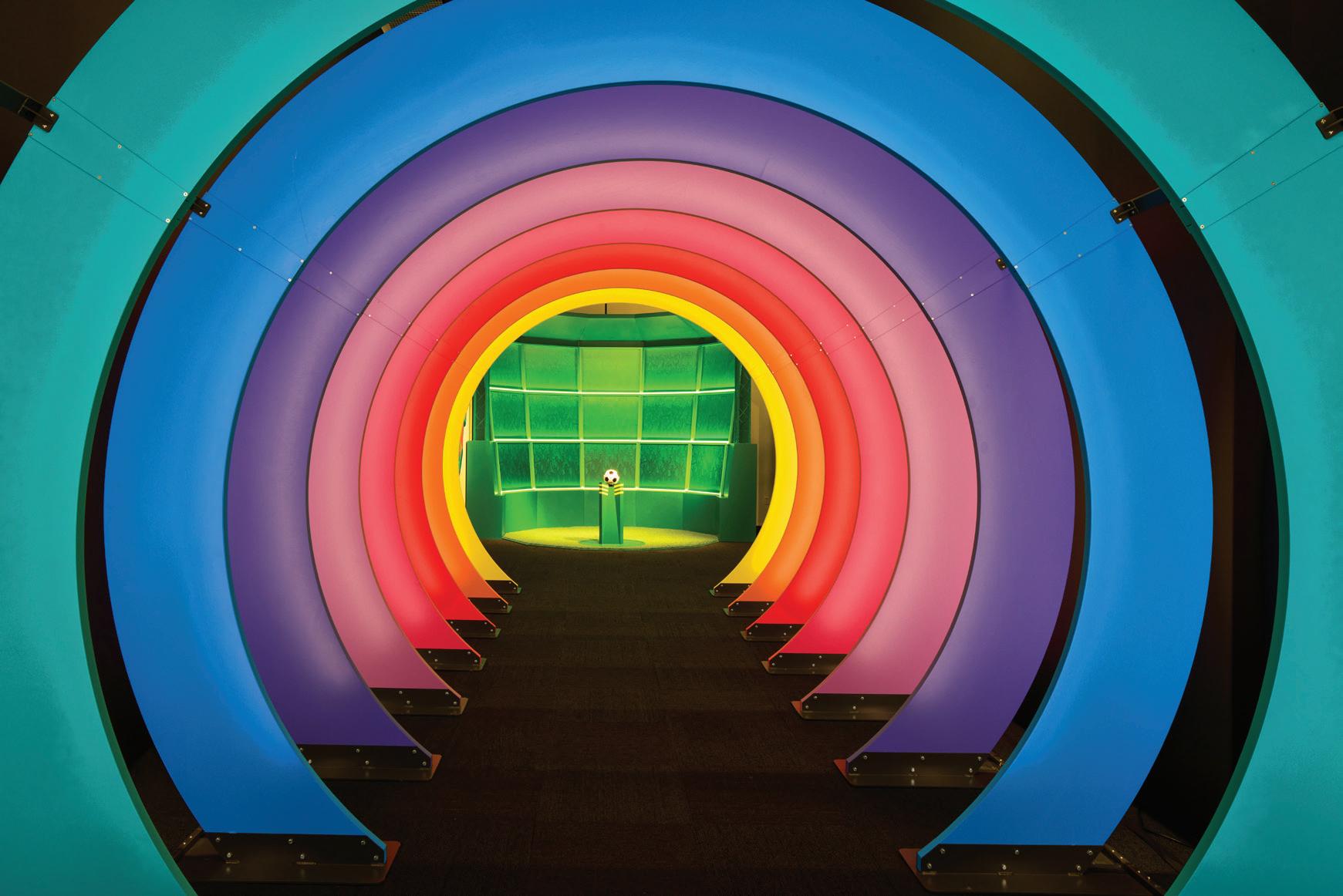
Welcome to Dallas, soccer fans! We know you came for the sport, but did you know that Dallas also has a thriving cultural scene? During the local run of the FIFA World Cup, the arts community is pulling out all the stops. “In the Dallas Arts District in particular, we’ve been thinking about FIFA for a long time, and thinking about how we’re going to bring the cultural aspect of Dallas to the forefront for our visitors from around the world,” states Jill Magnuson, Dallas Arts District interim executive director.
For context, the Dallas Arts District spans 118 acres of Downtown, making it the largest contiguous arts district in the United States. Through the combined efforts of the Dallas Arts District organization and their dozen-plus partner institutions, the performing and visual arts thrive while ensuring that they remain accessible to as many visitors as possible. Over the course of the World Cup, the Arts District will host signature events, including the Pride Block Party, Flora Street Live, America 250 at Klyde Warren Park, and Thursdays on Tap: Soccer Edition at the Perot Museum of Nature and Science. After the Pride Block Party on June 19, keep the party going with ‘til Midnight at the Nasher, which will include a screening of the 1995 film, To Wong Foo, Thanks for Everything! Julie Newmar. Many of these events are free and family friendly.
A prime example is Flora Street Live, taking place on June 26. The ticketed-only events are a screening of Back to the Future accompanied by the Dallas Symphony Orchestra at the Meyerson Symphony Center; Clue, as part of Broadway Dallas at the Winspear Opera House; and a concert featuring Shakey Graves, Amanda Shires, and J. Isaiah Evans & The Boss Tweed at Annette Strauss Square.
As Warren Tranquada, president and CEO of the AT&T Performing Arts Center says, “I’m hoping there’s cross-pollination. People will buy a ticket to see Back to the Future at the Meyerson and be drawn into the park and then maybe drawn over to Moody Performance Hall.” The latter space will present a revolving door of
Soccer: More Than a Game entrance tunnel at the Perot Museum of Nature and Science.
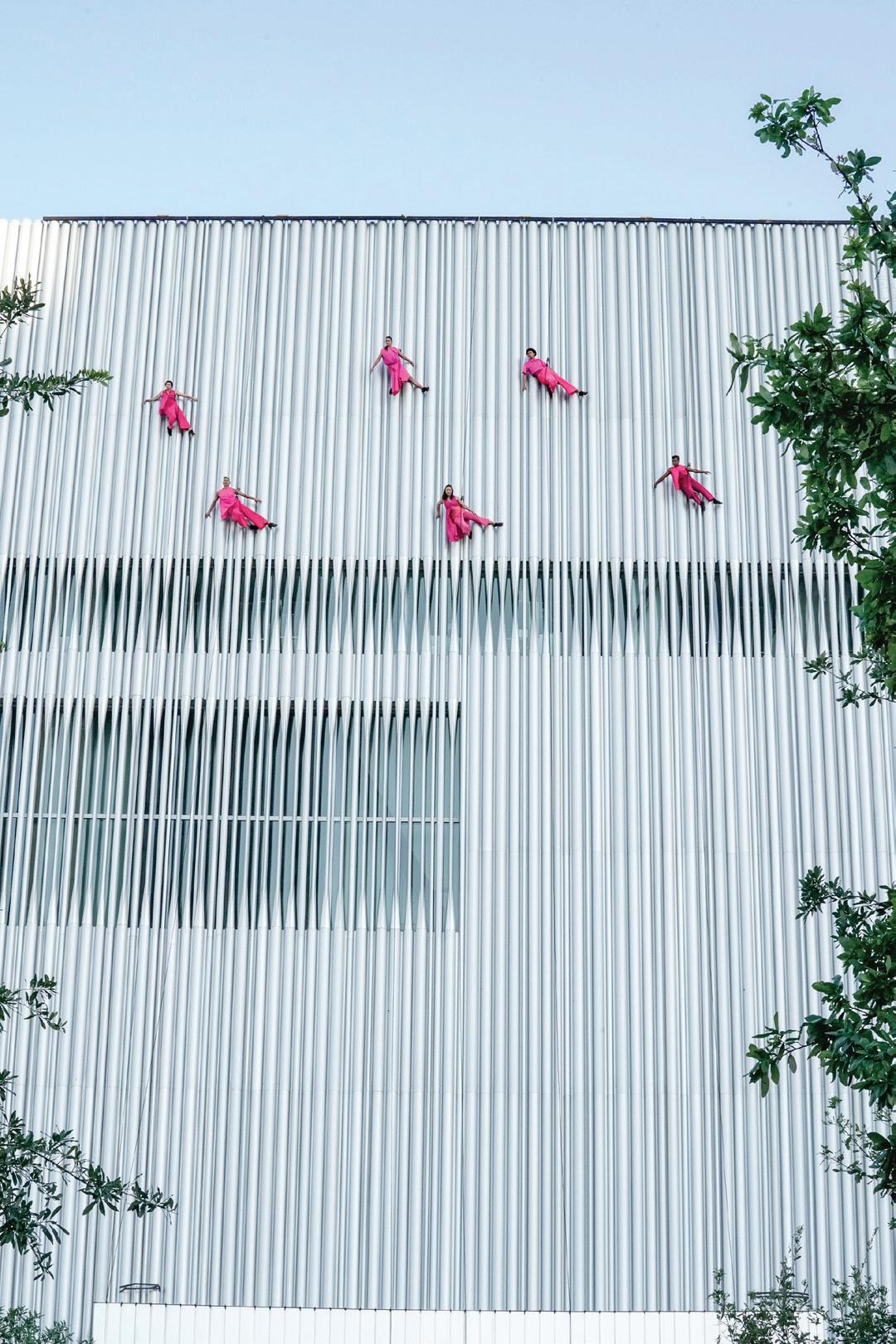
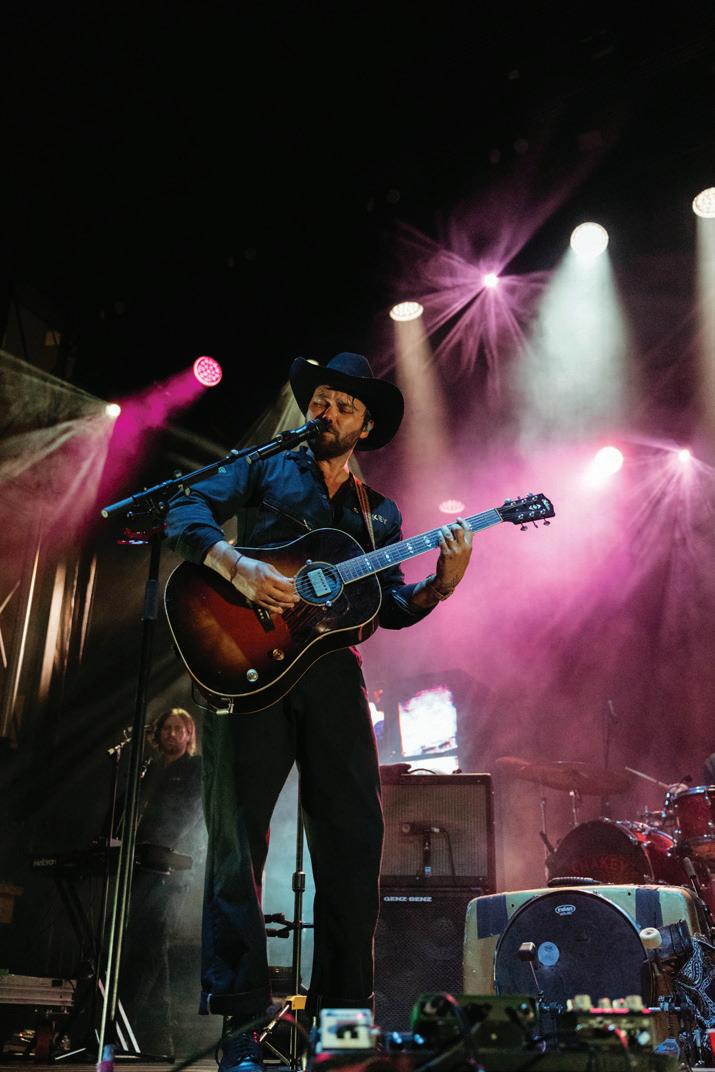
free performances during the festival the following day. Curated by Charles Santos, executive and artistic director of TITAS/DANCE UNBOUND, it will feature local performing and visual artists who have come through the City of Dallas Office of Arts & Culture.
Aside from performances, Tranquada adds, Sammons Park will feature “a free taste-of-Texas experience, which will include line dancing, silent disco, mechanical bull, and trick roping.” A mobile cowboy hat bar will offer libations. Meanwhile, BANDALOOP is returning to the Wyly Theatre, performing on the building’s facade. While the Arts District is walkable, for this event, Tranquada shares that regular golf-cart shuttles, with preplanned stops, will provide free public hop on-and-off transportation.
And the museums are getting in on the act too. The Crow Museum of Asian Art Dallas Arts District will align with Japan’s match against the Netherlands, activating the adjacent Trammell Crow Center Plaza for From Dallas to the World: A Toast to the Summer of Soccer. The ticketed event brings Japanese-inspired flavors and beers along with exclusive after-hours access to the galleries on Saturday, June 13. The Crow also partnered up with Chef Yuki of neighboring Musume for a six-course omakase of fresh fish and Japanese whisky. At the Dallas Museum of Art, step into X Marks the Spot: Contemporary Screenprinting at Brand X Editions and encounter bold works by KAWS, Helen Frankenthaler, Rashid Johnson, and Deborah Kass that trace the screenprinting studio’s 40-year legacy of innovation.
Perhaps one of the most exciting public art events is RedBall Dallas. From June 19–28, 2026, the namesake gigantic red ball will be squished and squeezed into spaces throughout Downtown as well as the adjacent neighborhoods of Deep Ellum and Bishop Arts. RedBall, the work of Asheville-based artist Kurt Perschke, has traveled the globe, bringing curiosity and new perspectives wherever it rolls. “The aspect of the piece that is important is that people have permission to have a moment of wonder or joy,” says Perschke. He also uses this work to draw attention to the site and its history.
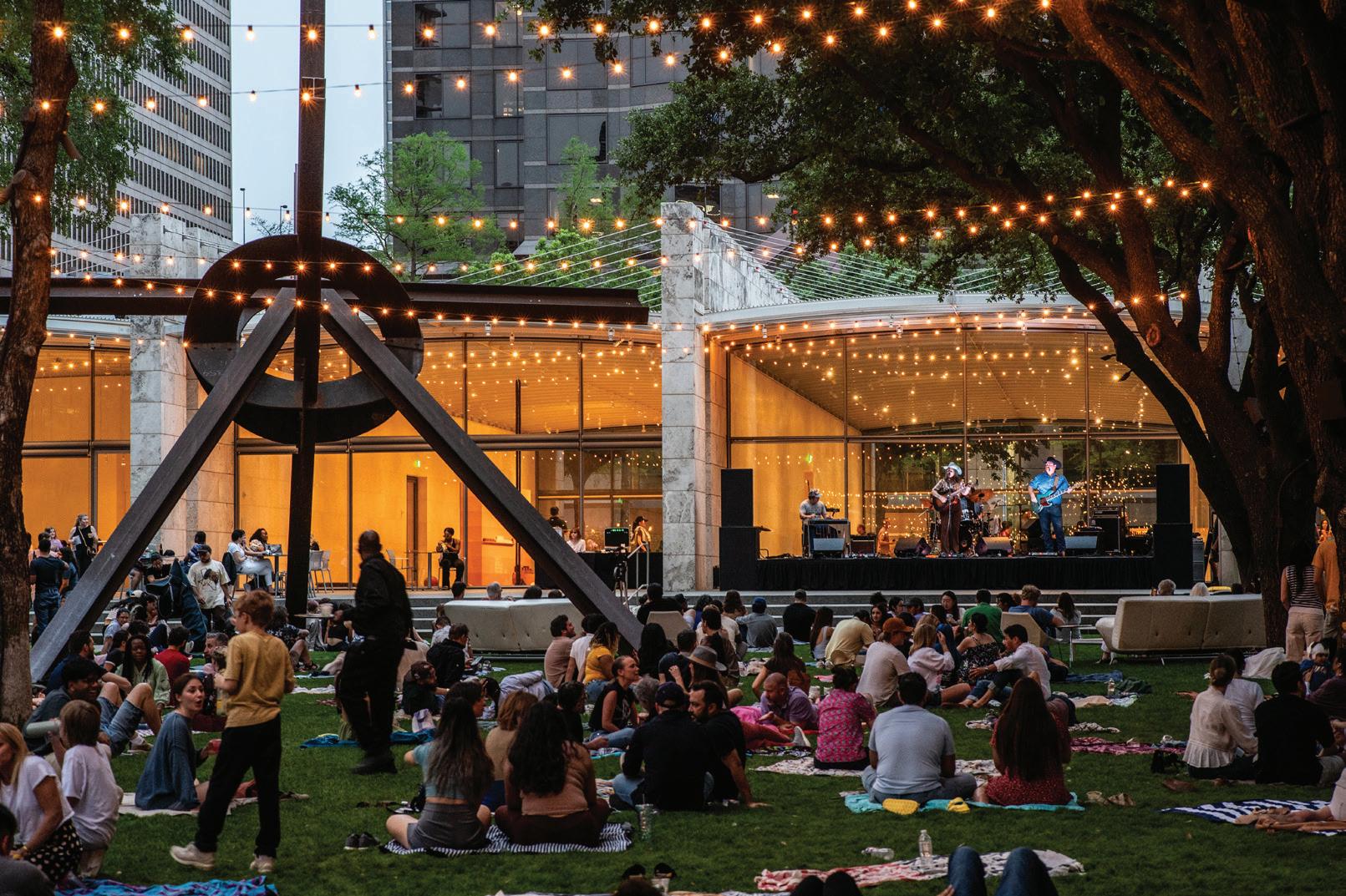
BANDALOOP’s vertical performance. Photograph by Karen Almond. Courtesy of Dallas Arts District.
Shakey Graves. Photograph by Olivia Bastone. Courtesy of AT&T Performing Arts Center.
‘til Midnight at the Nasher. Photograph by Can Turkyilmaz.
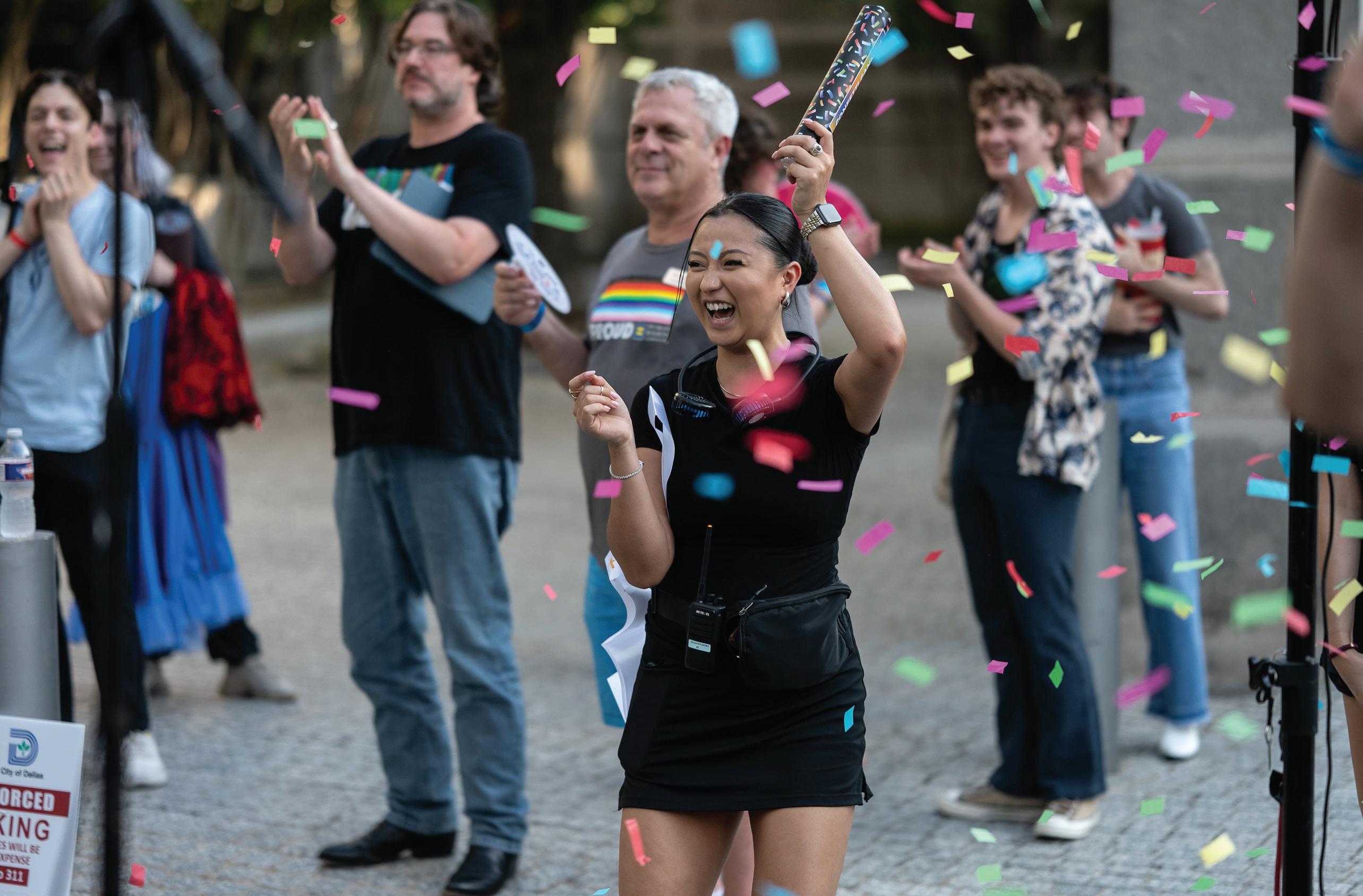
RedBall Dallas will move daily, with its whereabouts promoted through traditional and social media. “We wanted something that tied everything together, that felt a little more accessible to anybody who would wander in the neighborhoods,” Magnuson stresses. From the metaphor of the ball to the crimson that echoes the Dallas Arts District, she adds, Perschke was the perfect artist for this event.
On the western edge of the Arts District, the Perot Museum is connecting to sport through Soccer: More than a Game. According to Mike Spiewak, vice president of exhibits, this collaborative, interactive exhibition highlights a litany of STEM-related professions that support the players on the field. “As we looked at it, we were trying to figure out how we pull all of this together. Under that umbrella of soccer, there is so much that goes into the game that we thought it was a great vehicle for us to get people excited and to think about the game in a different way,” Spiewak explains.
To the east, Fair Park, the Art Deco jewel created for the 1936 Texas Centennial Exposition, serves as a match venue at the Cotton Bowl as well as the site for FIFA Fan Fest, a free event that runs throughout most the tournament. Fair Park is also home to the African American Museum, which is hosting Mandela: The Official Exhibition. “We were trying to determine what would be a major, strong exhibition to offer to an international audience at that time,” notes Margie Johnson Reese, chief programs officer.
Recalling that Nelson Mandela used sports, particularly soccer,
to help usher democracy into South Africa, Reese hopes that the recounting of his story will connect to FIFA fans. The multisensory exhibition will extend beyond this summer of soccer. Reese explains that the museum has signed a partnership with the Dallas Independent School District to embed Mandela’s story into the sixth-grade curriculum for the next school year. During this time, the museum expects 6,000 students to engage with the exhibition.
Dallas is a collegial city, and organizers encourage visitors to explore it fully. For example, Deep Ellum, once the heart of the local blues scene, is home to unique restaurants and shops, including Deep Vellum Books, founded by Dallas creative Will Evans. This nonprofit literary arts organization runs a bookstore while also serving as the largest publisher of literature in translation in the United States. And this summer, Deep Vellum gets in on the act with their Deep Vellum Literature & Music Festival, July 10–12, offering a multi-venue celebration, with literary readings, author panels, live music, and experiences at places like Undermain Theatre, Sons of Hermann Hall, Kettle Art Gallery, and Poets Books. Similarly, in the West End Historic District, the Dallas Holocaust and Human Rights Museum presents The Walt Disney Studios and World War II, highlighting the role the company played in the war effort.
In short, as an international audience turns to Dallas to celebrate World Cup soccer, the cultural community encourages visitors to discover its many hidden surprises. GOOOOAL! P
2025 Dallas Arts District Pride Block Party. Photograph by Mike Brooks. Courtesy of the Dallas Arts District.
2026 DALLAS ART FAIR VIP PREVIEW BENEFIT AT FASHION INDUSTRY GALLERY
PHOTOGRAPHS BY CHASE HALL
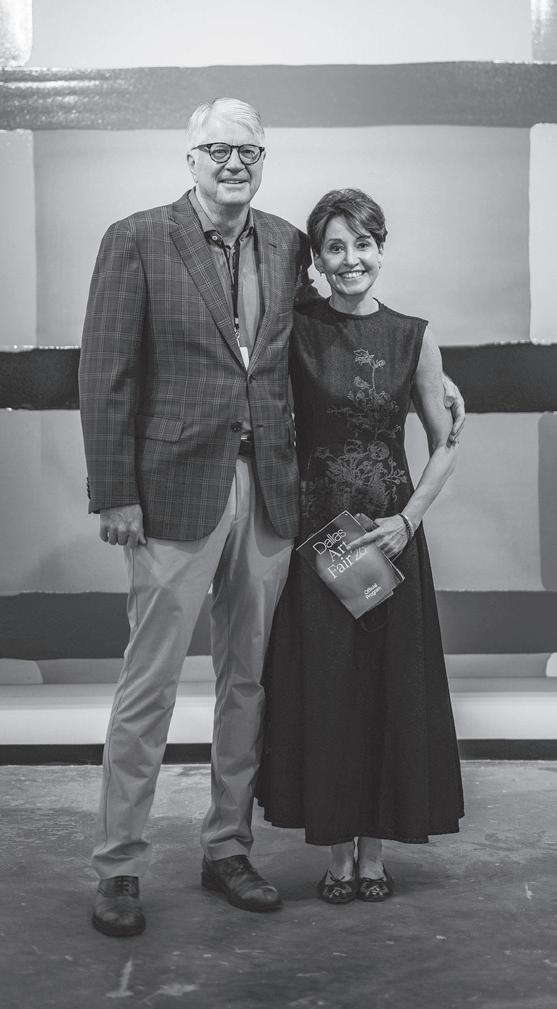
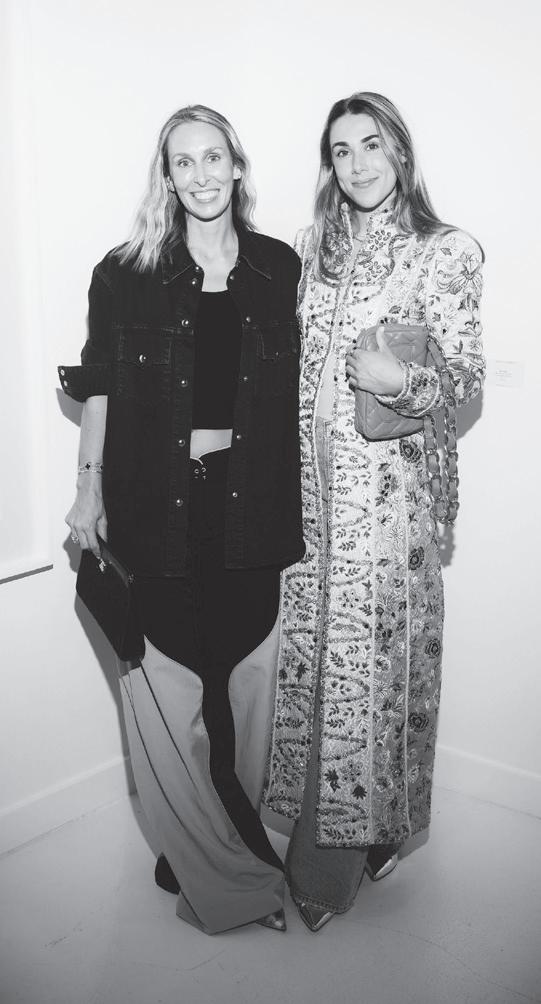
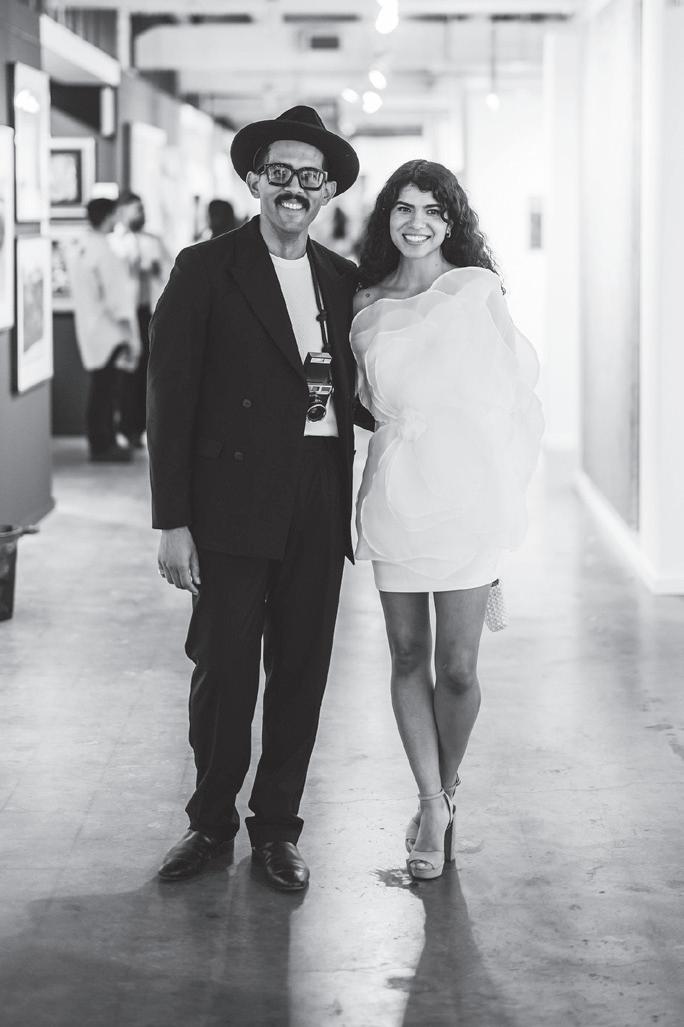
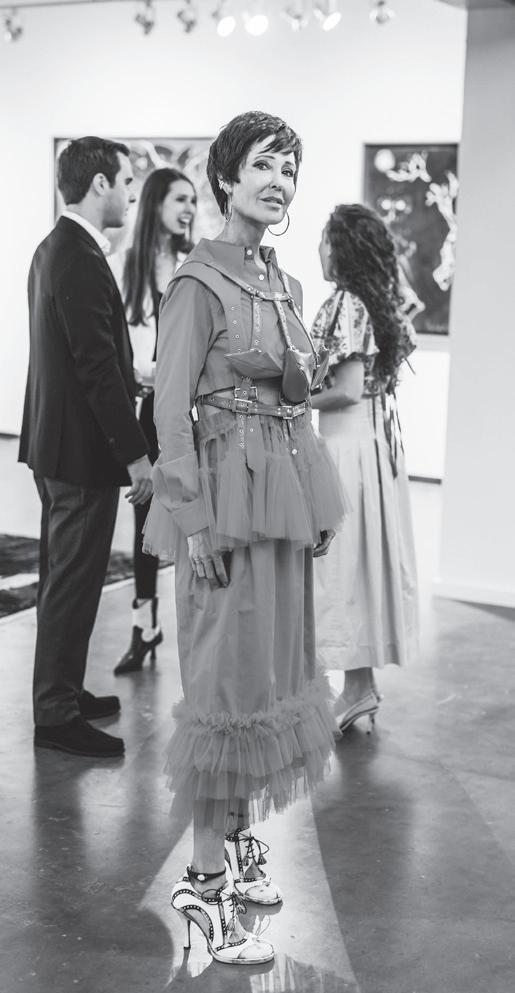
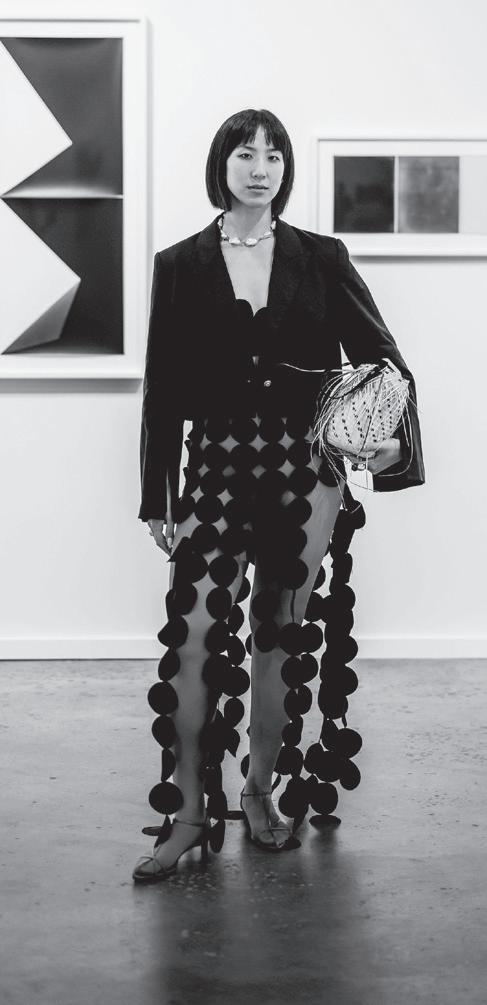
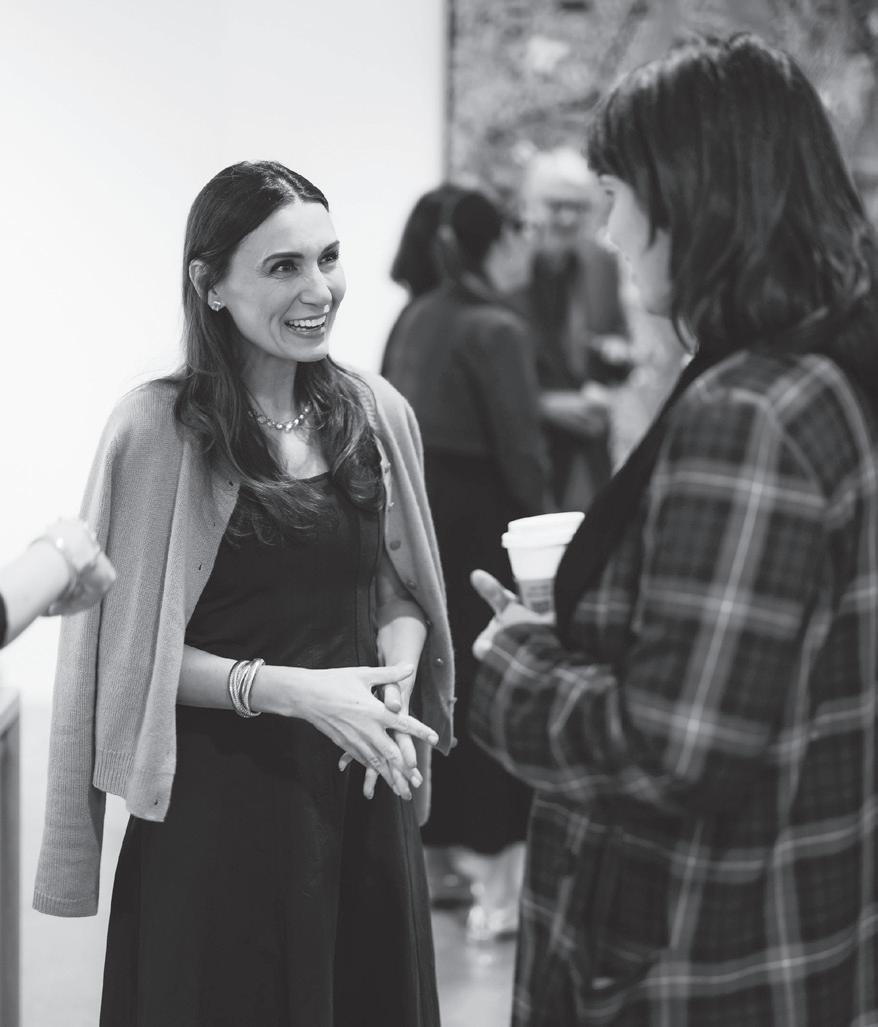
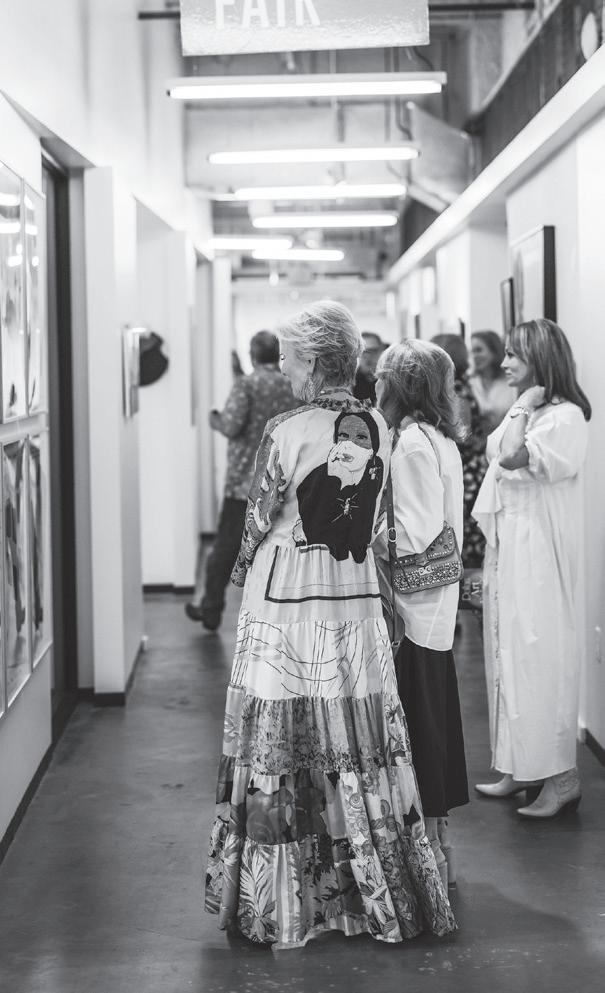
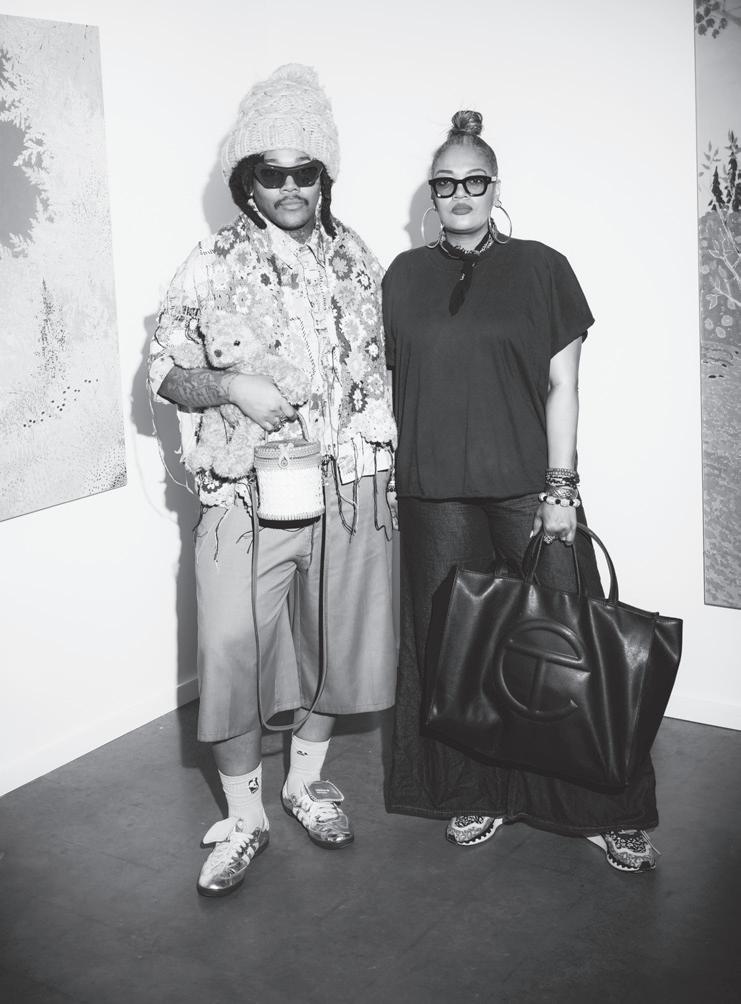
Kelly Cornell and Jack Cornell
Joshua Fortuna, Yesi Fortuna
Kimberly Whitman
Susan Nowak
Tanner Moussa, Doniphan Moore Debbie Tolleson Yen Nguyen, Michael Phelps
Ellen Yang
Maria Malonoski, Layne Tenenbaum
Joshua Gordon, Daisha Board
John and Marlene Shugrue
THE JOULE CELEBRATES THE DALLAS CONTEMPORARY OPENING OF FRANCISCO MORENO: HISTORIA SINTÉTICA IN PARTNERSHIP WITH AMERICAN ART DEALERS ASSOCIATION AND DALLAS ART FAIR
PHOTOGRAPHS BY LUIS MARTINEZ
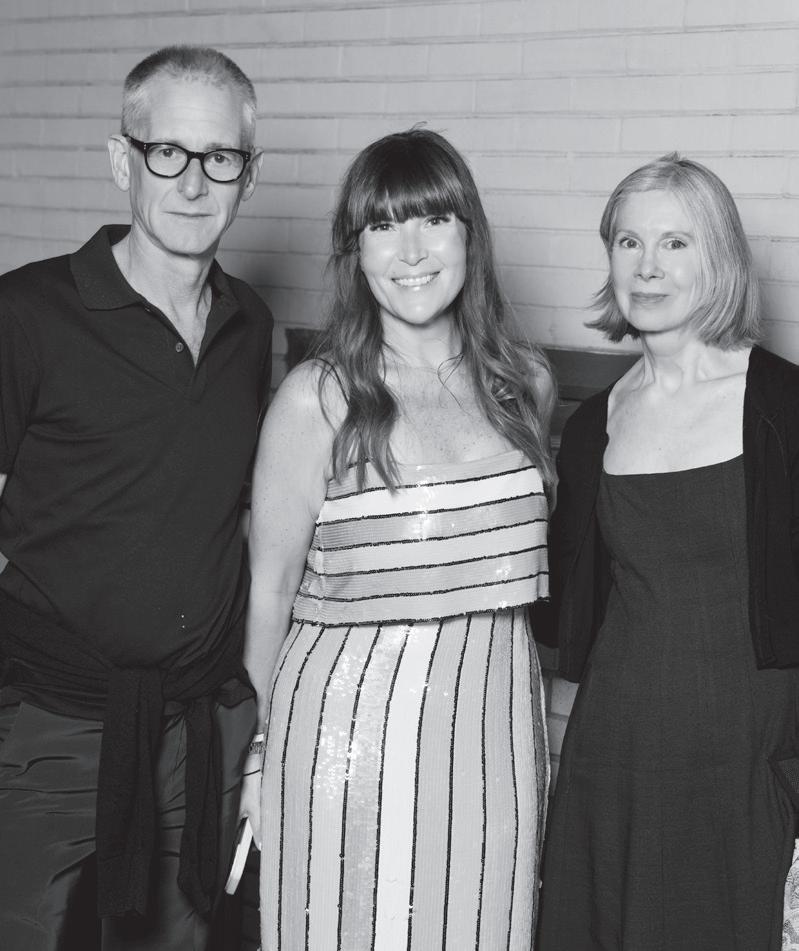
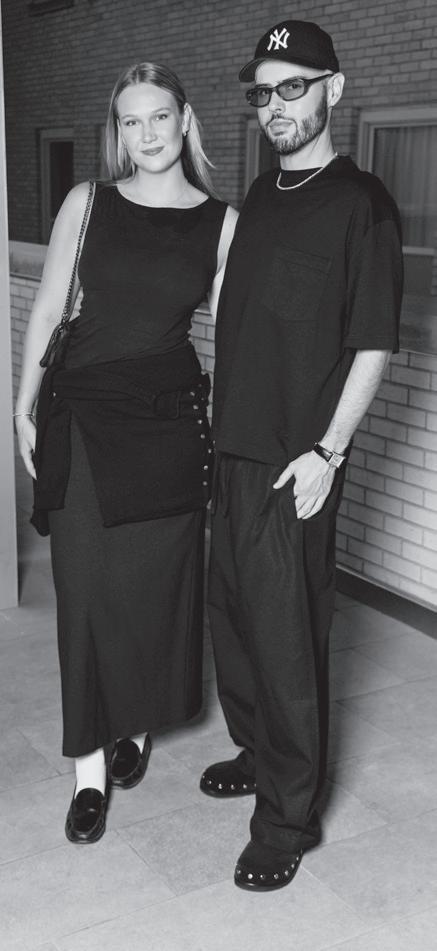
Carly Nance, Margarita Taboada, Micah Nance
Lance Raney, Brady Wood
Rod Sager, Jill Sager
Lauren Chapman Bellemare, Tori Richard Mulford, Catalina Gonzalez Jorba
David Platzker, Kinsey Robb, Susan Inglett
Sheryl Adkins-Green, Colton Green
Greer Goss, Joyce Goss, Teresa Moeller, Terri Provencal
Peter Augustus Owen, Anabelle Toole
Christelle Troost, Adam Riker Mrlik
Thomas Feulmer, Francisco Moreno, Tammy Cotton Harnett
Pablo Arellano, Ramiro Garcia, Kaleta Blaffer Johnson, Tanner Ewing
DALLAS THEATER CENTER CENTERSTAGE 42 AT THE DEE AND CHARLES WYLY THEATRE
PHOTOGRAPHS
BY TAMYTHA CAMERON AND CHASE HALL
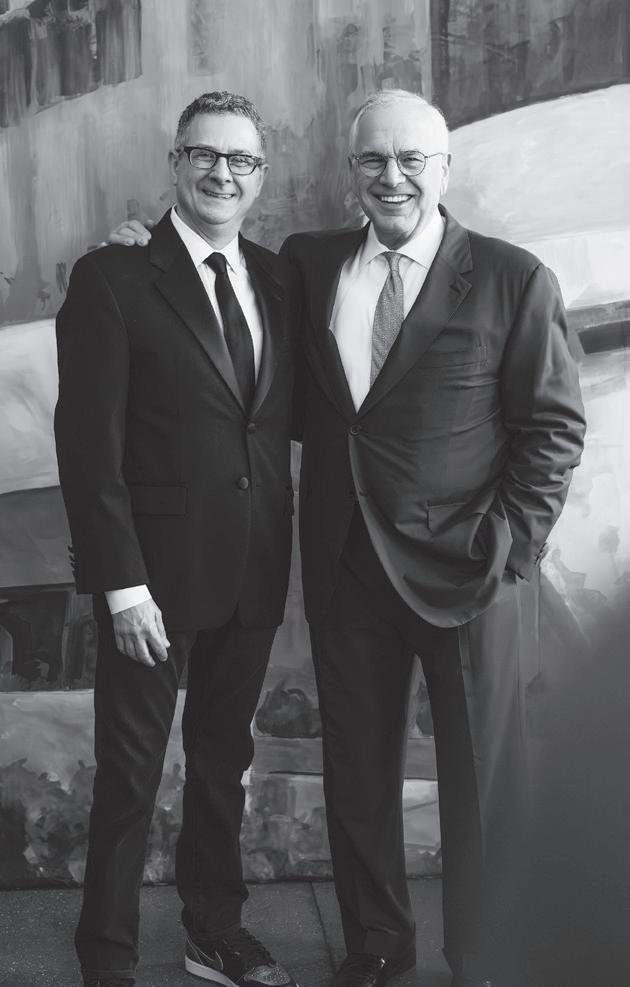
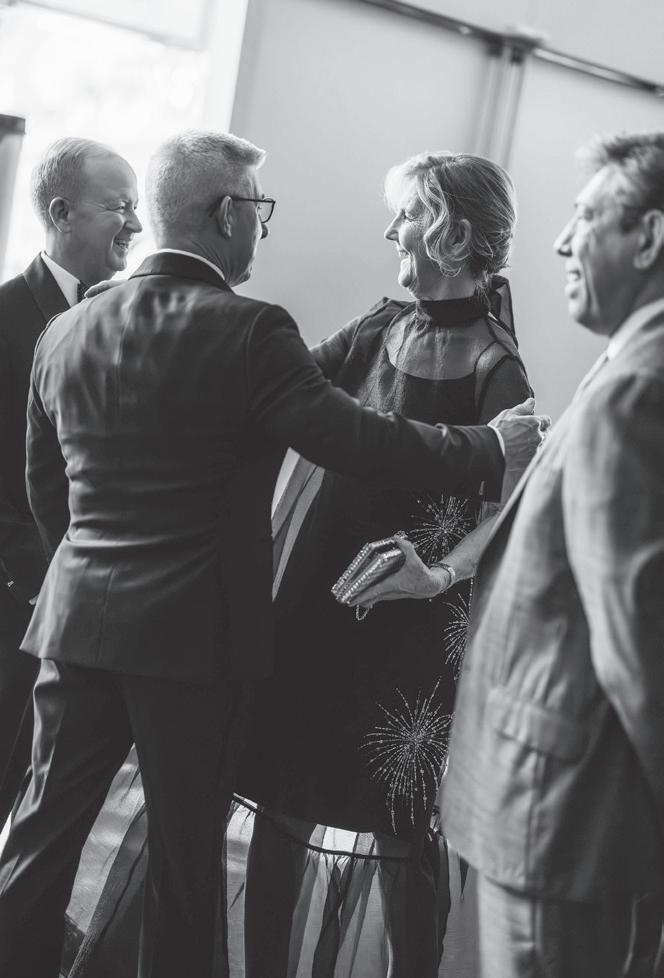
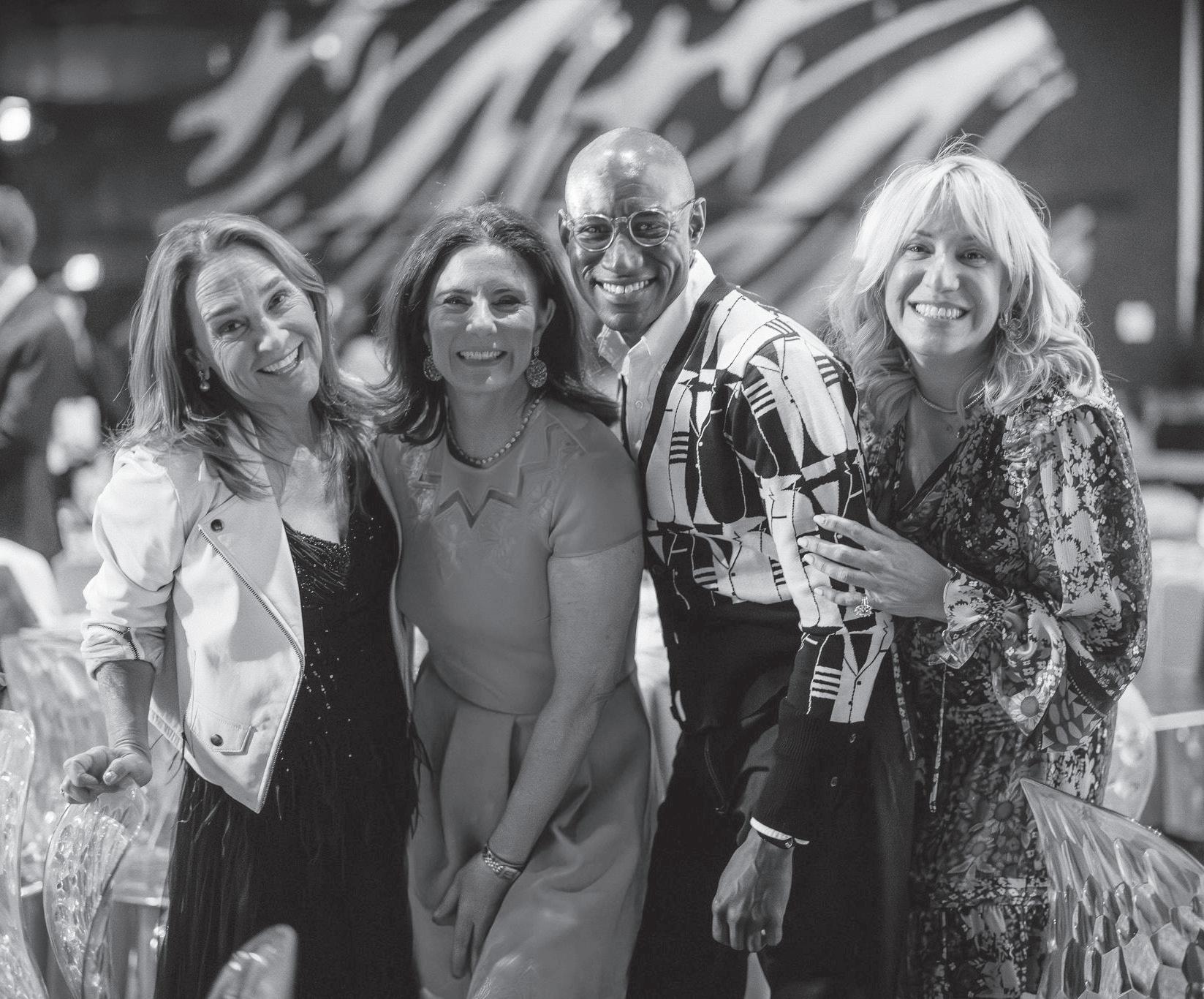
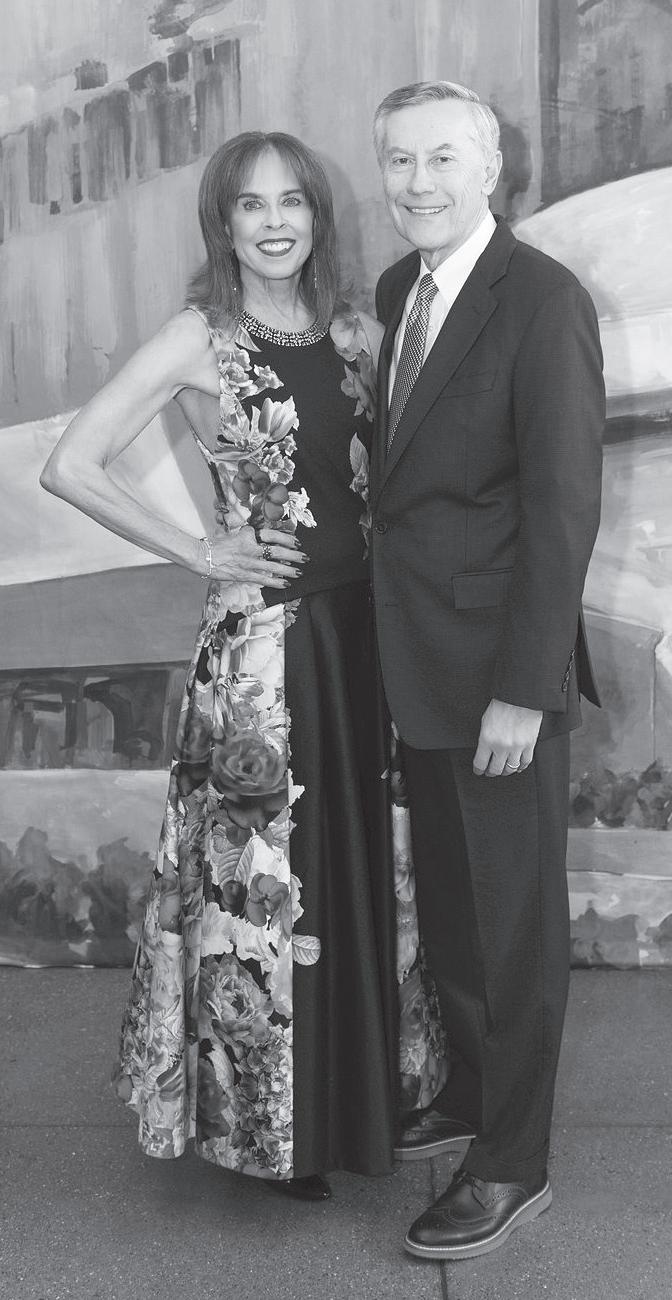
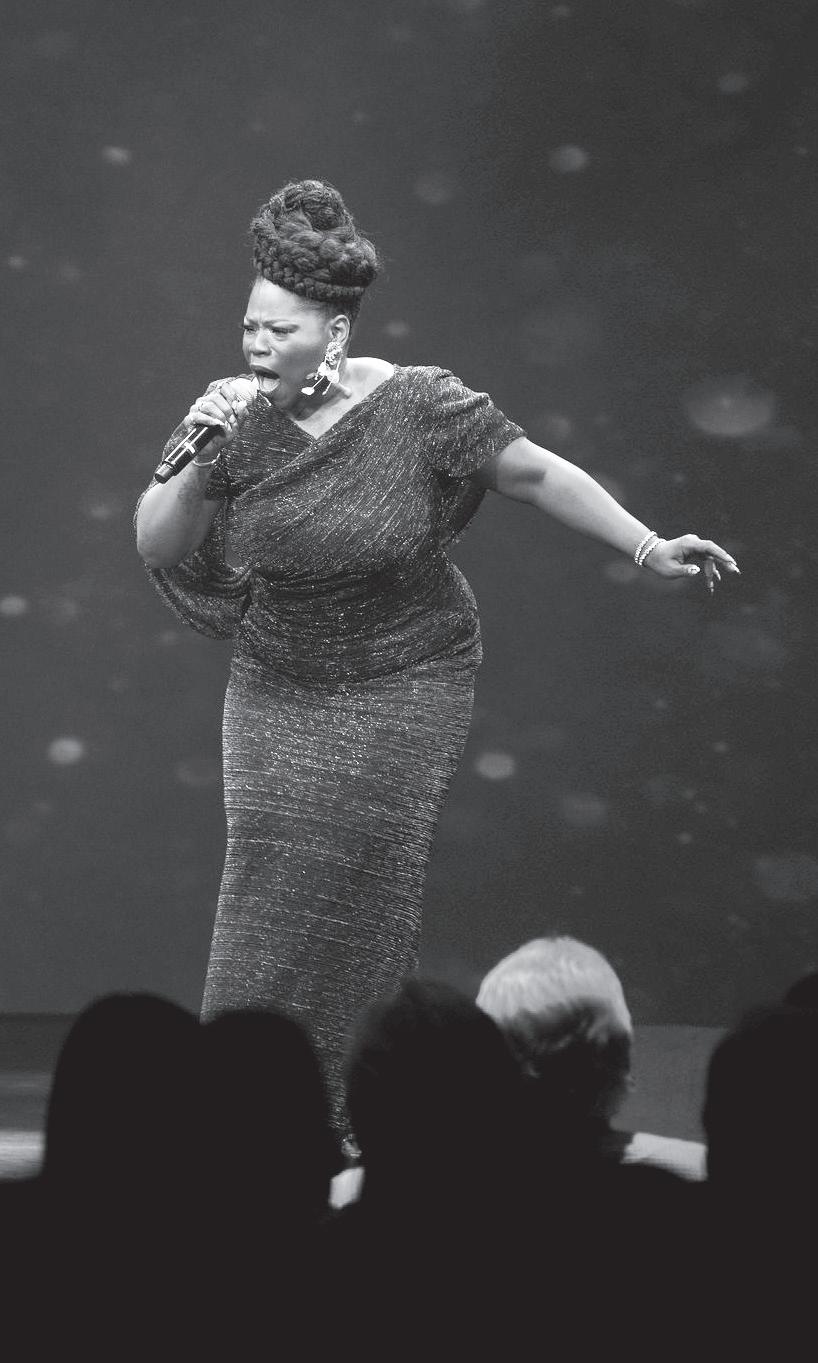
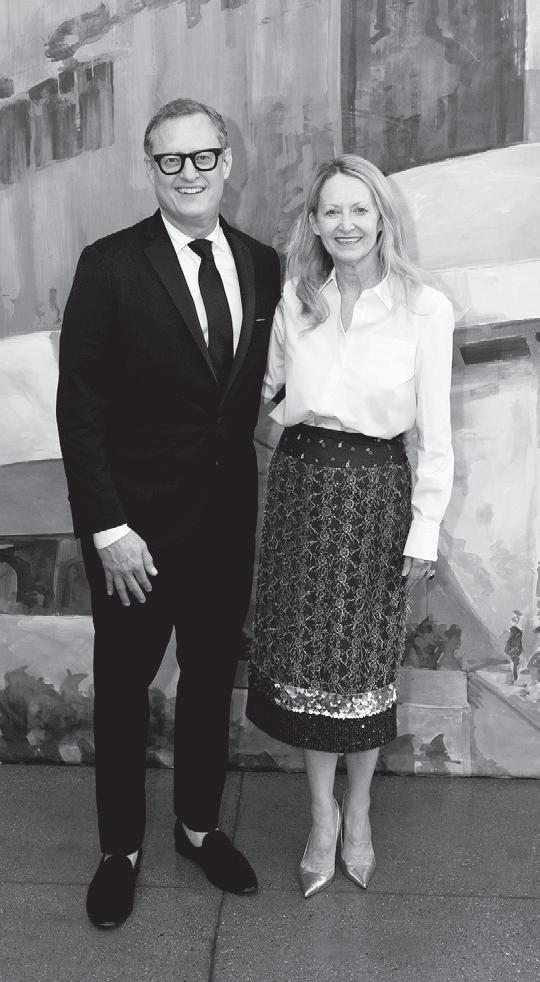
Kristina Kirkenaer-Hart, Tiffany Mann, Akron Watson, Bri Woods, Grace Cook
Deborah McMurray, Glen Davidson
Kevin Moriarty, Larry Angelilli
Jeff Netzer, Lynn McBee
Jeremy Lock, D'Andra Simmons Lock
Ann Mahowald, Michelle Lockhart, Hamilton A Sneed, Krista Farber Weinstein
Caroline Hamilton, Brandi Willis Elvenn and Lynn Richardson Tiffany Mann
Paul von Wupperfeld, Andy Smith, Mickie Bragalone, Jeff Bragalone
2ND ANNUAL MONITOR STREET ART + DESIGN BLOCK PARTY
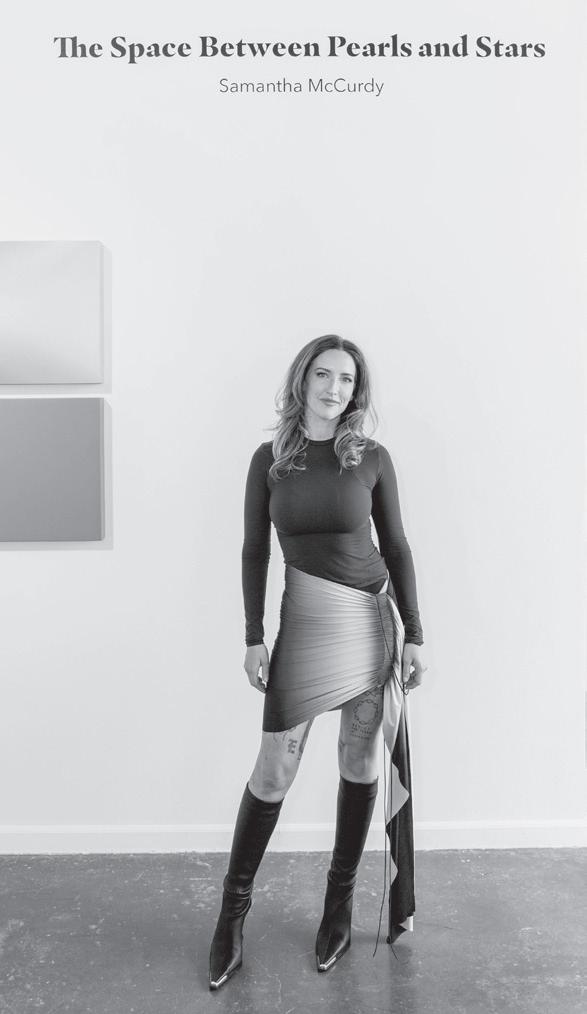
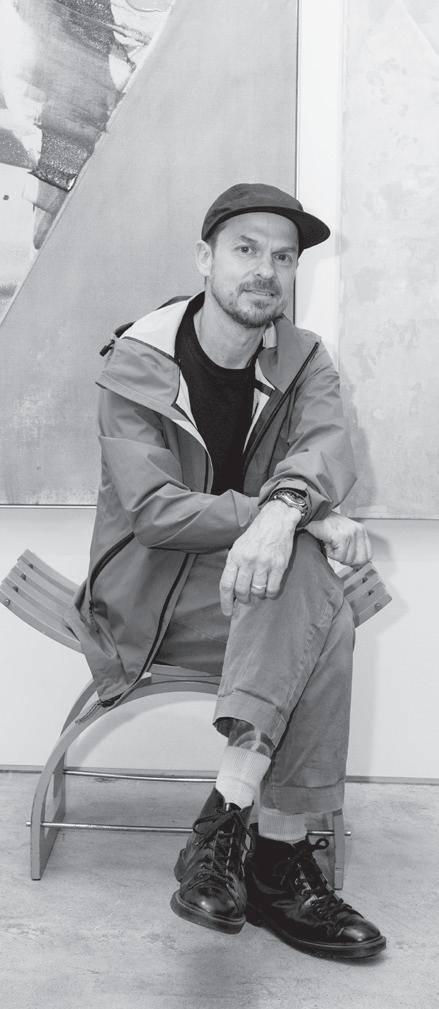
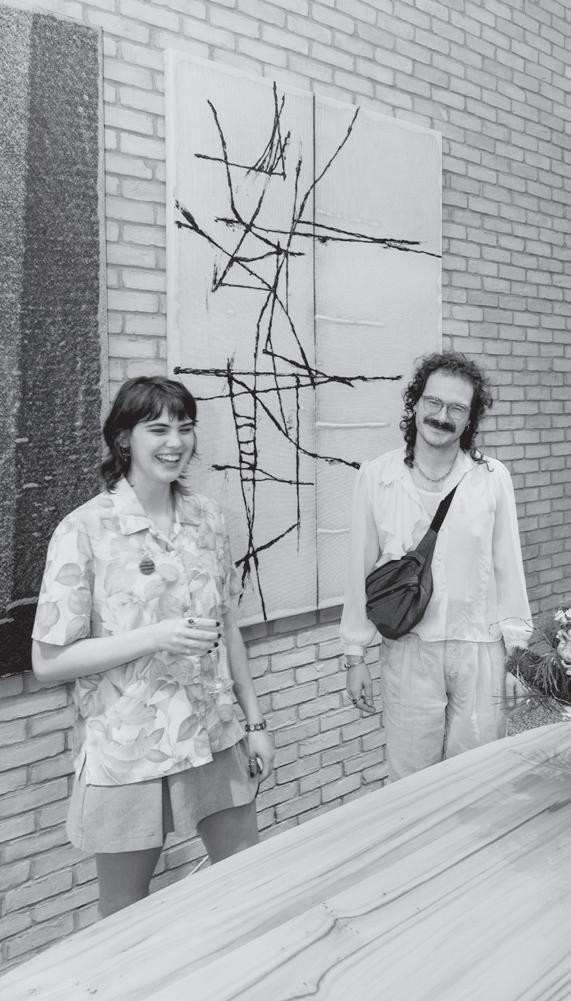
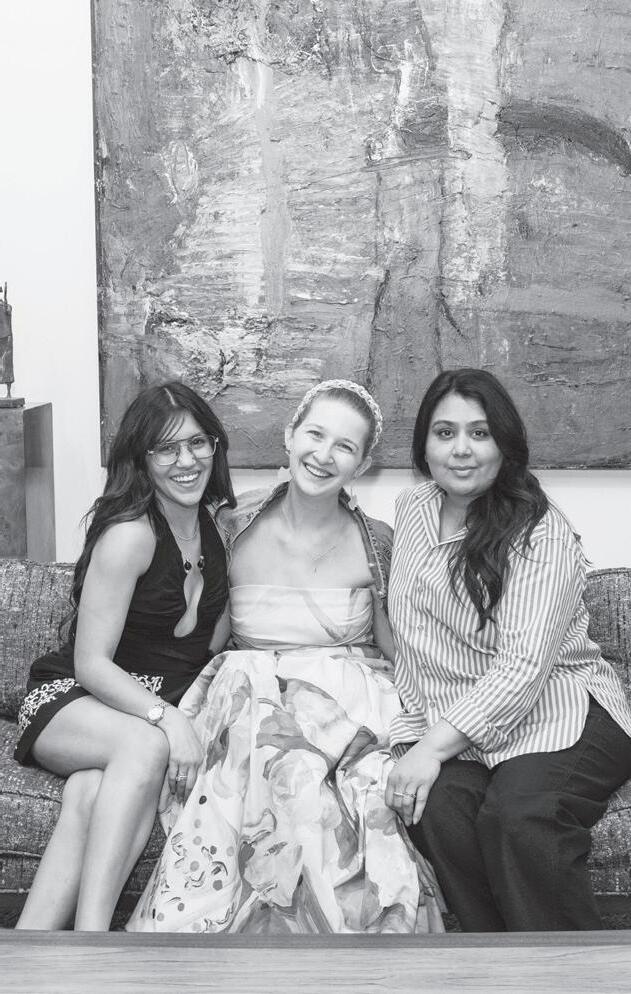
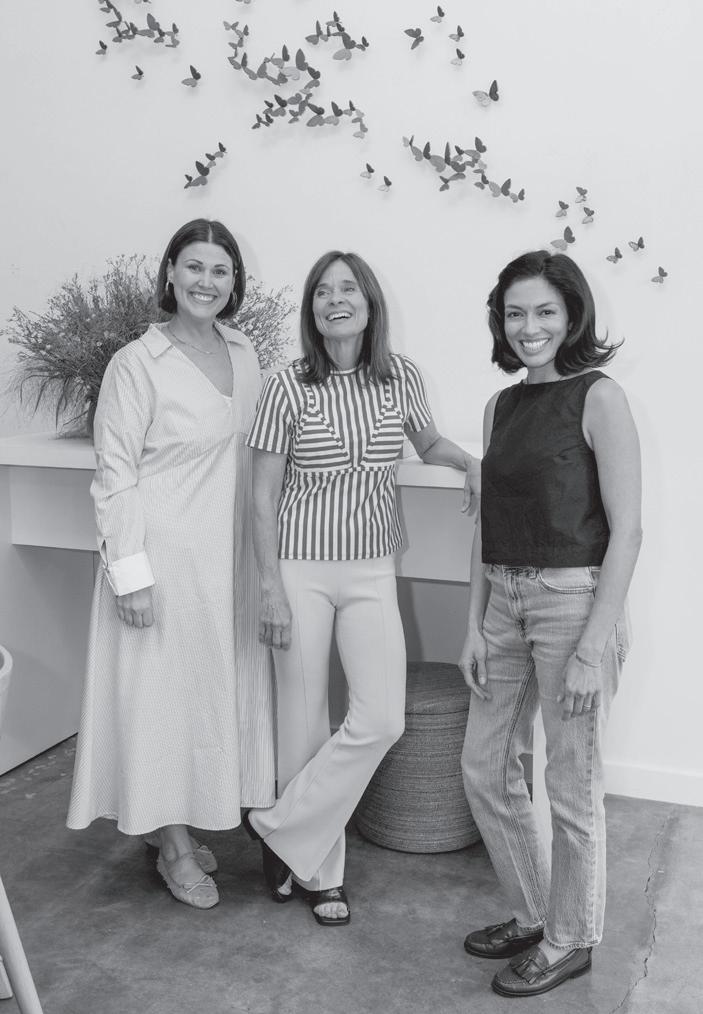
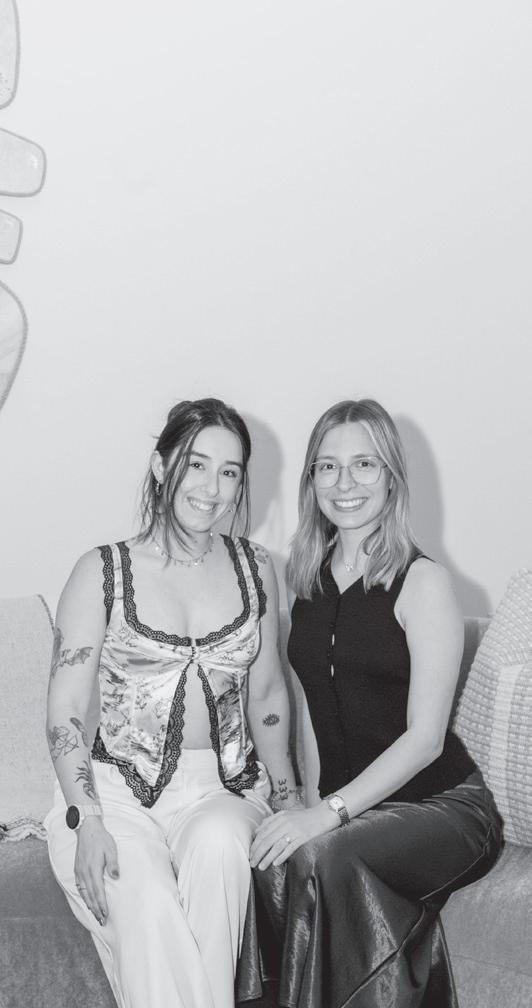
Michael Barr, Chris Angelle
Jackie Cloete, Z Pinson Hopgood
Carly Ball, Claire Crowe, L.C. Foster
Samantha McCurdy at Galleri Urbane
Chris Thurman
Mijee Song, Meka Ibe
Kinslee Cue, Isabella Bonaguidi
Nosheen Iqbal, Allison Gaughan, Paulina Shetty at Sputnik Modern
Fox Samaripa, Joseph Steffen, Dan Rodriguez, Gabby Rosenburg
Donavon Hernandez, Cortney Guy
PHOTOGRAPHS BY PEYTON MIXON
48TH TACA SILVER CUP AWARD LUNCHEON HONORING NANCY CARLSON AND ANDY SMITH AT THE OMNI DALLAS
PHOTOGRAPHS BY KELLY ALEXANDER AND NATE REHLANDER
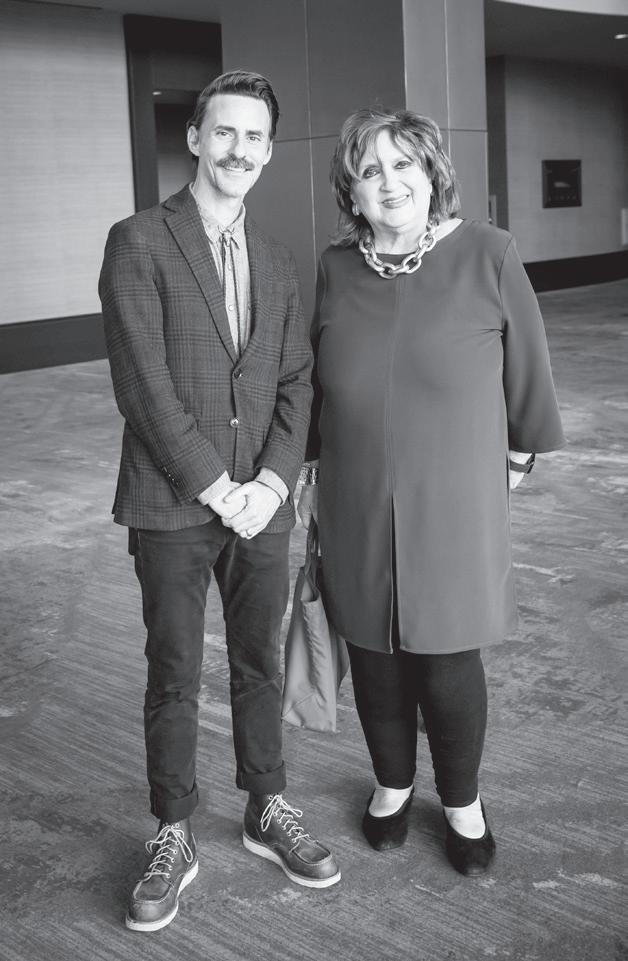
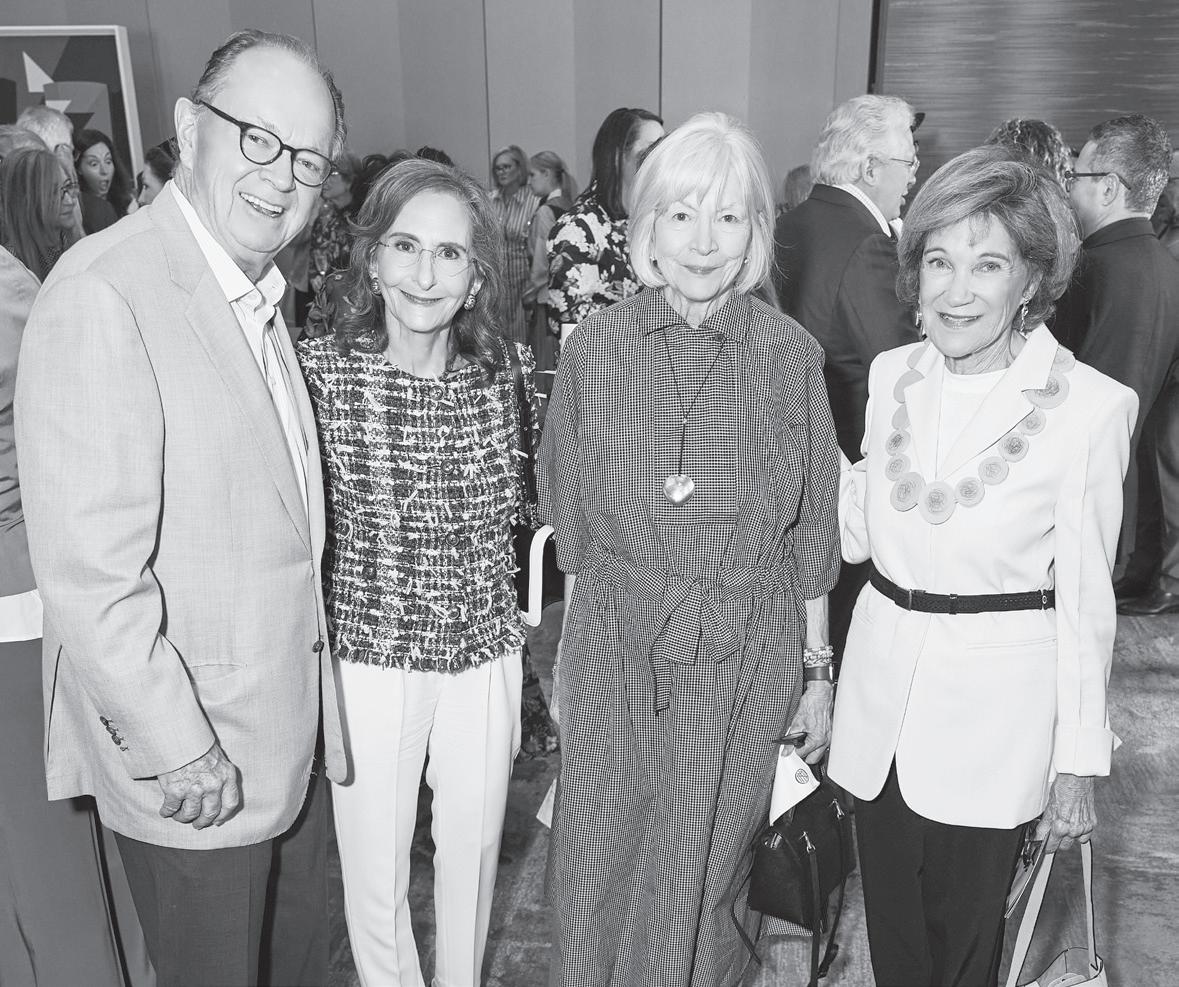
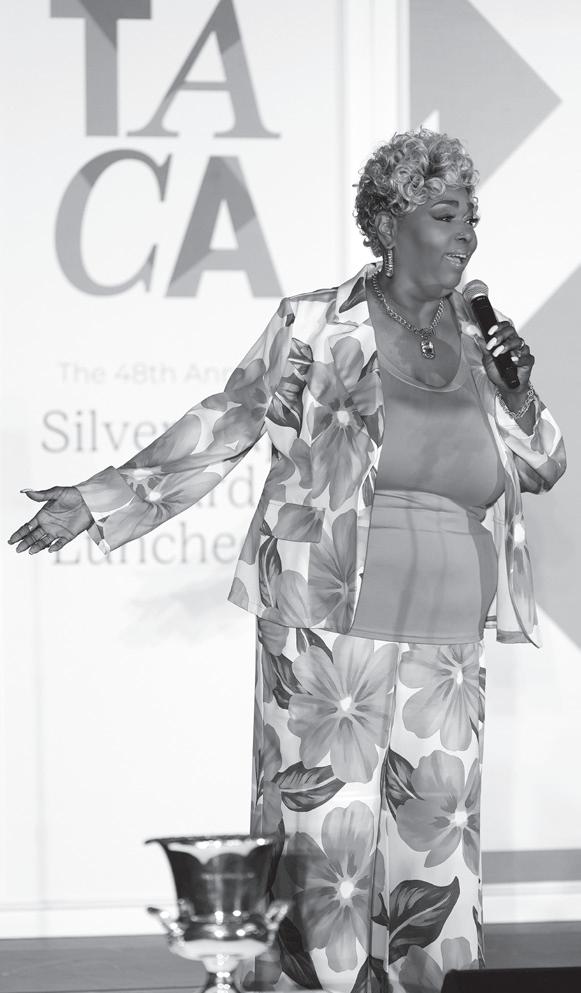
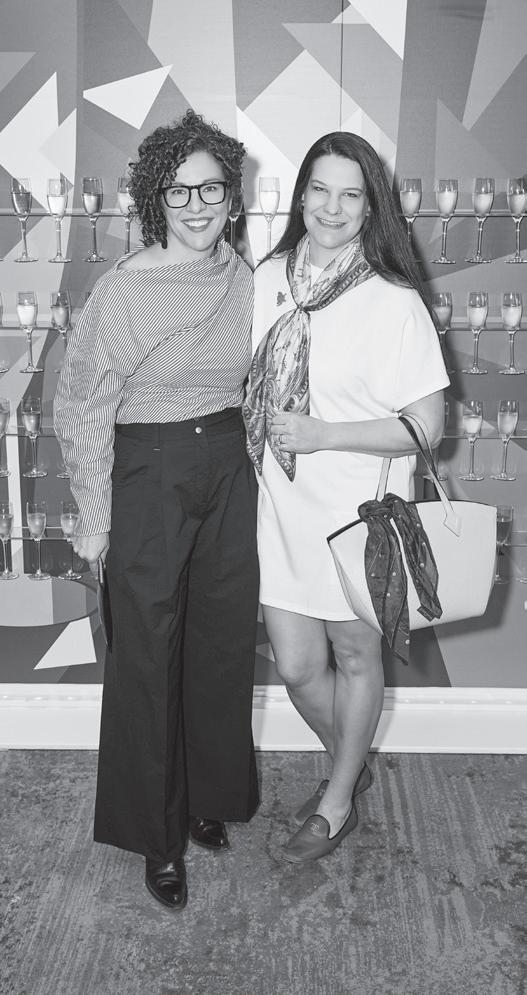
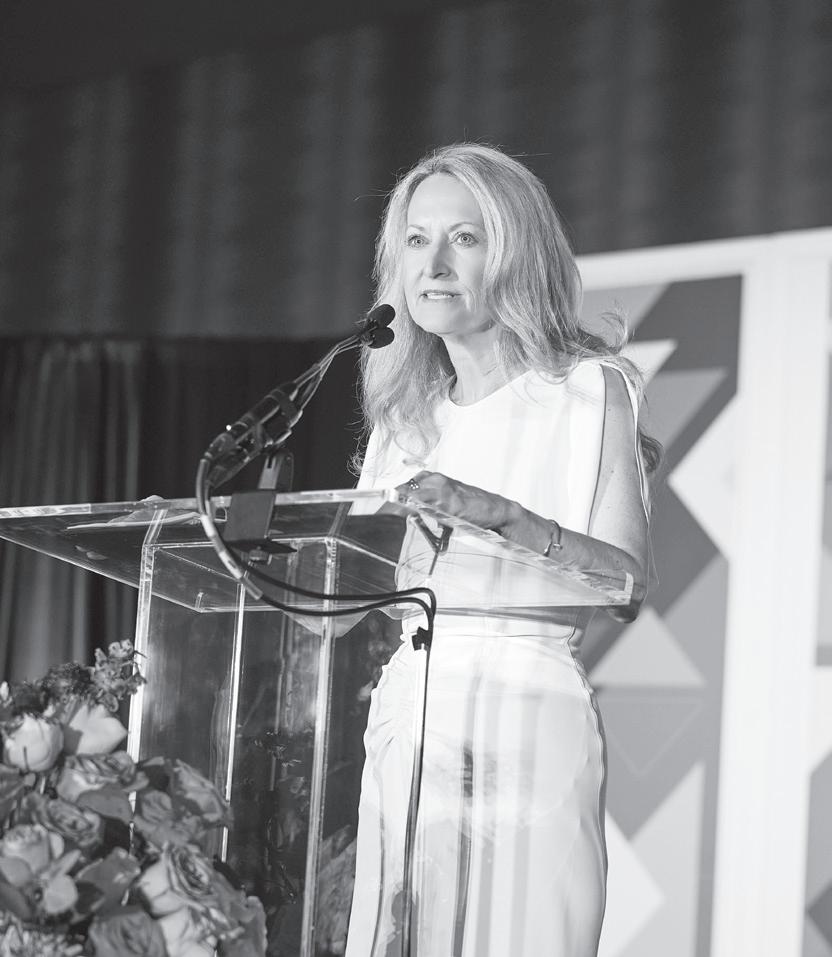
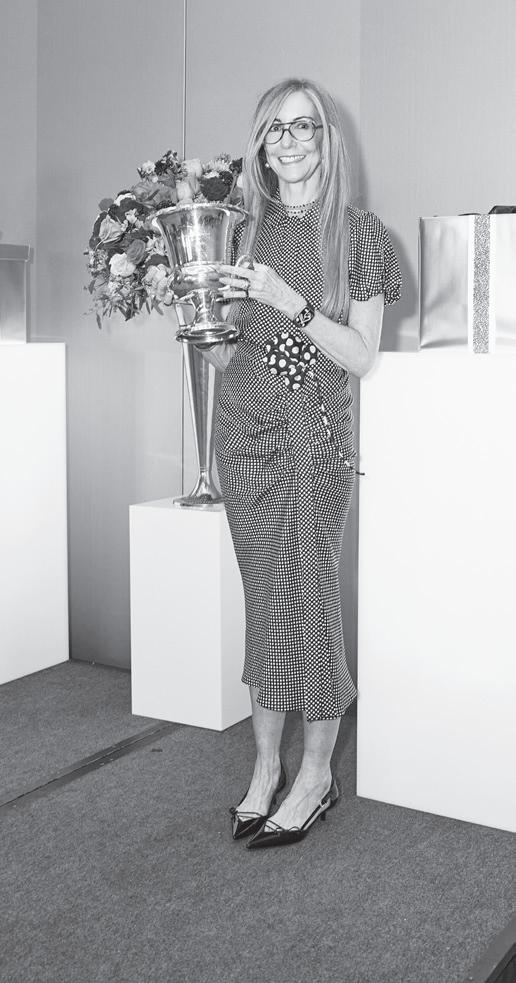
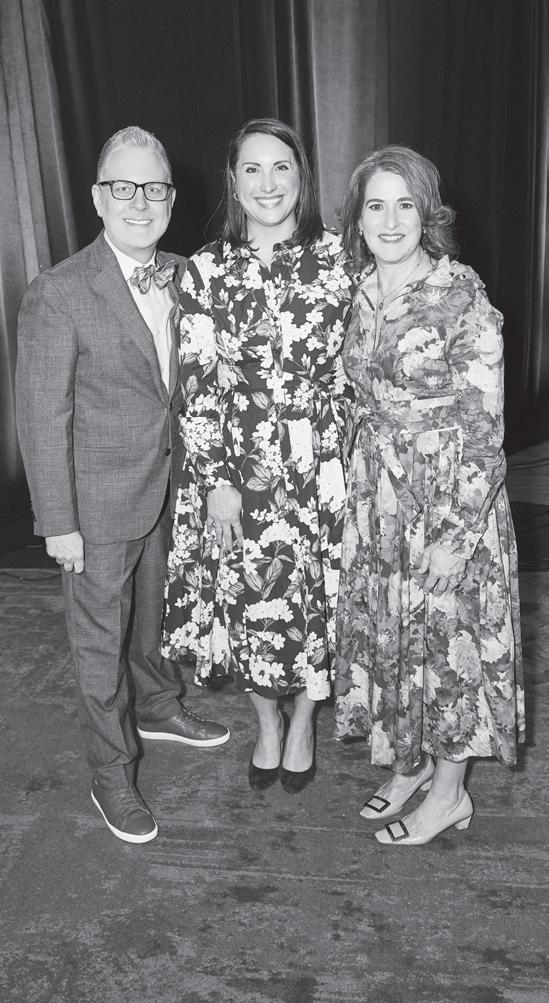
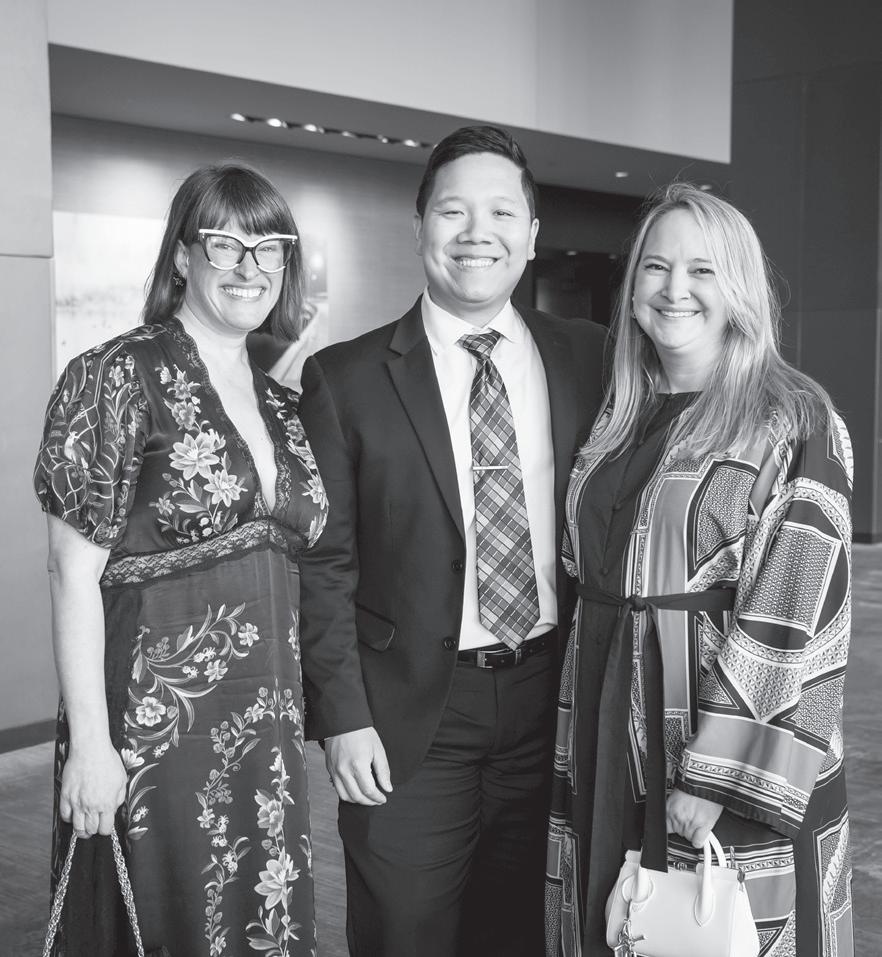
Liz Mikel
Erin Cluley, Megan Bowdon Wilkinson
Cheryl Alston, Cece Cox, Annika Cail
Mike Dilbeck, Maura Sheffler, Gabrielle Kurlander
TACA Silver Cup Honoree Nancy Carlson
TACA Silver Cup Honoree Andy Smith Walter Elcock, Nancy Nasher, Laura Elcock, Deedie Rose
Lynn McBee
Kristina Kirkenaer-Hart, Lewis Chang, Grace Cook
Will Evans, Veletta Forsythe-Lill
CARPENTERS
WORKSHOP GALLERY AND DALLAS ART FAIR
ART AND DESIGN AT MISTER CHARLES
PHOTOGRAPHS
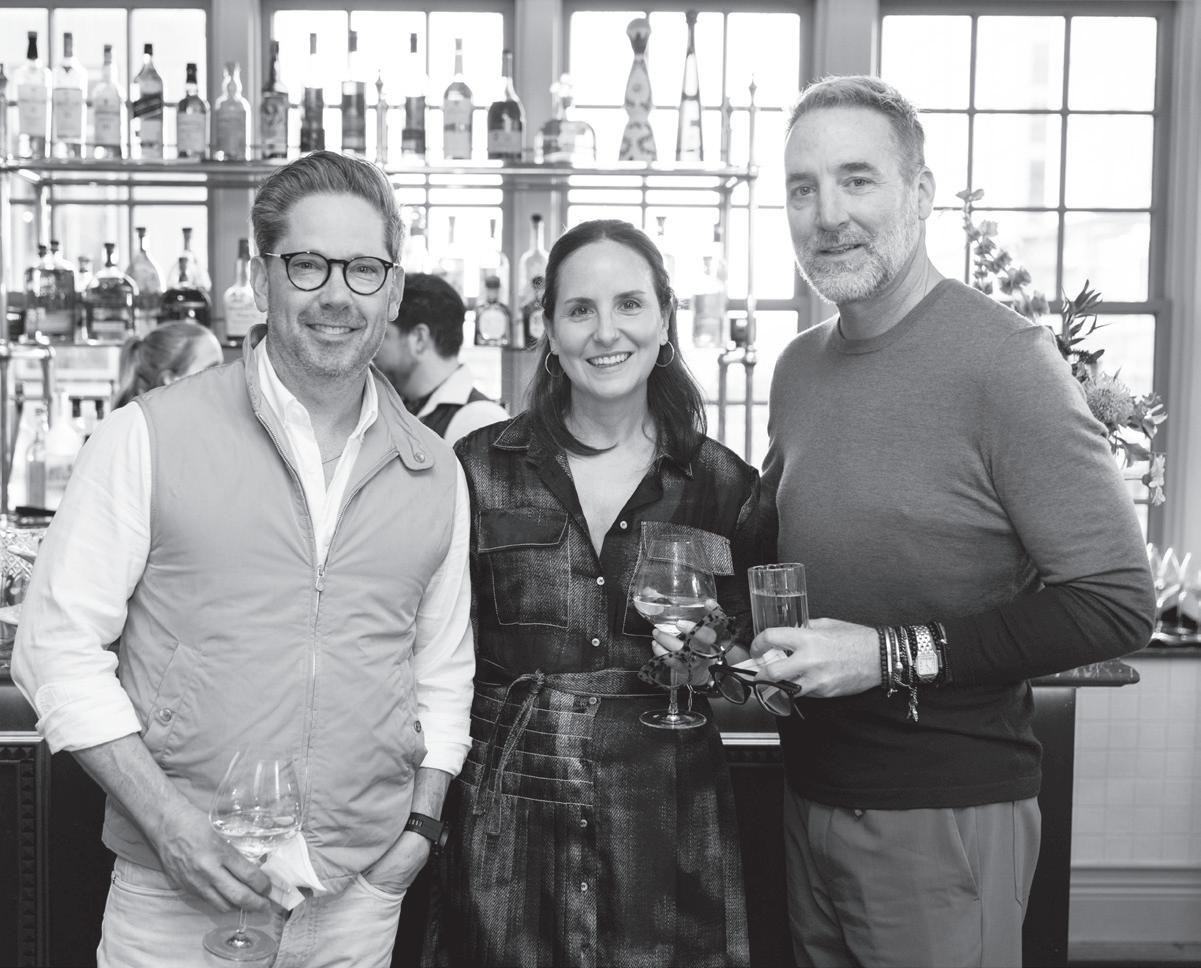
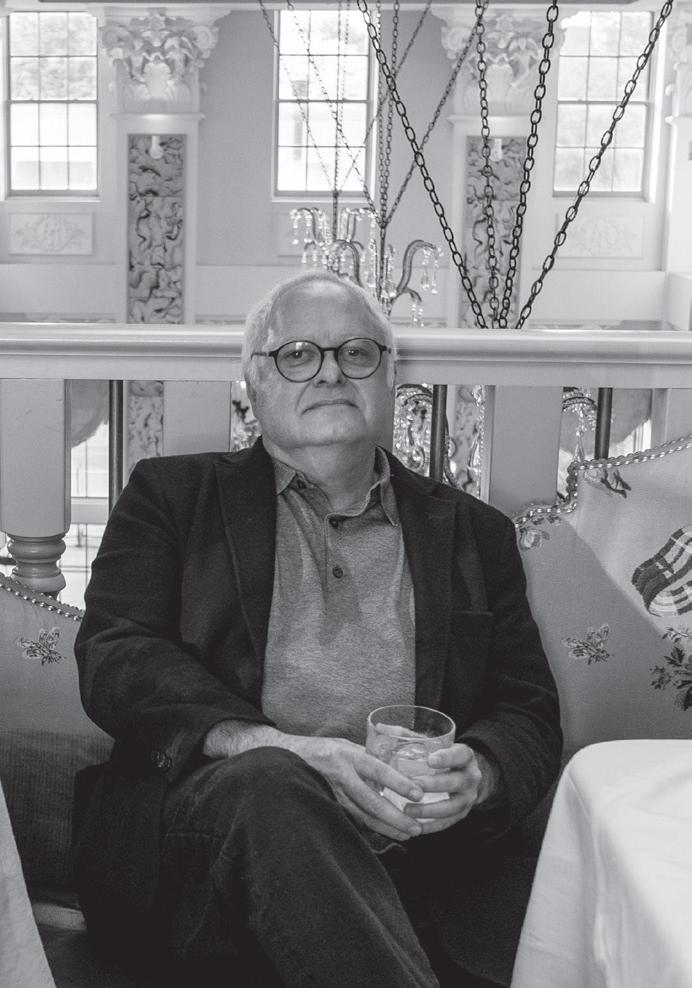
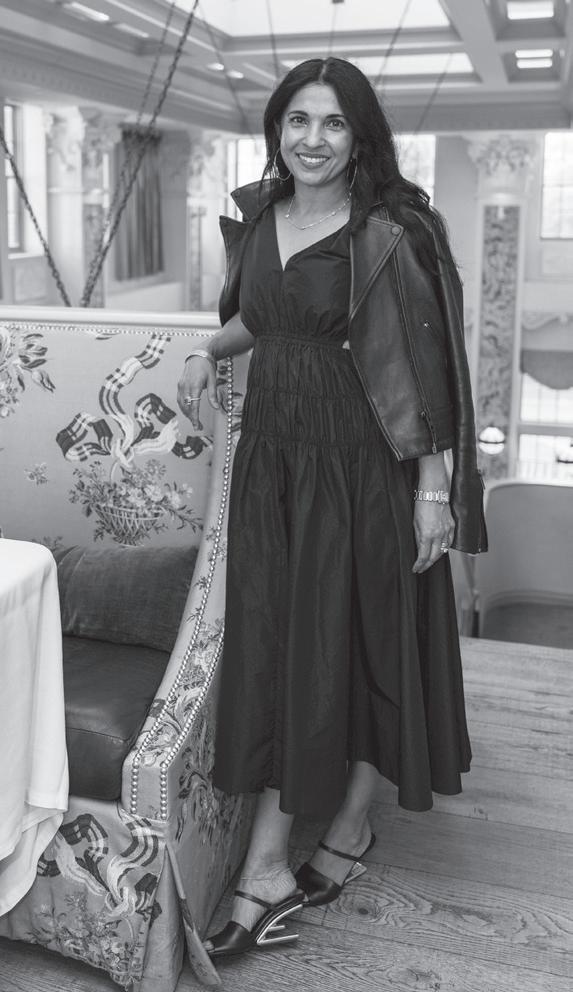
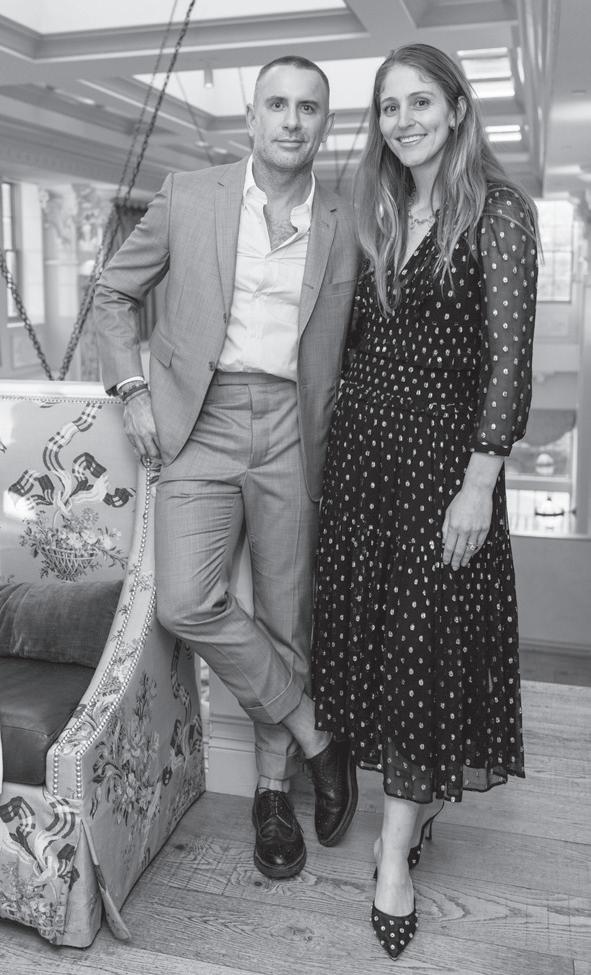
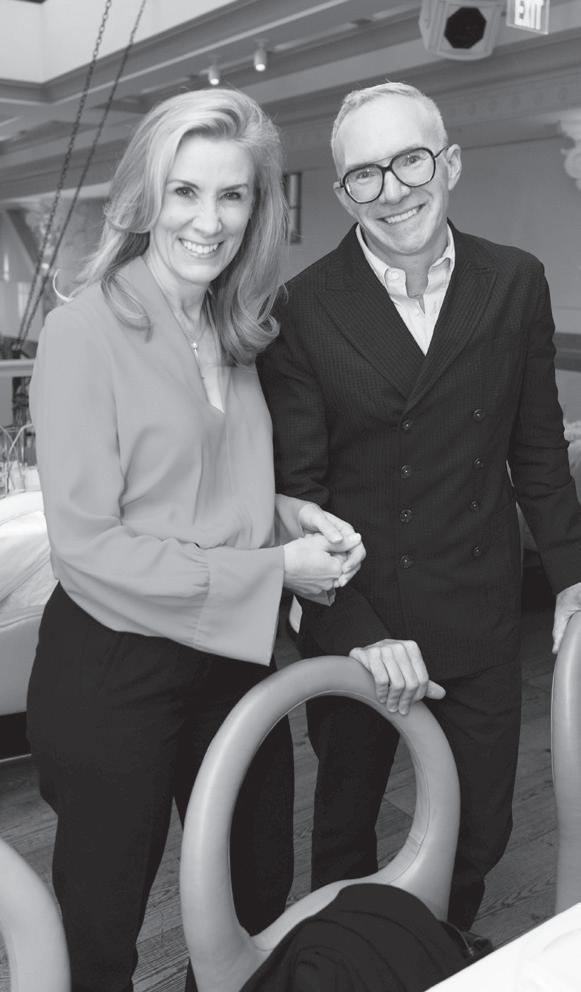
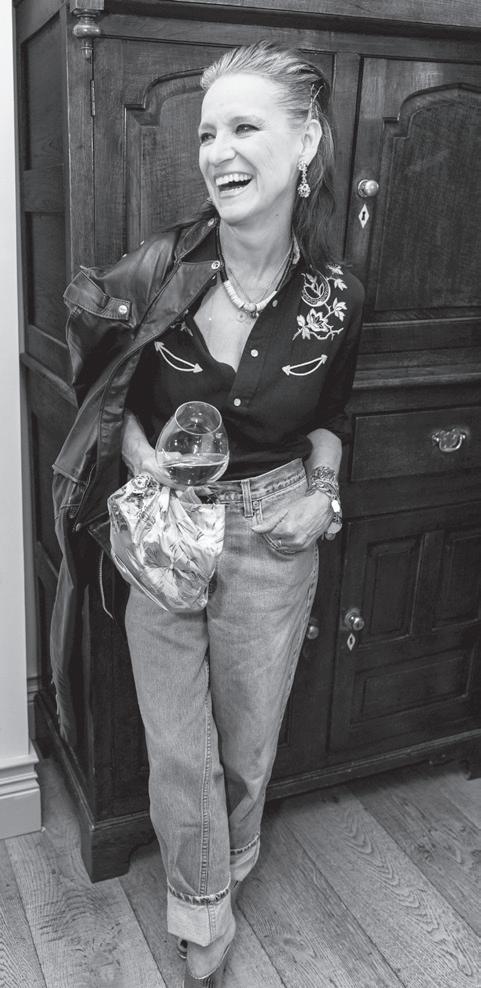
Jacklyn Caveny
Chad Dorsey, Betsy Beierle, Mauricio Lobeira
Doniphan Moore, Kelly Cornell
Alex Sharma, Gowri Sharma
Wendy Konradi, Chris Angelle
Urvi Dalal
Mil Bodron
Gonzalo Bueno Isaac Boroughs, Emily Summers, Steven Byrd
Carpenters Workshop Gallery dinner at Mister Charles
BY PEYTON MIXON
THE CULTURAL CHOREOGRAPHER
From dance studios to sidewalks, Lily Cabatu Weiss helped shape the Dallas Arts District into a thriving neighborhood.
BY TERRI PROVENCAL
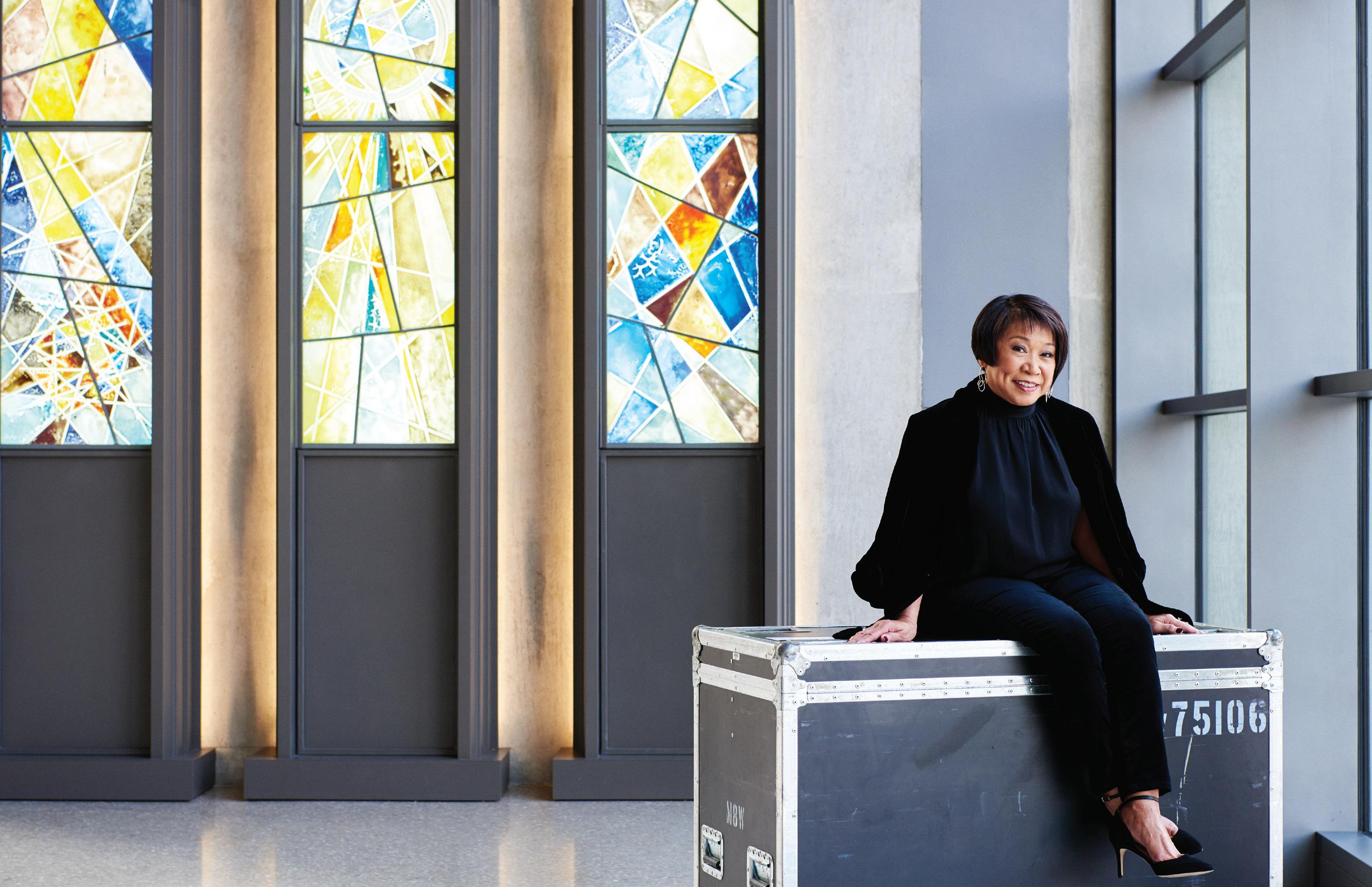
I
t feels especially fitting to close an issue devoted to influencers evolving the arts with Lily Cabatu Weiss, who retired at the end of January yet leaves an indelible mark. She’s one of those figures whose influence is multiplied through the generations of artists and arts leaders she guided. In her final role before retiring, she served as the executive director of the Dallas Arts District, though she remains an active arts champion.
While she once danced on stages from Texas to Tokyo, Weiss built her legacy behind the scenes—getting things done in rehearsal studios, budget meetings, and along the Flora Street sidewalks that connect one cultural institution to the next, which she insisted could be improved by making them more walkable through the CONNECT Master Plan.
Her Dallas story began inside a school. For nearly 40 years, Weiss made Booker T. Washington High School for the Performing and Visual Arts the kind of place that produces Juilliard acceptances the way other schools produce varsity letters. As a dance educator and eventual artistic director, she fostered a culture where students were an essential part of the arts community surrounding them.
The graduates tell the story—performing on international stages, studying at major conservatories, and building careers that have taken Booker T. alumni far beyond Dallas. But Weiss’ biggest achievement was changing the structure itself. She broke down the barrier between school and the professional world, bringing working artists in to foster students’ nascent talents, and helped amplify a public high school into a cultural institution in its own right.
Then, in 2016, she took the whole operation to a bigger stage. As executive director of the Dallas Arts District, Weiss inherited the constellation of major cultural institutions anchored along
Flora Street. Here the broader question was not just how to fill seats, but how to make people feel like the Arts District was their neighborhood. Cue the Pride Block Party. Cue outdoor performances. Cue accessibility—she went after the infrastructure nobody wants to talk about like walkability, connectivity, and programming that determines whether people show up and come back
“Lily helped shape the Dallas Arts District into a nationally recognized cultural destination through a decade of thoughtful leadership, deep community relationships, and an unwavering commitment to the arts,” says Jill Magnuson interim executive director Dallas Arts District. “My focus has been on building on that strong foundation while advancing a strategic and businessfocused approach that will position the organization for continued growth, partnership, and long-term sustainability with a focus on commerce meeting culture in the most interesting ways.”
Over decades of showing up, bridge-building between community and institutions, and advocating for the conditions that allow creative work to thrive, Weiss has worked to ensure that neither artists nor audiences are left behind.
“Nowadays, you can’t think of the Dallas Arts District without thinking about Lily Weiss,” says her longtime friend Charles Santos, executive and artistic director of TITAS/DANCE UNBOUND. “She’s a force. She leads by example, and there’s nothing more alluring than a leader whose actions are as sincere as her message. Dallas celebrates visionary leaders, and Lily Cabatu Weiss is definitely one of them. She took what our previous arts leaders had done and lifted up the Dallas Arts District for the world to see.”
In a world that flocks to the newest shiny thing, Weiss has been playing an enduring game grounded in the belief that the arts could and should be woven into everyday life. P
Lily Cabutu Weiss is the former executive director of the Dallas Arts District. Photograph by Jonathan Zizzo.