THE SPACES WE INHABIT
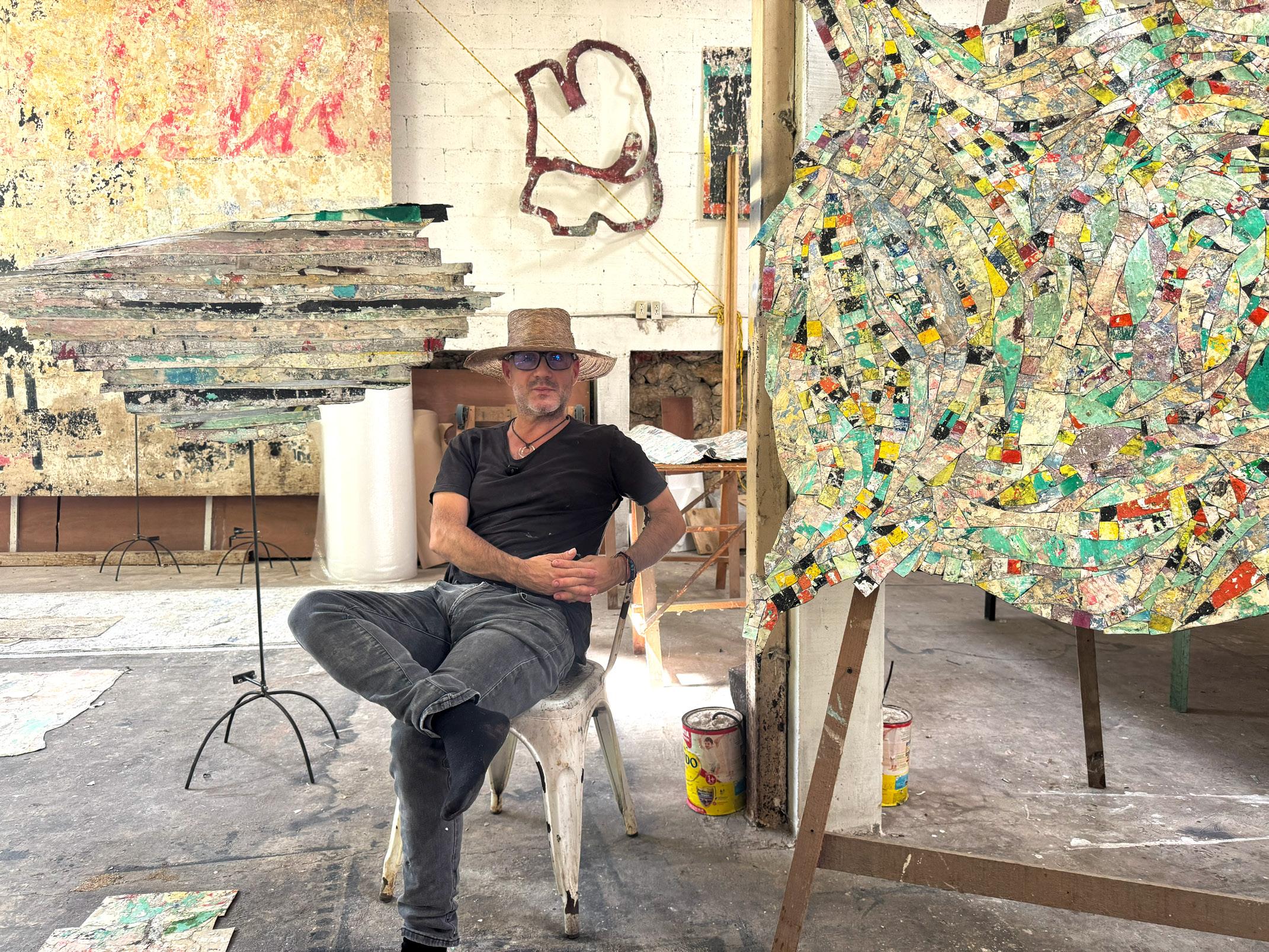
Romero in his studio in Mérida, Mexico, 2026
ALFREDO ROMERO
THE SPACES WE INHABIT
April 2 - 28, 2026
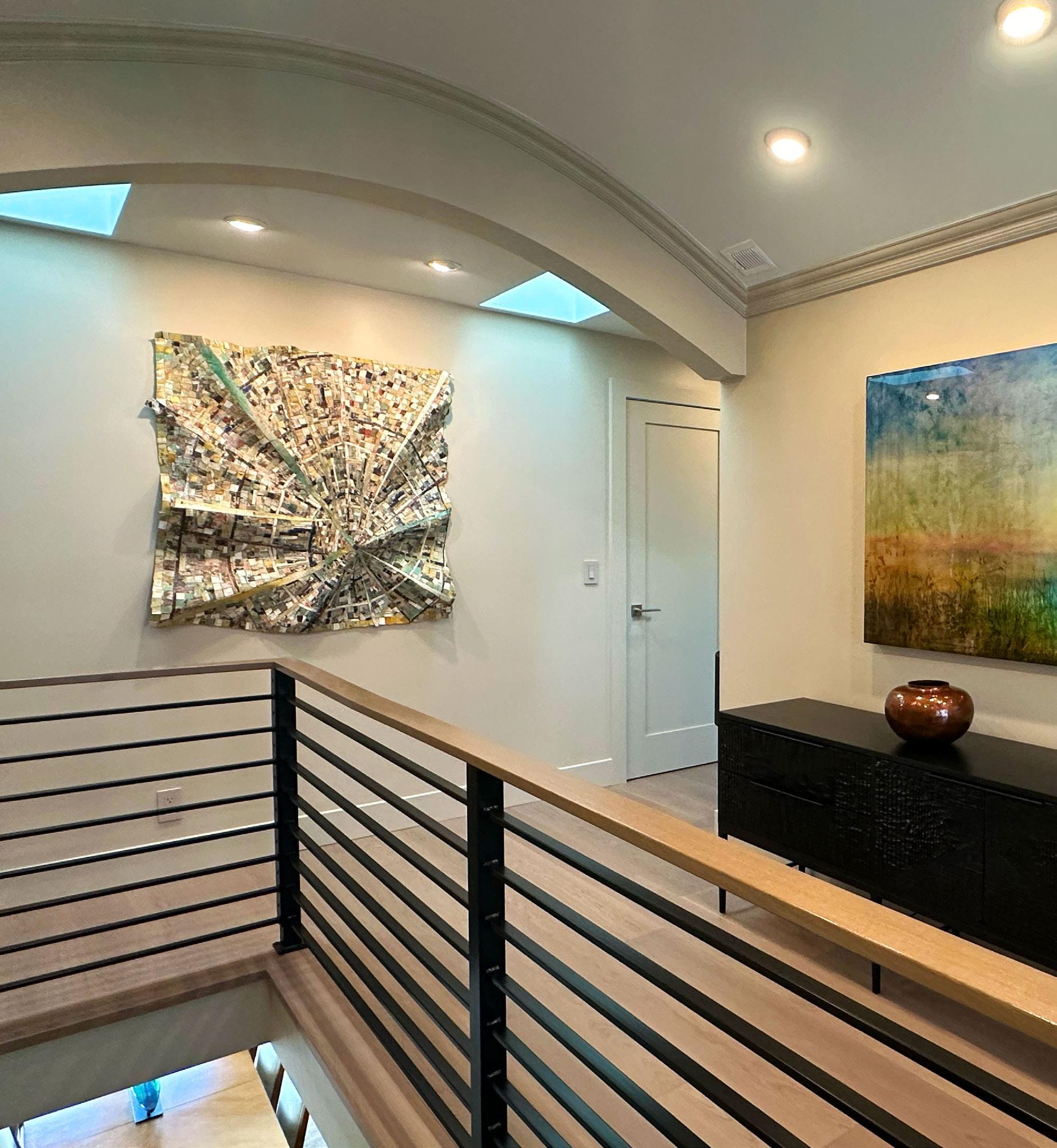
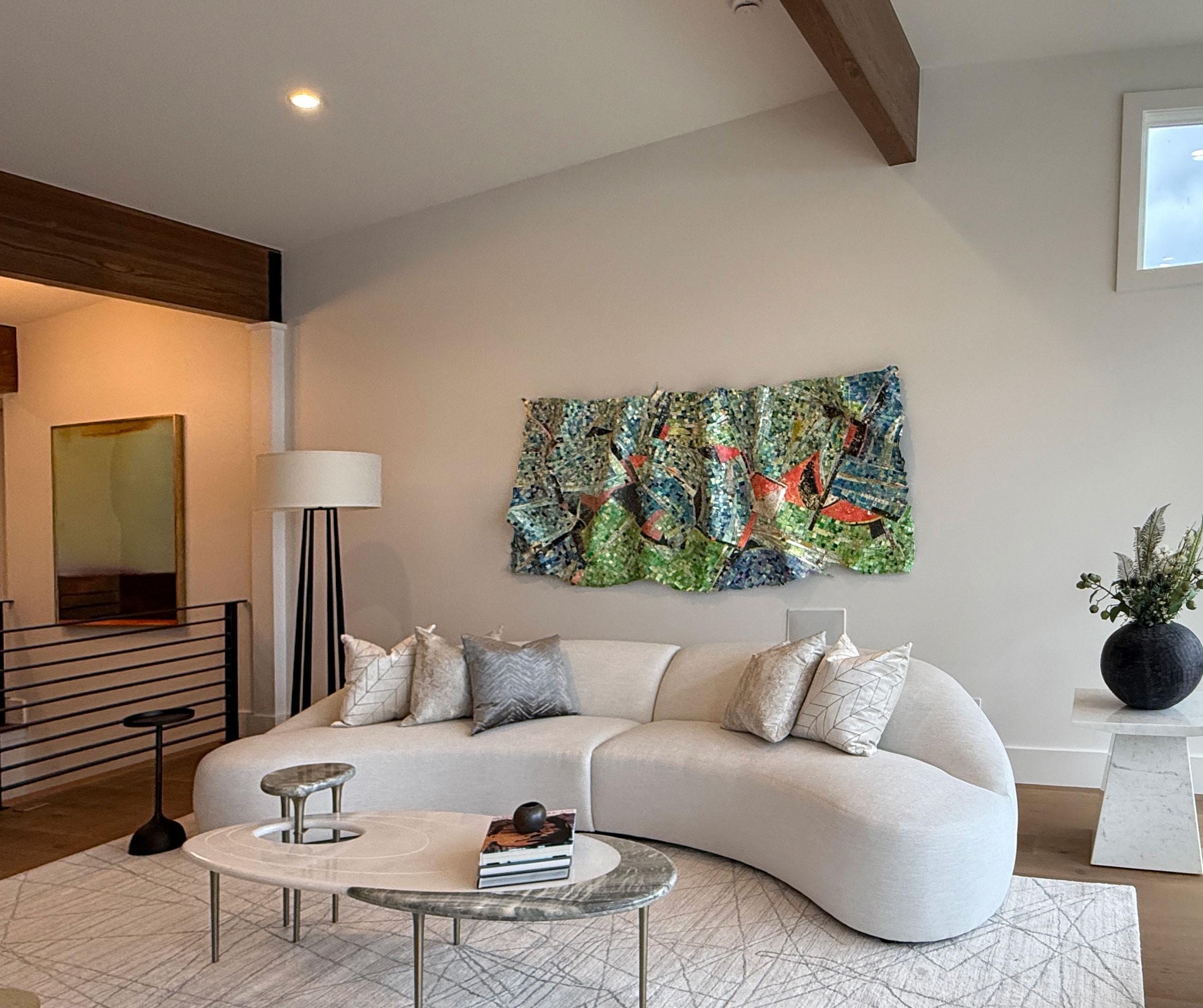
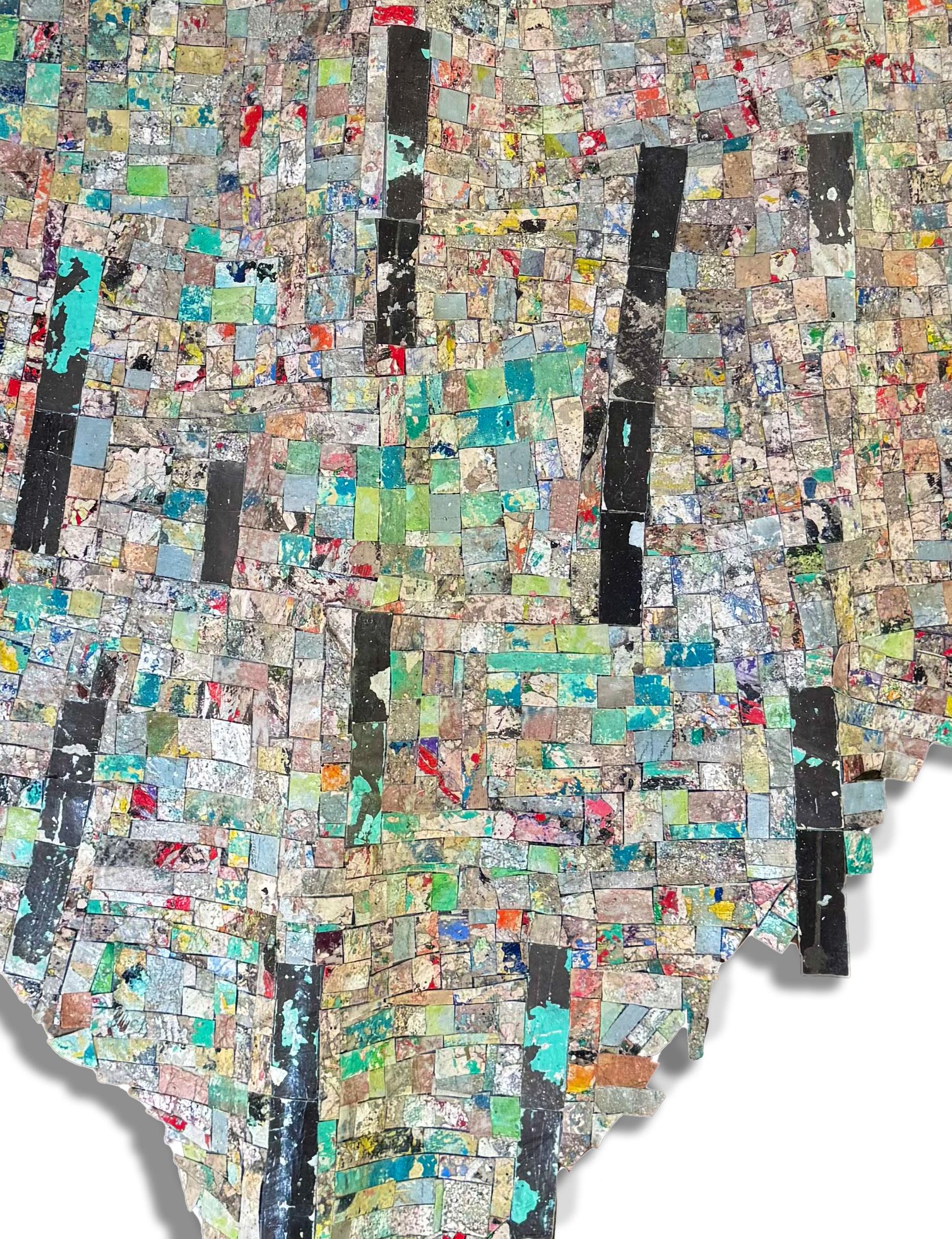
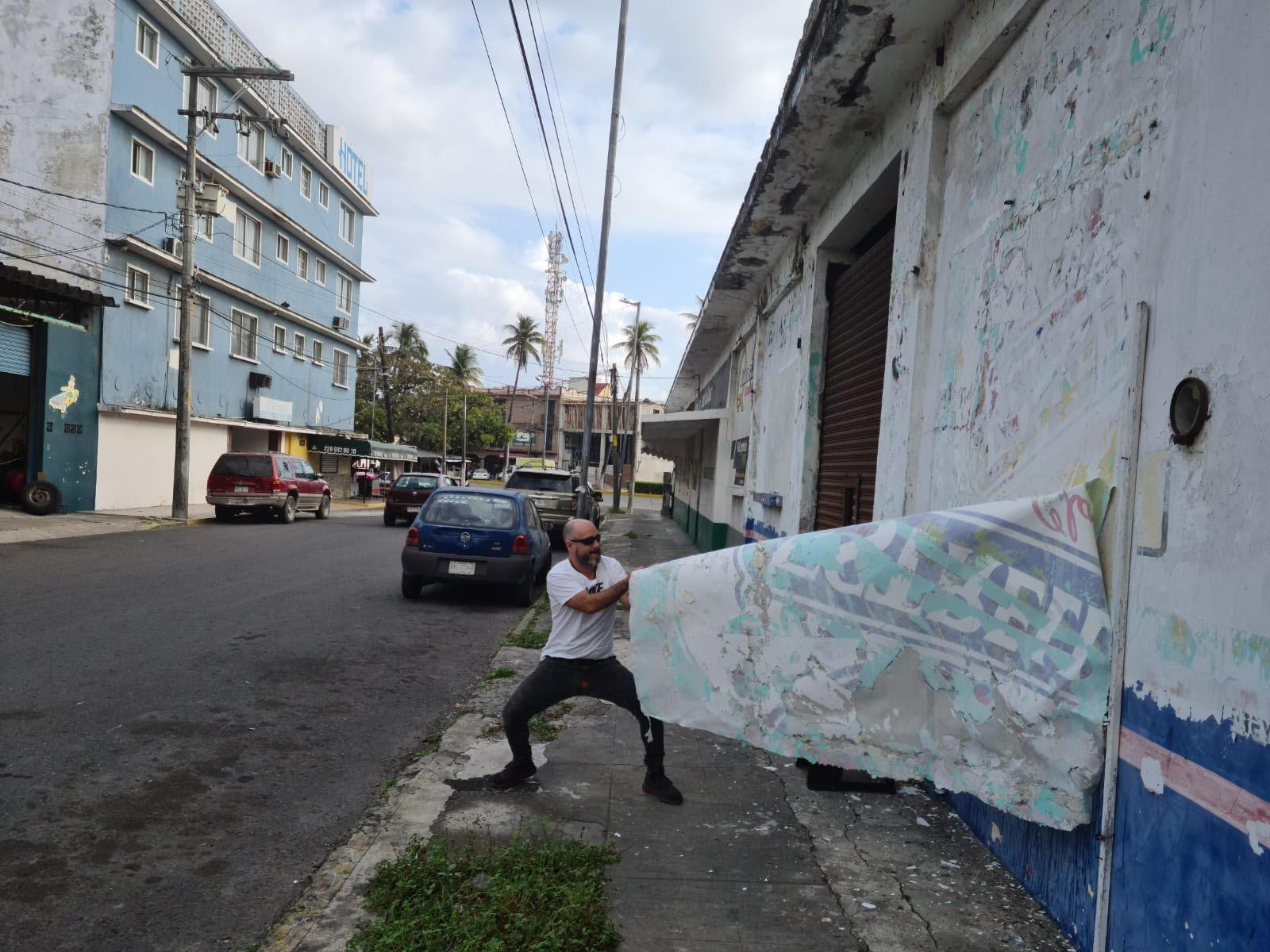
PRG is honored to have our inaugural exhibition with Mexico-based artist, Alfredo Romero. This exhibition unfolds as a temporal journey across distinct bodies of work from over a decade of the artist’s practice. Collected through a technique called strappo, Romero travels the Yucatán Peninsula working with urban remnants directly from the street: walls, layers of paint, signage, sonic traces, and marks left by everyday use. Each work bears witness to a specific moment in time, while simultaneously forming part of a broader narrative about the city, its inhabitants, and the traces they leave behind. The exhibition proposes a non-linear chronological reading, in which the works function as overlapping layers, as a living archive of memories that accumulate, erode, reorganize, and acquire new meanings. Rather than merely documenting the city, Romero listens to it, observes it, and peels it back, revealing the stories that remain embedded in its surfaces.

PATRICIA ROVZAR GALLERY
1111 1st Avenue, Seattle, WA 98101
www.rovzargallery.com | 206-223-0273 | mail@rovzargallery.com
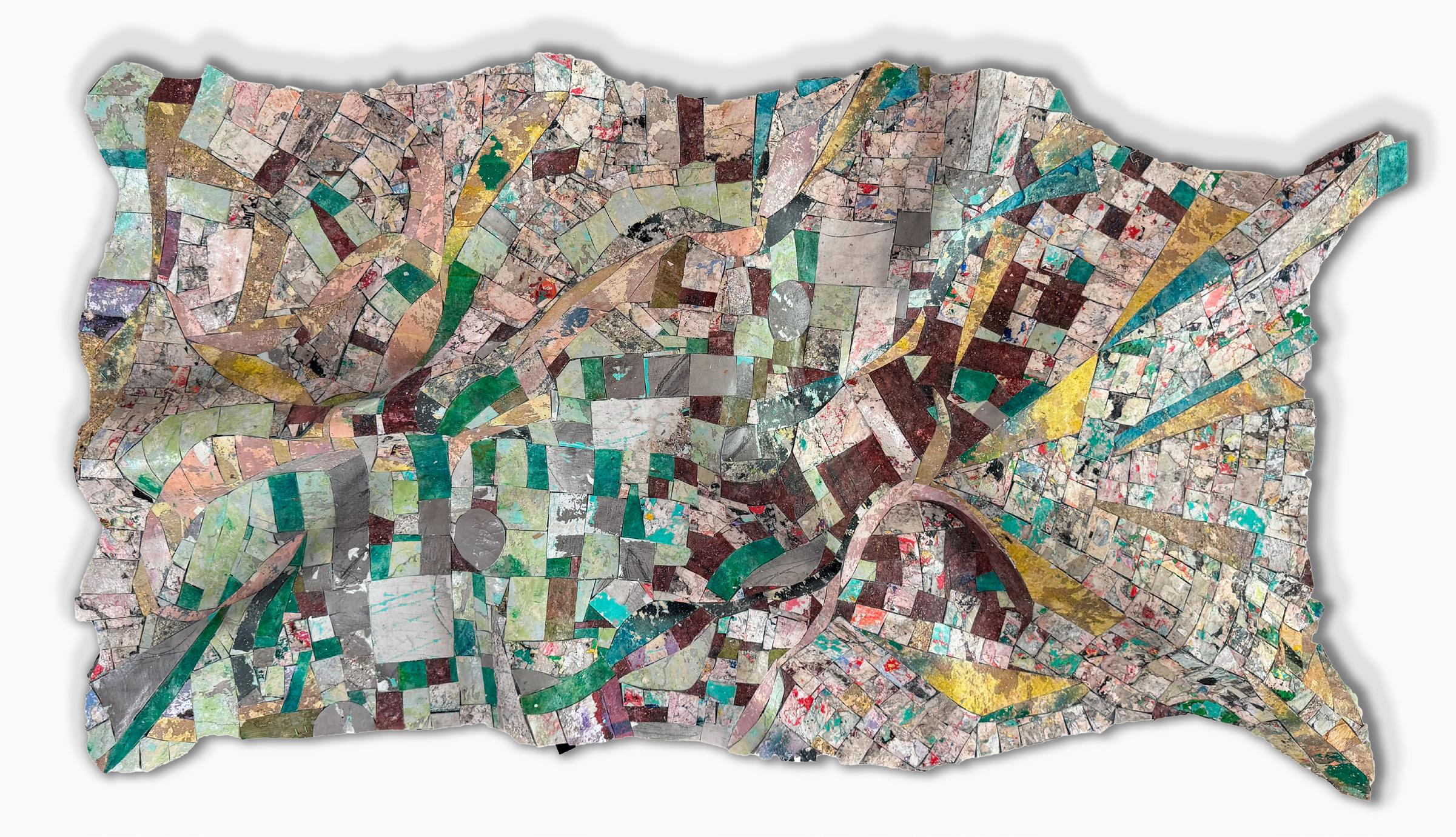
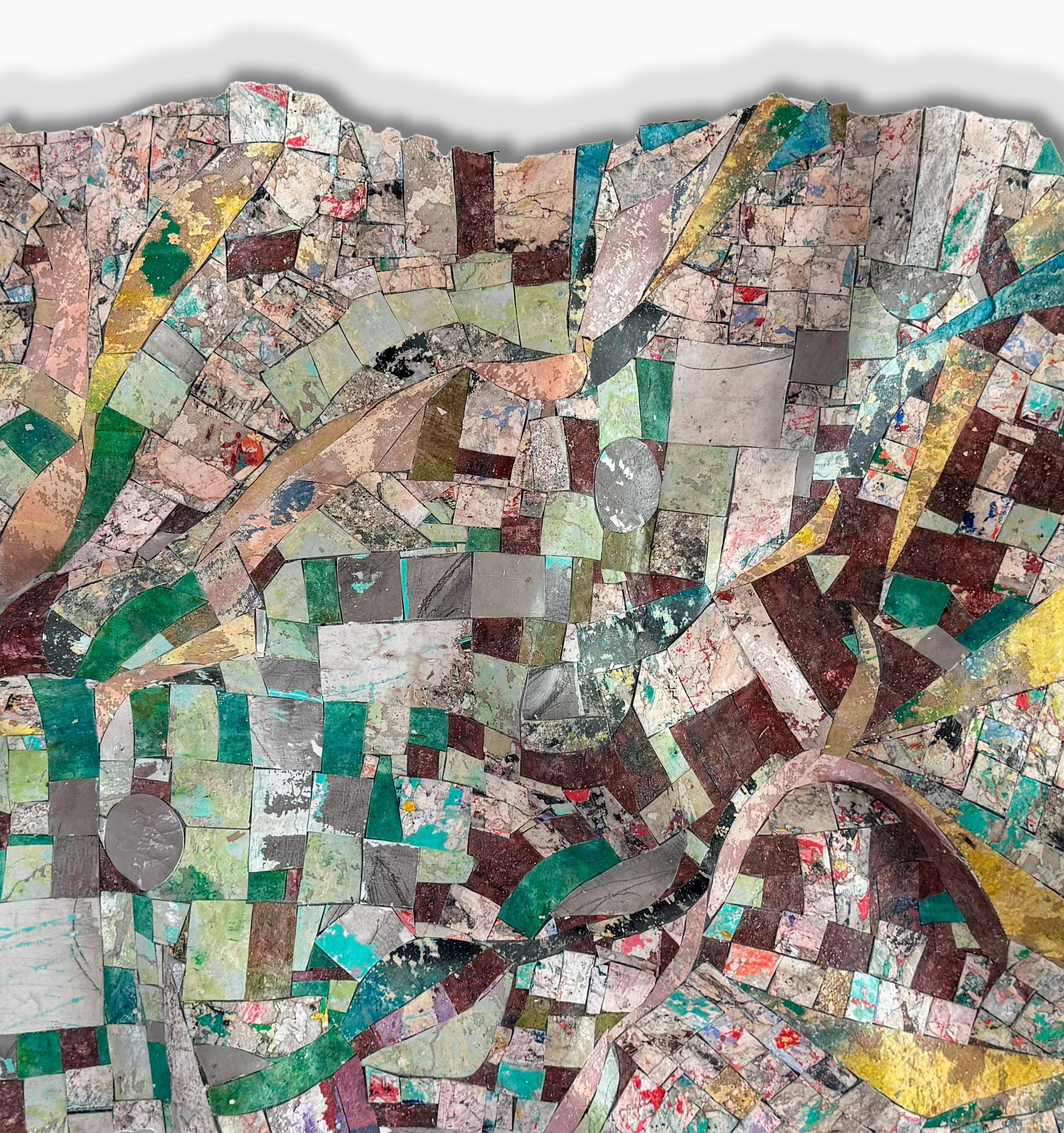
“Earthly Paradise: Between Chaos and Stillness,” strappo and mixed media on canvas, 31.5 x 57 inches, $9,000.00
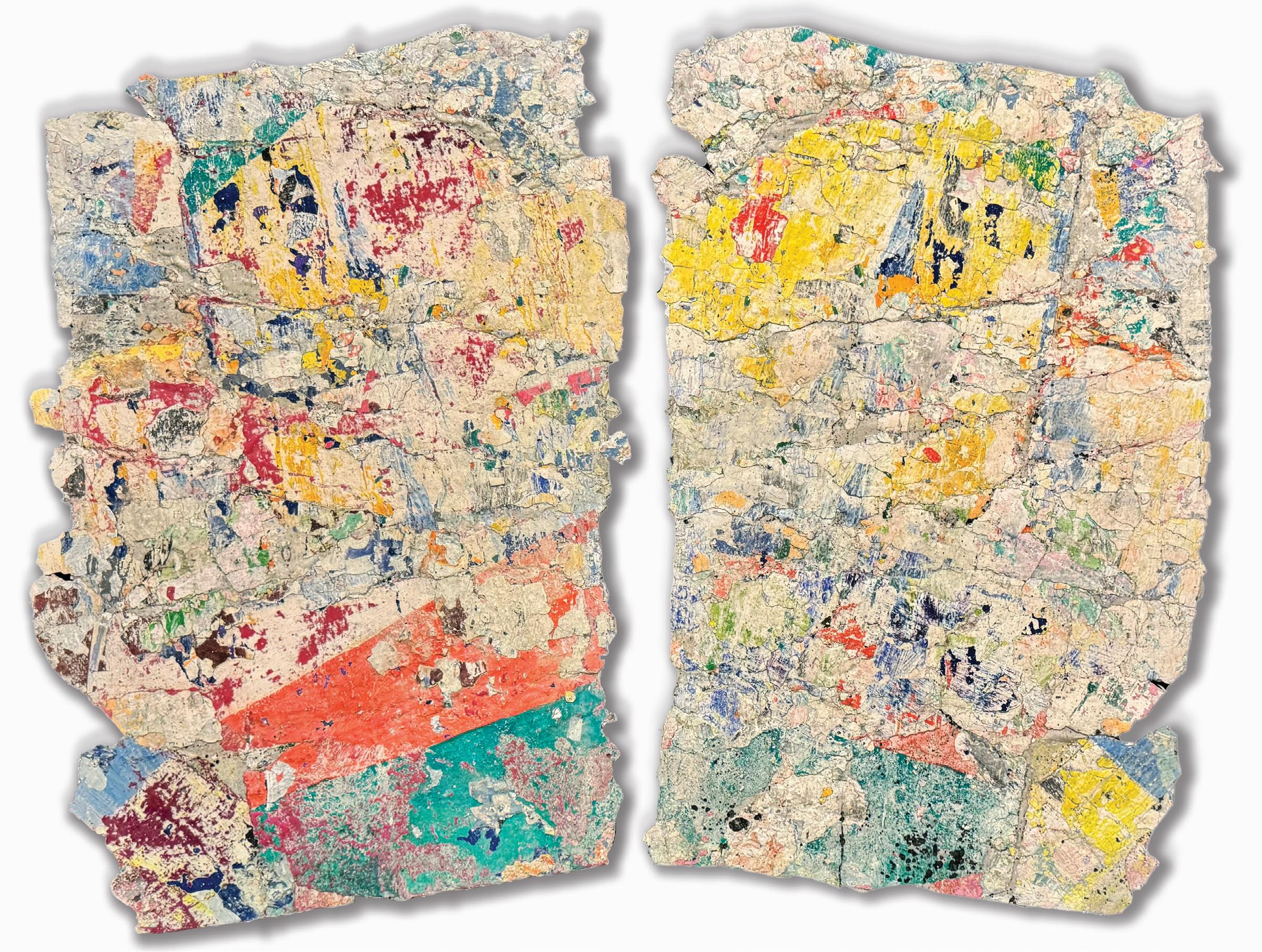
“Between Color and Silence, a Memory Refused to Fade (diptych),” Strappo and mixed media on canvas, 36 x 48 inches, $8,000.00
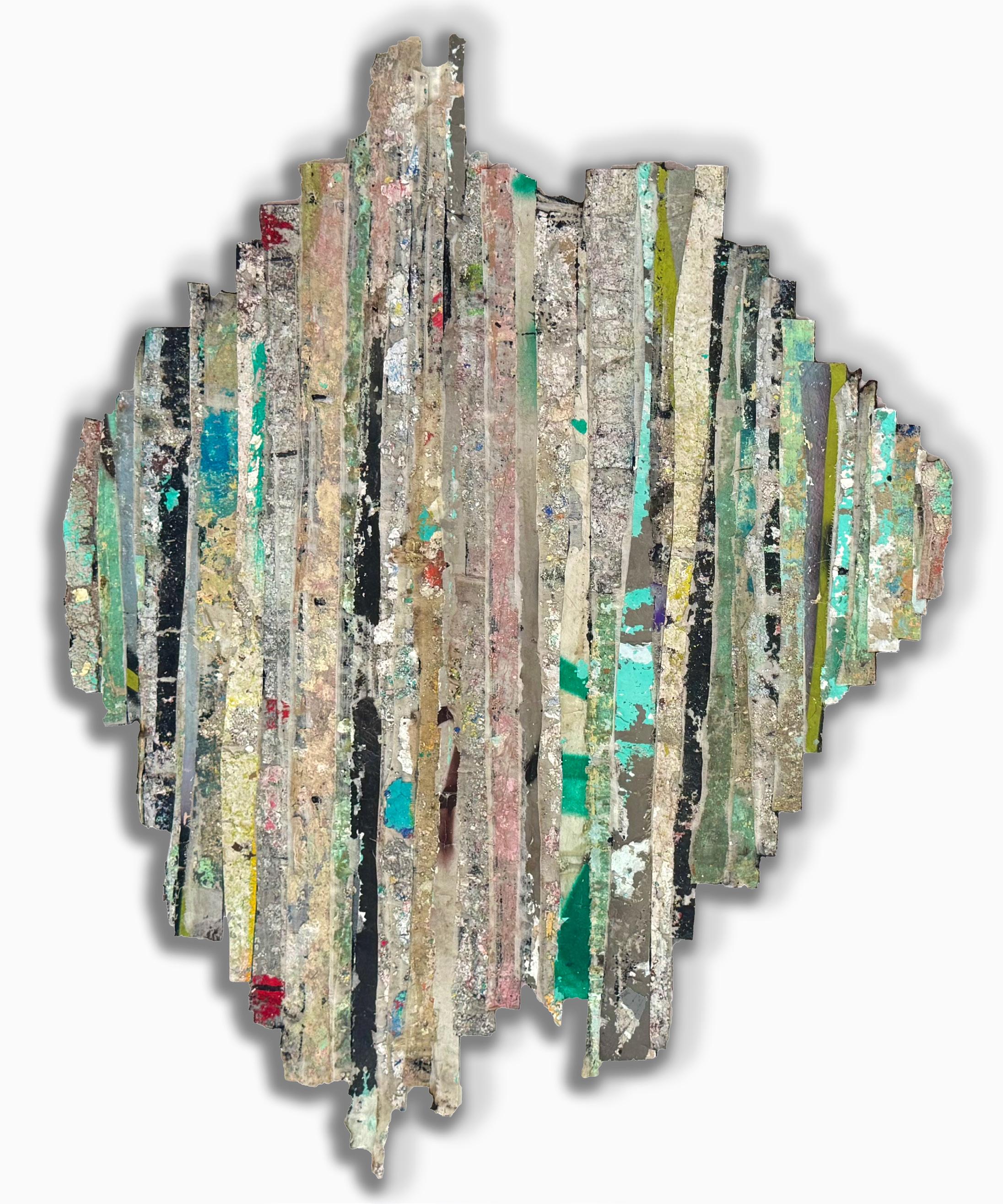
“Strattos of Memory,” strappo and mixed media on canvas, 51 x 41 inches, $8,500.00
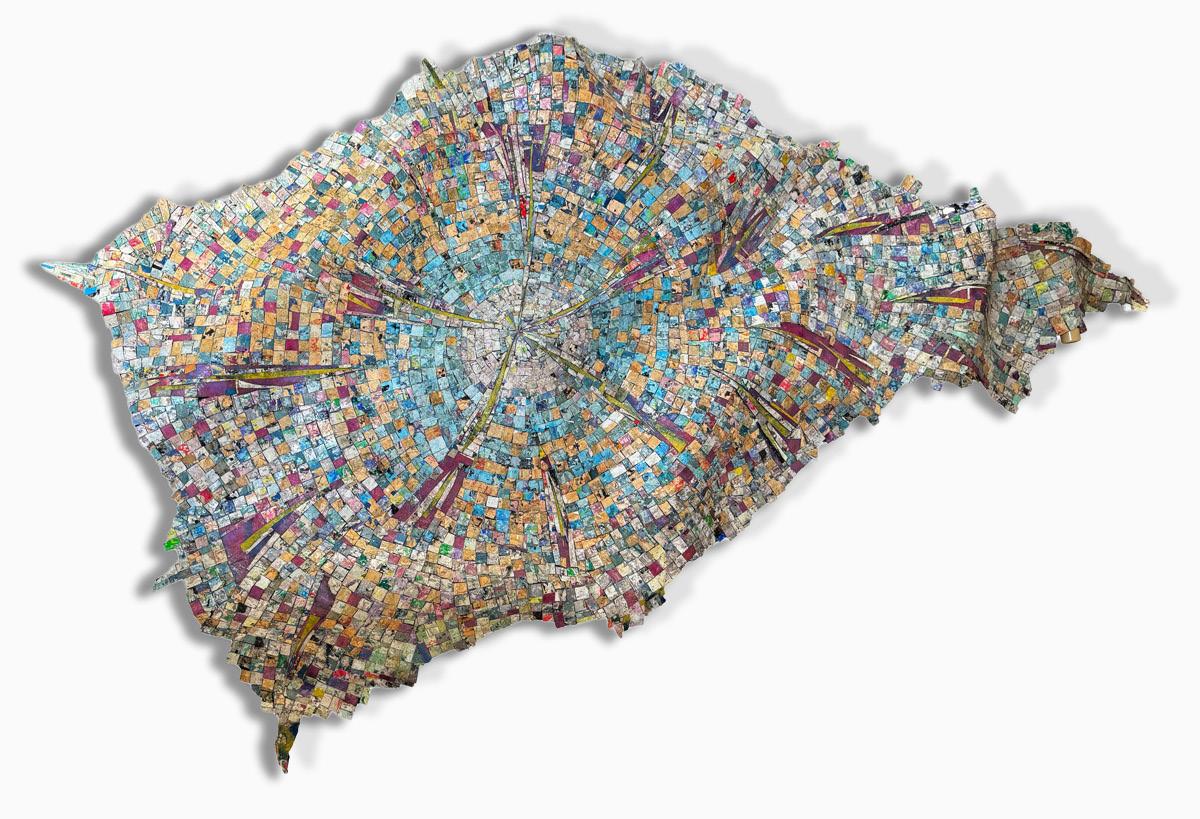
“Stolen Beauty,” strappo and mixed media on canvas, 47 x 71 inches, $15,000.00
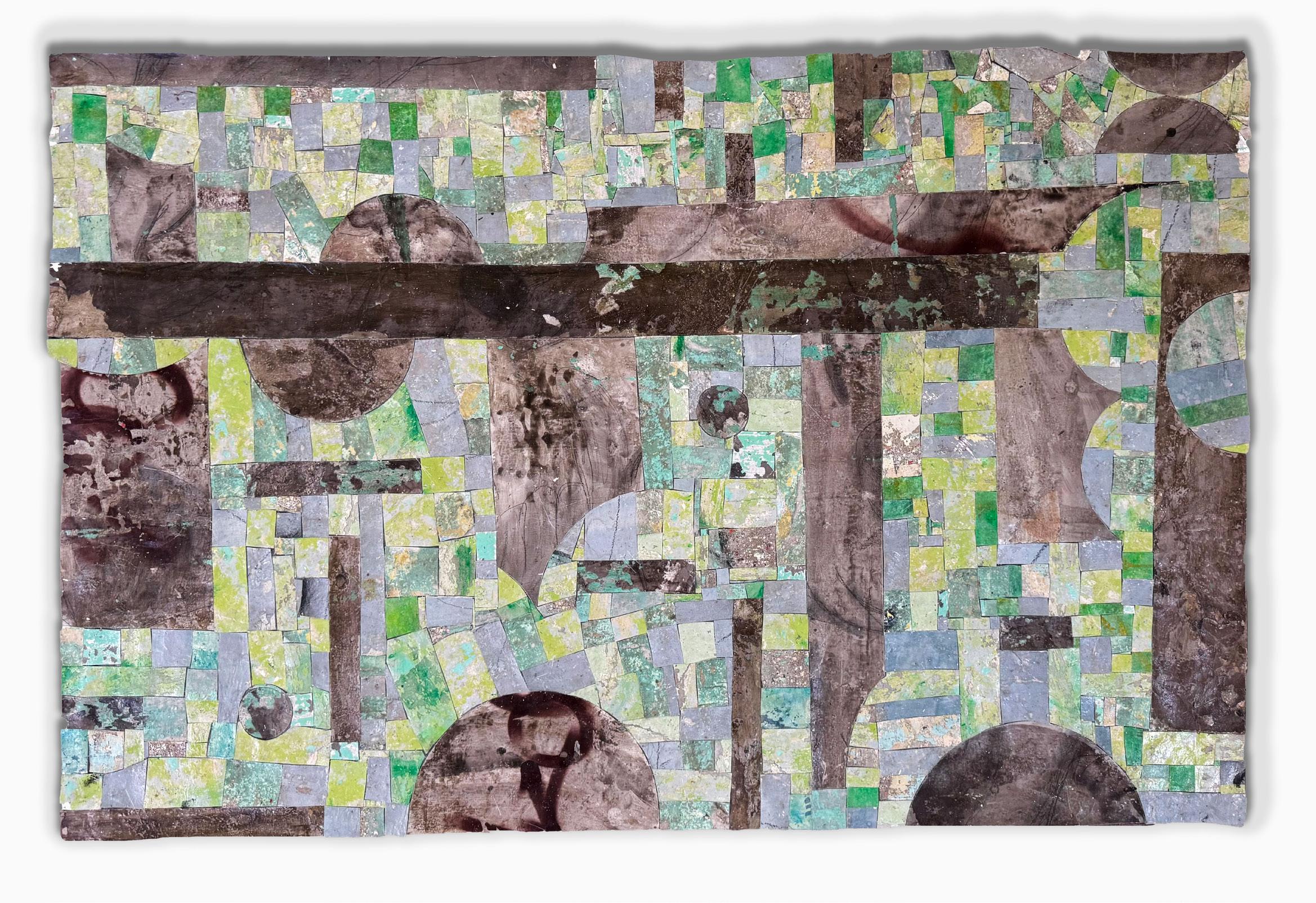
“Metropolis of Memory,” strappo and mixed media on canvas, 38 x 58 inches, $10,000.00
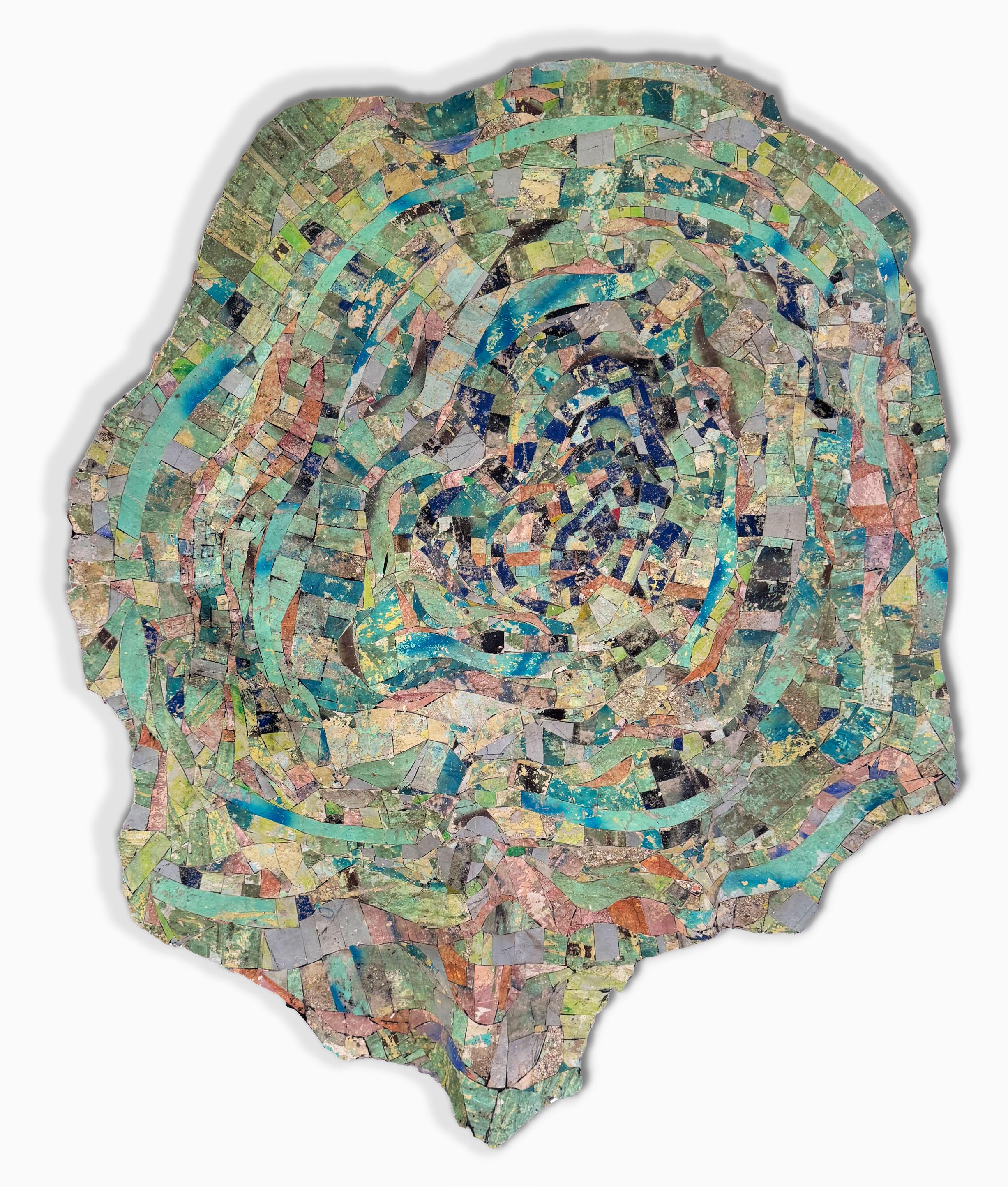
“Oasis: The Lost City,” strappo and mixed media on canvas, 59 x 47 inches, $14,000.00
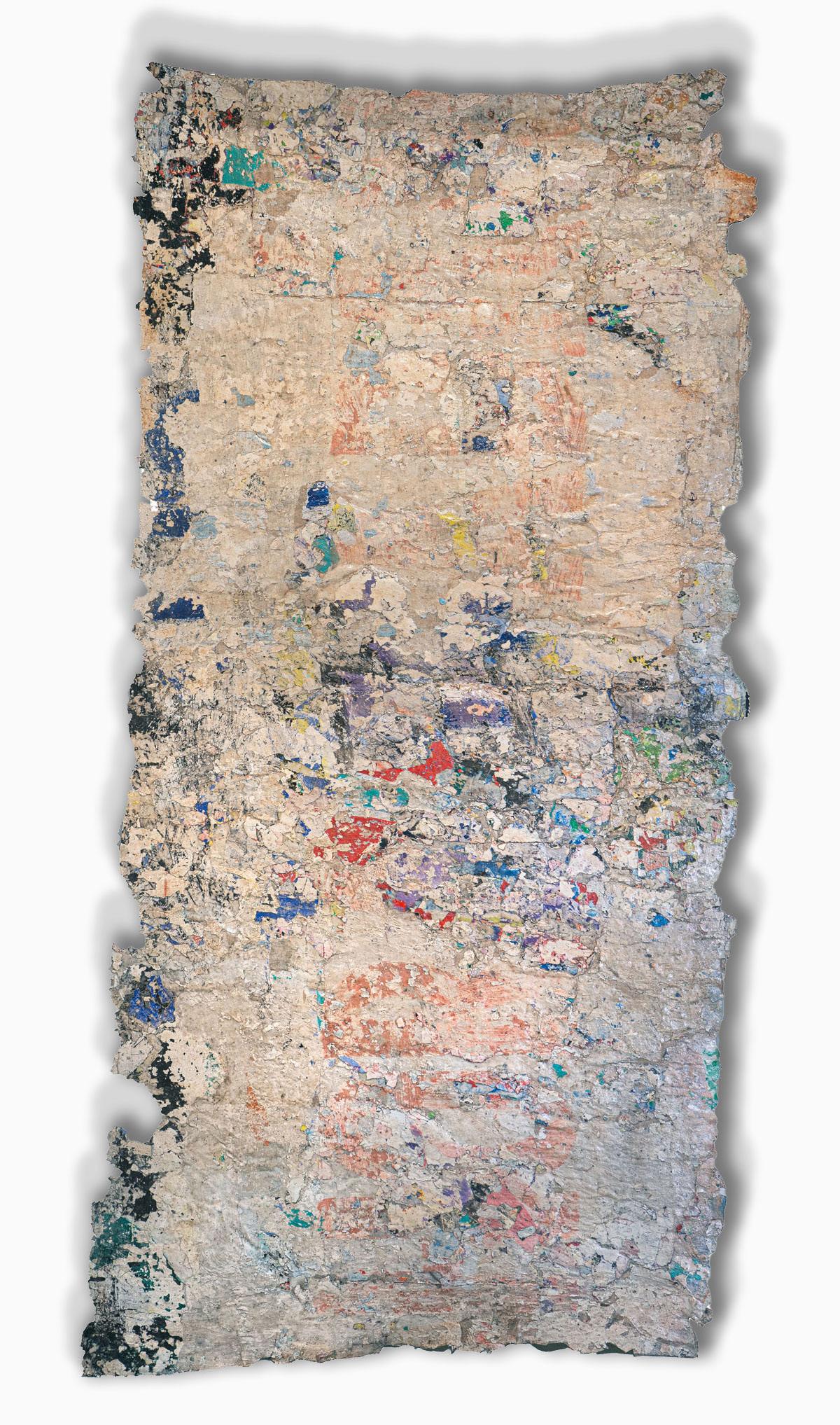
“Let Time Erase Yesterday,” strappo and mixed media on canvas, 71 x 35.5 inches, $9,800.00
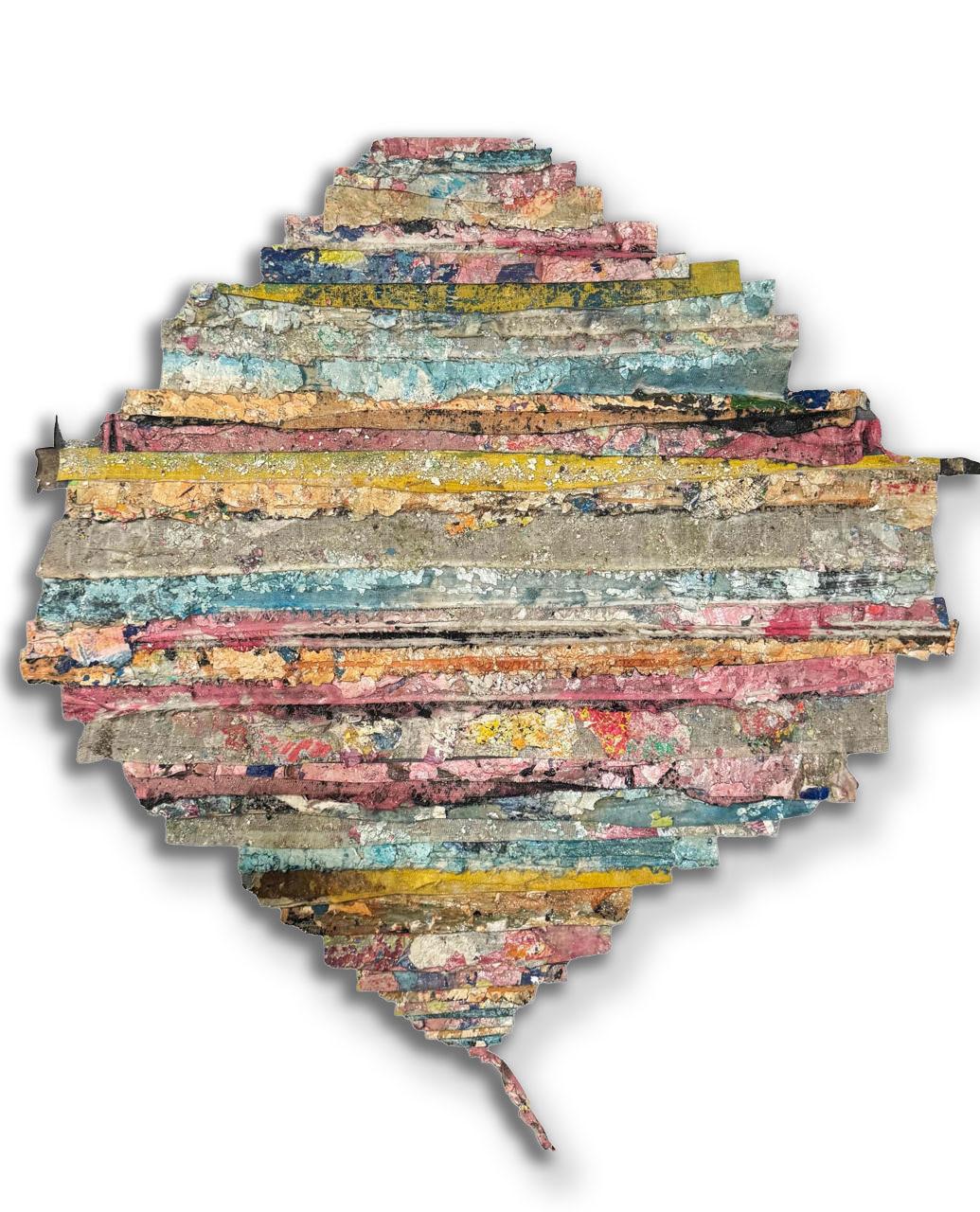
“Time Capsule,” strappo and mixed media on canvas, 31 x 29 inches, $5,000.00
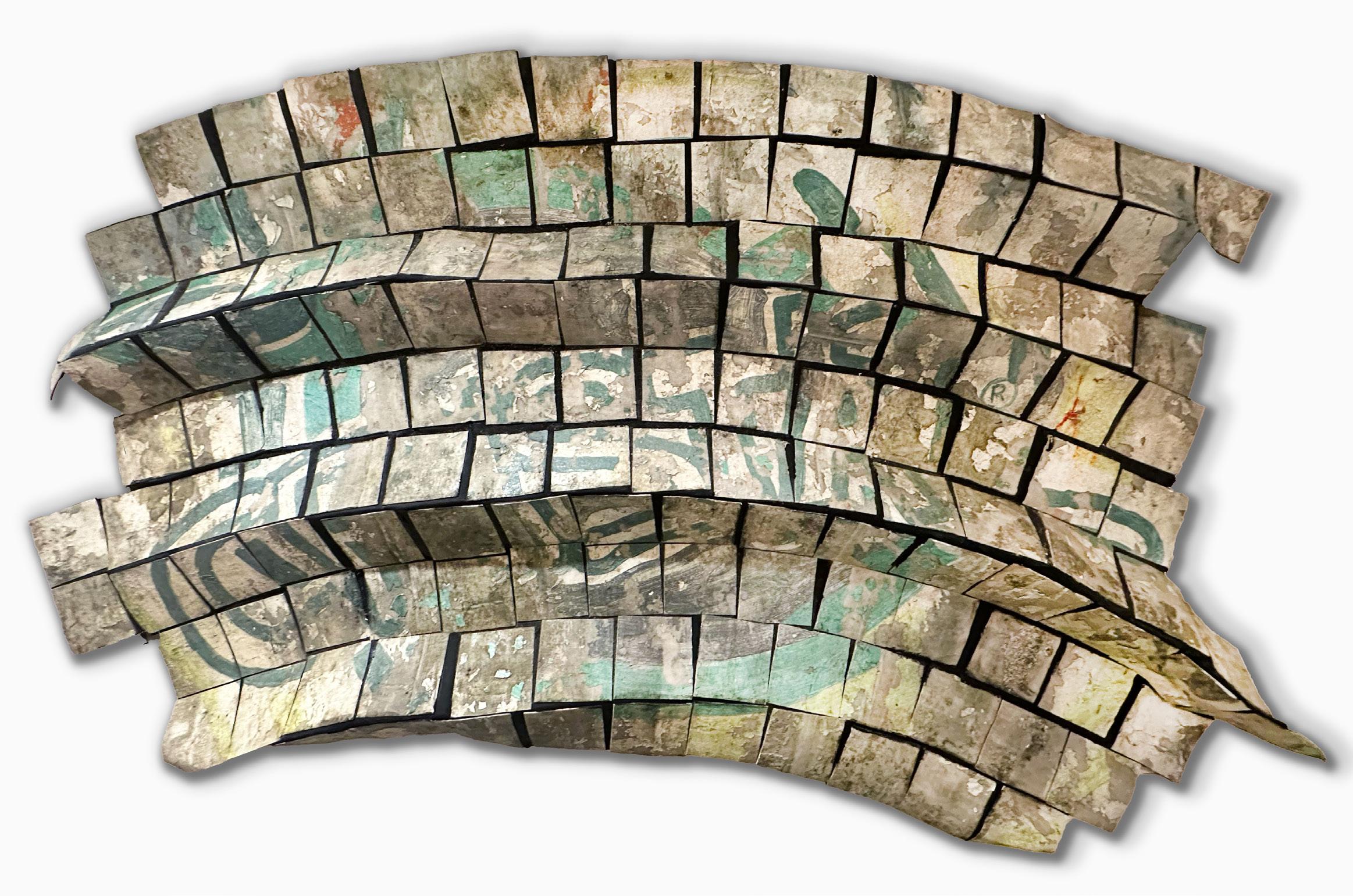
“Deconstruccion de Cristal,” strappo and mixed media on canvas, 37.5 x 66 x 6.5 inches, $13,500.00
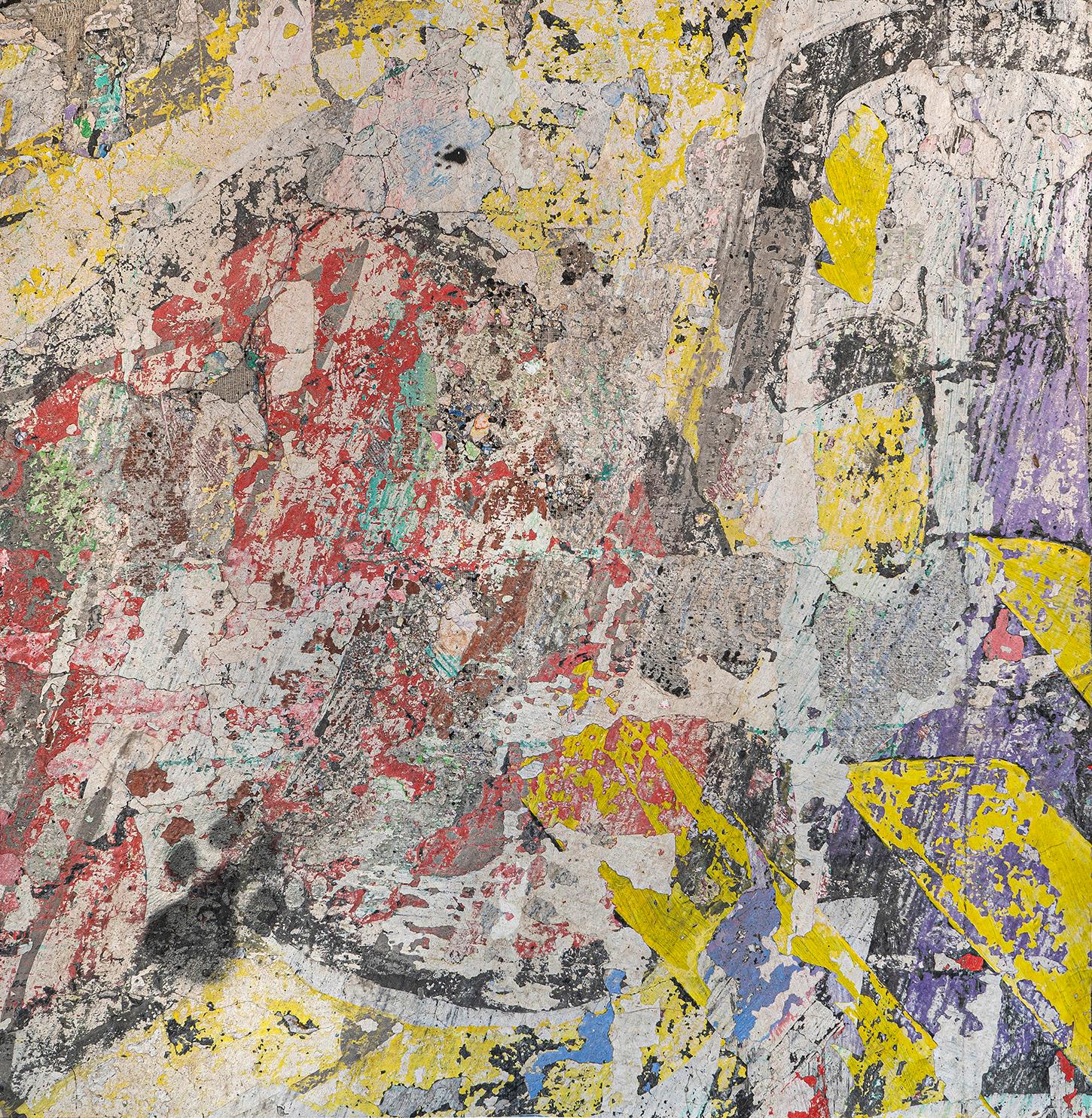
“Strattos Love,” strappo, and mixed media on canvas, 21.5 x 21 inches, $2,200.00
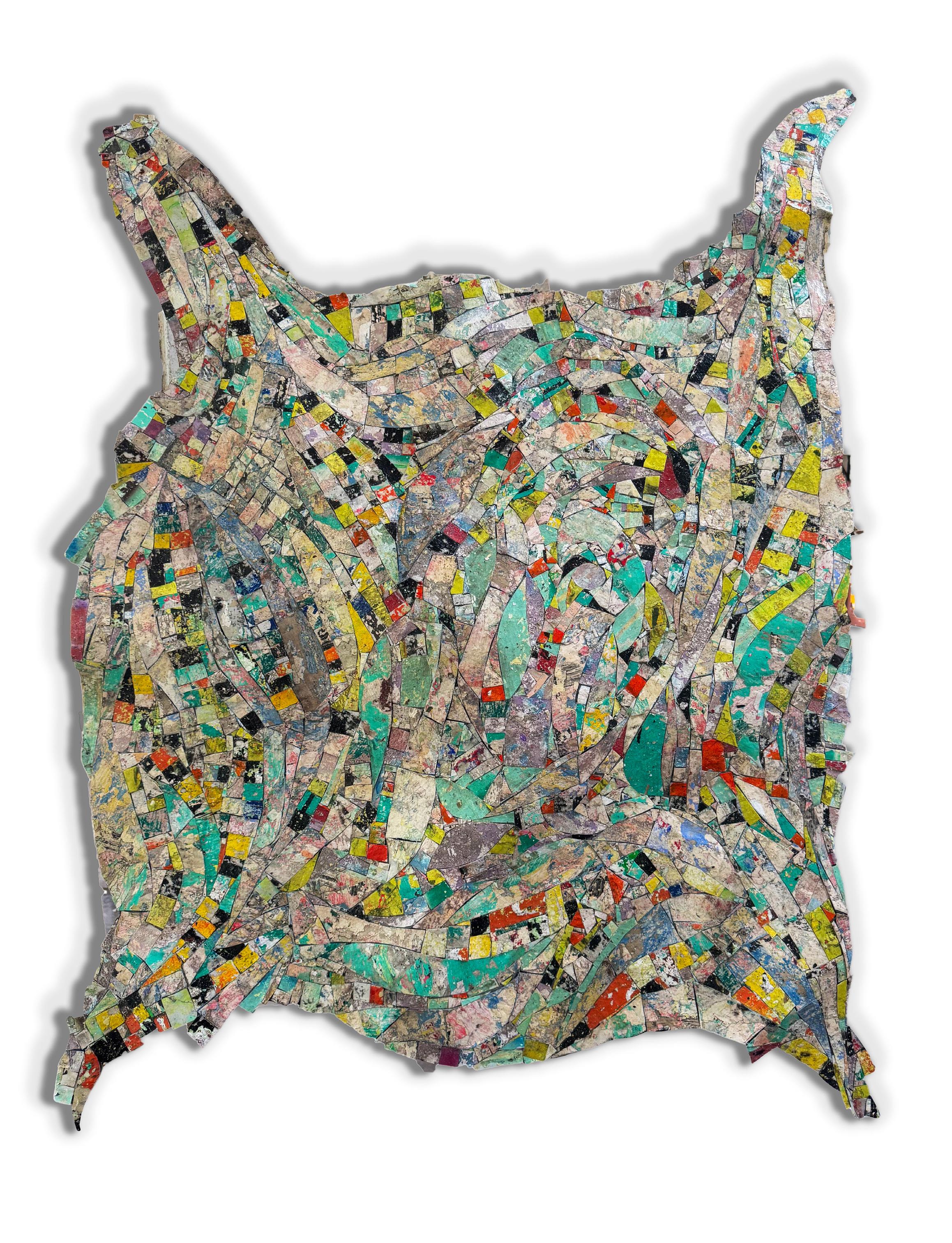
“Alebrijes: Topographies of Memory,” strappo and mixed media on canvas, 59 x 43 inches, $12,000.00
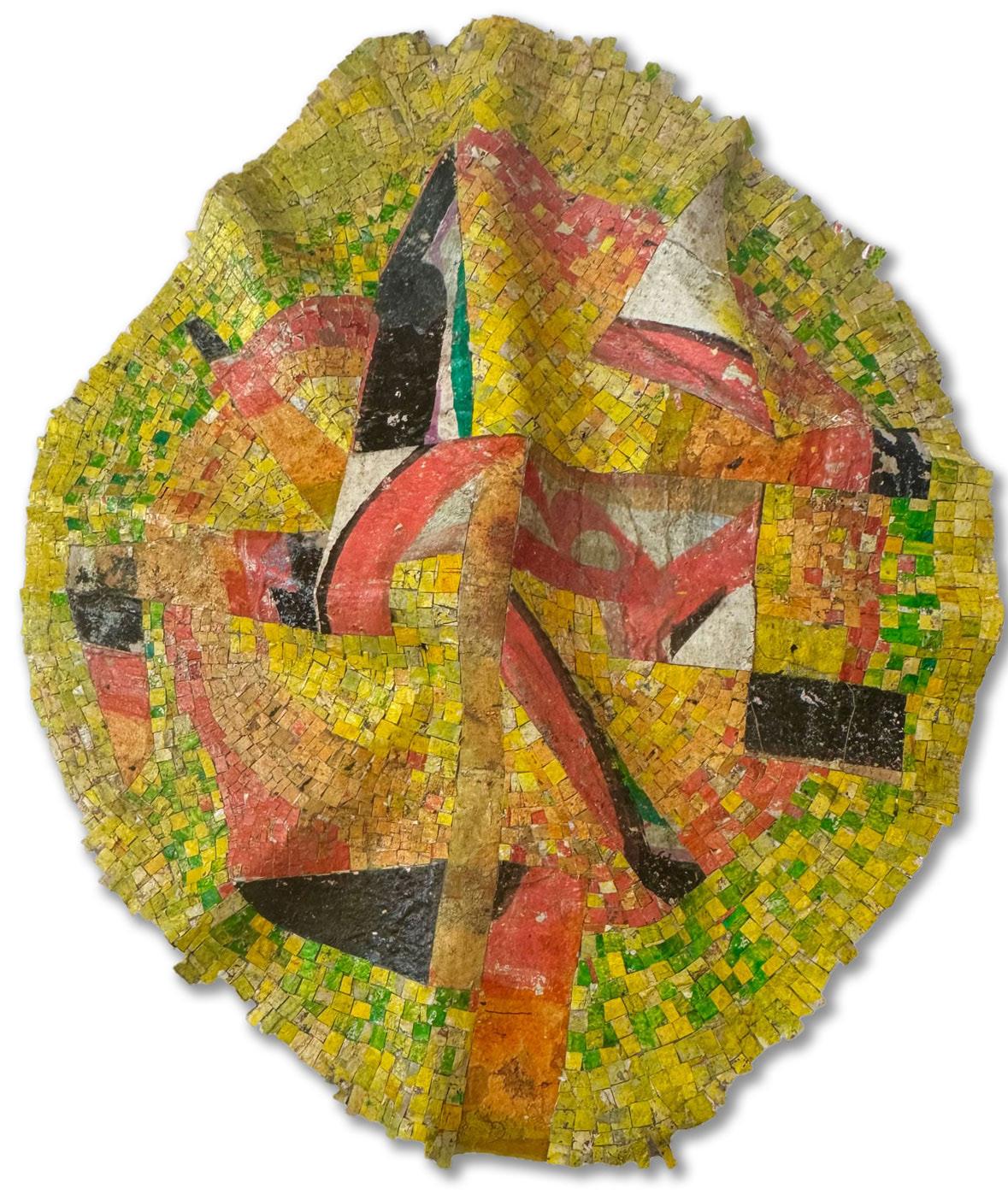
“Topographic Memories: Stolen Beauties,” strappo and mixed media on canvas, 58 x 47 x 6 inches, $12,500.00
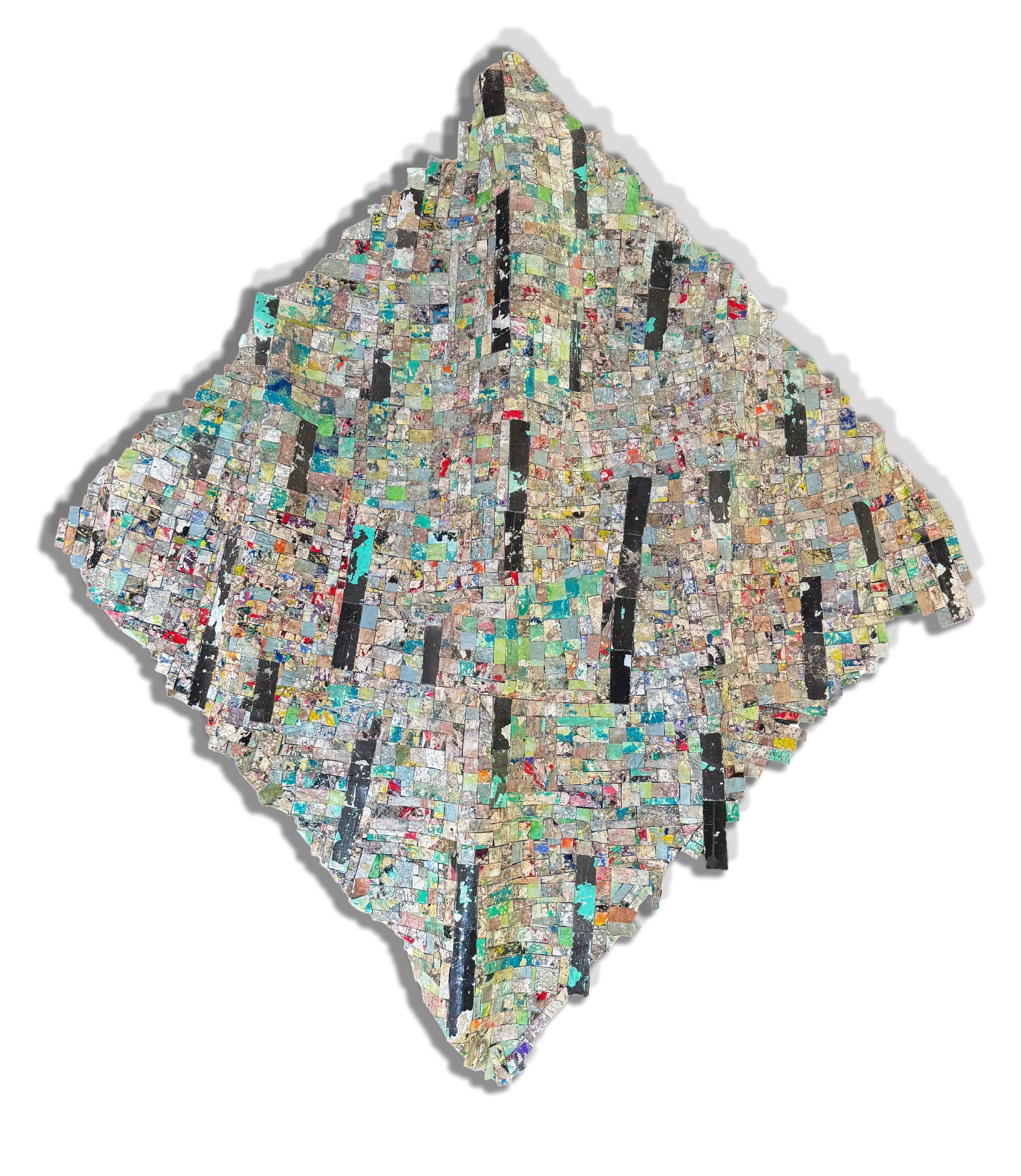
“Future Cities, Cartographies of Memory,” strappo and mixed media on canvas, 47 x 47 inches, $11,500.00
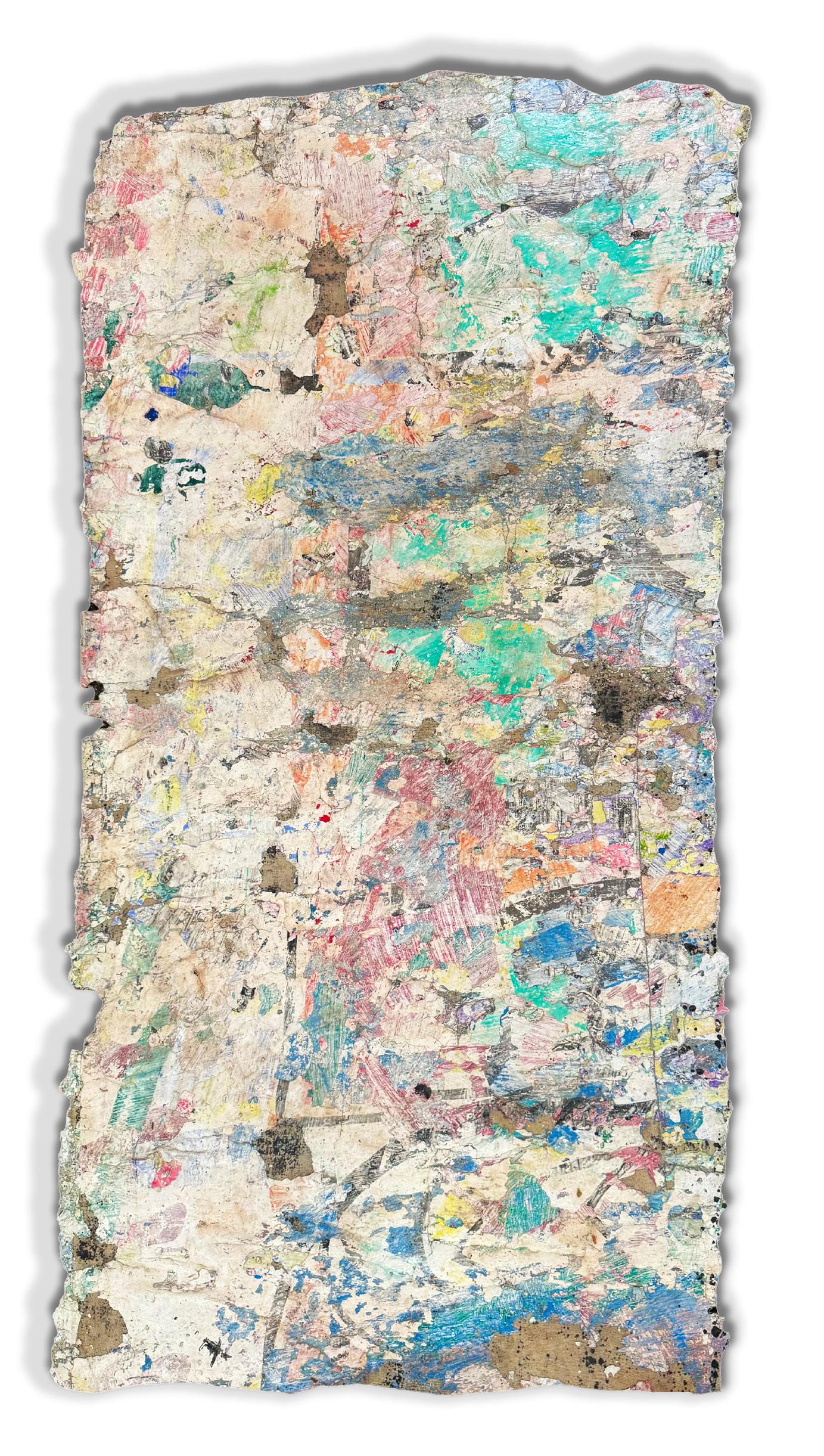
“Mysteries of Lost Memory,” strappo and mixed media on canvas, 63 x 31.5 inches, $8,000.00
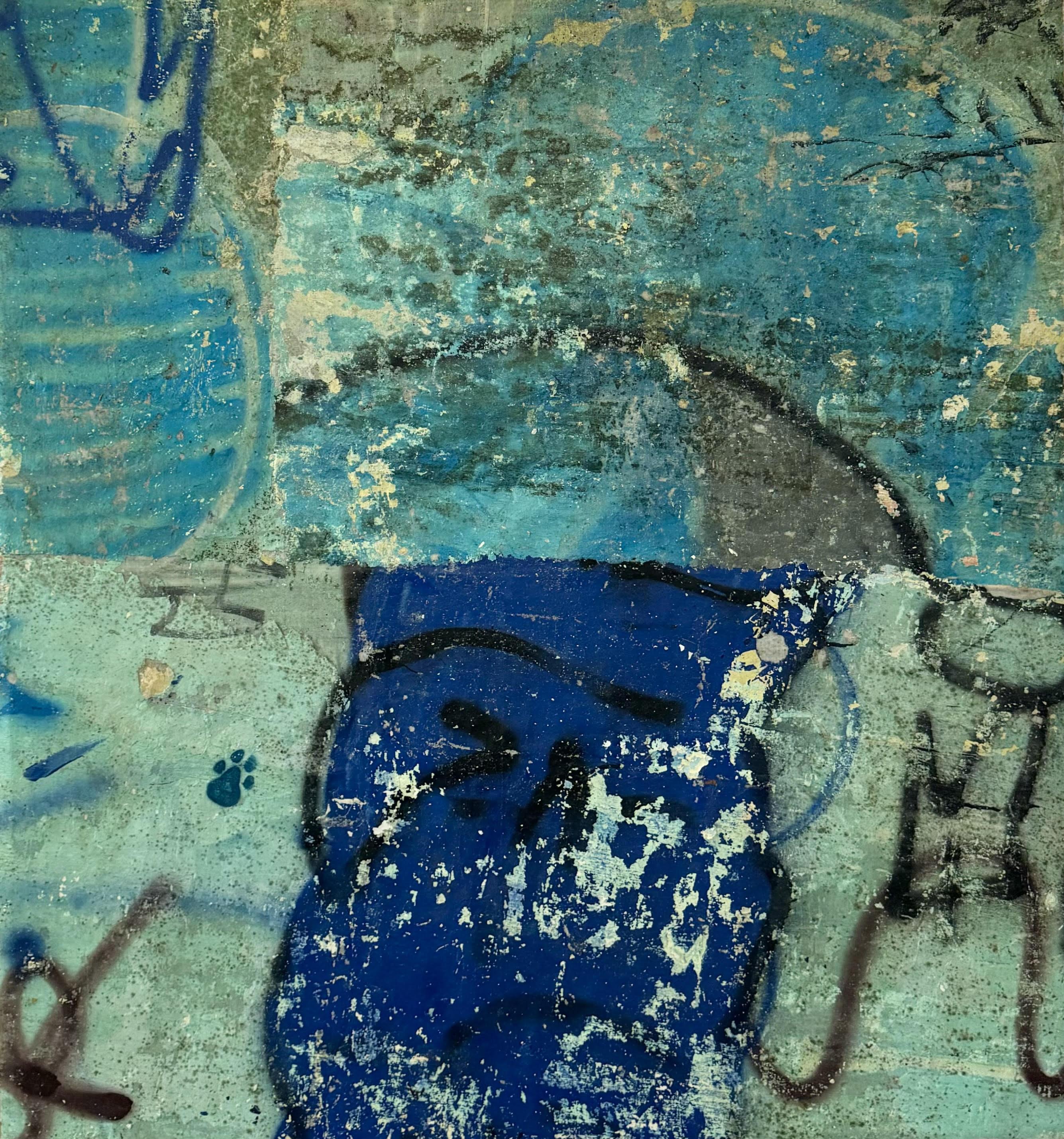
“Blue Rush,” strappo and mixed media on canvas, 45 x 42 inches, $7,000.00
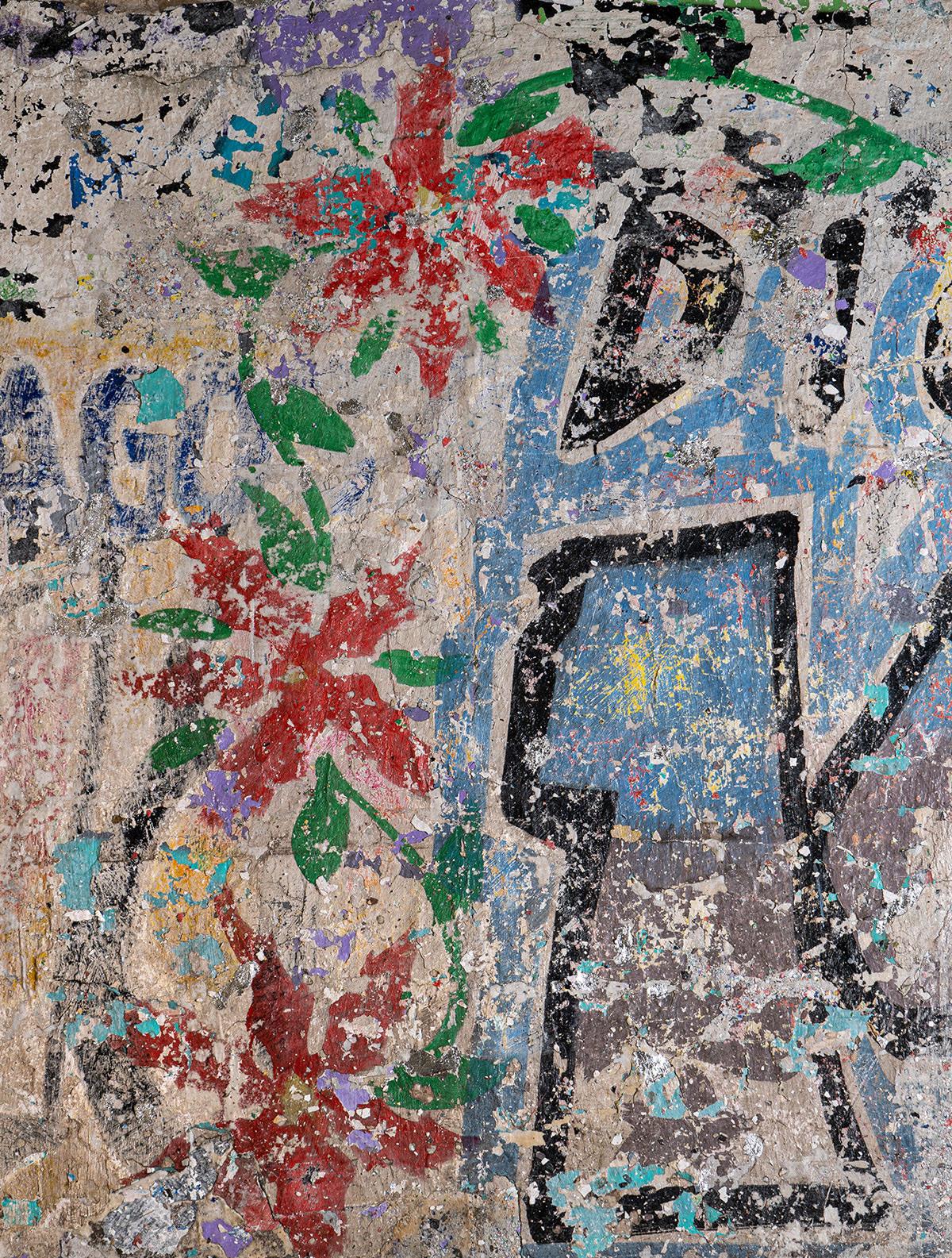
“Primavera Urbana,” strappo, silver leaf and mixed media on canvas, 59 x 43.5 inches, $9,000.00
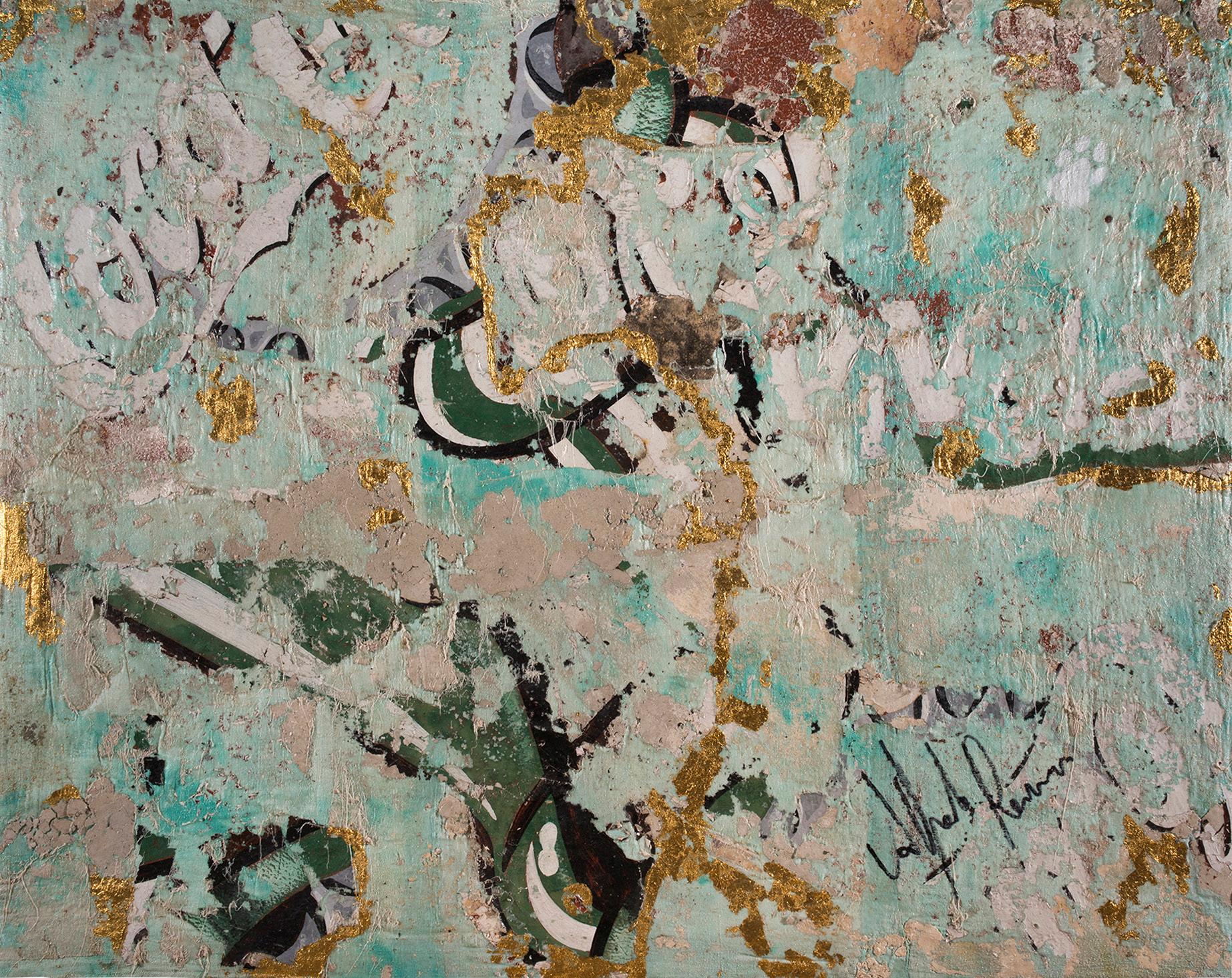
“Coca Cola Green,” strappo and gold leaf on canvas, 45 x 56 inches, $10,000.00
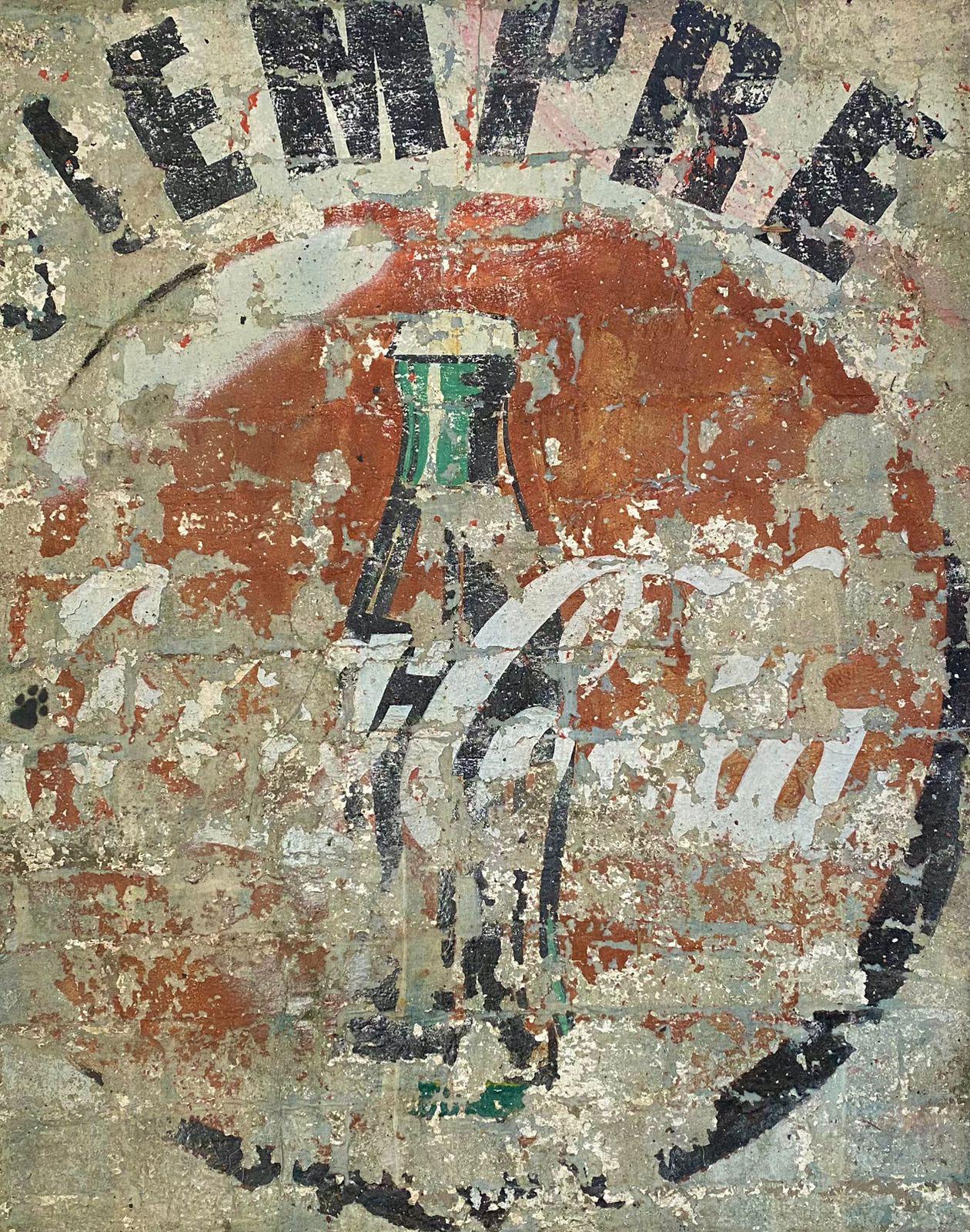
“Instantes Pasados: Iconos de una Era Reciente,” strappo and mixed media on canvas, 63 x 50 inches, $12,000.00
Alfredo Romero was born in 1974 in Barcelona, Spain. He now lives and works in Mexico. Romero studied Fine Art, Interior Architecture, Graphic Design and Art History at the School of Arts Applications and Offices of Rubi, Barcelona, Spain; The School of Design EDRA, Barcelona, Spain and the Technical School of Architecture, Barcelona, Spain. His artworks have been exhibited in Los Angeles, Houston, Miami, Mexico City, Merida, Barcelona, Seville, Valencia, London and more. Romero’s artwork is also part of important corporate and private art collections and museums.
“STRAPPO” is an Italian word meaning “tearing.” The artist lifts away the topmost paint layer, by adhering a wide-weave cloth to the surface and then delicately peeling it back and removing it from the wall facade. Back in the studio, Romero removes the cloth and adhesive and places the paint layer atop canvas and then adds his own artistic interventions.
Through carefully selected works in dialogue with one another, this exhibition presents four distinct bodies of work which reveal the evolution of the artist’s visual language, recurring concerns, and working methods over more than a decade.
DESPIEL
In "Despiel," Romero distances himself from the notion of art as a magical act and assumes the role of an observer of time. These works feature surfaces that are conceived as borrowed skins—layers that have been inhabited before and that continue to accumulate histories. To strip away, detach, and reorganize: "Despiel" is an invitation to probe the layers of urban life and to expose what normally remains hidden. The fragments are presented suspended, supported by other memories, revealing the possibility of a new order.
STRATTOS
Works in this series are composed of strips and segments of urban vestiges. “Strattos” proposes a reorganization of the urban archive. To fragment in order to narrate again. To disrupt established order and allow chance to participate in the construction of meaning. While the world insists on classifying and fixing things in place, Romero proposes another logic—one of movement, superimposition, and constant rewriting. Each composition suggests that no narrative is ever final.
TOPOGRAPHIC MEMORIES
What would a map look like if it recorded every movement made over the course of a lifetime? In “Topographic Memories,” Romero imagines a territory shaped by displacements, encounters, and losses. The works function as emotional cartographies, where songs, names, disguises, and forgotten moments accumulate. At times, letting go is the only way to continue moving forward. In the act of leaving something behind, a new journey also begins.
VESTAGES OF OUR TIME
This series is the chronicle of a search and a reunion with the visual memory of the streets. It is a project set on discovering what history and time have made with the popular languages that inhabit urban space. The paintings and signs on building’s facades recount the recent history of a place, an intimate and emotional take on nostalgia and our path through life.
IN SITU