ENGAGING



July 2026 – Volume 20, Number 2
RELATIONSHIPS HELP BUILD A STRONGER INDUSTRY
Connection and relationships within and between organizations move the industry forward.
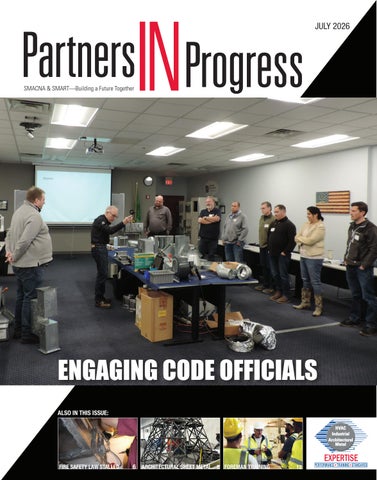
Local 265 and Illinois SMACNA work together to engage code officials before a project begins for a more streamlined, cooperative process.
SMACNA New Mexico and Local 49 spent years advocating for fire life safety legislation. It was passed, but it is rarely enforced.
There are core work opportunities in architectural sheet metal—Poynter Sheet Metal, Local 10, and Local 20 talk about how to find them.
Giving and receiving feedback is a delicate art, but if you can master it, your relationships and organization will thrive.
When young workers hesitated to take on leadership roles, SMACNA-Western Washington and Local 66 developed a training program to turn this trend around.
YOURSELF AS A LEADER
Gone are the days of top-down leadership success. If you want your members to follow your direction, you'll first have to sell yourself. Here's how to do it.
MICHAEL COLEMAN
TODD HILL Co-Publishers
JESSICA KIRBY jkirby@pointonemedia.com Editor-in-Chief
POINT ONE MEDIA INC. artdept@pointonemedia.com Creative Services
Cover image Best Practices Market Expansion Task Force
Partners in Progress is a publication of the Sheet Metal Industry LaborManagement Cooperation Fund.
All contents ©2026 by the Sheet Metal Industry Labor-Management Cooperation Fund, P.O. Box 221211, Chantilly, VA 20153-1211.
Find Partners in Progress online at pinp.org or at issuu.com/ partnersinprogress. An archive of all issues is available. Issues may be downloaded and printed for no fee.
For comments or questions, email editor@pinpmagazine.org
Expertise logos are free to use and are a signal of added credibility for your chapter, local, or joint organization.
Relationships help build a stronger industry
Relationships: The way in which two or more concepts, objects, or people are connected, or the state of being connected; the way in which two or more people or groups regard and behave toward each other.
We all know and stress how the importance of positive relationships between labor and management. Lesser knwn is that the trust and communication used to build a local area partnership is also the foundation of positive external relationships that strengthen the sheet metal industry every day.
A great example of this is contractors and unions working together with code officials to develop a more streamlined approach to inspections. In Illinois, Local 265 and Illinois SMACNA reach out to code officials before the work begins to avoid delays at the end of the project. With help from ITI and NEMI, this partnership offers professional development for building inspectors to help them keep their credentials current. See page 4 for more about how this arrangement makes projects—and life—easier for all parties involved.
In 2019, after years of work by SMACNA New Mexico and Local 49 to get the attention of lawmakers, New Mexico Gov. Michelle Lujan Grisham signed the nation’s first statewide fire life safety bill into law—but the rules are rarely enforced. This local partnership remains committed to working together with lawmakers to ensure this important legislation does its job of protecting people and property. Find out how on page 6.
Broadening core work opportunities—particularly when megaprojects are challenging the labor supply—is essential to business survival in sheet metal. Joseph Lansdell, Poynter Sheet Metal; Trent Todd, Local 20; and Matt Fairbanks, Local 10, say success in this area comes down to knowing your market, people, and competition but also essential is solid relationships with building owners and developers. Find out if expanding into architectural is for you on page 8.
When a Western Washington contractor realized that young people were hesitant to take on leadership roles, he knew it was time for change. SMACNA-Western Washington and Local 66 partnered with the Joint Apprenticeship and Training Committee to develop the Foreman Upgrade Training program, a course of training that teaches hard and soft leadership skills in a paced and supportive environment. Visit page 12 to learn the details and discover pro tips on building this type of training in your local area.
In our leadership section, Communications Expert John Millen shares that leadership is sales. Gone are the days of giving teams their marching orders—relationships, connection, and a little charisma are all key to leaders’ ideas motivating teams of all types and sizes. Check out Millen’s four tips for success on page 14.
And while you're tackling the ins and outs of leadership, consider “The Art of Feedback” on page 11, which provides

tangible advice on giving and receiving feedback within any organization. Whether you are a leader commending a new recuit on a job well done or a journeyperson receiving an annual performance review, there is opportunity within the feedback process to grow and connect, so make the most of it with Executive Leadership Coach Joel Garfinkle’s expert adice. Finally, we are introducing a new section thissue: Best Pactices Resources. Each issue we will highlight a resource developed by the Best Practices Market Expansion Task Force and its application in the real world of operating and promoting a chapter, business, local, or training center. Each BPMETF resource was developed after extensive research and collaboration to discover what SMACNA and SMART members need to succeed. They are the culmination of your observations, feedback, and experience, and are uniquely customizable for each local area. This issue, we highlight the Expertise branding materials and their use among more than 300 locals, chapters, contractors, and JATCs. To access these another other resources, visit pinp.org, log into your account using your SMACNA or SMART credentials, and click Resources. If you have any questions about these or other BPMETF resources, please reach out.
Are you a BPMETF Resources Success Story?
The Best Practices Market Expansion Task Force is on the lookout for examples of successes contractors, unions, chapters, or joint committees have had using Task Force resources. Maybe you learned something from a webinar or participated in a social media campaign (#MJMJ, anyone?), or maybe the tradeshow materials helped your group knock an event out of the park. If this is you, please reach out to jessica.kirby@pointonemedia.com and tell us all about it. We would love to highlight your success!

Engaging Code Officials
SMACNA and SMART in Illinois work with code officials in advance to streamline projects and advance sheet metal expertise
By Sheralyn

Code officials
usually meet sheet metal workers at the end of a project, when inspectors come onto sites after the work is done. At that point, any disagreements about compliance can lead to delays and expense, and conversations can be reactive. “We can’t debate codes on site,” says Joe Carone, director of training for Local 265.
In nine counties surrounding Chicago, Local 265 and Illinois SMACNA have reversed this dynamic by starting conversations with code officials before the work even begins. When Hank Artlip, president of Artlip + Sons HVAC Solutions in Aurora, Illinois, had a recent question about upgrading his own facility, he reached out to officials he knows from his work on Aurora’s code committee.
“I was able to call the person who would steer me in the right direction,” Artlip says, noting he finds that working with code officials off the jobsite opens up channels of communication. “It definitely helps you to have those relationships,” he says.
Ongoing professional education is the foundation of this relationship with building inspectors. Code officials are required to maintain their credentials by attending continuing education classes, so Illinois SMACNA and Local 265 developed a
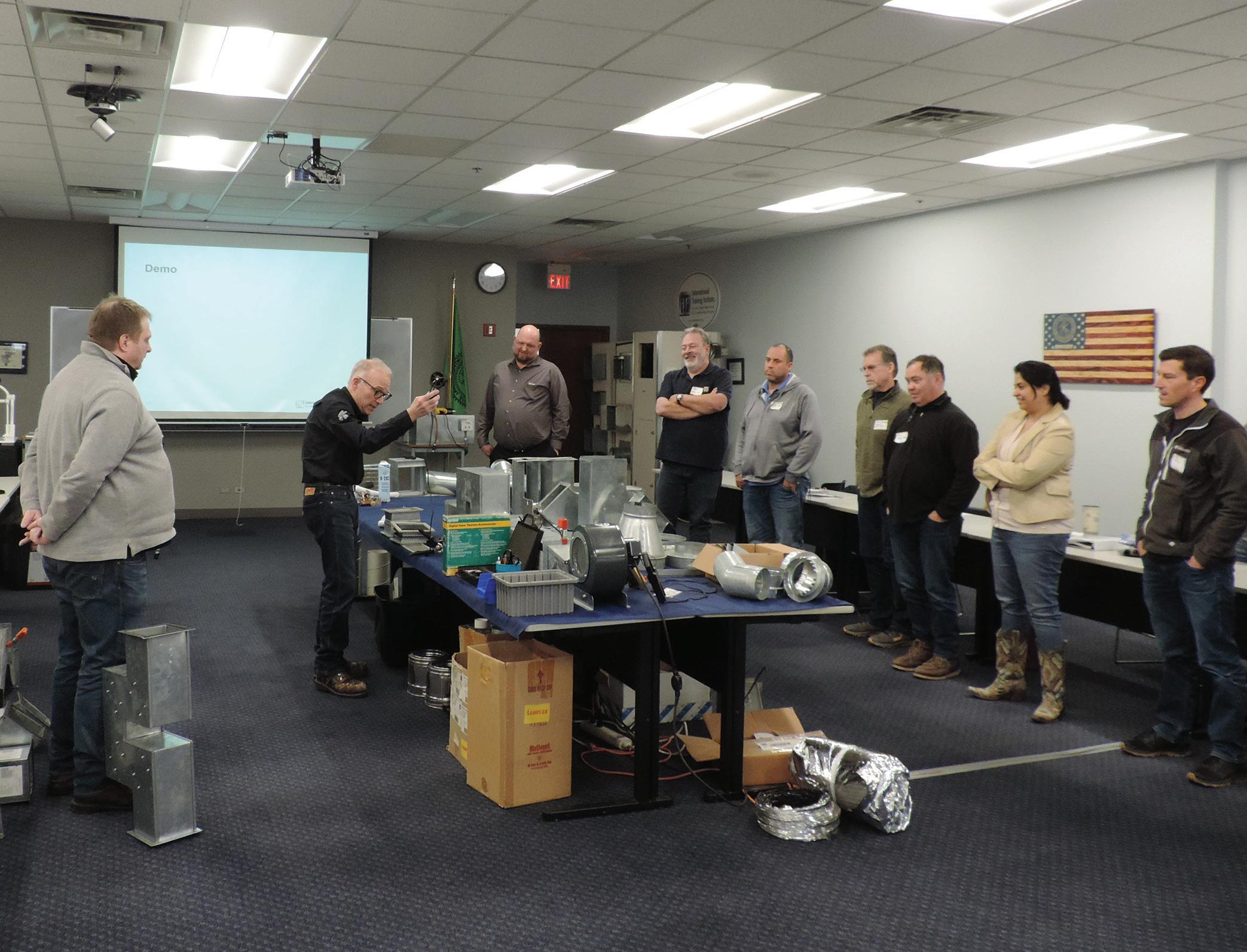
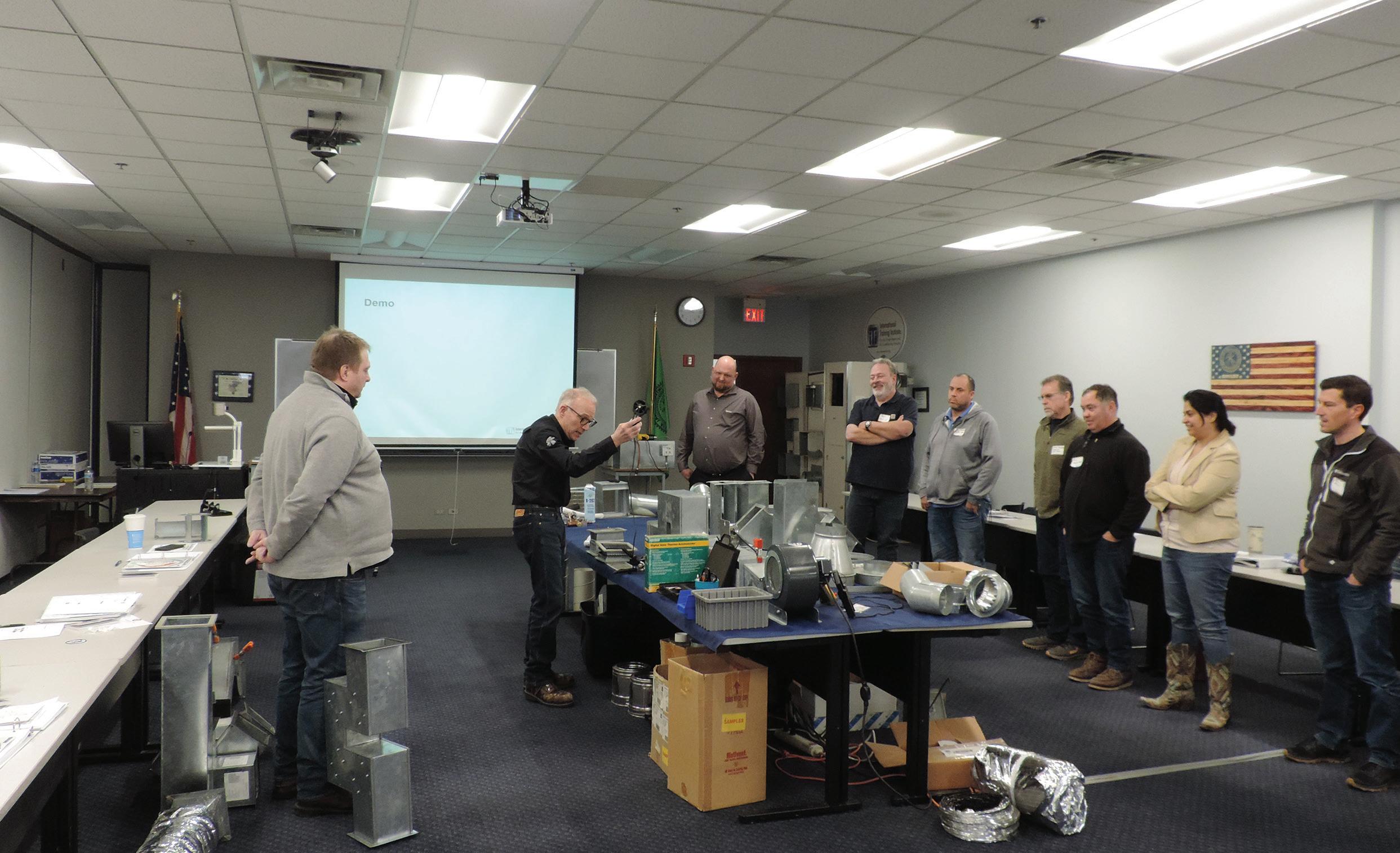
certified course, the SMART Local 265 Building Inspector’s Program, with the help of the iTi and NEMI. Local 265 and Illinois SMACNA cohost meetings for code officials, events that range from lunch and learn sessions at the SMACNA Chapter to five-day, eight-hour courses at the JATC. For months after each class, code officials call back to ask questions about things like recognizing code violations, correcting duct systems, or identifying high quality parts.
“SMACNA and SMART in Illinois have become a resource for the code officials since 1998,” says Craig Reehten, fund administrator for NEMI. “They are calling each other because they have a partnership.” NEMI is ready to help other locals and chapters achieve the same results. “Bring code officials into your facility, let them see what you do,” Reehten says. “And bring SMACNA into the conversation because officials need to hear from our contractors, the qualified bidders.”
Dennis Moran, director of training for Local 265, says to consider the code official’s perspective in every outreach effort. “These officials are responsible for public safety,” he adds. “They issue permits, they do inspections, they go on-site to verify that construction meets safety standards, they review blueprints,
Belyeau
Proper Duct Design - ACCA Manual J,D, and S - SMART 265 Instructors Dennis Moran & Joe Carone
they ensure compliance. They are loaded with knowledge.”
Code officials come to Moran for hands-on experience and to understand how the equipment is installed and functions. “Our obligation to show them what we’re made of, what we teach,” he says. “By the time we’re done, they want to be sheet metal workers themselves.”
While code officials have incredible knowledge, they might also have 12 homes to inspect in a single day, forcing them to be efficient. Local 265’s certified course shows them how to check simple things quickly, and the iTi will provide the supplies officials need to identify problems, like a key chain gauge so they can gauge metal on site or iTi air duct calculators. “The iTi air duct calculator will give them a good idea of what the building needs,” Moran says. “It will tell them that oversizing will be okay, but they need to watch for undersizing.” These JATC courses can save lives. “Every year there are carbon monoxide deaths in our counties. We show officials how to make sure the exhaust systems are perfect.”
Contractors can also save time for officials by providing a properly certified workforce. “When a company installs grease duct at a restaurant, there should be no gaps or openings in the welds that would let the grease out, because of the risk of grease fires,” Artlip says. “Grease duct has to be continuously welded.”
Officials usually test grease duct welds by dropping a light into the duct or by filling the duct with smoke to check for leaks, but the Aurora code allows officials to skip these steps if a certified welder is working on site. “They take that welder certification, they put it in the permit folder, and they say, ‘This was done by a certified person.’ They're taking the word of the welder that the work was done properly. It’s helpful to everybody to have a certified welder.”
Local codes have the force of law, but the standards are maintained by outside organizations. NEMI sits on the national level boards of the four biggest standards organizations. “We aren’t there to write code, because we aren’t engineers,” Reehten says. “We are there for our workforce.” Nemi representatives
know which standards apply in each area and will help contractors and labor comply with those standards. “We monitor at the national level, but your engagement at the local level is key.”
Local involvement helped Artlip head off a well-meaning addition to Aurora’s code that would have created an unreasonable burden for SMACNA contractors. Aurora’s code committee considered requiring contractors to add a service outlet near all existing external air conditioners. “It's nice to have a convenience outlet outside,” Artlip says. “But it’s expensive. It might be $1,000 or $2,000 to wire in. When we go to somebody's house here in Aurora, we always pull a permit, so our work is going to get inspected. But if somebody else comes to town and doesn’t pull a permit, which is the wrong thing to do but people do it, they're not going to have the obligation to add that outlet. Our price is going to be potentially $1,000 higher because we follow the code. The committee talked through it, the electrical engineer was involved, and it was decided that a service outlet wasn't enough of a value to make somebody do it.”
Sitting on zoning boards or attending code committee meetings gives SMART and SMACNA other advantages. They can warn inspectors about inferior products, and they know when committees consider changing codes, giving them time to prepare for any retraining or retooling. They even have an edge in capturing jobs because they hear about projects in advance. “Get members to go to these community meetings,” Moran says. That’s how Local 265 finds out when area schools or fire stations need new roofs.
Reehten encourages all locals and chapters to stay involved with area code committees and keep the lines of communication open. “You can shape the outcomes for your region.”
A Colorado native, Sheralyn Belyeu lives and writes deep in the woods of Alabama. When she’s not writing, she grows organic blueberries and collects misspellings of her name.
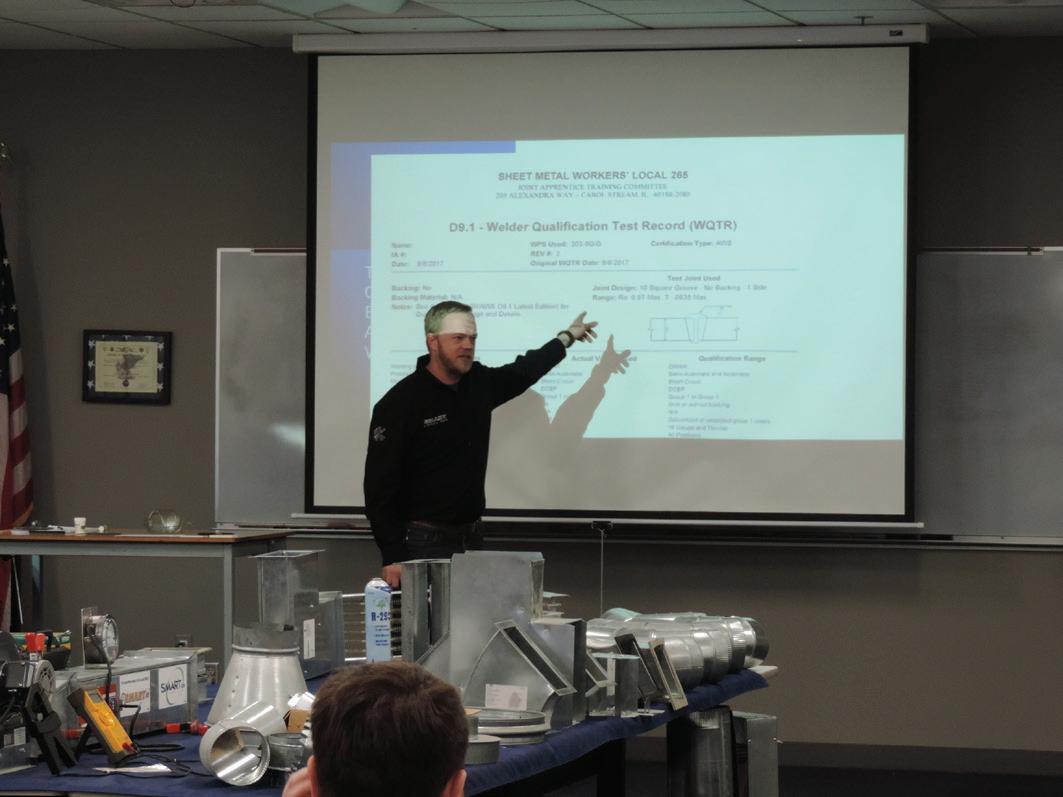
Welding Inspection / Grease Ducts - SMART 265 Instructor Chris James
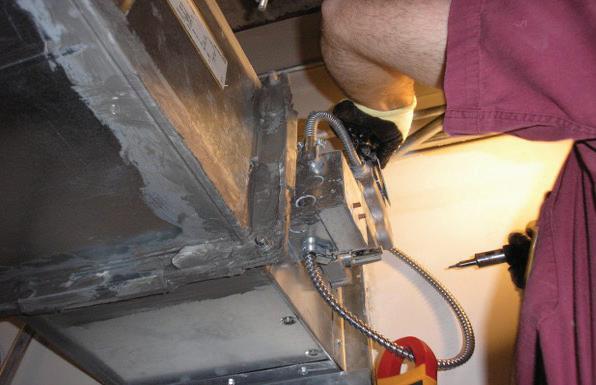
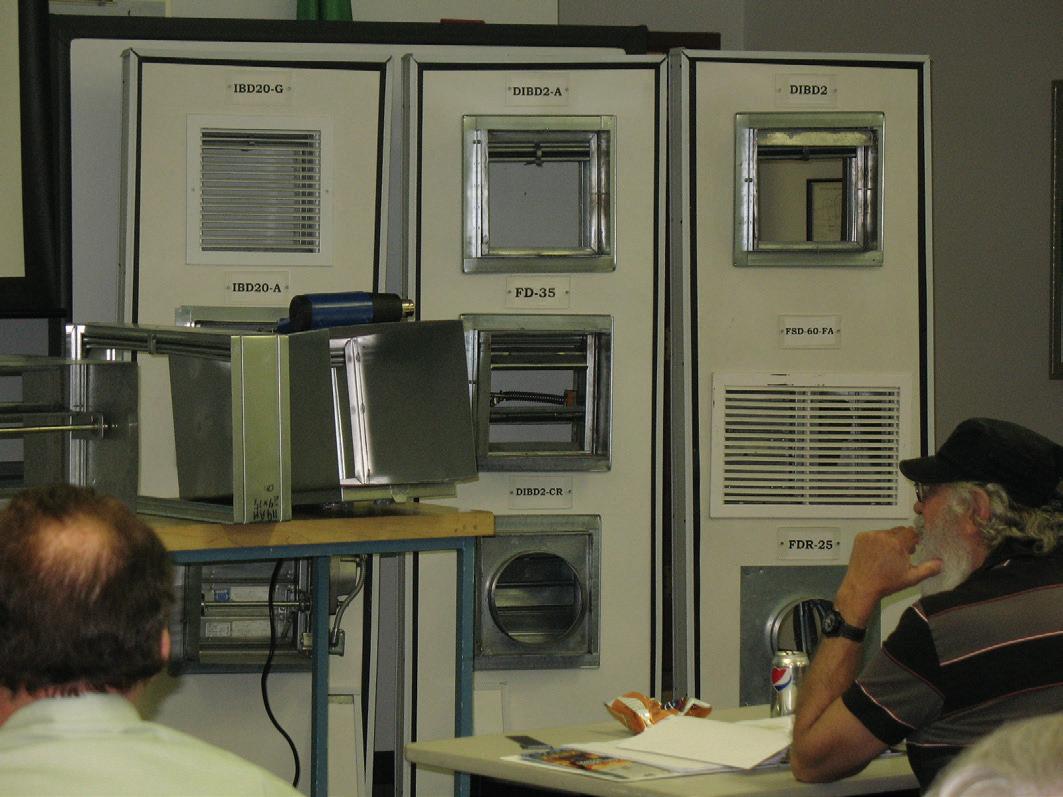
Fire and Smoke Damper Inspection
A Landmark Fire Life Safety Law, Stalled
They thought getting a potentially lifesaving bill signed into law was the finish line. But seven years later, labor and management in New Mexico are still trying to get state and local officials to enforcefire life safety regulations.
By Michael McConnell
In 2019
, after years of work by SMACNA New Mexico and Local 49 to get the attention of lawmakers, New Mexico Gov. Michelle Lujan Grisham signed the nation’s first statewide fire life safety bill into law.
Both organizations expected the law, which requires fire life safety inspections, to mean more security for the public as well as work for union sheet metal contractors certified in system performance and repair. However, seven years later, those expectations have yet to be realized because the law’s inspection and validation rules are not being enforced at the local level.
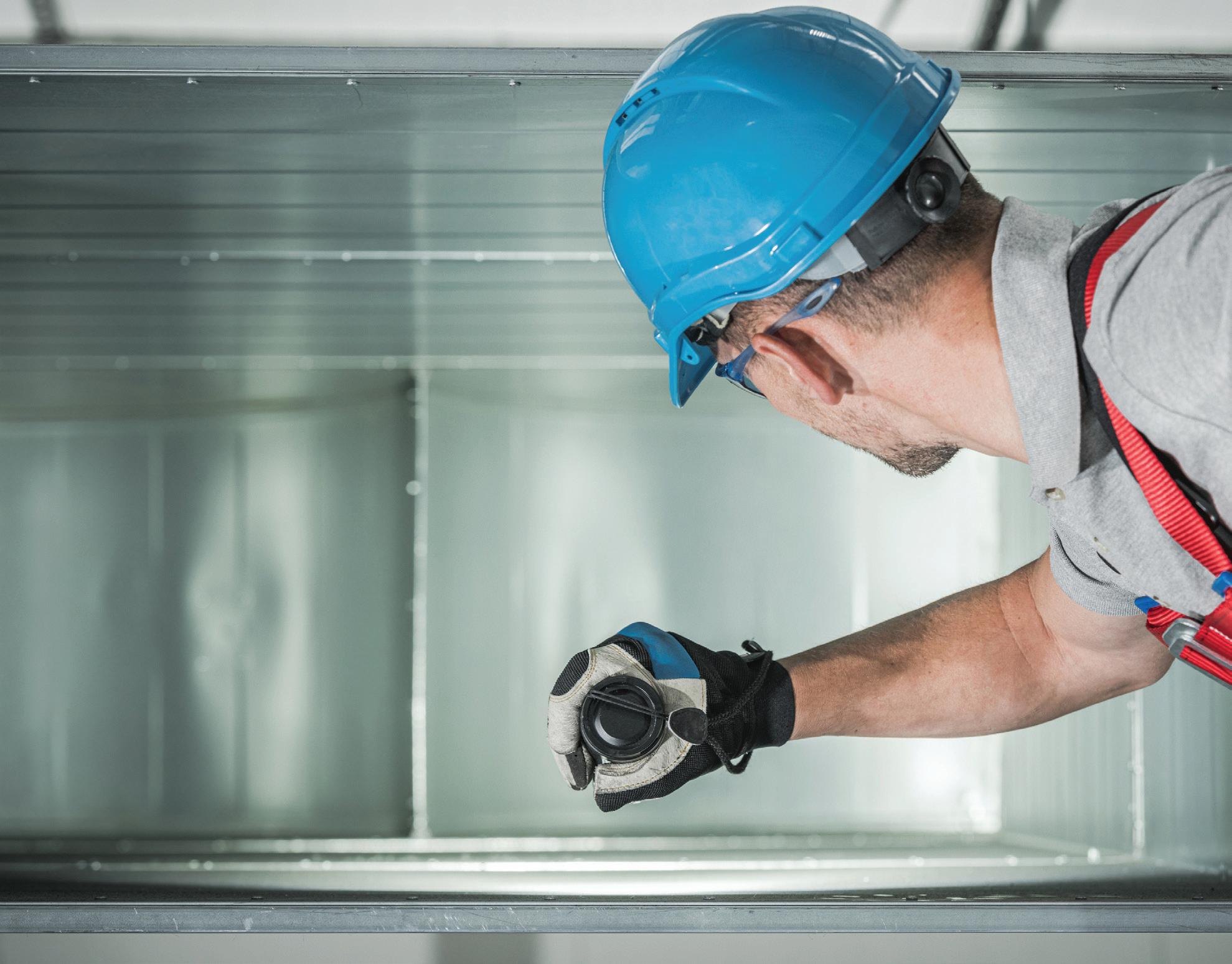
“Building owners are not asking to have these inspections,” says Tony Kocurek, owner of Energy Balance & Integration LLC in Albuquerque, New Mexico. Kocurek has a lot of experience in fire and smoke damper inspections and was involved in lobbying legislators to pass the bill. Now Kocurek, SMACNA New Mexico, and Local 49 all say they plan to push when the state legislature next convenes in 2027 to fix the law’s flaws and start getting fire and smoke dampers evaluated.
Isaiah Zemke, Local 49’s business manager and financial secretary, says the lack of enforcement for a law that enjoyed widespread, bipartisan support is disappointing. “It was frustrating to do all that work,” Zemke says. “We got all the stuff to do the reports—the inspection tags, everything. We brought in fire marshals. Everybody was on board. Everything was going great.”
A landmark law
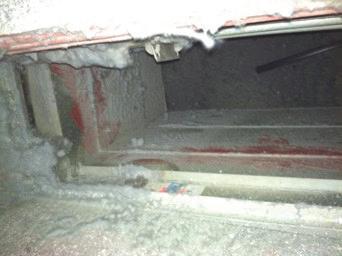
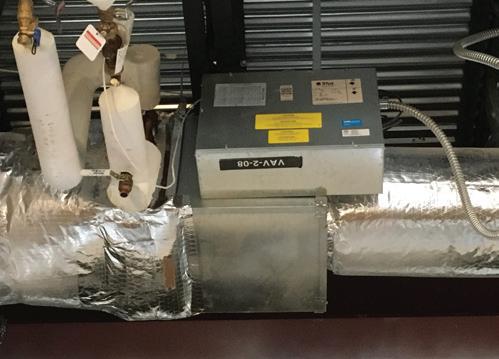
The law, which passed the New Mexico State House 530, requires smoke control systems in public and multifamily buildings be regularly tested, inspected, and certified by companies trained in National Fire Protection Association and American National Standards Institute (ANSI) requirements. By some estimates up to 60% of dampers fail during routine testing—and many are never checked at all. Properly working dampers can save lives by preventing an HVAC system from spreading toxic smoke and gases throughout a structure.
Many union sheet metal workers are International Certification Board (ICB) and TABB recognized damper supervisors and technicians, making them qualified to deal with fire life safety issues. But those qualifications don’t mean much if no one is enforcing the regulations. State and local fire marshals have told Kocurek that the regulations aren’t needed, so many building owners aren’t interested in paying for the testing. “The law is still not actually enforced anywhere,” Kocurek says.
A too-common issue
Malfunctioning dampers are an all-too-common problem— something Kocurek discovered firsthand more than a decade ago when his company was hired to perform TAB work at a large area hospital. Administrators asked him to look at a report from a previous contractor that said the building contained
100 dampers. For the size of the hospital, Kocurek was skeptical the number was accurate. An inspection showed the building’s HVAC system actually had more than 300 dampers. Unfortunately for hospital staff and patients, most of them didn’t work, and the previous contractor didn’t notice.
“They missed them, and it’s because they didn’t know what they were doing,” he says. “They didn’t have the training. They didn’t know how to test them.”
A fix that wasn’t
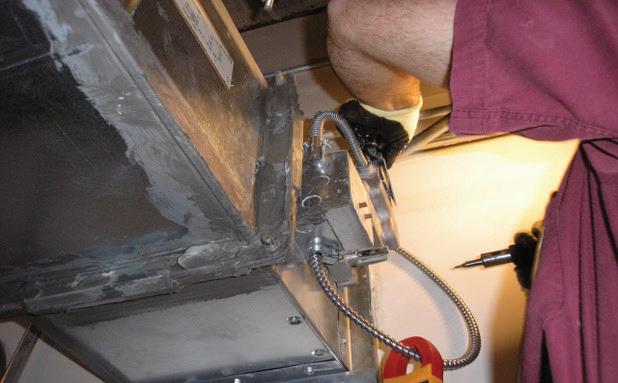
The union invited fire marshals and city inspectors to attend an eight-hour class on fire life training—the same course SMART gives its apprentices, Zemke says. They were also shown how to ensure dampers are properly installed. “Because if they’re installed incorrectly or upside down, then you have to go back, rip the ductwork out, and put a hole in the wall,” he says. “It costs a lot of money if you don’t install them correctly the first time.”
But local jurisdictions didn’t add the inspections to their codes, making enforcement difficult. Kocurek says part of the problem may lie in the way the bill was originally drafted. The bill makes several references to the state Public Regulatory Commission. The PRC oversaw New Mexico fire marshals and was expected to ensure dampers were tested. But shortly after the law was enacted, the responsibility for fire marshals was transferred to the state’s Department of Homeland Security.
The damper testing regulations seemed to get lost in the move.
‘Put by the wayside’
“(It) kind of got put by the wayside because they were transitioning over and Homeland Security didn’t know anything about it,” Kocurek says, adding that the version of the bill that was passed seems to lack an enforcement mechanism or penalties.
All those are things that SMACNA New Mexico is working to change. Ronda Gilliland-Lopez, the association’s executive director, is preparing to meet with legislators ahead of the 2027 session to educate and build support for the safety regulations. The best option, she says, is to pass a new bill that fixes the flaws in the existing law.
“I think the problem is, unfortunately, it was passed with the understanding that they were just going to make it work,” Gilliland-Lopez says. “I think this is our opportunity to go in and tweak it to where we can get it passed and get all entities on board.”
For that to happen, Gilliland-Lopez says she will need the help of Kocurek, Zemke, and other SMACNA and SMART supporters. Zemke says he’s ready.
“If they need help, I’ll step in,” he says.
Despite the hurdles that are always present when trying to pass a bill, Gilliland-Lopez is confident they will end up with something that’s good for SMACNA New Mexico contractors, Local 49, and New Mexico citizens.
“There's a compromise out there,” she says. “We just need to find it.”
The experience of watching a bill passed with good intentions fail to accomplish its goals has been eye-opening for Kocurek. It’s been like a high school civics class, he says. “I’ve learned a lot. You can’t sit on your hands. You’ve got to stay with it and stay active.”
Michael McConnell’s experience encompasses B2B and B2C copywriting, online journalism, and newspaper reporting. The former editor of a monthly magazine for HVAC and sheet metal contractors, he’s always interested in finding out the stories behind interesting people and projects. Contact him at mrmcconnell36@gmail.com
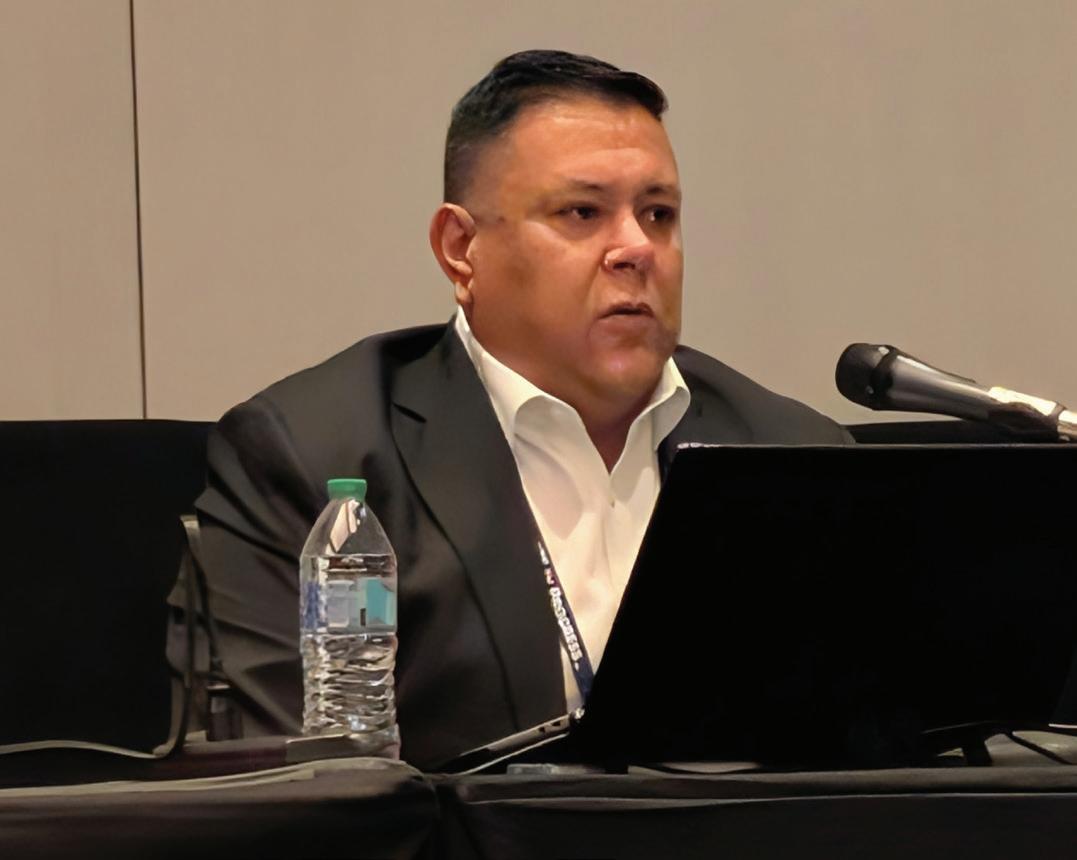
Isaiah Zemke, Local 49 business manager-FST
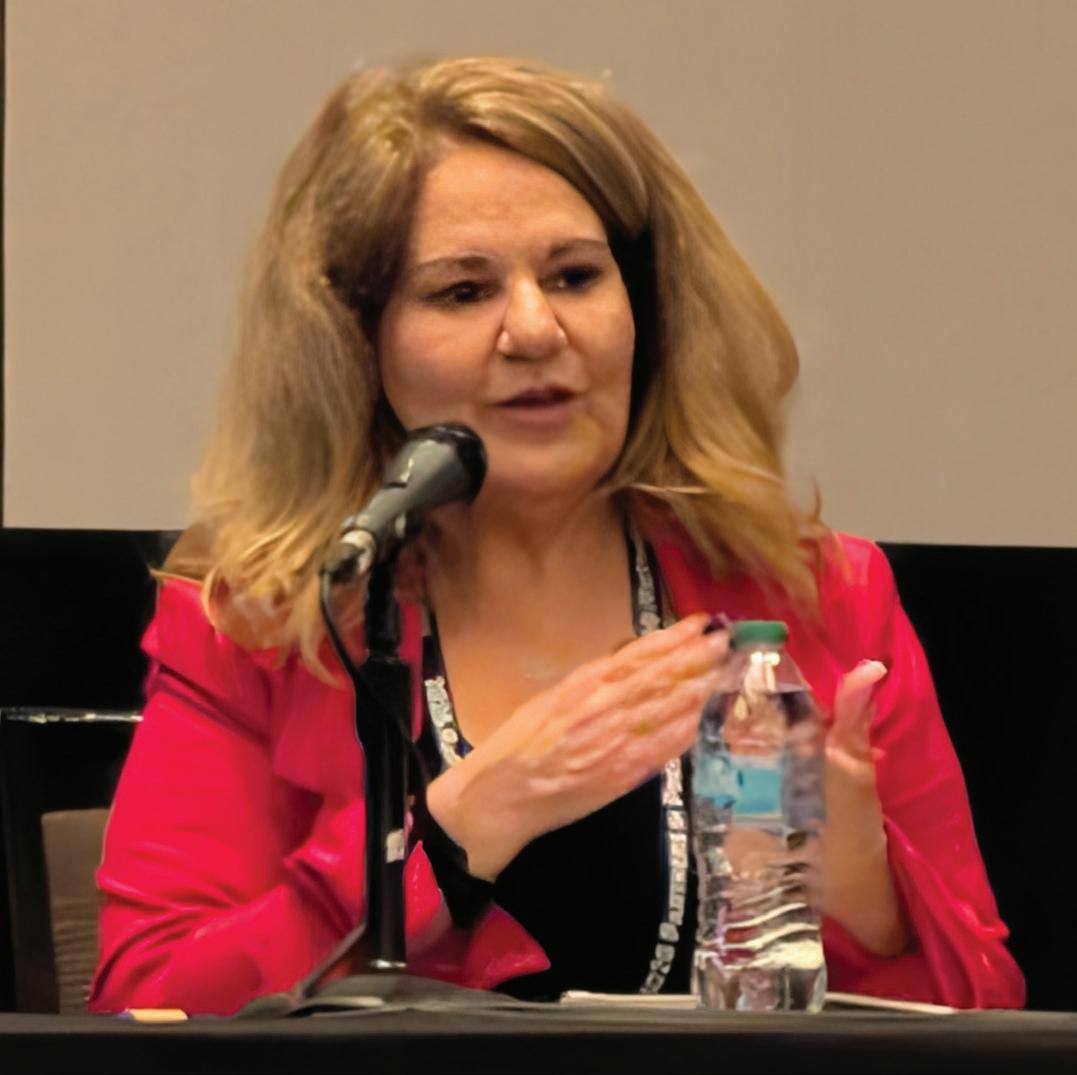
Ronda Gilliland-Lopez SMACNA New Mexico executive director
Expanding Core Work Opportunities in Architectural
Broadening core work opportunities—particularly when megaprojects are challenging the labor supply—is essential to business survival in sheet metal.

By Jessica Kirby
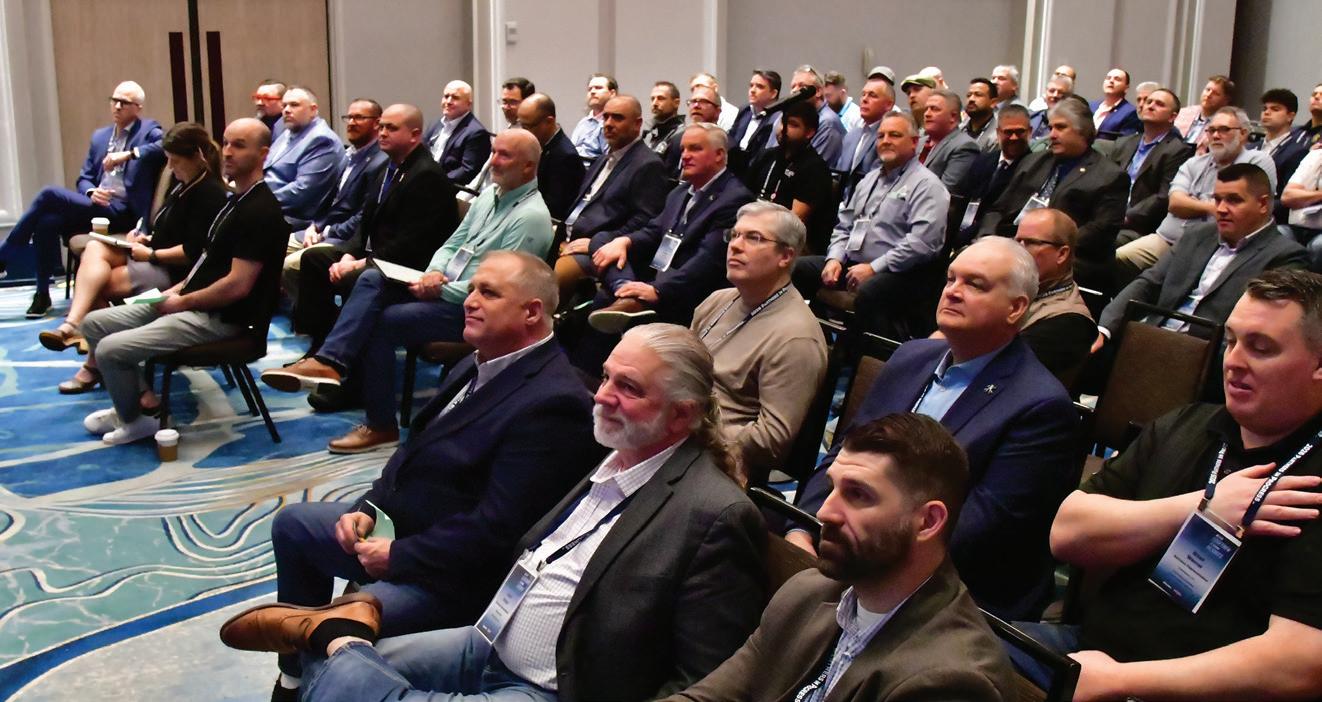
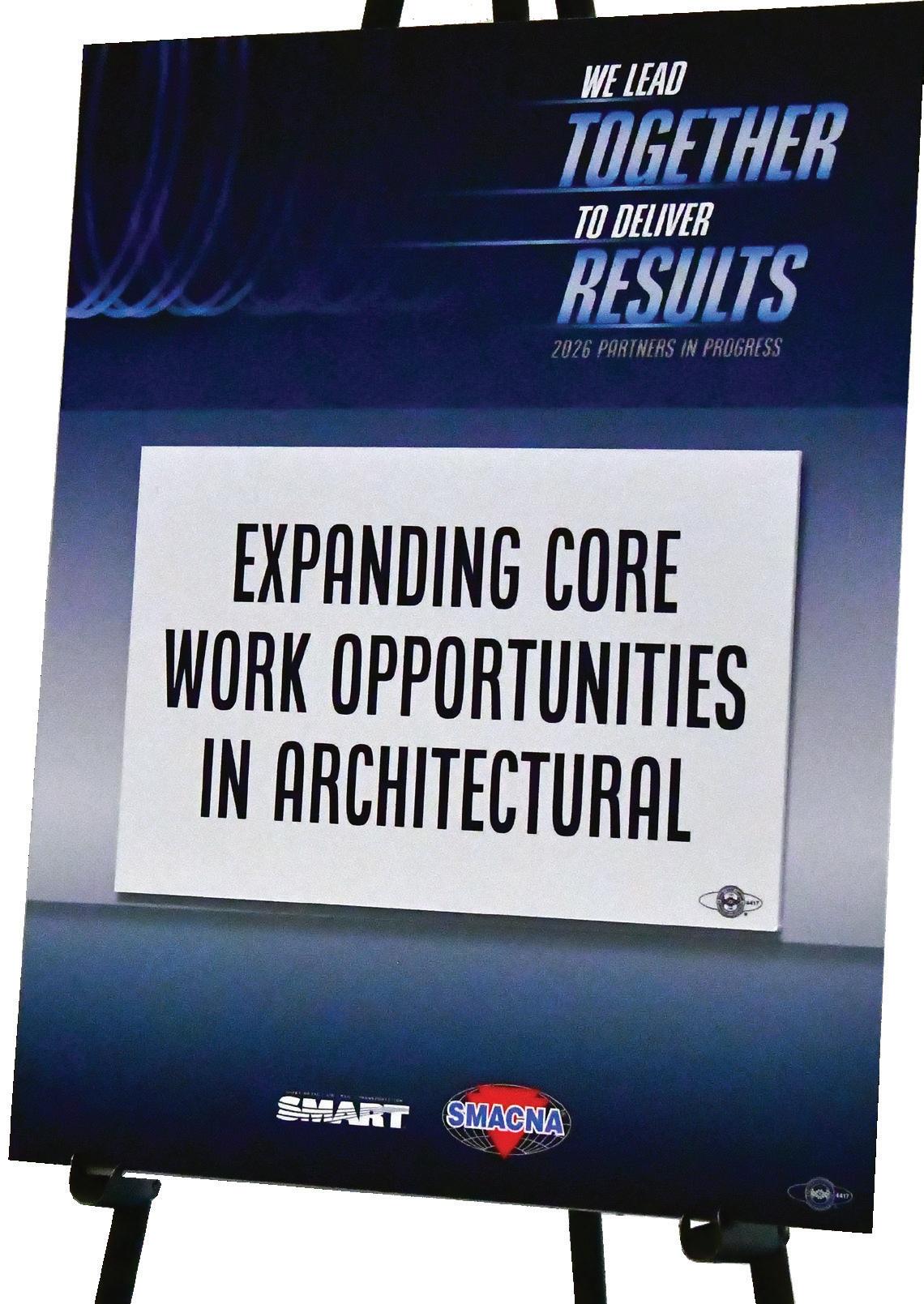
Joseph Lansdell, president at Poynter Sheet Metal in Indianapolis, Indiana; Trent Todd, business manager-FST at Local 20 in Indiana; and Matt Fairbanks, Local 10, covering Minnesota, North and South Dakota, and four counties in Northwest Wisconsin, spoke at the 2026 Partners in Progress Conference about how to expand core work in architectural sheet metal.
They demonstrated how building a strong local partnership can help local areas broaden their core work opportunities into this area, either to develop a new venture or strengthen an established one; how to get involved from a business standpoint; and how contractors and unions can work together with a focus on collaboration and strategic leadership.

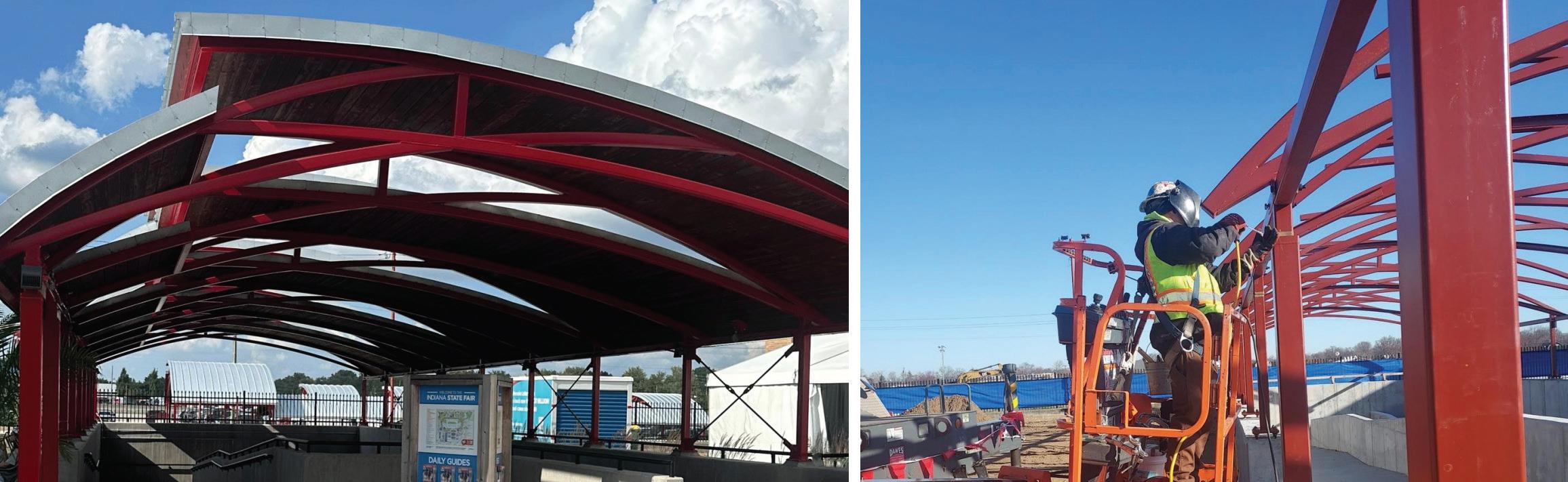
Branching out
Poynter Sheet Metal is primarily a commercial contractor that also has industrial and specialty metals divisions. In 2025, the company performed approximately 2.1 million hours. Of those, 75,000 to 80,000 were attributed to specialty metals, which includes the company’s architectural metal projects.
The company entered the architectural metal market after the commercial market dropped in 2004. “We were concerned about putting all of our eggs in one basket,” Lansdell says. The company was mainly working on schools, and at the same time, referendums requiring taxpayers to vote on new schools became common. “Just about every referendum in our area got voted down, and so schoolwork instantly dried out,” Lansdell says.
Company leadership looked into diversifying into automotive and quickly realized that diversification is a big deal. “As many of you know, in the world that we live in, at any one time, a thing can be super hot and in the next minute, not,” Lansdell says.
Next came data centers—a boom today that could also change into the future.
“We don’t know what’s going to be the next big boom,” Lansdell says. “So, we needed to go into something with a wealth of different offerings because, at some point, one thing is going to be up and another time it’s going to be down. So, part of our decision for going into architectural was growing demand.”
Fairbanks says a person just has to take a look around and see that architectural is on the rise. “Buildings don’t have a ton of brick on the outside anymore,” he says. “They are doing architectural panels because if you don’t like the look of a building in ten years, it’s not hard to change out the metal panels and give your building a facelift.”
Benefits of architectural work
Lansdell says when they are bidding sheet metal work, they typically have between five and nine other companies bidding against them. If they are bidding architectural, they may be the only bidder.
“That means we come to the table early and are working directly with the client, and with that we are helping influence the design,” he says. “The competition is reduced because it’s not the low dollar that gets us the job.”
He adds that while most shops are outfitted with very precise and high-end equipment, they may only be using only 10% of its potential. “With architectural, you’ll use the other 90%.”
Transferrable skills
Companies that want to develop or strengthen an architectural metals component need to identify the best workers for the job.
Local 10 and Local 20 apprentices spend the better part of year two learning the skills through classwork and projects. But all three leaders agree that most companies already have employees with the right transferrable technical skills to help the company diversify. The key is knowing how to spot them.
Todd says Local 20 chalks about 465,000 hours annually in the architectural market, spread among 5,000 members. He recommends watching for workers who aren’t afraid to think broadly about their work.
“Architectural might involve work that is outside the normal realm of what you do, but some guys like that challenge and aren’t afraid to step out of their comfort zone,” he says.
“One thing we noticed when assessing our employees was that the ones who turned out to be a good fit don’t just stop building things when they leave work,” Lansdell says. “A lot of them enjoy carpentry and building things at home. So, when you are looking for people with transferrable skills, it starts with getting to know your employees.”
He adds that the ideal architectural worker pays extreme attention to detail. “These are the builders who are measuring out every hole on a damper flashing,” he says. “You’re just shaking your head, like, ‘Just get that flashing on the wall. We have 400 of these to go’, but that’s the person to watch.”
Some of the project types—especially in specialty metals— aren’t really sheet metal work,” Lansdell adds. “We call it that, but it’s not really. So, you have to find somebody who can think outside the box.”
For example, Poynter assigned an individual to a steel overhang structure at Indiana State Fairground, though he’d never done this type of work in the past.
“He was a builder,” Lansdell says. “We thought he had the right skillset to take this on, and he did. Right now, he is in the shop building pharmaceutical platforms for us because he’s got the knack for this kind of work.”
Fairbanks says to watch for innate creativity. “In Local 10, some of our most skilled on layout, welding, or any skill are in architectural shops. You throw a blueprint in front of them and say, ‘Can you build this?’ and they just figure it out.”

Expanding Core Work Opportunities
Diverse projects
Fairbanks says, “You need to start by understanding just what architectural is. Someone in speciality metals might call it ornamental, but it includes a lot of areas you might not think of.”
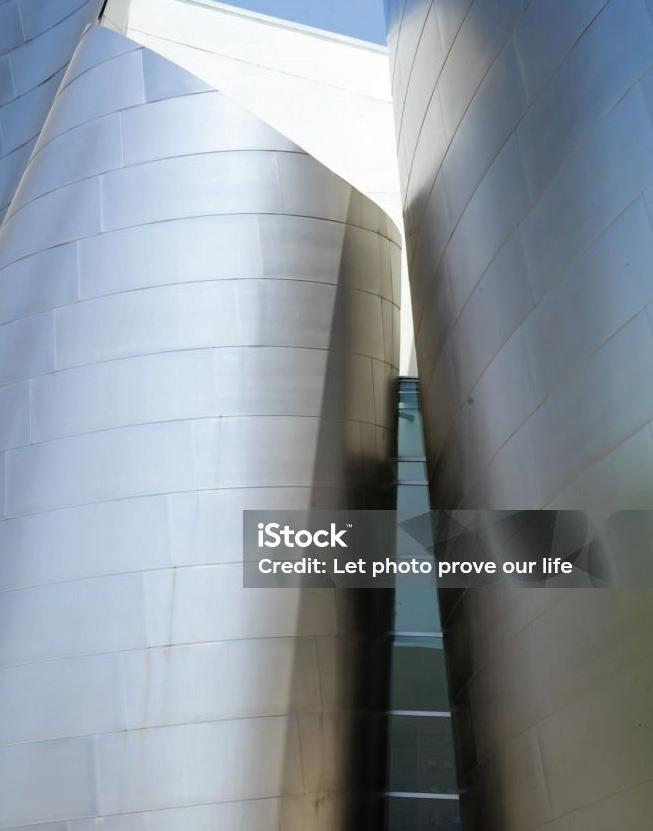
It also predictably includes metal exterior panels, specialty facades, and handrails. But balconies, metal framing in glazing assemblies, and signage—including a SMACNA National sign that was constructed of all the different types of metal—also fall under the architectural banner.
“We get commissioned quite a bit by artists,” Lansdell says, noting a 30-foot-tall and 110-foot-long public installation at Gainbridge Feildhouse named “Together”, which is engineered like a bridge without columns and cantilevered from secure footings under the plaza where it sits. Its galvanized steel frame supports stainless-steel panels with flanges for attaching to the structure with concealed fasteners, and the tip of the arches features two milled bas-relief limestone endcaps with engraved elements of the Indiana flag.
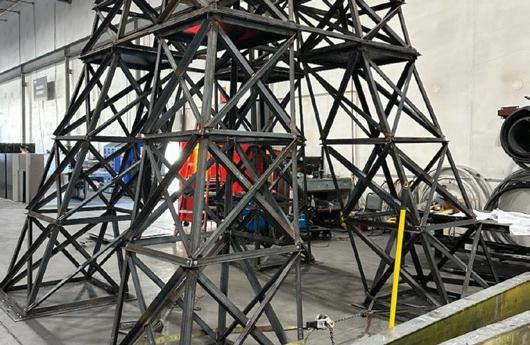
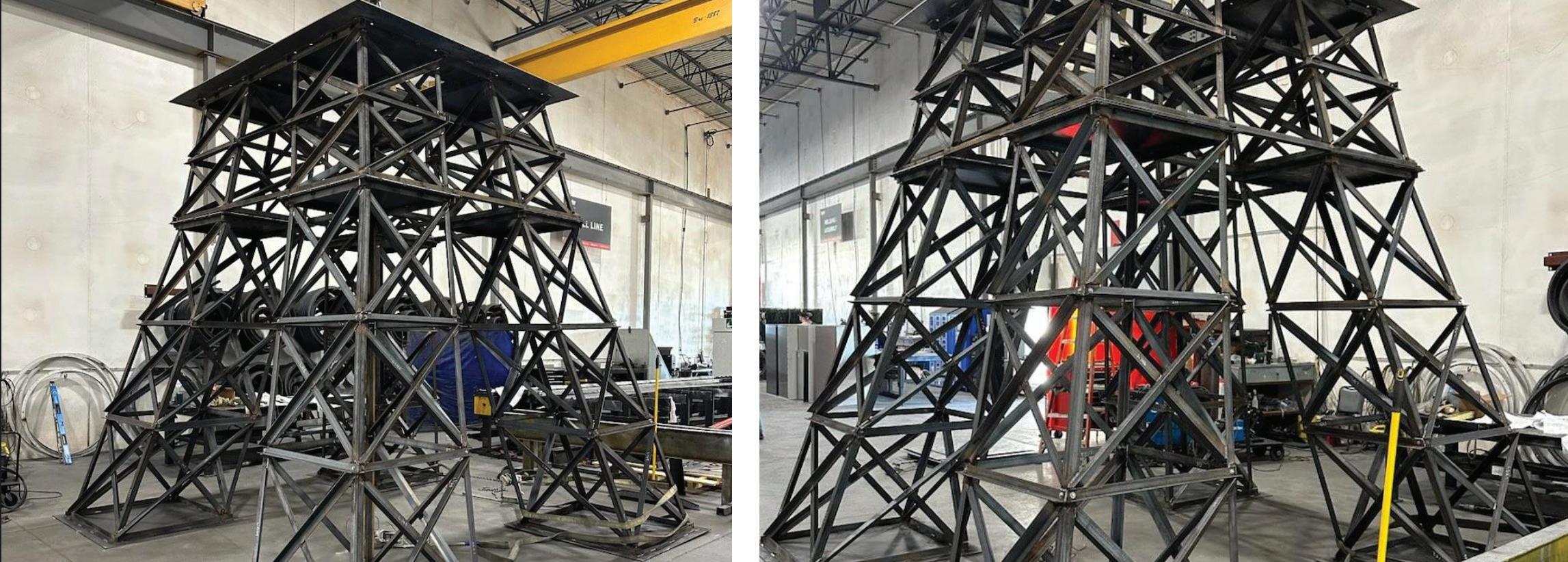
Todd describes an 85-foot-high Eiffel Tower replica created when Indianapolis hosted US swim trials prior to Paris Olympics. After other parties struggled to complete the project, it eventually made its way to Poynter and Local 20, but by that time there were just five days out of an eight-month schedule left to build the project. “Nothing was square, and it was far from complete,” Todd says. “It’s now in downtown Indianapolis as a show piece.”
Between Poynter and Locals 10 and 20, there are many other projects that exemplify the diversity in architectural. They include screen wall panels, patios, multi-purpose areas like small gyms, façade work at concessions, and specialty paneling in parking garages.
“Most of these jobs, like at Churchill Downs, are jobs we did the commercial ventilation on,” Lansdell says. “We were able to sell the architectural because we knew the team and manager. It just made sense.”
Knowing the competition
The union can be helpful in navigating jurisdictional issues,
when architectural work overlaps other metalwork trades. “In Local 20, the iron workers don’t mind if we do this work,” Todd says. “The glazers sometimes protest, but even when the Local can do some of that marginal work, it is still good for contractors.”
Lansdell says his team solves these kinds of issues by asking for a helper from the other trade to assist the sheet metal workers in doing the work. “That, a lot of times, satisfies them with representation,” he says. “We aren’t eliminating our workers from doing it, just adding another tradesperson.”
Todd adds that although architectural may demand different skills in different jurisdictions, the local is always ready to train for what the contractors require. “We take pride in that,” he says. “Anything that comes out, if contractors have a need, we will figure out how to train for it.”
Fairbank says that if contractors are willing to go out and get the work, the union will take a proactive approach to ensuring their workers can take on the scope.
“We are going fight like hell for it at Local 10 to make sure our workers do the work and to make sure it’s a partnership,” he says. “If we get a call that a contractor has been awarded the work, you better believe we are going to back our contractor on getting the skills and training in place so they can do that work.”
When Poynter built a radial ornamental staircase at Churchill Downs, it required unusual welding certificates for the workforce. They worked with Local 20 to get the workforce trained and certified in the difference welding positions, welding types, and materials.
“They are always there to support us,” Lansdell says. “Their training and their willingness work with our partners to get us certified and what we need has been a large buoy for our company.”
Jessica Kirby is editor-publisher for Point One Media, Inc., a small but sturdy family-owned trade magazine creator representing some of North America’s most successful construction associations. She can usually be found among piles of paper in her home office or exploring British Columbia’s incredible wilderness.
The Art of FEEDBACK
By Joel Garfinkle

Members want feedback and they want
to take it well. They want an honest assessment of their behavior to help them improve their work. They know that if they listen to, and take action on, clear and constructive feedback, their overall performance will improve. Successful employee retention and promotion will result, and so will overall job satisfaction.
However, most leaders feel uncomfortable delivering feedback, especially when it involves a problem or concern. So many leaders take a passive approach or are guilty of knee-jerk, “drive by” feedback, which can be counterproductive. Providing feedback that gets results isn’t as difficult or painful as you think. Listed below are eight tips to make it a powerful, positive experience that motivates people to reach higher.
1 – Assess progress on a regular basis. Assessment should happen on a frequent basis, not just once in a while. Provide progress evaluations every week during your one-on-ones if you’re able. Make sure members know what you perceive as their top strengths, sharing appreciation for the value they bring. Highlight areas for improvement, conveying what individuals need to work on strengthening so they’ll know where to focus their efforts.
2 – Tackle problems immediately. Tackle performance problems as they happen. Coach members on how to handle them when they need assistance.
3 – Be positive. Focus on what the person is doing well when giving feedback (and not just what they can improve upon). If your feedback concerns a problem, look for opportunities to “catch them doing it right.” Reinforce positive behavior.
4 – Focus on the behavior, not the person. When discussing a problem with performance, keep your emotions in check. Focus on the actions of the individual, not the person.
5 – Be specific. Provide tangible examples of the behavior in question, not vague, “drive by” criticism like, “You’ve been arguing with customers a lot” or “I’ve been hearing complaints about your attitude”
6 – Make it a two-way conversation. Take time to engage the employee and check for understanding. Focus on “partnership,” not “this is what you’re doing wrong” or “this is what you need to change.”
7 – Develop a plan of action.
Work with individuals to develop a plan for success and offer solutions to the challenges they face.
8 – Follow up every step of the way.
Don’t hold back in giving total support. Check in frequently, ensuring that employees or members know they can come to you with any questions.
Now let’s take a look at how to effectively receive feedback from others. These six tips will help you build ongoing relationships based on honesty and grounded in authenticity.
Top 3 Dos and Don’ts for Receiving Constructive Feedback
If you’re on the receiving end of feedback, it is imperative to ask the right questions to make sure you get the best possible advice.
Don’t…
1 – Put the other person on the spot. You’ll get more accurate feedback if you schedule the conversation ahead of time, giving the other person time to reflect on what you’re asking.
2 -– Fish for compliments. Instead of saying, “Do you think I did a good job in that presentation to the group?” ask, “How can I improve how I present to the group?”
3 – Be defensive. If the other person says something that makes you uncomfortable—even if you think it’s inaccurate—maintain your composure. “Can you tell me more about that?” invites further input, whereas “Why would you say that?” grinds the conversation to a screeching halt.
Do…
4 – Ask for specifics. Use follow-up questions to get more detailed feedback so you’ll have a clear understanding of the exact behaviors you need to change and how.
5 – Thank the giver of feedback. Always share appreciation— it can take courage to share authentic feedback.
6 – Follow up later. Assess your progress by asking the giver of feedback at a later date whether you’ve improved and how you can strengthen your performance even more.
Learn more about leadership and executive presence from Executive Leadership Joel Garfinkle at garfinkleexecutivecoaching.com

Building a Successful Foreman Training Program
By Geoff Williams
The idea behind a foreman training program makes so much sense, it is unsurprising that more don’t exist. Traditionally, forepersons are hired after they’ve learned on the job. Someone like a field manager or superintendent might designate the person with the most seniority or who shows leadership skills in other areas, and the person learns as they go.
SMACNA-Western Washington and Local 66 have taken a more proactive approach to filling leadership positions. Together with the Joint Apprenticeship and Training Committee (JATC) they’ve developed the Foreman Upgrade Training program, a course of training that was created to teach hard and soft leadership skills in a paced and supportive environment.
The management team at Holaday Parks, headquartered in Tukwila, Washington, couldn’t help but notice that younger workers weren’t exactly excited about becoming forepersons, said B.J. Giri, a managing principal at the firm.
Giri talked about the Foreman Upgrade Training program at the 2026 Partners in Progress Conference, along with SMACNA-Western Washington executive vice president Julie
Muller, and SMART Northwest Regional Council President Devin Leingang.
Giri noticed the traditional foreperson designation process wasn’t enticing, even though the position came with a bump in pay. It was too unpredictable, and the “learn as you go” method was stressful. “We had to figure out how to get the journeypersons to take on this responsibility,” Giri said.
Muller said she immediately saw the appeal of a foreperson training program. “There was a need for us to motivate and support these individuals into taking on leadership positions,” she said, noting that a Foreman Upgrade Training program also fits with SMACNA-Western Washington’s mission of developing young leaders—a task that traditionally begins with inviting young workers to experience the industry outside of work.
“Younger sheet metal workers are often encouraged to join committees and get involved in the industry,” Muller said. “Then it really is easy to identify who that next leader is, because you see who rises to the top.”
©iStock / Jacob Wackerhausen
“We have people who are forepersons and journeyperson apprentices taking all the classes, just because they’re enjoying them, and they’re learning a lot. A more educated workforce is a better workforce.
— SMART Northwest Regional Council President Devin Leingang
”The Foreman Upgrade Training program does more than identify leaders—it attracts and builds them. Its curriculum includes technical skills, such as drafting duct floor plans, first aid, and learning the finer points of DOSH and OSHA regulations; and transferable soft skills, such as leadership, communication, and bias and belonging. Participants also learn about applying lean principles, building respectful workplaces, mentorship, and AI.
“Soft skills—that was our turning point,” Muller said. “Our training center has done a fantastic job teaching the technical side, but the soft skill side—that leadership development, workforce development—is what we were really after.”
SMACNA-Western Washington, the Local 66 training center, and the JATC commit to offering a minimum of four training sessions each year, and the classwork is locally developed. Dedicated teams will continually tweak the coursework and introduce new classes, so leadership can keep growing and responding to industry trends and challenges.
Leingang said the Foreman Training Upgrade program has been popular and a success. As it stands, a foreperson makes 10% over journeyperson scale, and a lead foreperson makes 15% over the journeyperson scale. Once participants complete 16 hours of continuing education in a year, tracked by the JATC, a foreperson or lead foreperson can add another 2.5% to their pay, which would be 12.5% and 17.5% above journey wages, respectively.
“This has been a great thing,” Leingang says. “We have people who are forepersons and journeyperson apprentices taking all the classes, just because they’re enjoying them, and they’re learning a lot. A more educated workforce is a better workforce.”
There’s another benefit, Leingang added—less stress. The new wave of forepersons seems happier and more relaxed, and he hopes this will have a positive ripple effect. “Maybe being a foreperson and working in sheet metal won’t look so bad to the next generation coming up,” he says.
Geoff Williams is a freelance journalist and author, specializing in business and personal finance, based out of Loveland, Ohio. He has written for cnnmoney.com and the Wall Street Journal’s Buy Sidewould, among other well-known publications.
HOW TO BUILD A FOREPERSON TRAINING PROGRAM
For industry stakeholders who want to build or strengthen their workforce by partnering to develop foreperson training, Leingang suggests following a few best practices.
Make certain there’s a need. Maybe what’s working for you is working, and there’s no need for a foreperson training program. That said, Leingang says it’s not uncommon to ask a group of 30 sheet metal workers who would like to be a foreperson and only four hands will go up.

“I think a lot of younger workers are scared to be a leader,” he said. “They don’t feel they’re worthy or have the tools to do that right.” A well-designed, jointly held foreperson training program could fix that.
Like in many generations, young workers sometimes wonder if they’re in over their heads. “But a foreperson training program does more than build confidence,” Leingang added. “They can see a future.”
Insource teaching. At first, Western Washington’s Foreman Upgrade Training program relied on speakers to come in and run seminars. “It can get pretty pricey,” Leingang says. In Western Washington, Local 66, SMACNA, and the JATC design classes, which are taught by experienced local instructors.
Consider your location. At first, the program’s classes were held in one place, near Seattle’s airport, and this was convenient for some workers, but not so for others. Now, they mix up locations to delegate the longer commutes.
For more information on building a foreperson training program, reach out to SMACNA-Western Washington or Local 66.
Prompts to Sell Yourself as a Leader
People buy into the leader before they buy into the vision.
—John Maxwell
By John Millen
There was a time long ago and far away when leaders would speak and employees would take their marching orders, salute, and get the job done.
Many organizations have leaders who seem stuck in that state of mind. Time has moved on and they still wonder why their people “haven’t gotten the memo.” (A CEO actually said that line to me about his employees.)
In coaching leaders like these, I tell them that today leadership and, indeed life, is about sales.
With new generational attitudes in the workplace and the fragmentation of communications in our digital world, leaders must sell themselves and their ideas to succeed.
This was reinforced for me when I read The Art of Sale, Learning From the Masters About the Business of Life by Phillip Delves Broughton, which I recommend. He follows salespeople in many different professions around the world and shows that for all of us today, life is sales.
Steve Jobs, the late Apple visionary, certainly demonstrated the importance of a leader selling his ideas and himself. Warren Buffett did the same with his raucous annual shareholder meetings, deep annual letter, and frequent media interviews.
Selling Yourself and Your Ideas
These and other leaders show the importance of expressing yourself to build your leader brand and implement your ideas. Here are four prompts to making this happen:
1. Be Real
More than anything today, employees want you to be open and honest about what is going on. Drop the corporate-speak and get to the point.
And you need to be authentic all the time: every time you stand up to talk or send out an email, you are selling yourself and your ideas. You should have a few consistent, powerful messages that resonate with your most important audiences. If you’re at the level where someone else writes your messages, you must make them your own. Translate these messages in a way that feels comfortable and authentic for you. If you don’t, people will sniff out your discomfort: you’ll feel awkward and they’ll feel they’re getting the same old blah, blah, blah.

2. Be Engaging
The best way to engage your employees is to talk about what matters to them. Leaders will often go through long presentations talking abstractly about the implications for the organization and miss the punch line—what this means for members.
You should also be a collector and sharer of stories from your organization. Nothing is more powerful than stories in engaging people and influencing their perceptions and behavior.
3. Be Passionate
Selling anything is always easier if it engages the emotions. As a general rule, an audience will be excited if you show your passion. “But this is not an exciting subject, I’m present financial analysis,” you might say. Well, if you believe it’s dull then it is. If you can find what is interesting and compelling in your work, you will exponentially increase your people's interest. Practice speaking with emotion in your voice and avoid being monotone and using clichés. Your employees want to know you’re excited. Be excited!
4. Be Optimistic
Nearly every major organization in every country is going through continuous change. Effectively leading organizations through change is a big part of every leader’s responsibility. And an enormous part of leading through change is remaining optimistic and confident about the future. It’s okay to be honest and candid about some of the challenges you will face, but everyone can be encouraged and pointed towards a brighter future.
Begin using these techniques and you’ll notice a shift in the feedback you get and the attitudes of your team.
Most importantly, you’ll find a difference in the quality and quantity of your results.
Go ahead and try it this week: sell yourself and your ideas.
John Millen, storytelling and communication coach, conference speaker, and course creator, has more than 25 years of communication experience. His purpose is to help leaders and entrepreneurs grow their businesses and careers by developing their storytelling and communication skills. Learn more at johnmillen.com
©iStock / Deagreez
EXPERTISE Branding
The Best Practices Market Expansion Task Force conducted a series of focus groups to garner feedback that would form the foundation and direction of future marketing efforts. One key point they determined was that many people don’t know what work the sheet metal industry performs. They do, however, recognize, the term HVAC.
Further, customers demand EXPERTISE more than any other trait when hiring sheet metal contractors. Thus, SMACNA and SMART developed the Expertise branding program to help identify affiliated organizations as the source of expertise for HVAC, architectural, industrial, green construction, service, and retrofit work.
The primary component of this campaign is a series of Expertise logos—simple professional branding that any SMACNA chapter, contractor, SMART local, training center, or labor-management cooperation trust can use. Such organizations are encouraged to place this logo on their business cards, stationery, estimates, invoices, trucks, hats, shirts, advertisements, and any other place where it is useful to spread the word about the value of using

signatory labor. The logos are free to use with the completion of a licence agreement. As of June 2026, more than 300 chapters, contractors, unions, and JATCs are using the Expertise branding materials on their business cards, letter head, websites, branded clothing, digital materials, and in other applications.
Anyone approved to use the logos can also take advantage of FREE Expertise resources, such as professional advertisements, best practices How To guides, a library of industry photographs, press releases, and HVACExpertise.com, ArchitecturalExpertise. com, and IndustrialExpertise.com websites, which offer which offer links to signatory contractors and resources that explain the value of using Expertise contractors. It is easy to link to the Expertise sites from your web site.
To apply to use the logos, log in to your Partners in Progress account at and fill out the licensing form at pinp.org/need-anexpertise-logo. Licensing is required to limit use of the logos to those who qualify. Call (703) 803-2980 with any questions.
Submit completed forms to the SMACNA Labor Department via email at labor@smacna.org
Trying to get your Local, JATC, or company noticed?







Expertise is more than experience. It is skilled knowledge. Let your customers know there is a reason to hire you. Use Expertise logos on all of your promotional materials.
Get the details at pinp.org