KNOW
PROPERTY & PROGRESS:

From the CEO
Real estate is the single most important factor in economic development. The adage, “Buy land—they’re not making it anymore,” attributed to Mark Twain, rings as true today as ever. While other considerations— like workforce, infrastructure, and transportation—play critical roles, real estate drives nearly every development decision.
Certainly, location, access, topography, proximity to the market, proximity to the workforce, supply chain, and other critical factors help drive the real estate process. Whether the end uses are industrial, commercial, housing, municipal, education, or health care, the real estate decision most often determines the likelihood of successful outcomes. In fact, it is THE market that shapes so many decisions in our lifetime. Where do I locate my business? Where do I choose to live? Where can I best access my customer base? These and other real estate-based questions impact business and our communities in profound ways. Carefully thought-out and researched real estate decisions, or miscalculations, determine the trajectory of our businesses, our communities, and our lives.
In this issue, we focus on the individual elements of the real estate decision-making process: the legal, economic, environmental, and political priorities that shape the development process and impact business and our communities.
In this, our 17th edition of the award-winning In The Know publication, we thank our investors for sharing their expertise and advertising over the years. I am proud of the work the Partnership team has done to take a simple idea and create a product of great value and exceptional delivery. Thank you for your continued support of the Partnership for Economic Development in Sullivan County.
Sincerely,

Marc A. Baez Chief Executive Officer


A Housing Shortage We can No Longer Ignore

Assemblymember
Paula Elaine Kay
Assembly District 100
I have been a champion of workforce housing long before I considered running to represent District 100. Today, the need in Sullivan County is urgent. Across every sector, employers struggle to recruit and retain staff due to a lack of attainable housing. Rising rents, limited inventory, and aging housing stock have placed pressure on working families. Too many residents are commuting long distances or living in conditions that fall short of what any family deserves.
Following my election in January 2025, I convened workforce roundtables at Resorts World Catskills, bringing together developers, major employers, local leaders, trade unions, and state agencies. These candid, solution-driven conversations have already led to the identification of two workforce housing sites in the Towns of Thompson and Liberty—direct results of this shared effort.
I have also focused on removing outdated barriers that delay development. I introduced the “Planning Approval Predictability Act,” which requires planning boards to establish clear, locally tailored requirements. This gives developers a defined path and timeline while preserving local control. It strengthens partnerships and brings greater transparency to the process, helping move good projects forward more efficiently.
In addition, I am advocating for expanded DEC staffing to support permitting and for targeted SEQR improvements to reduce delays while preserving environmental protections. These sensible changes will help move projects forward and reward responsible development.
Every day, I hear from constituents struggling to make a living here. Creating quality, affordable housing for those who work in our community is essential to strengthening our economy, stabilizing neighborhoods, and supporting healthier families. Workforce housing is not just a housing issue—it requires collective action. Together, we can build a stronger Sullivan County where working families can live, grow, and thrive.
Environmental Due Diligence in Commercial Real Estate Transactions

By Thomas Melia, PG P.W. Grosser Consulting
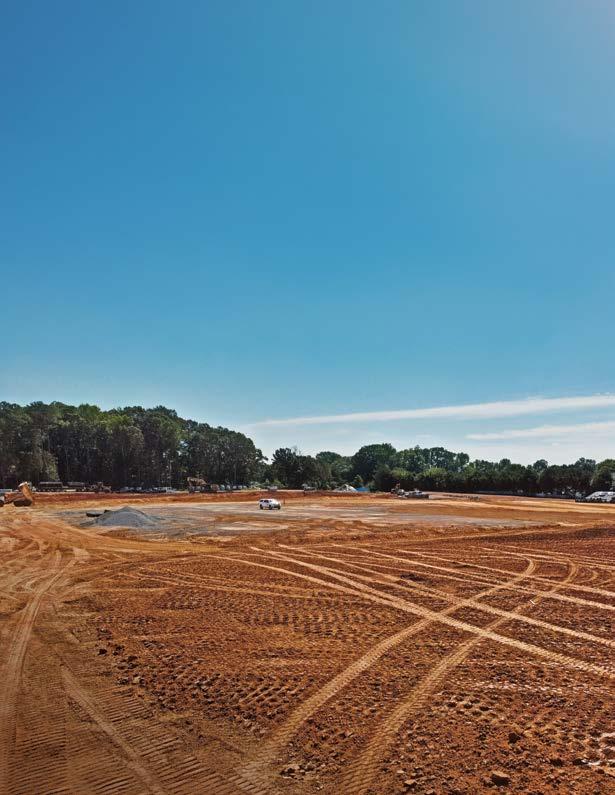
Recently a client came to us with a property that they had purchased without performing any environmental due diligence. A few years after the purchase, a potential tenant performed a baseline environmental investigation prior to signing a lease and discovered significant contamination in soil and groundwater at the property. Our client is now responsible for a cleanup of the contamination that will wind up costing them well over $1M, most of which could have been avoided had they known about the contamination prior to the purchase.
What is Environmental Due Diligence?
Simply put, environmental due diligence is the process of identifying and evaluating environmental risks associated with a property to avoid situations like the one described above. It is a critical safeguard for buyers, lenders, and investors in any commercial real estate transaction to avoid financial and legal liability due to the environmental history of a property.
Most commonly, environmental due diligence starts with a Phase I Environmental Site Assessment (ESA) which is primarily a research project into the history of the property and surrounding area with no invasive sampling. The process is rigidly defined by the EPA’s All Appropriate Inquiry (AAI) rule defined in 40 CFR Part 312, and ASTM Standard E1527. Core components include: review of government database records such as the Federal Superfund list, State spill reports, and
storage tank registrations, review of historical sources such as aerial photographs, fire insurance maps (Sanborn maps), city directories, and topographic maps, site reconnaissance to observe current conditions at the property and in the surrounding area, and interviews with current and past property owners and occupants and local government officials.
This information is used to evaluate the subject property and surrounding area to identify what are known as Recognized Environmental Conditions (RECs) which, to paraphrase ASTM E1527, are a known or likely release of a hazardous substance or petroleum product affecting the property. Scenarios that are often identified as RECs are commonly related to the current or historical usage of the property (e.g., dry cleaning, gasoline station/auto repair, manufacturing, agriculture, etc.), or discrete issues like underground storage tanks (USTs) or onsite septic systems.
In situations where a Phase I ESA identifies a REC, due diligence typically moves on to a Phase II ESA, at which point the process moves beyond desktop research and into a field
investigation. While the Phase II ESA process is not as rigidly defined as the phase I ESA process, it is governed by ASTM E1903, and in most cases should also comply with various Federal, State and local regulations that may apply to specific RECs, such as tank regulations, soil and groundwater cleanup standards, or soil vapor intrusion regulations. A typical Phase II ESA consists of collection and analysis of soil, groundwater or soil vapor samples, the data from which is compared to applicable regulatory standards and used to evaluate whether the RECs identified in the Phase I ESA are actual present and will require some level of remedial action.
Why Does Environmental Due Diligence Matter?
Liability protection – under CERCLA (the Superfund Law), liability for contamination at a property can attach to current and former owners and operators regardless of whether they caused the contamination, making innocent purchasers potentially responsible for costly cleanups they had nothing to do with. A properly conducted Phase I ESA is a foundational step meeting the requirements of the
continued...
AAI (All Appropriate Inquiry) Rule and securing liability protections under CERCLA (and State analogues) for innocent landowners.
Financial protection – identifying potential environmental issues and establishing liability protection is crucial; buyers who don’t perform comprehensive due diligence can inherit liability for cleanup which can be quite expensive. Large scale environmental remediation projects can span years and come with multi-million dollar price tags. Even a relatively small, simple cleanup is likely to be on the order of tens of thousands of dollars.
Informed negotiation and deal structuring – environmental issues shouldn’t necessarily mean you need to walk away; there are ways to structure contracts to address environmental issues without killing the deal. Strategies we’ve seen to be effective include having the seller perform any cleanup prior to closing, negotiating a reduction in purchase price to offset cleanup costs, placing a portion of
the proceeds from the sale into escrow to fund a post-closing cleanup, or accepting the property as is and using the environmental issues as a path into the New York State Brownfield Cleanup Program (BCP) which can return up to $3.50 in refundable tax credits for every $1.00 spent on cleanup while also providing liability protection.
Lender requirements – most lenders will require some form of environmental due diligence prior to financing a commercial real estate transaction. Knowing in advance what environmental issues may be present at a property saves time by allowing a purchaser to identify a lender whose risk profile aligns with the property’s conditions. Additionally, even in an all-cash transaction, lender due diligence requirements will eventually come into play — whether at the time of refinancing, construction financing, or a future sale to a buyer who requires financing. At that point, any environmental issues that were not identified and addressed upfront can create significant delays or derail the transaction entirely.
Takeaways
Environmental due diligence is not an optional step in a commercial real estate transaction — it is a fundamental protection for buyers, lenders, and investors alike. As illustrated by the situation described at the outset of this article, the cost of skipping due diligence can far exceed the cost of performing it. A Phase I ESA is a relatively modest investment that can reveal critical information about a property’s history, establish liability protection under CERCLA, and give buyers the information they need to make informed decisions. When environmental issues are identified, they don’t have
to derail a transaction — with the right expertise and deal structuring, they can be managed, priced, or remediated. But none of those options are available to a buyer who closes without looking. Whether you are acquiring a former gas station, an industrial facility, or a seemingly benign commercial property, environmental due diligence should be a non-negotiable part of your transaction process. If you have questions about environmental due diligence or need assistance with a Phase I or Phase II ESA, our team is here to help.

Is It Cheaper to Build or Buy, and Why? An Architect’s Perspective
By Matthew
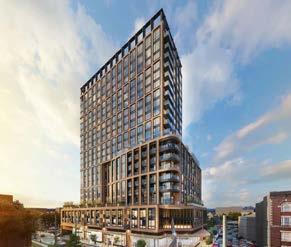
I recently sat down with partners Greg A. Chianis, AIA, and Todd J. Anderson, AIA, at Chianis + Anderson Architects, PLLC to help answer a recurring question that has emerged from their Developer and Owner clients when evaluating their next investment: Is it cheaper to buy an existing building or to construct a new one—and why?
“It’s best to get a professional involved as early as possible when considering a new project to help determine what direction makes the most sense”, said Todd J. Anderson, AIA, co-founder of the firm, and principal on countless new build and adaptive re-use projects over the firm’s 25-year history. While the question is often framed around budget, architects engaged early in the feasibility and planning phase understand that initial cost is only one variable. Schedule, regulatory complexity, operational efficiency, and long-term asset value frequently influence outcomes just as much as the upfront cost. This article explores those considerations to help owners make informed decisions early—when choices have the greatest impact on cost, risk, and performance.
Masse, MSM, with Todd J. Anderson, AIA & Greg A. Chianis, AIA
Advantages of Purchasing
an Existing Building
One of the potential advantages of purchasing an existing building is speed to market. Existing assets can often bypass lengthy approval and site development phases, allowing Owners to move more quickly from acquisition to occupancy. For industry sectors with thin profit margins, this time advantage can translate to earlier revenue generation and a positive impact on the bottom line, as well as achieving return on investment targets.
Existing buildings also allow owners to leverage established real estate. Urban centers, infill parcels, and transit-oriented sites often offer infrastructure, workforce access, and visibility that are difficult to replicate with new construction. Reuse can be particularly advantageous where land availability or zoning precludes, or delays, ground-up development.
Another factor that weighs heavily these days is sustainability. Re-using existing buildings and infrastructure where possible can significantly reduce the overall carbon footprint by responsibly managing or avoiding damaging emissions resulting from the sourcing and producing of new building materials.
Disadvantages of Purchasing an Existing Building
Despite these benefits, existing buildings often present functional constraints and challenges. structural grids, floor-to-floor heights, and circulation patterns may not align with contemporary operational models, particularly in complex occupancies such as healthcare or technical manufacturing facilities.
Changes in use may also trigger compliance concerns with current building codes, including accessibility, egress, and life safety requirements. Zoning restrictions—such as limits on density, parking, or permitted uses—can further constrain redevelopment options.
Another frequent challenge is aging building systems. Mechanical, electrical, plumbing, and fire protection systems in older buildings often operate

significantly below current efficiency expectations and may not meet modern performance standards or meet today’s rigorous code requirements.
Finally, environmental issues such as underground storage tanks, asbestos containing materials (ACM), lead-based materials, or contaminated soils are far too common with older sites and may require extensive remediation efforts and cost.
Advantages of Building New
New building construction offers owners the ability to design to fit their exact, specific needs. Purpose-driven, intentionally designed layouts can support efficient workflows, future flexibility, and expansion potential, while meeting current regulatory requirements.
Performance is a second major advantage. New buildings can incorporate envelopes that offer significantly higher thermal performance compared to antiquated materials. Efficient building systems and state-of-the-art design materials can often significantly reduce operating costs, while increasing occupant comfort. “Providing our Clients with energy
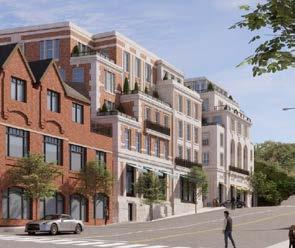
Reuse Project
efficient design solutions isn’t optional, it’s required in this day and age with rising energy costs and tighter budgets” says Chianis + Anderson Architects partner Greg A. Chianis, AIA.
Building a new building also reduces unknown environmental conditions. A clean site with documented geotechnical and environmental data eliminates many of the surprises associated with reuse, allowing for more predictable cost modeling and risk management.
Disadvantages of Building New
The most immediate challenge of ground-up construction is high initial cost. Volatility in material pricing and labor availability continues to affect project budgets, particularly for steel, concrete, and high-efficiency mechanical systems.
Sustainability also plays an important role here. New construction can have a substantial impact on carbon footprint and emissions.
Finally, new development may involve a longer timeline. The required zoning approvals, environmental review, permitting, and utility coordination can significantly extend project schedules, thus delay revenue generation and increased carrying costs.
Conclusion
There is no universally correct answer to whether it is cheaper to buy or to build. Owners must consider speed to market, site constraints, regulatory requirements, environmental risk, operational efficiency, and long-term performance—not just initial cost.
The consistent message echoed by partners at Chianis + Anderson Architects is that early engagement with planning and design professionals is essential. By involving architects, engineers, and code specialists early, owners can evaluate options holistically, mitigate risk, and align project decisions with long-term business and sustainability goals. The most cost-effective projects are rarely accidental— they are informed early and planned deliberately.



Understanding the Sullivan County Residential Real Estate Market
By Carol Malek Managing Broker and Owner of Malek Properties since 1997
Real estate trends are often unique to each region, and Sullivan County is no exception. Our market doesn’t always follow the general patterns seen elsewhere.
Historically, Sullivan County has been a second home market. With tourism as our primary industry, this is no surprise. Over 90% of buyers here are purchasing vacation homes. This means that market shifts, whether positive or negative, tend to have a stronger impact on us than they might on other areas.
When the economy tightens and uncertainty rises, people tend to hold off on purchasing a second home, seeing it as a luxury item. On that same note, vacation homeowners may struggle with the financial burden of paying the mortgage or maintaining their properties, which can lead to increased inventory on the market. So, while other areas may be seeing a boom, Sullivan County usually faces slower sales or stagnation.
However, we’ve also seen the opposite effect in times of crisis, such as during the pandemic or after the 9/11 attacks. When other markets are down, Sullivan County often experiences an unexpected surge in activity as buyers look for refuge in second homes. In these instances, our market can thrive while major metropolitan markets, like New York City, experience declines.
Current Market Conditions
So, what does the Sullivan County market look like right now? After several years of a “hot” sellers’ market, 2025 marked a shift toward a more balanced, “neutral” market. Buyers began securing better deals, bidding wars became less common, and negotiating for repairs was more frequent. Home prices stabilized, with most homes selling within 5% of the list price, and time on the market began to increase, though not excessively.
By mid-2025, the market took another turn. Higher interest rates, inflation, and rising costs seemed to
make buyers pause, leading to a significant slowdown in transactions. Home prices dipped over the summer and fall, while new listings hit the market. There was less urgency among buyers, but the market remained stable for the rest of the year.
2026 started off slowly, intensified by harsh winter weather and uncertain economic conditions. Rising costs of living, higher energy prices, and the onset of war added to the unpredictability of the market. The good news is that during early spring, we observed increased interest in residential vacant land and residential single-family listings. The luxury home market also exhibited consistent, albeit moderate, buyer activity.
Looking at the past six months, home prices in Sullivan County remain relatively high. Some homes are still selling for asking price or more, but we are observing price reduction consistently on many properties. Inventory levels are lower than pre-pandemic times, but higher than in 2025. With the warmer months approaching, we expect a significant increase in new listings.
What’s Next for the Market?
The real estate market is cyclical, typically shifting every 7 years or so. After nearly five years in a sellers’ market and a recent transition to a more neutral market, we believe 2026 will likely lean toward a buyers’ market. Indicators like higher inventory, more negotiating power for buyers, longer days on the market, and reduced competition point to this trend.
That said, Sullivan County’s market remains strong overall. Prices are still at historic highs compared to past years. Buyers are still active, sellers are still closing deals, and we’re fortunate to remain busy in this evolving landscape.


Restoration Readiness: Why Businesses must Prepare before Disaster Strikes

By Brittany Johnson Co-Owner SERVPRO of Orange, Sullivan & S. Ulster
Disasters rarely come with warning. Whether it’s a burst pipe, electrical fire, severe storm, or hidden mold issue, the impact on a business can be immediate and costly. Restoration services play a critical role in helping companies recover after these events, but one of the most important truths in the industry is this: the businesses that recover fastest are the ones that prepared before the disaster ever happened
Understanding the importance of restoration, why preparedness matters, and the hidden risks many business owners overlook can make the difference between a temporary disruption and a long-term closure.
The Importance
of
Restoration Restoration is the process of returning a property to its pre-loss condition after damage caused by water, fire, smoke, mold, or storms. While repairs may seem straightforward, the restoration process is complex and often requires trained technicians, specialized equipment, and careful documentation, especially when insurance claims are involved.
For businesses, the stakes are even higher than for residential properties. When a commercial property experiences damage, operations can come to a halt. Employees may be unable to work, customers may go elsewhere, and revenue losses begin almost immediately.
Beyond repairing structural damage, restoration professionals also focus on protecting critical aspects of a business, including:
• Business operations
• Employee safety
• Customer access
• Inventory and equipment
• Important documents and records
The faster restoration begins, the more damage can be prevented. For example, water damage left untreated for just 24–72 hours can lead to mold growth which could increase remediation costs.
Hidden Risks Business Owners Often Overlook
Many business owners believe the greatest threats are major disasters like fires or floods. However, some of the most disruptive problems are the ones that start small and go unnoticed.
Why Preparedness Is Critical for Businesses
Many business owners assume disasters are rare events, but in reality, smaller incidents happen every day. Pipe breaks, HVAC failures, roof leaks, and electrical malfunctions are common causes of commercial property damage.
Preparedness is essential because the first few hours after a loss are often the most critical. Without a plan, businesses may spend valuable time trying to figure out who to call, how to stop the damage, or what steps to take next.
Prepared Businesses Typically have:
• An emergency contact list that includes restoration professionals
• A disaster response plan for employees
• Documentation of equipment and assets
• Backup systems for important digital data
• Knowledge of where utilities can be safely shut off These simple steps can dramatically reduce downtime and financial losses.
Being prepared also helps businesses respond calmly and effectively during stressful situations. When employees understand their roles during an emergency, response times improve and additional damage can often be prevented.
Here are a few risks businesses may not anticipate before a disaster occurs:
Hidden Water Damage
Small leaks behind walls, under sinks, or within plumbing systems can go undetected for weeks or months. Over time, moisture can damage building materials, create odors, and lead to mold growth.
Smoke and Soot Contamination
Even a small fire in a neighboring suite can spread smoke throughout a building’s ventilation system. Smoke particles can settle into electronics, inventory, and surfaces, requiring professional cleaning to prevent long-term damage.
Secondary Damage
Many losses worsen not because of the original incident, but because mitigation is delayed. Water can warp floors, ruin drywall, and damage electrical systems if not addressed quickly.
Business Interruption
Some owners focus on repair costs but underestimate the financial impact of lost operations. Even a few days of downtime can affect revenue, employee productivity, and customer relationships.
Documentation Challenges
After a disaster, insurance claims require clear documentation of damage and inventory. Businesses without proper records may struggle to prove the extent of their loss, which can slow down the recovery process.
Building a Culture of Preparedness
Preparedness does not require complex systems or expensive investments. Often, it begins with awareness and planning.
Business owners should consider working with restoration professionals before a disaster occurs to identify risks and create a response plan. Many restoration companies offer facility assessments and emergency response planning to help businesses identify vulnerable areas within their property.
Preparedness also involves training employees. Staff members should know basic emergency procedures such as where shut-off valves are located, how to report damage quickly, and who to contact when an incident occurs.
Simple preventative maintenance can also go a long way. Regularly inspecting plumbing systems, roofs, HVAC units, and drainage areas can help detect issues before they become costly problems.
Why It All Comes Down to Preparation
Disasters can disrupt businesses in unexpected ways, but preparation can significantly reduce their impact. Restoration professionals are equipped to help businesses recover after fire, water, and other property damage, but the most successful recoveries often begin long before a disaster happens.
By understanding the importance of restoration, recognizing hidden risks, and putting preparedness measures in place, business owners can protect their property, their employees, and their ability to continue serving their customers, no matter what challenges arise.



Building projects that build community


At LeChase, our reputation for integrity, safety and quality has earned us the privilege of building projects – large and small – that continue to shape the future of Sullivan County. Whether a project is in healthcare, K-12, higher education, commercial, manufacturing, hospitality or housing, we are proud to support efforts that make the community an even better place to live, work and learn.
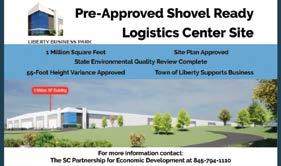
From Concept to Shovel Ready:
The Importance of Assembling a Project Team Early

By Kris Almskog, PG P.W. Grosser Consulting
In development, when managing risk, controlling costs, and shortening approval timelines, it is critical to assemble a qualified project team at the outset—often before a formal application is submitted. Early collaboration among technical, legal, and design professionals ensures regulatory constraints are identified and incorporated into the project concept from the start.
In a county where zoning requirements, SEQRA review, wetlands regulations, health department standards, and watershed protections often overlap, early coordination can mean the difference between a smooth approval process and years of delays. When considering a development project, the following team members should be included:
Architects: Translate the development vision into a buildable design that complies with zoning, community character, and visual impact expectations. They ensure building placement, massing, height, and layout align with rural and small-community aesthetics—key issues often scrutinized by Planning Boards.
Civil Engineers: Determine whether a site can be practically developed. Their early involvement enables preliminary grading and drainage analysis, roadway and access design, stormwater feasibility assessment, septic or sewer planning, and water supply evaluation. In Sullivan County, where many projects rely on on-site septic systems and private or community water systems, early engineering is essential to confirm a viable development density before making a significant investment.
Wetlands and Environmental Specialists: Environmental issues are a leading cause of delays when not addressed early. Many sites contain regulated wetlands, streams, floodplains, or buffers overseen by NYSDEC, the U.S. Army Corps of Engineers, and, within the NYC Watershed, additional agencies.
Early engagement allows for wetlands screening or delineation, identification of required permits, impact avoidance through better design, and integration of mitigation strategies. Projects may also require endangered species review and related mitigation.
Land Use and Environmental Attorneys: Guide entitlement strategy, regulatory interpretation, and risk management. Their involvement helps determine zoning relief needs, approval sequencing, involved or interested agencies under SEQRA, and how to structure defensible applications. They also assist with complex filings, negotiating conditions, and public hearings—especially for projects with community interest.
Early Team Integration Leads to Better Outcomes
When these professionals collaborate early, projects benefit from:
• Fewer redesigns after agency review
• Stronger SEQRA documentation
• More predictable permitting timelines
• Better coordination with boards and agencies
• Reduced risk of missed approvals or permit conflicts
In a growing market like Sullivan County—where housing demand, tourism investment, and economic activity are increasing—projects that are well planned from the outset are far more likely to reach shovel-ready status efficiently and successfully.






Before You Break Ground, Break Down the Risk: Why Early Counsel Matters more than Developers May Realize


By Michael E. Catania, Esq. and Cara A. Whalen, Esq. Mackey Catania & Whalen LLP
The Purchase Agreement is Your First Line of Defense
A site can appear to check every box— hospitality, mixed-use, retail, redevelopment— but simply reviewing a listing or walking the grounds will not tell you whether the property can actually be acquired, approved, financed, built, and operated the way you plan. This is so regardless of what the seller tells you. Its assumptions are never a substitute for your own due diligence. This is where a well-drafted purchase agreement comes in, and it should do far more than lock in a price. It gives the developer time and protection while the real risks are evaluated. Can the property be used as intended, or will it require a variance or special permit? Are there wetlands, floodplain concerns, or access issues that reduce the buildable area? Are utilities already in place, or will the developer be responsible for expensive extensions? Those questions need to be answered—or at least addressed—before the developer is fully committed. Strong diligence rights, contingencies, and exit protections are not optional. They are the contract terms that prevent a buyer from inheriting someone else’s problem.
There is an old saying, often attributed to Abraham Lincoln: “Give me six hours to chop down a tree and I will spend the first four sharpening the axe.” In development, “sharpening the axe” means doing the legal and practical work up front. The better prepared a developer is at the outset, the less likely a project is to be derailed by zoning and environmental issues, unclear contract language, or financing terms that do not fit the deal. By the time those problems surface, capital is committed, timelines are off track, and options are limited.
Approvals Take Longer than You Think
Developers are most frustrated and caught off guard by extensive delays with planning board reviews, SEQRA compliance, site plan approval, etc.,- a process can vary dramatically from one town to another. What moves quickly in one municipality may take months of additional review in another. Those delays are not just procedural inconveniences, they extend carrying costs, lender deadlines, construction schedules/pricing, and tenant commitments.
While some of these delays may be unavoidable, an early and comprehensive project assessment provides a level of certainty that allows for a developer to mitigate some of the above issues.
Environmental Issues Can Rewrite a Pro Forma
SEQRA review, wetlands delineation, drainage requirements, traffic studies, water and sewer capacity, prior site contamination—any one of these can affect the project’s cost, design, and timeline. These are not uncommon issues in Sullivan County, with its mix of rural infrastructure, protected watersheds, and legacy land uses. However, when identified early, plans can often be revised, or terms renegotiated. If issues are uncovered too far into the process, costs associated with delays and redesign that weren’t initially built into the budget can suffocate an otherwise viable project.
Financing and Ownership Deserve the Same Scrutiny
Development deals rarely involve one decision-maker writing one check. More often, there are multiple investors, guaranties, construction financing obligations, and sometimes public incentives or tax benefits involved. When the operating agreement or financing documents are poorly drafted, the fallout can include disputes among partners, unexpected personal liability, compliance problems, or restrictions that interfere with refinancing, lease-up, or exit.
Making sure the legal documents match the actual business deal— before money changes hands—is one of the most cost-effective steps a developer can take. It is also one of the most often overlooked.
Construction and Leasing: Where the Details Become Disputes
Scope, delay, change orders, indemnity, insurance, completion obligations, tenant improvements, operating expense pass-throughs, default provisions— developers and their teams often treat these as boilerplate. They are standard only until one of them becomes the reason a project runs over budget, falls behind schedule, or ends up in litigation. Having construction and lease agreements reviewed and, when necessary, negotiated before they are signed—not after problems arise—is how you keep a manageable issue from turning into an expensive one.
Local Knowledge Matters
Sullivan County is not a one-size-fits-all market. Municipal processes, board expectations, infrastructure realities, and community dynamics differ throughout the county. Developers are better served when their counsel understands not only commercial real estate law, but also how development actually happens here—what boards expect, where infrastructure gaps exist, and which types of projects tend to move forward versus which tend to stall.
The Bottom Line
The most costly problems in development are often the ones that could have been identified or flagged early on: a site that can’t be built as planned, an approval process that will be twice as long as expected, environmental conditions, financing documents that create unnecessary personal exposure and/or construction contracts that leave disputes unresolved and projects subject to massive change orders, and blown schedules. Early legal advice is not about adding cost to a project. It is about sharpening the axe.
Building on Difficult Soil: Engineering Solutions for Challenging Sites

By Christopher Burke, Ph.D., P.E. (NY, NJ, PA, FL), P.M.P. Senior Vice President, Geotechnical Tectonic Engineering
How
Geotechnical Engineering
Makes Construction Possible
on Poor Soil, High Water Tables, and Unstable Ground
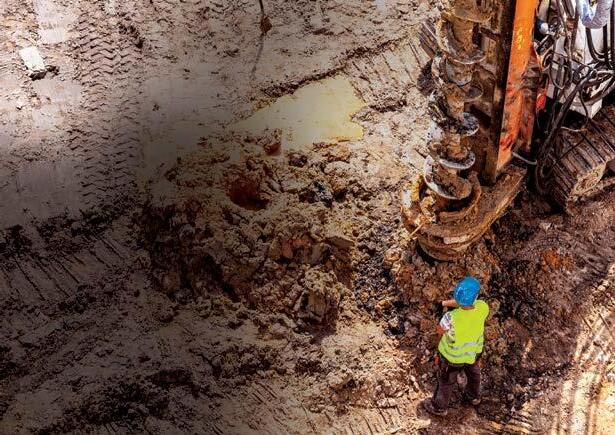
Constructing new infrastructure is rarely as simple as placing a foundation on solid ground. Across the Northeast and beyond, development frequently occurs on sites with soft clay, loose fill, high groundwater, or geologic instability. For four decades, Tectonic Engineering Consultants, Geologists & Land Surveyors, D.P.C. has helped project owners overcome these conditions through advanced geotechnical investigation, analysis, and ground improvement design. With the right approach, even the most challenging sites can safely support buildings, transportation infrastructure, and energy facilities.
Understanding the Subsurface
Every successful project begins with a clear understanding of the soil and rock beneath the surface. Geotechnical engineers use borings, test pits, geophysics, and laboratory testing to evaluate strength, compressibility, groundwater levels, and potential hazards such as liquefaction. The data allows engineers to model how the ground will behave under structural loads, seasonal changes, or seismic events. On difficult sites, this early investment in exploration is essential; it allows engineers to tailor solutions that balance safety, performance, and cost.
Building on Poor or Compressible Soil
Soft clays, organic deposits, and uncontrolled fill can lead to excessive settlement if not properly treated. Several engineering methods help overcome these conditions:
• Deep Foundations: Piles or drilled shafts transfer building loads to deeper, more competent soil or rock. Depending on site needs, engineers may use steel H piles, precast concrete piles, micropiles, helical piles, ductile iron pipe piles, or caissons.
• Ground Improvement: When deep foundations are impractical, soil improvement techniques such as vibro replacement (stone columns), dynamic compaction, soil mixing, or grouting can increase soil strength and reduce settlement.
• Preloading and Wick Drains: For large embankments or structures on compressible clays, preload fills combined with prefabricated vertical drains accelerate soil consolidation before construction begins.
Each solution is selected based on detailed engineering analysis to ensure long term stability while also considering budgetary constraints.
Managing High Water Tables
High groundwater introduces challenges such as buoyancy, reduced soil strength, and construction dewatering issues. Geotechnical engineers address these conditions using:
• Dewatering Systems: Well points, deep wells, and cutoff walls help temporarily lower groundwater during excavation.
• Waterproofing and Drainage: Permanent systems such as sub-slab drains, sump pumps, and waterproof membranes protect structures over their service life.
• Buoyancy Control: For tanks or below grade structures, engineers may design structural anchors, heavier foundations, or soil improvement to counteract uplift forces.
Effective groundwater management safeguards both the construction process and long-term performance of the improvement.
Stabilizing Unstable or Sloped Ground
Sites with landslide-prone soils, steep topography, or variable subsurface conditions require specialized stabilization measures, including:
• Retaining Structures: Mechanically stabilized earth (MSE) walls, soldier piles, and soil nailed walls help support excavations or slopes.
• Reinforced Soil: Geogrids, geotextiles, and mat foundations distribute loads more evenly across unstable ground.
• Rockfall and Slope Stabilization Systems: Rock bolts, mesh, shotcrete, and drainage control reduce slope failure risks.
Engineering Confidence in Complex Conditions
Difficult ground conditions need not limit development potential. With robust site investigation, advanced analytical tools, and specialized foundation and ground improvement techniques, geotechnical engineers make it possible to build safely, sustainably, and efficiently on challenging sites. At Tectonic, this expertise is central to transforming complex subsurface conditions into successful, resilient projects.
Case History: Brooklyn Logistics Center
The project involved the construction of a new logistics center with an approximate height of 39 feet above existing grade, no below grade basement, and a building footprint of roughly 77,000 square feet.
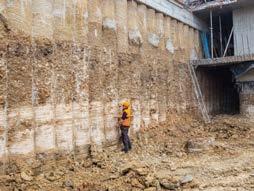
The primary geotechnical concerns for the proposed development included the presence of relatively deep uncontrolled fill—ranging from approximately 12 to 16 feet below ground surface—underlain by loose native soils, as well as a relatively shallow design groundwater table located approximately 2 to 3 feet below existing grade.
Given the thickness of the uncontrolled fill, the use of conventional shallow foundation systems (i.e., spread footings or a structural mat) was deemed cost prohibitive. The shallow groundwater table further complicated the feasibility of excavating and replacing the uncontrolled fill with engineered fill, as dewatering and subgrade stabilization would have been extensive. As a result of these challenging subsurface conditions, Tectonic initially evaluated and recommended four deep foundation alternatives for structural support: timber piles, steel pipe piles, tapered-tip piles, and micropiles.

In addition to deep foundations, ground improvement supported shallow foundations were evaluated as viable alternatives. These included the installation of rammed aggregate piers (RAPs) or controlled modulus columns (CMCs) to penetrate the uncontrolled fill and bear within the underlying medium dense native soils while also providing stiffness improvement through the full depth of treatment. A second potential ground improvement approach considered was in situ grouting, such as permeation grouting. Permeation grouting— also referred to as pressure grouting—involves the staged injection of a high slump cementitious grout to fill voids and increase the strength and stiffness of loose, granular soils.
Ultimately, rammed aggregate piers were selected as the preferred foundation solution. This approach allowed the building to be supported on conventional spread footings founded on ground improved soil, eliminating the need for more costly deep foundation systems or extensive excavation and replacement of uncontrolled fill with compacted, controlled material.





Why Seasonal Pest Activity Could be Costing You More than You Think: A Dive Into Effects on Property Value
Pest activity isn’t constant throughout the year—it follows predictable seasonal patterns that can significantly impact residential and commercial properties. Understanding these trends allows property owners and managers to take preventative measures before infestations become serious.

By Timothy Nichols Jacktown Pest Management
Many pests are considered “seasonal” because their behavior is influenced by temperature, weather conditions, and food availability. For example, stinging insects such as wasps become highly active during warmer months. In early spring—typically March and April— they emerge and begin searching for nesting sites. This can quickly become a concern, especially in high-traffic areas such as homes, schools, and commercial buildings. In some cases, wasps have entered indoor spaces such as classrooms, creating stressful and potentially dangerous situations.
Preventing these issues starts with basic maintenance and awareness of seasonal trends. Ensuring windows are properly sealed and screens are intact can greatly reduce the chance of pests entering a building. Regularly inspecting a property’s exterior for gaps, cracks, or openings is one of the simplest and most effective ways to prevent infestations.
As seasons shift into fall and winter, pest behavior changes. Rodents begin searching for warm shelter, and buildings provide ideal nesting environments— especially if entry points are available. A useful rule of thumb is that if a gap is large enough to fit a pen or pencil, it’s large enough for a mouse to enter. Even small openings can lead to major infestations.
To reduce this risk, property owners should inspect buildings in late summer or early fall. Sealing cracks, repairing siding, and addressing gaps around utility lines or the foundation are critical steps. Keeping areas around buildings clear of clutter is equally important, as items stored against exterior walls can create ideal hiding and nesting spots for rodents.
These same storage habits can contribute to pest problems in warmer months. Cluttered areas attract insects looking for nesting sites, highlighting the importance of maintaining clean and organized surroundings year-round.
Firewood storage is another commonly overlooked factor. While storing firewood close to a home is convenient in winter, it can invite pests. Firewood often harbors insects such as ants and wood-destroying species. When brought indoors and not used promptly, these pests can emerge and spread. To minimize risk, firewood should be stored away from the structure, particularly during warmer months.
Water management also plays a key role in pest prevention. Poor drainage and standing water create ideal breeding conditions for mosquitoes and other moisture-loving pests. Property owners should regularly check gutters, downspouts, and drainage systems to ensure proper function. Water should always be directed away from the foundation, as excess moisture can attract pests and contribute to structural damage over time.
The presence of rodents, termites, or stinging insects may signal deeper maintenance problems—even if the issue has been resolved. This perception alone can lead to lower offers, longer time on the market, or increased negotiation pressure.
Beyond inconvenience and health concerns, seasonal pest activity can directly affect property value. Visible pest issues or a history of infestations can reduce a property’s appeal to buyers, tenants, or investors.
In more severe cases, pests can cause structural damage that directly impacts property worth. Wood-destroying insects like termites can compromise walls, flooring, and support structures, leading to costly repairs that often must be completed before a sale. Similarly, moisture-related pest activity may indicate underlying drainage issues that deter potential buyers.
Seasonal infestations can also increase ongoing property management costs. Landlords and commercial property owners may face higher maintenance expenses, tenant turnover, or even liability concerns if pest issues are not properly addressed. In competitive markets, properties with recurring pest problems may struggle to retain value compared to well-maintained alternatives.
Ultimately, seasonal pest trends require proactive planning. From wasps in the spring to rodents in the fall and moisture-related pests in the summer, each season brings unique challenges. However, with regular inspections, proper storage, and attention to structural details, many issues can be prevented before they begin.
Property management isn’t just about reacting— it’s about anticipating. By understanding how pest activity changes throughout the year, property owners can take a strategic approach that protects both their investment and the people who occupy their spaces.
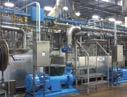
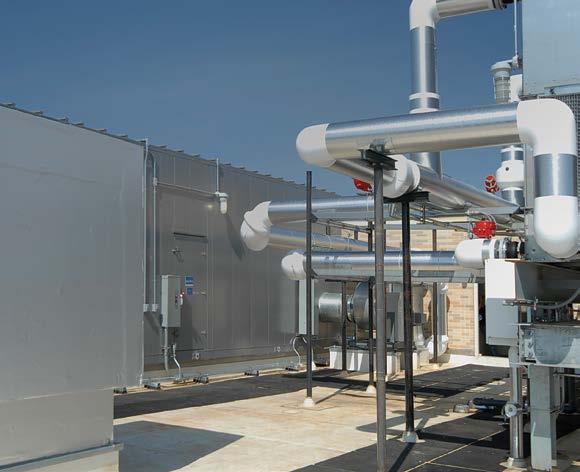
• Process Piping
• Pipe Prefabrication
• Plumbing
• Heating/Ventilation/Air-Conditioning
• High Purity Orbital Welding
• Clean Room Pipe Prefabrication
• Institutional Lab Plumbing
• Data Center HVAC
• Design/Build Assist
• BIM/Virtual Design/3-D Drafting
• QA/QC
• Service/Repair/Maintenance









Preparing Real Estate Projects for Bank Financing: A Practical Guide for New York Developers

By Phil Bronzi First SVP, Commercial Market President & Head of Sales Innovation Rhinebeck Bank
Bringing a real estate project from concept to completion requires more than vision—it requires preparation. From a lender’s perspective, the most successful financing requests are those that clearly demonstrate feasibility, transparency, and a thoughtful approach to risk.
For developers operating in New York State, this preparation is especially important. Between complex approval processes, higher construction costs, and evolving market dynamics, a well-organized financing package can make a meaningful difference in both timing and outcome.
Below are the key components developers should have in place before approaching a bank for financing.
Start with Clear Sources & Uses (Capital Stack)
At the core of any project is a well-defined capital stack. This is where you lay out exactly how the project will be funded and where those funds will be deployed.
On the sources side, this may include bank financing, sponsor equity, tax credit equity, or public incentives. On the uses side, it should cover everything from land acquisition and construction costs to soft costs, financing costs, and contingency reserves.
In New York, many projects incorporate IDA incentives, PILOT agreements, or other types of grant funding. If applicable, it’s important to clearly identify these sources and their timing. Keep in mind, tax credits and other types of grants are usually only issued upon project completion/stabilization, so an additional source of equity/funding may be needed until those incentives kick in.
Build a Detailed and Realistic Project Budget
A high-level budget may help with an initial conversation, but to secure a commitment from a lender, a fully developed breakdown of both hard and soft costs will be required.
• Hard costs: site work, materials, labor, and general contractor expenses
• Soft costs: architecture, engineering, legal, permits, financing costs, and marketing
Given the variability in construction pricing— particularly in New York—assumptions should be grounded in current market conditions. Including an appropriate contingency (typically 5–10%) also reflects the budget can withstand some level of uncertainty.
Experienced lenders will be accustomed to variability between initial and final budgets, however, if there are material changes between the two, additional equity from the sponsor(s) may be required.

Your income and expense projections should reflect how the project will perform over time.
A strong pro-forma typically includes:
• Stabilization assumptions based on local market data
• Revenue projections consistent with comparable properties
• Expense assumptions that reflect the specific asset class and region
• Debt service coverage and sensitivity to changes in key variables
Aligning your assumptions with what is actually happening in your submarket—whether that’s the Hudson Valley, Capital Region, or downstate markets—is critical.

Highlight Sponsor Experience and Capacity
Lenders spend a significant amount of time evaluating the sponsor behind the project.
Experience matters.It’s helpful to provide:
• A summary of comparable completed projects
• Experience working through New York’s entitlement and permitting processes
• Key members of the project team
• Financial capacity, including liquidity to support equity contributions and contingencies
If the project team is newer, partnering with experienced professionals—whether a general contractor, consultant, engineer or co-sponsor— can strengthen the overall presentation.
Be Clear on Approvals, Timing, and Incentives
Entitlements and approvals are often one of the biggest variables in a project timeline.
Developers should outline:
• Status of site plan approvals and permits
• Environmental review progress (including SEQRA, where applicable)
• Expected timelines for remaining approvals
If the project includes incentives such as IDA support, PILOT agreements, or grants, it’s important to clearly communicate their status—whether approved, pending, or in process.
Address Environmental Considerations Early
Environmental due diligence is a standard part of the lending process. Addressing it early can prevent delays later on.
At a minimum, most projects will require:
• A Phase I Environmental Site Assessment
• A Phase II study, if any concerns are identified
If remediation/mitigation is needed, having a clear plan—including cost estimates and timelines—is important.
A Few Notes on Appraisals
Some common points of confusion relates to appraisals. While it may seem helpful to obtain one early, banks are generally required to engage appraisers directly to meet regulatory guidelines. As a result, an appraisal ordered independently by a developer typically cannot be used by the bank.
Additionally, all appraisers will require a sufficient level of detail on the project to provide an appropriate valuation. If an appraisal is ordered too early and there is a material change to the budget/proforma, the appraisal may need to be amended at an added cost.
Coordinating this step with your lender can help avoid unnecessary time and expense.
Consider Feasibility Studies for Certain Asset Classes
For some project types—such as hospitality, selfstorage, or senior housing—a third-party feasibility study is often expected.
These studies provide an independent view of:
• Market demand
• Competitive supply
• Absorption and stabilization timelines
• Revenue expectations
Even when not required, they can add credibility to the projections and key assumptions.
Bringing It All Together
At its core, preparing for bank financing is about demonstrating that a project is not only well-conceived, but also well-represented on paper.
Clear documentation, realistic assumptions, and proactive identification of risks all contribute to a smoother process. In a market like New York, that level of preparation can be a meaningful differentiator.
Approaching the process with this level of discipline doesn’t just improve the likelihood of securing financing—it also sets the foundation for a more successful project.
Honoring 250 Years of American Ingenuity: The Armistead Mechanical Story
For 250 years, American ingenuity has been the driving force behind the nation’s growth, resilience, and global leadership. From the earliest tradespeople and builders to today’s advanced engineers and innovators, the United States has been shaped by individuals who believe in the power of hard work, craftsmanship, and forward thinking. Armistead Mechanical stands as a testament to that enduring legacy, an organization rooted in American values and built through generations of dedication to excellence.

The story of Armistead Mechanical begins in 1917, at a time when the nation itself was undergoing significant transformation. Robert Alexander Armistead founded the company as a small plumbing and heating business, operating out of the basement of his home in Jersey City, New Jersey. What started as a modest, local operation was fueled by something much larger: a commitment to solving problems, serving the community, and building something that would last.
In those early days, the work was hands-on and deeply personal. Every pipe installed, every system repaired, and every customer served reflected the pride and work ethic that defined American tradesmanship. These foundational principles, hard work, integrity, and innovation, became the cornerstone of the business and set the stage for its future growth.
As the years progressed, Armistead Mechanical evolved alongside the nation itself. Through each generation, the company expanded its capabilities, transitioning from residential plumbing and heating services to complex commercial and industrial mechanical construction. This growth was not just a matter of scale, but of vision. Each generation of leadership carried forward the same commitment to excellence while embracing new opportunities and challenges.
The expansion into larger projects marked a turning point for the company. No longer limited to residential work, Armistead began contributing to major infrastructure and industrial developments, supporting the systems that power businesses, hospitals, and institutions across the region. Despite this growth, the company remained steadfast in its identity, American-owned, family-driven, and committed to delivering high-quality work rooted in traditional values.
Innovation has always played a central role in Armistead’s journey. From its early workshops in Kearny, New Jersey, to its modern fabrication facilities spanning New Jersey and New York, the company has consistently embraced new technologies and methodologies to stay ahead of industry demands.
What once relied on manual drafting and basic tools has transformed into a highly sophisticated operation leveraging advanced Building Information Modeling (BIM), 3D design, and stateof-the-art fabrication techniques.
This evolution reflects a broader narrative of American industry. As the nation modernized, so too did its builders and engineers. Armistead Mechanical exemplifies this progression, continuously adapting to new standards, integrating emerging technologies, and delivering solutions that meet the needs of a rapidly changing world. The company’s ability to turn bold ideas into practical, real-world applications has been a defining characteristic of its success.
Honoring the past. Innovating for the future. Proudly
American since 1917.

Even as technology has advanced, the core of Armistead’s work remains deeply human. Skilled tradespeople, engineers, and project teams collaborate to bring each project to life, combining technical expertise with a commitment to craftsmanship.
This balance between innovation and tradition is what allows the company to maintain its reputation for quality while pushing the boundaries of what is possible.
One of the most defining aspects of Armistead Mechanical is its unwavering commitment to American-made excellence. For more than 108 years, the company has prioritized domestic talent, materials, and production. Every project represents not only a technical achievement but also a contribution to the American workforce and economy.
This commitment extends beyond geography. It encompasses a broader dedication to safety, sustainability, and continuous improvement. Armistead’s teams operate with a focus on protecting both people and the environment, implementing best practices that ensure long-term performance and responsibility. These efforts have not gone unnoticed, earning the company recognition on a national level and reinforcing its position as a leader in the mechanical construction industry.
The emphasis on sustainability and innovation is particularly important in today’s landscape. As industries seek more efficient and environmentally conscious solutions, Armistead continues to lead by example, integrating advanced systems and forward-thinking strategies into its projects.
This proactive approach ensures that the company remains not only relevant but essential in shaping the future of American infrastructure.
At its core, Armistead Mechanical is more than a company, it is a legacy. It represents over a century of dedication to building, improving, and supporting the systems that keep America running. Each project completed is a reflection of the values instilled by its founder and carried forward by every generation since.
As the United States celebrates 250 years of ingenuity, Armistead stands ready to embrace the next chapter. The challenges of the future, ranging from technological advancements to evolving industry demands, require the same spirit of innovation and determination that has defined the company since its inception. With a strong foundation and a forward-looking mindset, Armistead is well-positioned to continue its role as a trusted partner in mechanical construction.
Looking ahead, the company remains driven by a clear vision: to honor its past while continuously innovating for the future. This means investing in new technologies, empowering its workforce, and maintaining the high standards that have become synonymous with the Armistead name. It also means staying true to the belief that the best solutions are built through collaboration, expertise, and a deep understanding of the industries it serves.
In celebrating both a national milestone and its own rich history, Armistead Mechanical reaffirms its commitment to excellence, integrity, and American ingenuity. The journey from a basement workshop in Jersey City to a leader in mechanical construction is a powerful reminder of what can be achieved through dedication and vision.
As the American flag continues to symbolize resilience and progress, so too does Armistead Mechanical’s story. It is a story of growth, innovation, and unwavering commitment, a story that honors the past while building the future.
Community Planning & Economic Development
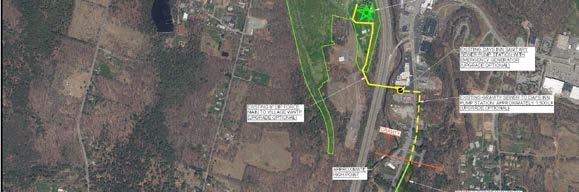
Delaware Engineering helps bridge the gap by assisting communities and economic development organizations to create comprehensive infrastructure and economic development plans without placing undue financial strain on stakeholders.
• Potable and Process Water
• Wastewater Collection and Treatment
• Stormwater Inflow and Infiltration (I&I)
• Hydraulic Modeling
• Community Planning
• Economic Development Analysis
• Permitting and SEQR/NEPA
• Public and Industrial Buildings Specializing in custom solutions for Municipal Infrastructure:
• Geographic Information Systems (GIS)
• Electrical and Control Systems
Collaboration from Concept to Completion:
Why Early Engineering Integration Drives Better Development Outcomes


By Allison Robinson Business Development Manager — Colliers Engineering & Design
In today’s development environment, project success is increasingly determined during early-stage due diligence, not final design. While engineering is often viewed as a downstream function, the technical realities of a site (both above and below ground) ultimately dictate layout efficiency, construction cost, permitting timelines, and overall feasibility.
Using engineering as a front-end strategy tool, rather than a reactive service, allows project teams to quantify risk early, optimize site utilization, and maintain continuity from concept through construction.

Engineering as a Front-End Strategy Tool
Prior to acquisition of a site, the most consequential project risks are subsurface and regulatory. These conditions are not immediately visible, but have direct and often significant implications on project design and overall cost.
A comprehensive feasibility evaluation extends beyond zoning analysis to include environmental constraints, geotechnical conditions, survey research, access geometry, and utility infrastructure. Each of these elements introduces potential constraints or limitations that influence the property’s yield, as well as the site layout,
grading, stormwater management, offsite improvements and structural design.
• Environmental assessments identify jurisdictional wetlands, watercourses, buffers, and associated permitting pathways under state and federal regulations. These constraints can reduce developable area and introduce mitigation or sequencing requirements.
• Geotechnical investigations characterize subsurface conditions, including soil stratigraphy, bearing capacity, groundwater elevation, infiltration capabilities, and rock depth. These parameters directly influence foundation systems, pavement design, stormwater management, subsurface utility installation, and earthwork feasibility.
• Survey data establishes boundary conditions, easements, rights-of-way, and topographic control, forming the basis for all subsequent design decisions.
• Utility evaluations assess capacity, invert elevations, and connection feasibility, which can necessitate off-site improvements or system upgrades.
• Traffic analysis is critical in understanding the existing roadway capacity, level of services and the jurisdictional agency permitting access for a project. Improvements or new traffic infrastructure mitigation are a costly impact to projects.
When these disciplines are integrated early, they provide a technically informed framework for site planning. This enables developers to evaluate not just whether a site can be built, but how efficiently and at what cost.
In practice, early engineering due diligence either validates project assumptions or recalibrates them before significant capital is invested into the project.
The “Unknowns” That Drive Redesign and Cost Escalation
Projects rarely encounter truly unforeseen conditions. More often, they encounter known risks that were not investigated early enough.
Environmental constraints such as wetlands and regulated buffers require accurate delineation and can require permit approvals, impact avoidance strategies, or costly compensatory mitigation. If identified late, these factors often necessitate reconfiguration of site layouts, resulting in lost yield and schedule delays.
Geotechnical conditions, including compressible soils, shallow bedrock, or elevated groundwater, can significantly alter foundation design (e.g., shallow spread footings vs. deep foundations). They can also increase excavation costs and impact stormwater infiltration strategies.
Survey-related issues, such as encroachments, boundary discrepancies, or unrecorded easements, can invalidate previously developed layouts and require redesign to maintain compliance.
Utility constraints are another frequent driver of unanticipated cost. Limited system capacity, insufficient pressure, utility district boundaries or conflicting infrastructure may require off-site extensions, upgrades, or relocation.
Traffic mitigation design to address existing infrastructure deficiencies could be a requirement of the jurisdictional agency. Managing these expectations from the start will contribute to creating a viable project.
These conditions are not atypical — they are inherent to site development. The critical variable is timing. When identified during due diligence, they inform design. When identified during design or construction, they disrupt it.
Integration Enables Optimized Site Design
Early and continuous coordination between engineering disciplines and the broader design team produces measurable improvements in site efficiency and constructability.


Rather than treating environmental, geotechnical, traffic, and survey inputs as constraints to be addressed sequentially, an integrated project team can use this data collectively to inform layout and grading decisions from the outset.
• Environmental integration allows teams to avoid or minimize impacts to regulated wetlands and adjacent transition areas, reducing or eliminating mitigation requirements and associated permitting timelines.
• Geotechnical coordination enables strategic placement of structures and infrastructure in areas with favorable subsurface conditions, reducing foundation complexity and improving long-term performance.
• Grading and earthwork optimization can be achieved by aligning site layout with existing topography, minimizing cut/fill imbalances and reducing material import/export.
• Utility alignment ensures that connections are feasible and cost-effective, avoiding late-stage redesign driven by capacity or elevation conflicts.
• Traffic review with the jurisdictional agency and coordination on the project mitigation establishes an understanding of timing for permits and potential impacts to the budget.
This level of integration reduces iterative design cycles and increases the accuracy of early cost estimates. The result is a site plan that is not only compliant, but also constructible, efficient, and economically viable.
Conclusion
Engineering plays a central role in translating site constraints into buildable solutions. When engaged early and integrated continuously, it provides the technical foundation for informed decision-making, optimized design, and controlled project execution. Leveraging a turnkey engineering firm like Colliers Engineering & Design (where environmental, geotechnical, traffic, and survey services are integrated under one roof) further streamlines coordination, reduces information gaps, and ensures that critical site data is aligned from the outset.
In an environment where cost certainty, schedule reliability, and efficient land use are critical, early engineering involvement is not an added step - it is a necessary one.

SBA Loans can Fuel Business Growth:
What small business owners should know
By Nariesha Mortel, Business Banking Relationship Manager and Fred Swint, SBA Relationship Manager, KeyBank
When it comes to running a successful business, many people think it’s a simple matter of offering a product or service customers are willing to spend money on and generating profits. Those who run businesses will tell you it’s much more nuanced. If you really want to succeed, you need to have a plan for managing every aspect of your operations, especially your finances.
This is particularly true for small business owners who want to grow, because growth—whether purchasing a building, expanding operations, buying equipment, or opening a second location—eventually requires capital that goes beyond what cash flow alone can support.
Having the ability to access credit when your business is growing can be the difference between staying stagnant and moving forward. One of the most powerful and often misunderstood resources to do this is the U.S. Small Business Administration (SBA).

Common SBA loan options for growing businesses
When exploring a credit facility for business growth, talk with a banker. SBA loans are not issued by the federal government directly. They are made by participating banks and lenders and, apart from the 504 loan, partially guaranteed by the SBA. This reduces risk for lenders and helps businesses qualify for financing they might not otherwise obtain.
Understanding how these loans work—and how to prepare for them—can significantly
improve a business owner’s chances of success. For business owners looking to grow through expansion or real estate ownership, two SBA loan programs are particularly relevant: SBA 7(a) Loans and SBA 504 Loans
The SBA 7(a) program is the most flexible and widely used SBA loan. It can be used for a broad range of business needs, including:
• Purchasing or improving owner-occupied commercial real estate,
• Acquiring equipment,
• Refinancing existing debt,
• Funding leasehold improvements, and
• Supporting working capital.
When real estate is included, loan terms may extend up to 25 years, helping to keep monthly payments manageable. This flexibility makes the 7(a) loan well-suited for businesses that need a single financing solution to support multiple growth objectives at once.
The SBA 504 program is designed specifically for long-term, fixed-asset investments, such as buying or constructing commercial property or continued...
purchasing major equipment. These loans typically offer long repayment terms and fixed interest rates, which can provide predictability for growing businesses. The 504 program is commonly used when a company wants to transition from leasing space to owning its own facility, helping stabilize occupancy costs while building long-term equity.
Both programs require the business to occupy most of the commercial space being financed, reinforcing the SBA’s mission of supporting operating businesses rather than real estate speculation.

Why SBA loans matter for local economic growth
From an economic development perspective, SBA loans play an important role in strengthening local communities. When small businesses invest in property, expand their workforce, or modernize operations, the impact extends well beyond the business itself. These investments support job creation, stabilize neighborhoods, and contribute to the overall vitality of regional economies, particularly in rural and small-town markets.
For business owners, SBA financing can also provide a path to greater financial resilience. Owning a building rather than leasing space can protect against rent volatility, while longer loan terms can free up cash flow for hiring, marketing, and innovation.
How to position your business for SBA loan success
While SBA loans are designed to improve access to capital, they are still credit products that require preparation and discipline. Lenders look for evidence that a business is well-managed, financially sound, and capable of repaying the loan.
1. Know the numbers. Business owners should have at least two to three years of financial statements readily available, including profit and loss statements, balance sheets, and cash flow reports. Lenders want to see consistent revenue, reasonable margins, and enough cash flow to support debt repayment.
2. Prepare a clear business plan. A strong business plan explains how the loan will be used and how it supports growth. For real estate purchases, this includes explaining why ownership makes sense for the business, how the space will be used, and how the investment supports long-term operations.
3. Maintain strong personal and business credit. Personal credit is a financial resource. Lenders will look at an owner’s personal credit history when they consider extending a loan or a line of credit to a business. Know what your credit score is, and if necessary, talk with your bank about taking it from good to excellent.
4. Build a professional support network. Accountants, attorneys, and SBA-experienced lenders can all play critical roles in structuring a successful loan application. Their insight can help anticipate questions, avoid pitfalls, and ensure the financing aligns with the business’s growth strategy.
Also, be prepared to invest alongside the lender. In fact, SBA loans typically require an equity contribution from the borrower. Demonstrating a willingness to invest personal or business capital into the project signals commitment and reduces risk.
Planning today for tomorrow’s growth
SBA loans are not a quick fix, but for businesses thinking strategically about growth, they can be a powerful tool. By understanding available loan options and preparing thoughtfully in advance, small business owners can position themselves to access capital that supports expansion, stability, and long-term success.
For communities like Sullivan County, thoughtful use of SBA financing helps ensure that local businesses remain competitive, resilient, and deeply rooted in the places they serve.

About the authors: Nariesha Mortel is Business Banking Relationship Manager for KeyBank in Sullivan County. She can be reached at nariesha_mortel@keybank.com. Fred Swint is vice president and SBA Lending Relationship Manager for KeyBank’s East Region. He can be reached at fredrick_swint@keybank.com.
This is designed to provide general information only. All credit products are subject to collateral and/or credit approval, terms, conditions, availability and subject to change. SBA loans subject to SBA eligibility. ©2026 KeyCorp. All rights reserved. CFMA # 260401-4288828

PROTECT What Matters. PLAN What’s Next.
For more than 50 years, business owners across the Hudson Valley have trusted us to protect what they’ve built and help them grow.
With a new name and the same steady counsel, MAHON RIDER McKAY is ready for your next chapter—offering legal support for every stage of your financial life—personal and professional. Let us help you move forward with confidence.

Sullivan County Partnership Grows
Gold Investors

Mackey Catania & Whalen LLP helps businesses, developers, contractors, property owners, and hospitality operators reduce risk, secure approvals, and resolve disputes across New York’s Hudson Valley. Their people first, results driven counsel pairs decades of legal experience with award winning service so projects move forward—on time and on budget.
Sullivan Construction Group LLC (SCG) is a full-service commercial concrete contractor built on experience, integrity, and performance. With more than 100 years of combined industry expertise, their team delivers complex projects with precision and confidence. They leverage advanced technology, specialized equipment, and continuous workforce training to meet evolving standards. Employing 60 full-time union craftsmen year-round and growing to more than 100 skilled tradesmen during peak seasons; SCG specializes in cast-in-place concrete, maintaining a strong focus on safety, coordination, and delivering high-quality results on every project.

Walden Savings Bank, established in 1872, is the 10th oldest federally chartered mutual savings bank headquartered in Montgomery, New York. With a total of 11 full-service branches serving the Hudson Valley region, and a lending office located in Beacon, the bank’s progressive style of community banking provides products that cater to both the individual and the growing mid-size business. In addition, Walden Investment Services, located at Walden Savings Bank, offers personalized advice for financial planning.

Based in Albany, NY, WOH has diverse practices that go beyond the conventional: fostering new ideas and approaches. Whether a client has a legal challenge that is a case without precedent, a regulatory roadblock or a topic of public controversy, their goal is to achieve result-focused solutions – in whatever form the situation demands.
Executive Investors Investors
The CCA was created in 1957 as a voice for owners of construction companies who partner with local union labor. Together with their affiliate members – FERCA and SMACNA Southeastern, they have a unified voice and are the one stop shop for commercial, public, and private construction. Their members represent the strongest, safest and most qualified professionals in the industry.

Orange County Bancorp, Inc. (“OCBI”), is proud to announce the establishment of Orange Wealth Management, a platform that provides a comprehensive suite of wealth management services which are delivered through OCBI’s fully owned subsidiaries – Orange Investment Advisors and Orange Bank and Trust Company (“Bank”).
Orange Wealth Management provides a holistic approach to helping clients with their wealth and financial needs. Through the Bank and Orange Investment Advisors there are professionals that will advise and help you plan for the future, build wealth for an enjoyable retirement, protect your assets and your family, and leave a legacy, all while you continue to enjoy the exclusive banking services you have received from our Private Banking team.
With over 20 years of experience and over 1000 successful events, All Class Entertainment is the premier DJ & Production Company in the Hudson Valley. They offer Professional DJs, Interactive MCs, Elegant Lighting, Fun Photo Booths & Top Tier AV Services for all occasions including Weddings, Corporate Events, Galas & More. Owner Edison Guzman has brought his talent to world-renowned venues ranging from Yankee Stadium to Disney World, entertaining celebrity chefs, super bowl champions, platinum-selling artists, radio personalities, and more. His mission is to provide every client with a level of service that exceeds the standards and expectations of the average DJ.
Bade Stageberg Cox Architecture (BSC) is a Brooklyn-based, Woman-Owned Business (WBE) with a deep-rooted commitment to the architectural landscape of the Catskills. Their practice is defined by a belief that architecture should be both socially transformative and environmentally sensitive. They don’t just build structures; they cultivate community identity through rigorous design and collaborative partnerships.
Investors

At D’oro Steakhouse , they are bringing New York City to Pine Bush with bold flavors, elevated dishes, and an atmosphere inspired by the city’s finest dining rooms. Their menu blends classic steakhouse tradition with modern culinary style, showcasing premium cuts, fresh ingredients, and refined techniques that reflect their commitment to excellence. Every dish is crafted with intention, from carefully sourced meats to thoughtfully balanced sides and sauces that highlight the quality of each ingredient.

Spencer Printing was founded in 1910 with a simple mission: to provide the community with high-quality printing and good, old-fashioned customer service. For over a century, as technology has evolved from letterpress to state-of-the-art digital presses, that mission has remained constant.
This combination of the best of the old — a commitment to partnership, and the new — investment in the best equipment, is their special sauce. Growing, prospering and ensuring their customers always receive the highest quality, most flexible, and most cost-effective options.

Owned and operated by Joe Taylor and Sandy McAuliffe, Taylor’s Catering has provided full-service catering and small event planning services for over 30 years. They specialize in cooking with the finest and freshest ingredients, creative menus and excellent service. At Taylor’s Catering, you’re not treated like a customer, you’re treated like family.

SCSPCA is a no-kill shelter rescuing hundreds of animals annually, from kill shelters in southern states, local strays and caring for and rehoming locally surrendered pets. They also support a large feral cat colony which they help control through their trap/neuter/release program.
Board of Directors
Michael Zalkin, Chair
James Bates, Vice Chair
John Brust, Treasurer
Steven Vegliante, Secretary
Jerry Dunlavey
Eric Egeland
Karen Fisher
Amanda Gesztesi
Anthony Griffith
George Kinne
Kevin McLaren
Scott Perry
Kelly Pressler
Bobbi Scroggin
Gary Silver
Fred Stabbert
Norm Sutherland


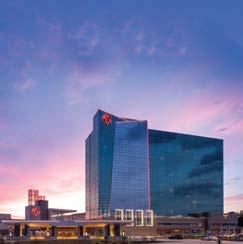
Reforming SEQRA: What
the Agreed FY 2027 Budget Means for Real Estate Development in Sullivan County


By Joseph G. McKay, Esq. & James S. Arrabito, Esq. Partners, Mahon, Rider, McKay, Bauer & Furst, PLLC
New York’s well-known State Environmental Quality Review Act (“SEQRA”) has governed how state and local agencies assess the environmental impacts of development projects since 1975. For decades, developers around the state have struggled with the increased time and expense that SEQRA review can add to a project. An analysis by Empire State Development found that manufacturing, housing, and energy projects can take as much as 56% longer in New York to advance from concept to groundbreaking compared to other states with similar laws. To address this problem, Governor Hochul’s FY 2027 Executive Budget proposed to amend SEQRA to streamline certain housing, energy, and infrastructure projects under an initiative she branded “Let Them Build.” After weeks of negotiations that ran well past the statutory April 1 deadline, the Governor announced a conceptual budget agreement on May 7, 2026, and SEQRA reform is included. Note that as of the date of this writing, the budget was still not formally enacted and, therefore, the details set forth below remain subject to change. This article summarizes what was agreed, how the Legislature’s positions shaped the final outcome, and what the reforms mean practically for developers in Sullivan County.
The Governor’s Proposal
Branded “Let Them Build,” the proposal sought to speed up the development of housing projects that have no significant environmental impacts by exempting them from additional SEQRA review. Outside New York City, the exemption applies to projects of no more than one hundred dwelling units on “previously disturbed sites” (as defined in the amendments) connected to existing public water or sewer systems, with mixed-use projects capped at 50,000 square feet or 25% of gross floor area in non-residential use, whichever is less. Projects within floodplains are generally excluded from this exemption. The proposal also created exemptions for clean water infrastructure, green stormwater management, parks, trails, and childcare centers on previously disturbed land, and established a two-year maximum timeline for environmental impact statements alongside a clearer statute of limitations for legal challenges.
The Legislative Process and the Conceptually Agreed Reforms
The path to conceptual agreement was contentious. The Senate modified the executive proposal, limiting exemptions to infill multifamily housing projects, particularly in urban areas, conditioned upon the project fulfilling minimum environmental and infrastructure standards and scaling the size of developments exempted to community context, while dropping the Governor’s exemptions for non-housing projects such as certain infrastructure and daycare facilities. The Assembly took a more aggressive position, omitting SEQRA reform from its one-house budget entirely, with Speaker Heastie maintaining that substantive policy does not belong in the budget.
Despite those divergent positions, the coequal branches of government reached agreement. The FY 2027 budget will include SEQRA reforms that largely track the Governor’s framework: exemptions from duplicative environmental review for qualifying new housing, and additional exemptions for clean water infrastructure, public parks and trails, green infrastructure, and public schools within New York City. The two-year timeline for completing environmental impact statements is also included, as is an overhaul of what the Governor’s office described as overcomplicated bureaucratic processes, intended to make it easier for communities to build without impacting local zoning or other environmental permitting. Developers and their counsel should track the legislative developments and review the to-be-enacted text carefully before making specific eligibility determinations.
The DEC’s Regulatory Role
Final enactment of the statutory framework is only the first step. As part of the “Let Them Build” initiative, Governor Hochul has directed the Department of Environmental Conservation to prepare Generic Environmental Impact Statements for common housing and renewable energy projects. Developing these generic impact statements can be expected to take at least a year or more. Similarly, given the mandatory procedures of the State Administrative Procedure Act, the drafting and implementation of new statewide regulations consistent with the agreed reforms could take significant time, although the DEC could potentially reduce that timeframe by issuing policy directives and revising its SEQRA Handbook. Converting broad statutory text to regulatory implementation is at best an arduous process, and commercial developers cautiously await the final product.
What This Means for Sullivan County
This is where the rubber meets the road for local developers, and the picture is mixed. The water and sewer connection requirement remains the single most consequential eligibility barrier in Sullivan County. Much of the county’s undeveloped and previously disturbed commercial land lies outside served areas, meaning a large share of otherwise qualifying projects will not
benefit from the exemption without first resolving an infrastructure access problem that itself can take years to address.
Where the reforms will have the most direct impact is in the County’s utility-served communities, as infill and adaptive reuse projects on previously disturbed sites in those areas are the clearest beneficiaries of the agreed reforms. Sites such as vacant motels, shuttered retail centers, underutilized industrial parcels, and downtown mixed-use redevelopment all fit the profile of projects that could access a meaningfully faster SEQRA review process. Developers with sites along the Delaware River corridor and potentially flood-prone areas should conduct careful floodplain mapping before relying on any exemption. The floodplain exclusion in the reform is nearly categorical, and a site that straddles the floodplain boundary will require precise determination before a developer can proceed on the assumption that the exemption applies.
Those planning mixed-use projects with significant commercial components should also note that exceeding the non-residential threshold keeps a project in the standard SEQRA process regardless of the residential component. A downtown area project in the County that combines housing with a meaningful commercial component might technically meet the residential criteria and nonetheless face full SEQRA review, depending on the floor area dedicated to commercial use.
Looking Ahead
Once the budget is enacted, the focus will shift to implementation. DEC’s regulatory work will determine how smoothly the exemptions operate in practice. Developers, lenders, and economic development stakeholders in Sullivan County should monitor DEC guidance closely, review the eventual statutory text against their specific project parameters, and consult counsel before making project timing assumptions based on exemption eligibility. Whether the reforms deliver sustained economic development in Sullivan County will depend in large part on how effectively and quickly the regulatory apparatus translates the new law into workable guidance for developers on the ground.
Keeping Your Home Powered, Your Family Protected
Reliable Backup Power for Today’s Changing World
By American Electric LLC
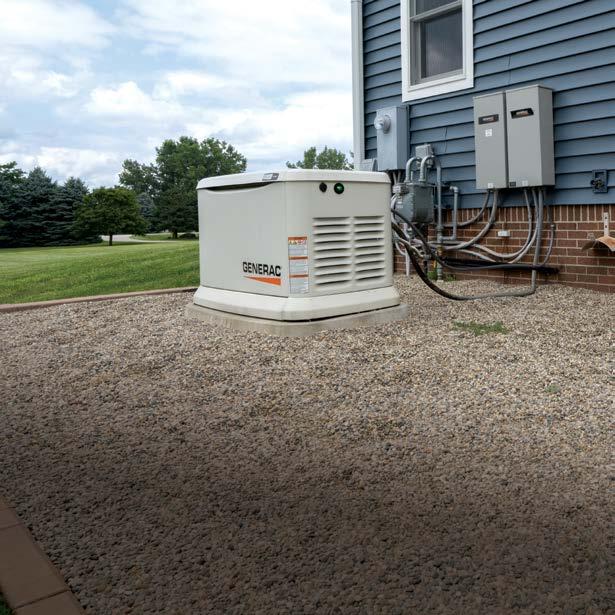
In today’s world, reliability is something many of us have learned not to take for granted—especiallywhen it comes to power. From increasingly severe weather to growing strain on our electrical infrastructure, homeowners and businesses alike are asking an important question: What happens when the lights go out?
At American Electric LLC, we’ve seen that concern grow steadily over the past few years—and for good reason. Power outages are no longer rare. They’re becoming more frequent, more unpredictable, and more disruptive to everyday life.
The electrical grid is more complex and more heavily used than ever before. With the rise of electric vehicles, smart homes, and increased demand on utilities, the system is under constant pressure. Combined with aging infrastructure and stronger storms, outages are becoming part of a new normal.
Here in our area, we’ve all experienced winter storms, summer thunderstorms, and high winds that can take down power lines for hours—or even days. While utility crews work hard to restore service, restoration times can vary, leaving families and businesses without power when they need it most.
There are also broader challenges—rising energy demand, supply chain issues, and the need for infrastructure upgrades—that reinforce the importance of being prepared locally.
Not long ago, standby generators were often considered a luxury. Today, they’ve become a practical solution for protecting your home, your family, and your business. A properly installed standby generator restores power automatically within seconds of an outage—no scrambling, no setup, and no disruption.
For homeowners, that means keeping the heat on during winter outages, preserving food, protecting against water damage with sump pumps, and ensuring essential systems and medical devices stay operational. For businesses, it means preventing downtime, protecting inventory, maintaining security systems, and continuing to serve customers when others cannot.
Beyond the practical benefits, generators provide something equally important: peace of mind. Knowing your home or business will remain powered regardless of outside conditions brings a level of confidence that’s hard to replace.
Preparedness today is about being proactive—not reactive. It’s about making sure your family or business is protected before problems arise.
American Electric LLC has proudly served the community for over 35 years. As a family-owned business based in Lake Huntington and operated by the Popolillo family; we’re committed to providing reliable solutions that help protect local homes, support families, and strengthen our community for the future.
We understand the unique needs of properties in this region, from rural service considerations to weather-related challenges. Our team takes a comprehensive approach to every generator installation—evaluating your needs, recommending the right system, handling installation, and coordinating inspections to ensure everything meets current electrical codes.
Just as important, we make sure our customers feel confident and comfortable with their investment. A generator isn’t just equipment—it’s a long-term solution designed to protect what matters most.
One of the most common things we hear after an outage is, “We wish we had done this sooner.” The reality is, once a storm is approaching or the power is already out, it’s too late to plan. Equipment becomes harder to get, schedules fill quickly, and the opportunity to prepare has passed.
Acting ahead of time ensures you’re ready when the unexpected happens. Whether it’s the next storm or an unforeseen outage, having backup power in place makes all the difference.
If you’ve been considering a generator, now is the time to start the conversation. The team at American Electric LLC is always available to answer questions, offer guidance, and help you find the right solution for your home or business—so you can move forward with confidence, no matter what comes next.
Adaptive Reuse: Redefining Value in the Built Environment
By LAN Associates
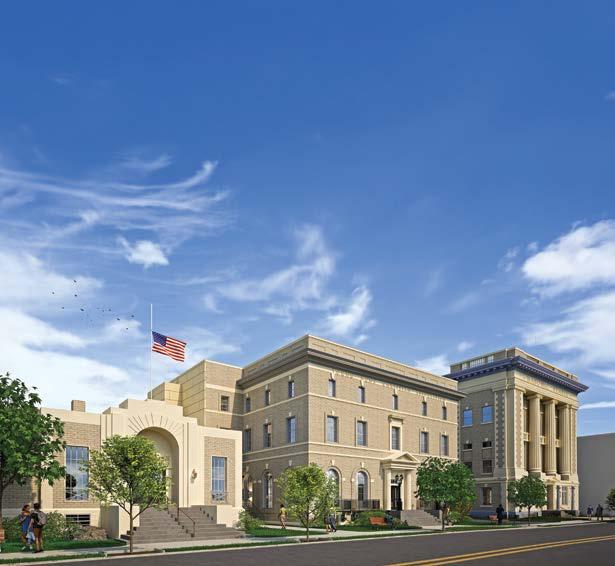
Economic development is a balancing act of multiple interests. Developers often prefer to develop property on the periphery of established municipal centers where costs are predictable. Most municipalities would prefer to preserve and celebrate their cultural and civic legacy by reactivating neighborhoods and revitalizing dormant commercial areas.
Municipal leadership wants revitalization that can spark further investment and restore lost tax revenue, without changing what makes their municipality unique. As an architecture and engineering firm that has served the Sullivan County area for over two decades, we have found that many municipalities are finding a solution to this problem by supporting the adaptive reuse of existing buildings.
To put it simply, adaptive reuse restores and repurposes existing structures while preserving their historical and architectural significance. While many developers focus on acquiring and developing raw land, adaptive reuse is a development approach that is gaining popularity due to its limited environmental impact and its ability to maintain the history and character of local built environments. The unique architectural elements of a building reflect the era in which it was created, shaped by the materials, techniques, and design principles of the time. As these elements become increasingly difficult and costly to replicate, adaptive reuse offers a compelling alternative by allowing developers to repurpose
older buildings and preserve the craftsmanship and character that define their original period.
The statistics show tremendous opportunity for adaptive reuse projects. According to a 2024 national study, office sector vacancies are hovering around 20%, and with the rise in e-commerce, retail vacancies are trending up. These two market sectors alone show a trend in vacant space that could be repurposed. In addition, demolition accounts for more than 90% of construction and demolition debris, emphasizing the substantial environmental benefits of reusing existing structures rather than removing and reconstructing them.
Crafting Unique Guest Experiences Through Adaptive Reuse
LAN Associates is partnering with Foster Supply Hospitality (FSH) in the City of Newburgh, New York, where FSH is making a significant investment to transform the former YMCA, American Legion Hall, and Masonic Temple into a dynamic, multi-story hotel and hospitality destination. The Masonic Temple and YMCA were built in the Neoclassical style, while the 1930s American Legion features a brick and limestone façade blending modernized Neoclassicism with Art Deco elements. Located in the East End Historic District, Newburgh’s civic and institutional core, and listed on the National Register of Historic Places, the project breathes new life into these long-
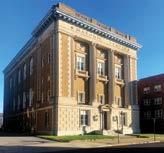
vacant, century-old buildings while preserving their defining historic character through adaptive reuse.
The former YMCA and American Legion Hall will be joined by an addition and converted into a 75-key boutique hotel and spa, uniting historic character with modern hospitality. The adjacent Masonic Temple will become a vibrant multi-story event center with two catering halls, several restaurants, and bars. Once complete, these revitalized spaces will drive tourism, generate economic activity, and strengthen Newburgh’s identity as a destination rooted in culture and history.
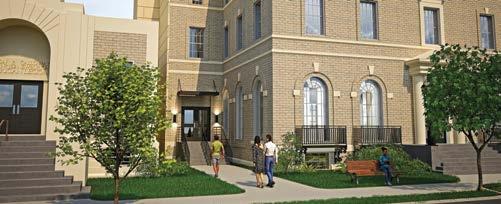
Navigating the Challenges of Adaptive Reuse
The adaptive reuse of an existing building comes with numerous benefits, but it does have its challenges. Preserving old buildings requires a great deal of foresight, due diligence, and coordination. LAN had to carefully document the Masonic Temple’s significant features to ensure proper restoration. This allowed the design of the Temple to retain much of its original character, minimize the configuration of the original space plan, and restore the historical features such as the monumental stairs, ornamental handrails, fireplace, wood wainscotting, trim, and windows. Prior to construction, the team was aware of moisture damage at the Masonic Temple. At the start of construction, the contractor repaired the building envelope to arrest water infiltration and stabilize the indoor air quality at the basement floor level.
While adaptive reuse offers benefits, it can come with significant costs. FSH initially planned an 80-key hotel with a pool and rooftop bar. However, the design was put on hold several times due to challenges with property acquisition and securing financing. Over the course of six years, the project budget increased by more than 50%, which required
conceding a pool, fewer hotel rooms, a rooftop bar, and a larger addition to the Temple. However, the true value of adaptive reuse lies in capturing the irreplaceable historical character embedded in each building at the heart of Newburgh. The craftsmanship cannot be reproduced cost-effectively, and while Newburgh still offers prime realty in civic locations, these opportunities are rare in more sought-after urban markets and village centers.
The Expanding Role of Adaptive Reuse in Future Development
As development priorities shift, adaptive reuse is emerging as a forward-thinking solution with lasting impact. These projects show that FSH is investing in more than real estate; it is investing in the rebirth of the City of Newburgh, with LAN leading the restoration and transformation of these buildings for their next chapter. As cities continue to prioritize sustainability and cultural preservation, adaptive reuse will play an increasingly important role in shaping the future of development, offering a sustainable and responsible approach that reduces material waste while celebrating the architectural heritage that defines a community’s identity.
LAN Associates is a full-service architecture and engineering design firm that primarily services K-12, higher education, municipal, commercial, ecclesiastical, and private clients. The firm was founded in 1965, and is based in Midland Park, NJ, with offices in Goshen, NY, Voorhees, NJ, Vernon, NJ, and Bethlehem, PA.
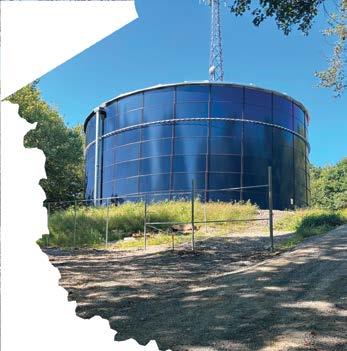


Commercial Real Estate and Insurance: Protecting One of Your Business’s Biggest Investments
By Jason Hoffman, President, J. Hoffman Insurance
Commercial real estate plays a central role in the success of many businesses. Whether it’s an office building, retail storefront, warehouse, restaurant space, or mixed-use property, commercial property often represents one of the largest financial commitments a company will make. However, with the opportunity for growth and income, however, comes a wide range of risks—from property damage and liability exposures to business interruptions and tenant-related issues. That’s where a well-structured insurance program becomes essential.

Why Insurance Matters in Commercial Real Estate
Commercial properties face unique exposures that residential properties typically do not. Higher foot traffic, business operations, specialized equipment, and contractual obligations can all increase risk. Insurance helps protect property owners, investors, and tenants from financial losses that could otherwise be devastating.
In many cases, lenders also require certain types of coverage before financing a commercial property. Even when it’s not required, having the right protection in place can mean the difference between a temporary setback and a long-term financial problem.
Key Types of Insurance for Commercial Real Estate
Commercial Property Insurance
This is the foundation of most commercial real estate insurance programs. It typically covers the physical building as well as certain contents and equipment from perils such as fire, storms, vandalism, and some types of water damage. Coverage can often be tailored to include additional structures, signage, landscaping, and tenant improvements.
General Liability Insurance
If someone is injured on the property—such as a customer slipping on an icy walkway or a visitor being injured in a common area—general liability insurance can help cover legal costs, medical expenses, and potential settlements.
Business Interruption Insurance
If a covered event forces a property or tenant business to temporarily close or reduce operations, business income/interruption coverage can help replace lost income and cover ongoing expenses such as rent, payroll, or loan payments.
Commercial Umbrella Insurance
Umbrella policies provide an additional layer of liability protection above standard general liability policies. For commercial real estate owners, this can be especially important if a major claim exceeds the limits of the underlying coverage.
Landlord Insurance
Property owners who lease space to tenants often need coverage tailored specifically to rental properties. This may include protection for lost rental income, liability related to tenant activities in common areas, and certain property risks that come with leasing space.
Unique Risks in Commercial Properties
Commercial real estate risks vary depending on the type of property and how it is used. For example:
• Retail spaces may face higher customer foot traffic and liability exposure.
• Industrial or warehouse properties may have increased fire or equipment risks.
• Office buildings often involve multiple tenants and shared spaces.
• Mixed-use properties combine residential and commercial exposures.
Additionally, factors such as building age, location, construction materials, occupancy levels, and tenant type can all influence insurance needs and costs.
The Importance of Lease Agreements and Insurance Requirements
Lease agreements often define who is responsible for which types of insurance coverage. Many landlords require tenants to carry their own general liability insurance and sometimes property coverage for their contents and improvements.
Clear insurance requirements in leases help reduce disputes and ensure that both property owners and tenants are adequately protected if a claim arises.
Risk Management Beyond Insurance
While insurance is a critical safety net, proactive risk management can reduce the likelihood of claims and help control insurance costs. Property owners and managers can benefit from:
• Regular property inspections and maintenance
• Proper lighting and security measures
• Snow and ice removal plans
• Fire prevention and safety systems
• Clear documentation of incidents and repairs
A combination of strong property management practices and appropriate insurance coverage creates a more resilient investment.



Working with the Right Insurance Advisor
For investors, developers, and property owners, the right insurance strategy not only protects buildings and income, it helps support long-term stability and growth in an increasingly complex real estate landscape.
Commercial real estate insurance is rarely one-size-fits-all. Each property and ownership structure is different, and coverage should be customized accordingly. An experienced insurance agent can help identify exposures and design a program that aligns with both operational and financial goals.

To schedule your complimentary risk assessment, contact our team at J. Hoffman Insurance at 845-239-4787 or email me directly at Jason@jhoffmaninsurance.com.

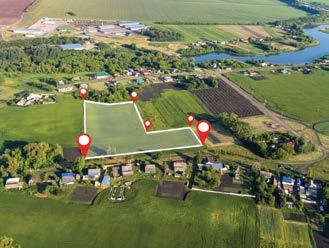

Powering Growth: How Utility Infrastructure Drives Development


By Carly Norton Senior Economic Development Specialist for NYSEG and RG&E
Sullivan County is standing at a pivotal moment in New York State’s economic evolution. Growth statewide is happening fast, but it hasn’t been without its challenges. Much of Upstate New York’s utility infrastructure is aging and was designed to meet the needs of decades ago. Today, homes and businesses require exponentially larger amounts of electricity to operate. The ability to get this power to them is crucial.
This reality has become increasingly apparent in Sullivan County. Whether it’s developers looking to create subdivisions or new business opportunities in the area, there’s been an increase in demand over the last three years. Since 2022, new load requests have increased 511 percent.
Last year alone, there were more than 45 megawatts, the equivalent of approximately 30,000 new homes or 60 big-box stores, of new load requested in the county.
While we’re doing everything in our power to accommodate these requests, we have to face a reality: Growth cannot continue in Sullivan without serious investments.

Much of Upstate New York’s current energy infrastructure was built between 1950 and 1970. Though it was modern at the time and adequately served our communities, it wasn’t intended to last forever. From 2000 to 2020, energy utilization was on the decline. There are several reasons for this, including advancements in energy efficiency, business loss, and population decline. Specifically, NYSEG’s system dropped from more than 3,300 megawatts to a low of 3,000 megawatts in 2022.
Since the COVID-19 pandemic, however, New York’s energy demand has been on the rise. To sustain this trajectory, one requirement remains constant: we must have the capability to deliver power to support development. Without expanded capacity and modernized infrastructure, developers face uncertainty, hindering investment, and slowing the very development Sullivan County is striving to accelerate.
Powering NY, our rate proposal, sets the foundation to meet these demands. We’re proposing $16 billion in capital investment over the next several years to meet the needs of today and the future. Our plan outlines a comprehensive approach to replacing aging infrastructure, adding capacity, and improving resilience in the face of more extreme weather and increasing power demands.
Powering NY is pending state approval. If allowed, the plan will allow us to continue the momentum that we started in 2023, and allow the delivery of safe, reliable and sustainable power for years to come.
Keeping the lights on in your home and business is our priority. Powering NY will strengthen reliability not only by replacing aging infrastructure, but also by adding new technology onto our grid allows us to quickly restore power in the event of an outage. For communities like ours, the modernization effort will make our grid stronger for those currently using it and support developers who need the electrical headroom for business, housing, and public projects.
Sullivan County stands to benefit significantly from Powering NY. More than $500 million would be invested to increase electricity capacity locally. This includes $300 million for Liberty and Fallsburg, which would unlock capacity and enable new opportunities.
One of our specific plans is to upgrade the Old Route 17 corridor, which is quickly emerging as one of the area’s most important development zones. Increasing energy capacity can unlock new opportunities, including manufacturing, logistics, technology, hospitality, and other projects from which our community will benefit. Enhanced reliability will also support critical community needs, such as the new infrastructure and housing initiatives in Liberty, which rely on expanded sewer, water, and utility service to meet workforce housing goals.
Sullivan County’s growth trajectory is expected to continue, particularly as electrification accelerates statewide. NYSEG forecasts that by 2050, winter peak loads—driven by EV adoption, heat pumps, and modern electric technologies—may nearly double. That kind of increase cannot be accommodated without significant grid upgrades now.
The Powering NY initiative is precisely the type of proactive planning required to ensure Sullivan County has the capacity to welcome new business, support industrial expansion, and meet the needs of residents and visitors alike. For local employers, fewer outages and more reliable service translate into reduced risk and increased operational efficiency. For developers, available electrical capacity can make or break site selections. For families, these investments ensure

safer, more dependable service during the extreme weather events that have become more frequent in recent years.
From planned substation upgrades to broader system modernization, the Powering NY plan represents a pivotal investment in Sullivan County’s future. These improvements are not abstract—they directly affect jobs, housing, commercial development, tax revenue, and quality of life.
Sullivan County’s success story is still unfolding, but one theme is clear: a strong, modern utility infrastructure is essential to unlocking the next chapter of growth. With strategic planning, collaborative investment, and a shared commitment to progress, Sullivan County is well-positioned to flourish.
As we continue to build on our recent momentum, these proposed infrastructure upgrades will ensure we remain competitive, resilient, and ready for the future. Sullivan County deserves it.

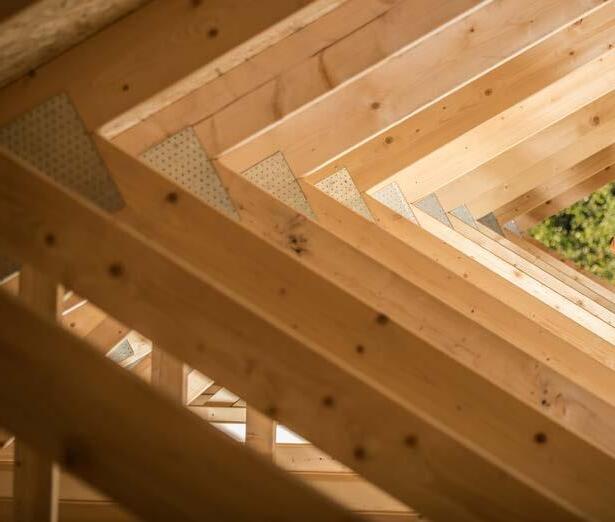
One Tool to Increase Available Housing in Sullivan County and Beyond
By Mid-Hudson Federal Credit Union
The Hudson Valley is facing a housing crisis, as a lack of inventory and rising home costs put the dream of homeownership out of reach for many. In Sullivan County, for instance, the Hudson Valley Pattern for Progress found that the median sale price for a home had ballooned by 121.5 percent between 2019 and 2025. Meanwhile, over the same period, the inventory of homes for sale in the county decreased by 60.6 percent.
As a member-owned financial institution with a deep commitment to the communities it serves, Mid-Hudson Valley Federal Credit Union (MHV) understands that it has a role to play in this crisis. One tool in its toolbox is a construction-to-residential loan product that incentivizes builders to build.
Chris Trocino, a vice president of Business Lending at Mid-Hudson Valley Federal Credit Union, says that MHV’s program, and other construction-to-residential loan programs like it, can also ease some of the financial burden, uncertainty, and red tape for home buyers. Here’s a primer on how MHV’s program works.
A construction loan taken from a business or commercial lender is short-term financing used to build or renovate a commercial real estate project. Approval criteria vary, as do down payment requirements, and funds are typically dispersed to meet construction milestones.
Many of the hard costs associated with new construction that a construction loan would fund, like materials, are variable. This is a significant factor for both builders and prospective homebuyers alike. According to the National Association of Home Builders, inflation, trade disputes, and sustainability initiatives can all cause the price of materials to rise, thereby reducing profit margins and making homes less affordable.

Meanwhile, typical residential mortgages are longer-term and cover single-family homes, condos, co-ops, and manufactured homes. For buyers searching for a mortgage on new construction, closing costs include originations fees, appraisal fees, and mortgage tax, among other costs.
Trocino explains that many of these closing costs for buyers may be reduced or waived depending on the project and residential mortgage criteria. He also touches on some advantages for builders.
“Lower closing costs are one of the main advantages for buyers of the commercial construction-to-residential loan process,” Trocino says. “Buyers experience an efficient, seamless process that can be unusual for new construction.”
Some of the advantages for builders are revealed when circling back to costs. For instance, advances or disbursements are completed as quickly as possible for the builder, and the credit union will usually waive the advance fee for the builder as well. This can make purchasing materials faster, removing some of the pricing uncertainty. Additional fees may be waived for the developer as well, such as originations or appraisal fees. And there are no caps on the number of lots or homes they can build on their purchased land. “This is really an incentive for builders to find those new plots of land and increase the available housing stock in Sullivan County and across the Hudson Valley,” Trocino says. “Plus, it provides savings to the end buyer.” MHV wants to be a true partner with the builder on these types of projects. So on top of helping the builder provide incentives to the end buyer, MHV can also provide free marketing material to the builder for the new homes being built.
One success story Trocino points to is Myers Run, a 12-lot custom-home community located in the Town of Wappinger Falls, part of nearby Dutchess County. Like other parts of the Hudson Valley, Wappingers Falls is facing a severe housing shortage, with high demand, low supply, and recent limitations put on development, after the town board approved the acquisition of a 326-acre parcel of land to prevent large-scale residential development.
“Our construction-to-residential mortgage program has facilitated the purchase of roughly eight of the 12 lots at Myers Run,” Trocino says. “The remaining lots are pending or available.”
With available housing remaining tight in the Hudson Valley for the foreseeable future, this program from MHV is just one of many levers that financial institutions, policymakers, the public, and other stakeholders can use to bring much-needed housing to the region.
Maximizing Real Estate Tax Savings with these Tax Strategies

By Jonathan Rouis, CPA
RBT CPAs
Federal tax law updates enacted in the last year have introduced new opportunities for real estate investors, developers, and property owners to reduce their tax liability and improve cash flow. Among the most significant tax policy changes of 2025 is the restoration of 100% bonus depreciation. When combined with cost segregation, bonus depreciation can allow property owners to accelerate deductions and generate substantial tax savings early on. Let’s take a closer look at how these two tax strategies work together to maximize deductions and improve early-stage cash flow.
Bonus Depreciation
Bonus depreciation is a tax incentive that allows property owners to immediately deduct the cost of certain depreciable assets rather than spreading those deductions over multiple years. The One Big Beautiful Bill Act (OBBBA for short)—signed into law in July 2025—permanently restores 100% bonus depreciation for qualified property placed in service as of January 19, 2025, reversing the previously scheduled phase-down of this federal tax deduction. With the return of 100% bonus depreciation, real estate investors, developers, and property owners who purchase qualifying assets can fully deduct those costs in the year the assets are placed into service. This immediate deduction can significantly reduce taxable income and free up capital that can be reinvested into operations, property improvements, or additional real estate investments.
How These Tax Strategies Improve Cash Flow
Accelerating depreciation deductions through a cost segregation study reduces a property owner’s taxable income, which in turn lowers their overall tax liability and increases available cash flow. Cost segregation studies can be conducted for newly purchased or constructed properties but can also be applied retroactively for properties acquired or constructed in prior years. Cost segregation studies are a valuable tax-saving tool on their own but can lead to even greater tax savings when combined with bonus depreciation. When used together, these strategies can significantly increase first-year deductions. By accelerating depreciation and taking advantage of the restored 100% bonus depreciation rules, property owners may be able to recover a large portion of their investment much sooner than under traditional depreciation methods.
Cost Segregation
Cost segregation is a tax strategy that can be combined with bonus depreciation to maximize tax deductions for property owners. The standard depreciation period for real estate is 39 years for commercial properties and 27.5 years for residential rental properties. However, many building components depreciate at a faster rate than the building structure itself and can therefore be written off sooner. A cost segregation study assesses various components of a building or property and categorizes them based on their depreciation periods. In a cost segregation study, building components—such as carpeting, cabinetry, countertops, and electrical components—are separated into groups of 5-year assets, 7-year assets, and 15-year assets. Segregating depreciable building components into shorter depreciation categories allows property owners to deduct more in the short term, rather than over the course of 27.5 or 39 years.
Conclusion
The restoration of 100% bonus depreciation has enhanced the effectiveness of cost segregation as a powerful tax planning tool for real estate investors, developers, and property owners. By combining these two strategies, you can accelerate depreciation deductions, reduce taxable income, and improve cash flow during the critical early years of property ownership. With the proper planning, bonus depreciation and cost segregation can play a key role in maximizing the tax efficiency and long-term profitability of real estate investments.
Untapped Resources: Adaptive Reuse as a Catalyst for Community
By Bade Stageberg Cox (BSC) Architecture
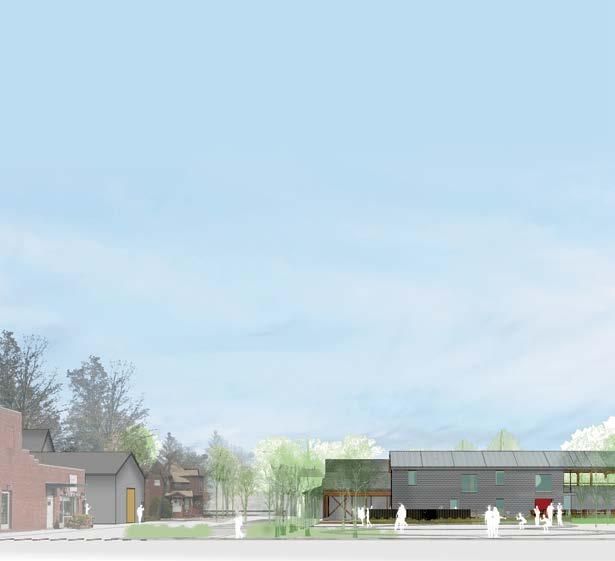
In the evolving landscape of Sullivan County real estate, the most sustainable and impactful building isn’t always a new one—it’s one already standing. At Bade Stageberg Cox (BSC) Architecture, our regional work focuses on adaptive reuse: the strategic repurposing of disused structures for cultural and community life. By breathing new life into these historic structures, we do more than preserve architectural history; we create modern hubs that drive tourism, support local businesses, and strengthen the social fabric of our communities.
Cultural Anchors as Community Building
Culture is the silent partner in development. Transforming a historic building into a cultural destination creates a halo effect for surrounding businesses while providing a vital third space for residents. The evolution of Catskill Art Space (CAS) in Livingston Manor is a definitive case study.
Originally built in 1929 as the Manor Theater, the building was a long-time fixture of the town’s landscape. After the theater closed in the 1970s, the building was occupied by a series of businesses, though none achieved long-term stability. The Catskill Art Society moved into the ground floor in 2007, but its full potential remained untapped until a significant renovation began in 2020. Collaborating with Executive Director Sally Wright, BSC designed an expansion incorporating the long-vacant second floor, doubling the footprint to 9,000 square feet.
Rebranded as Catskill Art Space to reflect its multidisciplinary mission, the center now houses long-term installations by world-class artists
Sol LeWitt and James Turrell, alongside rotating exhibitions featuring regional talent. By offering a cultural alternative to traditional outdoor activities like fishing and hiking, CAS has become a vital year-round community asset. It draws local artists as well as visitors from New York City and beyond who support local hospitality and retail, proving that cultural investment yields high, sustained returns as a permanent community anchor.
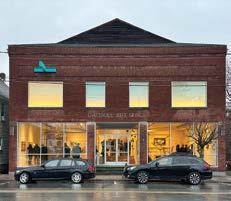
The Callicoon Depot: A Community Condenser
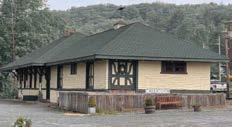
Tourism infrastructure serves best when it also functions as a civic heart for the community. The Callicoon Depot project transforms an underutilized 19th-century train station into a 21st-century “community condenser.”
For years, the site surrounding the Callicoon Train Depot has hosted grassroots events like the Callicoon Art Walk and “Dickens on the Delaware.” When the Erie Railroad offered to lease the depot to the town, the opportunity arose to turn the historic structure into a multi-use community and visitor center. In 2025, BSC was commissioned to work with Callicoon Depot Inc. (CDI), the Callicoon Business Association (CBA), and the Upper Delaware Scenic Byway (UDSB) to re-envision the depot as a community hub and home base for these organizations.
The first phase focuses on a visitor center, leveraging Callicoon’s central location on the historic Scenic Byway. Exhibitions telling the story of how the railroads and the Scenic Byway contributed to the development of the region, combined with essential public amenities—such as accessible restrooms and free Wi-Fi—will
encourage visitors to linger and explore the restaurants and shops within the Town of Callicoon. A second phase will create a “Town Square” featuring a performance stage and shaded outdoor seating for local restaurants, demonstrating how an outdated train station can become a permanent home for civic life.
Scaling the Vision: Livingston Legacy Holdings
The most ambitious example of adaptive reuse in our upstate portfolio is the Livingston Legacy Holdings project. Led by a New York City-based Japanese restaurateur, this project involves redeveloping the 4-acre former Keiser Restaurant Equipment Co. site in Livingston Manor.
Rather than opting for demolition, the plan retrofits 11 existing buildings into a mixed-use cultural and commercial hub. The project will be integrated into the local community through:
Public Green Spaces: A Japanese garden and a public park on Main Street provide new outdoor gathering spaces for the community.
Agricultural Support: Partnerships with local farmers will support the restaurant and sake brewery, with a planned weekly farmers’ market in a new outdoor pavilion.
Education and Jobs: Training programs with SUNY Sullivan is expected to create local jobs and provide spaces to hold training and educational seminars.
Looking Ahead to 2026
Adaptive reuse can lower the barrier for development by reimagining notable buildings for contemporary needs. Environmentally, it reduces the carbon footprint of construction; aesthetically, it preserves the character that attracts institutional investors and creative entrepreneurs to Sullivan County.
At Bade Stageberg Cox Architecture, we believe our historical fabric is an untapped asset. By investing in these structures, we aren’t just looking backward, we are building a sophisticated, culturally rich foundation for the region’s economic future.
Workforce Integration: Dedicated on-site housing for staff will ensure the development does not strain the local affordable housing market.
Diverse Services: The development will include a Japanese restaurant, sake brewery, boutique inn, conference center, and retail shops. A new visitor center and bike rental shop will anchor the extension of the O&W rail trail.

Co-Founders: Timothy Bade, Jane Stageberg & Martin Cox
small businesses. big commitment.

Small businesses are the engines that drive economic growth and help communities thrive. That’s why KeyBank works so hard to meet their needs and help them succeed. Key is consistently ranked among the nation’s top SBA lenders for small businesses, and we offer a team of dedicated lenders and regional specialists that’s ready with advice on everything and anything. In other words, helping small businesses is our business.


What Developers Need to Know About Land Use Litigation
Most developers are aware that even the most benign proposals come with the risk of litigation. A project may have significant environmental impacts, or residents may be vocal in their opposition.
A savvy developer knows it is important to invest in relationship-building at the outset of a project. Holding collaborative meetings with local decision-makers and becoming informed on the municipalities’ long-term priorities is essential before even applying for a building permit. As a developer, starting from an informed position indicates you are receptive to community wants and needs and will often make the approval process smoother. This helps keep the risk of litigation low.
Litigation, as anyone knows, is often time-consuming and costly. Even if it ends in a decision that is in the developer’s favor, the resulting negative press and increased cost expenditures may make a lawsuit not worth the headache. Of course, it’s often hard to anticipate every possible challenge and pitfall you may come across. While it usually makes good business sense to avoid litigation, sometimes you may need to go on the offensive.

By Maria Donovan J&G Law
Does The Municipality Agree with Your Vision?
Oftentimes, the first step in getting a development approved is appearing before a local planning board. If you need a variance, you will have to appear before the zoning board, or ZBA. This is where it becomes essential to do your research or be partnered with a knowledgeable land use attorney. A local ZBA will evaluate the building inspector’s determination or review a referral from the planning board. If the ZBA does not grant your variance, you can always litigate by filing an Article 78 petition. However, being successful in that instance is a high bar. Courts give great deference to the decision-making power of local administrative boards. The standard for getting a decision overturned is that the board’s decision was “arbitrary and capricious”. If a board evaluated your application and reasonably made its decision, you may have a hard time being successful in court. The best way to avoid this is
to be cognizant of past ZBA interpretations as well as being prepared to revise your proposal, if necessary, to get approvals.
Will the Planning Board Make You “Start Over”?
Another challenge that may lead to potential litigation is revising your proposed development to the degree that the local planning board essentially requests you start over. Some developers change their project substantially during the approval and permitting process; it’s often part of the back-and-forth between a planning board and an applicant. Significant construction delays or forceful community opposition to an element of the project can cause you to reconsider the original proposed site plan. However, a material change in plans can result in a previously approved project having to start all over in terms of environmental reviews which can be costly. Whether to restart the review process can be a matter of informed opinion. A wise developer wants to ensure he or she has informed, prepared attorneys and consultants that can discuss with local planning boards why the environmental review process should not be restarted. This is also an example where, if the board decides against you, litigation may be necessary to protect your rights and ensure you do not have to go back to square one.
Do You Need to Sue to Protect Your Rights?
Developers can run into challenges when Planning Board memberships change over time. Some board members are more passionate about aspects of development than others and others are simply more informed. If your project is denied and you are evaluating whether to litigate or not, you really need to analyze the substance of the denial. Did you as a developer fail to show that you can mitigate all negative impacts or are the denials based on speculative concerns? You have rights as an applicant, and you may need to litigate to protect them.
Did You Take A Hard Look?
Another avenue that can lead to litigation is community opposition to a project. You may receive your approval from the Planning Board and be ready to put shovels in the ground; however, enough aggrieved residents can take you to court. The SEQRA process, New York State’s environmental review process, requires that a planning board take a “hard look” at a project’s environmental impact. This “hard look” is often at the heart of litigation between developers and community groups so make sure you are prepared throughout the approval process with adequate environmental studies and experts. Make sure you take your own “hard look” so to speak, so you are ready for any challenge.
Are You Subject to a Moratorium?
Another challenge that developers have come across is when a municipality decides to implement a moratorium on certain types of developments. In some instances, developers who have invested substantially in a project may find that the municipality has decided their project is subject to a moratorium. This is an example of when litigation may be the most appropriate response. Municipalities have been able to use moratoriums as a stop-gap to halt certain developments while they evaluate changes to their zoning code or consider updates to their comprehensive plan. The standard for a moratorium is that it must “reasonably designed”. It is that “reasonable” word that has been the subject of litigation, and many developers have been successful in showing that municipalities have not been reasonable.
Fundamentally, litigation has a role to play in development. While you want to be prepared and engaged throughout the approval process to avoid litigation, it occasionally may be necessary to protect your rights and investment. We live in a beautiful state and, as a developer, you are key to keeping it that way.
What
is
the
“Next Best Thing”
in Construction and Development of Our Region?
By Hudson Valley Home Source
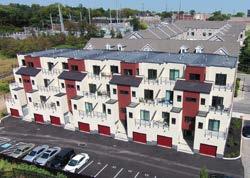
Take a drive through our region and you quickly see how much commercial and residential construction is taking place. As our region and society advances, progressive businesspeople, as well as homeowners, are always looking for the “next best thing”
When talking construction, it is pretty easy to find the “next best thing”. Everyone, whether in business looking to build their next project, or those looking to build a new home quickly and efficiently find the answer to the “next best thing” is Modular Construction
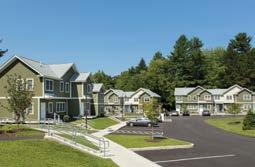
For decades modular construction has existed in the shadows of its big brother, site-built construction. What many folks don’t know is that modular construction is simply a building method, not a type of building. When building a project utilizing modular construction, the exact same building materials are utilized that are used with site-built construction. The same building processes are utilized as well, although with modular construction 80% of the project is completed indoors in a factory controlled environment. This means no materials are exposed to the elements, and there are no production days lost to weather. Superior tools can be utilized indoors such as laser guided saws, and there are layers of quality control overseeing the construction of the “modules” while being built within the factory.
Think of “modules” as Legos. As a kid, you used your imagination to construct whatever you wanted using Legos. In today’s construction environment, modules can be used to construct just about anything. Most people think of single-family modular homes when someone mentions modular construction. Although the industry started in the single-family residential construction sector, it was just the beginning for the industry. In today’s world just about anything can be built using modular construction. Today, office buildings, multi-family homes, condominiums, student housing, affordable housing projects, single family homes, adult care
centers, mixed use buildings, hotels, and urban infill projects are all being built using modular construction. As the industry continues to grow, there are now very few limitations as to what can be built using modular construction.
So we are often asked, what is the biggest benefit of utilizing modular construction for a project? While there are many benefits, the biggest benefit is the most valuable commodity there is… TIME! Time savings are gained by being able to do two things at once. While the modules are being constructed in the factory, site work is able to take place at the same time. While items such as infrastructure, roads, utilities, water, sewer, foundations, etc. are being built, the modules for the project are being built in the factory. Once the foundation(s) for the building(s) being constructed are ready, the modules are transported to the site and set on their foundations. Once the modules are set, on-site connections and final finishing then takes place. With large scale projects this is often a staggered process to keep the project moving efficiently. The construction timelines when using modular construction are generally 30% - 50% shorter than traditional site-built construction methods, which again saves a tremendous amount of time and the old saying is true…. TIME IS MONEY!
About Hudson Valley Home Source
Hudson Valley Home Source is a Nationally Recognized Award Winning Modular Builder located in Goshen, NY serving New York, New Jersey, Pennsylvania, Connecticut and surrounding areas.
The Role of Local Banks in Driving Regional Economic Development: How Wayne Makes an Impact


By Lydia Grossman Marketing Specialist Wayne Bank
Before all else, Wayne Bank’s goal is to make a genuine difference in the lives of the customers and communities it serves. Guided by its mission of making Every Day Better™, the Bank prioritizes development that creates lasting growth—the kind that supports individual financial well-being while strengthening the economic foundation of entire regions.
As a community bank with more than 155 years of service, Wayne Bank has embedded itself within the counties it serves across Pennsylvania and New York. The Bank has grown alongside generations of local residents, small businesses, and civic leaders, developing a firsthand understanding of the economic needs, challenges, and opportunities unique to each community. By going far beyond traditional banking and focusing on strong, long-term relationships, Wayne Bank has had the privilege of financing transformative projects that expand the local tax base, create meaningful employment opportunities, and revive vital community spaces.
“Our deep roots give us a front-row understanding of what local economies truly need to thrive,” said Jim Donnelly, President and CEO of Wayne Bank. “We’re not simply providing financing, we’re fueling progress. Every loan, partnership, and project reflects our belief that sustainable development begins with a community-focused approach.”
Supporting Essential Infrastructure Through Business Growth
One of Wayne Bank’s recent projects reflects its true commitment to fueling progress: Combined Energy Services, Inc.’s acquisition of Freedom Propane Corporation.
Combined Energy Services (CES), operated and owned by Mike Taylor, is a multi-generational, family-owned company with roots dating back to the late 1960s. Over decades, the business has grown responsibly into a diversified regional operator serving residential, commercial,
and industrial customers across New York, Pennsylvania, and New Jersey. Today, CES operates 10 storage and distribution facilities, maintains its own transportation fleet, and serves approximately 10,000 customers, providing essential energy services that communities rely on year-round.
Taylor supports more than 160 full-time jobs across the region, spanning energy services, industrial supply, logistics, recreation, and property ownership with operations extending into Massachusetts and Maine. Over the past decade, his companies have pursued aggressive expansion across products, services, and geographies, creating meaningful diversification while strengthening operational resilience.
The acquisition of Freedom Propane, based in Red Hook, NY, represents a strategic expansion of CES’s footprint while preserving a trusted local business. Founded in 2007, Freedom Propane serves nearly 3,000 customers throughout Dutchess and Ulster Counties, with a strong emphasis on safety, customer service, and operational efficiency. The business operates out of a 3.5-acre facility featuring bulk propane storage, service bays, and office space—critical infrastructure that remains rooted in the community.
Wayne Bank complemented this vision by coordinating with the New York State Linked Deposit Program to help optimize loan terms for the acquisition, demonstrating how thoughtful collaboration between business leaders, community banks, and state resources can support sustained regional economic strength.
Community Banking in Action
This type of project demonstrates the powerful role community banks play in regional development. By providing tailored financial support, professional guidance, and leadership initiative, Wayne Bank helps businesses transition, grow, and remain locally owned. In
this case, Wayne Bank’s financing supports:
• The preservation of skilled local jobs
• Continued investment in physical assets and infrastructure
• Reliable energy service for thousands of households and businesses
• Long-term stability for a regionally significant employer
The transaction ensures continuity—allowing employees, customers, and communities to benefit from a seamless transition and futurefocused ownership.
Strengthening the Tax Base and Local Economies
Beyond the immediate business impact, the acquisition reinforces the broader regional economy. The investment supports property ownership, vehicle fleets, storage facilities, and equipment that contribute directly to the local tax base. It also positions Combined Energy Services to continue investing in workforce development, fleet upgrades, and safety improvements, further strengthening economic resilience.
Together, the expansion of CES and the continued operation of Freedom Propane form a durable foundation for long-term regional growth. The project reflects Wayne Bank’s belief that thoughtful, community-centered lending can elevate entire local economies—not just through new construction, but by sustaining and strengthening the businesses that form their backbone.

“Projects like this show how our bank can influence more than one outcome at a time,” said John Veleber, Senior Vice President and Commercial Loan Officer.
“Our expanded footprint allows us to support complex business transitions while keeping operations and investment local. Building relationships like the one we have with Mike and CES—that’s how you truly strengthen the economic fabric of a region, and it’s what makes community banking so meaningful.”
Community banks play an essential role in driving regional economic development, and Wayne Bank exemplifies this role in action. By investing in projects that blend economic strength with community benefit—whether through real estate, infrastructure, or business succession—the bank helps protect jobs, expand the tax base, and ensure continuity of essential services across the communities it serves.
Wayne Bank’s work with Combined Energy Services and Freedom Propane is one example of its ongoing commitment to strengthening Pennsylvania and New York through impactful, relationship-driven banking. As Wayne continues to reinvest in local people, businesses, and infrastructure, its mission of making Every Day Better™ resonates not only with individual customers, but with the long-term prosperity of entire regions.

Modern Banking Solutions Supporting Real Estate and Business Growth in Sullivan County

By Mary Samuels Vice President, Commercial Lender Walden Savings Bank
For businesses in Sullivan County, access to reliable banking services has traditionally been shaped by geography. Limited branch proximity, travel time, and operational demands can create friction in managing day-to-day financial needs. Today, those barriers are rapidly diminishing.
Walden Savings Bank is redefining what it means to bank locally by delivering remote banking solutions that allow businesses to operate more efficiently without being tied to a physical local branch.
Banking That Works on a Business Schedule
Time is one of the most valuable resources for any business owner. Remote banking tools from Walden Savings Bank are designed to streamline financial management and eliminate unnecessary interruptions to daily operations.
Through a robust digital banking platform, business customers can initiate transactions, manage cash flow, monitor accounts, and pay vendors in real time. Routine tasks that once required in-person visits can now be completed securely from the office, job site, or on the go.
For businesses operating across multiple locations or managing tight timelines, this flexibility is not just convenient…it’s essential.
Driving Efficiency Through Digital Tools
Walden Savings Bank’s remote capabilities go beyond basic online banking, offering solutions tailored to the needs of modern businesses.
Services such as remote deposit capture allow businesses to deposit checks without leaving their place of operation, improving cash flow and reducing administrative burden. Online wire transfers and digital payment options provide speed and control, helping businesses manage outgoing payments with confidence.
These tools enable organizations to operate more efficiently, reduce downtime, and allocate resources where they matter most…growing the business.
Commercial Lending That Moves at the Speed
of Business
In addition to day-to-day banking, access to capital remains a critical component of business success. Walden Savings Bank combines its remote capabilities with direct access to experienced commercial lenders, making it easier for businesses to explore opportunities and secure financing without unnecessary delays.
Whether a business is expanding operations, investing in equipment, or managing working capital, local lenders are available to provide guidance and structure solutions that align with real world needs. Conversations can begin remotely, but just as importantly, Walden Savings Bank’s team is available to meet businesses where they are…onsite, at their office, or within the community.
Remote capabilities extend through the entire lending process, including the ability to complete loan closings electronically. Through secure platforms customers can review and sign documents from wherever they are, eliminating the need to coordinate schedules or travel. This streamlined approach helps keep deals moving forward efficiently while maintaining a high level of convenience.
Equally important is access to support when it’s needed most. Business owners don’t operate on a traditional 9-to-5 schedule, and neither does the need for answers. Walden Savings Bank ensures customers can stay connected with their lending
team, providing responsive communication and accessibility beyond standard business hours to help address questions, provide clarity, and keep projects on track.
Supporting Businesses Across Industries
Businesses across Sullivan County operate in a variety of industries, each with unique demands on time, resources, and financial management. By removing geographic barriers, remote banking plays a key role in supporting their operations and continued growth.
Walden Savings Bank’s approach allows businesses to access the same level of service, tools, and financial resources as those in more densely populated areas—without sacrificing the local expertise they value.
Security and Control at Every Step
With increased digital access comes the need for strong security and oversight. Walden Savings Bank provides businesses with advanced security features, including user permissions, transaction controls, and real-time alerts. These tools allow business owners to maintain visibility across accounts, safeguard against fraud, and confidently manage financial activity.
A Smarter Way to Bank Locally
Remote banking is not about replacing community banking…it’s about enhancing it. By combining innovative technology with personalized service, commercial lending expertise, and the ability to meet customers wherever they are, Walden Savings Bank is helping businesses in Sullivan County operate more efficiently, make informed decisions, and focus on what matters most.
As the needs of businesses continue to evolve, so too will the tools that support them. With remote banking solutions designed for flexibility, security, and performance, Walden Savings Bank is ensuring that geography is no longer a limitation…only an opportunity.




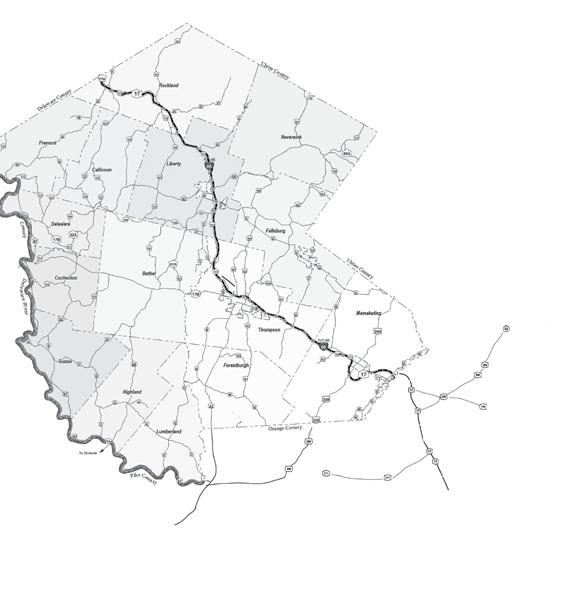







Ever Wonder Where Our Investors are Located?
From Albany, NY to Pittsfield, MA — they’re not just from Sullivan County! Each issue, we’ll be calling out members from all over the map.
1 23 Marketing Group
7251 State Route 17a Suite 2L Florida, NY 10921
Tel: 845-551-2665 the23marketing.com
2 American Electric 238 Nearing Rd Lake Huntington, NY 12752
Tel: 845-932-8111 americanelectriconline.com
3 Engineering Design Management, PC (EDM) 75 South Church St Suite 601 Pittsfield, MA 01201 Tel: 413-770-7465 edmengineers.com
4 Fox Rothschild 101 Park Ave, 17th Floor New York, NY 10178 Tel: 212-450-9847 foxrothschild.com
5 Key Bank
50 N Church St 2nd Fl Goshen, NY 10924
Tel: 845-615-5109 key.com
6 Mahon, Rider & McKay, PLLC 641 Broadway Newburgh, NY 12550
Tel: 845-565-1100 mrmlegal.com
7 Mercurio-Norton-TarolliMarshall Engineering & Land Surveying, P.C.
45 Main St Pine Bush, NY 12566
Tel: 845-744-3620 mntm.co
8 Michael Bloom Photography mb@michaelbloomphoto.com Tel: 845-798-5587 michaelbloomphoto.com
9 Schumacher Systems, Inc. 1043 County Route 164 Callicoon, NY 12723 Tel: 845-887-5391 schumachersystems.com
10 Solaia Restaurant 3317 State Route 42 Monticello, NY 12701
Tel: 845-513-4248
11 Sullivan Catskills Visitors Association 15 Sullivan Ave #1 Liberty, NY 12754
Tel: 845-747-4449 sullivancatskills.com
12 Sullivan County Democrat 5 Lower Main St Callicoon, NY 12723
Tel: 845-887-5200 scdemocratonline.com
13 The Inn at Lake Joseph 162 St Josephs Rd Forestburgh, NY 12777
Tel: 845-791-9506 lakejoseph.com
14 TKC Cleaning & Building Maintenance 88 Monhagen Ave Middletown, NY 10940
Tel: 845 956 3000 tkccleaning.com
15 Yield Group avi@yieldcgp.com Tel: 347-406-3256