Executive Summary
How might designers conclude community-based projects so the work continues meaningfully after they step away?
The Problem
Community-engaged design projects often begin with strong momentum, collective energy, and meaningful outcomes However, many of these projects fade once the original designer, founder, or partner steps away This decline is not due to a lack of community interest or value, but rather to the absence of a structured transition process
Transitions commonly referred to as handoffs or exits are rarely designed intentionally. While many designers recognize this gap, transitions are often deprioritized due to burnout, limited organizational capacity, and concerns about added time or cost As a result, critical knowledge is lost, relationships weaken, and the long-term impact of the work is compromised
The Opportunity
In other fields, such as business, transitions are anticipated and planned for through succession strategies and exit frameworks
In contrast, the design field lacks widely adopted practices to support responsible project conclusions particularly in community-based and social impact contexts, where the stakes are relational and long-term.
The Concept
Ethical Transition Strategies is a framework developed to address this gap. It provides practical tools and guidance for designers and nonprofit partners seeking to conclude their work responsibly, with attention to continuity, care, and community ownership
The framework consists of three main components: Ethical Values – mindsets that ground every decision and action in the transition process Dimensions – leadership, financial, relational, and momentum; four pillars of what needs to be sustained in a transition Phases – a step-by-step structure to help teams plan, align, and implement a transition throughout the lifecycle of the project
By making the transition phase visible, structured, and shared, this approach reduces uncertainty and distributes responsibility across all parties involved. It supports teams in aligning expectations, transferring knowledge, and ensuring that the work continues meaningfully after they step away
This framework invites a broader rethinking of design practice not as a linear process ending in delivery, but as an ongoing act of stewardship It challenges design thinking and the culture of “parachute design” by embedding care and sustainability into the conclusion of a project.
Design as Stewardship
Mission
To create a new standard for how community-based design projects end one that is responsible, intentional, and people-centered The framework equips designers and nonprofit partners with tools to plan transitions that are thoughtful, transparent, and rooted in ethics.
In this context, “ethical” means transitions that prioritize people over processes, share power with communities, acknowledge emotional and relational aspects to endings, and avoid the harm caused by rushed or unclear handovers
Vision
A future where design is no longer defined by what gets built, but by what is sustained
Design is reimagined as a practice of stewardship where endings are as intentional as beginnings, and where transitions are part of the design, not an afterthought.
By challenging the conventional “build-and-leave” model, this vision promotes a long-term, ethical approach to design one that strengthens relationships, redistributes power, and fosters community ownership beyond the involvement of the original design team

Current Gap
Casual Handoff
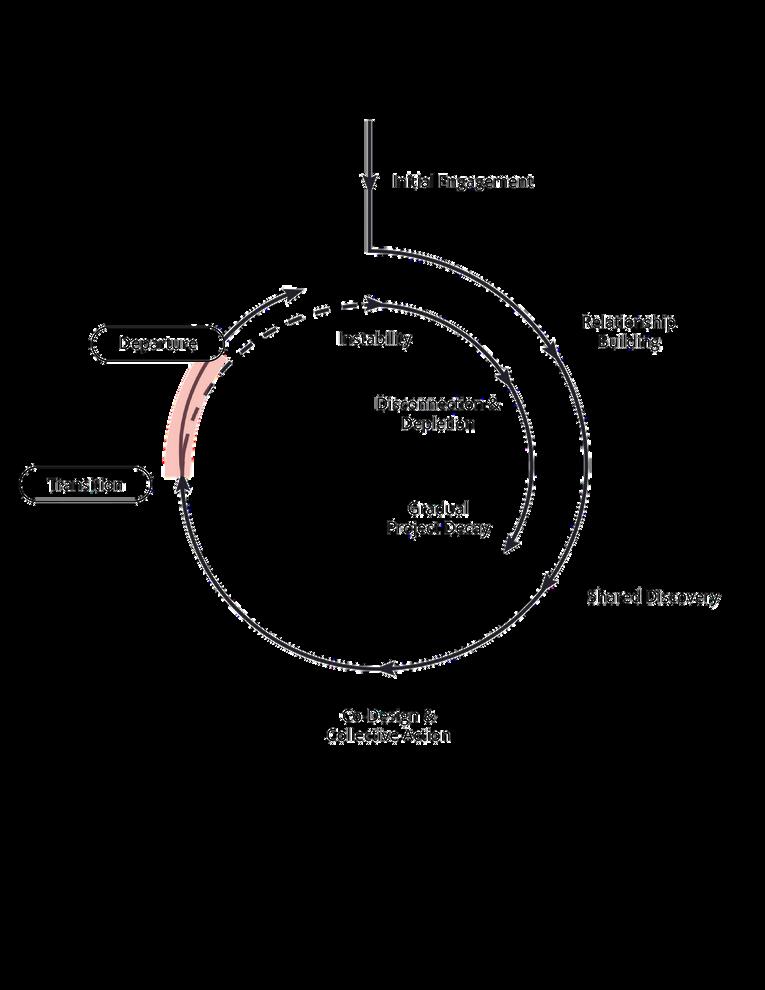
Ethical Transition
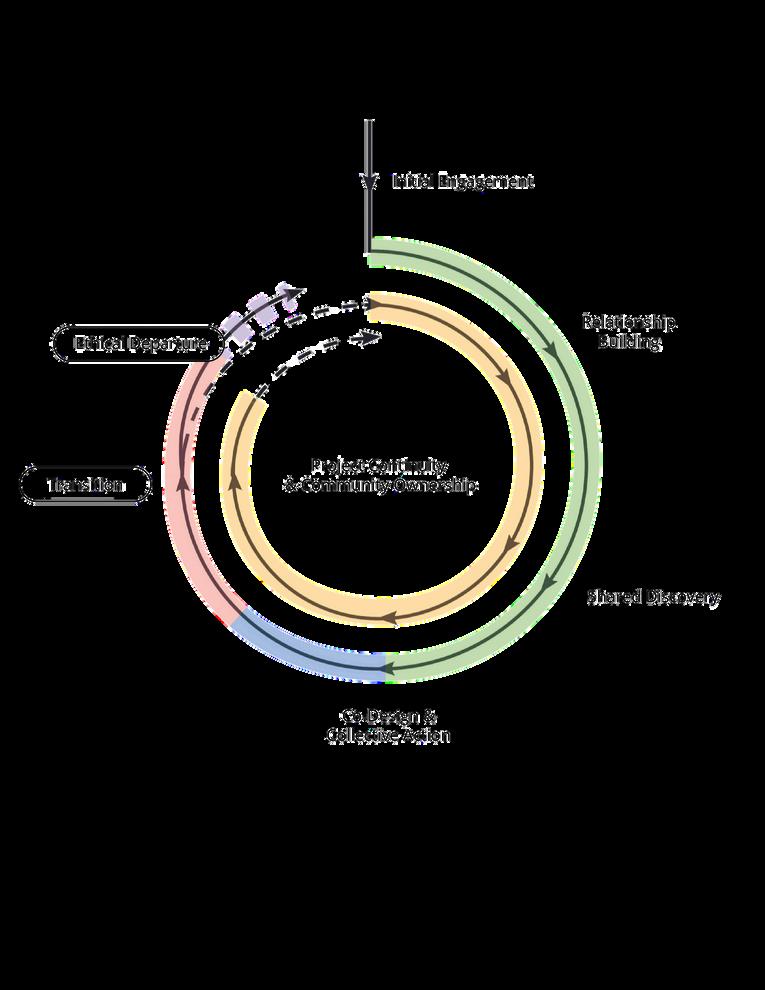
Co-design process where exit planning happens only at the end risks project decay loss of institutional knowledge, ongoing impact, and investment the trust and effort that took months sometimes even years to build
Co-design process where strategic exit planning starts early and is supported throughout the process promotes continuity and community ownership
Concept: Ethical Transition Strategies
Addressing the gap
The strategy for Ethical Transition has been codeveloped through interviews, workshops, and research with practitioners, communities, and organizations working across design, social innovation, and community services
It builds upon real-world experiences of designers and teams navigating the complexities of exiting responsibly, particularly in community-engaged and socially driven projects.
The framework includes a set of core values which set the foundation for ethical transitions, structured around four sustainability dimensions financial, leadership, relational, and momentum which help teams consider what needs to be sustained, and outlines five key phases of an ethical transition
The tools and practices within this strategy are intended to foster ethical awareness, shared ownership, and long-term resilience.
Each project that applies this strategy contributes to a broader cultural shift in how transitions are viewed not as a final step, but as an integral part of the design cycle

Framework
ETHICAL VALUES
This is the heart of ethical transition the mindset and relational posture we bring They drive intention
Phases
Dimensions
Ethical Values
DIMENSIONS
This is the structure that enables sustainability They support continuity
PHASES
This is the visible journey where values and dimensions are applied step by step They guide action
Ethical Values
The mindsets that ground every decision and action in our process.
ACCOUNTABILITY
We are responsible for how we show up and how we step away We own the impact of our exit and design to prevent harm and abandonment.
PEOPLE-CENTERED
We work with people, not machines. We embrace the complexity, messiness, and humanity of relationships
CARE
We center relational, emotional, and cultural care, and recognizing that emotions are part of endings
SUSTAINABILITY
We plan for long-term impact through stewardship, mentorship, and shared responsibility.
CO-CREATION
We design transitions with those taking over not at them We share decisions, and redistribute power with intention
Dimensions
Leadership Sustainability
Financial Sustainability
Four pillars of what needs to be sustained in a transition.
Relational Sustainability
Momentum Sustainability
LEADERSHIP
Focus: Clarity, ownership, and continuity in decisionmaking
How do we sustain continuity in leadership? What roles need to be handed over?
FINANCIAL
Focus: Funding, resources, and long-term viability. How do we maintain funding and financial resilience?
RELATIONAL
Focus: Sustaining trust, partnerships, and social connections
What relationships are at risk? How can trust be shared or transferred?
MOMENTUM
Focus: Energy, motivation, and team or community momentum
How do we sustain morale and energy of the team and community?
Phases
Step-by-step structure to help teams plan, align, and implement a transition throughout the lifecycle of the project
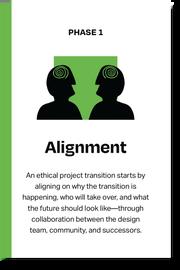
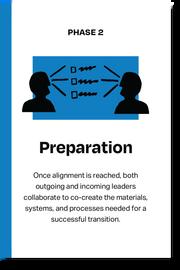
This guide outlines five key phases of transition, each with defined objectives, recommended activities, and supporting tools to help teams plan and act with clarity While not every project will follow this sequence exactly, the framework offers a shared reference point for what a well-executed transition can look like.
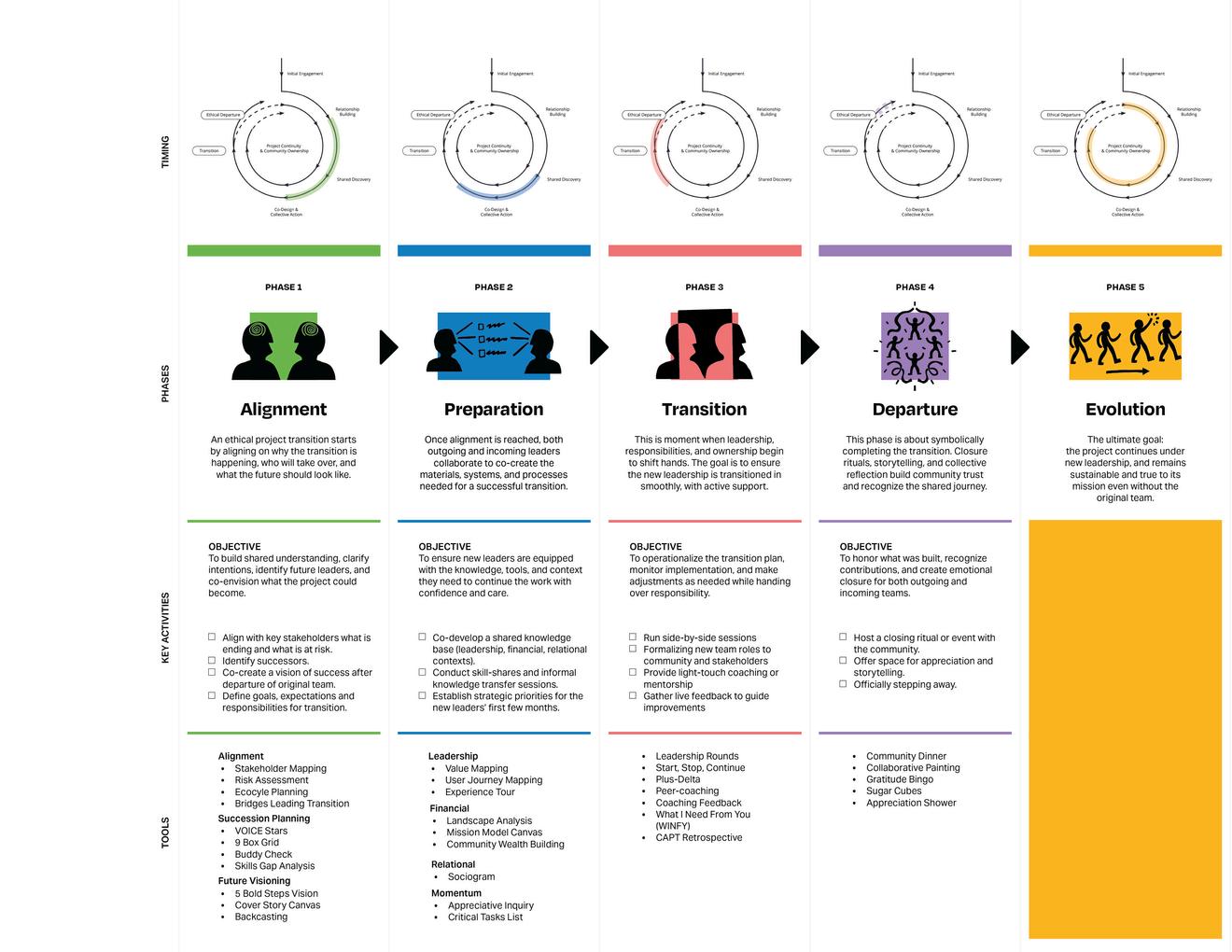
View the full-size version here
Toolkit Prototype
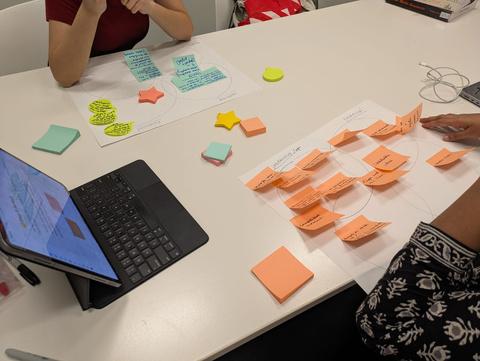
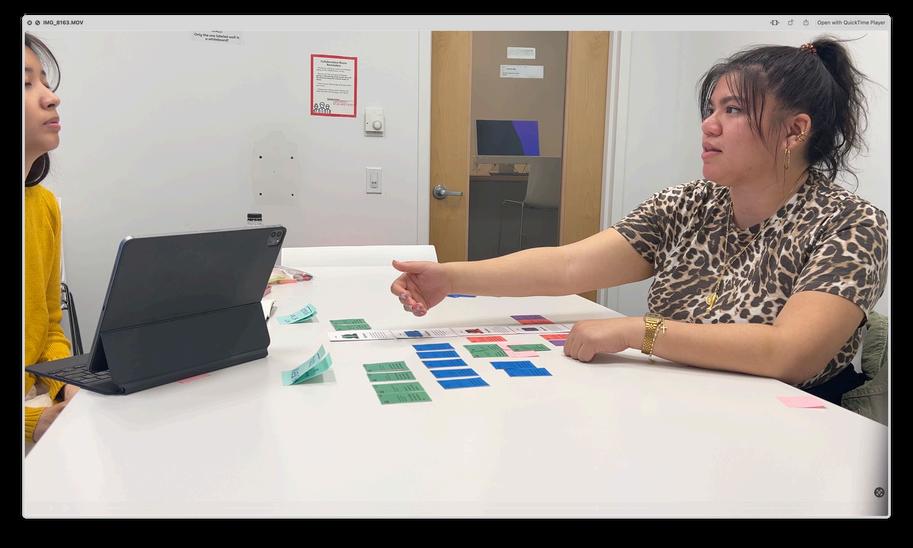
A toolkit was created to make the underlying framework accessible, actionable, and easy to apply especially in collaborative or workshop settings While the framework can be presented conceptually, its value is best realized through active use.
It translates abstract ideas into practical tools and guided activities that help teams apply the principles of ethical transition based on their specific needs It includes modular components and suggested use cases that allow users to identify gaps, plan responsible exits, and support long-term continuity in a range of project and organizational contexts
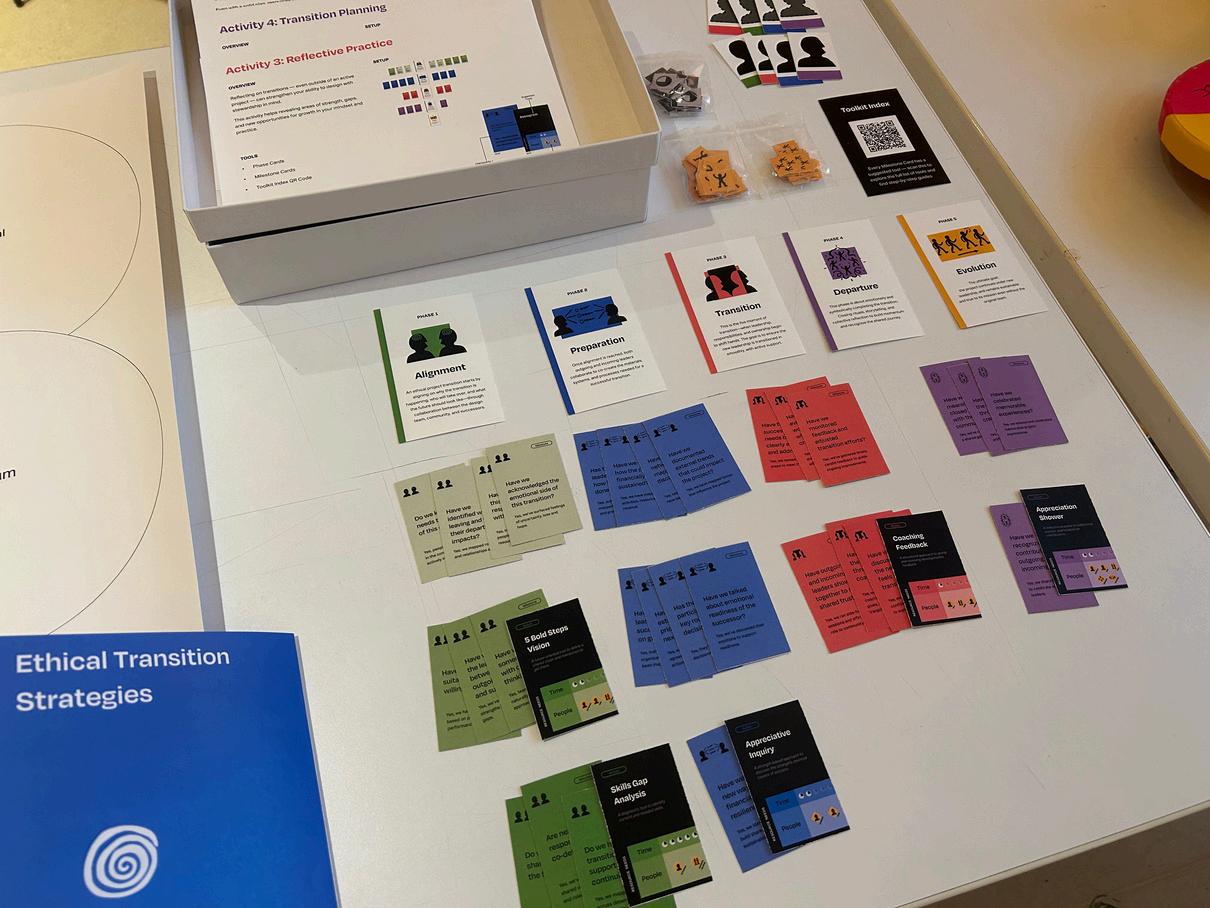
What’s inside
Activity Guides
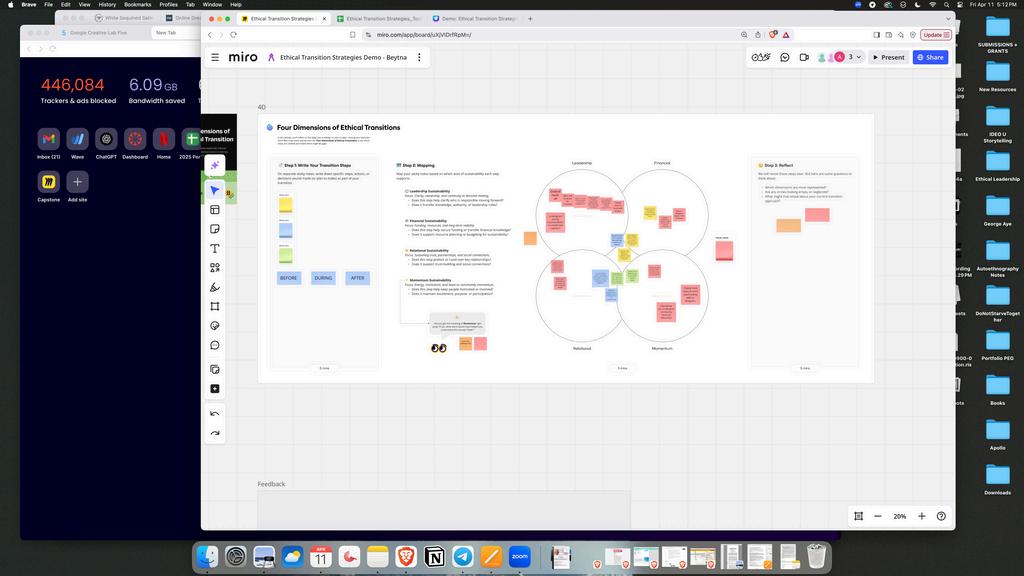
Four Dimensions Canvas Maps
Phase Cards
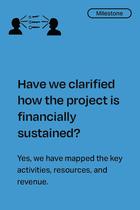
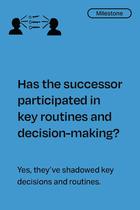
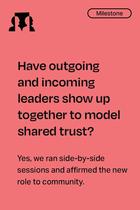
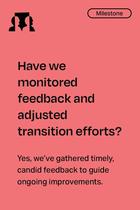
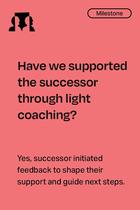
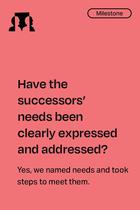
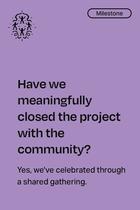
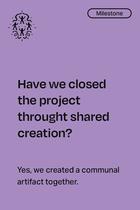
Milestone Cards
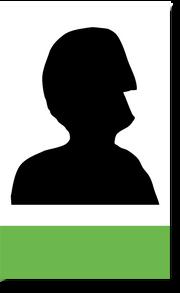
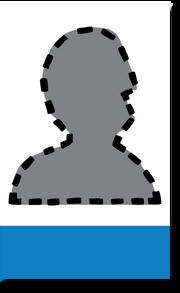
Actor Tokens
Time Resource Tokens
Human Resource Tokens
Toolkit Index QR Code
Canvas Maps
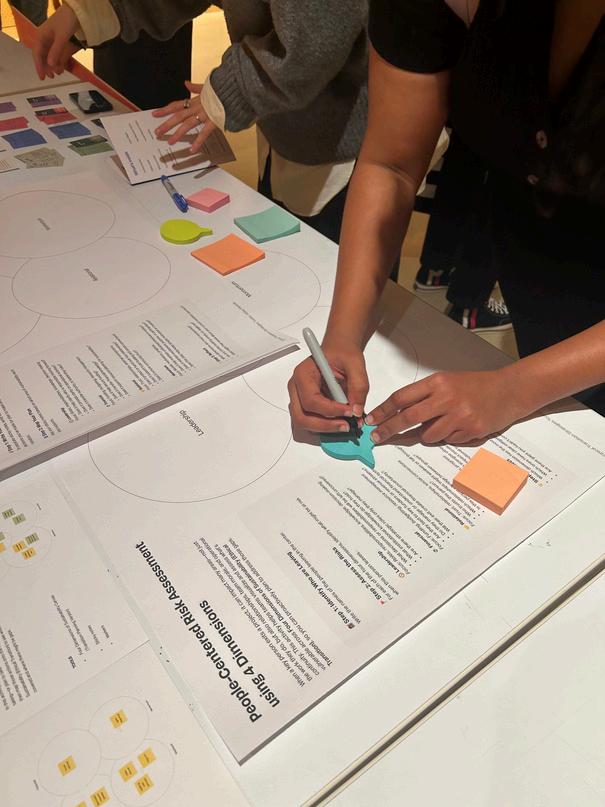
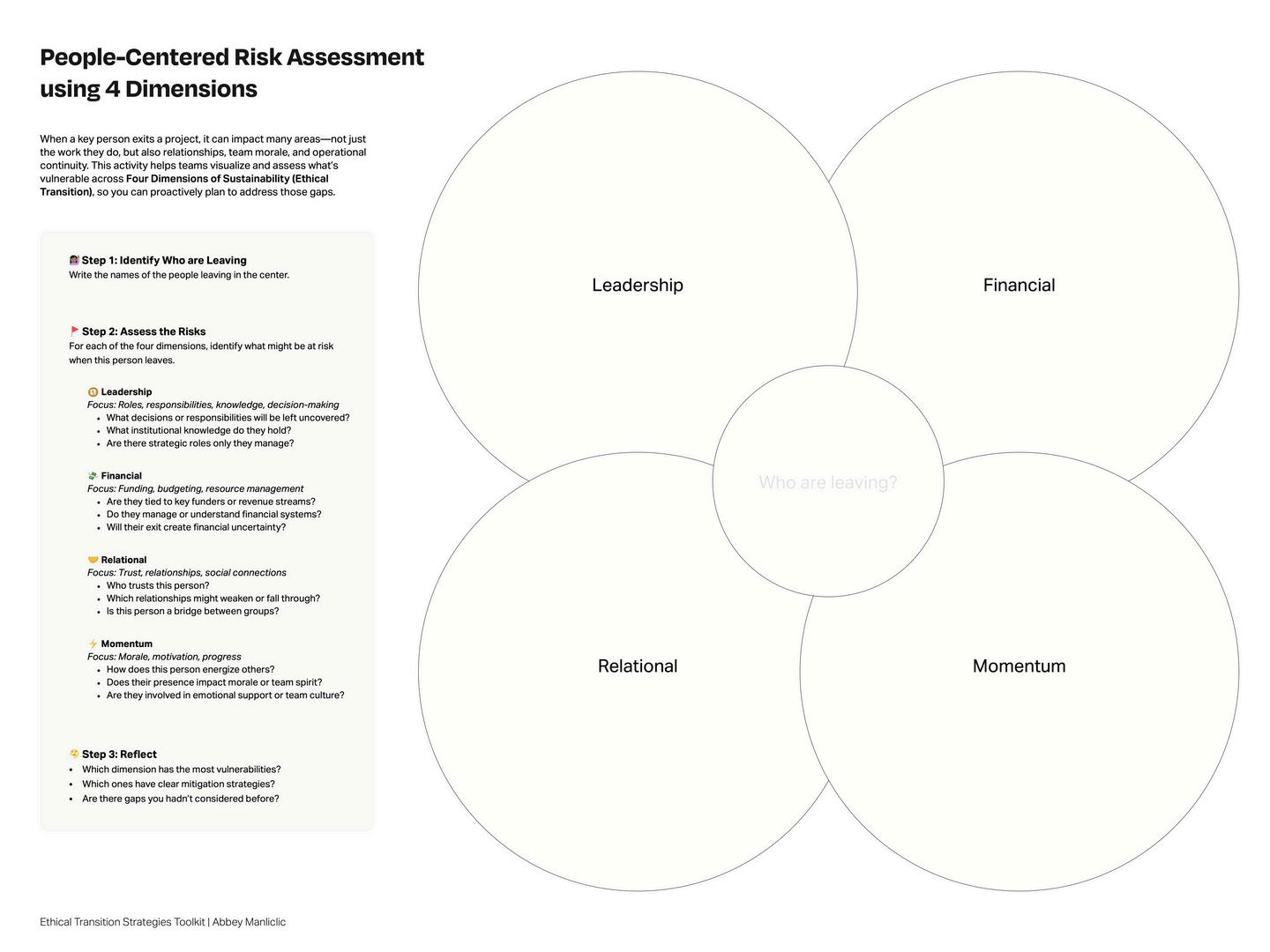
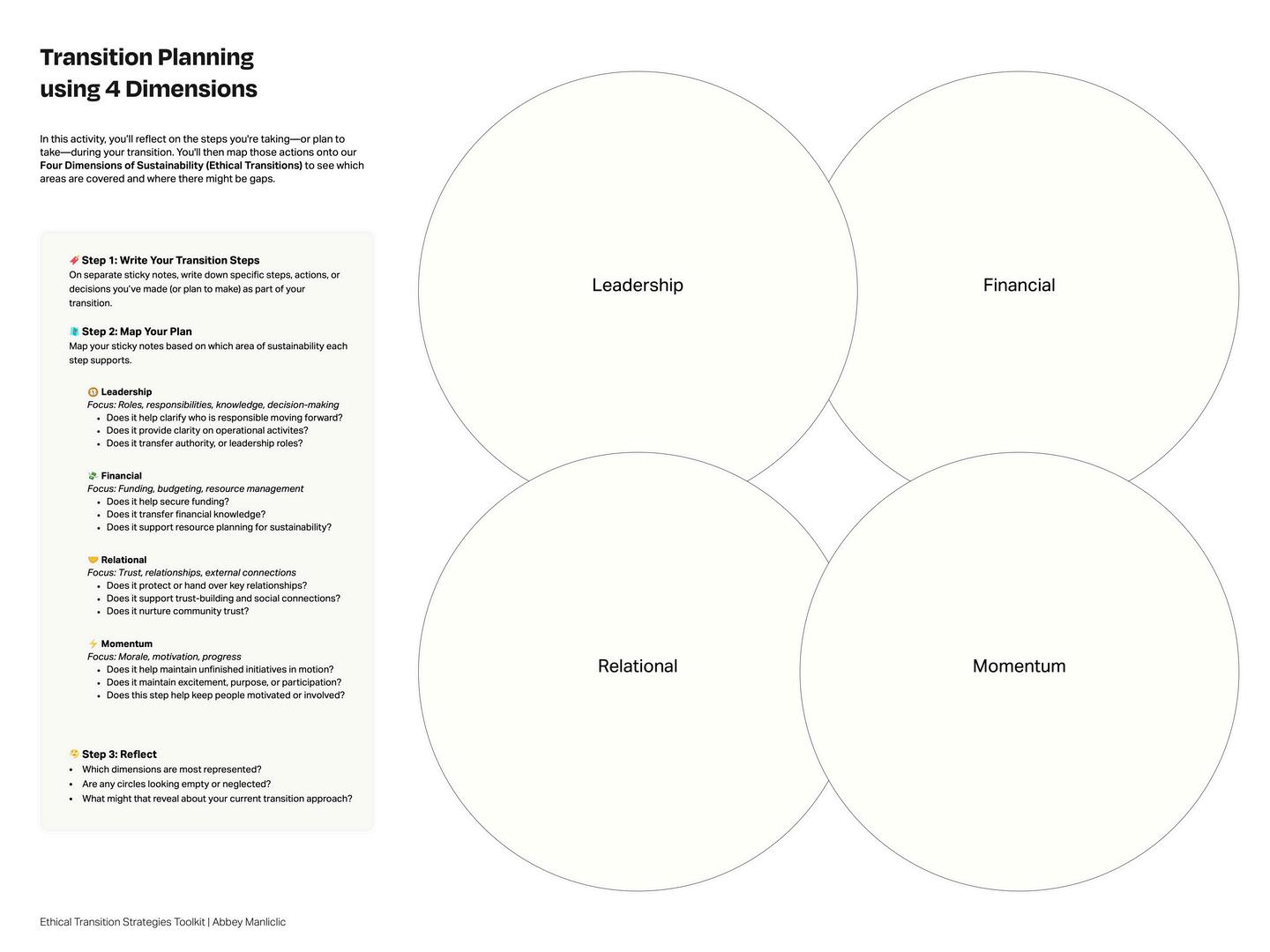
These tools make the often-invisible parts of transitions visible and actionable It supports teams in mapping risks and identifying gaps in their transition plan
Designed for mapping, thinking, and collaborative planning the canvas breaks down sustainability into four key dimensions Leadership, Financial, Relational, and Momentum enabling teams to think strategically about what needs to be sustained.
View the canvas maps here and here.
Activity 1: People-centered Assessment
When to use it: You know who's leaving or stepping down, but you're unsure what that means for the project
Activity 2: Transition Gaps Assessment
When to use it: You have a transition plan or the beginnings of one but you want to spot what's missing for a more holistic and sustainable exit
Card Set
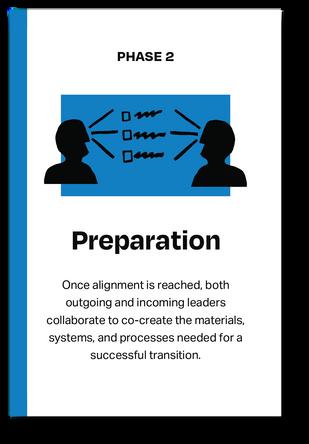
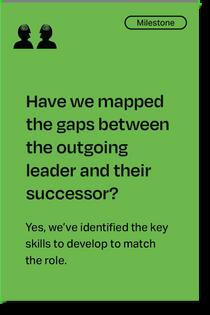
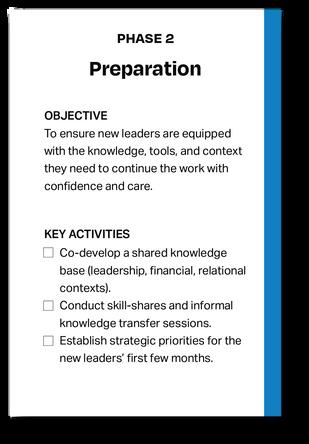
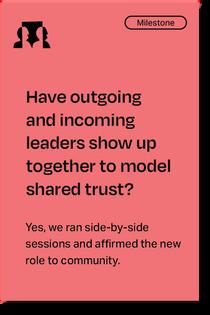
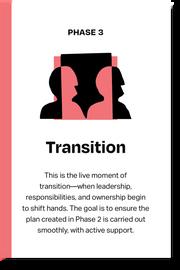
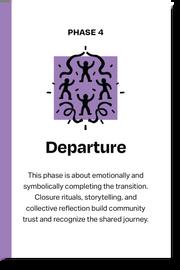
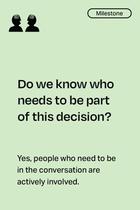
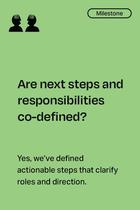
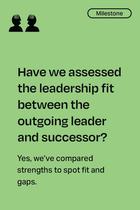
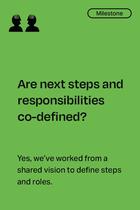
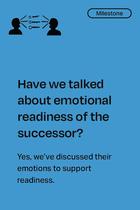
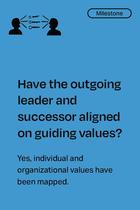
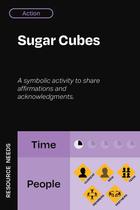
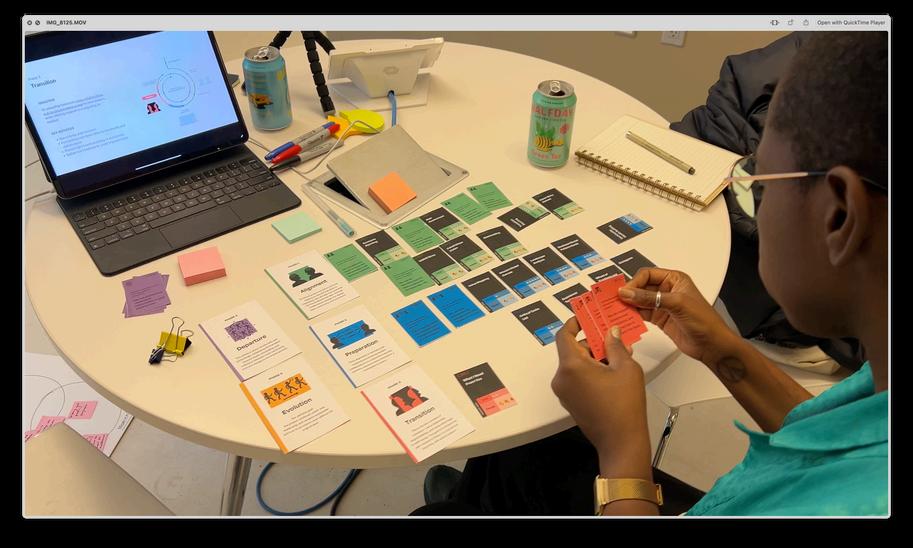
The cards breaks down the five key phases into milestones and action steps, making it easier for teams to understand, apply, and reflect on their progress whether they’re planning ahead or already in the midst of a transition.
Many testers have noted that walking through the cards helped them see what is possible and what could be missing in their own work.
View the cards here



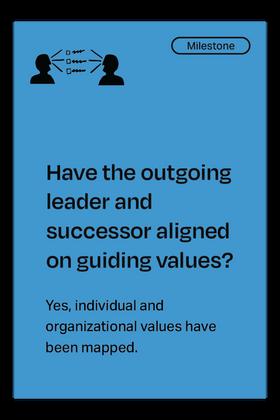
Activity 3: Reflexive Practice
When to use it: You want to reflect on ethical transitions and explore how these ideas can strengthen your design practice, even if you’re not currenly planning a handover
Activity 4: Transition Planning
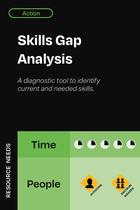
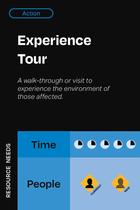
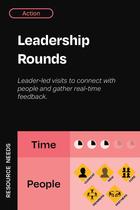
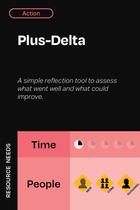
When to use it: You are actively in transition phase and want a guide to make it more holistic and people-centered. Suggested
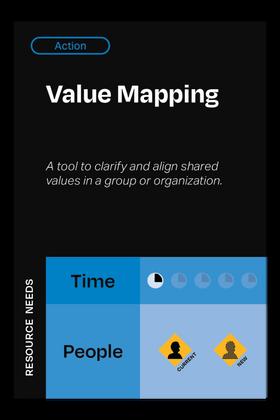
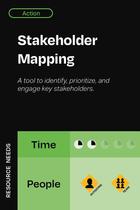
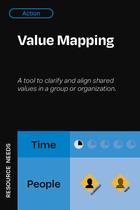
Activity 5: Resource Allocation Check
When to use it: You already have a transition plan, but need to check if you have enough time and capacity to realistically pull it off
Visualize workload and capacity of team to support them better
Prioritize action steps based on resource restrictions and team capacity



Testing Feedback
Shifting mindsets about good transitions
“I don't think anyone's built a toolkit around this yet. So that's why I'm so excited!”
Tania, Liberatory Design Co-founder
“It instinctually feels so right, I haven't thought of it or had it laid out in this way so we can jump into planning. ”
Amanda, Liberatory Design Coach & Facilitator
“Eye-opening I'm thinking so much about processes, but not about the human beings behind this transition.”
Anupama, Community Collective Co-founder
“I wish [it came with] a worksheet because so many ideas popping up in my head that I wanted to immediately write down ”
Raz, Nonprofit Program Coordinator
Target Audience
Direct Users
Designed for designers, nonprofit teams, and community-based organizations working on socially engaged projects with mid- to long-term interventions
It is particularly applicable to public programs, civic engagement initiatives, educational interventions, or health and social services where ongoing human involvement is essential, and outcomes depend on people rather than products or one-time deliverables.
It supports those seeking to plan for responsible transitions where continuity, care, and community ownership matter
It is also relevant for educators and design leaders who aim to embed ethical practices into teaching, training, or organizational processes
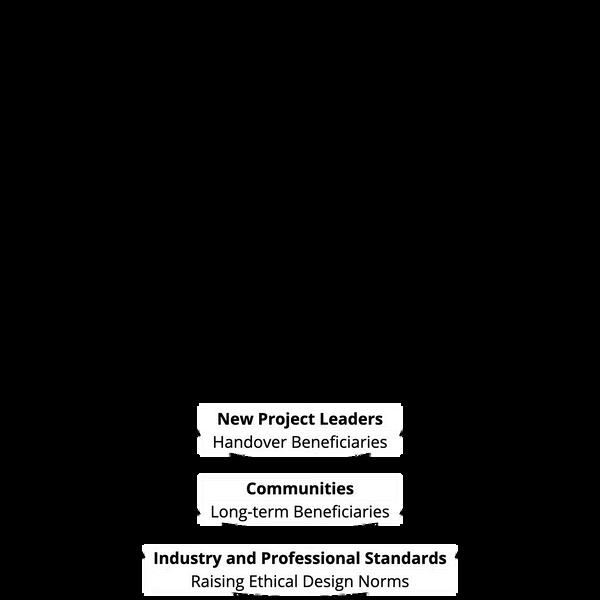
Impact
Design Teams & Nonprofit Partners
Reduces end-of-project stress while strengthening trust, credibility, and long-term collaboration
Next-Generation Leaders & Successors
Increases readiness, transfers knowledge clearly, and sets new leaders up for success.
Communities & End Users
Prevents abandonment, sustains impact, and supports local ownership and capacity
Design Field & Professional Practice
Establishes ethical norms and promotes a culture of responsible, stewardship-based design.
Landscape Analysis
Emerging Mental Models
What phases of the design process are most emphasized in existing ethical co-design frameworks and where are the gaps?
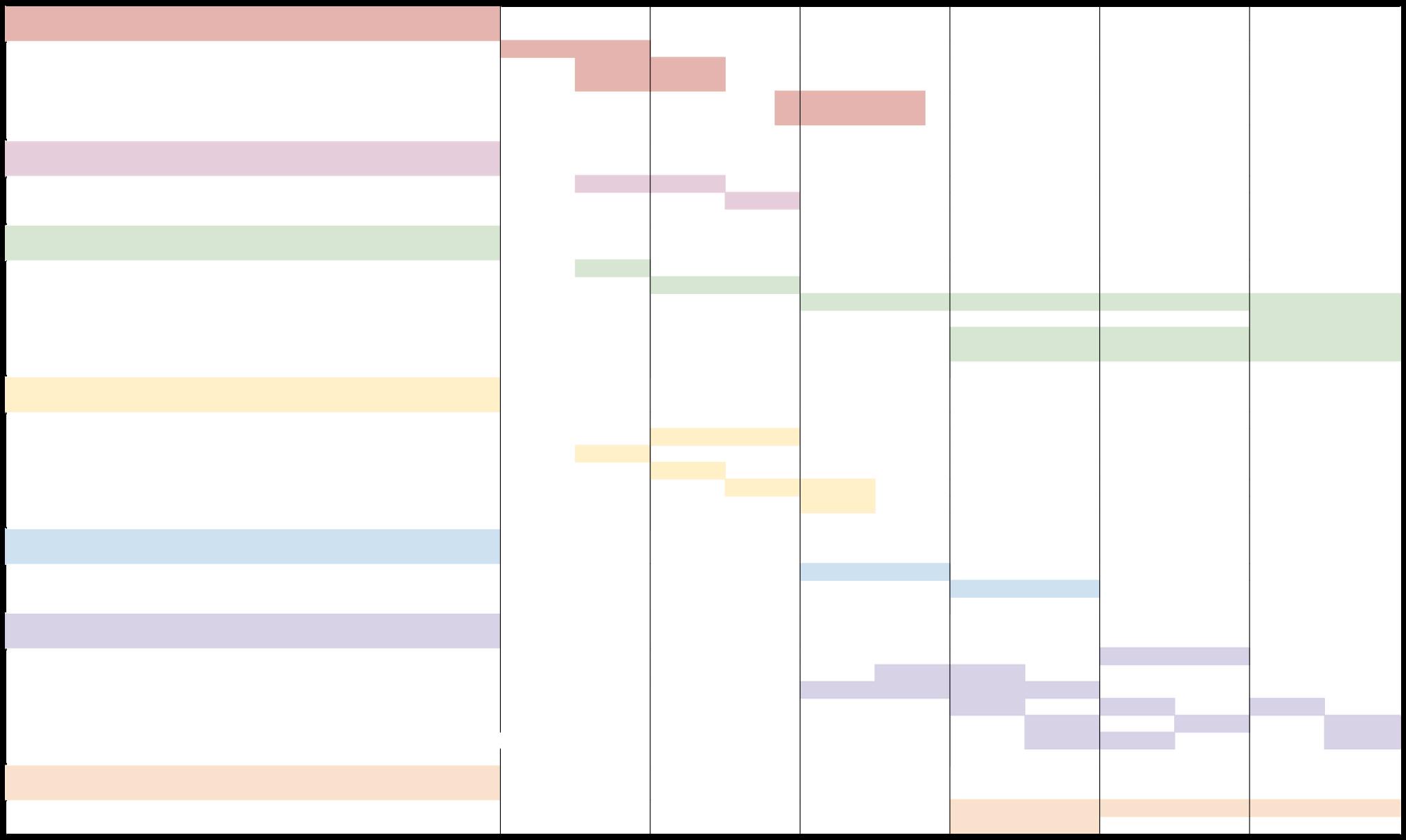
This diagram maps the focus areas of six key frameworks in ethical, community- engaged design across phases of the design process, showing how much attention each framework gives to specific phases
Most attention is given to Shared Discovery, Initial Engagement, and Co- Design. Reflexivity is increasingly acknowledged as essential, though often loosely defined. In contrast, Transition is largely overlooked, with only one framework briefly mentioning it
Another key observation is the variation in actionability across frameworks Some offer abstract guiding principles while others provide more tangible tools This matters for practitioners looking for how to operationalize ethics and equity in practice.
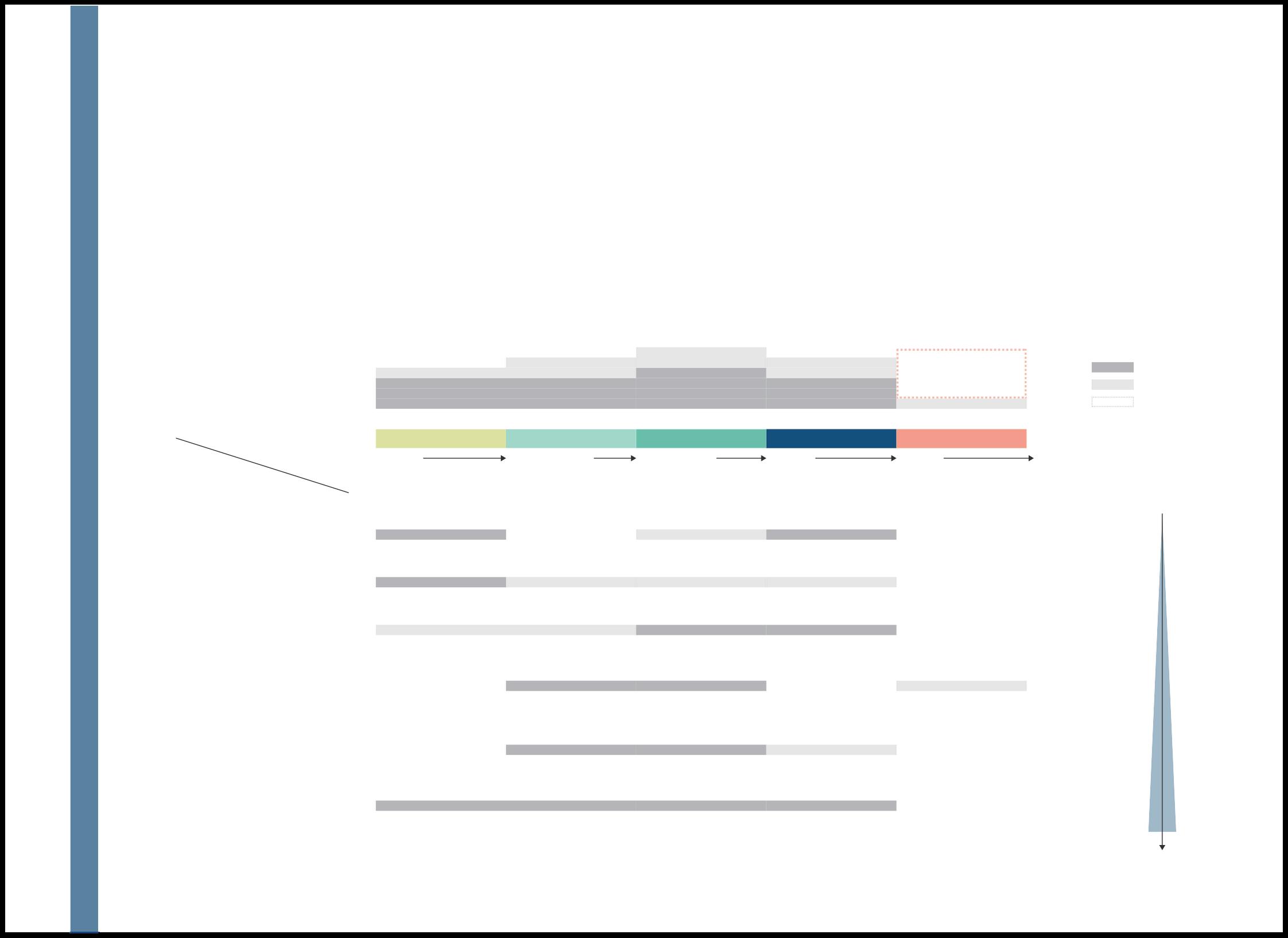
Overall, the landscape suggests a maturing field with strong emphasis on starting well but with a need to address how we end well, and how responsibility is shared or sustained
Analogous Inspirations
What can design learn from other fields that approach transitions and endings with care?
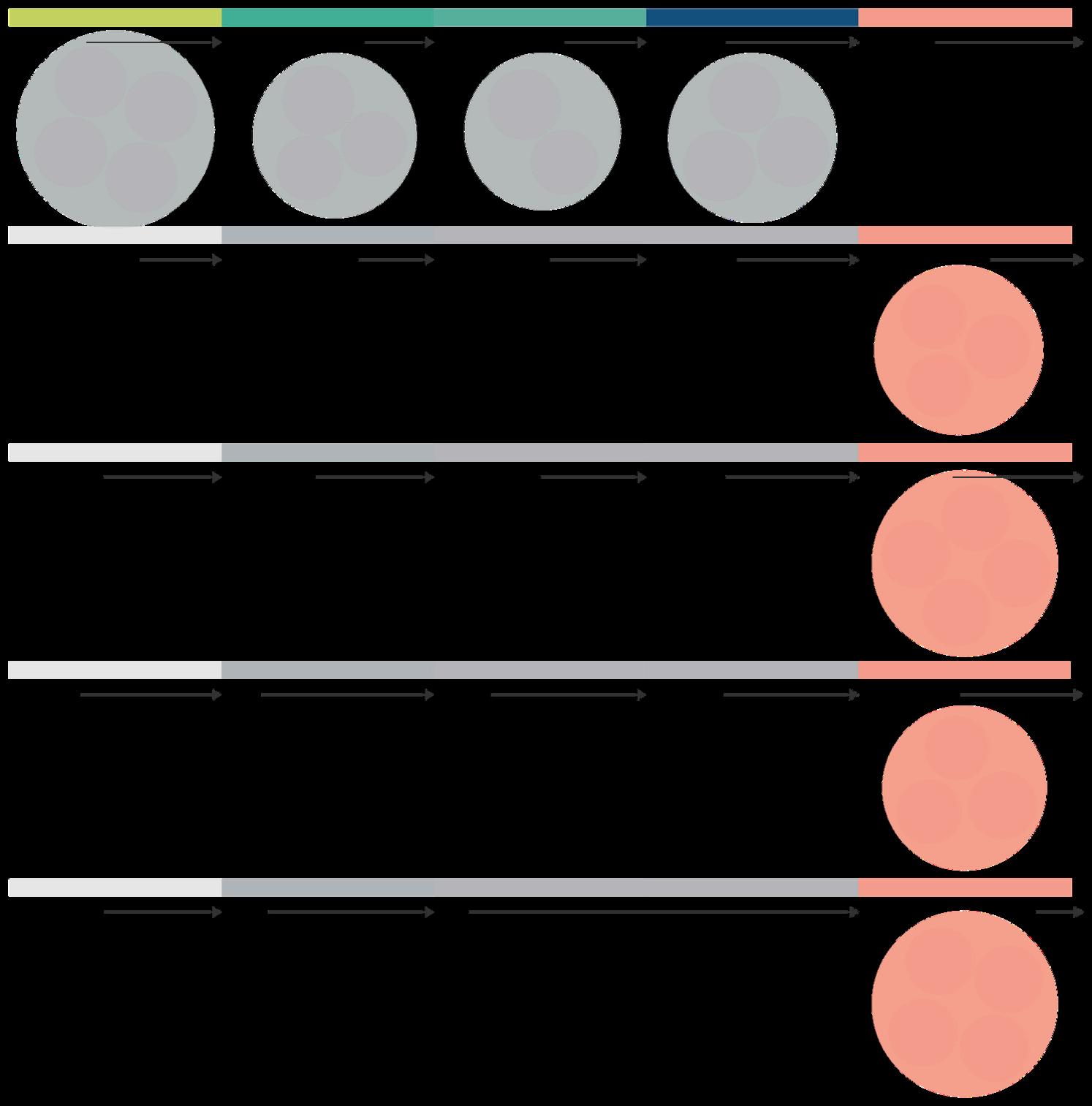
This landscape analysis draws inspiration from fields outside of design that offer thoughtful approaches to endings, exits, and transitions phases that are largely unaddressed in design
This analysis highlights select best practices, established tools, rituals, and protocols to ensure closure, continuity, and ethical disengagement. These examples don’t replace existing frameworks but supplement them.
Co-Design
Actor Roles in Community-Centered Design
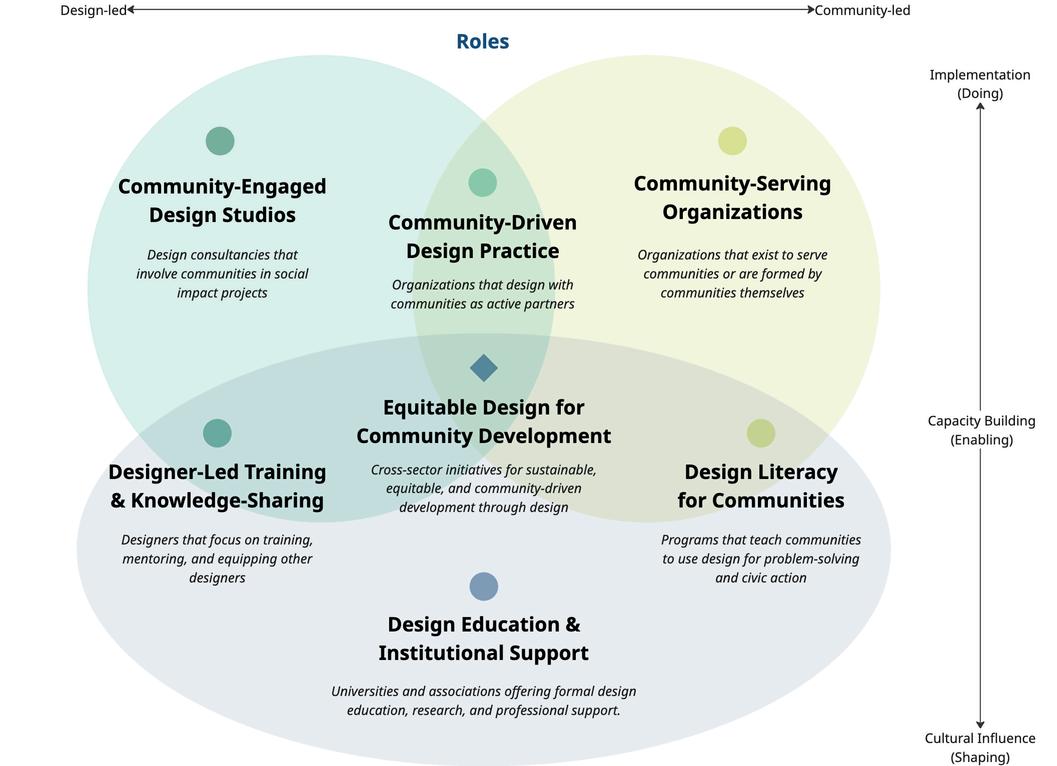
What roles do designers, communities, organizations, and institutions play in shaping community development through design?
This landscape diagram maps the diverse actors involved in community development across design and non- design domains
Community development is carried out by both designers and non-designers, with varying degrees of design integration and community engagement
Beyond traditional design education institutions, there is a growing field of practicing designers and studios focused on supporting both communities and fellow designers These initiatives occupy the intersections of design practice, education, and community development highlighting the evolving role of designers as facilitators, educators, and capacity-builders.
Actor Roles in Community-Centered Design cont.
Notably, many of the emerging mental models are being developed within the design education This suggests that education is a powerful leverage point for influencing how designers engage with communities shaping mindsets around ethics, equity, and collaboration before and during practice.
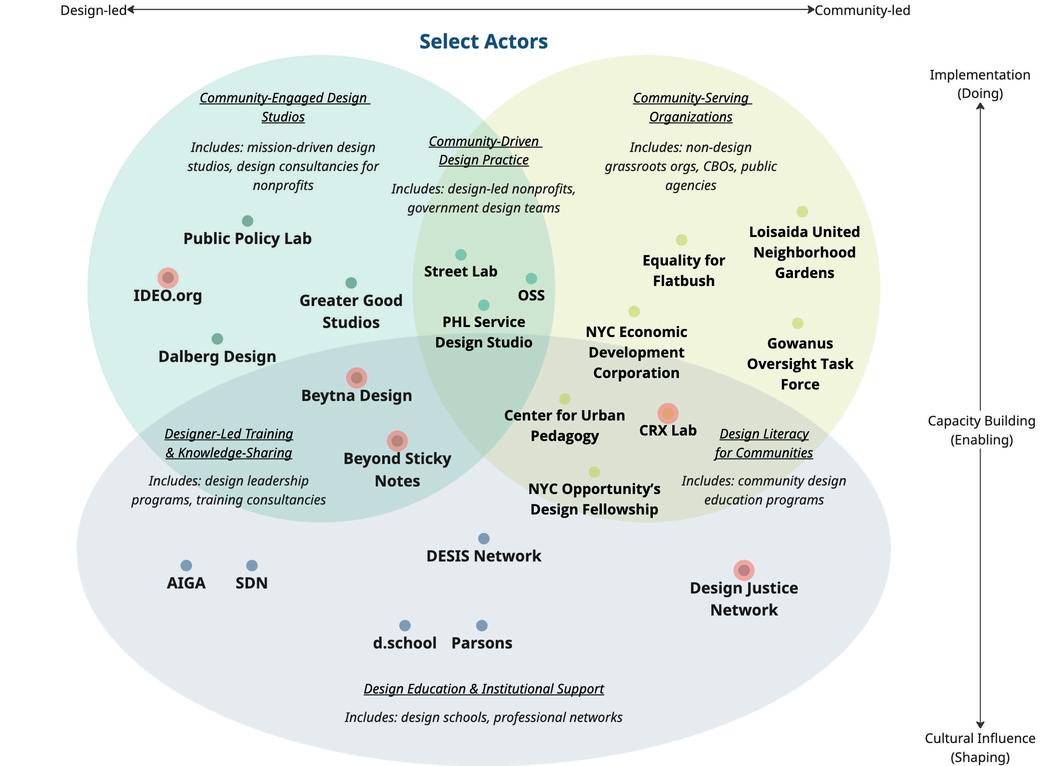

Authored or associated with emerging mental models mentioned prior
Strategy to Market
Our goal is to make ethical project transitions a normative practice in the design industry.
To achieve the strategic goal, the focus is on three pillars:
Theory – Establishing the intellectual and ethical foundation for transition planning
Practice – Providing actionable tools, methodologies, and real-world implementation strategies
Pedagogy – Embedding transition planning in design education to shape future practitioners
The roadmap ensures the enforcement of this goal through a structured three-phase process, moving from concept inception to industry adoption.
Phase 1: Theory and Concept
Phase 2: Practice and Continuous Refinement
Phase 3: Pedagogy and Expanding Awareness
Recommended moments of assessment, points of risks, and risk exit strategies have been anticipated and marked.
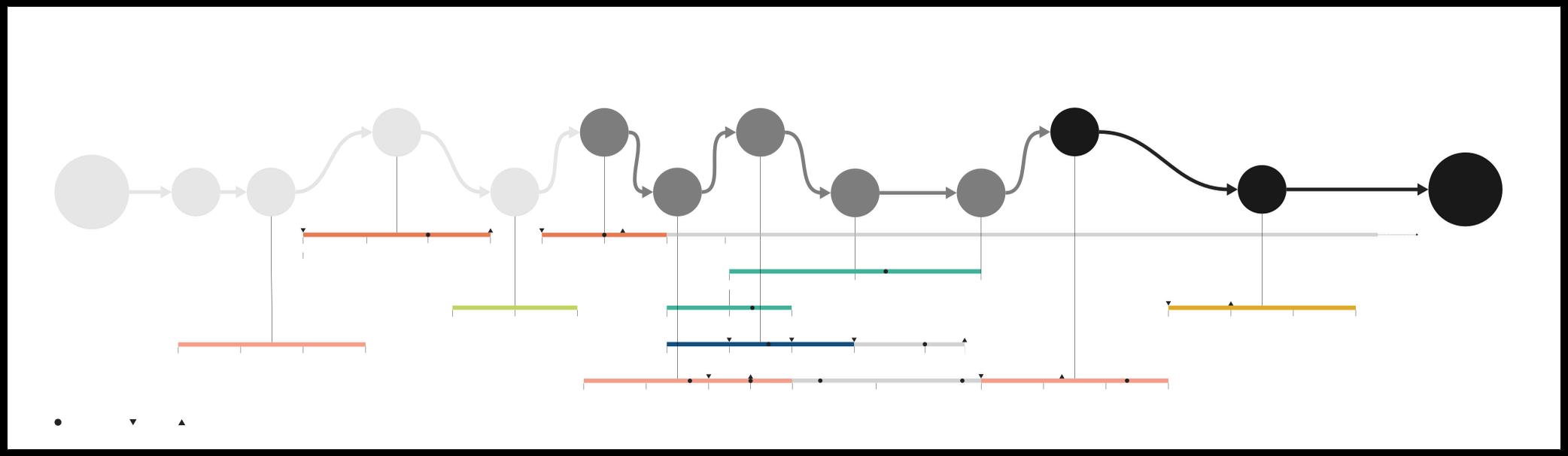
Below are functionalities and actions needed to operationalize the roadmap.
Development Matrix
This Development Matrix captures real feedback on six components of the Ethical Transition Strategies prototype, organized from unfavorable to ideal responses. Each section has an Ideal Scenario (what success looks like if the tool works as intended) and a Desired Outcome (the broader impact it aims to create)
These aspirational goals are contrasted with realworld feedback from practitioners, showing how audiences actually received each component. ranging from skepticism or confusion to strong support.
The matrix highlights where the prototype resonates, where it needs clearer framing or flexibility, and what’s required to make it more usable across diverse contexts Overall, it reveals that ethical transitions are widely valued, but must be supported by tools that are both practical and adaptable.
Next Steps
Where Things Are
Ethical Transition Strategies has completed successful rounds of prototype testing, generating valuable feedback on both the toolkit and its practical applications. See Prototype Testing Report.
The project is now positioned for real-world pilot testing and remains open to further workshops, talks, and collaborative exploration
Goals Moving Forward
The next phase focuses on securing pilot testing opportunities, establishing a sustainable financial model for long-term development, and building a strong support network
Key goals include exploring funding mechanisms such as grants or paid services while identifying mentors, collaborators, and early adopters who can help guide, refine, and scale the work.
Path to Realization
To achieve these goals, the project will continue hosting participatory workshops and strategic conversations with mission-aligned partners.
Outreach will focus on cultivating relationships with funders, design leaders, and organizations.
Simultaneously, efforts will be made to refine the offering and clarify its value
About the Designer

Abbey Manliclic
Hi I’m Abbey! I’m a strategic designer in New York City with over 7 years of experience applying design to create products, develop business strategies, manage teams, and improve organizational processes.
My work has been rooted in close collaboration with local communities from designing tech solutions that connect farmers with businesses at an agriculture-tech startup, to co-creating furniture art with carpenters at my Manila-based studio
In my work with farmer communities, I saw firsthand how poor project endings can disrupt trust and continuity an experience that drives my current focus on designing ethical, sustainable, and community-centered handoffs.
I’m currently a graduate student pursuing MS Strategic Design and Management with a Minor in Anthropology and Design, from Parsons School of Design – The New School
Whether you're interested in trying the prototype, running a quick workshop, or applying this approach to a real project I’d love to explore how we can work together
abbey@newschool.edu
www linkedin com/in/abbeyman Connect with me