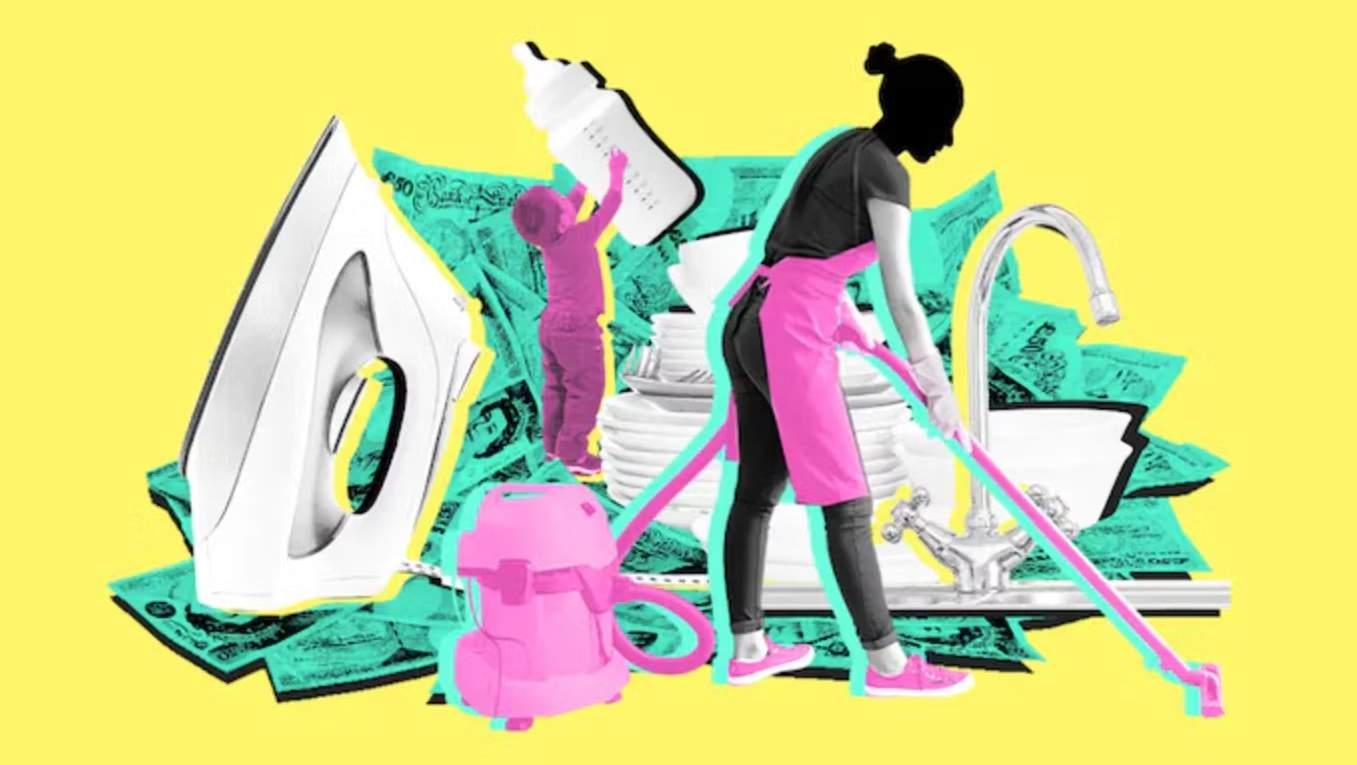

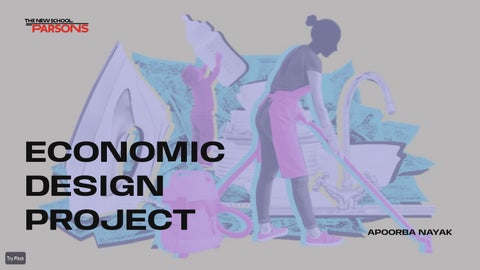
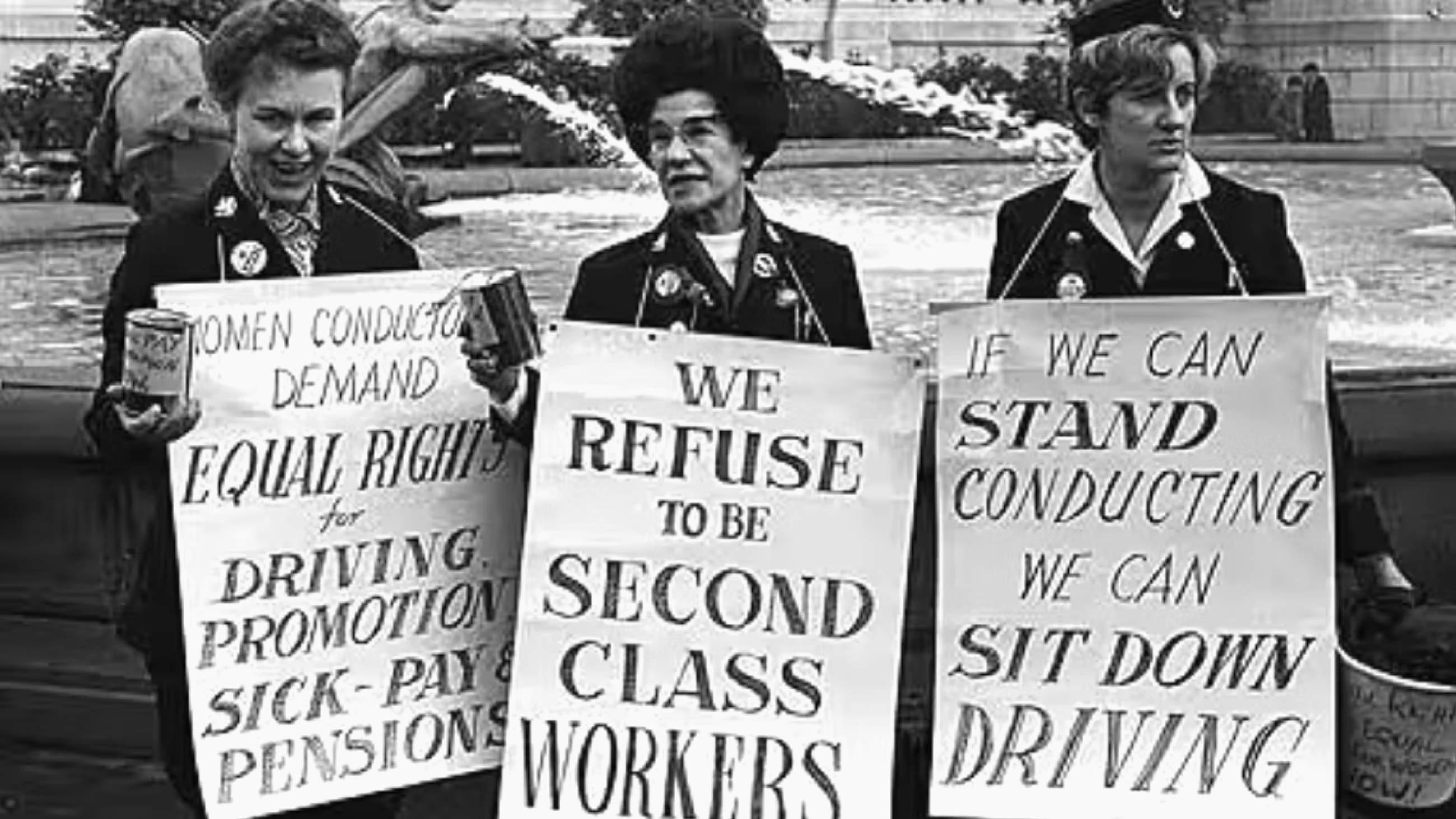
Thesecondshiftisthephenomenonwhereworking women,aftercompletingtheirformaljobs,return hometotakeonthemajorityofunpaiddomesticlabor.
Invisiblelaborreferstotheessentialbutunrecognized andunpaidtasksthatkeephouseholdsandcommunities running.
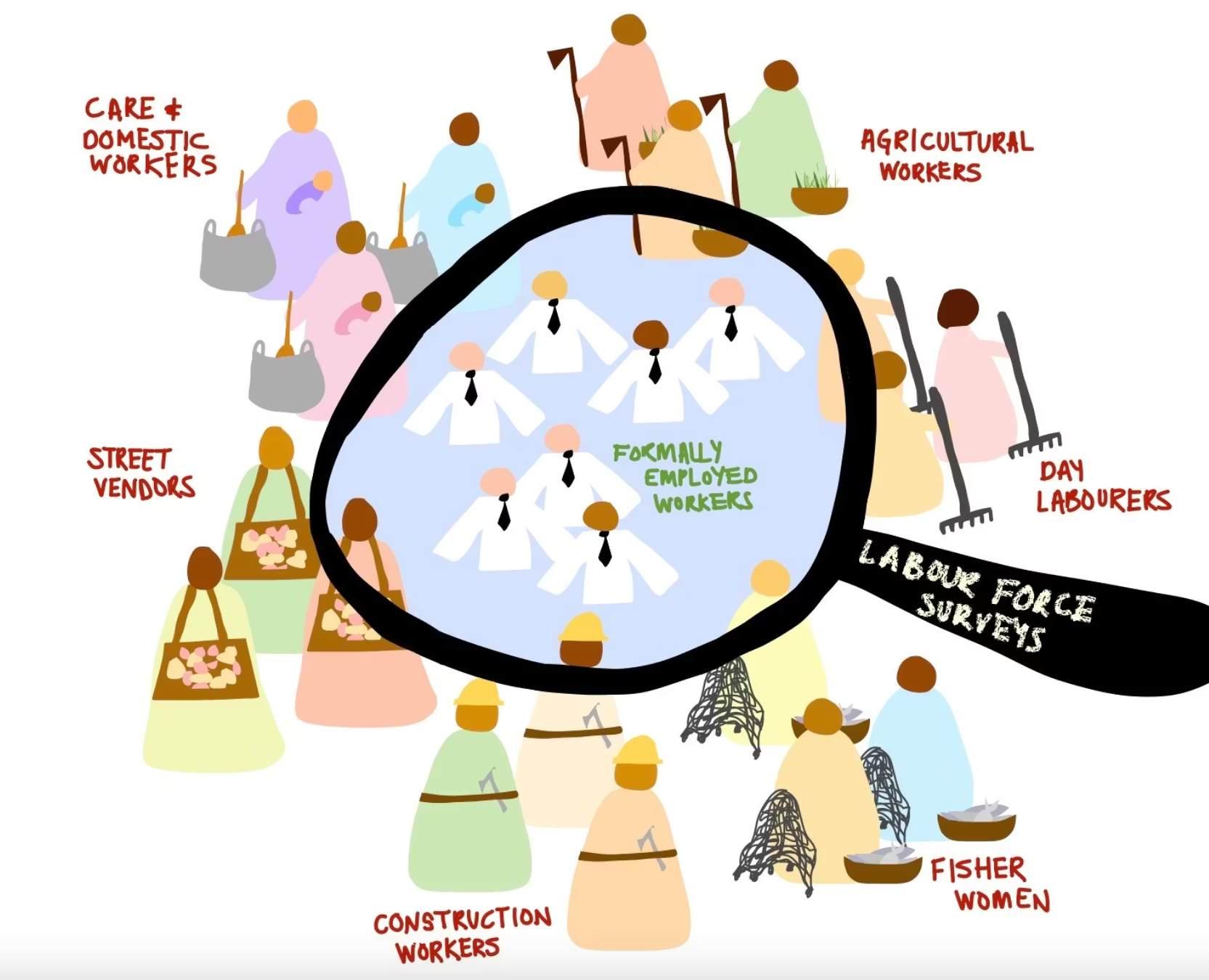
https://views-voices.oxfam.org.uk/2023/04/governmentsw-little-informal-women-workers/
WHY
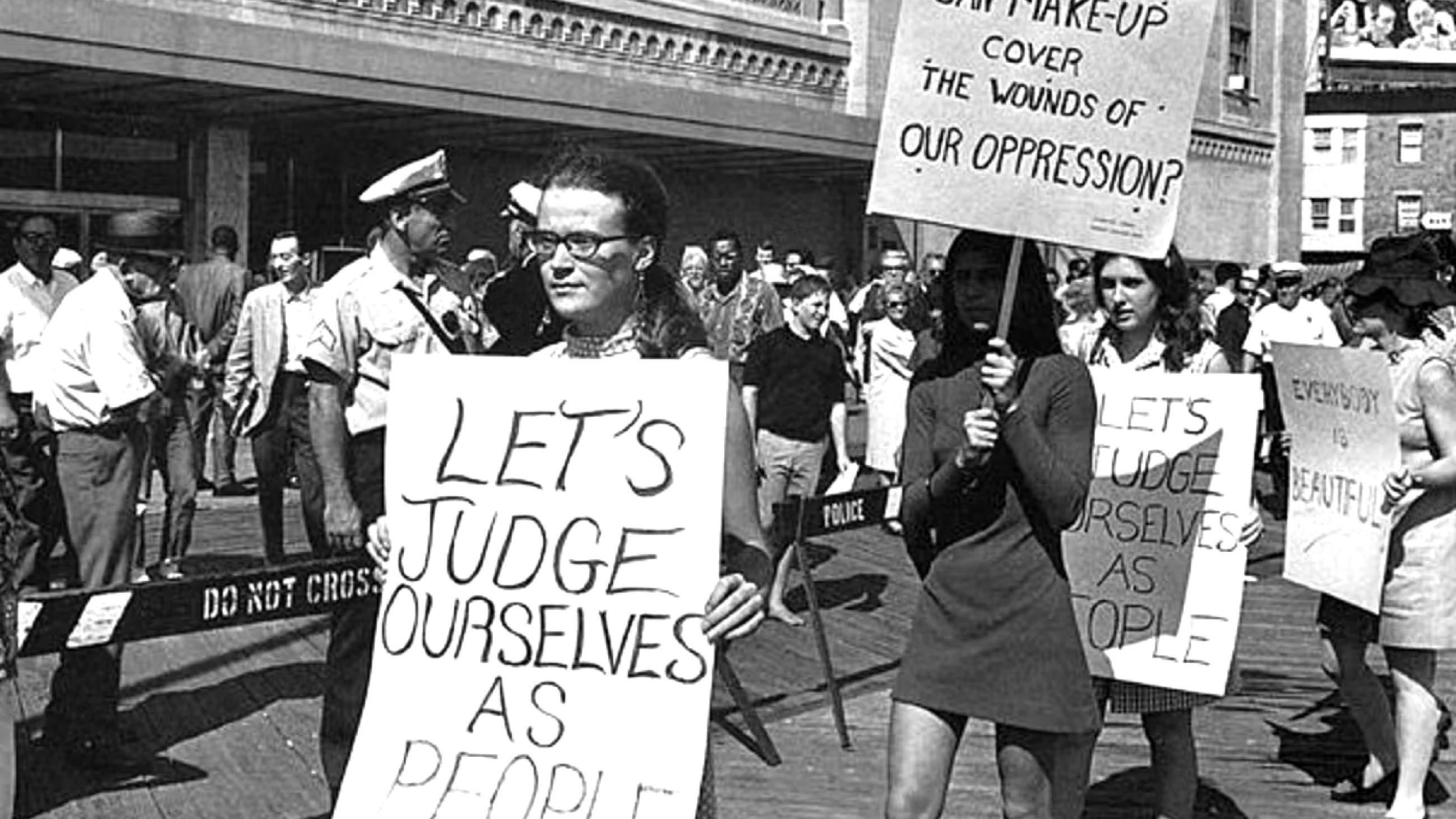
https://www.oxfam.org/en/not-all-gaps-are-created-equal-true-value-care-work?utm source=chatgpt.com
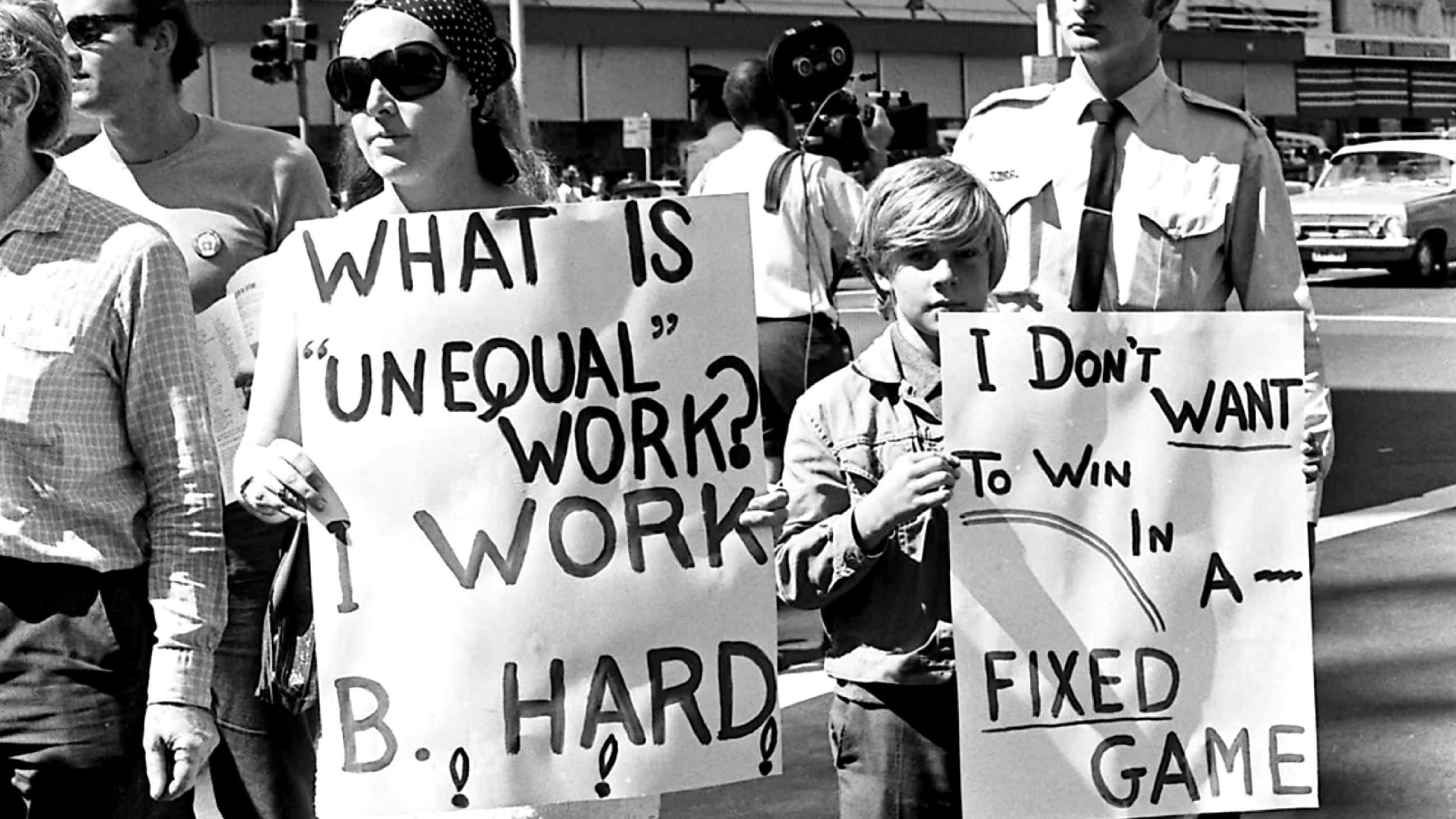
https://www.nytimes.com/interactive/2020/03/04/opinion/women-unpaid-labor.html
://www.nytimes.com/interactive/2020/03/04/opinion/women-unpaid-labor.html
Womenandgirls undertakemorethan three-quartersof unpaidcareworkinthe world.
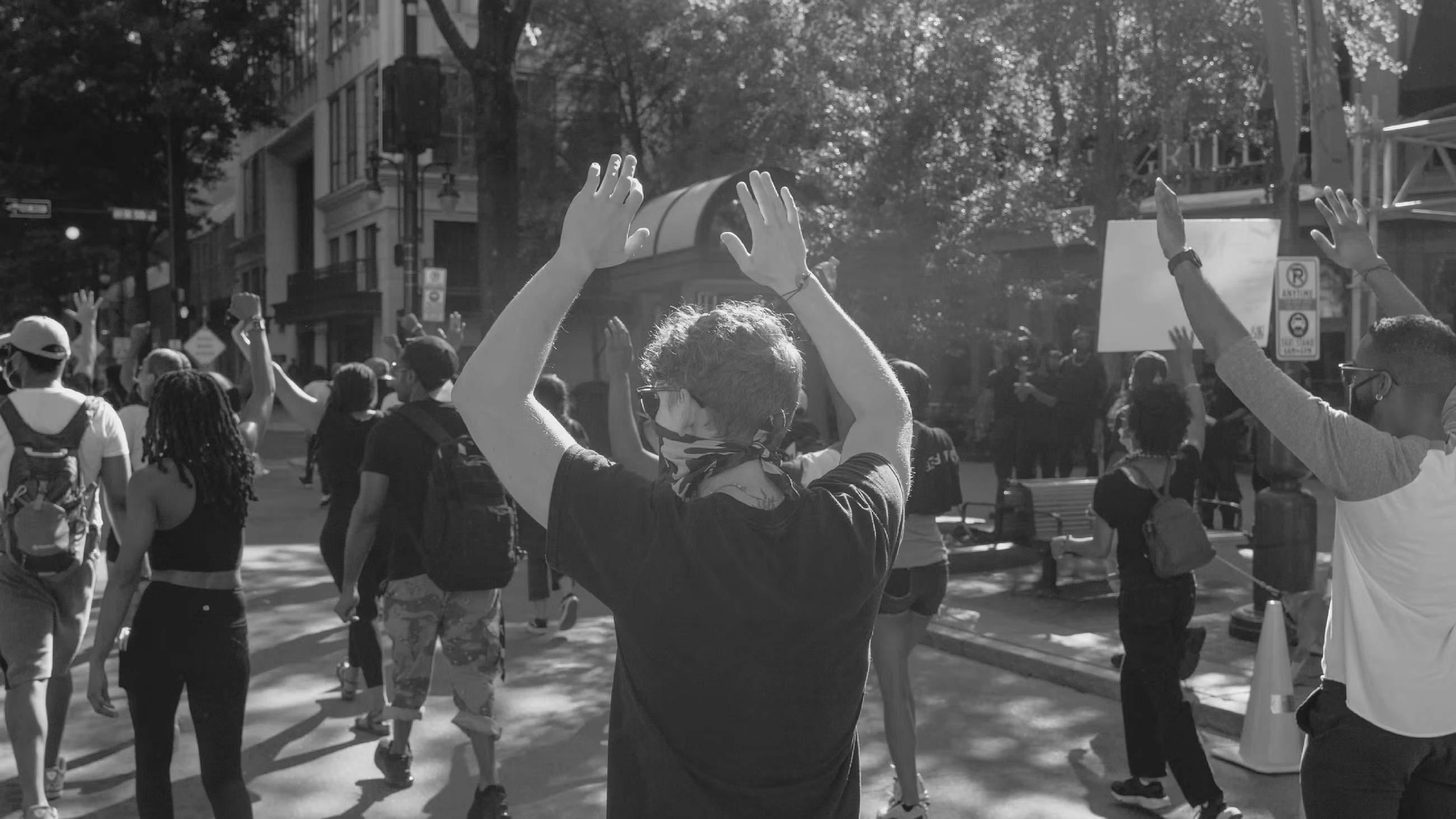
M GENDER EQUALITY MAYBE ATLEAST 100 YEARS AWAY
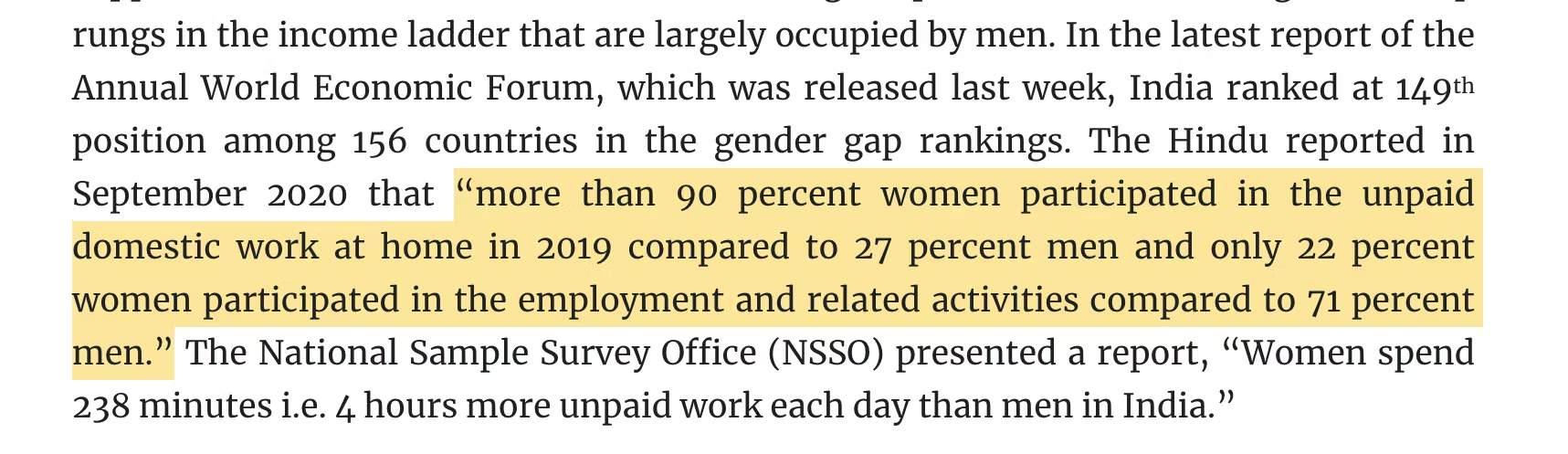
Butwomenmightbeheldback fromparticipatinginthispaid workbecauseofthedemandsof unpaidlabor.
Girlsstartdoinghouseholdchores asearlyas59yrsold,girlsspend 40%moretimeonhouseholdlabour thanboysofthesameage
Womenaremorelikelyto experienceburnout&depression asaresultunequaldistributionof unpaidwork.
https://www.weforum.org/publications/gender-gap-2020-report-100-years-pay-equality/
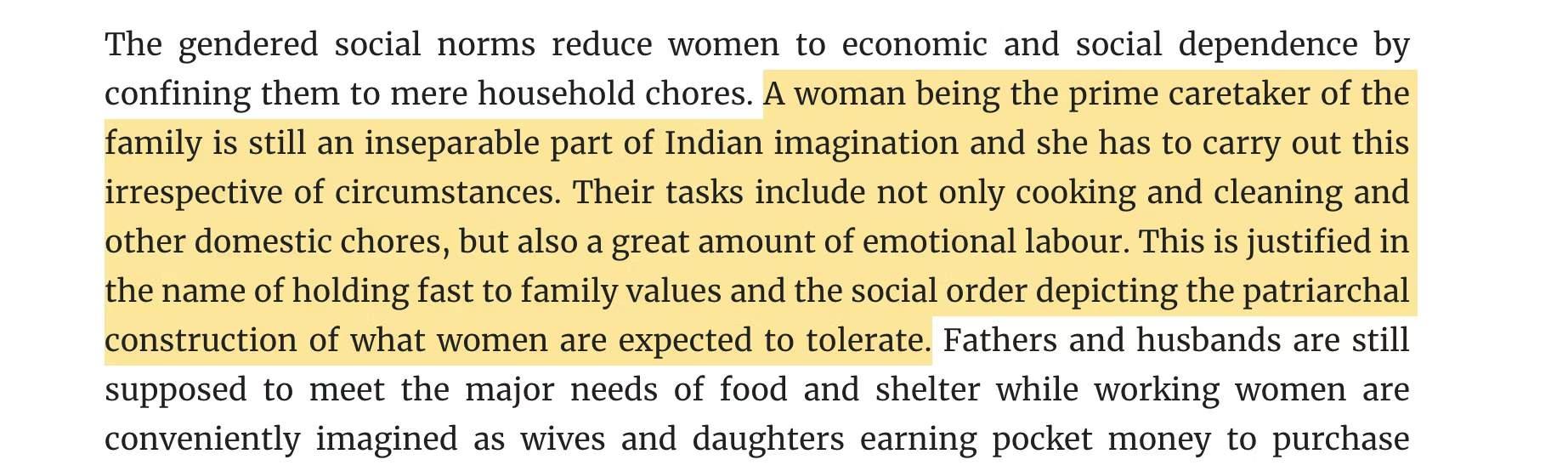
https://www.iasexpress.net/recognition-of-unpaid-work-upsc/
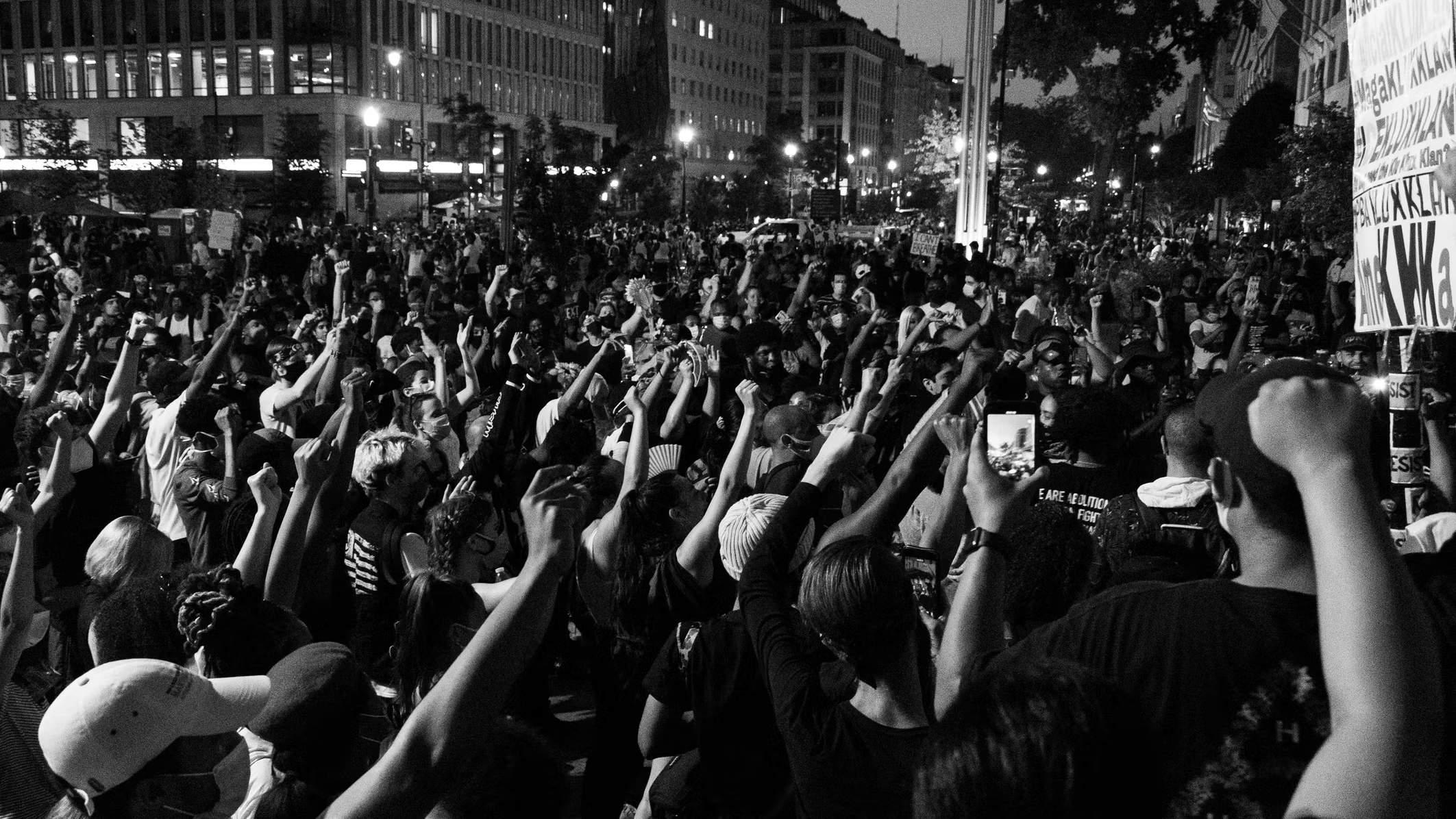

ACTIVISTS
RESEARCHERS
POLICY ADVOCATES
GOVERNMENT
NGOs/COMMUNITY ORGANISATIONS
CORPORATES
CHILDCARE SERVICES
Significant research gaps, lack of actionable pathways, poorly implemented and underfunded policies.
The system provides no support for women when they become mothers. Rather, it forces them to choose between their careers and their families.
FAMILY MEMBERS
EDUCATIONAL INSTITUTIONS
Families often reinforce traditional gender roles, Educational institutions fail to address the societal conditioning that normalizes unpaid labor as a woman ’ s duty
WOMEN
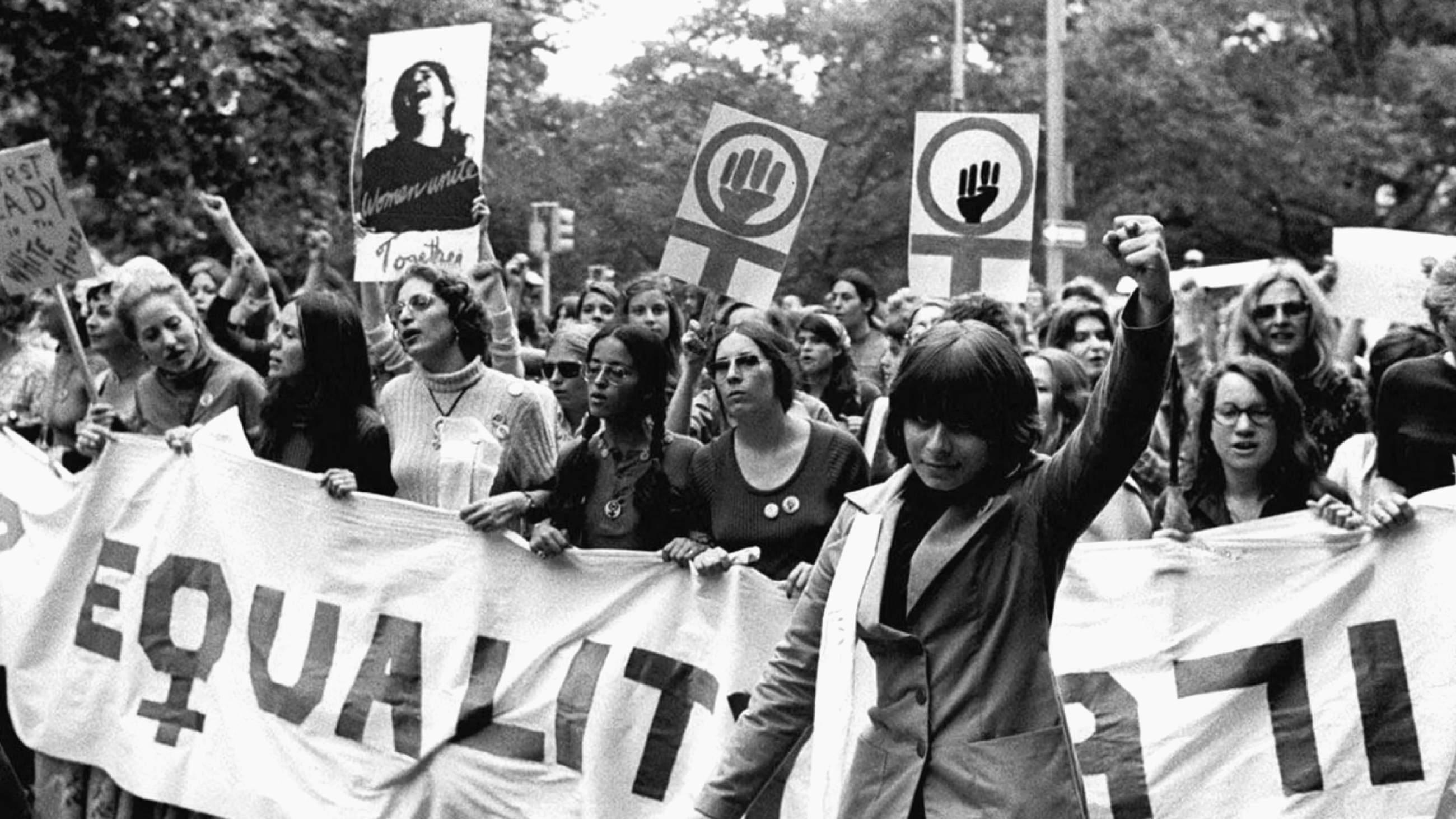
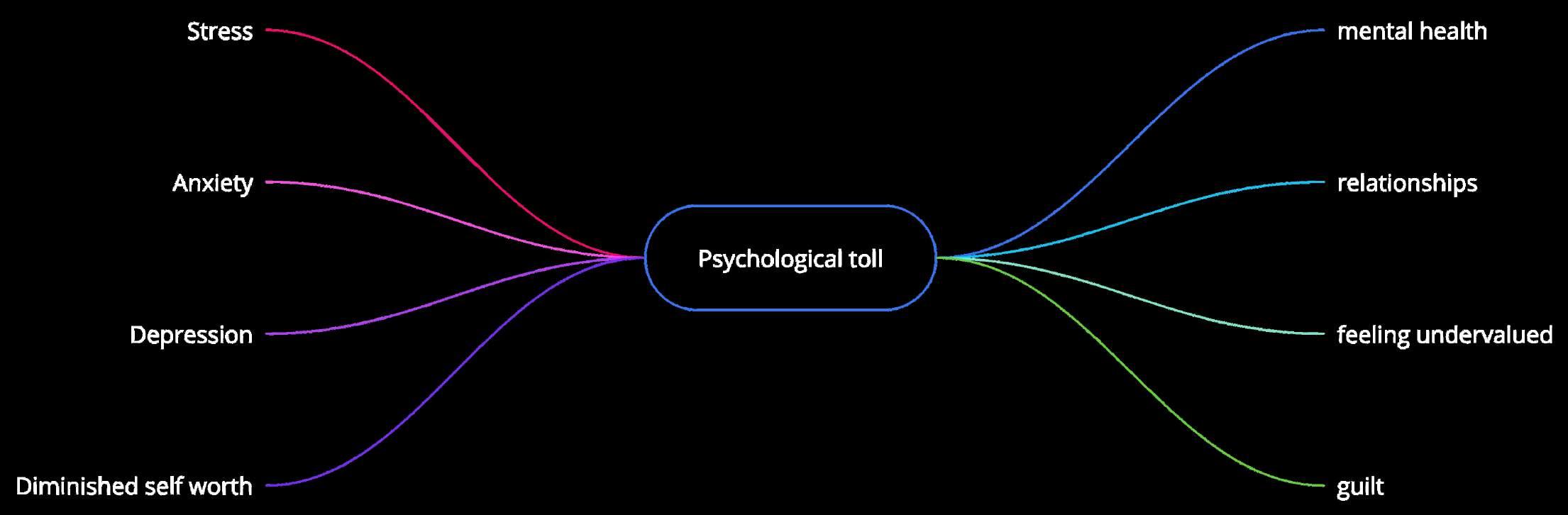
Psychological and Health
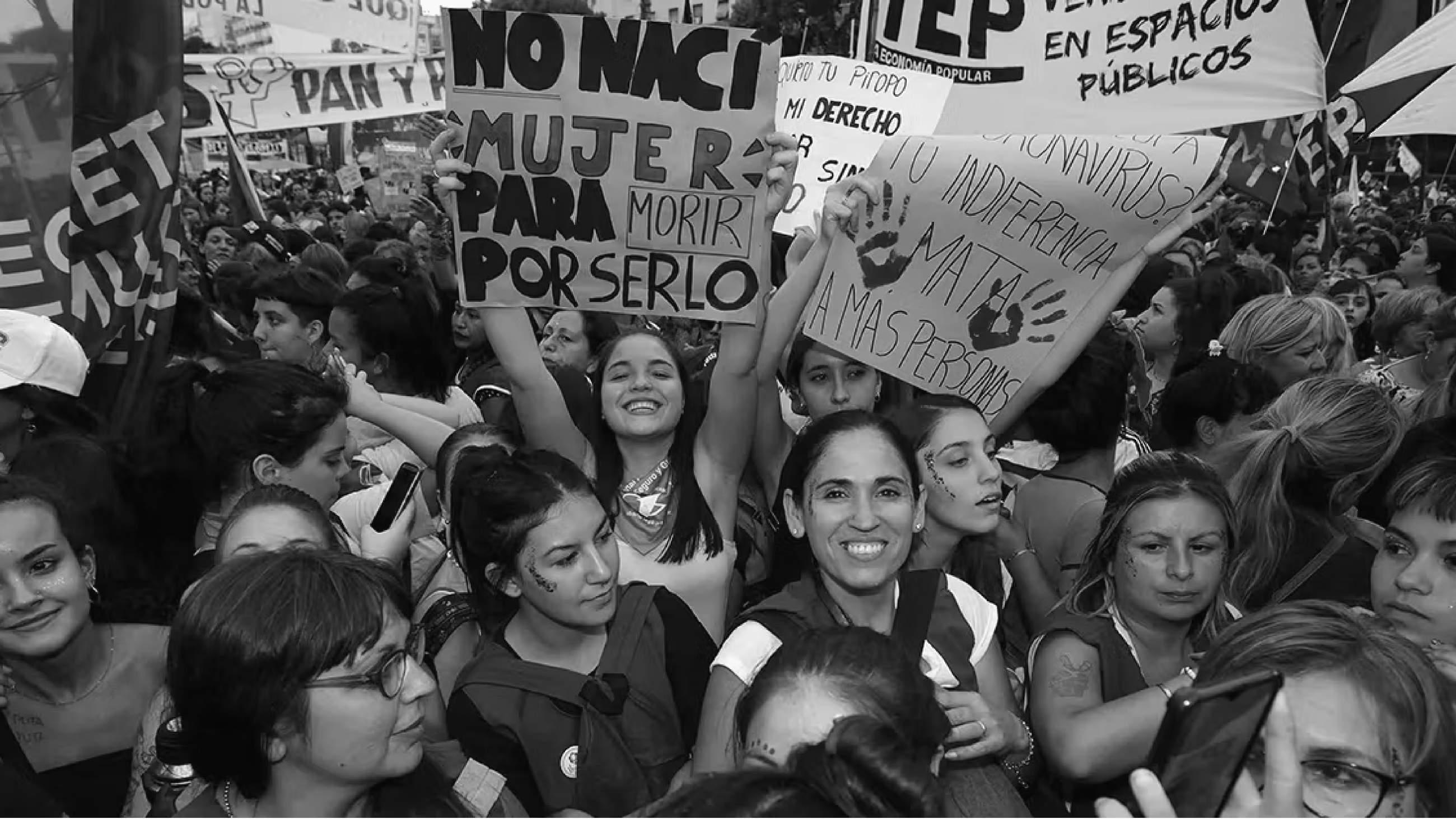
Impacts Cultural and Socioeconomic Variations
Impact on Marriages & Relationships Corporate and Policy Interventions
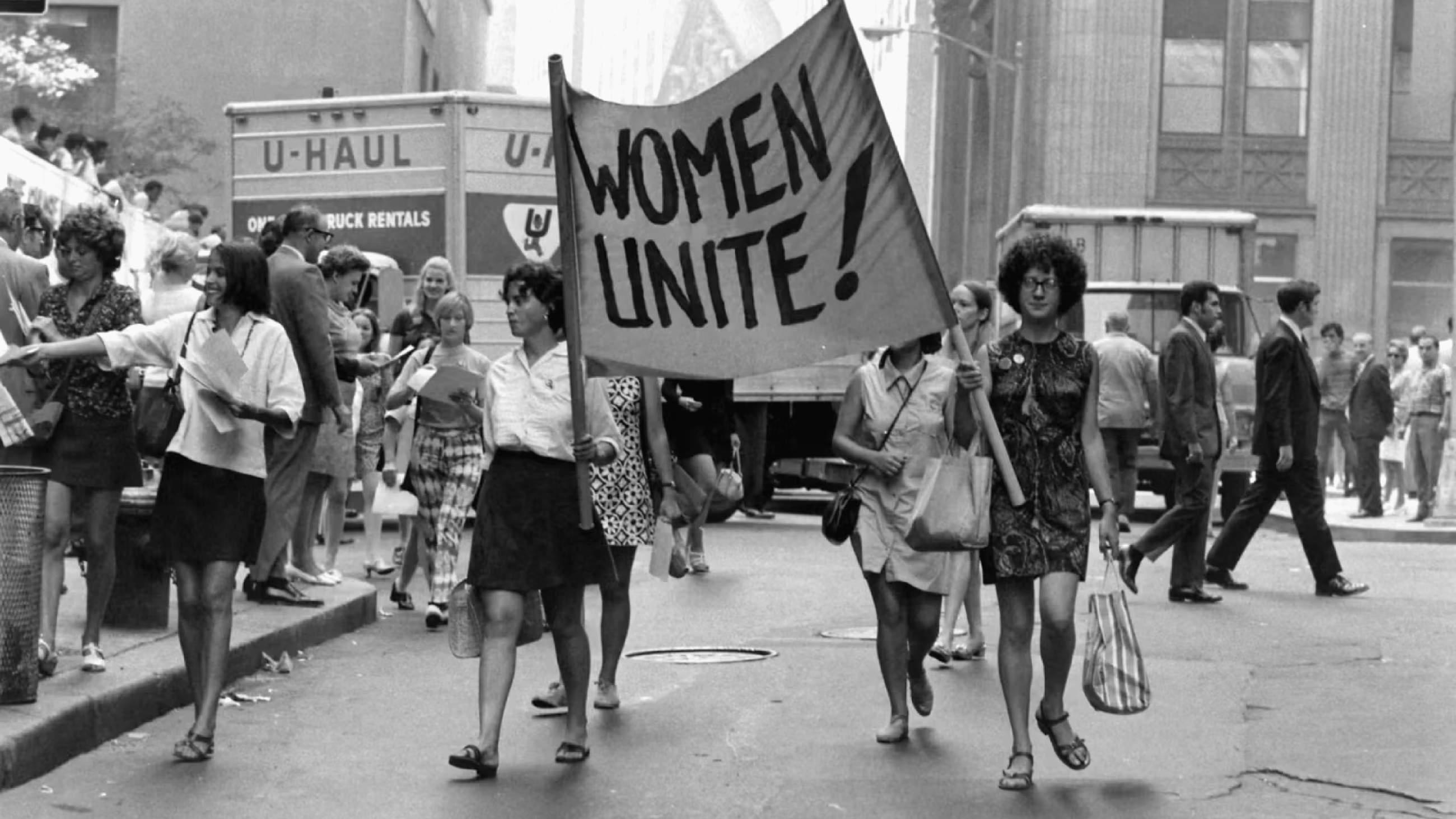
- a shared testament
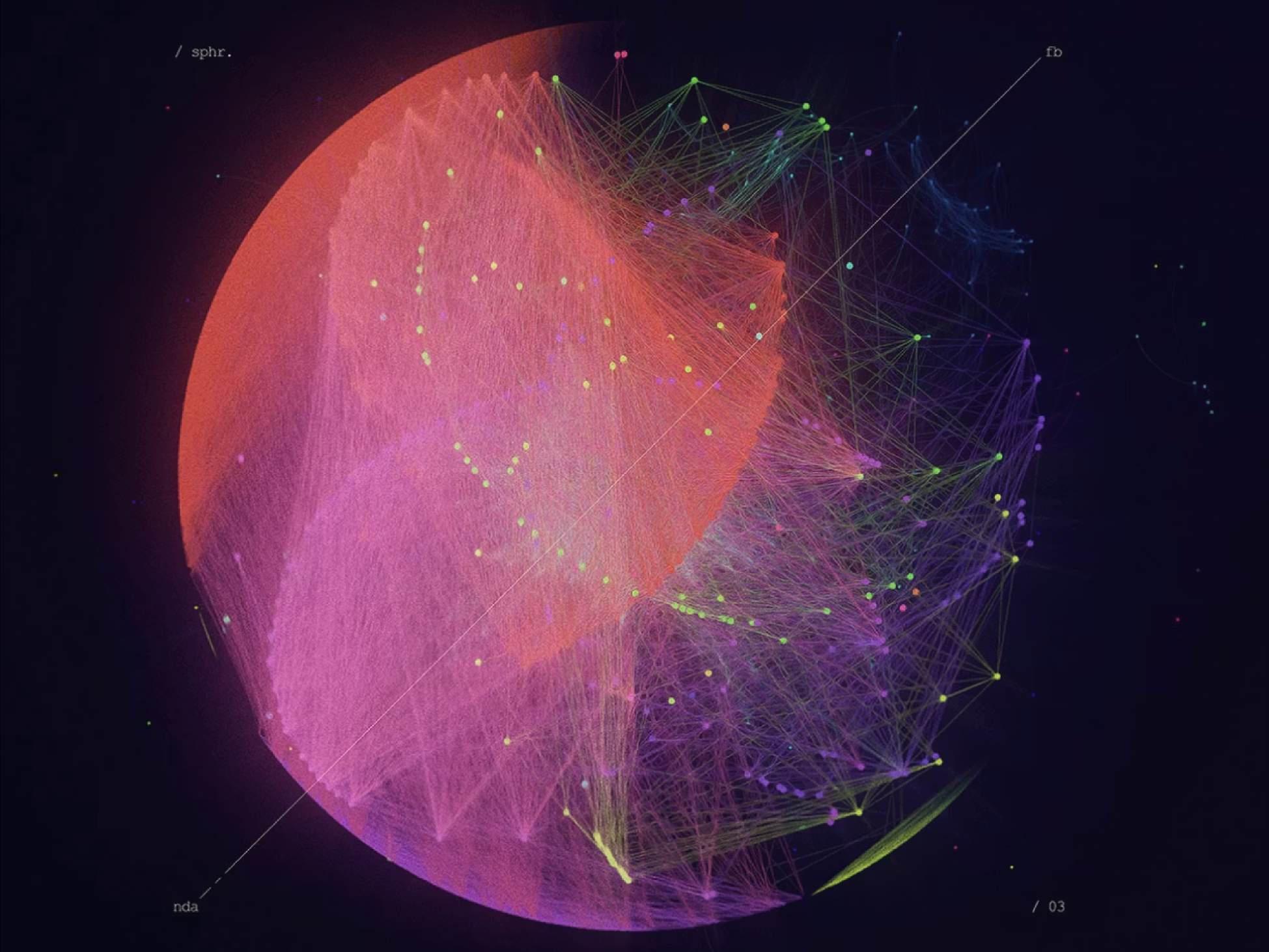
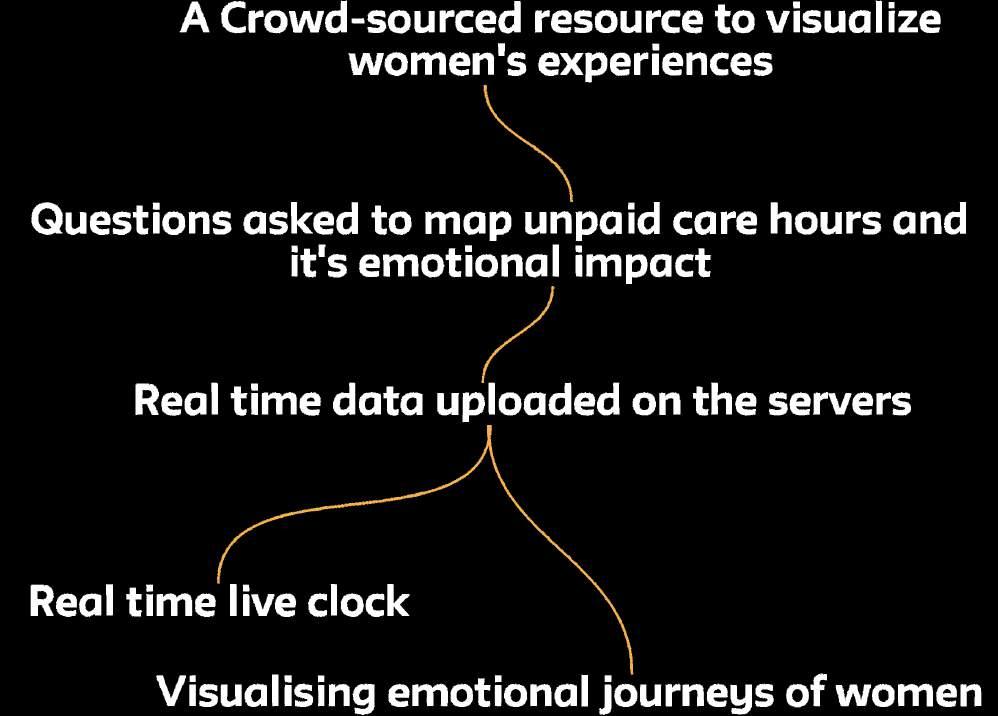



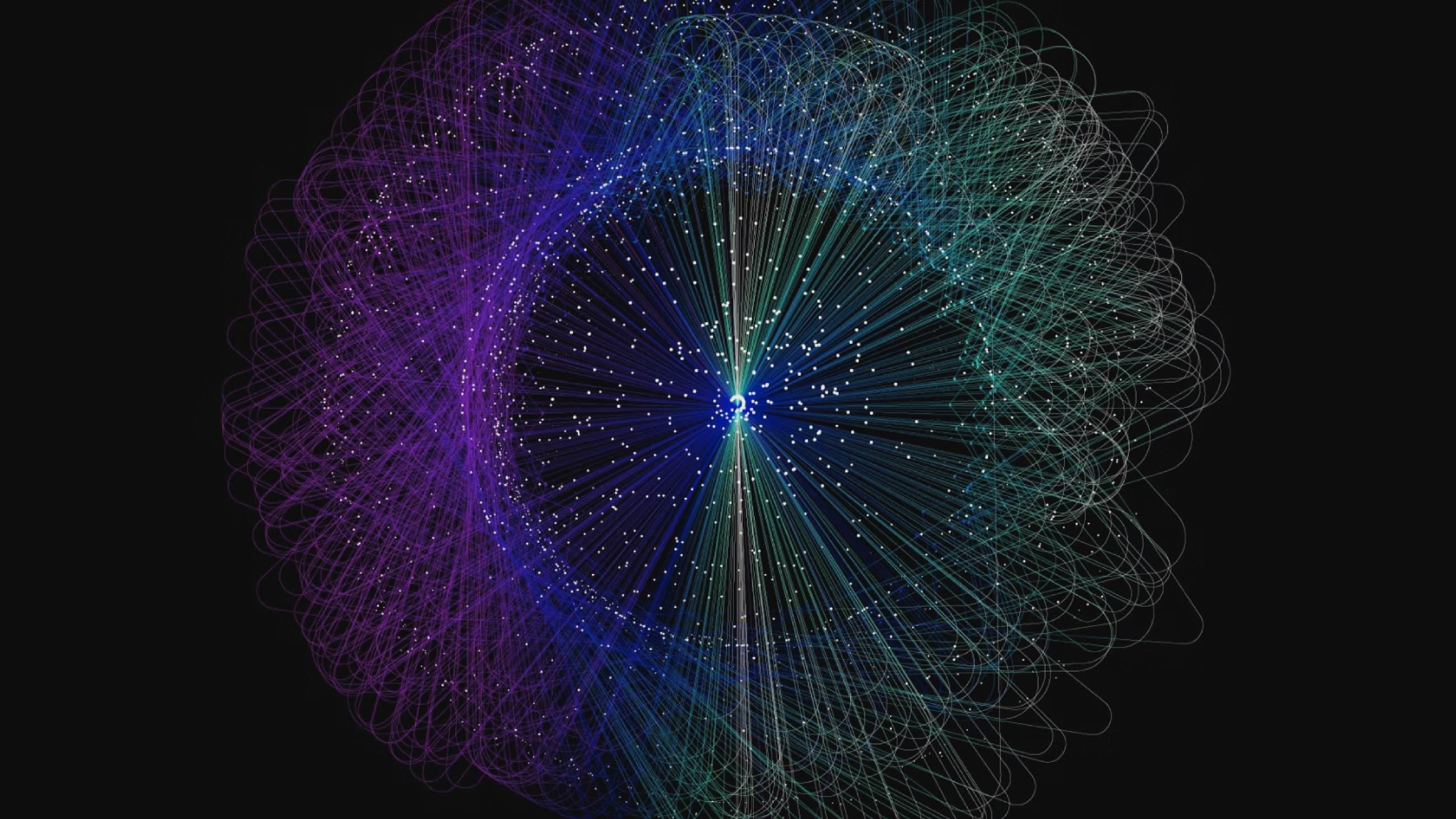

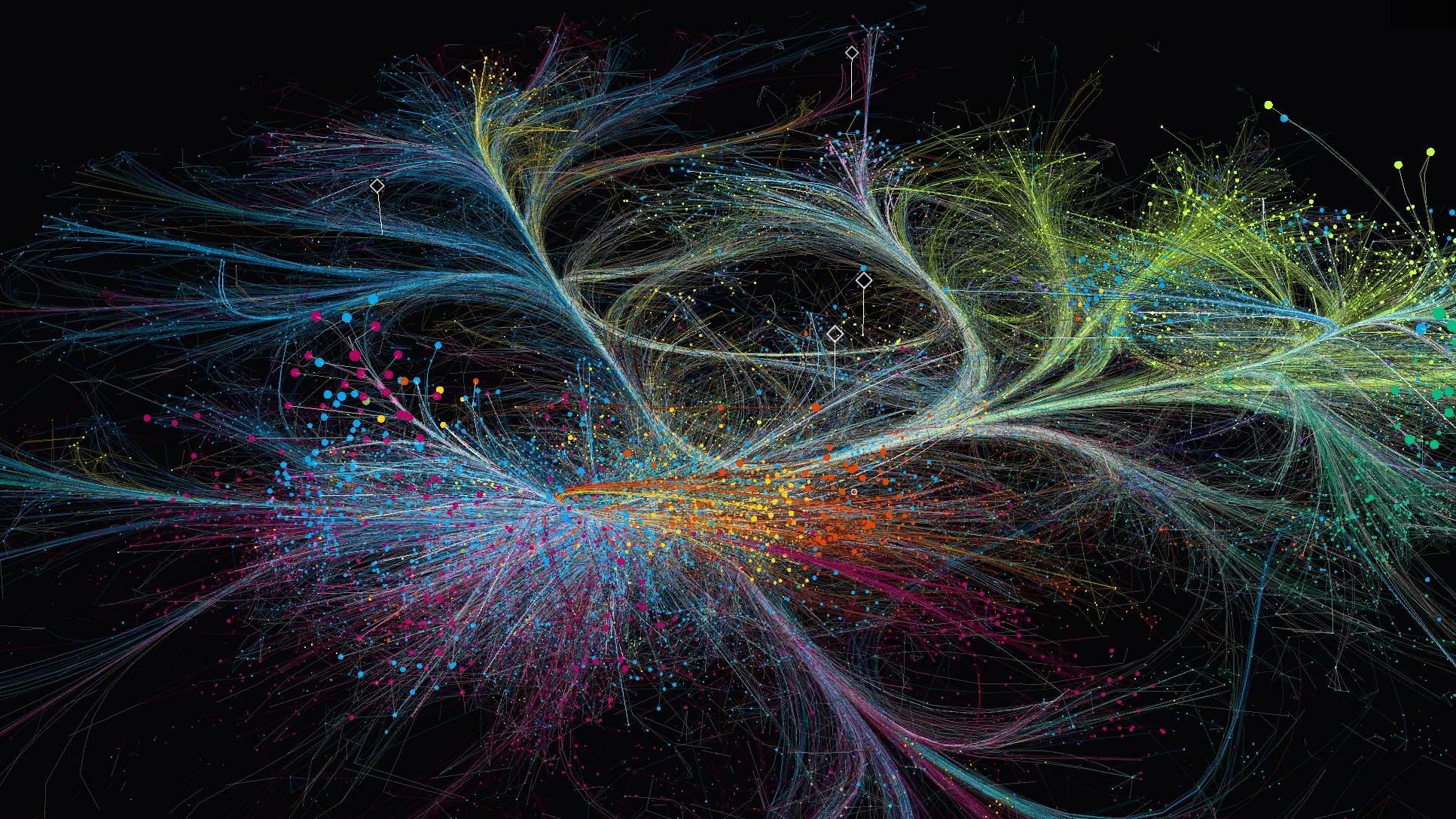
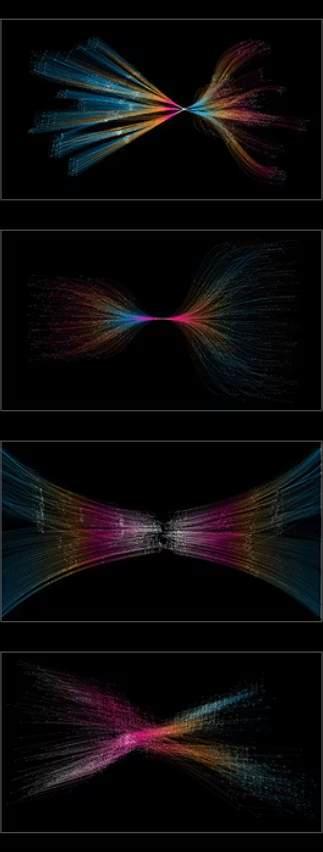
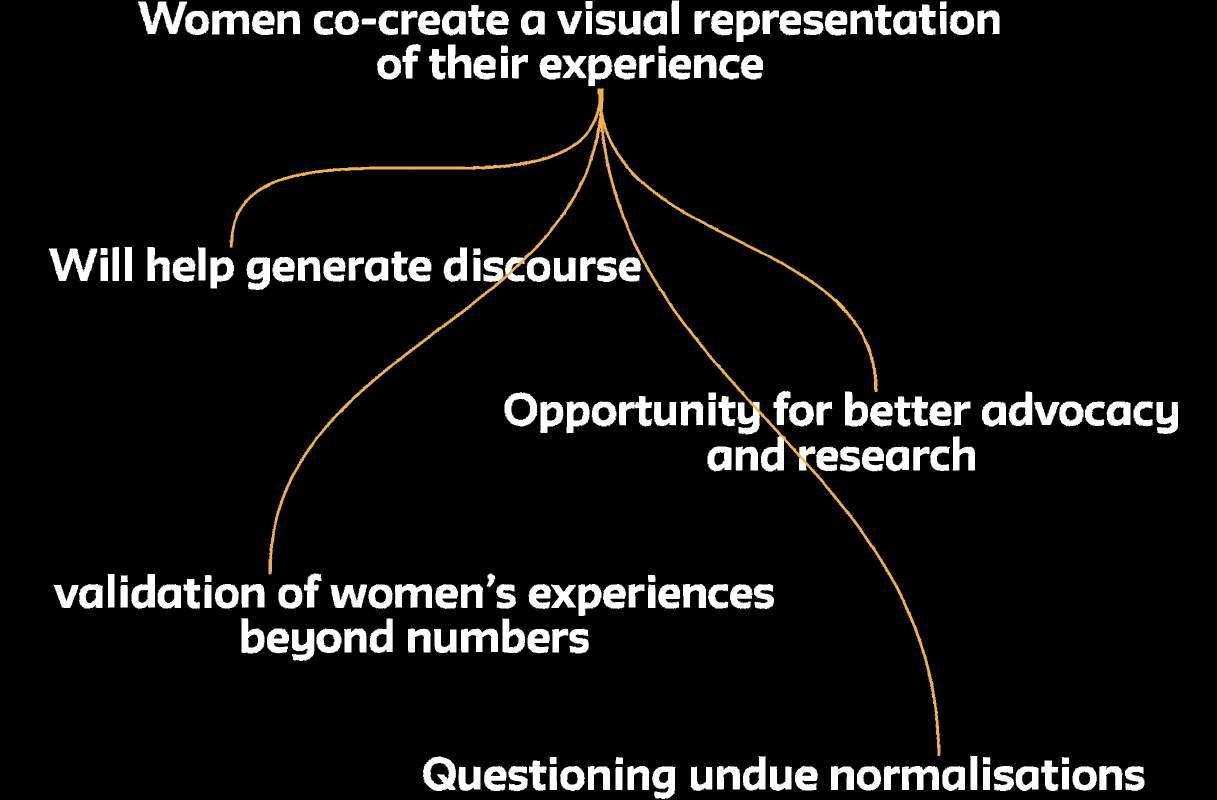
Use of AI and predictive models to gather actionable insights from both quantitative and qualitative data • • Design better questions to gather data around the psychological and physiological impact of the second shift