Blueprinting Care_ Public Job Banks for Community Resilience
Blueprinting Care Public
service jobs that meet community needs in New York City
MARIE THERESE KANE, YASH PAWAR, & ALTHEA ERICKSON
THE NEW SCHOOL, MARCH 2026
Policy + Design
STRUCTURAL UNEMPLOYMENT
An economy where millions are out of work –including ~244,700 unemployed people in NYC alone.
Long-term unemployed
Underemployed
Precarious workers
Youth, elderly, & disabled
Source: NY Department of Labor, December 2025
STRUCTURAL CARE DEFICIT
Unemployment strains already feeble care infrastructures (child/elder care, public health), squeezed by Trump’s cuts and unprepared for systemic crises.
Shocks to Labor Market
Automation and AI will reduce demand for labor in some sectors.
There exists both surplus labor and unmet care needs, but no mechanism to connect displaced workers to socially necessary care work.
PUBLIC SERVICE JOB GUARANTEE
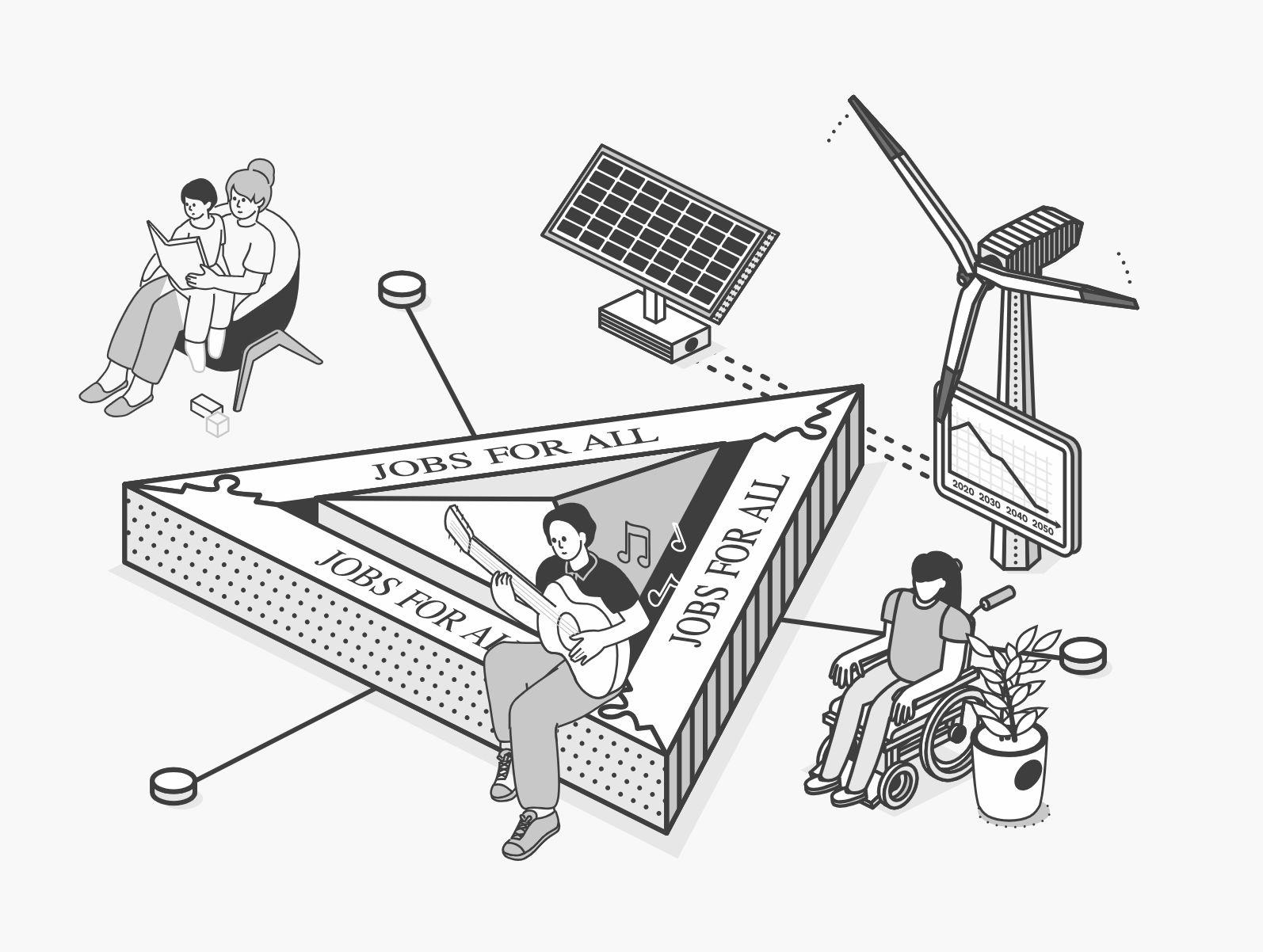
On-demand public service jobs to meet community needs.
Meets two structural deficits at once: job insecurity and care scarcity.
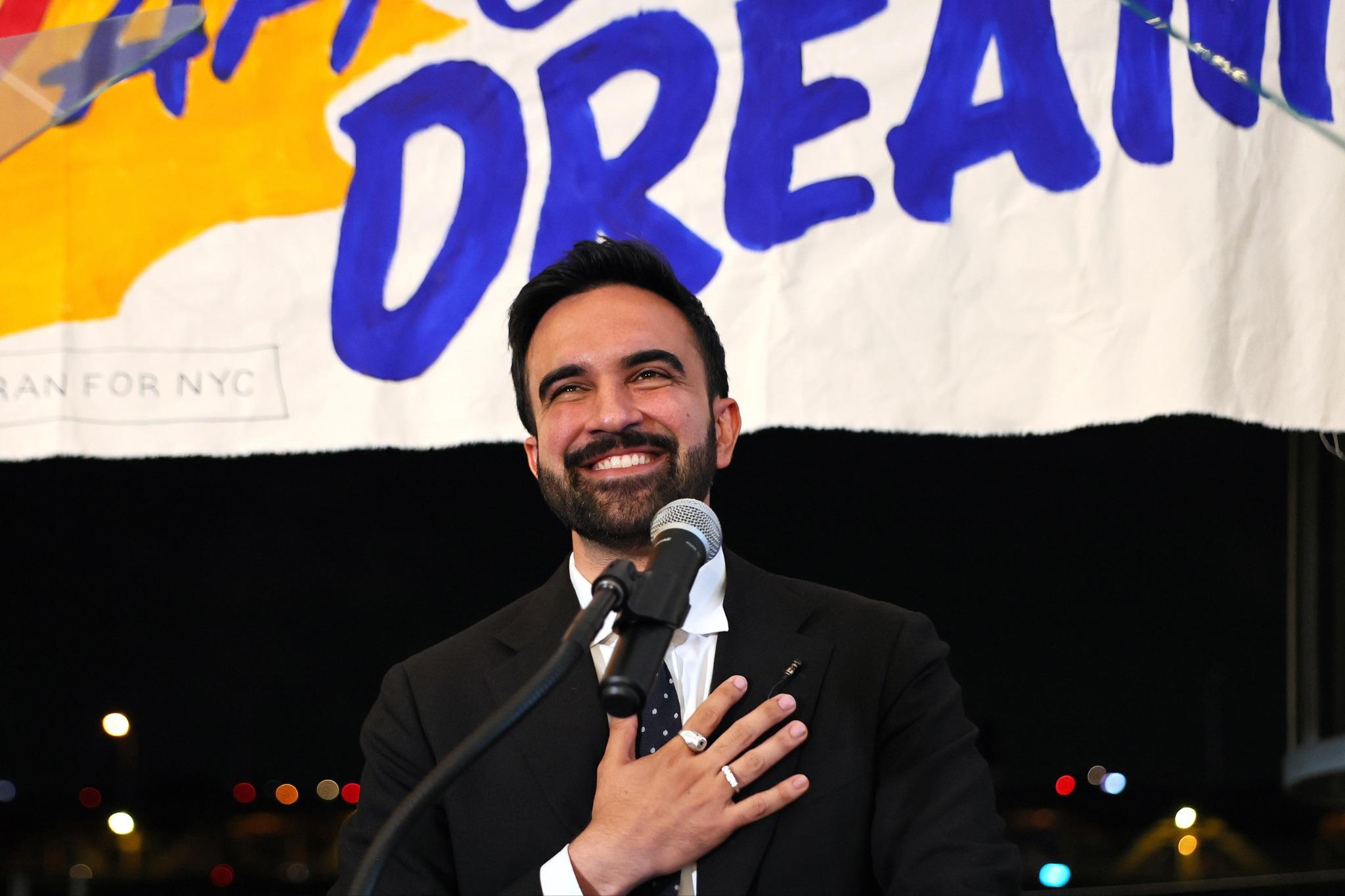
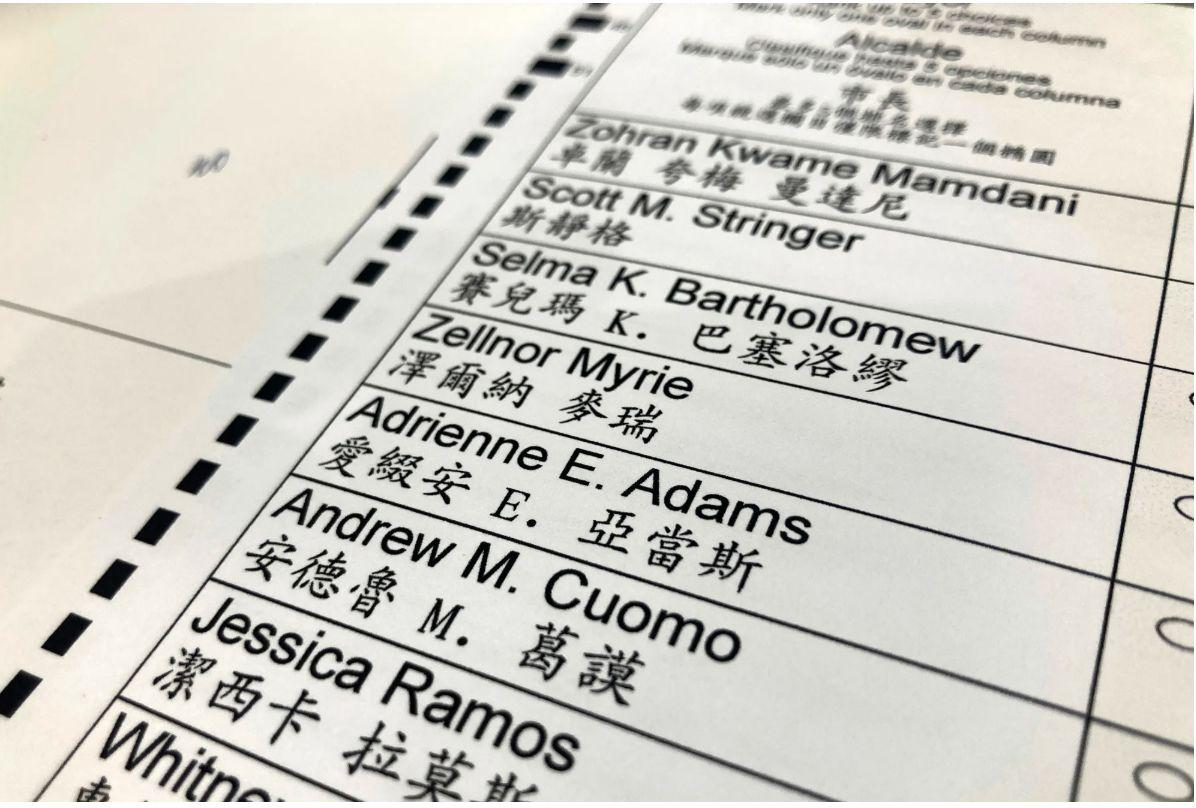
MAMDANI MOMENT
A public service job guarantee aligns with Mamdani’s vision for a city we can afford: care for community, living-wage jobs, and worker protections.
How do we ensure job guarantee programs reflect: community realities unemployed workers’ needs & existing service infrastructures?
How?
PARTICIPATORY SERVICE DESIGN
Ensures that programs address the needs and the daily realities of:
● Communities
● The unemployed
● Existing service infrastructures
PHASE 01
Current State Blueprint
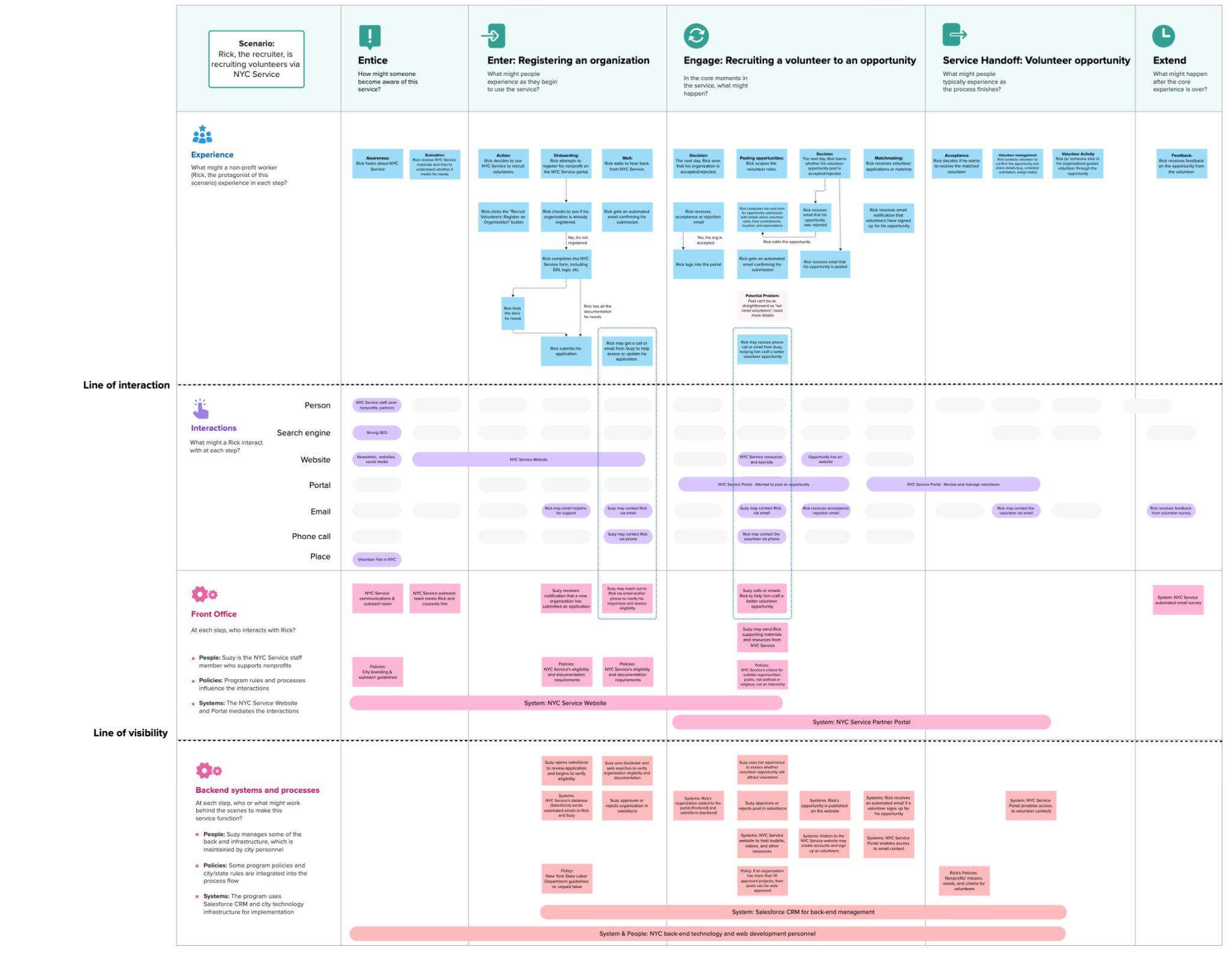
Create a Service Blueprint of an existing city-run volunteer-matching service as a model for connecting people to public service jobs.
Speculative Blueprint
Identify ways to build community participation and decision-making into a speculative Service Blueprint of a Public Service Job Guarantee for New York City.
PHASE 02
PHASE 01: CURRENT STATE BLUEPRINT
MAPPING THE ANALOG
NYC Service
To understand the mechanics of sourcing jobs and matching people to them, we had to find an analog. We chose NYC Service - a Mayoral Office that connects volunteers to local nonprofit service opportunities.
RESEARCH QUESTIONS
We focused on three questions to understand how NYC Service connects interested volunteers to nonprofit opportunities.
How do nonprofits discover NYC Service and submit volunteer opportunities?
How is volunteer engagement tracked and supported?
RESEARCH METHODS
SEMI-STRUCTURED INTERVIEWS (03)
with NYC Service staff & NYC Service platform users (nonprofits) to identify key processes, policies, and interactions.
AUTO-ETHNOGRAPHY (03)
by researchers, navigating the NYC Service platform to document the user experience.
DESKTOP RESEARCH
Of NYC Service platform, NYC Service resources and user toolkits, and New York Cares (secondary reference).
Current State Blueprint: NYC Service
PRIMARY FINDINGS
Nonprofits discover NYC Service in an ad hoc manner. The service does general promotion of its site, but does not proactively curate specific volunteer opportunities.
The service invests considerable time and energy in vetting organizations and volunteer opportunities to align with their criteria.
The service delegates volunteer management to organizations once matching is complete. Any feedback from volunteers remains at the level of the nonprofit.
OPPORTUNITIES FOR COMMUNITY
SELF-DETERMINATION
Community prioritizes local needs and decides which jobs receive funding
Nonprofits share jobs they can offer and help shape the opportunities that get funded. Job seekers share their skills and career development goals, and help to shape the jobs that get funded.
COLLABORATIVE CO-DESIGN MODELS
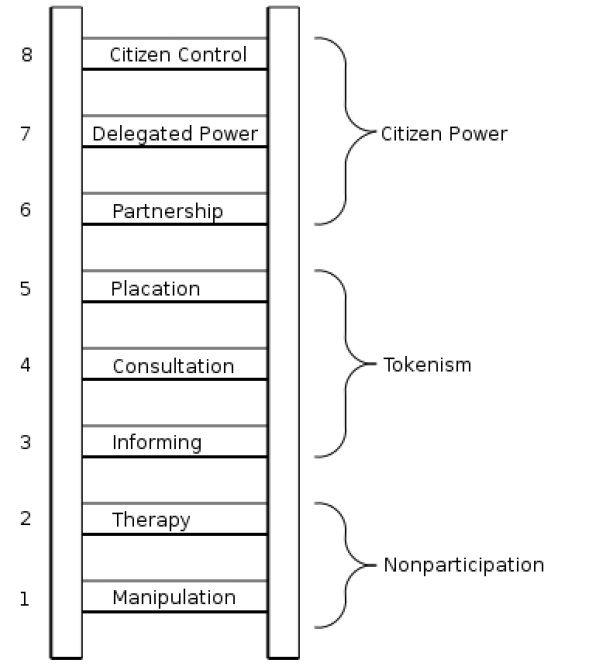
To design a community co-design process for a Public Service Jobs Bank, we looked to existing models for participatory design and governance.
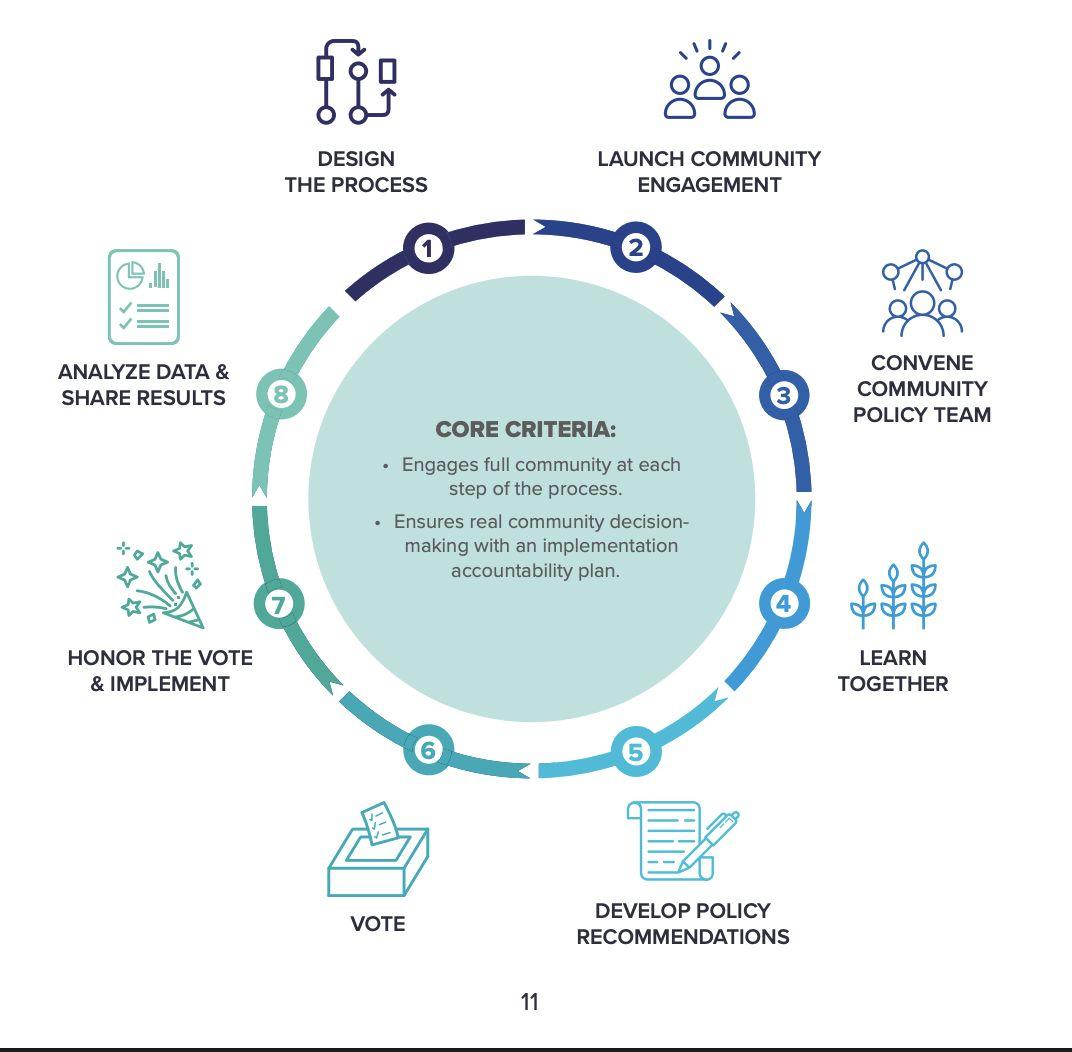
PARTICIPATORY POLICY MODEL FOR A PUBLIC SERVICE JOB GUARANTEE
Convene Steering Committee
Recruit & convene Community Policy Committee Determine internal processes for governance & outreach
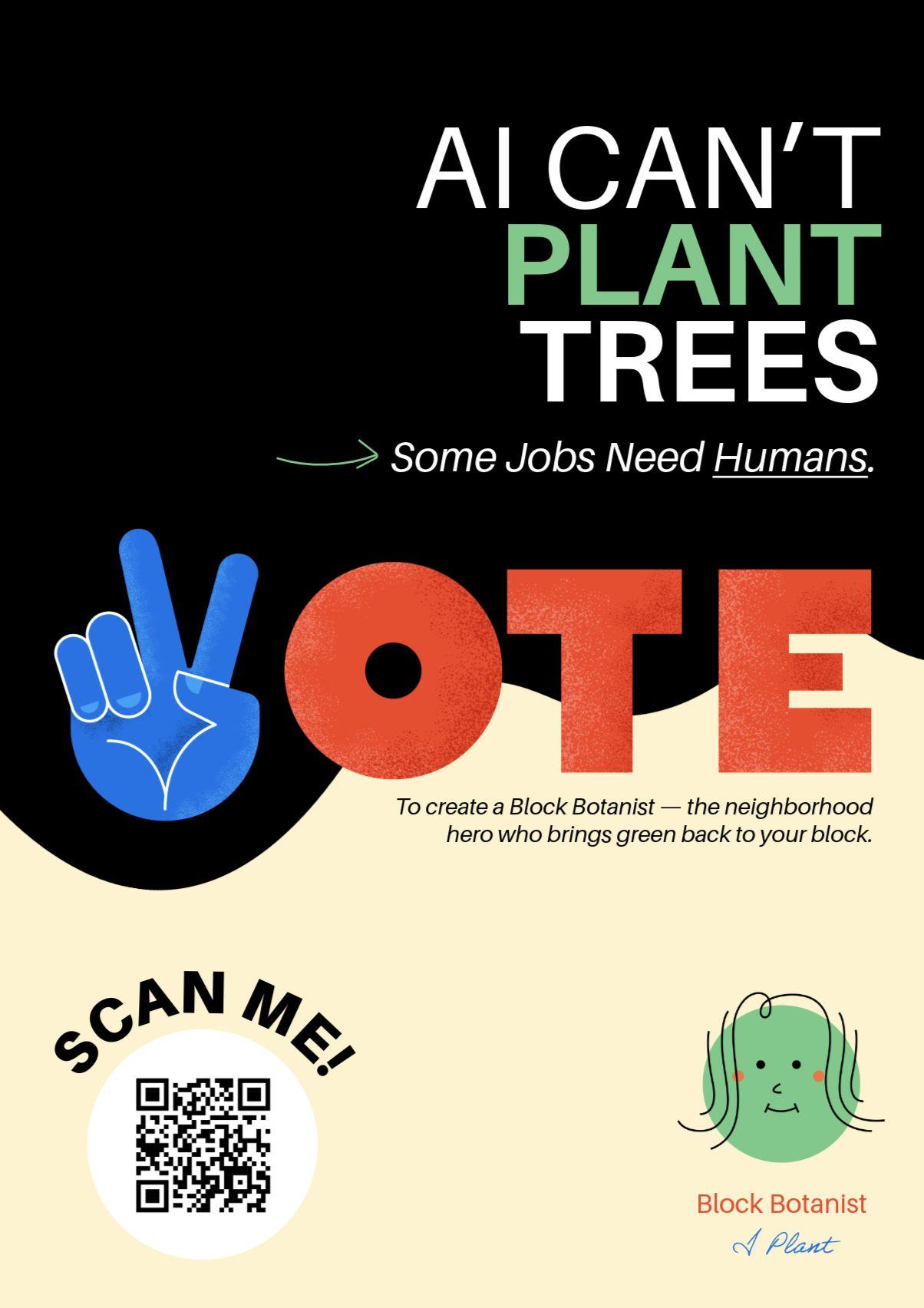
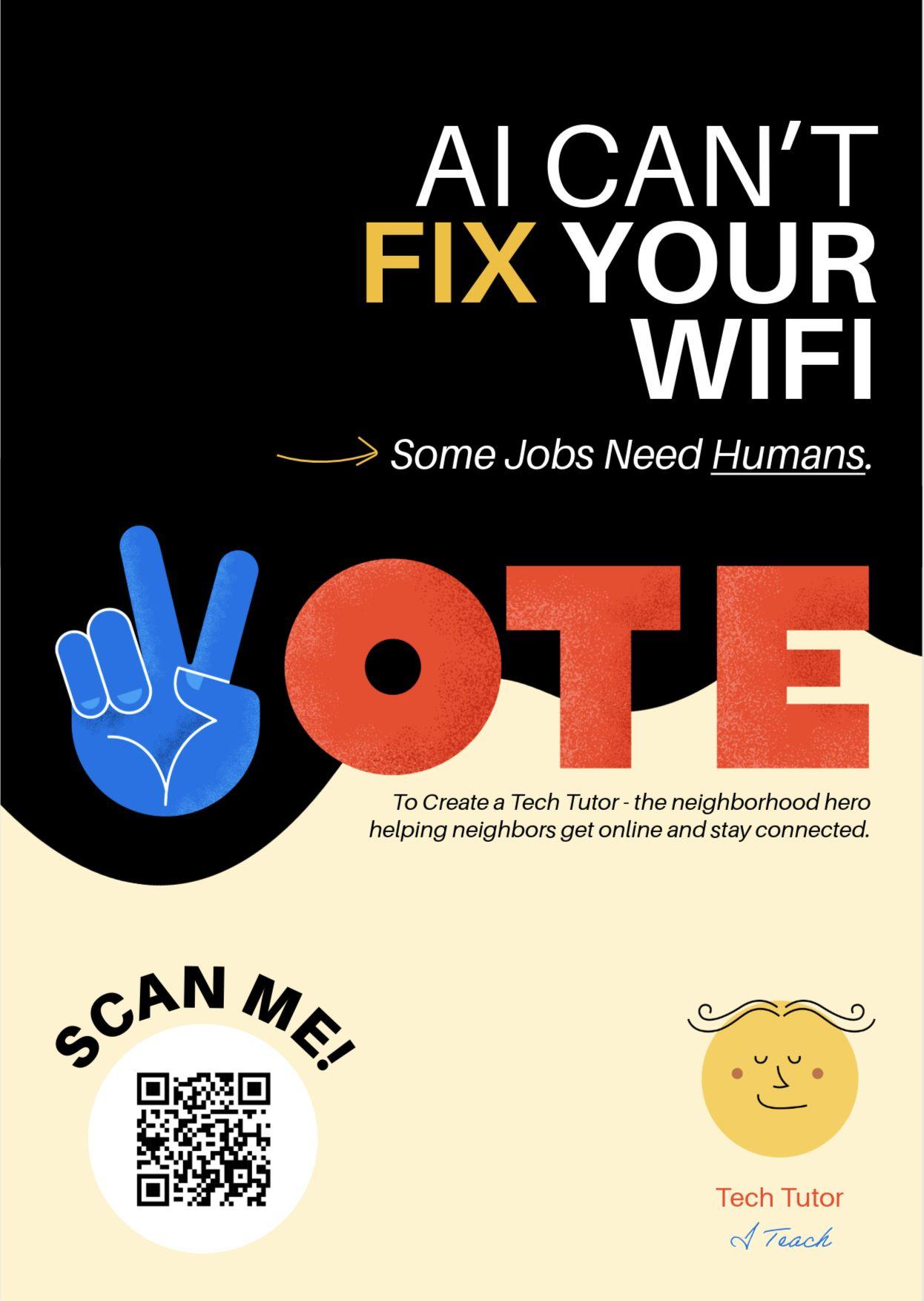
Conduct outreach to gather input from 3 stakeholder groups: Community (Neighbors) Nonprofits (Job Creators) Unemployed residents (Job Seekers)
Synthesize
community input
Collect data on community needs
Research local nonprofits & service providers
Identify local support for job seeker skills development
Community Policy Committee drafts job proposals, including info like:
Public service job summary Nonprofit host
Number of positions created Skill development opportunities
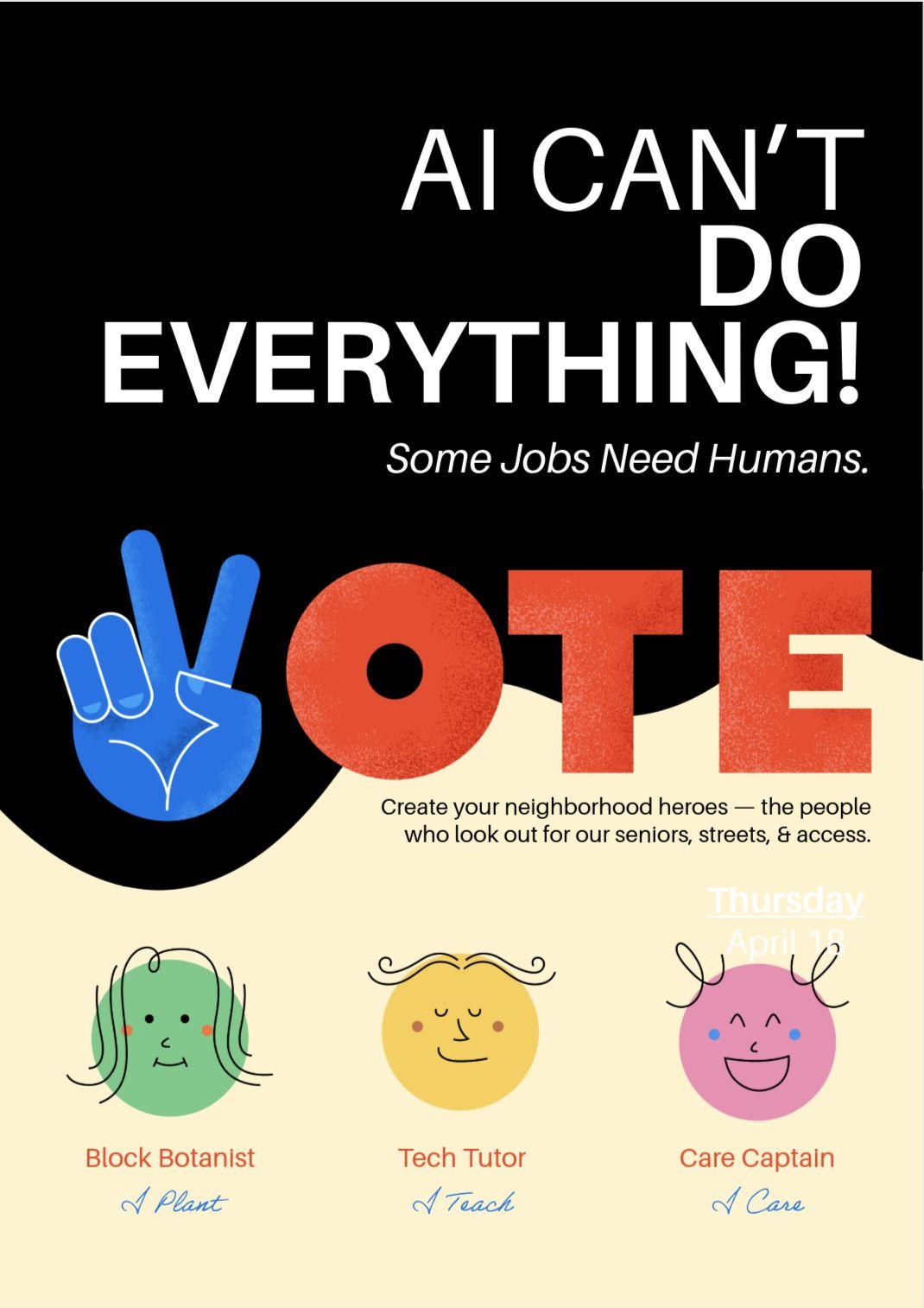
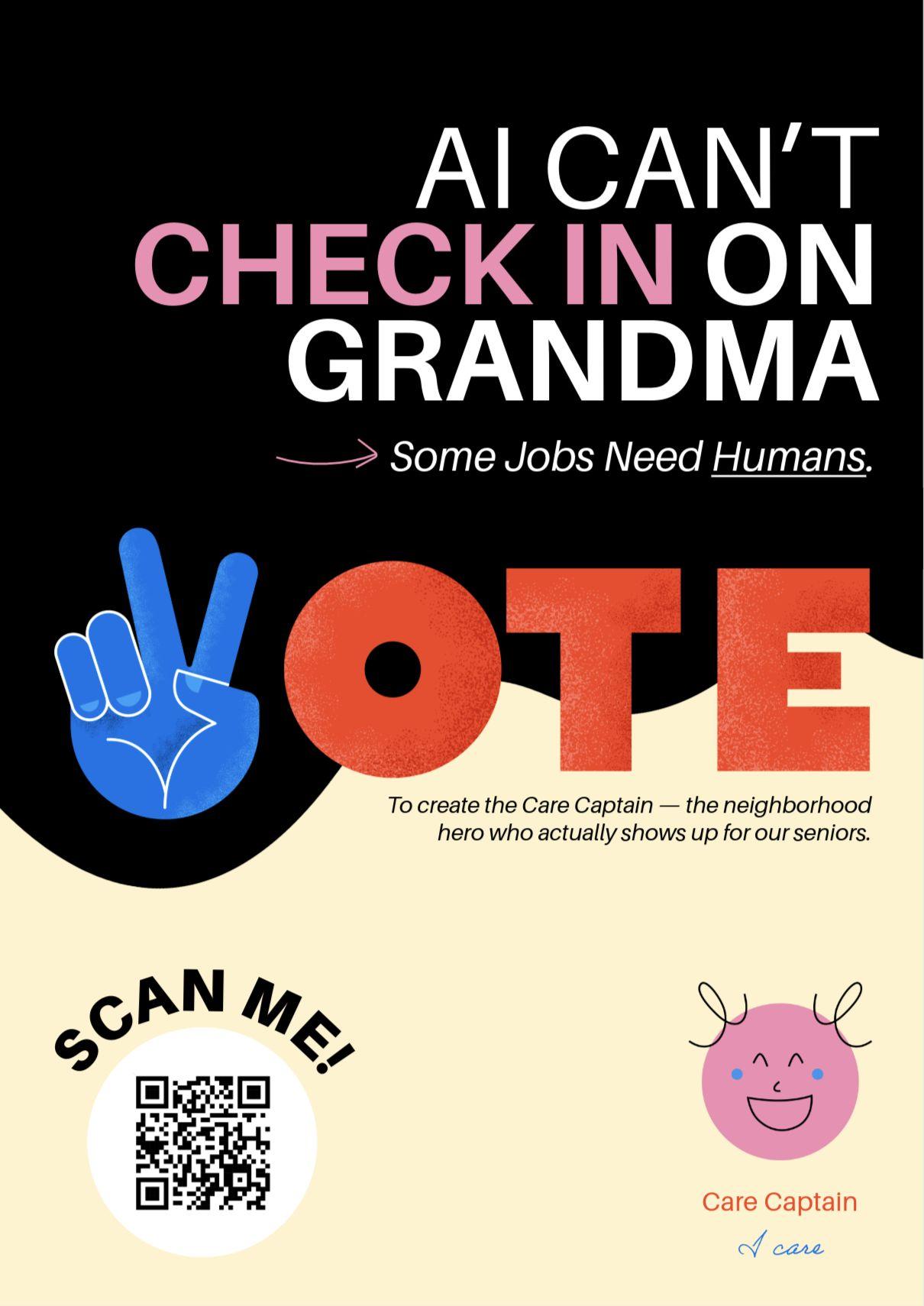
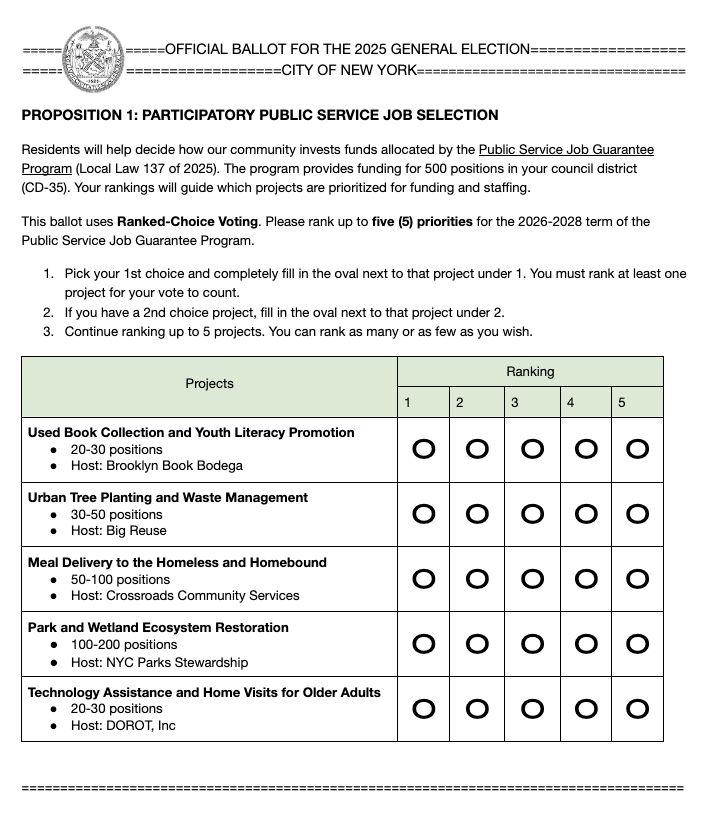
Steering Committee invites community to vote on job proposals Ranked choice voting process Local ballot initiative & community channels
DEPLOY ITERATE
Steering Committee announces winning proposals NYC Agency creates implementation plan Establish accountability measures to track & evaluate implementation
NYC Agency collects data on outputs & impact.
Steering Committee collects feedback to inform future iterations of process
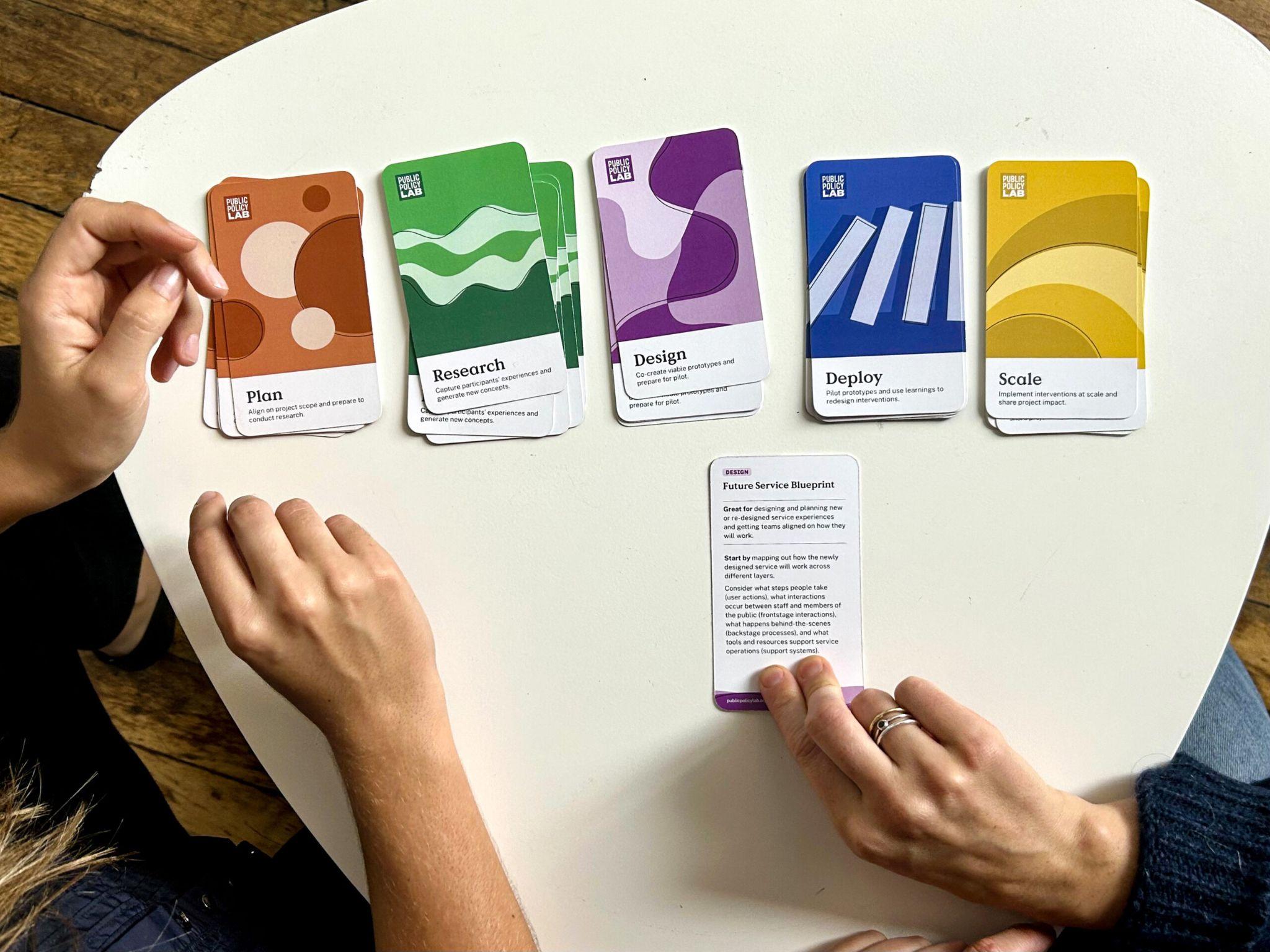
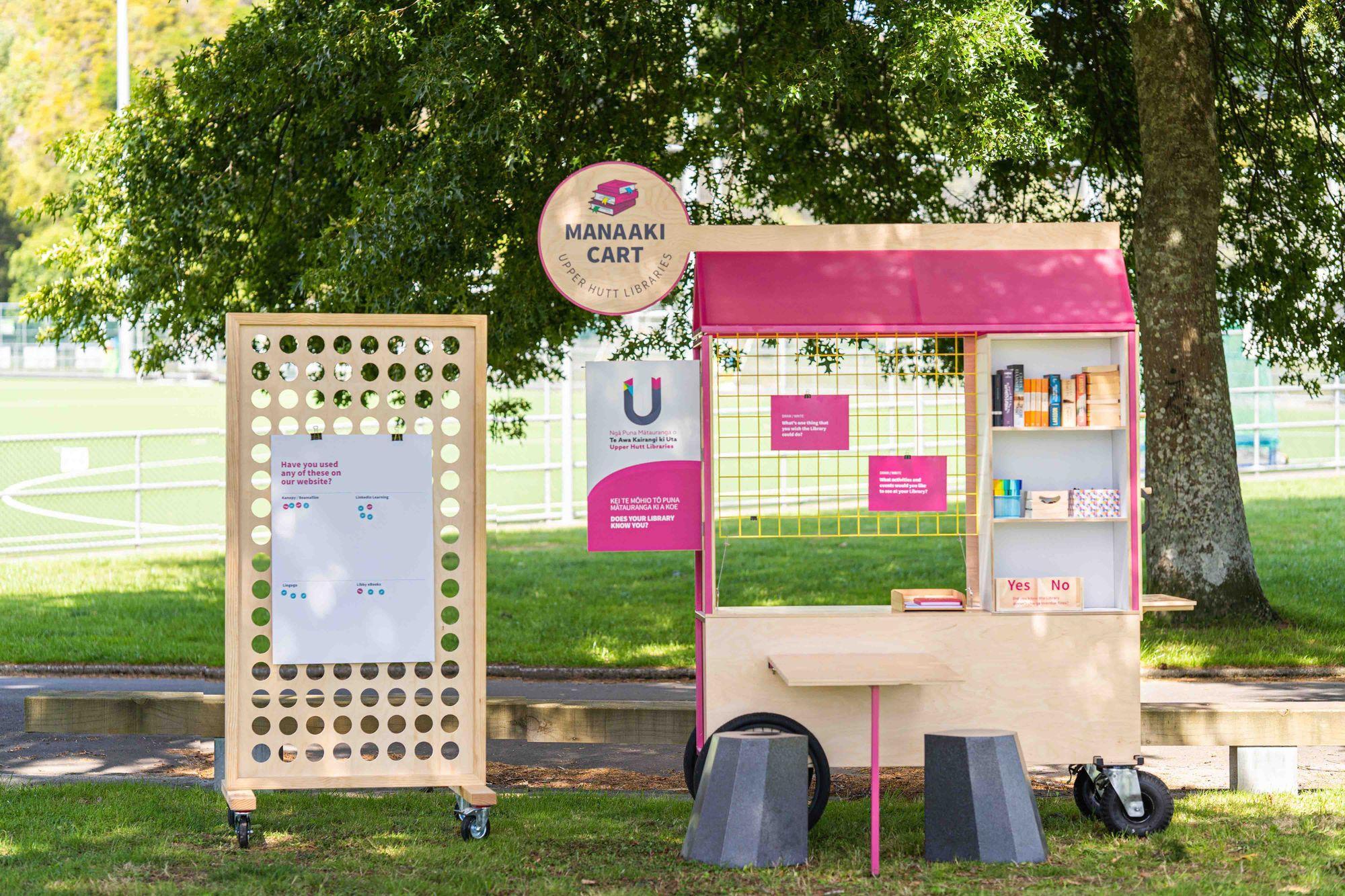
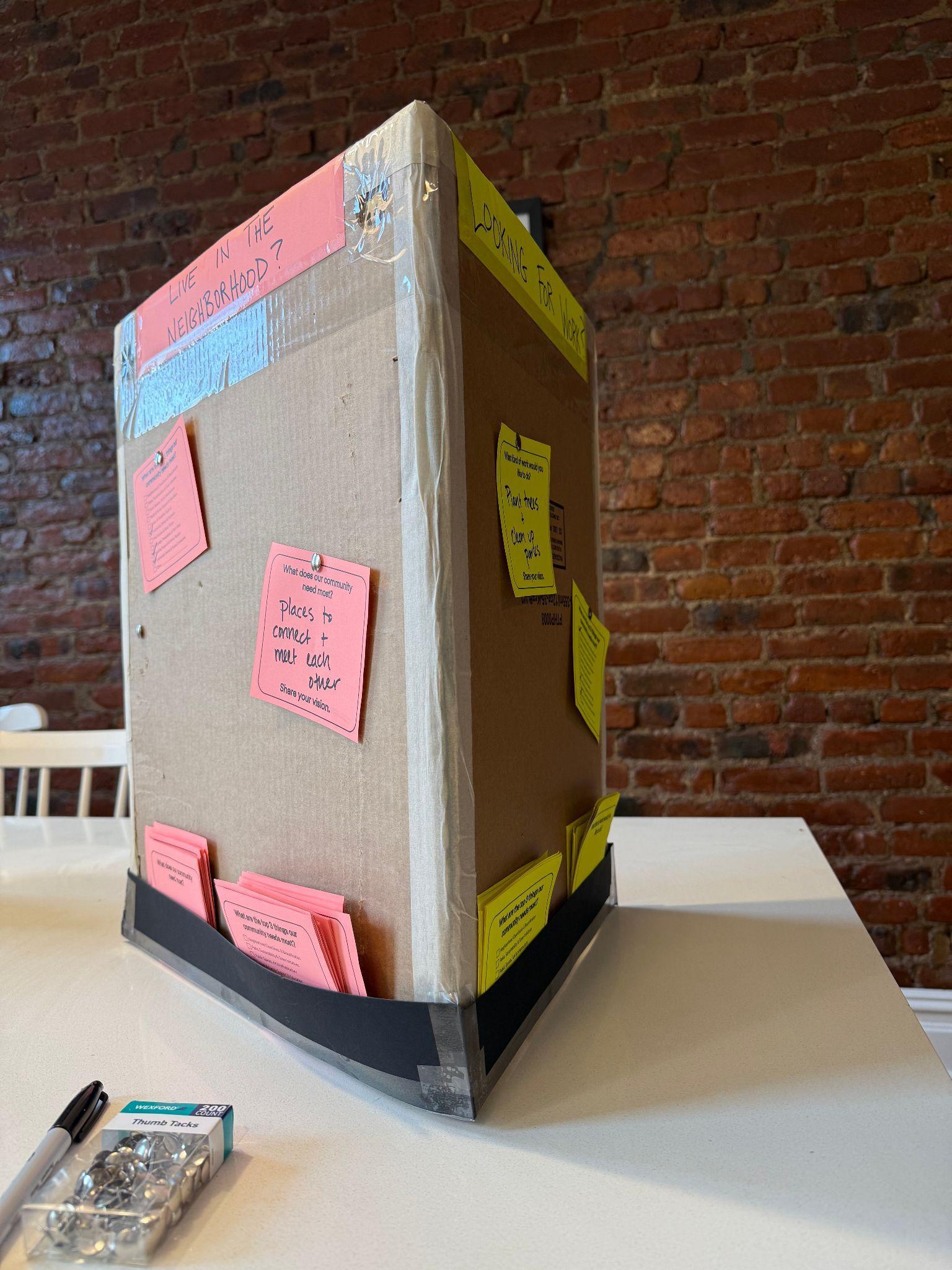
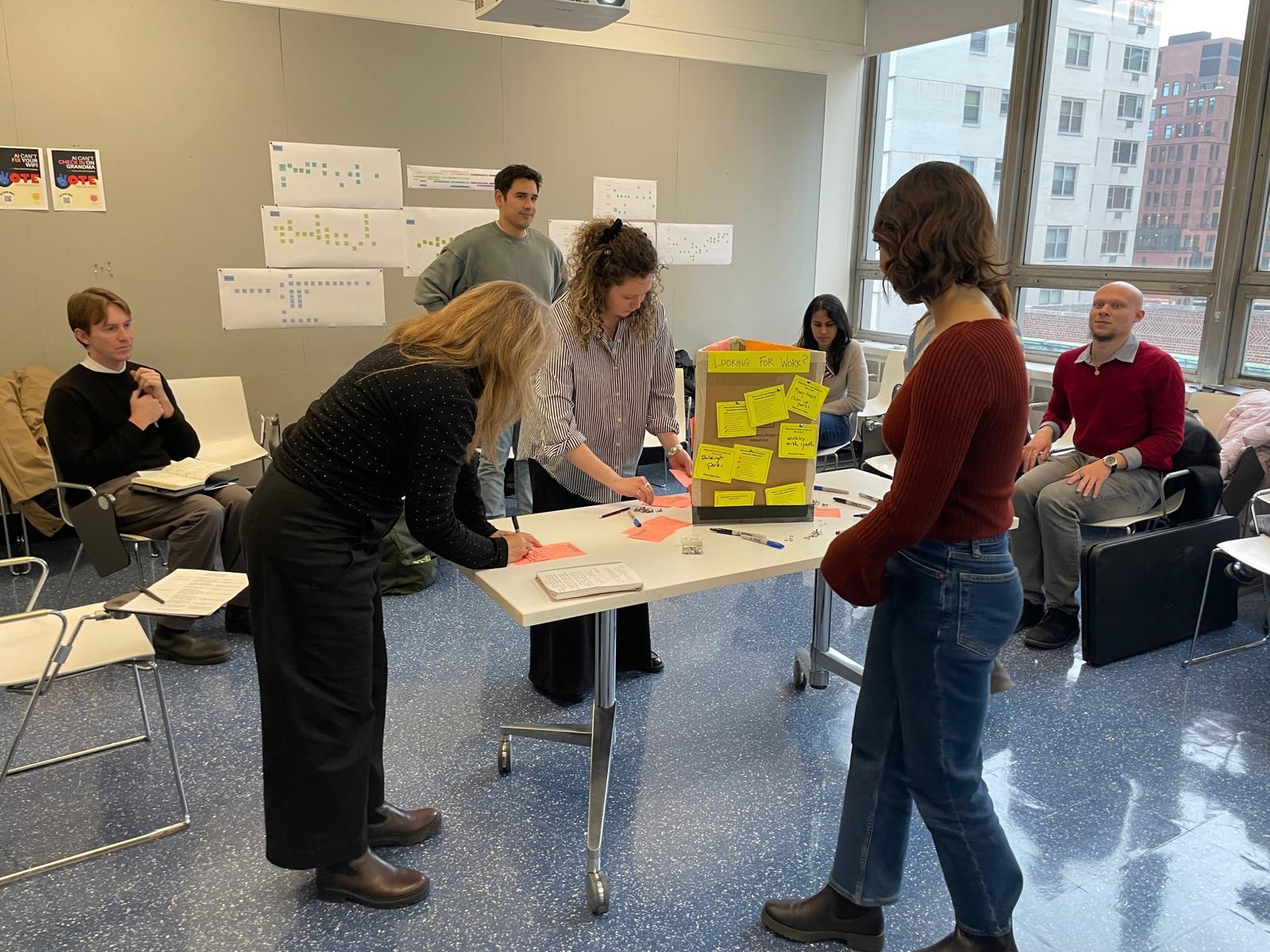
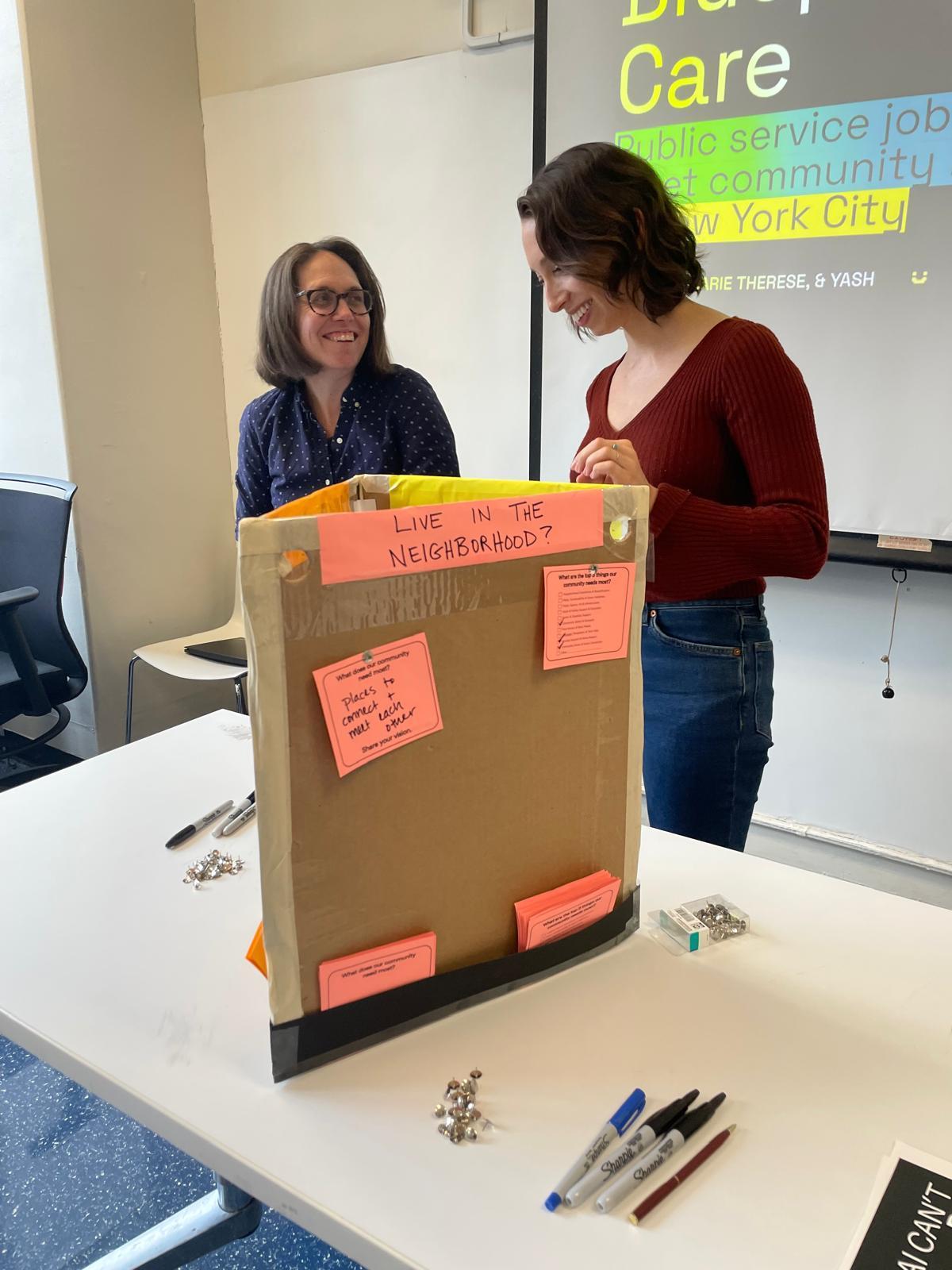
Actual Images: Prototype Testing with Lara Penin, co-founder of the Parsons DESIS Lab, November 2025
Participatory policy design can help us design job programs that care for unemployed people, as well as all of us.
Q&A
A special thank you to Connor Smith (PhD, Politics), and our peers in the Public & Collaborative Service Design Course (PSDS 5302) for their feedback, inspiration, and care for our project.
We also thank our research participants from the City and local nonprofits for informing our blueprint.
ALTHEA ERICKSON MS, Public & Urban Policy
MARIE THERESE KANE MS, Environmental Policy & Sustainability Management