BUILDING RESILIENT COMMUNITIES
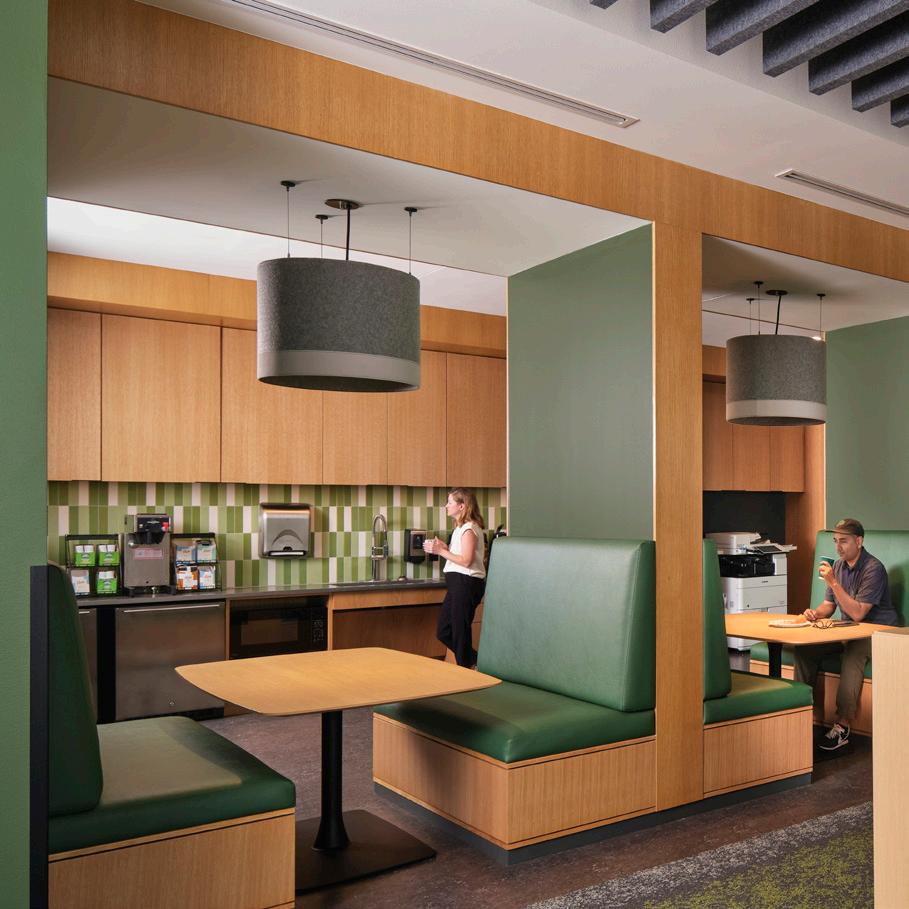
As proud participants in the American Institute of Architects’ 2030 Commitment, Parkhill is dedicated to transforming our practice in a way that is holistic, firm-wide, project-based, and data-driven.
The AIA Framework for Design Excellence
outlines ten principles that challenge us to think broadly and holistically about people, place, and planet.
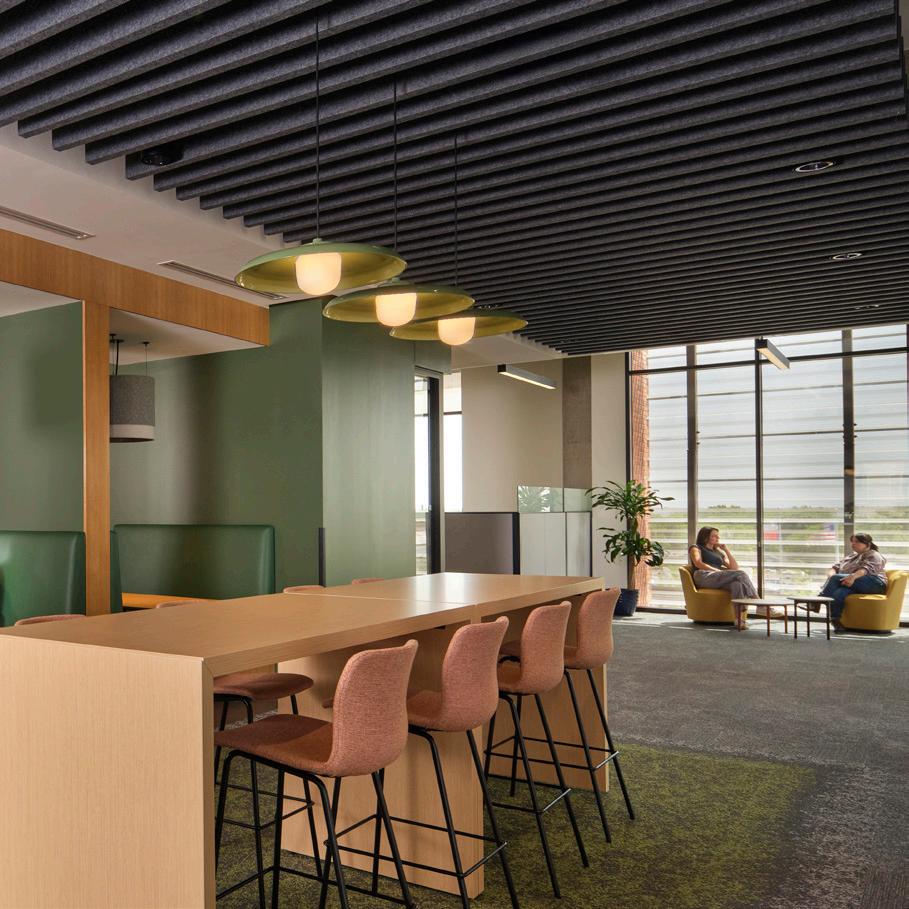
This booklet explores those principles through ten thought-provoking questions — designed to spark conversation, inspire curiosity, and encourage action.
Scan for more information.
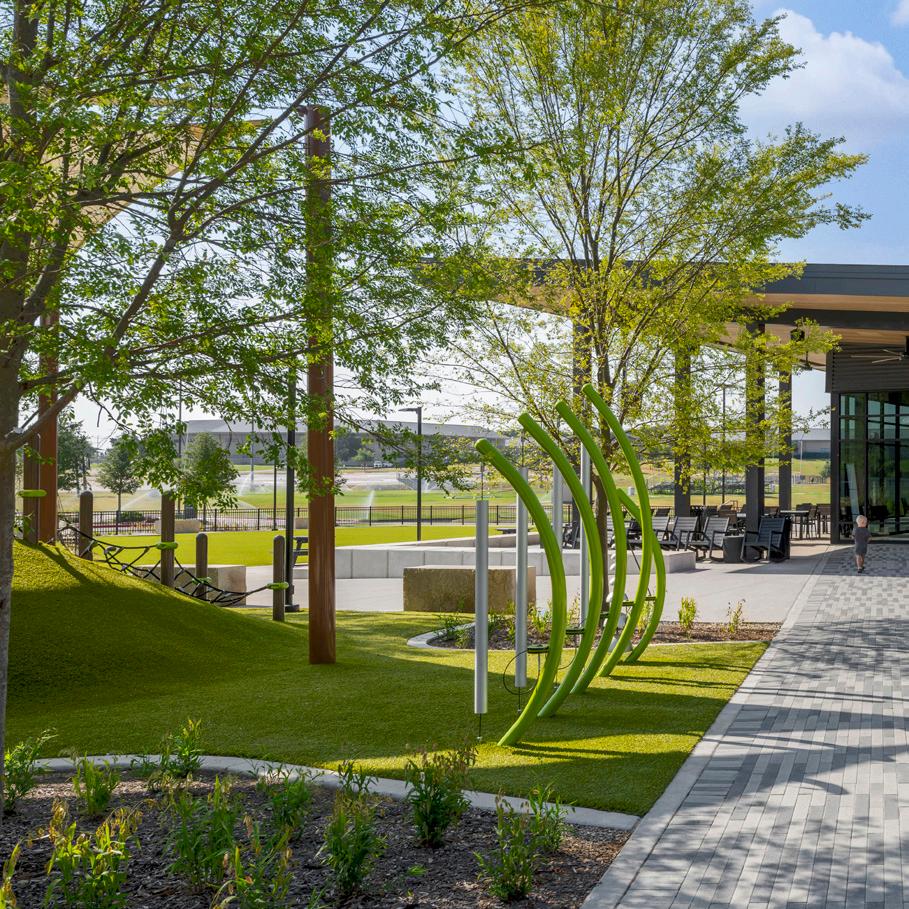
What is the main concept or purpose behind this project? What is the main concept or purpose behind this project?
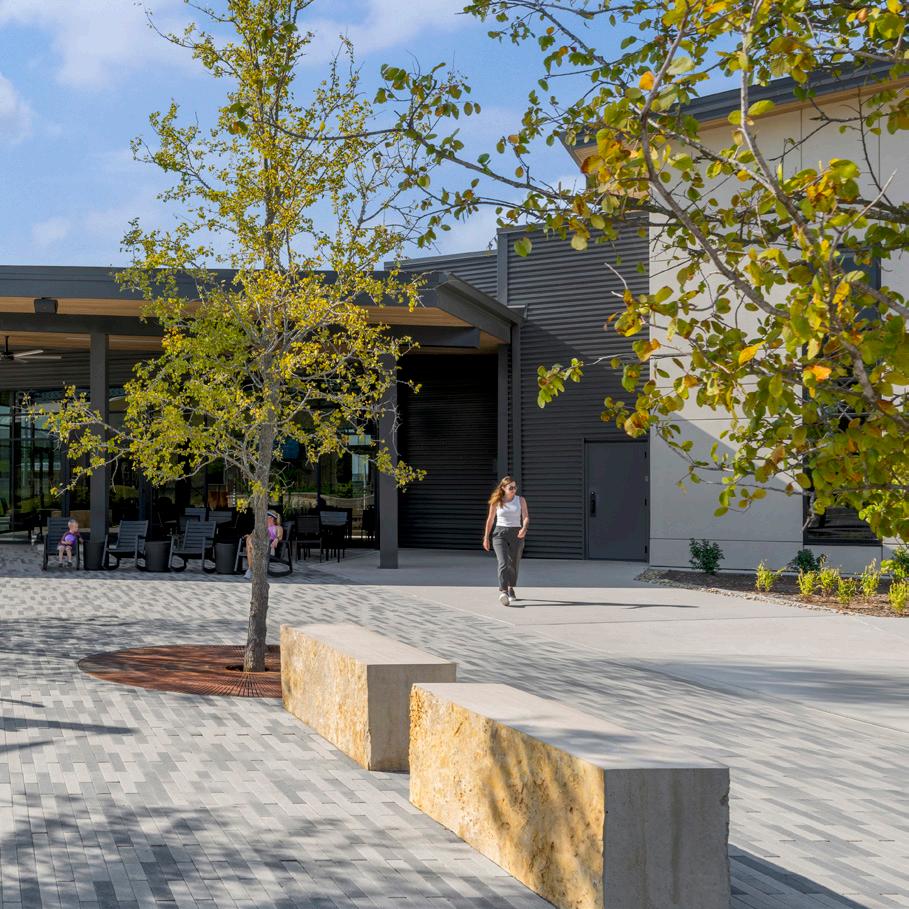
Design for INTEGRATION
Design for INTEGRATION
| Engage a full range of in-house expertise on each project.
| Engage a full range of in-house expertise on each project.
| Hold integrated design charrettes with key stakeholders to kick off projects.
| Hold integrated design charrettes with key stakeholders to kick off projects.
| Use AIA’s ‘Common Application (App)’ throughout the design process.
| Use AIA’s ‘Common Application (App)’ throughout the design process.
| Create a clear concept/story for the project (Vision Statement).
| Create a clear concept/story for the project (Vision Statement).
| Establish sustainability goals early, along with implementation strategies (OPR / BOD).
| Establish sustainability goals early, along with implementation strategies (OPR / BOD).
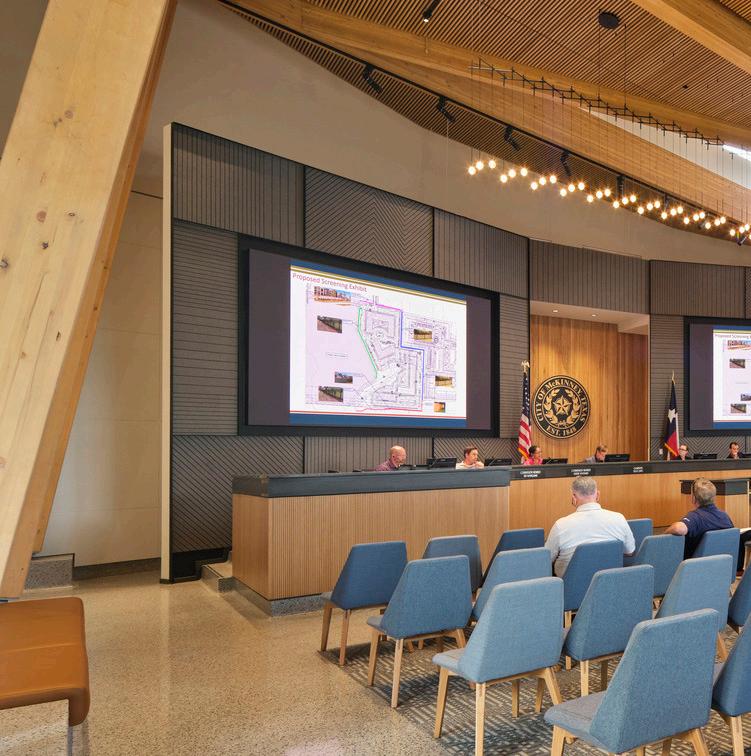
What is the project’s greater reach & does it promote equity & inclusion?
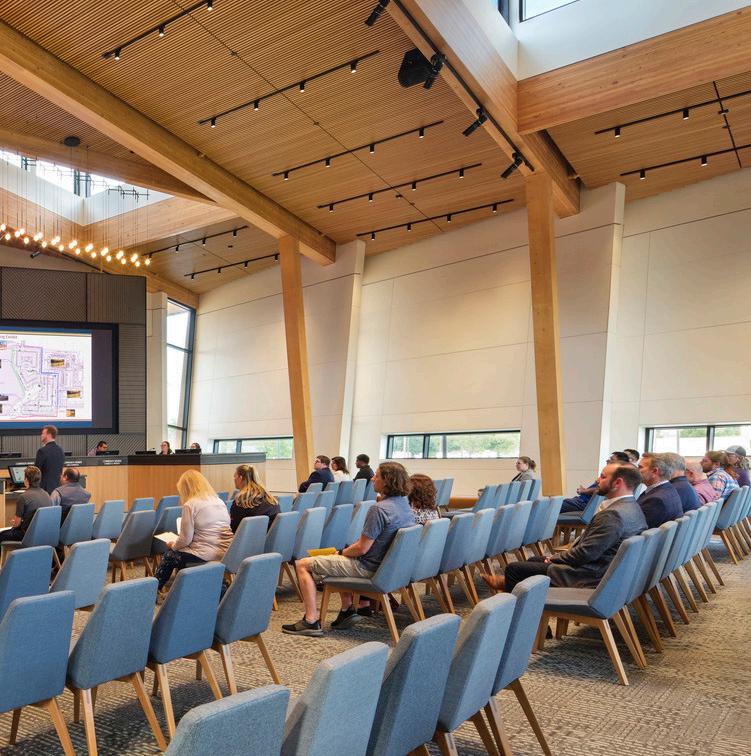
Design for
EQUITY
| Engage the community in the design and construction process.
| Design for place, culture, and history of the project location.
| Create welcoming and publicly accessible outdoor shaded and landscaped spaces for community interactions.
| Provide covered bicycle parking and safe public transportation connections.
| Discuss if the project team is forgetting anyone in the community.
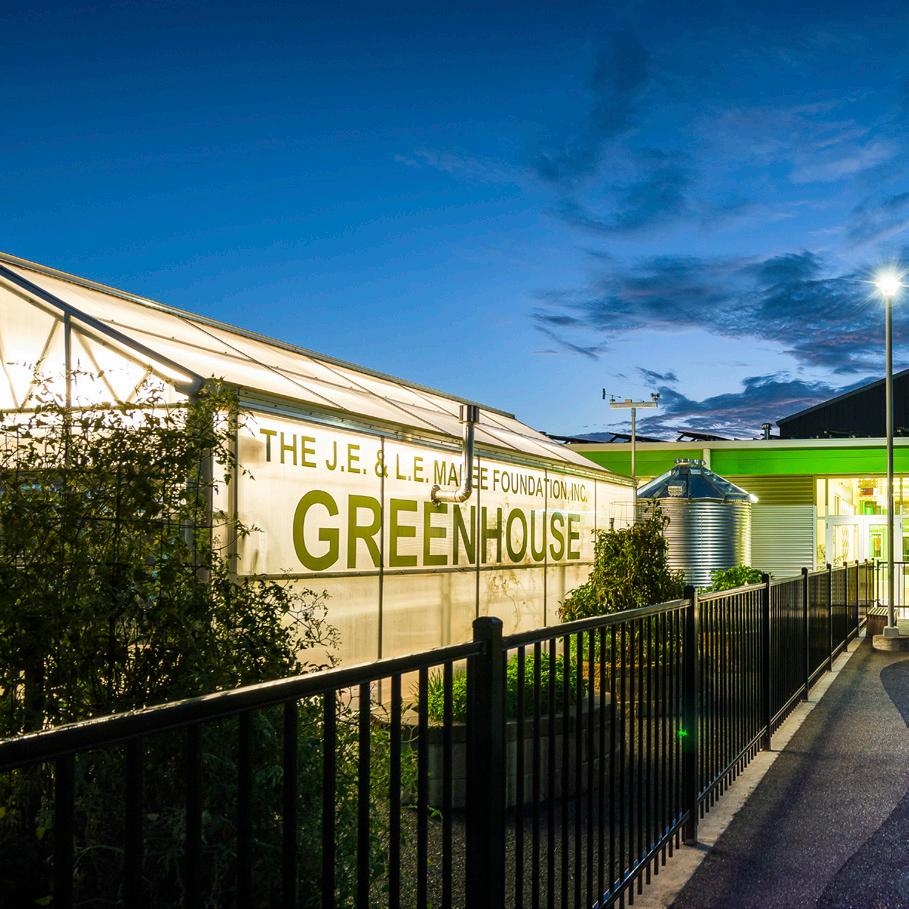
How will the project reduce its indoor & outdoor water consumption?
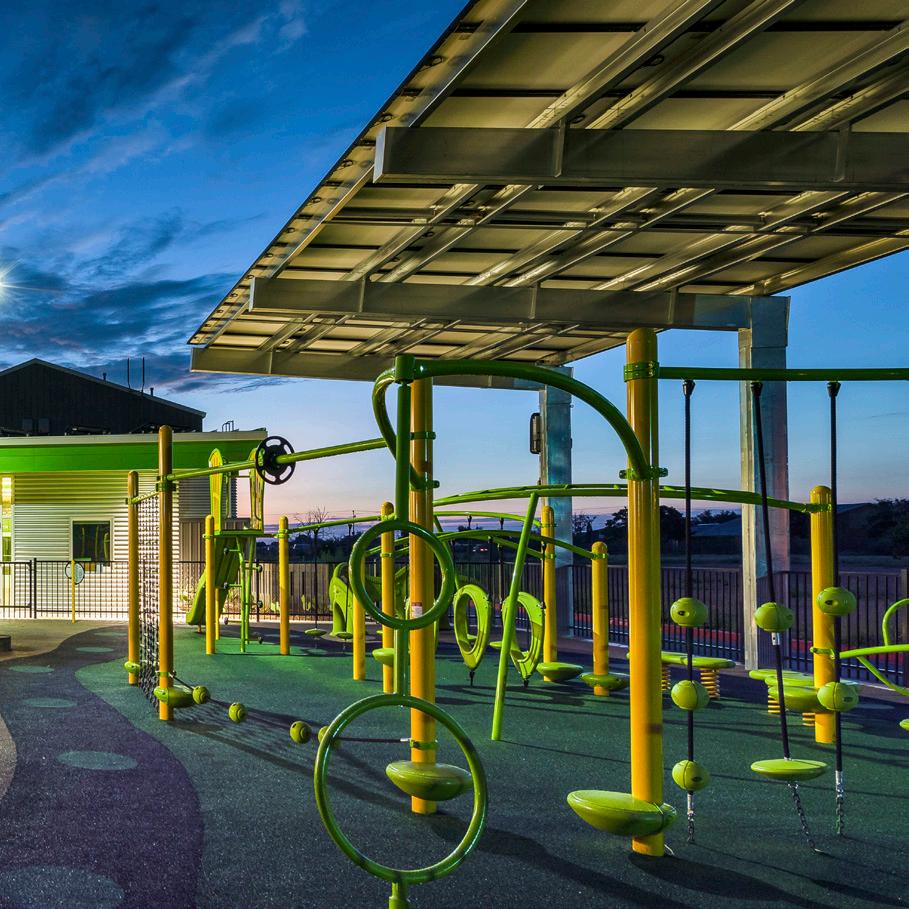
Design for WATER
| Water is precious. Use potable water for only potable water needs.
| Minimize turfgrass to less than 10% of site area or eliminate it entirely.
| Use native, adapted landscape species with low-zero irrigation needs.
| Specify EPA ‘WaterSense’ certified indoor plumbing fixtures.
| Consider collecting, storing, and using rainwater as well as condensate for nonpotable purposes.
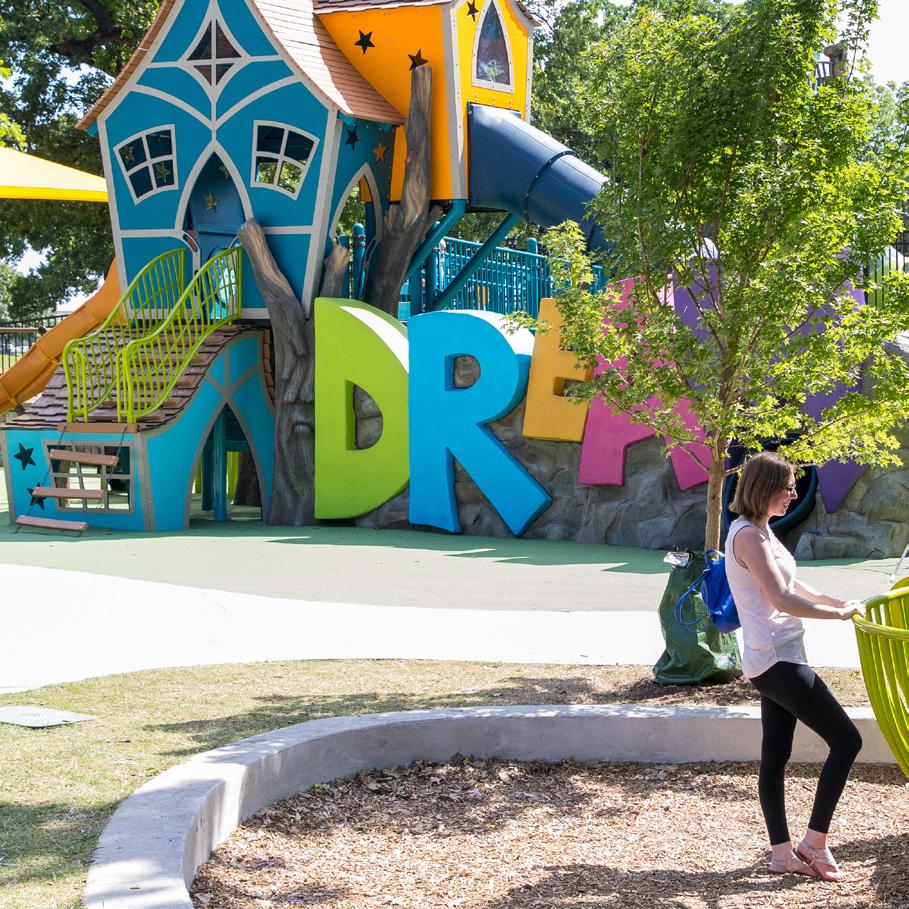
Does the project’s design incorporate nature-based site solutions?
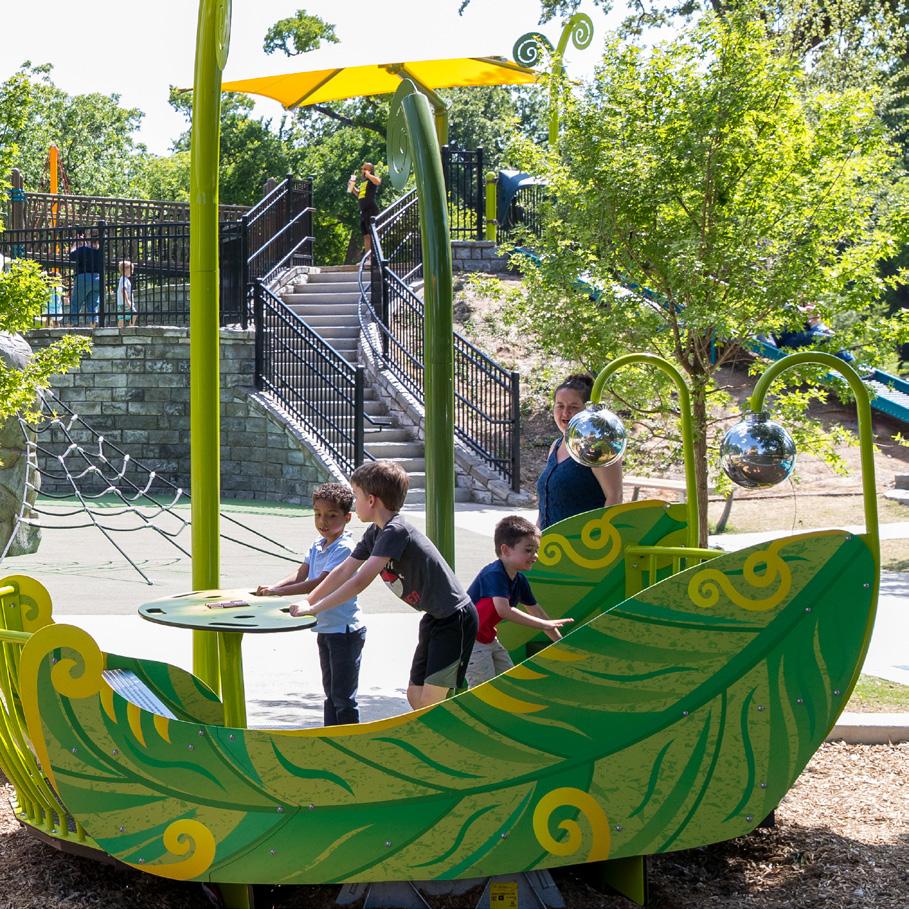
Design for ECOSYSTEMS
| Research and understand the local ecology before start of design.
| Preserve and protect any natural areas on site for the life of the project.
| Address dark skies, bird safety, and exterior site acoustics.
| Consider nature-based solutions to manage stormwater runoff.
| Use natives and pollinator-friendly landscapes.
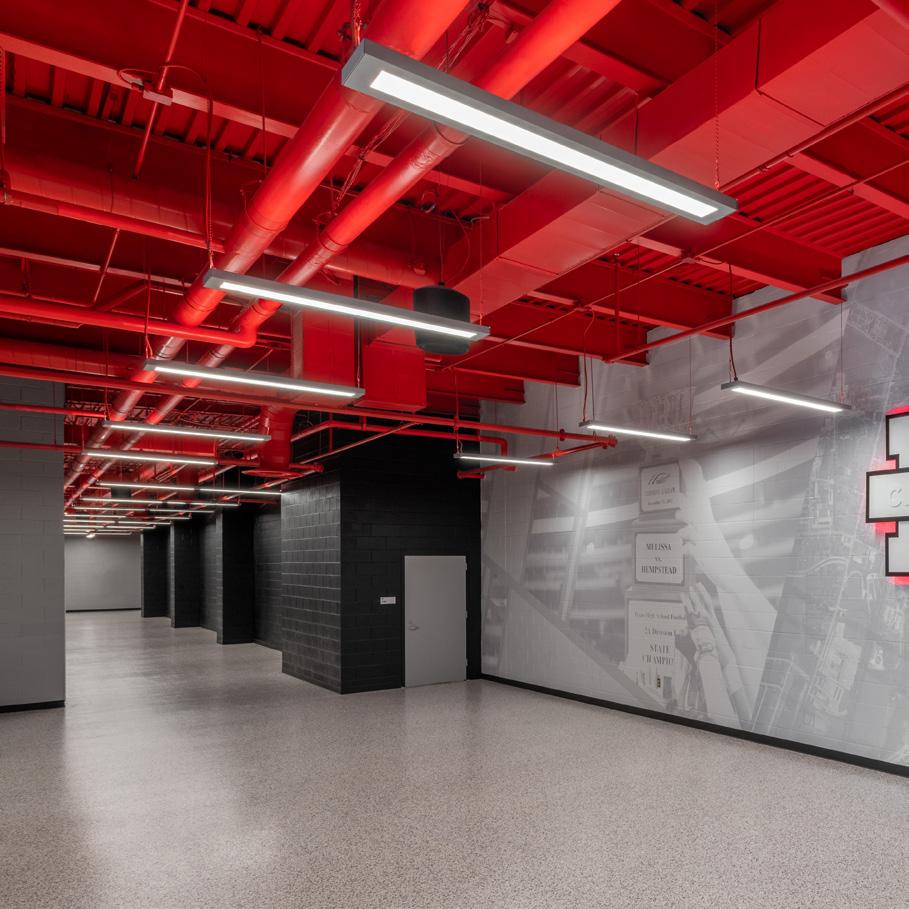
How will the project balance costs with long-term value?
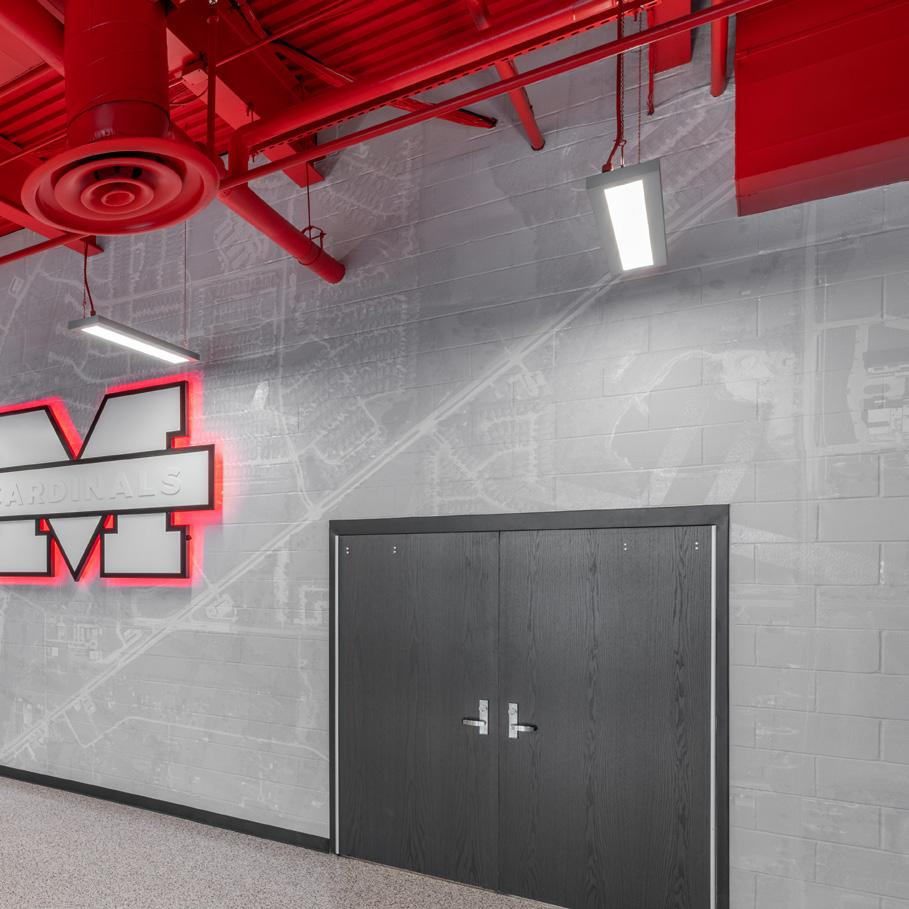
Design for ECONOMY
| Reuse an existing building if possible and reuse materials wherever appropriate.
| Right-size the design to promote efficiency and cost savings.
| Research potential incentives and grants to justify long-term investments.
| Use a limited and regional exterior/interior materials palette.
| Conduct whole building life cycle and cost analyses (LCA and LCCA).
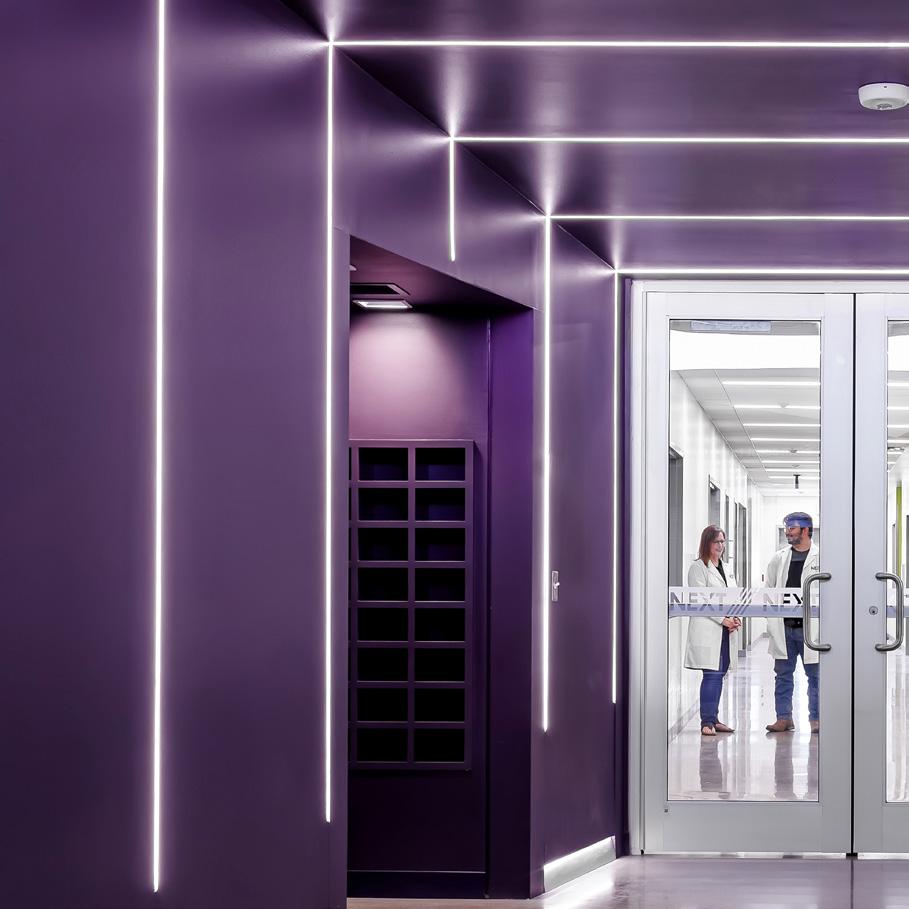
How will this project reduce its energy consumption?
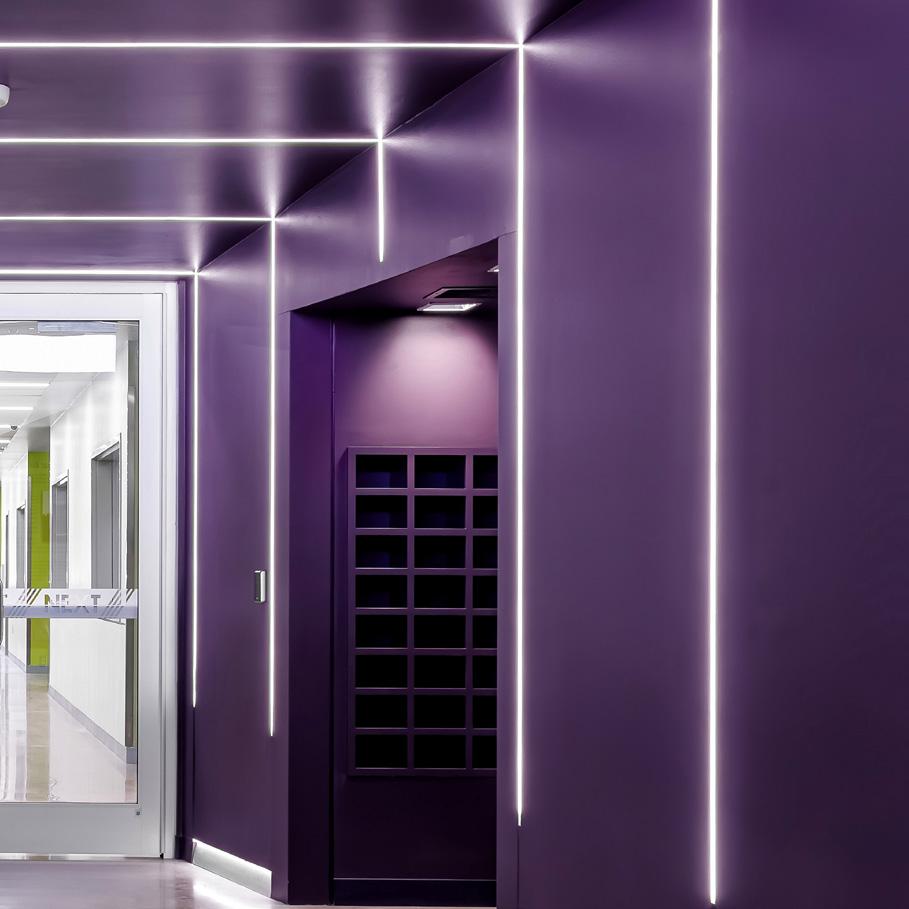
Design for ENERGY
| Begin project with an energy benchmarking/ baselining exercise.
| Leverage ‘building performance’ team members for early analysis assistance.
| Design passive-energy-forward building through optimized solar orientation, massing, shading, daylighting/windows, thermal mass, and landscape elements.
| Specify efficient and high-quality mechanical, electrical, and lighting systems.
| Consider on-site renewables. Aspire to design a ‘Net-Zero’ energy project.
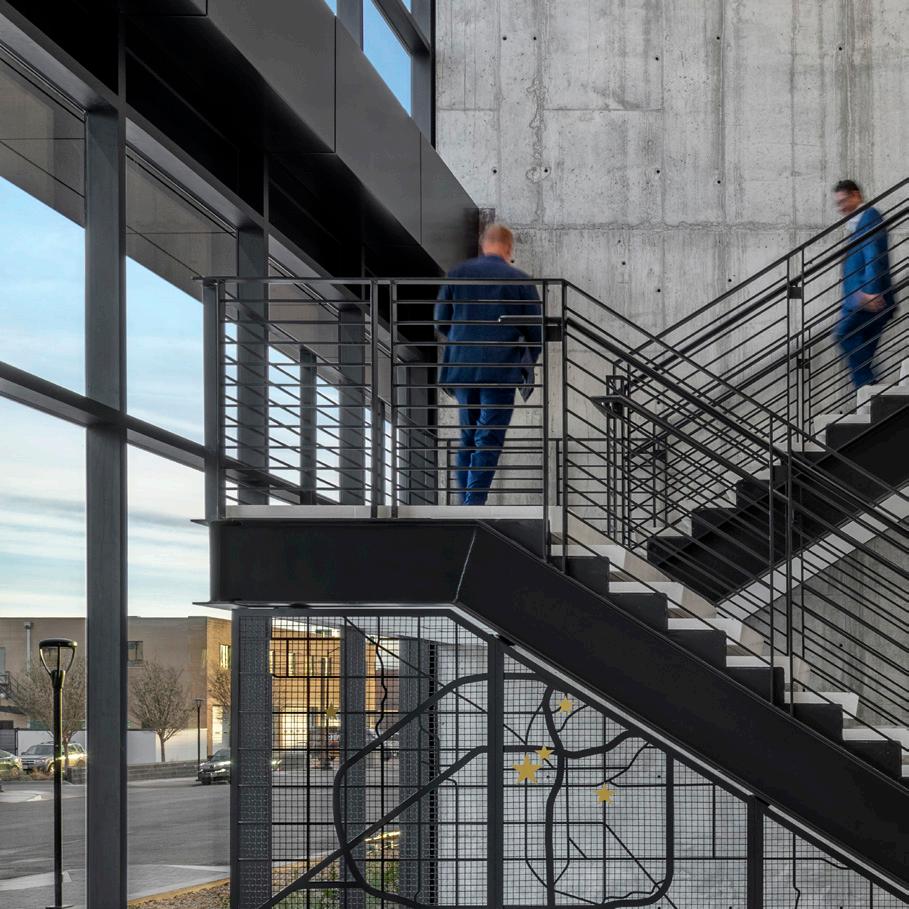
How does this project support the physical & mental health of occupants?
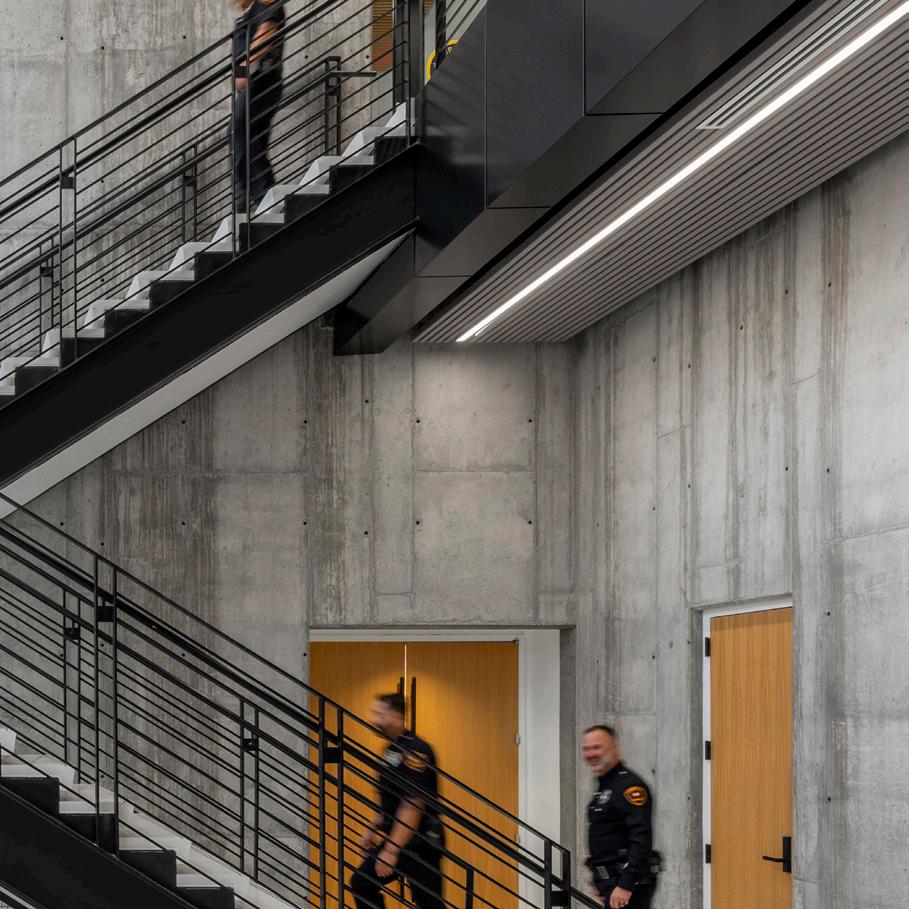
Design for WELL-BEING
| Create interior spaces that facilitate daylighting and views and provide areas for restoration, relaxation, and sensory retreat.
| Promote physical activity by strategically locating stairs closer to entrances.
| Incorporate natural elements (biophilia) outside and inside building spaces.
| Specify efficient outdoor air filtration systems — MERV 13 or higher, as applicable.
| Select no-VOC or low-VOC interior finishes, building materials, and furnishings. Use materials and products that can prove emission compliance.
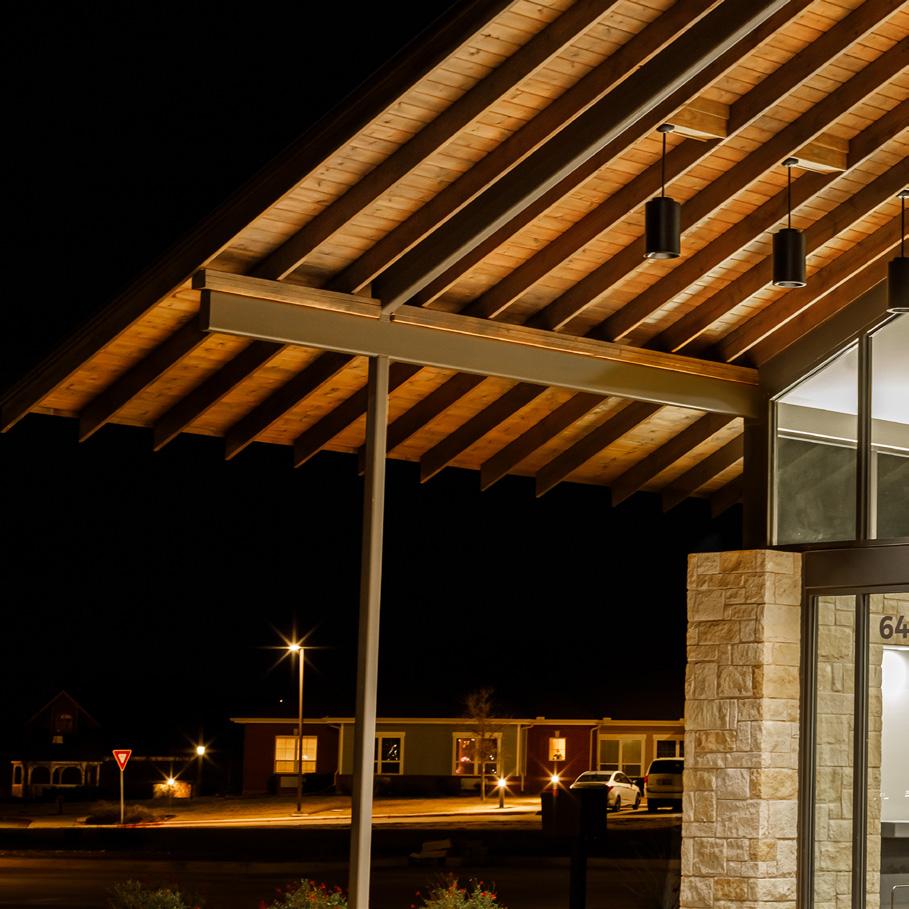
What factors will be considered in making material selection decisions?
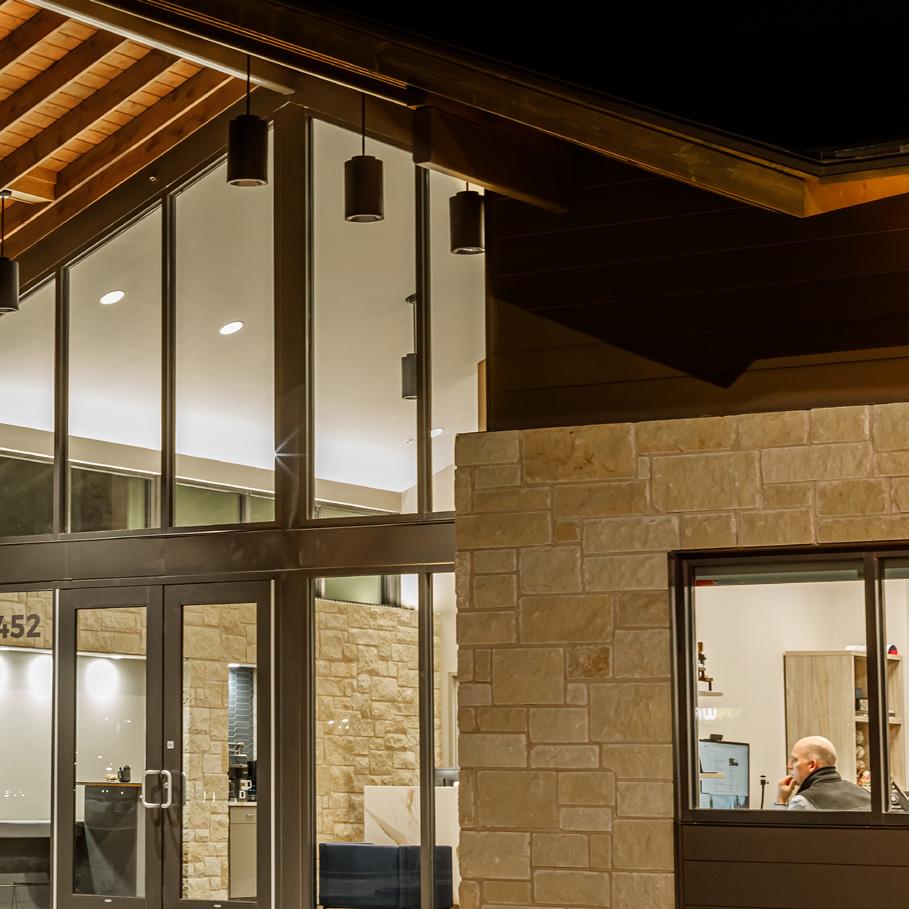
Design for RESOURCES
| Develop regional materials palette based on what is available locally, especially for structural and higher-impact materials.
| Consider conducting an ‘embodied carbon’ benchmarking exercise.
| Eliminate harmful building materials containing VOCs, formaldehyde, lead, or other chemicals.
| Prioritize natural materials or ones with high recycled/reusability content
| Create construction waste management plans in coordination with contractors.
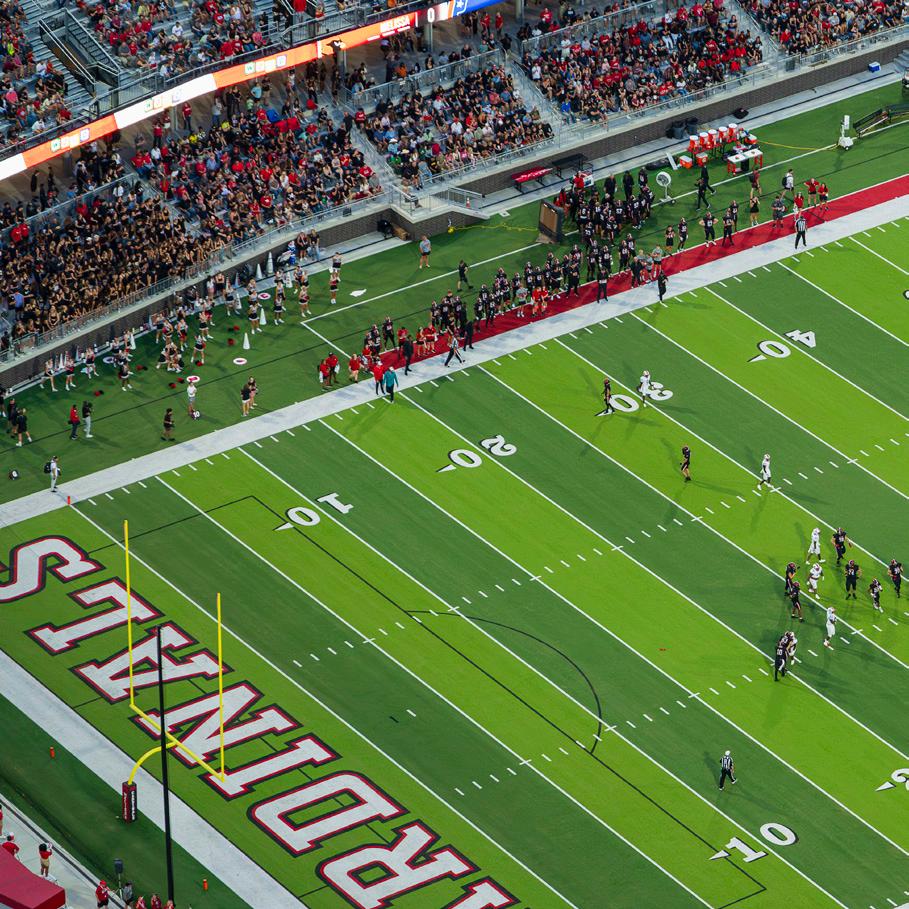
Can the project design meet future needs & challenges?
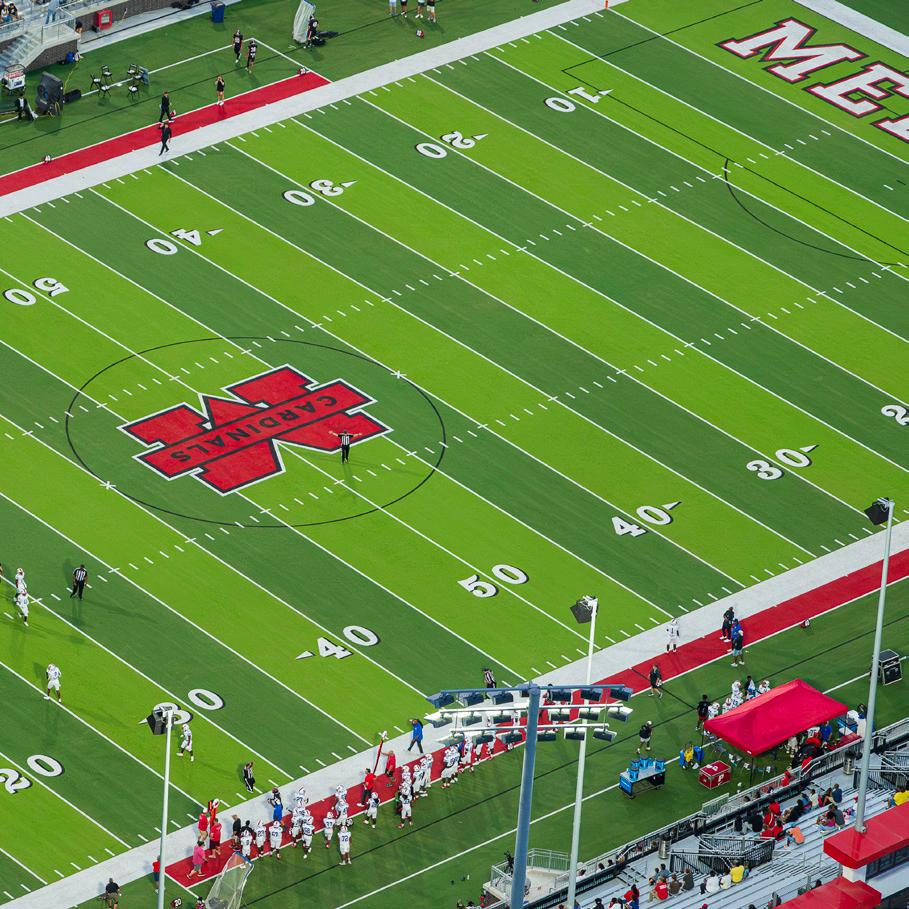
Design for CHANGE
| Conduct a ‘Resiliency Assessment’ for your site to understand climate risks.
| Design for future adaptability, flexibility, and occupancy changes.
| Use passive survivability principles such as added insulation, air tightness, daylight access, optimized operable windows, and shading.
| Consider on-site solar or wind energy systems with backup battery power and storage.
| Discuss food security strategies and on-site food production options.
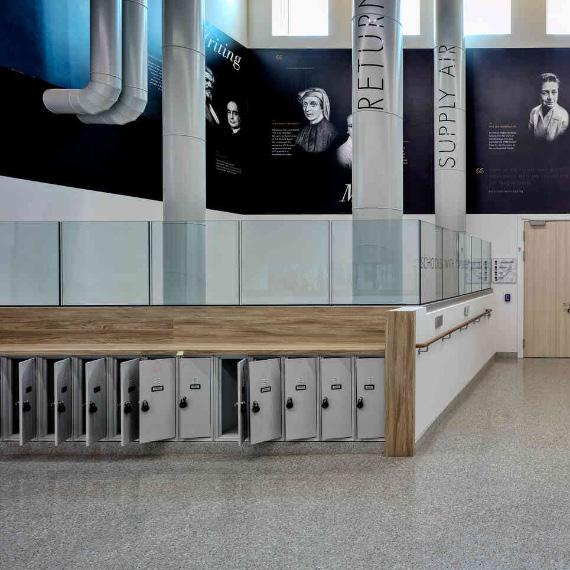
How does the project apply lessons learned and continue to improve?
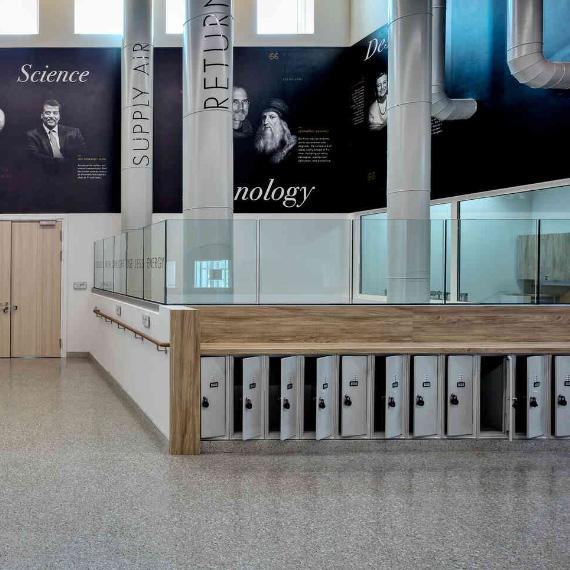
Design for DISCOVERY
| Plan for annual post-occupancy evaluations to assess achievement of the project’s resiliency, equity, comfort, and health/wellness goals.
| Engage stakeholders for a project close-out review to review lessons learned.
| Use elements such as educational signage to teach occupants about the design.
| Consider including future annual commissioning of HVAC and lighting systems.
| Integrate lessons learned with experiences gained from past projects. Continue the (re) discovery process.