Indian Cosmetologist Journal Digital March'26 issue
Prince Varde, BDS, MHA (AUS), FCC, FT, FHT
EXECUTIVE EDITOR & PUBLISHER DOM DANIEL
CORPORATE OFFICE
22, SHREEJI BHAVAN, 275-279, SAMUEL STREET, MASJID BUNDER (W), MUMBAI-4000 03, INDIA.
EMAIL: info@indiancosmetologistjournal.com
WEBSITE: indiancosmetologistjournal.online
PRINTED, PUBLISHED, EDITED AND OWNED BY DOM DANIEL
PRINTED AT SWASTIK PRINTER, GALA NO.9 & 10, VISHAL INDUSTRIAL ESTATE, BHANDUP (WEST), MUMBAI400078.
PUBLISHED AT 22 SHREEJI BHAVAN, 275/279, SAMUEL STREET, MASJID BUNDER (WEST), MUMBAI - 400003. INDIA.
“INDIAN COSMETOLOGIST JOURNAL” TAKES NO RESPONSIBILITY FOR UNSOLICITED PHOTOGRAPHS OR MATERIAL
ALL PHOTOGRAPHS, UNLESS OTHERWISE INDICATED, ARE USED FOR ILLUSTRATIVE PURPOSE ONLY.
VIEWS EXPRESSED IN THIS JOURNAL ARE THOSE OF THE CONTRIBUTORS AND NOT OF THE PUBLISHER. REPRODUCTION IN WHOLE OR IN PARTS OF TEXTS OR PHOTOGRAPHY IS PROHIBITED. MANUSCRIPTS, PHOTOGRAPHS AND ART ARE SELECTED AT THE DISCRETION OF THE PUBLISHER FREE OF CHARGE (ADVERTISING EXCLUDED). WHETHER PUBLISHED OR NOT, NO MATERIAL WILL BE RETURNED AND REMAINS THE PROPERTY OF THE PUBLISHING HOUSE, WHICH MAY MAKE USE OF IT AS SEEN FIT. THIS MAY INCLUDE THE WITHDRAWAL OF PUBLICATION RIGHTS TO OTHER PUBLISHING HOUSES.
ALL RIGHTS RESERVED. REPRODUCING IN ANY MANNER WITHOUT PRIOR WRITTEN PERMISSION PROHIBITED.
PUBLISHED FOR THE PERIOD OF MARCH 2026
COVER IMAGE: DR. HEMAMALINI RAJINIKANTH
Advancements in Non-Surgical Facial Rejuvenation
Cosmetic procedures continue to evolve, emphasizing anatomical precision, scientific rigor, and individualized care. This issue presents clinically focused articles showcasing structured, outcome driven approaches to facial rejuvenation.
THIS ISSUE PRESENTS CLINICALLY FOCUSED ARTICLES SHOWCASING STRUCTURED, OUTCOME DRIVEN APPROACHES TO FACIAL REJUVENATION.
Aesthetic Management of Lip and Chin Augmentation Using Hyaluronic Acid Fillers: A Case Report highlights facial assessment, filler selection, and precise technique to achieve balanced lower facial proportions safely. A Stepwise Approach to Skin Rejuvenation Using Non Invasive Techniques presents a multimodal framework using non-invasive technologies to improve dermal remodelling and skin quality. Unlocking the Full Potential of Platelet Rich Plasma: A Holistic Approach to Skin and Hair Care explores autologous therapy in skin revitalization and hair restoration. Restoring Confidence through Non-Surgical Facial Rejuvenation focuses on individualized planning and volumetric restoration to address age-related changes while preserving natural expression.
Together, these articles highlight practical, evidence based approaches that enhance outcomes and elevate standards in non-surgical facial rejuvenation.
- DOM DANIEL EXECUTIVE EDITOR & PUBLISHER
06
Dr. Manthan Sharma
BDS, PGDCC, FAM
Cosmetic Dentist & Aesthetic Practitioner
AESTHETIC ........... MANAGEMENT
OF LIP AND CHIN AUGMENTATION USING HYALURONIC ACID FILLERS: A CASE REPORT
14
Dr. Prince Varde
BDS, Master of Health & Human Services Management (Australia), Fellow – Clinical Cosmetology & Trichology, Fellow – Hair Transplantation
Associated with: Bluma Aesthetic Clinic | Sams Salon, Juhu (India) | Tabs by Taraasha | Mumbai
Beauty Studio | We Care Clinic, Surat | Dr. Prince Varde’s Cosmetic Clinic Malad West | The Specialty Dental Clinic, Pune
09
Dr. Sharma's Aesthetic Clinic Ahmedabad, Gujarat Dr. Hemamalini
UNLOCKING THE FULL POTENTIAL OF PLATELET-RICH PLASMA: A HOLISTIC APPROACH TO SKIN AND HAIR CARE
20
A STEPWISE APPROACH TO SKIN REJUVENATION USING NON-INVASIVE TECHNIQUES
27
Rajinikanth
PGDCC, BDS
Cosmetologist, Cosmetic/ Aesthetic Dentist, Director, Dr. Aesthetix
International Cosmetic Clinic Chennai, Tamil Nadu RESTORING
CONFIDENCE THROUGH NONSURGICAL FACIAL REJUVENATION
AN INTERVIEW WITH Dr. Hemamalini Rajinikanth
AESTHETIC MANAGEMENT OF LIP AND CHIN AUGMENTATION
USING HYALURONIC ACID FILLERS: A CASE REPORT
INTRODUCTION
FDr. Manthan Sharma
BDS, PGDCC, FAM
Cosmetic Dentist & Aesthetic Practitioner
Dr. Sharma's Aesthetic Clinic Ahmedabad, Gujarat
acial volumetric enhancement has become an increasingly common aesthetic concern, particularly among young adults seeking subtle and natural improvement in lip and chin contours. Reduced volume or projection in these areas can affect overall facial balance, lower facial proportions, and harmony of the facial profile. Over the past 25 years, soft tissue fillers have gained popularity as a minimally invasive, cost-effective method to restore facial volume and enhance features. Lips are a central component of facial attractiveness, making lip augmentation one of the most requested aesthetic procedures, while nonsurgical chin augmentation helps correct retrusion and improve lower facial projection. Hyaluronic acid (HA) dermal fillers are widely used for both lips and chin due to their safety, versatility, reversibility, and predictable outcomes. Successful treatment depends on careful patient evaluation, understanding of facial anatomy, appropriate product selection, and precise injection techniques to achieve natural results. Additionally, facial aesthetics have a significant impact on psychosocial well-being, including self-esteem, body image, and quality of life, although underlying conditions
such as body dysmorphic disorder may influence patient satisfaction. HA filler augmentation of the lips and chin can provide subtle, natural improvements that enhance facial proportion and overall patient confidence.1,2
CASE REPORT:
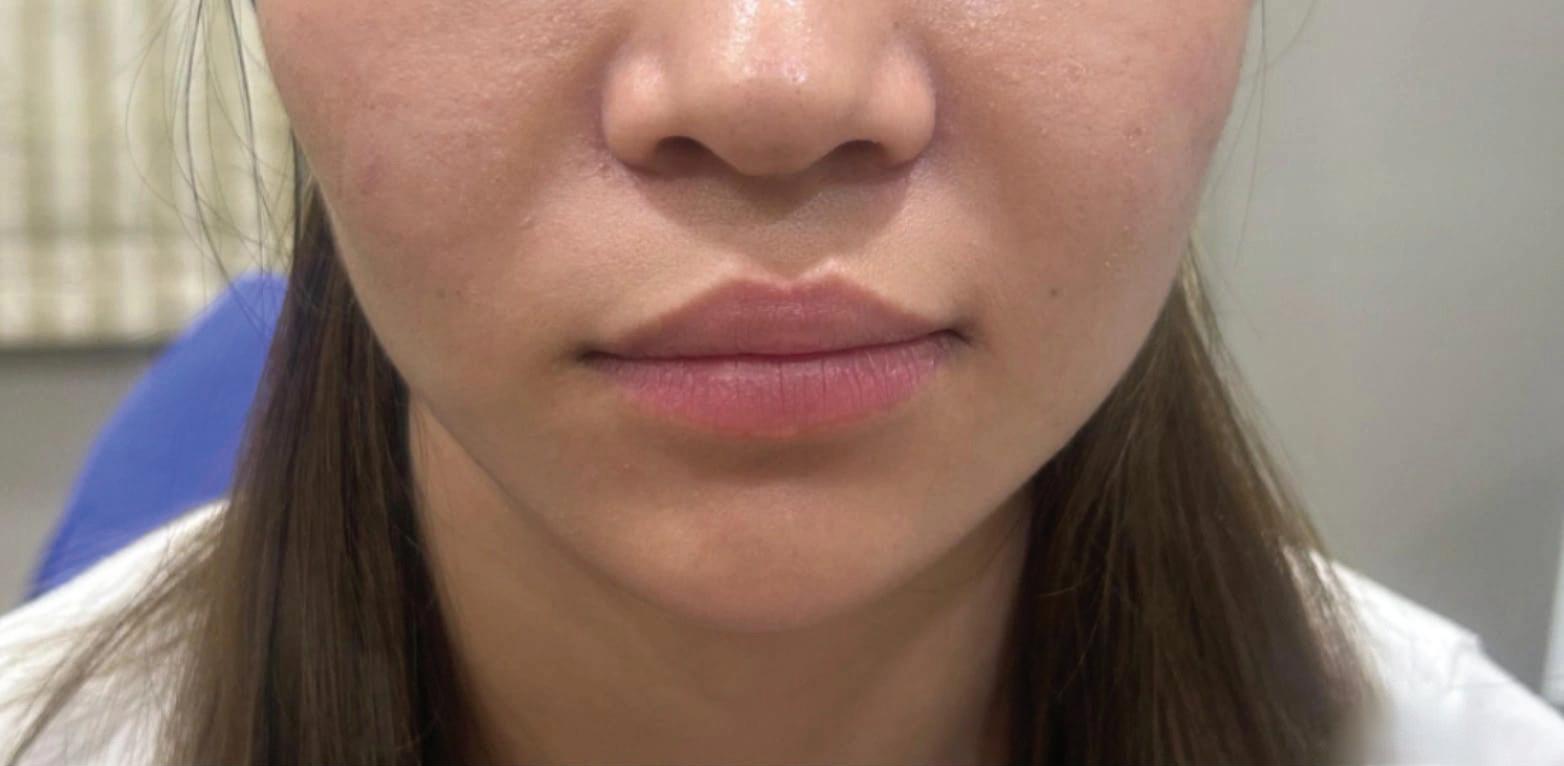
A 28-year-old female presented with concerns of thin lips and mild chin retrusion and requested aesthetic enhancement of both areas. Clinical evaluation revealed reduced lip fullness with subtle loss of natural lip contours, contributing to an imbalanced perioral appearance. Mild chin retrusion was also noted, affecting lower facial proportions.
DIAGNOSIS:
Reduced lip fullness with subtle loss of natural lip contours, contributing to an imbalanced perioral appearance. Mild chin retrusion affecting lower facial proportions. Diagnosis established through,
• clinical examination under appropriate lighting using standard examination tools.
• Facial analysis performed with the aid of a mirror to assess symmetry and proportions.
• Measurement of lip proportions and symmetry carried out using tools such as a ruler or callipers.
Findings supported a conservative treatment approach aimed at restoring natural shape and facial balance without excessive volume enhancement.2
TREATMENT:
Hyaluronic acid is a naturally occurring polysaccharide found in the extracellular matrix of human tissues, including the skin and connective tissue. Due to its hydrophilic properties, it attracts and retains water, contributing to tissue hydration, volume, and structural support.3,4
MECHANISM OF ACTION AS A DERMAL FILLER
When used as a dermal filler, hyaluronic acid restores lost volume, enhances facial contours, and improves projection in areas such as the lips and chin. In addition to its volumizing effects, HA may also stimulate collagen production over time. The results are temporary, typically lasting between 4–6 months, depending on the treatment area, filler characteristics, and injection technique.3,4
PROCEDURE DETAILS IN THIS PATIENT
In this case, a non-surgical aesthetic procedure was performed under aseptic conditions, during which one millilitre of HA filler was injected into the lips to enhance volume and shape, and one millilitre was used in the chin to improve projection and achieve better lower facial balance. The procedure was well tolerated, with mild swelling and tenderness observed immediately after injection, which resolved within 48–72 hours.3,4
CLASSIFICATION OF FACIAL FILLERS
Facial fillers can be classified based on their composition and duration of action, including hyaluronic acid fillers, collagen-based fillers, polyL-lactic acid fillers, calcium hydroxyapatite fillers, autologous fat grafts, and permanent synthetic fillers such as polymethylmethacrylate. Among these options, hyaluronic acid fillers are the most widely used due to their favourable safety profile, reversibility, and versatility for multiple facial indications.3,4
PRE- AND POST-TREATMENT
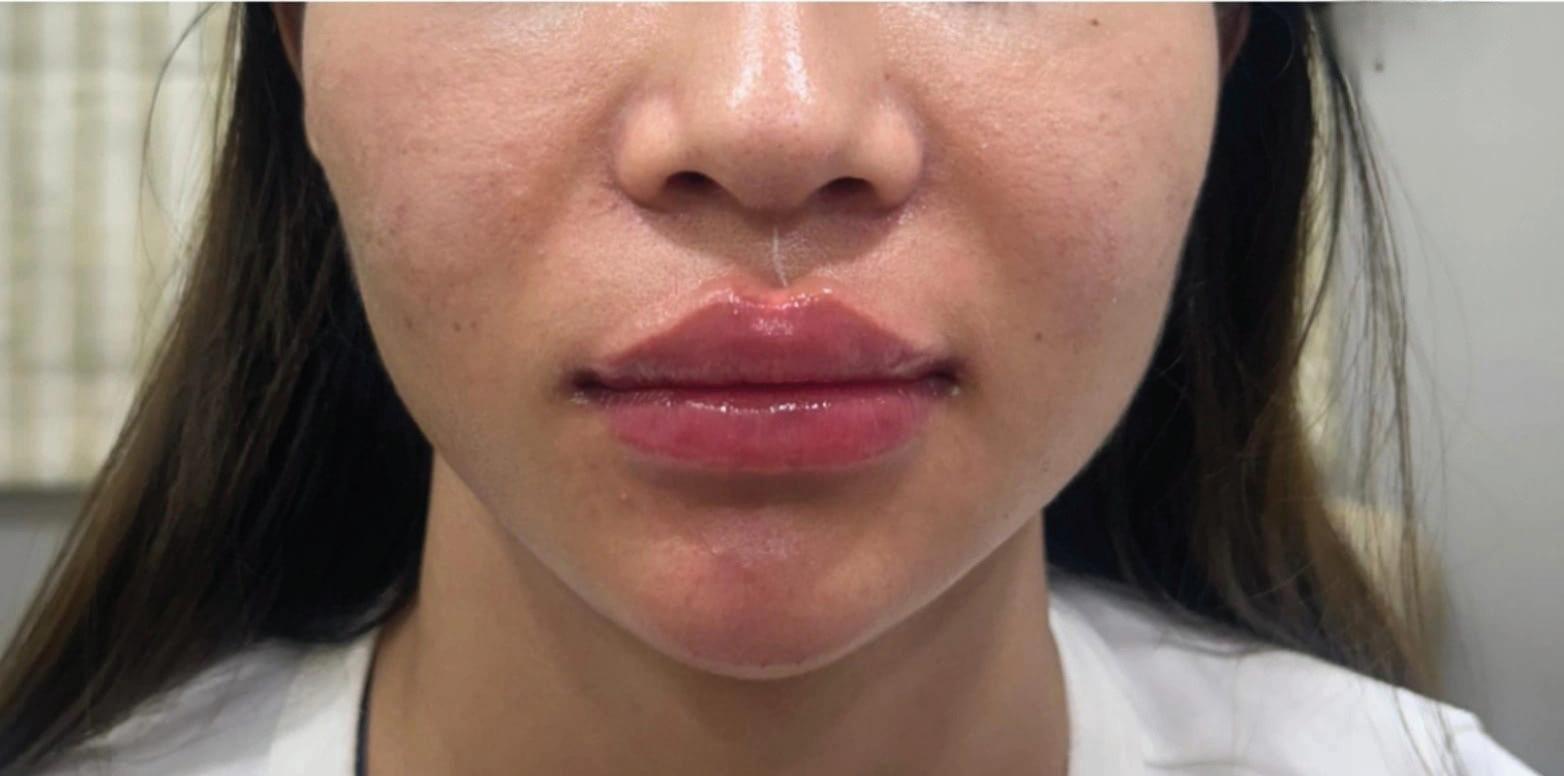
Pre- and post-treatment images demonstrated visible improvement in both the lips and chin. Lip augmentation increased fullness, improved vermilion border definition, and enhanced symmetry between the upper and lower lips while preserving natural movement. Chin augmentation achieved improved forward projection and a smoother lower facial contour, contributing to better facial harmony and balanced lower facial proportions. Mild, transient swelling was observed immediately post-procedure but resolved quickly. Overall, the patient attained subtle, natural-looking aesthetic enhancement consistent with her treatment goals.3,4
DISCUSSION:
This case demonstrates the effective use of hyaluronic acid (HA) fillers for combined lip and chin augmentation in a young adult seeking subtle and natural enhancement of lower facial aesthetics. Pre-treatment evaluation revealed proportionally thin lips and mild chin retrusion, which contributed to less balanced lower facial proportions. Such volumetric deficiencies can impact facial harmony, highlighting the importance of a conservative, individualized approach aimed at restoring natural contours rather than
achieving excessive volume.5,6
Treatment focused on enhancing lip fullness, improving vermilion border definition, and achieving symmetry between the upper and lower lips while maintaining dynamic facial expressions. Chin augmentation addressed mild retrusion, improving forward projection and smoothing lower facial contours. The combined approach allowed for comprehensive correction of lower facial proportions, creating a harmonious relationship between the lips and chin. Post-treatment outcomes confirmed visible improvement in both areas, with enhanced volume, contour, and symmetry, resulting in a balanced and natural appearance.5,6
The procedure was well tolerated, with only mild transient swelling
REFERENCES
and tenderness observed, which resolved within 48–72 hours. No other adverse effects occurred, reflecting the favourable safety profile of HA fillers when administered under aseptic conditions with precise technique. These findings align with existing literature supporting HA as a safe, reversible, and predictable option for minimally invasive facial enhancement.5,6
This case highlights the importance of thorough pre-procedural assessment, careful volumetric planning, and appropriate injection techniques. Standardized photographic documentation aided in evaluating outcomes and guiding treatment, while attention to facial proportions ensured enhancements respected natural anatomy. Combining lip and chin augmentation emphasizes holistic lower facial harmonization, avoiding disproportionate results that can occur when areas are treated in isolation. Subtle, targeted volumetric enhancement not only improves facial aesthetics but also supports patient confidence and satisfaction.5,6
CONCLUSION:
Hyaluronic acid fillers provide a safe and effective minimally invasive option for combined lip and chin augmentation. Conservative, patientcentered approaches that focus on facial balance rather than overcorrection yield natural results, minimal downtime, and high patient satisfaction. Proper patient selection, careful treatment planning, and precise injection technique are critical to achieving optimal aesthetic outcomes in lower facial volumetric enhancement.
1. Cooper, Hassie et al. “Lip Augmentation With Hyaluronic Acid Fillers: A Review of Considerations and Techniques.” Journal of drugs in dermatology : JDD vol. 22,1 (2023): 23-29. doi:10.36849/JDD.6304
2. Harris WC, Winters R, Raggio BS. Facial Chin Augmentation. [Updated 2024 Mar 7]. In: StatPearls [Internet]. Treasure Island (FL): StatPearls Publishing; 2025 Jan-. Available from: https://www.ncbi.nlm.nih.gov/books/ NBK554506/
3. Walker K, Basehore BM, Goyal A, et al. Hyaluronic Acid. [Updated 2023 Jul 3]. In: StatPearls [Internet]. Treasure Island (FL): StatPearls Publishing; 2025 Jan-. Available from: https://www.ncbi.nlm.nih.gov/books/ NBK482440/
4. Clark, Nicholas W et al. “Facial fillers: Relevant anatomy, injection techniques, and complications.” World journal of otorhinolaryngology - head and neck surgery vol. 9,3 227-235. 2 Aug. 2023, doi:10.1002/wjo2.126
5. Czumbel LM, Farkasdi S, Gede N, et al. Hyaluronic Acid Is an Effective Dermal Filler for Lip Augmentation: A Meta-Analysis. Front Surg. 2021;8:681028. Published 2021 Aug 6. doi:10.3389/fsurg.2021.681028
6. Nikolis A, Bertucci V, Solish N, Lane V, Nogueira A. An Objective, Quantitative Assessment of Flexible Hyaluronic Acid Fillers in Lip and Perioral Enhancement. Dermatol Surg. 2021;47(5):e168-e173. doi:10.1097/ DSS.0000000000002917
UNLOCKING THE FULL POTENTIAL OF PLATELET-
RICH PLASMA: A HOLISTIC
APPROACH TO SKIN AND HAIR CARE
INTRODUCTION
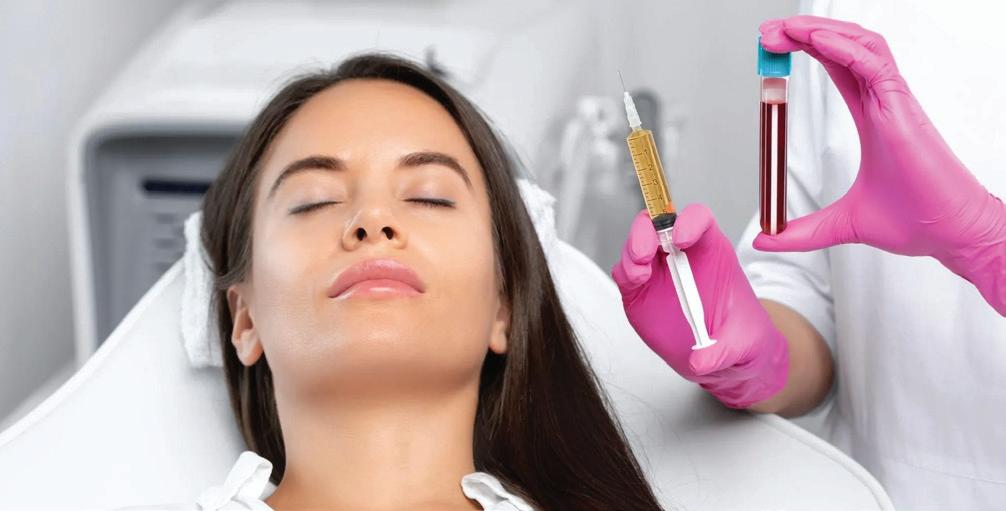
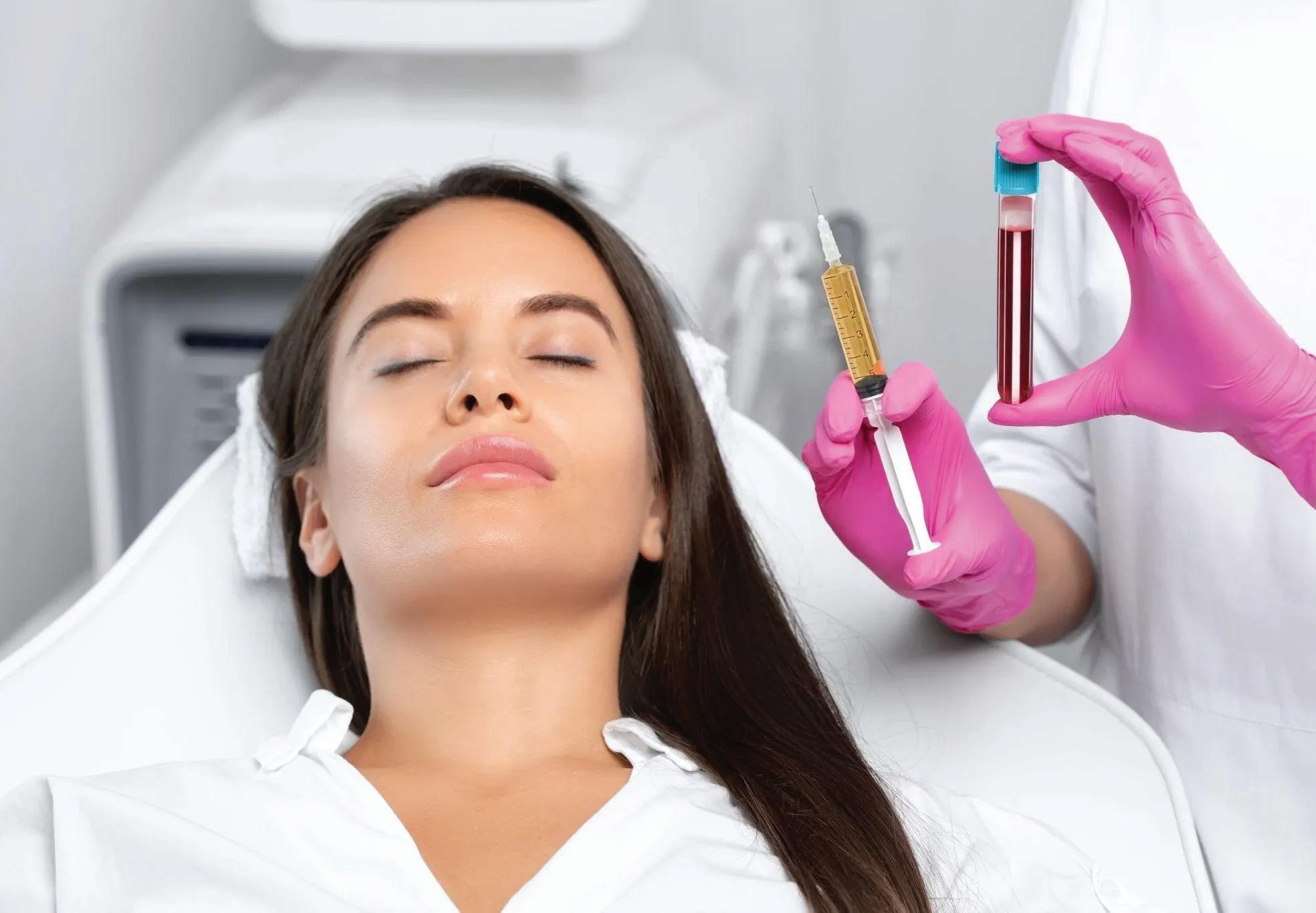
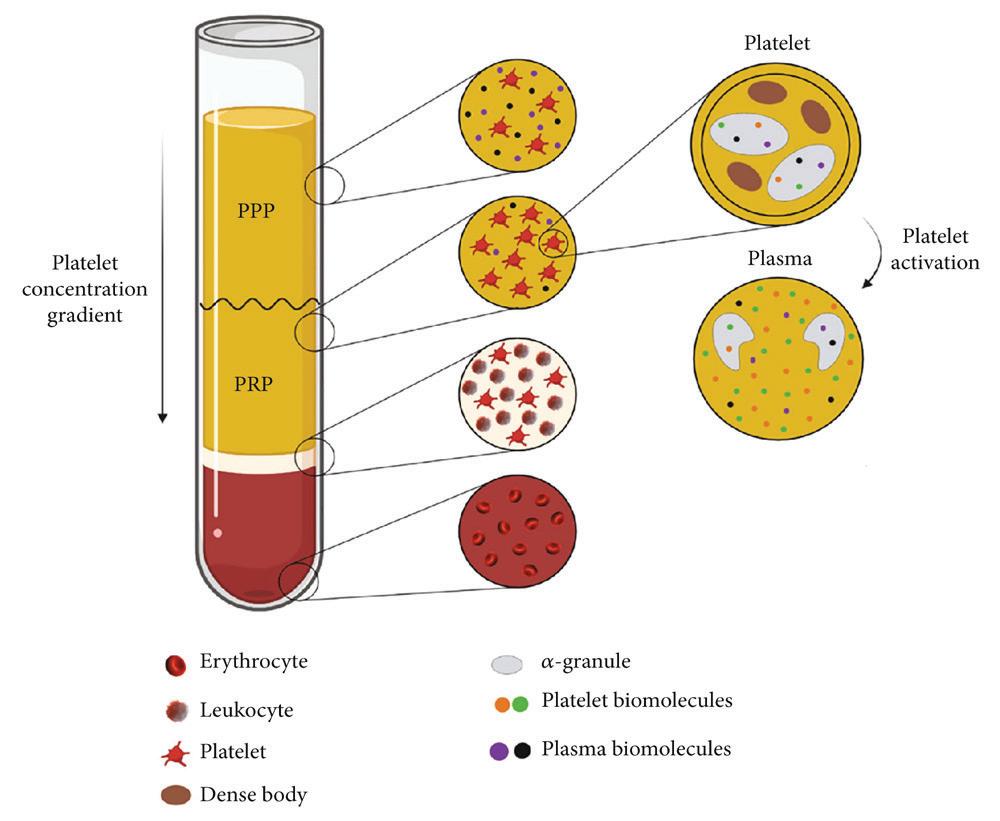
Platelet-rich plasma (PRP) is an autologous, minimally invasive regenerative therapy that utilizes the body’s inherent biological mechanisms to support tissue repair and rejuvenation. Derived from an individual’s own blood, PRP is
prepared by concentrating platelets within plasma, thereby enriching it with biologically active components that play a key role in cellular renewal. Growing interest in PRP reflects an increasing preference for personalized, safe, and biologically driven treatment modalities
in aesthetic and regenerative practice. Variations in preparation techniques allow PRP to be tailored for specific clinical indications, making it a versatile adjunct in skin rejuvenation, hair restoration, and post-procedural recovery.1,2
MECHANISM OF ACTION
The therapeutic effects of PRP are mediated through the activation of platelets, which subsequently release a spectrum of bioactive signalling molecules involved in tissue homeostasis and regeneration. These mediators modulate inflammation, enhance local microcirculation, and promote cellular proliferation and differentiation, thereby creating an optimal environment for tissue repair and renewal.
In the scalp, PRP supports hair follicle function by improving perifollicular blood supply and stimulating dermal papilla cells essential for hair formation. It helps prolong the anagen (active growth) phase of the hair cycle while reducing premature follicular regression. Additionally, PRP enhances follicular cell survival by mitigating early cellular damage, contributing to gradual improvement in hair thickness, density, and overall scalp health.3
PREPARATION OF PRP
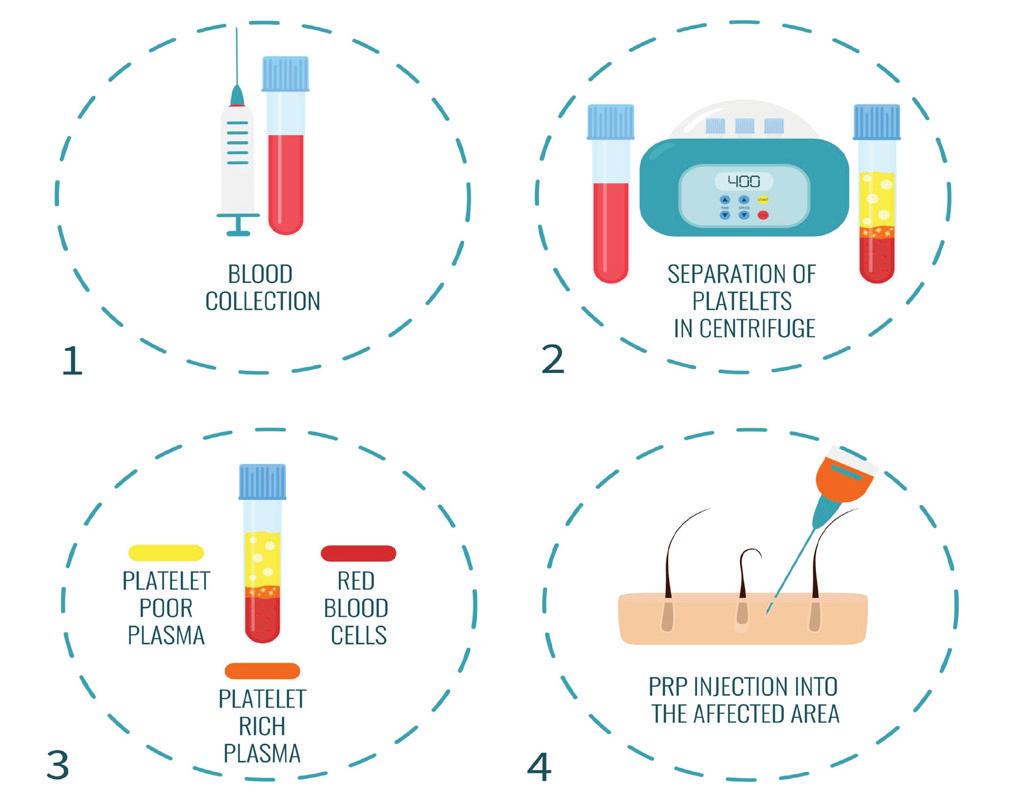
PRP is prepared by drawing a small amount of the client’s blood and processing it under controlled
conditions to concentrate platelets within the plasma. Preparation may be carried out using either open or closed systems, with closed systems generally preferred to maintain sterility and reduce the risk of contamination. Anticoagulants are used to prevent clotting, followed by centrifugation to separate platelets from other blood components. The plateletrich portion is then collected and, when indicated, activated prior to use. Careful control of preparation steps is important to maintain product quality, safety, and reliable treatment outcomes.4
APPLICATIONS:
PRP is commonly used to support hair health in individuals experiencing hair thinning and early hair loss. With regular sessions, it may help improve hair strength, thickness, and overall quality. The procedure is generally well tolerated, and periodic maintenance sessions can assist in sustaining results, making PRP a valuable supportive option in long-term hair care programs.5
Hair Care
Skin Rejuvenation
PRP is commonly used in aesthetic practice to address visible signs of skin aging, including uneven texture, dullness, and loss of firmness. By supporting the skin’s intrinsic regenerative processes, PRP helps improve overall skin quality and promotes a healthier, more refreshed appearance. Treatment outcomes may vary based on individual factors, highlighting the importance of careful patient assessment and personalized treatment planning.6
Acne Scars
PRP is employed to improve the appearance of acne scars by facilitating controlled tissue repair and surface remodeling. When used alone or in combination with resurfacing techniques, PRP has been shown to enhance skin quality and improve post-procedural tolerance. Its gradual and balanced reparative effect makes it a valuable adjunct in scar management.7
ADVANTAGES OF PRP
• PRP delivers a concentrated source of autologous regenerative components directly to the target tissue.
• It supports tissue renewal by enhancing cellular activity and local vascular supply.
• Plasma proteins within PRP provide a biologically favourable environment for healing.
• PRP may aid recovery in both acute and chronic aesthetic indications.
• Being autologous in nature, PRP is considered safe and well tolerated.
• Advances in preparation systems allow efficient and adaptable clinical use.
• Variability in preparation techniques may influence consistency of outcomes.8
LIMITATIONS OF PRP
Despite its favourable safety profile and broad clinical applications, PRP therapy has certain limitations.
Variability in study outcomes is commonly attributed to differences in preparation methods, platelet concentration, activation techniques, treatment indications, timing, and delivery methods.
Additionally, PRP is frequently used in combination with other procedures, making it challenging to isolate its individual contribution to treatment outcomes.
The lack of universally standardized protocols further contributes to inconsistent findings Consequently, while PRP demonstrates significant promise, further high-quality research and standardized guidelines are required to optimize clinical practices.
CONCLUSION
Platelet-rich plasma represents a versatile and biologically driven approach in modern skin and hair care, supporting the body’s natural regenerative processes. Its applications in hair restoration, skin rejuvenation, and scar management highlight its value as a minimally invasive adjunctive therapy. Although outcomes may vary due to individual and procedural factors, PRP remains a safe and well-tolerated option when appropriately selected and administered. Continued research and protocol standardization will be essential to fully define its role and maximize its therapeutic potential in aesthetic and regenerative practice.
REFERENCES
1. Emer J. Platelet-Rich Plasma (PRP): Current Applications in Dermatology. Skin Therapy Lett. 2019 Sep;24(5):1-6. PMID: 31584784.
2. Gupta S, Paliczak A, Delgado D. Evidence-based indications of platelet-rich plasma therapy. Expert Rev Hematol. 2021 Jan;14(1):97-108. doi: 10.1080/17474086.2021.1860002. Epub 2020 Dec 17. PMID: 33275468.
3. Paichitrojjana, Anon, and Anand Paichitrojjana. “Platelet Rich Plasma and Its Use in Hair Regrowth: A Review.” Drug design, development and therapy vol. 16 635-645. 10 Mar. 2022, doi:10.2147/DDDT.S356858
4. Dashore, Shuken et al. “Preparation of Platelet-Rich Plasma: National IADVL PRP Taskforce Recommendations.” Indian results online journal vol. 12,Suppl 1 S12-S23. 25 Nov. 2021, doi:10.4103/idoj. idoj_269_21
5. Gentile, Pietro et al. “The Effect of Platelet-Rich Plasma in Hair Regrowth: A Randomized Placebo-Controlled Trial.” Stem cells translational medicine vol. 4,11 (2015): 1317-23. doi:10.5966/sctm.2015-0107
6. Phoebe LKW, Lee KWA, Chan LKW, et al. Use of platelet rich plasma for skin rejuvenation. Skin Res Technol. 2024;30(4):e13714. doi:10.1111/srt.13714
7. Alser OH, Goutos I. The evidence behind the use of platelet-rich plasma (PRP) in scar management: a literature review. Scars Burn Heal. 2018;4:2059513118808773. Published 2018 Nov 18. doi:10.1177/2059513118808773
8. Everts P, Onishi K, Jayaram P, Lana JF, Mautner K. Platelet-Rich Plasma: New Performance Understandings and Therapeutic Considerations in 2020. Int J Mol Sci. 2020;21(20):7794. Published 2020 Oct 21. doi:10.3390/ ijms21207794
9. Thu AC. The use of platelet-rich plasma in management of musculoskeletal pain: a narrative review. J Yeungnam Med Sci. 2022;39(3):206-215. doi:10.12701/jyms.2022.00290
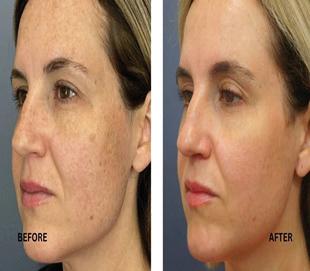
Chemical Peels
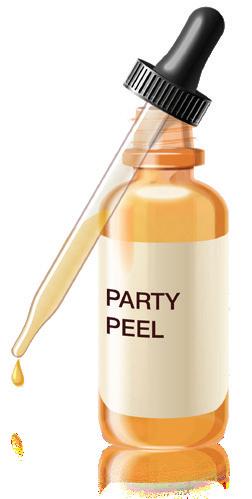
Party Peel
Instant Glow
Exfoliates dead skin cells, stimulates mild skin renewal, and brightens the complexion for an instant glow.
Blend of Arginine 20%, Lactic Acid 40%, Alantion 1%
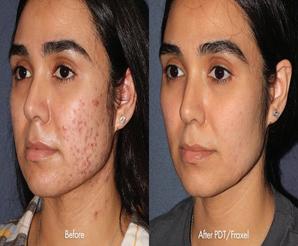
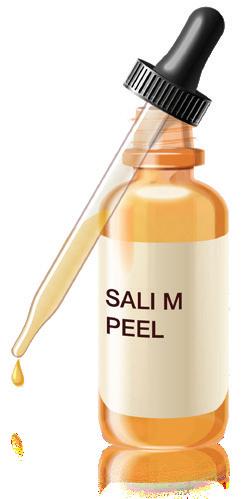
Sali M Peel
For Active Acne/Acne with Pigmentation
Penetrates pores to remove excess oil, reduces acne and inflammation, and promotes gradual skin renewal.
Blend of Salicyclic acid 20% and Mandelic acid 30%
Melasma Peel
Epidermal Melasma/Hyperpigmentation
Targets excess melanin, gradually lightens dark spots, and promotes controlled, gentle exfoliation.
Aesthetic Clinic | Sams Salon, Juhu (India) | Tabs by Taraasha | Mumbai Beauty Studio | We Care Clinic, Surat | Dr. Prince Varde’s Cosmetic Clinic Malad West | The Specialty Dental Clinic, Pune
Facial appearance plays a crucial role in human interaction, emotional expression, and self-perception. In modern society, particularly among working professionals, facial aesthetics are closely intertwined with confidence, professional presence, and psychological wellbeing. Among all facial regions, the periorbital area holds unique significance. The eyes are often the first point of visual engagement and serve as powerful communicators of health, vitality, and emotion. Consequently, early ageing changes around the eyes are frequently perceived as fatigue, stress, or premature ageing, even when the individual is otherwise healthy.
Dark circles, tear trough deformities, fine lines, and wrinkles around the eyes are among the most common aesthetic concerns encountered in clinical practice. These changes are multifactorial in origin and may arise from a combination of volume loss, vascular prominence, pigmentation, skin thinning, and repetitive muscular activity. For many patients, especially women in their 30s and 40s, these concerns extend beyond physical appearance and gradually begin to affect self-esteem, social confidence, and emotional comfort.
The evolution of non-surgical aesthetic medicine has provided safe, effective, and minimally
invasive solutions to address such concerns. Hyaluronic acid (HA) dermal fillers and botulinum toxin have become cornerstone modalities in facial rejuvenation due to their predictability, reversibility, and ability to produce natural-looking results when applied with anatomical precision.
In the following sections, you will find a detailed case report of a 37-year-old working woman who underwent under-eye HA filler treatment combined with botulinum toxin injections to the upper face. The case illustrates not only the aesthetic improvement achieved within a short timeframe but also the profound psychological impact of restoring facial harmony and confidence.
ANATOMY OF THE PERIORBITAL REGION AND AGEING MECHANISMS
A comprehensive understanding of periorbital anatomy is essential for achieving safe, predictable, and aesthetically pleasing outcomes in under-eye rejuvenation. The periorbital region is one of the most anatomically delicate and complex areas of the face, characterised by thin skin, intricate musculature, closely associated vascular structures, and dynamic functional movement. Age-related changes in this region occur at multiple tissue levels simultaneously, making
periorbital ageing a multifactorial process rather than an isolated surface phenomenon.
From superficial to deep, the lower eyelid and infraorbital region consist of the epidermis and dermis, subcutaneous tissue, the orbicularis oculi muscle, the orbital septum, infraorbital fat compartments, and the underlying skeletal framework formed primarily by the maxilla and zygomatic bone. Each of these layers undergoes distinct structural and functional changes with ageing, collectively contributing to the appearance of dark circles, tear trough deformity, fine lines, and a fatigued or aged facial expression.
The skin of the lower eyelid is the thinnest in the human body, measuring approximately 0.3–0.5 mm in thickness. It contains fewer sebaceous and sweat glands and a reduced density of collagen and elastin fibres compared to other facial regions. This inherently fragile structure makes the periorbital skin highly susceptible to dehydration, photodamage, and early ageing. With advancing age, intrinsic collagen degradation and elastin fragmentation are further accelerated by extrinsic factors such as ultraviolet radiation, pollution, and oxidative stress. As a result, the skin becomes progressively thinner, more translucent, and less elastic, allowing the underlying vasculature and muscle to show through more prominently. This translucency contributes significantly to the bluish or purplish hue often described by patients as “dark circles,” even in the absence of true hyperpigmentation.
Beneath the skin lies the orbicularis oculi muscle, a circular muscle responsible for eyelid closure, blinking, and expressive facial movements. This muscle plays a crucial role in facial
communication, conveying emotions such as happiness, fatigue, or concern. Repetitive contraction of the orbicularis oculi over time leads to the formation of dynamic rhytids, particularly in the lateral canthal region, commonly referred to as crow’s feet. As the overlying skin loses elasticity and structural support with age, these dynamic wrinkles gradually become static, remaining visible even at rest. Additionally, hypertrophy or hyperactivity of the muscle in some individuals may further accentuate the appearance of fine lines and contribute to a tired or strained look.
Deeper to the orbicularis oculi muscle lies the orbital septum, a fibrous membrane that acts as a barrier between the orbital contents and the superficial tissues. With ageing, the orbital septum weakens and loses its tensile strength, leading to altered fat distribution. In some patients, this results in pseudoherniation of orbital fat, creating under-eye “bags,” while in others, fat atrophy predominates, leading to volume deficiency. These changes are not uniform and may vary between individuals or even between the two eyes of the same patient.
The infraorbital fat compartments play a critical role in maintaining youthful contour and smooth transitions between the lower eyelid and the cheek. Age-related fat atrophy, descent, or redistribution disrupts this continuity, resulting in the formation of the tear trough deformity. The tear trough is a concave depression that begins at the medial canthus and extends inferolaterally along the orbital rim. This hollowing creates a sharp demarcation between the lower eyelid and the cheek, producing shadows that exaggerate the appearance of dark circles and
contribute to a fatigued facial appearance.
Underlying skeletal changes further compound periorbital ageing. Progressive resorption of the maxillary and infraorbital bone reduces structural support for the overlying soft tissues. This skeletal remodelling deepens the orbital rim, increases the apparent depth of the tear trough, and accentuates volume loss. The combined effect of skin thinning, fat loss, muscle activity, and bone resorption creates a three-dimensional ageing process that cannot be effectively addressed by surface treatments alone.
It is therefore important to recognise that many cases of so-called “dark circles” are not primarily pigmentary in origin. Instead, they result from a complex interplay of volume loss, tissue translucency, and altered light reflection. When light falls on a hollowed or uneven surface, shadows are created, giving the illusion of pigmentation. This distinction is clinically significant, as pigment-focused treatments such as topical depigmenting agents, chemical peels, or laser therapies may offer limited improvement if underlying structural deficits are not addressed. In such cases, volumetric correction using hyaluronic acid fillers placed at the appropriate anatomical depth can restore contour, improve light reflection, and significantly reduce the appearance of dark circles.
Understanding the layered anatomy and ageing mechanisms of the periorbital region is fundamental to selecting the correct treatment modality, injection plane, and volume. It also underscores the importance of conservative, anatomically guided interventions that respect the delicate nature of this area while delivering natural and effective rejuvenation.
CASE REPORT
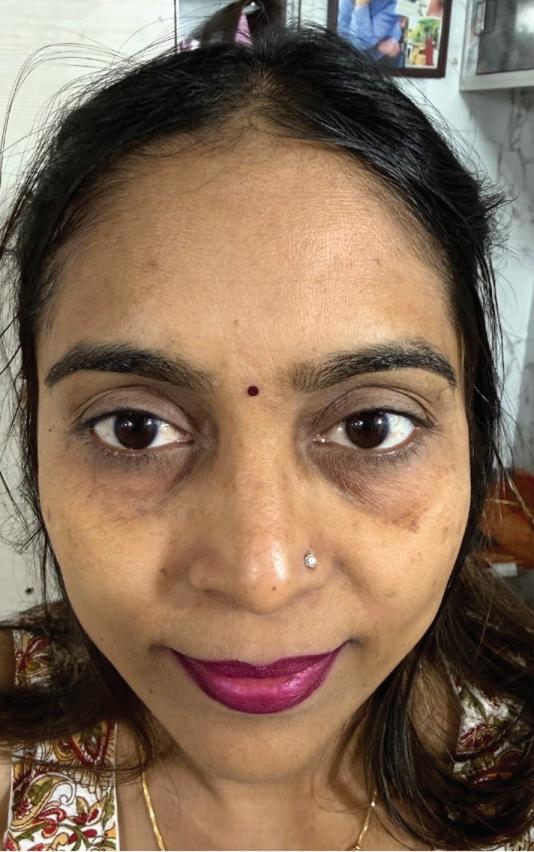
A 37-year-old female working professional presented with concerns of persistent under-eye dark circles and early signs of facial ageing. She reported that her under-eye appearance made her look constantly tired and older than her actual age. Despite adequate sleep, skincare, and makeup use, the concern persisted and had progressively begun to affect her confidence. She expressed discomfort attending professional meetings and social gatherings without concealer and described makeup as a “necessity rather than a choice.”
Clinical examination revealed Fitzpatrick skin type IV with mild to moderate tear trough deformity bilaterally. Under-eye shadowing was primarily structural in nature, with visible hollowing rather than predominant hyperpigmentation. The periorbital skin was thin, with no significant oedema or prior aesthetic interventions. Upper facial analysis revealed dynamic horizontal forehead lines and moderate crow’s feet during facial animation, with early static lines visible at rest.
The patient had no significant medical history, no known allergies, and no contraindications to dermal fillers or botulinum toxin. After a detailed consultation and informed consent, a combined non-surgical rejuvenation plan was formulated, focusing on under-eye volume restoration and neuromodulation of the upper face.
TREATMENT PLANNING AND RATIONALE
The primary objectives of treatment were to reduce tear trough hollowing, improve undereye light reflection, soften dynamic wrinkles, and restore a refreshed and natural appearance. A conservative
approach was emphasised to avoid overcorrection and preserve facial identity.
Hyaluronic acid fillers were selected for under-eye rejuvenation due to their biocompatibility, hydrophilic properties, reversibility, and favourable safety profile. Botulinum toxin was chosen to address dynamic wrinkles of the forehead and crow’s feet, offering both corrective and preventive antiageing benefits.
Alternative treatment options, such as chemical peels, laser resurfacing, platelet-rich plasma (PRP), and topical depigmenting agents, were discussed. However, these modalities primarily target pigmentation or skin texture and would not adequately address the underlying volume deficit responsible for tear trough shadowing in this patient. Surgical blepharoplasty was deemed unnecessary given the mild to moderate nature of the deformity and the patient’s preference for a non-invasive solution.
TREATMENT TECHNIQUE AND SAFETY CONSIDERATIONS
Under-eye rejuvenation was performed using hyaluronic acid dermal filler, with a total volume of 0.5 ml administered—0.25 ml per side. A cannula-based technique was employed to enhance safety and minimise vascular injury. The filler was placed in the deep supraperiosteal plane, which offers several advantages, including reduced risk of superficial irregularities, improved product longevity, and natural contour restoration.
The procedure was performed under strict aseptic conditions. After thorough skin cleansing and antiseptic preparation, a pilot entry point was created using a needle,
followed by gentle cannula insertion. The filler was deposited slowly using a retrograde linear threading technique, with continuous aspiration and patient feedback. Care was taken to avoid superficial placement, excessive volume, and medial overcorrection.
Botulinum toxin injections were administered in the same session to the forehead and crow’s feet. Precise anatomical landmarks were identified to ensure symmetrical dosing and preservation of natural expressions. A low-dose strategy was adopted, targeting hyperactive muscle fibres while maintaining functional movement. This approach minimised the risk of complications such as brow ptosis or an overly frozen appearance.
Safety considerations included thorough anatomical knowledge, conservative dosing, slow injection technique, aspiration prior to filler placement, and patient education regarding post-procedure care. The patient was advised to apply cold compresses, avoid rubbing the treated areas, refrain from strenuous activity for 24 hours, and report any unusual symptoms immediately.
RESULTS
At the 10-day followup evaluation, the patient demonstrated marked and consistent improvement in both periorbital contour and overall facial appearance. Clinical assessment revealed a significant reduction in tear trough hollowing, with restoration of smooth continuity between the lower eyelid and the upper cheek region. The previously visible concavity and shadowing were substantially diminished, resulting in enhanced light reflection across the infraorbital area. This improvement translated into a brighter, more rested, and rejuvenated appearance, effectively
reducing the fatigued look that had been the patient’s primary concern.
The texture and tone of the periorbital skin also showed noticeable enhancement. The under-eye region appeared more hydrated and uniform, with reduced translucency and improved surface smoothness. The integration of the hyaluronic acid filler with surrounding tissues was seamless, with no palpable nodules, irregularities, or contour distortions. Facial symmetry was well maintained, and the transition between treated and untreated areas remained natural and aesthetically balanced.
Evaluation of the upper face demonstrated a clear softening of dynamic forehead lines and lateral canthal rhytids. During facial animation, particularly smiling and eyebrow elevation, the crow’s feet and horizontal forehead wrinkles were visibly reduced while preserving natural expression and emotional responsiveness. At rest, the skin appeared smoother, with early static lines significantly diminished. Importantly, the conservative dosing strategy ensured that facial mobility was retained, preventing the appearance of stiffness or overcorrection.
The treatment was well tolerated, with no immediate or delayed adverse events observed during the follow-up period. The patient did not experience clinically significant bruising, edema, erythema, tenderness, asymmetry, or vascular compromise. There were no signs of filler migration, Tyndall effect, hypersensitivity reactions, or infection. Post-procedural recovery was uneventful, and the patient was able to resume routine professional and social activities shortly after treatment. This favorable safety profile highlights the effectiveness of meticulous technique, appropriate
product selection, and adherence to anatomical guidelines.
Photographic documentation obtained before and after treatment demonstrated clear and reproducible aesthetic improvement. Comparative analysis confirmed consistent enhancement in under-eye contour, forehead smoothness, and overall facial harmony. These objective findings correlated strongly with the patient’s subjective perception of improvement, reinforcing the reliability of the observed outcomes.
From a psychological and emotional perspective, the results were equally significant. The patient reported a substantial increase in self-confidence and personal comfort in daily interactions. She expressed satisfaction with being able to step out without relying heavily on concealer or corrective makeup, a change that represented a major shift in her self-perception and daily routine. The reduced dependence on cosmetic camouflage indicated that the treatment had successfully addressed her core aesthetic concern rather than merely masking it.
The patient described feeling “lighter” emotionally and more at ease in professional meetings, social gatherings, and informal interactions. She reported greater willingness to participate in group activities, engage in conversations, and be photographed without hesitation. This improvement in emotional well-being reflected a renewed alignment between her internal sense of vitality and her external appearance.
Overall, the results of this combined treatment approach demonstrated that carefully planned under-eye hyaluronic acid filler placement and targeted botulinum toxin administration can produce reliable, natural, and psychologically meaningful outcomes within a short timeframe. The consistency between clinical findings, photographic evidence, and patient-reported satisfaction underscores the effectiveness of this nonsurgical rejuvenation strategy in addressing both aesthetic and emotional dimensions of facial ageing.
Figure 1: High-resolution before-and-after images demonstrating improvement in under-eye hollowing, forehead smoothness, and overall facial freshness following botulinum toxin therapy
DISCUSSION
The success of this case highlights the importance of addressing facial ageing through a comprehensive and anatomically informed approach. Periorbital rejuvenation is rarely achieved through a single modality, as ageing in this region is multifactorial. Volume loss, skin thinning, muscle hyperactivity, and skeletal remodelling all contribute to the aged appearance.
Hyaluronic acid fillers play a crucial role in restoring structural support and improving tissue hydration. By correcting tear trough deformities at the deep plane, fillers reduce shadowing and enhance light reflection, which is often misinterpreted as pigmentation. Several studies have demonstrated the safety and efficacy of HA fillers in the periorbital region when performed with appropriate technique and patient selection.
Botulinum toxin complements filler treatment by addressing dynamic ageing caused by repetitive muscle contraction. Beyond smoothing existing wrinkles, neuromodulation reduces mechanical stress on the skin, thereby slowing the progression of static lines. The combination of fillers and botulinum toxin offers a synergistic approach that treats both structural and functional aspects of ageing.
Comparatively, laser and lightbased treatments primarily improve skin texture and pigmentation but do not correct volume loss. PRP therapy may enhance skin quality but lacks the immediate and predictable volumetric correction provided by fillers. Surgical interventions, while effective in advanced cases, carry a higher risk, cost, and downtime and are often unnecessary in early aging.
PSYCHOLOGICAL AND EMOTIONAL IMPACT
One of the most significant and compelling aspects of this case is the profound psychological transformation observed alongside the physical improvement. Facial aesthetics are intrinsically linked to self-perception, emotional expression, and social interaction. The face serves as a primary medium through which individuals present themselves to the world, and subtle changes in appearance, particularly in the periorbital region, can strongly influence how a person perceives their own health, vitality, and attractiveness. Consequently, even minor aesthetic concerns in this area may carry disproportionate emotional weight.
For the present patient, the persistent appearance of undereye dark circles and tear trough hollowing had gradually become a visible marker of perceived fatigue and premature ageing. Despite being physically healthy and professionally active, she felt that her appearance did not reflect her true energy or competence. Over time, this disconnect between internal self-image and external appearance led to reduced selfconfidence and heightened selfconsciousness in both professional and social environments. The daily reliance on concealer and makeup was not merely a cosmetic routine but had evolved into a coping mechanism aimed at managing anxiety related to her appearance.
Such experiences are commonly reported among individuals with prominent periorbital ageing, as the eye region plays a central role in non-verbal communication and interpersonal perception. A tired or aged appearance may inadvertently convey stress, disinterest, or reduced vitality, even when these
emotions are not present. This mismatch can negatively affect workplace interactions, social engagement, and overall emotional well-being. In this case, the patient reported hesitancy in attending meetings, participating in social gatherings, and being photographed without makeup, highlighting the extent to which her aesthetic concern had influenced her daily life.
By addressing the underlying anatomical causes of her undereye shadowing and facial ageing, the treatment produced benefits that extended far beyond physical correction. Restoration of volume, improved light reflection, and softening of dynamic wrinkles resulted in a refreshed and harmonious facial appearance that more accurately reflected the patient’s inner vitality. As the visible signs of fatigue diminished, so too did the emotional burden associated with them. The patient experienced renewed confidence, greater comfort in social and professional settings, and a reduced dependence on cosmetic camouflage.
Importantly, this psychological improvement was not driven by a dramatic alteration in appearance but by subtle enhancement and restoration of natural facial balance. This underscores the principle that successful aesthetic medicine does not aim to transform identity but to realign external appearance with internal self-image. When patients perceive their reflection as authentic and representative of their true selves, emotional wellbeing is often strengthened.
This case also highlights the ethical and professional responsibility of aesthetic practitioners to adopt a holistic and patient-centred approach.
Understanding the emotional motivations behind aesthetic concerns is essential for appropriate treatment planning and expectation management. Practitioners must carefully assess whether a patient’s request arises from realistic goals and healthy self-perception or from deeper psychological distress. Open communication, empathetic listening, and realistic counselling are therefore integral components of ethical aesthetic practice.
Furthermore, treatment success should not be evaluated solely on clinical measurements, photographic documentation, or
technical precision. Patient satisfaction, emotional comfort, and quality of life improvement are equally important outcome measures. In this case, the patient’s ability to engage confidently in daily activities without emotional reliance on makeup represented a meaningful marker of therapeutic success.
FINAL THOUGHTS
This case demonstrates that non-surgical facial rejuvenation, when guided by anatomical knowledge, clinical precision, and aesthetic sensitivity, can produce meaningful and lasting results. The combination of under-eye hyaluronic acid fillers and botulinum toxin injections resulted in visible rejuvenation and restored confidence in a 37-year-old working woman within just 10 days.
Minimally invasive aesthetic procedures are not merely cosmetic enhancements; they are tools that can positively influence emotional health and quality of life. When performed responsibly and conservatively, they offer patients a safe and effective pathway to looking refreshed, feeling confident, and reconnecting with their best selves.
A STEPWISE APPROACH TO SKIN REJUVENATION USING
NON-INVASIVE TECHNIQUES
INTRODUCTION
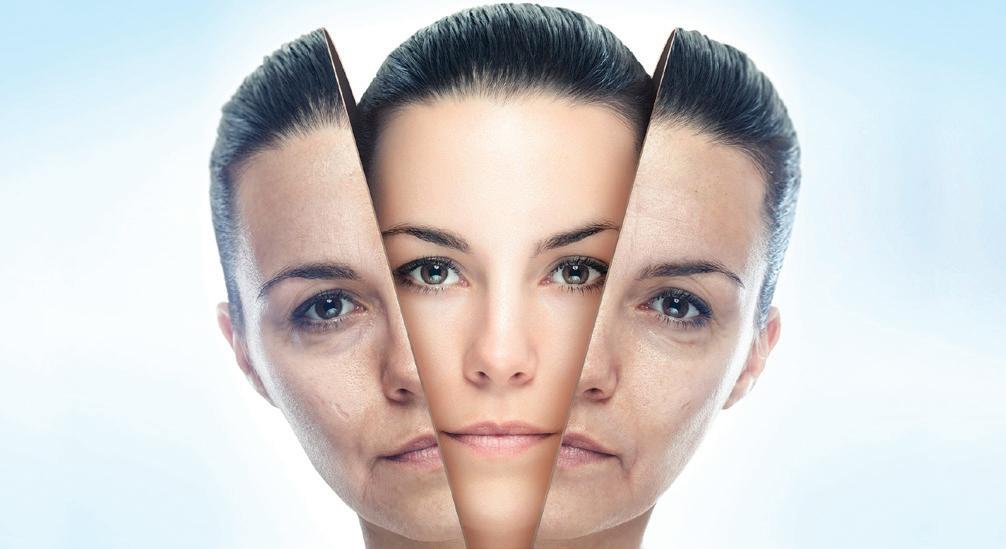
In today’s era of advanced skincare and aesthetic medicine, non-invasive skin rejuvenation has emerged as a cornerstone of modern beauty and wellness, offering women safe, effective, and personalized strategies to maintain a youthful and radiant appearance without the need for surgical intervention. Aging, environmental factors, and lifestyle habits collectively contribute to changes in skin texture, tone, elasticity, and
overall health. Addressing these changes in a structured, stepwise manner allows for the preservation of skin integrity while gradually improving visible signs of aging.1
A stepwise approach to rejuvenation emphasizes the integration of consistent daily skincare routines with professional guidance, ensuring that each stage of care builds upon the previous one. Daily practices,
including gentle cleansing, targeted moisturization, sun protection, and the use of nourishing serums, form the foundation for healthy, resilient skin. These measures protect against oxidative stress, environmental damage, and early signs of aging, promoting a vibrant and wellmaintained complexion over time.1
Professional guidance complements these daily routines by providing personalized assessments,
expert recommendations, and monitoring of skin health, enabling adjustments to the regimen based on individual skin type, concerns and goals. By combining preventive care, restorative practices, and strategic interventions, women can achieve natural, balanced, and long-lasting results. This approach enhances the appearance of the skin while empowering women to take a proactive role in their long-term skin health and overall well-being.1
In essence, a stepwise methodology for non-invasive skin rejuvenation prioritizes gradual improvement, personalized care, and holistic maintenance, offering a framework through which women can maintain confidence, radiance, and skin vitality throughout the aging process.
UNDERSTANDING SKIN
AGING
1. Types of Skin Aging2
• Intrinsic (chronological) aging: Represents the natural, time-dependent decline in skin structure and function. It is influenced by genetic and hormonal factors and manifests as gradual thinning, loss of elasticity, and fine wrinkling.
• Extrinsic aging: Caused by external factors such as ultraviolet (UV) radiation, environmental pollution and lifestyle habits. This type of aging accelerates the visible and functional decline of the skin.
• Combined effects: Intrinsic and extrinsic factors interact, resulting in variable patterns of skin aging in different individuals and body regions, influencing both aesthetic appearance and physiological function.
2.
Cellular Changes2
• With age, epidermal and dermal cells gradually lose functional efficiency, including decreased proliferation and repair capacity.
• Fibroblasts, responsible for producing collagen and elastin, exhibit reduced activity, weakening structural support and contributing to tissue breakdown.
• Other critical cells, such as melanocytes (pigmentation) and keratinocytes (barrier function), undergo functional decline, leading to uneven pigmentation, thinning of the epidermis, and compromised barrier integrity.
3. Structural Changes2
• The extracellular matrix, comprising collagen, elastic fibers, and the basement membrane, deteriorates over time. This results in reduced skin elasticity, resilience, and repair potential.
• Key moisture-retaining molecules, such as glycosaminoglycans and hyaluronic acid, decline, causing dryness, loss of skin volume, and accentuation of fine lines.
• Structural degradation also affects dermal thickness, vascularity, and the skin’s ability to respond to external insults.
4. Impact of Environmental Stressors2
• Chronic exposure to UV radiation induces DNA damage, oxidative stress, and activation of matrix metalloproteinases, accelerating collagen and elastin breakdown.
• Repeated environmental and physiological stressors, including pollution, smoking, and inflammation, exacerbate structural damage, promote hyperpigmentation, and contribute to wrinkle formation.
5. Visible Signs of Aging2
• Fine lines and coarse wrinkles, particularly around the eyes, forehead, and mouth.
• Loss of skin elasticity, sagging, and reduced firmness.
• Dryness, uneven texture, and dull or pale skin tone.
• Pigmentation irregularities, such as age spots, lentigines, and areas of hyper- or hypopigmentation.
• Thinning of both epidermal and dermal layers, leading to fragility and increased susceptibility to injury.
6. Clinical Relevance2
• A detailed understanding of the cellular and structural changes underlying skin aging is critical for planning effective rejuvenation strategies.
• Knowledge of intrinsic and extrinsic aging mechanisms enables clinicians to select targeted interventions that restore structural integrity, improve elasticity, and enhance overall skin health.
• This information forms the foundation for a stepwise, personalized approach to skin rejuvenation, ensuring treatments are tailored to the patient’s specific aging pattern, skin type, and longterm aesthetic goals.
STEPWISE APPROACH TO SKIN REJUVENATION
A structured stepwise methodology ensures that interventions are gradual, safe, and tailored to individual skin needs. This approach reduces the risk of over-treatment, enhances patient comfort, and supports long-term skin health.
Step 1: Foundational Skin Care and Preventive Measures1,2
The first stage emphasizes daily maintenance and prevention to protect skin integrity and enhance resilience:
• Sun Protection: Consistent use of broadspectrum sunscreen (SPF 30 or higher) prevents
UVA and UVB-mediated photoaging, pigmentation, and loss of elasticity. Reapplication every two hours is recommended, particularly during sun exposure. Products combining chemical and mineral filters, such as zinc oxide or titanium dioxide, provide comprehensive coverage.
• Moisturization: Regular hydration supports the skin barrier, reduces fine lines, and improves texture. Moisture-retaining ingredients, including hyaluronic acid and glycerin, enhance elasticity and comfort, especially in dry or sensitive skin.
• Topical Renewal Agents: Retinoids promote cellular turnover, improve tone, and gradually soften fine lines. Mild initial irritation is typical but resolves with adaptation. Gentle exfoliating acids, such as glycolic and lactic acid, remove dull surface cells and enhance firmness over time.
• Antioxidants: Vitamins C and E and plant-derived antioxidants protect against oxidative damage, support natural repair processes, and enhance skin radiance.
• Lifestyle Measures: Adequate nutrition, hydration, quality sleep, and avoidance of smoking reinforce the benefits of topical care and delay visible aging.
Step 2: Optimizing Skin Health and Surface Renewal1,2
After establishing foundational care, the focus shifts to enhancing overall skin quality and supporting surface-level rejuvenation. This stage targets visible imperfections such as uneven tone, mild textural changes, and early signs of photoaging while maintaining the skin’s natural balance. Interventions at this level aim to refresh and revitalize the skin
subtly, promoting a radiant and uniform appearance without aggressive procedures.
Key aspects include:
• Surface Renewal: Gentle exfoliation and turnover stimulation encourage the shedding of dead cells, revealing smoother, more luminous skin.
• Pigment and Tone Correction: Addressing early pigmentation irregularities and uneven coloration helps maintain a consistent, healthy complexion.
• Hydration and Barrier Support: Reinforcing moisture levels and barrier function enhances resilience, softens fine lines, and improves texture.
• Preventive Maintenance: Regular monitoring and adjustment of skincare routines ensure sustained improvement and prepare the skin for potential future interventions if needed.
Step 3: Supportive and
Advanced Skin Health Measures1,2
The third stage emphasizes reinforcement of the deeper skin structures and long-term resilience. Interventions at this stage aim to support collagen integrity, improve elasticity, and prevent cumulative environmental damage. The emphasis is on sustainable rejuvenation and the skin’s natural restorative capacity rather than immediate correction.
NON-INVASIVE TREATMENT MODALITIES
Non-invasive treatment modalities have significantly advanced aesthetic therapy by offering refined and effective strategies to enhance skin quality, restore structural balance, and maintain a youthful appearance without surgical intervention. These therapies function through targeted stimulation of the skin intrinsic regenerative processes, enabling gradual, harmonious rejuvenation. When carefully selected and individualized, they provide meaningful aesthetic improvement with minimal downtime and high patient acceptability.
Broad Spectrum Sunscreen3
Daily use of broad spectrum sunscreen remains the cornerstone of preventive skin rejuvenation. By protecting against ultraviolet induced collagen degradation, elastin breakdown, and pigmentary alterations, sunscreen preserves dermal integrity and delays photoaging. Consistent photoprotection enhances the durability and effectiveness of all
adjunctive aesthetic treatments.
Retinoids, derivatives of vitamin A, promote epidermal turnover and stimulate dermal collagen synthesis. With sustained application, they improve fine lines, uneven pigmentation, and textural irregularities while enhancing overall skin firmness. Gradual introduction ensures improved tolerance and sustained long term structural benefit.
Topical antioxidants such as vitamins C and E neutralize reactive oxygen species generated by environmental stressors. They contribute to improved skin brightness, collagen stability, and reduced oxidative damage. When combined with sun protection, antioxidants significantly strengthen preventive rejuvenation strategies.
Alpha hydroxy acids facilitate controlled exfoliation by reducing corneocyte cohesion within the stratum corneum. This improves surface smoothness, radiance, and mild dyschromia. Regular use supports healthy epidermal renewal and refined skin texture.
Chemical peels produce controlled epidermal and dermal remodeling through the application of specific acids at varying depths. They are effective in managing pigmentation, superficial rhytides, and uneven texture. Treatment depth and frequency are customized according to skin type, indication, and clinical goals. Retinoids3
Antioxidants3
Alpha Hydroxy Acids3
Chemical Peels3
Microdermabrasion3 Non Ablative Laser Therapy3
Microdermabrasion offers mechanical exfoliation of the superficial epidermis, enhancing clarity and smoothness. It is particularly beneficial in cases of mild photodamage, dullness, and superficial pigmentation. Owing to minimal recovery time, it serves as a valuable maintenance modality.
Hydradermabrasion and Dermal Infusion3
These modalities combine gentle exfoliation with simultaneous hydration and antioxidant infusion. By restoring barrier integrity and improving moisture balance, they enhance luminosity and suppleness. The outcome is refreshed, revitalized skin with improved glow and texture.
Microneedling3
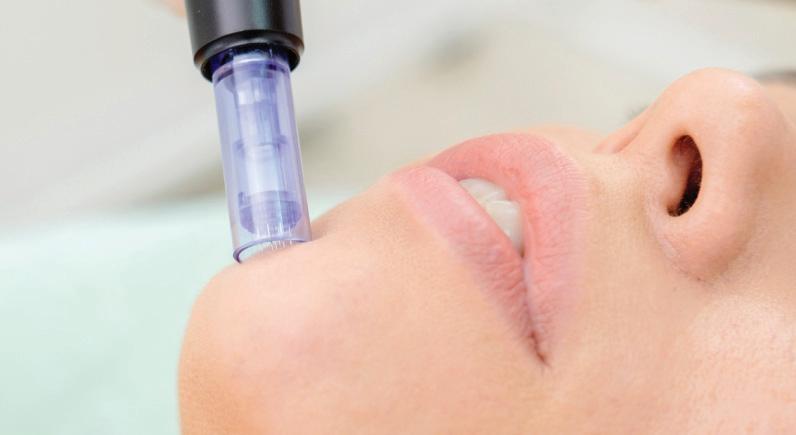
Microneedling induces controlled microinjury within the dermis, stimulating collagen production and tissue remodeling. It is effective in improving fine lines, acne scars, and overall skin quality. Additionally, it enhances transdermal delivery of topical therapeutic agents.
Ablative Laser Therapy3
Ablative laser systems resurface the skin by removing damaged epidermal layers and inducing significant collagen remodeling. They are particularly effective in addressing deeper wrinkles and advanced photodamage. Recovery duration depends on treatment intensity and patient factors.
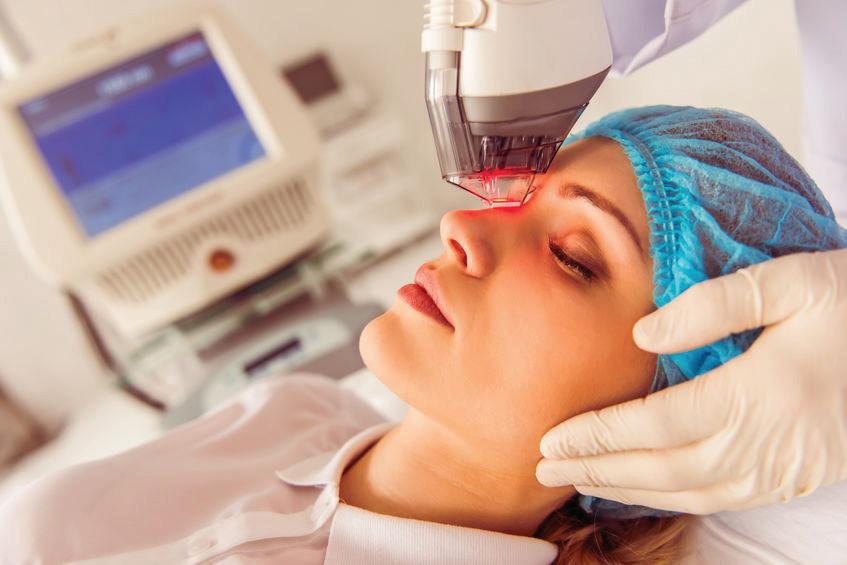
Non ablative lasers deliver targeted thermal energy to the dermis while preserving the epidermal surface. This promotes gradual collagen remodeling and skin tightening with limited downtime. They are suitable for patients seeking progressive improvement with minimal disruption.
Fractional Laser Technology3
Fractional laser platforms create microscopic thermal zones surrounded by intact tissue, accelerating healing and regeneration. This technique balances efficacy with safety and is adaptable across various skin types. It effectively improves texture, tone, and mild to moderate rhytides.
Intense Pulsed Light3
Intense pulsed light therapy targets pigmentation and vascular irregularities using broad spectrum light energy. It enhances overall skin tone, reduces dyschromia, and improves radiance. Proper patient selection ensures predictable and safe outcomes.
Radiofrequency Devices3
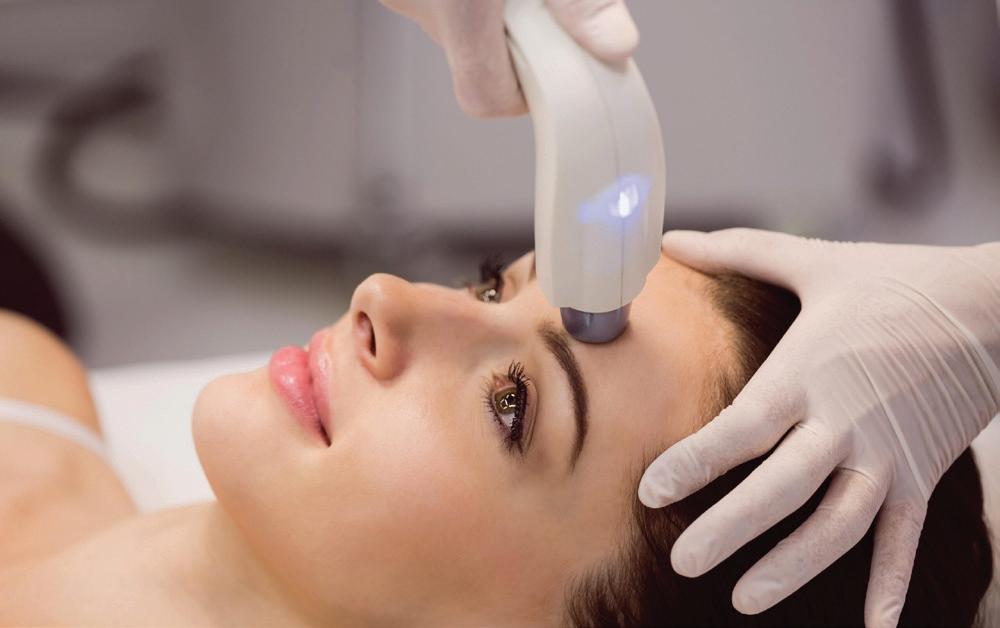
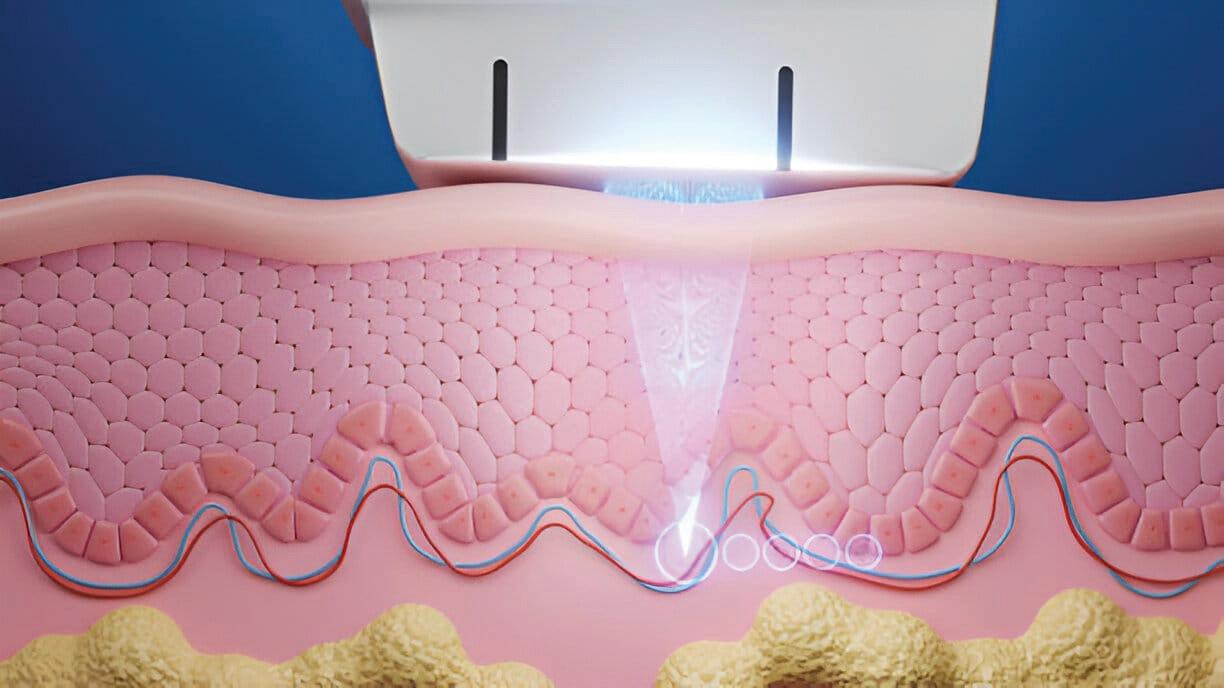
Radiofrequency technologies deliver controlled dermal heating, stimulating collagen contraction and neocollagenesis. Over time, this results in improved firmness, elasticity, and contour definition. The modality is versatile and suitable for multiple skin tones.
Microfocused ultrasound produces precise thermal coagulation points within deeper tissue layers. This stimulates progressive lifting and tightening through collagen remodeling. Clinical improvements develop gradually and appear natural.
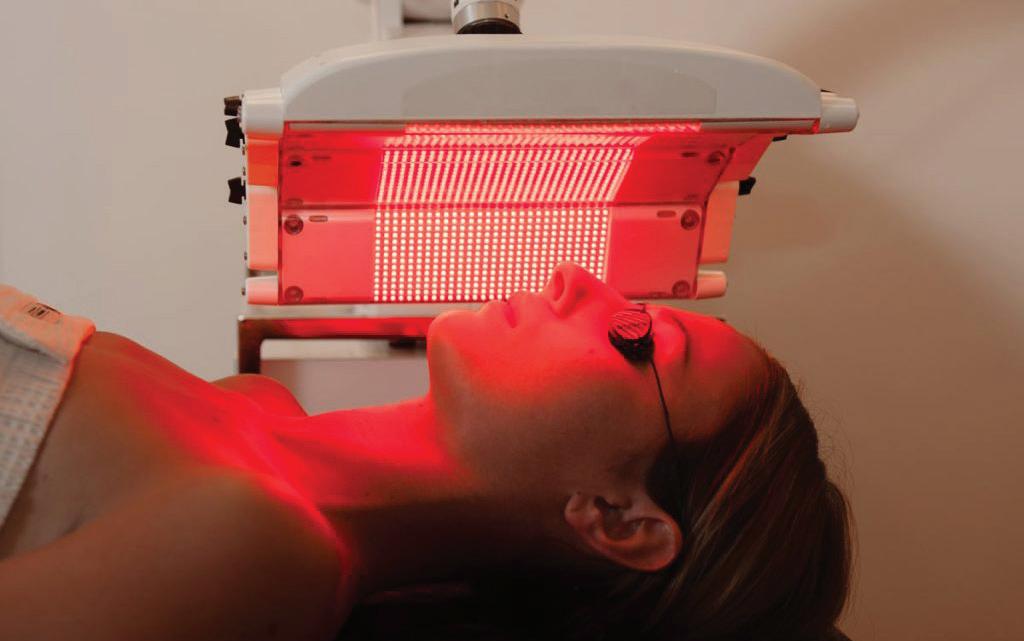
Infrared Light Therapy3
Infrared based systems gently heat dermal structures, activating fibroblasts and encouraging collagen production. This leads to improved elasticity and overall skin tone. Treatments are generally well tolerated with minimal recovery time.
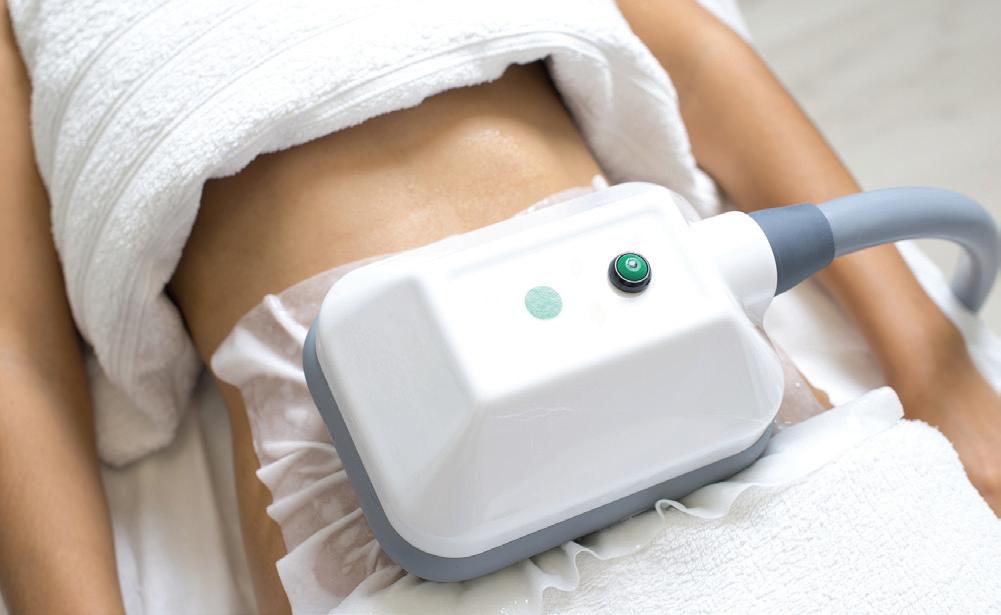
Cryolipolysis3
Cryolipolysis selectively reduces adipose tissue through controlled cooling, inducing adipocyte apoptosis. Treated cells are gradually eliminated via natural metabolic pathways. This technique offers nonsurgical contour refinement with minimal downtime.
When incorporated into a personalized and comprehensive rejuvenation strategy, these noninvasive treatment modalities provide balanced, sustainable, and natural aesthetic enhancement while preserving the integrity and character of the skin
BENEFITS4
• Firmer, smoother skin with improved tone and texture
Enhances overall skin quality by promoting tighter, more refined-looking skin.
• Stimulates the body’s natural rejuvenation processes
Encourages collagen remodeling and renewal for gradual, long-lasting improvement.
• Non-invasive with minimal downtime
Allows you to return to daily activities quickly with little to no interruption.
• Suitable for most skin types
Designed to safely address a wide range of skin concerns across different skin tones.
Visible improvements develop progressively over several weeks as collagen production continues. Because results rely on the skin’s natural restorative capacity, outcomes appear subtle, refreshed, and natural rather than overdone.
Energy-based treatments achieve optimal results when incorporated into a structured, stepwise treatment plan. They work synergistically with foundational skincare and superficial procedures, creating a comprehensive and balanced approach to long-term skin rejuvenation.
CONCLUSION
Non-surgical facial rejuvenation provides safe, effective, and flexible options for addressing the visible effects of aging. Following a stepwise approach starting with daily skincare and preventive habits, progressing through superficial treatments, energy-based therapies, and injectable solutions allows for gradual and balanced improvement. By building treatments in stages, care can be tailored to everyone’s unique facial changes, ensuring natural and harmonious results. This structured approach not only enhances appearance but also supports long-term skin health, helping individuals maintain a refreshed, youthful, and vibrant look without the need for surgery.
REFERENCES
1. Meaike, Jesse D et al. “Noninvasive Facial Rejuvenation. Part 3: Physician-Directed-Lasers, Chemical Peels, and Other Noninvasive Modalities.” Seminars in plastic surgery vol. 30,3 (2016): 143-50. doi:10.1055/s-0036-1584818
2. Shin SH, Lee YH, Rho NK, Park KY. Skin aging from mechanisms to interventions: focusing on dermal aging. Front Physiol. 2023;14:1195272. Published 2023 May 10. doi:10.3389/fphys.2023.1195272
3. Farber SE, Epps MT, Brown E, Krochonis J, McConville R, Codner MA. A review of nonsurgical facial rejuvenation. Plast Aesthet Res 2020;7:72. http://dx.doi.org/10.20517/2347-9264.2020.152V
4. Li K, Meng F, Li YR, et al. Application of Nonsurgical Modalities in Improving Facial Aging. Int J Dent. 2022;2022:8332631. Published 2022 Feb 24. doi:10.1155/2022/8332631
AN INTERVIEW WITH Dr. HEMAMALINI RAJINIKANTH
Dr. HEMAMALINI
RAJINIKANTH
PGDCC, BDS
Cosmetologist, Cosmetic/ Aesthetic Dentist, Director, Dr. Aesthetix
International Cosmetic Clinic Chennai, Tamil Nadu
1. What does being a “Strong Woman” mean to you?
Being a strong woman, to me, means choosing growth over excuses.
Strength is not about being loud — it’s about being consistent. It’s about building something meaningful from nothing, even when people doubt you.
As the founder of Dr. Aesthetix and FIA Academy, strength meant studying harder, working longer, and proving that clinical cosmetology is not just beauty — it is science, precision, and empowerment.
A strong woman creates opportunities not only for herself, but for other women to rise with her.
Strength is self-belief in action.
2. How do you deal with situations where you feel your gender is being used against you?
I don’t fight for a seat at the table — I build my own table.
When someone underestimates me because I am a woman, I let my results speak. Numbers speak. Patients’ transformations speak. Students’ success speaks.
In business, especially in clinical aesthetics, leadership is often questioned when it comes from a woman. But I respond with competence, clarity, and confidence.
I never shrink to make others comfortable.
I expand until they have no choice but to respect me.
3. Do you believe there are areas where women are still underrepresented? If so, which ones?
Absolutely.
Women are still underrepresented in:
• High-level medical entrepreneurship
• Investment ownership
• Decision-making boards
• Franchise ownership at national and global levels
That is exactly why I am building beyond a clinic.
With Dr. Aesthetix, I represent women in clinical leadership.
With FIA Academy, I create financially independent women through skill-based education.
We don’t just train women — we build women who can own brands, clinics, and institutions.
4. What is the mantra you practice for yourself and advocate to other women?
“If you can dream it, you can do it — but only if you discipline it.”
Dreams without action are fantasies.
Dreams with daily execution become empires.
I tell every woman and every student at FIA Academy:
• Upgrade your skills.
• Protect your confidence.
• Build financial independence.
• Never depend on validation.
Self-respect + Skill + Strategy = Power.
5. What advice would you give to young women about navigating the world as a woman?
1. Invest in your skills before investing in your looks.
2. Financial independence is freedom.
3. Never beg for opportunities — build competence so they seek you.
4. Choose self-respect over approval.
5. Your struggles are not weaknesses — they are your training ground.
The world may try to label you.
But you get to define yourself.
As a woman, as a doctor, as an entrepreneur — I chose to build impact.
And I believe every young woman can do the same.
Scan OR Code to view the Interview
OBSERVERSHIP IN AESTHETICS
3-Nights, 4-Days
Program Highlights*
2 Half-days
Lectures by DHA Certified Faculty 2 Half-days
Observership in Aesthetic Procedures with upto 6 DHA@CME Credits# CME Credits# with
Package to be announced shortly
Inclusions:
* 3-Nights 4-Days Stay, in a 4-STAR Hotel with breakfast and dinner, Lunch at Academy/Aesthetic Centre, To and fro - Hotel to Academy/Aesthetic Centre SIC◊
Exclusions:
Air fare to Dubai and back , airport transfer, Sight seeing etc.
@ DHA- Dubai Health Authority
# Proposed s/t confirmation
◊ SIC- Seat in Coach
Interested Drs kindly call for further details: +91