Understanding the Rise of Replica Designer Bags in Today’s Fashion Market
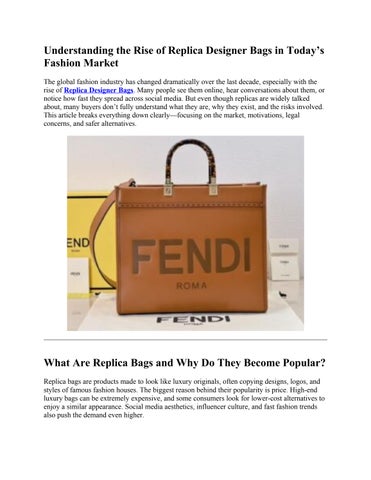
The global fashion industry has changed dramatically over the last decade, especially with the rise of Replica Designer Bags. Many people see them online, hear conversations about them, or notice how fast they spread across social media. But even though replicas are widely talked about, many buyers don’t fully understand what they are, why they exist, and the risks involved. This article breaks everything down clearly—focusing on the market, motivations, legal concerns, and safer alternatives.
What Are Replica Bags and Why Do They Become Popular?
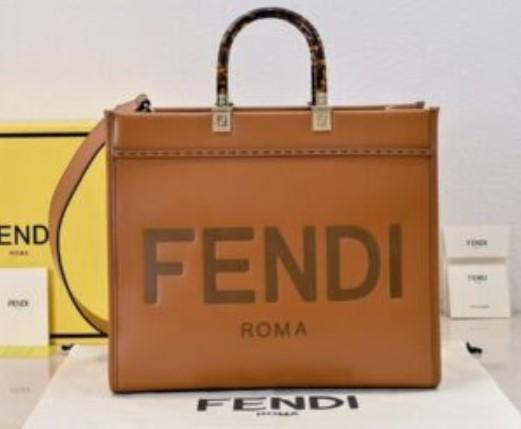
Replica bags are products made to look like luxury originals, often copying designs, logos, and styles of famous fashion houses. The biggest reason behind their popularity is price. High-end luxury bags can be extremely expensive, and some consumers look for lower-cost alternatives to enjoy a similar appearance. Social media aesthetics, influencer culture, and fast fashion trends also push the demand even higher.
However, it’s important to understand that replicas often fall into legal and ethical gray areas. Many countries consider the production and sale of counterfeits illegal, even if the buyer only intends to use the item personally. Beyond legality, these items can harm original designers, reduce brand value, and encourage unfair labor conditions.
Quality Differences and What Consumers Should Know
A major reason people talk about Replica Designer Handbags is the wide variety of quality levels available. Some replicas look very close to the original, while others may be noticeably different. The materials used, stitching quality, hardware, and durability often vary greatly. Luxury brands invest heavily in craftsmanship, but replicas are usually mass-produced with lower-quality materials.
For many, discovering that replicas don’t last long becomes an eye-opener. These bags may peel, lose shape, discolor, or break much faster than genuine designer pieces. This is one of the main reasons fashion experts recommend saving for authentic products or choosing reputable nonluxury brands instead of risking disappointment.
Legal and Ethical Considerations
Before thinking about replicas, it’s essential to understand the legal concerns. Manufacturing or selling counterfeit goods is illegal in many countries. Even owning counterfeit versions can cause issues when traveling internationally, as some customs agencies confiscate them.
Ethically, replicas raise questions too. They can negatively impact designers who invest time, creativity, and resources in creating original work. They can also be linked to unsafe working conditions or unregulated factories.
Because of these issues, fashion-conscious customers increasingly shift toward alternatives like pre-loved luxury bags, upcycled fashion, or original designs from smaller ethical brands.
Better Alternatives to Replica Shopping
Instead of buying items like Replica Louis Vuitton Bags, there are several smarter and safer choices:
1. Pre-Loved Authentic Luxury Bags
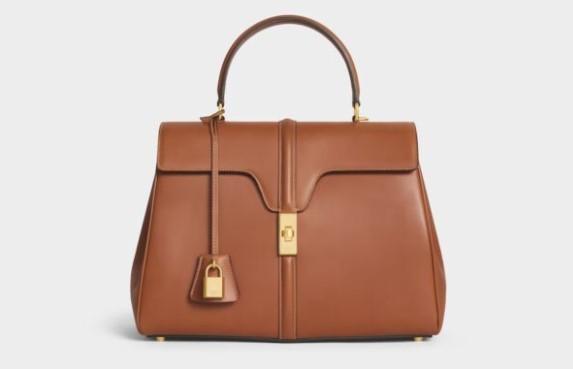
Resale platforms and thrift boutiques offer genuine bags at significantly lower prices. These items come with authenticity checks and support sustainable shopping.
2. Contemporary Designer Brands
Many mid-range brands offer stylish, well-crafted handbags without the extremely high price tags of luxury houses.
3. Ethical & Local Designers
Supporting independent designers helps promote creativity and responsible production practices.
4. High-Quality Non-Branded Bags
Some brands offer durable, beautifully designed bags without relying on logos or designer mimicry.
Replica designer items may seem attractive at first glance, but understanding the legal, ethical, and quality issues helps consumers make better decisions. Whether someone wants style, durability, or long-term value, there are many safer and more responsible ways to enjoy fashion without turning to replicas.