No part of this book may be photocopied, reprinted or otherwise reproduced without written permission from Pritchett & Hull Associates, Inc.
Throughout this book, where Pritchett & Hull Associates, Inc. was aware of names of products for which a trademark has been claimed, such names have been printed in initial capital letters (e.g., Procardia).
Published and distributed by: Pritchett & Hull Associates, Inc. Printed in the U.S.A.
physical activity for heart and health
by
Barbara Johnston Fletcher, RN, MN, FAHA, FPCNA, FAAN
John D. Cantwell, MD, MACP, FACC
Gerald F. Fletcher, MD, FAHA, FACC
Special Consultants: Demetra D. Christou, PhD, FAHA
Eileen Handberg, PhD, ANP-BC, FAHA, FACC, FPCNA
Introduction
Exercise IS important to your heart and health. It should be something you enjoy and can do most days for 30-60 minutes.
This book will help you make wise decisions about exercise. It will help you understand the good effects that exercise can have on your body. It also gives you actual exercise programs to try. People who already exercise can use this book as well as people who are just thinking about starting to exercise. It can be used by people who have just had a heart attack, heart surgery, angioplasty, a stent or other heart or health problems, and by healthy people of all ages.
Before starting any regular exercises, know the exact state of your health. If you are already under a doctor’s care, get his or her advice before doing any exercise. Most of all, we want you to exercise safely and have fun doing it.
Throughout this book, we will use the term "Health Care Provider" or HCP to refer to everyone involved in your care. This includes doctors, nurses, exercise physiologists, physical therapists and others.
Why exercise
It’s a good way to feel good and be strong. With strong muscles and bones, you can do everyday activities easier. It also helps you look and feel good. Exercise lowers your risk of heart and blood vessel disease. Regular exercise can help:
control blood pressure
reduce body fat and weight, when combined with healthy eating
reduce the risk of certain cancers (such as colon and breast)
reduce falls in the elderly
improve bone density, muscle mass, strength and balance
improve blood flow to all muscles
the heart and muscles
Regular exercise helps your heart pump easier. When you are fit, your heart can beat fewer times per minute and still get the same amount of blood and oxygen to your body. This means your heart is more efficient. As your muscles get stronger they are more able to accept and use this oxygen. In time, you notice that it takes less effort to do things. It’s like a car getting better mileage after a tune-up.
blood pressure
Blood pressure is better controlled in people who exercise regularly. People who exercise regularly also tend to be more careful about diet and other health habits, which helps lower blood pressure.
exercise can help lower blood pressure
body fat & weight loss
Too much body fat is not healthy. It not only makes the heart work harder, it also has been linked to other health problems. Too much fat around the waist is more dangerous than fat around the hips, but all fat is bad. Exercise and healthy diet are two ways to lose body fat and weight. For every 3,500 calories you either don’t eat or use up with activity, your weight goes down one pound. So if you ate 250 fewer calories a day and used up 250 more calories a day in exercise, it would take 7 days to lose one pound.
As you exercise, your muscle mass will increase and your body fat will decrease. Since muscle weighs more than fat, the scales might not show your true improvement right away. You may want to get your body fat and muscle measured. You can also use the body mass index (BMI) chart on page 9 to tell if your weight is in a healthy range.
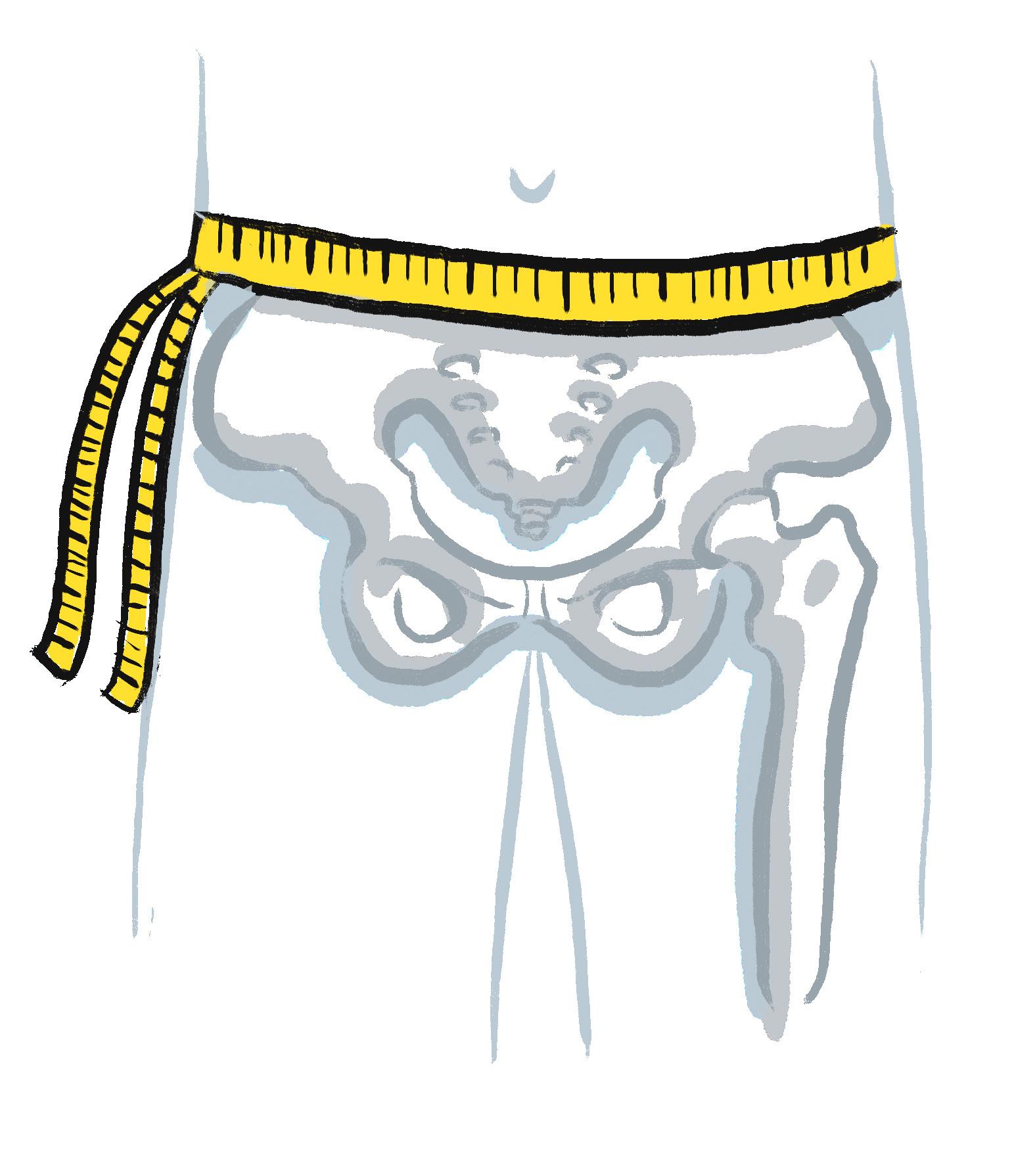
Another way to judge body fat is your waist size. Your waist size is way too large if it is:
• 35 inches or more for women
• 40 inches or more for men
Measure your waist straight around at the top of your hip bone.
Calories burned per hour
Count calories burned with exercise. Here is an idea of what to expect. (Actual calories depend on body weight.)
Burning 2,000 or more calories a week in aerobic exercise lowers your risk for heart and blood vessel disease. Walking or jogging 1 mile can burn 100 calories. 2000 calories would take about 20 miles. You do get health benefits with regular exercise at a lower intensity.
Body mass index (BMI)*
Here is how to use this body mass index (BMI) chart. If your BMI score is:
• less than 25, you are in a healthy weight range
• between 25 and 30, you are overweight
• 30 or higher, you are considered obese
To use this chart, find your height in inches on the left side of the chart (Example: 5 feet = 60 inches). Then move across that row to find your weight (Example: 123 pounds). Move to the top of your weight column and look at the number. Your BMI score is 24.
cholesterol and other blood fats
Cholesterol is a blood fat, and there are two ways you get it. Your body makes it, and it is in some foods. Your body has several types of cholesterol or blood fats. For example, HDL cholesterol is a good type of blood fat and LDL cholesterol and triglycerides are bad blood fats. Too little good and too much bad blood fat may cause blockage in the blood vessel walls and reduce blood flow. This raises your risk of a heart attack or damage to other parts of the body.
Exercise helps your body’s HDL increase and triglycerides decrease. This is what you want since low levels of HDL, as well as high levels of triglycerides, have been linked to heart disease.
Ask your HCP what your numbers should be
Other changes in the blood
blood sugar (glucose)
Exercise helps a person control blood sugar and body weight. This, along with diet, is sometimes all that is needed to control type 2 diabetes. Regular exercise, along with diet, can also help those who take insulin. They may not be able to give up insulin, but they may not need to use as much to control blood sugar. See page 74 to learn more about diabetes and exercise.
blood clotting
It is normal for blood to form clots and break them up. Platelets are the parts of blood that help make blood clots. In making these clots, the platelets become “sticky.” They stick to each other and to the side of the blood vessel wall. This “sticking” together forms the blood clot. If the clot does not break up or dissolve, it may get bigger. This can harm the part of the body where it forms. For example, a blood clot in a blood vessel going to the heart muscle (coronary artery) may lead to a heart attack.
Exercise helps reduce platelet “stickiness” but not enough to make you bleed. This means there is less chance that harmful clots will form.
exercise can lower blood sugar and reduce the risk of blood clots
metabolic syndrome
You have metabolic syndrome if you have at least 3 of these 5 conditions:
waist in inches
(see page 7 for how to measure)
40 or more for men 35 or more for women
blood pressure higher than 130/85
When you group these risk factors, you have a much greater chance of heart disease.
blood triglycerides above 150 mg/dL
HDL cholesterol in blood
less than 40 for men less than 50 for women
blood sugar (or if you take meds for blood sugar) 100 mg/dL or above
mental stress, depression, anxiety
Exercise makes you feel better. For a heart patient, exercise is a good way to control mental stress and prevent depression. Feeling depressed or “blue” is less common in those who exercise regularly with such activities as walking, jogging, or playing tennis.
People who tend to be angry or hostile are at greater risk for heart disease. Exercise can reduce this risk. It lets a person work off some of the pressure and anxiety.
How to exercise
The 3 parts of a good exercise program include:
1. aerobic exercise (may be done all at once or broken into segments)
2. stretching (flexibility) and toning exercises (pgs 30-52)
3. strengthening exercises (see pgs 53-66)
It is best to warm up for 2-3 minutes before any exercise. The best warm up is one that uses the same muscles you use during your exercise.
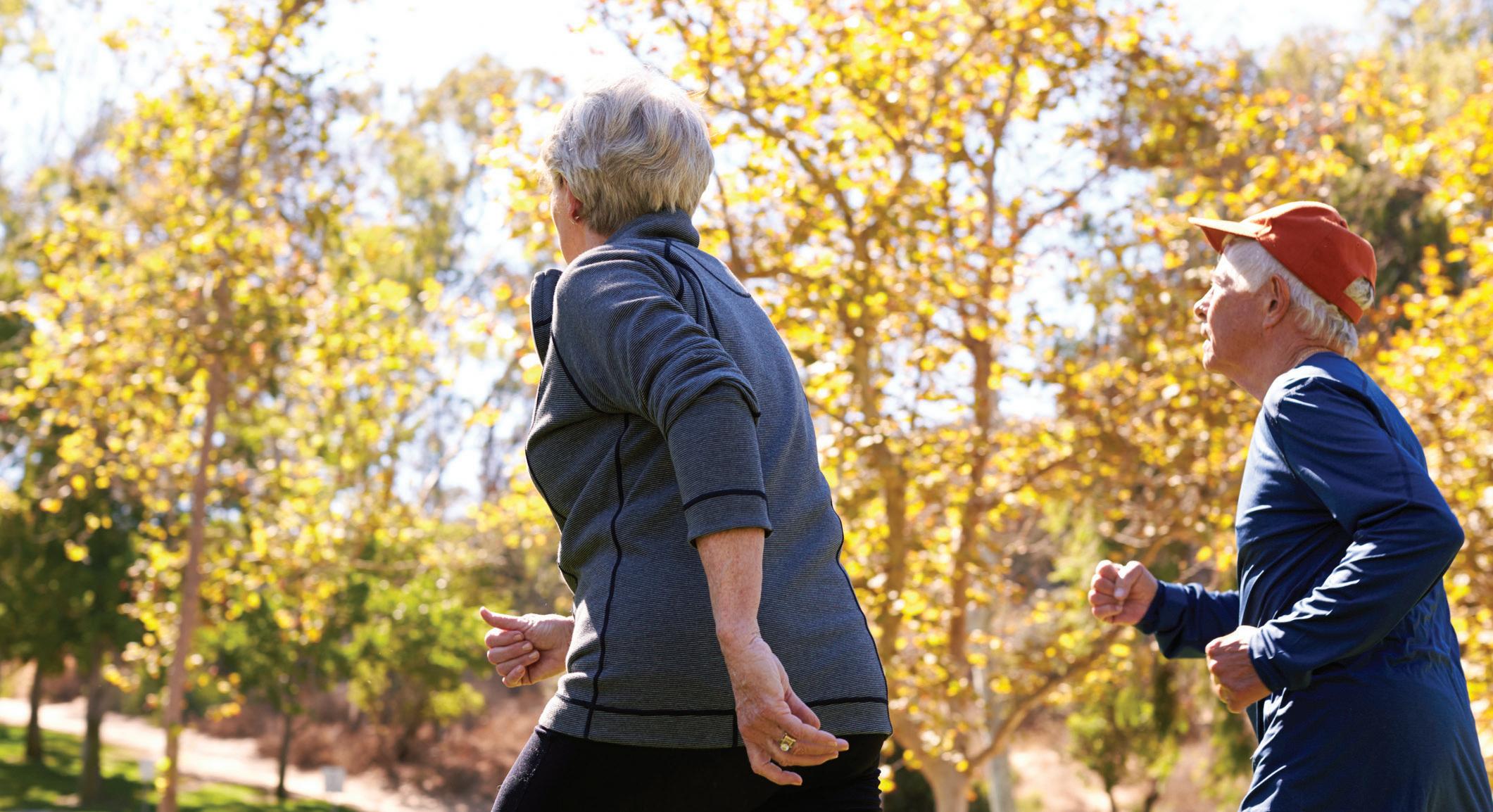
Number 1, most of your exercise time should be spent in aerobic exercise. Aerobic exercise trains the heart muscle, helps the lungs take in more oxygen and helps your body in other ways (see page 5). Walking, jogging, cycling, dancing, swimming and cross-country skiing are examples of aerobic exercises. Sports that stop and go, like tennis, are less aerobic but are also good for training the heart. Do these exercises most days of the week and build up to at least 150 – 300 minutes a week of moderate intensity exercise or 75 – 150 minutes of vigorous exercise (or do some moderate and some vigorous).
Number 2, flexibility and toning exercises should be done after aerobic exercise when the muscles are warm. This can help you avoid feeling stiff and sore later. Do these 3-4 days each week.
Number 3, strengthening exercises with weights or machines, should be done 2 to 3 days each week. This is in addition to your aerobic exercise and flexibility exercises.
1. Aerobic exercise
Aerobic exercise is the most important part of exercise for your heart and health.
The harder you work, the more oxygen your body needs. After a few months of aerobic training, the heart can pump more blood and oxygen to the body with less effort. As a result, you will also be able to better control blood pressure, blood fats, blood sugar, body fat and stress.
Your goal for aerobic exercise is 30-60 minutes* for at least 5 times each week. Aerobic exercise can be done all at once or broken into segments. It is good to mix up your aerobic exercise routine. For example, change how hard you are exercising by going slow, then faster, then slower. But still exercise your full amount. If 30 minutes is hard to find, try doing 10 to 15 minutes 2-3 times a day.
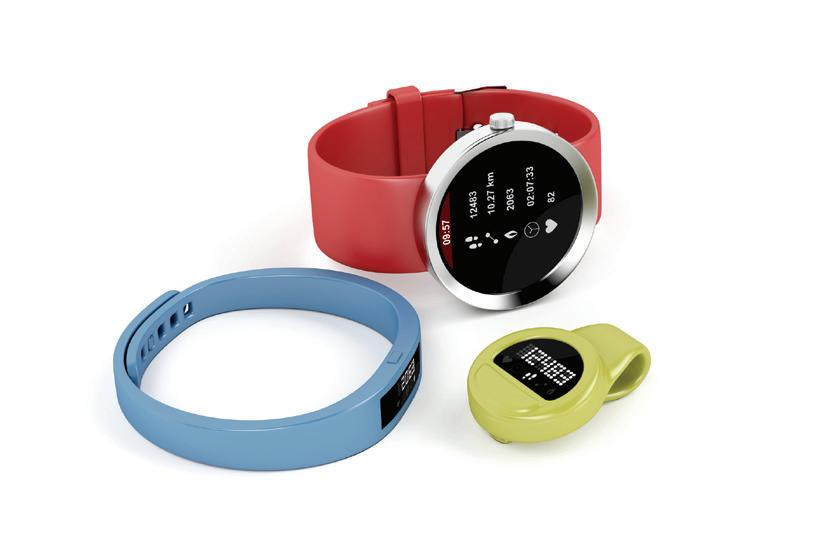
A pedometer, step counter, fitbit or other activity monitor can be used to help you see how much walking you do at work or at other times during the day. Many pedometers include a free app for your phone or tablet that helps you track your activity and meals.
Aerobic exercise not only brings oxygen to the heart and muscles, it also burns calories. For these reasons, aerobic exercises are talked about in terms of oxygen used (METS) or calories burned. You will find tables showing the MET (metabolic) level (page 16) or calories burned (page 8) for some favorite activities. A good rule to remember is that brisk walking or jogging 1 mile burns about 100 calories.
Before and after any aerobic exercise you should warm up and cool down. Examples of warm up and cool down are:
• walk slowly for 200 to 400 feet
• pedal a bike slowly for 3–5 minutes with no resistance
If you just stop after your aerobic workout, the muscles tend to get stiff, and blood tends to pool in the veins. This could cause you to get light-headed or even faint.
*30 minutes of aerobic exercise does not include your time for stretching and flexibility. Make sure to add time for these.
Metabolic Equivalents (METS)
One way to decide how much exercise to do is to use METS (metabolic equivalents). One MET is how much oxygen the body needs per minute while sitting quietly and doing nothing. An activity that uses four times as much oxygen is equal to a 4 MET level. Five times as much oxygen equals 5 METS and so on.
It does not matter how long you do the activity. The MET level stays the same as long as you do not change how fast or how hard you work out. For example, you can walk at a 15 minute per mile pace for 3 minutes or 30 minutes and still be at a 4 to 5 MET level.
The MET level you choose depends on the condition of your heart and health. As you train, you will be able to work at higher levels. See examples of MET levels on next page.
You do not need to exercise at the same MET level for a full 30 to 60 minutes. You can cycle at 10 mph (5–6 METS) for 15 minutes and jog at a 12 minute per mile pace (8 METS) for 15 minutes. The goal is simply to achieve your aerobic workout of 30-60 minutes, whether at different MET levels or the same.
The higher the MET level, the better conditioned your body will be.
Adapted from AHA Exercise Standards
Sample Play Activities
Daily Living Activities
2.
Flexibility
Get to know your toes.
exercises* (Stretching and Toning Exercises)
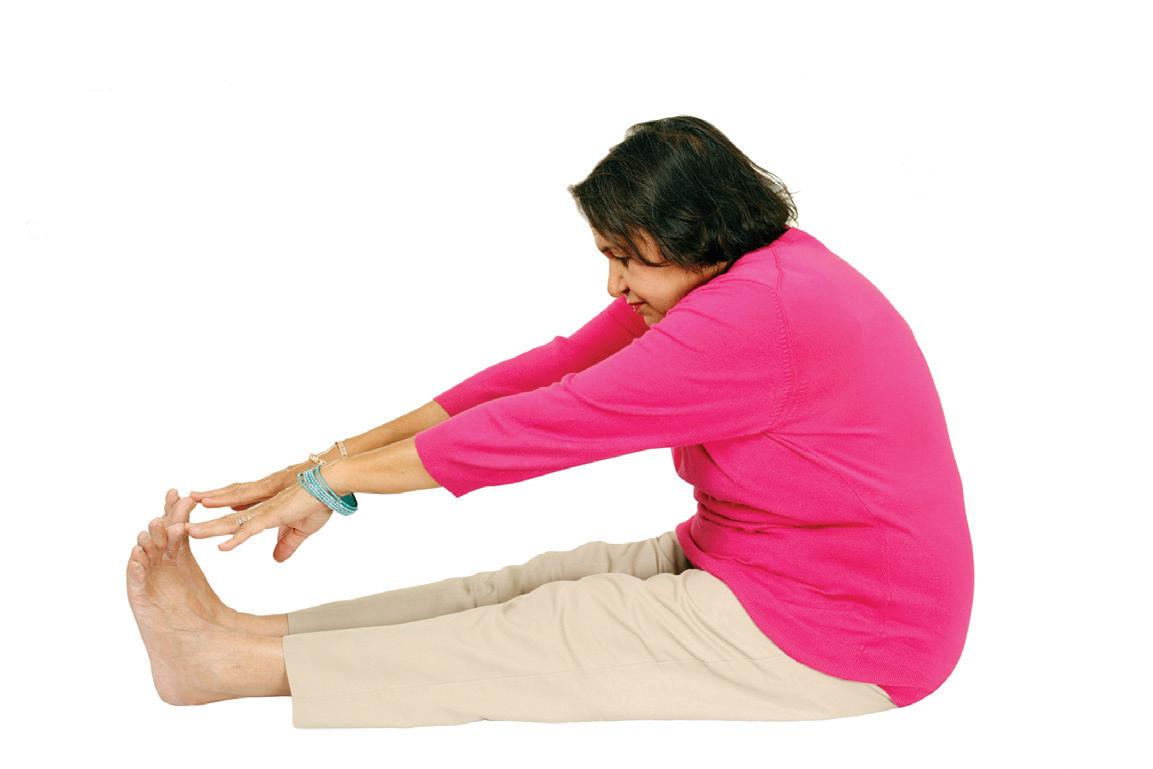
Flexibility exercises can help improve your flexibility. They should be done after your aerobic exercise when muscles are warm. Do them 3-4 days each week. They can be light stretches and other exercises. How long you do each exercise depends on what you will be doing later and for how long. This can be planned with your HCP.
The best reason to stretch and tone the muscles is to stay flexible. When you are flexible, or loose, your muscles and joints can bend and move more easily during any physical activity. This can help prevent injuries.
Another reason to stretch and warm up the muscles is to improve the blood supply to them. Blood vessels in a warm, loose muscle are better able to take oxygen to the muscle and remove waste products from it.
There are many reasons why people are not flexible. Some are age, medical conditions such as arthritis, lack of exercise, cold weather or body fat. Others are bone structure and the amount of muscle around the bones. Even some aerobic exercise can make you less flexible, but this can be overcome with flexibility exercise.
Other activities like pilates and Tai Chi and yoga can help muscle strength and flexibility. These also help with balance and make your aerobic exercise easier.
Not doing stretching and flexibility exercises can lead to sore tendons (tendinitis), inflammed joints (bursitis) and muscle strain. If you already have one of these problems, ask your HCP which exercises are best for you.
* 30 minutes of aerobic exercise does not include your time for stretching and flexibility. Make sure to add time for these.
3. Strength or resistance exercise training
You gain strength in many ways. The best ways are to lift weights, do push-ups and work out with equipment made for building strength. Low to moderate level strength training is safe for people with heart disease, but check it out with your HCP before starting.
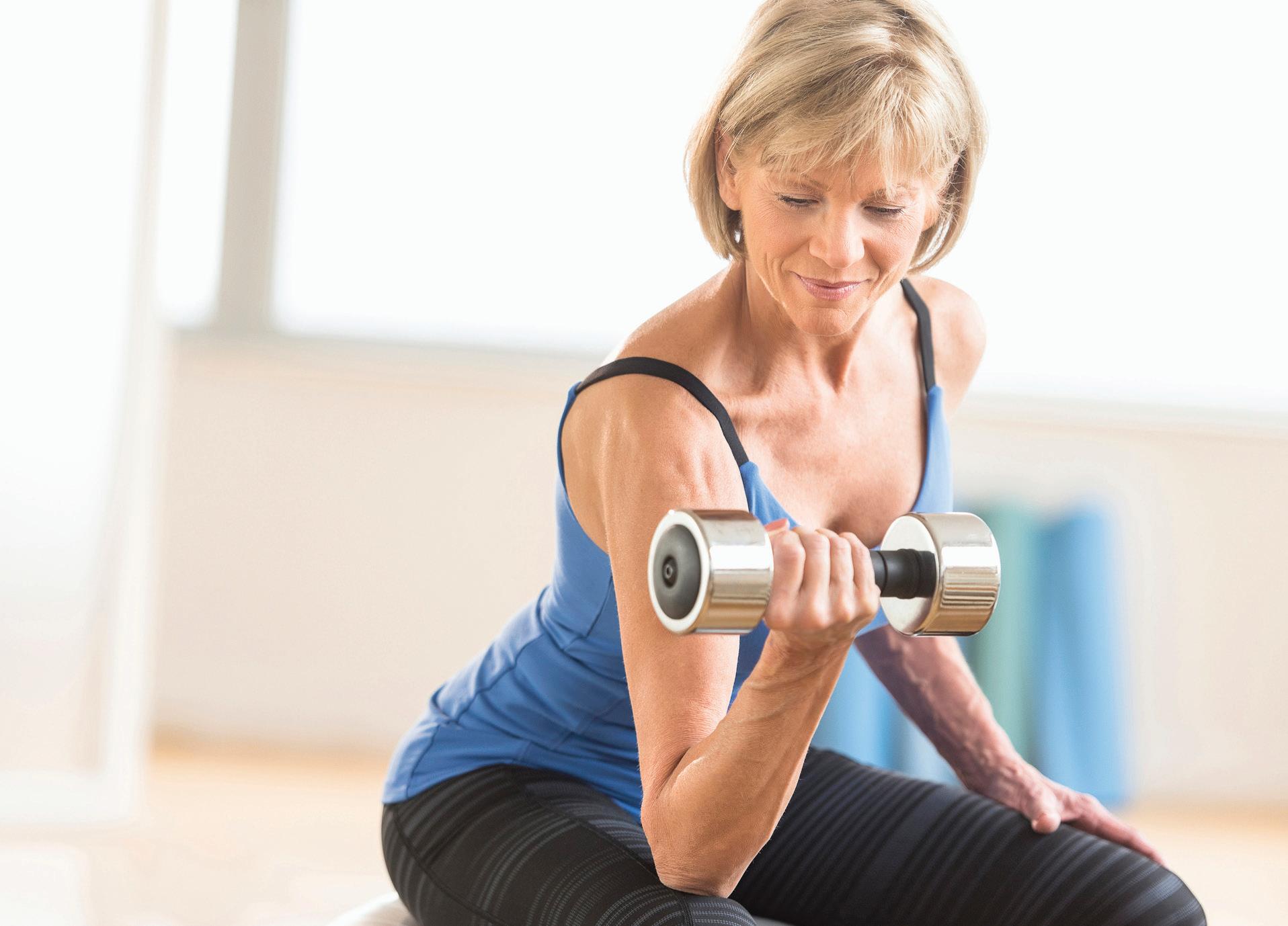
Muscles tend to get smaller and weaker as we age. But weight lifting is a very good way for both men and women to keep their muscles strong. You can use dumbbells, barbells and ankle and wrist weights for building strength.
It does not matter if you lift weights before or after aerobic exercise. A good plan is 2 to 3 days a week. Muscles need to rest between the days of weight or strength training.
How hard to exercise
To exercise safely, you need to know how hard to exercise. This is true whether you have a heart condition or are healthy. You can learn by counting your pulse for your target heart rate or by tuning in to how you feel or how hard you are exercising (perceived exertion).
your pulse and target heart rates
Everyone has a peak heart rate and a target heart rate range. Your peak heart rate is how fast your heart can beat at the end of an exercise test or at exhaustion. It is not the heart rate at which you exercise when working out on your own. For your own workouts, you will want to know your target heart rate range. This will be somewhere between 50% and 85% of the peak rate you reached on your exercise test. People with heart problems should have their HCP tell them their target exercise heart rate range.
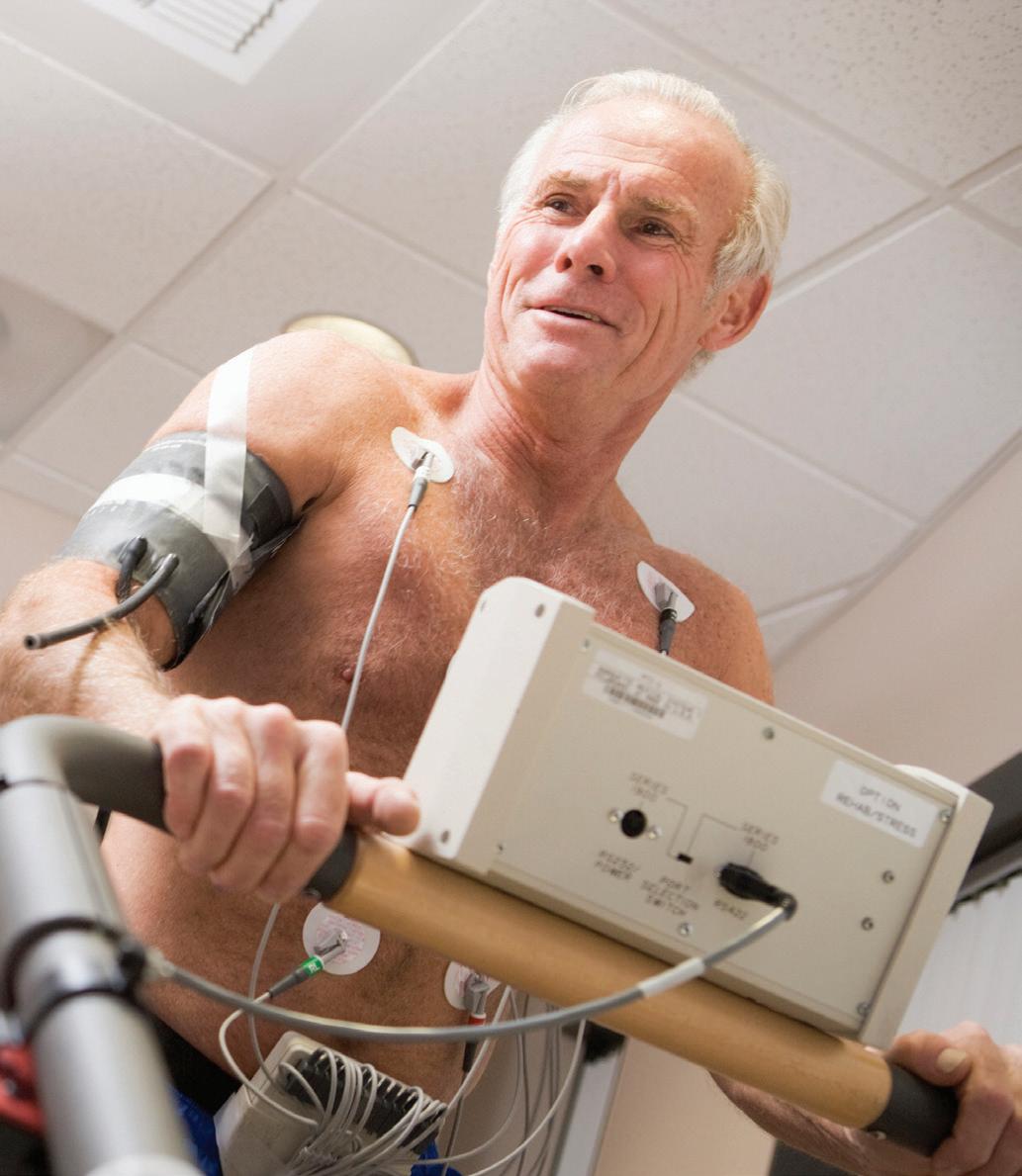
Your target heart rate range can be found in different ways. The exact and safe way to find your target heart rate is through an exercise stress test.
If you don’t have an exercise test and are not taking medicine that slows your heart rate such as beta blockers, you can estimate your peak and target heart rate range by this chart.* (If your resting heart rate is slower or faster than most people’s, a percent of rest and peak heart rate can be used. Check with your HCP.)
As you age, your heart rates are lower. If you are just beginning your exercise program or you have not exercised in some time, your target heart rate should be in the 50% to 60% range. After about 4 to 6 weeks, you may want to increase your level or you may want to stay at your same target heart rate range. If you choose to increase, do so slowly. Work out at the 60% to 75% level until you are comfortable before going to the 75% to 85% range. Your goal is to find the target heart rate range at which you can exercise with comfort—whether it is 50%, 75% or 85%.
* Some people may have lower heart rate ranges than those in this chart. If this applies to you, ask your HCP for your target heart rate.
Data based on that of Sheffield, et al, and Pollock and Wilmore.
Count your pulse to see if you are exercising at your target heart rate. If you don’t reach your target range, you may not be doing enough exercise. If you go over it, you may be doing too much.
This is what to do:
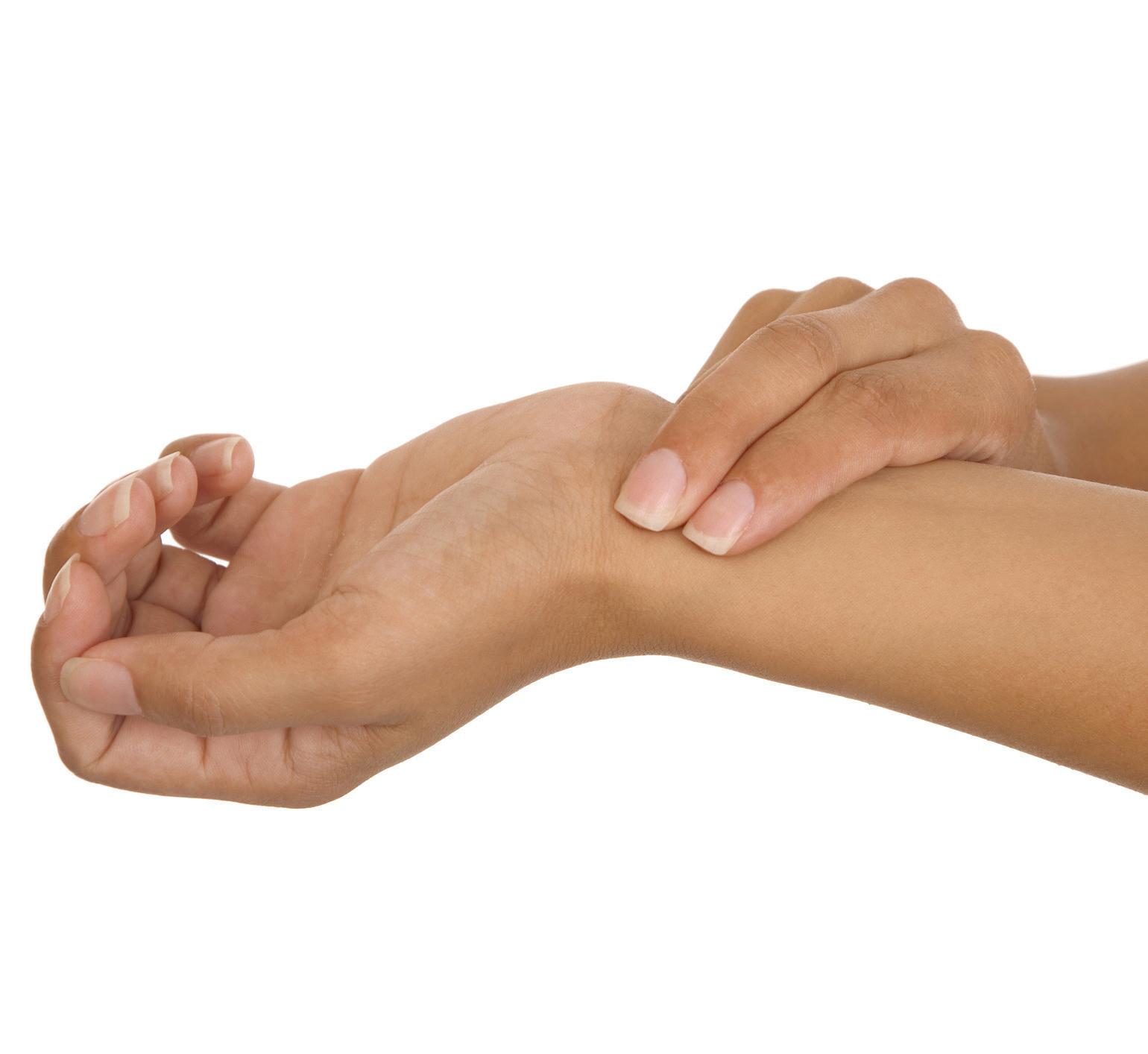
• As soon as you stop exercising, find your pulse at your wrist.
• Count it for 10 seconds.
• Multiply what you count by 6. This will be your one minute heart rate at that time.
10 second count = 20
What you get should match your target heart rate range. If you get a heart rate of 160 but your target heart rate range is 94 to 145, you are working too hard. If you get only 90, most likely you are not exercising hard enough. If what you calculate never matches your target heart rate range, talk to your HCP. Either the target rates should be changed or you should do more or less exercise.
tuning in to how you feel
Many people exercise by how hard they feel the exercise is or how hard they think they are working. This is called the rate of perceived exertion or RPE scale. The scale goes from 6 to 20 with 7 being very, very light work and 19 being very, very hard work.
To use this scale, you have to think about how hard you are working in terms of your level of fatigue, any shortness of breath and muscle or skeletal pain or aching. When you “average” all these feelings during your workout, your exercise should feel between fairly light work (11) and hard work (15). This 11 to 15 range is like working out at 50 to 85% of your peak heart rate. Remember, never go to exhaustion (19 or 20).
Guidelines for people with a heart condition*
Jogging (running)
Brisk Walking
Swimming
Tennis
Water Activities
Best to do in a medically supervised program. If done on your own, use a lower target heart rate.
Snow Skiing
Stationary Bike
Very good training. May be done alone or with others.
Biking Outdoors
Lower your target heart rate by 10 beats/minute since you may not notice your heart problem while swimming. Do not swim in very cold water.
Doubles is less work for your heart than singles. Work up to singles.
*These are for aerobic exercises.
Check with your HCP before water skiing or water activities as these may have bad effects on your blood pressure, heart rate or rhythm.
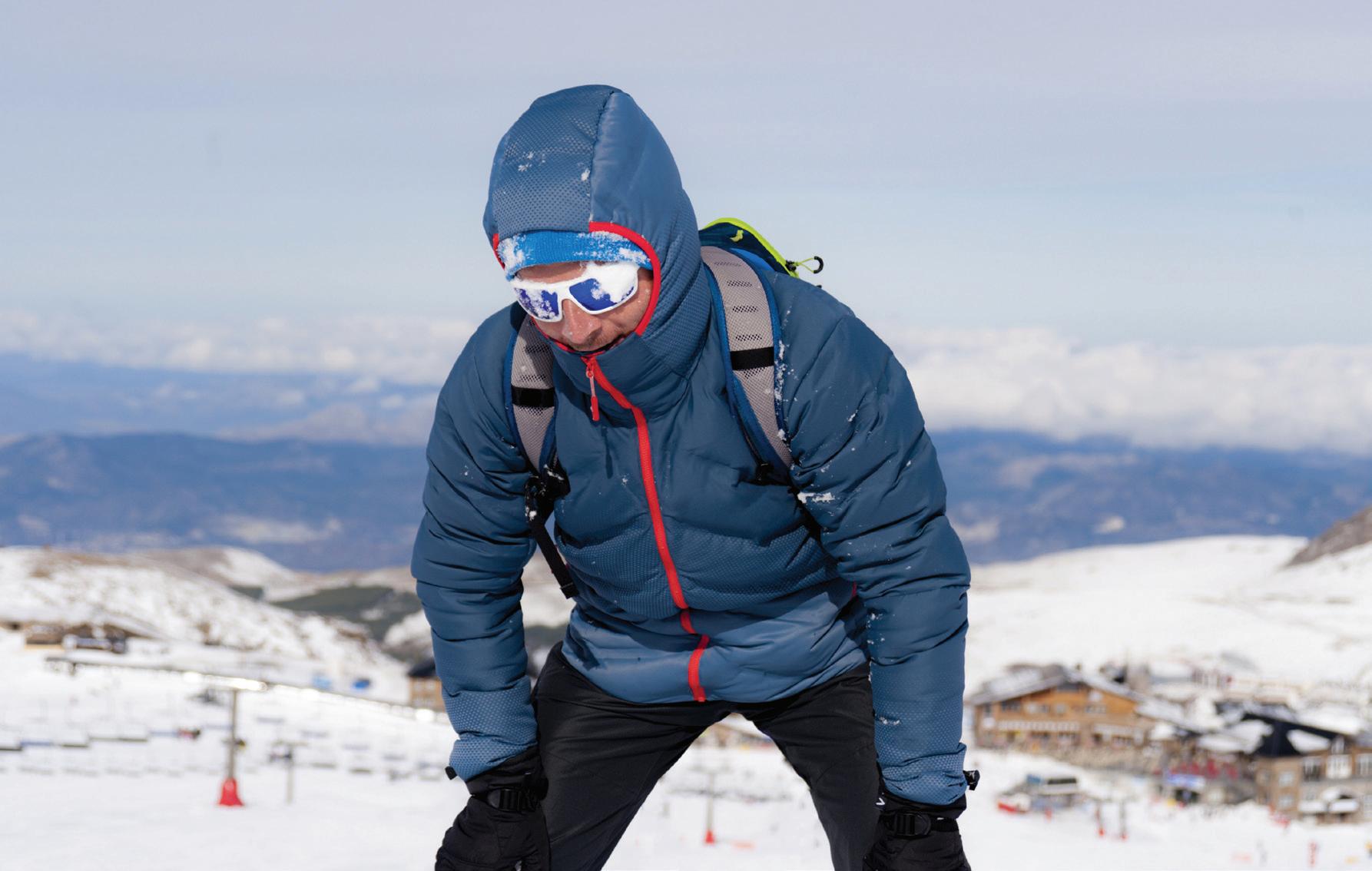
OK for some heart patients. Stay at moderate altitudes. Dress warmly. Wear layers that are insulated rather than heavy clothes. If taking beta blocker medicine, cold weather may cause numbness, tingling and discomfort in your hands and feet.
Excellent. No problems with weather. If you sweat while pedaling, use a fan to cool the body. (See pages 28–29.)
Popular. Think about the weather before going out. Know when to turn around so you can return home before tiring.
BEGINNERS & HEART PATIENTS, START HERE
warm up: 3 to 5 minutes of
• stretching/flexibility exercises (select 2 to 3 exercises)
• slow walking or cycling
workout: 20–30 minutes of aerobic exercise at the lower range of your target heart rate (50–60%) and rate of perceived exertion of 11–12 (take breaks as needed, but do a total of 20–30 minutes of exercise)
(pages 30-52)
cool-down: 3 to 5 minutes of
• slow walking or cycling
Do this exercise program 5 to 6 days per week. Follow this routine for 2 or more weeks before going to the mid-level program. (You may choose to stay longer at this level.)
MID-LEVEL PROGRAM
warm up: 3 to 5 minutes of
• stretching/flexibility exercises (select 3 to 4 exercises)
• slowly start your aerobic exercise
workout: 30 to 45 minutes of aerobic exercise at the low to middle range of your target heart rate (60–70%) and perceived exertion range of 12–13
cool-down: 3 to 5 minutes of
• your slow aerobic exercises
Continue this exercise program 5 to 6 days per week. Follow this routine for 2 or more weeks before going to the advanced program. (You may choose to stay at this level.)
ADVANCED-LEVEL PROGRAM
warm up: 3 to 5 minutes of
• stretching/flexibility exercises (select 3 to 4 exercises)
• slowly start your aerobic exercise
workout: 30 to 60 minutes of aerobic exercise at the mid to upper range of your target heart rate (70–85%) and perceived exertion range of 13–15
(pages 30-52)
cool-down: 5 minutes of
• your slow aerobic exercises
Continue this routine 5 to 6 days a week.
Never increase your exercise until the level you are on is easy for you to do and you aren’t tired after a session. The least amount of time you should spend at each level is 2 weeks. People who are just starting to exercise and those who have medical conditions may want to stay longer at each level. Don’t rush your exercise program. If you do, you could injure yourself. The most reward from exercise will come if you do it on a regular basis and if you are patient.
aerobic exercise programs
walking
The home-walk programs on this page and the next are for people with heart problems or beginners who want to start exercising. They help you start slowly and build endurance as you go.
You may not reach your target heart rate at first. This will happen as you work up to it with each week of exercise.
You should know the exact state of your health before starting either of these programs. Show these pages to your HCP and work out what’s right for you.
*Check your pulse right after each walk. If your heart rate is higher than your target heart rate, do not go to the next week or level.
Easy Home-walk Program*
Harder Home-walk Program*
*Check your pulse right after each walk. If it is higher than your target heart rate, do not go to the next week or level.
You may want to gradually increase your distance and keep your pace slower.
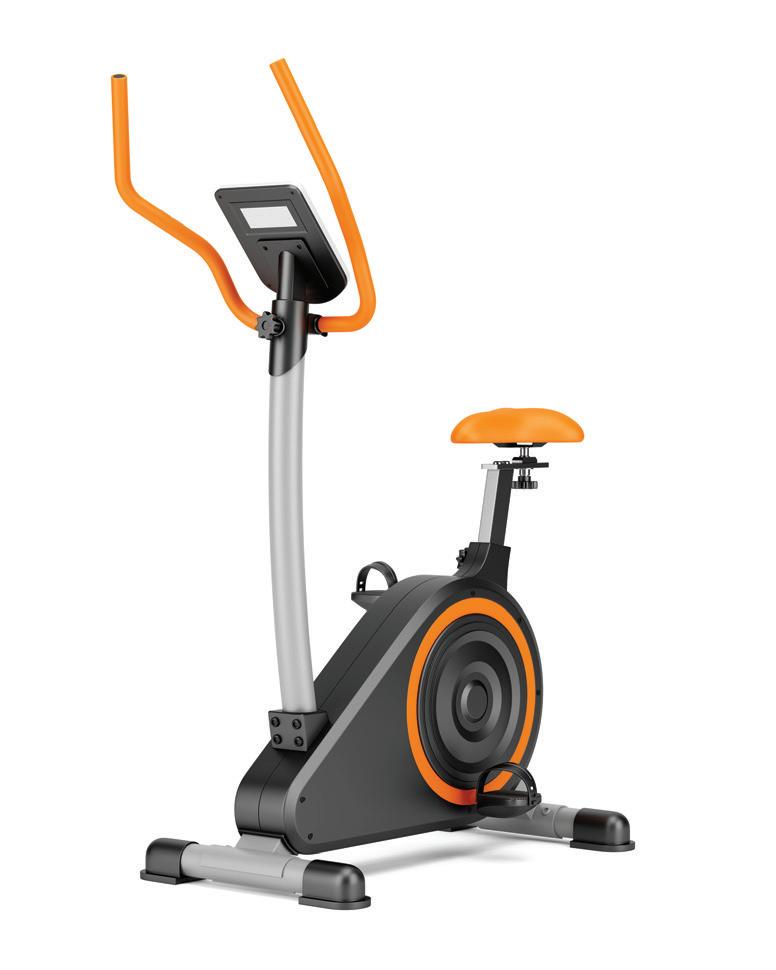
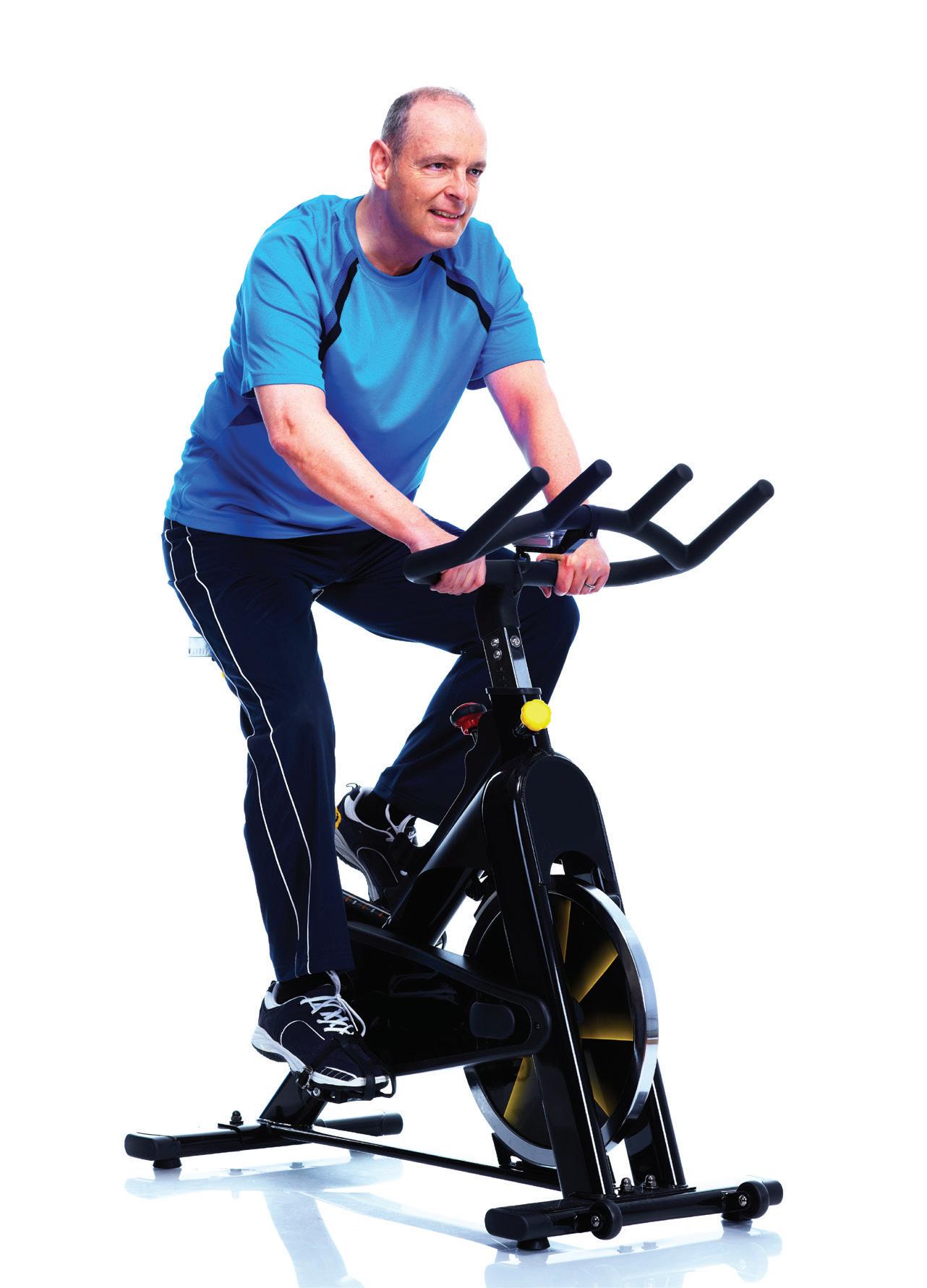
stationary bike
Many people like to exercise on a stationary bike. Bad weather, bad dogs and hills are no problem! You can also listen to music or watch TV while you exercise. Your exercise room should be at a comfortable temperature and well ventilated.
Sit on the bike as shown in the picture below. Make sure your seat is comfortable and the right height.
Again, you may not reach your target heart rate at first. But you should be able to work up to it.
As with the home-walk programs, this is just a sample. Your exercise on a stationary bike may begin or end at a different level than someone else’s. Find out what’s right for you and stick to it.
Lean forward (a little).
Relax body.
Have a slight bend in the knee when pedal is closest to floor.
Pedal on ball of foot.
Stationary Bike Exercise Program
beginners and heart patients)
Can be done on a bike that works both your arms and legs, or a bike that only works your legs.
To add resistance, adjust the tension on the bike so that it becomes harder to pedal. If you can’t pedal at this higher level, don’t stop. Lower the tension, and pedal for 1–2 minutes. When you feel better, adjust the tension back up slightly.
Do not add resistance if your Rate of Perceived Exertion exceeds 15 (or hard) or if your exercise heart rate is above your target level.
stretching and flexibility exercises flexibility and toning exercises
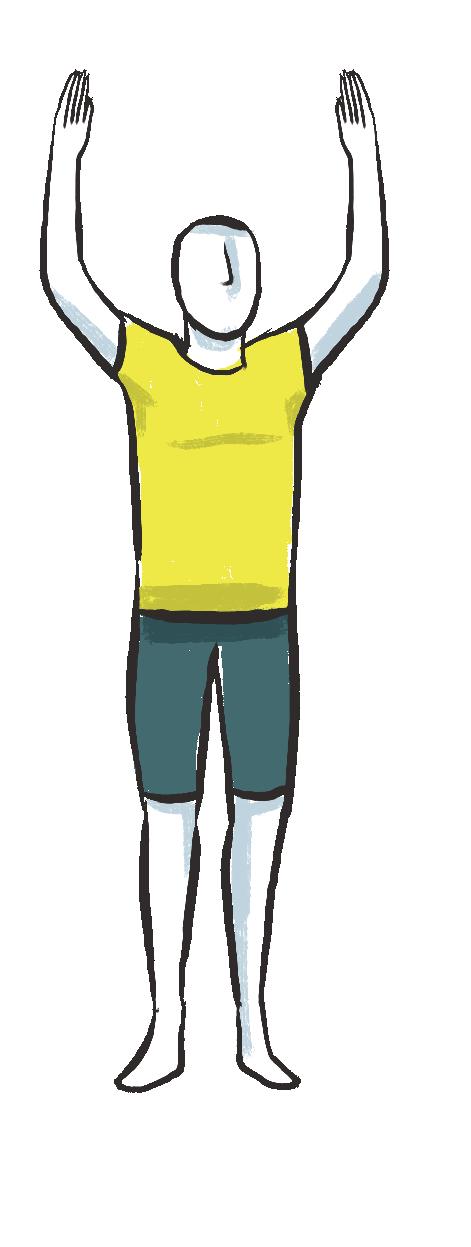
deep breaths
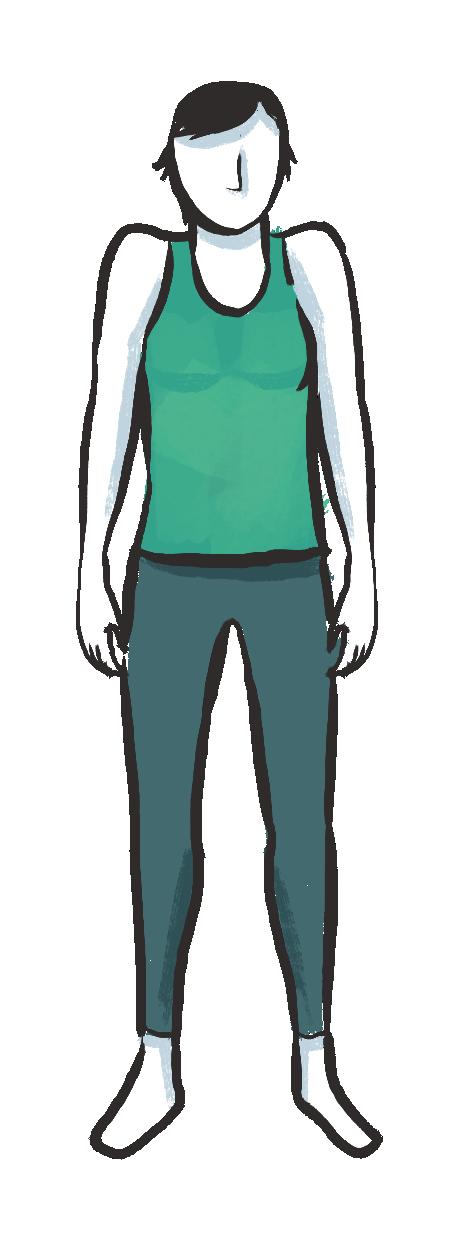
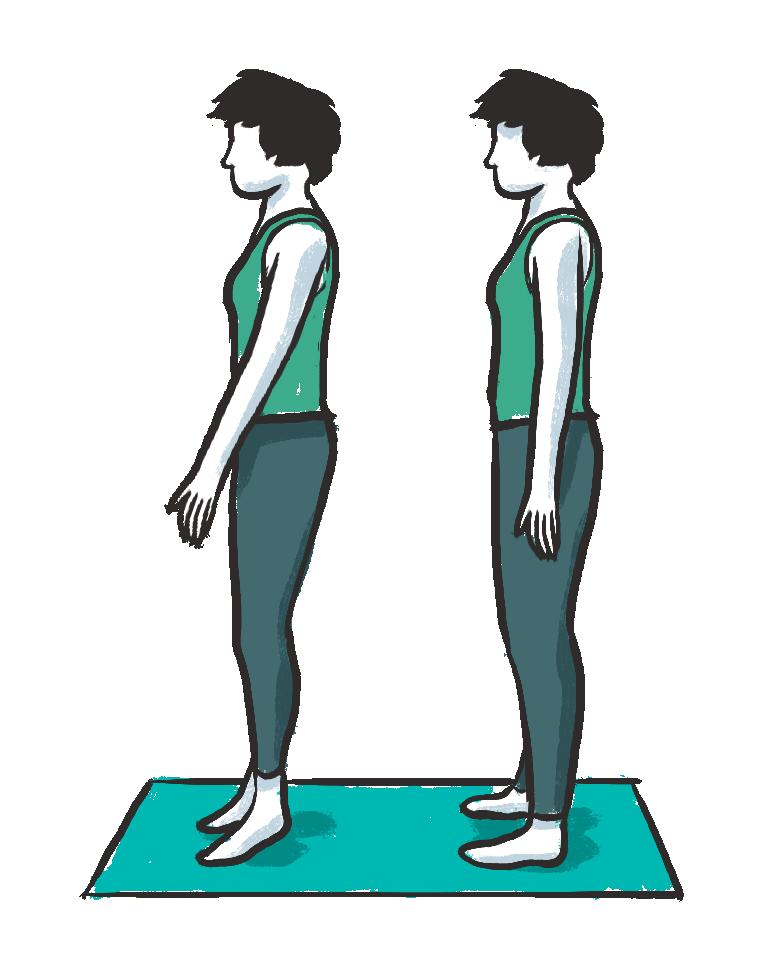
Stand erect, with feet a short distance apart. Inhale as you lift your arms up.
Exhale as you lower your arms.
Repeat 2 times, slowly.
flexibility and toning exercises
shoulder circles
In a comfortable standing position, slowly shrug shoulders around in a circle 5 times.
Then repeat going the other way.
flexibility and toning exercises
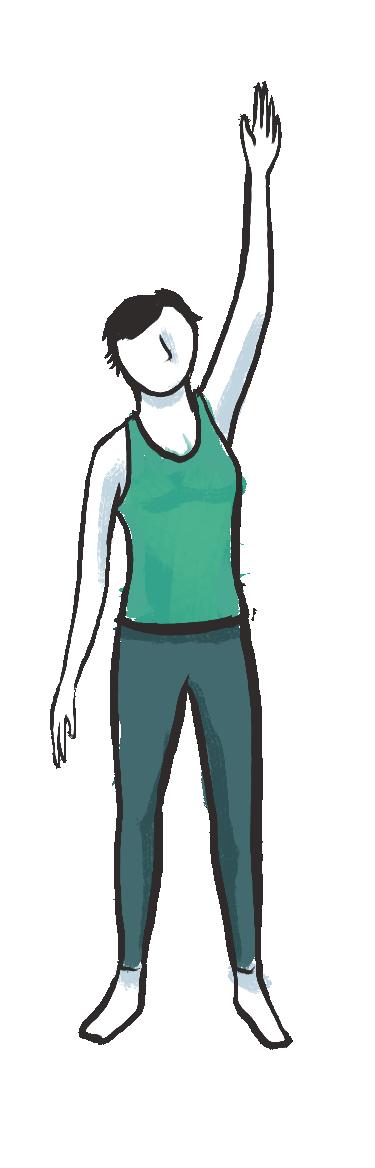
upper body side stretch
Stand tall with feet apart 18 to 20 inches.
Reach up with one arm and down with the other without bending forward or backward.
Hold for 5 seconds. Switch arms.
Repeat 2 times with each arm.
flexibility and toning exercises
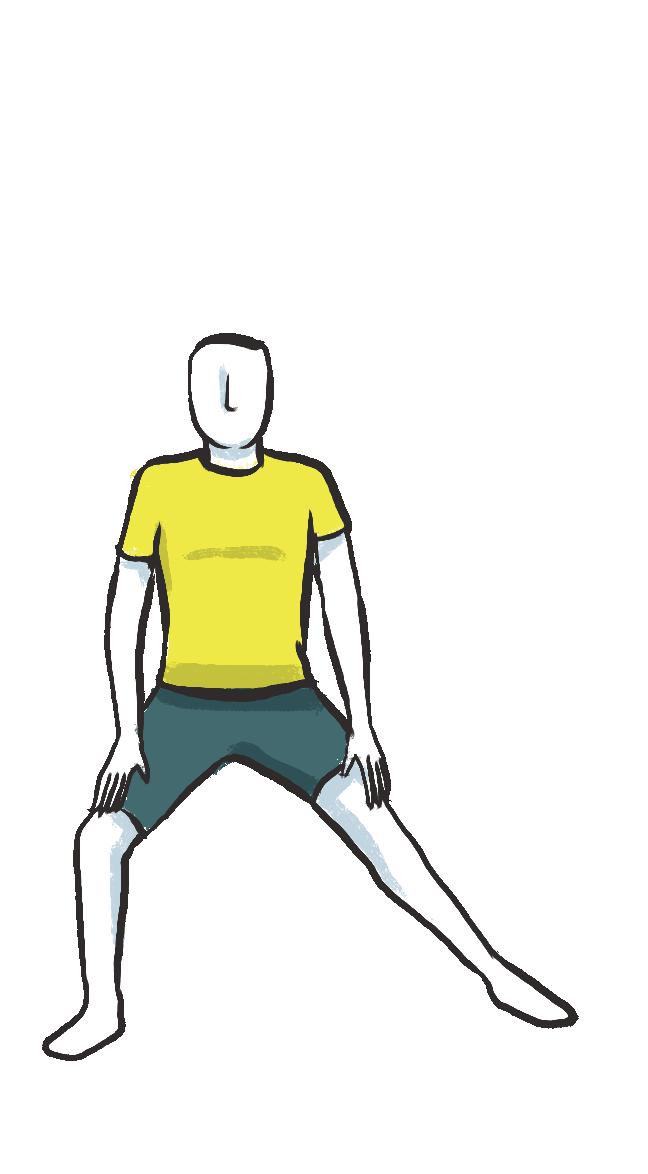
inner thigh stretch
Face forward with feet in a wide stride (36 to 48 inches).
Bend right knee over right foot, keeping left leg straight. Hold for 20 to 30 seconds. Then do the other side.
Repeat 2 times.
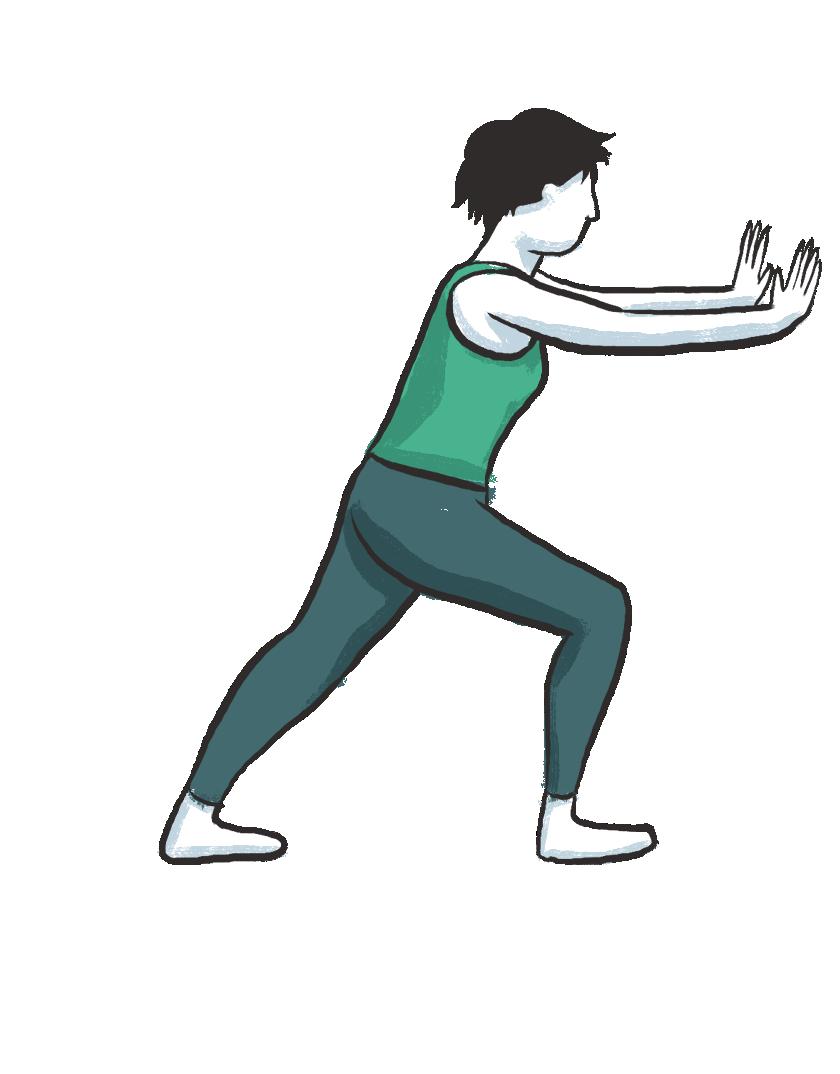
calf stretch flexibility and toning exercises
Stand facing a wall with one leg in front of the other.
Slightly bend front knee while keeping the back leg straight and pressing the back heel toward floor. Lean forward slightly toward wall while balancing with your hands on the wall. Keep your body in a straight line from your shoulders to your back heel. Hold position for 20 to 30 seconds. Return to starting position. Repeat exercise with other leg in back.
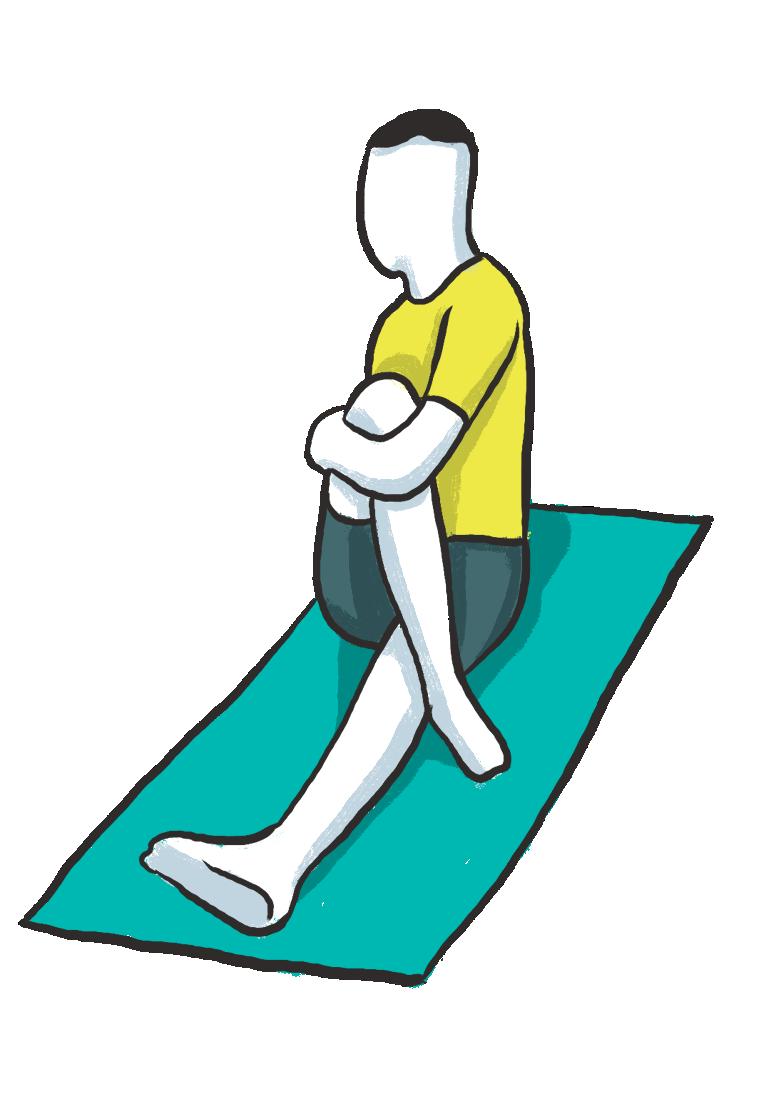
hip stretch flexibility and
toning exercises
Sit with legs straight with floor.
Cross right foot over left leg and place it on the floor. Hold right knee with left arm and pull it in toward your chest as you turn your head and right shoulder toward the right and backwards. Hold 20 to 30 seconds. Return to starting position. Repeat with left foot over your right leg.
Repeat 2 times.
flexibility and toning exercises
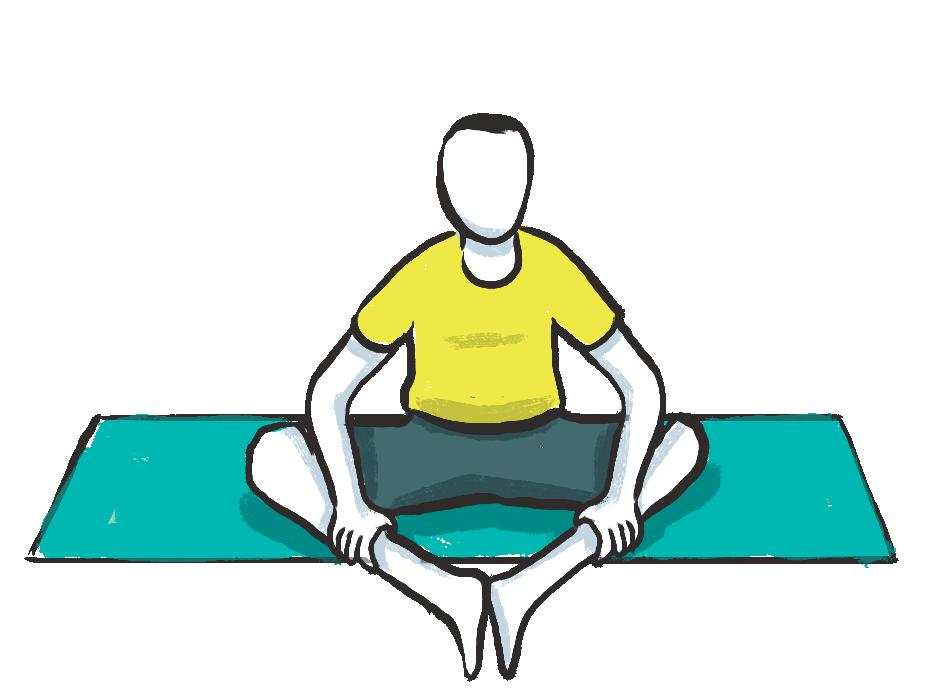
groin stretch
Sit with bottom of feet together. Hold ankles with hands and push knees gently toward floor with forearms and elbows. Don’t force the stretch.
Sit up tall and lean forward from hips. Hold for 20 to 30 seconds. Return to starting position.
Repeat 2 times.
flexibility and toning exercises
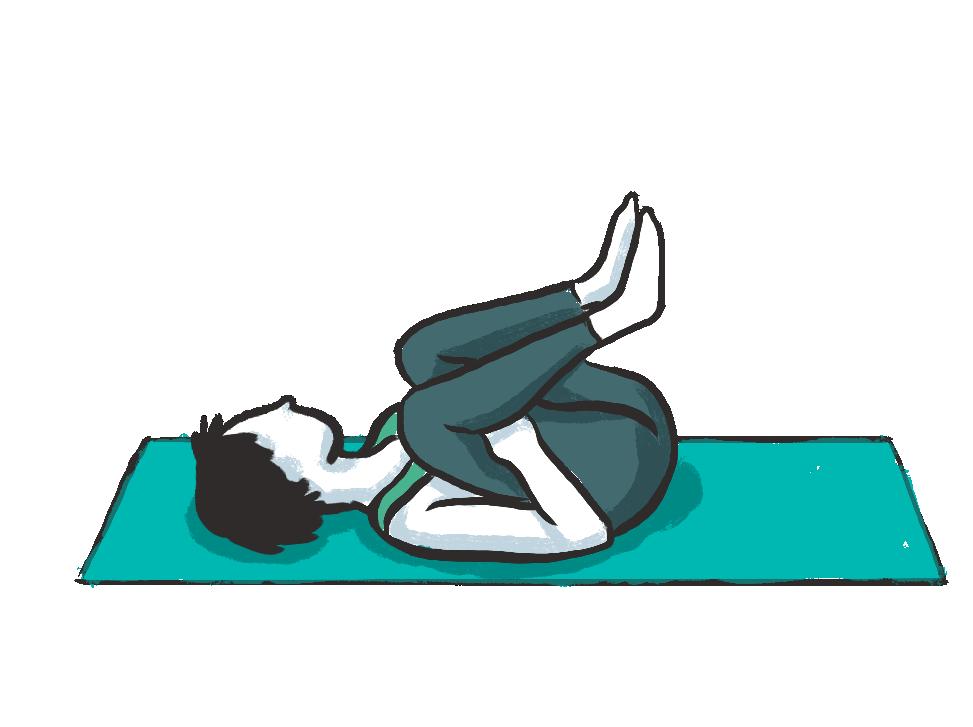
lower back stretch (easier)
Lie flat on back.
Bend knees; with both hands, pull thighs toward chest.
Hold for 20 to 30 seconds. Return to starting position.
Repeat 2 times.
flexibility and toning exercises
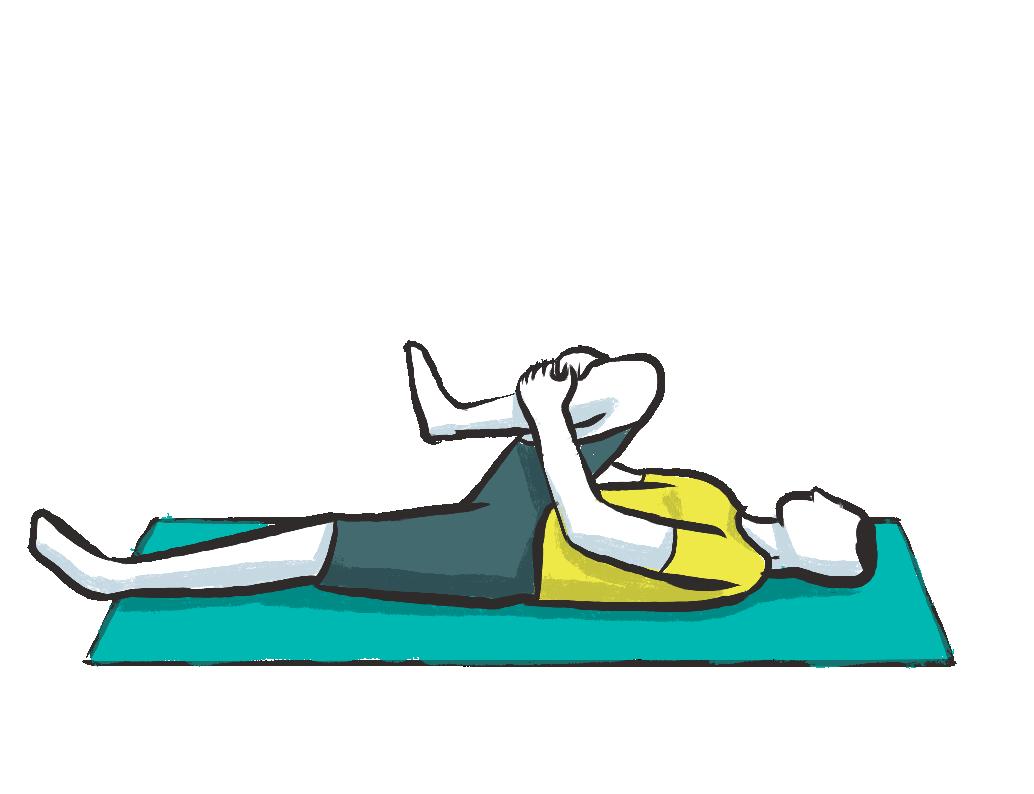
lower back stretch (harder)
Lie flat on back.
Bend right knee; pull knee with both hands toward chest.
flexibility and toning exercises
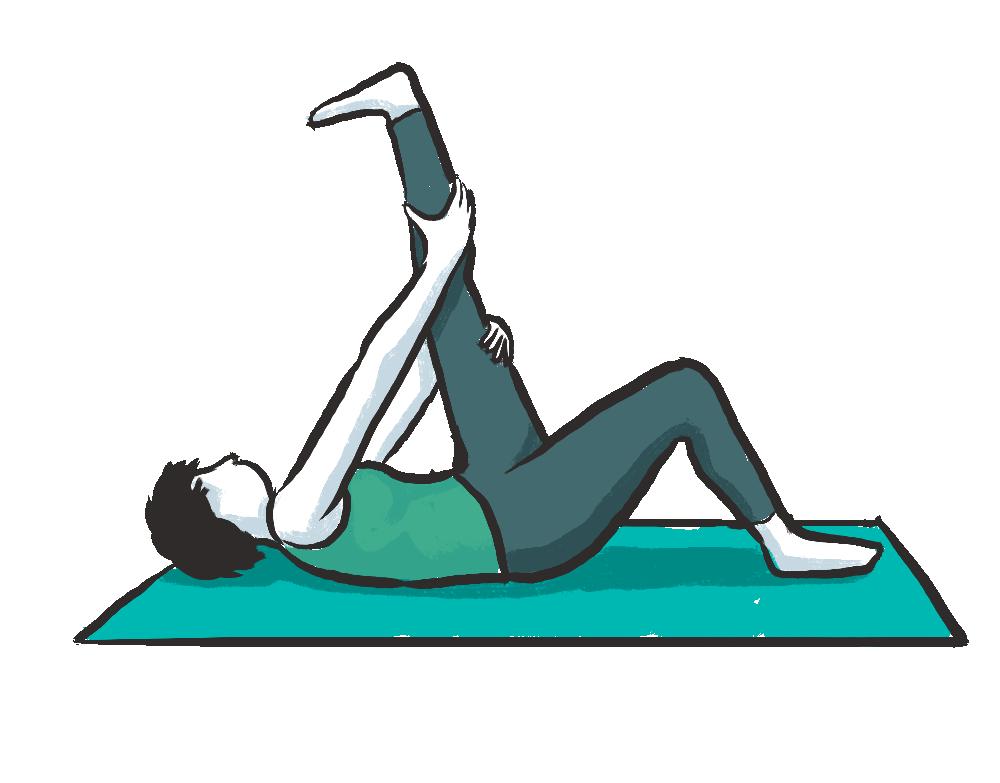
hamstring stretch
Lie flat on back with right leg bent at knee and right foot flat on floor.
Keep your left leg straight. Lift left leg straight up. Gently pull left leg behind your thigh with your hands. Try to point your left toes toward your head. Hold position 20 to 30 seconds. Return left leg to floor. Repeat with left knee bent and lifting right leg.
flexibility and toning exercises
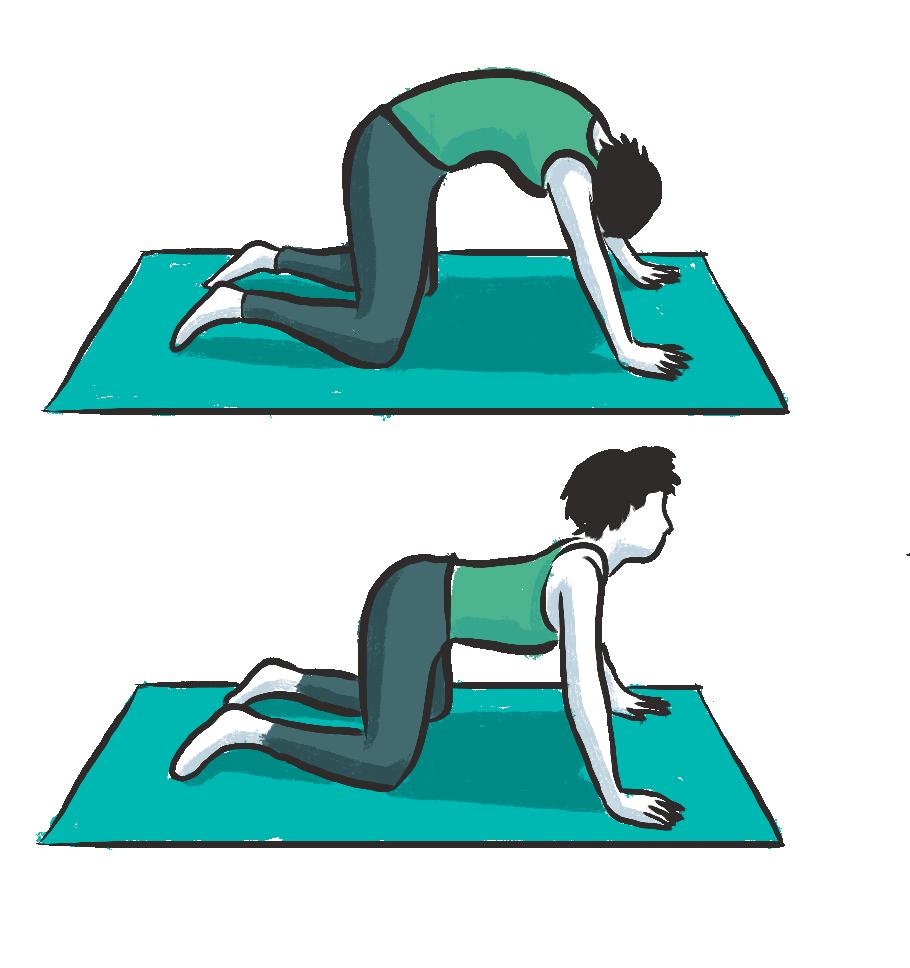
mad cat back stretch
Put hands and knees on floor. Place hands shoulder width apart.
Round back upwards. Hold 20 to 30 seconds then slowly relax back to a flat back (do not drop stomach). Tilt your hips and lift your face and chin.
flexibility and toning exercises
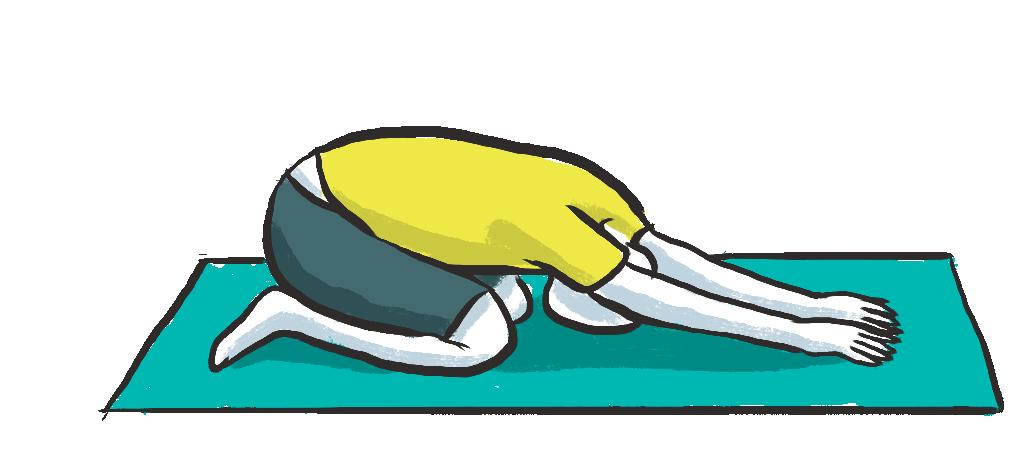
chest/arm/ low-back stretch
Sit back toward your heels. Lower the upper body toward floor while keeping arms straight.
Hold 20 to 30 seconds before lifting your upper body to the starting position.
Repeat 2 times.
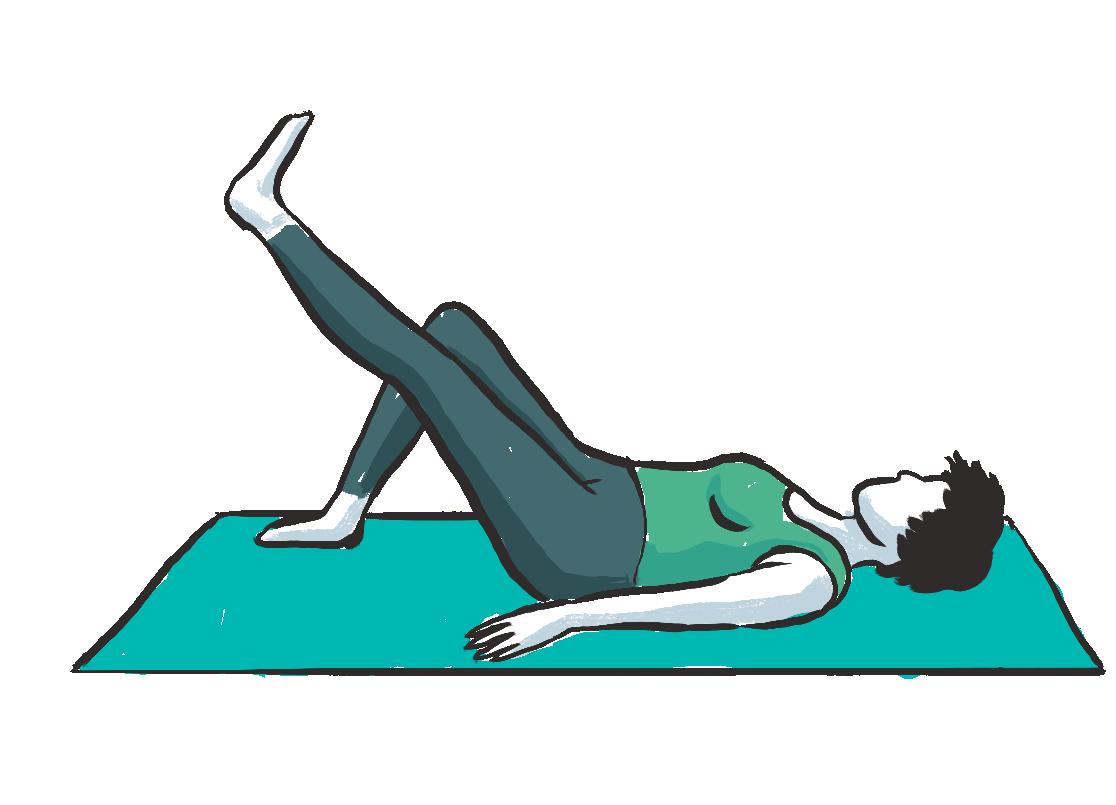
supine leg raise flexibility
and toning exercises
Lie on your back with right leg bent, foot on the floor, left leg straight.
Squeeze the muscles on the front of the left thigh and lift the left leg up to knee level of the right leg. Then slowly lower.
Repeat 10 to 15 times.
Do the same exercise with right leg 10 to 15 times.
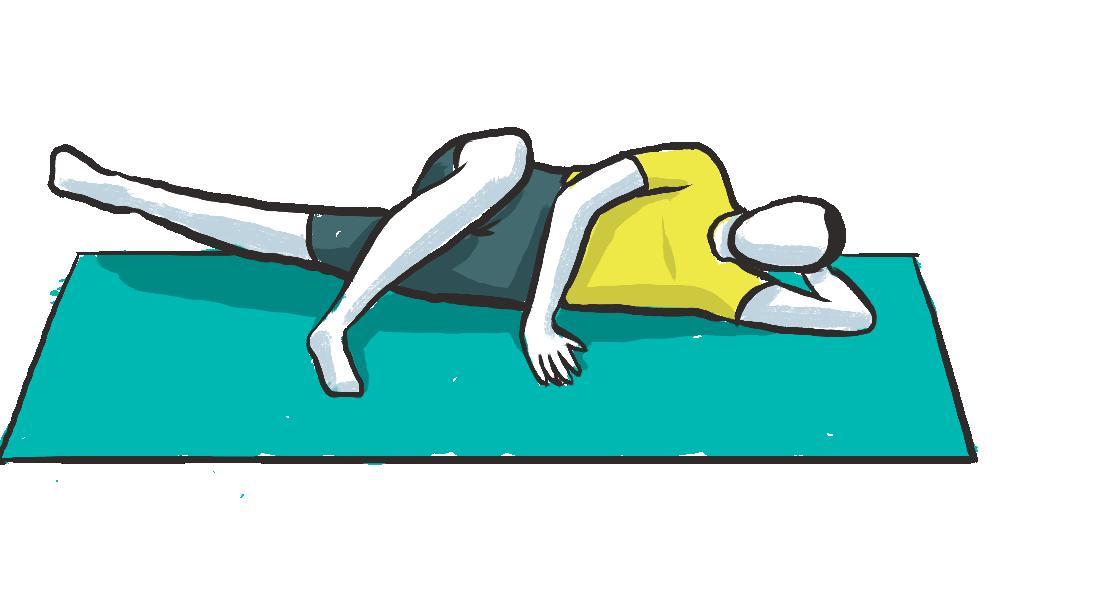
inner thigh leg lift flexibility and toning exercises
Lie on left side with head resting on left arm. Place right foot on floor in front of left leg.
Keep left leg straight and in line with your body, and lift it off the floor as high as you can. This may be 1 inch to several inches.
Slowly relax leg to floor.
Repeat 10 to 15 times.
Turn over and do the exercise with right leg 10 to 15 times.
flexibility and toning exercises
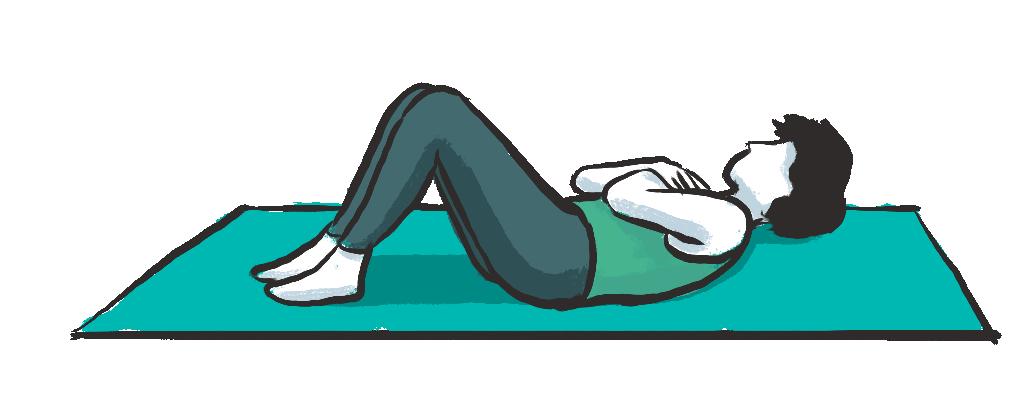
bent knee sit-ups (easier)
Lie on back with knees bent and feet flat on floor; arms across your chest.
Squeeze stomach muscles to lift shoulders and head off floor just an inch or two. Keep eyes on ceiling. Slowly lower shoulders back to floor.
Repeat 10 to 15 times.
flexibility and toning exercises
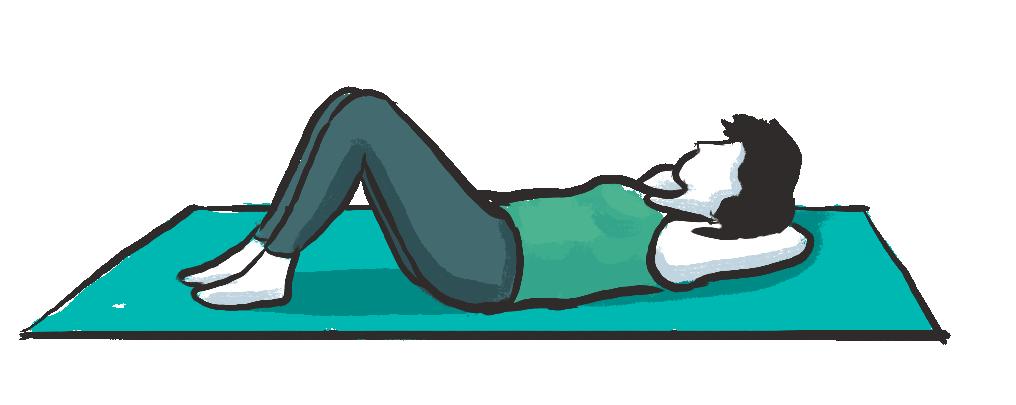
bent knee sit-ups (harder)
Lie on back with knees bent and feet flat on floor; hands behind your head.
Squeeze stomach muscles to lift shoulders and head off floor just an inch or two. Keep eyes on ceiling. Slowly lower shoulders back to floor. Don’t pull on head or neck.
Repeat 10 to 15 times.
flexibility and toning exercises
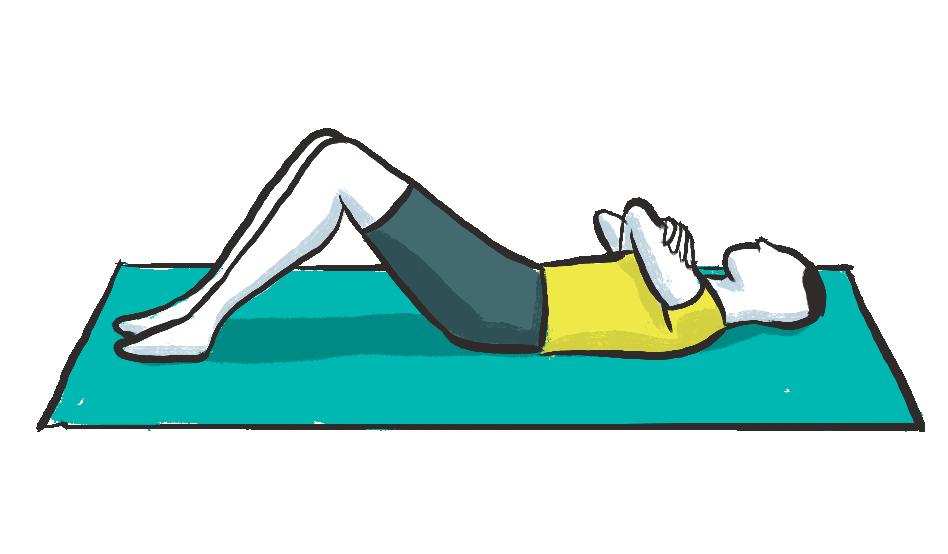
pelvic tilt
Lie on back with hips and knees bent, feet flat on floor.
Tighten your stomach muscles and roll your pelvis up and back to flatten your back on the floor.
Hold for 5 seconds, relax. Repeat 10 to 15 times.
flexibility and toning exercises
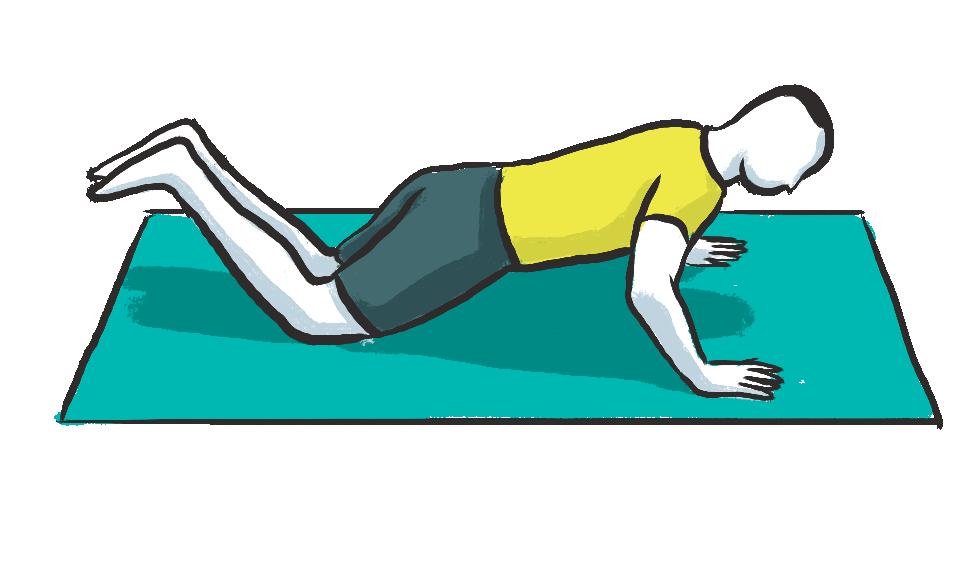
push-ups (easier)
Lie face down. Put hands under shoulders with palms down. Bend knees with legs together and feet raised slightly off floor.
Push body (except for hands and knees) off floor. Arms should reach a straight position. Lower body down towards the floor, keeping the body in a straight line from knees to shoulders.
Repeat 10 to 15 times.
flexibility and toning exercises
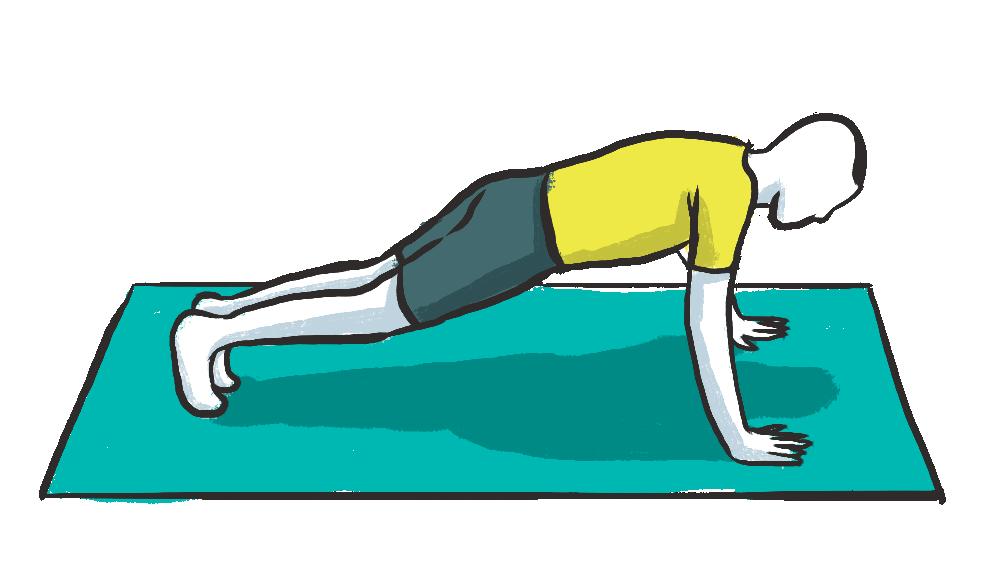
push-ups (harder)
Lie face down. Put hands under shoulders with palms down. Keep legs together and straight.
Push body off the floor, keeping back, hips and legs in a straight line.
Repeat 10 to 15 times.
Try these only if you are able to do 15 of the easier push-ups.
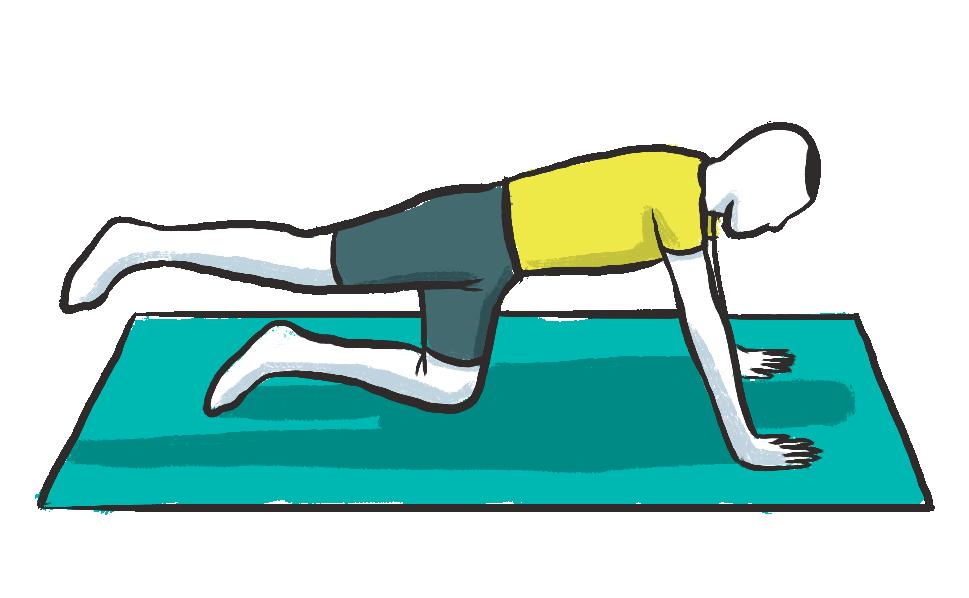
back leg raise flexibility and
toning exercises
Put hands and knees on floor. Place hands shoulder width apart.
Keep back straight, stomach muscles pulled in.
Extend right leg behind you, knee straight.
Squeeze buttocks to lift right leg no higher than shoulder level. Do not let back arch. Return to floor.
Repeat 10 to 15 times with right leg, then 10 to 15 times with left leg.
flexibility and toning exercises
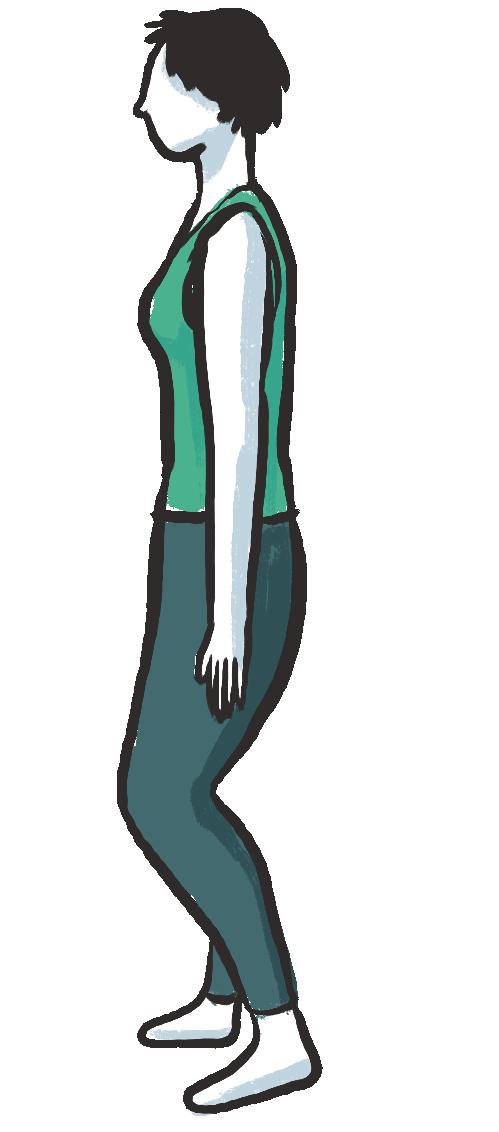
squats (partial)
Stand tall with feet 18” to 20” apart, toes pointed forward.
Keeping body erect and heels on floor, slowly bend knees about ¼ to 1/3 of the way down.
Squeeze hips and thighs to return to starting position. If balance is a problem, it is ok to hold on to something.
Repeat 10 to 15 times.
flexibility and toning exercises
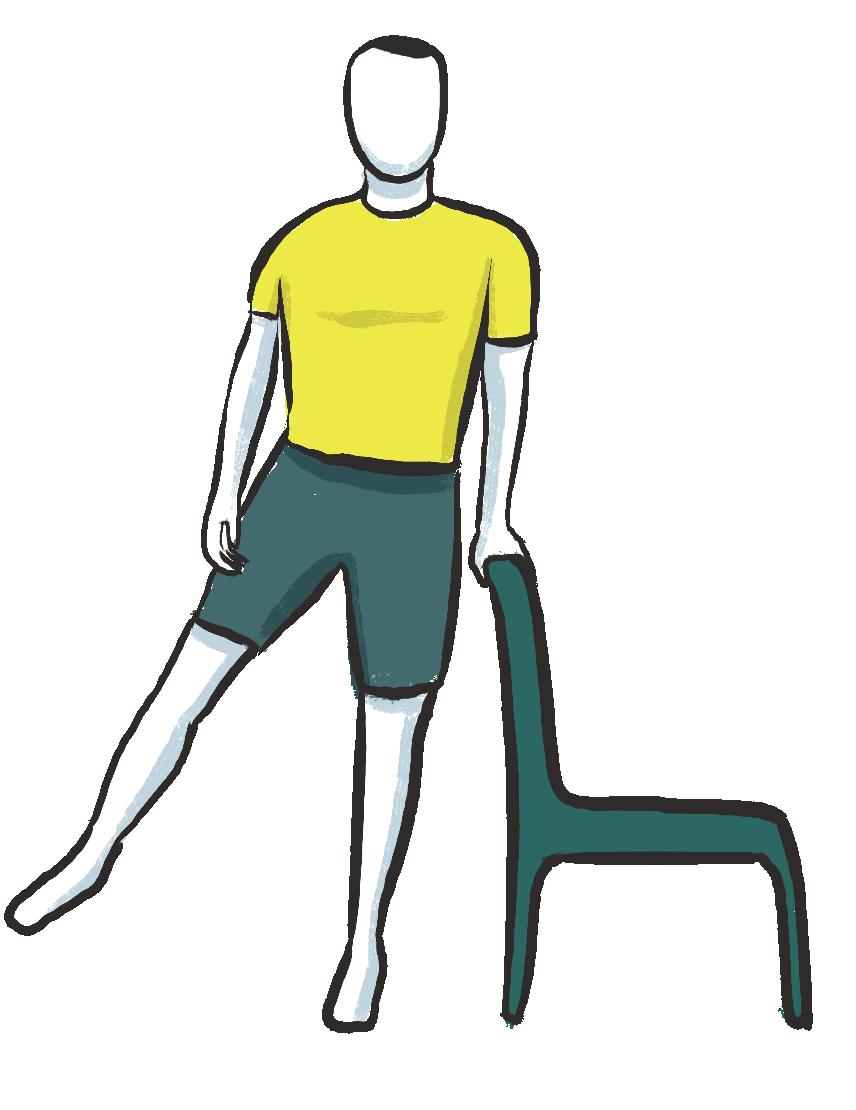
leg raises (standing)
Stand tall with left hand holding on to a wall or chair for balance. Squeezing hip and stomach muscles, move right leg to right side so that right foot is 8 to 12 inches above floor. Return to starting position.
Repeat 10 to 15 times.
Turn around and do exercise with left leg 10 to 15 times.
and toning exercises
toe-heel lift
Standing tall, press up onto the balls of the feet.
Slowly release down. Then curl toes up so you are standing on your heels.
Repeat 10 to 15 times.
Strength Training Program
1. Lift weights 2 to 3 days a week. Have at least one day between days you weight train. Spend at least 15 minutes in each weight training session.
2. Start with the large muscles—those of the legs and hips. Finish with the smaller muscle groups—chest and arms.
3. Start with light weights (1 to 2 lbs), and see if you can lift them 10 to 15 times. If it is very easy, add more weight. If it is very hard, take some away. You do not have to lift a lot of weight to gain strength. You want to feel resistance, not strain. Rest between sets.
4. Use good body posture when lifting weights. Keep your stomach muscles pulled in to help keep your back straight. Never jerk the weights.
5. How and when you breathe is also important with weight training. Breathe deeply the whole time you work with weights. Breathe out as you lift the weight, and breathe in as you lower the weight.
6. If you have had open heart surgery, check with your HCP first to find out which strength building exercises are right for you.
strength building with weights
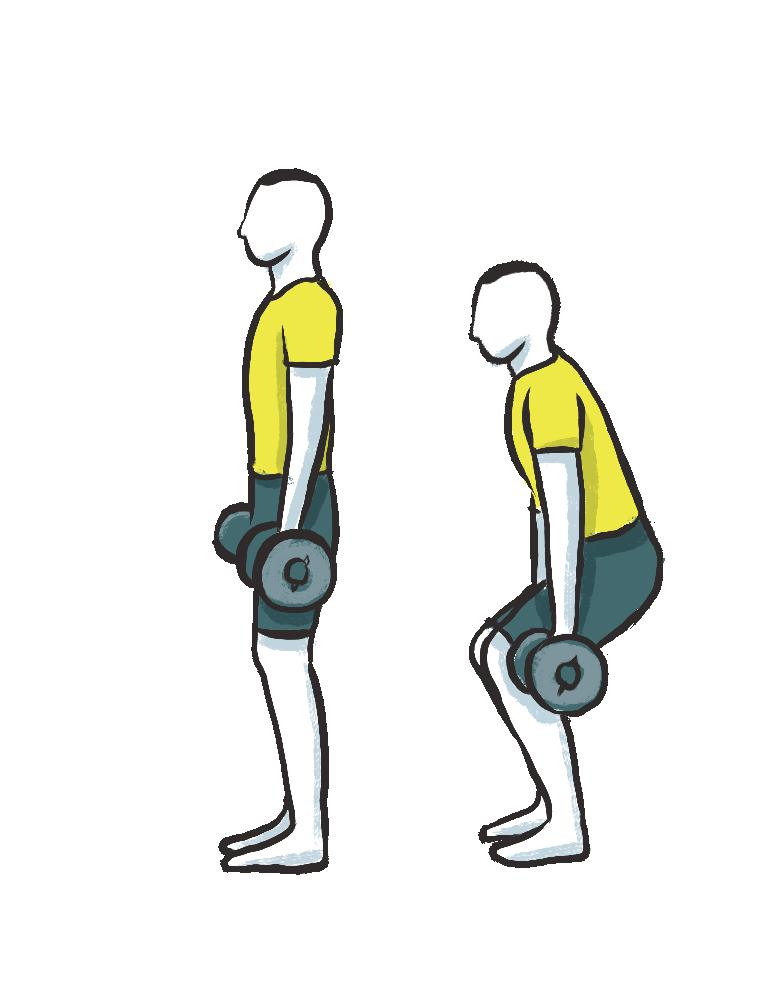
Muscles used: Front and back of thighs, hips
Body position: Hold weight in each hand at side of body. Place feet 18 to 20 inches apart, toes pointed forward.
Movement: Keeping body as erect as you can, bend knees and lower body only ¼ to 1/3 of the way down. Do not let heels come off of the floor. Squeeze hips and back of thighs. Return to start position.
Repeat 10 to 15 times.
strength building with weights
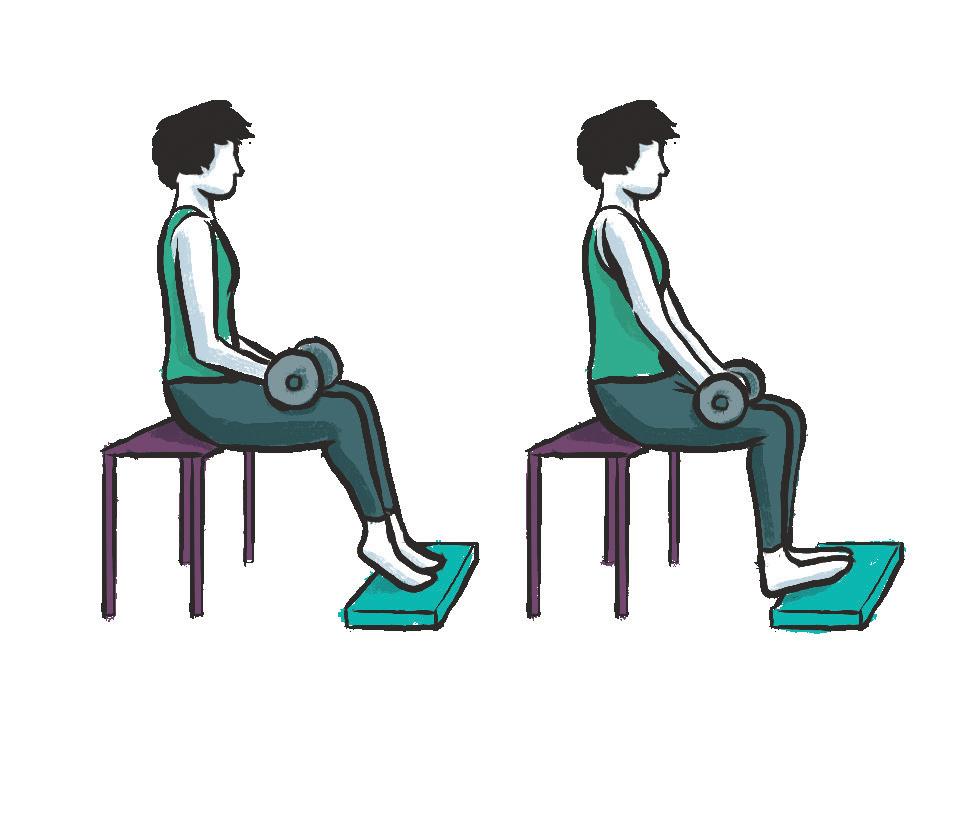
seated calf raise
Muscles used: Back of lower leg
Body position: Sit with two dumbbells supported on thighs and with ball of each foot up on a thick book or 2 to 3 inch board.
Movement: Squeezing just the calf muscles, press your heels up as high as you can. Then slowly lower back to floor.
Repeat 10 to 15 times.
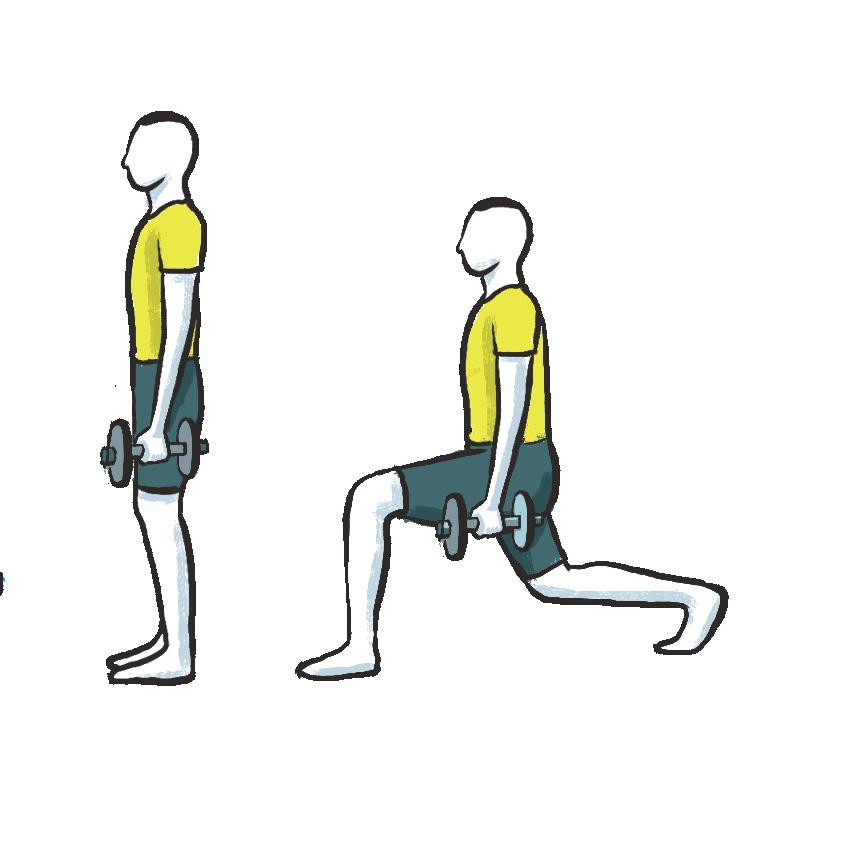
strength building with weights
Muscles used: Front and back of thighs, butt
Body position: Stand with feet hip-width apart, hold weight in each hand, palms facing in.
Movement: Step forward with your left leg and bend the right knee until your upper leg is about level with the floor (90° angle). Keep your spine straight. Push back up on your right leg to your start position. Then do this with your right leg.
Repeat 10 to 15 times.
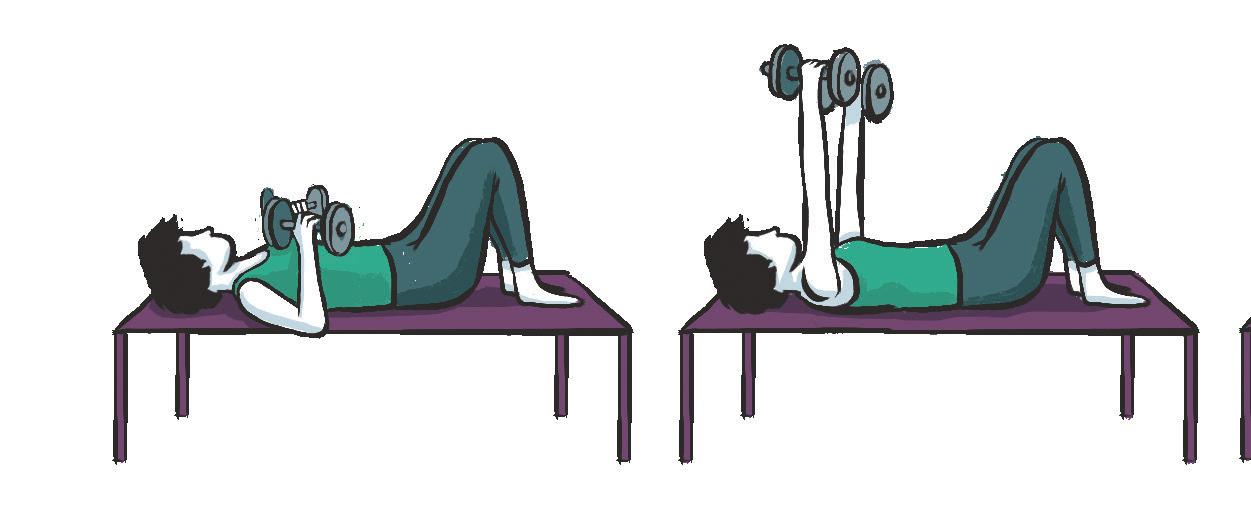
strength building with weights
bench press
Muscles used: Chest, front of shoulders, back of arms
Body position: Lie on weight bench with knees bent, feet on end of bench. Hold weight in each hand at chest level.
Movement: Press upward from shoulders. Then slowly lower to start position.
Repeat 10 to 15 times.
strength building with weights
Muscles used: Chest, arms
Body position: Lie on weight bench with knees bent, feet on the end of bench. Hold weights above chest, arms nearly straight.
Movement: With elbows slightly bent, slowly lower the weights to each side until arms are parallel to floor. Return arms to start position.
Repeat 10 to 15 times.
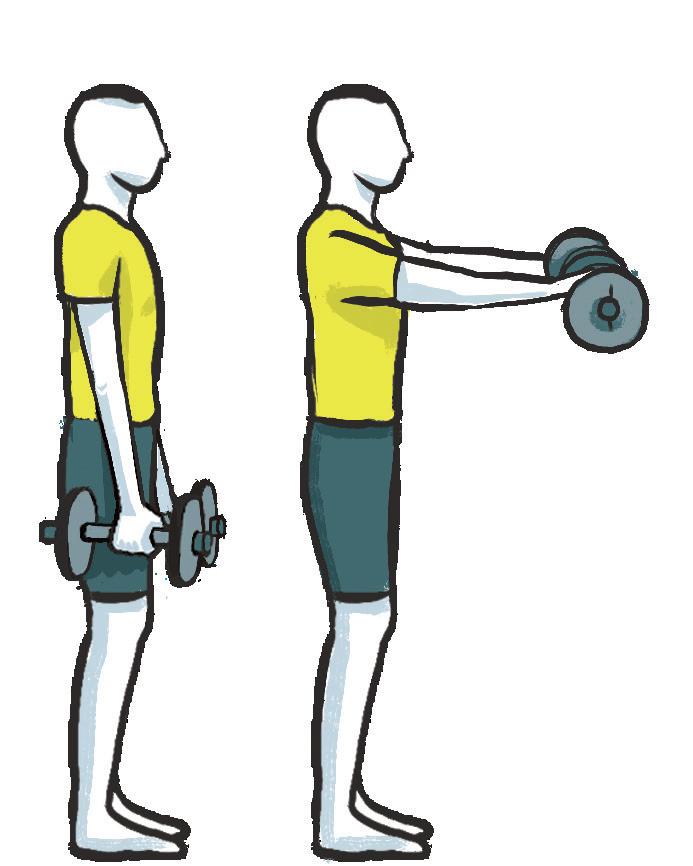
strength building with weights
front raise
Muscles used: Shoulders, upper arms
Body position: Stand with feet a little over shoulder-width apart, grasp weights in each hand out in front of you, palms facing your body.
Movement: Look straight ahead and use your shoulder muscles to slowly lift dumbbells out in front of you. Lift until weights are about even with your shoulders. Hold weights and count to 3, then slowly lower weights back to start.
Repeat 10 to 15 times.
strength building with weights
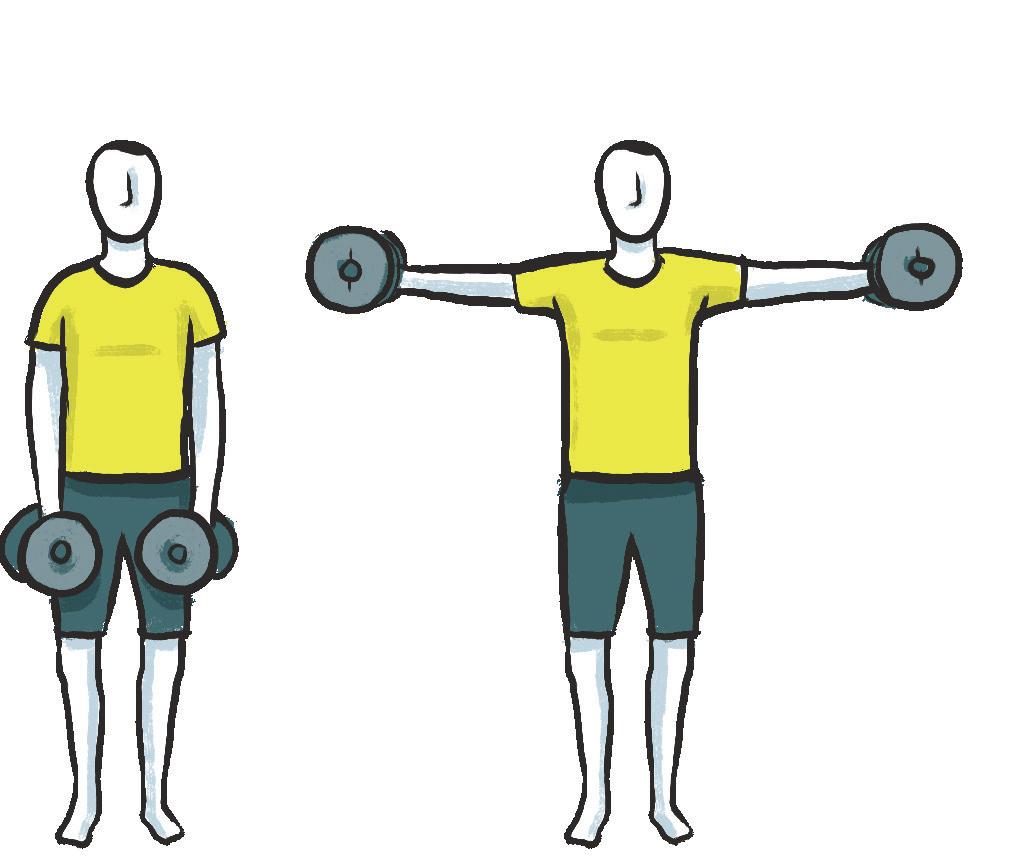
side raise
Muscles used: Shoulders, upper arms
Body position: Stand with feet shoulder-width apart, hands at your side. Hold weight in each hand, palms facing in. Hold your shoulders back and chest out, lean slightly forward.
Movement: Use your shoulder muscles to slowly raise dumbbells out from your side. Lift until weights are parallel with the floor. Hold weights and count to 3, then slowly lower weights back to start.
Repeat 10 to 15 times.
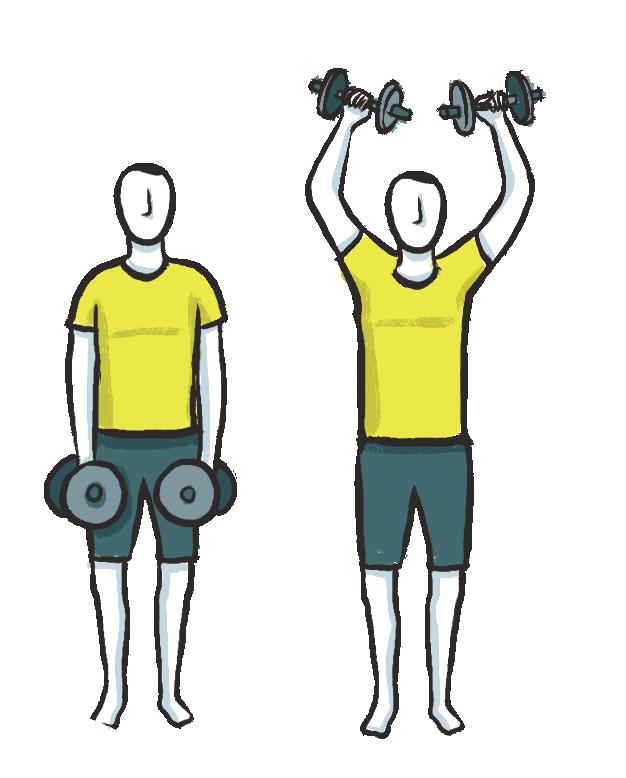
overhead raise strength building with weights
Muscles used: Shoulders, upper arms
Body position: Stand with feet shoulder-width apart, hands at your side. Hold weight in each hand, palms facing in.
Movement: Slowly raise dumbbells up in front of you. Lift until weights are over your head with arms bent. Hold position and count to 3, then slowly lower weights back to start.
Repeat 10 to 15 times.
strength building with weights
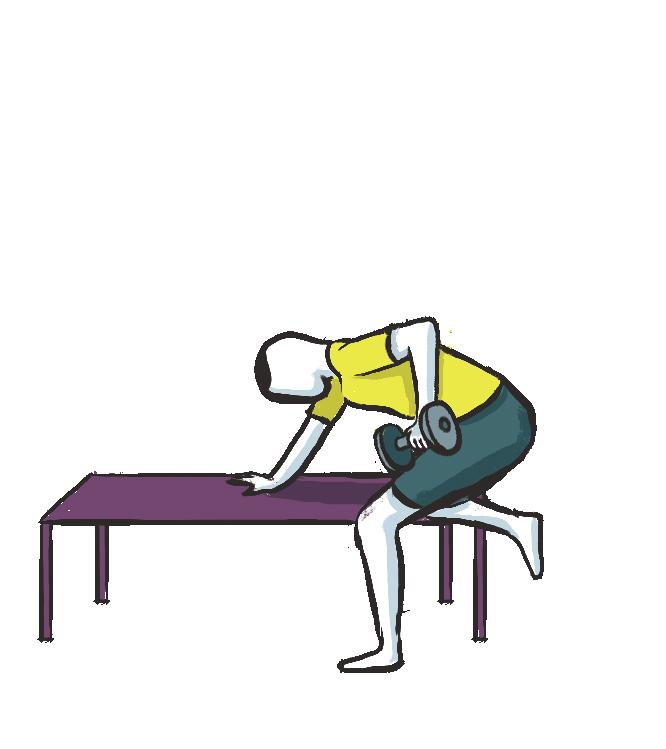
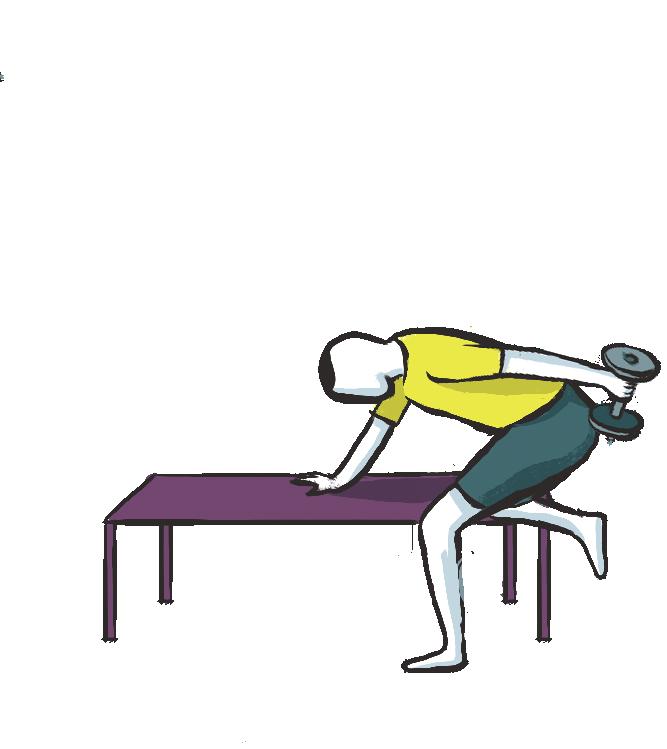
tricep kickback
Muscles used: Shoulders, upper arms
Body position: Stand beside bench, put right knee on bench, bend over and prop up with right hand on bench. Keep left leg out from bench and slightly behind your left shoulder. Grasp dumbbell in left hand, palm side in and upper arm in line with body.
Movement: Slowly pull dumbbell back until entire arm is straight and parallel with bench or floor. Then slowly lower weights back to start. Do not relax muscles and
Repeat 10 to 15 times. Then reposition with left knee on bench and do the same exercise using the
strength building with weights
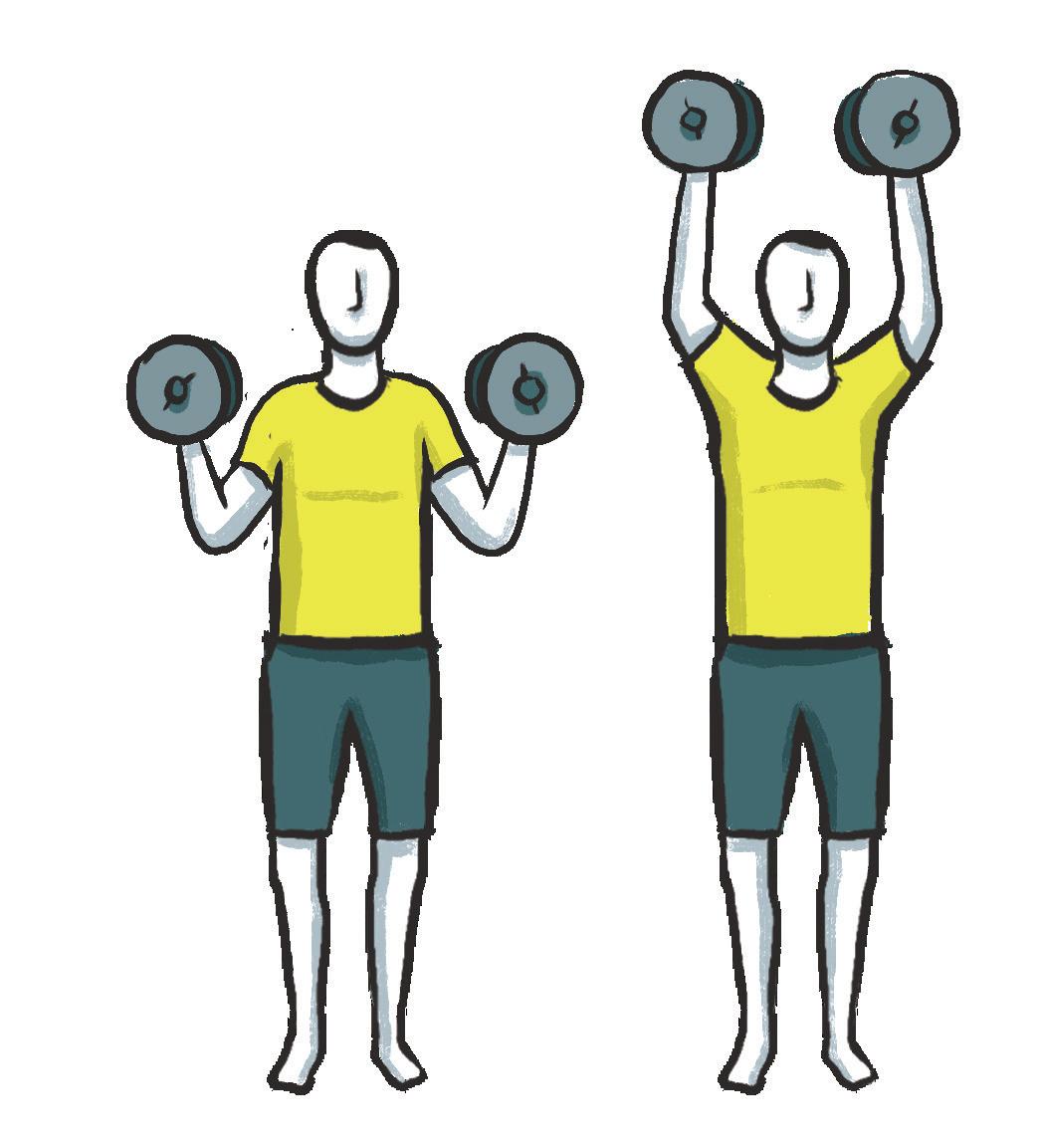
shoulder press
Muscles used: Shoulders, back of arms
Body position: Stand erect, stomach pulled in. Hold weight in each hand at shoulder level.
Movement: Raise weights above the head without letting your back arch. Slowly return to start position.
Repeat 10 to 15 times.
strength building with weights
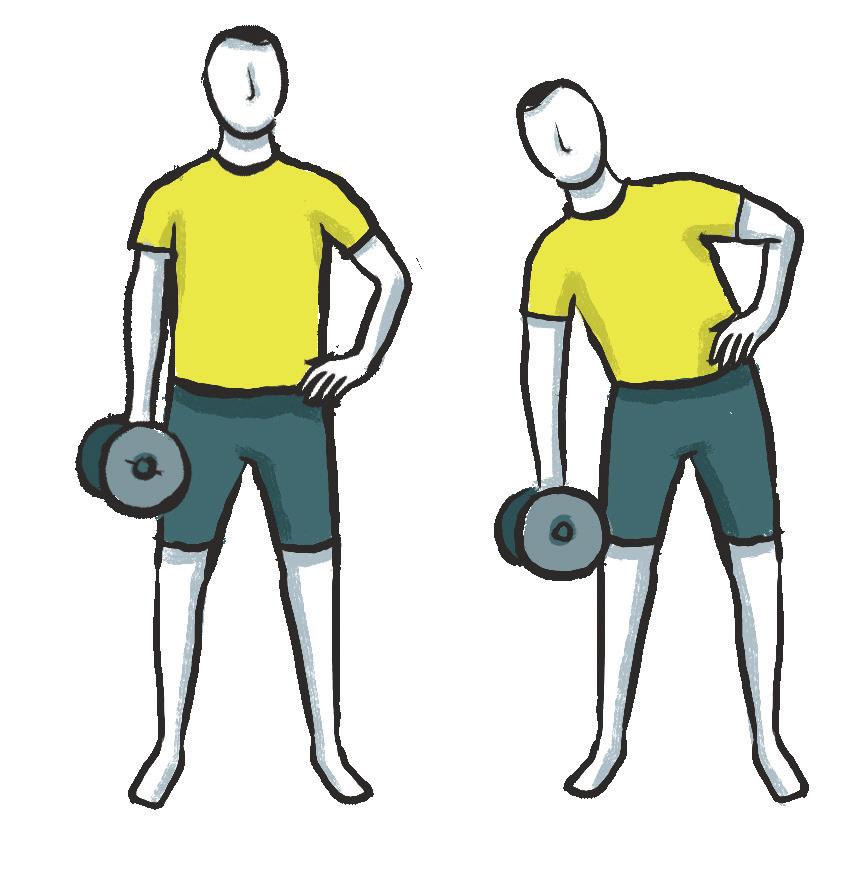
side bends
Muscles used: Back, shoulders
Body position: Stand with feet shoulder-width apart. Hold dumbbell at your side with your right hand, palm side in. Knees slightly bent.
Movement: Slowly bend your body to the right, without bending forward, as far as you comfortably can, letting weight hang out from side. Hold while you count to 3. Return to start and repeat 10 to 15 times. Then hold dumbell at your left side, palm in and repeat as above.
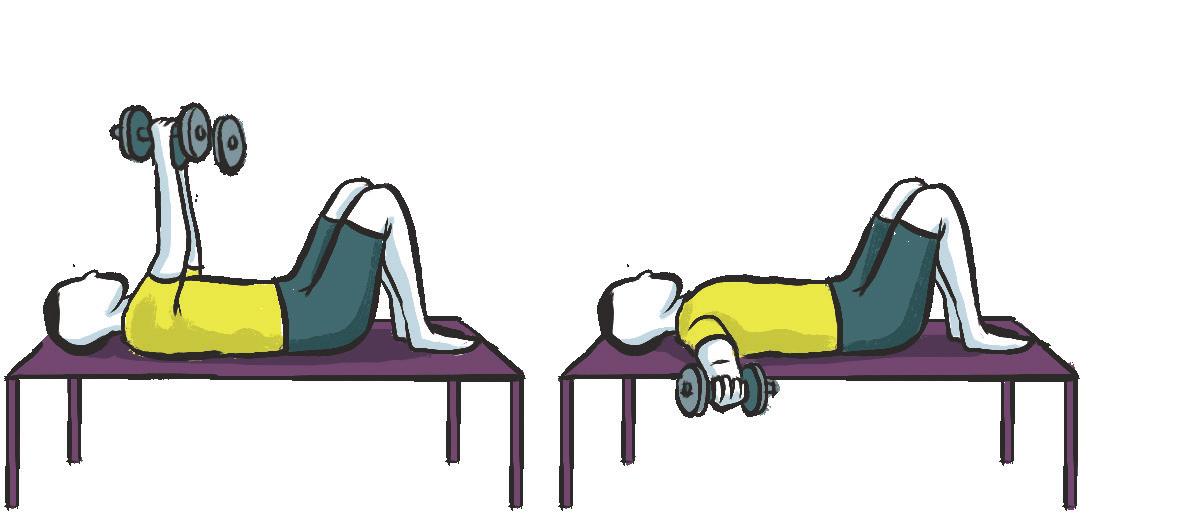
strength building with weights
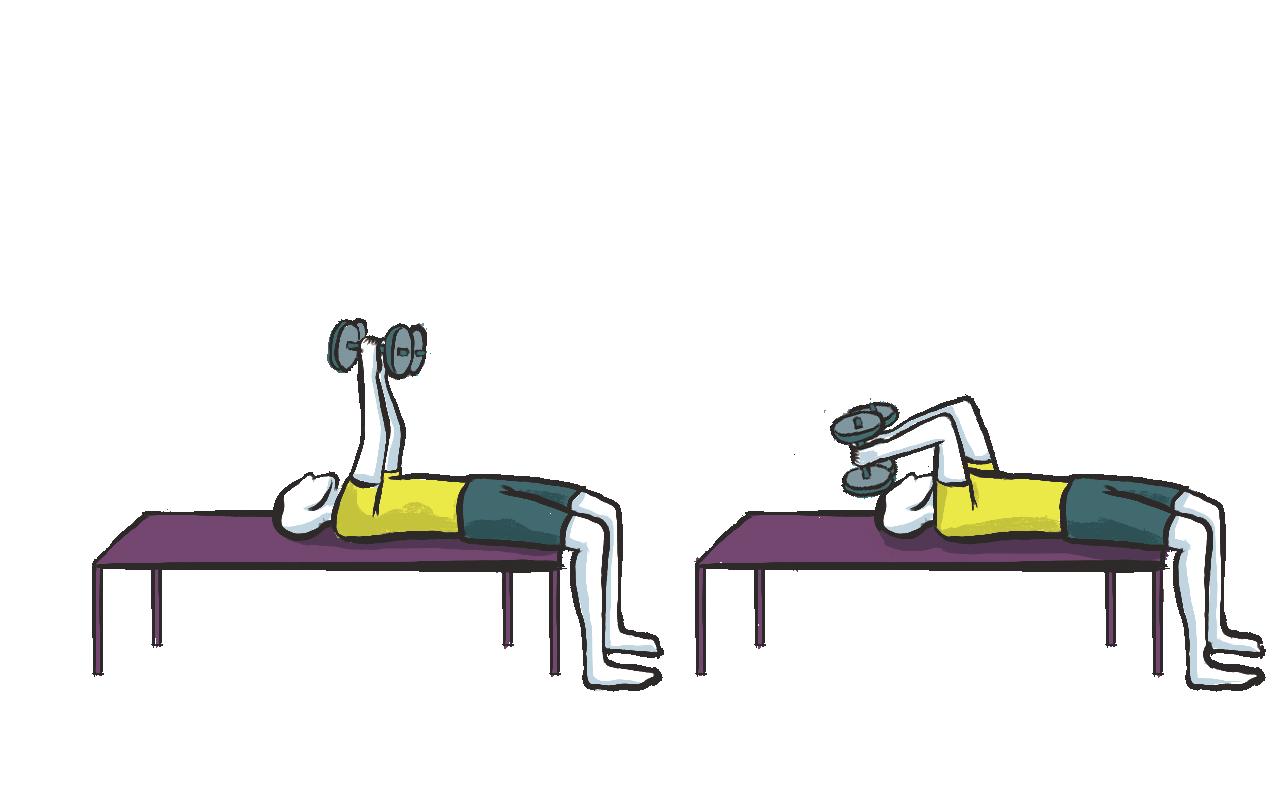
tricep extension
Muscles used: Back of upper arms
Body position: Grab dumbbells with palms facing in. Lie face up on bench, feet on floor. Hold weights out from body so that upper arms are pointed toward the ceiling.
Movement: Bend elbows to bring weights down beside head. Repeat 10 to 15 times.
strength building with weights
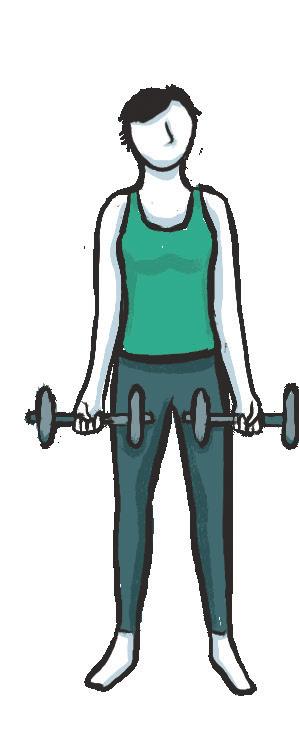
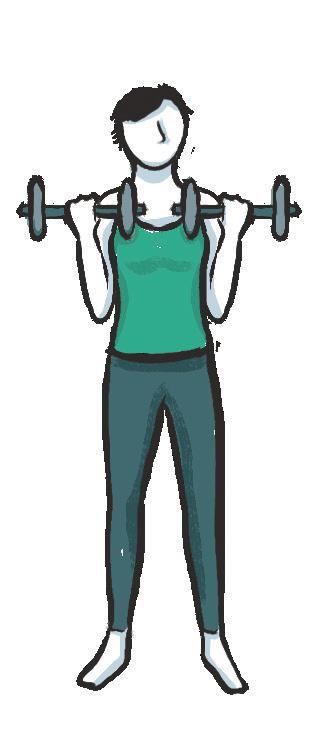
arm curls
Muscles used: Upper and lower arm muscles
Body position: Stand with feet 18 to 24 inches apart. Hold weights with palms up. Keep arms and back straight.
Movement: Bend elbows and curl your arms up until the weight nearly touches your chest. Do not jerk the weight.
Repeat 10 to 15 times.
Environment
Exercise can be done almost anywhere. Yet the world outdoors can give you problems. Knowing what to do about the weather and knowing how to dress will add to your safety and fun.
heat, humidity, fluids
Body temperature is balanced by the heat the body produces and the heat it loses. This keeps the body temperature around 98.6° (37°C). When body temperature goes up, blood vessels become larger, and blood moves to the skin’s surface. As you sweat, and your sweat evaporates, heat leaves the body, and the skin and blood are cooled.
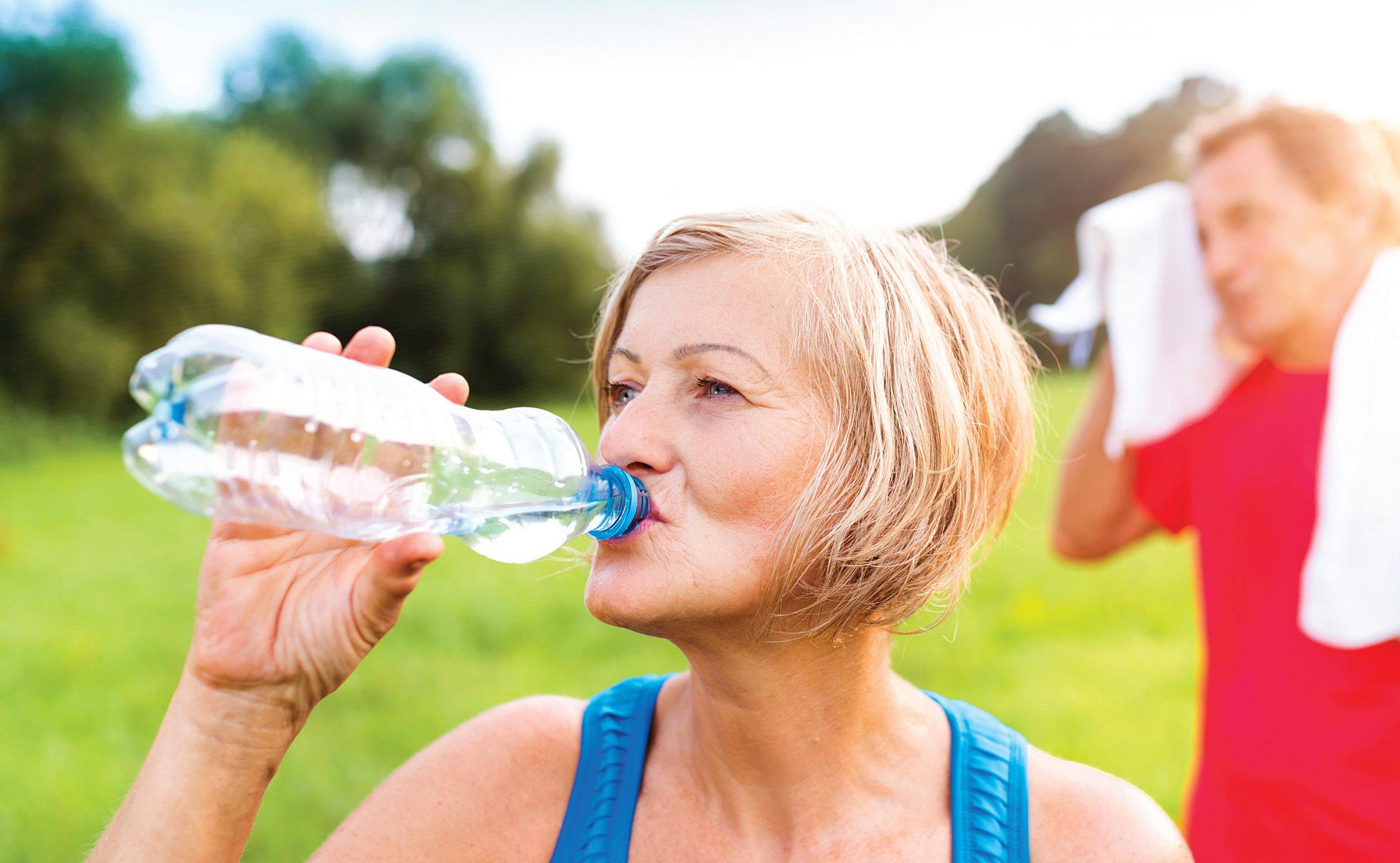
In hot and/or humid weather, you have to help your body stay cool. You may also need to do this when you exercise for a long time. In hot weather, your body must not only deal with its own heat but also the hot air around it. The loss of body heat by sweating may not be enough to cool the skin and blood. Be sure to:
• drink water– about one cup every 20 minutes of exercise
• wet your skin with water, especially if you do not sweat
You must replace fluids and keep the body cool to avoid heat sickness or dehydration. Hot weather does not bother physically trained people as much as it does beginners. Beginners should limit exercise time in very hot weather. But even people who exercise at high levels need to drink fluids and know when to stop before getting too hot.
If you have a heart problem and the weather is hot (above 95°) and humid (80% or more), reduce the time you exercise outdoors by 25%. You may want to lower your exercise intensity also. Exercise indoors is fine if the room is properly cooled.
cold weather
While hot weather expands blood vessels, cold weather narrows them. As blood vessels get smaller, the heart must pump harder to move the same amount of blood through smaller vessels. This can raise blood pressure. Cold weather may also reduce how much air the lungs can exchange. As the body becomes colder, less oxygen is sent to the working muscles. This may or may not be noticed by a healthy, trained person, but people with heart disease may feel chest pressure (angina) or have irregular heartbeats. People with lung disease may feel more short of breath and not be able to exercise outdoors in very cold weather. It is best to exercise indoors if the outside temperature is 39°F (4°C) or less.
wind
When you exercise against the wind, you may want to slow down or exercise for a shorter time than is normal for you. Wind makes you work harder and makes the body feel colder than it may actually be.
altitude
Healthy people can exercise in altitudes higher than 10,000 feet. You should take a few days to get used to the altitude. But this does not mean that high altitudes will not make a person feel sick. You may still feel sleepy, very tired, sick to your stomach, light-headed or have a headache. These are the signs of altitude sickness. If you feel any of these, do not exercise for a day or two, or descend to a lower altitude. Medicines like Diamox can help prevent symptoms at high altitudes.
People with heart problems can also exercise in high altitudes, but it should be done with care. Many take part in mild activities at altitudes of 6,000 to 8,000 feet. In fact, some ski or vacation in cities located at just under 10,000 feet and enjoy it. But if you have heart problems, do not exercise when you feel sick from the altitude.
surfaces
If you have weak ankles or back or muscle problems, uneven surfaces may give you trouble. Flexibility and toning exercises can help you overcome your body’s weak areas. Do them each time you exercise.
air pollution
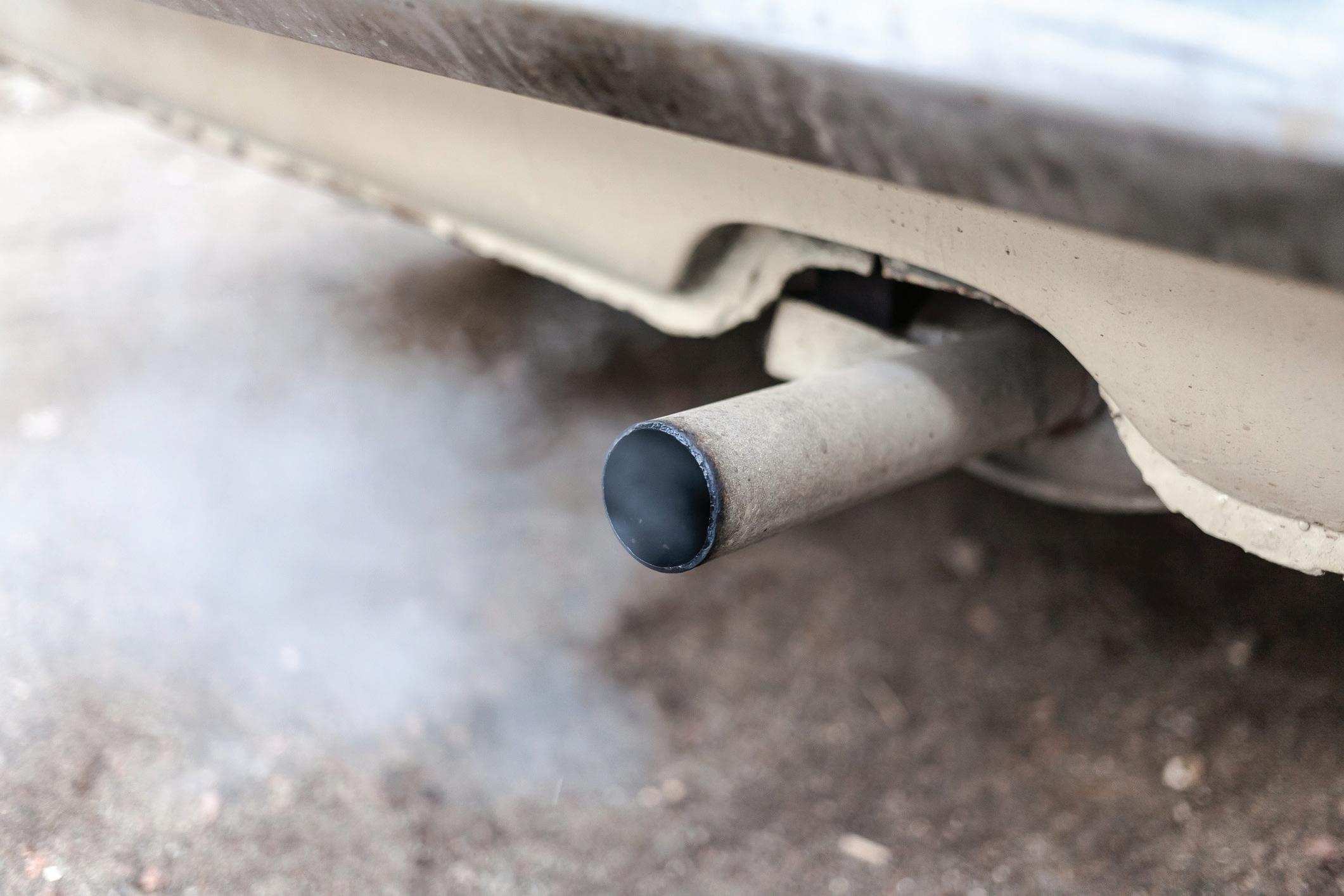
It is hard for the body to get oxygen in dirty air. This can be true in air filled with tobacco smoke, industrial fumes, car exhaust and smog. When the body is getting less oxygen, the heart beats faster trying to meet the body’s need for more oxygen. This is most true for people with heart or lung disease. So when you know that the air is polluted, do not do hard exercises.
Car exhaust is a very common air pollutant. When it is breathed, carbon monoxide replaces some of the oxygen and gets into the blood and goes to the muscles. This can give chest pressure (angina) to people with heart disease. It can also cause irregular heartbeats. Patients with lung disease may feel short of breath.
The normal level of carbon monoxide in the blood is less than 1%.
People living in cities with lots of smog may have up to 3% carbon monoxide. So the more pollution in the air, the less oxygen in the blood. Also, remember that smokers have levels of 4 to 10% carbon monoxide.
Smoke-free work places and restaurants have helped reduce the risk from pollutants and smoke.
proper clothes to wear
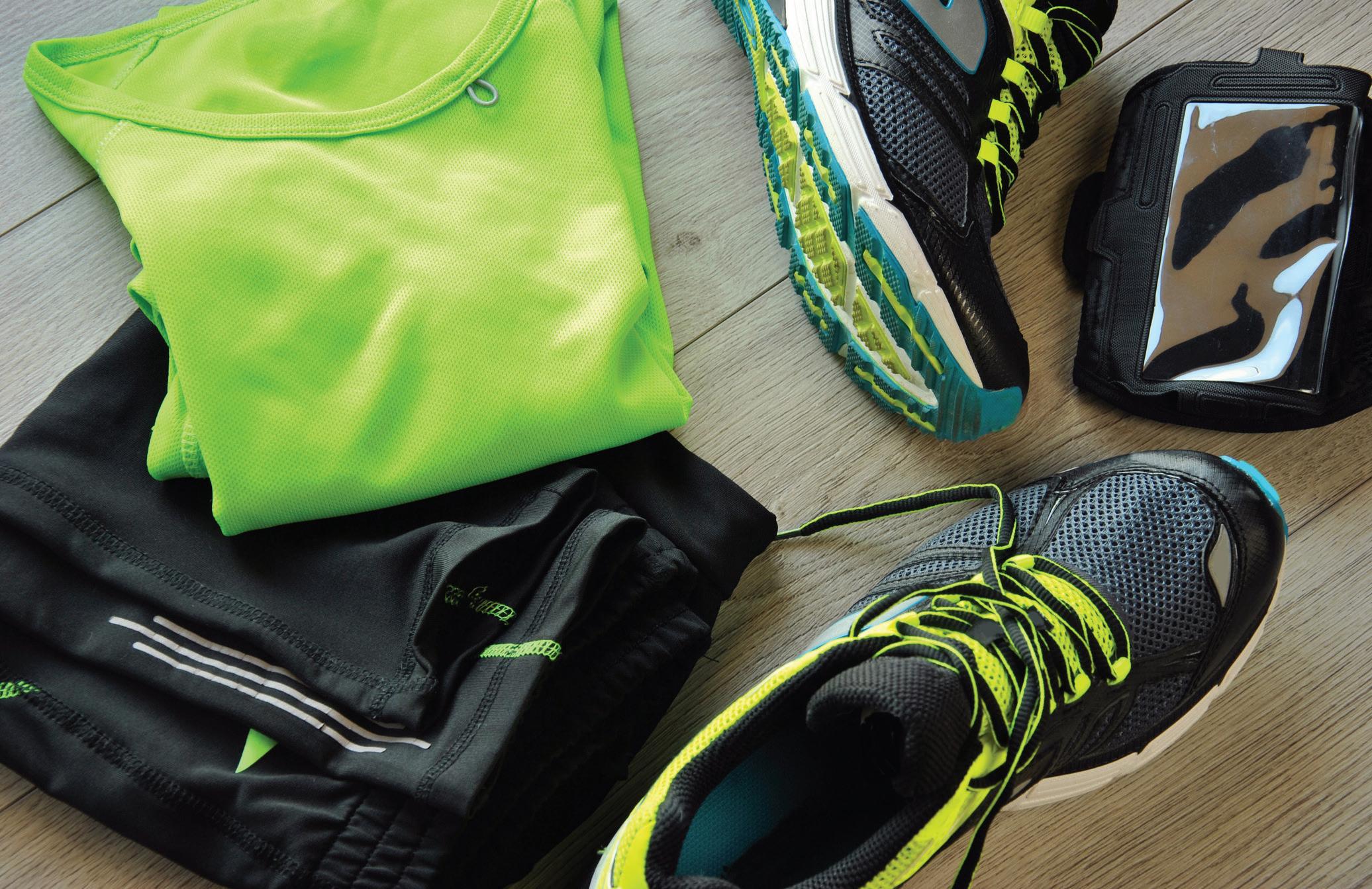
One of the best things about exercise is that you can work out in simple clothes that feel good. Here’s what to look for.
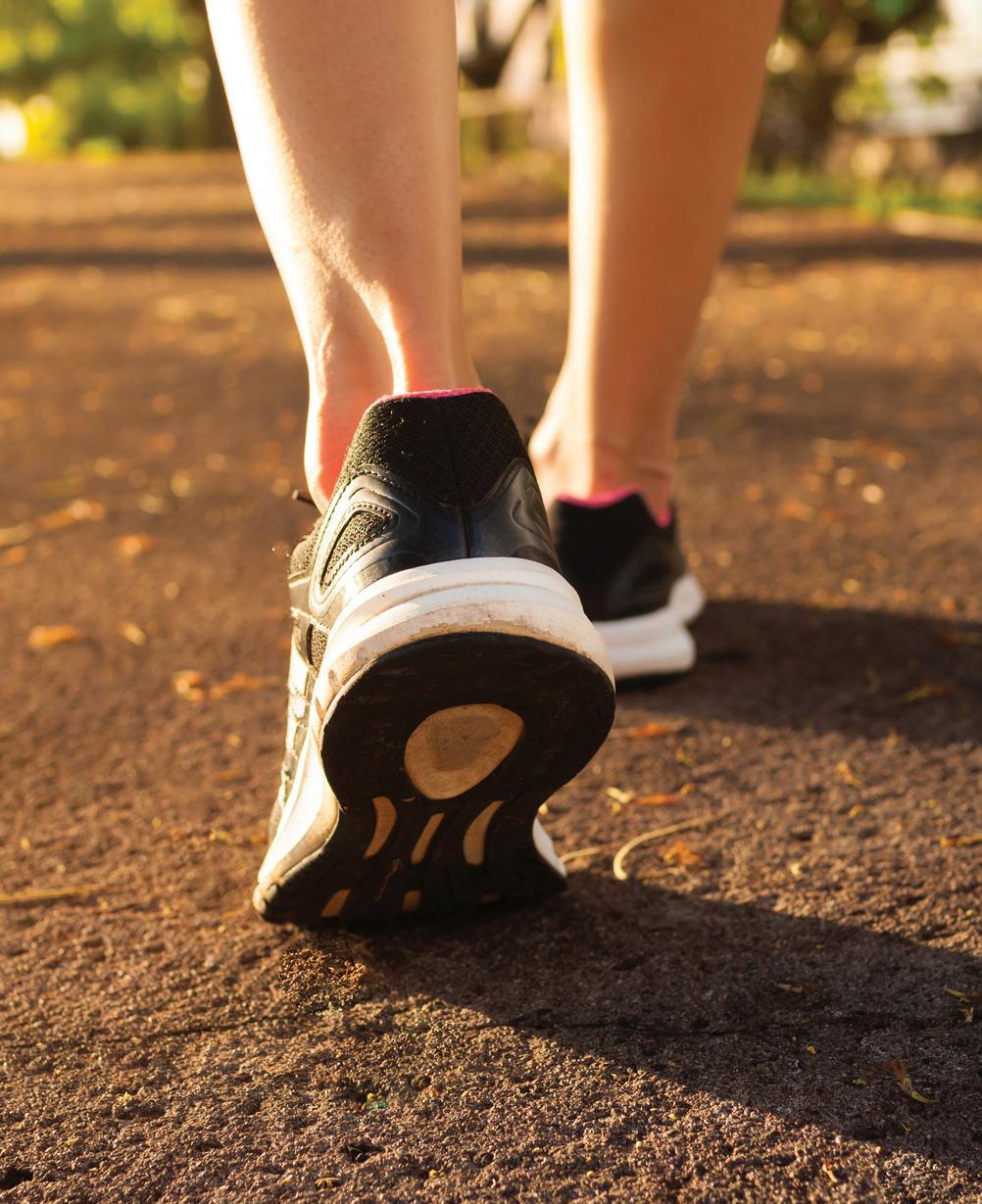
Wear shoes that go with the sport. It's best to get advice from an expert in exercise shoes. Don’t buy shoes that feel uncomfortable in any way. They should feel so good that you want to go out and dance! It is very important to get professional advice on shoes.
In warm weather, wear clothes that fit loosely and breathe. These let air flow freely over the body, and more heat can escape. In the summer, wear light colors. These reflect heat.
If your clothes get wet, don’t change them. Wet clothes help keep the body cool as water evaporates during exercise.
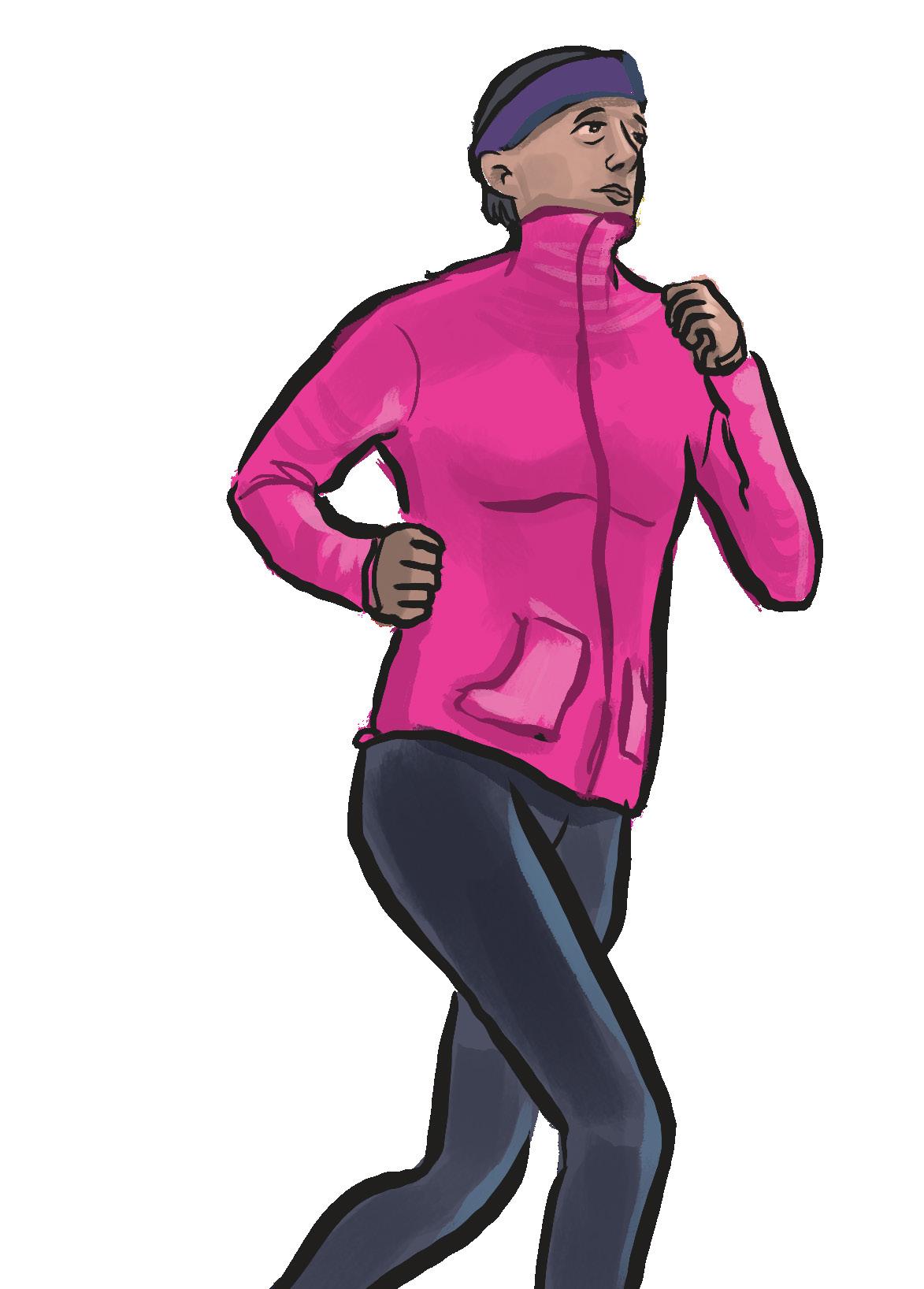
In cold weather, wear clothes that cover not only the arms and legs but also the hands, feet and head.
Wear layers of clothes but not heavy clothes. As you warm up, a layer can be taken off before you sweat too much. As you cool down, you can add something back.
Change wet clothes in cold weather to keep the body warm.
Exercise and other health concerns
blood vessel disease (arms & legs)
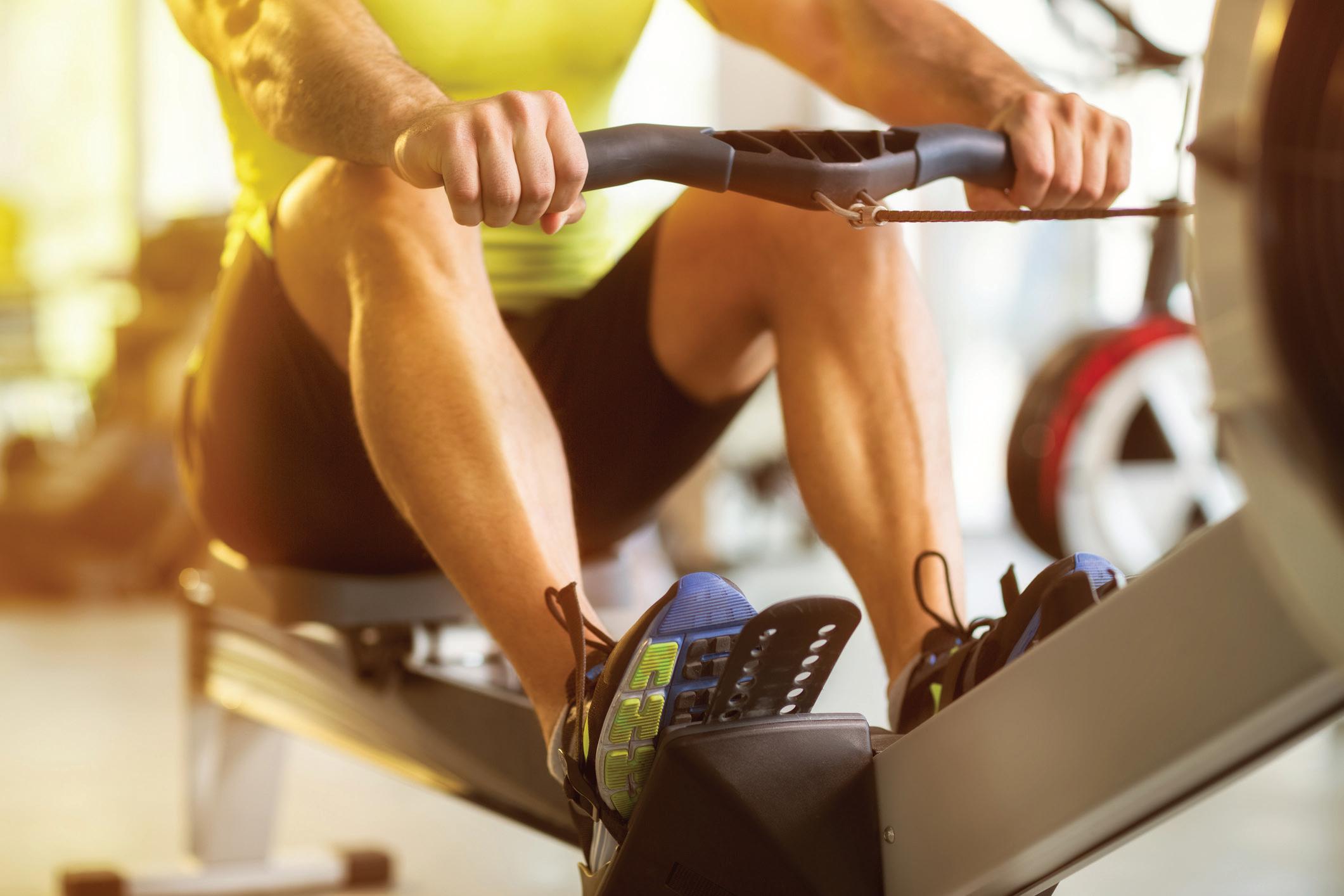
This is known as peripheral artery disease (PAD). If you have this disease, exercise can be painful, especially in the legs. This does not mean that you can’t exercise. Aerobic exercises using the arms and legs can help you build your endurance and be able to do more. You can walk, cycle, row, do arm curls or other exercises. You can safely exercise until the pain is moderate to severe and then rest. After resting, start again. This is called interval training. Make sure your HCP knows which exercises you want to do. He or she can help you decide how much and which kind is right for you.
lung disease
Studies show that exercise can help people with lung disease. It can build:
• endurance and strength
• confidence
As the chest muscles get stronger through exercise, shortness of breath may also improve. You can exercise even if you use oxygen.
If you know you have lung problems (scarring, fibrosis or emphysema), it is best to have an exercise test to see how much you can do.
diabetes
People with diabetes can exercise. It is now almost always prescribed as part of treatment. If you are diabetic, ask your HCP exactly which exercises you can do and how much. Check for foot sores on a regular basis.
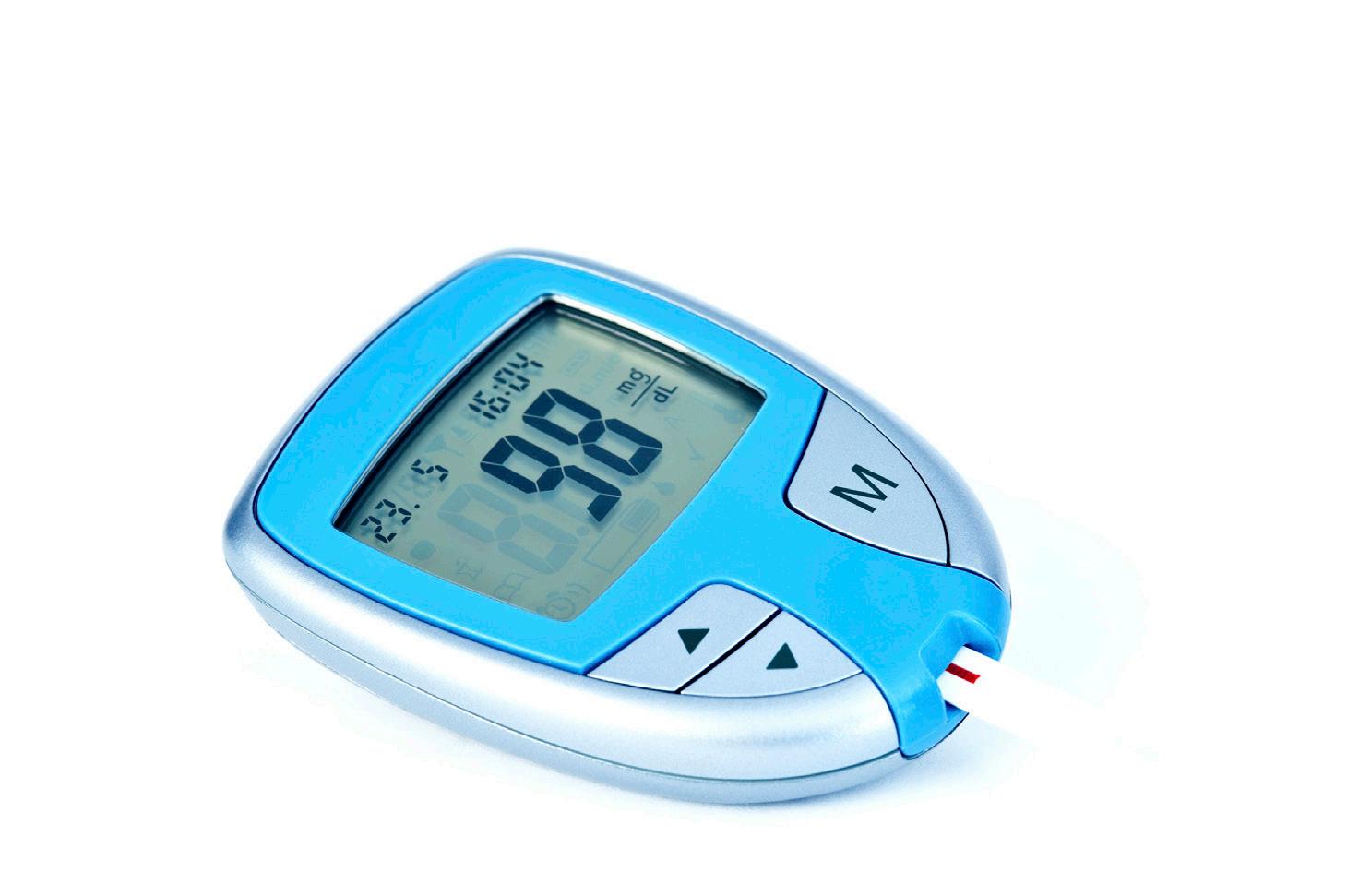
You should not exercise healthcare team to set upper blood sugar limits. This if you inject insulin. You could the wrong time. Always take some when exercising. sudden drop in blood sugar. meter test strip blood sample
Exercise cautions
end points
There will always be times when you should stop exercising. These are called end points. An end point may be muscle strain or irregular heartbeats. It can also be unusual shortness of breath or chest discomfort. No matter what it is, an end point tells you that it’s time to stop exercising. If you train past an end point, your health could be in danger. An example would be someone who exercises even though he or she is having chest discomfort. The more you exercise, the better you know your end points and when your body is saying, “STOP!”
Sudden death, heart attacks and heat-related illnesses have been caused by vigorous, physical activity. But these are rare. These are almost always due to heart disease in people who:
• smoke
• have uncontrolled high blood pressure
• have very high cholesterol and narrowed arteries
• have a family history of early heart disease
• exercise without knowing what is safe
If you don’t know how healthy you are, or if you know that you are prone to heart disease, have an exercise test. This is most important for people 40 or older who are just starting to exercise or who want to exercise more.
Do not exercise if you have chest discomfort, palpitations or an illness with fever. These should be evaluated by your HCP.
When you know you have heart disease, work out in a medically supervised program. In these programs, you have experts to help you lose weight, quit smoking and change your diet. They can also show you how much exercise is right for you. As you improve your health, you will be able to exercise on your own.
food, alcohol & drugs
Do not eat large meals or drink alcohol before exercising. Exercising too soon (less than 2 hours) or too much after eating puts a strain on the heart.
Alcohol, marijuana and cocaine increase heart rate and may affect the heart’s pumping ability. They may also hide any symptoms or end points that are telling you it’s time to stop. Over-the-counter decongestants can also raise heart rate and blood pressure during exercise. If taking these, you may need to decrease your exercise level.
bones & joints
There is no evidence that lifelong exercise causes arthritis. In fact, it may make the bones and joints even stronger. Bone and joint problems are more common in people who:
• do too much exercise after a long time of no exercise
• have had joint problems before
• do not do flexibility exercises
• do exercise that is too strenuous
heat sickness
Heat sickness can happen with exercise. It can happen to:
• long distance runners not in their best condition
• people who are overweight, not trained or not used to heat
• people who do not replace fluids during exercise
• very young or very old people with previous heat problems
• people who increase their speed during the last part of an exercise session
These problems can be prevented with proper training and replacing fluids.
Summary
As you work to stay in shape, keep your health and safety in mind and remember these:
• It is best to get your healthcare provider’s advice to begin or increase an exercise program.
• Know your target heart rate range and when to stop an exercise (end points).
• Warm up and cool down each time you exercise.
• Start with 20 to 30 minutes of aerobic exercise 2-3 days per week and gradually increase to 30 to 60 minutes most days of the week (5-6 days).
• Include flexibility exercises in your workout. These should be done after your aerobic exercise (3-4 days each week).
• Ask your HCP if you need an exercise test. This is important if you are older, have not been exercising regularly, have heart, lung or other health problems or plan to start vigorous intensity exercise.
• Pay attention to heat, cold, humidity, altitude, surfaces and pollution.
• Do exercises that you enjoy and that you can continue the rest of your life.
Notes
Notes
Notes
About the authors
Barbara J. Fletcher, RN, MN, FAHA, FPCNA, FAAN
was an Adjunct Clinical Associate Professor in the Brooks College of Health, School of Nursing at the University of North Florida in Jacksonville, Florida. Previously, she served as the Program Director for both Georgia Baptist Medical Center and Emory University Cardiac Rehabilitation Programs in Atlanta, Georgia. She sat on the National American Heart Association (AHA) Exercise Committee through which she has co-authored several position statements on exercise. Besides co-authoring Exercise for Heart & Health, she has co-authored five other patient education books on heart disease and numerous professional journal articles and book chapters. Her research endeavors continue to be focused on exercise in special populations.
Gerald F. Fletcher, MD, FAHA, FACC
was a Professor of Medicine, Mayo Clinic College of Medicine and Cardiovascular Specialist at Mayo Clinic Florida, Jacksonville, Florida. He previously served as Medical Director for both the Georgia Baptist and Emory University Cardiac Rehabilitation Programs. He chaired the National American Heart Association (AHA) Exercise Committee and more recently chaired the writing groups for the AHA Statements and Standards on Exercise Testing and Training. Besides this book, Dr. Fletcher authored and co-authored numerous national and international professional journal articles, book chapters and books. Dr. Fletcher died in early 2022.
John D. Cantwell, MD, MACP, FACC
is a 3rd generation physician from Wisconsin and a cardiologist with the Piedmont Heart Institute in Atlanta. He attended Duke University and played on their first ACC basketball championship team. He served as a team physician for the Atlanta Braves for 41 seasons and was the chief medical officer for the 1996 Olympic Games. A charter member of his high school's sports Hall of Fame for his football, basketball and baseball exploits, he continues to be physically active – weight training, or walking or biking over an hour with his wife most days.
We believe that you have the right to know as much as you can about your health. Our goal is to give you enough facts to get the main points clearly in mind. We do this with medical accuracy, warmth and humor. The result for you: less tension, more healing and a good idea of what to ask your doctor, nurse or others.