Ambient artificial intelligence (AI) scribes are on the rise for physicians across the nation. Experts estimate this rapidly deploying technology is already in use by more than 30 percent of physicians - and growing by the day. The solution addresses key pain points: reducing the burden of documentation, replacing expensive manual labor, and preserving the most precious asset in a medical practice – the physician’s time. This technological advancement comes at a crucial moment, as physicians increasingly seek sustainable ways to protect work-life balance. Operating behind the scenes in the exam room, this HIPAA-compliant technology listens to conversations between clinicians and patients, generating structured clinical notes in real time. Through natural language processing, the system learns the physician’s voice and style, allowing documentation to read as if it were personally authored. Like traditional transcription tools, these structured notes are uploaded directly to the patient’s medical record.
Article on page 6
See more local news in Grand Rounds on page 8
CAR T-cell Therapy: The New Frontier in Cancer Treatment
West Cancer Center’s, Jason Chandler, leads the way
By JAMES DOWD
For decades, cancer treatment has relied on surgery, chemotherapy, and radiation. Today, a new frontier is redefining what’s possible.
The rapid evolution of cellular immunotherapy continues to reshape the oncology landscape, with chimeric antigen receptor (CAR) T-cell therapy emerging as one of the most transformative advances in hematologic malignancies. At West Cancer Center, Jason Chandler, MD, is leading a program that reflects a broader shift by bringing highly specialized, potentially curative therapies out of academic centers and into community-based oncology practice.
“This therapy has been out for a while, but we launched it at West about a year ago,” Chandler said. “I think one of the amazing things about
“Nurses
our therapy is that it’s delivered in a standalone clinic instead of a hospital setting. We provide treatment every day on an outpatient basis, so if patients tolerate it well and don’t need additional care, they’re able to return home after every session.”
CAR T-cell
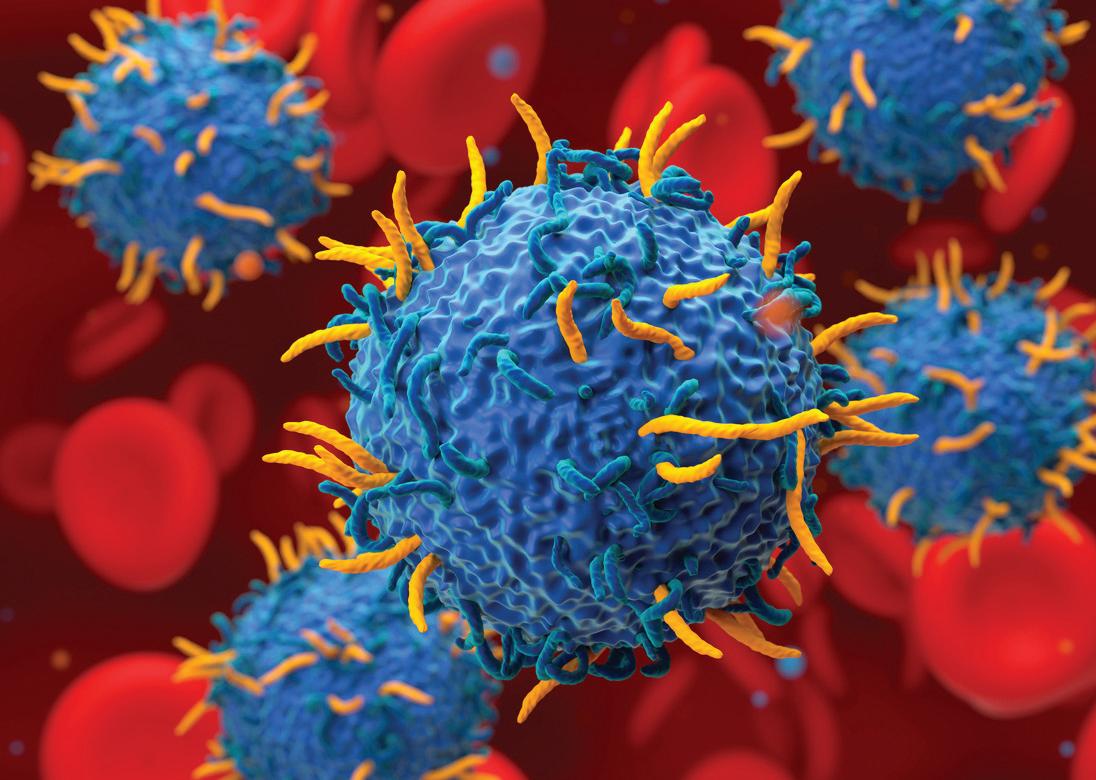
CAR T-cell therapy is a form of immunotherapy that reengineers a patient’s own T cells to recognize and attack cancer. The process begins with leukapheresis, followed by genetic modification in a laboratory to add
a chimeric antigen receptor (CAR), a protein that acts like a targeting system for cancer cells.
(CONTINUED ON PAGE 5)
Nurse’s Roundtable
Four Nurses, Four Questions, Four Insights Into the Minds of Essential Nurses
By PAMELA Z. HASKINS
In celebration of one of the most indispensable healthcare professions, and in honor of Nurse’s Week in May, we gathered four special Memphis nurses to talk about how they got there, the work they are doing and what keeps them going.
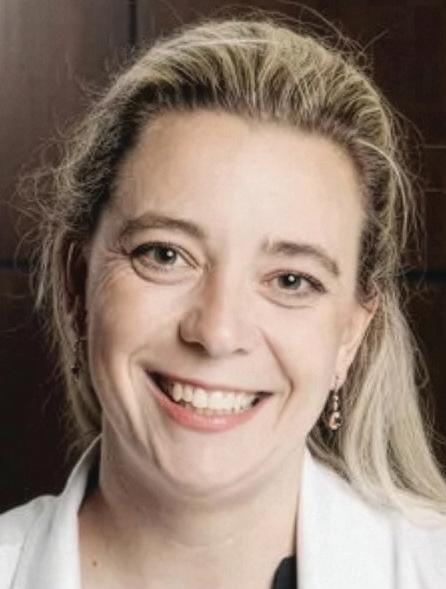
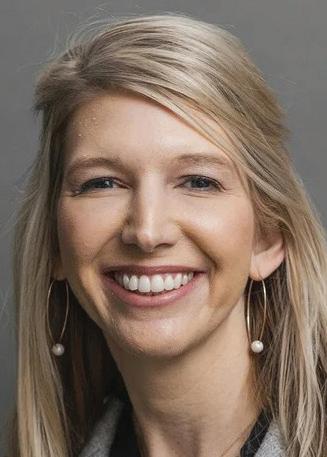
It’s comforting to have a good nurse around during any health issue – whether you are having a baby or fighting cancer. Here’s to these four Memphis nurses, Kristen Duncan, Tiffany Edwards, Wendy Mink and Kathy Youngblood. We thank nurses everywhere for your dedication and care.
(CONTINUED ON PAGE 3)
NursesRoundtable
Katherine
Youngblood,
MS, BSN, CPN, CPHON, WCC
Current practice: Oncology nurse, St. Jude Children’s Research
Hospital
Where were you born and raised?
I was born in Tulsa, Oklahoma and raised all over the world as my father was in the military.
Where did you attend college and nursing school?
I attended Harding University where I received my Bachelor of Science in Nursing, I also attended the University of Memphis where I earned a Master of Science in Instructional Curriculum and Leadership with an emphasis in Instructional Design.
What are your parents’ names and what were their occupations?
Carl Youngblood and Julia Youngblood. My father was career military, and my mother did a little of everything, editor, photographer, transcriptionist.
When did you first decide that you wanted to be a nurse? Was there anyone special who inspired you along the way?
I went to college as an accounting major and it took a semester of classes to realize it was not for me. One evening a friend with Type 1 Diabetes had a hypoglycemic episode and the dorm’s
resident assistant, who was a nursing major, was incredible. While the rest of us were wringing our hands she stepped in and got her set to rights. It was impressive and I started thinking about nursing as a viable alternative. Three and a half years later (1984) I was a nurse and have never looked back. I have been fortunate over the years to have worked with many nurses who set high standards for nursing care and were willing to share their knowledge and wisdom. As a young nurse I watched, I listened and I learned. I asked questions and adapted my practice to meet the high standards of care now rooted in me. I am thankful for their presence in my life every single day.
Of all the medical specialties, what made you decide to go into Oncology?
It was a bit of a fluke really. I had been working in Atlanta as a surgery nurse for a few years and wanted to explore other opportunities. While visiting a friend in Memphis I met a friend of his who was a nurse at St Jude. At that time St Jude was hiring so we decided to meet. Of course, she talked about the benefits and perks available within the institution but mostly she talked about the children and the work being done. There is a significant incidence of cancer in my family and the fact that research was being translated into practice piqued my interest. So, I set up a meeting with their nurse recruiter. I didn’t know if oncology would be for me, so I gave myself two years to figure it out. At the five-year mark I was fully invested. Still learning and making a difference.
In what ways do nursing interventions influence treatment success in cancer patients?
Nursing interventions are grounded in patient advocacy. It’s the first thing we learn in nursing school, and it drives everything we do. Whether we are carrying out the tangible “hard” skills or employing the equally important “soft skills” the underlying motivation is always “How can I best support and protect my patient? What do they want or need? Are they being heard?”
Oncology nurses are fierce advocates. It allows us to develop meaningful, respectful relationships with our patients and families. In turn, these relationships give them a safe space where dignity, open communication, and self-determination can flourish.
Whether the outcome of care is cure or a peaceful transition, advocating for the patient with dignity and respect always contributes to success in the oncology world.
What keeps you in the challenging space of oncology nursing?
Two things:
1. Lifelong learning - St Jude offers a variety of roles within and outside the clinical practice setting. This has allowed me to challenge myself, continue to improve my nursing practice, and support other nurses in their growth as pediatric hematology/oncology nurses.
2. Making a difference - In my nearly 40 years at St Jude there have been significant changes and successes in the treatment of childhood cancer. New science and technologies allowing better diagnostics, new agents that treat with more precision, and better drugs for treating side effects of chemotherapy have all contributed to increased survival rates and better quality of life for the pediatric/oncology population. As a specialty and a profession, we are constantly moving forward. Yes, it can be heartbreaking, but when I see a patient 15 or 20 years after treatment doing well, I know I made a difference.
“Nursing interventions are grounded in patient advocacy. It’s the first thing we learn in nursing school, and it drives everything we do. Whether we are carrying out the tangible “hard” skills or employing the equally important “soft skills” the underlying motivation is always “How can I best support and protect my patient? What do they want or need? Are they being heard?”
—Katherine Youngblood
NursesRoundtable
Tiffany Edwards, MSN, RN
Current
practice: Director of Nursing, West Cancer Center & Research Institute
Where were you born and raised?
Born in Memphis, grew up in Arlington, Tennessee
Where did you attend college and nursing school?
Union University for undergraduate, University of Alabama for graduate school
When did you first decide that you wanted to be a nurse? Was there anyone special who inspired you along the way?
Heading into undergrad, I initially planned to pursue a career in law. However, on move-in day, I was unexpectedly hospitalized and required an emergency appendectomy. The care I received during that experience completely changed my perspective. My nurse, Carla, made a lasting impression through her compassion and attentiveness. Her care not only supported me during a difficult time but also inspired me to pursue nursing and provide that same level of care to others.
Of all the medical specialties, what made you decide to go into Oncology?
I was drawn to oncology because it combines complex, ever-evolving clinical care with the opportunity to build meaningful
relationships with patients and their families. Managing cancer care requires a high level of critical thinking, attention to detail, and coordination, which I find both challenging and rewarding. At the same time, being able to support patients through some of their most difficult moments—and celebrating their victories—makes the work incredibly meaningful to me. How do nursing interventions influence treatment success in cancer patients?
In outpatient oncology, nursing interventions are essential to keeping patients on track with complex treatment regimens while managing side effects outside the hospital setting. Nurses play a key role in patient education, symptom management, and early identification of complications, which helps prevent treatment delays or hospitalizations. As a Director of Nursing, that impact expands through leadership—by ensuring evidence-based protocols are in place, supporting staff education, and fostering strong care coordination. Creating a culture of proactive, patientcentered care improves adherence, safety, and overall treatment outcomes.
What keeps you in the challenging space of oncology nursing?
What keeps me in oncology is the opportunity to make a meaningful impact on both the patient and team level. It’s a complex, demanding specialty, but that complexity drives growth and continuous learning. As a leader, I’m also motivated by supporting my
team, helping them navigate challenges, preventing burnout, and ensuring they can provide the highest level
of care. That combination of purpose, challenge, and impact is what keeps me in this space.
“In outpatient oncology, nursing interventions are essential to keeping patients on track with complex treatment regimens while managing side effects outside the hospital setting. Nurses play a key role in patient education, symptom management, and early identification of complications, which helps prevent treatment delays or hospitalizations.”
—Tiffany Edwards
Ste rn C ardiovascular Center is re cognize d as among th e largest m e dic al research facilities in th e countr y and provides state - of-th e -ar t diagnostic s and treatme nt of all aspec t s of c ardiovascular disease , including arrhy thmia , hype r te nsion , coronar y ar te r y disease , congestive h ear t failure and c ardiac valve disorde rs
Ste rn C ardiovascular Center is whe re you ’ll f ind th e best C ardiologist s in th e M id -S outh Re peate dly recognize d by loc al state and national age ncies as expe r t s in c ardiovascular c are Ste rn’s 45 board ce r tif ie d physicians treat th eir patie nt s with compassion , commitme nt, and responsibilit y. For ove r 1 0 0 years , th e Ste rn C ardiovascular Center has delive re d on it s mission of E xcelle nce in C ardiovascular M e dicine , Research , and Patie nt C are
After expansion into hundreds of millions of cells, the therapy is infused back into the patient, where it continues to multiply. Genetic engineering enables a more effective strategy by reprogramming the patient’s own T cells to recognize and eliminate malignant cells.
But unlike traditional treatments, CAR T-cell therapy doesn’t stop working after infusion.
“Basically, you’re getting the body’s immune system to fight cancer. To do that, patients receive gentle chemotherapy of two drugs that puts their immune system asleep for a few days to allow the CAR T-cells to grow and expand,” Chandler said. “After decreasingly lower doses over a few days, the immune system comes back up on its own.”
The roots of CAR T-cell therapy trace back decades, including early immunotherapy research and breakthroughs in pediatric leukemia care at institutions such as St. Jude Children’s Research Hospital. Since its first FDA approvals in 2017, the therapy has expanded rapidly, particularly in blood cancers like lymphoma, leukemia, and multiple myeloma.
Despite its potential, CAR T-cell therapy remains complex and costly, with treatment expenses reaching into the hundreds of thousands of dollars.
Manufacturing timelines can take up to several weeks, leading to capacity limitations, and only a fraction of eligible patients receive treatment due to geographic, logistical, and institutional constraints.
In addition, CAR T-cell therapy has generally been concentrated in large academic centers such as MD Anderson Cancer Center, creating significant access barriers.
Still, momentum is building. New generations of CAR T therapies are in development, with the goal of improving efficacy, reducing side effects, and expanding into solid tumors.
And West’s program is working to address the challenges.
“In 2017, very few places offered it, and over the next several years even the big academic centers had to grow into it, and even those centers can’t treat everyone who needs this therapy,” Chandler said. “Only about 1 in 6 patients who need this treatment can get it, because their insurance may not cover it, and they may not have the resources to travel long distances to areas where it’s more readily available.”
West Cancer Center’s program is notable for its outpatient-first approach. Patients receive preparatory chemotherapy and CAR T-cell infusion largely outside the hospital,
with close daily monitoring. If complications arise, patients are admitted through a partnership with Saint Francis Hospital. This hybrid model allows patients to remain closer to home while still receiving highly specialized care.
This model reflects an evolution in how the therapy is delivered. Early in its development, side effects like cytokine release syndrome (CRS) often required prolonged hospital stays. Today, earlier intervention has made treatment safer and more manageable.
Though still a young program, early outcomes at West have been encouraging. Initial patients, who are primarily in their 60s and 70s, have tolerated therapy well, with some requiring little to no hospitalization.
CAR T-cell therapy is currently approved for several hematologic malignancies, with particularly promising results in multiple myeloma, where a significant proportion of patients achieve long-term remission after a single treatment.
The program is now pursuing accreditation through the Foundation for the Accreditation of Cellular Therapy, a step that will expand access to more patients and insurance plans.
For Chandler and his colleagues, the mission is clear: make cutting-edge cancer care more accessible without
requiring patients to leave their support systems behind.
As CAR T-cell therapy continues to evolve, its impact may extend far beyond specialized centers, reshaping how and where cancer care is delivered.
“I believe in the next 20 years this therapy will be used extensively for all kinds of cancer,” Chandler said. “We’re just trying to make it faster and more accessible and hoping that soon it becomes more affordable and accessible.”
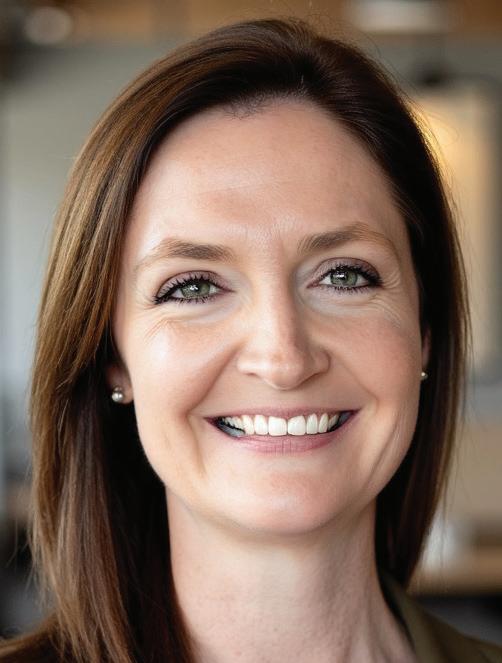
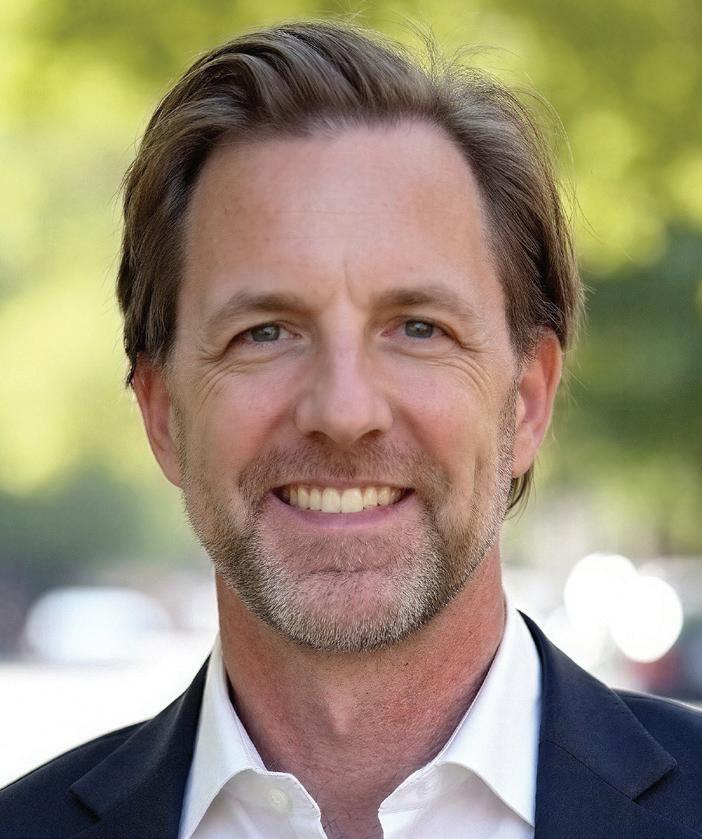
Jason Chandler
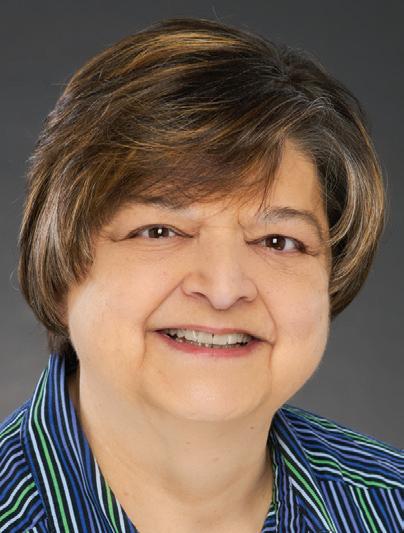
Ambient AI Scribes
By Elizabeth Woodcock Courtesy SVMIC
Ambient artificial intelligence (AI) scribes are on the rise for physicians across the nation. Experts estimate this rapidly deploying technology is already in use by more than 30 percent of physicians - and growing by the day. The solution addresses key pain points: reducing the burden of documentation, replacing expensive manual labor, and preserving the most precious asset in a medical practice – the physician’s time. This technological advancement comes at a crucial moment, as physicians increasingly seek sustainable ways to protect work-life balance.
Operating behind the scenes in the exam room, this HIPAA-compliant technology listens to conversations between clinicians and patients, generating structured clinical notes in real time. Through natural language processing, the system learns the physician’s voice and style, allowing documentation to read as if it were personally authored. Like traditional transcription tools, these structured notes are uploaded directly to the patient’s medical record.
For many physicians, ambient AI scribes feel transformative. Yet, whether already in use or under consideration, the technology warrants thoughtful evaluation. As with earlier generations of speech recognition tools, challenges remain - and awareness is essential.
Glitches . Like any technology, system errors can occur. When clinicians rely fully on the tool, disruptions may lead to documentation gaps, particularly if issues go unnoticed for extended periods. Periodic quick checks to confirm the solution is functioning properly can help mitigate problems.
Hallucinations. So-called AI hallucinations can pose serious patient safety risks. These fabricated details may be difficult to detect without careful review.
Omissions. Critical elements of the encounter - such as symptoms, findings, or the plan of care - may be excluded entirely from the documentation, making post-encounter proofreading essential.
Relevancy. Lacking true clinical reasoning, the system may include irrelevant data or misrepresent the significance of key information, reinforcing the importance of a thoughtful review after the visit.
Misinterpretation. Because ambient AI relies solely on audio input, it cannot capture nonverbal cues. Context and nuance may be lost, increasing the risk of misunderstanding. Taking a moment to add commentary on body language or other nonverbal cues after the encounter can improve note accuracy.
Attributions. With multiple voices present during a visit, statements may be incorrectly assigned. Research has also identified disparities tied to language and ethnicity, increasing vulnerability to error. Consider the tool much like a new staff member - take the time to train it before deployment and monitor it carefully as it gets off the ground.
In practice, ambient AI scribes are best viewed as powerful assistants - not autonomous replacements for clinical
review processes, and governance, they can meaningfully reduce administrative burden while maintaining the integrity and safety of your patient records.
Elizabeth Woodcock, MBA, FACMPE, CPC, is the founder and principal of Woodcock & Associates. She has focused on medical practice operations and revenue cycle management for more than 25 years. She has led educational sessions for a multitude of national professional associations and specialty societies, and has consulted for diverse clients. In addition to a Bachelor of Arts from Duke University, she completed a Master of Business Administration in healthcare management from The Wharton School of Business of the University of Pennsylvania. She is currently a doctoral student at the Bloomberg School of Public Health of Johns Hopkins University.
The contents of The Sentinel are intended for educational/informational purposes only and do not constitute legal advice. Policyholders are urged to consult with their personal attorney for legal advice, as specific legal requirements may vary from state
NursesRoundtable
Kristen Duncan, MSN, WHNP
Current practice: Women’s Health Practitioner, Memphis Obstetrics & Gynecological Association, PC
Where were you born and raised?
Arcadia, Missouri
Where did you attend college and nursing school?
Southeast Missouri State University (BSN); University of South Alabama (MSN- WHNP)
What are your parents’ names and what were their occupations?
Gail Woods- Bank VP, Randy WoodsFather- drywall/ painting
When did you first decide that you wanted to be a nurse? Was there anyone special who inspired you along the way?
I think I have wanted to be a nurse since I was about five. I was diagnosed with Acute Lymphoblastic Leukemia at that time. Hospitals and medical clinics were very normal and common places for me for several years. Just like you want to be a teacher when you are in elementary school because it’s familiar, I think nursing became that for me. I do remember being so intrigued with a bone marrow aspiration that I asked to go to the lab to follow the specimen, and my doctor let me do so. Two of the nurses I
was closest to during treatment, Karen Imperial and Pat Codden were inspirational to the type of nurse and compassionate care I strive to emulate for those who are or have ever been in my care. Both were smart, thorough but patient care and comfort were above all. There was truly never a time that I questioned wanting to be in the medical field, no outside careers were of interest to me.
Of all the medical specialties, what made you decide to go into Women’s Health?
My freshman year of college, my sister gave birth to my first nephew. My brother-in-law and I were her support people from induction to delivery. The nurse that labored my sister was well seasoned, such a good coach, provided her and her family with such amazing care. That was my first moment of “THIS is my place.” I worked in Labor/ Delivery for 7 years before finishing my master’s in Women’s Health. I loved my experience at the bedside, but becoming a Women’s Health NP has expanded my role in patient care. This area is special to me because of the care I am able to provide for my patients. For those intimidated by coming to the office, breast/pelvic exam experience, or simply sharing what may be going on with them currently, I want this area to be comfortable for patients of all backgrounds, levels of knowledge, and all walks of life. Women’s Health is truly the comprehensive care of a woman throughout every stage of her life. What skills and/or personal traits allow you to help your patients the most?
I feel like I am approachable and thorough. I want
patients to be able to discuss anything with me, this development of rapport is of utmost importance. I do my best to listen, review concerns and make my patients feel like an active participant in their plan of care.
What are the most challenging things about being a Women’s Health Practitioner?
Women can be intimidated by this appointment experience. It’s an intimate exam and as women, I think we are quick to care for others and neglect our own care at the cost of that. Something that is so exciting and challenging at the same time is the
care for the Perimenopausal experience. For the first time, women are voicing concerns and wanting treatment so that they can feel like their best selves. As evolving research reshapes this frontier, it challenges us as providers to continually expand our knowledge and refine our care to better serve a population that rightfully expects more than we have historically delivered. The field of Women’s Health is continually advancing in its approaches, treatments and models of care – making both challenging and deeply rewarding.
“I think I have wanted to be a nurse since I was around 5. I was diagnosed with Acute Lymphoblastic Leukemia at that time, hospitals and medical clinics were very normal and common place for me for several years. It’s shaped me in lots of ways, but I appreciate that as a nurse, nurse practitioner and as a person.”
—Kristen Duncan
NursesRoundtable
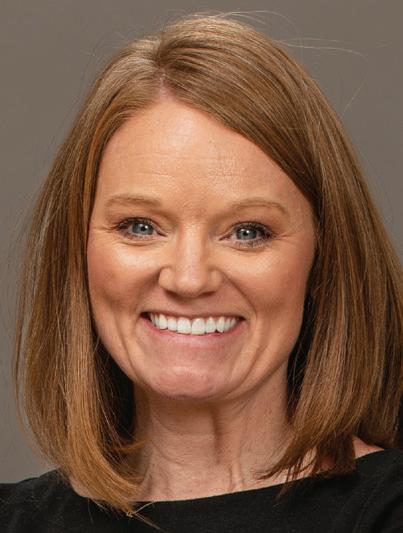
Wendy Mink, BSN, MSN
Current practice: Family Nurse Practitioner, McDonald Murrmann Center for Wellness & Health
Where were you born and raised?
I was born in Memphis and lived there until age five, when we moved to Iuka, Mississippi, where I lived the rest of my childhood.
Where did you attend college and nursing school?
I obtained my BSN from Baptist College of Health Sciences in Memphis, Tennessee. I obtained my MSN from Spring Arbor University in Spring Arbor, Michigan.
What are your parents’ names and what were their occupations?
My parents are Louis and Lynette Ferguson. My dad is the owner of both L & S Boat Storage & Sales and Millcreek Marina in Iuka, Mississippi. My mom built a career in banking while also working with dad in the family business.
When did you first decide that you wanted to be a nurse? Was there anyone special who inspired you along the way?
Since before entering high school, I knew I wanted to be a pediatrician or a pediatric nurse. My sophomore year of high school, I was required to do a career research project. I initially
started to look into both careers, but the flexibility of being able to work in so many different specialties and settings as nurse was appealing to me, so I completed my project on nursing and never looked back. While in nursing school I worked as nurse intern on a cardiac medicine unit while in nursing school. I worked alongside so many great nurses who mentored and inspired me. Upon graduation from nursing school, I stayed on that unit with nurses and patients I had grown to love and never ended up working exclusively in pediatrics.
Of all the medical specialties, what made you decide to go into Women’s Health? I never planned to work in Women’s Health, until my WH clinical rotation. I quickly realized that this was a specialty that gives you so many opportunities to educate and treat women of all ages and stages of life. More importantly, this is a specialty that needs providers who are willing to listen and care for their patients. I felt that Women’s Health was a field I could work and truly make a difference in the lives of my patients. What skills and/or personal traits allow you to help your patients the most?
Active listening and compassion. So many times in women’s health, patients do not feel heard or cared about. They often feel dismissed. Taking time to listen to them and letting them know you care about their issues goes a long way in gaining their trust.
What are the most challenging things about being a Women’s Health Practitioner?
Pregnancy loss and infertility are hands-down the most challenging part of my career. It’s news that it never gets easier to deliver to a patient. Seeing the defeat and sadness of my patients is heartbreaking.
“Active listening and compassion. So many times in women’s health, patients do not feel heard or cared about. They often feel dismissed. Taking time to listen to them and letting know that you care about their issues goes a long way in gaining their trust.”
—Wendy Mink
GrandRounds
Campbell Clinic Adds New Physician to Growing Team
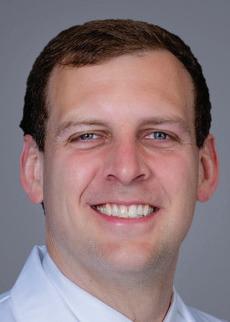
Campbell Clinic Orthopaedics recently announced the addition of fellowship-trained orthopaedic surgeon Dr. Zachary A. Mosher to its team of professionals. Mosher has a special interest in complex primary and revision hip and knee replacement, partial knee replacement, minimally invasive hip and knee replacement, prosthetic joint infections, periprosthetic fractures, and fractures around the hip and knee. He obtained a Bachelor of Science in Biomedical Sciences from Auburn University, graduating as an honors scholar with Summa Cum Laude recognition. He then attended the University of Alabama School of Medicine. During medical school, he was inducted into the Alpha Omega Alpha and Arnold P. Gold Humanism medical honor societies and graduated Magna Cum Laude. He completed an orthopaedic
surgery residency at the University of Tennessee-Campbell Clinic. Mosher completed his training with an adult hip and knee reconstruction fellowship at the Anderson Orthopaedic Clinic.
Mosher employs the latest technology and innovation, including both computer navigation and robotics. He has extensive training performing joint replacements in obese patients, treating periprosthetic fractures, complications from prior hip and knee replacements, infected joint replacements, and painful hip and knee replacements. Embracing both conservative and operative approaches, Beyond his specialization, Mosher exhibits a passion for general orthopaedics, encompassing primary and revision shoulder replacements, knee arthroscopy, complex fracture care, and comprehensive treatment of adult and pediatric patients.
He is a member of the American Academy of Orthopaedic Surgeons, the American Association of Hip and Knee Surgeons, the Engh Society, and the Willis C. Campbell Club.
Zachary Mosher
Baby on Board
West Cancer Center News Briefs
West Cancer Center & Research Institute is pleased to announce that Dr. Allison Vaughn Jones has joined their Dermatology Multidisciplinary Clinic. Jones is a highly respected, board certified dermatologist at UT Dermatology and brings extensive experience in diagnosing and managing complex skin conditions, including those that intersect with oncology care. She will be collaborating with Dr. Jason Chandler and Dr. David Portnoy to enhance coordinated care for patients with skin cancers, treatment related dermatologic concerns, and other conditions that benefit from integrated expertise. This is a collaboration between West Cancer Center and Research Institute and the University of Tennessee Health Science Center. Jones will continue her practice at UT as the Assistant Professor of Dermatology at UTHSC, while collaborating with Dr. Portnoy.
West Cancer Center & Research Institute has opened a new clinic location in Bartlett. This expansion reflects their continued commitment to increasing access to high quality cancer care across the Mid South. The Bartlett office will operate Monday through Thursday and will initially function as a surgery clinic. The following specialists will be providing services at the Bartlett location.
• Head & Neck Oncology –Dr. Richard Muller
• Breast Surgical Oncology –Dr. Linda Han
• Gynecologic Oncology –Dr. Todd Tillmanns
• Urogynecology –Dr. Ben Abdu
Dr. Axel Grothey, medical oncologist and Director of Gastrointestinal Cancer Research at West Cancer Center & Research Institute, recently authored a powerful column in The Tennessean highlighting the urgent need for colorectal cancer screening across Tennessee. Grothey sheds light on the state’s high rates of colon cancer diagnoses and deaths, while emphasizing that early detection can dramatically improve outcomes. His column also introduces a promising new FDA-approved blood test—the Shield test—which offers a more convenient, non-invasive screening option for eligible adults. Through his perspective, Grothey reinforces a critical message: one conversation with a doctor and one screening test can truly save lives.
Starting a family? Consider life insurance to protect what’s most important.
Starting a family brings joy, responsibility — and the need to plan for the unexpected. Life insurance may not be the first thing on your to-do list, but it plays a crucial role in protecting your family's future. If something were to happen to you or your spouse/partner, a life insurance policy can help cover the mortgage, childcare, education costs and daily living expenses — giving your loved one’s financial security during a difficult time.
for a specific period — typically 10, 20 or 30 years. If you pass away during the term, your beneficiaries receive the death benefit. It’s a great choice for young families who want maximum coverage at a low cost.
A new study published in Nature Publishing Group highlights promising strategies to improve adherence to oral endocrine therapy (AET) among younger breast cancer patients—an area critical to long-term outcomes. Dr. Gregory Vidal coauthored this important research, which examined the impact of app-based remote monitoring on treatment adherence. Findings from this randomized trial demonstrated that premenopausal women using a remote symptom-monitoring app achieved significantly higher 12-month adherence rates compared to usual care (53.9 percent vs. 25.0 percent), while no significant benefit was observed among postmenopausal patients. These results underscore the unique challenges younger patients face and highlight remote monitoring as a scalable, technology-driven approach to help close adherence gaps and improve outcomes. Link: https://www.nature.com/articles/ s41523-026-00900-9
OrthoSouth Covington Hours and Contact
Now open Tuesdays and Thursdays, Tipton County patients have access to orthopedic care close to home. No need to spend extra time on the road - just schedule your appointment at OrthoSouth Covington, or walk in on Tuesday and Thursdays.
OrthoSouth Covington is located in the Baptist Physicians Office Building on the Baptist Tipton Campus. Parking is
continued on next page >
So, how much coverage do you need? A very general rule of thumb is to buy a policy worth 10 times an individual’s annual income. For example, if your annual salary is $75,000, it makes sense to consider a policy with a $750,000 death benefit. But also factor in other things, such as your total debt, number of dependents and long-term goals (like college tuition or buying a bigger home). Online calculators can help, or you can consult with a financial advisor to get a more tailored recommendation.
In general, there are three basic types of life insurance to consider:
• Term life insurance. This type of insurance is the most affordable and straightforward option. It provides coverage
• Whole life insurance. Whole life is permanent insurance that lasts your entire life, as long as premiums are paid. It also builds cash value over time, which you can borrow against. It's more expensive than term life insurance but offers lifetime protection and a savings component.
• Universal life insurance. This type of insurance is a flexible, permanent policy that combines a death benefit with a cash value account. As a result, you can adjust your premiums and death benefit as your needs change, but the policy also depends on investment performance, which can affect the value over time.
As your family grows, so does your need to plan for the unexpected. Life insurance isn’t just for you — it’s for the people who depend on you.
Should You Have?” (September 23, 2024);
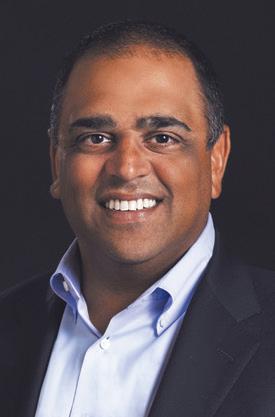
Chirag Chauhan, MBA, AIF®, CFP® is the managing partner of Bluff City Advisory Group in Memphis, Tennessee For more
please visit bluffcityadvisory com.
Chirag Chauhan, AIF® CFP®
Image by gpointstudio on Freepik.
Alison Vaughn Jones
Richard Muller
Linda Han
Todd Tillmanns Ben Abdu
Axel Grothey
Gregory Vidal
GrandRounds
available in the front of the building. This clinic is open two days a week for both appointments and walk-in visits.
Contact Information
P: (901) 621-7091
F: (901) 701-2459
Clinic Hours
T: 8 AM - 11 AM
TH: 8 AM - 3:30 PM
Trezevant Announces New Assisted Living Administrator
pancreatic cancer nonprofit will award $75,000 each to the University of Texas Southwestern, the University of Texas Rio Grande Valley, and NYU School of Medicine to support innovative pancreatic cancer research programs.
Doctor of Nursing Practice Program Ranked No. 24 Nationwide by U.S. News & World Report
$311 Million Approved for Construction of New UT Health Sciences College of Medicine Building
Trezevant, a state-of-the-art senior living community located in the heart of Memphis has announced that Patricia Vatrano has joined its staff as Administrator of Trezevant Terrace, overseeing the community’s assisted living and memory support care.
With more than 30 years of experience, Vatrano is a Licensed Practical Nurse (LPN), a Certified Dementia Practitioner (CPD), and is licensed in Tennessee, Florida and South Carolina as an Assisted Living Administrator. She also holds the title of Reiki Master and teacher. Prior to joining Trezevant, she served in a number of nursing and leadership roles over three decades in settings such as hospitals, community health centers, private offices, longterm care facilities, and assisted living communities. She has taught for companies such as Roche, Merck, Abbott and the American Red Cross, to name a few.
She earned her undergraduate degree from State University of New York at Delhi and went on to earn her LPN from Onondaga Cortland Madison BOCES and her Assisted Living Administrator Certification from the University of South Florida.
In her new role, she will lead Trezevant Terrace’s assisted living and memory care, fueled by an award-winning team and a higher-than-average staff-to-resident ratio, resulting in the ability to exceed resident expectations while providing outstanding care.
Kosten Foundation Awards $225,000 in Grants to Propel
Pancreatic Cancer Research
The Kosten Foundation has announced it has approved $225,000 in pancreatic cancer research grants for 2026, marking the largest annual research investment in the organization’s history. The Memphis-based
“We are incredibly grateful to our donors and supporters who made it possible for us to award $225,000 in research grants this year,” said Alan Kosten, Chairman of the Kosten Foundation. “We take this responsibility very seriously. Supporting these outstanding research teams allows us to help accelerate progress toward earlier detection, more effective treatments, and ultimately better outcomes for patients facing pancreatic cancer.”
Since its founding in 2003, the Kosten Foundation has donated more than $3.2 million to pancreatic cancer research.
Summaries of the 2026 funded research programs:
University of Texas Southwestern
Researchers are collecting clinical data and tissue samples from individuals at increased risk for pancreatic cancer to improve diagnostic accuracy and support the development of more personalized treatment strategies.
University of Texas Rio Grande Valley
Researchers are studying the effectiveness of a gene-based therapy designed to inhibit pancreatic tumor growth and increase the cancer’s vulnerability to chemotherapy.
NYU School of Medicine
Researchers are advancing methods to profile drug sensitivity using circulating tumor cell (CTC) cultures to better predict treatment response and disease progression, including advanced molecular analysis to identify aggressive pancreatic cancer cell populations.
The Kosten Foundation is actively interested in expanding its research partnerships. Medical research institutions and investigators focused on pancreatic cancer are encouraged to submit inquiries and research proposals for potential 2027 funding consideration. Organizations seeking more information about the Foundation’s research priorities and proposal process may visit www.KostenFoundation. com to submit inquiries or initiate a proposal conversation.
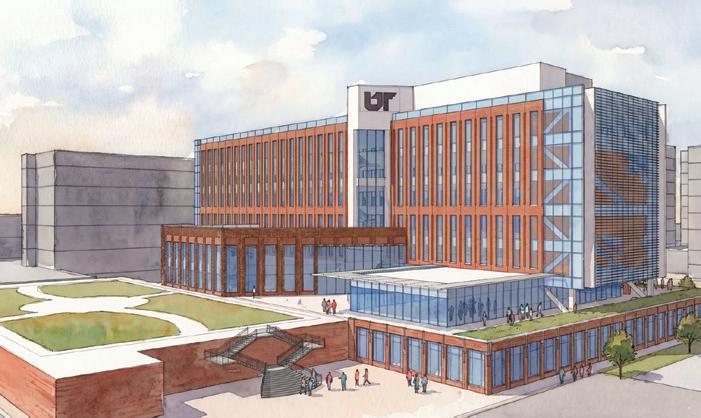
The Tennessee General Assembly has approved the funding of $311 million recommended by Governor Bill Lee for the construction of a new $350 million College of Medicine Interdisciplinary Building at the University of Tennessee Health Sciences.
The 275,000- to 300,000-squarefoot building will be located on the Memphis campus on Madison Avenue, between the College of Pharmacy Building at 881 Madison Ave. and the recently demolished Holiday Inn building at the corner of Madison Avenue and Pauline Street.
The new building will allow room to expand the medicine class from 175 to 250 per cohort and the Physician Assistant Program to grow from 30 to 60 students per year. Because UT Health Sciences has a statewide footprint, this stands to have a measurable impact on health care across Tennessee.
“This is an investment in continuing to meet the significant deficit in physicians and physician assistants in the state of Tennessee, with projections suggesting that there will be a need for 6,000 additional physicians in the state by 2030,” said Executive Vice Chancellor and Chief Operating Officer Raaj Kurapati, who is leading the project. Additionally, demand for interdisciplinary roles is expected to grow, such as nurse anesthetists by 40 percent and physician assistants by 28 percent.
New technology will facilitate interdisciplinary training aimed at producing health care providers who are equipped to work together to meet the demands of health care today.
It will support telehealth training in multiple fields and increase the use of online educational opportunities for the College of Medicine and other colleges, allowing for eventual increases in the number of academic certificate programs and enrollment in those programs.
The Doctor of Nursing Practice (DNP) program at the University of Tennessee Health Sciences College of Nursing ranked No. 24 nationwide among public and private universities on the latest list by U.S. News & World Report. Among public universities, the program ranked No. 10 nationwide. It is the most highly ranked DNP program at a public university in Tennessee.
continued on next page >
PUBLISHER
Pamela Z. Haskins pamela@memphismedicalnews.com
EDITOR P L Jeter editor@memphismedicalnews.com
PHOTOGRAPHER
Greg Campbell
ADVERTISING INFORMATION
501.247.9189
Pamela Z. Haskins
GRAPHIC DESIGNER
Sarah Reimer sarah@memphismedicalnews.com
CONTRIBUTING WRITERS
James Dowd
Pamela Z. Haskins
Elizabeth Woodcock
All editorial submissions and press releases should be sent to editor@memphismedicalnews.com
All press releases sent to Memphis Medical News for Grand Rounds placement are the responsibility of the sender for accuracy.
Subscription requests can be mailed to the address below or emailed to pamela@memphismedicalnews.com.
Ziggy Productions, LLC. P O Box 164831 Little Rock, AR 72216-4831
President: Pamela Z. Haskins
Reproduction in whole or in part without written permission is prohibited. Memphis Medical News will assume no responsibility for unsolicited materials.
All letters sent to Memphis Medical News will be considered the newspaper’s property and unconditionally assigned to Memphis Medical News for publication and copyright purposes.
memphismedicalnews.com
Patricia Vatrano
GrandRounds
The latest list continues the college’s tradition of high rankings by the national magazine. The College of Nursing ranked 25th in 2024 among public and private universities and tied for 23rd in 2023. These high rankings come as no surprise to students in the program.
The rankings were based on several factors including peer assessment, student acceptance rate, the percentage of faculty with doctoral degrees, percentage of faculty with distinguished memberships or fellowships, and student-faculty ratio.
The No. 24 ranking places UT Health Sciences in the top 15 percent of all public and private programs on the list and in the top 6 percent of DNP programs in the U.S. – ranked and unranked.
“Being ranked among the top 25 in the country is an achievement that reflects the exceptional dedication of our faculty, the high caliber of our students, and our unwavering commitment to advancing clinical excellence and leadership in nursing,” said Dean Wendy Likes, PhD, DNSc, APRN-Bc, FAAN, FAANP. “Recognition by U.S. News & World Report affirms the impact of our work and our mission to prepare nurse leaders who improve health outcomes and transform care.”
Other Tennessee programs that made the list include the University of Tennessee, Knoxville, which ranked 47th for its DNP program among public and private universities. Union University was No. 120, and Belmont University was No. 128. Vanderbilt University ranked No. 16 nationwide.
AMA: Physician Burnout Rates Are Falling, Specialty Gaps Remain
CHICAGO -- New data from the American Medical Association (AMA) show physician burnout continuing to decline nationwide, but significant differences across medical specialties underscore the need for more targeted solutions within health systems.
In 2025, 41.9 percent of physicians reported experiencing at least one symptom of burnout – down from 43.2 percent in 2024 and 48.2 percent in 2023 - reflecting steady progress in physician well-being also found in peer-reviewed research. However, AMA-exclusive data reveal that the burden of burnout is not shared equally by physicians across medicine.
According to AMA data, the highest burnout rates were reported in emergency medicine (49.8 percent),
urological surgery (49.5 percent), hematology/oncology (49.3 percent), obstetrics and gynecology (45.7 percent), radiology (45.2 percent), family medicine (45 percent), general surgery (43.8 percent), cardiology (43.5 percent) and gastroenterology (43.5 percent). In contrast, infectious diseases (23.3 percent), nephrology (29.3 percent), dermatology (31.5 percent), psychiatry (31.6 percent), and anesthesiology (39.2 percent) reported the lowest levels.
While four of the five indicators improved significantly from 2024 to 2025, variation by specialty remains pronounced. Hospital-based specialties - including emergency medicine, radiology and anesthesiology - performed worse than the overall benchmark on three of five measures, suggesting persistent operational and workflow challenges.
Physicians reported feeling valued by their organization (great or moderate extent) at 56.2 percent representing an increase of 1.7 percent from 2024. There continues to be variation on physician feeling valued by gender (female respondents at 53.3 percent and male respondents at 59.6 percent), by years in practice (physicians 1-5 years in practice reporting at 57.9 percent and physicians post 20 years at 59.4 percent) and by specialty.
“These data make clear that improving physician well-being isn’t one-size-fits-all – it requires targeted, specialty-specific strategies,” said Dr. Mukkamala. “By reducing administrative burden and advancing evidence-based solutions, we can help physicians rediscover the joy in medicine while building more sustainable practice environments. The AMA urges health system leaders to use these insights to benchmark performance and accelerate efforts to address the unique drivers of burnout across specialties.”
The AMA can help health systems tailor solutions to the unique drivers of burnout across specialties and maximize support for care teams with cutting-edge tools, information and resources. Through its Well-being Toolkit, health systems can learn how organizations are partnering with the AMA, explore proven strategies to reduce burnout and enhance physician well-being, and calculate the cost of physician burnout to their organization.
OrthoSouth Holds Inaugural Spine Symposium
OrthoSouth held its inaugural
Spine Symposium on April 16, 2026, at the Scheidt Family Performing Arts Center on the campus of the University of Memphis. More than 80 people attended the educational conference, which featured keynote speaker Pierce Nunley, MD, from the Louisiana Spine Institute, and OrthoSouth physicians Raul Cardenas, MD, FAANS; John J. Eager, MD; Spencer Hauser, MD; Judith Lee-Sigler, MD; Sam Schroerlucke, MD; Jonathan Stuart, MD; Stephen
Waggoner, MD; and Jason Weaver, MD, FAANS.
Topics ranged from Advanced Imaging Capabilities in Spine Care, AI-Enabled Planning and 3-D Printed Spine Implants, Emerging Trends in Regenerative Therapies for Lower Back Pain, to an engaging panel discussion regarding surgical versus non-surgical pathways for patients. Next year’s event will be held in April, with details to be released later this summer.