POLICY INITIATIVES
SOUTH CAROLINA GENERAL ASSEMBLY
2025-2026 LEGISLATIVE SESSION

WHO WE ARE
PalmettoPride leads South Carolina’s fight against litter by focusing on lasting behavior change. Our longterm goal is to reduce litter at its source by changing everyday habits through education, awareness, and accountability. Until that change is fully realized, cleanup remains both necessary and urgent. We support removal efforts not as the end goal, but as an essential step in protecting communities, restoring public spaces, and sending the message that littering is unacceptable
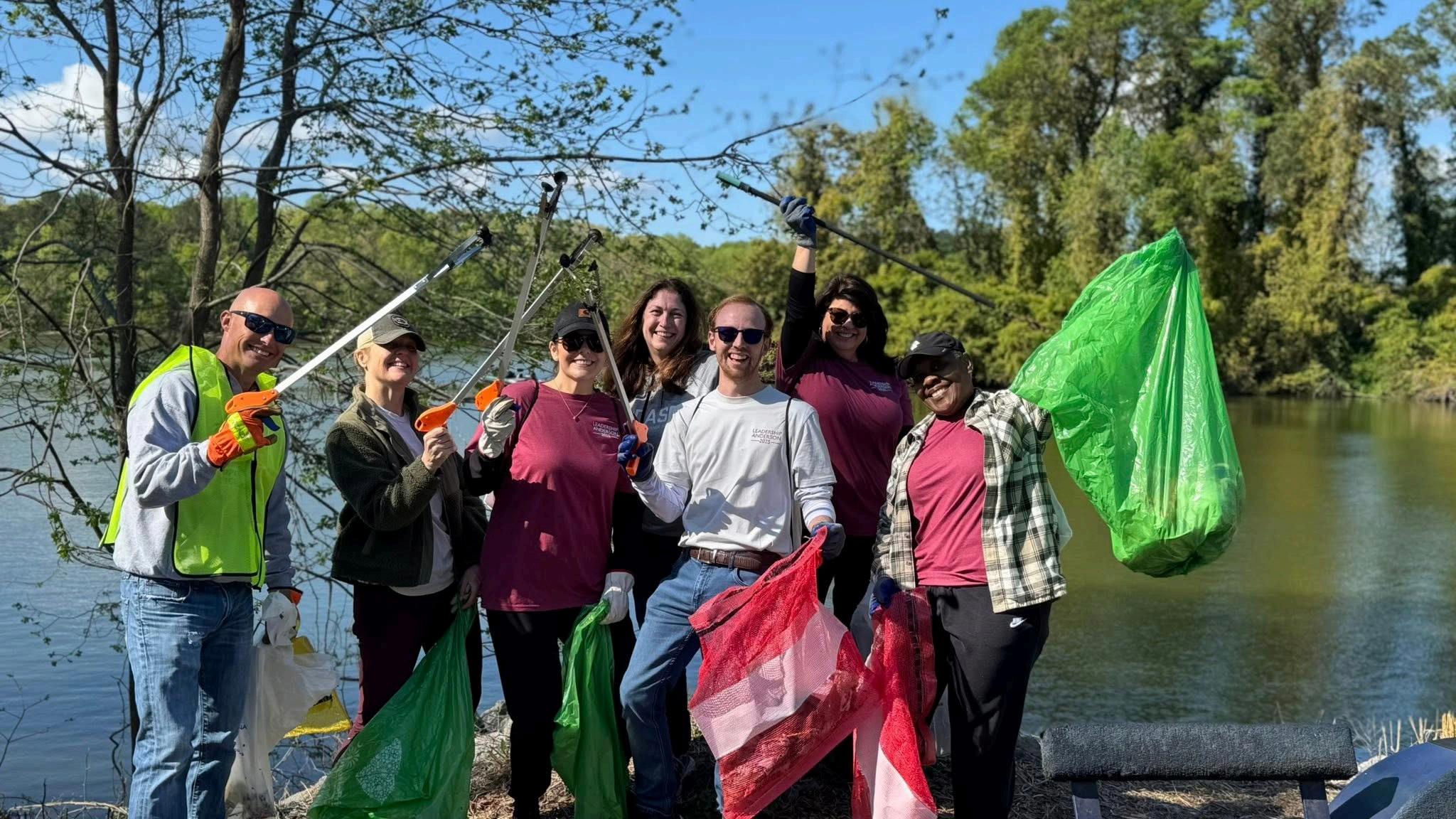
We advance this work through a comprehensive approach that pairs prevention with action educating the public about the social, environmental, and economic impacts of litter; supporting enforcement of existing litter laws; connecting local leaders and organizations to tools and resources; and mobilizing volunteers to take ownership of their communities. Every cleanup is an opportunity to reinforce responsibility, visibility, and pride in place.
Created as the South Carolina Governor’s Task Force on Litter by the SC General Assembly in 1997, we became a 501(c)3 nonprofit organization in 2001 and were renamed PalmettoPride, a public-private partnership united by a shared goal: preventing litter by shifting attitudes, habits, and expectations around waste in South Carolina
ADVOCACY
PalmettoPride engages in legislative advocacy to advance policies that strengthen litter prevention, support local partners, and enhance statewide environmental stewardship. By working directly with lawmakers, we help ensure that South Carolina’s laws are practical, effective, and aligned with our mission to reduce litter and promote sustainability.
Our advocacy has produced tangible successes. For example, collaborating with Rep. William Bailey (District 104), PalmettoPride led the effort on House Bill 3222, ratified as Act 67 This legislation addressed two long-standing challenges for litter control officers: it removed an outdated census cap that had limited counties’ ability to hire officers based on 2001 population data, and it clarified training requirements, providing counties with clearer guidance and greater flexibility
FUNDING FOR OFF-INTERSTATE LITTER PICKUP
Overview: Over the past two decades, South Carolina’s growing population has led to more traffic, increased roadside debris, and rising safety concerns. South Carolina also has the 4 largest statemaintained road system in the country. Because of this, PalmettoPride supports the SC Department of Transportation’s request to increase funding for off-interstate litter pickup. The state has long relied on volunteers to keep roads and highways clean, but in recent years, legislators have focused on offinterstate litter removal, including primary and secondary routes Currently, SCDOT receives $3 million annually for interstate litter cleanup and is seeking an additional $5 million to fund a contract-based program for off-interstate litter pickup, while coordinating with counties, cities, and volunteers to target litter “hot spots” and avoid duplicating existing efforts By comparison, neighboring states invest significantly more in litter removal, with North Carolina spending $25 million, Georgia $17 million, and Tennessee $35 million. th
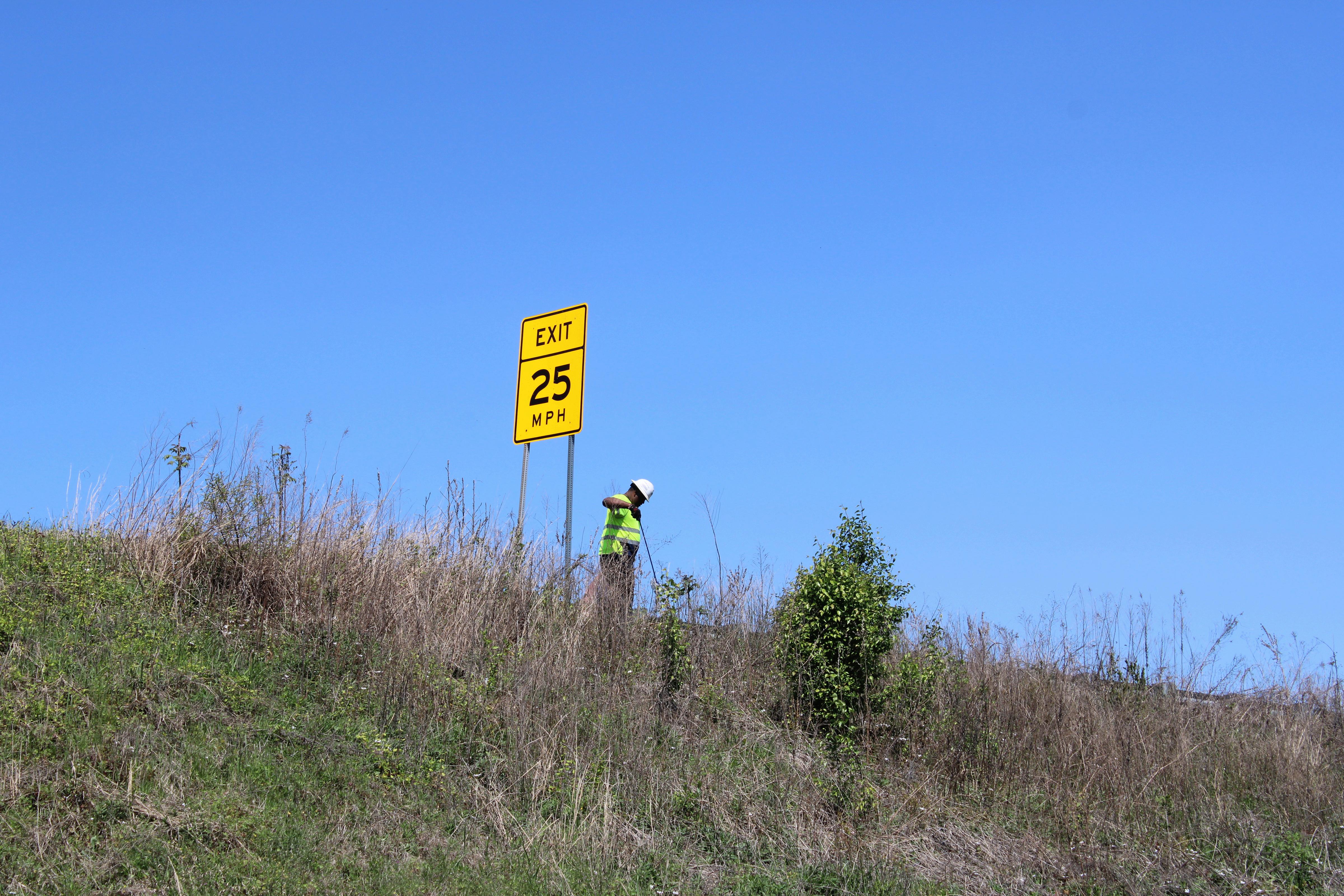
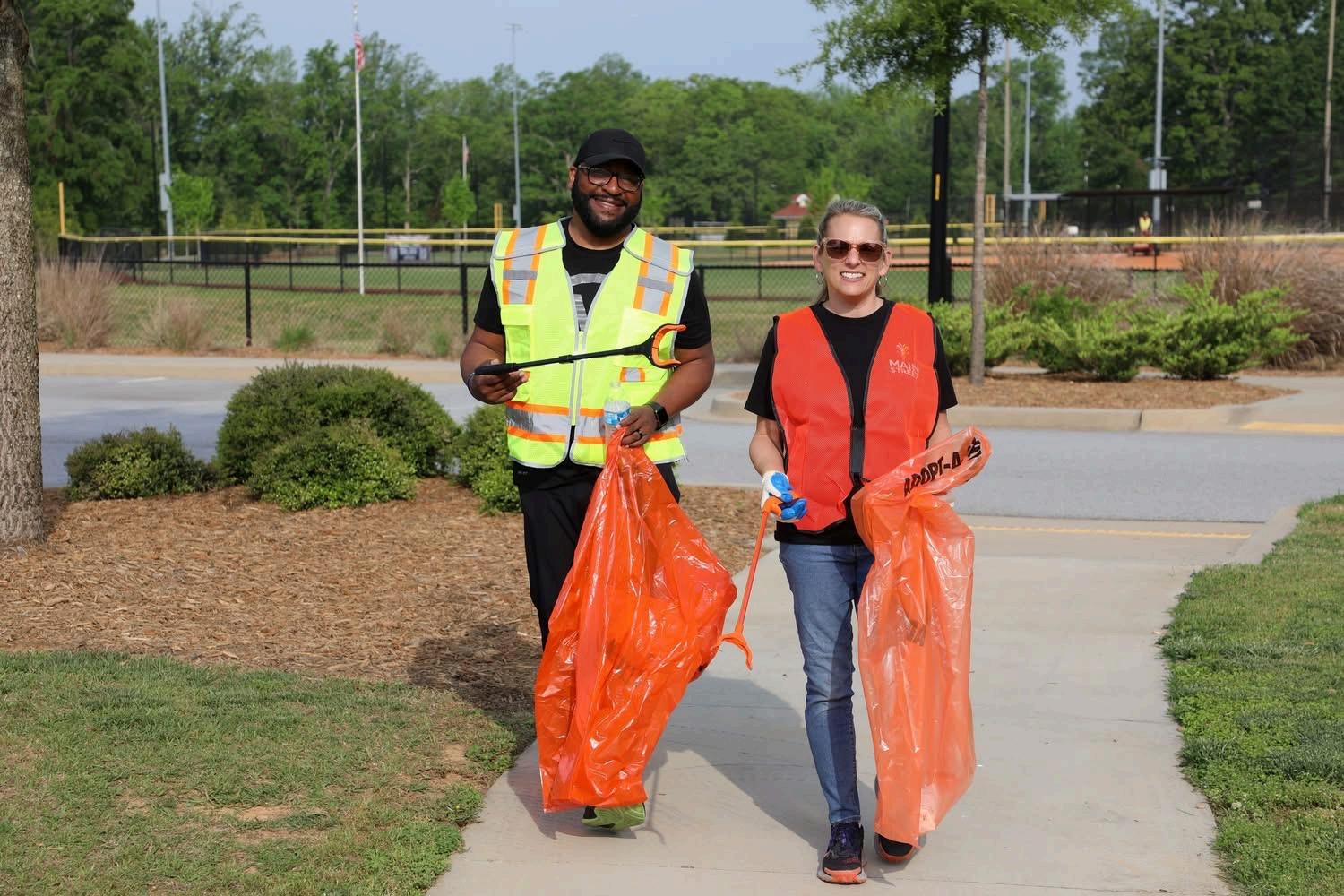
Adopt-A-Highway: Since 1987, volunteers in South Carolina’s Adopt-A-Highway (AAH) program have been essential in keeping state-maintained roads safe and litter-free Originally managed by SCDOT, the program transitioned to PalmettoPride in 2012, supporting our mission to eliminate litter statewide Today, PalmettoPride manages coordination, communication, marketing, and volunteer recruitment, while SCDOT continues overseeing litter collection and program signage. In 2024, AAH activities covered 39 counties, with 1,060 volunteer groups and 16,075 individuals adopting 4,019 miles of roadway and removing 665,273 pounds of trash. Since 2012, volunteers have on averaged maintained 10% of the state’s roads through AAH, preserving both their safety and appearance. While these efforts are significant, South Carolina’s growing population and roadway system require additional support to meet increasing demands
BALLOON RELEASES AS LITTER
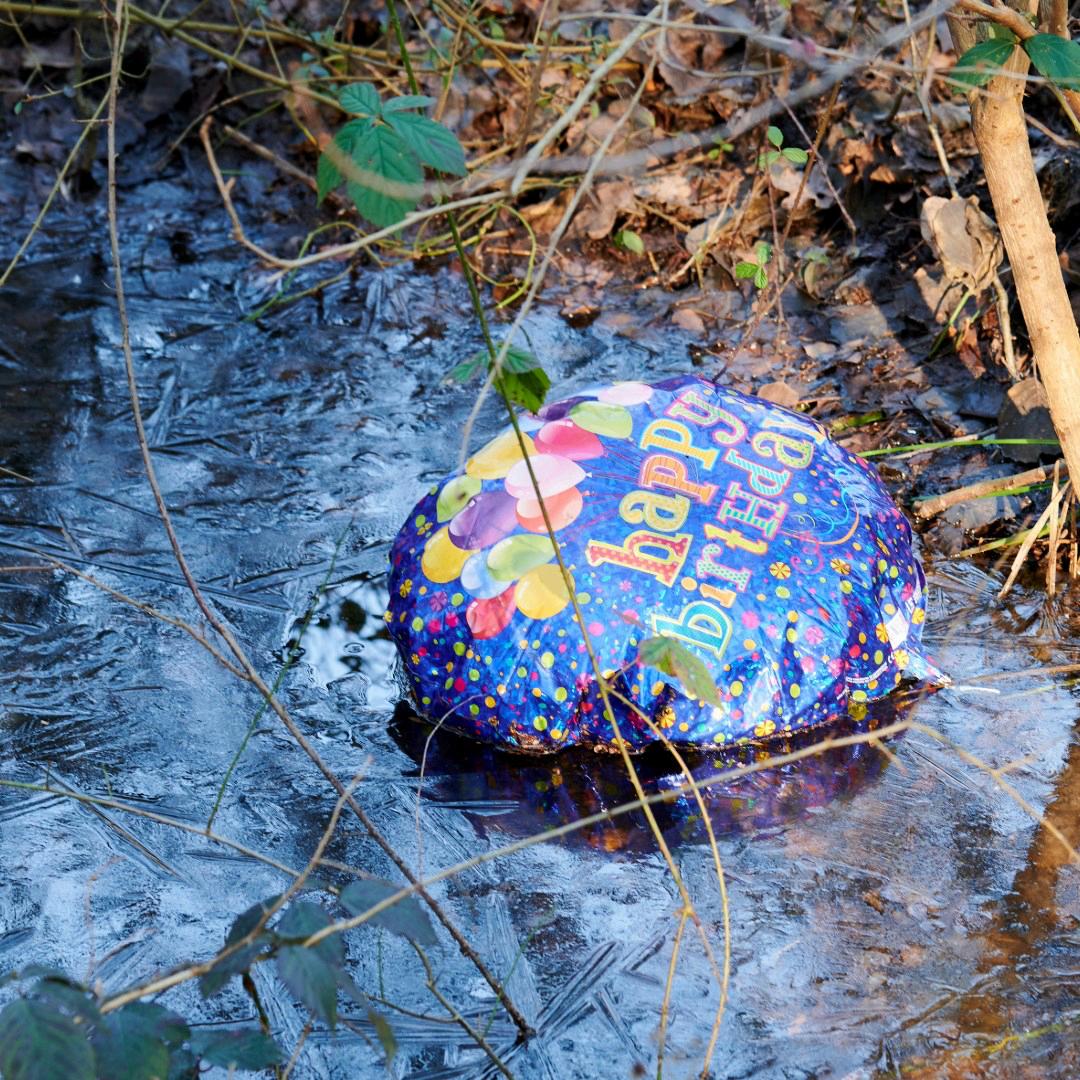
Introduction: Representative Dennis Moss introduced the No Balloon Release Bill (H. 3047) early in the 2025 legislative session in response to increasing environmental, agricultural, and public safety concerns associated with balloon litter across South Carolina. Once released, balloons travel long distances before descending as debris, where they pose serious risks to wildlife and livestock through ingestion and entanglement Balloon remnants also contribute to litter in waterways, forests, and coastal areas, and can interfere with power lines and other critical infrastructure The legislation supports ongoing statewide litter reduction initiatives by addressing a preventable source of pollution and encouraging more responsible alternatives for celebrations and memorials By targeting balloon releases, the bill aims to protect South Carolina’s natural resources, reduce cleanup costs for communities, and promote safer, more sustainable practices statewide.
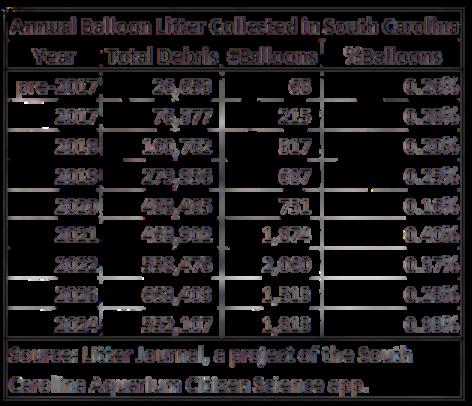
Background: Balloon litter poses a documented and serious threat to wildlife, livestock, and the environment Marine animals including sea turtles, dolphins, fish, and shorebirds often mistake balloons for food, causing choking, suffocation, or digestive blockages, while strings and ribbons can entangle fins, beaks, or legs, restricting movement and feeding On land, cows, horses, goats, and other farm animals can ingest or become entangled in balloon fragments, leading to intestinal blockages, malnutrition, or death. Even biodegradable latex balloons can persist for months or years in forests, fields, and waterways. Mylar and foil balloons create public safety risks by short-circuiting power lines and sparking fires, while balloon debris also burdens local governments and volunteers who spend significant time and money cleaning parks, beaches, and roadsides. In South Carolina, balloon litter is a documented problem in both inland and coastal cleanups, and its environmental impacts have prompted institutions such as Clemson University to end mass balloon releases Beyond ecological harm, littered balloons diminish the natural beauty of the state’s beaches, rivers, and parks, which are vital to tourism

2025, including Arizona, Illinois, Kentucky, Louisiana, Minnesota, Mississippi, Missouri, New Hampshire, New York, North Carolina, Ohio, Oregon, Pennsylvania, South Carolina, South Dakota, Washington, and Wisconsin
Local Context: The City of Beaufort enacted an ordinance making outdoor balloon releases illegal within city limits to protect local waterways, marshes, and wildlife from pollution and harm. Passed unanimously by the City Council in December 2025, the ban prohibits releasing helium filled balloons outdoors, with a focus on preventing large scale releases rather than penalizing accidental single balloons. Violations are treated as a misdemeanor punishable by fines and possible jail time, though common unintentional releases are unlikely to be enforced Beaufort’s action makes it the first municipality in South Carolina to adopt such a ban and is intended to encourage neighboring communities and possible statewide legislation
SOUTH CAROLINA BEVERAGE CONTAINER RECYCLING ACT
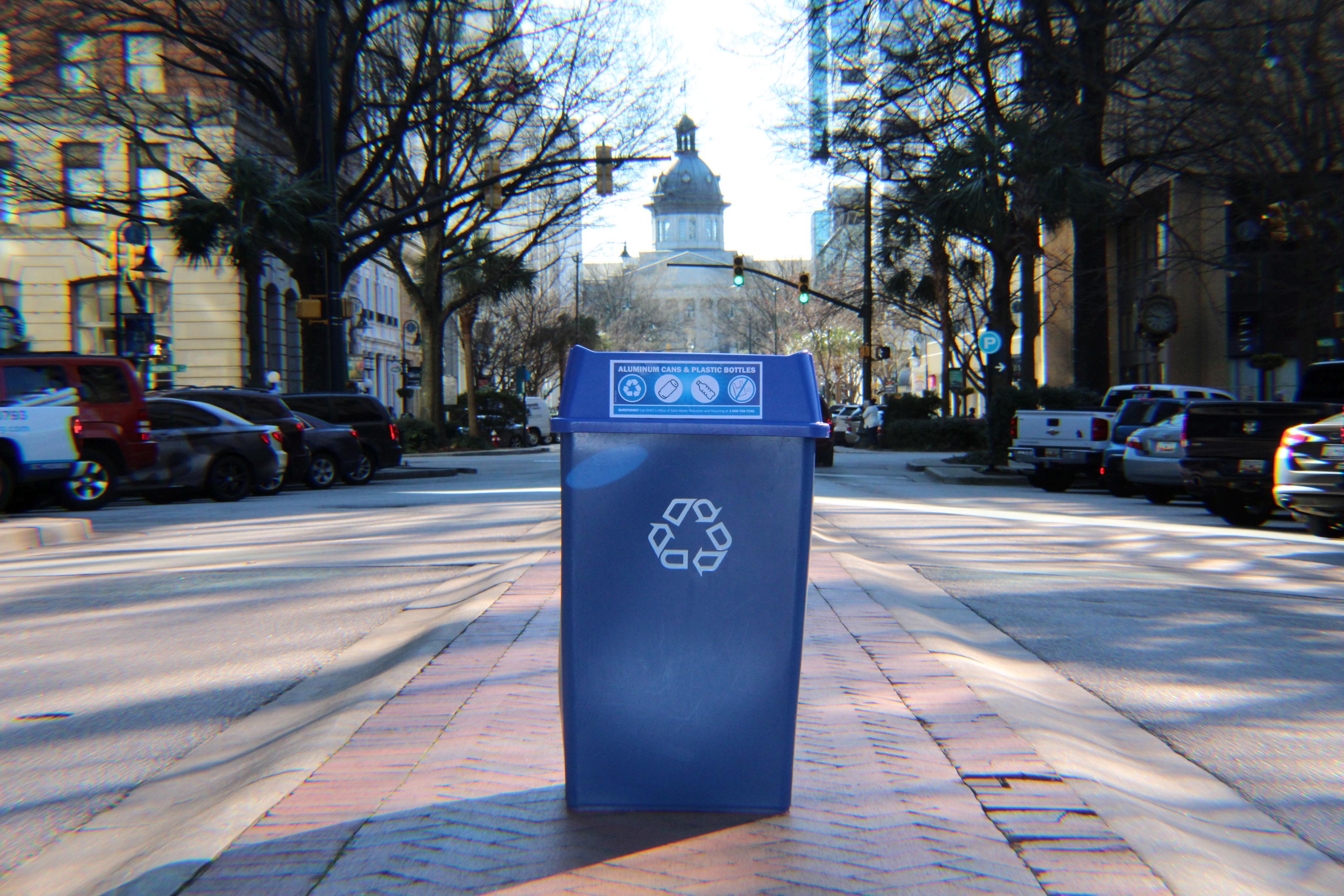
Overview: The South Carolina Beverage Container Recycling Act (S. 0750), introduced by Senator Russell Ott during the 2025–2026 legislative session, would establish a statewide beverage container depositrefund recycling program. The bill requires beverage distributors to register with the Department of Revenue, pay container deposits, and supports the creation of certified redemption centers. It also creates a dedicated fund managed by the State Treasurer, includes reporting and audit requirements, and establishes oversight, enforcement, and penalties Overall, the legislation aims to increase recycling, reduce litter, and provide accountability through a structured statewide system
Background: Deposit return systems (DRS), place a small refundable deposit (5–10¢) on beverage containers, returned to consumers when they recycle them. In a society dominated by single-use products, few systems exist to manage waste responsibly, leaving landfills and environmental damage for future generations DRS close this gap by giving people a clear incentive to return containers, shifting waste management from reactive cleanup to proactive recovery To reduce litter, protect public spaces, and manage materials responsibly, our infrastructure must adapt to today’s consumption patterns In short, S 0750 would establish a deposit-refund recycling system for beverage containers in South Carolina to encourage recycling, create infrastructure for redemption centers, and provide oversight and enforcement mechanisms.
Key Provisions:
Requires beverage distributors operating in SC to register with the Department of Revenue and pay deposits on beverage containers collected from dealers or consumers
Establishes an initial refund value for deposit beverage containers
Creates a Deposit Beverage Container Fund managed by the State Treasurer to support program operations.
Directs the Comptroller General to audit the container program. Outlines operation and certification requirements for redemption centers where containers are collected and processed.
Sets reporting requirements for the Department of Environmental Services and the Department of Revenue and authorizes regulations to implement the program
Establishes an advisory committee, penalties, and a process to challenge penalties through administrative hearings
states Michigan maintains a long term average of 93%, Oregon averages 87%, and Maine 77% demonstrating the effectiveness of deposit programs in reducing waste and promoting recycling.
Higher deposit amounts consistently lead to higher return rates, with states offering 10¢ deposits outperforming those with lower incentives Deposit return systems (DRS) have proven effective both in the U S and abroad Ireland’s DRS, launched in 2024, cut drink can litter by 30% and plastic bottle litter by 20%, with coastal bottle and can counts dropping from 100 per km in 2010 to fewer than 8 per km by 2024 In the U S , a 2020 Clean Virginia Waterways study found plastic bottles accounted for just 3 9% of litter in deposit states versus 8 6% in non-deposit states
Contrary to the myth that DRS initiatives are a tax on consumers, the deposit is fully refundable, the system is funded by beverage producers, and communities save money through reduced cleanup costs and the national need to import aluminum. Additional benefits include cleaner streets, parks, and waterways, reduced harm to wildlife, less plastic clogging storm drains, higher-quality recycled materials, and support for local recycling and redemption jobs