World news
Diary dates
04 - 06 May 2026
Offshore Technology Conference (OTC) 2026
Houston, Texas, USA
https://2026.otcnet.org
02 - 03 June 2026
Gas, LNG & The Future of Energy 2026
London, UK
https://www.woodmac.com/events/gaslng-future-energy/
15 - 16 September 2026
Subsea Pipeline Technology Congress (SPT 2026) London, UK https://sptcongress.com/
02 - 05 November
ADIPEC 2026
Abu Dhabi, UAE
https://bit.ly/4s9yXms
Web news highlights
Ì IMI to supply specialist ultra-highpressure valves for North Sea offshore development
Ì SES Energy acquires CIU and corrosion monitoring divisions from ICR
Ì Viridien and BGP announce agreement with government of Guyana
Ì EIA: US natural gas production reached a new record in 2025
Ì Acteon strengthens global offshore engineering capability with acquisition of Upstream Engineering
Ì Oil price surge signals “new wave of volatility” (GlobalData)
Ì How the Middle East conflict is reshaping gas and LNG markets
To read more about these articles and for more event listings go to: www.oilfieldtechnology.com
March/April 2026
Baker Hughes and Petrobras sign strategic service agreement
Baker Hughes has announced a 60 month service award from Petrobras to support critical turbomachinery equipment for Brazil’s offshore operations, as well as a major refinery. The agreement was signed in February 2026 in Rio de Janeiro, following an open tender process, and covers essential maintenance, repairs, and engineering advisory services.
This agreement reinforces Baker Hughes’ commitment to lifecycle services, maintaining the performance and reliability of up to 64 aeroderivative gas turbines installed across several sites that are critical to Petrobras’ production continuity.
These assets support stable, scalable energy output across approximately 19 FPSO vessels in Brazil’s offshore sector and at the Replan refinery in Paulínia, São Paulo. The FPSOs are equipped with Baker Hughes turbines, including the LM2500 and LM6000.
Work under the agreement began in February 2026 and will be delivered through the Baker Hughes Service Center in Petrópolis, Rio de Janeiro. Established in 2010 to support Petrobras, the facility employs local talent and delivers a range of services including disassembly and assembly.
Baker Hughes plans to expand the centre’s capacity and capability footprint, adding advanced grinding capabilities to enhance service and reliability. The expansion will strengthen the local supply chain and employment opportunities, reinforcing Baker Hughes’ long-term commitment to Brazil.
EnerMech wins five year North Sea contract on Kraken FPSO
EnerMech has secured a five year contract to provide Bumi Armada with crane management and lifting services on the Armada Kraken Floating Production Storage and Offloading (FPSO) vessel in the UK North Sea East of Shetland.
The award, which falls under EnerMech’s Lifting Solutions business line and includes helideck and scaffolding support, reinforces the strength of the organisation’s multi-skilled, hybrid crewing model. The scope could extend to shutdown services, hose and pipework integrity and rotating equipment.
EnerMech’s integrated crewing model consolidates crane operators, crane maintainers and deck crew, lowering costs, improving efficiency and streamlining operations by reducing the required persons on board.
The Kraken FPSO is located in UK block 9/2b, 350 km north-east of Aberdeen. The FPSO is a converted Suezmax tanker and has a nameplate production capacity of 80 000 bpd, storage capacity of in excess of 600 000 bbls and is able to handle 460 000 bpd of reservoir fluidsi.
Charles ‘Chuck’ Davison Jr., EnerMech CEO, said: “With decades of experience in crane management and lifting services on FPSOs around the world, our teams bring proven technical excellence and a rigorous ‘right-first-time’ mindset to every project. This ensures safety, reliability and lifecycle value remain at the core of our execution strategy.
“We look forward to working closely with Bumi Armada’s team on the Kraken FPSO and building on our strong foundation of trust, innovation and shared ambitions to deliver a collaborative and successful campaign.”
Daniel Collins, SVP Lifting Solutions, said: “Key to our success within the Lifting Solutions division at EnerMech is making sure that every lift is optimised, and our reputation for driving client value is one that we value immensely.
“The harsh climate of the UK North Sea is an environment that we are accustomed to operating in and our safe, efficient and compliant solutions are tailored to maximise crane availability and machine downtime.”
The contract award follows further North Sea successes in early 2025, including a contract to provide lifting services for the Anasuria FPSO and another for offshore shutdown support services on the Triton FPSO.
n the deepwater off the Florida coast, beneath a floating production system operating in more than 1500 m of water, a steel catenary riser quietly performs its job. In service for more than 20 years, the rigid riser system has reliably transported oil from subsea wells to the host facility above, withstanding harsh ocean currents, waves and vessel motion. From an onshore control room, everything appears as intended: a recent inspection showed no signs of distress, and operating data fell within expected ranges. And yet.
Since the riser’s design more than two decades earlier, environmental design criteria have evolved. Long-term fatigue
behaviour can look different when viewed through a 2026 vs 2006 lens, particularly when decades of operating experience and improved analytical tools are applied. Design assumptions that once reflected leading practices are routinely revisited as industry experience expands. Which brings us to today’s (hypothetical) dynamic riser.
In this case, the question is not whether the riser is failing. Rather, it is whether a system designed under earlier environmental conditions and fatigue calculations is being effectively evaluated against today’s expectations with sufficient clarity and consistency.
The American Petroleum Institute explains how the latest edition of API Standard 2RD supports the reassessment and life extension of dynamic risers.
As offshore infrastructure ages and operators increasingly consider life extension as part of normal operations, reassessment has shifted from isolated design checks to the challenge of reconciling different design philosophies, evolving environmental knowledge and modern integrity management practices within a single framework.
It is within this context that the recently published third edition of API Standard 2RD, Dynamic Risers for Floating Production Systems, must be understood. The critical update reflects the continued evolution of offshore riser design, one that recognises the need to align legacy designs, modern analytical approaches
and lifecycle integrity management. The result is a framework shaped by decades of experience, technological advances and the practical realities of long-life offshore operations.
To understand why this alignment has become so important, it helps to look at how dynamic riser design first took shape.
From early design priorities to lifecycle reality
Since the first dynamic riser was installed in 1984, dynamic riser design has played a critical role in offshore engineering. Serving floating production systems that respond continuously to waves, wind and currents, these systems must accommodate constant
motion while safely transporting production fluids over long service lives.
Early approaches to dynamic riser design reflected the leading practices of their time. In 1998, the first edition of API Standard 2RD was published, providing guidance based on working stress design (WSD) methods that aligned with the initial generation of floating production systems. That framework proved effective. In fact, many risers designed under those assumptions remain in service today, having performed reliably over decades of operation.
As offshore development expanded and analytical tools advanced, design priorities began to shift. Improved modelling capabilities and a growing interest in international alignment led to the adoption of limit state design (LSD) approaches, offering additional flexibility for new designs. These concepts were incorporated into the second edition of API Standard 2RD, published in 2013 (the edition did not link to WSD designs from the first edition).
A few years later, the industry’s approach to riser management was evolving in a complementary but consequential direction. The publication in 2019 of API RP 2RIM, Riser Integrity Management, formalised lifecycle integrity management for dynamic risers, emphasising inspection, monitoring and reassessment. As integrity management practices gained traction, it became clear that integrity management decisions increasingly depended on design assumptions that were not always directly comparable across different design eras, such as the first and second editions of API Standard 2RD.
This convergence exposed a practical challenge. Risers designed under earlier WSD methods now needed to be reassessed alongside newer systems using LSD frameworks. While both approaches are technically valid, it became necessary to reconcile them when operators needed to make consistent reassessment and life-extension decisions across legacy and newer riser systems.
The choice was not either-or (WSD or LSD). Rather, the industry pursued a way to bridge them with a single framework that aligned design guidance with lifecycle integrity management. That shift, from optimising individual design methods to supporting reassessment and life-extension activities, led to the next evolution of API Standard 2RD: its third edition.
A framework for alignment
Developed in response to this need, the third edition of API Standard 2RD resolves practical issues that have emerged as offshore assets aged and integrity management practices
In action: API Standard 2RD, 3rd edition
Following the extraordinary 2004 - 2005 hurricane seasons that included the devastating Hurricane Katrina, environmental criteria used in riser design were substantially revised and strengthened. A pause was placed on new riser construction until API provided reassessment guidance in 2007 with the publication of API Bulletin 2INT-EX.
Although the second edition of API Standard 2RD was published in 2013 and incorporated advances in design methodologies, the reassessment of risers designed prior to 2007 continued to rely on API Bulletin 2INT-EX.
The third edition of API Standard 2RD explicitly addresses this dynamic by bridging earlier and updated environmental criteria within a consistent framework for reassessment and life extension.
became more formalised. Shaped through API’s consensusbased standards process, the update reflects input from industry subject-matter experts, whose guidance is grounded in real-world operating experience as well as established engineering principles. The development effort spanned several years and included multiple rounds of public comments, review and revision, a structured approach that characterises the development of all API standards.
For API Standard 2RD, the third edition was deliberately structured to preserve proven approaches, accommodate both legacy and modern design methodologies and clarify how different perspectives should be applied and reconciled. At the same time, it strengthens the connection between design and reassessment by explicitly aligning them with established riser integrity management practices.
Fundamental to the new edition is a recognition that offshore infrastructure spans decades. Many risers in service today were designed under earlier assumptions that were appropriate at the time. Those systems have demonstrated reliable performance, even under conditions more severe than originally anticipated. Rather than forcing these assets into a completely different analytical lens, the third edition accommodates different design approaches by bridging working stress and limit state design within a unified framework, allowing systems from different eras to be evaluated consistently.
Implications for offshore safety
This clearer framework has direct implications for how dynamic risers are evaluated, reassessed and managed over time. By accommodating different design assumptions, the third edition of API Standard 2RD provides a more consistent basis for evaluation and reassessment.
For offshore operators, this consistency is especially important as reassessment and life-extension evaluations are made. By aligning design guidance with riser integrity management principles, the updated standard helps ensure that reassessment decisions are grounded in both original design intent and current understanding of operating conditions.
The third edition also places a greater emphasis on robustness, ensuring that riser systems are evaluated for predictable behaviour under extreme conditions, even when those conditions exceed original design assumptions. In doing so, the standard supports a more structured approach to evaluating offshore riser behaviour under evolving and extreme conditions.
Looking ahead
Historically, dynamic riser standards focused primarily on enabling safe and effective design at the time of installation. Today, that focus has expanded. With risers remaining in service for decades, along with an improved understanding of environmental conditions, the ability to reassess and manage these systems over their full lifecycle has become essential.
The third edition of API Standard 2RD responds directly to this need. Reflecting advances in technology and industry practice, consistent with how API standards evolve over time, the standard brings together established and modern design approaches within a unified framework that links design guidance with integrity management practices. The result is a clearer basis for reassessment and life-extension decisions. In doing so, it helps operators address a fundamental question: not simply whether a riser is working, but whether it is being assessed in a way that reflects the realities of long-term offshore service.

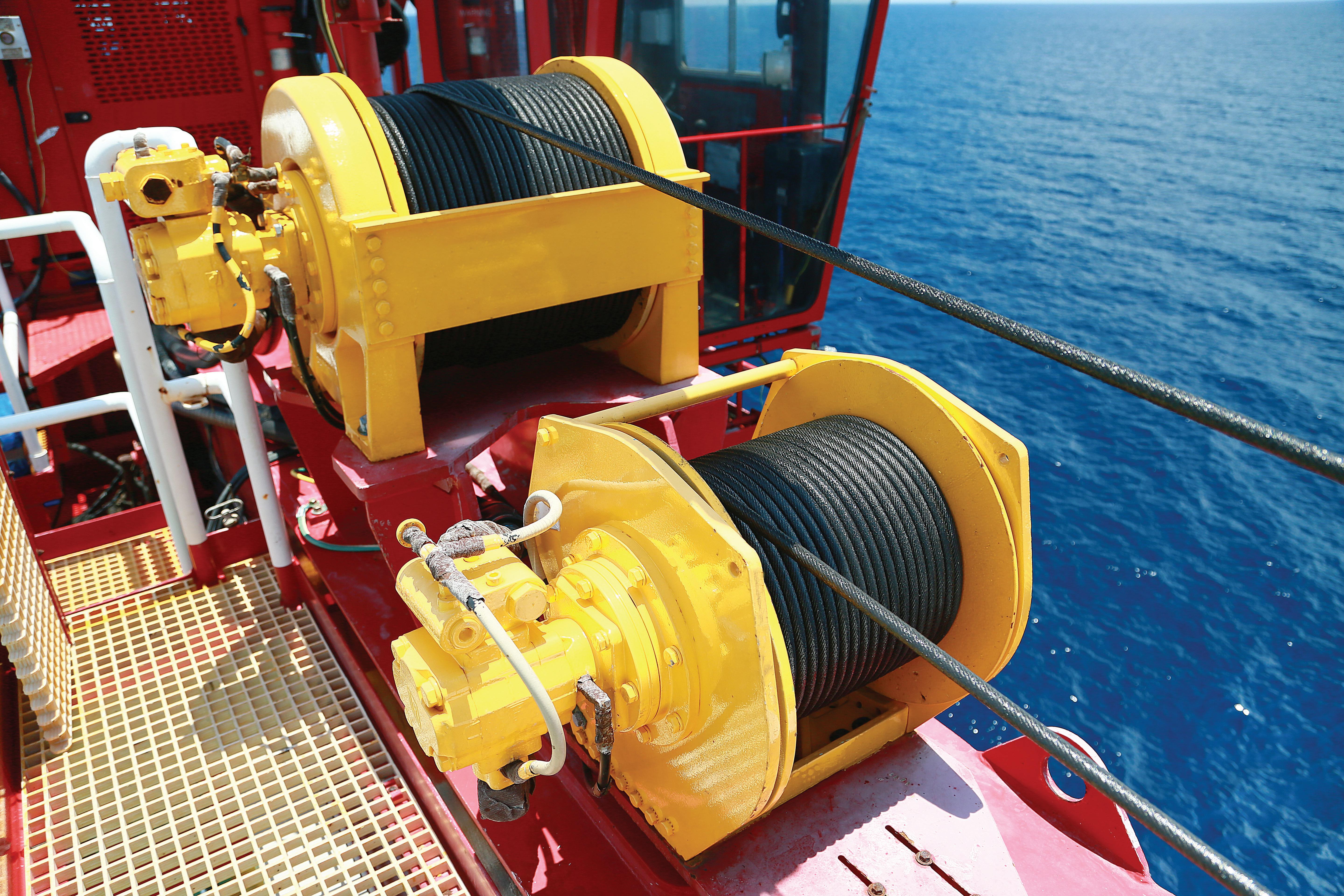
BRADEN has proudly set the industry standard for safety and performance in offshore crane applications. Engineered to deliver unmatched durability and precise load control, BRADEN hoists are backed by world-class training and support, making them the preferred choice for equipment manufacturers and operators who prioritize safety. BRADEN hoists meet or exceed all required safety and environmental standards for offshore use, including personnel handling.
www.arrowheadwinch.com
Paul Brindley, Subject Matter Expert - Asset Management, Major and Decommissioning Projects at KBR, considers how companies should look at decommissioning through a waste management lens, as it offers a straightforward way to organise what follows once production stops.
ver since the arrival of life on the planet, waste streams in one form or another have been produced. However, the amount of energy needed to sustain modern life for approximately 8.3 billion humans on earth is also leading to exponential growth of waste streams globally.
The ongoing climate change debate should actually be about how to support our energy needs, while producing acceptable waste streams, not on how to stop the climate changing. There is no way of producing this energy without there being some form of waste, be it carbon dioxide, nuclear fuel waste, component
waste from solar panels and wind turbines, even if these waste streams only arise at the end-of-life of the asset.
There is awareness that waste streams occur during construction and operation, but the end-of-life waste from decommissioning is overlooked more often than not.
As the energy transition continues, and more facilities near the end of their productive lives, decommissioning across the entire energy sector will undoubtedly expand. What’s more, the impact of decommissioning should also be considered in the design of new facilities.
Looking at decommissioning through a waste management lens offers a straightforward way to organise what follows once production stops. It helps operators understand the sequence of steps needed to manage those waste materials in a way that is acceptable to society.
Fossil fuel energy plants and production facilities are clearly at the forefront of the energy transition changes, given their role as the primary global energy source but also because of their age and their environmental impacts.
In the offshore oil and gas sector, what was once occasional work on a small number of assets is now a regular activity.
However, the industry is in danger of over-complicating matters. Most decommissioning works are well-established operational practises, coupled with some typical project scopes, such as heavy lift operations.
Decommissioning is therefore not the big step change that is often imagined. Of course, there is a degree of uncertainty in demolition operations due to the age and condition of the facility, often compounded by poor quality data about the facility being decommissioned. These uncertainties create the perception that decommissioning is more complex than it actually is.
The drive to keep production going until ‘cessation of production’ (CoP) often overlooks the work programme needed to deliver efficient decommissioning. Essential equipment is often considered to be operational only until CoP, failing to recognise that until the reservoir and any pipelines are isolated from hydrocarbon sources the platform remains live.
The maintenance burden for safety critical elements remains the same for operations. Indeed, evidence points toward operational costs only reducing by a relatively small amount until ‘Isolated from Hydrocarbons’ status is achieved. This can take years if early works have not been undertaken and is especially true of plugging and abandonment of nonproducing wells.
The Brent field for example, started preparatory work in 2006 and has continued for nearly two decades, and the scope is still not completed. Timelines over 10 years, with more than four years post CoP, are not unusual.
If ever there was a case demonstrating the value of front-end loading of a project, it is decommissioning. The monies spent on investigations at the beginning of decommissioning are crucial in reducing uncertainties, yet often the value of these activities is not appreciated by finance departments, until expensive problems arise later. As the old adage goes, if you fail to prepare, be prepared to fail.
The material left behind
Decommissioning is fundamentally a waste management problem and should be treated as such. Each decommissioning project results in tens, hundreds and possibly thousands of tonnes of waste materials all needing to be dealt with, often within tightening regulatory environments.
Much of the ferrous and non-ferrous metals used in jackets and topsides can be recycled, entering the onshore scrap metal markets, which is more than capable of handling these volumes.
However, some contaminated components require more specialist handling as they are recovered for recycling and, as they may contain hazardous residues, they must be cleaned before disassembly generating a waste stream to be managed.
Naturally occurring radioactive material (NORM), scale and contaminated sludges in particular require controlled handling and disposal. Early facilities may also contain asbestos and in places that are not expected – for example, in the glue holding vinyl tiles in place in control rooms.
These sorts of waste streams vary depending on the age of the asset and to an extent the type of operation. Early identification of their nature, whereabouts and
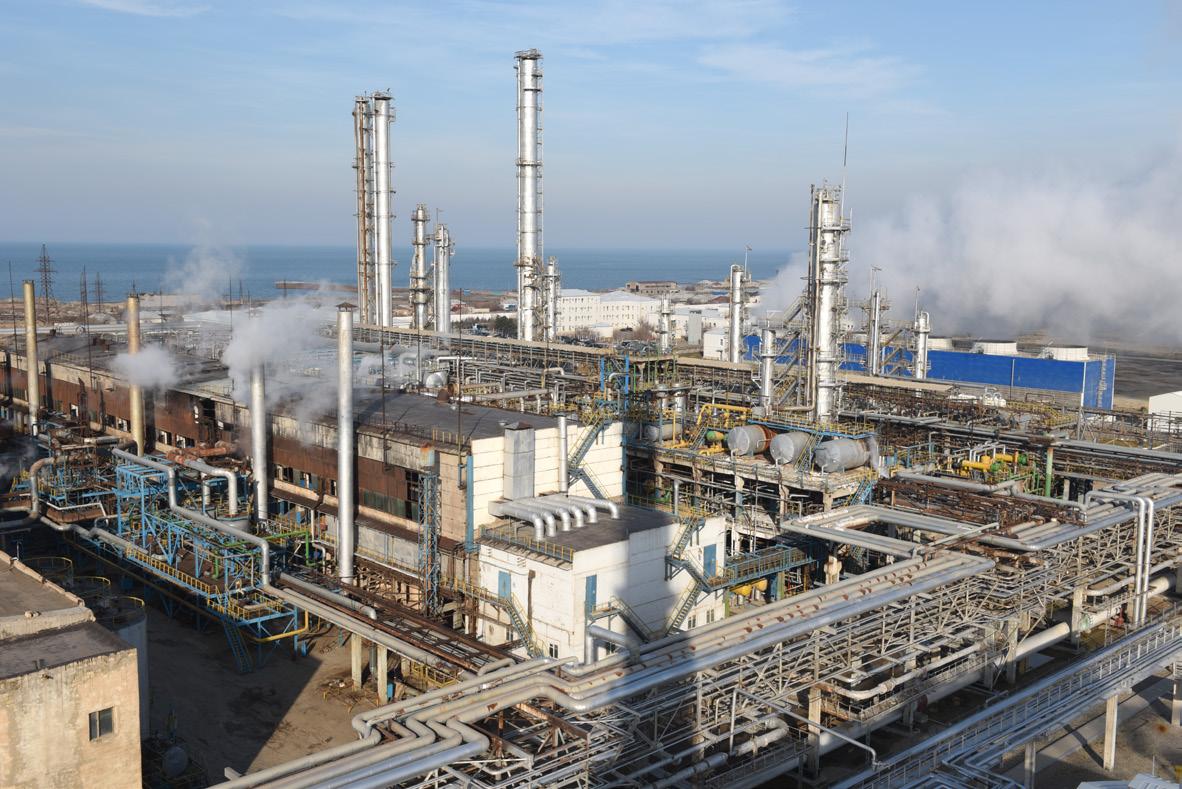
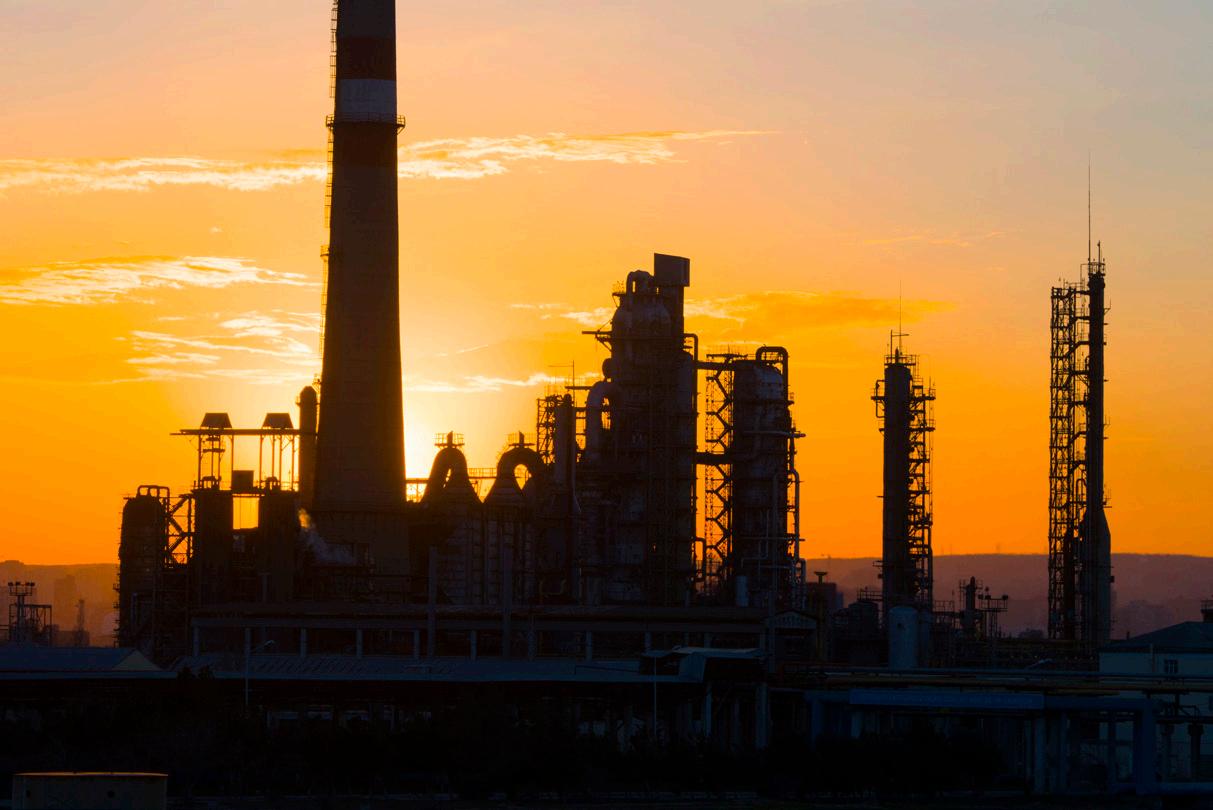
Figure 1. The Azerikimya petrochemical plant in Azerbaijan.
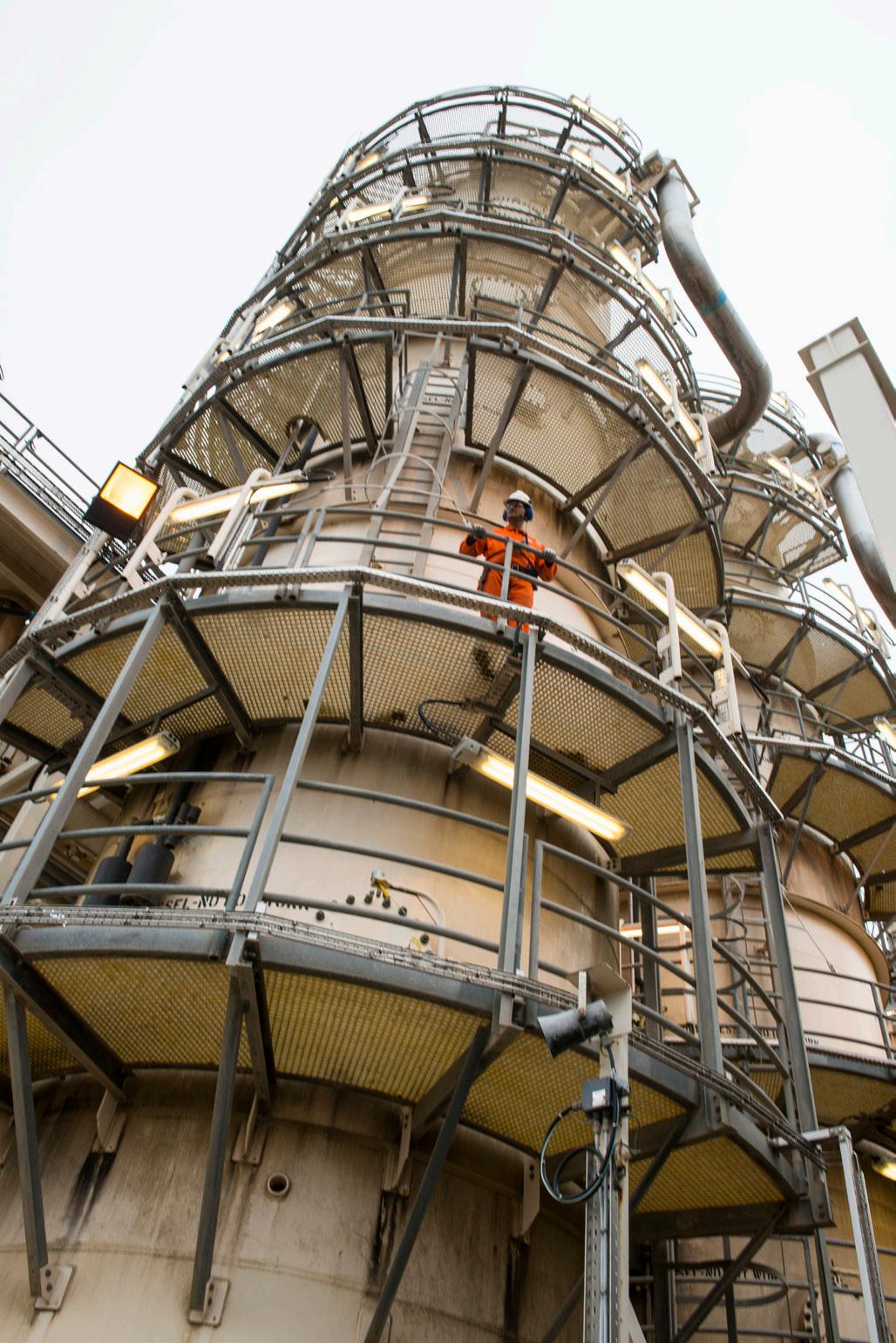
Figure 2. Many assets are now reaching end-of-life.
volume is essential. Dependent upon the region, the existence and capacity of local licensed disposal sites is a further consideration to ensure they are not overwhelmed by the waste stream volumes being created.
Every decommissioning site will have unresolved issues such as ground contamination, or offshore, drill cutting mounds for example.
Treating the job as a large waste management exercise encourages operators to analyse these potential waste streams more closely and plan for them well before shutdown.
Alternative energies face similar issues
End-of-life responsibilities are not limited to the oil and gas industry. As more alternative energy systems are deployed, they create their own future waste profile. While these technologies reduce operational emissions, they introduce new waste streams that should receive early consideration.
Wind turbines are a good example. Towers are generally straightforward to recycle, but the composite materials used in blades are more difficult to break down or repurpose. Some companies are trialling new methods for material recovery or secondary uses, although many blades still end up in landfill or are incinerated.
Seabed foundations present another issue. Often offshore wind projects use foundations designed to support turbines for a single-use lifecycle of around 25 years. However, the advent of larger turbines means the original foundations are generally too small to reuse. Given the number of turbines involved, and expected in the future, this has the potential to render large areas of the seabed unusable and is an ongoing point of discussion in the OSPAR Commission.
Onshore grid-scale battery storage is also growing rapidly. These batteries will eventually need recycling pathways for lithium, nickel and other metals, which are difficult to recover economically currently. Equally, early solar farm modules are reaching the end of their service lives, adding another category of materials that will need to be managed.
Regulation and liability
Regulators around the North Sea and elsewhere are now taking a closer look at decommissioning. In the UK, national infrastructure requires decommissioning programme submission and approvals before any works can commence.
Dependent upon the local regulatory regimes, operators and licensees are often expected to remain liable for their assets up to, and in some cases past, the point of return of the lease to owners. These liabilities are often joint and several, so default by any one party means the others inherit the defaulter’s liabilities.
For example, in the UK, the legislation allows for former owners to be called on to take responsibility if the current owners cannot meet their commitments. These provisions are often designed to cover cases where ownership has changed hands over the years. For operators, liability management and planning need careful evaluation, particularly where assets may be sold late in life.
Several well documented liability management failures have led regulators to take a firmer approach, in some cases retrospectively applying industry levies. They are examining costs more closely and expect operators to show how they will manage their financial, environmental and restoration obligations from the start.
At international level, the OSPAR Commission continues to influence expectations around preventing the seas being used as a waste repository.
Challenging short-termism
Tax and financial structures can shape how companies approach decommissioning just as much as the engineering challenges.
In the Gulf of Mexico, the downers situation – involving platforms damaged by hurricanes – got so bad that the regulators had to step in and put time limits on the management of redundant platforms. In the UK, the
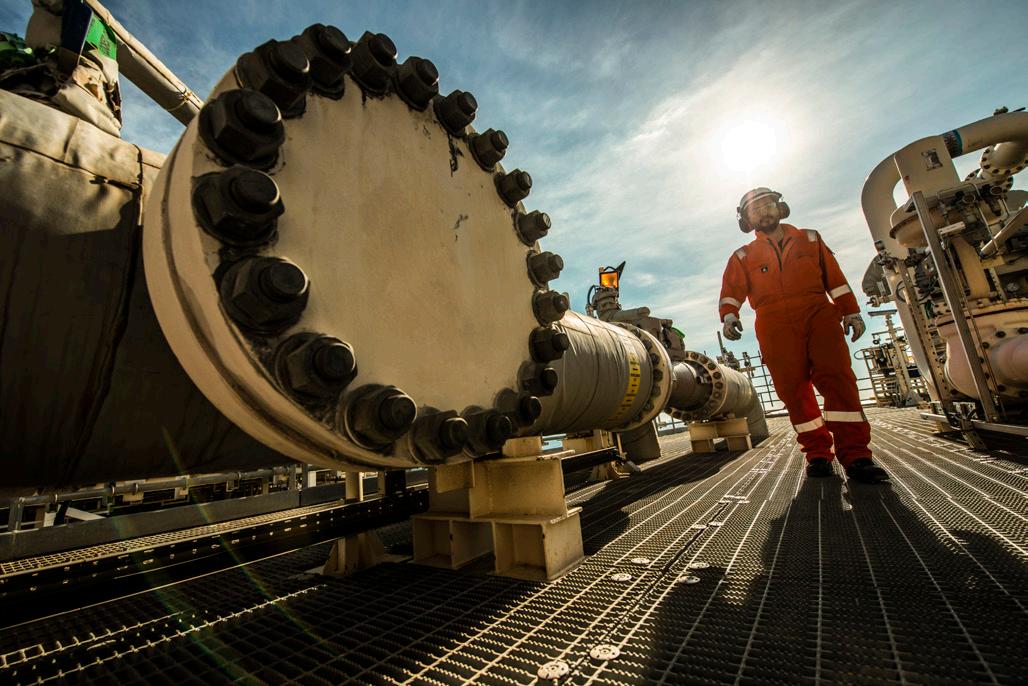
Figure 3. Complex waste streams need to be carefully managed.
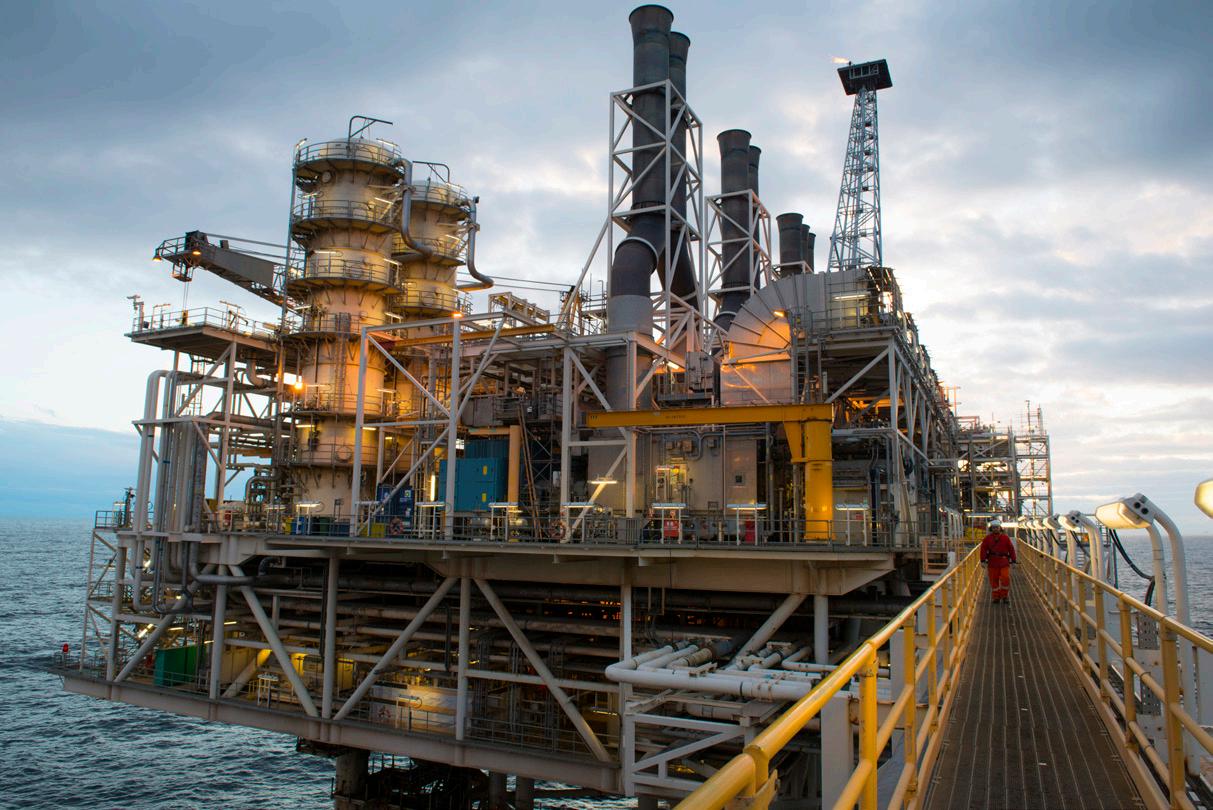
Figure 4. An engineer on an ageing platform.
management of long term suspended wells, i.e. the failure to plug and abandon them, is now attracting regulator attention.
Under some tax systems, operators pay tax on production revenues and then claim relief on decommissioning costs after work has been completed. This means there is no tax efficient incentive for operators to set aside funds for decommissioning during the productive life of the asset.
In other tax regimes there are examples of companies simply declaring insolvency before decommissioning starts, landing other co-venturers with their liabilities, or worse, leaving orphan facilities, with the government being expected to pay for the clean-up.
As such, corporate cash-flow often becomes an issue at the end of an asset’s life, with deferment of decommissioning often seen as the easiest route to avoid problems. However, this is a false economy as the subsequent decommissioning bills invariably increase due to asset integrity issues.
Ownership changes throughout the asset’s life can make problems worse. Major operators often sell assets once trigger points in recoverable reserves have been met, transferring them to smaller oil companies who take on the responsibility for end-of-life and decommissioning works.
An enduring risk to the sellers is default by the buyers. Securing financial cover from the buyers can be a deal breaker
in the sales process and post-sale disputes often result in the amount of cover needed and its costs. Better financial planning during an asset’s productive life will make a big difference.
Approaches that work well
Although decommissioning is complex, several regions have developed approaches to manage uncertainty and decommissioning activities. Compliance with regulations, either strictly or by delivering their intent is shown to be a good way of removing uncertainty. Problems and delays invariably arise when trying to essentially ‘game’ the system by arguing against full compliance.
The Gulf of Mexico provides many years of experience in well plug and abandonment (P&A) and platform removal and does not allow redundant platforms to sit for decades degrading. The North Sea has moved heavily towards front end loading by conducting early surveys of wells and platforms etc.
Experience from multi-platform fields also shows the value of stable project teams. Continuity in project management and technical support improves decision-making as the work progresses. Where these programmes are very long, continuity planning for key roles is a key success factor.
The importance of advance preparation
Given the importance of front-end loading, it’s vital that operators understand the bottlenecks they could face. Before any structure is removed, wells must be plugged, systems made safe to work on, and inventories cleared. For many fields, this preparation could take multiple seasons and be affected by things like weather windows, the availability of vessels and onshore dismantling capacity.
For example, the availability of lift vessels is increasingly limited. These units are used for both platform removal and offshore wind installation. Their availability can vary quite drastically, especially if several projects need them at the same time.
Securing schedule slots in advance can help to avoid bottlenecks. The same issues can also affect cold-stacking strategies and waste routings, so a long planning horizon gives all parties flexibility and helps avoid unnecessary costs and delays.
KBR’s role across the asset life
KBR supports operators across the asset lifecycle. This support includes life extension and obsolescence assessments, late-life operations planning and safety case management. For assets approaching the end of their lifetime, KBR also helps operators evaluate options around suspension, removal and potential reuse.
KBR’s work in this area focuses on establishing frameworks that allow operators to prepare for endof-life in a structured way, whether that’s late-life strategies, understanding regulatory expectations, building appropriate maintenance plans or life-cycle documentation management systems.
This early preparation enables operators to build from a solid basis as decommissioning considerations progress.
Figure 5. Decommissioning preparation can take many seasons.
Figure 6. Late-life decommissioning can be a costly exercise.
Attendees
National Consortium Partners
National Consortium Supporters In Partnership with
Hosted by
Ross Provan, Head of Decommissioning Solutions, Elemental Energies, answers questions on asset lifecycle management and decommissioning, and discusses how UK decommissioning is entering its busiest phase.
ecommissioning is accelerating across mature offshore basins, as ageing infrastructure, committed basin exit and tightening global supply chains converge. With assets, vessels and expertise increasingly mobile, decisions taken in one region are now felt across the world. In this Q&A, Ross Provan, Head of Decommissioning Solutions at Elemental Energies, explores how these dynamics are reshaping late-life asset management and creating a pivotal moment for the sector.
What is driving the current surge in decommissioning of O&G assets – both around the world, and in the UK?
Decommissioning is accelerating globally as more offshore fields move into late life, with ageing infrastructure, declining production and increasing focus from regulators and stakeholders on end-of-life obligations being executed safely and efficiently. At the same time, decommissioning resources are globally mobile, so availability of specialist people, vessels and equipment in one basin can quickly impact cost and scheduling in another.
In the UK, what is really driving the current surge is committed basin exit. There are two major operators in particular that have committed to leaving the basin. That commitment is very real. It’s reflected in reduced headcount, increased outsourcing and a clear drive to secure long-term service and supply.
To enable that exit, operators need to lock in long-term project management, engineering capability and physical assets –whether that is well abandonment units, well services equipment or heavy-lift and subsea vessels. The resource pool is not infinite. As soon as service and supply start to be taken off the market, that drives cost up.
The knock-on effect is a chain reaction. Other operators are now starting to look at things differently, because once long-term service and supply is secured, cost and availability risk increase. Additionally, the motivation to innovate within key elements of the supply chain declines – supply-demand dynamics dictate that standing still will generate higher returns. Competition has effectively flipped from supply chain competition to operator
competition, and that is driving the next wave of thinking in the sector.
That dynamic also creates a butterfly effect globally. Assets, vessels and people are mobile, so decisions taken in one basin are increasingly felt elsewhere.
What steps have been taken so far in regards to decommissioning in the North Sea and UKCS, and what are the next steps?
The messaging around decommissioning has changed. Historically, it was framed around the opportunity that decommissioning represented. Now it has flipped and there is recognition that if things are not done differently, costs will continue to rise year on year.
One of the biggest steps taken so far is how operators are engaging with the supply chain. There is more early involvement, more openness in defining solutions and more pragmatic approaches to commercial and delivery models, as well as risk allocation. That early involvement has been largely absent in the past, so it is encouraging to see it coming back. Interestingly, joint method definition and delivery is driving a change in contracting approaches, with greater outsourcing of multiple – or even all –elements of scope becoming increasingly relevant. But critically, this aligns more closely with what operators can’t do themselves. Efficient late-life operations are embedded at the operator level, while a decommissioning lens is applied earlier, all driven by supply chain integration.
Collaboration is a big theme in decommissioning, but the real progress comes from focusing on how operators and the supply chain work together in practice – not force fitting ‘collaboration’ but focusing on how you achieve that. That means aligning technical planning with commercial structures and contractual models, so risk is managed in an open and realistic way.
Looking ahead, the next step is embedding this approach. Technical innovation exists and has value, but the biggest impact will come from commercial and financial innovation. Risk and uncertainty are the biggest drivers of unsuccessful decommissioning execution, so addressing them early and at the right time is critical, and an applicable commercial framework is crucial.
Are there key examples of major decommissioning projects leading the way in this trend?
There are several strong examples, both internationally and in the UK.
Overseas, a major IOC in the Gulf of Mexico is leading the way from both a technical and commercial perspective, with a full outsourcing model – including licence obligations – driving significant cost reductions. Said major has been very passionate about that model and has tried to replicate elements of it elsewhere, including in the UK, although it does not always translate directly between basins due to differences in regulatory and environmental conditions.
In the UK, outsourced decommissioning approaches are becoming more mainstream in a drive to secure service and supply, with some, though not all, considering late-life operations – a good example of how things can be done differently. One specific North Sea operator also stands out, having committed to an expedited basin exit. It is very open in how it works with the supply chain, committing long-term with multi-year, multi-asset contracts. There is a genuine willingness to do things differently to achieve that.
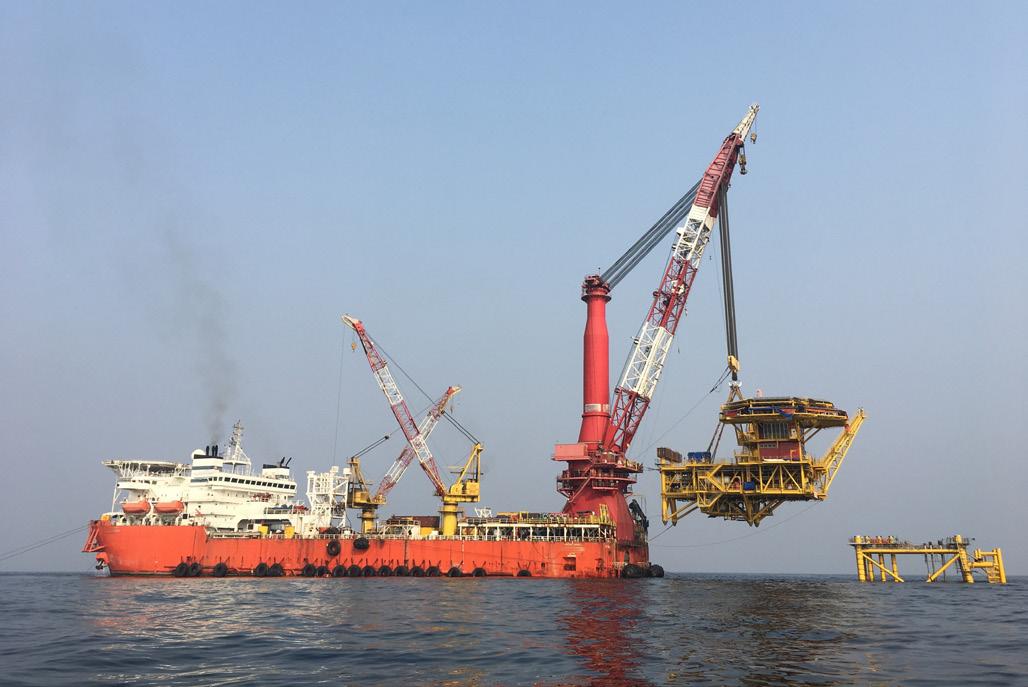
Figure 1. Heavy-lift vessel lifting an offshore platform structure.
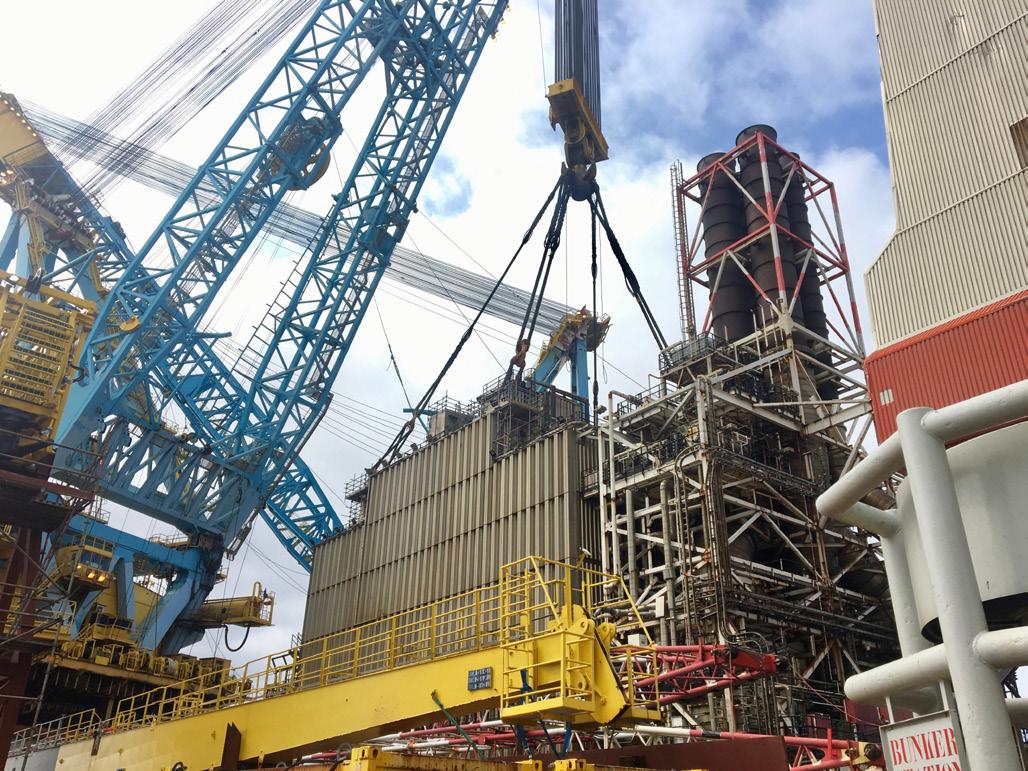
Figure 2. Crane lifting a large module on an offshore installation.
Crucially, trend-leading operators are driven by securing surety of service and supply to control their own destiny in terms of cost and schedule, leading to a more open, transparent and balanced way of engaging the supply chain.
What is the economic/industrial impact of the rise in asset decommissioning?
From an economic perspective, if cost escalation is left unarrested, it will continue to rise, and according to our analysis, the basin cost will rise above pre-NSTA cost reduction target implementation levels. There is a clear need for different approaches to be adopted now. This is not to say that what is done today is broken, as there is a lot of strong capability in the sector; but without disruption, costs will continue to increase. The need is one thing, but putting that into action is another. Openness from operators, the supply chain and regulators is required to tackle the ‘too difficult’ pile, with the foresight and resilience to enact positive change.
Industrially, there is a growing logjam of work. That includes well abandonment, topsides removal, jacket removal and subsea infrastructure. However, one bottleneck that does not receive enough attention is disposal.
You can remove all the offshore assets you want, but if there is nowhere to put them onshore, projects stall. Based on our market analysis, standard onshore disposal and recycling capacity across European yards is becoming constrained. If removals occur as currently contracted, this will become a significant issue. Yard availability and recycling pathways all contribute to the wider industrial impact of increased decommissioning activity.
Where does Elemental Energies position itself within this trend, and how is the company
supporting operators through this transition?
Elemental Energies positions itself by being steeped in the market. When I say market, I mean global. The world is large, but the decommissioning sector is relatively small and highly interconnected.
Assets, vessels and people are globally mobile. For example, in Brazil, Petrobras is actively recruiting supply chain capability to execute work there. That creates a very different dynamic, because the same globally mobile assets, vessels and people are now being actively recruited across basins.
Our positioning is about readiness to deliver now whilst understanding what comes next in the market. We do react to short-term opportunities as they appear, but we focus on where demand is building and where capability gaps are emerging, so we can support operators earlier and more effectively.
Through integrated solutions, strategic partnerships and an extended supply chain, Elemental Energies supports operators by providing capability that they may not have in-house, or may not be resourced to deliver at pace. That spans subsurface and wells engineering, project management, offshore execution and having direct access to supply.
This is an area that we are laser-focused on, and it’s important for us not to ‘do different’ for the sake of it. We are solutionsoriented, whether that means putting a spin on a more traditional approach, or introducing new technical, financial or commercial solutions. We will select the best approach for the scope, working closely with all stakeholders.
If it makes sense technically and financially for the operator and for us, and works for the regulator and supply chain, we will do it. We are not bound by traditional silos, are positioned well for today, and differentiated for tomorrow.
Are there any opportunities arising from this shift?
Yes, very clearly. The fear of escalating costs and the reality of committed operator exit is driving a genuine openness to doing things differently. That creates opportunities across the sector, not just for new technology, but also for new delivery models, driving the potential for technical, commercial and financial disruption to the mutual benefit of all stakeholders.
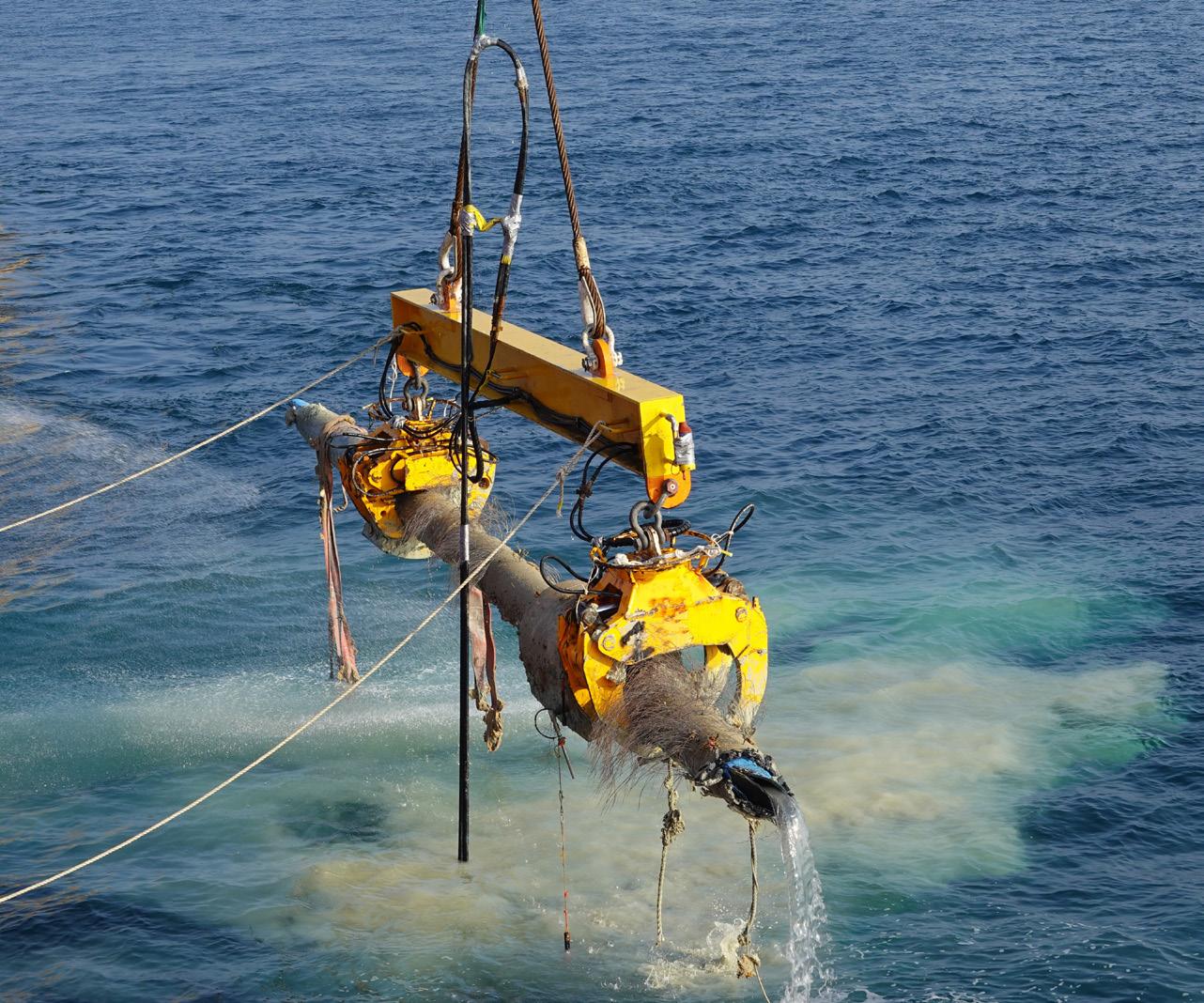
Figure 3. Recovery of a subsea pipeline section during offshore decommissioning.
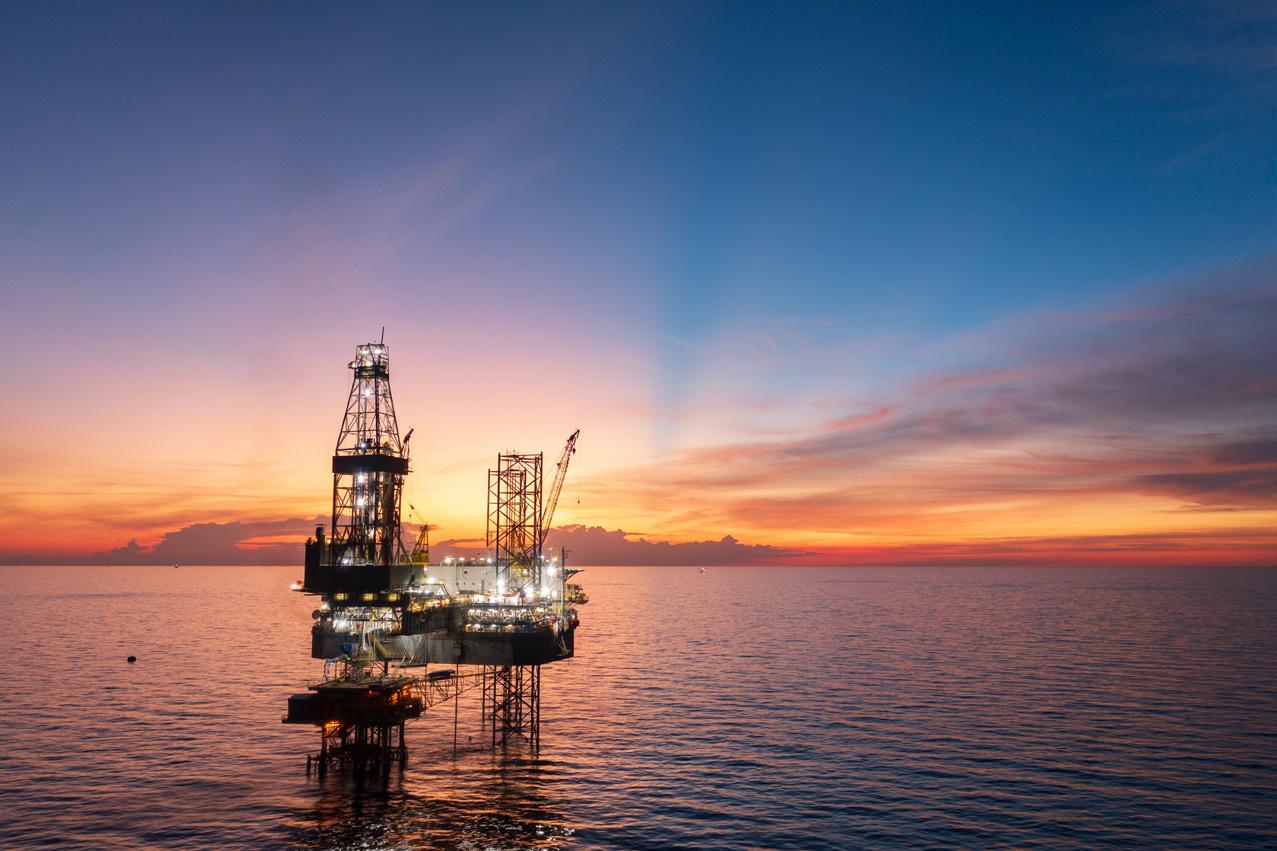
Figure 4. Offshore oil and gas platform in operation.
One of the biggest opportunities is integrated decommissioning, where elements that have historically been packaged and executed in silos are brought together to capture efficiency and reduce interface risk.
More broadly, there is a growing opportunity to get ahead of the bottlenecks that are emerging, particularly around asset availability, vessel capacity and disposal. The organisations that can help operators secure long-term service and supply, and take risk out of the system early, will be best placed as activity accelerates.
For Elemental Energies, that aligns directly with how we are positioned. We have built an integrated capability across the decommissioning spectrum and a broad supply chain network, including our joint venture with Archer and a large number of supply-chain agreements. This is specifically designed to support operators who need to move at pace and execute efficiently.
What advice would you give to operators in the UK who are preparing for/carrying out decommissioning operations?
There is clear recognition that something different is needed. What still needs to follow is large-scale openness and a willingness to follow through when different approaches are presented.
Rather than rebuilding large internal teams, operators should enable the supply chain earlier and allow it to drive efficiencies. That is where real value can be created and that is becoming more evident today, which is very positive.
Having said that, I do place the onus on supply chain, ourselves included. Don’t wait for things to happen: analyse the market, understand movements, identify pinch points and take it upon yourself to proactively engage with operators and regulators with new ideas.
How does the UK compare to the rest of the global market/industry?
The UK is widely looked to for how decommissioning is done, both from a regulatory and execution perspective. Historically, there has been frustration because decommissioning was always ‘coming’, but it is now clearly underway.
Emerging regions such as Brazil, Australia, and APAC are watching closely. In some cases, there is an opportunity for those regions to get ahead of more mature basins rather than waiting and then replicating established approaches.
How does this phase of decommissioning relate to the UK’s broader energy transition goals?
I firmly believe decommissioning is the first step in the energy transition. It is the mechanism that allows the UK to responsibly manage ageing offshore infrastructure, reduce long-term liabilities and create a clear pathway from late-life oil and gas operations into a different offshore future.
It is also critically important from a national perspective because the taxpayer ultimately carries a significant proportion of the cost. That means the UK has a real incentive to ensure decommissioning is delivered safely, efficiently and with maximum value.
From a practical delivery standpoint, the most effective way to reduce emissions and environmental impact during decommissioning is to execute in the most efficient manner possible – less time offshore, less vessel time and fewer surprises. That comes back to early engagement, reducing risk and
uncertainty upfront, and then making sure the commercial and contractual model supports that way of working.
Is there a correct strategy and sequence for decommissioning?
There is a clear sequence – wells must be abandoned before assets can be removed – but the strategy is far more complex and should start much earlier.
Applying a decommissioning lens several years before cessation of production can avoid inefficiencies later. Detailed planning helps prevent situations where expensive equipment is maintained late in its life only to be scrapped shortly afterwards. Early engagement with disposal providers is also critical to understand reuse, resale and recycling options.
How is decommissioning being funded?
Decommissioning is funded through profits, escrow mechanisms, and tax relief, but it is always viewed as coming off the bottom line. That can be challenging as assets become less economically viable.
However, many operators are finding that applying a decommissioning mindset earlier allows them to reduce operating expenditure in late life, extend asset value, and improve readiness for decommissioning.
When is the right time to shut down and decommission?
The right time is when a field is beyond economic recovery, but that decision should be informed by a clear decommissioning strategy.
Early planning creates optionality, including the potential to divest assets to smaller operators with lower overheads, while still improving decommissioning outcomes.
What are the challenges that stand in the way?
The biggest challenges include cost escalation, resource availability, asset availability, long-term supply being removed from market, and disposal bottlenecks and risk uncertainty.
Assets that are cold-stacked and left for extended periods can also deteriorate structurally, which can force unplanned decommissioning driven by integrity concerns rather than strategy.
What are the key environmental impacts that we should be aware of?
Key environmental impacts include offshore emissions, effects on the marine environment and onshore disposal considerations. Engaging disposal early allows operators to understand hazardous materials, recycling pathways and reuse opportunities. Efficient execution reduces emissions, while informed decisions around removal or leaving infrastructure in place can minimise environmental impact.
Conclusion
As more projects move from planning into execution, the challenge is no longer simply technical, but commercial and structural. Securing long-term service and supply, engaging the supply chain earlier and aligning delivery models with risk are becoming central to success. In that context, the current phase of decommissioning represents not just increased activity, but a genuine opportunity to rethink how complex offshore projects are delivered globally.
Eirik Enerstvedt, PLM Remedial and Abandonment Services with Odfjell Technology Ltd, highlights how experience, technology, and teamwork are key to enabling carbon-efficient production.
emedial and workover operations are crucial catalysts to maximising production across mature and redeveloped fields.
But meeting the shared goal of our low-carbon future will rely on optimising the global energy assets already in situ, rather than focusing solely on alternative technologies and newbuild infrastructure.
Ongoing production of oil and gas is after all critical to the necessary transition ahead – helping to meet global demand while keeping costs in check and ensuring workforce continuity.
Efficiency will play a huge role in those combined efforts and must be at front of mind on the road to net zero across economics, deployment, and operations. And nowhere is this more important than with existing wells on mature fields.
In remedial and workover operations, services like fishing, milling, casing exit, wellbore cleanup, and tubular running services (TRS) are essential but often overlooked components in this landscape. They can extend the productive life in a safe, timely and cost-effective way while also avoiding the carbon associated with the new drilling that might otherwise be necessary. In this context, remedial and intervention activities enables increased oil recovery (IOR).
This is the hands-on side of the energy transition, leveraging innovation and execution to deliver economic and environmental gains.
Routes to success
There are, of course, challenges. An increasing percentage of human and financial capital, as well as the supply chain, port infrastructure and research and development, is targeted at emerging low-carbon technologies – both within and outside of the traditional fossil fuel companies.
Digital applications, AI, and machine learning meanwhile promise much and are integrating into industry solutions. But all too often, these are without a proven pedigree, occasionally developed without a clear plan for real-world applications, and sometimes even without a full understanding of what has been gained and what might have been lost.
But the opportunity is equally significant. Operators are committed to the production efficiencies, carbon reductions and financial returns associated with redevelopment, repurposing, and asset maximisation.
Oilfield services, engineering and well intervention are at the forefront of this shift, bringing forward a mix of innovations and cost
reductions that are enabling operators to boost production and reduce costs by addressing inefficiencies among existing infrastructure and streamlining the operations required to bring redeveloped assets online.
For multiple geographies – offshore and onshore, mature or emerging – this is providing options across a wider range of installations, including, but not limited to, sidetracks, slot recovery and plug and abandonment.
From a drilling and well construction perspective, interventions such as whipstocks, casing exits and slot recovery extend the original well design. They allow operators to adapt or change production profiles without the cost and carbon footprint of full greenfield drilling.
Sidetracks and re-entries can reduce drilling investment, improve access to bypassed reserves and redefine drilling efficiency across the full operational life of a well asset.
The right toolbox
Asset lifecycle management is increasingly shaping operational decision-making. Rather than treating intervention, redevelopment and abandonment as separate phases, operators are recognising how remedial choices influence long-term production, cost and emissions.
Effective remedial and intervention operations can extend field life, defer decommissioning, and reduce the complexity of eventual abandonment.
Conversely, poor access or unresolved integrity issues can limit IOR options and accelerate decline. This is why remedials sit at the intersection of production optimisation, drilling efficiency, and endof-life planning. Well services and downhole technology are central to implementing the solutions required in this new era.
Improved whipstocks, enhanced magnets, next-generation casing scrapers, advanced jetting tools, a complete suite of handsfree and remotely-controlled TRS – this is the equipment that can revolutionise the planning and execution of even the most challenging operations.
Combining the above with a flexible and dedicated support structure, and innovations across delivery – including but not limited to rigless solutions – will multiply the benefits. These proven inhouse capabilities have the power to maximise tool performance and stock control with availability to reduce lead times and service. They also have the geographical reach required to meet customer needs in every market.
Perhaps most importantly, however, the oil and gas landscape depends on people and mindset. At a high level, this translates – at its best – into a partnership approach dedicated to working alongside customers to meet the specific needs of every project element. This is backed by an entrepreneurial, can-do spirit focused on deploying the right solution to achieve the most ideal outcome.
Proven applications
As an example of what is achievable, Odfjell Technology supplied a proprietary RapTr-X asymmetric hydraulic whipstock to a client in the Gulf Cooperation Council (GCC).
The operator was seeking to bring an abandoned inclined well back into production by milling a window in the 9 5/8 in. casing, creating a rat hole into sandstone with minor shale streaks of limestone formation before eventually drilling an 8 1/2 in. hole through a high losses-depleted zone.
Successful sidetracking the well at 6700 ft and despite a history of high-water cuts and challenging geology, eliminated the risk and carbon costs associated with drilling new wells instead of bringing this well back in operation.
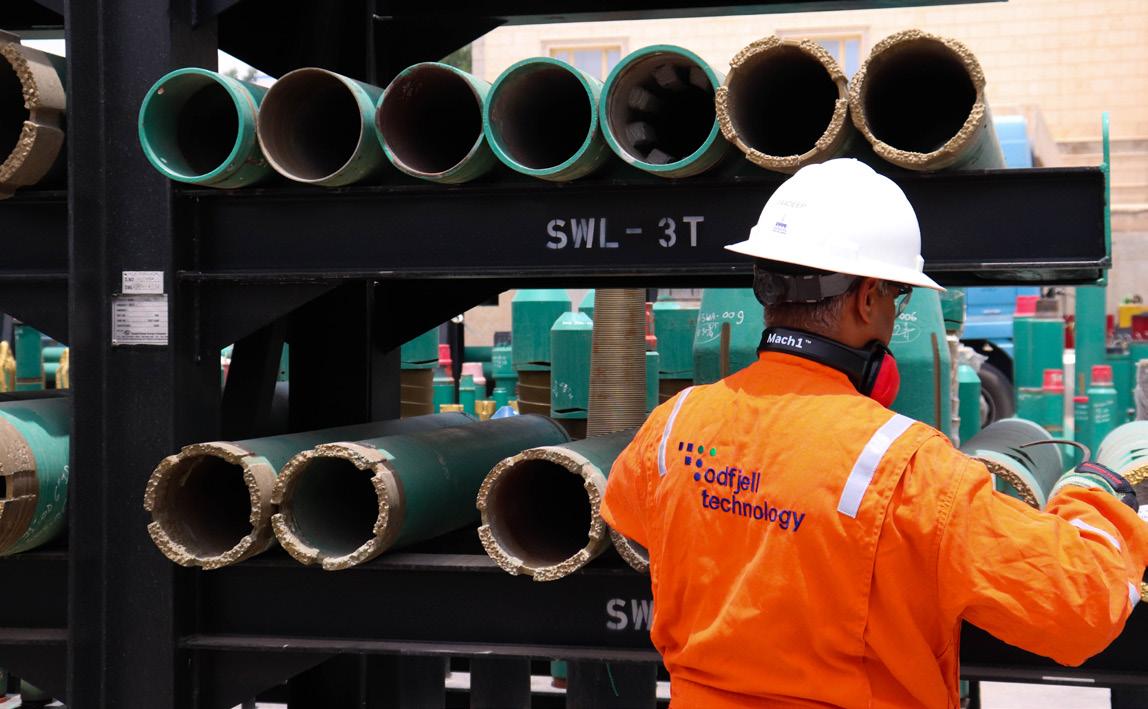
Figure 1. Engineer surveying inventory for offshore operations.
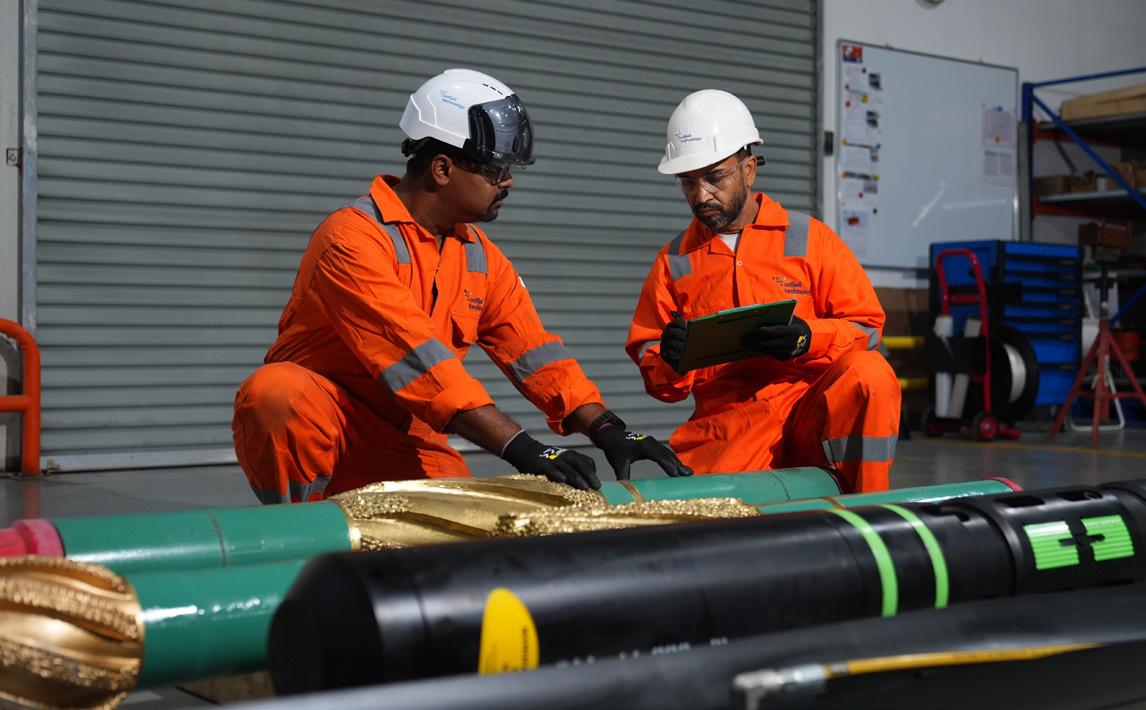
Figure 2. Odfjell Technology team inspecting wellbore clean up tools.
Based on the unique design of the whipstock system, the project also avoided the need for additional runs for polish and dress, resulting in reduced emissions and saving the client a total of 24 h on site.
Beyond immediate operational success, the project illustrates the lifecycle value of targeted intervention. Re-entering and sidetracking an existing well preserved earlier investment while reducing emissions associated with additional rig time, materials and logistics. Eliminating extra runs and trips reduced energy use on site, while maintaining future optionality for recompletion or stimulation as reservoir conditions change over the remaining productive life of the asset.
Winning streak
Well services are equally important. In one example, an operator in Turkmenistan faced a stuck bottom hole assembly (BHA) during drilling operations. The 8 1/2 in. BHA – along with the collars, pipes and other tools – became lodged in the wellbore and resisted jarring, rotation and chemical treatments.
Solutions were dictated by operational constraints including limited wellbore space due to deviation and geological considerations, the need to avoid excessive force applications, the high cost of non-productive time and the imperative of carbon savings.
Odfjell Technology identified a cut-off operation as the best approach, using a wireline severing tool and a specialised cutter capable of handling the drill pipe cut. Success was delivered through a combination of thorough analysis and planning, regular monitoring of weight on bit and torque, and collaboration across drilling engineers, field personnel and equipment vendors.
Despite the inherent challenges, drilling operations safely resumed without significant delays and with a minimum of nonproductive time, contributing to higher efficiencies, increased economy and a lower carbon footprint.
Delivering promise
It is clear that redevelopment and asset maximisation are an increasingly important element in the transition to net zero – posting carbon savings, optimising resources and helping to meet tightening sustainability targets.
From the North Sea to the Middle East, operators are putting fishing, remedials, wellbore cleanup and tubular running to work in the service of the necessary revitalisation of mature fields, delaying the need for new drilling and achieving a practical, measurable step towards a cleaner energy landscape.
Success in these endeavours is built on the ideal combination of equipment, personnel and expertise – which for companies including Odfjell Technology means multi-skilled crews using next-level technologies to deliver in the most challenging of conditions with the greatest level of efficiency and the best possible results.
It is about focused expertise across equipment, approach, and people to deliver for operators. It is also about meeting the global demand for secure, sustainable, and economic energy by leveraging the widest possible range of experience and the broadest mix of contributions.
Above all else, it is about serving the ongoing transition by squeezing the best out of every asset, and producing reliable supplies while ensuring the lowest possible carbon cost.
As operators pursue IOR and drilling efficiency across mature portfolios, it is increasingly clear that well access, integrity and adaptability delivered through effective remedials and well services form the foundation for production enhancement.
By combining proven equipment with experienced personnel and collaborative execution, operators can unlock additional value from existing wells while managing cost, risk and carbon exposure across the asset lifecycle in redevelopment, re-entry and late-life field operations globally.
OEG highlights how integrated, technology-led solutions can enable safe and efficient offshore energy projects across full project lifecycle.
ince its beginnings in 1973, OEG has evolved significantly, growing both organically and through strategic acquisition to become a global leader in the provision of products and services to offshore energy projects. Today, the Group operates as an integrated energy solutions partner, delivering specialist abovewater, on-water, and below-water services to customers across oil and gas, offshore renewables and industrial markets, while continuing to grow and diversify to meet the energy needs of tomorrow.
Offshore energy project activity is increasing, as growing global energy demand is driving renewed upstream investment, expanding deepwater exploration, the refurbishment of ageing infrastructure and the continued expansion of offshore wind capacity.
Against this backdrop, the operational importance of bestin-class products, bespoke solutions, and integrated services to support the development, construction, operations and maintenance, and decommissioning of offshore energy assets and infrastructure has never been greater. OEG’s mission is to provide the infrastructure, technologies, and services operators need today, while preparing them for the challenges and opportunities of tomorrow.
Cargo sarrying units (CCUs) and installation equipment: enabling offshore execution
Offshore energy projects depend on a tightly coordinated logistics chain. Every tonne of drilling chemicals, every pallet of
consumables, every item of equipment and every litre of waste must be transported safely and efficiently through containers, tanks and handling systems engineered for demanding marine environments.
CCUs sit at the centre of this supply chain, forming the practical link between shore bases, vessels, and offshore assets. As exploration, construction and maintenance programmes accelerate, pressure on global CCU availability has intensified. Industry analysis projects the CCU market to grow from approximately US$2.5 billion in 2025 to almost US$4.1 billion by 2030, driven by elevated offshore activity in basins such as the North Sea, West Africa, the Gulf of Mexico, and Asia-Pacific.
Operators continue to face familiar challenges: extended lead times, constrained supply, rising costs and persistent supply-chain volatility. In this environment, assured access to certified, compliant and well-maintained logistics equipment has become a strategic requirement rather than a procurement exercise. Equipment shortages, particularly during seasonal weather peaks or periods of high drilling demand, can delay well intervention and stimulation programmes, disrupt backload efficiency, complicate waste handling and increase exposure to vessel day rates.
OEG addresses these challenges through one of the world’s largest and most comprehensive CCU fleets, supported by a global network of cargo handling operations across six continents. The fleet spans high-performance CCUs, offshore tanks, chemical tanks, waste skips and specialist modules, available for sale and rental in a wide range of sizes and capacities. By combining fleet scale with integrated services and regional operational hubs, OEG helps operators maintain continuity, improve utilisation and de-risk logistics planning across the full lifecycle of offshore energy projects.
Engineered installation and completion solutions
Complementing its global logistics fleet, OEG’s BlueManta product range supports the safe and efficient execution of offshore installation and well completion activities. The range brings together purpose-built, certified equipment into standardised or bespoke packages, enabling operators to deploy complex installation scopes with confidence and consistency.
OEG BlueManta solutions support key stages of offshore well execution, including the deployment of control lines, ESP cables and electric lines, underpinned by integrated load-out kits, spooling and handling systems, pressure testing equipment and associated infrastructure. Designed to reduce interfaces and simplify mobilisation, the range is particularly suited to projects where operational efficiency, repeatability, and compliance are critical.
Underpinned by OEG’s global footprint, OEG BlueManta equipment is available in key offshore regions worldwide, allowing the business to respond quickly to regional requirements while maintaining consistent technical and safety standards. Together with OEG’s wider logistics and service offering, the company’s BlueManta product range strengthens the Group’s ability to support offshore projects from preparation through execution.
Leveraging digitalisation for real-time visibility and improved utilisation
Digitalisation is reshaping the way CCU fleets and installation equipment are deployed and managed. IoT-enabled tracking,
Figure 1. OEG operations facility in Aberdeen.
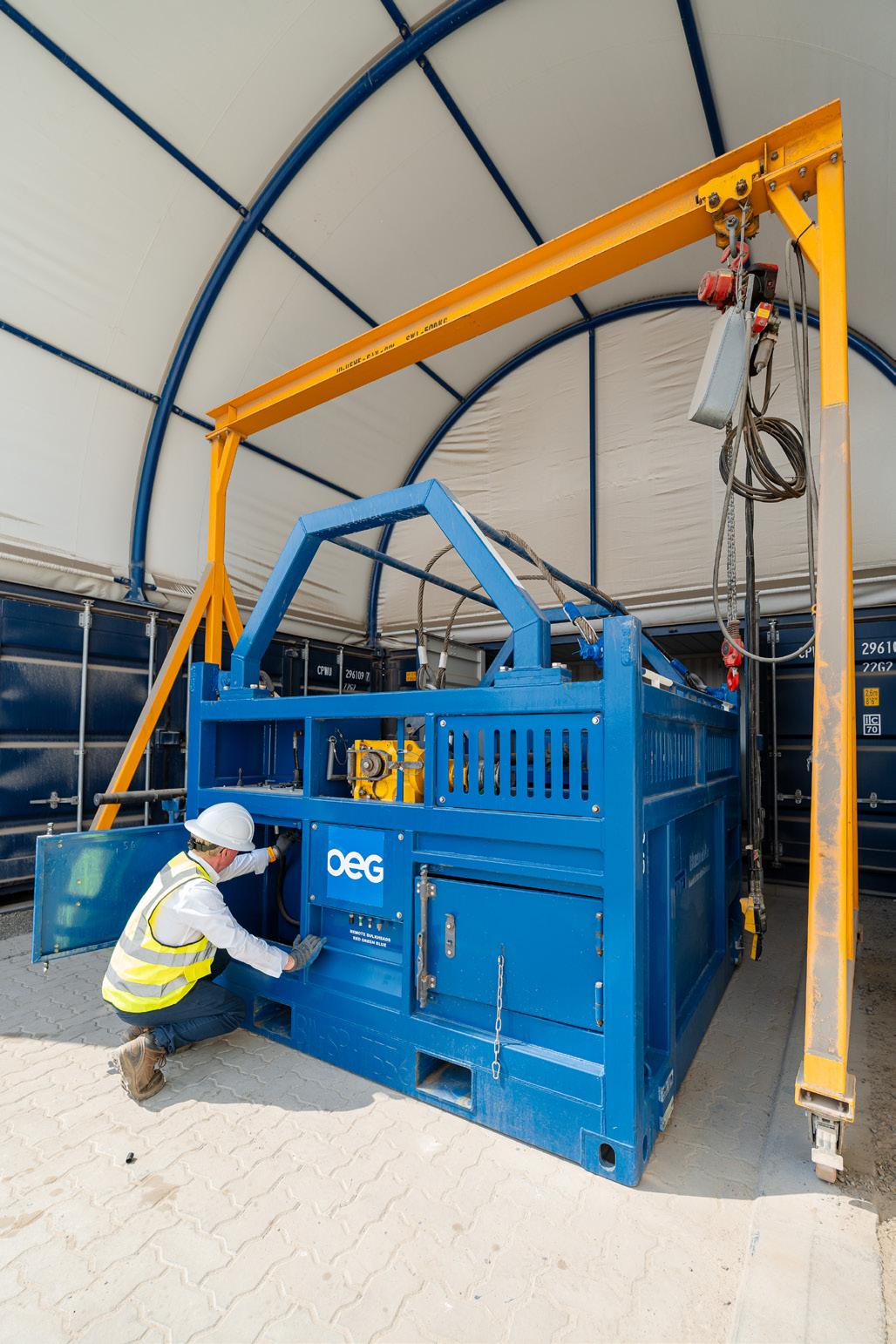
Figure 2. OEG’s BlueManta well completion equipment.
real-time condition monitoring and predictive maintenance provide operators with greater oversight in environments where efficiency and reliability are critical.
OEG has invested significantly in advanced telematics, enabling customers to track equipment location, utilisation, certification status, and maintenance requirements with improved accuracy. This visibility reduces idle time, prevents overdue certification, streamlines turnaround and helps ensure the right equipment is available where and when it is needed.
In Norway, three major offshore operators have adopted a shared-access model supported by OEG’s digital tracking platform. By pooling equipment rather than competing for limited supply, the operators have improved utilisation rates, reduced bottlenecks and gained flexibility to off-hire without compromising access to critical assets – an increasingly valuable advantage in programmes with shifting and unpredictable schedules.
Agile fabrication: delivering custom infrastructure for offshore operations
Beyond rental equipment, OEG delivers a fully managed fabrication service supporting small-scale offshore infrastructure. Combining engineering, procurement, and construction in an agile delivery model, the business focuses on speed, repeatability and regulatory compliance.
With more than 50 years of experience producing bespoke modules, OEG designs and fabricates units such as ROV cabins, workshops, laboratories, communications rooms and compact control systems. This capability is particularly valuable for operators working across multiple jurisdictions, where certification and regulatory requirements vary. OEG’s multi-code expertise enables a single unit to be deployed across several regions without redesign or recertification.
Recent deliveries include an internationally certified ROV cabin and workspace module designed for reuse across multiple marine regions, as well as a custom 20 ft mobile laboratory container supporting a carbon capture and storage (CCS) validation project. These projects illustrate the strengths of OEG’s agile fabrication approach: rapid mobilisation, predictable delivery, global compliance and robust, reusable infrastructure optimised for offshore conditions.
Offshore aviation: supporting safe and compliant operations
Helicopter operations remain essential to upstream oil and gas activity, connecting onshore bases with offshore assets for crew changes, cargo transfers and emergency support. Safe and compliant refuelling is a fundamental element of aviation logistics.
OEG delivers a full lifecycle service for helicopter refuelling systems, from design, fabrication and installation through to inspection, refurbishment and ongoing maintenance. Systems are built to UK CAA CAP 437 and international aviation standards, ensuring high levels of safety and compliance.
By consolidating tank supply and rental, helideck friction testing, spare parts management and technical support, OEG helps operators reduce complexity and maintain reliable aviation operations, particularly during long maintenance campaigns or in remote regions where replacement equipment may be delayed.
Topsides capability: supporting offshore operations above water
OEG delivers specialist topside solutions designed to enhance the safety, efficiency and reliability of offshore operations. Working across oil and gas and offshore renewables, the Group provides fully tailored services supporting projects from early execution through to operations and maintenance.
OEG’s topside capability spans balance of plant delivery, blade inspection, maintenance and repair, high-voltage systems, temporary power and welfare solutions, as well as specialist support for wind turbine generator (WTG) pre-assembly, commissioning, servicing and component exchange. These
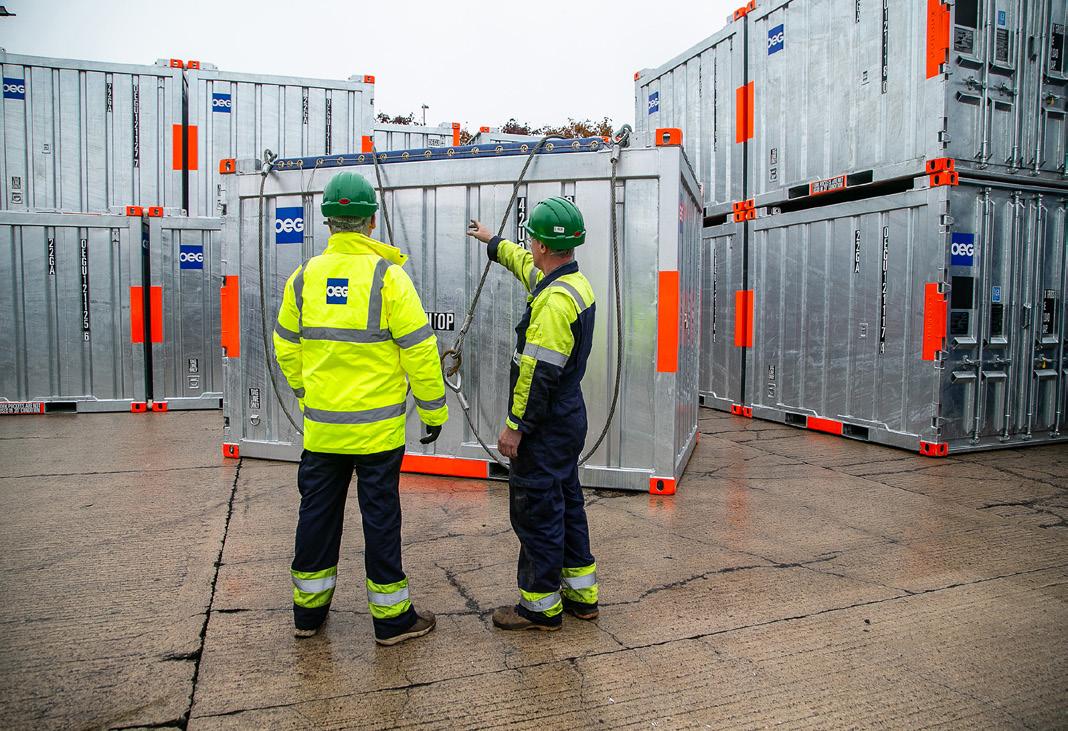
Figure 3. OEG cargo carrying units (CCU) at Aberdeen facility.
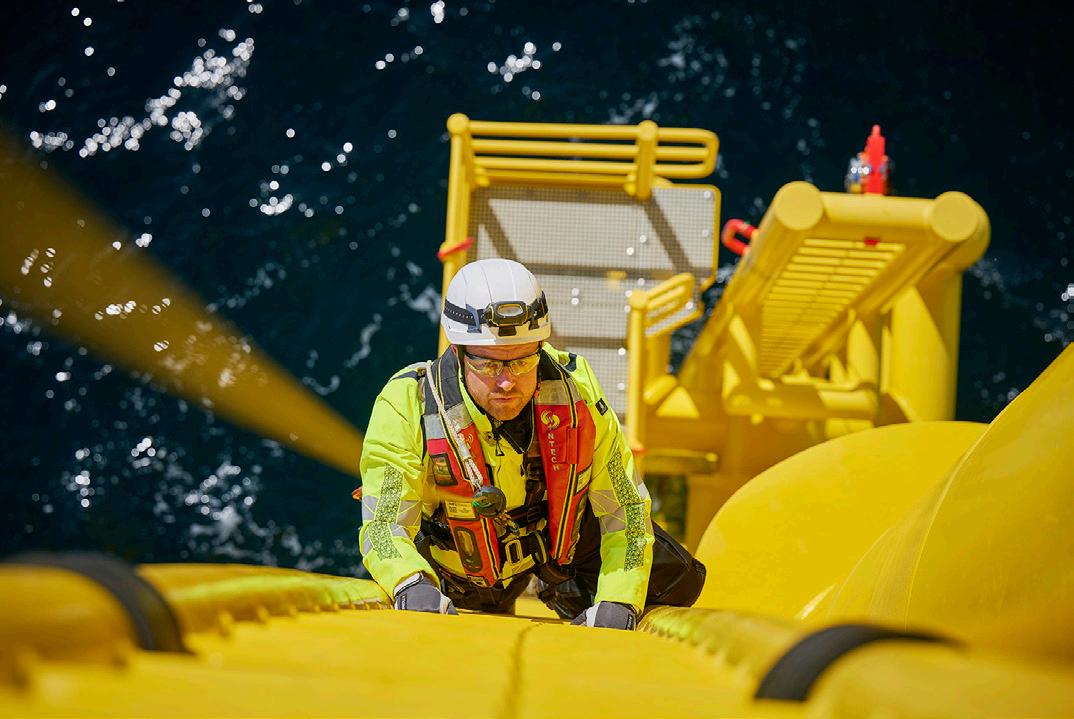
Figure 4. OEG topside specialist accessing offshore facility.
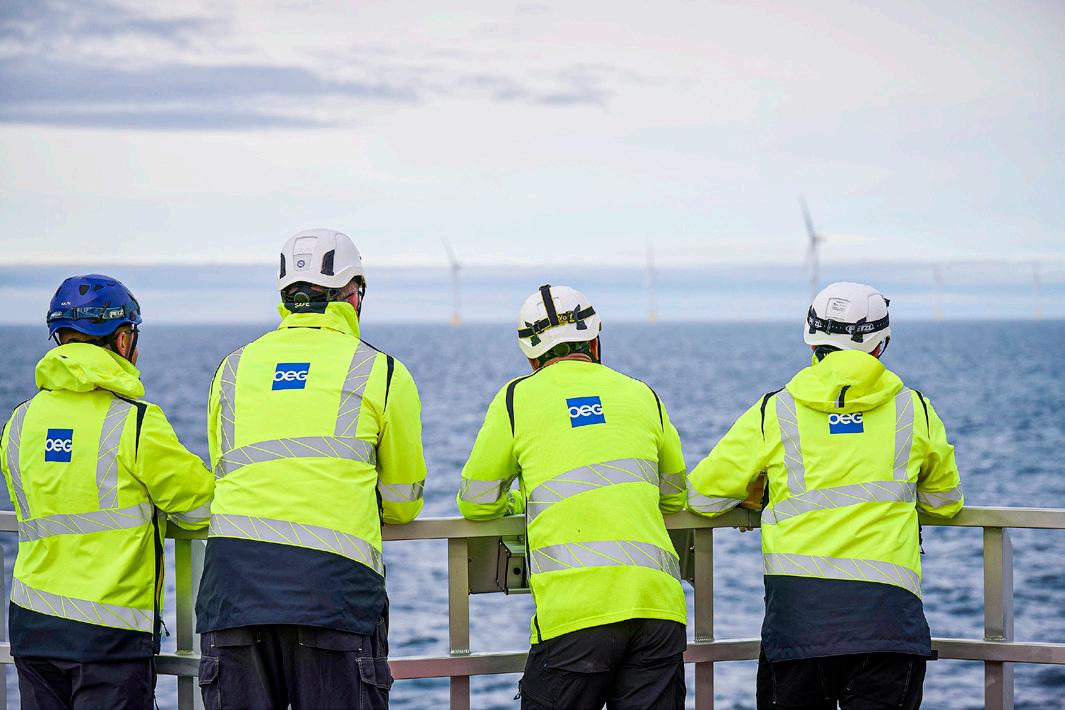
Figure 5. OEG topside team at offshore wind farm.
services are complemented by marine coordination, offshore technology systems and specialist geomatics and dimensional surveying, enabling effective integration between topside, marine and subsea activities.
Delivered through a global network of sites and experienced personnel, OEG’s topside services are structured to minimise downtime, manage interface risk and maintain safe, efficient operations in challenging offshore environments. This capability is further supported by the Group’s dedicated training facility, which provides industry-specific courses to prepare personnel for the technical and safety demands of offshore energy projects.
Subsea capability: integrated solutions across the offshore lifecycle
OEG delivers a broad range of subsea services designed to support safe, efficient and reliable offshore operations across oil and gas and offshore renewables. Drawing on decades of subsea experience, the Group supports clients in addressing complex underwater challenges across the full offshore energy lifecycle, from installation and commissioning through to inspection, maintenance and decommissioning.
Subsea capabilities include excavation and seabed preparation, inspection, repair, and maintenance (IRM) using ROV and diving services, site clearance and UXO operations, specialist cable services and survey and positioning. These services are underpinned by in-house research and development focused on advancing technology solutions that improve reliability, enhance safety and support more sustainable offshore operations.
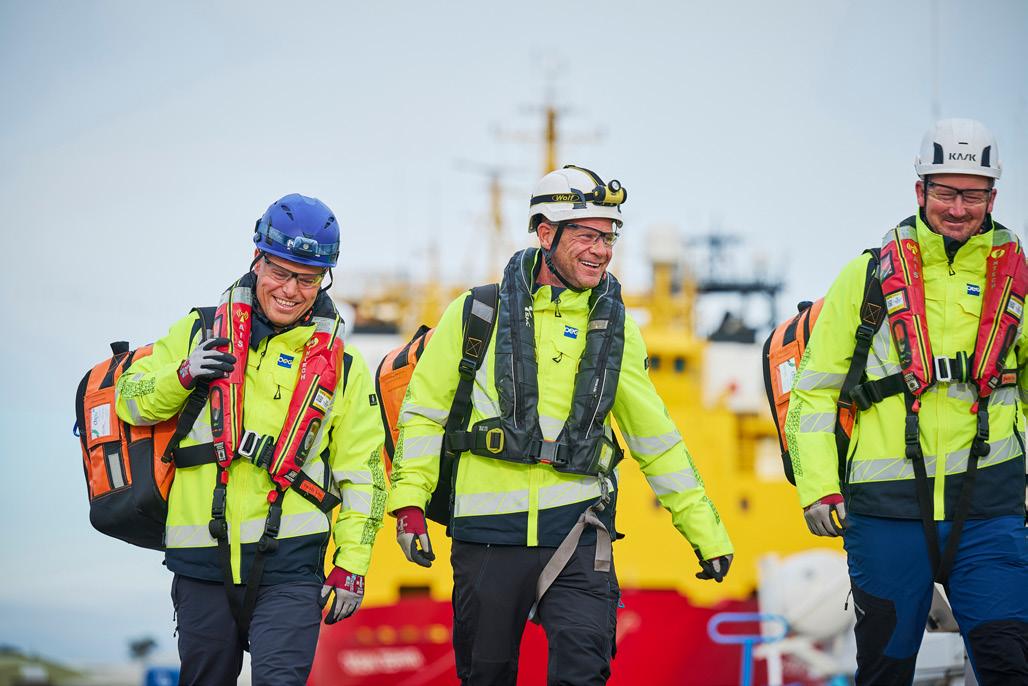
OEG places strong emphasis on lifecycle efficiency. Offshore installations and components are prepared and tested onshore wherever possible to reduce execution risk, while offshore operations are structured to minimise downtime, manage SIMOPS and maintain asset availability. Rig support and decommissioning form an important part of the subsea offering. OEG provides spudcan inspections and observation support using a growing fleet of observationclass ROVs that enable rapid mobilisation with minimal deck footprint. For decommissioning projects, the Group has proven capability in the removal of subsea structures, separation of piping and foundations, and the execution of complex scopes through a disciplined, safety-led approach.
Subsea services are delivered using a combination of owned and specialist chartered vessels, providing flexible platforms to support offshore and nearshore operations, including diving support. This vessel capability, combined with OEG’s topside and marine services, enables an integrated approach to offshore project delivery.
Deepwater capability reimagined: SeaJet and subsea excavation
Subsea excavation is critical to offshore oil and gas operations, supporting trenching, pipeline burial, cable protection, seabed preparation and decommissioning. As activity moves into deeper water, excavation systems must deliver higher power, precision and reliability.
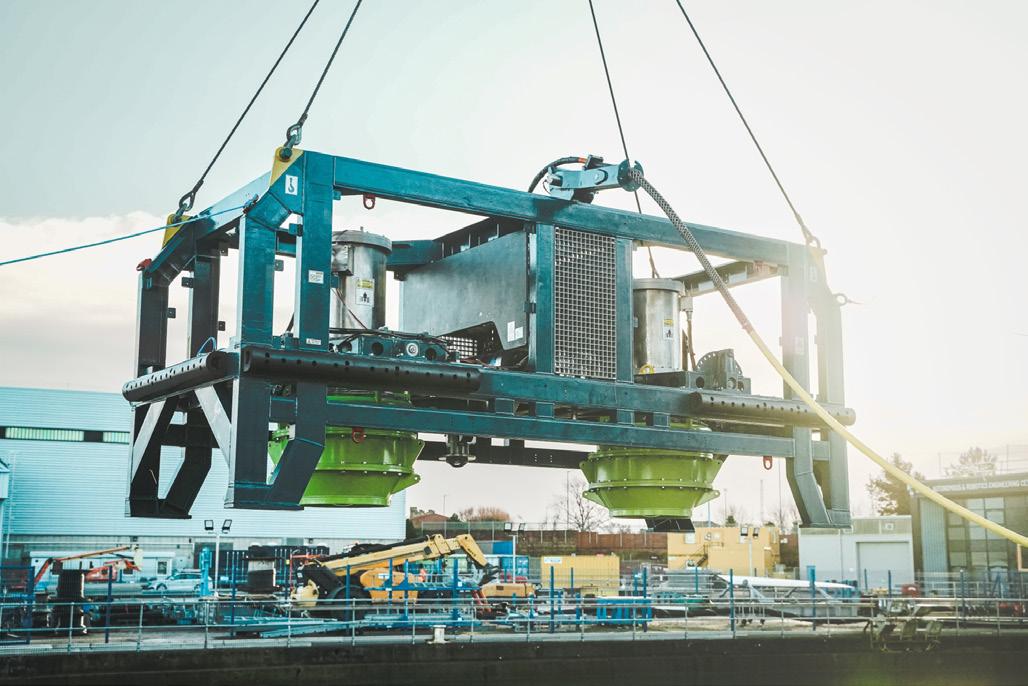
OEG’s SeaJet E-CFE® represents a step change in trenching technology. The all-electric controlled flow excavation system replaces conventional hydraulics with a cleaner, higherperformance architecture.
With twin tools delivering 400 kW of output –approximately 50% more than traditional hydraulic systems – SeaJet operates from shallow water to depths beyond 2500 m. Its non-contact design enables safe work around live subsea assets, while adaptability across seabed conditions supports a wide range of offshore applications.
Zero hydraulic oil eliminates leak risk and reduces noise, improving environmental and deck safety performance. Combined with modular deployment, rapid mobilisation and real-time diagnostics, SeaJet reduces vessel days and operational risk, positioning it as a next-generation solution for deepwater excavation.
Positioned to support the future of offshore energy
Across its service lines, OEG continues to focus on delivering the infrastructure, technologies and services required to support offshore energy assets across their full lifecycle. From logistics and installation through to operations, maintenance and decommissioning, the Group’s integrated approach enables operators to execute safely, efficiently and with confidence in demanding offshore environments.
As offshore energy activity continues to expand – driven by global demand, renewed upstream investment, deeper water developments and the growth of offshore wind –the need for experienced partners with scale, flexibility and technical depth will only increase. With its diversified capabilities, global footprint and continued investment in innovation, OEG is well positioned to support the evolving needs of offshore energy projects today, while helping operators prepare for the challenges and opportunities ahead.
Figure 6. OEG SeaJet seabed excavation E-CFE.
Figure 7. OEG specialist offshore team.
Thomas Merton, Technical Manager at Armacell®, UK, offers solutions to insulating in extreme temperature processes.
hermal management across extreme temperature ranges in the oil and gas sector poses significant challenges for engineers. This article explores the selection criteria for insulation materials capable of meeting these demanding requirements.
Process temperatures in the oil and gas industry present engineers with a number of challenges. For example, steam injection systems operate at temperatures exceeding 300˚C, while cryogenic LNG facilities must maintain temperatures as low as -196˚C. These conditions demand insulation solutions that can perform reliably across temperature differentials spanning more
than 450˚C – a requirement that pushes conventional materials to their absolute limits.
Consider the thermal shock experienced by equipment during start-up and shutdown cycles. A refinery unit might transition from ambient temperature to 250˚C within hours, subjecting insulation materials to rapid thermal expansion and contraction. This cyclical
stress can cause conventional materials to crack, delaminate, or lose their insulating properties entirely.
Process lines operating at cryogenic temperatures below -50˚C and extreme high temperatures reaching 650˚C therefore create a number of specific requirements for insulation materials. These extend far beyond simple heat retention or loss – the role of insulation suppliers is to help engineers and designers in the oil and gas sector maintain thermal integrity across these wide temperature differentials.
Choosing insulation materials that can perform effectively within these specifications presents notable operational difficulties. For example, in cryogenic operations, inadequate or improperly specified insulation may cause higher energy usage and degraded product quality due to moisture and ice formation. In elevated-temperature settings, it can trigger equipment breakdown, safety risks, and escalated upkeep expenses.
Insulation material performance
At cryogenic temperatures, insulation materials undergo fundamental changes in their molecular structure. For instance, thermal contraction becomes extreme, with some materials shrinking significantly. At the other end of the scale, in extreme high temperatures, thermal expansion creates its own set of problems, with some materials expanding beyond their design tolerances.
Standard insulation materials can become brittle and crack at cryogenic temperatures, creating thermal bridges that compromise the entire system. At high temperatures, conventional materials degrade, losing their insulating properties precisely when they are needed most. These are the reasons why traditional insulation materials simply cannot cope with these conditions.
The consequences of inadequate thermal management extend far beyond immediate operational concerns. Energy losses from poor insulation can account for 20 - 30% of total facility energy consumption. In industries where margins are always under pressure, this represents a significant competitive disadvantage.
Even more critically, thermal cycling stress – the repeated expansion and contraction caused by temperature fluctuations – creates fatigue in piping systems, vessels, and structural components. This leads to premature failure, unplanned maintenance shutdowns and in extreme cases, catastrophic system failures that can endanger personnel and surrounding facilities.
Advanced insulation materials
It is against this background that we developed a material that addresses both ends of the extreme temperature spectrum with a unified approach and that eliminates the compromises inherent in traditional solutions.
The first of these is ArmaGel® XGC, which performs particularly well in cryogenic applications, maintaining its structural integrity and flexibility at extremely low temperatures. Unlike traditional materials that become brittle, it retains its flexibility, allowing it to accommodate thermal cycling without developing cracks.
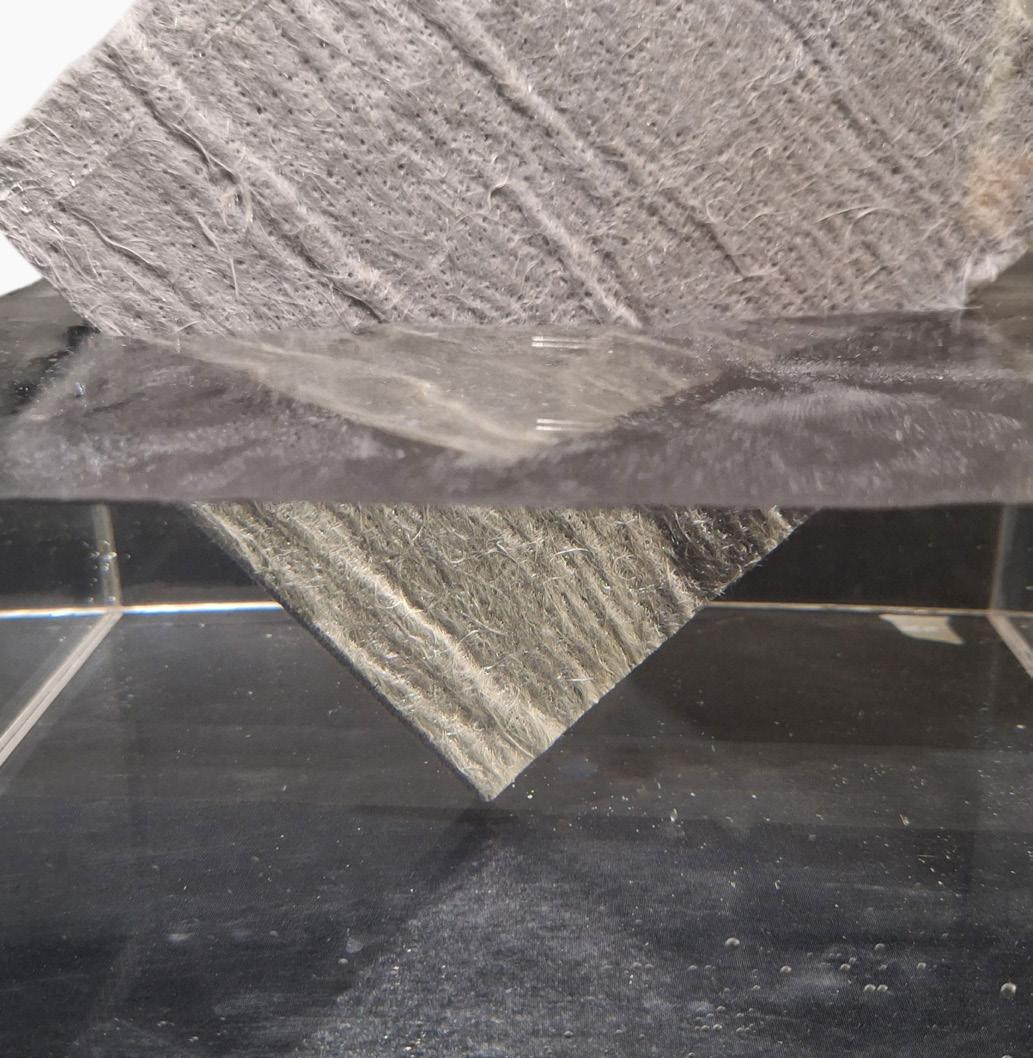
These insulation materials are engineered to minimise thermal losses or gains while also providing a hydrophobic protection against moisture. This dual capability means that installations can achieve superior thermal performance while also mitigating the risk of corrosion under insulation (CUI).
At high-temperatures, ArmaGel XGH is engineered to withstand temperatures up to 650˚C (1200˚F). It maintains its insulating properties throughout the entire temperature range and the material’s thermal stability means that performance doesn’t degrade over time, even under continuous high-temperature exposure.
Figure 1. Aerogel blanket insulation compliant to ASTM C1728.
Figure 2. Flexible and easy to install.
Figure 3. Insulation that is hydrophobic and breathable.
Cyber governance: What pipeline boards must know
A conversation about board-level cyber responsibility in oil and gas. Featuring Brittany Bacon, Partner in Global Privacy and Cybersecurity at Hunton Andrews Kurth LLP.
From the regulatory aftermath of the Colonial Pipeline attack to SEC disclosure rules, fiduciary duties, vendor risk, cyber insurance disputes, and evidence preservation during incident response: this conversation dives into what ‘reasonable’ really means in the eyes of regulators and courts.
As digitalisation accelerates and operational technology remains vulnerable, cybersecurity is a board-level responsibility. Brittany outlines the practical questions that directors should be asking.
LISTEN NOW
CATCH UP ON RECENT EPISODES
Greene Tweed
Rockwell Automation
Black & Veatch
Listen and subscribe here
Brittany Bacon, Hunton Andrews Kurth LLP Elizabeth Corner
Both of these materials comprise a flexible aerogel insulation blanket that is suitable for cryogenic and dual-temperature or high temperature applications. They are compliant with ASTM C1728 as well as ArmaGel XGH being compliant to IOGP S-738 (JIP33). Being 80% thinner than traditional insulation products make them much easier to install and provide important space savings.
When choosing these high-performance insulation materials, it is important to verify that they have hydrophobicity and breathability, which enhances protection against CUI.
Why hydrophobicity and breathability are critical in high-performance insulation materials
Hydrophobicity – the ability of a material to repel water – serves as the first line of defence against one of the industry’s most persistent challenges: moisture infiltration. When insulation materials lack
adequate hydrophobic properties, they allow moisture ingress, creating an environment for accelerated corrosion processes and loss of thermal performance.
Traditional insulation materials often fail because they absorb moisture from various sources: condensation, process leaks, or even atmospheric humidity. Once moisture penetrates the insulation system, it becomes trapped against the equipment surface, creating a corrosive microenvironment that operates continuously, often undetected for months or years.
Specifying an insulation material that actively repel water prevents this moisture accumulation at the critical interface between insulation and equipment surfaces. Maintaining the dry conditions are essential for long-term asset preservation.
While hydrophobicity prevents moisture ingress, breathability ensures that any moisture that does enter the system can escape efficiently. This dual approach creates a dynamic moisture management system that adapts to changing environmental conditions.
Breathable insulation materials allow water vapour to pass through while maintaining their insulating properties. This characteristic becomes particularly crucial in applications where temperature fluctuations create condensation cycles. Without adequate breathability, even hydrophobic materials can trap moisture that enters through other pathways – pipe joints or damaged cladding.
CUI represents a complex electrochemical process accelerated by specific conditions that these advanced insulation materials are designed to mitigate against. When moisture combines with oxygen and contaminants in the presence of metal surfaces, it creates corrosion that can rapidly degrade assets.
The most worrying aspect of CUI is its hidden nature. Unlike external corrosion, which is readily visible during routine inspections, CUI develops beneath insulation systems where it remains undetected until significant damage has occurred. By the time visual signs appear – such as staining on insulation cladding or unusual equipment behaviour – the underlying corrosion may have progressed to critical levels, which in the oil and gas sector can result in serious safety concerns.
Unified thermal management
As industry demands push the boundaries of what they require from insulation manufacturers – from quantum computing applications requiring near-absolute-zero cooling to advanced materials processing at extreme temperatures in the oil and gas sector –we see the demand for unified thermal management solutions continuing to grow.
The effective design and implementation of these sophisticated thermal control systems demand meticulous planning and specialist knowledge. The integration process must evaluate not only the chosen insulation materials, but their compatibility with current equipment, monitoring systems and workplace protocols.
As industrial methodologies grow increasingly complex and exacting, thermal management innovations, as evidenced, consistently rise to meet these new demands. The development of new insulation materials signals a seismic shift in our approach to temperature-critical applications.
The capacity to sustain thermal performance across diverse temperature spectrums creates fresh opportunities for industrial design optimisation in the oil and gas sector. Engineers can now implement unified approaches where previously they needed to resort to intricate, often suboptimal arrangements.
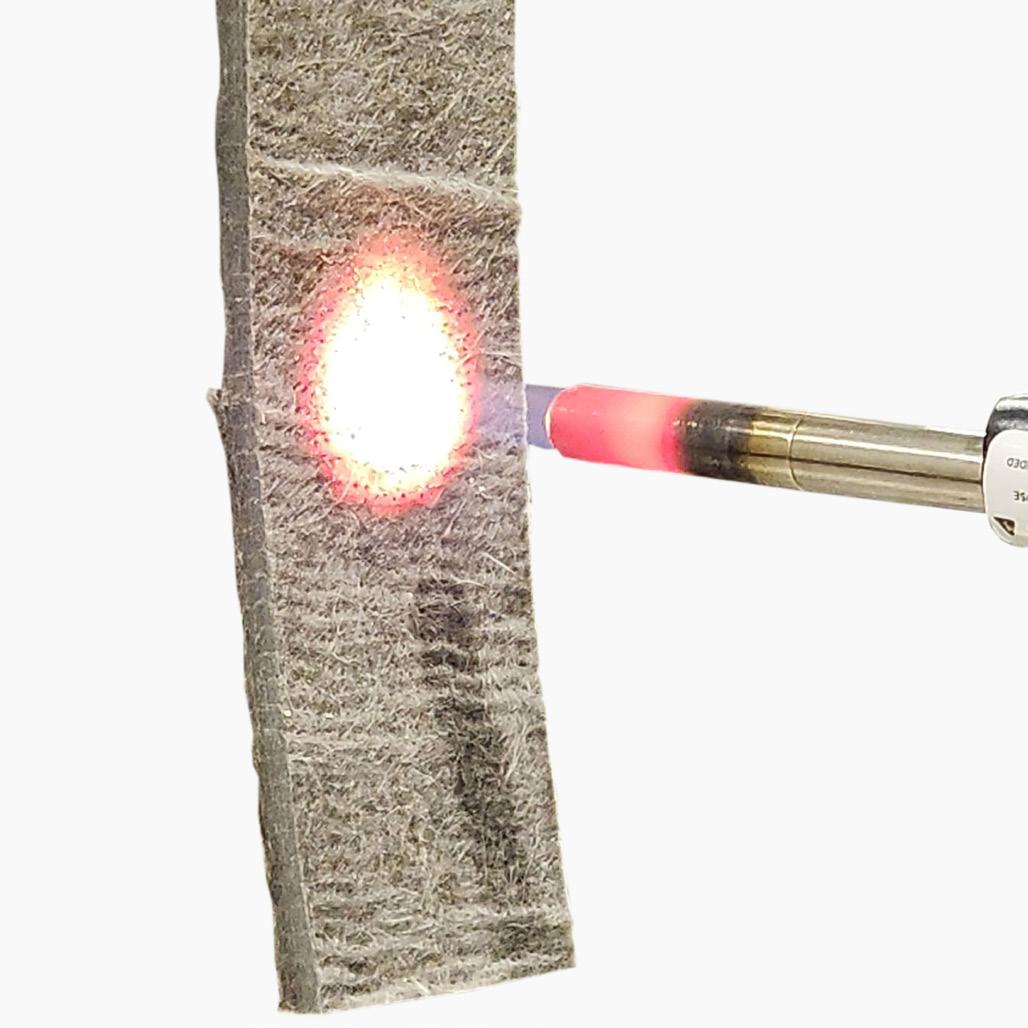
Figure 4. Non-combustible A2-s1, d0 fire performance.
Figure 5. ArmaGel repels water due to its hydrophobic nature.
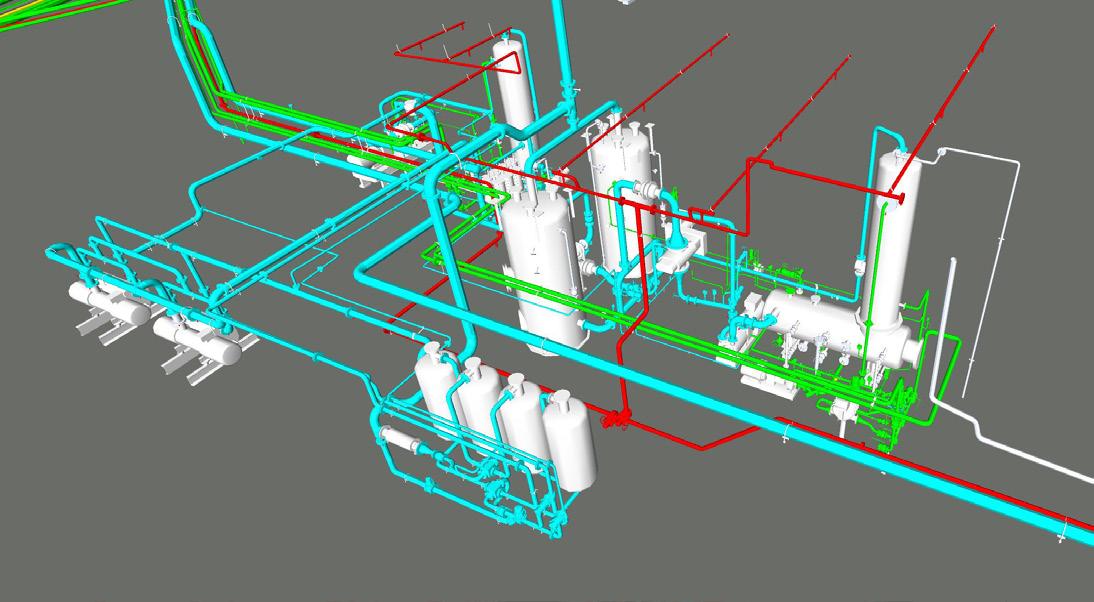
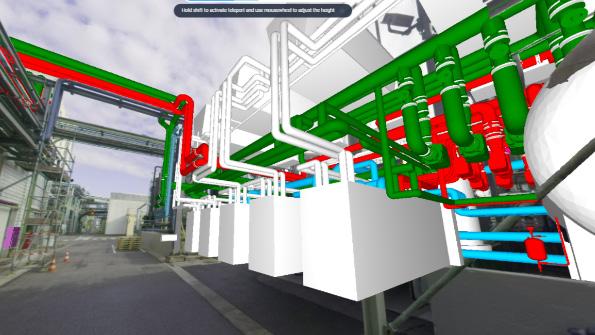
Dace Campbell, Cintoo, considers why upstream operators should make the leap into the industrial metaverse.
hile the energy sector faces ongoing uncertainty with changing emissions policies, the transition to renewables, and geopolitically driven supply chain disruptions, one thing for certain is that digital transformation is essential to survival.
One area of digital transformation that continues to gain traction is the industrial metaverse – a digital ecosystem that integrates artificial intelligence (AI), digital twins, and immersive technologies like virtual reality (VR), to create a dynamic, interconnected industrial environment.
For upstream operators, the industrial metaverse offers an opportunity to significantly improve how they monitor and manage assets, train teams, and optimise operations.
Tackling the biggest challenges for upstream operators
At the same time as volatile commodity prices and rising costs are putting pressure on companies across the upstream oil and gas industry, operators are generating massive amounts of data that is wholly underutilised and could ease some of these pressures.
When survey, inspection, drilling, and production data are used together and viewed in context, businesses increase visibility into operations and gain a clearer
understanding of performance, which supports better decisions and lasting returns.
A recent Deloitte Oil and Gas Outlook report states that: “Optimising existing hydrocarbon value chains, from feedstocks to final products, may require leveraging digital technologies to integrate people, processes, and assets across an organisation’s functions, businesses, and geographies. Essential to break down functional silos, improve value chain visibility, and minimise value leakage across various functions and processes.”1
Further, Accenture’s Tech Vision 2023 report shows that 97% of energy executives agreed that the convergence of digital and physical worlds over the next decade will transform their industry.2
Here we explore some key benefits, real-world applications, and future potential of the industrial metaverse in the energy sector. Some of the core technologies involved are:
Digital twins
The Digital Twin Consortium defines a digital twin as a synchronised virtual representation of a real-world facility, asset, or process, organised and updated throughout the project lifecycle. Virtual models of physical assets, such as refineries, pipelines, and grids, providing real-time insights and predictive analytics.
AI and machine learning
AI-powered systems optimise production processes, forecast equipment failures, and enhance decision-making.
Extended reality (XR)
XR empowers more effective decision-making by experiencing digital twins spatially for training, operational planning, remote inspections, and real-time collaboration across different geographical locations.
VR
With VR, teams can fully immerse themselves in their sites to better understand what currently exists as well as future requirements.
Augmented reality (AR)
AR overlays contextual data and digital elements onto a relevant physical site. AR is increasingly being leveraged for factory planning, workforce training and remote collaboration, empowering teams to improve operational efficiencies at the point of action, where it matters most.
Internet of Things (IoT)
Networked sensors and local data processing facilitate realtime decision-making, minimising latency while maximising efficiency.
The industrial metaverse brings all of these together, offering professionals easy access to persistent data and enabling collaborative problem-solving, and is a vital asset for removing the barriers between disparate software and teams. Instead of viewing data in isolation, such as BIM/CAD models, laser scans, schedules, and IoT dashboards, this data can be pulled together in one intuitive environment.
A field engineer and plant manager can meet inside the same virtual model where they can walk through an upgrade design using an XR simulation of the site at full scale. Changes or annotations update the source data for everyone, so each can keep on top of the latest merged information, ensuring a single source of truth. Essentially, the industrial metaverse turns siloed data into an integrated, visually rich experience where insight is immediate and collaboration is heightened.
It’s far more than simply visualisation, it’s about driving actionable insights, improving processes and ultimately reducing costs. Bringing it to life in this immersive format, the industrial metaverse empowers operators to make better, faster, and more confident decisions, spot problems before they escalate, and execute projects with more transparency and foresight.
The transformation
The industrial metaverse is already starting to transform workflows in the following areas:
Operational efficiency and cost savings
Digital twins can provide real-time, data-rich models of energy assets, such as rigs and pumps, while AI can be leveraged to analyse their performance, predicting issues before they occur, scheduling maintenance and minimising unexpected downtime – all of which can cost operators millions of pounds each year.
AI-driven simulations can be used to model and then refine operations. For example, calculating how drilling accuracy and reservoir management can be improved and then adjusting accordingly to optimise extraction.
Figure 1. An oil and gas terminal and pipeline facility.
Figure 2. 3D scan data streamed in the Cintoo VR Experience app, allowing users to gain better insight from immersive collaboration.
Subscribe online at: www.lngindustry.com/subscribe
With IoT and digital connectivity affording operators realtime monitoring of assets remotely, this can also minimise the need for on-site personnel, reducing associated resource and travel costs.
Enhanced safety and workforce training
Risk reduction is a significant benefit of the industrial metaverse. AR/VR-based simulations can be used to train workers in high-risk scenarios, such as remote oil rig operations or handling hazardous materials, without exposing them to these potential dangers.
ExxonMobil, for example, has teamed up with an XR technology company to create immersive safety training scenarios so that teams can simulate and prepare themselves for real-life situations.
Wearable AR devices can provide workers in the field with hands-free access to schematics, live data, and remote expert support for greater clarity and on the spot decisionmaking.
Sustainability and carbon reduction
When it comes to reducing energy waste and integrating renewable energy sources effectively, AI can be used to model multiple scenarios so that strategies can be tested before implementation, streamlining their introduction and minimising rework.
Virtual models are increasingly being used as an alternative to costly and resource-intensive pilot projects to test new designs. In hydrogen production, digital simulations help engineers optimise electrolyser efficiency before largescale deployment. By minimising trial-and-error testing, organisations can accelerate innovation, reduce material
waste, and cut carbon emissions from traditional development processes.
Digital twins can simulate Carbon Capture and Storage (CCS) processes to improve storage efficiency and track storage effectiveness in real-time. Shell, for example, is using this technology to model underground storage formations and predict how captured CO2 behaves over time.
Digital twins also reduce the need for operators to deploy teams to physically inspect oil rigs. Jeff Judycki, BP’s Documents and Records Team Lead, said recently: “I never imagined it would be possible to enable our organisation to virtually visit a site.”
BP has been able to inspect assets such as piping systems and valves remotely, significantly reducing travel and therefore related carbon emissions, supporting its sustainability goals and “helping us meet our goal of net zero by 2050 or sooner”.
Paving the way for successful adoption
Of course, while the industrial metaverse presents enormous potential, there are challenges that operators need to navigate to ensure success, including:
Ì Establishing significant tech infrastructure, such as IoT devices, AI models, and cloud-based analytics.
Ì Introducing robust infosecurity protocols to counteract the risk of cyber threats due to deeper technological integrations.
Ì Upskilling teams to ensure new digital tools are successfully adopted throughout the organisation to maximise ROI.
The industrial metaverse’s growing importance in the upstream sector
The industrial metaverse is poised to play an increasingly vital role as energy companies introduce or transition to renewable energy sources. Key trends we’re likely to see in the near future include immersively experiencing spatial data to deepen our understanding of solutions to complex problems; advanced machine learning models that further refine energy forecasting, emissions management, and predictive maintenance; faster and more efficient data transmission, enabling real-time decision-making across global energy operations; and the convergence of oil and gas and renewables within collaborative digital environments, accelerating knowledge-sharing and innovation.
Futureproofing operations
The industrial metaverse marks a transformative shift for the energy sector and is already being used to enhance efficiency, safety, and sustainability, giving operators far more transparency and greater confidence in decision-making as well as highlighting operational improvements and cost savings.
Operators who’ve not yet done so should consider taking their first step into the metaverse by exploring pilot projects in areas where improvements are badly needed, considering partnerships that could catapult them forward, and upskilling teams so they embrace new and innovative ways of working. All with the goal of embedding a robust framework for a more efficient, resilient, and sustainable road ahead.
References
1. 2025 Deloitte Oil and Gas Industry Outlook.
2. Accenture’s Tech Vision 2023 report.
Figure 3. Viewing pipework in the Cintoo platform.
Figure 4. BIM models overlaid against as-built pipework in Cintoo.