ENERGY GL BAL
Spring 2026


Spring 2026
03. Guest comment
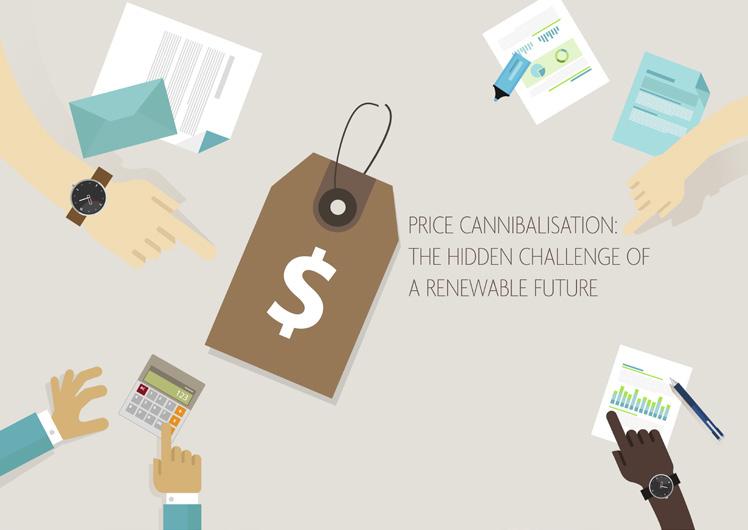
04. Price cannibalisation: The hidden challenge of a renewable future
Alex Livingston, Analyst, Cornwall Insight, highlights the challenge of price cannibalisation and how it is impacting the renewable energy industry.
10. Staying one step ahead
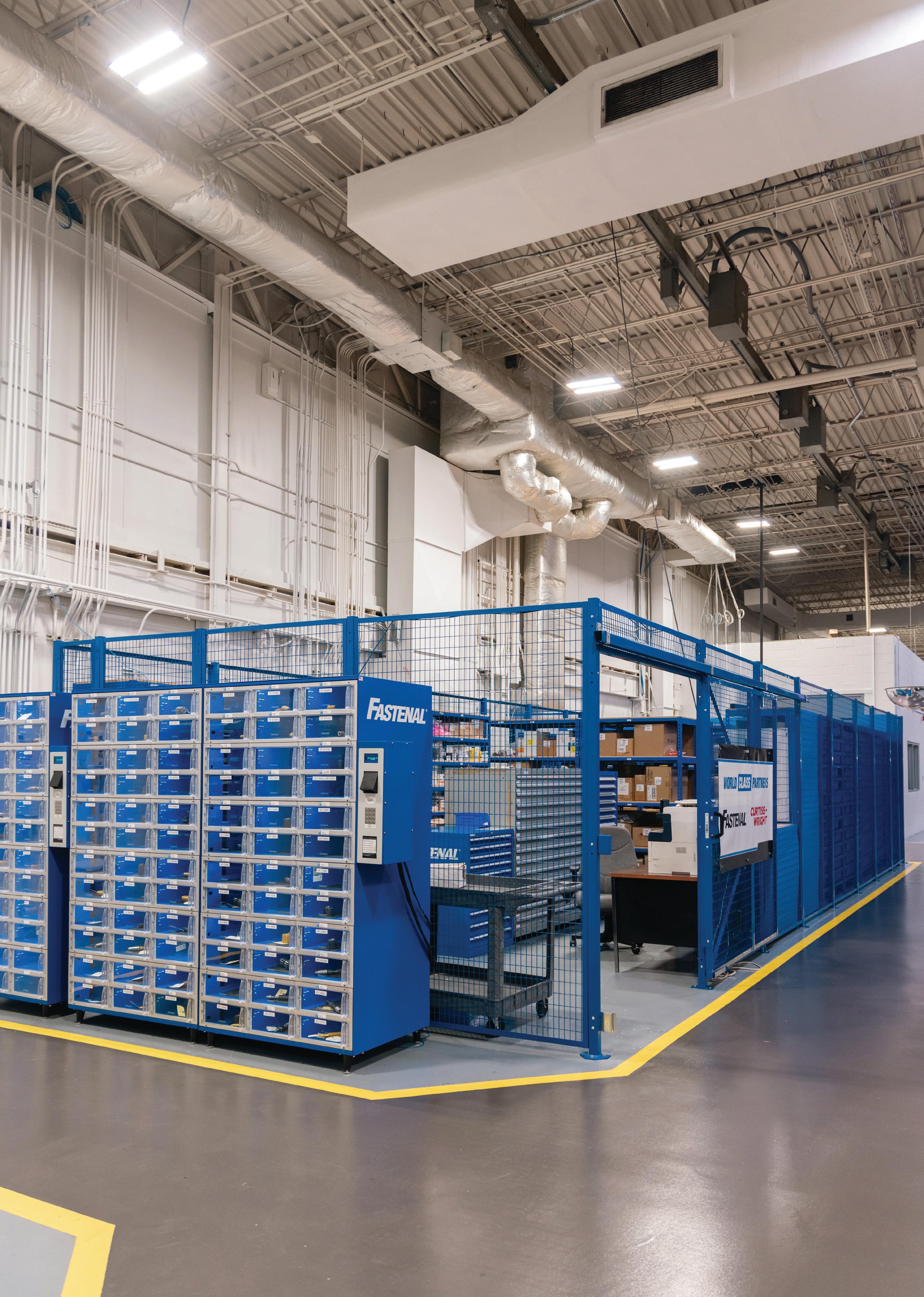
Ben Clark, Fastenal, outlines why keeping the lights on starts with the supply chain.
16. Physical AI and the digital layer transforming renewable systems
Edward Zhao, Global Vice President, Univers, identifies how emerging technological innovations are shaping modern solar system infrastructure.
20. Unlocking renewables with edge AI
Andrew Foster, Product Director, IOTech, explores the role edge-based artificial intelligence can play in solving the data interoperability challenge across clean energy infrastructure.
26. Balancing generation and distribution: The UK's energy transformation
Chris Cowland, Head of Offshore Wind, WSP UK & Ireland, maps out the UK's renewable energy outlook and highlights the importance of creating a resilient, connected energy system.

30. Setting the standard
Dr Ali Cotton, Associate Director, Marine Wildlife Surveys, APEM Group, Australia, details global best practice for taking marine wildlife data from baseline to operation.
36. Generation, grids, and the path to a resilient future
Stefano Malgarotti, Power Transmission Engineering Director, Massimo Salvetti, Power Transmission Operation Director, Ulderico Bagalini, Power Transmission Planning Director, and Luca Migliorini, Energy Transition Director, CESI Consulting, consider the importance of integrating renewable generation at scale to meet future energy goals.
42. The power beneath: The infrastructure driving the energy transition
Mark Froggatt, Head of Technical Training, Learning, and Development, Eland Cables, underlines the criticality of medium voltage cables to the green energy revolution.
46. Running a tight ship
Andrew Duncan, Renewables and Innovation Director, North Star, summarises why service operation vessels are crucial to meeting a sustainable offshore wind future.
52. Global news
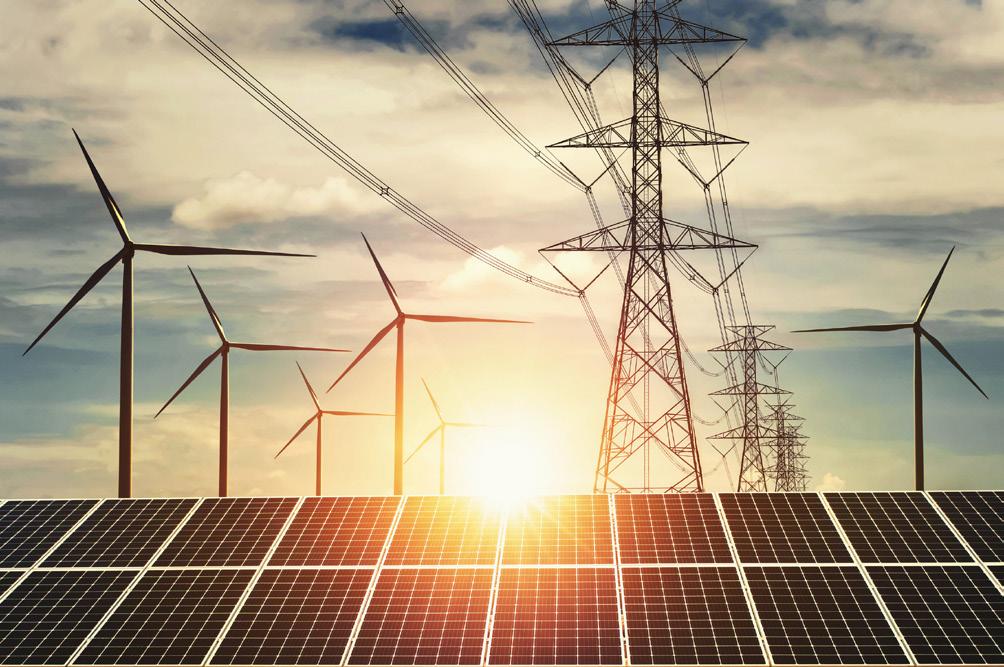
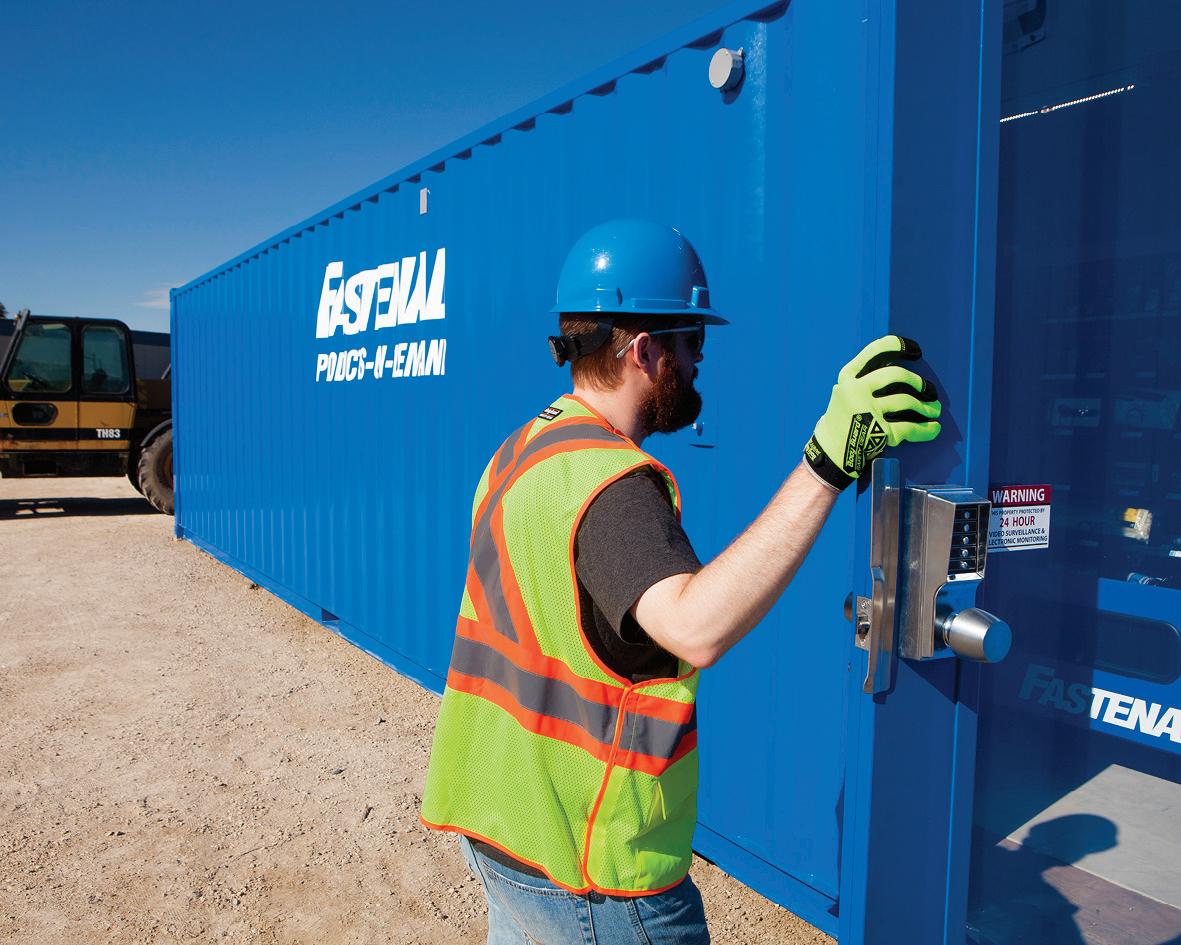
Power generation facilities are anything but interchangeable. A wind farm that’s hours from the nearest city does not operate like a combined cycle gas plant. Using the same supply chain playbook for all sites leads to inefficiency and frustration at every site. In an industry where reliability is everything and mistakes get expensive fast, the right supply chain strategy isn’t just a cost consideration – it’s a competitive advantage.
Learn more: www.fastenal.com

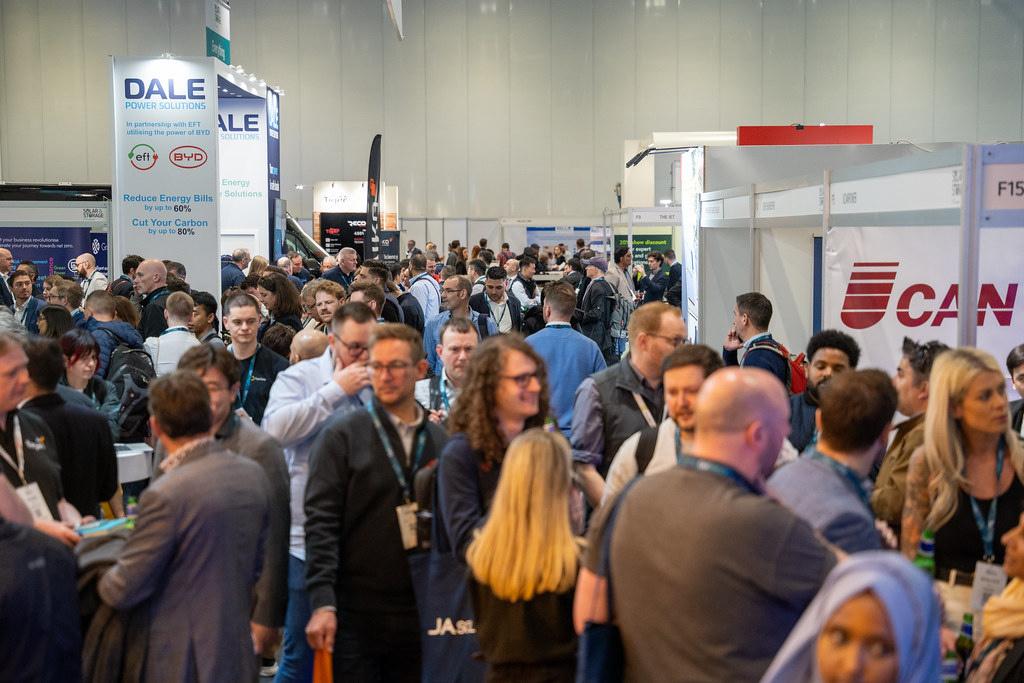
Discover thousands of solar and energy storage products from over 150 global suppliers, including solar panels, mounting systems, inverters, battery storage systems and other products and services for your projects.
Attend presentations from 150+ experts covering top solar projects, training and certification, legal and financial advice, market trends, policy updates, and more. Gain practical strategies and hands-on insights to support your projects.
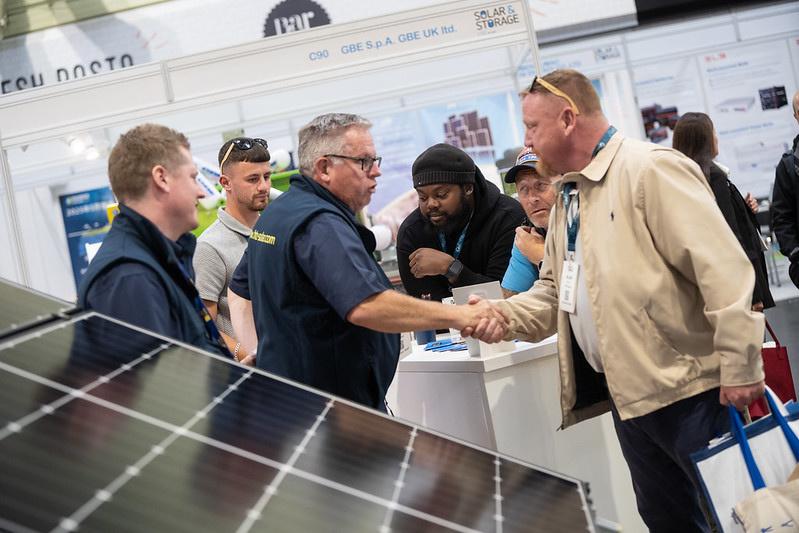
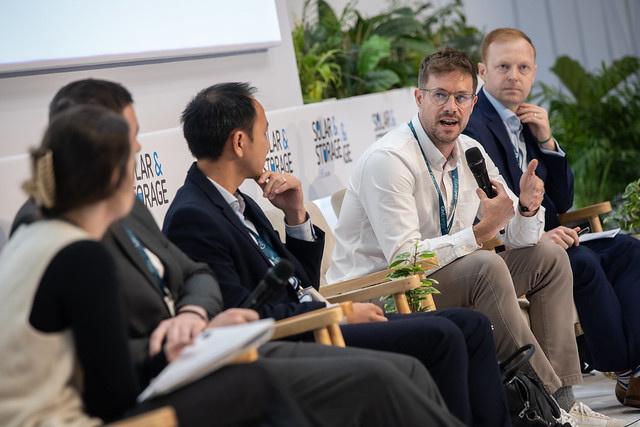
Connect with over 10,000 attendees including installers, commercial and industrial energy users, property owners, developers, landowners, and utilities to explore the latest innovations in solar and energy storage.




MANAGING EDITOR
James Little james.little@palladianpublications.com
SENIOR EDITOR
Elizabeth Corner elizabeth.corner@palladianpublications.com
EDITOR
Jessica Casey jessica.casey@palladianpublications.com
EDITORIAL ASSISTANT
Abby Butler abby.butler@palladianpublications.com
SALES DIRECTOR
Rod Hardy rod.hardy@palladianpublications.com
SALES MANAGER
Will Powell will.powell@palladianpublications.com
PRODUCTION DESIGNER
Siroun Dokmejian siroun.dokmejian@palladianpublications.com
HEAD OF EVENTS
Louise Cameron louise.cameron@palladianpublications.com
EVENT COORDINATOR
Chloe Lelliott chloe.lelliott@palladianpublications.com
DIGITAL EVENTS COORDINATOR
Merili Jurivete merili.jurivete@palladianpublications.com
JUNIOR VIDEO ASSISTANT
Amélie Meury-Cashman amélie.meury-cashman@palladianpublications.com
DIGITAL ADMINISTRATOR
Nicole Harman-Smith nicole.harman-smith@palladianpublications.com
DIGITAL CONTENT COORDINATOR
Kristian Ilasko kristian.ilasko@palladianpublications.com
ADMINISTRATION MANAGER
Laura White laura.white@palladianpublications.com
Editorial/Advertisement Offices: Palladian Publications Ltd
15 South Street, Farnham, Surrey, GU9 7QU, UK +44 (0) 1252 718 999 www.energyglobal.com
In the government’s drive to position the UK as a leader in the global digital economy, a commitment set out in its Industrial Strategy and AI Opportunities Action Plan, the rapid expansion of data centres has become a defining feature of national infrastructure development. The digital economy promises significant direct benefits through job creation and tax revenues, alongside broader economic gains including supply chain development, digital innovation, and foreign direct investment. There is also a strategic imperative. As with energy, the UK cannot afford to become overly dependent on other countries for critical digital infrastructure. Sovereign data capacity is increasingly fundamental to economic resilience, national security, and technological competitiveness.
At the same time, the UK has committed to fully decarbonising the electricity system by 2030. As demand for data centre capacity accelerates at an unprecedented pace, access to a secure, deliverable, and affordable supply of clean energy has therefore shifted from a secondary consideration to a strategic constraint.
Data centres are among the most energy intensive assets in the economy, requiring large volumes of electricity delivered with exceptional reliability, 24 hours a day. Even momentary power interruptions can have severe operational and financial consequences. Historically, developers prioritised fibre connectivity and proximity to major conurbations. Today, grid capacity, energy resilience, and decarbonisation are equally decisive in determining where, how, and how quickly new facilities can be built.
This creates a growing challenge in the UK. Electricity demand from data centres is rising faster than grid infrastructure can be reinforced. Constrained substations, limited transmission capacity, and lengthy connection queues are already influencing development timelines and site selection. In parallel, the transition to a more decentralised, renewables-led electricity system is increasing the complexity of maintaining system reliability.
Against this backdrop, data centre operators are adopting more sophisticated energy strategies. Long-term power purchase agreements with
renewable generators are becoming increasingly common, providing price certainty and a credible pathway to meeting net-zero commitments. On-site and near-site generation, including solar and battery storage, is also gaining traction as a means of improving resilience and reducing exposure to grid constraints.
Within this evolving mix, biomethane is emerging as a practical solution to several of these challenges. Produced from organic waste and injected into the existing gas grid, biomethane offers a dispatchable, reliable, and low carbon energy source that can support data centre operations where electricity supply is constrained. Crucially, it leverages existing gas infrastructure, allowing significantly faster deployment than major grid reinforcements. Biomethane is also particularly well suited to backup and resilience applications, enabling the replacement or deep decarbonisation of traditional diesel generation. For developers facing grid delays or seeking to strengthen energy security, it provides a timely and deliverable route to firm, clean power.
Looking further ahead, the sector is also exploring additional sources of low carbon firm power, including the potential deployment of small modular nuclear reactors. While these technologies remain longer term prospects, they reflect a broader shift. Data centres are no longer passive energy consumers, but increasingly active participants in the energy system.
Flexibility will be central to this role. Through demand side response, storage, and controllable on-site generation, data centres can support wider grid stability while enhancing their own resilience. As the electricity system continues to decarbonise and reliance on intermittent renewable generation grows, this capability will become increasingly valuable.
Ultimately, the future of data centre development will be shaped not only by digital demand, but by energy deliverability. Secure, clean, and flexible power is now foundational infrastructure for the digital economy. Those developers who recognise this shift and act decisively, across both data and energy, will be best placed to support growth in one of the UK’s most strategically important sectors.

Alex Livingston, Analyst, Cornwall Insight, highlights the challenge of price cannibalisation and how it is impacting the renewable energy industry.
In recent years, the rapid decarbonisation of the energy system in Great Britain has led to significant structural change, driven by bolstered growth across wind and solar generation, amongst other technology types. As these short-run marginal cost technologies become increasingly dominant in the generation mix, a fundamental change is occurring. The impact of this change is known as
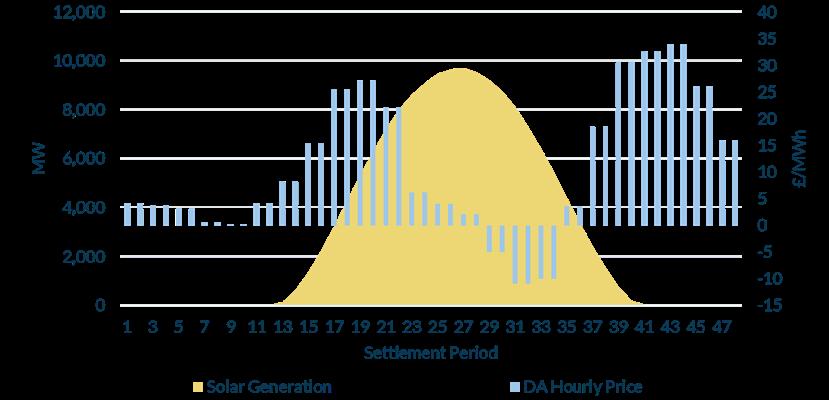
price cannibalisation, and it is the point at which renewables erode their own wholesale market value by generating simultaneously and, due to having minimal short-run marginal costs, supress prices during peak output hours. This is a phenomenon that is more expressed for renewable technologies, and something that fuelled generation does not face to the same degree.
Price cannibalisation could, for example, occur on a warm and windy summer’s day, a period of the year in which domestic power demand is already lower and weather conditions are conducive to strong renewable generation. With wind and solar generating simultaneously at high levels, and demand being low, the system becomes saturated with low or zero-marginal cost energy, with the merit order effect pushing wholesale prices down, often approaching zero or even turning negative for short periods.
This impact on achievable wholesale revenue – often referred to as ‘capture rates’ – for renewable generators can influence investor confidence, system planning, and the long-term economics of the energy transition. Understanding how and why price cannibalisation occurs, and how the effects can be mitigated is essential for policymakers and developers planning the next steps in Great Britain’s electricity market.
The COVID-19 lockdowns in 2020 were one of the most marked demonstrations of the impacts of the price cannibalisation effect in Great Britain’s power market in recent years, with the event mirroring the structural mechanisms for price cannibalisation associated with a high-renewable system.
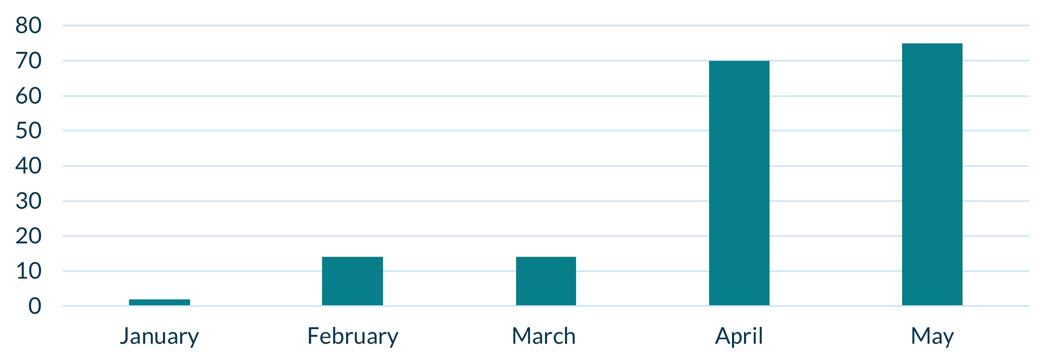
During the first national lockdown, electricity demand in Great Britain fell sharply, with data from Elexon outlining that demand had fallen by 17% since initial lockdown measures were introduced and that, on average, weekday demand fell to the levels typically seen at weekends.1 A sudden reduction in demand left the system with excess generation, increasing the frequency and severity of low-price hours. Moreover, the spring of 2020 saw unusually high sunshine hours and wind speeds resulting in record solar photovoltaics (PV) output in April and May. Under typical conditions, this high renewable output would have placed downward pressure on prices, but during lockdown, a period in which demand was already depressed, this renewables surplus became even more pronounced. COVID-19 also highlighted the physical aspect of cannibalisation, as constraints are exacerbated when renewable outturn is high and demand is low. This led to the System Operator issuing multiple emergency instructions to manage the low demand, seeing renewable curtailment increase, especially in Scotland where transmission constraints across the B6 boundary limited further flows southward.
Price cannibalisation is not unique to Great Britain and is also a large part of international markets, visible across Ireland and Europe as wind and solar penetration accelerates. Ireland has seen rapid growth in both onshore wind and solar, outpacing the expansion of flexibility. Consequently, renewables are increasingly ‘dispatched down’, leading to reduced output even when the wind is blowing or the sun is shining because there is not enough network capacity to carry the power from where it is generated to where it is consumed. As a result, it is difficult for network users, generators, storage developers, and large energy users to identify the best connection locations, secure timely access, or make the best use of existing connections. This is further fuelled by the slow pace of grid reinforcements and upgrades, such as delays to the north-south interconnector, meaning the full potential of renewable energy is not able to be realised.2
The effect on renewable generators of high levels of ‘dispatch down’ is to reduce the electricity volume that can be sold, with an associated knock-on impact on revenue streams. From both electricity system and economic perspectives, it represents a waste; renewable energy goes unused, with its place taken by expensive fossil fuel plants located closer to areas of demand.
Flexibility is fundamental to the Single Electricity Market’s future electricity network, with a target for Ireland of 20 – 30% of adjustable demand by 2030 – at least a four-fold increase on 2024 levels. Storage and intermittent renewable generation are complimentary and together maximise low carbon electricity use to avoid waste by minimising the effect of constraints. Storage is also system-friendly with the ability to provide fast response services.
Denmark has also witnessed a sharp rise in negative wholesale electricity price hours and, by mid-2025, the number of negative-price hours recorded in Denmark had already
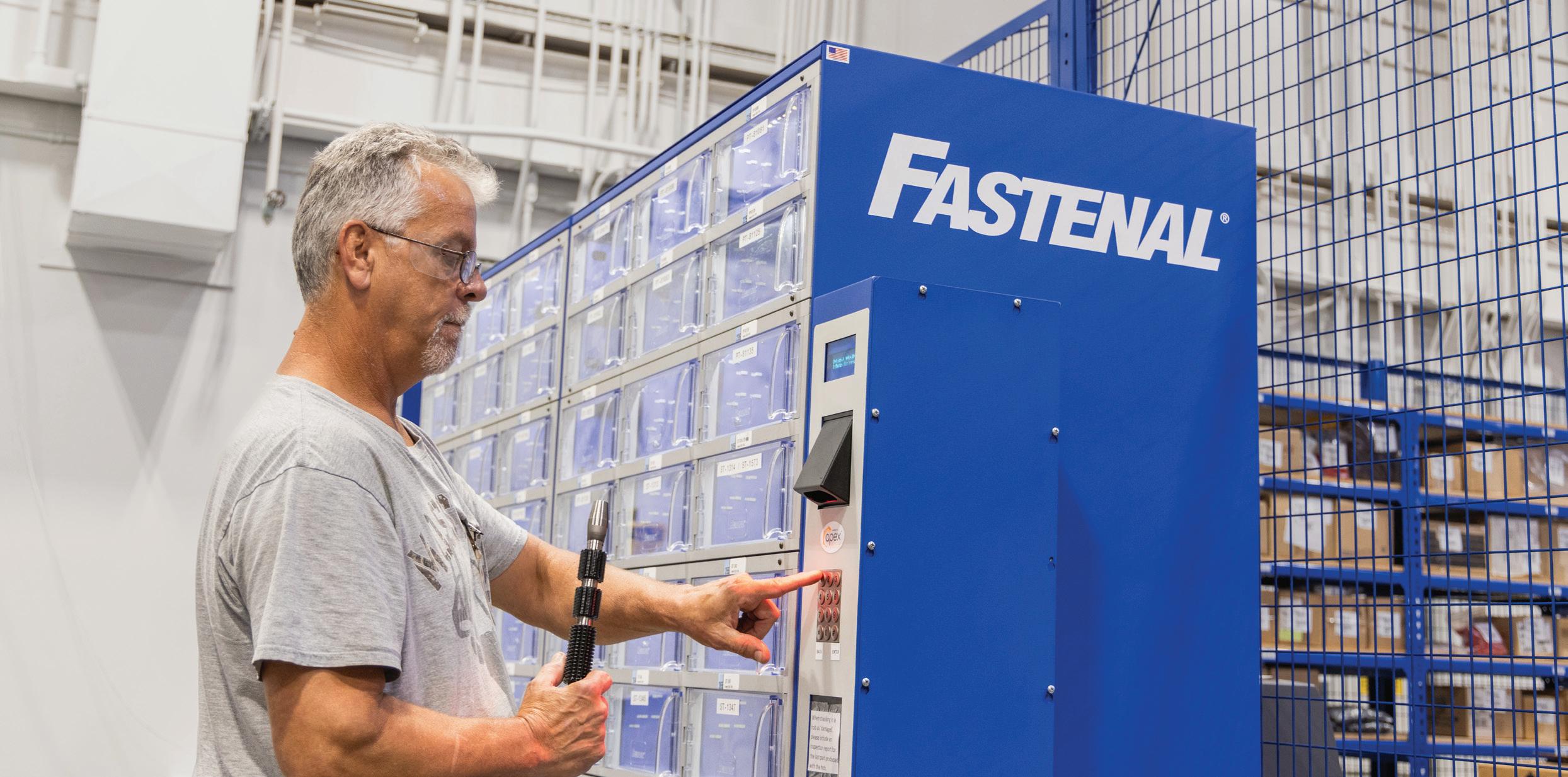
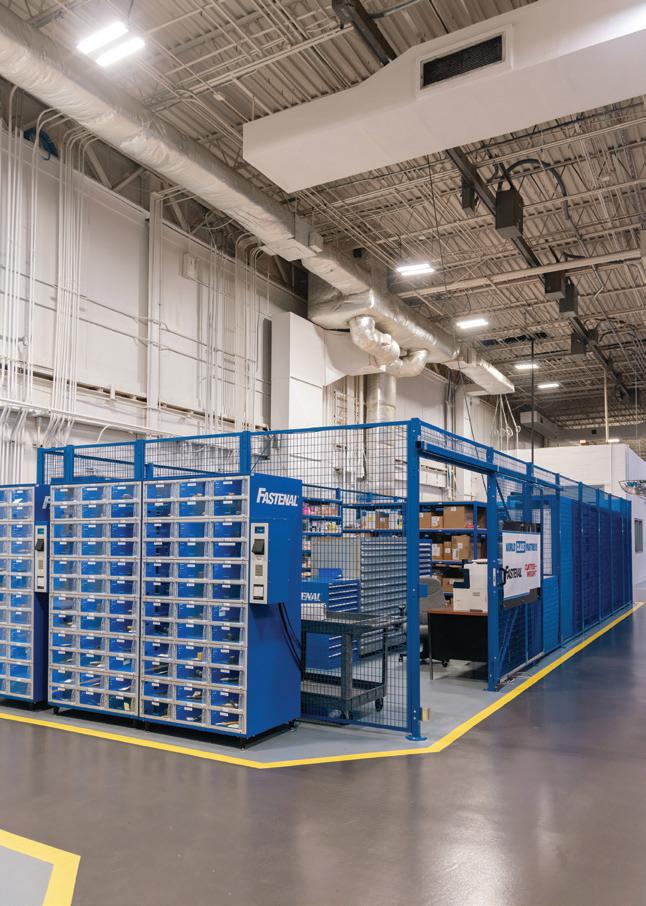
Power generation runs lean with no margin for supply surprises
Fastenal helps facilities (even remote ones) build practical supply chain support that fits each site's unique realities. Whether you operate gas, wind, solar, hydro, or nuclear assets – our specialists are ready to help you improve availability, reduce risk, and streamline operations. The result? Reliability improves, response gets faster, and outages go smoother.
On-site service that keeps you running
Intelligent inventory at the point of use

matched the total number seen across the entirety of 2024, with the increase directly linked to periods of high wind generation and low demand.
While the roll-out of renewables will continue in order to meet climate targets, steps are being taken to mitigate the impact this has on the market. In November 2025, the Danish Energy Agency, Energistyrelsen, opened tenders in three areas for the establishment of at least 2.8 GW of offshore wind power, including North Sea Mid, Hesselø in the Kattegat, and North Sea South.3 The tenders are based on market dialogues and include state subsidies and greater flexibility for developers to increase the likelihood of qualified bids. Under this scheme, the state guarantees offshore wind producers a fixed price for their electricity, reducing the risk of low electricity prices for developers, an element that has been requested by the market.
The generation mix across Great Britain comprises many technology types, with the distinct generation profile of each technology seeing varying degrees of price cannibalisation. Solar generation is notably impacted by price cannibalisation due to its generation profile being highly concentrated into a narrow and predictable daytime window. As a result, as more solar comes online, the marginal value of additional midday output will continue to fall. Offshore wind’s growing share and
high load factors also create a distinct cannibalisation profile, with large offshore clusters simultaneously producing at high rates for longer periods, intensifying price suppression during windier conditions, with generators being required to produce the power in order to receive the subsidy. While nuclear and other inflexible baseload plants do not cannibalise themselves in the same manner, they can influence cannibalisation for variable renewables as these plants are typically slower to adapt or stop generating during periods of excess renewables.
Over the next decade as wind and solar capacity expands under Government targets, and as the contracts for difference (CfD) scheme continues to bring forward large volumes of renewables, captured prices for solar and wind assets will depreciate unless market reform and flexibility are adjusted in step. Reforms under the Review of Electricity Market Arrangements including the Government’s Reformed National Pricing approach, and the ongoing CfD evolution will determine whether price cannibalisation becomes a larger issue for revenue, or an opportunity to shift to a more flexible grid that can handle the large volume of renewables on the system.
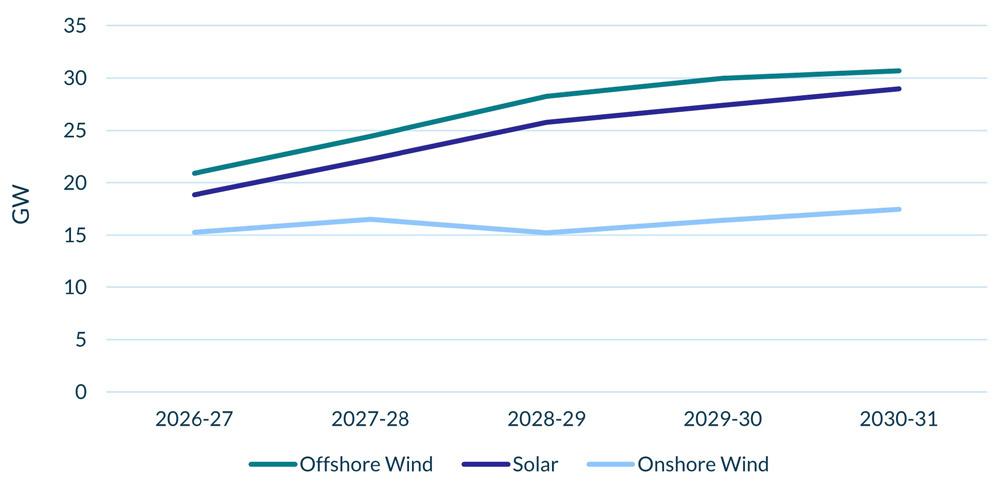
In the latest edition of Cornwall Insight’s Renewables & Power Markets Forecast Report, it was highlighted that offshore wind capacity will increase from 21 GW in 2026 to 31 GW by 2030, while onshore wind will grow from 15 GW to 17 GW, and solar will rise from 18 GW to 29 GW. The combination of expected increases in offshore and onshore wind, the accelerating build-out of solar, and electrification of demand that is not yet fully time-aligned with renewable output implies that price cannibalisation will increase out to the 2030s, with the effect intensified by local transmission constraints, limited storage, and flexible demand.
The question therefore remains – how can the impact of price cannibalisation be mitigated? By its very nature, price cannibalisation is primarily the result of a mismatch between timing and flexibility on the system. In order to mitigate the impact, market design, flexibility, and network infrastructure must be implemented in ways that match with the increase in renewable output.
CfDs, by design, act to insulate projects from wholesale price volatility, with the strike price of a project reducing its exposure to immediate revenue cannibalisation caused by depressed capture prices. However, by reducing this risk, CfDs also encourage larger and more concentrated deployments of similar technologies which can increase cannibalisation rates unless co-located with flexibility assets. However, it has been seen that strike prices in recent CfD allocation rounds implicitly factor in expectations of long-term cannibalisation, contributing to falling bid levels for mature technologies.
Reformed National Pricing involves keeping a single wholesale price, while simultaneously strengthening locational and operational signals through ancillary services and mechanisms designed to handle periods of low demand. While this means that cannibalisation remains a phenomenon
with regards to settlement prices, the reforms are intended to reveal where and when flexibility is most valuable across Great Britain, reducing local congestion-driven cannibalisation.
From this, two plausible long-term pathways can be seen. In the first pathway, renewables come online and are co-ordinated with reformed national pricing, adding clearer operational and locational signals. While cannibalisation still impacts assets, the adjustments would allow for different flexibility revenue streams that can preserve the overall cost benefit of a project. In the second pathway, large assets continue to come online faster than market reform and network upgrades, leading to more frequent zero or negative pricing periods, with some developers seeing value erosion due to the effect.
The next mitigation tactic includes the rapid scale-up of flexibility aimed at targeting excess generation. The Clean Flexibility Roadmap focuses on rapidly expanding storage, demand-side response, and flexible industrial demand. Deploying both short and longer-duration batteries directly reduces the frequency and severity of low-price events by absorbing excess generation and exporting it during higher-value hours. Co-located storage with renewables create opportunities for developers to improve their capture rates by creating guaranteed sinks for surplus production.
Accelerating transmission reinforcement and increasing interconnection capacity will also assist with exporting surplus generation, reducing regional mismatches between demand and generation. The National Energy System Operator’s
Strategic Spatial Energy Plan (SSEP) should also co-ordinate the location of renewables to avoid localised cannibalisation.
Price cannibalisation is now a defining feature of increasingly renewable-dominated electricity systems. As observed, the combination of weather-driven output and the accelerating build out of wind and solar has begun to erode prices during certain market conditions. Past examples such as the 2020 COVID-19 lockdowns demonstrate how market value can be undermined when the balance between supply and demand becomes skewed, with the issue likely to intensify as Great Britain moves towards a larger zero-carbon generation mix.
Mitigation will require co-ordinated progress across infrastructure, market design, and system flexibility, and expanding short and long-duration storage, scaling flexible low carbon demand, and accelerating grid reinforcements will be essential. Moreover, market reform to ensure that flexibility is rewarded will be significant too.
1. BAKER, N., ‘Insights: Update on Demand Reduction during COVID-19 lockdown’, Elexon, (1 July 2020), www.elexon.co.uk/bsc/article/elexon-insight-update-on-demandreduction-during-covid-19-lockdown/
2. ‘North-south electricity interconnector delayed by a further three years until October 2031’, The Irish Times, (16 February 2025), www.irishtimes.com/ business/2025/02/16/north-south-electricity-interconnector-delayed-by-afurther-three-years-until-october-2031/
3. ‘The Danish Energy Agency opens tenders for three new Danish offshore wind farms’, Energistyrelsen, (20 November 2025), https://ens.dk/en/press/danish-energy-agencyopens-tenders-three-new-danish-offshore-wind-farms

At Bachmann electronic, we don’t merely supply hardware: we deliver solutions! These extend from power management and power generation controllers to visualization functions.

Customizable. Efficient. Whatever the type of park you’re operating – whether involving PV systems, wind turbines, CHP units or battery storage, and even for hybrid systems: the SPPC provides all the necessary features. Visit us: WindEurope, Madrid, ESP Booth: 9-F142
www.bachmann.info energy.industry.maritime.

Ben Clark, Fastenal, outlines why keeping the lights on starts with the supply chain.
Global demand for electricity keeps climbing, driven by electrification, artificial intelligence, data centres, and an energy transition that sounds clean and orderly in presentations but gets complicated fast in the real world. Power generation operators are being asked to deliver more uptime, more reliability, and lower costs all at once.
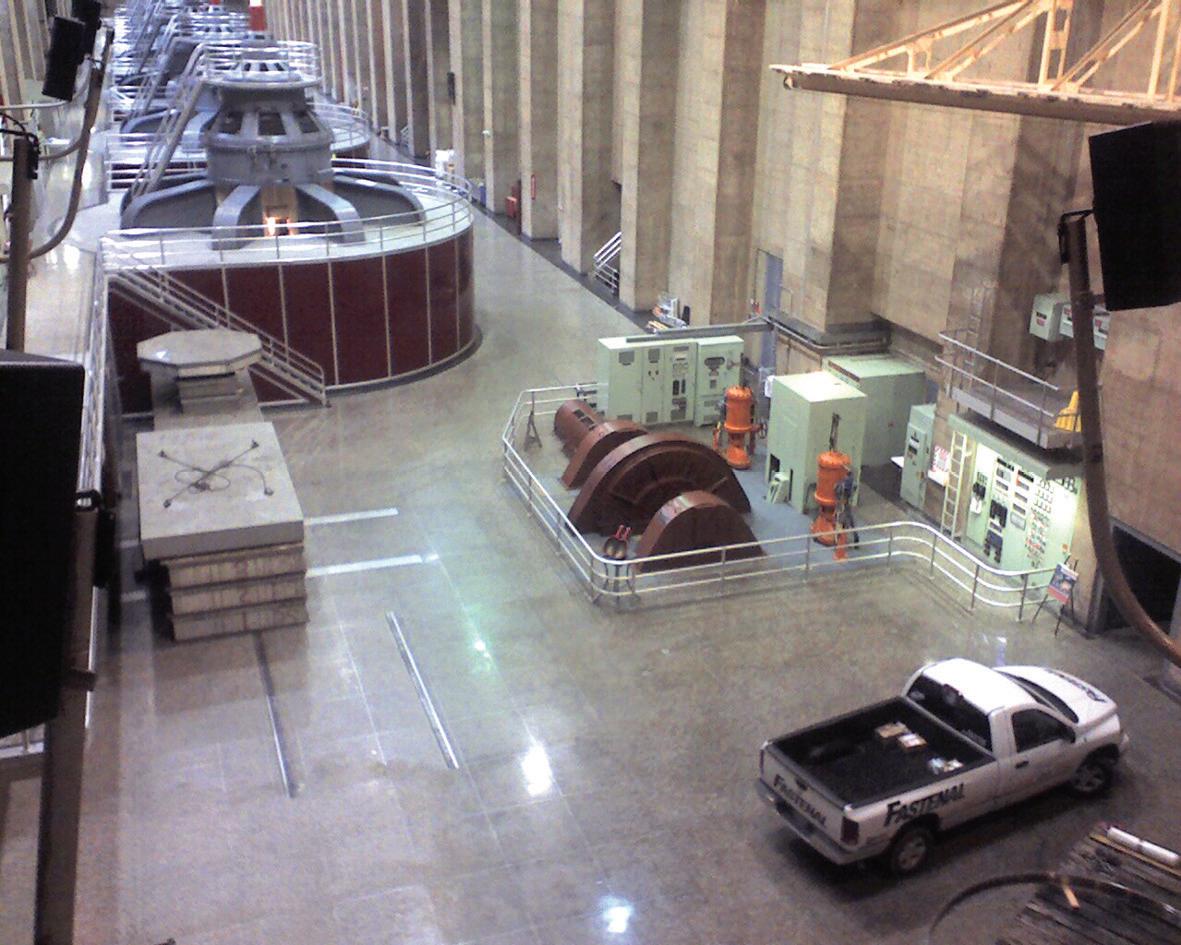
Whether gas, nuclear, wind, solar, hydro, or energy storage, today’s facilities are running leaner teams across wider geographic footprints, with about the same tolerance for downtime as a hospital has for a power outage. In this environment, the maintenance, repair, and operations

(MRO) supply chain is no longer a back office function but critical infrastructure.
With a razor-thin margin for error, the challenge is to stay ahead of problems rather than reacting to them. This means designing and executing a supply chain that works as part of the operation, not something the operation has to work around.
Picture a swimmer who appears to be calmly treading water but is kicking furiously beneath the surface amidst

unseen hazards. That is a good metaphor for how indirect supply chains in power generation have been managed for many years – in ways that seemed functional but were quietly inefficient and risky. Purchasing was fragmented. Spot buys filled the gaps. In most cases, everything was handed to a single integrator with the hope that fewer vendors would mean fewer problems. Sometimes it worked; often, it just moved the problems somewhere else.
Reducing the vendor count looks good on a spreadsheet, but it can introduce risks that do not show up until it is too late – expertise gets diluted, response times slow down, and service models become standardised, regardless of site needs. And, somewhere along the way, ‘service’ gets redefined as dropping a pallet at the dock and calling it a day.
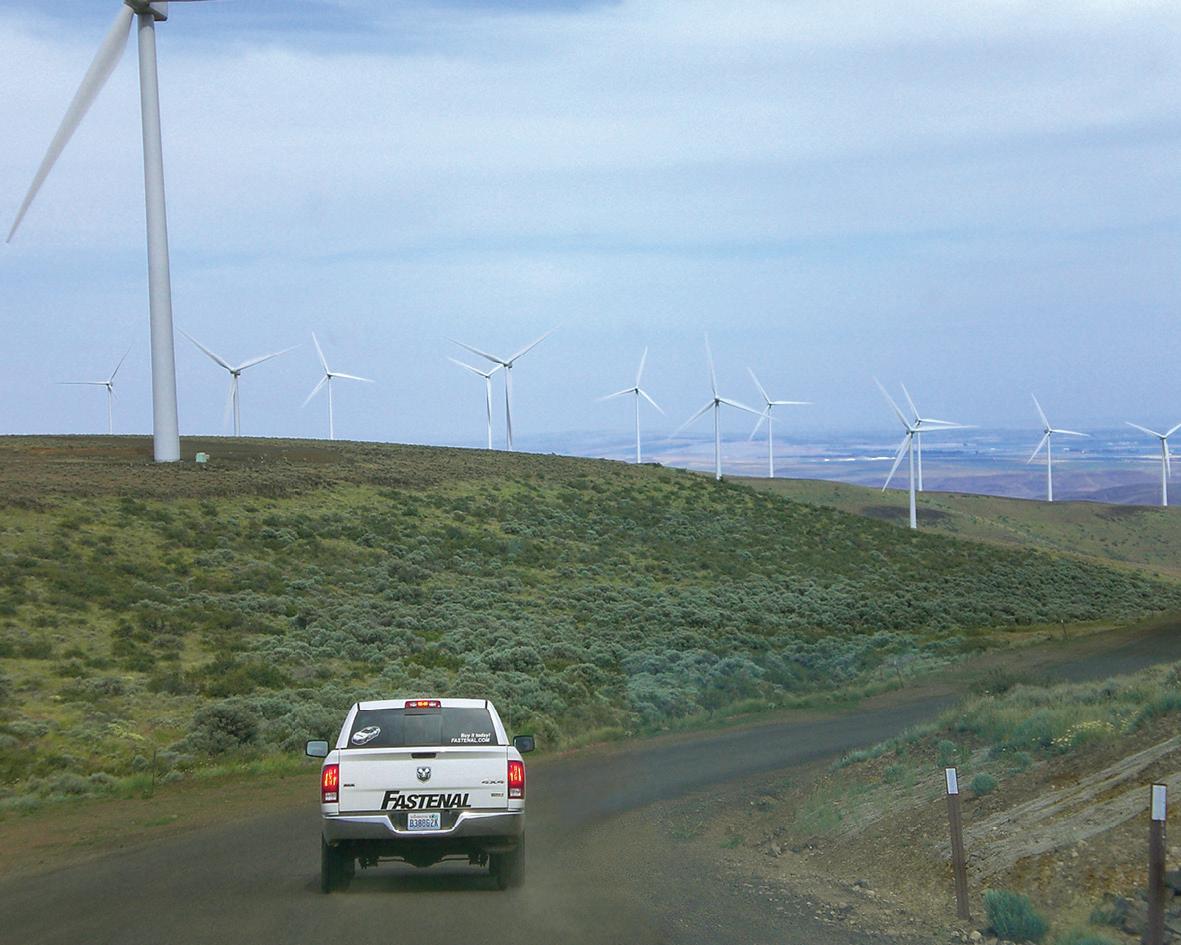
One of the first lessons learned in this space is that power generation facilities are anything but interchangeable. A wind farm that is hours from the nearest city does not operate like a combined cycle gas plant. A nuclear facility does not think about access, compliance, or material control the same way a solar site does. Using the same supply chain playbook for all sites leads to inefficiency and frustration at every site.
The supply chain has to live where the work happens. That means designing programmes around plant realities, not generic contracts. It means using data to inform decisions, local teams to execute them, and ongoing collaboration to keep improving over time. The goal is not just to buy parts more efficiently; it is to support the operation in a way that actually makes sense on the ground.
One of the more eye opening things has been realising (a) how much data already exists and (b) how little of it actually gets used. Everyone has reports and dashboards but, too often, that data fails to connect the dots, or it just confirms what people already figured out the hard way.
When data is applied well, it changes the conversation. Instead of asking what was purchased, teams start looking at how products are actually consumed, what spikes during outages, what creeps up during seasonal maintenance, and what keeps getting reordered even though no one can quite explain why. That kind of visibility turns guessing into decision making.
More importantly, it helps align teams that do not always see the operation through the same lens: procurement sees patterns instead of invoices; maintenance spends less time hunting for parts and more time fixing equipment; and operations gets fewer surprises. The value is not in having more information, it is in having the right information, presented in ways that lead to action.
In an industry where downtime can cost millions of dollars per hour, operators cannot rely on gut feel alone. Data driven decision making is no longer a luxury – it is “table stakes”. The real question is whether the data sits in a report or gets used to make the operation better.














16,000+ PARTICIPANTS

















500+ EXHIBITORS










80+ SESSIONS






400+ SPEAKERS




Technology helps, but it does not solve supply chain problems on its own – people do. And, in power generation, the difference between a good idea and a workable solution usually comes down to whether someone understands what actually happens on the floor at two in the morning during an outage.
That is where experience earns its keep. Subject matter experts who understand safety, fastening, metalworking, electrical, and MRO bring answers as well as context. They understand how decisions ripple through a facility, and they know when a solution that looks good on paper is going to fall apart under real conditions.
Just as important is knowing when to bring in additional expertise. No single organisation is the best at everything, and pretending otherwise creates blind spots. A trilateral model – where the plant, supply partner, and manufacturer work together towards a shared outcome – keeps specialisation intact while avoiding unnecessary complexity. It results in the plant staying in control, expertise showing up where it adds value, and keeping execution grounded.
In power generation environments, where safety, compliance, and reliability are non-negotiable, this balance is critical. Engineering guidance has to match real applications; outage planning has to assume something will go wrong and supplier qualification has to protect quality before problems show up downstream. The goal is not perfection but fewer surprises.
It is easy to see why single integrator models gained traction. One contract feels simpler while fewer vendors feels cleaner. On paper, it looks efficient but in practice, it often trades short term convenience for long term risk.
When a plant hands over full control of its indirect supply chain, decision making moves further away from the operation – category expertise gets flattened and accountability gets harder to untangle. The plant may still own the outcome, but it no longer fully owns the process that drives it.
A more resilient model? Keeping procurement ownership at the plant level while leveraging multiple distributors and manufacturers working together. In this structure, no one tries to own the entire ecosystem. Instead, partners co-ordinate, specialise, and execute with shared objectives which spreads risk instead of leaving it concentrated.
In power generation, resilience is not achieved by outsourcing control but by building a supply chain that is flexible, transparent, and intentionally diversified.
There has been a longstanding myth that reducing risk means stockpiling inventory. In power generation, that approach gets expensive fast. Floor space fills up, capital gets tied down, and skilled teams end up managing material instead of maintaining equipment.
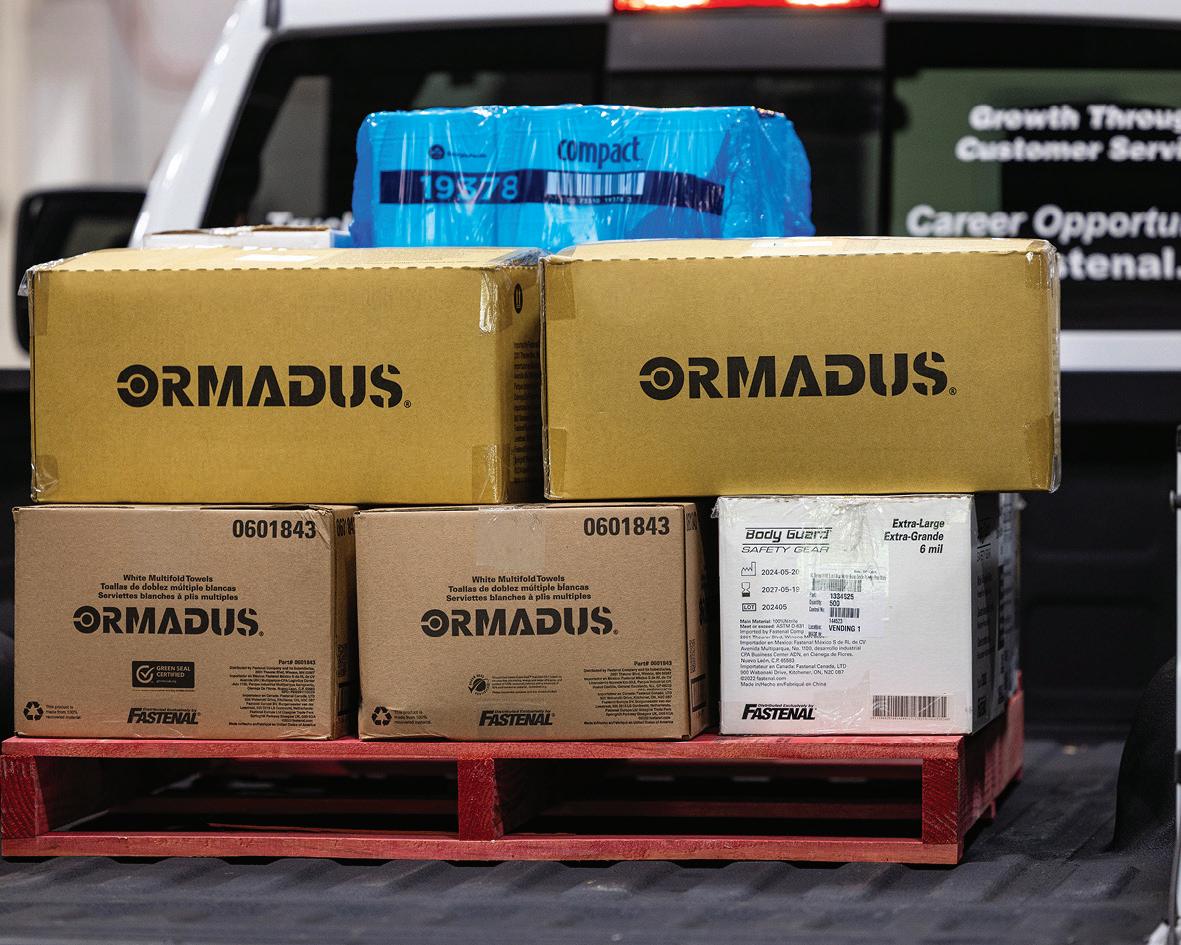
Local inventory support can solve those problems without creating new ones. When supplier-owned inventory is positioned close to where work happens, availability improves without forcing plants to carry excess stock ‘just in case.’ Same day or next day access becomes realistic, even for remote or hard-to-reach facilities. During outages, that difference matters.
More broadly, local support makes operations more strategic and agile. This is where Fastenal’s branch network, on-site support, and temporary storage models show their value. Inventory decisions get made with context, meaning adjustments happen in real time. The supply chain responds to the operation, not the other way around.
The result is agility without inventory becoming a balance sheet liability. The plant stays in control. The operation stays lean. And when something unexpected happens, the response starts at the site, not several states away.
Innovation gets talked about a lot in this industry, but not all of it is useful. New tools, new platforms, new terminology. Some of it helps; some of it just adds extra layers to manage. What matters is whether innovation actually makes the work easier where it is happening.
When technology, expertise, supplier diversification, and local execution are aligned, innovation stops being theoretical. It shows up as smoother outages, safer work environments,
fewer surprises, and supply chains that quietly do their job without getting in the way. In power generation, reliability is the metric that matters. Everything else supports it.
As the energy landscape continues to evolve, power generation operators do not just need more suppliers. They need partners who understand how work actually gets done, and how small decisions in the supply chain can have outsized impacts on reliability, safety, and cost. Those challenges live somewhere between the technical and the operational.
That is where Fastenal has focused its role. Not as a company trying to own the entire process, not as a vendor dropping product at the dock, but as a partner helping plants design and execute supply chains that are resilient, practical, and built around how work actually happens. Through data that gets used, expertise and local execution that holds up under pressure, the company has aligned itself with the realities of power generation.
In an industry where reliability is everything and mistakes get expensive fast, the right supply chain strategy is not just a cost consideration, but a competitive advantage. Increasingly, it is the difference between reacting to problems and staying ahead of them.
Edward Zhao, Global Vice President, Univers, identifies how emerging technological innovations are shaping modern solar system infrastructure.
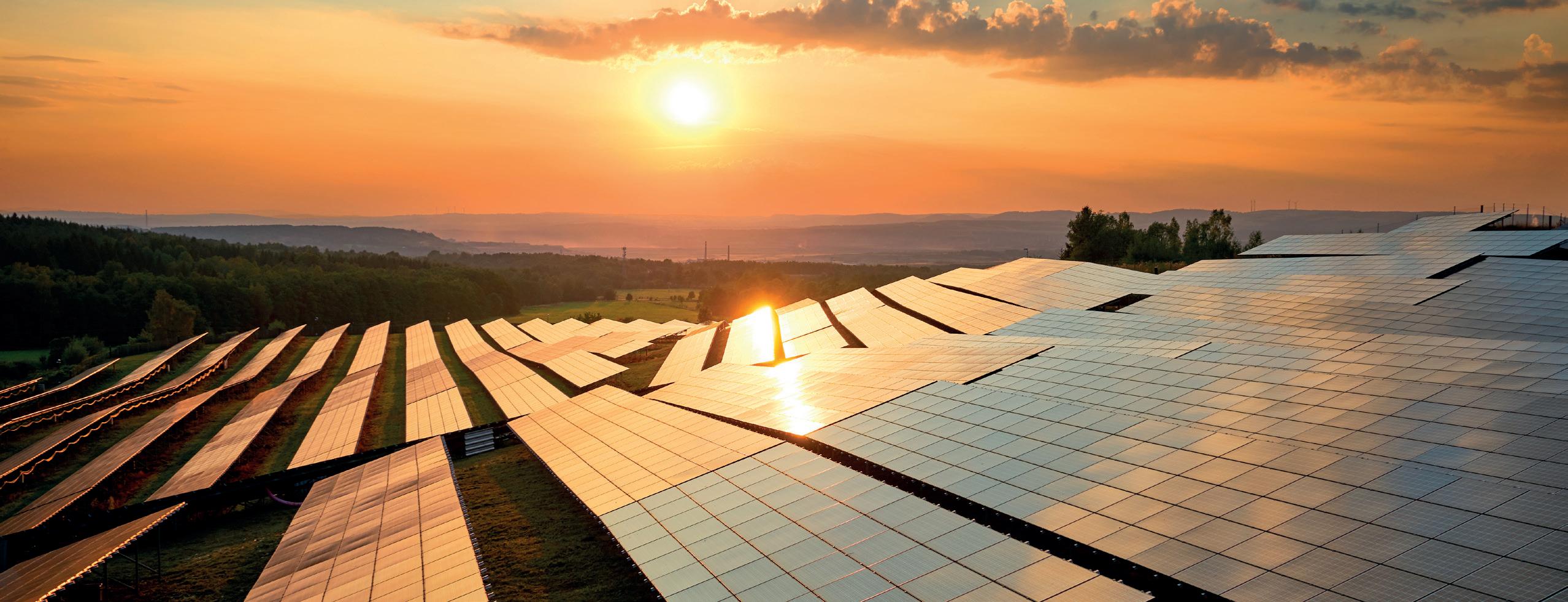
Solar power is entering a new phase in its evolution. After a decade defined by rapid deployment and continually falling costs, the industry now faces a challenge that will shape its future trajectory. The next stage of solar progress will not be determined by how much capacity is installed, but by how intelligently solar assets operate within increasingly dynamic and renewable-heavy power systems. This transition reflects the rise of physical artificial intelligence (AI), the embedding of AI directly into the behaviour of physical energy infrastructure.

Physical AI introduces a significant shift. Rather than confining intelligence to dashboards or cloud-based analysis, it moves decision-making closer to the physical asset, guiding how solar and storage systems respond to real conditions in real time. Yet physical AI cannot function in isolation. Its effectiveness depends on the digital layer that connects, interprets, and orchestrates diverse equipment. This digital foundation has become the central operational pillar of modern solar systems. As portfolios grow in size and complexity, the digital layer determines how plants sense, decide, and act within fast-changing system environments.

By understanding the rise of physical AI and the critical role of the digital layer, the industry can better anticipate what will define high-performing solar systems over the coming decade.
Solar plants were historically designed for straightforward control needs. Early utility scale facilities relied on supervisory platforms to co-ordinate inverters, regulate voltage, and ensure compliance with grid codes. These systems were suitable when solar represented a modest portion of the energy mix and conventional generators provided most stability services.
Today, the operational demands on solar systems have changed significantly. Higher levels of solar penetration have introduced steeper ramp rates, greater variability, and heightened sensitivity to weather-driven fluctuations. Grid operators increasingly require solar assets to display smoother output, faster control responses, and greater predictability. These requirements extend far beyond what earlier plant control designs were intended to support.
The introduction of battery storage amplifies this shift. Storage transforms solar from a variable generator into a flexible system resource capable of shifting energy across time and supporting essential grid functions. However, storage effectiveness depends entirely on co-ordinated decision-making that considers state of charge, expected generation, system conditions, and future constraints. This demands an integrated intelligence layer that unifies the behaviour of both solar and storage equipment.
This movement towards more co-ordinated and responsive operation marks a step towards physical AI. Solar and storage assets can no longer function effectively in isolation. Their behaviour must be aligned through a digital foundation that can process inputs, anticipate system needs, and execute control decisions with precision.
Physical AI refers to intelligence applied to real assets, but the digital layer is what makes this intelligence operational. This foundational layer integrates data, communication, and control across solar arrays, battery systems, grid interfaces, and supporting equipment. It provides the environment in which forecasting models, optimisation algorithms, and control strategies interact cohesively.
The digital layer performs three essential functions. It offers visibility into asset performance and system conditions. It creates a common communication framework that supports equipment from different manufacturers. Most importantly, it orchestrates asset behaviour, ensuring that solar and storage systems align with grid requirements and operational objectives. As power systems become more complex and distributed, this digital foundation is emerging as the most important determinant of solar performance.
Without a strong digital layer, physical AI cannot influence how assets behave. With it, intelligence becomes actionable, enabling real-time adjustment of output, proactive management of constraints, and co-ordinated participation in system operations.
A clear expression of the digital layer can be seen in Cambodia, where the national utility has begun implementing EnOSTM as the digital layer to co-ordinate a rapidly expanding portfolio of renewable energy assets. The country has experienced operational challenges typical of fast solar growth, including supply demand imbalances, increased variability, and heightened sensitivity to grid disturbances. Cambodia also relies on a 250 MW interconnection with a neighbouring system, which requires careful management to avoid exceeding flow limits or unintentionally feeding power back across the tie line.
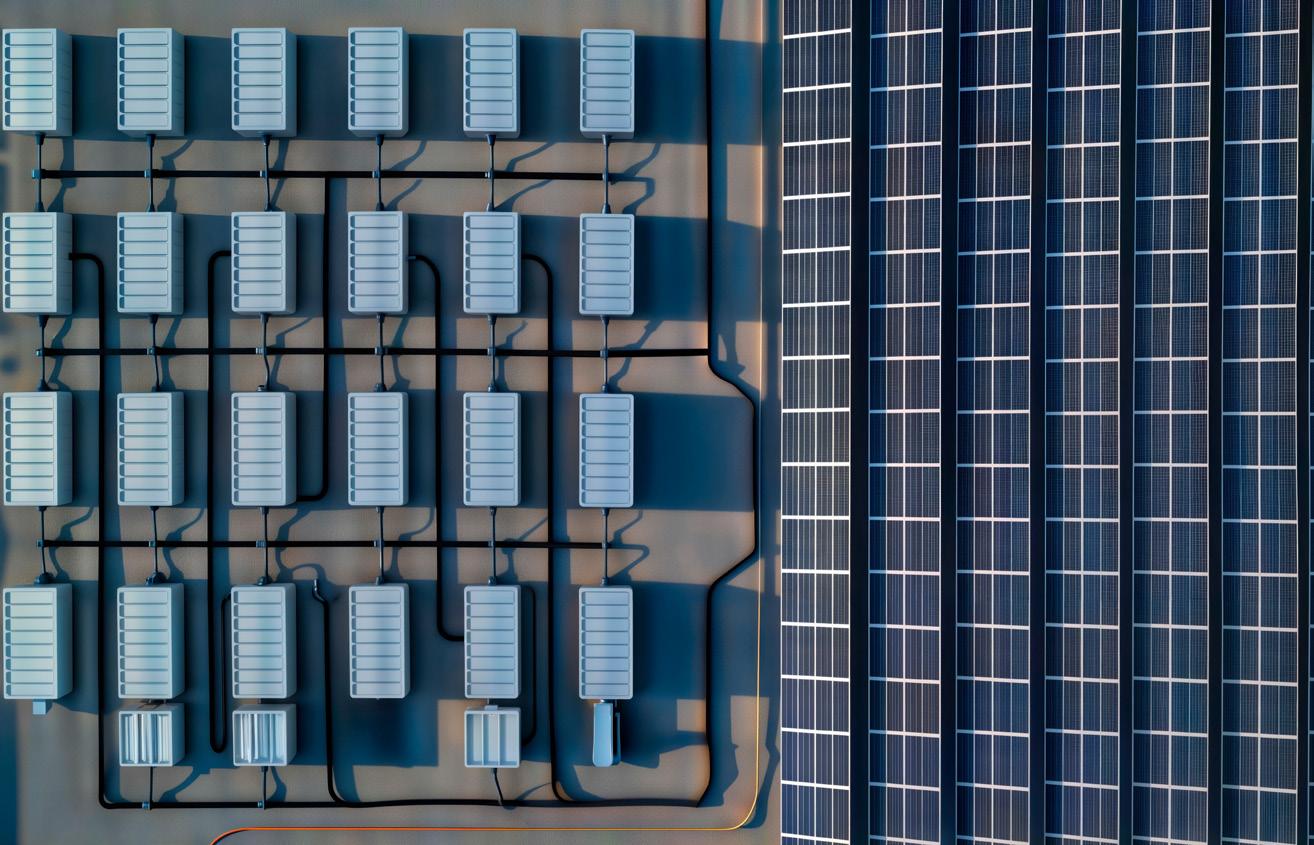
To address these conditions, the utility has deployed EnOS as a unified environment for system-wide visibility and control. In its initial phase, the platform is planned to connect approximately 2000 MW of renewable capacity across battery storage stations, photovoltaic plants, and wind farms. Through a shared data and control framework, operators gain real time insight into plant status, operating modes, and generation profiles. The digital layer also supports tie line management, assists with frequency stability during interconnection disturbances, and co-ordinates reactive power from solar and wind assets to reduce the likelihood of substation trips. By standardising data flows and aligning control logic across many sites, EnOS replaces fragmented tools with a single operational digital foundation. Although in early rollout, the project demonstrates how a system-wide
digital layer can strengthen grid stability, improve the reliability of cross border power exchange, and support long term renewable integration.
The movement towards physical AI is driven by the increasing need for system-level co-ordination. In many regions, curtailment has shifted from an occasional inconvenience to a structural operational challenge. It often arises from limitations in transmission capacity, local demand, or the difficulty of integrating high levels of midday solar output. Addressing curtailment requires more than additional storage. It depends on the predictive and co-ordinated behaviour that only an integrated digital layer can support.
Grid codes are also becoming more stringent. Solar and hybrid plants are now expected to support grid stability by providing voltage regulation, frequency response, and disturbance ride-through. Delivering these capabilities requires real-time control, continuous visibility, and co-ordinated action across assets. The digital layer enables this by translating system conditions into unified operational responses.
Energy markets reinforce this need. New flexibility services and reserve mechanisms increasingly depend on precise, predictable, and rapid asset behaviour. Hybrid plants capable of operating cohesively and adjusting output intelligently are positioned to contribute meaningfully to system balance. The digital layer allows solar assets to participate in these services with accuracy and confidence.
AI plays a key role in advancing physical AI. AI-based forecasting extends beyond estimating irradiance. It recognises patterns across regions, anticipates system constraints, and informs how solar and storage assets should behave in advance of changing conditions.
In hybrid facilities, predictive control is essential for determining when to charge or discharge storage. These decisions depend on expected solar output, current state of charge, grid requirements, and operational strategies. AI-driven approaches help operators adopt proactive and optimised behaviours rather than reacting to events after they occur.
At a portfolio scale, AI forecasting becomes even more powerful. As operators manage solar assets across wide geographic areas, the ability to forecast and co-ordinate behaviour across multiple plants becomes a critical advantage. By integrating forecasting with the digital layer, physical AI ensures that intelligence leads directly to improved operational performance.
Physical AI can only function when the digital environment supports interoperability. Solar and hybrid plants often contain equipment from multiple manufacturers, along with legacy and modern control technologies. Without interoperability, co-ordination becomes fragmented and inconsistent.
Interoperable systems allow assets to communicate, understand shared instructions, and respond coherently to operational priorities. They enable dynamic capabilities such as co-ordinated ramping, reactive power management, and continuous alignment with grid conditions. This unified digital infrastructure is essential for implementing physical AI at any meaningful scale.
As fleets expand, interoperability becomes even more important. It allows operators to centralise oversight, reduce complexity, and introduce new optimisation capabilities without extensive hardware changes. The digital layer becomes the backbone that supports long-term evolution.
As intelligence moves closer to the physical asset, cybersecurity becomes a critical pillar of solar operations. Hybrid facilities now perform essential control functions and exchange sensitive grid data. Distributed intelligence and real-time communication open new access points that must be secured to protect system reliability.
Edge-based controllers with secure communication, authentication, and built-in resilience are becoming integral to the digital layer. They enable plants to maintain stable control during connectivity interruptions, respond swiftly to changing conditions, and safeguard operational integrity. In modern solar systems, secure edge intelligence is not an added feature; it is a foundational requirement for physical AI.
Solar power is evolving into a physically intelligent system shaped by continuous sensing, forecasting, and co-ordinated control. Physical AI represents the direction of solar optimisation, but its potential is realised only when supported by a strong digital layer. This foundation allows assets to behave cohesively, anticipate system needs, and contribute meaningfully to grid stability.
The deployment of EnOS at grid scale in Southeast Asia illustrates how this progression is taking shape. A unified digital environment provides visibility, co-ordinated control, and system-wide operational consistency across a large portfolio of renewable assets. As renewable penetration increases globally, these capabilities will become central to how solar fleets and hybrid systems operate.
The future of solar will be defined not only by the amount of capacity installed but by the intelligence and digital infrastructure that guide its behaviour. The digital layer is becoming one of the most important pillars of that transformation, enabling physical AI to move from concept to operational reality.

Andrew Foster, Product Director, IOTech, explores the role edge-based artificial intelligence can play in solving the data interoperability challenge across clean energy infrastructure.
As the global transition to renewable energy accelerates, operators are increasingly focused on how to manage the complexity of their data environments. Whether deploying solar photovoltaic (PV) systems, battery energy storage, wind turbines, or integrated hybrid projects, the challenge remains largely the same: turning fragmented, inconsistent field-level data into something reliable, structured, and actionable.
Despite advancements in device telemetry and grid integration tools, one fundamental barrier continues to limit scalability – operational data across renewable energy assets remains largely unstructured and vendor-specific. Without reliable normalisation and semantic alignment of this data, core processes such as fleet-wide optimisation, distributed energy resource management system (DERMS) integration, and regulatory
reporting become far more complex and time-consuming than necessary.
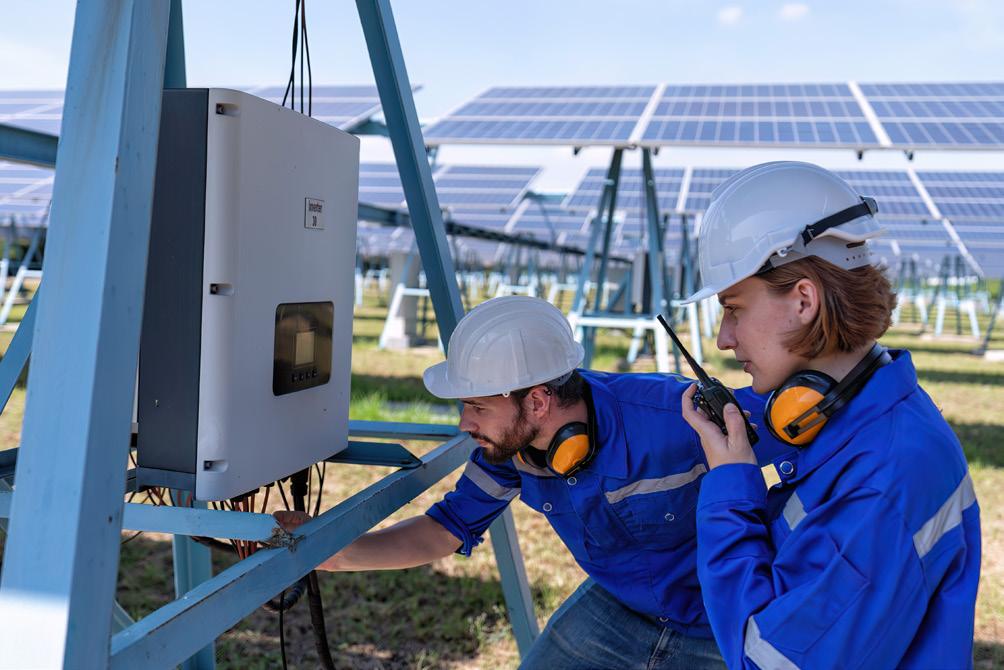
Today, a growing number of infrastructure providers are turning to edge-based artificial intelligence (AI) tools to streamline this process. By embedding intelligence at or near the source of data generation, they are now able to structure, standardise, and tag device data in real time, eliminating many of the manual steps traditionally required to integrate distributed energy resources at scale.
Utility scale renewable systems often rely on equipment from multiple manufacturers – each with their own communication protocols, field names, units of measurement, and reporting structures. These differences might seem minor in isolation but, at scale, they introduce major inefficiencies.
Wind turbines and solar inverters, for example, may both report energy output or fault status, but do so using different field names or with missing metadata. Battery storage units may produce high-resolution state-of-charge metrics, but not always in a format that conforms to grid operator requirements. Devices may also report in localised units or use non-standard labels for critical attributes such as voltage, frequency, or temperature.
As a result, operations teams often spend weeks writing custom integrations, scripting data transformations, and manually tagging data streams to prepare them for analytics, dashboards, or grid compliance systems. This slows down deployment timelines and makes it difficult to onboard new assets consistently.
The industry has responded with standards bodies such as the SunSpec Alliance for PV and storage systems, or IEC 61850 for wind generation, which define common data models to promote interoperability. However, even with these standards in place, aligning raw device outputs with structured models often requires engineering work that is difficult to scale.
A semantic model provides a shared vocabulary and structure that defines what each data point represents, how it should be labelled, and how it relates to other pieces of data in
the system. It is essentially a translation layer between machines and people, allowing different devices and systems to ‘understand’ each other’s outputs.
In the context of renewables, semantic models can define not only what is being measured (such as alternating current power or frequency) but also the physical context (such as which inverter, panel, or battery it originated from) and its place in a larger hierarchy (site, array, or subsystem).
Without this layer of meaning, raw telemetry is difficult to act on or integrate with other systems. Semantic consistency is what allows asset operators to build control logic, automate analytics, or scale platforms across geographies.
Edge computing has become increasingly common in renewable energy architecture, serving to reduce latency, decentralise control functions, and improve resiliency. However, edge platforms are now taking on a more advanced role – enabling automated data normalisation and semantic tagging at the point of collection.
AI models running on edge devices can now analyse incoming telemetry from inverters, turbines, batteries, or environmental sensors, and dynamically map that data to structured models. These models can be based on SunSpec, IEC 61850, OpenFMB, or other industry frameworks relevant to each asset class.
By applying learned patterns and rule-based classification, edge AI tools can perform:
> Semantic labelling of data fields (e.g. identifying a numeric stream as DC power or ambient temperature).
> Unit conversion and standardisation.
> Tagging of data with contextual metadata (e.g. timestamp, location, asset class).
> Validation of compliance with known information models.
Once processed, the structured data is ready for use in SCADA, DERMS, cloud-based analytics, or performance reporting systems without the need for additional cleaning upstream.
Edge AI’s benefits are particularly apparent in hypothetical hybrid deployments that combine solar, wind, and energy storage in a single location or portfolio. These types of sites typically require integration of a broad range of data sources, from inverter telemetry and wind speed data to battery system health metrics.
In a representative scenario, an operator managing multiple utility scale renewable sites might deploy edge platforms capable of normalising operational data across diverse hardware configurations. These edge agents, installed locally at substations and control enclosures, could process hundreds of data streams in real time.
The result would be a unified data layer in which wind turbine pitch angle, solar irradiance, and battery discharge cycles are all aligned to a shared semantic model.










BRUSSELS I 14-15 April 202 6


“The Biofuels International Conference covered a large spectrum giving the right blend to create unforeseen networking opportunities at the event.”




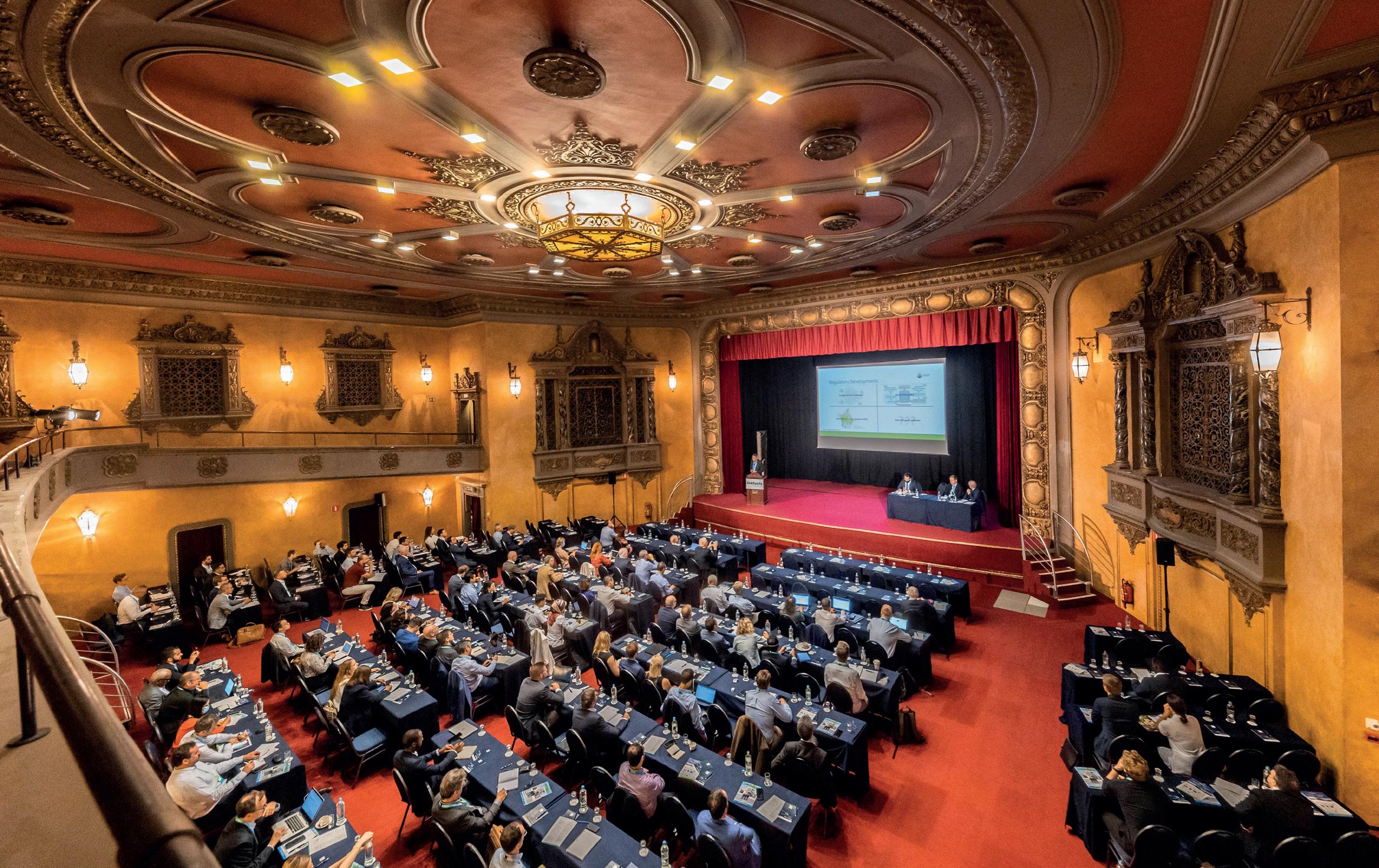
• Meet over 300 industry experts
• Organised by the world’s ONLY global Biofuels magazine
• Co-hosted with the SAF Summit & Expo and International Biogas Congress & Expo
• Excellent networking opportunities
• Free conference pass, lunches and access to networking functions for all sponsors and exhibitors
• Fantastic opportunity to highlight your company’s products and services at this established event.
Co-hosted with Exhibition space is limited and cannot be added to, so make sure you don’t miss out. Book the best position now.


For a tailor-made package that meets your needs please contact: Claire Smith, + 44 20 3551 5751 claire@woodcotemedia.com
This would allow operators to implement site-wide control strategies, optimise dispatch, and simplify data ingestion into a centralised virtual power plant management platform –without requiring manual reformatting of each asset’s output. Such a model would also reduce commissioning time for new projects and enable more consistent performance tracking across the entire fleet.
Bringing semantic consistency to the edge provides a number of cross-sector advantages:
> Shorter integration timelines: Projects can move from construction to live monitoring more quickly, as structured data becomes available immediately after commissioning.
> Improved asset transparency: Operations and maintenance teams gain a more reliable and complete picture of asset health and performance, especially in multi-vendor environments.
> Simplified compliance: Structured data makes it easier to generate reports for regulators, utilities, or internal stakeholders.
> Scalable architectures: Standardised edge data models support easier replication of deployments across geographies or asset types.
These benefits apply not only to greenfield installations, but also to retrofit scenarios. For example, in legacy wind farms, edge platforms can serve as abstraction layers that transform proprietary turbine data into interoperable streams that align with broader fleet monitoring tools.
As edge platforms begin to play a larger role in shaping data quality and structure, their role in governance becomes
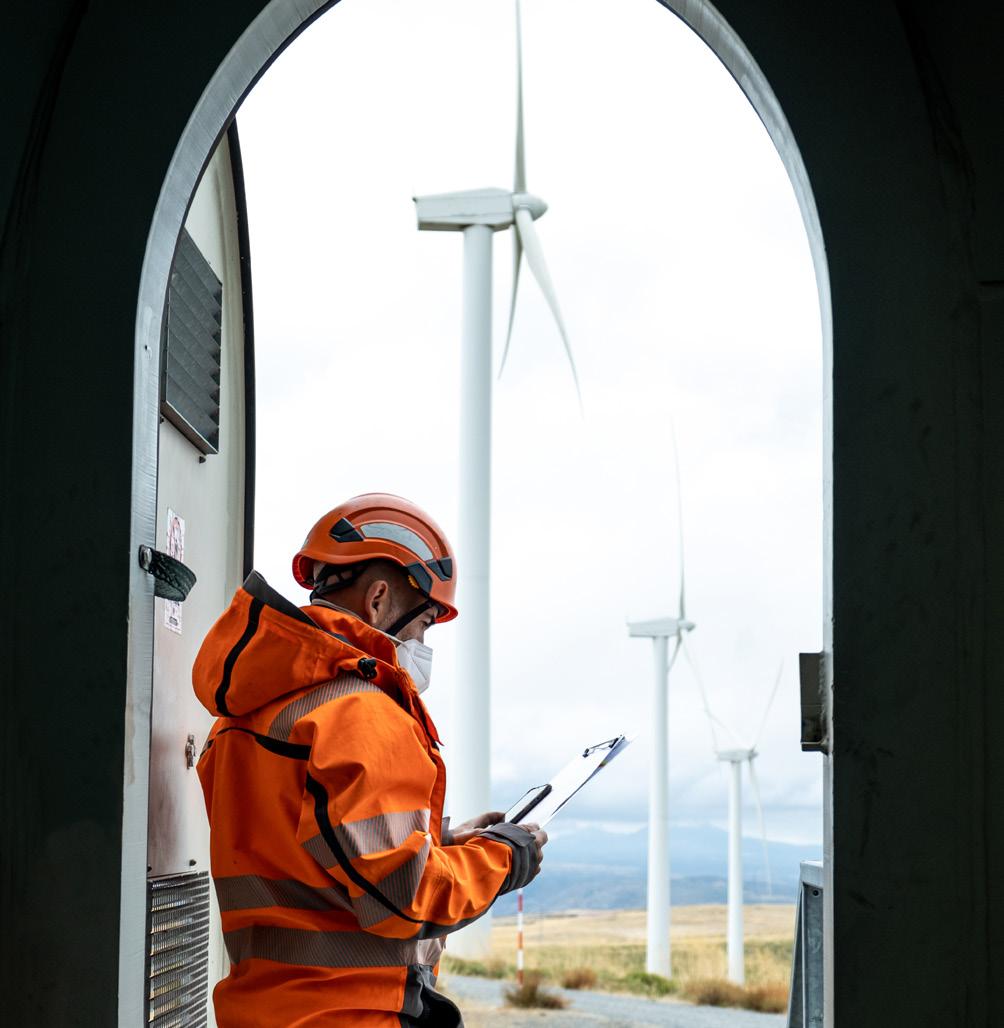
more critical. Operators must ensure that the AI models applied at the edge are auditable, updatable, and aligned with broader enterprise data governance policies.
Version control, access permissions, and model transparency are essential, particularly when the output data feeds into regulated processes such as carbon accounting or compliance reporting. Systems must also be able to log, trace, and validate how data was transformed – especially when used in high-stakes environments such as frequency regulation or reserve power dispatch.
Establishing trust in edge AI models will be an important part of widespread adoption across renewables, just as it has been in industrial automation and smart grid sectors.
To enable this type of edge-based semantic processing, many operators are adopting open, modular software platforms that support AI integration. Architectures based on the EdgeX Foundry framework, for instance, offer flexible pipelines for ingesting and transforming device data from diverse sources.
Some commercial edge solutions have extended these platforms to include semantic modelling tools, automated mapping engines, and visual workflows to align data with domain-specific standards such as SunSpec, IEC 61850, and Project Haystack. These solutions can often be deployed on standard industrial hardware at the edge, offering a lightweight and adaptable toolset for operators.
In addition to real-time data alignment, these platforms typically support secure communication to cloud environments, time-series databases, or external APIs –ensuring that standardised data can be consumed reliably across the enterprise.
By embedding intelligence directly into the data pipeline, these edge-based systems help remove one of the most persistent barriers to renewable energy optimisation: the time and effort required to prepare data for use.
As renewable infrastructure continues to expand and diversify, the volume and variety of operational data will only increase. From utility scale solar fields to distributed wind assets and grid-tied battery networks, the complexity of managing real-time data from heterogeneous sources will remain a central challenge.
Edge AI offers a practical and scalable response. By applying intelligence directly at the point of data collection, it becomes possible to normalise and structure data from any source, at any scale, in real time.
This architecture does not require a complete overhaul of existing systems. Rather, it allows asset owners and integrators to incrementally build a more interoperable, flexible, and future-proof foundation for performance monitoring, grid integration, and portfolio management.
The ability to trust and act on clean data – without delay or heavy customisation – will be critical to realising the full potential of renewable energy at scale.


Chris Cowland, Head of Offshore Wind, WSP UK & Ireland, maps out the UK’s renewable energy outlook and highlights the importance of creating a resilient, connected energy system.
The global energy system is undergoing a major transformation. Over the last decade, the world has seen incredible progress towards renewable energy generation. In 1H25, global investment in renewable energy reached US$386 billion, up by 10% on the same period in 2024.1 This has resulted in expectations of a supply boom in cheaper renewables.
All in all, it spells an incredibly exciting time for the energy industry with a wealth of opportunities to explore as it moves towards its net-zero ambitions. For the UK, this is an exciting moment to combine innovation with the delivery of net-zero ambitions – and it calls for collaboration between developers, advisors, and operators to make it happen.
While supply is abundant, demand for energy, especially electricity, is accelerating rapidly. In a recent report by the International Environment Agency, electricity demand is predicted to have increased by 3.3% in 2025 and will increase by 3.7% in 2026, faster than overall energy demand, largely driven by data centres, electrification, and heating and cooling.2
Renewable energy capabilities have become increasingly sophisticated but without modernised infrastructure, this clean power cannot always reach consumers. This article looks at the UK’s energy generation and distribution landscape, exploring how exactly the region balances its significant energy generation with distribution to meet ever-increasing demand.
Historically, Britain’s grid was designed for a one-way flow of electricity from large fossil-fuel power stations to consumers. Today, generation is increasingly decentralised and intermittent, with over 50% generated by offshore wind, solar, and other renewables.3 This creates two major challenges. The first is the geographical mismatch; most renewable generation is located either offshore in the North Sea, or in rural areas far from demand centres, which are typically concentrated in cities. Meanwhile, wind and solar outputs fluctuate with the weather, which requires sophisticated balancing mechanisms.
Without adequate transmission capacity and flexibility, surplus renewable energy is often curtailed resulting in ‘wasted energy’. The question of how to prevent this is a significant one.
To address the risk of wasted energy, National Grid launched the Great Grid Upgrade, the largest overhaul of Britain’s electricity network in generations. The programme is set to deliver 17 major projects, including 550 km of new overhead lines, 1300 steel pylons, and six subsea high-voltage cables.
The major aims of the programme include connecting 50 GW of offshore wind by 2030, reinforcing transmission routes from Scotland and the North Sea to demand hubs in the Midlands and South, and integrating new nuclear and energy storage capacity to enhance resilience. Achieving this will require building five times more transmission
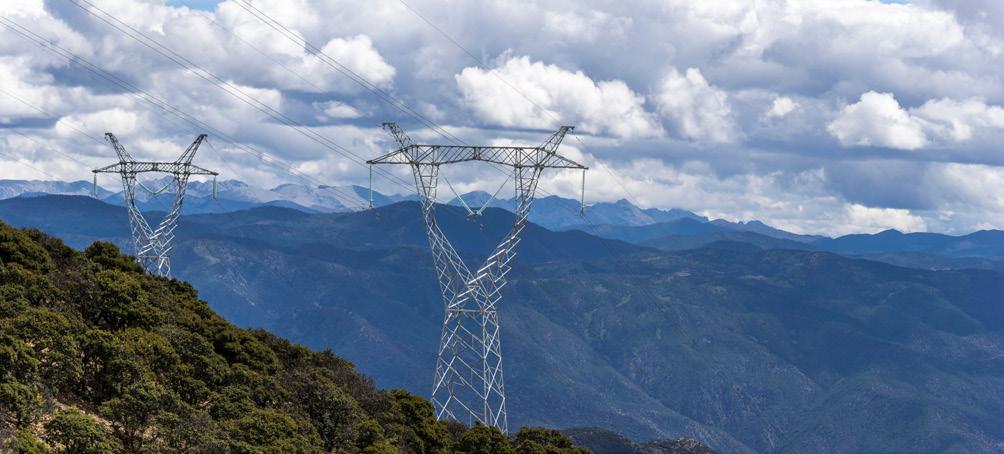
infrastructure in six years than has been constructed in the past 30 years.
This programme represents an investment of £11 billion and is expected to create up to 130 000 jobs, injecting billions into the economy. It encompasses 17 major projects across England and Wales, including new overhead lines, substations, and high-voltage direct current (HVDC) links. Innovation is central to the upgrade, with technologies such as SmartValveTM unlocking additional capacity without the need for new lines. Policy drivers, including Ofgem’s connection reforms and the Holistic Network Design for offshore wind, are streamlining grid access and accelerating delivery.
The Great Grid Upgrade is not merely about wires and pylons; it is about creating a resilient, flexible grid that can handle variability and support the electrification of transport and heating. WSP are among those supporting this transformation, helping to integrate new sources of clean energy and ensure the programme delivers social value through job creation and skills development. This upgrade is not just about infrastructure – it is about people and the diverse skills needed to power the transition.
Interconnectors, subsea cables linking the UK to neighbouring countries, will increasingly play a vital role in balancing supply and demand across borders. They allow electricity to flow where it is needed most, reducing waste and improving resilience.
Subsea interconnectors are also being used to send power to different parts of the UK, not just overseas, as part of the Great Grid Upgrade.
Greenlink, now operational, is a 504 MW HVDC interconnector linking Pembrokeshire in Wales with County Wexford in Ireland. At nearly 190 km long, it enables seamless power trading between Great Britain and Ireland, reducing the curtailment of renewables and enhancing energy security on both sides of the Irish Sea. WSP has provided wide-ranging services since 2018 for the project. From initial assessments and procurement to technical assurance, the company has helped deliver a project that will link power markets in the two nations – enough to power 380 000 homes.
Sea Link is a proposed HVDC subsea cable that will connect Suffolk to Kent, forming a critical part of National Grid’s Great Grid Upgrade. Stretching approximately 122 km under the sea, the project is designed to transport clean energy from offshore wind farms in the North Sea to high-demand areas in the South East. Unlike traditional overhead lines, Sea Link uses HVDC technology, which is ideal for long-distance transmission with minimal losses. Its bi-directional capability means energy can flow where it is needed most, whether that is moving surplus wind power south or supporting the East Coast during peak demand. This flexibility is vital as the UK integrates more intermittent renewables into its energy mix.
Interconnectors like Sea Link and Greenlink are reshaping the UK’s energy landscape. They help balance supply and demand by acting as flexible capacity, smoothing out peaks and troughs caused by intermittent generation. When the wind blows hard in the North Sea, surplus power can be exported to Ireland or other regions. When output dips, imports stabilise the grid.
This capability is essential for integrating offshore wind and other renewables. The UK has set an ambitious target of 50 GW of offshore wind by 2030, and interconnectors will play a central role in achieving it. Emerging concepts such as Offshore Hybrid Assets, which combine interconnection with direct offshore wind connections and promise even greater efficiency, reducing the need for multiple coastal landing points and creating energy hubs in the sea.
Beyond technical benefits, interconnectors deliver significant economic value. They create thousands of jobs in engineering, marine construction, and digital grid technologies. They stimulate regional investment and foster specialist skills in areas such as HVDC systems and subsea cable installation. For communities near converter stations and landing sites, these projects bring opportunities for training and long-term employment, supporting the UK’s green industrial strategy.
However, they are not without limitations: they rely on external markets, which can restrict exports during energy crises. Capacity is finite, meaning they cannot fully replace domestic generation or storage. While regulatory risks, such as export bans or tariffs, also pose challenges, the future for interconnectors is bright. UK capacity is expected to double to over 20 GW by 2035, up from around 10.5 GW today. This expansion will make Britain a potential net exporter of clean energy, positioning the country as a leader in green energy connectivity. Multi-purpose interconnectors and offshore hubs will become the norm, creating a pan-European network that maximises renewable resources and enhances resilience.
Balancing generation and distribution requires more than physical infrastructure. Digitalisation and smart grid technologies will play a crucial role in managing variability and improving efficiency. Advanced forecasting tools and real-time monitoring systems will enable operators to anticipate fluctuations and respond quickly. Energy storage solutions, including large scale batteries and green hydrogen, will absorb excess generation and release it when needed, providing flexibility and stability.
Policy frameworks are also evolving to support this transition. Ofgem’s connection reforms and the Holistic Network Design for offshore wind aim to streamline grid access and co-ordinate investment. Collaboration between developers, regulators, and operators will be essential to deliver these solutions at scale and speed.
The Great Grid Upgrade, and the projects within it, are estimated to create up to 130 000 jobs and inject £11 billion into the economy over the next decade. While it is encouraging that these transformative projects are creating jobs across the UK
and Ireland, the industry is still in need of the workforce to fill these roles. Rather than a challenge, this should be seen as an opportunity. The renewables industry is often considered as an industry with high barriers to entry, requiring degree qualifications, however it needs to be repositioned as an industry open and accessible to as many people as possible. This is where untapped talent lies. The demand is certainly there, especially for future generations. For example, the BBC Bitesize Careers Survey 2025 found engineering as the second most popular choice of preferred profession, with young people adding that “feeling good about what you do” was most important for their future role.4 This highlights how young people want to feel like they have a positive impact.
The renewables industry offers just that and is already making great strides, with apprenticeships now offered across the industry as an alternative route to university, whether advanced or degree level apprenticeships. However, it is an important responsibility to ensure opportunities to make such a positive impact are continually visible, from asset management to electrical technicians for interconnectors all the way through to non-engineering roles. This does not just mean visibility to young people but to existing professionals looking to upskill into new career paths.
The UK’s clean energy future depends on more than building wind farms, it hinges on creating a grid that can carry renewable power where it is needed, when it is needed. The Great Grid Upgrade, combined with strategic interconnectors like Greenlink and Sea Link, represents a bold step towards that goal. By investing in infrastructure, technology, and policy, Britain can balance generation with distribution and secure a resilient, low-carbon energy system for decades to come.
1. HARVEY, F., ‘Global investment in renewable energy up 10% on 2024 despite Trump rollback’, The Guardian, (23 September 2025), www.theguardian.com/ environment/2025/sep/23/global-investment-in-renewable-energy-up-10-on-2024despite-trump-rollback
2. ‘Electricity Mid-Year Update 2025’, International Energy Agency, (30 July 2025), www.iea.org/reports/electricity-mid-year-update-2025
3. ‘Official stats show renewables generated over half UK’s electricity for the first time in 2024’, RenewableUK, (27 March 2025), www.renewableuk.com/news-and-resources/ press-releases/official-stats-show-renewables-generated-over-half-uk-s-electricity-forthe-first-time-in-2024/
4. ‘Revealed: New entry in top 10 jobs teenagers want’, BBC, www.bbc.co.uk/bitesize/ articles/zrfknk7
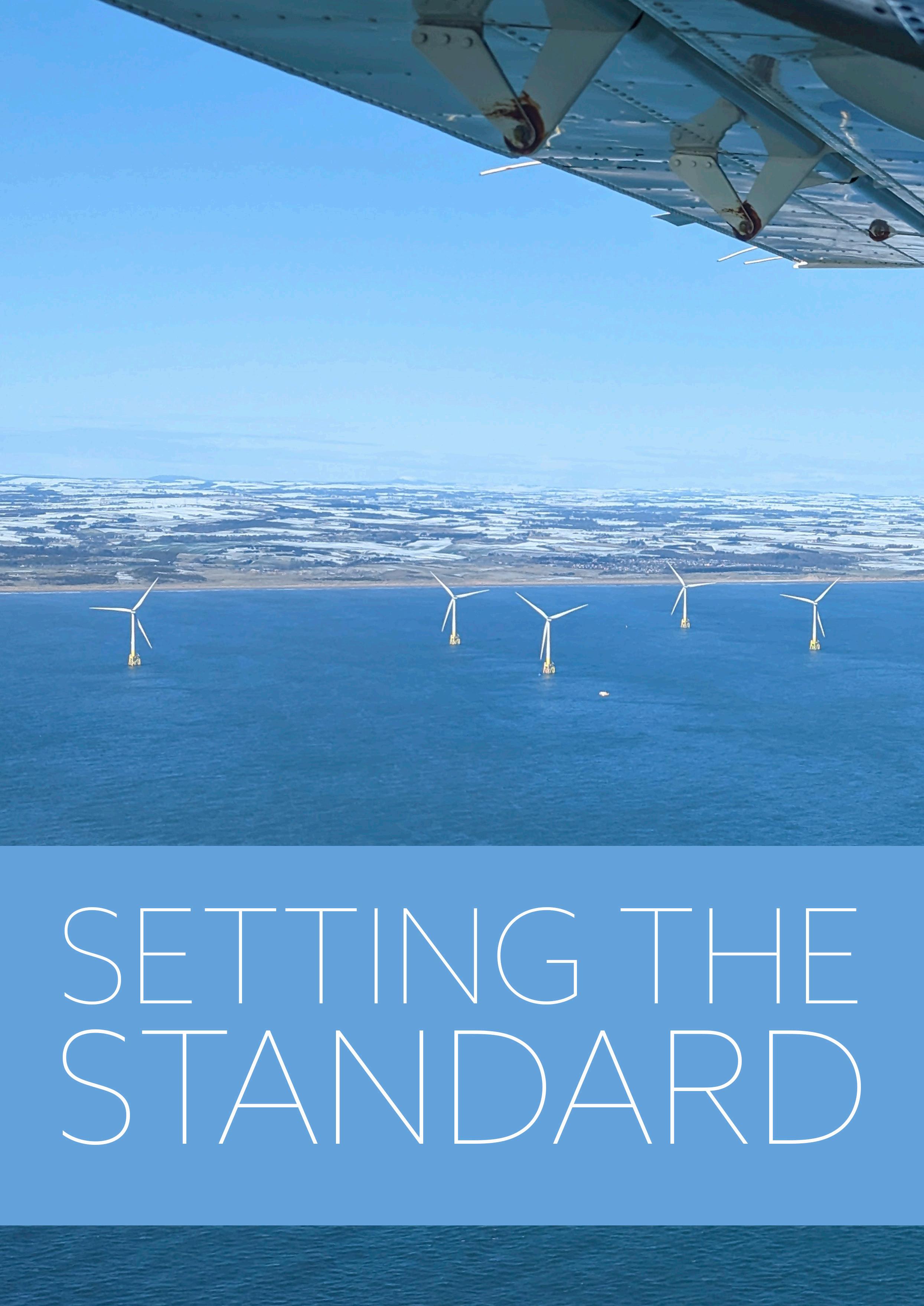
Dr Ali Cotton, Associate Director, Marine Wildlife Surveys, APEM Group, Australia, details global best practice for taking marine wildlife data from baseline to operation.
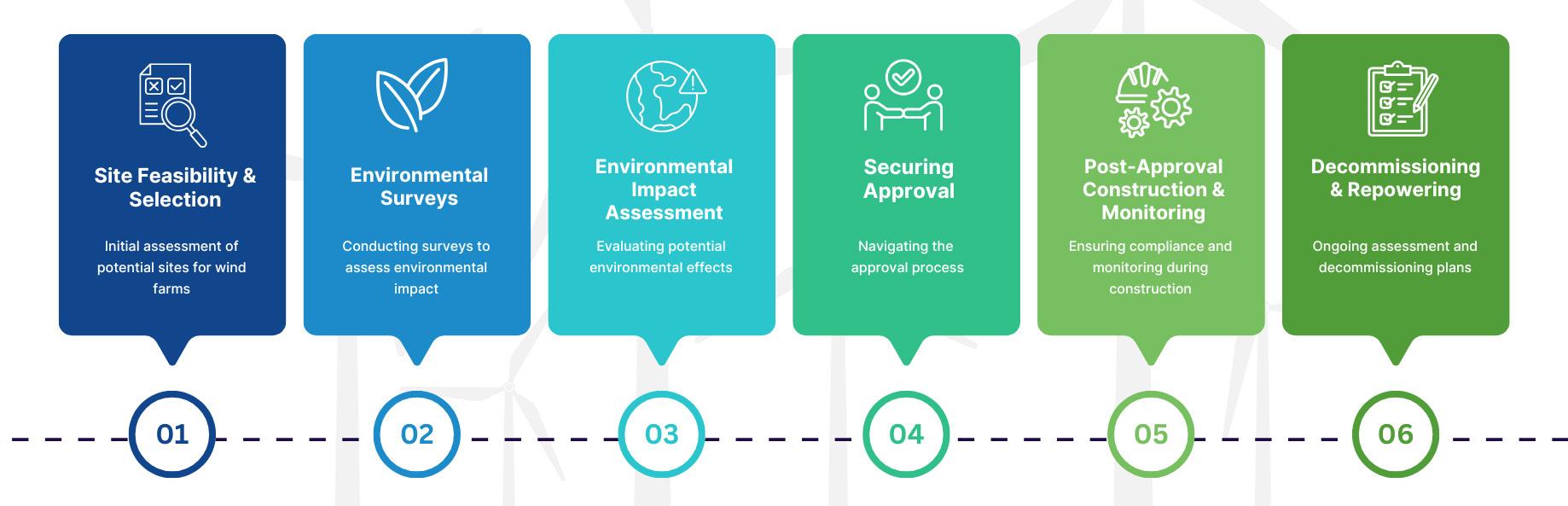
Developers face a dual challenge: delivering on national offshore wind targets while safeguarding marine ecosystems. Striking this balance depends on robust scientific evidence; data that stands up to rigorous regulatory scrutiny for project approval and meets post-consent compliance requirements. Comprehensive marine wildlife survey data underpins every stage of an offshore wind project, from early site selection and design through to post-consent monitoring, ensuring regulatory compliance, guiding informed decisions, and enabling sustainable development.
These surveys provide the foundation for understanding species distribution, abundance, and behaviour, enabling developers to minimise ecological impacts and meet regulatory requirements.
Without robust data, developers and their projects risk delays, increased costs, and reputational damage. The industry knows that marine wildlife surveys are a critical component of responsible offshore wind development. However, turning that principle into practice can be complex, especially when there is a need to balance multiple survey methods, maintain data continuity, and overcome logistical and technical challenges to deliver reliable insights.
Marine wildlife data is a crucial element to ensure projects meet the relevant regulatory standards across global jurisdictions. Offshore wind developers are universally required to produce environmental impact assessments (EIAs), secure marine licences, and demonstrate thorough consideration of environmental risks prior to construction. These EIAs rely heavily on accurate baseline data to predict effects on marine animals, seabirds, and seabed ecosystems.
Marine wildlife surveys underpin every stage of offshore wind development, from early planning through long-term operation. In the pre-development phase, high-quality baseline data identifies sensitive species, breeding grounds, and migratory routes, reducing ecological risk and avoiding regulatory delays. These insights inform site selection and turbine layout, ensuring projects are designed with minimal environmental impact.
During construction and post-consent, surveys validate EIA predictions and monitor compliance with mitigation measures such as exclusion zones or seasonal restrictions. This phase is critical for demonstrating adherence to licence conditions and maintaining stakeholder confidence.
In the operational phase, ongoing monitoring provides long-term insights for adaptive management. Data collected during this stage supports decisions such as turbine curtailment or noise reduction strategies and contributes to cumulative impact assessments, a growing requirement in regions like Scotland and the EU. Sharing data across projects is increasingly encouraged by regulators to improve ecosystem scale understanding and streamline consenting processes.
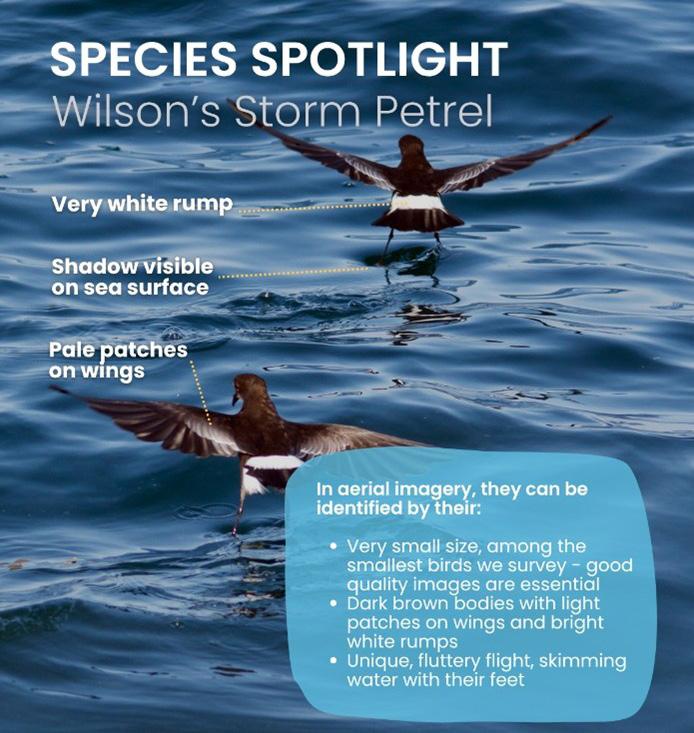
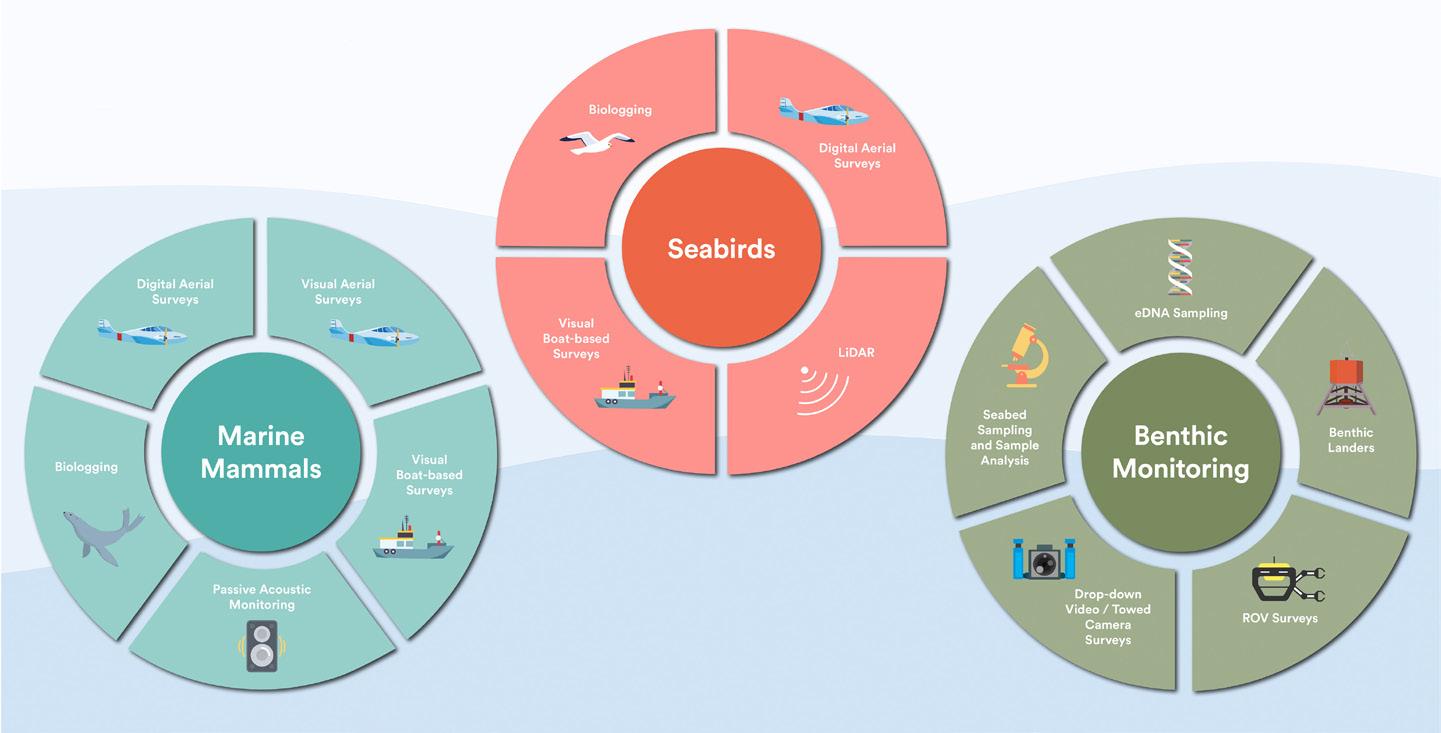
To achieve these objectives, survey frameworks must be scalable and adaptable, accommodating changes in project boundaries or evolving regulatory expectations. Combining advanced technologies such as digital aerial surveys (DAS) and light detection and ranging (LiDAR), trail-blazed by APEM Group, have become global best practice, delivering high-resolution imagery and precise flight height measurements for collision risk modelling. These methods reduce time at sea, improve safety, and provide consistent, verifiable data that withstands regulatory scrutiny. Complementary approaches, including drone surveys, biologging, and passive acoustic monitoring (PAM), are often combined in a toolbox-style strategy to address species-specific knowledge gaps.
Finally, robust statistical modelling transforms raw data into actionable insights, enabling developers to predict species movements, assess avoidance rates, and quantify potential impacts with confidence. This integrated approach ensures that marine wildlife surveys are not just a regulatory requirement, but an anchor of responsible offshore wind development, supporting ecological integrity while enabling projects to meet renewable energy targets.
Integral to strategic project planning, marine wildlife survey data ensures that decisions are informed and adaptable as projects evolve. Survey frameworks are designed to be scalable, with transect-based designs suited for regional assessments and grid-based layouts providing project-level precision.
This flexibility helps developers avoid costly re-survey requirements if project boundaries change, a common challenge in dynamic offshore environments. According to APEM Group, integrating aerial technologies such as DAS and LiDAR within these frameworks not only improves accuracy, but also future-proofs data for regulatory scrutiny and cumulative impact assessments.
By combining scalable design with cutting-edge methods, developers can maintain continuity and confidence in their datasets, even as projects expand or adapt to new environmental conditions.
Collecting marine wildlife data for offshore wind projects can be complex and resource intensive. Traditional approaches often require extended periods at sea, which increases operational costs and introduces health and safety risks for survey teams. These prolonged campaigns can also be vulnerable to weather delays, logistical constraints, and seasonal variability in species presence, all of which can complicate planning and execution.
Another major challenge lies in data consistency and quality. Inconsistent datasets or gaps in coverage can undermine confidence in EIAs, leading to regulatory delays and, in some cases, requests for additional surveys. This is particularly problematic given the level of scrutiny from regulators, conservation bodies, and the public. Developers need to provide robust scientific evidence that can withstand detailed review, which means accuracy and repeatability are essential.

The meeting place of the global wind industry – onshore & offshore
• 1,600 exhibitors from 40 countries
• First-rate conference programme on six open stages
• Networking with 45,000 international participants
• Recruiting Days on 24 and 25 September
NEW An entire hall dedicated to energy storage
Other potential issues include:
> High costs and time-consuming processes for large scale surveys, especially when covering vast offshore areas.
> Detection biases in visual surveys, where observer fatigue, weather conditions, and distance from transects affect species detection rates. These biases require correction factors, adding complexity to analysis.
> Limitations in species identification, particularly for deep-diving species that spend little time at the surface.
> Regulatory scrutiny, which requires comprehensive baseline data and confidence in predictive modelling for collision risk and habitat impacts.
These challenges underscore the need for innovative, efficient, and accurate survey methodologies. DAS and LiDAR integration have emerged to reduce time at sea, improve safety, and deliver high-resolution data. Likewise, toolbox approaches, combining aerial, vessel-based, biologging, and PAM, help address species-specific knowledge gaps.
Advanced analytics, including artificial intelligence (AI)-driven modelling and real-time data sharing are increasingly used to process vast datasets quickly and consistently, ensuring that developers can meet regulatory requirements while controlling costs and timelines.
To overcome these challenges, APEM Group is supporting the offshore wind industry in embracing advanced technologies and integrated approaches.
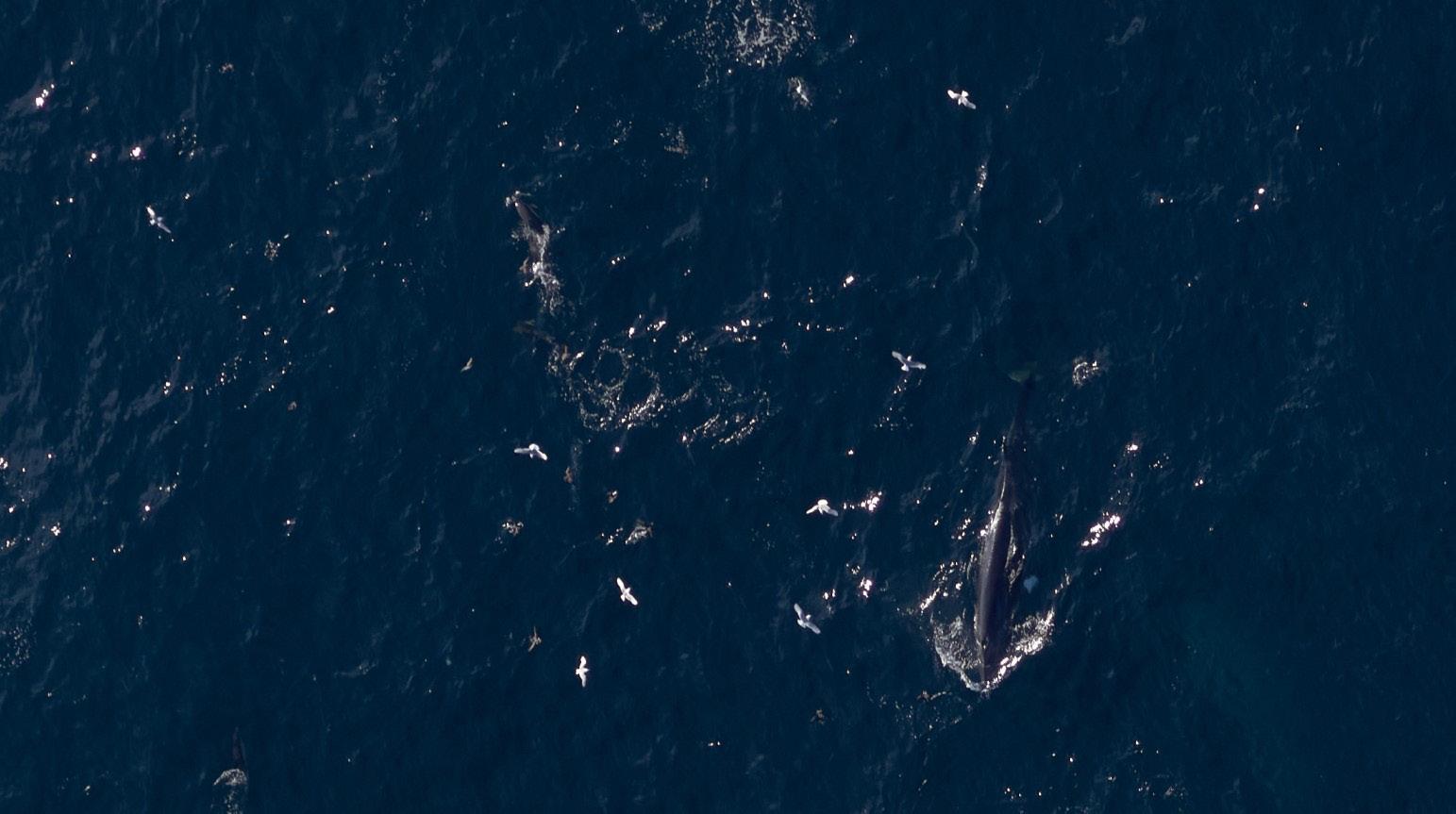
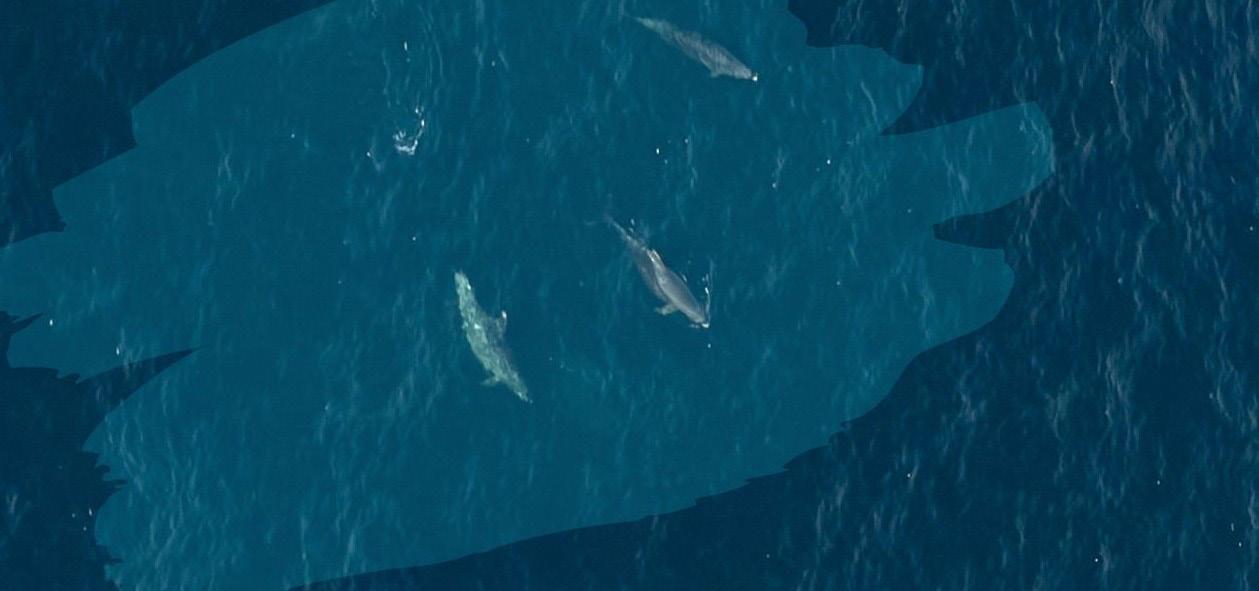
High-resolution imagery captured from aircraft provides consistent, large scale coverage of seabirds and marine mammals. DAS reduces time at sea, improves safety, and delivers precise georeferenced data for impact assessments.
LiDAR technology measures seabird flight heights with exceptional accuracy; a critical parameter for collision risk modelling. Combining LiDAR with DAS reduces uncertainty and enables proportionate mitigation strategies.
There is no one-size-fits-all method. APEM Group advocates a toolbox approach, integrating multiple techniques depending on the project need, including:
> Digital and visual aerial surveys.
> Vessel-based surveys.
> Biologging for fine scale behavioural data.
> PAM for deep-diving species.
This tailored strategy ensures comprehensive ecological baselines align with regulatory expectations.
In partnership with Flotation Energy, APEM Group delivered a 24-month DAS programme for proposed offshore wind sites in Irish waters. The goal: to collect high-resolution baseline data on seabirds and marine megafauna to inform the EIA process.
> Monthly surveys across defined geographic zones.
> Standardised protocols for consistency.
> Ultra-high-resolution imagery for species identification and behavioural analysis.
The programme provided robust baseline data, revealing seasonal trends and spatial distribution patterns critical for turbine placement and collision risk modelling. These insights were integrated into formal EIA documentation, supporting the consenting process.
Maintaining data quality across two years required meticulous planning and co-ordination. Lessons learned included the value of integrating LiDAR for flight height accuracy and leveraging AI for faster data processing.
This collaboration sets a benchmark for responsible offshore wind development, demonstrating how advanced survey
technology and strategic partnerships can balance energy goals with environmental stewardship.
The future of marine wildlife surveys lies in greater integration of advanced technologies and collaborative frameworks that transform how environmental data is collected, analysed, and shared. As offshore wind projects scale globally, developers and regulators are seeking faster, more accurate, and cost-effective solutions.
Cloud-based platforms and AI-driven analytics are enabling near real-time data sharing between developers, regulators, and stakeholders. This shift supports adaptive management strategies, allowing mitigation measures to be implemented quickly during construction or operational phases. Predictive modelling powered by AI will help forecast species movements and seasonal patterns, improving planning and reducing ecological risk.
Regional data repositories and industry partnerships are emerging as critical tools for cumulative impact assessments. By pooling survey data across multiple projects, developers can better understand ecosystem scale effects and streamline consenting processes. Initiatives in Europe and Australia are setting benchmarks for collaborative approaches that balance commercial confidentiality with environmental transparency.
Governments are increasingly mandating integrated monitoring strategies and cumulative impact assessments. Future frameworks are likely to reward developers who adopt innovative technologies and share data, accelerating approvals while ensuring marine biodiversity protection.
As offshore wind expands to new geographies such as Australia and Brazil, these advancements will be pivotal in meeting global renewable energy targets without compromising marine ecosystems. The industry’s ability to innovate and collaborate will define the success of sustainable offshore wind development.
Marine wildlife surveys are the backbone of sustainable offshore wind development. By investing in robust, efficient, and collaborative approaches, the industry can deliver renewable energy without compromising biodiversity. Accurate data is not just a regulatory requirement; it is the foundation for responsible growth.
Partners with proven experience in advanced survey methodologies and regulatory compliance, such as APEM Group, play a critical role in this transition. Their ability to integrate cutting-edge technologies, maintain scientific rigour, and adapt to evolving global standards ensures that projects meet both environmental and energy objectives. As the sector scales internationally, collaboration with such specialists will be key to reducing uncertainty and achieving sustainable outcomes.

Stefano Malgarotti, Power Transmission Engineering Director, Massimo Salvetti, Power Transmission Operation Director, Ulderico Bagalini, Power Transmission Planning Director, and Luca Migliorini, Energy Transition Director, CESI Consulting, consider the importance of integrating renewable generation at scale to meet future energy goals.
As the global energy transition accelerates, solar and wind power are expanding at an unprecedented pace. Between 2018 – 2023, installed capacity of these technologies more than doubled, nearly doubling their share of global electricity generation. While this growth is essential to meet climate goals, it also presents a critical challenge: integrating variable renewable energy (VRE) into power systems in a timely and efficient manner. Without adequate integration measures (spanning operations, infrastructure, and policy), up to 15% of potential solar and wind output could be curtailed by 2030. This would not only waste clean energy, but also reduce expected power-sector carbon dioxide emission cuts by as much as 20%.
Effective integration is therefore not just a technical issue, it is central to the success of decarbonisation strategies.
At COP29 in Baku, Azerbaijan, the urgency of accelerating global investments in grids and storage was recognised through the Global Energy Storage and Grids Pledge. Targets include refurbishing or adding 25 million km of grids by 2030 and deploying 1500 GW of energy storage, six times the 2022 capacity. Global annual investments in transmission and distribution must rise to US$800 billion, more than 2.5 times today’s levels.
Zooming in on Europe, this momentum is reflected in national plans. Italy’s 10-year transmission investment plan has grown from €6.7 billion in 2015 to €23 billion in 2025. France plans to invest €100 billion by 2040, and Germany is targeting €300 billion
over the next 20 years. These figures underscore the strategic importance of transmission infrastructure in achieving energy security and decarbonisation.
This article explores the technical and operational strategies behind the integration of renewable energy, focusing on generation-side measures, transmission infrastructure, interconnection strategies, and grid innovations.
In the early phases of renewable integration, when solar and wind contribute a modest share of total generation, their impact on grid operations begins to emerge. Two key strategies – enhancing power plant flexibility and improving forecasting – are essential to manage this variability.
Conventional power plants, such as gas turbines and hydropower units, can be retrofitted to improve ramp rates and reduce minimum generation levels. These upgrades allow them to respond more dynamically to fluctuations in renewable output. Additionally, revising rigid fuel supply or power purchase contracts can unlock further operational agility, enabling plants to operate more flexibly without incurring penalties.
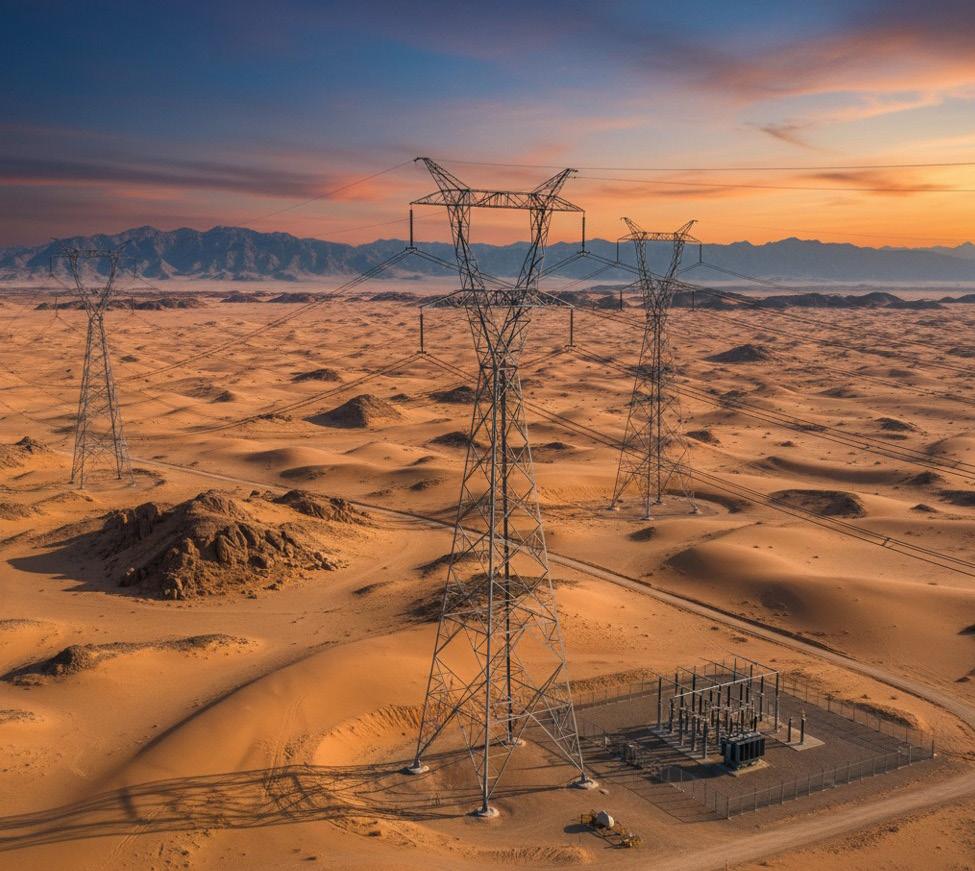
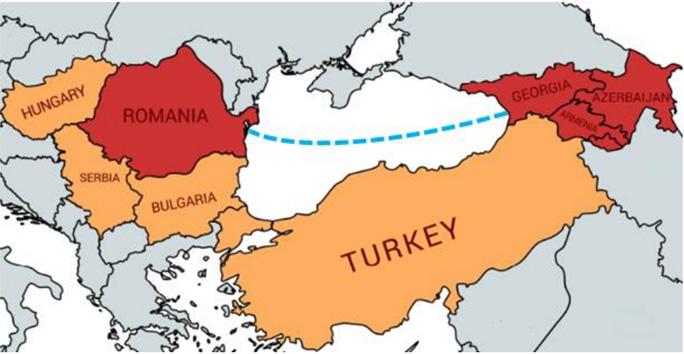
Modern wind and solar farms are also evolving. With advanced inverters and control systems, these plants can now provide essential grid services such as voltage regulation, frequency response, and fault ride-through. This marks a significant shift from earlier practices, where renewables were treated as ‘must-take’ resources with minimal grid obligations. Today, many countries require new VRE installations to meet technical standards that ensure they contribute to grid stability.
These enhancements expand the system’s ability to absorb renewable energy. Early adopters have demonstrated that such upgrades can be implemented progressively and affordably. In several markets, conventional plants now cycle daily to accommodate solar variability, while wind farms contribute to frequency regulation. For example, in Ireland and Denmark, wind farms are equipped to provide synthetic inertia and frequency support, enabling stable operation even when renewables supply over 50% of instantaneous demand.
Complementing these hardware upgrades is the critical role of forecasting. Accurate predictions of solar, wind, and demand conditions enable operators to make informed decisions about scheduling, reserves, and system balancing. Forecasting reduces the need for costly backup generation and minimises last-minute interventions.
Modern systems use a suite of forecasts, including VRE generation, net load, and power flow predictions. These tools help anticipate congestion and optimise dispatch. Advances in forecasting techniques – such as combining multiple weather models, real-time data, and machine learning – have significantly improved accuracy. Probabilistic forecasting, which provides confidence intervals rather than single-point estimates, further enhances decision-making under uncertainty.
Centralised forecasting (managed by system operators) ensures consistency and quality, especially in systems with widespread distributed generation. This approach allows for better co-ordination and more reliable integration of renewables.
As renewable deployment expands, it often occurs far from demand areas. This geographical shift necessitates robust transmission infrastructure capable of transporting electricity over long distances.
Technological advancements have enabled the transmission of more than 7 GW of electricity across several thousand kilometres. Extra high voltage direct current (EHVDC) systems now operate at up to 800 kV DC, while ultra high voltage alternating current (UHVAC) systems reach 1000 kV AC. These technologies ensure efficient performance over long distances and are key enablers of global power system integration.
HVDC is increasingly favoured for long-distance energy corridors, marine crossings, and interconnections between asynchronous grids. According to the TYNDP 2022, 58% of planned capacity in future ENTSO-e grids will rely on HVDC. Beyond traditional drivers like frequency differences and long lines, new factors such as social acceptance, environmental impact, and offshore grid development are accelerating HVDC adoption.
Submarine interconnections are also advancing. Innovations in deepwater cable installation, up to depths of
Subscribe online at: www.energyglobal.com/magazine
3000 m, enable new connection opportunities. Projects like the Tyrrhenian Link in Italy and the Great Sea Interconnector between Cyprus and Crete exemplify this trend. These projects are not only technical feats, but also strategic assets for regional energy security and market integration. CESI provides advanced technical analysis and strategic insights that enable the design and implementation of these projects.
Moreover, environmental and social constraints are shaping project implementation. For mid-short distance energy corridors, in cases where building new lines is not feasible, converting existing AC lines to DC offers a powerful solution. It can double transmission capacity, reduce environmental impact, and minimise land use.
Successful integration projects require regional transmission planning to ensure benefits extend beyond national interests. Regional organisations and intergovernmental agreements play a critical role in this process. Examples include ENTSO-E and UPS/IPS in Europe; PJM and MISO in North America; EAPP, WAPP, and SAPP in Africa; SIEPAC and CIER in Latin America; ASEAN and CASA-1000 in Asia; and the GCCIA in the Middle East.
Interconnection projects represent significant business opportunities but also face major challenges.
Three primary business models are emerging:
1. Regulated public interconnections with fully regulated investments.
2. Merchant interconnections, where capacity is auctioned to market participants.
3. Hybrid models combining both approaches.
These models also apply to interregional transmission lines within countries, as seen in Brazil’s Rio Madeira and Belo Monte projects. Cross-border projects involve geopolitical risks that can disrupt energy flows, making risk mitigation strategies – such as sovereign guarantees and insurance mechanisms – essential.
High upfront capital costs require access to competitive financing, attracting low-risk investors like pension funds and highly rated private entities.
Feasibility studies for HVDC projects must consider technical, environmental, and economic factors. This includes identifying
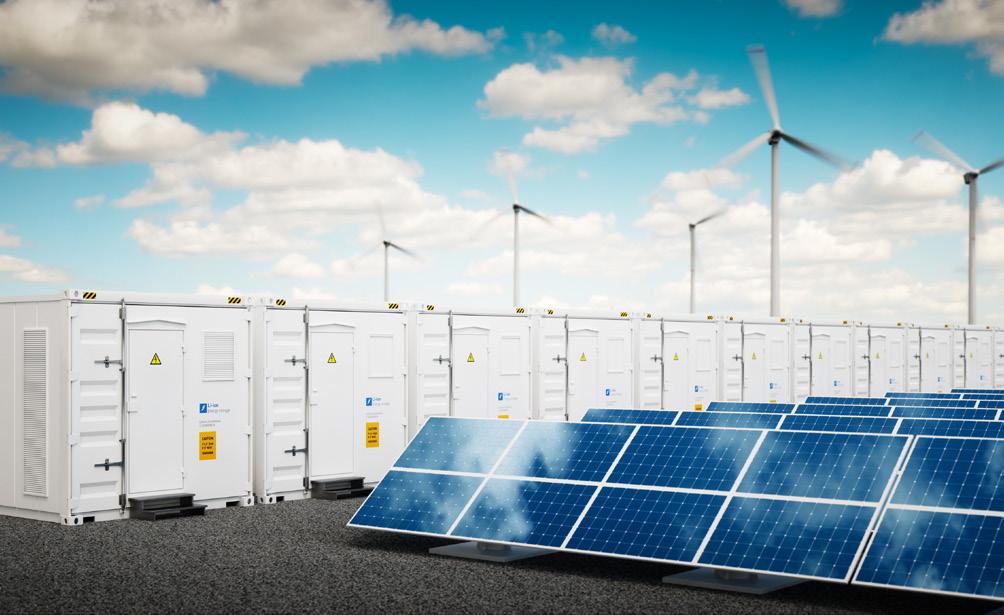
optimal routes, assessing system impacts, defining power and voltage ratings, and estimating costs and revenues. For example, the Georgia-Romania interconnection project involved a 1100 km submarine cable reaching depths of 2200 m, requiring detailed technical and environmental assessments.
The integration of renewable energy is reshaping transmission grid operations, demanding a paradigm shift in planning, technology, and regulation. Transmission system operators (TSOs) must adopt advanced solutions to maintain reliability and resilience.
Battery energy storage systems (BESS) provide rapid response for frequency regulation, load shifting, and voltage support. Hydrogen production systems offer long-term storage by converting excess renewable generation into hydrogen for later use. Demand response programmes adjust consumption patterns in real time, reducing peak loads and providing ancillary services.
Synchronous condensers are increasingly used to restore lost inertia and supply short-circuit power, compensating for the absence of rotating masses in inverter-based resources. The decline in system inertia has made grids more vulnerable to frequency deviations, requiring synthetic inertia solutions and advanced technologies to maintain stability.
Resistors are used to absorb excess generation during periods of low demand, preventing overvoltage and maintaining system balance. Modern grid codes now require renewable plants to contribute actively to voltage and frequency regulation, reactive power support, and fault ride-through performance.
The complexity introduced by distributed generation demands higher co-ordination between TSOs and distribution system operators (DSOs). Real-time data exchange and joint operational planning are essential. System supervision becomes crucial – for example, wide area monitoring systems with high-resolution, synchronised measurements enable precise monitoring of system dynamics and early detection of instability risks.
Renewable integration also impacts system defence plans and blackout restoration strategies. For example, inverter-based resources and BESS can now provide faster black-start services, energising transmission lines and supporting critical loads more quickly than traditional generators. However, uncontrolled reconnection of distributed renewables during restoration can destabilise frequency and voltage in the network backbone, requiring revised procedures.
Integrating renewable generation at scale is a complex but achievable goal. By enhancing power plant capabilities, expanding transmission infrastructure, adopting innovative interconnection strategies, and implementing advanced operational technologies, power systems can transition towards a resilient, low-carbon future.
The global and European contexts highlight the urgency and scale of investment required. Co-ordinated planning, technological innovation, and policy support are essential to ensure that every kilowatt-hour of green energy is delivered reliably and profitably. With a proactive approach, the energy sector can meet the challenges of renewable integration and build a sustainable, interconnected power system for generations to come.











Mark Froggatt, Head of Technical Training, Learning, and Development, Eland Cables, underlines the criticality of medium voltage cables to the green energy revolution.
From utility scale projects to industrial solutions, and from commercial to domestic installations, the energy landscape has been transformed. The options for harnessing, transmitting, and distributing green and clean energy are more accessible than ever before. Yet power demands continue to rise, driven by digitalisation, artificial intelligence (AI), the electrification of transport networks, and automation across almost every aspect of modern life.
This growing appetite for electricity means an ever-growing need for solar, wind, biomass, hydropower, and green hydrogen energy solutions, alongside nuclear energy and

carbon capture and storage. But, amid this transformation, conversations often focus on generation capacity and storage technologies; rarely do we talk about the infrastructure that makes these ambitions possible.
The energy transition is often described in terms of generation capacity, but the real measure of success lies in how effectively that power is delivered. Behind every turbine blade and photovoltaic panel lies an unsung hero: the cables that connect, transmit, and distribute power.
High voltage (HV) cables carry electricity from generation sources, such as power plants or large renewable sites, to substations on the transmission network, operated by Distribution Network Operators (DNOs). From there, medium voltage (MV) cables take over, distributing power from DNO substations to industrial users or stepping down to low voltage (LV) for commercial and domestic supply. On large renewable sites, MV cables also play a critical role in aggregating power from individual panels or turbines before connecting to the grid, the National Grid transmission system. In short, MV cables are the vital link between generation and consumption, ensuring that clean energy reaches where it is needed most.
The electrification of transport, the rise of AI-driven industries, and the increase in smart buildings and connected homes mean that today’s renewable projects must anticipate tomorrow’s demands. Future-proofing involves capacity planning, grid optimisation work, and battery storage solutions to best manage demand vs output – after all, renewable energies are generated on a use-it-or-lose-it basis unless successfully harnessed.
Far from being standalone entities, renewable energy projects are part of intricate grid systems where seamless connectivity is essential. MV cables – typically rated between 6 kV – 36 kV – form the backbone of this connectivity as without them the renewable energy has no way to reach consumers, no matter how advanced the turbines or panels.
Consider a 20 MW solar farm. Connecting such a site easily requires upwards of 25 km of cable: MV cables running
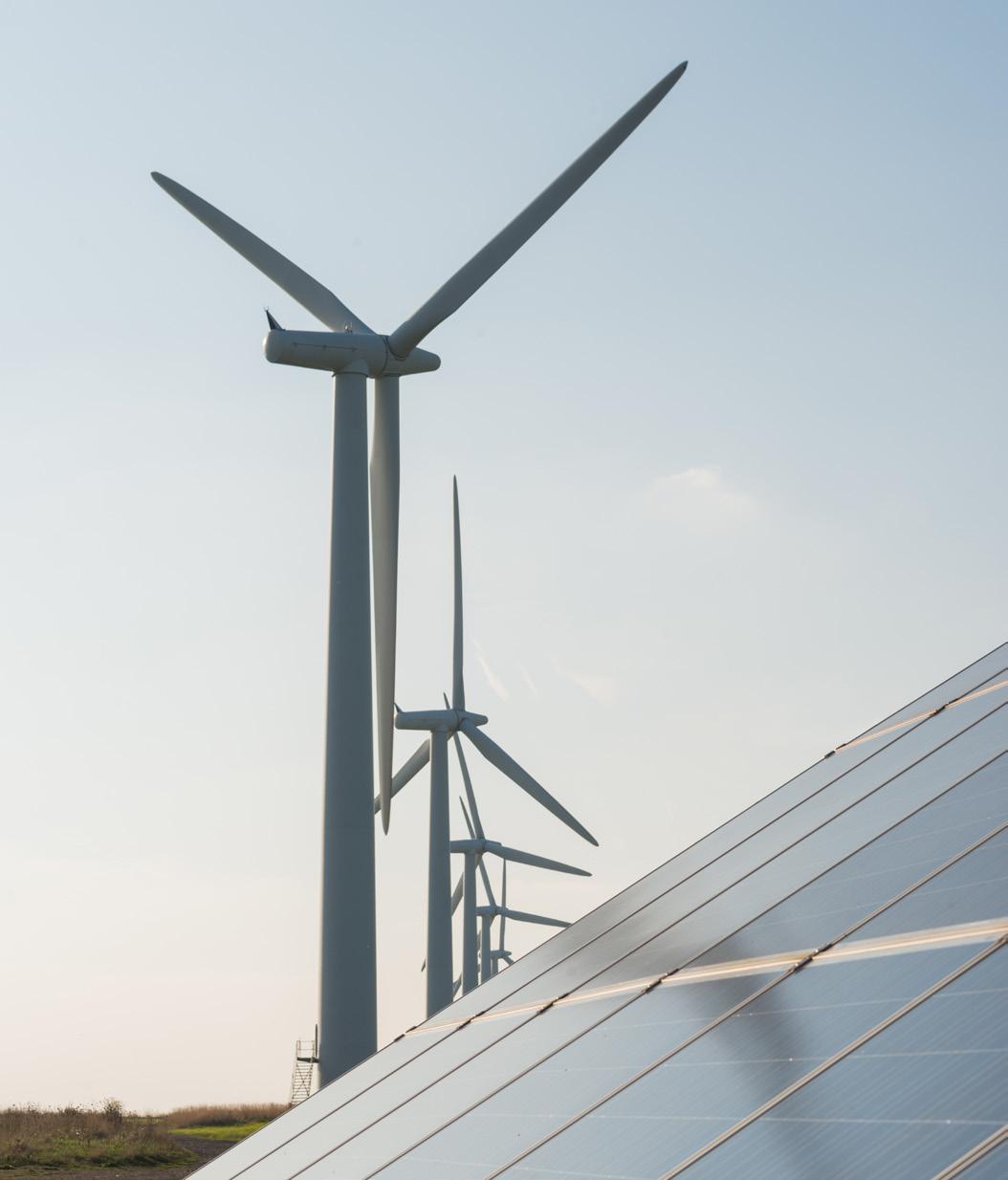
from inverters and transformers through metering devices to substations, low-voltage DC cables linking combiner boxes to transformers, and photovoltaic DC cables stringing between panels. For offshore wind farms, the scale is even greater. A single 1 GW offshore wind project can require hundreds of kilometres of MV and HV cable to connect turbines to offshore substations and then to the onshore grid.
For developers and EPC contractors, this means forward planning is not optional. Early engagement with suppliers and accurate specification can make the difference between meeting deadlines and facing costly delays. The challenge is not insurmountable, but it requires a shift in mindset: cables are not just a commodity purchase in amongst elements of the project timeline, they are a critical path item that deserves attention from the outset.
The choice of MV cables is intrinsically linked to site design, and ensuring a cable’s longevity begins with selecting the right one for your project.
Copper is the most conductive, allowing for smaller overall cable sizes which are easier to install where space constraints exist, however, aluminium conductors can be used where space is less restricted. While aluminium requires a larger cross-sectional area to match copper’s current-carrying capacity, it offers a lightweight and cost-effective option that reduces the risk of cable theft; a persistent issue for remote sites where security infrastructure is limited.
Specification must incorporate both the ambient and operating temperatures, the cable route and installation method (buried directly in the ground, in cable ducts, or in free air), and the external factors it will face such as exposure to oils and UV light, or the risk of abrasions.
Think too about whether low-smoke, zero-halogen properties are needed if a cable is inside a building or structure. Would armouring help protect against mechanical stresses? Is there risk of water ingress that means waterblocking measures would be advisable?
On top of construction there is also the regulatory and legislative compliance that is needed: for instance, does it need to be CPR compliant, or in accordance with specific standards in order to meet the installation requirements?
Precise and tailored specification ensures cables deliver consistent performance throughout their lifecycle, balancing technical requirements with durability, safety, and long-term cost efficiency. The flip side is a poorly-specified cable that does not meet the demands of the installation, leading to premature failure, costly downtime, and reputational risk.
When MV cables fail, the consequences are immediate and can be severe. A single fault can halt generation, disrupt grid stability, and trigger cascading outages. Repair costs can quickly spiral, with downtime meaning lost revenue and contractual penalties.
Recent industry data shows that export and array cable failures can lead to 40 – 60 days of downtime on average. At a 500 MW scale and typical wholesale prices, that equates to
£288 000 – £384 000/d in lost generation alone, before repair or reputational costs are even considered. For developers and investors, this risk underscores why MV cables must be treated as strategic assets.
MV cables are long-term assets, often expected to perform for decades. Effective asset management begins at specification and continues through installation, testing, and maintenance.
Quality and compliance are always expected but complacency risks sub-standard or non-compliant products being used. Third-party verification and quality marks provide assurance that the cables supplied and installed not only meet industry standards for quality and reliability, but also safety.
Noted quality marks to look out for include BASEC, VDE, DEKRA (which replaced the KEMA-KEUR mark in 2024, though KEMA remains widely recognised), and the BSI Cable Testing Verification Kitemark – although regional marks may vary. Look too for impartial testing in accredited laboratories holding ISO/IEC 17025 status – an extra pair of eyes that can identify any defects or issues that may impact cable performance now or in the future.
In addition to rigorous quality assurance, factory acceptance testing, and third-party verification, planning for resilience is essential. This can include redundancy in critical circuits, fault-tolerant design, and emergency response strategies, but these systems require upfront investment and integration into project planning. Condition monitoring and predictive analytics through methods such as partial discharge testing can detect early signs of degradation, allowing for proactive maintenance works if needed.
Partial discharge testing, along with tan delta testing, is typically performed at very low frequency (VLF) for practical and technical reasons. Testing at standard 50/60 Hz power frequency in the field would require prohibitively large and heavy power sources due to the high capacitance of long power cables. VLF testing (typically 0.01 Hz – 0.1 Hz) dramatically reduces power and current requirements, enabling the use of portable, on-site equipment while still applying an effective AC voltage stress to the insulation. Importantly, VLF imposes less stress on healthy insulation compared to power frequency testing, while still simulating normal AC operating conditions, making it a safer and more efficient method for detecting potential issues without compromising cable integrity.
One thing to bear in mind is that improper cable terminations and jointing account for the majority of network failures – not surprising given installing joints is both time consuming and highly skilled work.
On new installations, laying cables requires calculations to determine the maximum sidewall pressure, awareness of the maximum pulling tension and bending radius, and general good practice to ensure an otherwise optimal cable is not damaged during the process by incorrect handling. Compromises and mistakes here translate into faulty connections.
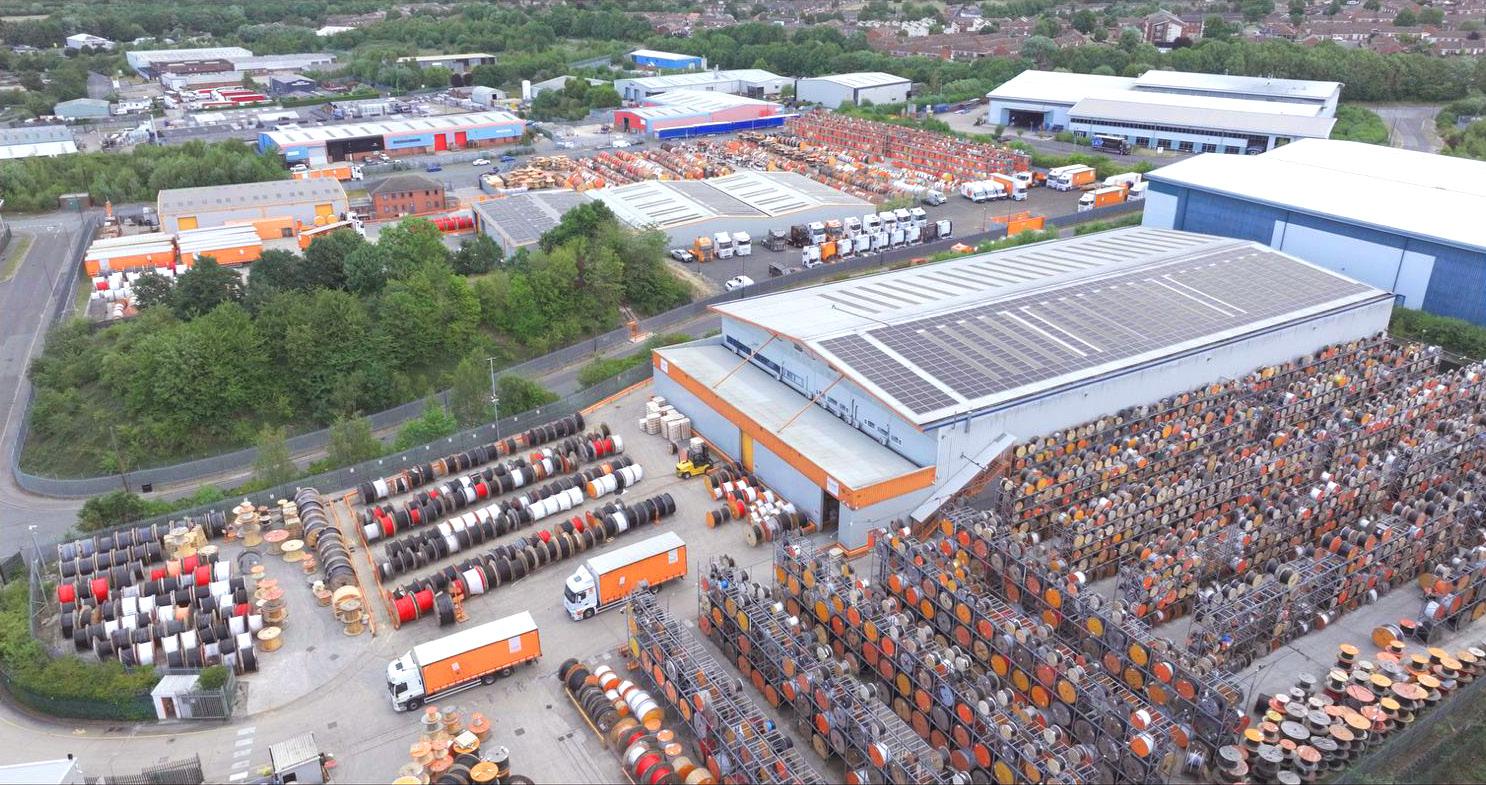
There is also the point of connections into the wider grid –potentially jointing older paper insulated lead covered (PILC) cables to newer cross-linked polyethylene (XLPE)-insulated cables. This is even more specialised work requiring appropriate transition joints to manage the complexities in materials. A capable and diligent jointing technician can be a key factor in the success of any energy network.
End-of-life planning is also critical. Incorporating recyclability and circular economy principles minimises environmental impact and supports sustainability goals. Cables manufactured with responsibly-sourced materials, designed for recyclability, and installed with minimal environmental disruption contribute to the broader objectives of the energy transition. True sustainability encompasses every component of the energy infrastructure, from generation to the cables beneath people’s feet.
It goes beyond the embodied carbon in the cables. For now, the industry cannot get away from needing either copper or aluminium conductors, which require smelting and processing from virgin or, increasingly, recycled metals, yet conscious and sustainable choices can still be made. Life cycle analyses (LCAs) and environmental product declarations (EPDs) can provide important insight into the end product, but it is also how that fits into the wider project specification. Think too about how it is delivered to site, how any cable waste is handled post-installation, what happens to the empty cable drums, and the number of journeys it takes for labourers to come to site to affect the installation. Particularly on renewable energy projects, the green credentials of the supply chain matter.
As the world accelerates towards net zero, the conversation cannot stop at turbines and panels. MV cables are the connective tissue of the green energy revolution, quietly enabling the transition to a cleaner, smarter grid. They may be buried underground but their impact is anything but hidden.
For developers, utilities, and EPC contractors, the message is clear: treat MV cables not as a commodity, but as a strategic asset. Engage early, specify smartly, and manage sustainably. In doing so, it can be ensured that the promise of renewable energy is not just generated but delivered.

Andrew Duncan, Renewables and Innovation Director, North Star, summarises why service operation vessels are crucial to meeting a sustainable offshore wind future.
The UK offshore wind sector has reached a landmark 25-year milestone, evolving from small, nearshore installations into multi-gigawatt projects in some of the most challenging waters of the North Sea. What began as an experimental endeavour, often just a handful of turbines close to shore, has grown into a globally-recognised driver of decarbonisation and clean energy, with the UK Continental Shelf, for instance, now hosting the world’s largest offshore wind farms.
In the earliest days, offshore wind projects were modest in scale, some even less than 1 MW per turbine and situated in water depths of just 10 – 20 m. While pioneering, these installations were commercially and operationally embryonic. Over the past two decades, advances in turbine design, installation methodology, and operational profiles have enabled developers

to move further offshore, tackle greater water depths, and deploy turbines exceeding 12 MW. The scale of modern wind farms –measured in gigawatts installed annually – marks an exponential leap from those first tentative steps.
A major turning point came with the UK’s first offshore wind farm at Blyth, located just off the Northumberland coast. Though small in scale, Blyth marked the beginning of the UK’s offshore wind journey and provided the early proof-of-concept the industry needed. Remarkably, this pioneering site sits only a short distance from Dogger Bank, soon to be the world’s largest offshore wind farm cluster of over 10 GW of generation across multiple sites, illustrating just how far the sector has come. From a pair of demonstration turbines to gigawatt scale developments now operating along the North East coast, the region reflects the
extraordinary acceleration and ambition that has defined the past 25 years.
This region of the North Sea is where North Star’s offshore wind journey began, securing its first major fleet of service operation vessels (SOVs) to support the world-leading Dogger Bank wind farm, chartered long term from the Port of Tyne, just a stone’s throw from Blyth’s location.
Since then, the company’s renewables fleet and footprint have continued to expand, securing new contracts across the UK and exporting into continental Europe, including a newbuild SOV for East Anglia THREE offshore wind farm off the Suffolk coast, chartered long term by Siemens Gamesa, and dedicated service contracts for EnBW’s with the He Dreiht wind farm in the German North Sea. Most recently, North Star signed landmark agreements with RWE for four walk-to-work SOV vessels to support some of its North Sea wind portfolio, further establishing the company’s position as a key operational partner for both major developers and original equipment manufacturers (OEMs) across the region.
North Star is closely connected with the offshore story; its history and growth are intertwined with the sector’s development, with the offshore wind sector seen as the latest chapter. The company’s
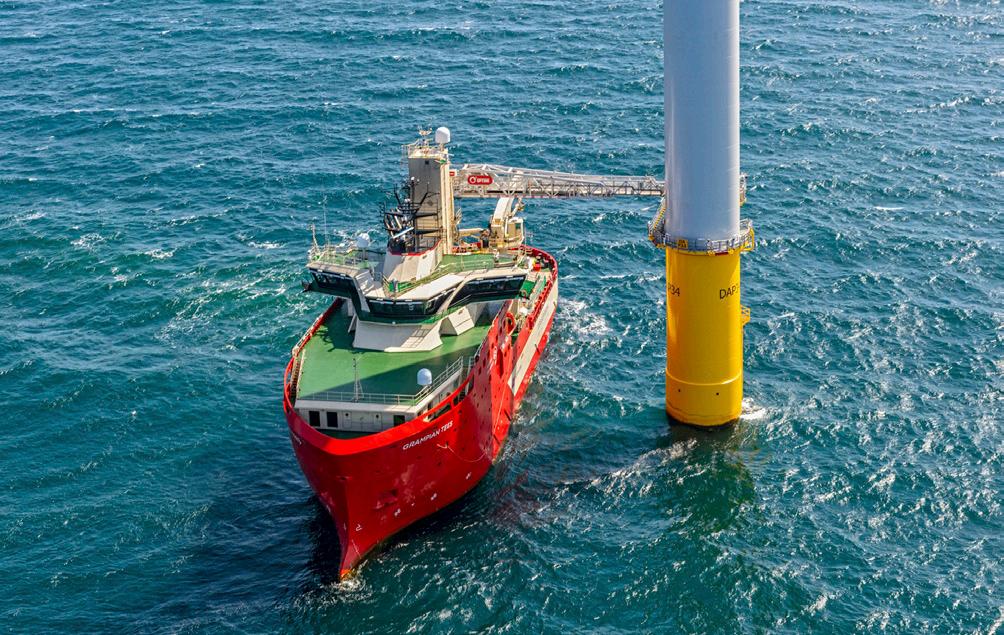

legacy stretches back almost 140 years, from supporting fisheries to oil and gas, and today, maintaining 24/7/365 safety critical operational readiness for around 50 North Sea and Irish Sea oil and gas installations. It also provides further afield fisheries protection services. This vast experience provides a foundation to support offshore wind logistics and personnel transfer safely and efficiently.
As the offshore wind sector expanded and travelled further over the horizon, so too has the complexity of the supply chain. Equipment manufacturers, port operators, logistics providers, and ship operators have all been challenged to innovate and diversify to meet the requirements for efficiency, productivity, and cost reduction. Offshore wind has transitioned from a niche to a national infrastructure priority. Every operational hour, maintenance decision, and logistical choice is now scrutinised for cost, safety, and environmental impact.
North Star has been part of this renewables growth journey since 2018, preparing and then supporting clients as they navigate these transitions. The company’s role is about delivering practical solutions that help clients meet project objectives safely, efficiently, and with confidence.
North Star’s fleet of SOVs are designed for the specific demands of offshore wind projects, and the specifics within that which are valued, innovated, and integrated. These specialist vessels provide accommodation for wind technicians, logistics management, access to offshore assets, and operational support for extended periods offshore from an efficient in-field support vessel.
However, the contribution of North Star extends beyond the ships themselves. Its crews on board work alongside client technicians, themselves co-ordinating turbine inspections, maintenance, and critical system testing, all while minimising downtime. The company’s operations team collaborates closely with project managers and equipment developers, ensuring tasks are completed safely and on schedule, with maximum performance and service continuity. In a sector where every offshore hour carries significant cost implications, this level of integrated support is essential.
The scale of the industry is reflected in North Star’s growth. Over the past four years, the company has invested over £500 million in its offshore wind fleet (10 SOVs), supporting projects across Europe. These ships are designed with adaptability and sustainability in mind: hybrid propulsion systems, dynamic positioning, digital twin technologies, and readiness for alternative fuels such as green methanol. This investment is about more than fleet expansion; it is about preparing to meet the next generation of offshore wind challenges.
North Star’s ambitions align with those of the industry. Alongside operating as the UK’s leading SOV owner-operator, it is developing further solutions, such as fully electric vessel designs with up to 25 MWh of battery storage, collaborating with partners such as Stillstrom to explore the practical feasibility of offshore charging infrastructure. This ensures that as the sector grows,

clients can rely on the company to not only meet challenges, but also to contribute to shaping solutions for the future.
Offshore wind involves multiple stakeholders working in a dynamic environment, and North Star actively engages with developers, contractors, and technology suppliers to co-ordinate operational planning, adopt best practices, and optimise project delivery.
Across multiple projects, the company has identified opportunities to strengthen operational performance, environmental stewardship, social responsibility, and financial reliability. By focusing on these areas and taking a holistic approach to project delivery, it ensures clients benefit not only from the SOVs and crews, but also from its broader commitment to safe and sustainable operations through extensive shoreside teams to endorse the company’s unique integrated vessel management offering.
Sustainability is embedded in everything, not just in the SOV fleet. Operational practices across the company’s entire vessel fleet (which is in excess of 40) aim to reduce environmental impact through route optimisation, energy management, and increased digitalisation. This commitment extends across the supply chain, supporting cleaner operations, carbon reduction initiatives, and a lower-emission offshore wind sector.
The company’s SOVs incorporate energy-efficient hull designs, advanced on-board predictive maintenance monitoring systems, and accommodation facilities designed to support crew and client wellbeing during extended deployments. It also participates in initiatives that reduce environmental impact, from alternative fuels to carbon removal, and blue carbon projects. Sustainability informs how the company delivers value to clients while protecting the environments in which they operate.
North Star’s long-term involvement in Dogger Bank, the world’s largest offshore wind farm currently under construction, demonstrates how strategic investment, fleet innovation, and operational excellence can directly accelerate the UK’s transition to clean energy.
Located over 130 km off the east coast of England, Dogger Bank will deliver 3.6 GW of renewable power once complete, supplying around 6 million UK homes. Its unique scale and remote location required a marine partner capable of providing year-round technician access, high vessel reliability, and a strong commitment to sustainable operations.
In response, North Star invested significantly in a new generation of SOVs purpose-built for the wind farm. The contract, providing four next-generation hybrid SOVs to the development, the Grampian Derwent, Grampian Tees, Grampian Tweed, and Grampian Tyne, as well as associated daughter craft.
Since 2022, North Star has invested £270 million in its growing offshore wind fleet and placed 160 experienced seafarers on its ships to support its Dogger Bank tonnage. The company will recruit a further 160 seafarers for its expanding SOV fleet
in the next three years to meet current contract European charter commitments.
Aligned with Dogger Bank’s ambitions, North Star’s SOVs incorporate a suite of technologies from trusted partners, designed to reduce emissions, improve operability, and enhance technician wellbeing:
> Hybrid propulsion with substantial onboard battery capacity to support low-noise, low-emission operations, designed by VARD Electro.
> High performance dynamic positioning supported by Voith propulsion through a hybrid power management system.
> Optimised hull form engineered by VARD for superior energy efficiency and station-keeping in challenging offshore conditions.
> Advanced motion-compensated gangways by Uptime.
> Daughter craft designed by Chartwell Marine and built in the UK by Alicat Workboats to ensure safe, consistent access for technicians working offshore.
> Digital performance monitoring enabled by MO4 to drive continual improvement in fuel efficiency and operational planning.
> Enhanced crew accommodation and wellbeing facilities, including single cabins and high-speed connectivity from Starlink to provide connections to both shore-side operations and home.
North Star’s SOVs have become a critical operational element in ensuring Dogger Bank’s technicians can work safely and efficiently far from shore, with high-quality accommodation and facilities that enhance comfort and wellbeing.
For the wind farm developers, this translates to:
> Reduced logistical emissions over the lifetime of the project.
> Reliable access for maintenance teams despite the distance to shore.
> A scalable marine solution that supports multi-phase offshore O&M over several years.
For North Star, the development represents a cornerstone project in its transition towards a fully renewables-focused fleet and reinforces its position as the leading provider of hybrid and future-fuel-ready SOVs in the European market.
The Dogger Bank programme has provided a blueprint for North Star’s broader SOV newbuild strategy, feeding directly into its commitment to deliver a more balanced fleet by 2030 and a 100% offshore wind fleet by 2050.
Celebrating 25 years of offshore wind is about more than milestones, it is about the people, partnerships, and innovations that have shaped the sector. The next 25 years promise even greater opportunities and challenges. By building together today, the industry is laying the foundations for a stronger, more resilient, and fully-decarbonised offshore wind industry tomorrow.


The University of Southampton has been awarded 8.3 million DKK (£970 300) from the VELUX FOUNDATION to lead a landmark international research project, Decision Support Tools for Spatial Planning and Cumulative Effects Assessment of Offshore Wind in the Greater North Sea.
From January 2026 – December 2029, the four year programme will generate vital new knowledge about how offshore wind interacts with other human activities and the marine environment. As offshore wind expands at unprecedented speed, decision makers increasingly need tools that help balance energy development with fishing, shipping, biodiversity, and coastal community interests. This project aims to provide exactly that.
Project Lead, Dr Hugo Putuhena, and the team (which covers expertise in spatial analysis, archaeology, human geography, marine biology and ecology, and engineering), will assess how offshore wind development affects other marine activities, the seabed, and wider ecosystems, while developing new tools that can help governments and industry plan responsibly. The project will bring together existing data, apply artificial intelligence to fill key evidence gaps, and produce new digital maps, models, and an open decision support tool to guide future ocean planning across the Greater North Sea.
Yokogawa to provide power plant controller and batteries for wind
Yokogawa Electric Corp. has announced that its subsidiary, Yokogawa Solution Service Corp., has received an order from Cosmo Eco Power to provide an integrated wind power solution to Cosmo Eco Power’s Shimamaki-Kuromatsunai wind farm in Hokkaido, Japan. The solution includes the supply of a power plant controller and battery storage.
In Hokkaido, Japan’s northernmost prefecture, the increasing adoption of renewable energy has made it difficult to maintain the power grid’s frequency. To ensure the safety of the power grid, the country’s strictest grid connection requirements have been established. When constructing a wind power plant, battery storage and/or control systems are required to absorb output fluctuations and adjust power generation.
Cosmo Eco Power’s wind power plant will be capable of generating 94.6 MW of electricity and is expected to start operation in 2029. The plant will play an active role in providing much-needed power to the region. In this project, Yokogawa Solution Service will supply the power plant controller from BaxEnergy, a Yokogawa company. To provide seamless, integrated support for customers, Yokogawa Solution Service has selected Tesla Megapack as the project’s energy storage solution.
Adetailed new collaborative study between Vattenfall and Spoor, a biodiversity technology company specialising in artificial intelligence (AI)-powered bird monitoring, has confirmed that seabirds are safely steering clear of offshore wind turbines at Vattenfall’s Aberdeen offshore wind farm.
Using AI supported by extensive manual inspection, the research analysed video footage from 19 months of continuous monitoring of one of the Aberdeen turbines, between June 2023 and December 2024. The equipment captured around 95% of daylight hours and recorded 2007 bird flight paths near the monitored turbine.
Five flight paths were initially identified as potential collisions but, after review, none were found to involve an actual collision. In most cases, the birds were well away from the
turbine or displaying natural behaviours such as diving for food. This monitoring suggests that the wind farm is having a far smaller impact on seabirds than originally predicted before it was built in 2018, which is encouraging for seabirds living alongside wind farms.
The evidence will help inform construction of future offshore wind projects by giving developers and regulators greater confidence that turbines can operate with a lower impact on seabirds and make environmental assessments more accurate.
These findings also align with results from previous radar, camera, and GPS tracking work at Aberdeen, which show that seabirds typically avoid turbines at distances of 100 – 200 m. This natural avoidance behaviour is now understood to play a major role in keeping collision rates low.


Ciel & Terre International has obtained approval in principle Level 1 (AiP) issued by Bureau Veritas Marine & Offshore, validating the design of its new Fusio® floating solar system. This AiP reassures the quality level of the floating solar solutions developed by the company, as well as the conformity and reliability of its anchoring designs.
The AiP issued by Bureau Veritas is a major step in the field of floating solar systems. It assesses the technology on technical and structural aspects, as well as mooring principles based on offshore criteria.
Fusio technology was evaluated according to a scope covering: The floating structure supporting the photovoltaic modules, the mechanical interfaces for electrical cables and mooring systems, the anchoring and mooring system (SKS: station keeping system), and the electrical specifications related to cabling.
The Bureau Veritas analysis recognised the robustness of the technical choices, confirming that the project does not conflict with the rules and regulations applicable to inland or calm water applications. Tests and technical notes such as CFD, wind tunnel tests, and structural engineering documents were reviewed and incorporated into the evaluation process.
Energi Coast Regional Supply Chain Showcase 2026 01 April 2026
Newcastle Upon Tyne, UK www.energicoastshowcase.com
Biofuels International Conference & Expo 2026 14 – 15 April 2026
Brussels, Belgium
https://biofuels-news.com/conference
SolarPLUS Europe 15 – 16 April 2026
Milan, Italy
https://lss.solarenergyevents.com
WindEurope Annual Event 2026
21 – 23 April 2026
Madrid, Spain
https://windeurope.org/annual2026
The Assú Sol photovoltaic complex, comprising 16 plants and representing ENGIE’s largest operational solar project worldwide, is now fully commissioned. The group received approval from the Brazilian authorities on 13 February 2026, following construction work completed in December 2025 and a total investment of BRL 3.3 billion.
Located on a 2344 ha. site in the State of Rio Grande do Norte in Northeast Brazil, Assú Sol will generate enough electricity to meet the annual needs of a city of 850 000 people. The project includes more than 1.5 million photovoltaic modules, 12 000 km of cabling, and 53 km of internal access roads.
Completed over a 30-month period, construction of the complex created more than 4500 direct jobs and relied on advanced technologies rarely deployed at this scale, such as drone based aerial mapping, automated graders integrated with 3D models, and – for the first time in Brazil – a dedicated automatic pile driving machine for solar plants. These solutions enabled more precise, faster, and safer execution, while improving both industrial and environmental performance.
In the Assú region, ENGIE has carried out several initiatives including the construction of a school, a health centre, multisport facilities, improvements in access to water, and the donation of agricultural equipment.
Solar & Storage Live London 2026
29 – 30 April 2026
London, UK
www.terrapinn.com/exhibition/solar-storage-live-london
All-Energy Exhibition and Conference 2026 13 – 14 May 2026
Glasgow, Scotland www.all-energy.co.uk
Solar & Storage Live España 2026
27 – 28 May 2026
Valencia, Spain
www.terrapinn.com/exhibition/solar-storage-live-espana
The Global Energy Show Canada 2026 09 – 11 June 2026
Calgary, Canada www.globalenergyshow.com

The Ministry for Ecological Transition and the Demographic Challenge (MITECO) is launching a project for one of the largest infrastructure projects on the island of Tenerife: a new pumped storage hydroelectric plant in the municipality of Güímar, representing an investment of over €1 billion.
MITECO has begun processing the project after receiving documentation from the System Operator justifying the construction of the power plant. It has requested the corresponding reports analysing the future facility from the National Commission on Markets and Competition and the Government of the Canary Islands. After receiving these documents, it will submit the project to the Council of Ministers.
The location chosen for the project will also undergo an environmental restoration process.
The future Güímar plant will have 200 MW of turbine capacity and 220 MW of pumped storage, allowing it to store approximately 3200 MWh, enough to cover one-third of Tenerife’s daily electricity demand. With a lifespan exceeding 75 years, the plant is expected to be fully operational within 10 – 12 years.
UPM Energy is investing over €20 million in the extensive modernisation of the Tyrvää hydropower plant. The project will ensure the plant, located in the Pirkanmaa region, Finland, can operate safely far into the future. The technical upgrades will also strengthen the plant’s capability to provide balancing power to the electricity grid when needed. The modernisation is expected to be fully completed by the end of 2030.
The modernisation includes the refurbishment of both turbine-generator units. The project involves installing new generator stators, overhauling the rotors, and replacing the turbine runners from oil-lubricated to water-lubricated ones, significantly reducing environmental risks. In addition, the plant will be equipped with modern automation and control systems, as well as new turbine controllers.
Modern automation and digital solutions will enable new opportunities for optimisation, operation, and maintenance of the plant. Dam safety will also be improved through a new emergency automation system.
SEB Nordic Energy Fund, through Locus Energy, has acquired Hestenes Kraft, a brownfield small scale hydropower plant located in Norwegian price area NO3. The plant has been in operation since 2016 and has delivered an average historical production of approximately 5.9 GWh/y.
Hestenes Kraft is located near other hydropower plants in the portfolio, reinforcing the company’s cluster strategy and enabling co-ordinated portfolio optimisation across the region.
As a brownfield asset with established production history and permits in place, Hestenes Kraft contributes immediate and predictable cash flow with limited development risk. The plant will be integrated into Locus Energy’s centralised portfolio management and trading framework, ensuring disciplined market access and system-level optimisation across Nordic price areas.
The acquisition is made on behalf of SEB Nordic Energy, managed by SEB Asset Management, with Locus Energy as the operating platform.
> Quaise Energy supports Oregon State University work to transform geothermal technology
> Manchester-led study explores potential impact of underwater noise from tidal energy
> UK government removes offshore wind energy tariffs
> U.S. Department of Energy announces US$171.5 milllion to expand US geothermal energy
Follow our website and social media pages for more updates, industry news, and technical articles. www.energyglobal.com
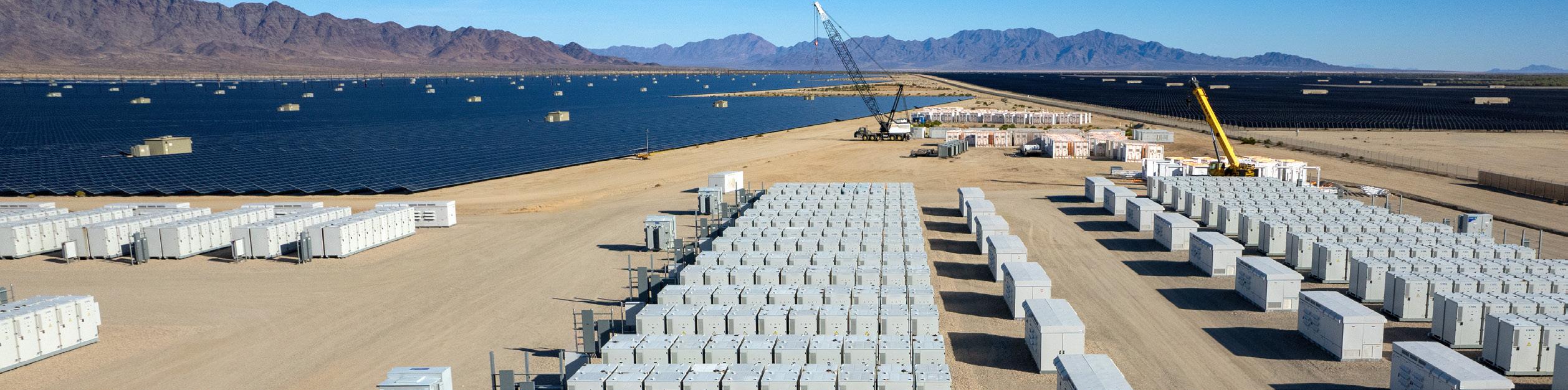
Luxcara, a leading German asset manager for energy transition infrastructure, has acquired a utility scale battery energy storage system (BESS) project in Finland. The Tuisku project marks a further milestone in Luxcara’s growing storage portfolio, expanding the company’s footprint in the Nordics and reinforcing its role in supporting grid stability, renewables integration, and energy security. Luxcara acquired the project from local developer, Pohjan Voima.
The Tuisku project is located near Keminmaa in Southern Lapland and has a planned capacity of up to 125 MW. It is one of the most mature BESS developments in the Finnish market and benefits from a highly strategic location adjacent to Fingrid’s 400 kV Keminmaa substation, providing direct access to Finland’s high voltage transmission network. Once constructed, it is expected to be among the largest BESS assets in Finland. Construction is planned to begin in 2026, with commercial operation targeted for summer 2027.
PPC Group and METLEN, leading Greek companies in the electricity sector in Greece and the wider region, have signed a joint venture agreement for the establishment of a joint venture company, in which each party will hold a 50% stake. The purpose of the joint venture is the development, construction, and operation of a portfolio of battery energy storage system projects of up to 1500 MW/3000 MWh in Romania, Bulgaria, and Italy, of which 1000 MW are expected to be implemented within the next 12 months.
For the construction of these storage stations, two-hour liquid-cooled battery systems using LFP technology will be deployed, maximising both usable energy output and operational safety.
Investments in storage ensure the optimal use of electricity generation from renewable energy sources and further enhance the stability of the power system both domestically and across the wider region.