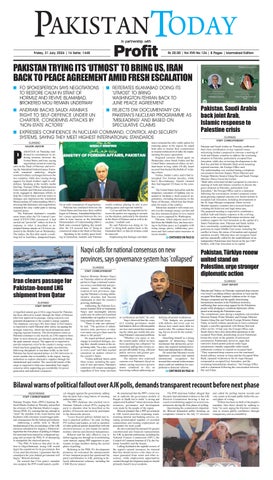
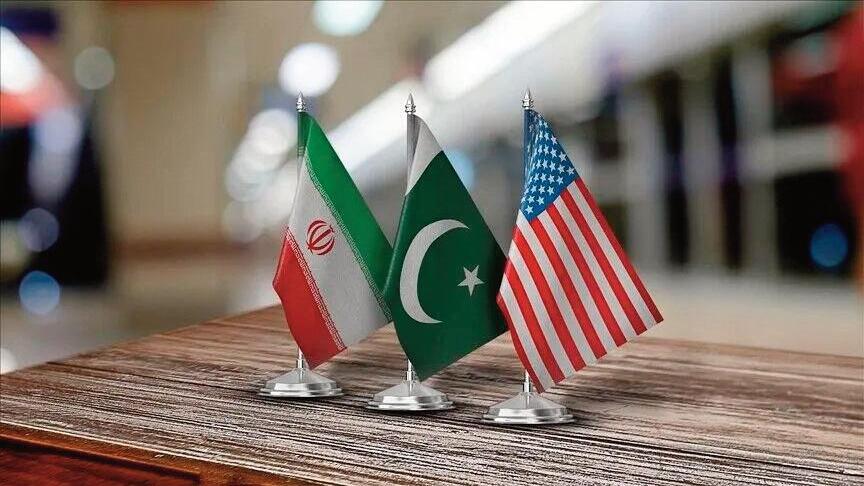
PAKISTAN TRYING ITS ‘UTMOST’ TO BRING US, IRAN BACK TO PEACE AGREEMENT AMID FRESH ESCAL ATION
g REITERATES ISLAMABAD DOING ITS ‘ UTMOST ’ TO BRING WA SHINGTON-TEHRAN BACK TO JUNE PEACE AGREEMENT
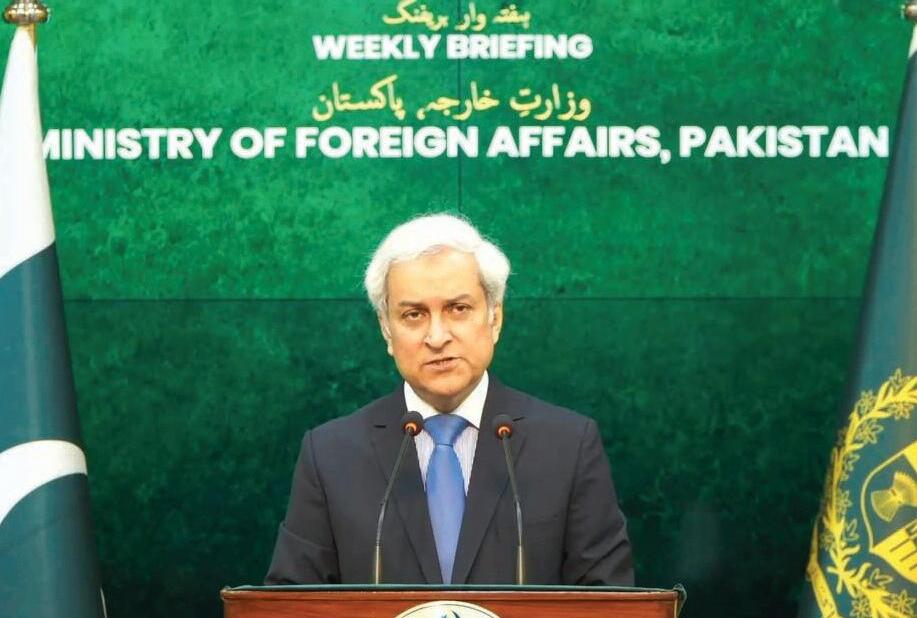
in the Middle East on Wednesday The strikes, the first after nearly a weeklong lull in hostilities, dampened hopes for an early resumption of negotiations Pakistan has mediated between the United States and Iran since their conflict began in February Islamabad helped broker a peace agreement between the two sides in June, known as the Islamabad Memorandum of Understanding (MoU) Both sides resumed fighting this month after the US accused Iran of firing at commercial ships in the Strait of Hormuz Speaking at the weekly press briefing in Islamabad, Andrabi said Pakistan would continue playing its role in promoting peace and regional stability Let me add that the negotiations between the parties are ongoing to normalize the situation, particularly the situation in the Strait of Hormuz and as well to deescalate,” Andrabi said He said Pakistan was doing its “utmost” to bring both parties back to the Islamabad MoU so that all irritants could be removed Emphasising that dialogue and diplo-
macy remained the only viable option for ensuring peace in the region, he urged both sides to honour their commitment to resume technical-level talks for implementing the peace agreement Regional tensions flared again on Wednesday when Saudi Arabia and the United States announced strikes on militant bases in Iraq, while US ally Israel accused Iran-backed Hezbollah of violating a truce Earlier Jordan’s army said it had intercepted five Iranian missiles while Iran
Naqvi calls for national consensus
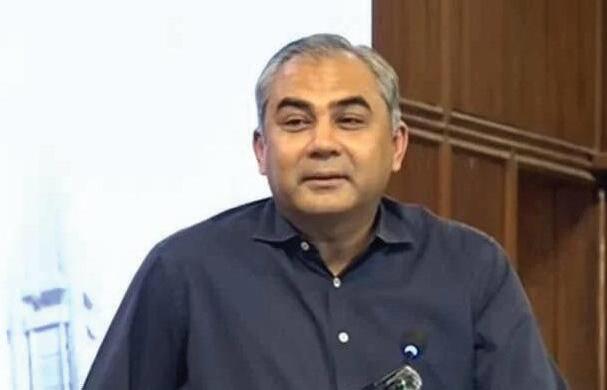
Interior Minister Mohsin Naqvi on Thursday called on all political parties to forge a national consensus on key constitutional and governance issues including the creation of new provinces arguing that Pakistan s existing administrative structure had
istrative units provinces or whatever name you give them must be taken to the people He urged political parties to engage in sustained dialogue, saying they should remain at the negotiating table "for a day, a month or even a year" until they reached consensus on matters critical to the country s future
Unless political forces settle these issues, including the question of new provinces, Pakistan s condition will remain unchanged, regardless of how many seminars or conferences are held," he said Naqvi observed that the country s existing governance model had failed to deliver efficient public services and warned that maintaining the status quo would only prolong Pakistan's structural problems "Whether you agree or not, the system under which we have been operating has collapsed he remarked adding that citizens expected affordable living efficient public services and greater government responsiveness The minister also expressed concern over Pakistan's fiscal
as a strong supporter of democracy Naqvi maintained that democratic governance also required institutional reforms and administrative efficiency He noted that Pakistan s recent diplomatic successes had earned international recognition but stressed that external achievements alone could not substitute for comprehensive domestic reforms
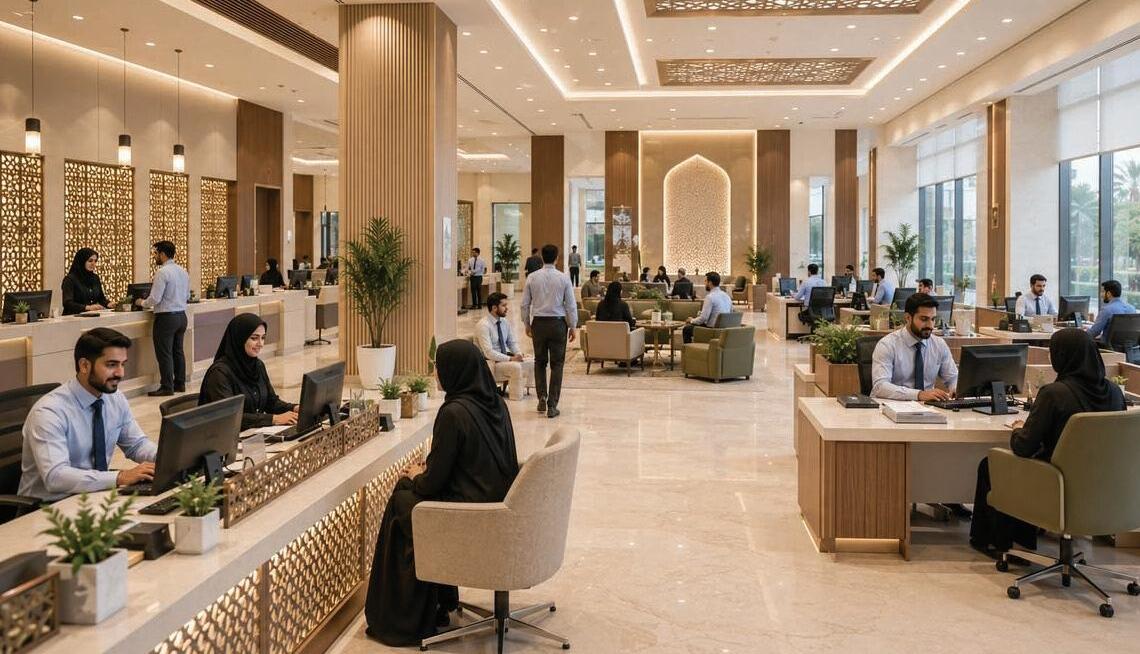
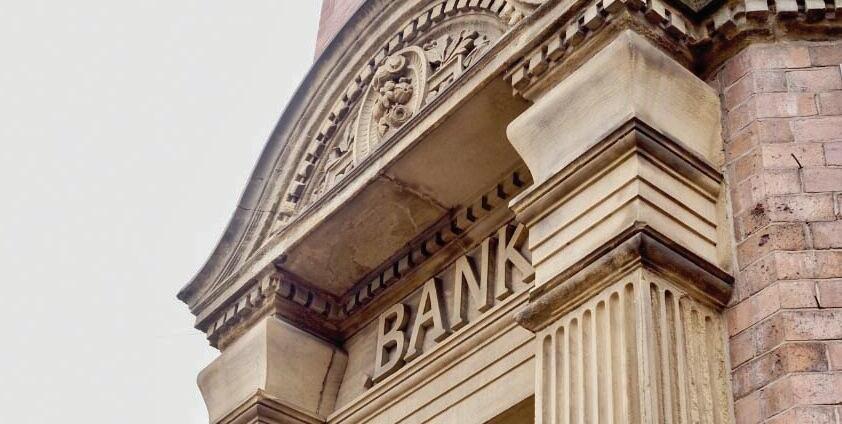
SENATE COMMITTEE DIRECTS SBP TO STOP BANKS FROM FORCING ABAYA , HEADSCARF DRESS CODE ON
FEMALE STAFF
also directed the SBP governor to ensure all banks issue fresh circulars to their staff, and share copies with the committee reaffirming that female employees cannot be compelled to wear abayas headscarves or any other specific religious attire and instructed banks to submit their HR dress code policies for review
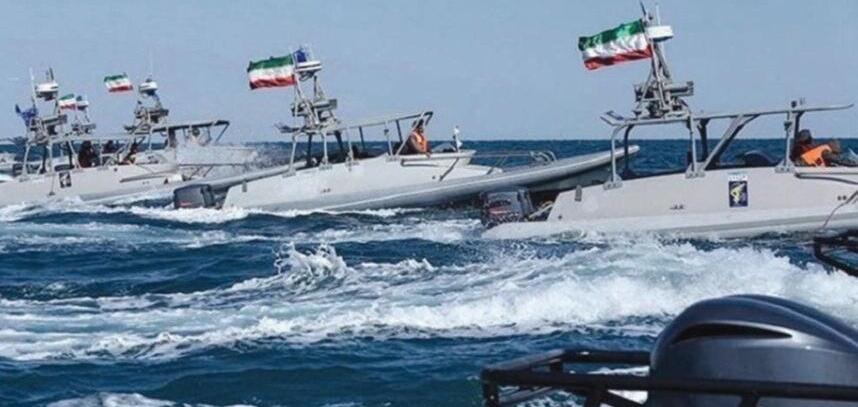
Aframax tanker Karachi exits Bab el-Mandeb with 430,000 barrels of crude bound for Pakistan, data shows
An Aframax tanker named Karachi exited the Bab el-Mandeb strait on Tuesday carrying roughly 430 000 barrels of crude oil bound for Pakistan part of a surge in traffic through the waterway that saw 39 commodity vessels pass through that day, the highest number since July 19, according to preliminary shipping data cited by Arab News Traffic through Bab el-Mandeb dropped sharply to five vessels on Wednesday Of these two were carrying crude oil, the very large crude carrier (VLCC) Sophia and the Aframax tanker Ocean Laureate On Tuesday, 20 ships had entered the strait and 17 exited according to ship-tracking data from
analytics firm Kpler Among the exits, three Aframax tankers carried crude: alongside the Karachi's shipment for Pakistan, the Aisopos and Gustav each carried more than 750 000 barrels of oil toward the Gulf of Aden
Among the vessels entering the strait, two carried petrochemical products The Velos Aquarius transported 345,000 barrels of methyl tertiary butyl ether, a gasoline blendstock bound for delivery west of Suez while the Sea Ambition carried nearly 93 000 barrels of chemicals destined for Türkiye
Some vessels may still be transiting with their transponders switched off Yemen's Houthis said on Tuesday they had fired ballistic missiles at a Saudi oil tanker in the Red Sea stepping up enforcement of
a recently declared maritime blockade against Saudi Arabia, following earlier attacks on Saudi oil facilities Sources have said China has held direct talks with the Houthi movement in an effort to allow its tankers safe passage through the Red Sea At the Strait of Hormuz only eight commodity ships passed through on Tuesday, five entering and three exiting, according to Kpler data, with one vessel transiting on Wednesday so far Among Tuesday s entries was the VLCC Nissos Kea currently sailing empty Separately Iran has ruled out Oman's proposal for joint regional management of the Strait of Hormuz, a senior Iranian official said on Wednesday dimming hopes for a swift diplomatic breakthrough in the ongoing conflict
iTANZ Technologies registers wholly owned entity in S audi Arabia
iTANZ
The company was originally engaged in the manufacturing and sale of greige fabric but its principal line of business has since been amended to include providing consultancy services in Information Technology (IT) and IT-enabled services, including software development, installation, implementation, and other
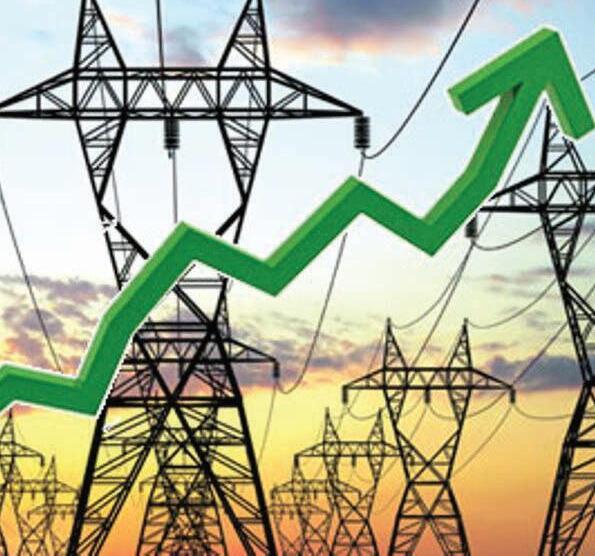
Govt defends daily fuel pricing as lawmakers question consumer impac t
fullah Abro criticised the daily pricing regime, calling it "slow poison" for consumers and arguing that constant price changes had made it increasingly difficult for households and businesses to predict fuel costs Abro also questioned recent domestic price increases noting that international crude oil prices had risen from $76 per barrel on July 11 to $82 per barrel on July 17, while fuel prices in Pakistan had increased by Rs30 over the same period Malik dismissed the comparison saying local retail prices are linked to refined petroleum products rather than crude oil
said the system protects consumers by eliminating opportunities
oil companies margins added before final prices are notified He said benchmark prices are obtained from Platts and stressed that the calculation methodology has remained unchanged despite the move from fortnightly price announcements to daily revisions According to the minister the authority to determine petroleum prices now rests with the Oil and Gas Regula-
as the reason for the latest change Malik also told lawmakers that Prime Minister Shehbaz Sharif had directed Ogra to publish the petroleum pricing formula in Urdu to improve transparency While the methodology is already available on the regulator's website, he said making it available in the national language would help consumers better understand how fuel prices are determined The explanation failed to satisfy some committee members Senator Sai-
Addressing taxation, the petroleum minister said the petroleum levy remained below the level charged during the war period However he acknowledged that reducing the levy would be difficult under Pakistan s commitments to the International Monetary Fund (IMF) unless another source of revenue was identified Ogra Acting Chairman Nabeel Ahmed Awan also defended the policy telling the committee that the seven-day averaging mechanism ensures fluctuations in international prices are reflected gradually rather than immediately He
asked what a working paper was Senator Abro criticised the response questioning the acting chairman s familiarity with parliamentary procedures
Separately, Malik informed the committee that the process to appoint a permanent Ogra chairman had been initiated within the prescribed timeframe but had to be restarted after interviews failed to identify a suitable candidate
He added that the government had reorganised Ogra s leadership in April by appointing Nabeel Ahmed Awan, a BS22 officer of the Pakistan Administrative Service and secretary of the Establishment Division as acting chairman for an initial three-month term following the removal of then-acting chairman Shahzad Iqbal while the search for a permanent appointment continues
Pakistan removed from Lloyd's war-risk list in boost for maritime trade
s
in
Province and
defence ministry spokesperson
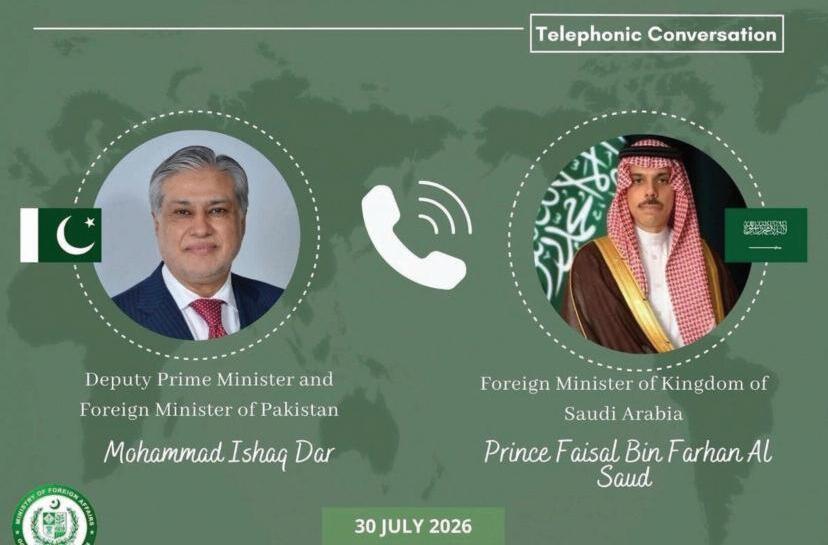
Turki Al-Malki said the attacks had originated from Iraqi territory and were carried out by Iran-backed militias The attacks particularly from non-state actors against Saudi Arabia are utterly condemnable Andrabi said Pakistan has issued strong statements on it Our prime minister has also eloquently spoken about it ” Referring to the Saudi defence ministry’s statement Andrabi said Riyadh had successfully intercepted and destroyed drones targeting its oil installations in the Eastern Province and the capital The Kingdom of Saudi Arabia has its right to selfdefense under Article 51 of the UN Charter, Andrabi said So, we respect that right Responding to another question, the spokesperson said Pakistan would honour its obligations under defence agreements with Saudi Arabia and other Gulf countries Pakistan and Saudi Arabia signed a historic defence pact in September 2025 The agreement established a collective security framework under which aggression against either country would be regarded as aggression against both ‘A G R E E M E N T W I T H K U
I T S T R U
T U R A L LY D I F F E R E N T’ Referring to Pakistan s defence cooperation agreement with Kuwait signed in June 2023 and recently ratified by Kuwait Andrabi said the arrangement differed structurally from the Strategic Mutual Defence Agreement (SMDA) signed with Saudi Arabia
Kuwait ratifies defence pact Not about just an entr y test
AN important brick in the new security architecture of the Middle East was placed when Kuwait ratified the bilateral defence cooperation agreement it had signed with Pakistan in 20223
This was the main gift brought by Kuwait Foreign Minister Sheikh Jarrah Jaber Al-Ahmad Al-Sabah when he arrived on Friday in Islamabad on the first such visit in five years It should be clear that this is in addition to the Mutual Defence Agreement between Saudi Arabia and Pakistan signed last September, and does not represent Kuwait acceding to that agreement
The ratification during the present Gulf crisis makes for a much greater significance that it would normally have It should not be forgotten that Kuwait, or rather the US military facilities on its soil have been subject to Iranian attack in the post-ceasefire round of exchanges
The ratification now makes Kuwait part of a tripartite arrangement with Saudi Arabia and Pakistan the other two parties It almost seems as if the Gulf monarchies see Pakistan as a shield they can shelter under, now that it seems the USA’s ability to provide security is compromised It must be clear that they see the agreement with Pakistan as supplementing the one with the USA rather than supplanting it, which means that Pakistan itself is within the American ambit at least as far as Gulf security is concerned How far that leaves it influential within Iran is not really an Arab problem, but it should be noted that Pakistan has joined Arab protests against Iranian attacks Being part of a US-approved security architecture will involve making some accommodation with Israel, the USA s favoured child within the region Kuwait and Saudi Arabia are not signatories to the Abraham Accords but that is the path US President Donald Trump has said they should be taking The ratification may be seen as many things, but it should not be seen merely as a bilateral diplomatic activity There was at one time speculation that the PakSaudi agreement might be a template for others to join in, but the ratification of this agreement shows that another path might be open one which might see other countries take one in which the relationship is bilateral, meaning that it is strictly between that country and Pakistan A multilateral agreement would mean having to gain the consent of all members of the varrangement for any steps
Dedicated to the legac y of late Hameed Nizami Arif Nizami (Late) Founding Editor
M A Niazi Editor Pakistan Today Babar Nizami Editor Profit
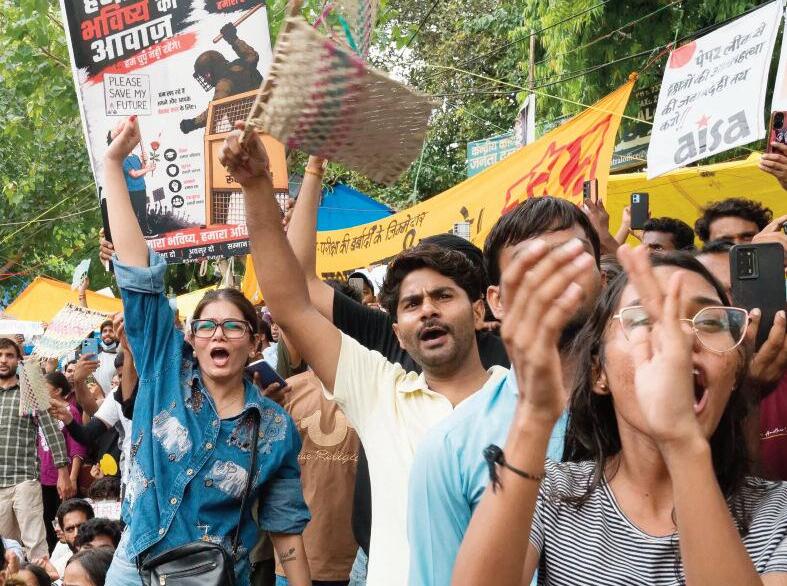
TH E resignation of Dharmendra Pradhan as India s Education Minister represented a victory for the flippantly-named Cockroach Janta party, as three of its demands were accepted by the Bharatiya Janata Party The rather cheekily-names CJP had demanded Pardhan s resignation the cancellation of any cases against CJP activists and the payment of compensation to the 20 or so families of those students who had committed suicide after the National Eligibility-cum=Entrance Test papers were leaked, with one The ‘Cockroach’ moniker owes itself to a remark by Mr Justice Surya Kant the Chief Justice of India who compared unemployed and lazy youth to cockroaches and parasites He later said the remarks were misinterpreted, but in the meantime, the remarks proved a catalyst for the formation of the CJP, an obvious dig at the BJP,ruling since 2014 The founder, Abhijeet Dibke, is a communications specialist who gained his initial experience in the Aam Aadmi Party for whose social media he worked He is a Dalit from Aurangabad whose Mahar caste is recognized in Maharashtra as in several other states, as an Other Backward Caste After the announcement of Pradhan s resignation, he did throw out a hint at converting what is at the moment a movement into a political party The CJP is riding a wave of Gen Z protests and it is perhaps symptomatic that while the spark was the Chief Justice Kant s remark the cause the CJP took up was the leakage of papers in the NEET, and the suicide by 30 students who failed it The NEET was reheld, but the damage had been done Exam papers leaks happen Every few years, there is a leak scandal in the ‘O’ Level or ‘A’ Level exams with one of the Mathematics A Level papers leaked What made this year s NEET exam leak particularly embarrassing was that there had been a leak the year before This meant that it was not a one-off, but part of a pattern It should be remembered that while the Pakistani entrance exam is only partially counted towards the original merit with the Intermediate providing the bulk of the marks ln the final merit list in India the NEET is the only criterion The Interrmediate is now merely to qualify one to appear in the NEET The
NEET is therefore a big deal
Gen Z in such large numbers as in South Asia have an effect on elections In a way, the CJP movement and other Gen Z protests have shown the limits of electoral democracy, which continues to be evolutionary, and not as revolutionary as the tongue want At Penpoint
It is conducted by the National Testing Agency which conducts 10 other exams India needs a federal uniform exam system because of the federal institutions like engineering universities medical colleges and business education institutions Admission was initially based on Intermediate results Though there was some seat reservation at the central level for scheduled castes there were no state reservations with the result that inter boards (which were staterun) became increasingly generous in their marking ultimately with ridiculous results As a result the vNTA was set up, so that Board results only acted as a pre-condition, not as a determinant The retest was almost as bad as the orignal skewing of results, with suicides by students who could not screw themselves up to the high pitch of preparation that they had reached for the original test It may be remembered that the protests which had driven Bangladeshi PM Hasina Wazed from office had started because of job quotas: specifically, the extension of the freedom fighters quota from the children to the grandchildren, and the upholding of this quota by the Bangladesh Supewmw Court Again as in India it was about jobs In Bangladesh it was direct as the young protesters saw the pool of available jobs shrinking In India, it was about admission to medical colleges, which meant a career Gen Z in Nepal last year expressed a somewhat different concern There the protests against the government were sparked off by a government crackdown on social-media platforms True the government itself had given the motivation for this or rather the minister s son who posted pictures of himself leading a privileged life Though government corruption was definitely an issue, the spark was young people being made to forego something that now seems essential to their lives Gen Z is restive particularly in the Subcontinent At root the problem is that the economies have not kept pace with the need for jobs Young people no longer see a path through life ahead, even with the precious bit of paper that they spend their early years trying to obtain Even going abroad is not a solution, for mostly they don’t make it Mot only is there population pressure in South Asia but parental pressure is particularly intense while tight-knit families mean that
Tas law and order in the province continues to deteriorate The refugee question adds another layer of risk ISIS-K could exploit new refugee flows into Balochistan and turn camps meant to provide shelter into recruiting grounds according to the Research Institute for European and American Studies Pakistan already hosts over 1 3 million registered Afghan refugees To prevent another large-scale influx Islamabad sealed its border with Iran, The Media Line reported This appears to be a preemptive move against a second refugee crisis that Pakistan has openly admitted it cannot afford to finance With more than 35 million Shia Muslims Pakistan shares deep religious ties with Iran that go far beyond politics Security analyst Amir Rana has warned that the intensification of war between the USA and Iran could have serious consequences for Pakistan, especially because of Iran’s influence on the Shia organizations in the country Iran’s Islamic Revolutionary Guard Corps has recruited thousands of Pakistani fighters into the Zainabiyoun Brigade over the past decade If Pakistani nationals were found involved in the conflict, it could complicate Islamabad’s position in Washington Iran’s influ-
ence on Pakistan therefore transcends diplomacy It involves religion and people already loyal to it Ironically if Tehran s reach on Pakistan runs through faith Washington has long run through convenience Pakistan has been down this road before It was one of America s important allies during the Soviet-Afghan war, until it was imposed with sanctions under the Pressler Amendment after the withdrawal of the Soviet forces Post 9/11 Pakistan once again became a key US ally; however that came to an end after the Bin Laden raid in 2011 Then came another rupture In January 2018, Trump tweeted that Pakistan had given the USA “nothing but lies and deceit ” Within days, Washington suspended most security assistance History has shown that Pakistan s peace efforts may earn it diplomatic leverage today but Washington s gratitude rarely survives beyond the crisis If Islamabad wants this opportunity to bring more than praise, it must turn its leverage into real gains now This means securing debt relief trade access and energy cooperation If Pakistan keeps waiting for appreciation it may end up with little more than diplomatic kudos
The writer is currently associated with Institute of Strategic Studies Islamabad She can be reached umesuleat@gmail com
History has shown that PakistanÊs peace efforts may earn it diplomatic leverage today, but WashingtonÊs gratitude rarely survives beyond the crisis If Islamabad wants this opportunity to bring more than praise, it must turn its leverage into real gains now This means securing debt relief, trade access, and energy cooperation If Pakistan keeps waiting for appreciation, it may end up with little more than diplomatic kudos
Healing family ties
Nuclear past repeats
UME SULEAT
ISLAM SAMRAT AND ISHTIAQ MAINUDDIN
Astarts to trickle away So, the difficulty is not simply technological but inherently epistemological, as it pertains to the processes by which societies establish and maintain truth Such a setting must acknowledge media literacy as more than merely a digital skill This is a crucial type of epistemic defence Media literacy teaches people the skills to appraise sources, spot bias, identify manipulation and ascertain whether evidence is verifiable amongst other things so they are equipped to question information instead of accepting or sharing Instead of passively consuming algorithmically filtered content media-literate citizens function as active evaluators who can fend off malicious information and make informed choices
This need has been reiterated by international organisations on several occasions In its Global Risks Report 2024 the World Economic Forum highlights misinformation and disinformation as one of the highest-impact global risks in the short term, arguing that they pose a key threat to democratic stability, public trust and social cohesion In the same way UNESCO's AI and Education: Guidance for Policy Makers (2023) states
Ultimately, combating misinformation is about preserving society's ability to understand. Democratic societies may be unsustainable if people lose faith in evidence, experts, and objective reality Technology such as artificial intelligence will continually transform how information is consumed, distributed, and created, but the future of truth cannot be decided by technology. This depends on people who have knowledge and can think critically
that we need to make critical digital literacy a primary item on the educational agenda so that citizens can engage in media environments increasingly mediated by AI responsibly Bangladesh is at a critical juncture of this transition The National Artificial Intelligence Policy 2026–2030 (Draft V2 0) reflects an ambition of making use of AI to ramp up economic development and digital governance innovation and also through public service delivery However, the policy discussion has revealed significant issues around transparency, accountability, ethics, and public trust In Bangladesh there have been amazing strides in connectivity and digital inclusion but there is still a long way to go on media literacy In rural communities though the opportunities for digital learning are scarcer overall; urban areas typically have better access to both educational resources and digital infrastructure Further curricula tend to emphasize basic technological skills but place significantly less emphasis on AI-generated content algorithmic bias source verification, or critical reasoning Despite having high levels of digital connectivity, many users lack the skills necessary to traverse increasingly complicated information ecosystems Human psychology increases this vulnerability drastically People are prone to compelling but deceptive narratives because they naturally depend on cognitive shortcuts and emotional reactions while processing information Misinformation in Bangladesh exacerbates political polarization religious sentiment and social discord Because emotive content increases attention on digital platforms sensational accusations frequently spread faster than meticulously confirmed reporting These threats are made worse by the advent of deepfakes and synthetic media A Nature Human Behaviour study found that even well-educated individuals were unable to easily differentiate AI-generated images from real photographs suggesting that technological advancement can quickly overtake human vision
Recommendation algorithms are an additional problem that influences them significantly these days Social media features also prioritise what users will see leading to what value their content may have as opposed to whether it is actually true Content that provokes outrage, fear, or strong emotional reactions is often amplified because it generates higher levels of interaction Gradually, through these systems of algorithmic reinforcement people are placed in echo chambers while reducing exposure to diverse perspectives So much so that for millions of
Bangladeshis who use Facebook YouTube and TikTok as the main sources of news nowadays, algorithmic
need
cally analysing media
comprehend how recommendation algorithms trap users in information echo chambers, how AI systems process data to produce text, and the inherent limitations of huge language models that necessitate human verification AI should enhance human judgment rather than replace it From journalism to education business and public administration human oversight must
the core of decision-making Solving such challenges
Inside Netanyahu’s O val office meeting with Trump
Israeli official says PM refrained from advocating for striking Iran, which he did in previous meeting, but won’t wait for a green light if Iran attacks Israel
Trump didn’t take well to Netanyahu’s public messaging against the sale of the fighter jets which he has indicated he is inclined to authorize telling reporters the
PR I M E Minister Benjamin Netanyahu did not push any particular strategy regarding Iran during his Oval Office meeting with US President Donald Trump on Tuesday, according to a senior Israeli official, who characterized the sit-down as an “exchange of ideas” regarding the three main scenarios before them
The first scenario would be a diplomatic agreement with Iran The second would be a murkier situation where there is no deal but the US continues trying to pressure Iran through economic sanctions and a blockade of its ports The third would be the option of launching a major new offensive against the Islamic Republic the senior Israeli official explained during a briefing Wednesday with Israeli reporters in Washington We talked about each of these options extensively and honestly not in an attempt to promote one over the other but to really examine which might lead to the most desirable outcome the senior Israeli official said The official sought to dispel the notion that Netanyahu visited Washington to convince Trump to resume strikes against Iran, as was widely reported to have been the case during his last trip in February when weeks before the start of the war he made a high-stakes case in the Situation Room for why the US should join Israel in striking Iran Trump got on board with that plan, but
many of the predictions Netanyahu made at the time about how smoothly the campaign would go did not pan out The US and Iran signed a memorandum of understanding last month meant to halt the war, but the MOU largely focused on reopening the Strait of Hormuz rather than any concrete concessions from Iran pertaining to its nuclear program which has been the major point of contention in recent decades between Iran and the US That MOU has since unraveled due to continued disagreements over Hormuz and Trump is once again considering a major US attack against Iran This time around, Netanyahu did not tell Trump which of the three scenarios he preferred although the premier did acknowledge doubts regarding the likelihood of Iran upholding any agreement it signs the senior Israeli official said Regardless, the two leaders discussed all three scenarios in detail, laying out the advantages and disadvantages of each in achieving their mutual goal of preventing a nuclear Iran the senior Israeli official recalled
While the official acknowledged that the final decision on how to proceed is Trump s, he said Netanyahu would not wait for an American green light if Iran decides to attack Israel first The official suspected that Iran has refrained from doing so to date because it knows that the Israeli response would be overwhelming and because Jerusalem has achieved a degree of deterrence against Tehran
During the Tuesday meeting Trump expressed concern over the war ’s impact on energy markets and the global economy the senior Israeli official said adding that Netanyahu recognized that addressing those issues can be at odds with squeezing Iran Iran’s obstruction of the Strait of Hormuz, a key pathway for the global supply of oil and gas has sent energy prices soaring shortly before the US midterm elections in November However Netanyahu maintained that the Strait of Hormuz is Iran s last remaining point of leverage and that the
The Israeli official rejected the notion of tensions between Netanyahu and Trump, insisting that the pair are like a „married couple‰ who know each other so well
US should not allow Tehran to exploit it to secure concessions from Washington The prime minister insisted to Trump that it was still possible to further intensify economic pressure against Iran without bringing down the global economy, the official said The two leaders discussed (during their Tuesday meeting) additional economic pressure (against Iran) through kinetic and non-kinetic means ” the senior Israeli official said The official claimed that while Iran appears to have withstood the worst of what the US and Israel were able to throw at it over the last four months, the regime is now much weaker than it seems and is facing unprecedented economic turmoil and even a renewal of small protests against it The regime is very afraid of the possibility that the public will take to the streets over the economic situation the official added pointing to what he said is a 90% inflation rate in Iran An economic crisis in Iran earlier this year led to mass protests and a bloody regime crackdown in the lead-up to the war REGIME CHANGE SEEN AS UNREALISTIC While Netanyahu in the early days of
Iran still has around 1,500 ballistic missiles down substantially from the many thousands it had before the war and now lacks the manufacturing capabilities to produce new ones
with
The
that Iran s
Mojtaba Khamenei
a
on
the
is among those who are
worried about the country’s current situation USING VISUALS TO DISPEL TRUMP S ASSUMPTIONS While the bulk of their 90-minute Oval Office meeting focused on Iran Netanyahu did raise the issue of Israel s presence in Syria, amid Trump s private demands that the IDF withdraw from the country and from neighboring Lebanon
The senior Israeli official said Netanyahu s ties with Turkish President Recep Tayyip Erdogan or lack thereof came up during the meeting, with the premier telling Trump that Erdogan is seeking to restore the Ottoman Empire and again raising his objection to the sale of F-35 fighter jets to Ankara Turkish-Israeli relations long under strain have collapsed since the Hamas-led October 7 2023 onslaught and subsequent war in Gaza Turkey has hosted Hamas leaders and is seen by some in Israel as a growing regional threat
RASHADUL
IRGC says IT hIT KuwaIT and JoRdan, desTRoyed ThRee us F-35s
Airbase in Jordan destroyed three US F-35 aircraft and caused heavy damage to three others, Al Jazeera reports “No US aircraft were destroyed or damaged in recent attempted Iranian attacks ” US Central Command (Centcom) writes on X All missiles and drones were intercepted or failed to reach targeted areas Centcom also denies that a commercial oil tanker, the Nora, had “broken through” the recently reimposed US blockade on Iranian ports
The US military has rejected a claim from Iran’s Islamic Revolutionary Guard Corps (IRGC) that its attack on Al-Azraq
More than 20 US warships hundreds of aircraft and thousands of service members remain vigilant and continue to fully enforce the blockade, the statement adds Earlier, the IRGC said three of its personnel were killed in a US missile attack, according to a statement carried by the semi-official Tasnim news agency as per Al Jazeera
The IRGC s Zanjan province branch, Ansar al-Mahdi, identified the slain fighters as Mahmoud Mollajabari, Mohammadreza Cheraghi and Jamal Amiri It said they died on July 30 while “defending Iran’s borders and people in what it described as a brutal attack by the criminal terrorist regime of the United States Iran s Fars news agency quoted the IRGC’s public relations as saying: “With the help of God Almighty, the aggressor will be punished today ” According to Al Jazeera the IRGC s comments came after the US announced that it had launched powerful attacks on Iran overnight, with explosions heard in Qeshm, Kish, Bandar Abbas, Abadan and Bushehr Meanwhile, Iran said that three cities were targeted overnight in the province of Bushehr
THE people of Azad Jammu and Kashmir have once again demonstrated their confidence in the Pakistan Muslim League-Nawaz (PML-N) reaffirming that public trust is earned through performance, public service and a commitment to development rather than political rhetoric Democracy is built on respecting differences of opinion and accepting the people s mandate The true spirit of democracy lies in acknowledging the verdict of the electorate, even when it does not favour one's own political interests Attempting to impose personal opinions on the public or refusing to recognise the people s decision runs contrary to democratic principles Political parties earn public support through their performance, and voters naturally place their confidence in those who address their problems and work sincerely for the country's progress
The development projects and welfare initiatives undertaken by the PML-N leadership across Pakistan and Azad Kashmir stand as testimony to the party's commitment to public service PML-N has consistently respected the people's mandate and whenever entrusted with power has sought to deliver on its promises Pakistan s history reflects that many of the country s landmark infrastructure and development projects were completed under PML-N governments Unlike many of its political opponents the party has traditionally sought votes on the basis of its performance rather than by launching personal attacks against rivals Former Prime Minister Nawaz Sharif has always pursued a politics of national unity instead of division His leadership continues to enjoy the confidence of the people of Azad Kashmir and the recent election results in Mirpur Division once again reflect that trust
The first phase of the Azad Kashmir elections produced a decisive outcome, with the PML-N securing nine of the 13 seats in Mirpur Division by convincing margins This victory is a clear endorsement of Nawaz Sharif s leadership and the party s performance The successful PML-N candidates deserve congratulations for earning the confidence of the Kashmiri electorate Questioning the party's mandate after such a verdict amounts to questioning the democratic choice of the people of Azad Kashmir themselves Rather than expressing frustration over the election outcome, political parties should respect the public's decision Those who claim to champion democracy must also demonstrate the democratic spirit of
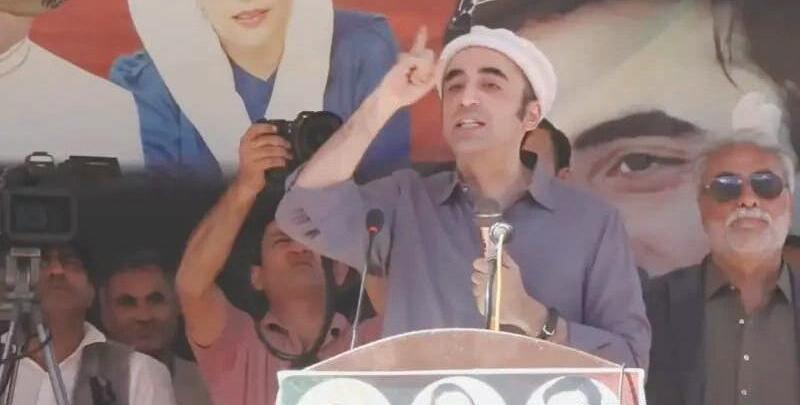
accepting electoral results Democracy demands tolerance respect for opposing views and acceptance of the people s verdict Recent remarks made by PPP Chairman Bilawal Bhutto Zardari regarding Nawaz Sharif crossed political boundaries His subsequent withdrawal from his own statement about the distinction between state interests and party interests only raised further questions Political leaders should stand by their words and demonstrate consistency in their public positions
The Pakistan Peoples Party also needs to answer legitimate questions about its governance record in Sindh After nearly two decades in power, Karachi continues to struggle with deteriorating roads, inadequate supplies of clean drinking water and persistent waste management problems These are issues that directly affect millions of citizens and deserve serious attention By contrast, the Punjab government under Chief Minister Maryam Nawaz has launched a series of development and public welfare initiatives These include the introduction of 1 500 electric buses the distribution of 30 000 Green Tractors to farmers, 27,000 electric bikes for students, 100,000 laptops, 80,000 scholarships and 200,000 houses under the Apni Chhat Apna Ghar programme In a d d i t i o n 30 000 kilometres of roads have been constructed across Punjab while major transport projects e l s e w h e r e continue to face delays C M M a r y a m Nawaz's gov-
AZMA BOKHARI
PUNJAB SETTING BENCHMARKS IN GOVERNANCE AND PROGRESS, SAYS
Flood relief intensifies as CM mobilizes administration in flood-hit areas
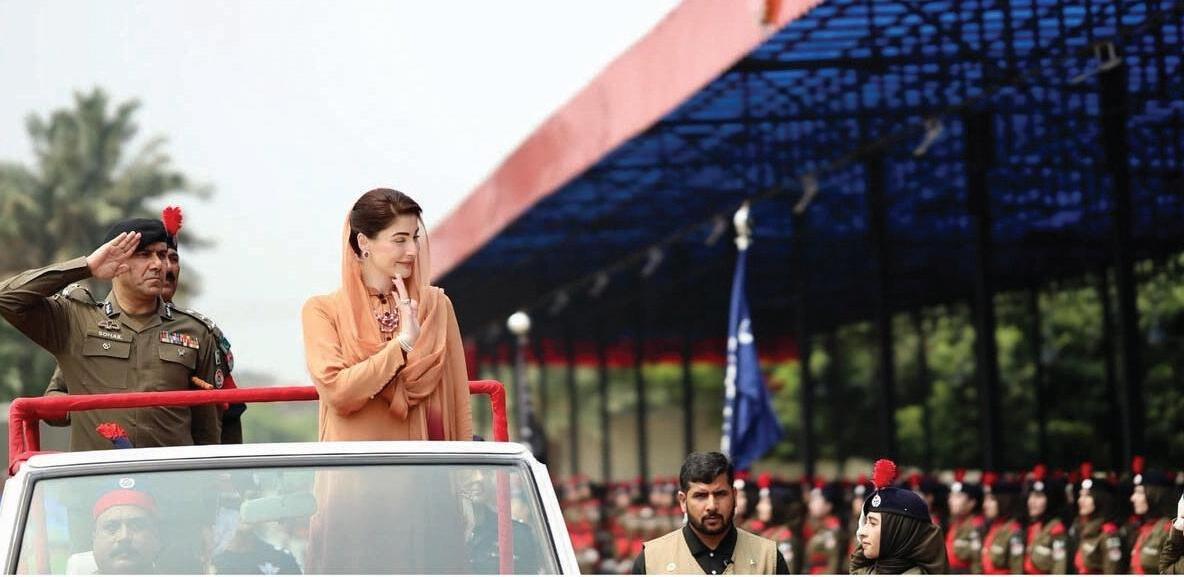
biscuits are also being distributed among affected families as part of the ongoing relief operation Punjab expands electric bus network Meanwhile, Chief Minister Maryam Nawaz on Thursday inaugurated 77 electric buses on 17 routes across seven more districts Vehari Lodhran Kasur Gujrat Narowal Sheikhupura
Punjab Police remains committed to best health welfare of police personnel, their families
LAHORE
STAFF REPORT
Punjab Inspector General of Police Abdul Kareem remained committed to the health welfare of Punjab Police personnel and their families In continuation of these welfare initiatives more than Rs 2 million has been released for the medical treatment of police personnel and their family members Sharing the details, the Punjab Police spokesperson said that Rs500,000 has been released for the cancer treatment of the widow of late Orderly Constable Niaz Ahmad Head Constable Yasir
Murtaza has been provided Rs360 000 for spinal treatment while Constable Nabi Sher has been granted Rs289 000 for knee treatment Similarly Constable Waseem
Arshad has been provided Rs250,000 for the medical treatment of his wife, while Head
Constable Asad Mumtaz has been granted Rs250 000 towards his medical treatment Punjab Police spokesperson further said that Constable Muhammad Qadeer and Constable Zulfiqar Ahmad have been provided Rs100,000 each for medical treatment In addition, Constable Muhammad Nadeem and Constable Faryad Ali have been granted a combined amount of Rs165,000 for their medical treatment IG Punjab Abdul Kareem approved the release of the funds following scrutiny by the Medical Financial Assistance Committee IG Punjab said that the welfare of police personnel and their families, who remain engaged in protecting the lives and properties of citizens, is a top priority He further said that under Memorandums of Understanding (MOUs) with various institutions Punjab Police is also providing the best possible medical facilities to its personnel and their families
M L - N c o N F I
M e d w I N N e R o F F I R S t 1 3 A J K S e At S I N M I R P u R d I v I S I
sharing and the distribution of offices August 5 public meeting reviewed PTI said its August 5 public gathering in Peshawar would reflect public aspirations as the party reviewed arrangements for the event
that low voter turnout showed voters had refused to back the electoral process and those running it, and said PTI s decision to boycott the polls had been vindicated The meeting also criticised the Pakistan Muslim League-Nawaz and the Pakistan Peoples Party saying that while people in Kashmir were protesting for their rights and citizens were allegedly being injured and killed the two parties remained focused on power-
LHC grants protec tive bail to Imran K han's sister Noreen Niazi in c ybercrime
The Lahore High Court (LHC) on Thursday granted one-week interim protective bail to Noreen Niazi, sister of incarcerated Pakistan Tehreek-e-Insaf (PTI) founder Imran Khan in a cybercrime case registered by the National Cyber Crime Investigation Agency (NCCIA) Justice Sardar Akbar Ali approved the protective bail after hearing arguments from Niazi's counsel Barrister Shahryar Riaz and directed her to appear before the relevant court in Islamabad before the expiry of the relief
Appearing before the court, the petitioner's counsel argued that Niazi was a permanent resident of Lahore, whereas the case had been registered in Islamabad raising concerns that she could be arrested before approaching the competent court for legal remedy The defence maintained that
the allegations were politicallymotivated and intended to harass the petitioner requesting the court to grant interim protection to enable her to seek bail from the Islamabad court
Accepting the plea, the court granted protective bail for one week
The NCCIA registered the case on Monday under Sections 20 and 26-A of the Prevention of Electronic Crimes Act (PECA), 2016, along with Sections 505 and 506 of the Pakistan Penal Code
According to the first information report (FIR) Noreen Niazi allegedly prepared published and disseminated offensive derogatory inflammatory and intimidating" content through social media platforms
The agency alleged that she deliberately targeted state institutions including the Pakistan Armed Forces by spreading what it described as false and misleading allegations aimed at damaging their reputation and promoting
case
anti-state narratives
The FIR further claimed that the content formed part of a deliberate campaign intended to malign state institutions and incite fear, panic and public disorder
Earlier this month, the NCCIA had summoned Niazi for questioning over allegations of disseminating false offensive and inflammatory content against state institutions
The notice followed the circulation of video clips from a podcast interview in which she alleged that last year's military confrontation between Pakistan and India had been orchestrated to improve the image of Pakistan s military She also linked the conflict to broader regional and international political developments
The court s order provides Niazi temporary legal protection allowing her to seek appropriate relief from the competent court in Islamabad before any further proceedings in the case
ISLAMABAD
Indian state-owned and private companies shipped at least 2 596 consignments comprising hundreds of thousands of arms ammunition and military components to Israel during the genocide in Gaza, a new Amnesty International report has revealed The shipments, sent between 7 October 2023 and 30 November 2025 included machine-gun components 155 mm high-explosive artillery shells supplied to Elbit Systems, explosive warheads for the SkyStriker "kamikaze" drones - similar to those discovered amid the ruins in Khan Younis - and armoured vehicle components destined for major suppliers to the Israeli military
According to Amnesty, these amounted to 564,970 parts of explosive ordnance (drone warheads, artillery shell casings and others), 390 516 small arms parts for military-grade weapons and 298 com-
ponents of military vehicles to large Israeli companies that supplied the Israeli armed forces
As of 29 July 2026 at least 247,387 Palestinians have been either killed or injured since Israel launched its military campaign in Gaza, following the Hamas-led attacks on southern Israel on 7 October 2023 The report Made in India: The Supply of Weapons and Ammunition to Israel published on Thursday, said its findings were "based on a deliberately conservative methodology", and were likely to underestimate the "true extent of India s contribution to Israel s military supply chain
Rising Indian complicity
The report is the latest in a series alleging that India has materially supported Israel's genocide in Gaza, following earlier allegations that New Delhi supplied combat drones bombs and weapons components to Israel after October 2023
In May the Palestinian-led Boycott, Divestment and Sanctions (BDS) movement and No
Harbour for Genocide warned of a "flood" of military supplies from India to Israel Israel has a huge domestic production, but they rely on specific components, whether it's like high-end technology material for aerospace or bulk materials such as military steel " a spokesperson for No Harbour for Genocide told Middle East Eye at the time
Likewise an Al Jazeera investigation based on Israeli Tax Authority import data found that India was the second-largest exporter of military-related goods to Israel between October 2023 and October 2025 Al Jazeera noted the data likely represented only a partial picture of total arms transfers to Israel and did not establish the end use of the shipments in Gaza Likewise, Amnesty s investigators based their analysis on shipments classified under specific Harmonized System (HS) codes the internationally used customs classification system for traded goods