
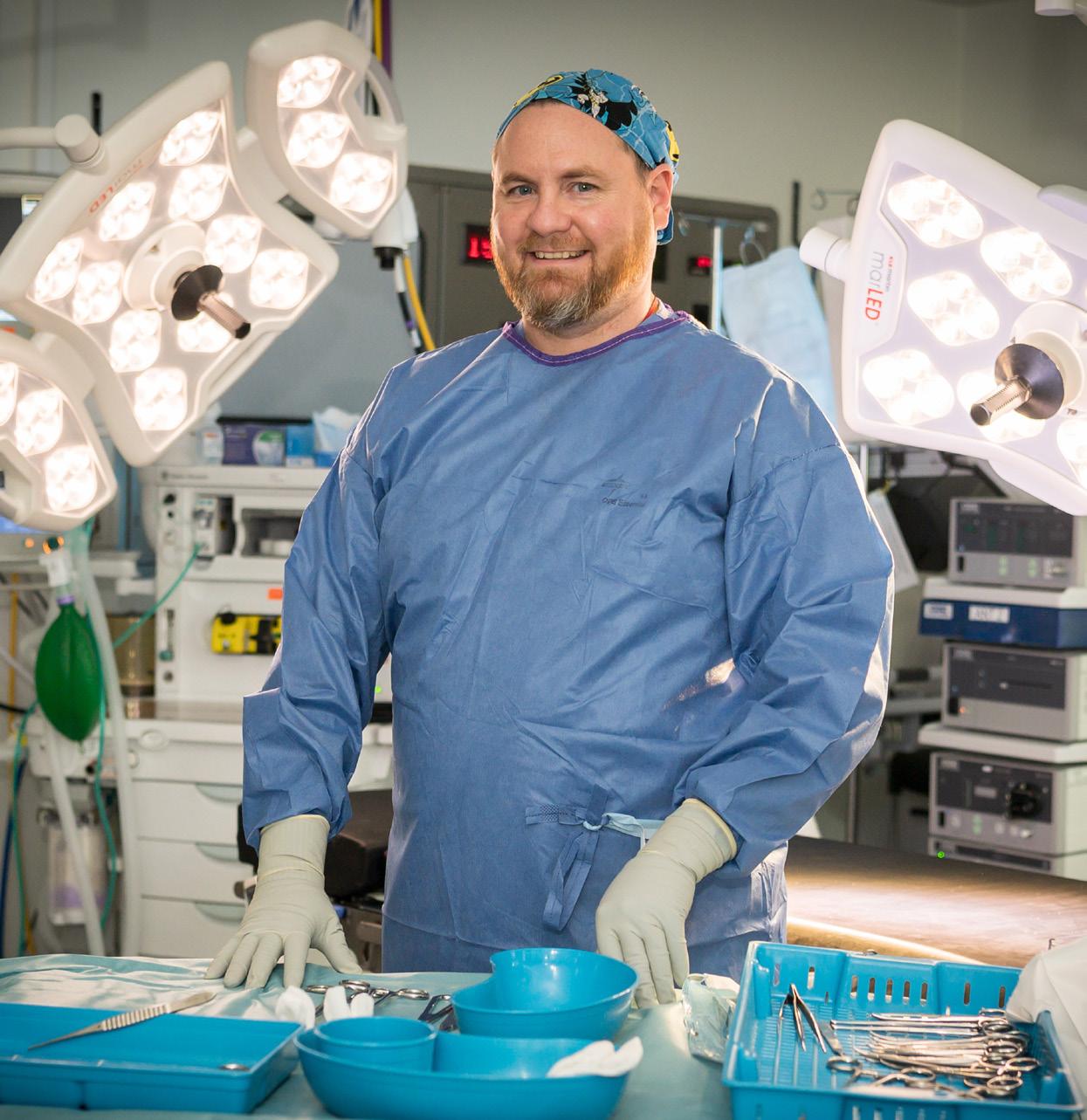
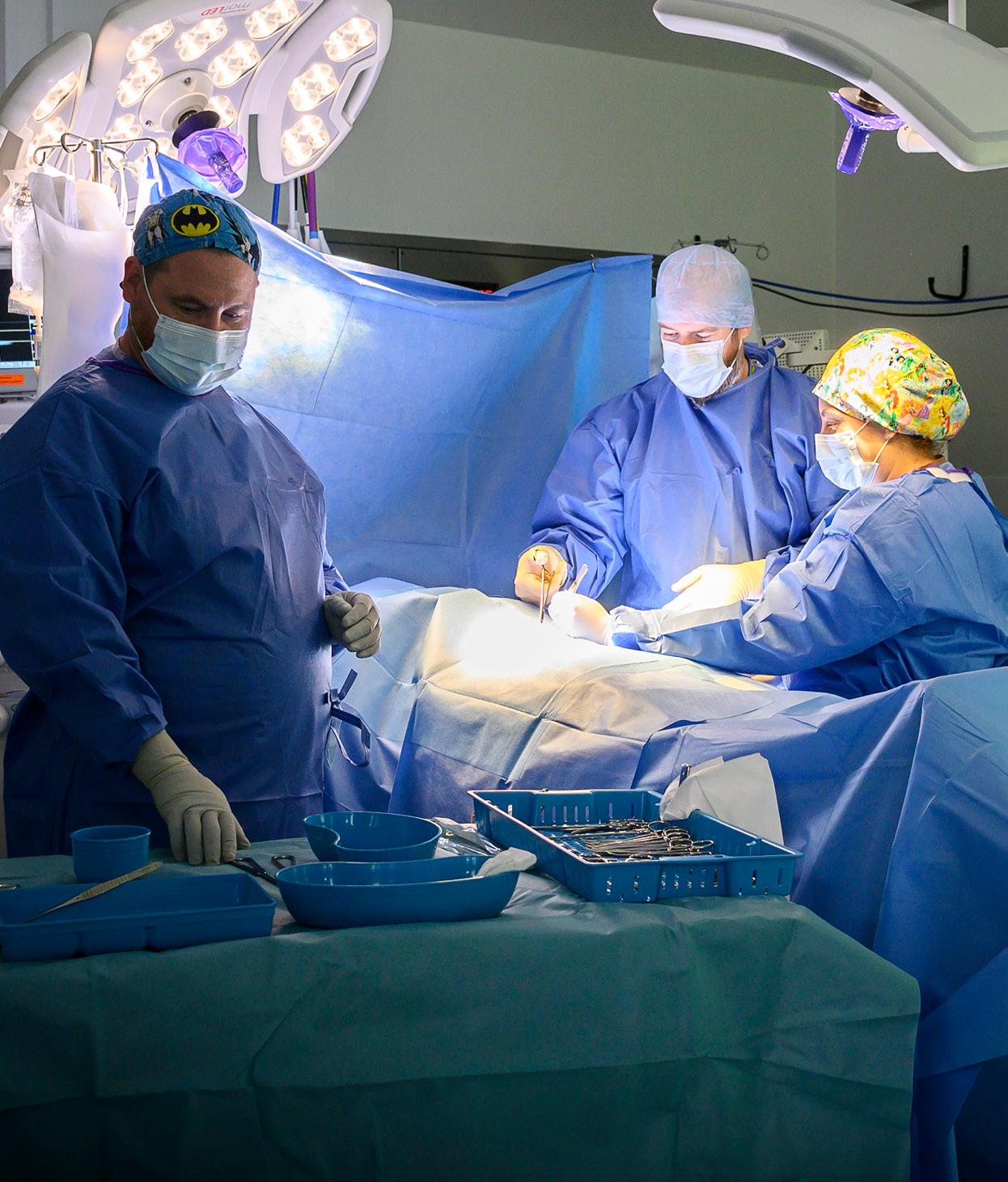

Health and care are changing – and so must we.
Across the country, and right here in West Essex, demand for care is rising fast. Our population is growing older, long-term conditions are more common, and inequalities mean some communities experience far poorer health than others. At the same time, staff are working under intense pressure in buildings and systems that were never designed for today’s challenges.
Standing still is not an option.
Rise sets out how at The Princess Alexandra Hospital NHS Trust (PAHT) we will respond – with honesty about where we are, confidence in what we can achieve, and determination to build a better future together.
This strategy is about people first. It is about delivering safer, more reliable care for patients, supporting staff to thrive, and working alongside partners to improve the health of our communities – not just treating illness, but preventing it wherever we can.
Rise is clear about the direction we must take:
• shifting more care closer to home
• using digital technology to make care simpler, faster and more joined up
• moving from reactive treatment to earlier support and prevention
• and working across organisations as one system, not in silos
It also reflects who we are and where we serve. As an anchor organisation in Harlow and beyond, PAHT has a responsibility that goes beyond hospital walls – to support local jobs, skills, regeneration and wellbeing, and to tackle inequality head on.


This will not be easy. The pressures we face are real, and change takes time. That is why Rise is grounded in a clear, realistic journey – Recover, Renew and Rise – helping us stabilise today, rebuild for tomorrow, and redesign care for the future.
Above all, Rise is about ambition with humility. We know we must improve – and we believe we can. We have outstanding staff, committed partners, and strong examples of what works when we collaborate, innovate and focus relentlessly on what matters most.
To our patients and communities: this strategy sets out our promise to you – to listen, to improve, and to deliver care that is fairer, closer to home and fit for the future.
To our staff: Rise is about backing you – creating the conditions for excellence, wellbeing and pride in the care we provide, every day.
Together, we will rise to meet the challenges ahead – and build a stronger, more compassionate and sustainable future for the people and places we serve.
Best wishes
Thom Lafferty Darshana Bawa Chief Executive Chair
The NHS is undergoing its most ambitious redesign in decades. The 10 Year Health Plan (2025) sets a clear direction: the service must fundamentally shift how, where, and why care is delivered. At its core are three major national shifts:
Hospital to Community: moving more care into neighbourhoods and primary care.
Analogue to Digital: accelerating digital tools, AI, remote monitoring and a Single Patient Record.
For PAHT, this is a strategic necessity, not just alignment with national ambition. Rising demand, inequality, growing complexity, and a shift toward community based care mean the current model is no longer sustainable, making decisive change essential and forming the foundation of the PAHT Rise strategy. →
These changes respond to a stark national reality that the NHS is in critical condition and requires urgent reform. Independent reviews point to long waits, workforce pressures, and poor outcomes, exacerbated by an ageing population, rising multimorbidity, and stretched infrastructure. Nationally, the direction is clear: the NHS must become more integrated, digitally enabled, and prevention focused.
Sickness to Prevention: tackling long-term conditions, obesity, smoking and widening early intervention.
The NHS is at a turning point.
Across the country, the health service is facing pressures unlike anything seen before. Demand is rising faster than capacity, people are living longer with more complex conditions, and services built for the past are being stretched beyond their limits. Long waits, workforce pressures and ageing estates are not isolated problems – they are symptoms of a system that must now fundamentally change.
The government’s 10 Year Health Plan makes this clear. It sets out a decisive shift in how care must be delivered, based around three national priorities:
More care must happen closer to where people live – in neighbourhoods, primary care and people’s homes – with hospitals focusing on the most complex and acute needs.
Digital tools, shared records, remote monitoring and smarter use of data must become part of everyday care, making services faster, safer and better joined up.
The NHS must act earlier – tackling long-term conditions, supporting healthier lives, and reducing avoidable illness rather than only responding once people are unwell.
These changes are not optional. Independent national reviews are clear: without reform, the NHS will struggle to remain safe, sustainable and equitable. An ageing population, rising long-term conditions, widening inequalities and workforce shortages mean the current model cannot keep pace with future need.
Here at PAHT, this national picture is felt locally – every day.
Rising demand, growing complexity and pressure on our services mean we cannot plan for the future by doing more of the same. Hospitals alone cannot absorb what is coming. Care must be redesigned around people, communities and prevention, with stronger partnerships and smarter use of resources.
That is why Rise is not just about national alignment – it is a strategic necessity. It responds directly to the reality facing the NHS and translates national ambition into meaningful, practical change for our patients, our staff and our communities.
Rise sets out how PAHT will play its part in building a more integrated, digitally enabled and prevention focused health system – one that is fairer, more resilient, and fit for the future.
PAHT serves a population with starkly contrasting needs, creating uneven pressures across neighbourhoods. Communities range from some of the most deprived in Essex and East Hertfordshire to some of the most affluent, resulting in wide variation in health outcomes, demand, and population risk.
Harlow has the greatest need, with high deprivation, a younger population, poorer health outcomes, and elevated childhood poverty and behavioural risks, driving early long-term conditions and high urgent care demand. Epping Forest and Loughton sit mid-spectrum, with older populations, pockets of deprivation, and rising long-term conditions. Uttlesford is more affluent but significantly older, increasing demand for frailty and proactive care, while Stort Valley combines general affluence with deprivation hotspots and an increasingly complex, ageing population.
Across all neighbourhoods, several system-wide pressures converge:
• A rapidly ageing population
• Increasing complexity and multimorbidity
• Rising prevalence of diabetes, cardiovascular disease, frailty and dementia
• Worsening lifestyle -related risks (obesity, smoking, inactivity)
• Persistent inequality- driven variation in outcomes and access
Demand already exceeds local capacity across urgent care, long-term conditions, frailty, and diagnostics, and will intensify as the population grows, ages, and becomes more complex. Existing neighbourhood clinical, digital, and estate infrastructure is not equipped for future acuity. Hospital-centric models cannot absorb this demand, therefore, making a shift to integrated, proactive, community-based care is now essential.

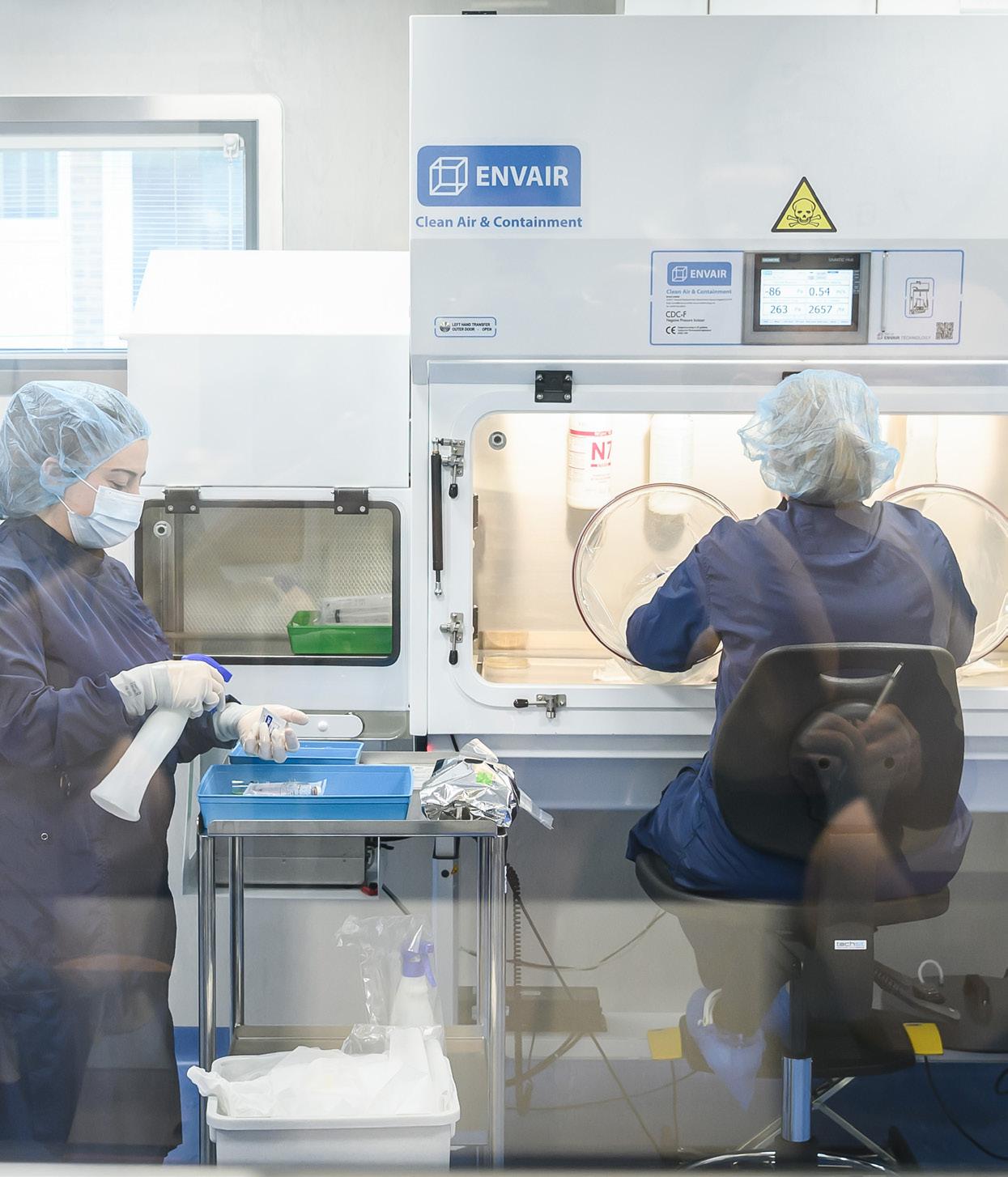
PAHT sits at the centre of this complex system, but the organisation is facing intensifying operational and structural pressures that make the current service model unsustainable in the medium to long-term.
• Demand now exceeds capacity, reflected in rising activity levels, pressure on urgent and emergency care, and increasing delays across pathways
• A deteriorated estate constrains flow, productivity, efficiency, and staff and patient experience
• Financial deficit limits investment, agility, and the ability to absorb national or local pressures
• Workforce strain persists, with challenges in recruitment, retention, skill mix, and staff wellbeing
• Staff and patient surveys highlight issues with culture, experience, and reliability of care environments
• Growing complexity of patients, driven by multimorbidity, ageing, and inequalities, deepens the mismatch between need and capacity
Across both our population and our organisation, the conclusion is unequivocal: standing still is not an option. Demographic change, inequality, estate constraints, workforce pressures, and financial challenges are converging to place the system under sustained strain. Without decisive transformation, these pressures will worsen, driving wider inequalities, poorer experience, and reduced sustainability. This creates a clear imperative for PAHT to redesign care delivery through integrated neighbourhood models, strengthened digital capability, and a shift from reactive treatment to proactive population health management. Rise embodies this ambition, reflecting Harlow’s regeneration, acknowledging the journey ahead, and signalling a continual upward trajectory of change and improvement.














We will rise to meet the needs of our people and place through resilience, innovation and service that improves lives for generations.


Our Values


People at Heart:



















We put compassion, respect and inclusion at the centre of everything we do, valuing our patients, communities and colleagues and supporting each other to thrive.
Creative Collaboration:
We work openly and creatively across teams and partners, sharing ideas and expertise to design better solutions and achieve more together.

Everyday Excellence:
We strive for high standards in every interaction and every task, continually improving to deliver safe, reliable and outstanding care every day.


Digital transformation underpins this shift. We will connect services and streamline pathways through digital tools, remote monitoring, shared records, and intelligent use of data. By identifying unmet need earlier and targeting interventions more effectively, we will build a system that is smarter, more inclusive, and responsive to those experiencing the greatest inequalities.






PAHT is embarking on a transformative journey to deliver integrated care across several neighbourhoods through a single, population focused contract. As we move toward this approach, PAHT will take on the role of host provider, meaning we will hold the contract on behalf of system partners, coordinate delivery across multiple neighbourhood teams, and ensure shared governance, standards, and outcomes across the provider network.
Our role extends beyond the hospital. We are shifting more care into the community, particularly for people with complex needs, through initiatives such as Hospital at Home and specialist outreach. This is supported by a strengthened Estates Strategy, investing in modern, flexible, sustainable, community based facilities while ensuring our acute estate remains safe, resilient and optimised for high acuity care. These improvements enhance patient flow, staff wellbeing and system capacity.
Looking ahead, we will continue to repatriate appropriate specialist services and deepen our partnerships with regional specialist centres. This strengthens local access, supports clinical excellence, and enhances our role as a cutting edge acute provider powered by research, innovation, and clinical leadership.
This journey is about more than organisational form. It is about creating a future where collaboration, technology and ambition come together to improve lives. As we move toward becoming a multi-neighbourhood provider, we will work as a system, strengthen partnerships, and Rise to deliver care that is integrated, innovative, and relentlessly focused on reducing inequalities and improving outcomes for all.
PAHT plays a unique role as an anchor institution within the regional system. Beyond delivering care, we are a major employer, partner, and driver of local economic, social, and environmental value, using our neighbourhood presence to shape care around place-based need and the wider determinants of health.
Serving 350,000 people across West Essex and East Hertfordshire, our communities show stark variation in deprivation, age, and health risk. Harlow faces the highest inequality- driven acute demand, while Epping, Loughton, Uttlesford, and Stort Valley experience rising complexity driven by ageing and frailty. Future demand will be shaped more by multimorbidity than population growth.
This creates a clear need for place - differentiated models, stronger prevention, and proactive long-term condition management. As an anchor institution, PAHT will align workforce, estates, procurement, and sustainability decisions to population need, reducing inequalities, protecting capacity, and supporting resilient communities.


What we will deliver:
Our mission is to deliver care closer to home, embrace a Digital by Default approach to provide personalised and proactive support, and shift from sickness to prevention by working with partners to reduce avoidable admissions and help people stay well. Guided by our values of People at Heart, Creative Collaboration, and Everyday Excellence, these ambitions shape how we work and what we prioritise. They are the golden threads that run through Rise, defining what we will deliver and how we will transform care for our population.
We will shift appropriate elements of acute care into community settings, delivering care closer to home while strengthening partnerships that reduce avoidable admissions and enable earlier support for patients. For PAHT, this means moving from a hospital centred model to integrated, neighbourhood based care that provides diagnostics, monitoring, and treatment in local settings, helping people stay well at home and reserving hospital capacity for those who need it most. This approach improves outcomes, reduces inequalities, and creates a more sustainable, preventative system for our communities, supporting our Green Plan through lower- carbon, place -based care.
We are committed to making better use of digital tools and data, harnessing technologies such as AI, wearables, and unified patient records to deliver more personalised, efficient, and proactive care. For PAHT, this means embedding Digital by Default across pathways, using real time information, smart monitoring, and joined up records to support earlier intervention, streamline care, and empower patients. This approach improves safety, reduces variation, and strengthens our ability to deliver responsive, preventative, and coordinated care across our communities.
We will work more proactively with partners to reduce avoidable admissions, support earlier intervention, and help people stay well so hospital care is only needed when absolutely necessary. For PAHT, this means strengthening collaboration across primary care, community services, mental health, social care, and the voluntary sector to create seamless pathways that identify need earlier and prevent deterioration. By acting sooner and coordinating support around individuals and neighbourhoods, we can improve outcomes, reduce pressure on acute services, and build a more preventative, sustainable system.
Rise is PAHT’s unified vision for the future, an organisation-wide commitment to lift our people, our communities, and our standards together. It sets a clear, upward trajectory of continual improvement, inspired by both the regeneration of Harlow and our own determination to evolve. Rise brings together our ambitions for our workforce, our neighbourhoods, and the quality of care we deliver, creating a single, coherent framework for change. It captures our belief that progress must be constant, that excellence must be intentional, and that reducing inequalities must be at the heart of everything we do. Through Rising Hope, Rising Communities, and Rising Standards, Rise creates the foundation for a better, fairer, and more sustainable future for the people we serve.

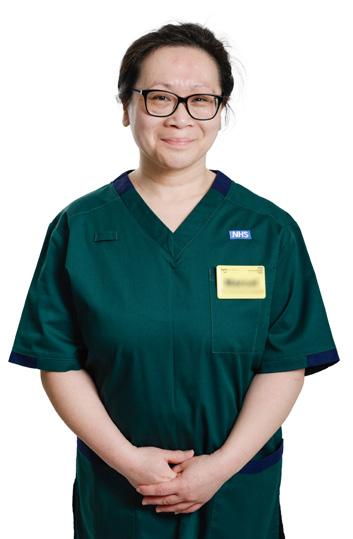


Rising Hope captures PAHT’s determination to build a culture where wellbeing, compassion, and ambition come together to shape a better future for care.
At the heart of Rise is Rising Hope, grounded in our core value of People at Heart. It recognises that while progress has been made, further improvement is needed, and it sets out our ambition to create an organisation where patients, staff, and communities feel supported, valued, and confident in the future.
Rising Hope is about creating the conditions where our people thrive, where wellbeing is prioritised, compassionate leadership is consistent, and clinical ambition and innovation are enabled. By fostering psychological safety, inclusive behaviours, and meaningful development conversations, we will empower colleagues to work at the top of their licence and unlock the potential of every individual and partnership. Modern working environments, digital confidence, and a culture of continual improvement will support more flexible, integrated ways of working as care increasingly moves closer to home.
For patients, Rising Hope means better experiences and outcomes: clearer communication, smoother transitions of care, and more personalised treatment underpinned by research and digital innovation, delivered through our commitment to equality, diversity, inclusion, and belonging. When staff feel supported and equipped, they can spend more time with patients, make earlier decisions, reduce delays, and deliver more dignified care.
As an anchor institution, PAHT will also use its position to strengthen career pathways, apprenticeships, and local employment, improving life chances and reinforcing the link between workforce investment and community wellbeing. Ultimately, Rising Hope creates the foundations for continual improvement – embedding change into everyday work, strengthening pride and belonging, reducing turnover and reliance on temporary staffing, and building a resilient workforce capable of delivering safer, high- quality, and innovative care. This is how we Rise.
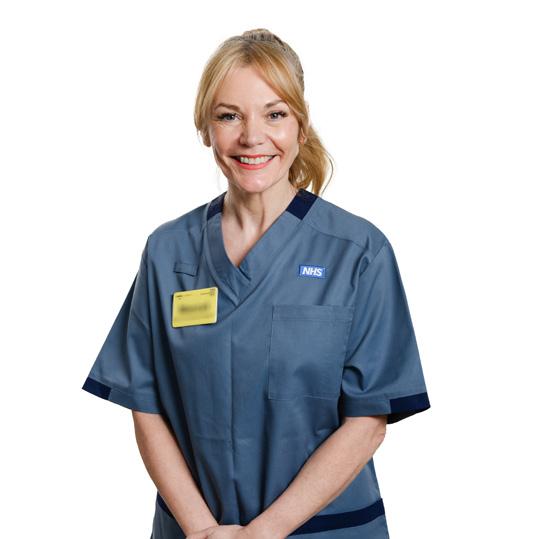

Rising Communities is about redesigning health and care around the lives, places, and needs of the communities we serve.
Grounded in our value of Creative Collaboration, it focuses on strengthening connections between people, services, and neighbourhoods so care is locally accessible, integrated, and responsive to population need.
Rising Communities reshapes care through stronger integration, prevention and community based pathways. Patients will increasingly receive care closer to home via virtual wards, rapid diagnostics, multidisciplinary teams, shared digital records, and the Alex Health platform, improving communication, continuity, and patient empowerment. This enables earlier intervention, reduces unnecessary hospital use, and helps address inequality driven demand, particularly in more deprived communities. Delivering more care locally and digitally also supports our Green Plan by reducing travel and environmental impact, recognising sustainability as integral to long-term population health.
For staff, Rising Communities enables more flexible, connected ways of working across primary, community, mental health, and social care. Colleagues will develop broader roles within multidisciplinary teams, supported by shared records, digital tools, modern role design, and leadership support that reduce administrative burden and enable earlier, more coordinated care.
Strategically and financially, Rising Communities aligns investment with areas of greatest long-term impact. By prioritising prevention, early intervention, and community based pathways, PAHT will reduce avoidable admissions, protect acute capacity, and use public resources more sustainably. Using population health data and Core20PLUS5 principles, and working with local authorities, VCSE partners, and neighbourhood teams, PAHT will target high need groups, strengthen community resilience, reduce inequality driven variation, and support healthier, more confident local populations.

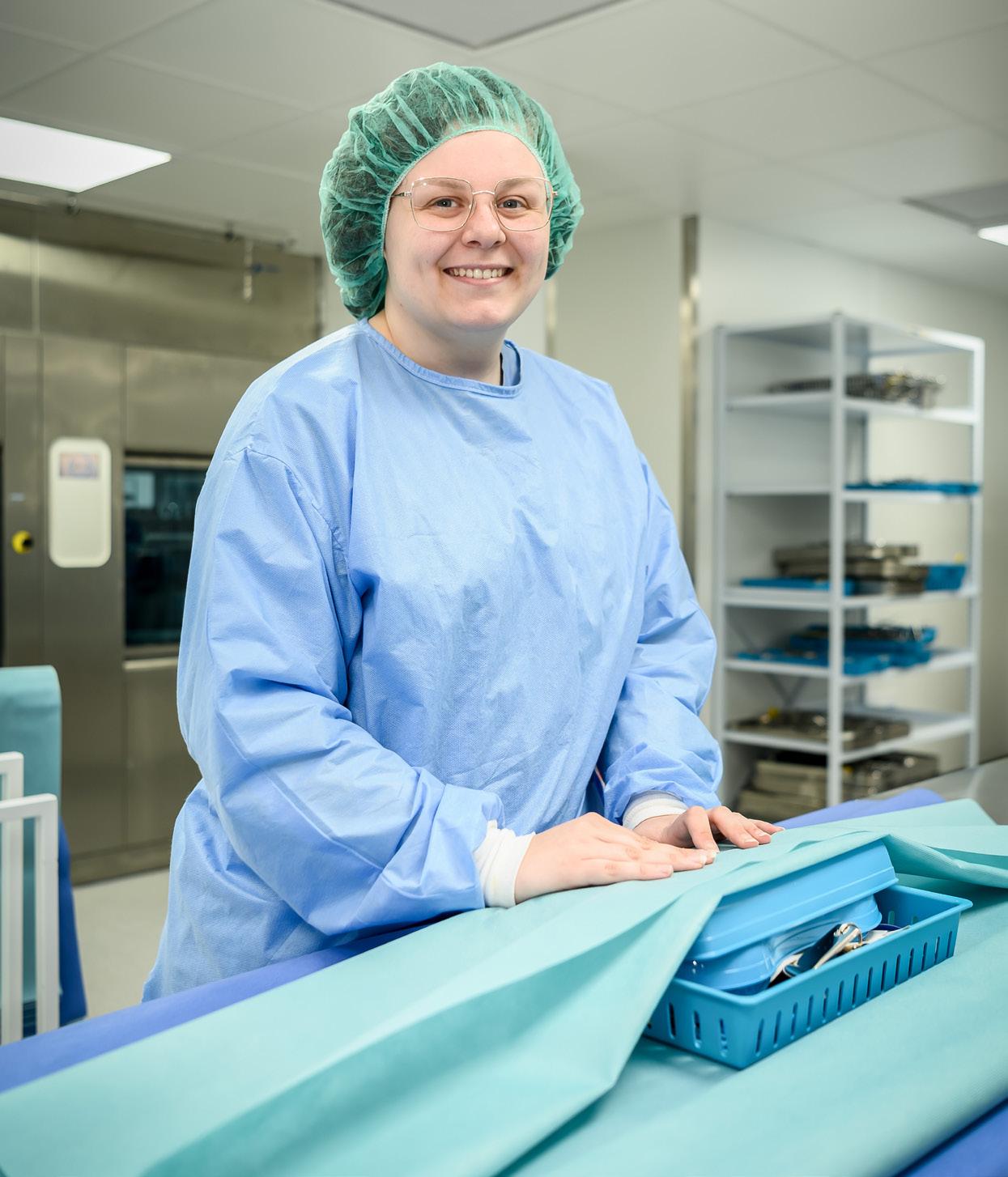
Rising Standards sets excellence as the norm, not the exception; raising quality, safety, and performance consistently across every service.
Underpinned by our value of Everyday Excellence, it is about driving improvement at pace and scale, using data, technology, and research to deliver care that is not only reliable, but exceptional, and to position PAHT as a national leader.
Rising Standards focuses on modernising our estates, digital systems, and clinical infrastructure so patients receive safer, more consistent, and better- coordinated care that is also environmentally sustainable. By upgrading ageing assets, improving resilience, and embedding shared digital pathways, PAHT will enable more preventative, proactive, and personalised care across both acute and community settings. Population health data will be used to identify inequity and target improvement in high-need neighbourhoods such as Harlow, shifting care from reactive response to early intervention.
For our workforce, Rising Standards strengthens capability, confidence, and culture. Improved rota planning, reduced reliance on agency staffing, expanded advanced practice roles, and visible, compassionate leadership will support safer and more sustainable ways of working. Targeted digital and clinical skills development, clinical champions, and simplified workflows ensure innovation enhances care delivery rather than adding burden, strengthening pathways for frailty, deterioration, urgent care, and long-term conditions.
Financial sustainability is integral to Rising Standards. PAHT will align investment with clinical priorities, improve forecasting and procurement, reduce waste, and enhance productivity across theatres, diagnostics, estates, and workforce planning. By reducing unwarranted variation, improving flow, strengthening population-focused pathways, and addressing inequalities, Rising Standards delivers better outcomes, improved access, and a more resilient and equitable health system.
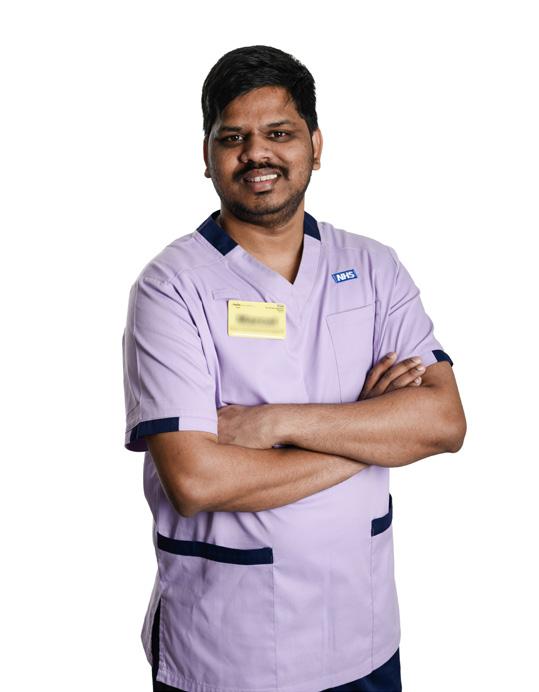
While Rise is ambitious, it is firmly rooted in what PAHT is already delivering. Across services, we are demonstrating how integration, innovation, and population-led design translate into tangible improvement.
The CDC breathlessness pathway illustrates how joined-up diagnostics and pathway redesign can fundamentally improve access and equity while supporting earlier diagnosis.
By bringing together primary care, diagnostics and specialist review through a more streamlined pathway, the service is on track to reduce inappropriate referrals, shorten time to diagnosis and ensure patients are directed more quickly to the right intervention. Critically, this pathway has supported a shift away from fragmented, episodic care towards a more proactive and population-focused model, enabling earlier identification of serious conditions while reducing pressure on acute services. It shows how PAHT can act as a system enabler, using diagnostics as a catalyst for integration rather than a standalone function.
Similarly, the Older Persons Assessment and Liaison (OPAL) Unit demonstrates how integrating acute, community and therapy services can improve flow while delivering better care for some of our most complex patients.
By embedding comprehensive geriatric assessment early in the acute pathway and aligning decision-making across medical, therapy and discharge teams, OPAL has reduced avoidable admissions, supported earlier discharge and improved continuity of care. The model recognises that frailty is best managed through coordinated, multidisciplinary working rather than traditional single -specialty approaches. Importantly, OPAL has also strengthened relationships with community and social care partners, ensuring that discharge planning is proactive and patient- centred, and that hospital care supports independence rather than driving deconditioning.
Our musculoskeletal (MSK) transformation programme provides a further example of how PAHT can deliver improvement through smarter system design.
By redesigning pathways, strengthening triage and improving multidisciplinary decision-making, the programme has reduced unnecessary referrals into secondary care and ensured patients are seen in the right setting first time. At the same time, changes to contracting and service models have helped reduce unwarranted variation, bring lengths of stay back in line with national benchmarks, and improve productivity without compromising quality. Feedback from patients and clinicians highlights improved experience, clearer pathways and more joined-up care, demonstrating that financial sustainability and quality improvement can be delivered together.
Taken together, these examples show that Rise is not aspirational alone. It builds on a strong foundation of proven change, delivery and partnership working across PAHT. They demonstrate our ability to lead complex transformation, align services around population need, and deliver tangible improvements in outcomes, experience and flow. Rise therefore represents the scaling up of what PAHT already does well – embedding these successful approaches consistently across pathways, places and populations to deliver sustainable, long-term improvement.
Our Recover–Renew–Rise framework recognises that lasting transformation takes time. With services under pressure, we must first stabilise, then rebuild, before realising our longterm ambitions. Recover lays the essential foundations by restoring performance and strengthening resilience. Renew provides the bridge, redesigning pathways, modernising infrastructure, and embedding new ways of working. Rise sets the long-term direction: an integrated, digitally enabled, community focused model of care. Together, these phases give teams a clear, realistic framework for short, medium and long-term progress, ensuring we move forward with purpose and stability.
Recover is about creating immediate stability. Over the next 6–12 months, our focus is on restoring core performance, strengthening operational grip, and alleviating the most critical pressures across urgent care, flow, workforce and estates. This phase enables teams to regain headroom, rebuild confidence, and put in place the essential foundations – data, processes, capacity, and leadership stability – required for safe and reliable day-to-day delivery. Recover ensures we are steady enough to move into deeper transformation.
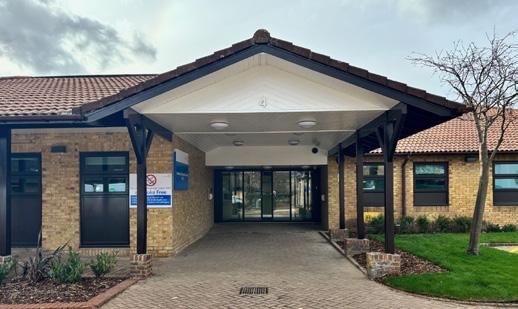
Our new Community Diagnostic Centre (CDC) is a core early achievement of the Recover phase, expanding diagnostic capacity through modern, community based facilities that reduce pressure on the hospital and make access quicker and more convenient. By offering streamlined, often one stop pathways that minimise repeat visits and speed up diagnosis, the CDC supports earlier intervention, improves patient experience, and strengthens our shift toward care closer to home.
Renew provides the medium-term bridge between stabilisation and long-term redesign. Over 1–3 years, we will modernise pathways, invest in digital capability, strengthen neighbourhood models, and upgrade key parts of the estate. This is the phase where new ways of working take shape: integrated teams mature, inequalities focused interventions are embedded, and services evolve to meet future population needs. Renew is about rebuilding the system – methodically, sustainably, and with a clear forward trajectory.

As part of the Renew phase, we are building integrated workforce models and strengthening partnerships between community and acute providers, creating more connected and consistent care. By bringing teams together across organisational boundaries to share skills and clinical leadership, we can streamline pathways, intervene earlier, and reduce duplication. This collaborative approach improves continuity between hospital and home, enhances patient experience, and builds a more flexible, resilient workforce ready to meet future demand.
Rise sets the long-term strategic direction for the next five years. It describes the care model we are building toward: integrated, digitally enabled, community anchored and continuously improving. This phase represents our upward trajectory – reflecting Harlow’s wider regeneration and our commitment to progressive, sustained transformation. Rise is where we embed excellence, scale innovation, and deliver the long-term outcomes our communities deserve.
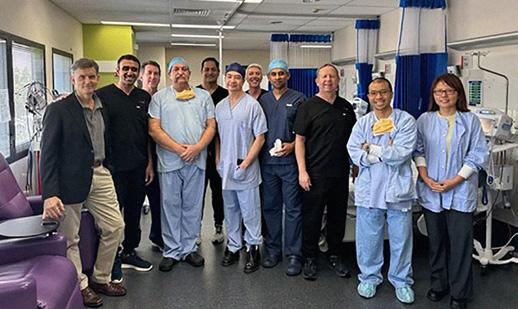
A strong example of Rise is our work to repatriate complex cardiology device procedures back to PAHT, expanding specialist capability and upgrading the supporting infrastructure so patients can access advanced interventions locally. This will reduce out of area referrals, shorten treatment pathways, and strengthen a more comprehensive, integrated heart service – demonstrating how Rise enables us to build specialist excellence closer to home.
We will measure whether patients receive safer, faster and more personalised care, with improved outcomes and reduced unwarranted variation, ensuring their experience is consistently positive, coordinated, and centred around what matters to them.
Our people are our greatest asset and we will assess how supported, skilled and engaged our workforce feels, tracking culture, wellbeing, development and retention to ensure PAHT is a place where people can thrive and deliver their best work across both acute and community settings.
We will evaluate our impact on population health by tracking improvements in prevention, earlier intervention, reduced inequalities and better access across neighbourhoods, ensuring that the communities with the greatest need feel the greatest benefit.
We will measure the impact of Rise through our 5 Ps, a balanced and meaningful set of outcomes that reflect what matters most to our patients, our people and our population. Together, these measures ensure we track not only operational performance, but also the experience, equity, value and long-term sustainability of the care we provide through pounds. The 5 Ps give us a consistent way to judge progress, hold ourselves to account, and demonstrate the real difference we are making as we Recover, Renew and Rise.
We will track delivery against key quality, access, safety and flow standards, ensuring we improve reliability, reduce delays, and build a high-performing system capable of meeting rising demand and supporting long-term transformation.
We will measure how effectively we use public money by improving productivity, reducing waste, strengthening financial sustainability, and ensuring investment supports the highest-value care for our communities now and in the future.
Implement a fully integrated Specialist Palliative Care (SPC) service across West Essex, working in partnership with community providers, primary care, hospices and the Integrated Care System (ICS), to ensure equitable, timely and coordinated palliative and end- of-life care.
Rising Hope, Rising Standards, Rising Communities
Establish a fully integrated Ear, Nose and Throat (ENT) and Audiology Hub that co-locates diagnostics, assessment, and treatment in one purpose designed setting.
Rising Standards
PAHT will deliver a clear, accountable annual response to the Staff Survey, with actions agreed, tracked and visibly delivered at Trust, divisional and team level. Survey findings will be openly shared, progress monitored throughout the year, and leaders held to account, providing assurance that staff feedback drives sustained improvement rather than one - off responses.
Rising Hope, Rising Standards
PAHT will implement a structured talent development framework, based on gap analysis, to strengthen career pathways, mentoring and progression, supporting leadership development, succession and long-term staff retention.
Rising Hope
Develop joint Enhanced Transition of Care (ETOC)
Mental Health teams to improve coordination and continuity for patients moving between acute and community services.
Rising Hope, Rising Standards, Rising Communities
PAHT will strengthen its workforce planning approach to ensure the right people, skills, and capacity are in place to sustain clinical services, respond to future demand, and support safe, high- quality care.
Rising Hope, Rising Standards
Deliver a fully modernised, digitally enabled outpatient service across West Essex, replacing traditional models with streamlined, integrated pathways that prioritise virtual access, intelligent scheduling, remote monitoring, and patient owned digital journeys.
Rising Standards, Rising Communities
PAHT will refresh and re-embed its values throughout the organisation, promoting psychological safety, staff wellbeing and compassionate, high-quality care.
Rising Hope, Rising Standards
PAHT will consistently meet Cancer Waiting Time Standards through streamlined referral pathways, strong tertiary collaboration, and redesigned diagnostic and treatment models, including one -stop shop diagnostics and optimised theatre capacity.
Rising Standards
PAHT will deliver lasting cost savings by redesigning services and operations, shifting significant care out of hospital and embedding value -based decision-making into everyday practice.
Rising Standards, Rising Communities
PAHT will agree and secure formal endorsement of the New Hospital Programme delivery model, with clear next steps to progress the business case, secure seed funding, and move toward delivery with strong stakeholder support.
Rising Standards, Rising Communities
PAHT will improve outpatient experience through faster access, clearer communication, and transparent waiting list updates, evidenced by sustained reductions in complaints and improved patient feedback.
Rising Standards
PAHT and health and care partners will deliver the first phase of a unified Multi-Neighbourhood Provider Contract, demonstrating integrated, place -based care through a small number of defined neighbourhood models that improve coordination, experience and outcomes beyond the acute setting.
Rising Hope, Rising Standards, Rising Communities
PAHT and healthcare partners will complete a West Essex-wide review of funded services and establish a place -based structure to determine which services are sustained, redesigned or decommissioned, informing future local commissioning decisions.
Rising Standards, Rising Communities
PAHT will agree an estates masterplan aligned to the New Hospital Programme, including relocation of acute services closer to home, with at least one service moved off the main acute site by year- end.
Rising Standards, Rising Communities
Extend the Virtual Hospital model across respiratory, cardiology and paediatrics, supported by remote monitoring, daily virtual ward rounds, and integrated multidisciplinary oversight.
Rising Standards, Rising Communities
Building on workforce insights, PAHT will strengthen staff networks, improve follow-through on concerns around fairness and inclusion, and embed de -biased recruitment across all hiring. We will create a culture where candidates and staff are treated fairly, selected based on skills, behaviours and potential, and confident that inclusion and equality are lived consistently across the organisation.
Rising Hope
Launch a fully integrated Women’s Health Hub that brings together acute, community based, and preventative services into a single, accessible model.
Rising Standards, Rising Communities
PAHT will use AI- enabled recruitment and enhanced virtual learning platforms to improve attraction, fairness, leadership development and career progression.
Rising Hope, Rising Standards
PAHT will embed a culture of continuous learning by strengthening access to continuing professional development (CPD), coaching and leadership development, with a clear focus on the fundamentals of care and training. Staff growth and excellence will be actively recognised and rewarded, ensuring people feel valued and motivated as they develop, adapt and perform at their best, while delivering high-quality, safe and compassionate care for patients.
Rising Hope, Rising Standards
In every neighbourhood, people most at risk of crisis are identified early, supported and stabilised before reaching hospital. Integrated Neighbourhood Teams will proactively provide coordinated multi- disciplinary support to prevent deterioration, avoidable admissions and harm across the PAHT population.
Rising Standards, Rising Communities
Define and agree a single integrated paediatrics model that unites prevention, early intervention, community services, and acute care pathways across the system.
Rising Standards, Rising Communities
In partnership with health and care partners, establish a fully integrated Neighbourhood Health Hub in Harlow, bringing together primary care, community services, prevention, diagnostics, and digital access into a single, community centred model that delivers proactive, accessible, and joined-up care for local populations.
Rising Standards, Rising Communities
Establish a 24/7 Mental Health Front Door that delivers rapid biopsychosocial assessment, safe streaming and liaison, and immediate access to crisis alternatives – integrated with Emergency Department (ED), ambulance, and community teams.
Rising Standards, Rising Communities
PAHT will achieve full Joint Advisory Group on Gastrointestinal Endoscopy (JAG) accreditation for endoscopy, demonstrating national quality compliance, strong governance, optimised pathways and a consistently safe, high-performing service.
Rising Standards
PAHT will redesign corporate services to better support clinical delivery and deliver at least one West Essex vertical integration programme, establishing a scalable model for further system integration.
Rising Standards
PAHT will deliver Community Diagnostic Centre (CDC) Phase 2 to expand diagnostic capacity and enable community-first pathways through faster access to tests and early intervention.
Rising Standards, Rising Communities
PAHT will fully optimise theatre utilisation, ensuring theatre time is used only for essential activity, maximising throughput, eliminating inefficiency, and meeting elective and emergency demand.
Rising Standards
PAHT will deliver a consistent hospital-wide flow model, ensuring timely decision-making, minimised delays, and admission only where inpatient care is required, supported by a fully functioning Urgent Treatment Centre (UTC) aligned with the Emergency Department (ED).
Rising Standards, Rising Communities
PAHT will improve financial sustainability by prioritising elective income from core services, ceasing non-specialist outpatient activity, and scaling services where PAHT is recognised as an exemplar.
Rising Standards
PAHT and wider health and care partners will deliver coordinated redevelopment of St Margaret’s and Herts & Essex Hospitals, enabling co-located primary care, community services, diagnostics and prevention, and improving access to neighbourhood-based care.
Rising Standards, Rising Communities
PAHT will deliver an ongoing programme of main-site maintenance and critical infrastructure investment to ensure safety, reduce backlog maintenance and improve the working environment.
Rising Standards, Rising Communities
Launch a dedicated PAHT Pacing Centre delivering streamlined cardiac pacing diagnostics and procedures and establishing PAHT as a leading regional spoke site for advanced cardiac rhythm management.
Rising Hope, Rising Standards, Rising Communities
PAHT will deliver a measurable and sustained realignment of organisational culture, where respectful, inclusive, improvement focused and accountable behaviours are consistently modelled at every level, and staff feel psychologically and physically safe, protected and listened to. Rising Hope, Rising Standards
PAHT will strengthen how we develop and support our people to work in effective partnership across services, organisations and communities, building the confidence, skills and behaviours needed to share accountability and deliver joined-up care beyond organisational boundaries.
Rising Hope, Rising Standards, Rising Communities
PAHT is recognised as a leading anchor institution, improving local employment, skills, digital inclusion, environment and broader determinants.
Rising Hope, Rising Standards, Rising Communities
PAHT will deliver a fully optimised elective care system, achieving a sustainable RTT position through targeted waiting list reduction, expanded patient initiated follow up, and systematic use of Advice and Refer across all specialties. Rising Standards
PAHT will demonstrate system-wide financial benefits through joint working that reduces duplication, lowers costs and strengthens overall value.
Rising Standards, Rising Communities
Harlow South Demographics
• A higher proportion of people in Harlow South are aged <18 years, whilst a lower proportion are aged 65 years and over, compared to West Essex Healthcare Partnership (WEHCP)
• The population of Harlow South is growing alongside demographic shifts, with an ageing population that will grow more rapidly compared to the overall population
• People in Harlow are more likely to live with long-term conditions
• People in Harlow South are less likely to do the recommended levels of physical activity and are more likely to smoke compared to West Essex. These trends are particularly pronounced among younger adults (25-49) and individuals in the second most deprived quintile
Harlow North Demographics
• A higher proportion of the population live in the two most deprived quintiles compared to West Essex and the Integrated Care Board (ICB)
• An ageing population that will grow more rapidly compared to the overall population
• Harlow has the poorest health outcomes within the ICB Overview of the Population
• Harlow North data shows a higher prevalence of behavioural risk factors, including obesity, insufficient physical activity and smoking compared to West Essex
Loughton, Buckhurst Hill and Chigwell Demographics
• The Loughton, Buckhurst Hill and Chigwell population profile is similar to West Essex and the ICB. However, a higher proportion of the population live in the most deprived quintiles compared to West Essex
• People in these areas are more likely to live with longterm conditions, require emergency care and die before the age of 75 years
• Loughton, Buckhurst Hill and Chigwell data shows a lower prevalence of behavioural risk factors, including, obesity, insufficient physical activity and smoking compared to West Essex. These trends are particularly pronounced among older adults (65+)
• The population of Loughton, Buckhurst Hill and Chigwell is growing alongside demographic shifts, with an ageing population that will grow more rapidly compared to the overall population
Epping North Demographics
• Epping Forest North population has a lower proportion aged under 18 but a higher proportion aged 65+ compared to the population profile of West Essex and the ICB. However, a higher proportion of the population live in the third most deprived, and second least deprived quintiles compared to West Essex
• Overview of the Population Epping Forest North data shows a lower prevalence of behavioural risk factors, including alcohol abuse and obesity compared to West Essex
• The population of Epping Forest North is growing alongside demographic shifts, with an ageing population that will grow more rapidly compared to the overall population
South Uttlesford Demographics
• The South Uttlesford population profile is similar to West Essex and the ICB. However, a higher proportion of the population live in the two least deprived quintiles compared to West Essex
• The population of South Uttlesford is growing alongside demographic shifts, with an ageing population that will grow more rapidly compared to the overall population
• Although Uttlesford has significantly lower proportions of children living in poverty compared with West Essex and England, 6% of children in Uttlesford live in poverty
• South Uttlesford data shows a higher proportion of alcohol abuse, obesity and insufficient physical activity compared to West Essex
North Uttlesford Demographics
• North Uttlesford has a higher proportion of the population aged 65+ compared to West Essex
• North Uttlesford data shows a higher prevalence of behavioural risk factors, including alcohol abuse and obesity compared to West Essex. These trends are particularly pronounced among older adults (65+) and Black, Asian and Minority ethnic (BAME) communities
• North Uttlesford has a lower number of the population in the ‘Generally Healthy’ segment. This is linked to higher prevalence of longterm conditions
Stort Valley and Villages Demographics
• The Stort Valley population profile is similar to East and North Hertfordshire (ENH) and the ICB. A higher proportion of the population live in the least deprived quintile compared to the place
• Stort Valley data shows a higher proportion of alcohol abuse, obesity, insufficient physical activity and smoking compared to ENH
• Stort Valley and the Villages have significantly fewer children living in areas of Income Deprivation Affecting Children Index (IDACI)
• The population of Stort Valley is growing alongside demographic shifts, with an ageing population that will grow more rapidly compared to the overall population