InTouch

With our patients, visitors and people... Our new strategy to transform healthcare for our community

With our patients, visitors and people... Our new strategy to transform healthcare for our community
Welcome to the third edition of our magazine.
In this edition, we introduce our new RISE strategy, which sets out our ambitions and shared vision for the future of care in west Essex.
Alongside this, you'll find stories that showcase the dedication, compassion and expertise of colleagues across PAHT. From performance improvement and recognising outstanding achievements to highlighting innovation and sharing the experiences of those using our services, these pages reflect the very best of our Trust.
This magazine is an opportunity to celebrate the people who make PAHT what it is. Every day, our teams go above and beyond to deliver high-quality care and support one another, and it is important that we recognise and share those contributions.
I hope you enjoy reading this edition and feel proud of the achievements and progress it showcases.
Best wishes
Thom Lafferty Chief Executive

to paht.communications@nhs.net
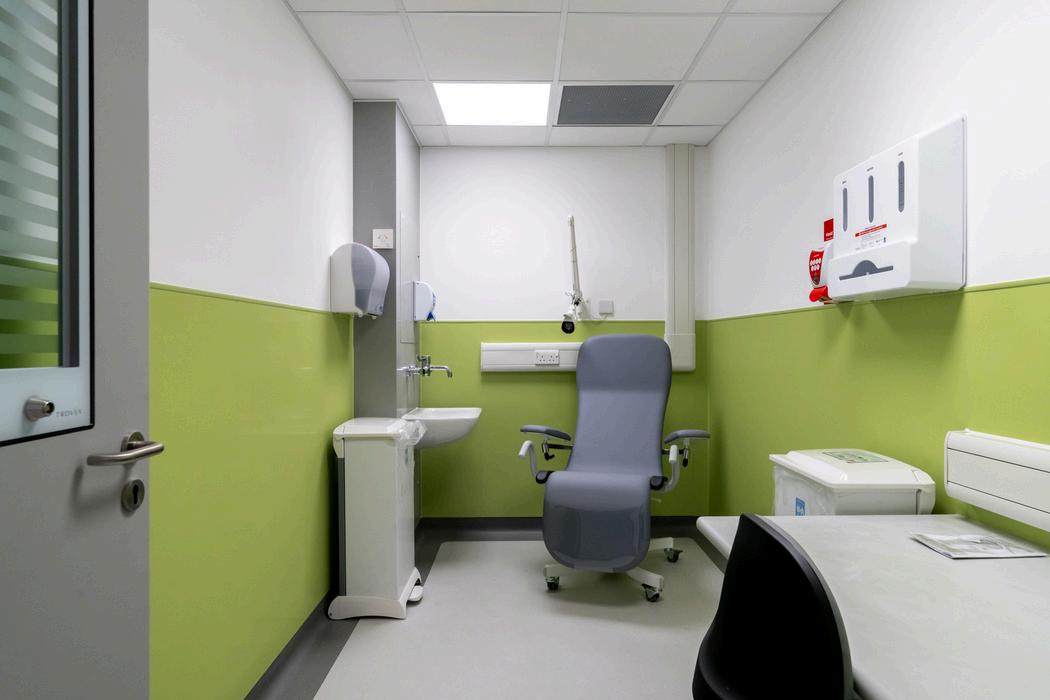
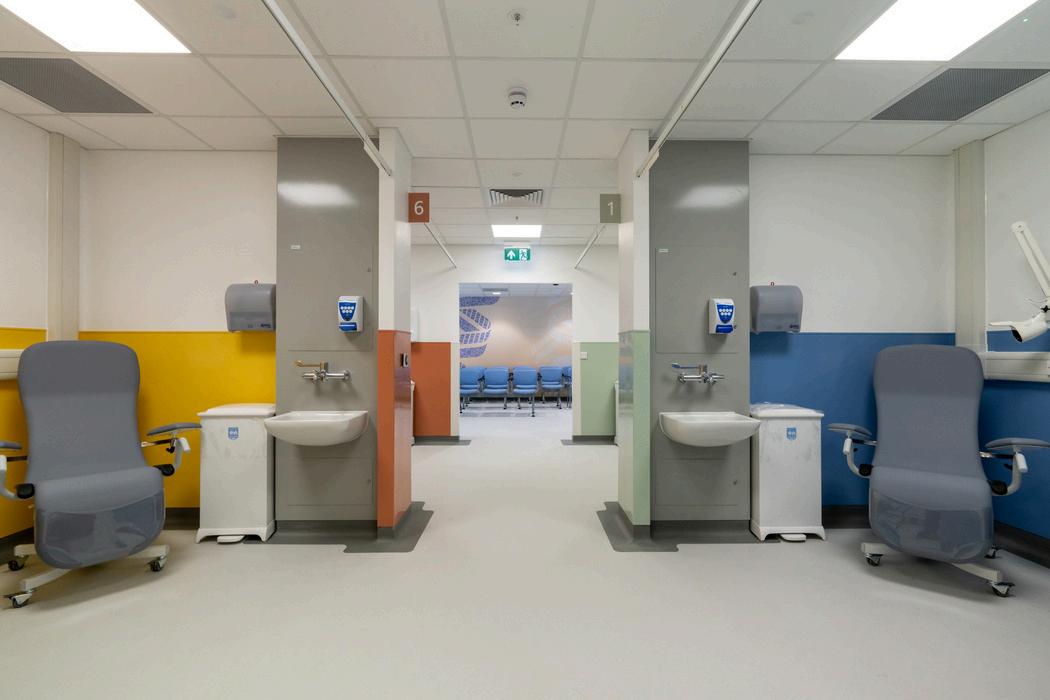
Patients across west Essex and east Hertfordshire are benefiting from improved access to diagnostic services following the opening of two new facilities.
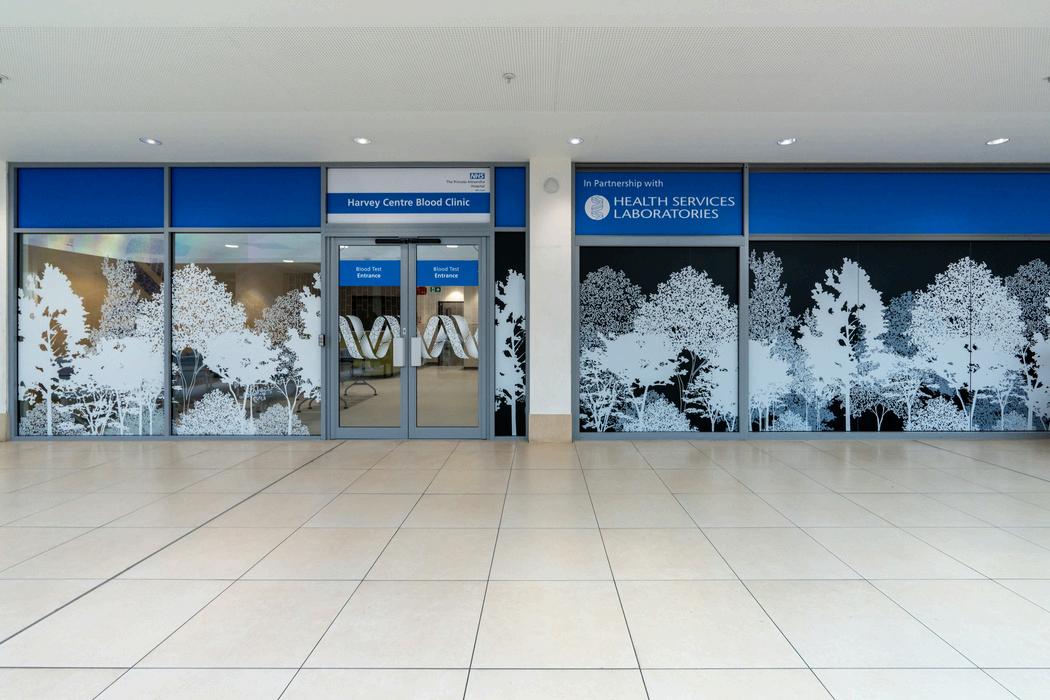
Our new blood testing facility at The Harvey Centre in Harlow has relocated routine blood testing services to a convenient town-centre location. Designed to provide a comfortable patient experience, the facility can see around 300 people each day, while also freeing up clinical space at the hospital.
In Epping, a new Community Diagnostic Centre (CDC) has opened at St Margaret's Hospital. Part of a national programme to improve access to diagnostic testing, the CDC offers services including MRI and CT scans, ultrasound, cardiology investigations and respiratory testing.
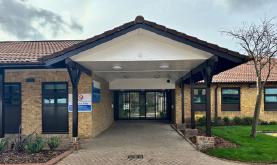
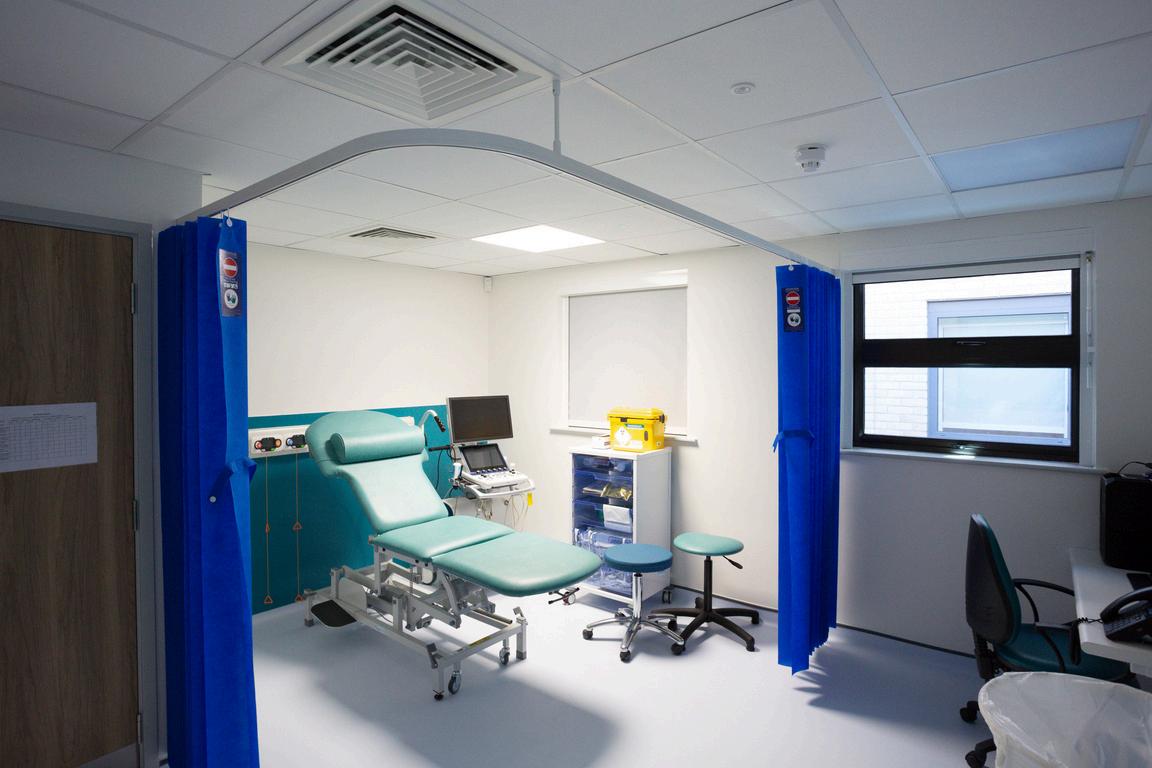
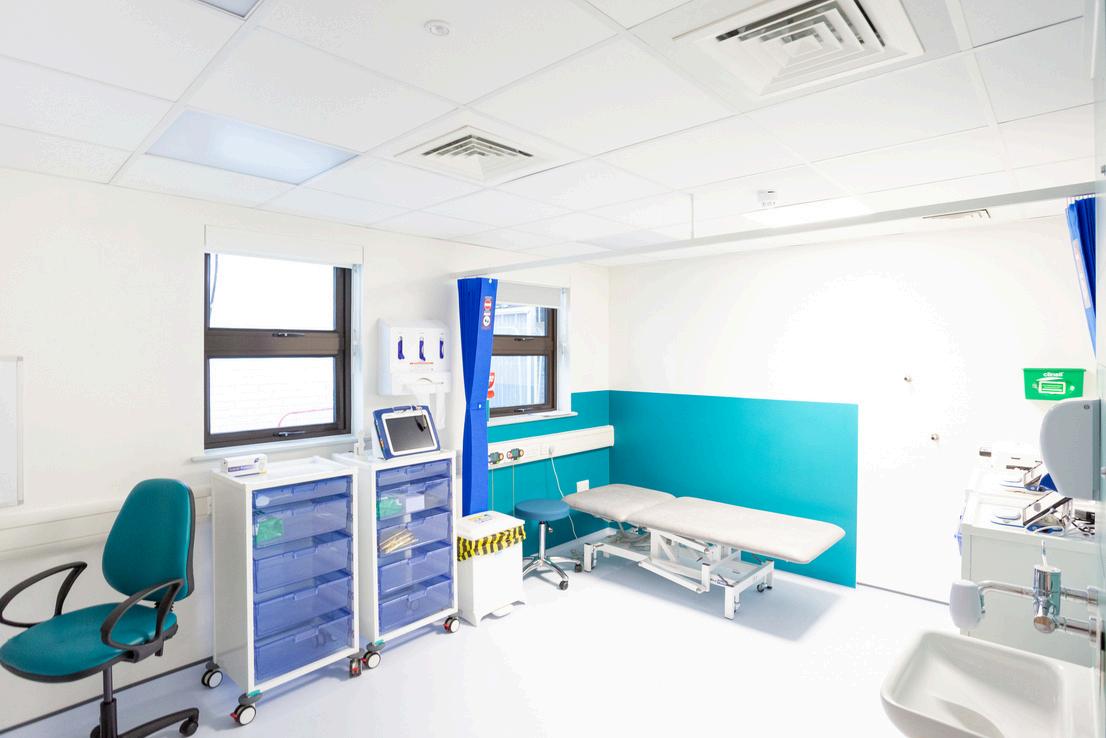
Both facilities provide modern, accessible environments designed around patient needs. By increasing diagnostic capacity and delivering more services in community settings, they are helping patients access important tests more quickly and conveniently, supporting earlier diagnosis and faster treatment when needed.
These investments reflect our ongoing commitment to improving patient care, enhancing the patient experience and ensuring local communities have access to high-quality healthcare services closer to home.
Photos 1 to 3 (left): The CDC 4 to 6 (right): The blood testing facility
Our new Rise strategy sets out how we will improve care, support our people and work with partners to meet the changing needs of the communities we serve across west Essex.
Rise is our long-term strategy for improving care across west Essex and shaping the future of our organisation. It brings together our ambitions for our people, our communities and the quality of care we provide in a single shared framework for change.
Inspired by both the regeneration of Harlow and our own determination to evolve, Rise reflects a commitment to continual improvement, stronger partnership working and a future shaped by higher standards and greater equity
At its heart is a simple belief: progress must be constant, excellence must be intentional, and reducing inequalities must sit at the centre of everything we do. Through Rising Hope, Rising Communities and Rising Standards, the strategy sets a clear direction for a better, fairer and more sustainable future.
The strategy has been developed at a time of increasing demand, with many people living with long-term conditions and communities experiencing health inequalities. It also recognises the everyday reality for our staff, who are delivering care in systems and environments that were not designed for the complexity of modern healthcare.
That is why we know we cannot stand still. Rise gives us a clear sense of direction for the years ahead – grounded in honesty about the challenges we face now, confidence in what we can achieve together and a shared determination to improve care and outcomes for local people.

The strategy is built around three core ambitions:
Rising hope – looking after our people
Rising standards – driving improvement at pace
Rising communities – working with partners to deliver care tailored to local people
Together, these priorities are intended to help our organisation recover, renew and improve. Change of this scale will not happen overnight, but Rise signals a long-term commitment to working differently, building stronger partnerships and creating a better experience for patients, communities and staff.
At its heart, Rise is also about collaboration. Many of the challenges facing health and care today can only be tackled by working across organisational boundaries and designing services around the needs of the communities we serve.
For all of us, Rise is more than a statement of ambition. It is a shared framework for change –helping colleagues see how their work connects to our wider direction and how each of us can play a part in turning the strategy into practical improvements over the months and years ahead.
By working together, we have the opportunity to meet the challenges ahead and build a stronger, more compassionate and sustainable future for our communities.
You can read the full, summary and easy read version of the Rise strategy on our website (www.pah.nhs.uk) and on AlexNet for staff.
You can also scan the QR codes below
Our Rising Vision
We will rise to meet the needs of our people and place through resilience, innovation and service that improves lives for generations.
Our Values
People at Heart:
We put compassion, respect and inclusion at the centre of everything we do, valuing our patients, communities and colleagues and supporting each other to thrive.
Creative Collaboration:
We work openly and creatively across teams and partners, sharing ideas and expertise to design better solutions and achieve more together
Everyday Excellence:
We strive for high standards in every interaction and every task, continually improving to deliver safe, reliable and outstanding care every day.
Our Timeline to Rise
Our Recover–Renew–Rise framework recognises that lasting transformation takes time. With services under pressure, we must first stabilise, then rebuild, before realising our long-term ambitions. Recover lays the essential foundations by restoring performance and strengthening resilience.
Renew provides the bridge, redesigning pathways, modernising infrastructure, and embedding new ways of working. Rise sets the long-term direction: an integrated, digitally enabled, community focused model of care. Together, these phases give teams a clear, realistic framework for short, medium and long-term progress, ensuring we move forward with purpose and stability
Recover is about creating immediate stability. Over the next 6–12 months, our focus is on restoring core performance, strengthening operational grip, and alleviating the most critical pressures across urgent care, flow, workforce and estates. This phase enables teams to regain headroom, rebuild confidence, and put in place the essential foundations – data, processes, capacity, and leadership stability – required for safe and reliable day-to-day delivery Recover ensures we are steady enough to move into deeper transformation.
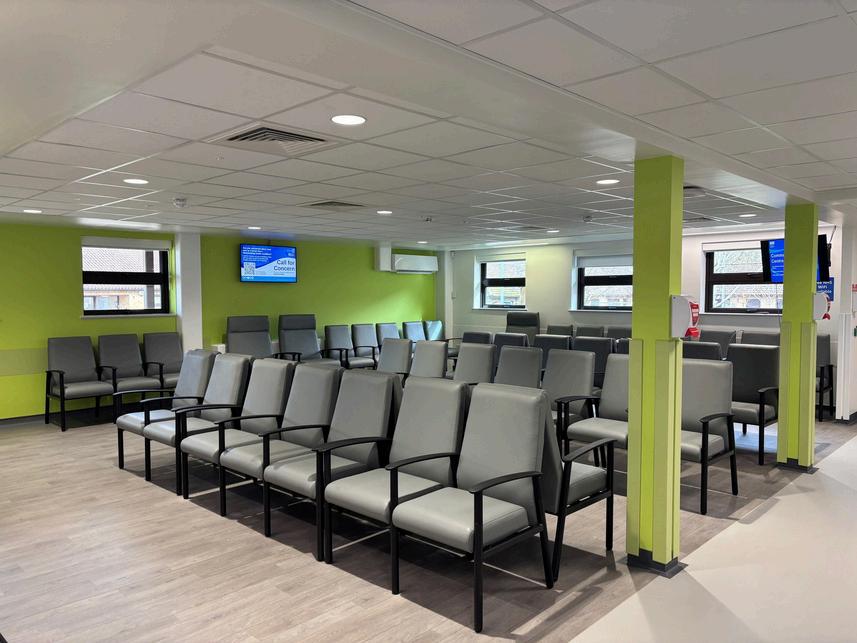
Our new Community Diagnostic Centre (CDC) is a core early achievement of the Recover phase, expanding diagnostic capacity through modern, community-based facilities that reduce pressure on the hospital and make access quicker and more convenient. By offering streamlined, often one-stop pathways that minimise repeat visits and speed up diagnosis, the CDC supports earlier intervention, improves patient experience, and strengthens our shift toward care closer to home.
Renew provides the medium-term bridge between stabilisation and long-term redesign. Over 1–3 years, we will modernise pathways, invest in digital capability, strengthen neighbourhood models, and upgrade key parts of the estate. This is the phase where new ways of working take shape: integrated teams mature, inequalities-focused interventions are embedded, and services evolve to meet future population needs. Renew is about rebuilding the system – methodically, sustainably, and with a clear forward trajectory.

As part of the Renew phase, we are building integrated workforce models and strengthening partnerships between community and acute providers, creating more connected and consistent care. By bringing teams together across organisational boundaries to share skills and clinical leadership, we can streamline pathways, intervene earlier, and reduce duplication. This collaborative approach improves continuity between hospital and home, enhances patient experience, and builds a more flexible, resilient workforce ready to meet future demand.
Rise sets the long-term strategic direction for the next five years. It describes the care model we are building toward: integrated, digitally enabled, community anchored and continuously improving. This phase represents our upward trajectory –reflecting Harlow’s wider regeneration and our commitment to progressive, sustained transformation. Rise is where we embed excellence, scale innovation, and deliver the long-term outcomes our communities deserve.
A strong example of Rise is our work to return complex cardiology device procedures back to PAHT, expanding specialist capability and upgrading the supporting infrastructure so patients can access advanced interventions locally. This will reduce out of area referrals, shorten treatment pathways, and strengthen a more comprehensive, integrated heart service – demonstrating how Rise enables us to build specialist excellence closer to home.

Patients can now access advanced cardiac pacing treatments closer to home through new dedicated implant services.
This marks a significant milestone as it is the first time these specialist procedures have been offered at our hospital, reducing the need for patients to travel to specialist centres for care and treatment.
Cardiac Resynchronisation Therapy (CRT-P) and Left Bundle Branch Area Pacing (LBBAP) are advanced pacing therapies used to treat patients with heart failure and abnormalities in the heart’s electrical conduction system. These conditions can cause symptoms such as breathlessness, dizziness, fatigue, reduced exercise tolerance and, in some cases, loss of consciousness.
The treatments work by improving the coordination of the heart’s pumping chambers, helping the heart beat more efficiently and effectively. For many patients, this can lead to improved quality of life, better exercise capacity, fewer symptoms and a reduced risk of hospital admission.
The introduction of these treatments reflects our commitment to providing modern, evidence-based care for local people. By offering these treatments, patients can benefit from earlier intervention, shorter waiting times and a more seamless experience, with assessment, implantation and follow-up delivered through a single service.
A particularly exciting development is the introduction of Left Bundle Branch Area Pacing (LBBAP), an innovative pacing technique that provides a more natural way of activating the heart and is at the forefront of developments in cardiac rhythm management.
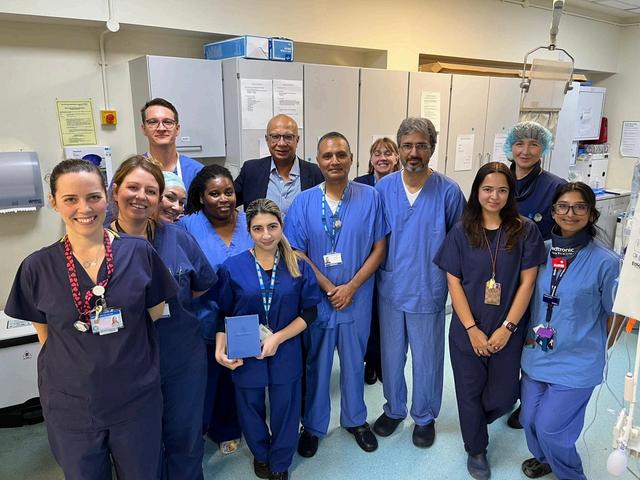
CRT-P and LBBAP team.
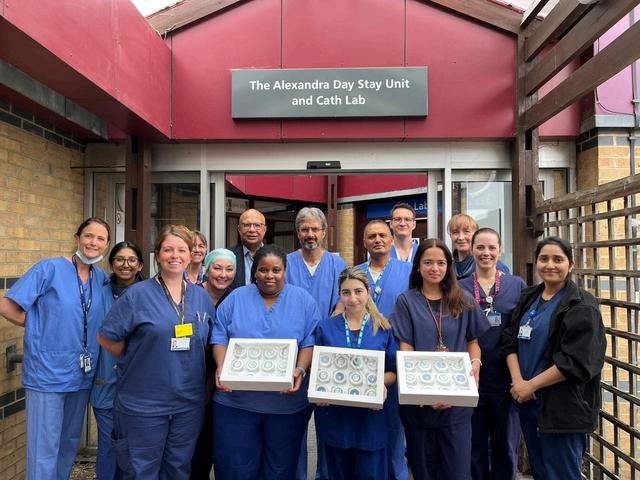
The introduction of these treatments has required close collaboration across multiple teams - their combined efforts have ensured robust patient pathways, specialist training, strong governance processes and a sustainable service.
We continue to develop specialist expertise in advanced pacing therapies while reducing reliance on external providers. Most importantly, it means more patients can receive life-changing treatment and the latest developments in cardiac care, closer to home, when they need it most.

The heart beats around 100,000 times every daymore than 35 million times a year.
Advanced pacing therapies such as CRT-P and LBBAP help ensure those beats happen in a more coordinated and efficient way.

Ian s experience of the new CRT-P and LBBAP service
I'm able to walk further without stopping to rest. Ian Cox, patient.
For many people, it is often the small changes in everyday life that signal something isn’t quite right. When 79-year-old Ian Cox from Bishop's Stortford began finding everyday activities more difficult, he knew something had changed.
A retired electronics engineer, Ian had always enjoyed what had once been a routine walk between the town centre and his home. But as his symptoms developed, the 1.6-mile walk became a challenge.
“I was struggling to do the walk from the town centre back home” he explained. “I had to keep stopping to rest for a short time. It's a walk I had regularly done before without any problem.”
As the symptoms worsened, Ian found himself changing his daily routine. “It meant I had to drive down to town and pay for parking” he said.
Following discussion with Mr Cox’s Cardiologist, Ian was referred for advanced pacing treatment through PAHT's Biventricular pacing service and the procedure was undertaken by Dr Debashis Roy, Lead for Cardiac Pacing and his team.
The specialist service, launched this year, enables patients to receive advanced heart rhythm treatments closer to home rather than travelling to larger tertiary centres.
When the treatment was recommended, Ian was hopeful it would help him regain some of the independence he had lost. “I hoped it would restore my ability to walk back from town” he said.
Receiving treatment locally was also an important benefit for Ian and his family. “It made it much easier for family to drop me off and pick me up” he said. “There were no worries about family having to travel a long way.”
Ian Cox, patient.
Ian's experience at the hospital left a lasting impression. “It was brilliant to be in a small, selfcontained unit with the ward and operating theatre adjacent to each other” he said. “The team were attentive and reassuring.”
Since undergoing the procedure, Ian has already noticed positive changes. “I am feeling well” he said. “I’m able to walk further without stopping to rest.”
For Ian, the improvements have provided reassurance and renewed confidence in his dayto-day life. His experience also highlights the impact that access to specialist services can have for local patients and their families, bringing expert treatment closer to home and reducing the need for additional travel at an already stressful time.
And his advice to anyone who may be offered the treatment in the future? “Go for it!”

We celebrated International Day of the Midwife (IDM) on 5 May by recognising our dedicated midwifery workforce and honouring three outstanding midwives with prestigious Chief Midwifery Officer (CMidO) Silver Awards.

This year’s IDM theme, ‘One Million More Midwives’, highlights the importance of strengthening the global midwifery workforce to ensure safe, high-quality maternity care for all.
As part of our local IDM celebrations, CMidO for England, Kate Brintworth, joined colleagues to personally present the national awards.
Laura Mercer, Fetal Medicine Midwife, and Kate Boxall, Bereavement Midwife, have received a joint award following a service user nomination recognising their compassion, advocacy and specialist support for families experiencing pregnancy loss and bereavement. They were praised for providing exceptional emotional and clinical care during challenging circumstances.
Gertrude (Trudy) Ziwewe, Interim Labour Ward Coordinator, has also received a CMidO Silver Award after being nominated by a service user for her compassionate leadership, informed care and unwavering support during bereavement and recovery.
IDM is an important opportunity to recognise the extraordinary contribution midwives like Laura, Kate and Trudy, and our student midwives, make every day.
Laura, Kate and Trudy demonstrate compassion, professionalism and dedication, which is evident through their deeply moving citations from service users, and I am delighted to recognise their achievements with these well-deserved awards.
Kate Brintworth CMidO for England
We are proud to celebrate our midwives for their continued dedication and the real difference they make to women, babies and families.
Congratulations to Laura, Kate and Trudy on this outstanding achievement. You each represent the very best of PAHT, and we are honoured to see your efforts recognised nationally.
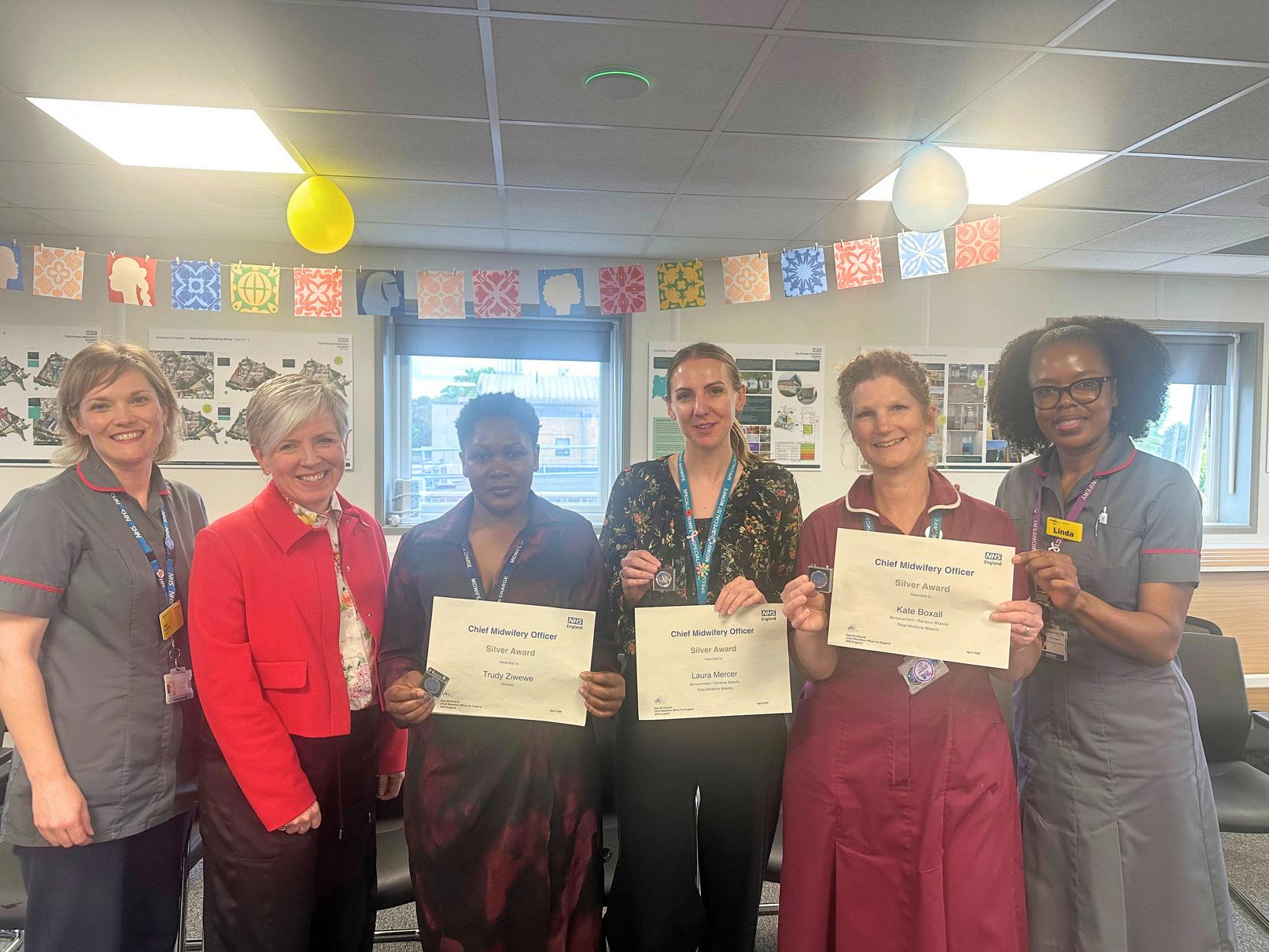
Linda Machakaire, Director of Midwifery and Gynaecology and Assistant Chief Nurse at PAHT

Every day our people make a difference through acts of kindness, compassion and dedication that often go unseen.
In this personal reflection, Healthcare Assistant John shares a moment from an ordinary shift that reminded him of the extraordinary impact healthcare staff can have on the people in their care.
Most shifts begin the same way
I walk through the doors, head upstairs and into the multidisciplinary
team room, coffee in hand. After the morning handover, it's time to review patient needs, discuss any concerns and prepare for the day ahead.
Like many wards, Ray Ward regularly welcome new colleagues and bank staff. New faces come and go, and after a quick introduction, everyone gets on with what matters most: caring for patients.
On this day, several patients required close supervision. Some were living with dementia, some were at risk of falls, and others simply needed extra reassurance. Another healthcare assistant and I agreed to take turns sitting with patients throughout the day
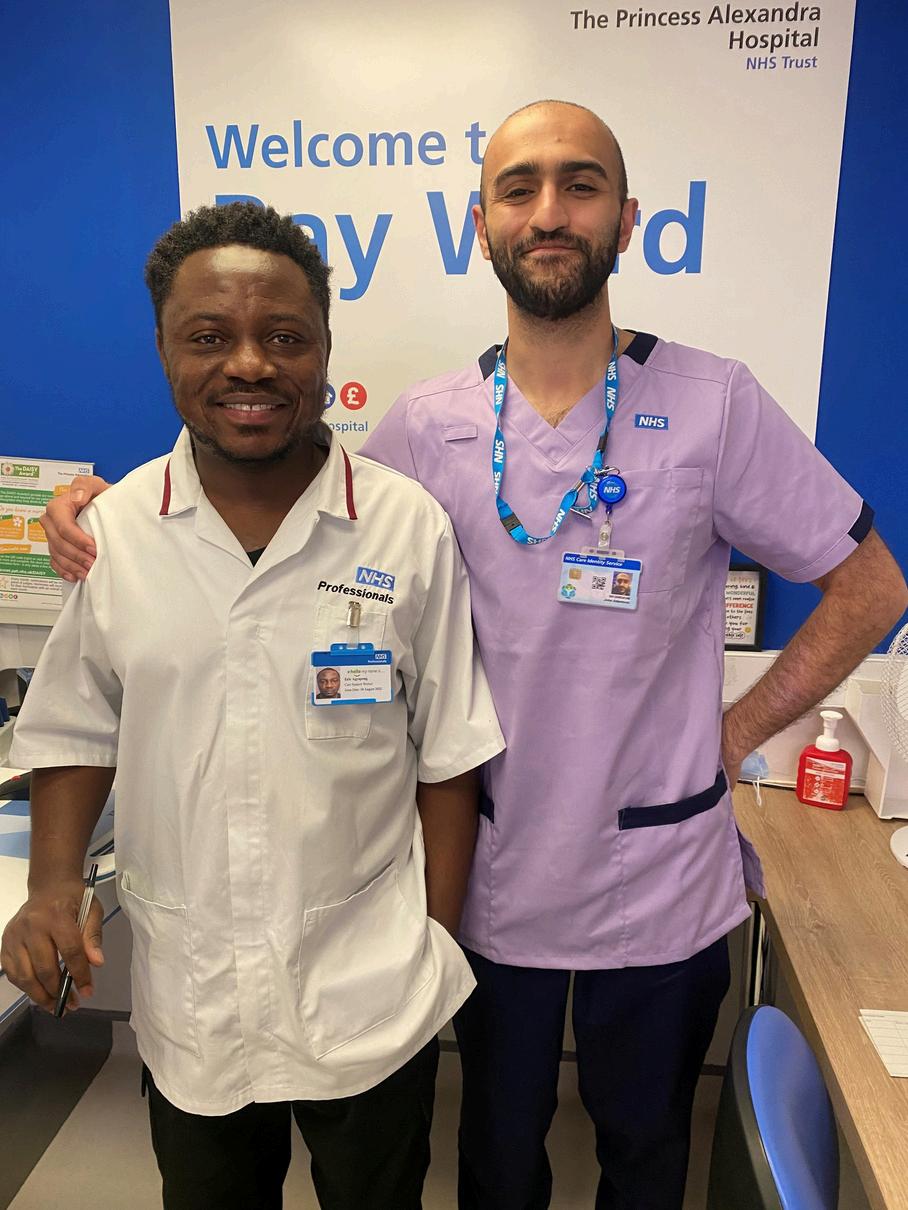
One of the bank staff, called Eric, was polite and professional but also quiet and reserved, somebody who may not always be in the spotlight.
That changed near the end of the shift.
I needed assistance supporting a patient who required two members of staff to help them mobilise safely. As the permanent member of staff on the ward, I naturally took the lead. But as soon as we approached the patient, Eric stepped forward.
His entire focus was on the person in front of him.
“Look forward. Hands on the armrest. On three, I want you to stand. Just focus on standing up and I'll take care of the rest. You're absolutely fine.”
His voice was calm, confident, and full of kindness. The patient responded immediately, reassured by his encouragement and support.
I stepped back and watched. What stood out to me most wasn't just his skill but the compassion behind it. Every word and action was centred on helping the patient feel safe and respected.
Together, we helped the patient settle comfortably back into bed. It was a small moment in the middle of a busy shift, but it left a lasting impression.
Afterwards, I made sure to tell Eric how well he had done and shared the experience with my supervisor. He had made a real difference to that patient's day, perhaps without even realising it.
Healthcare is full of people like Eric. They don't seek recognition or praise. They simply show up, care deeply and make a difference through small acts of compassion.
They are the unsung heroes of our wards, and on that day, Eric was certainly mine.
Written by John Adamson, Healthcare Assistant - Ray Ward
At the heart of every great patient experience are the people who bring compassion, skill and humanity to their work each day. John's story reminds us that some of the most meaningful moments in healthcare are often the quietest.
Thank you to all our colleagues whose dedication, kindness and commitment make a difference every day.


Patients and families often look for meaningful ways to say thank you for the care they receive and many choose to take on personal fundraising challenges in support of The Princess Alexandra Hospital Charity.
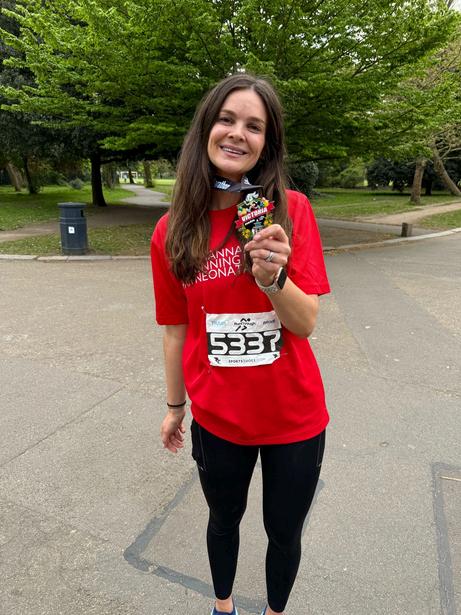
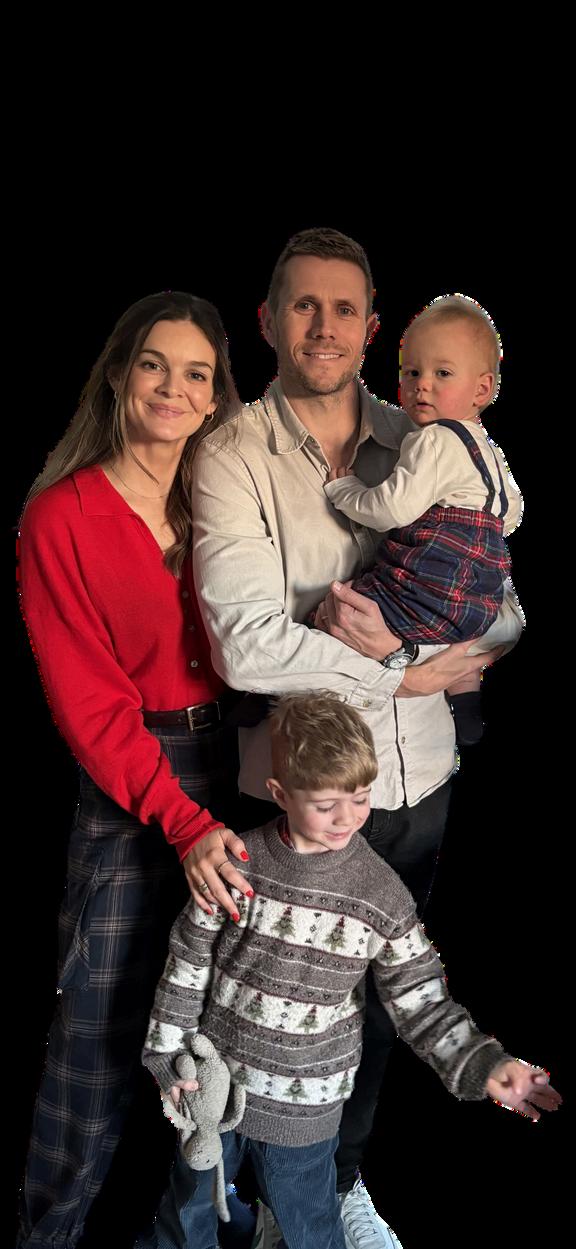
One inspiring example is Hannah and Alex, whose son Otis was cared for on our Neonatal Unit. Following the care and compassion they experienced during a difficult time, they decided to give back by taking on running challenges to raise funds for the unit.
To celebrate Otis’s first birthday, Hannah completed the Victoria Park Half Marathon, while Alex took on the Cambridge Half Marathon. Together, they raised more than £7,000 for the charity's Neonatal Unit fund, helping to support other families facing similar experiences.
Their efforts are helping the charity fund enhancements that go above and beyond NHS provision, bringing added comfort and improving the experience for babies and families during their time on the Neonatal Unit.
The Princess Alexandra Hospital Charity is encouraging staff, patients, families and the wider community to sign up for a fundraising event through Run for Charity. With hundreds of events available across the UK and beyond, there is something for everyone - from fun runs and 5Ks to half marathons, full marathons and obstacle challenges.
Taking part is about more than crossing the finish line. It’s an opportunity to improve wellbeing, build confidence and connect with others, whether you take part with friends, family or colleagues.
Every pound raised helps fund projects and enhancements that go beyond NHS funding, improving patient experience, supporting families through challenging times and promoting staff wellbeing.
Stories like Otis’s highlight the lasting impact of hospital care and show that fundraising can be both meaningful and achievable, whatever your starting point.
Find out more or browse events at runforcharity.com/charity/theprincess-alexandra-hospitalcharity or scan the QR code.
Every donation helps us provide the best possible care for everyone who needs it.
Together, we’re making a real difference. Scan the QR code to donate now or visit pah.nhs.uk/charity to explore other ways to get involved.

their two sons
being held by Alex, and Axel).
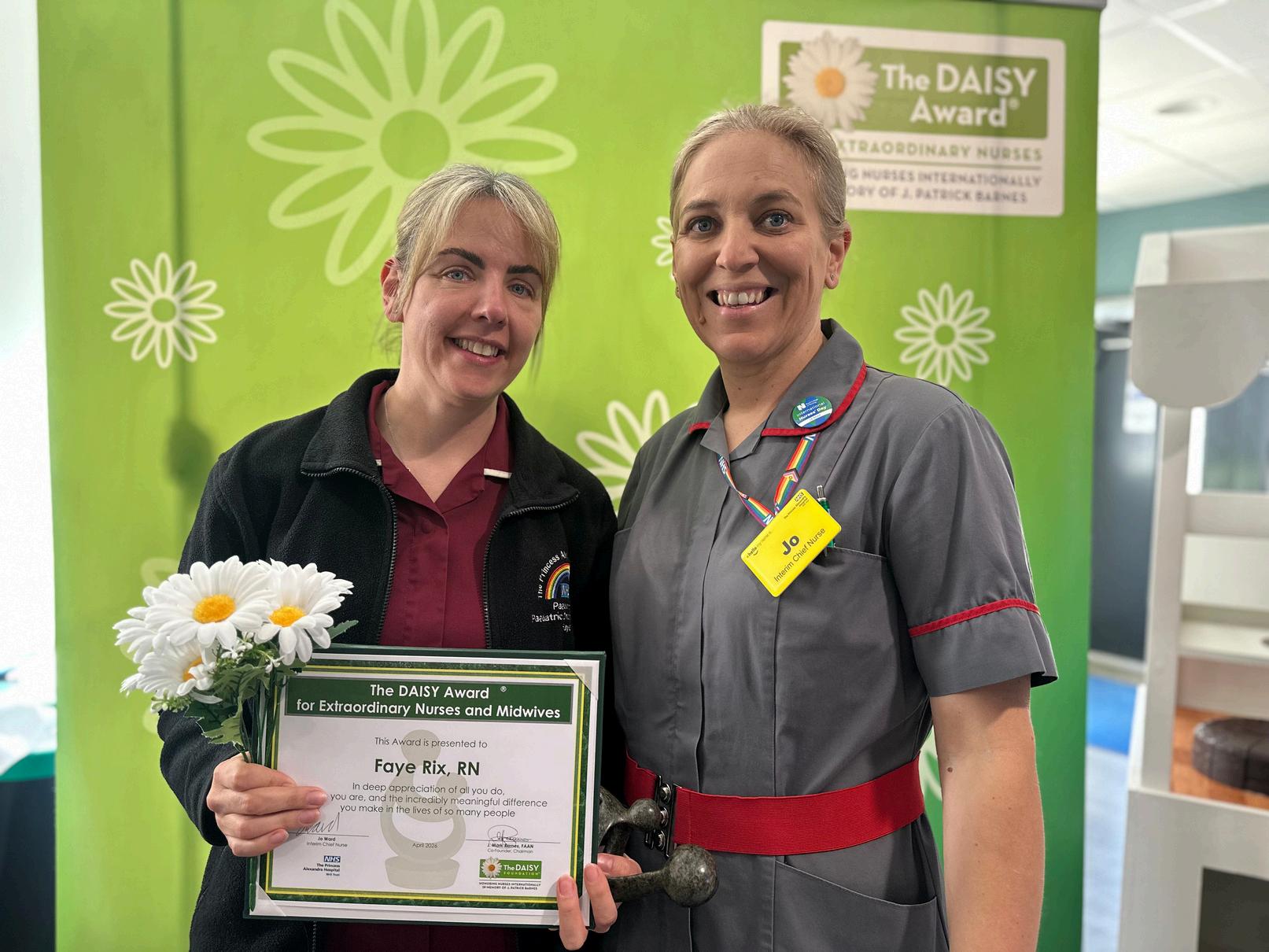
Faye (left) and Jo (right) at the award presentation.

We are proud to announce the latest winner of our DAISY Award® - a programme that recognises the extraordinary compassion and dedication shown by our nurses and midwives.
The DAISY Award® gives patients, families and colleagues the opportunity to honour a nurse or midwife who has made a meaningful difference to their care and who consistently goes the extra mile to deliver high-quality experiences.
The April 2026 award has been presented to Faye Rix, a Registered Nurse on Dolphin Ward.
Faye was nominated by a family for the extraordinary compassion and emotional support she showed them following their child’s cancer diagnosis.
Her kindness and reassurance gave them the strength to face the path ahead and they will be eternally grateful for the profound difference she made during an incredibly difficult chapter in their lives.
Faye was surprised on the ward by Jo Ward, Chief Nursing Officer (Interim), who presented her with a DAISY Award® certificate, the hand-carved Healer’s Touch Sculpture from Zimbabwe, a DAISY Award® pin badge, a copy of her nomination, a gift bag, and cinnamon rolls - a meaningful tradition of the award.

Faye provided not only exceptional clinical care but also emotional strength, clarity and reassurance.
Her calm presence, kindness, and ability to make a frightened child feel safe made a profound difference and demonstrates the very best of nursing.
- Jo Ward, Chief Nursing Officer (Interim)
If you would like to nominate a nurse or midwife who has made a difference to you or your loved ones, visit: www.pah.nhs.uk/DAISY.
You can also scan the QR code to find out more and nominate.
Take a moment to relax and enjoy our word search, made for our readers. Every word you’re searching for can be found somewhere in this issue - whether it’s a department or a topic we’ve covered.
It’s a fun way to explore the magazine and maybe even learn something new about our hospital community. Grab a pen, get hunting, and see if you can find them all.
Got a photo from your time at PAHT?
Whether it’s an old building, memorable event, a first day at work/in your profession, or a moment thanking our teams once you’ve left the hospital, we’d love to see it!
Send your photo and a short caption to paht.communications@nhs.net. Include your name and the year the photo was taken if you can.
Your memories could appear in future editions - help us celebrate the PAHT community.
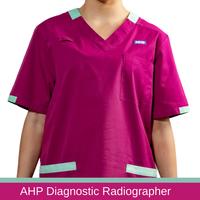
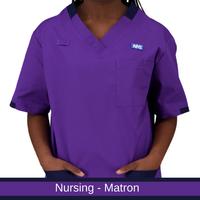
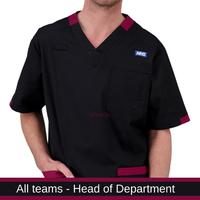
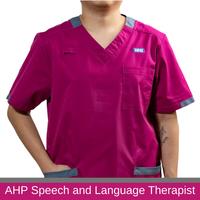
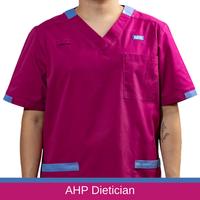
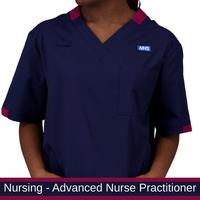
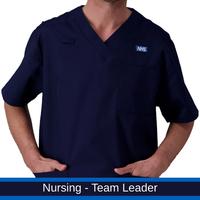
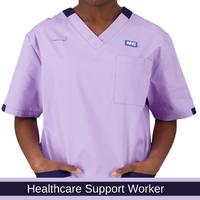
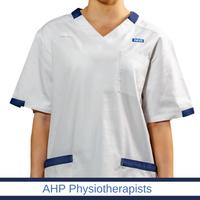
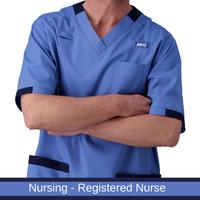
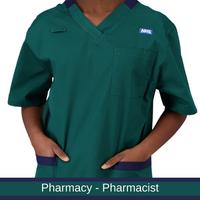
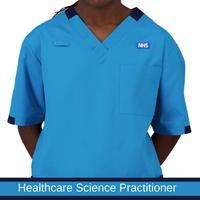
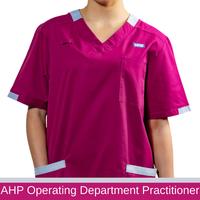
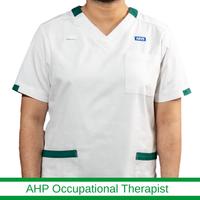
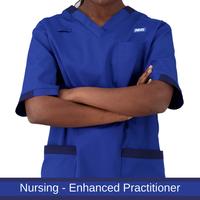
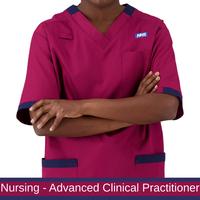
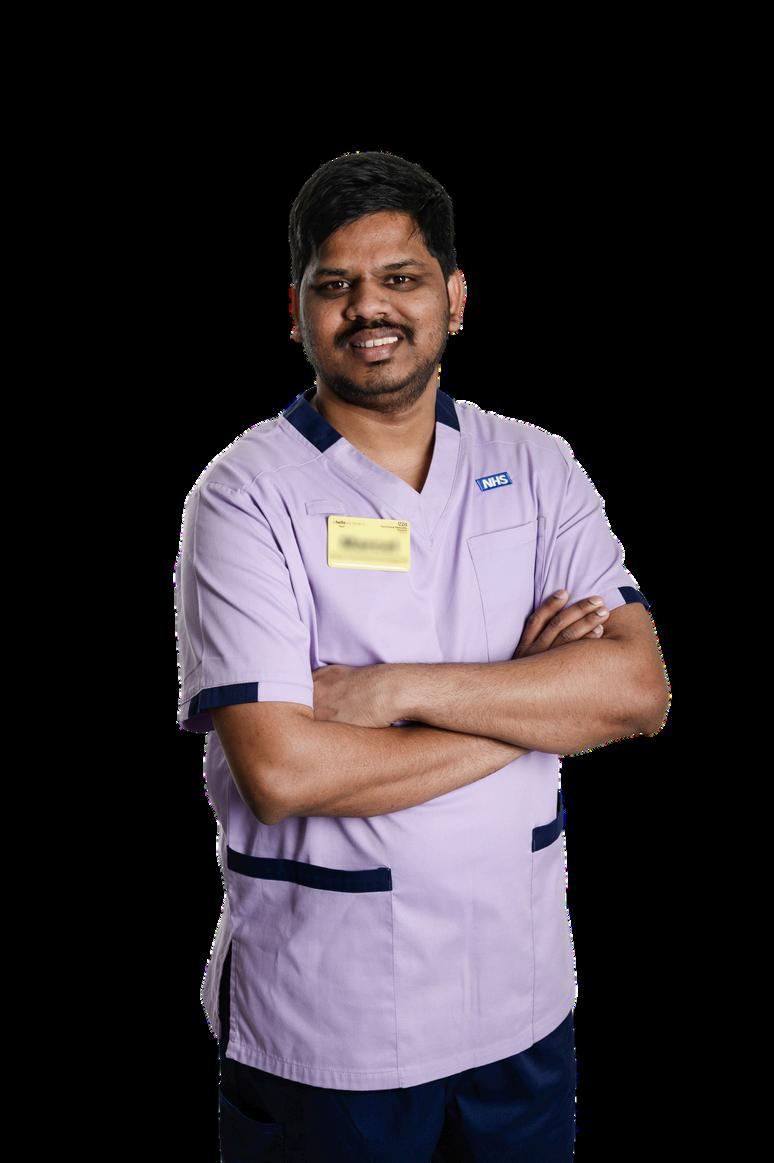
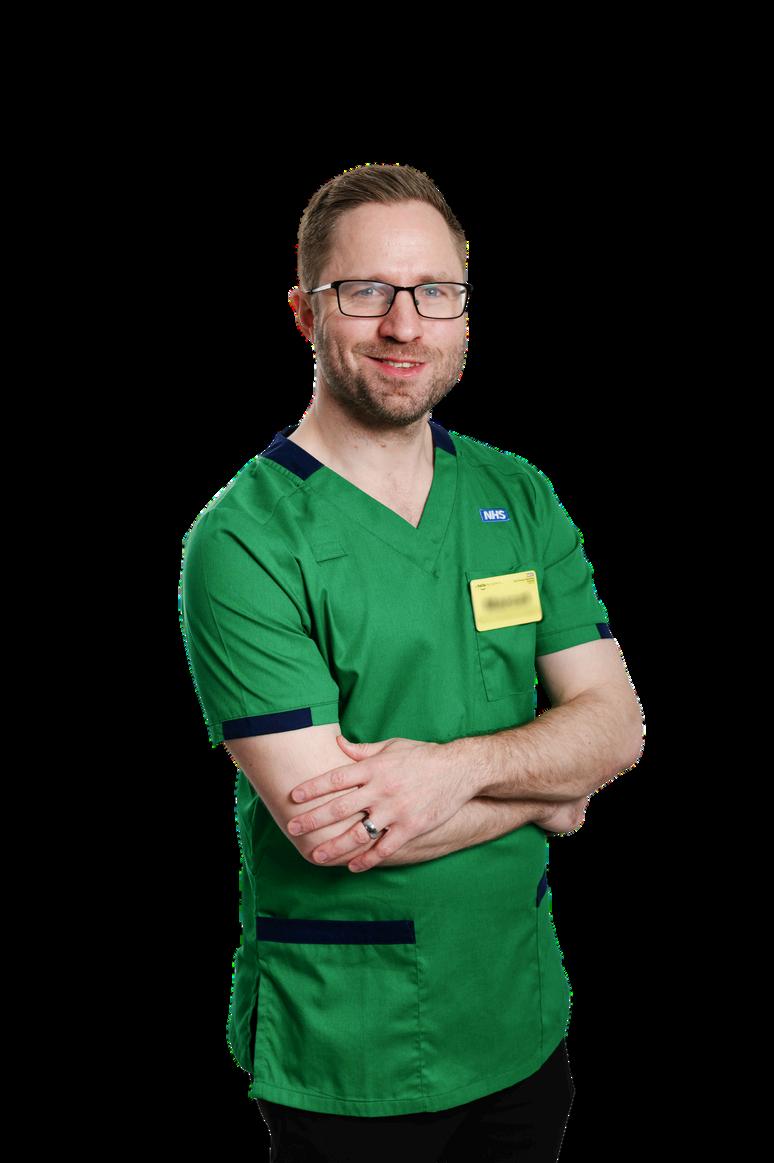
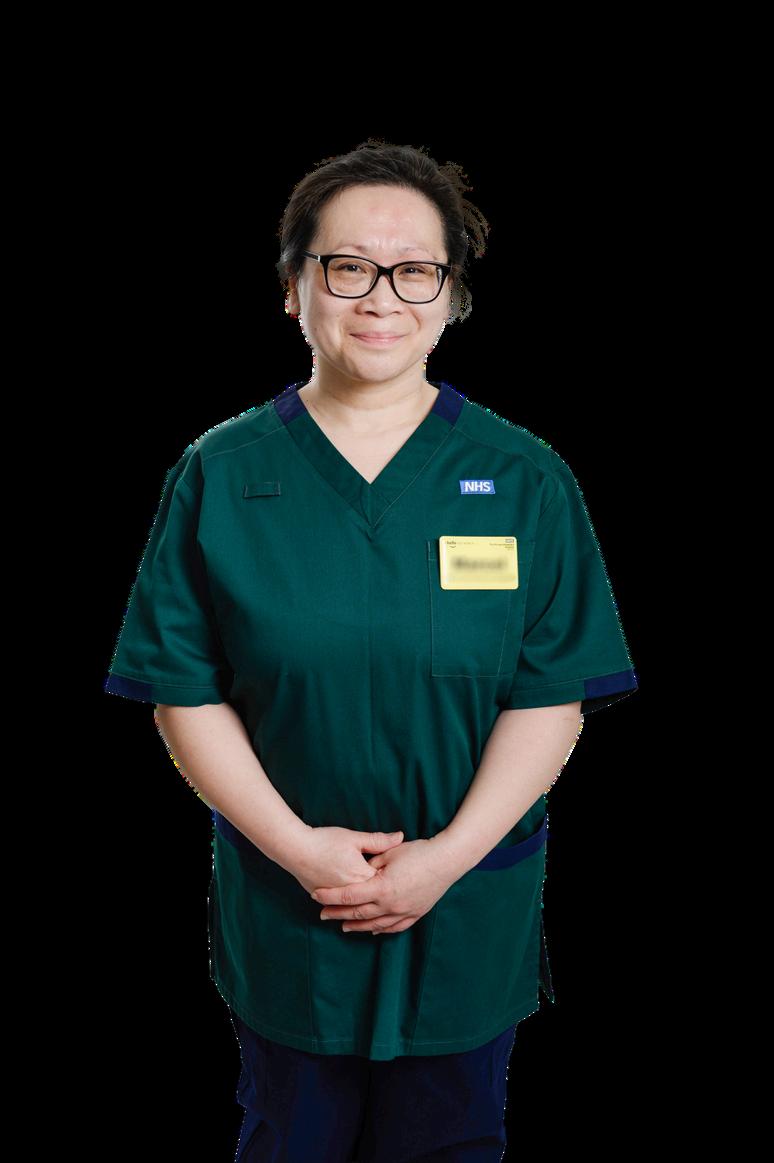
Our new NHS uniforms are part of a national programme designed to make it easier for patients and visitors to identify different staff roles. The standardised uniforms also support staff comfort, inclusion and sustainability, while helping the NHS reduce costs through a more efficient national approach. Together, these changes support a better experience for patients, visitors and colleagues.