PAC students ready for national landscape challenge
By: Samuel Hale
Writer
Your paragraph text
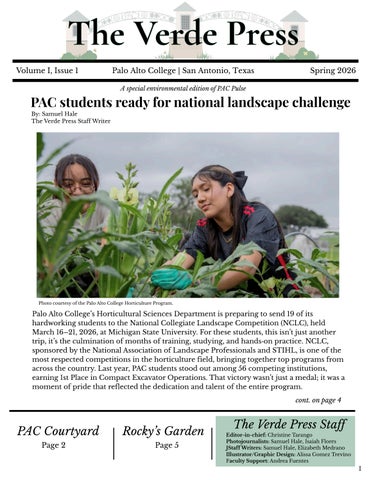
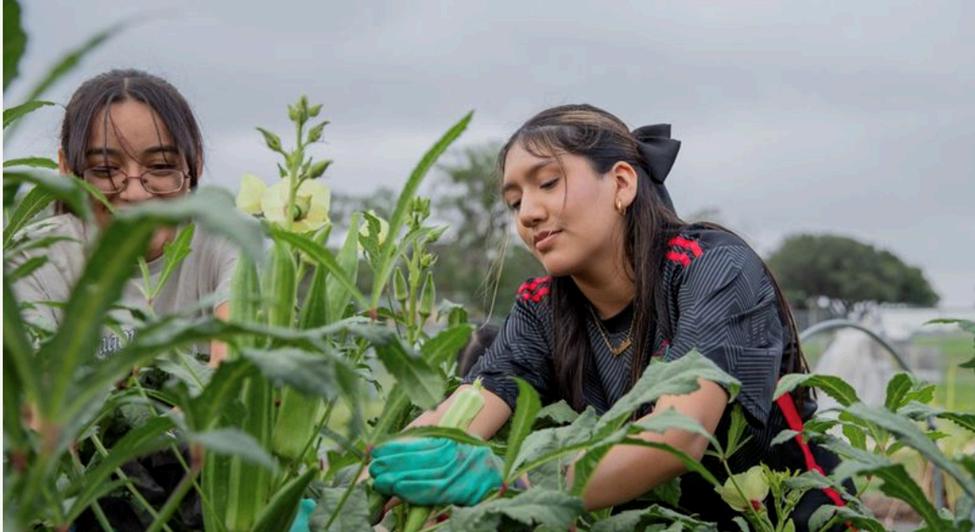
Palo Alto College’s Horticultural Sciences Department is preparing to send 19 of its hardworking students to the National Collegiate Landscape Competition (NCLC), held March 16–21, 2026, at Michigan State University For these students, this isn’t just another trip, it’s the culmination of months of training, studying, and hands on practice NCLC, sponsored by the National Association of Landscape Professionals and STIHL, is one of the most respected competitions in the horticulture field, bringing together top programs from across the country. Last year, PAC students stood out among 56 competing institutions, earning 1st Place in Compact Excavator Operations. That victory wasn’t just a medal; it was a moment of pride that reflected the dedication and talent of the entire program.
cont. on page 4
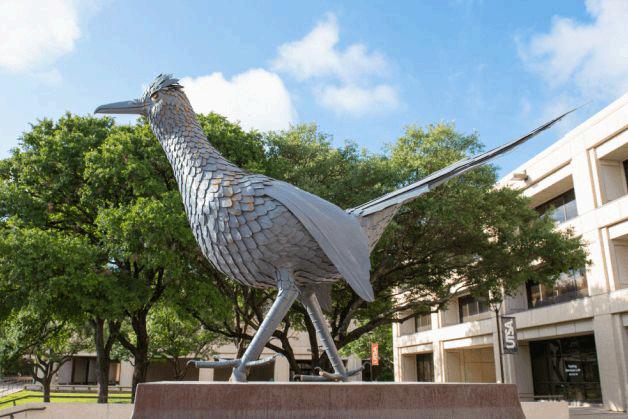
PAC Courtyard Rocky’s Garden
Page 2
Page 5
The Verde Press Staff
JStaffWriters:
Photo courtesyof the PaloAlto College Horticulture Program A special environmental edition of PAC Pulse
The Verde Press Staff
Editor-in-chief: Christine Tarango
Photojournalists: Samuel Hale, Isaiah Flores
Samuel Hale, Elizabeth Medrano
Illustrator/Graphic Design: Alissa Gomez Trevino
Andrea Fuentes
PAC COURTYARD
By: Elizabeth Medrano
The Verde Press Staff Writer
Campus Event Spotlight
The Palo Alto Veterinary Technology program will be hosting a mobile vet clinic on SaturdayApril 11 2026 from 9:00AM 1:00PM in Lot 11. Services offered at the mobile clinic include: vaccines, heartworm testing, flea, tick, and heartworm prevention, microchipping, and minor medical exams
Campus Organization Spotlight
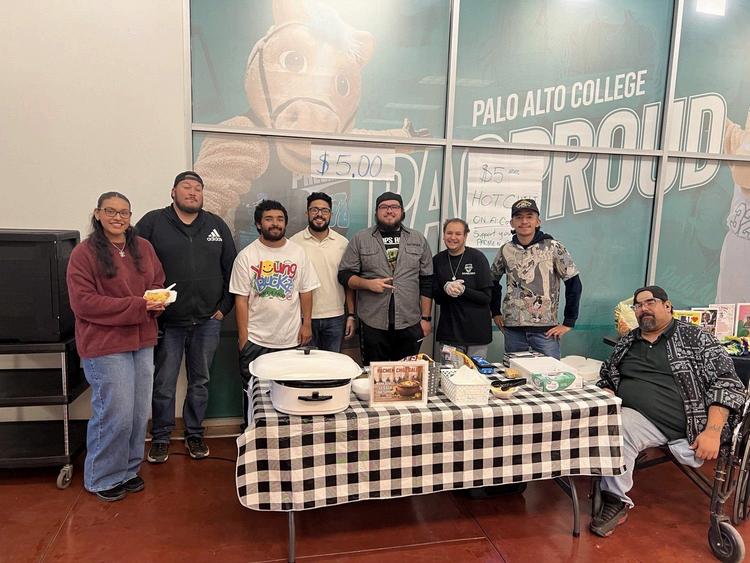
PACMEN is an organization here at PAC! They are a brotherhood that helps men gain confidence, leadership skills, and experience in leadership positions One of the goals of the organization is to improve the number of men who go on to higher education Most men in college go to class and go straight home or to work PACMEN is working to change that statistic and create an environment for men to come together and form connections with each other. PACMEN have been involved in some events on campus including Eggstravaganza, CLUB RUSH, and PACFEST.
Public University Spotlight Blooming Palomino of the Week
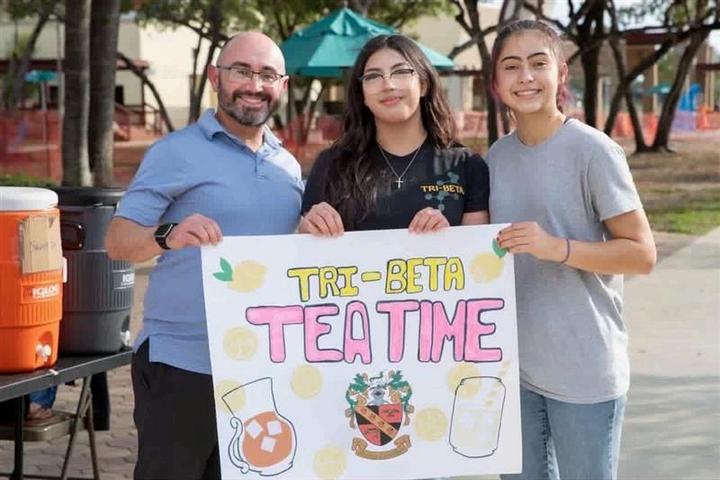
Blooming Palomino of theWeek is to highlight one student on campus that has gone above and beyond the necessary presence of a college student This week’s Blooming Palomino is Sabrina Rodulfo! Sabrina is a Biology major here at PaloAlto On campus, she is the president of Tribeta, the biological honor society. She is also a member of PAC Student Media and Somos MAS After graduating from PaloAlto, Sabrinawill join the pre-med program at UTSAand hopefully go on to UT Health to become a medical oncologist and help people who sufferwith cancer
WILDLIFE
From bees to bats: Are the world’s most vital pollinators vanishing?
By: Samuel Hale
The Verde Press Staff Writer
Did you know that bees and butterflies are not the only pollinators? While they are the most familiar, many other creatures play a critical role in pollination Beetles, ants, and flies, for example, also help transfer pollen from flower to flower, ensuring the reproduction of plants Even some species of birds and bats contribute to this essential ecological process If you take a nature walk and pay close attention, you might notice that sightings of butterflies, bees, and hummingbirds are becoming increasingly rare. This is part of a broader, concerning trend: pollinator populations are declining at alarming rates.
A nationwide study published in Science found that butterfly populations in the United States have declined by about 22% since 2000, based on observations of more than 12 million butterflies across over 550 species. This dramatic drop is caused by several factors, with three main culprits standing out: loss of habitat, pesticide use, and fertilizer runoff Urbanization, deforestation, and large-scale agricultural practices reduce the number of natural areas where pollinators can feed and nest, while chemical applications directly harm insects or disrupt the ecosystems they rely on.
Bees are essential to the environment and agriculture NorthAmerica is home to approximately 4,000 bee species, but only about 800 of these species live in Texas. These include bumblebees, mason bees, leafcutter bees, and oil-collecting bees, among many others. Each species has unique behaviors and preferences that make them important contributors to pollination. Bumblebees are excellent for pollinating tomatoes and peppers, mason bees are efficient for fruit trees, and leafcutter bees help fertilize alfalfa crops
On awarm Texas morning, a metallic green sweat bee (Augochlora spp ) lands on a cluster of bright yellowwildflowers, its body flashing like a tiny jewel in the sunlight. Unlike the familiar honeybee, this native pollinator lives quietly in the soil beneath our feet, nesting in small tunnels that often go unnoticed as people walk by.Yet its impact is enormous.As it moves from bloom to bloom collecting pollen for its youth, it transfers the grains that allow native plants to reproduce and crops to form fruits and seeds In that single, easily overlooked moment, the sweat bee is helping sustain wild landscapes, backyard gardens, and Texas agriculture all at once Seeing one up close transforms pollination from an abstract environmental concept into something immediate and alive, a reminder that the health of entire ecosystems can depend on creatures no larger than a fingernail Together, these species perform work that is critical to both natural ecosystems and human agriculture
Pollinators are not just a curiosity; they are essential for food production.Approximately 80% of all flowering plants that produce fruits, vegetables, nuts, and seeds rely on pollinators to reproduce.Without them, the variety and abundance of our foods would drastically decline Crops like apples, almonds, blueberries, cucumbers, and pumpkins all depend on pollinators, and a loss of these insects could lead to loweryields, higher prices, and less nutritional diversity in our diets
Understanding the vital role of pollinators highlights the urgency of protecting them. Conserving natural habitats, planting pollinator-friendly gardens, reducing pesticide use, and supporting sustainable farming practices are all ways individuals and communities can help. Even small actions, like leaving patches of wildflowers or providingwater sources for bees and butterflies, can make a meaningful difference.
Pollinators may be small, but their impact on ecosystems and human life is enormous Protecting them is not just about saving individual species, it is about preserving the intricate web of life that supports our food, environment, and future By learning more about these incredible creatures and taking action to support them, we ensure that the world continues to bloom.
Photosby:SamuelHale/TheVerdePress
Photosby:SamuelHale/TheVerdePress
FEATURE CONTINUED
Continued from Page 1
This year ’ s team has been working just as hard, not only in the classroom and lab but also in the community. Students have spent months fundraising through plant, floral, pottery, and poinsettia sales, efforts that show their commitment to representing PaloAlto College with pride Even with their determination, the financial challenge remains significant. It costs about $2,000 per student to attend NCLC, covering travel, lodging, meals, and competition expenses. For many of these students, that cost is a real barrier. Community support can make the difference between a student staying home or stepping onto a national stage that could shape their future.
For the students, NCLC is far more than a competition. It’s a chance to meet industry leaders, gain hands on experience with advanced equipment, and build confidence in their skills. It’s an opportunity to grow as professionals, teammates, and future leaders in the horticulture and landscape industries. The college emphasizes that every contribution, no matter the size, helps ensure that all students, regardless of financial background, have the chance to participate in this life changing experience.
Photos by:AndreaFuentes/TheVerde Press
COMMUNITY GARDEN
From Rocky’s Garden: Who is Rocky Rich?
By: Samuel Hale The Verde Press Staff Writer
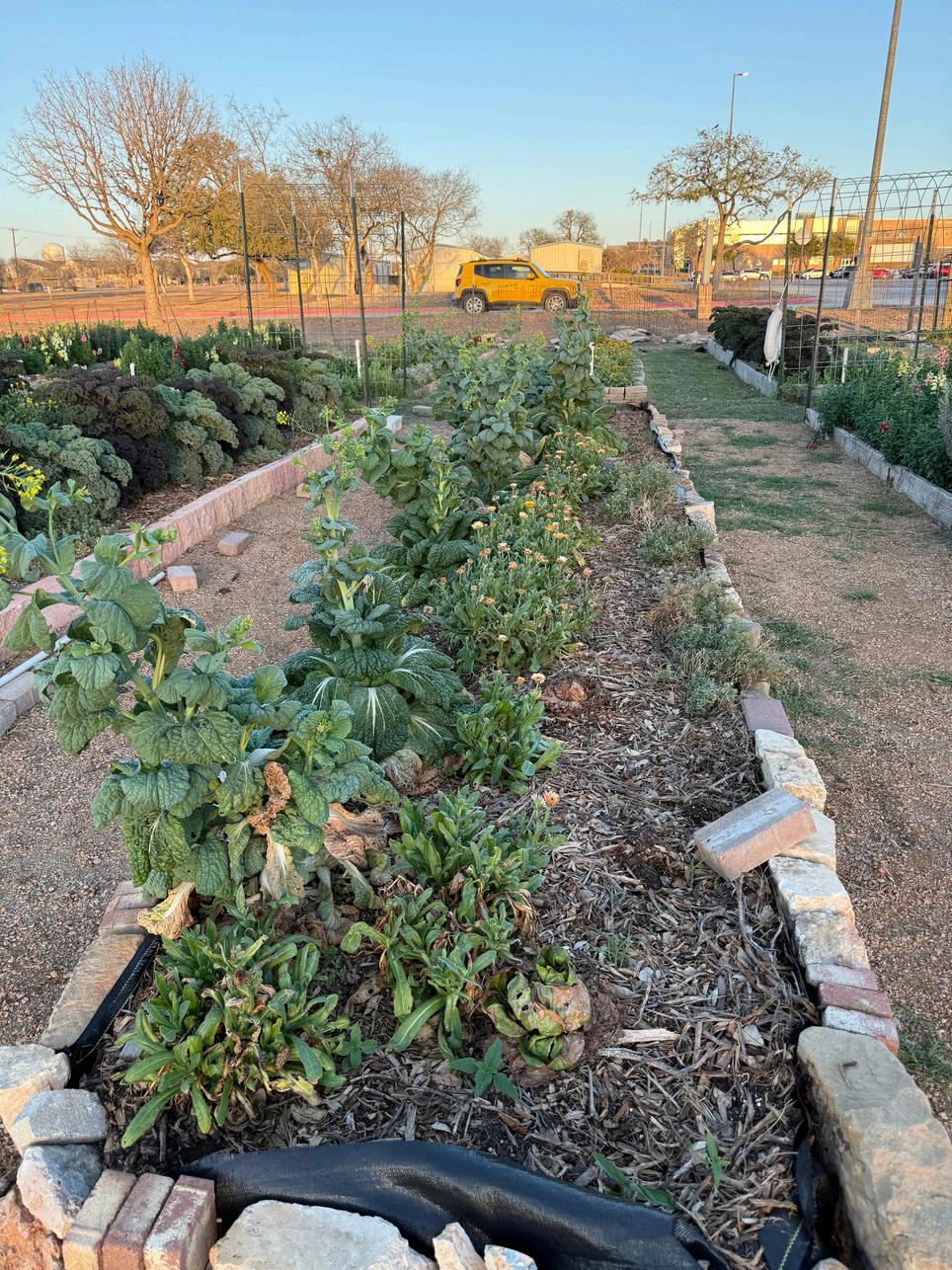
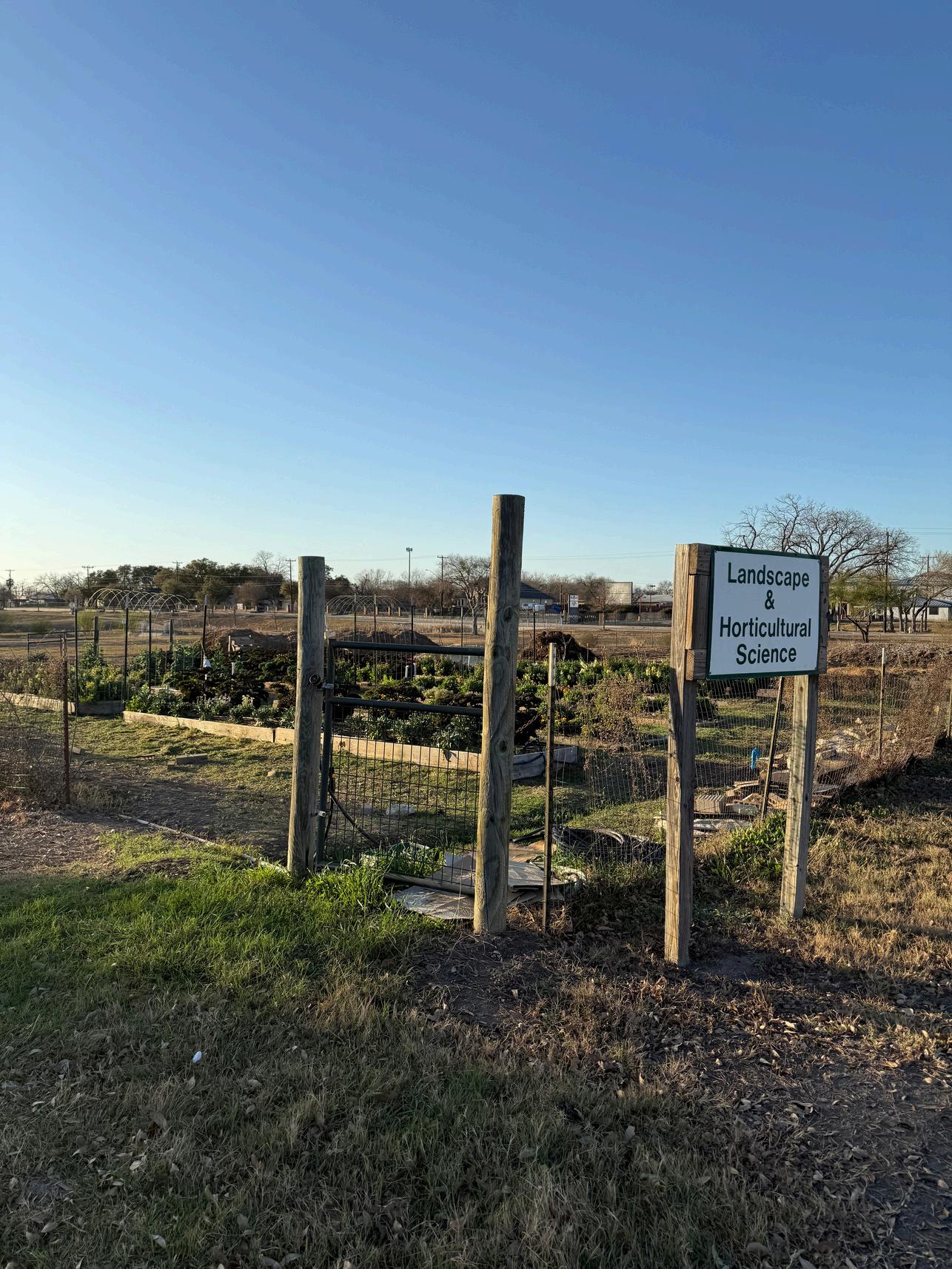
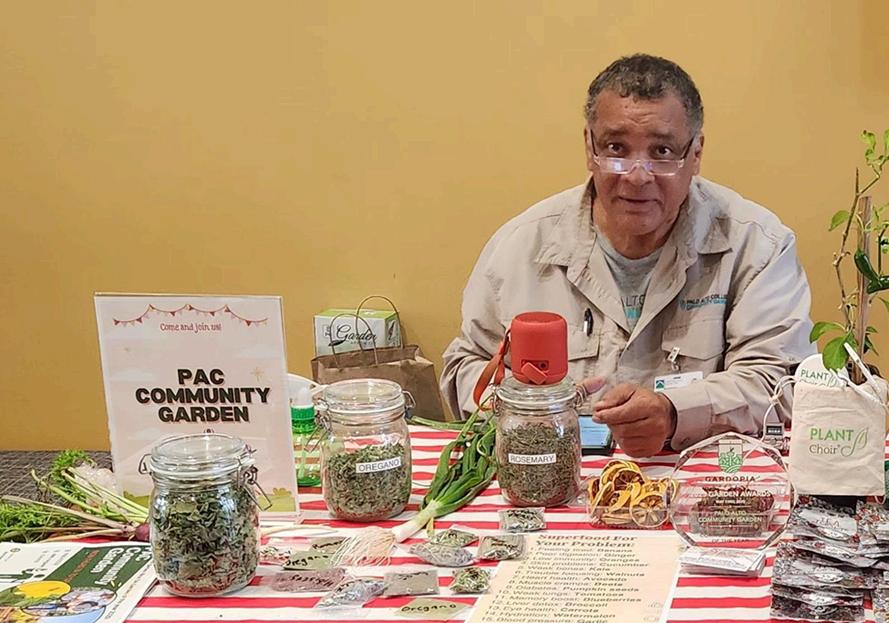
This month’s spotlight goes to Rocky Rich, the dedicated manager of the Palo Alto Community Garden, whose tireless work has transformed a simple plot of land into a thriving, vibrant space for students, faculty, staff, and the surrounding community.
For the past eight years, Rocky has poured his time, energy, and passion into cultivating not only plants but also a sense of connection, learning, and sustainability on campus, all while pursuing his own studies at Palo Alto College.
Rocky began this journey alone, armed with little more than vision and determination. For three years, he worked tirelessly to plant seeds, nurture crops, and build the garden from the ground up. His dedication eventually inspired others to join, and a small group of volunteers who shared his commitment to fresh, organic food and community engagement gradually grew. Today, the garden flourishes under Rocky’s leadership, producing a wide array of organic fruits, vegetables, and herbs. From tomatoes, peppers, and zucchini to aromatic herbs like basil, cilantro, and rosemary, the garden offers visitors the chance to experience the full cycle of growing food, from seedling to harvest
The community garden is open Monday through Thursday from 7 a.m. to 12 p.m., and all produce is free to anyone who stops by, students, faculty, staff, and community members alike. Rocky’s mission is simple but powerful: to teach people how to grow their own food, build confidence through hands-on gardening skills, and feel the joy and satisfaction that comes from nurturing the earth For him, the reward isn’t financial; it’s the smiles on the faces of visitors who experience the garden’s fruits, both literally and figuratively.
“Keeping your money in your pocket, is what I’ve noticed that people are doing,” Rocky explains. “People come out here and volunteer and plant the seedlings, then they come back and pick those plants and make things with them, and then they come back and bring them into us So, we get to see the whole start to finish, the total result of it And you see the smiles on their faces, that is the biggest thing; you can’t put a price on that”
Beyond providing fresh produce, Rocky’s vision extends to education and community-building. He hopes that the garden inspires visitors to think about sustainability, nutrition, and environmental responsibility. Through workshops, volunteer opportunities, and informal guidance, Rocky encourages people to develop the knowledge and confidence to grow their own gardens at home. His work demonstrates that gardening is not just about plants, it is about fostering relationships, sharing knowledge, and creating a space where everyone can feel a sense of accomplishment and belonging
Eight years in, Rocky’s commitment has transformed the community garden into more than a source of food, it is a symbol of perseverance, teamwork, and the power of one individual to make a lasting impact. His leadership reminds us that small, consistent efforts can grow into something far greater than imagined, enriching lives and connecting people to the land and to each other
Photo by Samuel Hale/ TheVerde Press
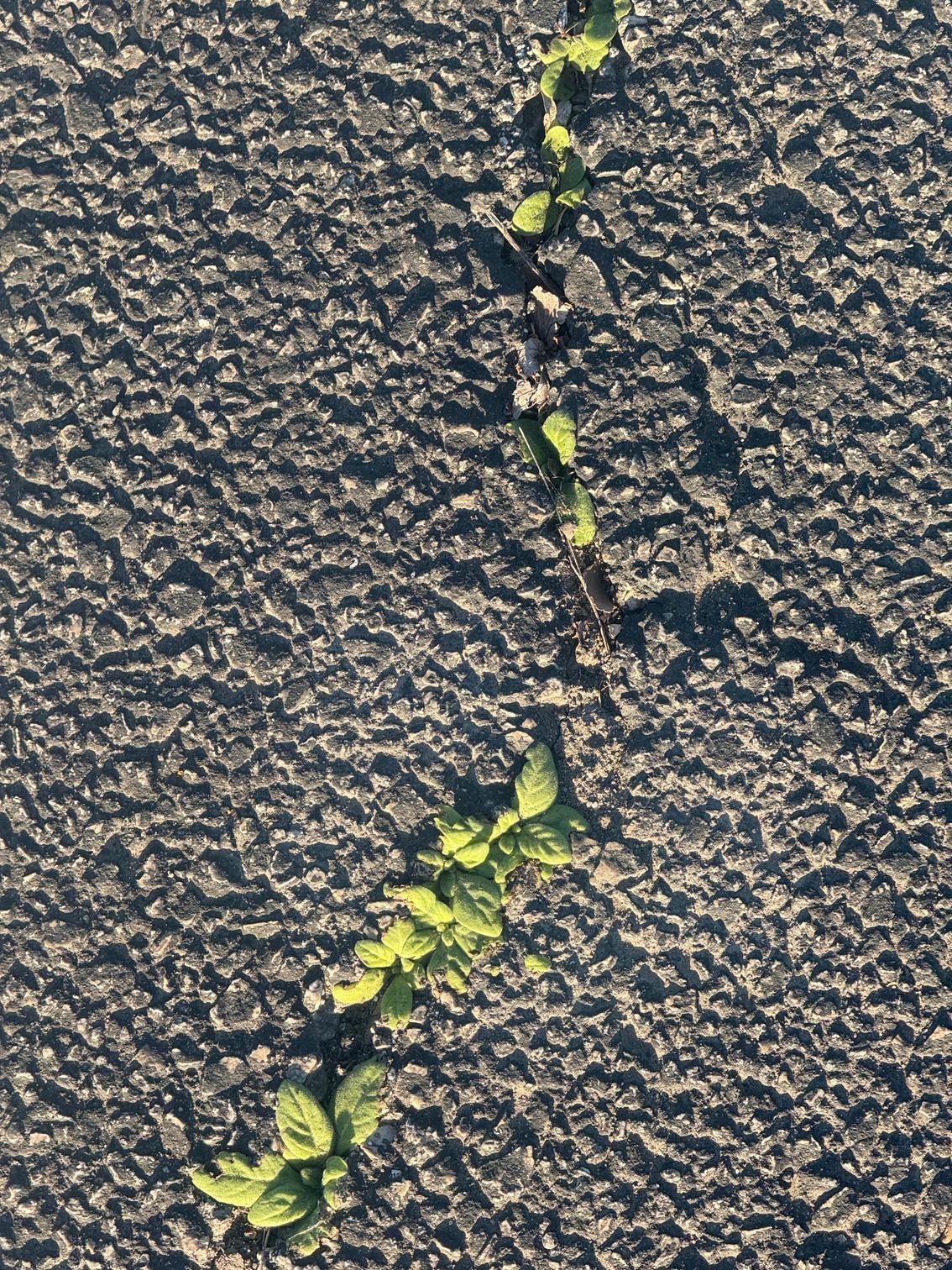
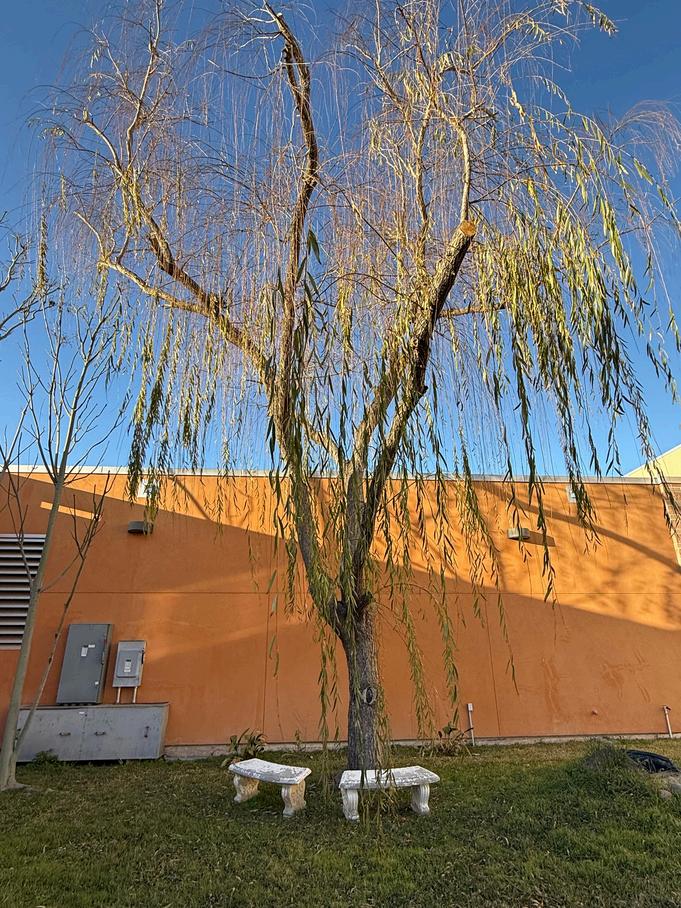
NATURE PHOTOS
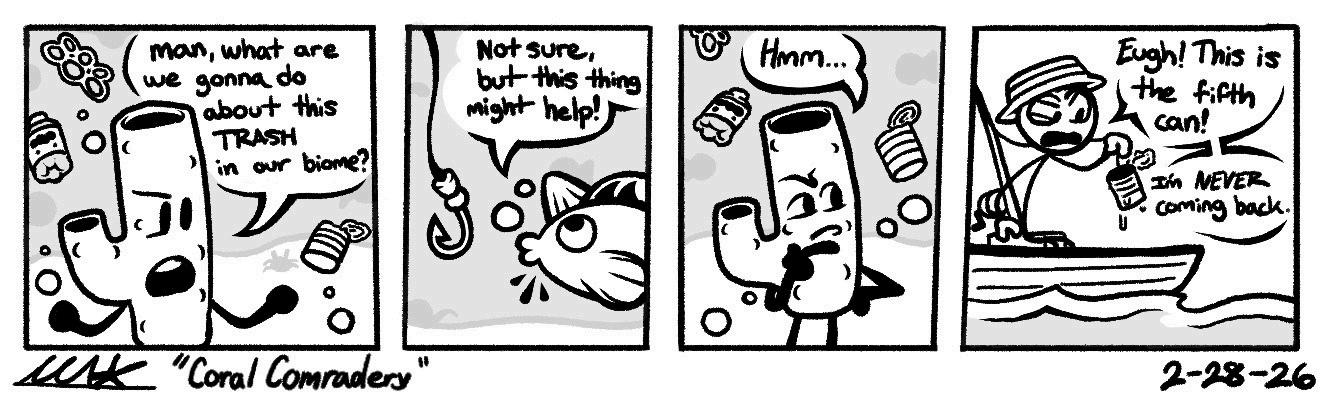
COMIC OF THE WEEK
Illustration by: Fernando Herrera / The Verde Press
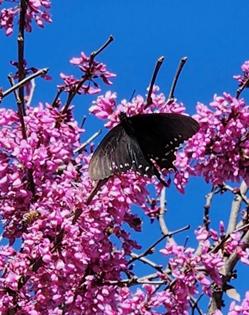
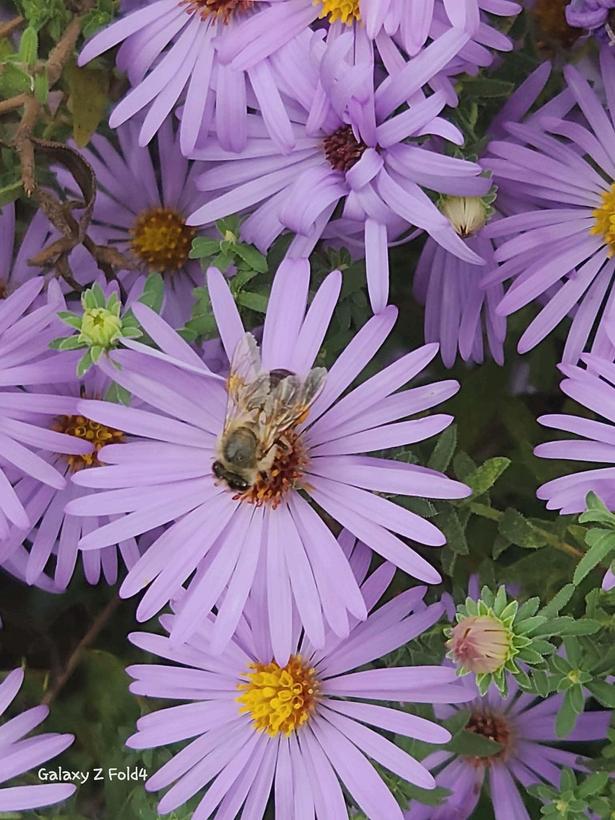
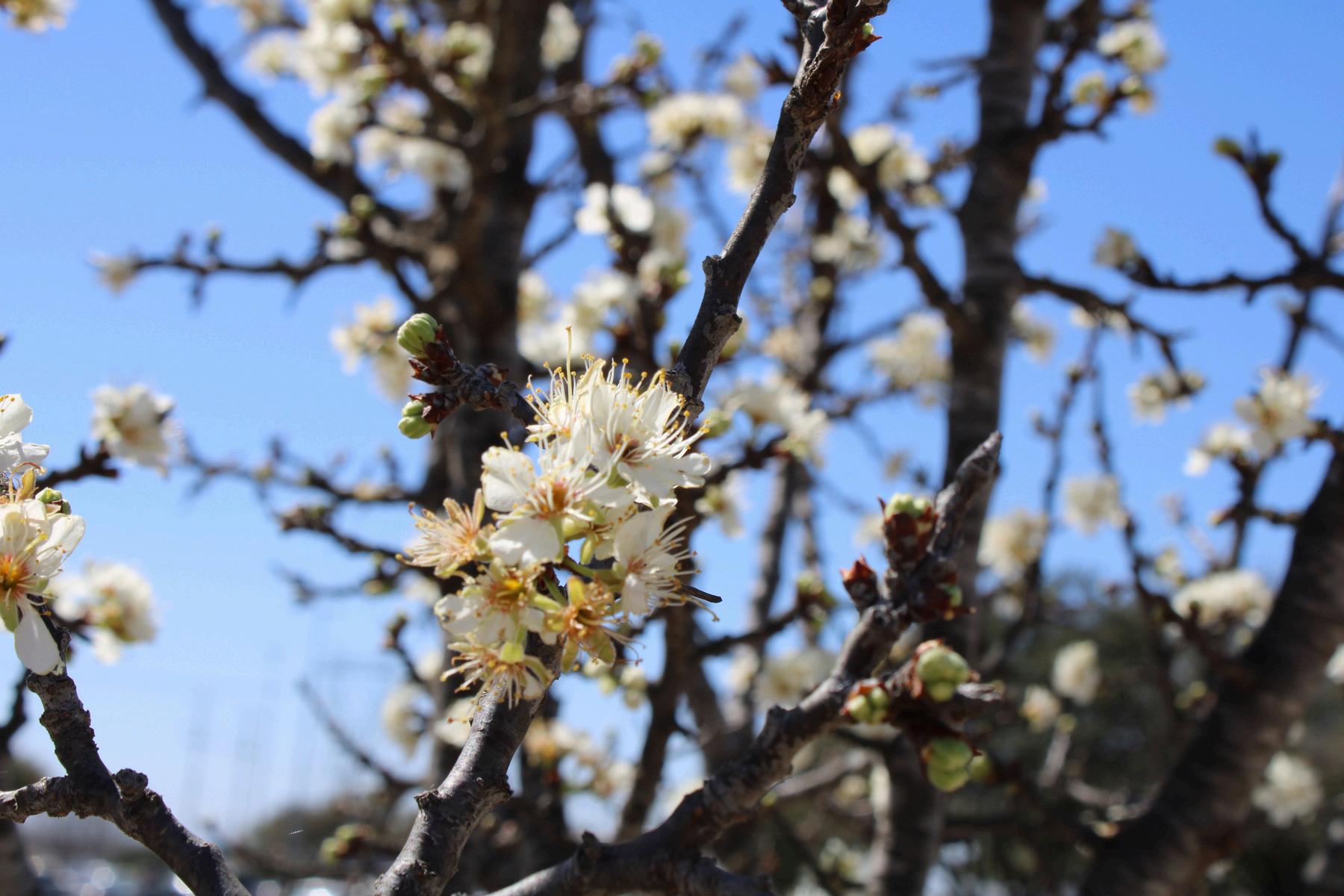
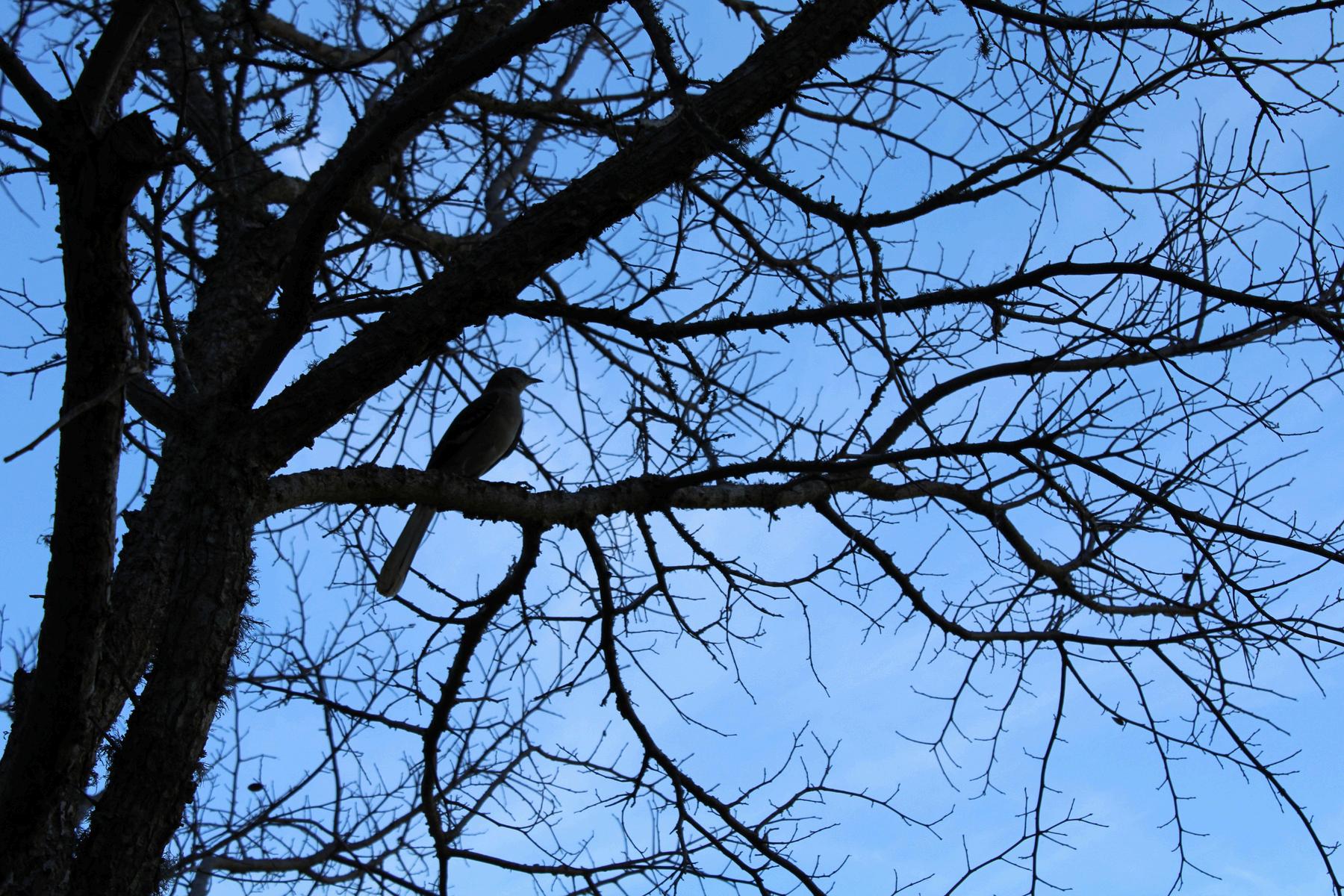
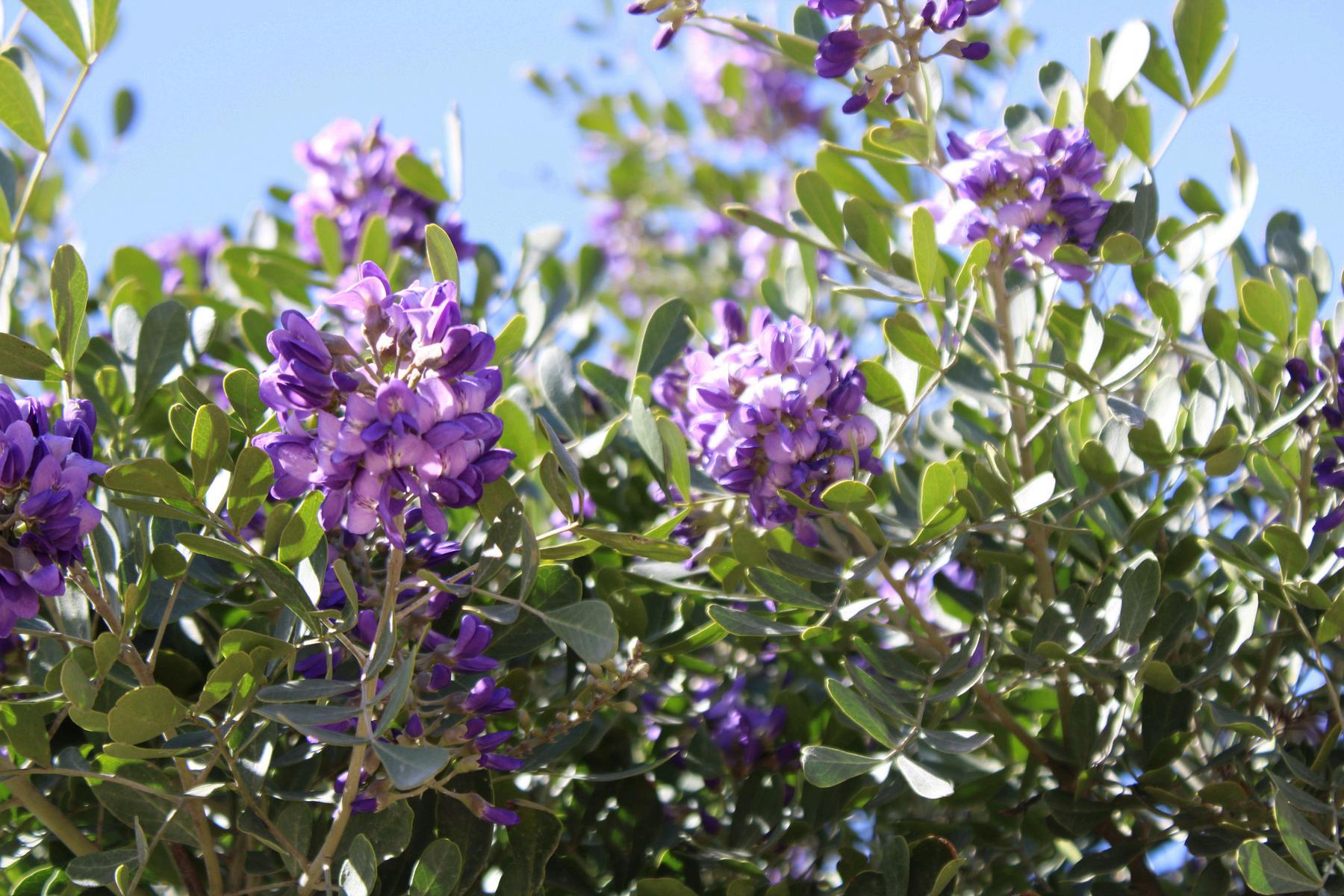
Photos by: Samuel Hale / The Verde Press
All photos were taken at the Palo Alto College campus
By: Samuel Hale
CLIMATE NEWS
The Verde Press Staff Writer
Climate on the edge: Why the stakes have never been higher
With rising global temperatures, the world is facing increasingly severe environmental challenges Warmer ocean waters are fueling stronger and faster hurricanes, making these storms more dangerous and destructive For example, Hurricane Helene in 2024 demonstrated just how intense and unpredictable modern storms have become, with high winds and torrential rains causing widespread damage and threatening lives. In addition to hurricanes, the Western United States is experiencing hotter and drier conditions that are worsening wildfires. These fires are not only growing larger and spreading more quickly than in previous decades, but they also produce massive amounts of smoke that can travel hundreds of miles, impacting air quality and public health far from the fire zones.
Extreme heat has become more frequent, longer lasting, and widespread. Record-breaking temperatures and extended heatwaves are now threatening public health, especially among vulnerable populations like the elderly and those with pre-existing health conditions These heat events also put a strain on energy systems, as higher electricity demand for air conditioning leads to grid stress and the risk of power outages Meanwhile, melting ice in polar regions and warming oceans are causing sea levels to rise, with estimates showing increases of up to eight inches over the past 150 years Rising seas contribute to coastal flooding, erosion, and habitat loss forwildlife, particularly along the Atlantic and Gulf coasts. These changes threaten not only ecosystems but also food sources, infrastructure, and communities that depend on coastal environments.
Although winters are generally becoming milder, climate change is also contributing to unusual winter events. Disruptions to the polarvortex and extreme cold spells, such as the 2021 winter storm in Texas, illustrate the complex and sometimes unexpected ways that a warming climate can affect weather patterns. These events highlight the interconnectedness of global climate systems and the need for adaptive strategies to protect both people and ecosystems
In response to this growing climate crisis, organizations like Earthjustice are advocating for bold solutions They focus on transitioning away from fossil fuels, accelerating the adoption of clean energy, electrifying transportation, and promoting environmental justice. Theirwork emphasizes that urgent, equitable climate action is essential to ensure a livable future for everyone, particularly communities most affected by environmental hazards.
Addressing climate change may feel overwhelming, but individual and collective actions can make a significant difference. Reducing reliance on fossil fuels is a crucial first step. Simple actions at home, such as conserving energy, switching to energy-efficient appliances, turning off unused lights, and adjusting thermostats, can reduce both carbon emissions and utility costs. Supporting renewable energy options in your community, whether through solar programs, communitywind projects, or green energy initiatives, can amplifyyour impact Even small changes, when multiplied across millions of households, have the power to reduce emissions and foster a cleaner, healthier environment
Ultimately, tackling climate change is both one of the greatest challenges and one of the most meaningful opportunities of our time. Working together is a proven way to ensure the health of our planet and ecosystems. Every action counts, from personal choices to large-scale policies, and each step brings us closer to a resilient, sustainable, and equitable future. Climate change may be a formidable threat, but it is also a call to innovate, collaborate, and create meaningful change that benefits all life on Earth.
WorkCited:
Writing,T C (2023) CLIMATE CHANGE 2023 Synthesis Report https://doiorg/https://wwwipccch/report/ar6/syr/, https://wwwipccch/report/ar6/syr/ (nd) Climate Change 2021:The Physical Science Basis IPCC SixthAssessment Report https://wwwipccch/report/ar6/wg1/ (nd) Climate Change: Global SeaLevel Climategov https://wwwclimategov/news-features/understanding-climate/climate-change-global-sea-level(nd) AdvancingNASASeaLevel Science and InterdisciplinaryResearch NASA https://sealevelnasagov/ (nd) Evidence NASA https://sciencenasagov/climate-change/evidence/ (nd) GlobalWarmingand Hurricanes GFDL https://wwwgfdlnoaagov/global-warming-and-hurricanes/
CREATIVE CORNER
ASK WILLOW ADVICE COLUMN
“HOW TO MAKE PEOPLE LIKE ME AGAIN, EVEN THOUGH I’M AUTISTIC.”
Hi there, I love your question, and I would like to preface by saying that being neurodivergent can make some aspects of human experience much more challenging, however this does not make it impossible There is a wonderful poem written by a former student, J.C. aka “Jaydawg” called “Treat Me Human” that I would like to reference, “For at the end of the day I may not be like you and you may not be like me, but we are all human, so don’t treat me differently Treat me human ” Now to answer your question, there is no one size that fits all to making new friends, but there are many methods you can try. One way is to get involved on campus, join a club or student organization, and attend meetings or events. This already gives you an opportunity to meet people with similar interests to you! Another way is to get comfortable with speaking to people, go out and try to make small talk with new people. It can be awkward at first, but once you start, it is easy to make a habit out of it It is also a great way to boost your confidence!
I hope this is helpful. Good luck to you! - Willow
You can find me where the grass grows No not in a charming meadow Or a serene flower bed
You can find me growing from the cement I am not a stranger to struggle I am not a stranger to pain I embrace it while continuing to thrive You can find me where the
grass grows In the pavement, reaching for the sky
By: Christine Tarango
“WHAT’S SOME ADVICE TO GIVE TO PEOPLE DEALING WITH TOXIC PEOPLE?”
Such a great question, I'm sure many people are wondering about the same thing. Worry not, I am here to help! It is important to understand what you want When you say “dealing with toxic people” what intention is present? Do you want to stay friends with this person, or do you feel like the relationship is at its end? Are you willing to salvage it? Depending on your feelings, you can better navigate toxicity. The first thing I would suggest is to create distance from this person. Space is a great way to reflect on negative experiences Next, take time for yourself, go for a walk, watch a movie, or read a book to clear your head Then, when you ’ re ready, you can try to navigate an effective way to deal with the issue at hand. Approach with concern and let your feelings be known. If you have been hurt by something that was said, let them know! If the circumstances escalate, consider professional help like Wellness 360 on campus who can help with a wide range of behavioral and mental health needs Or calling the emergency or non-emergency campus police phonelines. For emergency services call: 210-485-0911, and for nonemergencies call: 210-485-0099
Stay Safe and I wish you prosperity in your pursuit of clarity - Willow
““HOW CAN I PASS MY ALGEBRA CLASS?”
Algebra... My arch nemesis... Lucky for you I know exactly how to defeat that beast! A great way to start is with the basics A good resource for learning the foundational elements of algebra is Khan Academy! Their YouTube channel is a great way to learn information at your own pace.
And of course, don’t forget that the Math and Writing center on campus is open and free for all students! The math and writing labs are currently located in Gutierrez Lab 106, and for help with science the STEM center is currently located in Brazos Hall 100
Be aware that after Spring Break 2026 (March 9-13) the three tutoring labs will merge into one, so you can receive help with math, writing, and science all in one place. “3 centers – 1 location – Gutierrez 106” To stay in the loop follow @ pac stemcenter on Instagram! Now go get that beast! You've got this! - Willow
Well folks, thats all the questions we have for you this week! I hope to hear more from all of your bright minds very soon. Remember to follow @ pacstudentmedia on Instagram for a chance to ask me, the wonderful and wise Willow, a question! Thanks to all those who submitted questions and I will be back next time, until then, stay PAC Proud!