Profile2026 FORWARD TOGETHER











FORWARD TOGETHER
We are pleased to present the 2026 Profile edition to the Oxford, Lafayette, and University community. This magazine is the result of months of planning and preparation, made possible through the generous support of our business advertisers. It is our privilege to showcase the people, places, and stories that make our home so special.
This year’s theme, Forward Together was chosen months ago after our Rebels football team pulled together in the playoffs after tumultuous staffing changes. It was also for the Ole Miss fans and community who rallied around the new coach and team of players that showed so much heart.
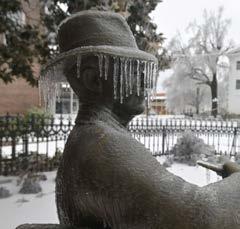
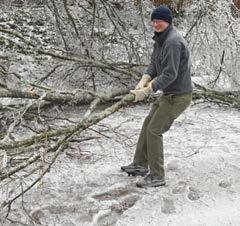
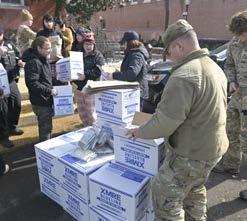
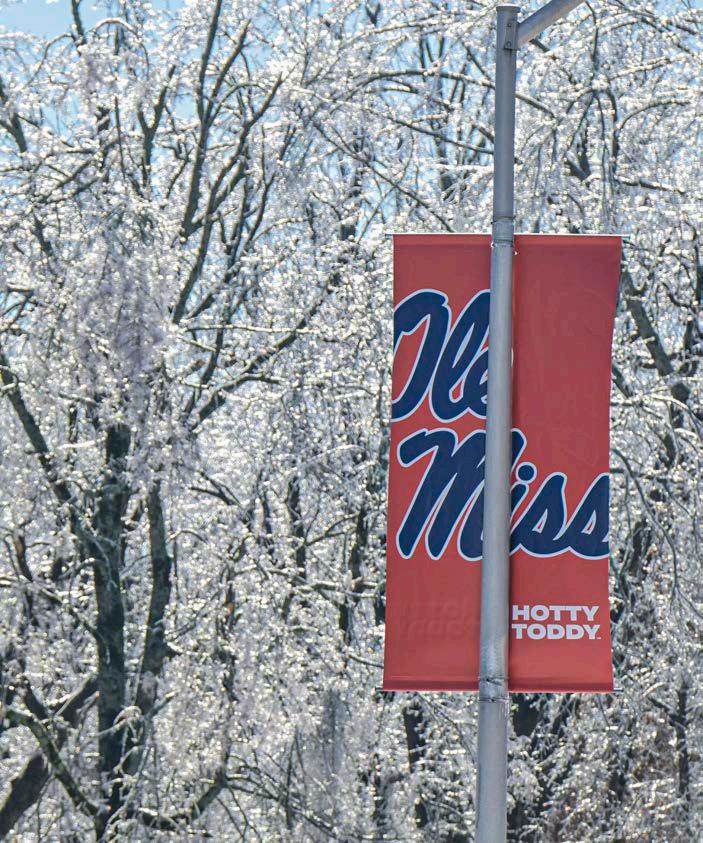
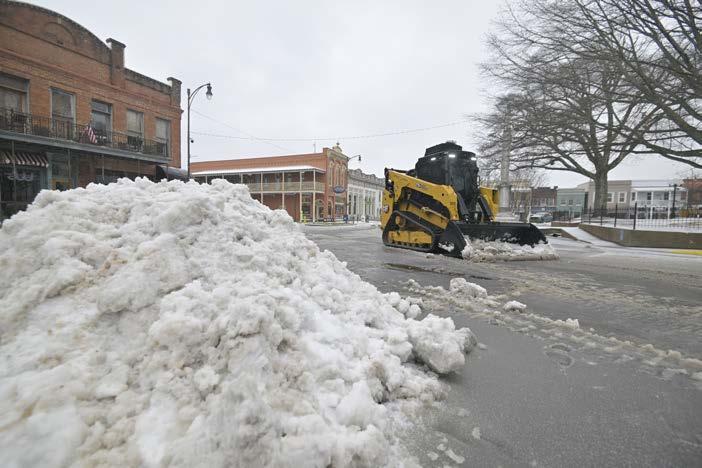
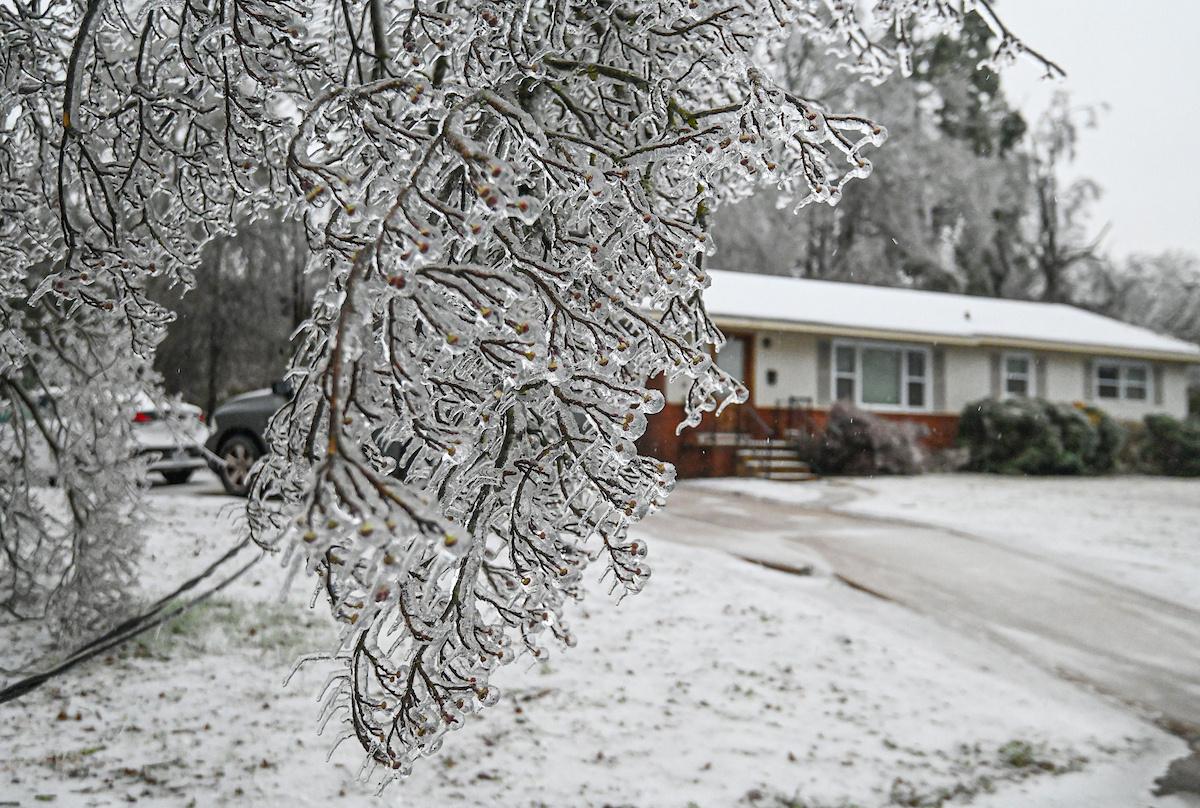
hard in late January. With 95% of homes and businesses without power at the worst of the storm and heavy damage to our tree canopy, our community suffered a major disaster. But Oxford is resilient, and we witnessed a community that came together to provide hot meals, warming centers, rides, and more. These stories and photos of our Oxford community coming together to recover is also included in this edition of Profile,
We dedicate this edition to the many individuals who contribute to making this community an extraordinary place to live. Within these pages, we celebrate just a few of the remarkable people who make the LOU community so special.
Profile 2026
PUBLISHER
Rebecca Alexander EXECUTIVE
Jeremy Weldon
Alyssa Schnugg
CONTRIBUTORS
Harold Brummett
Rebecca Lauck Cleary
Donna Campbell
Jared Redding
DESIGN
Tayler Dailey
PHOTOGRAPHY
Kavanaugh Breazeale
Bruce Newman
MARKETING
Hannah Brasher
Trent Collier
We had no idea how much more the Forward Together theme would mean as we recover from the devastating 2026 ice storm that hit us
Enjoy,
Rebecca Alexander





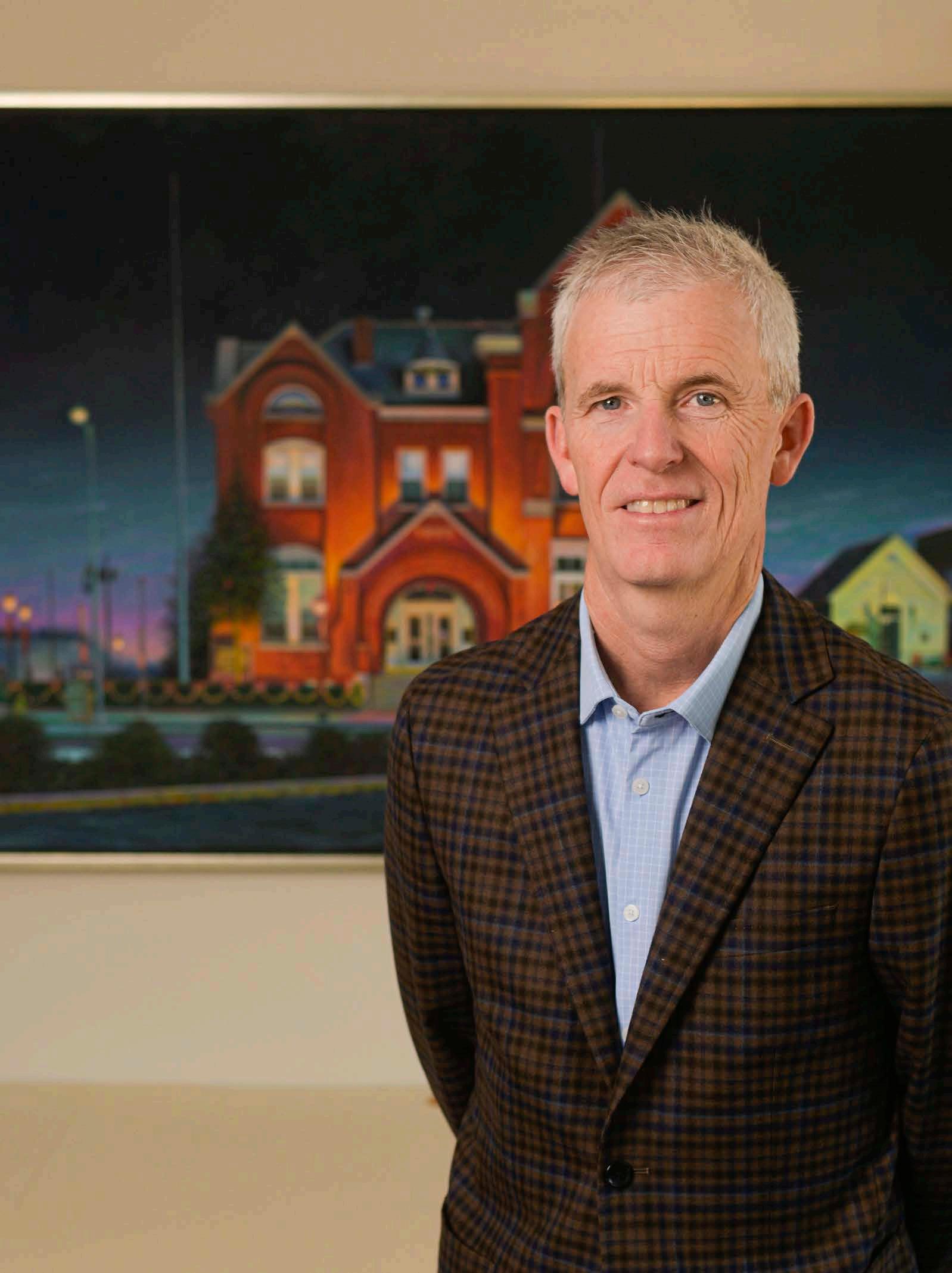
TRIAL BY ICE
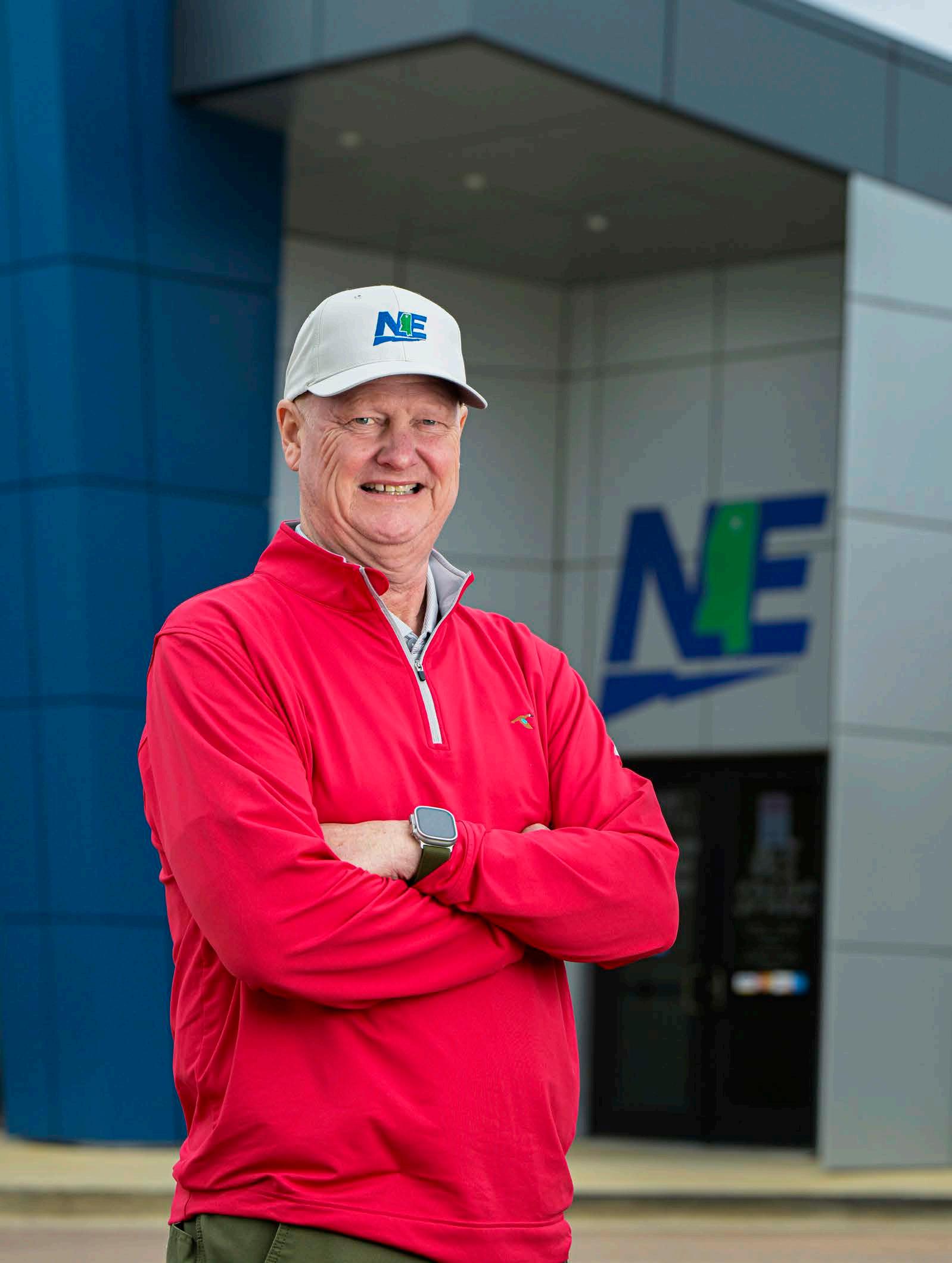
Keith Hayward powers through the storms
By Alyssa
Schnugg | Photos by Bruce Newman
At 1 o’clock in the morning, Keith Hayward was awake, listening.
The sound was unmistakable. Ice. “I heard the limbs,” he said. “And I thought, here we go again.”
For Hayward, General Manager and CEO of the North East Mississippi Electric Power Association, that sound carried more than just the weight of freezing rain. It carried the memory of another storm and the responsibility of nearly 31,000 members depending on him and his team.
It also came at a time when Hayward himself is fighting one of the toughest battles of his life.
“I’ve had two chemo treatments during the storm,” he said. “I’ve got pancreatic cancer. One of the hardest to beat.”
Over the past year, Hayward has shared his cancer journey publicly.
The diagnosis came after months of stomach issues and ulcers.
“If you get a tragedy like that, you’ve got to pay attention to what the doctors are doing and what they’re talking about,” he said. “You need to take ownership. And it’s not just your cancer doctors, but your health doctors also. Be ready to fight. Don’t just lay down.”
But if you expect drama in his voice, you won’t hear it. Instead, you hear steadiness. The same steadiness that has defined nearly four decades with the cooperative.
Hayward will mark 38 years with NEMEPA in May. He started in 1988. By 1993, at just 27 years old, he was put over operations right before the historic 1994 ice storm.
“I kind of cut my teeth pretty early at a young age,” he said. “I was over all the construction back end of the office, all linemen and the warehouse and everything in the ’94 ice storm.”
Back then, the co-op had roughly 12,000 members. Today, it serves nearly 31,000 electric customers and about 17,000 fiber customers. The sys-
“
If you get a tragedy like that, you’ve got to pay attention to what the doctors are doing and what they’re talking about. You need to take ownership. And it’s not just your cancer doctors, but your health doctors also. Be ready to fight. Don’t just lie down.
- Keith Hayward
“tem has grown. So has the technology.
“When I started, we didn’t even have a computer,” he said. “Everything was IBM green screen processors up in the front office, but we did not have personal computers. I worked everything off of paper. And three phone lines.”
During the 1994 storm, cell phones were barely a thing. C Spire had just stood up its network in the area.
“They brought us four battery-powered bag phones,” Hayward said. “That’s how little bit of communications and technology we had.”
This time was different. The technology is better. The infrastructure is stronger. The cooperative now spends over $2 million annually on right-ofway clearing to keep lines accessible. They’ve built tie lines between substations, invested in microgrid technology, and strengthened the system.
But the ice was worse.
“We got 1.2 inches of ice this time,” he said. “I’d guess we probably got around three quarters of an inch last time over here. The damage to the trees is much worse.”
NEMEPA maintains 2,200 miles of line, much of it running through woods, pine thickets, and rolling hills. When heavy ice brings down mature
trees across remote lines, restoration becomes a slow, methodical process.
“You’ve got to get the main threephase lines on first,” he said. “Then work on the taps, focusing on the ones you can get on the quickest and with the most impact. That way you get power out in the communities, and people can start helping.”
Critical infrastructure comes first including wells, warming centers, essential services. But coordinating hundreds of workers across a battered system took serious legistics.
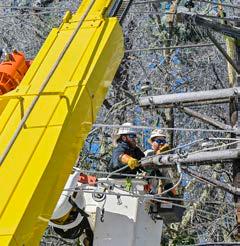
By Tuesday of the storm week, NEMEPA had ramped up from its regular 50-man workforce to 350. By the end of the week, nearly 600 were on the ground.
“We sent out 625 lunches,” Hayward said. “We were doing 50 loads of laundry every single morning.”
When outside help dwindled, Hayward’s own staff stepped in.
“My staff went and did laundry for these guys early in the morning at the laundromats, before people get up and get moving,” he said. “A lot goes on behind the scenes.”
During this storm, Hayward shifted his role. Rather than direct field operations, he handed that responsibility to his head of engineering and operations, Justin Smith.
“He’s been building the system. He knows the feeds. He knows everything,” Hayward said.
Instead, Hayward became the communicator. He took to Facebook with regular video updates, explaining what was happening, what members could expect, and why restoration takes time.
“The young people get frustrated. They call. They want to know,” he said. “Even we don’t know exactly what’s going on out in the field. You just can’t take time in this kind of storm to answer every individual question and be efficient.”
In his spare time, when he can find some, he enjoys travelling in his RV

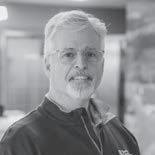
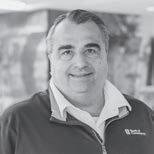


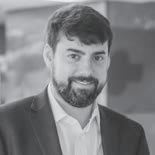
















and playing golf.
“I still play golf,” he said. “But the motor home’s mostly been going down to Houston and MD Anderson lately.”
He’s scheduled for targeted radiation soon.
“I hope it’s going to get it knocked out once and for all,” he said. “Pretty close.”
Through it all, he leans on family. He and his wife, Cheryl, married in April of 1994, just after that first ice storm.
“We were planning our wedding when the ice storm hit,” he said.
They have two daughters, both married to Oxford natives, one grandson and another grandchild on the way.
Hayward was born and raised in Oxford. His mother owned a dress shop on the Square for 30 years. His father was head design engineer for the Soil Conservation Service before retiring
at 54. The family farm remains active.
“I could either take a combine apart where you could throw a baseball through it and put it back together,” he said, “or I could wrap you one heck of a Christmas package. I’ve done both.”
He still maintains about 500 acres of row crop land, leasing much of it now, along with cattle operations. The farm sits out on Pumpkin Road, while his home is in the city limits on Douglas Drive.
In addition to leading NEMEPA, Hayward serves on the board of the National Rural Utilities Cooperative Finance Corporation, representing Mississippi, Tennessee, Alabama, and Kentucky. He plans to step off that board in June, honoring a commitment he made when elected.
Looking ahead, he has his eye on another milestone.
“My 40th year will be May 8 of 2028,” he said. “I think it would be cool to go ahead and stay until I’ve got everything in place.”
“I’ve got a few more pieces of the puzzle to put together at the office to make sure it’s in good shape. I’ll leave it in good hands.”
Leadership, for Hayward, isn’t about holding the reins forever. It’s about building something that lasts.
On the night the ice began to fall, he knew what was coming. He knew the long hours, the cold, the strain on his crews. He also knew what resilience looks like.
He has seen it in linemen working around the clock. In staff washing uniforms before dawn. In communities opening warming centers. In members offering patience and prayer.
And now, he lives it personally.







MANAGING THE ICE CRISIS
Rob Neely and team got the lights back on for Oxford
By Alyssa
Schnugg | Photos by Bruce Newman
On a clear day, the view from the Oxford Utilities office doesn’t hint at crisis.
But in January, when an ice storm glazed Oxford in a thick, dangerous sheen, that hum fell silent for thousands. At the center of the response was General Manager Rob Neely, a steady presence in a long week that tested the city’s electric and water systems—and the people who run them.
Neely has been with the city for 15 years. His path to Oxford Utilities began long before he took the helm.
“I moved here for college in 1994 from Yazoo County,” he said. “Came to Oxford to attend Ole Miss where I earned a bachelor’s in civil engineering and a master’s in environmental engineering.”
After graduation, he went to work as a consulting engineer for a small firm in Oxford, doing civil and environmental engineering work. Later, he joined Elliot and Britt Engineers, a local firm, where he worked for several years before an opportunity opened up with the city’s electric department.
His first position with Oxford Utilities was assistant superintendent under Lynn Robbins in 2011.
“He was pending retirement,” Neely said. “And so in 2012 when he retired, I became superintendent.”
Today, as general manager, Neely oversees both electric and water operations in a city that has grown rapidly and densely over the past decade and a half.
“When I first came here, there were 8,500 customers. Now we’re at 10,500,” he said.
But growth in Oxford hasn’t followed the traditional sprawl model. It has grown tighter.
“One interesting fact about Oxford Utilities that not many people know is that we’re the most dense utility in the TVA region,” Neely said.
Oxford Utilities is one of 153 local power companies served by the
“
“ With any restoration, there’s going to be missteps. I’m not saying that there’s blame. I’m saying that there are opportunities to learn.
- Rob Neely
Tennessee Valley Authority.
“We have approximately 100 customers per mile. That’s more than Memphis, Nashville, Chattanooga,” he said. “So when there’s a line down, or when there’s a circuit down, there’s many more customers affected, because there’s so many more in this congested area.”
To keep up, the utility has invested heavily in infrastructure. They have about 120 miles of primary line across the system, with approximately 60 percent underground.
“All new construction since the early 2000s has been underground,” Neely said. “Due to the cost of undergrounding, it’s cost-prohibitive. Our first priorities are reliability and cost rates. If the rates get too high, they’re unaffordable. The customers of today would bear the weight of that burden.”.
Oxford Utilities was also an early adopter of advanced metering.
All of that preparation would soon be put to the test.
The ice storm preparation began before the first drop froze.
“Preparation really started on Friday,” Neely said. “The storm was delayed. We got a lot of precipitation Saturday morning, but not freezing rain until Saturday eve -
ning. It was a lot of riding around, looking at areas of concern, trying to identify trees that could be a problem.”
When the freezing rain began falling in earnest around 11 p.m. Saturday night, Neely had gone home and crews had returned to their hotel rooms for rest.
“I got the call that we had lost two circuits,” he said. “I came back in at 11. So we lost two circuits initially, a couple thousand people, 1,500 to 2,000 people.”
Crews reported in and began working immediately, hoping the damage might be limited.
But by 2:30 a.m., conditions had deteriorated.
“It had become dangerous. It was still freezing rain, and limbs are starting to pop all over town,” Neely said. “So we pulled the crews in and told them to get some rest and we’ll reassess at daylight.”
At 6 a.m. Sunday morning, they regrouped.
“We started doing assessments of all the circuits,” he said. Early on, they relied on what crews could physically see and on customer calls reporting outages.
Neely and his family live on Leighton Road. They all lost power but Neely had to leave them and get to work.
“We have to park at the top of the hill or else we can’t get out of the driveway,” he said. “It was certainly a challenge getting up the hill with the ice on the ground. I probably had to cut 10 trees just to get out.”
All over Oxford, it was the same story.
“Trees everywhere,” he said.
Despite the widespread damage, there were no serious injuries among the linemen.
“The main thing is that there were no injuries or fatalities or contact injuries with linemen,” Neely said.
Restoration feedback from customers has largely been positive, though Neely is realistic.
“With any restoration, there’s going to be missteps,” he said. “I’m
not saying that there’s blame. I’m saying that there are opportunities to learn.”
It was his first storm of this magnitude in 15 years. Oxford’s hardened system and significant underground infrastructure helped, but trees remain a constant issue.
“We live in a beautiful city with trees everywhere,” he said. “People get upset when you start trimming a lot of trees in people’s yards.”
After the storm, he suspects there may be more understanding.
Sleep was scarce in those first days. “Not much,” he said with a faint laugh. “It was all kind of a whirlwind.”
Complicating matters were water system issues that emerged as the crisis unfolded.
“With the compounding water issues we were dealing with, it was kind of exciting to see things coming back on,” he said
of the electric restoration. “You felt like you were gaining on it. But then the water issue kind of came up, and it was hard to find a solution to that.”
The solution required shutting off water to some customers temporarily to rebuild system pressure and protect critical services.
Those customers were restored within a day or two.
“I don’t want to relive it,” he said. “But once you get through it, you’re glad.”
In the aftermath, what stands out most to him isn’t the exhaustion or the stress, but the teamwork.
“I came out of it feeling like I enjoyed the time I had working with the team we have,” he said. “The trial by fire stuff.”
When he’s not managing crises, Neely’s life is anchored by family and the outdoors. He and his wife, Margaret, have been married nearly 23 years. They















have two children: Robert, 17, and Miller, 14. Both attend Oxford schools. Robert plays on the tennis team at Oxford High, and Miller is active in theater.
During the storm, Miller brought home her class pet, a leopard gecko.
“We had to find a way to keep it alive during the power outage,” Neely said, laughing. “We put it next to the fire.”
The family also has two English Labradors. Neely enjoys duck hunting, snow skiing, and especially golf.
“Love to play golf,” he said. “That’s probably my number one passion outside of work. It’s always the next challenge. It’s something you’re always trying to perfect.
But in late January, there was no time for golf. There was only ice, downed limbs, dark streets, and the steady work of restoration.
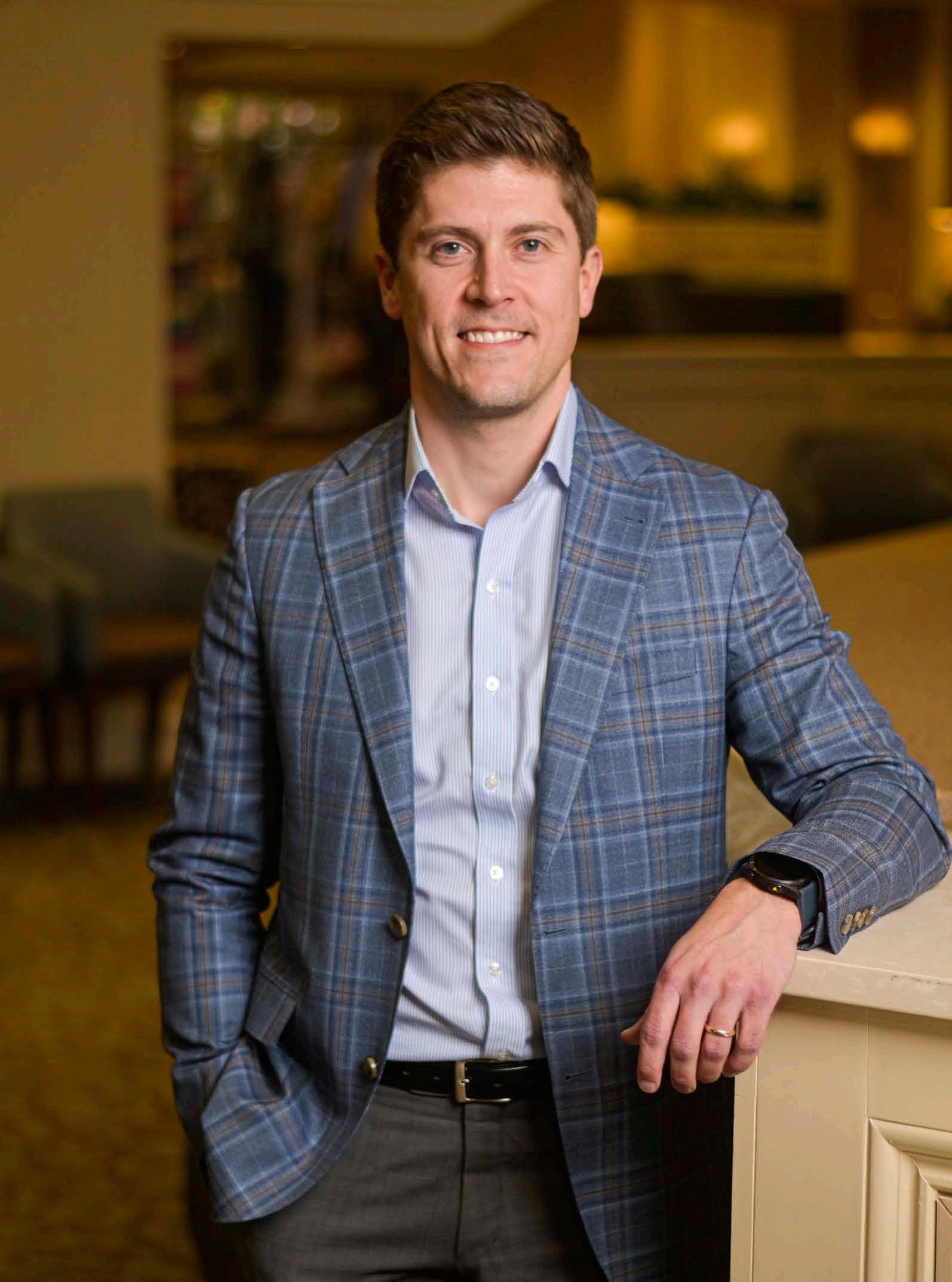
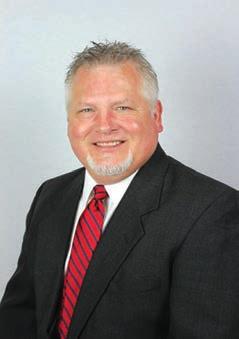
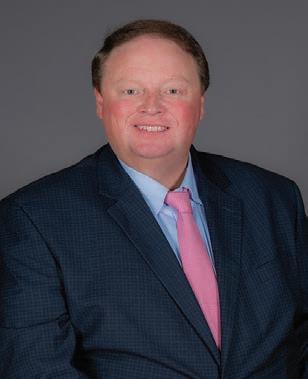
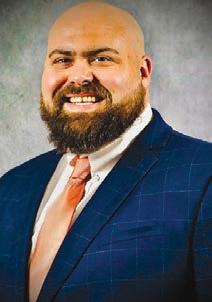
BRIAN WELTON
Caring for a Growing Community
By
Alyssa Schnugg | Photos by Bruce Newman
On most mornings, Brian Welton’s commute takes about 12 minutes, for him that gives him the ability to step away from the hospital for a child’s school play and be back at his desk within the hour.
For Welton, 38, CEO and administrator of Baptist Memorial Hospital–North Mississippi, that balance is one of the reasons he and his family made the move from Germantown to Oxford almost three years ago.
“Bill Henning, the previous CEO, was retiring, and had the opportunity to come down here and succeed him,” Welton said.
Before arriving in Oxford in May 2023, Welton led Baptist Crittenden County Hospital in West Memphis, Arkansas, while living in the Memphis area. The opportunity to step into leadership in Oxford felt like both a professional step forward and a lifestyle
shift.
- Brian Welton “
“We love it here,” he said. “It’s a great community.”
Healthcare was never a foreign language in the Welton household. His father worked in healthcare administration. So did his maternal grandfather. Around the dinner table, conversations often centered on hospitals, patient care and the challenges of running complex medical systems.
What stuck with him wasn’t just
the business side, but the mission behind it.
“The rewarding aspect of everything that you get to do with taking care of people and trying to design better processes and systems to make sure people are getting great outcomes and receiving great care and a great experience,” he said.
Still, as a student at the University of Tennessee, he considered a different path. He majored in fi -
OXFORD HOME FURNISHINGS



nance, thinking he might pursue a more traditional business career. But something felt incomplete.
“I thought I might want to go a different route,” he said. “But then I did some talking with folks, and realized, you know, I want to do something more than just straight finance or accounting. I really would like to take that business acumen and apply it to something that is more meaningful for me.”
That realization led him to graduate school at UAB and into Baptist’s long-standing administrative training program.
In the 13 years he's been with Baptist, Welton has worked across the system, in Columbus with Baptist Medical Group, the physician employment arm; at Baptist Crittenden; and now in Oxford. The varied experience has shaped the way he sees his current role.
“One of the fun things is that no day is ever the same,” he said. “One minute maybe I’m getting to talk with a patient or check in with a patient up in their room. And then the next I may be talking with a staff member here about how we can make their job better. And then the next it may be talking about how we need to recruit physicians to be able to offer more services.”
He likes the mix of the marriage of business strategy, medical knowledge and patient experience.
“You do a lot of business but you get to learn a lot of the medical side of things like the medical terminology or how different types of procedures work,” he said. “It’s kind of fun to marry the business side of things with patient experience and then the medical side of things.”
Outside the hospital walls, Welton is quick to point out his priorities.
“I’m a father and husband first,” he said.
He and his wife, Hillary, have two children, Hayes, 10, and Molly, 7, both in the Oxford School District. Much of their free time revolves around family life.
“I love shooting baskets with my kids in the driveway and playing with them, riding bikes with them,” he said. “We like to travel as a family.”
Personally, he finds release in movement.
“I like road cycling and mountain biking. I also play a lot of tennis,” he said. “Those are all outlets and things for me.”
During the recent ice storm that hit north Mississippi, Baptist
North Mississippi became a shelter as much as a hospital. Roads closed. Deliveries stalled. Water pressure dropped.
“Most days that week, we were sleeping up to 60 employees here at the hospital,” he said. “We were housing people in every nook and cranny.”
When city water pressure faltered, the hospital secured its own external water tanker to pump water into the facility from Wednesday through Sunday.
“We have to do a lot of mitigation planning, making sure we have enough food and supplies and medications and pharmaceuticals,” he said. “We prepared in advance. We had all the food requirements that we needed and ordered a little bit heavy to make sure we had it.”
The experience, he said, felt familiar.
“It was a little bit of COVID in a microcosm for just a week,” he said. “But COVID was definitely its own challenge for sure.”
The pandemic reshaped healthcare across the country. For Welton and his team, it also reshaped preparedness.
“We had never seen anything like COVID-19,” he said. “But I think we’re much more prepared




and ready for anything that may come up.”
Despite the unpredictability, Welton said the hospital’s culture keeps him grounded.
“It takes a great team, and we have a really phenomenal team of leaders here at the hospital,” he said. “We have an important mission. I think everybody really buys into that mission of healing, preaching and teaching.”
That shared purpose makes it easier, he said, to step away at the end of the day.
“It’s hard to turn it off,” he admits. “But certainly things like exercise is a big outlet for me, and being able to spend time with my family.”
As Oxford and Lafayette County continue to grow, so does the hospital. Patient volumes have increased more than 5 percent year over year in recent years. More patients are traveling from outside
the immediate area, some because nearby hospitals have closed or reduced services, others because of Baptist North Mississippi’s reputation.
“I also think it’s more and more patients electing to come here because of the great quality,” Welton said. “The national recognition this hospital is getting for quality outcomes, its patient experience, the quality of the medical staff that we have here, as well as the quality of the nurses and radiology techs and lab staff.”
The hospital is licensed for 217 beds. On a typical day, Welton said, the average census is around 160 patients. Recently, especially after the ice storm, daily numbers have hovered closer to 190 or 200.
To meet demand, the hospital is investing in expansion.
“We’re in the midst of a $4 million renovation project on our fifth floor,” he said. “We’re building out

the last 12 beds that we’ve got in this hospital, adding 12 ICU stepdown level beds. That’s one of the biggest needs that we’ve got right now.”
Physician recruitment is ongoing, particularly in primary care and specialty services. As the region grows, so must access.
“We’re always having to think kind of long term,” he said. “What services do we need? How many medical staff members do we need to deliver those services?”
Healthcare construction is among the most expensive building projects per square foot, he notes, requiring complex infrastructure and specialized space. Planning cannot be short-sighted.
“We have to think about our campus planning in decades,” Welton said. “I think there’s going to be a lot more that we’re going to be adding to this campus over the next 10 years for sure.”

HAVEN IN THE STORM
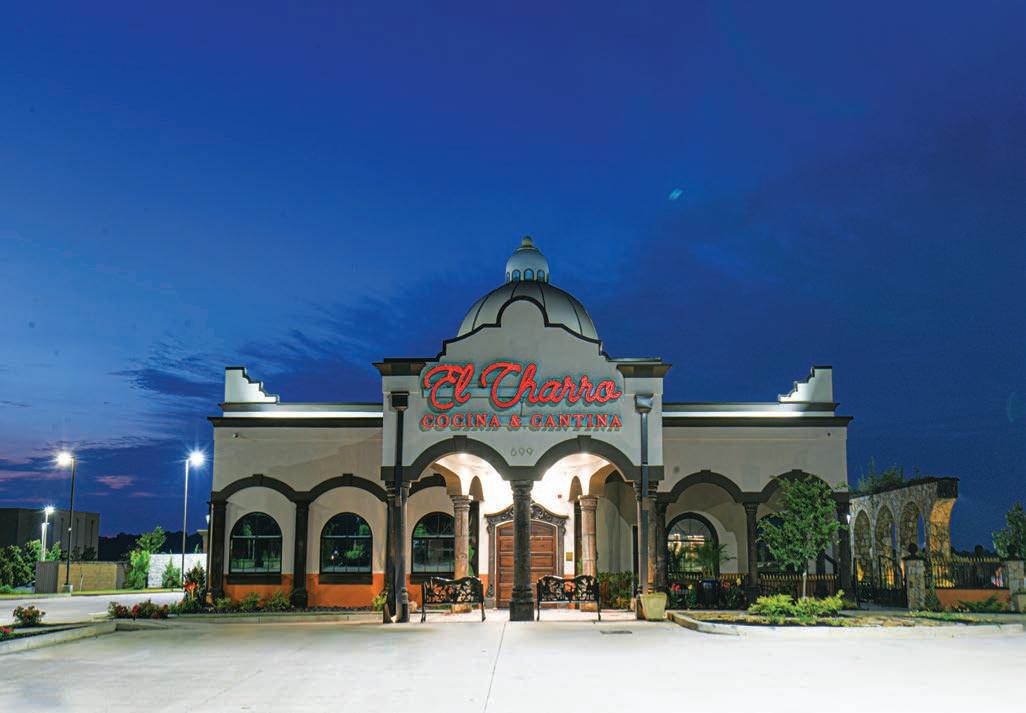
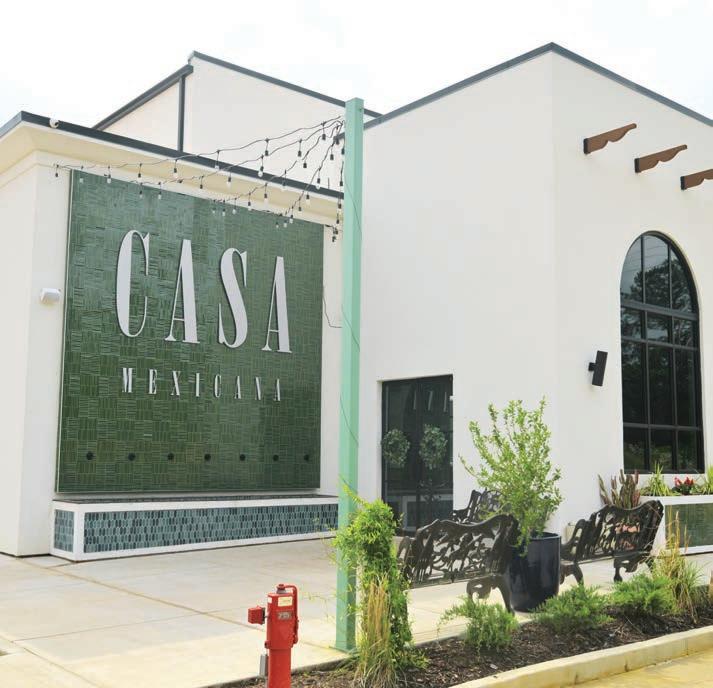
How Casa Mexicana and El Charro Became a Warm Haven for Oxford During the Ice
Storm
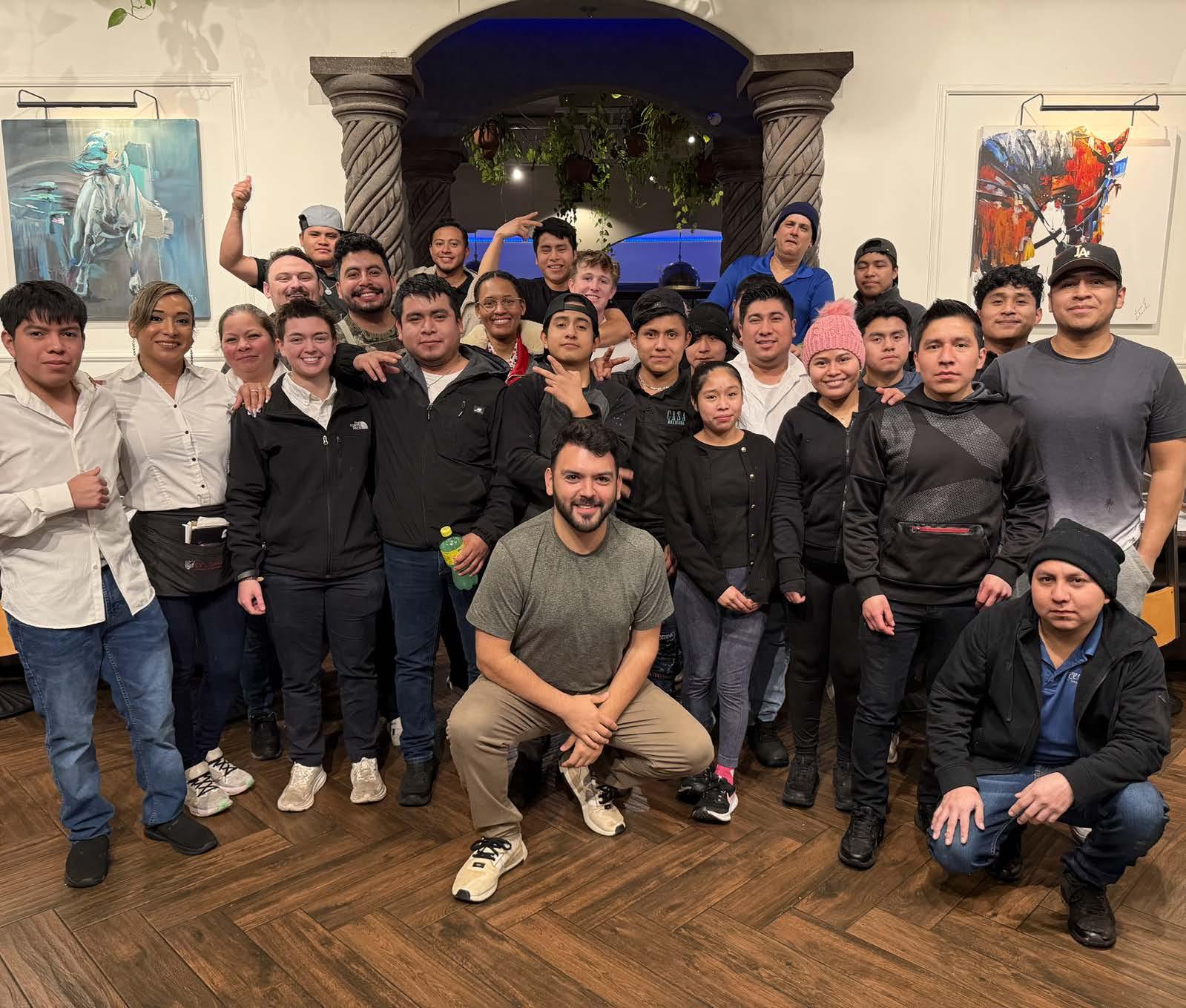
Casa Mexicana and El Charro owner Ramiro Munoz found himself in a position to offer customers more than a good meal and friendly atmosphere recently. During the ice storm, his two stores miraculously had power. After the brunt of the storm ended on Saturday, he and his family picked up employees, turned on the ovens and gave Oxford residents a place to warm up, charge phones and eat a hot meal.
What made you decide to keep the restaurant open when so much of the community was shut down?
We didn’t know what to expect at first. The first day of the ice storm, we couldn’t even get out of our driveway, so we stayed closed and assessed the situation. By Sunday, we were able to get out, and I realized we had power, water and food while many places in town didn’t. We decided to open because we knew people would need somewhere to go. Within 30 min -
utes, we were overwhelmed and calling in extra help. It confirmed that people needed a place to eat and gather, and we were glad we could provide that.
What did it mean to you to see people coming in stability because they needed a hot meal and a place of normalcy when they had no power at home? It was incredibly humbling. We were dealing with long wait times, limited staff and constantly adjusting, but people were patient

and understanding. That meant everything to us. Despite the challenges, customers were just grateful to be somewhere warm with power and a hot meal. Their kindness and appreciation kept us going. Seeing the community come together like that, supportive, patient and thankful, was truly powerful and something I won’t forget.
Your staff played a crucial role during that time. Why was it important to you to personally pick up employees and make sure they could get there safely?
Many of our employees don’t have vehicles equipped for icy roads, so I felt it was my responsibility to make sure they were safe. My family and I have four-wheel-drive vehicles, so we spent the extra time picking people up and taking them home. I didn’t want anyone risking
their safety to get to work. What stood out most was their willingness to come in, not for tips, but to be somewhere warm, with power, food and community. That says a lot about our team.
Looking back now, how did staying open during the ice storm change the way you see your role—not just as a restaurant owner, but as part of this community?
It reinforced that the two roles are inseparable. We wouldn’t have our restaurant without this community, so it’s important to give back whenever we can. It would have been easy to close and focus on ourselves, but the community needed support. Seeing so many people come through our doors, including those who don’t usually dine with us, reminded me how important it is to show up in times like that.
We’re grateful for the community, and I hope they feel the same about us.
Can you share a moment or interaction from those days that has stayed with you and truly captures what that experience was like?
What stands out most is how many people simply said, “Thank you for being open. I’m just happy to be warm.” Even when food took longer than usual, people were understanding. They sat with chips and salsa, charged their phones, talked with friends and just enjoyed being somewhere with heat and electricity. It wasn’t just about the food, it was about comfort and connection. Seeing families and friends able to relax, even briefly, made it all worth it.



FROM MENTOR TO HEAD COACH
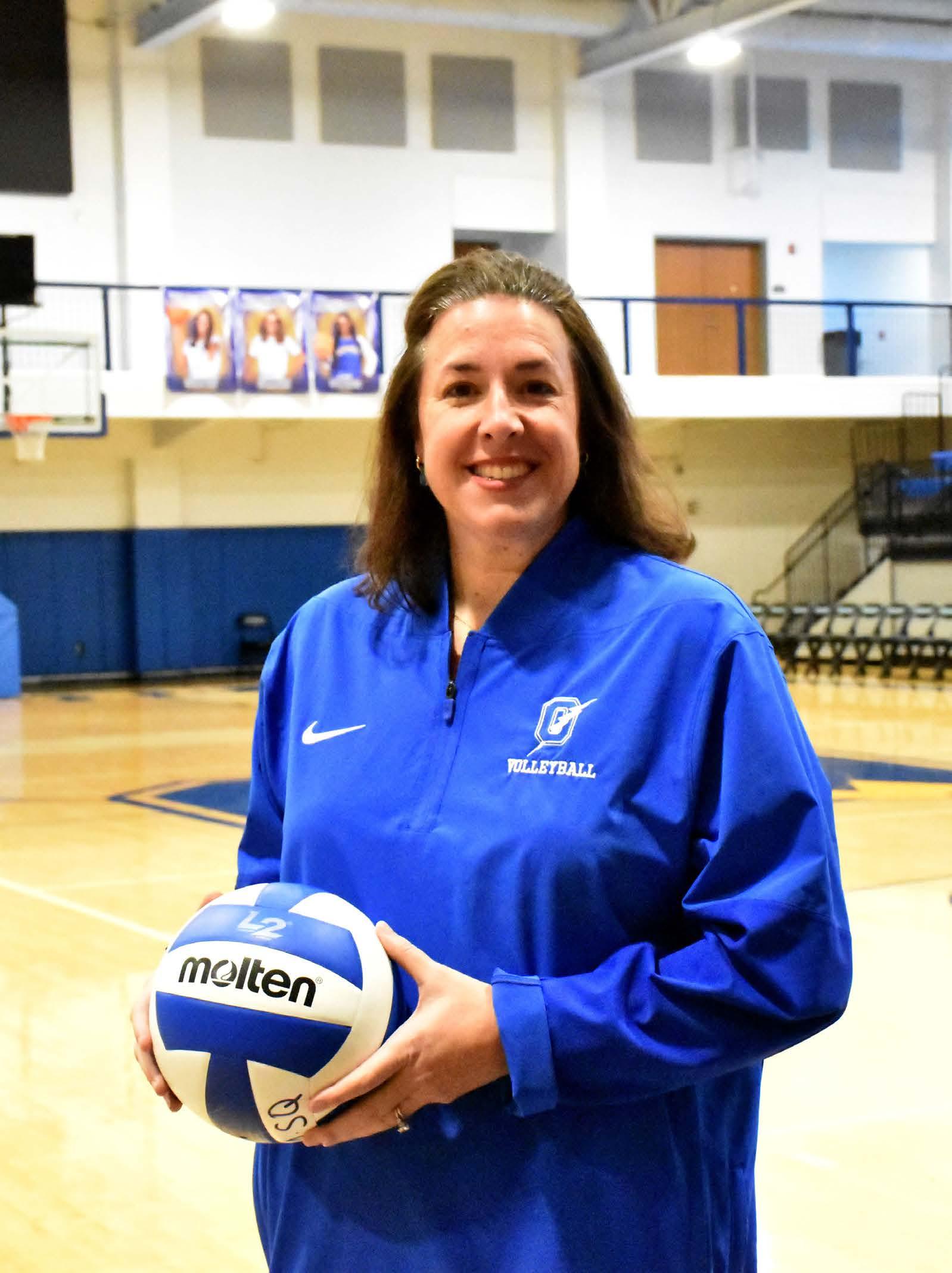
Karen Yelverton’s leadership and SEC pedigree helped power Oxford High volleyball through a demanding 2025 schedule.
Story and photos by Jared Redding
Although Karen Yelverton wasn’t always the plan to lead the Oxford High School volleyball program in 2025, she was ultimately the right choice — one who happened to be in the right place at the right time.
The 2025 season was initially set to be Ashley Martin’s sixth year as the program’s head coach. She led the Chargers to a Class 6A State Championship berth in just her second year, and she was able to sustain a competitive program since then.
All of that came to an abrupt halt just weeks before their first set of games in August.
Martin made the decision to accept an administrative position in nearby Batesville, leaving Oxford School District Co-Activities Directors Chris Baughman and Tabitha Beard scrambling to find a replacement.
One of the candidates just so happened to be a coach that coached most of the players already, but more as an instructional coach away from the school setting. She later admitted that it wasn’t always her plan to have a role like this, but it was a new adventure she was willing to go on regardless.
“Many of the players already knew me. They trusted my volleyball knowledge. They knew how I like to run practices. They knew they were going to be challenged. They were prepared to get
coached up whenever I saw a teachable opportunity,” Yelverton said.
“They knew I would hold them accountable. But to me, the secret while obviously working to accomplish all these big team things - you still had to make it fun. That's super important to me. I knew this team could blast off if they were having so much fun that they didn't realize how hard they were working. I say it often. I have great girls. They bought in quickly.”
With just weeks away from the season, Yelverton hit the ground running. The roster she inherited was one with just two seniors and a bulk of underclassmen, with those seniors being Liza Feltenstein and Lauren Ussery.
The Chargers faced fierce competition early and often, opening the season in the state’s capital with the MHSAA Invitational before the Juanita Boddie Tournament in Hoover, Ala. featuring the south’s most proud programs. All of that prepared them for what ultimately counts: Region 2-7A competition.
Oxford swept five of their first six Region 2-7A matches, with that one loss being on the road at Madison Central. However, the Chargers would ultimately get their revenge in mid-September. Backed by an electric home court environment, Oxford swept the Jaguars 3-0 the second time around. That would propel the Chargers to an
8-2 region record and a No. 2 seed entering the MHSAA Class 7A Playoffs.
Going into October, the ride ended with a tough sweep loss at Lewisburg, but the young Chargers finished the 2025 campaign with an impressive 2612 record and a top-20 statewide ranking (17) from MaxPreps.com.
Although it was Yelverton’s first season as a head volleyball coach, the experience she had as a former SEC athlete and the mentorship she had over the course of her life more than prepared her for the challenge she was able to take on.
Born in Memphis, Karen Yelverton (formerly Karen Horner) was a foursport athlete at Collierville High School, participating in basketball, volleyball, track and tennis throughout her time with the Dragons.
“I was definitely more of a basketball player but my love for basketball changed,” Yelverton said. “I was a more talented basketball player but volleyball was the fun that basketball was losing for me.”
Her sister went on to play college volleyball at the University of Memphis and her brother, one that she really looked up to, went on to study at Ole Miss. Her grandfather, Ed Horner, was an Ole Miss football manager under the legendary coach Johnny Vaught. When her time came to move on from

high school, that growing volleyball desire in her allowed her to walk-on for the Ole Miss volleyball program in fall of 1994, a program led by head coach John Blair.
Two years into her athletic career, she earned a scholarship and then by her senior year she was a starter as an outside hitter.
“(Blair) saw a basketball player that was super raw and tried to simplify the game as much as possible until my volleyball IQ and technique improved. It took me a long time to catch up to my teammates but it was absolutely worth the hardwork and tough times,” Yelverton said.
Yelverton went on to get a Master’s degree and then work with the UMAA Foundation and then in the Ole Miss Business School as development director, while her passion for the game of volleyball still remained. She went on to help de-
velop over 350-plus volleyball players over time.
When the time came for her to accept her first head coaching opportunity, she had a very solid endorsement on her side.
“(Blair) was one of my references (for the OHS head coaching vacancy,” Yelverton said. “He said when you get the job, let me know what match I can come be a line judge for y’all.”
Blair kept his word. He and one of Yelverton’s favorite Ole Miss professors, Dr. Ken Sufka, actually served as line judges for the aforementioned 3-0 sweep of Madison Central that served as a signature win of her first season.
To present day, Blair’s mentorship is having a direct impact on the way Yelverton operates within her program.
“I see myself in (the players) and I want them to have every success that I had and much, much more,” Yelverton said. “I try to develop my players just like Coach Blair did with me. One practice at a time, praising and reinforcing everything that I see them do right. That helps them to hear me when I ask to make adjustments or help them work through the frustrating times.
“They know that I believe in them and won't ever give up. I'm in this with them. I want to be there when they get in, to be there on the practice court when a player makes their first stuff block or making a small adjustment that results in the perfect pass, an aggressive serve, a sweet kill. It's just a wonderful moment that I am lucky to be a part of. Hopefully, I'll be able to keep doing it for a long time to come.”






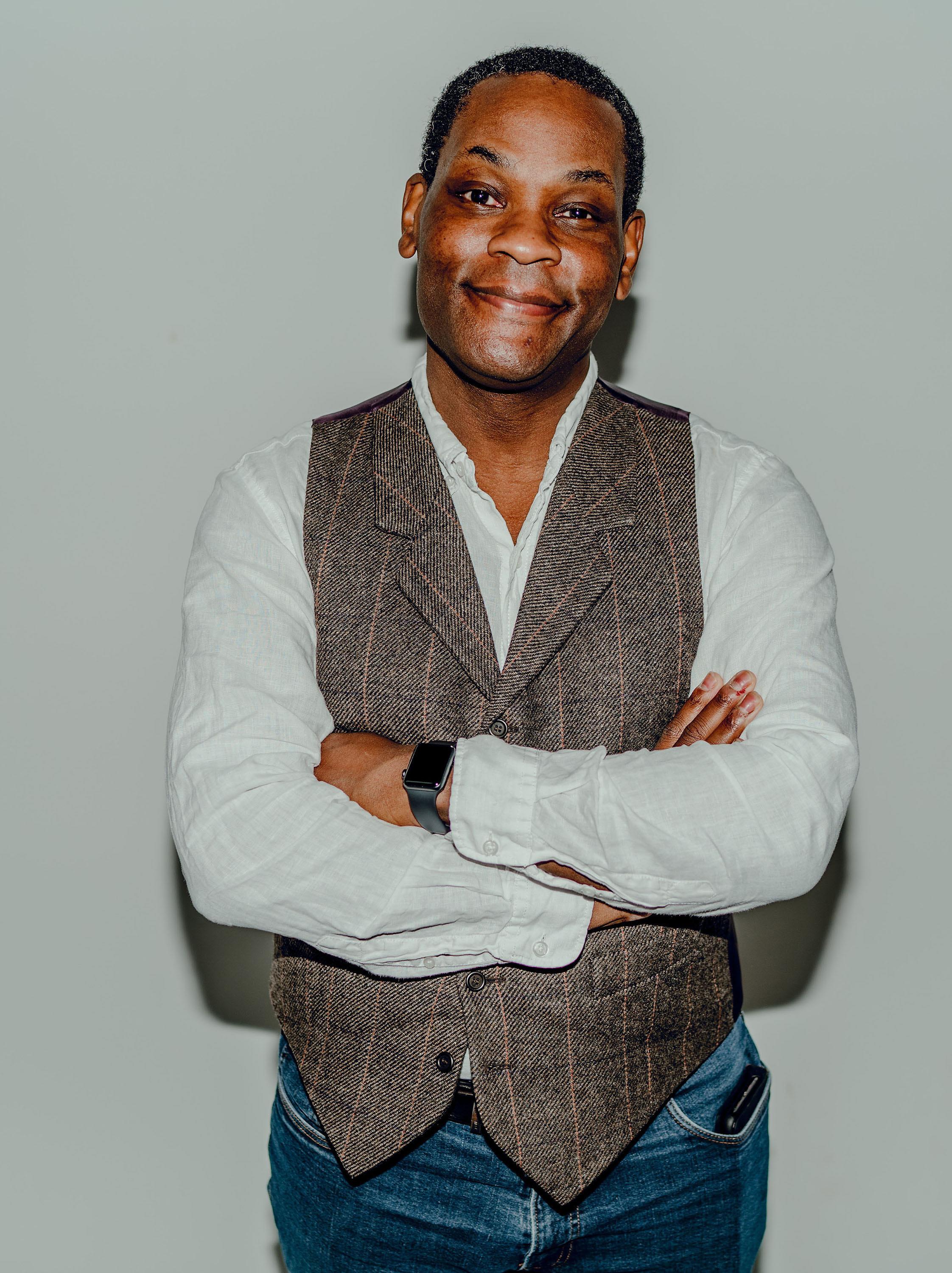
TOM ATTAH
Why the Blues Still Matters
By
Rebecca Lauck Cleary | Photos by Charles Diggs
Tom Attah has played as a featured artist at the Glastonbury Festival of Contemporary Performing Arts and at the Great British Rhythm and Blues Festival. He also composed and recorded acoustic guitar tunes for a permanent exhibition at the former home of Georg Frideric Handel and Jimi Hendrix in Mayfair, London.
He recently moved across the pond and into a classroom teaching sociology and Southern studies at the University of MIssissippi. But Attah hasn't put down his guitar completely; it's just off to the side a bit as he teaches.
Attah is a researcher and internationally known musician and author, and his passion for the blues shines through in conversations.
"I didn't realize that I was a sociologist initially, because I'd always been doing performance, but what I found was that the questions I was asking about blues music didn't actually have their answers in musicology," he said.
"The questions that were more interesting were:
“ “
If we want to understand what the blues was 100 years ago, or 200 years ago, all we have to do is listen to it today. It's not a question of having to get in a time machine. - Tom Attah
What's this music for? How does it work? How does it affect? Why is it still here?
The key one was why does it persist?"
His research interests include the effects of technology on popular music, particularly blues music and blues culture. He is interested in how the music that sprang from the Mississippi Delta soil remains relevant for modern listeners and how people around the world, including those who have never been to America, understand it.
"As I built my research and writing and teaching, the answers were in sociology and Southern studies" Attah
said.
He earned a bachelor's degree in popular music studies from the University of Sheffield and a master's in music performance and a doctorate in popular music from the University of Salford. Attah's dissertation "Halls Without Walls: Perpetuation, Development & Dissemination of the Discourse on Blues Music and Blues Culture in the Digital Age (1996-2016)" will be published by Bloomsbury as a monograph in 2027.
He also has a book on the blues in northern England due from Manchester University Press in 2028.
"People sometimes assume that blues music is somehow primitive, and it's not," Attah said. "It's a really forward-looking living tradition, because you've got steel guitar strings, which in 1910 and 1920 is the cutting edge of technology. All guitars up until that point have been made out of wood.
"As soon as technology was able to fashion metal at scale and make these into instruments and sell them at a reasonable cost, resonator guitars appeared. And this is before the gift of electric guitars to the world transformed the world."
Attah joined the Ole Miss faculty in fall 2025. In his short time in Oxford, he has already discovered concerts at the Fox Fire Ranch and other music in and around the area.
"If we want to understand what the blues was 100 years ago, or 200 years ago, all we have to do is listen to it today," he said. "It's not a question of having to get in a time machine."
The guitarist, who has jammed alongside Robin Trower, Toots Hibbert and Honeyboy Edwards,


brings an exciting perspective to the classroom as someone who is both a musical performer and a scholar of music, said Jeffrey Jackson, professor and chair in the Department of Sociology and Anthropology.
"Whether you're interested in B.B. King or Beyoncé, music videos or music in video games, students are in for a real treat," Jackson said. "Dr. Attah's classes will shed light on the role that music plays in society and how it shapes our experiences and our identities in profound ways."
He taught an introductory sociology course, SOC 440: Sociology of Music, and is teamed with Adam Gussow, professor of English and Southern
studies and an accomplished blues musician, to teach SST 118: Introductory Topics in Southern Music.
Sela Ricketts, a student in the M>F>A> in Documentary Expression program, is Attah's graduate assistant this spring. She looks forward to learning alongside the undergraduate students in his course.
"It's exciting to work with someone who doesn't just know the blues; he's lived it," said Ricketts, a Greenwood native who earned a bachelor's degree in integrated marketing communications and art, and a master's degree in Southern studies, both from Ole Miss.
Despite not holding "heavyweight" credentials as a scholar and researcher, Attah is honored to share his experience and insights with students, he said.
"The key thing is, as long as you're genuinely interested in the music and the people, respectful of the power of both, then everything's fine," he said. "And if you're interested in your students and respectful of the subject before anything else, everything flows from that.
"I'm very lucky. I can write, I can read, people ask me to go and play shows, people are supportive and generous, and it all kind of works out."


Restoring Oxford, one home at a time. Restoring Oxford, one home at a time.

Winter Storm Fern may have taken away
Winter Storm Fern may have taken away
your warmth and peace of mind, but we’re
your warmth and peace of mind, but we’re
here to help you reclaim them. We’re not
here to help you reclaim them. We’re not
just a restoration team — we’re your
just a restoration team — we’re your
neighbors who are ready to lend a hand.
neighbors who are ready to lend a hand.
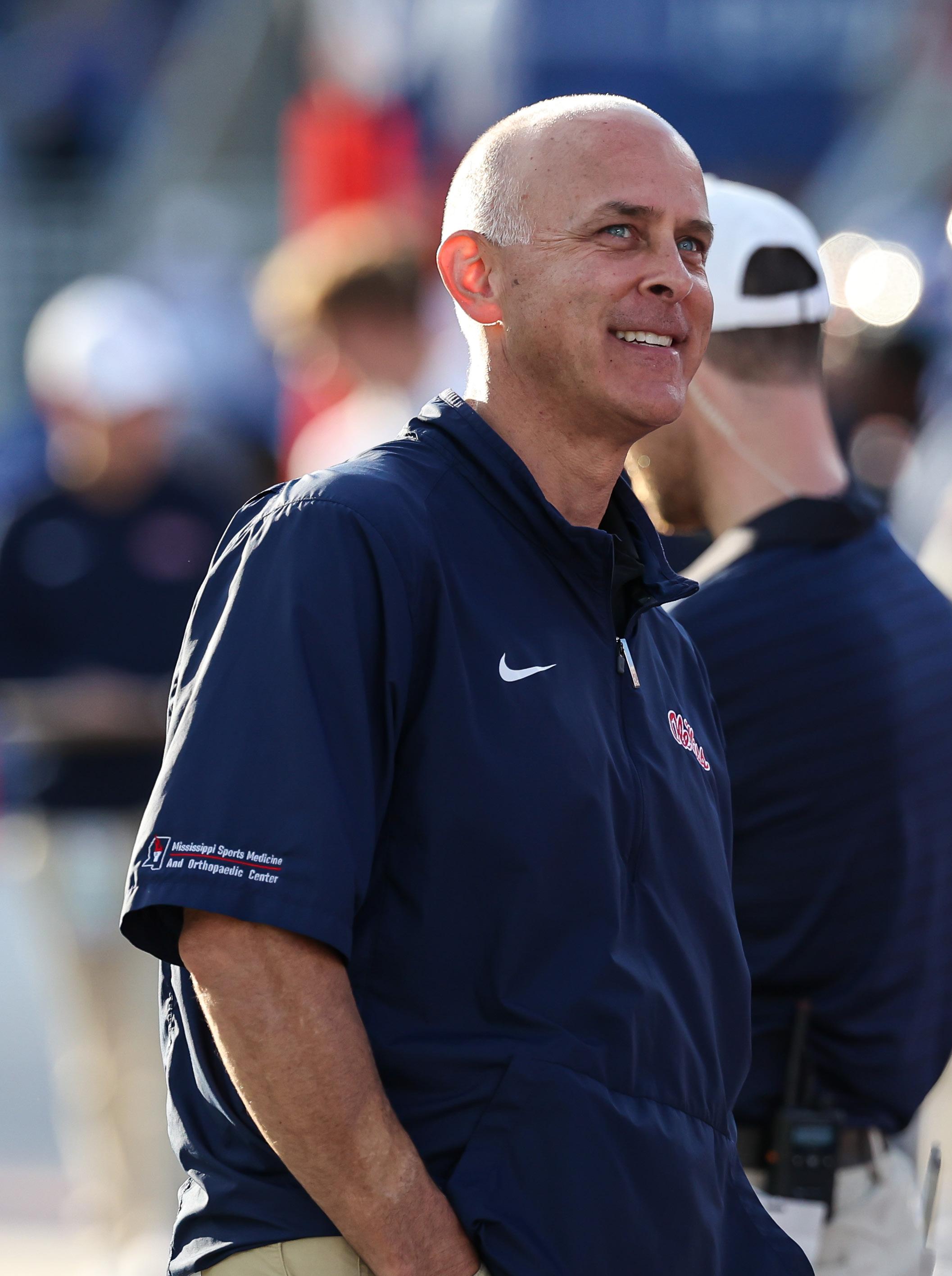
KURRE LUBER
By Donna Campbell | Photos submitted
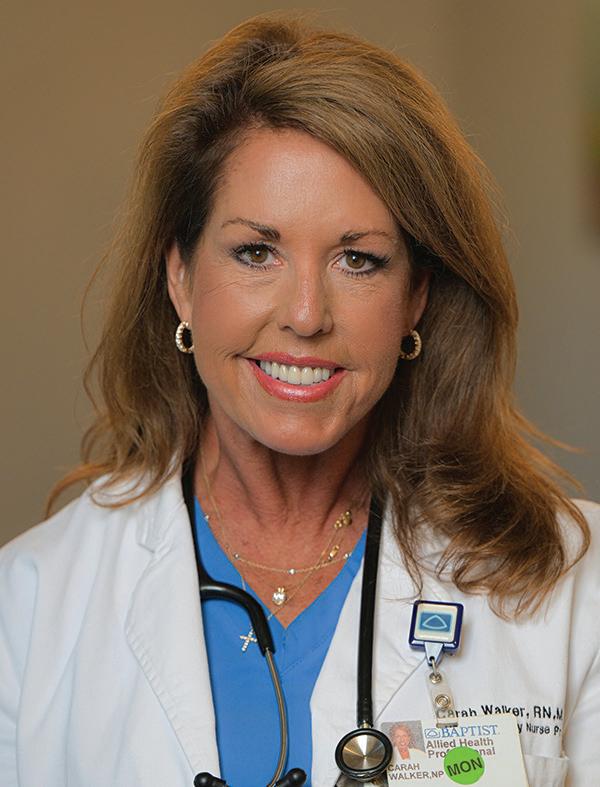
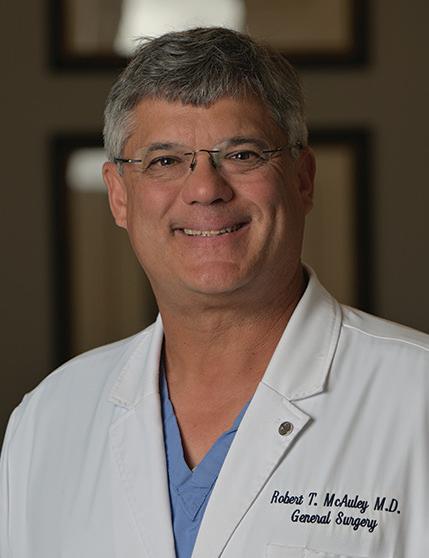
His years at the University of Mississippi not only shaped Dr. Kurre Luber into the orthopedic surgeon he is today, but also gave him a sense of community and a home.
“Oxford has been an incredible place to build a career, raise a family, and serve others,” the 52-year-old said.
Luber’s service is helping people stay active, healthy and engaged in the life they love, “whether that’s an athlete returning to the field for the College Football Playoff in front of millions of people, or a neighbor simply walking without pain.”
A native of Caruthersville, Missouri, Luber started working summers on a farm when he was 13.
“I started with basic labor, chopping cotton and running errands, but eventually I worked my way up to operating tractors, combines, and heavy equipment,” he said. “The experience taught me responsibility, problem-solving, and how to work with my hands — skills that translated naturally not only to real life experiences but also into orthopedic surgery later.”
His path to medicine was filled with bumps, breaks and bruises.
Literally.
He played football and basketball and also ran track, suffering ankle and clavicle fractures and shoulder dislocations that led to shoulder surgery.
“Spending time as a patient introduced me to sports medicine in a very real way,” he said.
He considered a medical career, but he didn’t come
What I did have was a deep love for sports and a strong work ethic instilled by my parents.
- Kurre Luber “
from a medical family and lacked experience.
“What I did have was a deep love for sports and a strong work ethic instilled by my parents,” he said.
“When I arrived at Ole Miss, I felt I needed a path to prove medicine was right for me.”
He volunteered and later worked part-time as a phlebotomist at Baptist Memorial Hospital while in college. It was his first real exposure to medicine. Drawing blood and assisting in the operating room sealed the deal for him.
“I knew without question that medicine was the right path,” he said. “Combining that with working with power tools and piecing things back together on the farm, ultimately orthopedics was the perfect fit.”
He graduated with honors from Ole Miss, “a place that shaped me not only academically but personally,” he said. “Ole Miss is where my interest in medicine became real and where my love for this community began.”
He earned his medical degree from the University of Missouri School of Medicine, followed by a five-year orthopedic surgery residency at the University of Mississippi Medical Center. Always eager to learn, he completed fellowships in trauma and sports medi -
cine both in the States and abroad. Each stage of training reinforced his desire to provide the very best care possible while pushing himself forward professionally. Along the way, he and Tara, his high school sweetheart, married and started their family — Kurre, Miles and Charlotte, who is affectionately known as Lotte.
“Our kids have grown up in Oxford, surrounded by strong schools, close friendships, and a real sense of community,” he said. “Watching them grow, compete, learn discipline through sports, and find their own passions has been incredibly rewarding.”
Oxford has been Luber’s professional home since 2008. He sees patients through Mississippi Sports Medicine and Orthopaedic Center in both Oxford and Hernando, and holds a weekly clinic in the Manning Center on campus.
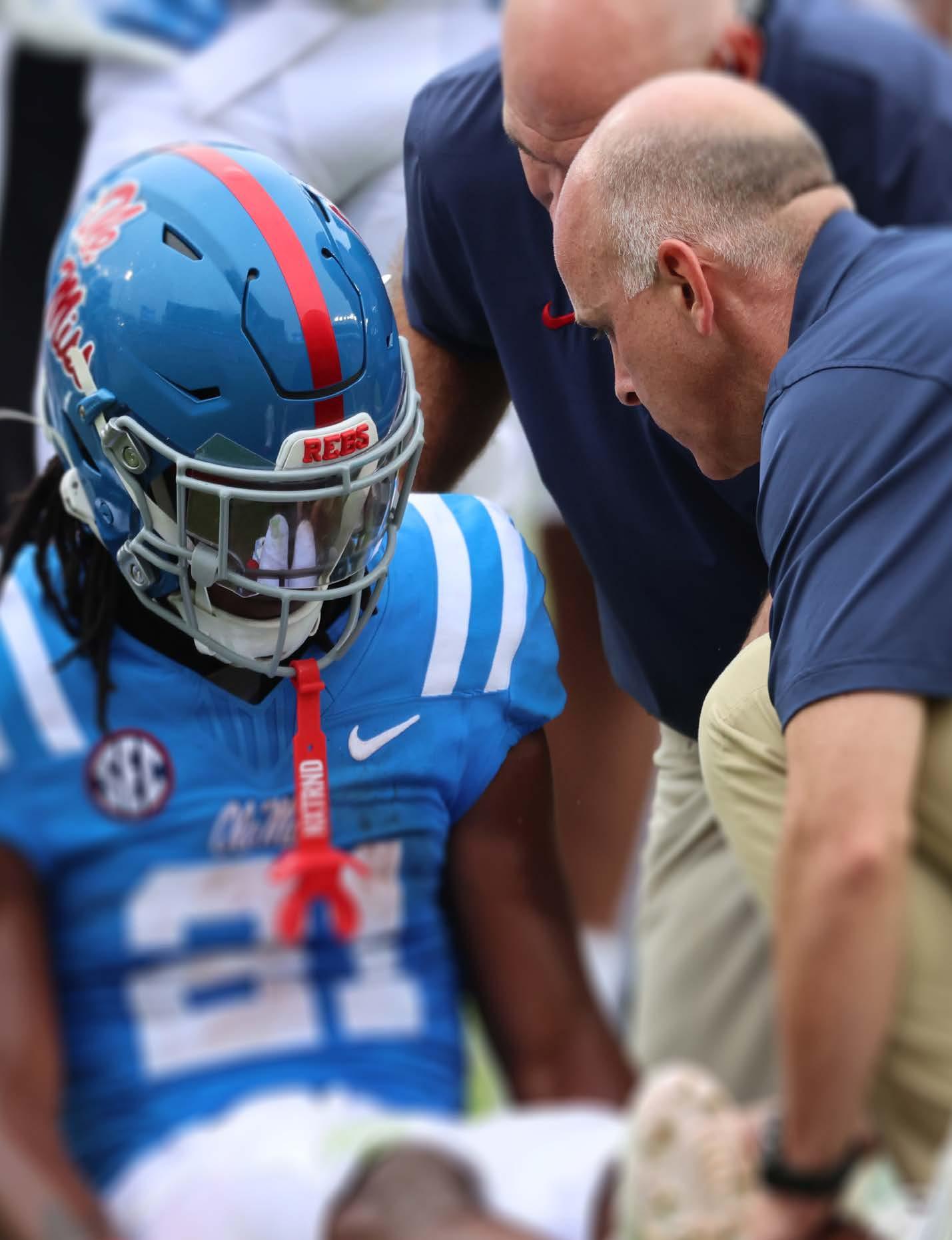
About four years into building his practice, Ole Miss Athletics approached his group about serving as the official orthopedic provider. He and his partners embraced that opportunity as a team and will mark their 15th season this year. Luber’s main responsibility is to serve as head ortho surgeon for Rebel football.
That means football season is intense. He balances a full-time ortho practice with responsibilities to the team, including the weekly Tuesday evening clinic at the Manning Center.
He travels with the team to every game, arriving at the stadium on game days about two hours before kickoff and he’s there for a
few hours afterward.
Injured players are often evaluated again during a Sunday clinic, which frequently includes scheduled MRIs and follow-up conversations with athletes and their families, he said.
By Monday, the cycle begins again as the team prepares for the next opponent and Luber prepares for his clinic and surgical schedule in the week ahead.
“I’m also grateful for the support of my family, who have been incredibly understanding of the demands of the season,” he said. “As lifelong Ole Miss fans, they’ve shared in the experience and often join me on the road, which makes it even more meaningful.”
In addition to his work with Ole Miss, Luber serves as the primary orthopedic provider for the Oxford School District.
“When Ole Miss is at home, you’ll find me on the sidelines Friday night caring for and cheering on the Oxford Chargers,” he said.
Luber’s career is demanding but rewarding. He’s treated young athletes just starting their sports journey, high school and college athletes chasing dreams, and elite professionals from the NFL, NBA, WNBA, MLB and U.S. Olympic teams. The core principles in each group never change, he said.
“Listen carefully, treat each patient with respect, and focus on long-term health,” Luber said. “With younger athletes, the emphasis is on growth, development, and protecting their future. With elite athletes, there may be additional layers such as timing, contract years, work-


You don’t have to wait for a blackout to get help for substance use...






Kurre Luber, MD
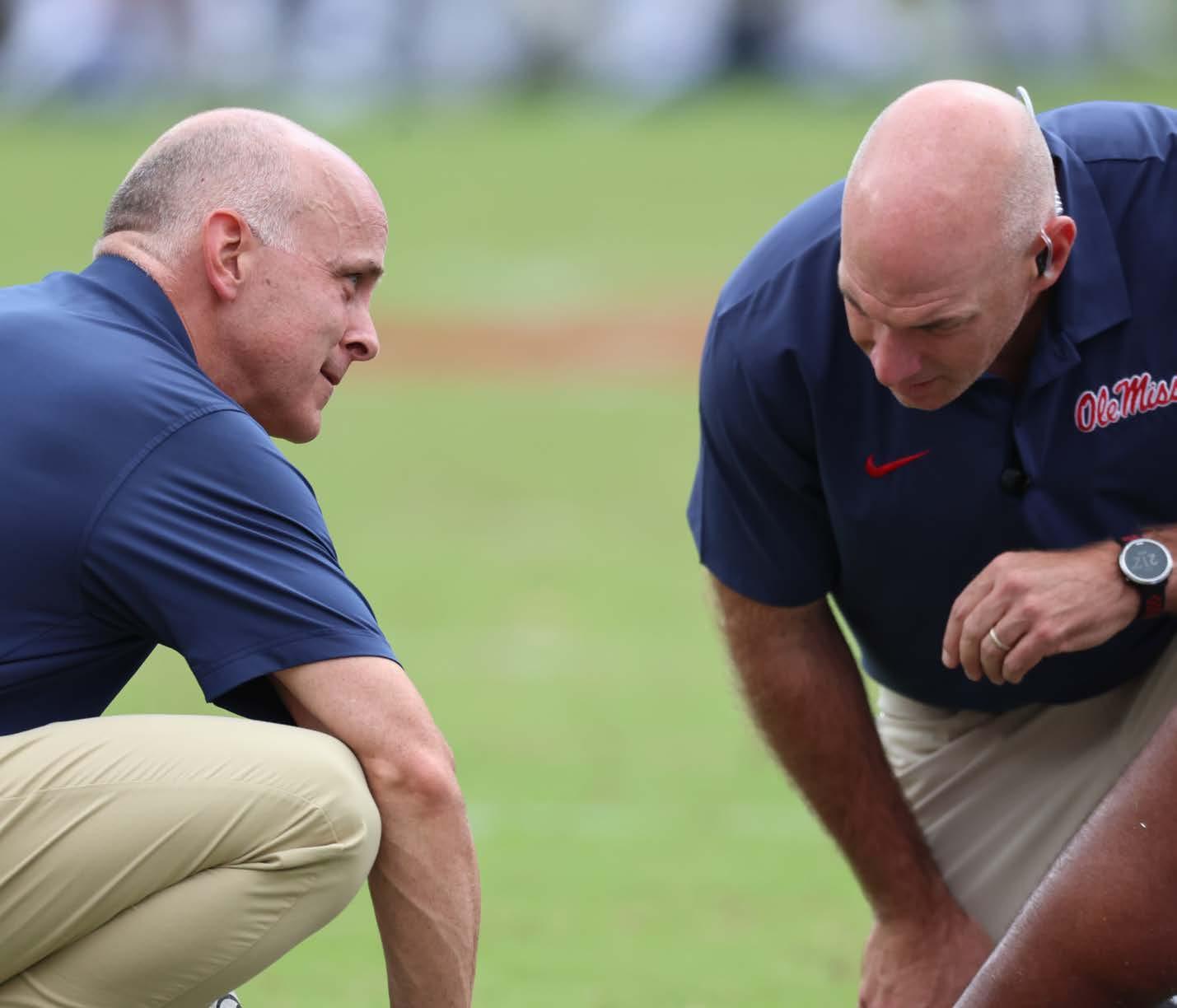
ing with agents, performance goals, or career considerations…medically, everyone receives the same level of attention and care. The trust they place in me is something I never take lightly.”
Despite his busy schedule, Luber finds time to teach others, which allows him to give back to the profession that has given him so much. He has served as an Associate Master Instructor at the American Academy of Orthopaedic Surgeons Orthopedic Learning Center in Chicago, where surgeons from around the world come to learn advanced techniques. AAOS is the largest professional orthopedic organization in the world.
Locally, Luber works with Ole Miss
students, athletic training students, and medical trainees every week in his clinic and operating room.
“I remember clearly what it felt like to be in their shoes, and I enjoy helping them navigate the path forward, whether they’re just exploring healthcare or already committed to a medical career,” he said.
It is said that all work and no play leads to a dull life. Luber’s is anything but.
He and his family are die-hard Ole Miss Rebel fans, of course, and love cheering them on. The Lubers are on the water in the summer, on the snow in the winter, and at the beach when they can. They are fans of most anything outdoors.
He enjoys duck hunting and golf with his sons to get those one-on-one hours, and watching Lotte compete at tennis. He intentionally slows down enough to enjoy meaningful conversations with his children, and the connection recharges him more than anything else.
It’s clear Luber works hard and plays hard. So how does this doctor relax?
Surprisingly, it’s waking up at 4:30 a.m. to exercise, mostly to set the tone both mentally and physically for the day ahead, but also to burn off the calories from the Blue Bell ice cream he likely snacked on the night before. Even a doctor can have a guilty pleasure and a sweet tooth to satisfy.
“Those early hours offer quiet, fo-

cused time to prepare for the day and pursue my personal and professional goals, so that later, I can be fully present and support my children as they pursue theirs,” he said.
Luber is grateful for the great people who surround him daily.
“I am incredibly fortunate to work alongside an outstanding orthopedic team in both my clinic and my surgery center,” he explained. “Their skill, dedication, and commitment keep everything running smoothly, and I am deeply grateful for each of them. I simply could not do what I do without their support.”
Remember his call to service? It’s a family thing.
“Giving back is very important to us,” he said. He is active in his church and volunteers to provide medical coverage for the Annual Charity Bowl, a major Ole Miss philanthropy that raises significant funds for individuals living with paralysis.
Tara Luber leads much of the family’s community involvement.

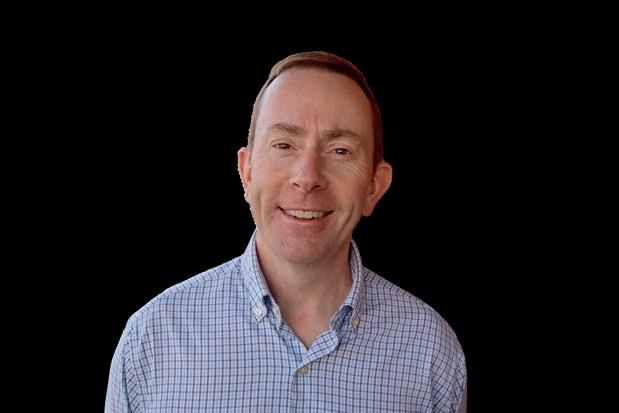
“She is definitely our philanthropy arm,” he said. “She is deeply involved in Lovepacks, the Oxford Garden Club, P.E.O., and church activities. Together, we believe that investing time and energy into the community and church is essential to moving it forward.”
Being part of the Oxford community and contributing to its future — through patient care, innovation, and service — is something Luber and his team at Mississippi Sports Medicine and Orthopedic Center are deeply grateful for.
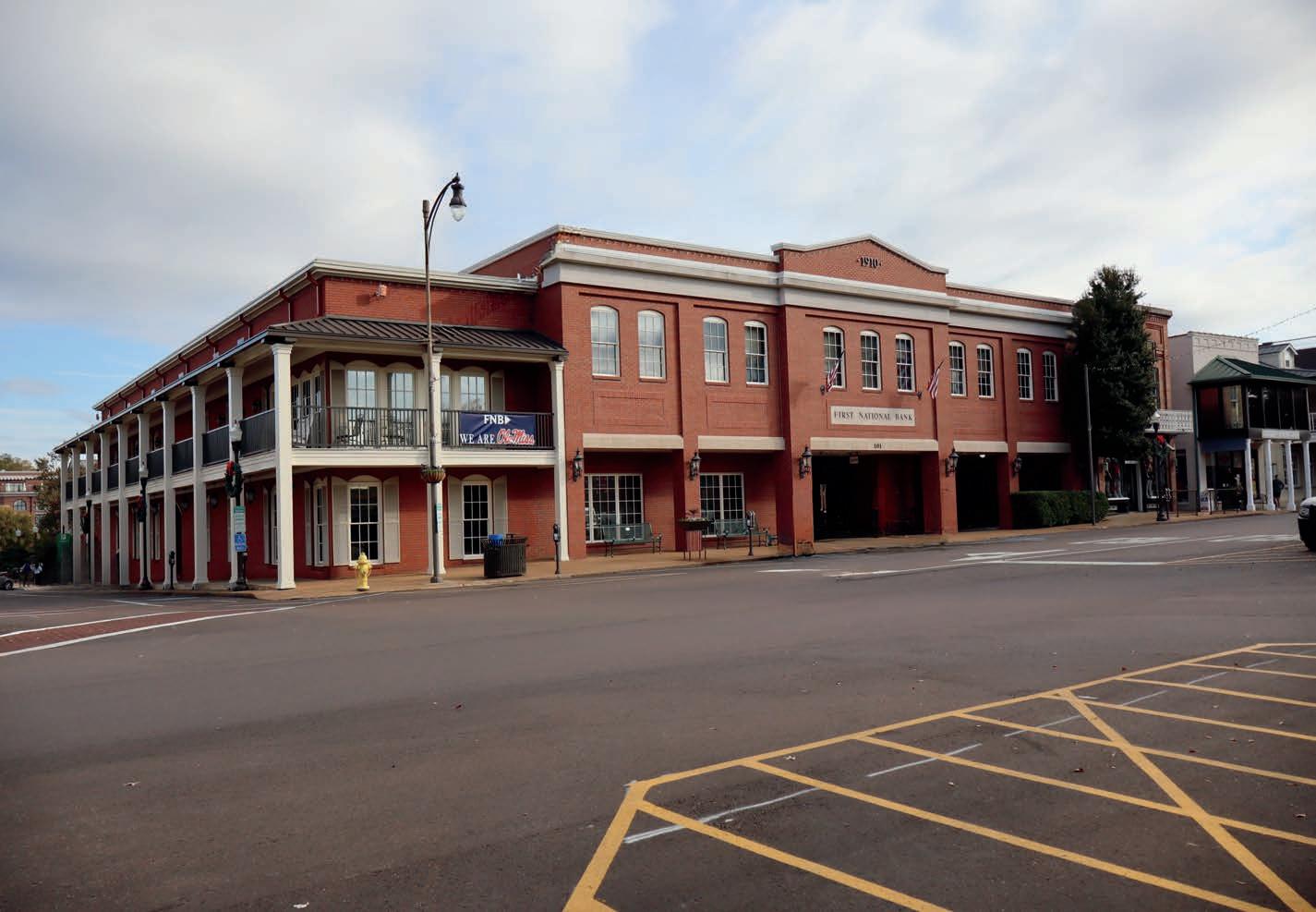
To continue growth and investment, they recently opened a new, state-of-the-art facility on Belk Boulevard in Oxford, directly across from the hospital. This facility includes modern procedure rooms, advanced X-ray imaging, and on-site physical therapy — creating a truly comprehensive, patient-centered environment.
There’s also one of the largest outpatient surgery centers in north Mississippi at Oxford Surgery Center. It features seven new operating rooms equipped with robotic technology and the full spectrum of minimally invasive surgical and pain-management capabilities.
“It is truly on par with the best facilities anywhere in the country — right here in Oxford,” he said.
And if that weren’t enough, they also opened a walkin clinic on Sisk Avenue to allow them to better serve patients with immediate orthopedic needs while extending their reach to the other side of town. This ensures timely access to care and reflects the team’s commitment to meeting patients, he said.
Though Luber is often in the spotlight — and spotted on the sports channels running on the Rebel sidelines — he’s quick to point out it’s a collaborative effort between him, his team and his family that make the level of care to his patients possible.
“This role is exactly what I trained for, and it’s work I care deeply about,” he said.
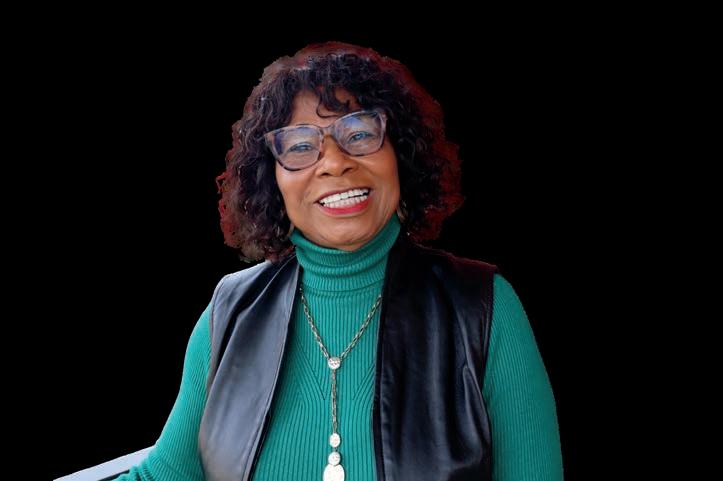


TIA THOMAS
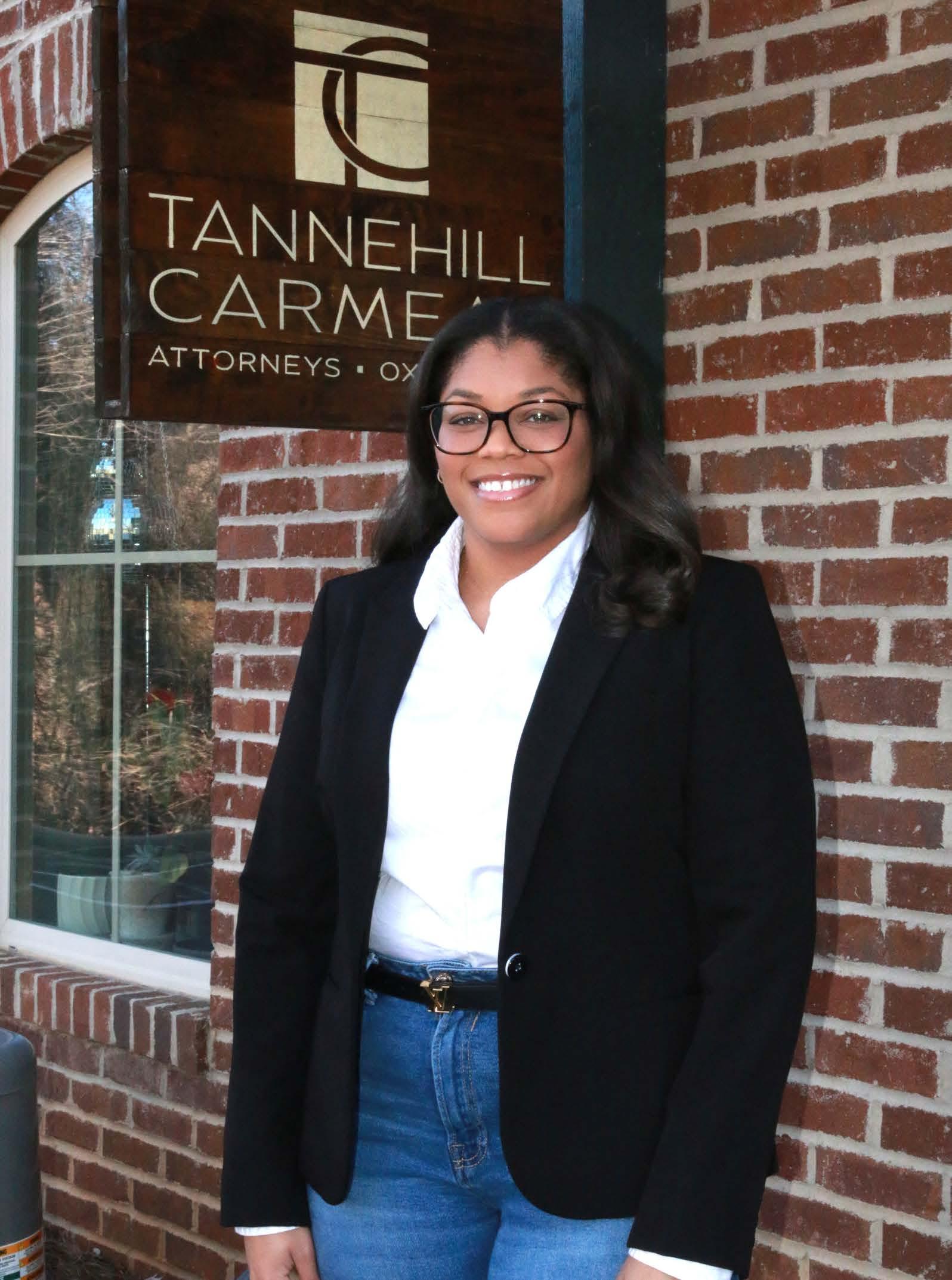
By
Donna Campbell | Photos by Kavanaugh Breazeale
Latia Thomas came to Oxford for an education and discovered a home.
”It has been an incredible journey of stepping into opportunities, saying ‘yes’ quickly, and finding meaningful ways to serve the LOU community,” the 33-year-old said.
Thomas, who moved from Louisville to Oxford to attend Ole Miss, has become an integral part of LOU - Lafayette County, Oxford and the University of Mississippi.
She chose Oxford for college and never left.
“Most of my family are, of course, Mississippi State fans. I am sure they all wished I went to State and stayed closer to home,” she said. “I had opportunities to go to school in many places (but). I fell in love with Ole Miss. It was not too far away from my family. I assumed I would move further away after Ole Miss but this town has a way of holding on to you.”
Thomas, a paralegal in the personal injury department at Tannehill-Carmean since 2023, volunteers as an ambassador for the Chamber of Commerce.
Within a week of beginning with the law firm, she was encouraged to apply for Leadership Lafayette, an eight-month program that offers training sessions and activities designed to create community leaders.
Thomas is grateful for business leaders who encourage young professionals to apply for a spot in the competitive program.
“The quick decision to get involved has become one of the most impactful experiences of my professional and personal life,” she said.
After her Leadership Lafayette graduation, she was selected to serve on its steering committee to help others navigate the program. She’s in her second year in that role.
“I help facilitate and guide the next class through the program, ensuring they not only develop as leaders but also complete meaningful projects that benefit our community,” she said. “It is incredibly rewarding to help cultivate the next generation of engaged leaders in Lafayette County.
During the leadership program, she was motivated to become a Chamber Ambassador. She saw many respected business and civic leaders serving actively in the community and volunteered to receive a red jacket of her own. She regularly supports new businesses at ribbon cuttings, visits with new business owners and serves as a bridge between businesses and the Chamber.
Thomas was named the 2025 Chamber Ambassador of the Year.
“That recognition reflects not just my efforts, but the collective commitment of so many people who care deeply about making Oxford stronger,” she said.
Thomas balances career and community involvement with family and friends. She’s “auntie” to two nephews, two niec-
es and too many of her friends’ children to count.
“No matter how busy life gets, I make it a priority to try not to miss their important milestones, being present for the people I love,” she said.
She also enjoys going solo to unwind and relax. Sometimes, that means reading or adding to her Lego brick botanical garden.
“Even though I am very involved in the community and spend a lot of time around others, I truly value my time alone,” she said. “I recharge by stepping away and I like to spend my evenings at home with the tv on, muted. I will sit for hours putting together a new Lego set.”
Other times, though, she fuels the adrenaline junkie
side of herself with roller coasters, jet skis and parachutes. She’s visited Universal Studios four times in the past year.
Thomas’ philosophy is to say yes, serve intentionally and to leave things better than she found them.
“If you care about a place, you invest in it,” she said. “I believe growth requires movement and if it challenges you that is probably where you are supposed to be.”
Her involvement with the Chamber created a desire to find new ways to serve and strengthen the LOU community, stepping into any area where she sees a need.
“My goal is simply to keep showing up,” she said.


ANSWERING THE CALL
By
Alyssa Schnugg | Photos by Bruce Newman
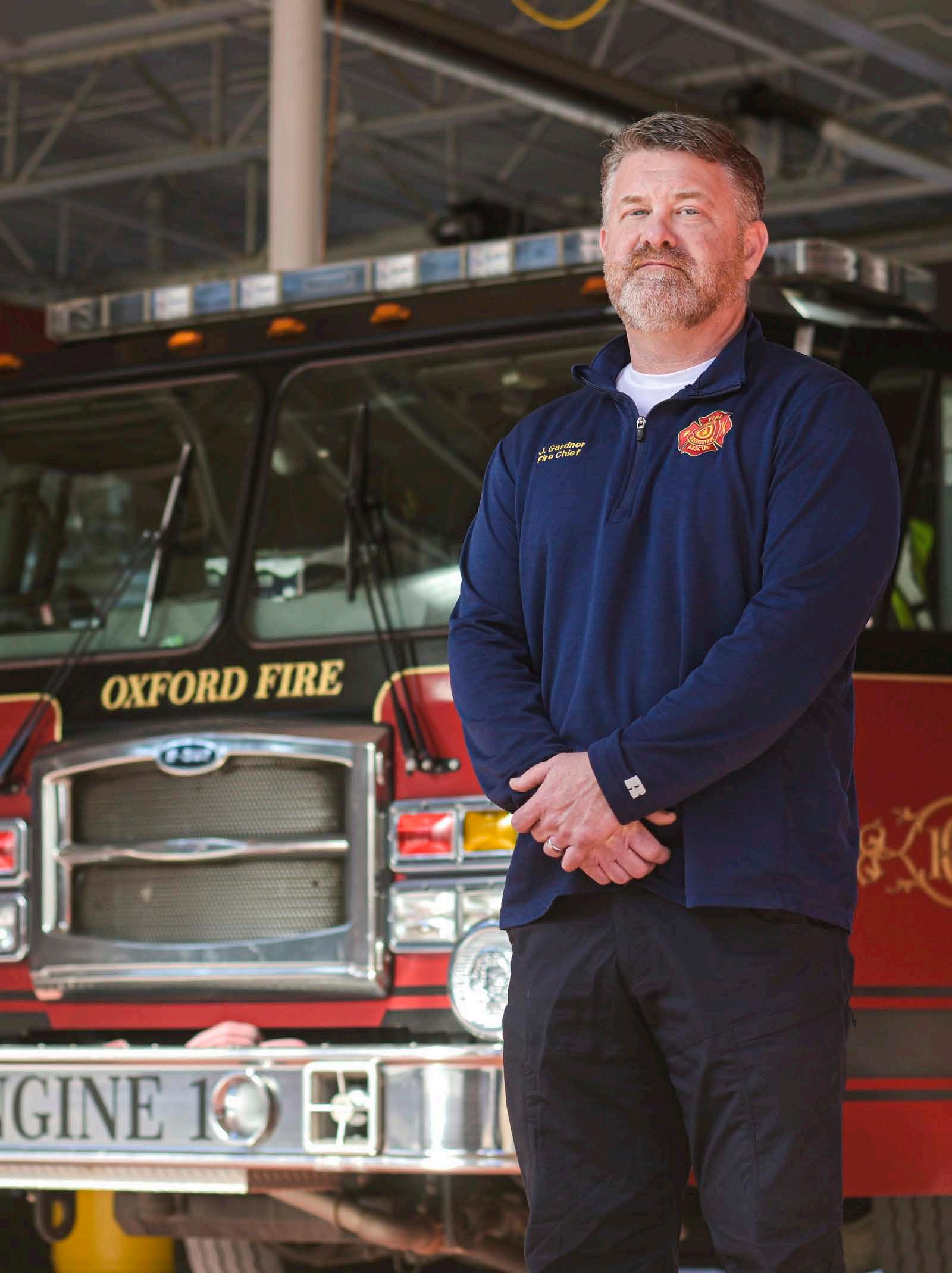
Oxford Fire Chief Joey Gardner
When Joey Gardner turns 50 this March, he will mark more than just a milestone birthday. He will celebrate a life shaped by service, family, and a fire department that has nearly doubled in size since the day he first walked through its doors.
Gardner serves as fire chief of the Oxford Fire Department in Oxford. He is married to Hope, a teacher at Oxford School District, and together they have two sons: Tyler, 24, and Ben, 20. Family has always been central to Gardner’s life, even as his career has demanded long hours and missed holidays.
During his time with the department, he has seen dramatic growth.
“When I started, we had 13 people on each shift, and now we have 23 people per shift. We had one fire inspector when I started. Now we have three. Its almost doubled in size.”
That growth reflects the rapid expansion of Oxford itself. With more residents and more development comes greater responsibility for the fire department.
Hiring, however, has become more challenging.
“I think it's harder to hire now than it used
“If the city annexes again, they'll more than likely need to build another station, which will mean another fire truck, more people, at least three people per shift. That's the next big step.”
The recent ice storm pushed crews to their limits, he said.
“Trees were down everywhere, power lines were down, trees were falling on people's houses and cars. Water pipes were freezing, pipes busting, so that set off the fire alarm,” he said. Even outside of major storms, the demands of the job are constant. Firefighters work 24hour shifts, often spending more time at the















BUILDING OXFORD’S FUTURE
For nearly 70 years, Grantham Construction has shaped the community through three generations of family leadership.
By Donna Campbell | Photos by Kavanaugh Breazeale
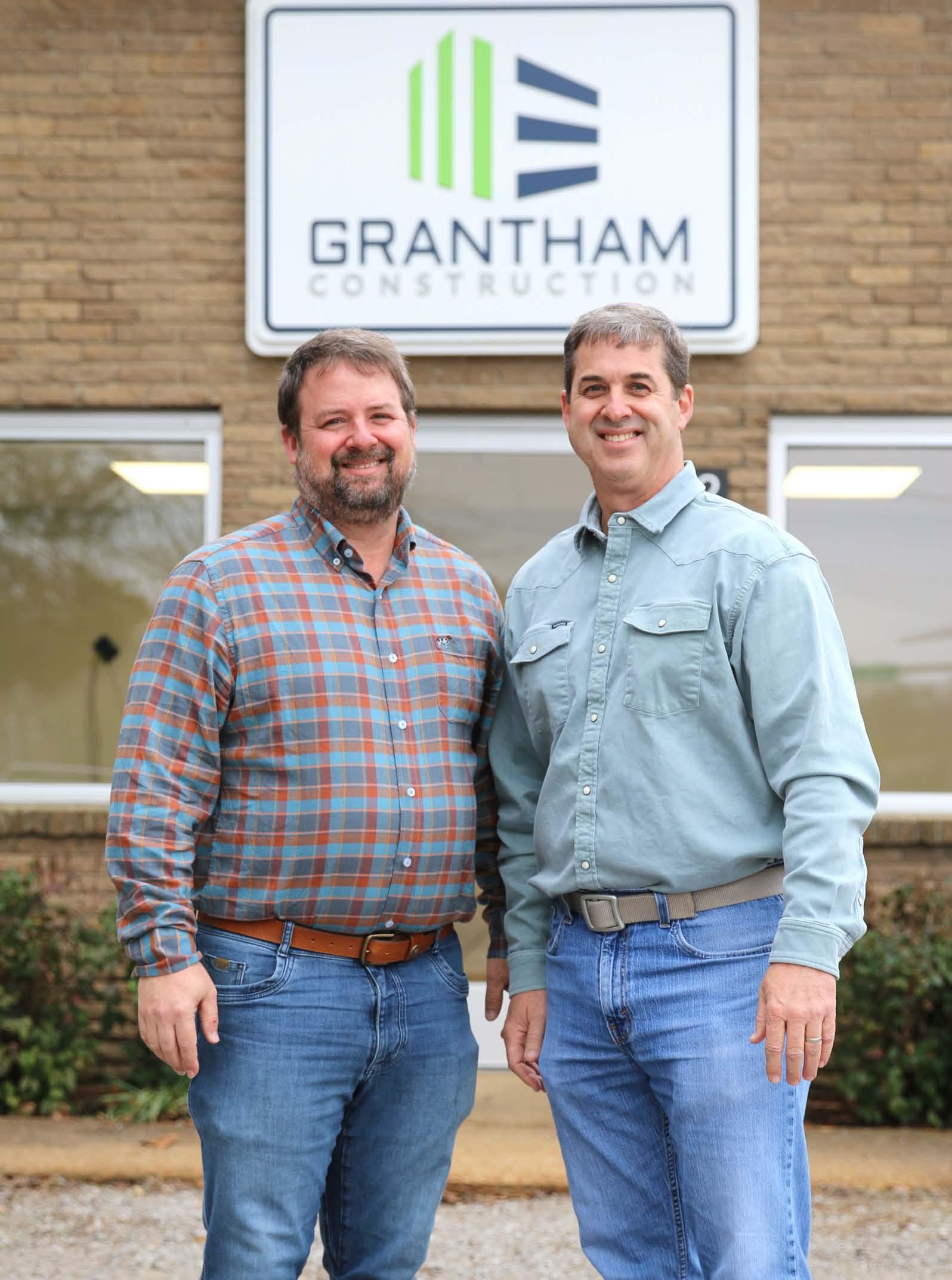
Growth in Oxford can be measured by dots on a map signifying the new construction popping up at an impressive speed, many at the hands of Barry and Brad Grantham.
The brothers are the third generation at the helm of the aptly named Grantham Construction. The company has been serving Oxford, Lafayette County and North Mississippi since 1956.
Albert and Ruth Grantham moved to Lafayette County shortly after the depression. Albert worked in the Civilian Conservation Corps prior to the move. They settled in the Yocona community east of town.
“My grandfather started off helping and learning from other contractors. Then decided to hang up his own shingle, and began building houses for people,” Barry said.
Albert’s vision was to create homes that would stand the test of time. His meticulous attention to detail earned him the reputation for excellence in homebuilding.
Their son, Sonny, graduated from Yocona School and met Ann Wynne at Northwest Community College. After working in Memphis for several years learning the nuts and bolts of the hardware business, the newlyweds moved back to Oxford to help Albert, making Graham Construction a family business.
Sonny brought new energy and ideas to the company, helping to expand its services and reach. Under their combined leadership, Grantham Construction began taking on larger and more complex projects, including commercial buildings and historic restorations.
“My father was instrumental in acquiring our current location, and incorporating the business in the 60’s,” Barry said. “My mom kept the books for many years, and dad could not have done it without her. It really was a family effort.”
Their legacy continues with the third generation of Granthams. Barry joined the company in 1992 after a brief venture into real estate sales, and younger brother Brad, joined shortly thereafter. Before filling the presidential shoes worn by his grandfather and father, Barry started as a laborer in the field carrying materials, cleaning up job sites, and assisting the skilled carpenters.
He transferred to the front office as-
sisting with accounts payable, payroll, and bookkeeping, then moved on to estimating and project management, thoroughly learning the business one department at a time.
His mother taught him to pay attention to detail and that there is a “right way” to do things in business, he said.
Brad is the current project manager and estimator, though his official title is vice president. He always showed an interest in construction and knew at an early age it was the right path for him.
“My grandad would always take me around to the different jobs with him when I was a little boy and that is probably where I first became interested in the business,” he said. “ I spent several summers working for my dad and through those experiences it helped me realize that is what I wanted to do. Also, I wanted to see the family business that my father and grandfather built to continue through another generation.”
The brothers are assisted in the business by Randy Johnson and Kim Baird.
They have served as a bridge between the second and third generations and have played an integral part in Grantham Construction’s success.
Johnson started with Sonny in the ‘70s and now serves as vice president.
“We have learned pride in workmanship, attention to detail, and communication from him,” Barry said.
Brad is equally grateful to Johnson’s loyalty.
“Randy has been with us for 48 years and has played a major role in the longterm stability of Grantham Construction,” he said. “He served as a friend, advisor and sounding board to our dad for many years. He has served as a mentor to both Barry and I…Grantham Construction would not be here today without him.”
They also showered accolades on Kim Baird, who expertly manages their office.
“Kim has been with us since her high school days working part time,” Brad said. “She has taken care of all of our books and managed our subcontractor payments, vendor payments, taxes, insurance and has helped manage our properties. Words cannot express how much gratitude we have for these two people for their dedication and loyalty.”
The Grantham brothers hope to continue the legacy their grandfather start-















ed and their father passed on to them. They want to be known for their quality work, but more importantly, to be respected for business dealings with clients, subcontractors, suppliers and vendors, Brad said.
They both miss their father, who died in 2024.
“He was as fine of a man as I will ever know,” Barry said. “The main thing we learned from him was compassion. He loved people. Also humility was a big trait of his.”
“What a great man and example he was,” Brad added. “There are so many things and lessons I learned from him, I could write a book.”
Brad said the most important lesson he learned from his father was that work should come third in life. Put God first and family second.
“He was honest to a fault, cared about others more than himself, had compassion for those that were less fortunate and the list could go on and on,” he said. “He was just different and he did not place much value in things or stuff. I think the close relationship I have with
Barry and my sister Ashley is all because of how we were raised by my dad and mom.”
The construction business has changed a lot since Albert first opened the doors and built houses.
“We used to do detailed estimates on paper, blueprints were drawn by hand, books were kept on a paper ledger,” Barry said. “Products and technology have advanced.The choices of products available to put in a home or commercial property are vast. Systems are more complicated. There has to be much more attention to detail and communication.”
It’s hard to envision the changes that will come when the fourth generation of Granthams are hopefully running the company.
Barry and his wife Margie are parents to Meredith, 26, and Gray, 21. Brad and Meg have Wynne, 19, and Price, 15.
Like their father taught them, Barry wants their kids to be good Christ-like examples to others first, good workers third.
“I want them to know the value of hard

work, to be self-sufficient, honest and trustworthy. I also want them to be charitable with their time and money,” Barry said.
Gray is a junior at Mississippi State University, majoring in business construction management. He is encouraging him to work for someone else for a few years after college, before he comes home to the family business.
In the meantime, the Granthams are focused on moving Oxford forward, one project at a time, whether it’s through construction or care.
“The construction business is ultimately about serving people and building relationships. We try to keep that in mind on every project,” Barry said. “The largest thing that I have learned, especially through the recent ice storm, is just to get out and use your resources to help people. There is much need, and one person or organization cannot meet every need. It takes all of us – organization by organization, church by church. A community effort. I think Oxford is very good at that. But, there is much work to be done.”


CANNON CLEARY MCGRAW
A Commitment to Community
By Donna Campbell | Photos submitted
How is Cannon Cleary McGraw involved in giving back to the community, and why is community engagement important to your agency’s mission?
Cannon Cleary McGraw is committed to giving back to the community that supports our business. Because our work is built on local relationships, we believe it’s important to actively support community initiatives, partner with local organizations, and invest in the people and places we serve.
Community engagement is essential to our mission because real estate is about more than buying and selling homes—it’s about strengthening neighborhoods, building lasting connections, and helping
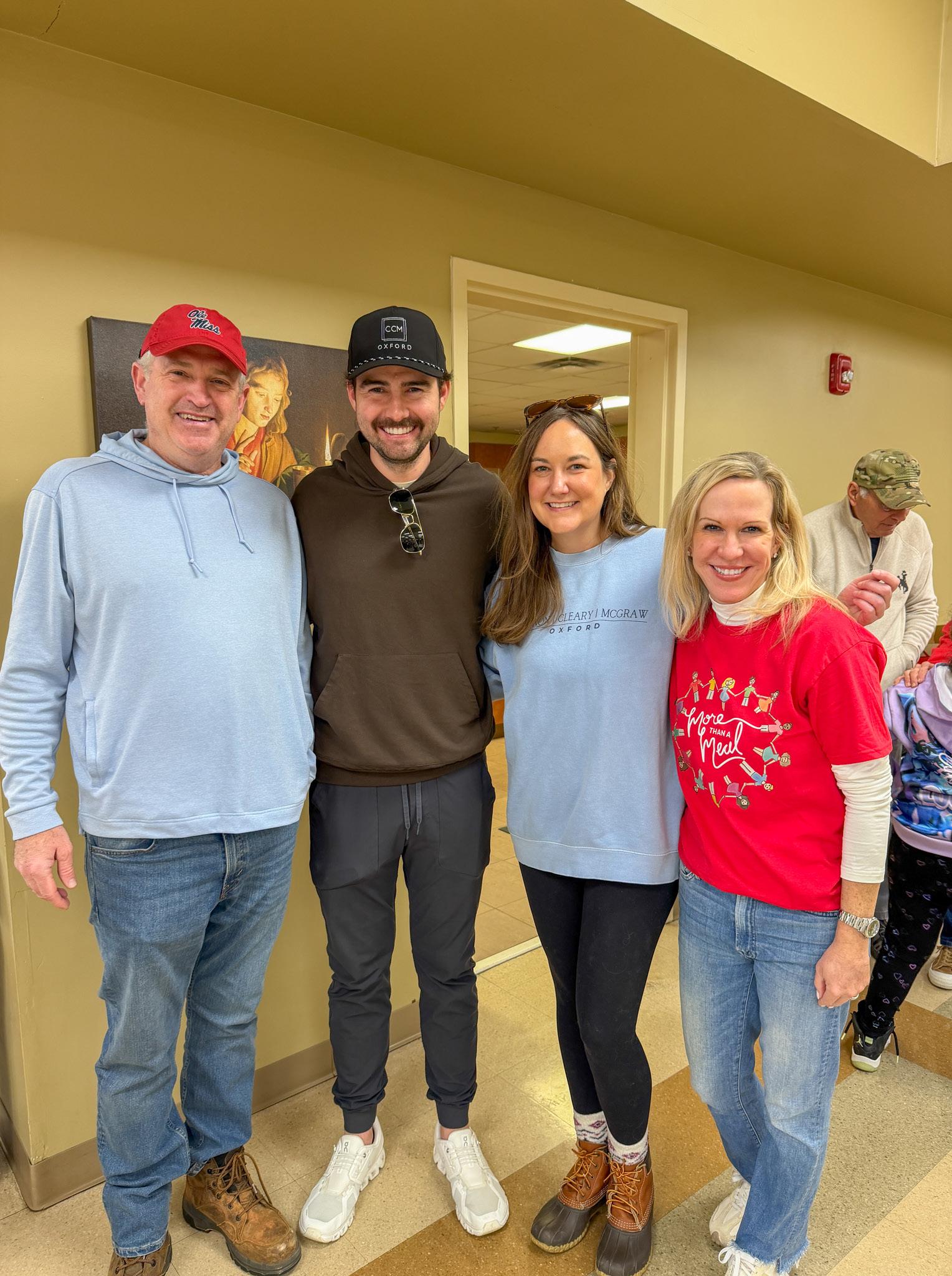
our community thrive. Throughout the year, we are proud to partner with organizations such as More Than a Meal, Little Free Pantries, and our local humane society, among others, as part of our ongoing commitment to serve and support our community
Where did the idea to host community giveback events originate, and how does your team decide which needs or causes to support?
The idea to partner with community give-back events grew naturally from our belief that real estate is about people first. As our relationships in the community deepened, we felt a strong responsibility to give back in meaningful, hands-on ways that ex -
tend beyond our day-today work.
When deciding which needs or causes to support, our team focuses on organizations and initiatives that make a direct local impact. We listen to community leaders, stay aware of current needs, and choose opportunities where we can serve in practical, tangible ways, ensuring our efforts truly benefit the people and neighborhoods we care about most.
Can you describe the give-back event that took place this past fall? What was the goal of the event, and how did it come together?
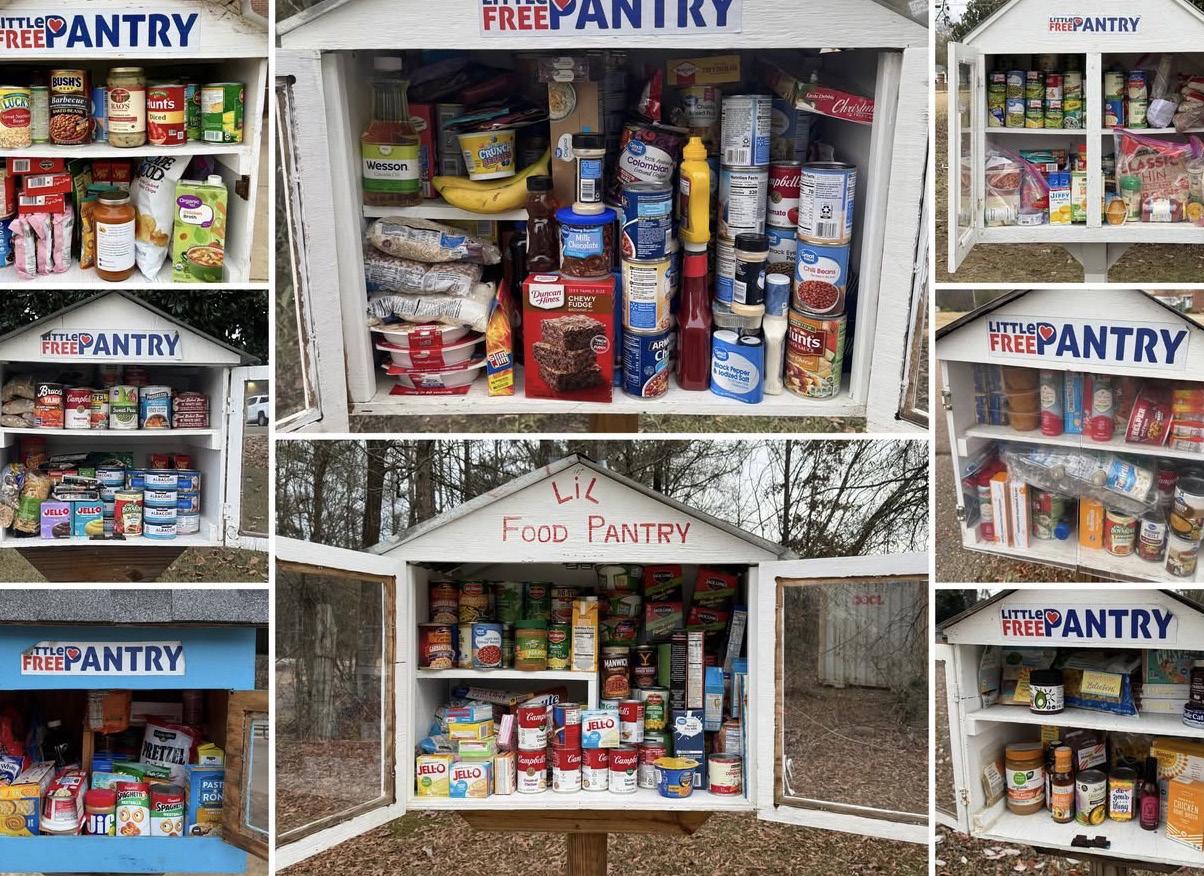
This past fall, our team organized a community give-back initiative centered around supporting
local Little Free Pantries throughout the city and county. Every agent in our office took part by adopting pantries and ensuring they were fully stocked with food, necessities, and essential household items for those in need.
The goal of the event was simple but meaningful: to help make sure members of our community have access to basic nourishment and support, and that no one in our area goes hungry. It was a true team effort that reflected our shared commitment to caring for the people we serve beyond real estate.
That commitment continues today. We still actively restock local pantries with food and everyday necessities, because supporting our community in tangible,




consistent ways is an important part of who we are at CCM.
Who did you partner with for this event, and why was that partnership a good fit?
Little Free Pantries is who we partnered with most closely this past fall. It was a natural fit because we pass these pantries every day in the neighborhoods we serve and saw how quickly they were being emptied, making the need clear. Supporting them allowed us to step in, in a simple, meaningful way to help ensure members of our community have access to food and everyday essentials.
Was this the first time Cannon and Cleary hosted an event like this, or is it part of an ongoing effort to serve the community?
Yes and no. Serving our community is something Cannon Cleary McGraw is actively involved in throughout the entire year, and giving back has always been an important part of who we are.






pact on both the community and our team. For those served, fully stocked Little Free Pantries provided reliable access to food and everyday essentials.
For our team, coming together to serve strengthened our sense of unity, gratitude, and purpose. It reinforced that our work is about more than real estate; it’s about the people within our community.
Approximately how many individuals or families were reached through this effort?
While there isn’t a precise way to track the number of individuals or families reached, we were able to stock 16 Little Free Pantries throughout the city and county.
Your agency most recently provided hot meals for people without power. Tell us more about how that effort came together and what motivated your team
to respond.
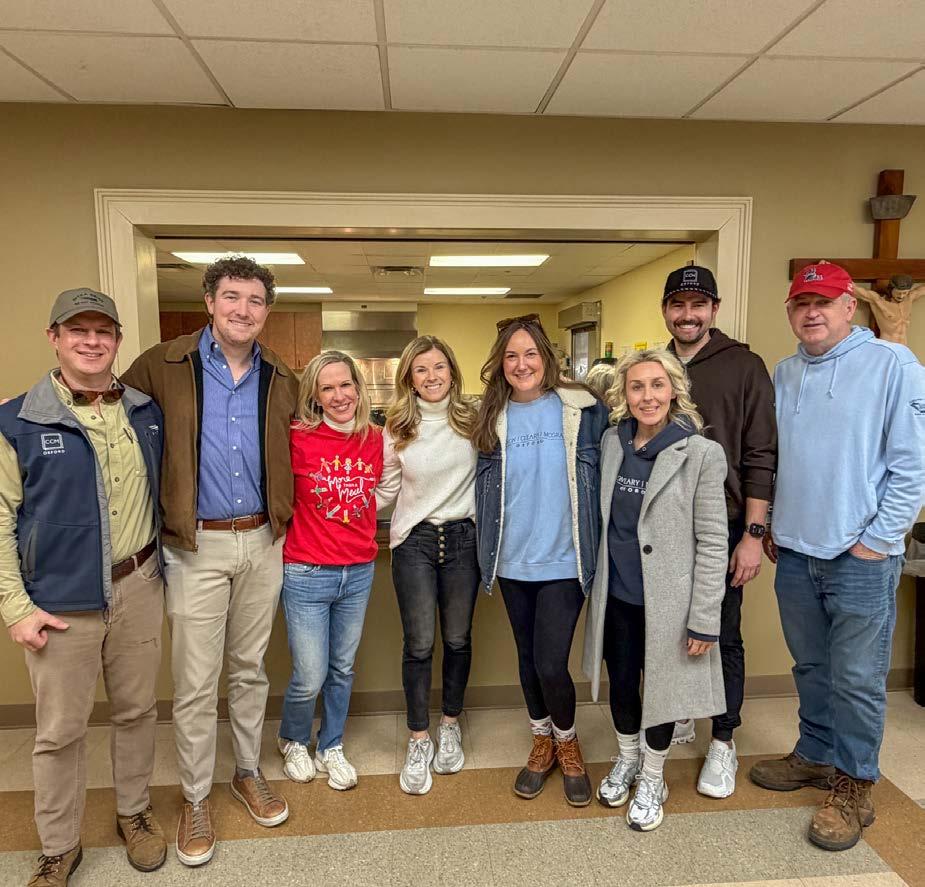
When many in our community were left without power and water, we immediately recognized the need and felt called to respond quickly. Our team came together to help serve hot meals at St. John’s Catholic Church and also provided soup at the Old Armory Pavilion in partnership with the North Central Mississippi Realtors. Our motivation was simple: to care for our neighbors during a difficult time and make sure those affected could receive a warm meal and basic essentials.
What did it mean personally and professionally for your agents and staff to be part of that initiative during a difficult time for the community?
Being part of that initiative was both personally meaningful and professionally grounding for our agents and staff. On a personal level, it gave our team the opportunity to show up
for neighbors in a meaningful way during a difficult time, offering comfort, care, and connection when it was needed most.
Professionally, it reinforced the heart behind what we do. It reminded us that our role in the community goes beyond real estate and that true service means being present, compassionate, and willing to help in moments of real need. Experiences like this strengthen our team’s purpose and deepen our commitment to the community we are honored to serve.
About how many people were served through the hot meals effort?
There isn’t an exact number, but we do know that hundreds of individuals were able to receive a hot meal through these efforts. Providing that sense of care and relief during a difficult time was something our team felt truly honored to be part of.







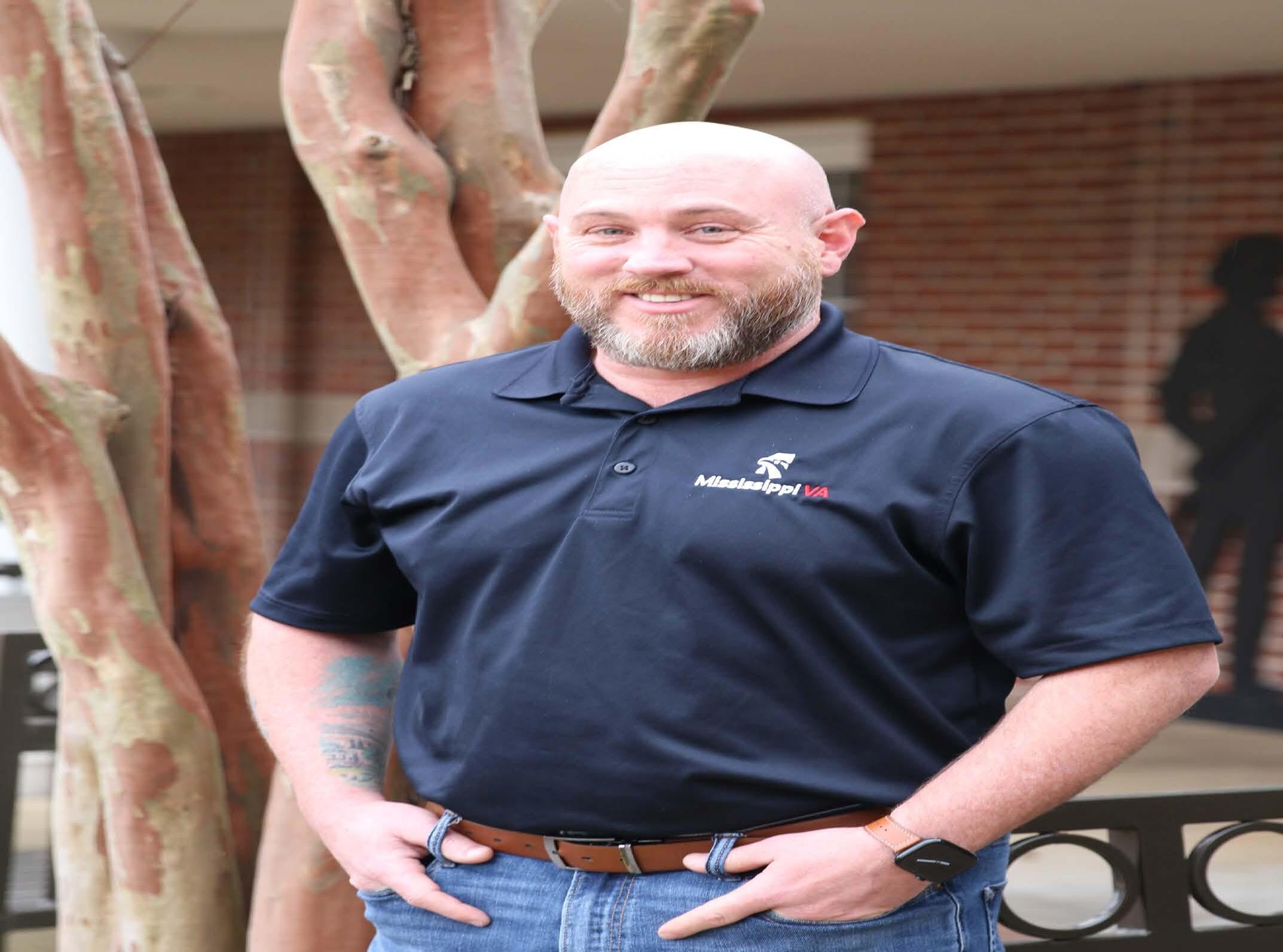
CHRISTOPHER BERRY
By Harold Brummett |
Photos by Kavanaugh Breazeale
Sergeant Major Christopher Berry(Retired)has made several commitments throughout his life. First to his faith, then to his family and next to his country. Obligations and commitments come with responsibilities to ensure those commitments are fulfilled. As a non-commissioned officer a foundational requirement is to take care of soldiers under their charge. Sergeant Major Berry has continued that care and concern for soldiers into retirement by becoming a Veterans Benefits Specialist.
SGM Berry didn’t think about the Guard a lot. Berry was a twenty two year old young man cutting grass, running a weed eater for a living when a friend’s sister asked Berry to take her to Memphis to MEPS. (Military Entrance Processing Station) Once there Berry looked around and started talking to some of the recruiters. Becoming a Tanker sounded interesting and when it came around to the $20,000 sign on bonus Berry was hooked. The recruiters gave him the ASFAB (Armed Services Vocational Aptitude Battery) and soon they were heading home as brand new guardsmen.
Berry was a forward leaning soldier. When requirements came out for military schools or education he tried to be the first to certify or qualify. This served him well when it came to promotions and insuring he was well qualified and proficient in his craft.
Berry was a full time Guardsman. Time is precious to Guardsmen who train on weekends and in the summer. It was Berry’s job to make sure that valuable time was used judiciously and everything was in its place to make the most of it. Administrative tasks, beans, bullets, billeting and every necessary detail
worked out before the Guardsmen arrived. Berry was an active duty guardsman everyday. Berry was on duty in uniform before weekend drills and summer camp and stayed after the other soldiers went home.
When asked who influenced him the most in the Guard without hesitation Berry said Ronald Ray Wilburn. As a First Sergeant Ray Wilburn demon-
strated professionalism, discipline, and most of all every decision had the soldiers welfare foremost in his mind. The old school brand of soldiering and taking care of the troops made a deep impression on Berry and reinforced his commitment to emulate Wilburn.
Berry went to war. In 2005-2006 and 2009-2010 Berry served in Iraq. In 2018 he served a year in several middle eastern countries based out of Kuwait. Guardsmen served alongside regular army units and did their share and did it well. Taking care of soldiers during some of the most arduous times in areas of recent history shaped Berry’s outlook on being a soldier. First and foremost a senior Non commissioned Officer takes care of troops.
Mary Lindsay Berry liked her husband being in the Guard. The first four or five years it was mainly a typical Guard routine with her balancing being a full time mom and nursing school. Even as a full time Guardsman time was something that could be worked around and planned for.
The deployments were something else however. No matter how good the electronic communication is, absence from home for such a long time at a stretch is just hard. Marriage is a partnership and when one partner is gone it takes someone special to maintain a home and family so when a soldier is serving his country the family is sacrificing as well. Berry’s two girls, (age 10 and 15 now) will forever say with pride what their father did for his country. Lindsay and the girls stood steadfast supporting their husband and father supporting us.
Today SGM Berry’s job is to oversee and support the operation of County Veterans Service Officers (CVSO) by ensuring those employed as CVSO’s are trained, equipped and compliant with the state and federal laws regarding veterans benefits. No more, no less just what was promised. The counties that he is responsible for are Lafayette, Panola, Grenada, Benton, Tallahatchie, Marshall and Yalobusha.
The job is multi-faceted ensuring training and compliance for county Veteran Service Officers to ensure
Today SGM Berry’s job is to oversee and support the operation of County Veterans Service Officers(CVSO) by insuring those employed as CVSO’s are trained, equipped and compliant with the state and federal laws regarding veterans benefits.
veterans receive the help and benefits needed. SGM Berry also reaches out to various communities to educate veterans about how to apply for those benefits.
The CVSO position has become more and more technical, a far cry from the paperwork laden burdens of the past. What paper there is, is scanned and electronic records are the order of the day. Digital signatures, forms and testimony is sent to the Veterans Administration with the stroke of a keypad. Computer expertise along with a thorough knowledge of regulations and laws are required. Keeping CVSO’s trained, motivated and up to date and filling in where needed is more than a full time job.
The economic impact of SGM Berry efforts is significant. Since the beginning of the year due to his efforts veterans have received $322,201 in retrograde benefits paid out to Lafayette county veterans as well as an increase of $39,000 countywide in new monthly disability payments. With these monies Veterans pay for expenses as well as compensation for losses that veterans have incurred due to both physical and mental disabilities.
SGM Berry continues to work toward ensuring all the veterans in his area receive what was promised when the soldier, sailor, marine or airman signed up for service. No veteran left behind, no need unfulfilled. Ray Wilburn would be proud.
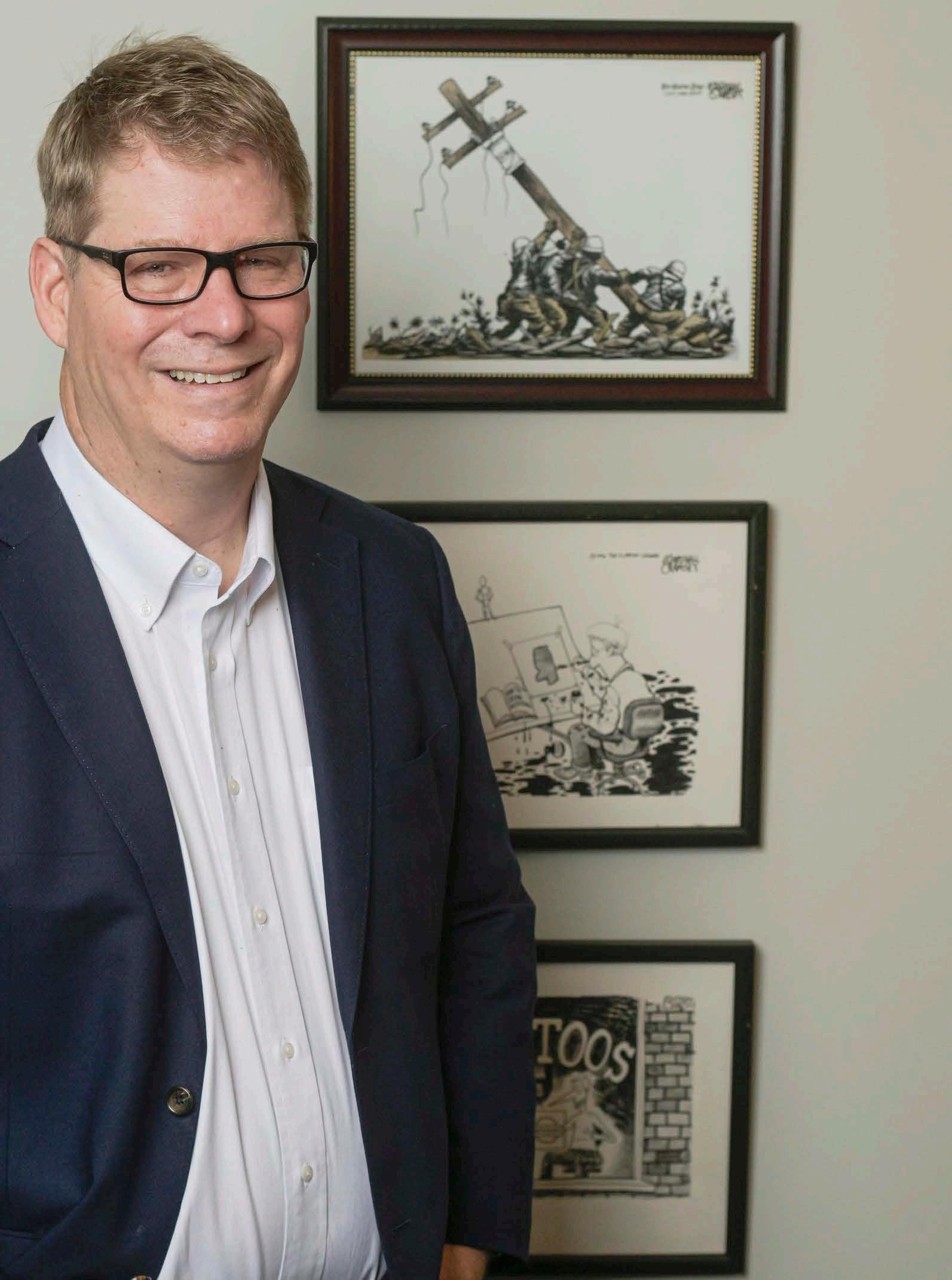
MARSHALL RAMSEY
Still Drawing Outside the Lines
By
Alyssa Schnugg | Photos by Bruce Newman
Marshall Ramsey still remembers the moment he decided what he wanted to be when he grew up.
“I always joke that that's how mom kept me quiet in church, Ramsey said. “She gave me crayons and paper and she discovered I could draw.”
At the time, Georgia’s governor, Jimmy Carter, was running for president. Young Ramse loved the political cartoons of Carter with exaggerated features and big teeth.
“I remember one day I walked up to my dad and said 'I want to be an editorial cartoonist,' and he said, You'll be the best one ever. And I kind of lit a fire.”
That fire never really went out.
Today, Ramsey serves as director of the School of Journalism and New Media at University of Mississippi, where he is leading a new effort called the Mississippi Media Lab. He also works as civic coordinator of the Jordan Center for Journalism Advocacy and Innovation. The lab launches in the fall and prom ises to connect student-produced news with media outlets around the state and nation.
and what he calls “the American story.” As he got older, he became interested in politics. He graduated from the University of Tennessee in 1991, where he was the cartoon
ist. Jobs were hard to find, so his first job out of college was as a high school janitor.
Within three years, his cartoons were appearing in The New York Times.
He took a night class at Kennesaw State College and won an award for top collegiate editorial cartoonist in North America. That led to an advertising artist job at the Marietta Daily Journal. He married his wife, Amy, and the couple eventually moved to Texas after he was hired as creative director at a newspaper in Conroe.
From Texas, Ramsey’s career picked up speed. He became creative director for Copley News Service and lived in San Diego. Then he got a call about a job at The Clarion-Ledger in Jackson.
He didn't jump at the chance to move. He was living in California, after all. But the caller insisted that Mississippi would love his cartoons and that he would love Mississippi.
or when things change, that just means there's opportunity. That doesn't mean that there's any kind of failure involved.”
With the extra time, he started a radio show, published books and kept creating. He later hosted a show for Mississippi Public Broadcasting for 12 years. He won an Emmy for work he did with WJTV. Over the years, he estimates he has drawn around 10,000 political cartoons.
“Maybe more at this point,” he said.
Some cartoons went viral, including one honoring former First Lady Barbara Bush. Others are more personal. In his office in Oxford hangs the first cartoon he ever drew in Mississippi. He may not remember every drawing, but he loves when readers do.
“It’s nice when you go someplace and they say, 'I really remember this cartoon that you did,'” he said.
After leaving The Clarion-Ledger in 2018, he went to work as the editor-at-large at Mississippi Today. He served as editor-at-large there





After nearly three decades in the Jackson area, he and his wife, Amy faced a new chapter. They had raised their three sons — Daniel, David and Evan — there. Two had ed in 2022. Another graduated last



ing for college. The couple was staring at an empty nest.
“The opportunity came open for this job to where I could be able to give back to the school of journalism,” he said. “It was a great opportunity for me after just getting so much from Mississippi.”
Amy now teaches third grade at Lafayette, and the couple has settled into life in Oxford. Ramsey has been coming to town for years to speak to classes and leadership groups, but now it feels different.
“I now know which exit on the square goes where. That's a huge leap forward after, you know, 28 years,” he said, laughing.
The Mississippi Media Lab is his newest reinvention.
“It’s a new program,” he said. “Kind of an experimental space where we will be doing reporting and journalism, but we will be doing it maybe in nontraditional ways. We'll try new things. We'll throw things against the wall, and if they stick, that's
- Marshall Ramsey “
great. If they don't, that's great.”
The lab will focus first on north Mississippi, covering local government from county supervisors up to U.S. senators such as Roger Wicker and Cindy Hyde-Smith. Student work will be professionally edited and offered to local newspapers. Ramsey believes strong local news
is essential.
“Communities that do not have a local newspaper pay way more in taxes, for instance, because there's nobody guarding the hen house,” he said.
He wants students to understand who their local officials are and what they do. He also wants them to see that journalism is changing daily.
“I see the whole industry as changing on a daily basis, and trying to figure out how do we keep up, and how do we tell stories in ways that people are interested in and that they will engage in,” he said.
Years ago, his father sat in the audience while Ramsey spoke at Millsaps College. He watched his son make the crowd laugh. Afterward, he told him something Ramsey has never forgotten.
“You're the first person I've ever known that knew what they wanted to do at 8 years old, and they did it,” his father said.

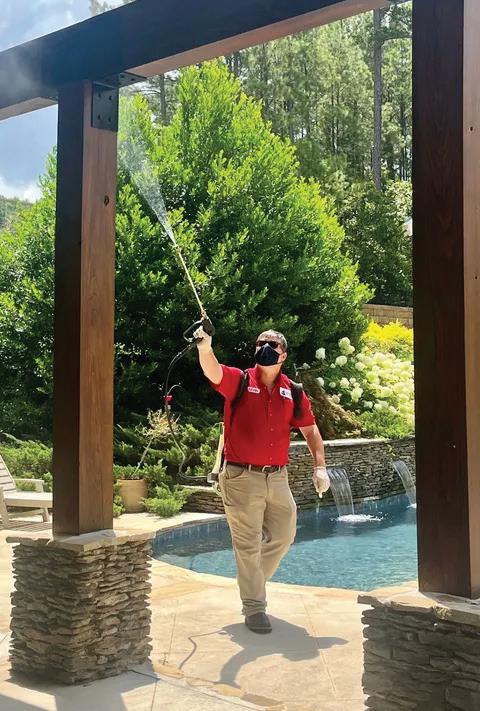
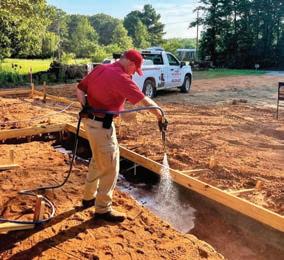



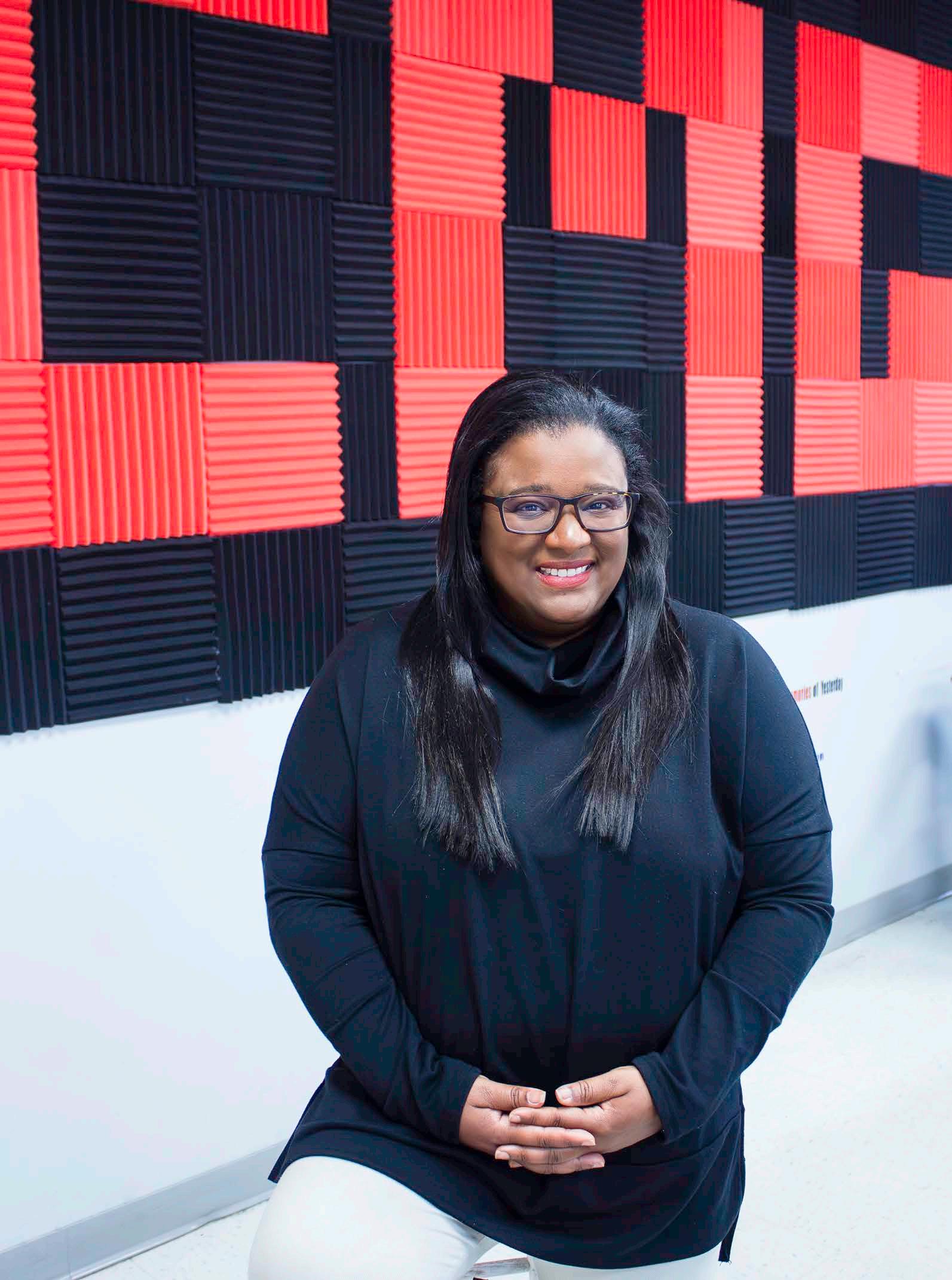
LOIDHA BAUTISTA
From Classroom to Community
By
Jeremy Weldon | Photo by Morgan Thompson
What started more than eight years ago as just another project for Lafayette County High School educator Loidha Bautista has become a program of remarkable opportunity for local students, opening career paths and promoting the district in ways not possible a decade ago.
Originally hired to teach Spanish in the district, Bautista now oversees the impressive Commodore Media Group, and credits much of the success of the program to location - Oxford and Lafayette County offer an ideal setting for young media professionals to learn the craft and find their market niche.
“I tell my students continuously that local media is shifting, and it almost feels like it’s dying a little, but the stories haven’t. The stories are still here, and the students are now able to be the ones that report for their school and their district,” Bautista said. “Students understand there are other avenues for employment especially in this town and the University. Overall, it’s a great advantage to be in the Oxford area because there is so much life and culture and so much going on that they can cover and see.”
Today the Commodore Media Group boasts an internet presence and public relations department on par with high schools and small colleges with million dollar budgets, but it has grown from humble beginnings.
Bautista had already taken on roles as yearbook advisor and helped with the revival of the school’s print newspaper when administrators saw more potential.
“The district tapped me on the shoulder and said they would love for me to do public relations, social media, and marketing for the district and that’s been my
strength,” she said.
With a masters in Integrated Marketing Communications from Ole Miss, she modeled the program to follow the IMC component of journalism combined with providing students materials for promotion and news reports for the district.
“The Commodore Media Group was born with the help of three young ladies when they saw an opportunity. They didn’t play sports, but they loved sports,” she remembers. The initial component of CMG was a focus on Lafayette sports, but a seed was planted. “They asked me what would happen if we did this all the time year round ? That’s the way the program was born.”
With the increase in livestreaming capabilities, CMG is now a full fledged media company, covering not only high school sports, but reaching into the heart of Oxford, Lafayette, and the University for stories and features from the students’ perspective.
The CMG website is a compendium of what’s offered for students hoping to enter any number of media related fields – there are livestream newscasts, a podcast, coverage of a recent visit by Mississippi Lt. Governor Delbert Hosemann, and even a fun satire story about zombies on high school campuses.
Bautista keeps contact with five or six LHS graduates now working in the marketing and media industries, and expects more each year.
“It’s been a very successful program for students who understand there are other avenues for employment especially in this town that offers so much,” she said. There have already been several internship opportunities for students and the next step of the program will see more integration into the Oxford business
community.
“Our classroom is production based, we have a product and we have an audience,” Bautista said. From there, the instructor allows the students to take the reins and use the tools of the media group to create livestreams, in depth reports, media posts, and advertising spots and campaigns.
Bautista deflects any praise she receives for the success of CMG toward students and district supporters. “I’m given far too much credit, because I’m only as good as the students I work with. They are willing to come along and say hey will you teach me how to do this and that’s how the program evolved. Students have always proposed something and it's my job to make it happen.”
“I’m very fortunate to be where I am with a school district that has been fantastic in everything,” she said. “As we have grown the community sees that and does a great job of recognizing the kids.”
Bautista, an adjunct professor at Ole Miss besides her media advisory duties, and her husband, Dr. Misael Bautista, are parents to daughters Alex and Eloisa. When she is not being mom and watching the girls play their sports and participate in other activities, Bautista enjoys taking portraits and using her camera as an outlet for relaxation.
“Photography and art brings me great peace and I love to do that,” she says.
Are there any further aspirations? “I’m a huge Olympics buff,” she admits. A dream job would be working with athletes, recruiting for the Olympic Committee, and being involved with the promotion and coverage sides of a future Games.
“Just to be able to say this is the best the nation has to offer would be great. Or I might be a homesteader,” she says, laughing.




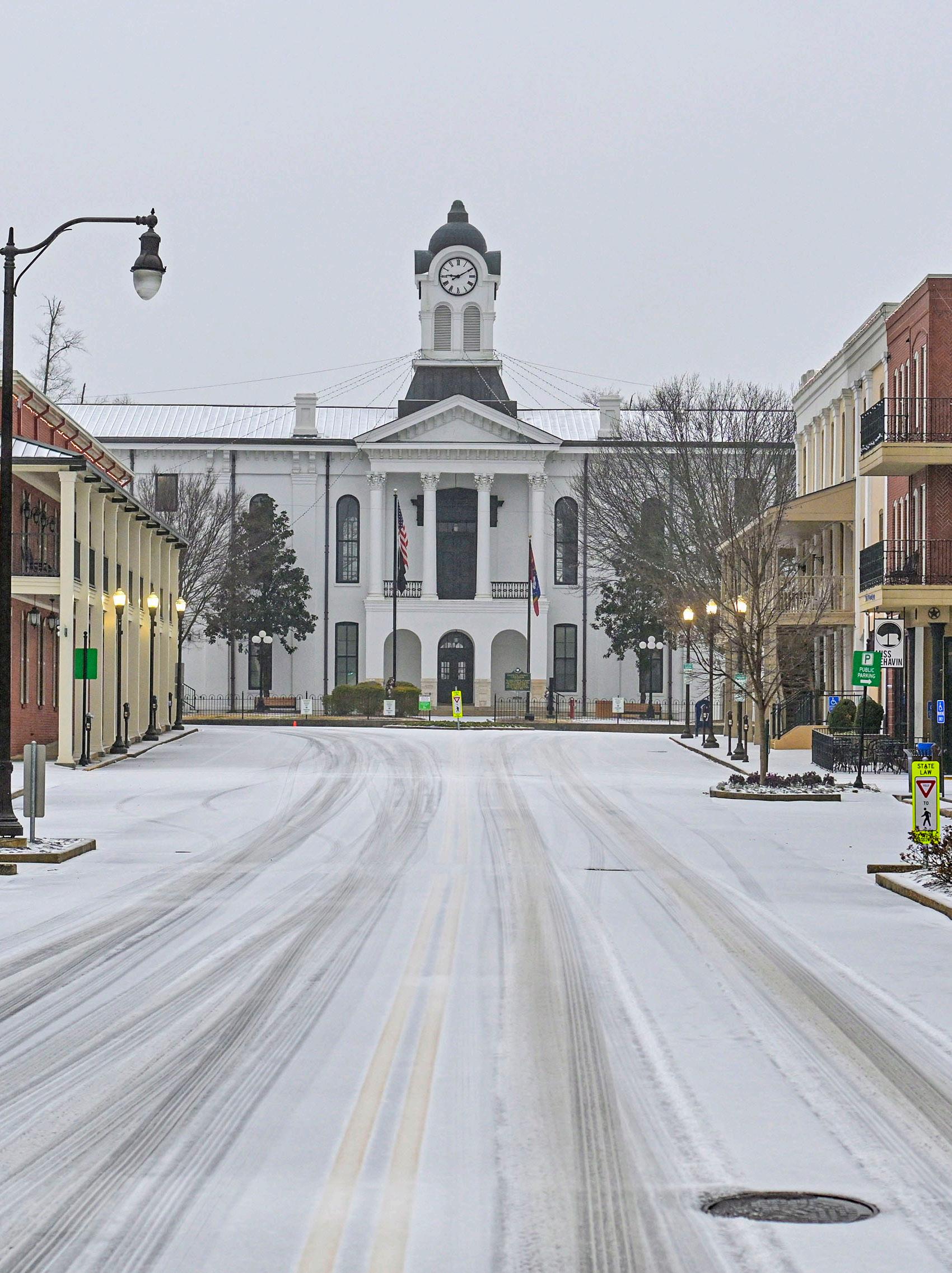
2026 OXFORD WINTER STORM
January 24, 2026
Photos by Bruce Newman



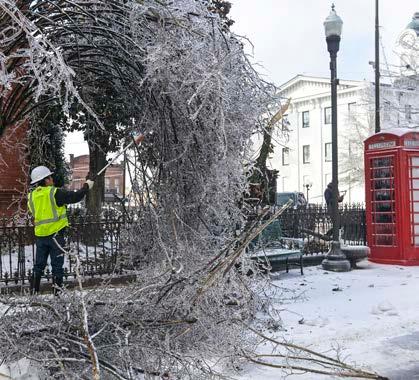
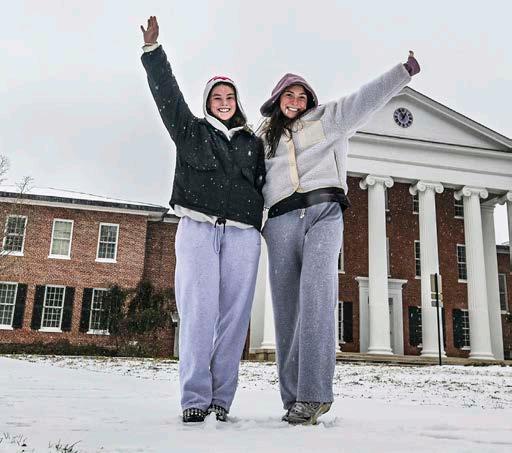










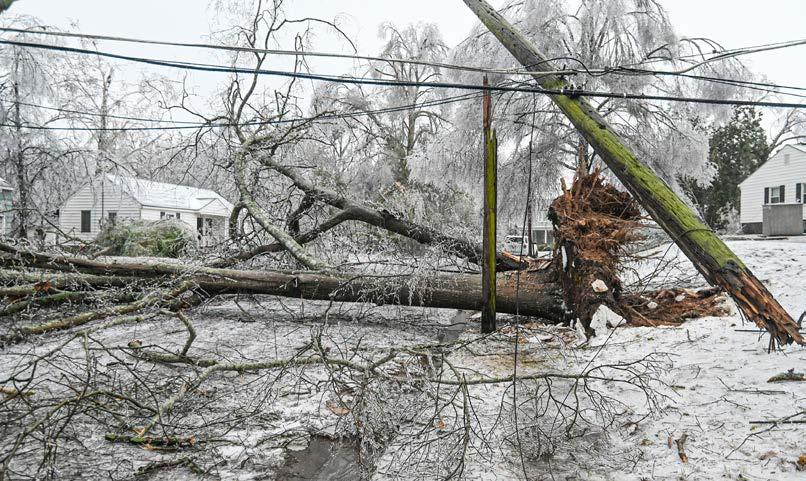
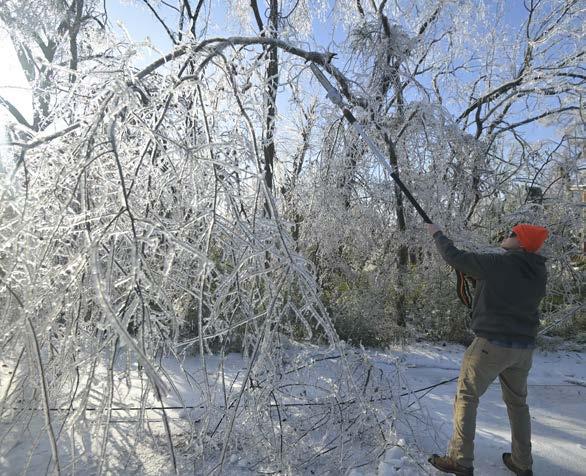
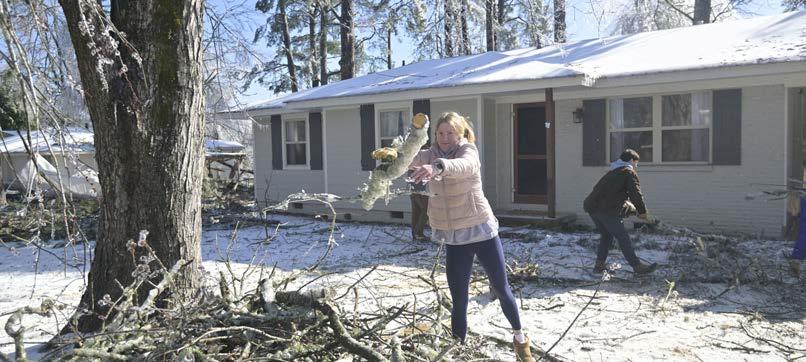
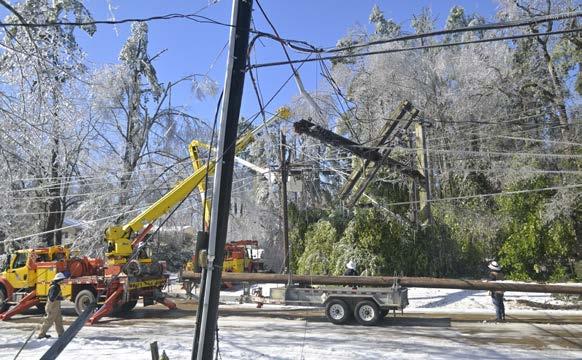


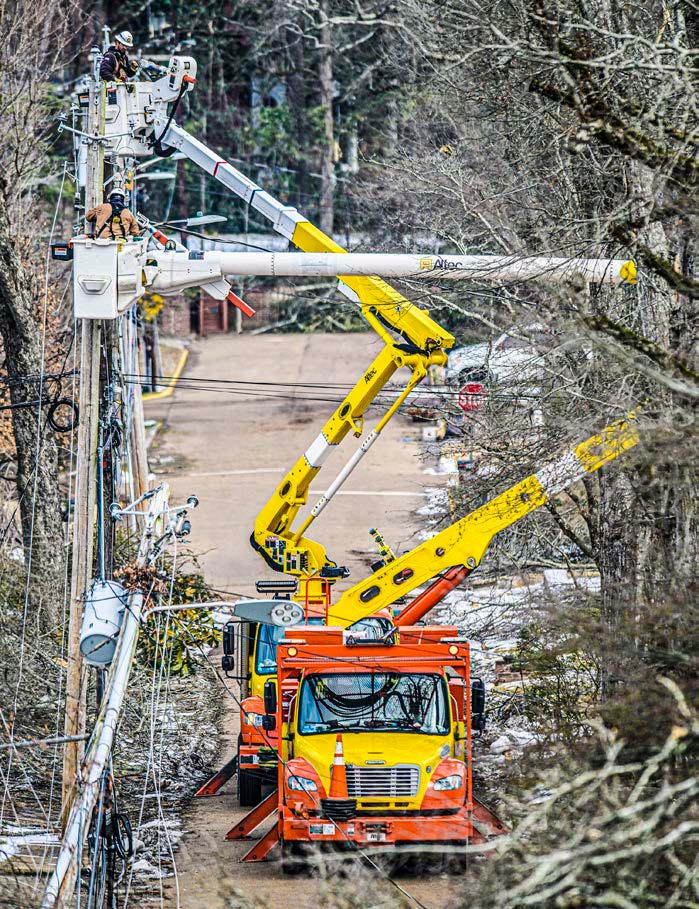

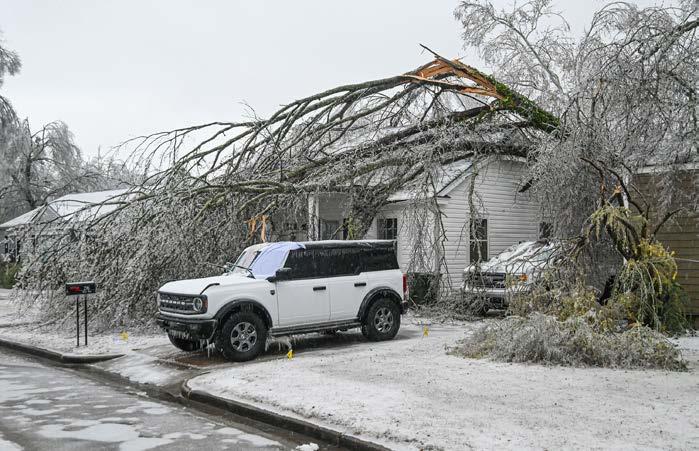
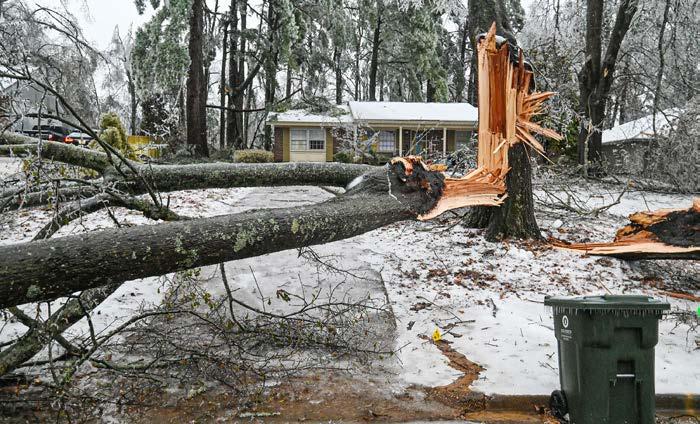


Forward Together. Forward With Confidence.
At Byrne Zizzi, we believe strong communities are built on strong businesses, intentional planning, and trusted partnerships.
As Oxford continues to grow and move forward, we’re proud to support the individuals and organizations shaping what comes next.
From tax strategy and advisory to accounting and fractional controller services to exit planning and business valuations, our team is committed to helping you plan with confidence for the future.
2401 Professional Dr, Oxford, MS 38655 (662) 456 - 5757