
2026 NORTH MISSISSIPPI HEALTHCARE GUIDE
A special publication of





LETTER FROM LEADERSHIP
BUILDING A HEALTHIER FUTURE FOR NORTH MISSISSIPPI
At Baptist Memorial Hospital–North Mississippi, our mission of Healing, Preaching, and Teaching remains as we provide exceptional care close to home for the people, we are honored to serve. Over the past year, we have advanced that mission with gratitude for the trust of our community and pride in our physicians and staff.
Thank you to our community for your continued confidence and support. Every improvement we make is guided by the needs of our patients and their families, and we are grateful to serve a region that values highquality healthcare.
Our physicians, nurses, and care teams are the foundation of our success. Their commitment and expertise have once again placed our hospital among the nation’s best.
Baptist Memorial Hospital–North Mississippi is proud to have earned Healthgrades America’s 250 Best Hospitals Award for the second consecutive year and the Healthgrades 2026 Patient Experience Award. In addition, the hospital is a Leapfrog Hospital Safety Grade “A” recipient, a national recognition that underscores our commitment to patient safety, quality outcomes, and compassionate care.
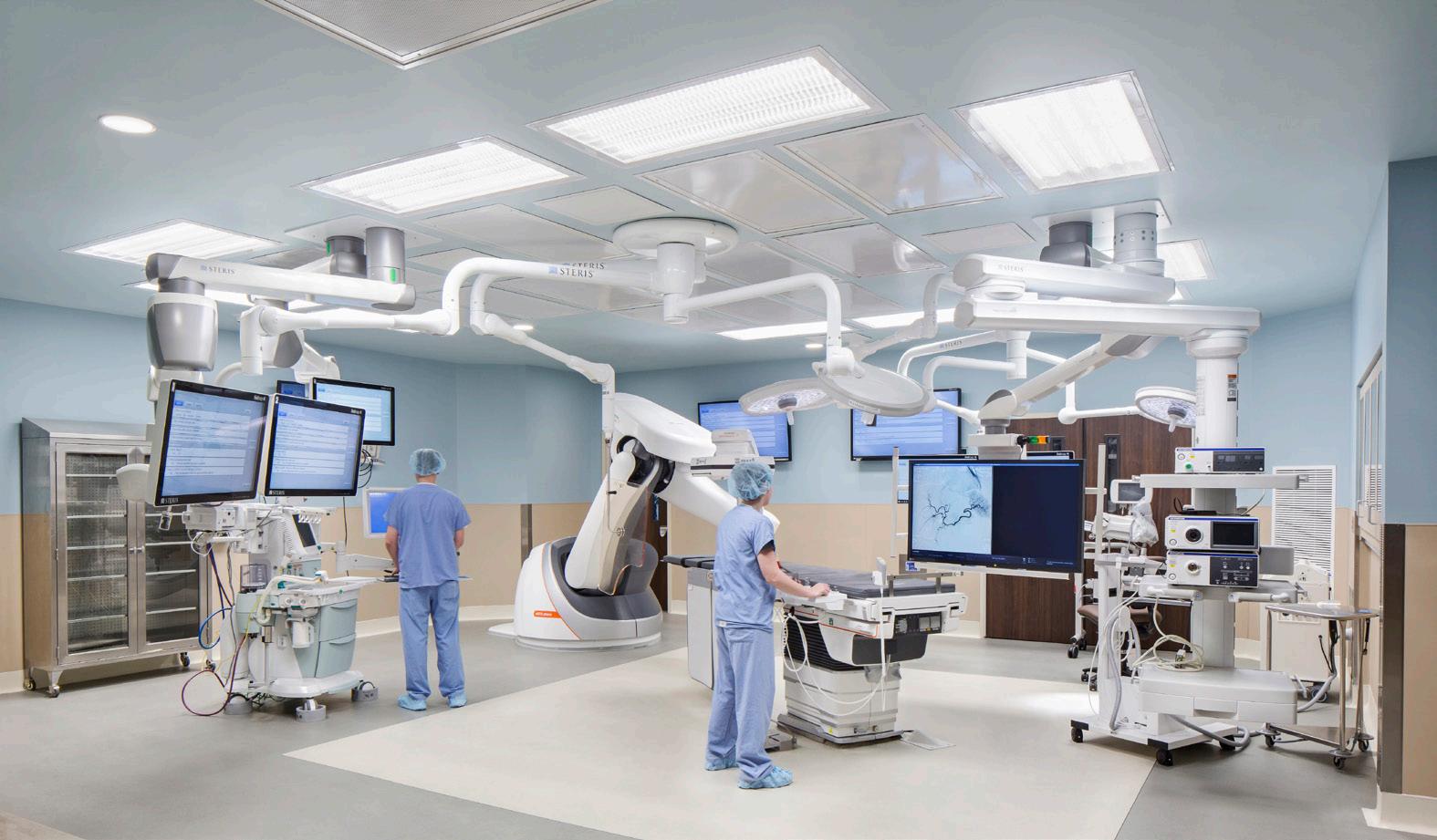
We continuously invest in training, evidence-based practices, and advanced technology to ensure the highest standards of safety and clinical excellence. As our community grows, so does our commitment to bringing innovative technology and highly skilled physicians to North Mississippi—so patients can access leading-edge care close to home. This includes the addition of the da Vinci 5 robotic surgical system, the latest

generation of robotic technology, which provides physicians with enhanced precision, control, and visualization. For patients, this advanced technology often results in improved outcomes, less downtime, faster recovery, and improved healing.
Looking ahead, we remain focused on strengthening access to care, expanding services, and advancing innovation. Thank you for allowing Baptist Memorial Hospital–North Mississippi to be part of your lives. It is our privilege to care for you today and for generations to come.
With sincere appreciation,

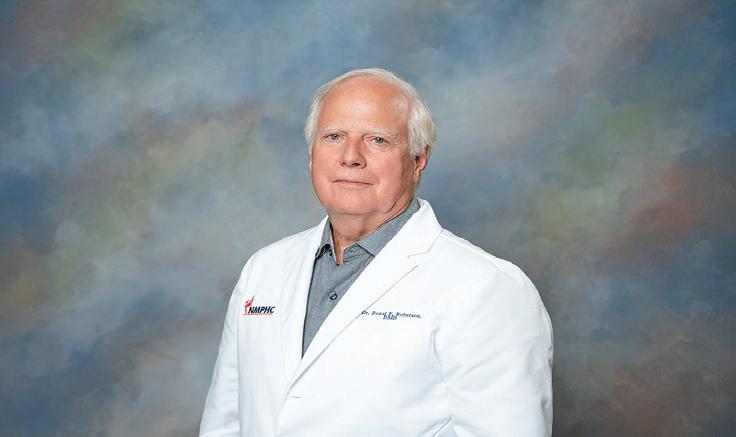
Brian Welton Chief Executive Officer Baptist North Mississippi
ACUTE REHABILITATION
★ Brett Lampton, MD
★ Devin Wells, MD
★ Josh Minga, NP 1100 Belk Boulevard
662-636-4233
ALLERGY & IMMUNOLOGY
MISSISSIPPI ASTHMA & ALLERGY CLINIC
★ Claire Rosenblatt, MD
★ Winn Walcott, MD 1190 South 18th Street 662-236-7522
ANESTHESIOLOGY
★ Scott Steed, MD
★ Greg Thompson, MD 1100 Belk Boulevard 901-9132-9229
CARDIOLOGY
STERN CARDIOVASCULAR
★ Arthur Davis, MD
★ Thomas Flautt, DO
★ Eric Johnson, MD
★ Samuel Latham, MD
★ Justin May, DO
★ Alison Spangler, DO
★ Lydia Critcher, NP
★ Joeli Link, NP
★ Hope Ross, NP
★ Raquel Vaughan, NP
★ McKenzie Williamson, NP
100 Baptist Memorial Circle, Suite 201 | 662-636-2400
STERN CARDIOVASCULAR
★ Mark Campbell, MD
★ Cal Laney, MD
★ Mark Strong, MD
★ Tiffany Leister, NP 2209 Jefferson Davis Drive 662-281-1115
CARDIOVASCULAR AND THORACIC SURGERY
BMG: OXFORD CARDIOVASCULAR AND THORACIC SURGERY
★ Ian Lyn, MD
★ Sonquanetta Owens, NP
★ Katy Waters Shields, NP
100 Baptist Memorial Circle, Suite 120
662-636-2452
DERMATOLOGY
OXFORD DERMATOLOGY
★ Philip Loria, Jr., MD
★ Jenna Cooper, PA 2204 Jefferson Davis Drive
662-236-6850
DERMATOLOGY ASSOCIATES OF OXFORD
★ Ann Chancellor Roberson, MD
★ Lindsay Shipp, MD
★ Whitney Crow, NP
★ Mary Chris Moore, NP
★ Madison Albert, PA 1626 Highway 30 E, Suite 105
662-371-1326
ENDOCRINOLOGY
BMG - OXFORD ENDOCRINE
★ Anitha Gondhi, MD
★ Raveena Nalla, MD
★ Margaret Embry, NP 551 Azalea Drive
662-636-5335
EMERGENCY MEDICINE
★ Patrick Carr, MD
★ Cas Heath, MD
★ Michael Koury, MD
★ Michael Magee, MD
★ Antone “Mac” Nichols, MD
★ Taylor Sawyer, MD
★ Paul Southall, MD
★ Thomas Smith, MD
★ Jason Waller, DO
★ Larken Ware, MD
★ Eric Yates, MD
★ Margaret Yates, MD
★ Brody Horne, NP
★ Mindy Lafayette, NP
★ Courtney Sessums, NP 1100 Belk Boulevard 662-636-1196
FAMILY MEDICINE
NORTH MISSISSIPPI FAMILY MEDICINE GROUP
★ Will Dabbs, Jr, MD
★ Kecia Kirk, MD
★ Jackey Turner, MD
★ John Lewis, NP
★ Rachel Sledge, NP 1397 Belk Boulevard
662-236-4675
WHITE OAK FAMIL
MEDICINE CLINIC
★ Erik Richardson, MD 1306 Belk Boulevard 662-236-1927
NORTH MISSISSIPPI HEALTH SERVICES
★ Mona Castle, MD
★ Thomas Glasgow, MD
★ Shaun Helmhout, MD
★ Carla Burnett, NP 2161 South Lamar Boulevard 662-234-1791
WEBB FAMILY MEDICAL CLINIC
★ Kimberly Webb, MD 2222 Jackson Avenue West 662-380-5560
NORTH MISSISSIPPI HEALTH CARE ASSOCIATES
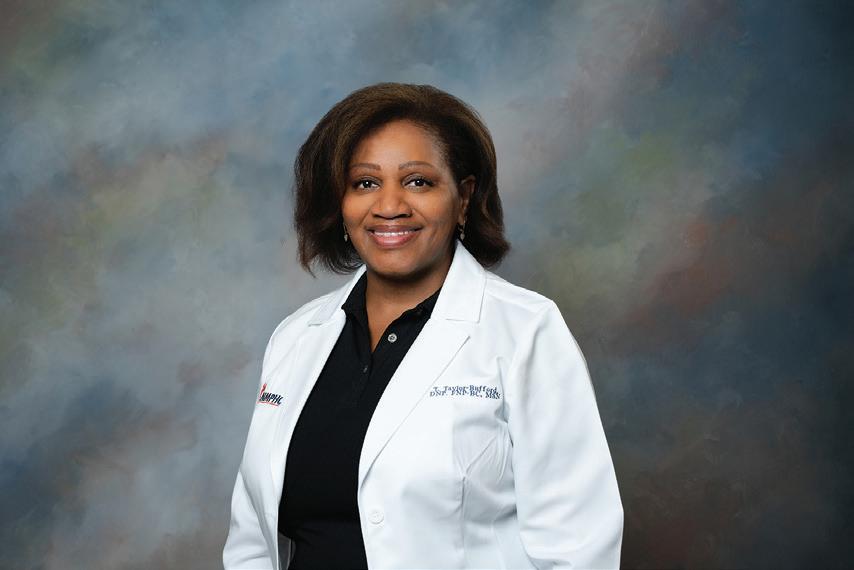
★ Tammy Buford, NP
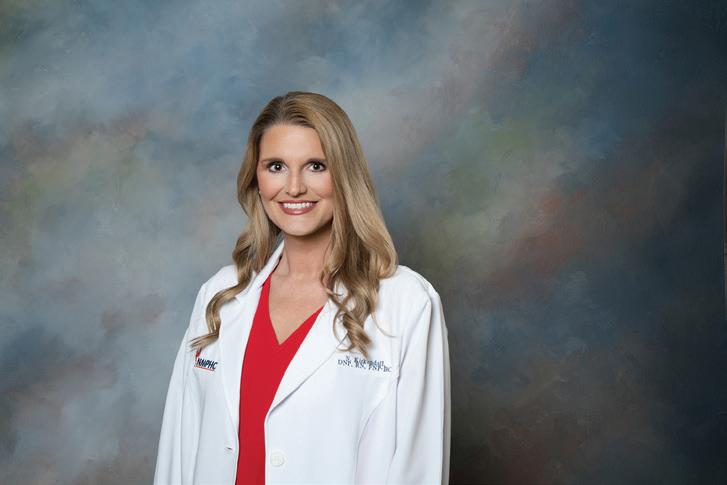
★ Neeli Kirkendall, NP
2716 West Oxford Loop, Suite 171 662-715-3335
ONECARE EXPRESS MEDICAL CLINIC
★ Shelly Alamry, NP
★ Cassie Austin, NP
2706 West Oxford Loop, Suite 103 | 662-380-5445
GASTROENTEROLOGY
ONE GI
★ Kevin Batte, MD
★ David Bridgers, MD
★ S. Todd Threadgill, MD
★ Ernest Williams, MD
★ Leigh Beth Brown, NP
★ Leslie McCollum, NP
★ Sarah Morrow, NP 1208 Office Park Drive; Annex Office : 1204 Office Park Drive, Suite B 662-234-9888
GENERAL SURGERY
OXFORD SURGICAL & BARIATRIC CLINIC
★ Walker Byars, MD
★ Robert McAuley, MD
★ Carah Walker, NP 506 Azalea Drive 662-234-4744
BMG - NORTH MISSISSIPPI
SURGICAL ASSOCIATES
★ Alan Ellis, MD
★ Charles Hill, MD
81 Ed Perry Boulevard Suite 105 | 662-636-5550
HEMATOLOGY
BAPTIST CANCER CENTER
★ Clayton Allen, MD
★ Andrew Benefield, MD
★ Ryan Yates, MD
★ Grayson Sheley, NP
★ Anna Wiygul, NP 504 Azalea Drive
662-636-4444
HOSPITALIST
★ Mohammad Alkhatib, MD
★ Ala Alkofahi, MD
★ Nikki Cager, MD
★ Michael Chiadika, MD
★ Mahmood Elshawwaf, MD
★ Samuel Harris, MD
★ Chandra Krishna, MD
★ Joella Lambert, MD
★ Kosana Lee, MD
★ Margaret MacMillan, DO
★ Jacob Mercier, MD
★ Hafida Mumallah, DO
★ Kelton Pace, MD
★ Philip Paine, MD
★ Alexander Parr, MD
★ Ramsey Turner, MD
★ Jacob Whelan, MD
★ Catherine Bryant, NP
★ Malorie DeVaughn, NP
★ Leanna Pearson, NP
★ Marilyn Smith, NP
1100 Belk Boulevard
662-636-5189
INTERNAL MEDICINE
INTERNAL MEDICINE
ASSOCIATES OF OXFORD
★ Mark Crick, MD
★ Jeffrey Dennis, MD
★ Charles Hill, MD
★ Eric Carlton, NP
★ Kathryn Elliott, NP
★ Meghan Mills, NP
★ Sharon Upton, NP
551 Azalea Drive
662-234-0332
BMG - INTERNAL MEDICINE
RESIDENCY CLINIC
★ Sumner Abraham, MD
★ Ana Maria Benefield, MD
★ Reed Davis, MD
★ Estefania Lara Garcia, MD
★ Damian Mercier, MD
★ Segar Morris, DO
★ Andrew Whittington, DO
81 Ed Perry Boulevard
662-636-5290
MEDICAL ONCOLOGY
BAPTIST CANCER CENTER
★ Clayton Allen, MD
★ Andrew Benefield, MD
★ Ryan Yates, MD
★ Grayson Sheley, NP
★ Anna Wiygul, NP
504 Azalea Drive
662-636-4444
NEPHROLOGY
NEPHROLOGY AND HYPERTENSION ASSOCIATES
★ Vikram Beemidi, MD
★ Nathan Bell, MD
★ Morris Hamilton, MD
★ Son Lam, MD

★ Chris Miller, MD
★ Kathy Thomas, NP 1790 Barron Street
662-236-2900
NEUROLOGY
OXFORD NEUROLOGY CLINIC
★ Megan Edwards, DO
★ Malcolm Roland, MD
★ Penny Burcham, NP
★ Anita Thomas, NP
2908 South Lamar Boulevard, Suite 100 | 662-281-0112
NEUROSURGERY
BMG - OXFORD NEUROSURGERY
★ Sonia Eden, MD
★ Natalie Nelson, NP
100 Baptist Memorial Circle, Suite 202 | 662-636-2451
OBSTETRICS AND GYNECOLOGY
OXFORD OBSTETRICS & GYNECOLOGY ASSOCIATES
★ Meredith Griffin, MD
★ Julie Harper, MD
★ Greg Patton, MD
★ Joseph Sams, MD
★ Shelby Walters, MD
★ Katie Sabatier, CNM
★ Penny Skeen, NP 1204 Medical Park Drive
662-236-5717
OXFORD CLINIC FOR WOMEN
★ Sam Cole, MD
★ William Henderson, MD
★ Shelby Liddell, MD
★ Hannah Dye, NP
★ Mary Lela VonderHaar, PA 2610 South Lamar Boulevard 662-234-1731
OCULOPLASTIC SURGERY
RAYNER EYE CLINIC
★ Thomas Tann, III, MD 2606 South Lamar Boulevard 662-234-6551
OPHTHALMOLOGY
MISSISSIPPI EYE CONSULTANTS
★ James Shipp, MD
★ Katie Stuckey, DO
★ Lana Taylor, DO
1628 Highway 30 East
662-234-3937
RAYNER EYE CLINIC
★ Doty Farmer, MD
★ Amanda Howell, MD
★ Thomas Tann, III, MD
★ Jonathan Zoghby, MD 2606 South Lamar Boulevard 662-234-6551
ORAL AND MAXILLOFACIAL SURGERY
LIGON ORAL AND MAXILLOFACIAL SURGERY
★ Allen Ligon, DDS 1121 Mimosa Drive 662-236-5300
OXFORD ORAL AND MAXILLOFACIAL SURGERY
★ Scott Whitaker, DMD, MD 2886 South Lamar Boulevard 662-236-7888
ORTHOPEDIC SURGERY AND SPORTS MEDICINE
MISSISSIPPI SPORTS MEDICENE AND ORTHOPAEDIC CENTER
★ Daniel Boyd, MD
★ James Burrow, MD
★ Tyler Ellis, MD
★ Hunter Haley, MD
★ Kurre Luber, MD
★ Cooper Terry, MD
★Julie Edwards, NP
★ Chloe Lloyd, NP
★ Anna Burns, PA
★ Leslie Frazier, PA 735 Belk Boulevard Suite 102 | 662-513-2000
SPECIALTY ORTHOPEDIC GROUP
★ Cal Adams, MD
★ Sean Farrell, MD
★ Ed Field, MD
★ David Lee, MD
★ Gabe Lensing, MD
★ John Lutz, MD
★ Ryves Moore, MD
★ Rowland Roberson, MD
★ Phillip Sandifer, MD
★ Will Steward, MD
★ Miranda Bennett, FNP-C
★ Dylan Gunter, FNP-BC
★ Tedi Kennedy, FNP-C
★ Courtney Pruitt, AGNP-C
★ Katie Soldevila, FNP-C
★ Madi Becker, PA-C
★ Chase Crumpton, PA-C
★ Jordan Ellis, PA-C
723 Concordia Ave 662.767.4200
CAMPBELL CLINIC ORTHOPAEDICS
★ Chad Campion, MD
★ Christopher Holland, MD
★ Joseph Lamplot, MD
★ Andrew Murphy, MD
★ Ashley Lewis Park, MD
★ David Richardson, MD
★ Benjamin Sheffer, MD
★ Henry Sherman, MD
★ Cristina Leis, PA
2608 South Lamar Boulevard Suite 102 | 901-759-3100
OTOLARYNGOLOGY
EAR, NOSE, AND THROAT CONSULTANTS OF NORTH MISSISSIPPI
★ Ford Dye, MD
★ Scott Harrison, MD
★ John Laurenzo, MD
★ Pearson Windham, MD
★ Sabrina McClain, NP 497 Azalea Drive Suite 101 | 662-234-1337
PAIN MANAGEMENT
PROGRESSIVE HEALTH PAIN AND WELLNESS
★ Rex Williams, DO
★ Amanda Bagwell, NP
★ Teresa Hewlett, NP 662-638-0462
PATHOLOGY
PATHGROUP
★ Jared Cobb, MD 1100 Belk Boulevard 662-636-1051
PEDIATRICS AND ADOLESCENTS
OXFORD PEDIATRIC GROUP
★ Michael Dennis, MD
★ Meredith Jordan, MD
★ Doug Sanford, MD
★ Molly Singletary, MD
★ Trey Warrington, MD
★ Laken Hayden, NP
★ McKenzie Wills, NP 101 Farm View Drive 662-513-4399
LAFAYETTE PEDIATRIC CLINIC
★ Tanya Fitts, MD
★ Ann Glaser, MD 1300 Access Road Suite 400 | 662-236-3939
PHILLIPS PEDIATRICS
★ Catherine Phillips, MD
★ Brooke Underwood, NP 2682 West Oxford Loop 662-371-1543
PEDIATRIC HOSPITALIST
★ John Paul McLendon, MD 1100 Belk Boulevard 662-636-3200
PHYSICAL MEDICINE AND REHABILITATION
BMG - OXFORD PHYSICAL MEDICINE AND REHAB
★ Devin Wells, MD
★ Josh Minga, NP
100 Baptist Memorial Circle Suite 202 | 662-636-2451
PLASTIC SURGERY
SHELL PLASTIC SURGERY
★ Dan Shell, IV, MD
★ Leslie Gordon, NP 2680 West Oxford Loop 662-236-6465
PULMONOLOGY AND CRITICAL CARE
BMG - OXFORD PULMONOLOGY
★ Jeffrey Evans, MD
★ Jennifer Gardner, DO
★ Kelley Hill, MD
★ Stacey Miller, MD
★ Katy Minga, NP
100 Baptist Memorial Circle Suite 200 | 662-636-2450
RADIATION ONCOLOGY
BMG - BAPTIST
CANCER CENTER
★ John Cantrell, MD
★ Todd Mereniuk, MD
504 Azalea Drive 662-636-4300
RADIOLOGY
RADIOLOGY ASSOCIATES OF OXFORD
★ Mark Gunn, MD
★ William King, MD
★ Keith Lawrence, MD
★ Chad Mann, MD
★ Lee Norris, MD
★ S. Todd Roth, MD
★ Allen Sneed, MD
★ Will Stewart, MD
1100 Belk Boulevard 662-636-1182
RHEUMATOLOGY
BMG - OXFORD RHEUMATOLOGY
★ Kirk Eddleman, MD
★ Lauren Hayward, MD
★ Micaela Perkins, NP
★ Leigh Anne VanDevender, NP
100 Baptist Memorial Circle Suite 200 | 662-636-4333
SLEEP MEDICINE
BMG - OXFORD PULMONOLOGY
★ Jeffrey Evans, MD
100 Baptist Memorial Circle Suite 220 | 662-636-2250
URGENT CARE
EXPRESS CARE
★ Bonnie Ellzey, NP
★ Katrina Fields, NP
★ Kristina Loprinzi, NP
1515 University Avenue
662-238-0011
OLE TOWN MED
★ Macey Chrestman, NP
★ Laura Hill, NP
★ Jason McCain, NP
2580 West Jackson Avenue Suite 44 | 662-234-9112
OXFORD URGENT CARE CLINIC
★ Holly Armstrong, NP
★ Stephanie Barrett, NP
★ Michael Chandler, NP
★ Kathryn Sinn, NP
★ Tracey Smiley, NP
1929 University Avenue
662-236-2232 REDMED
★ Rhonda Baker, NP
★ Clara Beck, NP
★ Cathryn Goss, NP
★ Casey Tramel, NP
1902 B Jackson Avenue West 662-234-6464
UROLOGY
OXFORD UROLOGY ASSOCIATES
★ Andrew Gowdey, MD
★ Joshua Griffin, MD
★ Brent Hardin, MD
★ Land Renfroe, MD
★ Michelle Barbee, NP
★ Russ Billingsley, NP
★ Lisa Bradham, NP
★ Lisa Clark, NP
★ Jason Melton, NP
★ Chris Scruggs, NP
★ Darian Wales, NP
★ Anna Boudreaux, PA
2168 South Lamar Boulevard 662-234-1448
WEIGHT LOSS SURGERY
OXFORD SURGICAL AND BARIATRIC CLINIC
★ Walker Byars, MD
★ Robert McAuley, MD
★ Carah Walker, NP
506 Azalea Drive 662-234-4744






WHEN SURGERY IS NEEDED, THE RIGHT QUESTIONS MATTER
By Jennifer Blyth
For those facing surgery, questions are both common and necessary: What can I expect before and during the procedure? How long will my recovery be? When can I go back to work? What makes this the best place for me to have the procedure done?
Considerations include not only skill, but experience, technology and approach to patient care.
Fortunately for many Oxford residents, answers come easily at Oxford Surgical & Bariatric Clinic, where expertise includes robotic surgery, in addition to open surgery.
“Surgery can be overwhelming, whether it’s a straightforward outpa-
tient procedure like a gallbladder, or a more complex colon operation,” notes OSBC Office Manager Celeste McCoy. “OSBC is proud to serve the Oxford community with comprehensive surgical care and a patient-centered approach, and our team takes the time to answer questions, explain options and ensure patients and families feel confident and informed.”
LAPAROSCOPIC ADVANCES BRING BENEFITS FOR PATIENTS
Gallbladder surgery is one of the most common operations performed by Dr. Walker Byars and Dr. Robert McAuley.
At Oxford Surgical and Bariatric Clininc, Dr. Robert McAuley, right, and Dr. Walker Byars together have more than 50 years of surgical experience. Courtesy OSBC
Often the cause is gallstones, however, while 10 percent of the American population has the condition, just two percent of those are symptomatic and require surgery, Dr. Byars says. “This means there are a lot of people walking around with asymptomatic gallstones that do not need intervention.”
For those who do, the experienced Oxford team is skilled in what is typically a minimally invasive procedure, thanks to decades of experience and state-of-the-art tools.
“Combined, my partner and I have more than 50 years of experience with this and many other types of operations,” he notes. “The vast majority – 99 percent – of these operations are performed either laparoscopically or robotically, and for most patients having elective surgery, the procedure is performed as an outpatient, meaning they can go home the same day.”
Other conditions that qualify for surgery include infected gallbladder and a poorly functioning gallbladder.
“A gallbladder can have a markedly elevated or markedly depressed ‘ejection fraction’ – the ability to pump – that results in symptoms of bloating and nausea after eating,” Dr. Byars explains. “Because there’s no medication to make the gallbladder pump more or less, these patients also require surgical intervention.”
Post-surgery, patients should avoid heavy lifting for two weeks and avoid fried and fatty foods for the first month, as some patients will also experience loose, frequent bowel movements after eating these types of foods. Only 2 percent of patients have chronic diarrhea that requires medication, he adds.
Patients with jobs that don’t require heavy lifting can return to work as soon as they feel comfortable doing

so, however for patients who do manual labor, the normal time off work is two weeks.
SURGERY FOR COLON CANCER AND DIVERTICULAR DISEASE
Colon surgery is commonly performed to treat conditions such as colon cancer and diverticular disease. When surgery is recommended, the goal is to safely remove the diseased portion of the colon while preserving as much normal bowel function as possible.
Good news for patients, “today, advances in surgical technique allow many of these operations to be performed using minimally invasive approaches, which can reduce pain, shorten hospital stays, and speed recovery compared to traditional open surgery,” Dr. Byars says, noting that most colon surgeries at Oxford Surgical are performed using robotic-assisted techniques.
“Robotic surgery provides enhanced precision, improved visualization, and greater control, allowing for meticulous dissection and reconstruction,” he explains. “This approach is especially beneficial in complex cases, including cancer resections and recurrent or complicated diverticular disease. Whenever appropriate, robotic surgery allows patients to return to normal activity sooner while
maintaining excellent surgical and oncologic outcomes.”
Patients enjoy post-operative benefits to robotic surgery, too.
“Recovery after robotic colon surgery is typically quicker and more comfortable than with traditional open surgery. Most patients are able to get out of bed and begin walking the same day or the day after surgery, with a gradual return to eating as bowel function recovers. Hospital stays are often shorter – commonly two to four days – and many patients return to normal daily activities within a few weeks, depending on the extent of surgery and individual healing,”
Dr. Byars says.
McCoy notes that while colorectal cancer is the second deadliest cancer in the United States, it’s highly preventable with screening. “Our goal is to not only address the immediate surgical concerns but to ensure long-term health and improved quality of life. We encourage our patients to speak with their primary care provider about screening, know their family history, and encourage their loved ones to prioritize preventive care.”
To learn more about surgical options at Oxford Surgical & Bariatric Clinic, visit oxfordsurgical.com or call 662-2344744.

MORE THAN SNORING
The Dangers of Sleep Apnea
By Angela Cutrer
We’ve all heard jokes about snoring, falling asleep during the day and insomnia.
Unfortunately, these issues are not always funny because besides being downright annoying, they might signal a serious threat to the health of the sufferer.
One of those issues is called sleep apnea. The Mayo Clinic describes it as “a potentially serious sleep disorder in which breathing repeatedly stops and
starts. If you snore loudly and feel tired even after a full night’s sleep, you might have sleep apnea.”
The Mayo Clinic’s further explanation is that there are three main types of sleep apnea:
• Obstructive sleep apnea (OSA), which is the more common form that occurs when throat muscles relax and block the flow of air into the lungs
• Central sleep apnea (CSA), which occurs when the brain doesn’t send proper
signals to the muscles that control breathing
• Treatment-emergent central sleep apnea, also known as complex sleep apnea, which happens when someone has OSA — diagnosed with a sleep study — that converts to CSA when receiving therapy for OSA
“Obstructive Sleep Apnea is a condition in which a person’s airway becomes constricted during sleep, which interrupts a person’s sleep cycle,” said Gray Gowen of Charter Medical. “These interruptions typically happen before the person achieves deep, restorative sleep. So, while the person may be ‘asleep,’ the body is not getting the adequate rest it requires.”
It’s a common problem he sees in people of the Oxford area. “Yes, there are many, many people in our local area who deal with sleep apnea on a nightly basis,” he said. “Common symptoms of Obstructive Sleep Apnea are excessive daytime sleepiness, snoring and hypertension.
“A person should get help when they start to notice difficulty staying awake during normal daily activities and if their spouse or relative reports hearing pauses in breathing during sleep. Though there is not necessarily an immediacy to the condition because often the person has been living with the condition for most of their lives,” it’s still important to get checked out by a doctor.
“Be proactive about your sleep health,” Gowen suggested. “If a person finds that they are not getting the same restful sleep they might have gotten in the past, Obstructive Sleep Apnea can be a possible cause. [It] is not something to be ignored as it can lead to heart problems, such as heart failure, hypertension, and even a possible stroke. Without getting the restful sleep the body requires, excess stress is placed on the heart, causing it to work harder than it should.
“If your spouse or other relative tells you that you stop breathing sudden-
ly in your sleep or snore loudly, take it seriously. If you find that you cannot stay awake while driving, reading, etc., do not hesitate to address this with your doctor.
“This condition is one that should absolutely be taken seriously, but with vigilant treatment with CPAP therapy, one begins to notice a dramatic change in [his or her] overall daily energy levels and, oftentimes, a huge boost in their quality of life.”
CPAP is “Continuous Positive Airway Pressure” therapy that prevents a person’s airway from closing during sleep. This allows the person to achieve deep, restful sleep throughout the night.
Gowen said typically, symptoms of OSA become less noticeable with consistent use of CPAP; however, there is no known cure for OSA. That’s why CPAP therapy is often needed for life.
The first step people should do if they suspect OSA is to go to their primary care physician, who can refer them to a certified sleep specialist at a sleep clinic. From there, the person would perform a sleep study either at the doctor’s office or at home.
“The severity of sleep apnea varies from person to person, and it is measured using the Apnea-Hypopnea Index (AHI), meaning the measure of how often a person stops breathing in an hour,” Gowen said. “This is measured throughout the sleep study to diagnose and determine the severity of the patient’s condition.”
CPAP therapy is the only proven treatment available. There are no medications at this time to help with the disorder.
What if you don’t have a primary care doctor? “If a person cannot see a doctor, the only recommended options are to change their sleeping position,” Gowen suggested. “Sleeping on your back can worsen OSA and often sleeping on one’s side or elevating their head can reduce how often their airway closes.
“But ultimately, a doctor needs to be consulted.”

AGE BASED HEALTH SCREENING GUIDELINES
Early detection is crucial to overcoming serious illnesses. Preventive care is something parents prioritize when raising children, but it’s a crucial component of healthy living as an adult as well. Health professionals recommend various age-specific screenings and tests, and these can serve as a guideline for individuals as they navigate adulthood. The following age-specific health screening recommendations, courtesy of Beaumont Health and Columbia Doctors Primary Care, can serve as an preventive care
guideline, though doctors may advise patients to get more frequent screenings depending on their medical histories.
18 to 39
• Cholesterol: A cholesterol check should occur around age 20, then every five years until age 35. Afterward it can occur annually.
• Skin screening: An annual full body screening will identify any suspicious moles or skin lesions.
• Cervical cancer: Women in this age

range should receive a Pap smear every three years and an annual pelvic exam.
• Breast exam: Self-examination of the breasts and examination by a clinical provider should take place every year.
• Testicular exam: Men should conduct self exams for testicular abnormalities. Doctors may examine the testicles during annual physicals as well.
• Tdap vaccine: All adults should get the Tdap vaccine if they did not receive it as an adolescent to protect against pertussis, and then a Td (tetanus, diphtheria) booster shot every 10 years.
• HPV vaccine: The human papilloma virus vaccine is recommended if you did not receive it as an adolescent.
40 to 64
• Zoster (Shingles) vaccine: Two doses of this vaccine will be administered between two and six months apart starting at age 50 and up.
• Colorectal screening: A colonoscopy to detect any colorectal illnesses is recommended beginning at age 50.
• Prostate screening: Prostate screenings begin at age 50 unless you are a high-risk individual, in which case screenings begin at age 40.
• Osteoporosis: Doctors may recommend a bone density test and osteoporosis
screening at age 50 and up if certain risk factors are present.
• Lung cancer screening: If you are a past or current smoker, it’s wise to have an annual lung cancer screening. The American Lung Association says adults age 55 and up can have this screening covered by health insurance.
• Mammogram: Women should begin receiving annual mammograms at age 40.
65+
• Cervical cancer: Most women can stop getting Pap smears at this age if they have no history of cervical cancer. Women who have had a hysterectomy may no longer need pelvic exams after age 65.
• Pneumococcal and pneumonia vaccines: These are recommended every five years for certain conditions and risk factors.
• Cognitive health: Doctors may assess your cognitive health to see if there are any risk factors for dementias.
In addition to these screenings, doctors may conduct annual depression screenings to assess mental health. Routine blood glucose monitoring may be necessary based on risk factors for diabetes. Individuals are urged to speak to their doctors to map out a health screening schedule specific to their needs.

SERVICES OFFERED AT BAPTIST
The Baptist Memorial Hospital -North Mississippi Heart Care Center offers a full continuum of premier cardiac care, from heart surgery to cardiac rehabilitation. When seconds matter, this technology provides rapid diagnostics and better treatment.
Coupled with the Chest Pain Center, Baptist continues to provide comprehensive heart care services in one facility. The center is equipped with advanced technology and laboratories for heart catheterization, electrophysiology, and peripheral vascular procedures. It also offers a wide range
of noninvasive diagnostics services to ensure comprehensive cardiovascular care. The center offers a two-phase cardiac rehabilitation program designed to restore patients to normal levels of activity and reduce future risk of heart problems.
Other diagnostic and noninvasive services include transthoracic echocardiography (M-mode, 2-D Doppler, strain imaging), transesophageal echocardiography (2D. 3D. and Doppler imaging), non-invasive vascular studies, stress electrocardiography (EKG, ECG), pediatric transthoracic echocardiography,

coronary intensive care and Holter monitoring.
Invasive services include cardiovascular surgery, renal angiography, aortography, percutaneous transluminal angioplasty stents, pacemakers and internal defibrillator implantations.
The electrophysiology laboratory (EP lab) is used to assess and repair a heart's electrical system and diagnose abnormal heartbeats such as bradycardia, tachycardia, atrial fibrillation and cardiac arrest. The EP lab allows physicians to perform cardiac ablations, electrophysiology studies, D mapping, and device implants such as pacemakers and defibrillators.
In 2024, the electrophysiology team performed several milestones including the first leadless Aveir pacemaker, a Vein of Marshall alcohol ablation and the first Watchman procedure, a minimally invasive, one-time procedure designed to reduce the risk of strokes that originate in the left atrial appendage. Left atrial appendage occlusion (Watchman) can allow patients to safely discontinue their blood thinner while simultaneously providing protection from strokes caused by atrial fibrillation.
Baptist North Mississippi was also
the first hospital in north Mississippi to provide the new transcatheter aortic valve replacement procedure using the Evolut FX+ system. Recently approved by the U.S. Food and Drug Administration, the Evolut FX+ transcatheter aortic valve replacement system offers larger coronary windows for any future heart catheterization procedures that may require percutaneous intervention of the coronaries. TAVR is a procedure that replaces a diseased aortic valve with a man-made valve.
The American College of Cardiology recently recognized Baptist North Mississippi for excellence in diagnostic catheterizations and percutaneous coronary interventions in its Cardiac Catheterization Laboratory Accreditation.
Baptist North Mississippi earned the American College of Cardiology’s NCDR Chest Pain-MI Registry Platinum Performance Award for the fifth consecutive year. The center also holds accreditation in TEE and Eco Chest Pain Center Accreditations.
For more information, please visit www. baptistonline.org/locations/north-mississippi or follow Baptist North Mississippi on Facebook @BaptistNorthMississippi.
LIVING WITH DIABETES:
UNDERSTANDING A CONDITION THAT AFFECTS MILLIONS
A diabetes diagnosis often arrives quietly—sometimes during a routine physical, other times after months of unexplained fatigue, thirst, or changes in health. For millions of people in the United States, that moment marks the beginning of learning how to manage a lifelong condition that affects how the body processes energy.
Diabetes is a chronic disease that occurs when the body cannot properly regulate blood sugar (glucose). Glucose is the body’s main source of energy, and insulin—a hormone made by the pancreas— helps move glucose from the bloodstream into cells. When this system is disrupted, blood sugar levels rise and, over time, can lead to serious health complications.
There are two primary types of diabetes. Type 1 diabetes is an autoimmune condition in which the body attacks
insulin-producing cells in the pancreas, resulting in little or no insulin production. It is typically diagnosed in children and young adults, and requires lifelong insulin therapy.
Type 2 diabetes, the most common form, develops when the body becomes resistant to insulin or does not produce enough of it. It is often associated with a combination of genetic, lifestyle, and environmental factors, and is more likely to develop in adulthood. However, it is increasingly being diagnosed in younger populations as well.
RECOGNIZING THE SIGNS
Diabetes can develop gradually, especially Type 2, which is why it often goes undetected in its early stages. Common symptoms include increased thirst, frequent urination, unexplained fatigue,
blurred vision, and slow-healing wounds. Some individuals may also experience unintended weight loss or tingling sensations in the hands and feet.
Because these symptoms can be subtle or mistaken for other issues, regular health screenings play an important role in early detection. Blood glucose tests, including fasting glucose and A1C tests, are commonly used to diagnose diabetes or identify those at risk.
MANAGING DIABETES DAY TO DAY
While diabetes is a serious condition, it is also highly manageable with the right care plan. Management typically involves a combination of healthy lifestyle choices, monitoring, and medication when necessary.
Nutrition is a cornerstone of diabetes care. Balanced meals that include vegetables, whole grains, lean proteins, and healthy fats can help stabilize blood sugar levels. Reducing processed foods and added sugars is also widely recommended.
Physical activity improves insulin sensitivity and helps the body use glucose more effectively. Even moderate exercise, such as walking, swimming, or cycling, can significantly improve blood sugar control when done consistently.
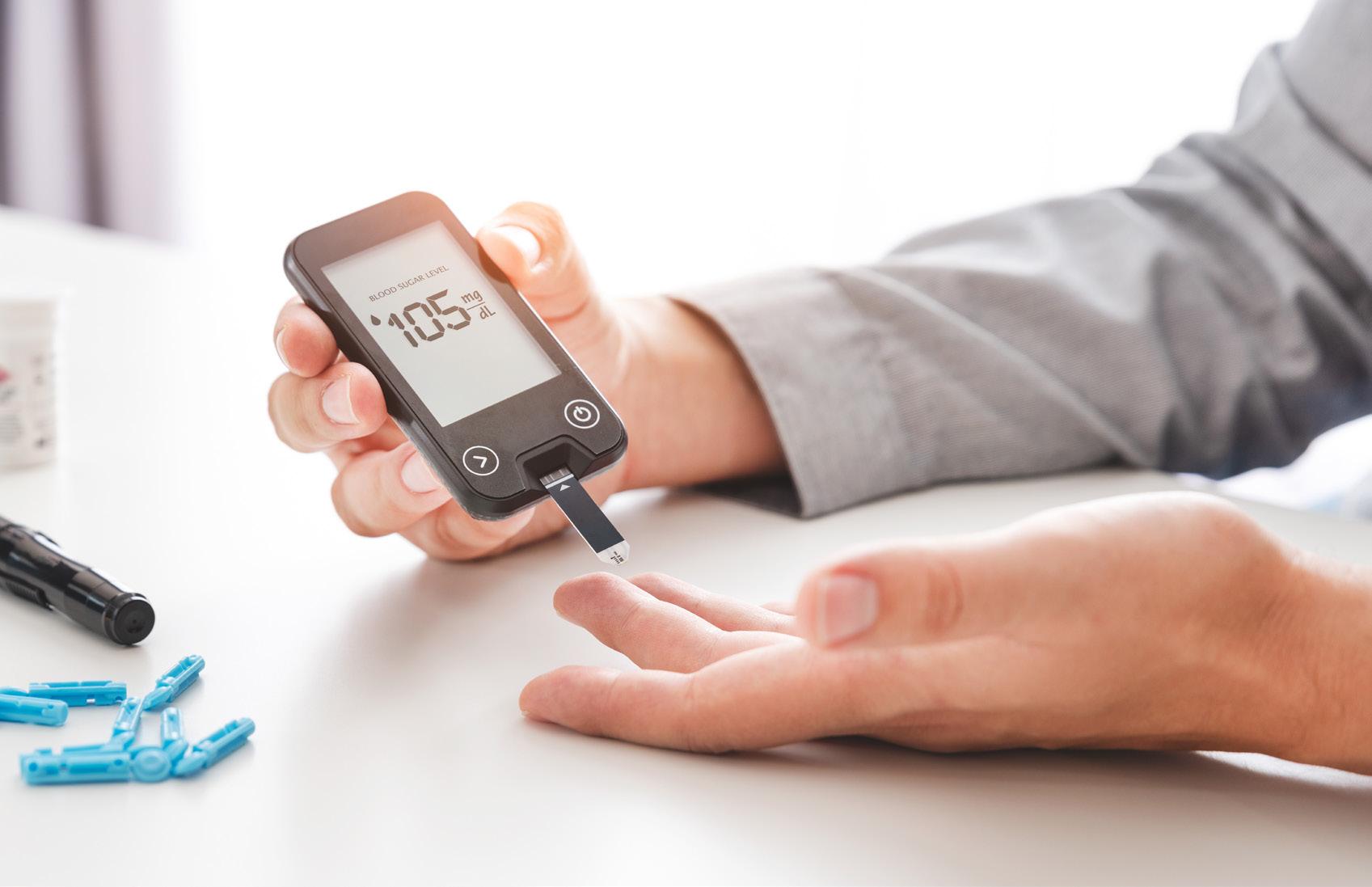
Monitoring blood sugar levels is another key part of management. Many individuals use glucose meters or continuous glucose monitors to track how their body responds to food, activity, and medication throughout the day.
For many people, medication is also necessary. This may include oral medications that help the body use insulin more effectively, or insulin therapy for those
PREVENTING COMPLICATIONS
When diabetes is not well managed, it can lead to complications affecting the heart, kidneys, nerves, eyes, and circulation. However, these risks can be significantly reduced through consistent blood sugar control and routine medical care.
Regular checkups, including eye exams, foot exams, and screenings for blood pressure and cholesterol, are essential parts of long-term diabetes management. Early detection of complications allows for timely treatment and better outcomes.
LIVING WELL WITH DIABETES
Advances in medical care and technology have greatly improved the ability to manage diabetes. From continuous glucose monitors to more effective medications, individuals today have more tools than ever to maintain stable blood sugar levels and reduce health risks.
Education and support also play a major role. Diabetes education programs, healthcare teams, and community resources help individuals understand how to make informed decisions about daily care.
Diabetes is a lifelong condition, but it does not have to define a person’s life. With proper management, regular medical care, and healthy lifestyle choices, many people with diabetes live full and active lives.
Understanding the condition is the first step—not only for those diagnosed, but for families and communities as well. Awareness, prevention, and early intervention remain the most powerful tools in reducing the impact of diabetes today