The future is Equal. The future is now. Annual report 2025
The future is Equal. The future is now. Annual report 2025
This year has been a test of the world’s moral compass—and for too many communities, that test has come at an unbearable cost. Wars raged in Gaza and Sudan. Millions fled violence and hunger. The unrelenting march of climatedriven disasters swept across continents. These realities brought an existential question into focus: will we turn away, or will we rise to meet this moment with compassion and courage?
And rise we did. In Gaza, our dedicated staff defied fear and hunger to deliver lifesaving water, food, and psychosocial support to families who had lost everything. Across the arid Sudanese border, we built clean water and sanitation infrastructure for people seeking safety and a place to rest. In southern Lebanon, we helped people with disabilities rebuild their homes that had been damaged in the bombings.
We also raised our voices—loudly. We called on states to uphold international humanitarian law in a world where civilians are increasingly under fire and humanitarian workers face unprecedented risks. We spoke


out against the Trump administration’s cruel cuts to global aid and urged Canada to stay the course in its commitment to global solidarity.
In the face of global backlash against women’s rights, we stepped up our efforts to advance gender equality, working with local partners who are increasingly under attack. We launched bold new programs to advance the sexual and reproductive health and rights of women, youth and members of the LGBT community in Southern Africa, working to strengthen the capacity of local community activists and organizations to defend their rights.
Amidst the turmoil of this past year, it has been people like you—our dedicated and long-standing supporters—who helped keep our moral compass steady. Your unwavering commitment to justice has allowed us to stand with communities facing unimaginable hardship. Thanks to you, we can continue to act with purpose and conviction, defying the headwinds to fight for a more equal future.
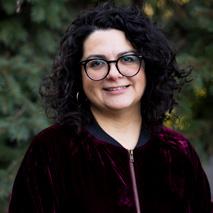
Lauren Ravon Executive Director Amelia Martin Co-chair

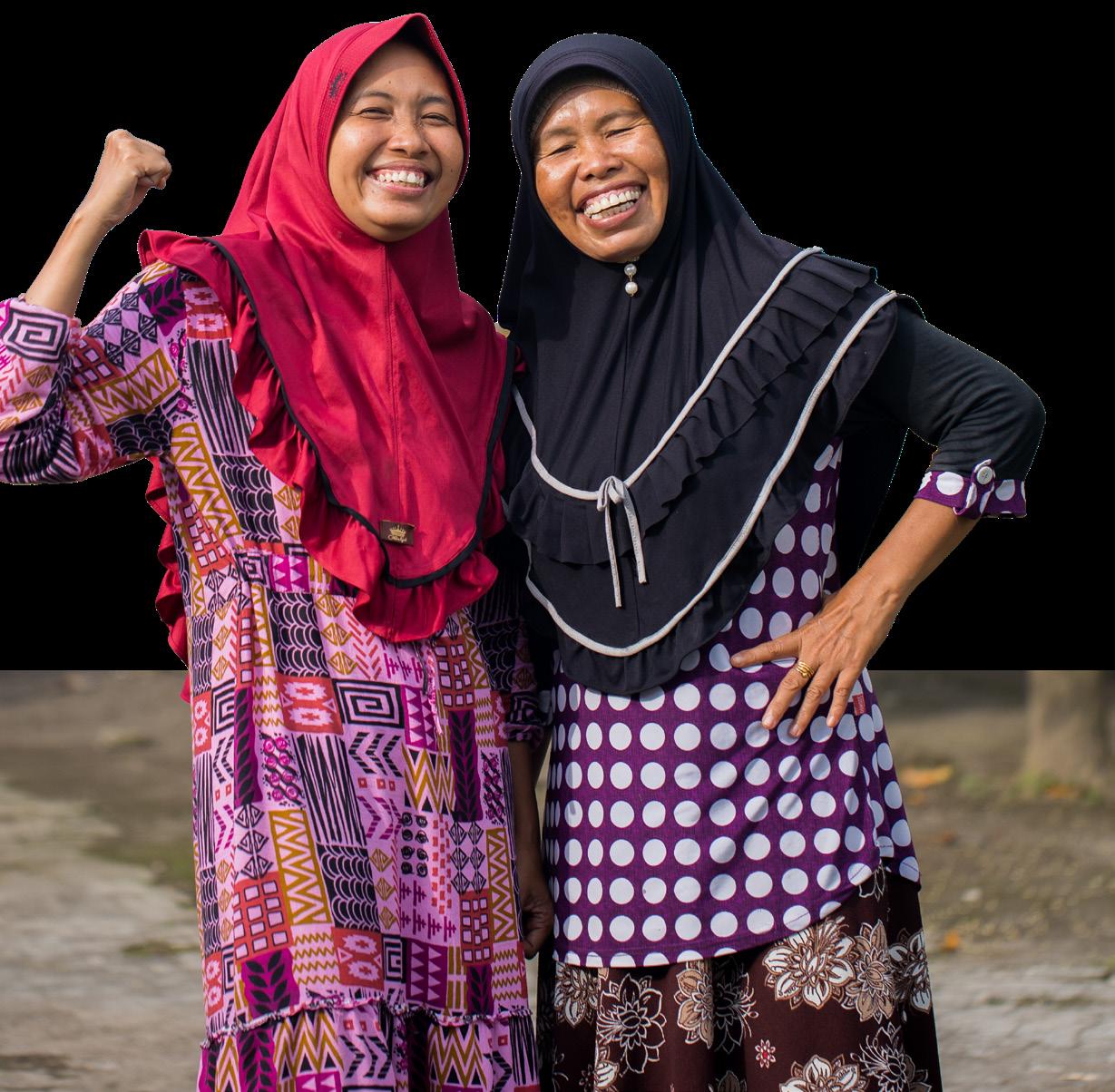
Members of a women’s cooperative group in Indonesia, supported by Oxfam.


Candice Shaw
ONTARIO
IRaz Soyalp
ONTARIO
Karen Sander
BRITISH COLUMBIA


Oxfam Canada’s office is located on the unceded, unsurrendered territory of the Anishinabe Algonquin First Nation. We recognize the longstanding relationship the Algonquin have with this territory that has been nurtured since time immemorial.
We also pay respect to all First Nations, Métis, and Inuit on the lands that we now know as Canada. We acknowledge the historical and ongoing oppression and colonization of the people and the loss of culture and land. We recognize the valuable past, present, and future contributions of First Nations, Métis, and Inuit as customary keepers and
defenders of this territory. We honour their culture, knowledge, leadership, and courage. As settlers, we recognize this first step in a long journey toward decolonization and move towards reconciliation.
We thank members of Kitigan Zibi Anishinabeg First Nation for their support in reviewing this text (September 2023).
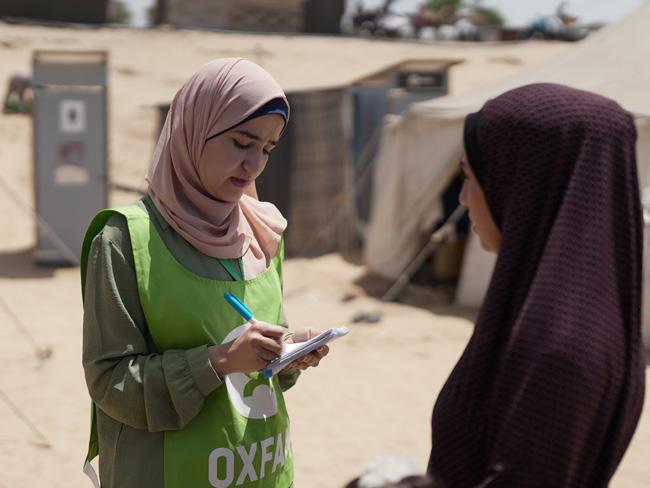
Ghadda Alhaddad collects reflections from people on the ground in Gaza.





Oxfam Canada’s mission is to fight inequality and patriarchy to end poverty and injustice, with a focus on improving the lives and promoting the rights of women in all their diversity. We work directly with women’s rights organizations, communities and partners to challenge the systems that perpetuate inequality and keep people poor.
As one of 22 members of the global Oxfam confederation, which works in more than 77 countries worldwide, Oxfam Canada seeks to influence those in power to ensure that women trapped in poverty have a say in the critical decisions that affect them, their families and their communities. Oxfam Canada directly supports programs in more than a dozen countries across Asia, Latin America and sub-Saharan Africa.
Our team is ambitious, driven and optimistic. We are feminist. We work with partners. We listen to each other. We share knowledge. We

influence policy. And we know that charity is not enough. It is about justice.
Our unique, three-pronged approach focuses on ending poverty for good. We believe that another future is possible: a future that is equal.


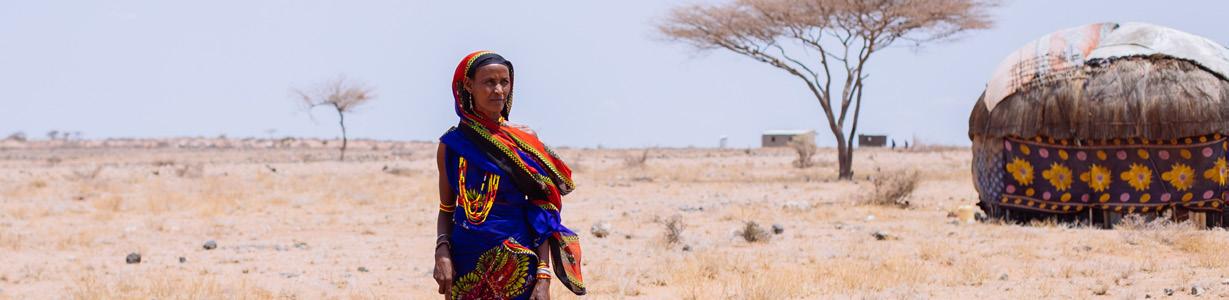
We provide emergency aid when disaster strikes or conflict breaks out. Together with communities, we save and rebuild lives and support the needs of refugees around the world.
We support projects that help people assert their rights and build better lives for themselves and their communities. From training farmers to supporting women-led enterprises and youth advoacy schools, we stay and work with partners for the long-haul.
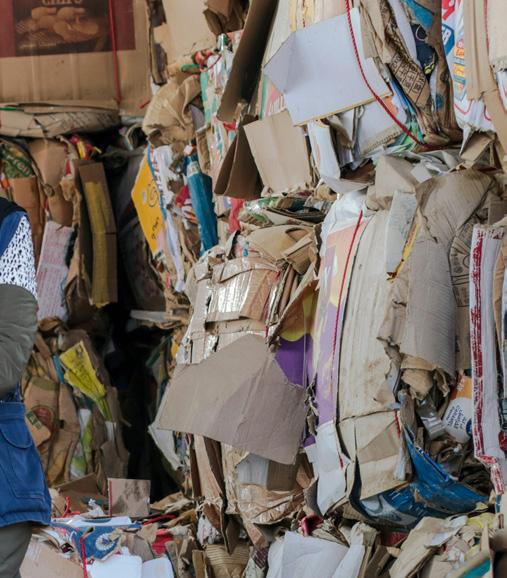
We work to change the laws and practices that perpetuate inequality and keep people trapped in poverty. We harness the power of people to change systems for the better.
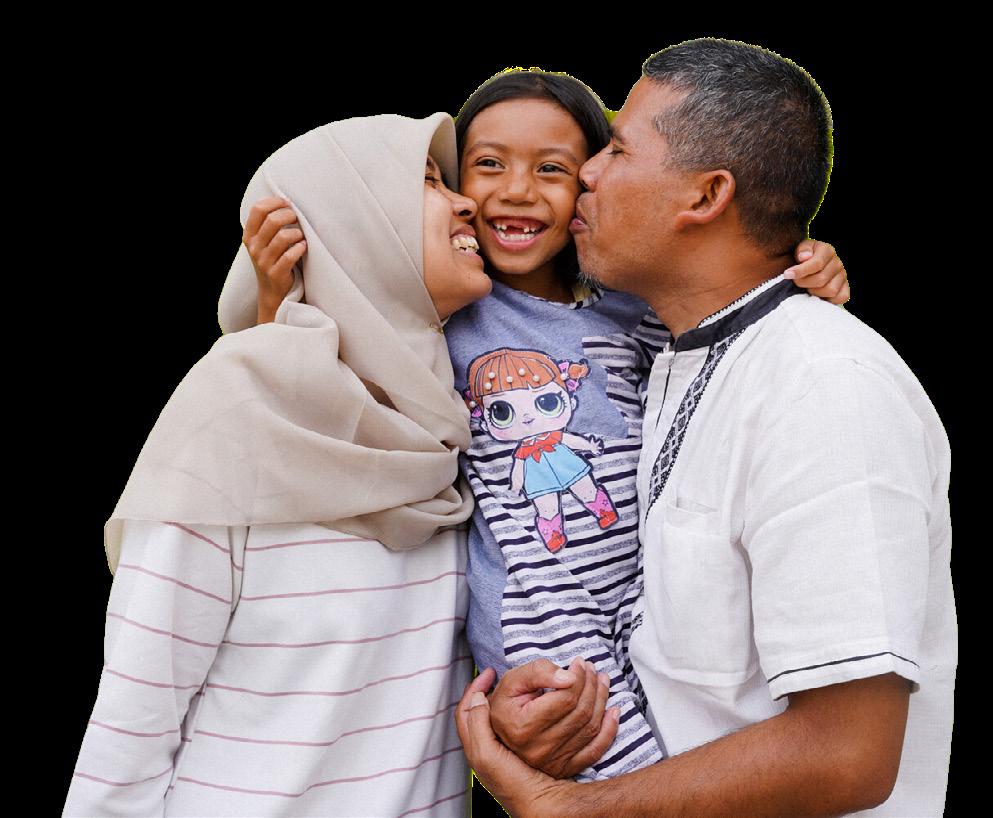



We focus our resources and expertise on areas where we can make the most difference in the lives of women living in poverty. In partnership with local organizations on the ground, we deliver humanitarian assistance, support longterm development programs and campaign for change. Through our three-pronged approach we have the most profound and sustainable impact.
In the fiscal year 2024-25, Oxfam worked directly with 14.26 million people and 2,394 partners around the world.

14.6 million people around the world benefited directly from our programs.

50% were women and girls.


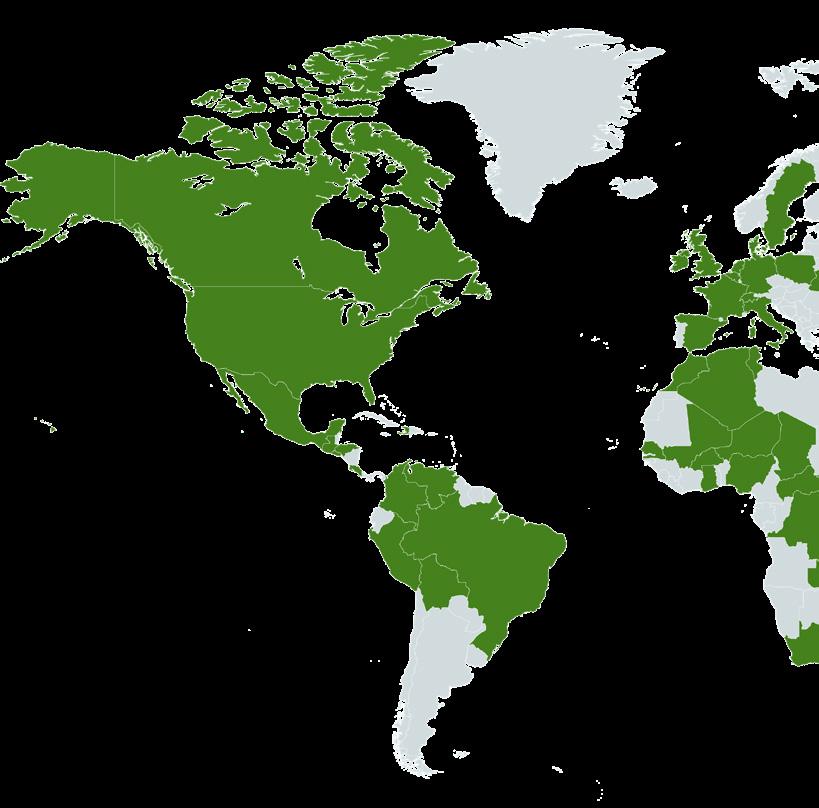


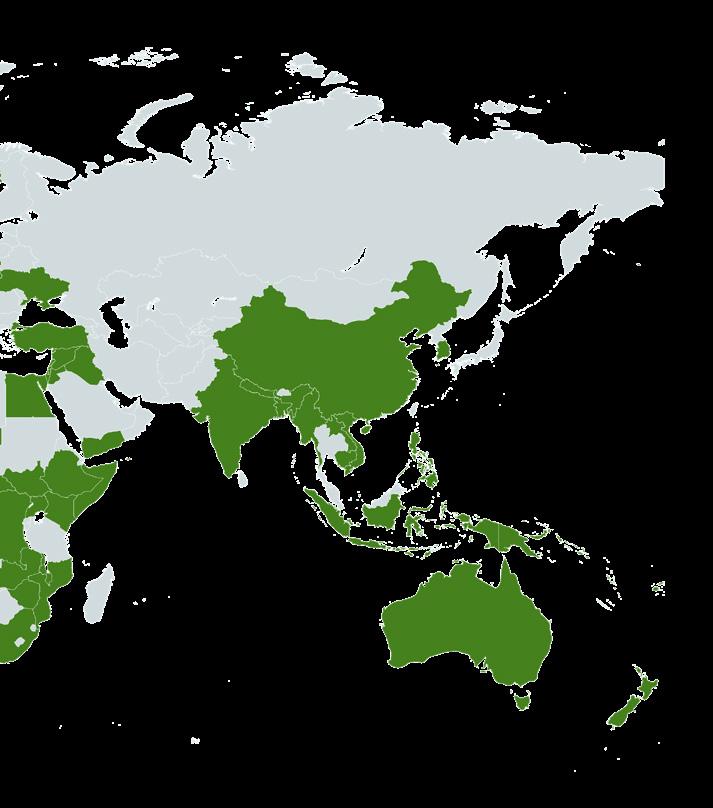

Oxfam affiliates emergency response
Oxfam Australia
Oxfam-in-Belgium
Oxfam Brasil
Oxfam Canada
Oxfam Columbia
Oxfam IBIS (Denmark)
Oxfam France
Oxfam Germany
Oxfam Great Britain
Oxfam Hong Kong
Oxfam India
Oxfam Ireland
Oxfam Italy
Oxfam Mexico
Oxfam Novib (Netherlands)
Oxfam Aotearoa (New Zealand)
Oxfam Philipinas (Philippines)
Oxfam-Québec
Oxfam South Africa
Oxfam Intermón (Spain)
KEDV–Foundation for the Support of Women’s Work, Türkiye
Oxfam America (USA)
Algeria Bangladesh Burkina
Central
Chad
China/Hong
Columbia
Costa
82% were involved in Humanitarian projects.

2,394 partner organizations and international allies around the world.


1,397 organizations received financial support from Oxfam.

530 partnerships with women’s rights organizations.

4.7 million global citizens took action in campaigns for social change.

Mali Mexico
Morocco
Mozambique
Myanmar
Nepal
Niger Nigeria
Occupied
Palestinian
Territory/Israel
Philippines
Poland
Somalia
South
South
Spain
Syria
Türkiye
Uganda
Ukraine
Vanuatu
Venezuela
Vietnam
Yemen
Zambia
Zimbabwe



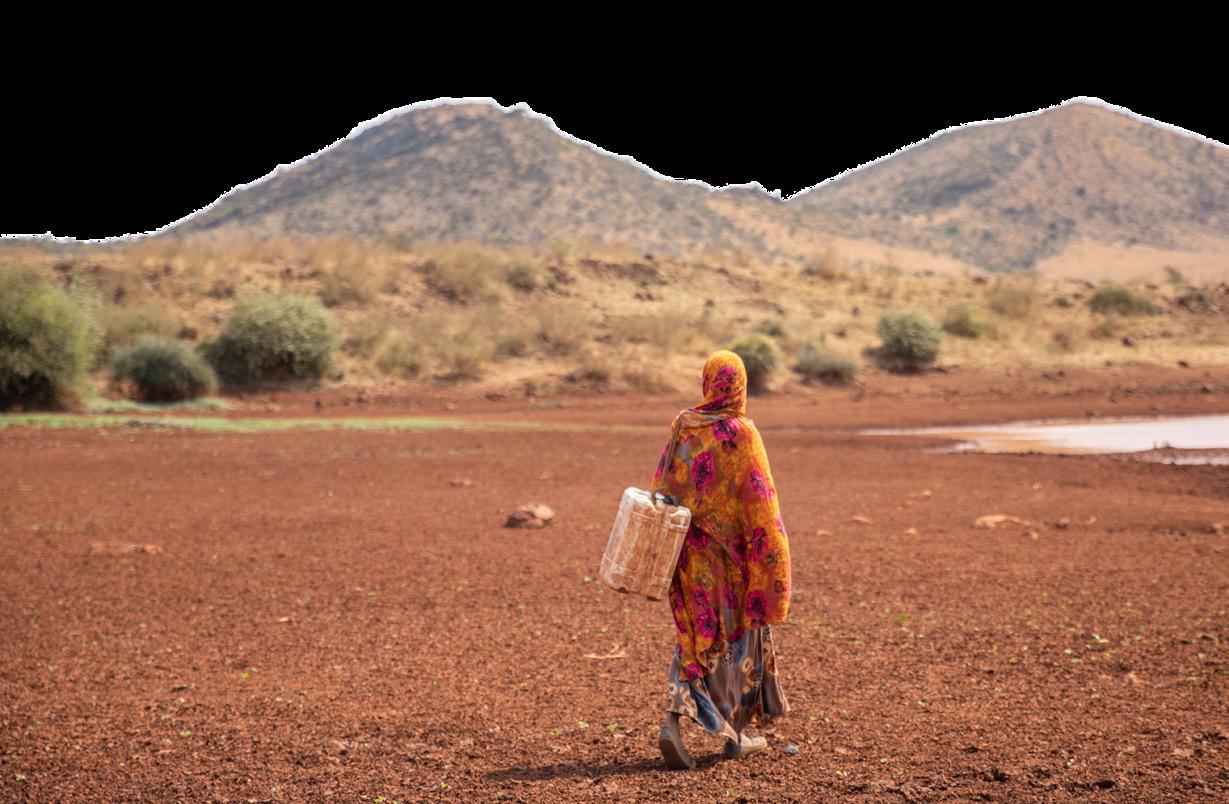
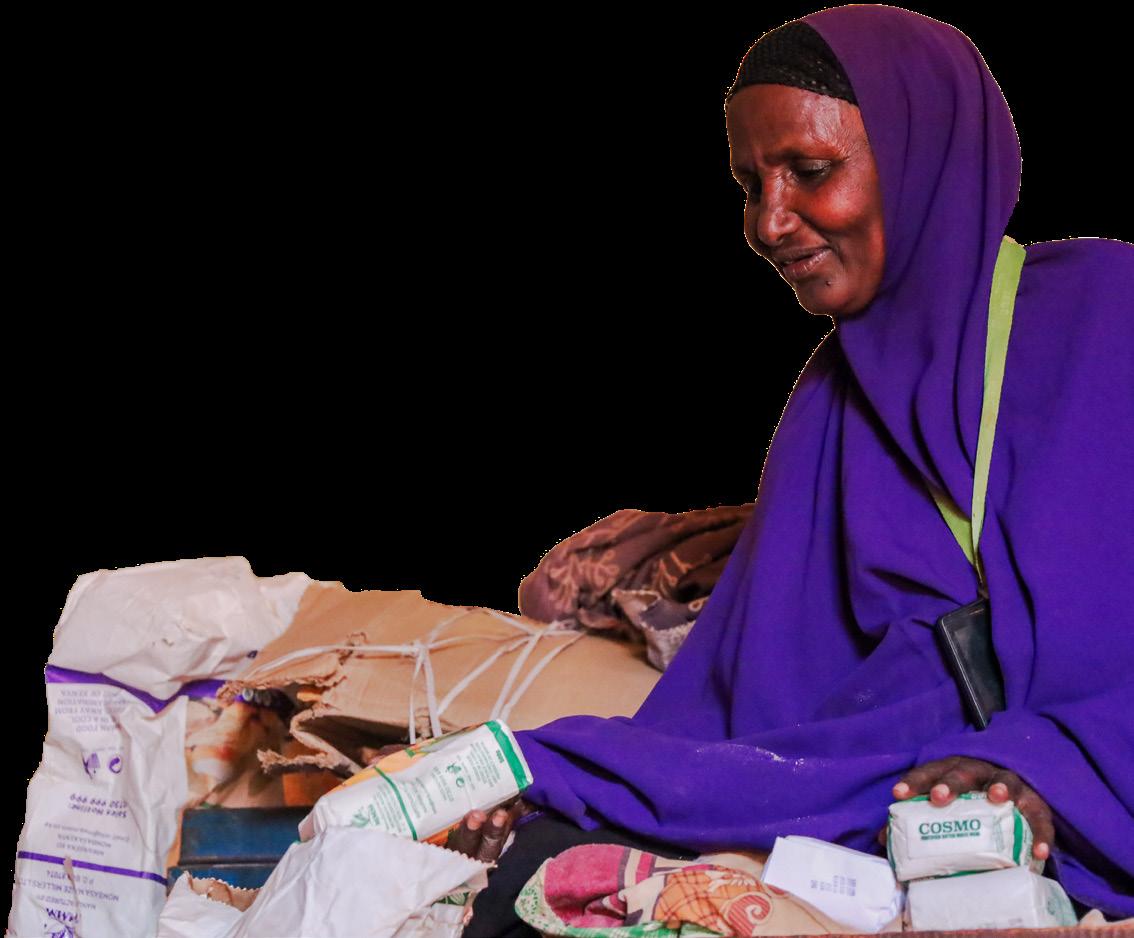
In northern Kenya, five consecutive failed rainy seasons have wiped out pasture, killed livestock, and pushed millions into crisis-level hunger. For pastoralist families like Hassan Abdi’s in Wajir County, the loss has been devastating. Once a proud livestock keeper,

receives to buy feed and keep his children in school. “I use 5,000 shillings to buy food for the household,” he says. “The rest goes to school fees.”
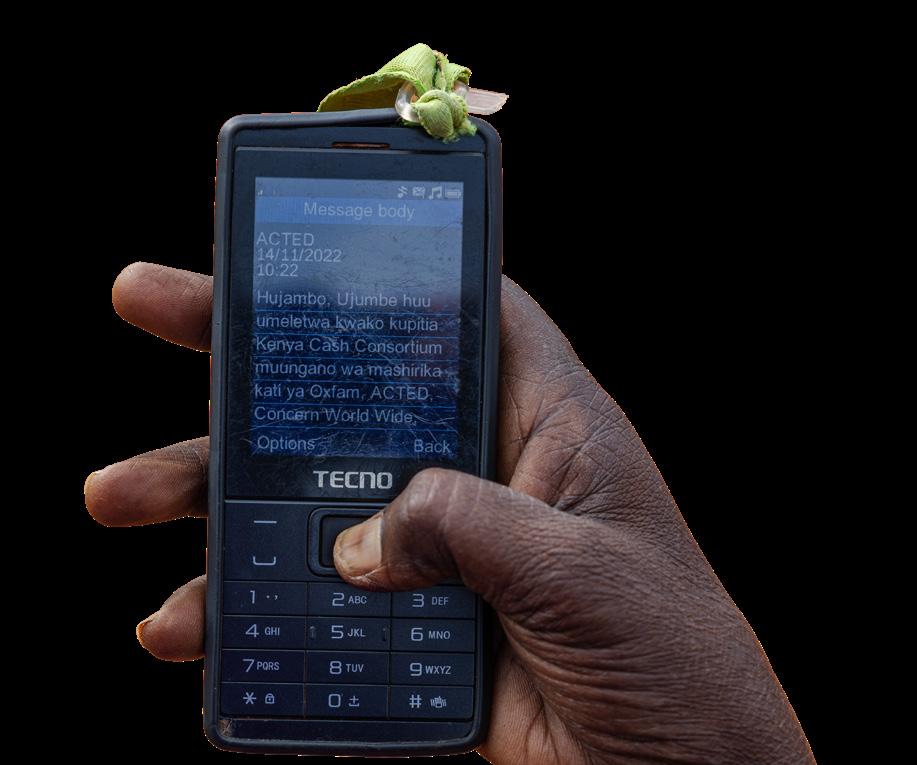
Oxfam, working with trusted local partners including the Arid Lands Development Focus (ALDEF), Wajir South Development Association (WASDA), and Strategies for Northern Development (SND), delivered emergency cash
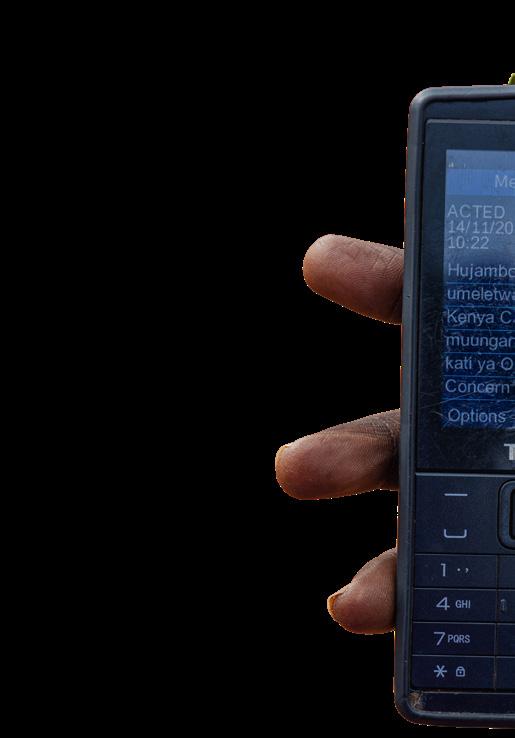
humanitarian network of 30 community-based organizations responding to the worsening drought and rising food prices.
Cash assistance is one of the most effective ways to support families when markets still function. It allows people to buy the food and essentials they choose, keep children fed, and strengthen local businesses.

In Marsabit County, 599 families received monthly transfers that helped them increase food consumption, diversify diets, and avoid selling off their remaining animals.
For mothers like Ebla Hussein Ahmed, the support is life-saving. She uses her monthly transfer to buy feed for her last two cows and flour for her children.
I’m able to buy groceries and feed my children, I’m truly thankful.


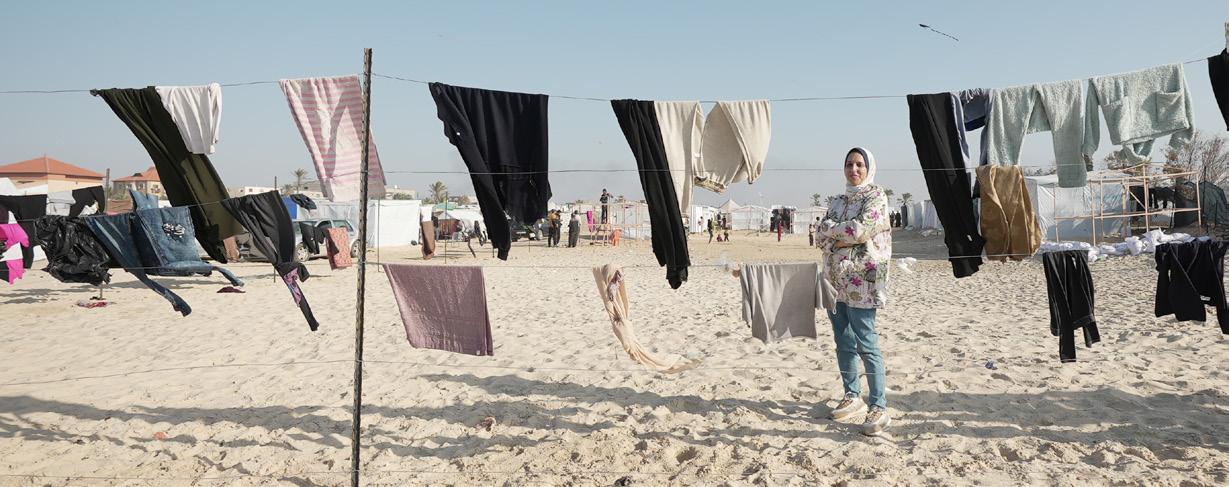
As the humanitarian crisis in Gaza deepened, Oxfam and our local partners mobilized to deliver lifesaving Water, Sanitation, and Hygiene (WASH), cash, and protection support to families displaced by the ongoing violence.
Working in extremely volatile and resourcescarce conditions, we focused on ensuring that women, girls, and people with disabilities could access essentials like clean water, dignity kits, and accessible sanitation–
needs that become even more acute in displacement. Our response helped displaced families protect their health, uphold their dignity, and cope with increasingly harsh living conditions. Women and girls gained improved access to hygiene items and safe spaces for personal care. People with disabilities received specialized

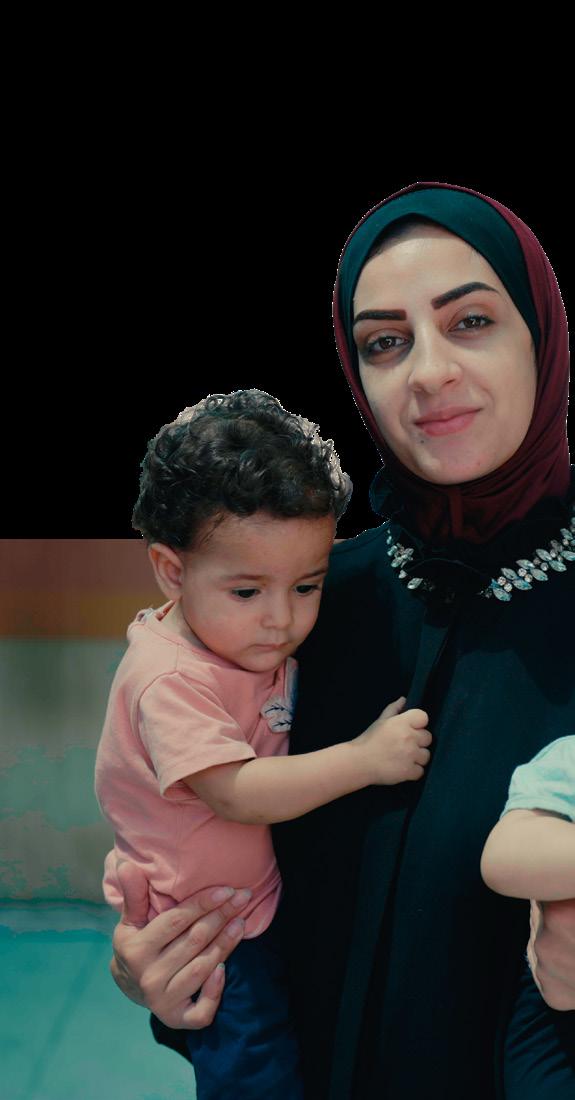
After I received the needed support, I could finally manage my life and my children’s.
– Hiba, a mother of four from Gaza
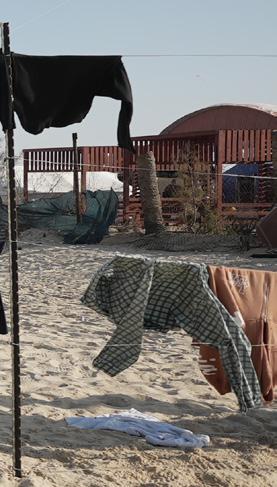


sanitation support that eased daily hardships. Families sheltering in makeshift sites were able to access basic hygiene services thanks to water trucking, rehabilitated water systems, and new handwashing stations.
Alongside service delivery, our protection work offered critical services like psychosocial support.
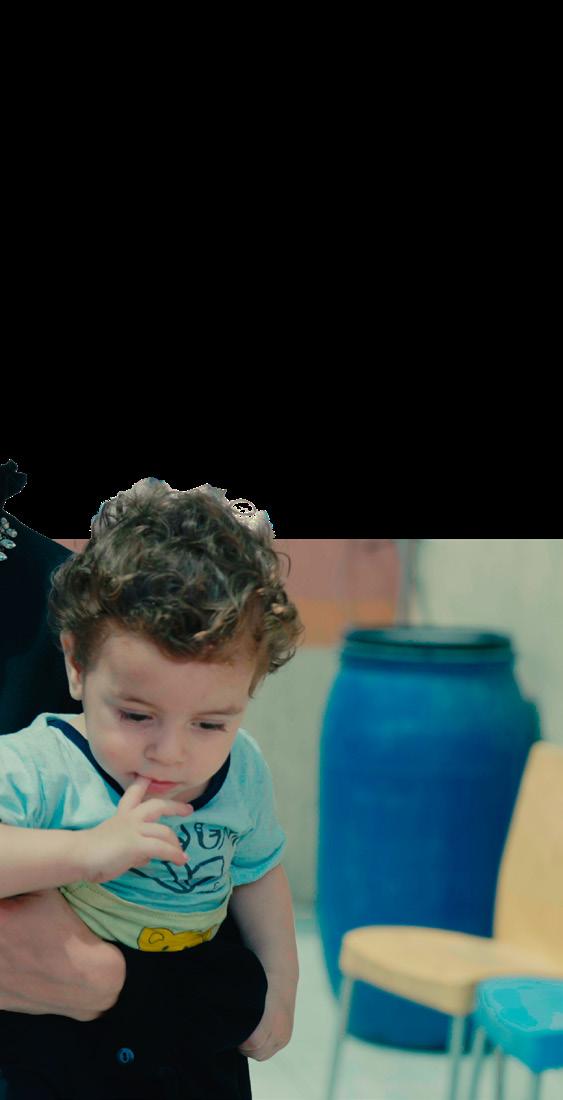
11,500 displaced Palestinians were supplied safe drinking water through the installation of solar-powered desalination units.

4,600 families received 9,200 jerrycans for safe water storage and transport.

23,580 internally displaced people had improved water access through the procurement of 17 water bladders and 17 tap stands.

1,100 people with disabilities received 600 portable toilets and 500 bedpans.



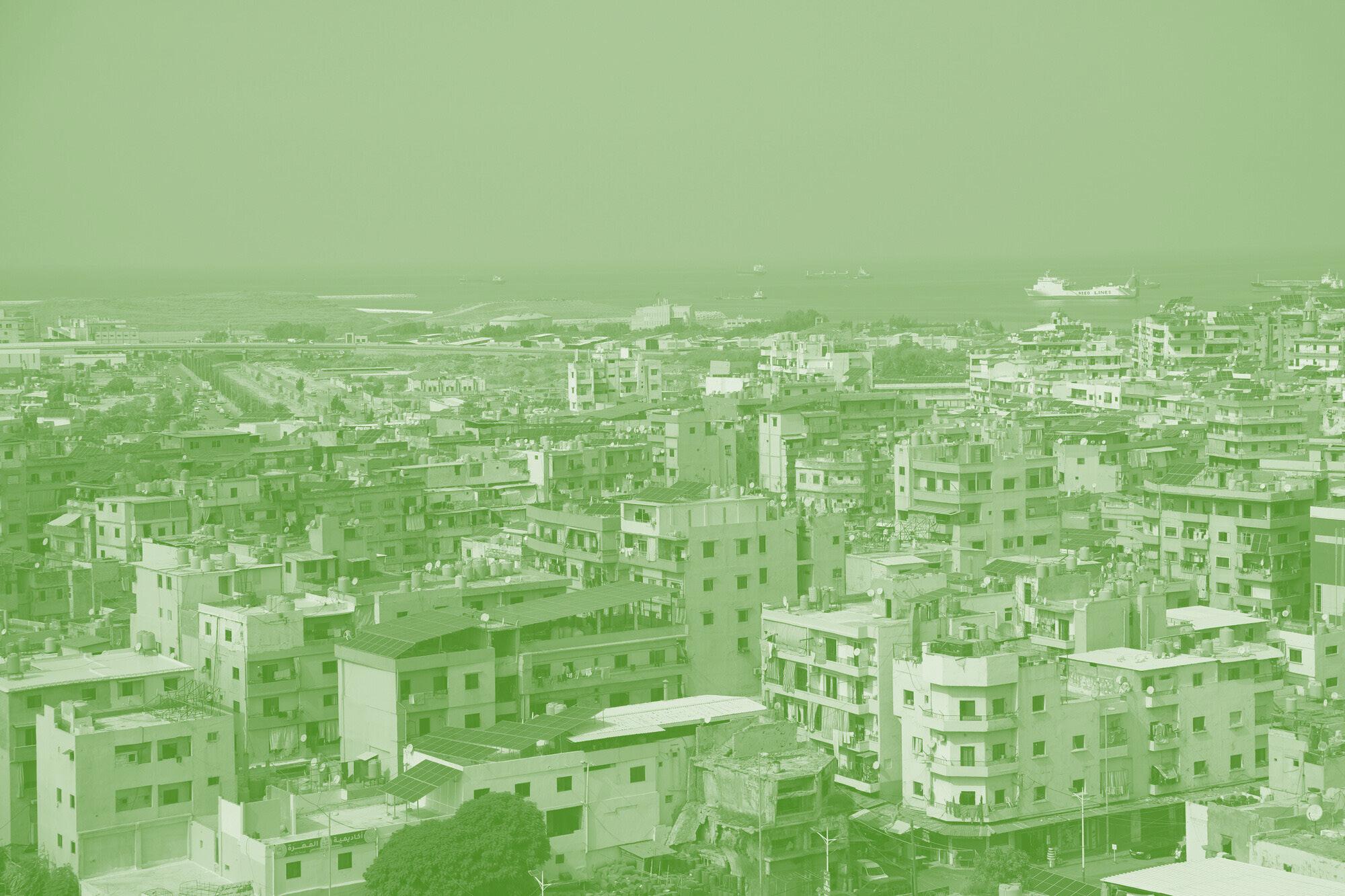
When Israel attacked Lebanon in September 2024, Oxfam and its partners in the Humanitarian Coalition moved quickly to respond, and raised more than $9 million, including a $5.17 million match from the Government of Canada.
By December, our teams were on the ground in the South Lebanon and Nabatieh Governorates, supporting displaced families returning to communities heavily damaged by the conflict. As the situation shifted daily, Oxfam adapted its approach to meet urgent

5,640 individuals were granted access to safe, clean water through the repair and rehabilitation of a main water network.
needs supporting returnees, host families, and households directly affected by the violence.
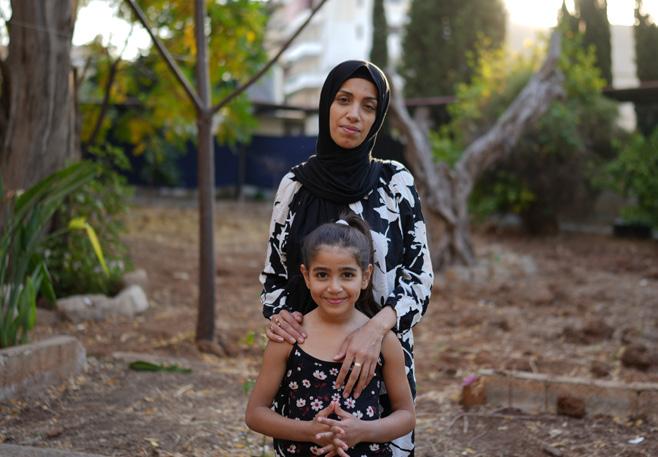
Oxfam prioritized women-headed households, families including persons with disabilities, and older people–those most at risk of being overlooked. Despite volatile security conditions, our teams were able to deliver essential assistance safely and effectively. Through a combination of cash support, hygiene kits, and repairs to critical water and sanitation systems, Oxfam helped families cover immediate expenses, regain a sense of dignity, protect their health, and strengthen their resilience as they rebuilt their lives.

2,000 hygiene and menstrual hygiene kits were distributed.

250 households received cash distributions.

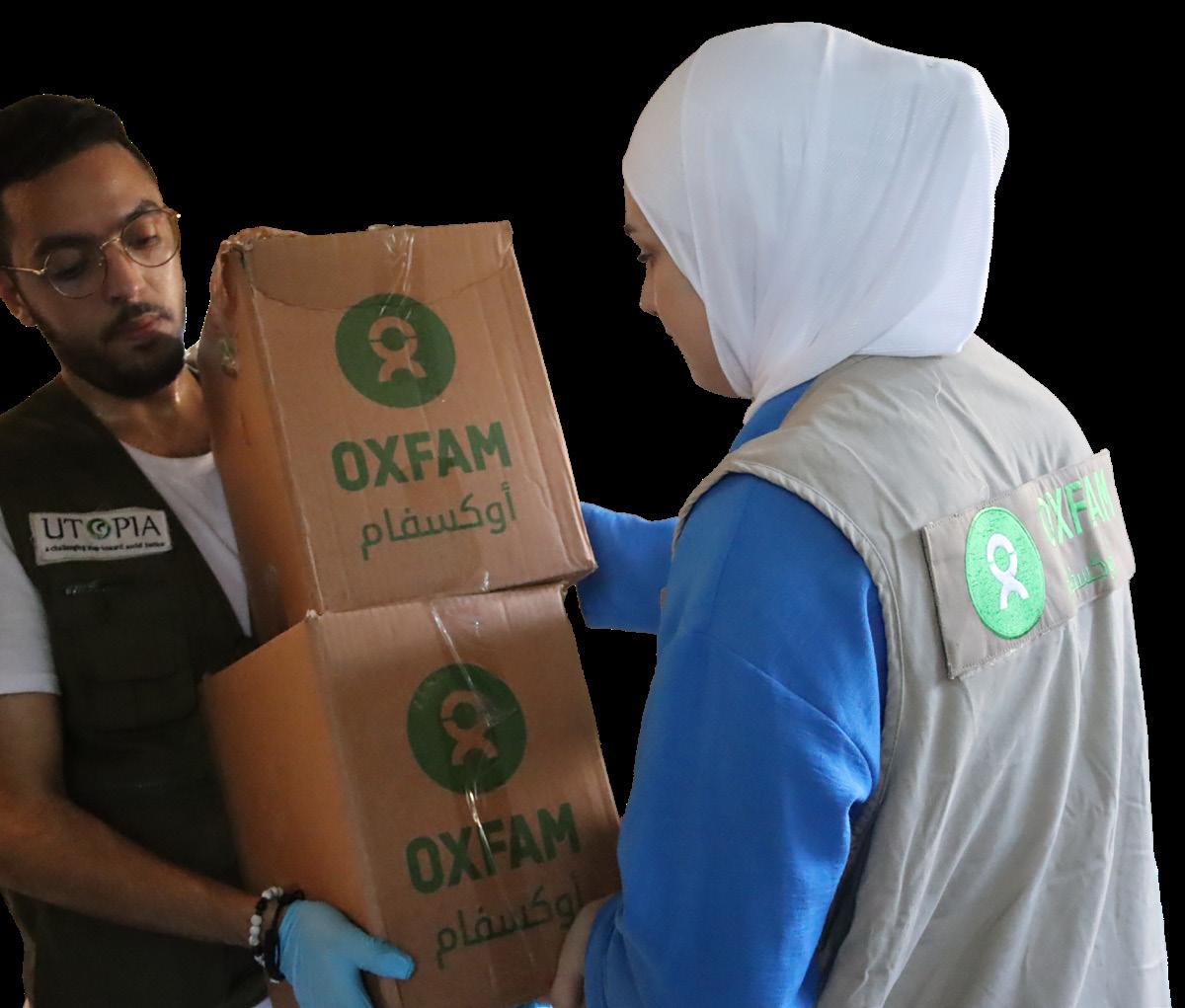
Oxfam and partners distributing menstrual hygiene management kits at a shelter for displaced people in Lebanon.









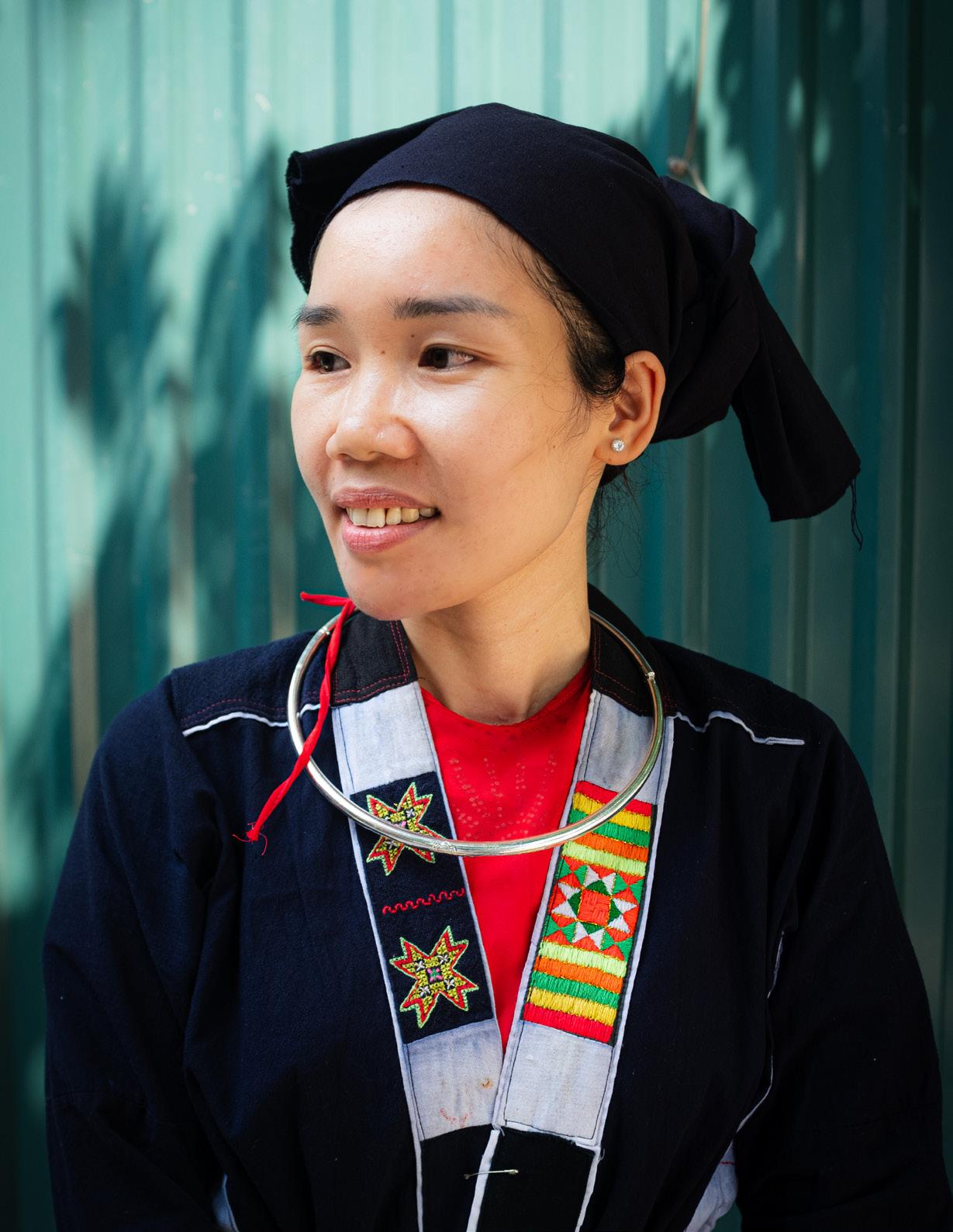
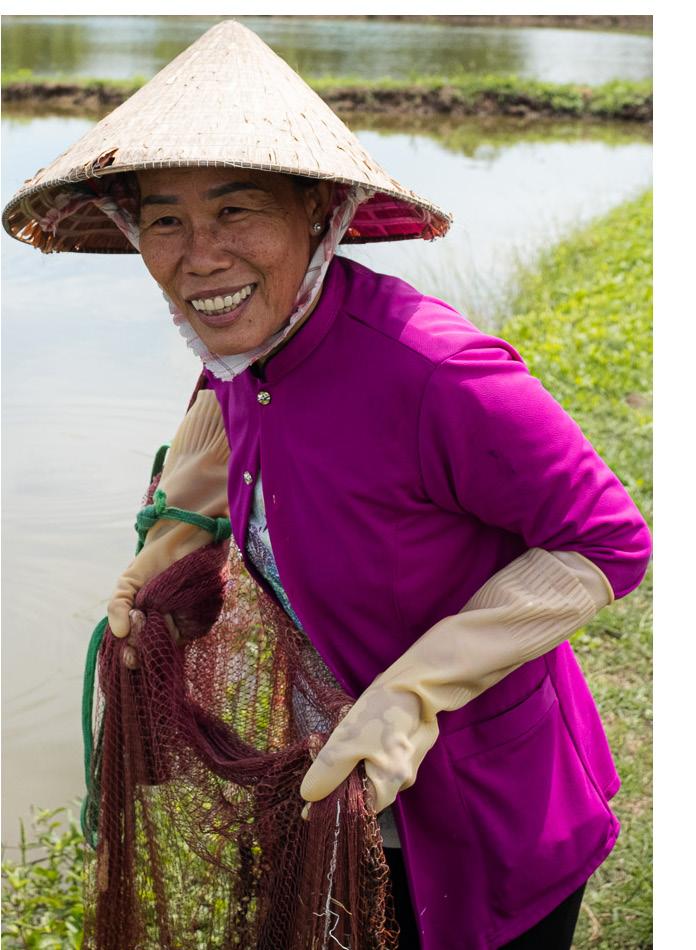
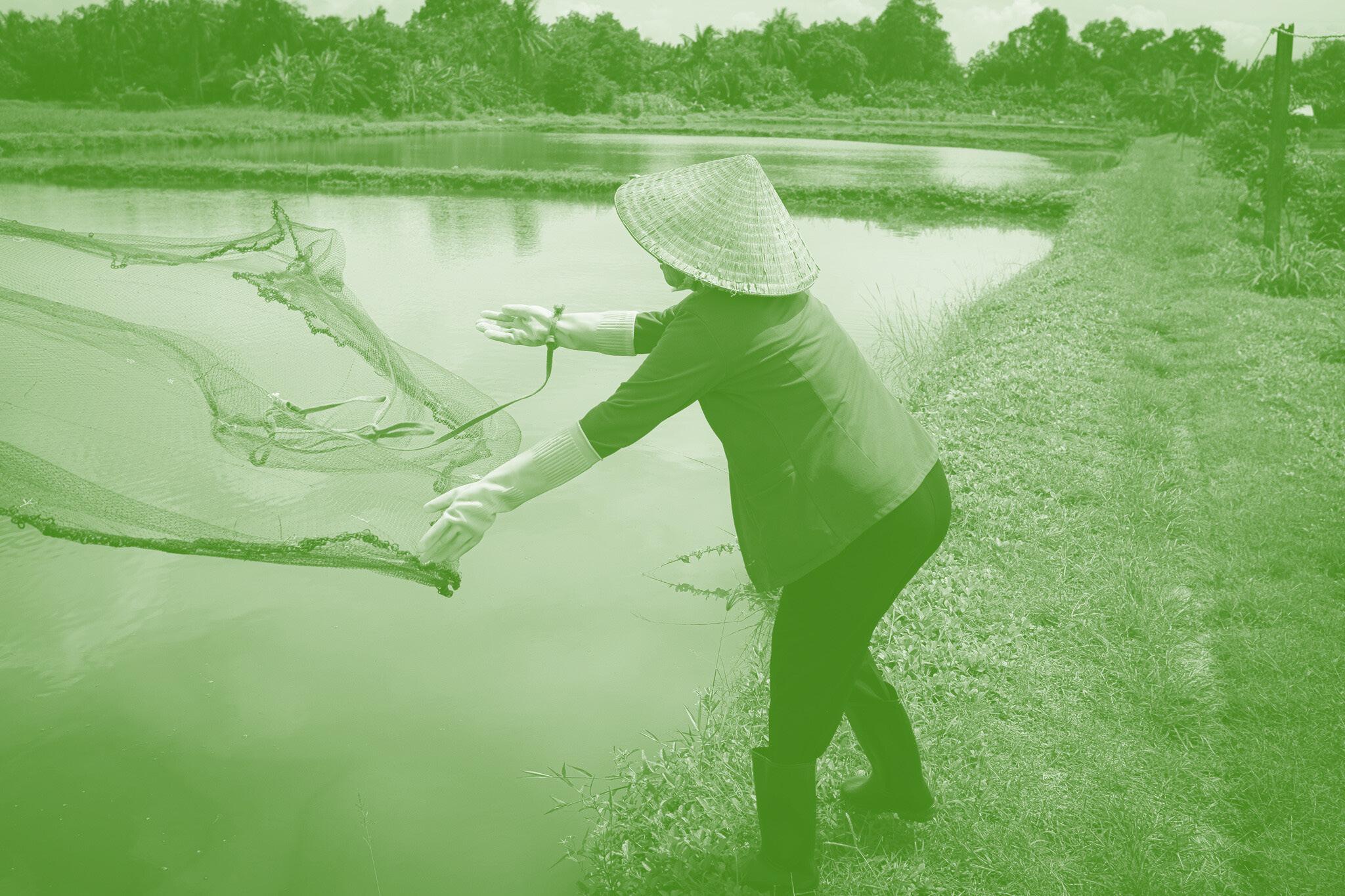
Miss Lee, a farmer in Vietnam focused on safe farming, social welfare, and gender equality.


Thanks to our donors and Global Affairs Canada, in the last year we supported projects in 25 countries–helping people assert their rights and build better lives for themselves and their communities.
We work with local partners to develop long-lasting, far-reaching solutions that enable people in poverty, especially women and girls, to provide for themselves, their families and their communities in a sustainable way. Because food security, safety, education and earning a decent living are rights, not privileges.
In Myanmar, more than 1,169 women strengthened their leadership and public speaking through the Gender Leadership Program. One graduate now serves on a Camp Management Committee, a first for women in the region.
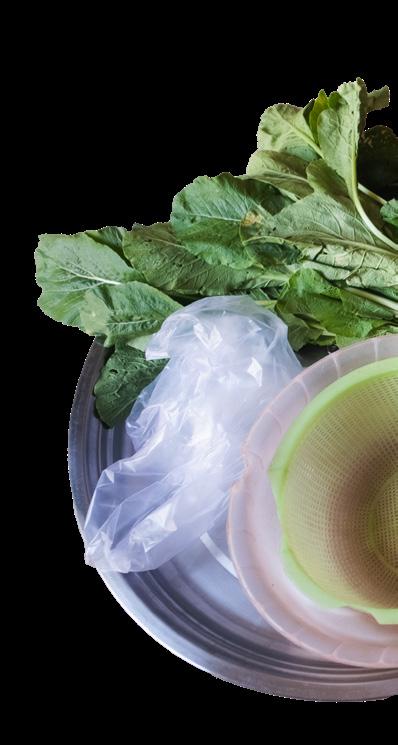
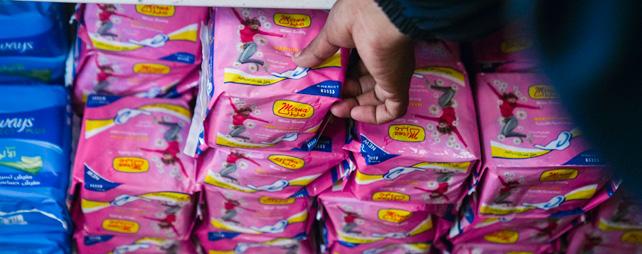
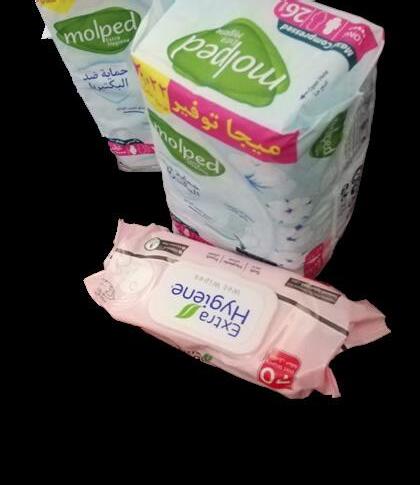
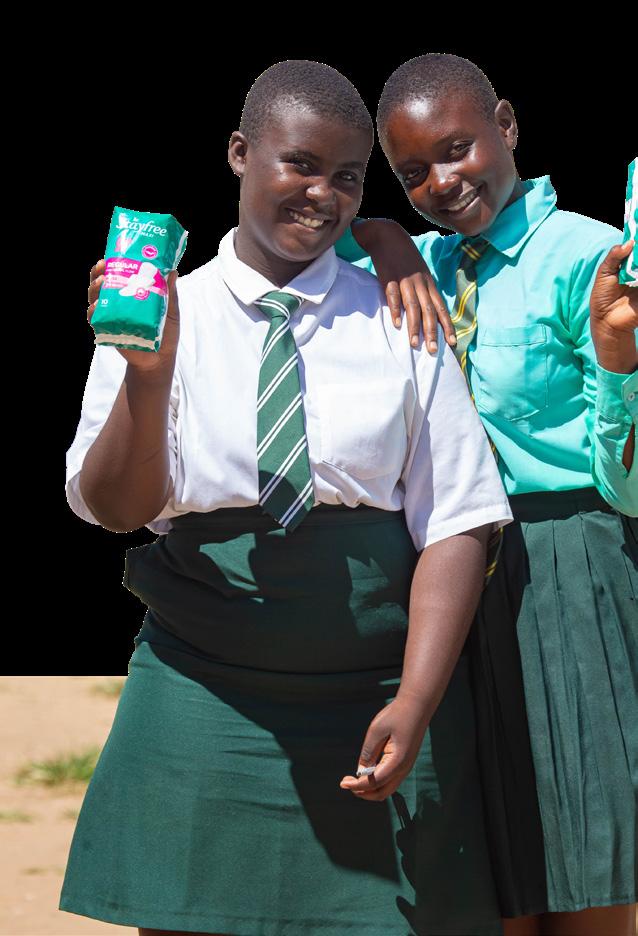
More than 8,579 dignity kits were distributed amid challenging conditions, meeting critical hygiene and protection needs. 36 women-led

We provided sexuality education for more than 17,648 youth in Mozambique and Uganda, and increased the use of contraception among adolescent girls from 13% to 38%, and 18% to 60% among young women (among program particpants).
We trained 3,949 health service providers as part of the final year of activities in our fiveyear Her Future Her Choice project in Ethiopia, Malawi, Mozambique, and Zambia.
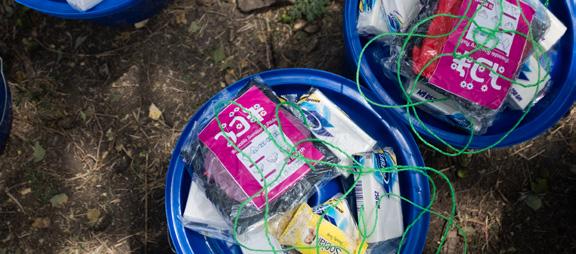
WASH groups improved community hygiene and safety, while 97 male champions engaged 1,800 men in shifting gender norms.
In South Sudan & Uganda, extensive training for local community-based organizations helped support and champion inclusive education for refugees and displaced children.


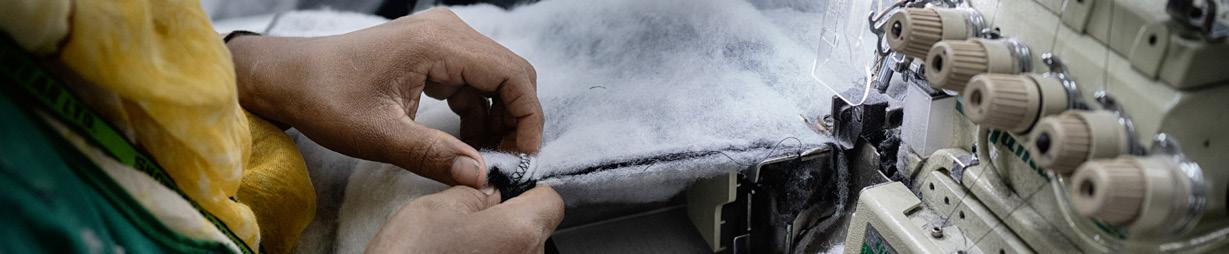
In Kenya, our partners ran 7 public campaigns, including on Labour Day and International Domestic Workers Day, reaching 851,796 people through social media and other platforms. Other advocacy included reviewing Kenya’s draft National Care Policy, drafting regulations for the Migrant Workers Welfare Fund, supporting the amendment of the Labour Relations Act and the development of a national male engagement strategy.
In Bangladesh, 650 women domestic workers were trained for employment placements, and contributed to a new Skills Passport—a formal, portable record of certified competencies—enhancing the employability of 4,000 domestic workers by providing a standardized way to verify their skills.
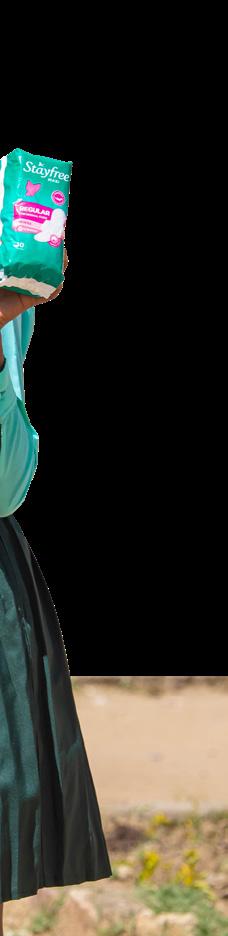
Mutinta was a grade 8 student in Zambia; her family’s financial challenges weighed heavily
Mutinta decided to get married and drop out of school, believing that marriage would relieve her family’s burdens.
Chanda, a peer educator working with the local health facility’s outreach program, learned about Mutinta’s situation and started visiting her regularly. Chanda provided Mutinta with information about SRHR, helping her understand the importance of her health, education, and future, while also educating
her on the risks associated with early marriages and teenage pregnancies.
Mutinta eventually left her marriage, returned to school, and continued her education under a scholarship.
She is now training as a peer educator and actively advocates for SRHR in her community and helps other young girls avoid early marriages and make healthier life choices.


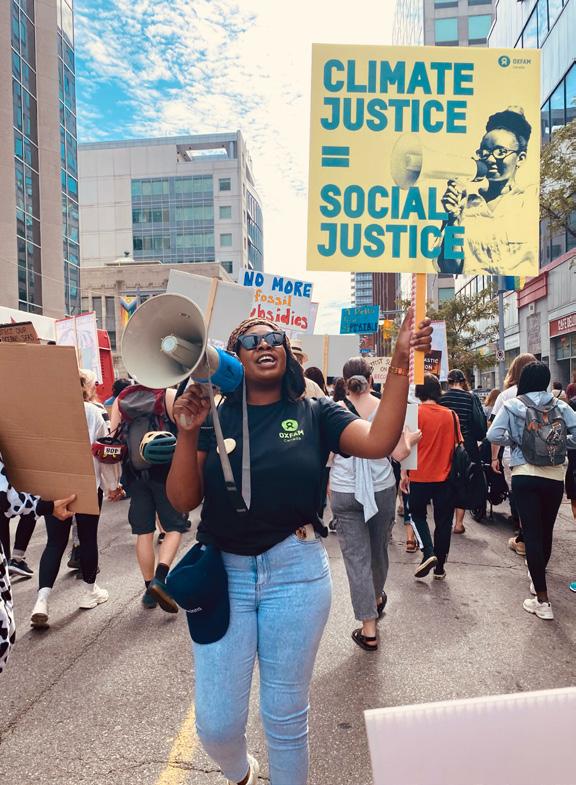
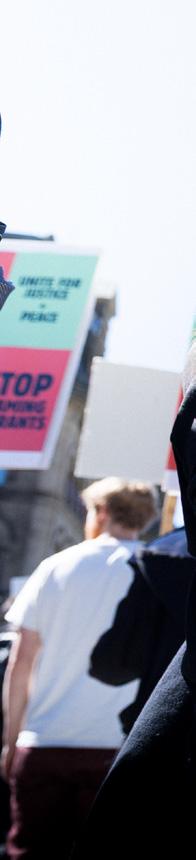



Advocacy, campaigning and movement-building are essential to challenge and change unjust laws, policies and social norms that keep people trapped in poverty and exacerbate inequality. That’s why you see us in the halls of power, in the news and on the streets inspiring others to join our movement for change. We mobilize people and build coalitions because we know our impact increases together.
Change happens when we make the voices of the marginalized and oppressed heard, when we change hearts and minds, when we speak truth to power, and when we offer decision-makers smart and wellresearched solutions that tackle the root causes of injustice and inequality.
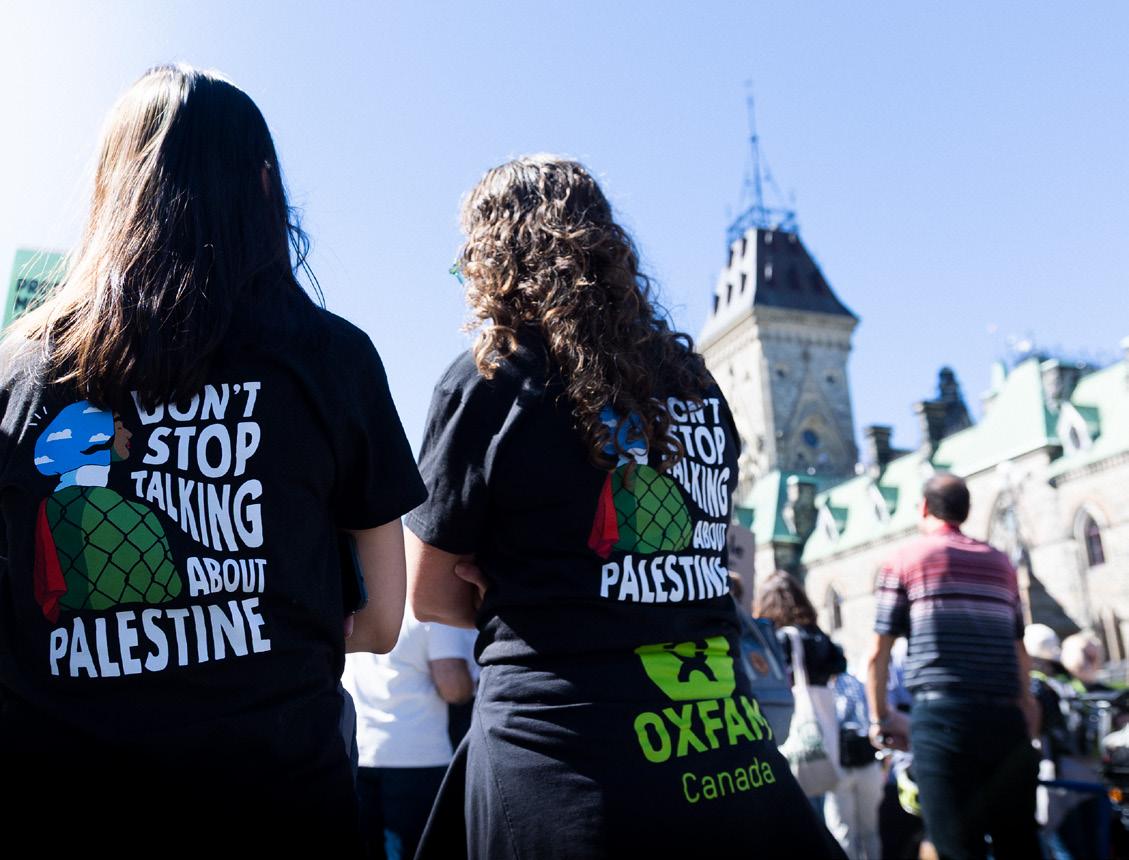




Since October 2023, we have mobilized over 106,000 people across Canada to urge the government to stop sending weapons to Israel. We relayed evidence and analysis from our team in Gaza to members of Parliament and Senators, held Parliamentarian briefings, and published a scorecard of the Canadian government’s action in support of a permanent ceasefire. We know that the government heard us loud and clear–Canada has since canceled arms deals and backed key UN resolutions.
We convened a high-level roundtable with government officials and experts to discuss practical steps to crack down on tax evasion and fairly tax Canada’s wealthiest individuals and corporations to fight inequality and invest in public services. While progress on capital gains reform stalled, momentum for tax justice continues.
We met with the Minister of Labour to press for Canada to adopt mandatory human rights due diligence laws to ensure Canadian corporations respect human rights while operating abroad. We engaged fashion brands like Roots, lululemon and Aritzia in our What She Makes campaign to get them to pay women in their supply chains a living wage— some have adopted vendor codes of conduct, conducted human rights assessments, and joined fair wage initiatives as a result.
We continued to hold the government accountable for its promise to improve the lives of women and girls by releasing our 7th annual Feminist Scorecard, which assesses government (in)action on 12 key policy areas. We know that staff in government departments keep an eye out for the scorecard and deliberately take measures to improve their scoring.
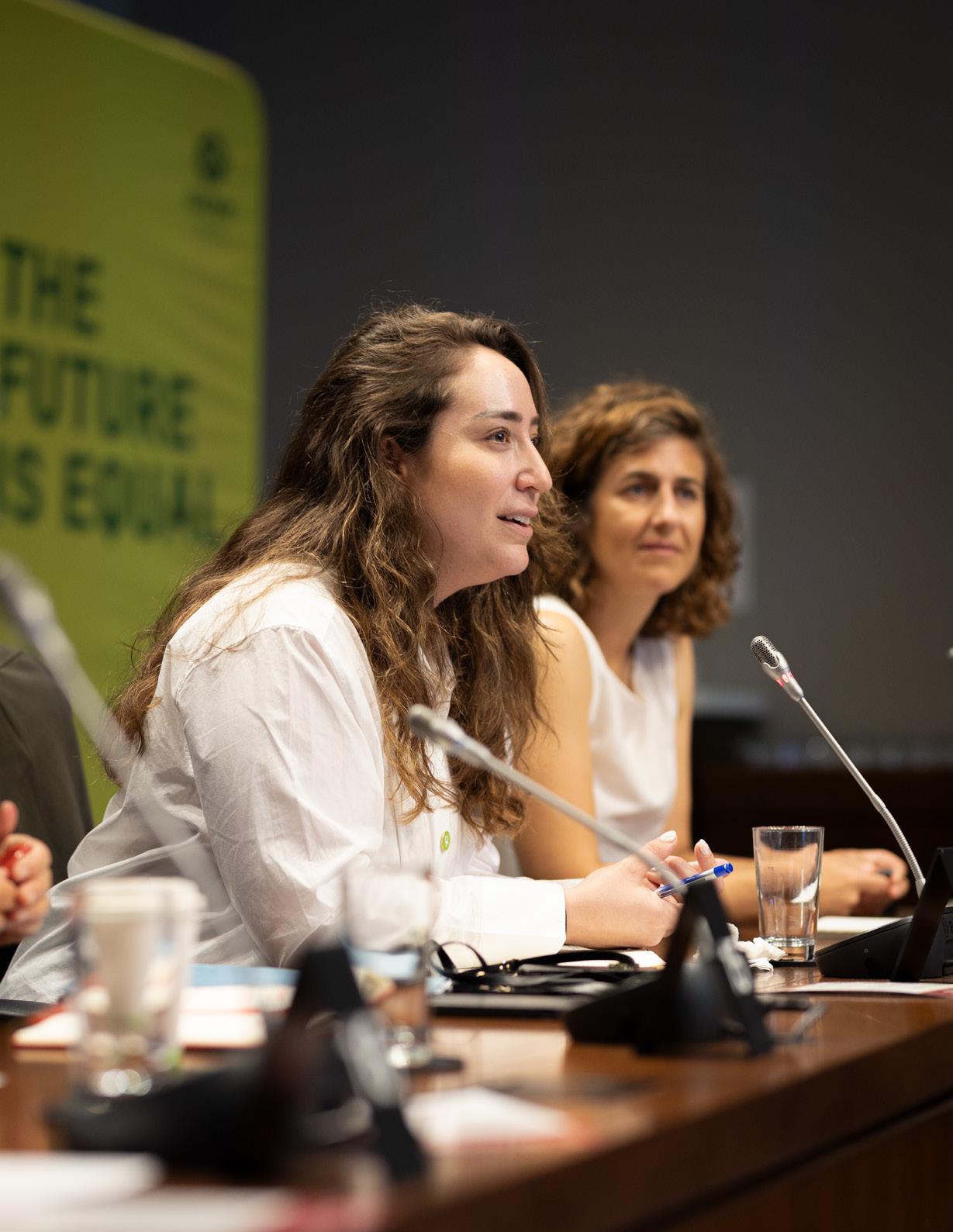
Bushra Khalidi, Oxfam’s Policy
Lead in Occupied Palestinian Territory, speaks to senators about the situation in Gaza.


We co-organized a die-in on Parliament Hill to draw attention to the indiscriminate killing of civilians in Gaza. Our Executive Director visited Israel and Palestine, meeting with Oxfam staff, partners and UN agencies, and then met with Canadians and government officials to raise awareness of the egregious human rights violations she witnessed–including a short documentary film viewable on YouTube.
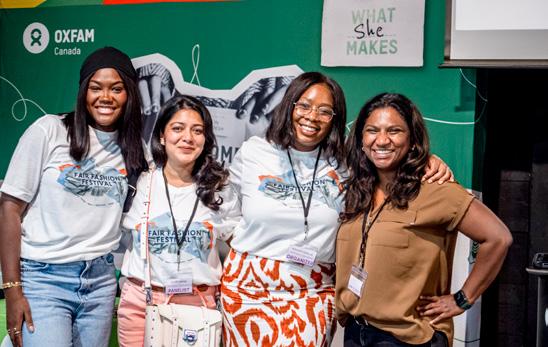
We brought over 200 people together for the Fair Fashion Festival in Toronto to help draw attention to the plight of the women who make our clothes in countries like Bangladesh and Cambodia.
Our advocacy work garnered 5,170 media hits this year providing an opportunity to shift narratives around Gaza, climate change and inequality. We provided the public with insights on the humanitarian situation in Gaza and the work Oxfam is doing to deliver lifesaving aid. Through our annual
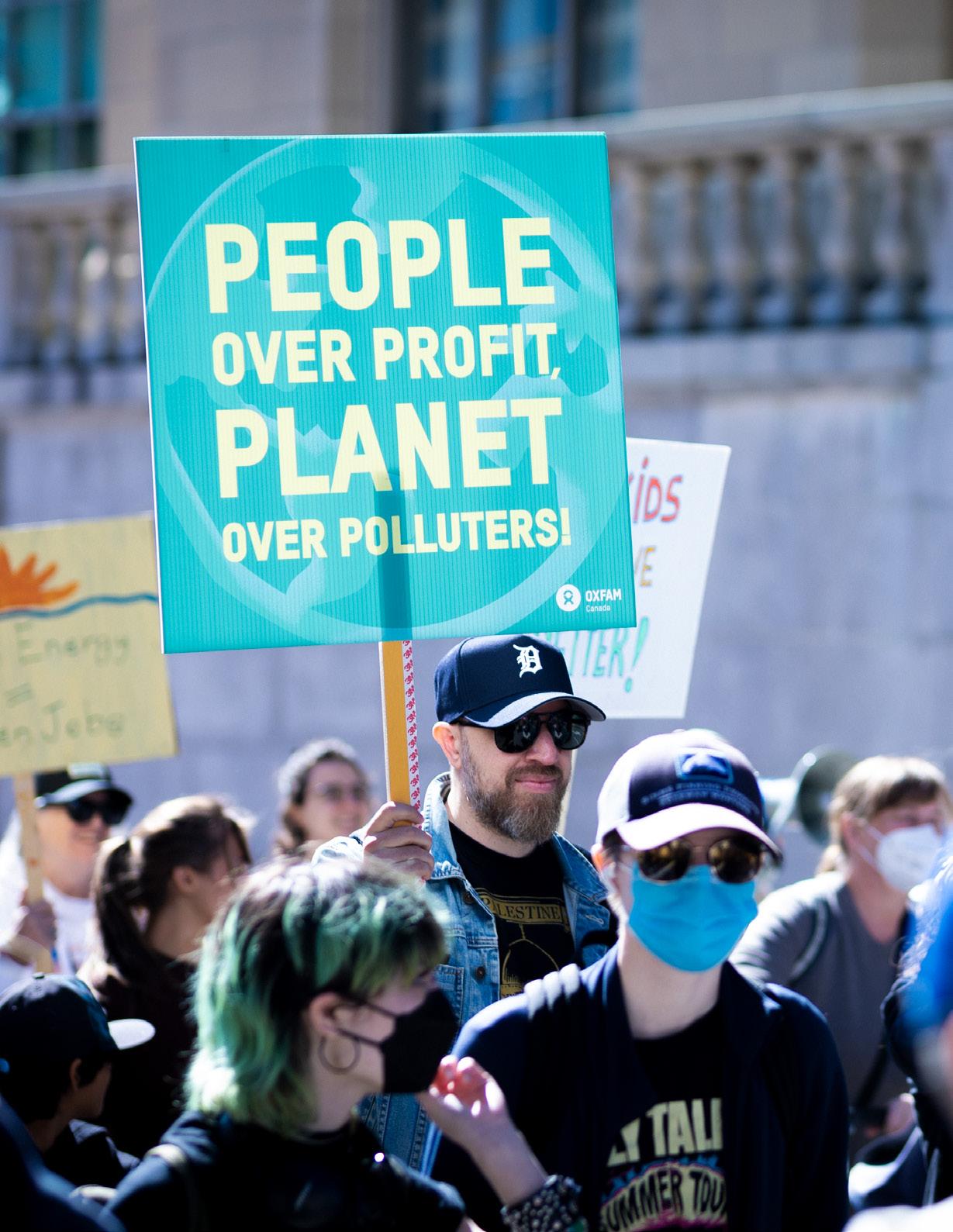
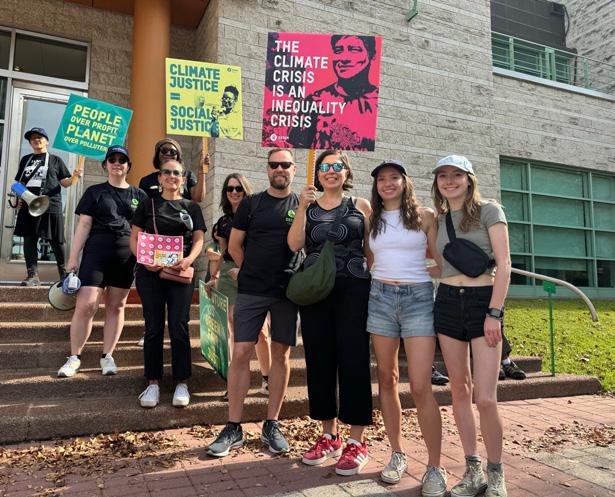
We joined allies in the streets calling on the government to tax the super-rich and the biggest polluters to raise critical funds to address the climate crisis. Thousands of people sent letters to the Finance Minister to call for windfall profits taxes and a wealth tax.
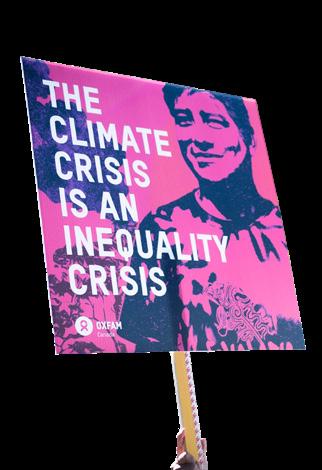
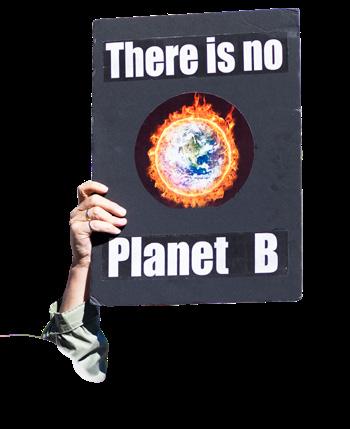
inequality report released during the Davos World Economic Forum, we rang the alarm on extreme inequality and called for taxing the super-rich, and hosted a screening in Ottawa of Breaking Social, a documentary on global injustice and activism.



We’re grateful to you, our supporters, for giving so generously through annual contributions, gifts of stock or donor-advised funds, monthly sustaining gifts or by naming Oxfam in your estate plans. Your partnership

inspires, energizes, and sustains us while your voices, advocacy, and actions help drive the systemic change our world urgently needs.
Thank you for your advocacy and the wonderful, difficult work you do to make the world a better place. I’m very happy to support Oxfam with my ongoing donations.
– Alison
I believe and trust in Oxfam activities and am grateful for your hard work, and congratulations for doing it so successfully over the years.
– Harish



That’s one thing that I feel Oxfam does so well: bringing people together to make great change. Having been a supporter for 37 years, I know that Oxfam is a trustworthy and highly effective organization.
– Ann

you know?

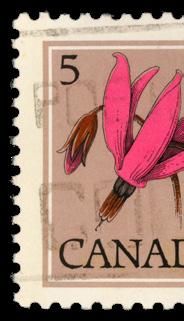
For over forty years, Oxfam Canada has been very lucky to have a team of volunteers working diligently to raise money for our work through our Stamp Out Poverty Program. Yes, that’s right: stamps, postage stamps.
Bill Woodley has been leading Oxfam Canada’s stamp team for decades. Along with ten other volunteers, the team sorts and sells stamps–painstakingly peeling stamps off envelopes and preparing them for sale to collectors.
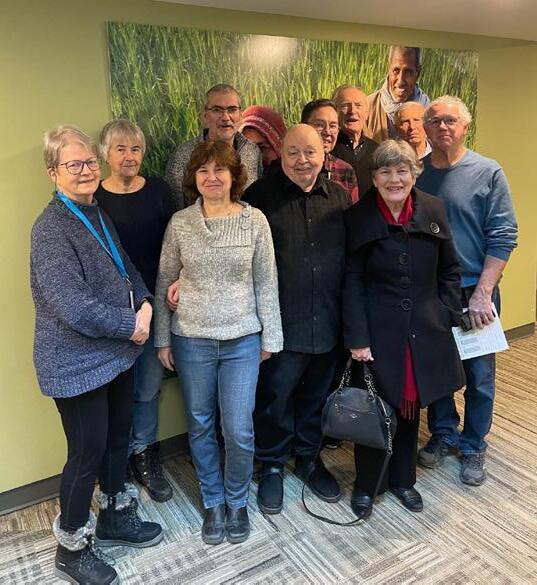
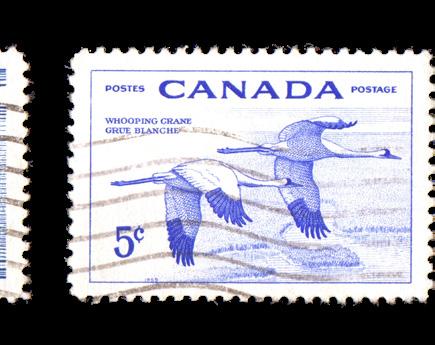
The team has a network of stamp enthusiasts and a Facebook page, receiving mostly modern stamps from companies, organizations and individuals. They also receive donations of older stamps from estates or collector duplicates.
Every year, the volunteers on the stamp team raise roughly $30,000. We’re grateful for their dedication.




This past year reminded us of a simple truth: when people choose to stand with one another, even in uncertain times, extraordinary impact is possible. We are deeply grateful to everyone who fuels this work—monthly donors, supporters leaving a gift in their Will, solidarity partners, and the government agencies who make long-term change possible. Your commitment matters even more as humanitarian needs surge and the cost of delivering lifesaving support continues to rise globally and here in Canada.
Responding to this moment requires intention and investment. That’s why we continue to strengthen our programs, scale what works, and invest in new approaches to reach people faster and more effectively. This year, close to 80 cents of every dollar entrusted to us went to programs driving our mission to end

poverty—supporting immediate relief while pushing for the systemic change needed to prevent future crises.
We are proud to have once again earned the Imagine Canada Accreditation Trustmark. This achievement reflects more than compliance— it reflects our values, our governance, and our commitment to stewarding every donation with care. Together with our audited financial statements and transparent reporting, it gives our supporters confidence that their contributions are used with integrity and purpose.
Thank you for the trust you place in us, and for standing with communities working toward a fairer future.




To support Oxfam’s work globally or learn more about a specific program, contact us: info@oxfam.ca

Give stocks, mutual funds, rrsp, rif, or tfsa
Find alternative ways to give.
Leave a legacy
Name Oxfam in your estate plan.
FunDraise for Oxfam
Fundraise for Oxfam by hosting a community event like an Oxfam banquet against hunger.
Give gifts that change lives Celebrate birthdays, holidays, and other special occasions with meaningful gifts from our Oxfam catalogue. Shop at unwrapped.oxfam.ca.
Campaign with us
Join our global movement for change.





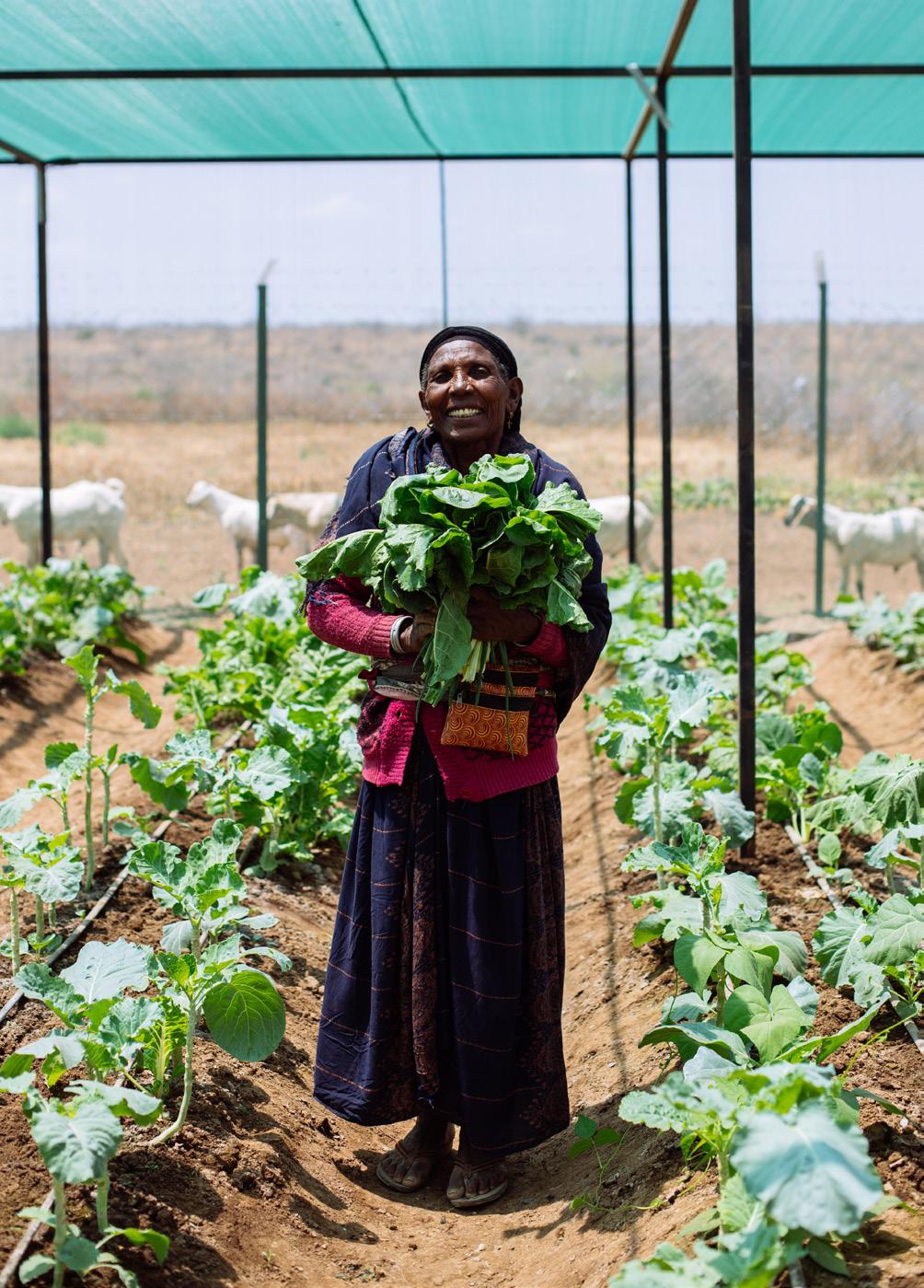
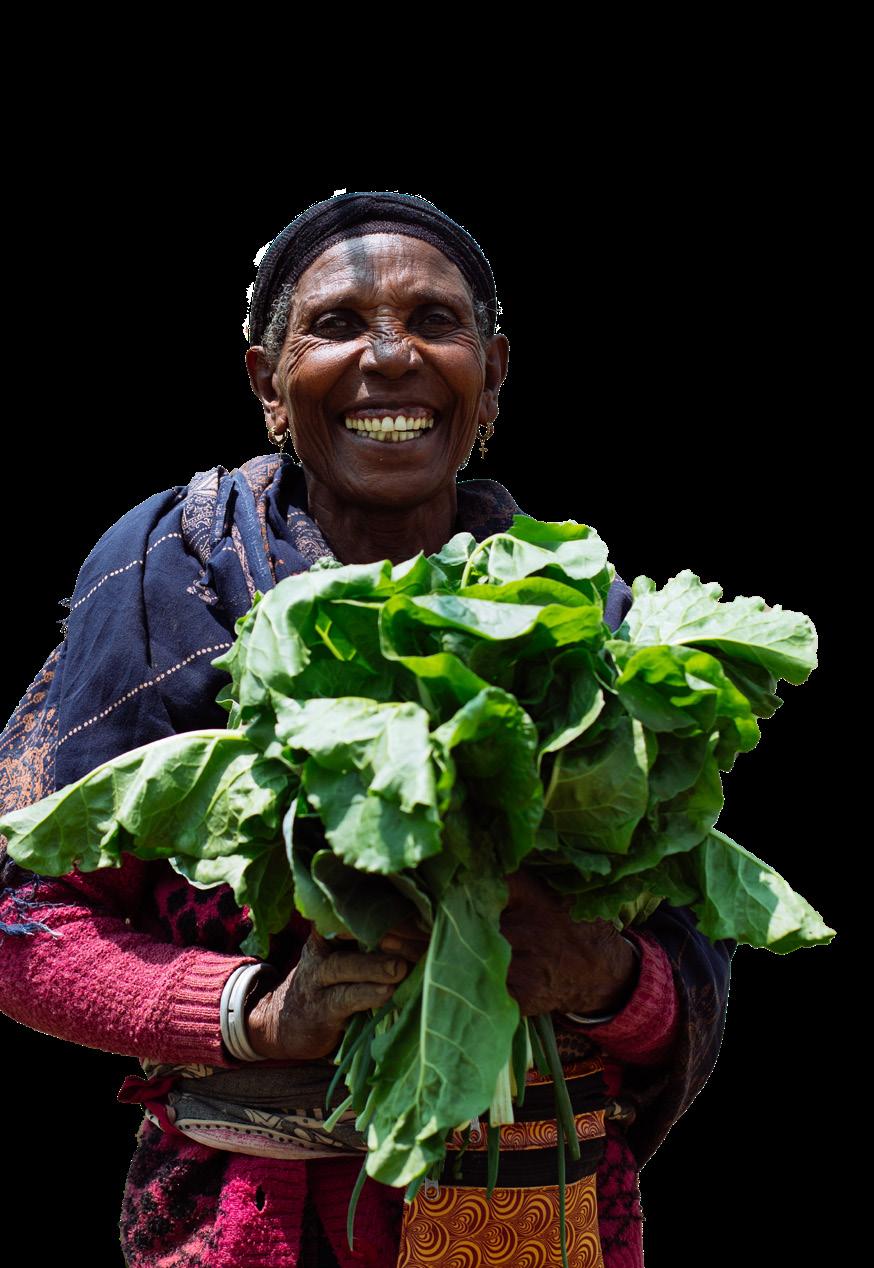
Buke Gabasa Halake holds up kale from her group’s kitchen garden.