OX-BOW SUMMER
2026 COURSE CATALOG
OUR PURPOSE
As an artist-built and run school and residency, Ox-Bow is dedicated to the creation and preservation of time and space for arts education, research, practice, and community-building for artists at all stages of their artistic journey.
OUR VISION
Ox-Bow is a community builder. We meet artists, staff, and patrons where they are to fuel connection, dialog and joy, and bridge disciplines, generations, and identities through art. We welcome the whole person with care and inclusion as we collectively become stewards of our ever-growing network.
As Ox-Bow moves into the future we will continue to create a space that emphasizes our culture of discovery, innovation, play, and being good neighbors. We will nurture our historic campus and protected landscape so we can continue to be inspired by the sunsets provided by the coast of Lake Michigan.
ABOUT OX-BOW
Ox-Bow School of Art & Artists’ Residency was established in 1910 in Saugatuck, Michigan off the coast of Lake Michigan. Our egalitarian and intimate environment encourages all artists, regardless of experience, to find, amplify, rediscover, and share their impulse to create. Faculty, Visiting Artists, Residents, staff, and students live together in community on our campus surrounded by 115 acres of the Tallmadge Woods, where they share meals, social time, and the exchange of ideas. We actively encourage our participants to engage across differences in age, regional location, race, and gender identity, learning what it means to be a community by participating in one. Ox-Bow is a 501c3 not-for-profit organization.
WHERE TO FIND US
OUR MAIN CAMPUS
3435 Rupprecht Way
Saugatuck, MI 49453
OX-BOW HOUSE
137 Center Street Douglas, MI 49406
HOW TO CONTACT
E-MAIL: oxbow@ox-bow.org
PHONE: 269-857-5811
STAY CONNECTED
WEBSITE: www.ox-bow.org
SOCIAL MEDIA: @oxbowschoolofart
NOTE: All images are courtesy of faculty unless otherwise noted.
CATALOG DESIGN BY: ASHLEY M. FREEBY
PROUDLY AFFILIATED WITH THE SCHOOL OF THE ART INSTITUTE OF CHICAGO, A MAJOR SPONSOR OF OX-BOW
The studio provided a space where I felt safe to explore my work, experiment without pressure, and take creative risks I would not have allowed myself elsewhere. It was a freedom that reshaped both my process and thinking.
—Negin Mirfakhraee, 2025 Summer Fellow, School of the Art Institute of Chicago
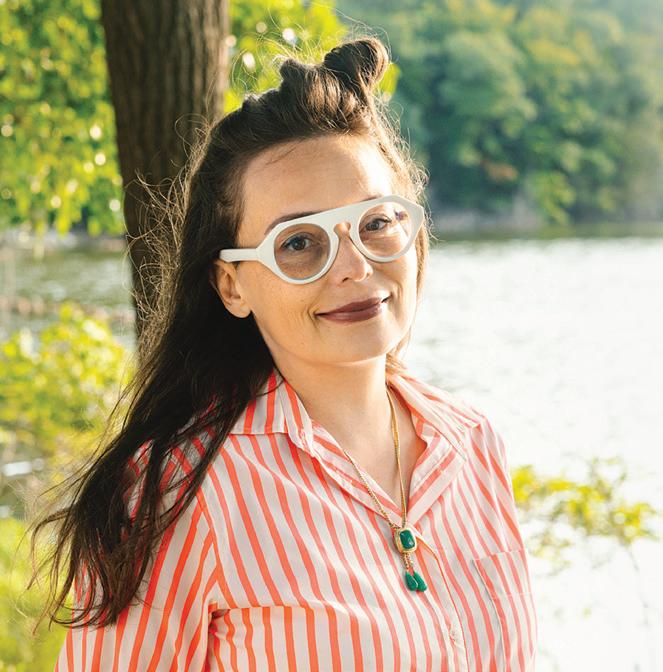
COVER ART BY: Nolan Zunk, Summer Fellow 2025
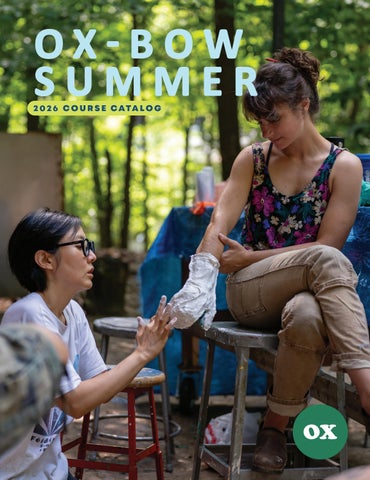
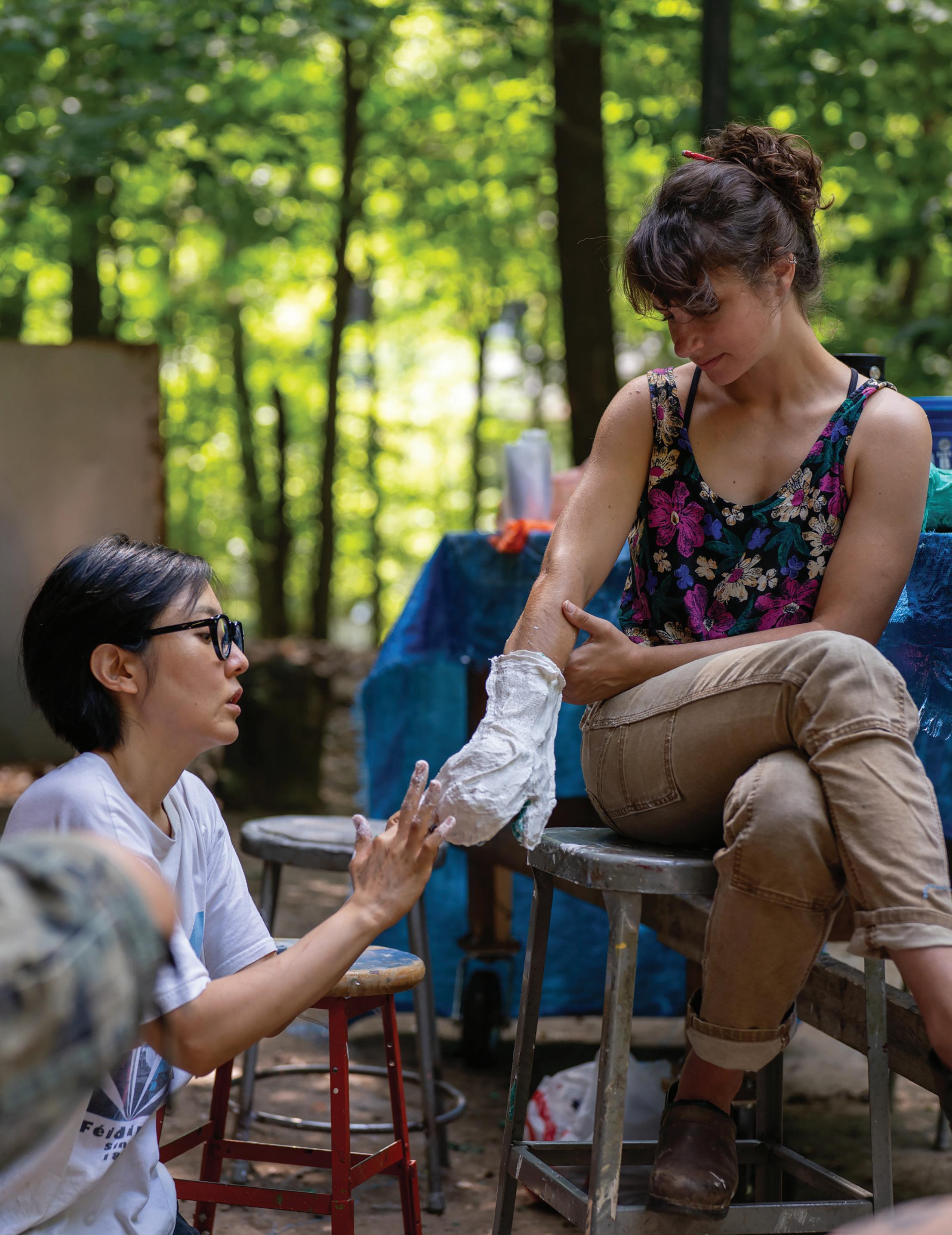
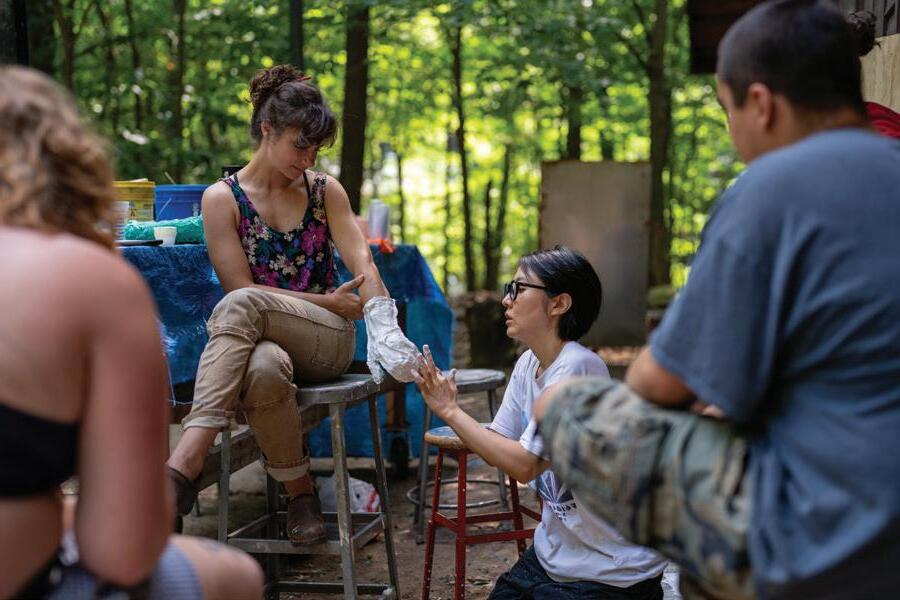
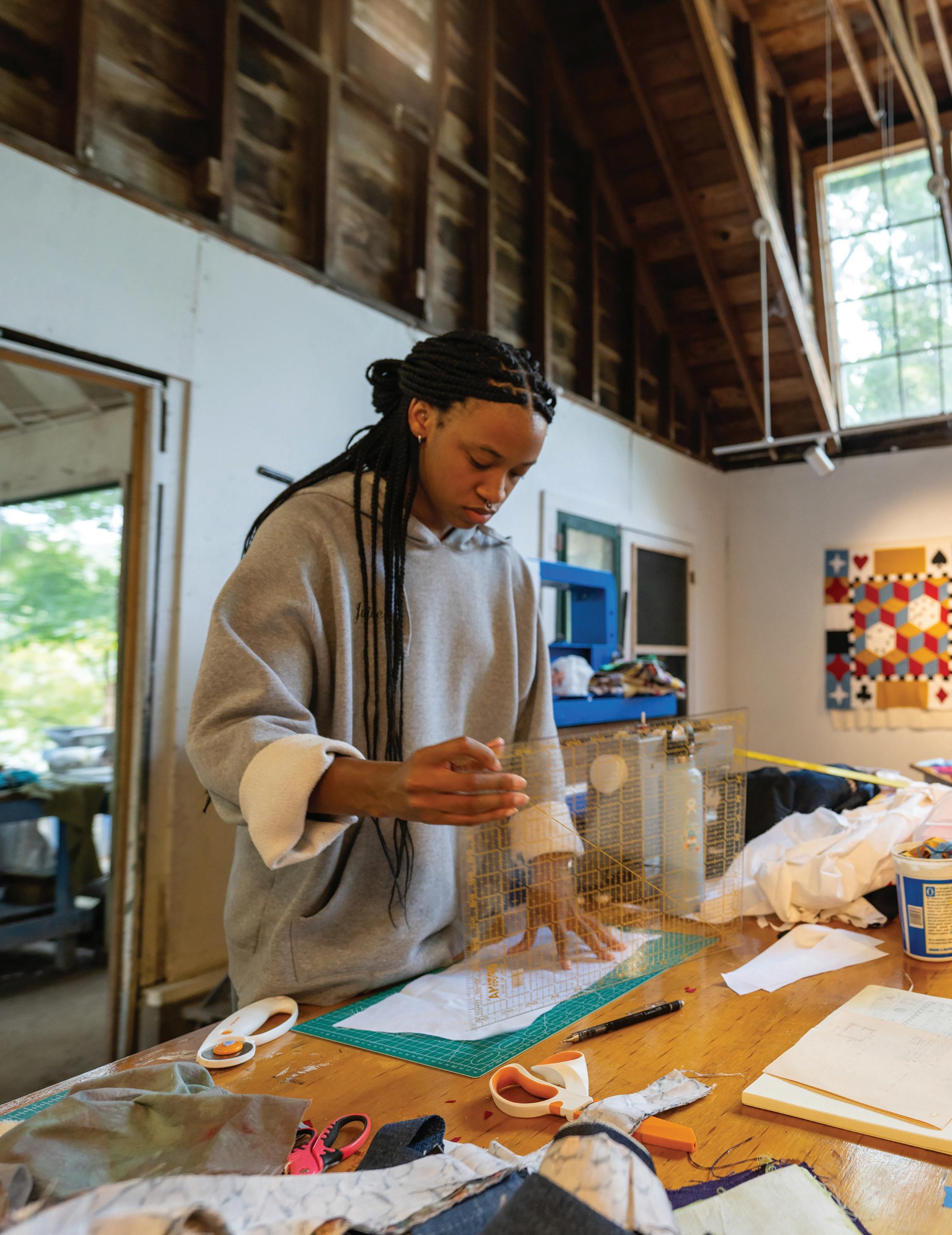
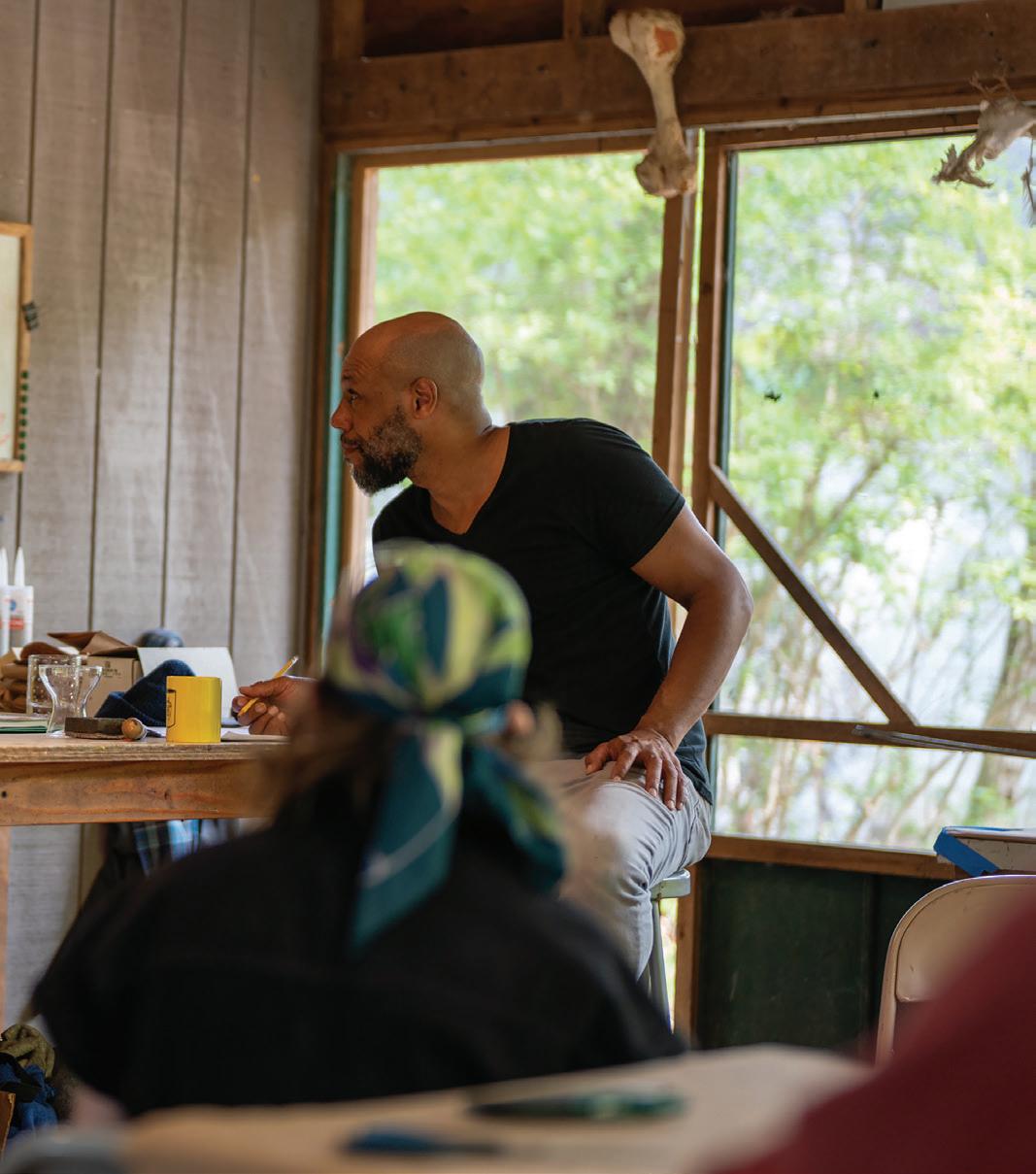
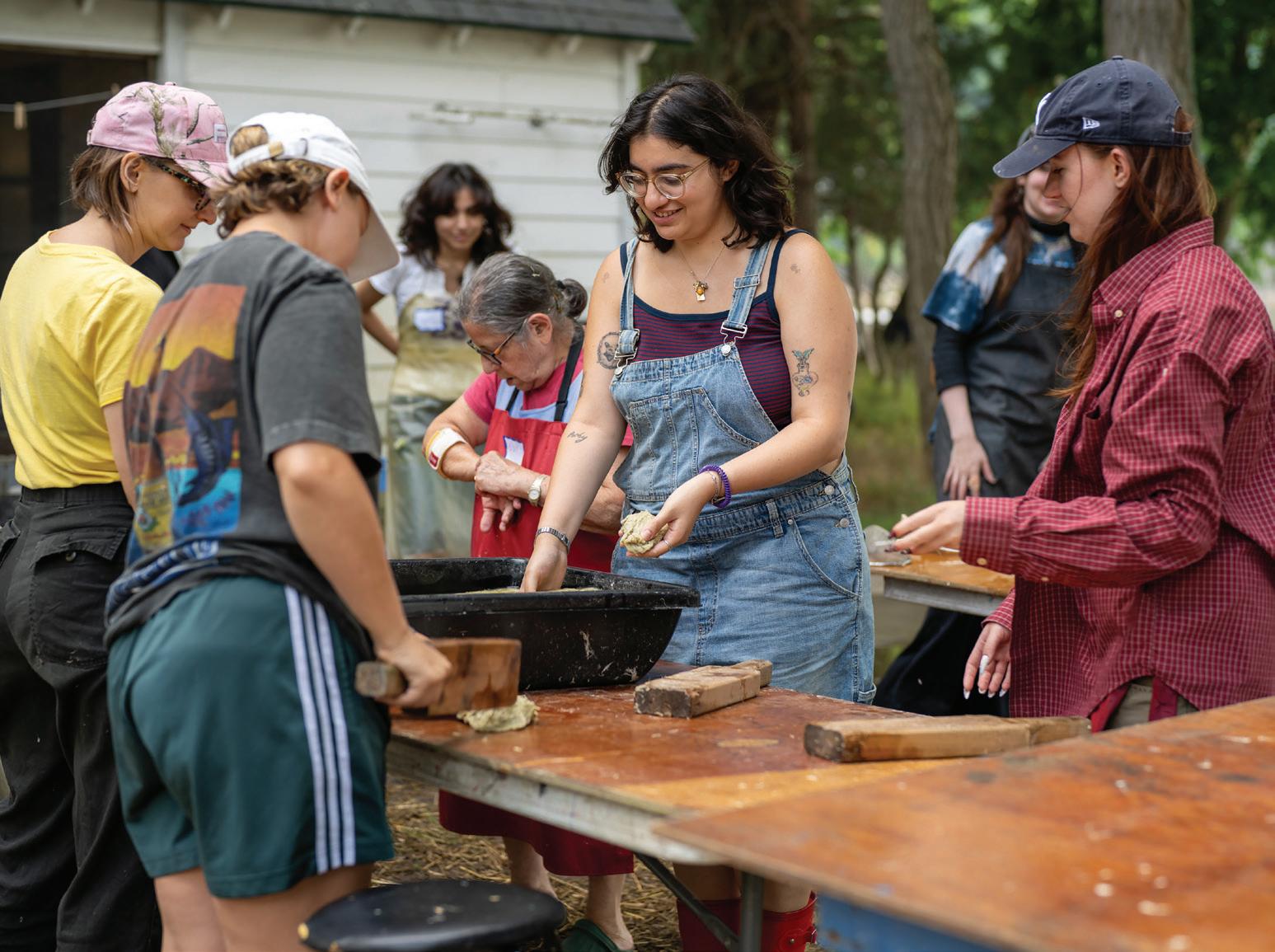
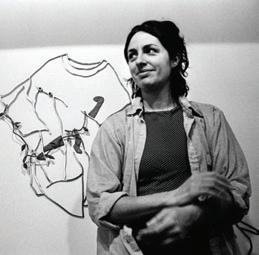
Faculty member, Soo Shin demostrates mold making in her course Casting the Body & the Everyday.
Each dawn at Ox-Bow arrives quietly—light sliding across the lagoon, the crunch of footsteps on the path to breakfast, the first murmur of conversations over coffee. By nightfall, the day hums with stories: paint still wet, ideas newly born, laughter carrying across the meadow. Here, creativity is not a part of the day—it is the day. It is the air we breathe, the rhythm of life unfolding across twenty-four hours of making, sharing, resting, and beginning again.
To live and work at Ox-Bow is to enter a rare ecosystem, one that blurs the boundaries between art, nature, and community. Generations of artists—students and teachers, emerging voices and seasoned makers—cross paths under the same canopy of trees, sharing meals, studios, and moments of revelation. The conversations that begin in the print shop continue by the firelight; the lessons learned in the glass studio linger long after dusk.
Such deep, uninterrupted immersion is increasingly uncommon—a gift of time and place that allows artists to see not only what they make, but why they make it. In this landscape, shaped by water and woods, art becomes inseparable from belonging, and creativity takes on the slow, generous pace of nature itself.
As you turn these pages, you’ll find a reflection of this living community—its rigor, its play, its generosity. Whether you come for one session or stay the whole summer, you join a lineage that stretches back more than a century, carried forward by all who have found renewal here at the water’s edge.
We look forward to welcoming you back—to the light, the lake, the long conversations—and to the kind of creative connection that only happens at Ox-Bow.
With warmth,
Shannon R. Stratton Executive Director
Ox-Bow School of Art & Artists'
At Ox-Bow School of Art & Artists' Residency (Ox-Bow), learning unfolds like the landscape—ideas meet making, and the boundaries between concept and craft blur into something unique. Here, curiosity sparks experimentation, and play becomes an essential part of the creative process. Students and faculty, artists at all stages of their practice, live and learn together, sharing the same table, the same questions, and a collective sense of purpose. This collaborative environment fosters a space where learning is rooted in community, and where creative praxis is not just about acquiring skills but also about deepening one's artistic journey. It's a place for those who seek growth and renewal, who view their practice as a lifelong exploration. At Ox-Bow, education is a dynamic exchange that encourages reflection, discovery, and the unfolding of new possibilities— welcoming all who wish to explore their potential and contribute to a shared artistic vision.
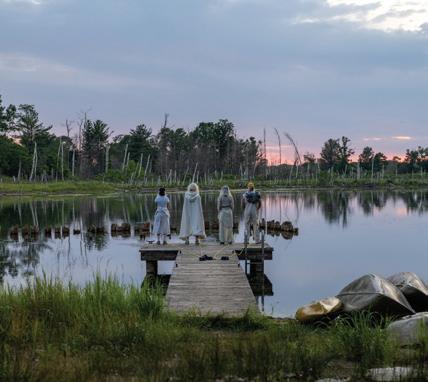
Every summer, Ox-Bow welcomes artists of all experience levels who are 18+, faculty, visiting artists, fellows, residents, and staff to live and learn together in our historic creative community along a lagoon on the Kalamazoo River.
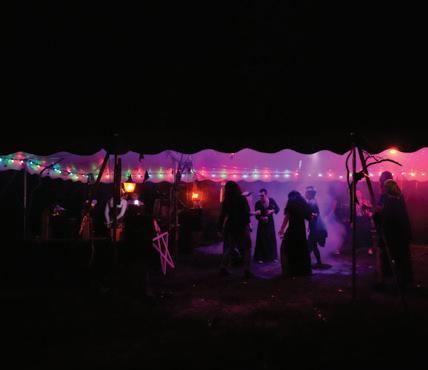
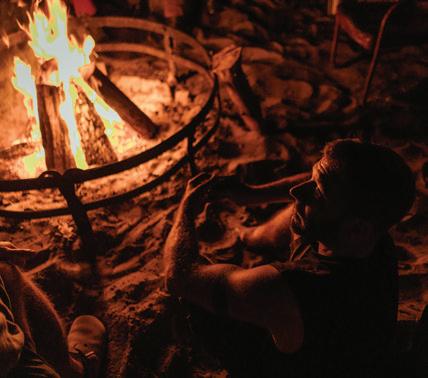
In addition to the classroom experience, participants enjoy a robust creative culture outside of class time. Extracurricular events include nightly artist talks, volleyball tournaments, bonfires, screenings, performances, openings in our Betsy Gallery, Friday Night Costume parties, and other creative activations.
PHOTO(S)
BY: NOLAN ZUNK (SF'25)
In their own words...
“The relationships I’ve built here are unique. I can’t really compare them to anything else I’ve done in my life, and I know they’ll never be replaced by anything else.” — Isaiah Robinson, 2025 Summer Fellow
My experience was highly productive and transformational in a very personal way, which is the essential magic of Ox-Bow."
J oyc e Fernandes, Summer Artist in Residence, 2025
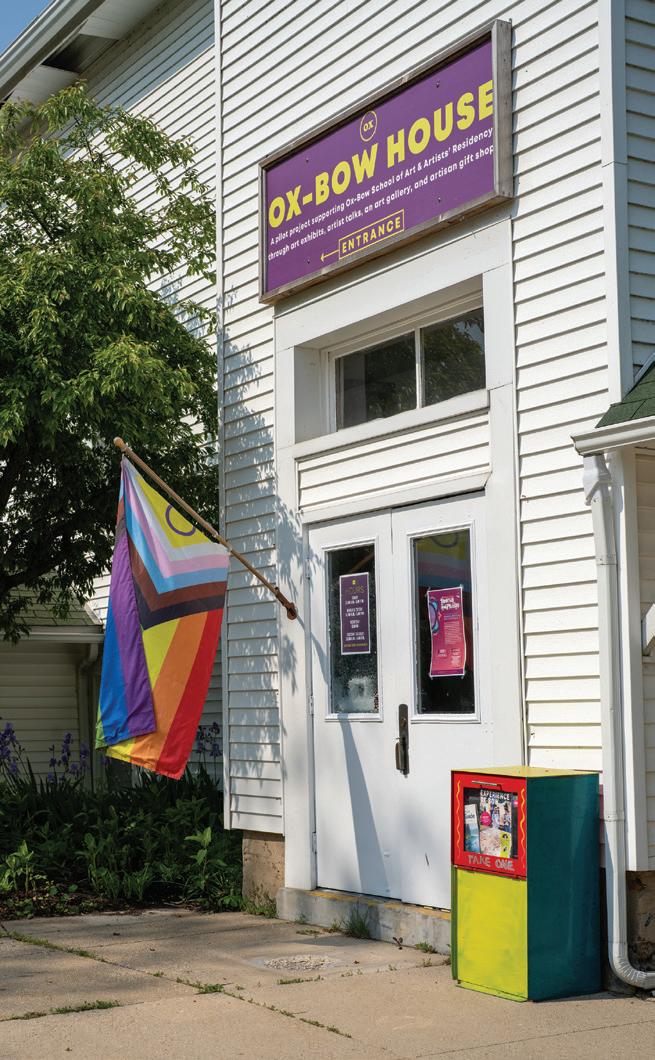
Ox-Bow House, our community space in downtown Douglas, hosted over a dozen events last year.
OUR STUDIOS
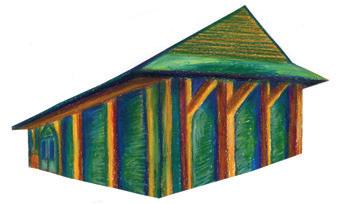
Burke Glass Studio
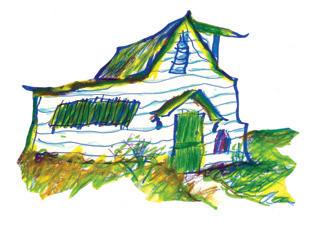
Clute Papermaking Studio
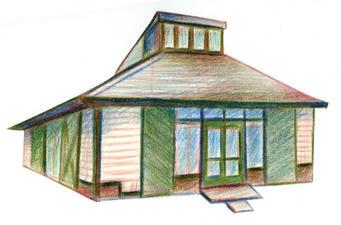
Haas Painting & Drawing Studio
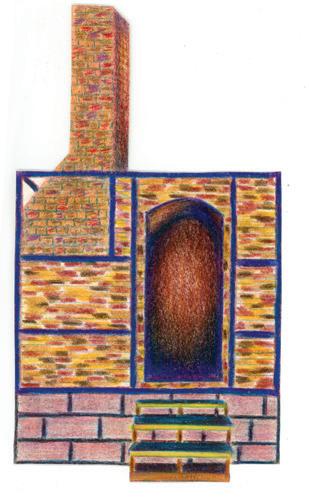
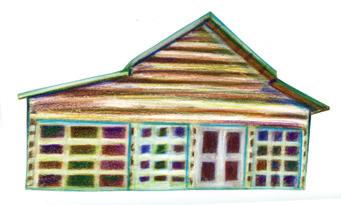
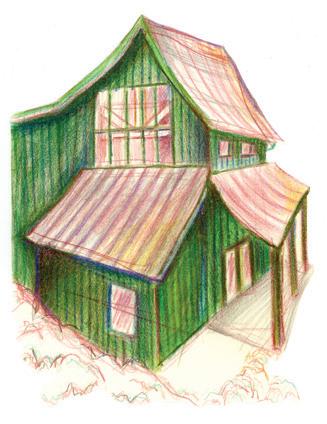
Thiele Print Studio
STUDIO ACCESS
Open 24 hours per day (except glassblowing)
Beyond the Studio
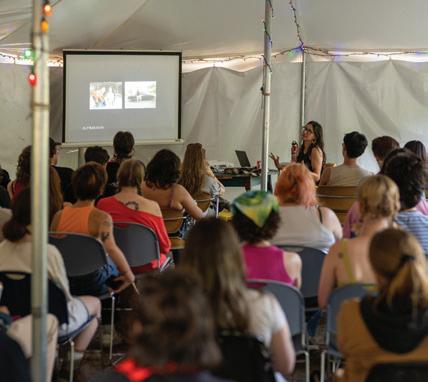
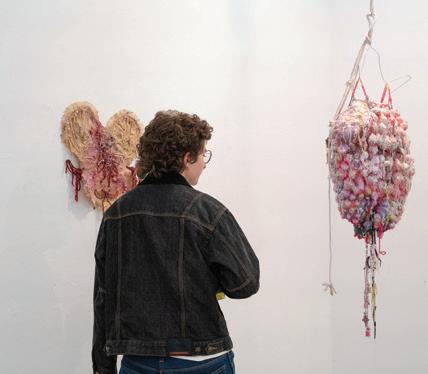
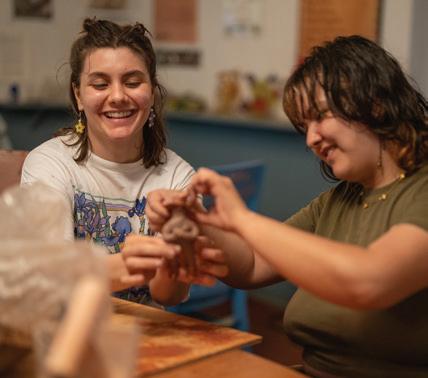
In their own words...
Kayaking on the lagoon was one of the highlights for me. To be able to step away from the studio and be out in this serene, beautiful environment, it put me in the right state of peace to come back and make work. Disconnecting from the real world and immersing myself in nature was as valuable as the studio time."
OUR PLACE
• Located along the Kalamazoo River
• Defined by rolling dunes and lush country sides
• Home to year-round residents & summer creative community
• Campus sits on TALLMADGE WOODS, a Community Forest designated by the Old
Forest Network

Krehbiel Ceramics Studio
Padnos Metals Studio
—Thomas Hicks, 2025 Summer Student
Nightly Artist Talks
Betsy Gallery openings
Friday Night Costume Parties
Bonfires & volleyball tournaments
Screenings & Performances
Creative activations
SESSION 1 2 WEEKS May 31− June 13
SESSION 2 2 WEEKS June 14−27
GLASSBLOWING CERAMICS PAINTING & DRAWING
The Transparent Self: Working in Glass with Minami Oya & Nate Watson
Perfumery & Glass-Cast Vessels with Emily Endo
SESSION 3 1 WEEK June 28− July 4
SESSION 4 2 WEEKS July 13−25
SESSION 5 2 WEEKS
July 26− August 8
SESSION 6 1 WEEK August 9−15
Multi-Level Glassblowing with Ché Rhodes
Woodfire: Ancient Methods & Contemporary Applications with Henry Crissman & Virginia Rose Torrence
Ox-Bow on the Wheel with Liz McCarthy
Muraling at Ox-Bow with Alex Bradley Cohen & Chris Johanson
PRINTMAKING & PHOTO
Wandering Spirits with Sarah & Joseph Belknap
The Dinner Party with Corey Pemberton
Glassblowing with Victoria Ahmadizadeh Melendez
Glass-Blown Organics with Christen Baker
2-weeks, August 9 - 22
SESSION 7 1 WEEK August 16−22
Painting in Dimension: Abstraction, Representation & Collage with Jessica Jackson Hutchins & Jennifer Rochlin
Field Illustration with Josh Dihle
Textile Ecologies: Pattern, Printing & Place with Isa Rodrigues & Ricki Dwyer
The Nature of Mokuhanga: Modern Japanese Woodblock Printing with Mary Brodbeck
Eating the Object: Ceramics, Food & Performance with Luka Carter
Draw, Paint, Print with Michelle Grabner, Brad Killam & Molly Zuckerman-Hartung
Clay in the Field with E. Saffronia Downing & Rosemary HolidayHall
Go Figure: Representing the Human Form with Richard Hull
Drawn to Print at Ox-Bow with Ayanah Moor & Oli Watt
Glass-Blown Organics with Christen Baker
2-weeks, August 9 - 22
Ceremonial Ceramics: Crafting Vessels of Ritual and Meaning with Chenlu Hou 2-weeks, August 9 - 22
Drawing Place in Watercolor & Gouache with Carrie Gundersdorf
METALS & SCULPTURE
Casting the Body & The Everyday with Soo Shin
FIBER & PAPERMAKING
Soft Compositions with Chris Edwards & Lauren Gregory
Blacksmithing with Natalie Murray
Hanji Unfolds: Traditional Korean Papermaking with Su Cho
In-Person Schedule
• Classes meet daily, 9:30 a.m.–5:00 p.m
• Breakfast is 8:30 –9:15 a.m.
• Lunch is 1:00–1:45 p.m.
• Dinner is 6:00–6:45 p.m.
• Faculty and Visiting Artist Lectures begin at 8:00 p.m.
Online
Starving Artist: Financial Care in a Capitalist World with Falaks Vasa June 4–19 | 11 a.m. – 1:30 p.m. ET
Let’s Paint Online with John Kilduff June 4–19 | 4:00 - 6:30 p.m. ET
Imaginative Armatures & Alternative Covers with Jessee Rose Crane Sculptural Basketry with Dee Clements
Breaking Good: Improvisational Stained Glass with Devin Balara
Global Papermaking: Techniques & Play with Megan Diddie & Aya Nakamura
Make An Ox-Bow Movie with Scott Reeder
Collisions: Experiments in Sculpture, Collaboration & Sound with Richie Moreno
Pour Decisions: Foundry Fundamentals & Practice with Lloyd Mandelbaum
2-weeks
August 9 - 22
Building a Cedar Strip Canoe with Will Hutchinson
Note: Online Classes meet every day on Google Classroom except on Sunday. Groups meet for 2.5 hours each day and students can expect to spend another 2.5 hours completing related coursework.
Course Description Key
Exploratory: This course may feature a loose structure where students co-guide the topics being discussed. Like a seminar or independent study class, the faculty will support students in completing projects of their own design.
Skill-building: This course will focus on a specific topic or goal, is not likely to organically evolve into additional projects, and students will leave with new and improved specific skills they can use in the future.
Communal: This course encourages collaboration and will likely culminate in a group presentation, performance, or other event. Students in this class will enhance their skills in working together for a common goal.
Living Sculpture: Floral Gestures & Techniques with Maddie Reyna
Are you a SAIC Student?
Please see page 50 for infomation on credits, tuition, and policies.
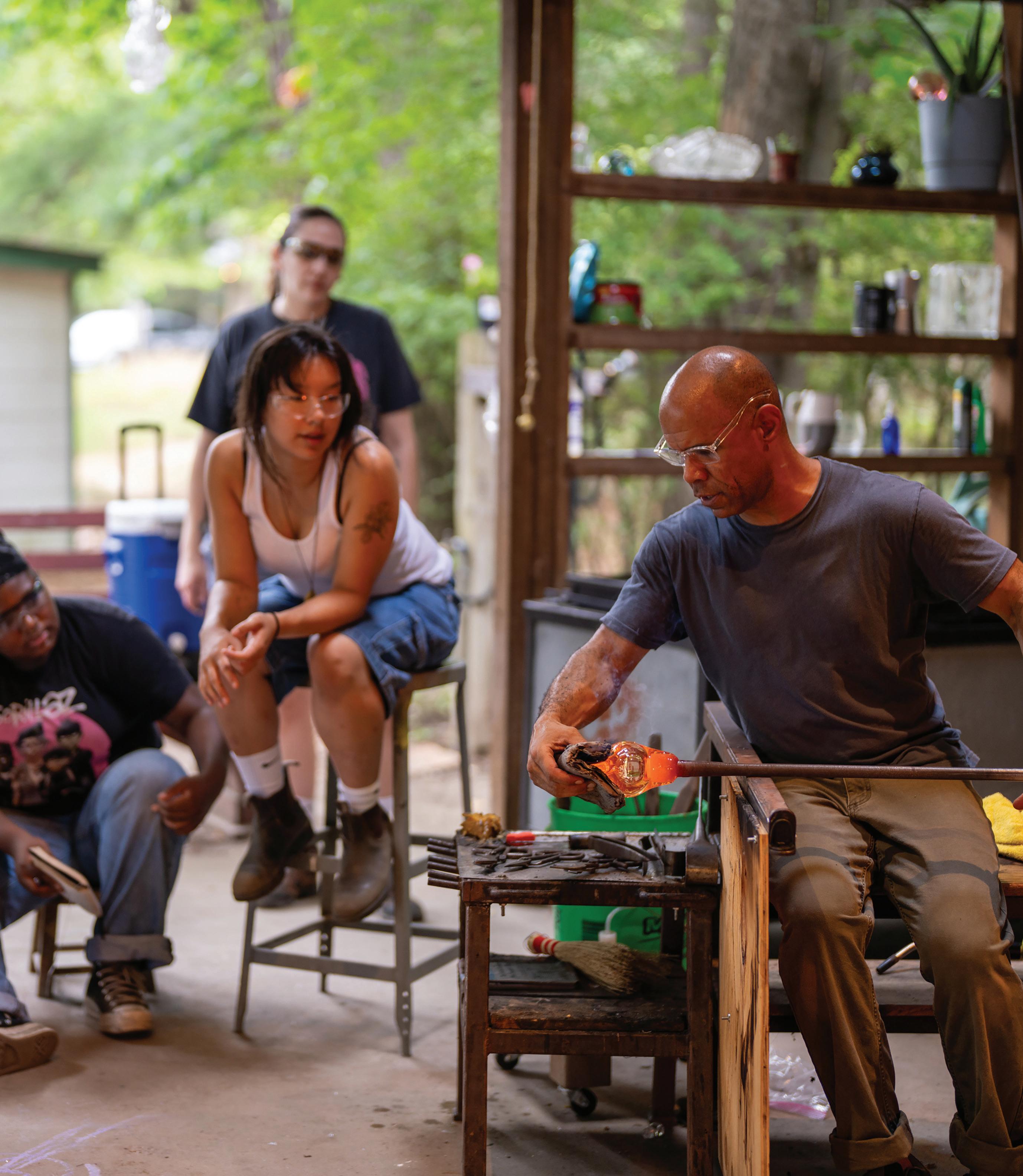
THE TRANSPARENT SELF: WORKING IN GLASS
with Minami Oya & Nate Watson
$500 Lab Fee | May 31–June 13
Exploratory
Glass embodies a fluidity, range, and nuance well suited to expose the truths that every person holds. Through a series of material inquiries, and personal reflections, we’ll find the methods by which the stories that define us can best be made visible through glass. This workshop will examine the qualities that make glass such a powerful mode of
how we tell our own truths through short writing prompts, we’ll consider where the language of glass and the stories that make us, overlap. Ultimately we’ll seek a merging of ourselves with the making process in a way that allows for our truths to melt into the spaces where we live and work and create together. The course begins with students responding to a series of writing prompts designed to produce short autobiographical excerpts. These expressions of self reflection are to be presented, discussed, and distilled into personal methodologies for approaching glass.
formulation, structure, material families, extraction processes, and blending. Participants will work with aroma molecules and high quality botanical essences. Each student will leave with their own custom blended alcohol based perfume and cast glass vessel. The histories of perfume and glass have been intertwined since their inception in the ancient world. In addition to technical demonstrations, this workshop will explore the historical and conceptual intersections between glass and perfume. The class will discuss contemporary artists
Teaching at Ox-Bow is very different from teaching at a university because the format is [similar to] an intensive workshop. Every day for two weeks the students are working with hot glass, and by doing it all day, every day, they develop skills very quickly. It is kind of shocking how quickly they develop the ability to make forms of different shapes and sizes and colors. My students at Ox-Bow are making objects that I definitely wasn’t making in my introductory class. It fills me with a lot of pride to see them have this experience.” Victoria Ahmadizadeh Meléndez, Glass Artist & Faculty Member
expression and help students refine an honest and natural relationship with the material. We’ll cover a range of foundational techniques including basic glassblowing, adhesives and assemblage, color application, basic coldworking, and sculpture techniques— a balancing of traditional and nontraditional processes will help you access the expression that comes from a harmony between you and the material. Through a series of short lectures, brief writing assignments, and thoughtful experiments, students will come to understand the range, immediacy, and responsiveness that glass can offer the creative process. Instructors will introduce contemporary artists like Vanessa German, Tavares Strachan, Fred Wilson, Team Lab, and many more who mine the material of glass in wildly different ways to alter how we observe the world and how we envision ourselves within it. Experiencing and reflecting on the material in its purest form while constantly checking in with
Inquiry is the mechanism for refining individual paths in this course, as each unique story is transformed into a series of experiments and challenges through which each student builds a foundational understanding of how glass works.
PERFUMERY AND GLASS-CAST VESSELS
with Emily Endo
$500 Lab Fee | June 14–27
Skill-building
This class will introduce the process of casting hollow-core glass vessels and the fundamentals of fragrance construction. Part one of the class will introduce the process of creating cast glass vessels using an adaptation of the core-forming process. Techniques covered will include basic hollowcore mold making, wax sculpting, and firing schedule development. The second section of the course will guide students through perfume
who fuse olfaction, glass, and mixed media within their work such as Sissel Tolaas, Katie Paterson, and Candice Lin. Readings and screenings will include excerpts from Fragrant by Mandy Aftel, Ancient Glass by R.A. Grossmann, and Perfume on the Radio by the Institute of Art and Olfaction. Assignments will include sculpting a vessel using shape, color, and ornamentation to reveal or conceal the vessel’s contents and create a perfume that tells a story through its ingredients.
MULTI-LEVEL GLASSBLOWING
with Ché Rhodes
$250 Lab Fee | June 28–July 4
Skill-building
This multi-level course offers an immersive exploration of glass as both a material and a language for sculptural and functional expression. Building on existing
glassblowing skills, students will expand their fluency in the technical foundations of glass blowing and hot-sculpting processes. Through a balance of guided instruction and independent experimentation, participants will explore ways to manipulate form, texture, and transparency—pushing the material beyond traditional vessel-making into content-driven expressive, conceptual, and site-responsive works. Demonstrations, lectures, and critiques will complement extensive hands-on studio time, encouraging both refinement of technique and a personal voice in glass.
Throughout the course, we will consider artists who have expanded the field of contemporary glass through experimentation, narrative, and cross-disciplinary practices, such as Toshio Iezumi, Jessica Julius, Josiah McElheny, and Stephen Cartwright. These examples will frame discussions around how material, process, and concept intersect, and how glass as a medium continues to evolve within sculpture and design. Historical overviews of studio glass movements and contemporary installation practices will provide
students with broader context for their own creative inquiries.
Assignments will encourage students to integrate skillful exploration with conceptual intent. Students will submit a series of responses to technical and intellectual prompts designed to make them consider what glass is as a substance, why they are using it, and how it can be used to support their creative or conceptual investigations. They will also complete a final project which will use glass as a tool to manifest the original content of their work.
THE DINNER PARTY
with Corey Pemberton
$500 Lab Fee | July 13–29 | Communal
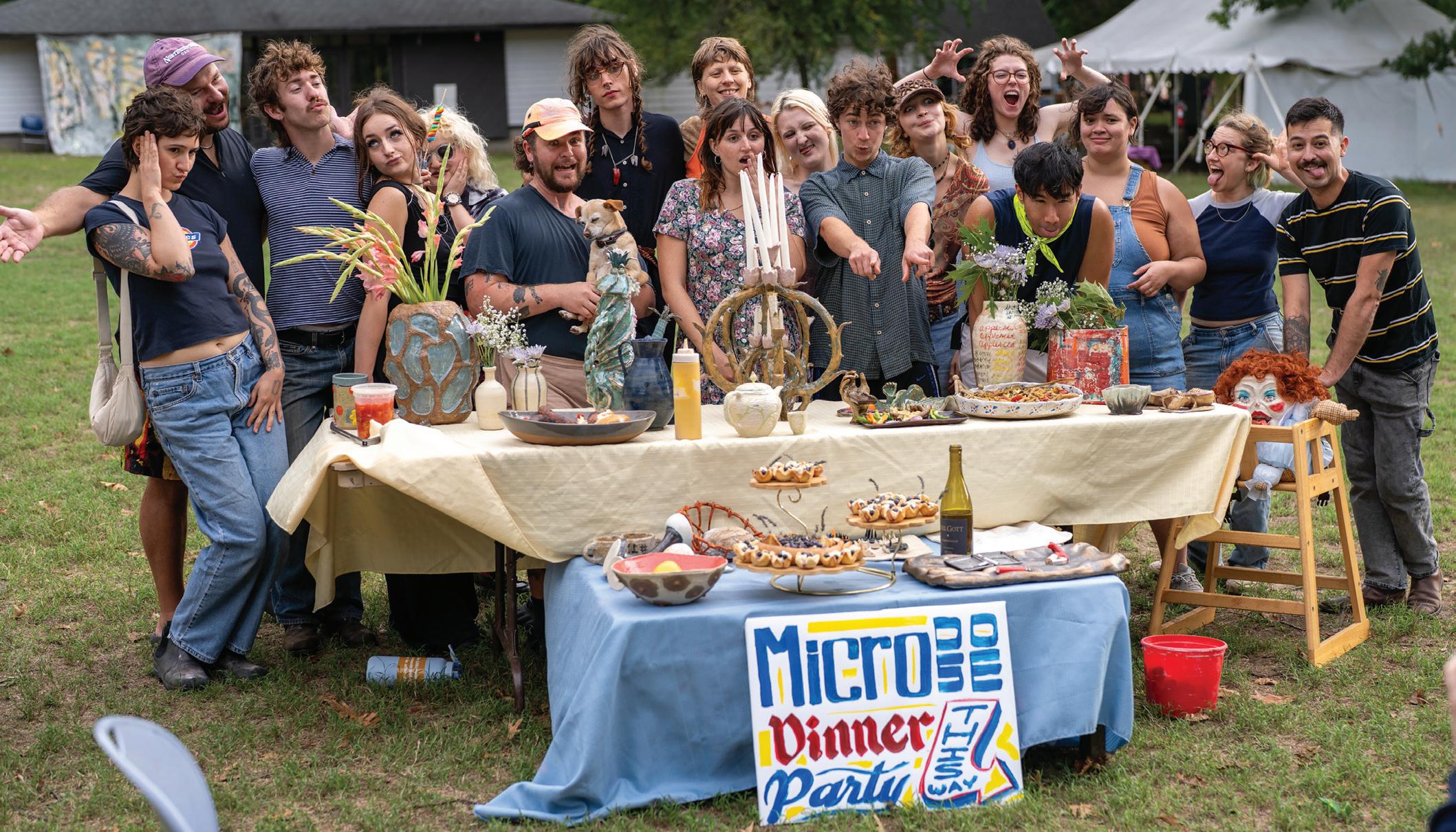
There’s nothing more satisfying than eating and drinking from handmade wares with friends. This course, open to students of all levels, will focus on establishing a strong foundation in form and function in service of manipulating molten glass into items for a communal table setting. We will learn the processes involved in making objects including drinkware,
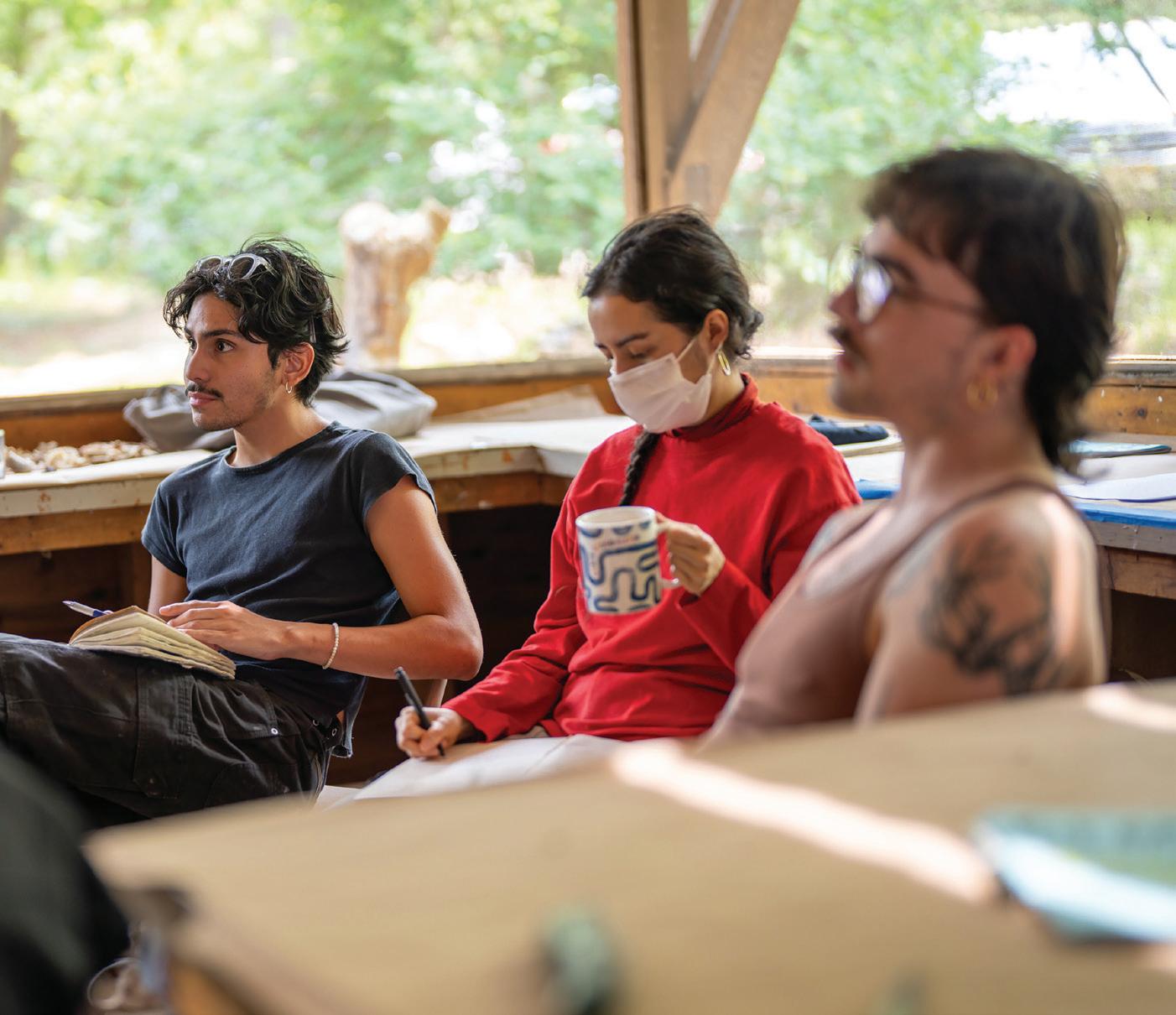
pitchers, serving bowls, plates, and candlesticks and consider the works of Judy Chicago, Beth Lipman, and Joe Cariati. Underscoring the social nature of the glassblowing process in the studio, our objective will be to create a tablescape to use for a social mixer at the end of the class, bringing everyone together to celebrate one another’s hard work and individuality. Students need only bring a good attitude, an open mind, and a hunger to learn!
GLASSBLOWING
with Victoria Ahmadizadeh Melendez
$500 Lab Fee | July 26–August 8
Skill-building
This course introduces students to the fundamentals of glassblowing while inviting them to consider how working with molten material engages both body and environment. Through hands-on instruction and daily demonstrations, students will learn to gather glass from the furnace and shape it into blown and solid forms using a range of traditional and experimental techniques. Demonstrations will
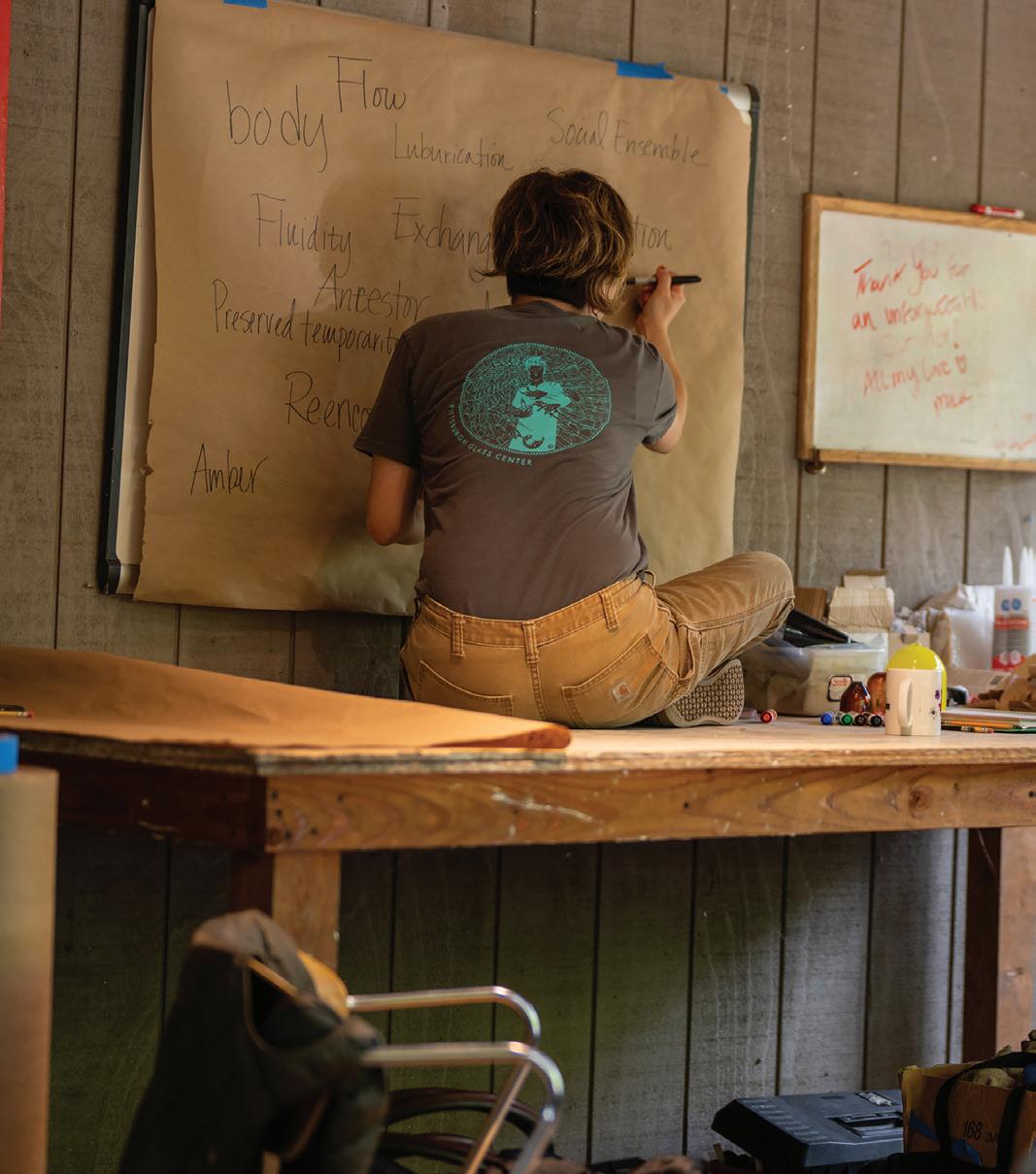
include basic vessel making as well as approaches to color application, form development, and teamwork in the hot shop. Techniques for cold working—such as sanding, polishing, and engraving—will also be covered. Lectures and screenings will provide historical and contemporary context for the material. We will view short documentaries such as Glassmakers of Herat, Glas, and Nancy Callan: Vision and Process, and discuss how artists like Rui Sasaki, Hiromi Takizawa, and Fred Wilson use glass to explore themes of body, space, and identity. Selected readings from Making & Being will support reflections on how artists cultivate awareness and intentionality through their practice. Assignments will progress from foundational skillbuilding to more open-ended creative work. Early projects may include crafting a series of simple vessels that explore proportion, balance, and gesture. The course will culminate in the design and fabrication of an individual sculpture or installation to be exhibited in the hot shop at the end of the session.
GLASS-BLOWN ORGANICS
with Christen Baker
$500 Lab Fee | August 9–22 Exploratory
Glass-Blown Organics is an introductory glass course that approaches material investigation and sculpture through a lens of posthumanism. “Posthumanism” refers to a perspective that challenges traditional human-centered views by emphasizing interconnectedness among organisms and complex systems, aiming to disrupt hierarchies and boundaries between humans and other entities. In this course, students will explore three methods of hot glass forming: solid sculpting, glassblowing, and mold blowing with the inclusion of found organic materials. Soil, wood, water, and food are some examples of organic materials that will be used to create glass artworks that speak to the environmental impact of humans in the Anthropocene. Through demonstrations and discussions, students will develop an understanding of sustainable glass practices that can then be applied to their sculptural works. Using these
skills and techniques, students will learn to create forms and surfaces that explore glass as a unique material, how glass is deeply significant to place and time, and how to utilize hot glass and organics together to enhance artistic impact. Each component of this course will develop an understanding of material and processes and will facilitate discussions on critical theory, artistic practice, and making with intention. Sculptural works by contemporary glass artists such as Amber Cowan, Sabine MescherLeitner, and Kristen Neville Taylor will be important points of consideration. Assignments will explore material inclusions in glass, optics, impressions, and other formal considerations that speak to the environmental impacts of humans in our time. Students will also view selected historical videos from the Rakow Research Library at the Corning Museum of Glass to research the important technological role of glass in our modern world. Students must demonstrate a strong work ethic and a passion for investigating personal artistic strengths and goals throughout this intensive course. Students of all experience levels working with glass are welcome and encouraged.
WOODFIRE: ANCIENT METHODS & CONTEMPORARY APPLICATIONS
with Henry Crissman & Virginia Rose Torrence
$300 lab fee | May 31–June 13
Communal
This course will explore the many histories, methods, and potentials of using wood as fuel to heat and transform clay into ceramic. Presentations will survey ceramic science, the history and logic of kiln design, and the range of objects made with wood fired kilns. Demonstrations will include handbuilding and wheel throwing techniques as well as experimental methods with found ceramic materials and objects. Films and readings including Maria Martinez: Indian Pottery of San Ildefonso and Robin Wall Kimmerer’s Braiding Sweetgrass will offer insights as we engage and form the material of the Earth. Conversations throughout will aim to assist students in finding creative agency with ceramics. Students will work on independent projects and the class will culminate in a nearly two day long firing of Ox-Bow’s 50 cubic foot catenary-arch wood-kiln; a massive group effort that will involve loading the kiln, and methodically stoking it with wood for the duration of the firing until our desired temperature is reached throughout. While the kiln cools we’ll explore ways in which the techniques covered might be applied outside of the workshop, and build and fire a small and temporary kiln which students could easily recreate independently. Once cool, the big kiln will be unloaded and cleaned, results will be finished and analyzed, and we’ll hold an exhibit of the works created.
OX-BOW ON THE WHEEL
with Liz McCarthy
$250 Lab Fee | June 14–27
Skill-building
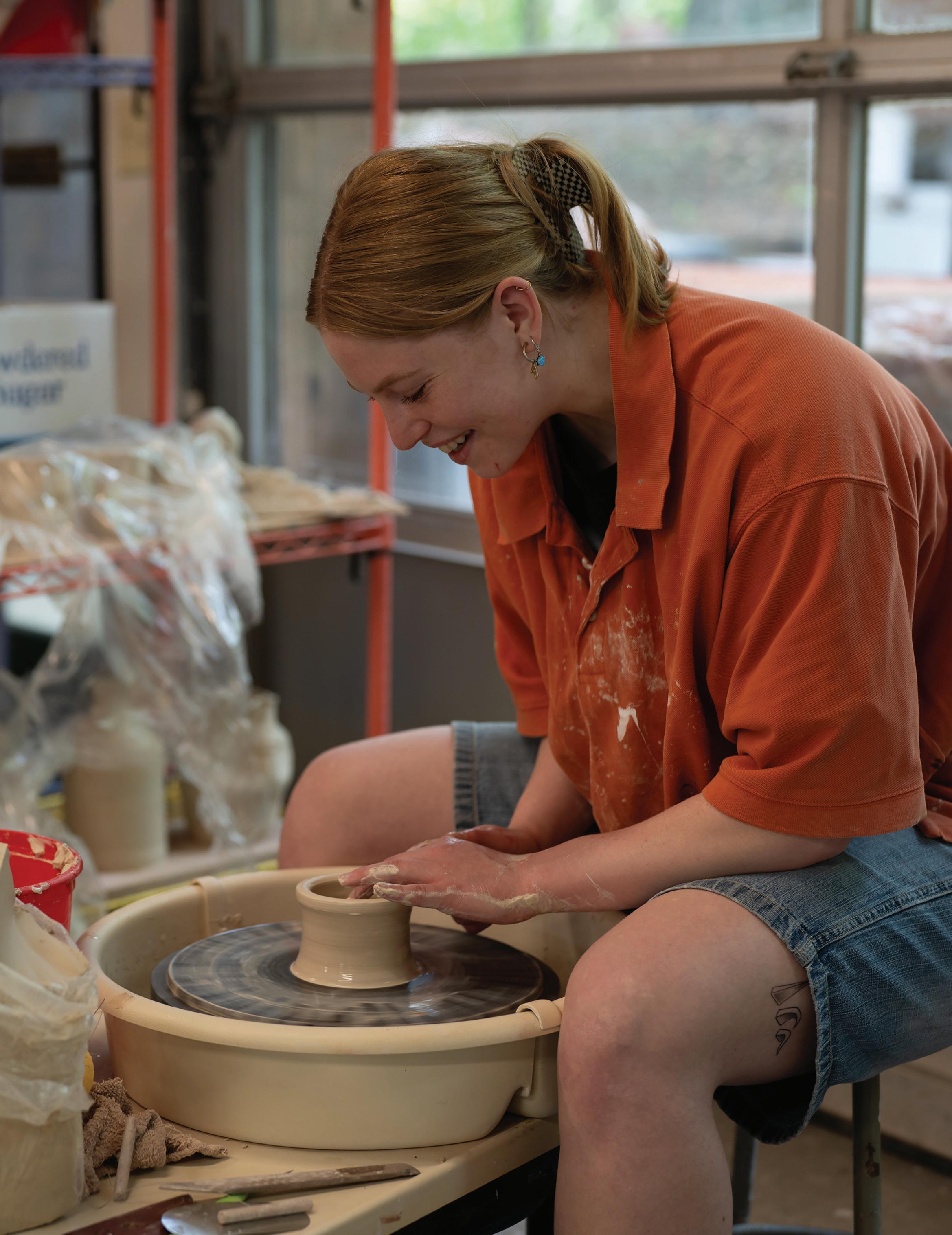
In this course, students will use the potter’s wheel to create thrown forms. Through practice and demonstration, participants will hone skills to successfully build scale and refine pieces in clay. Pre-Columbian work will provide insight, as well as contemporary artists which may include Shio Kusaka and Betty Woodman. Demonstrations will focus on centering, producing uniformity, and glazing techniques. Through assignments including throwing many pots in succession, students will become familiar with the disposability and ephemerality inherent to the medium and aim to master its spontaneity. This class will culminate in group critique and is open to students of all levels.
EATING THE OBJECT: CERAMICS, FOOD & PERFORMANCE
with Luka Carter
$250 Lab Fee | July 13–25 | Communal
This course invites students to experiment with a range of ceramic techniques—including handbuilding, wheel throwing, and surface design— to create both vessels and sculptural objects. Working collaboratively, the class will produce a collection of functional wares to be used in a culminating experimental dinner and performance. Alongside this collective effort, each student will develop an independent project in which a sculptural vessel is activated through performance and the serving of food. Rather than treating ceramics solely
as utilitarian or decorative, students will investigate the ceramic object as a site of inquiry, interaction, and activation. We will critically examine the intersections of ceramics, performance, and social practice, asking how objects can embody participation, refuse utility, or generate new forms of meaning. Course material will draw from artists and movements that foreground food, ritual, and audience engagement, including the performances of Alison Knowles (Fluxus) and the surrealist objects of Meret Oppenheim. We will also consider frameworks from Relational Aesthetics and contemporary craft theory. Readings will include “Craft and Its Writing as Collectivized Outsider” by L. Autumn Dagner, and screenings will feature Les Blank’s documentary Garlic Is As Good as Ten Mothers as a lens into food, culture, and performance. Assignments include producing a collaborative dinnerware set for the culminating performance, producing the evening including building a menu, as well as an individual project in which a sculptural vessel is activated through food or ritual.
CLAY IN THE FIELD
with E. Saffronia Downing & Rosemary Holliday Hall
$250 Lab Fee | July 26–August 8 Exploratory
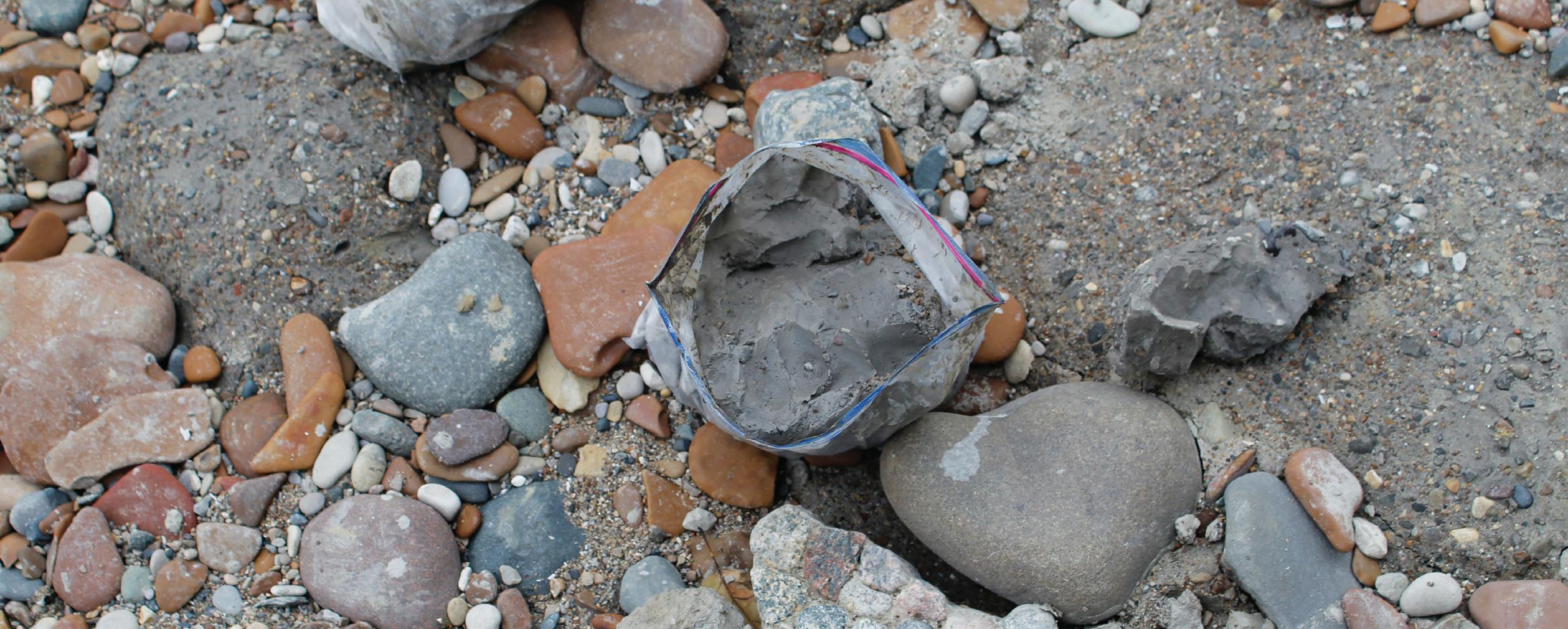
Clay in the Field is an investigation into environmental clay sculpture. In this course, students will trace clay to its geologic origin as weathered rock, carried by rivers, ground by glaciers, and laid in layers over millennia. We will ask what clay is, how it holds water and memory, and why the shores of Lake Michigan are unique. Venturing to clay deposits, we will learn to see, feel, and understand clay in our environment.
We will shape questions and develop projects that deepen our relationship with this ancient material. With earth as our medium, the field of ceramics provides fertile ground from which to explore land-based perspectives in contemporary art. Students in this course will wander sand dune trails, comb beaches, and examine Lake Michigan’s clay deposits as they develop site-responsive clay artworks. We will learn techniques such as coil building, raw clay sculpture, wild clay foraging, wattle and daub construction, and organic burn-out methods. Artists such as Ana Mendieta, Rose B. Simpson, and Gabriel Orozco will ground our conversations about materiality, placebased knowledge, human-nonhuman relationships, land rights, and site specificity. We will explore art historical contexts such as vernacular clay architecture, the land art movement, and environmental art. Students can expect to complete a series of clay “field notes” by making clay writing tools, creating clay sketches, and taking impressions with clay. These field notes will document close observations from Ox-Bow and the surrounding environment. How can clay become a recording device to document observations through
material? From geology to gesture, the course will culminate in the creation of an independent, site-specific ceramic sculpture utilizing themes and methods explored in the course. Through this project, students will apply the content of the course, to produce unique environmental artworks of their own design.
CEREMONIAL CERAMICS: CRAFTING VESSELS OF RITUAL AND MEANING
with Chenlu Hou
$250 Lab Fee | August 9–22 Exploratory
In this course, participants will explore clay as a material of transformation—an elemental medium that holds narrative, symbolism, ceremony, and function. Using coil and slab construction as a primary sculptural language, students will create ritual vessels and altar objects that reflect personal and collective mythologies. Demonstrations will include coil building, pinching and paddling, carving, sgraffito, slip layering, and low-fire terracotta techniques. Participants will also
harvest local clay from a nearby beach, process it, and transform part of it into terra sigillata—connecting their work to place, process, and the alchemy of the elements.
We will look to Guatemalan incense burners, Mexican ceremonial vessels, Chinese Neolithic pottery, and Japanese Jomon works to understand how clay has long been used to invoke the sacred and embody story. Contemporary references will include Akio Takamori, Nicole Cherubini, Simone Leigh, and Rose B. Simpson. Readings from Ceramics in the Expanded Field and viewings from At Home: Artists in Conversation featuring Sonia Boyce and Simone Leigh will help frame clay as both a spiritual and political medium.
Assignments will invite participants to develop a personal visual language through intuitive, symbolic making. Students will create small talismanic forms, trace and translate shadows into vessel designs, and use siteharvested terra sigillata for surface development. The course will culminate in a collective, ceremonial installation—a gathering of vessels as offerings that honor narrative, transformation, and the unseen.
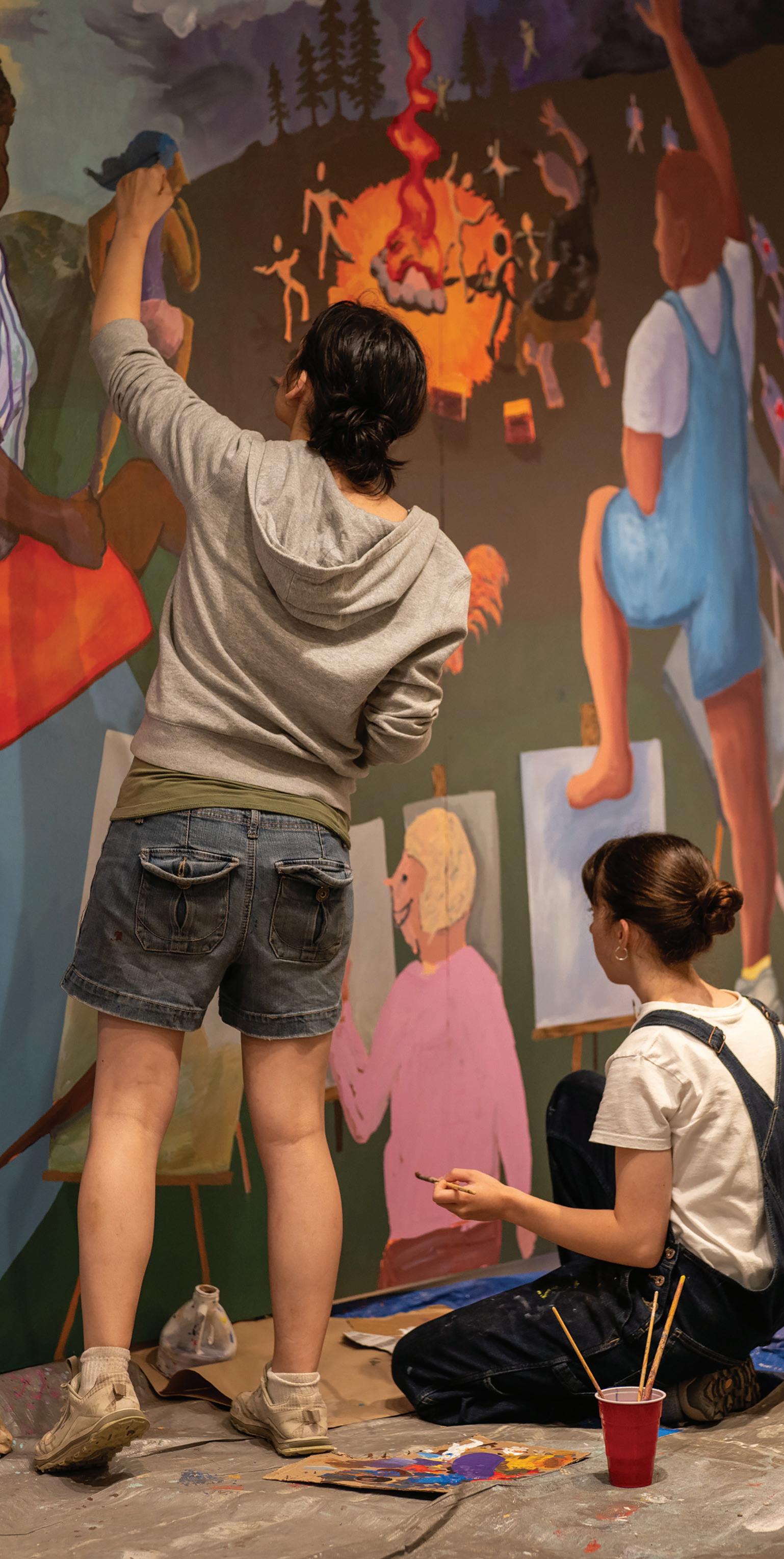
MURALING AT OX-BOW
with Alex Bradley Cohen & Chris Johanson
$175 Lab Fee | May 31–June 13
Communal
In this class, students will have the opportunity to design, propose, and implement a large outdoor mural that will beautify and celebrate Ox-Bow. Visible from the main entrance road into campus, the mural will greet all visitors and participants. Students will learn strategies for planning, drafting, scaffolding, and collecting supplies for their collaborative mural. The class will draw inspiration from the style and signage of Ox-Bow and consider the work of muralists Diego Rivera, Ben Shahn, Seymour Fogel, Thelma Johnson Streat, Keith Haring, and Bernard Williams, among others. In the first few days of the course, students and faculty will work together to design three proposals, to be reviewed and approved by Ox-Bow's leadership team. The remainder of the course will center on implementation of the selected design.
PAINTING IN DIMENSION: ABSTRACTION, REPRESENTATION, AND COLLAGE
with Jessica Jackson Hutchins & Jennifer Rochlin
$175 Lab Fee | June 14–27
Exploratory
This course investigates painting as a spatial and dimensional practice. Participants will examine the interplay between abstraction and representation while extending painting into relief and three-dimensional form. Collage serves as both source material and conceptual framework—borrowing images and ideas from the world, disrupting dominant narratives, and constructing new meanings through layering and juxtaposition. Through a series of projects, participants will move between surface and structure, exploring how cutting, assembling, and building can transform the painted image into sculptural space. The course
emphasizes experimentation, material exploration, and critical dialogue, offering students the opportunity to expand their understanding of what painting can be. We will discuss paintings that have been made in the expanded field, considering color, line, composition, form, beauty, and content beyond traditional painting materials. We will take inspiration from artists who have experimented with unexpected materials, whose pieces have stretched onto the wall, and use three dimensional forms. We will look at the work of Ann Truitt, Michalene Thomas, Cady Noland, Rachel Harrison, Jean Arp, Marcel Duchamp, and Cauleen Smith, among others. Likewise, we will glean inspiration from artists who have used collage to rupture methods of looking including Hannah Wilke, Jess, Frida Orupabo, Wangechi Mutu and the films of Robert Bresson. Assignments will prompt participants to explore where meaning emerges in their work—through materials, imagery, and personal connection. Participants will bring personal items, forage for materials across the Ox-Bow landscape, and build a sculpture or relief using paper-mâché, cardboard, and wire as foundational
FIELD ILLUSTRATION
with Josh Dihle
$100 Lab Fee | June 28–July 4
Skill-building
Inspired by the landscape and wildlife of Ox-Bow, this class invites students to develop an illustrative portfolio in pencil, ink, watercolor, and gouache. Students will build effective and inventive travel easels to explore campus and, working both outside and in the studio, will develop a personal approach to rendering and responding to the plants and animals that call Ox-Bow home. Demonstrations will cover methods for effective color mixing and composing in the field as well as techniques for recreating botanical structure, basic animal anatomy, and biological textures including bark, shell, and feathers. We will review the work of John James Audubon, Walton Ford, Evelyn Statsinger, and Kiki Smith and students will carry a naturalist pocket guide for reference. Onsite and studio drawing assignments will be accompanied by readings and discussions of naturalist poetry by Mary Oliver,
Ox-Bow encourages an experimental approach to pedagogy and learning in a way that is distinct from all the many, many institutions I’ve worked at.”
— Laurel Sparks, Artist and Ox-Bow Faculty Member
structures for painting. To quickly generate energy and begin thinking through form, students will create four to six collages during the first few days. Following a mid-session critique, participants will develop a final project consisting of two to three experimental, sculptural paintings that integrate their discoveries in material, process, and meaning.
Seamus Heaney, and Sharon Olds. Assignments will challenge students to notice the nuance in nature and will include a bug hunt, with invertebrates sketched in graphite, and a watercolor assignment that gives visual expression to a work of poetry or literature. Students will be encouraged to propose a final project inspired by their observations.
DRAW, PAINT, PRINT
with Michelle Grabner, Brad Killam, & Molly Zuckerman-Hartung
$350 Lab Fee | July 13–25
Exploratory
This class champions the interrelationship and the experimental nature of drawing, printmaking, and painting and will invite artists to move fluidly between Ox-Bow’s painting studio and the print studio, providing students with the opportunities to actively combine printmaking, drawing, painting, and collage techniques and materials. Methods demonstrated will include monoprinting, etching, screen printing, frottage, collage, grattage, decalcomania, and fumage. In the painting studio, students can work in watercolor, gouache, acrylic, and/or oils. This course is meant to challenge traditional drawing, painting, and printmaking techniques and focus directly on the spirit of the process and its relationship to contemporary contexts. Chance operations and collaboration will be encouraged. We will review the work of many artists who experiment successfully with a multidisciplinary approach including Dottie Attie, Squeak Carnwath, Judy Pfaff, Miriam Schapiro, Joan Synder, Mickalene Thomas, William Weege, Jeffrey Gibson, and Louisa Chase and discussions will be supplemented by The Slip, 2023 by Prudence Peiffer and “Alex Jovanovich on Peter McGough”, Artforum 2023. Assignments will develop and expand mark-making and compositional vocabularies in relationship to the concepts of expression, attention, histories, form, and social arrangements. Students will be split into 2-groups, one group will have a home-base in the painting studio and the other in the print studio. As the group progresses through content, they will switch studios and focus on assignments specific to those facilities. On the weekend, both groups will come together with all faculty to have group critiques and discussions. The class will culminate in a final presentation of works installed at Ox-Bow.
GO FIGURE: REPRESENTING THE HUMAN FORM IN PAINTING
with Richard Hull
$175 Lab Fee | July 26–August 8
Exploratory
This class will explore ways of representing the figure in painting. Whether observed or imagined, all figurative painting requires invention. Maintaining the believability of that invention, no matter how “unreal” it might become, will be the focus of the class. We will look at a range of figurative representation, from the ancient to the present. After a series of drawing and painting assignments involving shape, scale, and distortion we will move on to self-directed figurative paintings that will engage the whole language of painting.
DRAWING PLACE IN WATERCOLOR & GOUACHE
with Carrie Gundersdorf
$100 Lab Fee | August 9–15
Exploratory
Watercolor is historically associated with observation of the natural world, through works such as botanical and wildlife illustrations, J. M. W. Turner’s ethereal landscapes, Charles Burchfield’s transcendental images, and Joseph Yoakum’s reminisced locations. This course will help students build a basic understanding of the materials associated with both transparent watercolor and opaque watercolor (gouache)—paint, brushes, and paper—as well as the techniques: layering washes, working wet into wet, and using the white of the paper to create color. This course celebrates the ease and transportability of working in watercolor and gouache and brings the landscape into the studio. In addition to using the Ox-Bow environment as a source of subject matter, we will look at past and contemporary artists, including John Singer Sargent, Winslow Homer, Georgia O’Keeffe, Dawn Clements, Amy Sillman, and Josephine Halvorson. Exercises involving color, observation, and markmaking will help familiarize students with the medium. The class will enable students to build a personal approach to working with the idea of place.
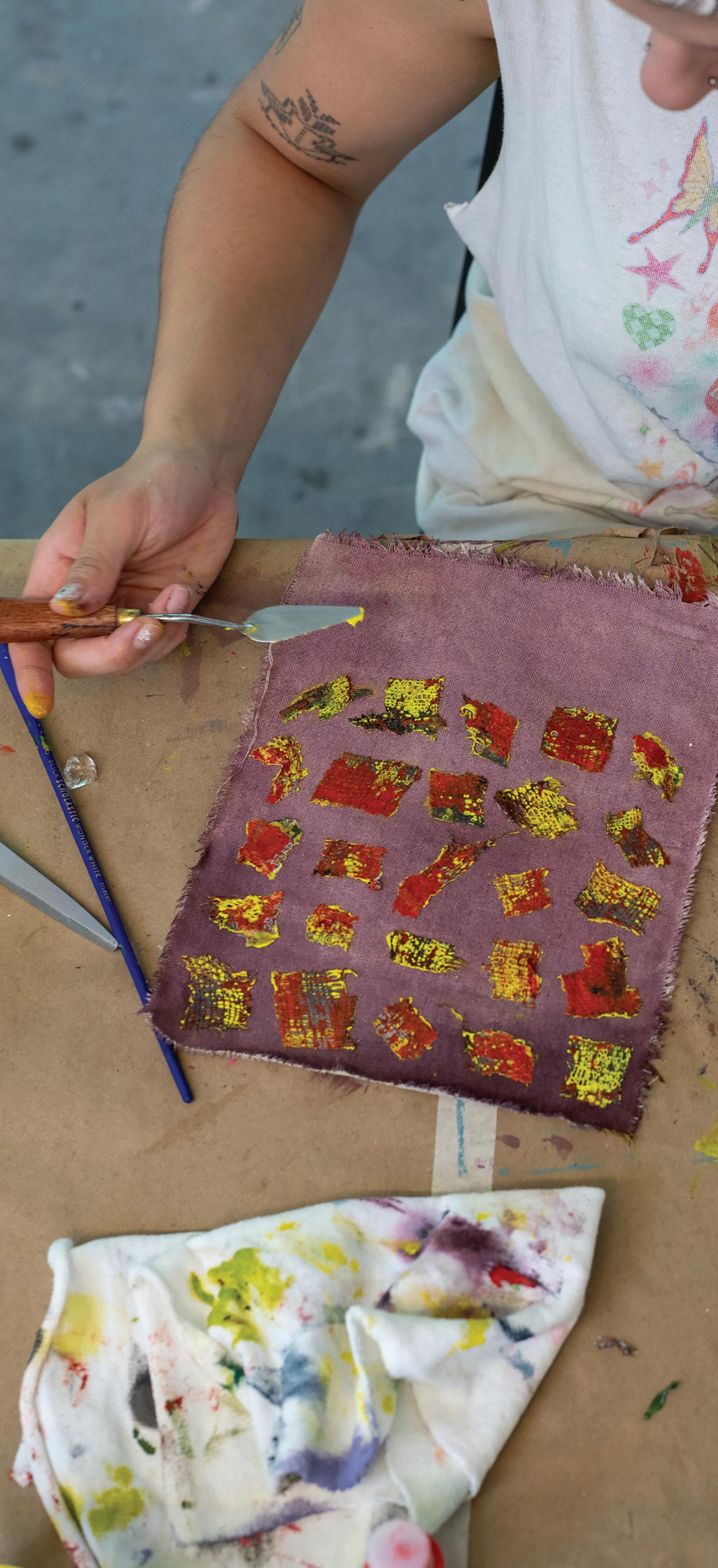
WANDERING SPIRITS
with Joseph & Sarah Belknap
$175 Lab Fee | May 31–June 13
Exploratory
What does it mean to make an image? In this course we will make images and photographs using the Earth’s Sun in collaboration with photographic techniques that emerged in the 1800s and continue to be used in contemporary art. We will play with digital photography, anthotypes, cyanotypes, chlorophyll prints, and other alternative photographic techniques. We will utilize photography, drawing, painting, and collage to make images with depth, vibrancy, and wildness. Our images will be experienced through virtual worlds and platforms as well as physical spaces of the home, communities
and other locations through posting, installing, inserting, publishing and other possible ways where images can be transmitted. The acceleration of image production has transformed our understanding of ourselves by folding the horizon in on itself. We will look into phenomenological studies of being while making images that examine our contemporary conditions of the power within our lives that these images can serve, deconstruct and reinvent. From social justice, deep fakes, intimacy, ecology - the political impact of images shape our existence. While we look at contemporary and historical image making we will look at ways of seeing. Artists will include Anna Atkins, Kiki Smith, Candice Lin, Zadie Xa, and Dario Robleto. Readings and screenings for this course will include Rebecca Solnit, Susan Sontag, Jean Painlevé, Sara Ahmed,
and Hito Steyerl. Assignments will invite students to respond to the reading and viewing of Hito Steyerl’s work How Not to be Seen and create a series of images using the Cyanotype process. We will also consider the perspective points of the viewer and the processes of concealment that make this object or subject hidden in plain sight.
TEXTILE ECOLOGIES: PATTERN, PRINTING & PLACE
with Isa Rodrigues & Ricki Dwyer
$175 Lab Fee | June 14–27
Skill-building
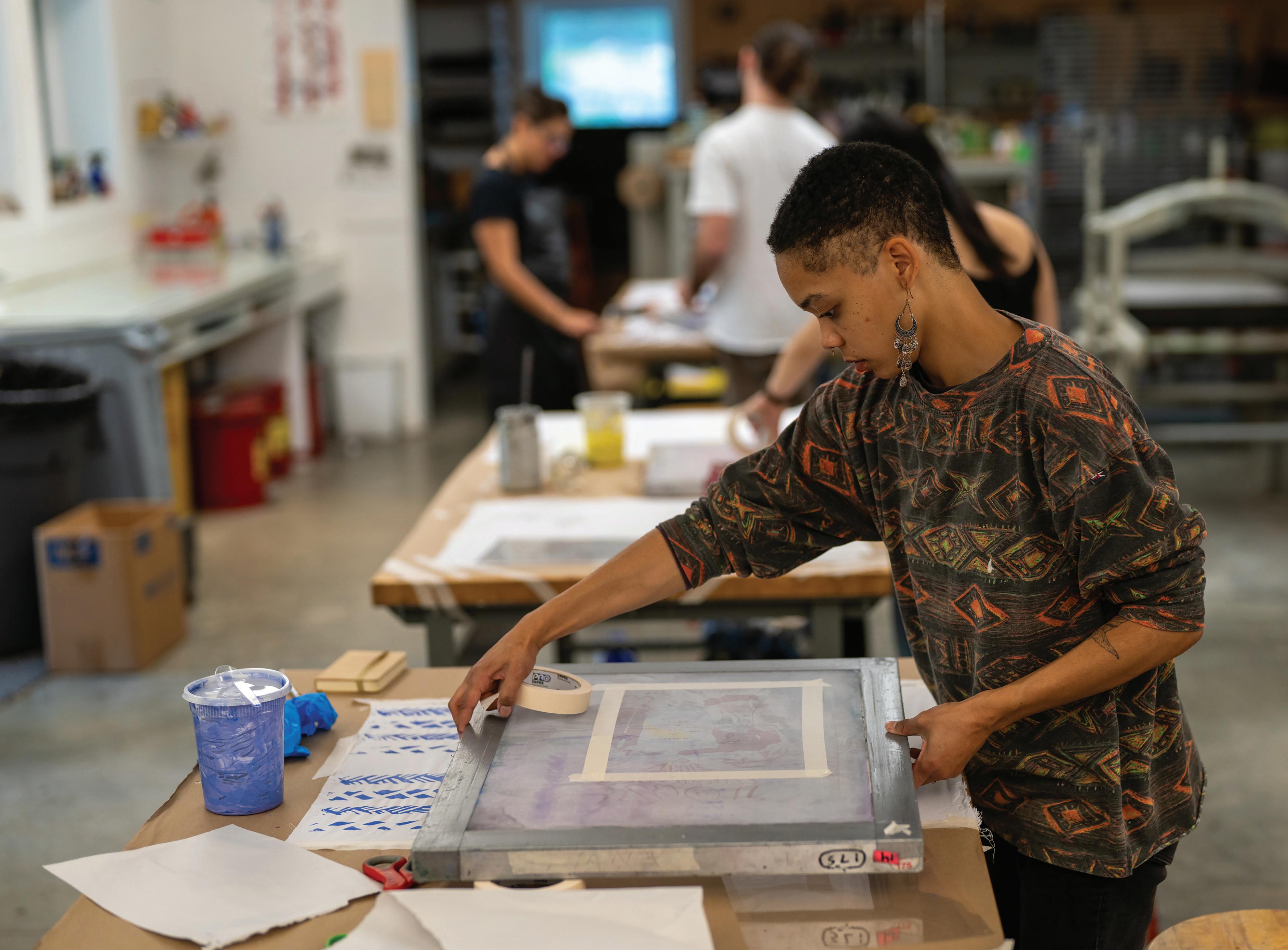
In this course, students will explore textile patterning through ecoconscious surface design techniques. Working with nature as inspiration,
material source, and collaborator, students will engage processes such as natural dyeing, mordant printing, cyanotype, and paste resists to create patterned textiles. Special attention will be given to observing natural systems and working with the sun, water, and wind as active agents in the creative process. Through field observation, experimentation, and reflection, students will develop a personal visual language rooted in ecological awareness and collaboration with the living world. We will consider how principles of community, regeneration, and ephemerality inform textile practice, studying the work of Ana Mendieta, Yto Barrada, and Maria Elena Pombo. Readings will include selections from Braiding Sweetgrass by Robin Wall Kimmerer and In Pursuit of Color by Lauren MacDonald, which together frame material practice as both an artistic and ethical inquiry. Assignments will guide students in designing and producing a series of patterned textile samples and one final project that integrates natural processes as both technique and conceptual framework. Technical demonstrations will be paired with discussions on sustainability, care, and responsible practice, supporting each student in building a process that is both materially and environmentally responsive.
THE NATURE OF MOKUHANGA: MODERN JAPANESE WOODBLOCK PRINTING
with Mary Brodbeck
$100 Lab Fee | June 28–July 4
Skill-building
Mokuhanga, or woodprint, is the modern Japanese term for woodblock prints made with traditional Japanese tools and materials, a process that flourished from the 17th through the 19th century. Students in this class will learn the time-honored methods and techniques of Japanese woodblock printmaking in a contemporary way. Focused demonstrations will feature wood carving, kento color registration, watercolor printing, and pressing with
a handheld baren. Design prompts may be provided alongside Japanese design, aesthetics, and process books, including Arthur Wesley Dow’s Composition: Understanding Line, Notan and Color and April Vollmer’s Japanese Woodblock Print Workshop. Students will view examples of mokuhanga, including historic process prints and contemporary Japanese pieces. Additionally, the class will screen Mary Brodbeck’s 35-minute documentary, Becoming Made (2014), in which artists Annie Bissett, Yoshisuke Funasaka, Tuula Moilanen, Richard Steiner, April Vollmer, and Karen Kunc share their insights into this process and the nature of creative work.
Focusing on the process, students will be assigned to create an edition of 10 prints of their design that incorporates two or more colors. Students are encouraged to bring a preliminary drawing of their desired image, designed to fit within a 7-by-10-inch matrix (9-by-12-inch paper size).
DRAWN TO PRINT AT OX-BOW
with Ayanah Moor & Oli Watt $175 Lab Fee | July 26–August 8 Exploratory
This course will examine the relationship between drawing and print through various techniques for monotypes and monoprints while encouraging a playful approach to both disciplines. Students
will develop sketches, drawings, and paintings into workable and reworkable print matrices. Emphasis will be placed on monoprint processes that facilitate iteration, variation, sequencing, and seriality. Techniques taught will include trace monotypes, additive and subtractive monotypes, screen monotypes, and relief monotypes and monoprints. Students will look at, read, and discuss the following as points of reference: Ray and Charles Eames’s film Powers of Ten (thinking about zooming in and out while making work); works by Christina Ramberg and David Weiss (working in sequences, iteration); Tracey Emin’s Monoprint Diary (monoprinting as a mediation between drawing, printing, and painting); Ellsworth Kelly’s 1954 Drawings on a Bus: Sketchbook 23; Nicole Eisenman’s monotypes; Carla Esposito Hayter’s The Monotype: The History of a Pictorial Art; Lynda Barry’s Syllabus: Notes from an Accidental Professor (exploring “failure” and “good vs. bad drawings”); and Zarina Hashmi’s relief prints. While students will be encouraged to use all techniques taught to enhance their individual practice, they will also be given daily prompts to develop sketches and drawings. Assignments will include the creation of a monotype based on another student’s sketch using one or all of the following techniques: trace, additive, or subtractive methods. This will yield a cognate, or “ghost print,” which will be passed on to yet another student for further development.
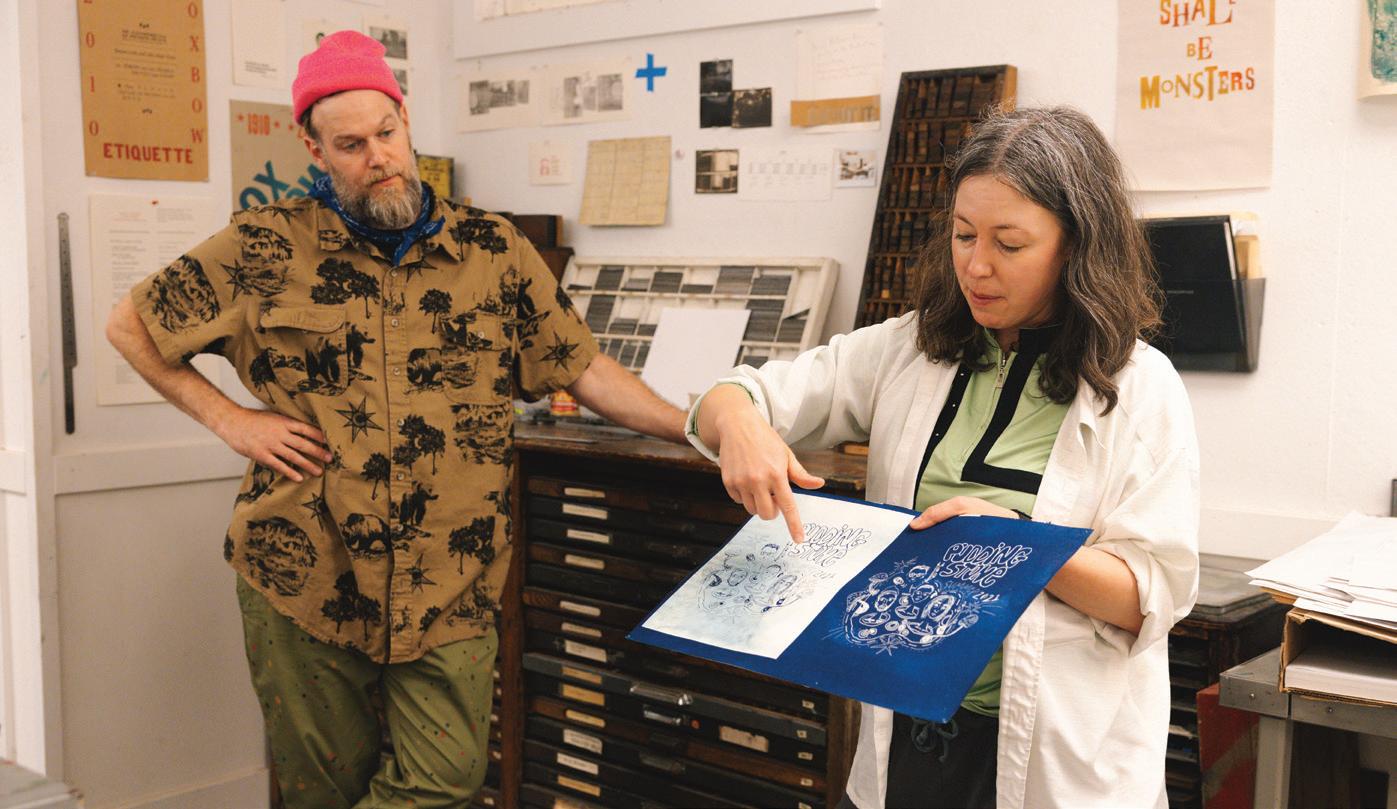
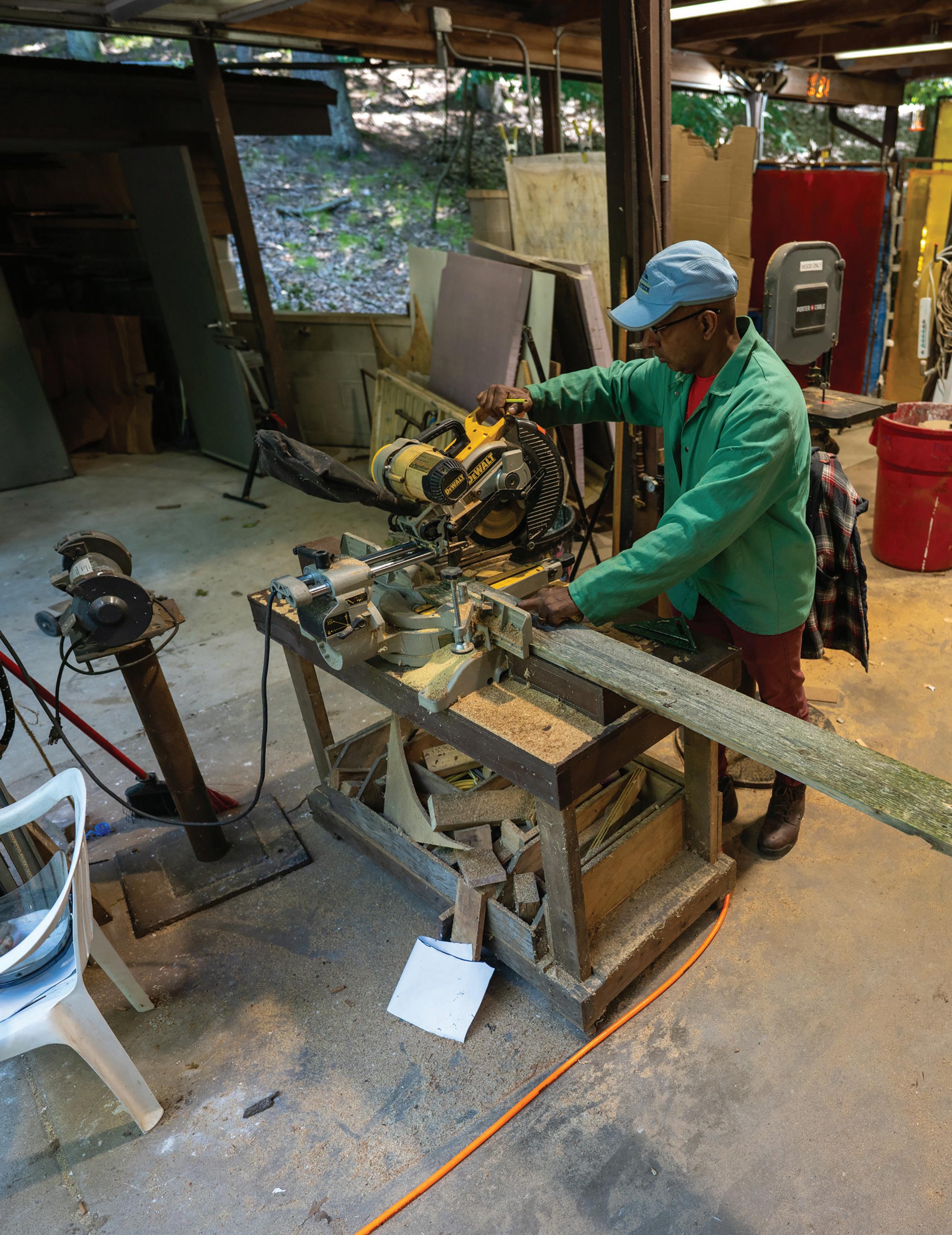
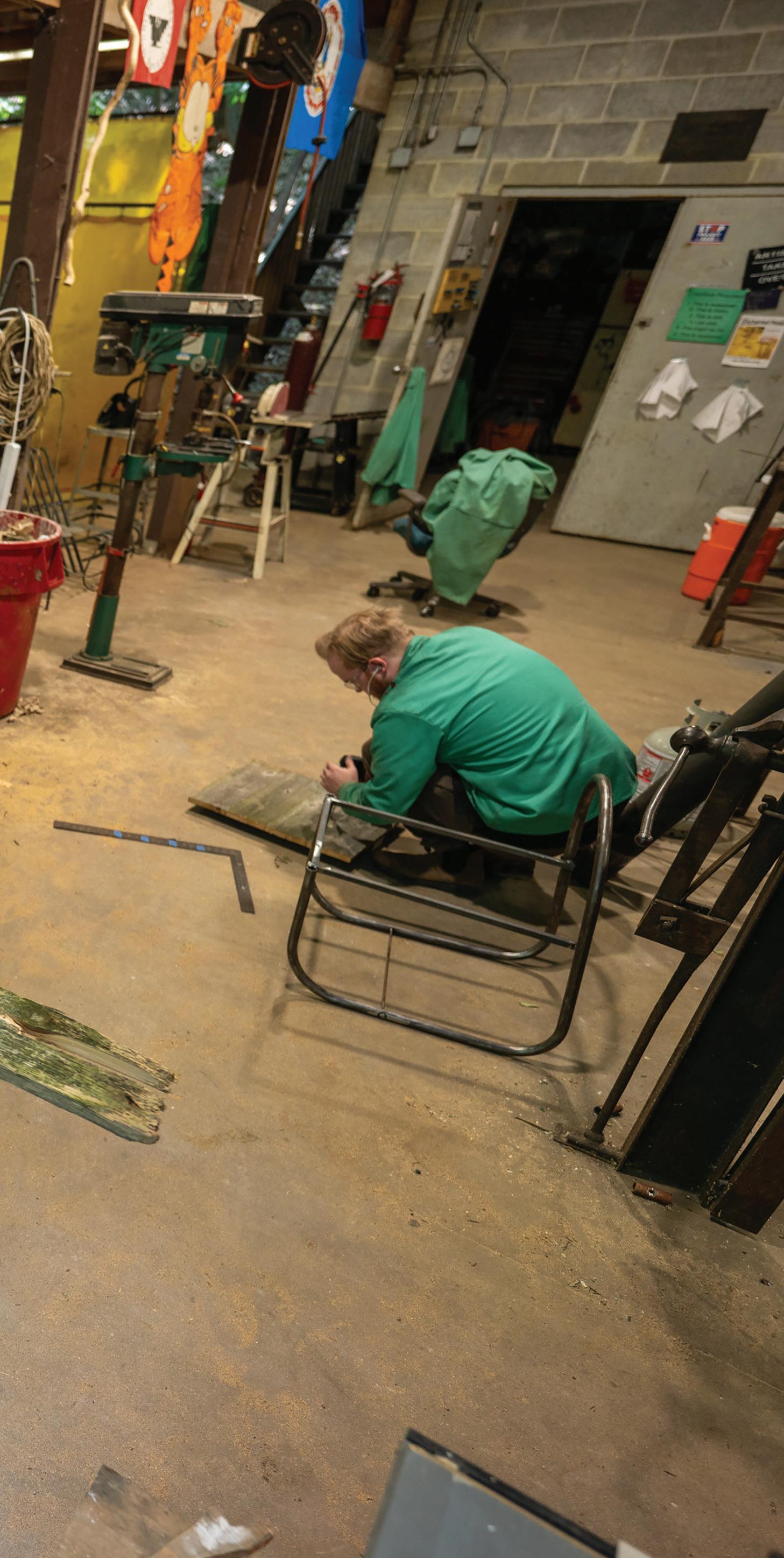
CASTING THE BODY & THE EVERYDAY
with Soo Shin
$250 Lab Fee | May 31–June 13
Skill-building
In this introductory course, students will obtain technical skills and a fundamental understanding of mold-making. Using the techniques learned in class, students will experiment with various ways to capture the everyday and the body while examining personal symbolism, rituals, and the border between art and daily life. Students will practice imprint, ready-made object, and body casting through four exercise projects using clay, plaster, slip, alginate, silicone, and resin. The class will look into art movements in history, such as Arte Povera, NeoDada, and Fluxus, via lectures to find the lineage of the everyday in visual art. We will discuss the practices of artists such as Ian Breakwell, Sarah Lucas, Gabriel Orozco, David Altmejd, Liz Magor, Cornelia Parker, Mierle Laderman Ukeles, and many others, to consider various possibilities of materials, objects, and rituals to trace the everyday. Readings will include Joseph Kosuth’s, “Art After Philosophy and Selected Writings, 1966-1990 (Part II: Theory as Praxis: A Role for an ‘Anthropologized Art’)”, MIT Press. Students will develop their final project using one of the four exercise techniques. Students are encouraged to adopt the natural environment of the Ox-Bow campus as their new everyday and explore it as the source of pattern materials for their molds. Assignments will include inviting students to consider sculpture as a means of recording, creating a new daily routine that involves OxBow’s surroundings. Using imprints of materials and traces from it they will cast the imprints into several plaster blocks. Students will also cast a body part in a symbolic gesture. Incorporating found materials, objects, or sites of your choice with your work to create five sculptures or installations as a final project.
BLACKSMITHING: SCULPTURAL FORMS
with Natalie Murray
$250 Lab Fee | June 14–27
Skill-building
This intensive will start with the fundamental techniques of forging, and move quickly into more advanced projects. We will focus on the processes of moving material while hot, and the forge and anvil will be the primary tools of achieving form. As a corollary, the history of forged ironwork (architectural, tools, and sculpture) will serve as a source of inspiration. Each student will also be encouraged to make an inflated sheet metal sculpture.
examine the organic abstractions of Barbara Hepworth, the accumulative constructions of Leonardo Drew, and the monumental playfulness of Niki de Saint Phalle. Additional context will include the collaborative experiments of Black Mountain College and approaches ranging from the minimalist clarity of Brancusi and Mid Century Modern design to the maximalist abundance of Nick Cave and Allyson Mitchell. Readings and screenings— such as Taking Imagination Seriously (Janet Echelman, 2013) and Design and Play: The Story of Charles and Ray Eames (Dave Buck, 2021)—will expand our understanding of design, sustainability, and emotional resonance in sculptural work. Assignments will invite students
will be placed on experimentation, improvisation, and using what you find among existing scraps. We will explore three-dimensional form construction, template design, and strategies to use stained glass in your own practice. Those with previous stained glass experience will find space in this class to play and take risks, while beginners will come away confidently knowing the rules of glass—and how to break them! We will engage in readings and ongoing discussions of color theory while considering artists who use color, light, and line, such as Hilma af Klint, Kerry James Marshall, Raúl de Nieves, and Wells Chandler. Assignments will invite students to find their way through a spectrum of glass
I think being at Ox-Bow sets everyone on an even playing field. Even though some people are older or younger, professional artists or students just starting, everyone is here for the same thing. As a younger artist, it’s really useful to see people who are maybe five or ten years ahead of me — what their careers look like, what choices they’ve made — and imagine what I want for myself.”
— Sophia Sturgeon, 2025 Summer Student
IMAGINATIVE ARMATURES & ALTERNATIVE COVERS
with Jessee Rose Crane
$250 Lab Fee | June 28 – July 4 Exploratory
In this hands-on sculpture course, students will build three-dimensional armatures and cover them with a range of materials that reflect their individual ideas and aesthetics. Working in Ox-Bow’s Metals Studio, participants will fabricate skeletal frameworks from wood, metal, and found or natural objects, then experiment with unconventional surfaces such as hot glue, foraged materials, and recycled scraps. Through demonstrations in welding, joinery, and finishing, students will learn to balance structure and play, creating expressive forms that merge intuition, resourcefulness, and personal narrative. Slide lectures and discussions will connect students’ projects to a lineage of artists who have redefined sculptural form and material. We will
to experiment with scale, texture, and conceptual layering through two main projects: one three-dimensional selfportrait and one abstract sculptural design. Both will emphasize the use of personally meaningful or repurposed materials as a way of exploring identity, memory, and form. By the end of the course, students will leave with a deeper understanding of structure and surface—and a set of imaginative, unconventional sculptures that embody Ox-Bow’s spirit of invention and play.
BREAKING GOOD: IMPROVISATIONAL STAINED GLASS
with Devin Balara
$250 Lab Fee | July 13–25
Skill–building
This class will provide a full overview of stained glass techniques. Using the copper foil method, students will learn to cut, grind, and solder colorful glass sheets and shards. Emphasis
pieces and arrange them with a focus on color harmony and intentional refraction of light. The class will culminate in a burst of site-specific installations throughout Ox-Bow’s campus.
COLLISIONS: EXPERIMENTS IN SCULPTURE, COLLABORATION & SOUND
with Richie Moreno
$250 Lab Fee | July 26–August 8
Skill-building
This course invites students to collaboratively design, build, and activate an interactive sound sculpture that bridges the worlds of sculpture, sound, and performance. Working with speakers, amplifiers, mixers, effects pedals, and other sonic elements, participants will explore how sound can shape space, material, and experience. The studio will function as
both a workshop and a laboratory— where building, experimenting, and listening are equally central to the creative process. Students will investigate the rich history and radical potential of sound sculpture and performance art, tracing its evolution from early avant-garde experiments to contemporary installation and social practice. We will consider artists such as Genesis P-Orridge, Alejandro Jodorowsky, Naama Tsabar, and Guadalupe Maravilla, whose practices merge ritual, collaboration, and transformation. Technical demonstrations in carpentry, mold-making, and casting will support hands-on production, with opportunities to integrate metal, ceramics, and found materials through cross-disciplinary collaboration. Throughout the course, students will engage in collective problem-solving, improvisation, and live activation of sound. The session culminates in a public performance or installation,
showcasing each team’s finished sound sculpture. No musical background is required—only curiosity, openness, and a readiness to experiment with how sound can be felt, shaped, and shared.
POUR DECISIONS: FOUNDRY FUNDAMENTALS & PRACTICE
with Lloyd Mandelbaum
$250 Lab Fee | August 9 - 22
Skill-building
This course introduces the fundamentals of metal casting through hands-on exploration of bronze, aluminum, and iron. Students will learn the professional techniques used by art casters to mold, pour, and finish their own sculptural works while emphasizing accessibility and a DIY approach. Through this process, participants will gain a deep understanding of
how raw materials, heat, and form intersect in the transformation of metal. Historical and contemporary figures such as Deborah Butterfield, Hanna Jubran, and George Beasley will serve as case studies, offering insight into how artists have used casting to explore structure, gesture, and meaning. The class will also engage in shared readings and screenings, including Sand Molding Basics by Lloyd Mandelbaum and documentation of an academic iron pour filmed by the Chicago Crucible. Students will complete at least one finished cast object created from a two-part sand mold and cast in bronze or aluminum, with full attention to shaping, joining, refinement, and patination. The course covers a broad range of processes—multi-part mold making, crucible and cupola furnace operation, and metal finishing— equipping students with the technical and creative tools to bring new dimension to their sculptural practice.
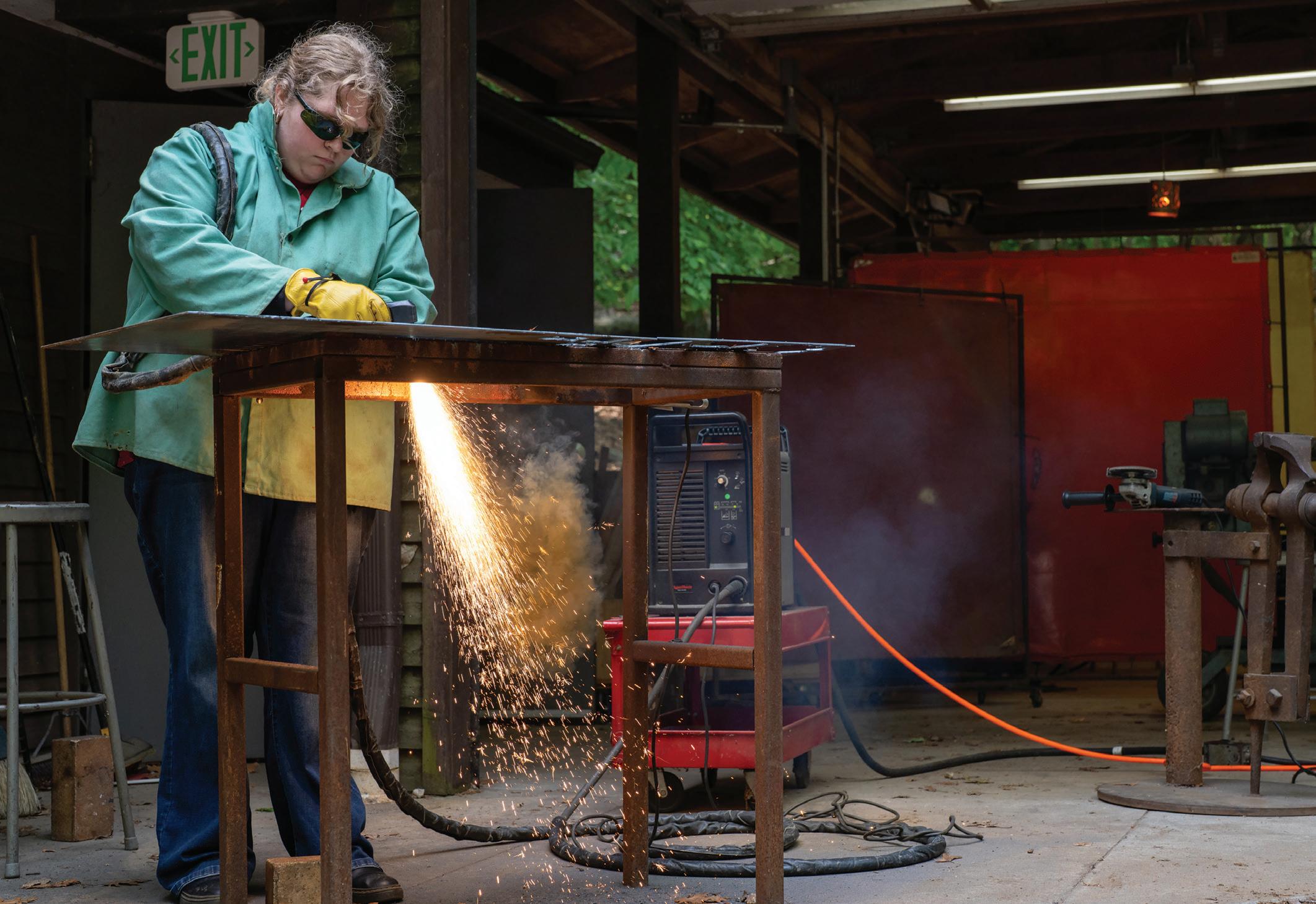
FIBER & PAPERMAKING
SOFT COMPOSITIONS
with Chris Edwards & Lauren Gregory $175 Lab Fee | May 31–June 13 Communal
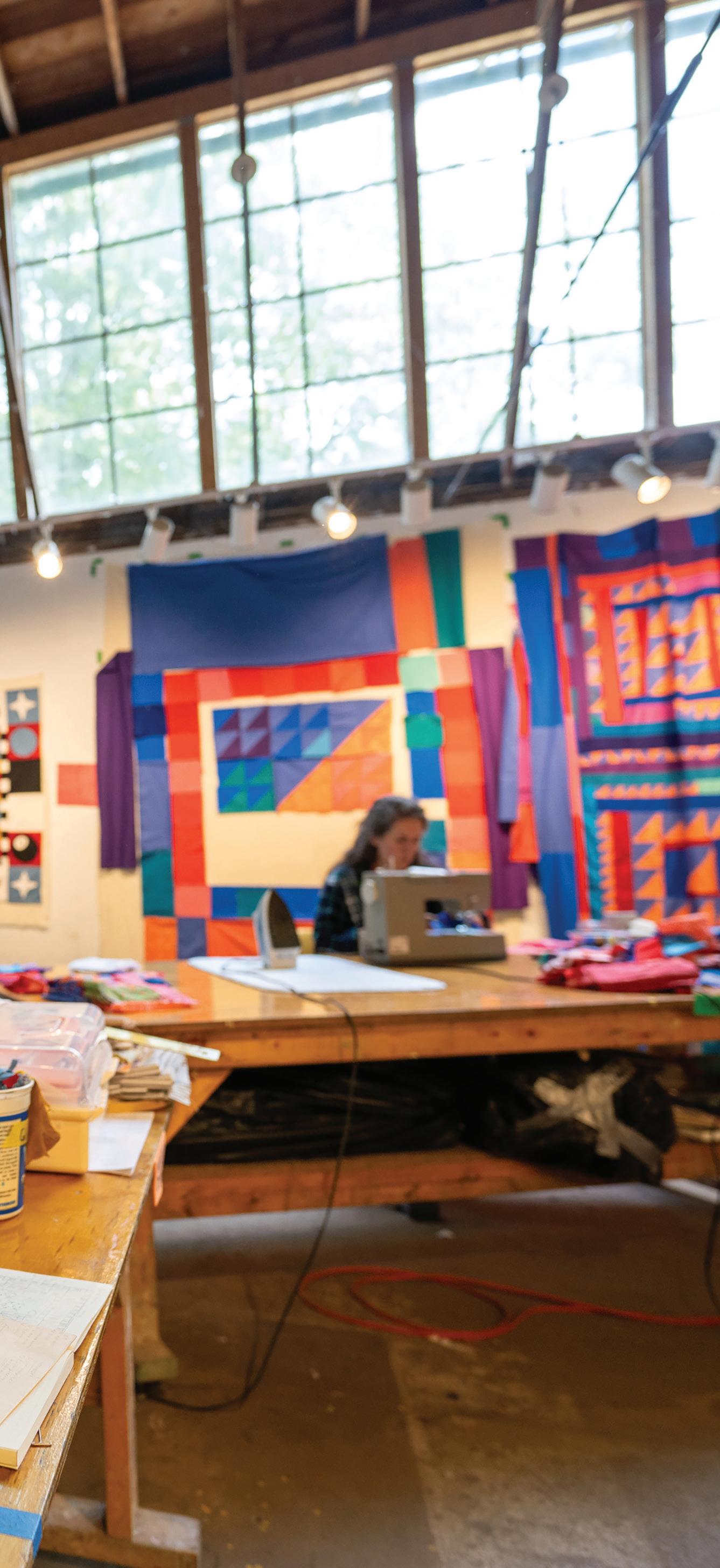
This course celebrates handicraft and invites students into the sewing circle in service of solving compositional problems with the language of quilting. Serving students at all levels of experience, participants will learn traditional, nontraditional, machine, and hand-sewing techniques to produce soft objects including quilts, banners, windsocks, dolls, and installations. Demonstrations on mapping 2D and 3D images, piecing, applique, dyeing, and additive image making will encourage the exploration of the alternative and whimsical sensibilities in soft sculpture. Platforming the loose and improvisational mark-making possible with traditional stitch and applique
techniques of quilt-making, this highly collaborative and social course will be inspired by the works of Rosie Lee Tompkins, the Gees Bend Quilters, Claes Oldenberg, RuPaul, David Byrne, and Lee Bowery. Screenings may include True Stories (1986), Common Threads: Stories from the Quilt (1989), and readings may include “Knitting, Weaving, Embroidery, and Quilting as Subversive Aesthetic Strategies: On Feminist Interventions in Art, Fashion, and Philosophy” (Michna 2020). Students will conceive and construct original fiber works in response to assignments that focus on the expressive, personal, and comical possibilities of these materials. Assignments will include completing piecing, construction, binding, and quilting of a full personal quilt project, collaborating on group textiles, even with artists in other classes, and students will make a wearable item for
Ox-Bow’s Friday Night Costume Party. The course will culminate in a group quilt show installed in the landscape.
HANJI UNFOLDS: TRADITIONAL KOREAN PAPERMAKING
with Su Kaiden Cho $175 Lab Fee | June 14–27 | Skill-building
In this hands-on workshop, students will explore the ancient Korean art of hanji, a traditional craft that transforms mulberry bark into beautiful, durable paper. For centuries, hanji has been an integral part of Korean culture, used in applications ranging from calligraphy and interior design to fashion and contemporary art. Through guided instruction, students will learn the process of preparing natural fibers, forming
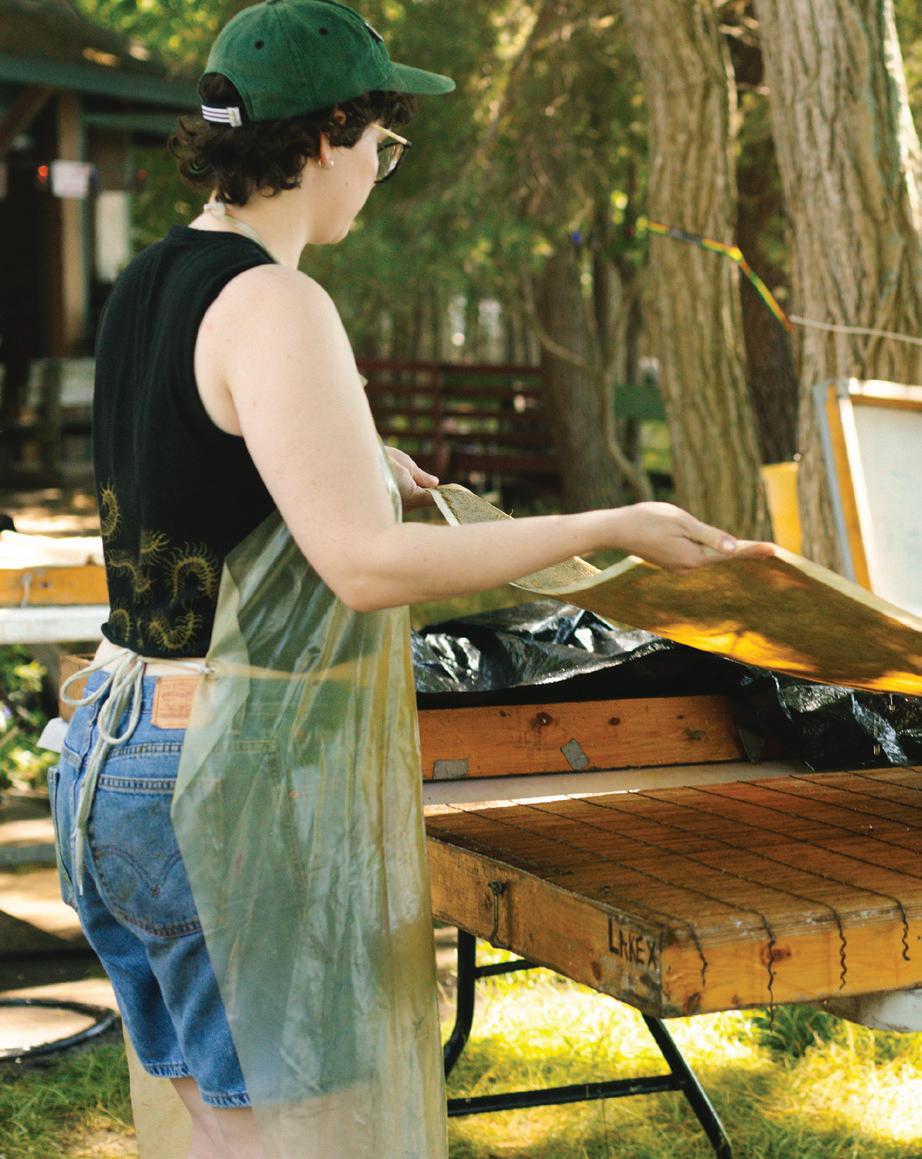
sheets, and drying the paper. The work is highly tactile and physically engaging, reflecting the labor and rhythm central to traditional papermaking. This class emphasizes both traditional techniques and modern adaptations, encouraging participants to create custom papers that reflect their personal aesthetic while connecting with the deep historical and cultural significance of hanji. Students will also be encouraged to consider how papermaking can intersect and collaborate with other mediums, including ink drawing, printmaking, and weaving with natural fibers. This workshop will explore the historical and contemporary significance of hanji, with special emphasis on its use in art and design. We will study the work of renowned hanji artist Lee Seung Chul, whose innovative installations and sculptures push the boundaries of this traditional material, and Yang Sang Hoon, known for intricate, geometric compositions that merge craftsmanship with modern abstraction. Readings will include selections from Hanji Unfurled: One Journey into Korean Papermaking by Aimee Lee, which offers a comprehensive look at hanji traditions. A screening of the film Hanji
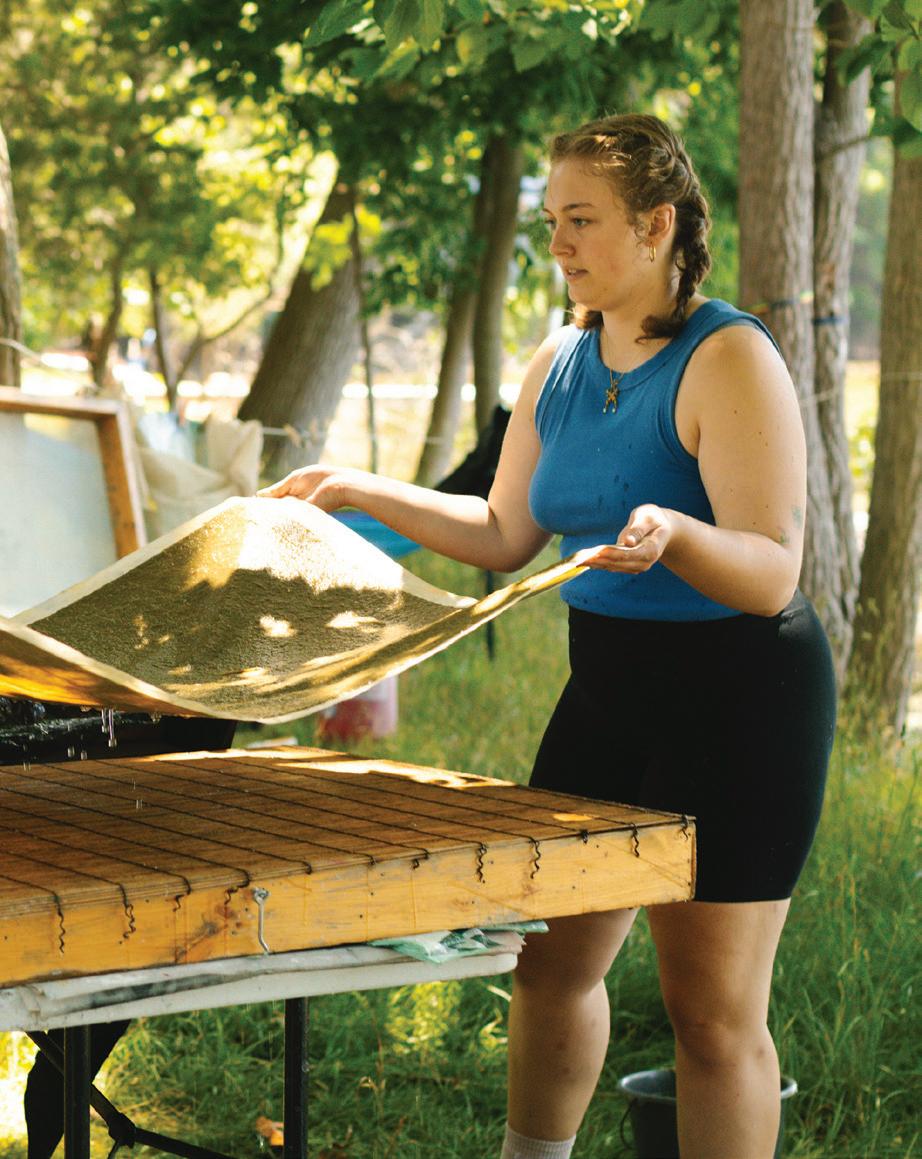
(2011) by Im Kwon-taek will further illuminate the material’s enduring cultural relevance. Students will create layered hanji artworks inspired by Lee Seung Chul’s installations or geometric compositions influenced by Yang Sang Hoon’s abstraction. As a final collaborative project, the class will work together to produce a largescale hanji sculpture for the Ox-Bow School of Art & Artists’ Residency, celebrating the medium’s expressive and communal potential.
GLOBAL PAPERMAKING: TECHNIQUES & PLAY
with Megan Diddie & Aya Nakamura $100 Lab Fee | June 28–July 4 Exploratory
This course will focus on Eastern and Western papermaking techniques. We will work with cotton and abaca fiber and use molds and deckles to explore watermarks, embedding, and pigments, and we will also process Kozo fiber from start to finish in order to make washi, or Japanese paper. Participants will practice the steps of papermaking while discussing the mechanics and science behind them. By the end of the course, students will be able to play with the techniques and materials the class provides and ideally forge their own individual paths to paper. We will discuss paper’s historical roots and contemporary uses in art; readings will include Dard Hunter’s The History and Technique of an Ancient Craft and Anish Kapoor’s “Silence and Transition,” and a mid-class lecture will introduce the work of contemporary papermakers and artists like Hong Hong, Zarina Hashmi, and Yoonshin Park, among others. We will briefly advise students on how to set up a simple home studio, so that they can expand on what they have learned beyond the classroom. We would like to emphasize that papermaking is a communal endeavor, and that collaborating with fellow classmates will be helpful when troubleshooting or executing assignments. Along with completing each day’s tasks, including clean up, students will be asked to produce a
final project. While these projects need not be completely finished, students will present their ideas and the steps they have made towards creating these pieces to the class.
SCULPTURAL BASKETRY: EXPLORING FORM, COLOR & TACTILITY
with Dee Clements
$175 Lab Fee | July 13–25
Skill-building
Focusing on the expressive potential of 3D weaving and sculptural basketry, this course invites students to explore a range of basketry techniques to create forms, vessels, and structural objects with an emphasis on tactility, color, and creative experimentation. Beginning with small sample projects to introduce key techniques, followed by opportunities to develop a personal small-scale sculptural piece, students will have the option of weaving over molds and formers or working freehand, using various base types to explore how structure and form emerge through process. We will also experiment with dyeing reed, learning techniques to create surface pattern and dimensional color through immersion, layering, and resist processes. We will study historical and contemporary approaches to sculptural basketry, with visual presentations and discussions of artists such as John McQueen, Ed Rossbach, Lillian Elliott, Hugh Hayden, Theda Sandiford, Katherine Westphal, and others whose work expands the boundaries of fiber and form. These case studies will anchor our creative exploration of how basketry can intersect with conceptual, sculptural, and material practices. Emphasizing experimentation, material play, and hands-on making, this course is perfect for artists, designers, and craftspeople interested in fiber, sculpture, and the expressive possibilities of woven form. One assignment will invite students to consider the conceptual and abstract possibilities of weaving by introducing spokes, lattices, netting, and mixed materials. The course will culminate in a presentation of woven wares.
SPECIAL TOPICS
MAKE AN OX-BOW MOVIE
with Scott Reeder
$100 Lab Fee | June 28–July 4 Exploratory
In this collaborative, hands-on course, students will write, shoot, and edit short experimental films inspired by the Ox-Bow landscape that explore storytelling through image, movement, and sound. Working individually and in small crews, participants will learn the fundamentals of camera work, lighting, editing, and sound design while embracing the improvisational and resourceful spirit of independent filmmaking. Students may use any type of camera—including phones— and will have access to a studio equipped with free editing software. The class will emphasize play, experimentation, and the power of collaboration—celebrating the DIY energy that defines Ox-Bow’s creative community. We’ll look at a wide range of artists and filmmakers who merge performance, humor, and fantasy to challenge traditional cinematic forms, including Jacolby Satterwhite’s digital dreamscapes, Mika Rottenberg’s absurdist labor worlds, and Shana Moulton’s surreal explorations of selfhelp and desire. Additional screenings may feature Julio Torres, Miranda July, and Jean Cocteau’s La Belle et la Bête (Beauty and the Beast), alongside documentaries such as Divine Trash, It Came From Kuchar, and Jack Smith and the Destruction of Atlantis —films that highlight collaborative, lowbudget, and experimental approaches to cinema. Assignments will invite students to experiment with form and process. In FOUND, students will create a 1–3 minute video using found footage or audio to generate new meaning from existing materials—exploring remix culture, collage, and the poetics of recontextualization. In ACTION , they’ll make a short video that foregrounds movement through performance, choreography, or dynamic camera
work. Finally, in FAKE , students will construct a 1–3 minute film using artificial or handmade elements— painted backdrops, thrifted props, or miniature sets—to build imaginative, performative worlds. The course will culminate in an end-of-session screening where students share their finished films with the Ox-Bow community, celebrating the collective energy of making movies together.
BUILDING A CEDAR STRIP CANOE
with Will Hutchinson
$350 Lab Fee | July 26–August 8
Skill-building
Students in this course will work together to build a floating work of art, a cedar strip canoe that will join the campus fleet and be used by future generations of artists to enjoy the Ox-Bow lagoon. Students will develop practical skills including methods for effective handwork with spokeshaves, chisels, and hand planes, as well as steam-bending, fiberglassing, and finishing processes. Although this is primarily a skillbuilding class, we will discuss the social practice possibilities inherent to the canoe and the relationship between objects, processes, and experience. Readings will include texts by Nicolas Bourriaud, Sigurd Olson, and Agnes Denes, while lectures will present canoe construction varieties and history. Assignments will invite students to practice tool sharpening and setup, along with strategies for cooperative working, division of labor planning, and successful communication. Participants will come away with knowledge of how to build a canoe as well as the tools to apply these practical skills to other artistic endeavors. The class will culminate in a canoe launch, a demonstration of effective and unique paddling techniques, and an exploration of the Ox-Bow lagoon.
LIVING SCULPTURE: FLORAL GESTURES & TECHNIQUES
with Maddie Reyna
$100 Lab Fee | August 16 - 22 Exploratory
This immersive retreat-like course invites participants to explore the sculptural and painterly potential of flower arranging as both supportive of and central to a creative studio practice. Students will create at least three distinct arrangements—one inspired by the lush and layered Garden Eclectic style, one by the contemplative Japanese art of Ikebana, and one based on an abstract artwork of their choice. Mornings will be spent arranging with fresh, seasonal blooms, while afternoons will offer quiet, self-directed studio time for drawing and painting from the arrangements. The group will also visit White Barn Flower Farm, whose team will deliver a beautiful selection of flowers to sustain the class throughout the week. Demonstrations and guided exercises will introduce the use of chicken wire and kenzan armatures, flower care, and techniques for balance and movement in design. The class will draw inspiration from artists and traditions that treat flowers as both subject and philosophy. We’ll look to Jan van Eyck for his devotion to botanical precision and symbolism, Shozo Sato for his teaching of Ikebana as a mindful and performative act, and Willem de Rooij for his conceptual installations that elevate floral form to social and political reflection. Through conversation and observation, students will consider how arranging can move beyond decoration to become a meditative, painterly gesture—one that reflects culture, emotion, and time. Throughout the week, participants will complete three floral compositions— Garden Eclectic, Ikebana-Inspired, and Abstract Interpretation—each paired with a drawing or painting study that deepens sensitivity to color, rhythm, and form. The session will culminate in a collective installation of all arrangements, transforming the studio into a living gallery that celebrates impermanence, beauty, and creative renewal.
ONLINE
STARVING ARTIST: FINANCIAL CARE IN A CAPITALIST WORLD
with Falaks Vasa
June 4–19 | 11:00 a.m. – 1:30 p.m. ET
Exploratory
In this online performance-based studio course, we will explore the intersections of body, gesture, and screen as tools to unravel the trope of the starving artist and explore pathways toward both material and psychological abundance through a queer, anti-capitalist, interdisciplinary lens. Through readings, discussions, and workshops rooted in performance, institutional critique, and collective experimentation, students will investigate how artists stage, embody, and disrupt systems of value and exchange. Together, we’ll explore how queer approaches to care, redistribution, and collectivity can reimagine abundance beyond material wealth. We’ll look to artists such as Andy Warhol, Maurizio Cattelan, and Monét X Change as models for how we can reveal and subvert the institutional and financial structures that shape our lives. Assignments will translate these ideas into multidisciplinary studio projects rooted in performance. Students will complete two major works: a visual art project that maps financial realities and emotional economies, and a conceptual work of institutional critique informed by class discussions. By the end of the course, students will also produce a practical financial plan for their future and a portfolio of studio work that situates their practice in dialogue with the histories and strategies explored in class.
LET’S PAINT ONLINE
with John Kilduff
June 4–19 | 2:30 – 5:00 p.m. ET Exploratory
Join legendary painter and performance artist John Kilduff—best known for
his exuberant live-streaming persona Mr. Let’s Paint—for a wild, high-energy dive into painting, performance, and process. In this experimental course, students will learn how to set up a home studio for both painting and streaming, transforming their creative spaces into dynamic sites of art and action. A highly interactive course, students will be expected to have their cameras on during class sessions as they participate in real-time painting challenges and group activities that emphasize spontaneity, humor, and endurance as pathways to creative freedom. Materials can include any combination of oils, acrylics, watercolors, spray paint, markers, musical instruments, canvas, paper, cardboard, blank t-shirts, or caps—students are encouraged to work across multiple media and make their studios as dynamic as the performances themselves.
Situating Kilduff’s practice within a lineage of performance-based and process-oriented painters, this course
draws inspiration from artists such as Allan Kaprow, Carolee Schneemann, and Bob Ross—figures who reimagined what it means to make and share art in public. Through this lens, students will examine how painting can exist as both a live act and a broadcast, dissolving the boundaries between artist, audience, and environment.
Assignments will include a full calendar of alternative painting exercises—painting while cooking, running on a treadmill, or singing. Students will also venture into their local landscapes to create rapidfire paintings of shifting scenes and moving subjects. The course will culminate in a final performance built around a painting idea–celebrating the intersection of art-making, movement, and play. Students should plan to work with a computer or phone and free streaming software such as OBS (while Kilduff uses Wirecast, a paid option, free tools are encouraged).
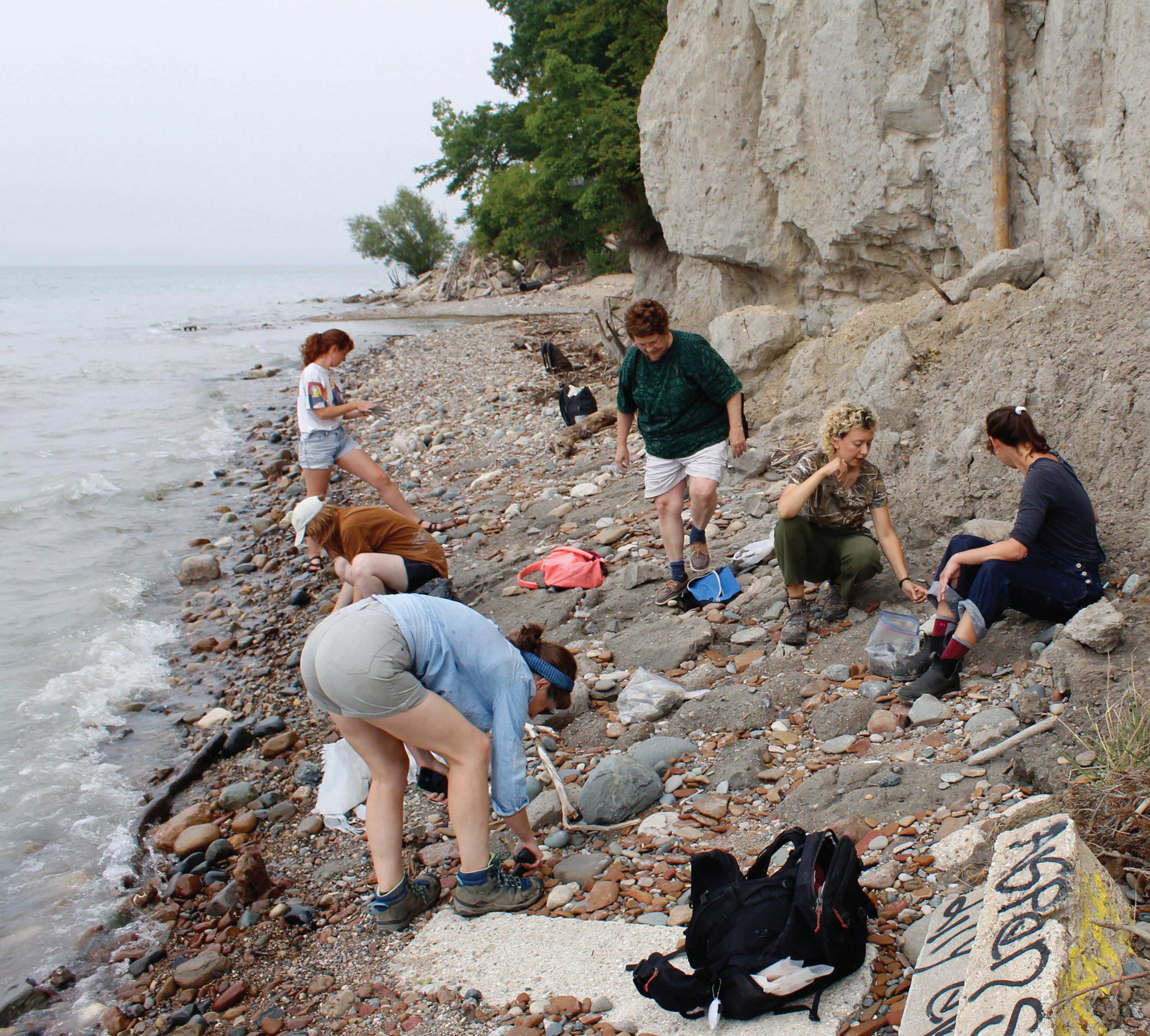
Listening to the Ground Beneath Us : Clay at Ox-Bow
by Shannon R. Stratton
I came across the concept of thinking with things by reading psychoanalyst Christopher Bollas. In his short text, The Evocative Object World, he talks about how humans fashion a life through the selection and use of objects that “give lived expression to one’s true self.” Objects, in Bollas’ theories, push our minds to process the world by/with/through them. “We do not know why we choose objects”, he writes, “but certainly one reason is because of their ‘experience potential,’ as each object provides ‘textures of self-experience.” For Bollas, objects are (also) not just inanimate things, but other living beings, places and activities. This framework for considering the world - as something we think with - is one of the powerful outcomes of studying and making artwork at Ox-Bow. The place and the people become something to think with and one of the most potent places that is experienced, is in our ceramic studio.
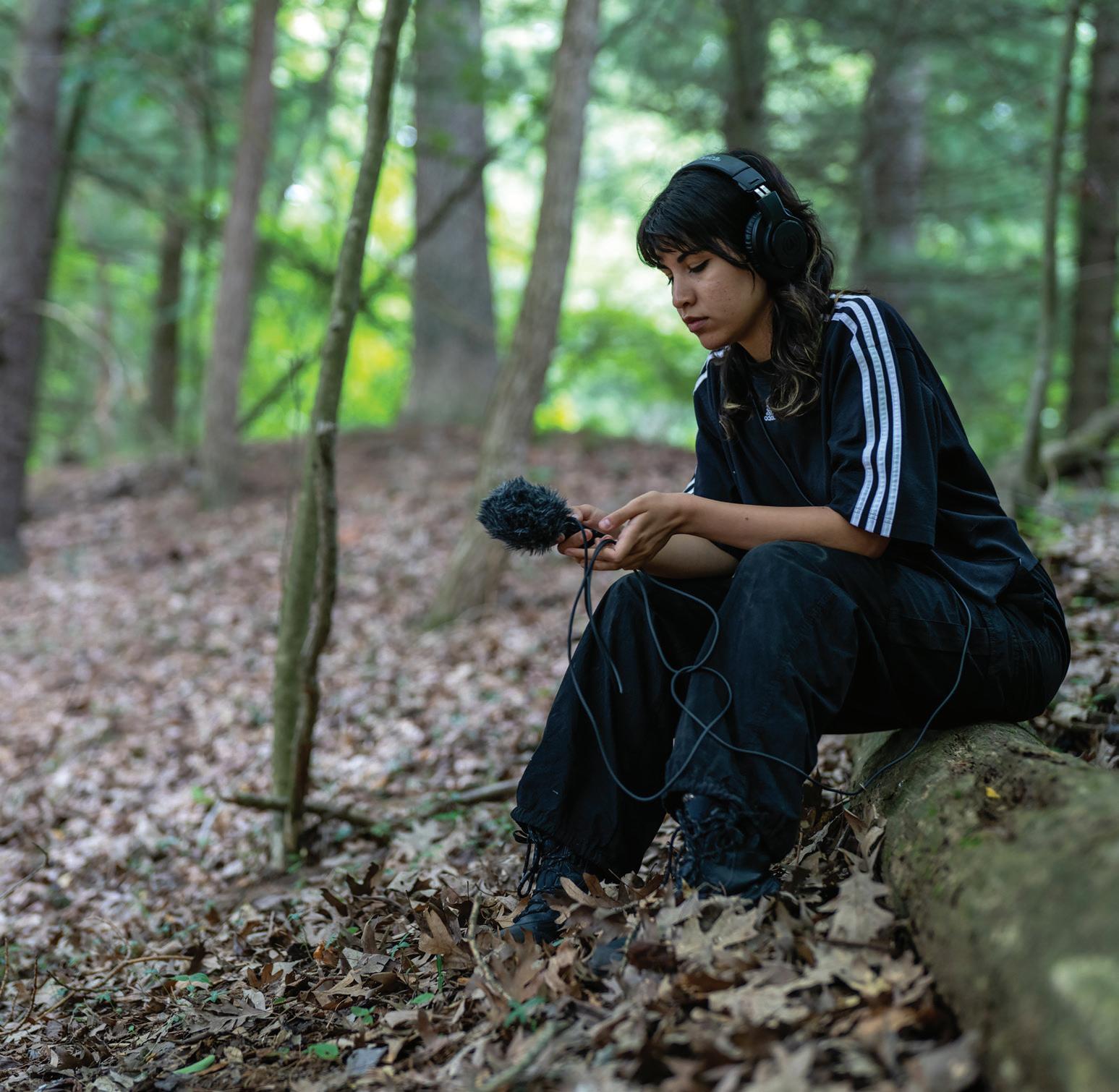
This summer, several faculty return to guide our students through practices that are deeply attuned to place. While many of our teaching artists organize field trips to the local Lake Michigan clay beach, for Liz McCarthy and E. Saffronia Downing, clay and place are nearly inseparable. Both forage clay in order to bring the histories of a site into the concept of their own work. Foraging is an act of noticing and “listening to the world;” with the present-ness and attention in the process inspiring a slowing down and forging of a deeper relationship to place.
Henry Crissman and Virginia Torrence have been leading the Woodfire intensive at Ox-Bow for the past three summers. The community that forms around this collective experience of loading, firing and tending the kiln creates another deep relationship to placein this case, the time-bound nature of the temporary community seasoned by the local wood burned in the kiln
itself. A session usually always culminates in “kilnaoke” in the studio while the group keeps the kiln at temperature and waits out the firing together. The final unloading of the kiln is like a massive, collective unboxing, as hundreds of pieces of ceramic art are extracted from the kiln, examined and admired.
Later in the summer, Luka Carter returns to teach Clay at the Table, a newer Ox-Bow offering, that brings the campus food culture and social pleasure of shared meals, into conversation with clay. Naturally, ceramic has a long history in service to storing, cooking and offering food, and Carter’s class takes that as a jumping off place to create a final, culminating event where the campus is invited into a performative meal designed by the class participants. Again, place becomes something to think with: the community, the landscape, the daily rituals of campus; these ingredients mix and meld with clay to produce work deeply entangled with place.
Thinking with materials and place, not just in terms of what we might be able to make, but what stories we might release through those relationships, might just push our minds to process the world through new perspectives. Mindful, compassionate relatedness can not only be healing, but transformative. What if foraging, working and thinking with materials thoughtfully and specifically from and in place, was a kind of healing, transformative dialog with community and nature? One of Ox-Bow’s invitations is to come to campus and experience that for yourself, and think more critically and deeply about where you are, who you are with, and why. While many of our studios create a rich dialogue with the campus and the natural world, there is something about clay’s tether to the earth and our bodies that makes it a particularly compelling medium through which to consider both the communal and the natural world.
1 Bollas, Christopher. The Evocative Object World. (East Sussex: Routledge, 2009). Pg. 86-87.
MEET OUR FACULTY
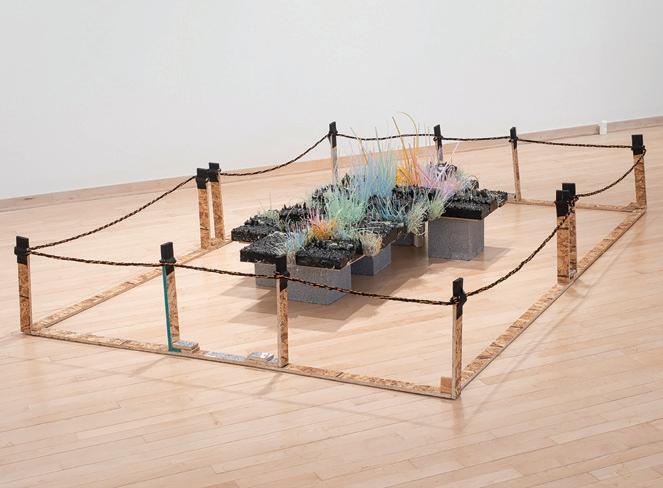
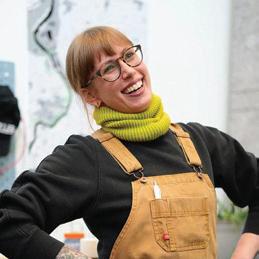
Christen Baker (she/her) is a multidisciplinary artist who works in a variety of media, including glass, neon, sculpture, photography, and 3D scanning. She has had residencies and exhibitions at Belger Arts, Kansas City, MO; the International Ceramics Studio, Kecskemét, Hungary; and UrbanGlass, Brooklyn. Most recently, she was awarded the Neon as Soulcraft residency in collaboration with She Bends, resulting in an exhibition at the Museum of Craft and Design, San Francisco. Baker earned a BFA in Ceramics from the Kansas City Art Institute and an MFA in Glass from the Tyler School of Art. She received the Leroy Neiman Fellowship at Ox-Bow in recognition of her work as an MFA student at Tyler.
Christen Baker, New! And Impervious to Natural Elements , 2023, glass, cement blocks, hand painted sign, OSB plywood, plastic rope, 24 x 69 x 102 inches, Image Credit: Neighboring States
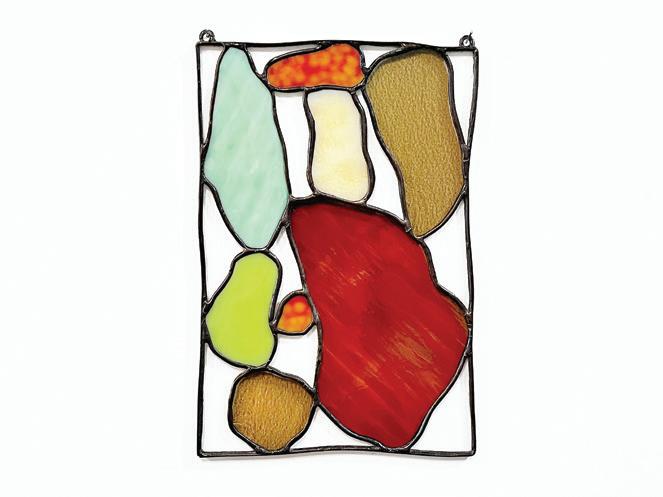
Devin Balara (she/her) has exhibited her work at venues including Atlanta Contemporary; Ortega y Gasset Projects, Brooklyn; Spring Break Art Show, New York; Roots & Culture, Chicago; the International Sculpture Center, Hamilton Township, NJ; and Coco Hunday, Tampa, FL. She has worked for over a decade as a metal shop manager for various institutions, including for eight years at Ox-Bow. She received a BFA in Sculpture from the University of North Florida in 2010 and an MFA in Sculpture from Indiana University in 2014. She currently works as a freelance stained glass artist and educator.
Devin Balara, Ural Rock Pile #1, 2024, glass and lead, 7 x 10 inches
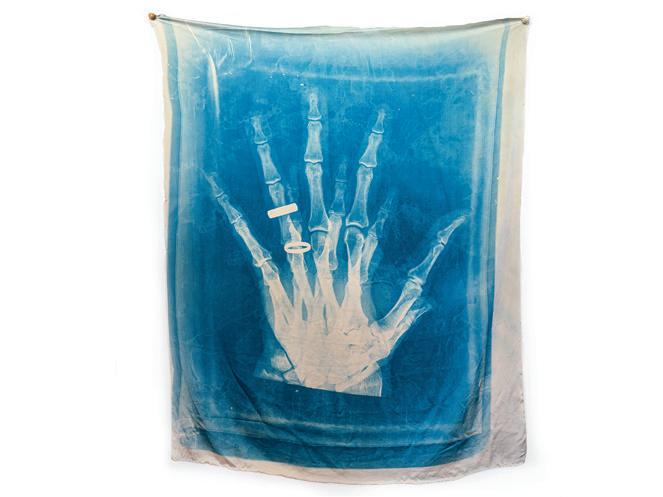
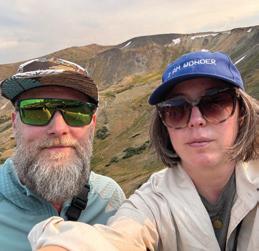
Sarah Belknap & Joseph Belknap (they/she & they/he) are partners, interdisciplinary artists, and educators. Working as a team since 2008, they have had art exhibited in Chicago, San Francisco, Los Angeles, Brooklyn, Detroit, Columbus, Minneapolis, Kansas City, St. Louis, and Oleśnica, Poland. In addition, they have presented performances, public programs, and workshops at institutions throughout Chicago. Their work has been shown in many group exhibitions and solo shows, including at the San Francisco Art Institute Galleries; the Columbus Museum of Art, OH; The Arts Club of Chicago; the Chicago Artists Coalition; Western Exhibitions, Chicago; Comfort Station, Chicago; and the Museum of Contemporary Art Chicago. Their work has been published in journals such as Afterimage, the Chicago Tribune, and books including, most recently, Weather as Medium by Janine Randerson (2018).
Sarah and Joseph Belknap, Intensitygram, 2025, cyanotype on silk, 38 x 52 inches
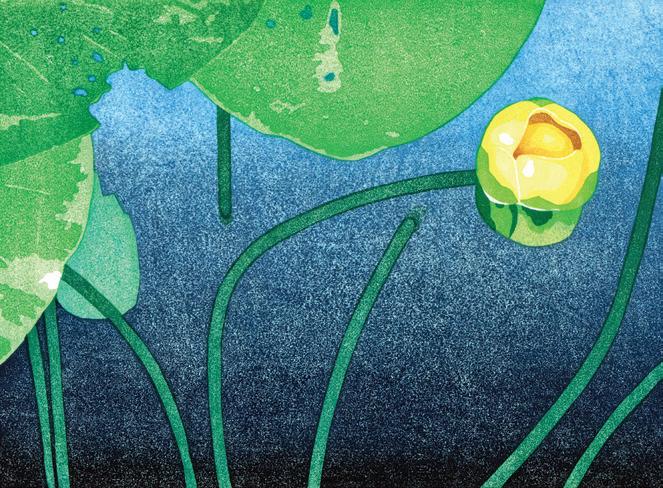
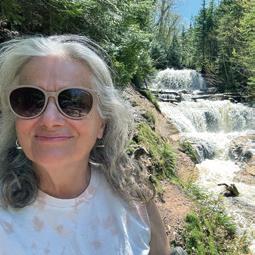
Mary Brodbeck (she/her) has specialized in mokuhanga (traditional Japanese woodblock printmaking) for over 25 years. Initially trained in industrial design (BFA, Michigan State University), she began her career in the West Michigan furniture industry. She took her first woodcut class at Ox-Bow in 1990, marking the start of a new direction. She subsequently studied woodblock printmaking in Tokyo on a Japanese government Bunka-Cho Fellowship and earned her MFA in Printmaking from Western Michigan University. Her works are now part of numerous public, corporate, and private collections, including the Hunterdon Art Museum, Clinton, NJ; the Detroit Institute of Arts, MI; and the Muskegon Museum of Art, MI. Brodbeck has taught mokuhanga workshops across the US, in Canada, and in Japan.
Mary Brodbeck, Attached, 2022, Mokuhanga (watercolor woodcut on paper), 14.24 x 10 inches
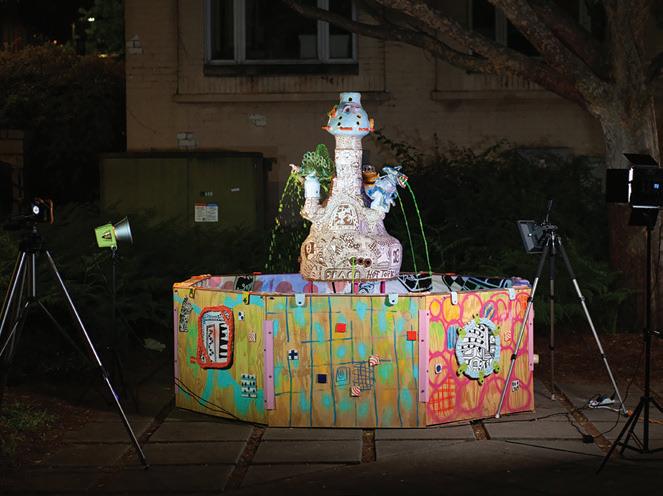
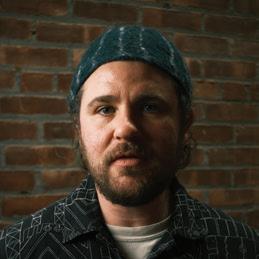
Luka Carter (he/him) is an interdisciplinary artist whose practice spans zines, furniture, tattoos, ceramics, clothing, and installations. Carter has been an artist-in-residence at Eureka! House, Chautauqua School of Art, ACRE, and Anderson Ranch. Recent exhibitions include shows at Spill 180, Brooklyn; Baba Yaga Gallery, Hudson, NY; Scope Art Show, Miami; the Baltimore Fine Art Print Fair, MD; and Manitou Art Center, Manitou Springs, CO. He is a Visiting Professor at Colorado College. His design and functional work can be found at Circles in Hudson, NY.
Luka Carter, What the hell happened to you, sweetheart?, 2023, ceramic, gatorade, wood, plastic, vinyl, screws, spray paint, enamel, acrylic, ink plumbing tubes, 10 x 10 x 12 feet
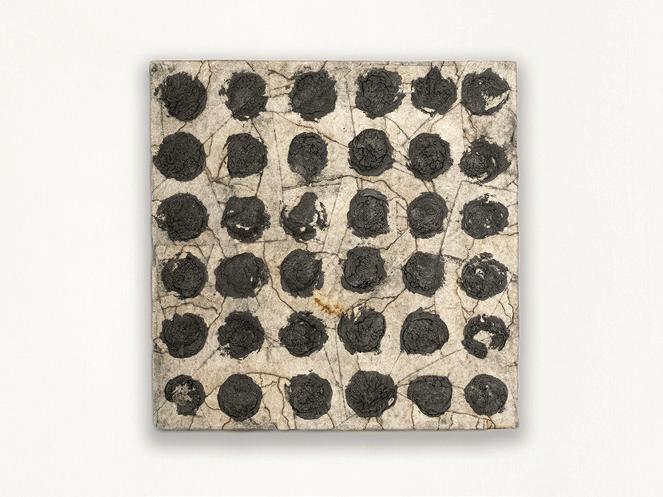
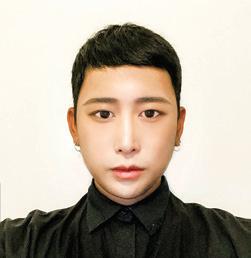
Su Kaiden Cho (he/him; b. South Korea) is an artist whose practice spans painting, sculpture, and installation, exploring the intersections of Eastern and Western diasporas. He earned his MFA in Painting and Drawing from the School of the Art Institute of Chicago and now serves as an educator, holding a teaching fellowship at SAIC. His artistic achievements include prestigious residencies, fellowships, and awards, including a residency at the International Center for the Arts in Umbria, Italy, led by Michelle Grabner, and the Ox-Bow Summer Residency in 2024. Cho has exhibited in over 20 solo exhibitions and more than 40 group exhibitions, both nationally and internationally.
Su Kaiden Cho, Breathe in - Count - Breathe out, 2024, burnt hand-made hanji (mulberry) paper, rice paste, hand-made oil pigment, on gessobord cradled panel, 5 x 5 x 1.5 inches
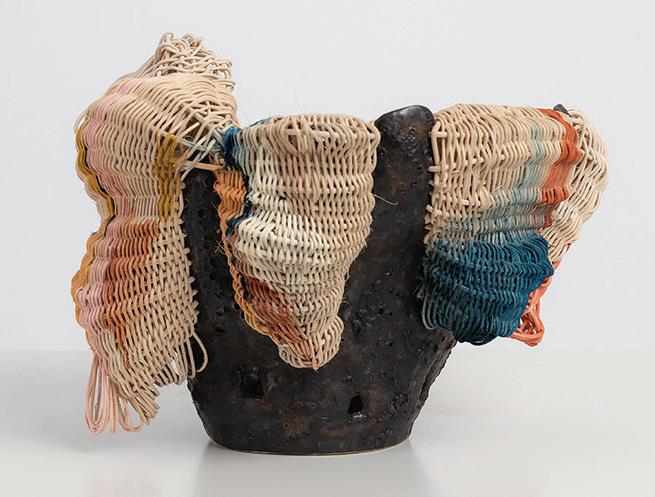
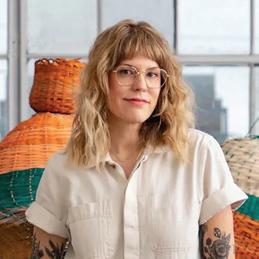
Dee Clements (she/her/ella) is a sculptor and designer whose practice uses the language of weaving and ceramics to explore her interests in materials, ethnography, and gender politics. She holds a BFA in Fiber and Material Studies and Sculpture from the School of the Art Institute of Chicago and an MFA in 3D Design from Cranbrook Academy of Art. Her work is currently represented by Nina Johnson Gallery, Miami.
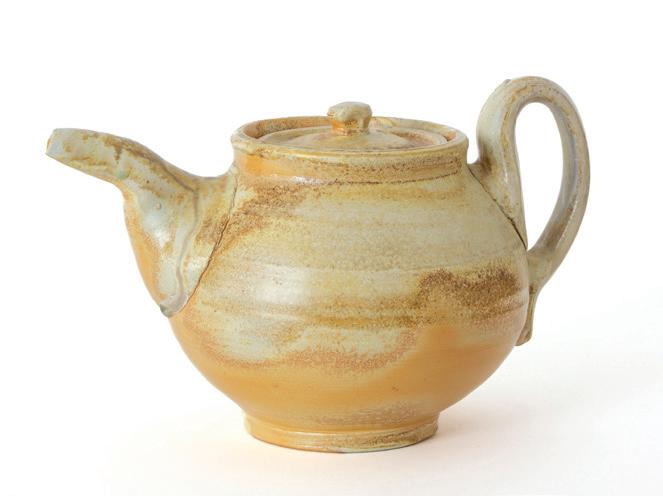
Henry James Haver Crissman (he/him) is an artist and educator who regards teaching as an integral aspect of his creative practice. Together with his wife and fellow artist, Virginia Rose Torrence, he co-founded and co-directs Ceramics School, a community ceramics studio and artist residency in Hamtramck, MI. He is also currently an Adjunct Professor in the Studio Art and Craft department at the College for Creative Studies in Detroit. Crissman earned a BFA in Craft from the College for Creative Studies in 2012 and an MFA in Ceramics from Alfred University in 2015.
Henry J.H. Crissman, After Many (Teapot), 2024, wood-fired ceramic, 8 x 10 x 7 inches
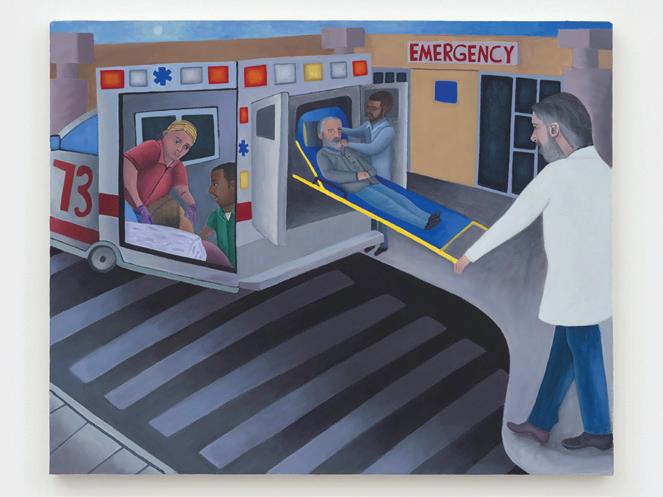
Alex Bradley Cohen (he/him) utilizes painting to visualize the push and pull of political life. Recent group exhibitions include In Relation to Power: Politically Engaged Works from the Collection, Nasher Museum of Art at Duke University, Durham, NC; State of the Art 2020, Crystal Bridges Museum of American Art, Bentonville, AR; and Triple: Alex Bradley Cohen, Louis Fratino, and Tschabalala Self, University Art Museum, University of Albany, NY. His work has also featured in exhibitions at venues including the Studio Museum of Harlem, New York; the Art Institute of Chicago; Elmhurst Art Museum, IL; and the Craft and Folk Art Museum, Los Angeles. He is an alumnus of the Skowhegan School of Painting and Sculpture and was an artist-in-residence at Ox-Bow.
Alex Bradley Cohen, Practices of Care, 2023, acrylic oncanvas, 24 x 30 inches
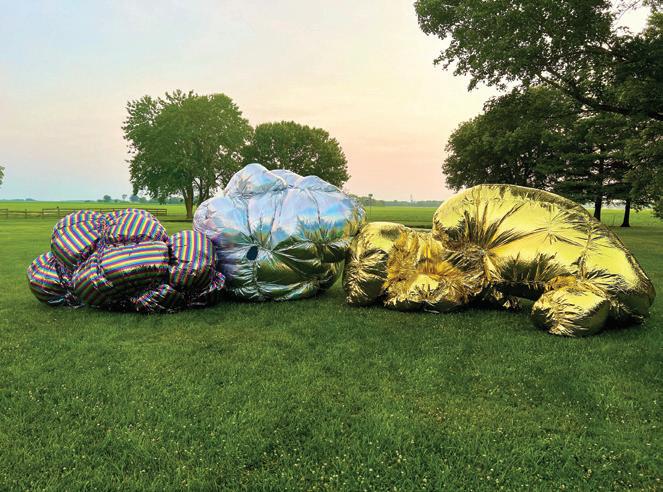
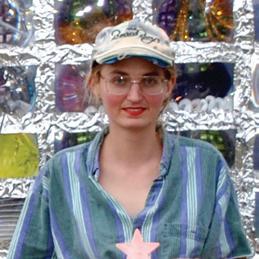
Jessee Rose Crane (she/ they) is a multidisciplinary sculptor, arts administrator, and musician. Her practice combines steel with various media to craft both functional objects and conceptual experimentations used in exhibitions, videos, and live performances with her band Glow in the Dark Flowers. Crane received her BFA from the School of the Art Institute of Chicago and her MFA from Southern Illinois University Edwardsville. She is the Director of Rose Raft, an artist and musicians’ residency and analog recording studio founded in 2015, and has taught several metals/sculpture classes at Ox-Bow over the years. She takes joy in giving students ample individual attention and holistic support.
Jessee Rose Crane, Steven, 2023, mylar, varying dimensions
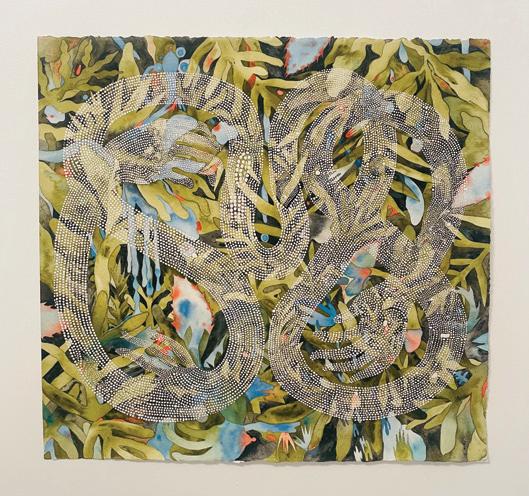
Megan Diddie (she/her) embraces the process of making as a way to tap into deeper, calmer states of mind. Her practice centers on drawing, which serves as a language to work through ideas, anxieties, and the unconscious. Alongside collaborator Aya Nakamura, Diddie co-founded Switch Grass Paper, a mobile papermaking studio that explores local fibers and the role they can play in artmaking while bringing papermaking to the Chicago public. She holds a postbaccalaureate degree from the School of the Art Institute of Chicago and an MFA from the University of Illinois Urbana-Champaign.
Megan Diddie, Sticky Hands , 2025, watercolor on paper, 22 x 24 inches
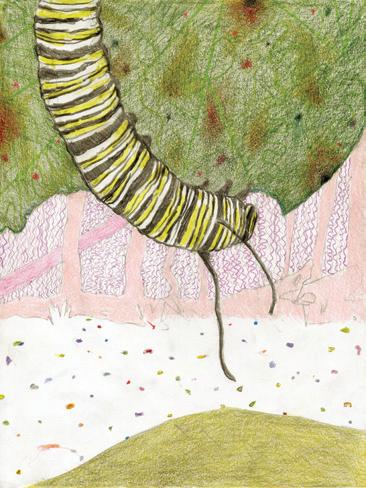
Josh Dihle (he/him) blends painting, carving, and drawing to open visionary portals into the heart. He co-founded the experimental art platforms Color Club and Barely Fair and teaches at the School of the Art Institute of Chicago. He has had solo exhibitions at venues including M+B, Los Angeles, and Andrew Rafacz, 4th Ward Project Space, McAninch Arts Center, and Valerie Carberry Gallery, Chicago. Dihle’s work has been exhibited in group shows nationally and internationally, including at Gaa Gallery, New York; MASSIMODECARLO VSpace, Milan; the University of Maine Museum of Art, Bangor; Hyde Park Art Center, Chicago; Elmhurst Art Museum, IL; Essex Flowers Gallery, New York; Ruschman, Mexico City; and Annarumma Gallery, Naples, Italy. His work and curatorial projects have been written about in the New York Times, the Chicago Tribune, Newcity, Artspace, the Washington Post, and The Art Newspaper, among others.
Josh Dihle, Young Monarch, colored pencil on paper, 12 x 9 inches
Dee Clements, Untitled Vessel, 2022, Ceramic, reed gouache
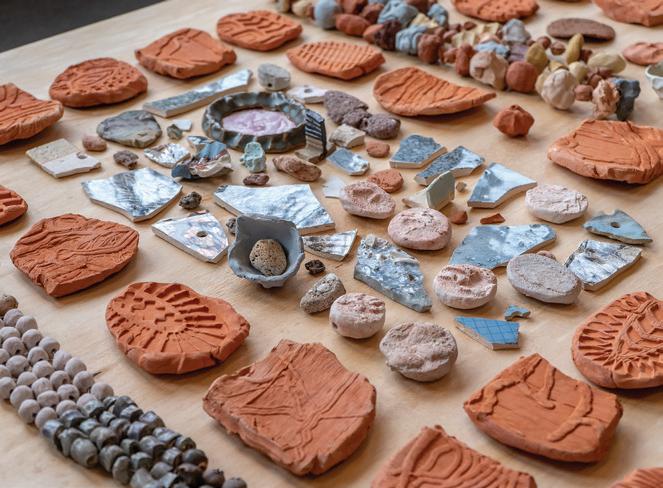
E. Saffronia Downing (she/ they) is a ceramic artist and educator whose art practice and research methods are informed by material studies, vernacular art traditions, and ecological thought. Downing is the recipient of various awards, including residencies from PADA, SPACE, and ACRE and fellowships from the College of the Atlantic, the Lunder Institute of American Art, and Ox-Bow. They received their BA in Studio Art from Hampshire College and their MFA in Ceramics from the School of the Art Institute of Chicago.
E. Saffronia Downing and Rosemary Holliday Hall, Tracing Ways, 2024, clay, earthenware, porcelain, risograph print, stoneware
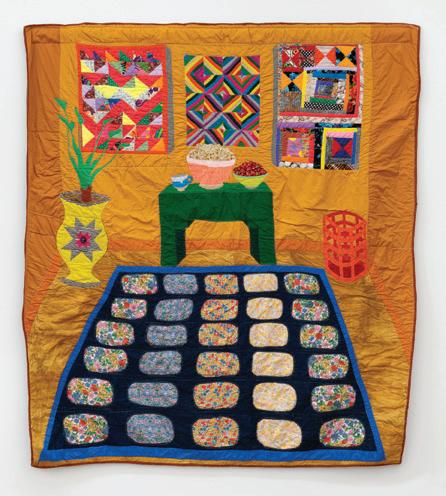
Chris Edwards (he/him) works primarily in quilting, ceramics, and puff paint. He has taught variations of the class Soft Compositions with Lauren Gregory at Ox-Bow since 2022. He has exhibited work at Western Exhibitions, Chicago; Ox-Bow House, Saugatuck, MI; Wrong Marfa, Marfa, TX; Elephant Gallery, Nashville, TN; and Adds Donna, Tusk, LVL3, Oggi Gallery, Dreamboat, and Julius Caesar, Chicago. He holds an MFA in Painting and Drawing from the School of the Art Institute of Chicago and a Master of Social Work from the University of Iowa.
Chris Edwards, R ug Quilt with Bowl of Popcorn and Bowl of Cherries, quilted cotton, 72 x 90 inches
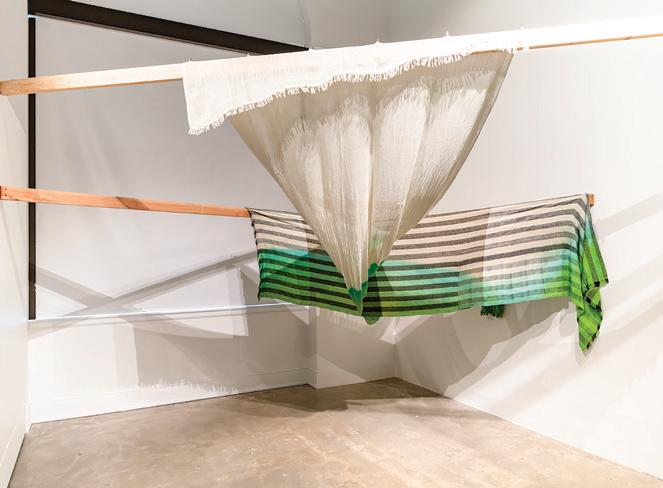
Ricki Dwyer (he/they) explores how textiles can inform and strengthen our sense of embodiment. A recipient of the Murphy & Cadogan Contemporary Art Award, the San Francisco Artist Grant, and the San Francisco Queer Cultural Center’s Emerging Scholars Award, Dwyer has had solo exhibitions with Anglim/ Trimble, San Francisco; Rupert, Vilnius, Lithuania; and Volume Gallery, Chicago. In 2022, he participated in the Biennale de Lyon in collaboration with Nicki Green. He has been an artist-in-residence at Jupiter Woods, Textile Arts Center, ARTHAUS Havana, the Kohler Co. Pottery and Foundry, and Yto Barrada’s The Mothership. In 2024, Dwyer was a Bronx Museum AIM Fellow. He received his undergraduate degree in Fibers from the Savannah College of Art and Design and his MFA from the University of California, Berkeley. He currently teaches with Parsons School of Design.
Ricki Dwyer, Untitled, 2024, handwoven cotton and bamboo, fiber reactive dye, stretcher bars, tacks, 22 x 18 inches
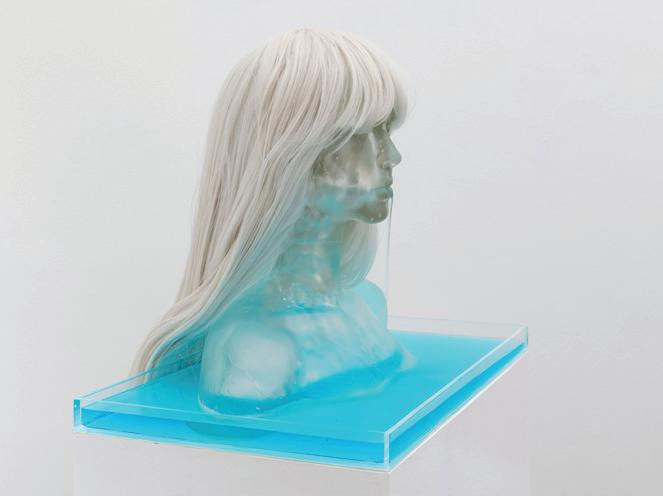
Emily Endo (they/them) is a multidisciplinary artist and educator whose practice pulls from the disparate, yet conjoined, histories of science and mysticism. Their work has been exhibited internationally at venues including Somerset House, London; Massey Klein Gallery, New York; Marta, Harkawik, and Neutra VDL House, Los Angeles; LVL3, Chicago; Bullseye Projects, Portland, OR; and the Byre, Latheronwheel, UK. Recent press includes coverage in the New York Times , Wallpaper, Architectural Digest, Variable West, Dezeen, Frontrunner, American Craft, LVL3, and MAAKE. Endo holds a BFA from the Maryland Institute College of Art and an MFA from Cranbrook Academy of Art.
Emily Endo, Water Baby Fountain, 2019, glass, acrylic hair, dyed water scented with flowers and salt, 58.5 x 20 x 16 inches
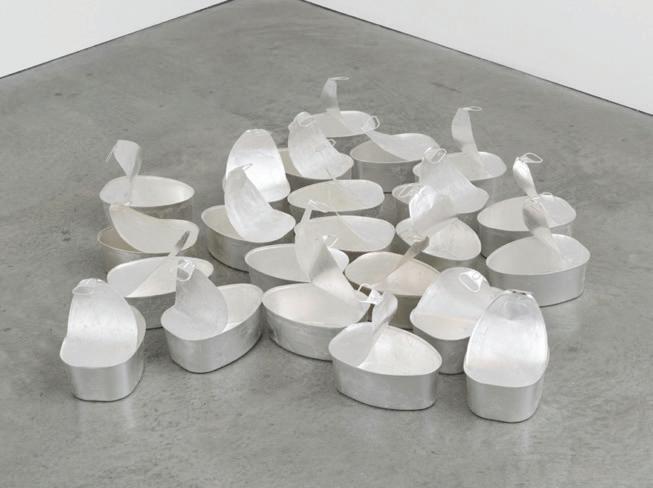
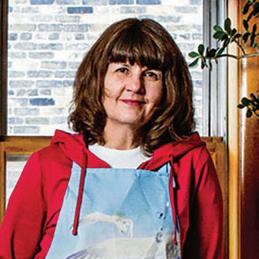
Michelle Grabner (she/her) is an artist, writer, and curator. She is the Crown Family Professor of Art at the School of the Art Institute of Chicago and has also held teaching appointments at the University of Wisconsin–Madison, Cranbrook Academy of Art, Milton Avery Graduate School of the Arts at Bard College, Yale School of Art, and the Skowhegan School of Painting and Sculpture. Grabner is a Guggenheim Fellow, a National Academician in the National Academy of Design, and a Wisconsin Academy of Sciences, Arts and Letters Fellow. She has curated major museum exhibitions including the 2014 Whitney Biennial and the inaugural FRONT International: Cleveland Triennial for Contemporary Art (2018). Along with artist Brad Killam, she co-directs the artistrun project spaces The Suburban, Milwaukee, and The Poor Farm, Little Wolf, both in Wisconsin.
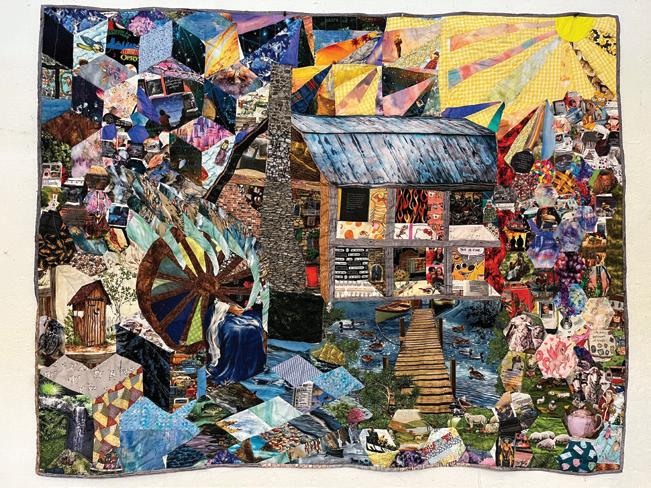
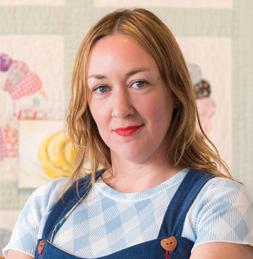
Lauren Gregory (she/her) is a multidisciplinary artist and educator whose practice bridges painting, animation, and quilting, exploring storytelling and the interplay between tradition and technology. Since receiving an MFA from the School of the Art Institute of Chicago, Gregory has created GIFs, looped video installations, and animated shorts that have screened at MoMA PS1 and the New Museum, New York; the Museum of Contemporary Art, Los Angeles; the Frist Museum, Nashville, TN; and film festivals worldwide. Her directing work includes commissions for the Washington Post and music videos for Leonard Cohen, Norah Jones, James Taylor, Sarah McLachlan, and Toro y Moi. She teaches animation at Parsons School of Design in addition to quilting at Ox-Bow and is represented by Red Arrow Gallery, Nashville.
Lauren Gregory, Every Day We Stray Further From God’s Light, 2024, cotton, batting, thread, 56 x 71 inches
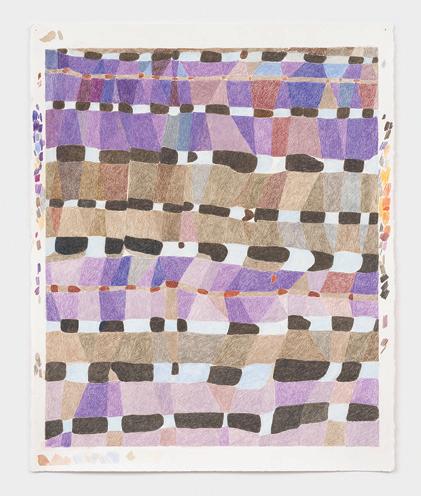
Carrie Gundersdorf (she/ her) is an artist and educator whose paintings and drawings reference early modernist art and images of natural and astronomical phenomena. Gundersdorf has had solo exhibitions at La Loma Projects, Los Angeles; the Museum of Contemporary Art Chicago; and Drew University, Madison, NJ. Her work has featured in group shows at 106 Green, New York; Mills College Art Museum, Oakland, CA; La Box, Bourges, France; and the Loyola University Museum of Art, Chicago, among others. Gundersdorf has received an Individual Support Grant from the Adolph and Esther Gottlieb Foundation, the Artadia Award, and the Bingham Fellowship from the Skowhegan School of Painting and Sculpture. Her work has been reviewed in ArtReview, Artforum, Artnet, Art on Paper, the Chicago Tribune, and Time Out Chicago
Carrie Gundersdorf, Garter Cone, parma violet, 2024, colored pencil and watercolor on paper, 28 x 22 inches
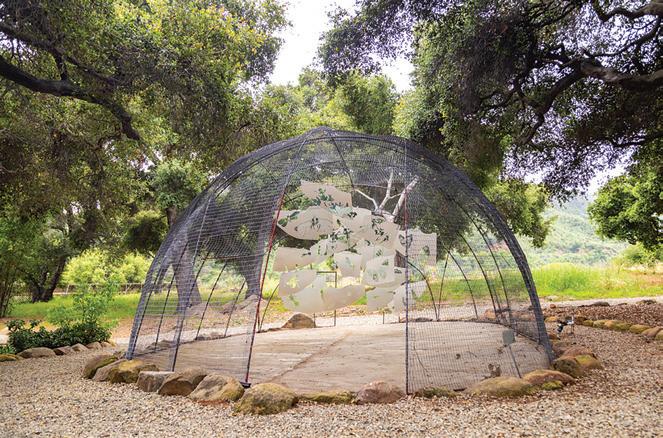
Rosemary Holliday Hall (she/ her) is an interdisciplinary artist whose practice spans installation, sculpture, ceramics, moving image, and performance. Her work has been exhibited in both solo and group exhibitions across the United States and internationally. Hall has been awarded numerous residencies, fellowships, and collaborative research grants with scientists. These include a Nemeth Art Center residency; Taft Gardens Artist Researcher in Residence; the Art, Science + Culture Grant from the University of Chicago; the Leroy Neiman Fellowship at Ox-Bow; the Maria and Jan Manetti Shrem International Residency at the Royal Drawing School; and a residency at the National Center for Ecological Analysis and Synthesis. Hall also co-founded Spore Space, a tiny artist-run exhibition venue in Ojai, CA.
Rosemary Holliday Hall, Swarm, 2024, carwindows, steel, porcelain clay dust, aviary, installation, 20 x 20 x 17 feet
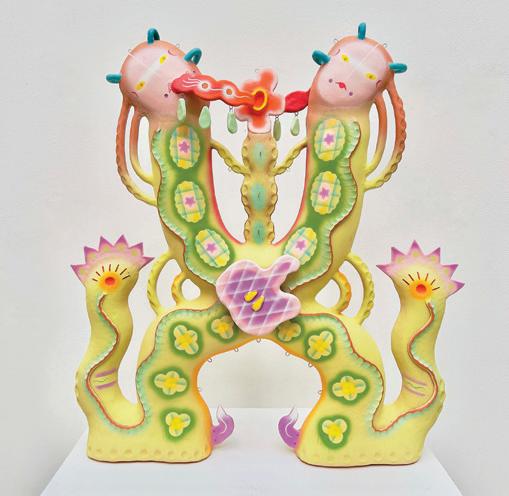
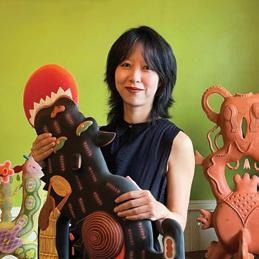
Chenlu Hou (she/her; b. China) is a ceramic artist whose imaginative sculptures draw inspiration from Chinese folk art, ceremonial objects, and moments from her daily life. She received her MFA in Ceramics from the Rhode Island School of Design in 2019 and has completed residencies at the Museum of Arts and Design, the Penland School of Craft, the Houston Center for Contemporary Craft, and the Archie Bray Foundation. She is currently a Visiting Critic in Ceramics at RISD.
Chenlu Hou, Two vegeterian snakes sucking nectar through retractable straws, 2024, terracotta, underglaze, gold ink, 28 x 16.5 x 3.5 inches
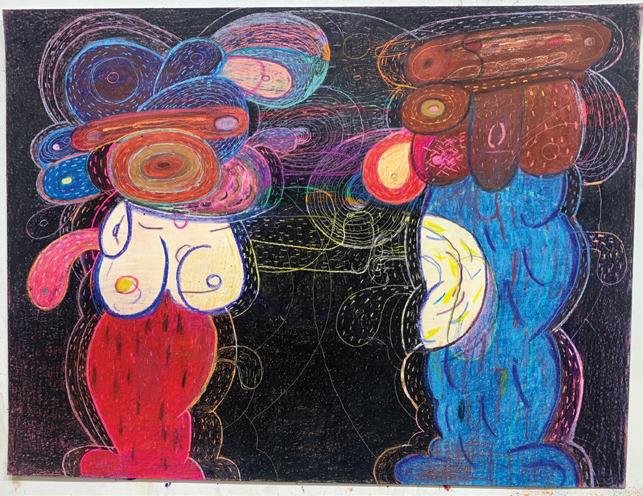
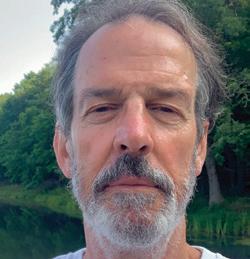
Richard Hull (he/him) has paintings, drawings, and prints in the collections of many museums, including the Art Institute of Chicago; the Museum of Contemporary Art Chicago; the Smithsonian American Art Museum, Washington, DC; the NelsonAtkins Museum, Kansas City, MO; the Museum of Fine Arts, Houston; and the Smart Museum of Art, Chicago. Hull has presented more than 40 solo exhibitions dating from 1979 to 2023, along with countless group exhibitions, at venues including the Minneapolis Institute of Art, the Art Institute of Chicago, the Museum of Contemporary Art Chicago, the NelsonAtkins Museum, and the Aldrich Contemporary Art Museum, Ridgefield, CT. He is represented by Western Exhibitions, Chicago.
Richard Hull, 2024, crayon on paper, 18 x 24 inches
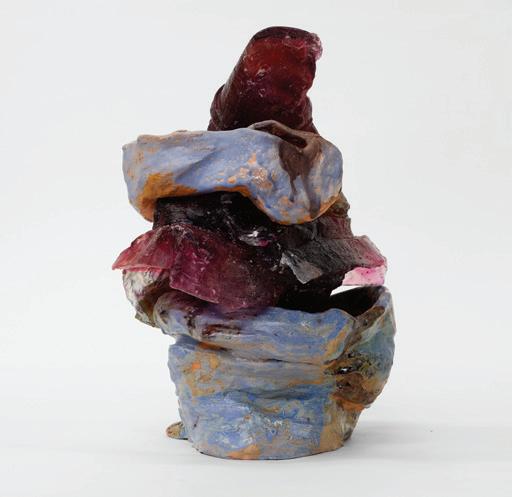
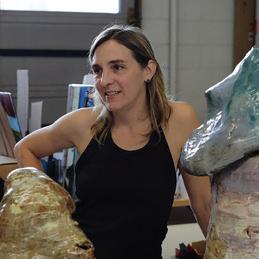
Jessica Jackson Hutchins (she/her) produces sculptural installations, assemblages, paintings, and large-scale ceramics. She has had solo exhibitions at Columbus College of Art and Design, OH; the Aldrich Contemporary Art Museum, Ridgefield, CT; the Hepworth Wakefield, UK; the Eli and Edythe Broad Art Museum, East Lansing, MI; and the Institute of Contemporary Art/Boston. Significant group exhibitions include Makeshift at the John Michael Kohler Arts Center, Sheboygan, WI; the 55th Venice Biennale, The Encyclopedic Palace; and the Whitney Biennial. Her work is in public collections including the Museum of Modern Art, New York; the San Francisco Museum of Modern Art; the Museum of Contemporary Art Chicago; the Brooklyn Museum; the Hammer Museum, Los Angeles; the Margulies Collection and the Institute of Contemporary Art, Miami; and the Portland Art Museum, OR.
Jessica Jackson Hutchins, Jaywalker, 2022, cast glass, glazed ceramic, 13.5 x 11 x 16.5 inches
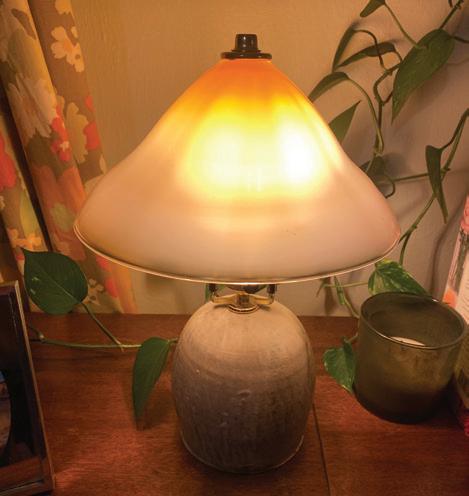
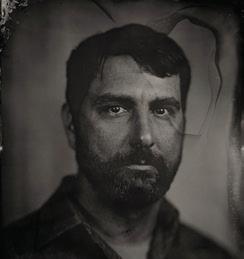
Will Hutchinson (he/him) is a former smokejumper and all-around adventurer. Invested in the truth of experience, he focuses his practice mainly on functional objects that attempt to facilitate and enhance experiences from the mundane to the extraordinary. Hutchinson holds a BFA in Drawing from the Art Academy of Cincinnati and an MFA in Sculpture from the University of Montana. He currently works as a fulltime knife maker and teaches glassblowing workshops in the Bitterroot Valley of Montana.
Will Hutchinson, Table Lamp, 2024, glass and ceramics, 24 x 12 x 12 inches
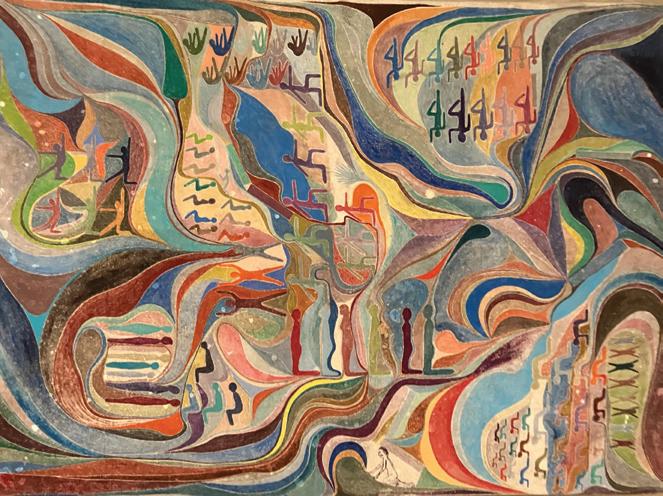
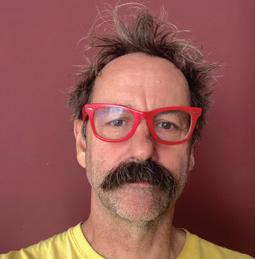
Chris Johanson (he/him) is a multimedia artist whose wideranging practice spans painting, drawing, and sculpture using wood, metal, fabric, and paper; sound installations and music performance; writing music; publishing zines and books; curating; producing music and performance events such as the Quiet Music Festival in Portland, OR; and creating murals, some with the participation of young people. A college dropout, he has shown his art internationally for many years, including as part of the Whitney Biennial. Recent projects include paintings or installations at the San Francisco Museum of Modern Art, Yerba Buena Center for the Arts, and de Young Museum, all in San Francisco, as well as a gallery exhibit at The Modern Institute, Glasgow, Scotland. He has made many monographs, including one with Phaidon, and is the recipient of a SECA Art Award from SFMOMA.
Chris Johanson, untitled (detail), 2025, acrylic on recycled canvas
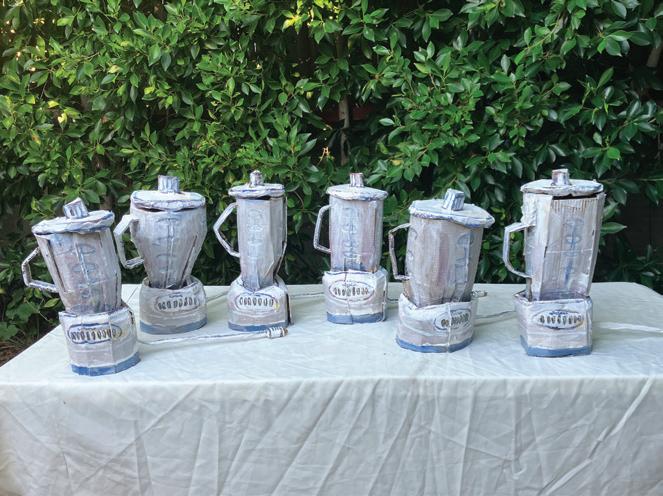
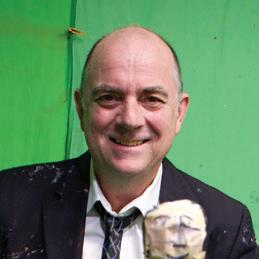
John Kilduff aka Mr. Let’s Paint (he/him) is best known for the cable access show Let’s Paint TV, where he combines painting with performance. Kilduff goes back and forth between these two disciplines in the making of his art. He received a BFA in Fine Art from the Otis Art Institute of Parsons School of Design in 1987. Following graduation, he became interested in performance and took acting and improv classes at Los Angeles City College and the Groundlings. After doing some movie background work, he started doing cable access TV in 1995. His first show was titled The Jim Berry Show ; in 2001, he started Let’s Paint TV In 2008, Kilduff graduated with an MFA in Fine Art from the University of California, Los Angeles. He has exhibited and performed all over the United States, Canada, Australia, and Europe.
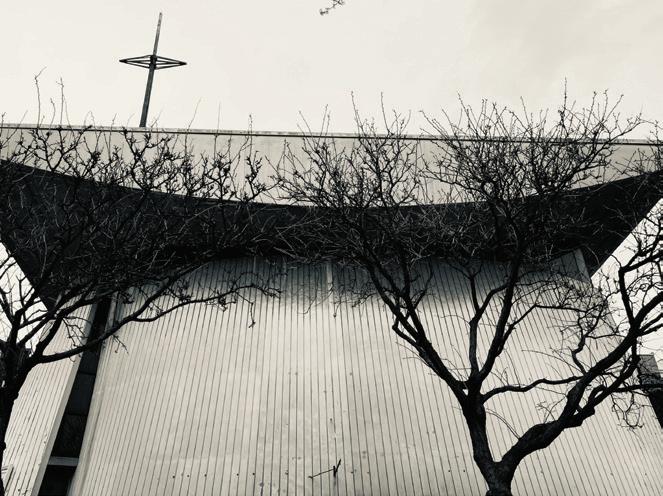
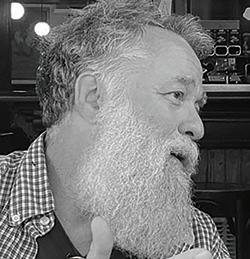
Brad Killam (he/him) has had work featured in over 30 solo and two-person exhibitions (in collaboration with artist Michelle Grabner) and more than 60 group exhibitions since receiving his MFA from the University of Illinois Chicago in 1993. He co-founded and co-directs, with Grabner, two artist-run spaces in Wisconsin: The Suburban, in Milwaukee, and The Poor Farm, in Little Wolf.
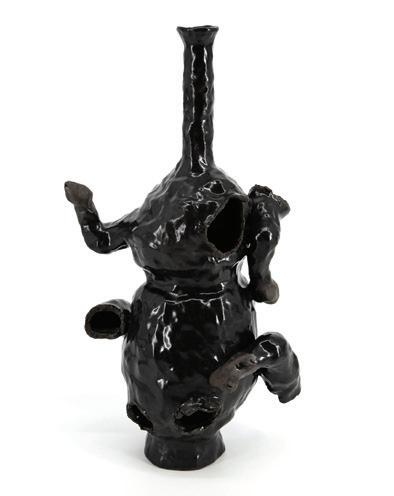
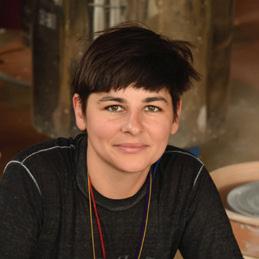
Liz McCarthy (she/they) is an artist who combines ceramics, often in the form of playable whistles, with other media. She is the founding owner of the GnarWare Workshop ceramics school and teaches in the Ceramics Department at the School of the Art Institute of Chicago. Most notably, she has exhibited/ performed at the Museum of Contemporary Art Chicago, Hyde Park Art Center, Goldfinch, Roman Susan, and Epiphany Center for the Arts, all in Chicago; Ghebaly Gallery, Los Angeles; and Bemis Center for Contemporary Arts, Omaha, NE. She has participated in residencies at locations including Atlantic Center for the Arts, ACRE, Banff Centre, OxBow, and Lighthouse Works and has received support from the Joan Mitchell Foundation, Illinois Arts Council, and Chicago’s Department of Cultural Affairs and Special Events.
Liz McCarthy, Imperfect Vessel, 2024, glazed stoneware, 19 x 10 x 8 inches
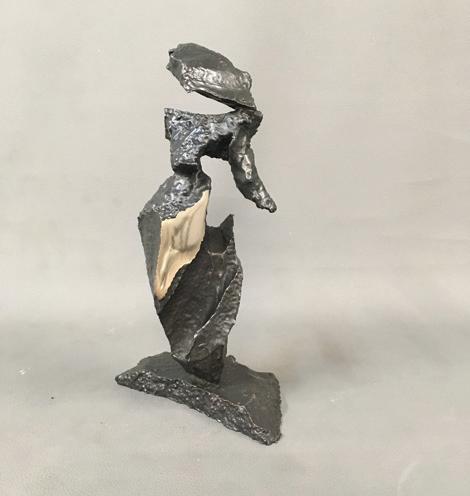
Lloyd Mandelbaum (he/him) is a metal sculptor and the founder of the art casting foundry Chicago Crucible. Mandelbaum utilizes a variety of molding and casting methods to produce both his own work and that of artists from across the country and internationally. His focus is on cast bronze, aluminum, and iron, integrating both traditional analog and contemporary digital methods. He also designs, builds, and markets foundry equipment for other foundries and artists. Mandelbaum received his BFA from the School of the Art Institute of Chicago in 2008 and worked with a variety of foundries and artists in the Chicago region before going on to found his own business. He has also taught at various universities, schools, and conferences, as well as conducted workshops centered on building and assisting in the operation of foundries for artists in the US and Mexico.
Lloyd Mandelbaum, I have a new hat, 2018, bronze, 11.5 x 7 x 5.5 inches
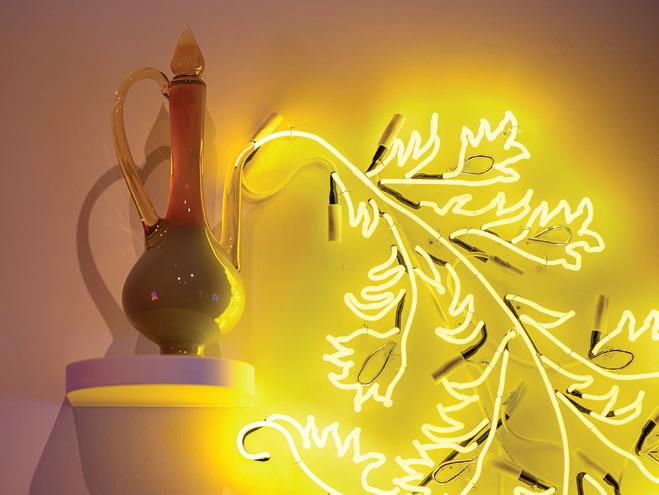
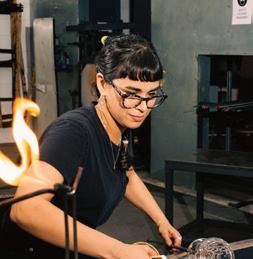
Victoria Ahmadizadeh Melendez (she/her) creates poetic installations that merge glass, neon, imagery, and text, drawing from her Puerto Rican and Persian heritage. She was the inaugural winner of the Adele and Leonard Leight Glass Art Award from the Speed Art Museum, Louisville, KY, and has held residencies at Blue Mountain Center, the Massachusetts Museum of Contemporary Art, Pilchuck Glass School, and the Corning Museum of Glass, among others. Her work has been exhibited at the Museum of Craft and Design, San Francisco; Traver Gallery, Seattle; Museum of Glass, Tacoma, WA; BWA Wrocław, Poland; and Glasmuseet Ebeltoft, Denmark. She previously directed the Bead Project at UrbanGlass, supporting femmes from diverse backgrounds in learning glasswork. She is an Adjunct Associate Professor at the Tyler School of Art.
Victoria Ahmadizadeh Melendez, an overflowing abundance that takes hold when I remember you, 2025, solid and mirrored glass, neon, 6 feet x 4 feet x 10 inches
Brad Killam, Untitled, 2023, digital photographs
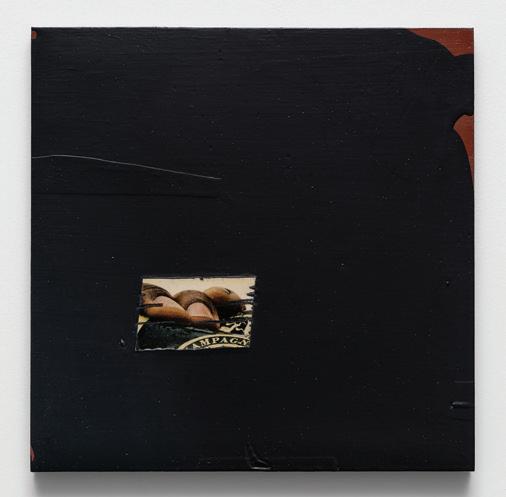
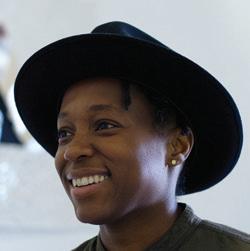
Ayanah Moor (any/all) centers the poetics of Blackness and queerness in her approach to painting, print, drawing, and performance. Her work has featured in exhibitions at venues including the Manetti Shrem Museum of Art, Davis, CA; the Museum of Contemporary Art, DePaul Art Museum, and Museum of Contemporary Photography, Chicago; the Studio Museum in Harlem, New York; the Andy Warhol Museum, Pittsburgh; ONE Archives at the University of Southern California Libraries, Los Angeles; Te Tuhi, Auckland, New Zealand; Proyecto ’ace, Buenos Aires; and daadgalerie, Berlin. Moor’s publications include INCITE Journal of Experimental Media: Sports (2017), edited by Astria Suparak and Brett Kashmere; Troubling Vision: Performance, Visuality, and Blackness (2011) by Nicole Fleetwood; and What Is Contemporary Art? (2009) by Terry Smith.
Ayanah Moor, Pressed, 2022, acrylic, latex, mixed media on wood, 12 x 12 inches
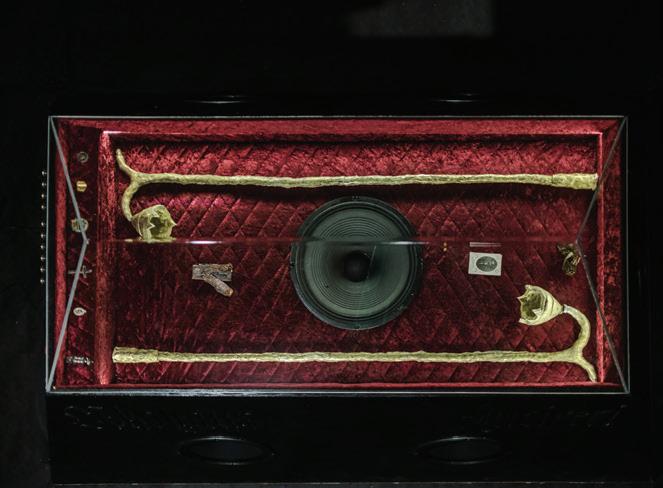
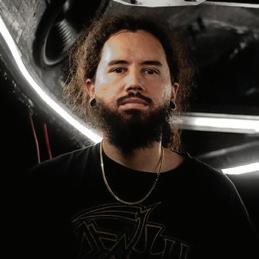
Richard Moreno (he/him) is known for his large-scale sculptures and installations that incorporate sound and light. He creates immersive works that merge spirituality, invention, and the natural world. Solo exhibitions include STASIS at Tunnel Projects and Vampyric Energies at Laundromat Art Space, both in Miami. His work has been featured in group shows including Everything Ends Eventually, LatchKey Gallery, New York; Wild Ruins Wild Orientations , a pop-up sculpture park in San Antonio, Texas; and Community, Emerson Dorsch Gallery, Miami. Moreno has been awarded residencies at the Wassaic Project, Woodstock Byrdcliffe Guild, Elsewhere Museum, Ox-Bow, and Millay Colony for the Arts. He is a recipient of the 2024 Lower Manhattan Cultural Council grant and the 2025 Artist Access Grant.
Richie Moreno, Akolytus Luciferi, 2019, 72 x 48 x 50 inches (full materials list at www.ox-bow.org)
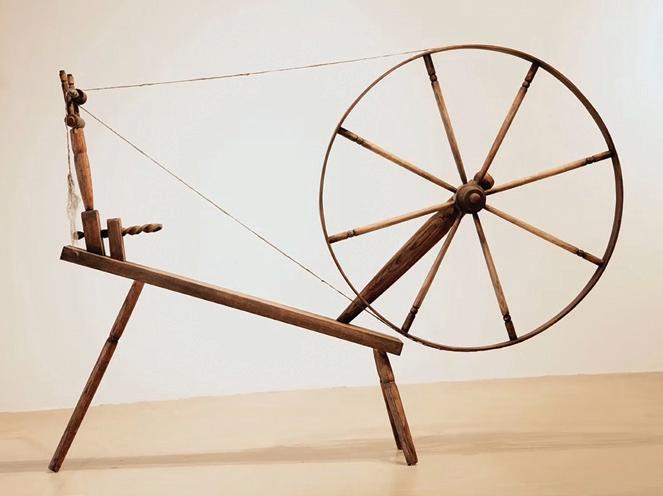
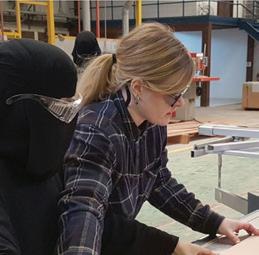
Natalie Murray (she/her) is a sculptor and fabricator. Her work has taken her from her Midwestern roots all the way to the largest women’s university in the world, Princess Nourah Bint Abdulrahman University in Riyadh, Saudi Arabia, to build some of its first makerspace facilities. Murray is currently based in the US, working in large-scale, custom metal fabrication serving a variety of industries around the globe. In addition, she teaches welding classes, including the Women in Welding course at the Arc Academy. She holds a BFA from the School of the Art Institute of Chicago.
Natalie Murray, Tanin, 2013, white oak, steel, steel wool, 6 x 1 x 4 feet
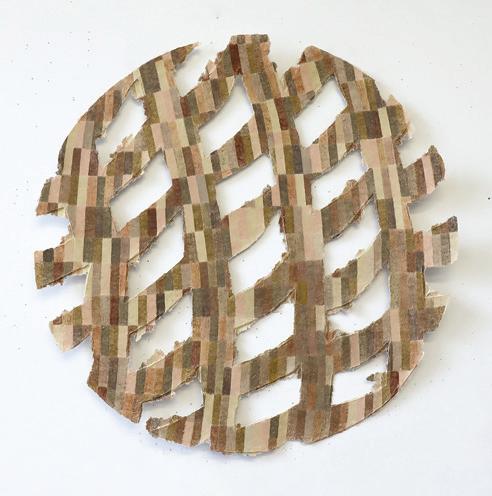
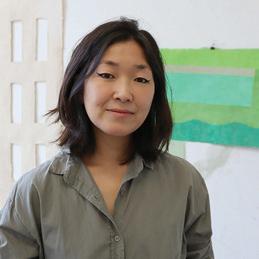
Aya Nakamura (pronouns; b. Japan) is a visual artist invested in craft, drawing in time, and abstraction as a relational medium. She has shown nationally and internationally, at venues including Western Exhibitions, Secrist | Beach, Heaven Gallery, and the Research House for Asian Art, Chicago; The Hangar and Dawawine, Beirut, Lebanon; Supa Salon, Istanbul, Turkey; Mana Decentralized, Jersey City, NJ; MPSTN, Fox River Grove, IL; and the Merwin Gallery at Illinois Wesleyan University, Bloomington. She has received a DCASE Individual Artists Program grant from the City of Chicago, the Denbo Fellowship from Pyramid Atlantic Art Center, and the George and Ann Siegel Fellowship from the School of the Art Institute of Chicago. Nakamura is represented by Western Exhibitions, Chicago.
Aya Nakamura, Daytime, 2025, colored pencil on handmade paper, 28 x 28 inches
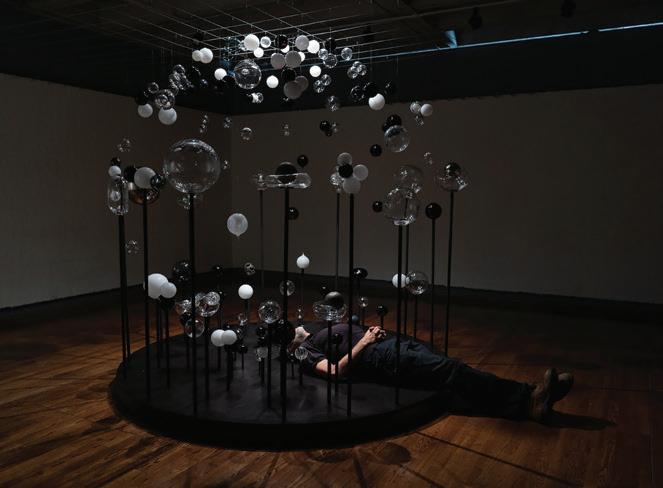
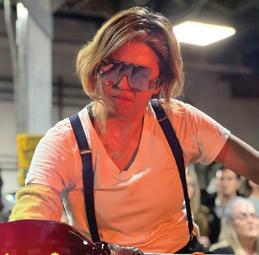
Minami Oya (she/her; b. Japan) is an artist, glassmaker, and educator whose practice encompasses installations and works on paper. Her work has been shown in solo and juried exhibitions in the United States. Oya discovered her deep passion for glass in 2008 at San Francisco State University and has trained with maestros in studios such as Pilchuck Glass School, the Pittsburgh Glass Center, the Corning Museum of Glass, and D.F. Glassworks, Murano, Italy. She holds an MFA in Spatial Art from San Jos é State University and has taught at several institutions, including California College of the Arts, San Jos é State University, and Public Glass.
Minami Oya, Sphere Theory, 2018, glass, steel, copper, wood, paint, 100 x 96 x 96 inches, Photo Credit: Tran Tran
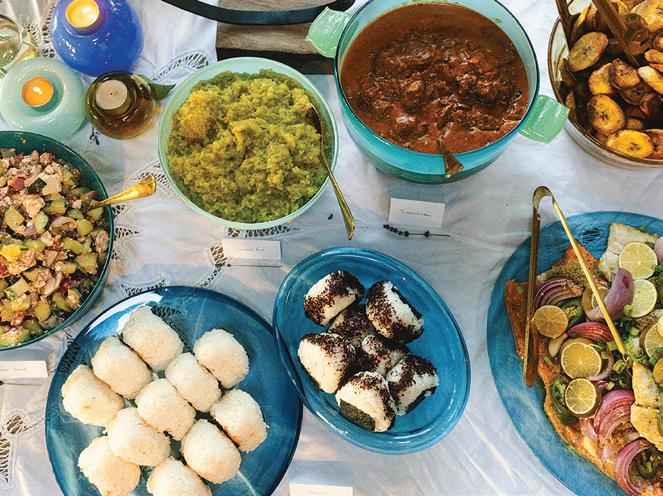
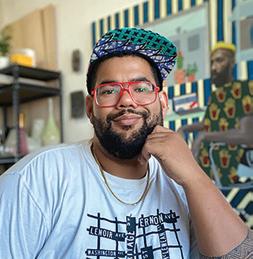
Corey Pemberton (he/they) splits his time between directing the Los Angeles–based nonprofit arts organization Crafting the Future, painting, and his glass practice. Pemberton strives to bring together people of all backgrounds and identities, breaking down stereotypes and building bridges, both through his work with Crafting the Future and in his personal artistic practice. He has completed residencies at the Pittsburgh Glass Center, Alfred University, and Bruket, Bodø, Norway, as well as a Core Fellowship at the Penland School of Craft. He has exhibited work at the Robert and Frances Fullerton Museum of Art, San Bernardino, CA, and CAM Raleigh, NC, and has work in the permanent collections of the Museum of Art and Design, New York; the Museum of Fine Arts, Boston; and the Chrysler Museum of Art, Norfolk, VA.
Corey Pemberton, Photo from 'The Dinner Party' (Serving Vessels), 2024, blown glass
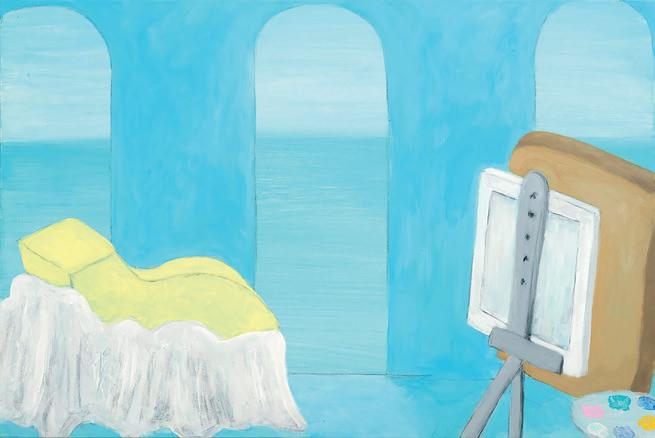
Scott Reeder (he/him) is a multidisciplinary artist who uses deadpan humor and cultural critique to expose the absurdity of life. Reeder first became known for his textbased paintings and parodies of process painting, as well as for his feature-length improvised sci-fi film Moon Dust and his possibly ironic art fairs (The Milwaukee International and Dark Fair). Solo and two-person exhibitions include shows at the Museum of Contemporary Art Chicago; John Michael Kohler Arts Center, Sheboygan, WI; Gavin Brown’s Enterprise, New York; Luce Gallery, Turin, Italy; and Jack Hanley, San Francisco. A monograph on Reeder’s work titled Ideas (cont.) was published by Mousse in 2019. Reeder is an Associate Professor at the School of the Art Institute of Chicago.
Scott Reeder, Bread & Butter (Blue Studio), 2022, oil on canvas, 24 x 36 inches, Courtesy of CANADA gallery NYC
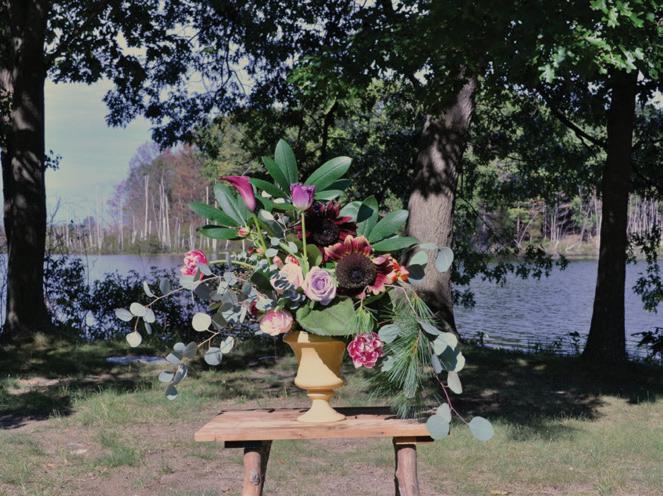
Maddie Reyna (she/her) is an American painter who began arranging flowers as a way to have live subjects for her work. That practice has come to stand alone as she applies considerations of color, form, and composition to three-dimensional organic matter. The recipient of an MFA in Painting and Drawing from the School of the Art Institute of Chicago, she studied at the Flower School of New York, designs flower arrangements for brides and other party throwers in Chicago, and is the Education Director at Ox-Bow.
Maddie Reyna, arrangement on the Ox-Bow meadow, 2021
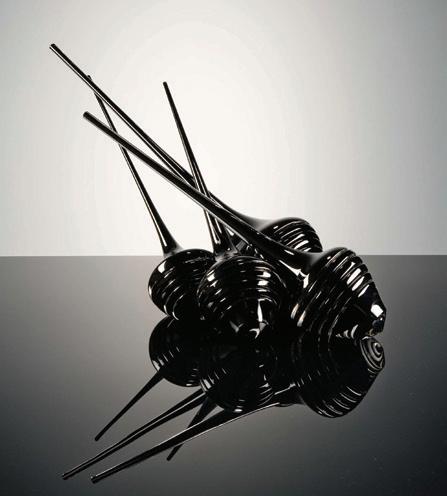
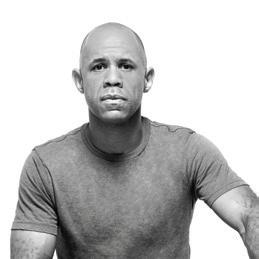
Ché Rhodes (he/him/they) is Professor and Head of Glass Art at the University of Louisville’s Allen R. Hite Art Institute. He is a member of the Crafting the Future Board of Trustees and the Penland School of Craft Board of Trustees. Rhodes has demonstrated at the Glass Art Society Conference and has taught at the Penland School of Craft, Pilchuck Glass School, The Studio at Corning Museum of Glass, UrbanGlass, and the Scuola del Vetro Abate Zanetti, Venice, Italy. He is a recipient of the James Renwick Alliance for Craft Distinguished Educator Award, and his work is included in the permanent collections of the Smithsonian American Art Museum, Washington, DC, and the Speed Art Museum, Louisville, KY. He received his MFA from the Tyler School of Art and his BA from Centre College, where he began his career under the mentorship of Stephen Rolfe Powell.
Ché Rhodes, Untitled, 2007, blown glass, approx. 26 x 11 x 4 inches
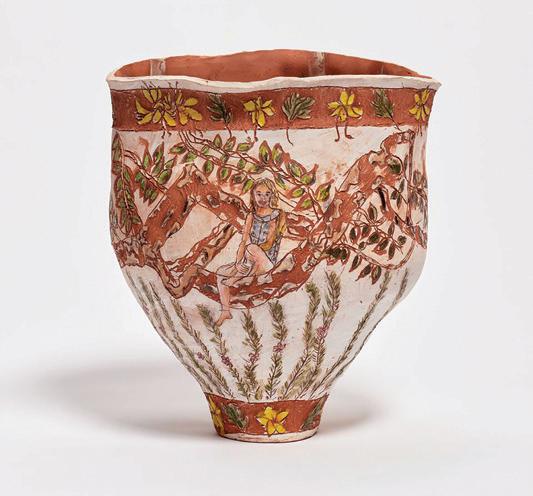
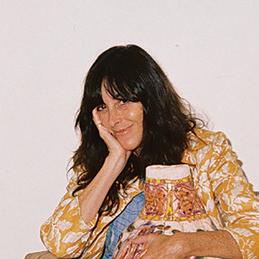
Jennifer Rochlin (she/her) uses terra-cotta clay to hand-build vessels in coil and slab methods. Her work has been featured in group exhibitions at venues including Hauser & Wirth, Los Angeles; Santa Barbara Contemporary Arts Forum, CA; Milwaukee Institute of Art and Design, WI; Verge Center for the Arts, Sacramento, CA; and Mariane Ibrahim Gallery, Chicago. The recipient of a Belle Foundation Individual Artist Grant and a Durfee Foundation ARC Grant, she has had solo exhibitions at galleries including Sorry We’re Closed, Brussels; Hauser & Wirth, New York; Mariane Ibrahim Gallery, Paris; The Pit, Los Angeles; Maki Gallery, Tokyo; and Lefebvre & Fils, Paris. Her work is in the collections of the San Francisco Museum of Modern Art and The Mint Museum, Charlotte, NC. She holds a BA from the University of Colorado Boulder and an MFA from the School of the Art Institute of Chicago.
Jennifer Rochlin, Fiona and Jasper at Leo Carrillo, 2024, Ceramics with glaze, 17 x 14 x 21 inches
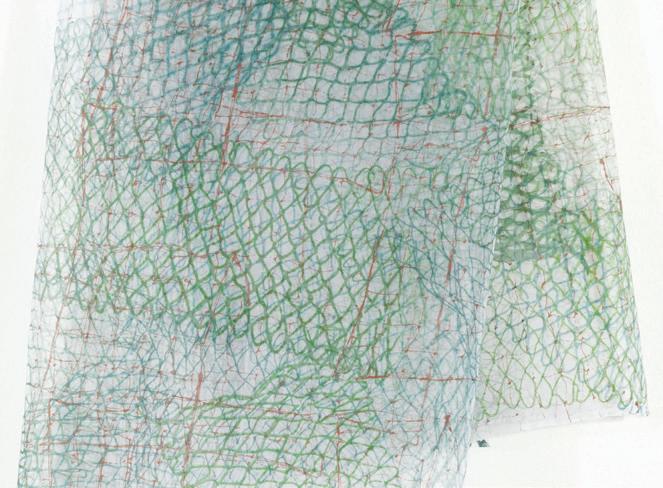
Isa Rodrigues (she/her) is a textile artist and educator. Her work explores how textiles can serve as archives of our experience of the natural world. She is also interested in craft education as a means to create community and preserve material culture. A founding member of New York’s Textile Arts Center, where she worked as Co-Executive Director, she also founded the project Sewing Seeds, activating natural dye gardens in empty lots and community gardens in Brooklyn. She is currently a co-lead for the Textile Dye Garden at Pratt Institute and a collaborator of The Mothership, an ecofeminist project by Yto Barrada in Tangier, Morocco. Rodrigues teaches textile techniques and materiality at Pratt Institute, the Rhode Island School of Design, and Textile Arts Center, among others.
Isa Rodrigues, Estudo de redes I, 2024, silk organza, waterbased ink, hand screen printed, naturally dyed, mono-prints created from hand-made nets of different gauges and structures, 36 x 108 inches, Photo Credit: Lynn Hunter
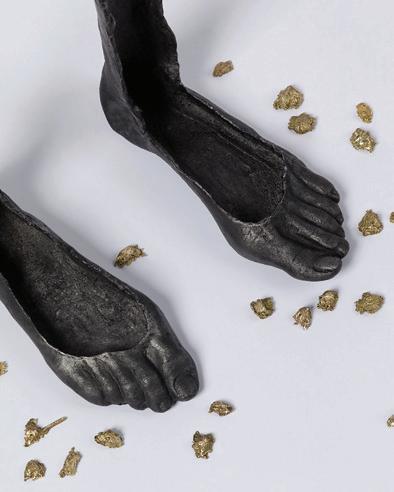
Soo Shin (she/her; b. South Korea) is an interdisciplinary artist who employs a diverse range of materials to evoke themes of connection, spatial displacement, and longing. She is the recipient of a fellowship at Djerassi Artist Residency, an Individual Artist Grant from the Illinois Arts Council, and a Vilcek Foundation Fellowship at MacDowell. Shin’s work has been presented at The Luminary, St. Louis, MO, as well as Chicago venues including Patron Gallery, Goldfinch, Chicago Manual Style, LVL3, and Chicago Artists Coalition. She has completed residencies at the John Michael Kohler Arts Center, Massachusetts Museum of Contemporary Art, Vermont Studio Center, Art Farm, and Ox-Bow. She holds an MFA from the School of the Art Institute of Chicago and both a BFA and an MFA from the Ewha Womans University, Seoul, South Korea.
Soo Shin, here, 2021, cast iron and brass
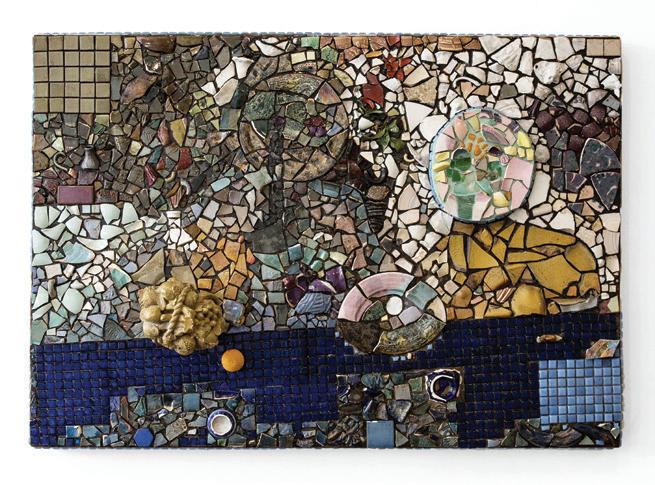
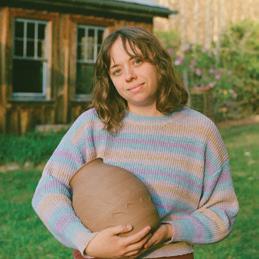
Virginia Rose Torrence (she/ her) teaches at Ceramics School, a community ceramics studio and artist residency in Hamtramck, MI, which she co-owns and operates with her partner and fellow artist, Henry Crissman. Her art practice encompasses pottery and sculpture. She received her BFA in Craft/Ceramics from the College for Creative Studies in 2013 and her MFA in Ceramics from Alfred University in 2016.
Virginia Rose Torrence, Untitled, 2018, ceramics, glass, orange peel, foam, leaves, resin, on wood, 48 x 69 x 10 inches
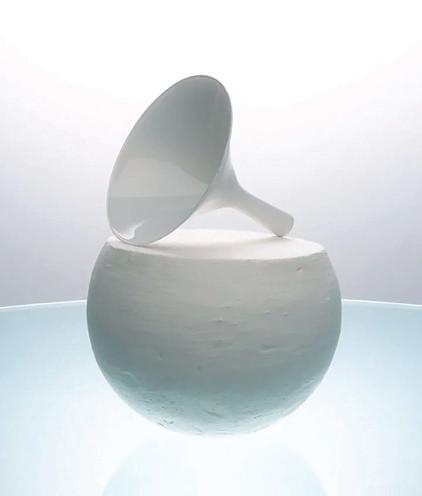
Nate Watson (he/him) is a visual artist and cultural organizer. His projects have been exhibited and supported by the San Francisco Museum of Modern Art; the Wexner Center for the Arts, Columbus, OH; the University of San Francisco Thacher Gallery; Berkeley Art Center; the Kellen Gallery at Parsons School of Design, New York; Southern Exposure, San Francisco; the Chinese Culture Center of San Francisco; the Corning Museum of Glass, New York; the Tacoma Museum of Glass, WA; the Institute of Contemporary Art San Jos é, CA; and the Houston Center for Contemporary Craft. Watson has lectured nationally and held teaching positions at San Francisco State University, California College of the Arts, and the University of Washington. He holds a BA in History from Centre College and a graduate degree from California College of the Arts and has received grants for his work investigating intersections between immigration, labor, and craft traditions.
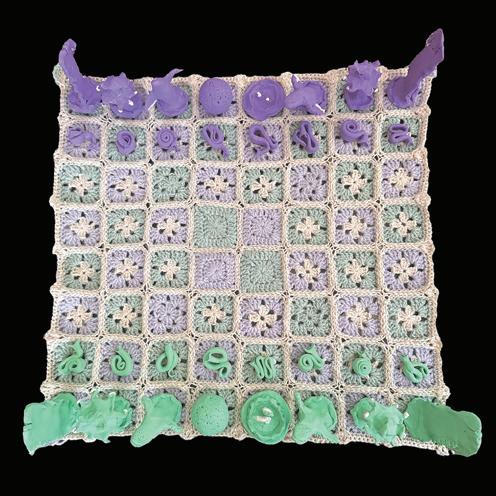
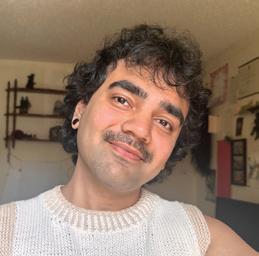
Falaks Vasa (they/she; b. India) is an interdisciplinary artist whose work spans video, performance, fiber art, poetry, photography, 3D animation, stand-up comedy, and more.
As an artist, Vasa has attended residencies at the Skowhegan School of Painting and Sculpture and ACRE and shown their work internationally. As a poet and author of speculative fiction, she has had work published by the Unnamed Zine Project. As a professor, she enacts her pedagogy as creative practice and has received the Archambault Award for Teaching Excellence from Brown University. Vasa currently teaches at the Massachusetts College of Art and Design as Visiting Assistant Professor and at Rhode Island School of Design as Lecturer and Critic. She holds a BFA from the School of the Art Institute of Chicago and an MFA in Literary Arts from Brown University.
Falaks Vasa, Queer Chess Poems from the Deep Sea, 2024, crochet, ceramics, poetry
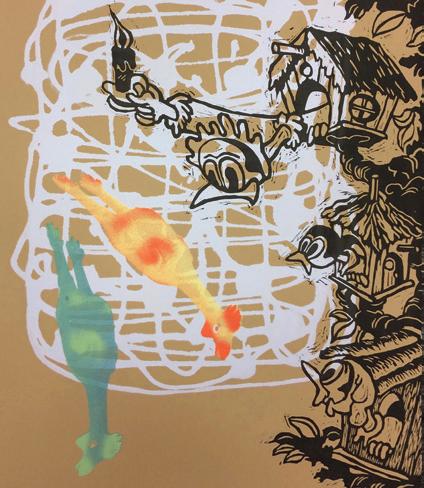
Oli Watt (he/him) is a multidisciplinary artist who creates prints and multiples to connect fictional props and events to the contemporary social landscape. He currently serves as Associate Professor at the School of the Art Institute of Chicago, where he teaches in the Printmedia Department. Watt has shown his work nationally and internationally, including in exhibitions at the Museum of Contemporary Art Chicago; the Brooklyn Museum; Spencer Brownstone Gallery, New York; the International Centre of Graphic Arts, Ljubljana, Slovenia; Laband Art Gallery, Los Angeles; and Rocket Gallery, London. His work has been discussed in numerous publications, including Art on Paper, Art US , the New Art Examiner, and the Village Voice. He runs free range, a gallery and project space in Chicago’s Albany Park neighborhood.
Oli Watt, Wake Up!, 2022, woodblock and screen monoprint, 18 x 24 inches
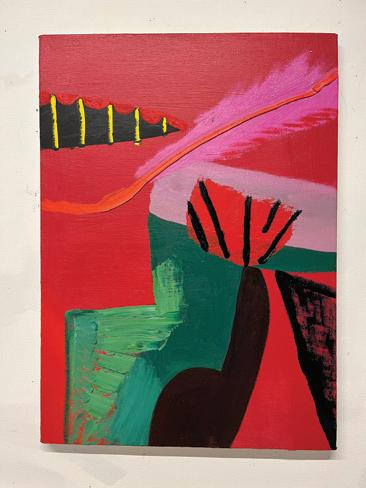
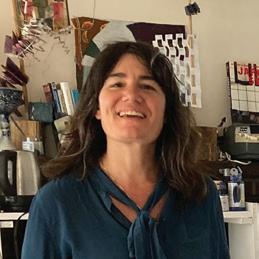
Molly Zuckerman-Hartung (she/her) is a painter and writer. She was a riot grrrl and worked in used bookstores and bars until her 30s, when she attended graduate school at the School of the Art Institute of Chicago. She has shown all over, including at the Blaffer Art Museum, Houston; the Museum of Contemporary Art Chicago; the Walker Art Center, Minneapolis; and the 2014 Whitney Biennial, New York. She is a frequent lecturer at schools across the country, including Hunter College at CUNY; the University of California, Los Angeles; Ohio University; Cranbrook Academy of Art; the University of Alabama; the School of the Art Institute of Chicago; and Cornell College. Zuckerman-Hartung is represented by Corbett vs. Dempsey, Chicago.
Molly Zuckerman-Hartung, Ooh Dyslexics on Fire, 2023, acrylic and oil on canvas, 28 x 20 inches
VISITING ARTISTS
Ox-Bow is proud to platform a range of voices, ideas, and perspectives through its Efroymson Family Fund Visiting Artist Program. Every week, a new artist comes to campus to participate in the community, most notably through an artist talk open to everyone on campus. Fellows and Residents will receive studio visits with the artist.
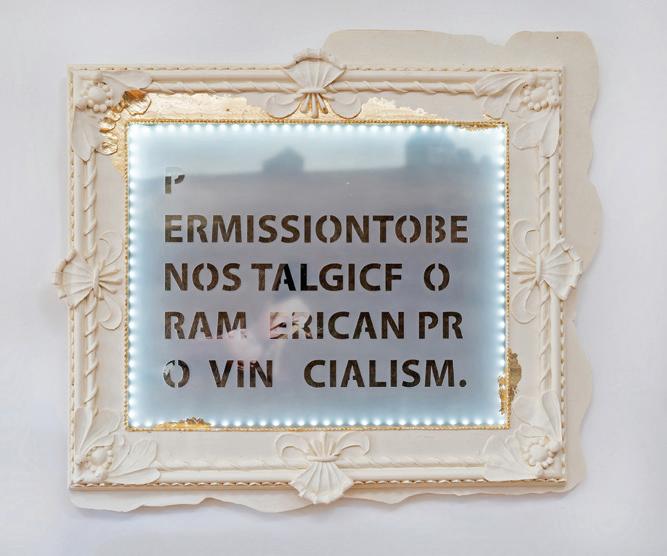
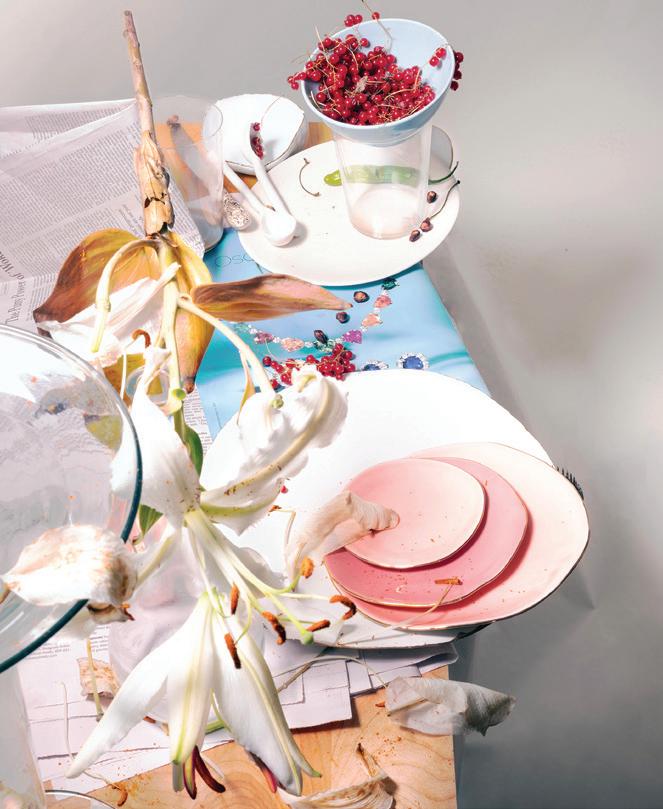
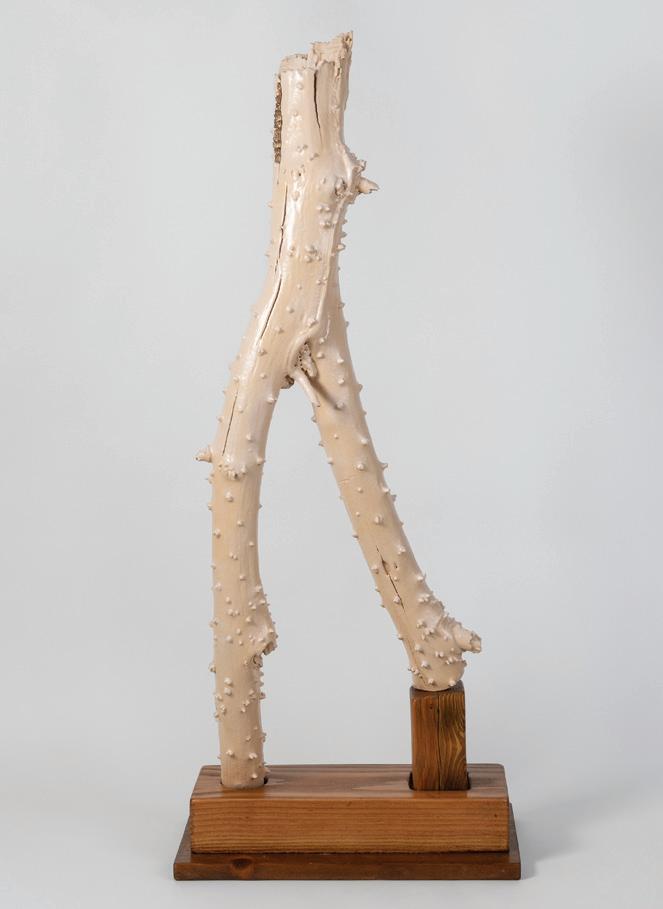
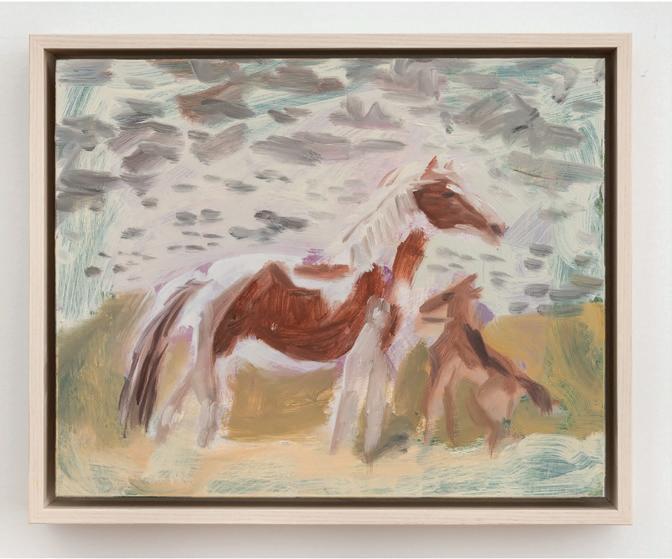
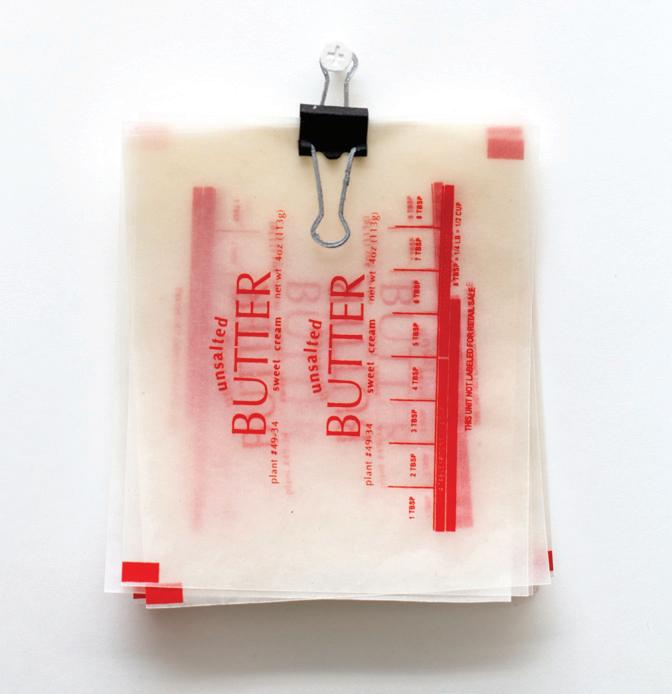
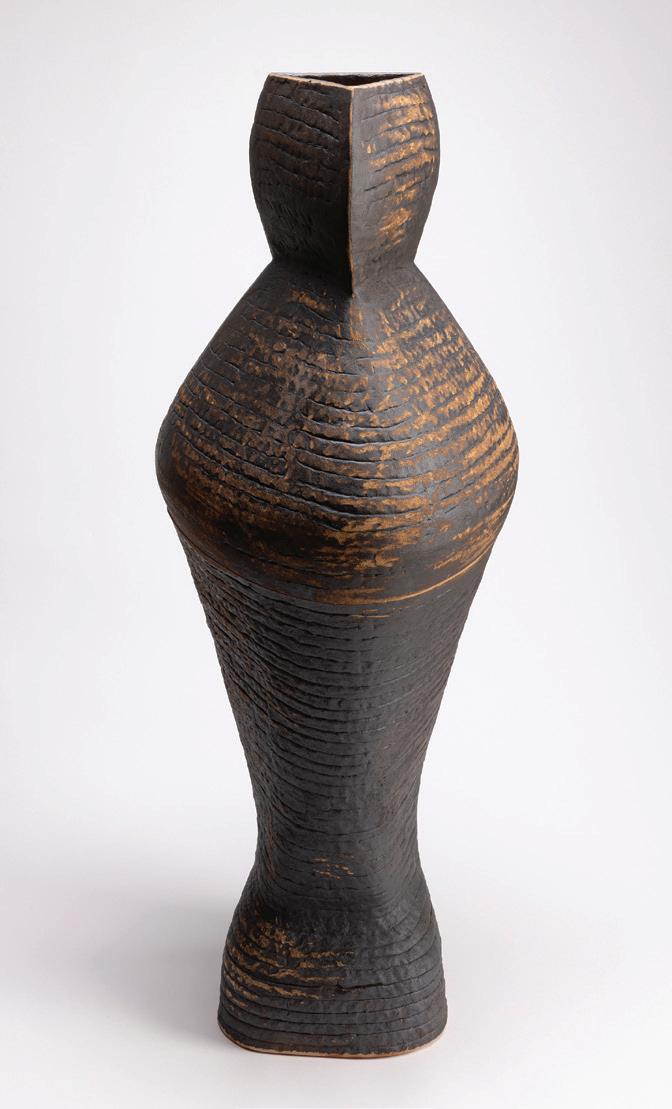
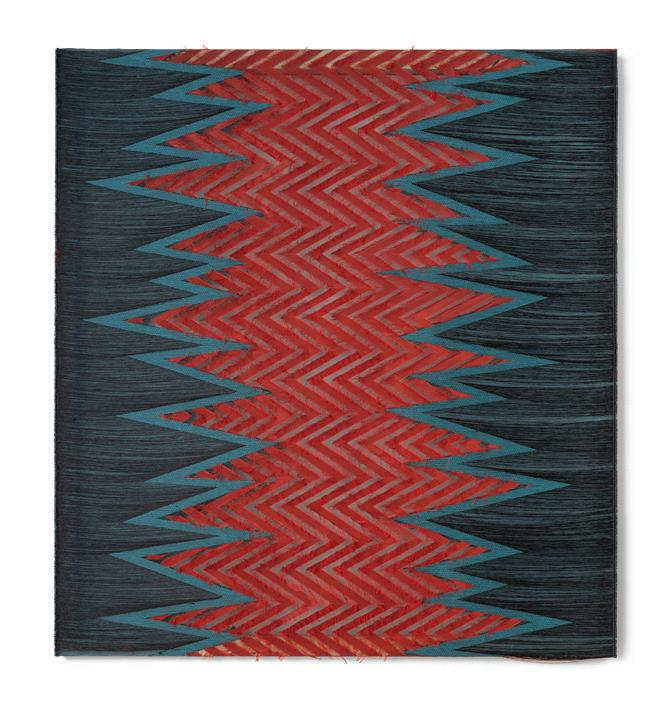
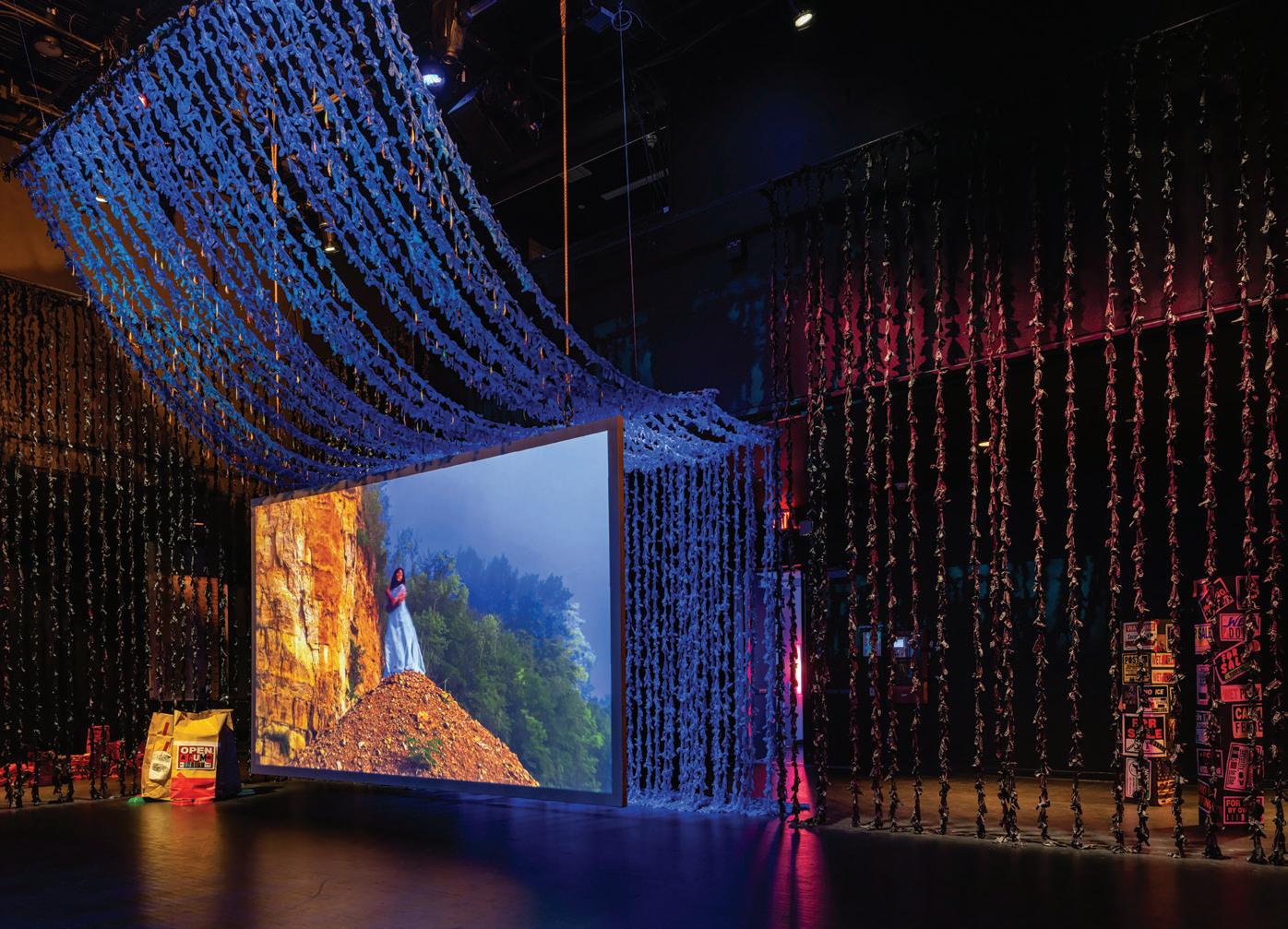
May 31–June 6
Aaron Spangler 's artist bio coming soon at www.ox-bow.org
June 7–13
Nyeema Morgan (she/her/they) is a visual artist working between sculpture, drawing, and print-based media. Solo and two-person exhibitions of her work have been presented at the Philadelphia Art Alliance; the Viewing Room at Marlborough Contemporary, New York; the Boulder Museum of Contemporary Art, CO; Patron Gallery, Chicago; and Grant Wahlquist Gallery, Portland, ME. Group exhibitions include shows at the Drawing Center, New York; Galerie Jeanroch Dard, Paris; the Bowdoin College Museum of Art, Brunswick, ME; and the CSS Bard Galleries, Annandale-on-Hudson, NY. Morgan earned degrees from the Cooper Union and California College of the Arts and attended the Skowhegan School of Painting and Sculpture. Her work is held in public collections at the Walker Art Center, Minneapolis; the Bowdoin College Museum of Art; and the Worcester Art Museum, MA.
June 14–20
Mari Eastman (she/her) makes work that emerges from a pictorial study of images from magazines and the internet, which become intertwined with personal narratives, executed in an intentionally loose manner. She has exhibited at Bombon Projects, Barcelona; Broadway Gallery, New York; the Hammer Museum, Los Angeles; Los Angeles Contemporary Exhibitions; the Orange County Museum of Art, CA; the Berkeley Museum of Art; Cherry and Martin Gallery, Los Angeles; Spr ü th Magers, Munich; Gladstone Gallery, New York; and Maureen Paley, London, among other venues. Her work has been included in such publications as Modern Painters and the New York Times and on the websites Artforum.com and Contemporary Art Daily. Eastman holds an MFA from the School of the Art Institute of Chicago and is on the faculty at the University of Chicago.
June 21–27
Ebitenyefa Baralaye (he/him) is a ceramicist, sculptor, designer, and educator whose work explores cultural, spiritual, and material translations of objects, text, and symbols interpreted through a diasporic lens. Baralaye’s work has been exhibited at Friedman Benda Gallery, New York; David Klein Gallery, Detroit; Shoshana Wayne Gallery, Los Angeles; the Museum of the African Diaspora, San Francisco; and the Korea Ceramic Foundation, Icheon. Baralaye has participated in residencies at the Watershed Center for the Ceramic Arts, the Hambidge Center, and the Elizabeth Foundation for the Arts Studio Program. His work was featured in the Objects: USA 2020 exhibition and catalog. The recipient of a BFA in Ceramics from the Rhode Island School of Design and an MFA in Ceramics from Cranbrook Academy of Art, he is currently an Assistant Professor at the Stamps School of Art and Design at the University of Michigan.
June 28–July 4
Laura Letinsky (she/her) has been a Professor at the University of Chicago since 1994. She shows with Yancey Richardson Gallery, New York, and Document, Chicago and Lisbon, and exhibits internationally at venues including PhotoEspaña, Madrid; the Museum of Modern Art, New York; Focus Photography Festival, Mumbai, India; the Massachusetts Institute of Technology, Cambridge; Design Basel; The Photographers’ Gallery, London; and the Denver Art Museum, CO. Awards include the Maison Dora Maar Residency, the Canada Council for the Arts International Residency, the Künstlerhaus Bethanien residency, Canada Council for the Arts project grants, the Anonymous Was a Woman Award, and the John Simon Guggenheim Fellowship. Letinsky’s work has been published in numerous monographs and catalogs. She holds a BFA from the University of Manitoba and an MFA in Photography from the Yale School of Art.
July
13–18
Keioui Keijaun Thomas (she/her/kiwi) creates live performance and multimedia installations that address the multifaceted realms of Black identity formation. Thomas is a Baroness Nina von Maltzahn Fellow, a Shandaken: Storm King Artist-in-Residence, a Jerome Foundation grant recipient, a MAP Fund awardee, the inaugural winner of the Queer|Art Illuminations Grant for Black Trans Women Visual Artists, and a Franklin Furnace Fund recipient. Her work has been published in the Movement Research Performance Journal and Women and Performance: A Journal of Feminist Theory and featured in the New York Times , Artforum, and Frieze. The recipient of a BFA with honors from the School of Visual Arts, she earned her MFA and received the James Nelson Raymond Fellowship from the School of the Art Institute of Chicago.
July 19–25
Imin Yeh (she/her) works in sculpture, installation, artist publications, and participatory projects, expanding the role paper and print have played in the recording, copying, and spreading of the human story for more than a millennium. She has recently exhibited at Catharine Clark Gallery, San Francisco; Grizzly Grizzly, Philadelphia; San Jos é Museum of Art, CA; the Asian Art Museum, San Francisco; and the Contemporary Jewish Museum, San Francisco. Recent awards include a Creative Development Award from the Heinz Foundation, a Eureka Fellowship from the Fleishhacker Foundation, and an Individual Artist Grant from the San Francisco Arts Commission. She is currently an Associate Professor of Print Media at Carnegie Mellon University School of Art.
July 26–August 1
Liz Collins (she/her) is known for pushing the boundaries of art and design through innovative and experimental work in fabric, yarn, and other materials and techniques associated with textile media. Collins’s work has recently been on view in the 60th Venice Biennale, Foreigners Everywhere, curated by Adriano
Pedrosa, and in Woven Histories: Textiles and Modern Abstraction, curated by Lynne Cooke and presented at the Los Angeles County Museum of Art; National Gallery of Art, Washington, DC; National Gallery of Canada, Ottawa; and Museum of Modern Art, New York. In 2025, the RISD Museum in Providence, RI, organized her mid-career retrospective, Liz Collins: Motherlode, which was accompanied by a monograph published by Hirmer.
August 2–8
Heidi Schwegler (she/her) works in the interstitial ruins of Beijing, Los Angeles, New York City, and suburban America, rescuing haphazardly disused scraps and resynthesizing her sources into facsimiles with cast glass, gold, silver, and wax. Recent exhibition venues include Laguna Art Museum, Laguna Beach, CA; Garrett Museum of Art, IN; WBG London Projects, London; Asphodel, New York; and Marjorie Barrick Museum of Art, Las Vegas. Schwegler is a Ford Family Fellow, a MacDowell Fellow, and a Yaddo Artist-inResidence. She is the founder of Yucca Valley Material Lab, a platform for making and thinking.
August 9–15
Ollie Goss (they/them) is an artist, puppeteer, and performance maker whose work blends sculptural installations, animated objects, retooled electronics, and live performance. They attempt to achieve this through a prefigurative politics, seeking to align the means and the ends within their work. In 2016, they received the Thomas J. Watson Fellowship, which took them to seven countries to research puppetry and collaborative performance-making. Their work has been shown in places such as Icebox Project Space and Temple Contemporary, Philadelphia; the Wassaic Project, Wassaic, NY; the Philadelphia Fringe Festival; and Dixon Place and La MaMa Galleria, New York. They regularly hold performance events throughout Philadelphia and, in collaboration with Hannah Tardie, annually curate work for the exhibition portion of Electronics Faire.
August 16–22
SR Lejeune (they/them) was the 2023 West Bay View Foundation Fellow at Dieu Donné and a 2025 Windgate Artist-in-Residence at SUNY Purchase. They have additionally done residencies at the Dirt Palace, lower_cavity, the Helene Wurlitzer Foundation, WSW, and Bemis Center for Contemporary Arts. Recent solo exhibitions include shows at lower_cavity, Holyoke, MA; Jordan Schnitzer Gallery at Dieu Donné, Brooklyn; Turchin Center for the Visual Arts, Boone, NC; and Richard and Dolly Maass Gallery at SUNY Purchase, NY. They have taught workshops at Penland School of Craft, WSW, Dieu Donné, SUNY Purchase, Bard College, and Yucca Valley Material Lab, and they co-facilitate an experimental paper school in the Hudson Valley with artist Lukaza Branfman-Verissimo. Lejeune received a BA from Oberlin College, a Penland Core Fellowship, and an MFA in Sculpture from the Yale School of Art. They are currently building out a manual machine shop in Pine Plains, NY.
(left to right by row from top left) Nyeema Morgan, Soft Power. Hard Margins., 2022, mixed paper media, cast resin, plexiglass, composite gold foil, LEDs, 25 x 28.5 x 3 inches; Mari Eastman, Mustang Mother and Child, 2024, oil on panel, 8 x 10 inches; Ebitenyefa Baralaye, Sarcophagus III, 2024, stoneware, slip, 46 x 17 x 17 inches; Mari Eastman, Mustang Mother and Child, 2024, oil on panel, 8 x 10 inches; Imin Yeh, Sculpture on Screw: Butter, screenprint on waxed gampi paper, acrylic on paper, 5 x 5 x 1 inches; Photo courtesy of Liz Collins; xHeidi Schwegler, 100% Chthonic, 2024, tamarisk tree trunk, rubber, bronze, wood, 52 x 21.5 x 12 inches; Keioui Keijaun Thomas, NASTY & FULL: The Dolls Rise, 2024, multimedia installation
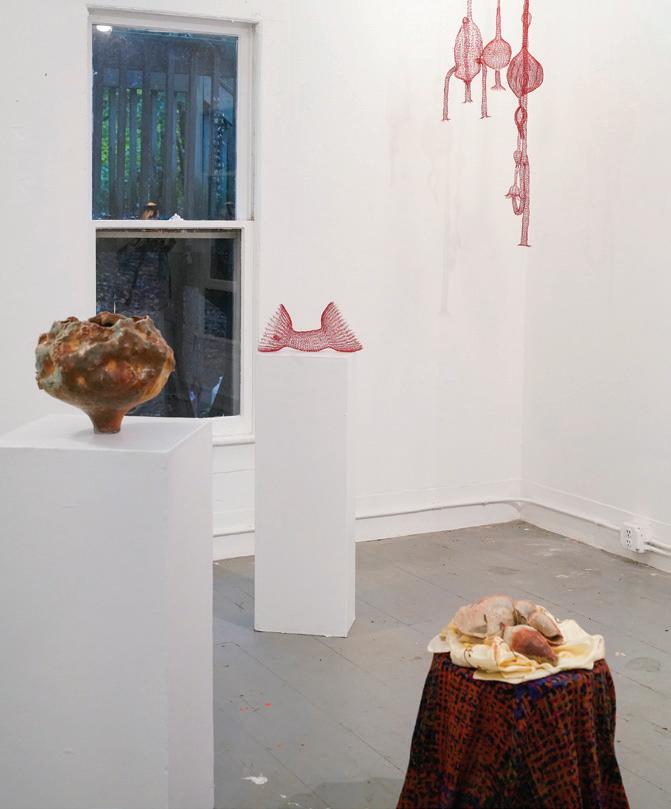
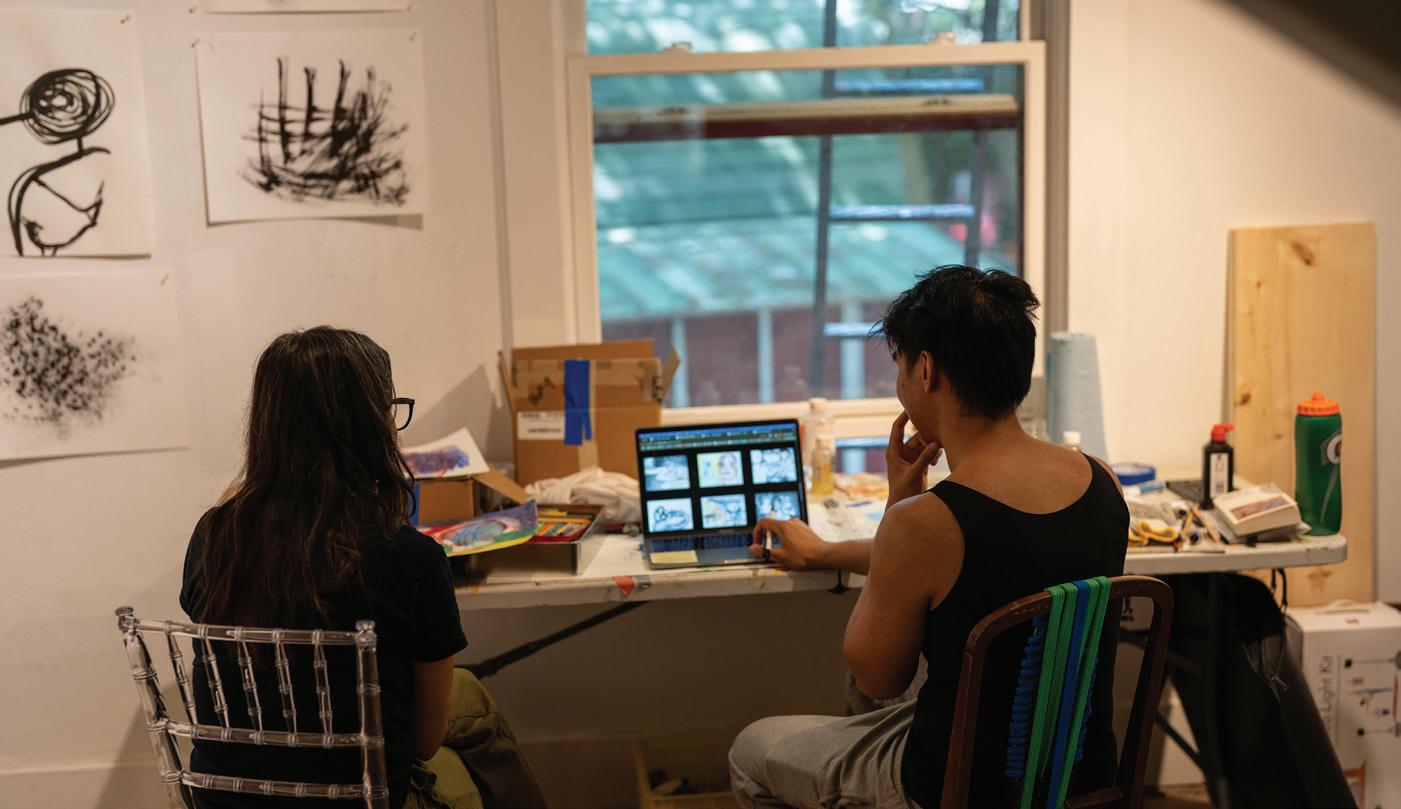
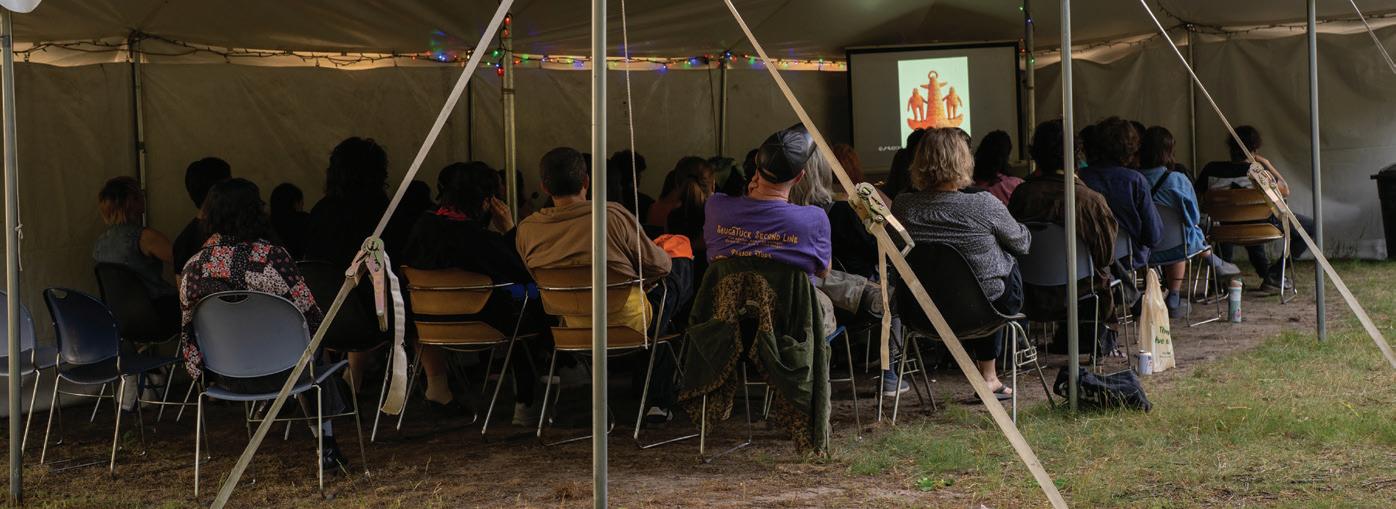
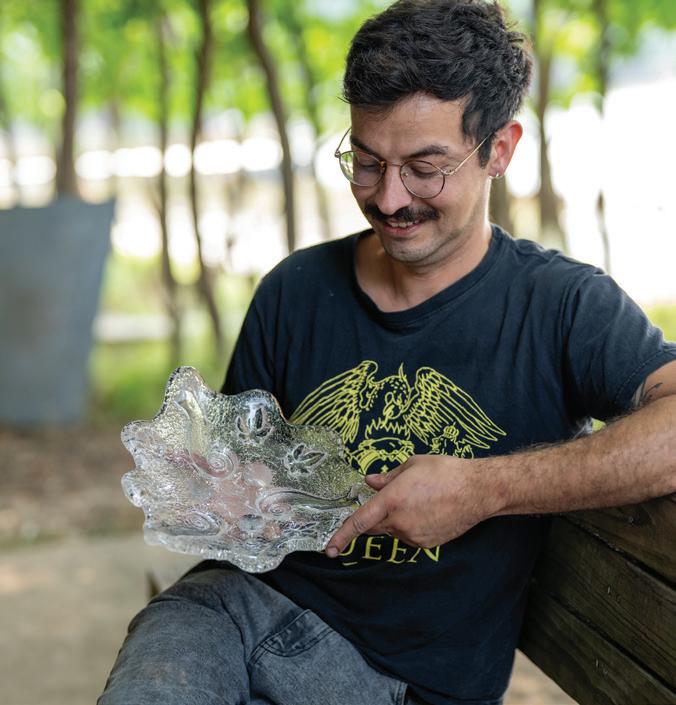
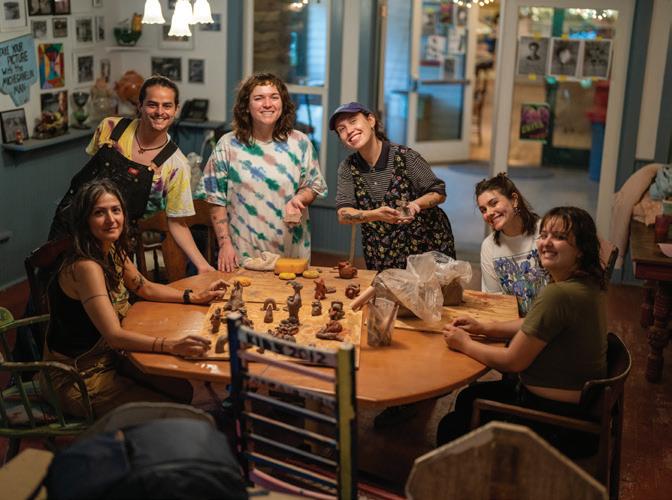
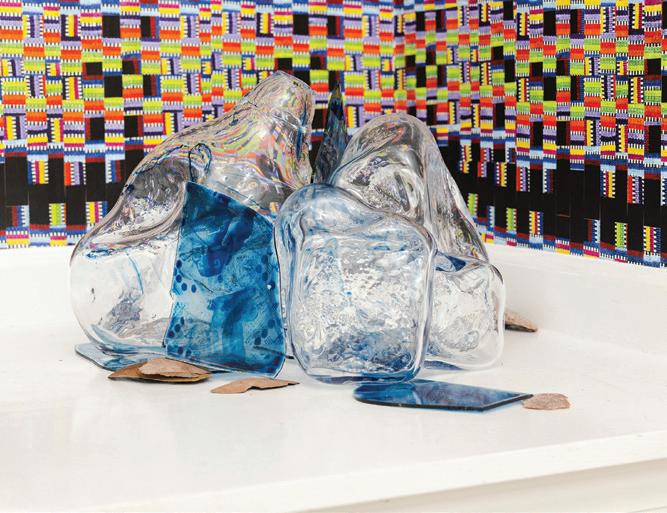
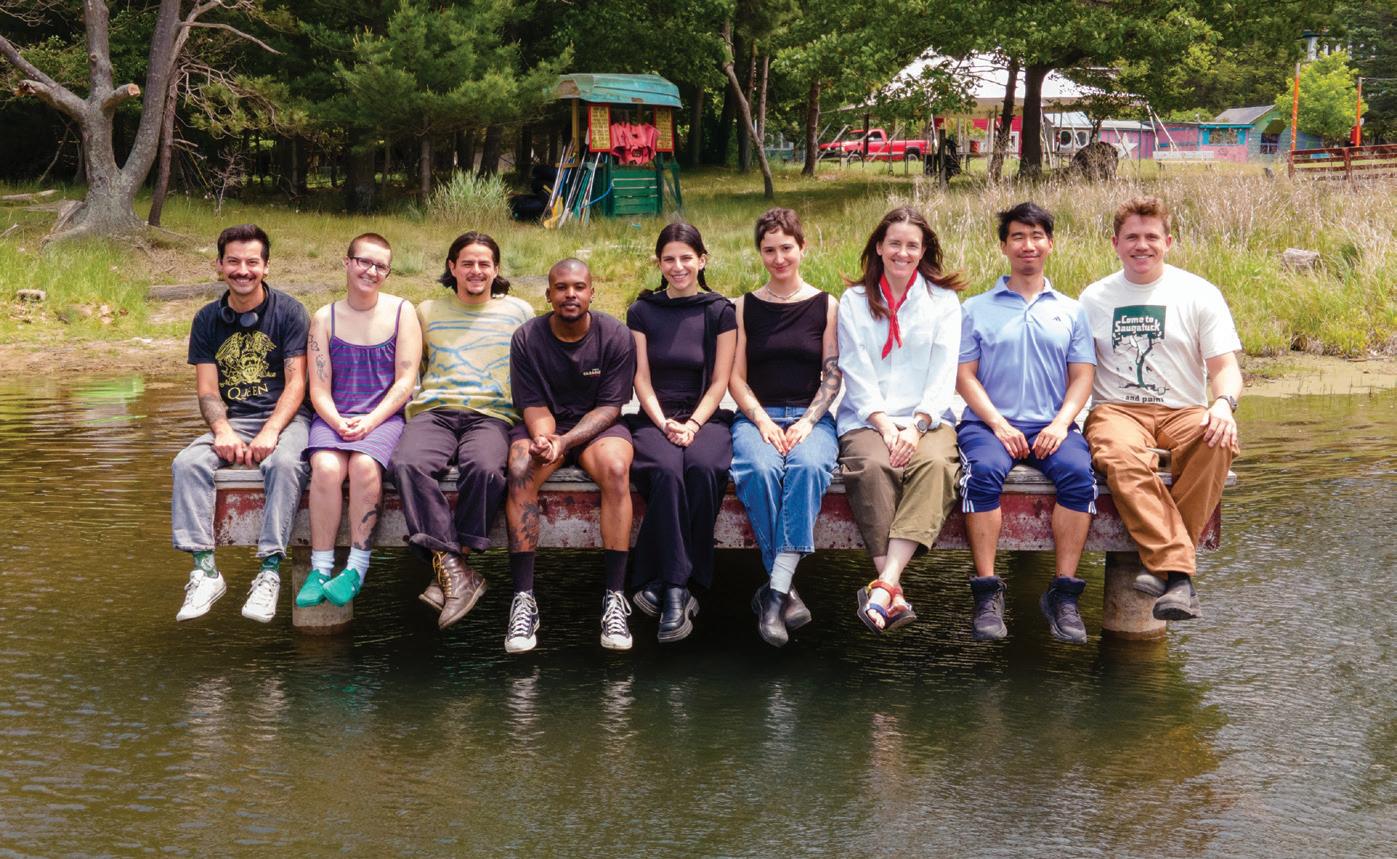
PHOTO(S)
BY: NATIA SER (SF'23); NOLAN ZUNK (SF'25)
EACH SUMMER, OX-BOW OFFERS FELLOWSHIP STUDENTS from competitive schools all over the nation a fully funded opportunity to focus on their work, meet with renowned artists, and grow as members of this unique community. The fellows experience the entire Ox-Bow summer session and live on campus for 13 weeks where, in addition to providing support labor to an arts nonprofit, will participate in all areas of campus life. By working closely with staff, fellows develop relationships with others who have also made artmaking their lives.
Fellows are selected based on the merit of their work, their commitment to making inspired and innovative art, and their stated growth potential at Ox-Bow. The fellowship program is a once-in-a-lifetime opportunity to participate in an engaging artist-run community.
The 2025 Fellowship dates are May 28–August 24
FELLOWSHIP RECIPIENTS RECEIVE:
• A studio space with 24-hour access
• Bi-weekly stipend for on-campus labor
• Housing and 3 meals per day
• Weekly studio visits with visiting artists
• Opportunity to exhibit their work
• Opportunity to TA a class
ELIGIBILITY (applicants must):
• Be undergraduate students in their senior year or graduate students from any degree-seeking institution.
• Have a graduation date of December 2025 or later
• Be at least 21 years old at the start of the fellowship
• Have the ability to work in the United States or have a work visa prior to starting work
Applications are due on Sunday, March 15, 2026 by by 11:59 p.m. ET
2025 Summer Fellows
Aleyah Austin
Cranbrook Academy of Art
Alessandro Corsaro
California State University of San Bernardino
Emily Hawkins
Brigham Young University
Andy Li Cornell University
Negin Mirfakhraee
School of the Art Institute of Chicago
Pedro Montilla
School of the Art Institute of Chicago
Mo Nash
Carnegie Mellon University
Isaiah Robinson Pratt Institute
Nolan Zunk University of Texas at Austin
SUMMER ARTIST-INRESIDENCE PROGRAM
Ox-Bow’s fully-funded Summer Residency Program offers 9 artists the time, space, and community to encourage growth and experimentation in their practice for three weeks on campus. The Summer Residencies are held while our core courses and community programs are in session. During this time, a small group of residents has access to Ox-Bow’s artist community of students, faculty, and visiting artists.
Our summer residencies are open to artists or writers at any level. Currently enrolled students, MFA candidates, arts faculty, emerging, or established artists are encouraged to apply. There are generally three residents on campus at a time.
THE 2026 DATES AVAILABLE ARE:
• May 31–June 20
• June 21–July 11
• July 13–August 1
RESIDENCY RECIPIENTS RECEIVE:
• A studio space with 24-hour access
• Housing and 3 meals per day
• Weekly studio visits with visiting artists
• Opportunity to exhibit their work
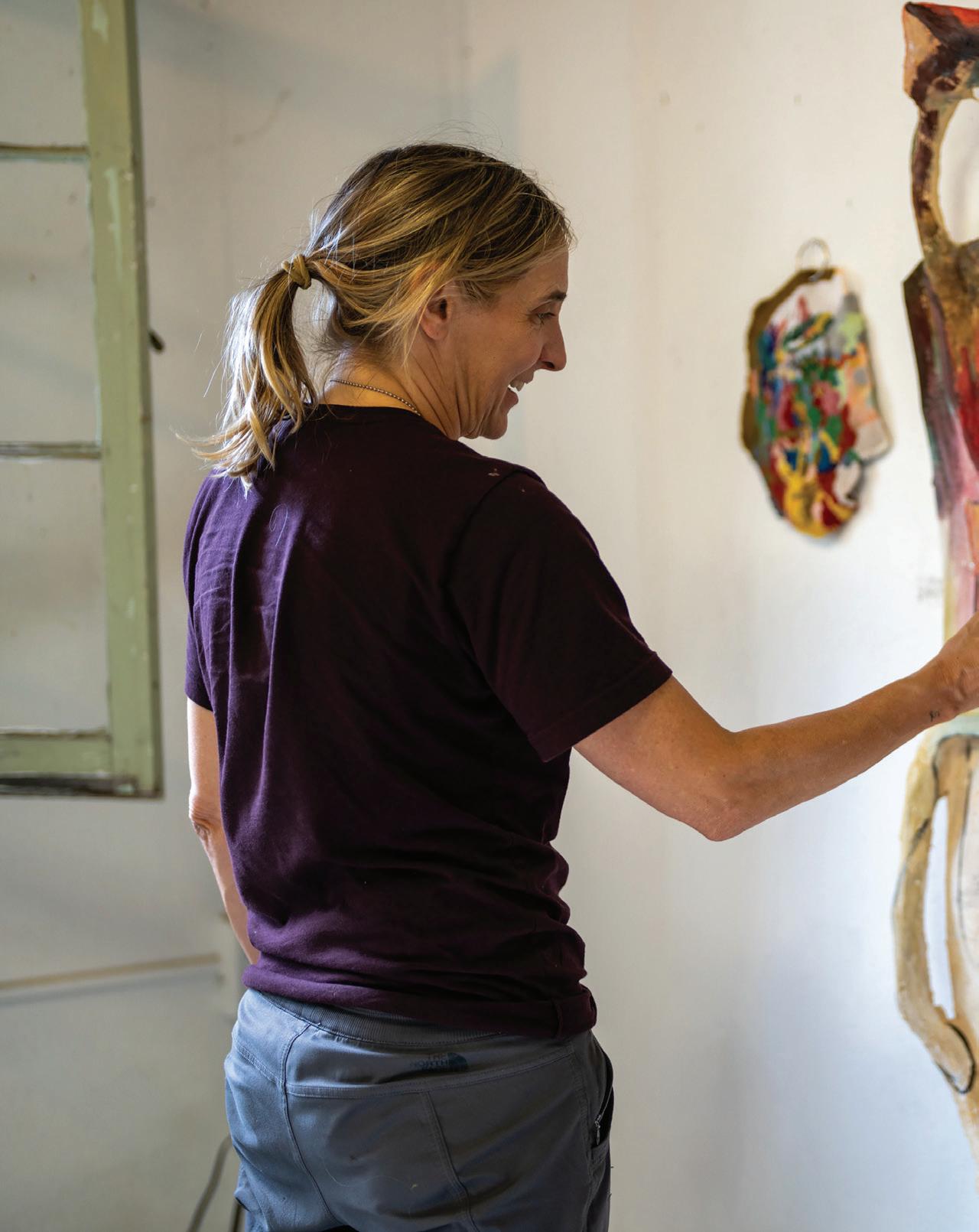
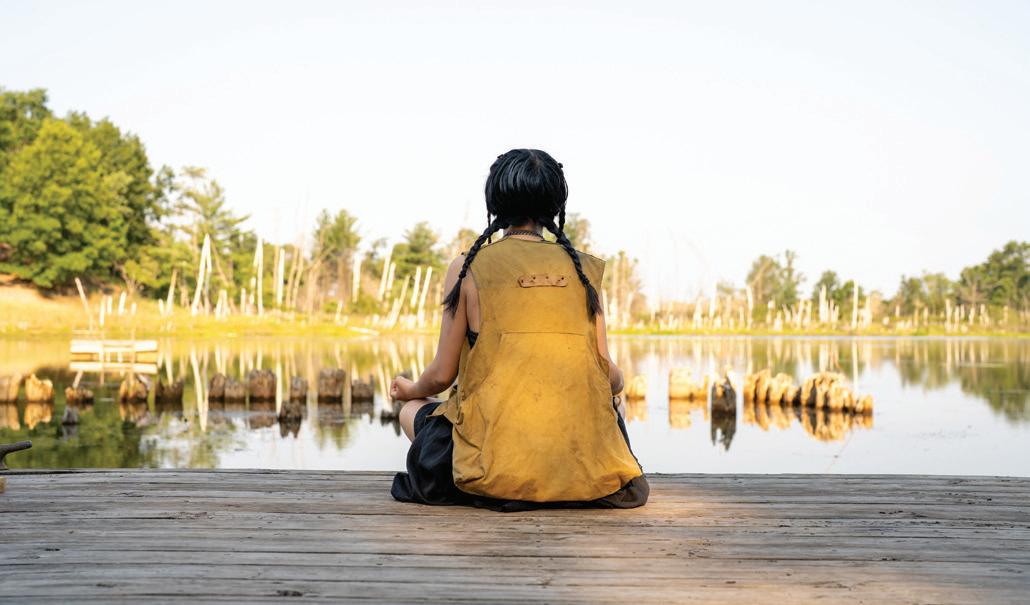
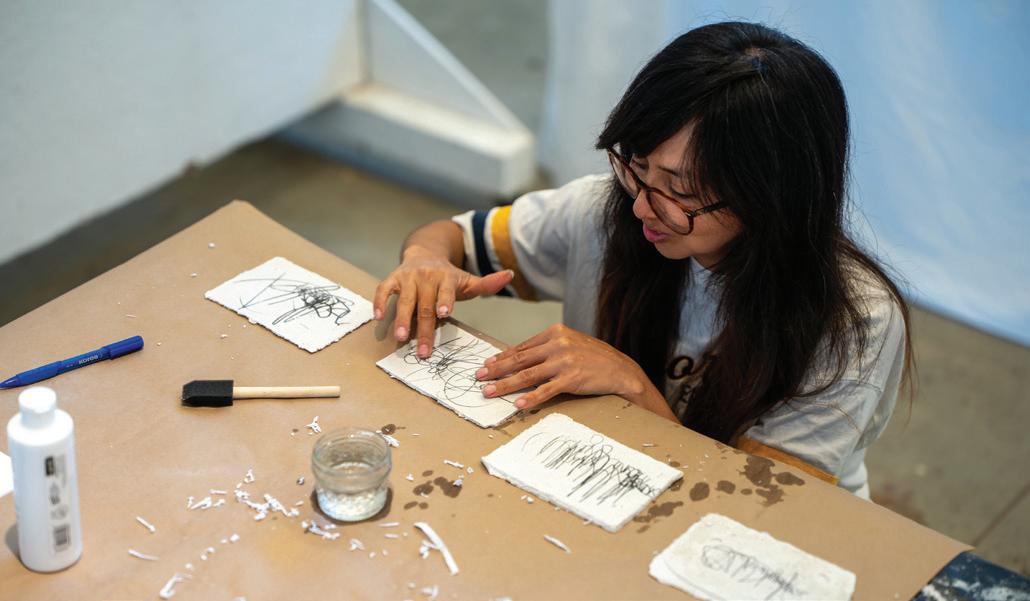
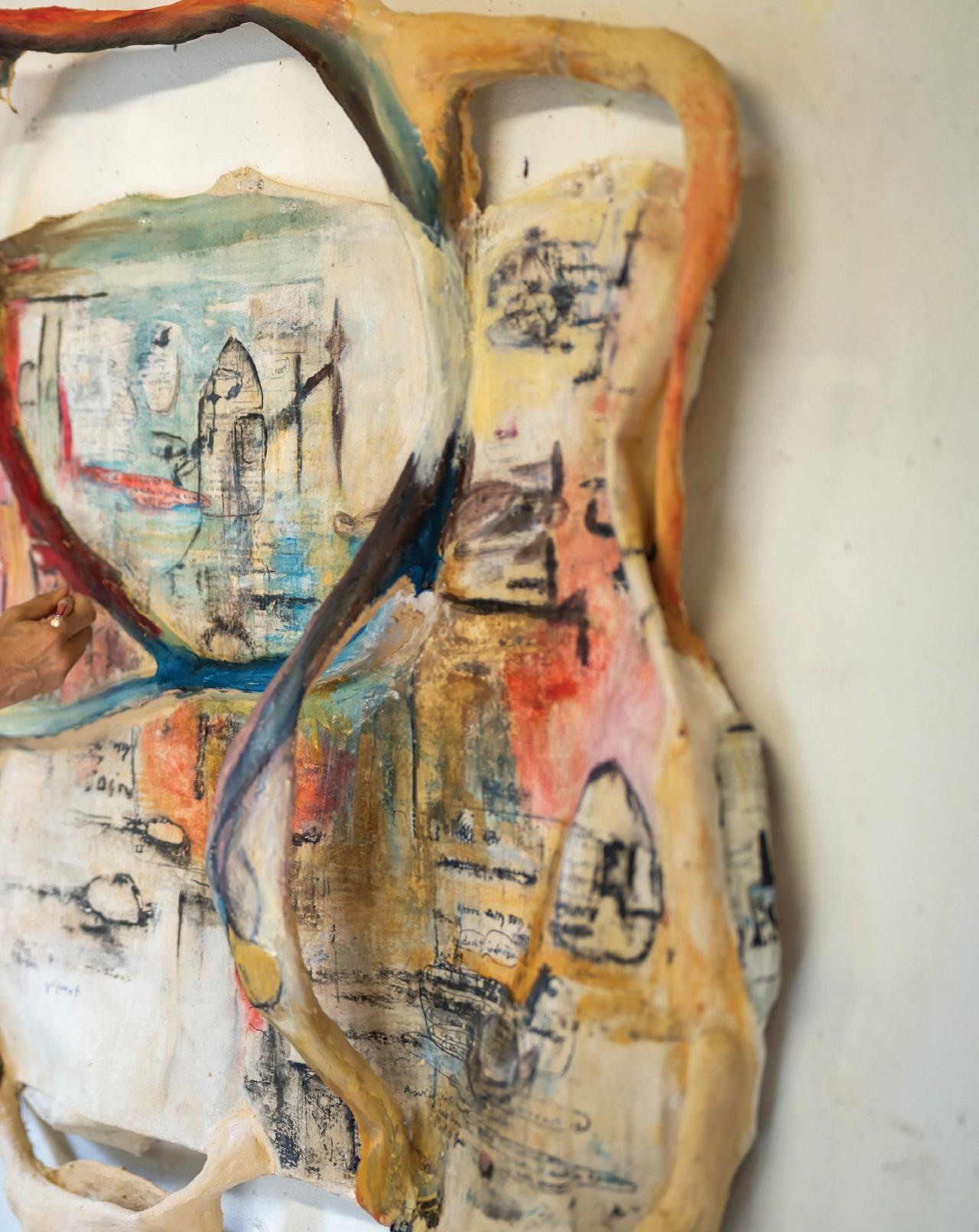
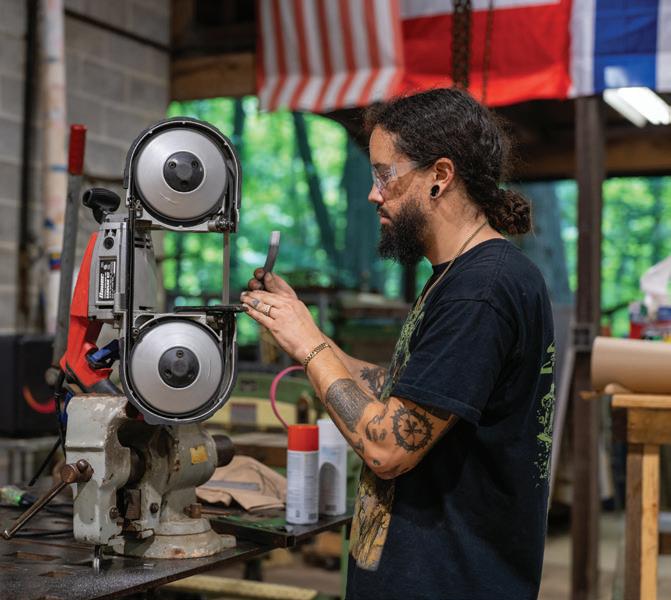
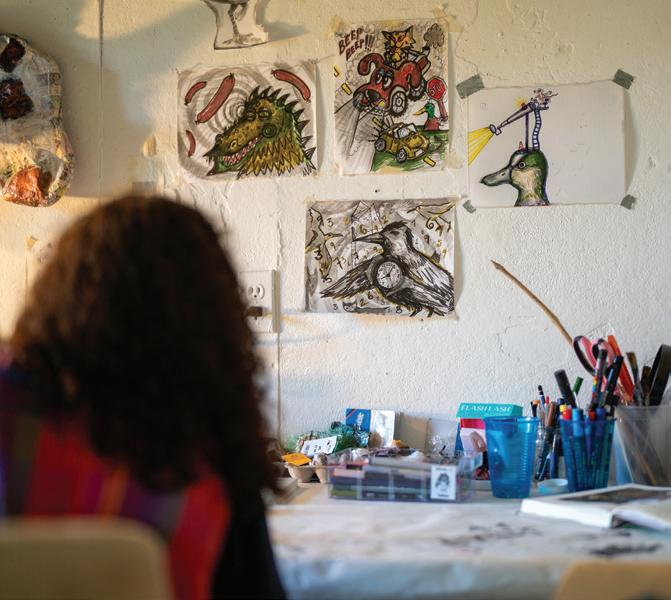
When I first got here, my mind was blown. When I left Ox-Bow the first time, I thought about it all year. It has this magnetic quality— whether you call it energy or spirit—that you just can’t shake. You’re in the ceramic studio until midnight, starting a bleach-dye party, or just playing games. There’s this constant river of creative energy, and you’re not tethered to the real world—you’re making purely with your hands.”
—MJ Minutoli, 2025 Summer Artist in Residence
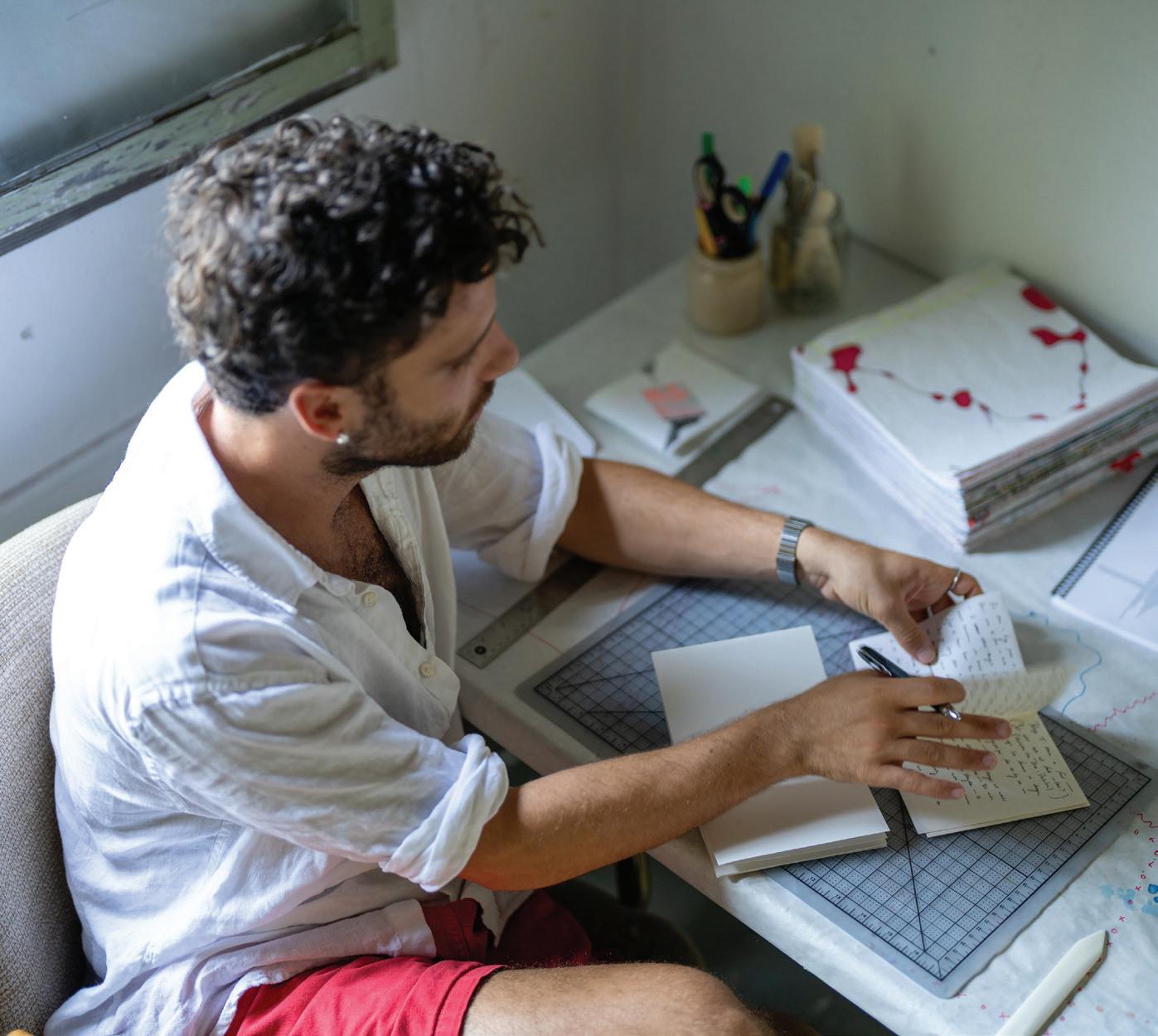
FEES
Ox-Bow offers a unique, alternative learning and social experience. The fees reflect the cost of caring for our campus and supporting the faculty who make our programs possible. Your payment helps sustain the space, resources, and people that create the Ox-Bow experience.
The tuition listed does not include any lab fees associated with the course. Please check the course listings for those details.
An essential part of Ox-Bow is getting to know its domestic architecture, sharing meals, and living amongst fellow students, faculty, and staff. Room and board fees cover more than just your cozy 6- or 13-night stay. At Ox-Bow, the kitchen is the heart of campus and aims to provide all participants with three restorative, sustainable, and healthy meals per day. The team uses locally sourced ingredients as much as possible and can adapt to any dietary restriction. Meal plans are included in the room and board fee.
Room and board costs are available in two tiers to accommodate those who would prefer a single room. Single rooms are limited, so we encourage those interested to register quickly.
REGISTRATION
Online registration begins at 10:00 a.m. ET, on Monday, April 6, 2026, your registration can be submitted to the Ox-Bow registrar via the form on our website.
The average Ox-Bow class size is seven. If you are interested in attending, we encourage you to register quickly.
Please note: Ox-Bow’s registrar does not work from Ox-Bow’s campus in Saugatuck, Michigan, and will not be available via the campus phone. For any registration questions, please direct them to our main email, oxbow@ox-bow.org.
PAYMENT INFORMATION
Payment should be processed by credit or debit card via the Ox-Bow registration form. Payment is due at the time of registration and is non-refundable.
DROP POLICY
Ox-Bow enrollments are non-refundable. Students who drop their enrollment from the time of registration until two weeks before the class will be issued a credit to be used within the same calendar year of the original transaction that can be used for any registration, event, rental, or retail item at Ox-Bow. If a student drops within two weeks of the start date of their class, no credits will be given.
Students who register for an Ox-Bow class assume the risk that they may need to leave Ox-Bow due to illnesses or other personal issues and are encouraged to consider insurance options. Ox-Bow does not provide refunds for students who leave campus prior to the completion of their course for any reason.
Ox-Bow is dedicated to providing students with the experience described in the catalog, but cannot guarantee the listed faculty. In the rare event that a faculty member cannot instruct their class due to an emergency, a replacement of similar expertise will be provided. Faculty replacement does not make a student eligible for a refund.
Ox-Bow reserves the right to adapt this drop policy after the publication of the catalog, per evolving guidelines and recommendations.
SCHOLARSHIPS
Students can be awarded funding from Ox-Bow to take a course via the Merit Scholarship, the Work Scholarship, and the Need-Based Scholarship. Awards for all three scholarships are partial in nature but can be combined to cover costs associated with an Ox-Bow enrollment. Ox-Bow hires a diverse panel of artist professionals to review applications whose intersectional perspectives help identify merit in applications, to build a diverse student body and expand equity in aid awards. Please see below for details and instructions.
The Ox-Bow Merit Scholarship
Merit Scholarship funds can be applied toward any core course enrollment. Applications are submitted through the Ox-Bow website, are based on the prospective student’s portfolio, response to short essay questions, and are reviewed by a panel of diverse arts professionals with experience at Ox-Bow. Awards are typically partial and communicated to the student at least one week prior to open registration, so that they can claim their spot in class.
The Merit Scholarship deadline is Sunday, March 15 at 11:59 p.m. ET. Apply online at www.ox-bow.org.
The Ox-Bow Work Scholarship
Ox-Bow will award a number of work scholarships on a first-come, first-served basis to students enrolling in OxBow classes. The work scholarship is equivalent to 50% of the cost of shared room and board while attending Ox-Bow.
Work scholarship students work thirteen hours per week while on campus in one of the following jobs: kitchen, housekeeping, and grounds and maintenance. Each work scholarship field is unique and requires teamwork with other Ox-Bow staff members in their departments. Tasks specific to these departments may change based on the time of year or priority projects, but general descriptions are as follows:
• Kitchen: tasks may include dishwashing, cleaning the dining room, or prepping ingredients for meals.
• Housekeeping: tasks may include cleaning bathrooms, sweeping floors, and turning over bedrooms.
• Grounds and Maintenance: tasks may include raking leaves, setting up tables and chairs for events, and trash removal.
Students can rank their preferred department at the time of registration and will receive confirmation of their department when they arrive on campus.
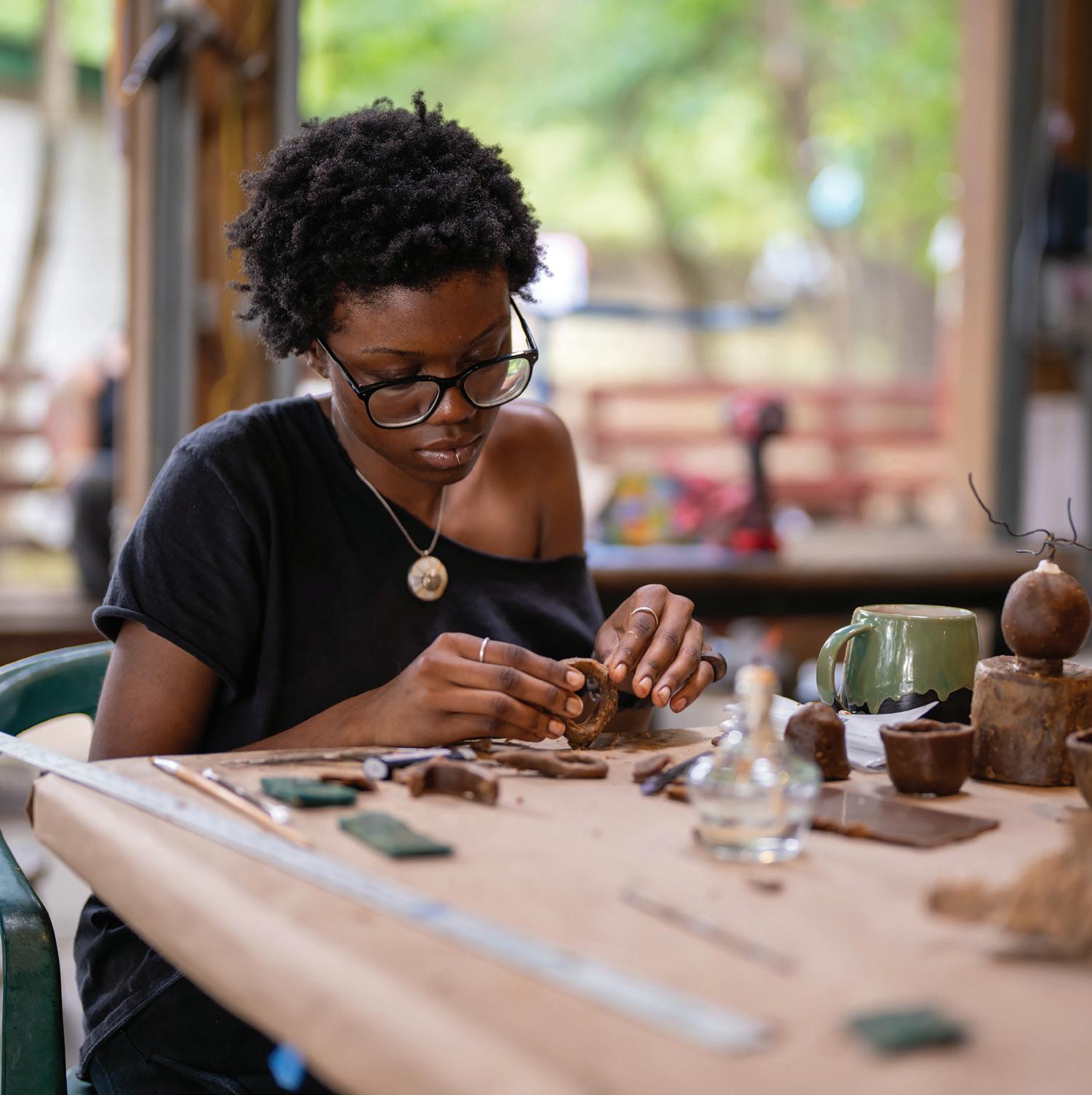
Work schedules are dynamic, based on the current needs of each department and students will be scheduled to work, at times, during class. Faculty are aware that they may have a student who is working toward their work study scholarship and will keep them caught up with the syllabus. Failure to complete any of the hours assigned will result in the removal of the scholarship.
Work Scholarships are first-come, firstserved, and you can indicate that you are interested on the Ox-Bow registration form.
The Ox-Bow Need-Based Scholarship
This scholarship is available to students enrolling in an Ox-Bow course who demonstrate financial need. Awards are partial in nature. Applications for this scholarship are informational, not portfoliobased, and are reviewed by the Ox-Bow Scholarship Committee on a rolling basis.
If a student is interested in a Need-Based Scholarship for their summer 2026 enrollment, they should submit that application by Sunday, March 15, 2026 by 11:59 p.m. ET Apply online at www.ox-bow.org.
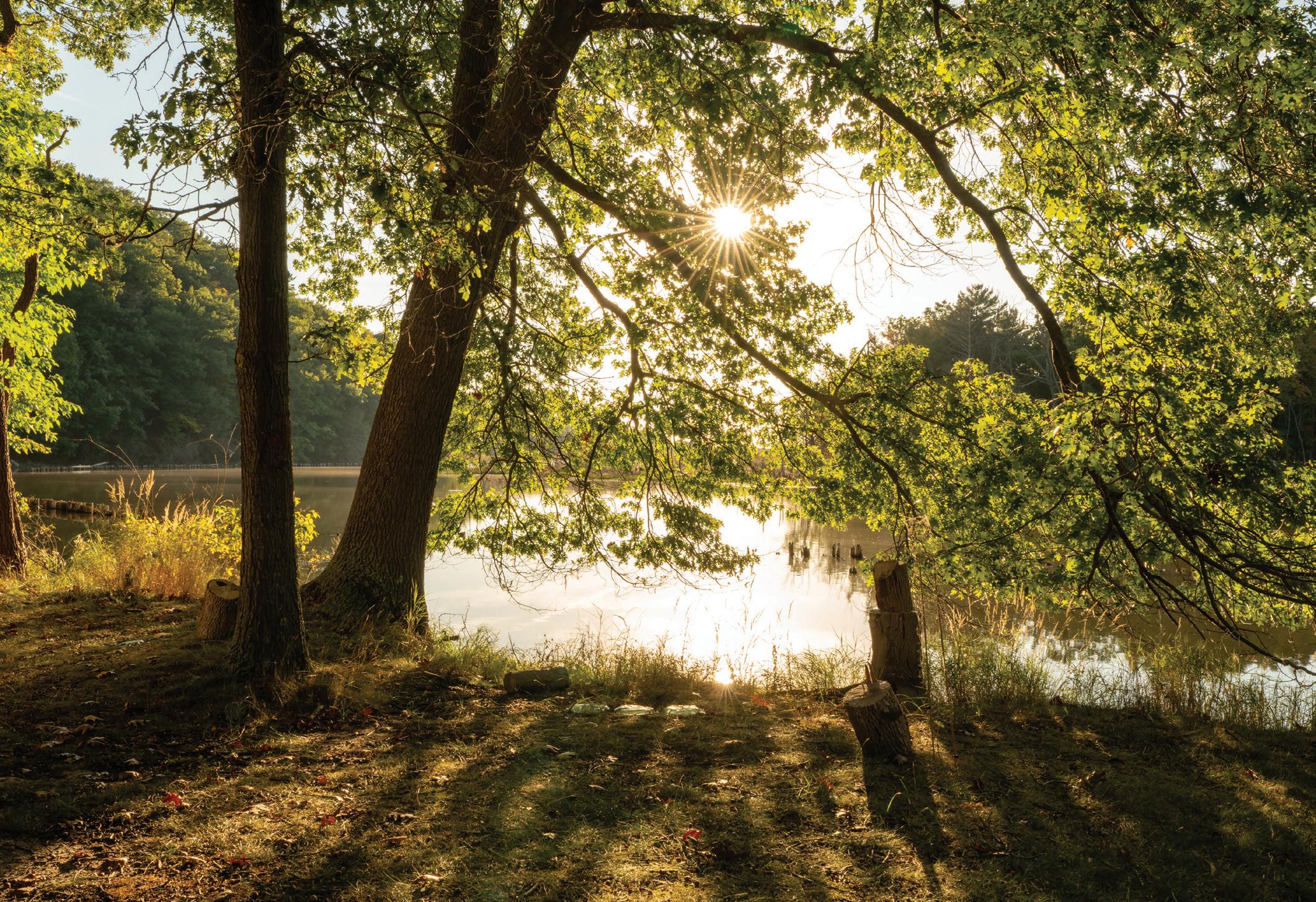
CAMPUS INFOMATION
Contact Information
Ox-Bow is located at 3435 Rupprecht Way, Saugatuck, Michigan 49453. To report travel issues or any last minute questions on the weekend of your arrival, please call the Saugatuck office at (269) 857-5811.
Please note that Ox-Bow’s campus is located in West Michigan, where the time zone is Eastern Standard Time.
Questions regarding class registration, payment, scholarship, or any other questions that come up prior to your arrival weekend should be directed to the office team at oxbow@ox-bow.org.
Meals
All participants enjoy healthy and delicious meals prepared each day by our talented kitchen staff. Locally sourced ingredients are used as much as possible. Three meals per day are included in the room-andboard fee for students residing at Ox-Bow. Our chefs are happy to
accommodate dietary restrictions; please complete the dietary restriction form that will be sent upon registration confirmation.
Housing
Ox-Bow provides a range of dormitory-style housing in historic and contemporary buildings with shared bathrooms. Students may choose shared or single room accommodations. Roommate requests are possible for students in shared housing.
Commuting Students
Students with other housing arrangements may commute to campus and will be assessed $75 per day for a meal plan. Students are not permitted to camp at Ox-Bow.
Traveling to Ox-Bow
Our campus is located in Saugatuck, Michigan about 2 ½ hours from Chicago. All participants are responsible for arranging their own transportation to campus. Driving
is most convenient but public transportation is available. Please make travel arrangements early and be aware of weather conditions prior to your trip.
Participants who opt to use the Ox-Bow Shuttle from the Greyhound Station in Holland, Michigan will be assessed a $20 fee for a round trip seat. This purchase is non–refundable.
Community Health Guidelines
Ox-Bow reserves the right to update their participant guidelines in response to emergent and/or ongoing local, regional, national and/or global public health, safety, and environmental concerns at any time and without warning. This includes, but is not limited to, requiring any participant to provide documentation of a negative COVID-19 test result and/ or vaccination status prior to their participation, including approval for overnight accommodation.
POLICIES
Accommodations Policy
Ox-Bow is committed to providing participants with disabilities equal access to the classroom and other events on campus. Because of the unique nature of learning at Ox-Bow, participants are asked to communicate their needs related to living and learning to the Ox-Bow staff when asked during registration so that preparations can be made with the campus team and their faculty. If at any time a student needs to make a confidential accommodation request, they can do so by emailing oxbow@ox-bow.org.
Admission Policy
Ox-Bow reserves the right to deny admission/participation to any individual who has demonstrated a history of behavior that, in the judgment of Ox-Bow, might contribute in any way to the disruption of the educational processes or residential life on campus.
Anti-Discrimination Policy
Ox-Bow does not discriminate on the basis of demographic information in regards to recruitment and admission, financial aid programs, student employment service, educational programs and activities, or in employment practices.
Companion Animal Policy Service Dogs and Emotional Support
Animals (with proper documentation) are permitted at Ox–Bow. Approved animals are expected to be under their handler’s control at all times at Ox-Bow and abide by our campus rules, including being leashed at all times when in public and current on vaccinations. The animal should not wander, approach others, block busy walkways, make loud noises repeatedly, and the handler must immediately pick up the waste from campus grounds. Failure to abide by this policy can result in a request to leave Ox-Bow.
Guest Policy
Students are not permitted companions, day or overnight guests during their stay, including children or other family members.
Studio Policy
Each studio has specific policies in place to ensure the safety of participants and equipment. Additionally, these policies ensure that all participants receive a quality education with equal access to faculty and equipment. All studio-specific policies will be explained on the first night of classes. Any participant found in violation of these policies will be asked to leave the course without refund. These same policies are applied to any work conducted in the Ox-Bow landscape or on the Ox-Bow grounds. Because OxBow is a community, we ask that all participants respect the rights of their classmates and fellow community members by following our policies.
Suspension & Expulsion Policy
Ox-Bow reserves the right to impose sanctions, including suspension and expulsion, without refund, upon students, fellows, or residents whose behavior, in the judgment of Ox-Bow, contributes in any way to the disruption of the educational processes or residential life on campus. Additional policies are listed in the Ox-Bow Policy & Procedures Handbook. SAIC students will be subject to disciplinary procedures and sanctions as outlined in the School of the Art Institute of Chicago’s Student Handbook.
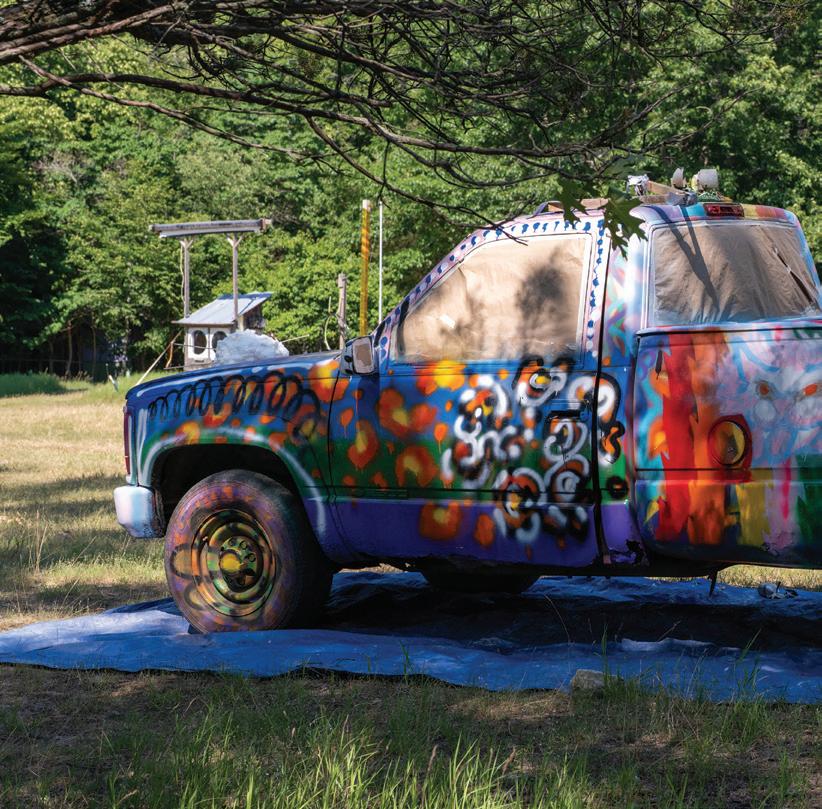
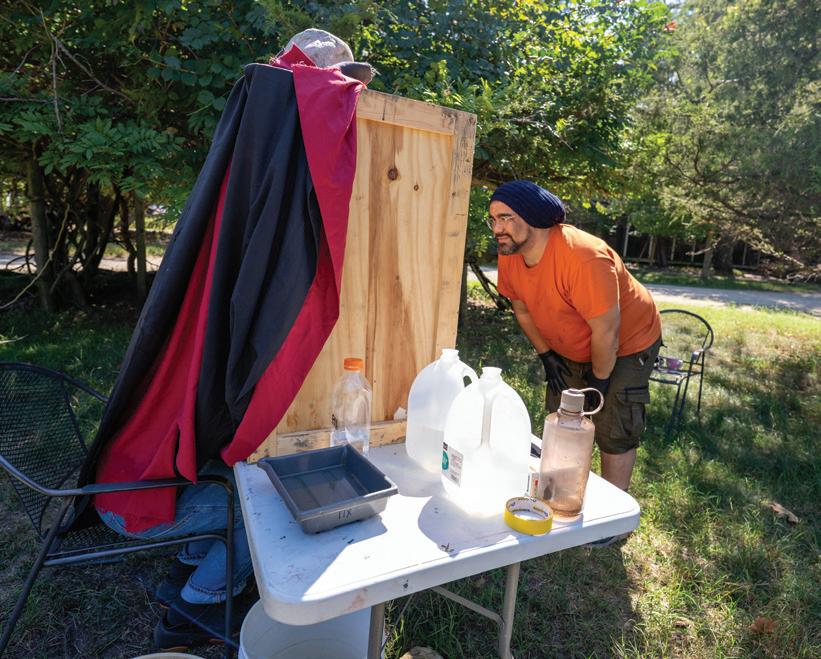
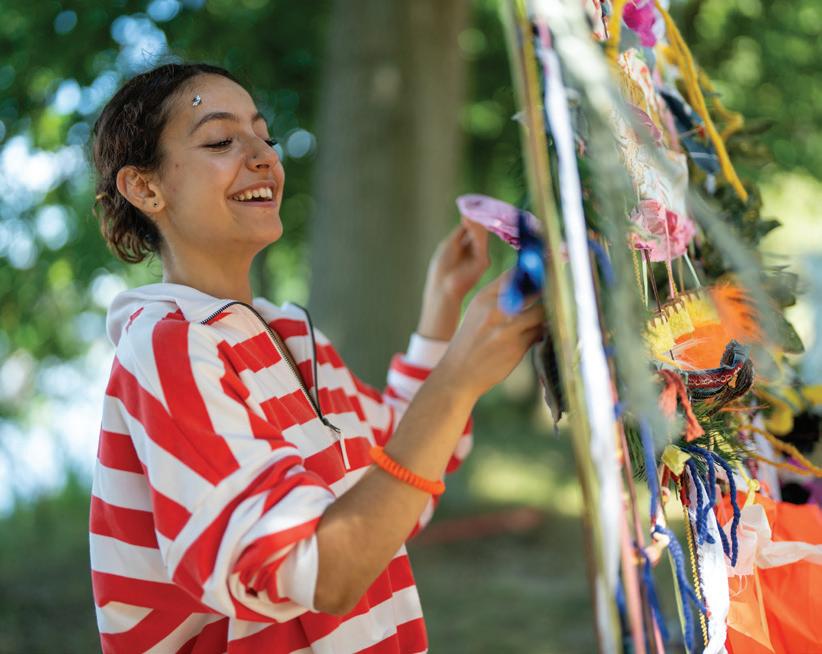
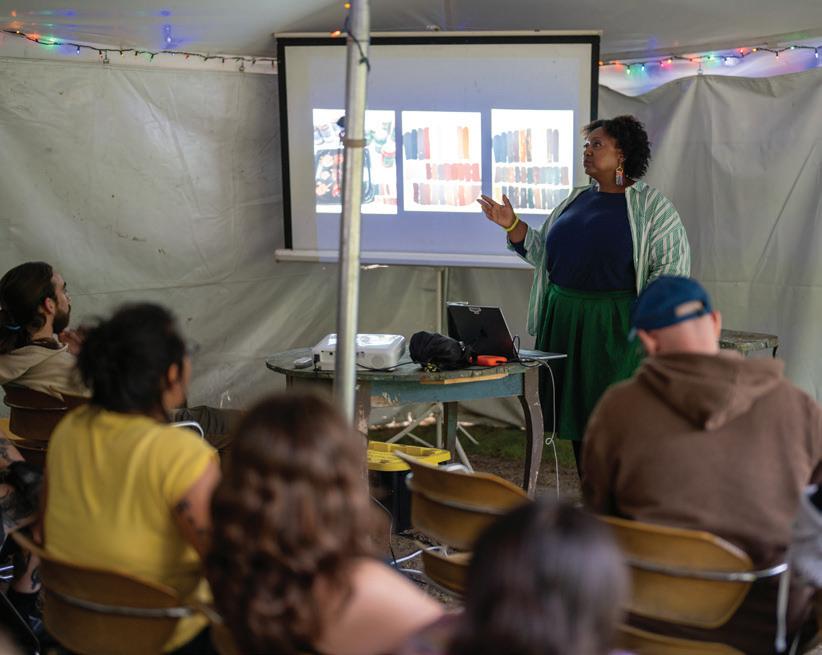
FOR STUDENTS FROM THE SCHOOL OF THE ART INSTITUTE OF CHICAGO
Ox-Bow has a unique relationship with the School of the Art Institute of Chicago (SAIC) that allows Ox-Bow to offer credit for course enrollments. A 1-week for-credit enrollment affords 1.5 credits and a 2-week for-credit enrollment affords 3 credits. In the case of for-credit enrollments, the tuition is the same as SAIC’s, per credit. Students not enrolled at SAIC who are interested in getting credit for their Ox-Bow course can do so via transfer credits. Taking an Ox-Bow course for credit is a great way to expand your horizons and gain credits quickly.
SAIC REGISTRATION, PAYMENT, AND DROP INFORMATION
In-person registration for for-credit enrollment begins at 8:30 a.m. CT on Monday, April 6 in the Neiman Center, 2nd floor on 37 S. Wabash in Chicago, Illinois.
Students interested in for-credit enrollments cannot register for the Ox-Bow class themselves, they should come to the registration event or fill out the registration form which goes live on Ox-Bow’s website at 9:00 a.m. CT on Monday, April 6.
For-credit payments should be processed via check to SAIC or credit card payment through SAIC’s
payment partner, CASHnet, which is accessible through Peoplesoft Self Service.
If a for-credit student drops their course from the time of registration until four weeks before the start of their class they will receive a tuition and room & board refund minus a $350 drop fee. If a for–credit student drops within four weeks of the start date of their class, no refunds will be given.
Requests to drop must be submitted in writing to the Ox-Bow registrar via email (oxbow@ox-bow.org) by 4:00 p.m. CT on the last day of the drop period. It is not possible to drop an Ox-Bow class through the SAIC Self Service, through the SAIC registrar,
SAIC Costs for Summer 2026
or to use scholarships granted by Ox-Bow to cover the costs of drop fees.
FINANCIAL AID FROM SAIC
Undergraduate and graduate students from the School of the Art Institute of Chicago may be able to use their financial aid award and merit scholarships from SAIC toward for-credit tuition costs at Ox-Bow. Students interested in this should reach out to Student Financial Services to ensure their funding will be applied to the summer term and refer to their deadlines.
FOR-CREDIT GRADING POLICY
Ox-Bow adheres to a credit/nocredit grading system. Students enrolling in classes for credit are indicated by the grading basis CR, or Credit, on the registration statement and transcript. Students enrolling in classes for non-credit are indicated by the grading basis AUD, or Audit, on the registration statement and transcript.
ATTENDANCE POLICY
Due to the intensive nature of an Ox-Bow course, students are required to attend in full and every day during the session to be granted the credits assigned to their course. Ox-Bow will work with students who miss class and their faculty to understand their needs and get on a path toward completion. Missing one day of class or arriving tardy more than once will trigger a mediated conversation between the student, faculty, and Ox-Bow administration. Failure to correct unexcused absences will make the student eligible for a non-passing grade.
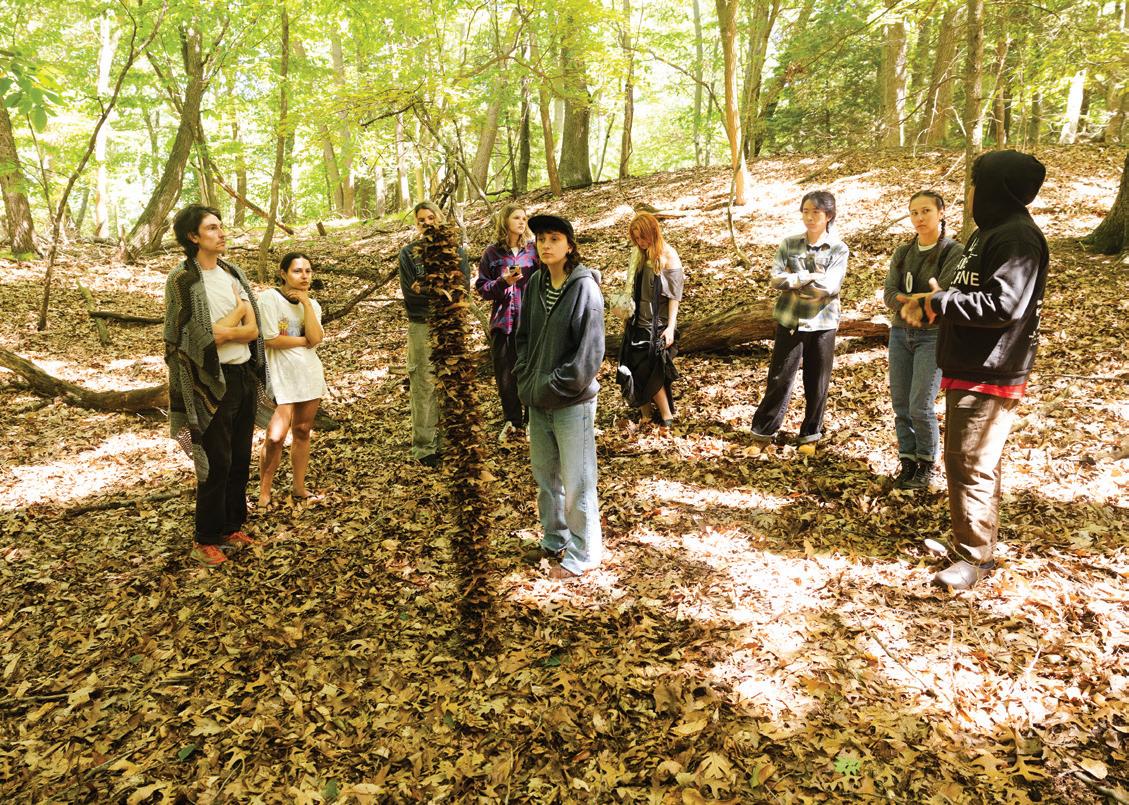
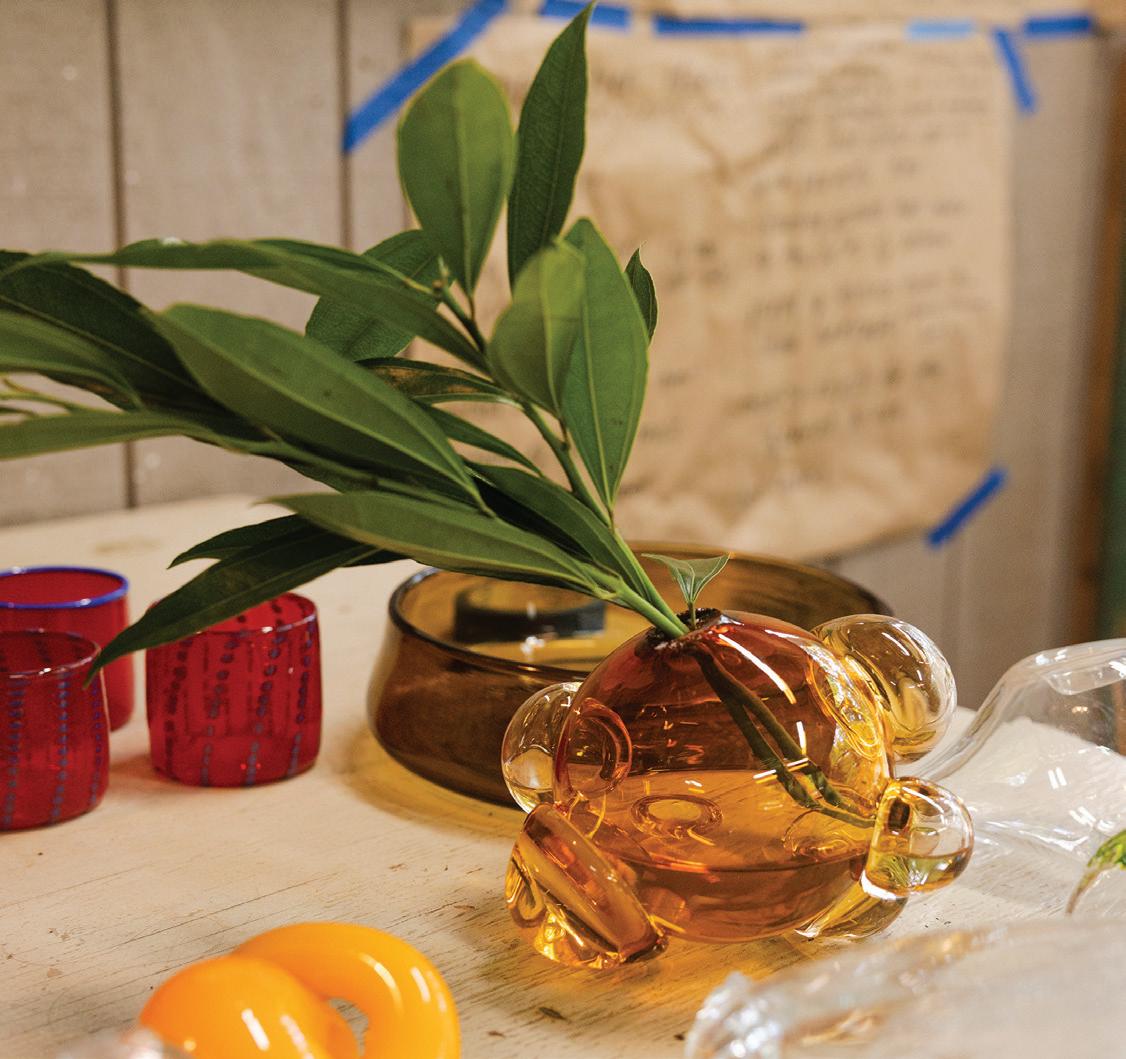
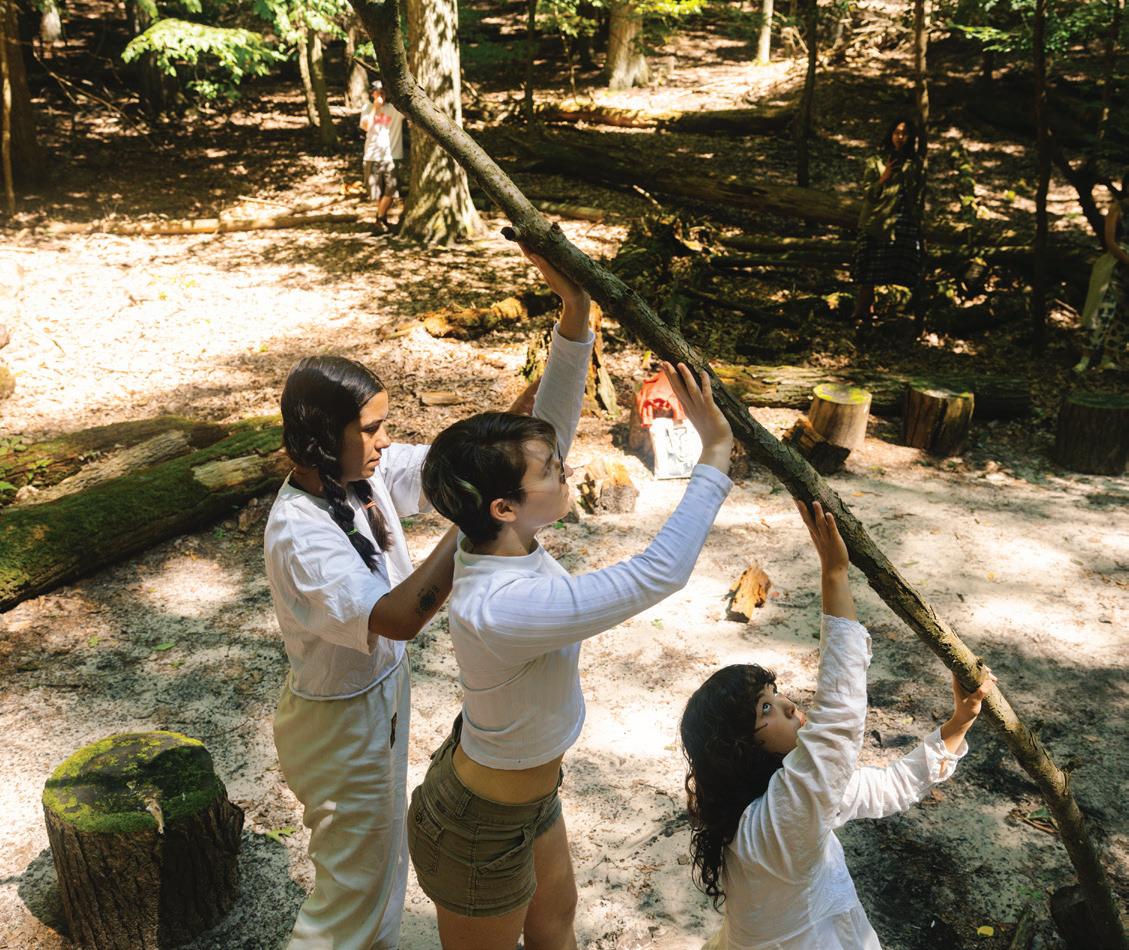
◗ CERAMICS 673 001 | Clay in the Field | 3 credits
◗ CERAMICS 674 001 | Eating the Object: Ceramics, Food & Performance | 3 credits
◗ CERAMICS 656 001 | Ox-Bow on the Wheel | 3 credits
◗ CERAMICS 660 001 | Woodfire: Ancient Methods & Contemporary Practices | 3 credits
◗ FIBER 635 001 | Global Papermaking: Techniques & Play | 1.5 credits
◗ FIBER 608 001 | Hanji Unfolds: Traditional Korean Papermaking | 3 credits
◗ FIBER 634 001 | Sculptural Basketry | 3 credits
◗ FIBER 627 001 | Soft Compositions | 3 credits
◗ FILM, VIDEO & NEW MEDIA 612 001 | Make an Ox-Bow Movie | 1.5 credits
◗ GLASS 681 001 | Glassblowing | 3 credits
◗ GLASS 641 001 | Multi-Level Glassblowing | 1.5 credits
◗ GLASS 652 001 | Perfumery & Glass Cast Vessels | 3 credits
◗ GLASS 676 001 | The Dinner Party | 3 credits
◗ GLASS 666 001 | The Transparent Self: Working in Glass | 3 credits
◗ PAINTING & DRAWING 677 001 | Draw, Paint, Print, | 3 credits
◗ PAINTING & DRAWING 678 001 | Field Illustration | 1.5 credits
◗ PAINTING & DRAWING 647 001 | Go Figure: Representing the Human Form | 3 credits
◗ PAINTING & DRAWING 605 001 | Muraling at Ox-Bow | 3 credits
◗ PAINTING & DRAWING 607 001 | Painting in Dimension: Abstraction, Representation & Collage | 3 credits
◗ PERFORMANCE 612 001 | Let’s Paint Online | 3 credits
◗ PERFORMANCE 610 001 | Starving Artist: Financial Care in a Capitalist World | 3 credits
◗ PHOTO 615 001 | Wandering Spirits | 3 credits
◗ PRINT 672 001 | Drawn to Print at Ox-Bow | 3 credits
◗ PRINT 636 001 | Textile Ecologies: Pattern, Printing & Place | 3 credits
◗ PRINT 674 001 | The Nature of Mokuhanga: Modern Japanese Woodblock Printing | 1.5 credits
◗ SCULPTURE 672 001 | Blacksmithing | 3 credits
◗ SCULPTURE 693 001 | Breaking Good: Improvisational Stained Glass | 3 credits
◗ SCULPTURE 696 001 | Building A Cedar Strip Canoe | 3 credits
◗ SCULPTURE 690 001 | Casting the Body & the Everyday | 3 credits
◗ SCULPTURE 697 001 | SOUND 697 001 | Collisions: Experiments in Sculpture, Collaboration & Sound | 3 credits
◗ SCULPTURE 697 001 | Imaginative Armatures & Alternative Covers | 1.5 credits
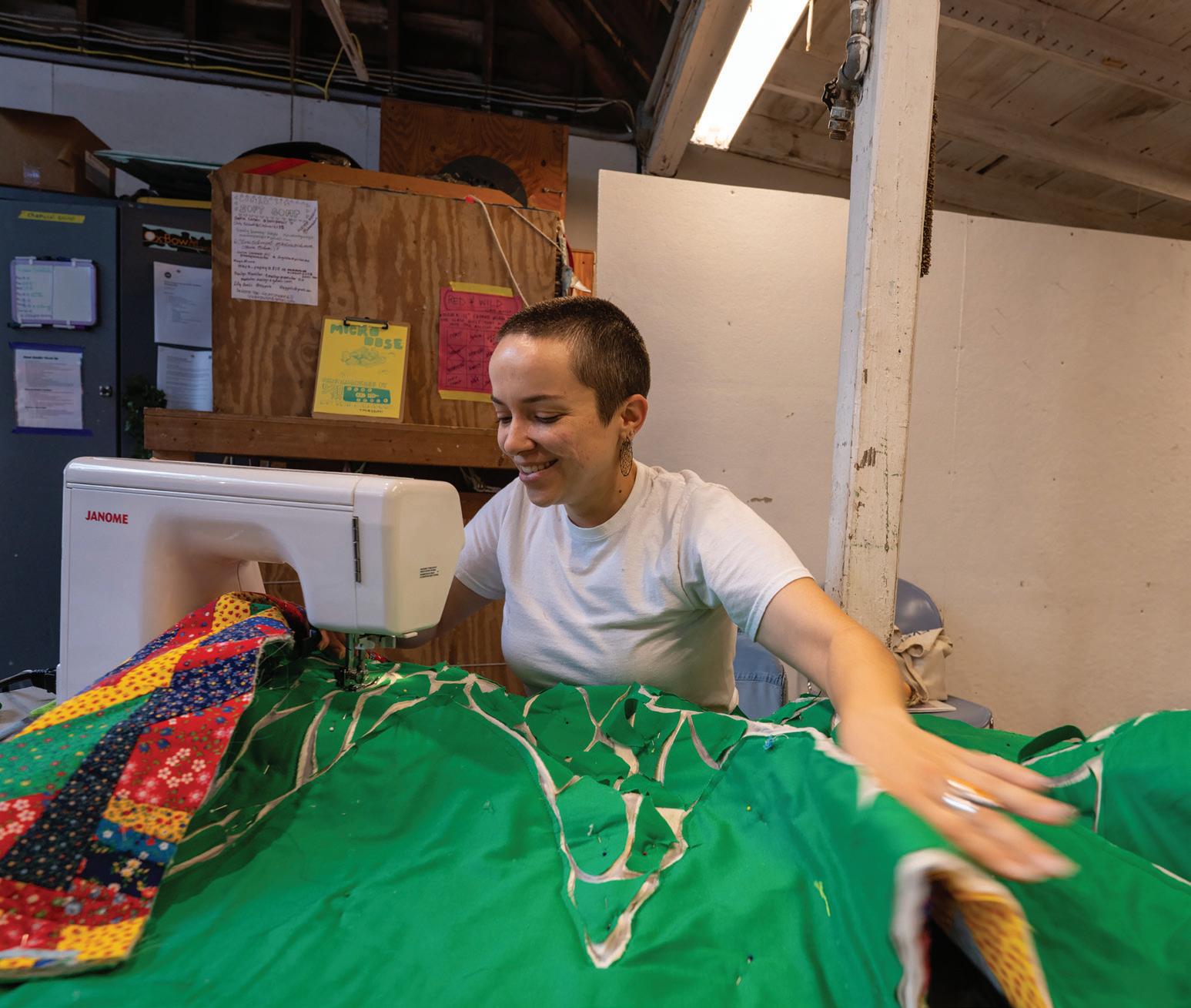
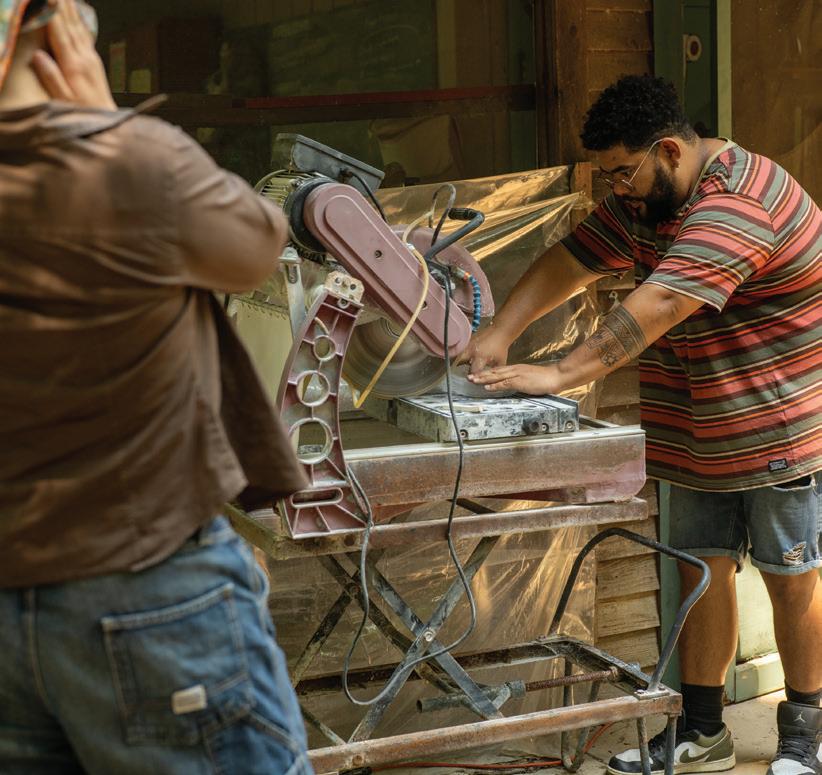
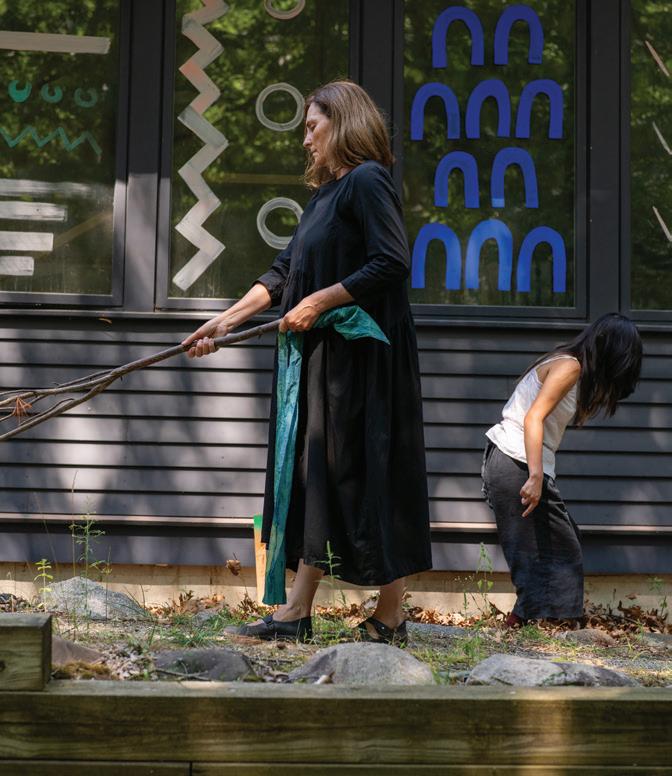
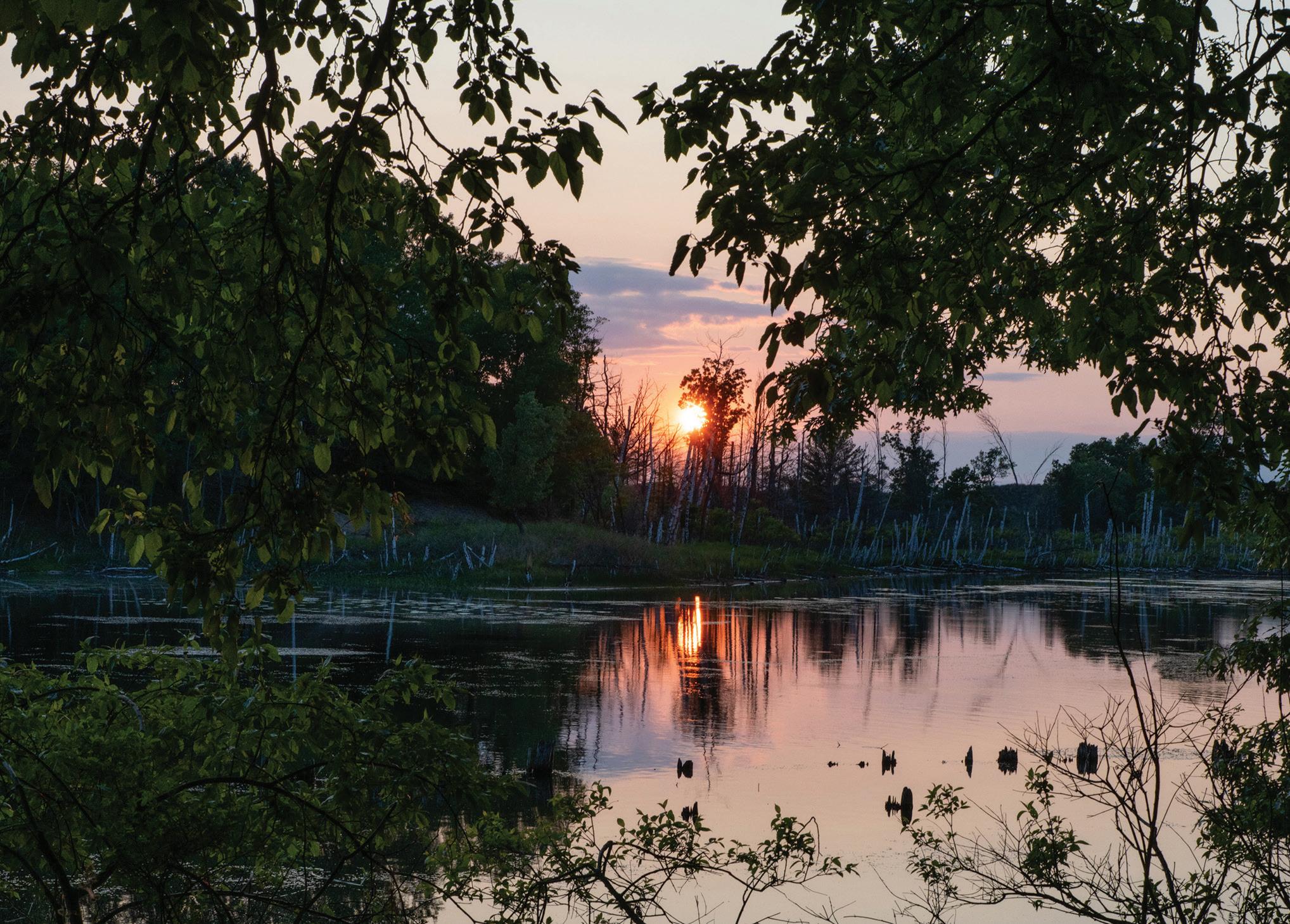
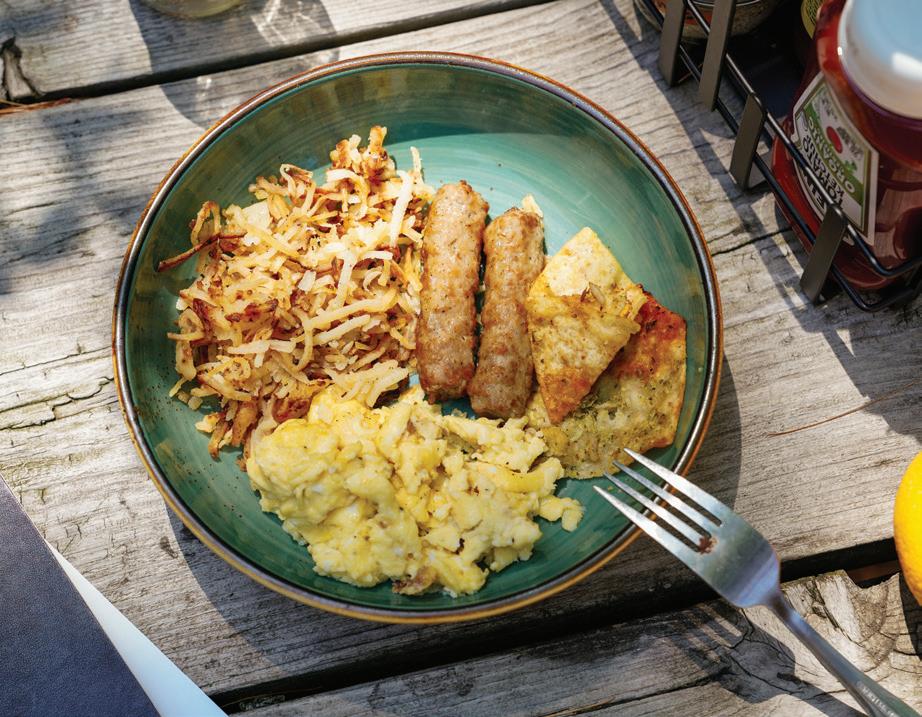
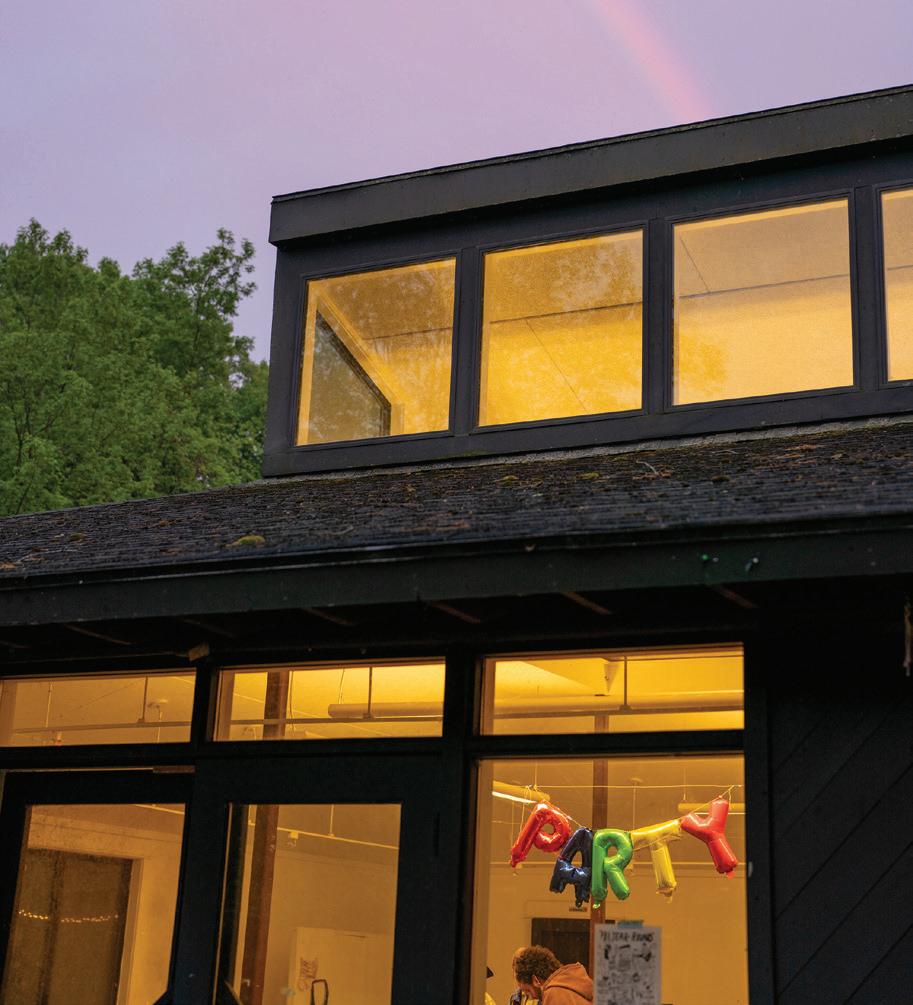
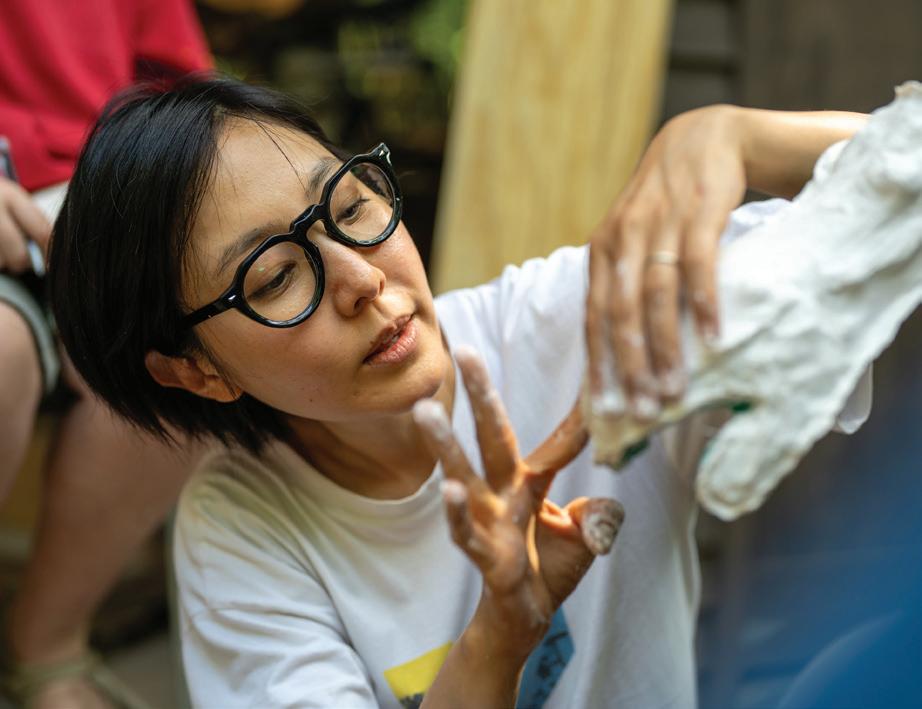
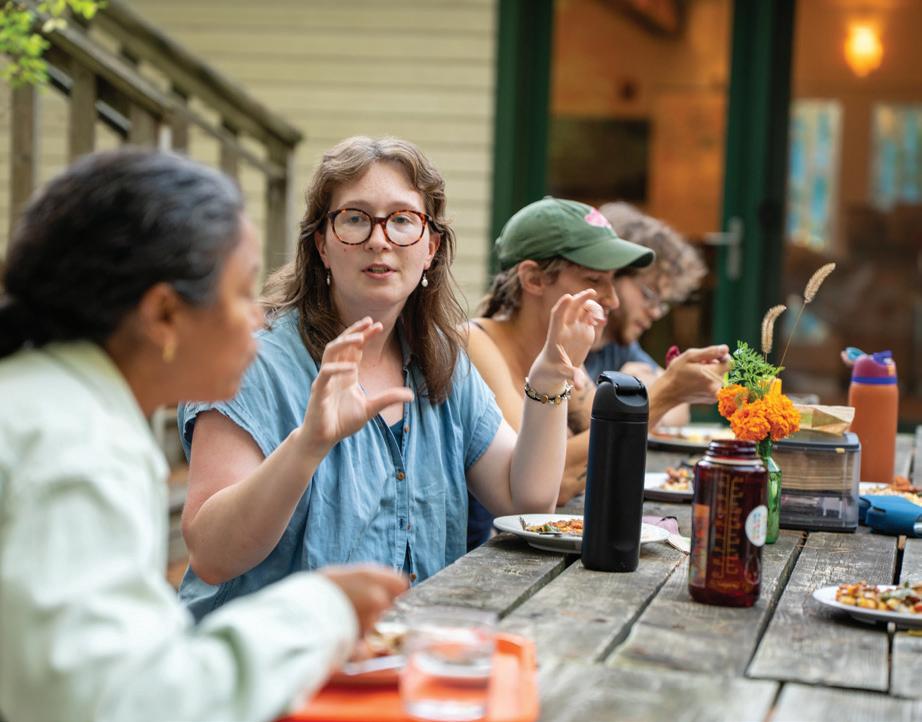
OUR TEAM OUR SUPPORTERS
OX-BOW BOARD OF DIRECTORS
Steven C. Meier, President
Scott Alfree
Evan Boris
Delinda Collier
Chris Craft
Chris Deam
Martin Fluhrer
Dawn Gavin
Keith Goad
Loring Randolph
jina valentine
Keith P. Walker
Shauna Wilson
YEAR-ROUND STAFF
EXECUTIVE
Shannon R. Stratton Executive Director
COMMUNICATIONS
Ashley Freeby Communications Director & Head Designer
DEVELOPMENT
Steven Berry Consulting Development Director
Molly Markow Grants & Relationships Manager
Kate Nguyen Community Engagement & Events Manager
FINANCE
Kristie Noguera Finance Manager
Sally Moeller Bookkeeper
PROGRAMMING
Maddie Reyna Education Director
Bobby Gonzales Programs Manager
OX-BOW HOUSE
Candice Whitfield
Retail & Program Manager, Ox-Bow House
CAMPUS ADMIN
Claire Arctander
Deputy Director of Campus Life & Operations
Rowan Leek Campus Manager
FACILITIES & GROUNDS
John Rossi
Facilities Manager
Nate Skiffington
Assistant Facilities Manager
Zain Sorathia Operations Manager
Aaron Whitfield Housekeeping Manager
STUDIO MANAGERS
Rachel Brace Glass Studio Manager
Nick Fagan
Metals Studio Manager
Zena Segre
Ceramics Studio Manager
EFROYMSON FAMILY FUND This project was funded in part by a grant from the Efroymson Family Fund. The Efroymson Family Fund, a donor-advised fund of the Central Indiana Community Foundation, continues a long legacy of charitable commitment by the Efroymson family in central Indiana. The Efroymson Family Fund was established in 1998 by Dan and Lori Efroymson to promote the visibility of communities and to date has awarded more than $88 million in grants in central Indiana and beyond. We are grateful to the Efroymson Family Fund for their support of our Visiting Artists Program. For more information about the Efroymson Family Fund, visit: efroymsonfamilyfund.org
JOHN M. HARTIGAN MEMORIAL SCHOLARSHIP FOR PAINTERS
Please visit our website in May for a complete list of seasonal staff.
John M. Hartigan was a life-long Chicagoan, an artist, a patron of the arts, and a dedicated family man. A gifted lawyer and an engaged community member, John was always interested in civic affairs, sitting on a number of Boards. Over the years he took courses at the School of the Art Institute, as well as Summer courses at Ox-Bow. John loved both the camaraderie and the artistic synergy of the campus. The Hartigan Endowment will be used to support the ongoing education of artists-in-residence whose medium is acrylic and/or oil. This award is available to applicants for both the Summer and Fall Residency cycles.