All advertisements, and/or editorials are accepted and published by Over the Road on the representation that the advertiser, its advertising company, and/or the supplier of the editorials are authorized to publish the entire contents and subject matter thereof. The advertiser, its advertising company, and/or the supplier of the editorials will defend, indemnify and hold Over the Road harmless from and against any loss, expense or other liability resulting from any claims or suits for libel, violation of privacy, plagiarism, copyright or trademark infringement and any other claims or suits that may rise out of publication of such advertisement and/ or editorials. Press releases are expressly covered within the definition of editorials.
Great
Minimum
MAKING
YOUR MILES COUNT
Robert D. Scheper
Keys to Successful Independent Operating
There are six major keys to being a successful Independent Operator: reduce fuel costs, reduce taxes through NTB, plan your maintenance schedule, keep a personal vehicle OUT of your corporation and never (99% of the time) use dividends to pay your taxes.
1.
REDUCING FUEL COSTS
as a percentage of your revenue is the first primary step to being a successful Operator. Starting with specking your truck for the work it will be doing (if you can) and then learning to control your foot to reduce consumption per mile. It is the largest issue you are directly in control of. Consumption first. Secondly, then worry about cost (Base fuel cost in the jurisdiction you are driving in). Understand fuel taxes and carbon taxes so as to not waste your time on managing things that change nothing. Changing your fuel consumption by 1 mile per gallon changes your cash flow by $1200-1400 per month.
2. REDUCE TAXES THROUGH NON-TAXABLE BENEFITS.
Properly set up and utilized, meals on the road in travel status can produce a $1000-$1100 cash flow increase due to true tax savings. Non-taxable benefits need to be set up properly and defended of course, but the net savings makes a huge impact on building after-tax wealth.
3. NEVER LEASE A TRUCK, ALWAYS OWN.
I’ve got a great PODCAST on this... “Owning versus Leasing”. As in most cases, the devil is in the details. If you are leasing and you don’t know the devil in it, you must assume you have it. Every lease automatically includes it unless you specifically negotiate it out. I encourage you to go to YouTube “Making Your Miles Count” and watch “Owning Verses Leasing”. It may be the best 26 minutes of business advice you will ever get.
4. PLANNING YOUR MAINTENANCE
SCHEDULE is essential to efficient asset usage. The first key is to establish a good relationship with a trusted mechanic. Understanding your vehicle’s maintenance issues is your primary goal upon securing a truck. Developing a plan and then working with that plan minimizes conflicting issues. Combining maintenance issues reduces costs per issue (avoiding duplication). A good operator knows the life cycle of the truck they are driving. They will choose issues and decide which risk is acceptable to carry and which will initiate an upgrade. A driver who doesn’t know their truck peculiarities in maintenance is someone driving blind, waiting for the unplanned issues to surprise them.
5. KEEPING A PERSONAL VEHICLE OUT OF YOUR CORPORATION is a key concept of managing taxes, risk and effort. Simply put... having your corporation OWN a vehicle for business travel needs is.... STUPID, STUPID, STUPID! I apologize for the bluntness but embracing high audit risk, high technical effort and documentation for marginal benefit and increased risk of personal taxable benefit costs is ridiculous. Charge your corporation a cent per KM for the use of your personal vehicle and get all the benefits of low audit risk, low document and technical effort while receiving excessive non-taxable benefits ABOVE your actual costs (under nearly all situations).
6. NEVER USE CORPORATE TAXES AND DIVIDENDS... NEVER, NEVER, NEVER... (99% of the time). With only rare exceptions should someone CHOOSE to pay higher tax rates from your FIRST dollar of income all the way to about $74,000. Canada uses a gradual income tax rate: low rate at low income and higher rate as the income increases (marginal tax rates reflecting tax brackets). Why would someone pay 35% tax rate on the first $10,000 earned when they could T4 the person at an “exempt” 0%? It just baffles my mind why someone would pay higher taxes when they don’t have to. If someone already gets a $74,000 T4 and still has income? BINGO!... now you can play with corporate taxes and dividends if you wish. Every client we have that uses corporate taxes must be OK’d by me personally. Under national average earnings, Operators would have to normally make over $110k before corporate income
would be considered $74,000+$40,000 (NTB). Less than 5% of all operators get into that situation and then there are other options that can further eliminate that down to 1%. Most accountants that use corporate taxes and dividends do so to circumvent deadlines and penalties for not meeting filing requirements... OR... they are just lazy and don’t know what they are doing.
If any of this confuses you or conflicts with what you know or have been told... contact me. You deserve to know what you are doing that causes unnecessary taxes and low margins. There are a few other issues that can also affect building after-tax wealth (like efficient asset purchases).
If your accountant says it’s a hoax... take my advice... your ACCOUNTANT doesn’t care about your taxes or your success.
About the Author:
Robert D. Scheper is a leading Accountant and Consultant exclusively serving the Lease/ Owner Operator industry in Canada. His first book in the Making Your Miles Count series “taxes, taxes, taxes” was released in 2007. His second book “Choosing a Trucking company” is the most in-depth analysis of the independent operator industry today. He has a Master degree (MBA) in financial management and has been serving the industry since he and his wife came off the road in 1993. His dedication, commitment and strong opinions can be read and heard in many articles and seminars. You can find him at www.makingyourmilescount. com or 1-877-987-9787.
CHECK OUT THE PODCASTS AT “YOUTUBE.COM/@MAKING YOUR MILES COUNT”
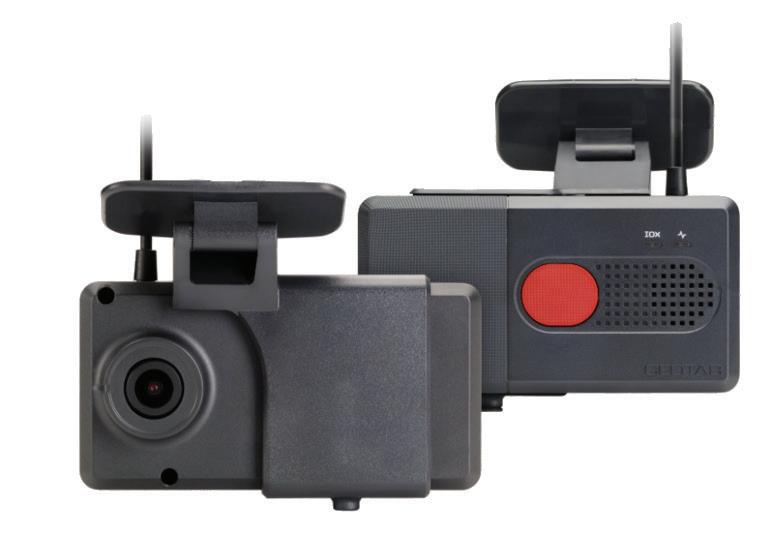
Our new Geotab Go Focus Camera Your fleet’s extra set of eyes on the road.
Intelligent safety alerts, event-driven recording and real-time insights help prevent collisions, protect drivers and cut fleet costs without invading privacy by recording only road-facing footage during specific key driving events.
Give GPS to Go Powered by Geotab a try, you won’t be disappointed.
We have been around for nearly 20 years; we are Canadian owned/ operated and we understand what customer service means!
SAFETY DAWG
Chris Harris
Understanding the Safety Manual
Why does every company make their truck drivers sign a receipt for having completed a Truck Driver Safety & Policy Manual? And why is it so important that truck drivers understand what is in this manual?
For any trucking company that is trying to do things right, they will have a truck driver safety & policy manual. It will contain many of their most important TRUCKING policies, such as the following distance policy, discipline, cell phone use, accident procedure policies and many, many more.
Why is it so important for truck drivers to have a safety manual? Part of it is to spell out to the driver what is expected. If the driver knows what the company thinks is acceptable behaviour, then the truck driver is more likely to do what is acceptable. People love to know when they are doing a good job. They also love to be recognized for doing their job correctly. With a policy and procedure manual, the driver will know when they are meeting or exceeding company expectations.
Drivers will also know what the ramifications will be when they are not meeting company expectations. The discipline policy should outline to the driver what steps will be taken when the driver falls short of achieving company expectations. This is very important if the driver ever needs to be terminated.
Because this manual will become part of any court proceedings in the future, it is imperative that the driver has read and understood this document. Should a collision claim go to court, then the driver will be examined and asked if they adhered to the company’s policies. All too often, the driver has signed a document stating that they have read and they have understood the policy manual, but sometimes the driver has signed the document but never bothered to read the policy manual. This will likely come out in court and be used against both the company and the driver.
For the company, it is very important that they have a comprehensive driver safety
and procedure manual. This manual will be used in court, and the company will be asked how they know that the driver read and understood the manual. Even if the manual is very well written, if the company cannot demonstrate that the driver had the knowledge contained in the manual, then the manual will be used against the company in court. The lawyers involved in these proceedings are usually very smart. They also know what is normal in mini trucking companies. They know that mini trucking companies simply hand out the safety manuals like candy to every driver. They get the driver to sign a document, and the company then thinks that they have met their obligation. I can tell you that this very thing has been used against many companies in court, and the companies usually come out on the losing end.
So, what might a company do to protect itself? First, have a well-written manual. Secondly, you need the driver to sign the manual. Thirdly, you can test the driver on the contents of the manual. All three of these items need to be documented and placed in the driver’s file for future reference.
How can we handle truck drivers who have a difficult time reading and understanding
an English-written manual? One possible solution is to have the manual made into an audio file. In this way, the driver may listen to it as often listening to it is easier to understand than trying to read an English document. Then, after the driver has listened to the document, the company should have the driver complete a written test on the contents of the audio file. Also, give the driver a written copy of the audio file/company safety policies. In this way, you are making it easy for the truck driver who has difficulty with English.
If you need a safety policy or if you have any questions regarding your safety policy, please reach out. I would be happy to speak with you.
Stay safe out there!
Chris Harris CEO & Top Dawg Safety Dawg Inc.
Chris@safetydawg.com www.safetydawg.com 905 973 7056 556 Upper Wentworth St. Hamilton, ON L9A 4V2
SEARCHING FOR A
TRUCK
DRIVING JOB BUT DON’T KNOW WHERE TO LOOK?
Get into a job you enjoy by searching through hundreds of driving jobs across Canada and the US!
Drivers and Owner Operators, apply to leading trucking companies in minutes!
It is absolutely FREE, easy and simple to use. Check it out today!
Watt & Stewart Commodities Inc. 4134 3rd Street East, Claresholm, AB T0L 0T0
NINE (9) LONG HAUL TRUCK DRIVERS NEEDED!
(NOC: 73300)
Employer: Watt & Stewart Commodities Inc.
Work location: 4134 3rd Street East, Claresholm, AB T0L 0T0
& Various routes in Canada and USA
Vacancies: 9 Vacancies
Salary: $36.00/ Hour for 40 -70 Hours / Week (calculated based on mileage and type of rig)
Benefits: Health Benefits: Dental Plan after 3 months of employment, Health Care Plan, Vision care benefits; Financial Benefits: Mileage paid, Safety Bonus, High Mileage Bonus, Retention Bonus and Referral Bonus, Group insurance benefits; Other benefits: Free parking available; Subject to wage increase and incentives
Terms of employment: Permanent, Full time Start date: As soon as possible Employment conditions: morning, day, evening, night, weekend, on call.
Languages: English
Education: No degree, certificate or diploma.
Experience: 1 year to less than 2 years
Personal Suitability: Reliability, organized
Credentials: Driver’s license (Class 1 or A); Air Brakes Endorsement
Transportation/Travel Information: Valid driver’s license, Willing to travel cross-border, Willing to travel for extended periods.
Security and Safety: Valid passport, Medical exam, Driving record check (abstract), Driver’s validity licence check; Drug test, Criminal record check, Basic security clearance Own Tools/ Equipment: Steel-toed safety boots, cellular phone, gloves
HOW TO APPLY
By email: gparker@wattstewart.com
By mail: 4134 3rd Street East Claresholm, AB T0L 0T0
Underrepresented groups are encouraged to apply: Persons with disabilities, Indigenous people, Newcomers to Canada.
Tasks: Hauling general commodities using flatbed trailers throughout Canada and the United States; Hauling Lumber, pipe and wide loads; Plan or adjust routes based on changing conditions, using computer equipment, global positioning systems (GPS) equipment, or other navigation devices, to minimize fuel consumption and carbon emissions; Operate and drive straight or articulated trucks to transport goods and materials; Tarping and ensuring safety and security of cargo; Receive and relay information to central dispatch; Perform brake adjustments; Perform emergency roadside repairs; Record cargo information, hours of service, distance travelled and fuel consumption; Perform pre-trip, en route and post-trip inspection and oversee all aspects of vehicle; Oversee condition of vehicle and inspect tires, lights, brakes, cold storage and other equipment; Load and unload goods; Perform preventive maintenance; Mountain driving expertise; Professionalism in customer service; Communication Systems Experience: Operate GPS (Global Positioning System) and other navigation equipment, Citizens band (CB) radio; Documentation Knowledge: Trans-border documentation, Driver logbook, Bill of lading, Trip reports, Maintenance and repair reports, Accident or incident reports, Inspection report (pre-trip, en-route, post-trip).
Type of Trucking and Equipment: Tractor-trailer, Flatbed Weight Handling: Up to 23 kg (50 lbs)
Work Conditions and Physical Capabilities: Physically demanding, Attention to detail, Repetitive tasks, Handling heavy loads, Sitting for extended periods of time
WHAT YOU MUST INCLUDE IN YOUR APPLICATION
Job reference number 250501 OTR
Answer to the following screening questions:
• Are you willing to relocate for this position?
• Do you have experience working in this field?
• Do you have the required credentials listed in the job posting?
What might be required by the employer later in the hiring process:
• Proof of the requested credentials
Now Hiring
Long Haul in GTA area
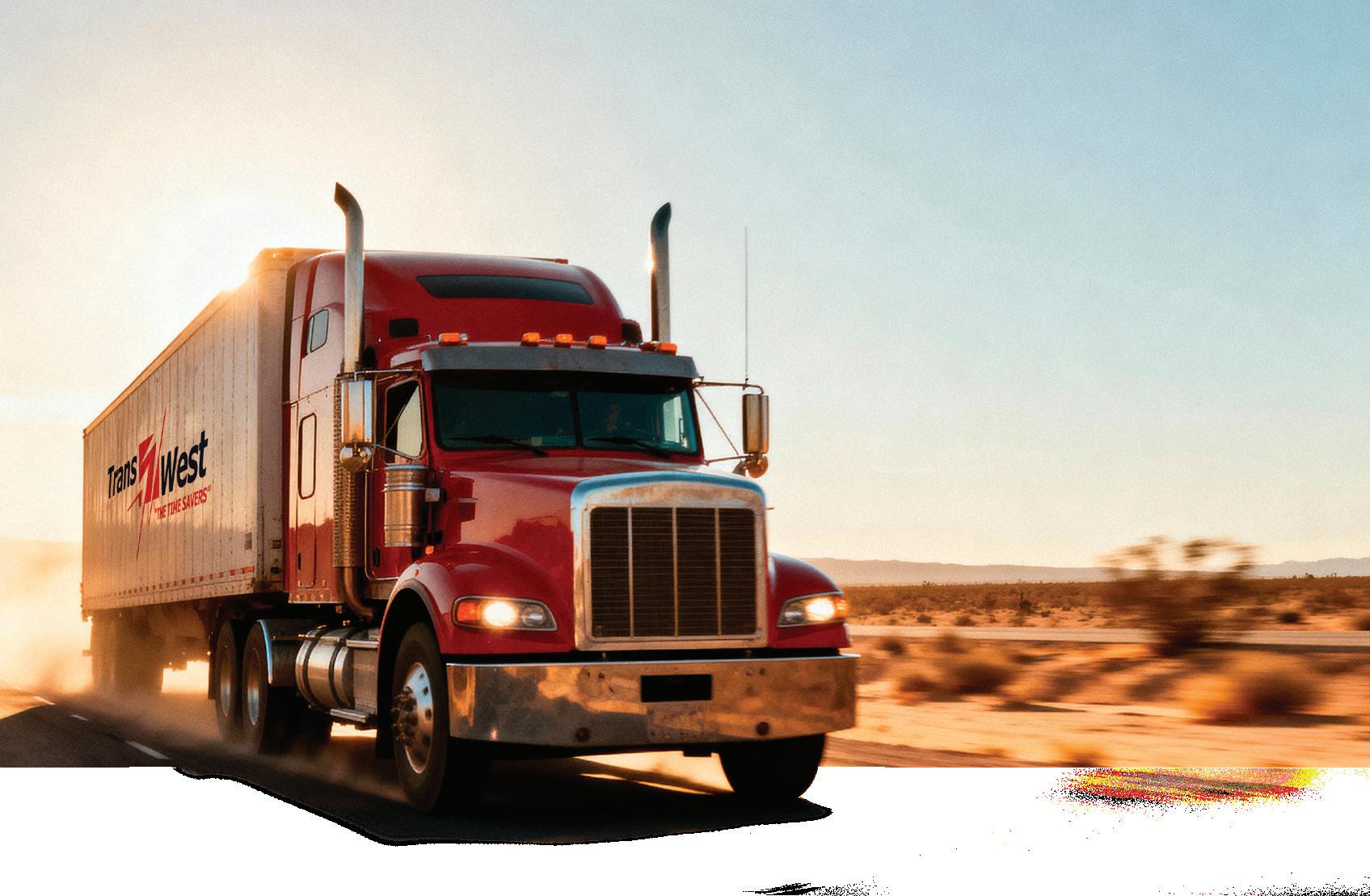
We’re hiring AZ Owner Operator Team Drivers for long-haul routes across Western USA & Western Canada. If you’re looking for a company that values efficiency, transparency, and driver success, we have the perfect opportunity for you!
Why Drive with Trans-West?
• Real Team Service Company – Easily run up to 20,000 miles/month
• Competitive Pay – Paid after each trip, direct deposit every Thursday (no holdbacks)
• Empty miles paid
• Fuel Surcharge – Provided and adjusted weekly
• Exclusive Fuel Discounts – Fuel card with full Trans-West discount