



1189694 Ontario Ltd. C.O.B. as Over The Road
Publisher Peter Charboneau peter@otrgroup.ca
Director of Operations & Editor-in-Chief
Cathryn Charboneau cathryn@otrgroup.ca
Account Executive Luke Zentil luke@otrgroup.ca
Account Executive Earle Madden earle@otrgroup.ca


Graphic Design & Advertising lennykuiper.com lennykuiper@gmail.com
Controller Estela Navarrete estela@otrgroup.ca
Office Manager Mary Charboneau mary@otrgroup.ca
All advertisements, and/or editorials are accepted and published by Over the Road on the representation that the advertiser, its advertising company, and/or the supplier of the editorials are authorized to publish the entire contents and subject matter thereof. The advertiser, its advertising company, and/or the supplier of the editorials will defend, indemnify and hold Over the Road harmless from and against any loss, expense or other liability resulting from any claims or suits for libel, violation of privacy, plagiarism, copyright or trademark infringement and any other claims or suits that may rise out of publication of such advertisement and/ or editorials. Press releases are expressly covered within the definition of editorials.



Minimum




MAKING YOUR MILES COUNT
Robert D. Scheper

The 2nd Greatest Exit
2000-2001 was the worst recession for Independent Operators since deregulation. Fields were filled with parked trucks that flooded the markets as financing companies either went bankrupt or were bought out by competitors. Truck financing changed from that time forward. Before that turning point, you could get financing or leases at very reasonable terms. Today, leases are often more profitable to truck dealers than the sale of a truck. Operators lost their trucks because most carriers didn’t offer fuel subsidies, so when fuel costs doubled, thousands of operators lost their trucks. Two out of six chartered banks publicly ADVERTISED they would no longer do financing for/ in the trucking industry. Many Operators who were successful for decades lost everything they saved.
The 2008 crash brought about the 2009 trucking recession. For its time, it created the lowest freight rates on record. However, it didn’t last longer than a year. It created lots of ‘unusual charges’ as carriers deducted many new things from
Operators settlements. Personally, I had a six-inch stack of grievances on my desk for a whole year. Most Operators made it through without losing everything. What saved most of them was how short the recession was. Operators are resilient... at least for a while.
The current recession is the longest I’ve ever seen. Three years is a long time. Many carriers have been taken over, wrapped up or gone under. One of Canada’s largest specialized financing companies went into court protection (Pride), and today, most general freight haulers have as much debt as they do assets. Through the first year or two, Operators hung on, hoping the US election would carry the industry out of the hole. I was one of them. The election changed the fortunes of the industry... but mostly south of the border. Who knew that politics would decimate the future of the Canadian auto industry, that personality would influence emotional responses and National economic isolation (with our long-time ally and closest friend).

The extended industry recession has been hard on carriers, but the tolls on Operators are finally being tallied. I have talked with several dozen accounting firms who serve Operators. The number of Operators who are leaving the industry has stunned them. Though some firms stated they lost upwards of 50% of their clients, I assume they didn’t have many clients, or they were in a geographical location that devastated the industry. In my estimation, about 15% of all Operators have either sold their truck and retired, sold their truck and are leaving the industry or sold their truck and are now working as a company driver. Its one of the most transformative time periods since 2000.
There is also a great reduction in new Operators coming INTO the industry. When they do, most of them (nearly 2 to 1) are signing on with older trucks rather than new buy/leases.
This tendency towards negative investment in power by Operators is coupled with carriers who have minimal to no ability to upgrade their fleet due to the high price of trucks and the low ability to finance. Carriers are then being pushed to hold trucks way beyond their typical knowledge or understanding of maintenance. If someone asked me for a summary of the industry, I would somehow describe it as financially THIN.
In 30+ years, I have never seen such uncertainty. Everyone is looking around the corner for the light to shine or an opportunity to open for all. I am certain things will get better; I just don’t know when. I’m done guessing.
I still have most of my Operator clients doing well; some very well, but the mood of the industry is quiet and sometimes gloomy, even panicked. The industry has always undergone difficult times, and it will get through this as well.
About the Author:
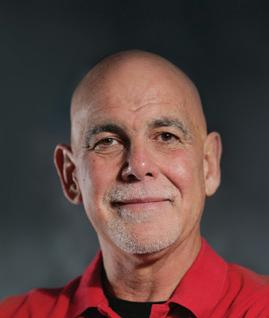
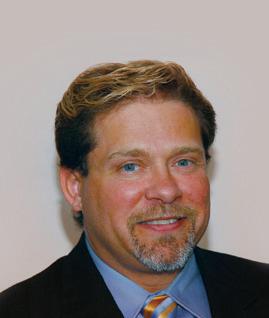
Robert D. Scheper is a leading Accountant and Consultant exclusively serving the Lease/ Owner Operator industry in Canada. His first book in the Making Your Miles Count series “taxes, taxes, taxes” was released in 2007. His second book “Choosing a Trucking company” is the most in-depth analysis of the independent operator industry today. He has a Master degree (MBA) in financial management and has been serving the industry since he and his wife came off the road in 1993. His dedication, commitment and strong opinions can be read and heard in many articles and seminars. You can find him at www.makingyourmilescount. com or 1-877-987-9787.
CHECK OUT THE PODCASTS AT “YOUTUBE.COM/@MAKING YOUR MILES COUNT”

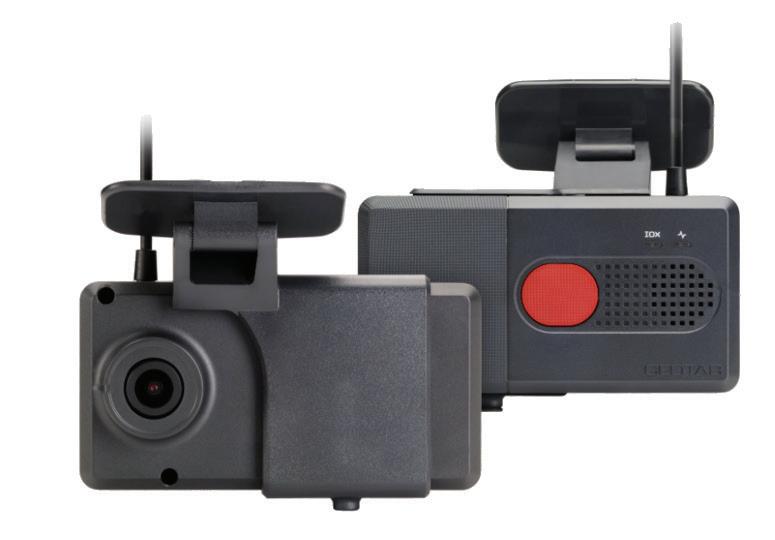
Our new Geotab Go Focus Camera Your fleet’s extra set of eyes on the road.
Intelligent safety alerts, event-driven recording and real-time insights help prevent collisions, protect drivers and cut fleet costs without invading privacy by recording only road-facing footage during specific key driving events.
Give GPS to Go Powered by Geotab a try, you won’t be disappointed.
We have been around for nearly 20 years; we are Canadian owned/ operated and we understand what customer service means!


SAFETY DAWG
Chris Harris