Central Florida Times Newsletter | 1st Quarter 2026
Fiber Internet: Upgrades for Innovative Communities
BY SMART CITY TELECOM
Several systems and telecommunication technology work together and independently to power a residential community’s infrastructure. In many cases, the systems and telecommunication technology were installed when the community was built. For many years they serve community managers and resident’s needs. But as needs change, the infrastructure that powers it must change as well. This is where Fiber Internet can help.
TRADITIONAL VS FIBER INTERNET
First, Fiber Internet is the newer kid on the block. It offers dedicated connectivity and advanced infrastructure to a residential community. This powerful combination provides stable and consistent connectivity even during peak usage periods or severe weather. Traditional broadband internet, on the other hand, often experiences fluctuations in speed AND connectivity due to shared lines and legacy infrastructure. Unreliable connections can disrupt community operations and harm interactions with residents.
UPLOAD VS. DOWNLOAD: ACHIEVING BALANCED PERFORMANCE
Second, Fiber Internet offers symmetrical speeds, meaning that upload and download speeds are nearly the same. Upload speeds
are the unsung heroes of internet connection for communities, especially when powering smart cameras, locks, and security systems. For residents working from home, slow upload speeds can lead to choppy calls, delayed file transfers, and frustrating lags. With fast, reliable upload speeds, collaboration is seamless and reliable.
SECURITY: SAFEGUARDING SENSITIVE INFORMATION
Third, cyber security is critical for community managers and HOA boards since both have access to resident data. Fiber Internet’s dedicated lines and advanced infrastructure offer a more secure environment. Data encryption and enhanced network protection protocols offer an extra layer of defense against cyber threats. Traditional broadband internet, provides basic security measures, may be more susceptible to breaches due to shared lines, and is a less secure infrastructure.
MAKING THE RIGHT CHOICE FOR YOUR COMMUNITY
In closing, Fiber Internet is the superior choice for communities
Continued on page 20
FIBER
seeking speed, reliability, and enhanced security. Its innovative technology and robust infrastructure can empower communities and provide ROI. According to Adtran, “U.S. Internet adoption has increased to 81% of households, telehealth popularity has doubled year-over-year since 2020, e-commerce is expected to reach $8.1 trillion by 2026, and in-home devices have increased to 22 per home. A reliable high-speed connection is a technological upgrade and an investment in a communities current and future success.
Finally, demand for Fiber Internet will continue to grow. Whether you’re a community manager evaluating internet service providers, or a curious consumer, knowing technical terms will help you to make informed decisions. Here are a few to be aware of:
BACKBONE
The main fiber lines that connect different regions, cities, or buildings, carrying large volumes of data. The backbone is like the interstate highway of the internet. A strong fiber backbone ensures faster and more reliable access for end-users.
BANDWIDTH
Fiber internet offers significantly higher bandwidth compared to copper alternatives, allowing for smoother video streaming, faster file transfers, and better support for multiple users.
FIBER OPTIC CABLE
Fiber optic cables are thin strands of glass or plastic that transmit data using pulses of light. Unlike traditional broadband which relies on copper cables, fiber optic cables offer faster speeds, higher
bandwidth, and greater reliability over long distances. They’re also immune to electromagnetic interference, which helps maintain consistent service.
CONDUIT
A protective pipe or tubing through which fiber optic cables are run underground or through buildings. Conduits shield fiber cables from physical damage, weather, and interference, ensuring a longer lifespan and easier future upgrades or repairs.
FTTH (FIBER TO THE HOME)
This acronym is used to describe where the fiber connection ends. For example, FTTH means fiber runs directly to a residence. The closer the fiber gets to the end-user, the faster and more dependable the connection.
GPON (GIGABIT PASSIVE OPTICAL NETWORK)
A common type of fiber network that uses a point-to-multipoint architecture and passive splitters to deliver data from a single source to multiple endpoints. GPON allows for efficient, scalable fiber deployment and is widely used in residential and commercial broadband service.
LATENCY
Describes the duration for data to travel from the source to the destination. Fiber internet has incredibly low latency, which improves performance for real-time applications like video conferencing, gaming, and VoIP.
ONT (OPTICAL NETWORK TERMINAL)
A device that converts the fiber-optic light signal into an Ethernet signal a router can use. The ONT is a crucial bridge between the fiber connection and an internal network. It typically connects directly to the modem or router and determines the connection speed and quality.
In summary, Fiber Internet is a major advantage when exploring connectivity solutions for a community. For existing community Fiber Internet is the last upgrade community managers and residents will need. Fiber Internet is essential, not optional.
Interested in how Fiber Internet can transform your Central Florida or Space Coast based community? Connect with Smart City Telecom to explore innovative solutions today. Learn more at smartcitytelecom.com/residential/ communities.
MANAGEMENT TOOLS
OAre Work Orders in Your Management Toolbox?
BY FRANK PELOT, CAM, CFCAM, CMCA, LELAND
n page 212 of my copy of M-100, we find this quote:
“Effective maintenance cannot occur without management tools. If a manager relies too heavily on memory and verbal communication, it becomes impossible to accurately and completely track, record, prompt, or draw attention to maintenance needs and their resolution.” The need to use Work Orders cannot be more clearly stated.
The need is evident, but the “how” and “when” to use them can be the challenge. Condos and HOAs alike are equally in need of managing maintenance issues.
It is easy to visualize how a Work Order system, formal or informal, approaches being mandatory to manage a condo regardless of whether the CAM is onsite or the condo is part of a portfolio. A short list of items that require continuous monitoring for maintenance are roofs, parking lots (asphalt), paint, plumbing, pools and their associated equipment, common areas, etc. If the software used to manage the condo has a Work Order module, use it! Doing so will document the maintenance needs and, in most cases, allow reports to be generated and provided to the Board. Visibility of maintenance issues will almost ensure that items will not fall through the crack.
Managing an HOA whether onsite or portfolio can be a little more nebulous. HOAs can be standalone, part of a Master/Sub configuration, or be associated with a CDD or something similar. A short list of potential maintenance items in an HOA are roads, streetlights, pools, gates, walls, utilities (cable, stormwater, sewer), irrigation, clubhouse, etc.
Confusion often happens when the HOA does not own the item experiencing the maintenance issue, i.e., should the CAM take some type of action? To help answer this question, we need to ask this question, “What is the role of the manager?” The role of the manager is a myriad of elements including, but not limited to, providing
information and leadership to the Board and to the community. To illustrate the leadership role, an example can be of assistance.
In our HOA example, a CDD owns most of the infrastructure in the community including the roads. The community is part of a portfolio, and the CAM is typically onsite two times per week to do inspections and monitor contracted services such as landscaping. During an inspection, the CAM discovers a sinkhole in one of the streets. If the CDD owns the road, what should the CAM do, drive around the sinkhole and presume the CDD will fix it?
Granted, this is a radical example, but the right answer is the CAM should notify the CDD, generate a Work Order for follow-up, and take immediate action to prevent potential injuries. This logic also applies to other non-HOA owned items such as streetlights, retention ponds, etc. Generating the Work Order does not mean the CAM took ownership of the maintenance issue but documented the issue thus providing the CDD with a written notice of the issue. This is demonstrated leadership expected of a CAI member!
Frank is a native Floridian and lives in Leesburg. He has been with a local management company and a member of CAI for almost 13 years. He has served on his own HOA Board multiple times accruing 15+ years of service. Frank enjoys golf, photography, and computers. He and his wife are active in their church and other community charities. He is currently Board Chair for a large Central Florida nonprofit organization that provides a system of care in the behavioral health area. For more information email FPelot@lelandmanagement.com.
MANAGEMENT TOOLS
The Evolving Role of the Community Association Manager in the Age of AI
BY BRAD VAN ROOYEN, PRESIDENT, FOLIO ASSOCIATION MANAGEMENT
Artificial intelligence is quickly becoming part of everyday life, and community associations are no exception. While AI is creating new efficiencies for boards and residents, it is also reshaping the role of the professional community association manager. The manager of the future will look less like an administrative processor and more like a strategic advisor guiding communities through an increasingly complex landscape.
For years, much of a manager’s time has been consumed by administrative work. Answering repetitive emails, searching governing documents, preparing routine reports, and tracking requests could easily dominate the day. Today, AI tools are beginning to handle many of these tasks faster and more efficiently. Documents can be analyzed in seconds. Communication can be organized and summarized. Data can be turned into insights far more quickly than before.
At first glance, this may appear to reduce the need for professional management. In reality, the opposite is happening.
As AI tools become more accessible, boards and homeowners are using them to analyze governing documents, challenge policies, and generate legal style arguments. Managers are now seeing emails from owners that include AI generated interpretations of statutes, insurance provisions, and governing documents. While these tools can be helpful, they can also create confusion when the information is incomplete or taken out of context.
This is where the role of the professional manager becomes even more important.
Community association managers are increasingly becoming interpreters, advisors, and strategic partners to the board. It is no longer just about executing tasks. It is about helping boards understand what information is accurate, what requires legal
review, and how to respond appropriately. The human judgment, experience, and practical knowledge that a professional manager brings cannot be replaced by an algorithm.
AI will continue to automate routine work, but it cannot replace leadership, relationship management, and the ability to navigate complex community dynamics. Those skills remain at the heart of effective community management.
I see AI not as a replacement for professional managers, but as a powerful tool that allows managers to focus on higher-value work. By leveraging technology while maintaining strong human leadership, the role of the manager is evolving into something even more impactful for the communities we serve.
The future of community management will not be driven by AI alone. It will be driven by professionals who know how to use it wisely.
Brad van Rooyen is the President of Folio Association Management, a rapidly growing community association management firm serving communities across Florida. With a focus on innovation, operational excellence, and leadership development, Brad is passionate about helping boards and communities navigate the evolving challenges facing the association industry. He frequently speaks and writes about the future of community management, including the impact of technology and artificial intelligence on the industry. For more information, visit www.folioam. com, email info@folioam.com, or call 407-214-8806.
Choosing the Right Turfgrass: Key Factors for Long-Term Landscape Success
BY CORY ESKEW, OWNER, SUPERIOR GREENWORX
For community associations throughout Central Florida, well-maintained green spaces play an important role in both property values and overall community appeal. While mowing, irrigation, and fertilization often receive the most attention, one of the most important decisions affecting long-term landscape success actually occurs much earlier: selecting the right turfgrass for the environment.
Not all grasses perform the same in Florida’s climate. Factors such as sunlight, soil type, irrigation practices, and foot traffic all influence how well turf will perform in different areas of a community. Choosing the correct turfgrass for each environment can significantly reduce maintenance challenges while improving the appearance and durability of common areas.
Florida’s sandy soils and subtropical climate present unique conditions for turfgrass growth. Sand-based soils drain quickly, which means water and nutrients move through the soil profile faster than in heavier soils. Turfgrass must therefore be capable of developing deep root systems while tolerating periods of heat, humidity, and occasional drought stress.
Several turf species are commonly used in Central Florida communities. St. Augustine grass is the most widely installed residential turfgrass in the region. It performs well in warm temperatures and tolerates moderate shade, making it a good option for many residential landscapes. Common cultivars include Floratam, which performs best in full sun environments, as well as Seville and ProVista, which are often selected for areas with more shade.
Zoysia grass is another option sometimes used in common areas or higher-end developments. It forms a dense turf canopy that can help suppress weeds and tolerate foot traffic well. Popular cultivars include Empire and Zeon, both of which are used in Florida landscapes where durability and appearance are priorities.
Bermudagrass is commonly used on athletic fields and golf courses because of its durability and rapid recovery from wear. Cultivars such as Tifway 419 and Celebration perform extremely well in full sun environments and high-traffic areas. However, Bermudagrass generally struggles in shaded residential settings, which can limit its use in many HOA communities.
Bahia grass is sometimes installed in utility areas, roadsides, or other sections where lower maintenance is desired. Argentine and Pensacola are two of the most common cultivars used in Florida. Bahia grass is known for its drought tolerance and relatively low fertilizer requirements, although it typically does not provide the manicured appearance many communities prefer for primary common areas.
One important consideration for community associations is that different areas within a neighborhood often have very different growing conditions. Large shade trees, buildings, and fences can create significant variations in sunlight exposure. High traffic near clubhouses, playgrounds, or walking paths can also affect turf performance.
Continued on page
LANDSCAPING
Because of these differences, the best turfgrass choice for one section of a community may not be the best option for another. Evaluating sunlight levels, irrigation coverage, soil conditions, and traffic patterns before installing or replacing turf can help associations avoid long-term maintenance issues.
Before installing new turf or planning a renovation, many landscape professionals also evaluate irrigation zones and seasonal shade patterns across the property. Areas that receive different amounts of irrigation or varying levels of sunlight throughout the day may require different turfgrass selections or management practices. Mapping these conditions ahead of time helps communities avoid installing turf that will struggle due to inconsistent watering or longterm shade from mature trees and buildings.
Proper turf selection is also closely tied to irrigation management and mowing practices. Each grass species has different requirements for watering frequency, mowing height, and fertility. Aligning these practices with the needs of the selected turfgrass helps ensure healthier lawns and more efficient maintenance.
For HOA boards and property managers, understanding these factors can help guide landscape decisions that support long-term
sustainability. Selecting the right turfgrass for the right location can improve the appearance of the community while reducing unnecessary maintenance costs over time.
Cory Eskew is the owner of Superior GreenWorx, a Central Florida firm providing comprehensive landscape maintenance and specialized turf and ornamental management. Serving residential properties and community associations, Cory bridges the gap between routine care and science-based agronomics. By tailoring his maintenance programs to Florida’s unique climate and soil conditions, he ensures landscapes are not just maintained, but truly thriving. For more information, visit superiorgreenworx.com or email admin@ superiorgreenworx.com.
Planning for the future is complicated. Your reserve study shouldn’t be.
YOUR PROPERTY WELLNESS EXPERTS
We help associations maintain physical and financial health through education, ongoing support, and reserve studies tailored to your community’s unique priorities.
For a reserve study solution that works for you, contact us at reserveadvisors.com or (800) 980-9881.
A TRUSTED PARTNER FOR COMMUNITY ASSOCIATIONS
Sherwin-Williams understands the needs of HOAs and has the products and services to ensure long-lasting curb appeal and easy maintenance. From premium paints that provide performance and protection to color design services, on-site assistance, maintenance manuals and more — we’re here to help throughout the state of Florida.
Orlando Metro District
Amber Schmidt
Community Association Specialist
The Sherwin-Williams Company (352) 504-9079
Top 4 Pond Complaints From Residents and How to Solve Them
ARTICLE & PHOTOS BY SOLITUDE LAKE MANAGEMENT
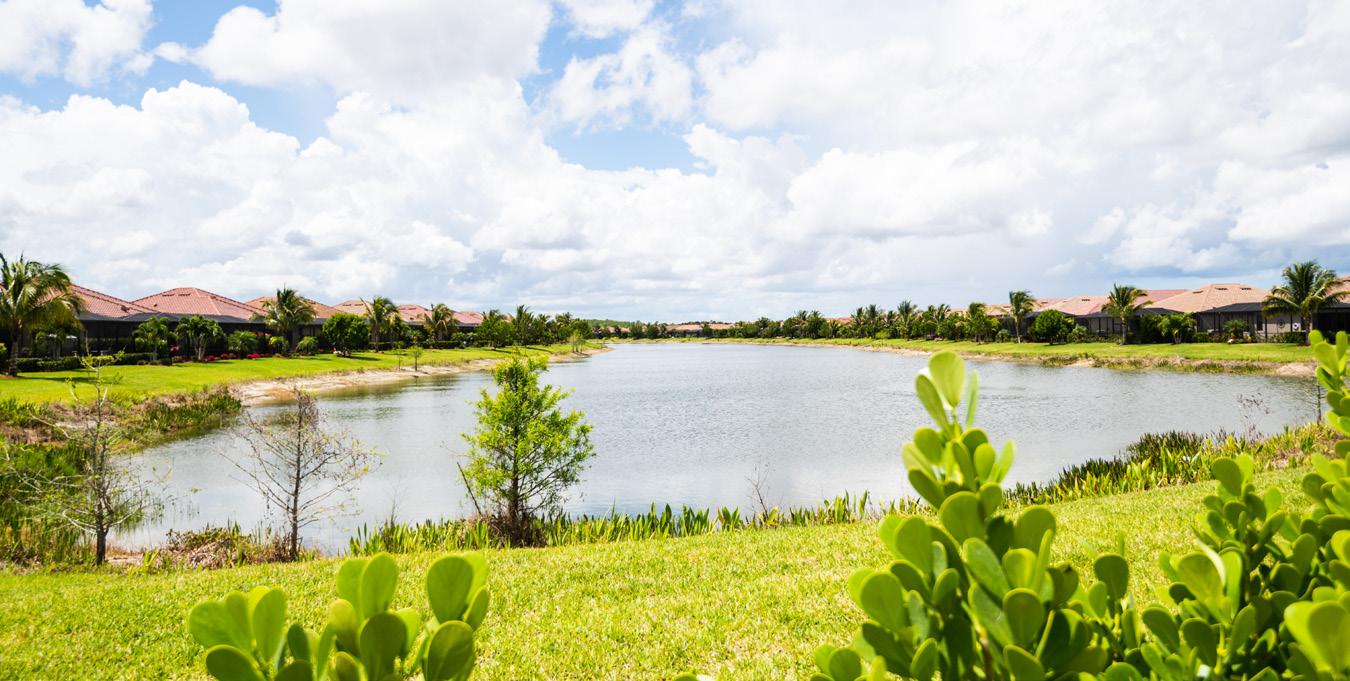
Imagine walking a prospective resident through your community, pointing out the manicured landscaping, wellmaintained buildings, and outdoor amenities. You only get one chance to make a stellar first impression, so the last thing you want them to see is a neglected pond. Even if everything else is on point, few things are as distracting as algae, crumbling shorelines, and “rotten egg” odors emanating from your waterbody.
You work hard to maintain your property, and your waterbody should reflect that same level of professionalism and care. Recognizing common pond issues—and how to address them—can help prevent minor complaints from escalating into alarming, costly, or dangerous concerns.
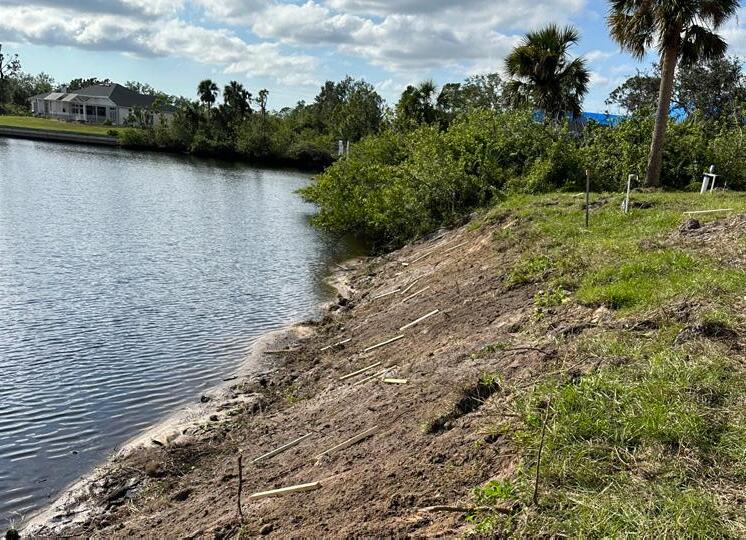
THE SHORELINE LOOKS “UGLY”
CAUSE: Most community waterbodies are man-made to collect and divert water during rainstorms. Soil naturally deteriorates over time, but maintaining turf to the water’s edge, mowing too close, and frequent foot traffic can accelerate deterioration.
SHORT-TERM RISKS: Brown or cloudy water is a common sign of erosion. When shoreline soil deteriorates, it can remain suspended
in the water column. Patchy grass and exposed tree roots are also subtle indicators.
LONG-TERM RISKS: Shoreline deterioration increases the risk of shoreline collapse, injuries, and even potential lawsuits. Sediment accumulation can also reduce a stormwater pond’s capacity to hold water, leading to dangerous flooding during heavy storms. Moreover, a loss of valuable waterfront square footage also impacts property values. A study by the U.S. Geological Survey suggests these losses could be as high as $10,000 per linear foot of property1
SOLUTION: Healthy waterbodies start at the shoreline. Cultivating a buffer of native vegetation can help stabilize soil and deter foot traffic. In more advanced cases, shoreline restoration may be required. Bioengineered shorelines are the gold standard due to their lasting stability and aesthetics.
THE POND SMELLS BAD
CAUSE: Foul odors are typically caused by bottom muck— decomposing organic material that accumulates in low-oxygen
Continued on page 35
conditions. As muck breaks down, anaerobic bacteria release gases.
SHORT-TERM RISKS: In addition to bad smells, muck can cause cloudy water and create a slippery bottom around the perimeter.
LONG-TERM RISKS: Foul-smelling, cloudy water isn’t just an aesthetic issue; one study found that just a 3-foot decrease in water clarity resulted in a loss of nearly $700 per foot of shoreline frontage2. As muck continues to accumulate, a stormwater pond becomes shallower, increasing flood risks during rainstorms. Dredging may become the only option to restore its original depth, but such projects come at a steep price.
SOLUTION: Fountains and aerators help increase oxygen levels, allowing bacteria to decompose muck more efficiently. Consistent circulation also prevents gases from building up. Likewise, an advanced solution called TryMarine is designed to break down nutrient-rich muck and increase oxygen in bottom sediments. This solution can help reduce pond nutrients by 50% or more.
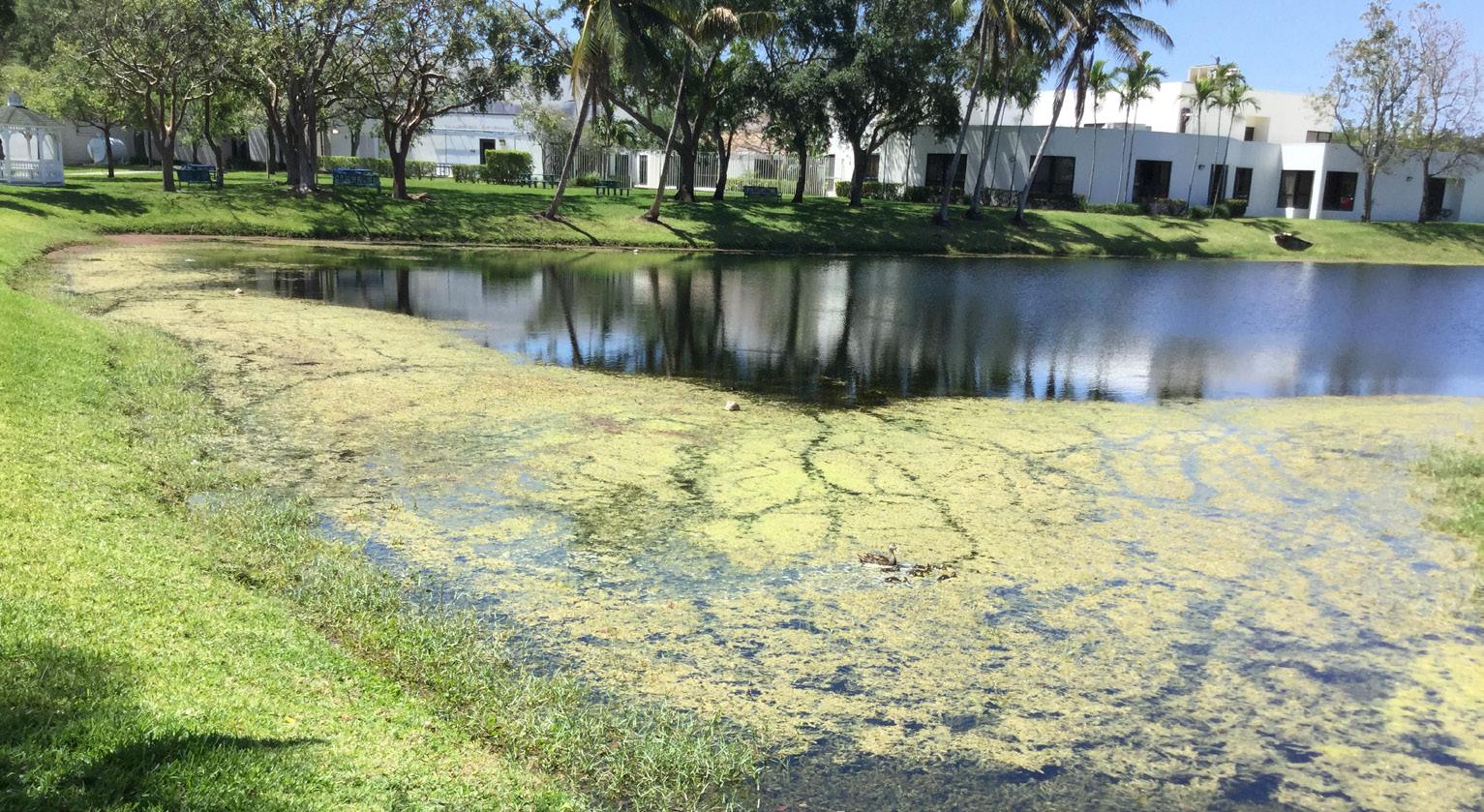
THE WATER IS GREEN
CAUSE: Green water is typically caused by algae or nuisance aquatic weeds, which thrive in nutrient-rich environments. Nutrients often enter the water in the form of fertilizers, pet waste, and organic debris.
SHORT-TERM RISKS: In addition to complaints, stringy weeds and mats of algae can also clog vital stormwater pipes and equipment.
LONG-TERM RISKS: Certain types of algae, such as cyanobacteria, can produce toxins that could harm people, pets, and wildlife. In fact, homes adjacent to lakes with frequent cyanobacteria blooms sell for 22% less than those on clear lakes3.
SOLUTION: Nutrient management is necessary for long-term prevention. Lanthanum-modified clay is an eco-friendly solution that binds with and “deactivates” nutrients so they can no longer fuel nuisance growth. TryMarine may also be used to break down any muck.
THE FOUNTAIN ISN’T WORKING
CAUSE: Fountains and surface aerators play a critical role in water quality, but they’re vulnerable to clogging from aquatic weeds, lawn debris, or trash like plastic bags.
SHORT-TERM RISKS: Motors can overheat and water quality can become imbalanced due to a lack of circulation and oxygenation.
LONG-TERM RISKS: Without intervention, equipment can become permanently damaged and require replacement well before the end of its expected lifespan.
LAKES & PONDS
SOLUTION: Routine inspections, seasonal maintenance, and proactive aquatic weed management help protect equipment. Installing trash receptacles near waterbodies and using responsible landscaping practices like bagging leaves and debris can further reduce clogging issues.
When you’re juggling countless responsibilities, it can be easy to overlook smaller pond issues. Working with Aquatic Experts who specialize in year-round preventative maintenance can allow you to focus on maintaining a desirable, high-value property without water-related complaints.
Sources
1. Coastal Erosion of Southern Lake Michigan | U.S. Geological Survey
2. Lakeshore Property Values and Water Quality | Mississippi Headwaters Board, Bemidji State University
3. Bloom and bust: Toxic algae’s impact on nearby property values | Ecological Economics
SOLitude’s team of aquatic scientists specialize in providing customized lake, stormwater pond, wetland and fisheries management programs. Services include water quality testing and restoration, algae and aquatic weed control, installation and maintenance of fountains and aeration systems, shoreline erosion control, muck and sediment removal and invasive species management. Contact SOLitude at 855-534-3545 or visit solitudelakemanagement.com.
“You’re
Going to be Deposed”
A Practical Guide for First-Time Deposition Witnesses
BY JAKE HERREL, ESQ. BECKER
If you serve on a condo or HOA board long enough, there is a real likelihood you will someday be asked to sit for a deposition in a lawsuit involving your community. A deposition is sworn testimony, taken outside of court but with the same obligation to tell the truth and the same potential impact on your case. The experience is unfamiliar and often stressful, but with the right preparation and mindset, first time deponents can feel comfortable and do well in the “hot seat”.
WHAT A DEPOSITION IS (AND IS NOT)
A deposition is a question and answer session, usually in a conference room or over a remote video platform (like Zoom), where attorneys ask a witness questions under oath and a court reporter records every word for a written transcript. The judge is not present, but the testimony can be used later in motions, at mediation, and at trial, including for impeachment if the witness’s story changes. Sometimes a deposition is videotaped, meaning not only your words but how you say them will be captured and available to show onscreen at trial.
For association representatives, depositions arise frequently in construction defect cases, covenant enforcement disputes, and director and officer claims. The lawyer questioning you may represent a developer, contractor, insurer, or owner, and their job
is to learn facts, lock in your testimony, and sometimes test your credibility. Your job is narrower: to give truthful, accurate testimony to the best of your ability. Many first-time deponents feel a responsibility to plead the Association’s case or try to secure a “win” with his or her testimony, but that it usually NOT needed. Leave the lawyering and arguments to the lawyers. If you’re being deposed, then your role is to provide truthful and accurate responses to the questions asked—that’s it.
PREPARING WITH COUNSEL:
LEGAL VS. IMPROPER “COACHING”
Good preparation is not only allowed; it is part of your lawyer’s duty of competence and diligence to make sure you’re ready to go before your deposition. Before the deposition, you should meet with association counsel to:
» Understand the claims, defenses, and your role in the case.
» Clarify timelines, who made which decisions, and which facts you personally know versus what you are relying on professionals for.
LEGAL
There is an important ethical line, however, between proper preparation and impermissible witness coaching. Florida law and professional guidelines prohibit lawyers from suggesting false testimony or signaling answers through objections or gestures. For example, the Southern District of Florida’s local rules and the Florida Bar Trial Lawyers Section Guidelines specifically bar coaching a deponent while a question is pending. It is appropriate for your lawyer to explain the process, walk you through documents, and practice Q&A; it is not appropriate for anyone to tell you what to say.
You should feel free to ask your lawyer candid questions in advance about topics you are unsure of, including the limits of your personal knowledge and the distinction between fact testimony and privileged legal advice.
GROUND RULES FOR YOUR TESTIMONY
Most effective deposition witnesses follow a few simple rules that protect both their credibility and the association’s case.
1. Listen to the entire question. Do not begin answering until the lawyer finishes speaking. This helps you avoid talking over the questioner and ensures the court reporter can make a clean record.
2. Pause before answering. Give yourself a beat to understand the question, formulate your answer, and allow your lawyer to object if appropriate.
3. Answer only the question asked. Provide concise, direct answers, and resist the urge to volunteer extra information or speculate. If the question calls for yes/no, answer yes or no, then briefly explain only if necessary.
4. Tell the truth, even when it hurts. You are under oath and subject to penalties for perjury, but even short of that, inaccurate or evasive testimony can severely damage an association’s case. If you made a mistake in the past, acknowledge it and explain how the board addressed it.
5. Do not guess. “I don’t know,” “I don’t remember,” or “I don’t recall the exact date” are perfectly acceptable answers when true. Distinguish between an estimate (which you explain is an estimate) and speculation about things you have no basis to know.
6. Use documents when needed. If a question calls for specifics from minutes, contracts, or reports, ask to see the document. It is better to review the exhibit than to misstate what it says. Most attorneys will advise deponents not to bring any notes or documents with them to their deposition
unless specifically instructed to do so. This is because any documents or notes you bring with you can potentially be marked as an exhibit and be made part of the record.
SPECIAL ISSUES FOR BOARD MEMBERS AND MANAGERS
Community association witnesses are often a volunteer director, a unit owner, a member of a committee, or sometimes even the community association manager. It is important to keep in mind a few practical points:
» Clarify the “capacity” in which you are testifying. In many construction defect cases, one board member is designated as the association’s corporate representative for certain topics and may be obligated to educate themselves on those subjects beyond their personal recollection. In other situations, you are testifying only as a fact witness about what you personally saw, did, or decided.
» Respect privileged communications. Discussions with the association’s attorney in properly noticed board meetings, including executive sessions, are often protected by attorney client privilege. You should not disclose the substance of legal advice without your lawyer’s direction, and if unsure, you can say, “I’ll follow my counsel’s instruction about whether I can answer that.”
LEGAL
» Distinguish business judgment from technical expertise. In construction cases, it is appropriate to explain that the board relied on licensed engineers, architects, and consultants to evaluate defects and recommend repairs, rather than giving your own engineering opinions. Describe the process and decisions, not ad hoc expert opinions you are not qualified to give.
» Be precise about timelines and notices. Disputes about when the board first learned of defects, how quickly it acted, and what notices it gave to the developer or contractors are common issues. Review key dates and documents beforehand to minimize confusion.
HANDLING OBJECTIONS, BREAKS, AND REMOTE DEPOSITIONS
During your deposition, you will hear your lawyer make objections, usually “form” or some other brief objection. In most jurisdictions, including Florida, you still answer the question after a form objection unless your lawyer instructs you not to answer on privilege or similar grounds. Do not argue with the objection or try to “fix” your testimony in response; just pause, listen, and then answer as instructed.
You are allowed to take breaks. Reasonable breaks for rest, to use the restroom, or to speak with your lawyer off the record are commonplace. If you are confused, tired, or feel your concentration slipping, asking for a short break is good practice, not a sign of weakness.
Remote depositions add some extra considerations:
» Ensure your technology works in advance and that your camera, microphone, and screen are positioned so you can comfortably see exhibits.
» Do not access your phone, email, or the internet to look up answers while testifying unless your lawyer and opposing counsel agree on the record that you may review a particular document.
» Make sure everyone present in the room with you is identified on the record. Hidden third parties or back channel messaging can create disputes about improper coaching.
MANAGING NERVES AND PROTECTING CREDIBILITY
It is normal to be anxious before a deposition. Addressing that anxiety directly helps.
» Ask your lawyer to walk you through the physical setup, who will be present, and how long it is likely to last. Predictability reduces stress.
» Practice answering sample questions out loud in a calm, deliberate manner. Focus on speaking slowly, in short sentences, and avoiding legal jargon.
» Remember that professionalism counts. How you present yourself—calm, courteous, non argumentative—can be as important as the content of your answers in shaping the opposing side’s evaluation of the case. Also, be sure to dress in business-causal or better clothing. If you have a questions about your attire, ask yourself, “Would I wear this to a job interview that I care about?” If the answer is yes, then it’s fine to wear for your deposition.
In the end, a “good” deposition from the association’s perspective is not one where the witness outsmarts the questioning lawyer. It is one where the witness comes across as honest, prepared, and consistent with the documents and other testimony. For first time deponents in community association cases, that goal is well within reach with thoughtful preparation, clear ground rules, and a disciplined approach to answering questions. Remember to take your time and stay relaxed. You’ll be fine. It’s just some questions.
Jake Herrel is an attorney based in the firm’s Orlando office, where he specializes in Business Litigation and Construction Law & Litigation. Jake represents and guides his clients through all stages of litigation from pre-suit investigation through trial instate and federal courts. His litigation experience includes drafting complex pleadings and successfully arguing important dispositive motions, such as motions for summary judgment and motions to dismiss, as well as taking and defending fact and expert witness depositions. Jake excels in leading high-stakes mediation negotiations,crafting creative settlement agreements, and providing in-depth analysis on intricate procedural and substantive legal issues. Jake is also experienced in representing clients before state, county and municipal governments and is regarded for his ability to assess and navigate political realities, having previously worked for a tenured United States Congressman. In addition to his work as a litigator and trial lawyer, Jake serves on the boards of nonprofit organizations and in leadership roles for the Orange County Bar Association, and he consults as outside general counsel for various business and construction company clients. A trusted advocate known for his straightforward and effective courtroom style, Jake is recognized for his ability to deliver real results during critical moments for his clients. For more information, visit beckerlawyers. com, call 407-215-9674 or email JHerrel@beckerlawyers.com.
JoAnn Nesta Burnett jburnett@beckerlawyers.com
S. David Cooper sdcooper@beckerlawyers.com
Aaron K. Crews acrews@beckerlawyers.com
Christine DiFillippo cdfillippo@beckerlawyers.com
Yeline Goin ygoin@beckerlawyers.com
Claramargaret H. Groover cgroover@beckerlawyers.com
Jake Herrel jherrel@beckerlawyers.com
Scott Kiernan skiernan@beckerlawyers.com
Florence King florenceking@beckerlawyers.com
Elizabeth A. Lanham-Patrie bpatrie@beckerlawyers.com
Kaylin Martinelli kmartinelli@beckerlawyers.com
K. Joy Mattingly kmattingly@beckerlawyers.com
Brandon R. McDowell bmcdowell@beckerlawyers.com
David M. Milton dmilton@beckerlawyers.com
Robyn M. Severs rsevers@beckerlawyers.com
Gary M. Schaaf
gschaaf@beckerlawyers.com
John W. Windle jwindle@beckerlawyers.com
Why Condo Safety Act Repairs Make Associations Prime Fraud Targets
BY TAMMY ZUKNICK, VICE PRESIDENT, ASSOCIATION BANKING, AMERICAN MOMENTUM BANK
Florida condominium associations subject to the Condominium Safety Act, signed into law in May 2022, should now be well into compliance. For many communities, this has meant completing required milestone inspections, adopting a structural integrity reserve study, fully funding structural reserves in the current budget and establishing a legally compliant plan to pay for often significant repair and restoration work.
While these steps are critical for resident safety and long-term structural health, they also create an environment that fraudsters find especially attractive. Associations that are planning, bidding, or actively managing major construction projects face elevated financial and cybersecurity risks due to the volume, urgency and complexity of the transactions involved.
When millions of dollars begin moving quickly between associations, contractors, engineers, management companies and financial institutions, criminals take notice.
WHY CONSTRUCTION PERIODS INVITE FRAUD
Criminals are opportunistic. They look for moments when organizations are stretched thin, making frequent payments and coordinating with multiple vendors. Condo Safety Act repairs often involve all of those factors at once.
During construction phases, associations may process unusually large wire transfers, ACH payments and checks. Boards and
FRAUD
community association managers are communicating rapidly with engineers, general contractors, inspectors and attorneys. Timelines can be tight, and pressure to keep projects moving is high.
That combination creates ideal conditions for business email compromise, payment diversion schemes and check or ACH fraud. A single fraudulent email or altered set of payment instructions can result in six- or seven-figure losses if safeguards are not firmly in place.
COMMON FRAUD AND CYBERCRIME RISKS
One of the most common threats associations face during construction is business email compromise. In these schemes, criminals impersonate trusted vendors or professionals, sending emails that appear legitimate and request changes to payment instructions or urgent transfers. The messages may reference real projects, invoices or deadlines, making them difficult to spot without proper verification procedures. They may also include invoices that look legitimate but have fraudulent routing and account numbers in the payment information.
Check fraud and ACH fraud also increase during high-payment periods. Fraudsters may intercept checks, alter payee information, or use stolen banking credentials to initiate unauthorized electronic transfers.
THE HIDDEN RISK OF PROCESS BREAKDOWNS
Not all fraud stems from sophisticated cybercrime. Sometimes the risk comes from internal process gaps that emerge when workloads increase.
Associations managing large-scale repairs may temporarily loosen controls to keep projects on schedule. Approval thresholds may be bypassed. Verification steps may be skipped. Board members or community association management (CAM) staff may rely on email instructions without confirming changes through another channel.
It’s important to keep in mind that even well-intentioned shortcuts can expose associations to significant losses.
PRACTICAL STEPS TO REDUCE RISK
The good news is that most construction-related fraud is avoidable with strong controls, awareness and collaboration among boards, management companies and banking partners.
First, associations should implement strict verification protocols for any changes to payment instructions. No vendor banking changes should ever be accepted via email alone. A call-back to a known, verified phone number should be mandatory before processing updates. Similarly, every invoice received via email should require a phone call to the vendor to verbally confirm not just the invoice
amount but, more importantly, that the payment routing and account numbers are correct.
Second, maintain a clear separation of duties. No single individual should have the authority to initiate and approve large transactions. Dual controls and layered approvals add friction for criminals while protecting associations.
Third, invest in ongoing training. Board members and CAM staff should receive regular education on how to identify phishing emails, spoofed domains and social engineering tactics. Fraud prevention is most effective when everyone involved understands that urgency and familiarity are often used as weapons.
Fourth, work closely with your bank. Many financial institutions, including American Momentum Bank, offer tools such as transaction alerts, automated fraud detection tools like Positive Pay, call-back verification and customizable approval thresholds. These services create additional checkpoints before funds leave the association’s accounts.
Finally, consider cyber insurance coverage. Cyber insurance can help offset financial losses related to fraud, data breaches and cyber incidents, but coverage varies widely. Associations should review policies carefully to understand what is covered and where gaps may exist.
STAYING VIGILANT DURING A CRITICAL MOMENT
The Condo Safety Act represents a necessary and overdue focus on structural safety for Florida communities. However, compliance does not end with inspections and construction contracts. Financial security and fraud prevention must be treated as part of the same responsibility to protect residents and association assets.
As associations navigate this period of increased spending and complexity, vigilance is essential. Strong internal controls, informed decision-makers and trusted banking relationships can significantly reduce risk.
Fraudsters thrive in moments of transition and urgency. Associations that slow down, verify and communicate clearly are far less likely to become their next target.
Tammy Zuknick is Vice President of Association Banking at American Momentum Bank. For more information, Tammy can be reached at tzuknick@w and 941-713-8523.
RISK REDUCTION
Florida Statute §768.0706 & CPTED:
Proactive Risk Reduction for Associations
BY MICHELLE L. CHACE, MSSM, KOLINS SECURITY GROUP
Safety and security are ongoing concerns for community association boards, property managers, and residents. While community associations are not law enforcement agencies, they do play an important role in maintaining environments that reduce opportunities for crime and support resident safety. In Florida, recent legislation has increased awareness of the importance of proactive safety measures. One statute receiving increased attention in the property management and legal communities is Florida Statute §768.0706, which addresses certain security considerations for multifamily residential properties.
Although the statute is primarily directed at apartments, condominiums and duplex communities with 5 or more units, its concepts provide valuable guidance for condominium and homeowners’ associations seeking to strengthen their overall risk management practices. One of the most practical ways to evaluate and improve safety conditions within a community is through Crime Prevention Through Environmental Design (CPTED).
UNDERSTANDING FLORIDA STATUTE §768.0706
Florida Statute §768.0706 was enacted to address premises liability claims related to criminal acts occurring on multifamily residential properties. The statute provides a framework under which property owners must demonstrate that they implemented reasonable security measures and training. When certain conditions are met, the law can provide a legal presumption against liability for criminal acts committed by third parties.
The statute identifies several types of security measures that may be considered when evaluating whether reasonable steps have been taken to address safety risks. These measures generally include:
» Adequate lighting in parking areas, walkways, and common spaces
» Operational locks or controlled access to residential buildings
» Security cameras or other monitoring technologies
» Crime prevention assessments or security evaluations
» Crime deterrence measures consistent with recognized safety and security practices
The intent of the statute is not to require a specific security program, but rather to encourage property owners and managers to evaluate their properties and take reasonable steps to reduce foreseeable risks.
For community association boards, this concept reinforces an important principle: proactive evaluation of property conditions can play a significant role in reducing both safety and security risks and potential liability exposure.
THE ROLE OF CPTED IN PROPERTY SAFETY
Crime Prevention Through Environmental Design, commonly referred to as CPTED, is a widely recognized approach to improving safety by addressing how the built environment influences human
Continued on page 44
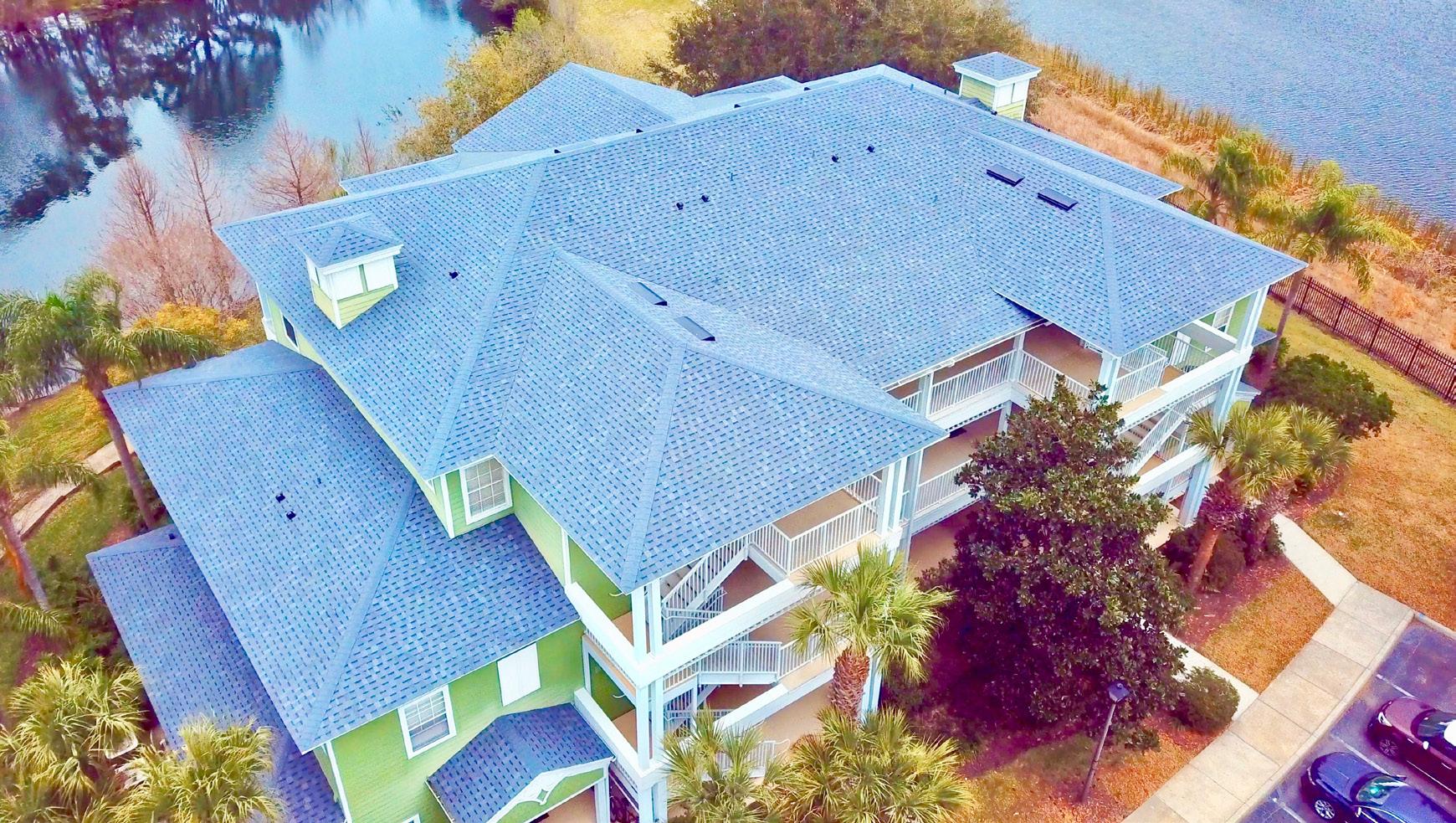
“I absolutely would recommend Stratus Roofing to anyone looking to hire a solid, professional roofing company. They are exceptional at producing quality work, consistently meeting or exceeding deadlines, provide hands-on supervision on-site and are a company of absolute integrity.” — Property Manager, Mosaic at Millenia
RISK REDUCTION
behavior. Rather than relying solely on guards or technology, CPTED focuses on how design, layout, and maintenance can reduce opportunities for crime.
CPTED ASSESSMENTS TYPICALLY EVALUATE FOUR PRIMARY ELEMENTS
Natural Surveillance: Natural surveillance refers to the ability for people to observe activity within a space. Areas that are visible and well-lit tend to discourage unwanted behavior because individuals feel they may be seen or identified. This includes evaluating lighting coverage, landscaping that may obstruct views, and building layouts that create hidden areas.
Access Control: Access control focuses on guiding how people enter and move throughout a property. Functional gates, controlled building access points, and clearly defined pedestrian pathways help distinguish between public and private areas. When access points are clearly identified and managed, it becomes more difficult for unauthorized individuals to move unnoticed within the community.
Territorial Reinforcement: Territorial reinforcement involves using design features that communicate ownership and responsibility for a space. Signage, fencing, well-maintained landscaping, and defined property boundaries can reinforce that an area is monitored and cared for. These elements contribute to an environment where residents feel a sense of ownership and awareness.
Maintenance and Management: An often-overlooked component of safety is property maintenance. Broken lighting, malfunctioning gates, or damaged access control systems can undermine the effectiveness of otherwise strong security measures. Regular inspections and timely repairs help ensure that safety features remain functional and reliable.
APPLYING CPTED PRINCIPLES IN COMMUNITY ASSOCIATIONS
Many CPTED recommendations involve relatively simple operational improvements rather than large capital expenditures. Examples of practical actions associations may consider include:
» Conducting periodic lighting evaluations in parking areas and walkways
» Trimming landscaping that obstructs visibility near entrances and pathways
» Ensuring gates, locks, and access control systems remain operational
» Evaluating camera placement to ensure coverage of key common areas
» Reviewing policies related to visitor access and vendor entry
These types of improvements can enhance visibility, strengthen access management, and reinforce resident awareness in the community.
SUPPORTING GOOD GOVERNANCE AND RISK MANAGEMENT
Community association boards have a fiduciary responsibility to make informed decisions regarding the maintenance and operation of their properties. Evaluating safety conditions through recognized methodologies such as CPTED can support responsible governance and demonstrate that boards are taking reasonable steps to address potential risks.
Additionally, documenting safety assessments and property evaluations can be beneficial when reviewing insurance coverage, developing maintenance plans, or responding to resident concerns regarding security. While no strategy can eliminate every potential incident, proactive planning and regular evaluation of property conditions can significantly reduce vulnerabilities.
LOOKING FORWARD
As legal standards and community expectations continue to evolve, property owners and association boards are increasingly encouraged to take a proactive approach to safety and security planning. By understanding the intent of Florida Statute §768.0706 and incorporating CPTED principles into property evaluations, community associations can strengthen their safety and security posture while supporting a well-maintained and secure environment for residents.
Thoughtful design, consistent maintenance, and ongoing awareness remain some of the most effective tools available for creating communities that are both welcoming and resilient.
Michelle L. Chace, MSSM, is a security subject matter expert and forensic expert witness, specializing in premises security, threat and risk assessments, and Crime Prevention Through Environmental Design (CPTED). Michelle is a member of Kolins Security Group, a nationally recognized security consulting firm. She holds a Master of Science in Security Management and a Bachelor of Science in Criminal Justice from Bellevue University and pursued doctoral studies in Public Policy and Administration with a Homeland Security emphasis at Walden University. She is the co-author of Fundamentals of Security Management: A Commonsense Approach and the forthcoming Foundations of Security Management: Core Concepts and Best Practices (CRC Press, 2026). For more information, visit kolinssecuritygroup.com, call 402-312-7955 or email michelle.chace@kolinssecuritygroup.com.
Unleashing the Truth: The Impact of Canine Waste on Community Health
BY DOODYCALLS
Is your community grappling with a dog poop predicament?
Are unsightly piles of uncollected dog waste tarnishing your development’s appeal? It’s an unfortunate reality that many pet owners overlook or neglect their responsibility to clean up after their furry companions. Regrettably, pet waste is one of the most common challenges faced by communities everywhere. As a property or community manager, we understand that dealing with deserted dog poop can be a frustrating and time-consuming task. Not only do pet waste complaints put a strain on resources, but they also create tension and dissatisfaction among residents.
UNDERSTANDING THE HAZARDS OF PET WASTE IN NEIGHBORHOODS
The problem of pet poop in our communities extends beyond a mere unpleasant inconvenience. Dog waste poses a significant environmental hazard, presenting health risks to both animals and humans. Considered a form of nonpoint source pollution by the EPA, dog waste shares this classification with various other pollutants like herbicides, insecticides, oil, grease, and toxic chemicals.
Our communities are full of our four-legged friends, with most homeowners and renters owning pets. The impact of pet poop left unattended is alarming. Just two to three days’ worth of accumulation from a population of 100 dogs can introduce enough bacteria to temporarily contaminate nearby water bodies, prompting closures for swimming and shellfishing within a 20-mile radius.
Moreover, the health implications are sobering. Unlike other sources of water pollution, such as lawn fertilizers or motor oil, dog waste harbors parasites and bacteria that can directly threaten human health. The longer dog waste stays on the ground, the more the contamination intensifies, facilitated by the persistence of harmful organisms like Heartworms, Whipworms, Hookworms,
Roundworms, Tapeworms, Parvovirus, Giardia, Salmonella, and E. Coli. Roundworms are among the most common parasites in dog waste. They can remain infectious in soil and water for years. Protecting the Health and Safety of Our Communities
Contaminated waste can make dogs sick, too. When pets become sick, pathogens are typically spread through their waste and into the yard. When this waste is not picked up, pets have a high risk of catching infections over and over again.
Rodents love pet waste. Dog poop can be a common food source for rats and other rodents in developed areas. An unwanted neighbor in any community, the presence of rodents can reduce the property values of nearby homes and pose a range of additional health risks to residents.
A common misconception is that dog waste can be used as fertilizer. Unlike herbivores, a dog’s diet is made up of mostly animal products, making their waste unsuitable for soil enrichment. Leaving pet waste on the ground or concentrating it in one area of the yard can create brown spots in the grass and degrade soil quality.
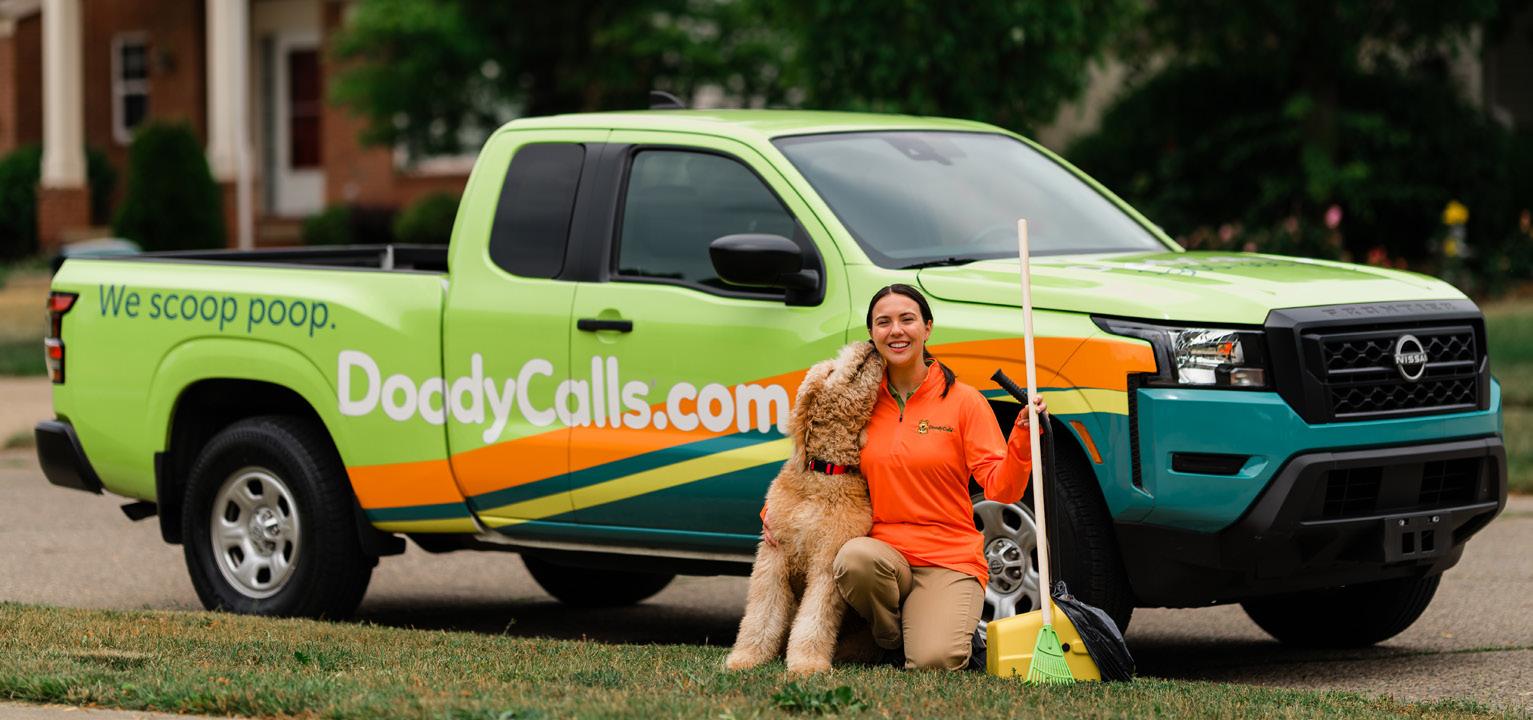
DoodyCalls is the industry leader in pet waste management, providing turnkey solutions to communities of all shapes and sizes. We are solutions-oriented and passionate about partnering with communities to make the world a happier and healthier place for people and pets. For more information, visit app.doodycalls.com.