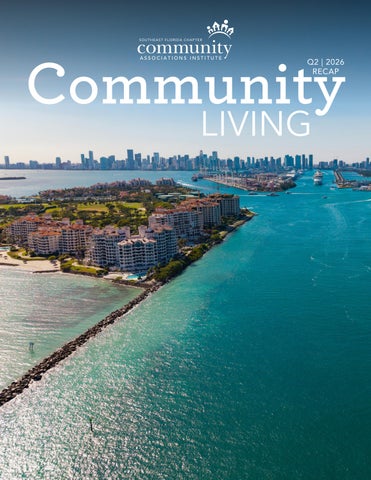
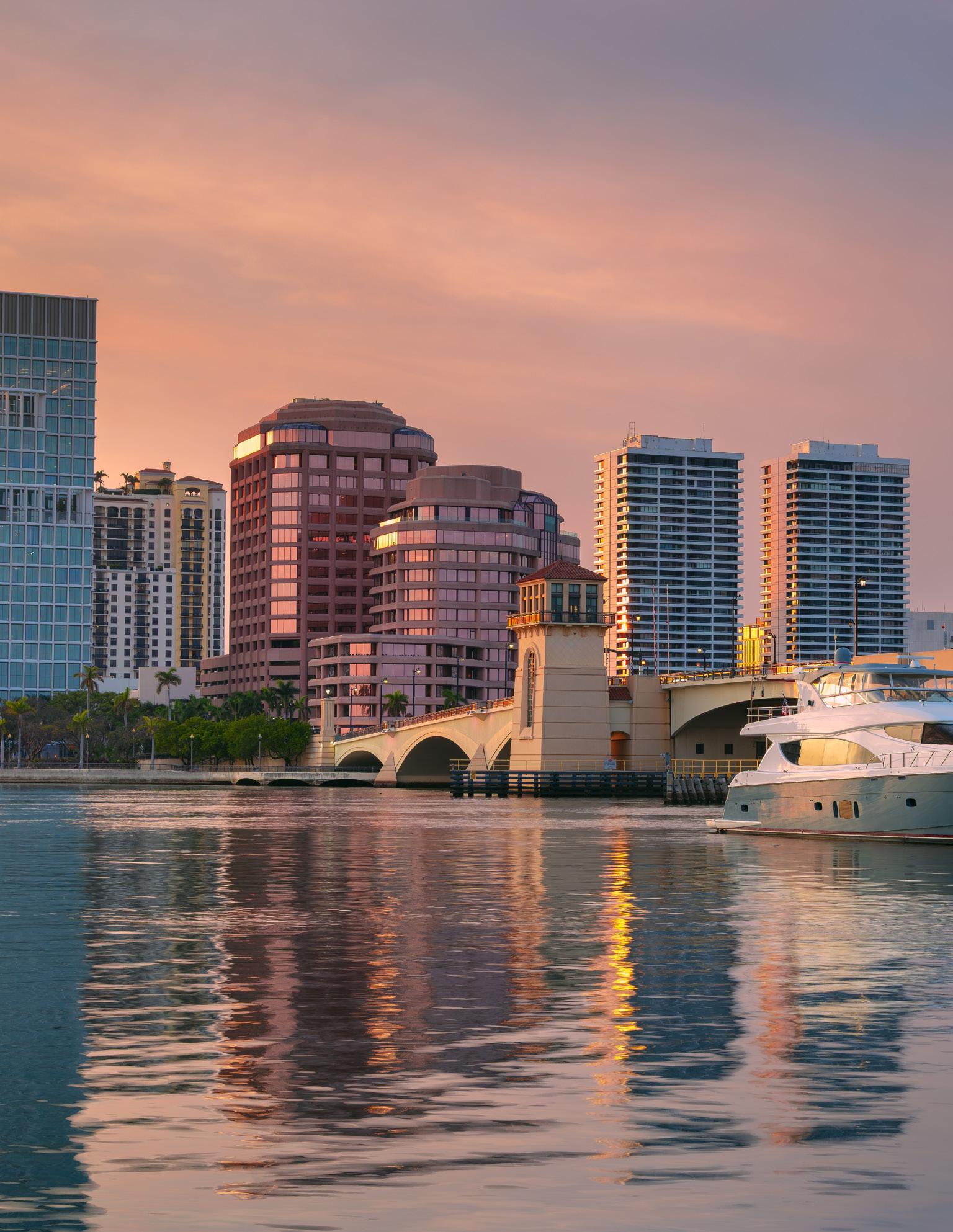
CAI-SEFL Community Living Magazine | 2nd Quarter 2026 Recap
FROM THE CHAPTER PRESIDENT
BY DIANA ZAYAS-BAZAN, CAM, CMCA, PRESIDENT, A CAM EDUCATIONAL SERVICES & ELECTION VOTING & 2026 CHAPTER PRESIDENT
The CAI Southeast Florida Chapter was proud to host the 2026 Community Associations Institute (CAI) Annual Conference & Exposition, held June 4–6 at the beautiful Signia by Hilton Diplomat Beach Resort in Hollywood, Florida. The conference welcomed approximately 2,500 registered attendees from across the United States and International, bringing together community association professionals committed to advancing the industry through education, collaboration, and innovation.
A Premier Region for Community Associations
The Southeast Florida Chapter serves one of the most active and influential community association regions in the country, representing Miami-Dade, Broward, and Monroe Counties. Florida leads the nation with more than 52,000 community associations, and approximately 9.6 million residents, over 40% of the state’s population live in association-governed communities.
Miami-Dade County alone is home to more than 6,000 community associations, reflecting the scale and complexity of the market that CAI Southeast Florida Chapter members serve every day. Across Broward and Monroe Counties, thousands of additional condominium, HOA, and cooperative communities contribute to one of the largest concentrations of association-governed housing in the United States. This dynamic environment made Southeast Florida the ideal host location for CAI’s Annual Conference & Exposition.
Education, Collaboration, and Industry Insight
The conference offered an outstanding educational program designed for professionals involved in every aspect of condominium, homeowners association, and community association operations, including: Community Association Managers (CAMs); HOA and condominium board members; Large-scale portfolio managers; Insurance and reserve specialists; Community association attorneys; Banking and financial partners; Community association technology providers; and Business partners and industry service professionals.
This year’s sessions addressed many of the most pressing challenges facing the industry today, including rising insurance costs, reserve funding requirements, structural integrity legislation, workforce shortages, artificial intelligence in community management, cybersecurity risks, homeowner communication strategies, and evolving regulatory requirements.
Throughout the conference, CAI emphasized continuing education, leadership development, and collaboration among management companies, volunteer leaders, and industry partners to strengthen communities nationwide.
Inspiring Keynote Address
One of the conference highlights was the keynote presentation by Laila Ali. Her presentation, Reach! Be a Champion in All That You Do, inspired attendees to embrace resilience, leadership, and a championship mindset when navigating both professional and personal challenges. Her message energized the audience and set a powerful tone for the conference experience.
Networking, Innovation, and Industry Advancement
The conference also featured one of the largest industry expos in the community association space, showcasing innovative products, emerging technologies, and professional services designed to support the evolving needs of community associations. Attendees engaged in meaningful networking opportunities, shared best practices, and strengthened relationships that will continue to shape the industry long after the event concluded.
Havana Nights – A Signature CAI-SE Florida Chapter Experience
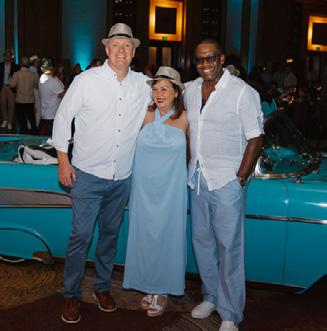
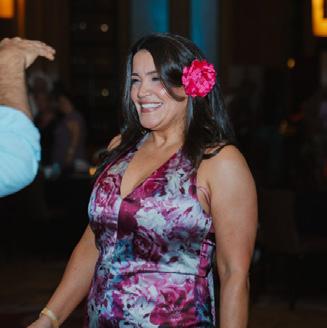
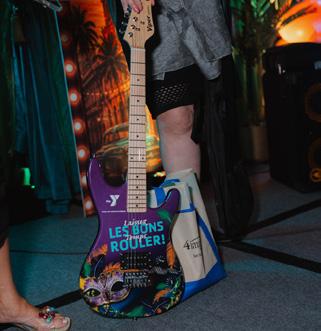
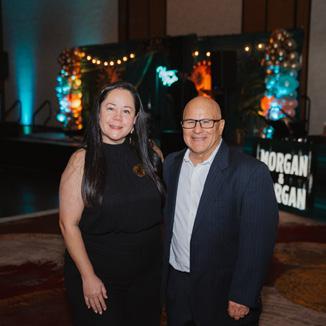
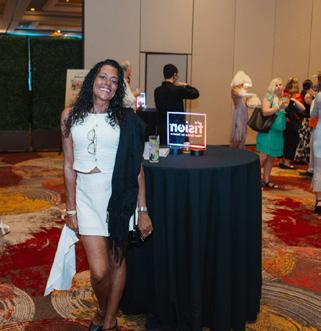
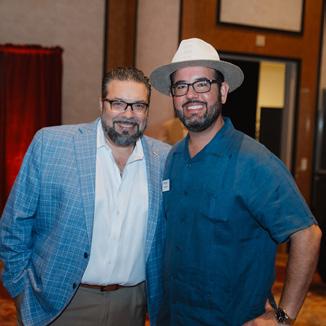
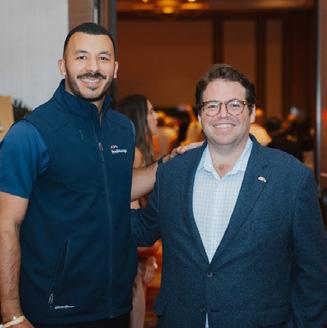
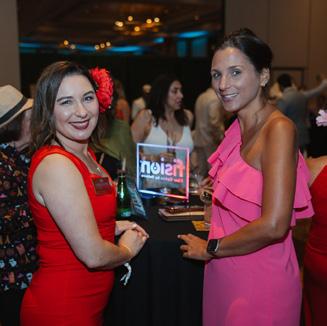
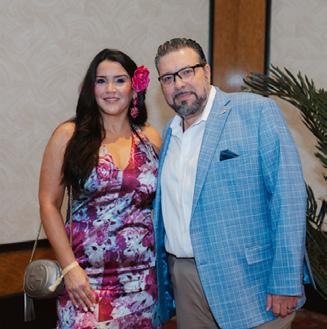
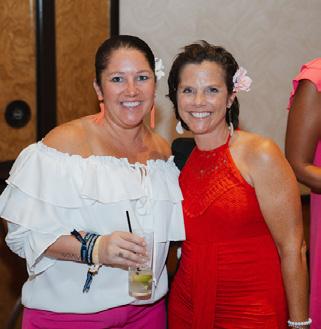
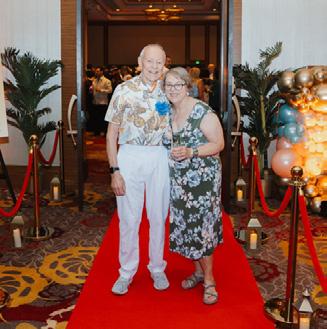
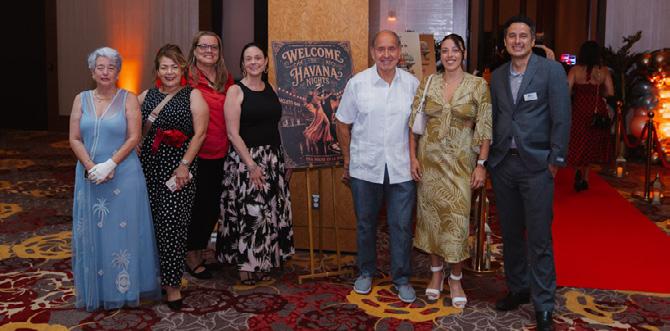
One of the social highlights of the conference was the CAI Southeast Florida Chapter’s signature event Havana Nights held at the iconic Seminole Hard Rock Hotel & Casino Hollywood. The evening transported guests to a vintage evening with the elegance and energy of Old Havana, featuring live entertainment, a dinner show, dominoes, Taro reading, exceptional cuisine, and an atmosphere that showcased the culture and charm of a night at “the Club” in Havana 1958. The event was widely attended and celebrated as one of the most memorable networking experiences of the conference.
CAI Southeast Florida Chapter extends its sincere appreciation to our Member Volunteers, Sponsors, Exhibitors, Committee Members, Business Partners, Chapter Board of Directors, CAI National’s Leadership, and Guests whose dedication and support made this event an overwhelming success.
As the industry continues to evolve, the CAI Southeast Florida Chapter remains committed to advancing education, advocacy, and professional excellence. Hosting the 2026 CAI Annual Conference & Exposition was both an honor and a reflection of the strength, leadership, and collaboration that define our Chapter and the region we serve.
“Hosting the 2026 CAI Annual Conference & Exposition was a proud milestone for our Chapter. It provided an opportunity to showcase the professionalism, innovation, and hospitality that define Southeast Florida while welcoming colleagues from across the nation to learn, collaborate, and celebrate our shared commitment to strengthening community associations.”
Chapter News
BY JOE NAPOLI, CHAPTER EXECUTIVE DIRECTOR
Welcome to the 2nd Quarter Edition of Community Living! The year is moving ahead at full speed, and what an exciting and productive few months it has been for our Chapter! We have hosted numerous substantive educational and networking events, welcomed new members, strengthened existing relationships, and continued to grow as one of the most dynamic CAI Chapters in the country. None of this would be possible without the continued engagement, enthusiasm, and support of our members, volunteers, presenters, sponsors, and Board of Directors. Thank you for helping make our Chapter such an active and vibrant organization.
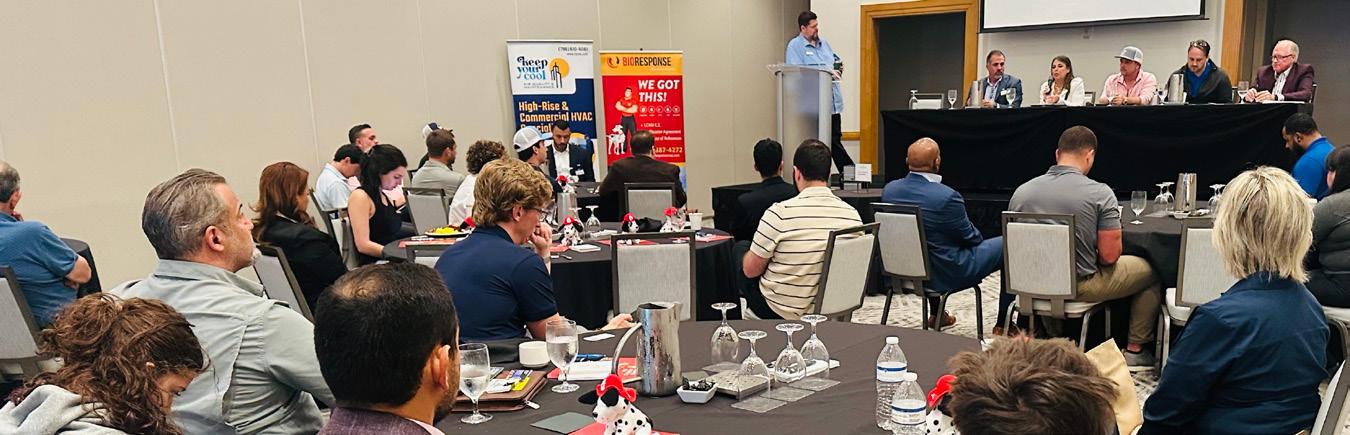
One of the highlights of the quarter was our Legislative Update & Leadership Forum, which brought together an outstanding panel of speakers, including Mayor Peggy Brown of Weston, Vice Mayor Ben Sorensen of Fort Lauderdale, Phoebe Nesmith, Vice President of Government Affairs for CAI National, and Travis Moore, CAI’s Tallahassee Lobbyist. The event was exceptionally well attended and provided valuable insights into the latest legislative developments affecting community associations. Equally important, attendees had the opportunity to engage directly with our panelists, ask questions, and provide input that will help shape CAI’s advocacy efforts moving forward. It was exactly the type of collaborative dialogue that helps ensure our members’ voices are heard at both the local and state levels.
This quarter also provided our Chapter with the unique privilege of serving as the Host Chapter for the 2026 CAI National Conference in Hollywood. It was an honor to welcome CAI members from across the country and showcase both our Chapter and South Florida. Our Havana Nights Chapter Party at the Hard Rock Hotel & Casino exceeded every expectation. The evening was filled with outstanding entertainment, incredible energy, and unforgettable memories.
We have received countless compliments from attendees, many describing it as the best Chapter Party they have ever attended. While that is certainly gratifying, the real credit belongs to our incredible Events Committee, our dedicated volunteers, and our generous sponsors.
Their countless hours of planning and hard work created an evening that reflected the warmth, hospitality, and professionalism of our Chapter.
As we move into the second half of the year, our commitment to providing outstanding educational and professional development opportunities remains stronger than ever. We have two excellent Hot Topics Breakfasts coming up. The first will be September 3rd at the InterContinental in Doral and then September 22nd at the Tower Club in Fort Lauderdale. These sessions continue to provide timely information, practical guidance, and outstanding networking opportunities for our members.
Our signature educational event of the fall will be our Annual Day of Education & Expo on October 8th at the Le Méridien Hotel in Dania Beach. This promises to be another exceptional day featuring educational sessions for Community Association Managers and Homeowner Leaders, an Expo showcasing many of our outstanding Business Partners, and numerous opportunities to connect with industry professionals throughout the day. We’ll conclude the program with a relaxing Happy Hour, to continue conversations and strengthen professional relationships.
Before then, please remember to join us for our Annual General Meeting on September 15th as we reflect on another successful year and look ahead to the future of our Chapter.
I encourage you to visit www.cai-seflorida.org to learn more about our upcoming events, register to attend, explore sponsorship opportunities, and take advantage of the many resources available to our members. Thank you once again for making CAI Southeast Florida such a dynamic, engaged, and growing Chapter. Your participation, dedication, and willingness to share your time and expertise are what continue to set this Chapter apart. I look forward to seeing you at our upcoming events and to another outstanding quarter together.
Jason Blair, Aastro
CHAPTER EVENTS
Calendar of Events
More details regarding upcoming events will be posted to cai-seflorida.org under the “Events” tab. Check back regularly for the most up-to-date information. Please be sure to register for all events in advance, as we need an accurate head count for space and food purposes prior to the event. All event details are subject to change.
JULY 2026
• July 14: Monthly Educational Webinar: Budgeting for Community Associations presented by Pablo Maida, CPA of HOA Books, LLC. This course (#: CRS10534) provides Community Association Managers with a clear, step-by-step understanding of the full budgeting process for condominium and homeowners’ associations. Participants will learn how to prepare a budget, gather the required financial information, and incorporate quotes, contracts, and prior financial data. The course covers income and expense projections, reserve requirements (SIRS vs. non-SIRS), and allocation of expenses on a pro rata basis per unit. The session also addresses the legal requirements for budget approval, including the percentage limits on assessment increases that trigger owner approval. Participants will practice comparing current and prior budgets, tracking actual results against the budget, and making mid-year revisions when necessary. Practical tools such as variance analysis, reserve ratio review, and communication strategies for presenting budgets to boards and owners will also be included. Click here to register.
• July 21: Board of Directors Meeting at 8:30 am via Zoom. Click here to register.
AUGUST 2026
• August 11: Monthly Educational Webinar
• August 18: Board of Directors Meeting
SEPTEMBER 2026
• September 3: Hot Topics/Education Event in Miami Dade
• September 10: Monthly Educational Webinar: How to Run a Condo Election Using Electronic Voting presented by Frank Valdes, GetQuorum (Course #: CRS8720). Manual election processes and low participation don’t just slow things down; they can impact transparency, efficiency, and trust within your community. Join us for How to Run a Condo Election Using Electronic Voting. In this CEU-accredited session, instructor Frank Valdes (Regional Director of GetQuorum) will explore how electronic voting and virtual meetings are transforming condominium elections, helping communities overcome common challenges, improve participation, and run more efficient and secure election processes. During this session, you’ll learn how to: How to overcome common election challenges with electronic voting and virtual meetings; Annual meeting notice delivery methods; Election procedures and
requirements for Florida condominiums; Choose the right technology solution for your community’s specific needs; Implement best practices for secure, efficient, and compliant elections; Improve participation and streamline the overall election process, specifically for Florida condominiums; We’ll also share practical insights on how to modernize your election approach, helping your community run smoother, more transparent, and more effective meetings. Click here to register.
• September 15: Board of Directors/Annual Meeting of the Chapter Members at 8:30 am via Zoom. Click here to register.
• September 22: Hot Topics/Education Event in Broward
OCTOBER
2026
• October 8: HOL/CAM Workshops & Expo at Le Méridien Hotel in Dania Beach. We’ll be having daylong workshops and professional education for Homeowner Leaders and CAMs, along with an expo for our Business Partners. Sponsorship opportunities available. Click here to register.
• October 13: Monthly Educational Webinar
• October 20: Board of Directors Strategic Planning Meeting
• October 22: Halloween Costume Party at 7:00 p.m. at The Citadel. Click here to register.
NOVEMBER
2026
• November 5: Homeowner Leader Roundtable Event
• November 10: Monthly Educational Webinar
• November 17: Annual Election of Directors & BOD Meeting
• November 20: Annual Gala & Awards Dinner
DECEMBER
2026
• December 8: Monthly Educational Webinar
• December 15: Board of Directors Meeting
Chapter Website Account
To register for Chapter events, you will need to create an account on the website if you don’t already have one. A REGISTRATION PASSCODE IS REQUIRED. Visit cai-seflorida.org/my-account to set up your account and enter SoutheastFloridaCAI under Registration Passcode. Contact the Executive Director at ced@cai-seflorida.org or 954-816-0661 with questions.
CAI NATIONAL Education Opportunities
CAI offers many online learning opportunities (click on the dates below to register or obtain more information) that lead to professional credentials. View the Education Catalog for additional resources.
» July 16-17: M-204: Community Governance (Live Virtual Course)
» July 23-24: M-100: The Essentials of Community Association Management (Live Virtual Course)
» July 30-31: M-205: Risk Management (Live Virtual Course)
» August 6-7: M-203: Community Leadership (Live Virtual Course)
» August 13-14: M-100: The Essentials of Community Association Management (Live Virtual Course)
» August 20-21: M-201: Facilities Management (Live Virtual Course)
» August 27-28: M-202: Association Communications (Live Virtual Course)
» October 22-23: M-206: Financial Management (Virtual Course)
» November 5-6: M-100: The Essentials of Community Association Management (Live Virtual Course)
» November 12-13: M-205: Risk Management (Live Virtual Course)
» November 19-20: M-204: Community Governance (Virtual Course)
» December 3-4: M-203: Community Leadership (Virtual Course)
Stay on Top of Your Game with Professional Credentials
CAI education and credentials help you lead better and achieve your desired business results. Click here to learn more.
General Registration Information
Courses are open to all. Register online four weeks in advance for live classroom courses and receive a $25 discount. Seating is limited. Early registration is strongly recommended. Click here to learn more.
Business Partner Essentials
This is an online course designed to help CAI-member product and service providers better understand CAI, community associations and the industry at large. Individuals who pass the course and maintain CAI membership earn the CAI Educated Business Partner member distinction. By taking this course, you will distinguish yourself as an Educated Business Partner and can share your accomplishment with your current and potential clients. Click here to learn more.
NEW CHAPTER MEMBERS
Welcome to the South Florida Chapter
BUSINESS PARTNERS MEMBERS
A&H Public Adjusters, Corp
Maria Shalack
Brandsafway Concrete Restoration
Anthony Bertone
Capital One Bank
Ariel Ramos
Coastal Clarity Group
Scott Grissom
Community Financials
Jaime Barnhart
Cutters Edge Landscape
Deane Petikas
Fortify Restoration
Gisele Saygi
Infinite Engineering Group
Myles Harris
Keys Claims Consultants, LLC
Donna Stone Wolfe
Lawn Squad
Nick Martinez
Paradise Plumbing, Air & Electric
Jason Rich
Premier R&G Contractors FL LLC
Sandra Melendez
Pro-Max Restoration and Paint Corp.
Sandra Caicedo
PulseIQ!
Andi Sjamsu
Southeast Land and Water Management
Conner Dorris
Stuart Architecture
Anson Stuart
Sudspect
Antwan Robinson
BUSINESS PARTNERS CONT.
Telemetryx Reserve Analytics
Jennifer Helle
Titan Impact Windows, Doors & Roofing
Fred Roger
TrueHOA.app
Jonathan Gropper
TuCielo Association Financing
Rafael Perez
Wyman Legal Solutions
Laura Kerbyson
NATIONAL BUSINESS PARTNER
Huntington National Bank
Sheila M. Lee
HONORARY BUSINESS PARTNER
Enumerate Financial Services
Vishnu Sharma
MANAGEMENT COMPANY MEMBER
Baker’s Bay Golf and Ocean Club
Alexandria J. Roache
MANAGER MEMBERS
Joseph Johnson
0ne Residential Management Services
Joy Knight
Association Services of Florida
Mark Aitken
Baker’s Bay Golf and Ocean Club
Grace D. Estroz
Development Consultants, Inc.
Anastasiya Mykhalyuk
Development Consultants, Inc.
MANAGER MEMBERS CONT.
Susan Jean Coe
FirstService Residential South Region
Ismary Eunice Otero
Florida Property Management Strategies, LLC
Daniel O. Valdes, CMCA, AMS, PCAM Folio Association Management
Paul Ohannessian
Insight Community Solutions LLC
Eugenia Dwyer
Marriott International, Inc.
Lori Destifanes
RealManage
Michael S. Morris
RealManage
Dr. Randy Atlas
Ryan Leonel Benitez
Sharon Crisostomo
Edwin Lugo
Felix Mckie
Oscar Morales, Jr.
Leonor Ortiz
Miguel Angel Ramirez
Katherine Romero
Naydia Marie Westerman, CMCA
VOLUNTEER LEADER MEMBERS
Manor Grove Village IV
Jeff Dodson
Jeannette Keefe
Gloria Helena Romero Roses
New and Returning CAI-SEFL Chapter Members from April 1, 2026 to June 30, 2026
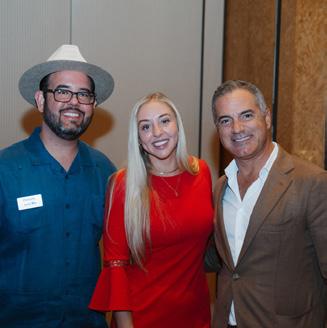
HAVANA NIGHTS CHAPTER PARTY -
HAVANA NIGHTS CHAPTER PARTY -
6/4/26
Managing Property Damage with Efficiency, Integrity and Foresight
BY MARIA SHALACK, MSM, A&H PUBLIC ADJUSTERS
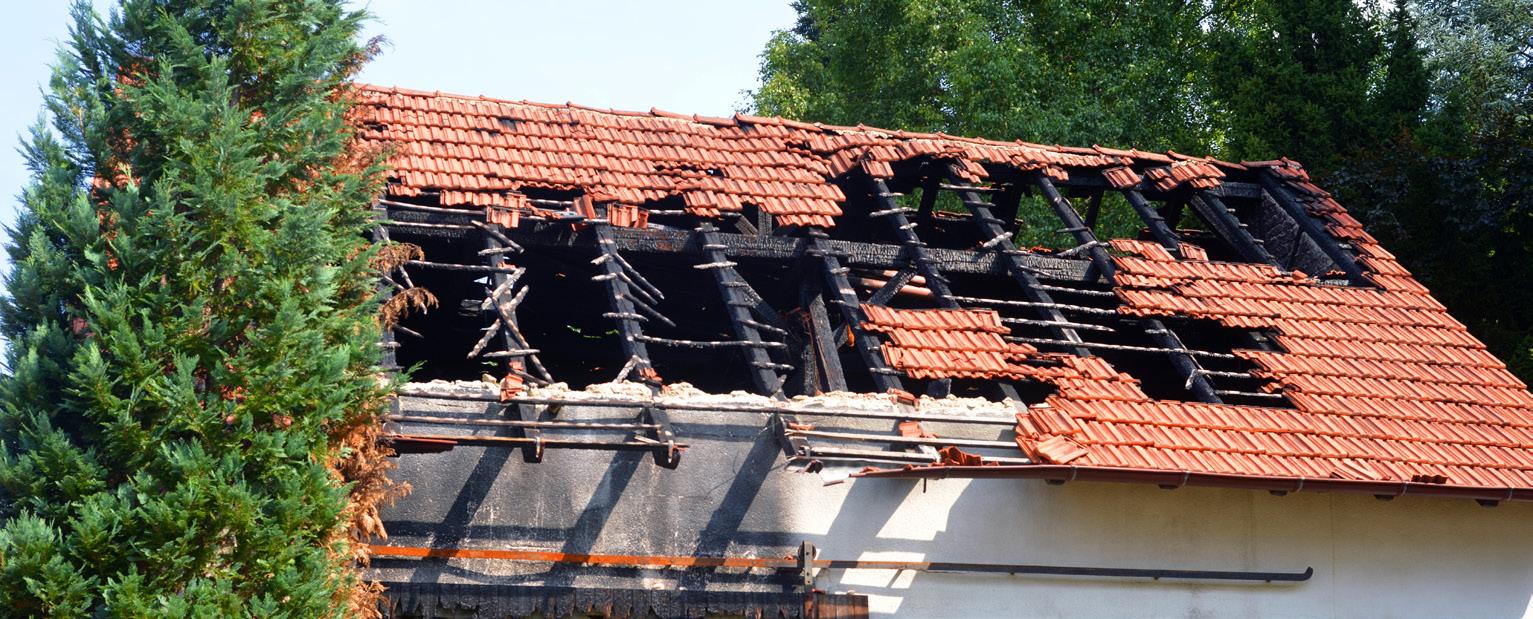
Asa community association manager or board member, you have a fiduciary duty to protect the interests of the owners, maintain the property, and safeguard it from further damage. When it comes to maintenance, regular inspections of common areas are essential. Look for signs of damage and document your findings. If the CAM or board member is unsure what to look for, a professional can be hired to perform a pre-loss inspection and maintenance review. This proactive approach is far less costly than dealing with major repairs later.
For example, before hurricane season begins, it’s a great time to conduct a pre-loss inspection, taking photos and videos of the property. This documentation serves as valuable evidence if a property damage claim needs to be filed later and helps maintain a yearly record of the property’s condition.
When damage does occur, whether minor or severe, time is of the essence. Do not delay in contacting qualified vendors for estimates or bids. Selecting the right vendors promptly is crucial. Too often, board members take excessive time to make decisions rather than taking immediate action by interviewing vendors, checking references, and negotiating contracts. Proactive involvement by both the board and CAM ensures a smoother process and a successful project outcome. Hiring a Professional, such as a Public Adjuster, can ensure the loss is well documented and evidence is preserved, as well as reviewing the policy for coverage before filing a claim.
Communication is everything. Keeping all stakeholders informed, including vendors who were not selected—is essential to maintaining good relationships. Every project should have a designated individual in charge of managing it. It is not the CAM’s responsibility to oversee contractors. This is why many condominium and homeowner associations benefit from working with a Property Damage Consultant, such as a Public Adjuster, who is a third-party professional that advocates for the association and helps navigate the complexities of property damage claims, assessments, and repairs.
Having a Property Damage Consultant/Public Adjuster involved from the start offers significant advantages. It helps ensure proper documentation of damages, supports accurate scope development and finding the right vendors, reviewing estimates, prices and assists in communicating effectively with insurance carriers and vendors. This professional should be able to review the policy before filing a claim to determine if there is a valid insurance claim and verify the deductible amount versus the cost of repairs. A Public Adjuster works to protect the association’s interests, helping to maximize claim outcomes, avoid overlooked damages, and streamline the overall process from inspection through repair.
In summary, when it comes to property damage, CAMs and Board Members should have a solid plan for maintaining their properties. Perform regular inspections, document with photos and videos, and act promptly when repairs are needed. For large or complex projects, don’t hesitate to hire professionals who can protect your interests and ensure the best outcomes.
“The key is not to prioritize what’s on your schedule, but to schedule your priorities” — Stephen R. Covey.
Maria Shalack is the President of A&H Public Adjusters. She holds a Bachelor’s Degree in Business Administration and a Master’s Degree in Management with emphasis in Project Management. She has been a Florida Licensed Public Adjuster since 2002 and holds the designations AIC (Associate in Claims) and SPPA (Senior Professional Public Adjuster) which represents the highest professional level of certification for public adjusters in the United States.
Fannie, Freddie &Florida: The New Lending Reality
BY WILL SIMONS, RS, EBP, PRESIDENT, ASSOCIATION RESERVES
Most of us in the community association industry have spent the past few years adjusting to a moving target.
Florida’s SB 4-D and SB 154 (along with subsequent legislation changes) reshaped how associations handle structural inspections and reserve funding, and more recently, Fannie Mae and Freddie Mac revised their condominium project review standards in ways that associations must also take into account. Together, these changes have created a new reality worth talking about: a community’s reserve plan is no longer just an internal budgeting document. It is a credit document, too—one that lenders now read, and one that can affect whether units in your community remain easily financeable.
TWO SETS OF RULES, TALKING PAST EACH OTHER
Much has been written about Florida’s Structural Integrity Reserve Study (SIRS) and milestone inspection requirements, which require proper estimation of life expectancies and replacement costs for critical building components, and provide associations with appropriate
financial roadmaps for how to deal with these inevitable costs. Unlike prior years, most condominiums and cooperatives can no longer waive annual funding for these components. Having a current, credible SIRS and following its recommendations is vital not only for statutory compliance, but increasingly, also to satisfy insurance companies and lenders who are using these documents as a part of their own private underwriting standards.
Nationally, Fannie Mae and Freddie Mac also look critically at condominiums, imposing their own requirements for compliance with internal lending standards. For a unit in a condominium project to qualify for a conforming mortgage through the GSEs—and therefore for a potential buyer to access the most favorable lending rates —the condominium project itself must pass review. There are many criteria involved, but two recent updates to these requirements involving reserve funding deserve particular attention.
Continued on page 22
Castle Group is the premier choice for property management We specialize in serving the finest residential communities. We do not manage an exceptional number of communities, just a number of exceptional ones
Who We Serve
Large-Scale Communities
High-Rise & Condominium Communities
Self-Managed Communities
Communities in Development
To learn more about how Castle Group can serve your community, visit www castlegroup com or call (954) 792-6000
RESERVES
First, effective January 4, 2027, the minimum reserve funding standard is moving from 10% of the annual budget to 15%. How the percentage is calculated is spelled out in the Fannie Mae Selling Guide, Section B4-2.2-02, but it should be noted that Fannie Mae does not distinguish between “SIRS” reserves and other types—it is the combined total that must satisfy the threshold.
Second, for associations seeking the long-recognized exception to the percentage-of-budget rule by submitting a reserve study that demonstrates a lower funding level is sufficient, the standards have tightened. As of August 3, 2026, a study pursuing a “baseline funding” objective (i.e. letting the cash balance on hand drop as close to zero as possible without going negative) will no longer be accepted as a viable option. The association must instead be funding toward the highest objective identified in its study. The principle is straightforward: lenders are unwilling to accept bare-minimum funding when the collateral they are lending against is at stake.
The juxtaposition of these different requirements (Florida’s SIRS laws and national lending guidelines) may leave some associations caught in the middle: it will be simultaneously possible to satisfy all of Florida’s statutory provisions (which do specifically allow baseline funding as an approved objective) while not complying with Fannie Mae’s more conservative demands.
WHERE BOARDS CAN GET AHEAD OF THIS
In our opinion, the most useful step a board of directors can take is to commission a comprehensive reserve study engagement (including separate analyses of the SIRS and “non-SIRS” components alike) designed to satisfy both sets of requirements at once. The two should be produced together as a coordinated package, and the provider can work with the client to ensure that the financial recommendations meet all the key criteria at stake. Those associations who initially sought only to comply with the SIRS requirements, without also developing a financial plan for their other major components (such as elevators, HVAC systems, amenities, and building interiors) are only getting half the picture, and the new national lending standards will expose the shortfall.
The fact of the matter is that associations owe it to themselves to embrace the financial realities they face and plan accordingly. Government and industry requirements are there to enforce accountability, but even if they didn’t exist, proper reserve planning would still mandate an accurate, comprehensive schedule of all relevant components, paired with a financial plan designed to provide appropriate levels of reserve cash at all times. That will remain true regardless of any further changes yet to come.
PUTTING THE NEW STANDARDS IN PERSPECTIVE
It is worth pausing on what the 10%-to-15% change actually means in practice. To keep pace with the steady deterioration of a typical condominium’s common elements, we have generally observed that most associations need to transfer somewhere between 15% and 45% of their total annual budget into reserves on an ongoing basis. An association legitimately funding its reserves should already be at or above the new 15% threshold, and so for those communities, these new changes are essentially a non-issue. For the associations that have been funding insufficiently, the change is really an invitation to take an honest look at the plan. The broader direction is, in our view, the right one. For a long time, condominium reserve practice in Florida tolerated a gap between what buildings should have allocated and what they actually set aside. The new rules have brought that gap into the open, and closing it is well within reach for any board willing to take the first step.
Will Simons, RS, EBP is a credentialed Reserve Specialist and President of the Florida regional office of Association Reserves, a national provider of Reserve Study services. For more information, visit www.ReserveStudy.com.
Your Hurricane Claim Is Built Before the Storm Arrives
BY CORBETT GODWIN, LICENSED PUBLIC ADJUSTER, GAVNAT
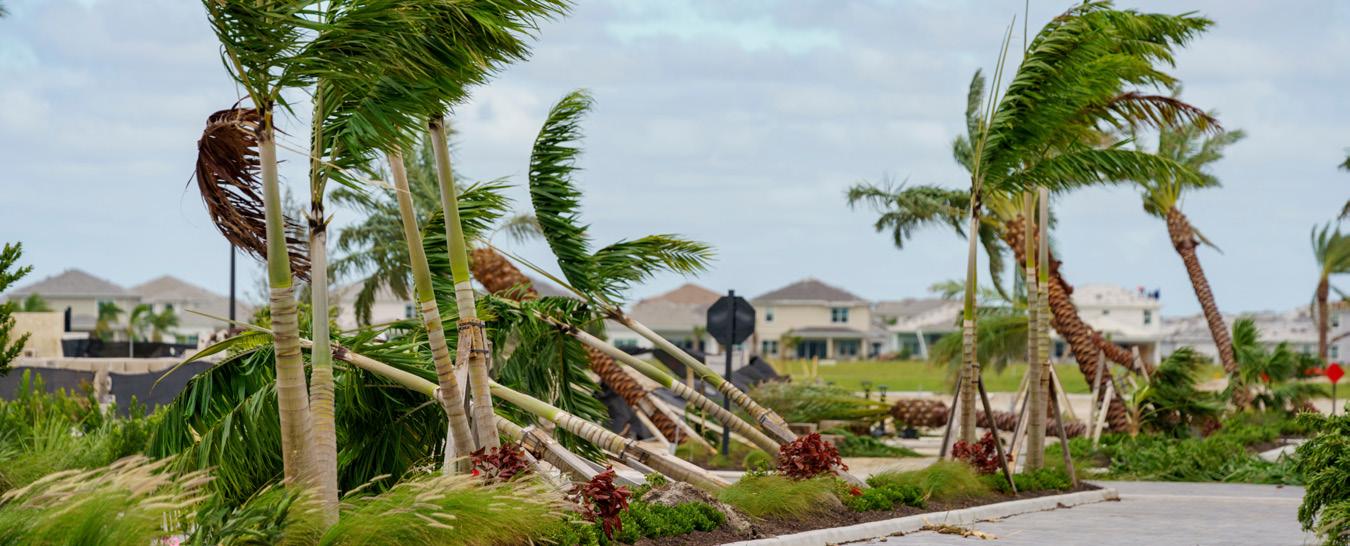
Every June, community boards across Southeast Florida ask the same question: are we ready for hurricane season? It is the right instinct, but the wrong window. By the time a named storm appears on the forecast cone, most of the decisions that determine how your eventual claim gets paid have already been made — or missed. After years of scoping property losses for associations, I can tell you that claims are rarely won or lost in the negotiation. They are won or lost in the documentation that exists before the wind arrives and in the first seventy-two hours after it leaves.
Here is what I would want every board member and property manager to understand before this season.
KNOW WHAT YOUR DEDUCTIBLE ACTUALLY IS
Most association policies carry a separate hurricane or named-storm deductible, and it is almost never a flat dollar figure. It is a percentage
— commonly two to five percent — of the insured value of your buildings, not of the loss. On a community insured for $20 million, a five percent deductible means the association absorbs the first $1 million before the carrier pays a dollar. Boards routinely discover this number for the first time while standing under a damaged roof. Pull your declarations page now, confirm the percentage, and run the math against your reserves. That single figure should shape your assessment planning and your reserve discussions long before a storm forms.
BUILD YOUR PRE-LOSS RECORD THIS SEASON — NOT AFTER
Carriers settle on evidence, and the strongest evidence is the kind you create before there is a claim. A current, dated photo and video record of every roof, common element, mechanical system, and amenity gives
Continued on page 28
INSURANCE
you a baseline the carrier’s field adjuster cannot easily dispute. Preexisting condition is one of the most common reasons a covered loss gets reduced; a clear “before” picture removes that argument. Many associations already hold material that doubles as pre-loss evidence — milestone inspection reports and structural integrity reserve studies among them. Keep copies somewhere you can reach when the power is out.
THE FIRST SEVENTY-TWO HOURS DECIDE MORE THAN YOU THINK
Your policy requires you to mitigate further damage, so tarping, drying, and boarding are not optional. But document the damage before you touch it. Photograph and record everything in its poststorm state, then keep every receipt for emergency work — reasonable mitigation costs are reimbursable, and they help establish how serious the loss was. Be cautious before letting a restoration vendor sign your association up for work, or for rights, until the board understands exactly what is being authorized.
UNDERSTAND WHO ABSORBS THE LOSS
A community claim involves the master policy, individual unit owners, lenders, and your governing documents all at once. Whether your coverage is written “walls-in” or “walls-out,” and what your declaration defines as association responsibility, determines who files, who repairs, and who ultimately carries the deductible through an assessment. Sorting this out after a loss, under pressure, is far harder than reading it in calm weather. Your members are counting on the board to know the answer before the question becomes urgent.
MIND
THE DEADLINES — THEY HAVE TIGHTENED Florida’s recent reforms shortened the filing windows considerably. Under current law, an association generally has one year from the date of loss to report a new or reopened claim, and eighteen months
to file a supplemental claim if additional damage surfaces. Your policy may also contain a “prompt notice” condition that is far shorter than the statute. Confirm the exact figures with your adjuster or counsel — these are statutory and have changed more than once in recent years — and calendar them the day the storm passes.
GET A SECOND SET OF EYES ON THE SCOPE
The carrier’s adjuster is a professional doing a job — for the carrier. They scope the loss with their own tools, often Xactimate, and their own reading of your coverage. That does not make them dishonest; it makes them one perspective. A board has a fiduciary duty to its membership, and part of that duty is confirming the loss has been measured completely and accurately. An independent estimate — from a qualified contractor, an engineer, or a public adjuster — gives the board a basis for comparison and a record that it exercised diligence on the community’s behalf.
None of this is about optimism, and none of it is about picking a fight. It is about diligence. The associations that come through a storm in the strongest position are the ones that treated the claim as a governance responsibility, prepared like it, and documented everything. Do that work now, while the skies are clear.
Corbett Godwin is a licensed public adjuster with Gavnat, a firm that represents policyholders — not carriers — in property insurance claims. This article is general education for community association boards and managers and is not legal advice.
The Power of Financial Planning & the Right Partners, Early On
A GUIDE FOR COMMUNITY ASSOCIATIONS FACING CAPITAL PROJECTS
BY SACHIN (SAM) MEHROTRA, ASSOCIATION LENDING SERVICES
A COMMUNITY AT A CROSSROADS
Florida is home to approximately 49,000 community associations, and nationally that number is approaching 400,000. Behind each community are volunteer boards, property managers, and thousands of unit owners who share a common stake in the safety and value of their buildings.
As buildings age, the bills grow larger — concrete restoration, roofing, HVAC, seawall repair, impact windows, milestone inspections. These are not optional. They are non-negotiable obligations tied to safety, insurance, legal compliance, and the preservation of what is, for most owners, their largest asset. Yet for many associations, financial planning to meet these obligations starts too late.
WHY EARLY PLANNING CHANGES EVERYTHING
The cost of delays is always higher than the cost of action. When capital projects are identified early, associations retain the power of choice — evaluating contractors at their leisure, locking in favorable pricing, and structuring financing that protects every owner’s financial position. Waiting triggers a compounding set of problems:
• Emergency repairs cost significantly more than planned ones, and inflation compounds the gap every year.
• Large, sudden special assessments force owners to scramble — resulting in delinquencies, hardship sales, or community conflict.
• Insurance providers may cancel policies on buildings where critical work has been deferred.
HOW ASSOCIATION FINANCING WORKS
Association loans — ranging from $100,000 to $20,000,000 — are made directly to the association. No personal guarantees are required, and no liens are placed on individual units. The loan is secured by an assignment of the association’s assessment income and a UCC-1 filing. Owners who can pay their share upfront do so without incurring interest. Those who need time spread payments across 5, 7, or 10 years at fixed monthly amounts. On a $5,000,000 project for a 100-unit building, a 10-year term brings each unit’s cost to approximately $600 per month — a very different conversation than a $50,000 lump-sum
special assessment. Interest-only periods during construction help manage cash flow precisely when it is most constrained.
PROTECTING EVERY OWNER’S EQUITY
When large assessments are levied without a financing option, owners on fixed incomes or those who purchased recently face an impossible choice. Forced sales distress community market values. Delinquencies strain cash flow. Divided boards and membership lead to legal disputes. A well-structured association loan allows projects to move forward on schedule — locking in contractor prices before they rise — without placing any individual owner in an untenable position. This is financial planning as a community protection tool.
CHOOSING THE RIGHT PARTNER: EXPERIENCE OVER POLICY
There is a meaningful difference between a lender who has read the policy manual and one who has sat across the table from a condo board at 9pm, fielding hard questions from anxious unit owners. Policy knowledge tells you what is technically permissible. Practical experience tells you what actually works.
An experienced association financing partner has seen how different communities react to assessment news, knows which project scopes tend to run over budget and why, and can anticipate the governance hurdles — owner vote thresholds, management company dynamics, board member turnover mid-project — that a policy-driven lender will not see coming until they do.
When evaluating a financing partner, prioritize evidence of real-world engagement:
• Have they structured loans through construction delays, scope
changes, and contractor disputes — not just on clean stabilized deals?
• Can they model repayment scenarios in the room, before a formal application, so the board can present concrete numbers to owners at the vote?
• Do they understand the legal and operational differences between condominium, homeowner, and cooperative associations?
• Are they reachable when a board member has a question at an inconvenient time — or does every inquiry route through a call center?
Policy sets the floor. Experience is what gets the project funded, completed, and paid back without a community falling apart in the process.
THE RIGHT TIME IS NOW
Florida’s evolving structural inspection requirements and the lessons from recent building tragedies have shifted the timeline for many communities. Boards that once deferred decisions can no longer afford to. The associations that navigate capital projects most successfully bring financial expertise alongside engineering and legal counsel at the very beginning — when options are widest, prices are lowest, and owners have the most time to plan. Most communities do not have problems with finding things to fix or getting an opinion on how to structure a contract but rather it is finding money to pay for all the necessary items, so early planning and aligning with the right financing partners changes everything, especially when successful execution is not a matter of choice!
Recognized for his extensive market experience and exceptional execution record, Sachin (Sam) Mehrotra, at Association Lending Services, shines as a highly regarded professional in the Condominium Association and Investment CRE financing worlds. He and his team take pride in providing palatable financing choices, through diligent work, to board members and property managers, which cater to all association members. With an impressive 20-year career in the industry, Sachin brings a wealth of experience to each client, thus ensuring the opportunity to collaborate with a seasoned professional who is dedicated to elevating his clients’ success and delivering timely results. For any questions, please contact, Sachin/Association Lending Services at smehra@associaionfinancing.org. Learn more at Associationlendingservices.com.
Community Assoction Management
Why Frequent Reserve Study Updates are Critical for Florida Community Associations
BY SUNDEEP JAY, RS, PRS, J.R. FRAZER
Reserve studies are one of the most important financial planning tools available to condominium and homeowners associations. While many boards understand the importance of obtaining a reserve study, fewer recognize the value of updating that study on a regular basis. In Florida, where associations face aging infrastructure, severe weather events, inflationary pressures, and increasing construction costs, reserve study updates can be just as important as the initial study itself.
A reserve study is based on assumptions regarding the useful life, remaining life, and replacement cost of common area components. However, those assumptions can change significantly over time. Roofing systems, painting projects, pavement, mechanical equipment, plumbing systems, fire protection systems, structural restoration projects, and other reserve components rarely perform exactly as originally projected.
One of the most common reasons reserve projections change is that reserve funds are used to complete repairs. As reserve expenditures occur, the association’s reserve balances change, which can impact future funding recommendations. In addition, many associations encounter unexpected expenses that were not anticipated during the prior reserve study update. Storm damage, emergency repairs, construction defects, code changes, material availability issues, and unforeseen structural concerns can all affect future reserve requirements. Florida associations are particularly vulnerable to these changes due to hurricanes, wind-driven rain events, and other environmental conditions that can accelerate deterioration.
Another significant challenge is premature component failure. While reserve studies estimate useful life based on industry standards and observed conditions, components do not always reach their
projected lifespan. Roofing systems may require replacement sooner than anticipated, mechanical systems can fail unexpectedly, and infrastructure components may deteriorate more rapidly due to environmental conditions, deferred maintenance, or increased usage. When these events occur, reserve funding plans often need to be adjusted to ensure sufficient funds are available for future expenditures.
Associations also frequently choose to accelerate projects that were originally scheduled for later years. Boards may elect to complete restoration projects earlier to reduce long-term deterioration, take advantage of favorable contractor pricing, improve safety conditions, or coordinate multiple projects simultaneously. While these decisions may be beneficial for the community, they can significantly impact future reserve funding requirements and cash flow projections.
Inflation remains another major factor affecting reserve studies. Construction costs, labor rates, engineering fees, material costs, insurance-related expenses, and contractor overhead have increased substantially in recent years. Regular reserve study updates allow associations to adjust funding plans incrementally rather than experiencing substantial funding increases after several years of outdated assumptions.
Funding levels also play a critical role in the stability of future reserve contributions. Industry studies have shown that many associations maintain reserve funding levels below 35% funded. While each association’s circumstances are unique, lower funding levels generally result in less financial flexibility when unexpected events occur. Associations with lower reserve balances often have fewer options
RESERVES
available when faced with premature failures, storm-related expenses, accelerated projects, or significant inflationary increases.
As funding levels decrease, the likelihood of future contribution increases generally rises. Associations operating below approximately 70% funded may experience greater sensitivity to changes in costs, component lives, and reserve expenditures. As a result, reserve study updates may reveal funding increases that exceed normal inflationary adjustments. These increases are often necessary to maintain adequate reserve balances and preserve the association’s long-term financial stability.
For large condominium and homeowners associations, annual reserve study updates can provide substantial benefits. Larger communities often manage millions of dollars in reserve assets and may complete multiple major projects each year. Even relatively small changes in project costs, component lives, or reserve balances can have significant impacts on future funding recommendations.
Annual updates allow boards and owners to see gradual changes in reserve funding requirements as they occur. Small adjustments are generally easier to understand and budget for than large increases that accumulate over several years. When reserve studies are updated only every three to five years, boards may be faced with significant contribution increases that can be difficult to explain to homeowners.
Owners often question why reserve contributions have risen dramatically, when in reality the increase may simply reflect several years of inflation, reserve expenditures, project changes, and updated cost information that were not previously incorporated into the funding plan.
Regular updates create greater transparency, improve budgeting accuracy, and provide boards with better information for decisionmaking. Most importantly, they help associations identify potential financial challenges before they become major problems. In today’s environment of rising costs and evolving building conditions, reserve study updates should be viewed not as an expense, but as an investment in the long-term financial health and stability of the community.
Sundeep Jay has been a Senior Reserve Specialist with J. R. Frazer, Inc. for over 9 years. During this time, he has completed more than 1,000 reserve studies. He also held a continuing education credit course for property managers and board members.
Can Landscapers Solve HOA Challenges?
BY DEANE PETIKAS, CUTTERS EDGE TOTAL LANDSCAPE SOLUTIONS
Managing a homeowners association (HOA) in South Florida comes with a unique set of challenges—from maintaining attractive landscapes on a budget to ensuring compliance with local regulations, and everything in between. In many ways, HOAs operate like small governments. Board members oversee everything from major capital decisions to day-to-day concerns, often facing constant pressure from residents.
A knowledgeable, professional landscaping partner who understands the nuances of South Florida can play a critical role in supporting an HOA and alleviating many of its toughest challenges. With the right partner, HOAs can achieve expert landscape management that enhances both the beauty and sustainability of their communities.
HOW QUALITY LANDSCAPE MANAGEMENT
ADDRESSES KEY HOA CHALLENGES
Budget Constraints
HOAs often operate within tight financial limits, making strategic resource allocation essential. A quality landscaping partner helps maximize budgets by delivering tailored services aligned with financial goals. From efficient maintenance plans to selecting cost-effective plant materials, every dollar is used to enhance the community’s appearance and long-term value.
Consistency and Reliability
Consistent landscape maintenance is essential to preserving a
community’s aesthetic appeal and safety. Reliable, scheduled service ensures properties remain well-maintained year-round, helping HOAs avoid the added costs and issues associated with inconsistent upkeep.
Seasonal Needs and Planning
South Florida’s climate presents distinct challenges, including intense sun, heavy rains, hurricane threats, and periodic drought conditions. A strong landscaping partner provides proactive seasonal planning— preparing properties for weather changes, protecting plant life, and enhancing curb appeal with appropriate seasonal color and native plant selections.
Water Management and Sustainability
Water conservation is a growing priority for many HOAs. Experienced landscapers implement water-efficient practices such as droughttolerant plantings and advanced irrigation systems. These strategies reduce water usage while maintaining healthy, vibrant landscapes and supporting environmental goals.
Compliance with Local Regulations
Navigating local landscaping codes can be complex. Partnering with a company that understands South Florida’s regulatory environment helps ensure compliance, reducing the risk of fines and maintaining good standing with local authorities. Vendors involved in organizations
like the Landscape Inspectors Association of Florida bring added credibility and insight.
Customization and Design
Every community has its own identity, and its landscape should reflect that. Professional landscapers collaborate with HOA boards to create customized designs that enhance property value while meeting the community’s aesthetic vision.
Pest and Disease Management
South Florida’s climate can encourage pests and plant diseases. Proactive management using environmentally responsible treatments helps protect plant health and maintain thriving landscapes.
Communication and Responsiveness
Clear, consistent communication is vital. A strong vendor partner keeps HOA boards and residents informed about maintenance schedules, upcoming projects, and any changes that may impact the community.
Managing Resident Expectations
Balancing resident expectations is an ongoing challenge for HOAs. A dependable landscaping partner supports this effort by delivering high-quality work, maintaining attention to detail, and engaging
LANDSCAPE
regularly with the community to ensure expectations are met.
Effective landscape management is essential for HOAs navigating a wide range of challenges. A well-established landscaping partner brings expertise, reliability, and a deep understanding of South Florida’s environment. By addressing budget concerns, improving sustainability, and ensuring regulatory compliance, the right partner helps create attractive, well-maintained communities that foster pride and long-term value.
Deane Petikas is the Head of Business Development and Sales for Cutters Edge Total Landscape Solutions. He has over 20 years of experience working with Community Associations, Property Managers, and the Hospitality Industry. Cutters Edge has divisions dedicated to Maintenance, Irrigation, Tree Care, and more. Contact Deane at DPetikas@ CuttersEdgePro.com or 728-240-0160.
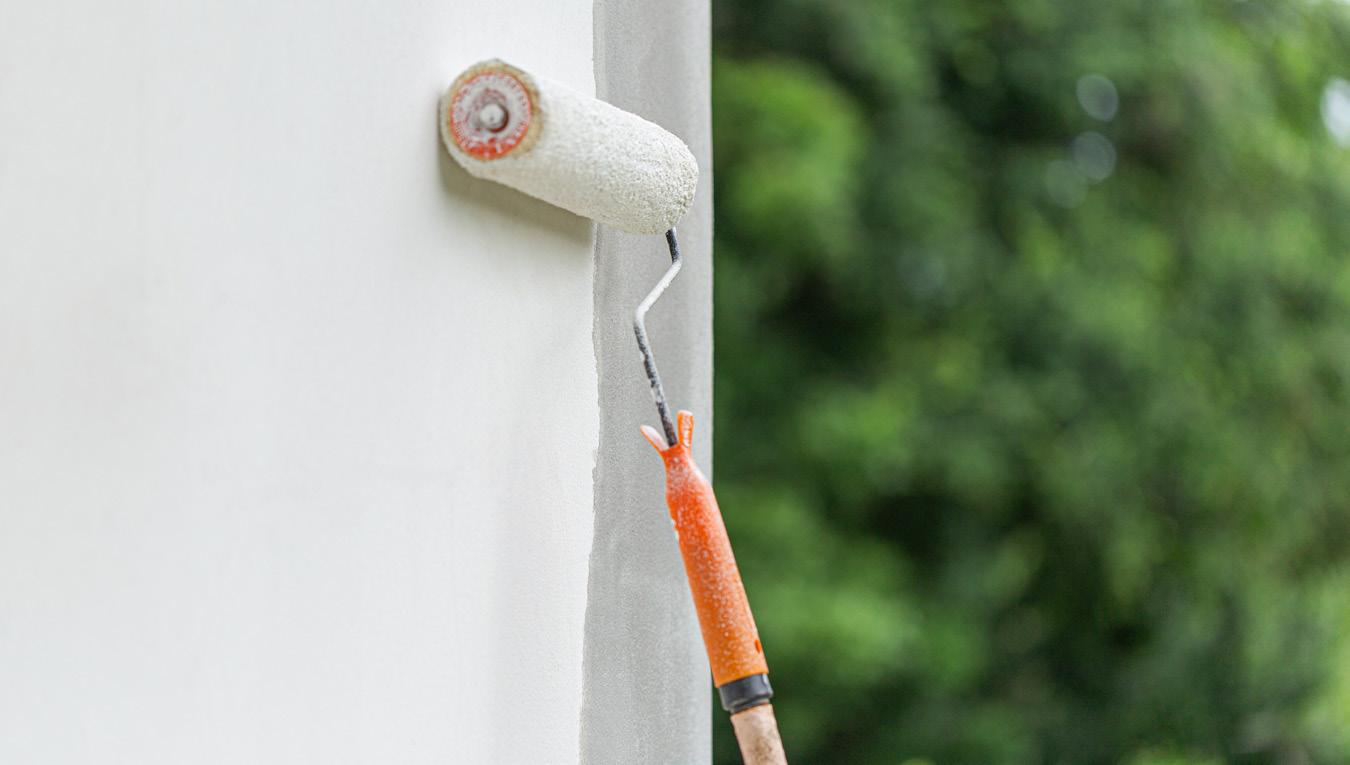
The Touch-up vs. Repaint Debate What is the Right Thing for Our Community?
BY BRIDGET NIGH, BEHR PAINT COMPANY
Whether you’re a community manager, board member or HOA committee member, few things are as satisfying as a freshly finished paint job. Now if only it could stay that way! Unfortunately, even the finest coatings succumb to wear and tear, as well as the inevitable nicks, scratches and other unsightly imperfections. In addition, sometimes flaws appear shortly after a repaint — suggesting that more than one type of paint and/or application method was used.
No matter how it occurs, damage affects an HOA’s appeal. Therefore, the question isn’t whether or not these defects can be corrected. Rather, it’s a matter of which option — a paint touch-up or a full repaint — provides the best solution.
TOUCH-UP
“Touch-up” describes the recoating of very small, localized areas of a newly painted surface in order to conceal minor repairs or to cover up minor surface defects — such as scuff marks — that can occur shortly after a painting job is complete. While touching up offers a quick way
to achieve an acceptable appearance, it is important that all parties understand that it is not a cure-all. Yet — if done right — touching up is a practical alternative to repainting the entire surface. Consider the following best practices:
• Plan ahead: Make a point of keeping extra paint to use for touch-ups and storing it in fully sealed containers. Then label each one with the date and color so you can easily find them next time.
• Use the best tools: First, utilize the same type of applicator previously used to paint the wall you’re touching up. This helps the touched-up area blend with the surrounding surface. If you used a roller, use a roller again (a small-sized roller offers better control). If you used a brush, use a brush again. This will help replicate the surface texture.