LIVING Community
TOPIC
CHAPTER EXECUTIVE DIRECTOR
Joe Napoli
CAI SOUTHEAST FLORIDA BOARD OF DIRECTORS!
Diana Zayas-Bazan, CAM, CMCA, EBP (President)
Sebastian Martinez, CAM, CMCA (President-Elect)
Jason Schoenholtz, CAM, CMCA, AMS, PCAM (Past President)
Roberto Blanch, Esq. (Treasurer)
Diana Kuka (Secretary)
Michael Poorman, MBA, PCAM (Past President)
Dr. Marcelo Martinez, CAM, CMCA, AMS, EBP (Director)
Jane Bolin, Esq. (Director)
Debbie Ellison (Director)
Fabiola Bens (Director)
Nicole Salcedo, CAM (Director)
CHAPTER COMMITTEES
Membership Committee
Homeowner Leader Committee
Community Manager Committee
Business Partner Committee
Education Committee
Events Committee
Young Professionals Committee
CORRESPONDENCE (CHAPTER & MAGAZINE)
(Sales, Marketing, Advertising, Creative, Subscriptions)
Joe Napoli
CAI-SE Florida Chapter 304 Indian Trace, Suite 538 Weston, Florida 33326
954-816-0661 | ced@cai-seflorida.org
CAI-SEFL Chapter Website: www.cai-seflorida.org
National Website: www.caionline.org
READER COMMENTS & ARTICLES WELCOME
Columns and ideas from all of our Chapter members are always welcome. Send submissions in Microsoft Word format to: ced@cai-seflorida.org. Articles appearing in Community Living reflect the author’s opinion and not necessarily that of CAI. Acceptance of advertising does not constitute an endorsement of the product or service.
Community Living is published quarterly by the Southeast Florida Chapter of the Community Associations Institute
This publication attempts to provide CAI’s membership with information on community association issues. Authors are responsible for developing the logic of their expressed opinions and for the authenticity of all presented facts in articles. CAI does not endorse or approve statements of fact or opinion made in these pages and assumes no responsibility for those statements. This publication is issued with the understanding that the publisher is not engaged in rendering legal, accounting or other professional services. If legal advice or other expert assistance is required, the services of a competent
Q1 | 2026 RECAP Contents
From the Chapter President
Chapter Events
CAI Education Opportunities
New Chapter Members
Involvement Across Generations Strengthens a Community
The Digital Renaissance: How AI is Redefining Management
Emotional Intelligence: Heartbeat of Community Leadership
Show Us What You’re Made Of
Understanding Reserve Fund Deficits and Funding Methods
The Longevity Equation: Why Your Roof is a Financial Asset
Fiduciary Responsibilities Demystified
The Rising Cost of Inaction: Industry Trends Elevating Planning
What is CAI?
GROWING!
Community Associations Institute (CAI) is a national organization dedicated to fostering vibrant, competent, harmonious community associations. For more than 50 years, CAI has been the leader in providing education and resources to the volunteer homeowners who govern community associations and the professionals who support them. Our members include community association volunteer leaders, professional managers, community management firms, and other professionals and companies that provide products and services to associations. Our local chapter serves over 650 members with annual events including Mini Expos, Golf Tournament, CAM & Board Member Education events and so much more.

Become a Member!
Community Associations Institute is committed to making diversity, equity, and inclusion a core aspect in our membership, on our staffs, and within the community association housing model at large. We firmly believe in the unique strengths of every individual and that diversity makes organizations more successful and communities more fulfilling. By actively cultivating diversity, we benefit from a vastly richer mix of ideas, perspectives, and life experiences that expand our thinking and our possibilities. We strive to foster a culture of discovery, innovation, and service as we continue to focus on our mission to build better communities.
At the Community Associations Institute Southeast Florida Chapter, diversity, equity, and inclusion stands for more than just a goal or quota. We strive to create an environment that reflects the various members we serve and where everyone feels empowered to bring their full, authentic selves. Together, we continue to build an inclusive culture that encourages, supports, and celebrates the diverse voices of our community.
Diamond Sponsors



Platinum Sponsors
Gold Sponsors











Management Company Sponsors

Become a Chapter Sponsor!

It’s the fast track to community association decision-makers! Every member of CAI Southeast Florida enjoys the opportunity of networking with community association decision makers. Becoming a Chapter Sponsor invests in your local Chapter and elevates your brand even more by being continuously recognized at Chapter events and through Chapter communications. Every sponsor receives a nice discount when they reserve for events, including expo booths and golf tournament entries. Learn which sponsorship works best for you. Scan the QR code or visit cai-seflorida.org/event/chapter-sponsors-2026.
FROM THE CHAPTER PRESIDENT
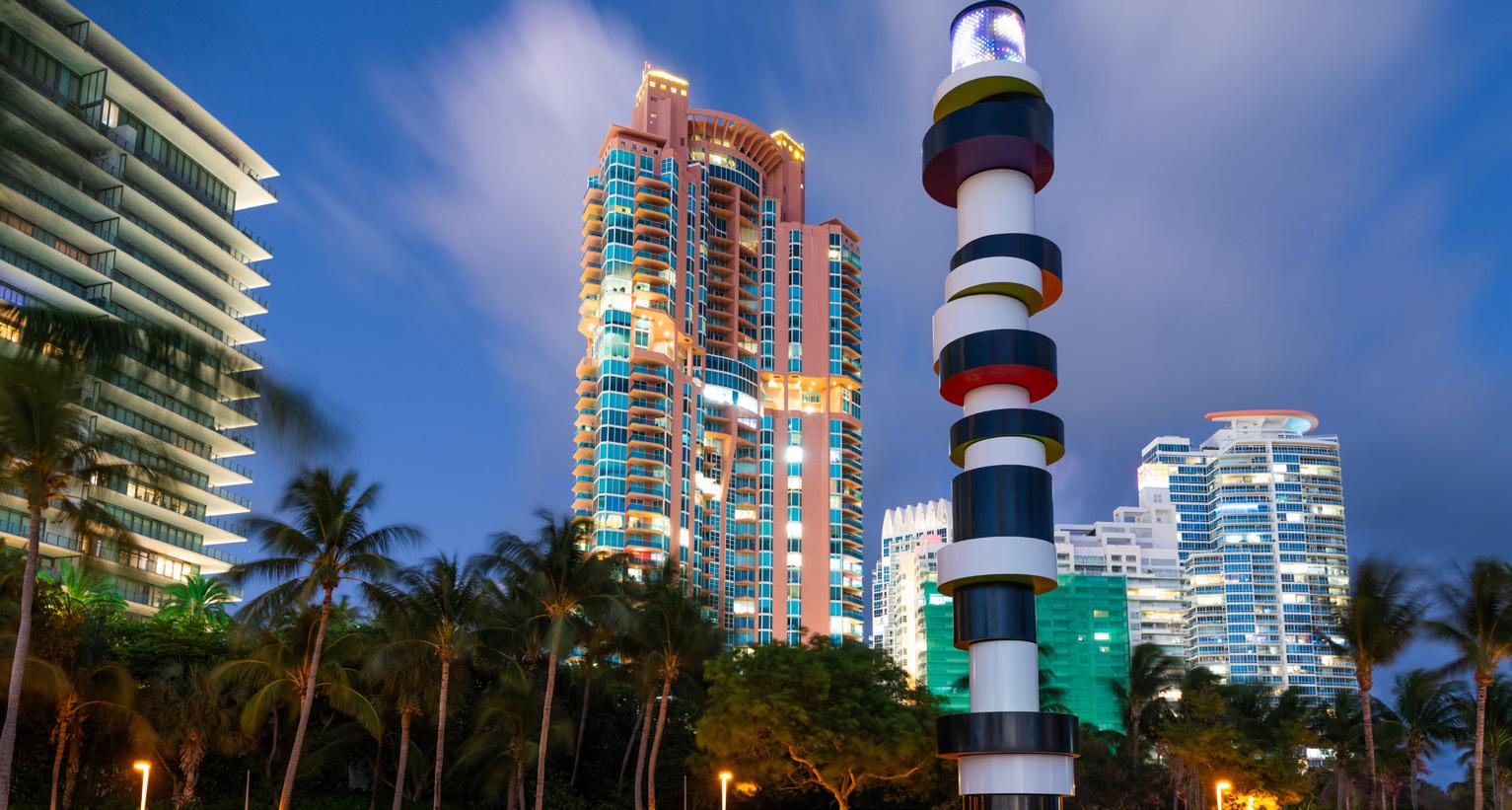
BY DIANA ZAYAS-BAZAN, CAM, CMCA, PRESIDENT, A CAM EDUCATIONAL SERVICES & ELECTION VOTING & 2026 CHAPTER PRESIDENT
It is an honor to serve as your Chapter President this year. Thank you for your continued support and commitment to the CAI Southeast Florida Chapter. As we move through 2026, I am energized by the opportunities ahead and confident in the direction of our Chapter, supported by a strong and dedicated leadership team. Our focus this year is centered on engagement, recognition, growth, and leadership development, ensuring that our Chapter continues to thrive and deliver value to our members.
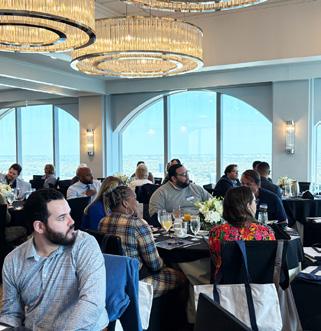
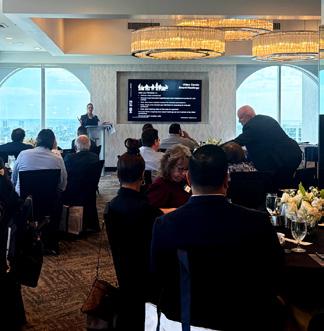
We began the year on a high note with a successful Golf Tournament at Trump National Doral in January, followed by a well-attended and informative Legal Update – Hot Topics Breakfast at the Tower Club in Fort Lauderdale in February. In March, we continued our commitment to education with a full Day of Education in the Keys at Baker’s Cay, bringing members together for valuable learning, networking, and collaboration. These events reflect our goal of providing meaningful programs that attract both members and non-members while strengthening the sense of community within our Chapter.
Our priorities for 2026 remain clear:
» Increase member participation through high-value education and networking opportunities.
» Strengthen awareness of CAI as the leading resource for education, advocacy, and professional guidance in the community association industry.
» Continue growing our Chapter through intentional outreach to new members and community associations.
» Support and mentor our volunteers, committee members, and committee chairs to build a strong leadership pipeline for the future.
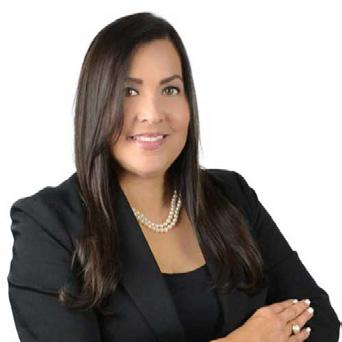
A significant highlight for our Chapter will take place in June 2026, when South Florida hosts the CAI National Conference at the Diplomat Beach Resort in Hollywood, Florida. This is an exciting opportunity to showcase the strength of our Chapter and the vibrant communities we represent across Broward, Miami-Dade, and Monroe Counties. Our Chapter will also host a special networking event at the Seminole Hard Rock Hotel on June 4, 2026, where members will have the opportunity to connect with industry leaders from across the country. I encourage everyone to mark their calendars and be part of this memorable occasion.
As we move forward, we continue to navigate new legislation, expand our outreach, and ensure our members have the tools, education, and support needed to succeed in an evolving industry. Please plan to attend our upcoming Legislative Update on May 12, 2026, in Fort Lauderdale, as staying informed is one of the best ways we can serve our communities.
I want to sincerely thank each of you for your dedication to our Chapter. Whether you have been part of CAI South East Florida after since our beginnings in 1988 or are newly involved, your participation makes a difference. By staying engaged, attending events, and supporting one another, we will continue to build a strong and growing CAI Southeast Florida Chapter.
It is truly a privilege to serve alongside such an outstanding team, and I look forward to working together to make 2026 a successful and impactful year.


Chapter News
BY JOE NAPOLI, CHAPTER EXECUTIVE DIRECTOR
Welcome to our 1st Quarter Edition of Community Living and what a great start to the year it has been. I want to begin by sincerely thanking all of you for your continued engagement, participation, and support of our Chapter. The energy and interest we’ve seen so far this year have been outstanding and are a big reason why our Chapter continues to grow and thrive.
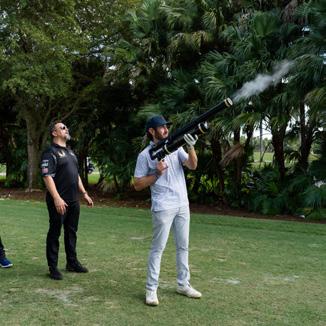
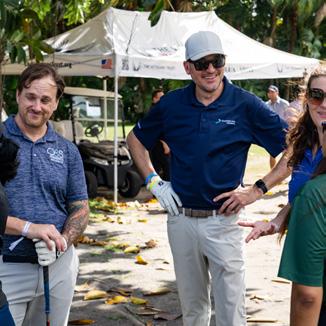
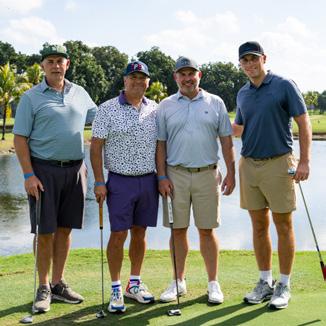
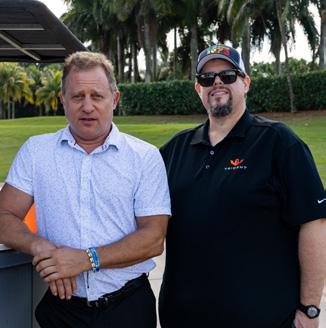
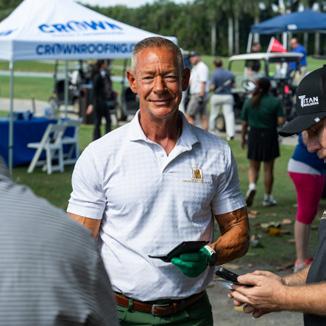
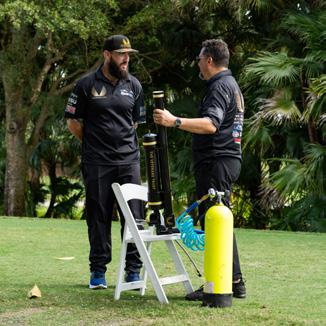
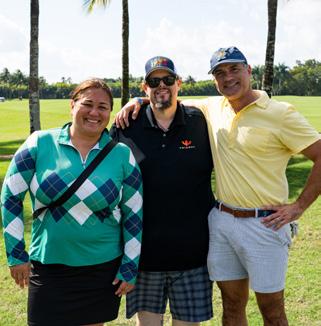
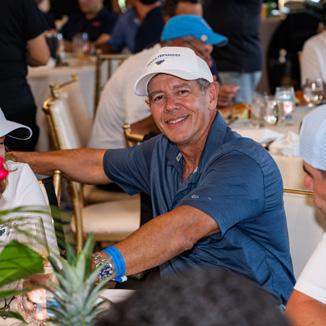
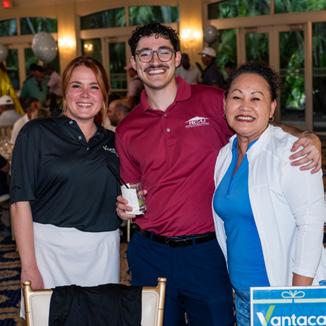
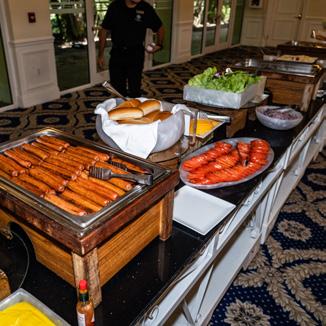
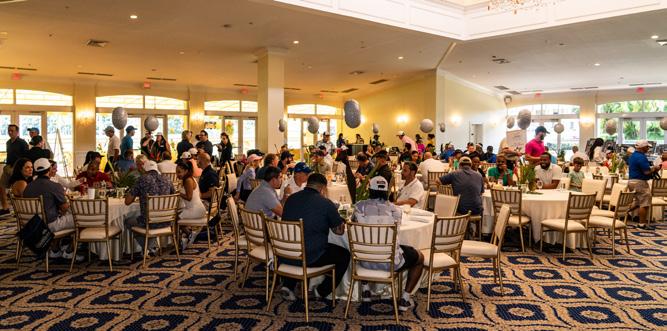
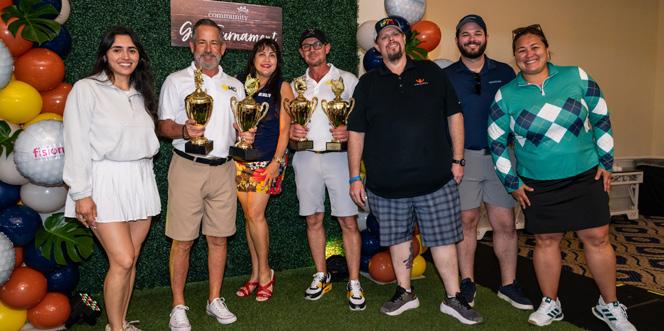
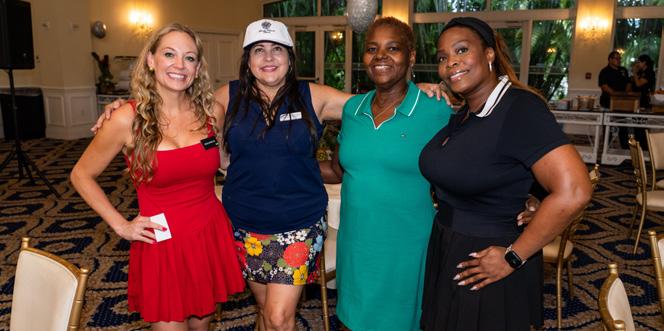
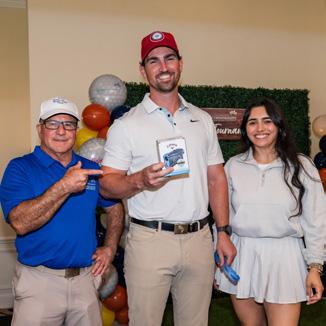
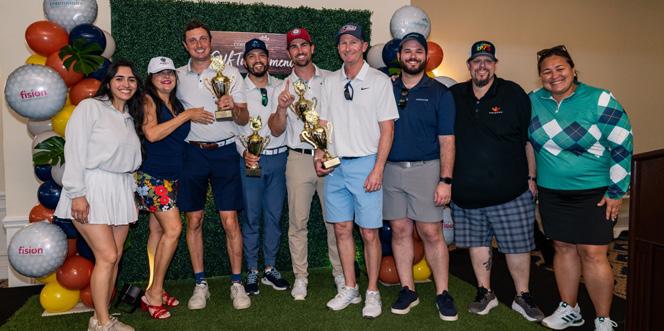
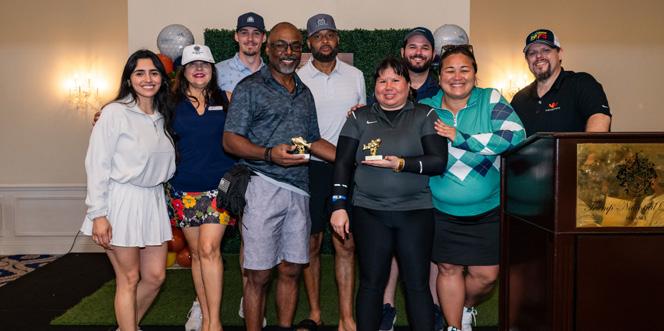
We kicked things off with our Annual Golf Tournament at Trump Doral, which once again proved to be one of our most anticipated and enjoyable events. Beyond the golf itself, what really stood out was the spirit of our Chapter, the laughter, and the overall sense of community. Our sponsors did an incredible job bringing the course to life with creative activities and engagement at each hole that added a whole new level of fun to the day. A special thank you to all of them for making the event so memorable. We simply could not put on events like this without your continued support.
Our commitment to providing meaningful education and professional development is also in full stride. Our Hot Topics Breakfast at the Tower Club in Fort Lauderdale brought together a highly engaged group for a thoughtful and relevant discussion, reinforcing the importance of staying informed in an ever-evolving environment. These focused programs continue to be a great way for members to stay informed while also connecting with one another.
We also returned to the Keys for our Keys Day of Education, and it did not disappoint. It was a productive and engaging day with informative presentations and, just as importantly, lively and thoughtful exchanges among attendees. It’s always great to see that level of interaction, where people are not just listening, but actively sharing
experiences and ideas. Thank you to our Education Committee and sponsors for helping make the day such a success.
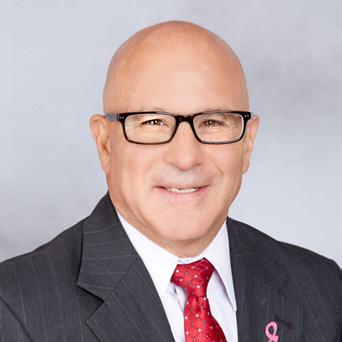
Looking ahead, we have a number of important programs designed to continue delivering value to our members. On April 23rd, we’ll be hosting a Hot Topics session on Hurricane Preparedness and Response at the InterContinental in Doral, an essential and timely topic for all of us. Then on May 12th, we’ll hold our Legislative Update featuring our Tallahassee lobbyist and local officials. This session is particularly important, as it will not only provide updates but also give you an opportunity to share input that helps shape CAI’s advocacy efforts.
We’re also very excited about the CAI National Conference, June 4–6 at the Diplomat in Hollywood, where we are proud to serve as the Host Chapter. In addition, our Chapter Party at the Hard Rock on June 4th is shaping up to be a special evening and a great opportunity to showcase our Chapter. It should be a fantastic evening as we throw back to Havana Nights in what will certainly be a highlight of the conference. Even if you happen to not be attending the conference you are welcome to join us. Make sure to get your tickets now before they are sold out.
As always, I encourage you to visit cai-seflorida.org to learn more about and register for our upcoming events as well as to take full advantage of the opportunities available to you. Thank you again for everything you do to make this Chapter what it is. Your involvement is what makes us strong, and I look forward to seeing you at our upcoming events.
Jason Blair, Aastro
CHAPTER EVENTS
Calendar of Events
More details regarding upcoming events will be posted to cai-seflorida.org under the “Events” tab. Check back regularly for the most up-to-date information. Please be sure to register for all events in advance, as we need an accurate head count for space and food purposes prior to the event. All event details are subject to change.
APRIL 2026
• April 21: Board of Directors Meeting. The CAI-SEFL Chapter Board of Directors meetings take place via Zoom on the third Tuesday of every month from 8:30 – 10:00 a.m. All chapter members are invited.
• April 23: Hot Topics Breakfast Education Event at the Intercontinental in Doral. The morning will include networking and an engaging panel of experts discussing Hurricane Preparedness for CEU credit. Enjoy a delicious breakfast, sharpen your expertise, and stay ahead of the curve. Seats are limited—register now! All attendees must register. Homeowner Leader members and CAM members are complimentary; Business Partners are $50; and Non-Member Homeowner Leaders and CAMs are $25. For Business Partners, don’t miss out on this Hot Topics Sponsorship Opportunity for $750: Showcase your brand at the event, boost visibility with your company logo featured across our chapter’s social media platforms and event marketing materials, brief live introduction to all attendees, and complimentary breakfast provided for two company representatives.
MAY 2026
• May 12: Florida Legislative Update & Lunch at Parish Hall from 11:00 am - 2:00 pm. Stay informed and ahead of the curve. Join the CAI Tallahassee Lobbyist along with members of the Chapter Florida Legislative Alliance as they provide an indepth recap of the 2026 Legislative Session. This is a valuable opportunity to gain insight into the latest laws, policy changes, and how they may impact your community and operations. Enjoy a productive afternoon of learning, networking, and discussion with industry professionals and peers. Tickets: HOL Members & CAM Members – Complimentary; Business Partners – $50; Non-Member Homeowner Leaders & CAMs –$25; Sponsorship Opportunity – $750.
• May 19: Board of Directors Meeting
• May 30: Young Professionals Summer Picnic
JUNE 2026
• June 3-5: CAI National Conference in Ft. Lauderdale
• June 4: Chapter Party: Havana Nights for CAI National Conference at the Hard Rock Hotel & Casino at 6:30 pm
• June 16: Board of Directors Meeting
JULY 2026
• July 14: Monthly Educational Webinar
• July 21: Board of Directors Meeting
AUGUST 2026
• August 11: Monthly Educational Webinar
• August 18: Board of Directors Meeting
SEPTEMBER 2026
• September 8: Monthly Educational Webinar
• September 15: Board of Directors/Annual General Meeting
• September 24: Hot Topics/Education Event in Broward
OCTOBER 2026
• October 8: HOL/CAM Workshop & Expo
• October 13: Monthly Educational Webinar
• October 20: Board of Directors Strategic Planning Meeting
• October 22: Hot Topics/Education Event in Broward
• October 29: Halloween Party
NOVEMBER 2026
• November 5: Homeowner Leader Roundtable Event
• November 10: Monthly Educational Webinar
• November 17: Annual Election of Directors & BOD Meeting
• November 20: Annual Gala & Awards Dinner
DECEMBER 2026
• December 8: Monthly Educational Webinar
• December 15: Board of Directors Meeting & New Board Member Transition Prep
Chapter Website Account
To register for Chapter events, you will need to create an account on the website if you don’t already have one. A REGISTRATION PASSCODE IS REQUIRED. Visit cai-seflorida.org/my-account to set up your account and enter SoutheastFloridaCAI under Registration Passcode. Contact the Executive Director at ced@cai-seflorida.org or 954-816-0661 with questions.
CAI NATIONAL Education Opportunities
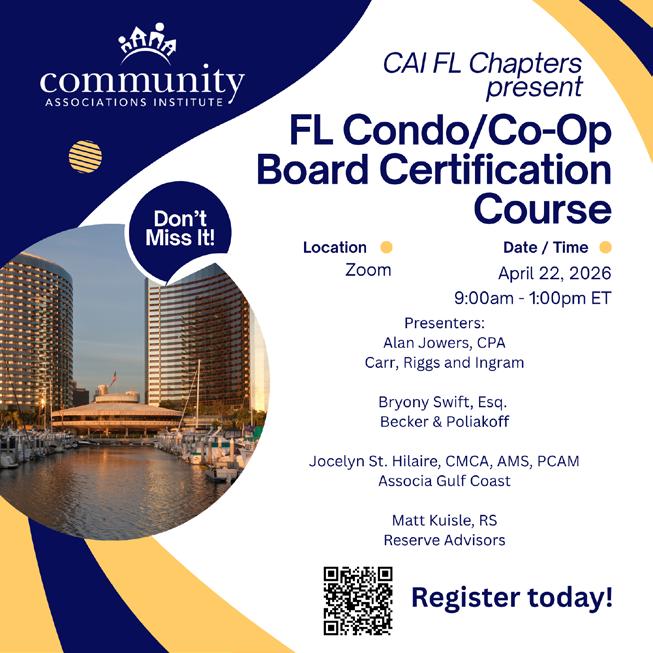
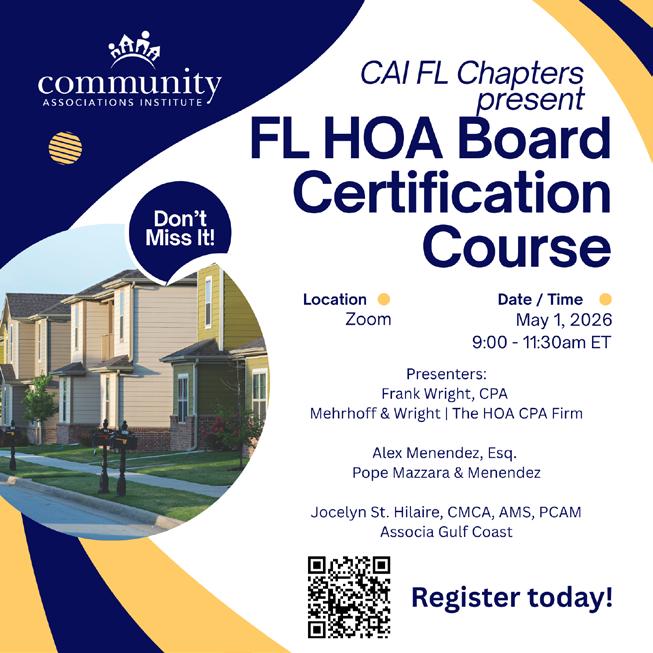
CAI offers many online learning opportunities (click on the dates below to register or obtain more information) that lead to professional credentials. View the Education Catalog for additional resources.
» April 9-10: M-203: Community Leadership (Virtual Course)
» April 16-17: M-100: The Essentials of Community Association Management (Live Virtual Course)
» April 30 - May 1: M-370: Managing and Developing Communities (Live Virtual Course)
» May 7-8: M-201: Facilities Management (Live Virtual Course)
» May 14-15: M-350: Manager and the Law (Live Virtual Course)
» May 21-22: M-100: The Essentials of Community Association Management (Live Virtual Course)
» June 25-26: M-202: Association Communications (Live Virtual Course)
» July 16-17: M-204: Community Governance (Live Virtual Course)
» July 23-24: M-100: The Essentials of Community Association Management (Live Virtual Course)
» July 30-31: M-205: Risk Management (Live Virtual Course)
» August 6-7: M-203: Community Leadership (Live Virtual Course)
» August 13-14: M-100: The Essentials of Community Association Management (Live Virtual Course)
» August 20-21: M-201: Facilities Management (Live Virtual Course)
» August 27-28: M-202: Association Communications (Live Virtual Course)
» October 22-23: M-206: Financial Management (Virtual Course)
» November 5-6: M-100: The Essentials of Community Association Management (Live Virtual Course)
» November 12-13: M-205: Risk Management (Live Virtual Course)
» November 19-20: M-204: Community Governance (Virtual Course)
» December 3-4: M-203: Community Leadership (Live Virtual Course)
» December 10-11: M-320: High-Rise Maintenance & Management (Live Virtual Course)
Stay on Top of Your Game with Professional Credentials
CAI education and credentials help you lead better and achieve your desired business results. Click here to learn more.
General Registration Information
Courses are open to all. Register online four weeks in advance for live classroom courses and receive a $25 discount. Seating is limited. Early registration is strongly recommended. Click here to learn more.
Business Partner Essentials
This is an online course designed to help CAI-member product and service providers better understand CAI, community associations and the industry at large. Individuals who pass the course and maintain CAI membership earn the CAI Educated Business Partner member distinction. By taking this course, you will distinguish yourself as an Educated Business Partner and can share your accomplishment with your current and potential clients. Click here to learn more.





NEW CHAPTER MEMBERS
Welcome to South
New and Returning CAI-SEFL Chapter Members from January 1, 2026 to March 31, 2026
BUSINESS PARTNERS MEMBERS
Age of Empire, Inc.
Marcel Alonso
Allana Buick & Bers, Inc.
Michael Smith
Building Engineering Consultants, Inc
Kat Leiva
Cayco Landscaping
Daniel Gonzalez
Conserva Irrigation of Fort Lauderdale
Fernando Moreno
Criterium-Cromer Engineers
Casey Cromer
Douglas Orr Plumbing Inc
Eddy Villamil
Evans Roofing
Andrew Trudeau
Highland Wireless Services LLC
John Damian
Horizon Hospitality Associates, Inc.
Scott Samuels
Landscape Workshop
Luis Alva
Logica Construction LLC
Jose Gomez Flores
National Water Main Cleaning Company
Matthew Callahan
Platview
Cody Shoffit
Roma Contracting
Joao Paulo Sa Pereira
BUSINESS PARTNERS MEMBERS CONTINUED
Rose Paving, LLC
Billy Berrios
Skalet Services, Inc.
Jared Hartley
Yellowstone Landscape
Keith W. BoSheers
MANAGEMENT COMPANY MEMBER
KB2 Management of Florida INC
Kristin Bakkedahl
MANAGER MEMBERS
Jefersson D. Garcia
Association Services of Florida
James N. Mazzeo
Association Services of Florida
Samantha B. Veatch
Association Services of Florida
Yamine Perera
Bella Mare Condo Association
Vincent A. Langone
Deco Management
Jason Taic
RealManage
Stella M. Chennault
Nicole Sylvia Davis, CMCA, AMS
Nancy J Perfumo
VOLUNTEER LEADER MEMBERS
Cypress Bend Protective Corporation
Frank Cavallino
Joanne Daniels
Giovanni Tapari
Fairways Royale Association Inc.
Olga Calafatis
Evelyn Dorch
Thomas Marino
Miriam Roman
Gary Schwartz
Shari Shields
Shore Drive Apartments Inc.
Diane Driscoll
Lisa Giammarino
Dave Rotell
Elias Zenkich
Sunrise Lakes Phase One
Ray Audet
Marta Gomez
Santiago J McAllister
Jose Rafael Rodriguez
Juan Santos
Felice Scaletta
Donald Siedler
Mari Simbaco
Rod Temistocle
Marvis Ward
Chester Wilson

CAI NATIONAL
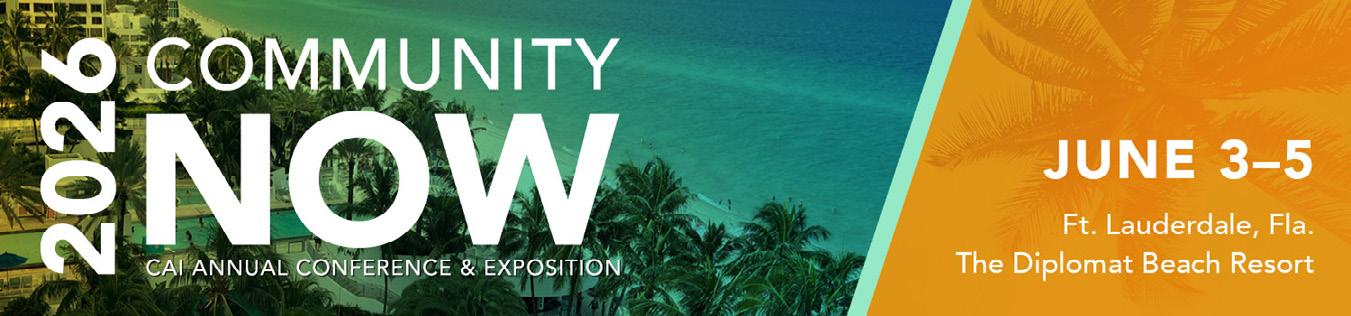
2026 Annual Conference & Exposition
Join fellow community association managers, board members, and business partners for the premier event of the year—
CAI’s 2026 Annual Conference & Exposition: Community NOW. Reconnect with colleagues, forge new partnerships, and gain fresh perspectives through dynamic education sessions, high-impact networking events, and a vibrant expo hall featuring the latest innovations, services, and technologies transforming community associations.
WHO SHOULD ATTEND
Through shared perspectives, experience and knowledge, a strong peer network is one of the best resources for creating community legacies. Shape your future success and strengthen your personal and professional connections by meeting colleagues from around the world and building on their collective wisdom.
The Annual Conference features plenty of opportunities to develop connections and expand your network with small-group interactions and large social events. Receptions, meetings, exchanges and ShopTalks offer a variety of venues for advancing ideas and cultivating the professional contacts that can be as critical to success as education and experience.
KEYNOTE SPEAKER: LAILA ALI
Laila Ali is a world-class athlete, fitness and wellness advocate, TV host, home chef, founder of the Laila Ali Lifestyle Brand, and mother. As a five-time undefeated boxing world champion, her stellar record includes 24 wins (21 of which were “knockouts”) and zero losses. Taking after her father, the late beloved global icon and humanitarian, Muhammad Ali, Laila is recognized as one of the most successful and prominent women in the history of professional boxing.
Beyond the ring, Laila Ali has been a trailblazer for women’s rights in sports and continues to encourage young women to be confident, healthy, and strong through the power of sport. She is past President of the Women’s Sports Foundation and was a major voice for the 40th
anniversary of Title IX which protects women’s rights to be included and treated equally in collegiate sports. She was the first woman in history to provide expert commentary for NBC Sports when women’s boxing was included in the Olympics and was a regular panelist and contributor for CBS Sports Network’s all-female sports commentary program, “We Need to Talk,” the first of its kind in the history of sports broadcasting.
Laila applies a champion mindset to everything she does. Join us to hear Laila’s practical insights on how to replenish health, purpose, and mindset to become the best version of ourselves. Muhammad Ali once said, “Service to others is the rent you pay for your room here on earth.” Laila understands that we need to be our best selves in order to be successful in having a positive impact on the communities we live in or manage.
REGISTER TODAY & SAVE!
EARLY-BIRD DEADLINE IS APRIL 2, 2026
Click here to register. Full conference registration includes:
• All education sessions
• All general sessions
• Wednesday welcome reception (one ticket)
• Thursday expo & lunch (one ticket)
• Friday expo & lunch (one ticket)
• Friday dinner (one ticket)
• All session recordings on demand after
Members: $799 early; $899 standard. Nonmembers: $889 early; $999 standard
3rd & Additional People from the Same Company (Discount applies only when registrations are submitted together; members only): $749 early; 849 standard.
Homeowner Members: $684 early; $784 standard Post-Conference Webinar Package: $749 for Members; $849 for Nonmembers. Access to recordings, materials, and CE credits.
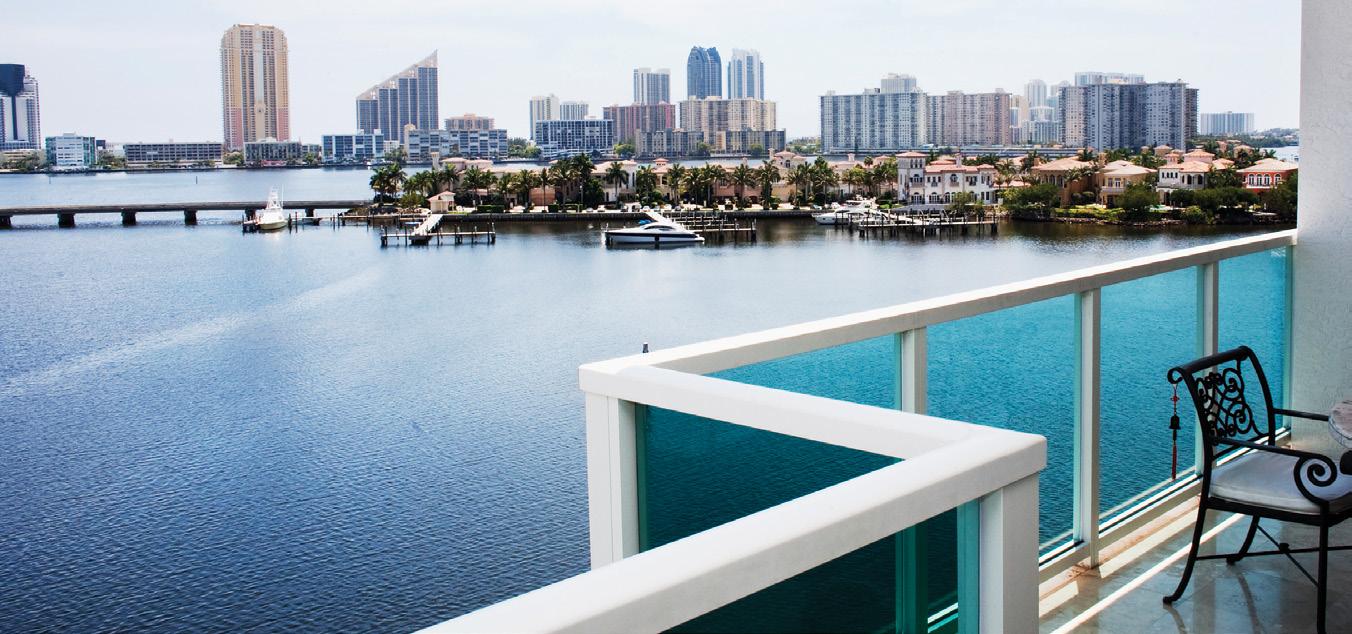
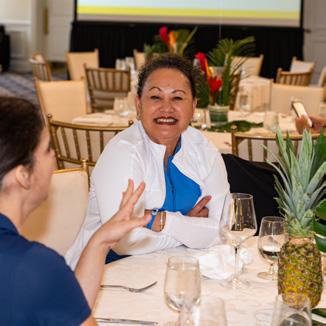
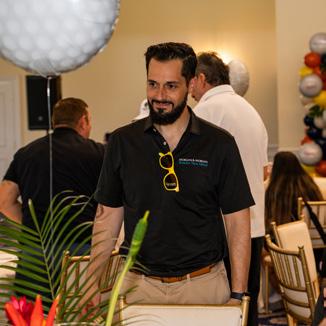
GOLF TOURNAMENT - 1/26/26
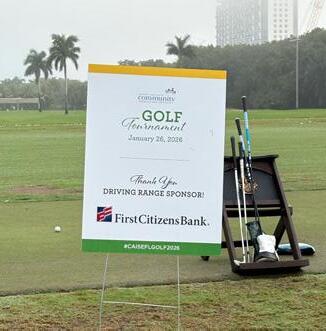
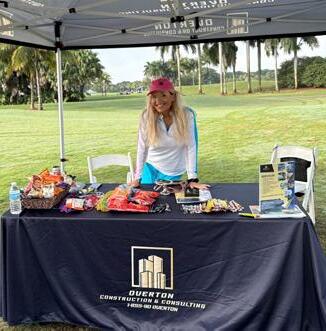
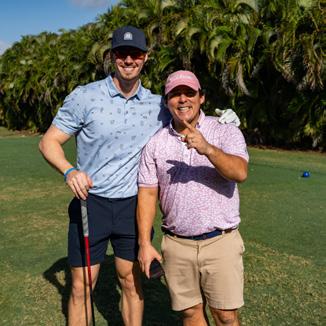

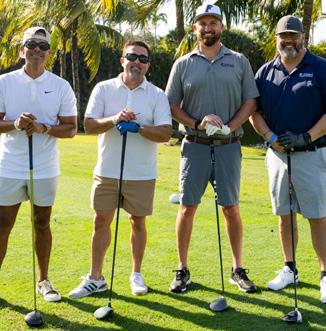

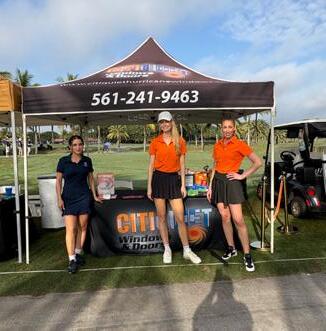

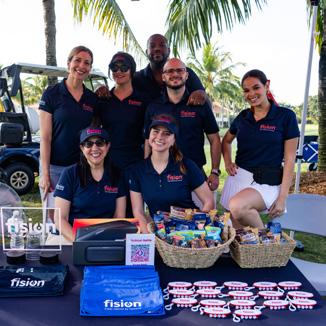
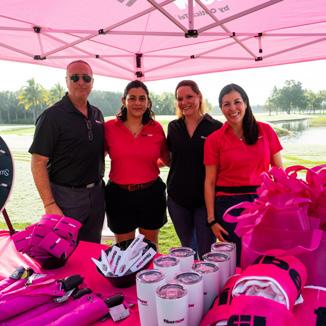
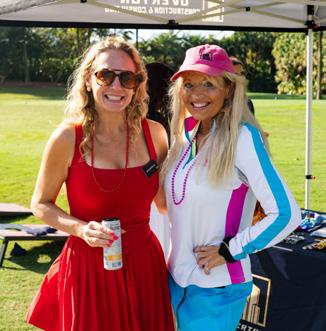
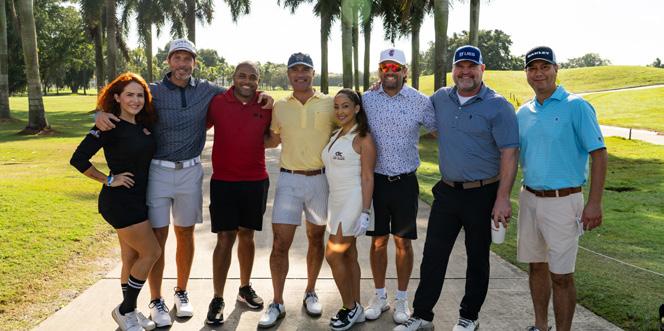

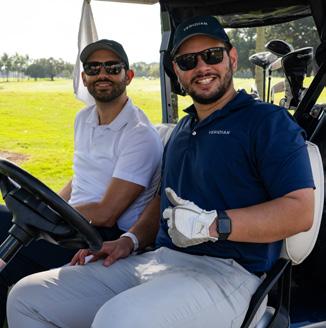
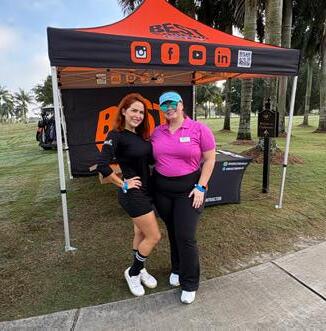
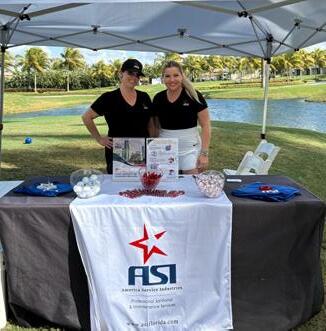
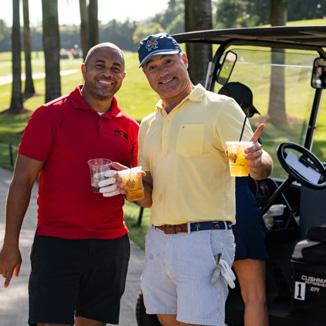
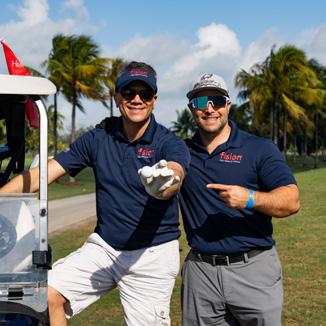






GOLF TOURNAMENT - 1/26/26
















Why Involvement Across Generations Strengthens a Community
BY YANSEY VALDES, CAM, RESIDE
Astrong community association depends on engaged owners willing to participate in their property’s future. Board service is not about age. It is about leadership, responsibility, and bringing a variety of perspectives to decisions that affect everyone in the community.
Across the country, homeowners are getting older. The median age of U.S. homeowners rose from just over 54 in 2010 to about 57.5 in 2024, and the median age of home buyers reached 59 in the National Association of Realtors’ 2025 profile. While there does not appear to be a widely cited national study identifying the exact median age of community association board members, these broader ownership trends suggest that many association boards may naturally reflect an older homeowner base.
That should not be viewed negatively. Many long-serving board members offer tremendous value through their experience, consistency, and institutional knowledge. Communities benefit from that service. Equally important, younger owners must become involved so that boards reflect a broader cross section of the community they represent.
Younger owners often bring perspectives shaped by current technology, evolving communication preferences, changing lifestyle needs, and long term concerns about marketability and property value. These viewpoints can be especially useful when boards make decisions about capital improvements, digital access to information, amenities, communication methods, and planning for the future. Broader research on board diversity shows that a wider range of backgrounds and perspectives can strengthen oversight and improve decision making.
Encouraging younger owners to volunteer is not about replacing or diminishing the contributions of older board members. It is about building continuity and encouraging shared responsibility. Every
generation has something meaningful to contribute. Communities are strongest when experienced voices and emerging voices work together with mutual respect.
A board that includes owners from different stages of life is often better equipped to balance present needs with long term priorities. It can also help ensure that decisions are made with a fuller understanding of how they affect the entire ownership base, not just one segment of it.
Community association governance works best when owners do not remain on the sidelines. Younger owners who care about the future of their building or neighborhood should consider attending meetings, serving on committees, and eventually running for the board. Their involvement helps strengthen leadership, support succession planning, and bring valuable energy and perspective to the table.
The goal is not age based leadership. The goal is inclusive leadership. When a board reflects a range of experiences, ideas, and generations, the entire community benefits.

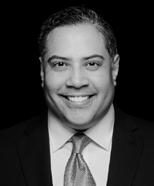
Yansey Valdes is the Chief Executive Officer of RESIDE, The Standard In Elevated Living. With a strong commitment to excellence, he leads the company with a vision centered on exceptional service, thoughtful leadership and a sophisticated approach to community management. Under his direction, RESIDE distinguishes itself by delivering refined living experiences and setting a higher benchmark for the communities it serves. For more information, visit www.residefl.com.


The Digital Renaissance: How AI is Redefining Community Management
BY ASHLEY DIETZ, VP MARKETING, CAMPBELL PROPERTY MANAGEMENT
For decades, the bedrock of Community Association Management (CAM) has been built on three pillars: communication, maintenance, and financial stewardship. Traditionally, these pillars were held up by manual processes, such as stacks of paper invoices, endless strings of emails, and the constant, rhythmic ring of the office telephone. But as we look toward the future, the landscape of Florida living is shifting.
While some may view the rise of AI with skepticism, there is a significant opportunity to “level up” service. Far from replacing the human touch, AI is the catalyst that allows us to be more responsive, and more efficient than ever before.
THE POWER OF THE “FIRST DRAFT”
One of the most significant hurdles in community management is the sheer volume of written communication. On any given day, a manager may need to draft a violation notice, a community-wide newsletter, a new parking policy, and a formal Request for Proposal (RFP).
By utilizing AI tools as a drafting partner, managers can overcome “blank page syndrome.” Instead of spending an hour crafting the
perfect tone for a sensitive community letter, a manager can input the key facts into an AI tool and receive a professional draft in seconds. This allows the manager to move into the role of editor-in-chief rather than just a writer. It ensures that communications are clear, professional, and consistent, leaving more time for the face-to-face interactions that truly build community.
TURNING DATA INTO DECISIONS
Tools like ChatGPT can be used to generate a comprehensive table comparison of two extensive vendor proposals for potential community projects. By uploading the documents, AI can identify the differences in scope, warranty terms, and pricing structures.
This doesn’t just save time; it provides the board with a level of clarity that makes decision-making faster and more confident.
Whether it’s summarizing a technical engineering report or identifying the key changes in a new legislative bill, AI acts as a “tech-help” bridge that simplifies the complex.
Continued on page 24
Castle Group is the premier choice for property management We specialize in serving the finest residential communities. We do not manage an exceptional number of communities, just a number of exceptional ones
Who We Serve
Large-Scale Communities
High-Rise & Condominium Communities
Self-Managed Communities
Communities in Development
To learn more about how Castle Group can serve your community, visit www castlegroup com or call (954) 792-6000

MANAGEMENT TOOLS

By automating some of these “heavy lifting” administrative tasks, managers are freed from their desks more often. Allowing them to spend more time on-site, walking the property, and engaging with the board and residents.
ESTABLISHING THE GUARDRAILS:
DO s & DON’Ts
As we embrace these tools, it should be done with a “safety first” mindset. AI is a tool, not a crystal ball, and it requires human oversight to be effective. To ensure you are using this technology responsibly, we have established a few suggestions that everyone should follow:
The “Dos”:
» Drafting & Reviewing: Encourage the use of AI for emails, policy drafts, and RFPs. It is an excellent tool for “tonal checks”—ensuring a letter sounds firm yet neighborly.
» Summarization: AI excels at distilling long documents or tech manuals into summaries for quick internal briefings.
» Governing Document Research: You can use AI to help navigate lengthy bylaws or CC&Rs to find specific clauses. However, we suggest you do this with extreme caution, always double-checking the AI’s findings against the physical document.
» Technical Assistance: From Excel formulas to troubleshooting software issues, AI serves as an on-demand IT desk.
The “Don’ts”:
» No Legal Advice: AI is not an attorney. Never use AI to interpret law or provide legal opinions to your boards.
» Data Privacy: Never share information of proprietary contracts, confidential resident financial data, or sensitive personal information in public AI models (Chat GPT, Gemini, Copilot, Grok, etc.)
» Blind Trust: Never send an AI-generated document without your thorough human review. AI can state incorrect facts; the manager’s expertise remains the final filter.
THE HUMAN ELEMENT IN AN AI WORLD
It is important to address the elephant in the room: Will AI replace the Community Association Manager? The answer is a resounding no. Management is, at its heart, a relationship business. AI cannot navigate the nuances of a heated board debate, it cannot offer empathy to a resident experiencing a personal crisis, and it cannot replace the strategic vision of a dedicated board of directors.
Instead, AI serves as a “Force Multiplier.” It takes the routine, the repetitive, and the mundane off the manager’s plate. When we embrace these tools, we aren’t just becoming more “tech-savvy,” we are reclaiming our time to focus on the things that matter most: building vibrant, harmonious, and financially sound communities.
LOOKING AHEAD: THE FLORIDA ADVANTAGE
Florida is a unique state. Florida associations face specific challenges, from hurricane preparedness to complex statutory requirements. Embracing AI gives Florida managers the edge they need to navigate these complexities with precision.
The use of AI is not as a luxury, but a responsibility. By using this tool, you are leveling up your commitment to every homeowner you serve. The future of community management isn’t just coming; it’s already here, and it looks brighter and more efficient than ever.
Ashley Dietz has been handling the marketing at Campbell Property Management since 2013. She is a native Floridian who shines at building relationships and getting things done with a positive attitude. Ashley graduated Summa Cum Laude from Florida Atlantic University with her bachelor’s in communications in 2010. Prior to joining Campbell, Ashley handled marketing for a large credit union based in South Florida. She has always believed “knowledge is power” and has made it Campbell’s mission to offer free education in the form of inperson events and webinars as well as through their blog, Florida Association News (FAN), to Board Members and Property Managers of condos and HOAs throughout Florida. She has worked hard to spread the word about FAN, which currently has over 48,000 subscribers. For more information, call 954-427-8770, email contact@campbellproperty.com or visit www. campbellpropertymanagement.com.
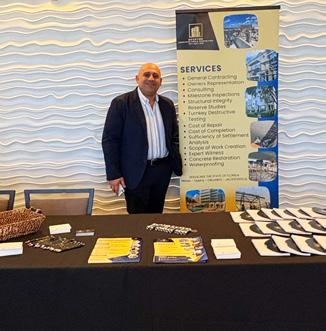
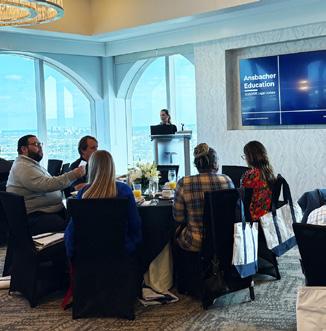
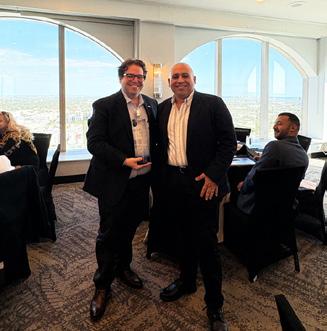
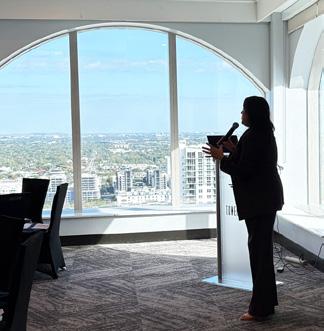
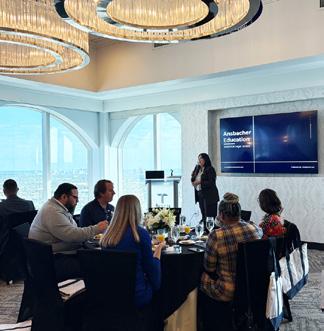
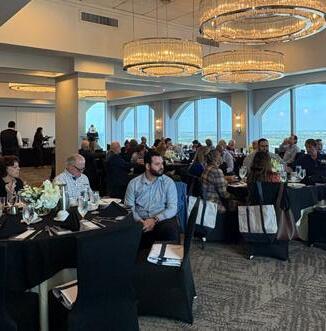
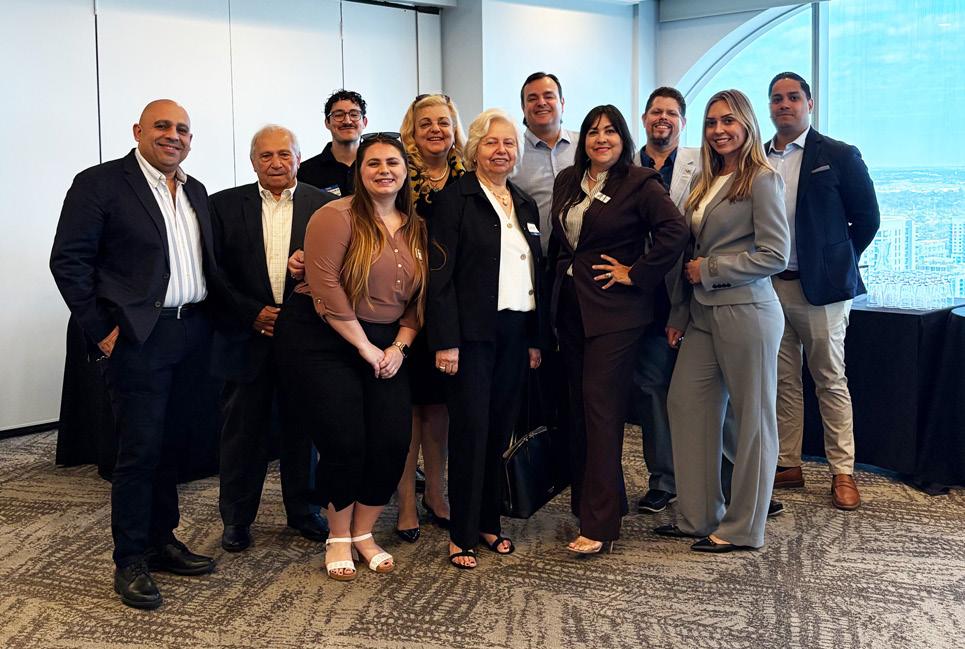
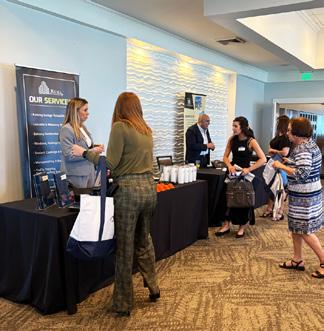
HOT TOPICS BREAKFAST
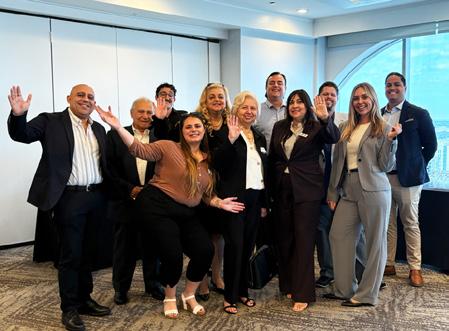
- 2/26/26


Emotional Intelligence: The Heartbeat of Community Leadership
BY MARCY KRAVIT, CMCA, AMS, PCAM, CFCAM, CSM, VICE PRESIDENT, HOA REGIONAL ACCOUNT EXECUTIVE, SMARTSTREET, POWERED BY BANC OF CALIFORNIA
“When you have empathy, you are a leader.” — Satya Nadella
Leadership in community associations is often misunderstood. Too many equate it with titles, procedures, or the ability to control a meeting. In reality, true leadership is defined by the capacity to connect. At the center of that capacity lies emotional intelligence (EQ): the inner skill set that helps leaders notice their own emotions, attune to the feelings of others, and respond with balance rather than impulse.
Where clarity ensures information flows and composure sustains conflict resolution, emotional intelligence powers both. It transforms authority into trust and governance into community.
THE COST OF A MISSED CONNECTION
Picture this: a resident, visibly unsettled, finally musters the courage to speak during a board meeting. Their concern has weighed on them
for weeks. Perhaps it’s about a landscaping project or feeling excluded from decisions. Speaking up in front of peers and authority figures is never easy. Yet before they can finish, the board president interrupts: “We’ve heard this before. Let’s move on.”
The room stiffens. The resident’s courage collapses into embarrassment. Other residents exchange glances, wondering if it’s even worth speaking up themselves. The manager senses the shift: a simple dismissal has altered the emotional climate of the entire meeting. Trust, fragile and hard-earned, begins to fracture.
This scene is not unique. Versions of it play out in communities every day. Leaders who underestimate the emotional weight of interactions often discover that the consequences are far more damaging than a single awkward exchange. The ripple effects of missed connection include:
Continued on page 29
» Decisions lose depth. When emotions are brushed aside, leaders respond only to surface issues. Frustration festers beneath the surface, resurfacing later as bigger conflicts.
» Individuals feel invisible. Residents who gather the courage to speak but feel dismissed conclude their voice does not matter. Once silenced, they disengage entirely.
» Trust erodes into resentment. What could have been an opportunity for collaboration becomes another reason for withdrawal.
The long-term cost is steep. Gallup’s State of the American Workplace found that organizations with low engagement often tied directly to leaders’ inability to listen and respond empathetically experience up to 20% lower productivity and 37% higher absenteeism. Within community governance, those numbers translate into apathetic residents, dwindling volunteers, and combative meetings where progress stalls.
THE EQ TRIFECTA
Emotional intelligence is not a single trait but a set of interlocking capacities that guide leaders in real time. Three stand out as essential:
Self-Awareness: Recognize your own tone, triggers, and habitual responses. Leaders who pause before reacting prevent unnecessary escalation.
Empathy: Listen actively and strive to understand others. This is not about agreement but about connection.
Adaptability: Stay flexible and adjust your approach based on the needs of those around you.
Daniel Goleman’s groundbreaking research highlighted these three as the strongest predictors of leadership effectiveness.
Later studies confirmed that organizations led by emotionally intelligent leaders consistently outperform those that rely on technical expertise alone.
In community governance, this trifecta is not theoretical. It is the difference between meetings that alienate and meetings that inspire.
CASE STUDIES IN ACTION
1. Turning Conflict Into Collaboration
A condominium board divided over a costly roof replacement project faced tense meetings. Instead of pushing through a vote, the president paused and invited each resident to share concerns. The session took longer, but residents left feeling heard.
LEADERSHIP
Why it worked: Empathy addressed both practical and emotional layers. Inclusive dialogue built trust.
2. Rebuilding Trust Through Transparency
In a large HOA, residents felt alienated by “closed door” decisionmaking. A new chair introduced monthly listening sessions with no agenda, followed by email summaries.
Why it worked: Adaptability shifted the board from rigid to residentcentered dialogue. Trust was rebuilt through openness.
3. From Efficiency to Engagement
A board president prided themselves on “getting things done quickly.” Meetings were efficient but cold. After feedback, they began starting each meeting with a two-minute community check-in.
Why it worked: Self-awareness and vulnerability humanized leadership. Participation increased, tensions decreased—not because the agenda changed, but because the tone did.
PRACTICAL STRATEGIES FOR BOARDS
Emotional intelligence grows stronger when leaders turn ideas into habits. Here are ten strategies boards can apply immediately:
1. Start with a Check-In – Begin meetings with personal highlights or concerns.
2. Employ the Pause Principle – Train yourself to pause before responding.
3. Normalize Feedback – Create trusted channels for anonymous and open input.

LEADERSHIP

4. Conduct a Tone Audit – Review communications for respect and clarity.
5. Practice Empathy Mapping – Ask: What might this person be feeling, fearing, or needing?
6. Use Reflective Language – Mirror back what you hear to validate emotions.
7. Rotate Facilitation Roles – Share leadership to empower diverse voices.
8. Model Emotional Regulation – Stay composed under stress; emotions are contagious.
9. Celebrate Emotional Wins – Recognize moments of connection, not just project completions.
10. Keep Practicing Small Gestures – Simple acts like thank-you notes build trust deposits.
These strategies weave empathy, self-awareness, and adaptability into the culture of governance, making meetings calmer, decisions wiser, and communities more connected.
TOOLS FOR REFLECTION
Boards can make emotional intelligence visible, measurable, and repeatable through simple tools:
» EQ Reality Check: Rate your board on listening, regulation, empathy, feedback, and respect.
» Meeting Tone Checklist: Evaluate whether meetings were respectful, inclusive, calm, collaborative, and transparent.
» Thought Starters: Spark reflection with prompts like, “What does empathy look like in a heated discussion?”
» Personal EQ Action Plan: Each member commits to one strength, one trigger to manage, and one new practice.
» Pause and Reframe Exercise: Reflect on how a reframed response could have shifted a disagreement.
CLOSING INSIGHT
Emotional intelligence is the quiet force that shapes how leaders show up when it matters most. It is not an accessory to governance-it is its heartbeat.
I recall working with a board president during a heated budget debate. Rather than rushing to secure a vote, they paused, acknowledged the tension in the room, and invited each member to share concerns and hopes. The atmosphere shifted. Stress gave way to understanding, and disagreement turned into creativity. What could have been another fractured meeting became a turning point.
Community leadership is not about rules and outcomes alone. It is about people. When boards lead with emotional intelligence, they cultivate loyalty, shared vision, and a sense of belonging that no budget line item can buy.

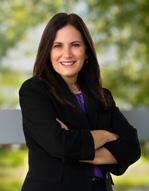
Marcy Kravit is a visionary leader in community association management, with over 20 years of proven experience driving positive change. Recognized for her strategic insight and emotionally intelligent leadership, Marcy has elevated operational standards, strengthened resident engagement, and fostered effective board collaboration in luxury high-rise, master-planned, and multi-dwelling communities. Her influence extends beyond operations
- Marcy is a dedicated educator, published author, and respected industry advocate. Marcy is the author of “Common Sense Community Management” and “Common Sense Community Leadership.” Through her roles as adjunct professor, certified educator, speaker, and leader in prominent community association organizations, she is committed to raising industry standards and empowering future leaders. Marcy’s passion for excellence and her collaborative approach have left a lasting impact on the communities and professionals she serves. As a licensed Florida CAM and holder of multiple prestigious certifications—including CMCA, AMS, PCAM, CFCAM, and Certified Scrum Master—Marcy leverages her expertise to build partnerships, deliver impactful educational programs, and advance industry standards. For more information, email marcy. kravit@bancofcal.com.


Show Us What You’re Made Of
BY ROBERT REINHART, PE, SI, FRSE, EXECUTIVE VICE PRESIDENT & PRINCIPAL STRUCTURAL ENGINEER, BILLER REINHART ENGINEERING GROUP
When a building needs structural engineering services for restoration, modification, alteration, change of occupancy, or a milestone inspection, the process often begins with two key steps: reviewing available structural drawings and reports, and performing a condition survey of the building’s accessible structural elements.
This early phase is not meant to assess whether the original design was adequate. Instead, it is an information-gathering process that helps engineers understand how the building was constructed and its current condition. That knowledge is essential for making safe, costeffective decisions during a project.
Understanding a building’s construction through documents and visual observation is crucial for determining structural capacity, planning restoration work, guiding milestone inspections, and defining the possible extent of modifications. Just as important is the visual evaluation of accessible structural elements since drawings do not always match the building as it was actually built. In some cases, structural systems may appear similar while functioning very
differently. Identifying true load-bearing components is critical to avoid accidental damage that could lead to expensive repairs or safety risks.
Many buildings are commonly assumed to have reinforced concrete structures, but a wide range of structural systems may be found. Elevated floor and roof slabs, for example, can be built in one-way or two-way systems.
A one-way slab carries loads primarily in one direction and is generally supported on two opposite sides. Common examples include solid slabs, one-way joists with beams, one-way precast joists, hollow core slabs, filigree slabs, and proprietary systems such as the Hambro composite system. Each has different construction characteristics. Some systems, such as filigree and hollow core slabs, may look very similar from below, yet their internal makeup can differ significantly. In some cases, a limited exploratory investigation may be needed to confirm which system is present.
Continued on page 34



STRUCTURAL ENGINEERING

A two-way slab transfers loads in two directions, typically to all four edges. These systems are often used when thinner slabs or heavier load support are needed. Common types include flat plates, flat slabs with drop panels or column capitals, solid slabs supported by beams in both directions, and waffle slabs. Some two-way systems may also include post-tensioned cables, which require special caution during restoration or modification work.
Roof systems can be built using many of the same slab systems used for floors. One less common roof type is the bulb tee gypsum roof deck, widely used from the 1940s through the 1970s. While valued for durability and fire resistance, it is especially vulnerable to water damage.
Exterior walls are also important structural elements. In many buildings, these are constructed of concrete masonry units (CMU) or light-gauge metal framing. CMU walls may be load-bearing and are typically reinforced and grouted. Metal-framed walls are made from thin steel members and are usually clad with materials such as plywood, oriented strand board, or gypsum sheathing.
Knowing what a building is made of matters even when original drawings are no longer available. Structural engineers can often estimate the capacity of certain elements through visual evaluation, field measurements, knowledge of the building’s age, and applicable building codes in effect at the time of construction. Additional testing methods, including non-destructive testing or selective sampling, may also help identify material properties or locate reinforcing steel. For example, Ground Penetrating Radar can be used to detect reinforcing bars within concrete.
This understanding becomes especially important when a building is being modified. Different structural systems react differently to new loads, changes in layout, and environmental conditions. Whether the project involves cutting openings in slabs or walls, changing occupancy, or altering building use, engineers must understand how loads travel through the structure so changes can be made safely. Proper planning can reduce the impact of new openings or alterations on the building’s performance.
The same knowledge is essential during restoration projects. Engineers must anticipate the presence of reinforcing steel or post-tensioned cables before concrete is cut. Damaging a post-tensioned cable can suddenly release stored energy, causing the slab to crack and creating a serious safety hazard. Because of this, restoration work involving post-tensioned systems is generally more complex, more expensive, and riskier.
Another key factor is that today’s building codes are often more demanding than the codes in effect when an older building was originally designed. As part of a project, the structure may need to be evaluated to determine whether upgrades are necessary to meet current standards.
Ultimately, the structural engineer responsible for a building project must understand the building’s construction, respect the behavior and limitations of its structural system, recognize possible deficiencies, and provide sound recommendations for restoration, alteration, modification, or milestone inspection work. Familiarity with the building’s structural elements is not just helpful; it is fundamental to making informed decisions and moving a project forward with confidence.
In short, knowing what your building is made of is one of the most important steps in protecting its safety, planning the right scope of work, and advancing your project successfully.

Robert Reinhart is a Principal Structural Engineer with 36 years of experience, a founder of Biller Reinhart Engineering Group, and the firm’s Executive Vice President. He has worked on a wide variety of projects, including schools, community centers, university buildings, airport terminals, office complexes, warehouses, retail centers, docks, piers, water and wastewater treatment facilities, chemical plants, petroleum refineries, fertilizer factories, and food processing facilities. He provides comprehensive structural engineering design, analysis, inspection, and construction support services for domestic and international projects, managing work from concept through completion and coordinating with contractors, clients, and stakeholders to achieve successful outcomes. His experience extends into structural and stability analyses and evaluations of unique non-building structures such as helipads, aircraft boarding equipment, warehouse racking, and commissioned art installations. His expertise includes threshold and special inspections.


Understanding Reserve Fund Deficits and Funding Methods in Condominium Reserve Studies RESERVES
BY SUNDEEP JAY, RS, PRS, J.R. FRAZER
One of the most misunderstood figures in a reserve study is the fund deficit. When board members or unit owners see a large deficit amount in a report, the immediate reaction is often concern: Does this mean the association must raise that entire amount right away? In most cases, the answer is no.
A reserve study typically identifies the association’s current reserve position compared to what would be required for the reserves to be considered fully funded. If the association already had that amount on hand, it would be 100% funded. However, most associations are not fully funded, and in Florida, while associations are generally expected to annually fund their reserve obligations, they are not necessarily required to be fully funded in total at any one time.
That distinction is important.
Most reserve studies include an annual funding schedule showing the recommended yearly reserve contributions needed to address future repair and replacement obligations. These annual contribution amounts are intended to help the association properly plan for future expenses, but they do not necessarily eliminate the entire existing reserve deficit immediately. The deficit is simply the difference between the ideal reserve balance and the actual funds currently available.
This figure will naturally change over time. As major projects are completed, the remaining life of those components resets to a full useful life, which often improves the association’s funded percentage. On the other hand, as large projects draw nearer, the deficit may increase because the need for funding becomes more immediate. In this way, the deficit is not a fixed number; it reflects where the association stands within its repair and replacement cycle.
In many cases, a large deficit is driven by one or two major anticipated expenditures, such as painting, waterproofing, roofing, paving, or concrete restoration projects scheduled in the near future. When costly projects are expected within the next few years, the reserve deficit may appear especially large because there is less time remaining to accumulate the needed funds.
If an association wants to directly reduce or eliminate its reserve deficit, it usually must collect more than the annual contribution shown in the reserve study. That may involve increasing reserve assessments, adopting a long-term catch-up strategy, or imposing a special assessment.
Another common point of confusion involves projected shortfalls that appear in future years of a cash flow schedule. These amounts are generally not separate obligations, but rather part of the funding model used to ensure the reserve balance does not drop below a selected minimum level during the projection period. In a threshold funding model, the reserve specialist establishes a minimum cash balance and calculates annual contributions designed to keep reserves above that amount over time.
If a future shortfall is projected, the funding plan may effectively spread that burden across earlier years so current owners begin contributing now toward known future expenses. This approach is often more equitable and helps avoid placing the entire burden on future owners. In many associations, these projected deficits are the result of years of prior partial funding that left reserves below ideal levels.
Reserve studies generally rely on one of three accepted funding methods.
Continued on page
RESERVES
Baseline Funding
Baseline Funding allows reserve balances to fall as low as zero in future years. While this method may be permitted, it creates greater financial risk and leaves little room for unexpected expenses or cost increases.
Threshold Funding
Threshold Funding is commonly used in cash flow reserve studies. This method establishes a minimum reserve balance the association should maintain throughout the projection period. That minimum varies depending on the size of the community, operating revenues, and the judgment of the reserve professional. Threshold funding is often viewed as a practical middle ground because it avoids both the risk of zero balances and the burden of trying to become immediately fully funded.
Full Funding
Full Funding aims to bring reserves to the theoretical ideal level, meaning the association has accumulated the full proportionate share of deterioration for all reserve components. While financially conservative, full funding is often difficult for many associations to achieve because it can require substantially higher assessments or special assessments.
For that reason, reserve studies often present the financial facts
without dictating a single policy choice. It is ultimately the board’s responsibility to determine the most appropriate funding strategy for the community, balancing affordability, fairness, and long-term financial stability.
Many reserve professionals believe associations should strive to maintain reserves in the range of 50% to 70% funded, ideally closer to the upper end. Doing so can significantly reduce the likelihood of special assessments and strengthen the association’s long-term financial health. Achieving that goal, however, usually requires collecting more than the minimum threshold contribution shown in the reserve study.

Jay has been a Senior Reserve Specialist with J. R. Frazer, Inc. for over 9 years. During this time, he has completed more than 1,000 reserve studies. He also held a continuing education credit course for property managers and board members.


Sundeep
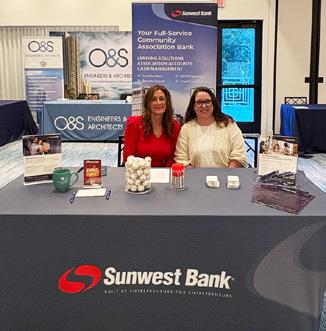
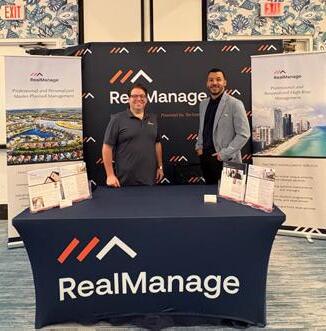
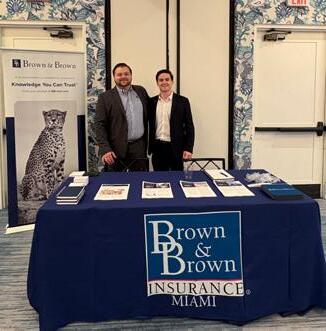
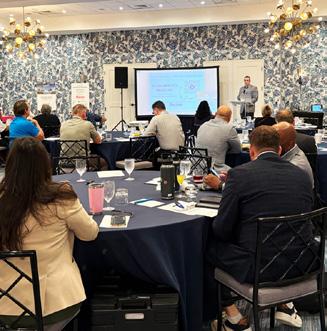
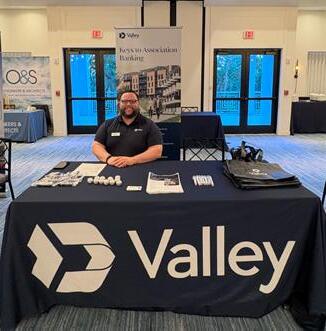

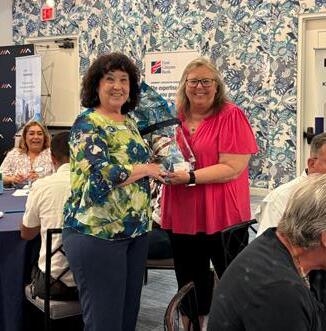
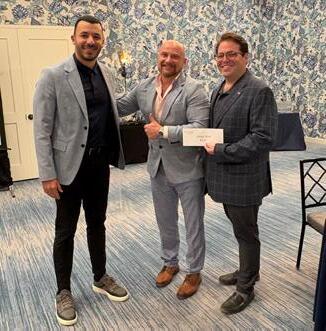
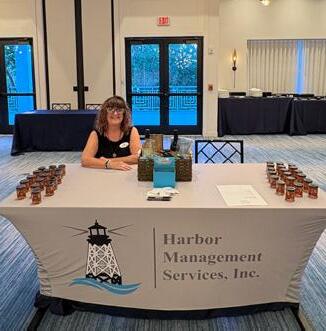

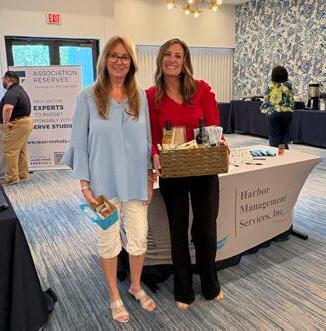

LUNCH SPONSOR
March 26, 2026
SIGNATURE SPONSOR
LUNCH SPONSOR

GRAND PRIZE SPONSOR
SNACK SPONSOR

BOOTH SPONSORS


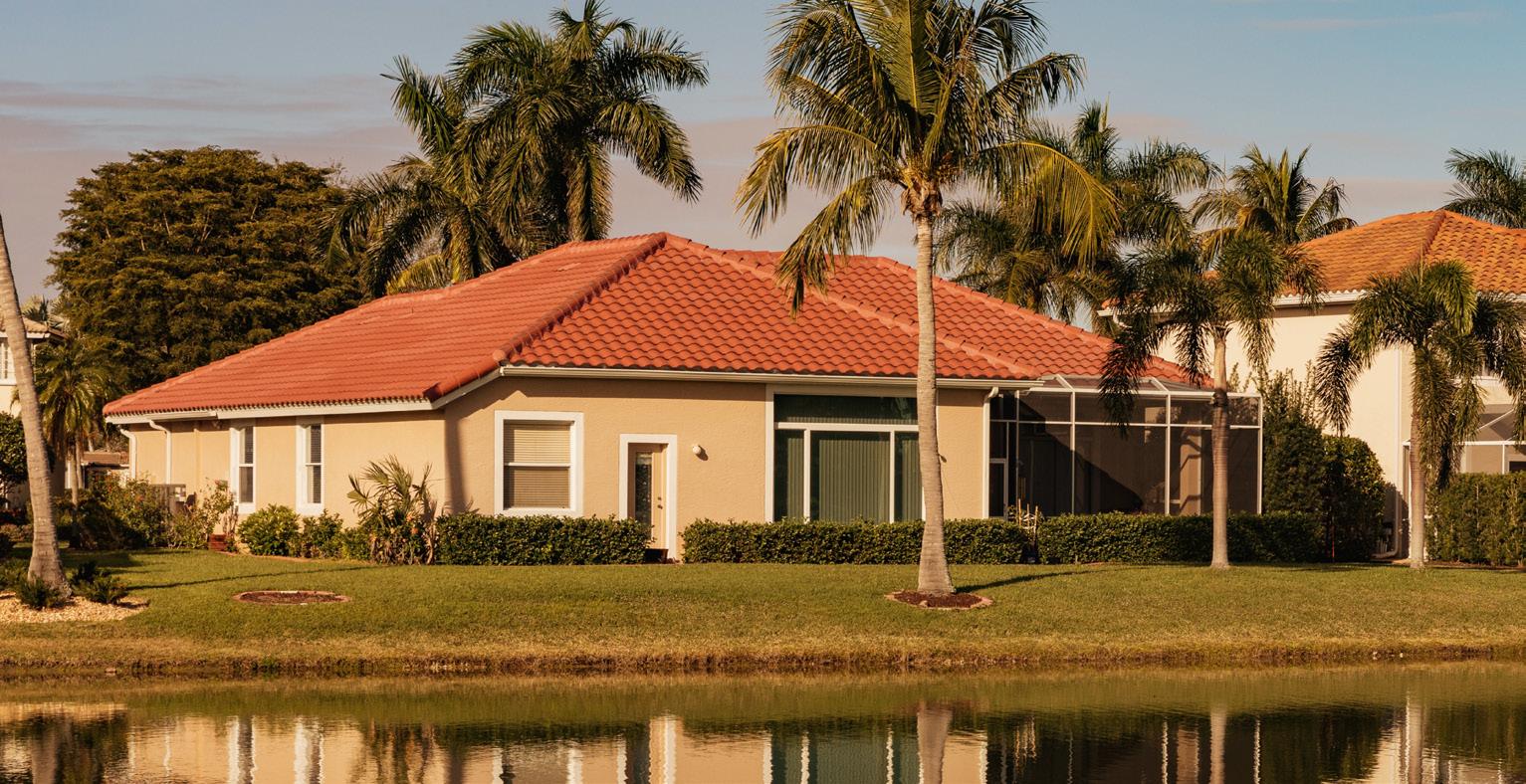
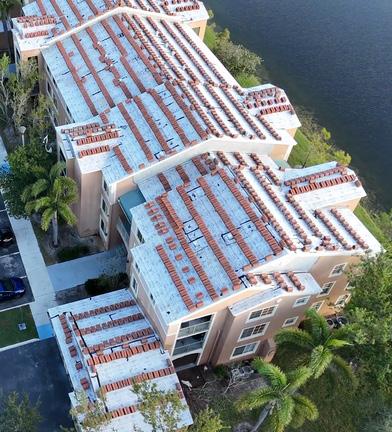
The Longevity Equation: Why Your Roof is a Financial Asset, Not Just a Shelter
BY JASON BLAIR, AASTRO
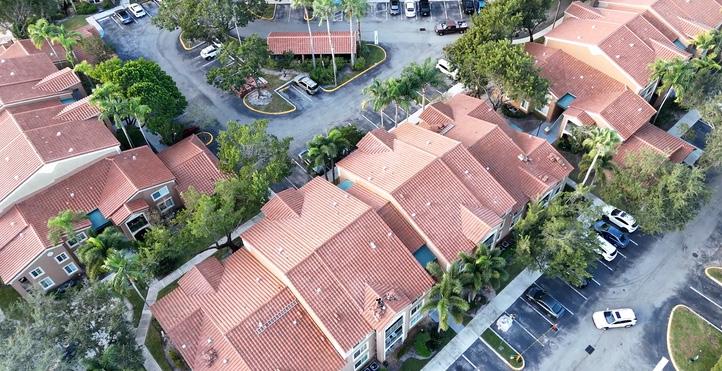
In the world of community association management, the roof is often the single largest line item on a reserve study. Yet, it’s frequently treated as a “silent” asset—one that only gets attention when a resident in a top-floor unit starts seeing water spots on their ceiling.
In the unique climate of South Florida, roofing systems face challenges rarely seen elsewhere in the country. From the corrosive salt air along the coast to the intense UV “baking” in inland communities, a roof must be viewed as a high-performance engine. By 2026, the industry reality has become clear: the most expensive roof an association will ever own isn’t the one recently installed; it’s the one that was allowed to deteriorate without oversight.
THE “DOG YEAR” EFFECT
In a tropical environment, roofs age in “dog years.” A roof that might last 25 years in the Carolinas might only give a Florida association 15 to 18 years of reliable service if left to fend for itself. Between the expansion and contraction caused by daily thermal cycles and the organic growth that thrives in high humidity, the degradation is constant.
However, there is a “Longevity Equation” that many boards overlook. By shifting from a reactive “fix-it-when-it-breaks” mentality to a proactive maintenance schedule, associations can often extend the functional life of their roof by 25% or more. When looking at a multimillion dollar replacement project, gaining an extra five years of life is a massive win for the board, the reserve fund, and the homeowners’ monthly assessments.
NAVIGATING THE INSURANCE GAUNTLET
The Florida insurance market remains a significant challenge for associations. Carriers are no longer just looking at the age of a roof; they are looking at its “grade.” They want to see that the association is actively managing the asset.
When an association can provide a documented history of professional inspections and minor preventative repairs, it changes the conversation with the underwriter. It proves that the community is a low-risk property. In today’s market, documentation is just as important as the shingles themselves.
ROOFING
SUSTAINABILITY AND THE “COOL” FACTOR
Beyond just keeping water out, modern roofing technology is helping boards tackle rising energy costs. There is a significant trend toward “Cool Roof” systems—high-reflectivity materials that bounce solar energy back into the atmosphere rather than absorbing it into the building’s structure.
Whether it is an advanced silicone coating or a high-SRI (Solar Reflectance Index) tile, these systems reduce the “heat island” effect for the entire complex. This doesn’t just lower the AC bills for the residents; it also reduces the mechanical strain on HVAC systems, creating a ripple effect of savings across the property.
A FORWARD-LOOKING STRATEGY
As the year progresses, board members and managers should ask three strategic questions:
1. Do we have a “Health Record” for our roof? A digital history of inspections to leverage during insurance renewals.
2. Are our drainage systems clear? Most “leaks” are actually just clogged scuppers or gutters that cause water to back up under the roofing membrane.
3. Is our roof working for us? Can we upgrade to a more reflective surface to lower community-wide energy costs?
Ultimately, education and proactive oversight are the most effective tools a board can utilize. Shifting the perspective from seeing a roof as a “maintenance headache” to viewing it as a managed financial asset protects the long-term value of the community. When boards
prioritize data-driven inspections and modern material science, they aren’t just fixing a building—they are securing the association’s financial future.
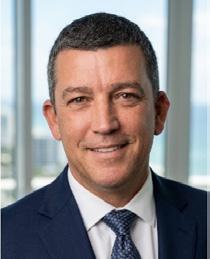
Jason Blair is a dedicated leader at Aastro Roofing, a family-owned and operated firm that has anchored the South Florida roofing industry for four generations. Specializing in the unique needs of multi-family communities and commercial properties, Jason focuses on transforming the conventional view of roofing from a recurring expense into a strategic, long-term asset. His expertise spans advanced maintenance protocols, hurricane-zone insurance compliance, and the implementation of highefficiency “cool roof” systems. Under his guidance, Aastro Roofing proudly supports the CAI Southeast Florida Chapter as a Diamond Sponsor, emphasizing education and proactive solutions that protect both a community’s structure and its bottom line. For more information, visit aastroroofing.com.

Fiduciary Responsibilities Demystified: What Every HOA Board Needs to Know About Reserve Funds
BY NICO F. MARCH, FOUNDER & MANAGING DIRECTOR, THE MARCH GROUP
Serving on a homeowners’ association (HOA) board is a significant responsibility, especially when it comes to financial stewardship. Board members are entrusted with managing the association’s funds responsibly, ensuring that both operating and reserve accounts are managed prudently. However, many board members may not fully understand their fiduciary duties, particularly when it comes to reserve fund management.
Mishandling reserve funds can lead to financial shortfalls, special assessments, legal liabilities, and homeowner distrust. On the other hand, a well-managed reserve fund enhances the community’s financial stability, maintains property values, and fosters homeowner confidence.
At The March Group, we help HOA boards navigate the complexities of fiduciary responsibilities and reserve fund management. Below, we demystify what every board member needs to know to fulfill their
obligations effectively. Please remember to consult with your legal counsel to definitively outline your legal responsibilities as an HOA Board member.
1. UNDERSTANDING FIDUCIARY DUTY: WHAT IT MEANS FOR HOA BOARD MEMBERS
A fiduciary duty is the legal and ethical obligation to act in the best interests of the association and its homeowners. When managing reserve funds, board members must adhere to three core principles:
A. Duty of Care
• Board members must make informed, thoughtful decisions about financial matters.
• This means reviewing financial reports, reserve studies, and investment options before making funding or investment decisions.




RESERVES
B. Duty of Loyalty
• HOA funds must be managed for the benefit of the association, not personal interests.
• Board members must avoid conflicts of interest (i.e. not hiring their personal advisors) and ensure financial transactions are transparent.
C. Duty to Act Within Authority
• The board must follow the association’s governing documents, bylaws, and state laws when handling reserves.
• Using reserve funds improperly—such as for daily operating or personal expenses—could violate legal and fiduciary obligations.
By upholding these principles, HOA boards protect themselves from liability while ensuring that reserve funds are managed responsibly.
2. RESERVE FUNDS: WHY THEY ARE ESSENTIAL FOR HOA FINANCIAL STABILITY
HOA reserve funds are not just a savings account, they are a critical tool for ensuring long-term financial health. These funds cover major expenses that arise over time, such as:
• Roof replacements
• Road resurfacing and sidewalk repairs
• HVAC, plumbing, and electrical system maintenance
• Swimming pool, clubhouse, and other amenity renovations
Without properly funded reserves, an HOA is forced to impose special assessments or increase dues unexpectedly, placing financial strain on homeowners.
How Fiduciary Duty Applies to Reserve Funds
Board members must:
• Fund reserves adequately to avoid financial shortfalls.
• Invest reserves wisely to maintain and grow the fund while ensuring liquidity.
• Use reserve funds appropriately for major repairs and capital refurbishments—not for daily expenses.
3. CONDUCTING AND FOLLOWING A RESERVE STUDY
A reserve study is an essential tool that provides a roadmap for future repairs and replacements. It helps HOAs:
• Identify major expenses the association will face over the next 30 years.
• Estimate the cost and timeline for each major repair or replacement.
• Determine how much money should be contributed to reserves annually.
Why Reserve Studies Matter for Fiduciary Compliance
• Many states require HOAs to conduct a reserve study every three to five years.
• Failing to follow a reserve study can result in underfunded reserves, legal issues, and homeowner disputes.
• A well-maintained reserve study helps boards make data-driven decisions about dues increases and investment strategies.
What Boards Should Do
• Update the reserve study regularly to reflect actual costs and inflation.
• Ensure reserve funding matches projected expenses to prevent shortfalls.
• Communicate with homeowners about reserve study findings and funding plans.
4. INVESTING RESERVE FUNDS: BALANCING SAFETY, LIQUIDITY, AND GROWTH
Many HOAs keep their reserve funds in low-interest accounts, failing to take advantage of investment opportunities that could enhance
Continued on page 46

RESERVES
fund performance. While reserve funds must be protected, they should also be strategically invested to keep pace with inflation.
Fiduciary Duty in HOA Reserve Fund Investing Board members must:
• Ensure investments are low-risk and comply with state laws.
• Maintain liquidity so funds are available when needed.
• Seek professional guidance to avoid mismanagement or conflicts of interest.
Common Investment Options for HOAs
• High-yield savings accounts (for immediate liquidity)
• Laddered CDs (staggered maturities for steady returns)
• U.S. Treasury bills, notes, and bonds (low risk, stable growth)
• Government-backed securities such as TIPS (ensure capital preservation)
By partnering with an experienced investment advisor, HOA boards can create a strategy that ensures safety, compliance, and responsible growth.
5. ENSURING TRANSPARENCY AND HOMEOWNER COMMUNICATION
Fiduciary responsibility extends beyond financial decisions, it also includes clear communication with homeowners. Many HOA disputes arise because homeowners do not understand how reserve funds are managed.
Best Practices for Transparency
• Provide regular financial reports on reserve fund balances and expenditures.
• Hold annual budget meetings to discuss reserve funding and investment strategies.
• Educate homeowners on why reserve funding is critical for long-term community stability.
HOAs that maintain open and honest communication are less likely to face homeowner resistance when it comes to dues increases or funding adjustments.
6. AVOIDING COMMON RESERVE FUND MISTAKES
Even well-intentioned boards can make mistakes when managing reserve funds. Here are a few pitfalls to avoid:
Mistake #1: Underfunding Reserves
• Leads to special assessments and financial instability.
• Solution: Follow reserve study recommendations and adjust funding accordingly.
Mistake #2: Using Reserve Funds for Operating Expenses
• This violates fiduciary duty and could create legal issues.
• Solution: Keep operating and reserve funds separate.
Mistake #3: Failing to Invest Wisely
• Keeping reserves in low-yield accounts leads to loss of purchasing power.
• Solution: Adopt a conservative investment strategy that balances safety and yield.
Mistake #4: Not Seeking Professional Guidance
• Boards that lack financial expertise may make poor investment decisions.
• Solution: Partner with an experienced investment advisor for guidance.
FINAL THOUGHTS: FULFILLING YOUR FIDUCIARY DUTY WITH CONFIDENCE
Managing an HOA’s reserve fund is one of the most important fiduciary responsibilities a board has. Proper reserve fund management ensures financial stability, prevents unexpected financial crises, and fosters homeowner trust.
By following best practices in funding, investing, and transparency, HOA boards can confidently fulfill their fiduciary duties while securing the community’s financial future.

Nico F. March is the Managing Director for The March Group, LLC. He has worked with Community Associations since 1974 and has served on several Boards, including the Board of Directors for the Community Association Institute (CAI), San Diego Chapter. His team has specialized in Corporate Cash and Association Financial Management since 1982 and has assisted Associations, Nonprofits and Timeshares invest in reserve, operating, reconstruction, and SIRS funds. Nico and his team work out of their San Diego and Wyoming offices and may be reached at 888.811.6501 or email nico@themarchgroup.com for further information and consultations. The March Group is not a tax or legal advisor. We will be glad to work with your professional CPA and Attorney to help you with your financial goals. Neither the information contained herein, nor any opinion expressed shall be construed to constitute an offer to sell or a solicitation to buy any securities mentioned herein. Nico March is a registered representative with, and securities are offered through LPL Financial, Member FINRA/SIPC. The opinions voiced in this material are for general information only and are not intended to provide specific advice or recommendations for any individual or organization.

Community Assoction Management
The Rising Cost of Inaction: How Industry Trends Are Elevating Capital Planning
BY KC SHUAIPI, SENIOR ACCOUNT MANAGER, RESERVE ADVISORS
Much like business leaders, HOA boards manage financial resources and make strategic decisions that preserve and enhance community value. With personal budgets under pressure, every decision faces greater scrutiny, from dues increases to the timing of major repairs. While limiting assessment increases or delaying projects may feel like a low-risk way to help residents in the short term, the potential consequences can be substantial. Underfunded reserves and deferred maintenance increasingly signal higher risk to insurance providers and mortgage lenders.
INDUSTRY TRENDS ARE ELEVATING RESERVE PLANNING
Following the Surfside tragedy, expectations for reserve planning have rapidly changed across legislation, insurance, and lending. Several states have passed laws aimed at improving structural safety and longterm financial preparedness:
1. Florida – Requires reserve studies for buildings with three or more residential stories. Communities must fund reserves at the level outlined in the study, and older buildings must undergo periodic structural inspections.
2. Maryland – Signed into law in 2022, condominiums, cooperatives, and certain HOAs must conduct periodic reserve studies and fund reserves as outlined in the study.
3. New Jersey – Signed into law in 2024, condominiums, cooperatives, and certain HOAs must conduct periodic reserve studies and fund reserves as outlined in the study.
4. Tennessee – Signed into law in 2023, associations with
Continued on page 49
$10,000 or more in common assets must conduct periodic reserve studies to inform reserve planning and reduce future assessments. (There are currently no statutory funding requirements.)
INSURANCE TRENDS
Recently, underwriting standards have tightened as insurers respond to the risks posed by aging infrastructure. What once amounted to confirming that a reserve study exists is now a closer review of structural conditions, maintenance history, and financial preparedness.
Key insurance trends include:
1. More Detailed Inspection Requirements – Insurers increasingly review reserve study timelines and whether major projects have been completed. If a structural item is overdue, such as a roof replacement, risk (and the likelihood of a claim) rises.
2. Condition-Based Premiums – Premiums used to be driven mainly by age, building materials, height, and location. Today, maintenance history, deferred work, and reserve adequacy are often reflected in premiums.
3. Stricter Underwriting Terms – Associations that deviate from reserve funding plans or regularly defer maintenance may see lower limits, higher deductibles, exclusions, or, in extreme cases, denial of coverage.
MORTGAGE TRENDS
After Surfside, Fannie Mae and Freddie Mac introduced updated guidelines to address safety and structural risk. These rules place greater weight on reserve funding, proactive maintenance, and periodic inspections. Because roughly 70% of conventional loans are backed by Fannie Mae or Freddie Mac, communities that fall short can feel the impact quickly. If a loan is denied due to association-level concerns, a community may land on a “do not lend” list.
Key mortgage trends include:
1. Stricter Reserve Requirements – Lenders increasingly require a recent reserve study and confirmation that reserves are being funded as recommended.
2. Increased Documentation Requests – Associations may need to provide maintenance records, capital project histories, and inspection reports. Lenders often review reserve studies for potential structural deterioration and water infiltration risk. If the project timing differs from the study, boards may need documentation to support the decision.
3. Impact on Buyer Eligibility – When lenders view a condominium as high risk, fewer buyers qualify for financing,
CAPITAL PLANNING
which can hinder sales and put pressure on property values.
BEST PRACTICES TO MITIGATE RISK
As industry expectations continue to rise, boards can better protect their communities by focusing on a few core practices:
1. Prioritize Structural and Safety-Related Projects –Addressing high-risk items like roofs, waterproofing systems, and structural concrete, demonstrates responsible stewardship and reduces insurance and lending concerns.
2. Maintain Adequate Reserve Funding and Keep the Reserve Study Current – Strong funding reduces the likelihood of future deferred maintenance and signals financial preparedness. Reserve studies should be updated at least every three years, or sooner if funding changes significantly or major projects are delayed or completed.
3. Leverage Your Reserve Study Partner for Clarity and Documentation – When questions arise, reserve study providers can often supply explanations and documentation that help keep insurance renewals and real estate transactions on track.
Insurance and lending standards will continue to evolve, pushing the industry toward greater resilience. A stronger focus on structural integrity and reserve funding encourages communities to address deterioration early, when repairs are simpler and less expensive, rather than waiting until issues become complex and costly. Associations that take a disciplined approach to capital planning will be best positioned to maintain coverage at the most affordable rates, protect loan eligibility, and support home values.
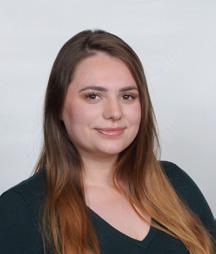
KC Shuaipi is a Senior Account Manager at Reserve Advisors. Serving South Florida, she works closely with various condo and HOA stakeholders in the Tri-County, helping them understand the importance of capital planning and guiding them through legislative requirements related to reserve studies. Through education, networking, and industry events, she brings a wealth of knowledge to empower boards to navigate a dynamic housing landscape. KC also has a strong and proven track record in customer service and client relations, making her a valuable asset to both the team and the clients she serves. For more information, call (800) 9809881 or visit reserveadvisors.com.