ANTIGUA AND BARBUDA Surrender to the rhythm of the Caribbean
TRAVEL BUSINESS: CHESA CANGGU
Where work meets island escape
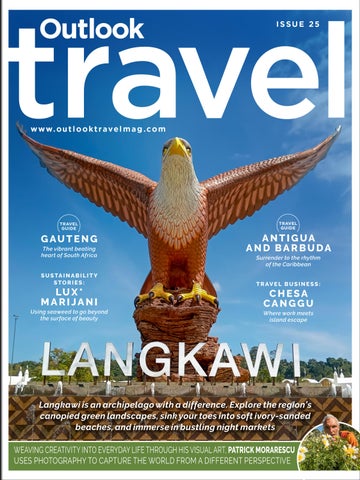
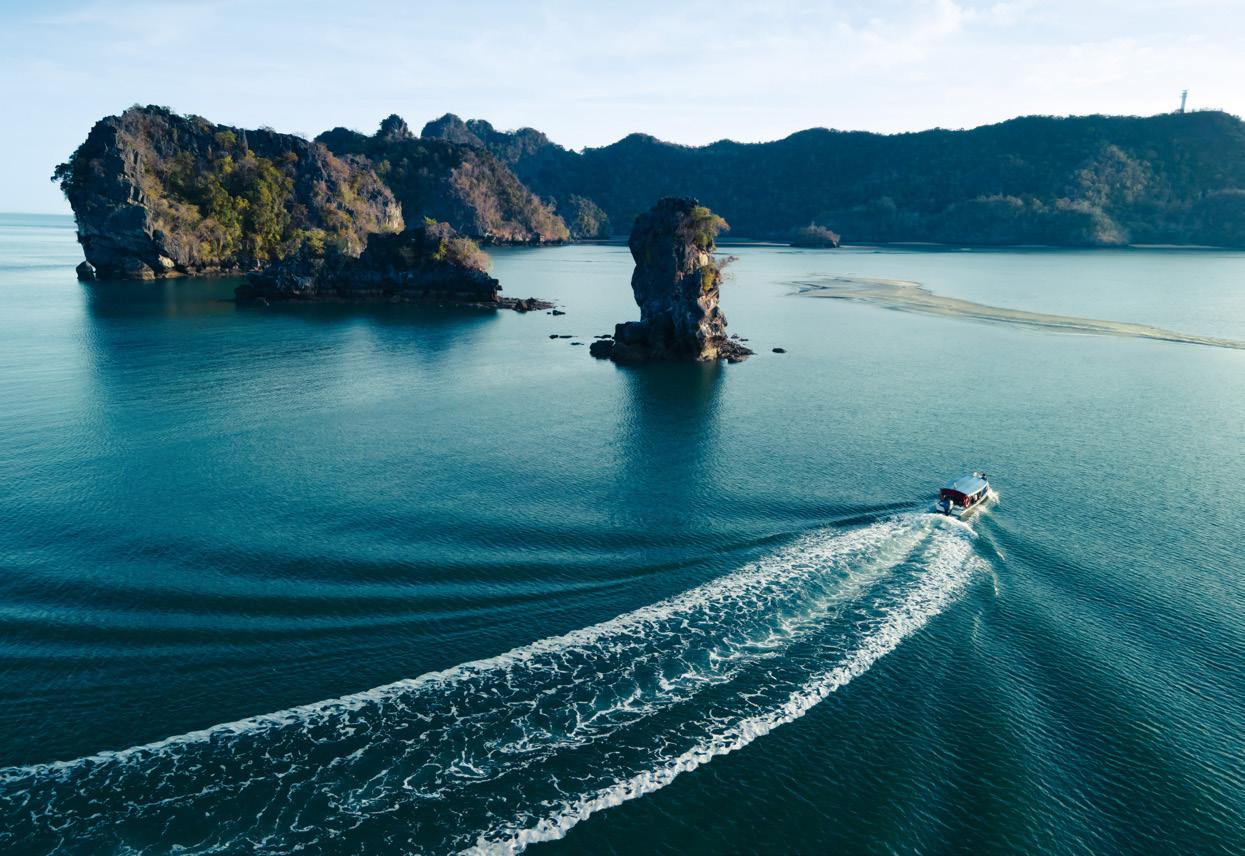
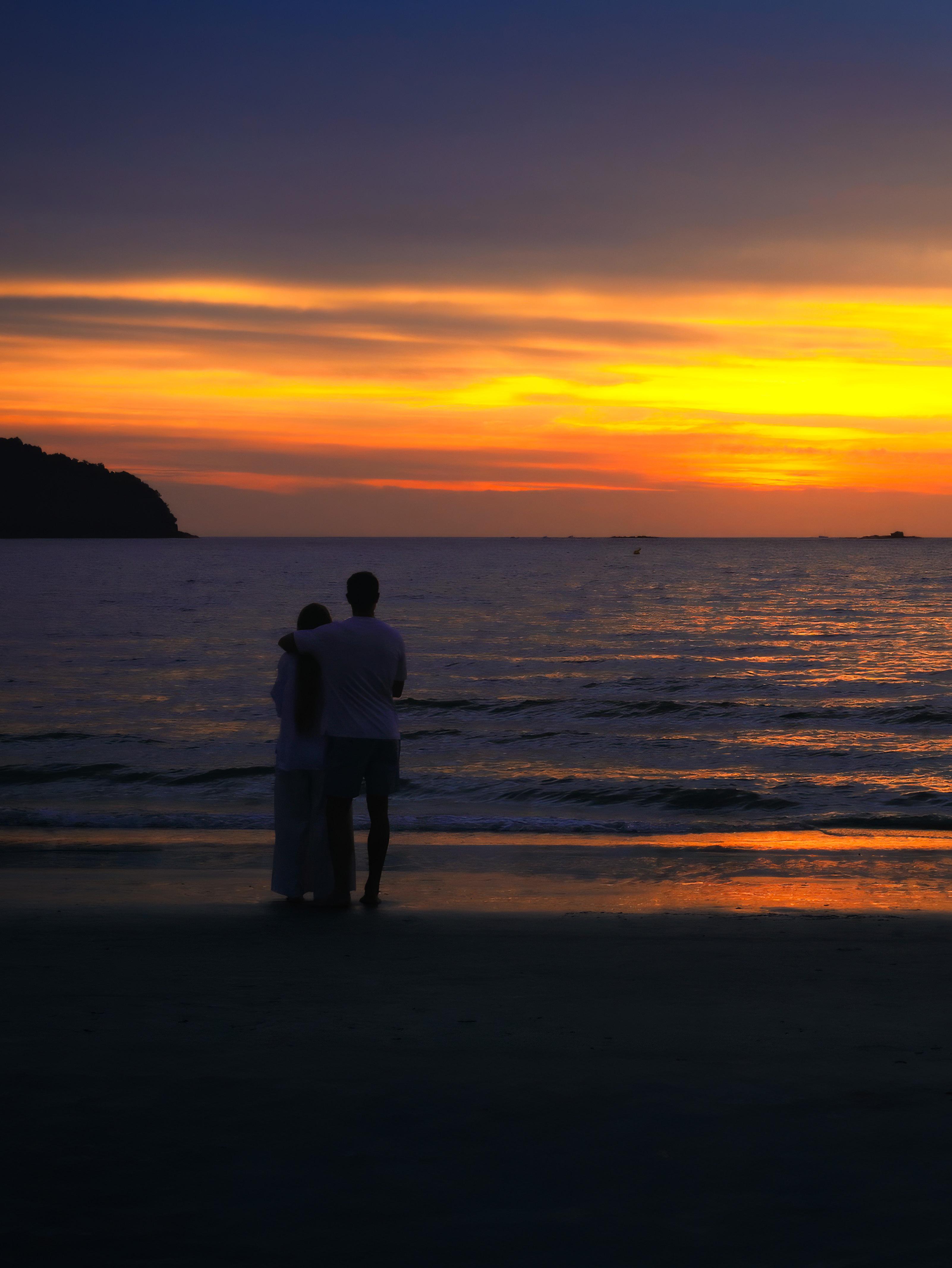
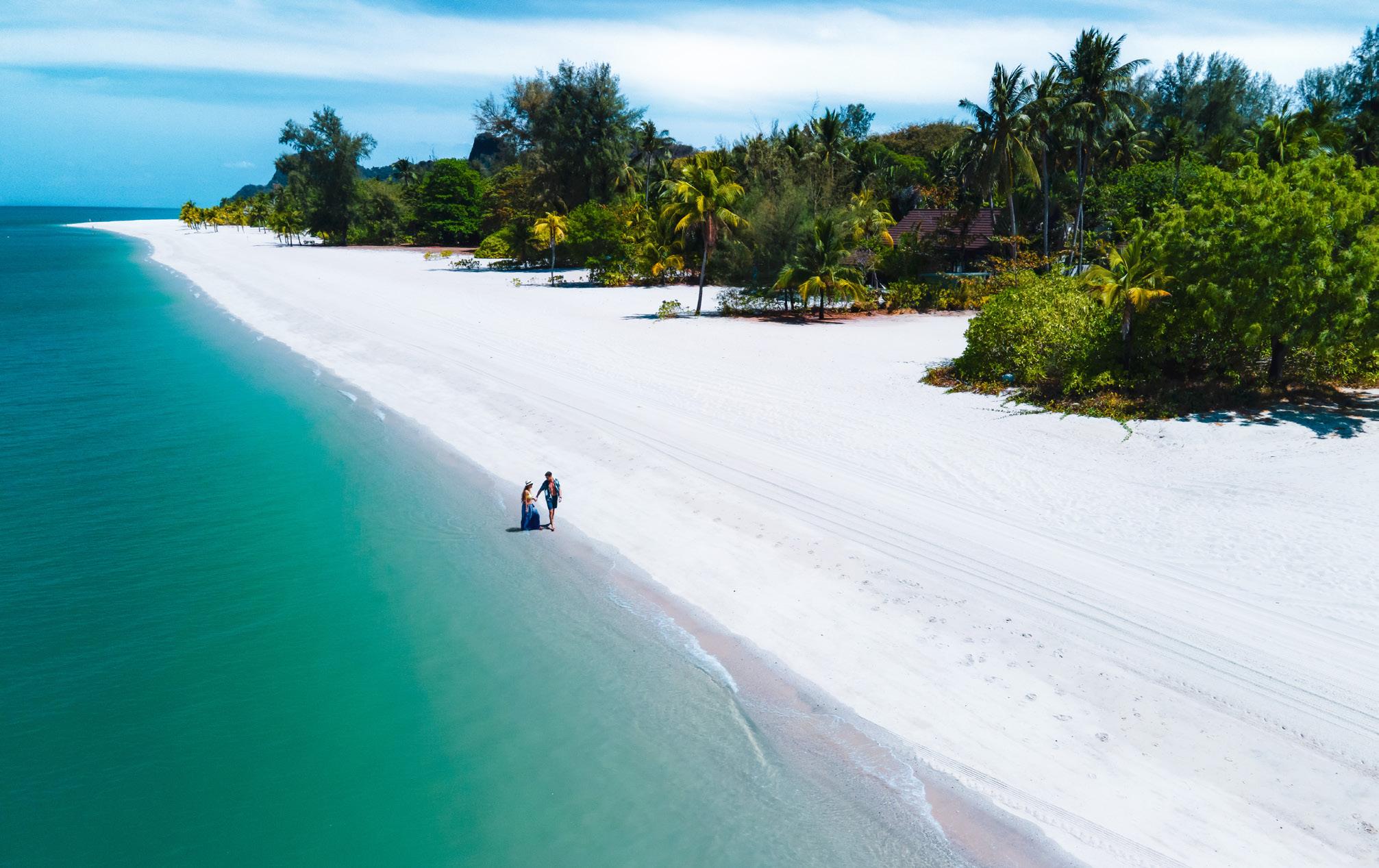
Langkawi is an archipelago with a difference. Explore the region’s canopied green landscapes, sink your toes into soft ivory-sanded beaches, and immerse in bustling night markets
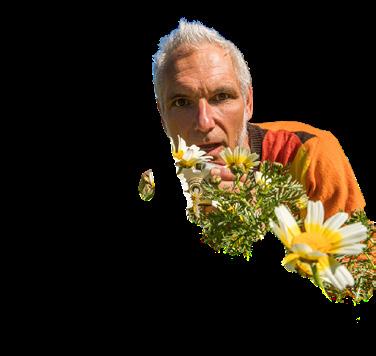
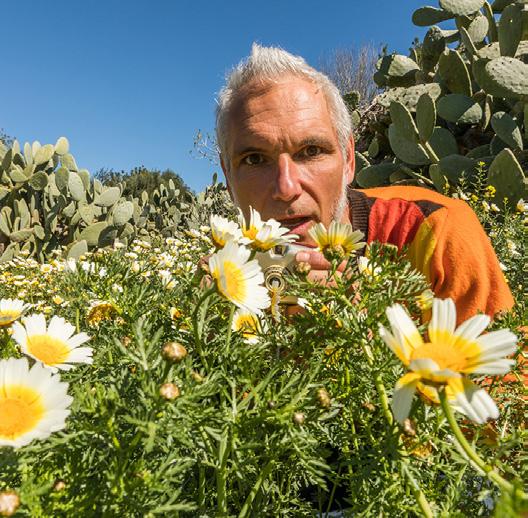
WEAVING CREATIVITY INTO EVERYDAY LIFE THROUGH HIS VISUAL ART, PATRICK MORARESCU
USES PHOTOGRAPHY TO CAPTURE THE WORLD FROM A DIFFERENT PERSPECTIVE
Africa Outlook, APAC Outlook, EME Outlook, North America Outlook, Mining Outlook, Healthcare Outlook, Manufacturing Outlook, Supply Chain Outlook, Food & Beverage Outlook, Construction Outlook, and Sustainability Outlook are digital publications aimed at boardroom and hands-on decision-makers, reaching an audience of more than 800,000 people around the world.
With original and exclusive content compiled by our experienced editorial team, we look to promote the latest in engaging news, industry trends, and success stories from across the globe.
Your company can join the leading industry heavyweights enjoying the free exposure we provide across our platforms with a free marketing brochure, extensive social media saturation, enhanced B2B networking opportunities, and a readymade forum to attract new investment and help you grow your business.
Visit www.outpb.com/work-with-us for details on how your company can feature for free in one of our upcoming editions.
EDITORIAL
Head of Editorial: Jack Salter jack.salter@outpb.com
Deputy Head of Editorial: Lucy Pilgrim lucy.pilgrim@outpb.com
Welcome to our 25th edition of Outlook Travel magazine.
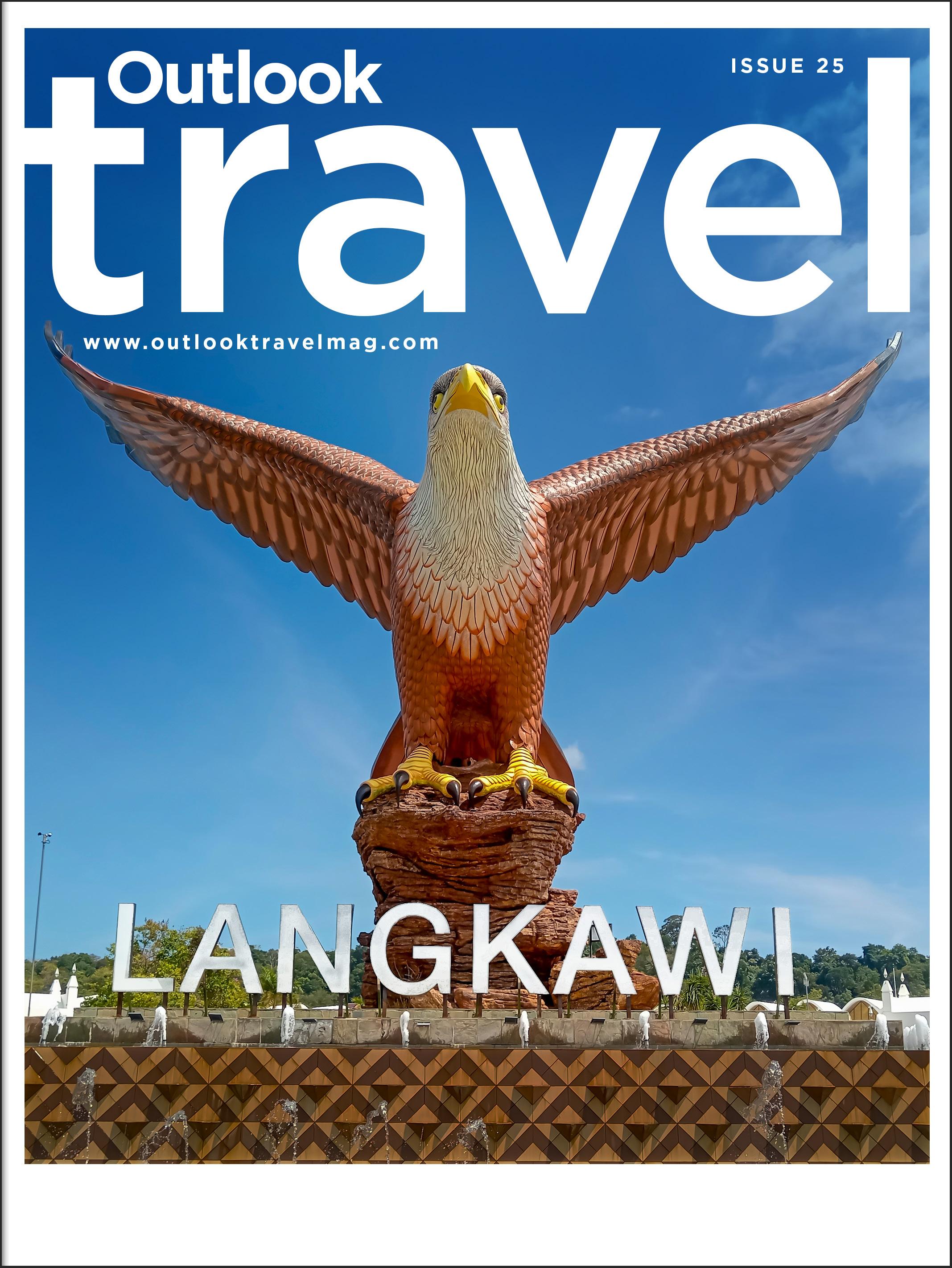
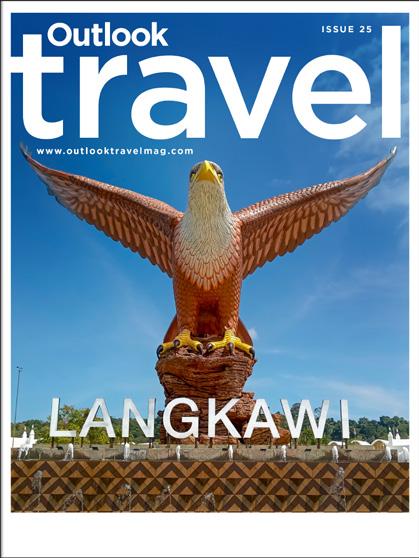
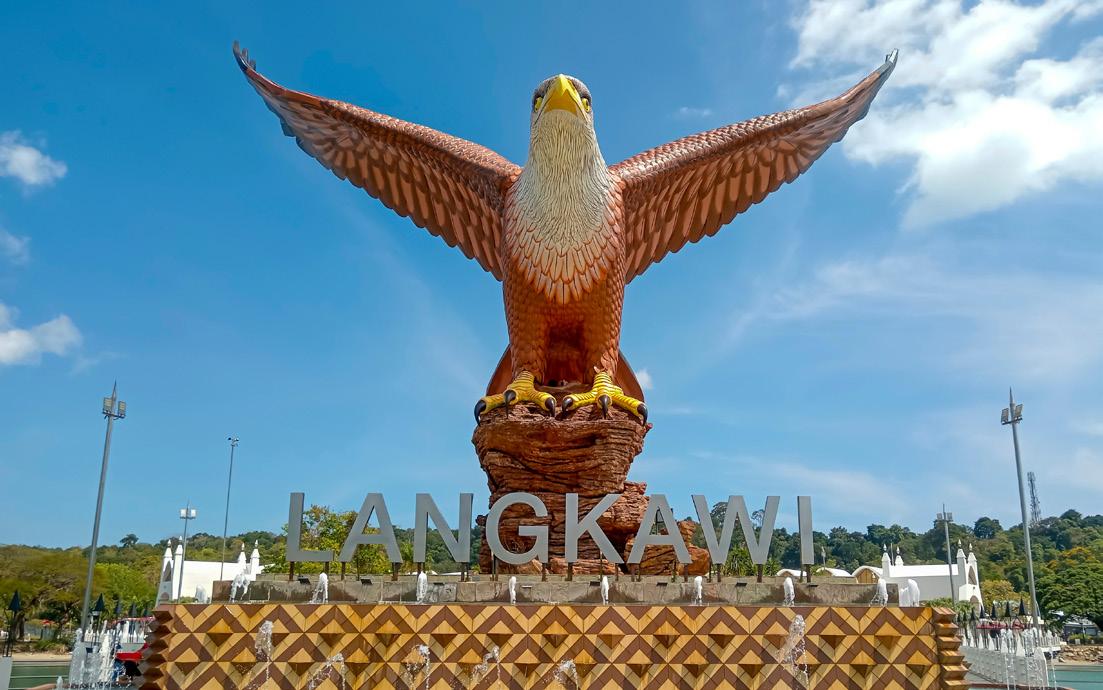
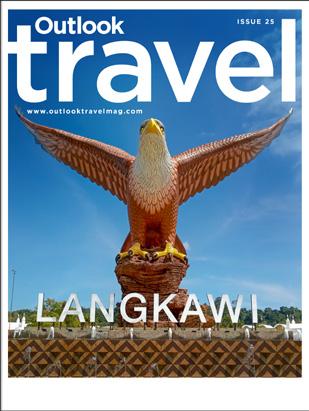
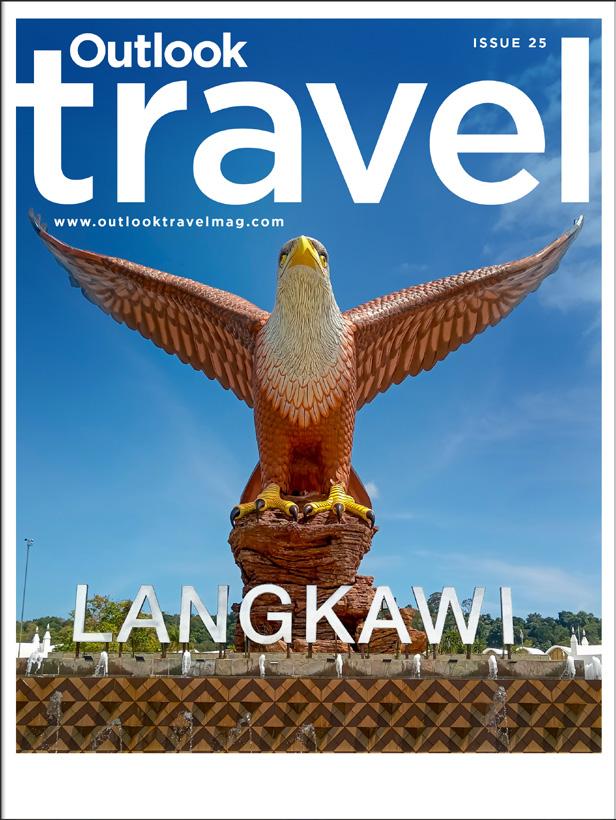
Eagle Square, the icon of Langkawi known locally as Dataran Lang, is perched proudly on this issue’s front cover.
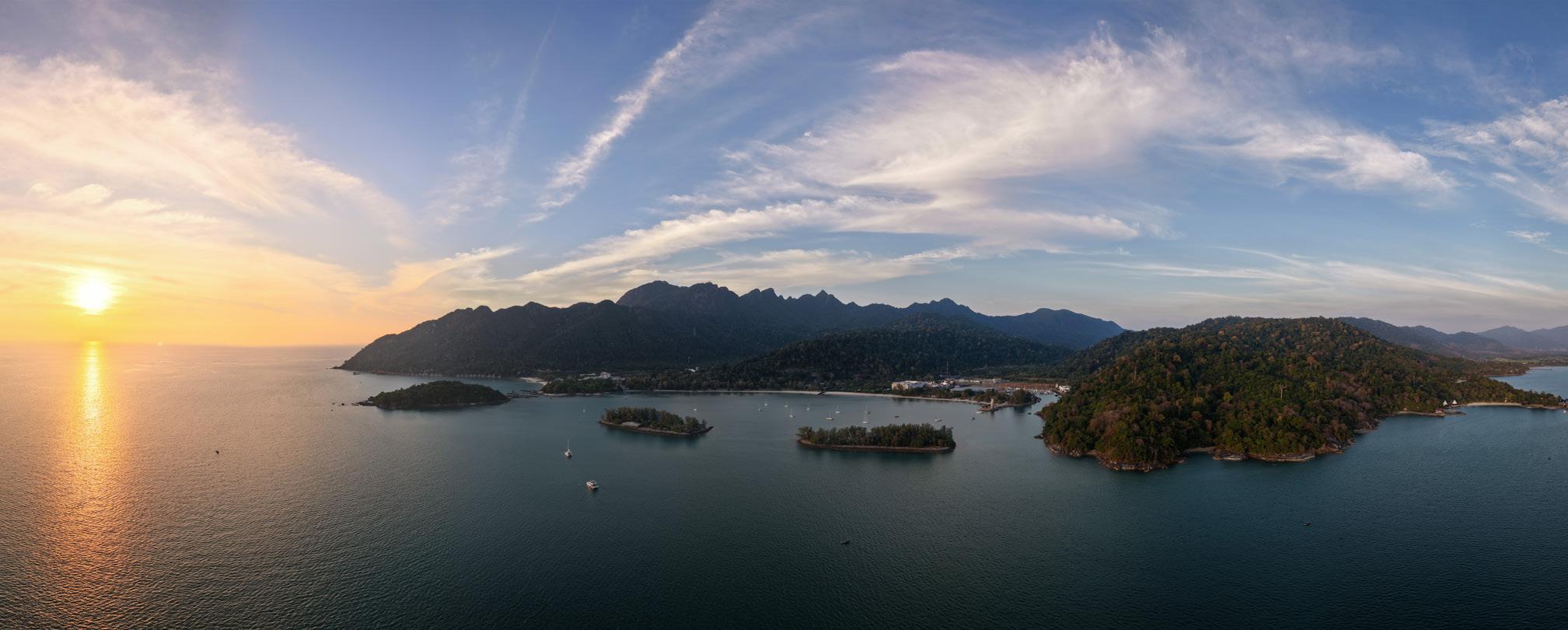
Situated on the glistening waters of the Andaman Sea, 30 kilometres off the Malaysian coast, Langkawi creates a sense of serenity seldom seen elsewhere in the region.
Comprising 99 islands, each unique in their own right, the archipelago is deeply rooted in Malay culture, with extensive historical ties to the Kedah Sultanate – one of the oldest royal institutions in Malaysia.
Aside from its heritage, Langkawi is also a premier ecotourism destination, centred around nature-based experiences and fascinating biodiversity.
“As a UNESCO Global Geopark, Langkawi’s value lies in how its landscapes, ecosystems, and communities are interconnected – not isolated attractions,” states Waffa Wahida Binti Zainol, Tourism Manager at the Langkawi Development Authority.
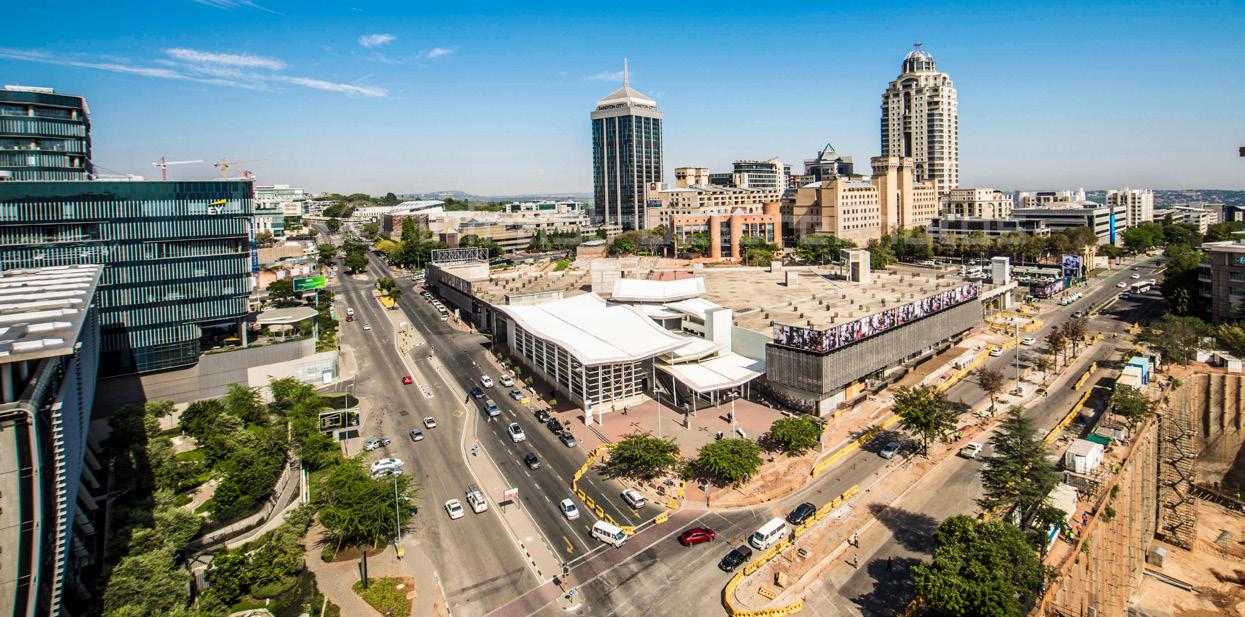
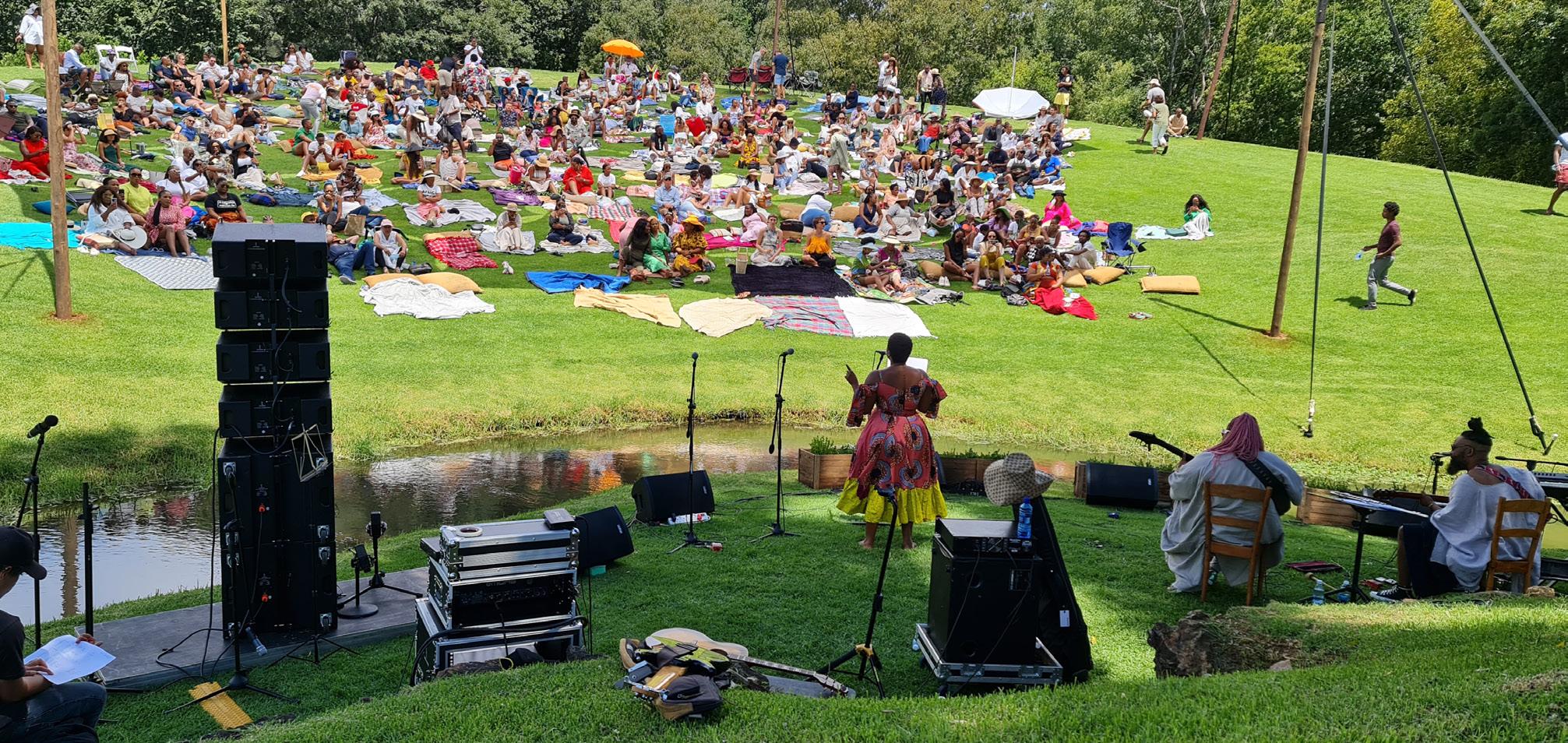
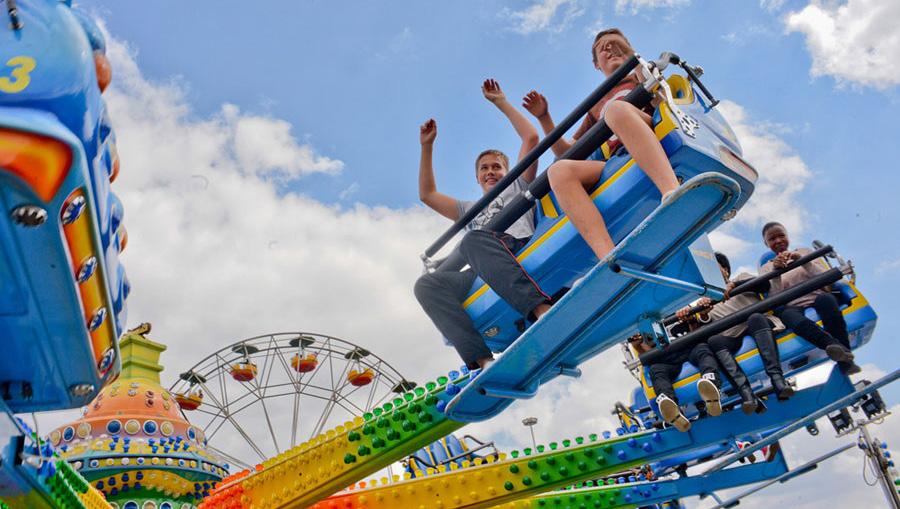
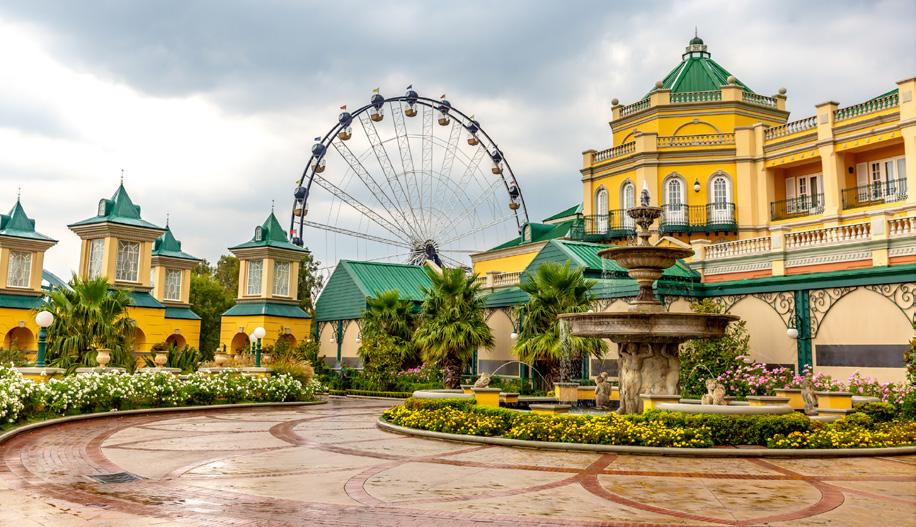
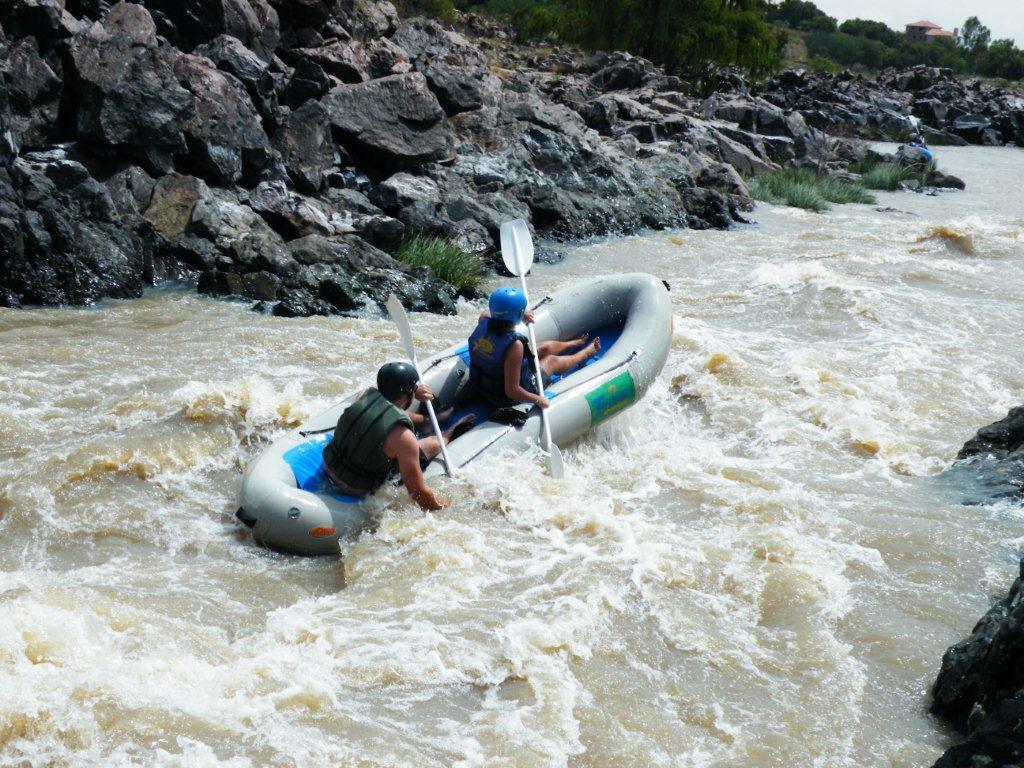
We also spread our wings and fly over to Gauteng, the vibrant beating heart of South Africa (SA), offering a unique blend of culture, leisure, sports, and awe-inspiring natural beauty.
The heart and soul of SA’s smallest but most densely populated province are its townships, where most of Gauteng’s 16.5 million residents live.
“Visitors today are not only looking for monuments – they want to meet people, experience culture, and understand how communities live, create, and celebrate,” explains Barba Gaoganediwe, Head of Destination Marketing and Communications at the Gauteng Tourism Authority.
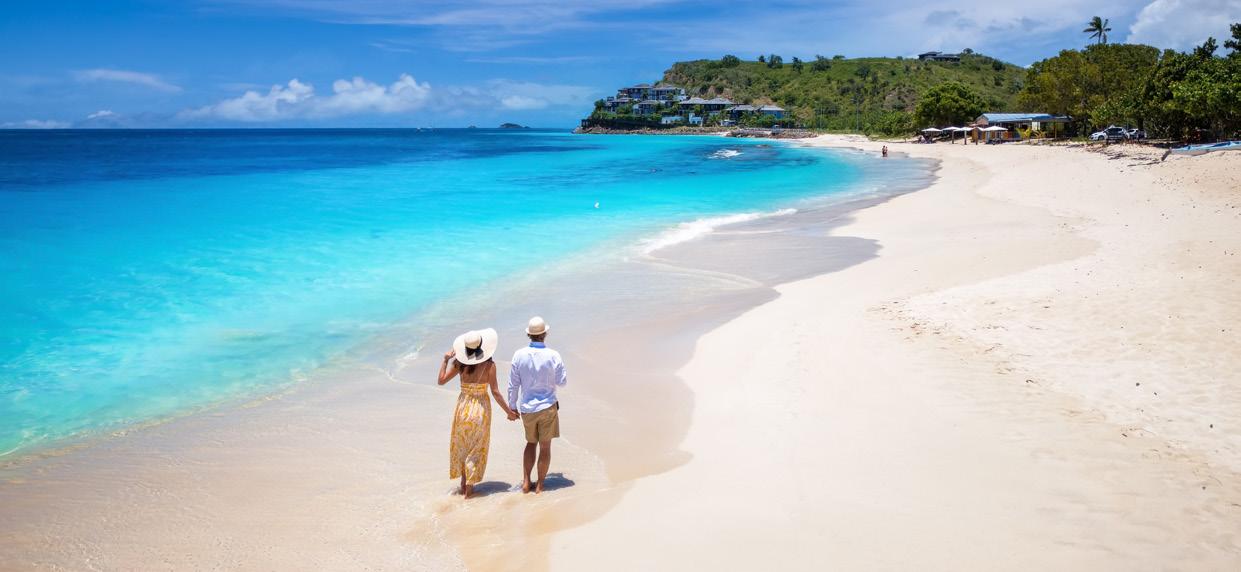
Soaring across to Antigua and Barbuda, the Caribbean twin islands proudly boast 365 beaches – one for every day of the year.
The former is renowned for its glamorous sailing culture and postcardperfect coastline, whilst the latter offers a more remote and untouched experience.
Beyond the beaches, explore the UNESCO World Heritage Site, Nelson’s Dockyard, where restored Georgian naval buildings overlook luxury yachts and sparkling harbours, or hike to Shirley Heights for panoramic views over lush canopies.
We also swoop behind the lens with Patrick Morarescu, check in at Chesa Canggu, and go beyond the surface of beauty with LUX* Marijani and the Seaweed Mamas.
Enjoy your read and happy travels!
Jack Salter Head of Editorial, Outlook Publishing
Join in the conversation...
Discover the power of engagement with Outlook Travel magazine’s social media platforms.
Our Instagram feed showcases inspiring photographs of the destinations we cover, as well as featuring shots of our favourite hand-selected hotels.
Meanwhile, our feed on LinkedIn provides you with a dedicated network of travel professionals to connect with. You can also find us on TikTok and Facebook.
Follow us on social media for updates and travel inspiration
BEHIND THE LENS
Weaving creativity into everyday life through his visual art, Patrick Morarescu uses photography to capture the world from a different perspective, with the boldness of his reach never monotonous. He tells us more about his background in photography and how it has shaped his life
WRITER: LAUREN KANIA
PHOTOGRAPHY: PATRICK MORARESCU
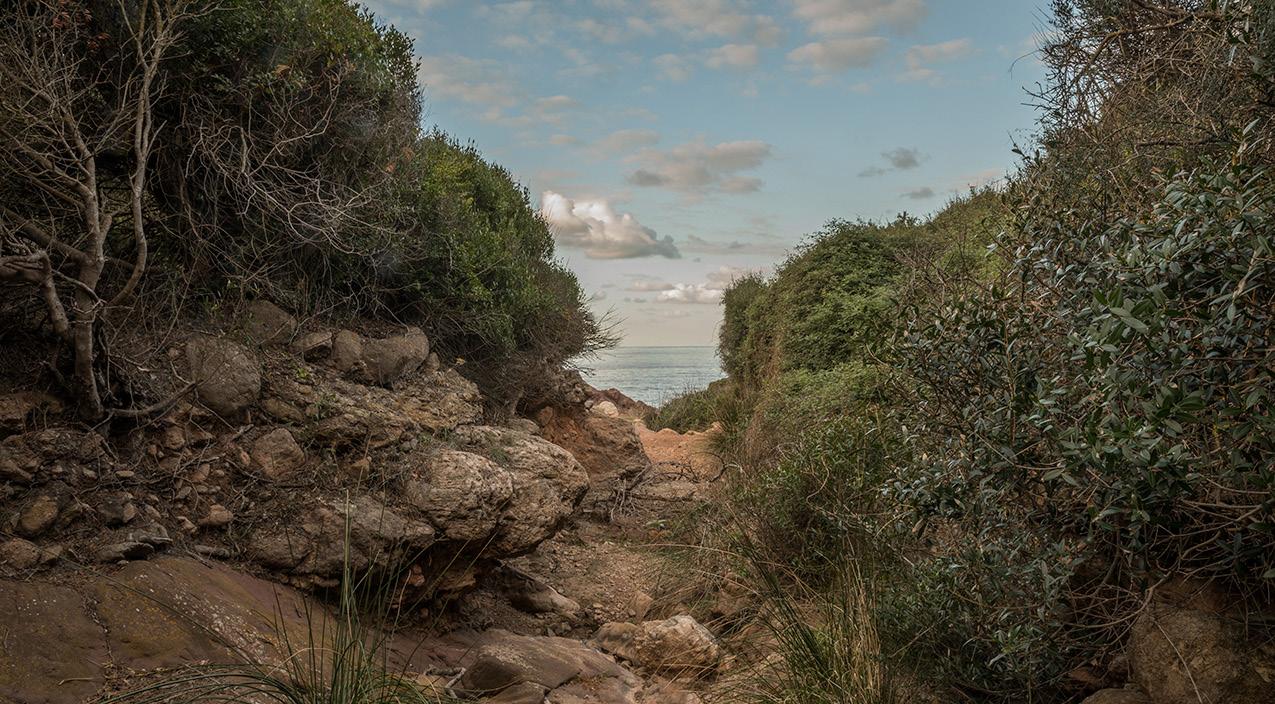
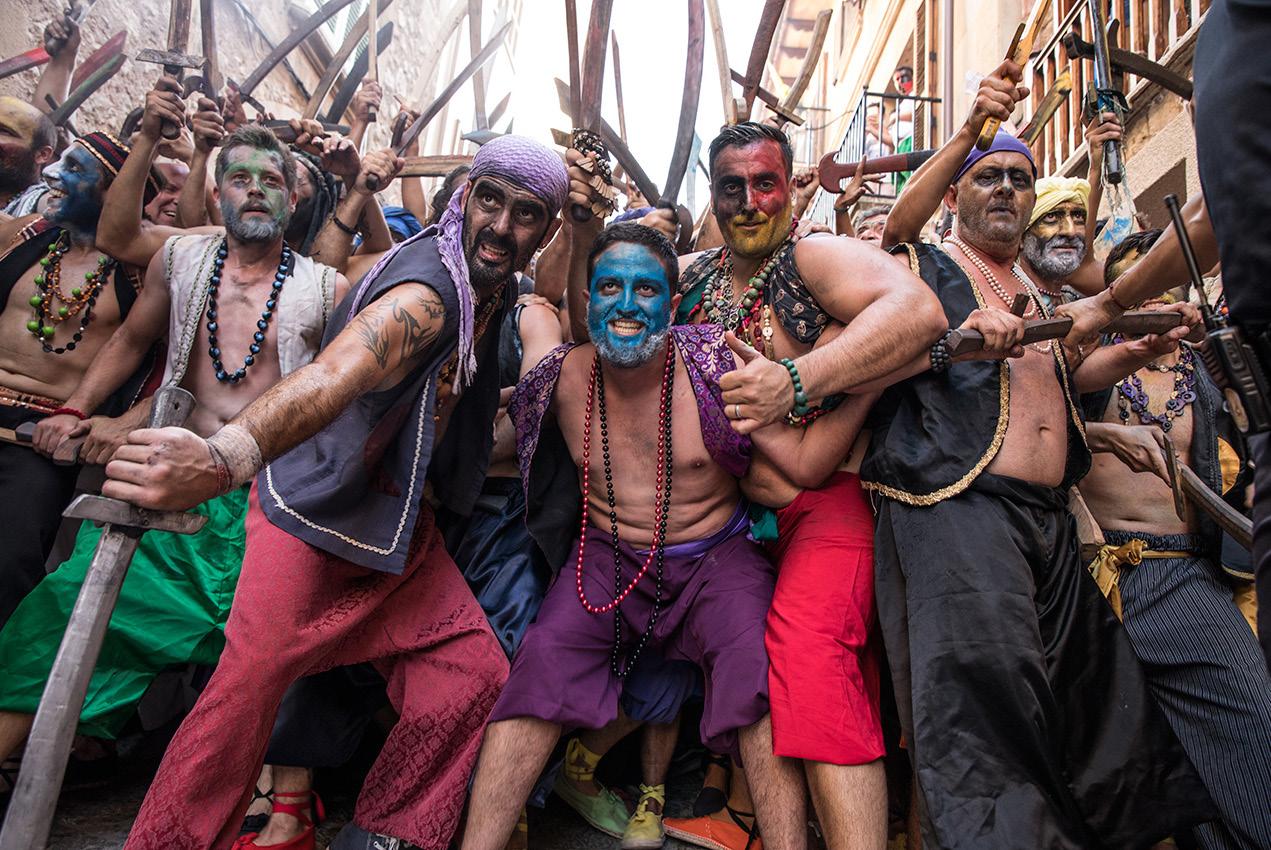
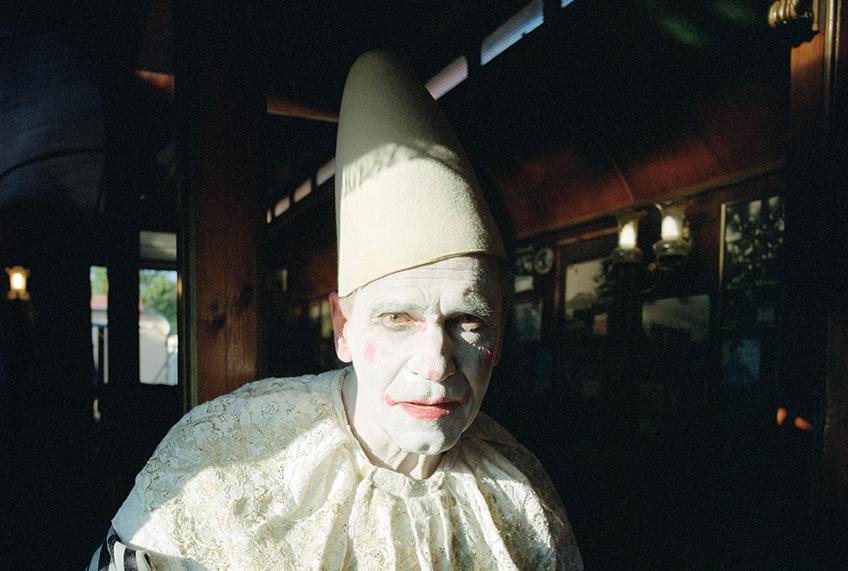
Like the space between inhaling and exhaling, Patrick Morarescu’s visual art forces viewers to pause and root themselves in the moment.
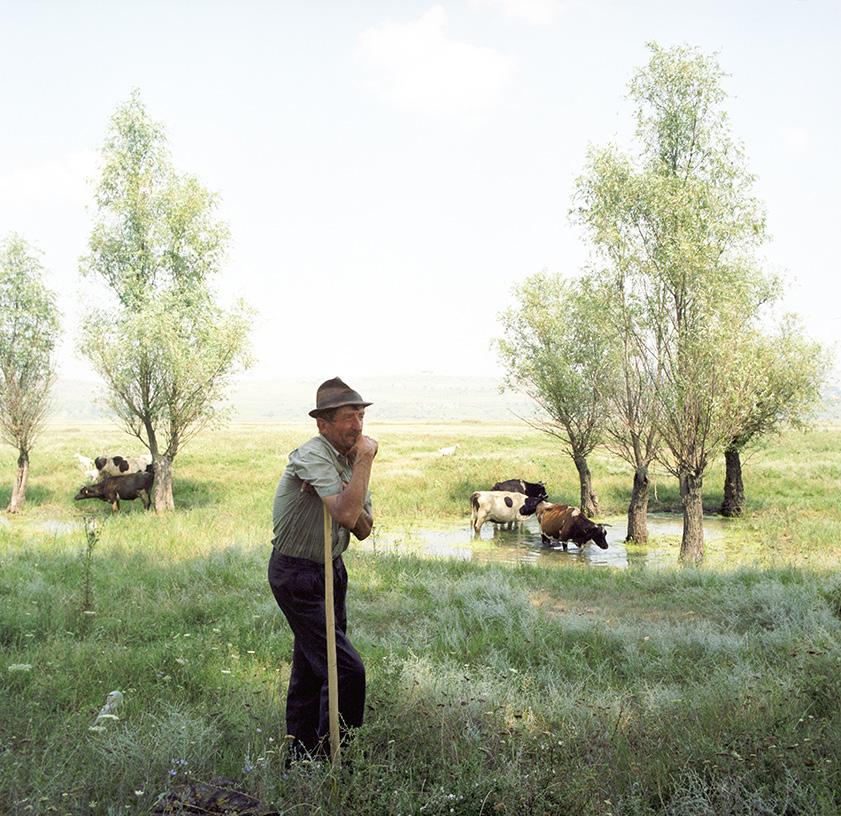
Born in Munich, Germany, Morarescu has showcased his work internationally in venues such as the Museum FLUXUS+ in Potsdam, Germany, Pori Art Museum in Finland, and the sixth Marrakech Biennale-Parallel Projects in Morocco, alongside exhibiting at renowned festivals and participating in artist residency programmes across the world.
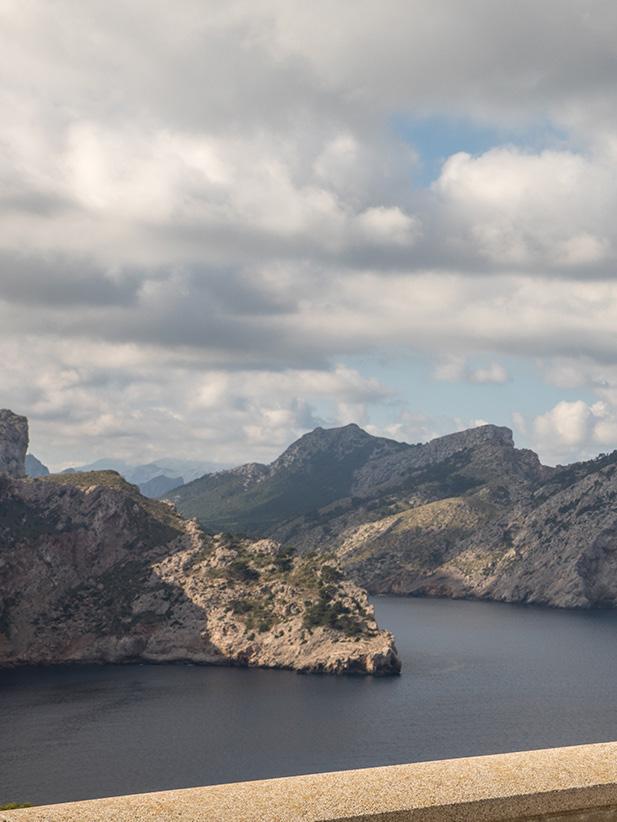
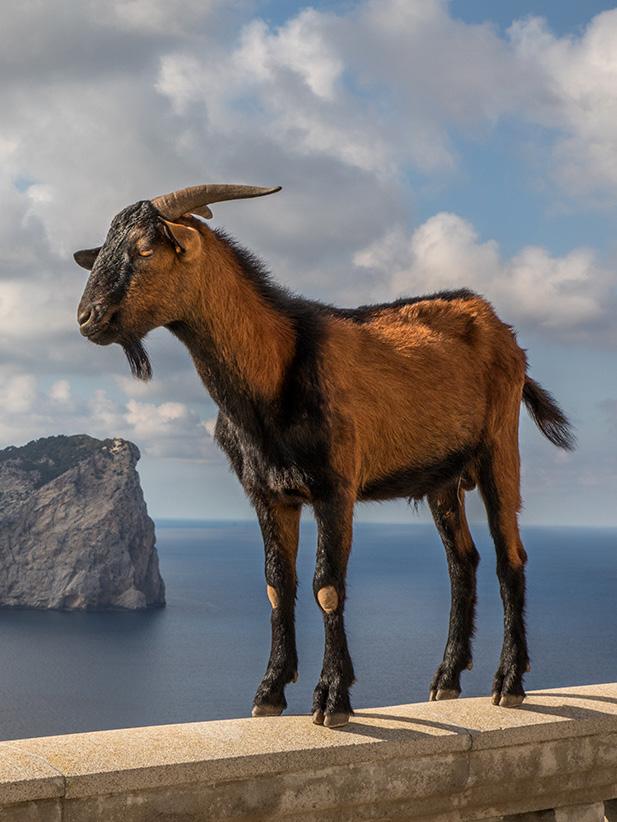
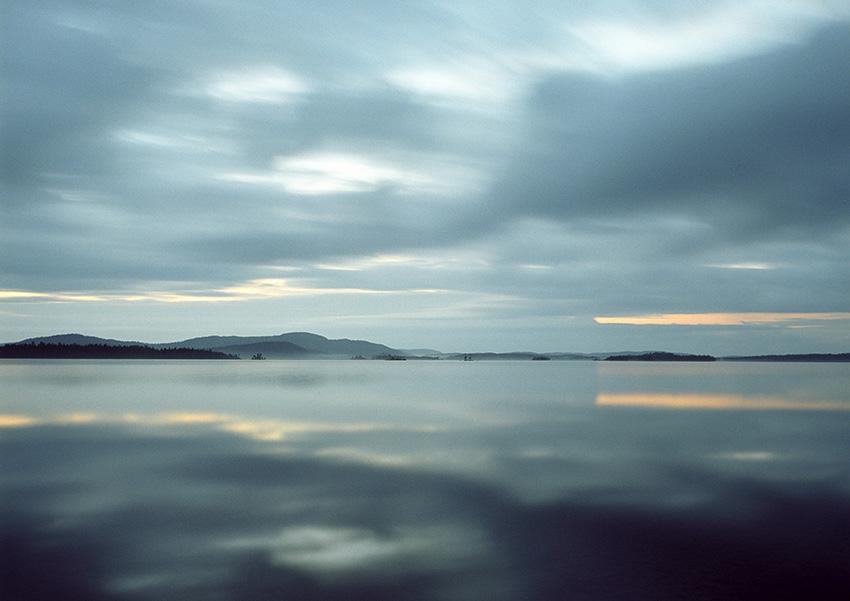
Today, Morarescu lives away from the hustle and bustle of the city, tucked away in the rolling fields and endless skyline of Mallorca’s heartland. Here, he finds inspiration for his diverse body of work, which continues to capture the attention and intrigue of audiences worldwide.
With photography as his passion, the gift of capturing the world via camera lens enables him to not just meet different people and visit new places, but also live life to the fullest, stay rooted in the present, and embrace life with openness and creativity.
The ability to create a personal space and common ground for sharing and connecting through stories is what drives his visual art. Morarescu’s work both refreshes and provokes, urging conversations about the boundaries between humanity and the world surrounding it.
His art has been recognised through grants from the European Commission and various Goethe Institutes, as well as support from the German Embassies in Rabat and Oslo. Additionally, Morarescu’s work has been featured in leading photography publications, including the
A Kara lady in proud repose, Omo Valley, Ethiopia
British Journal of Photography, Lenscratch, L’Oeil de la Photographie, Der Greif, Feature Shoot, Musée Magazine, and F-Stop Magazine.
Alongside his artistic work, Morarescu collaborates with international magazines, newspapers, and brands. His editorial and commercial photography has been published by the Financial Times, The Guardian, Der Spiegel, Die Zeit, Süddeutsche Zeitung, El País, Forbes, National Geographic History, WirtschaftsWoche, Les Echos de Weekend, and other leading international media outlets.
Morarescu walks us through this photographic adventure, what’s next for the future, and the journey of capturing a uniquely gripping moment.
Outlook Travel (OT): Firstly, what drew you to working in travel photography?
Patrick Morarescu (PM): It’s the curiosity woven into the journey of everyday life. Stepping into new worlds, that curiosity awakens more naturally than in familiar surroundings – and the magic, I’ve learned, is present everywhere, experienced in its own rhythm.
OT: What do you find most exciting about this kind of work?
PM: The chance to step into places and moments I might never have encountered otherwise, guided purely by intuition and through the lens of my camera. Each scene becomes a doorway into another rhythm of life.
OT: On the flip side, what are the biggest challenges?
PM: The challenge is also a quiet blessing – a call to stay curious, open, and fully aware of the energies around me. Each moment invites sensitivity, freshness, presence, and a gentle dialogue between myself and the world I photograph. I move through it just observing, without judgment, following my intuition. I don’t see it as a burden; this awareness and openness are amongst the deepest joys – not only in photography, but in life itself.
OT: How would you describe your style of photography?
PM: Intuitive, natural – opening and holding space for a person, place, or situation, where energies can meet and communicate, giving room for what is already there to emerge.
OT: What has been one of your favourite destinations to capture?
PM: India left a lasting mark on me – a place whose strong energies, people, colours, rhythms, and spirit linger for years. But honestly, every corner of the world holds its own magic and beauty, which I encounter through presence and attention.
OT: Have you been involved in any interesting assignments or projects recently that you’d like to highlight?
PM: Generally, my favourite projects are the ones I create myself. During my eight years in Mallorca, I followed the spirit of the island, discovering it from the inside out.
From this journey, seven unique projects emerged – Baix Llum Mallorquina, The Sun Will Shine Again Tomorrow, There Might Be Giants, Divine Moments of Presence, Plants, Spirits, and Land of Tomeva – each capturing a different pulse of the island’s life.
OT: Finally, what’s next for the future? Are there any new destinations you’d like to cross off your bucket list?
PM: After a quieter few years – filled with the joy of fatherhood – I feel the pull of new horizons again. Everything unknown is a gift, and even the places I’ve already been reveal new wonders when I shift my gaze. Sometimes, the most profound discoveries happen when you simply turn around and notice what was there all along.
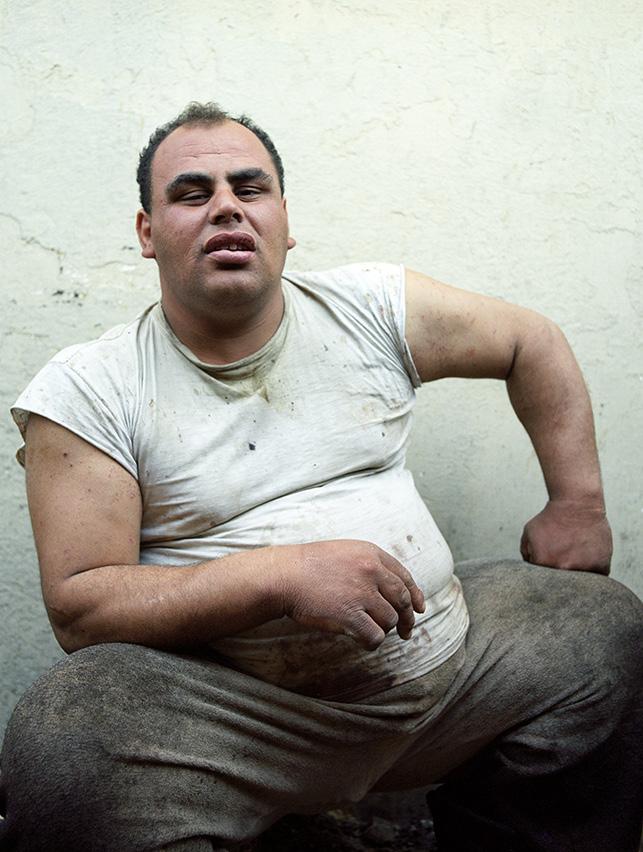
HOW I GOT THIS PHOTO
During a residency in Amman, Jordan, curiosity led me on a walk to a slaughterhouse. The veterinarian kindly offered me an intimate tour and allowed me to photograph freely with my Hasselblad. I sensed both the workers’ curiosity and the animals’ fear. Sharing tea and conversations about life, religion, and animals stayed with me. On another day, he came to my performance at Makan – the independent contemporary art space – with his whole family. This encounter left me with lasting insights into the slaughterhouse in Amman.
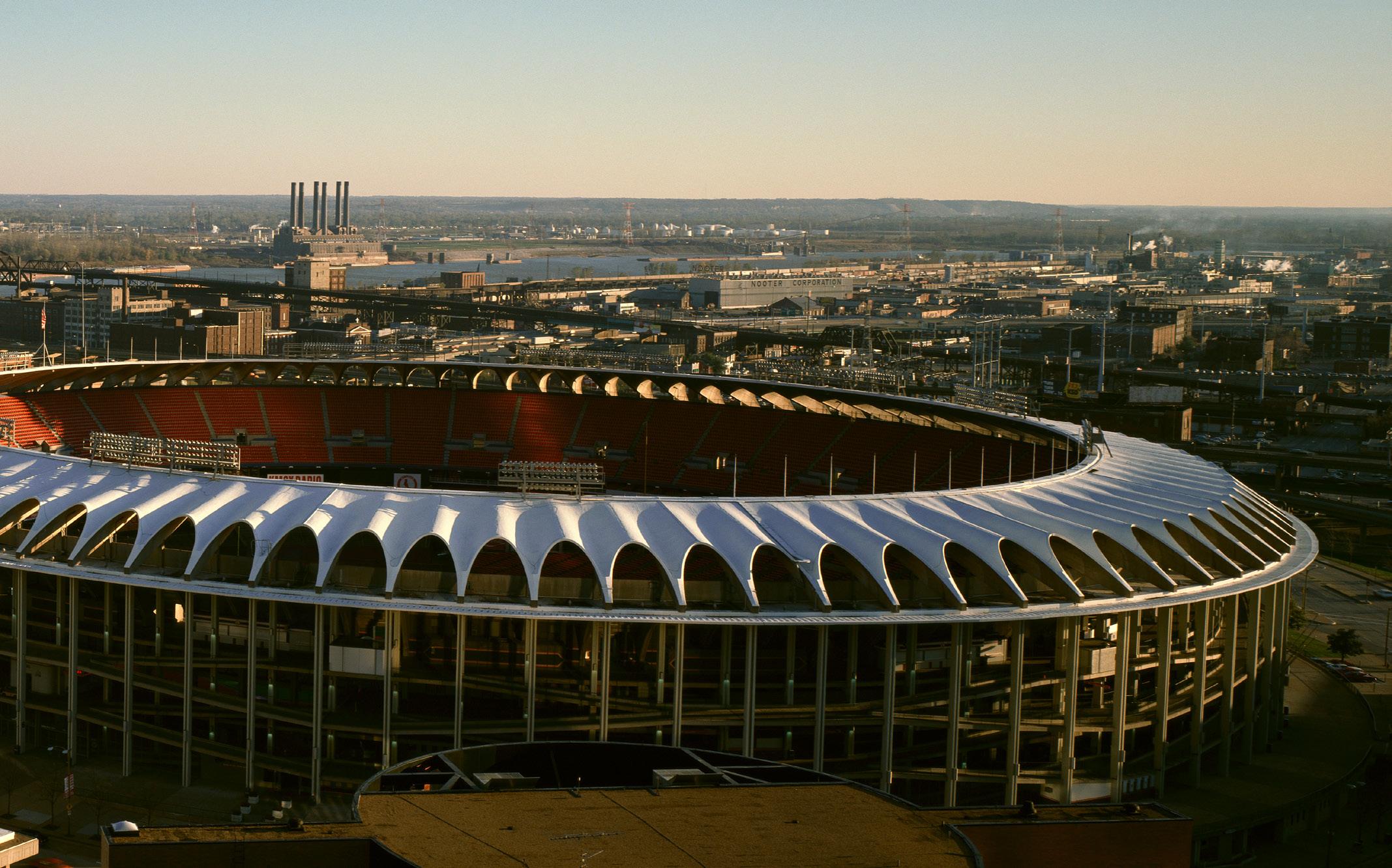
2026 FIFA WORLD CUP HOST CITIES
With the expanded 2026 FIFA World Cup in full swing, 16 host cities across Canada, Mexico, and the US take centre stage for the 23rd edition of football’s showpiece – the most-watched sporting event globally
WRITER: JACK SALTER
REGION: EASTERN – US AND CANADA
WHERE: ATLANTA, GEORGIA
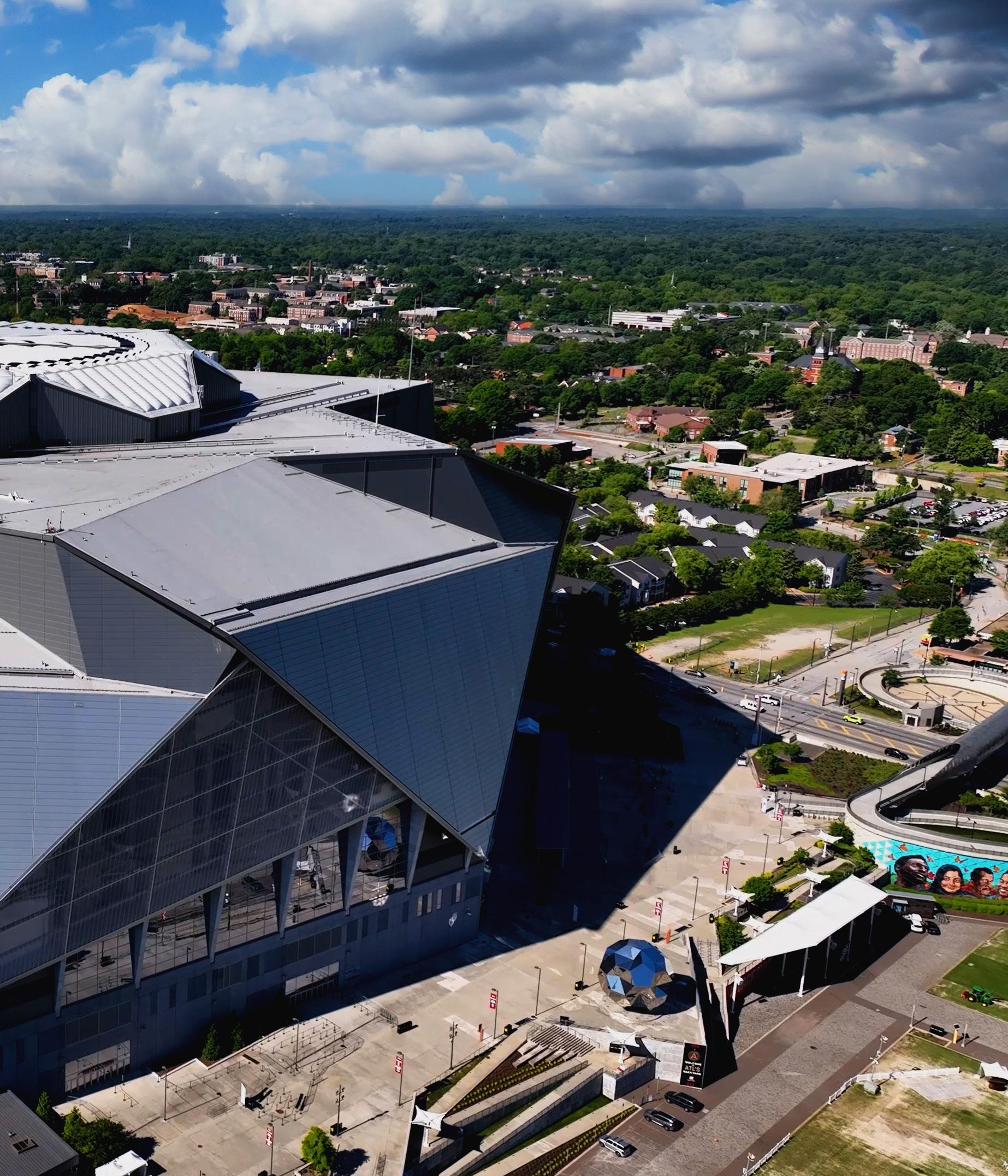
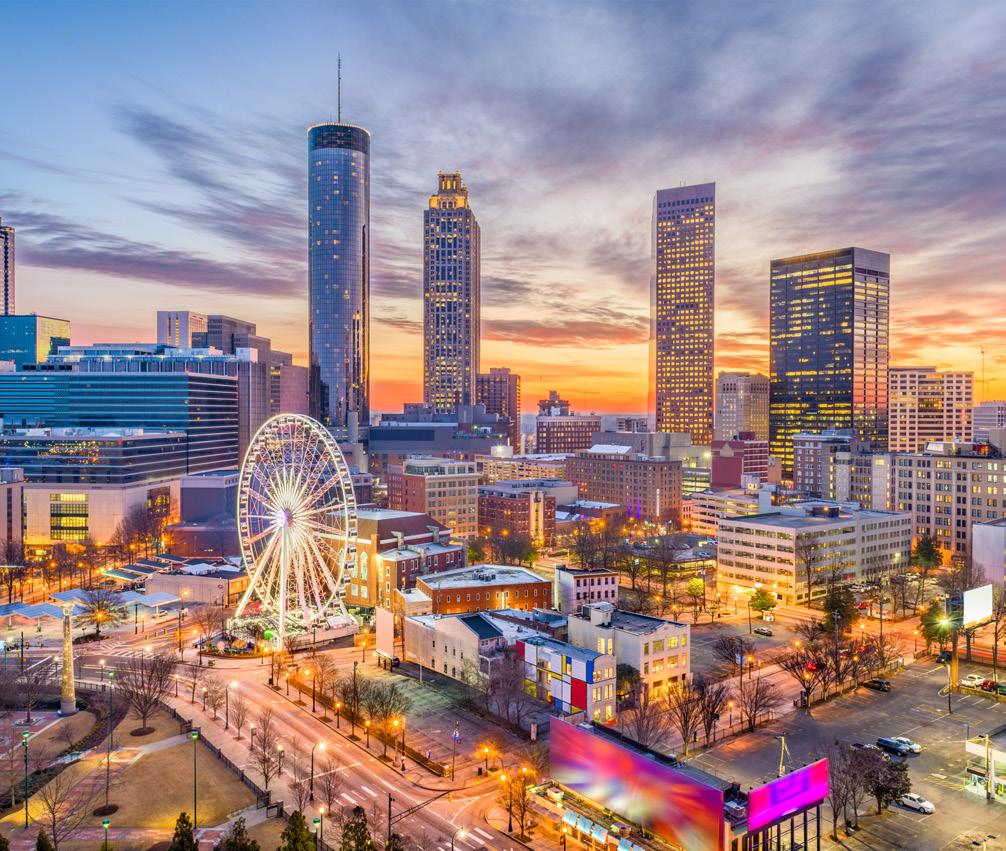
Lush green neighbourhoods blend with a fast-growing skyline in Atlanta, earning its nickname as the ‘City in the Forest’.
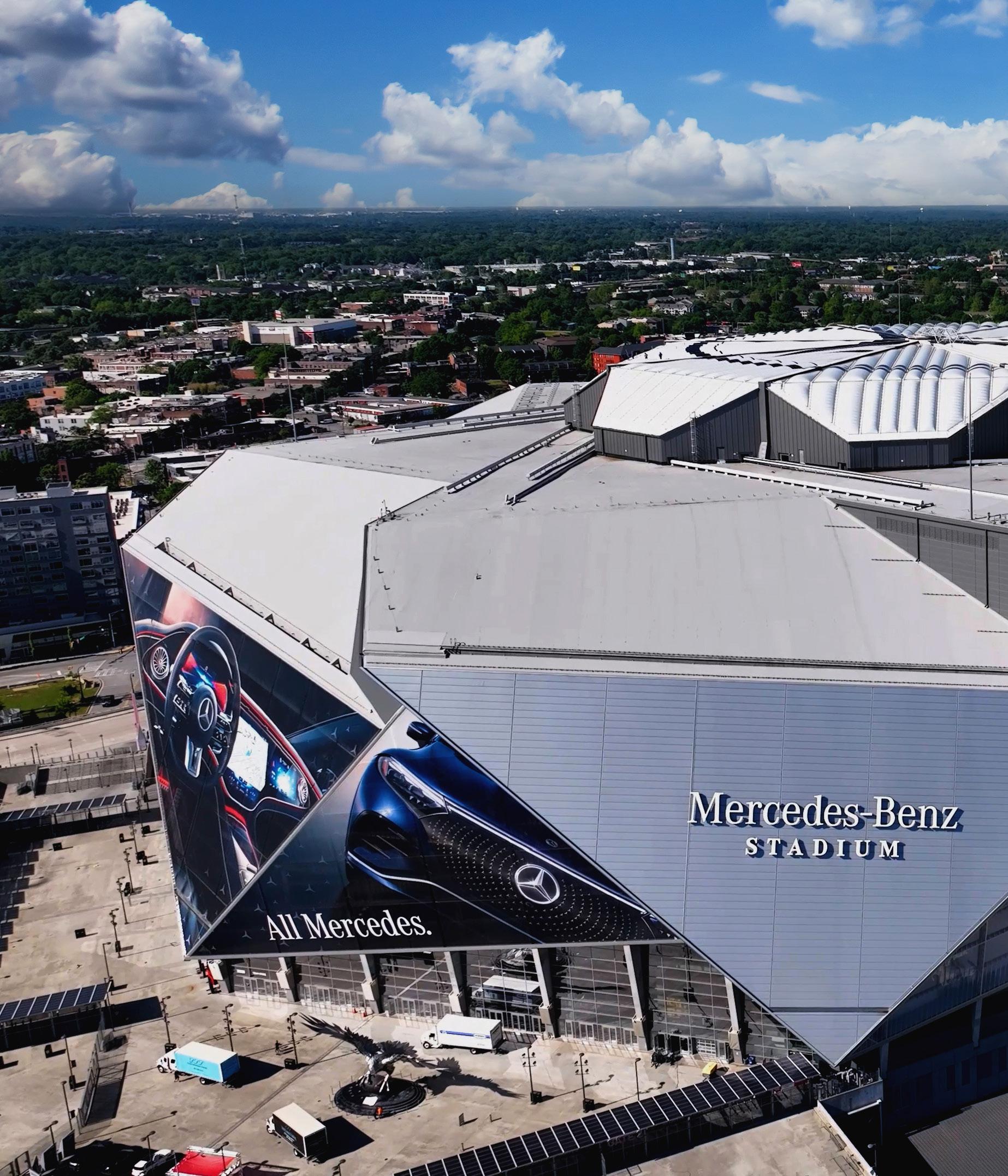
The second semi-final is one of eight games being held at the spectacular Atlanta Stadium. This striking, state-of-the-art arena, lauded as the most sustainable stadium in the world, features a one-of-a-kind retractable roof and a 360-degree halo video display.
Beyond the games, visitors can explore the Atlanta BeltLine, vibrant food halls, civil rights landmarks, and year-round festivals.
REGION: EASTERN – US AND CANADA
WHERE: BOSTON, MASSACHUSETTS
One of the most historic cities in the US, Boston was founded in 1630 and is known as the birthplace of the American Revolution in the 18th century.
This rich history is infused with a modern cultural sense, from the Freedom Trail to its waterfront neighbourhoods, dining spots, and summer events.
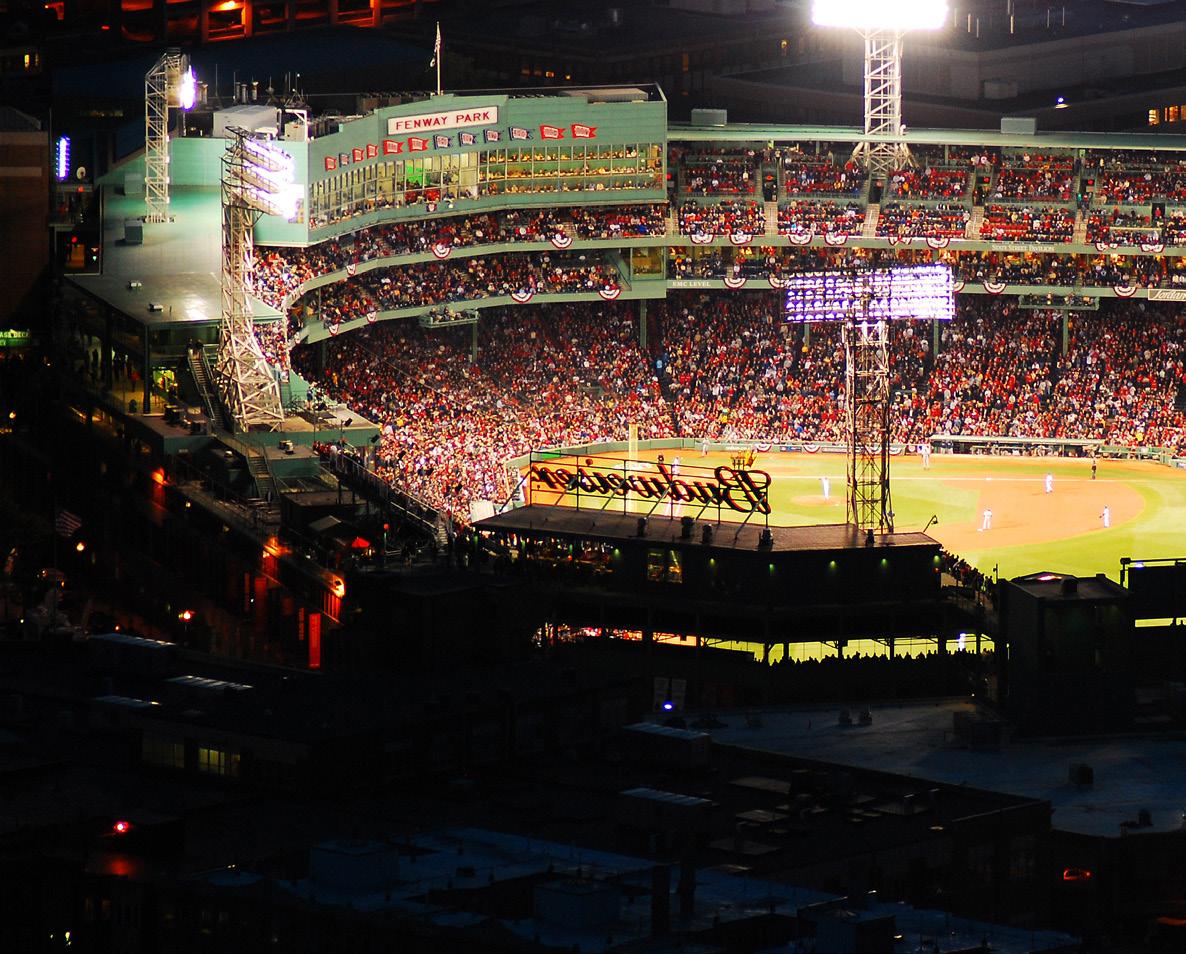
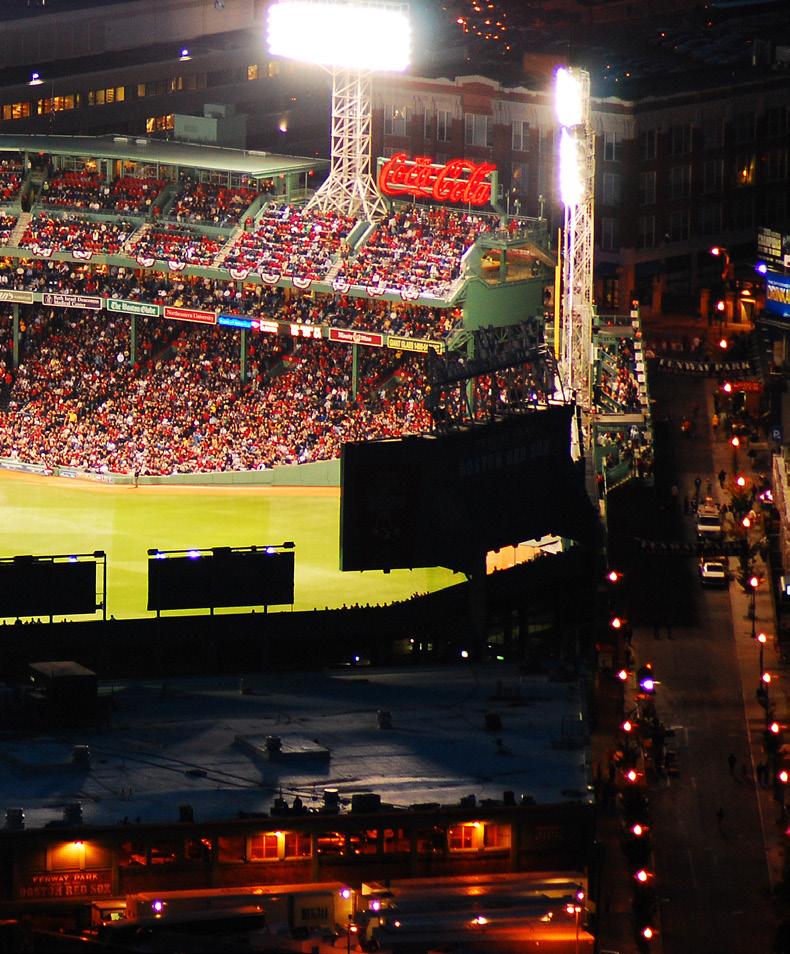
Boston Stadium is hosting seven matches at the 2026 FIFA World Cup, including two knockout games in the latter stages, and underwent a major renovation project ahead of the tournament.
REGION: EASTERN – US AND CANADA
WHERE: MIAMI, FLORIDA
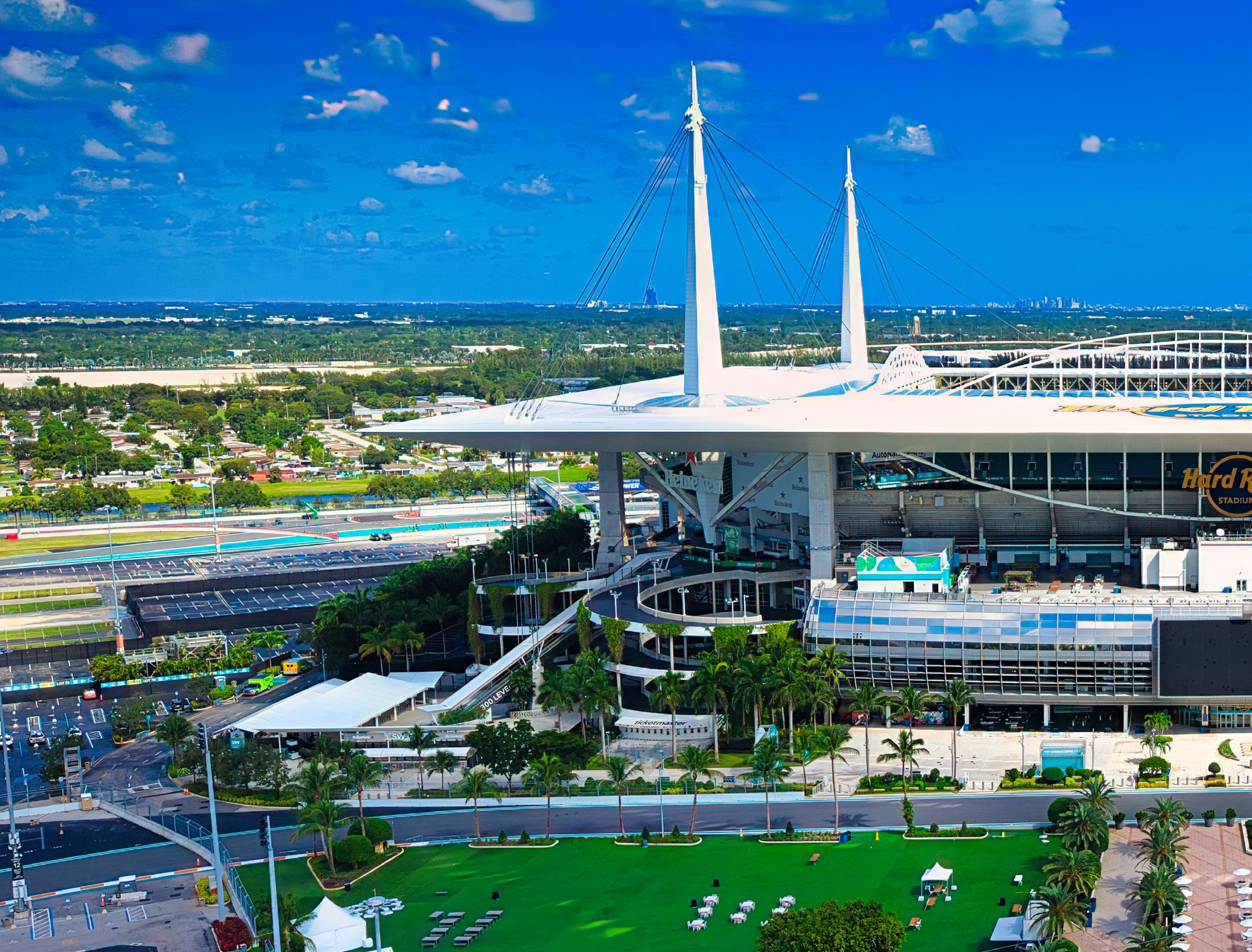
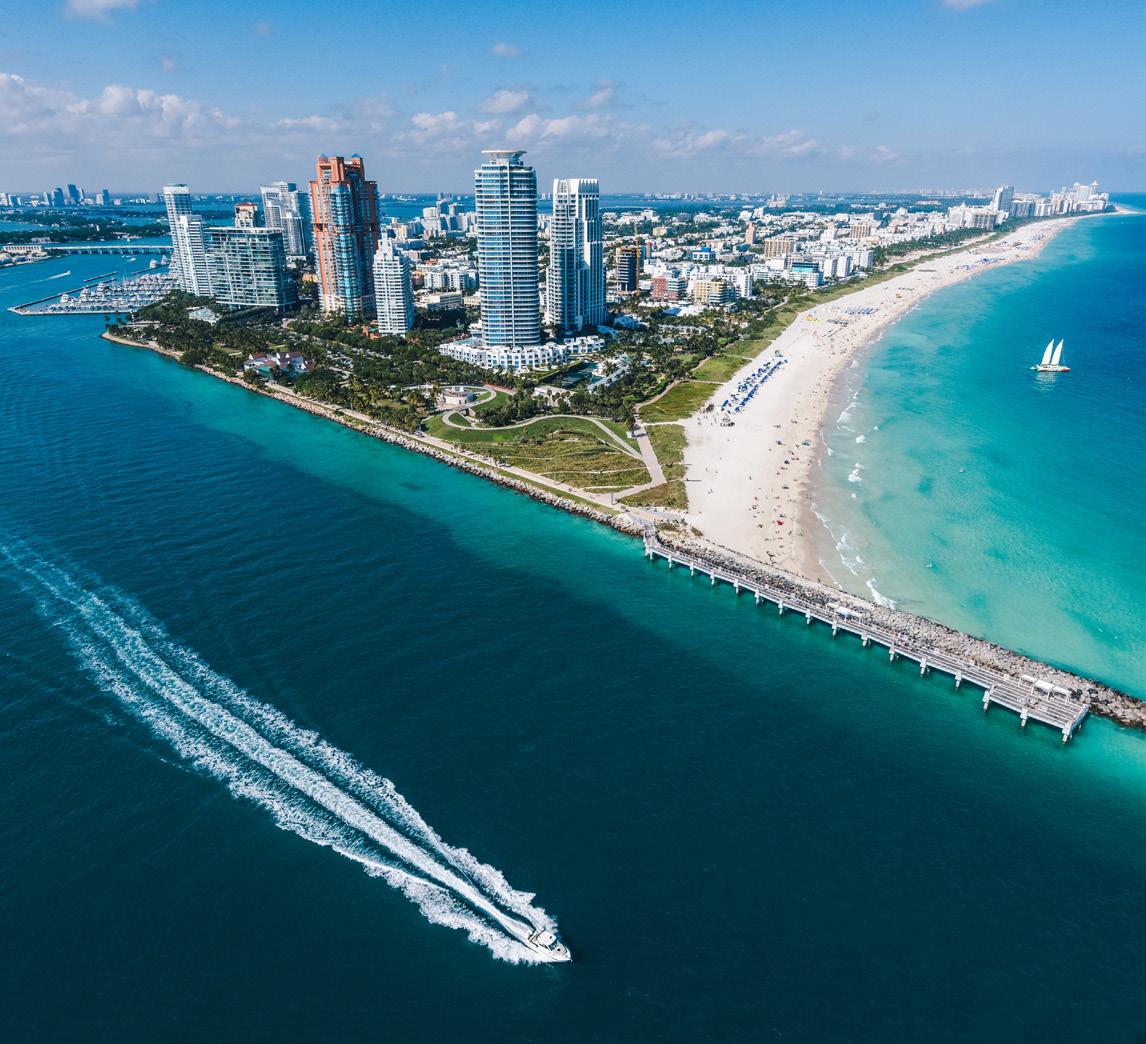
Miami is one of the world’s most international cities, where cultures from across Latin America, the Caribbean, Europe, and more come together to create a vibrant, dynamic community.
With year-round sunshine, the ‘Magic City’ is known for its glamorous beaches, bold culinary adventures, dynamic arts, and electrifying sports scene.
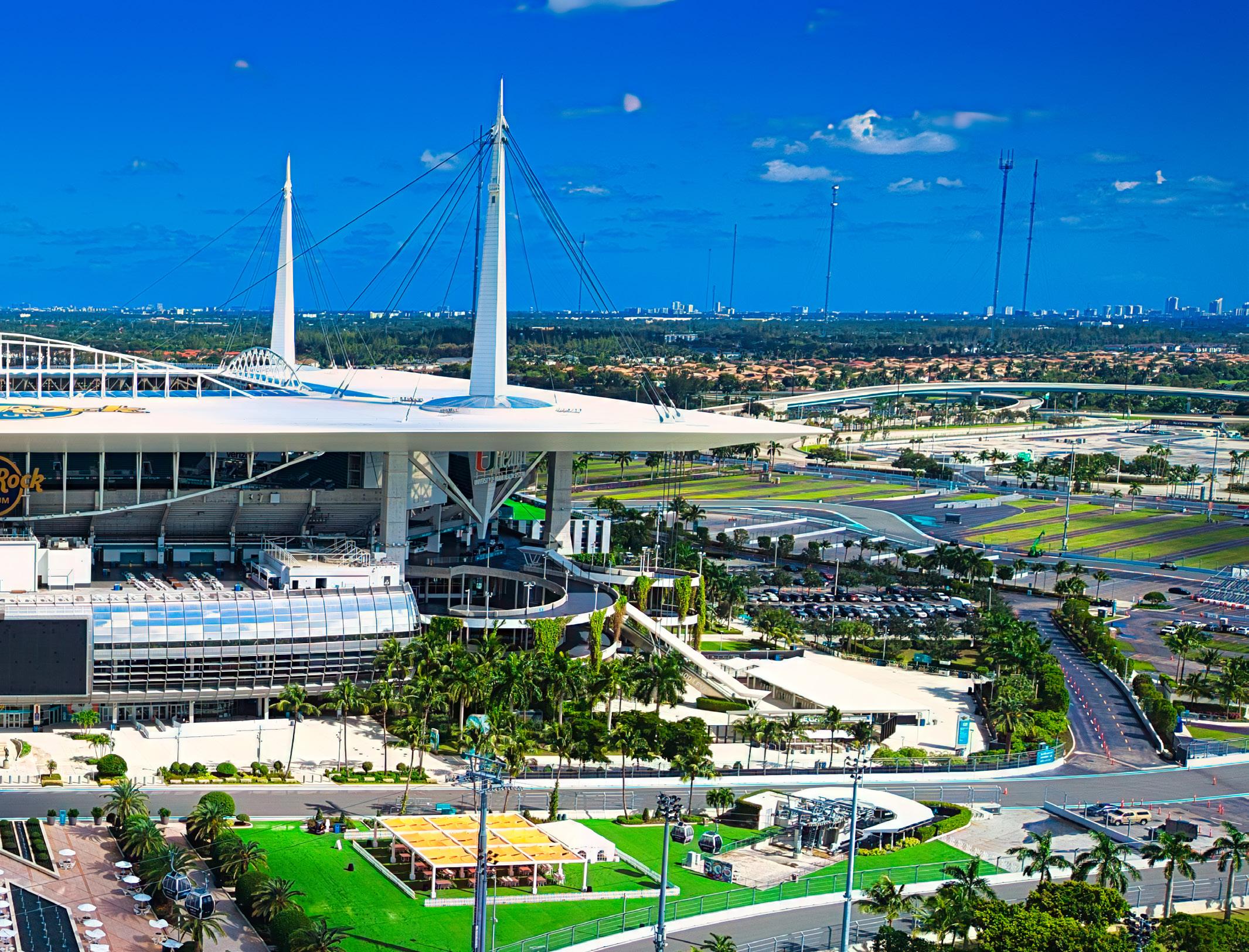
Four group-stage and three knockout fixtures, including a quarter-final and the third-place play-off, will be played at the home of the Miami Dolphins.
REGION: EASTERN – US AND CANADA
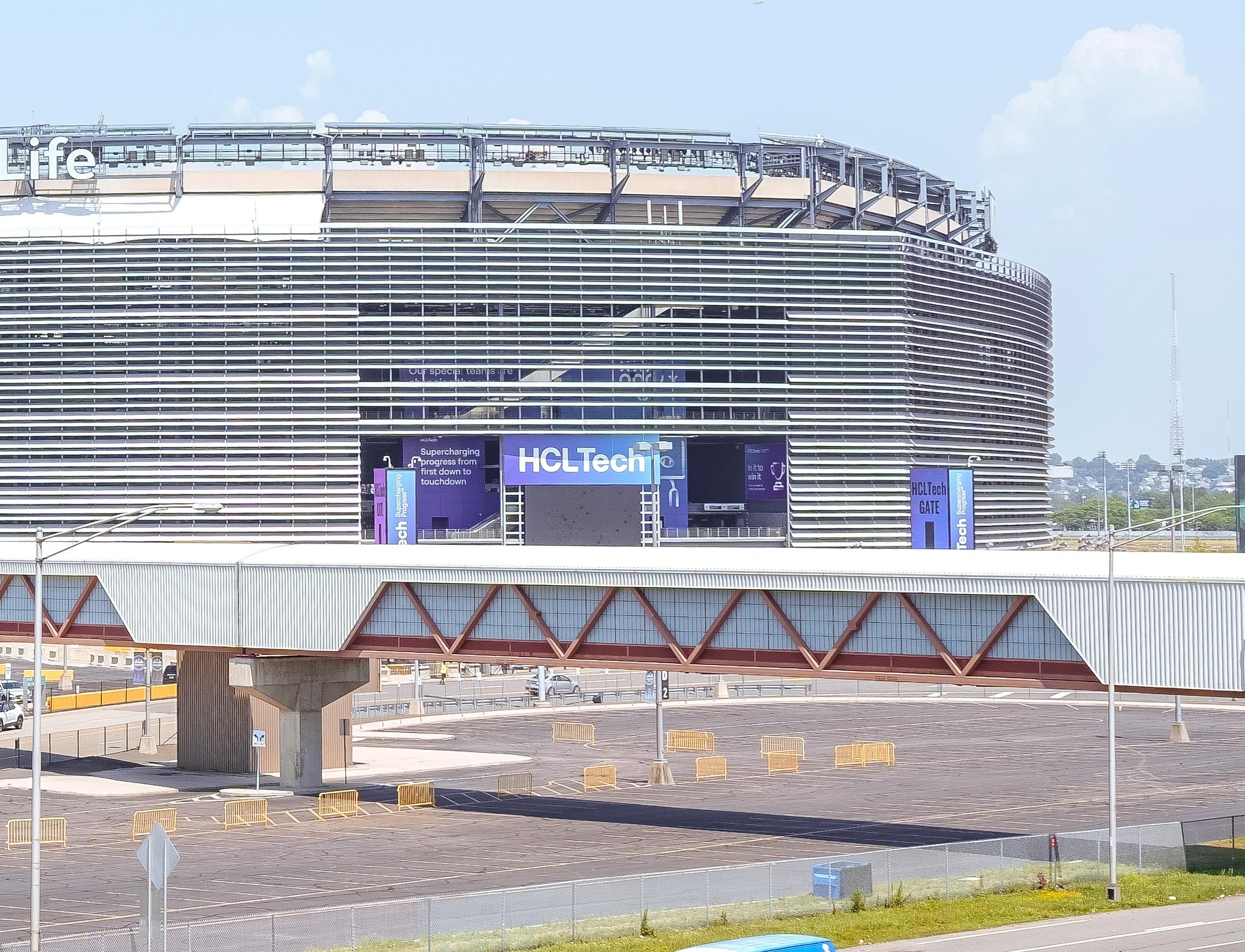
WHERE: NEW YORK/ NEW JERSEY
The New York/New Jersey (NYNJ) region – a national and international centre for media, finance, commerce, culture, and retail – is older than the US itself, founded by Europeans nearly 400 years ago.
Highlights include the Statue of Liberty, Times Square, Niagara Falls, and renowned cultural institutions like the Metropolitan Museum of Art, Liberty Science Center, and Brooklyn Museum.
NYNJ has hosted some of the biggest sporting and entertainment events and will stage the 2026 FIFA World Cup Final.
REGION: EASTERN – US AND CANADA
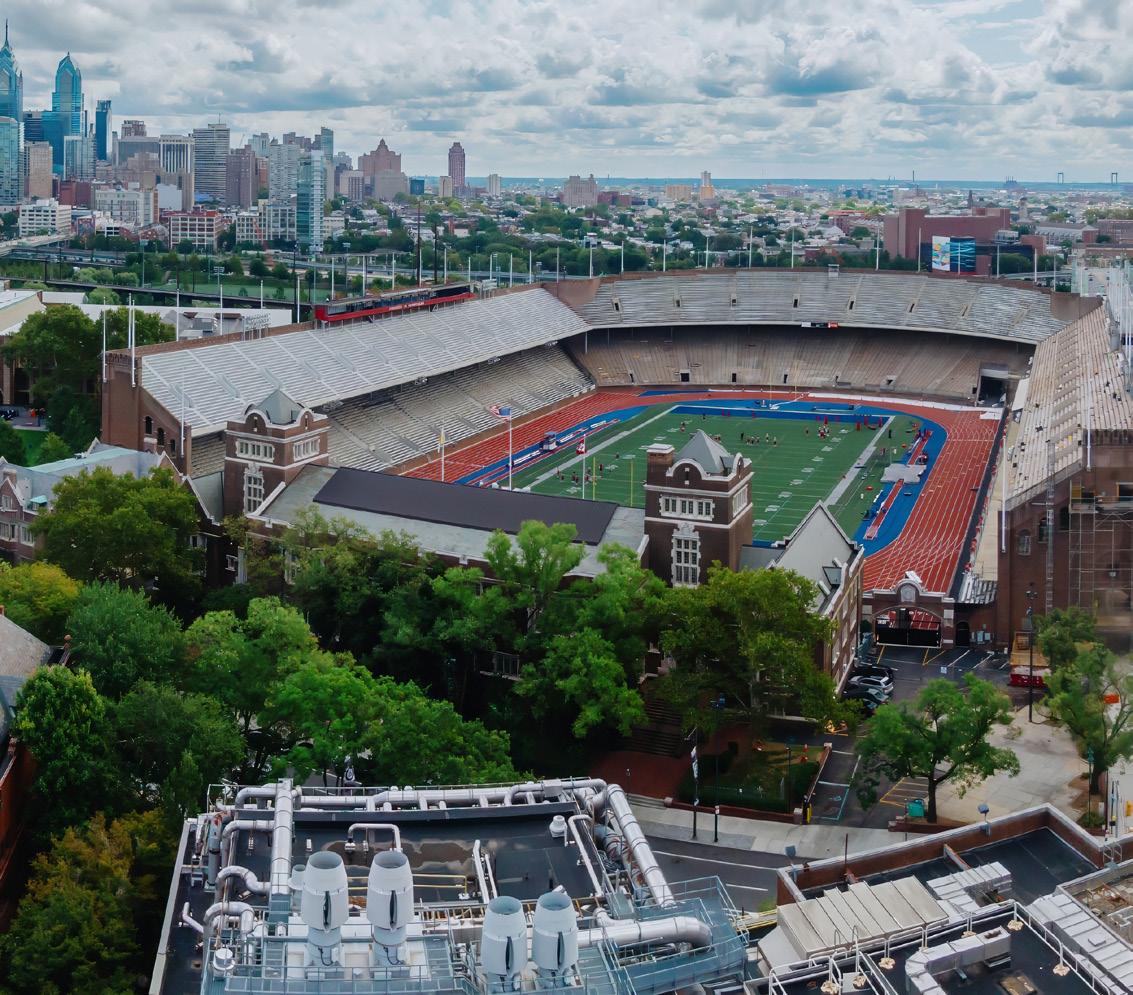
WHERE: PHILADELPHIA, PENNSYLVANIA
Philadelphia is the founding city of the US, where delegates from 13 American colonies declared to the world that they were separating from England and forming a new country.
The Historic District is where the nation began, and millions of visitors each year walk in the footsteps of the Founding Fathers. From the Liberty Bell to charming cobblestone streets, this neighbourhood blends rich history with modernday attractions, restaurants, and museums.
Fittingly, the birthplace of American democracy hosts a Round of 16 showdown on 4th July – exactly 250 years since the Declaration of Independence in 1776.
REGION: EASTERN – US AND CANADA
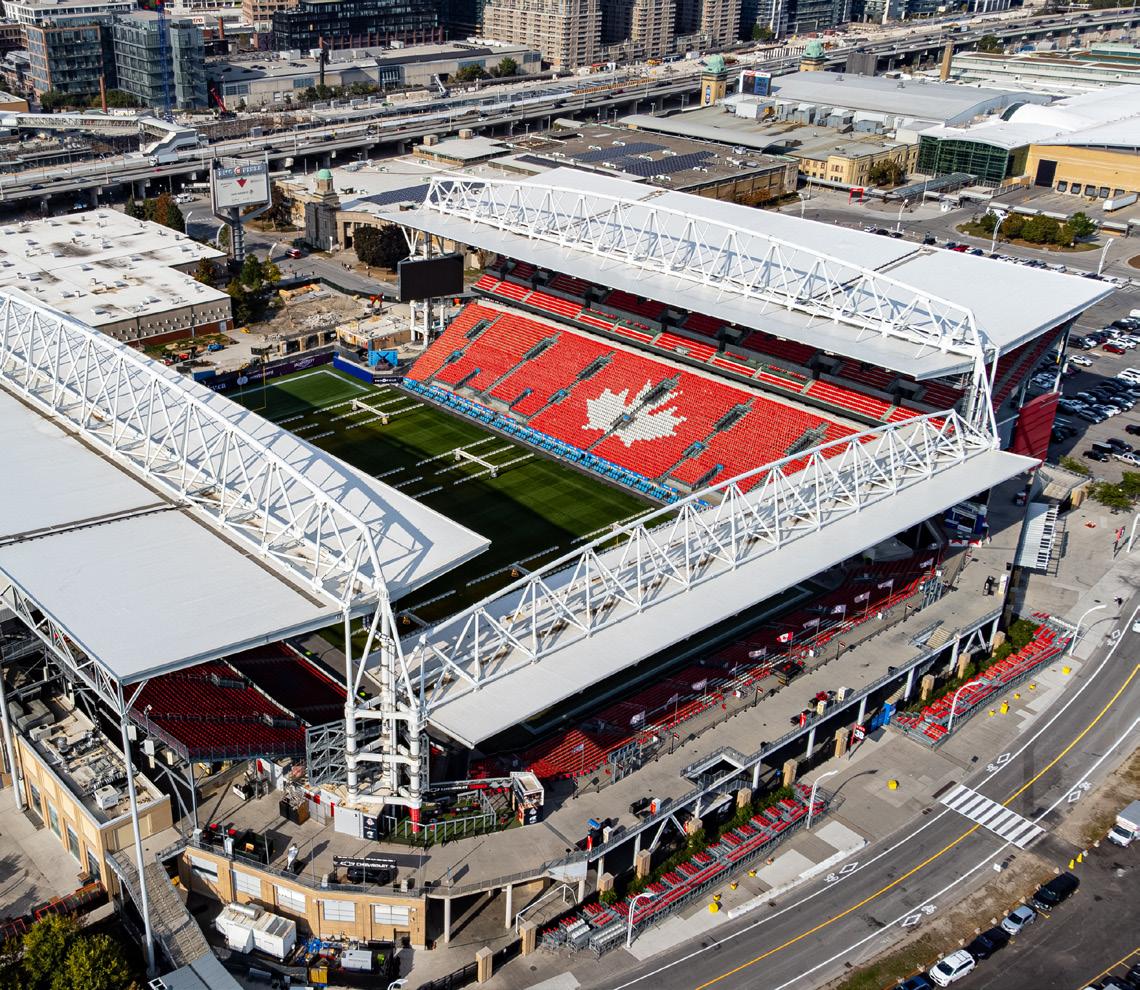
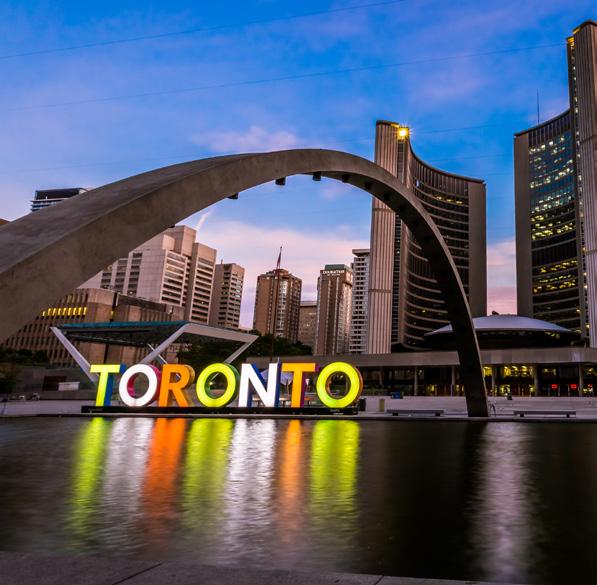
WHERE: TORONTO, ONTARIO
Canada’s largest city thrives on exploration, from soaring towers and vibrant markets to secret gardens and movie-set castles. No list of attractions is complete without the CN Tower, which holds the title of the world’s highest wine cellar.
With more than half of its population born overseas, Toronto is also one of the most multicultural and ethnically diverse cities on Earth.
Could there be a more appropriate host for the 2026 FIFA World Cup, which expands the tournament to an unprecedented 48 countries?
Canada’s hotly anticipated opener against Bosnia and Herzegovina took place at Toronto Stadium.
REGION: CENTRAL – US AND MEXICO
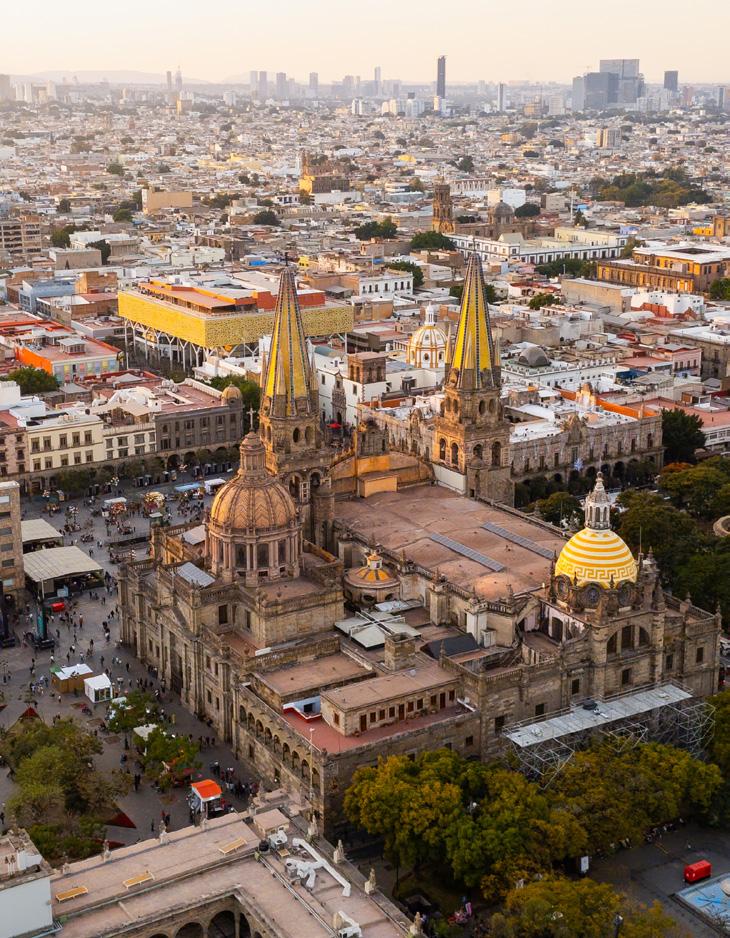
WHERE: GUADALAJARA, JALISCO
Guadalajara is the birthplace of the symbols that define Mexico around the world: the sound of mariachi, legacy of tequila, and tradition of charrería.
The Jalisco capital joins a selection of cities to host the world’s biggest football celebration for a third time, having previously done so in 1970 and 1986.
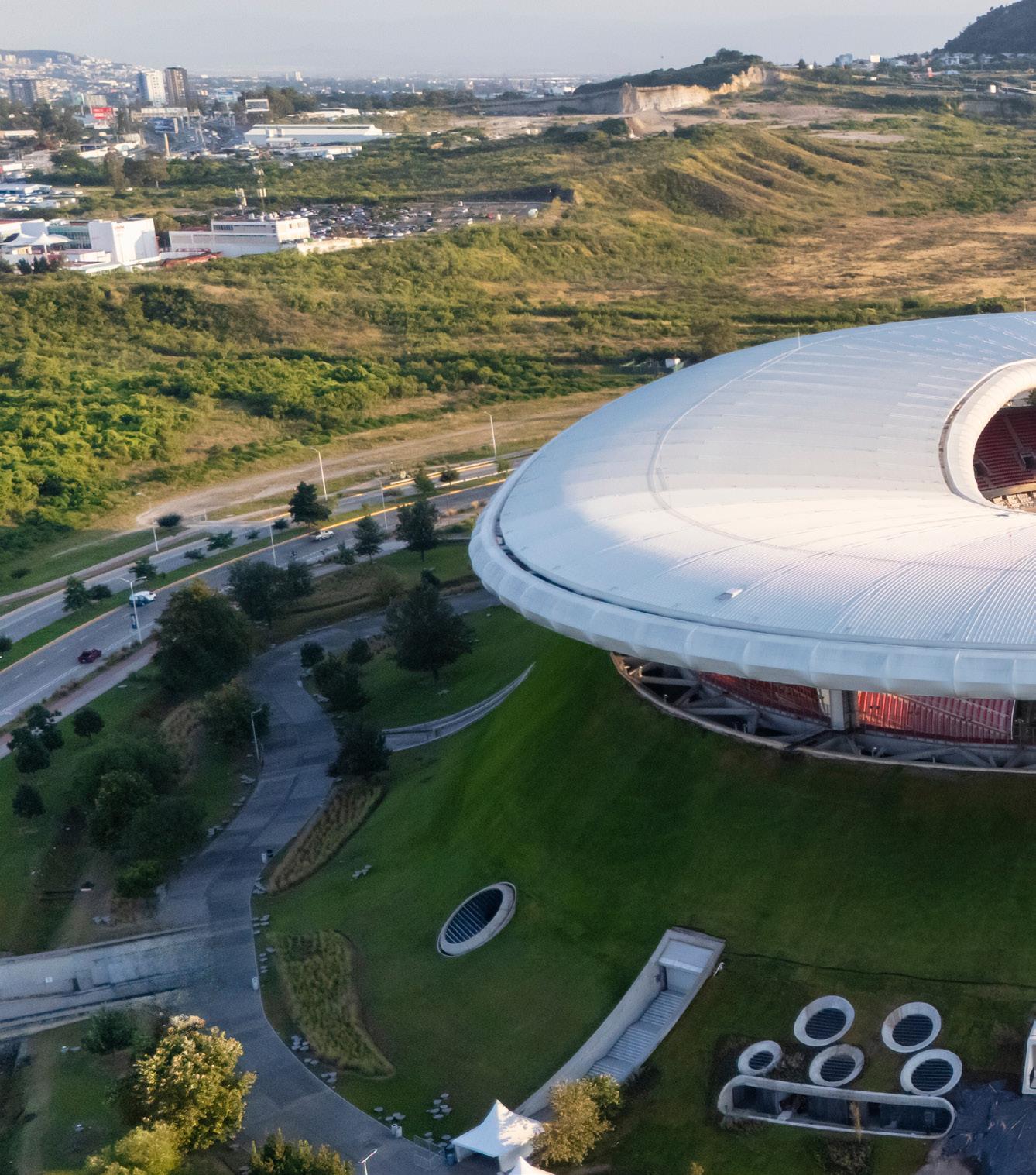
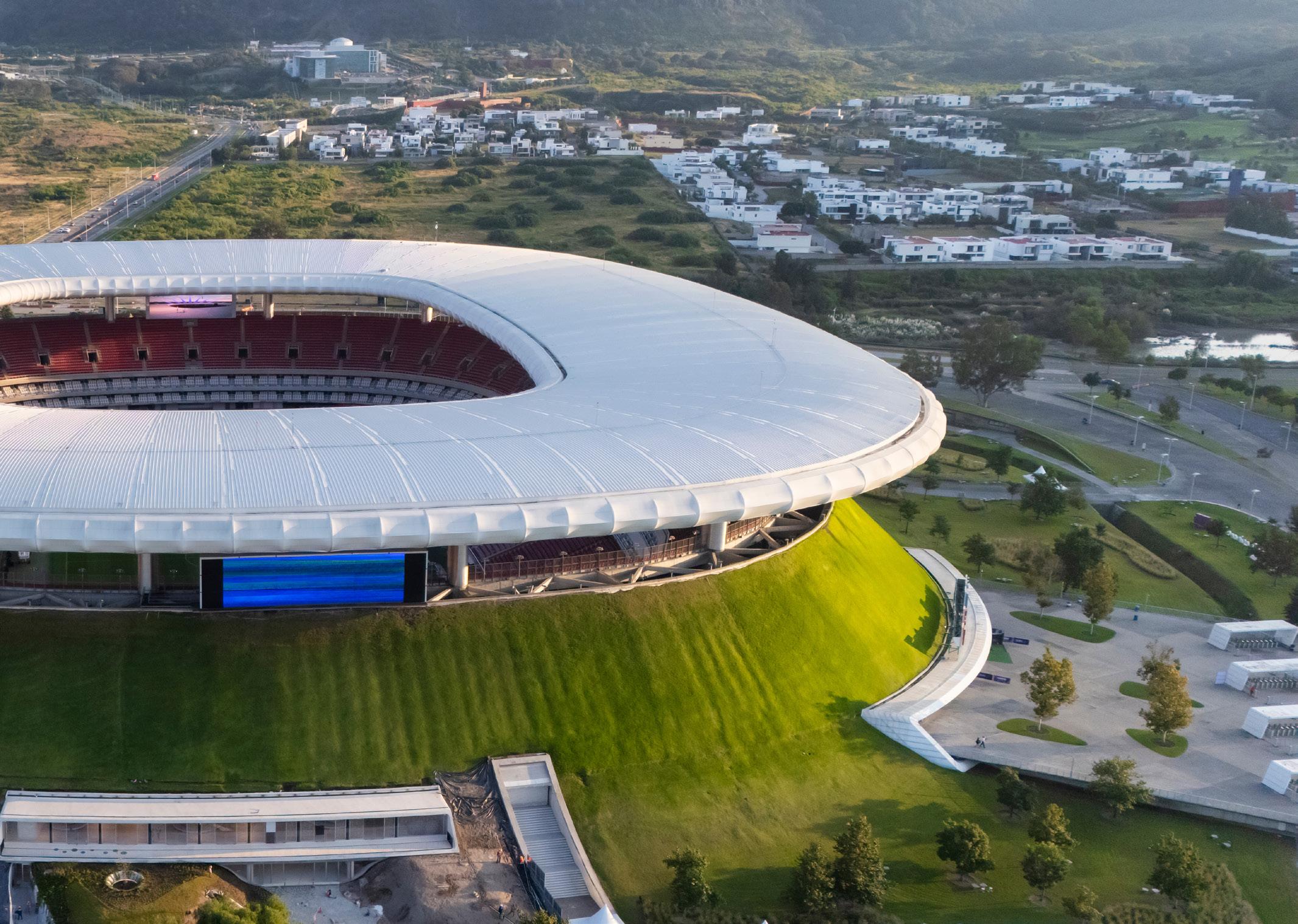
Estadio Guadalajara, however, takes centre stage as a FIFA World Cup venue for the very first time, connecting the city’s historic legacy with the modern energy of today’s game. Mexico face South Korea in Guadalajara in their second group-stage game.
REGION: CENTRAL – US AND MEXICO
WHERE: DALLAS, TEXAS
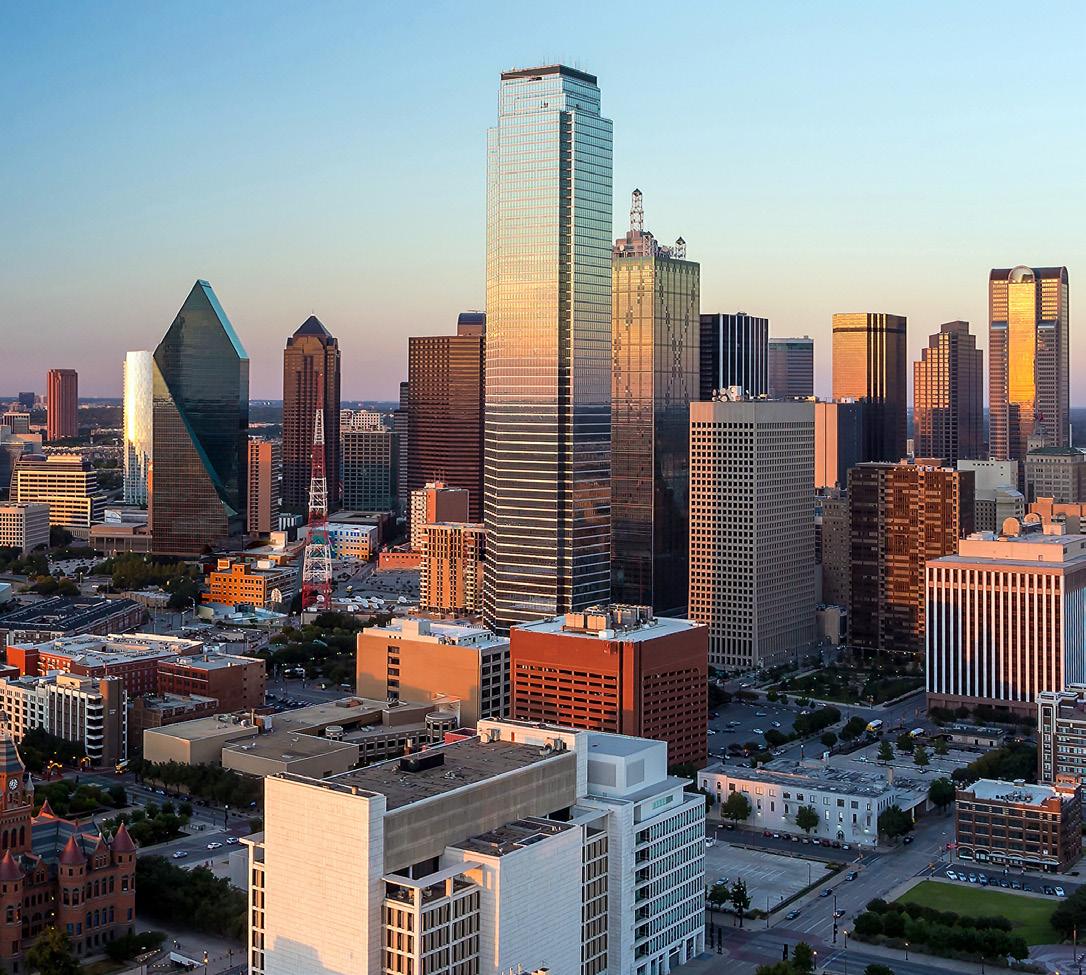
When you think of iconic landmarks that define the Dallas skyline, one stands out as the city’s de facto symbol – Reunion Tower.
Standing an impressive 561 feet tall, the tower is a must-see destination, with the GeO-Deck offering a stunning 360-degree panoramic view that has to be seen to be believed.
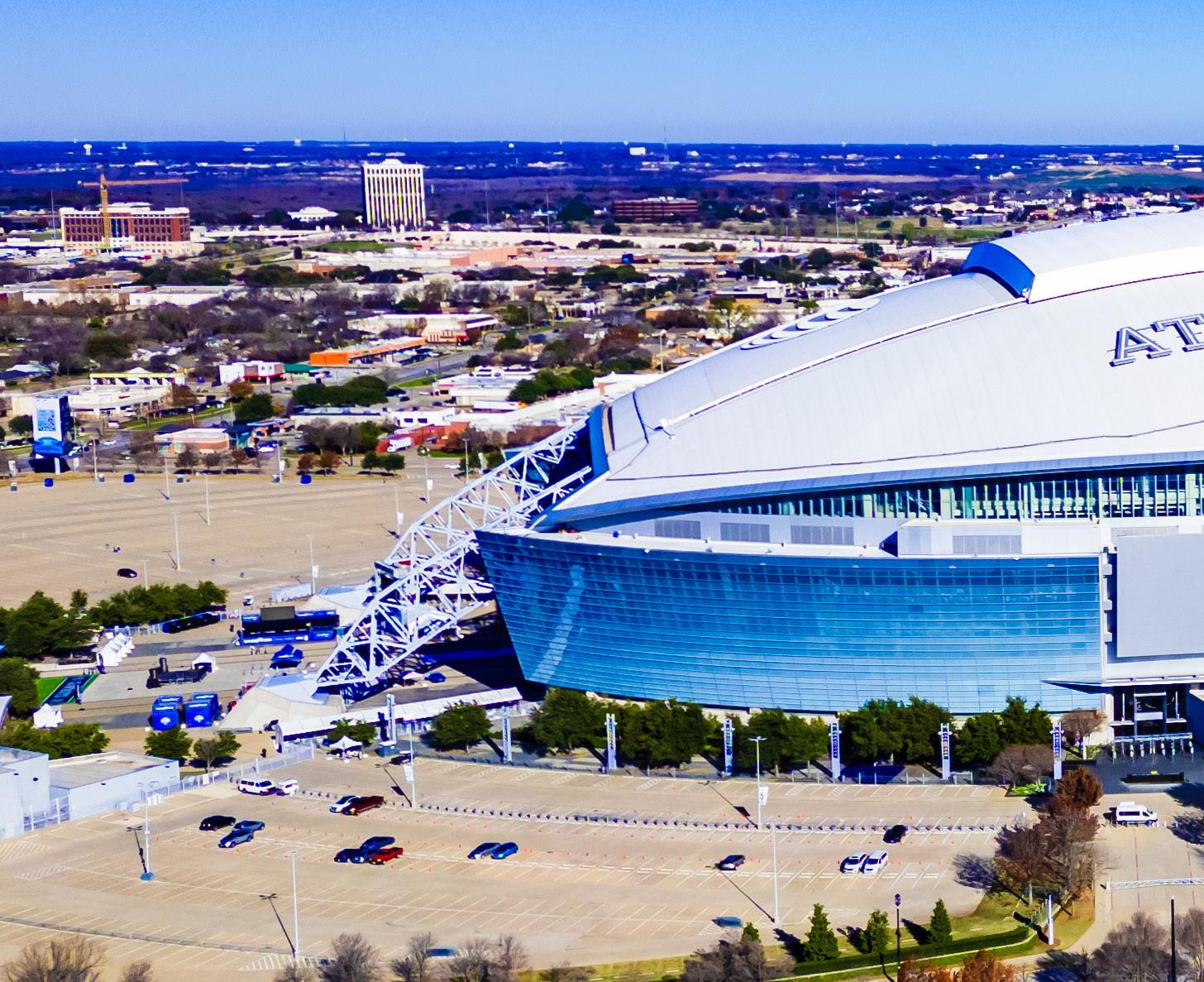
The city also takes sports seriously, with the NFL’s legendary Dallas Cowboys affectionately known as ‘America’s Team’. Dallas Stadium, home of the Cowboys, stages nine matches during the 2026 FIFA World Cup – more than any other – including the first semi-final. This vast, jaw-dropping example of stadium architecture seats 94,000 people and provides a once-in-a-lifetime visitor experience for both sport and music events.
REGION: CENTRAL – US AND MEXICO
WHERE: KANSAS CITY, MISSOURI
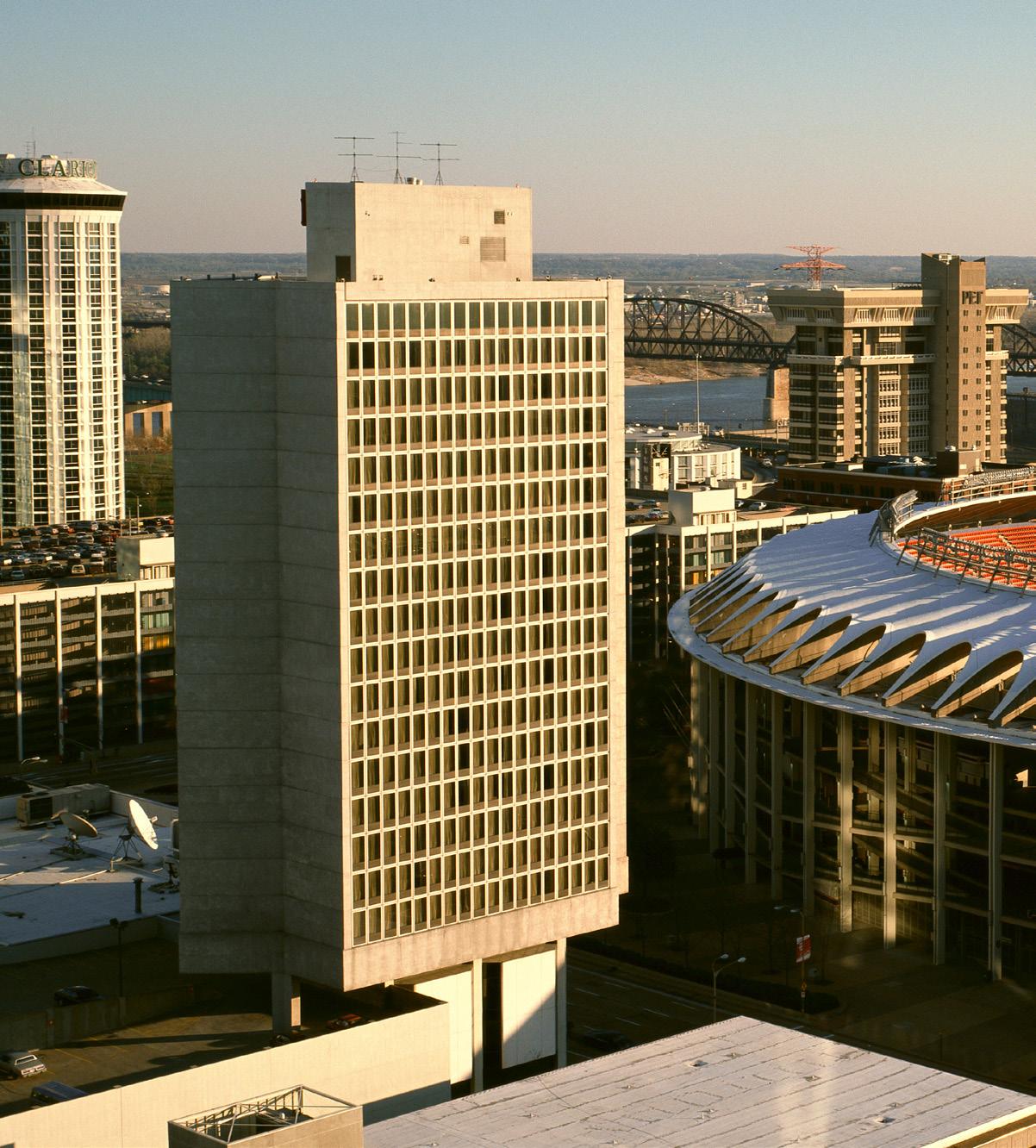
Kansas City Stadium achieved a Guinness World Record in 2014 for the loudest crowd roar at a sports stadium – an ear-splitting 142.2 decibels – when the Kansas City Chiefs took on the New England Patriots.
Fans are bringing the noise to four groupstage games, a Round of 32 clash, and a quarter-final at the 2026 FIFA World Cup.
Must-see attractions whilst in the smallest of the 11 US host cities include the striking National World War I Museum and Memorial and the acclaimed Nelson-Atkins Museum of Art, whose encyclopaedic collection spans nearly every continent and culture.
REGION: CENTRAL – US AND MEXICO
WHERE: HOUSTON, TEXAS
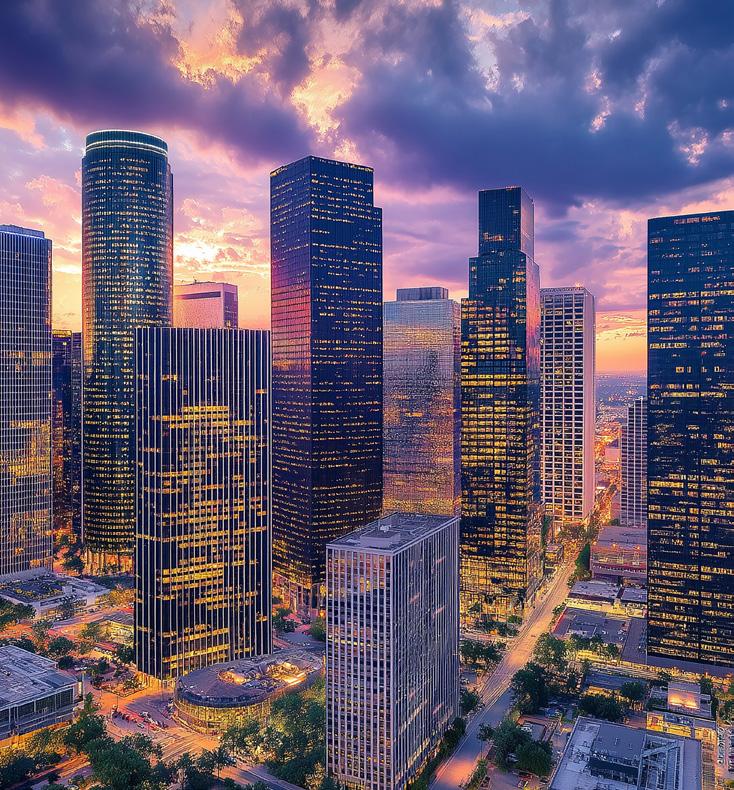
Houston is the historic base of NASA’s Johnson Space Center, which has served as the setting for some of humankind’s greatest achievements.
The city is also known for its culinary diversity, which mirrors the global spirit of the 2026 FIFA World Cup, whilst the Houston Museum District is one of the most concentrated cultural areas in the world.
Between the seven matches being held at Houston Stadium, relax in beautiful parks and outdoor spaces perfect for enjoying the Texas sunshine.
REGION: CENTRAL – US AND MEXICO
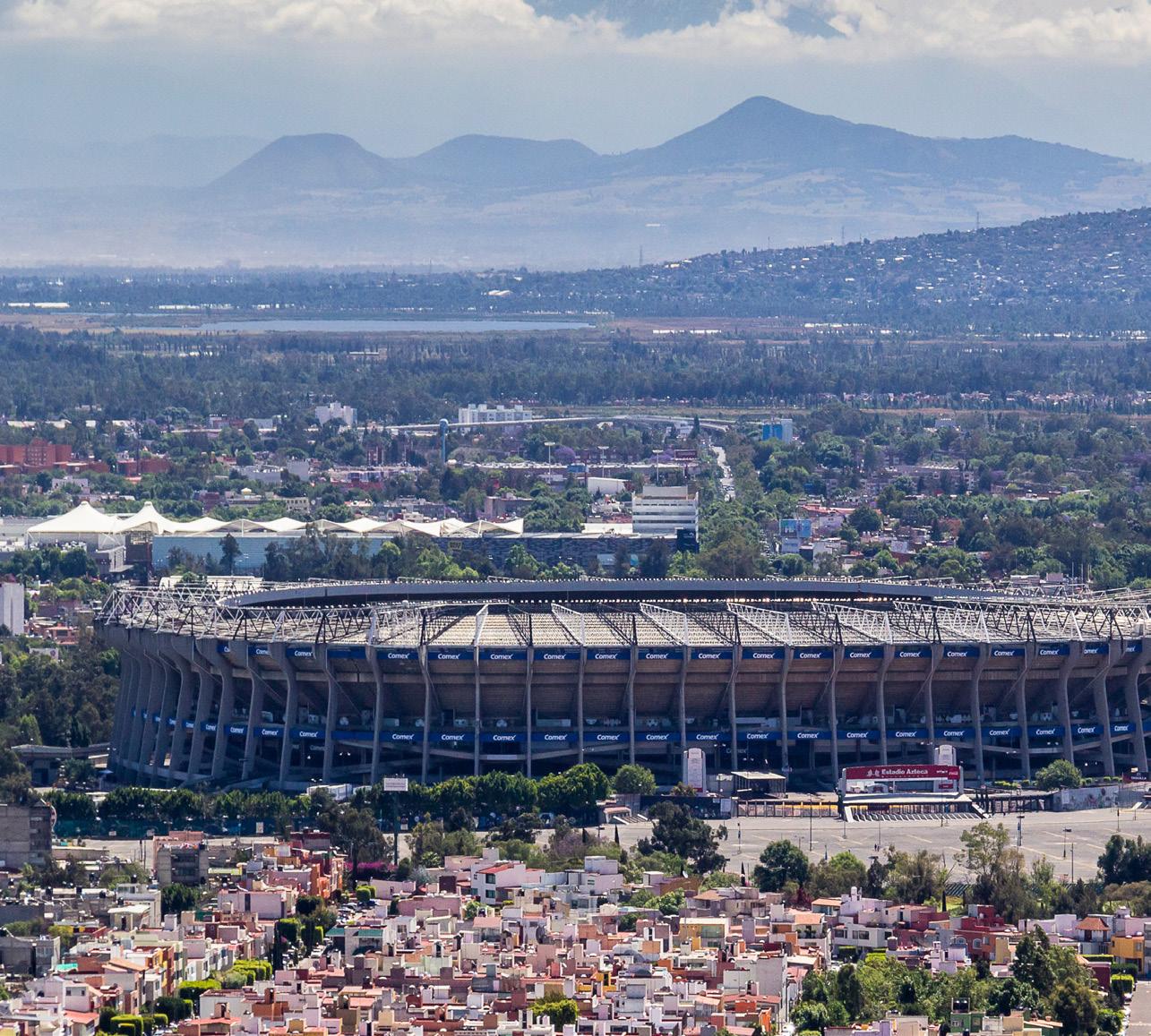
WHERE: MEXICO CITY
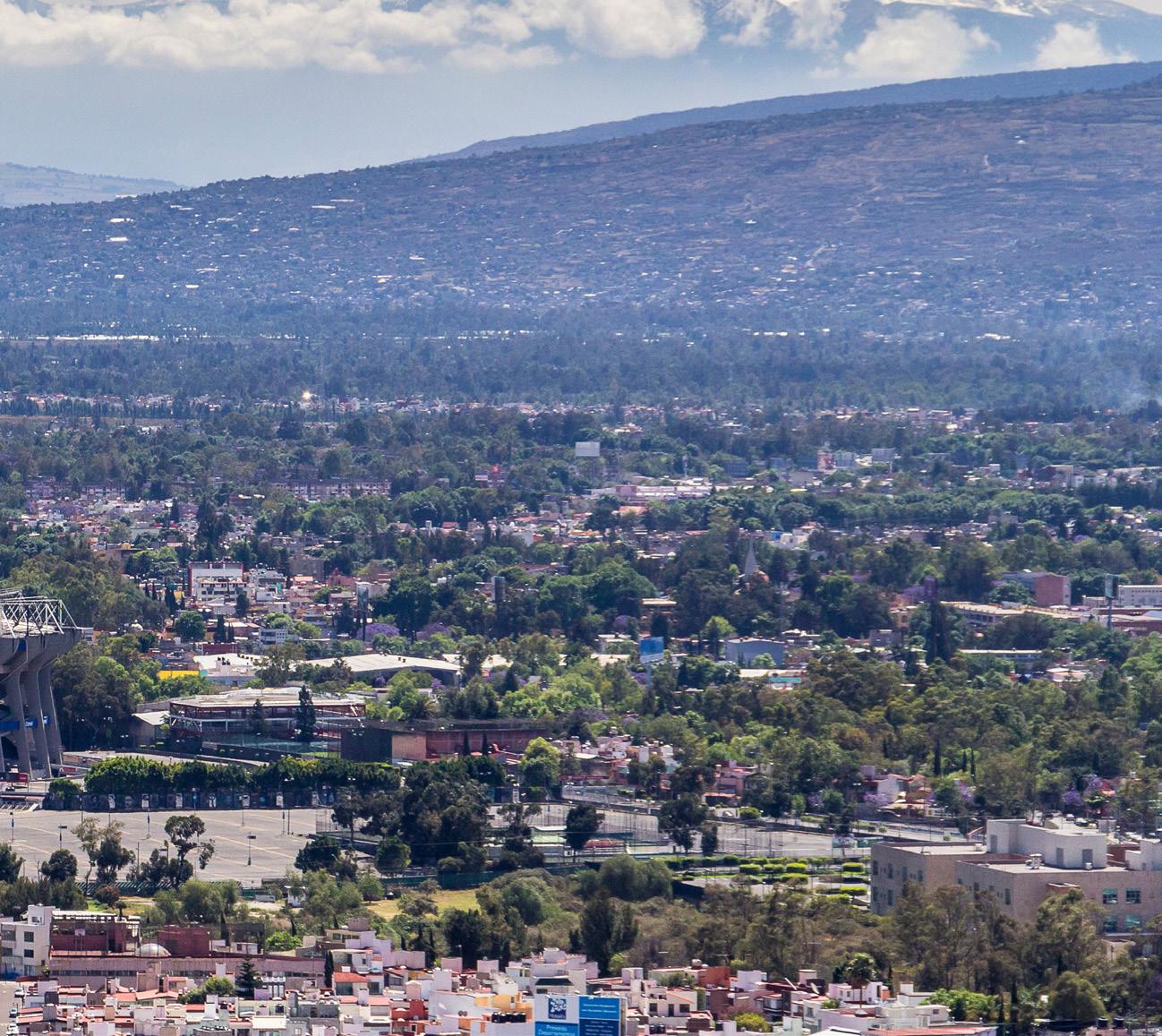
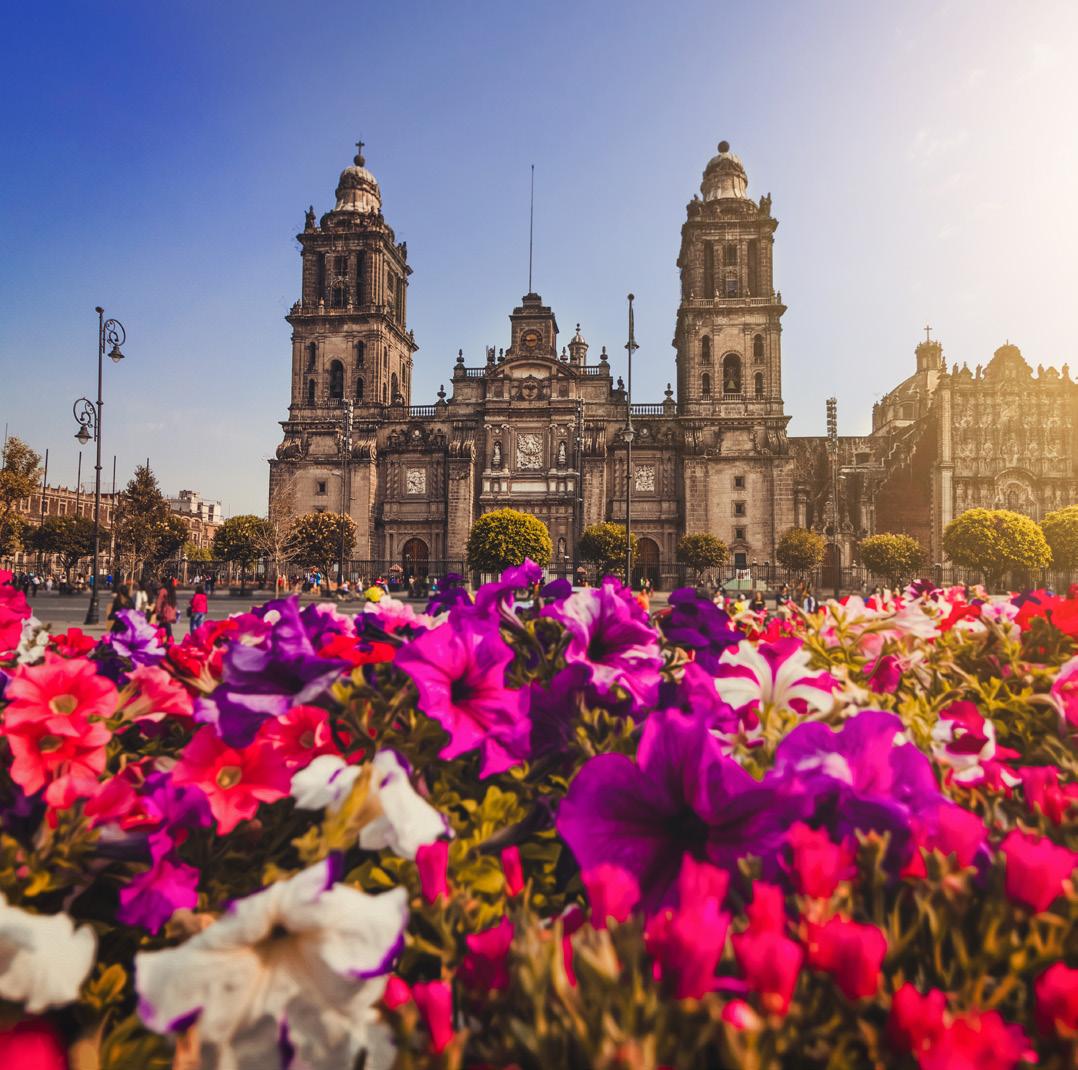
Mexico City is one of the most historic FIFA World Cup host cities and has played an unforgettable role in global football history.
All eyes were on the capital for the curtain-raiser between Mexico and South Africa at Estadio Azteca – the first venue to host matches in three separate FIFA World Cups. With a capacity of over 87,000, it’s more than just a stadium – it’s a living symbol of the city’s passion, culture, and vibrant energy.
Mexico City offers endless discovery between games, with over 150 museums, the second-highest of any city globally.
REGION: CENTRAL – US AND MEXICO
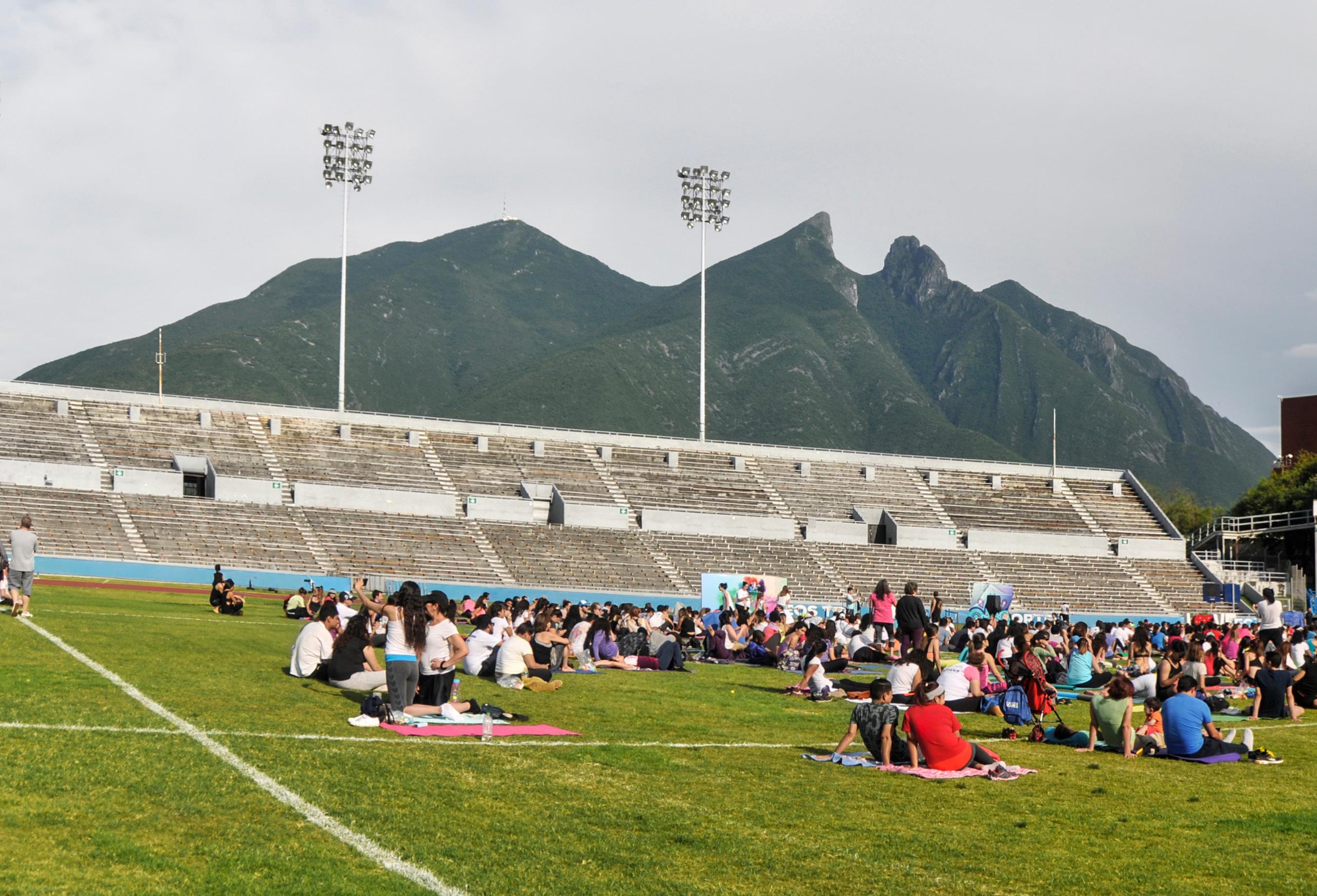
WHERE: MONTERREY, NUEVO LEÓN
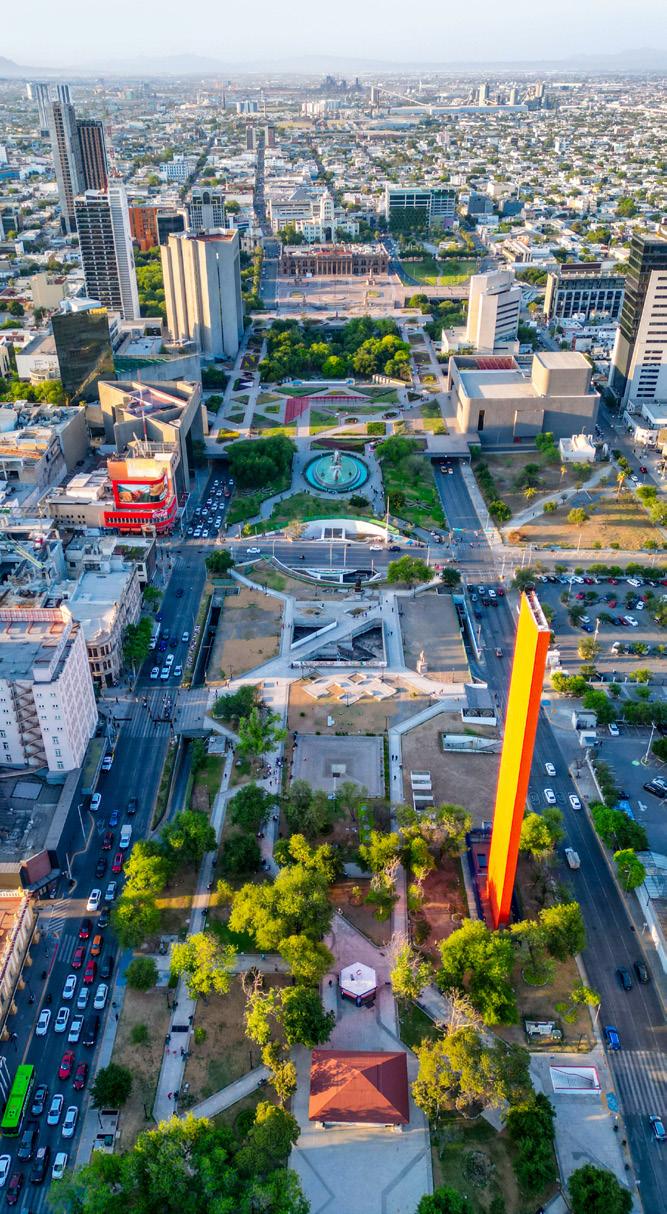
With a unique balance of majestic mountains and soaring skyscrapers, Monterrey is the industrial capital of Mexico, a busy working hub where sport is an important social activity that brings people together.
The Macroplaza, located in the heart of the city, is amongst the largest plazas in the world and houses the eye-catching Faro del Comercio, built to commemorate the 100th anniversary of the Monterrey Chamber of Commerce.
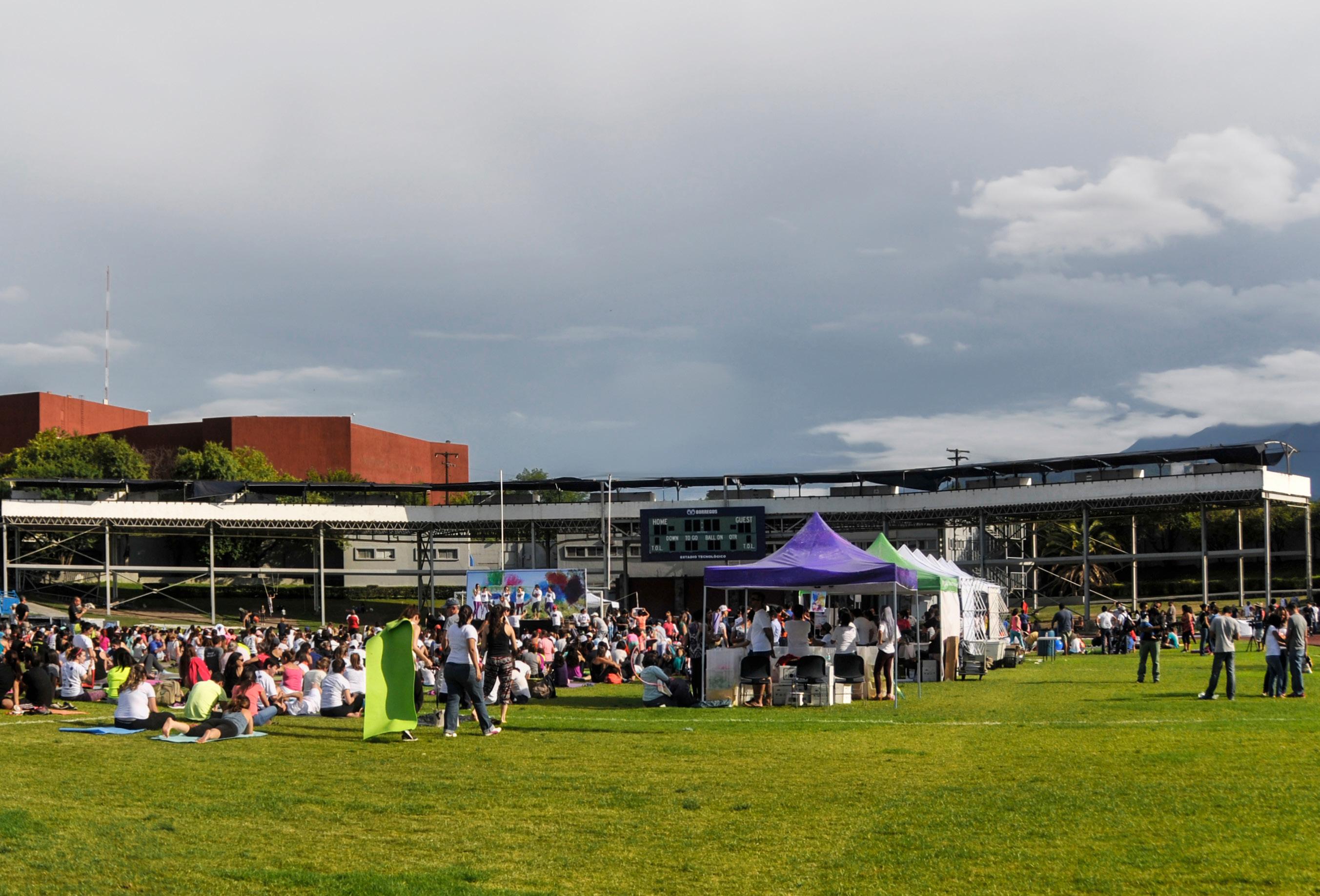
Estadio Monterrey stages three group-stage games and a Round of 32 contest at the tournament.
REGION: WESTERN – US AND CANADA
WHERE: LOS ANGELES, CALIFORNIA
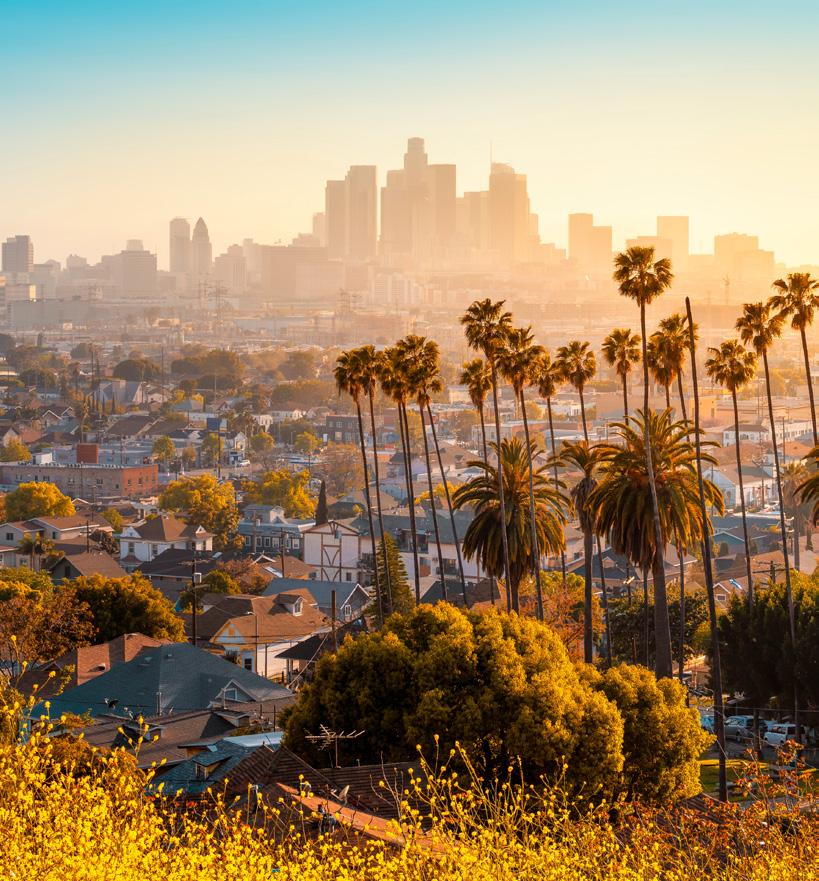
From legendary studios to thriving nightlife and renowned theatre productions, Los Angeles (LA) is truly the entertainment capital of the world.
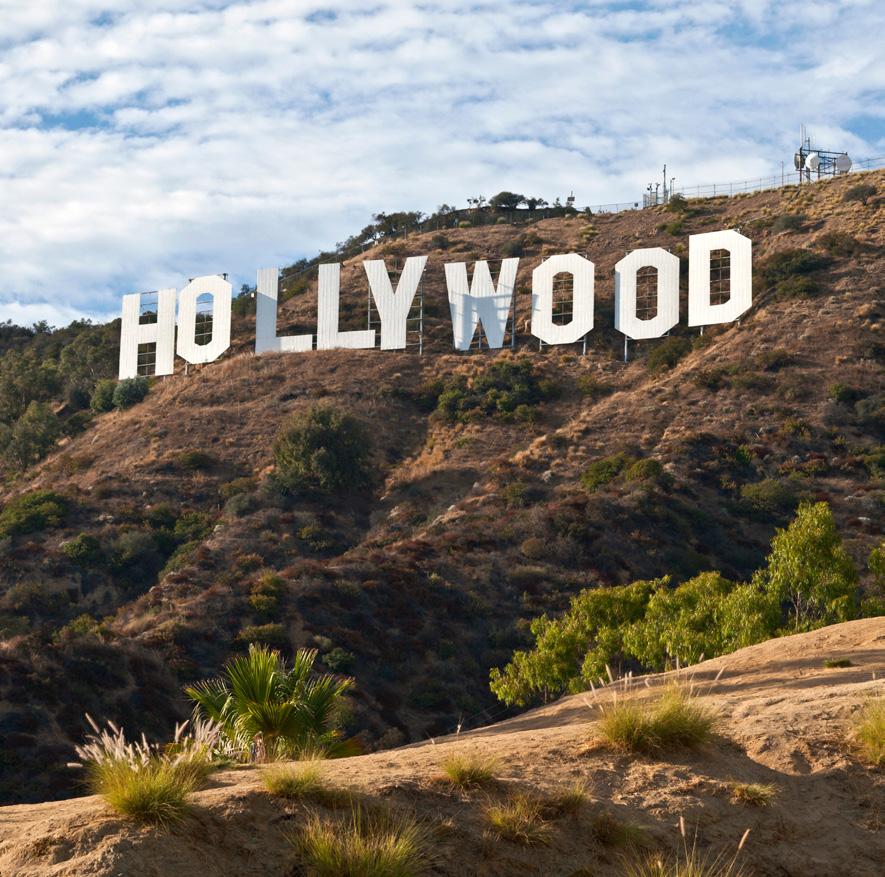
Hollywood in particular is synonymous with showbiz, a small but larger-than-life LA neighbourhood where actors and actresses have rocketed to stardom and some of the most celebrated films in cinematic history have been produced.
The Hollywood Sign, a 1923 real estate advertisement, has become one of California’s most famous landmarks, whilst the internationally recognised Hollywood Walk of Fame features over 2,800 terrazzo-and-brass stars honouring luminaries in motion pictures, television, radio, live theatre, and recording.
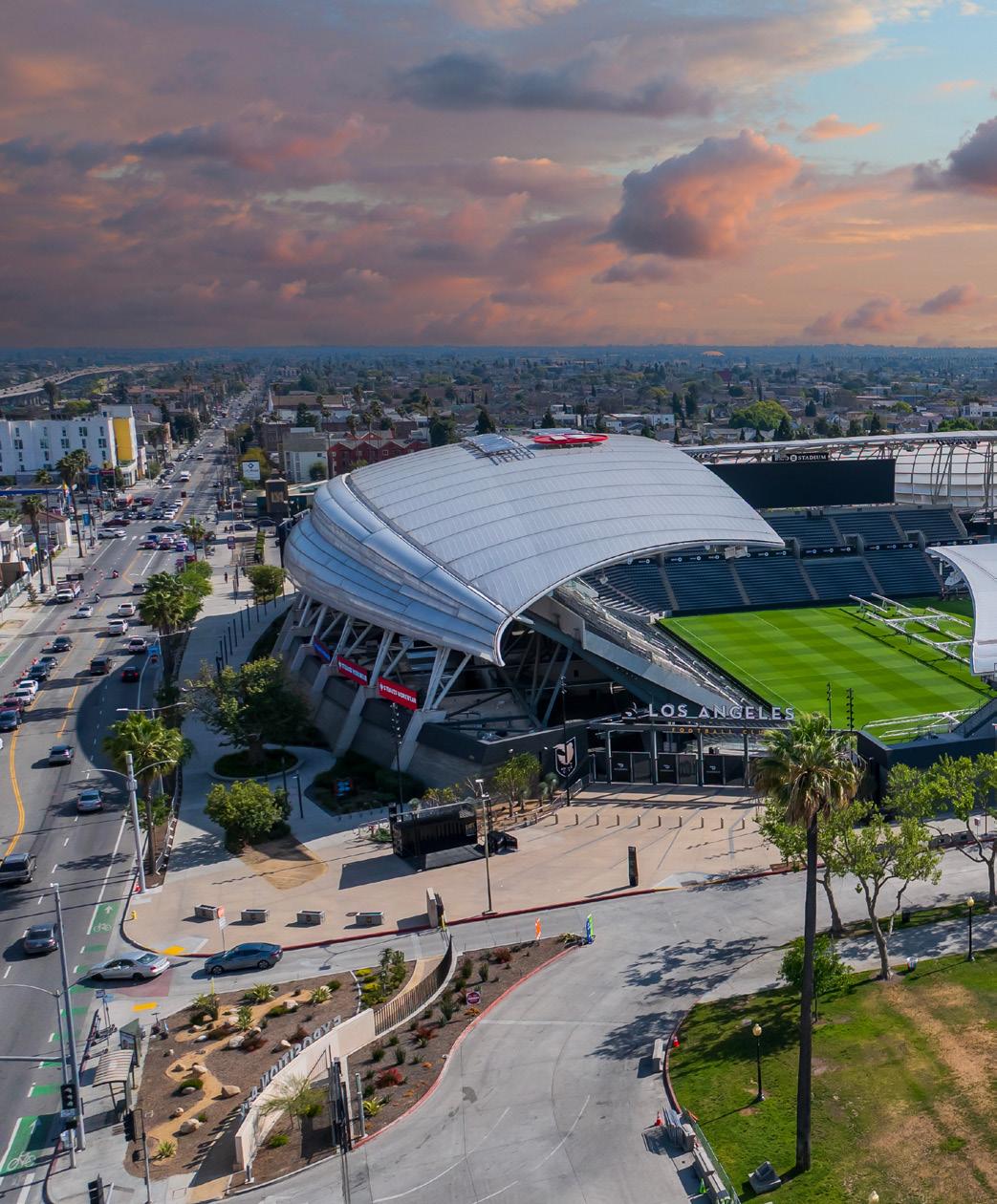
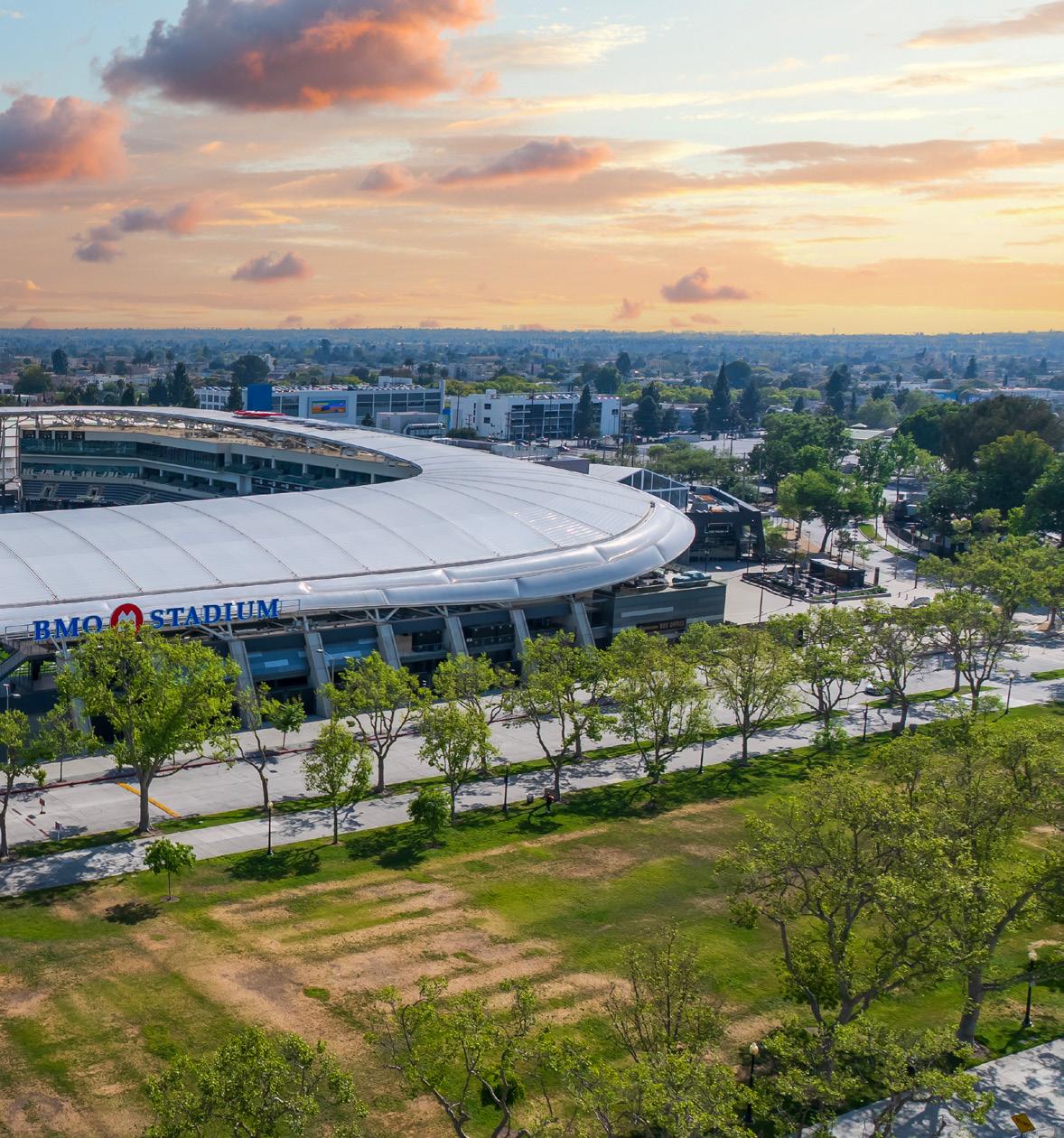
The US played Paraguay in their highly coveted opening game at Los Angeles Stadium, where they will also conclude their group-stage campaign against Türkiye. It is the newest venue chosen to host the 2026 FIFA World Cup, having recently opened in September 2020.
REGION: WESTERN – US AND CANADA
WHERE: SAN FRANCISCO BAY AREA, CALIFORNIA
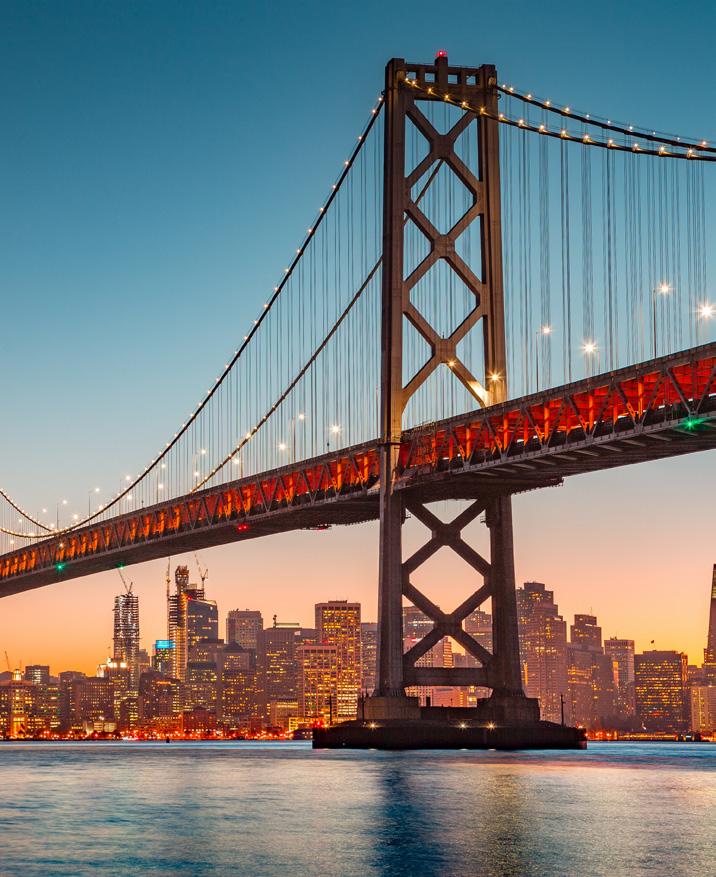
The San Francisco Bay Area encompasses the metropolitan cities of San Francisco, Oakland, and San Jose, and is the cultural and financial hub of Northern California.
A must-see landmark is the world-famous Golden Gate Bridge, which attracts more than 10 million visitors each year to take in its tremendous towers, sweeping main cables, signature International Orange colour, and Art Deco styling.
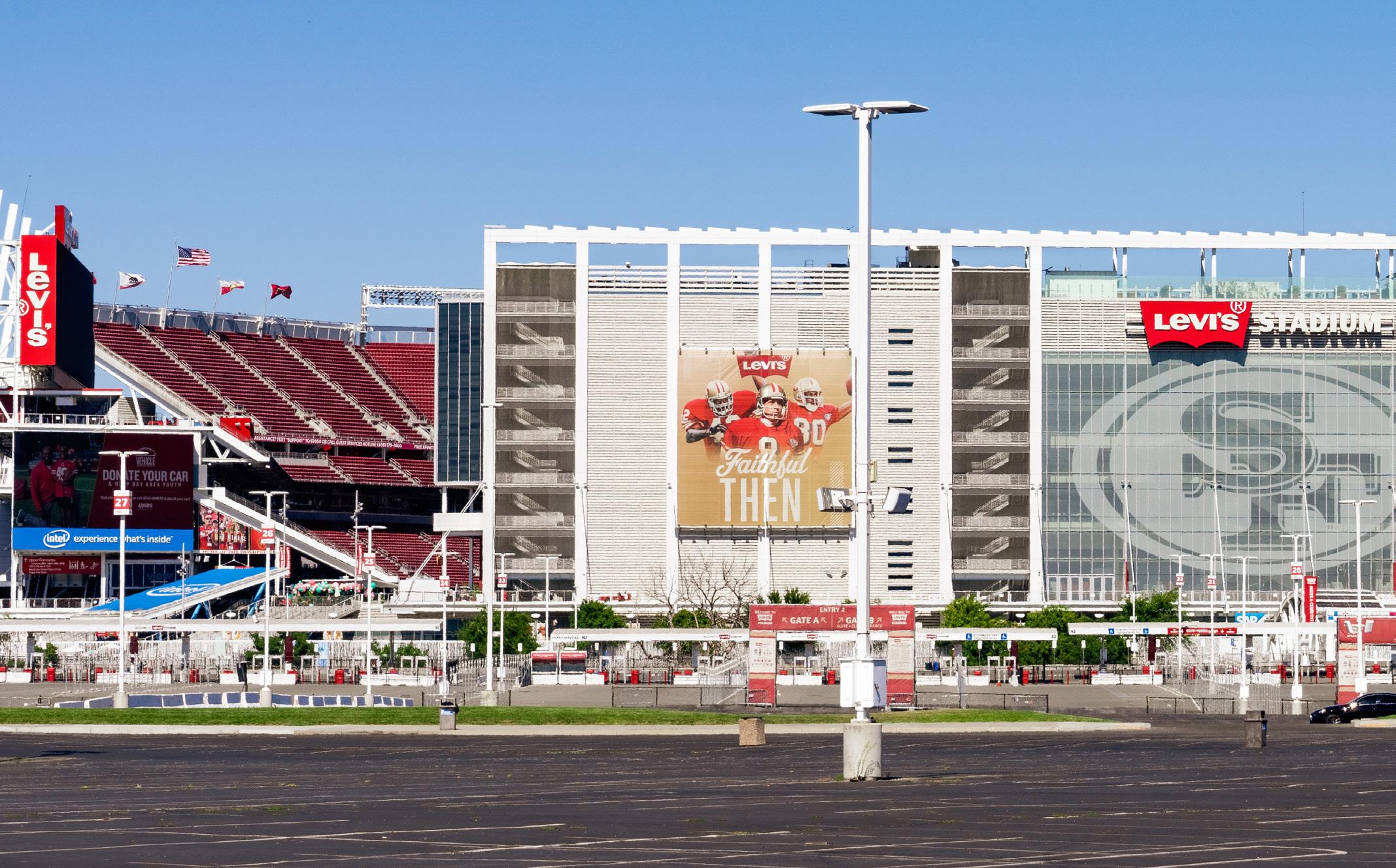
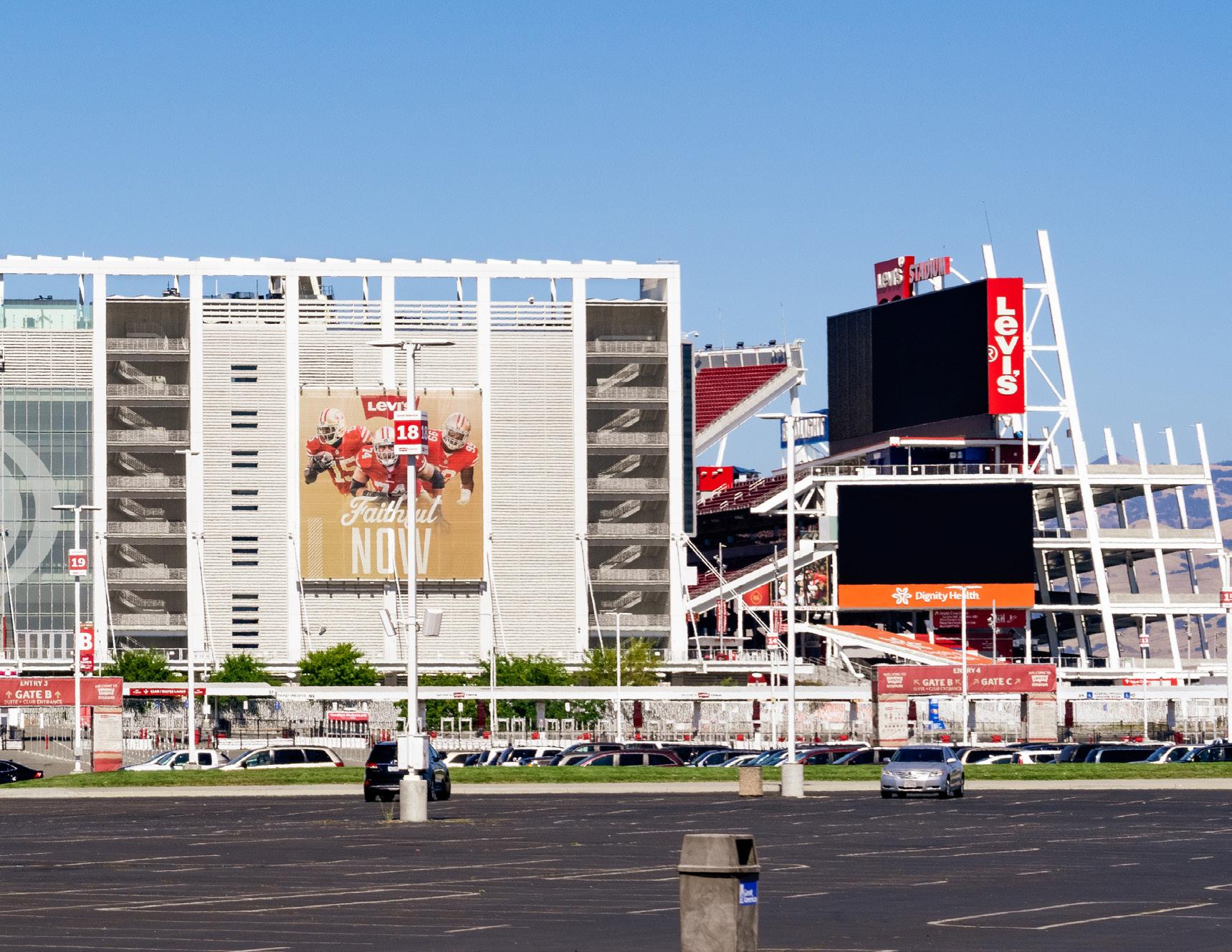
In Santa Clara, at the heart of Silicon Valley, San Francisco Bay Area Stadium stages six games during the tournament, including a Round of 32 match that will feature the US if they top Group D.
REGION: WESTERN – US AND CANADA
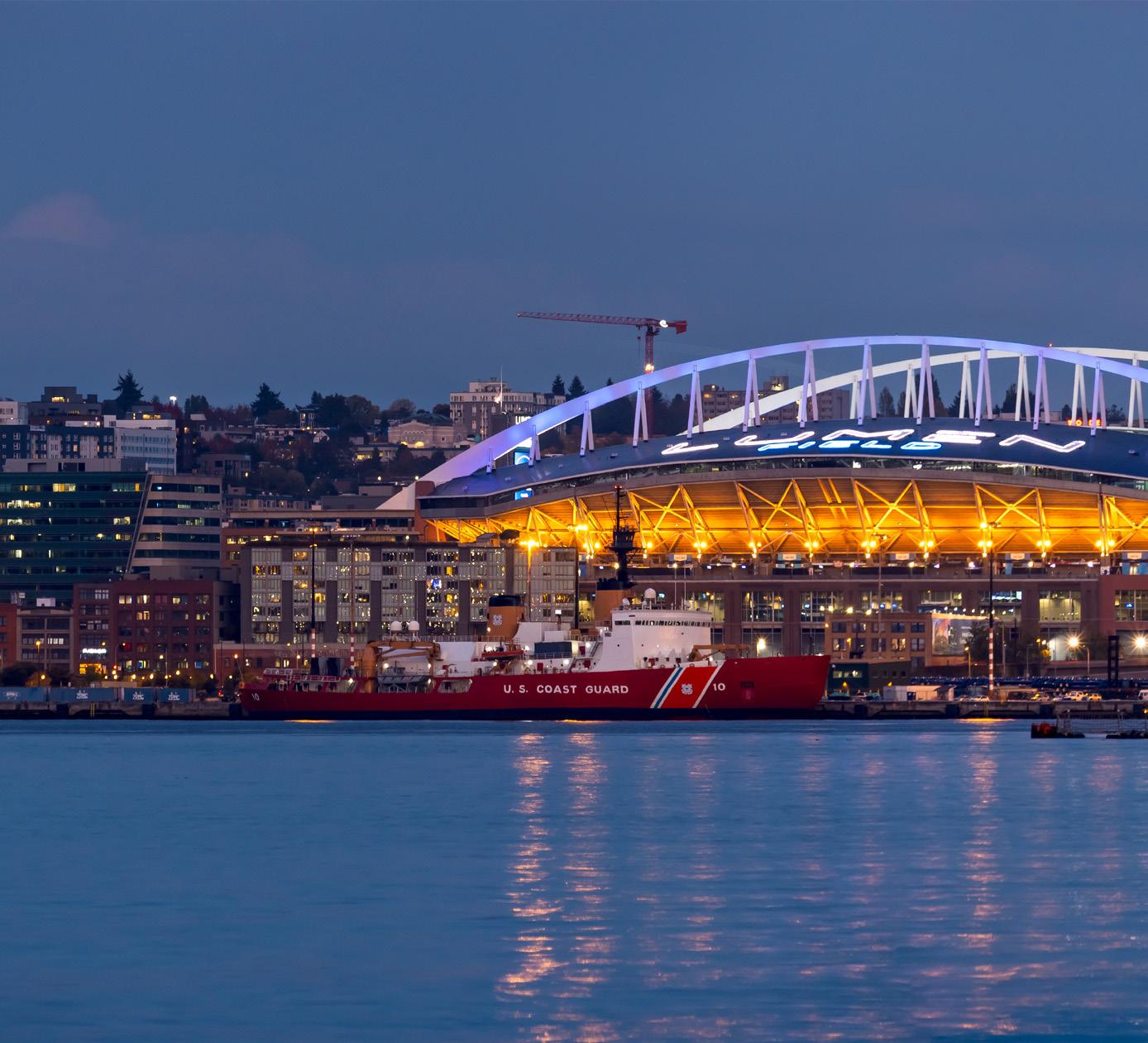
WHERE: SEATTLE, WASHINGTON
Defined by the Salish Sea, the peaks of the Cascade Range, and its Coast Salish stewards, Seattle harmonises natural beauty and technological innovation.
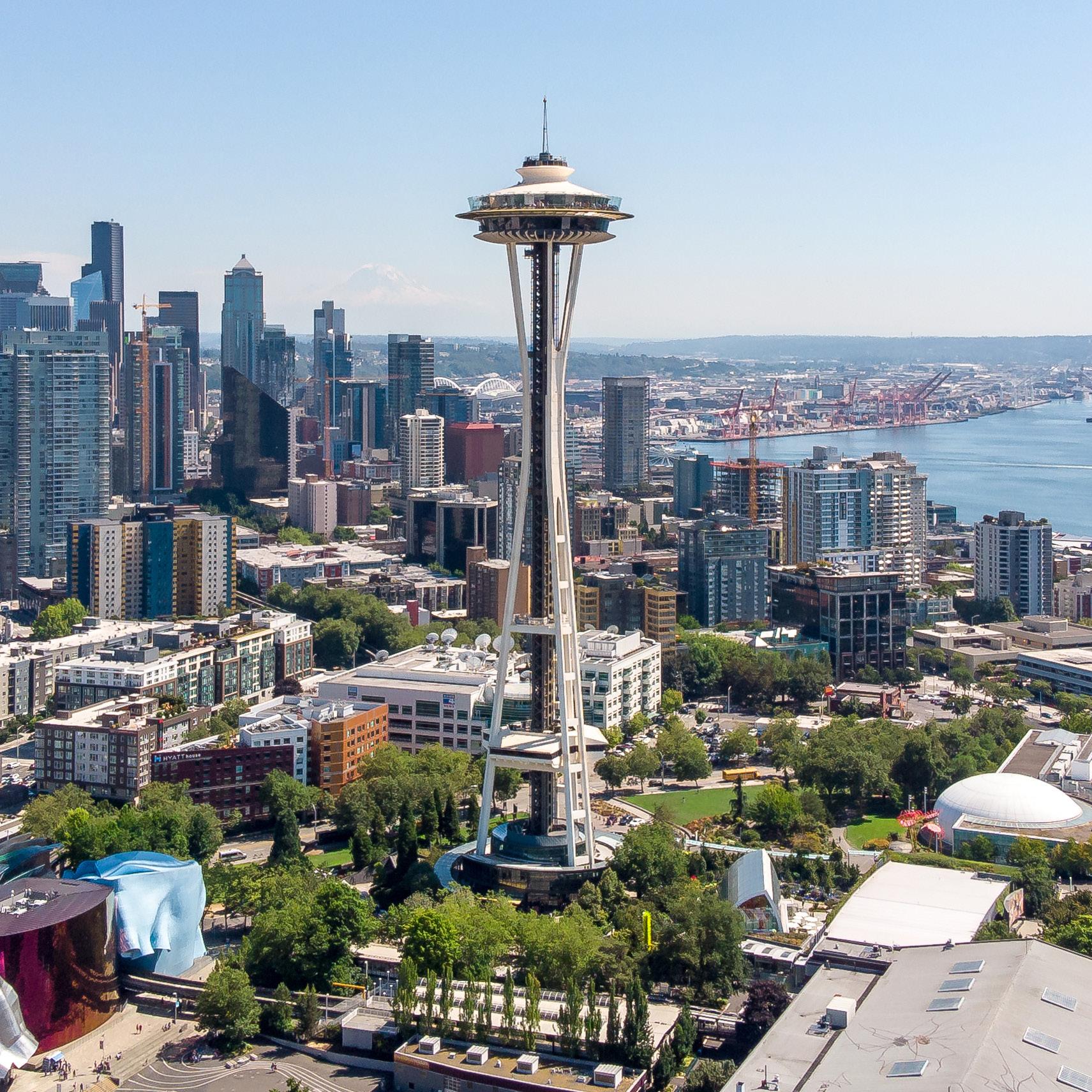
Beyond the iconic Space Needle and historic Pike Place Market, the ‘Emerald City’ thrives on its world-class coffee, legendary music scene, passionate football culture, and booming tech hub.
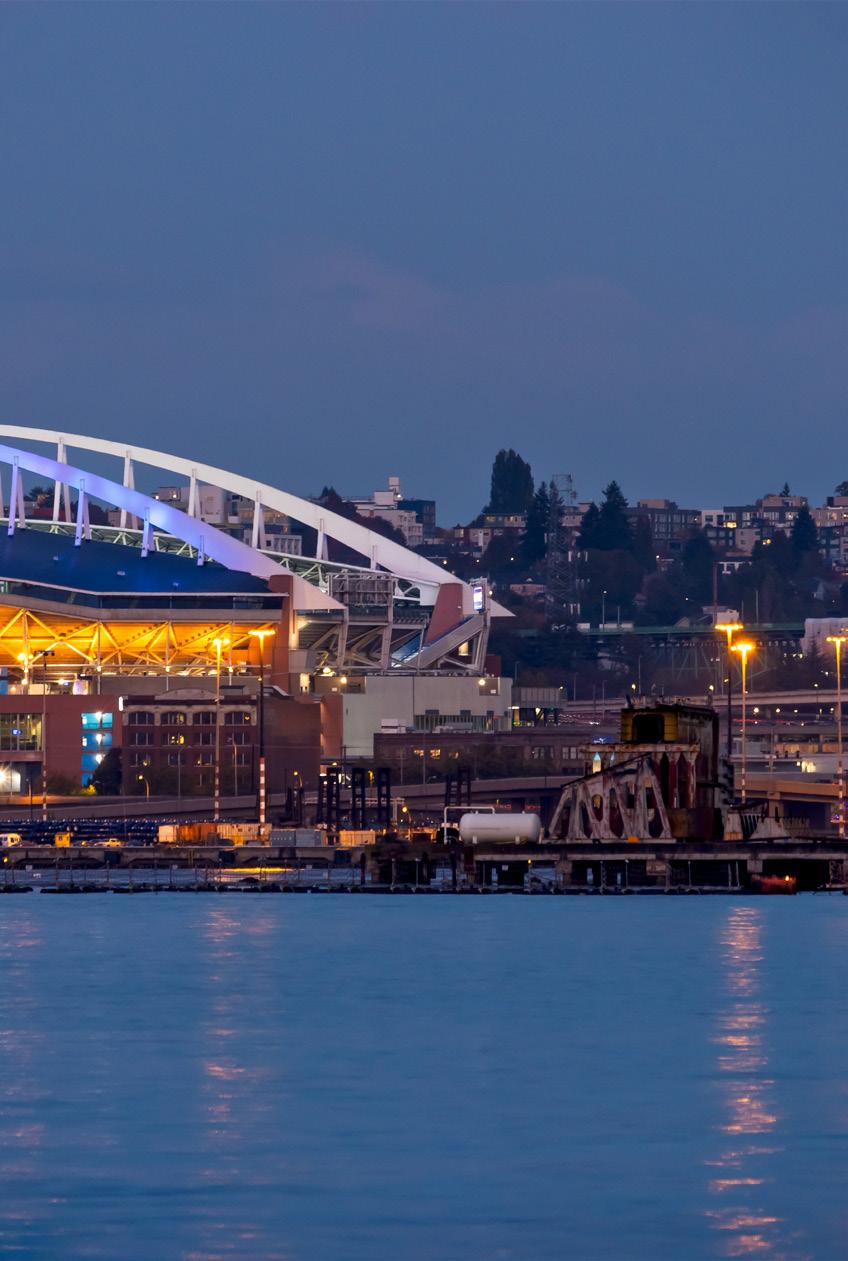
The US take on Australia in their second group-stage clash at the stunning Seattle Stadium, which hosts a further three group-stage games, Round of 32 tie, and Round of 16 fixture.
REGION: WESTERN – US AND CANADA
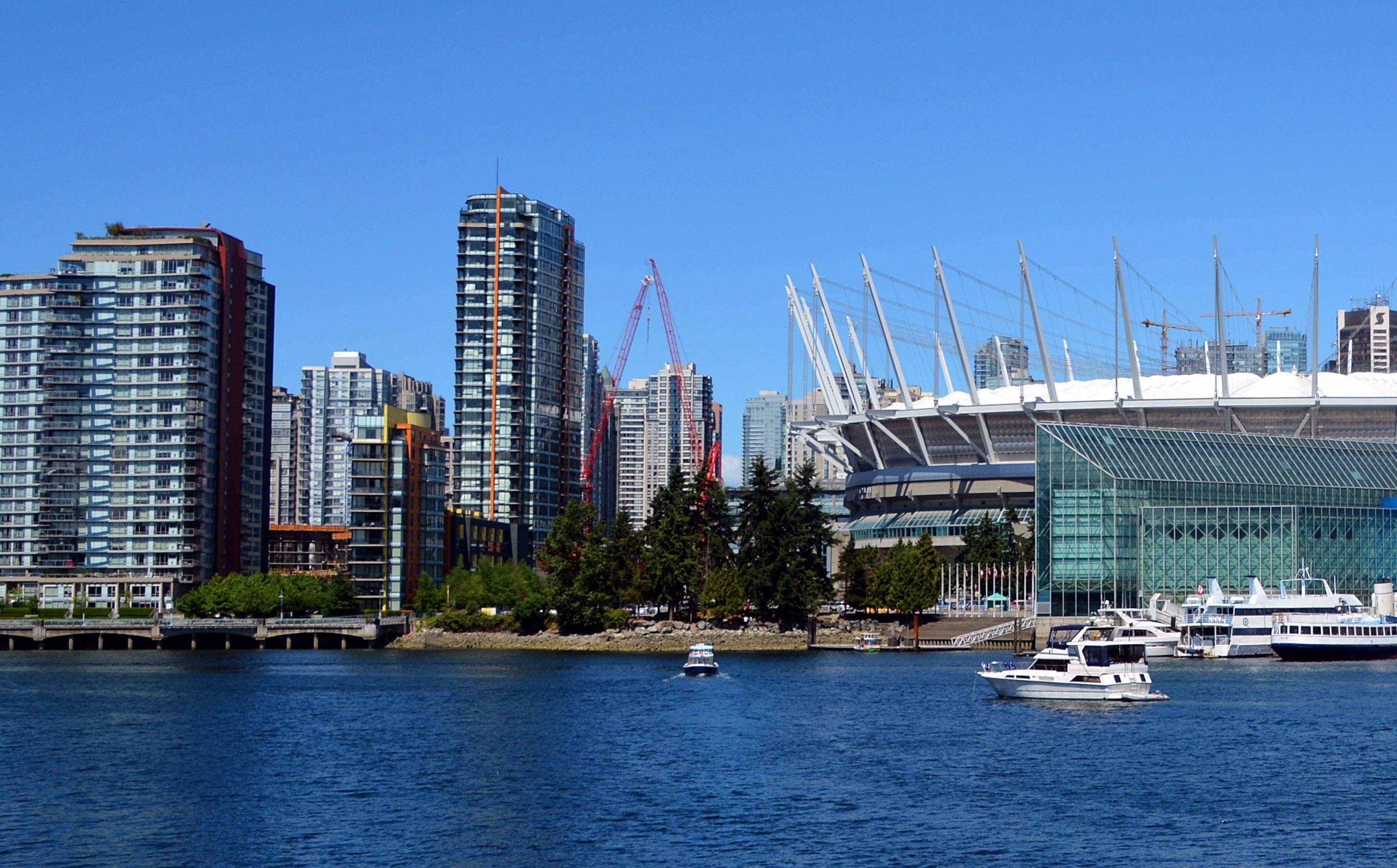
WHERE: VANCOUVER, BRITISH COLUMBIA
The beautiful game heads to an equally beautiful Canadian city nestled between the mountains and ocean, famed for its spectacular landscapes.
Vancouver’s natural crown jewel is Stanley Park, a breathtaking mix of forest, beaches, trails, and outdoor experiences. More than a park, it’s a destination that inspires and awakens your spirit.
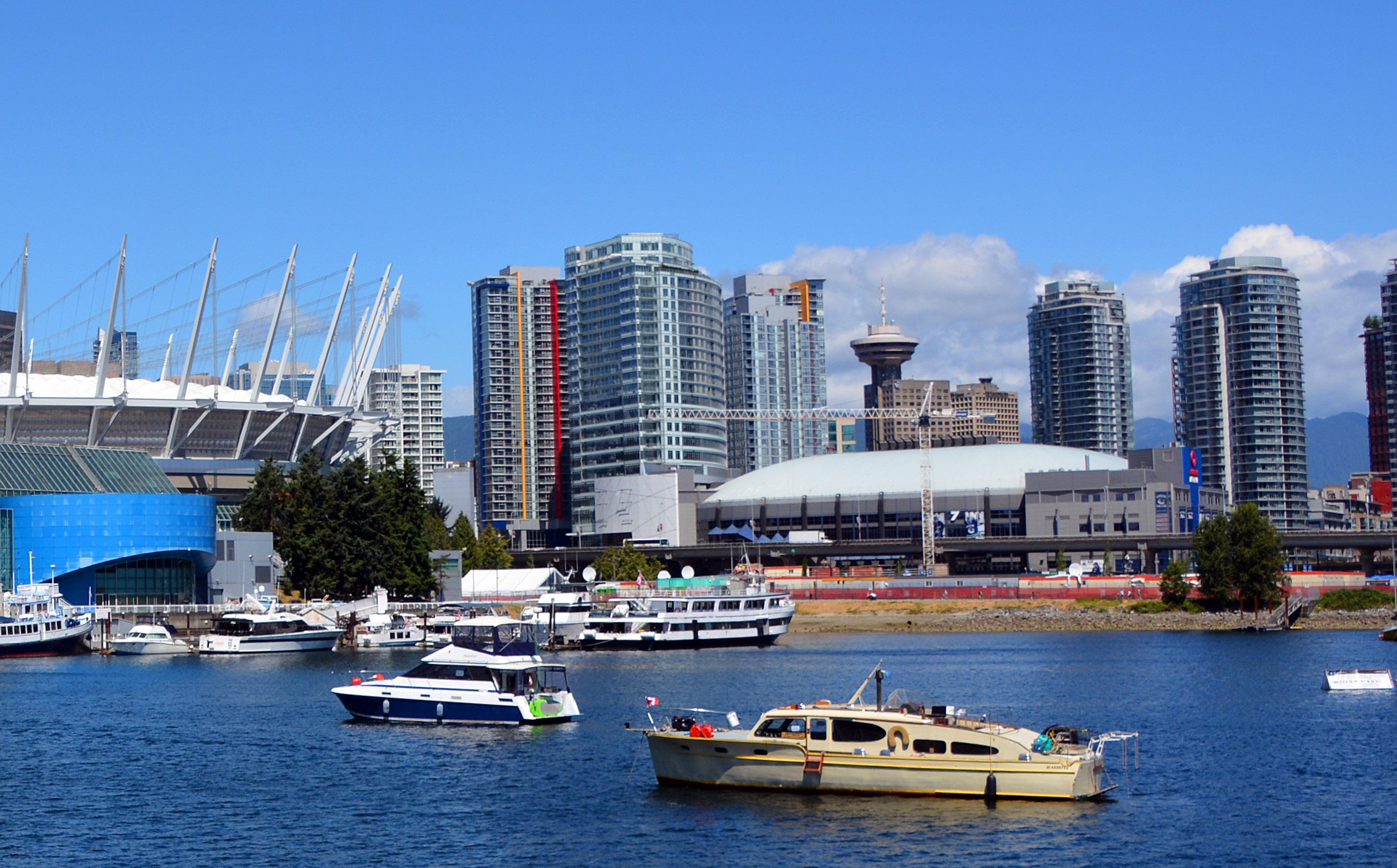
Canada’s penultimate and final group-stage clashes against Qatar and Switzerland, respectively, take place at BC Place, an impressive piece of architecture on the banks of the False Creek inlet.
Chesa Canggu
A chic boutique hotel that perfectly strikes the balance between blissful barefoot luxury and the growing demands of the working world, Chesa Canggu is redefining what a stay in Bali looks like. General Manager, Ahmad Kusuma, tells us how the hotel meets the evolving needs of travellers whilst also preserving and promoting local culture
WRITER: LUCY PILGRIM
Characterised by rolling cerulean waves dotted with adventure-seeking surfers and a horizon that stretches further than the eye can see, Batu Bolong Beach in Canggu, Indonesia, typifies the country’s laid-back atmosphere.
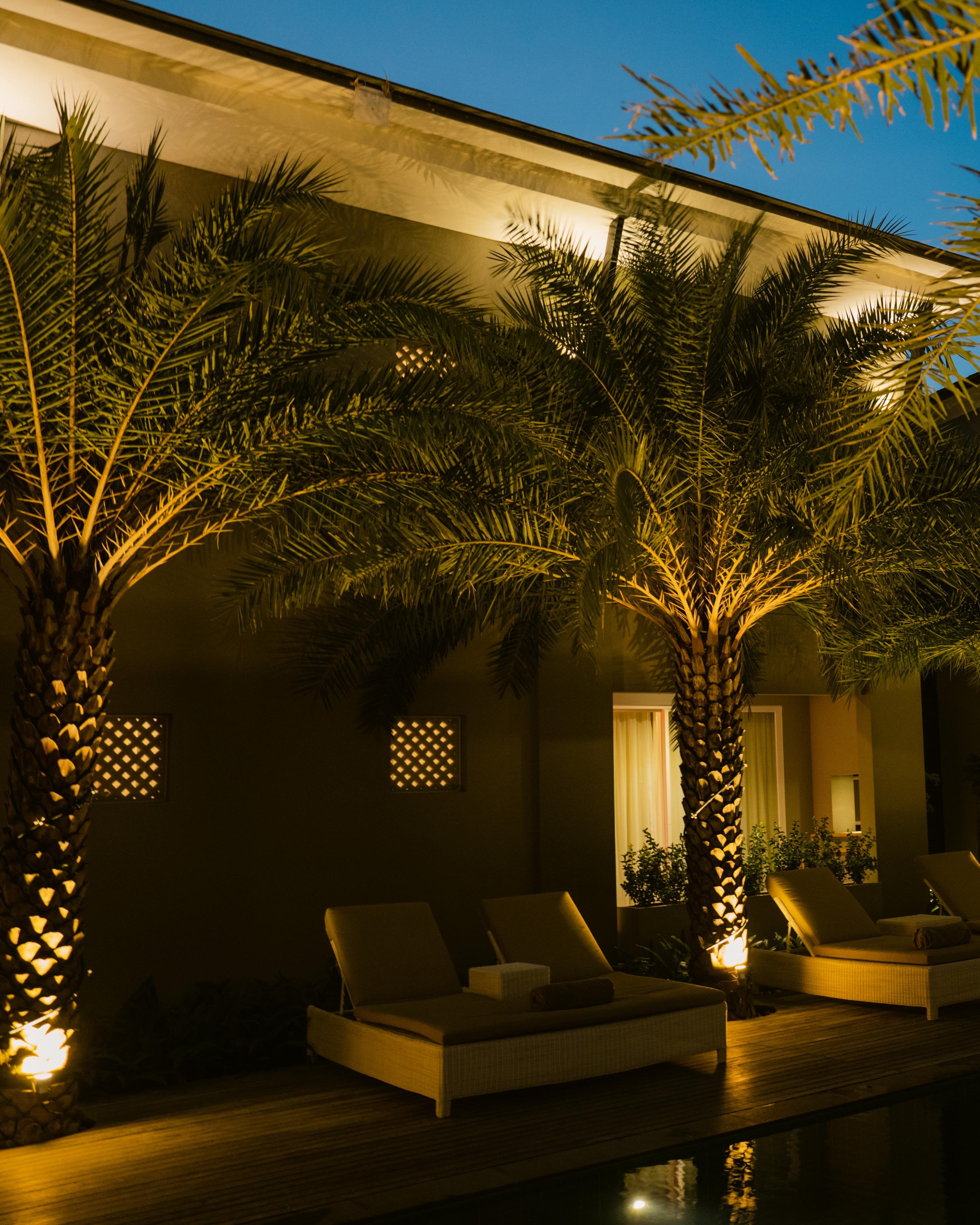
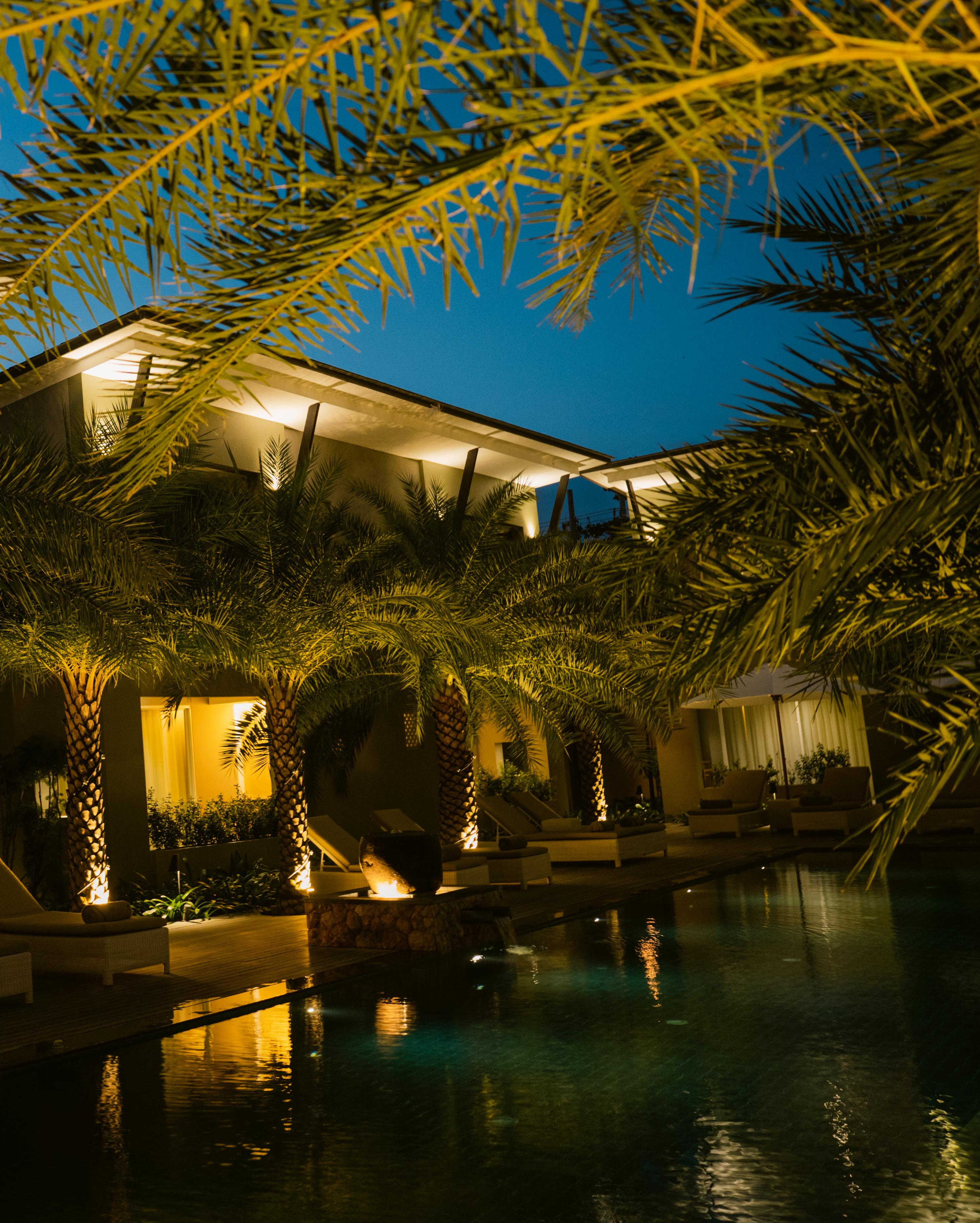
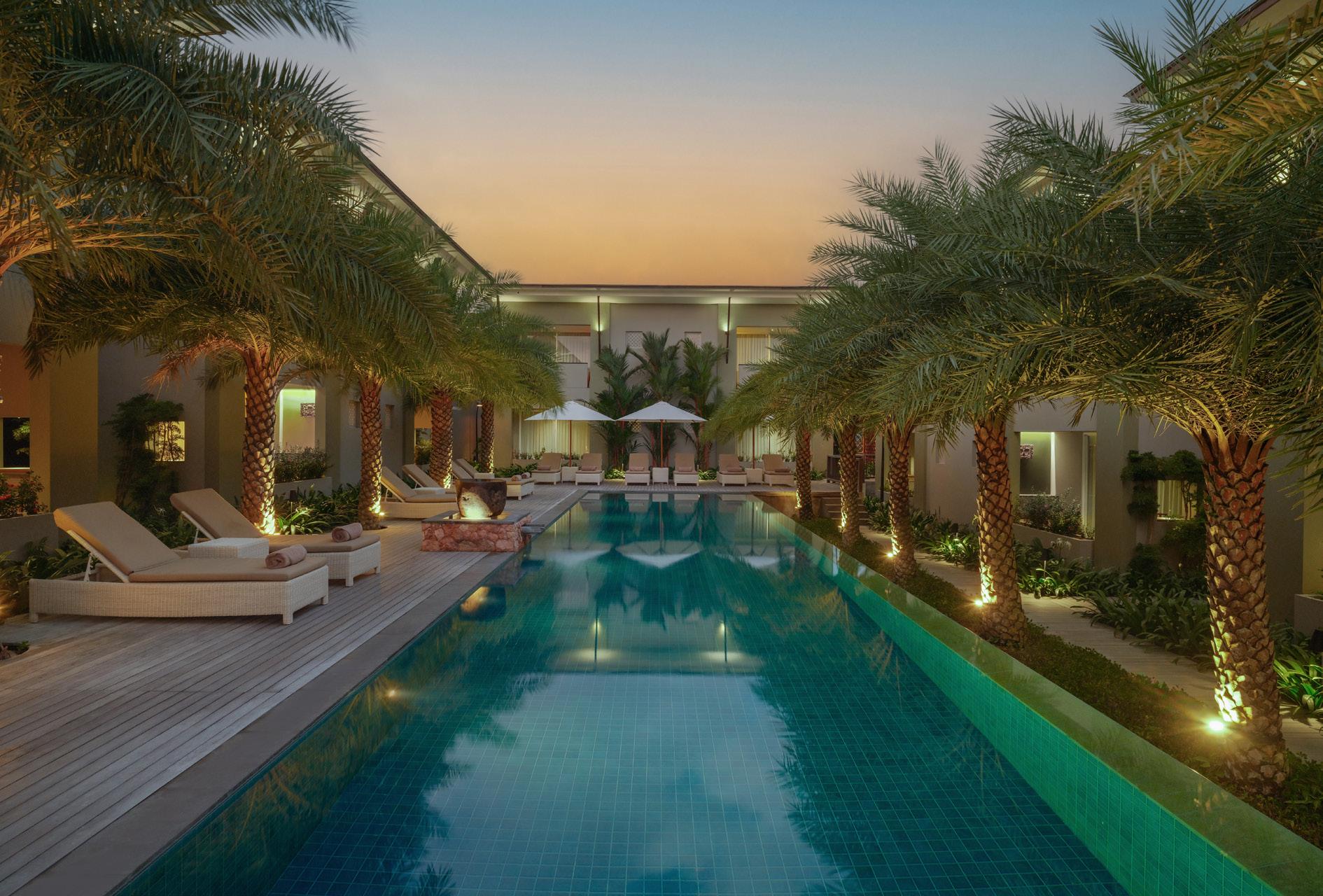
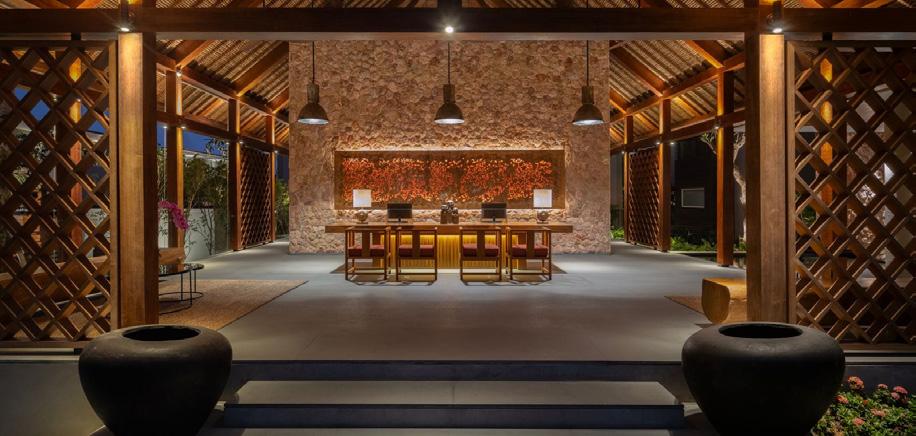
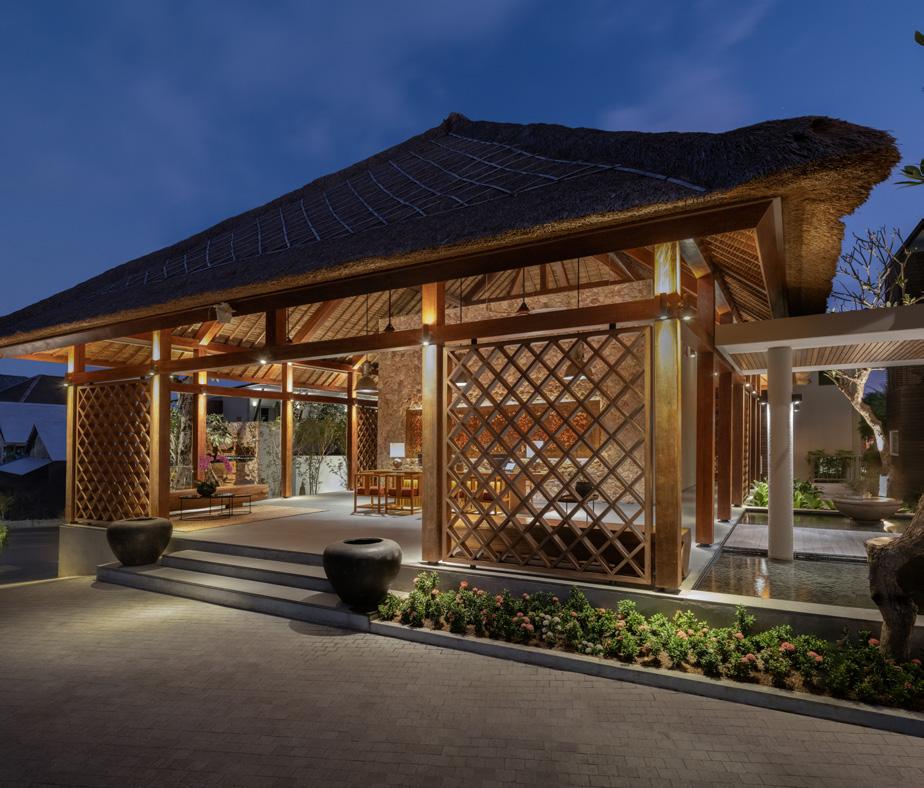
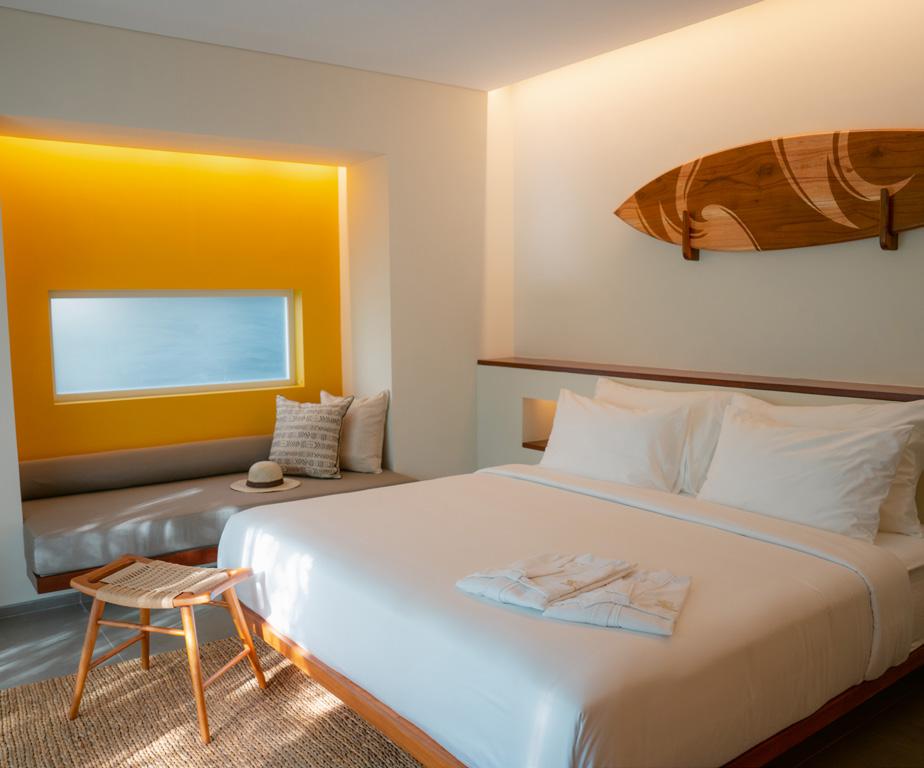
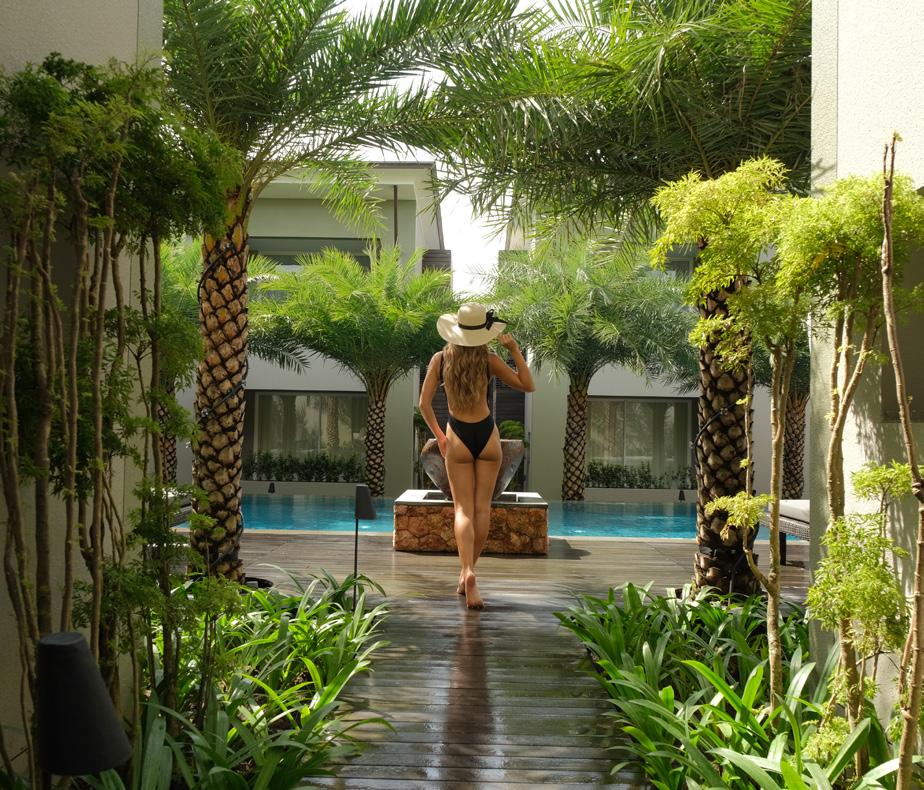
Located just a short stroll from the sparkling waters, Chesa Canggu is a 36-room chic boutique hotel that offers the perfect respite from the hustle and bustle of the outside world.
Nestled amidst the vibrant energy of funky beach clubs, it offers the best of both worlds – a tranquil haven a short distance away from upbeat nightlife.
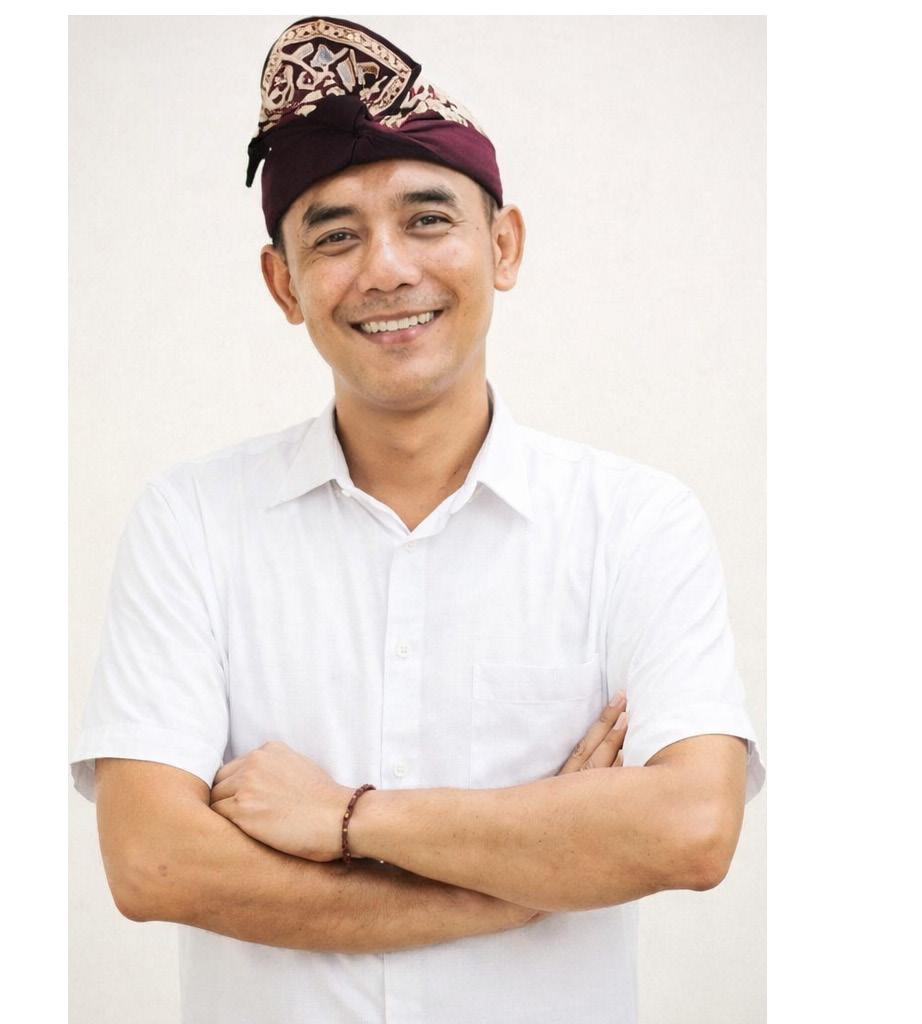
“Tucked away in lush green gardens, the hotel welcomes guests to sights of nature, offering a private and peaceful retreat designed to help you escape from it all,” opens Ahmad Kusuma, General Manager of Chesa Canggu.
Since its inception in 2023, the hotel has accommodated tourist preferences as they continue to evolve – particularly amongst younger travellers – whilst still maintaining its rich Balinese cultural heritage, reflected in the hotel’s thoughtful design and hospitality.
Indeed, Chesa Canggu’s welcoming and highly functional rooms are purposefully crafted to be a sanctuary
“After a day’s work, guests can easily walk to the beach to enjoy surfing or just take a moment to savour the sunset”
–
Ahmad Kusuma, General Manager, Chesa Canggu
to rest, cover, and relax in the heart of Canggu, offering a perfect blend of design, style, amenities, and comfort.
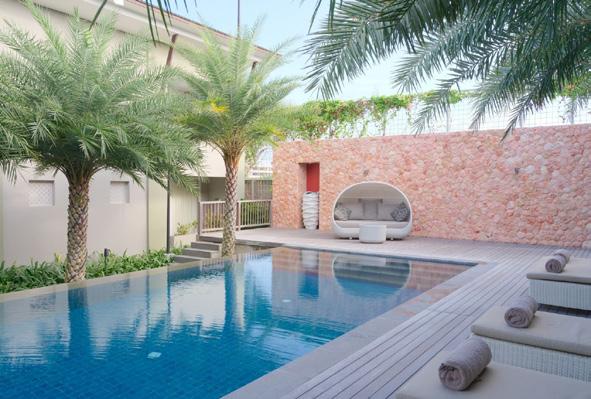
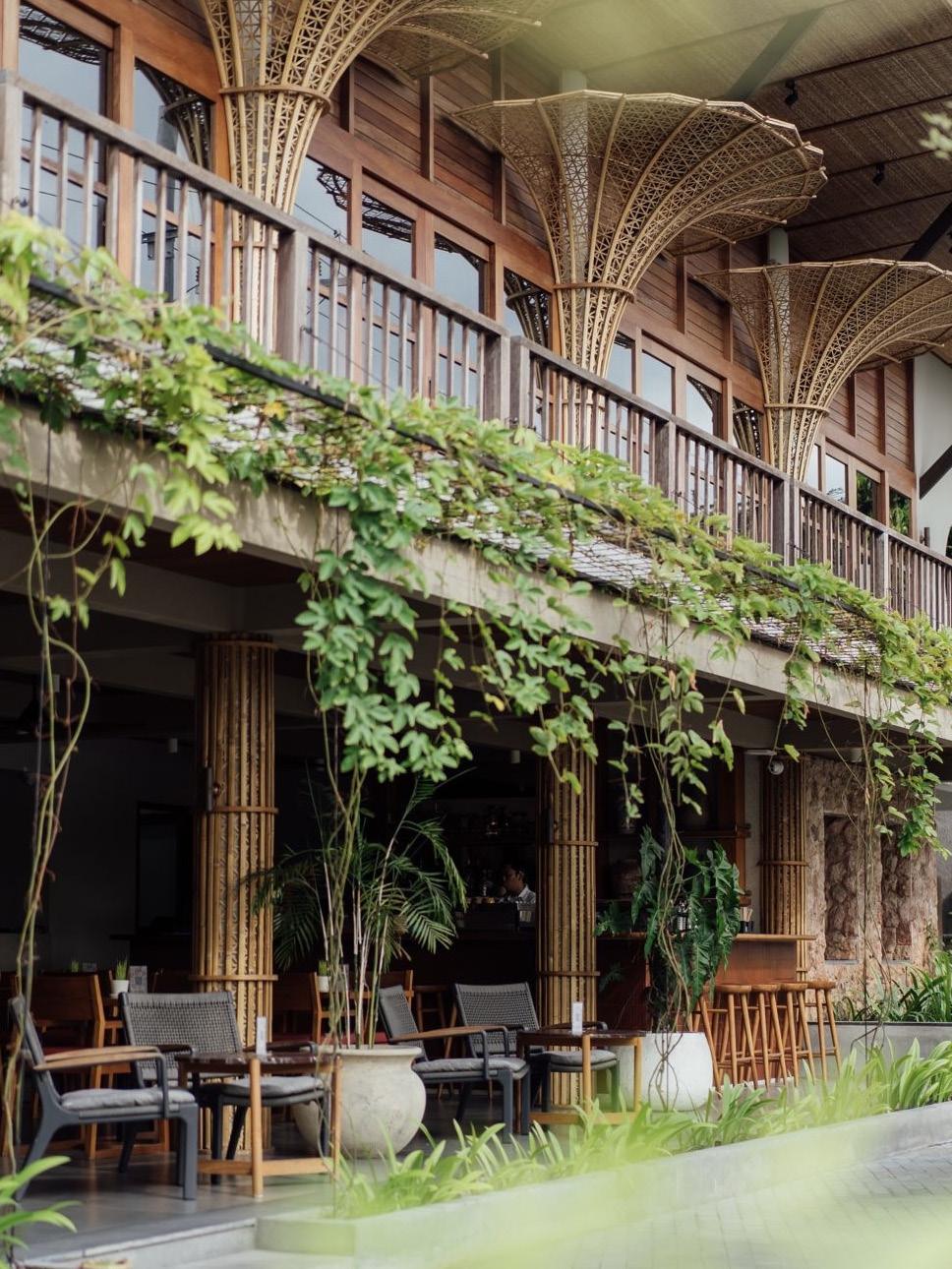
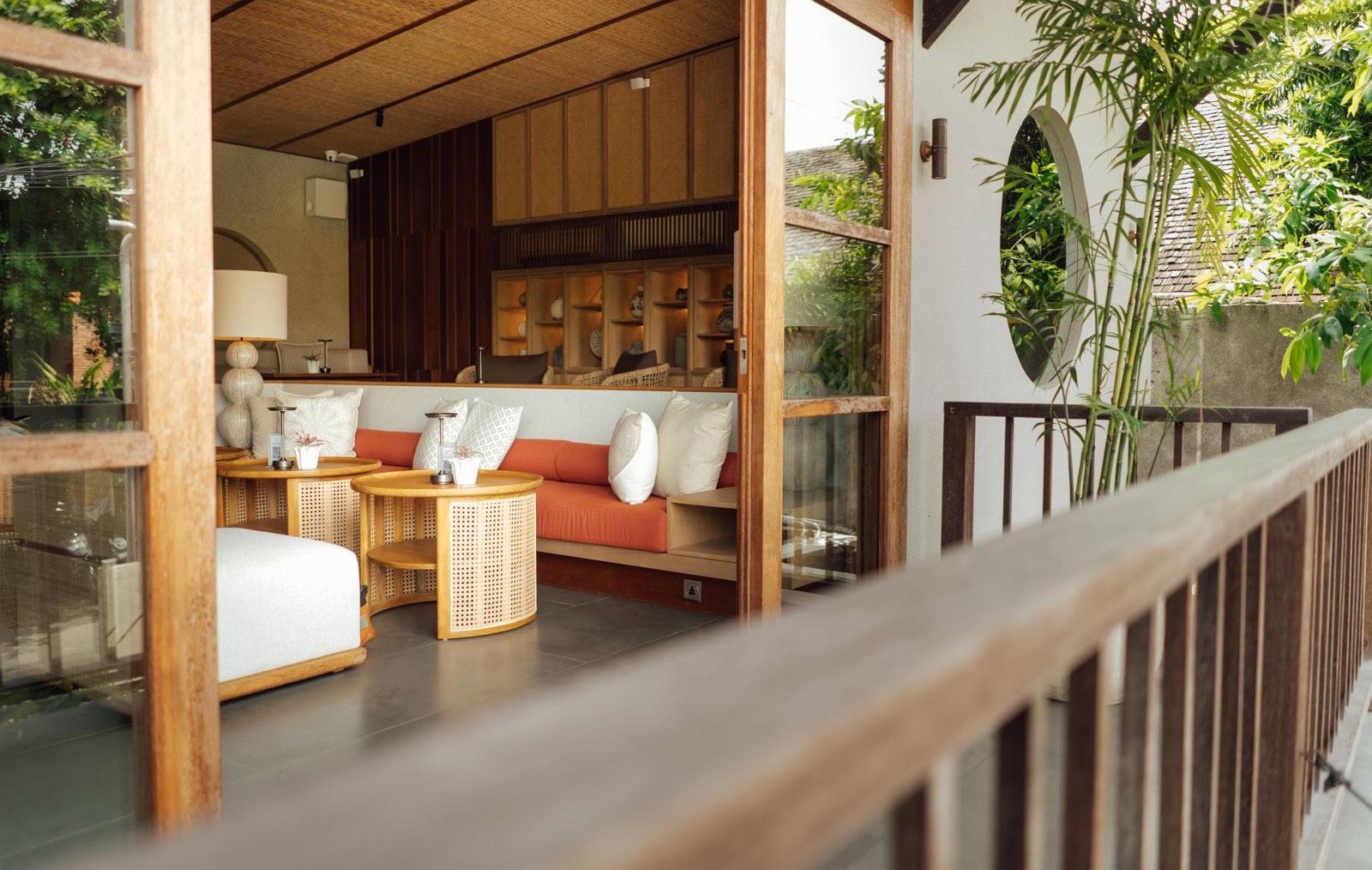
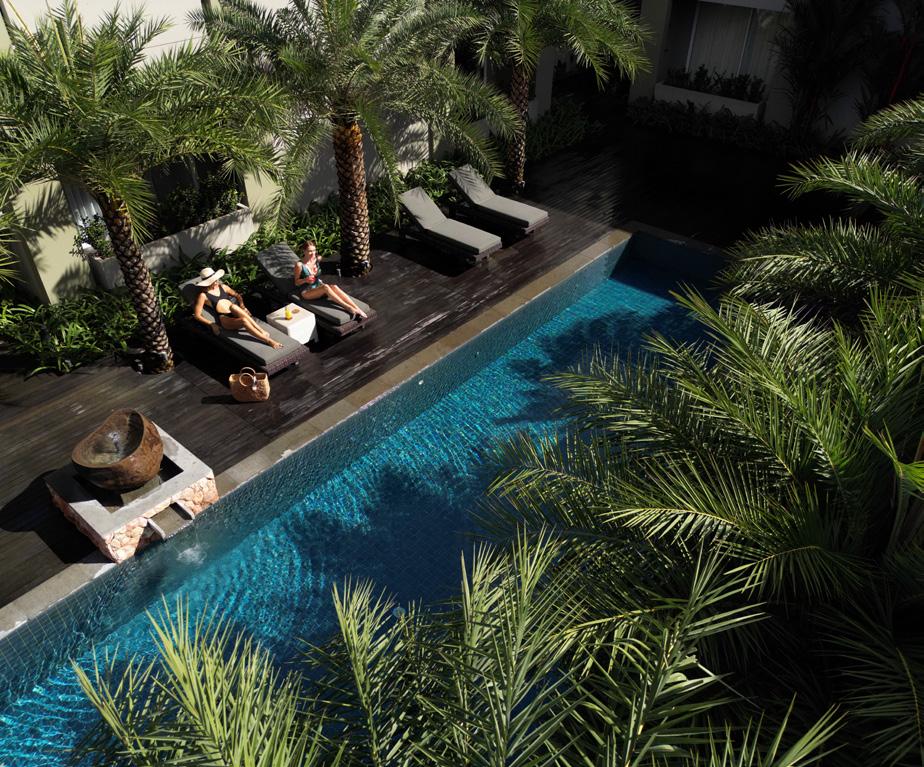
If the hotel’s ideal location and modern rooms weren’t enough, its facilities include two shimmering 18-metre pools, a breezy lounge, state-of-the-art gym, and the atmospheric Thara Kitchen and Bar, attracting guests from across the world.
“Chesa Canggu is a place with unparalleled charm, character, and personalised service fit for any kind of holiday,” Kusuma smiles.
LEISURE AND PRODUCTIVITY
Chesa Canggu’s facilities are also thoughtfully crafted to cater to both leisure and business needs, ensuring both an enjoyable and productive stay for its elite calibre of guests.
A NEW WAY TO STAY
As a burgeoning destination in Indonesia, Canggu is known as a global village that caters to all manner of needs, whether travellers are seeking a rejuvenated retreat or vibrant nightlife.
With the mantra of ‘A New Way to Stay’, Chesa Canggu invites guests to step away from the hustle and bustle as soon as they step into the hotel, where the partying fades away into sounds of trickling water and lush green shaded gardens, making for a true retreat.
With this in mind, it is no wonder Chesa Canggu has received numerous 10/10 reviews on notable platforms such as TripAdvisor, Booking.com, and Google – a testament to its service excellence and vision of perfection in hospitality.
“Staying at Chesa Canggu becomes more than just staying in a hotel room in Canggu; it is an experience of pure holiday joy, warm hospitality, and perfect service,” Kusuma shares.
Cosy yet private working areas are available in each room, and the lounge – which was updated last year –includes canapes and cocktails for ultimate relaxation. Each of these areas is supported by high-speed internet, guaranteeing 24/7 connectivity.
Health-conscious travellers can make the most of the newly instated gym, allowing them to keep fit and healthy during their stay.
Elsewhere, spots such as the poolside or Thara Kitchen and Bar are the perfect social spaces for those who wish to wind down after a day’s work and connect with other off-the-clock professionals.
“For travellers who seek to party in Canggu, go on a shopping spree, or want to embark on a culinary adventure, Chesa Canggu’s ideal location in the midst of all these spots makes it the perfect choice for staying, playing, working, and partying,” Kusuma aclaims.
Beyond the hotel’s doors, Batu Bolong Beach is a famous surfing destination, catering to those who want to let off some steam whilst surfing or jogging. Many beach clubs, cafés, and restaurants can also be found overlooking over sand, sea, and a breathtaking skyline.
“After a day’s work, guests can easily walk to the beach to enjoy surfing or just take a moment to savour the sunset,” he adds.
“Chesa Canggu is a place with unparalleled charm, character, and personalised service fit for any kind of holiday”
– Ahmad Kusuma, General Manager, Chesa Canggu
The Balinese philosophy Tri Hita Karana – translating to ‘three causes of well-being’ – inspires Chesa Canggu to ensure sustainable tourism development, the conservation of its natural environment, and promotion of the region’s social and cultural aspects.
“Especially since the COVID-19 pandemic, modern travellers are much more conscious about environmental protection, their carbon footprint, and slow travel. Bali is an island with resources and cultural practices that have attracted tourists from around the world for decades,” Kusuma highlights.
“The aim of development is not merely to achieve business growth but rather to ensure balance between
TRI HITA KARANA
community growth and conservation of the Canggu environment, from which the region’s society as a whole can benefit,” he emphasises.
The hotel has a number of environmentally conscious initiatives ingrained within its philosophy to achieve sustainable and equitable business development, which can be witnessed in both its daily operations and the end products delivered to guests.
Some of these practices include using locally sourced products to support tourism within the surrounding area.
In addition, Balinese culture and values are practised, and where possible, often involve guests.
“Before starting the day, each staff member is encouraged to pray in the local temple to receive blessings for the day,” he examples.
Each of the facilities also promotes energy conservation
through planting vegetation, saving water and electricity, recycling waste, and promoting the use of biodegradable plastic.
On top of this, both guests and staff partake in cleanups on Batu Bolong Beach, emphasising Chesa Canggu’s deep commitment to environmental preservation.
Going forwards, the hotel wishes to maintain its position as a chic boutique with a difference, both for its growing base of visitors and the surrounding environment.
“Chesa Canggu is the ideal destination for travellers who seek to find a calm retreat that still offers the ability to work productively, access vibrant partying spots in Canggu, shop, eat, wander around, and even glimpse the cultural and historical side of Bali through its temples or the beautiful nature,” Kusuma concludes.
SUSTAINABILITY STORIES A Beauty-Filled
FORCE OF NATURE
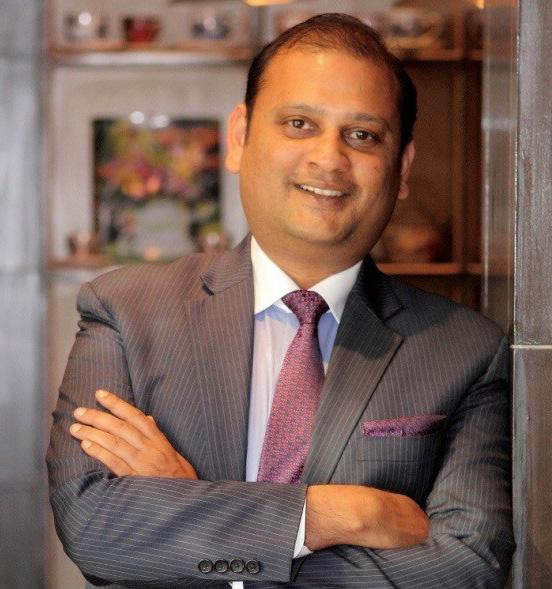
Breaking barriers and shifting generational attitudes towards women in the workforce, LUX* Marijani and the Seaweed Mamas are working together to go beyond the surface of beauty. Sumit Bhardwaj, General Manager, tells us more
WRITER: LAUREN KANIA
Photography Credit: Lar Glutz
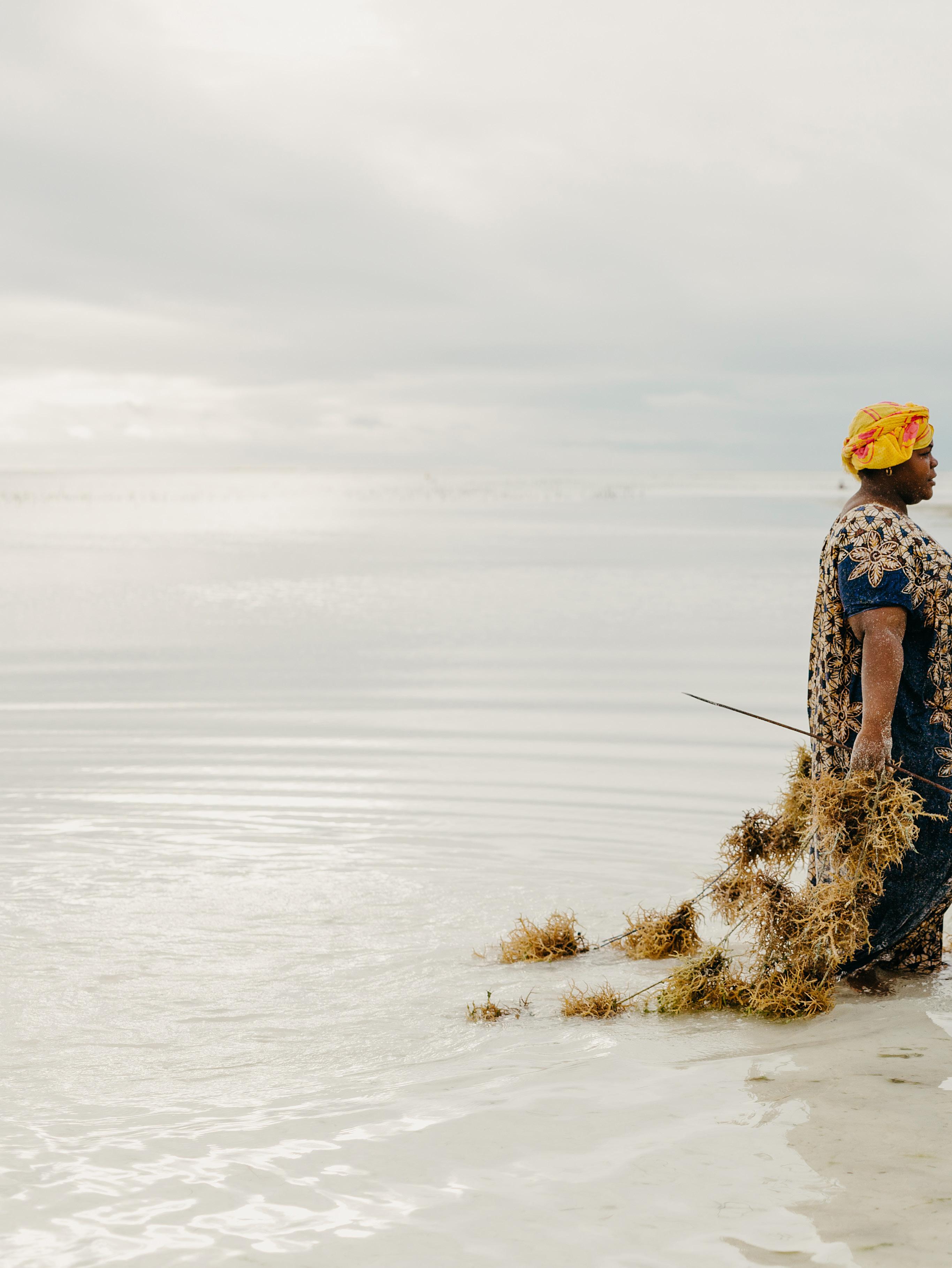
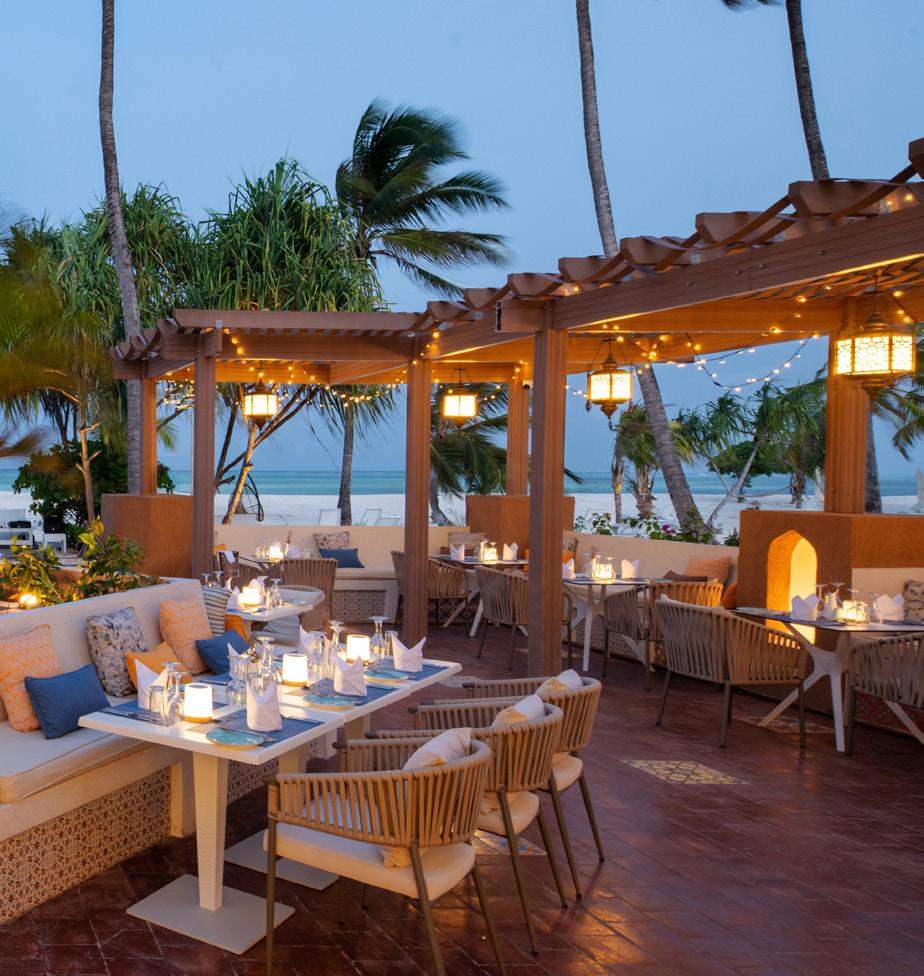
Set on the iconic beach of Zanzibar’s east coast and inspired by the Spice Island’s storied past, LUX* Marijani is a chic, spirited resort that evokes nirvana whilst working towards a regenerative blue economy that puts local women at the heart of this change.
“LUX* Marijani is a luxury boutique resort overlooking the turquoise waters of the Indian Ocean. We have been part of The Lux Collective since June 2023, offering guests a refined yet relaxed island experience rooted in the beauty and culture of Zanzibar,” introduces Sumit Bhardwaj, General Manager.
MARIJANI
Zanzibar – at a glance
• Zanzibar has a population of approximately 1.3 million.
• The official language is Swahili.
• The island is home to rare creatures such as the red colobus monkey, the Zanzibar servaline genet, and the Zanzibar leopard.
• The band Queen’s charismatic frontman, Freddie Mercury, was born in Zanzibar.
• The local currency is the Tanzanian shilling (TSh).
• The archipelago’s main exports are cloves, seaweed, coconut, and copra.
• The city of Stone Town was inscribed as a UNESCO World Heritage Site in 2000.
• In 1974, Zanzibar was the first African country to introduce colour television.
The resort is an invitation to celebrate the undeniable lure of the archipelago in a calming yet invigorating atmosphere. With swaying coconut palms, lush tropical gardens, and refreshingly salty sea breeze, it’s no wonder Zanzibar is one of the most sought-after destinations for those looking to reconnect with the natural world – and LUX* Marijani is here to provide just that.
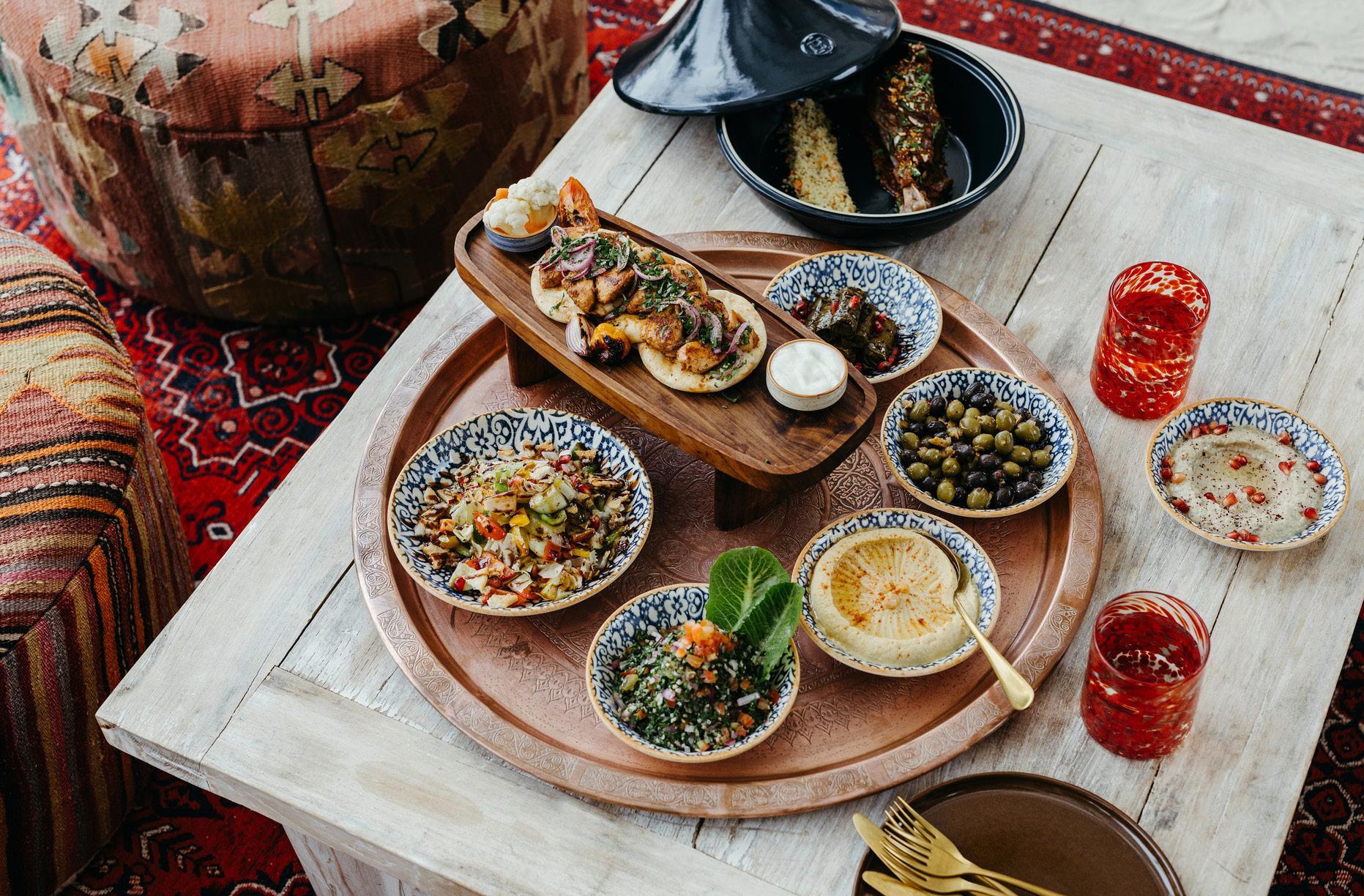
“What makes our resort stand out is the balance between luxury, authenticity, and personalised service. Our boutique setting allows us to create meaningful connections with guests whilst offering thoughtfully curated experiences
that highlight Zanzibar’s culture, cuisine, and beauty,” Bhardwaj details.
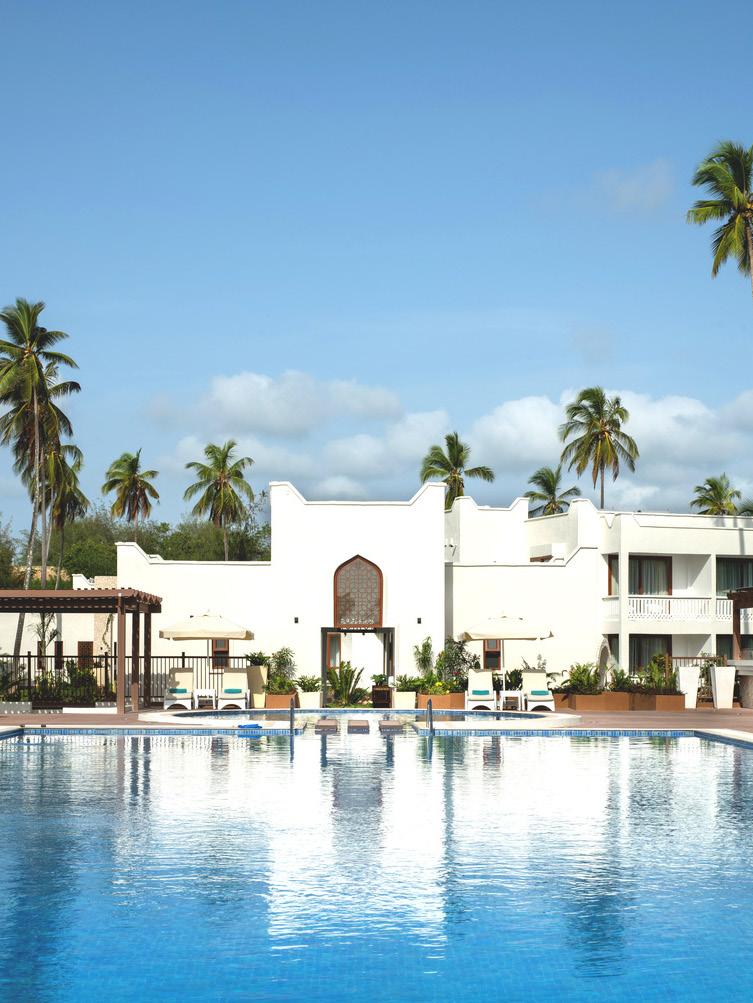
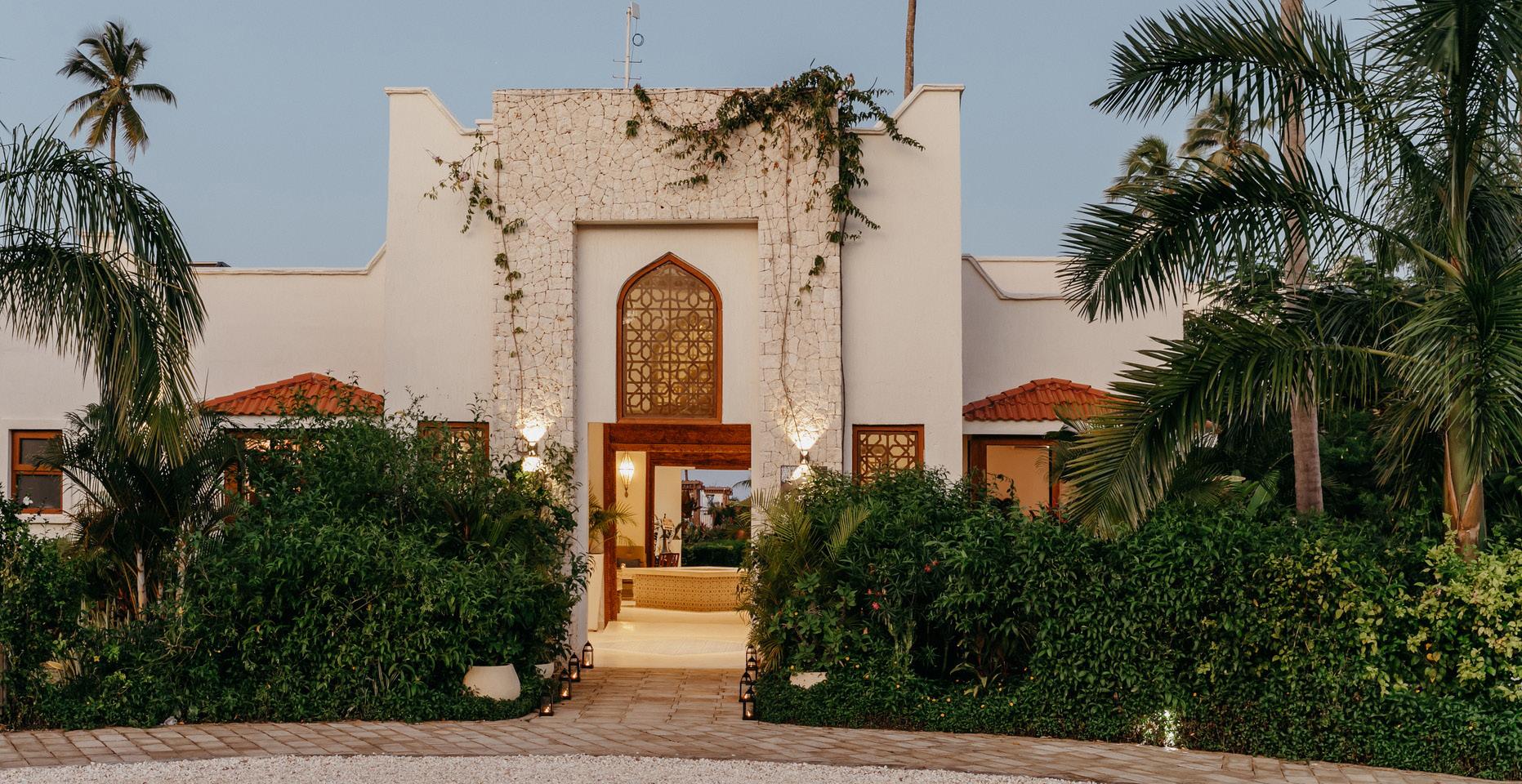
The design of LUX* Marijani speaks to the archipelago’s history, drawing on Arabic architecture with a coastal Swahili influence.
“Our design is inspired by Zanzibar’s Omani influences, with elegant arches, carved wood details, and locally crafted decorative elements throughout the resort. The architectural touches are complemented by natural materials and soft coastal tones, creating a timeless aesthetic that reflects the island’s heritage whilst seamlessly blending with the surrounding landscape,” he explains.
With white-washed walls and arches adorned with fuchsia bougainvillaea contrasted against locallycrafted terrazzo tiles, each suite is purposefully crafted to showcase the archipelago’s eclectic past whilst encouraging a truly extraordinary experience.
PARADISE DEFINED
For LUX* Marijani, caring for the planet and its people is an utmost priority. The resort works towards its sustainability goals by participating in seaweed farming for community development, offering local employment initiatives, utilising the craftsmanship of traditional artisans in its design elements, and implementing solar energy, water reuse, and recycling in its everyday activities.
Specifically, the resort prides itself on highlighting the beauty of both Zanzibar and the women who help make the archipelago thrive.
“At LUX* Marijani, we celebrate Zanzibar by embracing its culture, traditions, and people. Women play a vital role in many of the island’s communities and traditions, and we are proud to highlight their contributions through local partnerships, storytelling, and experiences that bring guests closer to the island’s heritage,” Bhardwaj insights.
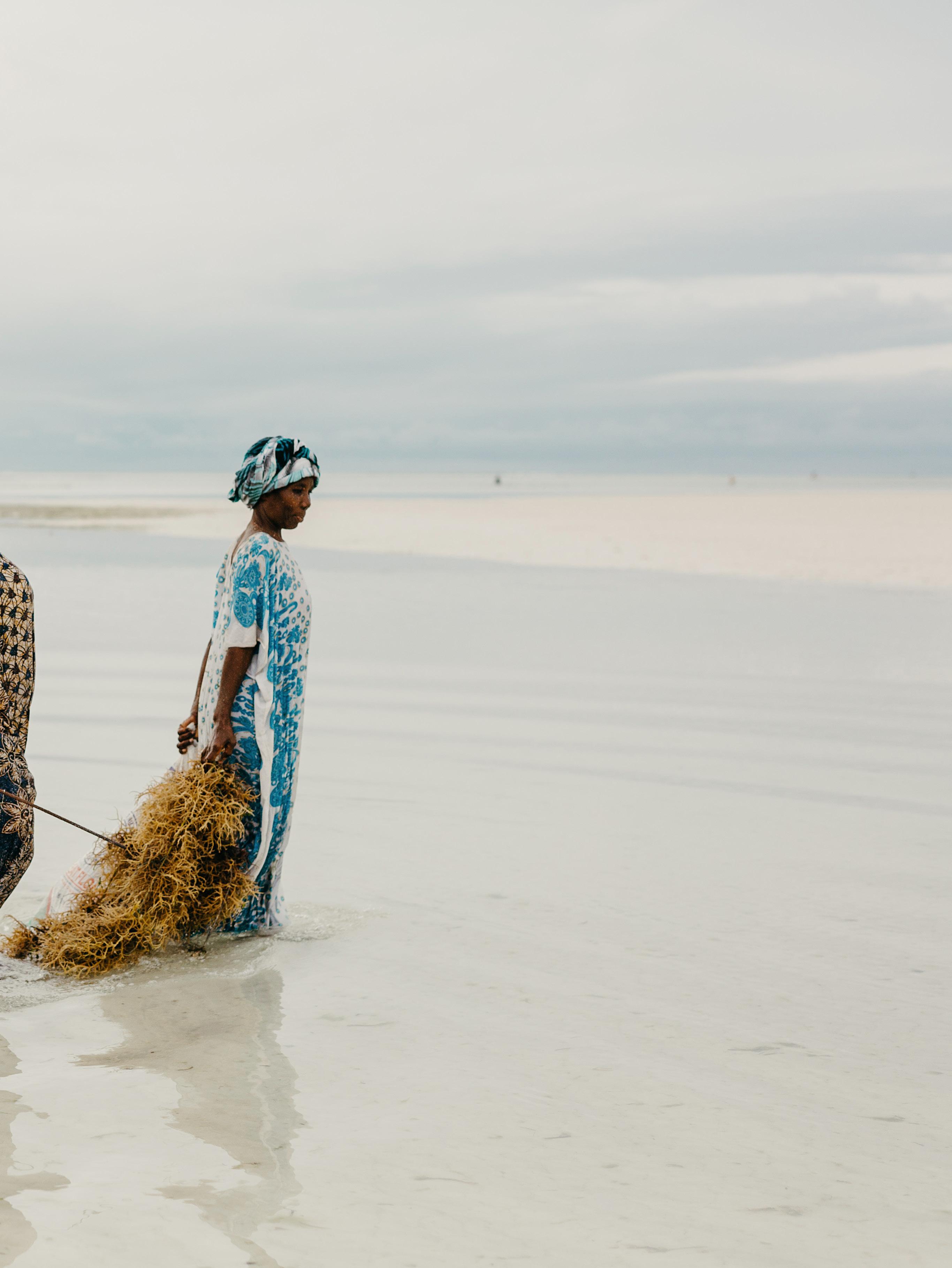
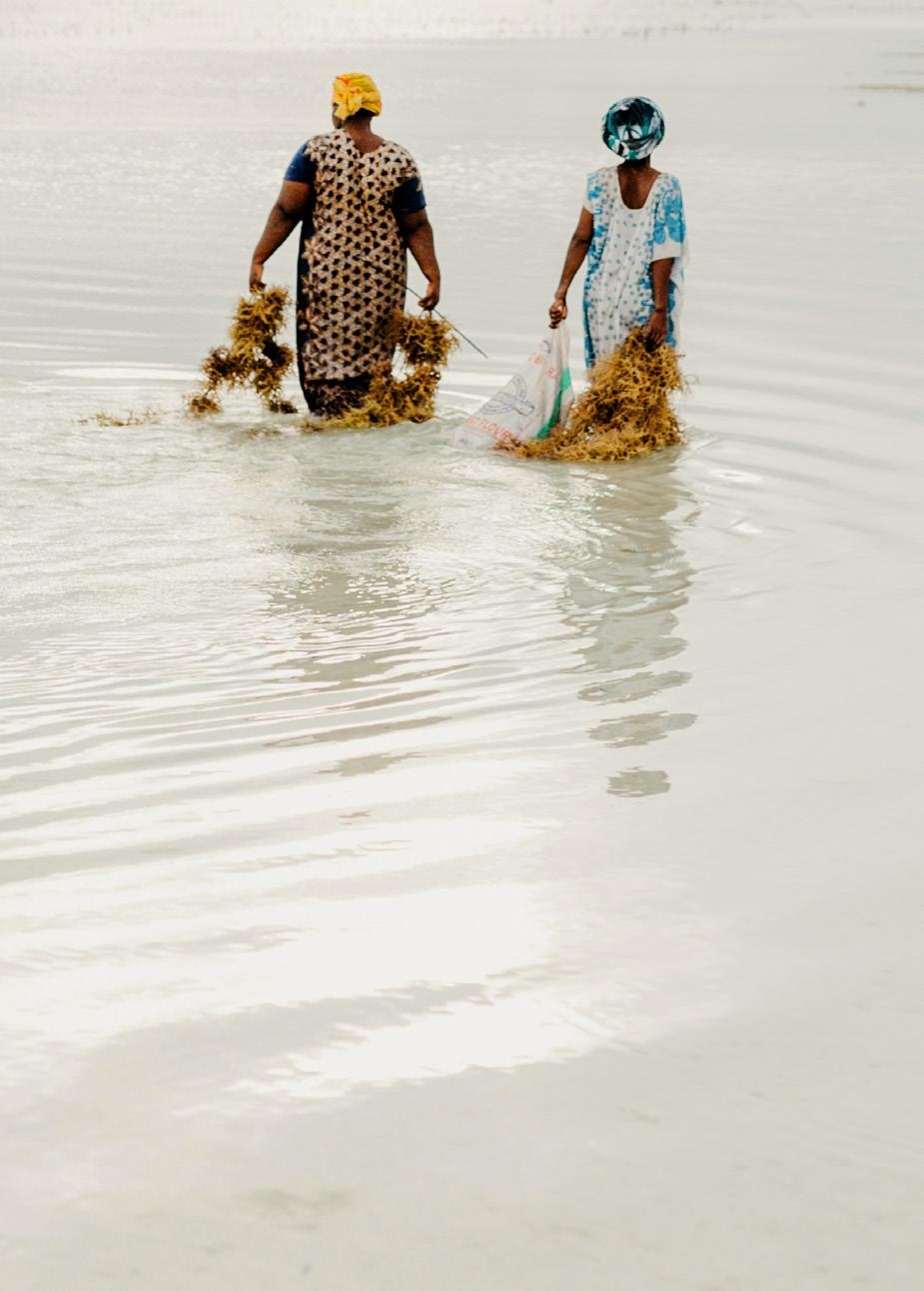
One of the most prominent groups the resort works with is a collective of Zanzibar women who make seaweed a beauty-filled force of nature, nourishing people and the planet. These powerful individuals are called the Seaweed Mamas.
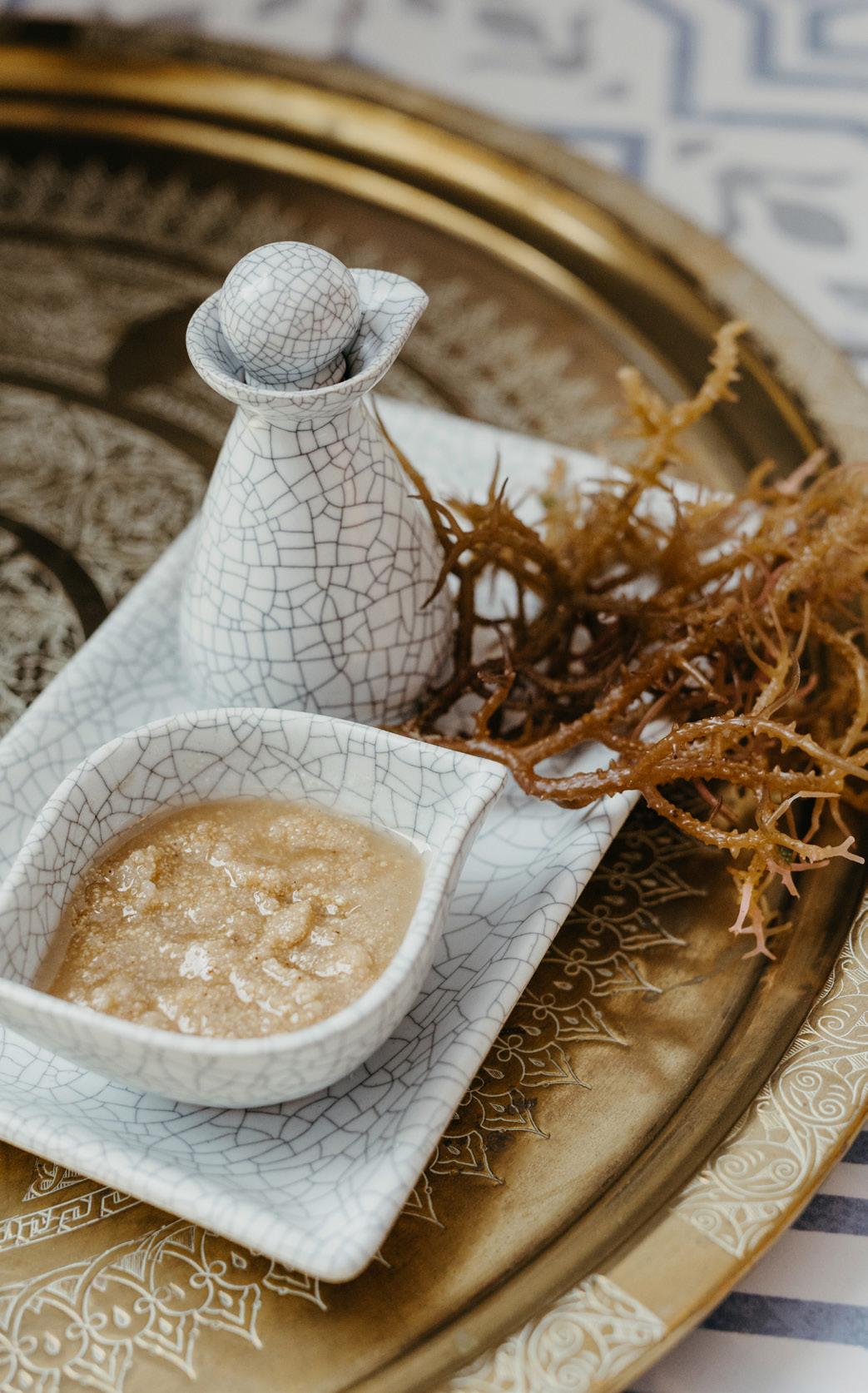
These women use natural, indigenous, and wildharvested seaweed, blending age-old African botanical wisdom with skilled artisanal craftsmanship.
The seaweed that surrounds Zanzibar has a reputation for its anti-inflammatory and anti-ageing properties, having earned the nickname ‘miracle of the ocean’ for its superlative abilities. For the Seaweed Mamas, however, this seaweed has evolved into something else entirely – a route to a better, more secure life through the creation of something uniquely Zanzibar in nature.
PIONEERING MARINE BEAUTY
Whilst Zanzibar’s nickname of the Spice Island stems from its proliferation of cloves, nutmeg, pepper, and cinnamon, recent years have seen seaweed surpass these spices to become the archipelago’s largest export.
“Seaweed farming has long been a source of livelihood for many coastal communities here, particularly for women who have practised this tradition for generations,” Bhardwaj informs.
“The Seaweed Mamas cultivate and harvest seaweed along the shallow shores, sustaining their families whilst preserving a practice deeply rooted in the archipelago’s culture.”
LUX* Marijani works with these talented women to ensure they can maintain financial independence whilst safeguarding the surrounding fragile marine ecosystems.
The majority of the region’s approximately 23,000 seaweed farmers, nearly all of whom are women, only earn around USD$35 per month – substantially less than minimum wage.
The powerful women have become some of the first in the archipelago to reach financial independence through their involvement, and due to their hard work, they have become respected leaders within their communities.
“Through guest experiences and community engagement, LUX* Marijani helps highlight the work of local seaweed farmers whilst encouraging responsible
“At LUX* Marijani, we celebrate Zanzibar by embracing
its culture,
traditions, and people. Women play a vital role in
many of the island’s communities and traditions, and we are proud to highlight their contributions through local partnerships, storytelling, and experiences that bring guests closer to the island’s heritage”
– SUMIT BHARDWAJ, GENERAL MANAGER, LUX* MARIJANI
Photography Credit: Lar Glutz
LUX* Marijani – in numbers
• 56 deluxe rooms
• Eight interconnecting family rooms
• Two accessible deluxe rooms
• Four beachfront executive rooms
• Six beachfront deluxe rooms
• Two grand LUX* suites
• 12 executive rooms
tourism and awareness around sustainable marine practices. By sharing these stories with our guests, we support greater appreciation for the role these women play in both the local economy and the protection of coastal ecosystems,” prides Bhardwaj.
BUILDING A BLUE ECONOMY
LUX* Marijani’s spa – LUX* Me Spa – uses nutrient-rich products in its rituals to connect guests to the island’s natural bounty whilst recognising the women whose work makes it possible.
“At LUX* Me Spa, the island’s natural resources are thoughtfully incorporated into wellness rituals, including treatments using the nutrient-rich seaweed harvested locally. Guests begin with a traditional foot-bathing ritual that creates a moment of grounding and connection to the ocean, whilst also honouring the women who provide this remarkable natural ingredient,” details Bhardwaj.
Every day, the Seaweed Mamas tend their crops in the crystal-clear waters of the Indian Ocean, harvesting in tune with the moon and the tides of the waves. The seaweed is more than a form of livelihood; it is viewed as a gift from the ocean itself.
Artfully handcrafting skincare that provides, renews,
and restores, the women are actively creating a legacy of sustainable beauty, supported by the passion and dedication of the LUX* Marijani hotel and community.
“Looking ahead, we remain focused on strengthening our connection with the local community and the environment. One of our key priorities is to source 70 percent of our operational needs locally, creating greater opportunities for local suppliers and supporting sustainable livelihoods,” concludes Bhardwaj.
“We are in the process of obtaining Green Key certification, and we aim to become the first resort in Zanzibar to achieve this recognition, which will further demonstrate our commitment to sustainability, responsible tourism, and meaningful community engagement.”
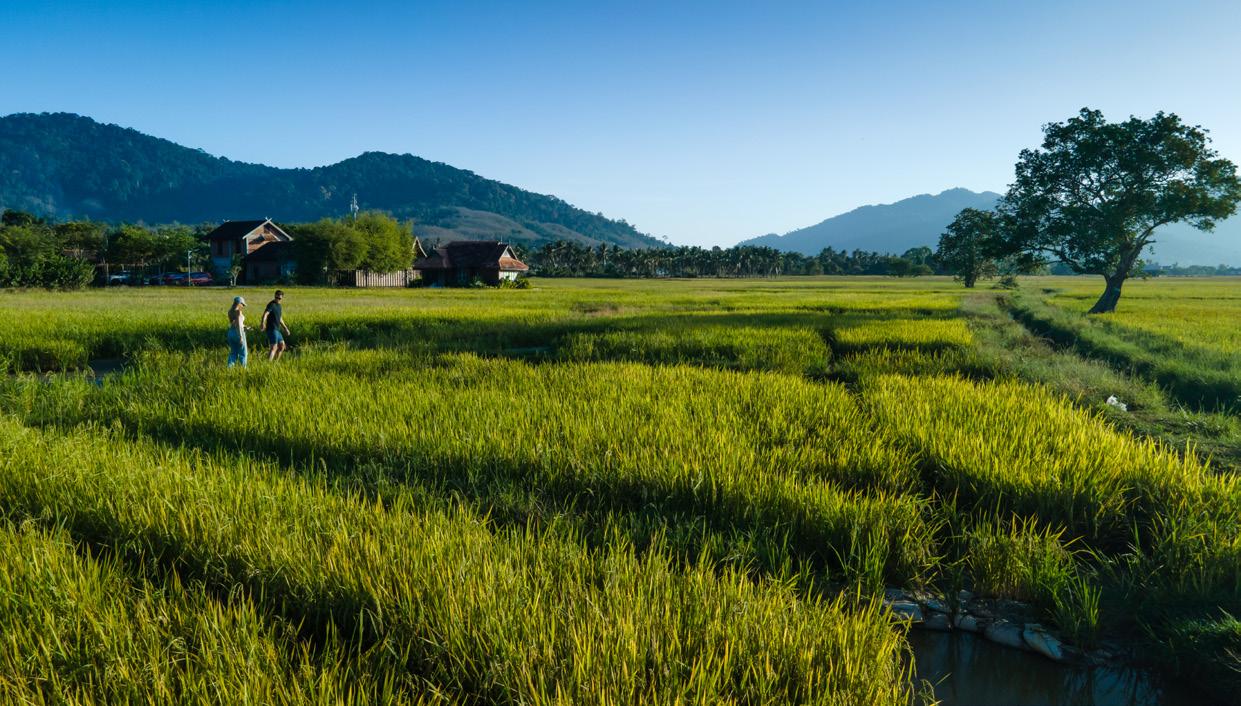
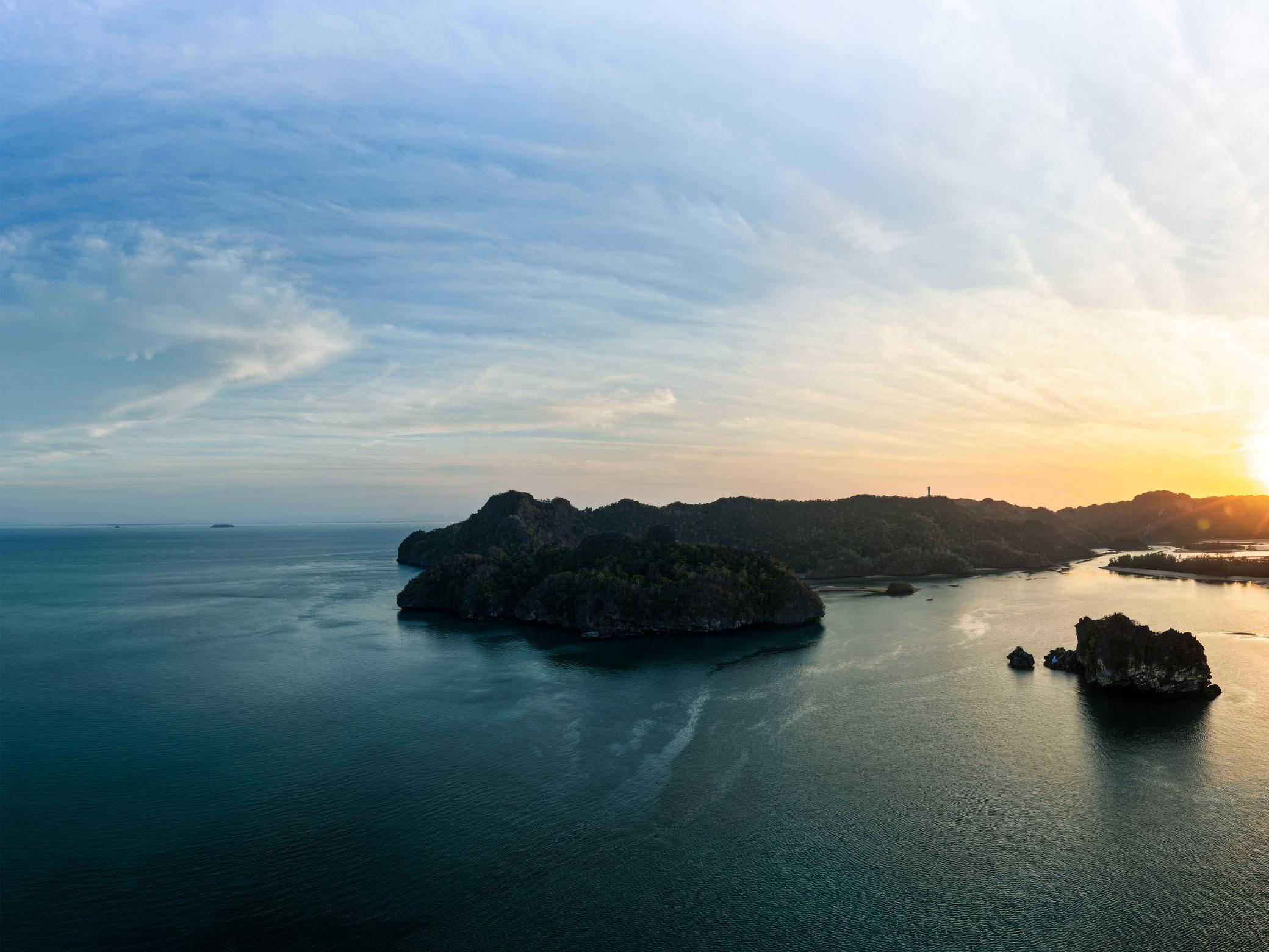
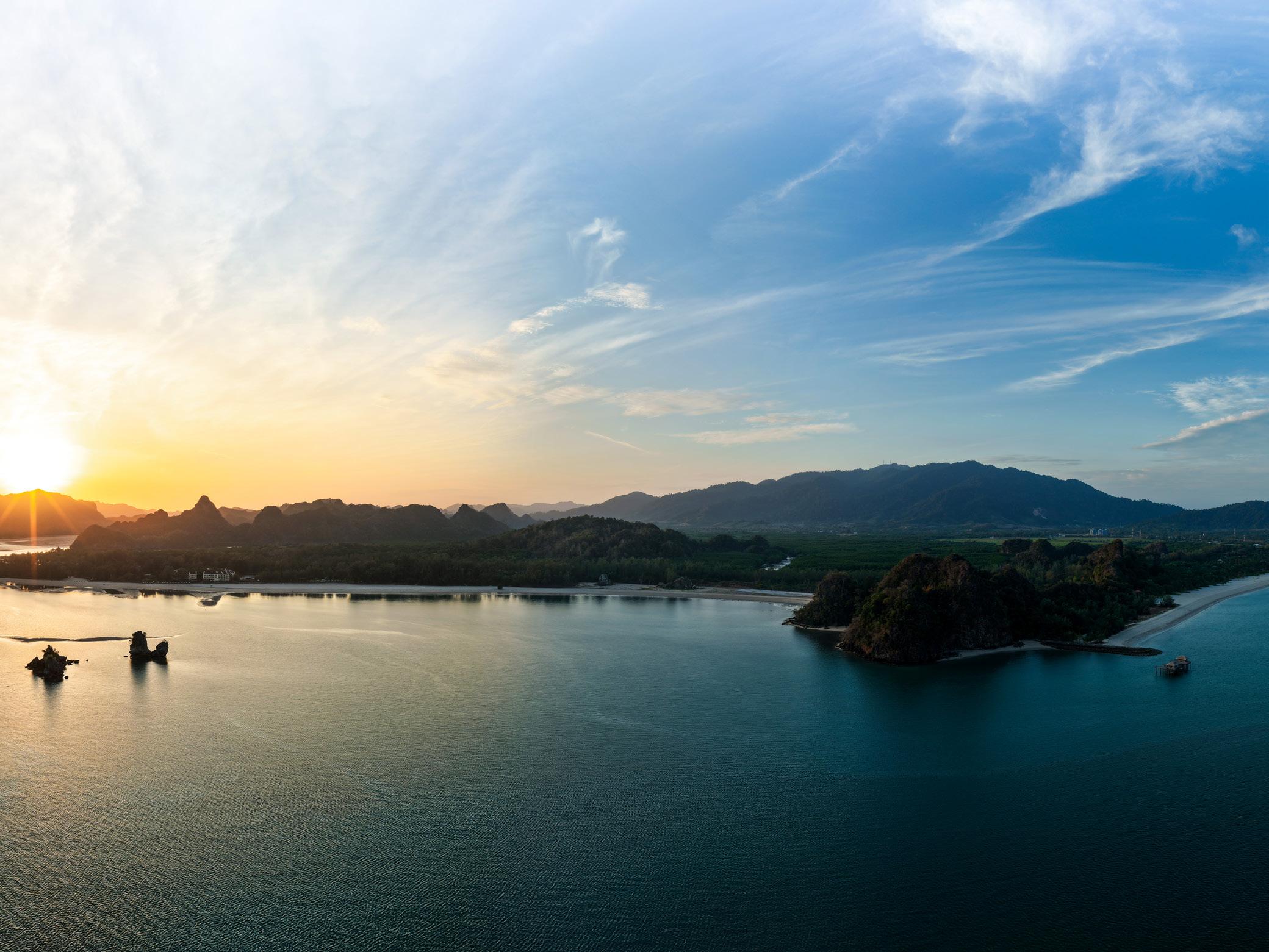
Comprising 99 islands – each unique in their own right – Langkawi is an archipelago with a difference. Explore the region’s canopied green landscapes, sink your toes into soft ivory-sanded beaches, and immerse in bustling night markets
WRITER: LUCY PILGRIM | PROJECT MANAGER: JOSEPH PERFITT
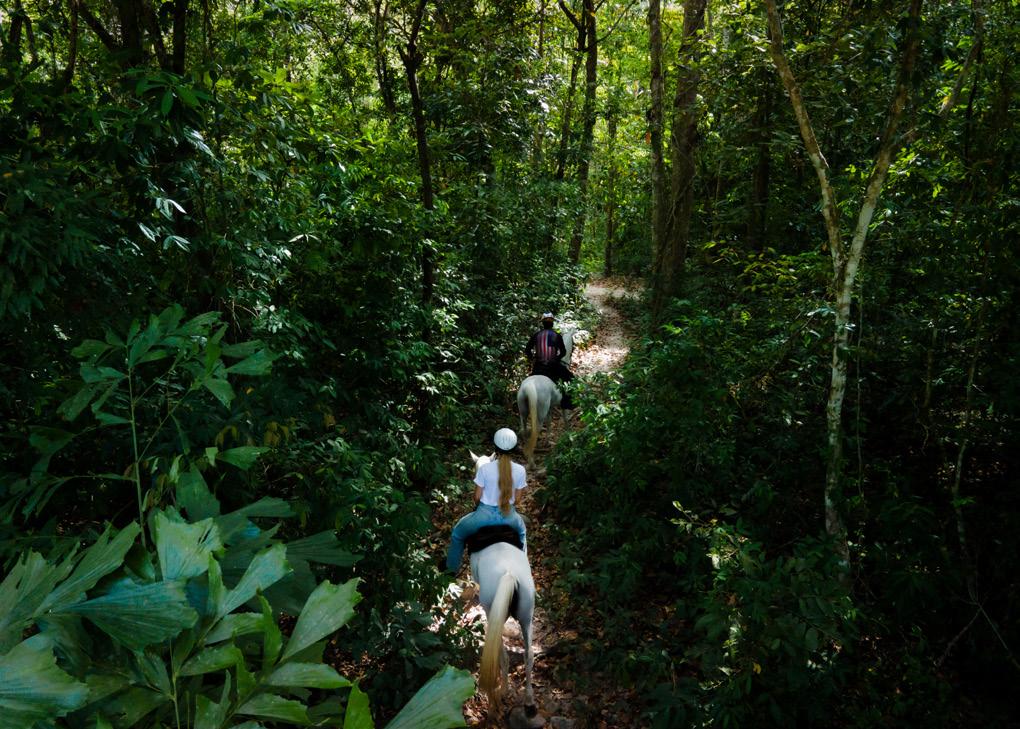
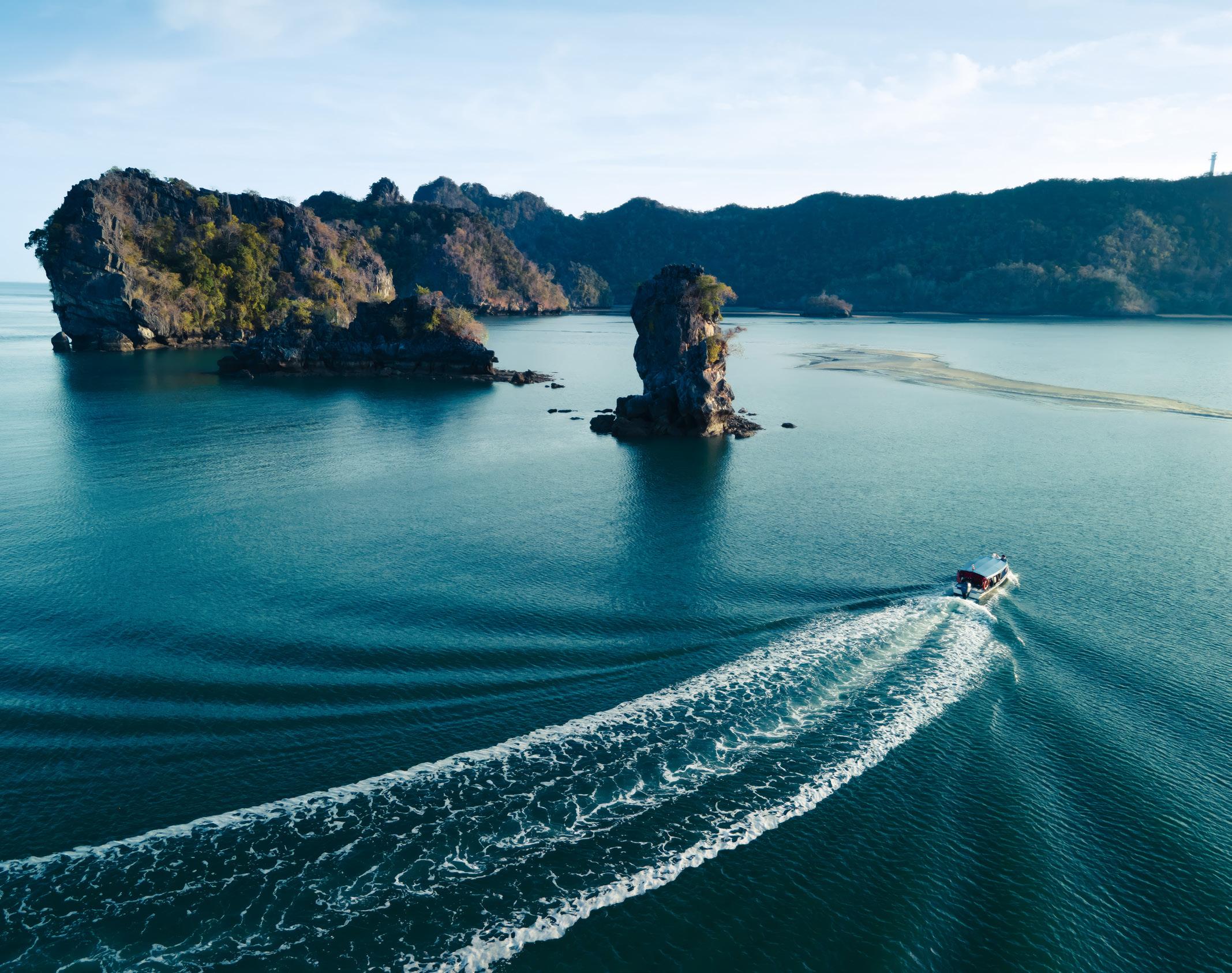
Situated on the vast glistening waters of the Andaman Sea, Langkawi creates a sense of serenity seldom seen elsewhere in the region. Located 30 kilometres (km) off Malaysia’s coast, the archipelago boasts some of the world’s rarest and most diverse ecosystems, ranging from deep tropical rainforests to sweeping beaches that are picture perfect.
Langkawi is deeply rooted in Malay culture, characterised by extensive historical ties to the Kedah Sultanate, one of the oldest royal institutions in Malaysia. Moreover, the archipelago is known as the ‘Legendary Island’, a name attributed to its vast ties to Malay folklore, visible through its landscapes, landmarks, and cultural sites that each reveal a new layer of the region’s past.
Aside from its heritage, Langkawi culture is centred around nature-based experiences and fascinating biodiversity that alter the way you view the natural world. Indeed, its status as a UNESCO Global Geopark makes it a premier ecotourism destination.
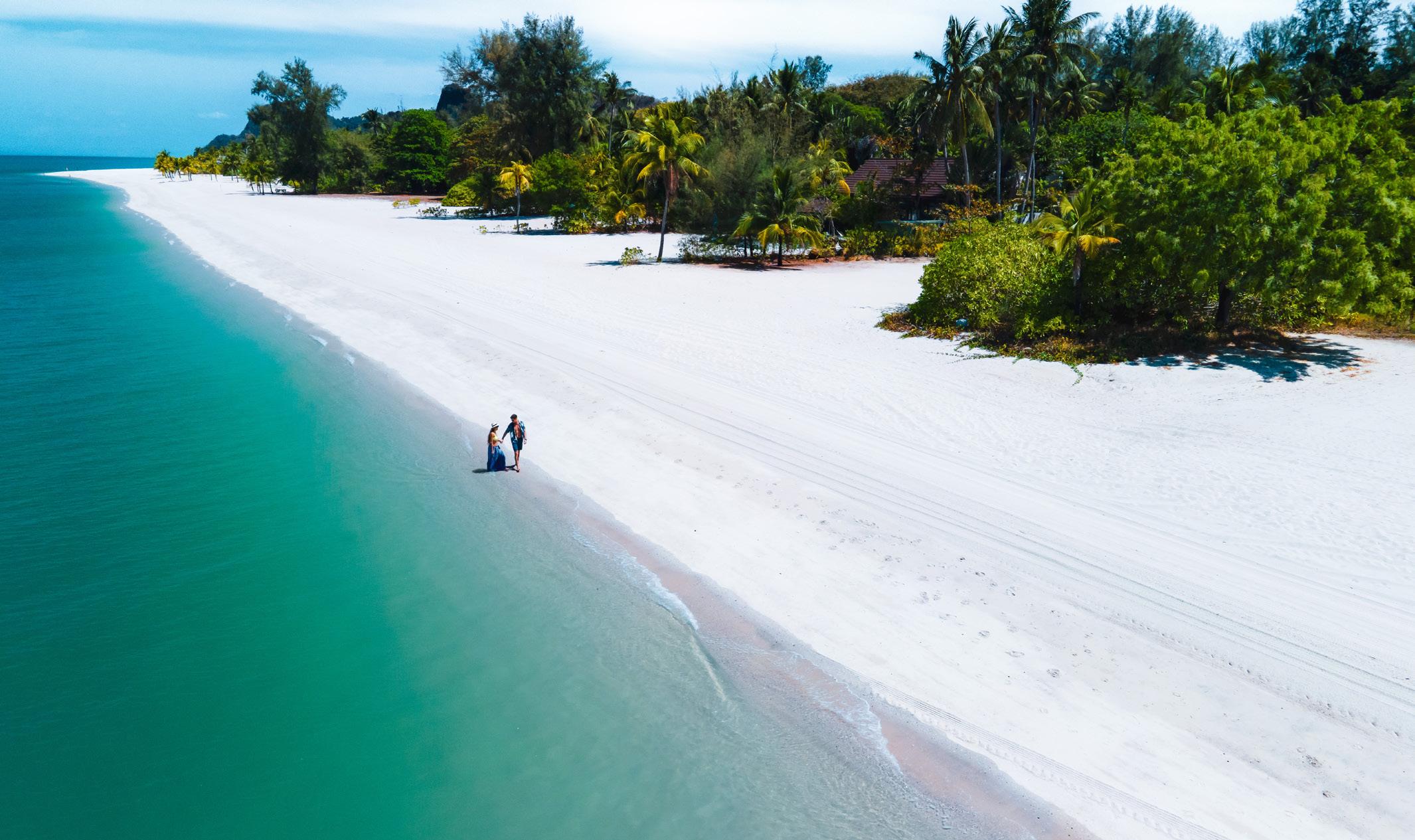
From sweeping treetops to silky sand, Langkawi is undoubtedly the place to go for a dreamy and romantic getaway, with iridescent waterfalls, mesmerising sunsets, and a tranquillity that distinguishes the islands from the hustle and bustle of Malaysia.
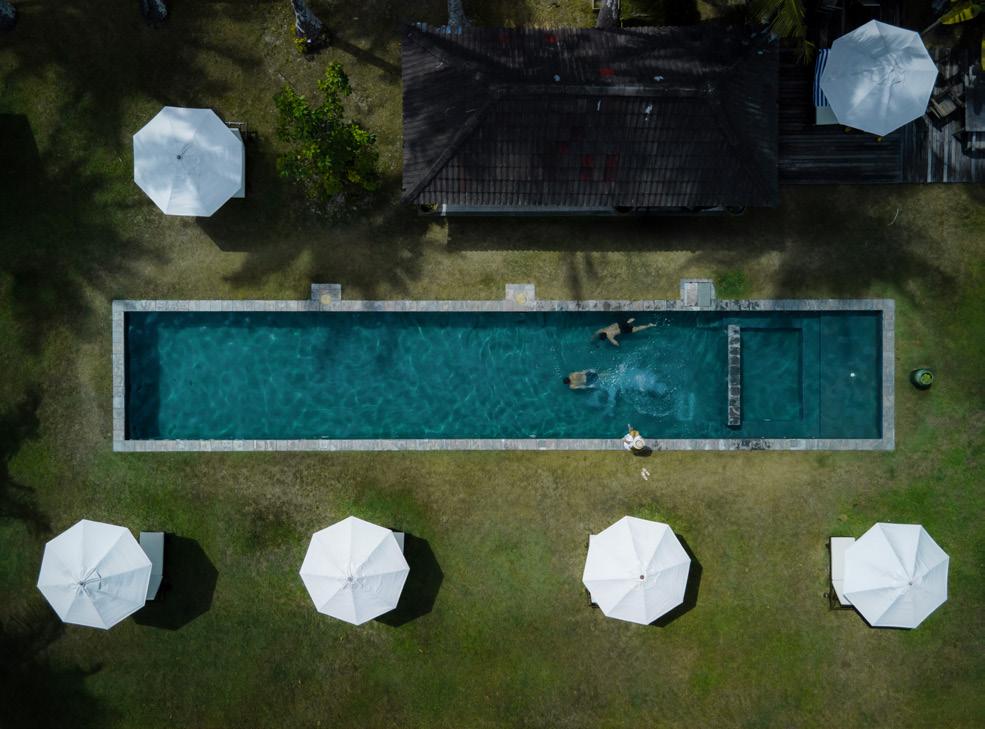
With a whole host of glamorous resorts, rustic stays immersed in nature, and a deep warmth felt amongst the locals, Langkawi makes the most of its unique landscape to meet the desires of any traveller. Why not take a trip to experience these otherworldly vistas for yourself?
Industry Insights
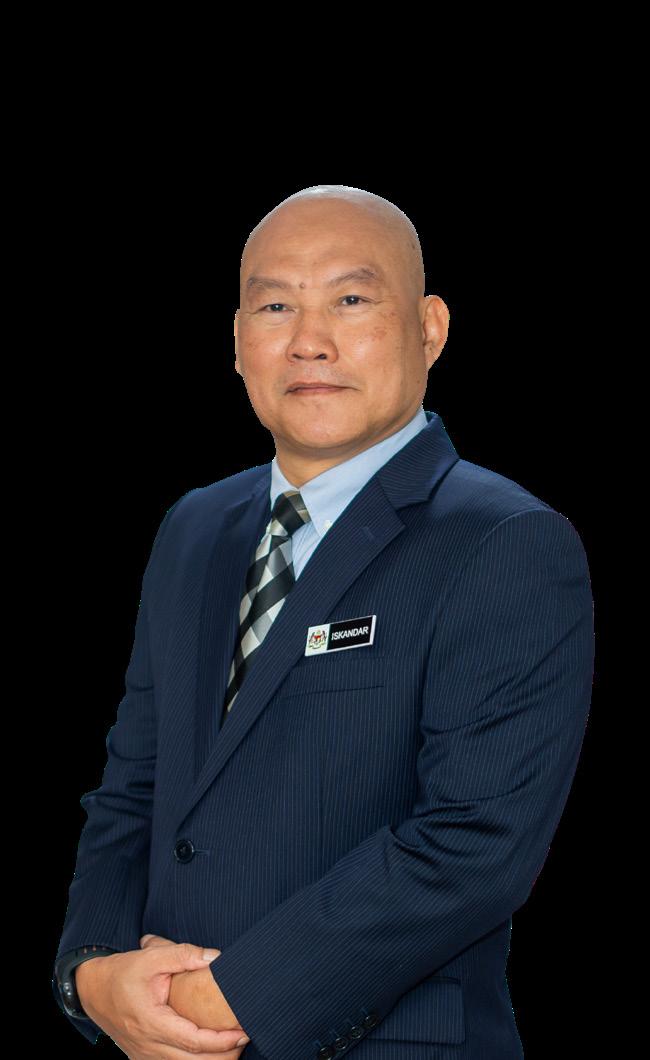
Datuk Seri Haji Iskandar Bin
Dato Haji Mohd Kaus, CEO
Langkawi Development Authority
Established in 1990, the Langkawi Development Authority (LADA) was created to guide the island’s transformation into an international tourism destination.
FROM THE OUTSET, its role has been to balance economic growth with environmental protection, ensuring tourism development does not come at the expense of the archipelago’s natural and cultural assets.
Waffa Wahida Binti Zainol, Tourism Manager, talks us through the organisation’s mission to position Langkawi as a world-class destination whilst also safeguarding its ecological integrity, supporting local communities, and preserving the island’s unique identity.
Outlook Travel (OT): Firstly, could you talk us through LADA’s motto and how it emphasises Langkawi’s status as a UNESCO Global Geopark?
is our way of returning the spotlight to what actually defines the island.
As a UNESCO Global Geopark, Langkawi’s value lies in how its landscapes, ecosystems, and communities are interconnected – not
isolated attractions.
The motto reinforces that by framing the island as something to be experienced, not consumed. And that’s very much in line with what the geopark destination stands for.
“LANGKAWI REVEALS ITSELF BEST IN LAYERS. YOU MIGHT BEGIN WITH ITS MORE FAMILIAR ICONS, BUT THE REAL RICHNESS LIES IN TRANSITIONS – MOVING FROM SEA TO FOREST, OPEN SKIES TO QUIET VILLAGE ROADS, GEOLOGICAL LANDMARKS TO EVERYDAY LOCAL LIFE”
– WAFFA WAHIDA BINTI ZAINOL, TOURISM MANAGER,
LANGKAWI DEVELOPMENT AUTHORITY
OT: Announced at Internationale Tourismus-Börse Berlin (ITB Berlin) 2026, how does your new directive position nature-led tourism experiences at the forefront of your focus?
WWZ: At ITB Berlin 2026, we made a conscious shift in emphasis – from promoting Langkawi as a destination you visit to one you experience more meaningfully. That means putting nature-led
experiences at the forefront –exploring mangroves with local guides, understanding the island’s geological story, or engaging with communities whose lives are closely tied to the land.
It’s a move away from volumedriven tourism towards something more intentional, where the value of a visit is measured not by how much you see, but by how deeply you engage.
OT: How best can travellers experience the diversity the archipelago has to offer?
WWZ: Langkawi reveals itself best in layers. You might begin with its more familiar icons, but the real richness lies in transitions – moving from sea to forest, open skies to quiet village roads, geological landmarks to everyday local life.
Rather than trying to see everything, we often encourage
“TODAY’S TRAVELLERS ARE INCREASINGLY DRAWN TO PLACES WITH A STRONG SENSE OF IDENTITY WHERE CULTURE IS NOT STAGED BUT PART OF EVERYDAY ISLAND LIFE. OUR ROLE IS TO SUPPORT THAT BY ELEVATING LOCAL EXPERIENCES, NOT REPLACING THEM”
–
WAFFA WAHIDA BINTI ZAINOL,TOURISM MANAGER, LANGKAWI DEVELOPMENT AUTHORITY
travellers to follow a rhythm instead. Let experiences unfold at their own pace. The diversity of the archipelago becomes more apparent when you give it space to do so.
OT: How does the authority meet the needs of modern travellers whilst also achieving cultural preservation?
WWZ: Interestingly, those two goals are no longer at odds. Today’s travellers are increasingly drawn to places with a strong sense of identity where culture is not staged but part of everyday island life. Our role is to support that by elevating local experiences, not replacing them. This includes working with communities, supporting heritageled initiatives, and ensuring that development respects context.
In doing so, cultural preservation becomes part of the experience itself and something visitors can engage with meaningfully, rather than observe from a distance.
OT: Can you tell us more about LADA’s sustainability focus and the ways in which you are promoting eco-friendly travel?
WWZ: As a UNESCO Global Geopark, there is an inherent responsibility to protect what exists. This shapes how experiences are developed, partnerships are formed, and visitors are engaged.
We focus on encouraging low-impact travel, supporting conservation-led initiatives, and working with operators who prioritise environmental responsibility. At the same time, we aim to build awareness,
helping travellers understand that preserving Langkawi is a shared responsibility.
OT: How is the authority promoting slower travel and encouraging visitors to fully immerse themselves in the culture through extended trips?
WWZ: We’re gently reframing what it means to ‘do’ Langkawi.
Instead of encouraging packed itineraries, we’re inviting travellers to stay a little longer, explore deeper, and experience the island at a more natural pace.
This could mean choosing to engage with local communities rather than moving quickly between attractions. Slower travel not only creates a more meaningful experience – it also allows the destination to breathe.
OT: Finally, what are LADA’s plans for the next 12 months and are you optimistic about the future of tourism in the archipelago?
WWZ: Over the next year, our focus is on deepening what already makes Langkawi special – strengthening nature-led experiences, enhancing storytelling, and building partnerships that align with our longterm vision.
There is a clear global shift towards more conscious, experiencedriven travel and Langkawi is well positioned for that.
Tel: 04-9600 600
www.lada.gov.my/en/main/
In Focus
NIGHT MARKETS
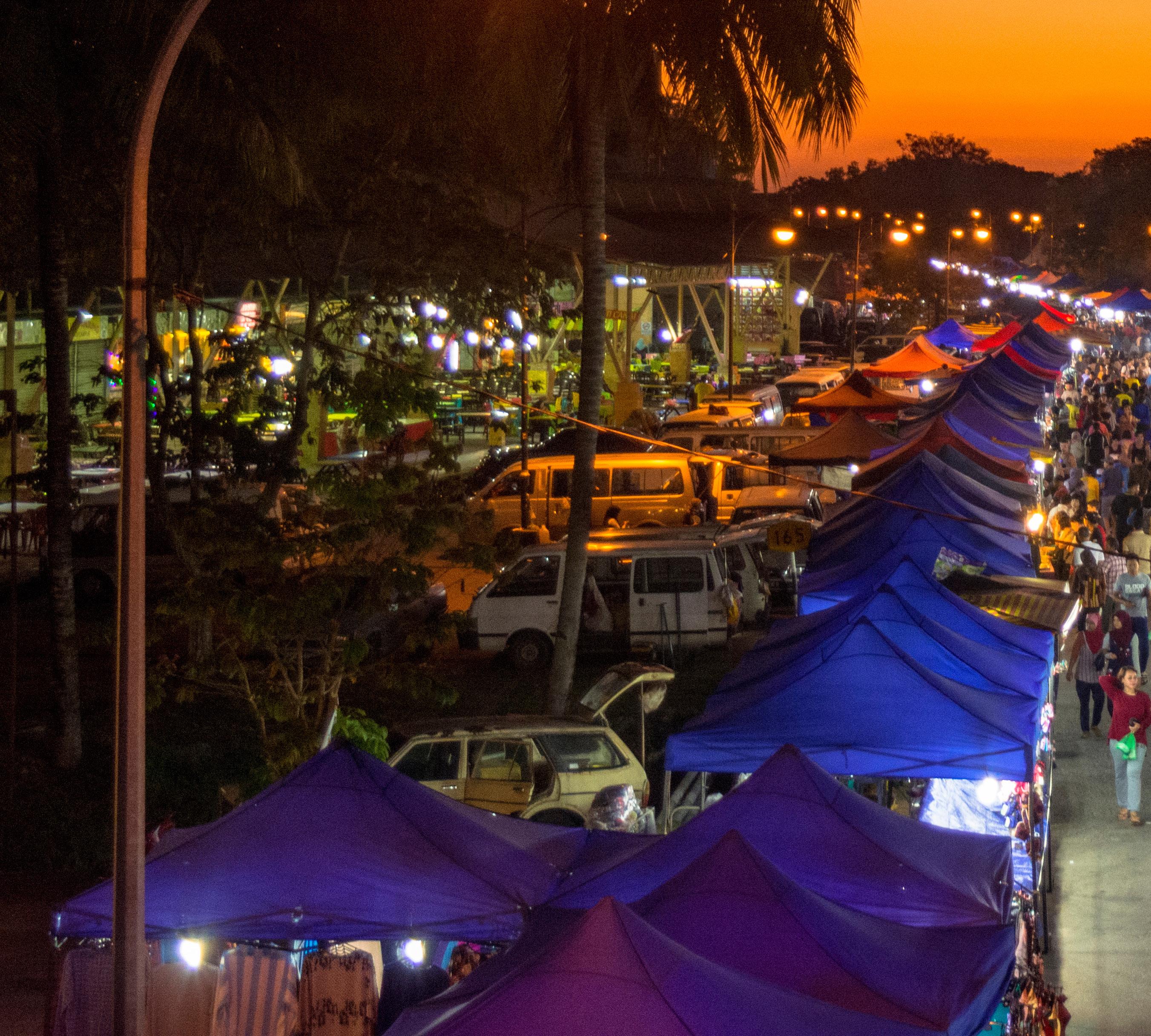
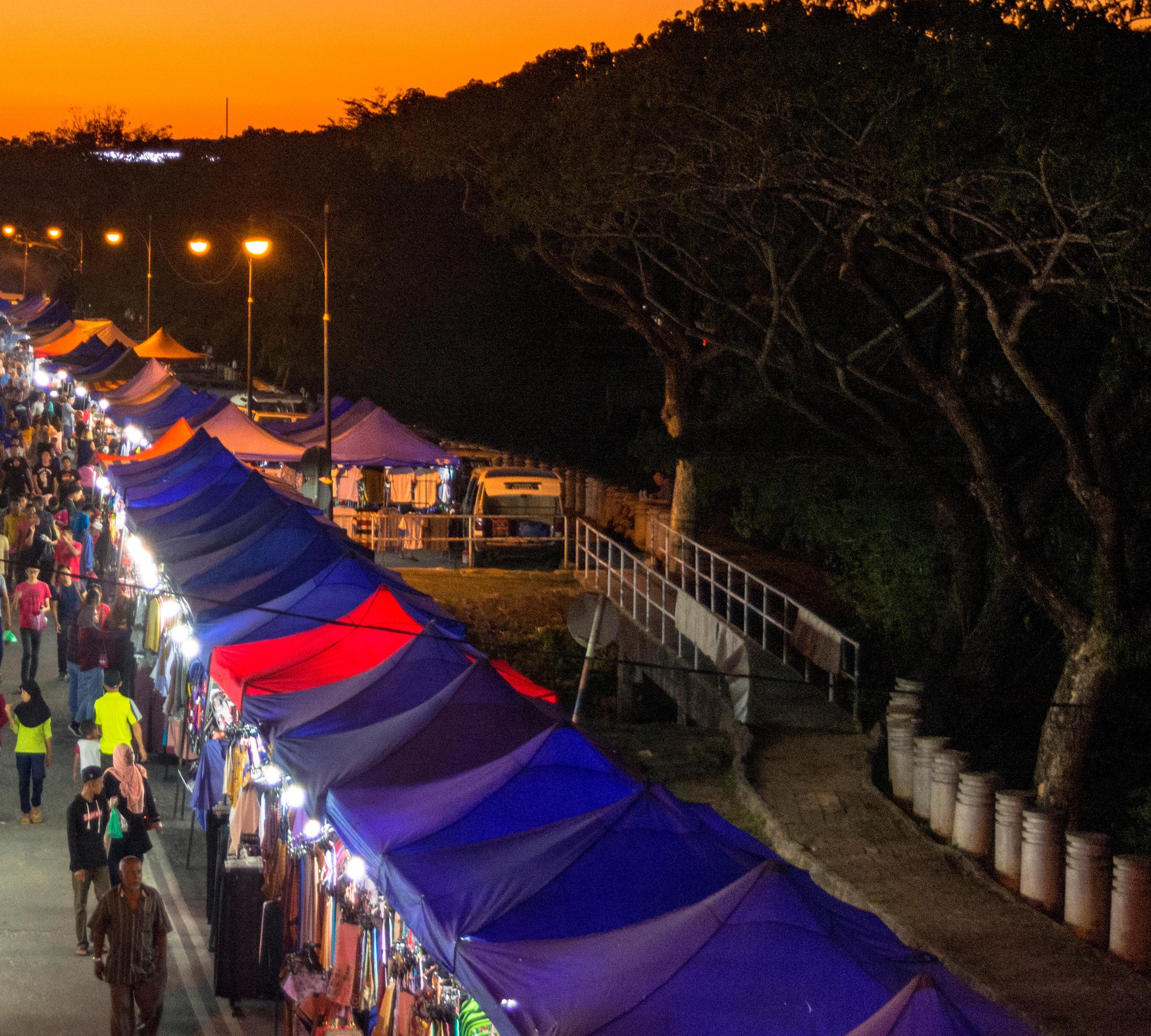
An open door to local Langkawi life, the archipelago’s myriad night markets epitomise the deep character and lively atmosphere the region is known for.
TAKING PLACE TYPICALLY between 17:00 and 22:00 at a different location every day of the week, these open-air markets are hubs of vibrant activity, and each holds its own unique charm and character.
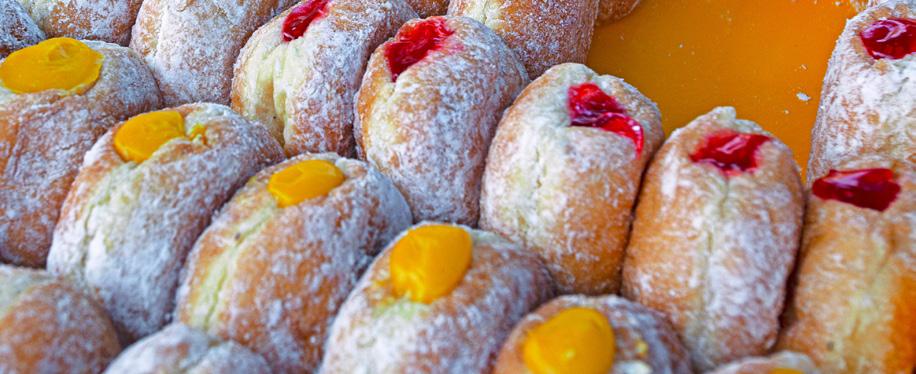
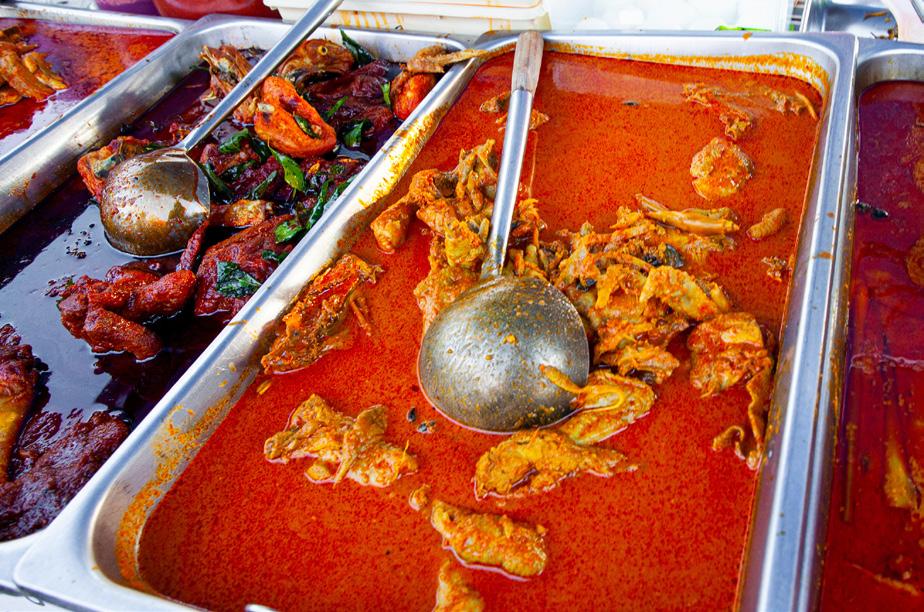
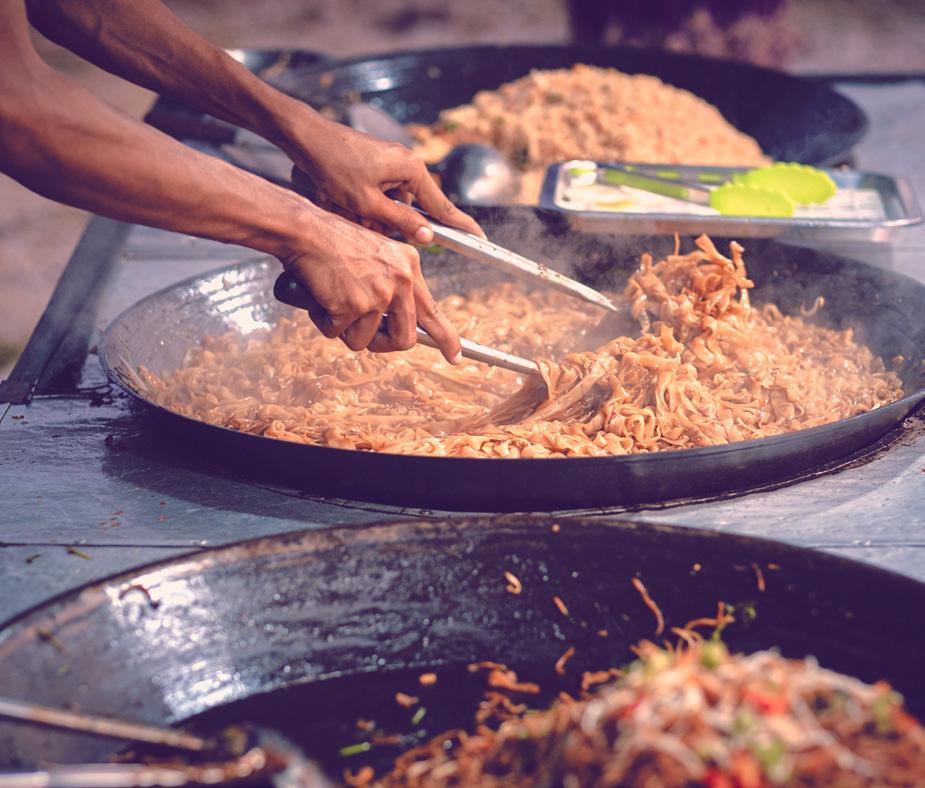
Explore the bustling stalls and sample some of the most affordable but delicious street food Langkawi has to offer, or treat yourself to some artisan crafts, boutique traditional clothing, and charming souvenirs.
Spanning many different areas of the islands, the night markets are the ideal opportunity to explore every corner of Langkawi.
Typically taking place on Monday nights, what Ulu Melaka night market lacks in size it makes up for in tasty local food options at highly affordable prices.
In contrast, Tuesday’s Kedawang night market offers a highly festive atmosphere brimming with people. Also referred to as ‘Pasar Malam’ and recognised as a sensory feast, it’s the perfect place to interact with locals amongst a large spectrum of stalls selling food, handicrafts, clothing, and other local goods.
Whilst Kuah Town night market on Wednesday is one of the largest and busiest markets in the main island area,
Bohor Temoyong night market on Thursday is highly popular with tourists and locals alike thanks to its close proximity to the Pantai Cenang area – a traveller hotspot thanks to its stunning beach scenery.
Spanning 0.5 km and close to Tanjung Rhu Beach on the northern tip of the archipelago, Ayer Hangat night market on Friday night is a magical experience filled with glowing lanterns and grilled food.
This vibe is similarly replicated in Kuah Town and Padang Matsirat night markets on Saturday and Sunday respectively.
RECOMMENDS
Eat:
FOR MEDITERRANEAN FLAVOURS REDEFINED...
Drawing flavours from Langkawi’s verdant land, deep tropical waters, and sweeping valleys, Lancava Restaurant elevates the archipelago’s gastronomy to a new level with a heightened sense of indulgence and sophistication.
Each plate combines bold flavours with traditional Langkawi dishes, using local premium meats, the freshest fish, and vibrant plant-based creations crafted by world-class chefs whose passion for culinary innovation can be tasted in each bite. Catering to every palate, from refined cuisine to traditional favourites, Lancava Restaurant is the perfect space for a romantic dining evening, memorable family get-together, or to reconnect with friends.
FOR AN AUTHENTIC MALAY EXPERIENCE...
Found amongst the greenery of a beautiful rainforest, The Gulai House is an award-winning establishment whose rustic but sophisticated charm shines through in both its traditional cuisine and unique atmosphere. The menu features a number of classic Malay dishes, such as the restaurant’s signature beef rendang, which includes slow-braised dry beef ribs cooked over a fire.
The enchanting sounds of the forest wildlife continue to draw in guests from far and wide, as does The Gulai House’s setting in a traditional Malay Kampung house, which adds to the ambience by bringing the outside in. Visitors have a choice of floor seating, known locally as bersila, or rustic dining tables, each creating a one-of-a-kind dining experience.
Do:
FOR MARVELLING AT THE LANGKAWI SKY...
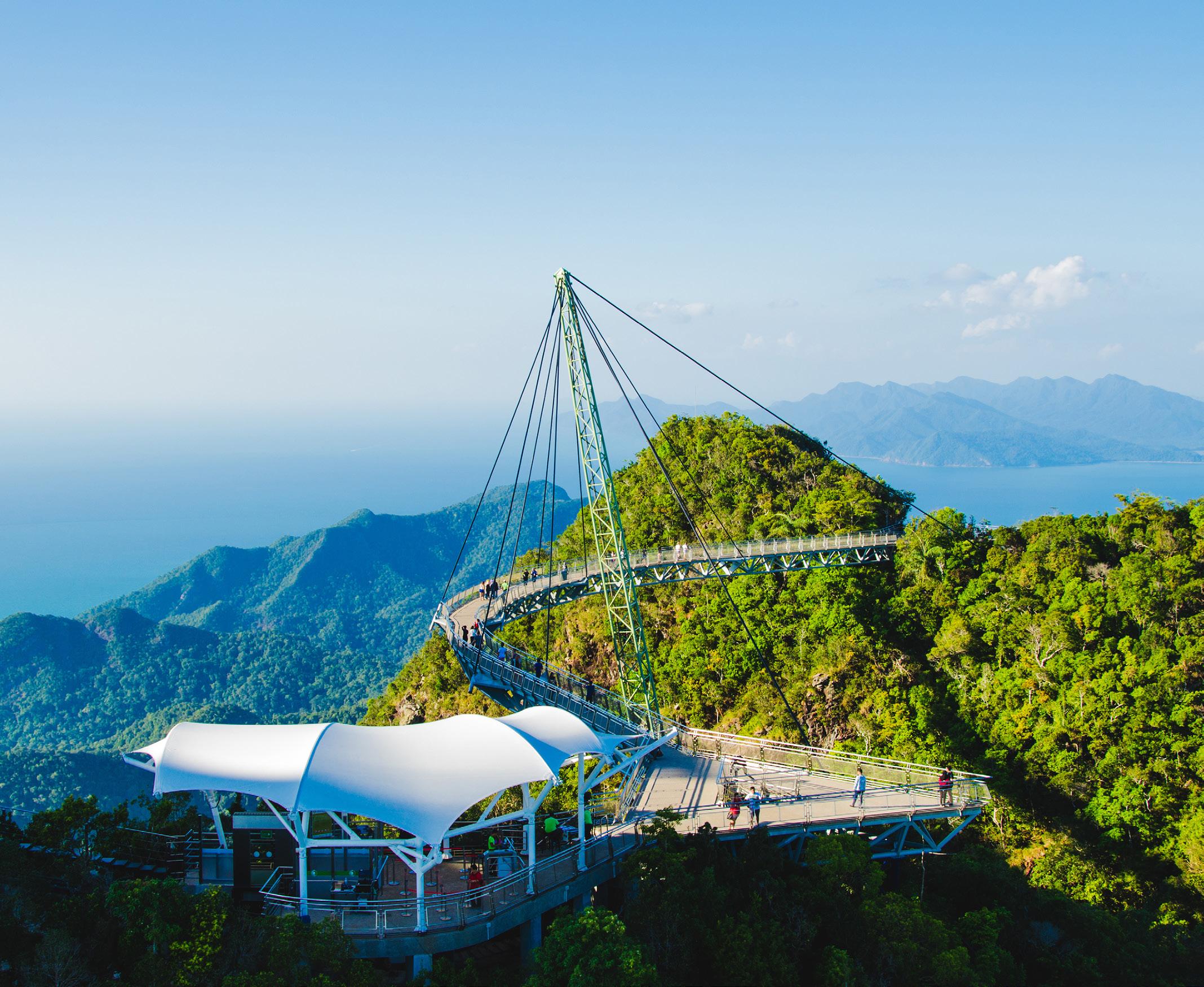
Soaring an impressive 125 metres (m) across the verdant green rainforest canopy from the peaks of Gunung Machinchang in Kedah, SkyBridge offers breathtaking panoramic views like no other.
Take the opportunity to see the world from above and be amongst the clouds as you gaze upon the beauty of the rugged Machinchang mountain range, shimmering Andaman Sea, and so much more.
Sleep:
FOR UNDERSTATED SPLENDOUR...
Typified by colonial elegance, the Danna Langkawi receives high praise for a reason. Thoughtfully combining island hospitality and warmth with sophisticated and modern suites, the resort offers breezy, stylish villas with a cool private pool and beachfront access, as well as glamorous oceanfront rooms that are spacious, classic, and oozing with Mediterranean charm.
Brimming with eclectic and curated menus, unwind and satisfy your taste buds with an abundance of culinary delights at one of Danna Langkawi’s many restaurants, each famed for their deep attention to detail and ability to leave guests wanting more.
FOR A SPACE WHERE WELLNESS MEETS WONDER...
Opening its doors in June this year, the newly built Hilton Langkawi Burau Bay Resort is the perfect place for those seeking modern luxury amongst the undisturbed coastal rainforest. Boasting 251 rooms – including 85 seafront rooms and suites – the resort is more than a peaceful stay; it is a beachfront sanctuary.
If the staggering sunset views over the Strait of Malacca were not enough to draw you in, the indulgent spa and serene gardens are sure to evaporate any stresses from the outside world, letting guests sink deeply into island bliss.
This is further enhanced by the range of spacious rooms and suites on offer, which exude sophistication with thoughtful furnishings, soft lighting, and large cloud-like beds that let guests drift off peacefully.
Landmark Attractions
Xxxxxxxx
Eagle Square
Surama is an Amerindian village (mainly inhabited by Macushi people) and the site for the first community ecotourism initiative in Guyana. The local community manages and maintains Surama Eco-Lodge, which offers tourists a chance to stay in traditional huts, try local food and explore nearby nature trails.
Known locally as Dataran Lang, Langkawi’s emblematic eagle perches proudly with its wings magnificently outstretched in Eagle Square. The structure stands 12 m above a star-shaped concrete deck overlooking the Kuah Jetty, acting as a welcoming icon to the archipelago’s visitors. According to local folklore, the giant statue commemorates Langkawi’s namesake, derived from the two Malay words ‘helang’ meaning eagle and ‘kawi’ meaning reddish brown.
Xxxxxxxx
Kilim Geoforest Park
Surama is an Amerindian village (mainly inhabited by Macushi people) and the site for the first community ecotourism initiative in Guyana. The local community manages and maintains Surama Eco-Lodge, which offers tourists a chance to stay in traditional huts, try local food and explore nearby nature trails.
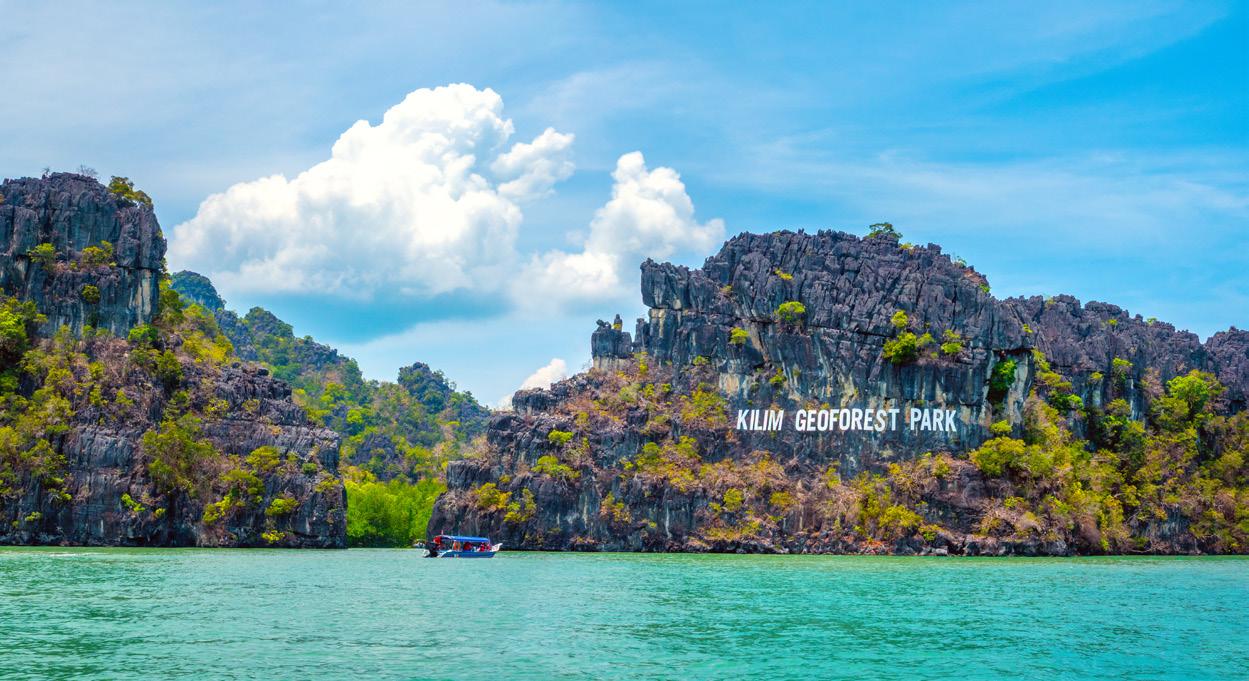
A highlight of the Langkawi UNESCO Global Geopark, the 100-squarekilometre nature reserve is abundant with ancient geological heritage, sprawling mangroves, intriguing flora and fauna, and the welcoming local community. The park is one of Malaysia’s most significant examples of coastal karst and mangrove ecosystems. Explorers can also catch a rare glimpse of endemic birds and flowers that have astounded visitors for centuries.
Telaga Tujuh Waterfalls
Xxxxxxx
This flat-topped mountain soars to an elevation of 2,811 metres, and lies on the border between Venezuela, Guyana and Brazil. The plateau is an otherworldly landscape of stark rock formations, often shrouded in cloud. On clear days, you can see for miles across the rugged Pakaraima Mountains.
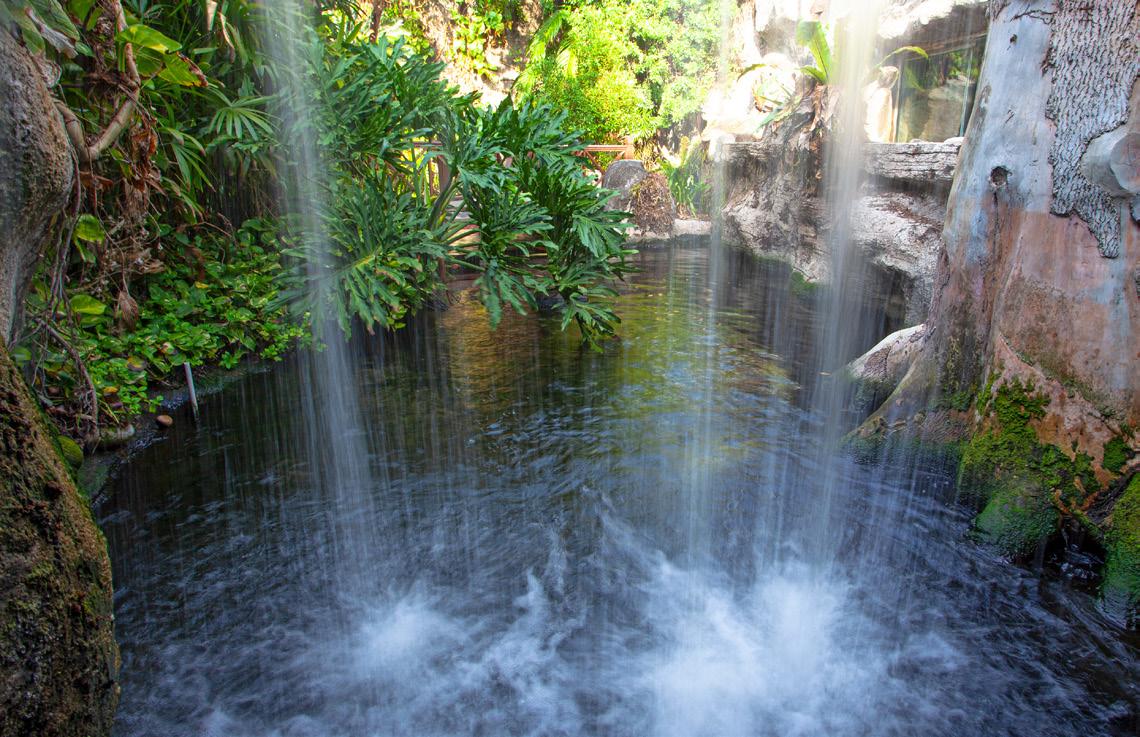
Also known as Seven Wells Waterfall after its seven natural freshwater pools, the spectacle of the Telaga Tujuh Waterfalls can be found in the Machinchang Cambrian Geoforest Park and is split between the lower and upper pools. The former requires a climb of around 200 steps to reach but features a 91-m-tall vertical waterfall at the top. The upper pools, meanwhile, take a little more effort, accessible via 638 steps but made worth it by a natural waterslide at the peak.
Getting There and Around
SITUATED ON THE northwestern coast of the Malaysian Peninsular in the Andaman Sea, the best way to reach Langkawi is by air.
Many neighbouring regions offer direct flights, including Kuala Lumpur and Penang in Malaysia, various areas of Singapore, and other nearby international hubs, which all fly into Langkawi International Airport (LGK) in Padang Matsirat.
If travelling by sea is more your style, ferry trips are available from the Malaysian mainland. The most direct journeys include a 1 hour 15-minute trip from Kuala Perlis, or a 1-hour 45-minute journey from Kuala Kedah. You can also catch a highspeed ferry from Thailand that takes approximately 1.5 hours.
Once on solid ground in Langkawi, island hopping is best recommended if you wish to see all this fantastic archipelago has to offer. Cruises and packages are typically provided by local tour guides and offered from popular resorts and travel hotspots. You can also hire a car or scooter to make the most of your trip, as public transport is very limited across the islands. There are a number of vehicle rental providers at the airport, who offer highly affordable rates and a vast range of vehicles depending on your needs.
Alternatively, taxi services are available via the Grab ride-hailing app – a much more affordable and convenient option than standard metred taxis.
GAUTENG
Coalescing abundant cultural heritage with ravishing natural splendour and an exquisite spectrum of entertainment, the South African province of Gauteng boasts an irresistible offering for all
WRITER: ED BUDDS
PROJECT MANAGER: MANTĖ KALINAUSKAITE
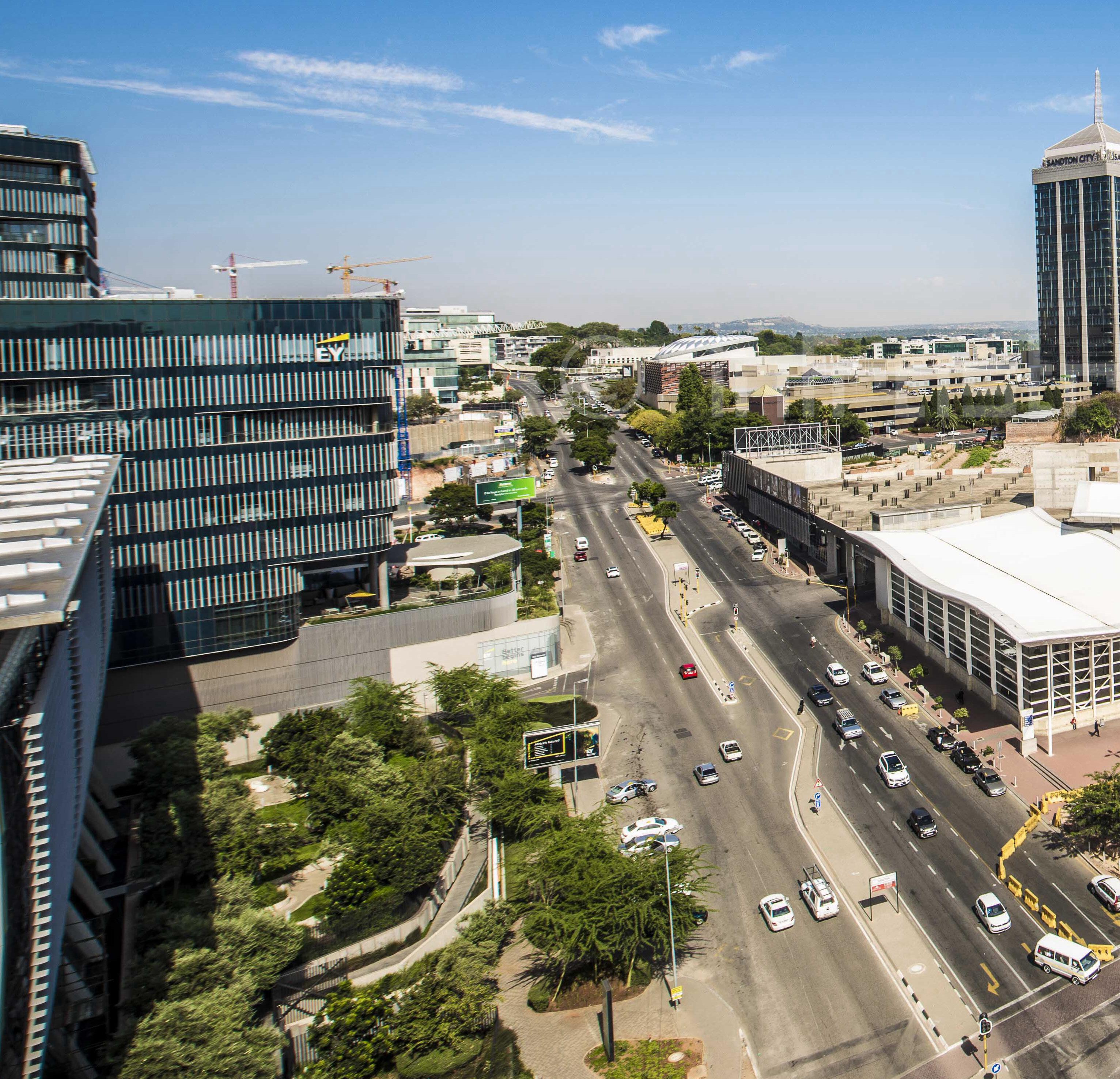
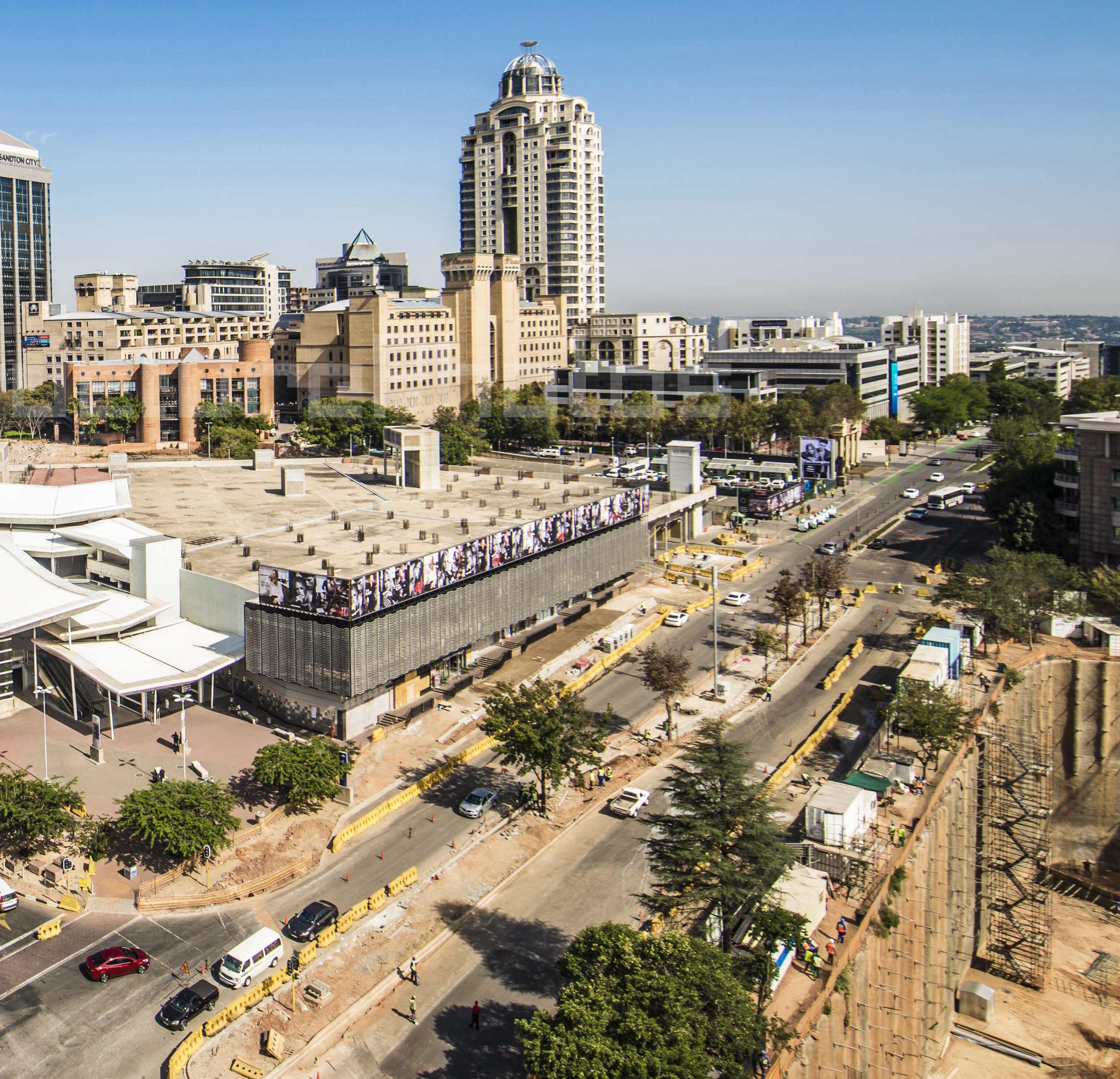
Gauteng, the vibrant beating heart of South Africa (SA), offers a unique blend of culture, leisure, sports, and awe-inspiring natural beauty.
When nine new provinces were named in the wake of the nation’s first democratic elections in 1994, a part of the former Transvaal province became Gauteng, a Sesotho word meaning ‘place of gold’.
The fitting name honours the gold-bearing Witwatersrand, a mountainous quartzite ridge that runs east to west across Gauteng.
Although SA’s smallest province, it is the country’s richest and most densely populated, standing proudly as
the economic heart of the nation.
Gauteng, influenced by the increased centralisation of modern cities, is divided into five regional municipalities –Johannesburg, Tshwane (Greater Pretoria), Ekurhuleni (the East Rand), the West Rand, and Sedibeng.
It’s a cosmopolitan paradise of fun, warm, and unique people who come together to make all visitors feel welcome.
Home to world-class entertainment venues, fine restaurants, day spas, boutique hotels, authentic African craft markets, and fantastic jazz venues, Gauteng has it all.
From shopping malls, African street markets, and café
societies to restaurants, upmarket shebeens, and the great outdoors, this is a province that offers instant gratification and no dull moments.
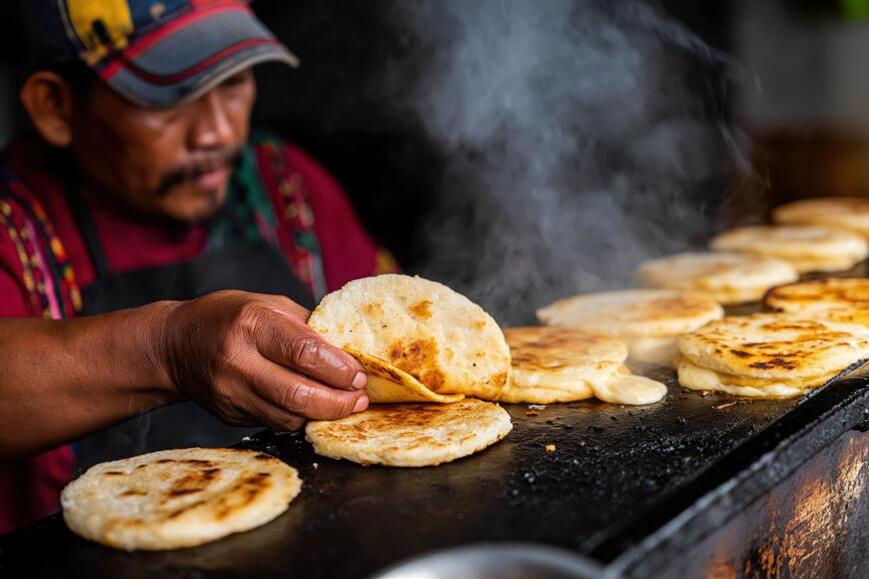
Gauteng is fondly known for its vast array of restaurants and local fare, boasting a diverse spectrum of flavours and cultural influences, from home-grown boerekos (farmers’ food) and authentic African cuisine to Thai, Portuguese, Italian, Cape Malay, and more.
As a top-tier destination to watch musical icons from across the globe, or spectate the pinnacle of sporting excellence, Gauteng’s dedication to vibrant energy and entertainment is unrivalled.
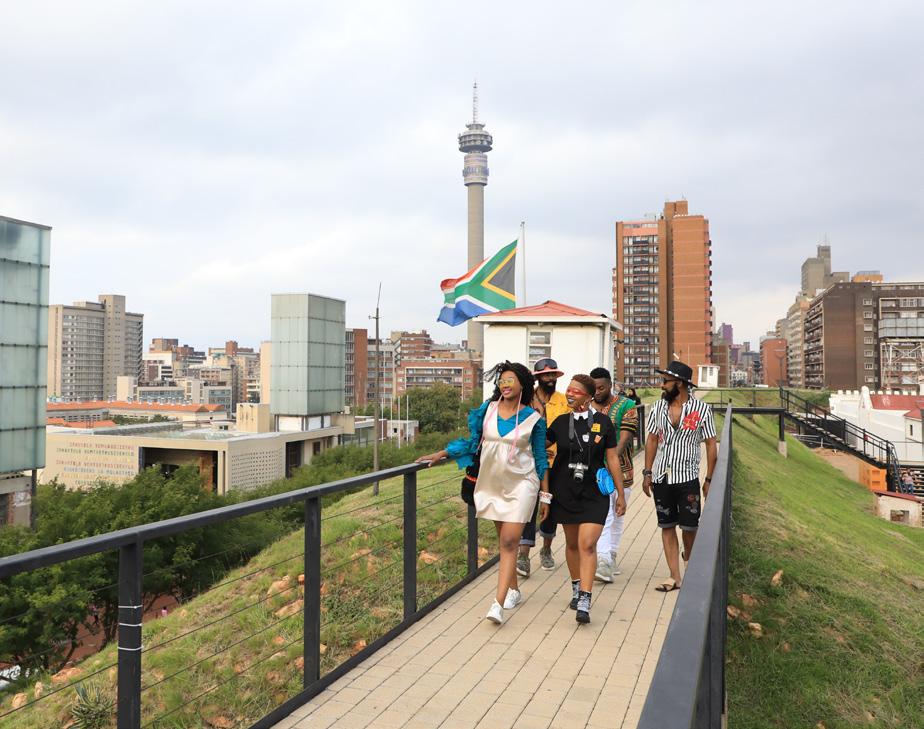
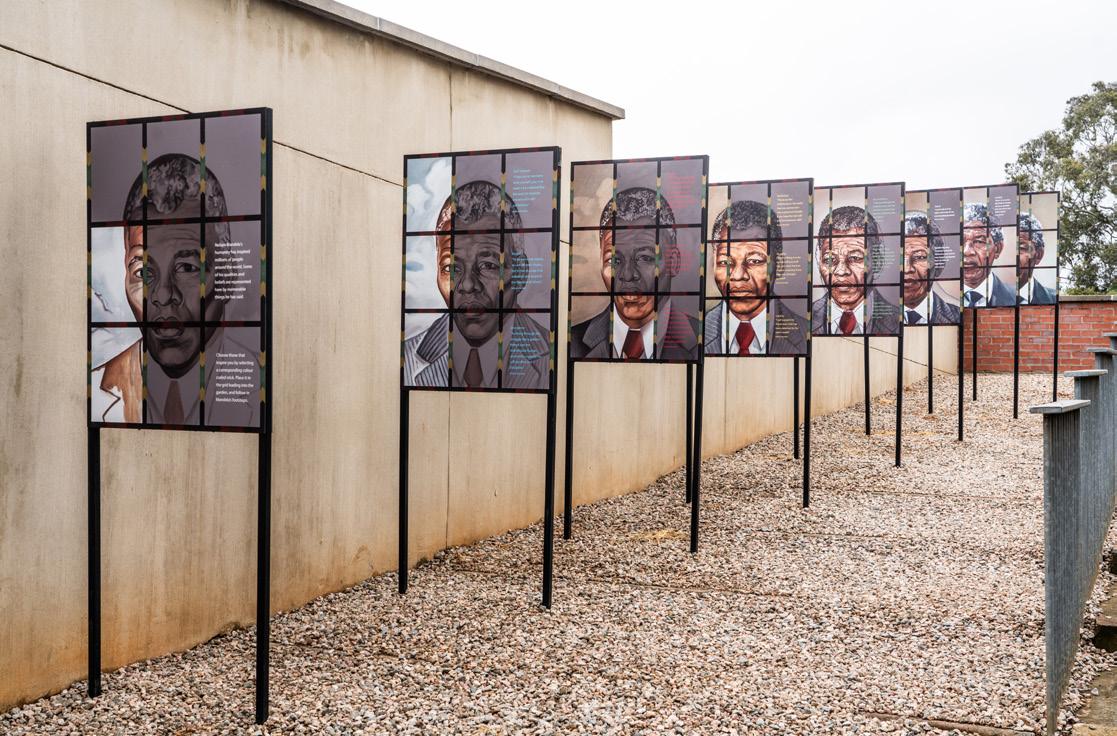
Alternatively, for those captivated by history and the story of SA, one of the most significant recent developments has been the declaration of the Nelson Mandela Legacy Sites.
This serial world heritage property consists of 14 unique sites across the nation, several of them in Gauteng. Designated as UNESCO World Heritage Sites, they collectively reflect the country’s long struggle for human rights, liberation, and reconciliation.
What makes these places so powerful is that they are no longer only understood as South African heritage sites; they are now part of a shared global story.
GAUTENG TOURISM AUTHORITY Industry Insights
The mission of the Gauteng Tourism Authority is to develop, promote, coordinate and facilitate responsible and sustainable tourism in the Gauteng global city region, and to create a world-class destination that attracts business visitors and all other tourists to the province, benefits its people, and contributes to job creation and economic growth. We sit down with Barba Gaoganediwe, Head of Destination Marketing and Communications.
BARBA GAOGANEDIWE Head of Destination Marketing and Communications
Outlook Travel (OT): Firstly, could you introduce us to the authority and describe where tourism finds itself today in SA?
Barba Gaoganediwe, Head of Destination Marketing and Communications (BG): Today, SA’s tourism landscape has been transformed from a propaganda machine that once promoted experiences for only a privileged few – under apartheid, many spaces and places were inaccessible to the majority of the population.
The Urban Areas Act, for example, made it impossible for
people of colour to be in central business districts after certain hours without permits. Tourism in those years, when SA was isolated by the world because of its apartheid policies, was therefore entirely different from what it is today.
At the same time, the legacy of apartheid still lingers. Amongst the many sectors that make up the nation’s economy, tourism, travel, and hospitality remain some of the least transformed.
However, as SA reopened to the world, rejoined the global community, and adopted transformative policies, the tourism landscape had to recalibrate. Those who were already active in the sector were not removed, but it became necessary to introduce transformation policies that would bring into the mainstream those who had previously been excluded.
This has also changed how places are understood. Areas that were once seen simply as places where people lived and slept, such as Soweto, Atteridgeville, and Mamelodi, are now recognised as rich centres of cultural expression.
Modern travellers are increasingly drawn to these kinds of experiences. The days when tourism was driven only by beaches, wildlife, and mountains are gone. Today, people and culture are central to the travel experience.
OT: Is this also the case for Gauteng as a vital part of SA’s tourism offering?
BG: This is particularly important in Gauteng. Although it is the smallest province by landmass, it is the largest by economic value, contributing just under a third of SA’s GDP and almost eight percent of Africa’s GDP.
If Gauteng were a country, it would rank amongst the largest economies on the continent. For that reason, South African tourism cannot grow without Gauteng playing a central role. The province may not have extensive coastlines or mountain ranges, but modern tourism is increasingly driven by people, and with a population of around 16.5 million, Gauteng sits at the heart of the South African travel experience.
The province accounts for more than 55 percent of all international arrivals into SA and we have now crossed the 10 million international arrivals mark again after several years of setbacks caused by the COVID-19 pandemic and wider global economic and geopolitical instability.
SA also remains a compelling value-for-money destination. Favourable exchange rates, combined with a growing portfolio of high-quality experiences, continue to make the country attractive to international visitors.
“We helped deliver what FIFA have, and many pundits still, declare as one of the greatest, most iconic World Cups ever, for SA, in 2010”
– BARBA GAOGANEDIWE, HEAD OF DESTINATION MARKETING AND COMMUNICATIONS, GAUTENG
“Visitors today are not only looking for monuments – they want to meet people, experience culture, and understand how communities live, create, and celebrate”
– BARBA GAOGANEDIWE, HEAD OF DESTINATION MARKETING AND COMMUNICATIONS, GAUTENG TOURISM AUTHORITY
Additionally, whereas Gauteng was once mainly a transit point for travellers heading on to Kruger National Park or Cape Town, average stays have increased from around nine days to 13 – evidence that Gauteng is increasingly being experienced as a destination in its own right, where people can work, stay, and play.
So, despite the setbacks caused by the COVID-19 pandemic, slow economic growth, and global conflict, the South African tourism landscape remains healthy and full of opportunity.
OT: The authority describes Gauteng’s townships as the essence of the location and its heart and soul, can you elaborate on this?
BG: You cannot talk about Gauteng’s tourism experience without talking about its townships. They are the heart and soul of the province, and they are where most of our 16.5 million residents live. Soweto alone has a population of more than three million, larger than some entire countries, and it remains central to the story of SA.
Visitors today are not only looking for monuments – they want to meet people, experience culture, and understand how communities live, create, and celebrate.
Places such as Atteridgeville, Mamelodi, and Sharpeville deserve much more attention in that regard. They carry deep historical memory, but they are also places of energy, creativity, and economic potential.
They show how Gauteng’s visitor offering extends well beyond its best-known attractions and into communities that continue to shape the province’s identity in real and meaningful ways.
OT: What role does the authority play in growing Gauteng and SA as tourist destinations?
BG: We understand that our role extends beyond the province itself. Our responsibility is to ensure that Gauteng grows strongly enough to help propel SA’s wider tourism growth. Because of the province’s economic weight and contribution to national GDP, its performance matters to the whole country.
With the adoption of the national Tourism Growth Partnership Plan and the Gauteng Economic Growth and Development Plan, which identifies tourism and hospitality as one of 12 key sectors, we believe we are moving in the right direction and are back to prepandemic levels of tourism.
Through structural reform and resilience, we can now see a pathway towards 15 million international arrivals for SA overall, with Gauteng playing a crucial role in that growth.
As people visit us, whether as sports teams, cultural groups, or entertainment artists, we now have the capability to play host to them at a very high level. Over the past few months, we have seen many international acts on world tours include Johannesburg and Pretoria in their schedules. That is not a coincidence.
do even better than what we have done over the last decades.
As well as this, we’ve been helping the preservation of the Cradle of Humankind World Heritage Site, continuing to preserve this wonder for the rest of the world and use its content, findings, and discoveries to tell the story that humanity started right here on the African continent.
This hard work has led to the ‘Out of Africa’ concept, theorising that most human ancestors originated from one general spot within Africa.
We are really proud of playing a key role in being an integral part of the 2002 World Summit on Sustainable Development at a time when sustainable development was not even on the lips of anyone.
It reflects a deliberate strategy of bidding for and hosting major events, whilst reusing the infrastructure built for the 2010 FIFA World Cup and other large sporting occasions to stage high-quality events for internationally renowned performers.
That gives you a sense of the 360-degree approach we are taking. We use sport and entertainment not only to attract attention, but also to confront challenges directly.
OT: Finally, what are you most proud of in terms of the legacy that the authority has created so far?
BG: We’re proud to say that we’ve contributed towards a coherent African tourism agenda, but we also think we can
Elsewhere, we helped deliver what FIFA have, and many pundits still, declare as one of the greatest, most iconic World Cups ever, for SA, in 2010.
info@gauteng.net
Avis is making it easier for travellers to enjoy
memorable experiences in South Africa
Established in 1967, Avis Southern Africa is one of the oldest mobility companies in South Africa, and has over 20 000 vehicles in its fleet.
Our core offering is Avis Car Rental, supported by a broader mobility ecosystem that includes Avis Car Sales, Avis Fleet Solutions, and Avis Chauffeur Driven services, which comprise Chauffeur Drive and P2P. Additionally, we offer subscription-based mobility through Avis iLease, giving customers flexible access to vehicles without the long-term costs of ownership.
Our brand ambassadors, advanced technology, and expanding mobility solutions continue to set the standard for our industry. We are more than a car rental company; we have the capacity to respond to the diverse needs of our customers, as well as cater to changing customer preferences across the full mobility journey.
Avis has a wide range of vehicles that suit the diverse needs of clients looking for mobility solutions. With Avis, customers are guaranteed high-quality, reliable
vehicles ranging from small cars, 4x4s, luxury vehicles, and vans, through to chauffeur-driven services. For those who prefer to be driven, we offer Avis Chauffeur Drive and P2P services.
Avis is geared up to take advantage of the changing mobility needs of customers and the global trends that are increasingly shaping South Africa’s mobility landscape. We continue to leverage digitisation to enhance the customer experience and make it easier for customers to choose and engage with Avis.
More recently, we have partnered with City Lodge, where travellers staying at City Lodge can get up to 20 percent off when they book a car with Avis. There is a growing demand for solutions that offer greater simplicity, flexibility, and connectivity. Many travellers are increasingly seeking more integrated experiences that merge mobility and accommodation in ways that reduce friction and enhance convenience across the journey. This strategic partnership with City Lodge Hotels, one of South Africa’s most established hospitality groups, will enhance the domestic travel experience and give customers more reasons to choose Avis.
Avis will look to maintain its leadership position in the mobility sector and
continue to play a key role in making it easier for travellers visiting South Africa to have memorable experiences. Despite current economic challenges, Avis customers can expect great offers in every season of travel as we aim to deliver value and encourage more travel. Our value-added services, such as Safedrive, ensure that customers arrive safely at their destinations.
Another key focus at Avis is enhancing the overall customer experience through technology. Our continued drive towards digitisation and adoption of artificial intelligence (AI) for booking, point redemption, and real-time updates makes engaging with Avis a more seamless and convenient experience.
This winter we invite travellers to choose Avis and enjoy a complimentary upgrade.
Book now at avis.co.za
Avis Winter Love I Complimentary Winter Vehicle Upgrades
SPORTS TOURISM In Focus
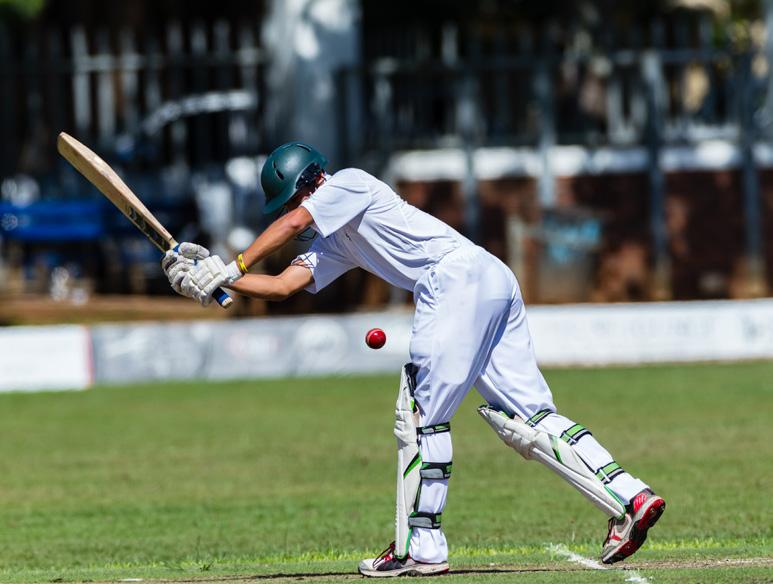
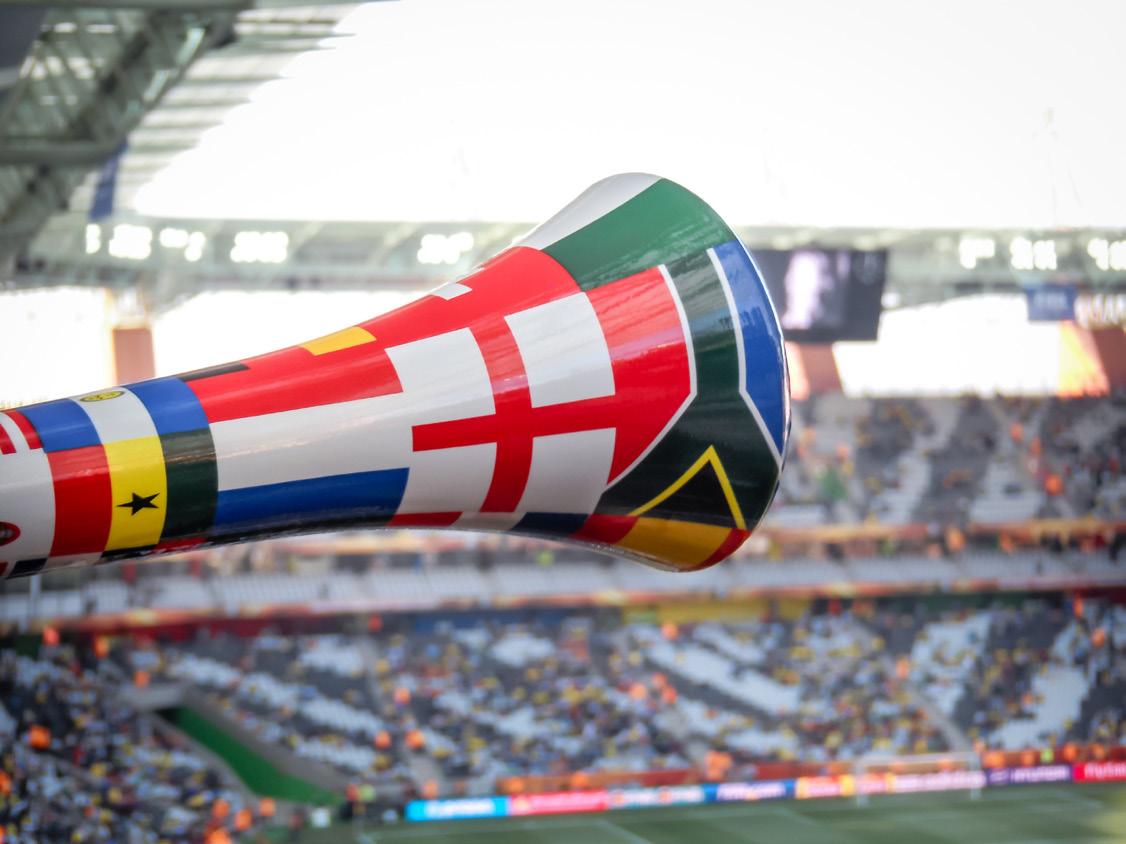
SA is one of the greatest and most iconic places on the planet to come and watch sport and it is amongst the very few countries that have held World Cups for all three of its major sports – cricket, football, and rugby union.
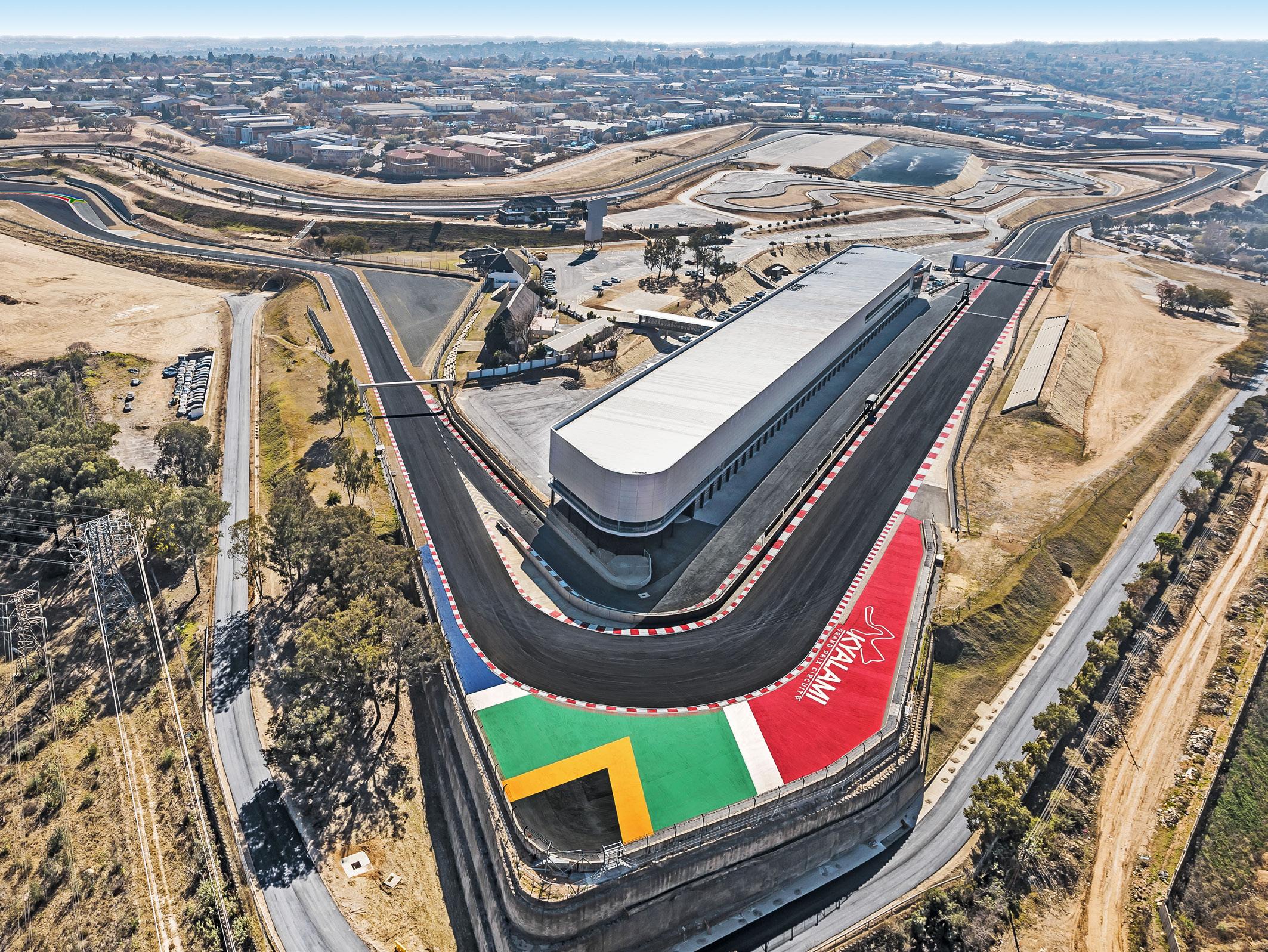
SA HOSTED THE 1995 Rugby World Cup, 2003 International Cricket Council (ICC) Cricket World Cup, 2007 ICC World Twenty20, and the football 2010 FIFA World Cup.
Gauteng has invested heavily in positioning itself as an attractive sports tourism destination with world-class infrastructure and a comprehensive sports offering.
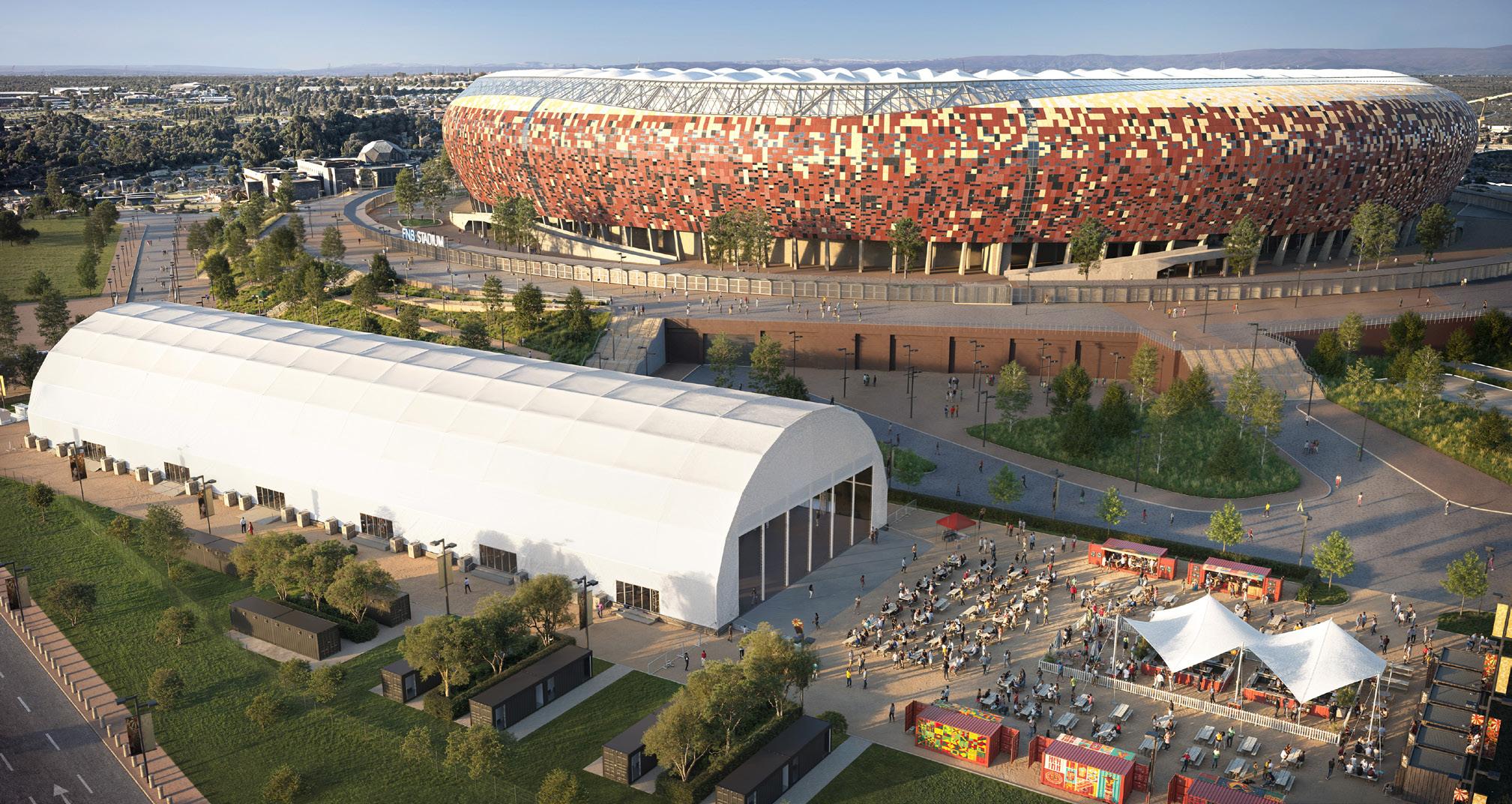
Later this year, Gauteng will play host to the latest Springboks versus All Blacks test in Johannesburg – New Zealand against SA in rugby union – which will be staged at FNB Stadium, one of the country’s great sporting arenas.
This is not just a rugby match – it is a global showcase for SA and Gauteng’s sporting and entertainment capabilities.
Looking ahead, SA is also preparing to host the 2027 ICC Cricket World Cup, with venues such as the Wanderers Stadium in Johannesburg and SuperSport Park Stadium in Centurion expected to play a prominent role across Gauteng.
The Soweto Derby, meanwhile, is a football match involving Soweto-based teams Kaizer Chiefs and Orlando Pirates and usually attracts huge crowds. Over the years it has become an entire weekend experience not to be missed.
Elsewhere, Liv Golf in SA is now a major multi-year international tournament that brings elite golf and top global players to African soil.
RECOMMENDS
Eat:
FOR FINE DINING...
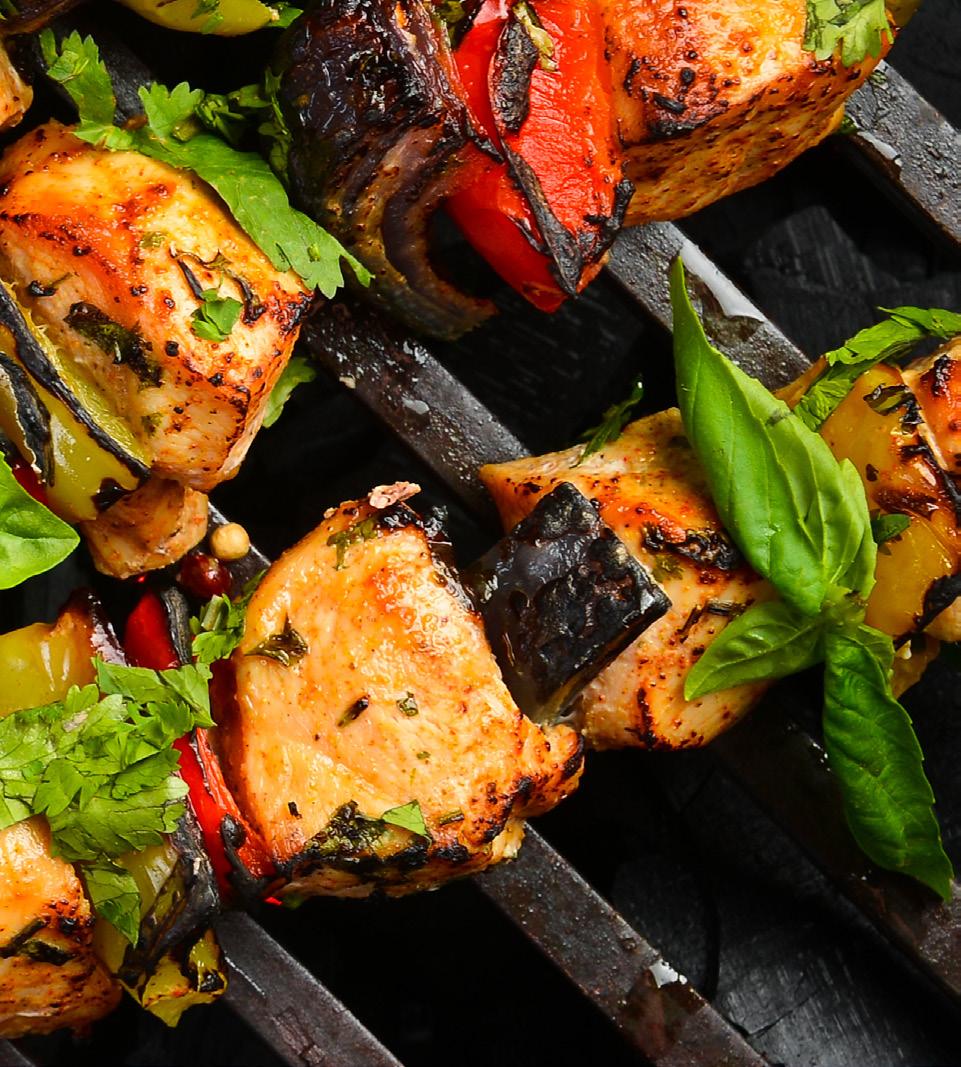
Marble Restaurant (Marble) is a celebration of quintessential South African fare and open-fire cooking. Widely considered one of the best restaurants in Johannesburg, Marble offers diners something different – not just a plate of food, but a theatre of experience. It celebrates the deep-rooted South African tradition of cooking over flames – and not just meat, but all types of ingredients cooked on coals – including fish, poultry, vegetables and breads.
FOR EATING LIKE A LOCAL...
Gauteng’s market culture has expanded significantly over the past decade, and the weekend food market circuit is now a genuine institution for residents and a revelation for visitors who stumble across it. Play Braamfontein has evolved into one of the city’s most iconic destinations. With a few years of unforgettable events, curated experiences, and legendary spaces behind it, this venue continues to set the standard for Johannesburg’s creative and culinary scene.
Do:
FOR AFFORDABLE TRANSPORT SERVICES...
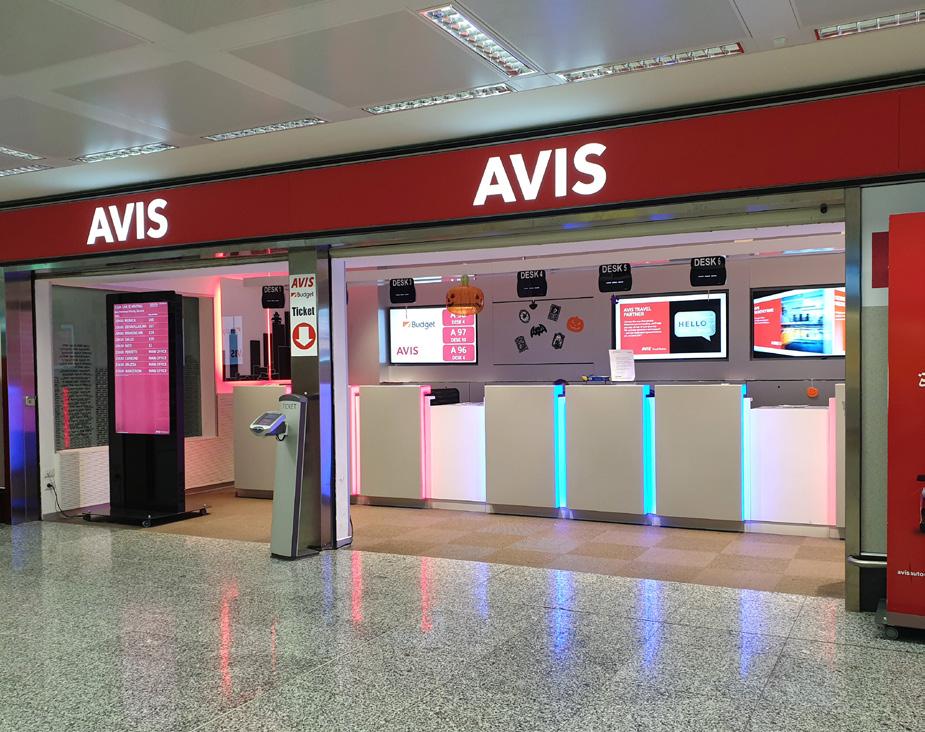
AVIS offers conveniently situated branches in major centres such as Johannesburg and Pretoria as well as numerous other locations, ensuring that visitors have access to quality rental cars when travelling across the province.
AVIS offers the perfect variety of rental vehicles to suit every occasion. Coupled with high standards of quality –including low mileage and regular maintenance – and great pricing, your transport needs will be taken care of.
Upon arrival at O.R. Tambo International Airport (JNB), hiring a car has never been easier. AVIS is ideally located as the first car rental kiosk on the left as you enter the ground floor of the parking lot opposite domestic arrivals. Open 24 hours a day, you will always be greeted with a smile no matter what time you arrive.
FOR AN INFORMATIVE ADVENTURE...
Located in the Cradle of Humankind World Heritage Site, Lesedi Cultural Village offers a fascinating exploration of Africa’s tribal history entwined with sumptuous hospitality.
Named after King Moshoeshoe’s inspired words, “Our culture is the light of our nation”, Lesedi Cultural Village transports guests on an illuminating and enthralling historical adventure. Visitors will be immersed in a historical tour de force that connects the past with the present and shines a light on our collective humanity.
Sleep:
FOR A HILLSIDE PARADISE...
Four Seasons, The Westcliff, Johannesburg, is the ultimate destination for a luxurious stay high up on the rocky Witwatersrand ridge.
Despite being in the middle of SA’s largest city, the hotel feels like a chic hillside village, with nine sun-splashed villas woven with courtyards, fountains, and breathtaking gardens.
Landmark Attractions
Xxxxxxxx
Cradle of Humankind World Heritage Site
Surama is an Amerindian village (mainly inhabited by Macushi people) and the site for the first community ecotourism initiative in Guyana. The local community manages and maintains Surama Eco-Lodge, which offers tourists a chance to stay in traditional huts, try local food and explore nearby nature trails.
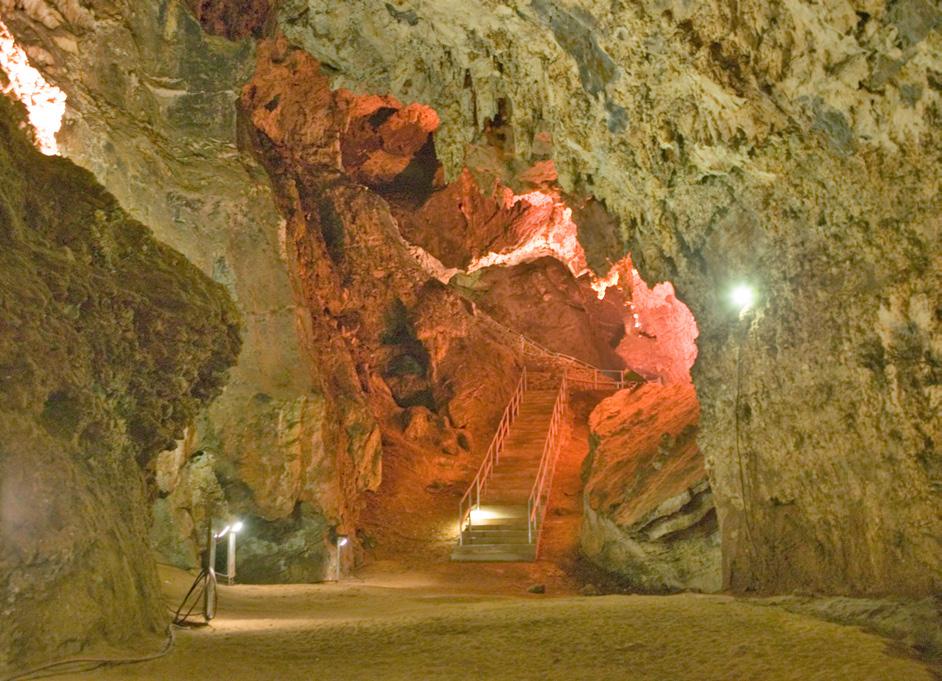
One of Gauteng’s defining attractions and amongst the most important paleoanthropological landscapes in the world, the Cradle of Humankind World Heritage Site is recognised for having the largest known concentration of human ancestral remains anywhere on Earth, and continues to draw anthropologists, scientists, and researchers from around the world. Here, the landscape is dotted with subterranean limestone caves that have turned up a rich fossil record for human evolutionary studies.
Xxxxxxxx
Constitution Hill
Surama is an Amerindian village (mainly inhabited by Macushi people) and the site for the first community ecotourism initiative in Guyana. The local community manages and maintains Surama Eco-Lodge, which offers tourists a chance to stay in traditional huts, try local food and explore nearby nature trails.
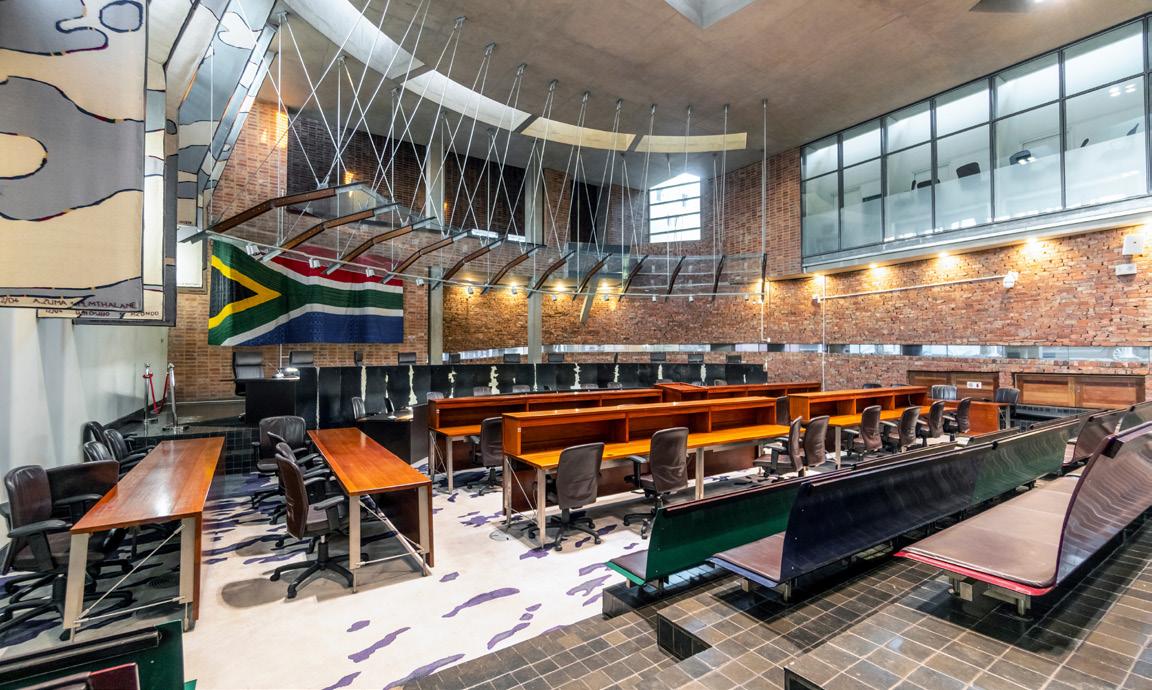
Constitution Hill is a living museum that tells the story of SA’s journey to democracy. The site is a former prison and military fort that bears testament to the nation’s turbulent past and, today, is home to the Constitutional Court, which endorses the rights of all citizens. There is no other incarceration site in SA that imprisoned the sheer number of worldrenowned men and women as those held within its walls.
Apartheid Museum
Xxxxxxx
Opened in 2001, the Apartheid Museum is acknowledged as the most distinguished museum in the world dealing with and illustrating 20th century SA, at the heart of which is the rise and fall of the apartheid story. Architecturally breathtaking, the museum is a superb example of design, space, and landscape offering a unique experience. The exhibits have been assembled and organised by a multidisciplinary team of curators, filmmakers, historians, and designers.
This flat-topped mountain soars to an elevation of 2,811 metres, and lies on the border between Venezuela, Guyana and Brazil. The plateau is an otherworldly landscape of stark rock formations, often shrouded in cloud. On clear days, you can see for miles across the rugged Pakaraima Mountains.
Getting There and Around
GETTING TO GAUTENG by air means flying into JNB, the primary international hub and busiest airport across the entire continent. Located about 30 to 40 minutes east of central Johannesburg, from here you can fly to pretty much every substantial city in SA.
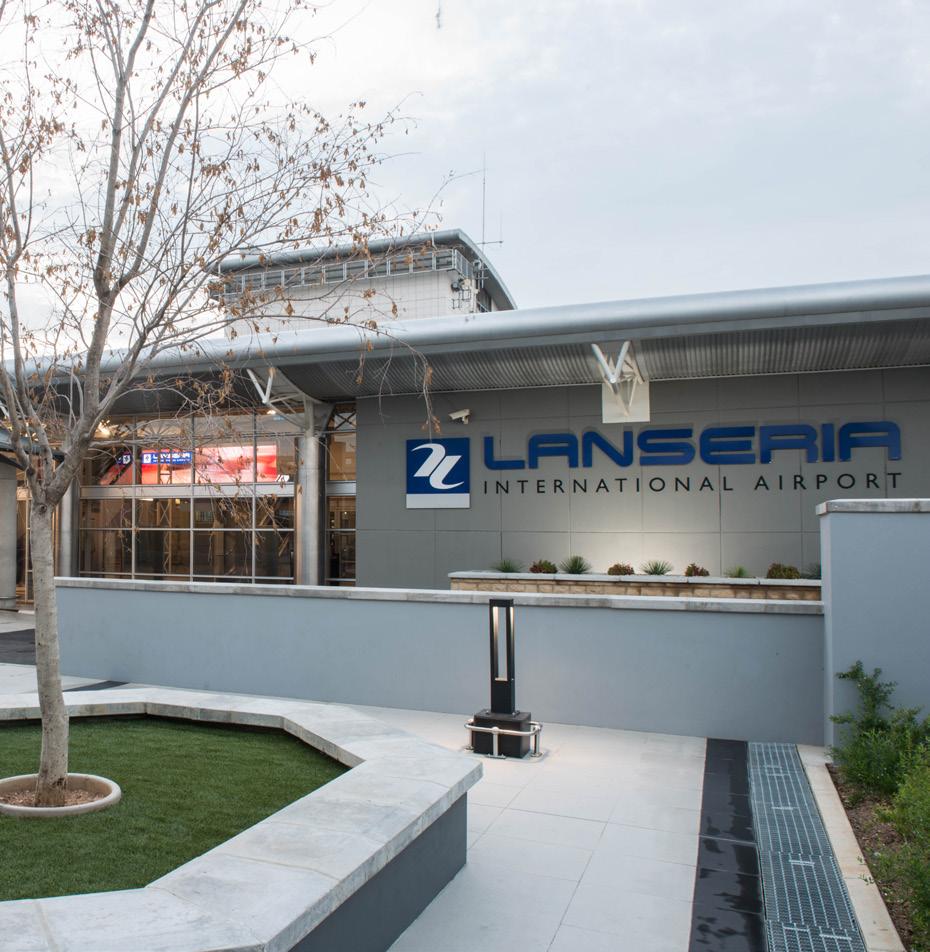
The smaller Lanseria International Airport (HLA) also handles domestic regional flights.
By bus, long-distance, reputable lines like Intercape or Greyhound connect Gauteng with major cities across SA, typically arriving at Johannesburg’s Park Station or Pretoria.
Elsewhere, travellers can utilise the Gautrain – this rapid rail network is the safest and most efficient way to travel between JNB, Sandton, Rosebank, Midrand, and Pretoria. Stations are secure, and you can purchase a reloadable Gold Card at any stop.
Once in Gauteng, for seeing major sights like the Apartheid Museum, Constitution Hill, and Soweto safely,
the City Sightseeing open-top buses provide a secure and informative way to explore.
To get around locally, rely on ride-sharing apps like Uber or Bolt for safety and convenience. Car rentals are also available through major companies such as AVIS and Hertz.
Antigua and Barbuda
With 365 beaches, rich maritime history, and untouched natural beauty, Antigua and Barbuda invites travellers to slow down, dive deeper, and surrender to the rhythm of the Caribbean
WRITER: LILY SAWYER
PROJECT
MANAGER: ALFIE WILSON
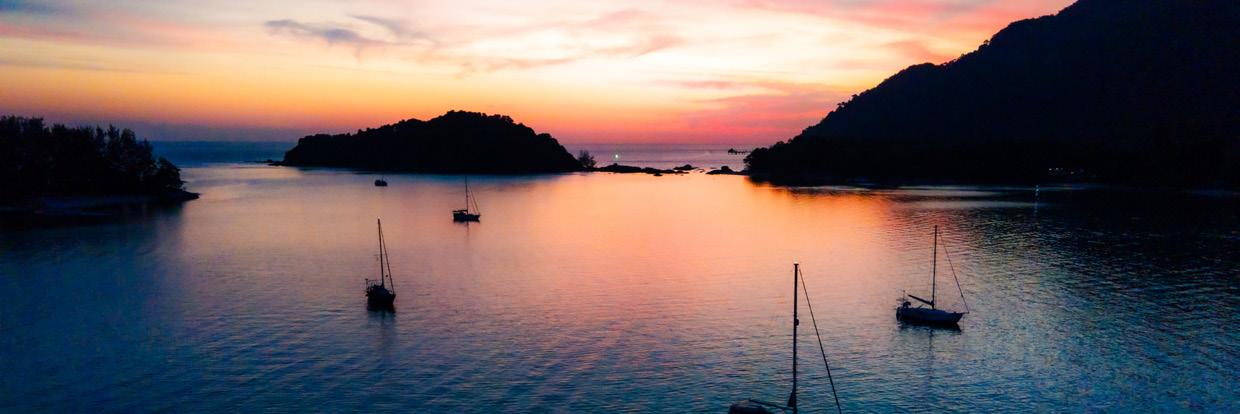
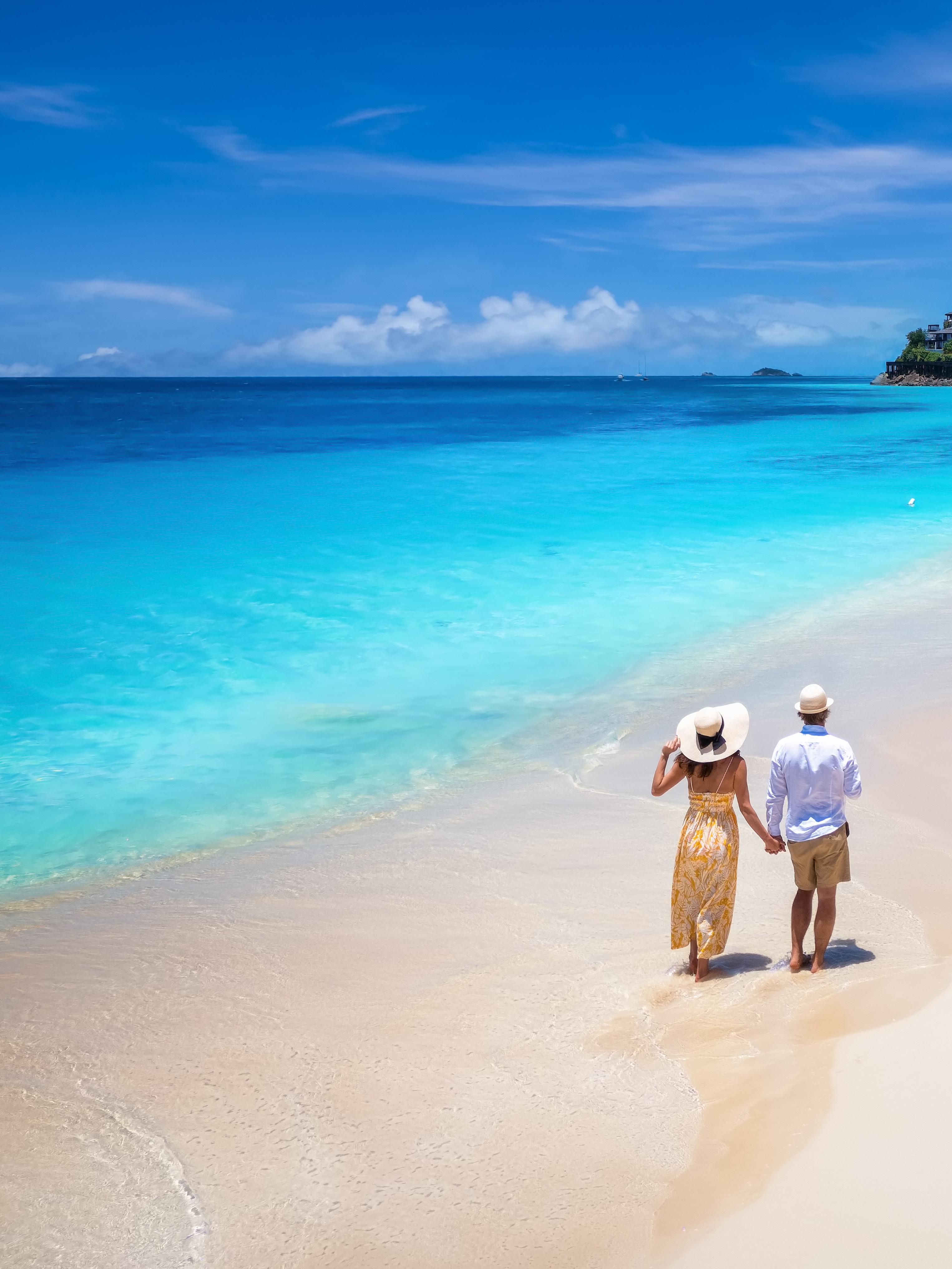
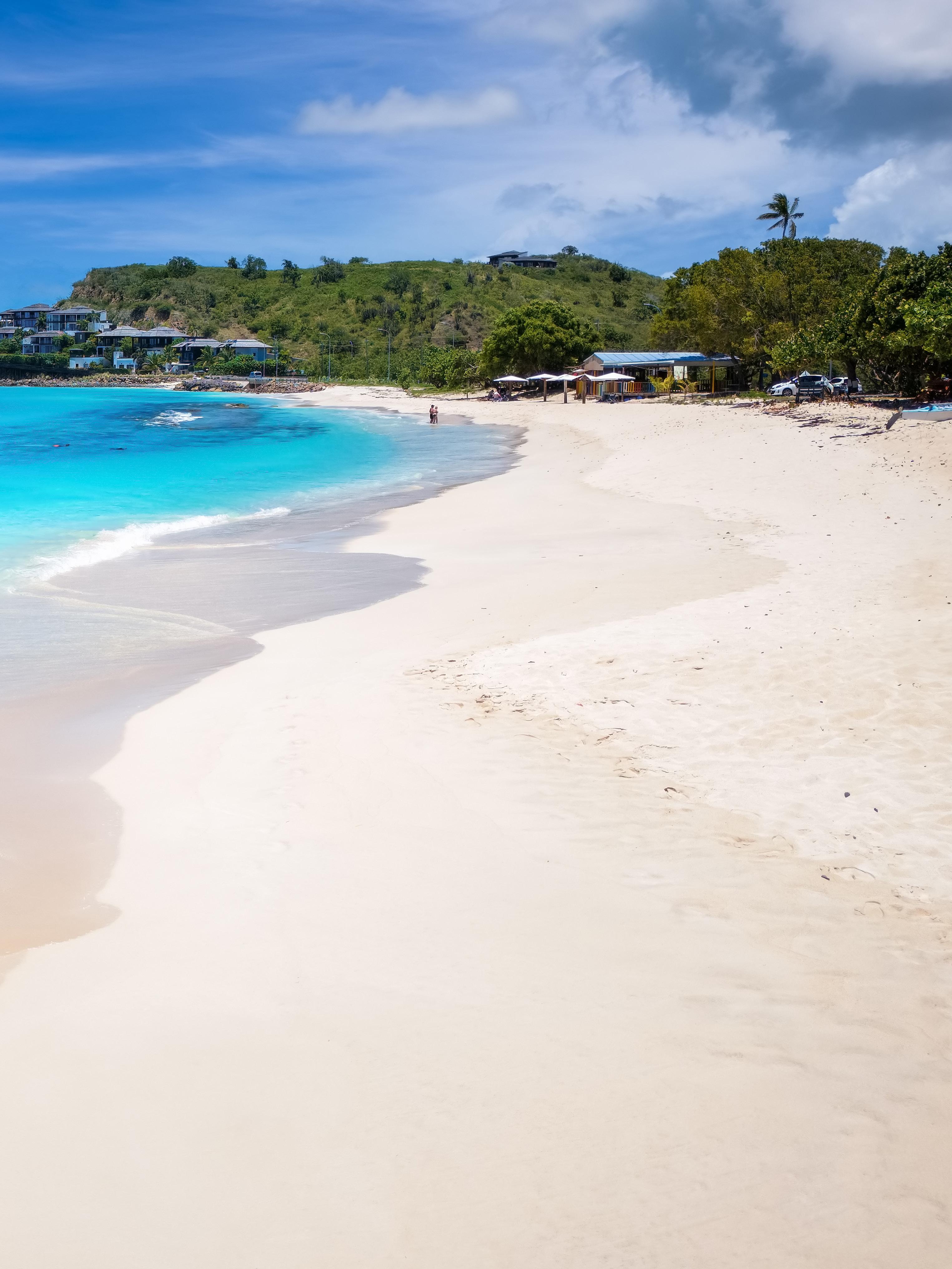
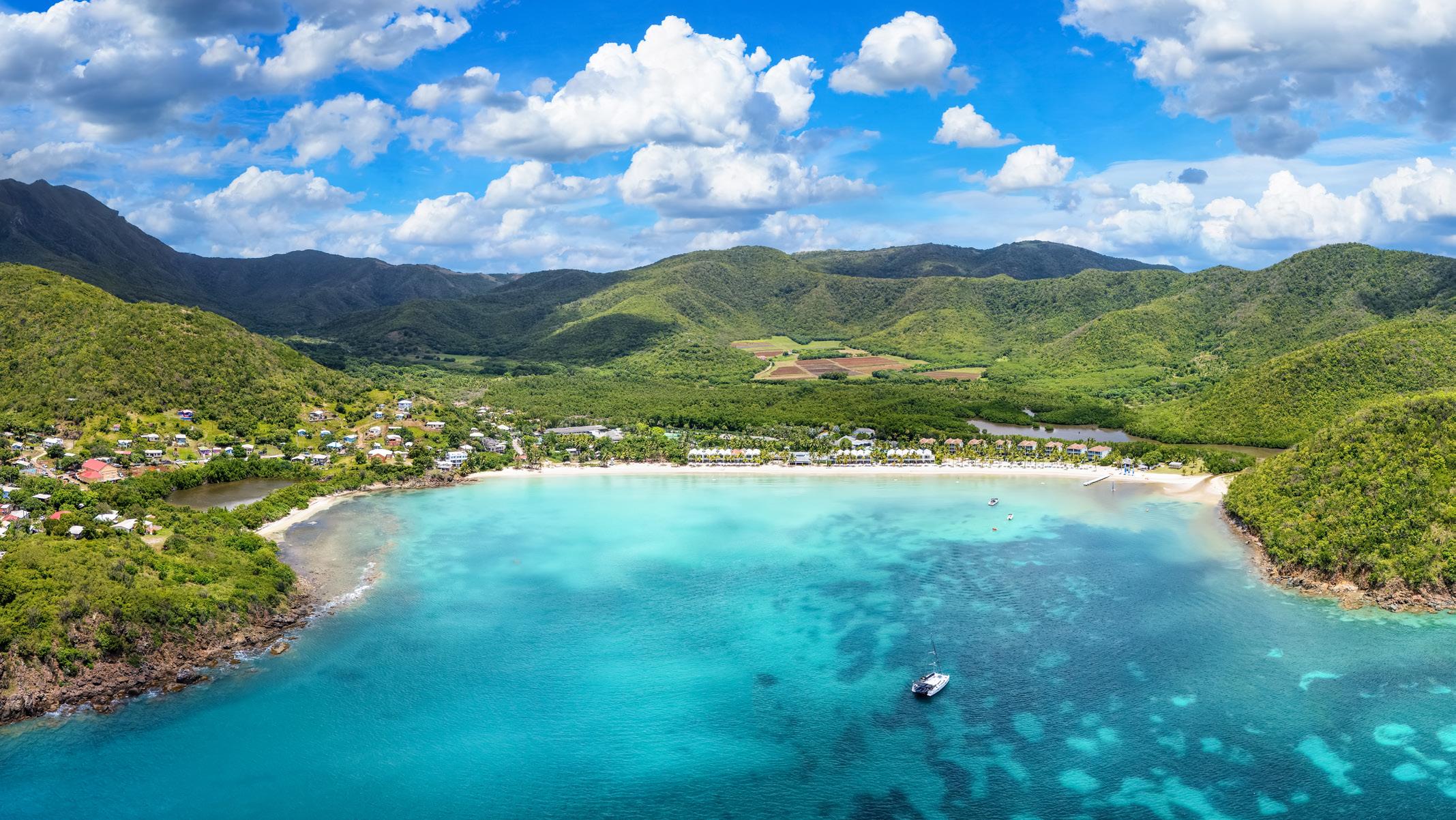
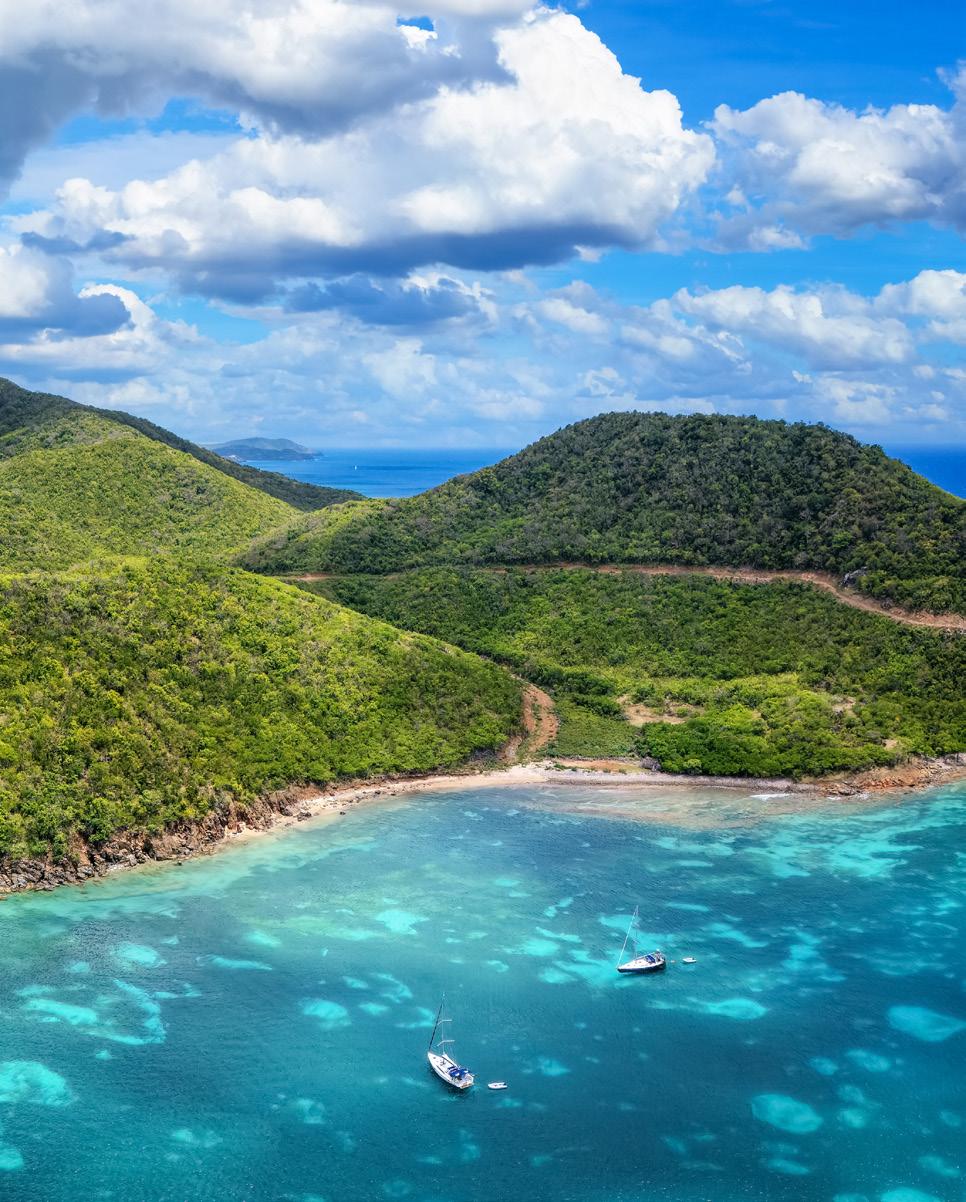
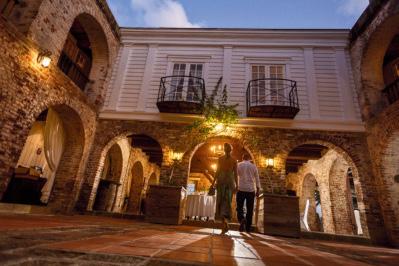
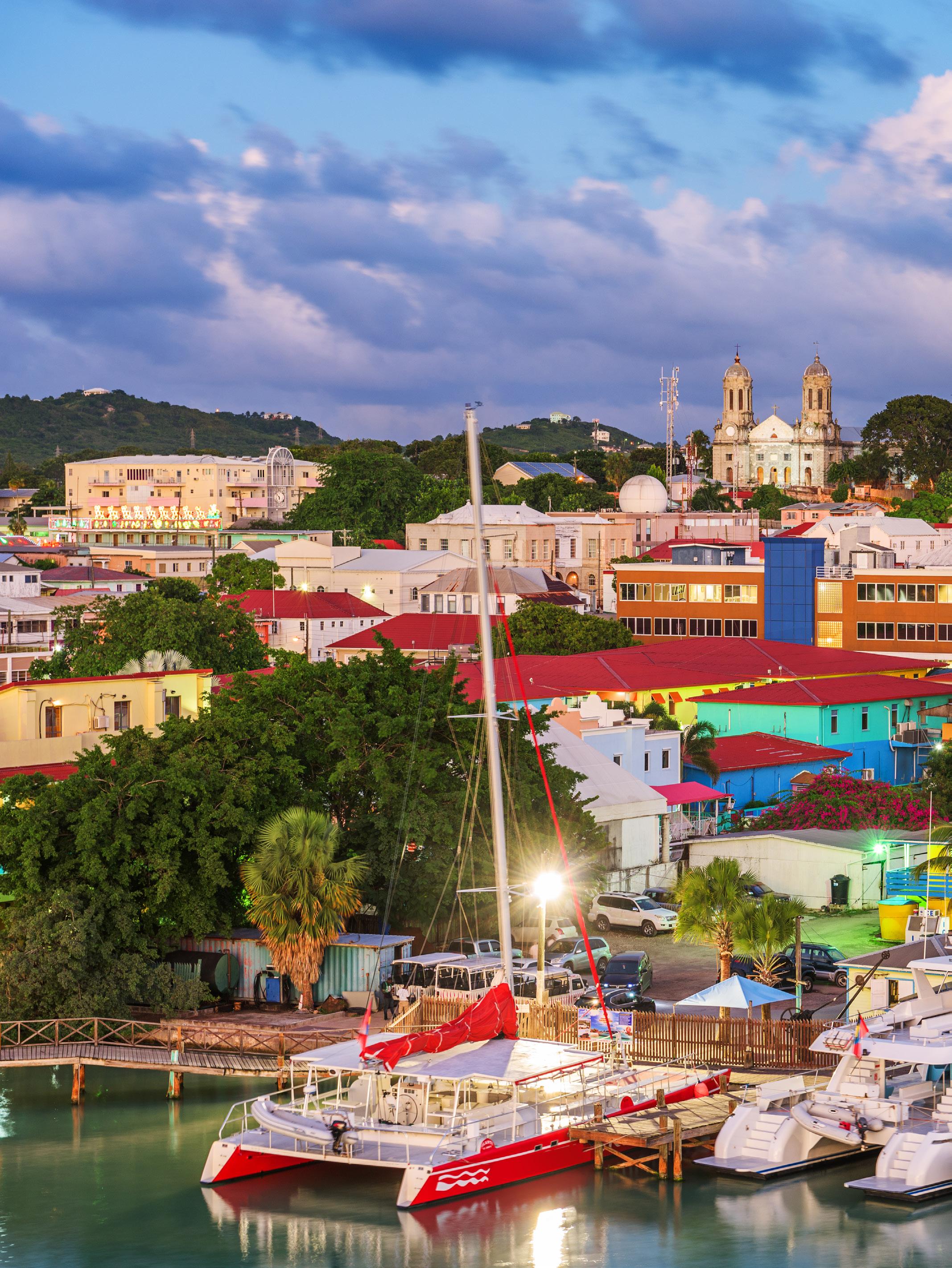
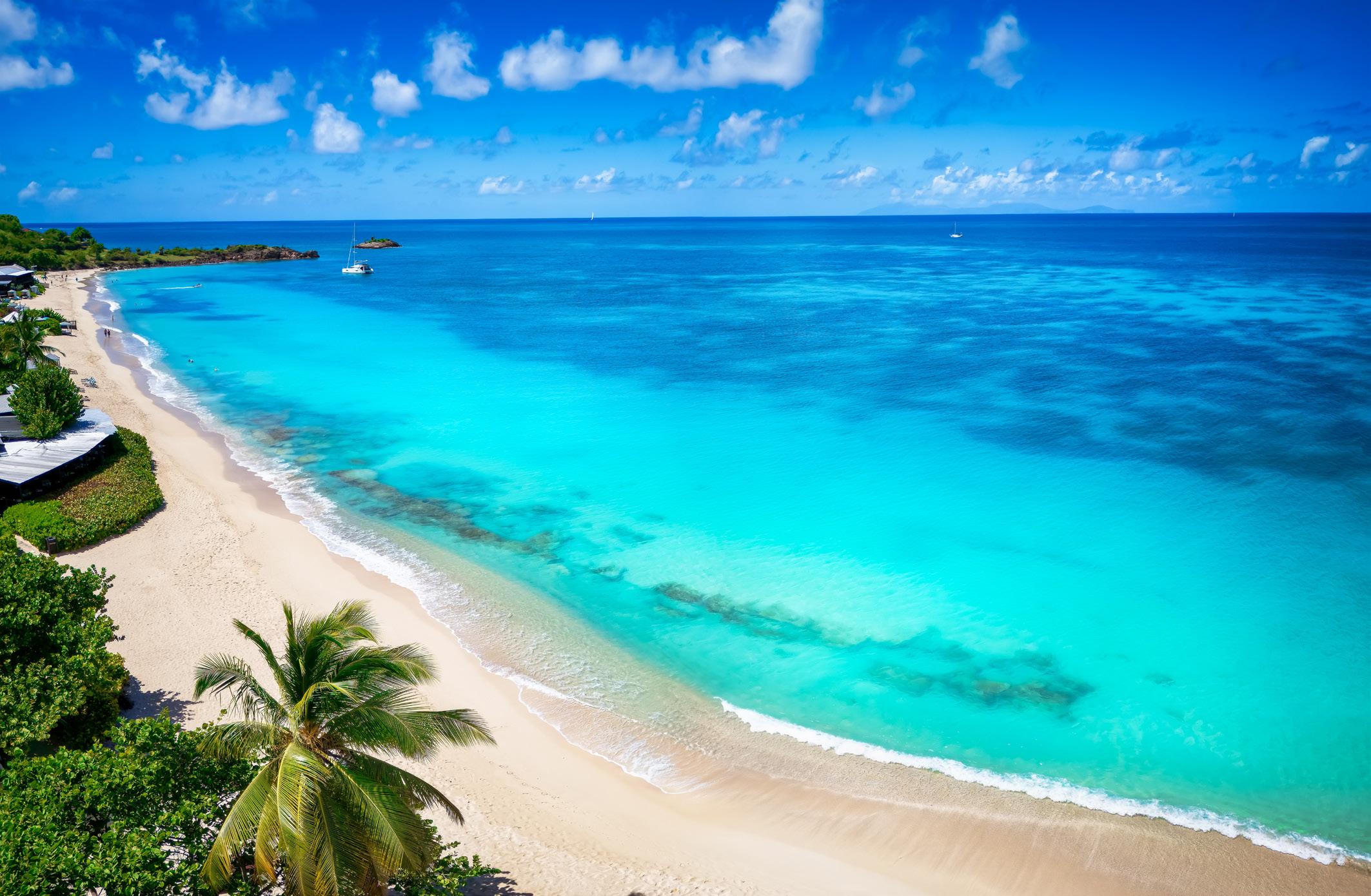
Welcome to Antigua and Barbuda, where the sea glimmers in impossible shades of sapphire and turquoise, white-sand beaches ribbon around hidden coves, and lush hills roll gently towards historic harbours once frequented by sailors, merchants, and naval fleets.
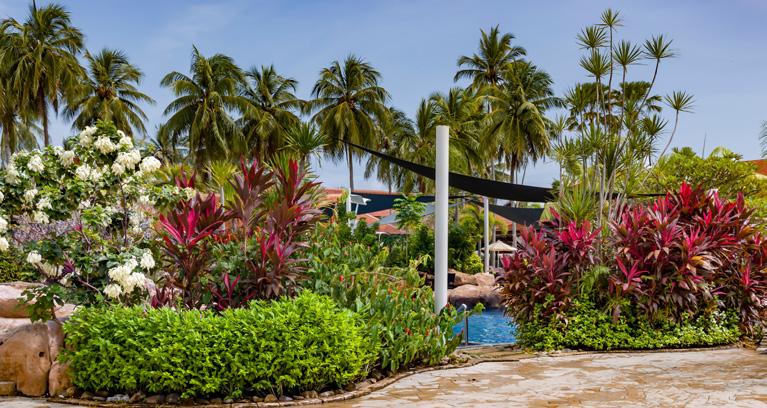
Made up of twin islands and countless tiny islets scattered across the Caribbean Sea, Antigua and Barbuda is a destination that effortlessly combines barefoot luxury, fascinating heritage, and untouched nature.
Time seems to move differently on the islands, replaced by a slower pace shaped by warm trade winds, salty air, and the soothing sound of waves along the shore.
Although Antigua is renowned for its glamorous sailing culture and postcard-perfect coastline, it retains an authenticity that feels increasingly rare today. Locals greet visitors with genuine warmth, beach bars pulse with calypso rhythms long after sunset, and vibrant fishing villages continue traditions passed down through generations.
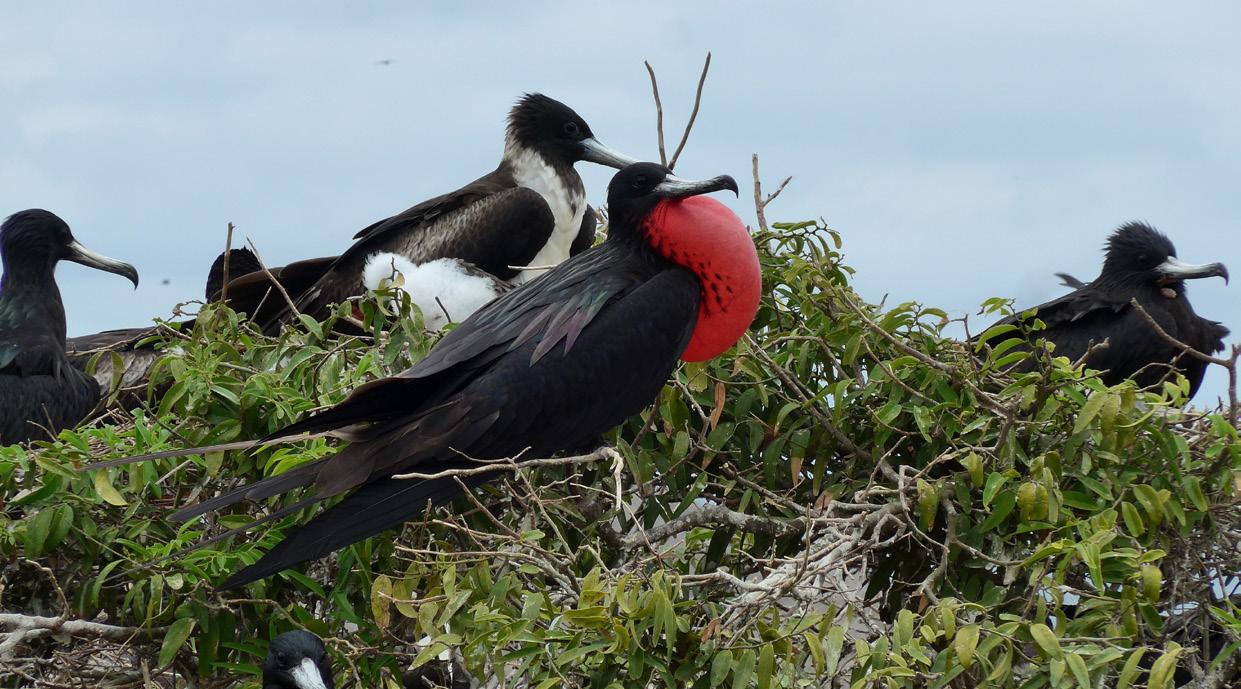
Barbuda, meanwhile, offers a more remote and
untouched experience, famed for its blush-pink beaches, thriving birdlife, and spectacular lagoons.
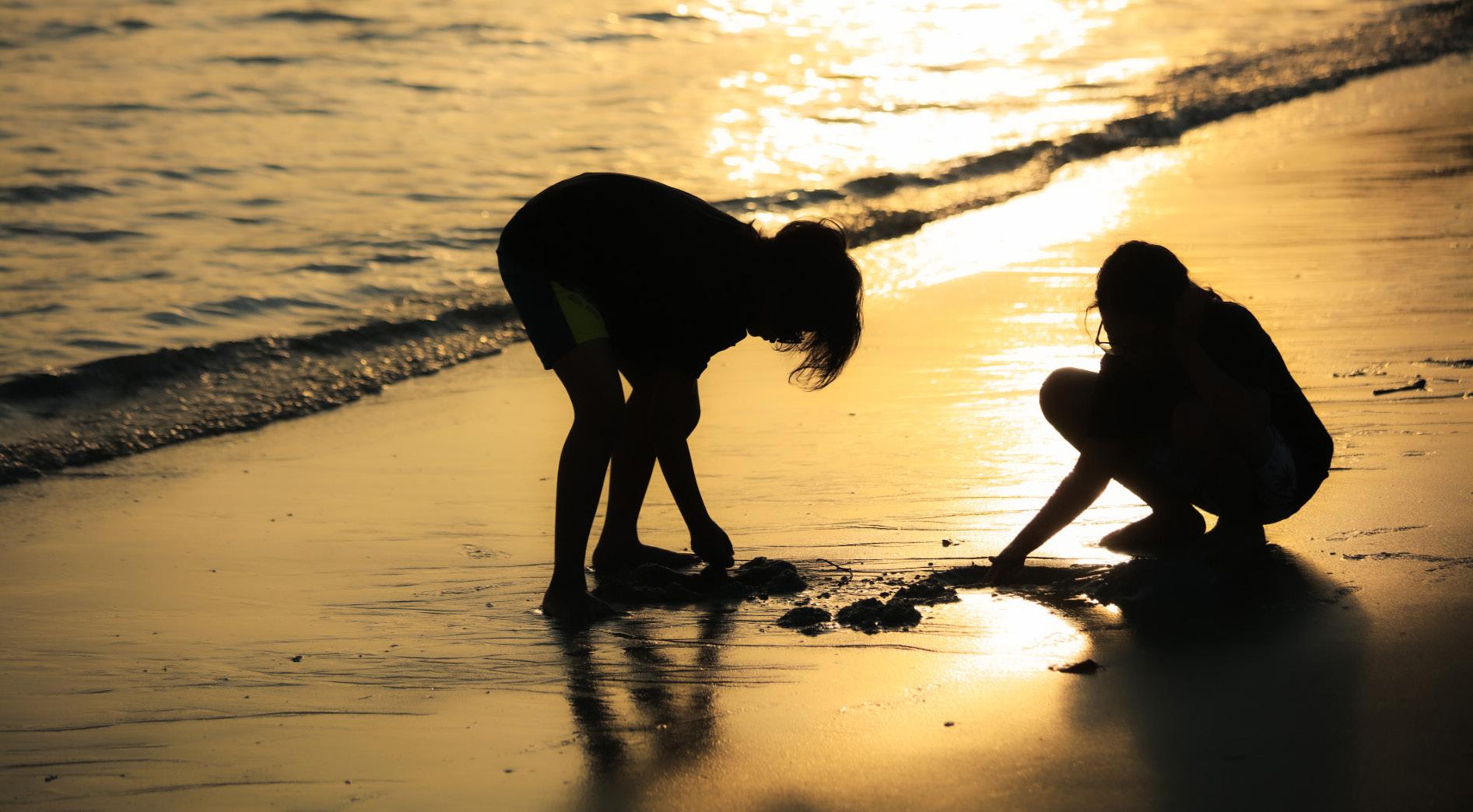
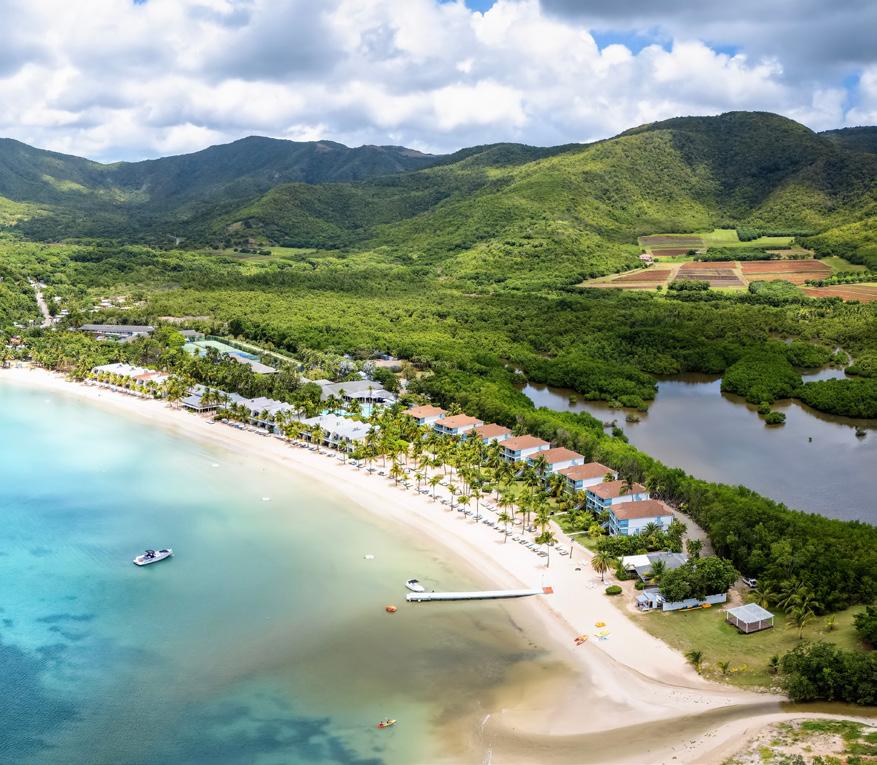
Together, the two islands proudly boast 365 beaches –one for every day of the year – ranging from lively stretches filled with catamarans and rum shacks to completely deserted crescents of powder-soft sand.
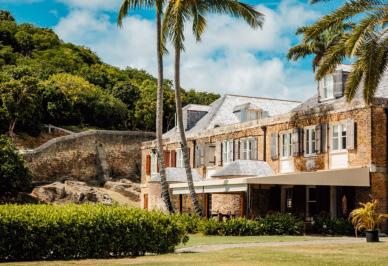
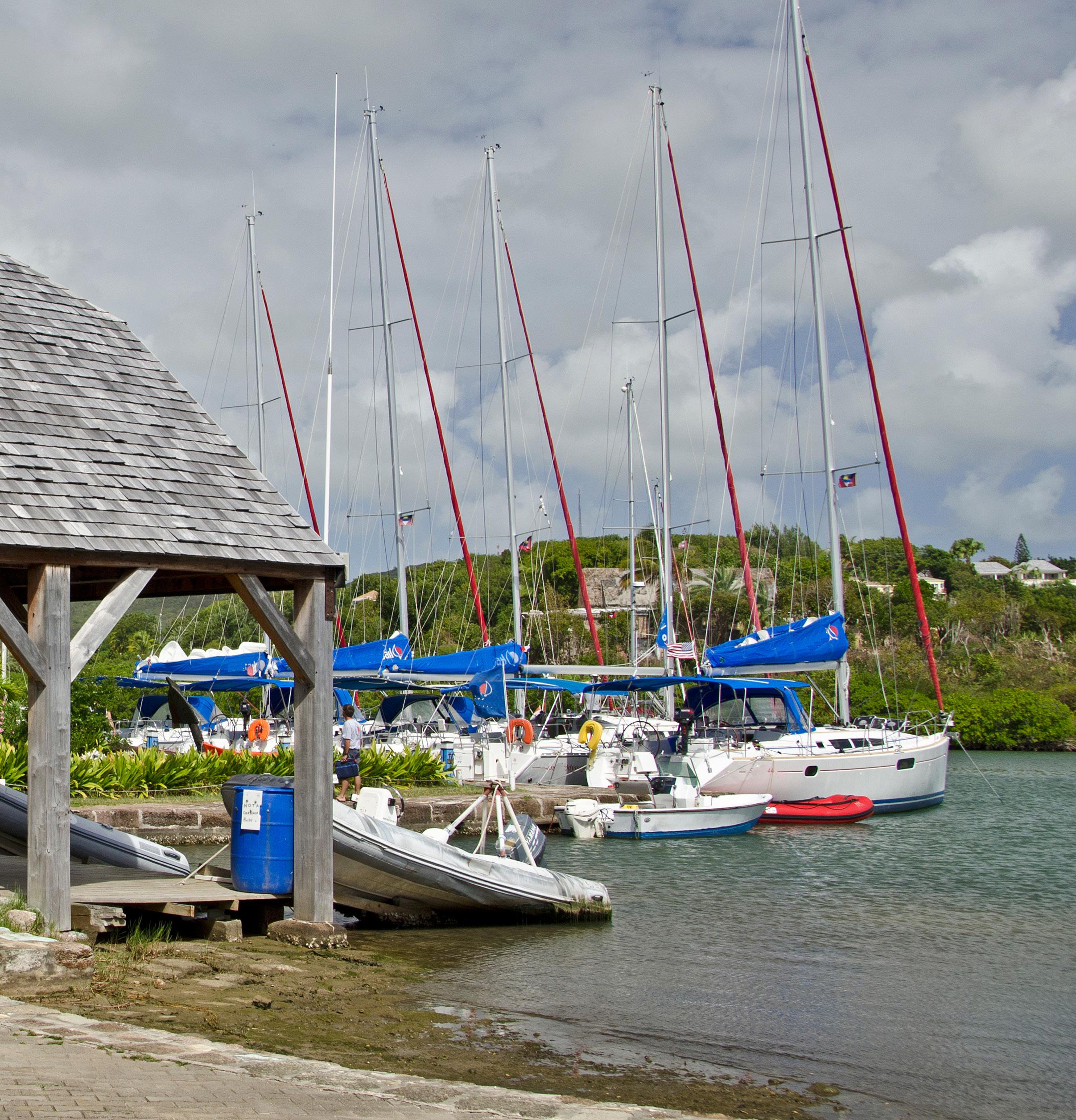
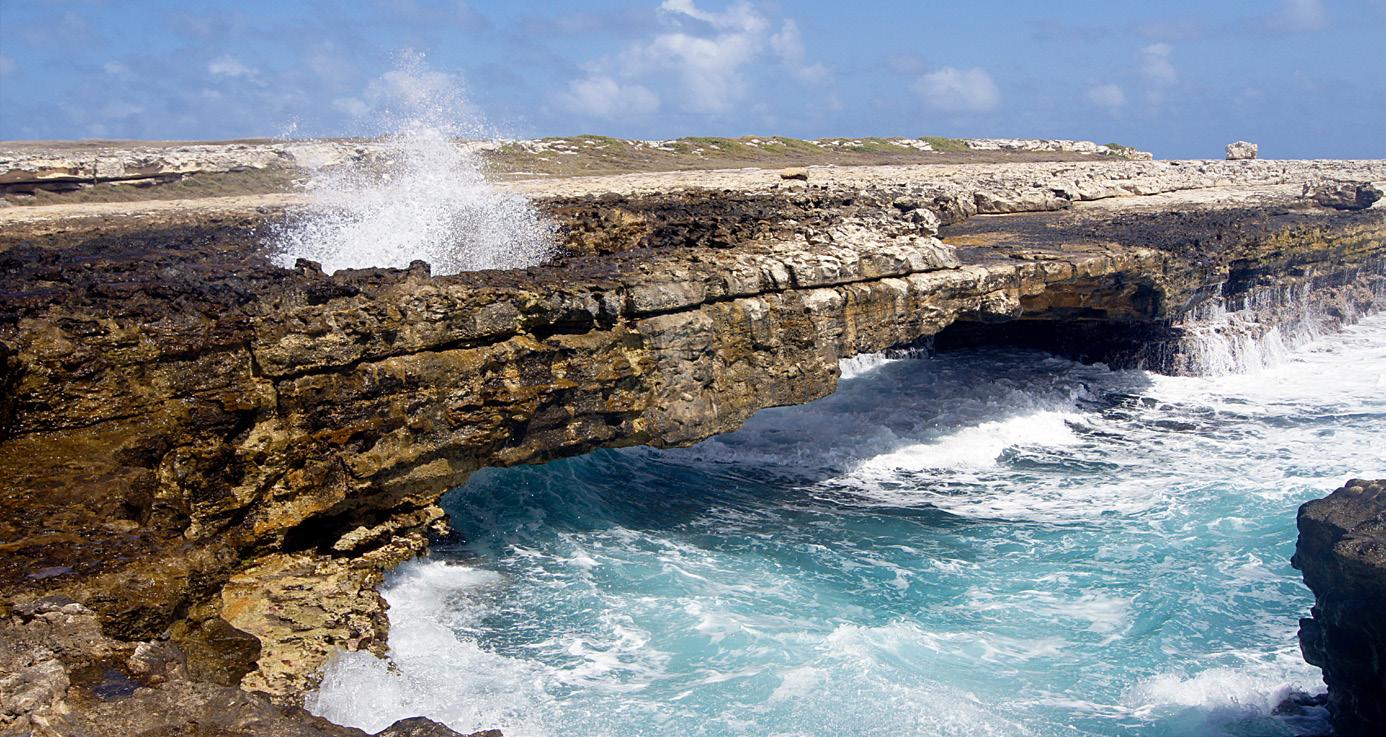
Beyond the beaches lie a remarkable blend of history and biodiversity. Explore the UNESCO World Heritage Site, Nelson’s Dockyard, where restored Georgian naval buildings overlook luxury yachts and sparkling harbours, or hike to Shirley Heights for panoramic views over lush canopies.
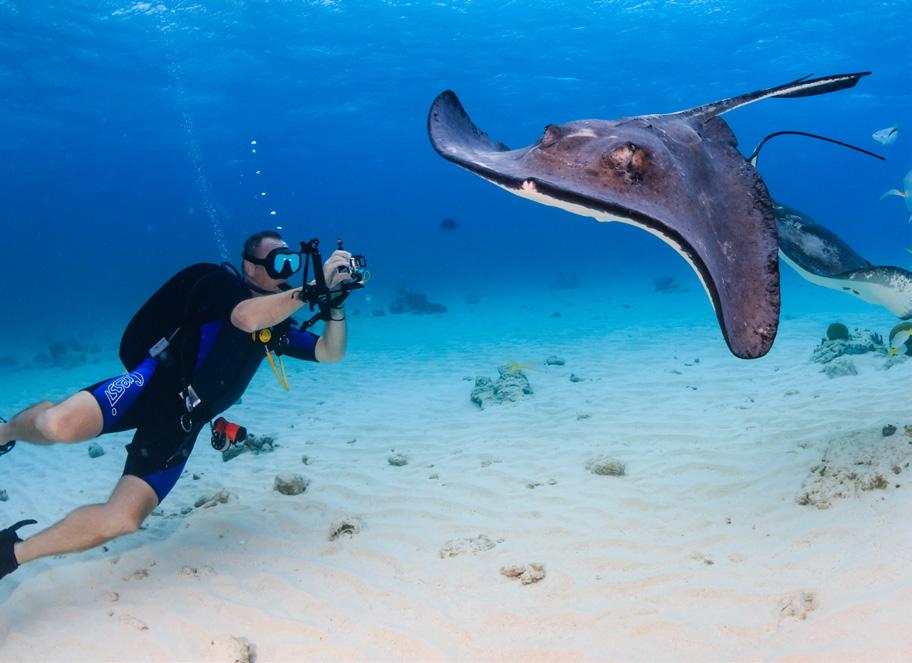
Offshore, coral reefs teem with marine life, inviting snorkellers and divers to slip beneath the surface into an underwater paradise.
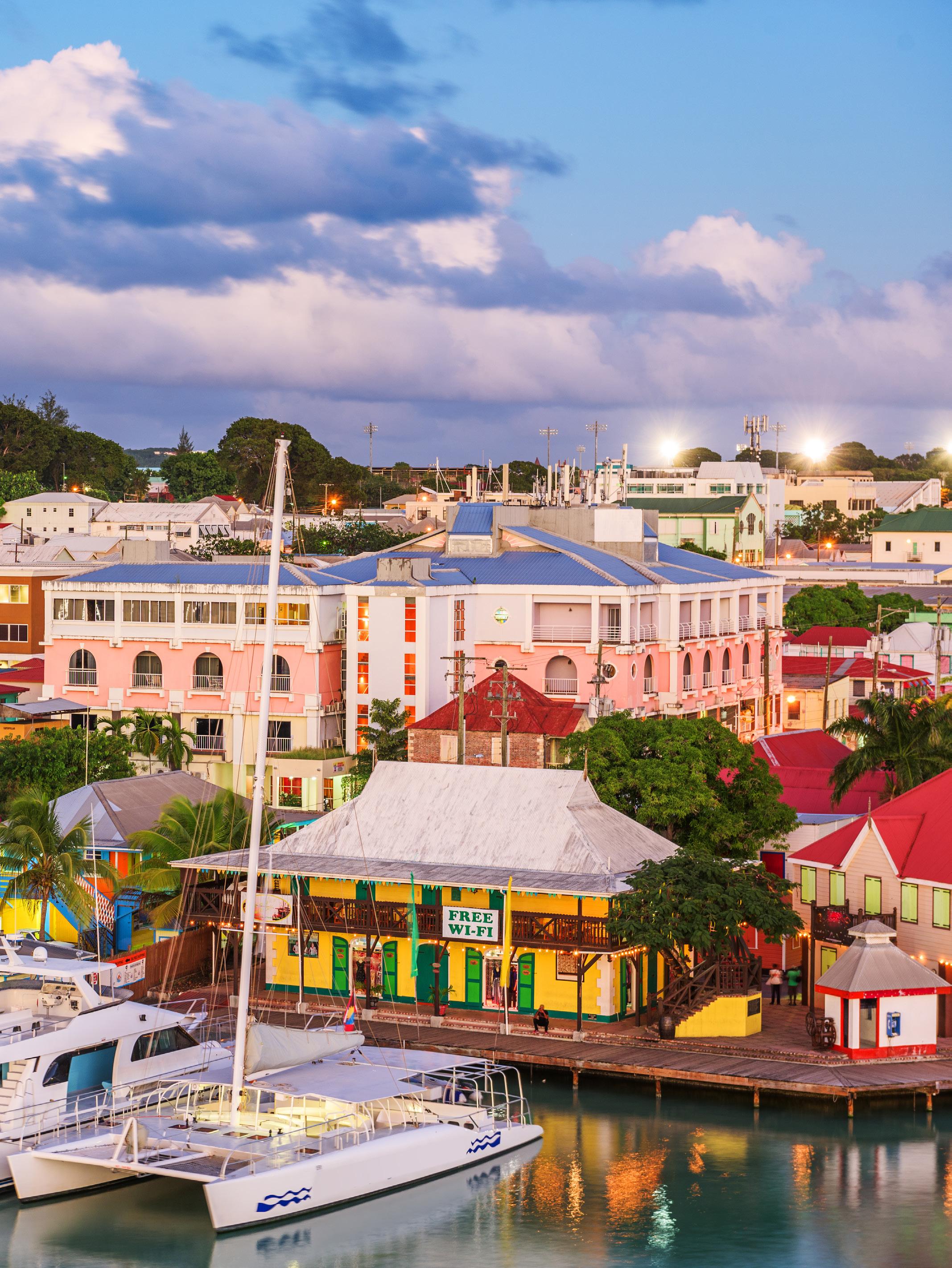
Whether you spend your days sailing between secluded bays, meandering through the colourful markets in the capital, St. John’s, or swimming in crystalline waters beneath endless sunshine, Antigua and Barbuda offers the kind of escape that lingers in your memory long after your tan has faded.
RECOMMENDS
Eat:
FOR FRESH SEAFOOD WITH A VIEW…
Perched directly on the sands of Pigeon Point Beach, Catherine’s Café effortlessly blends relaxed Carribean charm with refined French-inspired cuisine.
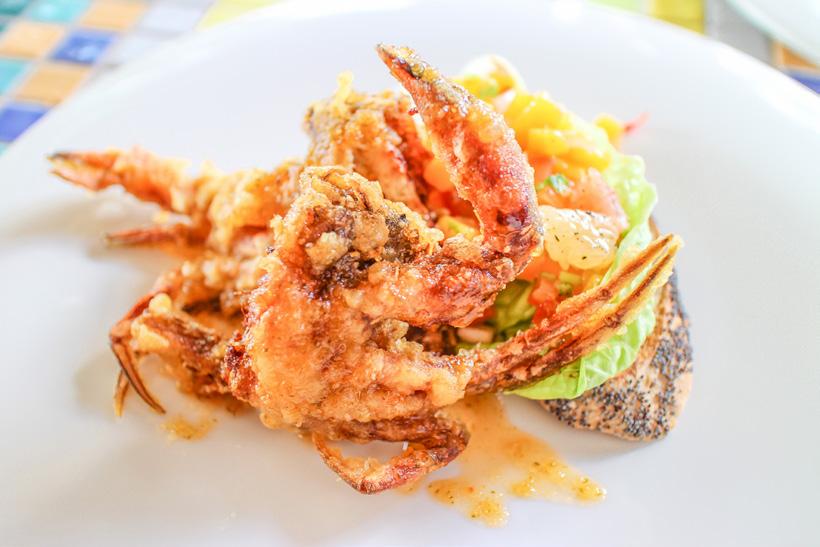
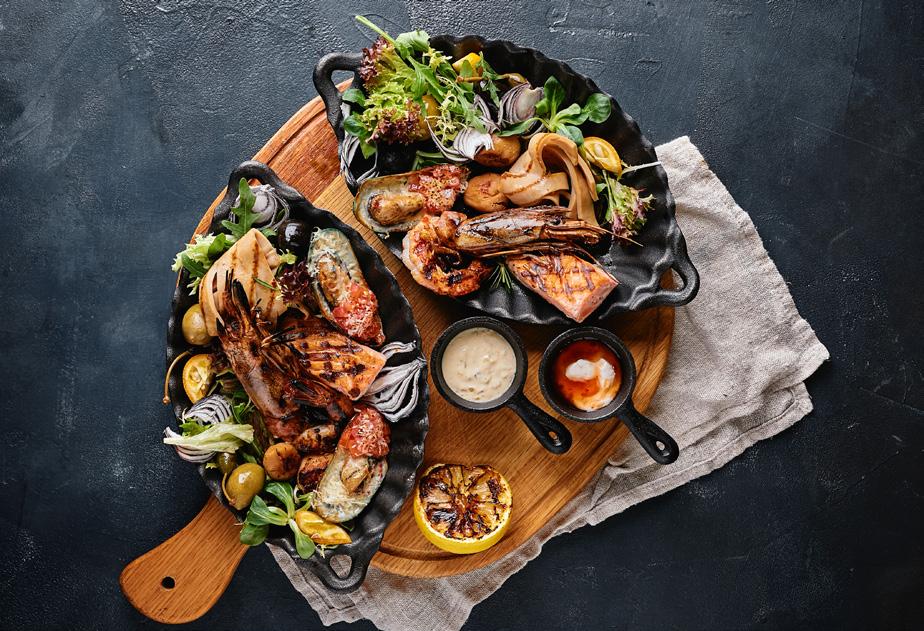
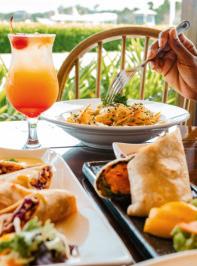
Visitors can feast on freshly caught lobster, grilled octopus, and perfectly chilled rosé whilst watching sailing boats cross the glittering waters of English Harbour.
FOR FLAVOURS THAT CAPTURE THE ISLAND SPIRIT…
A beloved local institution in St. John’s, Papa Zouk serves up rich Caribbean flavours bursting with spice and personality.
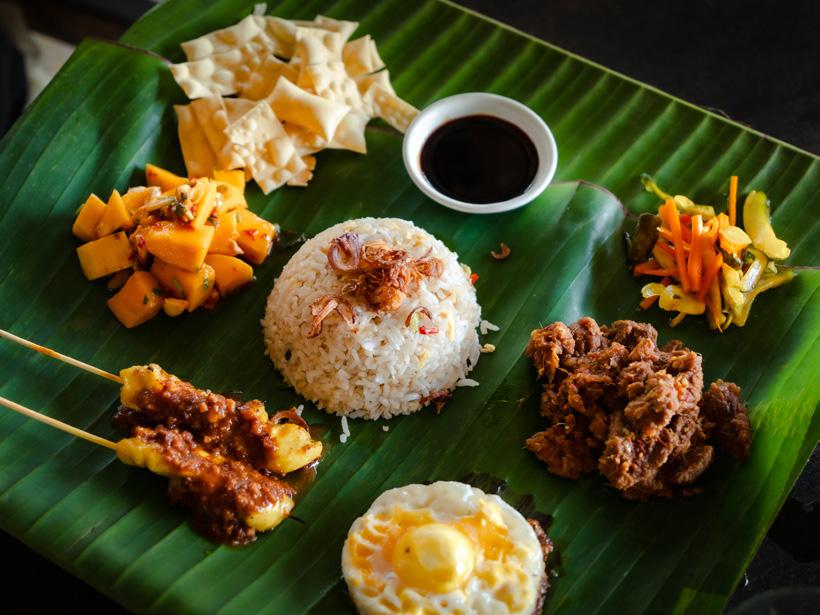
Known for its enormous rum selection and expertly prepared seafood dishes, the restaurant offers everything from buttery garlic shrimp to perfectly seasoned red snapper in a lively and welcoming setting.
Do:
FOR AN ADVENTURE ACROSS LAND AND SEA…
Antigua Rainforest Canopy Tour offers visitors the chance to soar above lush tropical forests on a thrilling zipline adventure, complete with suspension bridges, aerial walkways, and breathtaking island views.
With multiple exciting ziplines, challenging obstacle courses to keep you entertained, and safety at the heart of it all, Antigua Rainforest Canopy Tour is a safe yet exhilarating way to experience Antigua and Barbuda in all its glory.
FOR AN EXPERIENCE YOU’LL NEVER FORGET…
Swim alongside gentle southern stingrays in the crystal-clear waters of the Carribean Sea at Stingray City Antigua.
Guided boat tours allow visitors to interact safely with these fascinating creatures in their natural habitat.
FOR A LUXURIOUS HIDEAWAY BESIDE THE SEA…
Carlisle Bay Antigua is a stunning beachfront resort tucked between rainforest-covered hills and a sweeping crescent of white sand on Antigua’s south coast.
Combining elegant suites, exceptional dining, and serene turquoise waters, the resort offers the ultimate Carribean retreat.
FOR TRANQUILITY ON A PRIVATE ISLAND…
To enjoy an ultra-exclusive escape just off the coast of Antigua, accessible only by boat, stay at Jumby Bay Island.
Surrounded by untouched beaches and swaying plants, the resort combines barefoot luxury with complete seclusion and impeccable service.
Stay in a UNESCO World Heritage Site at Nelson’s Dockyard, where the Copper & Lumber Store Hotel blends 18th-century Georgian charm with modern luxury. Where History Comes to Life
Experience waterfront dining at Mainbrace Restaurant & Pub • Signature dishes at Sunday Brunch • The legendary Nelson’s Rum Punch • Golden sunsets at Rum in the Ruins • Seafood Fridays with vibrant island flavour.
Like what you’re reading? If so, head over to our website and you can sign up for a free subscription. That way you’ll get the digital magazine sent directly to your
ONE OF THE Caribbean’s most significant historical treasures, Nelson’s Dockyard is the cultural and historical heart of Antigua.
Situated within English Harbour, this UNESCO World Heritage Site is the world’s only continuously working Georgian dockyard, where beautifully restored naval buildings stand beside modern superyachts and sparkling marinas.
Originally constructed in the 18th century as a strategic
base for the British Royal Navy, the dockyard famously served as the station of Horatio Nelson during the late 1700s.
Today, visitors can wander through atmospheric stone buildings now housing boutique hotels, museums, and restaurants whilst learning about the island’s complex colonial and maritime history.
The surrounding Nelson’s Dockyard National Park encompasses dramatic hilltops, historic military fortifications, scenic hiking trials, and spectacular coastal viewpoints.
Nelson’s Dockyard In Focus
Perhaps the most iconic is Shirley Heights, a restored lookout perched high above English Harbour that offers jaw-dropping panoramic views across Antigua’s southern coastline.
The park also serves as a vibrant centre for Antigua’s world-famous sailing culture, as luxury yachts and historic vessels glide into the harbour for prestigious events including Antigua Sailing Week and the Antigua Classic Yacht Regatta.
For nature lovers, there are countless opportunities for
snorkelling, kayaking, hiking, and wildlife spotting, with hidden coves, coral reefs, and tropical vegetation making Nelson’s Dockyard National Park as rewarding for outdoor enthusiasts as it is for history buffs.
Whether you arrive to admire the centuries-old architecture, sip rum beside the marina at sunset, or simply soak in the remarkable scenery, Nelson’s Dockyard remains one of Antigua and Barbuda’s most unforgettable attractions.
St. John’s In Focus
BURSTING WITH COLOUR, culture, and Caribbean energy, Antigua and Barbuda’s capital is a lively cultural hub.
The city’s skyline is dominated by the striking white towers of St. John’s Cathedral – the impressive Anglican church that has watched over the capital for generations since its erection in the mid-1800s.
Nearby, Heritage Quay and Redcliffe Quay welcome visitors with charming stone walkways lined with boutiques, local craft stores, restaurants, and cafés overlooking the harbour.
St. John’s is also home to a thriving market culture, with the Public Market Complex near the city centre overflowing with tropical fruits, freshly caught seafood, fragrant spices, handmade crafts, and vibrant textiles, creating a sensory
experience that perfectly captures the spirit of the Caribbean.
For those interested in learning more about the nation’s past, the Museum of Antigua and Barbuda offers fascinating exhibitions exploring the islands’ Indigenous heritage, colonial history, and path to independence.
Historical architecture and reminders of the island’s sugar plantation economy can be found throughout the city and surrounding countryside.
After a day of sightseeing, there’s no better way to unwind than by sampling local cuisine in the capital, including the national dish, fungee and pepperpot.
Other traditional foods, such as saltfish, grilled lobster, and spicy jerk chicken, are also staples that can be found across St. John’s. Paired with a glass of locally produced English Harbour rum, there’s no better way to end the day.
Landmark Attractions
Frigate Bird Sanctuary
Located within the Codrington Lagoon, Barbuda’s Frigate Bird Sanctuary is home to thousands of magnificent frigate birds and more than 170 other bird species. Accessible only by boat, the sanctuary provides visitors with an extraordinary opportunity to witness one of the Caribbean’s most important bird habitats up close.
Sir Vivian Richards Stadium
Surama is an Amerindian village (mainly inhabited by Macushi people) and the site for the first community ecotourism initiative in Guyana. The local community manages and maintains Surama Eco-Lodge, which offers tourists a chance to stay in traditional huts, try local food and explore nearby nature trails.
Built for the 2007 Cricket World Cup, Sir Vivian Richards Stadium is the heart of the sport in Antigua and Barbuda. Named after former West Indies cricket captain, Viv Richards, the stadium constitutes the North Stand and the impressive five-storey South Stand. Just a 15-minute drive from St. John’s, where better to attend a match of the country’s national sport?
Devil’s Bridge
Formed naturally by centuries of Atlantic waves crashing against limestone rock, Devil’s Bridge is one of Antigua’s most dramatic natural landmarks. Powerful blowholes erupt beneath the stone arch as the ocean surges through narrow gaps in the coastline, creating an awe-inspiring display of raw natural power.
Getting There and Around
MOST ARRIVE IN Antigua and Barbuda by air via V.C. Bird International Airport (ANU), which is located just outside the capital.
The airport sees regular direct flights from the UK, US, and across the Caribbean, making the islands easily accessible for international visitors.
Many countries do not require a visa for short tourist stays, although travellers should ensure their passports remain valid for at least six months beyond their departure date.
Once safely on land, taxis are readily available, whilst renting a vehicle is highly recommended for those looking to fully explore hidden beaches, scenic coastal roads, and more remote attractions.
Ferries and small aircraft connect Antigua with Barbuda, allowing visitors to experience both islands during their trip, with the journey taking roughly 90 minutes by boat or 20 minutes by air – depending on the weather.
Thanks to consistently warm temperatures and cooling trade winds, Antigua and Barbuda is a year-round destination, with the peak travel season typically running from December to April when visitors flock to the islands for winter sunshine and world-class sailing.
Travellers seeking quieter beaches and cheaper accommodation rates may prefer visiting between May and November when the islands feel even more peaceful and secluded.
THE LAST STOP.
GRACEFULLY ENSHRINED between the striking shores of England and France, the Isle of Sark is the stunning jewel of the Channel Islands.
Known for some of the world’s most dramatic tidal ranges, this impressive plateau island features peaceful beaches, sandy bays, pebbly coves, enchanting rock pools, and lively turquoise creeks.
Settled in 1565, Sark comprises Greater Sark, home to around 595 residents who embrace tradition and community, and Little Sark, offering intimate experiences in secluded spots with a narrow isthmus, La Coupée, connecting the two.
Accessible by ferry from Guernsey, England, Sark serves as a perfect escape. In a delightful departure from modernity, the island prohibits cars, further enhancing the soothing serenity that envelops the island.
Instead, transportation is a charming mix of on-foot travel, tractor buses, bicycles, and horsedrawn carriages, which not only preserves the peace but also imbues the atmosphere with an enchanting, old-world charm that feels like stepping back in time.
Rugged cliffs rise from ethereal cyan waters, and winding coastal paths invite exploration, leading visitors to Gouliot Headland, renowned for its diverse animal and plant life, whilst the Gouliot Caves are home to a wide variety of marine species.
Venturing inland, the ancient Port
49.4301° N, -2.3666° W
Du Moulin Woods, the site of the island’s medieval monastery, are enhanced by a gently flowing stream that meanders through the area, with a small waterfall cascading above the bay.
For those seeking a refreshing swim, Venus Pool offers natural respite, with a sea pool nestled under a rocky bluff in Little Sark and near the ruins of the Dolmen and Silver Mines. Elsewhere, in Port Gorey, visitors may encounter the Sark Sirens, who are often out for a swim.
At the heart of the island lies Dixcart Valley, a beautiful oasis adorned with lush woodlands where dappled sunlight filters through the trees and bluebells blanket the ground.
In the northern part of Sark, the L’Eperquerie area boasts a large open headland with panoramic views of the sea, stretching across to the islands of Herm, Guernsey, and Alderney. At the end of the common area, Manlet Half Tower, which includes a Buddhist rock carving.
Meanwhile, Happy Valley sits above a sandy bay accessible only by boat, which leads to Pilcher Monument along a single-entry path.
As the seasons change, the island transforms, showcasing a variety of wildflowers and berries that create a scenic masterpiece.
Making this extraordinary island even more appealing is its recognition from the International
Dark-Sky Association. Sark is the first island community to earn the title of Dark Sky Island for its exceptional lack of light pollution, untainted by urban life.
This designation allows for unparalleled stargazing opportunities in a pristine night sky. Visitors can enjoy the otherworldly atmosphere and marvel at stars like the constellation Corona Borealis in spring, making it a unique gem in today’s world.
Another rarity is that Sark maintained a feudal system until 2008, alongside a multifaceted history intertwined with monks, pirates, and folklore. Its diverse cultural heritage reflects a fusion of English, Norman, French, and Channel Island influences, encapsulated in the Sercquaise language.
The island’s importance during various conflicts, especially World War II, adds depth to its narrative, making it an intriguing destination for military historians. However, there are numerous attractions for all types of enthusiasts, including landmarks and historical sites. Additionally, Sark’s fascinating ancient history also draws the interest of archaeologists.
For an island only three miles long and 1.5 miles wide, adventure and activity are abundant, but, ultimately, Sark is celebrated for its breathtaking beauty and tranquil lifestyle.
Now, why not tell us yours?
The unrelenting demand to travel, both for business and leisure purposes, is showing no signs of slowing up, and for Outlook Publishing, the growing extent to which we are covering this industry across our existing titles has led to the launch of Outlook Travel magazine. The major component of the publication takes the form of our Outlook Travel Guides, providing executives, avid travellers and our existing 575,000 international subscribers with the ultimate rundown of all the major economic drivers and thriving hubs across the world, with exclusive input from tourism industry associations and stakeholders – the people who know these places the best.
You can join the vast numbers of tourism sector players enjoying the exposure we provide across our digital and print platforms with a range of options, from advertising through to free-of-charge editorials, extensive social media saturation, enhanced B2B networking opportunities, and a readymade forum to attract new investment and increase exposure.
For further information, visit www.outlooktravelmag.com
travel magazine
Situated in the heart of Menlyn Maine, The Maslow Time Square is Sun International’s 238-room specialist business hotel. Not only a destination for professionals, but a portal for travellers. Boasting 17 floors that o er everything from business to leisure with tempting eateries, a relaxing business lounge and 13 bespoke conference rooms.
209 Aramist Avenue, Pretoria, Gauteng, South Africa
Tel: 0860 846 377 / 0860 TIMESQ
For the perfect balance of business and pleasure, be our guest.
Central Reservations: +27 11 780 7800 timesquare.reservations@suninternational.com