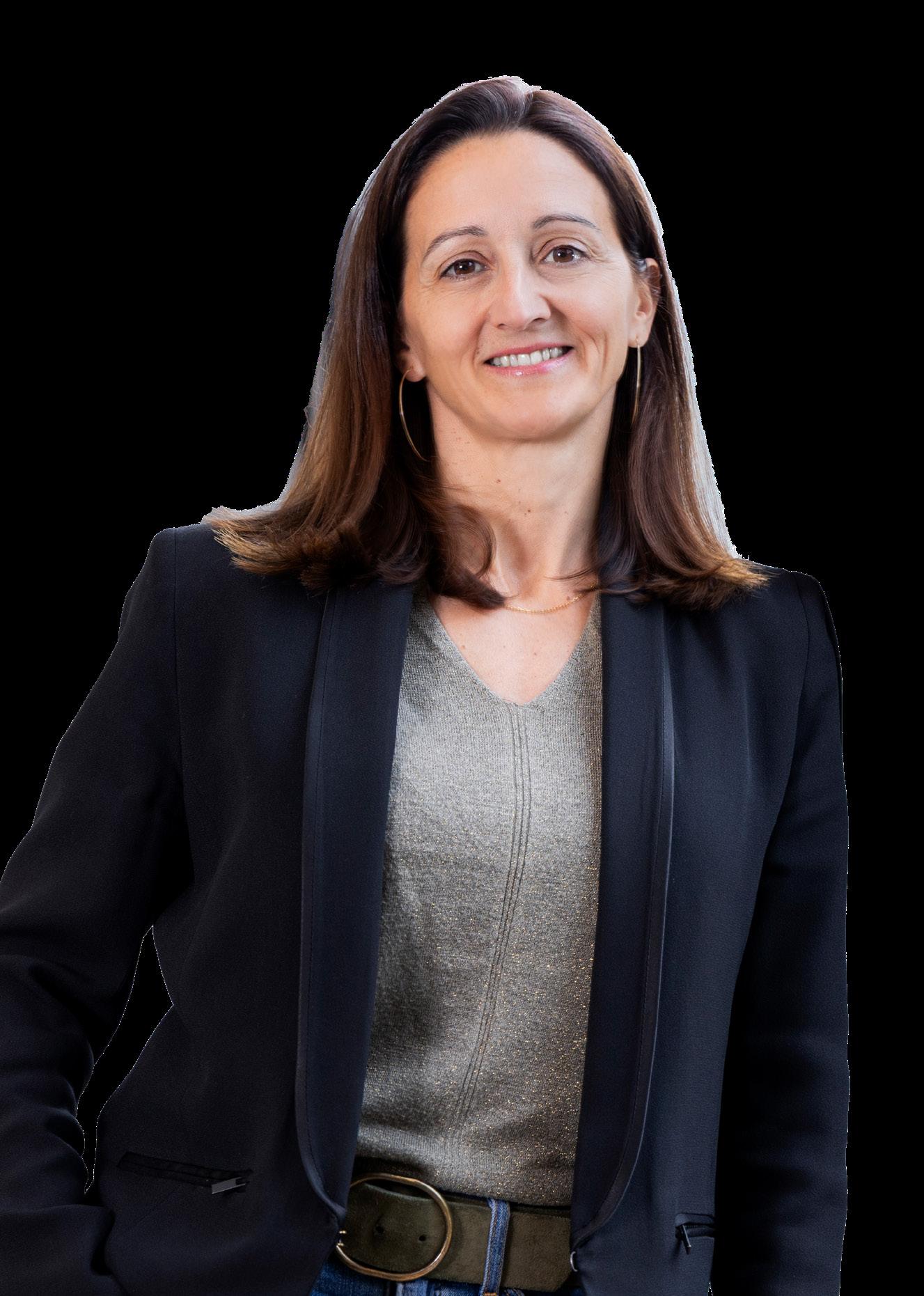
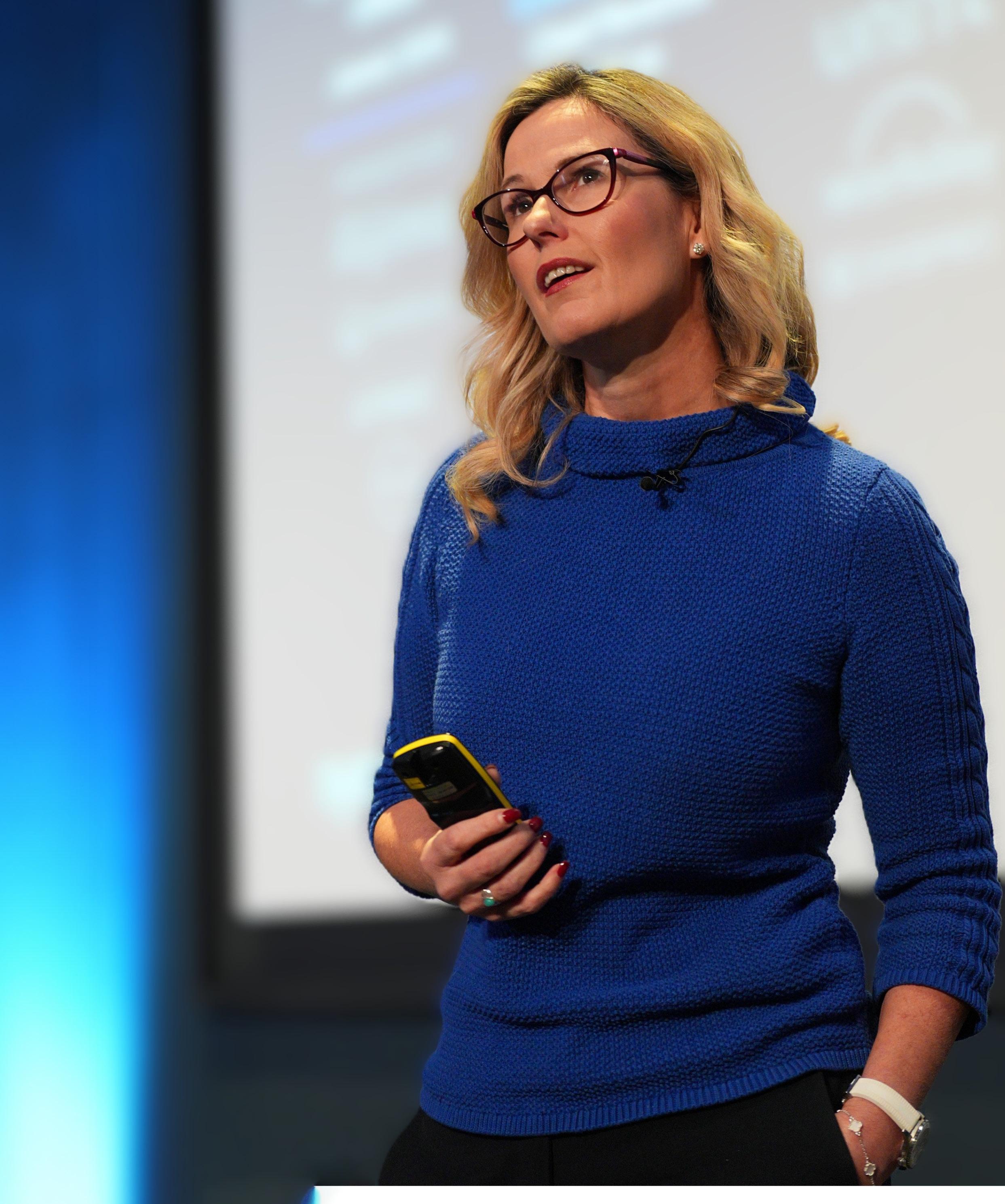
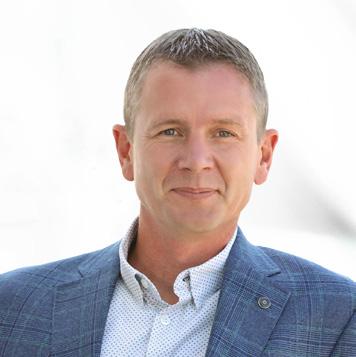
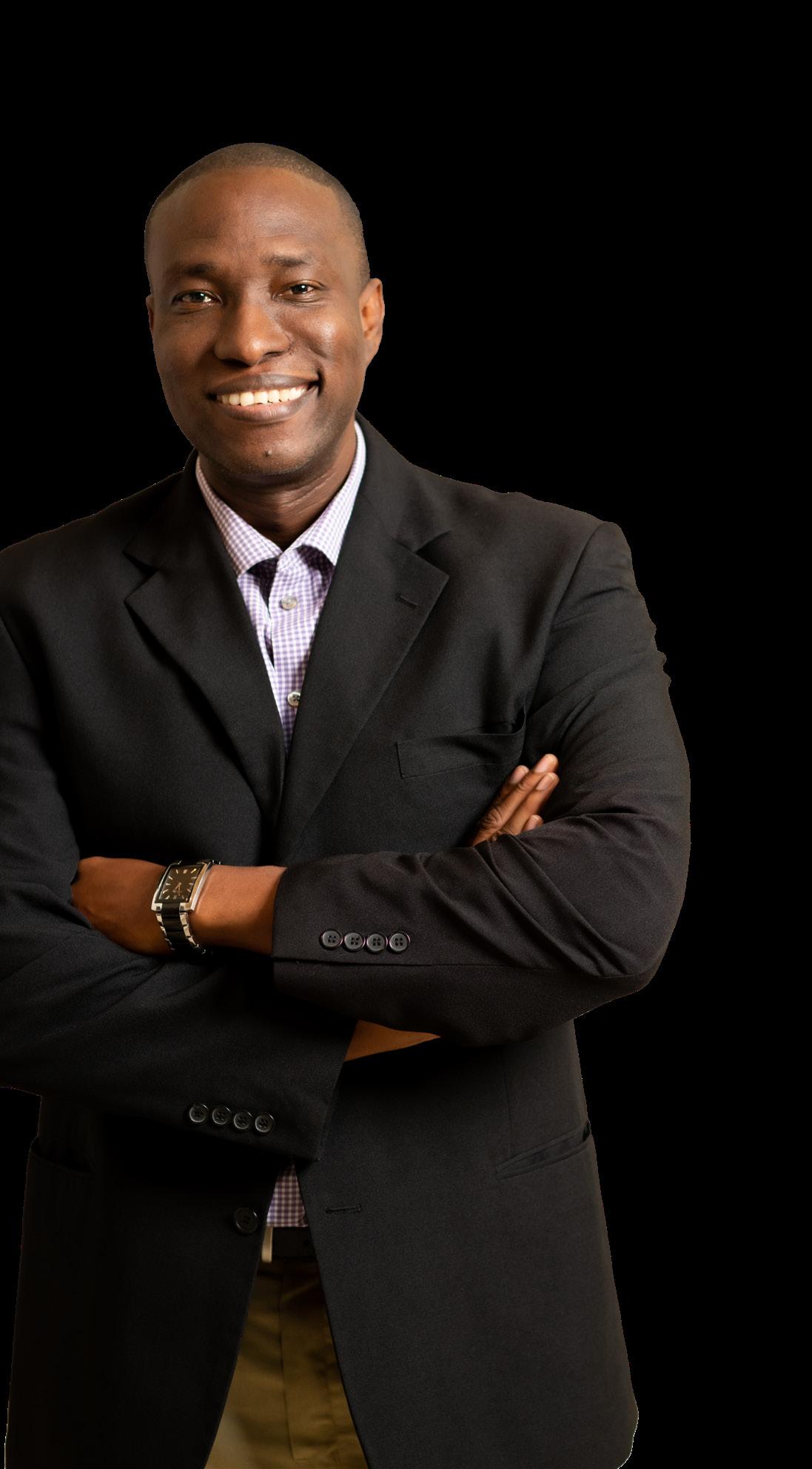
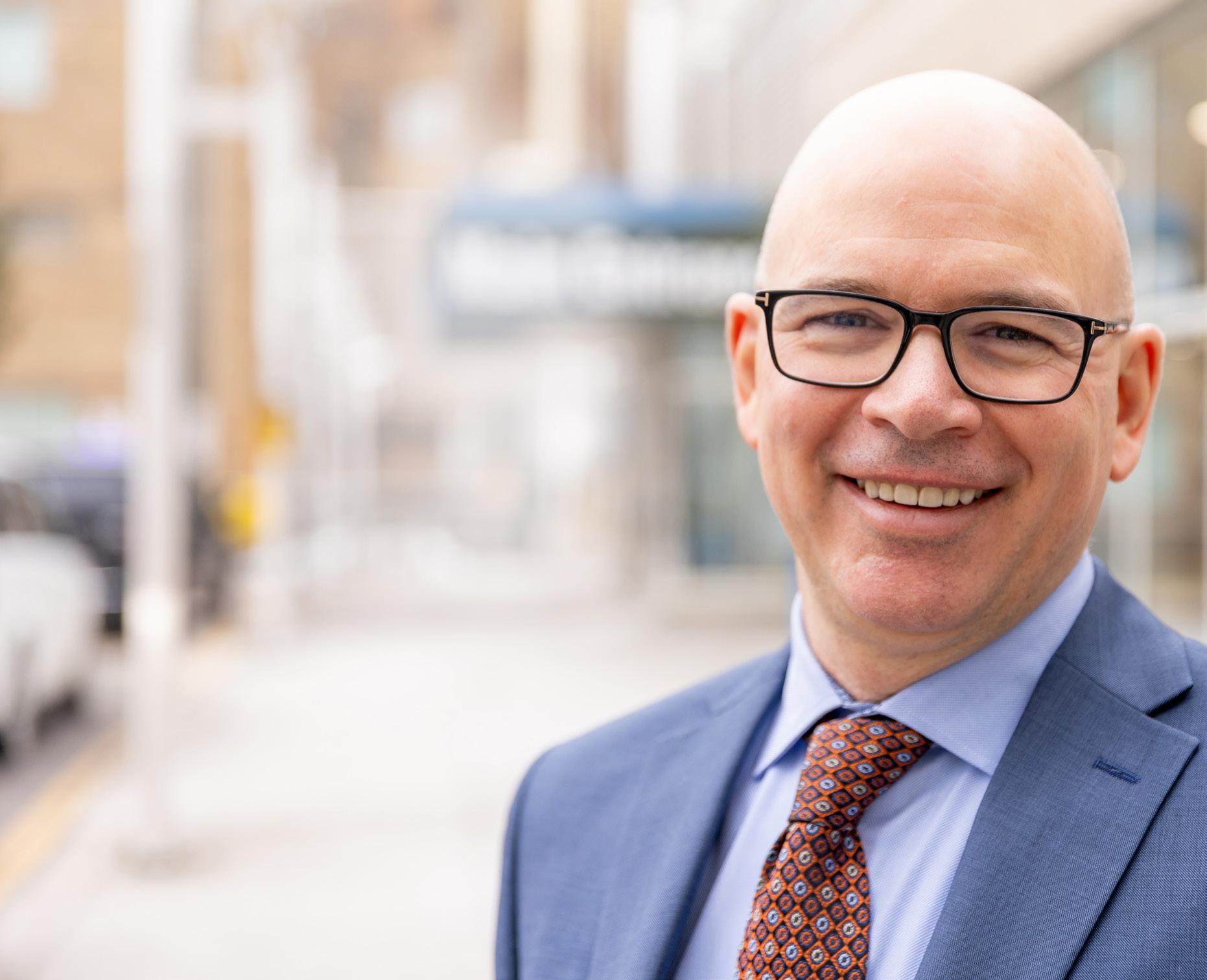
Céline Vuillequez – Vice President of Amazon Business Europe, talks procurement, resilience, sustainability, visibility, and true customer obsession.
Recorded live from the Amazon Business Exchange at London’s QEII Centre, Neil Perry sits down with Céline Vuillequez, Vice President of Amazon Business Europe, to explore the trends redefining procurement and supply chain strategy.
EDITORIAL
Head of Editorial: Jack Salter jack.salter@outpb.com
Deputy Head of Editorial: Lucy Pilgrim lucy.pilgrim@outpb.com
Finance Manager: Victoria McAllister victoria.mcallister@outpb.com
CONTACT
North America Outlook
Norvic House, 29-33 Chapelfield Road
Norwich, NR2 1RP, United Kingdom
Sales: +44 (0) 1603 804 445
Editorial: +44 (0) 1603 804 431
SUBSCRIPTIONS
Tel: +44 (0) 1603 804 431 jack.salter@outpb.com
www.northamericaoutlookmag.com
Follow us on LinkedIn
Follow us on X: @OutlookPublish
CELEBRATING INDEPENDENCE AND INDUSTRY
Welcome to our 36th edition of North America Outlook.
This issue follows the historic 250th anniversary of US independence, celebrated across the country on 4th July with colorful firework displays, patriotic parades, and outdoor concerts.
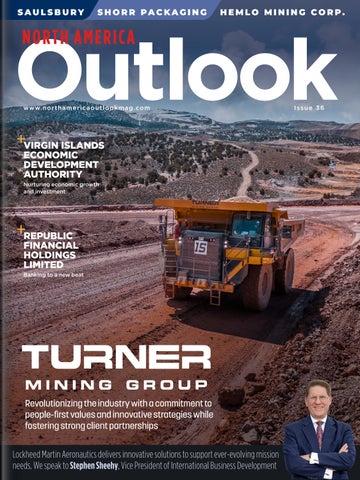
While we honor the nation’s past, we continue to recognize those helping to shape its future, such as Turner Mining Group (Turner).
The company was founded in 2017 with a guiding principle: “Mining works better when people are treated like people”. This ethos continues to drive its operations today, consequently setting the stage for a new era in mining.
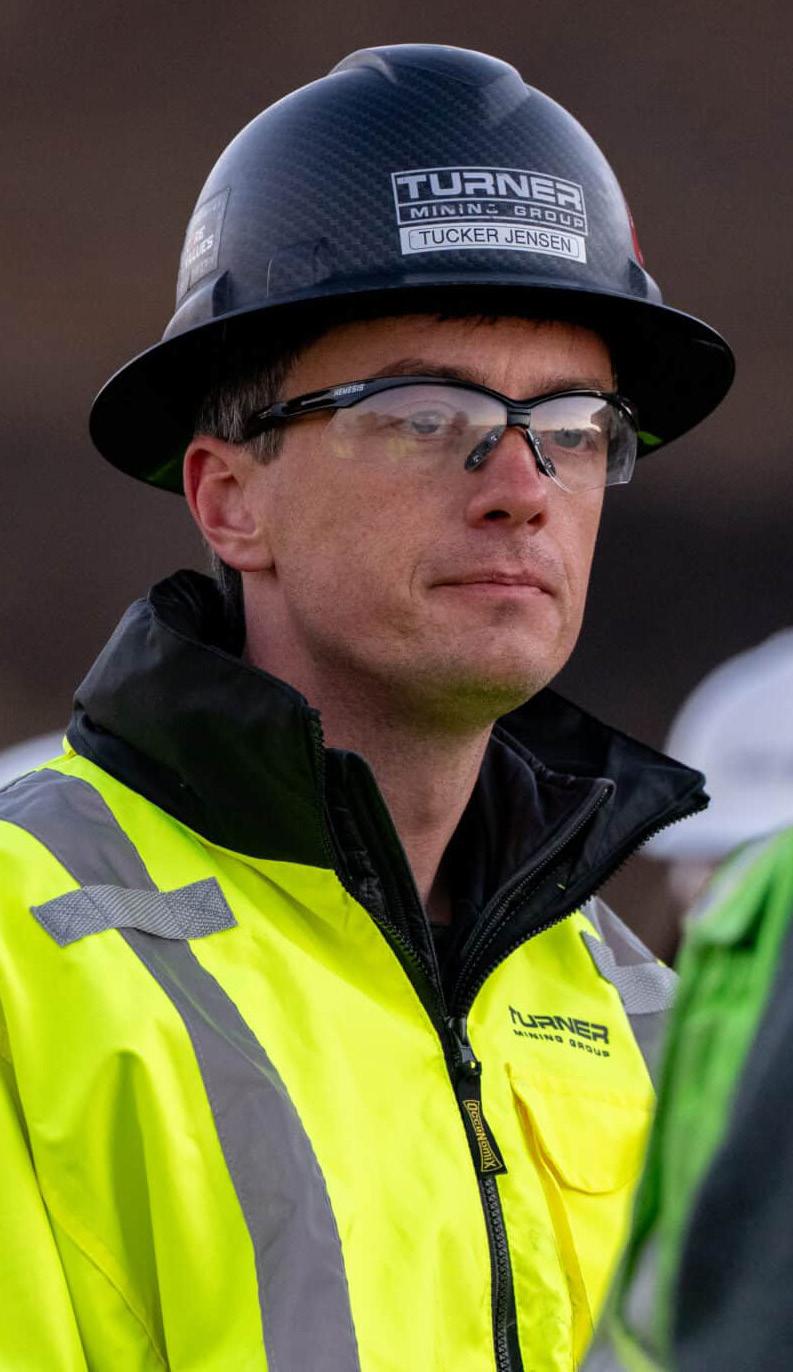
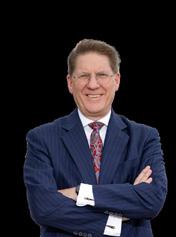
“People come first – production follows. From that founding, Turner has grown into a truly national provider,” emphasizes Tucker Jensen, Vice President of Operations.
From Turner, we turn our attention to Saulsbury, one of North America’s leading engineering, procurement, and construction (EPC) contractors, who we last spoke to in May 2025.
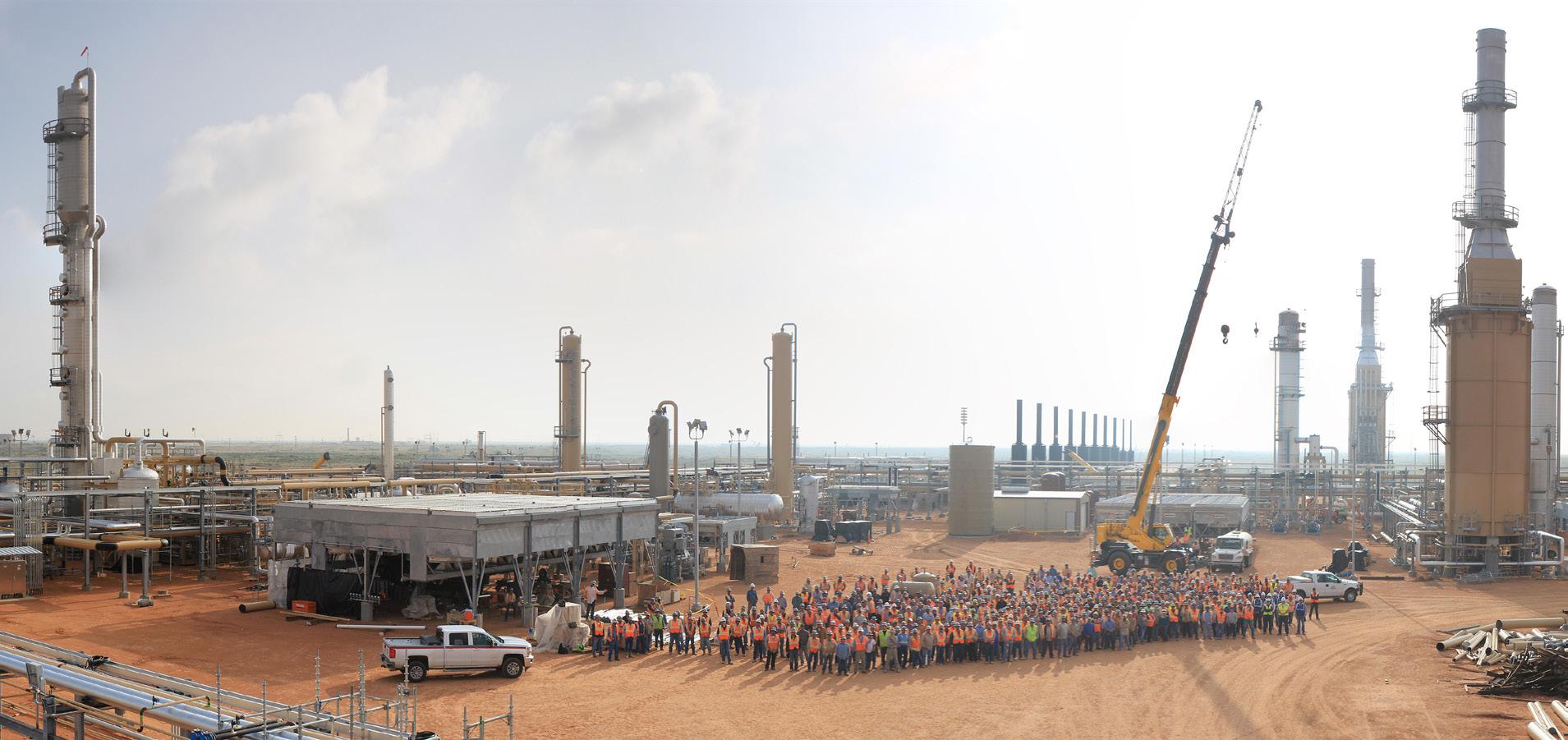
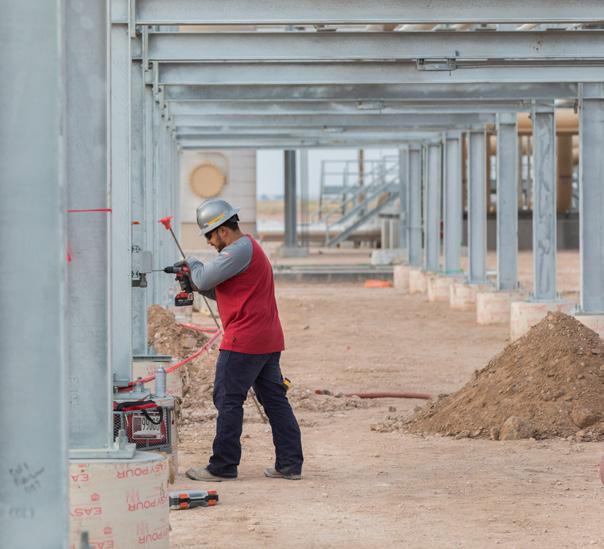
Among Saulsbury’s most notable achievements was the successful completion of the largest US carbon capture project ever built.
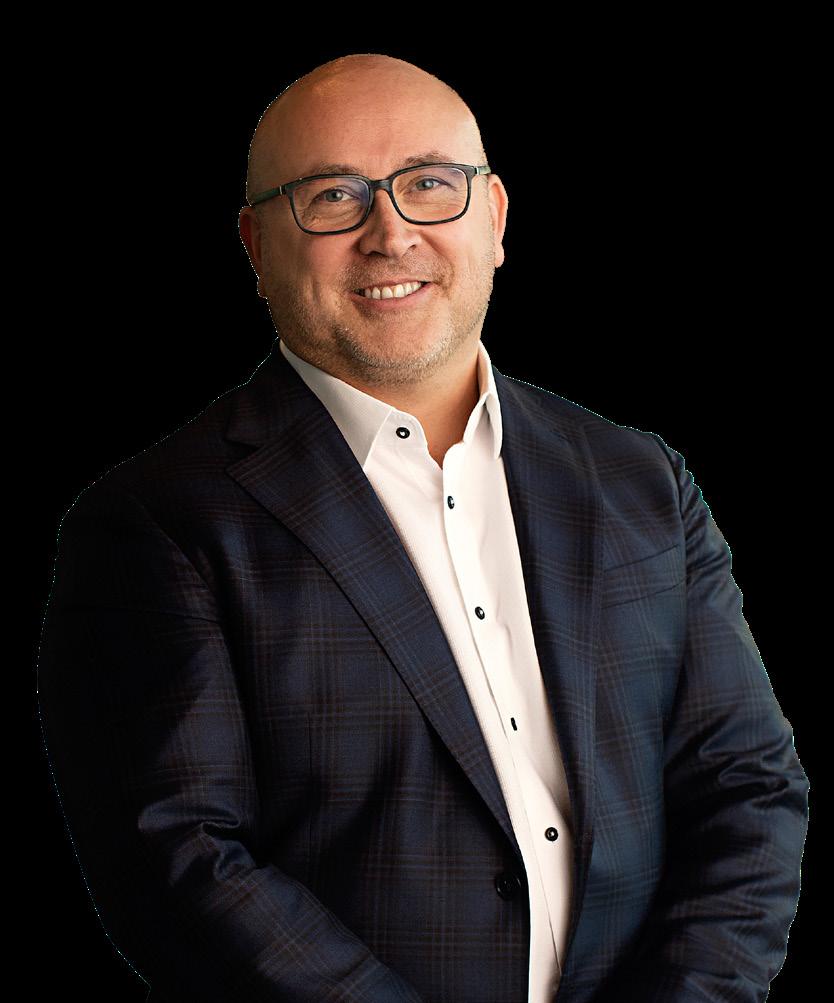
“It showcases our ability to deliver safe and predictable outcomes for some of the most challenging projects in the industry,” highlights Dennis Chismar, Chief Business Development Officer.
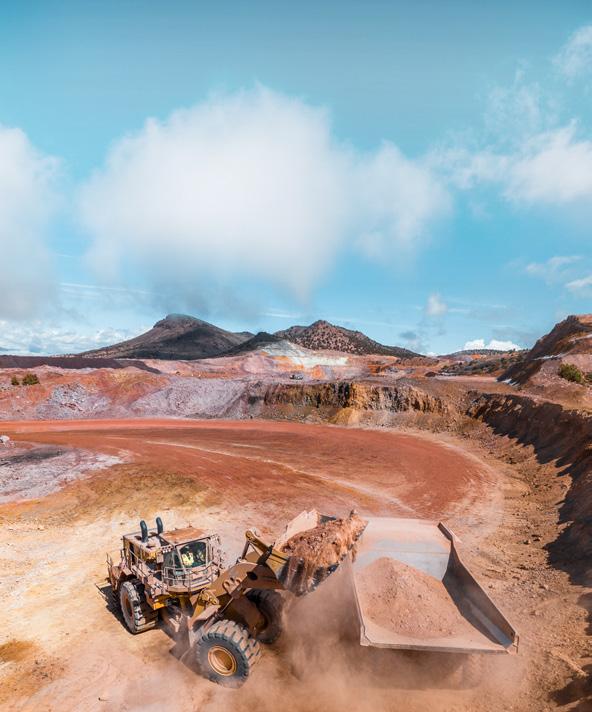
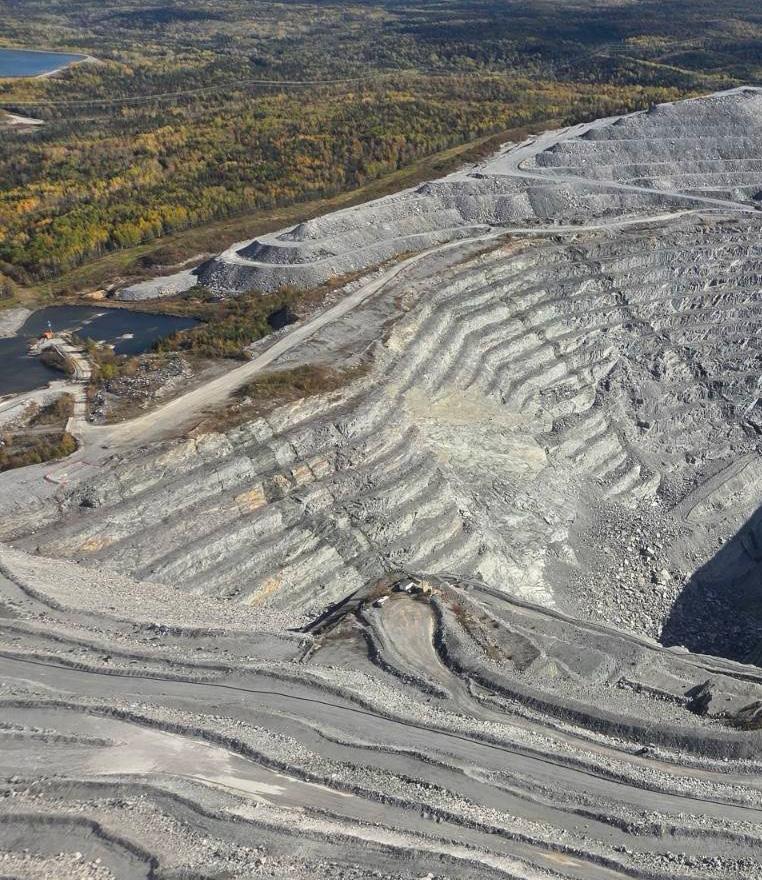
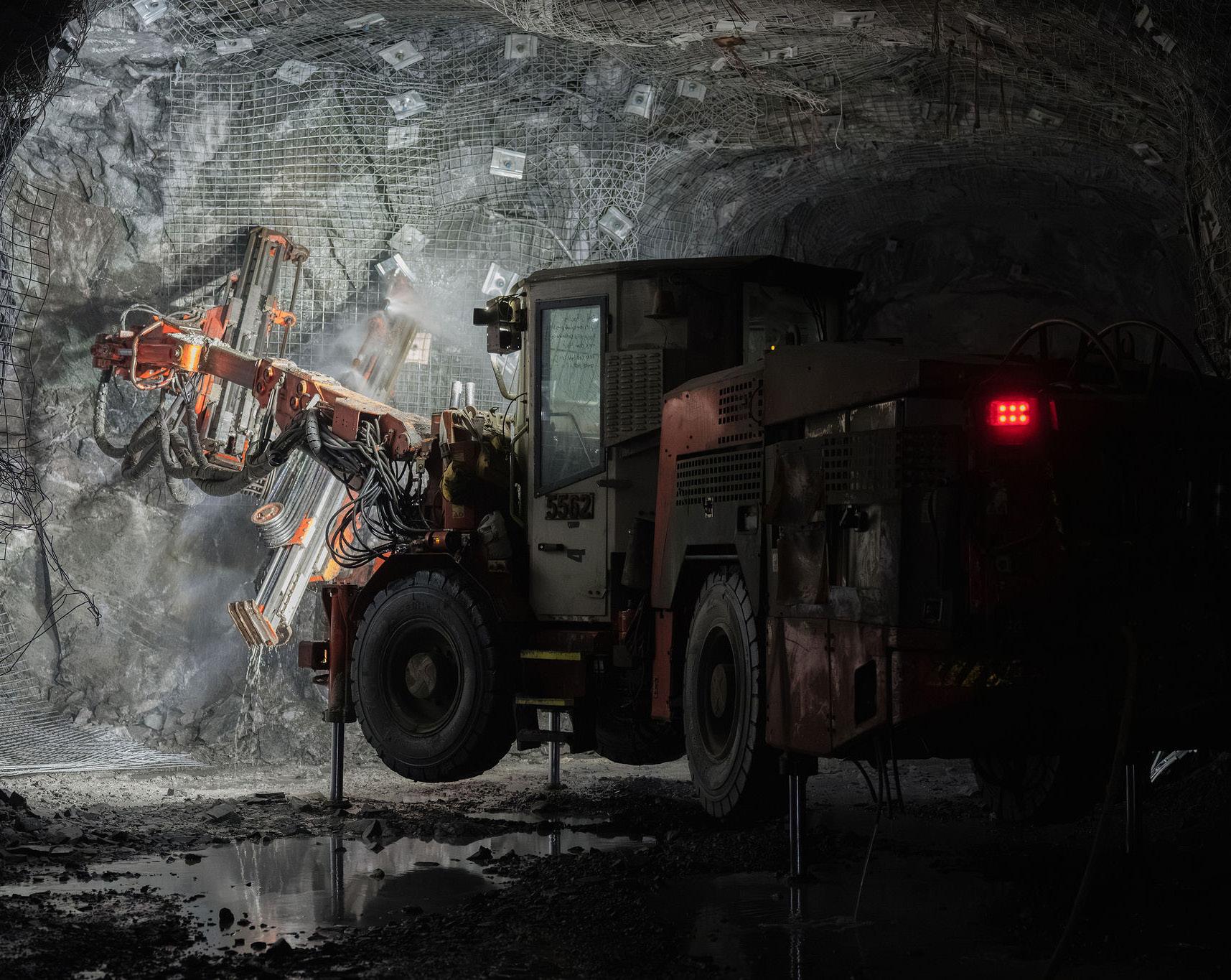
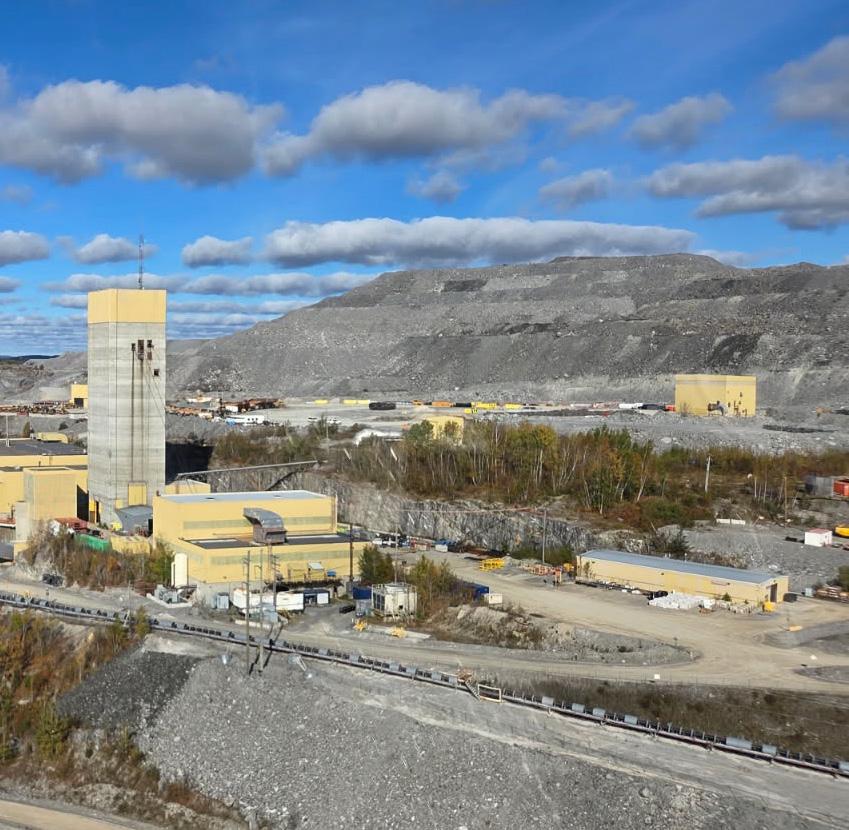
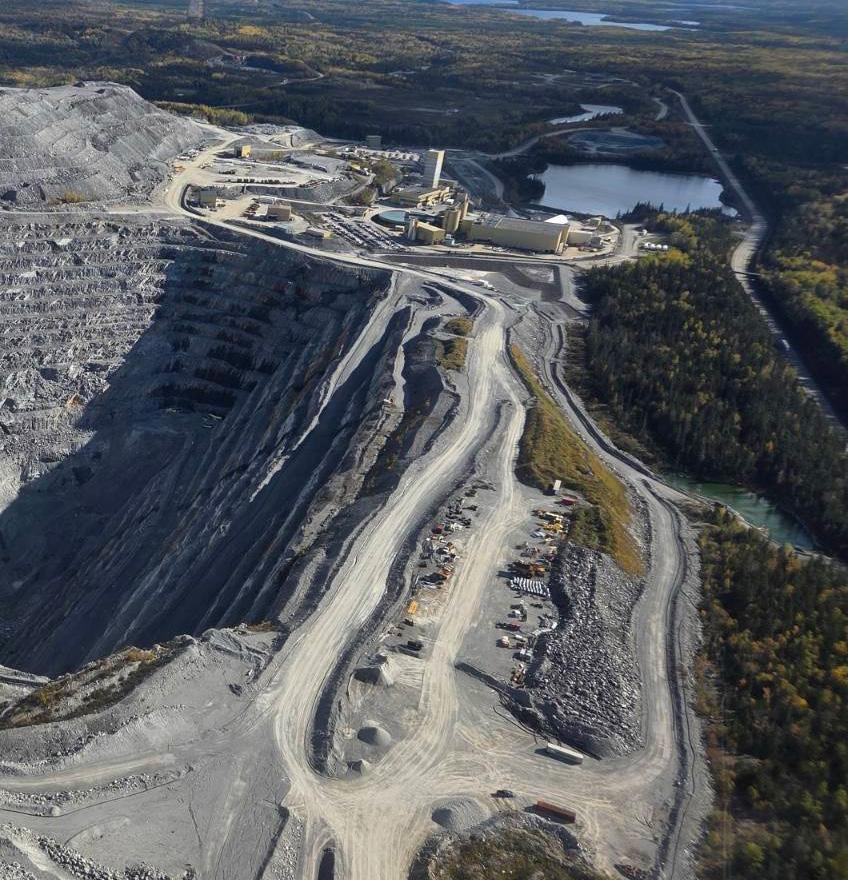
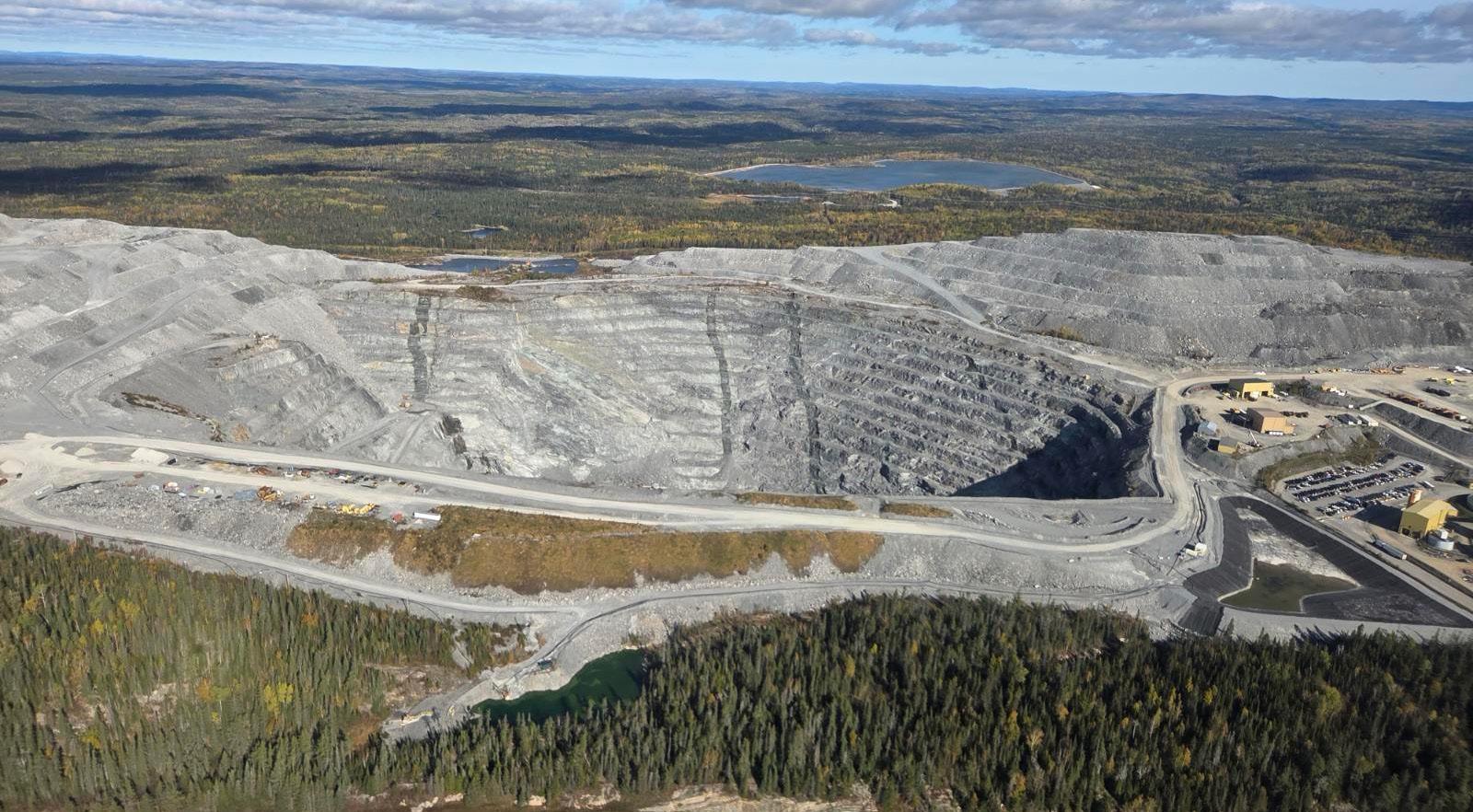
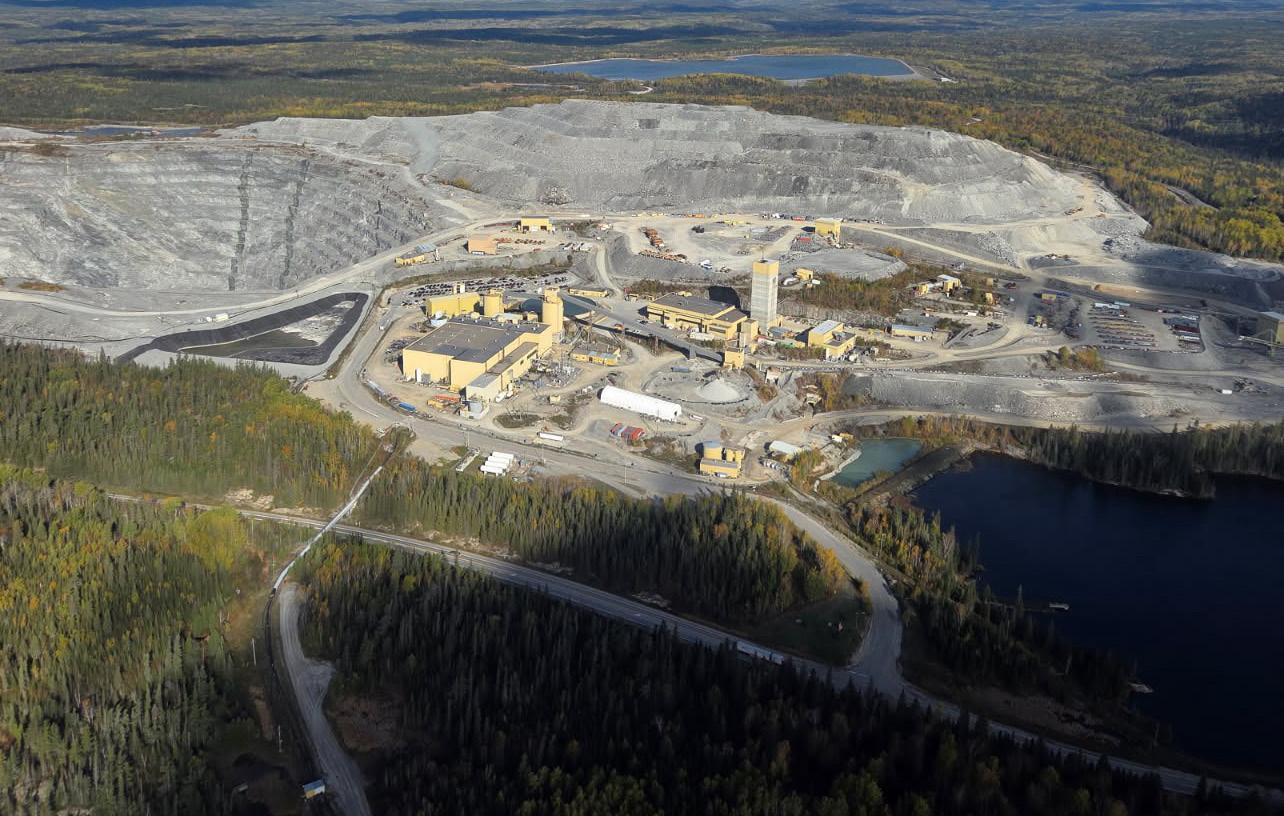
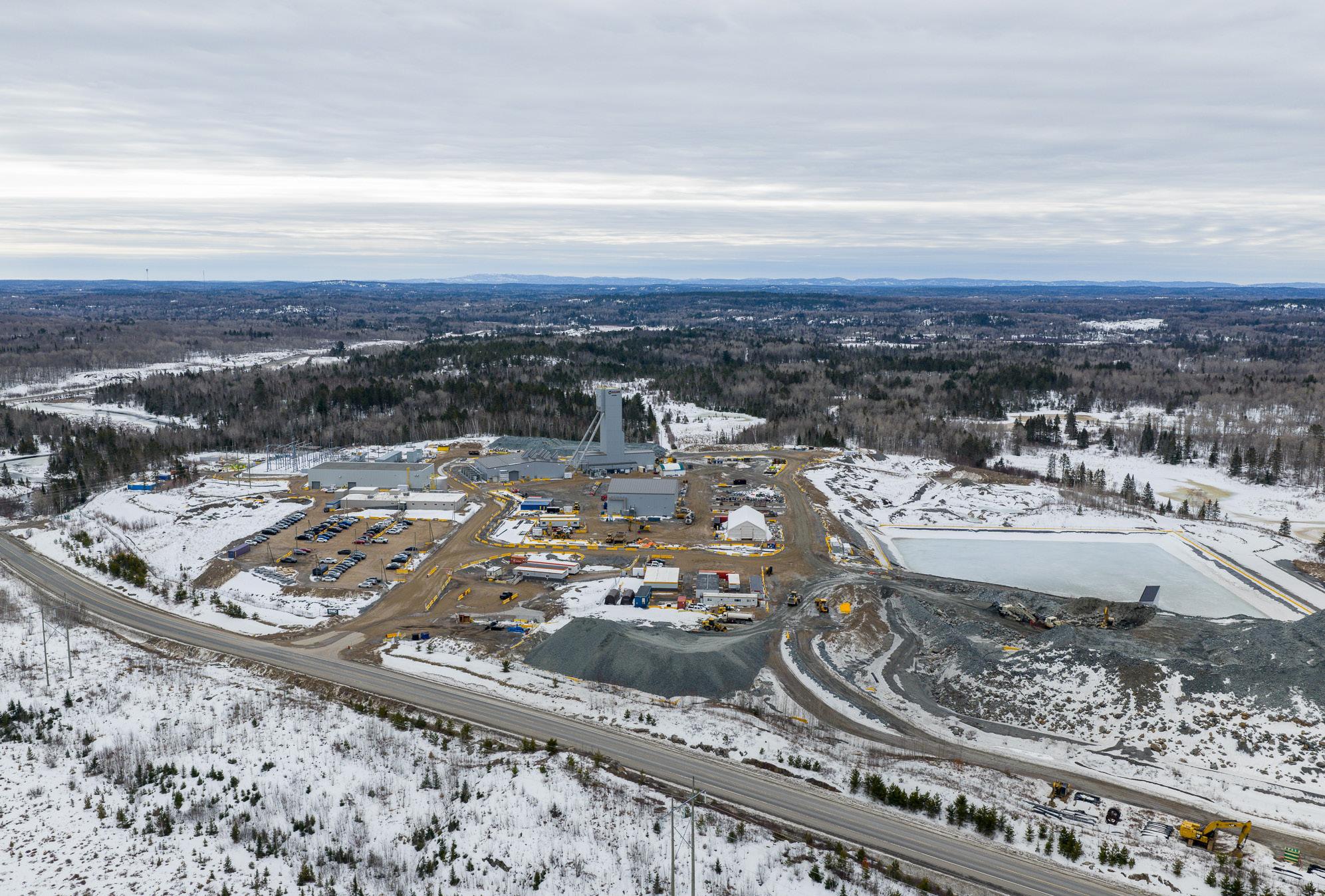
One of Canada’s most notable gold assets, meanwhile, is operated by Hemlo Mining Corp. (Hemlo) in Marathon, Ontario.
A piece of Canadian history, the Hemlo Gold Mine has been in production for over 40 years and offers significant expansion potential, with cut-off grade adjustments to optimize extraction.
Alongside exploration, the company is investing in its workforce, mining fleet, and processing infrastructure. In that sense, the Hemlo Gold Mine is not just a standalone asset, but a platform for broader growth.
This July, we also celebrate Shorr Packaging, Republic Financial Holdings Limited, and the Virgin Islands Economic Development Authority, among many others.
We hope that you enjoy your read.
Jack Salter Head of Editorial, Outlook Publishing
64 Hemlo Mining Corp.
Forged in Gold and Growth An
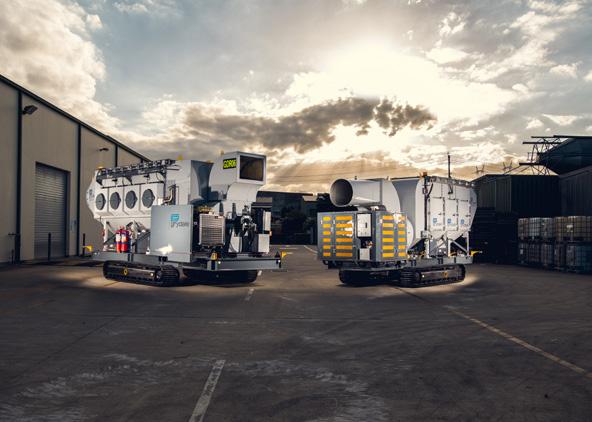
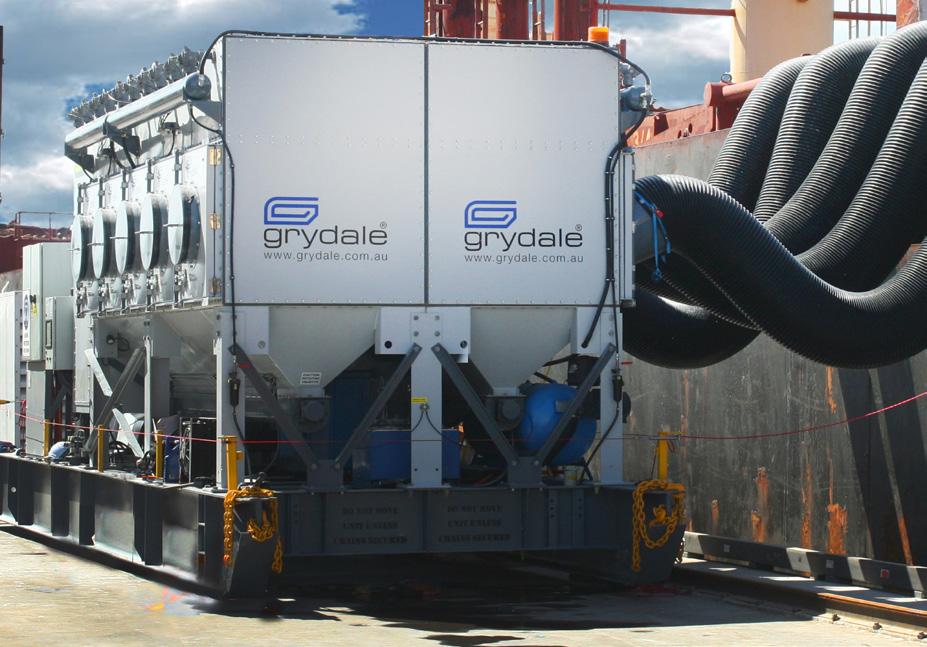
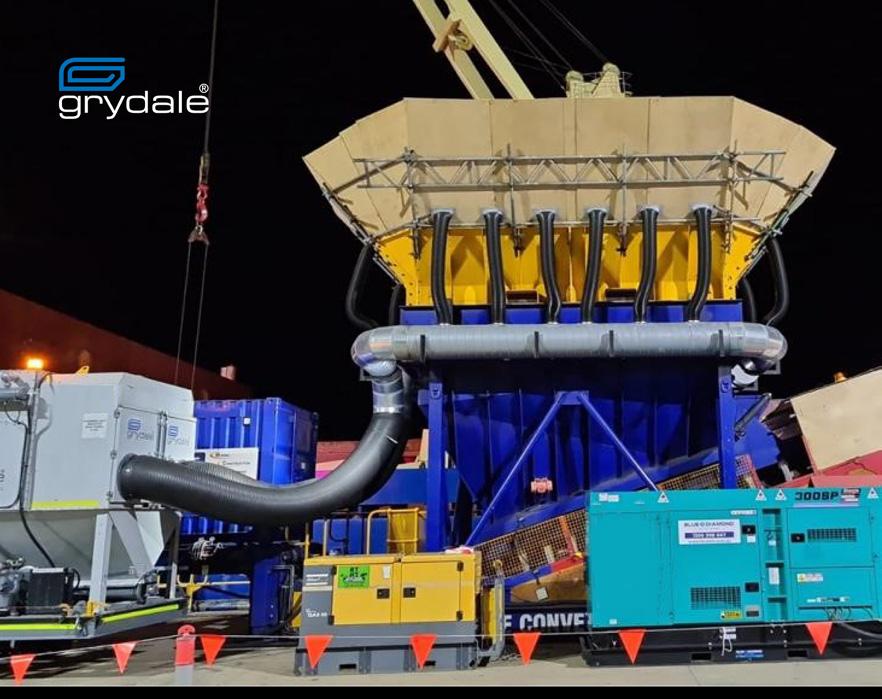
78 Grydale
Transforming Dust Control
through
114 Republic Financial Holdings Limited
Digital Transformation in Rhythm Banking to a new beat
ENERGY & UTILITIES
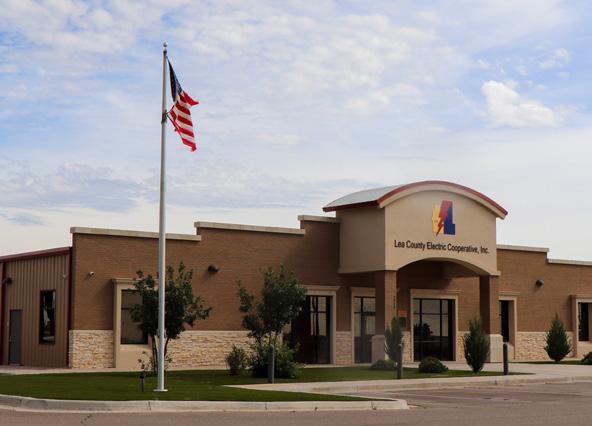
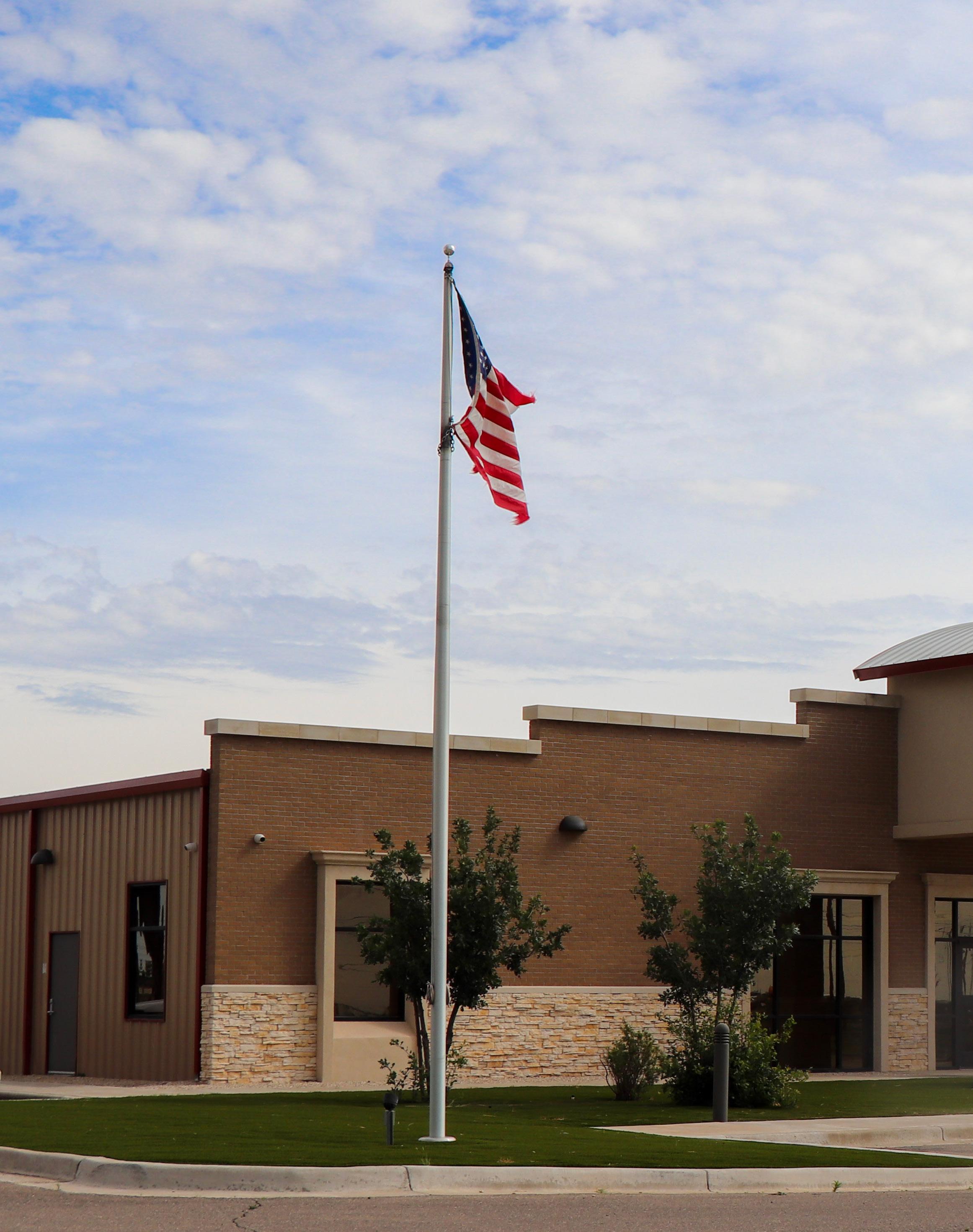
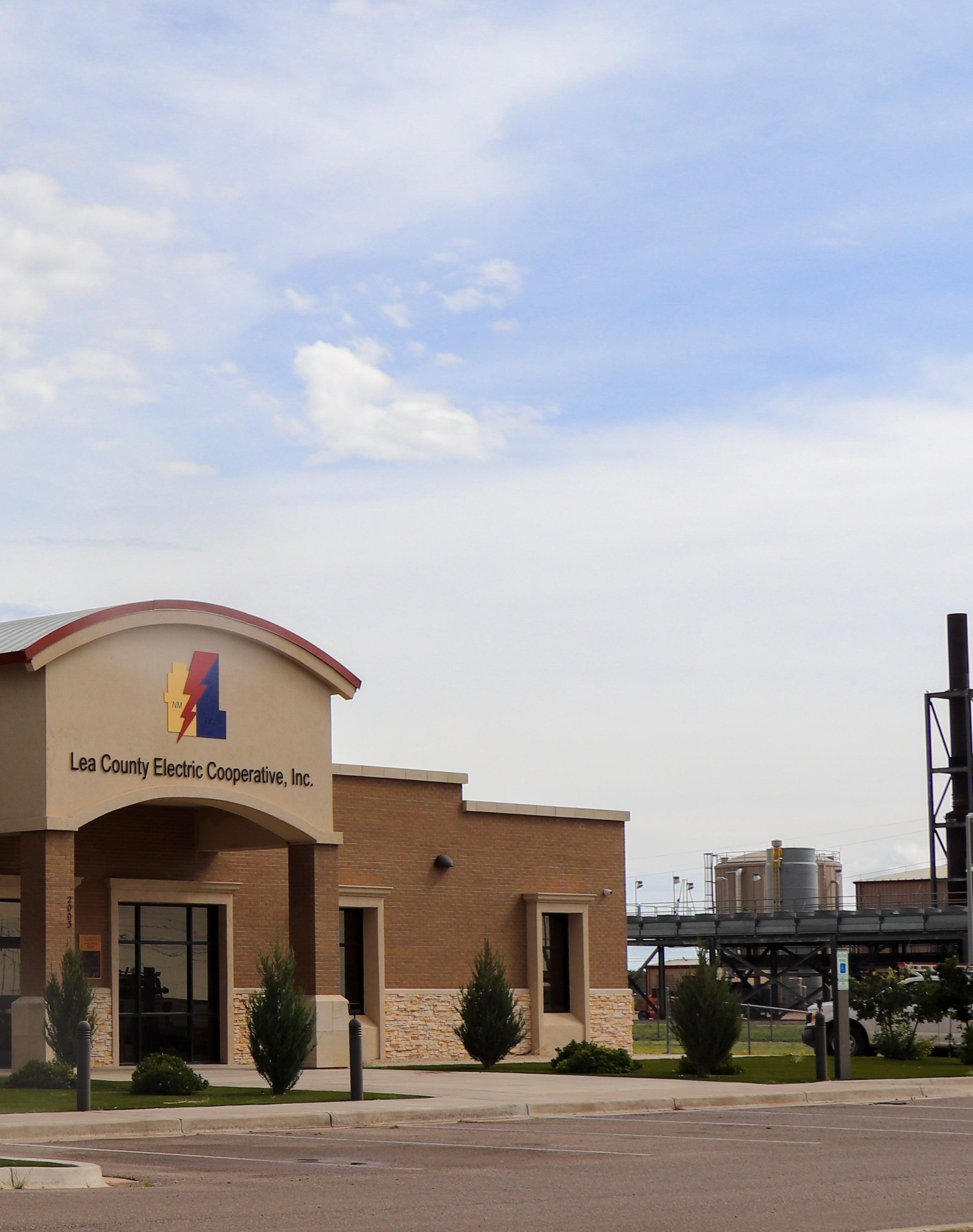
122 Lea County Electric Cooperative, Inc.
Owned by Those it Serves Low-cost, high-value, and reliable
HEALTHCARE
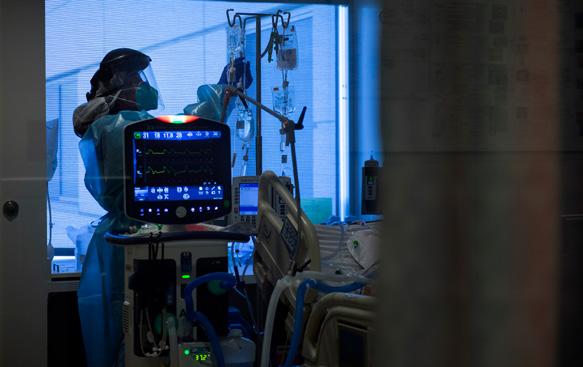
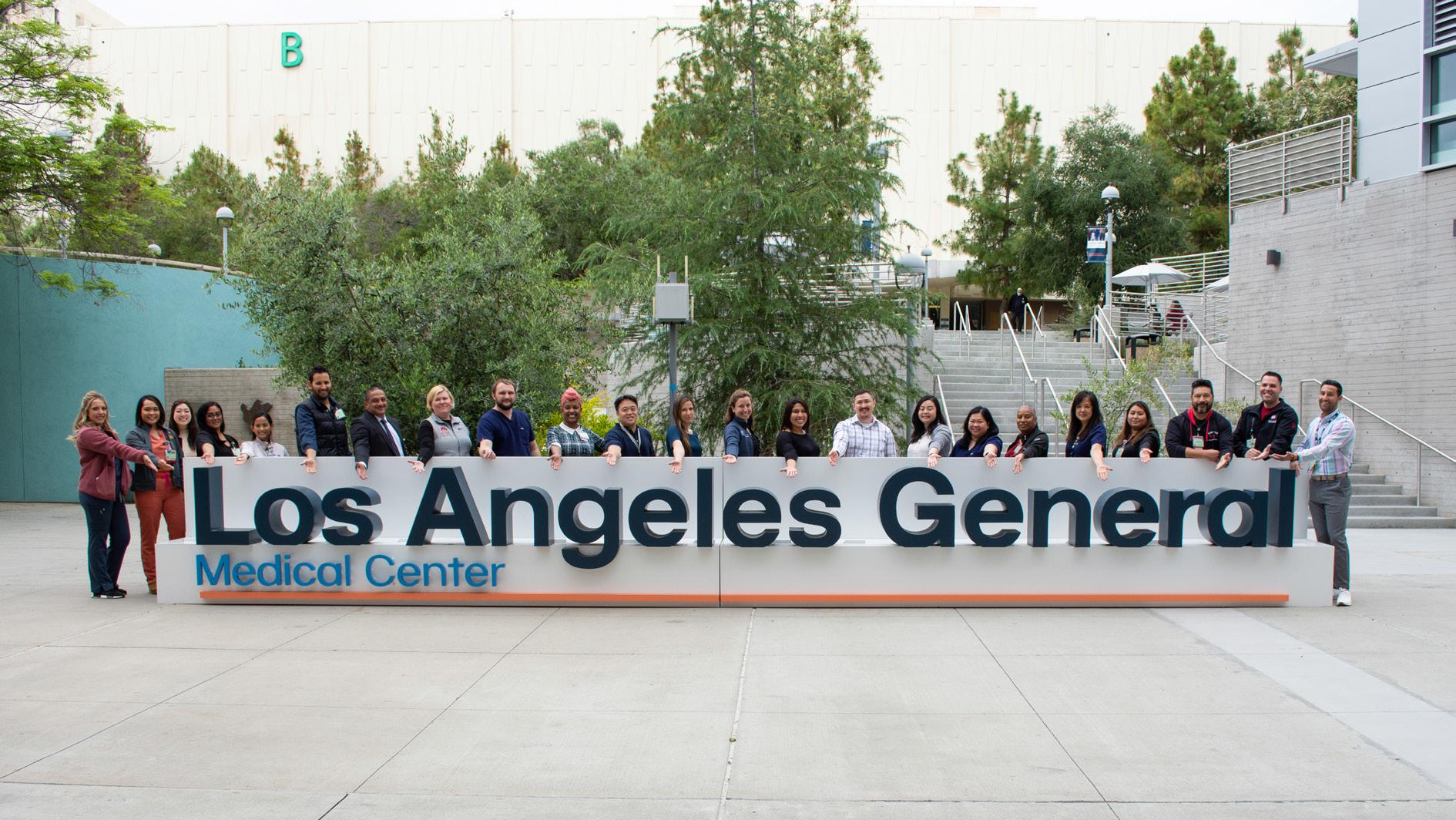
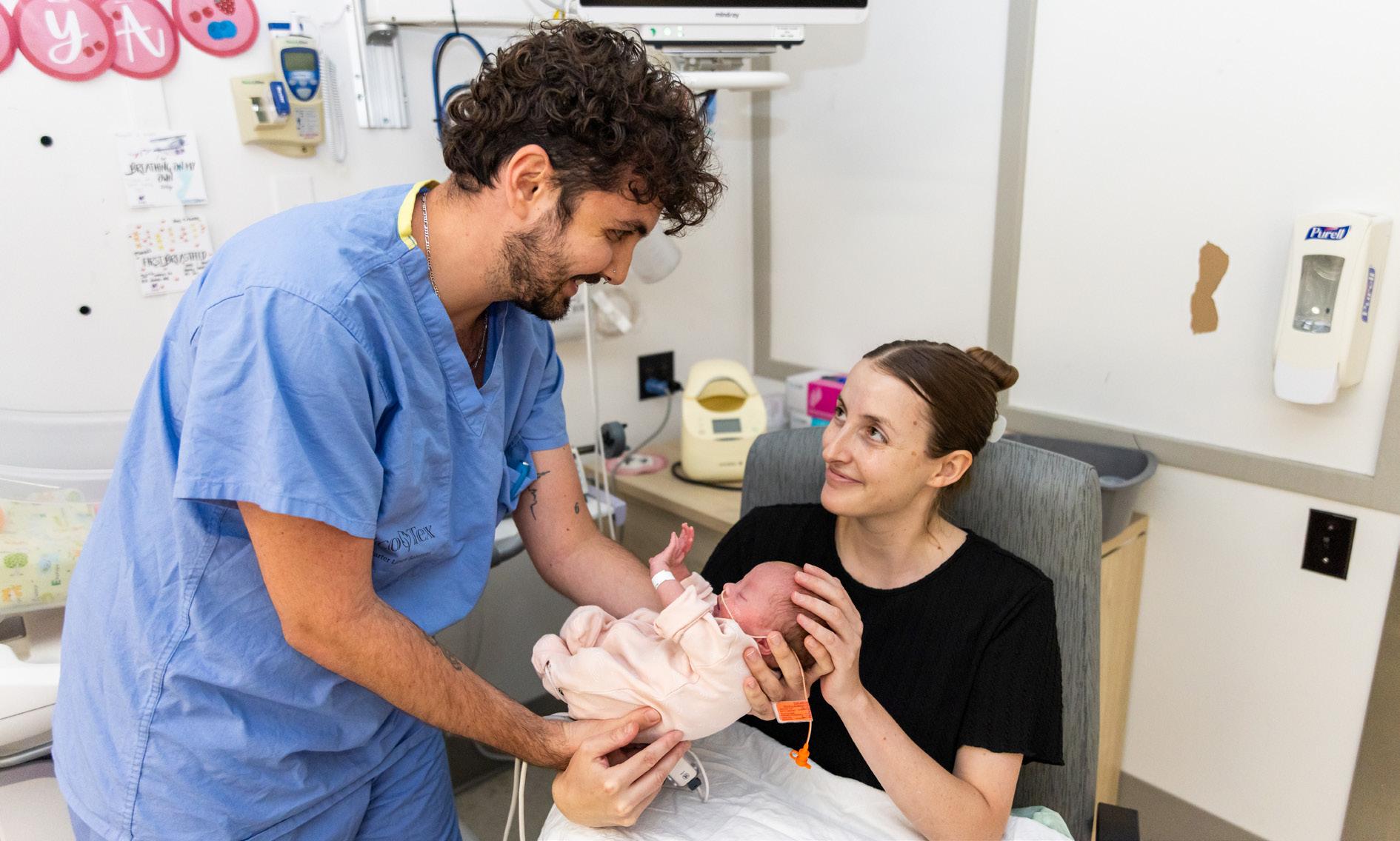
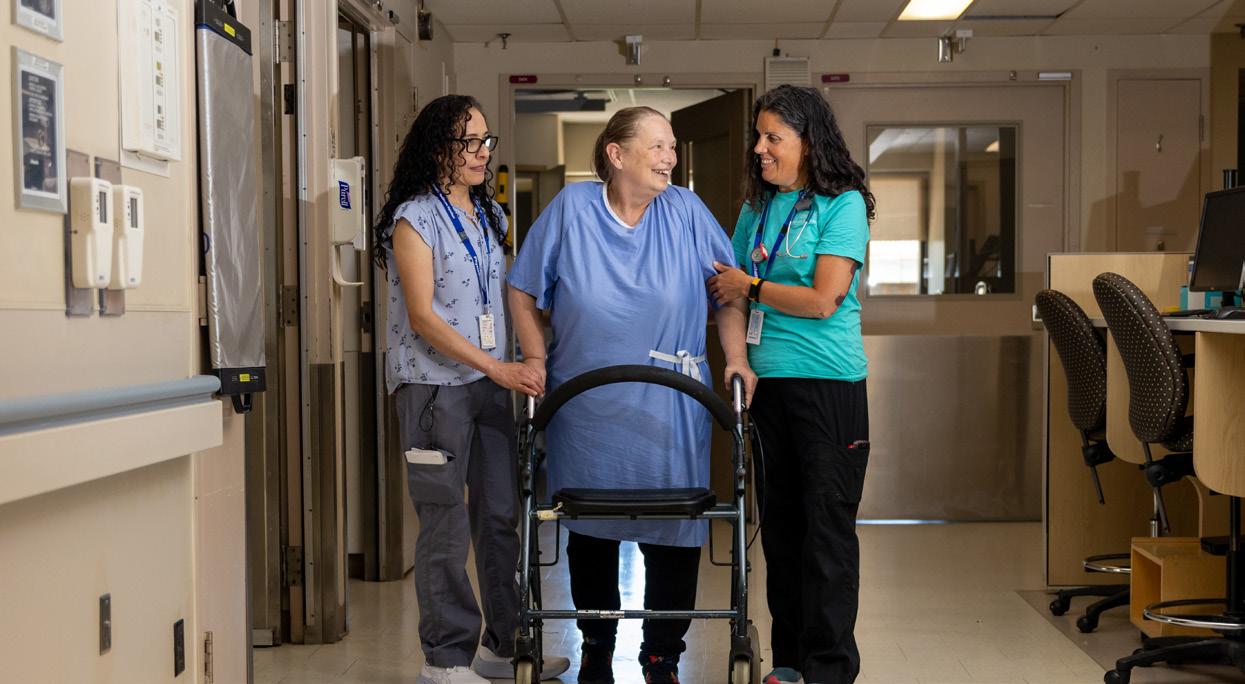
132 Los Angeles General Medical Center
Care Without Compromise World-class care for every member of the community
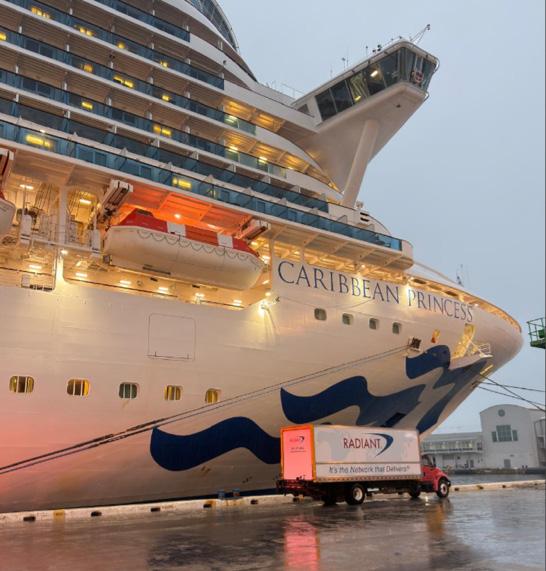
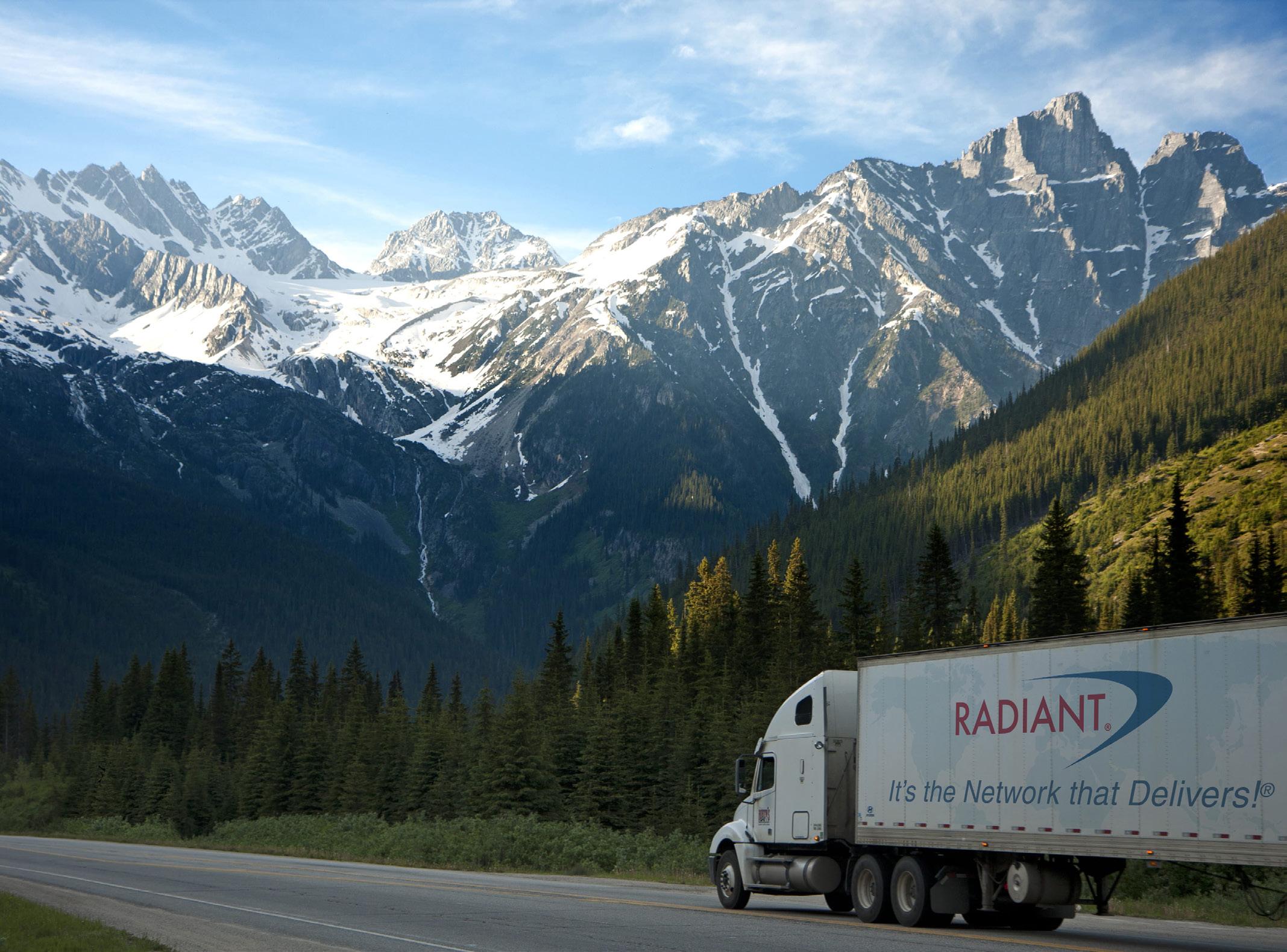
152 Radiant Logistics
The Network that Delivers Built for resilience
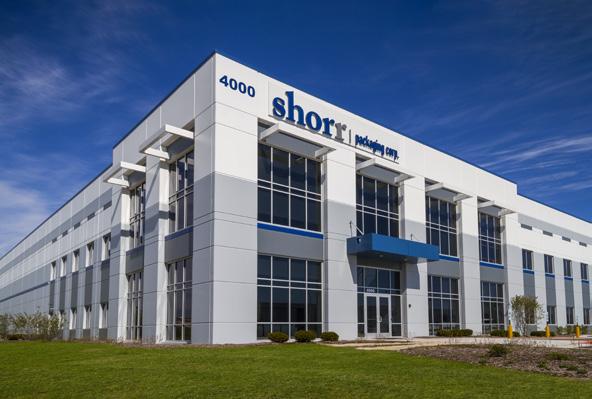
160 Shorr Packaging
A Shorr Thing
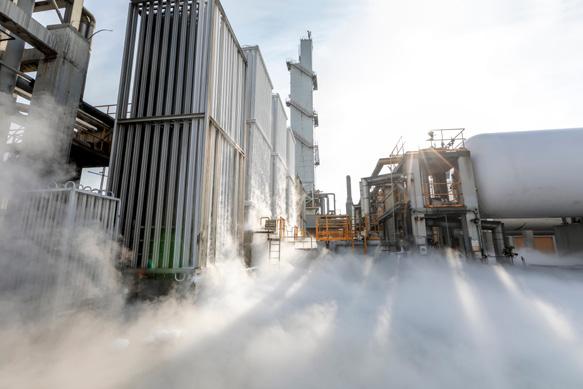
168 Chart Industries
Setting the Standard in Cooling Solutions
At the intersection of energy, industries, and innovation
The
From World Cup to Shopping Cart
Keith Zubchevich,
President
and
CEO of Conviva
– a real-time digital intelligence and experience analytics platform – discusses why understanding customer behavior is the key to delivering seamless digital experiences that build loyalty, from live sports streaming to online shopping
Writer: Keith Zubchevich, President and CEO, Conviva
Every brand has experienced a customer experience going south at exactly the wrong moment. When that happens, you have a very short window to fix it before the damage is done.
In live sports streaming, that moment has a particular intensity: when it comes to a penalty shootout, goal, or pass that you’ll tell your grandkids about, a few seconds of frozen screen for a viewer who’s been
watching for 90 minutes can be painful.
I know because I’ve worked on these events for two decades – five FIFA World Cups, 10 Olympic Games, and 14 Super Bowls.
What I’ve learned is the signals that tell you something is wrong come from watching the consumer, not the system.
Are they switching devices? Dropping and reopening the app? Pausing in a way that doesn’t look like a deliberate rewind? Each of those behaviors tells you something specific about what’s happening to their quality of experience.
This year’s FIFA World Cup has even higher stakes for US streaming providers because the tournament is being hosted across North American stadiums for the first time in 30 years.
A Harris Poll study found that half of Americans plan to watch at least one match on TV, streaming, or social media.
And more than a quarter of Americans say they only recently
started getting more interested in soccer as a result of this year’s FIFA World Cup.
As such, a live event – watched with friends at home or in a pub – creates a new category of fan in real-time, and their experience better be great!
THE SAME HOLDS TRUE IN E-COMMERCE
Just like when streaming video, how a shopper interacts with a website, app, or artificial intelligence (AI) agent tells you everything you need to create a good experience.
As a brand, your job is to read those signals and remove any friction that stands between them and a satisfying purchase.
Consider a shopper thinking about buying a couch to host friends for the World Cup. Before visiting any retailer, they ask ChatGPT:
• What length of couch do I need to seat six people comfortably?
• Is a deep couch good for hosting?
• What are the most popular cloud couch alternatives? By the time this shopper lands on a
retailer’s site, they’re not browsing –they’re confirming.
Conviva’s agent-to-agent (A2A) commerce report shows that 83 percent of AI-referred traffic in e-commerce lands on a product description page, and 100 percent of those that purchase have checked out in a single session.
Ultimately, the brand who sees the AI referral, understands the questions that led there, and removes every obstacle between shopper and checkout is the one that wins. Conversely, the brand that offers conflicting recommendations or a mismatch in price is the one that loses the customer and sours their perception.
CREATING GREAT CONSUMER EXPERIENCES
What makes this hard isn’t identifying the signals in isolationit’sunderstanding them as a sequence – a trajectory of behavior that reveals where the person is in their journey and what they need next.
The shopper who asked the agent to recommend a deep, pillowy couch and then went silent is exhibiting a different signal than one who asked the same question and immediately added the item to their cart.
The World Cup viewer who buffered briefly and kept watching is having a different experience than the one who dropped the app and reopened it from a different network. As such, the isolated event does not carry meaning – the sequence does.
For any company in the business of creating consumer experiences
– which I’d argue is every consumer brand – here’s what you need to think about as you launch new digital touchpoints:
1. Measure from the outside in.
2. Treat experience as a continuous trajectory rather than a series of discrete events.
3. Act within the window when a moment can still be saved. The technology available to brands today is truly incredible, so it should be used to create experiences that keep your customers coming back.
ABOUT THE EXPERT
Keith Zubchevich is President and CEO of Conviva, the experience analytics platform for consumerfacing AI agents, apps, and websites. Conviva has supported live digital experiences across 10 Olympic Games, 20 Super Bowls, and five FIFA World Cup tournaments.
Flavors Fit FOR WORLD CHAMPIONS
In celebration of the 2026 FIFA World Cup, which comes to a close in July, Lay’s has used soccer’s biggest cultural moment to bring fans together through potato chips
Writer: George Marsden
When Lay’s became an official sponsor of the 2026 FIFA World Cup (FWC26) in September 2024, it was the beginning of an exciting new partnership. It brings together two titans of potato chips and sports, with Lay’s being among the world’s favorite potato chip brands, and the FIFA World Cup being the most-viewed sporting event globally.
As an official sponsor, the PepsiCo-owned brand has built on
its commitment to celebrating the soccer fandom.
The FWC26 partnership marks a significant milestone for Lay’s and its ambition to embed the company’s extended portfolio of food brands deeper into soccer culture.
Soccer is one of the world’s biggest passion points, and this historic partnership has allowed Lay’s to bring the excitement and reach of the FIFA World Cup together with the joy and fun of its iconic brands across the globe.
HISTORY-MAKING TOURNAMENT
Soccer is among the fastest-growing sports in the US, and FWC26 has brought its showpiece event back to North America, which last hosted the tournament in 1994.
It is the first-ever edition of the FIFA World Cup to feature 48 teams and be hosted across three countries – Canada, Mexico, and the US –prominent markets for Lay’s.
In the latter, every bag of
Lay’s is made from its very own chipperfecting potatoes, grown on over 100 farms across the US and a handful in Canada.
There are more than 4,000 registered potato varieties in the world, however only a select few are good enough to become a Lay’s potato chip. The company spends years creating the best potato for farmers to grow that can deliver the perfect crispiness, flavor, and golden glow when sliced
For the biggest FIFA World
Cup in history, Lay’s potato chips have been a central part of how fans all over the world have enjoyed and experienced the action.
This history-making tournament has seen soccer fans rewarded by Lay’s in unexpected ways, bringing them closer to the beautiful game than ever before with exclusive experiences, consumer activations, and more.
FWC26 THROUGH FOOD
Lay’s has broken new ground at FWC26 by recognizing and rewarding the ‘Fan of the Match’ at every game. Introduced in March, a total of 104 winners received premium tickets,
pitch-side access at the end of the match, and a custom trophy during the tournament thanks to this groundbreaking program.
Ahead of FWC26, Lay’s also introduced 40 limited-edition flavors inspired by global cuisine across North America, South America, Europe, Africa, and Asia in celebration of the tournament. The international line-up was designed to let fans experience FWC26 through food. In the US,
for example, consumers have been able to experience flavors such as Argentinian-Style Steak with Chimichurri, Brazilian-Style Garlic Sauce, and Wavy French Onion Soup. Outside the US, select regions have been snacking on limited-edition Canadian-Style Maple Caramel,
English Bangers and Mash, Mexican Tacos, and Portuguese Chorizo and Onion potato chips, among many other flavors inspired by iconic dishes.
FWC26 – IN NUMBERS
Three host nations: Canada, Mexico, and the US
16 host cities: Toronto, Vancouver (Canada); Guadalajara, Mexico City, Monterrey (Mexico); Atlanta, Boston, Dallas, Kansas City, Houston, Los Angeles, Miami, New York/New Jersey, Philadelphia, San Francisco Bay Area, Seattle (US)
48 teams
104 matches
FAMOUS FACES
Canada has been the only global market to feature soccer stars on Lay’s packaging, including Thierry Henry, Lionel Messi, and David Beckham – each paired with a flavor that brings their nation’s taste to life. Henry, Messi, and Beckham are not just faces on a bag, however –they have also been central figures in the global ‘No Lay’s, No Game’ platform, uniting the trio alongside fellow icons to celebrate the love of the game. No Lay’s, No Game entered its fourth year, running across nearly 90 international markets, while the newly launched
US-specific ‘Bandwagon’ campaign welcomed casual soccer fans during FWC26.
As the tournament nears its conclusion, Lay’s has brought fans together through food and soccer during the tournament, creating shared moments around the world’s biggest sporting event – on and off the pitch.
GREATER READINESS
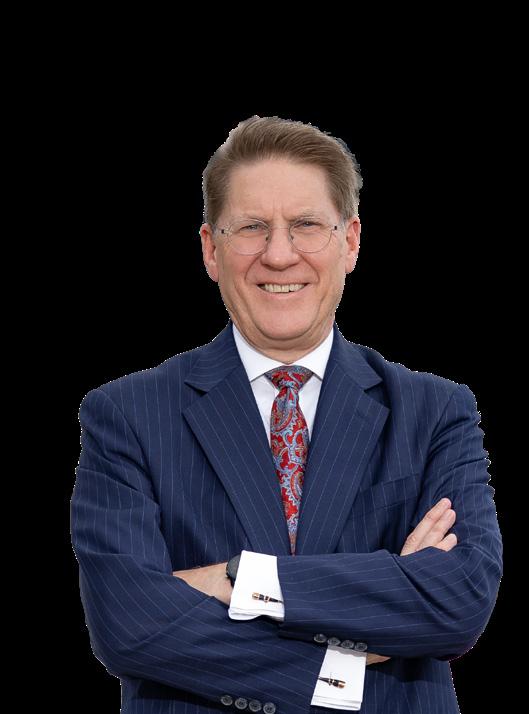
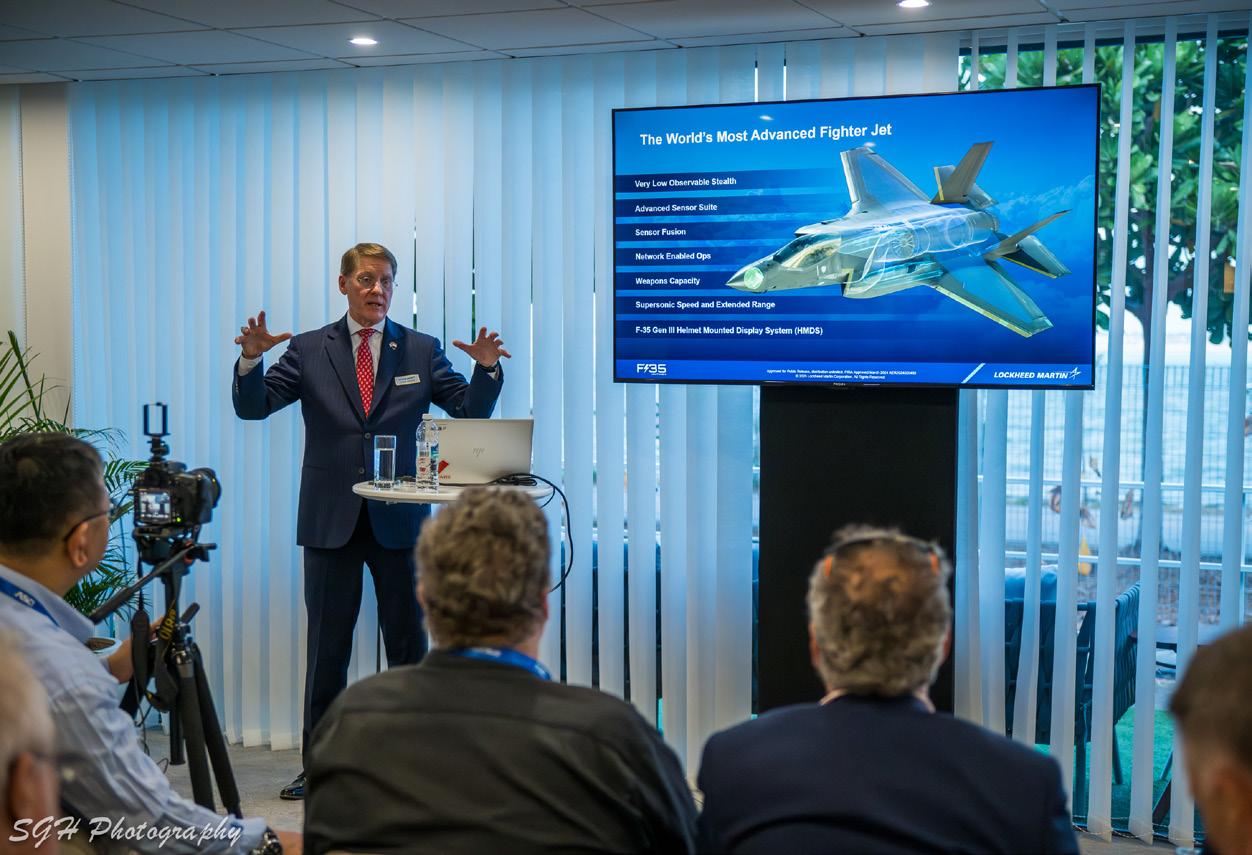
Lockheed Martin Aeronautics delivers innovative solutions to support ever-evolving mission needs. We speak to Vice President of International Business Development, Stephen Sheehy, about an exciting wave of next-generation innovation
Writer: Ed Budds
Lockheed Martin is a US defense and aerospace manufacturer headquartered in North Bethesda, Maryland.
Its largest operating unit, generating over $30 billion in annual sales, is Lockheed Martin Aeronautics, which specializes in the research, design, development, and manufacture of advanced military aircraft, uncrewed systems, and related sustainment technologies.
The storied career of Vice President of International Business Development, Stephen Sheehy, can be broken into two distinct portions – 25-and-a-half years in the US Air Force (USAF) and 16 years with Lockheed Martin.
“I was hired as part of the F-35 Sustainment Program team, where I focused on the F-35 international partners – Australia, Canada, Denmark, Italy, the Netherlands, Norway, and the UK.
“In several F-35 sustainment positions, I interacted directly with our customers and developed the F-35 Integrated Sustainment Plan for each user. These nationally focused plans linked national sovereign requirements and ambitions with the common sustainment system,” he introduces.
Following that, Sheehy started his career in business development as Director for F-35 Sustainment.
In this role, he was responsible for developing and winning sustainment
solutions for F-35 captures such as Belgium, Poland, Finland, and Switzerland.
“When Lockheed Martin made a large pivot to make sustainment a strategic pillar of the company, I was selected to stand up the first-ever business development team focused on generating sustainment business,” Sheehy recalls.
Here, he built a global team from scratch for the development of integrated sustainment solutions for both US and international customers, ensuring these solutions met national requirements at an affordable cost.
Then, in January of 2025, Sheehy became the lead of Lockheed Martin Aeronautics’ Global Pursuit team.
“In this role, I oversee all international new business initiatives within Aeronautics and act as the main point of contact and senior advisor for crucial customer relationships.
“One of the primary objectives of my position is to cultivate and sustain long-term relationships with key decision-makers, potential business partners and, most importantly, the end-users of our company’s products,” he outlines.
INTERNATIONAL DEVELOPMENT
As the lead for Lockheed Martin’s international business development team, Sheehy’s role starts with understanding the customer.
“First, I need to understand what our customers need for their nation to obtain their goals, what they’re flying today, what their fleet readiness is, how long they’ve been flying these aircraft, and what kind of missions they fly,” he explains.
“Second, I want to understand their defense force vision for the future –where do they want to be in five, 10, or 15 years? In that vision, what are their priorities? Is a fighter force more or less important than an airlifter, or is modifying an aircraft more important to them than recapitalising their current fleet?”
“One of the primary objectives of my position is to cultivate and sustain long-term relationships with key decision-makers, potential business partners and, most importantly, the endusers of our company’s products”
– STEPHEN SHEEHY, VICE PRESIDENT OF INTERNATIONAL BUSINESS DEVELOPMENT, LOCKHEED MARTIN AERONAUTICS
The third pillar in understanding the customer is to determine what they value, which drives Sheehy to understand them culturally.
Then, the final part of his job is knowing the difference between a good and bad business deal, from both a customer and Lockheed Martin point of view.
“My team must have solid business acumen – this starts with working with the customer. We need to understand the budgetary cycle or how they obtain money for acquisitions.
“Along with the business acumen, I need to understand the customers’ acquisition or procurement methods; how do they buy military assets and what is their budget?” Sheehy sets out.
SUSTAINING PLATFORMS
In the vast and multifaceted aircraft business, there is a lifecycle that Sheehy knows he must be aware of.
“The general lifecycle for a platform is divided this way – 30 percent of the cost of an aircraft is buying the platform, while 70 percent of the cost is in sustaining it. To help your customer in both a financial and readiness way, you need to focus on helping them to sustain their platforms,” he expands.
“It is vital to start focusing on the aircraft sustainment portion when you begin a sale of the aircraft. It is always cheaper to design in sustainment early in a program than add it in later.”
As the F-35 competes around the globe, each nation has determined the aircraft has the lowest lifecycle cost because of its cost-efficient sustainment system that is built in from the beginning.
“The bottom line is, the best way to sell more aircraft is to help our customers keep their current aircraft flying,” acknowledges Sheehy.
HERCULEAN EFFORT
Continuous improvement is a core factor of Lockheed Martin’s operational culture.
CAN YOU TELL US ABOUT YOUR YEARS IN THE USAF AND WHY AIRCRAFT ENGINEERING IS IN YOUR BLOOD?
Stephen Sheehy, Vice President of International Business Development:
“In May 1984, I graduated from the USAF Academy with a Bachelor of Science in Engineering. I then served more than 25 years in the USAF as an Aircraft Maintenance Officer.
“My career took me around the globe across a plethora of varying roles, with operational assignments and deployments in the US, Germany, Italy, UK, Turkey, Saudi Arabia, and South Korea.
“I retired from the USAF in 2009 as a Colonel and the 9th Maintenance Group Commander at the Beale Air Force Base in California.
“What I learned in the USAF has truly made me the leader I am today. It taught me at a young age that any person can have a great idea, and you should listen to everyone regardless of their rank or position.
“I also learned that people excel when they are given a task and held responsible for that task. One of my leadership guideposts comes from General George S. Patton – “Never tell people how to do things. Tell them what to do and they will surprise you with their ingenuity.”
“People are the difference between success and failure. As a leader, in the USAF or at Lockheed Martin, success is based on how you treat and inspire people.”
The C-130 Hercules is a four-engine turboprop military transport aircraft, renowned globally as the ultimate tactical airlifter – living proof that continuous improvement works.
“The C-130 production line is the longest operating military production line in the world – it has been producing aircraft for more than 75 years. In that time, the outer mold line or shape of the aircraft hasn’t really changed as its design is optimal for a tactical airlifter,” Sheehy tells us.
It can land on short runways in the high altitudes of mountain towns or fly transoceanic cargo runs with low fuel usage.
Then, the aircraft can land on a desert dirt strip to insert Special Ops troops in the middle of the night.
“Over the years, we have upgraded
the engines and props for more speed while burning less fuel, upgraded the cargo loading system to reduce transition time between missions, and updated the cockpit, which reduces the number of crew members needed to only two,” he states.
All this is the perfect example of continuous improvement with proven historical success.
GREATER READINESS
For Lockheed Martin, greater readiness is rooted in continuous improvement.
“We must continually analyse the next threat and update our platforms to outpace that threat. At the same time, we need to engage our customers and see how they’re using our platforms,” Sheehy muses.
Lockheed Martin really learns what its platforms can do once operators get their hands on them.
Both pilots and maintainers are using these platforms in ways the company has never thought of before, meaning Lockheed Martin learns from what they are doing and improves on those capability multipliers.
“We also need continuous improvement solutions that can reduce manpower, decrease time to repair, or increase part reliability. Each of those items increases readiness but also reduces the lifecycle cost,” explains Sheehy.
Meanwhile, Lockheed Martin is also looking at what it can do at the point of impact. This means developing systems using augmented reality, artificial intelligence (AI), optimized
“Ensuring I fully meet every customer requirement and honor all our commitments is my unequivocal priority”
– STEPHEN SHEEHY, VICE PRESIDENT OF INTERNATIONAL BUSINESS DEVELOPMENT, LOCKHEED MARTIN AERONAUTICS
supply chain software, and advanced computing to multiply the ability of a single maintainer.
“We have systems that allow the maintainer to see through the skin of the aircraft or allow AI to predict when a part is going to fail and get it to the maintainer before they know they need it,” he continues.
Harnessing this type of technology on the flightline improves greater readiness in brand-new ways.
A LOYAL NEW WINGMAN
One of the latest ongoing projects for Lockheed Martin is its Lockheed Martin Vectis™ combat collaborative aircraft, a platform designed to be autonomous and a loyal wingman to the F-35.
“Vectis™ is designed to have multirole capability with common outer mold line and modular payload bays so a single platform can conduct airto-air, air-to-ground, and intelligence,
surveillance, and reconnaissance (ISR) missions,” Sheehy acclaims.
Operating in a multi-domain connectivity, Vectis™ will enhance situational awareness and act as a force multiplier for air, land, and sea forces.
“We will be able to rapidly upgrade Vectis™ through open architecture and staying connected to the US government reference architecture. It will be survivable and lethal because of its low observable or stealth design,” he finishes proudly.
By using advanced design and manufacturing techniques, Lockheed Martin will ensure Vectis™ remains affordable.
LOCKHEED MARTIN MANUFACTURING
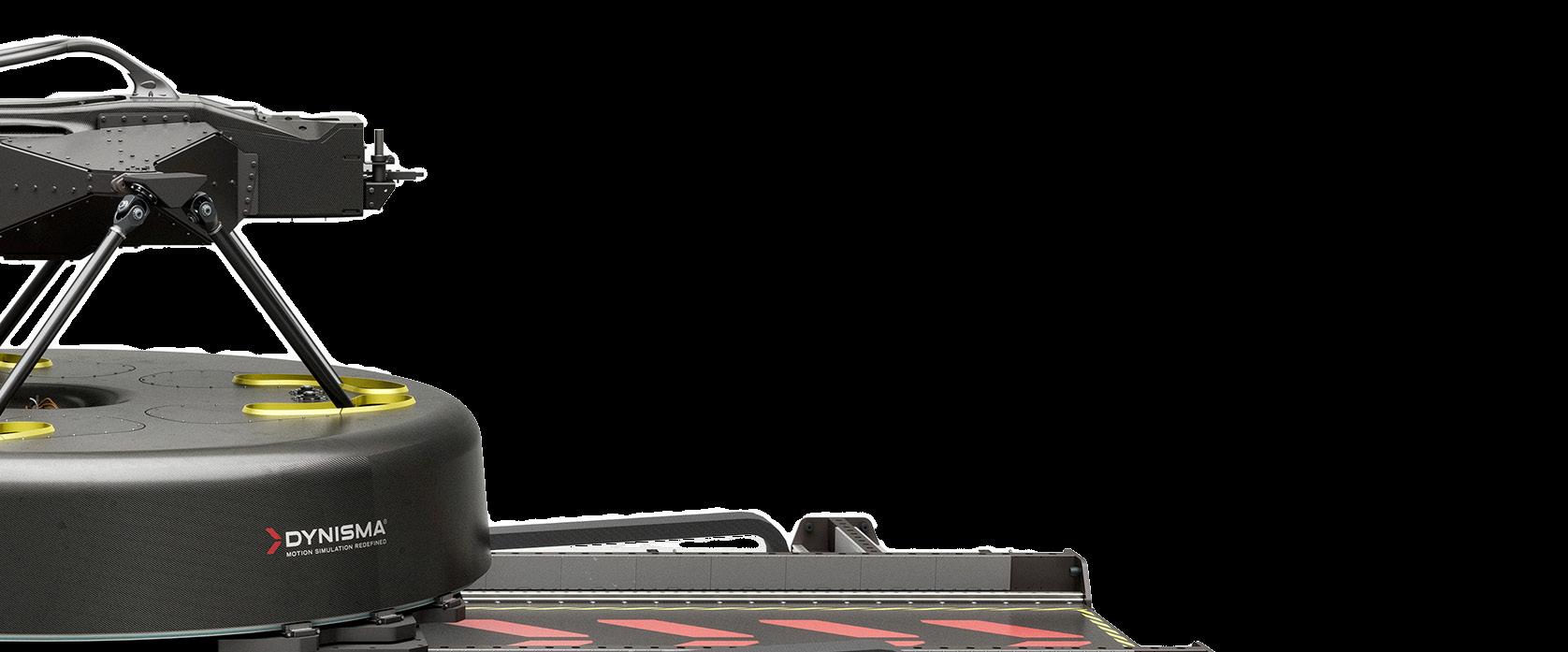
Motion Simulation Redefined
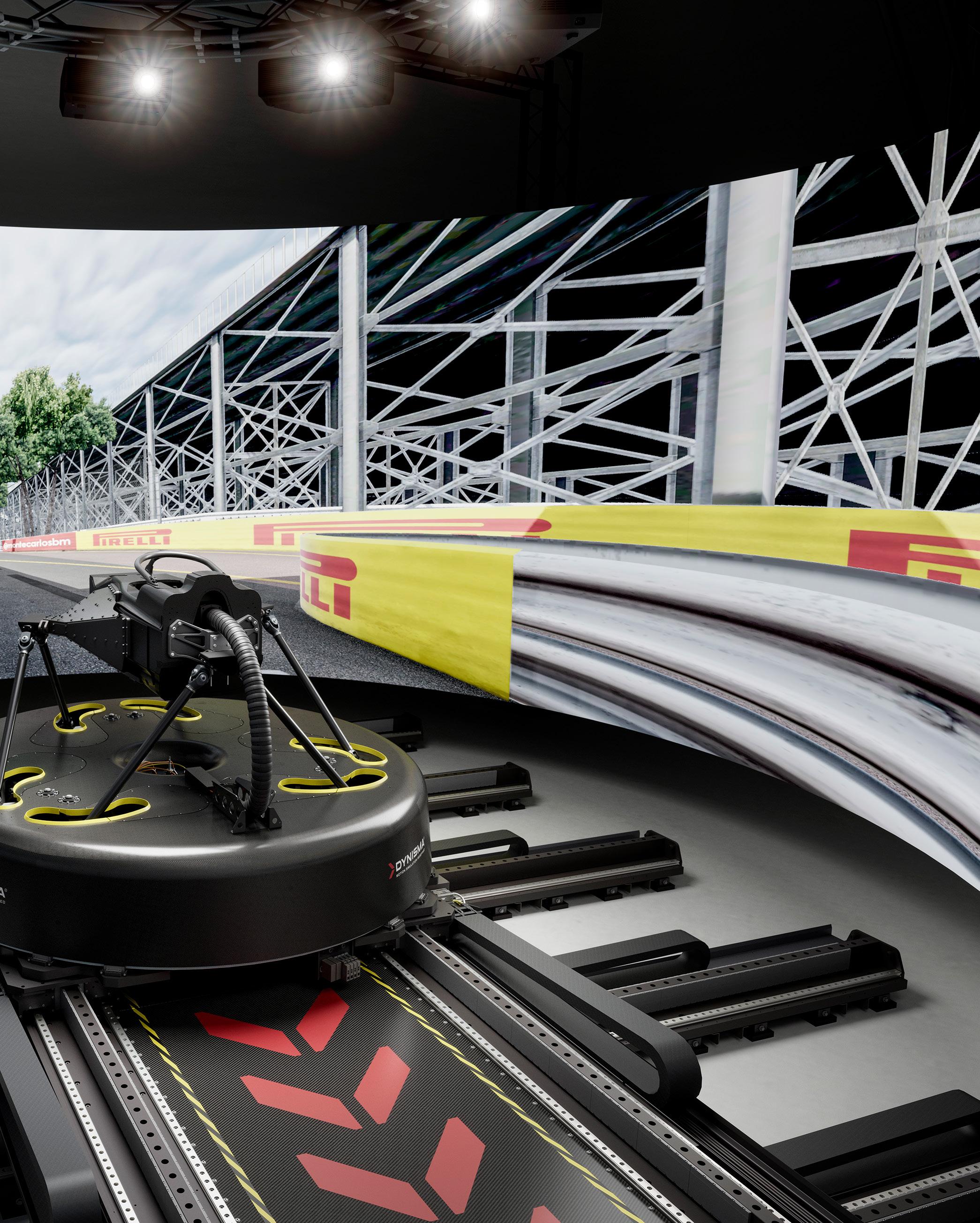
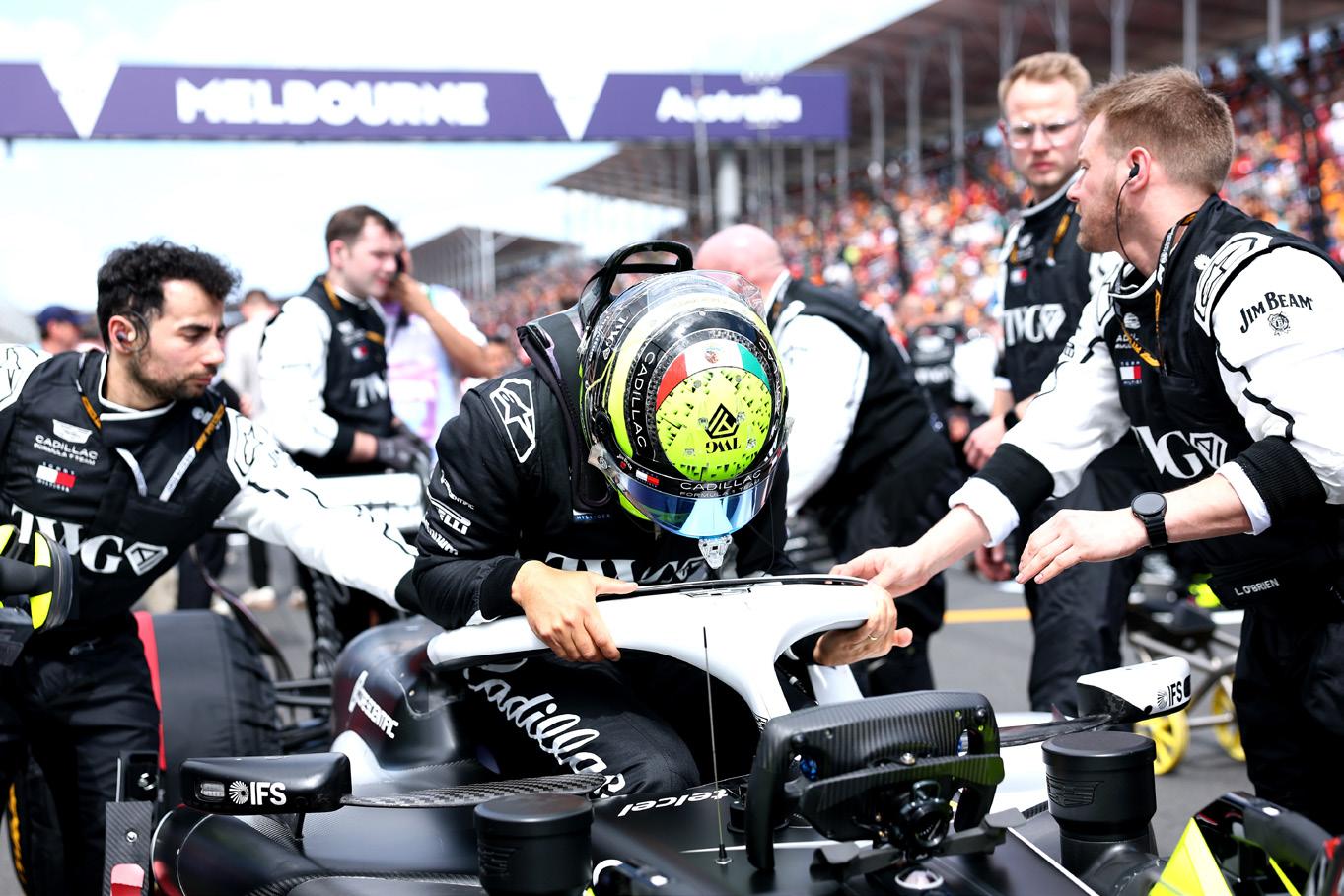
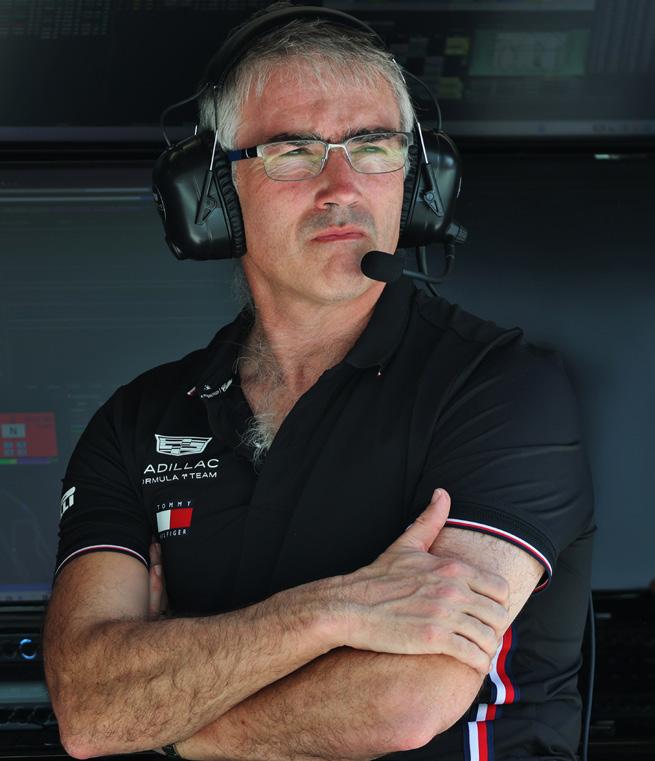
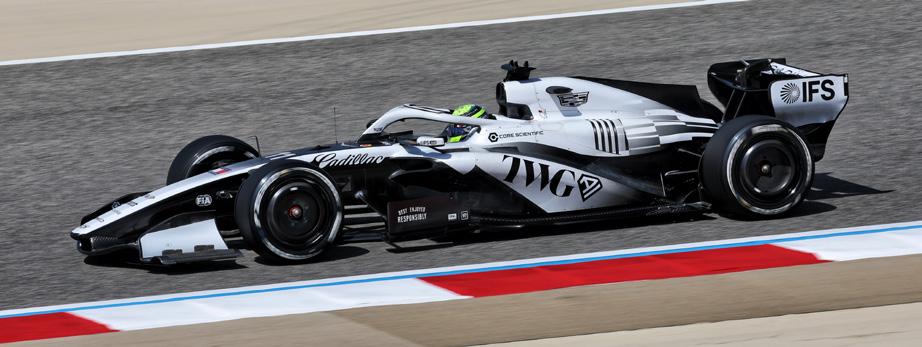
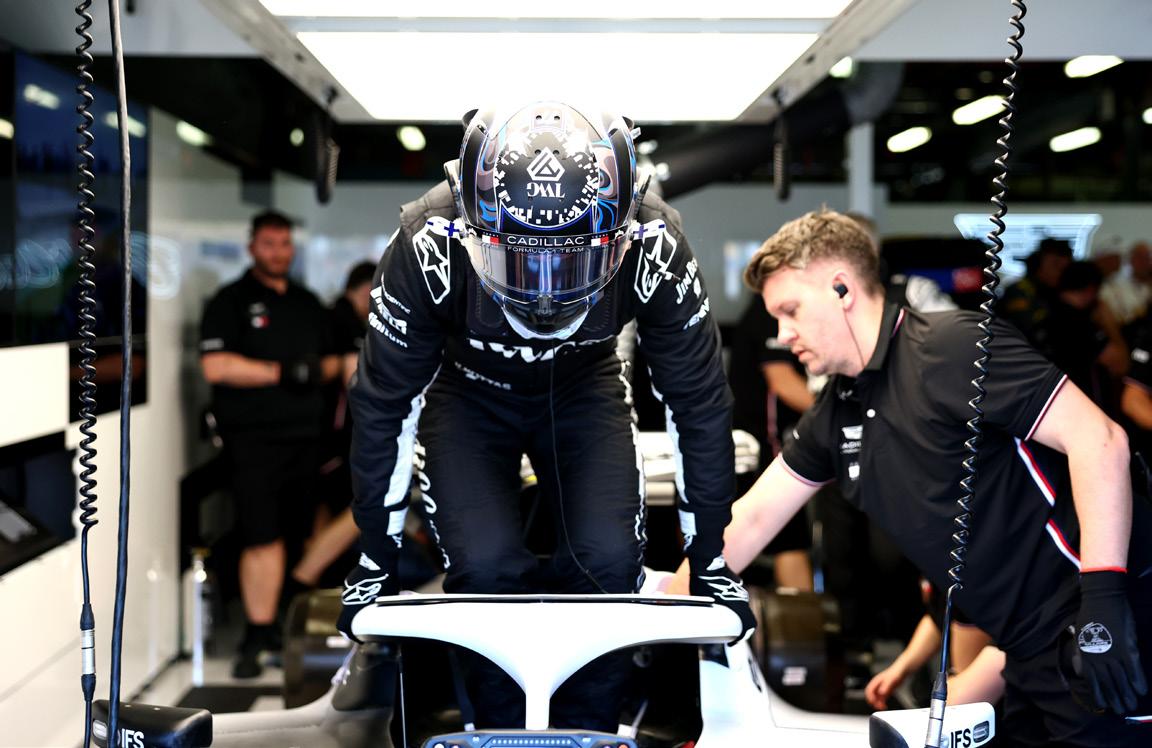
In modern motorsport, the right simulator is no longer optional – it’s a competitive advantage and performance-critical engineering tool. Formula 1’s newest team, Cadillac, has selected Dynisma to supply its advanced driving simulator technology, an investment that forms part of the team’s growing technology and infrastructure capability
Writer: Jack Salter
Cadillac is one of the oldest and most famous automotive names in the US, setting the standard of American luxury for more than a century.
Established in 1902, it was named after Antoine de la Mothe Cadillac, the French explorer who founded Detroit, Michigan, with the badge based on his coat of arms.
By the end of the decade, it had been acquired by automotive giant General Motors (GM), the world’s largest motor vehicle manufacturer for much of the 20th and early 21st centuries.
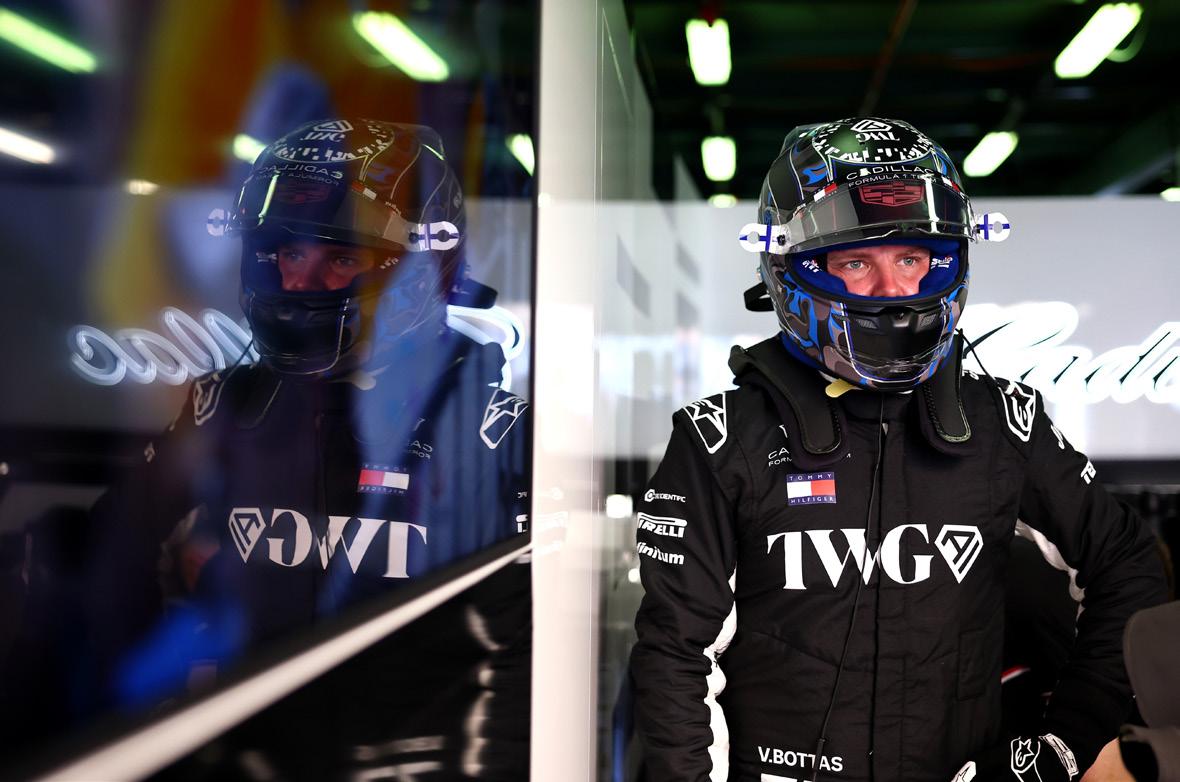
Backed by GM, the Cadillac brand is now making its long-awaited Formula 1 (F1) debut, having joined the grid for the 2026 season as the sport’s 11th team – the first new
entrant since fellow US outfit Haas a decade ago.
Cadillac is headquartered in the motorsport haven of Indianapolis, Indiana (IN), with additional bases in Charlotte, North Carolina (NC) and Silverstone, UK.
IN is a key part of the team’s expanding multi-site operation, where Cadillac has selected Dynisma to supply its advanced driving simulator technology.
CORRELATION, SPEED, AND ACCURACY
Simulation plays a central role in connecting driver feedback with engineering development and ensuring correlation between virtual tools, wind tunnels, and track testing.
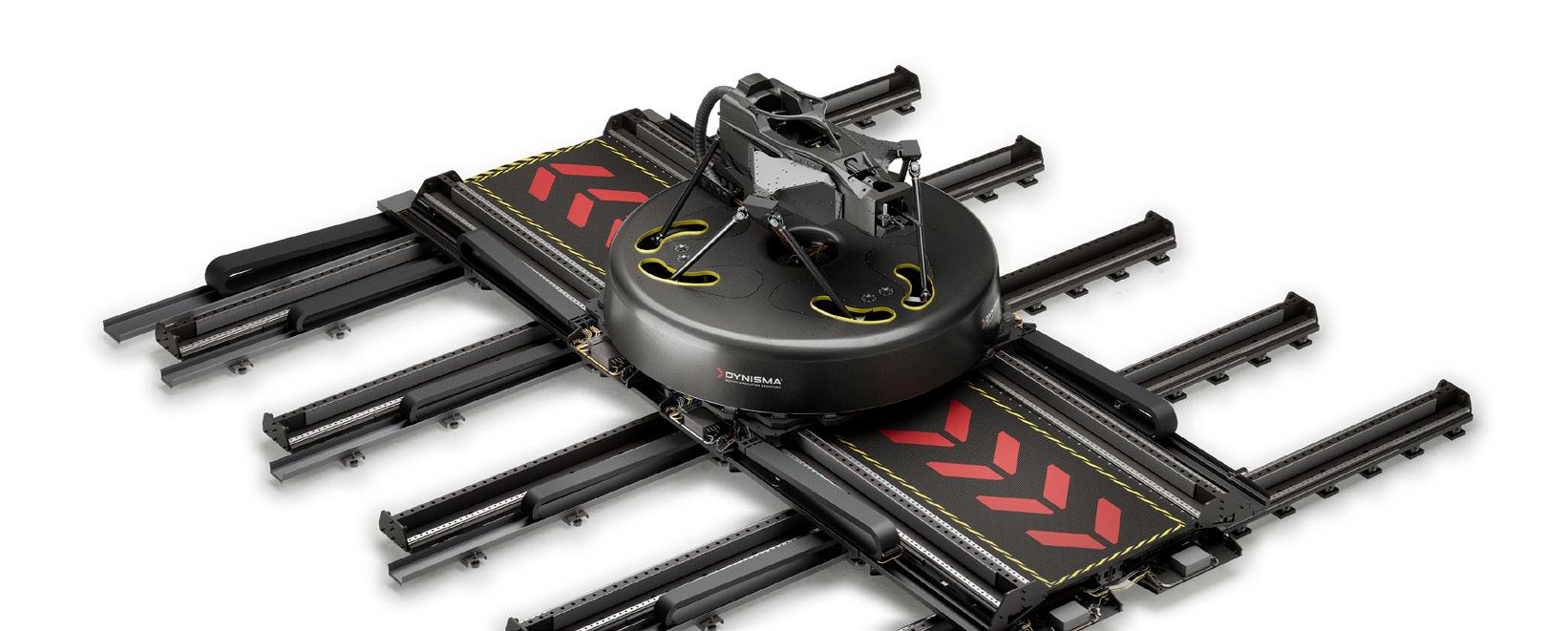
DMG-360XY APPLICATIONS
VEHICLE DYNAMICS – Full lifecycle development of chassis, tires, aero balance and control systems.
CORRELATION AND VALIDATION – Match simulator data with computational fluid dynamics (CFD), wind tunnel, and test data with complete confidence.
DRIVER TRAINING AND PREPARATION – Authentic stability cues allow drivers to develop braking, cornering, and oversteer control at the limit of grip.
RACE WEEKEND PREPARATION – Simulate race starts, pit entry and exit, tire degradation, and virtual safety car conditions.
ENERGY AND TIRE MANAGEMENT – Replicate complex strategies to refine driver input and team planning.
FUTURE RACE CAR DEVELOPMENT – Accelerate design and testing programs in line with FIA regulations and restricted track testing.
ENDURANCE PREPARATION – Long-duration training with realistic lateral and yaw cues to build race readiness.
HIL – Connecting the simulator to software-in-theloop (SIL) and hardware-in-the-loop (HIL).
DMG-360XY BENEFITS
INFINITE YAW WITH ULTRA-LOW LATENCY AND HIGH BANDWIDTH – Eliminates washouts and recentering miscues, delivering perfect yaw stability cues.
IMMERSIVE REALISM – Unlimited yaw and 5 m of XY travel replicate both acceleration and stability feedback with unmatched accuracy.
ENHANCED OVERSTEER CUES – Drivers never lose vital stability information during critical maneuvers.
OBJECTIVE TRAINING AND TESTING – Deliver repeatable, high-fidelity scenarios across multiple drivers.
TRUSTED AT THE TOP – Chosen by leading F1 teams such as Cadillac to gain a competitive edge.
ACCELERATED RACE PREPARATION vehicle setup, strategy, and driver performance before arriving at the track.
USED TO WIN championship-winning environments.
With accurate correlation, light detection and ranging (LiDAR)-scanned circuits, and deterministic testing, teams can optimize vehicle dynamics, refine driver input, and accelerate development across the full race season.
Dynisma is a global leader in engineering world-class full-motion simulators, utilizing its unique patented motion technology across a range of systems trusted by many of the world’s top automotive and motorsport brands across multiple categories, including F1.
The company’s technology is built for elite motorsport environments where correlation, speed, and accuracy define results, providing the highest levels of performance.
It supplies turnkey driver-in-the-loop (DIL) simulators for motorsport programs, enabling teams to develop faster,
professional-grade realism and repeatability.
Engineered to deliver responsive, accurate, and highfidelity motion response, Dynisma Motion Generators (DMGs) enable the levels of realism correlation required for modern DIL simulation.
This is made possible through ultra-low latency and high bandwidth from primary motion, transmitting critical feedback such as kerb strikes, weight transfer, vibration cues, and stability changes at the limit of grip.
DMGs therefore support natural driver perception, eliminate common miscues, and enable repeatable engineering validation that reduces reliance on costly track testing.
KEY INVESTMENT
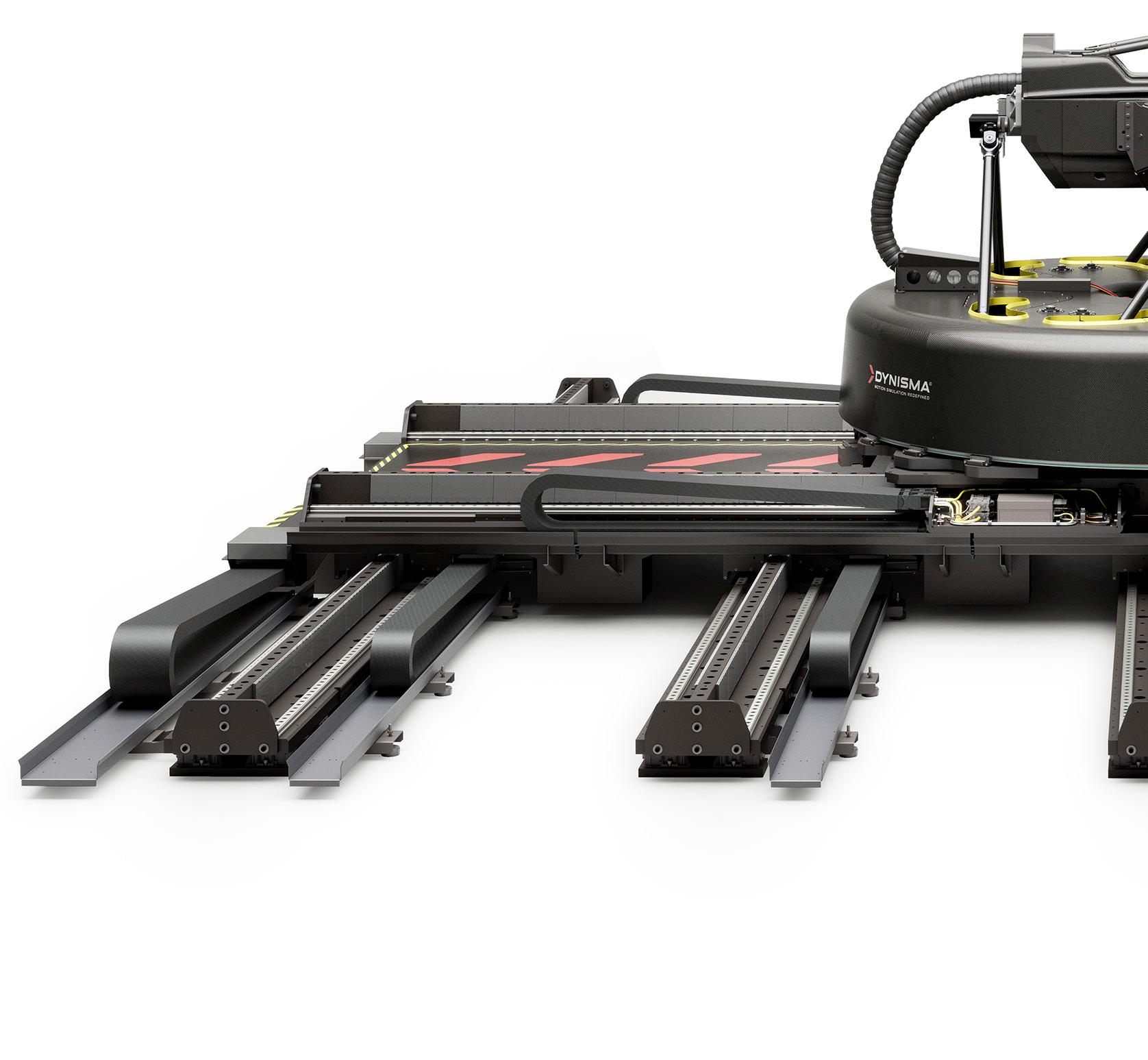
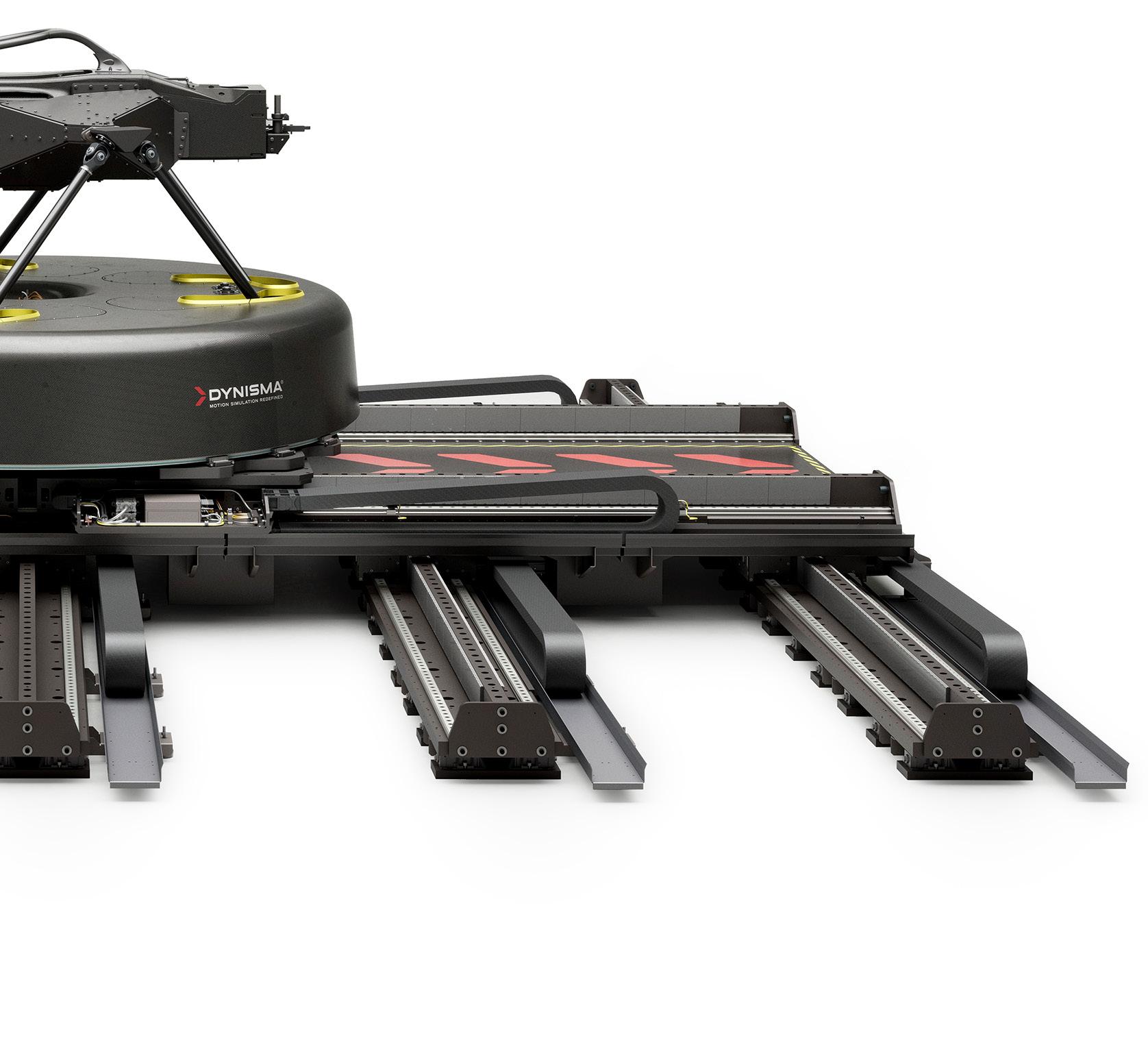
Dynisma is supplying its top-of-the-range DMG-360XY driving simulator to Cadillac, supporting the team’s investment in the innovative technology and infrastructure it needs to be competitive in elite motorsport.
The DMG-360XY is the pinnacle of Dynisma’s motion platform range, trusted to deliver the most immersive and accurate driving simulation available.
With a large excursion capability of up to five meters (m) of XY travel and unlimited yaw, the system provides an advanced platform for replicating complex vehicle
dynamics and driver feedback.
It will support a range of Cadillac applications, including vehicle development, driver preparation, and setup work.
The addition of Dynisma’s DMG-360XY, combined with the latest LED wall visualization technology, represents a further investment in technical capability as F1 continues through a new regulatory era in 2026, bringing fundamental changes to car behavior, power unit characteristics, and aerodynamic performance.
As F1’s newest team, the DMG-360XY will be a key investment to build Cadillac’s long-term performance capability.
It’s an important step as the team establishes the tools and systems needed to support its engineering work and driver program over the coming seasons.
Legacy Systems: What is the secret of transitioning from legacy systems to a modern supply chain solution?
In this edition, we invite business leaders from across the North American supply chain sector to give their views on the same question
LEANNE TAYLOR CEO, Syspro
Most supply chain failures come down to one thing: the people closest to the problem are working with outdated information. That’s the real cost of a legacy system. Not the software, but the lag between what’s happening and what you can act on.
The instinct is to replace everything, but a full enterprise resource planning (ERP) overhaul disrupts the operations you’re trying to improve. The better move is a phased transition that protects what you’ve built while moving toward a platform that can do more. This is where artificial intelligence (AI) earns its place, and where the choice of ERP matters. The best platforms build AI directly into the workflow so that it already understands your data, processes, and business context. Demand shifts surface as recommendations before a planning meeting is called. Supplier risk triggers a response before a report flags it. The system stops recording what happened and starts telling you what to do next.
But technology only delivers if people can act on it. AI handles signal at scale. Your team handles context: the relationship that changes how you manage a shortfall, the supplier you know is struggling before the numbers show it. The right ERP brings both together.
www.syspro.com
TULSI NARAYAN
Executive Vice President, Commercial and New Payment Flows, Europe, Mastercard
Tulsi Narayan is Executive Vice President, Commercial and New Payment Flows, Europe at Mastercard, responsible for helping businesses modernize the way money moves through more seamless, secure, and digital business-to-business (B2B) and cross-border payment solutions, enabling more efficient operations across complex supply chains and payment ecosystems.
Transitioning from legacy systems to a modern supply chain solution starts with recognizing that payments are no longer just a back-office function, but a critical enabler of supply chain performance.
Many organizations still rely on fragmented, manual processes that create friction, limit visibility, and slow cash flow. As supply chains become more digital and
NISHITH RASTOGI CEO and co-Founder, Locus
Nishith Rastogi is the CEO and co-Founder of Locus, where he leads global strategy, innovation, and product development. Before
interconnected, these inefficiencies become more apparent.
The most effective transformations focus on integration rather than replacement. By embedding digital payment capabilities into existing procurement platforms and workflows, organizations can automate invoice approvals, accelerate settlement, and eliminate many of the manual touchpoints that can slow down operations.
Organizations making this shift are already seeing results, with 73 percent of European businesses reporting improved cash flow visibility and 71 percent achieving cost savings through embedded finance.
Equally important is bringing teams on the journey early. When they understand the benefits, from faster payments and reconciliation to enhanced security and data-driven insights, adoption becomes significantly easier.
Ultimately, with the right processes in place, modern, digital payment solutions become a lever for improving working capital, strengthening supplier relationships, and helping organizations build better connected, more agile supply chains.
www.mastercard.com
allow routing, carrier allocation, and capacity decisions to adapt in real time while existing systems remain in place.
Governance is equally important. Businesses need visibility into how decisions are made, clear operational guardrails, and defined points for human intervention. These controls create the trust required to deploy AI across critical supply chain processes.
SHABBIR DAHOD
President and CEO, TraceLink
Shabbir Dahod co-founded TraceLink in 2009 to help transform the global life sciences and healthcare supply chain through cloud-based, networked digitalization. With more than 40 years of experience, he has helped drive the shift from fragmented systems to intelligent business networks.
The transition from legacy supply chain systems is no longer primarily about upgrading software. It is about building an agentic supply chain operating model where humans and AI agents can coordinate work across the end-to-end network in real time.
Most legacy environments are not limited by old technology alone. They are limited by fragmented data, disconnected processes, and the operational friction created when teams must stop work to reconcile information, investigate exceptions, confirm commitments, or manually coordinate with partners before execution can move forward.
Modernization begins by integrating existing systems and trading partners into a shared digital and operational foundation. That foundation combines standardized business transactions, trusted real-time network data, metadata, and semantic reasoning capabilities that allow AI agents to operate with business context and governed decision-making.
In this model, AI agents can monitor conditions, validate transactions, identify risks, recommend actions, and advance approved next steps within defined operational and compliance boundaries whilst working alongside human teams.
The real secret is that modern supply chain execution does not come from adding more disconnected systems. It comes from removing the friction that prevents work from moving across partners, processes, and enterprises – and creating the foundation for intelligent, agentic orchestration at scale.
TraceLink
TraceLink is the world’s largest agentic business network, enabling life sciences and healthcare companies to build and manage a scalable digital workforce of governed, no-code AI agents that execute and coordinate mission-critical supply chain operations alongside human teams. www.tracelink.com
RICHARD STEWART
EVP of Product and Industry Strategy, Infios
As EVP of Product and Industry Strategy, Richard Stewart helps Infios transform supply chain execution through intelligent, adaptable solutions. With 25 years’ industry experience, Stewart drives growth, innovation, and performance, using deep expertise and an entrepreneurial approach to deliver results for customers, partners, and teams.
Transitioning from legacy systems to a modern supply chain solution is less about replacing technology and more about transforming how decisions and execution happen across the business. The most successful organizations focus on connecting and orchestrating existing systems to create an intelligent execution environment that is more responsive, adaptive, and resilient.
Many supply chains still operate across disconnected order, warehouse, and transportation systems, creating visibility gaps, delays, and manual effort. Modernization begins with establishing a trusted, real-time view of operations, enabling teams to see what is happening and act with greater speed and confidence.
AI and automation are accelerating this shift, but their value comes from being embedded within workflows. Rather than adding AI on top of siloed systems, organizations should use intelligence to support a continuous sense-decide-act-learn cycle: identifying disruptions earlier, recommending next best actions, and coordinating responses as conditions evolve.
A modular, phased approach is often most effective. By modernising incrementally, organizations can reduce risk, realise value faster, and scale capabilities in line with changing needs, without large-scale disruption.
Most importantly, modern supply chains keep people at the center. AI should augment human expertize, enabling better decisions, greater precision, and resilience in constant change.
Infios
Infios is a global leader in intelligent supply chain execution, trusted by 5,000+ customers across 70 countries. Its order, warehouse, and transportation management solutions, powered by Infios AI, help businesses simplify operations, improve efficiency, and respond in real time. Infios is a joint venture between Körber and KKR.
www.infios.com/en
US VIRGIN ISLANDS
ECONOMIC DEVELOPMENT SPOTLIGHT
The US Virgin Islands is a premier destination for business investment and expansion, boasting a thriving economy that supports a variety of industries and myriad opportunities for companies looking to expand abroad to a world-class location
Writer: Lauren Kania | Project Manager: Alfie Wilson
Globally recognized for its natural beauty and enviable year-round climate, the US Virgin Islands (USVI) are a uniquely stunning blend of Caribbean and American influences, creating an inviting and captivating atmosphere.
The diverse culture is a reflection of the archipelago’s West African, Danish, Spanish, Irish, and German heritage. One of its most celebrated cultural assets is the people, known for their warm hospitality, strong sense of community, and collective desire to uplift the development of the islands.
The USVI offers an exceptional quality of life, with local traditions, upbeat music, and mouthwatering gastronomy all coming together to create a one-of-akind experience that many can only fantasize of. From its crashing waves to colorful celebrations, the USVI invites companies not just to conduct business here, but to embrace a cultural mosaic that positively impacts everything it touches.
As a world-class location for business investment and expansion, the USVI offers an abundant economy that promotes renewable energy, technology, life sciences,
Charlotte Amalie Harbor at night. Photo credit: Adobe Stock
tourism, professional services, agribusiness, coastal and ocean resources, light manufacturing, and much more.
Equally, the archipelago’s unique tax benefits translate to a better bottom line for businesses therein. The tax programs are not only one of the most competitive tax benefit packages in the Caribbean, but across the world. Additionally, the USVI’s infrastructure provides ample strategic advantages. Its access to major shipping routes and the Panama Canal enables it strategic market access to the US, Latin America, Europe, and Asia, and companies will find unparalleled infrastructure and
communication systems already in place.
Each island offers bustling hubs of both business and leisure, with opportunities including sustainable tourism innovations, agriculture developments, and strategic locations for trade, investment, and entrepreneurial ventures, alongside many others.
With the USVI’s population of approximately 87,146 – based on the 2020 Census – and an available, highly trainable, and primarily English-speaking workforce, the archipelago offers unceasing advantages for those looking to conduct, expand, or invest in business.
INTERVIEW:
VIRGIN ISLANDS ECONOMIC DEVELOPMENT AUTHORITY
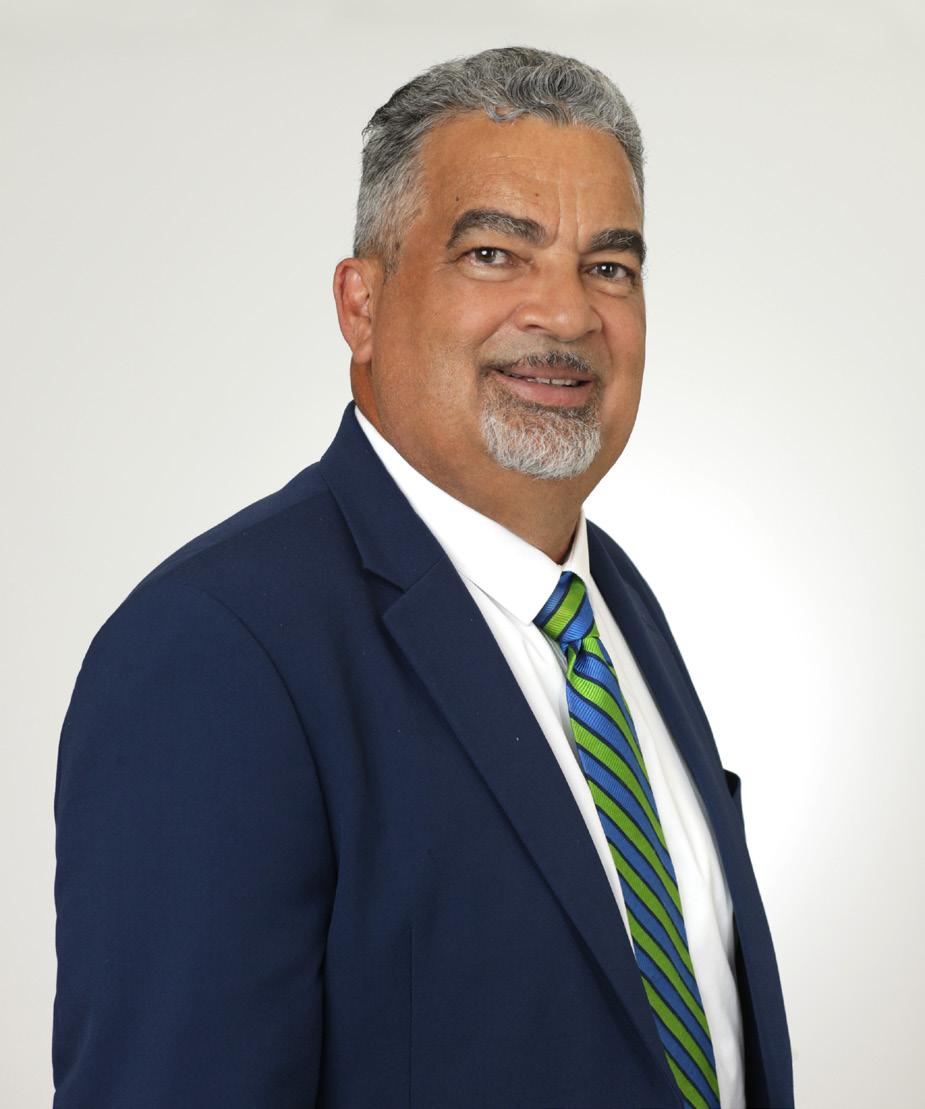
Striving to be a driving force for economic development and transformation in the region, the Virgin Islands Economic Development Authority (USVIEDA) celebrates its 25th anniversary of driving economic growth and investment in the stunning archipelago. We revisit the authority with Wayne L. Biggs, Jr., CEO, who expands upon why the USVI is a oneof-a-kind investment hub
North America Outlook (NA): Since we last featured USVIEDA in November 2023, what is your updated take on the industry? Is it still an exciting space to work in?
Wayne L. Biggs, Jr., CEO (WLBJ): It’s definitely exciting to work at the Authority and collaborate with the Virgin Islands government to diversify the economy and drive growth. We’ve introduced new tools and are focusing on
expanding the South Shore Trade Zone.
We’ve also been very active in attracting clients. We currently have about 105 beneficiaries in the program, which remains steady. There is an excellent team working with us, and we’re here to assist any business looking to expand to or relocate within the USVI. We have the team available to support that and are open for business.
NA: Can you reintroduce us to USVIEDA and the offers, services, and opportunities it provides?
WLBJ: We are a comprehensive economic development authority, meaning we have various divisions that handle different functions. Our Economic Development Commission is responsible for attracting foreign direct investment to the territory through numerous tax incentives.
We can reduce corporate income tax by 90 percent. If you’re a bona fide resident, we can lower it by 90 percent. If you’re using real property in regard to your operations, we’ll eliminate the real property tax entirely. Excise tax is also cut by 100 percent.
Photo credit: US Virgin Islands Department of Tourism
Our customs duties, which are normally six percent, would be reduced to one percent. Since we don’t have a sales tax, but a gross receipts tax, that rate is also reduced to zero. These reductions offer significant savings when attracting companies and establishing them in the territory.
We also have the Enterprise Zone Commission, which handles community planning and neighborhood development. Their goal is to revitalize areas that were once vibrant but have declined for various reasons. We’re tasked with bringing businesses and residents back to those areas, primarily through tax incentives. Additionally, we operate the South Shore Trade Zone, a free trade zone allowing the import and export of goods without taxes.
Being in the USVI allows you to import components from throughout the world and, based on your added value through assembly or manufacturing, which substantially changes the components, you can label products as ‘Made in the US’. If you want to sell US-made products to the US government, you can do so by importing components to St. Croix, assembling or manufacturing your final product(s) there, and then exporting to the US mainland.
We are also exempt from the Jones Act, meaning foreign vessels can directly move from our port to a US port, enabling foreign flagships to carry merchandise into the US.
“BEING IN THE USVI ALLOWS YOU TO IMPORT COMPONENTS FROM AROUND THE WORLD, AND BASED ON YOUR ADDED VALUE THROUGH ASSEMBLY OR MANUFACTURING, YOU CAN LABEL PRODUCTS AS ‘MADE IN THE USA’”
–
WAYNE L. BIGGS, JR., CEO, VIRGIN ISLANDS ECONOMIC DEVELOPMENT AUTHORITY
Furthermore, we have our Economic Development Bank, which provides capital access for small businesses. We also operate an incubator and accelerator connected to both the bank and the Enterprise Zone Commission. Our import-export program aims to boost exports from the territory to other markets. We run two industrial parks, one in St. Croix and another in St. Thomas. The St. Croix park offers approximately 160,000 square feet (sqft) of occupiable space, while St. Thomas has about 20,000 sqft, with plans to expand.
We manage numerous internal initiatives and programs. One example is the Hotel Development Program, which offers rebates on occupancy taxes for hotel projects
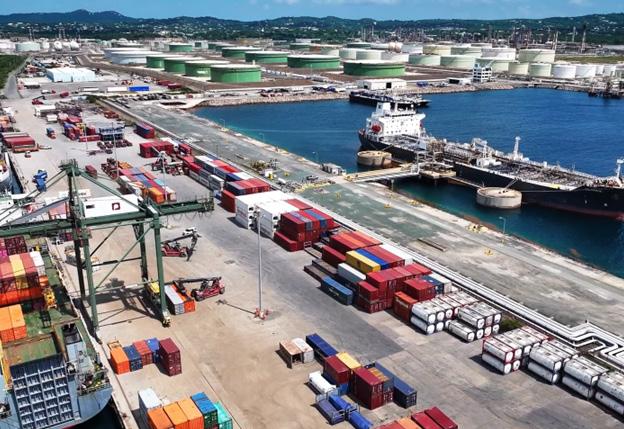
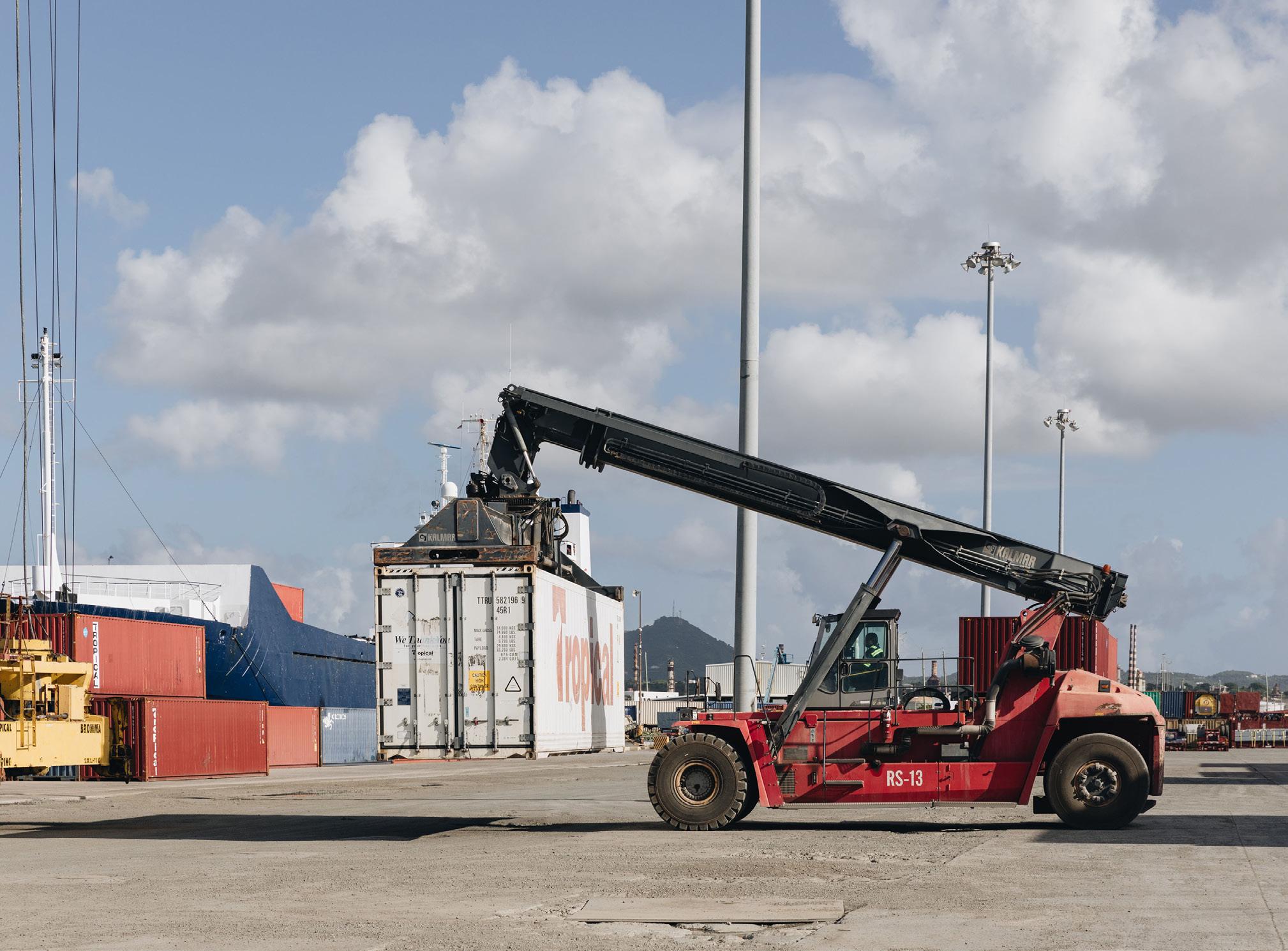
Aerial view of shipping activity at the Wilfred “Bomba” Allick Port and Transshipment Center, located in the South Shore Trade Zone on St. Croix.
Photo credit: Benjamin Garcia, Vivid Productions
To date, three hotels are already participating, with two more set to be approved soon. We also run STARS, our film and music production program, which promotes film and music activities within the territory.
NA: How does the Authority work to promote the USVI as an attractive investment hub, attracting new businesses and capital?
WLBJ: We continue to attract investment through various methods. Currently, we rely heavily on digital media, such as industry reference magazines. Of course, social media is essential now, so we maintain a presence on Facebook, X, LinkedIn, and others. We also participate in trade shows and conferences to promote ourselves and are happy to conduct Teams meetings, Zoom calls, phone conversations, or meet in person.
We are very selective about the types of industry trade shows we attend because we want to target industries that can attract activity to the territory, while also preserving a high-quality environment. Therefore, we seek out lowproducing entities in the territory.
We’ve been very successful with financial companies and are expanding this area, including family offices,
financial management firms, individuals involved in trading, and other financial services, such as off-site call centers.
NA: In what ways does the Authority strive to be a driving force for economic development and transportation?
WLBJ: We aim to diversify the economy. We work closely with partner agencies, including the Department of Tourism and the Research and Technology Park, to build strategic partnerships that promote the territory’s
Town of Frederiksted, St. Croix. Photo credit: Adobe Stock
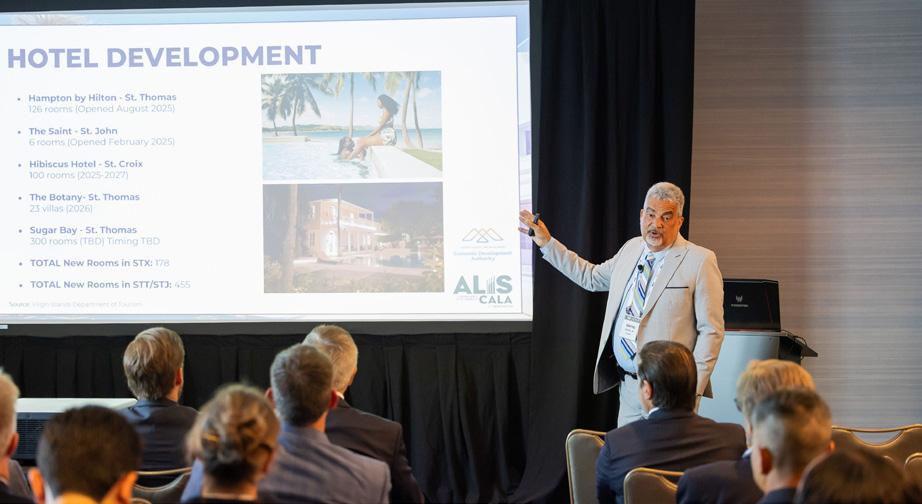
Wayne L. Biggs, Jr., CEO of USVIEDA, presents on investment opportunities in the hospitality sector during the 2026 ALIS CALA Hotel Investment Conference in Coral Gables, Florida. Photo credit: Hotel Investment Group by Northstar
Where Business Growth Meets a Banking Partner Who Shows Up!
Commercial Accounts
Commercial Checking
Built for businesses that need flexible digital tools and local support.
Commercial Savings
Strengthen your financial foundation with a commerical savings account.
Business Mobile App
Manage accounts, approve transactions, and monitor activites from anywhere.
Direct Deposit
Streamline payroll and improve employee satisfaction.
Accounts designed to work as hard as you do!
Treasury Management
ACH Services
Automate receivables and payables with speed and accuracy.
Wire Manager
Move funds quickly and securely between institutions in minutes.
Balance Cash Flow
Real time visibility to make smarter decisions.
Account Reconciliation Tools
Reduce manual work and improve accuracy.
E iciency, control, and visbility all in one platform!
Fraud Protection
Positive Pay
Protect your business from unauthorized checks and ACH transactions.
Secure Authentication Tools
Keep your accounts safe with layers of security.
Real-Time Alerts
Know whats happening the moment it happens.
Your business deserves protection that never stops!
economic growth and visibility – not just for the Authority, but for the benefit of the USVI as a whole. Together, we participate in various events to take a holistic approach to investment in the USVI, whether in tourism, technology, or other sectors. We often lead these efforts by creating joint initiatives to promote the territory.
“WE HAVE AN EXCELLENT TEAM WORKING WITH US, AND WE’RE HERE TO ASSIST ANY BUSINESS LOOKING TO EXPAND TO OR RELOCATE WITHIN THE VIRGIN ISLANDS”
– WAYNE L. BIGGS, JR., CEO, VIRGIN ISLANDS ECONOMIC DEVELOPMENT AUTHORITY
NA: Are there any new trends currently shaping and transforming the USVI’s economic development?
WLBJ: We’ve observed more financial companies relocating and expanding here over recent years. We’ve also seen increased hotel development, as investors grow more confident in investing within the territory.
A new hotel has recently opened, with a second having completed its first phase, and others are in development. Tourism remains our primary market, but increased investment in this sector is driven by the Hotel Development Act and other promotional efforts we are
Shipping activity at the Gordon A. Finch Molasses Pier, an infrastructural asset in the South Shore Trade zone on St. Croix.
Photo credit: Nicole Cannegata Photography
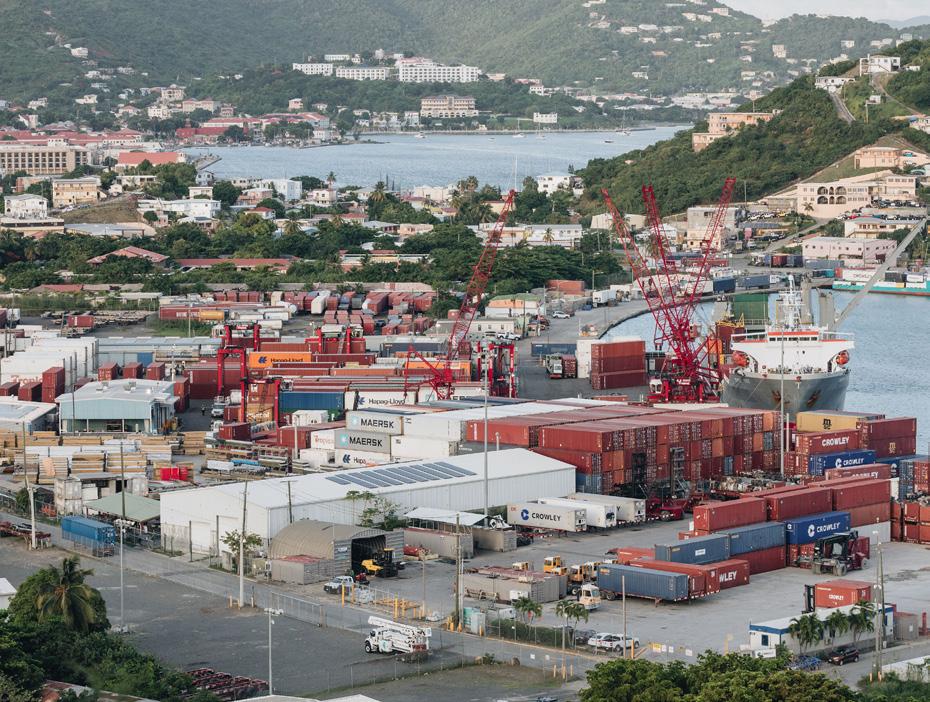
View of the cargo port in St. Thomas.
Photo credit: Nicole Cannegata Photography
NA: Are you optimistic about the future of economic development throughout the USVI?
WLBJ: We are very optimistic about the future. We have the free trade zone that we’re promoting, and there are good opportunities for assembly and manufacturing in those markets, especially given our geographic location situated in the middle of the Caribbean chain. If you’re targeting Caribbean markets, it’s very easy to access them. Latin America is about 1,100 miles away, Central America roughly 1,200 miles, and North America about 1,400 miles. We are a US jurisdiction, so if you’re coming from the US and are a citizen, traveling back and forth is straightforward. Additionally, US laws protect intellectual property, and we use US courts and dollars.
We’re definitely optimistic about expanding the trade zone and continuing to develop a financial hub where more financial companies will set up shop, thanks to the incentives we offer and the available bandwidth, allowing them to conduct financial trades and consulting from the territory.
NA: Finally, what are the Authority’s goals and priorities for the future, and what strategies will you use to facilitate them?
WLBJ: We’re focusing heavily on digital marketing efforts. We are strengthening our team with professionals who
Ariel view of the waterfront promenade in St. Thomas.
Photo credit: Viable Photos
Seaplane approaching the dock in downtown Charlotte Amalie, St. Thomas.
Photo credit: Nicole Cannegata Photography
bring digital expertise, while expanding our use of social media and other digital platforms to more effectively share our message. Since many people get their news online, we’re emphasizing digital promotions. We are also being very selective about the markets we pursue. I see us continuing to attract financial companies because they are easier to relocate from one area to another, as they generally aren’t asset-heavy.
There is significant potential for the trade zone, particularly due to tariffs, because we are outside the US customs zone, meaning there are no tariffs on goods brought into the territory. We assist companies by hedging their tariff costs and helping extend their operations into the territory.
The territory is making substantial investments in its ports, focusing on what we call the P3 or PPP - i.e. a public-private partnership - updating and upgrading the port facilities, including the seaport and the airport. The airports will undergo a $250 million renovation, and the seaports will follow soon after. We anticipate many positive developments in the near future as a result.
PHONE/ WEBSITE: 340-773-1600 www.idsstx.com
EMAILS: debbie@idsstx.com
khyle@idsstx.com ivy@idsstx.com
Island Delivery Service is your #1 “Document Specialist” when importing to the US Virgin Islands. Call us today to get your imports cleared right – the first time!
GRENADA INVESTMENT SPOTLIGHT
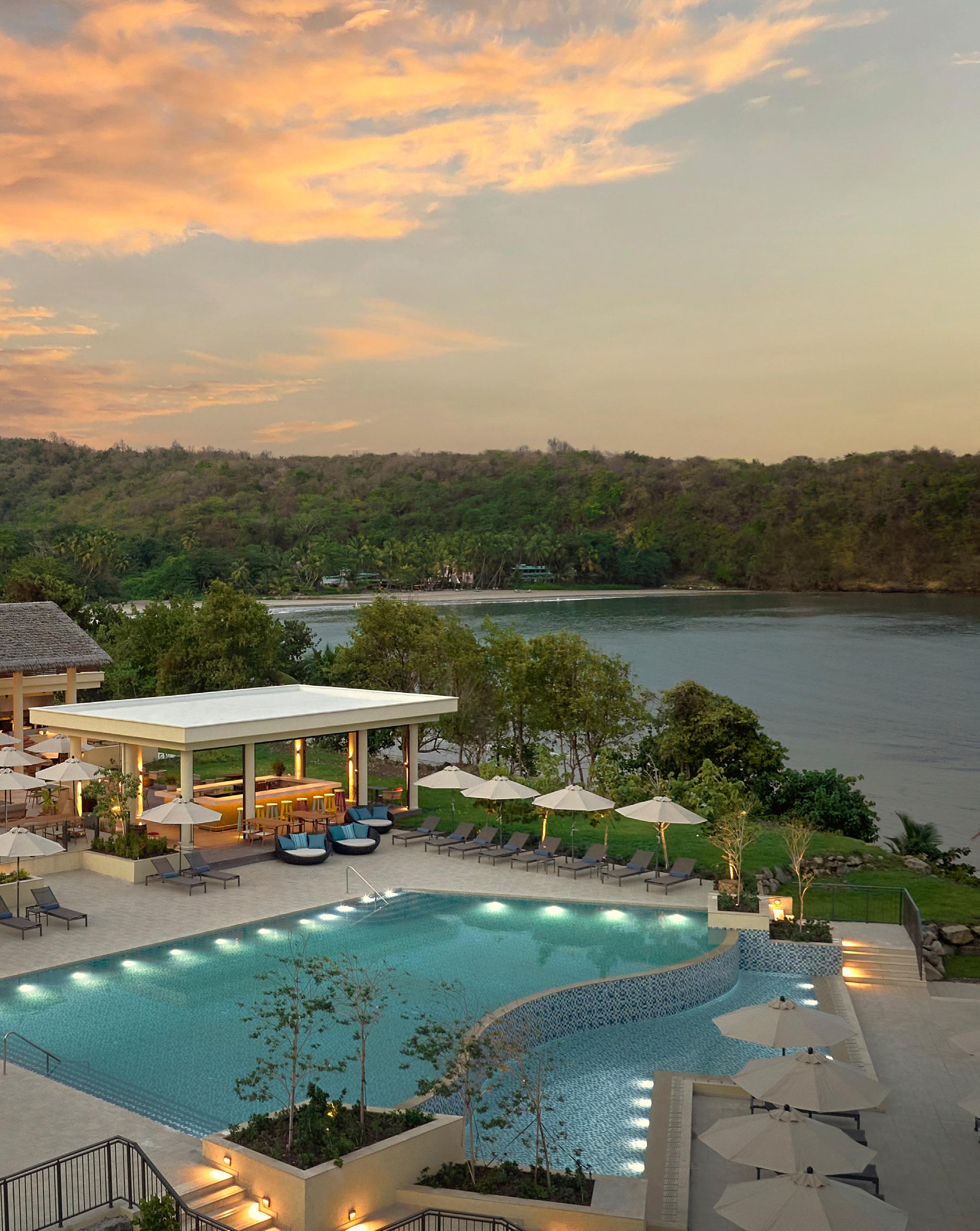
Though it’s often overlooked as just a fun-in-the-sun destination, the ‘Spice Isle’ of Grenada is brimming with potential as an idyllic investment destination
Writer: Ed Budds | Project Manager: Alfie Wilson
With a range of trade and investment opportunities, coupled with supportive government policies for doing business and a plethora of attractive fiscal incentives, investing in Grenada has never been more appealing.
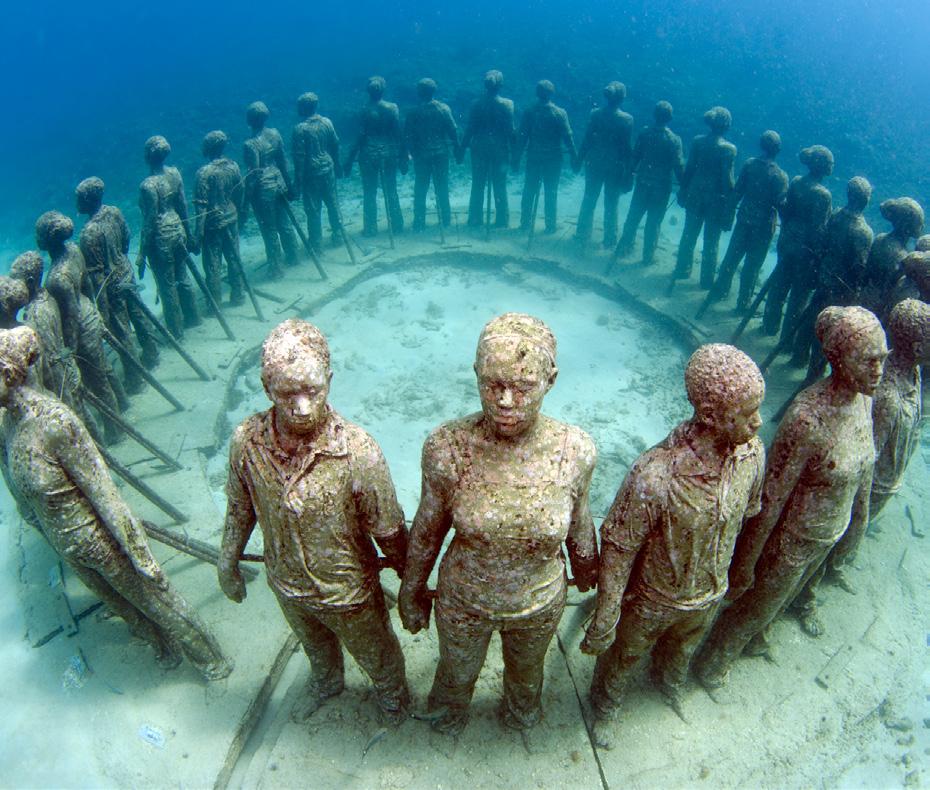
Widely known as the ‘Spice Isle’, Grenada is a lush Caribbean destination celebrated for its rich volcanic soil and abundant production of nutmeg, cinnamon, and cocoa. It pairs vibrant, spice-infused culture, world-class beaches, and ecotourism with its growth as a burgeoning investment paradise.
The State of Grenada consists of three islands –Grenada, Carriacou, and Petite Martinique – which form the southern end of the Windward Islands.
Formerly colonized by the French and then by the British, Grenada still retains traces of these European influences in its culture, architecture, and place names. The capital, St. George’s, is located on the southwest coast and is the seat of government as well as the main commercial center.
Today, Grenada’s economy is relatively diversified, with several sectors making tangible contributions to GDP annually. In the past, agriculture was the dominant sector and main foreign exchange earner for the country.
However, the economy has now shifted to being more service based, with tourism, construction, transport, and private education now standing as the leading contributors to GDP.
Grenada welcomes investments in all fields of lawful economic activity. The nation’s focus, however, centers around five key sectors that have been designated as a priority – agribusiness and manufacturing, tourism and hospitality services, ICT services, energy, and health and wellness.
In addition, there is a growing focus on investment in creative industries.
INTERVIEW:
GRENADA INVESTMENT DEVELOPMENT CORPORATION
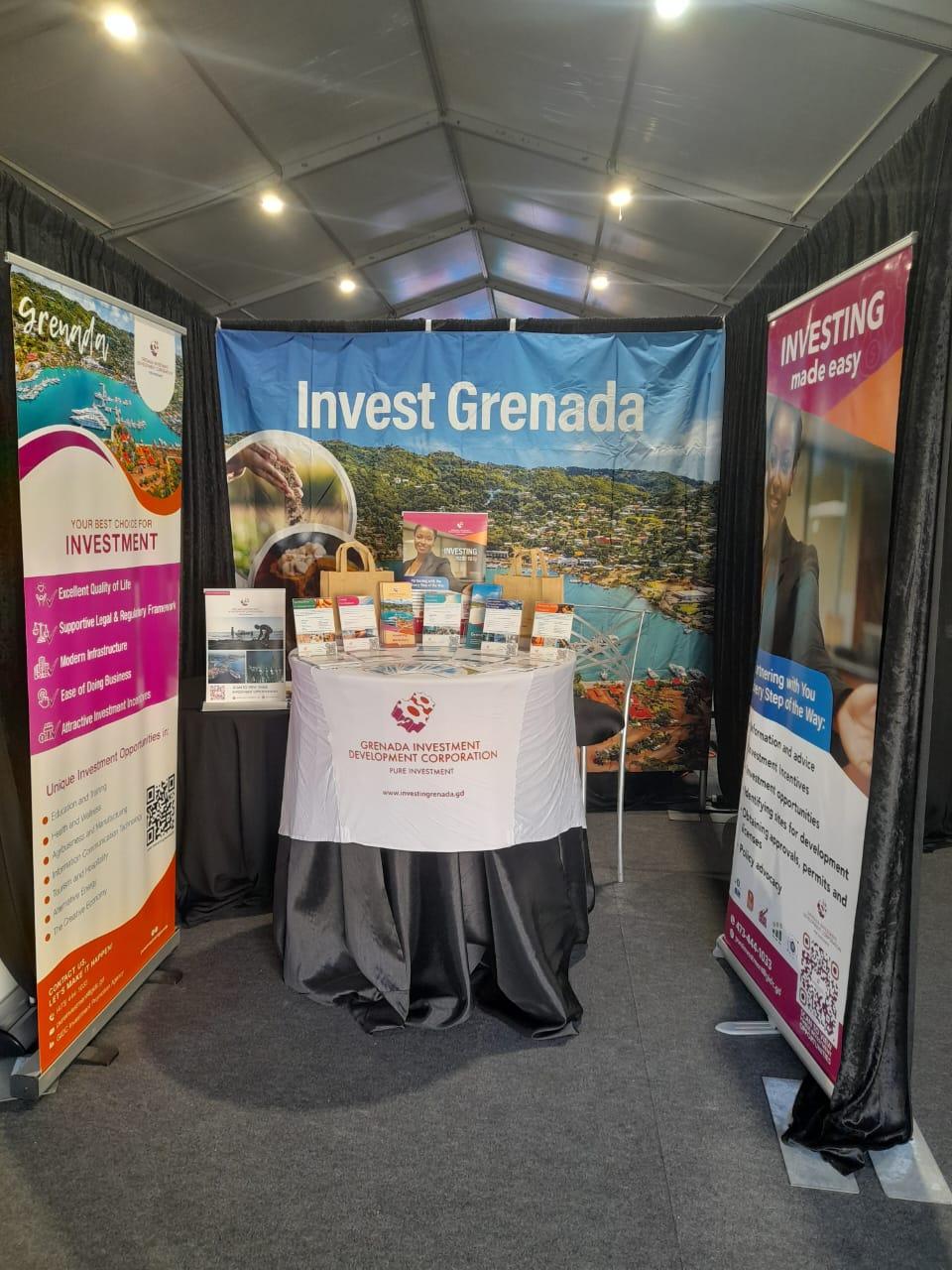
Nurturing entrepreneurial culture and facilitating start-up growth since 1985, Grenada Investment Development Corporation (GIDC) is a statutory body established by the Government of Grenada to stimulate, facilitate, and encourage the establishment and development of industry. We catch up with CEO, Ronald Theodore
North America Outlook (NA): Firstly, could you update us on GIDC’s progress since we last spoke in 2025?
Ronald Theodore, CEO (RT): As an economic development agency, we are involved not only in investment promotion, but also business development and the management of our industrial parks and facilities.
Through these three parks, we continue to serve as landlord to several tenants and rent space to prospective investors who want to operate within them. This continues to be one of our major revenue generators as we continue to provide services through our three strategic business units – investment promotion, facilities, and business
development.
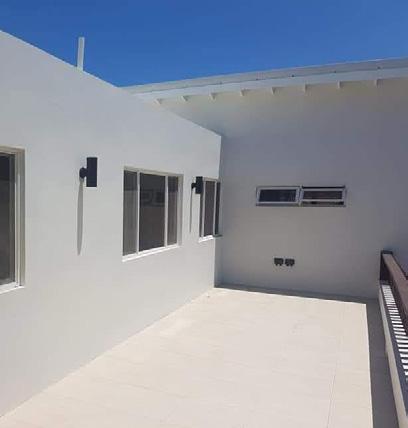
In terms of what has happened since last year, time has moved quickly. In the facilities area, we have continued work on a 40,000-square-foot building designed to provide additional space for tenants within the Frequente Industrial Park.
The building is approximately 99 percent complete, with only a few finishing touches remaining. We already have several tenants earmarked for the space, although some vacancies remain. This has been one of our major accomplishments entering 2026, and we hope that by the final quarter of the year the building will be fully operational with tenants in place.
“IN TERMS OF BUSINESS DEVELOPMENT, WE WILL CONTINUE TO WORK CLOSELY WITH SMES BECAUSE WE BELIEVE THEY PLAY A CRITICAL ROLE IN GRENADA’S ECONOMY”
– RONALD THEODORE, CEO, GRENADA INVESTMENT DEVELOPMENT CORPORATION
Regarding investment promotion, the environment for attracting foreign direct investment (FDI) is highly competitive. The Caribbean islands, China, North America, and Central America are all competing for investment, so attracting FDI to our respective destinations remains a significant challenge.
We are very aware of the impact FDI can have on Grenada, and we recognize that we cannot simply stand on a platform and invite people to invest in the country. We’ve had to change our approach.
NA: Can you describe this fresh approach?
RT: That shift began two years ago and continued through 2025 into this year. Our focus now is on developing bankable investment opportunities for projects that we consider vital to Grenada.
By bankable projects, I mean clearly defined opportunities that set out the nature of the project, investment required, expected return on investment (ROI), and overall viability of the proposal. These profiles allow us to target potential investors with specific projects.
For example, we are now preparing for a mission involving a group of investors from Canada and India.
They will have already seen the project profiles we have developed, so their visit will be more focused. Rather than arriving with a general interest in Grenada, they will be coming to examine specific opportunities and hold detailed discussions around them.
These projects include both greenfield and brownfield opportunities, and each outlines the investment required, potential ROI, and viability of the project itself.
This is an ongoing process rather than a one-off exercise. We are continuously developing more opportunity profiles across various sectors, including public-private partnership (PPP) arrangements.
Another new and important investment opportunity is Project Polaris – a state-of-the-art hospital. The government has secured 84 acres of land for its development, and the project encompasses not only the hospital itself, but also surrounding investment opportunities such as accommodation, treatment facilities, diagnostic centers, and related services.
GIDC will play an active role in promoting these investment opportunities to potential investors.
NA: How are you striving to create a more streamlined investor experience?
RT: One of our key areas of focus in 2026 is to strengthen facilitation networks. GIDC is not the only organization involved in investment promotion and generation on island; there are around 19 different stakeholders, including the Inland Revenue Department, Grenada Customs and Excise Division, Physical Planning Division, immigration, and other government agencies. Each has an important role to play, and it is critical that we work together seamlessly.
Whether you are expanding your portfolio or creating a place to call your own, every decision deserves a partner who understands where you’re going and how to help you get there.
As part of Republic Financial Holdings Limited, we’re backed by over 180 years of experience, strength, and regional insight across the Eastern Caribbean. That means you can move forward with confidence, knowing you have the right financial partner beside you.
GIDC’S VISION, MISSION, AND GOAL
Vision
• To be a highly rated, innovative economic global development corporation, consistently exceeding the expectations of those served.
Mission
• To contribute to Grenada’s socioeconomic development by adopting a targeted approach in promoting investment opportunities, provide superior investor facilitation and entrepreneurial development services, and advocate for investors to develop and grow their business, trade, and industries.
Goal
• To promote local and FDI as well as facilitate and strengthen entrepreneurial development within the growth sectors of Grenada’s economy.
At present, we do not have a physical one-stop shop where all relevant offices are located in one location. Instead, the agencies involved operate from different locations. This makes it even more important to ensure that investors experience a smooth and coordinated process.
We believe a virtual one-stop shop could be critical, with each organization within the investment generation system working together to deliver a positive investor experience.
NA: What are you most proud of in relation to the corporation’s work so far?
RT: What makes us most proud is the level of recognition we receive from investors and clients who utilize our
services. It is always gratifying to hear someone say they came to GIDC and were genuinely pleased with the service they received. That kind of feedback is very encouraging.
We are a small team, and like most investment promotion agencies, we operate with limited budgets, but we are still trying to be as effective as possible in what we do. At the end of the day, hearing positive feedback from investors makes the effort worthwhile.
NA: What is the legacy you are striving toward in terms of the corporation’s reputation and the impact you would like to make?
RT: I see GIDC as the key institution in Grenada when it comes to investment promotion and facilitation. The legacy I would like to leave is that whenever conversations take place around investment or investment promotion, generation, and business support, our name comes to the fore.
We strive to be recognized as an organization that is effective at what it does. At the end of the day, we want investors to have a positive experience investing in Grenada and them to be facilitated effectively, served well, and supported in removing any barriers or obstacles that may arise.
There will always be challenges when someone is making an investment, but we want to stand out as the conduit that helps investors navigate those challenges and invest successfully in their chosen sectors. We also do not want that investment to be a one-off experience. The aim is to encourage further expansion, reinvestment, and diversification of investments in other areas.
Ultimately, we want to ensure GIDC continues to play a critical role in Grenada’s investment generation system.
NA: Finally, looking ahead, what are your key priorities for the future?
RT: Priority number one would be to continue developing a bank of viable investment opportunities. We want to keep working on that effectively because it will play a critical role in our investment generation strategy. By developing bankable opportunities and targeting investors with those specific projects, we can take a more focused and strategic approach.
In terms of business development, we will continue to work closely with small to medium-sized enterprises (SMEs) because we believe they play a critical role in Grenada’s economy. There are also new and emerging industries that we want to give more attention to, including the blue economy, health and wellness, and energy. Elsewhere, in agribusiness, we want to give particular attention to food security and niche areas such as vertical farming and hydroponics.
As we identify these areas as priorities, we must also consider the business environment needed to support them.
Additionally, we are about to embark on a strategic plan for the next three years. The environment is changing, and we can all see what is happening globally. Sometimes it is important to stop, assess the situation, and consider the next move. That means looking at our strengths and weaknesses, examining global trends, and asking how we can make the institution more relevant.
We also need to consider how we can be more strategic in targeting investment, where those investments should come from, how we attract them, and the ways in which
“THE LEGACY I WOULD LIKE TO LEAVE IS THAT WHENEVER CONVERSATIONS TAKE PLACE AROUND INVESTMENT OR INVESTMENT PROMOTION, GENERATION, AND BUSINESS SUPPORT, OUR NAME COMES TO THE FORE”
- RONALD THEODORE, CEO, GRENADA INVESTMENT DEVELOPMENT CORPORATION
we improve the overall business environment. The strategic plan will serve as a roadmap for the corporation over the next three years, so it is a major priority.
Discover our exclusive content, delivered straight to your inbox
As mining organizations worldwide confront unprecedented change, embracing technological innovations and incorporating critical environmental sustainability agendas, now more than ever is the time to showcase the strides being taken in this dynamic sector.
A multi-channel brand, Mining Outlook brings you the positive developments driven by organizations across the global mining industry through its various platforms.
Discover exclusive content distributed through its website, online magazine, social media campaigns and digital dispatches, delivered straight to your inbox with a bi-weekly newsletter.
Through these compelling media channels, Mining Outlook continues to foreground the movers and shakers of the industry.
To participate as a featured company and join us in this exciting endeavor, contact one of our Project Managers today.
IREDEF IN ING M IN ING BY CENTRALIZING SUCCESS
Turner Mining Group’s Vice President of Operations, Tucker Jensen, delves into the company’s transformative vision to revolutionize the industry with a commitment to people-first values and innovative strategies while fostering strong client partnerships
n 2017, Keaton Turner identified a significant gap in the contract mining space and envisioned a fullservice, nationwide contractor that prioritizes relationships alongside competitive pricing.
He founded Turner Mining Group (Turner) with a guiding principle: “Mining works better when people are treated like people”.
This ethos continues to drive
the company’s operations today, consequently setting the stage for a new era in mining.
Moreover, Turner’s straightforward belief is that mining is more effective when individuals are treated with respect rather than as mere numbers on a spreadsheet, and that teams perform better when valued, leaders are accountable, and partners are fully informed about what is happening on their site each day.
This principle guided the company’s first contract and remains a core value.
At the time of Turner’s inception, the contract mining space was dominated by local and regional operators, and mine owners were stitching together multiple contractors site by site.
“Keaton’s vision was to be a coastto-coast, full-service mining-focused
contractor that could serve clients across all of their operations while still competing in terms of price with local operators,” Tucker Jensen, Vice President of Operations, opens energetically.
“People come first – production follows. From that founding, Turner has grown into a truly national provider. As the company grew, it undoubtedly became evident we
weren’t only filling a service gap. We subsequently realized that the way we performed the services also differentiated us from our competitors.”
Furthermore, Turner’s productionoriented operating philosophy and first-life asset strategy are deeply rooted in the company’s values: a heart for people, a mind for innovation, an eye for safety, and an attitude for excellence.
“Our clients noticed they were meeting production targets, improving safety metrics, and taking advantage of operational flexibility that local contractors couldn’t provide, whether adjusting equipment, renegotiating project scopes, or scaling production up or down as the mine plan evolves,” he continues.
TRANSFORMING PARTNERSHIPS
At its core, Turner’s comprehensive service offering is contract mining.
Meanwhile, the company also provides drill and blast, pioneering and overburden stripping, large civil earthworks for mine construction and leach and tailings projects, rehandle support, and technical support for mine design, planning, scheduling, and budgeting.
“We bring our mining-focused expertise to the full lifecycle of the mine, not just one slice,” urges Jensen.
Headquartered in Bloomington, Indiana, with additional offices and resources supporting its operations across North America, Turner’s current and historical portfolio spans
100 completed mining projects in gold, platinum, coal, copper, aggregates, and industrial minerals.
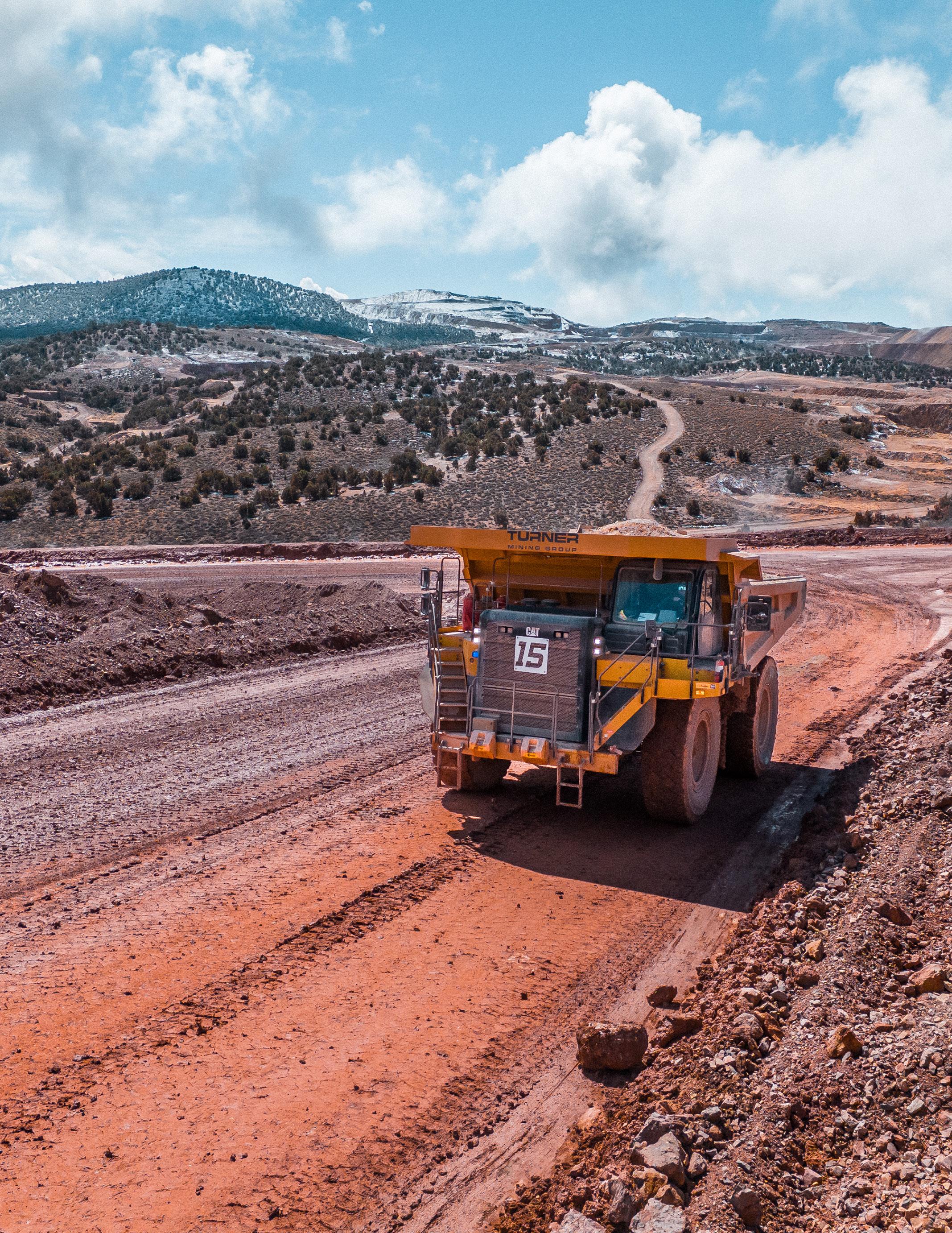
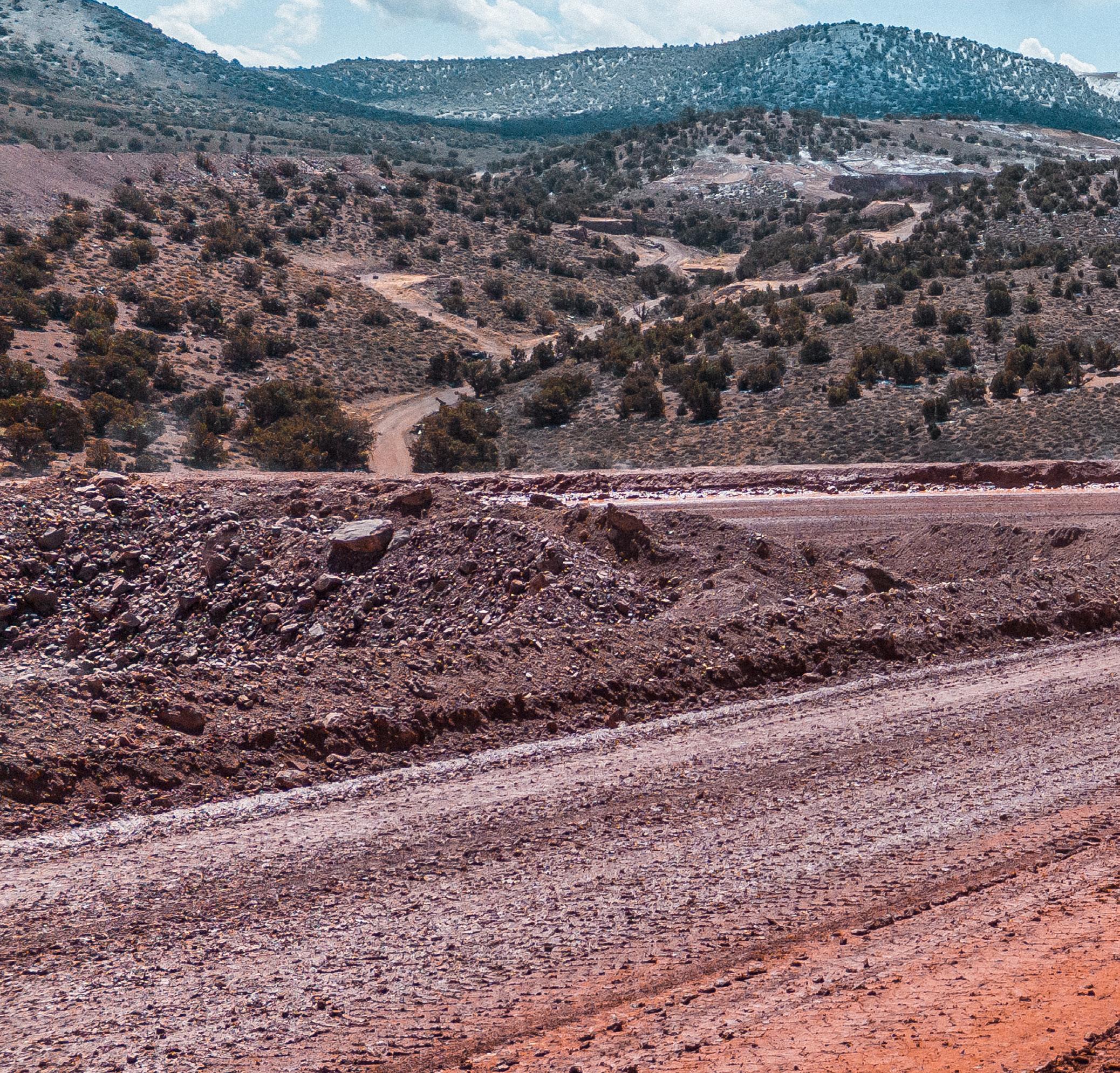
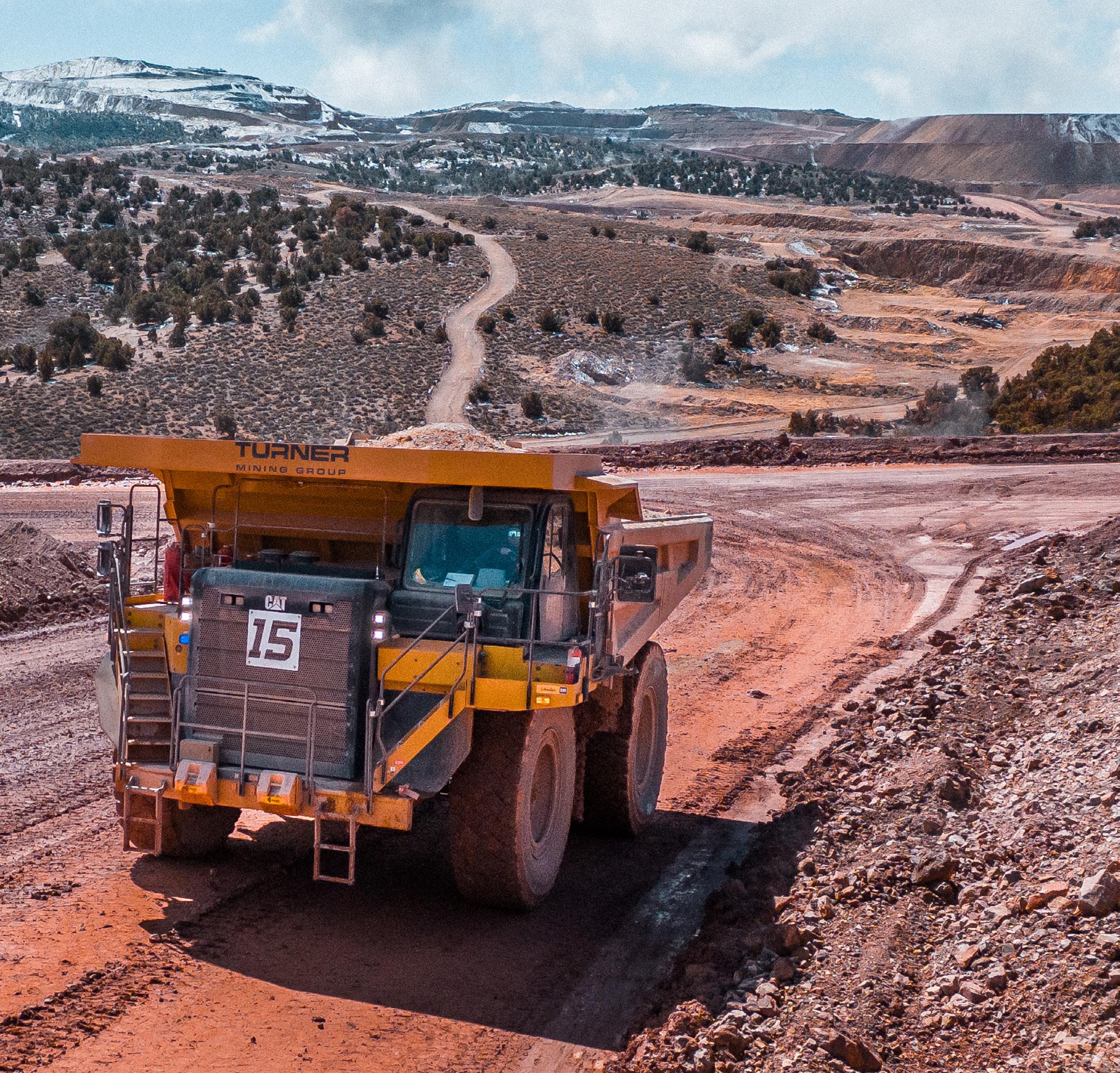
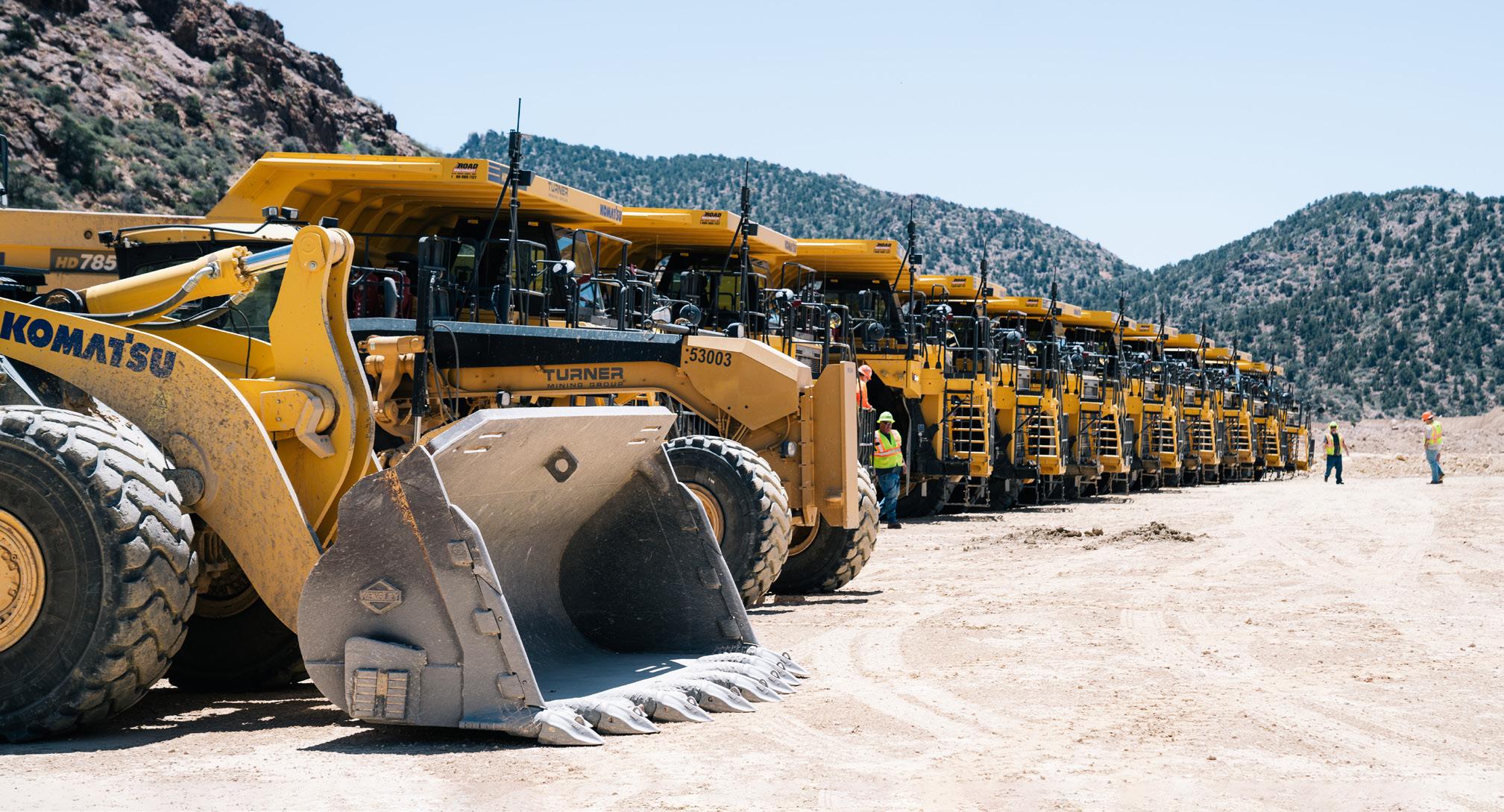
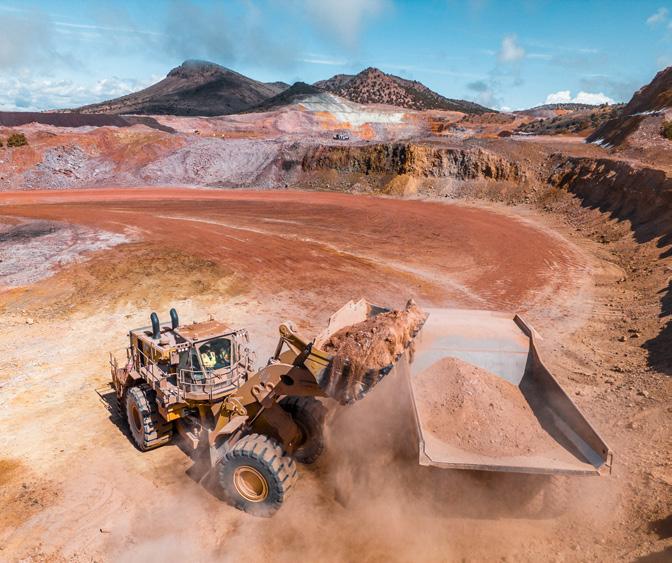
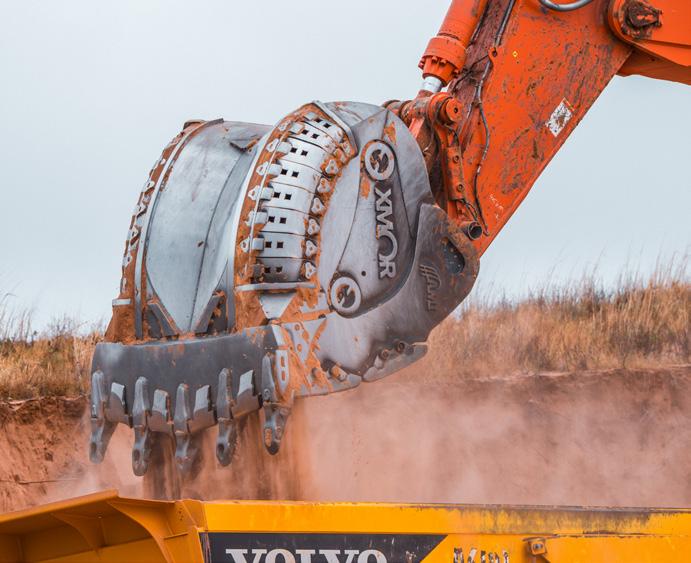
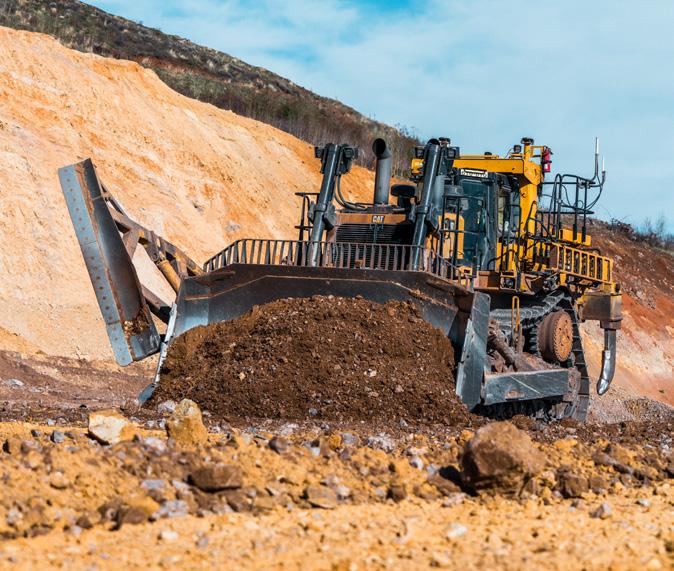
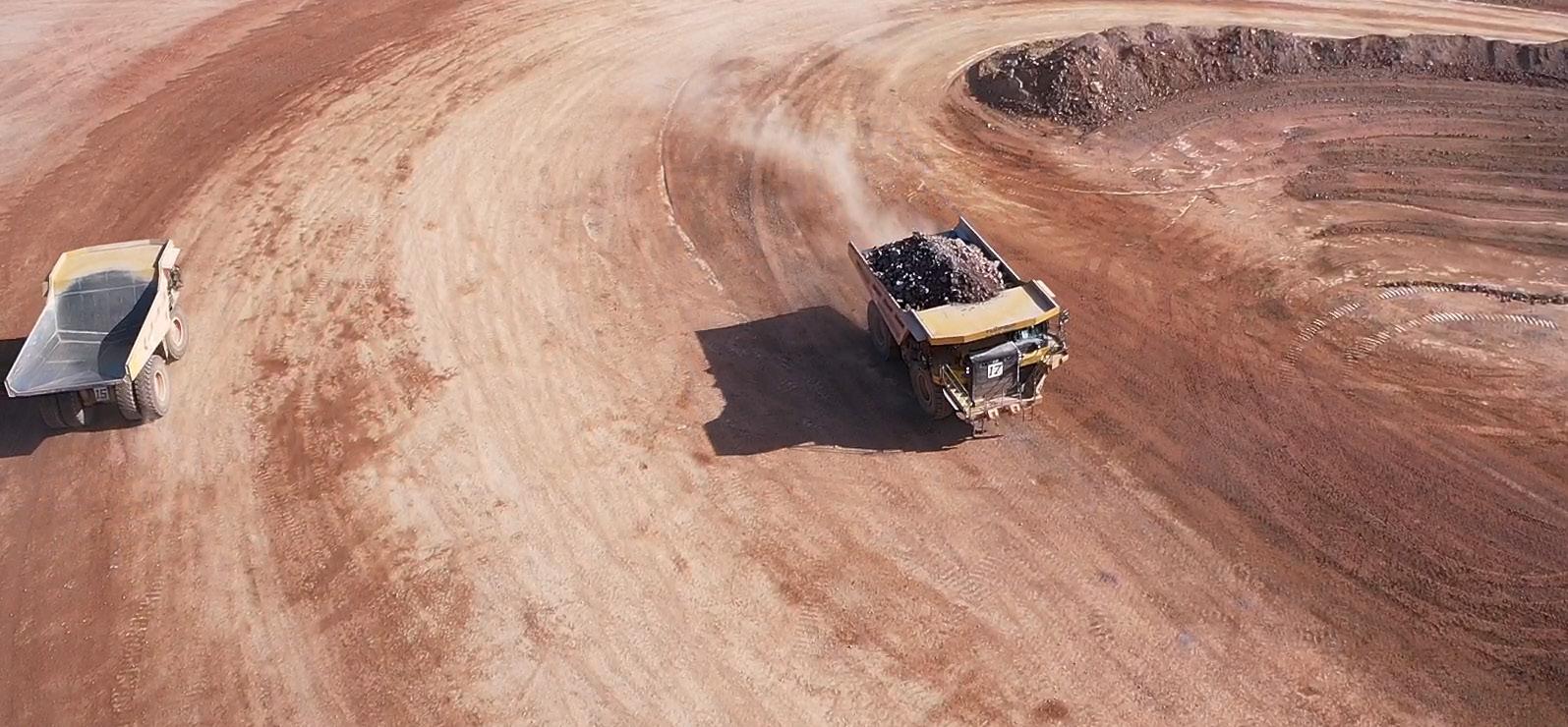
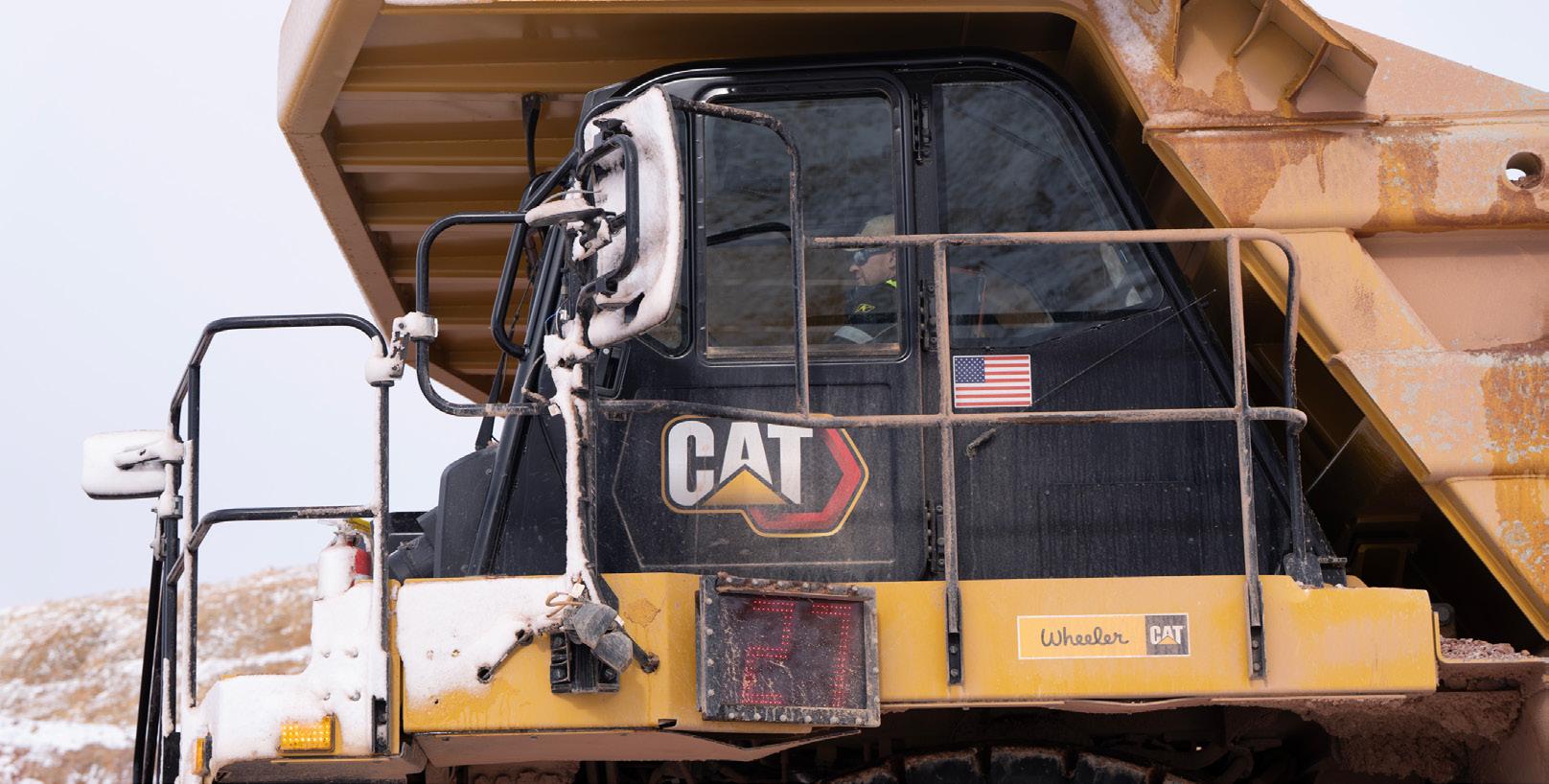
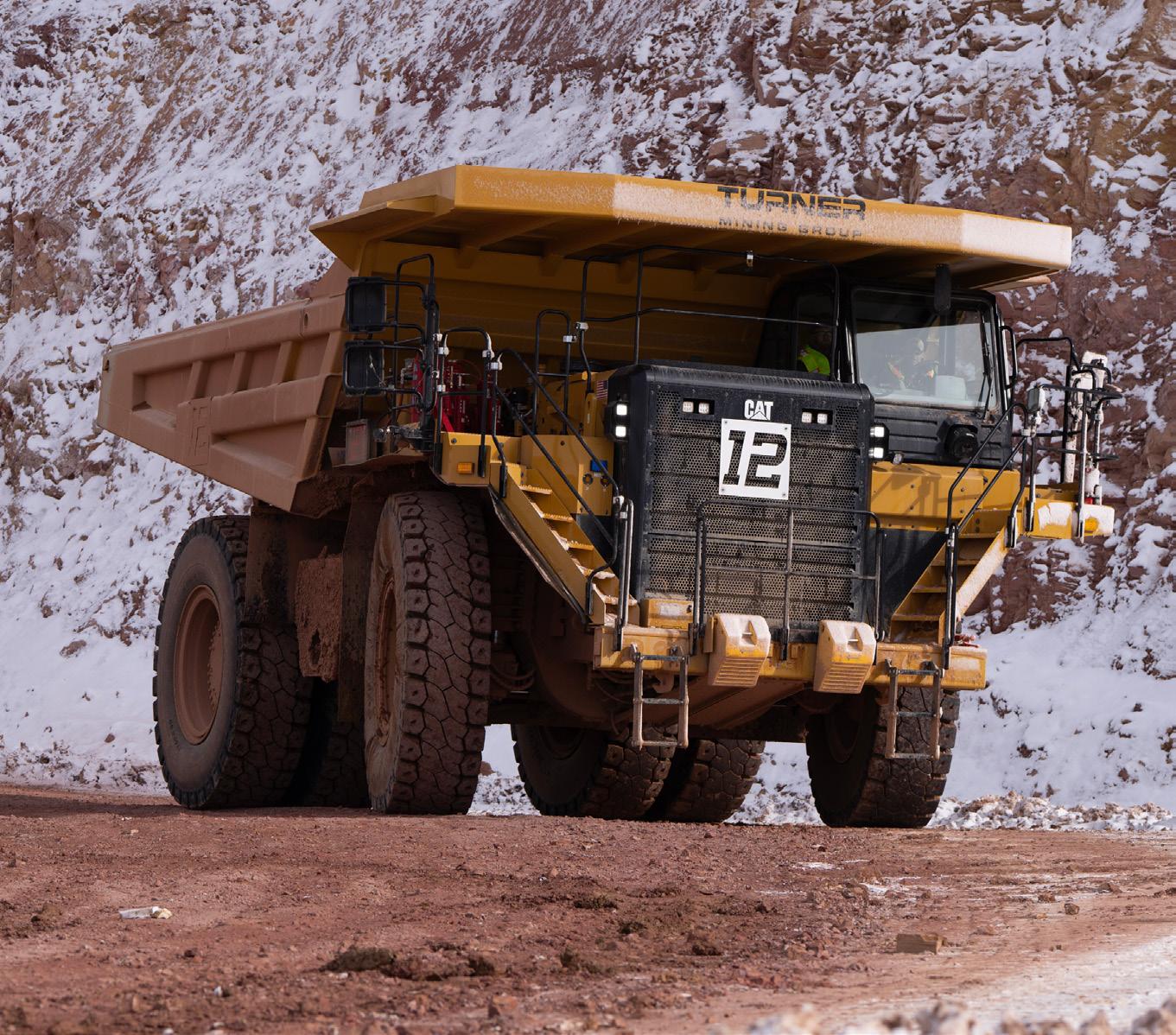
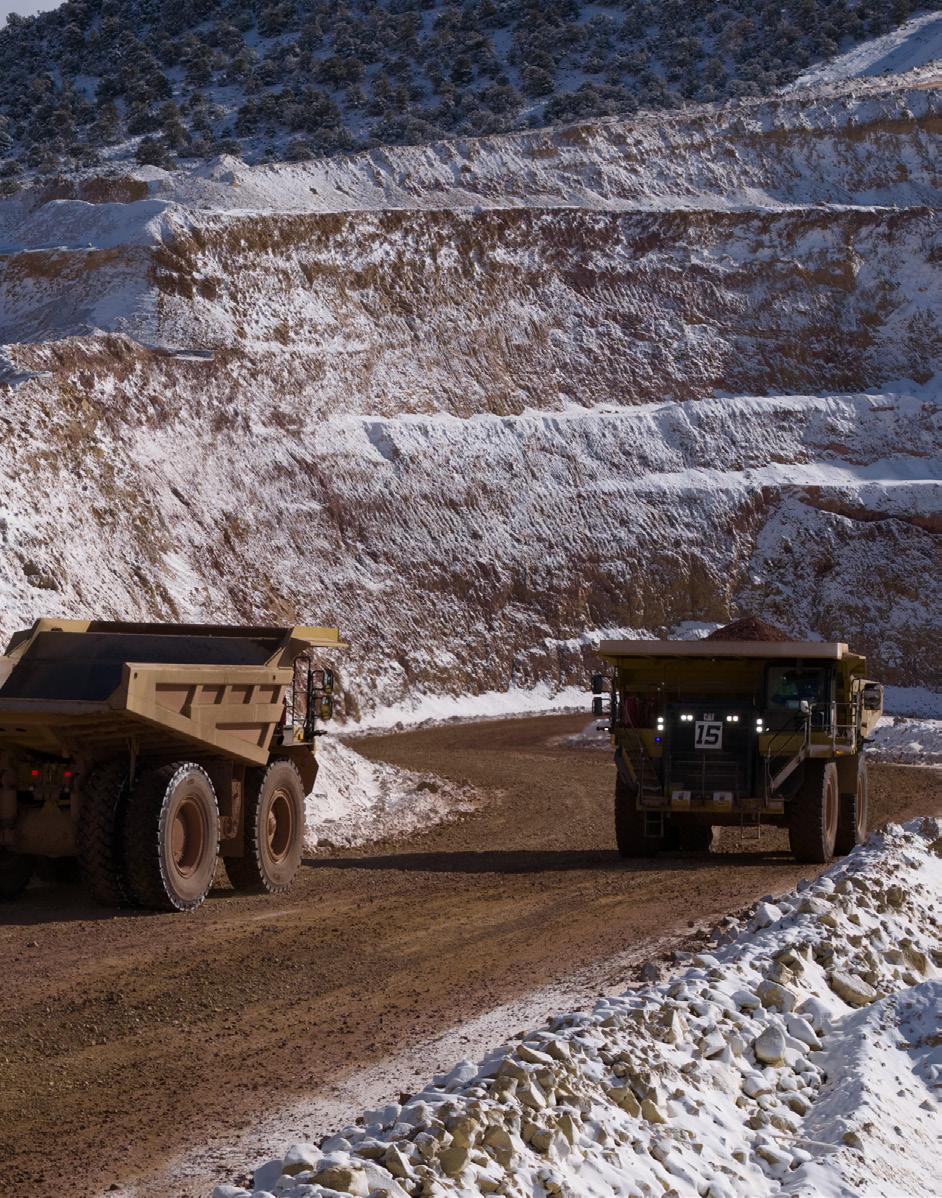
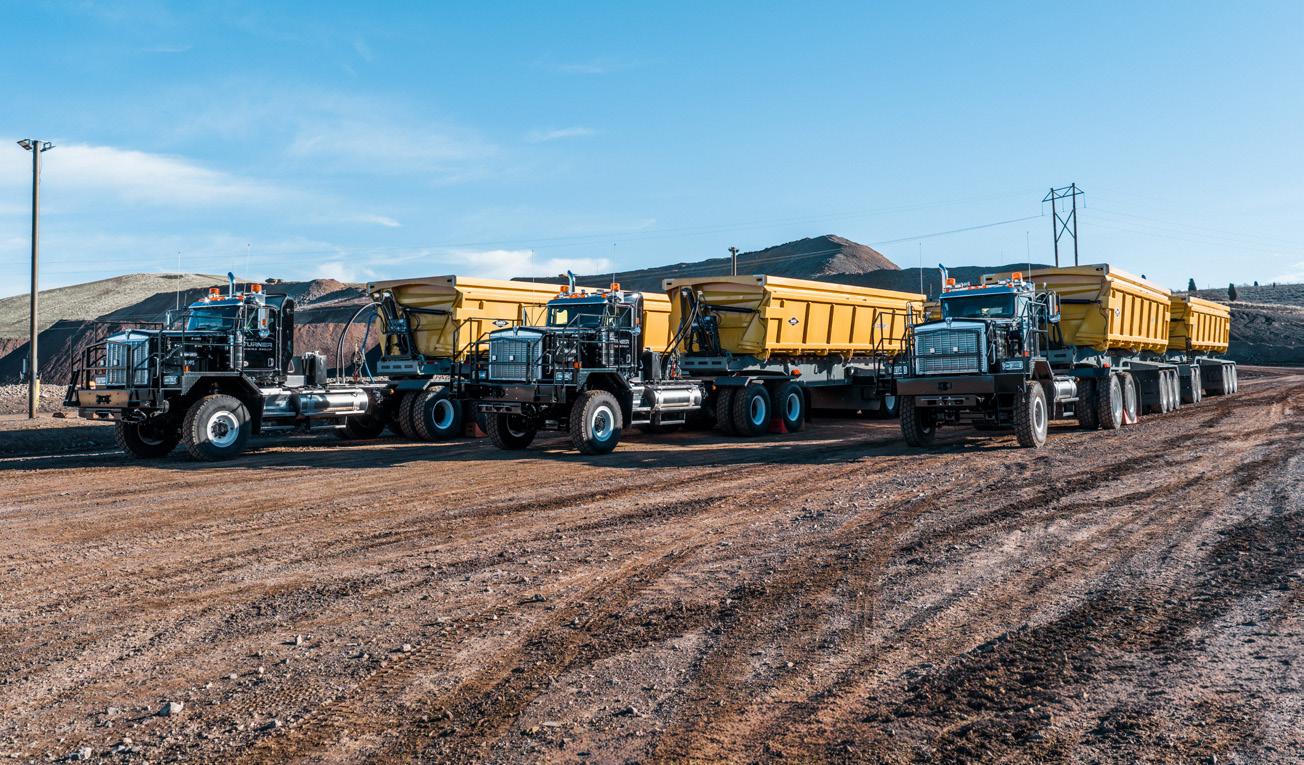
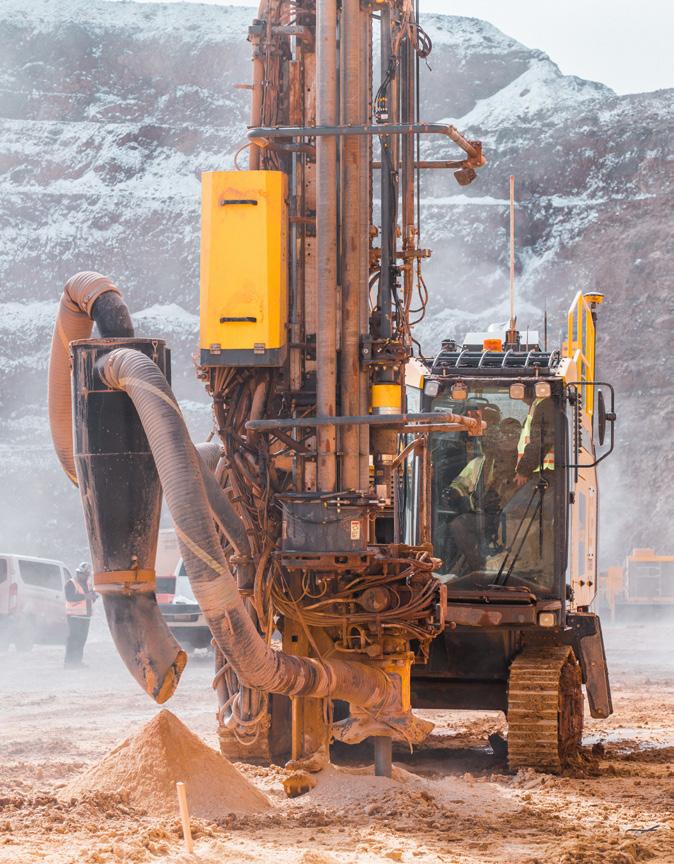
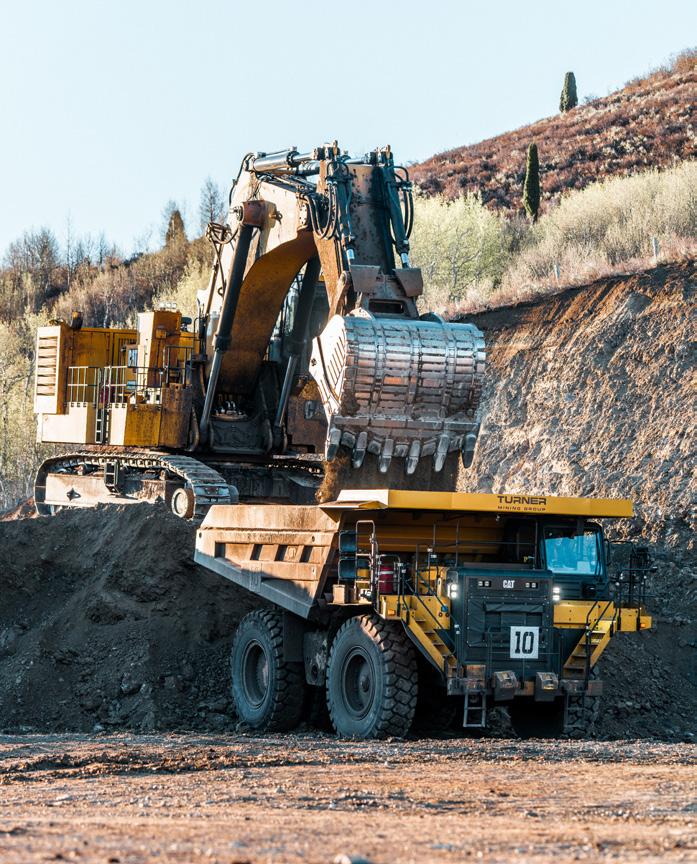
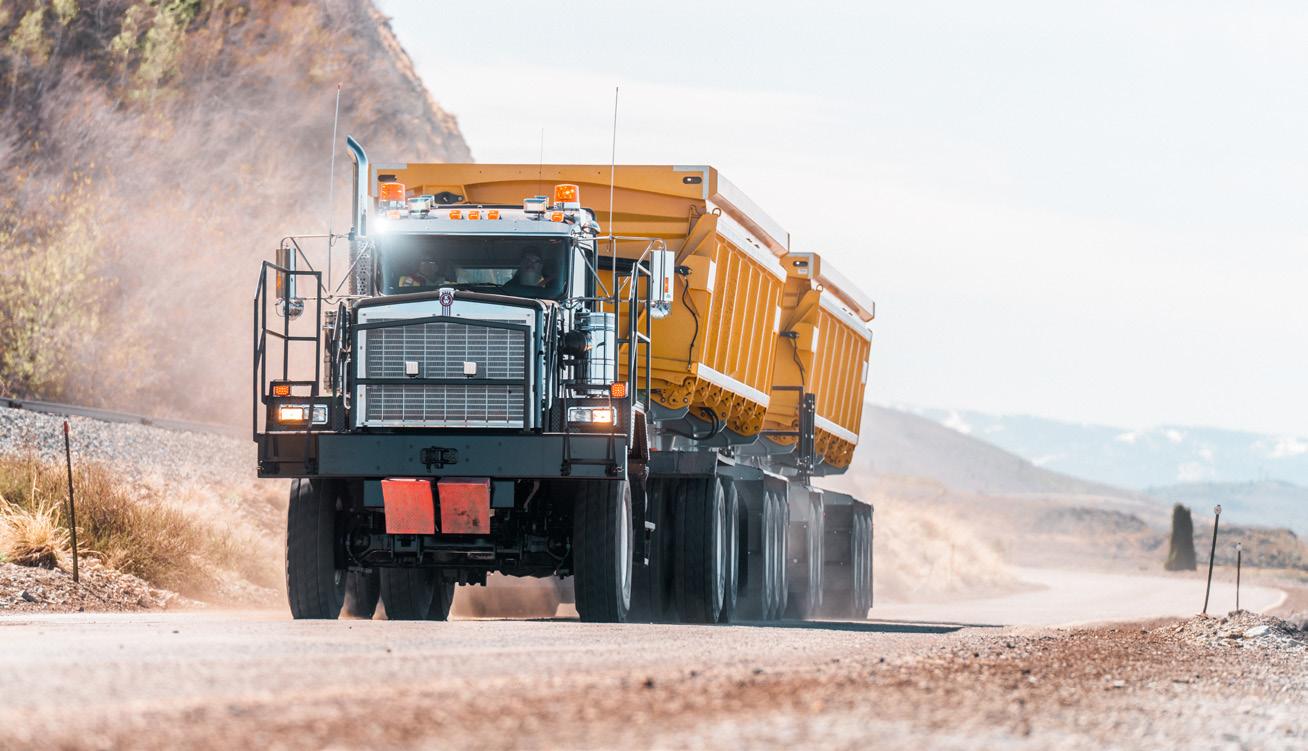
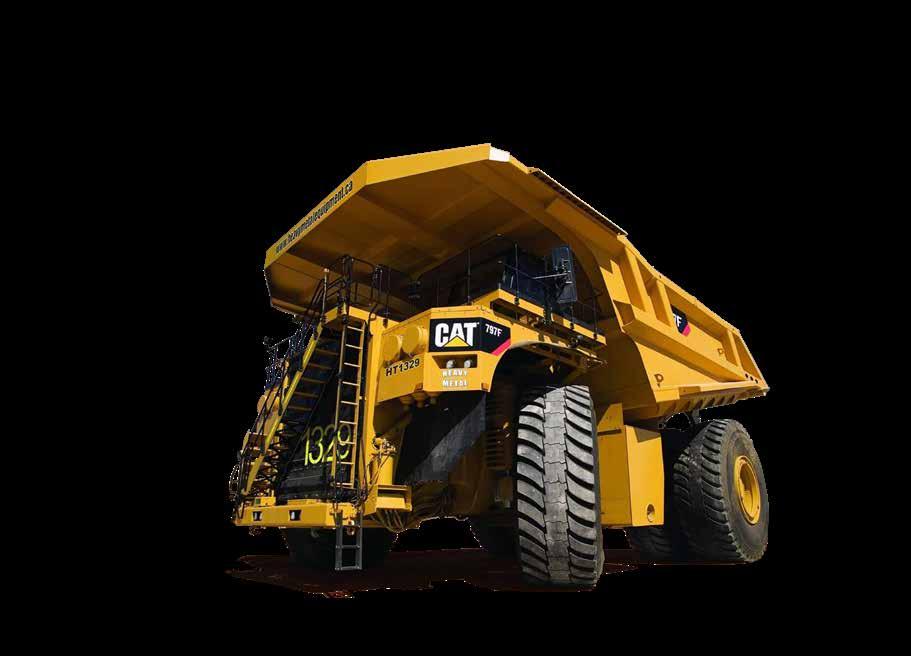
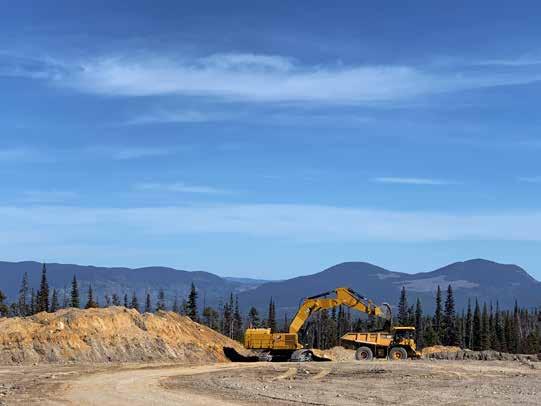
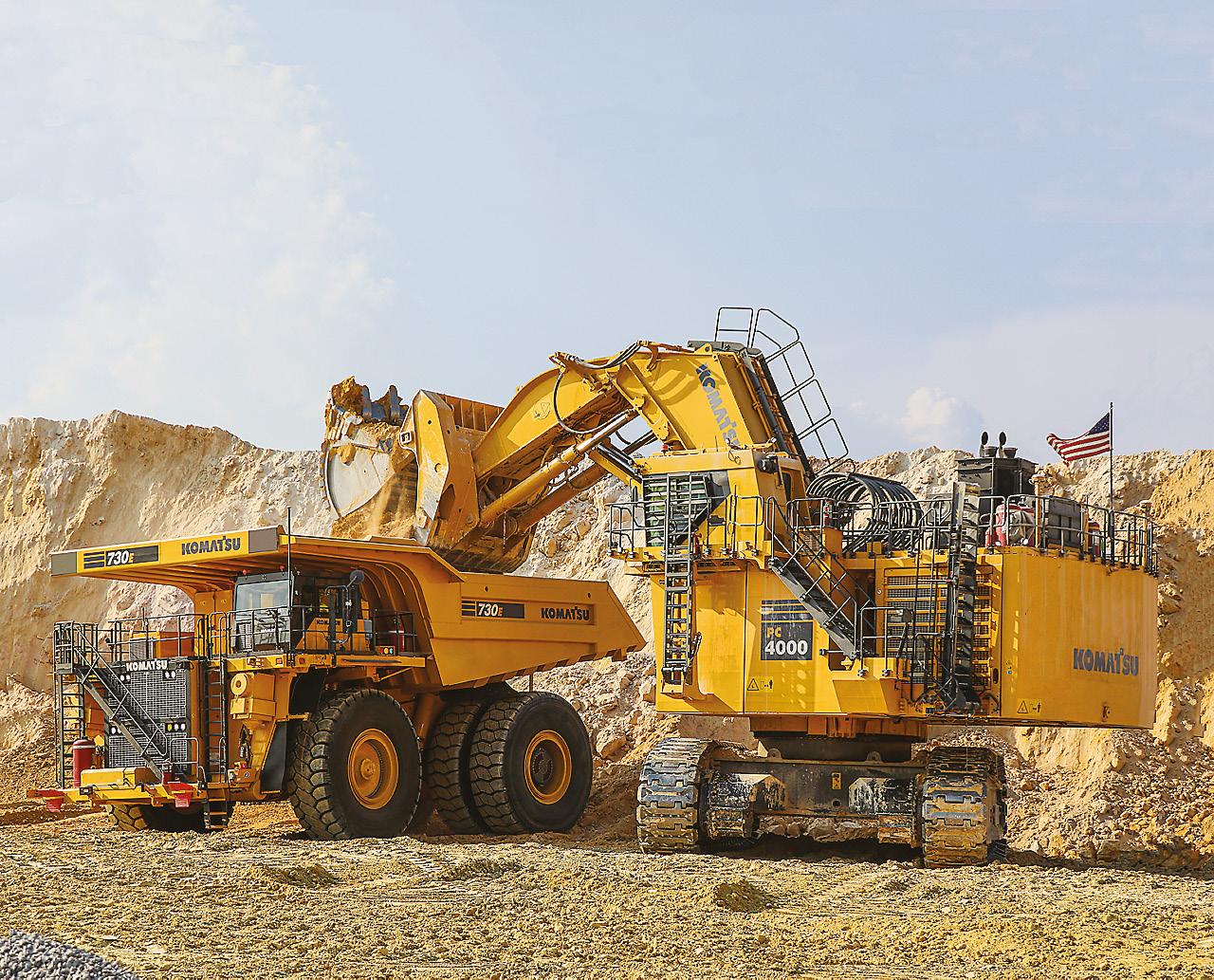
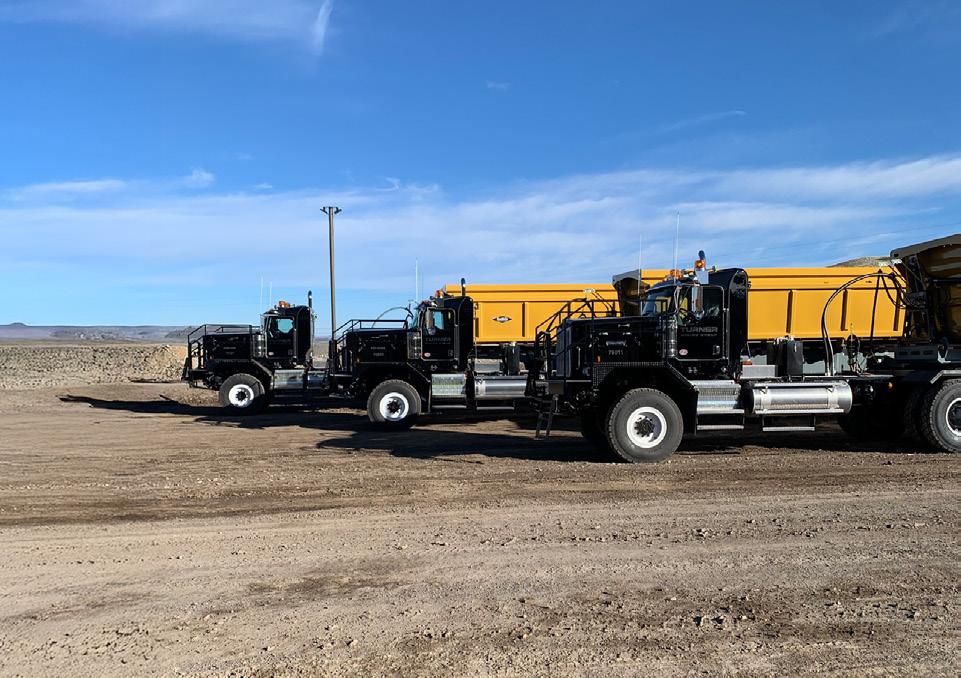
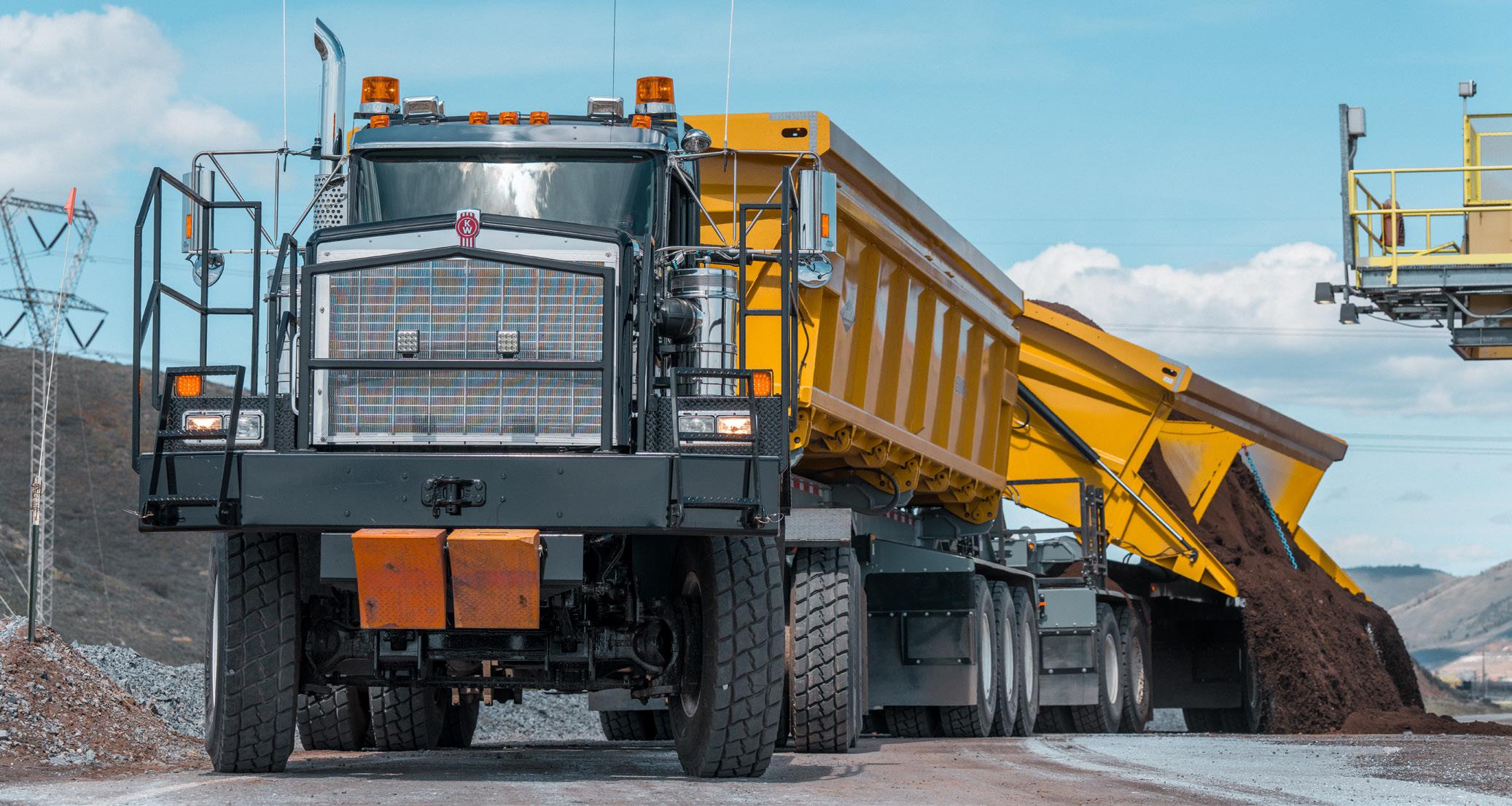
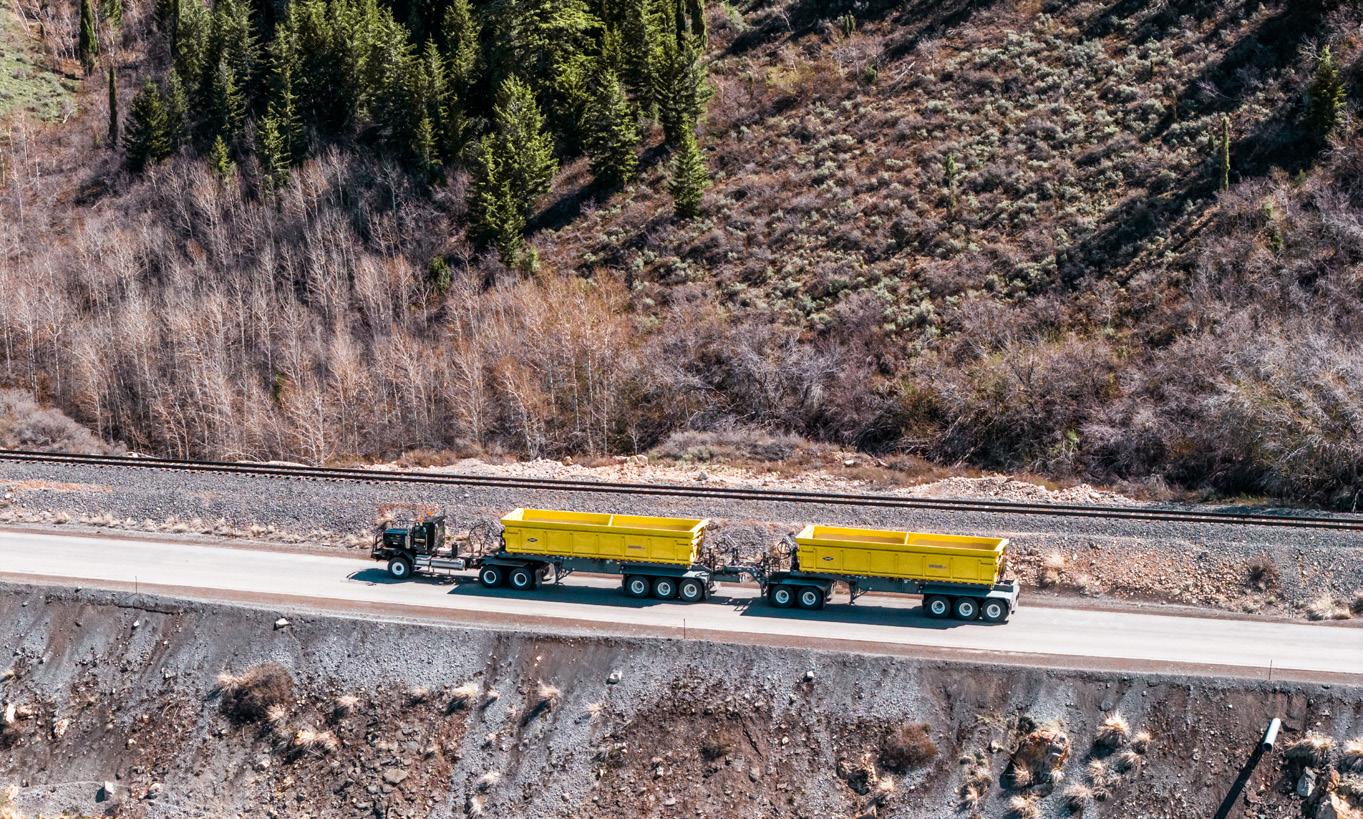
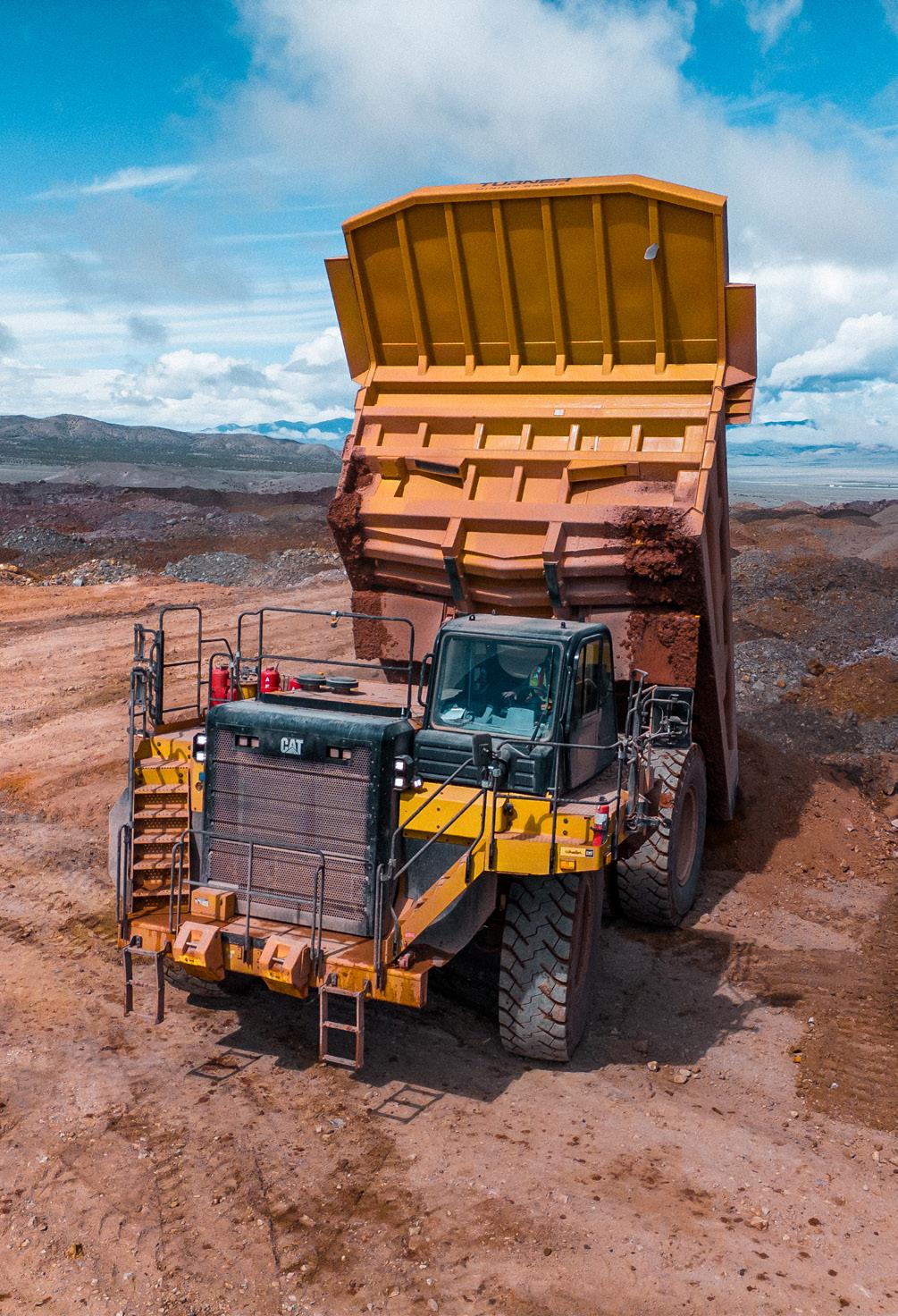
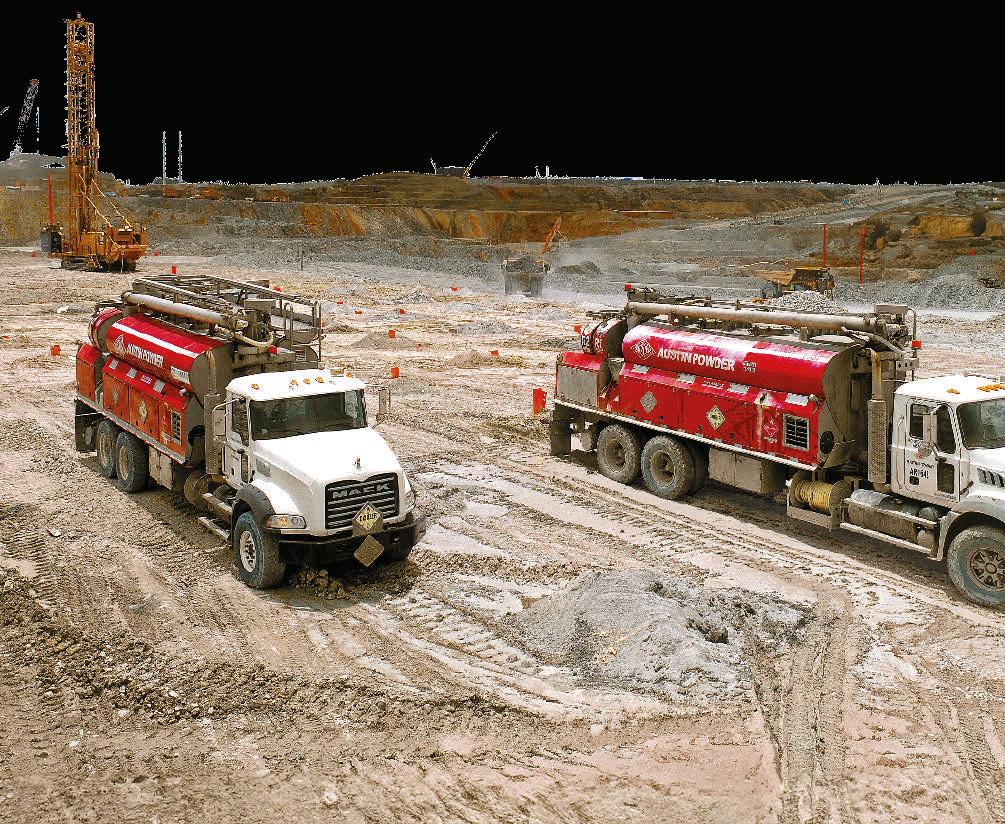
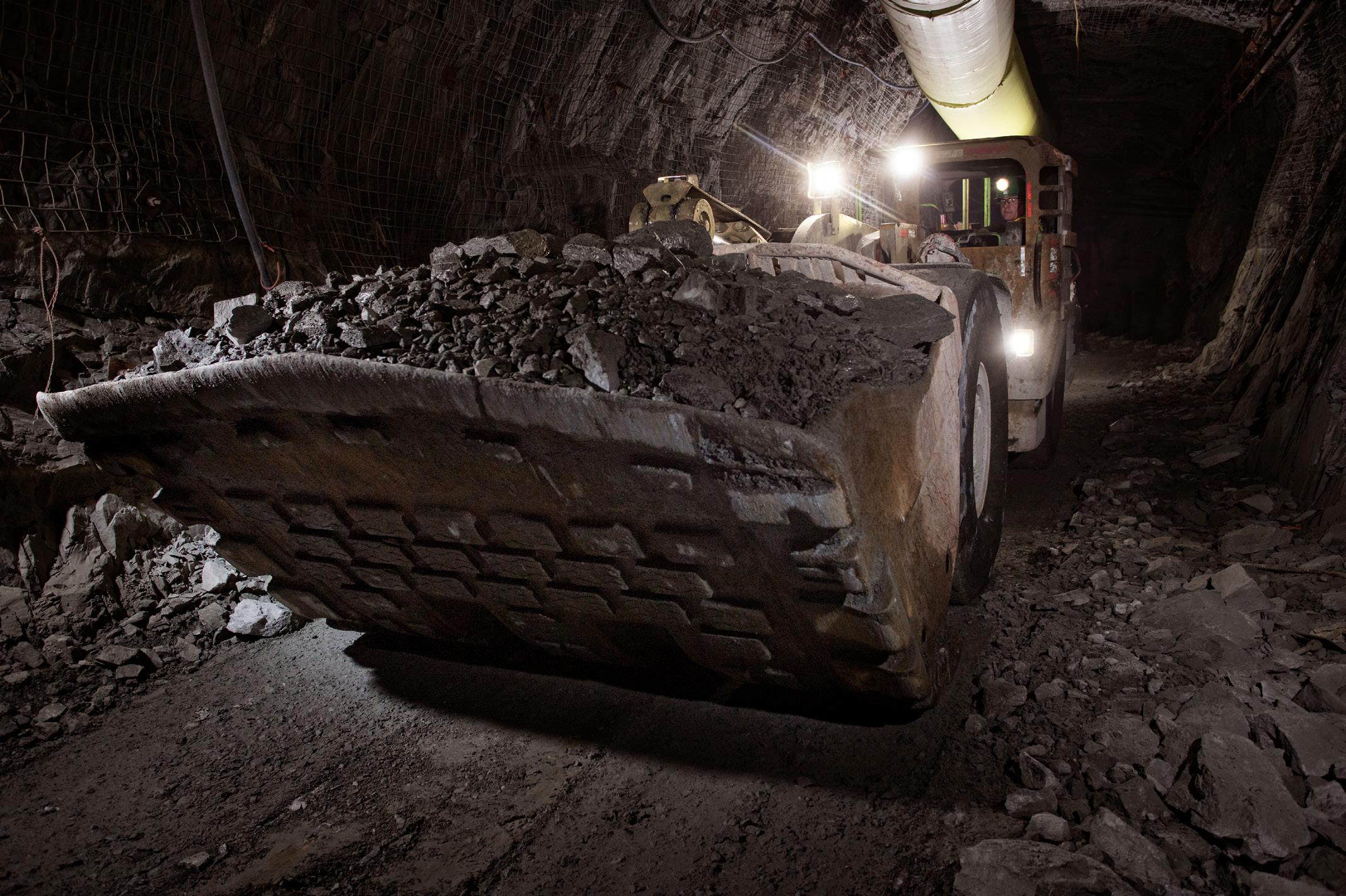
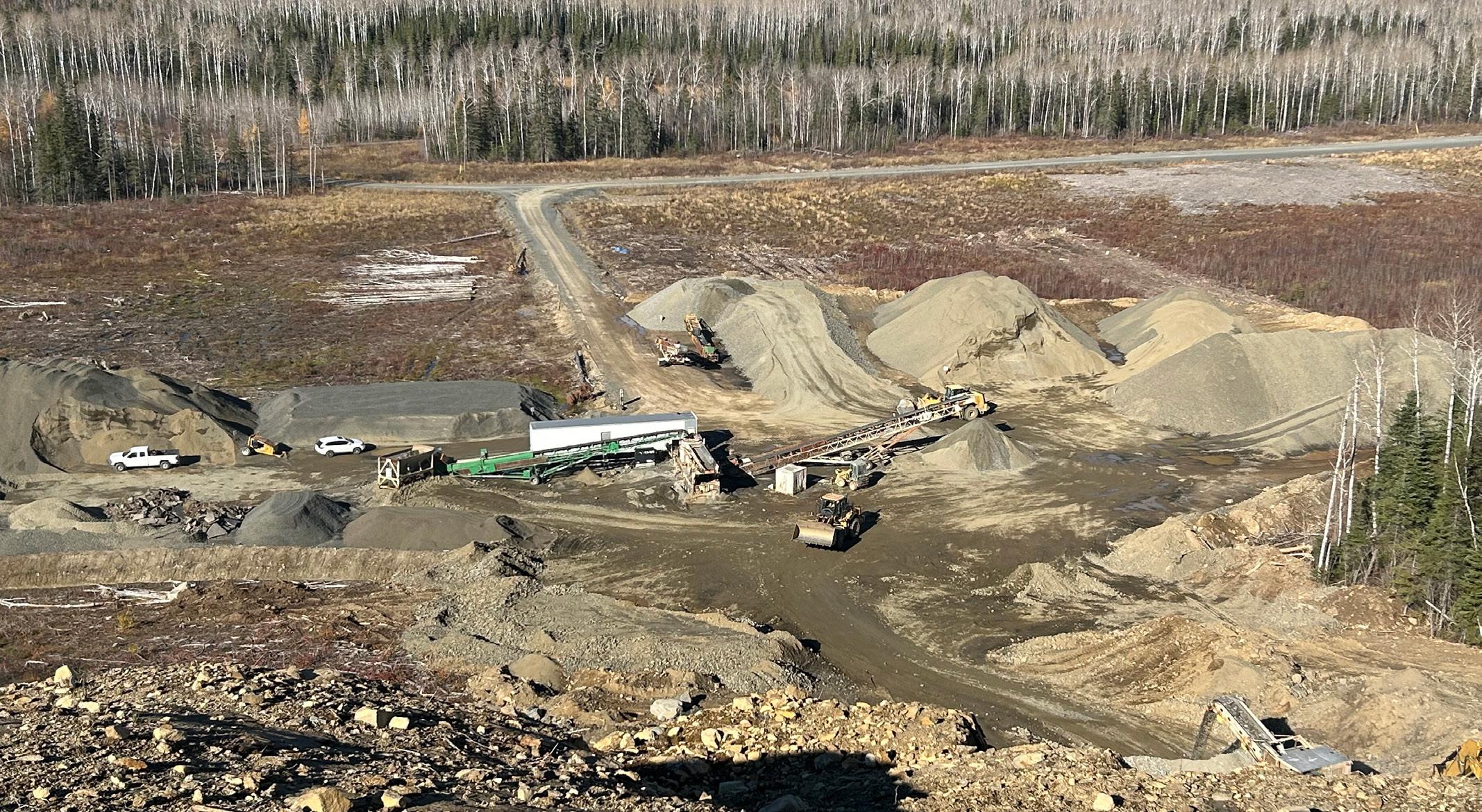
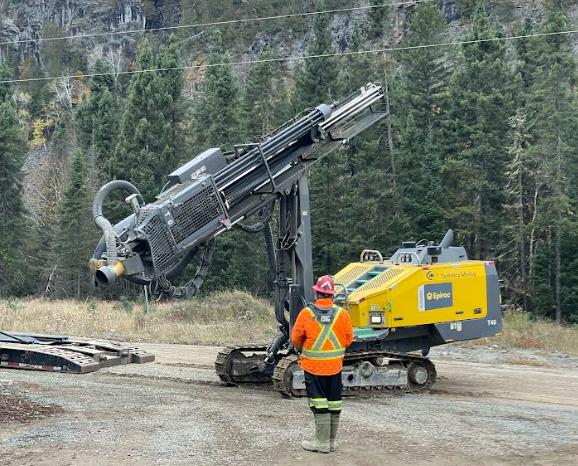
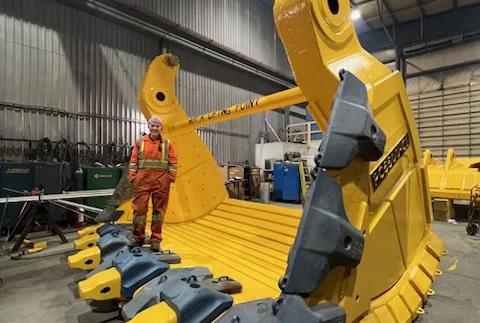
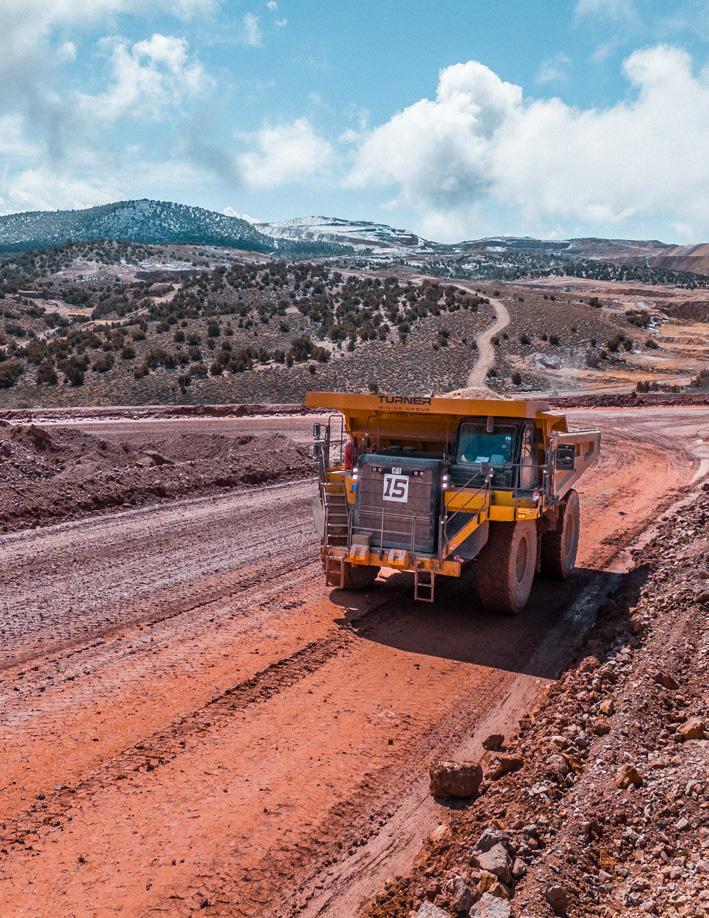
Currently, the company provides contract mining services in Idaho, Nevada, Arizona, Texas, and Vermont. It operates more than 350 assets across North America, centered around a primary mining fleet consisting of rigid-frame and articulated haul trucks in the 45 ton (t) to 100 t range, hydraulic shovels, large production wheel loaders, production excavators, and blasthole drills.
“The fleet is predominantly new or low-hour, with most units in the 2022 - 2026 model range, and around 80 percent Turner-owned with strategic lease or rental purchase option (RPO) arrangements in place to flex capacity
where required.
“A dedicated asset plan backs every project, and our standard is straightforward: equipment that works safely and efficiently, not sitting idle or in pieces in a boneyard,” informs Jensen.
Additionally, to further enhance collaboration and success, Turner employs an innovative approach to its performance-partnership models.
As a result, each model’s design aligns incentives for both the client and the contractor and deliberate strategies developed during the contracting stage influence both parties to drive results together.
“To yield successful outcomes, we embed our technical staff with the client’s engineering and planning
“THE MATERIALS REQUIRED TO BUILD TOMORROW’S ENERGY INFRASTRUCTURE, ELECTRIC VEHICLES, AND NEW TECHNOLOGY ALL COME FROM THE GROUND. MINING IS A PREREQUISITE, NOT THE ENEMY, OF PROGRESS”
– TUCKER JENSEN, VICE PRESIDENT OF OPERATIONS, TURNER MINING
GROUP
teams to equally understand the key drivers of their business. The commercial and operational teams then draft a contract based on this.
“Common styles like alliance, gainshare/painshare target cost, and flat rate generally serve as the foundational structure, but the specifics of the problem being solved and the needs of the business drive
customizations that extract real value,” Jensen highlights.
Unlike the more commonplace unit-rate, lump-sum, or timeand-materials contracts, Turner’s engagement with clients as a partner builds stronger relationships between the companies and results in better safety, production, and financial performance.
“Through shared dashboards, joint financial and production reviews, and active mine planning and design, we intend to become a department of your organization with the same goals – rather than a simple contractor focused on maximizing billables. In our preferred contract styles, when our client wins, we win,” Jensen details.
A DRIVE FOR UNSTOPPABLE GROWTH
Certain strategies have contributed to Turner doubling in size year after year, a trajectory it plans to continue driven by a confluence of market forces and intentional internal strategies.
“The US is experiencing a genuine shift in public support for responsible domestic mining, especially in critical minerals, which is driving new project development and extending the life of existing operations,” reveals Jensen.
CAN YOU TELL US ABOUT YOUR RELATIONSHIP WITH WINGSPIRE EQUIPMENT FINANCE?
Tucker Jensen, Vice President of Operations: “Wingspire Equipment Finance (Wingspire) took the time to understand our business model. Contract mining is not a static operation – we win a contract, mobilize quickly, and need capital ready to move with us.
“We established a structured financing facility with them of up to $150 million to support fleet acquisition and growth. The initial $20 million tranche is already deployed, funding the mobile mining fleet currently in operation at the Pan Mine in Nevada.
“Additional draws are structured to come online as new projects ramp up, giving us the flexibility we need. As a new project comes together, we can put iron on the ground without delay.
“Most financing is reactive, whereas this is proactive and reflects Wingspire’s understanding of where the industry is headed and their confidence in our platform and pipeline.
“They structured something that grows with us rather than something we have to renegotiate every time the business scales.
“For a company adding operations at our pace, that is not a small thing – confidence goes both ways.”
CAPITAL SOLUTIONS
BUILT TO MOBILIZE HEAVY EQUIPMENT FASTER
Mining and heavy construction companies operate in environments where timing, equipment availability, and access to capital can directly impact project success. Wingspire Equipment Finance’s capital solutions enable companies to mobilize heavy construction equipment quickly after contract awards or site ramp-ups, providing the necessary flexibility without tying up liquidity or delaying deployment.
Wingspire Equipment Finance empowers companies in capitalintensive industries to acquire, upgrade, and expand their heavy equipment fleets, offering flexible financing solutions from $5 million to $100 million+. Our tailored support covers acquisitions, fleet expansion, refinancing, progress payments, and scalable capital facilities, helping companies efficiently meet significant equipment needs.
For companies with substantial equipment already in service, Wingspire Equipment Finance can also provide sale-leasebacks as a strategic source of working capital. By leveraging existing heavy equipment assets, businesses can unlock liquidity while continuing to use the equipment in daily operations. This can help support new project mobilization, broader growth initiatives, or working capital needs without disrupting field performance.
Backed by funds managed by Blue Owl Capital (NYSE: OWL), a premier asset manager with over $315 billion in AUM, Wingspire Equipment Finance combines a strong lending capacity and a streamlined underwriting process to help mining and heavy construction companies access capital with greater certainty and speed.
WHEN CAPITAL IS READY, CONTRACTS GET WON
THE FUNDING BEHIND TURNER MINING
GROUP’S NEXT STAGE OF GROWTH
Turner Mining Group (Turner) needed a capital structure that could support the pace and scale of its growing project pipeline.
When Turner Mining secured a new contract at the Pan Mine in Nevada, Wingspire Equipment Finance provided an initial $20 million tranche. The initial capital is part of a larger equipment financing facility expected to reach up to $150 million. The capital supported Turner’s mobile fleet needs, including haul trucks and excavators, helping the company ramp up operations quickly.
Turner uses a flexible credit facility aligned with its project pipeline, ensuring capital is deployed efficiently as operational demands arise. For Turner Mining, the relationship provides more than equipment financing - it provides a scalable capital partner that understands the complexity, pace, and equipment demands of the mining industry. Wingspire Equipment Finance has cemented its position as a long-term capital partner, while Turner pursues an increasingly active project portfolio across the mining and natural resources sectors.
“We have the capital infrastructure already in place to move fast and ramp up our customers’ operations without delay. Wingspire Equipment Finance understands our business and has structured something that grows with us,” states Keaton Turner, President, Founder, and CEO of Turner.
FROM CONTRACT AWARD TO EQUIPMENT DEPLOYMENT
For mining contractors, sitework companies, and heavy civil construction businesses, equipment availability can define how quickly a project moves from award to execution. Delays in financing can slow mobilization, limit fleet capacity, and place added pressure on working capital.
Wingspire Equipment Finance bridges the gap between contract award and equipment deployment by structuring capital solutions that align with equipment needs, project schedules, and growth plans, enabling companies to pursue larger opportunities and keep projects moving.
For capital-intensive businesses, that means greater flexibility to respond to new contracts, ramp up job sites, expand fleets, and invest in the equipment that drives revenue and growth.
READY,
PARTNERING WITH THE RIGHT CAPITAL PROVIDER
In mining and heavy construction, the right financing partner can make a meaningful difference in how quickly a company responds to opportunities and how effectively it supports long-term growth.
Large equipment needs, projectdriven timelines, and complex fleet requirements call for a capital provider that understands how companies operate in the field.
Wingspire Equipment Finance works closely with mining and heavy construction businesses to understand their equipment strategy, growth
objectives, and project pipeline, then delivers tailored capital solutions designed to support speed, flexibility, and execution.
Whether financing new heavy equipment, leveraging existing assets for working capital, or building a scalable facility to support future equipment needs, Wingspire Equipment Finance provides capital solutions designed to help companies meet their growth objectives.
For mining and heavy construction companies, Wingspire Equipment Finance provides the deep lending capacity and deal certainty needed to secure opportunities, mobilize equipment, and execute with confidence.
WINGSPIRE EQUIPMENT FINANCE AT A GLANCE
450+ UNIQUE OBLIGORS
1,000+ UNIQUE SCHEDULES
$3 BILLION+ FUNDED VOLUME FLEXIBLE CAPITAL STRUCTURES
Transactions: $5MM to $100MM+
Equipment loans and leases
Credit facilities
Sale-leasebacks
Large fleet financing
Ultimately, this trend works in tandem with mine owners’ increasing preference for the contract mining model.
“By partnering with us, operators offload most of their management complexity, improve the likelihood of hitting project goals, and redeploy capital that would otherwise be tied up in equipment procurement, converting a large capital decision into a manageable operating expense.
“Our strategy for growth is also laser-focused on specific clients and operations. We conduct deep research and engage in networking to identify the projects that best fit our core capabilities, and where two company cultures and philosophies are likely to result in a true operational partnership,” Jensen expands.
Once Turner establishes alignment and secures an initial engagement with its clients, the results naturally lead to discussions about their other operations.
“The mining industry is smaller than it looks, and establishing a reputation for safety, efficiency, and success produces opportunities.”
Indeed, two internal capabilities enabled the company to scale posing a challenge for other contractors.
“Our talent engine, through Turner, and Turner Staffing Group, handles over 45,000 applications annually from qualified candidates, enabling us to mobilize skilled crews efficiently. Combined with our advanced operator training program, we are committed to excelling in talent management.
“We also have a fleet of over 350 assets and strong original equipment manufacturer (OEM) relationships, allowing us to deploy equipment quickly. We see positive trends ahead, as the commodity cycle, domestic supply chain priorities, and investment in critical minerals indicate industry growth, positioning our clients for organic expansion,” explains Jensen.
Enaex USA Inc., operating as Davey Bickford USA Inc., is part of Enaex’s global explosives and blasting solutions network, bringing more than a century of industry experience to the North American market.
With operations across five continents and exports to more than 60 countries, Enaex has grown into one of the world’s leading explosives manufacturers and blasting services providers. The company works with some of the largest mining operations globally, delivering safe, reliable and highly customized solutions that support operational performance in complex environments.
In the United States, Enaex continues to strengthen its regional footprint through strategic growth, local investment and partnerships with companies such as Turner Mining Group. These partnerships reflect Enaex’s ability to mobilize quickly, adapt to customer needs and deliver high-performing blasting solutions with a strong focus on safety, service quality and operational excellence.
Enaex USA’s regional office is based in Salt Lake City, Utah, supported by a robust operational platform that includes an emulsion manufacturing facility, silo storage, ANFO bagging unit, non-electric assembly plant, heavy ANFO
trucks, distribution fleet and a large magazine site in Rush Valley, Utah. A second emulsion facility is also underway in the eastern United States, further reinforcing the company’s commitment to growth and customer proximity across the region.
Globally, Enaex combines deep technical expertise with a forward-looking approach to innovation and automation. Its value proposition is centered on understanding each customer’s operation and delivering comprehensive, tailor-made solutions that improve safety, productivity and overall business performance.
With annual revenues of approximately US$2 billion and more than 8,250 employees worldwide, Enaex brings the scale, expertise and operational discipline of a global leader to every market it serves. Guided by its purpose of Humanizing Mining and its commitment to building stronger bonds, the company continues to support safer, more efficient and more sustainable mining operations worldwide.
For further information, please direct enquiries to: contact-usa@enaex.com
Regional Office: Salt Lake City, Utah, USA | contact-usa@enaex.com | www.enaex.com | Enaex
FROM CHALLENGES TO COLLABORATIONS
As Turner nears its 10th anniversary, it has learned key lessons to continue its journey of success.
“The most important lesson came early, and it was obvious from the work itself. Our first engagements were stripping, crushing, and overburden removal, which clarified that our partners didn’t need a contractor who simply completes tasks,” Jensen reflects.
“They need an operator who understands how planning, production, equipment, and crews function as a single system. That realization shaped how we built the company.”
As such, Turner’s experience grew alongside its scope – what started
as contract services expanded into comprehensive mining services.
“As we expanded, our working methods evolved. We stopped operating on the edges of projects and started integrating ourselves within operations.
“Today, our teams plan alongside site leadership, operate equipment alongside client crews, and carry shared responsibility for daily production,” Jensen divulges.
In this way, Turner progressed from completing tasks to operating mines, embedding teams into operations, opening its planning and reporting to partners in full, and building relationships around reliability rather than contract cycles.
“We continue to expand full-scope capabilities, developing the next
generation of leaders from within our own crews and integrating more deeply into the operations of the partners who trust us with their production,” he notes.
TRANSFORMING DATA INTO DECISIONS
For Turner, the difference between a well-managed mine and a poorly managed one lies not in the equipment but in the quality of decisions made with the information available.
Every shift produces data on machine performance, production rates, fuel consumption, and resource utilization, and most contractors let that data go unused. However, Turner’s technology investments are designed to close that gap.
STREAMLINING AND STRUCTURING SUCCESS
Managing projects of varying scales without sacrificing quality is one of the most important operational challenges in contract mining, and Turner has built deliberate systems to address it.
The foundation is a tiered leadership model, engineered so every project gets the right organizational structure for its size and scope.
“Large turnkey projects carry a full leadership team, while smaller projects are structured more leanly with specialized functions bolted on as required. This model allows us to scale without forcing a fixed overhead structure onto every engagement,” expresses Jensen.
Consistency across project scales and scopes comes from Turner’s rover program. Before a project begins, its corporate team of safety, training, maintenance, and engineering rovers conduct a formal site assessment and a kick-off meeting with the client to align goals and expectations and establish communication and reporting pipelines.
During execution, the rovers visit sites on scheduled intervals or based on site needs, driving consistency, managing performance, and implementing learnings from across the company.
By keeping up with the details, no project drifts quietly without notice.
When a project closes, the same team engages with the client to evaluate the project outcome against the goals established at kickoff, and to solicit feedback on what could have been improved.
“Underpinning each of our operations is our standardized operating infrastructure. Common key performance indicator (KPI) frameworks, reporting standards, and training programs apply across every site.
“When our operators go through the same training and every site reports on the same metrics, quality is built into the system,” Jensen ardently establishes.
“High-precision GPS and Fleet Management Systems (FMS) give us real-time visibility into machine location, utilization, and performance.
“Building on the OEM and FMS toolsets, we developed a proprietary production-tracking platform that captures site data,” Jensen outlines.
Furthermore, integrations with workforce management and financial resource planning tools give leadership access to Turner’s data through real-time dashboards and reporting, each calibrated to the right level of detail and frequency for each audience to drive data-driven decisions.
“We have created a fielddeployable learning management system (LMS) that enhances training. Operators can access tablet-based instruction in both field and classroom settings, using drone and time-lapse footage for realistic scenarios. Built-in competency tracking connects to a career pathing framework, enabling proactive career development,” Jensen sets out.
“Looking ahead, we’re actively exploring new offerings in machine control, coach-in-the-cab feedback tools, and autonomy. Philosophically, we prioritize optimizing the boring and impactful aspects of our work over silver-bullet technology implementations.”
MINING WITH PURPOSE
The US mining industry is unified in its mandate to extract resources responsibly. As one of the more vocal and socially active contractors in the country, Turner is proud to demonstrate the right way to mine resources needed to support modern society.
Mining and similar industries impact the environment and local communities, that concrete practices can help manage, minimize, and mitigate.
“Our equipment strategy brings the latest in emissions-control and fuel-efficiency technologies to the entire fleet. Spill prevention planning and a culture of 100 percent incident reporting help us prevent and address adverse events,” Jensen prides.
“Dust control and storm water management are core responsibilities at our operations to reduce or eliminate contamination, and our dust monitoring and hearing conservation programs support the health of our operators and provide insight into the health of the systems that control exposure to these hazards.”
Beyond the physical environment, Turner prioritizes supporting local communities.
“With an initial goal to secure a more than 70 percent local workforce, and achieving more than 90 percent in just the first year, we are providing careers and specialized training to members of the community.
“Our supplies and consumables are sourced from local vendors where possible, and we encourage services that were once outsourced to be developed locally.”
In addition, the company makes direct investments in the community
through donations and support for employee initiatives, including youth sports programs and fundraisers, educational outreach, and charitable sponsorships.
“Turner is proud to support and reinvest in the places we work,” Jensen emphasizes.
NAVIGATING THE US LANDSCAPE
With the North American mining industry at an inflection point, the challenges are as significant as the opportunities.
The most immediate structural challenge is permitting. The US sits atop world-class mineral resources, but decades of regulatory complexity and legal exposure have made it exceptionally difficult to bring new mines into operation or expand in a timely way.
“Permitting timelines that stretch five to 10 years shift investment and production to other countries, often with lower environmental and labor standards,” Jensen affirms.
“For Turner specifically, policy reform creates new project
MINING EXCELLENCE
With decades of expertise in large-scale mining, we deliver tailored blasting solutions that maximize productivity. Combining technical mastery with a safety-first approach, we act as true collaborators in customer success. Our precision, innovation,and commitment to environmental stewardship set us apart.
“WE CONTINUE TO EXPAND FULL-SCOPE CAPABILITIES, DEVELOPING THE NEXT GENERATION OF LEADERS FROM WITHIN OUR OWN CREWS AND INTEGRATING MORE DEEPLY INTO THE OPERATIONS OF THE PARTNERS WHO TRUST US WITH THEIR PRODUCTION”
– TUCKER JENSEN, VICE PRESIDENT OF OPERATIONS, TURNER MINING GROUP
opportunities and extends the horizon on existing ones, and we are watching the discussions at the federal level closely and positioning accordingly.”
The second challenge is public perception – a fundamental disconnect between what the mining industry does and how the public understands it remains.
“The materials required to build tomorrow’s energy infrastructure,
electric vehicles, and new technology all come from the ground. Mining is a prerequisite, not the enemy, of progress,” he declares.
“Turner has maintained an active voice on this matter through social media and partnerships with advocacy organizations because we believe the industry needs to earn its own social license.”
The third challenge is the workforce
– participation in the trade industries has declined over a generation.
“The mining industry offers stable, high-paying jobs – yet young people often overlook a rewarding career full of impactful experiences due to the narrative that success requires college and white-collar work.
“We aim to raise awareness about mining as a career option and provide training and development opportunities to help individuals enter the field.
Building on a storied legacy, Hemlo Mining Corp. operates one of Canada’s notable gold assets in Marathon, Ontario, driven by investment, exploration, and a people-first approach
As it navigates ongoing activity, North America’s gold mining industry is responding to shifting economic conditions, emerging technologies, and growing expectations around environmental responsibility.
Across key regions such as Ontario (ON), Canada, long-established mining districts operate by way of modern exploration techniques and increasingly efficient extraction methods.
Amid ongoing global uncertainty, gold remains a significant commodity in the sector.
This has prompted a level of mining investment activity, with key operators seeking to maximize output from existing assets while advancing new projects.
At the same time, a number of the
continent’s more mature mines are approaching the latter stages of their lifecycles, creating a requirement for ongoing exploration and infrastructure development.
In response, many companies are increasingly targeting resource expansion opportunities in proven regions where geological understanding and established infrastructure offer an operational base.
Elsewhere, the integration of advanced technologies – including artificial intelligence (AI), automation, data analytics, and digital monitoring systems – is enhancing efficiency and improving decision-making across the mining lifecycle.
The scene is also undergoing a broader transformation driven by heightened environmental
expectations and regulatory oversight. From emissions reduction initiatives to more responsible land management practices, mining companies are aligning production with sustainability goals while maintaining operational performance.
As North America’s gold sector operates within a changing environment, it continues to adapt.
SIGNIFICANT OPERATION
Hemlo Mining Corp. (Hemlo) is a Canadian mining producer built on one of the country’s most iconic gold camps.
Formerly known as Carcetti Capital Corp., Hemlo was recently established in 2025 to operate the Hemlo Gold Mine in Northwest OT, acquiring the site from Barrick Mining Corporation (Barrick).
The acquisition was a highly competitive process, however Hemlo’s strong technical team and institutional backing enabled it to secure the acquisition.
Hemlo had exceptionally strong support to finance what was ultimately a USD$1 billion transaction and was fortunate for the outcome to fall in its favor.
The deal was underpinned by Hemlo’s long-term view and expertise in the gold market, particularly given the opportunity created by the divergence between spot prices and long-term forecasts.
A piece of Canadian mining history, the Hemlo Gold Mine has been in production for over 40 years, having produced over 25 million ounces (oz) of gold during its lifetime.
Today, two key pieces of infrastructure are operating well below capacity, creating a significant opportunity for the company. The mill is running at about 40 percent capacity and the hoist at around 60 percent.
Hemlo Gold Mine –at a glance
• Hemlo’s flagship operation located in Northwest ON.
• Hemlo is one of Canada’s most iconic gold camps.
• 40+ years of production history and 25 million oz produced.
• Hemlo recently transitioned to owner-operator of the mine.
• The company is committing substantial investment into the asset in 2026 to drive optimization and growth.
In terms of its production profile, Hemlo hasn’t released formal guidance yet – however, the company did publish its NI 43-101 Technical Report late last year, which provides some insight regarding potential future production and growth profiles.
CONSIDERABLE FLEXIBILITY
The company believes the Hemlo Gold Mine offers significant expansion potential, with cut-off grade adjustments to optimize extraction.
In many deposits, adjusting the cut-off grade results in margin compression, whereas Hemlo is in a position where that impact is far less pronounced, creating a potential opportunity for increased tonnage and the potential to reduce unit costs through economies of scale.
While some operators have shifted their focus away from Canada in recent years, the company remains confident in its prospects. Indeed, the country is still a top-tier mining jurisdiction, and Hemlo is proud to be part of it.
However, one of the industry’s most pressing challenges is a widespread shortage of skilled professionals.
A lack of people and talent is significantly impacting the sector, with significant attrition across the board – from miners and geologists to engineers and finance professionals, even within government.
This talent gap also affects regulatory processes, particularly at the provincial level, where reduced capacity makes it difficult to accelerate permitting timelines.
At the same time, there is a broader structural imbalance within the global mining value chain when it comes to outsourcing minerals refinement and processing.
Much of the refining capacity still sits in Eastern markets, which is not something that can be fixed overnight.
Socially responsible
Environmental stewardship and responsible resource development are central to Hemlo’s operational approach. The company is committed to minimizing its environmental footprint while maintaining transparent and accountable operations.
Working closely with local and First Nations partners, Hemlo integrates sustainability considerations into all stages of the mining lifecycle – from exploration through to production.
Regular monitoring, reporting, and third-party collaboration ensure compliance with regulatory standards and support continuous improvement.
Beyond compliance, Hemlo places strong emphasis on collaboration and shared responsibility. By engaging with stakeholders and incorporating local perspectives, the company seeks to create lasting environmental and social value.
This includes responsible land use, efficient resource management, and ongoing investment in site improvements.
For Hemlo, responsible mining is part of its stated operational framework.
Offering superior service and workmanship, Adey Brothers Construction Solutions Ltd. is a family-owned construction company dedicated to delivering results across North America
Asone of the oldest professions in human history, the construction industry plays a vital yet unique role in the development of cultures across the globe, having a major influence on both the economy and society as a whole.
The industry can be a naturally volatile one at times, due to its response to fluctuations in consumer and business confidence; however, construction’s impact on sustainability, innovation, and technological advancements in the built environment makes it an undeniable cornerstone of economic growth and development.
Ultimately, for construction, enduring quality is not just about what gets built, but rather about how the entire process is managed – from materials to execution. Discipline, communication, and the ability to do things right result in projects that stand the test of time.
Quality Construction Always Done Right
This is the principle that Adey Brothers Construction Solutions Ltd. brings to every project it embarks on.
The company prides itself on delivering the right solution for each client, ensuring the process is as smooth and supportive as possible, every time.
Headquartered in Terrace Bay, Ontario, Adey Brothers Construction Solutions Ltd. is a familyowned construction company dedicated to customer
satisfaction and workplace safety. The business offers a wide range of services to meet any project needs. It specializes in helping clients save both time and money by utilizing state-of-the-art equipment and the latest techniques.
Adey Brothers Construction Solutions Ltd. serves all industrial sectors, including pulp and paper, hydroelectric, cement plants, potash, petrochemicals, and mining. Equally, it provides the following industrial services: millwrighting, boilermaking, scaffold erection, pipefitting, high-angle rescue, surveying, and general maintenance.
The company is available 24/7 and able to mobilize and be on site within 24 hours, cementing its status as a trusted stalwart in the construction industry.
UNPARALLELED EXPERTISE
Adey Brothers Construction Solutions Ltd. is on a mission to provide top-quality products to its clients in a professional setting while ensuring the highest standards in safety and reliability.
The company continually strives to exceed expectations by ensuring that each project it conducts is completed on time and under budget. Its commitment to assuring the full satisfaction of its clients is something that Adey Brothers Construction Solutions Ltd. takes great pride in. Such dedication has also earned the business a reputation for excellence within the industry.
All of the company’s employees are professionally trained tradespeople holding Canadian and US construction tickets, with senior tradespeople in possession of journeyman trades tickets.
Safety and environmental conscientiousness are core business values at Adey Brothers Construction Solutions Ltd. The company has achieved and maintained a valid Certificate of Recognition (COR) and maintains a partnership with ISNetworld, ensuring that its environmental, health, and safety operations exceed and establish standards and expectations.
Adey Brothers Construction Solutions Ltd. also offers a mentorship program, which
ensures that any apprentice tradesperson will be guided by capable journeymen with at least 25 years of experience.
Combined with the company’s use of the highest quality materials and superior team members, it guarantees exceptional workmanship that is both durable and cost-effective.
In addition to providing world-class service and technique, the company’s professionals work closely with clients to meet deadlines and coordinate with other related projects. Adey Brothers Construction Solutions Ltd. maintains open communication with its clients to keep them up to date on the status of their job, including them in the decision-making process for anything that may come up.
ADEY BROTHERS CONSTRUCTION SOLUTIONS LTD. JOINT VENTURE
The company is proud to be in a joint venture with Minodahmun Development LP, Flying Post Development Limited Partnership, and Mattagami AKI L.P. We have a strong partnership with Minodahmun Development LP, which is a 100 percent First Nations-owned partnership created by Animbiigoo Zaagi’igan Anishinaabek, Aroland First Nation, and Ginoogaming First Nation to maximize First Nation participation in development projects.
The company has the same relationships with Flying Post Development Limited Partnership and Mattagami AKI L.P.. These are rooted in respect, transparency, and a focus on long-term partnership. Adey Brothers Construction Solutions Ltd. prioritizes Indigenousowned businesses to ensure its projects contribute to long-term economic prosperity.
With services including millwrighting, pipefitting, carpentry, boilermaking, scaffolding, and electrics, Adey Brothers Construction Solutions Ltd. is primed and ready with friendly professionals to discuss the requirements of any upcoming project, in addition to scheduling an estimate appointment at a time that is most convenient for you.
When planning your next project, rely on a company that offers unparalleled knowledge, experience, and expertise. Contact Adey Brothers Construction Solutions Ltd. to learn more about what sets it apart from the competition.
TOP-QUALITY PROJECTS
Adey Brothers Construction Solutions Ltd. proudly offers top-quality products for its clients, enabling the completion of projects in an efficient and reliable manner.
THE ADEY BROTHERS CONSTRUCTION SOLUTIONS LTD. ADVANTAGE
• Location – A 24-hour service industrial contractor.
• Availability – Ownership that lives and works locally. Clients have 24/7 access to company ownership.
• Experience – The leadership team has over 60 years of industrial experience and employs over 50 skilled tradespeople at any given time on short notice.
A major project on which the company has worked is the Côté Gold Project, located in northeastern Ontario. This impressive endeavor is a large-scale open-pit gold mining operation jointly owned by IAMGOLD and Sumitomo Metal Mining Co., Ltd.
Having officially achieved commercial production in August 2024, the project was designed with cuttingedge technology, such as autonomous haul trucks and drills. The Côté Gold Project is positioned among the largest gold mines in the country, and Adey Brothers Construction Solutions Ltd. has contributed to this significant feat through the provision of shaker screens, alongside millwright and iron worker composite crews and belting installation at the site.
As a whole, the Côté Gold Project emphasizes sustainability and innovation, integrating environmental stewardship and digital technologies to enhance safety and efficiency throughout its operations – traits which Adey Brothers Construction Solutions Ltd. works hard to uplift on a daily basis.
In addition to this project, the company is part of a plethora of other industry-leading initiatives and programs, including AV Terrace Bay, and working with other players in the field, such as Summit Pipeline Services and TransCanada PipeLines. It also ensures that team members are trained in high-angle rescue and rapid access, which prepares personnel for rescues where the slope is greater than 60 degrees, and the team is entirely dependent on ropes for suspension and safety.
As Adey Brothers Construction Solutions Ltd. looks ahead towards another 25 years of success in the industry, the company will continue to dedicate itself to customer satisfaction and workplace safety, while providing top-quality products that its clients have come to trust and rely on.
www.adeybrothers.ca
Next-generation mining company
Hemlo operates as a Canadian gold producer, underpinned by a long-life, highquality asset base and disciplined growth strategy.
At the core of the company’s approach is its commitment to operational excellence, resource expansion, and long-term value creation.
Hemlo’s strategy is guided by a set of five clear principles:
• SAFETY FIRST – Prioritizing the well-being of employees and contractors.
• OPERATIONAL DISCIPLINE – Driving efficiency and productivity across all activities.
• SUSTAINABLE GROWTH – Extending mine life through exploration and innovation.
• COMMUNITY ENGAGEMENT – Fostering strong partnerships with local and Indigenous stakeholders.
• VALUE CREATION – Delivering consistent returns for shareholders.
Through this operational framework, Hemlo maintains its current mining operations within the region.
OWNER-OPERATOR MODEL
Hemlo recently transitioned to owneroperator of the mine, overseeing a workforce of approximately 700.
The company primarily tries to hire within local communities, collaborating with First Nations partners in the towns of White River, Manitouwadge, and Marathon.
Its transition to an owner-operator model was a move designed to strengthen both its operational control and community engagement.
Historically, many workers moved away from the region due to the prevalence of contractor-based roles – Hemlo is seeking to reverse that trend.
People want stability – pensions, benefits, and the ability to go home to their families every night, rather than staying in camps.
Re-establishing these kinds of connections is fundamental to enabling a healthy work-life balance for the company’s employees. For Hemlo, it’s all about being a strong member of the community.
The mine’s historic legacy is a defining element of Hemlo’s identity.
To unlock its potential, Hemlo is committing substantial investment into the asset. Details surrounding its future investment plans will be released as part of its formal guidance later this year.
LONG-TERM SUSTAINABILITY
Alongside exploration, the company is investing in its workforce, mining fleet, and processing infrastructure.
In this sense, the Hemlo Gold Mine is not just a standalone asset, but a platform for broader growth.
A cornerstone of Hemlo’s growth strategy is its extensive 130,000meter (m) exploration drilling program for 2026 – one of the largest of its kind in Canada.
The program is divided into three key components, each designed to support both short-term performance and long-term expansion.
LEADERS IN UNDERGROUND MINING
80+
Projects completed across four continents
85+
Pieces of heavy underground mobile equipment
Manroc specializes in Alimak raise development, underground lateral development, long hole stope production drilling/blasting and underground construction.
We work in close partnership with our clients to ensure every project’s success.
Our methods and expertise make it possible to
75,000+
Lateral development meters driven since 2000
65,000+
Raise meters driven since 2000
extract previously uneconomic or inaccessible ore reserves. Manroc has led and stayed at the forefront of mining technologies and applications relating to narrow vein stope mining. We have successfully applied innovative mining techniques, which consistently result in lowering production costs and increasing productivity.
GLOBAL REACH
We are proud to call Northwestern Ontario home. Headquartered in Manitouwadge, Ontario, with our corporate office in Thunder Bay, Manroc serves most of the operating mines in the region.
Over the years and generations, Manroc has been asked to lead and support a number of international underground development projects. When our expertise becomes fundamental to a project’s success, we excel in our ability to lead, train, procure and execute on project deliverables.
These components include resource conversion drilling to a depth of 70,000 m, a 30,000 m highdefinition drilling stage focused on derisking the short-term mine plan, and a 30,000 m growth drilling stage to test new mineralized zones outside the current mineral resource footprint.
The 2026 resource conversion drilling program targets inferred mineral resources and unclassified
Q1 2026 financial and operating results
Having delivered its first full quarter as owner-operator of the Hemlo Gold Mine, the company has announced its financial and operating results for Q1.
Financial highlights include delivering attributable gold production of 29,699 oz and generating USD$186.3 million in revenue and net income of USD$22.1 million – equivalent to USD$0.07 per share.
Operationally, the company completed the transition to an owner-operator model ahead of schedule, strengthened its executive and site teams, and launched the 130,000 m exploration drilling program.
Elsewhere, plant performance remained stable with an average milling rate of approximately 180 tons (t) per hour, and the ore processed in Q1 totaled 322,000 t.
Total mining costs before capitalized development costs were USD$42.6 million, or USD$113.15 per t mined, while processing costs were USD$10.5 million, or USD$32.81 per t processed.
material to upgrade it to the indicated mineral resource category and extend current mine life.
The high-definition drilling program refers to the tighter drill spacing routinely applied at the Hemlo Gold Mine prior to mining, while the growth drilling program is designed to test expanded mineralized footprints identified through sporadic historical drilling and localized past mining areas.
UNLOCKING VALUABLE GROWTH
A revised geological understanding of the deposit is key. For many years, the deposit was mischaracterized –It’s actually a Precambrian porphyry or intrusion-related system, which has important implications for how mineralization is distributed.
As the system formed, mineralized fluids moved upward, precipitating at multiple contact points.
What makes the deposit particularly unique is the fact it has undergone two deformation events, effectively folding the mineralization over itself. The mineralization existed before this deformation.
Historically, mining operations focused on the main contact zones, which were economically viable at much lower gold prices. However,
today’s pricing environment opens up additional opportunities.
There are zones in both the hanging wall and footwall that are located near existing infrastructure.
NEW MINERALIZED STRUCTURES
In May this year, Hemlo announced results from its 130,000 m 2026 drilling program regarding the SouthRim Zone (South-Rim) which support the definition of a newly recognized, high-grade mineralization domain.
Identified as one of four priority growth targets in Hemlo’s January 2026 announcement, South-Rim forms part of the company’s growth component.
Initially intersected during previous drilling campaigns, the company’s ongoing reinterpretation of SouthRim suggests multiple mineralized horizons within the metasediments may remain.
Multiple discrete, sub-parallel lenses of 1 to 2 m in width have exhibited moderate-to-strong silicification and carbonate alteration, hosting highgrade ore shoots that display plunge orientations identical to those of the C-Zone or E-Zone ore bodies.
The newly defined structure demonstrates how high-grade shoots within South-Rim are not isolated
Setting the New Standard in World-Class
As one of Canada’s leading mining and construction companies, Technica Mining is leading the way in world-class workforce safety and project excellence in underground and open-pit development, construction, maintenance, and operation
At Hemlo Mining Corp.’s (Hemlo) operations in Northwestern Ontario, Canada, Technica Mining is proud to support a partnership model that reflects the future of responsible, world‑class mining. Working in collaboration with Asiniikaa Mining and Construction (Asiniikaa) and Biiwaabikoke Limited Partnership (Biiwaabikoke LP), the mining arm of Biigtigong Nishnaabeg, Technica helps deliver projects that balance technical excellence with long‑term community value.
Established in 1999 in Sudbury, Ontario, as a small underground construction company, Technica has since grown to become a stalwart in Canada’s mining and construction industries.
From the company’s roots specializing in underground infrastructure and repairs, it has expanded its portfolio of services to comprise engineering, underground development, electrical, mechanical and civil construction, surface and underground production drilling, and blasting.
Technica is recognized for setting a new world‑class standard in underground mining by integrating safety, innovation, and partnership‑driven execution into every phase of its work. At Hemlo, this approach is realized through meaningful collaboration with Indigenous partners whose regional knowledge, workforce participation, and shared values strengthen project outcomes.
Asiniikaa comprises both Indigenous and non‑Indigenous team members, bringing decades of sector experience to the North. The company’s relationship to the area is essential, as the North is where Asiniikaa and its partners are located. Asiniikaa’s focus is on exceeding the expectations of its clients while building sustainable, reciprocal relationships with Indigenous communities and organizations.
As part of its operations, Asiniikaa invests in capacity development, training and development, and procurement opportunities in every community in which it works.
At the Hemlo Mine, Asiniikaa has formally established a strategic partnership with Biiwaabikoke LP. This partnership reflects a shared commitment to collaboration, economic development, and responsible resource management, alongside supporting employment opportunities, business growth, and long‑term sustainability in the region.
Technica Mining works together with its partners to support project delivery at Hemlo. Through this partnership structure, Technica, Asiniikaa, and Biiwaabikoke LP are engaged in a collaborative approach that brings together technical execution, regional experience, and community participation in support of mining operations.
www.asiniikaamining.ca
With nearly three decades worth of industry expertise, Technica’s track record of safely completing projects on time and on budget, in addition to its strong and well established partnerships, continues to set it apart as the go to company within mining and construction.
Info@technicamining.com | www.technicamining.com
anomalies, but rather a coherent system of plunge-controlled lenses.
Hemlo’s geology team recently completed a comprehensive reinterpretation of all available drill data, recognizing for the first time that these discrete intersections are part of a single, plunge-controlled mineralized structure extending over more than 1.5 kilometers vertically and within an approximately 300-m-wide east-west corridor.
While individual lenses in the C-Zone remain spatially separated, they share consistent grade characteristics and structural affinity, confirming their common genetic origin.
The ongoing growth drilling campaign is designed to validate this new interpretation, infill data gaps within the upper portion of the SouthRim structure and test the lateral and down-plunge extents of the system.
With intercepts at South-Rim now announced, Hemlo’s exploration strategy turns eastward toward several other zones, where historical mining intersections within equivalent South-Rim horizons returned results that remain largely untested by drilling.
LONG-STANDING COLLABORATIONS
Beyond geology and operations, Hemlo places strong emphasis on its
relationships with local suppliers and surrounding communities.
Long-standing collaborations, such as with Manroc Developments – who has supported operations in the region for nearly three decades – remain central to the company’s approach.
It’s important to maintain those relationships as they play a key role in Hemlo’s development activities.
At the same time, Hemlo works with First Nations partners to support economic development and establish long-term, sustainable business opportunities.
Hemlo’s mission, vision, and values
MISSION – To build a resilient, disciplined, and performance-driven mining company that operates with an owner’s mentality – moving with conviction, thinking long-term, and executing with precision.
VISION – To build the next-generation mining company – a nimble, ownerdriven organization with the potential to scale into an intermediate, multi-asset producer through resilience, precision, and an unrelenting focus on performance and zero harm.
CORPORATE VALUES
• RESILIENCE – Hemlo believes challenges sharpen its senses and strengthen its resolve to deliver – no matter the environment.
• PERFORMANCE – As a company that measures itself by operational, financial, and strategic outcomes, Hemlo believes results matter more than rhetoric.
• VALUE CREATION – With an understanding that everything it does must generate lasting value, Hemlo creates value for shareholders, employees, partners, and stakeholders alike.
• DISCIPLINE – Hemlo allocates capital based on data, not emotion. For the company, discipline looks like challenging old thinking, rejecting complacency, and making bold, evidence-based decisions that drive sustainable growth.
• AGILITY – Moving with conviction and purpose, Hemlo’s nimbleness allows it to capture opportunity.
• ZERO HARM – Safety and sustainability are non-negotiables for the company as it strives to protect its people, communities, and the environment around it.
• OWNER MENTALITY – Hemlo takes accountability for every decision, focusing on long-term value creation and driving measurable results.
This commitment extends to the nearby town of Marathon, where the company engages a range of local suppliers for operational and safety services.
For Hemlo, it’s about ensuring that the benefits of the mine are felt across the entire region.
Equally, sustainability and environmental responsibility also form a core part of its operating philosophy.
The company adheres to a range of environmental standards and reporting frameworks while also going beyond baseline requirements. Hemlo complies with multiple environmental and sustainability initiatives, publishes annual reports, and conducts quarterly audits in collaboration with its First Nations partners.
This level of engagement ensures transparency and accountability among members of the community.
PEOPLE-CENTRIC APPROACH
Looking ahead, Hemlo has set out a clear roadmap of corporate and operational milestones.
From a market perspective, the company has been listed on the Toronto Stock Exchange (TSX) by the TSX Venture Exchange since June, ahead of a further listing on a major US exchange.
In parallel, Hemlo is aiming for inclusion in key mining indices, alongside the release of an updated resource estimate as part of internal technical and administrative work.
The company is completing all the groundwork this year, from geotechnical and ventilation studies to material handling and mine sequencing.
Operationally, the focus remains on stabilizing the site and gradually increasing production rates.
Production and financial targets aside, Hemlo’s people-centric approach
is what truly sets the company apart. One of the most unique aspects of the business is how integrated its leadership team is with the site.
Senior executives spend significant time on-site each month, working closely with operational teams.
With a young and ambitious workforce, Hemlo is focused on cultivating the next generation of industry leaders.
This emphasis on mentorship and development is a key component of both the company’s culture and longterm vision, particularly as it navigates an increasingly competitive labor market.
info@hemlomining.com www.hemlomining.com
TRANSFORMING DUST CONTROL
With a steadfast purpose of delivering operator safety through world-class dust management solutions, Grydale is a proud industry stalwart. We revisit the company with Alex de Andrade, CEO, to discuss its latest ventures and technology
Writer: Lauren Kania | Project Manager: Eddie Clinton
Having made a name for itself solving the tough and often invisible problem of airborne dust at the source, Grydale is a proud Australian dust control manufacturer and engineering specialist with global capacity.
Since we last spoke to the company in February 2025, the ever-crucial mining industry has only continued to
become more technically demanding.
Specifically, Grydale is seeing a global emphasis on new standards and worker health, respirable dust exposure, and regulatory compliance, especially around crystalline silica and other hazardous particulates. This is driving a shift from traditional reactive dust suppression systems to engineered dust control solutions
that are measurable, verifiable, and integrated into mine planning.
“From my perspective, mining remains an industry that rewards engineering innovation and practical problem-solving, and values the relationships we create by offering hands-on support for the lifecycle of the equipment,” introduces Alex de Andrade, CEO.
Operations are under pressure to improve productivity while upholding unconditional safety outcomes, and that’s where effective dust extraction design plays a critical role. Remote connectivity and calling on a support team when integrating the machine’s Internet of Things (IoT) telemetry data are essential for modern engineers and production crews.
The data allows them to predict maintenance and reduce servicing costs and downtimes, which creates meaningful work for Grydale’s engineers, field service technicians, and sales support team.
Ultimately, for Grydale, its focus is on evidence-based dust control.
“We increasingly help clients verify performance, optimize airflow, and demonstrate compliance with the evolving workplace exposure limits. This focus on measurable outcomes is shaping the next phase of dust control in mining and heavy industry; knowing we are doing the right thing for all operators is a gratifying experience,” enthuses de Andrade.
SOLVING PROBLEMS AT THE SOURCE
Grydale is first and foremost an original equipment manufacturer (OEM) with protected intellectual property and a customer-first culture where its service teams integrate into clients’ teams to solve shared challenges.
“Our patented mobile dust collector technology has fundamentally changed how dust extraction is approached in mining, tunneling, blasting, ship loading, infrastructure, agriculture, and heavy industry, particularly in environments where flexibility and mobility are critical,” de Andrade details.
Grydale’s total service offering is embedded in the way it delivers ventilation designs, engineering innovation, hands-on commissioning and field service support, worldclass LEAN and ISO-accredited
manufacturing, and ongoing remote support services.
What further differentiates Grydale is the company’s technological advancements.
Recently, the company’s engineering focus has extended to 1,000-volt (V) electrics for large mobile units – an option increasingly preferred in tunneling and underground mining for
efficiency and safety. Harmonics management on 1000 V variable frequency drives (VFDs) is highlighted as critical to power quality and equipment life. This is reflected in deployment casework by SMEC Power & Technology, which supplied 1,000 V VFDs with tuned harmonic filtering for JMS60 M-Series collectors on recent Sydney tunneling projects.
GRYDALE WAS NAMED A FINALIST IN THE MORETON BAY BUSINESS AND INNOVATION AWARDS. HOW DOES THIS DEMONSTRATE YOUR COMMITMENT TO GROWTH AND INNOVATION?
Alex de Andrade, CEO: “Being named a finalist in the Advanced Manufacturing Excellence category at the Moreton Bay Business and Innovation Awards was a proud moment for the entire Grydale team.
“The category recognizes businesses that advance manufacturing through innovation, technology, and continuous improvement, which aligns strongly with how we operate. The recognition reflects our ongoing investment in engineering capability, R&D, advanced fabrication, and quality systems in the Moreton Bay region, while upholding a zero-tolerance approach to any safety risk for our teams.
“It also acknowledges the skill and dedication of our people who make the brand what it is by the effort they put in daily around the globe.”
“FROM MY PERSPECTIVE, MINING REMAINS AN INDUSTRY THAT REWARDS ENGINEERING INNOVATION AND PRACTICAL PROBLEMSOLVING, AND VALUES THE RELATIONSHIPS
WE
CREATE BY
OFFERING HANDS-ON SUPPORT FOR THE LIFECYCLE OF THE EQUIPMENT”
– ALEX DE ANDRADE, CEO, GRYDALE
On the fixed-plant side, Grydale’s modular fixed-unit F-Series provides long-term, high-volume extraction for processing plants, laboratories, and materials handling hubs. The design process, sizing, air volume, air-to-cloth ratios, and ductwork pressure losses are internally designed and deliver the compliant emissions capture needed in controlled environments, offering advantages over older baghouse alternatives.
Equally, with recent diversification
into potash and grain wheat loadout solutions, the company has successfully demonstrated a vast range of dust management applications, including on-board systems and conveyor transfer chutes for the agricultural industry.
Specifically, the Grydale Remote Access Monitoring System (G-RAMS) is transforming dust control through intelligent remote IoT monitoring. Industrial environments are under increasing pressure to maintain safer work sites, reduce emissions, and
improve operational safety. Dust, though often invisible, remains one of the most persistent threats and even evident causes of death, impacting worker health, environmental compliance, and equipment longevity, hence why Grydale’s top-of-the-line innovations prove crucial.
Innovation is just as visible where mobility offers key advantages. The company holds international patents for self-propelled, track-mounted collectors that can follow the face or source of dust generation, minimizing duct runs and treating less air for more efficient capture.
INNOVATION AT LARGE
Having begun in the city of Moreton Bay, Grydale now proudly spans multiple regions, including Australia, North America, and Europe. The company also has distribution partners with reach across the Gulf Cooperation Council (GCC) via Saudi Arabia’s Mining Vision, Golden Compass, and Rasi Investment Co.
Specifically, the company is building a presence with regional partners such as Mining Vision – an authorized distributor – who has reported approximately 20 Grydale units in the country for various historical and current projects. Mining Vision, under Golden Compass, stands out as a rapidly expanding mining services leader, engaging with international OEMs across the value chain. Through the strong guidance of Meshary AlAli AlDeheshi, CEO, the company’s abilities are indicative of the brand’s GCC momentum and Saudi Arabia’s 2030 vision.
This expansive reach allows Grydale to provide on-the-ground service technicians to support best practices in dust suppression adoption globally.
Equally important to the company are customer service guarantees. Its service proposition is intentionally end-to-end, including ventilation design, manufacturing, site commissioning, project management, and ongoing technical support and warranty – coupled to a significant rental fleet for any emergency or unplanned temporary works.
In North America, Grydale’s growth is being driven through Grydale North America, established in collaboration with JEBCO Group (JEBCO) and led by Brett Murray, President.
JEBCO is a well-established North American manufacturer and industrial
GRYDALE’S CALLOUTS AND CREDENTIALS –AT A GLANCE
• PROUDLY AUSTRALIAN OEM – Grydale designs and builds fixed, mobile, and onboard dust collectors, with patented mobility that enhances at-source capture across tunneling, mining, construction, recycling, and bulk-handling applications.
• 1000 V WITH HARMONICS CONTROL – Purpose-engineered for heavy underground duty, supported by deployments using tuned harmonic filters on high-powered VFDs.
• LABORATORY-GRADE RESULTS IN THE FIELD – Independent testing has verified filtration performance to 99.99 percent at 0.067 microns; fixed-unit design practice emphasises correct airflow, pressure, and air-to-cloth ratios to ensure compliant capture in controlled environments.
• BACKED BY RDO EQUIPMENT – Strategic investment by RD Offutt Co. (RDO) underpins manufacturing capability, rental fleet scale, and aftermarket expansion, including a rental fleet of close to 50 machines serviced and supported from customer service facilities in Wyong, New South Wales.
• GLOBAL PARTNERS – These include Mining Vision and a frequent North American event collaboration with Jebco Industries Inc., with signs of a growing ecosystem around the technology.
Your Technology. Built by Experts.
At JEBCO Industries and the JEBCO Group, we are an experienced OEM fabricator dedicated to manufacturing your technology with precision, reliability, and scale. From concept to production, we partner with innovative companies to transform designs into high‑quality, manufacturable solutions.
Our capabilities span advanced fabrication, assembly, and process
optimization ensuring your technology is built to perform, comply, and grow with your market demands. Whether you’re scaling a proven product or launching something new, JEBCO delivers consistent quality, engineering expertise, and on‑time execution.
When your technology matters, trust the team that manufactures it right every time.
“Mining Vision is driven by a clear purpose to empower industry through innovative strategies and transformative solutions, creating lasting value for clients, partners, and the Kingdom’s mining future.”
– Chairman, Mining Vision
miningvision.net info@miningvision.net
Mining, drilling and Industrial Solutions
With a clear focus on advancing Saudi Arabia’s mining industry, Mining Vision is emerging as a strategic force in the Kingdom’s expanding resources sector. Saudi-owned and market-focused, the company delivers specialist solutions spanning drilling, geology, upstream and downstream support, and mining technology distribution.
Aligned with Saudi Vision 2030, Mining Vision supports localization, sustainable growth, and the responsible development of mineral resources.
Through international partnerships, it connects Saudi projects with proven OEM capability, supplying drilling rigs, dust collectors, crawler vehicles, downhole survey systems, electronic drilling recorders, and wireline logging technology.
Its affiliated businesses further strengthen the offering through drilling fluids, PPE, core boxes, battery-powered light towers, and field security solutions.
partner with deep experience supporting mining, oilfield, and heavy industrial operations. Its business is built on quality-certified manufacturing, practical engineering, and strong market relationships – capabilities that align closely with Grydale’s health-first and performance-driven philosophy.
Through this collaboration, JEBCO works closely with Grydale’s leadership and technical teams to develop and strengthen its brand in North America, combining local manufacturing, sales, and service capabilities with Grydale’s proprietary dust control technology. Together, Grydale North America delivers engineered, measurable, and compliant dust management solutions tailored to North American operating environments.
“CSR IS EMBEDDED IN GRYDALE’S PURPOSE. AT OUR CORE, OUR STAFF JOIN THE COMPANY KNOWING THEY CAN MAKE A DIFFERENCE TO OPERATOR SAFETY AND WORK CONDITIONS”
– ALEX DE ANDRADE, CEO, GRYDALE
Ultimately, dust control and operator health remain Grydale’s key reasons for existence. Continuously positioning its products as engineering controls to reduce worker exposure to harmful respirable particulates, the company’s ‘healthfirst’ stance is reinforced through LEAN and operations-excellence disciplines in the company’s Brisbane factories.
Redpath Australia noted this operational excellence within Grydale’s manufacturing facility during its Lean Leaders program, highlighting the site visit as a practical example of the 5S methodology and continuous improvement, an endorsement that safety, quality, and performance are being pursued together on the shop floor, and all staff have embraced a zero-injuries culture.
Spot extracting for tunnel construction
Dust control for tunelling and underground mining
JMS-50-MES mobile electric skid dust collector
Mobile dust control during surface mining and quarrying
THE ROAD AHEAD
Crucial to Grydale’s success are the dedicated team members who comprise the company.
“Empowering our people starts with trust, ownership, and technical depth. We encourage our team to take responsibility for outcomes across all disciplines,” expands de Andrade.
“We always have a minimum of two apprentices being trained at a time and uphold a cross-disciplinary, highly collaborative team model where we can cover for each other when required.”
Grydale’s people are motivated by seeing the real-world impact their work has on operator health and safety, alongside the benefits to the environment and neighboring communities wherever its technology is adopted. The company also acknowledges and rewards on the basis of clear indicators rather than broad-brush benefits for all,
promoting healthy competition and growth.
Meanwhile, Grydale is active in its surrounding communities through various corporate social responsibility (CSR) initiatives.
“CSR is embedded in Grydale’s purpose. At our core, our staff join the company knowing they can make a difference to operator safety and work conditions,” de Andrade details.
This community engagement flows to team members’ participation in local community sports, clubs, teams, and events.
“Outside of sport, we support children’s charity lunch events on the Sunshine Coast as well as Norton Music Factory, co-run by our Electrical Manager, Liam Norton. Going forward, we are finalizing our pledge with Pro Purpose® to fund initiatives linked to our community such as education in developing countries as well as youth programs in Australia,” closes de Andrade.
Additionally, the company is actively supporting mental health awareness initiatives while placing a strong emphasis on safe work practices and employee well-being for all staff and their direct families.
As Grydale embraces the road ahead, its trajectory reflects a simple equation – engineered performance plus service accountability equals safer operators and more productive sites.
Through its various new technologies and endeavors, the company is expanding its reach while remaining anchored to its purpose –operator safety through world-class dust management solutions. Tel: +61 1300 929 349 enquiries@grydale.com.au
ONTARIO’S MINE OF TOMORROW
The Victoria project in Ontario, Canada presents KGHM INTERNATIONAL LTD. with a tremendous opportunity to create the mine of the future. We discuss the development and progress of this strategic asset with the leadership team
Writer: Jack Salter | Project Manager: Scarlett Burke
Canada has always been, and still is, one of the most exciting and dynamic spaces for mining in the entire world.
Its robust mining ecosystem, especially in Ontario, a top-rated jurisdiction for mining investment, and more specifically the Sudbury region, fosters collaboration between
the province’s major mining players and visionary leadership to share infrastructure and expertise.
The regulatory environment and commitment to sustainable growth make the country a premier destination for future mining investments.
“It obviously differs province
by province, but I am personally energized by how our industry is becoming a cornerstone of both regional resilience and global technological progress,” opens Marek Bednarz, President and CEO of KGHM INTERNATIONAL LTD. (KGHM INTERNATIONAL).
Headquartered in Vaughan,
Ontario, KGHM INTERNATIONAL serves as the global growth engine of Polish multinational mining corporation, KGHM Polska Miedź S.A. (KGHM), a leading copper and silver producer globally.
“Canada’s focus on its Critical Minerals Strategy aligns perfectly with KGHM’s global goals to enable
the energy transition through copper, nickel, and other metals that we produce,” Bednarz observes.
KGHM INTERNATIONAL has a significant footprint across North America, with two operating openpit mines in the US – the Carlota Mine in Arizona and the Robinson Mine in Nevada.
In Canada, the KGHM subsidiary owns two projects – Ajax in British Columbia, which was the first deposit
purchased by KGHM in Canada, and Victoria in Ontario’s Sudbury Basin, known as the world’s nickel capital.
“Our Victoria project in the Sudbury region of Ontario is where our Canadian presence is most prominent,” informs Bednarz.
ADVANCED EXPLORATION
The mining sector is an important element of the Canadian economy, and that importance is even more
visible in Ontario, where KGHM INTERNATIONAL is very excited about the development of the Victoria project.
“It’s a strategic asset for KGHM; we’re currently reaching a depth of over 1,400 meters (m) in sinking the shaft,” Bednarz tells us.
“The horizontal drilling we started at the end of Q1 this year is a milestone for the project,” he acclaims.
“OUR GOAL IS TO TURN NATURAL WEALTH INTO A SHARED SUCCESS STORY THAT RESPECTS CULTURAL HERITAGE WHILE PROVIDING MODERN JOBS”
– MAREK BEDNARZ, PRESIDENT AND CEO, KGHM INTERNATIONAL LTD.
Rima Toor, Head of Human Resources
Steve Dunlop, General Manager of Canada and Head of North American Exploration
Marek Bednarz, President and CEO
Work on the Victoria project is conducted by DMC Mining Services (DMC), a KGHM INTERNATIONAL subsidiary and one of North America’s premier underground contractors.
DMC has been responsible for completing the surface setup and is conducting the diamond drilling program that was recently started.
“The DMC team is also responsible for the excavations on the ‘milestone levels’ to set it up so we can place the drills and complete further horizontal drilling to better identify the deposit,” adds Bednarz.
Similar to other Sudbury deposits, it’s rich in copper, nickel, cobalt, platinum, palladium, gold, and silver.
The deposit was originally discovered in 2010; KGHM INTERNATIONAL decided to take the leap toward advanced exploration five years ago.
Currently, the Victoria project is progressing on schedule and midway through the advanced exploration phase, which includes two major efforts.
“First, with the help of DMC, is sinking the shaft to 1,860 m and mining a bulk sample,” outlines Steve Dunlop, General Manager of Canada and Head of North American Exploration.
“Second is diamond drilling to further define and upgrade the resource; we’re currently drilling from the 1,200 m level. Additionally, we’re continuing the engineering and studies required to support the full mine.
“We will continue to complete advanced exploration and look forward to the next phase of our full production,” Dunlop sets out.
GOOD NEIGHBOR
The Victoria project will be a stateof-the-art operation relying on the latest available technologies, such as battery-powered vehicles and lowemissions systems.
WHAT DOES WORKING AT KGHM INTERNATIONAL MEAN TO YOU?
MAREK BEDNARZ, PRESIDENT AND CEO: “It allows me to combine my experience in working in a global environment and commercial roots with a strategic vision for the future of the mining industry.
“It’s an honor to steer an organization that balances high-tech innovation with a profound respect for the communities where we operate. Having worked in this high-paced, evolving industry for the last 20+ years, I’m excited about the opportunity of co-shaping its future with our team.”
STEVE DUNLOP, GENERAL MANAGER OF CANADA AND HEAD OF NORTH AMERICAN EXPLORATION: “I’m able to leverage my past experience in exploration, geology, and mining to support our incredible teams in the development of our current projects and passion to discover new deposits.”
RIMA TOOR, HEAD OF HUMAN RESOURCES: “What makes KGHM INTERNATIONAL special is the people, the strength of the leadership team, and a shared commitment to doing what is best for the business and its rightsholders.
“I’m energized by the opportunities ahead as we build our state-of-the-art Victoria project and proud to be part of an organization with such a strong foundation and promising future.”
“Our vision is to ensure we’re building tomorrow’s mine for the community. It will be both efficient and have a very small carbon footprint,” acclaims Dunlop.
The project is currently expected to produce more than 1.2 million tons (t) of mill feed annually and have an estimated mine life of 14 years.
Not just a mine, this project is a critical step to securing the minerals needed for the global energy transition and powering the 21st-century economy.
It also gives KGHM INTERNATIONAL the opportunity to contribute to the development of sustainable opportunities for local communities and the region.
The Victoria project thrives on the foundation of ‘good neighbor’ values, enjoying strong support from local authorities, Indigenous partnerships, and communities.
“As a local resident myself, I am deeply committed to ensuring this project offers long-term value and sustainable growth for the Sudbury region,” Dunlop acknowledges.
KGHM INTERNATIONAL maintains
active and transparent dialogue with Indigenous partners, recognizing that their support is essential to the project’s future and the region’s economic resilience.
“Our goal is to turn natural wealth into a shared success story that respects cultural heritage while providing modern jobs,” Bednarz asserts.
“We take immense pride in the positive impact our team is delivering for both the local community and, more broadly, Canada’s Critical Minerals Strategy. It’s inspiring to see the team’s dedication to working hand-in-hand to complete the project.”
PROJECT ADVANCEMENT
Moving through 2026, KGHM INTERNATIONAL’s top priority is the successful advancement of the Victoria project’s shaft sinking and commencement of extended underground drilling.
Another key target is to continue contributing value to KGHM and maintain its role as one of the world’s leading copper producers globally
“AS A LOCAL RESIDENT
DEEPLY COMMITTED TO
PROJECT OFFERS LONG-TERM AND SUSTAINABLE GROWTH SUDBURY REGION”
– STEVE DUNLOP, GENERAL MANAGER OF NORTH AMERICAN EXPLORATION, KGHM
while focusing on asset optimization and cost discipline.
“We are also dedicated to reaching new milestones in safety and digital transformation across all our KGHM INTERNATIONAL assets across Canada and the US, collaborating with local communities around our operations, and strengthening our
reputation as a trusted business partner in sustainable mining,” affirms Bednarz.
The subsidiary’s investment strategy, meanwhile, includes modernizing site-wide infrastructure, such as its recently commissioned wastewater treatment plant and highvoltage electrical substations.
Moreover, KGHM INTERNATIONAL is exploring synergies for shared infrastructure with other major miners to improve cost efficiency across its Canadian operations.
“Each of these projects reinforces our position as a leader in the North American critical minerals sector,” closes Dunlop.
Tel: Toronto office: +1 647-265-9191, Sudbury office: +1 705-885-1535
HR@ca.kghm.com
sudbury.recruiting@ca.kghm.com kghm.com/en
SCALING INNOVATION ACROSS CRITICAL INFRASTRUCTURE
We catch up with leading engineering, procurement, and construction contractor Saulsbury, who in the last 12 months has continued to help clients overcome industry adversity with ease. Dennis Chismar, Chief Business Development Officer, details the company’s ongoing expansion into renewable energy production and the burgeoning data center market
Over the last year, Saulsbury has expanded its position as one of North America’s leading engineering, procurement, and construction (EPC) contractors, growing its presence across traditional energy, utility infrastructure, renewable energy, carbon capture, and the rapidly emerging artificial intelligence (AI)driven data center market.
As capital investment accelerates across these sectors, the company continues to differentiate itself through self-perform execution, schedule certainty, and integrated project delivery.
On one hand, the industry is experiencing strong, sustained demand for traditional oil and gas infrastructure, particularly in gas processing and other midstream projects.
On the other, there is a clear acceleration in capital deployment toward energy transition projects – power infrastructure, grid modernization, and increasing demand driven by data center development.
The latter has been fueled by unprecedented growth in AI, driving demand for new power architectures, advanced cooling systems, and
large-scale infrastructure investments across North America.
Since last speaking to Saulsbury in May 2025, the company has proactively responded to this environment by supporting its clients’ execution certainty across numerous areas, including scheduling, cost control, and constructability, which are impacting customers more than ever before.
Indeed, the leading EPC contractor continues to help customers overcome difficulties such as labor availability, regulatory complexity, and evolving supply chain dynamics, which persist in shaping project delivery.
“Companies that can self-perform, adapt quickly, and bring integrated solutions to the table are the ones best positioned to succeed in today’s demanding EPC environment,” opens Dennis Chismar, Chief Business Development Officer at Saulsbury.
With this in mind, Chismar recognizes the importance of adaptability in today’s market.
“As the energy industry continues to evolve, our ability to stay flexible while maintaining a strong foundation in our core values is what sets us apart. We remain focused on building longterm partnerships and delivering with certainty, regardless of project type or market conditions,” he confirms.
EXECUTION CONSISTENCY
Since its founding in 1967, Saulsbury’s approach has centered around being
a trusted partner that can deliver across the full project lifecycle.
“We continue to meet the needs of both heavy industrial and renewable clients by combining our EPC capabilities with a strong selfperforming model.
“What differentiates us is our ability to execute complex projects with consistency – whether that’s a cryogenic processing facility, utilityscale infrastructure project, or newly emerging energy-intensive projects,” Chismar outlines.
The company also places heavy emphasis on early engagement, constructability input, and maintaining flexibility to align with clients’ evolving goals. Moreover, Saulsbury continues to expand its fabrication and modularization capabilities, helping clients improve
schedule certainty, reduce field labor requirements, and enhance overall project efficiency.
This adaptability can be witnessed in its recent diversification, which continues to be a deliberate and strategic priority.
While oil and gas remains a foundational part of the business, Saulsbury has expanded into power delivery, renewable energy, and other emerging infrastructure markets.
“This evolution mirrors what we’re seeing across the broader industry.
Clients are investing in a more balanced energy portfolio, and EPC providers need to be able to support that transition.
“For Saulsbury, it’s about leveraging the expertise we’ve built over six decades and applying it to new opportunities where we can continue
to add value as a trusted, solutionsminded partner across the evolving energy landscape,” Chismar tells us.
DRIVING ENERGY AND INFRASTRUCTURE GROWTH
Saulsbury has made notable strides in the renewable and energy transition space, with the company’s success in project execution for large-scale hydrogen production, helium, and carbon capture, and utility-scale photovoltaic (PV) and battery energy storage systems (BESS) highlighting its ability to execute in technically complex and emerging markets.
Among Saulsbury’s most notable accomplishments was the successful delivery of the largest carbon capture project ever constructed in the US, a landmark achievement that underscores the company’s ability to execute complex, first-of-a-kind infrastructure projects.
The company partnered with a world leader in carbon capture technology to offer a fully integrated EPC and technology solution. This facility is now able to capture an additional one million tons of carbon dioxide per year.
“AS THE ENERGY INDUSTRY CONTINUES TO EVOLVE, OUR ABILITY TO STAY FLEXIBLE WHILE MAINTAINING A STRONG FOUNDATION IN OUR CORE VALUES IS WHAT SETS US APART. WE REMAIN FOCUSED ON BUILDING LONG-TERM PARTNERSHIPS
AND DELIVERING WITH CERTAINTY, REGARDLESS OF PROJECT TYPE OR MARKET
CONDITIONS”
– DENNIS CHISMAR, CHIEF BUSINESS DEVELOPMENT OFFICER, SAULSBURY
“This was a three-year project that endured many supply chain challenges and remote construction difficulties. It showcases our ability to deliver safe and predictable outcomes for some of the most challenging projects in the industry,” Chismar highlights.
Growing demand for electrification and grid modernization has fueled significant growth in Saulsbury’s Utilities and Infrastructure business,
which supports projects involving electrical transmission, substations, and grid reliability.
The company is also delivering full EPC services on several major power generation and grid infrastructure projects that support grid reliability and modernization efforts, positioning Saulsbury to play an increasingly important role in the evolving energy landscape.
“Cryogenic processing has been a core competency of the company for many years, and reaching a major milestone for our 75th cryogenic gas plant demonstrates both the trust our clients place in us and the depth of our technical expertise,” acclaims Chismar.
Offering standard capacities, including its newer 300 million standard cubic feet per day (MMSCFD) design, allows the company to deliver faster schedules with a high level of cost certainty for its customers.
“Many of these projects share common capacities and standardized equipment, allowing us to continuously refine our processes, improve efficiency, and deliver greater
value. It also strengthens our ability to take on increasingly complex projects as the market evolves,” he affirms.
One of Saulsbury’s most significant strategic growth areas is the rapidly expanding data center market. Driven by unprecedented AI investment and increasing demand for digital infrastructure, hyperscale, and mission-critical facilities are creating some of the largest construction opportunities in North America.
As such, the company is rapidly establishing itself as a key EPC partner for mission-critical AI and hyperscale data center developments, delivering major power, utility, and infrastructure scopes on some of North America’s
most significant digital infrastructure projects.
Several confidential projects have already been awarded, with additional opportunities anticipated throughout 2026.
“One of the key differentiators for the company is our ability to deliver fast-tracked results with a commercial offering that supports large equitybacked investments,” Chismar states.
“Our long-term strategy is to continue to grow our market share for data center work for many years to come. The US market outlook is strong and the company’s role continues to evolve.
“The key to our continued success is to ensure Saulsbury stays true to
POWERING Progress
in West Texas
In the demanding environments of West Texas and southeastern New Mexico, success is built on more than equipment. It’s built on partnerships that perform, day in and day out.
Headquartered in Odessa, Cisco Equipment has built its reputation by delivering reliable equipment, responsive service, and a hands-on approach that keeps projects moving in some of the toughest conditions in the country. From energy development in the Permian Basin to infrastructure expansion across Texas, the company supports contractors who expect more than a vendor. They expect a partner.
MORE THAN EQUIPMENT - A TRUE PARTNER
Today’s jobsites demand speed, precision, and uptime. Meeting those expectations requires more than access to machines; it requires a team that understands the work and responds in real time. Cisco Equipment takes a solutions-driven approach, aligning fleet, service, and support directly with customer needs. Every machine in the field is backed by a commitment to performance, ensuring customers have the tools and support to stay productive, no matter the scope of the project.
Cisco’s fleet is purpose-built around high-demand, highperformance equipment that delivers where it matters most. From excavators, wheel loaders, and articulated trucks moving material at scale to compact equipment supporting tight-access work, the focus is on providing the right equipment for the job, always backed by the service and support to keep it running.
BUILT FOR THE BASIN
Operating in one of the most active regions in the country requires more than presence; it requires positioning. Cisco Equipment’s footprint across Texas, along with its operation in Artesia, serves as a strategic gateway into the region, allowing for rapid deployment, service, and support across key markets. This reach ensures that when customers need equipment or service, it’s there fast, reliable, and ready to perform.
What truly sets Cisco Equipment apart is its people. With a diversified team averaging more than 22 years of industry experience across sales, rental, parts, and service, the company brings deep operational knowledge to every customer interaction. That experience translates into real results, anticipating needs before they impact the jobsite, delivering faster and more effective service solutions, and maximizing uptime across critical equipment fleets.
Supported by leading manufacturers such as Link-Belt, Hyundai Construction Equipment, JCB, and Sakai, Cisco Equipment aligns equipment, parts, and service to maximize productivity in the field. It’s a model built not just on supplying machines, but on ensuring those machines deliver consistent performance over time.
As demand across the Permian Basin continues to grow, Cisco Equipment remains focused on what has always set it apart: Execution, Responsiveness, and Commitment to customer success. For the customers we serve, the difference isn’t just the equipment. It’s the partner behind it.
Contact Cisco Equipment today to learn more about the services, equipment, parts, and financing options we provide. www.cisco-equipment.com
SAULSBURY’S SERVICES
• Scope development – Defining project objectives, requirements, and execution strategies early to establish a clear path from concept to completion.
• Front-end engineering design (FEED) studies, pre-planning, and value engineering – Optimizing project scope, cost, schedule, and constructability through front-end planning and strategic design evaluation before major capital commitments are made.
• Cost estimating – Delivering accurate, data-driven cost estimates that support informed decision-making, budget development, and investment planning.
• Detailed engineering and design – Transforming project concepts into fully engineered solutions that prioritize safety, reliability, efficiency, and constructability.
• Procurement – Leveraging established supplier relationships and supply chain expertise to secure critical materials and equipment while minimizing risk and maintaining schedule certainty.
• Fabrication and modularization – Providing high-quality fabrication services that improve quality control, enhance productivity, and support efficient project execution.
• Construction/construction management – Executing projects safely and efficiently through experienced leadership, self-perform capabilities, and disciplined field management.
• Start-up and commissioning – Ensuring systems are tested, validated, and fully operational, delivering a seamless transition from construction to successful project start-up.
its core values. We will continue our focus on retaining and supporting our key project leaders and providing our craft workers with a safe and rewarding work culture,” he assures.
SCALABLE, EFFICIENT, AND HIGH-QUALITY
Interestingly, the same AI revolution driving demand for new data centers is also helping improve how Saulsbury plans, executes, and manages projects.
In line with the industry’s evolution, Saulsbury has taken a more intentional approach to integrating AI and advanced data analytics into its operations over the last 18 months.
The company places particular focus on practical applications – tools to improve planning, enhance safety, and support decision-making both in the office and the field.
Saulsbury is seeing value in areas such as predictive analytics, scheduling optimization, complex welding applications, and data-driven insights that help proactively manage risk.
“While our use of AI is still evolving, we view it as an important enabler that will continue to enhance how we deliver projects moving forward and improve overall outcomes,” Chismar sets out.
Going hand-in-hand with this development, Saulsbury’s expansion into the data center market is a natural extension of its core capabilities.
Each facility requires significant power infrastructure, complex construction execution, advanced cooling systems, and other infrastructure-related scopes, as well as a high degree of reliability – areas where Saulsbury has a strong track record.
“As demand for data centers continues to grow, driven in part by AI and digital infrastructure needs, we see a strong opportunity to support clients with scalable, efficient, and high-quality, schedule-driven project delivery,” elaborates Chismar.
“FOR SAULSBURY, IT’S ABOUT LEVERAGING THE EXPERTISE WE’VE BUILT OVER SIX DECADES AND APPLYING IT TO NEW OPPORTUNITIES WHERE WE CAN CONTINUE TO ADD VALUE AS A TRUSTED, SOLUTIONSMINDED PARTNER ACROSS THE EVOLVING ENERGY LANDSCAPE”
– DENNIS CHISMAR, CHIEF BUSINESS DEVELOPMENT OFFICER, SAULSBURY
MORE THAN A TICKBOX
When we last spoke to Saulsbury, the company was keen to highlight its stellar safety culture, achieved through a comprehensive approach to training, technology use, and organizational structure.
Today, safety remains at the core of
everything the company does.
“It’s not just a priority – it’s a value that’s embedded in our culture. We continue to invest in training, leadership engagement, and technology to ensure every employee goes home safely,” Chismar assures.
Saulsbury has built its strategic
safety priorities around a greater emphasis on proactive safety measures, including behavior-based programs and real-time data insights to identify and mitigate risks before they become incidents.
“A key part of our success is ensuring many of our programs are implemented at the craft level using practical, hands-on participatory components to promote active safety involvement,” he reveals.
Saulsbury’s cutting-edge SiteCast platform is a valuable example of this and remains an important part of its safety and communication strategy.
SiteCast encourages streamlined communication and employee engagement by sharing critical health and safety information across the workforce and their families.
“By aligning with broader industry safety initiatives, SiteCast allows us to continuously improve our performance and ensure that best practices are consistently applied across our projects,” Chismar explains.
Centrally utilized across its EPC services, SiteCast is also used to broadcast company news and achievements to staff. Keeping employees informed and valued remains a key focus for Saulsbury, whose people are viewed as its greatest asset.
“We’re committed to supporting them at every stage of their careers. That includes competitive benefits, professional development opportunities, and a culture that values recognition and engagement.
“We work hard to create an environment where employees feel supported, challenged, and empowered to succeed,” Chismar asserts.
Indeed, the company culture remains a key reason why people find great enjoyment in their jobs, fostered by a strong sense of teamwork, accountability, and pride in what they do.
To this end, Saulsbury provides ample growth opportunities, recognizes contributions, promotes leadership, and creates an environment where employees can build meaningful, long-term careers.
HOW SAULSBURY DOES BUSINESS
Since its establishment nearly six decades ago, Saulsbury has maintained a deep commitment to local community development.
This is demonstrated by its ongoing participation and annual donations to Sky High for Kids, which reflects the company’s passion for making a positive impact beyond its projects.
In this case, Saulsbury supports the families of children with pediatric cancer – a cause that resonates deeply within the business.
WHY SAULSBURY?
• Self-perform EPC execution with proven schedule and cost certainty
• Nearly 60 years of infrastructure delivery experience
• Expertise across energy, utilities, renewables, carbon capture, and data centers
• Trusted partner from concept through to commissioning
• Proven ability to execute complex, large-scale projects
• Strong safety culture and workforce engagement
• Innovative, technology-driven project delivery
• Financially and operationally equipped for megaproject execution
• Committed to long-term client relationships and community impact
“We believe it’s important to use our platform to give back and support organizations that are doing meaningful work in the communities we serve,” emphasizes Chismar.
In a similar vein, Saulsbury takes deep pride in being part of a united community. Through charitable giving, volunteer efforts, and local partnerships, the company strives to make a difference.
“These initiatives are an extension
of our culture and reflect the core values that guide how we do business,” he smiles.
Saulsbury likewise supports staff members and their families through the Dick & Amelia Saulsbury Scholarship Program.
By helping to fund higher education opportunities, the company is investing in the next generation and reinforcing its commitment to employees.
At Buckhorn Services LLC, we strive to achieve excellence with our experience in providing Technical Bolting, Pressure Testing, Field Machining, Pipeline Maintenance, and Valve Repair Services.
Services:
• Hydro and Pneumatic Testing
• Double Block and Bleed Isolation and Localized Weld Testing
• Field Machining
• Pipe Cutting and Beveling
• Controlled Bolt Torquing and Tensioning
• Millwright Services
• Valve Repair and Preventative Maintenance
• Pipeline Pressure Testing, Cleaning, and Drying
Houma Office (Services)– 985-851-2330
Ralph Britt
ralphb@buckhorncompanies.com
Midland Office (Services and Rentals)– 432-218-6930
Jai Whatley
jaiw@buckhorncompanies.com
Buckhorn Rentals offers calibration services on torque, and test equipment. We are capable of calibrating pressure up to 15,000 PSI and torque up to 20,000 PSI with the ability to also repair and make adjustments to pneumatic, hydraulic and chart recorder units.
Rental Items:
• Torque Equipment
• Hydro Equipment
• Survey Equipment
• Industrial Equipment
• Calibration Services
www.buckhornrentals.com
“It’s a program that has had a meaningful impact over the years and continues to grow, guided by the principles established by our Founder, Dick Saulsbury,” Chismar notes.
FORWARD-LOOKING OUTSET
Testament to Saulsbury’s continued success and industry-leading position, the company takes great pride in reaching an important milestone next year.
“Approaching our 60-year milestone in 2027 is something we’re incredibly proud of. It speaks to the strength of our culture, quality of our people, and our ability to evolve alongside the industry over six decades,” Chismar reflects.
The company’s reputable history has seen it navigate and overcome many challenges across multiple market cycles, including technological shifts and changing client demands.
Saulsbury has done so by staying
grounded in its core values of safety, integrity, excellence, relationships, and community.
“As we approach our 60th anniversary, we’re focused not only on celebrating our history but on positioning Saulsbury for the future.
“Whether supporting traditional energy infrastructure, advancing the energy transition, strengthening the grid, or enabling the next generation of AI-driven data centers,
our commitment remains the same: deliver safely, execute with certainty, and help clients achieve their most ambitious infrastructure goals,” he concludes.
WATER JET CUTTING Steel and SS Shims - Custom-Made Shims - Steel Flanges Stainless Steel Cutting per Drawing Gasket Service Inc. | 2120 kermit Hwy | P.O. Box 2373 | Odessa | TX 79760 Phone: 432-332-0853 | Fax: 432-332-6310 Email: gasket@gasketservice.com | Website: www.GasketService.com SERVING THE OIL INDUSTRY FOR OVER 50 YEARS!
THE COMMERCIAL REBAR EXPERTS
Southern State Rebar’s team has 43 years of experience in the reinforcing steel industry.
We strive to provide superior customer service and execution on all rebar fabrication projects from water treatment plants, foundations, petroleum construction, highways and beyond.
Located in Alvarado, TX, we are equipped to handle estimates, detailing, and delivery of jobs both small and large. Our sister company, Eldorado Steel, can also help you with all of your structural and miscellaneous steel needs.
We are here and ready to assist you with your projects across Texas and beyond.
From Start to Finish, Your Electrical Supply Partner
Our industry experts work alongside you to target pain points and create customized solutions. From small tasks to large projects, we help you stay on schedule and within budget.
Explore customized solutions for your project at summit.com.
PROVEN POWERFUL PIGGING
Offering more than intelligent manufacturing solutions, Canadian-based Argus specializes in pipeline equipment and premium threading. Jason Weiss, Vice President of Innovation and Technology, details the company’s unmatched pigging expertise and the benefits of its unique employee ownership model
Canada’s oil and gas industry remains highly dynamic, technically demanding, and a major contributor to the national economy – driving investment, exports, employment, and innovation while supplying energy to domestic and international markets.
Furthermore, the country possesses some of the world’s largest oil and gas reserves, a highly skilled workforce, strong engineering and manufacturing capabilities, and growing access to global
markets through expanding export infrastructure.
This environment creates significant opportunities for companies that can deliver innovative technologies, reliable products, and operational excellence.
However, the industry simultaneously proves to be a highly challenging landscape.
“Canadian operators must maintain safe, reliable operations in harsh field conditions, meet stringent quality and environmental standards,
protect critical infrastructure in the long term, and continually improve efficiency while reducing risk and environmental impact,” opens Jason Weiss, Vice President of Innovation and Technology at Argus – a growing employee-owned engineering and manufacturing company.
Indeed, this combination of scale, complexity, and constant innovation fosters an industry where practical engineering, strong manufacturing capabilities, and field-proven solutions have a direct, measurable impact.
“For companies like Argus, this creates an exciting opportunity to help customers operate more safely, efficiently, and sustainably while supporting one of Canada’s most strategic industries,” he expands.
DEEP ENGINEERING EXPERTISE
With facilities in Western Canada, Argus serves a broad client base, including major oil and gas producers, pipeline operators, and energy service companies across North America and select international markets.
“For decades, we have built our reputation on quality, precision, and a practical approach to solving complex challenges for customers in the energy sector and other industrial markets,” Weiss highlights.
“Our focus is on delivering highquality, field-proven solutions that help customers operate more safely, efficiently, and reliably,” he adds.
Argus is built around two core divisions: threading services and engineered products.
The former provides both API
and premium threading and related machining and repair services, and is a trusted, licensed provider for several leading premium thread technologies.
The company’s engineered products division, meanwhile, designs and manufactures pipeline and wellsite solutions, with a particular focus on pipeline pigging systems.
Argus is widely recognized for products such as the Pig Valve and Multi-Pig Launcher, which help operators simplify maintenance, improve safety, and reduce
operational downtime in challenging pipeline applications.
Alongside its state-of-the-art products and equipment, the company combines proprietary technology, deep engineering expertise, precision manufacturing excellence, and decades of field experience. As a result, it works with customers to design and implement tailored pigging solutions to overcome complex operational challenges.
“We do far more than supply products – we work closely with our partners and end users to understand operational challenges and develop solutions that improve safety, reliability, efficiency, and environmental performance,” Weiss attests.
“At the end of the day, our goal is simple – to be trusted by both our partners and the operators they serve, delivering innovative solutions and lasting value while continuing to grow as a proudly Canadian,
employee-owned company.”
ENHANCING PIGGING INTEGRITY
Argus has developed a unique approach to pipeline pigging by replacing conventional pig launchers and receivers with compact systems built around trunnion-mounted ball valve technology.
“Our innovative solutions, including the Pig Valve and Multi-Pig Launcher, provide operators with a practical alternative to traditional pig traps or barrels, which can be large, expensive, and operationally complex,” Weiss explains.
Indeed, the company’s Pig Valve has a much smaller internal volume than a conventional pig trap, significantly reducing the amount of gas or liquid that must be depressurized and vented before access. This lowers operator exposure to high-pressure releases, flammable
or toxic hydrocarbons, and associated ignition risks.
Argus’ automatic pig launcher builds on these advantages by enabling multiple pigging cycles with minimal operator involvement. By reducing the frequency of reloading, depressurization, and on-site intervention, the Multi-Pig Launcher lowers personnel exposure to both operational hazards and travelrelated risks, particularly in remote installations.
“This approach offers important advantages in both new construction and retrofit applications. In new facilities, our compact designs give operators and engineering firms greater flexibility to incorporate pigging from the outset in ways that are more efficient, cost-effective, and innovative than conventional systems.
“In existing facilities, the technology can often be
THE HEART OF THE BUSINESS
Argus was founded on a core set of values: you matter, one team, own it, and passion for excellence, all underpinned by a commitment to doing what is right for its customers, employees, and communities.
Today, these ideals inform the company’s environmental, social, and governance (ESG) approach.
From an environmental perspective, Argus develops technologies that help customers reduce emissions, improve asset integrity, and operate more efficiently.
Socially, the company’s employee ownership model fosters engagement, safety, staff development, and a strong sense of shared responsibility, while also encouraging employees to support the communities where they operate.
From a governance standpoint, Argus maintains rigorous standards for quality, compliance, and ethical business conduct.
“Ultimately, our ESG commitment is about carrying forward our founders’ values while operating responsibly, supporting our people and communities, and delivering solutions that help our customers improve both operational and environmental performance,” Weiss surmises.
installed where traditional pigging systems are impractical due to space limitations, cost constraints, or risks associated with major modifications,” Weiss outlines.
Additionally, the solution enables operators to launch multiple pigs in sequence with minimal manual intervention, allowing for more frequent and consistent pigging programs while reducing the need for site visits and depressurization cycles.
The technology delivers meaningful benefits in safety, emissions reduction, corrosion mitigation, and production optimization.
“What makes this particularly exciting is its growing adoption well beyond Western Canada, with successful deployments across major US basins including the Bakken Formation, Permian Basin, and Marcellus Formation, as well as
“OUR PEOPLE CARE DEEPLY ABOUT THE COMPANY’S REPUTATION AND THE OUTCOMES WE DELIVER, AND THAT OWNERSHIP MINDSET IS REFLECTED IN THE QUALITY OF OUR PRODUCTS, STRENGTH OF OUR RELATIONSHIPS, AND TRUST WE BUILD OVER TIME”
– JASON WEISS, VICE PRESIDENT OF INNOVATION AND TECHNOLOGY, ARGUS
upcoming installations in the Middle East,” Weiss shares.
“This international traction reinforces the technology’s global relevance and validates Argus’ position as a leader in pipeline pigging innovation.”
As such, by making pigging more practical and accessible, the company helps operators strengthen integrity programs by enhancing corrosion mitigation, maintaining
flow efficiency, removing liquids and debris, and preparing pipelines for in-line inspection and integrity management.
“Our solutions can also reduce emissions by minimizing venting while promoting production optimization within pipeline operations. In many cases, we allow customers to implement pigging where it was previously considered too difficult or uneconomic,” he highlights.
EMPOWERMENT THROUGH OWNERSHIP
Being 100 percent employee-owned is a defining part of Argus’ identity and a direct reflection of the vision established by its two founders, who believed the people building the company should also share in its success. This philosophy continues to shape Argus’ culture and long-term approach today.
“When employees are also owners, they have a direct stake in the company’s performance and future. That creates a stronger sense of accountability, engagement, and commitment at every level of the organization,” Weiss impassions.
“It fosters a culture where people think and act like owners, with a heightened focus on quality, customer satisfaction, safety, and continuous improvement.”
This ownership model also creates
“AT THE END OF THE DAY, OUR GOAL IS SIMPLE – TO BE TRUSTED BY BOTH OUR PARTNERS AND THE OPERATORS THEY SERVE, DELIVERING INNOVATIVE SOLUTIONS AND LASTING VALUE WHILE CONTINUING TO GROW AS A PROUDLY CANADIAN, EMPLOYEE-OWNED COMPANY”
–
JASON WEISS, VICE PRESIDENT OF INNOVATION AND TECHNOLOGY, ARGUS
a more positive, entrepreneurial workplace, as the company’s employees know they are contributing to something they genuinely share in, which builds a strong sense of purpose, pride, and connection.
Being an employee-owned business also encourages innovation, collaboration, and long-term thinking rather than a narrow focus on shortterm results.
“From a customer perspective,
employee ownership translates into greater commitment and responsiveness.
“Our people care deeply about the company’s reputation and the outcomes we deliver, and that ownership mindset is reflected in the quality of our products, strength of our relationships, and trust we build over time,” Weiss elaborates.
At its core, the employee ownership model aligns the interests of Argus’ people, customers, and values. It
creates a culture of accountability, pride, and shared success that is fundamental to the company’s uniqueness.
DIVERSIFICATION, ENTREPRENEURSHIP, AND CREATIVITY
Argus’ new subsidiary, Arkoza, is an exciting example of how the company leverages its engineering expertise and precision manufacturing excellence to create opportunities beyond its traditional markets.
“Through Arkoza, we have applied our experience in precision machining, product development, creative marketing, and highperformance manufacturing to design and produce premium components for the electric mountain bike industry,” Weiss tells us. What makes the subsidiary
hitechseals.com
info@hitechseals.com
linkedin.com/company/hitechseals
particularly meaningful is that it demonstrates the versatility of Argus’ core capabilities while also expanding them in several ways.
For example, Arkoza strengthens
the company’s product development and commercialization skills, exposes its team to new customers and market dynamics, and provides a platform for diversification.
It also reinforces Argus’ culture of innovation and entrepreneurship by showing how employee-generated ideas can evolve into real business ventures.
“As a 100 percent employee-owned company, initiatives like Arkoza are particularly powerful because they reflect the creativity and ownership mindset of our people.
“They demonstrate that Argus is not only committed to serving its core markets, but also to exploring new opportunities where our engineering and manufacturing strengths can create value,” he states.
Arkoza is also a clear example of how an employee-owned culture can encourage innovation and long-term thinking, enabling Argus to pursue opportunities that strengthen the company and create lasting value.
A CLEAR OBJECTIVE
Argus’ key priorities for the coming year are centered on disciplined growth, innovation, and operational excellence.
The company is focused on expanding its pipeline pigging solutions business, strengthening support for customers, and continuing to invest in new technologies that deliver meaningful improvements in safety, efficiency, and environmental performance.
Geographically, Argus is working to grow its presence in key markets across North America and internationally, building on the strong momentum it has seen in the US and emerging
EVOLVING WITH INDUSTRY CHALLENGES
Argus’ journey began as a machine piping and threading business, and this foundation remains central to the company’s position in the industry today.
“Our early success was built on precision, quality, and a deep understanding of materials, tolerances, and the demanding requirements of the energy industry. Those core strengths established the technical and operational discipline that continues to define our business,” Weiss prides.
Over time, Argus recognized that customers were looking for more than well-made components; they needed practical solutions to complex operational challenges, including pipeline pigging, maintenance access, corrosion mitigation, integrity management, and production optimization.
In response, the company leveraged its machining and threading expertise to design and manufacture increasingly sophisticated engineered products that addressed these realworld needs.
This evolution was a natural extension of its existing capabilities. Indeed, the same engineering rigor, precision manufacturing excellence, and commitment to quality that underpin its threading business also enabled the company to develop innovative products such as the Pig Valve and Multi-Pig Launcher, which have since become industry-leading solutions for pipeline pigging.
opportunities in the Middle East.
The business is also supporting the continued development of newer initiatives such as Arkoza, which reflects its commitment to diversification and innovation beyond traditional markets.
Internally, Argus remains focused on enhancing its capabilities and operational discipline while continuing to strengthen the ownership culture.
“Overall, our objective is steady, sustainable growth driven by innovation, exceptional customer value, and a long-term commitment to building a stronger and more diversified Argus,” Weiss concludes.
Houston Ross, Group CIO and Digital Transformation Officer, is orchestrating the digital transformation of Republic Financial Holdings Limited, building the technology, culture, and capabilities needed to create a more connected, customer-led future for financial services across the Caribbean
Writer: Jack Salter | Project Manager: Jakub Tyl
I was brought into Republic Financial Holdings Limited (RFHL) with a clear mandate: design the digital transformation strategy, build the capabilities behind it, and help move the organization from strategy into execution.”
For Houston Ross, Group CIO and Digital Transformation Officer, his position at one of the Caribbean’s leading financial institutions is not just about technology – it sits across strategy, execution, people, and culture.
“You can select the right platforms, but if the organization doesn’t change how it works, makes decisions, and delivers, then transformation will not go far enough,” Ross affirms.
A big part of the role has been helping RFHL define what it needs to become as a regional financial institution.
That includes modernizing the bank’s architecture, strengthening
digital channels, improving how it uses data and artificial intelligence (AI), building better product and engineering capability, and creating a more consistent way of delivering across markets.
“It has not been a straight line; transformation across the Caribbean is complex. We operate across multiple jurisdictions, with different regulators, legacy platforms, and different levels of market maturity. So, the work is really about building the engine while the bank is still running,” outlines Ross.
“The ambition is clear: improve customer experience, reduce friction, strengthen resilience, and build the foundation that allows RFHL to serve the Caribbean in a more modern, connected, and customer-led way.”
SHAPING WHAT’S NEXT
Throughout his career, Ross has been fortunate to have worked with some of the world’s leading financial
institutions across North America, Europe, Asia, and now the Caribbean.
He views the latter as one of the most exciting regions in banking today – not because it’s digitally deficient, but because of the very real opportunity to shape what’s next.
The Caribbean has strong, wellcapitalized, and trusted banks; at the same time, customer expectations are changing rapidly.
“People increasingly expect the same seamless, real-time digital experiences they receive from global technology companies, while regulators are encouraging greater innovation, resilience, and financial inclusion,” insights Ross.
The challenge is that the region is fragmented, with multiple jurisdictions, different regulatory environments, and relatively small markets meaning transformation is more complex than simply implementing new technology.
Success therefore requires collaboration across banks, regulators, FinTechs, and technology partners.
“What excites me is that the Caribbean can leapfrog. Rather than following the same path as larger markets, we can build modern banking platforms, realtime payments, AI-driven customer experiences, and data-led decision making from a much stronger foundation,” Ross tells us.
“The focus should not simply be on digitizing traditional banking, but on creating a more connected, customercentric financial ecosystem that supports economic growth across the region.”
BLUE ENGINE
RFHL named its digital transformation strategy, Blue Engine, very intentionally.
“In the Caribbean, the steelpan was born in Trinidad and Tobago and is its national instrument. The engine room is the heartbeat of the steel pan; it’s where rhythm, energy, discipline, and coordination come together. For RFHL, that was the right metaphor,” explains Ross.
The bank’s digital transformation could not simply be copied from another market – it had to be rooted in who RFHL is as a Caribbean financial institution.
Blue Engine is about creating that same rhythm inside the bank by bringing technology, data, AI,
architecture, payments, digital channels, product management, and cybersecurity into a more coordinated movement.
“The goal is to move from traditional technology delivery to a more agile, customer-led, and platform-based way of building financial services,” he sets out.
Some initiatives have moved faster than others; some have shown RFHL where its operating model still needs to mature.
“We have had mixed success, and I think it is important to be honest about that, but what Blue Engine has done is prove the direction and intent,” Ross acknowledges.
“It has helped us define the capabilities we need for the future: stronger digital onboarding, real-time payments, better customer data, modernized platforms, improved architecture, and a more disciplined approach to execution. The next stage is about scale, consistency, and embedding these capabilities into how the bank operates every day.”
Digital transformation at this scale is complex, however, especially across multiple Caribbean markets – each with different regulations, legacy platforms, levels of digital maturity, and established ways of working.
Blue Engine was a much bigger undertaking than many people appreciate, but that challenge is exactly what appealed to Ross.
“The opportunity wasn’t just to introduce new technology – it
“I was brought into RFHL with a clear mandate: design the digital transformation strategy, build the capabilities behind it, and help move the organization from strategy into execution”
– HOUSTON ROSS, GROUP CIO AND DIGITAL TRANSFORMATION OFFICER, REPUBLIC BANK
was to help build the capabilities that will allow RFHL to continue evolving for years to come,” he enthuses.
FULFILLING POTENTIAL
For RFHL to reach its full potential, the financial institution needs more than individual digital products – it needs to build, scale, and repeat those products across the group.
“That is where we have focused. We have worked on the digital strategy, the Blue Engine operating model, stronger architecture, cloud capability, data foundations, AI readiness, payments modernization, customer platforms, digital onboarding, card modernization, and new ways of working around products and engineering,” Ross notes.
An equally important part has been investing in people and culture. For example, RFHL has launched its Python training program, which has equipped more than 200 colleagues with new skills in data, automation, and problem-solving.
The RepublicOnboard platform demonstrates what is possible when combining customer experience, technology, and regulatory compliance.
Opening a bank account has traditionally been a manual process requiring customers to visit a branch, complete paperwork, and wait while identity and compliance checks are performed.
The bank has also built its Digital Garage and Innovation Centre, creating a dedicated space where business and technology teams come together for design thinking workshops, customer journey mapping, and joint application design sessions.
This has helped break down silos and shift conversations from systems and functions to customer outcomes.
“Some of these pieces are still maturing, and I would not say the work is complete, but the direction is now much clearer,” Ross informs us.
“We have a stronger understanding of the platforms, capabilities, and operating model RFHL needs to compete in a more digital, real-time, and customer-led financial services market.”
INVESTING IN CAPABILITY
The biggest investment, however, has been in capability.
RFHL stepped back and redesigned the customer journey, making it easier without compromising security or regulatory standards.
The result is a digital onboarding platform that brings together electronic Know Your Customer (eKYC), anti-money laundering (AML) screening, facial recognition, digital identity verification, and workflow automation into a single experience.
Within just 12 months, RFHL deployed these capabilities across 13 Caribbean countries. Delivering a consistent digital onboarding capability at that scale, while meeting the regulatory requirements of multiple jurisdictions, was a significant achievement for the region.
The bank has reduced the onboarding journey from around an hour to less than five minutes while maintaining robust compliance and security controls.
From a business perspective, RepublicOnboard has enabled the acquisition of more than 50,000 new accounts and generated approximately USD$42 million in new deposits, demonstrating that improving the customer experience can also deliver measurable commercial value.
“For me, this project captures what digital transformation should be. It’s not about digitizing an existing process – it’s about reimagining the customer journey, reducing friction, strengthening compliance, and building a capability that can be scaled consistently across the Caribbean,” Ross highlights.
“Technology will continue to evolve, but if we build the right capability in our people, strengthen how we work together, and create the right platforms underneath, RFHL will be well-positioned to continue growing and adapting for many years to come,” he assures.
Digital transformation is ultimately about people. Technology is the enabler, but sustainable transformation only happens by investing in capability, culture, and leadership.
Throughout this journey, RFHL has spent as much time building teams, developing new skills, and bringing business and technology together as it has implementing platforms.
“The Caribbean has incredible talent. Sometimes, people simply need the opportunity, right environment, and confidence to think differently,” Ross points out.
RFHL has tried to create an environment where innovation becomes part of how the bank works, not something that happens occasionally.
“I also believe the Caribbean has an opportunity to lead, not just follow. We don’t need to wait for larger markets to define the future of banking – we can
RFHL – at a glance
RFHL is the registered owner of all of the banks in the Republic Group –Republic Bank Limited, Republic Bank (Guyana) Limited, Republic Bank (Barbados) Limited, Republic Bank (Grenada) Limited, Republic Bank (St Maarten) N.V., Republic Bank (EC) Limited, Republic Bank (Anguilla) Limited, Republic Bank (Suriname) N.V., Republic Bank (Ghana) PLC, Republic Bank (BVI) Limited, Cayman National Corporation, as well as Republic Wealth Management Limited and other subsidiaries.
Today, the Republic Group serves a broad and diverse client base, including individuals, small to medium-sized enterprises (SMEs), corporates, and institutional clients. Its focus is on delivering accessible, reliable, and innovative financial solutions that support everyday banking needs as well as long-term business and investment growth.
Its services span personal and business banking, corporate and investment banking, mortgages, credit and lending solutions, wealth management, insurance services, and a growing suite of digital banking platforms designed to make banking more convenient and efficient for customers.
Across the group, RFHL has a workforce of more than 7,000 employees committed to delivering service excellence and supporting the communities in which it operates.
At its core, RFHL is focused on enabling economic growth, supporting entrepreneurship and SMEs, strengthening communities, and advancing sustainable development through responsible banking and innovation.
Unified vision. Real-time data. Results that cross borders.
Unifying the customer profile, consolidating historical data, and ensuring journey continuity across multiple territories requires more than just technology— it demands a smart data strategy executed with precision.
How far can your data architecture go?
Speak with our experts.
www.mathex.com.br
build solutions that reflect the needs of our own customers while learning from the best ideas around the world,” he urges.
“If Blue Engine leaves a legacy, I hope it is not a collection of technology projects, but a stronger capability within RFHL to continue evolving long after any one transformation program is complete.”
CONNECTED, DIGITAL, AND CUSTOMER-LED
Having proven the direction, RFHL’s priority looking ahead is scale – the work now is about making the transformation more consistent, disciplined, and embedded in how the bank operates.
“For the rest of 2026 and beyond, my focus is on a few key areas: continuing to modernize our core platforms, scaling digital onboarding and customer data capabilities across the group, advancing real-time payments, strengthening our data and
“In the Caribbean, the engine room is the heartbeat of the steel pan; it’s where rhythm, energy, discipline, and coordination come together. For Republic, that was the right metaphor”
– HOUSTON ROSS, GROUP CIO AND DIGITAL TRANSFORMATION OFFICER, REPUBLIC BANK
AI foundations, and improving how we deliver products across markets,” states Ross.
“We also must keep building internal capability. That means stronger product management, engineering, architecture, cybersecurity, data, and change capability. Technology will continue to evolve, but the organizations that succeed will be the ones that can adapt quickly and execute consistently,” he concludes.
The longer-term goal is to help RFHL become a more connected,
digital, and customer-led financial institution – not a bank that simply adds digital channels, but one that uses technology, data, and people differently to serve customers better across the Caribbean.
Tel: 1-868-625-4411/1-868-625-3617
email@rfhl.com
www.rfhl.com
OWNED BY THOSE IT SERVES
As a not-for-profit organization, Lea County Electric Cooperative, Inc. facilitates low-cost, high-value, and reliable electricity for its members in rural communities across Texas and New Mexico. We speak to Bobby Ferris, Executive Vice President and General Manager, who tells us how the company’s founding cooperative ownership model still informs its activities today
The electric utility industry in the US is going through a period of immense change, primarily driven by the rapid expansion of electrification, increasing prominence of artificial intelligence (AI), and the large energy consumption required to power these evolutions.
To meet the demands of these developments, the country is witnessing some of the largest infrastructure upgrades on record, facilitating greater access to electricity for many rural areas of the US in order to help alleviate the pressures of record-breaking consumption.
This is where organizations like Lea County Electric Cooperative, Inc. (LCEC) come in – a leading electrical provider for Chaves, Eddy, and Lea
Counties in New Mexico, and Cochran, Gaines, and Yoakum Counties in Texas.
Serving approximately 7,600 members across the two states, LCEC’s network boasts over 4,200 miles (mi), comprising 4,300 mi of distribution line and 348 mi of transmissions line – extensive coverage supported by around 16,700 meters.
LCEC’s unique footprint means it can provide its members with high-value, low-cost, and reliable service – a core mission that serves its philosophy as a not-for-profit cooperative.
“Having been in business for over 77 years, we’ve focused on being competitive and offering reliable, safe, and affordable electricity to our
members who otherwise would not have had that service.
“The cooperative business model we were founded on still works today, and that’s what makes us different,” opens Bobby Ferris, Executive Vice President and General Manager.
COOPERATIVE PRINCIPLES AT THE CORE
LCEC was established in 1946 by a group of local farmers, ranchers, and business leaders in an effort to bring electricity to rural areas in the region that were not being adequately served by investor-owned utilities.
The organization is still underpinned by the core values of fairness and justice, with each entity it serves also being a member owner of the company.
“WE VIEW OUR MEMBERS AS PARTNERS, AND WE LOOK AT THE MOST ECONOMICAL WAY TO ACHIEVE ACCESS TO POWER AND MEET THEIR NEEDS BECAUSE WE HAVE AN OBLIGATION TO SERVE”
– BOBBY FERRIS, EXECUTIVE VICE PRESIDENT AND GENERAL MANAGER, LEA COUNTY ELECTRIC COOPERATIVE,
INC.
“We treat all members equally – no matter if they’re a large oil and gas company, retail business, rancher, or an individual homeowner, they all have the same equity in the company,” Ferris highlights.
Indeed, LCEC does not discriminate with its membership, emphasised by its founding vision: one member, one
vote, and access for all.
“As a not-for-profit cooperative, at the end of the year, any excess margins are returned to our members as capital credits based on the consumption of each individual member,” Ferris explains.
At the center of this memberowned cooperative ethos is the organization’s goal to provide operational excellence at the lowest cost possible while continuing to maintain its systems and reinvest in infrastructure.
AN EQUAL OPPORTUNITIES EMPLOYER
LCEC is proud to be an equal opportunities employer and showcase the diversity of the region it operates in.
Indeed, the company’s workforce comes from a diverse background, with over half being bilingual.
“A lot of us moved here from other parts of the country, and you see that every day throughout our organization. None of us look or talk the same. It’s great to see the cultural melting pot here,” Ferris smiles.
“Although you can always provide services at a lower rate, if you don’t do the maintenance or reinvestment, this will eventually end up costing companies more in the long-run. So, we’re constantly looking at a balance between investing in that aging infrastructure and modernizing the grid to make it more robust,” he details.
AN OBLIGATION TO SERVE
Unlike other utility organizations, LCEC is not trying to generate additional revenue. Rather, it makes enough profit to cover operational costs and have the necessary reserves for any unforeseen circumstances.
“This is what really separates us and drives our vision of being able to provide safe, affordable, and reliable services while also keeping an eye on
the target of keeping our rates low and increasing profits,” he surmises.
This objective is further informed by the fact the company strives to provide equal access to electricity for everybody.
“We view our members as partners, and we look at the most economical way to achieve access to power and meet their needs because we have an obligation to serve,” Ferris impassions.
Furthermore, owners can vote for a trustee who is eventually elected to be part of LCEC’s Board of Trustees, demonstrating the democratic power of each member.
The organization also maintains full transparency with its members through multiple communication channels such as a monthly newsletter found in local publications, regular updates on the company’s website, and collaborative social media posts.
Faith. Family. Integrity. Power.
At Calvary Power, LLC, we are more than just a lineman company. We’re a family-owned, Christian-based business. We are dedicated to serving with honesty, integrity, and dependable workmanship.
Whether it’s power line construction, maintenance, storm restoration, or emergency repairs, our team is committed to completing the job safely and efficiently. We understand the importance of reliable power for everyone’s homes, businesses, and community, and we take that responsibility seriously.
As a company we believe in treating every customer and employee with respect, fairness, and integrity. Our Christian values guide how we conduct business with hard work, honesty, and serving our communities with compassion.
Safety is central to everything we do. Our employees are highly trained and ready to handle every project professionally while maintaining the highest industry standards. No matter the size of the job, we always approach each with the same commitment to excellence and quality.
When storms or emergencies happen, you can rely on us to respond with urgency and dedication. We are proud to help restore power and keep communities connected when it’s needed the most.
If you are looking for a reliable company that values faith, family, hard work, and dependable service, we would be honored if you gave us a call and allowed us to earn your trust.
POWERING THE NEEDS OF THE AREA
As the number one oil producing county in the US and located in the center of the Permian Basin – one of the most prolific oil fields in the country – Lea County is going through a unique period, typified by large amounts of industrial growth.
This, in turn, creates more job opportunities, generating disposable income in the local area. This results in greater demand for housing and residential amenities such as hospitals and retail stores.
“In this case, you need more infrastructure to be able to power all these needs of the various businesses and residential areas,” Ferris notes.
In response, LCEC has increased its capacity to meet these rising demands and serve the needs of the new loads that are driven by a growing economy.
For example, 23 mi of the company’s transmission line has recently been upgraded to non-wood structures and fitted with a more substantial conductor, which was insulated to facilitate an operational capacity of 115-kilovolts.
PART OF A NATIONAL NETWORK
LCEC’s adherence to accountability, integrity, and innovation is demonstrated by its membership in the Touchstone Energy Cooperative (Touchstone Energy).
“This is a national branding initiative that cooperatives across the US created so that when businesses move or co-locate to different territories or states, they can rest assured they are going to receive similar types of services or government policies.
“Being part of Touchstone Energy also creates a commonality among the nation’s cooperatives and generates economies of scale when cooperatives create advertising and collateral materials through dedicated website platforms and marketing programs,” Ferris remarks.
LCEC is additionally part of the national trade association, National Rural Electric Cooperative Association, as well as two statewide associations New Mexico Rural Electric Cooperative Association and the Texas Electric Cooperatives, which help support local initiatives across the region.
The new line is the backbone of LCEC’s transmission system, connecting seven separate substations and two interchanges to greatly increase reliability. LCEC simultaneously upgraded all the substations along this route to increase the line’s capacity and better
serve members in the area.
“All these projects were identified and driven by load growth so that we could provide reliable, safe electricity to those members.
“We didn’t wait until a problem occurred; we proactively sought to make this investment so that we’re
PROTECTING THE FUTURE OF THE COMMUNITY
As a pillar of the local area, LCEC believes the youth is the future of its community, a conviction which is demonstrated by its extensive support for youth activities and sports.
For instance, the company sponsors 4-H and National FFA Organization – or Future Farmers of America – and has also provided myriad scholarships to local schools.
In the last two years, LCEC has offered approximately half-amillion dollars in scholarships to help children who otherwise might not have been able to pursue secondary and higher education.
“We’re trying to break down the barriers to success for them and encourage them to go to technical school, junior colleges, or attend four-year institutions to help create a better path to success because we know that is key to the long-term prosperity of our community,” Ferris shares.
ready for when our members need us,” Ferris attests.
Going forward, LCEC’s foundational purpose will continue to drive its upward trajectory.
“I think when you create those founding principles, these are not just what you got started with; they need
to be your end goal as well.
“So, our goals today are the same as they were in the beginning: ensuring everyone has equal access, operating responsibly as a not-forprofit business, and ensuring our rates provide affordable, reliable, safe electricity,” Ferris concludes.
Brand new exclusive content, delivered safely to your inbox
As organizations worldwide navigate the new healthcare landscape, defined by technological innovation in the wake of the COVID-19 pandemic, now is the time to showcase the strides being taken in this critical sector.
A multi-channel brand, Healthcare Outlook brings you the positive developments driven by organizations across the healthcare industry through its various platforms. Discover exclusive content distributed through its website, online magazine, social media campaigns and digital dispatches, delivered safely to your inbox with a bi-weekly newsletter.
Through these compelling media channels, Healthcare Outlook continues to foreground the movers and shakers of the industry.
To participate as a featured company and join us in this exciting endeavor, contact one of our Project Managers today.
CARE WITHOUT COMPROMISE
Through innovation, education, and an unwavering commitment to equitable care, Los Angeles General Medical Center continues to redefine what public healthcare can achieve. We speak with CEO, Jorge Orozco, about the hospital’s legacy, future vision, and mission to deliver world-class care for every member of the community
Having grown up locally in Boyle Heights, Los Angeles (LA), and volunteered at Los Angeles General Medical Center (LA General) as a teenager, for Jorge Orozco, now CEO of the hospital, his connection to healthcare is both personal and professional.
“LA General is where my own family received care and a place our community has turned to for generations in moments of crisis, healing, and hope,” he opens.
His early experiences at the hospital gave Orozco a firsthand view of the compassion, skill, and dedication required to care for a community, and showed him healthcare is not only about treating illness but building trust and dignity.
Indeed, having served at Rancho Los Amigos National Rehabilitation Center for almost three decades prior to his appointment at LA General, Orozco’s
experience transitioning from a volunteer to patient care provider to hospital leader continues to guide him today.
It is for this reason that he has never forgotten what it feels like to stand at a bedside and support a patient and is dedicated to keeping the patient, family, caregiver, and community at the center of every decision.
For Orozco, leadership in public healthcare is about more than managing hospitals but honoring their history and value to the community and building a future worthy of the people who depend on them.
BUILT TO SERVE
Recognized as one of the largest public safety-net Level I trauma centers in the US, LA General has a remarkable place in the history of American public healthcare.
In the 1960s and 1970s, LA General was one of the largest hospitals in the nation with 2,500 beds. Over time, and as healthcare evolved, the center became smaller in bed count but more advanced, specialized, and efficient.
Today, LA General remains the largest public hospital west of Texas with 600 beds, operated by Health Services Los Angeles County.
“Our mission is clear – to provide world-class care and education for all in our community,” Orozco states.
LA General is the linchpin of the region’s public healthcare safety net, unique not only in size but in the breadth and complexity of services concentrated on one campus.
“Because we have fewer beds than we once did, we have had to evolve with improved patient flow, redesigned services, expanded outpatient and virtual care, strengthened care coordination, and become more efficient in how we use every bed, resource, and clinical team,” he explains.
This evolution has made the center
“OUR MISSION IS CLEAR – TO PROVIDE WORLD-CLASS CARE AND EDUCATION FOR ALL IN OUR COMMUNITY”
– JORGE OROZCO, CEO, LOS ANGELES GENERAL MEDICAL CENTER
not only smaller than its historical footprint, but stronger and more agile and innovative.
“This combination makes LA General essential to the entire healthcare ecosystem: the place other systems depend on when patients need the highest level of care or specialized public-sector services regardless of insurance status, income, language, immigration status, or circumstance,” Orozco notes.
In this way, public hospitals do more than care for the underserved; they stabilize the entire region in times of need, and LA General is always there as a hospital of first-class care.
“Our message is simple: safety-net care can be world-class care. At LA General, that is not an aspiration – it is what our teams prove every day,” he emphasizes.
SHAPING TOMORROW’S LEADERS
With education deeply embedded in LA General’s DNA, it has been a teaching hospital, innovation center, and training ground for some of the best and brightest healthcare professionals in the nation for more than a century.
Generations of physicians, nurses, residents, fellows, allied health professionals, and healthcare leaders have trained at the center, with many going on to shape the future of medicine either locally, nationally, or globally.
“We are a teaching hospital in the truest sense. Learning is not limited to classrooms or conference rooms; it happens at the bedside, in the emergency department
WHAT WOULD YOU SAY TRULY DEFINES LA GENERAL?
Jorge Orozco, CEO: “I would like to recognize the people of LA General. Hospitals are often defined by their size, specialties, rankings, technology, and awards. Those things matter, and we are proud of them, but what truly defines LA General is the people who choose to serve here.
“The staff are mission driven, coming to work every day with a deep sense of purpose – to care for the people of LA, especially those with the greatest needs and fewest resources.
“For them, this is not just a job – it is a calling. They have a commitment to serve patients who may have nowhere else to turn and fulfill our mission of providing world-class care and education for all.
“Our teams care for patients on the hardest days of their lives. They care for people who have survived trauma, violence, homelessness, serious illness, poverty, and years of limited access to medical attention.
“They care for families in crisis, newborns fighting for life, burn survivors, patients in custody, and individuals facing extraordinary medical and social challenges. And they do it with skill, compassion, dignity, and an extraordinary sense of purpose.
“Public healthcare is often described by what it lacks – funding, space, staffing, and resources. But LA General is also a story of abundance – a place of great talent, courage, innovation, humanity, resilience, and hope.
“What happens here every day is remarkable. Our teams save lives, train the future, advance science, redesign care, and stand in the gap for an entire region.
“They do not lower the standard because our patients face complex challenges –they raise the standard because our patients deserve the very best.
“LA General is more than a hospital, but a promise to LA – that no matter who you are, where you come from, what language you speak, what you earn, or what barriers you face, you will be met with care, dignity, and excellence.
“That is the true story of LA General – a story our mission-driven workforce writes every single day.”
LA County College of Nursing and Allied Health, which has educated nurses for generations.
LA General’s long-standing academic partnership with the Keck School of Medicine of USC has allowed it to train the next generation of physicians across nearly every specialty and subspecialty.
“We also serve as an important training environment for military medical teams, including US Navy personnel, who come here to learn from our experience with high-acuity trauma, emergency care, and complex public-sector medicine,” he adds.
“While they learn advanced medicine, they also learn humility, teamwork, equity, communication, and service, and see firsthand that world-class care must also be compassionate, culturally responsive, and accessible to all,” Orozco points out. (ED), operating rooms, clinics, on inpatient units, and in the moments when teams come together to solve complex problems for patients who need us most,” Orozco impassions.
It also has a deep connection to the
A combination of excellence, urgency, innovation, and vision has
made LA General a powerful force for good, caring for patients with complex medical, social, cultural, and economic needs.
COULD YOU TELL US MORE ABOUT THE SAFER@HOME PROGRAM?
Jorge Orozco, CEO: “Safer@Home began during the COVID-19 pandemic, when LA General had to think differently about how to protect hospital capacity while continuing to care for patients safely.
“Today, it has grown into a fully remote care model that allows carefully selected patients to receive hospitallevel care at home for conditions that most hospitals would continue to manage in an inpatient setting.
“Patients remain connected to their care team through remote monitoring, virtual follow-up, and 24/7 clinical support. For me, Safer@Home represents the best kind of innovation – compassionate, practical, cost-conscious, and designed around the real lives of our patients.
“It improves access, frees hospital beds for patients who need them most, and reflects our responsibility to use public resources and taxpayer dollars wisely.”
He believes the future of healthcare at LA General is shaped by the people it trains, which is why education is not separate from its mission, but central to it.
“When someone trains at LA General, they leave with more than technical expertise – they leave with a sense of purpose, commitment to equity, and the understanding that healthcare is not only about treating disease, but restoring dignity, reducing disparities, and strengthening communities,” Orozco remarks.
INNOVATION IN ACTION
Managing a high volume of demand while continuing to deliver first-class care and positive patient outcomes, LA General remains focused on the people behind the numbers.
Serving some of the most medically and socially complex patients in LA –such as those facing chronic disease, homelessness, or immigration-related barriers – it requires more than traditional hospital operations.
“This requires teamwork, innovation, disciplined systems, and a relentless focus on quality and safety.
We are constantly redesigning care around the needs of our patients, many of whom face barriers that extend far beyond the hospital walls,” Orozco explains.
With one of the busiest EDs in the US and having had a decrease in the number of inpatient beds over the years, LA General has had to find new and innovative ways to provide care – and its teams have risen to the challenge.
“Over the past several years, we have made significant progress in quality, safety, access, and
A Partnership Built to Last
For more than 40 years, Morrison Healthcare has proudly partnered with LA General Medical Center to support patients, caregivers, and the community
From daily meal ser vice to staff celebrations and special milestones, we've been honored to help create moments of comfort, connection, and appreciation throughout the hospital.
Together, we remain committed to delivering exceptional hospitality and nourishing those who dedicate their lives to caring for others.
www.morrisonhealthcare.com
operational performance,” he reports.
Indeed, its teams have strengthened care coordination, improved patient flow, reduced hospital-acquired infections, advanced surgical efficiency, and expanded models of care that allow patients to receive the right medical attention in the right setting.
“Safer@Home is LA General’s fully remote care-at-home model, allowing carefully selected patients to receive hospital-level care at home for conditions most hospitals would continue to manage in an inpatient setting.
“This national, award-winning care model allows selected patients to receive fully remote, hospital-level care at home while remaining closely connected to their LA General care team.”
Published studies show that this model reduces length-of-stay by up to four days per patient, decreases revisits, and does not increase
“SAFER@HOME IS LA GENERAL’S FULLY REMOTE CARE-AT-HOME MODEL, ALLOWING CAREFULLY SELECTED PATIENTS TO RECEIVE HOSPITAL-LEVEL CARE AT HOME FOR CONDITIONS MOST HOSPITALS WOULD CONTINUE TO MANAGE IN AN INPATIENT SETTING”
– JORGE OROZCO, CEO, LOS ANGELES GENERAL MEDICAL CENTER
complications, saving the hospital thousands of dollars.
Other examples of LA General’s ongoing innovation are its ED SWIFT team, which has helped to reduce length of stay, and its work to transform the operating room.
CULTURE OF EXCELLENCE
LA General’s quality outcomes have earned it consecutive Leapfrog “A” Hospital Safety Grades, reduced key hospital-acquired infections, improved mortality outcomes, and
strengthened care across multiple service lines.
“The key to our success is our culture – quality is not one department’s job, it is everyone’s responsibility. In a hospital like ours, excellence has to be collective,” Orozco asserts.
As such, LA General does not lower expectations because its patients face extraordinary challenges – it raises its standards because they deserve extraordinary care.
The hospital was also recently designated as a Magnet® institution by the American Nurses Credentialing Center (ANCC) and listed among Forbes Top Hospitals rankings, recognitions which mean a great deal to LA General as they affirm what the
hospital strives to prove every day –public safety-net hospitals can deliver care at the highest level.
The Magnet® designation from ANCC is one of the most respected honors in healthcare, reflecting nursing excellence and a culture that
empowers nurses to lead change.
For LA General, the recognition is a tribute to its nursing workforce, whose skills, compassion, resilience, and commitment to patients meet some of the most complex medical and social needs in the city.
“Our nurses are extraordinary. They care for all manner of patients, including those who may have delayed care for years because of poverty, lack of insurance, immigration-related barriers, or limited access to the healthcare system – to deliver nationally recognized outcomes in that environment is remarkable,” he praises.
As such, LA General’s nursing teams have also earned prestigious professional recognition, including unit-level honors such as the American Association of Critical-Care Nurses’ (AACN) Beacon Award for Excellence for their specialty nursing care.
“These awards matter because
they are not based on image; they are granted on evidence-based practice, healthy work environments, nursing workforce strength, and patient outcomes,” Orozco urges.
Being recognized among Forbes’ top hospitals is also meaningful because it places LA General in a national conversation about quality, value, safety, patient outcomes, and patient experience, and is particularly powerful for a public safety-net medical center.
“Our patients deserve the same level of excellence as patients anywhere else in the country, and these achievements show that we are delivering on that promise,” he affirms.
Orozco does not consider these awards as a ‘finish line’ but proof the hospital is moving in the right direction and motivated to keep improving.
“Recognition lifts the pride of our workforce, strengthens community trust, and sends an important message nationally: public hospitals not only matter – they lead. At LA General, excellence is not reserved for the few – this is our promise to everyone who comes through our doors,” Orozco says.
BEYOND THE HOSPITAL WALLS
Transforming its campus through significant investment and development over the last two years, LA General is reimagining what a public healthcare campus can be for the community.
“Our vision is to create a more integrated environment where medical care, behavioral health, recovery, housing, wellness, education, prevention, and
community services are connected,” Orozco explains.
In this way, Orozco believes health does not begin or end inside the hospital’s walls – it is shaped by housing, nutrition, food security, mental health, transportation, safety, family support, and economic opportunity.
“Our campus transformation reflects that reality, such as The Wellness Center which is an important example of this broader vision,” he says.
It gives patients, families, staff, and community members access to services that support health beyond the clinical visit – including nutrition education, wellness programs, prevention resources, community classes, and support that helps people make healthier choices in their daily lives.
LA GENERAL’S SERVICES
As one of the largest public safety-net Level
1 trauma centers in the US, LA General has a wide plethora of services on offer to serve the surrounding communities, comprising:
• Trauma care
• Emergency care
• Inpatient and outpatient services
• Primary and specialty care
• Women’s health
• Pediatrics
• Neonatal intensive care
• Burn care
• Stroke care
• Behavioral health
• Psychiatric emergency services
• Surgical care
For many of LA General’s patients, this type of resource is essential to the continuum of care as it helps to bridge the gap between medical treatment and long-term health.
The Restorative Care Village is another major part of this work, bringing together services that help patients recover, stabilize, and transition safely after hospitalization.
For patients experiencing homelessness, behavioral health challenges, substance-use disorders, or complex medical needs, this type of integrated model can be life-changing.
The broader Healthy Village vision for the historic hospital campus is equally exciting as it creates an opportunity to honor the history of this iconic institution while building a future that is more connected to the community.
“We want the campus to be a
• Highly specialized services for some of the most medically and socially complex patients in Southern California.
It also provides services that many hospitals are not designed or resourced to support at this scale, including:
• Care for patients experiencing homelessness
• Patients with severe trauma or burns
• Individuals in custody who require hospital-level care
• Patients with complex behavioral health needs
• Individuals without insurance
• Patients facing immigration-related barriers
• Families who rely on the hospital because they may have nowhere else to turn
LA General is also home to the largest leprosy clinic in the US outside of Louisiana, reflecting its long-standing role in caring for rare, complex, and highly specialized conditions within the public healthcare system.
place of healing, housing, learning, wellness, prevention, recovery, and opportunity.”
This is the future of public healthcare – not only treating illness but creating conditions that allow people and communities to thrive.
“At LA General, our goal is to create a true continuum of care — one that supports patients before, during, and after they come through our doors,” Orozco highlights.
NAVIGATING UNCERTAINTY
With potential changes to Medicaid funding creating additional pressures for healthcare organizations across the US, LA General is preparing to navigate these challenges while continuing to deliver exceptional care.
“Safety-net hospitals across the country are facing tremendous financial pressure, and LA General is no exception.”
Because the hospital cares for a large Medi-Cal and uninsured population, changes to Medicaid funding have a direct impact on its ability to provide care.
Guided by a core principle to protect patient care, LA General is taking a disciplined approach to cost management, workforce planning, operational efficiency, and revenue improvement.
Across LA Health Services, efforts have included reducing reliance on contract labor, managing overtime, standardizing supplies and labs, improving billing and collections, expanding telehealth where appropriate, and redesigning care to reduce avoidable utilization.
“But we also must be honest. Public healthcare cannot simply cut its way out of a funding challenge of this magnitude.
“Safety-net hospitals are essential
infrastructure because we serve patients who would otherwise go without care and provide services the broader healthcare system depends on – trauma, emergency care, burn care, behavioral health, teaching, disaster response, and care for medically complex populations,” Orozco tells us.
As such, LA General’s responsibility is to be both innovative and steadfast as it continues improving efficiency, but the center will also continue advocating for sustainable investment in public healthcare.
“At LA General, exceptional care is not optional. It is our commitment to the community,” he prides.
THE ROAD AHEAD
Looking ahead over the next two years, LA General’s key priorities include remaining focused on access, quality, workforce innovation, and
campus transformation.
First, the hospital must protect access to care for the communities that depend on it.
Second, LA General must continue strengthening quality and safety, building on the progress that earned it Magnet®, Forbes, and consecutive Leapfrog ‘A’ Hospital Safety Grades.
“Third, we must support our workforce. The people of LA General are our greatest asset, and their wellbeing, professional growth, and sense of purpose are essential to our future.
“I am also excited about innovations that bring advanced care to patients who have historically faced barriers,” Orozco says.
LA General’s Safer@Home fully remote care-at-home model, meanwhile, is helping selected patients receive effective care outside of a traditional hospital setting.
Campus transformation will also remain a major priority for the hospital, with the development of a more integrated health, housing, behavioral health, and wellness environment around the site having the potential to become a national model for public healthcare.
“The next two years will not be easy, but they will be important. We have a rare opportunity to show what public healthcare can become when excellence, equity, innovation, and community are aligned,” Orozco confidently concludes.
Tel: 323-409-6899 (Office of Public Relations) lageneralpio@dhs.lacounty.gov
LA General Medical Center
A NEW ERA OF HOLISTIC HEALTHCARE
St. Joseph’s Health System is transforming medical services through a comprehensive approach that integrates a wide range of care and support. President and CEO, Mike Heenan, examines how its strategic investments in facilities address the evolving needs of the community
(St. Joe’s) is one of Canada’s largest mission-based healthcare networks, dedicated to improving health outcomes through a compassionate, holistic approach. Affiliated with McMaster University and Mohawk College, and sponsored by the Diocese of Hamilton, the hospital system serves approximately three million people in Ontario, across areas such as Hamilton, Kitchener,
Waterloo, Guelph, and Brantford.
“As an academic health system, we offer a full range of services, from primary and acute care to specialty mental health and addictions, along with long-term, home, and hospice care, and rehabilitation,” introduces Mike Heenan, President and CEO.
“Additionally, we have a housing division, which is one of the many benefits that position us as an integrated health system rather than a
standalone hospital,” he continues.
Indeed, St. Joe’s’ integrated method allows it to provide coordinated care from birth to the end of life, including palliative care in the community.
The system includes about 1,800 beds split equally between long-term care homes (LTCHs) and the hospital, which has 400 mental health beds, with the remainder distributed across medical, surgical, and obstetrics departments.
With a workforce of 10,000 and an annual budget of about CAD$1.3 billion, St. Joe’s has a robust research division that dedicates CAD$52 million annually to research.
Furthermore, the hospital is taking steps to continually enhance efficiency and foster innovation.
“We are streamlining governance and management by consolidating operations across sites that currently operate independently,” informs Heenan.
“Ultimately, this corporate renewal initiative aims to create a unified board and management team, focusing on governance and backoffice operations to elevate the patient experience in services such as maternity and long-term care.”
INTEGRATED CARE
St. Joe’s is proud to be the lead for mental health, addictions, renal, respirology, eye care, and palliative care within Ontario’s regional health planning structure.
“When individuals experience a mental health crisis, they initially go to St. Joseph’s Healthcare Hamilton (SJHH). Here, our integrated approach enables us to provide emergency care and connect patients to specialty services for conditions such as schizophrenia, mood disorders, bipolar disorder, or addiction.
“We triage and stabilize patients before directing them to the
necessary regional programs,” Heenan explains.
Similarly, for renal issues identified by a family doctor, patients are referred to the kidney clinic at SJHH.
“Our goal is to maintain the patient’s kidney function until a potential transplant or dialysis is needed, providing continuous care from diagnosis through specialized treatment without transferring
As an academic health science center, what advancements or innovations has SJHH achieved
in its specialized fields?
Mike Heenan, President and CEO: “Firstly, we perform the most cancer surgeries regionally.
“Specifically, our comprehensive robotic surgery program – specializing in orthopedics like knee and hip procedures, urology, gynecological, lung, and bariatric surgeries – often leads to better patient outcomes. This success allows us to work with private companies to implement advanced systems.
“Furthermore, this method allows surgeons to operate from a console, similar to a video game, resulting in fewer incisions, reduced blood loss, quicker recoveries, limited ICU stays, and longer-lasting benefits for the surgeon.
“Robotic surgery also helps extend surgeons’ careers; our specialized bariatric surgeon believes it could add seven years to his practice, improving our ability to recruit and retain top talent.
“In addition, while traditional therapy is crucial within our mental health and addictions program, we are adopting the latest in medical technology. Using deep and repetitive transcranial stimulation, clinicians gently scan and stimulate the brain to treat depression, mood disorders, and addictions.
“Adopting technology is essential for effectively diagnosing and managing mental health and addiction issues.”
“WE’RE NOT JUST A HOSPITAL; WE AIM TO PROVIDE VARIOUS TYPES OF CARE. EXCESS LAND ALLOWS US TO BUILD FACILITIES COST-EFFECTIVELY, UNDERSCORING OUR COMMITMENT TO COMMUNITY CARE”
– MIKE HEENAN, PRESIDENT AND CEO, ST. JOSEPH’S HEALTH SYSTEM
patients to other facilities.”
The home care division, meanwhile, offers significant advantages through integrated services that meet the growing demand for mental health support at home.
Equally, for patients requiring home dialysis, whether it’s hemodialysis or peritoneal dialysis, the hospital can send home care nurses or provide personal support workers (PSWs).
“Importantly, we also offer palliative care at home, allowing patients to receive support without admission to our hospices. As such, integration enhances the overall care we deliver,” Heenan elaborates.
ADVANCING HEALTHCARE THROUGH EXPANSION
Investment in St. Joe’s’ Neonatal Intensive Care Unit (NICU), a new
Psychiatric Emergency Service (PES) emergency room (ER), and a new Reactivation Care Unit (RCU) will address urgent patient needs.
“There are three key projects that impact our continuum of care. The NICU is important because we deliver around 3,500 babies annually –about nine each day. It will expand to accommodate this need.
“Furthermore, we’re renovating the unit to improve infection control, privacy, and provide parents with some alone time,” outlines Heenan. These upgrades will not only increase capacity but also support anxious parents with newborns facing challenges, helping to stabilize their infants and promote a healthy future.
In addition, the PES ER at SJHH is expanding from 11 to 22 beds.
A COMMITMENT TO COMPASSION
While advancing technologies in mental health and robotic surgery, the hospital’s mission remains to care for everyone, including the unhoused, as demonstrated by the fact SJHH discharges a homeless patient every two hours.
“We have partnerships and programs to prevent discharges during the harsh winter. Each day, we manage 12 vulnerable patients, providing wraparound services and support without judgment, as homelessness can stem from various issues like economic hardship or domestic problems.
“We’ve even had homeless individuals delivering babies here. We strive to provide comprehensive care, ensuring that those in need, including people living in bus shelters, receive the support they require. Balancing technology with compassion is crucial to our work,” Heenan emphasizes mindfully.
“The current facility, built 25 years ago, needs urgent renewal. With support from the Ontario government, the new space will offer increased privacy, enhanced safety features, and a consultation room for families, which we currently lack. Moreover, patients can arrive voluntarily with family support or be brought in by police for safety.
“This expansion will provide dignity to those struggling with mental health and addictions and will double our capacity to support individuals in need,” he enthuses.
Finally, the RCU at one of the LTCHs will provide 57 post-acute care beds that will serve both St. Joe’s and other regional hospital patients.
“We are partnering with Hamilton Health Sciences to offer transitional care for patients completing their acute medical or surgery stays. This facility will support patients before
they return home or move to another care facility.
“The advantage of our set-up is that we repurposed an empty floor and collaborated with the Ontario government for renovations, allowing us to integrate hospital services within the LTCH,” explains Heenan.
STRENGTHENING SAFETY
In Canada, 61 percent of nurses experience workplace violence, with 50 percent occurring in ERs.
According to the World Health Organization (WHO), eight to 38 percent of healthcare workers globally have been assaulted in the past year. Therefore, addressing this issue is a priority at St. Joe’s.
“The board and senior leadership closely monitor reported incidents and lost time due to injuries. Over the last three years, we’ve seen a 44.4 percent increase in reported
“EACH DAY, WE MANAGE 12 VULNERABLE PATIENTS, PROVIDING WRAPAROUND SERVICES AND SUPPORT WITHOUT JUDGMENT, AS HOMELESSNESS CAN STEM FROM VARIOUS ISSUES LIKE ECONOMIC HARDSHIP OR DOMESTIC PROBLEMS”
– MIKE HEENAN, PRESIDENT AND CEO, ST. JOSEPH’S HEALTH SYSTEM
incidents of verbal, physical, and racial abuse, indicating that staff feel more comfortable reporting issues.
“The good news is that even with that increase in reporting, our workplace is safer with a 43.7 percent decrease in lost time injuries,” notes
Heenan.
St. Joe’s actively encourages reporting, and its key initiatives include fostering an open culture, allowing staff to enter patient rooms in pairs for added safety, and implementing training to assess and
manage challenging situations.
“Security measures have been enhanced with additional guards and cameras, and room designs now include two exits for emergencies,” he urges.
Later in the year, St. Joe’s’ home care division will introduce new technology that allows visiting nurses to check in via their phones when arriving at and leaving a home.
“If a nurse feels threatened during an interaction, they can press a button to call for help, as our staff work in various environments.
“In the ER, they are familiar with the layout and one another, but home care is different,” acknowledges Heenan.
PERFORMANCE PROGRESS
St. Joe’s has shown significant progress in research and performance metrics, as highlighted by improved patient-doctor communication and a notably low mortality rate.
The Research Institute of SJHH, established around 15 years ago, has successfully risen in the rankings to 21st a 40 among Canadian research hospitals, up from 27th just five years ago.
“We aim to break into the top 20, particularly since we are affiliated with McMaster University, one of Canada’s top five universities. Additionally, our annual research funding has increased from CAD$27 million to CAD$52 million, reflecting our expanding research footprint,” reports Heenan.
St. Joe’s conducts research across various fields, including surgery, medicine, emergency medicine, respirology, ophthalmology, and
mental health, with a particular focus on addictions and renal care.
This diverse approach allows the hospital to apply innovative research findings directly to patient care.
In addition to research, St. Joe’s is a high-performing healthcare provider due to its focus on quality improvement.
At its main hospital site, St. Joe’s has Ontario’s best ER wait time compared to other teaching hospitals, seeing a doctor within 2.5 hours compared to an average of 4.3 hours.
The hospital also has a low mortality rate post-major surgery at 1.1 percent compared to an Ontario average of 1.6 percent.
In its LTCHs, the system has improved the percentage of residents experiencing pain from a high of 2.3 percent five years ago to 1.2 percent in 2025-26. This score is ahead of both the Ontario and Canadian
benchmarks of 4.6 percent and 5.5 percent.
The system has also reduced LTCH resident transfers to the emergency department (ED) from a high of 22 percent five years ago to 16.3 percent in 2025–26, which is ahead of the Canadian benchmark of 22 percent.
Moreover, St. Joe’s’ home care division has just launched a new program in Kitchener-Waterloo called Hospital to Home, which ensures a nurse visits a patient within the required 24 hours after hospital discharge 100 percent of the time.
TRANSFORMING LAND INTO LIFELINES
Plans are underway to develop up to 75 acres of unused land owned by St. Joe’s through various community projects.
“We are fortunate enough to operate on private, charitable land
as a publicly funded health system, allowing us to consider how we use it in a way that aligns with our mission.
“Furthermore, we have excess land in areas such as Kitchener-Waterloo and Guelph, as well as in some of the communities we serve, including Brantford and Stony Creek. We are currently exploring partnerships with developers to use these lands for ongoing service,” announces Heenan.
For instance, in Guelph, with a population of approximately 400,000, St. Joe’s plans to establish a 160-bed LTCH.
This facility will include an Indigenous health component with designated beds for the care of Indigenous peoples. Importantly, the design will be led by Indigenous communities rather than St. Joe’s, granting them the opportunity to shape their own care environment.
“Health systems worldwide
At St. Joseph’s Home Care, care is more than a service — it is our mission. Through personal and community support, nursing care and specialized services, our team brings unstoppable
are facing rising costs and reimbursements as public funds become tighter. To address this, we are considering utilizing some of our land to generate revenue streams.
“Moreover, with no shareholders, any financial returns will be reinvested back into care services. This unique advantage allows us to explore various models for sustainable growth,” he tells us.
St. Joe’s has utilized its lands for meaningful projects, such as two hospices – one in Brantford and another in Dundas, Hamilton – to care for both elderly and young individuals.
“We’re not just a hospital; we aim to provide various types of care. Excess land allows us to build facilities cost-effectively, underscoring our commitment to community care,” Heenan ardently concludes.
Tel: 905-522-1155, ext. 33418 sjhs.ca
The global resource for supply chain professionals and organizations
As supply chain organizations worldwide confront unprecedented change, embracing technological innovations and incorporating critical environmental sustainability agendas, now more than ever is the time to showcase the strides being taken in this dynamic sector.
A multi-channel brand, Supply Chain Outlook brings you the positive developments driven by organizations across the global supply chain industry through its various platforms. Discover exclusive content distributed through its website, online magazine, social media channels, and dispatches delivered straight to your inbox with a bi-weekly newsletter.
Through these compelling media channels, Supply Chain Outlook will continue to foreground the movers and shakers of the industry.
To participate as a featured company and join us in this exciting endeavor, contact one of our Project Managers today.
THE NETWORK THAT DELIVERS
In an industry defined by constant change, Radiant Logistics has spent 20 years building a business designed to adapt. Combining entrepreneurial expertise, global logistics capabilities, and technology-enabled solutions, the company continues to help customers navigate complexity while positioning itself for the next chapter of growth, as we find out from the leadership team
Writer: Lauren Kania | Project Manager: Michael Sommerfield
Few industries are as dynamic as logistics.
From geopolitical uncertainty and shifting trade policies to changing sourcing strategies and customer expectations, supply chains have become increasingly interconnected and complex.
“The complexity and interdependency of the supply chain and ever-changing global affairs always keep you on your toes,” opens Bohn Crain, Founder and CEO of Radiant Logistics (Radiant).
Helping customers navigate that reality has been central to Radiant’s founding in 2006. After building his career in transportation, including time with Fortune 100 transportation company CSX, Crain recognized an opportunity to create something different.
Rather than building a traditional logistics company, he envisioned a platform that would connect experienced logistics entrepreneurs through shared capabilities, resources, and technology, while maintaining the responsiveness and customer focus that drive long-term success.
“It was that background in transportation alongside my familiarity with capital markets that created an opportunity for me to set up Radiant,” he recalls.
Founded on the belief that entrepreneurial operators could deliver exceptional value when connected through a broader network of capabilities and resources, Radiant has spent the past two decades expanding its reach while remaining focused on solving customer challenges.
Through strategic acquisitions and organic growth, Radiant has expanded its capabilities while preserving the entrepreneurial culture and customer relationships that helped build the business.
“There has been a lot of hard work, dedication, and perseverance to get us to where we are today,” acknowledges Crain.
“Our stability and continued growth speak to the durability of our diversified non-asset-based model and ability to weather all types of storms while still thriving.”
As one of the few publicly traded, non-asset-based thirdparty logistics (3PL) providers of its size, Radiant offers a level of transparency and accountability rarely found in the middle market.
20 years after its founding, the company remains focused on the same objective that inspired its creation: helping customers move confidently through an increasingly complex supply chain landscape.
THE POWER OF THE NETWORK
While Radiant’s growth over the past two decades has been significant, the company’s evolution has never been driven by scale alone.
Instead, it has been shaped by a belief that customers are best served when entrepreneurial expertise, specialized capabilities, and local market knowledge are connected through a broader platform designed to support growth and collaboration.
That philosophy continues to define Radiant today.
Over the years, the company has expanded through a combination of organic growth and the strategic acquisition of highly respected transportation and logistics providers.
Rather than simply consolidating operations, Radiant has focused on preserving the expertise, customer relationships, and entrepreneurial culture that made those businesses successful while connecting them to a broader network of capabilities, technology, and resources.
For customers, that means access to broader capabilities and specialized expertise without sacrificing the responsiveness and accountability that often define strong local relationships.
Organizations are often forced to choose between the personalized
RADIANT – AT A GLANCE
Founded: 2006
Headquarters: Renton, Washington
Business model: Technologyenabled, non-asset-based 3PL
Public company: NYSE
American: RLGT
Core capabilities:
• Domestic and international freight forwarding
• Customs brokerage
• Truck and rail brokerage
• Warehousing and fulfillment
• Specialized transportation solutions
• Global trade management
Technology platform: Navegate®
service of a smaller provider and the scale and resources of a larger one. Radiant’s model is designed to eliminate that trade-off.
“We are small enough that we can adapt to our customers and what they’re looking for, yet large enough to provide the rates, resources, and service capabilities associated with much larger organizations,” highlights Joe Pelletier, Senior Vice President.
“Our size and capability are perfectly blended.”
That balance allows Radiant to support a diverse range of customer needs, from global forwarding programs and manufacturing supply chains to government and defense logistics, healthcare shipments, timecritical transportation, and complex trade show and event moves.
“Radiant prides itself on being extremely collaborative. We collaborate across different parts of the business to bring together everything required to deliver the best possible outcomes for our customers,”
“THE COMPLEXITY AND INTERDEPENDENCY OF THE SUPPLY CHAIN AND EVER-CHANGING GLOBAL AFFAIRS ALWAYS KEEP YOU ON YOUR TOES”
– BOHN CRAIN, FOUNDER AND CEO, RADIANT LOGISTICS
adds Laurent Grousseau, CTO.
The result is a model that combines the agility of entrepreneurial operators with the capabilities, technology, and global reach of a larger logistics platform, helping customers solve increasingly complex transportation and supply chain challenges.
TECHNOLOGY WITH PURPOSE
As supply chains have become more data-intensive, customers increasingly need more than information – they need the ability to turn that information into action.
Recognizing that shift, Radiant has made technology a central component of its strategy, helping customers gain greater visibility, control, and insight across their operations.
At the center of that strategy is Navegate®, the company’s proprietary global trade management and collaboration platform.
“Navegate® is a truly differentiated service offering that empowers our associates to engage with customers in a unique and meaningful way,” notes Crain.
BUILT FOR COMPLEXITY
The platform connects orders, inventory, shipments, and supply chain events in a single environment, helping customers identify potential issues, respond more quickly to disruption, and make more informed decisions.
“It’s a natural fit because customers are looking for greater visibility and a deeper understanding of what’s happening throughout their supply chains,” says Pelletier.
“By combining technology with the expertise that exists across the Radiant network, we’re able to help customers make better decisions and improve overall supply chain performance.”
Importantly, Radiant views technology as an extension of operational expertise rather than a replacement for it.
“We have many discussions between the business and technology
Radiant supports customers across a wide range of industries and supply chain requirements, including:
• Manufacturing and industrial
• Government and defense
• Healthcare and life sciences
• Retail and consumer goods
• Trade shows and events
• Time-critical transportation
• Global freight forwarding
By combining specialized expertise with global transportation capabilities, Radiant helps customers navigate some of the most demanding logistics challenges in the world.
teams,” Grousseau tells us.
“There’s a constant exchange of ideas so we can better understand what the business needs and deliver the best possible experience and results for customers.”
By combining digital capabilities with experienced logistics professionals, Radiant continues to help customers move from reacting to disruption toward anticipating it.
LOOKING AHEAD
As Radiant enters its third decade, the company’s focus remains remarkably consistent with the principles that guided its founding: invest in people, embrace innovation, and help customers solve increasingly complex logistics challenges.
Through its ongoing partnership with the University of Washington Foster School of Business, Radiant has explored practical applications for artificial intelligence (AI) while creating a pipeline for the next generation of
“RADIANT PRIDES ITSELF ON BEING EXTREMELY COLLABORATIVE. WE COLLABORATE ACROSS DIFFERENT PARTS OF THE BUSINESS TO BRING TOGETHER EVERYTHING REQUIRED TO DELIVER THE BEST POSSIBLE OUTCOMES FOR OUR CUSTOMERS”
– LAURENT GROUSSEAU, CTO, RADIANT LOGISTICS
technology and business leaders.
“We started our partnership two years ago and provided students with a problem statement as a proof of concept of how we might use AI within the business,” Crain outlines.
The program gained so much interest and was so successful that Radiant ultimately hired a number of those students to continue carrying forward that initiative.
“We have already established live AI agents, including RAY, our
AI-powered logistics assistant, and believe this is going to be the next big transformation within our sector in the next couple of years,” insights Grousseau.
“We are finding new ways to connect the old with the new to be more efficient and provide more accurate information for customers.”
For Radiant, innovations such as RAY are designed to enhance expertise, not replace it. At its core, logistics is a people business.
“We’re positioned in a manner where we don’t bring technology to customers where they were, but rather where they are going,” states Pelletier.
“We’re not applying yesterday’s technology to tomorrow’s problems; we’re applying tomorrow’s technology to today’s problems.”
INVESTING IN WHAT’S NEXT
• University of Washington Foster School of Business partnership focused on practical AI applications.
• Hiring pipeline supporting the next generation of transportation, technology, and business leaders.
• Deployment of live AI agents to improve efficiency and customer outcomes.
• Continued investment in Navegate® and customer-facing technology solutions.
20 years after its founding, Radiant has grown into a diversified global logistics platform serving customers across industries, geographies, and modes of transportation.
More importantly, it has built a foundation designed to evolve alongside the needs of the market.
“We ultimately aspire to be the
“WE’RE
NOT APPLYING YESTERDAY’S TECHNOLOGY TO TOMORROW’S PROBLEMS; WE’RE APPLYING TOMORROW’S TECHNOLOGY TO TODAY’S PROBLEMS”
– JOE PELLETIER, SENIOR VICE PRESIDENT, RADIANT LOGISTICS
preferred platform for logistics entrepreneurs,” concludes Crain.
That ambition is rooted in the same philosophy that inspired the company’s founding: empower great people, connect them through a stronger network, and create better outcomes for customers.
As Radiant looks toward the future,
that belief remains unchanged: bring together the right people, capabilities, and technology to help customers move forward.
It is a philosophy that has defined the company for the past 20 years –and continues to prove why it is, and always has been, the ‘Network that Delivers’.
Tel: (800) 843-4784 www. radiantdelivers.com
Thing A Shor r
Through sustainability, innovation, and an employee-owned culture, Shorr Packaging continues to outpace market growth. We sit down with CEO, Rob Onorato, and Sustainability Manager, Meredith Moore, who explain how the company is positioning itself as a trusted partner for customers seeking more efficient, optimized packaging solutions
Over the course of the last five years, the US packaging industry has continued to grow slowly yet steadily by around four percent year-over-year.
Shorr Packaging (Shorr), however, has taken a much more progressive approach, having grown from a $500 million company in 2020 to a $1 billion company today.
“We’ve been growing at a 20+ percent compound annual growth rate (CAGR), and we fully expect that to continue,” introduces Rob Onorato, CEO.
Onorato cites two major factors behind Shorr’s recent growth
– sustainability and freight efficiency.
Four or five years ago, if sustainable products cost more, most customers weren’t willing to absorb a significant premium, but this has changed considerably.
Recognizing that sustainability was evolving quickly, and many distributors weren’t taking a strategic approach, Shorr hired Meredith Moore, Sustainability Manager, in February 2023.
“Today, whenever we’re discussing new product introductions with manufacturers, we’re also discussing sustainability,” Moore observes.
“Meredith has fundamentally
changed how Shorr is viewed from a sustainability standpoint,” Onorato continues.
When it comes to package design and freight efficiency, Shorr has made significant improvements in this area too.
Historically, products were shipped in corrugated boxes with protective packaging, tape, and void fill, meaning freight costs were heavily influenced by the dimensions of the package.
“Customers began realizing that for smaller items, they could replace traditional boxes with mailers. Whether padded or unpadded, mailers are smaller, lighter, and more
cost-effective,” Onorato outlines.
As such, Shorr has worked with key suppliers to promote a sustainable, efficient shift away from traditional packaging as a result.
SUSTAINABLE MINDSET
As a company that has prioritized sustainability as an essential pillar of its day-to-day operation, Shorr continues to receive prestigious accolades. It views sustainability as essential for both the environment and helping customers meet their own corporate objectives.
Its recent EcoVadis Silver Badge is a true reflection of Shorr’s genuine
commitment to sustainability.
The EcoVadis Silver Badge assessment evaluates organizational sustainability performance across more than 175,000 companies worldwide through 21 sustainability criteria spanning four key areas: environment, labor and human rights, ethics, and sustainable procurement.
“That first year took months. It was an extremely comprehensive assessment, and it required a lot of preparation,” reflects Moore.
Under the 2025 EcoVadis standards, the Silver Badge distinguishes companies ranking among the top 15 percent of all
evaluated organizations, recognizing Shorr’s ongoing commitment to responsible and ethical operations and strategy.
“For us, the biggest lesson wasn’t about achieving a particular rating or badge, it was learning how to think differently about our business and translate those lessons into value for customers,” she adds.
Another example of Shorr’s sustainable mindset is being the recipient of the 2023 John Deere Sustainability Award, presented to suppliers demonstrating strong performance in sustainable processes, products, and operations.
“THAT’S WHY WE COME TO WORK EVERY DAY – WE WANT TO BE THE LOGICAL CHOICE WHENEVER A CUSTOMER HAS A PACKAGING CHALLENGE OR OPPORTUNITY”
– ROB ONORATO, CEO, SHORR PACKAGING
“HAVING WORKED IN OTHER ORGANIZATIONS, I CAN HONESTLY SAY THE ESOP MODEL CREATES A VERY DIFFERENT ENVIRONMENT. PEOPLE FEEL GENUINE OWNERSHIP AND RESPONSIBILITY AND CARE ABOUT IMPROVING NOT ONLY THEIR OWN PERFORMANCE, BUT ALSO THE LONG-TERM SUCCESS OF THE COMPANY”
“John Deere is a long-standing, traditional manufacturing company, and what ultimately differentiated us wasn’t just product selection – it was our ability to incorporate sustainability into their packaging strategy,” Onorato emphasizes.
“Meredith and the team demonstrated a range of sustainable packaging options tied to a broader sustainability roadmap.”
This approach helped Shorr win their business and subsequently earn John Deere’s Sustainability Award, with emphasis on emissions reduction, product circularity, and social improvement.
“The awards are appreciated, but they’re really a by-product of our commitment to innovation and customer value,” he points out.
SOLUTIONS-DRIVEN
Shorr listens to its customers before designing customized solutions using products and services from its network of more than 700 suppliers.
“85 percent of the inventory is already allocated to specific customer needs – for example, the inventory we stock in Chicago looks
very different from what we stock in Atlanta or Los Angeles because it’s tailored to local requirements,” Onorato explains.
The company’s private label, ShorrExpress®, and its intellistock℠ inventory solution have helped simplify the purchasing process and streamline customers’ business needs.
T O U C H.
As automation is being layered into the way we work – that’s where Dehnco fits in. Our workstations are designed to create an ergonomic, adaptable surface where people and technology can work together seamlessly. We’re built to adjust, integrate and evolve –and keep up with the pace of your industry.
Through ShorrExpress, products are strategically stocked across the company’s distribution centers, meaning if a customer needs stretch film, tape, mailers, or similar, the products are available and ready to ship from Shorr’s nearest warehouse.
On the other hand, intellistock has been one of the biggest technological developments in the company’s recent history.
This inventory management platform is offered to Shorr customers and gives them complete visibility into everything they purchase.
“Depending on the customer’s needs, our representatives can visit facilities, monitor inventory levels, and replenish stock according to agreed minimum and maximum levels,” Onorato tells us.
Today, Shorr manages over 40 percent of its revenue annually through intellistock, which benefits customers because they don’t need as much warehouse space, devote fewer resources to inventory management, and have less supplier relationships to oversee.
“Finance teams appreciate the simplification, and customers gain access to detailed purchasing data, inventory visibility, and demand forecasting tools. It’s become a very powerful platform,” he shares.
Sustainable to the core
From sustainability awards to its proud participation in both national and international sustainability frameworks, Shorr has proven that sustainability is truly part of its DNA. Recent accolades include:
• PREGIS PURPOSE AWARDS – Having achieved all three awards (Renew, Preserve, Inspyre) for the third consecutive year, Shorr’s tangible commitment to sustainability includes cutting hundreds of tons (t) of carbon emissions and saving hundreds of thousands of trees annually.
• ECOVADIS SILVER BADGE – This award places Shorr within the top 15 percent of all evaluated organizations in terms of sustainability
• PRATT ENVIRONMENTAL AWARD – Shorr earned this award for its 2024 initiatives, acknowledging the significant impact of its sustainability partnership. The company’s use of packaging made from Pratt Industries’ (Pratt) 100 percent recycled content paper resulted in more than 370,000 trees, 152 million gallons of water, and 87 million kilowatt hours of power saved, 21,809 t of carbon dioxide (CO2) eliminated, and 71,970 cubic yards diverted from landfill.
• 2023 JOHN DEERE SUPPLIER SUSTAINABILITY AWARD – Presented to suppliers demonstrating strong performance in sustainable processes, products, and operations.
• SUSTAINABLE FORESTRY INITIATIVE (SFI) CHAIN OF CUSTODY – Achieved through third-party audits and verification, this certification allows Shorr to track forest fiber content from production to the end product.
Continuously striving to serve as a resource for our customers and lead by example, Shorr is also a proud member of the:
• Sustainable Packaging Coalition
• Flexible Film Recycling Alliance
• Association for Packaging and Processing Technologies
As a member of the UN Global Compact, Shorr also aligns itself with universally accepted principles in the areas of human rights, labor, environment, and anticorruption. Shorr is also a proud UN Climate Pledge signatory, reinforcing its commitment to sustainability.
SECURING SMARTER, MORE EFFICIENT PACKAGING SOLUTIONS
For more than 30 years, Shorr Packaging and PAC Strapping have partnered to deliver secure, efficient, and cost‑effective packaging solutions for demanding operations
STRAPBLASTER TECHNOLOGY
For over three decades, PAC Strapping has been a trusted strapping par tner to Shorr Packaging, helping their team deliver secure, efficient, and cost effective packaging solutions to customers across Nor th America What began as a product relationship has evolved into a true extension of Shorr’s capabilities, with PAC’s product exper tise and quality solutions suppor ting Shorr’s sales team in solving complex packaging challenges ever y day
At the hear t of this long standing par tnership is a shared commitment to providing customers with the most efficient, effective, and innovative packaging solutions Shorr’s sales team brings deep, consultative relationships with their customers, while PAC Strapping contributes technical know how and a comprehensive por tfolio of strapping materials, tools, machines, and automation options. Together, they ensure that ever y solution is tailored to the application, the operation, and the customer’s performance and cost goals
From bundling and car ton closure to reinforcement and ver tical load retention for palletizing, PAC’s products are one of many tools in Shorr’s packaging toolbox Shorr customers rely heavily on PAC’s polyester and polypropylene strapping, along with the compatible tools, machines, and automated systems that apply these materials to secure loads and protect products in transit. This combination of consumables and equipment allows Shorr to present complete, integrated strapping solutions rather than one off products
“It has been an honor to support the Shorr sales team for over 30 years, helping deliver the best packaging solutions with cost‑effective, quality strapping products.”
Jeff Lowmiller, Territory
Manager
at PAC Strapping Products, Inc
Collaboration is central to how the two teams work PAC suppor ts Shorr through ongoing product training, open communication, and hands on problem solving whether reviewing applications remotely or visiting customer sites to assess challenges firsthand and recommend the best path forward Shorr’s customers, in turn, benefit from PAC’s product and application exper tise, as well as competitively priced, high quality strapping solutions that help improve safety, efficiency, and total cost of ownership.
Above all, the relationship between PAC Strapping and Shorr Packaging is grounded in shared values: an emphasis on strong relationships, a deep understanding of customer needs, and a focus on delivering the most effective, efficient, and innovative packaging solutions It has been an honor for PAC to assist the Shorr sales team for the past 30 years, helping them supply their customers with the best packaging solutions backed by product exper tise and cost effective, quality products
https://www.shorr.com/contact-us/ 888 885 0055
https://www.shorr.com/
EMPLOYEE-OWNED
Shorr is a 100 percent employeeowned company that takes great pride in its culture, operating through an employee stock ownership plan (ESOP).
“Every employee, from executives to warehouse associates, has
ownership in the company,” Onorato prides.
As such, Shorr was recently named the 2026 ESOP Company of the Year by the Illinois Chapter of the ESOP Association.
This sense of ownership mindset creates accountability, engagement,
and a strong customer-first culture within the company.
“As we grow and become more profitable, employees directly benefit from that success. It’s one of the biggest drivers of our culture,” he acknowledges.
“Having worked in other organizations, I can honestly say the ESOP model creates a very different environment. People feel genuine ownership and responsibility and care about improving not only their own performance, but also the long-term success of the company,” Moore insights.
This mindset is visible every day across the company and its activities, where a positive culture is tangible and people feel encouraged to think about what’s best for the customer and the business in the long term.
“We’re a $1 billion company with no debt, focused on investing where it
PACKAGING THAT SHOWS UP.
PEOPLE WHO FOLLOW THROUGH.
Deadlines don’t move. Production lines don’t wait.
At Kruger, reliability goes beyond the box. It’s built into how we operate, from proactive communication to consistent quality and on-time delivery.
We deliver clarity, accountability, and follow-through so you can focus on running your business, not chasing your box supplier.
KRUGERPACKAGING.COM
creates value,” Onorato sets out.
Unlike some of its competitors, Shorr is proud to have grown organically rather than through acquisitions.
“If we want to enter a new market, we’ll build a facility, hire and train people, and grow the business ourselves - that’s a major competitive advantage for us,” he adds.
SCALING FOR THE FUTURE
As it looks to the future, Shorr
will continue investing heavily in sustainability, cold-chain packaging, and contract packaging services.
“Our real estate strategy is simple - we follow the customer,” Onorato states.
Operating across multiple distribution centers today and supported by a broad network of third-party logistics providers (3PLs), Shorr is confident in its ability to quickly establish operations in new locations.
More broadly, the company’s strategy remains centered around customer success.
“Recently, we won a major customer after their CEO personally asked me how we would support their business,” Onorato exemplifies.
Before launching the proposed new program, Shorr assembled a 35-person project team to map every milestone and risk.
As a result, the implementation and execution were exceptional, and the
customer was thrilled with the results.
“That’s why we come to work every day - we want to be the logical choice whenever a customer has a packaging challenge or opportunity,” Onorato asserts.
“We’ve doubled the value of the business in five years, and I don’t see that momentum slowing.”
Ultimately, this is because Shorr genuinely cares about its customers.
The company has 5,000 active accounts, and every day it works to earn their trust.
“In short, that’s what drives our growth,” he confidently concludes.
Tel: 888-885-0055 www.shorr.com
We revisit Chart Industries, which is redefining the future of energy and industries with its cool, cutting-edge cryogenic technologies. As it navigates a landscape of expanding global opportunities, the company has a competitive edge with sustainable solutions for a transforming world
Writer: Rachel Carr | Project Manager: Michael Sommerfield
SETTING THE STANDARD IN COOLING SOLUTIONS
Beginning in the mid-19th century with the liquefaction of gases, cryogenics has evolved as a scientific field throughout the 20th century, leading to modern applications in medicine and industry. A key player in this sector is Chart Industries (Chart), a global pioneer in the design, engineering, and manufacturing of process technologies and equipment for handling gases and liquids.
In fact, with domestic locations across the US and a presence on every inhabited continent, the company has established itself as a prominent force in the industry.
Meanwhile, since we last spoke to Chart, Baker Hughes, a US-based global energy technology company that provides products and services for the oil and gas industry, is set to acquire it, with an enterprise value estimated at $13.6 billion.
Chart operates manufacturing and service facilities and offers comprehensive product solutions, including aftermarket services and digital support.
Recognized as a leading authority, the company excels in advanced process technologies and has a unique product portfolio used in every phase of the liquid gas supply chain, including upfront engineering, service, and repair.
Consequently, its products are used throughout the gas value chain, from production and liquefaction to storage, transportation, and end use.
CHARTING A PATH TO GROWTH
Through the acquisition by Baker Hughes, Chart aims to achieve more organic growth, ultimately building on its previous merger with Flowserve Corporation.
Indeed, since its founding in 1992, the company’s history has been characterized by rapid growth through strategic acquisitions and niche expansion in the industrial process equipment industry.
Today, it serves a diverse range of industrial and energy markets.
However, another recent Chart acquisition is Howden, which has broadened its capabilities and enabled it to offer a wider range of products, including compressors,
fans, and rotating equipment.
This strategic move enhances its competitive advantage and positions the company favorably in the evolving energy landscape.
Known for its cryogenic tanks,
vaporizers, cold boxes, and heat exchangers, Chart’s equipment is vital for the production, storage, and end-use of hydrocarbon and industrial gases.
The company delivers innovative
SUSTAINABLE SOLUTIONS THROUGH THE NEXUS OF CLEAN™
• Hydrogen energy – A combination of deep cryogenic expertise and Howden’s compression knowledge delivers gaseous and liquid hydrogen solutions across the value chain.
• Helium liquefiers – Helium liquefaction capacities from 50 to 600 million standard cubic feet per year.
• LNG equipment – Integrating proprietary core products and technologies, Chart facilitates the adoption of LNG as a safe, economical, clean-burning fuel alternative.
• Biogas liquefaction – Modular liquefaction plants and associated process technology enable displacement of liquid fuels through small- and mid-scale LNG.
• Small-scale carbon capture – CiCi® enables customers to capture CO2 emissions with a patented purification technology that transforms a waste gas stream to value.
• Clean vehicle fueling systems – Core technologies develop fuel systems for hydrogen-powered vehicles.
• Water and wastewater treatment – Incorporating AdEdge™, BlueInGreen® and, Howden. ChartWater™ provides the most efficient and cost-effective products and solutions for treatment challenges across municipal, waste and industrial water, rivers, lakes and other waterways.
• Cryogenic carbon capture™ – Post-combustion technology reduces carbon emissions from fossil energy power stations, cement, pulp and paper, iron and steel facilities, as well as certain chemical production plants.
• Nitrogen dosing – Liquid nitrogen dosing systems are used in the packaging of a wide range of products for preservation, pressurization, and freezing.
• Decarbonizing shipping – ChartMarine leverages the expertise of Howden and Cryonorm to offer solutions for decarbonizing the marine industry through clean propulsion, energy savings, and emission reduction.
• Hydrogen liquefiers – Complete in-house engineered and manufactured hydrogen liquefaction plant equipment ranging from five to 150 tons per day.
solutions that enhance operational efficiency and sustainability across various applications, placing itself as a vital element in addressing the complex demands of a dynamic landscape.
Furthermore, Chart specializes in equipment and solutions related to the storage and distribution of cryogenic gases and fluids, with a strong presence in the energy, industrial, and medical sectors, providing essential infrastructure for the production, transportation, and storage of liquefied gases.
As a global operator, Chart has manufacturing facilities and service centers that enable it to meet a myriad of clients’ needs worldwide. Additionally, the company is committed to advancing its products and services through ongoing R&D, ensuring it remains at the forefront of the industry.
REVOLUTIONIZING INDUSTRIES
Cryogenic and compression equipment plays a pivotal role across a variety of industries, facilitating the efficient handling and storage of gases and liquids at extremely low temperatures, especially those plummeting below -150 degrees Celsius.
This specialized equipment is particularly crucial in processes involving liquefied gases such as liquefied natural gas (LNG) and hydrogen, as well as in carbon dioxide (CO2) capture and in the management of industrial gases such as oxygen and nitrogen.
• Industrial gases – Systems for oxygen, nitrogen, argon, helium, and CO2.
• Hydrogen – Equipment for hydrogen production, storage, transport, and refueling infrastructure.
• Clean energy and decarbonization – Equipment supporting biogas, renewable fuels, and other lower-carbon energy projects.
• Medical and life sciences – Cryogenic storage for biological samples and medical gases.
• Data centers and industrial cooling – Heat transfer and cooling technologies used in demanding industrial applications.
• Aerospace and space industries – Cryogenic rocket propellant storage tanks, vacuum-insulated transfer piping, high-pressure and deluge systems, and knock-out drums.
• Water treatment – ChartWater™ offers cost-effective solutions for contaminant removal, including per- and polyfluoroalkyl substances (PFAS) and arsenic, aerobic biological processes, pH adjustment, ozonation, desalination, odor control, and aeration.
Key components of this technology include cryogenic storage tanks, which are designed to safely contain liquefied gases, prevent evaporation, and maintain structural integrity under extreme cold conditions.
Heat exchangers are another vital component, engineered to transfer thermal energy between fluids without allowing them to mix, maintaining purity and efficiency.
Meanwhile, compressors play a significant role by increasing the pressure of gaseous substances, ensuring their seamless transport through pipelines.
In addition, vaporizers are employed to convert liquefied gases back into a gaseous state, enabling energy generation and various industrial applications. Specialized valves and piping systems are meticulously designed to ensure the safe transfer of these fluids, even under the harshest conditions.
The applications of cryogenic technology span a wide range of sectors. In the energy sector, it is indispensable for the production and transportation of LNG and hydrogen – both of which are key factors in the transition to cleaner energy sources.
In the healthcare sector, this technology is vital for preserving biological samples and storing medical gases, contributing to advancements in medical research and patient care.
Moreover, the aerospace industry heavily relies on cryogenic systems, particularly for rocket propulsion, where efficient fuel storage and transfer are critical, and for cooling superconductors used in advanced technologies.
Recent advancements in cryogenic and compression equipment focus on enhancing efficiency, safety, and sustainability.
Innovations include improved insulation techniques, advanced materials that withstand extreme
PRECISION ENGINEERING
Trusted by the Petrochemical Industry for over 40 years
Jett Weld, Inc. engineers, designs, and manufactures quality pressure vessels, steam drums, columns, tanks, towers, separation equipment, piping, and heavy equipment for the petrochemical industry.
We strive to deliver the best products from a safe and honest environment that will meet and exceed your expectations.
conditions, and automated systems that streamline operations.
As a result, cryogenic and compression equipment has become a cornerstone of modern industries and in the transition toward more sustainable energy practices.
NEXUS OF CLEAN™
Known for its innovative technology and high-quality products, including tanks, heat exchangers, and liquefaction systems, Chart focuses on sustainability and efficiency, positioning itself as a key player in the push towards cleaner energy solutions.
Through the company’s Nexus of Clean™, the company is not only building a business but also shaping a cleaner future for industries and communities worldwide.
With a vision to be a global leader in the design, engineering, and manufacturing of cryogenic process
technologies and equipment for the power, water, food, and industrial sectors, Chart is committed to contributing to many of the United Nations Sustainable Development Goals.
These goals provide a global blueprint for a more peaceful, prosperous, and sustainable future.
One notable initiative, ChartWater™, aims to enhance water treatment processes, making them more efficient, safer, and environmentally friendly.
Additionally, Chart’s cryogenic technology plays a crucial role in the energy transition by facilitating the production, storage, and distribution of LNG and hydrogen.
The company also promotes decent work and economic growth by providing productive employment opportunities worldwide in an environment that values freedom, equality, security, and dignity.
Responsible consumption and
production are also key focuses; many of Chart’s products and solutions enable industries to do more with less, which is a principle that underpins its internal development programs.
Furthermore, the company is actively pursuing various initiatives to reduce its environmental footprint in the short term and aims to achieve carbon neutrality by 2050.
As a sustainable company, Chart is dedicated to making a positive impact on the environment and society.
LEVERAGING EXPERTISE FOR A SUSTAINABLE FUTURE
Chart has established a formidable competitive edge, rooted in several pivotal factors that significantly strengthen its market presence.
At the forefront is the company’s exceptional expertise in cryogenic engineering, a niche that poses considerable technical challenges and is characterized by high barriers to entry.
This specialized proficiency not only distinguishes Chart from its competitors but also cements its reputation in the industry, showcasing an unparalleled depth of knowledge. Importantly, the company benefits from a vast installed base of equipment and systems, which generates a continuous stream of revenue through aftermarket services and repairs.
This model ensures a reliable income flow, allowing it to maintain financial stability and invest in future innovations.
As a trailblazer in cryogenics and an essential contributor to the global shift towards cleaner energy solutions,
the company has a rich history of innovation and a commitment to advancing technology and is wellpositioned to tap into the surging demand for efficient gas handling.
With Baker Hughes’ support, Chart is set to enhance its capabilities further. This partnership enables the development of cutting-edge solutions tailored to the evolving
requirements of diverse markets, ultimately ensuring sustained growth while prioritizing environmental sustainability.
Through its focus on innovation and market responsiveness, Chart is well-equipped to navigate the complexities of today’s energy landscape and contribute significantly to a greener future.
CHICKEN TO IMPRESS
Celebrating over 100 years of excellence, familyowned poultry processor and distributor Brakebush combines innovation, responsible sourcing, and customer-focused solutions to deliver premium
products to customers across North America
Writer: Lily Sawyer | Project Manager: Harry Thurlow
As consumer demand for convenient, high-quality protein continues to evolve in North America, food manufacturers and operators are under increasing pressure to deliver products that balance taste, consistency, sustainability, and value.
Meeting these expectations requires a reliable supply partner with the relevant expertise, scale, and innovation to help customers stay ahead of changing market demands.
For more than 100 years, Brakebush has built its reputation on doing just that.
Reimagining what it means to be family-owned since its founding in 1925 by brothers Bill and Otto Brakebush, the company has grown
from a single Chevrolet delivery truck service in Wisconsin (WI) to one of North America’s leading producers of value-added chicken products.
Today, Brakebush serves restaurants, fast-food franchises, distributors, retailers, and industrial customers from its multiple production facilities across the US, employing more than 2,500 people while remaining committed to the values that have shaped its first 100 years in business.
Dedicated to producing highquality chicken products through responsible sourcing, state-of-theart manufacturing, and exceptional customer service, the company has established itself as a trusted longterm partner to customers seeking
innovative poultry solutions.
As it celebrates its recent centennial, Brakebush continues to build on its legacy by investing in the people, technologies, and sustainable practices that have positioned the business for continued success.
LEADING THE FLOCK
From its fully cooked, ready-to-eat products to raw, marinated, grilled, roasted, breaded, and specialty chicken offerings, Brakebush provides an extensive portfolio designed to meet the evolving needs of the modern food industry.
The company’s diverse product range enables it to respond quickly to changing consumer preferences while maintaining the quality and
consistency its customers have come to expect.
Whether supplying quick-service restaurants, causal dining chains, healthcare providers, education facilities, convenience stores, or industrial manufacturers, Brakebush develops products that simplify kitchen operations without compromising on flavor or performance.
Product innovation remains central to this approach, with the company continuously developing new formats and recipes that reflect emerging menu trends, changing dietary preferences, and the growing operational efficiencies demanded by today’s commercial kitchens.
From premium grilled fillets and crispy breaded offerings to products
tailored to meet specialty dietary requirements, Brakebush focuses on delivering solutions that create value throughout the supply chain.
Supporting this diverse portfolio is a sophisticated manufacturing network featuring cutting-edge processing technologies, rigorous quality assurance programs, and advanced food safety systems.
Automated production equipment, precise portioning capabilities, advanced inspection technologies, and comprehensive laboratory testing help ensure every product consistently meets the highest standards of quality and safety.
Combined with Brakebush’s nationwide distribution network and strategic sourcing capabilities,
these investments have allowed the company to deliver dependable service while maintaining the flexibility required to support its customers across the region.
BUILT ON TRUST
Brakebush celebrated its 100th anniversary in 2025, which represents far more than longevity – it reflects a business that has remained true to its founding principles while continually adapting to meet the challenging needs of today’s food industry.
As a fourth-generation, familyowned company, Brakebush continues to place significant emphasis on the values of faith, unity, empathy, legacy, and success – principals that influence
BRAKEBUSH –A TIMELINE
1925 – Brakebush is founded by brothers Otto and William Brakebush, beginning with one truck delivering poultry, eggs, and sugar to Madison and Milwaukee, WI.
1930s – The brothers begin to pick up local live poultry – dressing, freezing, and delivering to customers in Southern WI.
1940s – Brakebush’s first poultry dressing and freezing facility is built in Westfield, WI.
1960s – The company begins to move into processing pre-cooked chicken and perfects its breading techniques.
1970s – The business takes off as it begins to sell tenders, filets, and nuggets.
2010s – Brakebush expands and scales across North America, acquiring a state-of-the-art portioning facility in 2013 in Irving, Texas, alongside a processing facility in 2016 in Wells, Minnesota and an additional processing facility in 2018 in Mocksville, North Carolina.
2024 – The company opens its newest facility in Hartwell, Georgia.
2025 – Brakebush marks a century of growth, dedication, and success.
Today, Brakebush proudly maintains its roots as a familyowned foodservice chicken processor while delivering its products on a national scale to customers across North America.
every aspect of the organization, from employee development and customer relationships to supplier partnerships and long-term strategic decision-making.
This culture has helped the company establish long-standing relationships across the poultry supply chain built on collaboration, transparency, and mutual trust.
It also saw Brakebush named on Deloitte’s Wisconsin 75 list for 2025, which recognizes the 75 largest privately held companies headquartered in WI and celebrates their significant socioeconomic contributions.
Rather than focusing solely on individual transactions, Brakebush seeks to become a long-term partner by understanding customers’ operational challenges and delivering tailored solutions that support their continued growth.
Equally important is the company’s commitment to responsible animal welfare, sourcing chickens from suppliers that follow stringent animal care standards and industryrecognized welfare guidelines, supported by regular third-party audits and continuous monitoring throughout the production process.
For example, all Brakebush facilities are Global Food Safety Initiative (GFSI) Safe Quality Food (SQF)certified with the highest rating of excellence, while its microbiology food testing laboratory in Westfield, WI has attained ISO 17025:2017 accreditation.
In addition, multiple technologies – including X-ray bone detection equipment – ensure its products are among the safest in the industry, resulting in finished products and raw materials that are traceable from supplier to customer.
This responsible approach not only reflects the company’s values but also contributes directly to product quality. By prioritizing healthy birds, consistent farming practices, and responsible stewardship throughout the supply chain, Brakebush maintains the consistent quality, safety, and reliability its customers have come to expect.
RESPONSIBLY PRODUCED
Alongside product quality and customer service, sustainability has become an increasingly important focus in Brakebush’s long-term strategy.
Recognizing that responsible
1776 Matthew Dr De Pere, WI 54115
1-800-279-7761
proactivesolutionsusa.com
business practices benefit employees, customers, communities, and the environment alike, the company continues to invest in initiatives that reduce its environmental footprint while strengthening social impact.
Across its manufacturing operations, Brakebush works to improve energy efficiency, reduce water consumption, minimize waste, and increase recycling efforts.
Continuous investment in modern processing equipment enables greater operational efficiency while supporting responsible resource management throughout production.
Food safety remains another cornerstone of the company’s sustainability journey, with comprehensive quality management systems, microbiological testing, product traceability, and continuous process monitoring ensuring Brakebush consistently delivers safe, reliable products to customers nationwide.
Beyond its facilities, the company remains actively engaged within the communities where it operates. Through charitable giving, employee volunteering, food donations, scholarship initiatives, and partnerships with local organizations, Brakebush supports programs that strengthen education, address food insecurity, and improve community well-being.
By combining environmental stewardship with community engagement and responsible governance, Brakebush continues to demonstrate that long-term business success and corporate responsibility go hand in hand.
THE NEXT 100 YEARS
Having successfully navigated over a century of industry change, Brakebush remains focused on preparing for the opportunities ahead.
As consumer expectations evolve, the company is investing in product
innovation, advanced manufacturing technologies, supply chain resilience, and consumer collaborations to remain at the forefront of the poultry industry.
At the same time, Brakebush remains committed to preserving the family values that have underpinned its success since 1925.
By balancing innovation with tradition, it continues to build lasting partnerships while providing highquality poultry solutions that help customers succeed in an increasingly competitive marketplace.
Celebrating over 100 years of service represents both a significant milestone and the beginning of the company’s next chapter.
Guided by its enduring values and supported by continued investment in its people, products, and operations, Brakebush is ideally positioned to continue serving North America’s food industry for generations to come.
PHILADELPHIA’S FAVORITE LOCAL SPORTS BAR
For those in search of the ultimate game day experience, Chickie’s and Pete’s is the place to be, offering an award-winning mix of delicious cuisine and live, watch-along sports action
Writer: Ed Budds | Project Manager: Harry Thurlow
Sports bars serve as essential community anchors – they transform isolated digital media consumption into a collective, shared ritual, fostering social inclusion and local economic support.
As pillars of any local community, these sacred and vital spaces allow fans to share the triumphs of a win and the misery of a loss together, building social cohesion in an electric and friendly atmosphere – paired with great food and drink.
Part of this great tradition, Chickie’s and Pete’s is a sports bar and restaurant chain privately owned and headquartered in Philadelphia, Pennsylvania.
Spanning almost 50 years, Chickie’s and Pete’s has grown to become a national powerhouse, synonymous with one-of-a-kind menu items and an unmatched game day experience for sports and food fans alike.
What started out as a single corner
bar has transformed into one of the most recognizable brands in the entire food and beverage industry, receiving countless awards from both local and national media, including TV, radio, magazines, and more.
Indeed, in 2011, TV broadcaster ESPN crowned Chickie’s and Pete’s the number one sports bar in North America.
THE ORIGINAL CHICKIE’S AND PETE’S
The brand’s story started in 1977 when Pete and Henrietta Ciarrocchi purchased the Robbins Avenue taproom in the Mayfair neighborhood of Northeast Philadelphia.
Pete set about making a few personal changes, adding stools to the standing-only bar, lifting the ‘men only’ rule, and naming it after himself and his wife, whom everyone called Chickie.
CHICKIE’S AND PETE’S SIGNATURE MENU
These Chickie’s and Pete’s favorites are what put the brand on the map:
• Crabfries – Come see what all the hype is about – these iconic crinkle-cut fries are hand-tossed in a secret blend of spices and served with not one but two sides of white cheese sauce. Get them to share or keep them all for yourself –a visit to Chickie’s and Pete’s is never complete without an order.
• Mussels – Served in the company’s famous red sauce or garlicky, spicy white wine sauce, the mussels come served in a heaping bowl, steaming with signature flavors and oven-baked Italian bread for dipping.
• Crustaceans – Cooked in secret seasonings and served in its famous crab juice, the delectable range includes sweet and tender snow crab legs, Dungeness crab, and, of course, blue claw hard shells. Alternatively, go all in with a Crabfeast and sample them all!
• Lisa’s blonde lobster pie – An award-winning, thin-crust, white pie topped with mouth-watering baby lobster.
Over the next few years, Pete worked on perfecting the brand’s trademark crabfries, experimenting with leftover crab seasoning until he created the perfect blend.
When Pete passed away in 1987, it was Chickie who encouraged Pete’s son, Pete Jr., to run with his own business ideas, launch his spin on crab-seasoned seasoned fries, and whatever else he wanted to try for the business.
Vowing to make sure his parents’ legacy would live on, he then became the face of Chickie’s and Pete’s with the help of his brother, Tom.
Utilizing a strong sense of community, a natural knack for hospitality, and a menu that resonated with the city, Pete Jr. tapped into what Philadelphia loves most – good food,
passionate sports, and community.
Furthermore, the company’s mantra is that it’s more fun to eat at a bar than drink at a restaurant.
Today, Chickie’s and Pete’s has
roots to include numerous locations across the country, primarily operating as large-scale sports bars, boardwalk stands, and stadium concessions.
A CULTURE OF SPORT
Philadelphia’s sports culture is defined by unparalleled passion, blue-collar grit, and deep, communal devotion to its teams across all major leagues and disciplines.
The city is notorious for its highenergy, high-intensity, ride-or-die mentality, where fandom is an extension of its people’s civic pride.
As a regional hub that hosts teams in all five major North American sports, residents view games not as casual entertainment, but as a core collective identity and way of life.
The history and prestige of Philadelphia’s teams are exceeded only by the passion and fervor of their ardent fans. This bond can best be summed up in the words of former Philadelphia Flyers ice hockey coach Fred Shero - “Win today and we walk together forever”.
Fans congregate at the South Philadelphia Sports Complex, where the state’s four top major football, baseball, basketball, and ice hockey teams all play. Citizens Bank Park – a core part of the complex – is widely considered one of the most beautiful venues in baseball, while the intimidating Lincoln Financial Field stadium has sold out every game for the last 25 years.
Currently, Liscio’s Bakery supplies wholesale quantity bread products to multiple Professional Sports Venues, College Arenas and Stadiums and to nearly 200 Food Distribution Centers throughout the United States. If you’re enjoying an authentic cheesesteak in Las Vegas, LA, Dallas, Charlotte, Miami or countless other locations across the country there’s a good chance it’s on a Liscio’s Roll.
To produce the highest quality bread and baked goods and supply them everywhere and anywhere people want authentic Philadelphia Italian Bread and Rolls. There’s nothing like a sandwich, sub or cheesesteak on Philly Bread! Our Mission Statement remains the same as when we started:
Authentic, freshly baked Philadelphia Bread. Delivered Nationwide.
Liscio’s Bakery Slogan has always been, “It all starts with the bread!” but our business really starts with our families, employees, distributors and customers.
Q&A
North America Outlook (NA): Can you tell us about Liscio Bakery’s origins and slogan, ‘It all starts with the bread’?
Liscio’s Bakery (LB): Liscio’s Bakery (Liscio’s) was founded in 1994 by James Liscio, who, after working in the business for 14 years, followed his dream of owning his own bakery. To this day, Liscio’s is still a familyrun company striving every day for the same quality, consistency, and enthusiasm used to bake the very first loaf of bread.
In 2001, Chad Vilotti who was the ingredient supplier for the bakery and dear friend of James, sold his company (Vilotti Food Ingredients). Chad’s great grandfather was one of the first Italian Bread Bakers in Philadelphia and was the founder of Vilotti Bakery. Chad joined forces with James Liscio to pilot the company’s expanding future.
Today Liscio’s operates out of their state-of-the art 150,000 square foot production facility in Glassboro, NJ. They also continue the neighborhood tradition with three very popular Retail Bakery locations in South Jersey.
Liscio’s slogan is “it all starts with the bread”, but the business starts with families, friends, employees, distributors, and customers. Our goal remains the same as it was when the company began: to produce the best quality baked goods anywhere!
NA: What differentiates Liscio’s from the competition?
LB:What sets us apart from our competitors is our consistency and excellent service.
We have a background in the food distribution business and various bakeries. In the former, we encountered bakeries that lacked the quality or consistency that is brought to Liscio’s on a daily basis. We’ve developed a consistent product that’s ultimately put us ahead of the competition.
NA: Please elaborate on your partnership with Chickie’s and Pete’s.
LB:We got together with Chickie’s and Pete’s, showcased our products, and were able to convince them to partner with us for a couple of reasons. The variety of products we were able to show them expanded beyond what they were currently using, and we provided ideas on how we could work together to improve the restaurant’s burgers. We checked a lot of boxes Chickie’s and Pete’s were looking for, and developed products that helped expand their range even further. It was mutually beneficial and continues to be so.
Equally, they’ve grown substantially over the years, and we were able to grow with them and service all their locations.
We complement each other because people find out when they go into a Chickie’s and Pete’s that it’s Liscio’s bread and immediately recognize the product because it is of such high quality. From Chickie’s and Pete’s standpoint, it’s notable that they use Liscio’s products, meaning they really care about their customers and the food experience.
NA: Looking ahead, what are Liscio’s priorities for the future?
LB: We want to ensure at Liscio’s that we’re equipped and ready to go with the growth of not only our current customers, but also future ones. We want to be able to grow with our current base of customers and not get into a situation where they outgrow us. We are confident that we have the passion, capacity, and innovation to stay ahead of the curve and develop products that aren’t only delicious but ready for the next generation of the food and beverage industry.
our website to find out more: www.lisciosbakery.com
MAJOR MILESTONES
1998 – Building on an already strong relationship with Philadelphia’s sports teams, Chickie’s and Pete’s opens its first ever concession stand at Veterans Stadium, home to both the Philadelphia Eagles NFL team and Philadelphia Phillies MLB team. Fans attending both football and baseball fixtures fall in love with crabfries, which become a staple at the city’s sporting events and the number one product at Philadelphia stadiums.
1999 – Chickie’s and Pete’s open its second ever full location on Roosevelt Boulevard.
2004 – The flagship location opens in the South Philadelphia Sports Complex, converting a former supermarket into a 26,000-square-foot sports bar and restaurant. This location put the brand on the national stage, hosting presidents, sports figures, and other notable celebrities.
2007 – The brand opens its first-ever airport location in Terminal C of Philadelphia International Airport, offering its signature dishes to travelers.
2010 – Chickie’s and Pete’s opens its first-ever casino location in Bensalem, Pennsylvania.
2011 – The company is awarded the #1 Sports Bar in North America by ESPN.
2017 – It’s no coincidence the company becomes a proud partner of the Eagles the same year that the team become world champions for the first time in their history.
2021 – Chickie’s and Pete’s goes west and opens a full-service location in Las Vegas, Nevada.
As such, the city’s passionate fanbase makes Philadelphia the perfect location for a franchise of sports bars, as any supporters not lucky enough to be spectating live in person must find a place to watch the action.
Chickie’s and Pete’s offers a comprehensive social experience for these avid fans who can watch, eat, and drink in the ideal setting.
Such is the connection between the brand and the city’s sports teams, Chickie’s and Pete’s is now
affectionately known as the official sports bar of the Philadelphia Eagles NFL team.
WORLD CUP IMPACT
After years of meticulous planning and anticipation, Philadelphia recently hosted over 400,000 fans during several electrifying 2026 FIFA World Cup matches.
Over the space of three weeks, the South Philadelphia Sports Complex hosted six games, drawing supporters from myriad countries, including five consecutive sell-out crowds at the Lincoln Financial Field stadium.
From the packed stands to joyous celebrations across the city, Philadelphia truly embraced the iconic tournament and has reaped the rewards in terms of tourism and financial upswing through hospitality and other sectors of its economy.
Capitalizing on this monumental opportunity, Chickie’s and Pete’s turned its focus to the 2026 FIFA World Cup during this time, covering the local fixtures as well as other games across the tournament in its various locations.
This represented a chance to introduce the brand to the vast traveling fanbases arriving in the city, spreading awareness of its tasty offering and unrivaled sports bar atmosphere.
Ultimately, Chickie’s and Pete’s continues to expand into exciting new spaces, creating a legacy that remains true to the foundational concept behind its humble beginnings. Tel: +1 (215) 218-0500
To round off each issue, we ask our contributing business leaders for their views on the same question
HOW DO YOU STAY AHEAD OF MAJOR INDUSTRY TRENDS?
Jorge Orozco CEO, Los Angeles General Medical Center
“At Los Angeles General Medical Center (LA General), we do not have the luxury of standing still. As one of the largest public safety-net academic medical centers in the country, we often experience the pressures shaping healthcare before they become national headlines – rising patient complexity, homelessness, behavioral health needs, workforce strain, emergency department demand, delayed access to care, and funding instability.
“We face those pressures with limited resources; that reality forces us to be creative, disciplined, and ahead of the curve.
“Innovation at LA General does not come from abundance. It comes from necessity, purpose, and the determination to deliver the very best care to patients who need us most. We stay ahead by listening to the front lines, studying the data, learning from our patients, and moving quickly when we see a better way to care.
“Our teams do not innovate because it is fashionable; they innovate because lives depend on it. They redesign care because the old models are not enough and find solutions because our patients cannot wait.
“That is what makes LA General different. We are asked to care for some of the most complex patients in Los Angeles, often with fewer resources than other systems. Yet, we continue to earn national
recognition, improve outcomes, train the future, and lead in the areas of safety, nursing excellence, virtual care, trauma, and specialty care.
“I also believe strongly in the power of partnerships. Our academic relationship with the University of Southern California, connection to Los Angeles County Health Services, work with community partners, and role in training future healthcare professionals keep us connected to research, innovation, policy, and the lived experience of the communities we serve.
“For LA General, staying ahead is not about chasing trends. It’s about being ready – ready for the next patient, emergency, public health challenge, and opportunity to make care more accessible, equitable, efficient, and humane.
“The future of healthcare will belong to organizations that can do more than adapt, lead with excellence, innovate with limited resources, and remain anchored in their mission. That is what we are building at LA General.”
Houston Ross
Group CIO and Digital Transformation Officer, Republic Financial Holdings Limited
“I don’t think anyone can stay ahead by relying on experience alone. Technology is moving too quickly, especially with artificial intelligence (AI) reshaping every industry.
“I stay connected in three ways. First, by participating in global industry forums and advisory groups such as the Mastercard LAC Tech Council and the McKinsey Technology Leadership Forum, where I can exchange ideas with peers facing many of the same challenges.
“Second, I continue to invest in my own learning through
executive education and thought leadership. Programs such as Digital Transformation Strategy at Yale and AI at MIT, along with regular engagement with leading technology firms, FinTechs, and industry research, help me challenge my own thinking and understand where the market is heading.
“Finally, I learn by building. Whether it’s experimenting with AI, working with our teams in the Digital Garage, or engaging directly with customers and colleagues, I believe there is no substitute for seeing how ideas perform in the real world.
“The combination of global perspective and practical execution helps me separate lasting trends from shortterm hype and make better decisions for the organization.”
Bobby Ferris
Executive Vice President and General Manager, Lea County Electric Cooperative, Inc.
“Our motto is, ‘We’re learning every day’; we invest in our employees and offer free college education for any of our staff who wish to pursue that.
“We encourage training, whether that’s continuing education, professional development, or certificates.
“Our people are also encouraged to go out and bring back new ideas, as we’re constantly looking to evolve. A lot of companies get stuck in doing things the way they’ve always done them.
“We invest in our people, foster growth, and encourage them to get training, bring back knowledge, and share it across our cross-functional teams.”
Are you a CEO/Director with a company story to tell? Contact North America Outlook now!
Turner Mining Group has told its story.
Now, why not tell yours? Our bi-monthly magazine North America Outlook is essential reading for business executives wanting to keep up with the latest in global news and trends affecting US and Canada businesses across all industries.
Reaching ever increasing audiences across the continent and beyond, your company can take advantage of this global exposure with a FREE article and FREE digital brochure, as well as access to further digital and print-based marketing tools that could transform your business.
To share in this unrivalled opportunity, contact one of our Project Managers today!