On a mission to revolutionise the milk industry, leading dairy producer DN AGRAR is setting ambitious goals for sustainable growth and expanding its market reach across Europe. CEO, Peter de Boer, discusses the company’s advanced approach to agriculture and the environment
Writer: Rachel Carr | Project Manager: Presley Smith
From the Neolithic era to modern times, farming has been the foundation of societies. As agricultural practices evolved, the dairy sector in particular has seen significant strides in efficiency and productivity through automation.
Today, there is a strong focus on organic and sustainable methods that aim to reduce carbon footprints, enhance animal welfare, and improve resource use.
Additionally, technological innovations such as precision agriculture are now being implemented to boost productivity and sustainability further. DN AGRAR exemplifies this evolution by combining modern techniques with a commitment to sustainability.
In 2008, current CEO Peter de
Boer’s father founded the company with the aspiration to become the largest milk producer in the EU, including the UK. Remarkably, this goal was achieved five years ago.
“Initially, the company was established with the support of Dutch investors, starting with just a few hectares (ha) and the creation of the APOLD Farm. Over time, additional farms were added with different investors and facilities,” opens de Boer.
“Moreover, in 2022, the business went public on the AeRO market of the Bucharest Stock Exchange (BVB), achieving a valuation of over €18 million. Since then, the share price has grown approximately 400 percent, resulting in a current market capitalisation of around €115 million,” he adds.
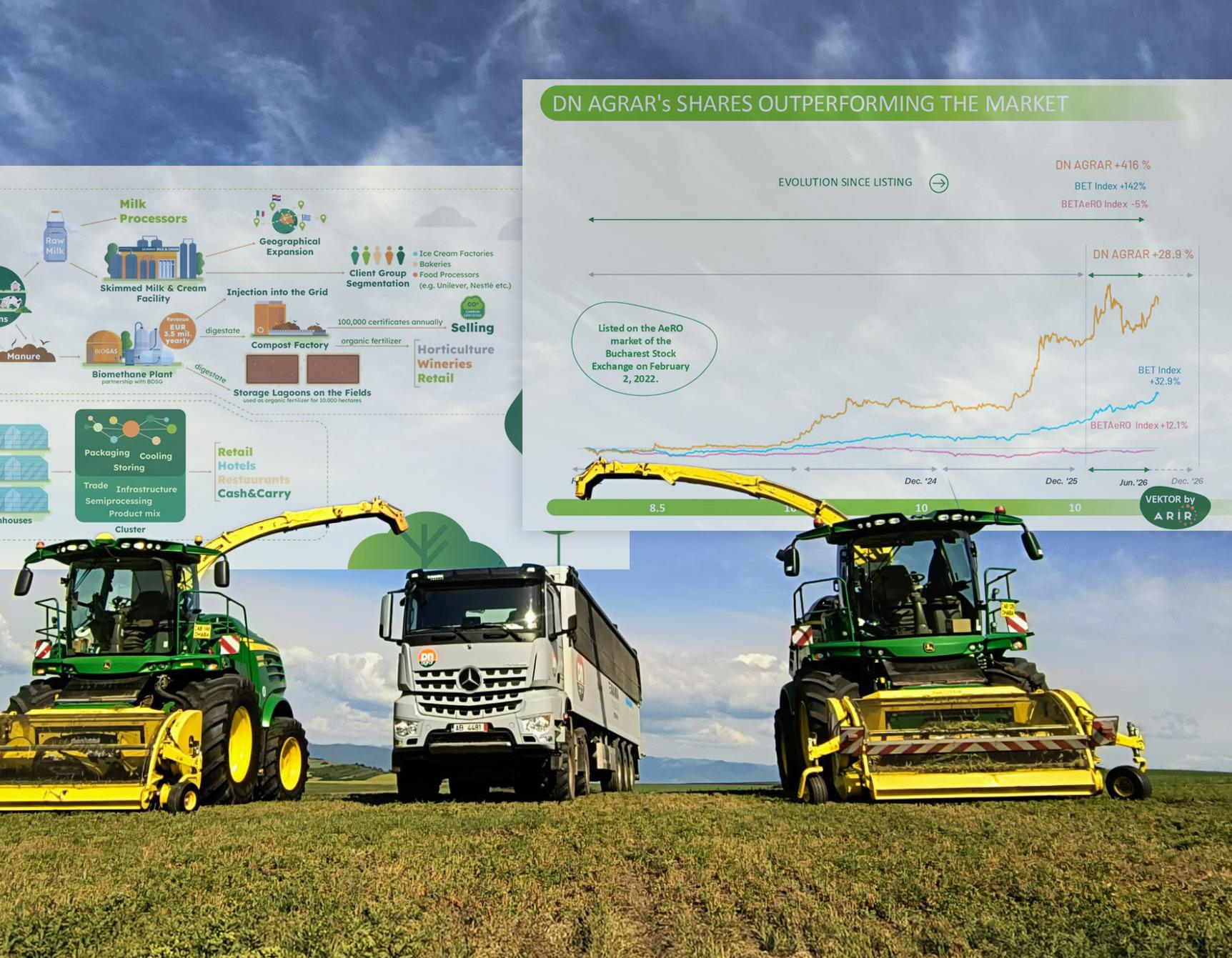
Since DN AGRAR’s listing, it has achieved fivefold growth in earnings before interest, taxes, depreciation, and amortisation (EBITDA), and it aims to double this by 2030 compared to 2025.
As one of Romania’s fastest-growing companies, DN AGRAR has one of the largest shareholder bases in the market, both individual and institutional. Next year, it plans to upgrade to the BVB’s main market to attract larger institutional investors and further support the development plans of the company using capital market instruments.
undervalued relative to the market average of 15. This situation presents a strong opportunity for new investors,” de Boer outlines.
investors across all of Europe. Recently, the company was shortlisted for the Investor Relations (IR) Impact Awards in London and was ranked number one in Europe in the small cap category for its annual report for 2025, becoming the first Eastern European emerging-market company to achieve this distinction amongst global competitors such as Unilever and Heineken.
“At present, we are trading at a price-to-earnings ratio of seven, indicating that our company is
Notably, the family maintains majority ownership, holding 66 percent of the shares, whilst the remaining 34 percent is distributed amongst approximately 5,500 investors, including large asset managers and other institutional
Building on this recognition, DN AGRAR was also shortlisted for Best Investor Day at the same gala, further highlighting the company’s commitment to exceptional communication and strong engagement with its investor community.
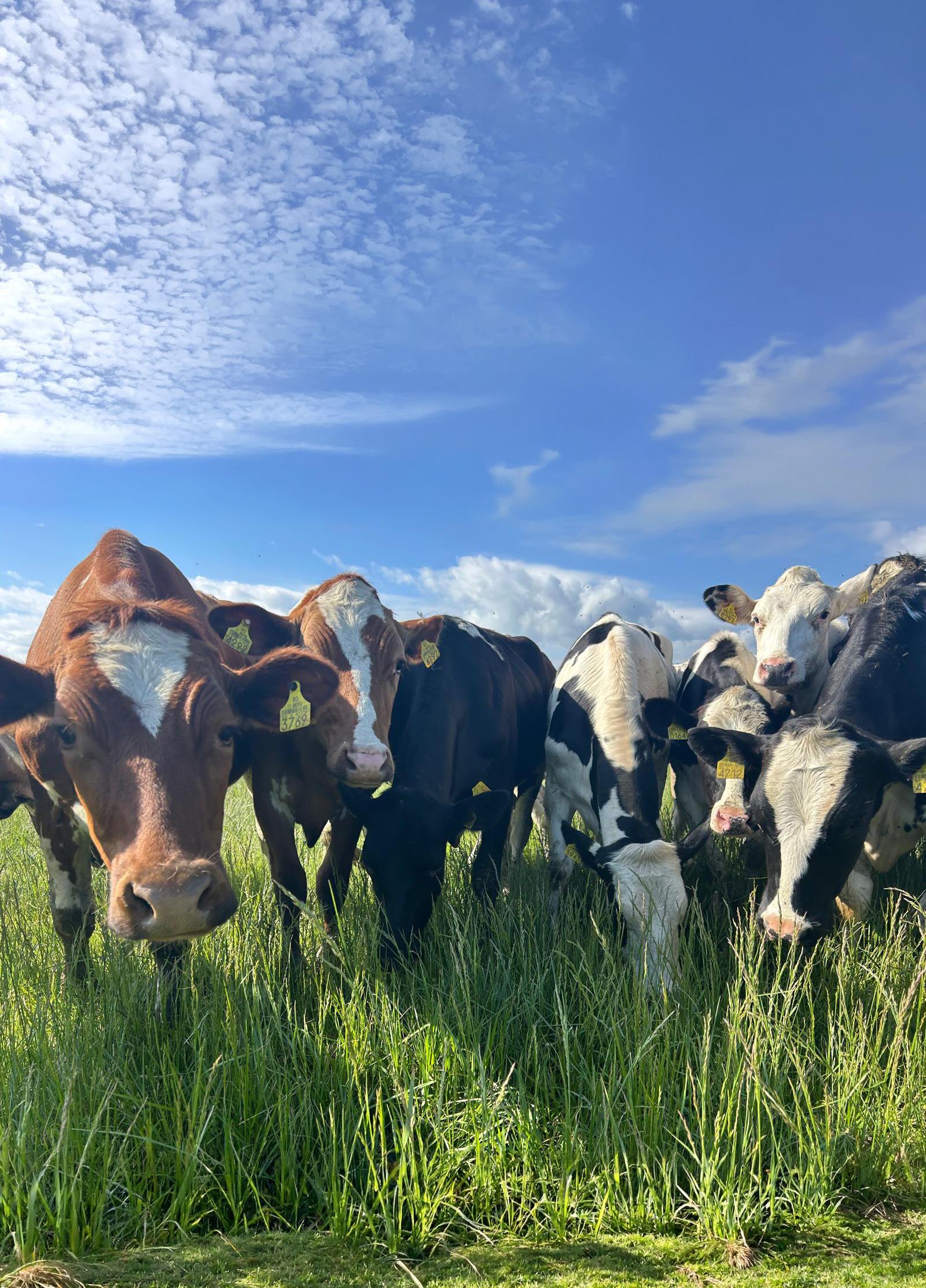
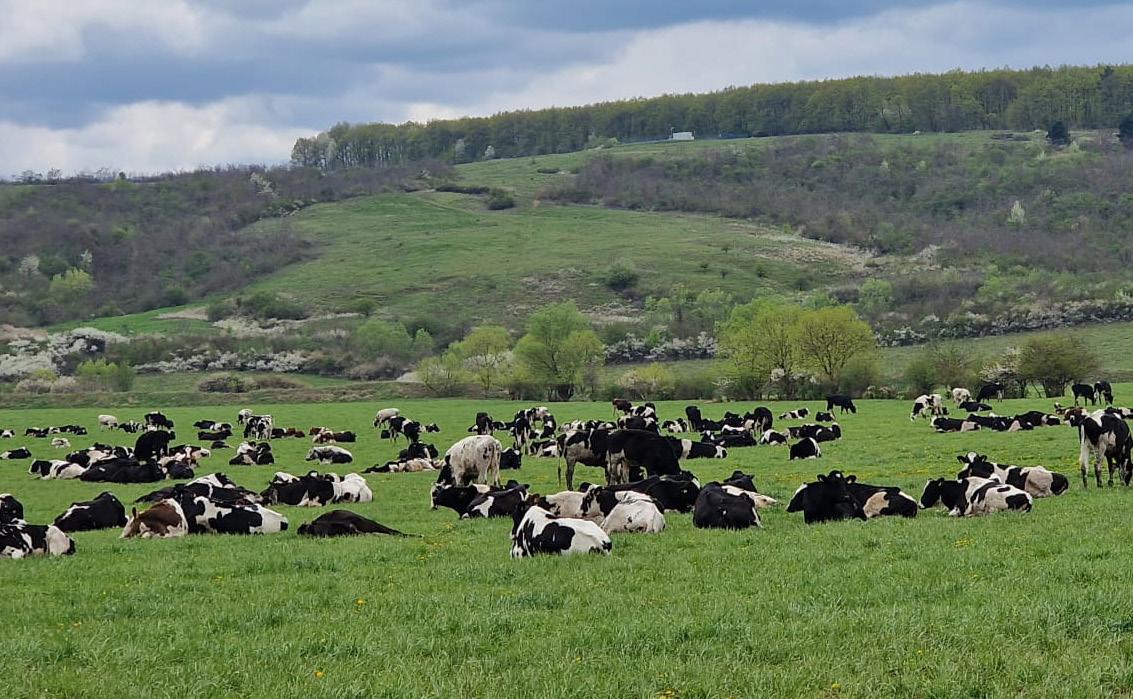
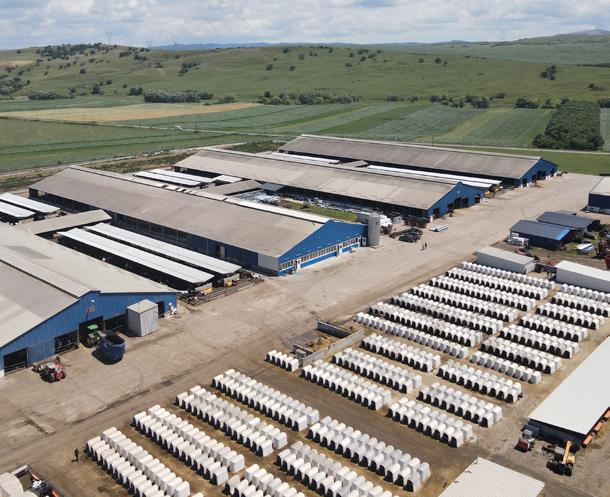
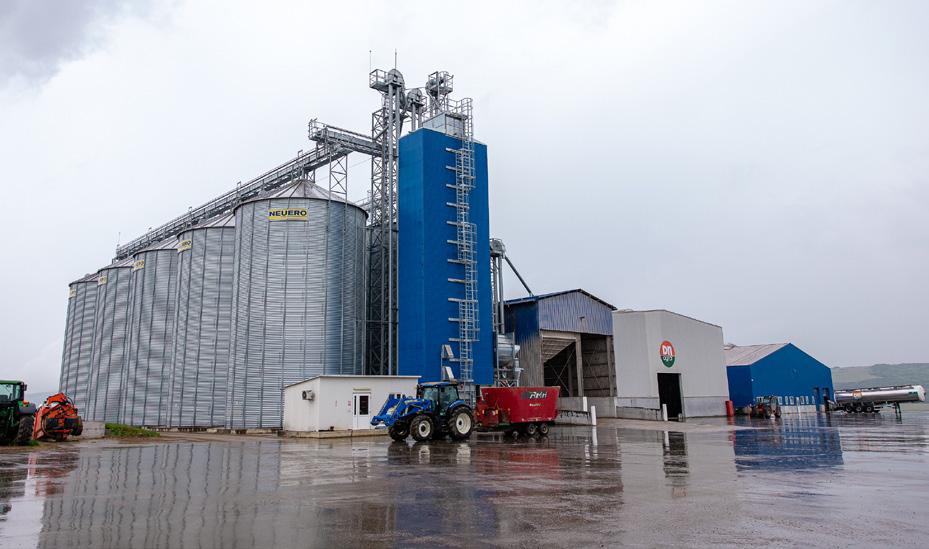
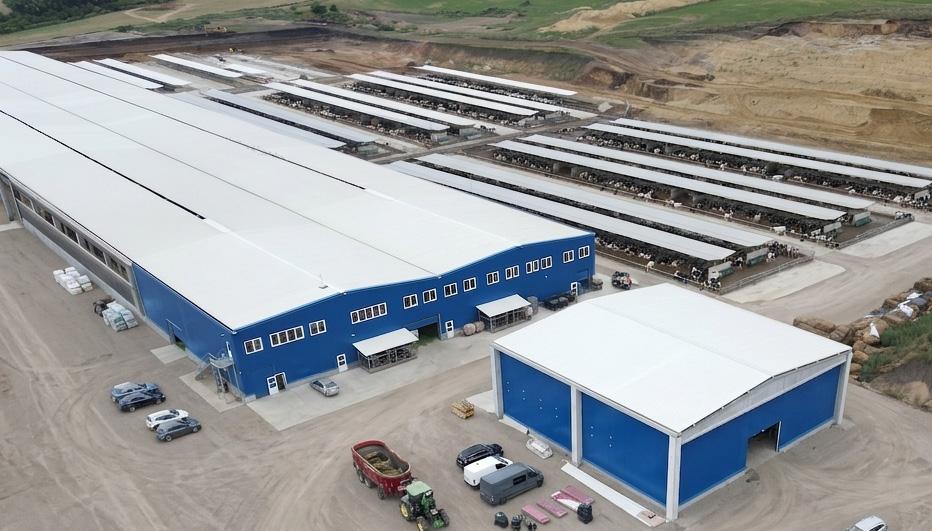
Currently, DN AGRAR operates over 10,000 ha and has nearly 20,000 animals.
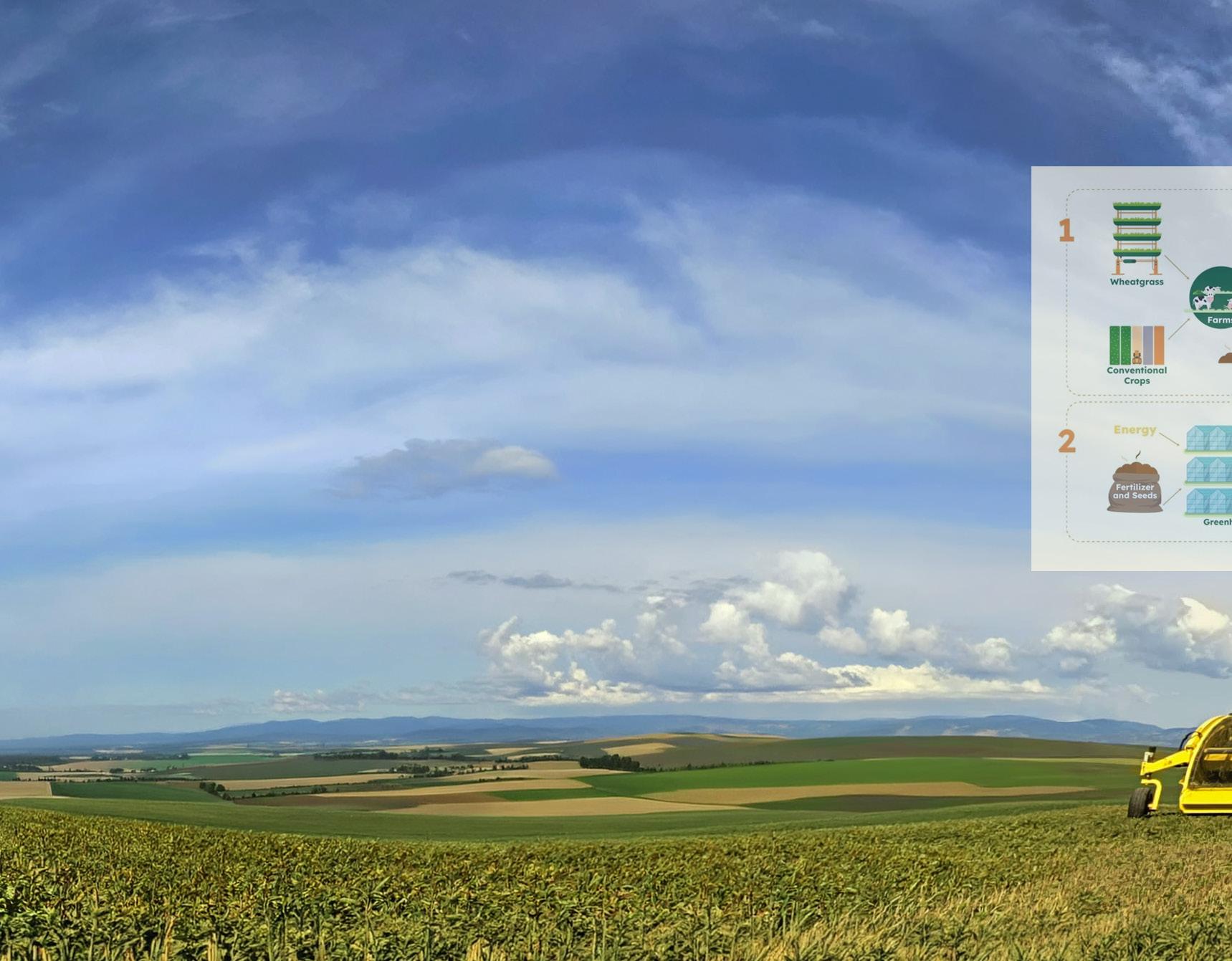
“A key strength of our business model is full integration, combining milk production, crop cultivation, composting, renewable energy and, increasingly, food processing. Furthermore, our farms are strategically located within an hour of each other, which enhances our logistics efficiency in transporting our own milk,” clarifies de Boer.
“Last year, we produced 70 million litres (L) of milk. Following my transition to CEO, we have set ambitious goals. Importantly, our 2025-2030 strategy targets net zero milk production, with significant investments aimed at making us one of Europe’s most sustainable food producers.”
There are three primary pillars the company are addressing: welfare, sustainable food production, and innovative agricultural technology.
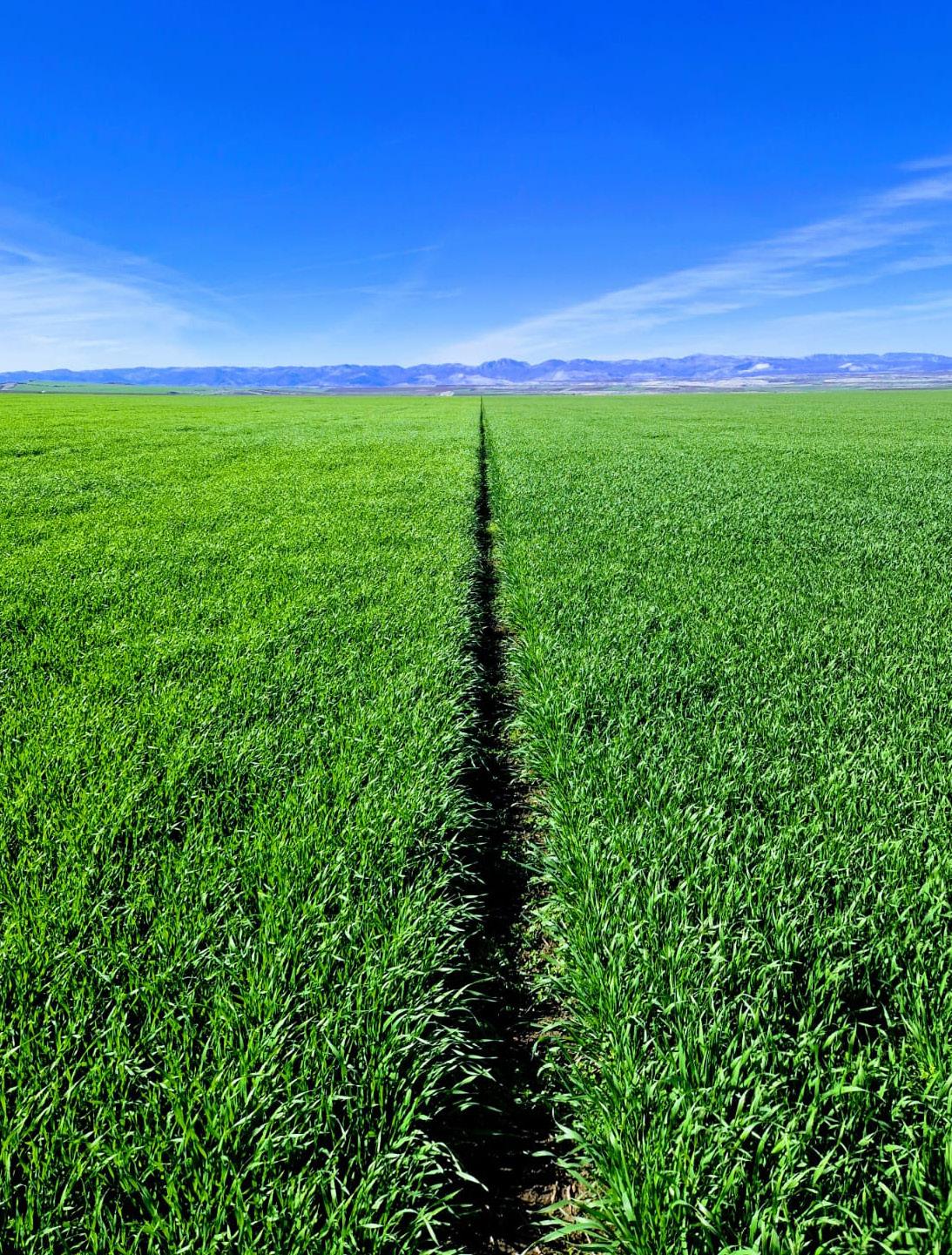
“We are particularly excited about wheatgrass, as well as no-till technology. The wheatgrass grown in vertical farms is non-existent in Europe for large-scale farming, so its introduction could significantly transform the future of agriculture both in the EU and globally.
“However, hydroponically grown wheatgrass offers a promising technology for countries in the Middle East and the global south that can experience an unfavourable climate to grow conventional crop.”
Even in Western Europe, land scarcity limits agricultural uses due to the need for industry, forests, and residential areas. This highlights the importance of designing agricultural land for multiple purposes.
“Romania has all the ingredients to become one of Europe’s leading agri-food producers. DN AGRAR’s development proves that”
– PETER DE BOER, CEO, DN AGRAR
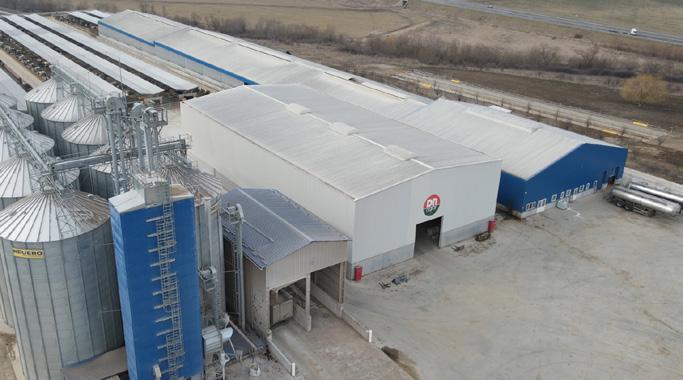
The group consists of 10 companies, including five farms and two compost production facilities, with plans to expand its composting capacity to five facilities by 2030. Animals are raised on-site rather than purchased from the market to ensure quality control.
In addition, the company uses sexed semen to focus on breeding female cows.
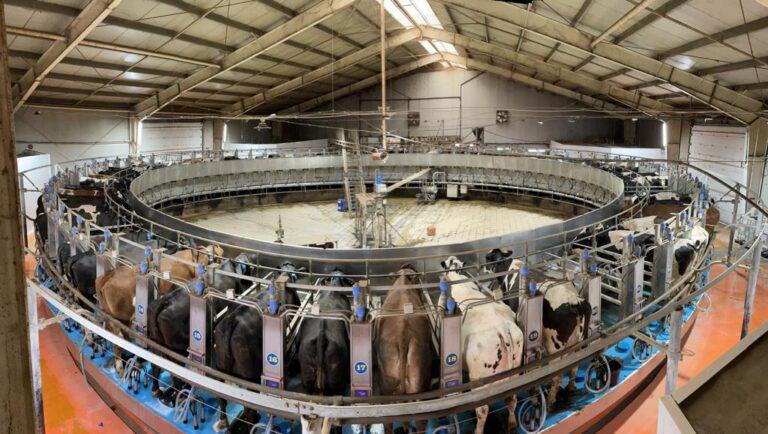
“Our operations heavily rely on technology; for instance, all cows are fitted with chips that use artificial intelligence (AI) to predict illnesses with five days’ notice and have 80 percent accuracy, allowing for timely pre-treatment.
“This technology gathers data on each cow’s behaviour, such as walking, eating, and sleeping patterns. We also have farm hospitals staffed 24/7 with veterinary personnel to monitor animal welfare closely,” de Boer insights.
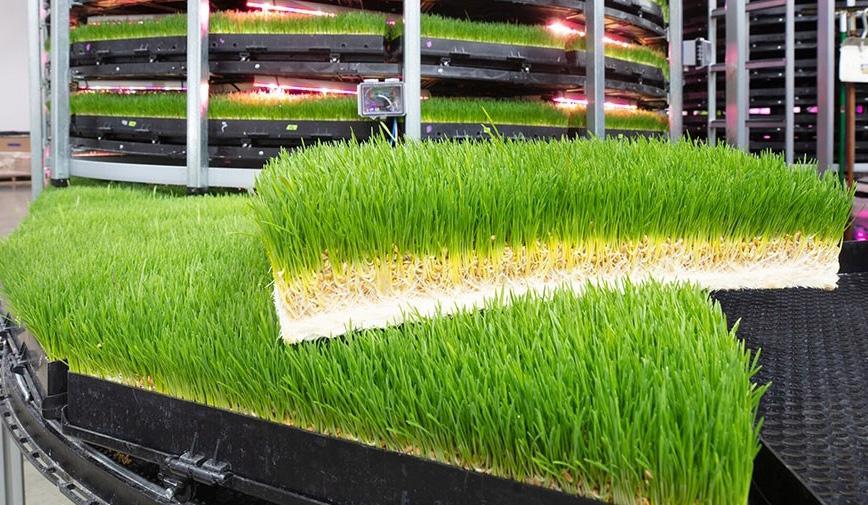
To secure feedstock for its dairy operations, especially amidst climate change and market fluctuations, DN AGRAR has partnered with Logiqs, a company that develops greenhouse systems globally, to create Europe’s first large-scale wheatgrass production facility at its CUT Farm, which currently houses 2,200 dairy cows.
This €3 million facility aims to produce 40 tonnes (t) of wheatgrass per day, with constant protein and sugar levels, thereby providing 30 percent of the farm’s feedstock, subsequently increasing secure food supply.
“As wheatgrass requires 90 percent less water and does not need herbicides or pesticides, this nutritious fresh feed has the potential to replace around 500 ha of conventional crops and the import of rapeseed, and increase milk supply whilst consuming less food,” de Boer explains.
“There have been success stories and challenges with this technology, especially in the US and China; that’s why we built a test facility in the Netherlands. Through trial and error, we have reduced capital expenditure (CAPEX) significantly, from nearly €19 million to approximately €3 million.”
Impressively, wheatgrass can thrive for the first four days without light or fertiliser, maximising food quality. There is also no need for machinery or manual labour; it’s fully automated from seeding to harvesting.
DN AGRAR plans to test the facility
at 40 t for one year before scaling up to 200 t, with an additional €20 million investment by 2030.
“We also aim to sell this technology not only to the dairy sector but to the poultry and pork industries all over the world. We expect to produce the first feedstock by early Q4 2026,” he mentions.
“In a nutshell, we are building a fully integrated circular agriculture business by generating value from every stage of the production chain, from raw milk to processed dairy products, organic fertiliser, and
“A key strength of our business model is full integration, combining milk production, crop cultivation, composting, renewable energy and, increasingly, food processing”
– PETER DE BOER, CEO, DN AGRAR
involvement in producing biomethane, whilst targeting approximately 15 to 20 percent of Romania’s raw cow milk production by 2030.”
All DN AGRAR’s farms are committed to sustainability, using solar panels to meet 50 percent of their energy needs, amongst other initiatives.
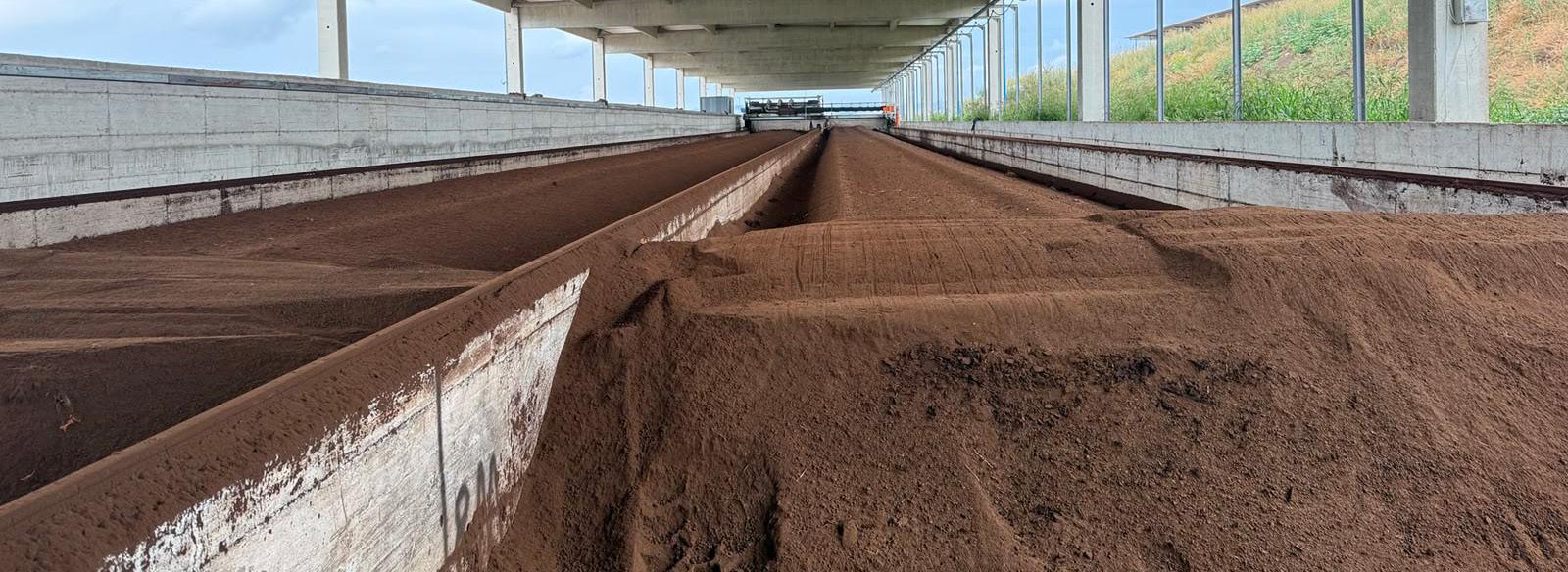
“Currently, we produce 14,000 t of organic fertiliser annually; however, we have plans to expand this to 28,000 t with two additional units starting from next year,” de Boer reveals.
Moreover, the company’s operations employ no-till technology, meaning no ploughing of the land across all its ha, reducing land disturbance and yielding nearly €1 million in crop production savings last year.
This sustainable method integrates preparation, seeding, and fertilisation, cutting fuel costs and enhancing soil water conservation, both of which are crucial in the face of climate change. “We primarily use our own fertilisers to reduce chemical usage.
Currently, we’re focused on two main business lines. In the dairy sector, we’ve increased our production to 80 million L this year through organic growth.
“With new financing from ING, we aim to reach 150 to 200 million L by 2030, addressing Romania’s milk and dairy deficit and relying less on imports,” emphasises de Boer.
The company is also developing a food cluster to boost local production of fruits and vegetables, as the nation currently imports 80 to 90 percent of these products.
A market study is underway to identify the best vegetable mix for Bucharest’s metropolitan area, which has nearly seven million residents. DN AGRAR aims to supply 40 to 50 percent of the most-consumed vegetables year-round.
This initiative will provide shared services such as packaging, storage, and marketing, similar to those in its dairy operations.
“Besides land acquisition, we’ll explore energy sources like geothermal, solar, and biomethane, boosting greenhouse growth with carbon dioxide (CO2) from our biomethane plant.”
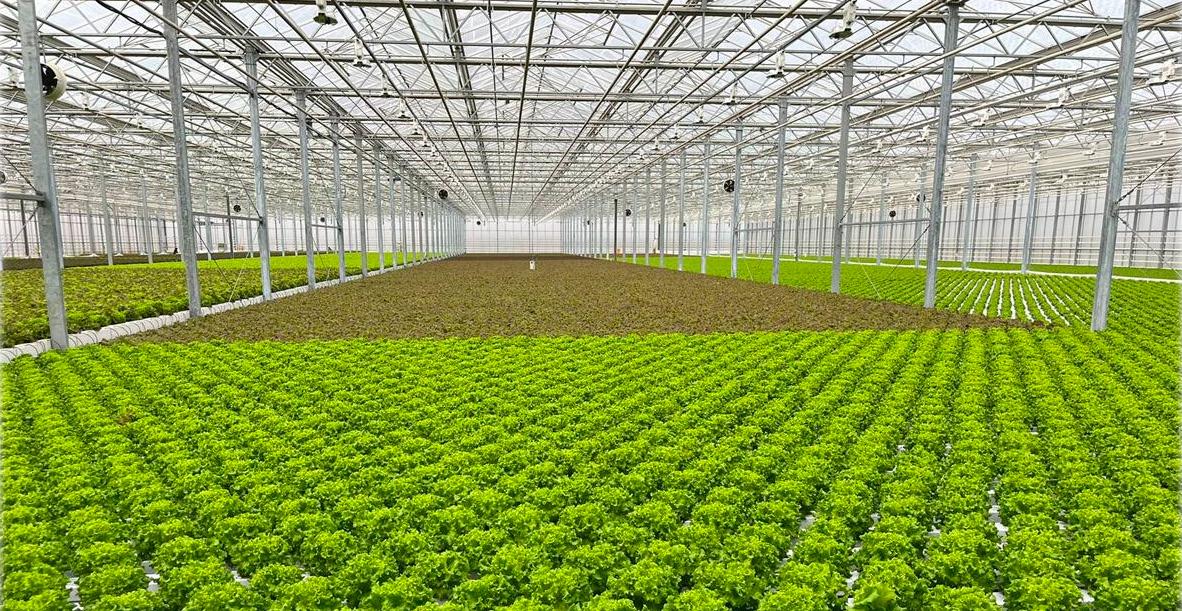
DN AGRAR is advancing its strategic growth with plans to finalise its first merger and acquisition (M&A) transaction this summer: the acquisition of a 1 ha hydroponic lettuce greenhouse facility, which has an estimated annual yield of 1.7 to 2 million crops and offers the potential to double capacity within one year.
Global Industrial Consult (GIC) is a Bucharestand Brussels-based advisory firm built on knowledge, expertise and excellence.
Our team, which includes Victor Grigorescu, former Romanian Minister of Energy, advises companies and investors operating in energy, international trade and foreign direct investment, with deep expertise in M&A, market entry and public-private partnerships.
We pair insight into the regional energy sector and EU affairs with innovative, pragmatic solutions that help businesses navigate complex environments and grow. We are proud to support Peter de Boer and DN AGRAR as a trusted partner.

info@globalindustrialconsult.ro globalindustrialconsult.ro

Sustainability and animal welfare are top priorities for DN AGRAR, with strict camera monitoring to ensure efficiency at the farms.
“A team of over 300 employees focuses on operations, supported by 32 staff in finance and data analysis. We invest in data solutions for our livestock and land, utilising integrated systems such as AgroVIR for field operations and UNIFORM-Agri for the farm within our enterprise resource planning (ERP) framework to enhance efficiency,” de Boer details.
The farm’s efficiency is also exemplified by a system that monitors how quickly and accurately the tractors drive.

The company currently holds established contracts with the country’s largest retailers, presenting strong export potential into Hungary, Serbia, and Bulgaria, alongside the Romanian market.
Looking ahead, construction for the additional crop facilities – focused on a product mix of four to six core varieties including tomatoes, cucumbers, peppers, and paprika – will commence in 2027, with production slated for 2028.
Furthermore, DN AGRAR aims to build 10 ha of modern greenhouses annually in strategic partnerships with leading European growers.
“They are currently imported; therefore, we want to focus on quality. Greenhouse construction starts next year, and this requires an estimated investment between €2 to €3.5 million per ha, depending on the type of crop,” de Boer sets out.
DN AGRAR has invested over €150 million in Romania and plans to double that figure by 2030.
“In European dairy farming, larger farms are the future due to their focus on sustainability and animal welfare as demand for cheese and high-protein foods rises. Producers are challenged to adapt to climate change whilst managing resources effectively, highlighting the importance of shared services and sustainable practices,” de Boer observes.
Furthermore, by 2030, the company aims to produce between 150 to 200 million L of raw milk whilst minimising waste by precisely managing fat percentages.
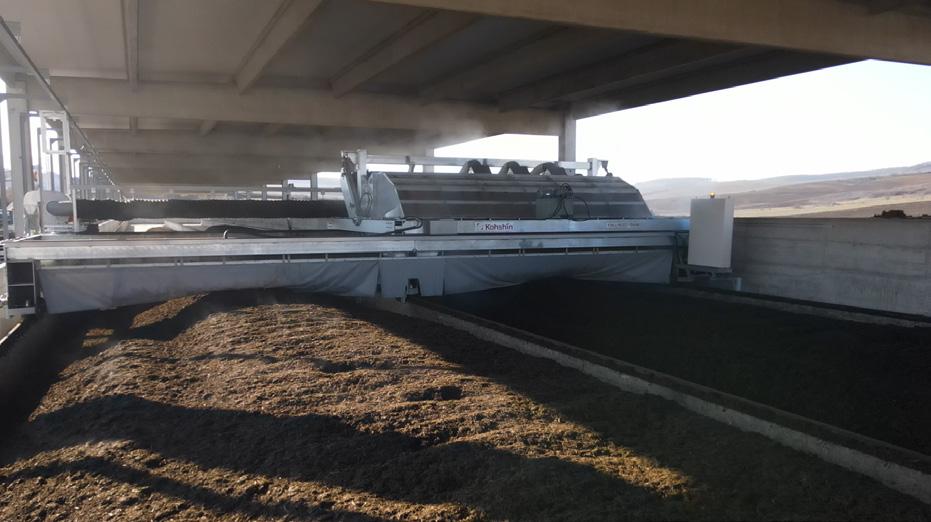
“More broadly, sustainability is embedded throughout our production model. We operate a circular agriculture system in which crops grown on our own land are used as animal feed, whilst manure is transformed into high-quality organic compost through our composting facilities.”
Driven by the operation of two full-scale composting facilities, DN AGRAR is increasing its organic compost production to 28,000 t annually.
“Additionally, we expect to earn 100,000 voluntary carbon certificates annually, potentially generating €2 to €3 million in sales. Our sustainability approach not only reduces emissions but also enhances our financial performance,” he affirms.
“Also, we partnered with Black Sea Oil & Gas (BSOG) to develop a biomethane plant, projected to reduce emissions by 90 percent and generate €3.5 to €5 million annually for the company from processed manure, contributing to the goal of achieving a net zero footprint for milk production.”
This is a game-changer for DN AGRAR, with estimated production to start in the beginning of 2028.
“The resulting digestate will be used in our two compost factories to create organic fertilisers for various markets, yielding profit margins over 80 percent,” notes de Boer.
By introducing innovative production facilities, such as those utilising wheatgrass, DN AGRAR contributes to enhanced food quality whilst also reducing water extraction from the environment.
Research indicates that this approach could reduce cows’ CO2 emissions, further underscoring the environmental benefits of these methods.
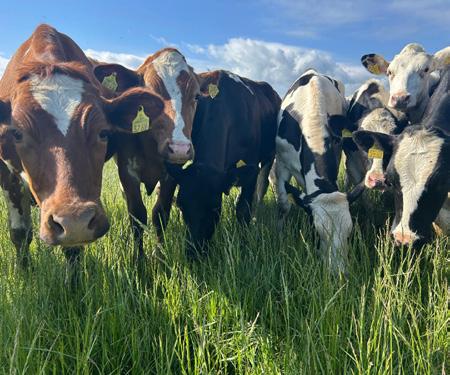
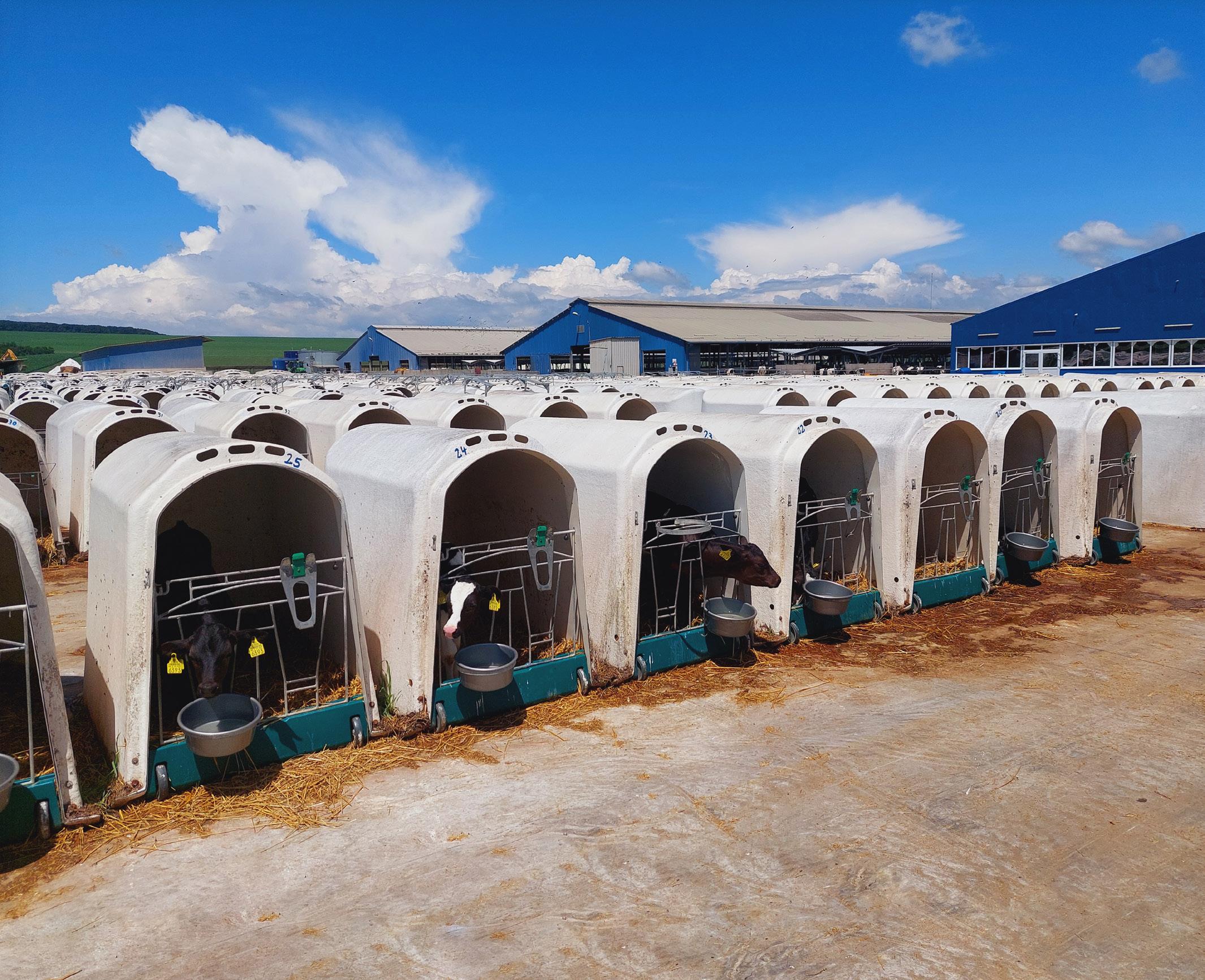
Moreover, animal welfare is prioritised by ensuring calves receive ample veterinary attention and are allowed to spend their early years in natural settings to promote their health.
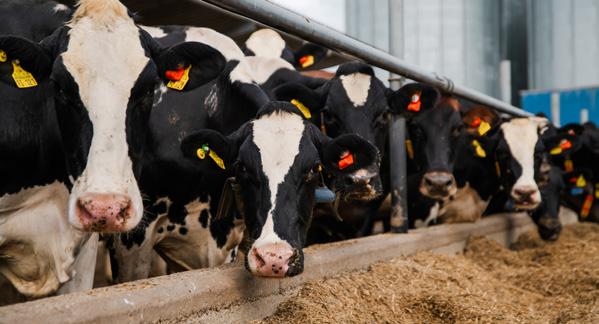
“Efforts are made to keep the cows’ diets stable and predictable by providing a year-round mix of fresh feed, which is fundamental to their well-being and milk production,” de Boer informs.
From an environmental, social, and governance (ESG) perspective, the company emphasises sustainability not only in environmental terms
but also in its impact on local communities.
As the largest producer and a major employer in the region, DN AGRAR provides stable job opportunities, significantly improving the livelihoods of many villagers.
Its commitment to sustainability and social responsibility illustrates a comprehensive approach that balances economic growth with community welfare.
“We have made significant contributions to the Maria Beatrice Hospital, the only facility in the region serving children and infants with disabilities, totalling nearly €1.5 million. This commitment positions us as the hospital’s second-largest contributor after Mercedes-Benz, helping ensure that disabled children receive a strong start in life despite their challenges.
“Additionally, we support local communities by sponsoring playgrounds and similar initiatives, reinforcing our commitment to social welfare,” he prides.
• According to a recent analysis published by Ziarul Financiar on companies listed on the BVB since 2020, DN AGRAR stands out at the forefront of the capital market rankings.
• Out of 47 new issuers listed since 2020, DN AGRAR recorded the top performance – nearly fivefolding its market value since its debut.
• DN AGRAR’s market capitalisation surged from €23 million at the company’s February 2022 AeRO listing to €115 million today, a 397+ percent increase driven by the company’s strong financial performance, active market dialogue, and transparent reporting standards.
“Efforts are made to keep the cows’ diets stable and predictable by providing a year-round mix of fresh feed, which is fundamental to their well-being and milk production”
– PETER DE BOER, CEO, DN AGRAR
DN AGRAR is currently implementing a five-year strategic plan, which includes key milestones for 2026 and 2027, with the expectation of significant financial growth beginning in 2028.
ESG at the core and path to net zero dairy production – A compounding growth story built on scale, sustainability, and vertical integration.
Proven financials
• €42 million turnover – threefold growth since 2022 listing.
• €20 million EBITDA in 2025 –30 percent year-on-year (YoY) growth, 45 percent margin, fivefold growth in four years.
• €13 million net profit in 2025 –up 64 percent YoY.
• 24 percent return on equity (ROE) in 2025.
Clear growth path – targeting 2030
• Double EBITDA and reach close to 30,000 animals by 2030.
• Target 150 – 200 million L of milk produced annually.
Six core revenue streams by 2030
– Milk production, milk processing, compost, biogas, vertical farming/ greenhouses, and carbon credits.
Last year, the company reported a profit of €13 million, turnover of nearly €43 million, and EBITDA of €21 million under International Financial Reporting Standards (IFRS).
“We secured around €20 million in financing for various projects, including a €10 million dairy farm – CUT 2 – supported by ING. Additionally, our wheatgrass facility and milk processing plant are set to become operational this year,” de Boer reports.
“By the end of 2027, we aim to implement about 80 percent of our 2025 - 2030 Strategy, focusing on developing our food cluster and transitioning into a sustainable industrial enterprise. To support this, changes to our hiring strategy will focus on data and optimisation roles, enabling us to innovate and double our milk output in the coming years.”
Looking further ahead, by 2030, DN AGRAR expects 35 percent of its EBITDA to come from manure treatment.
This value creation will be driven by a fully integrated circular model: utilising manure to produce biomethane, processing the resulting digestate into high-value organic compost at its own facilities for markets like wineries, and using manure to fertilise the 10,000 ha of land and monetising these sustainable practices through voluntary carbon credits.
The company is also planning to expand into fruit and vegetable production, strengthen its position in the EU, and increase the number of animals by close to 30,000.
Romania has all the ingredients to become one of Europe’s leading agrifood producers, and DN AGRAR’s development proves that.
With long-term investment, modern technology, and a strong focus on operational excellence, Romania can build internationally competitive agribusinesses whilst making an increasingly important contribution to
Europe’s food security.
“Construction of our sixth farm, which will house 5,000 dairy cows, is set to begin in September, and will be operational by 2028 and produce 150,000 L of milk, adding 55 million L annually in addition to the other farms. By 2030, we aspire to produce 80 to 90 million L for local sale, and the same amount out for exports mainly to Greece and Northern Italy.
“At the Straja Farm, we developed a processing plant producing skimmed milk and cream to diversify DN AGRAR’s client base, selling to ice cream factories, bakeries, and food processors such as Nestlé. Furthermore, being able to extract water from milk will reduce transportation costs,” de Boer tells us.
Starting from 2030, to optimise distribution, DN AGRAR will implement a dual strategy: in-house processing 90 million L into skimmed milk and cream, for export to European markets like Italy and Greece, whilst directing the remaining 90 million L of raw milk to local processing partners.
“Finally, last year, we achieved a profit margin of 29 percent and an EBITDA margin of 49 percent under IFRS. We are actively transforming, not only from being a food producer but also entering into solar energy and biomethane production to enhance our business model diversification further,” de Boer emphatically concludes.
Tel: 0040 258818 115 office@dn-agrar.eu dn-agrar.eu