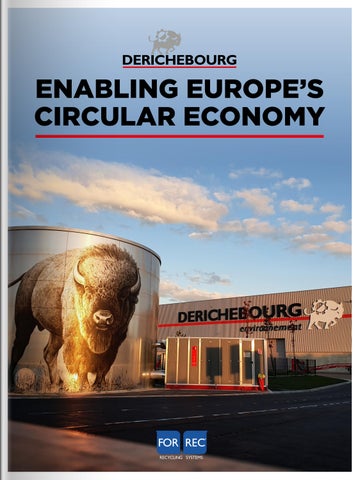
ENABLING EUROPE’S CIRCULAR ECONOMY
our industry has become a strategic pillar of the European industrial and environmental agenda,” he opens.
Indeed, over the span of El Aoufir’s 40+ year career, there has been a growing recognition that waste is not something to eliminate but a valuable source of secondary raw materials – a shift in mindset that has significantly altered the sector.
Recycled metals, plastics, paper, electronic waste, and batteries are now considered critical resources
that contribute directly to reducing dependence on virgin raw materials and lowering industrial carbon emissions.
European regulation has simultaneously evolved considerably with the creation of one of the most advanced environmental regulatory frameworks in the world. This has driven higher standards in recycling, traceability, depollution, emissions control, and resource recovery, ultimately accelerating innovation and
professionalisation across the sector.
“Technological progress has also been remarkable; modern recycling facilities today bear little resemblance to those of 40 years ago.
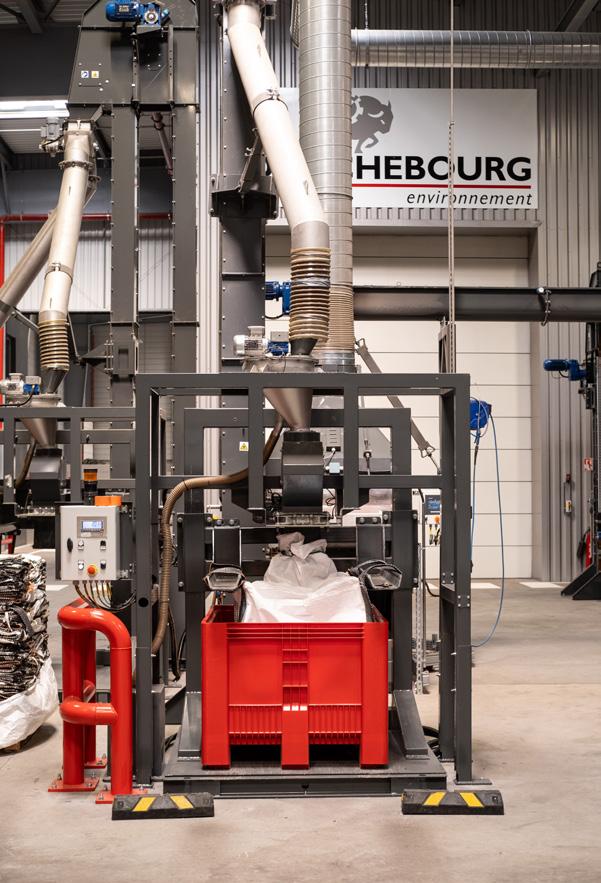
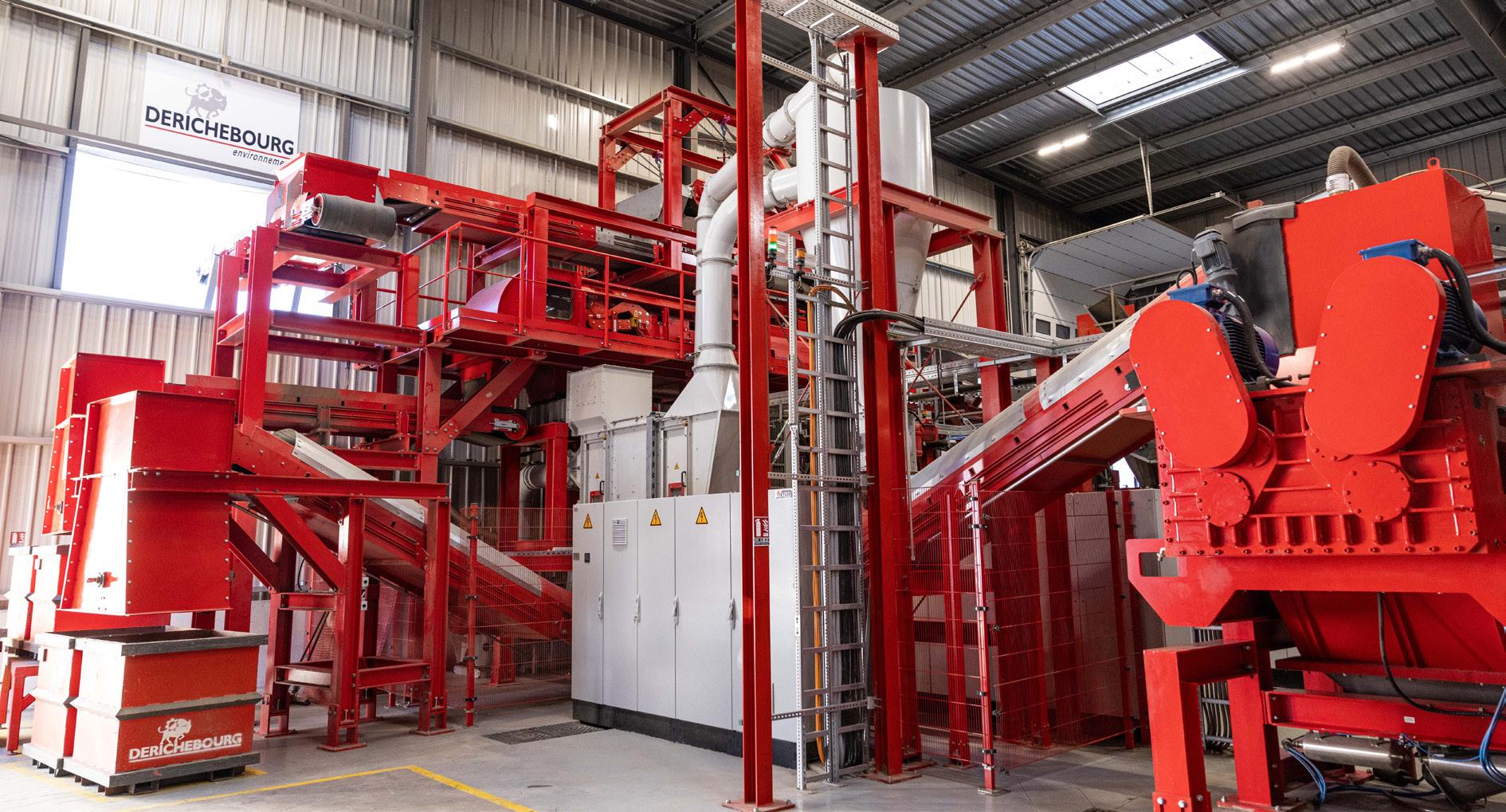
“Automation, optical sorting, artificial intelligence (AI), advanced shredding technologies, battery treatment processes, and sophisticated material recovery systems have dramatically improved both efficiency and material quality,” he excites.
DERICHEBOURG RECENTLY PARTNERED WITH LG ENERGY SOLUTION TO RECYCLE ELECTRIC VEHICLE (EV) BATTERIES IN FRANCE. WHY DOES THIS COLLABORATION REPRESENT AN IMPORTANT STEP IN WASTE MANAGEMENT SERVICES?
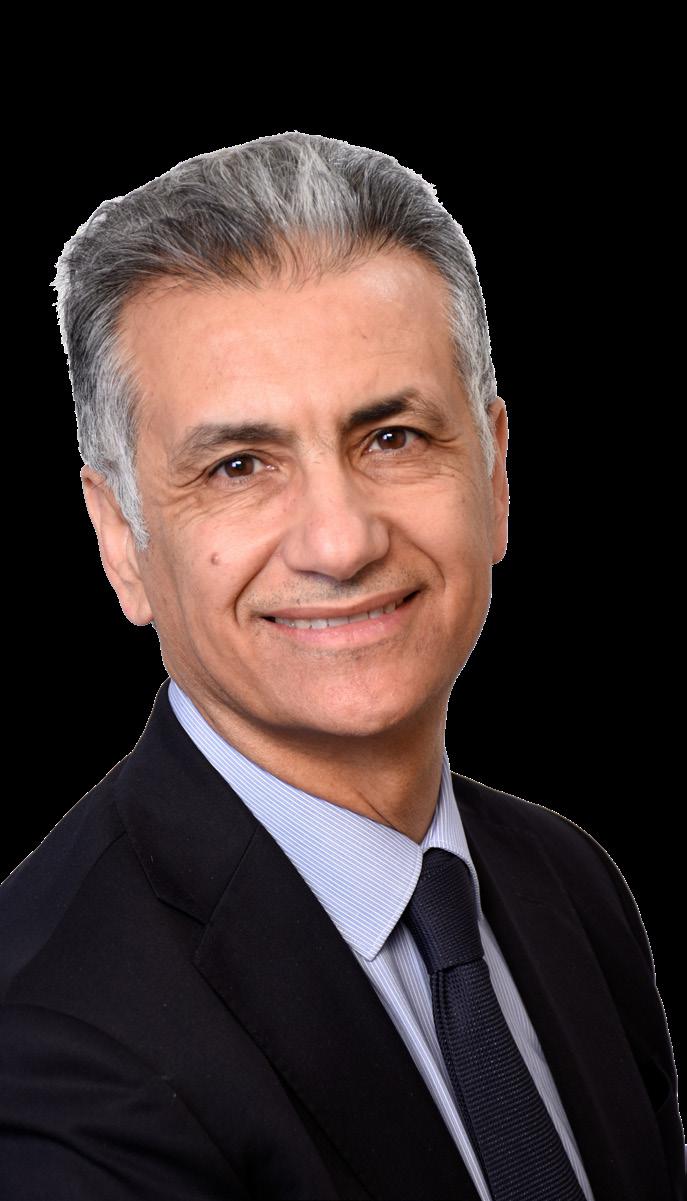
Abderaman El Aoufir, CEO: “We believe this represents a very important milestone, both for our group and the broader evolution of the recycling industry.
“The rapid growth of electric mobility is creating an entirely new industrial ecosystem around batteries and critical raw materials such as lithium, nickel, cobalt, copper, and graphite.
“This partnership combines LG Energy Solution’s expertise as one of the world’s leading battery manufacturers with Derichebourg’s dense network and long-standing industrial know-how in collection, logistics, dismantling, recycling, and material recovery.
“The objective is to develop efficient and secure recycling solutions capable of recovering valuable materials and reintegrating them into the battery manufacturing supply chain.
“Battery recycling is significantly more complex than traditional metal recycling because it involves advanced technologies, strict safety requirements, and increasingly demanding environmental standards. It therefore represents the next generation of recycling activities, requiring high levels of industrial expertise and innovation.”
The industry has witnessed numerous other notable evolutions, such as the increasing strategic importance of recycling for heavy industry and manufacturing, the landscape’s transition from a fragmented and largely local industry to more international and consolidated supply chains, and a growing awareness of sustainable performance and adherence to environmental, social, and governance (ESG) criteria.
“Overall, I would say the industry has evolved from a relatively traditional waste management business into a highly strategic industrial ecosystem that sits at the intersection of environmental protection, industrial competitiveness, and the energy transition.
“It is a transformation that has been both challenging and extremely rewarding to witness throughout my career,” El Aoufir reflects.
CIRCULAR ECONOMY PIONEER
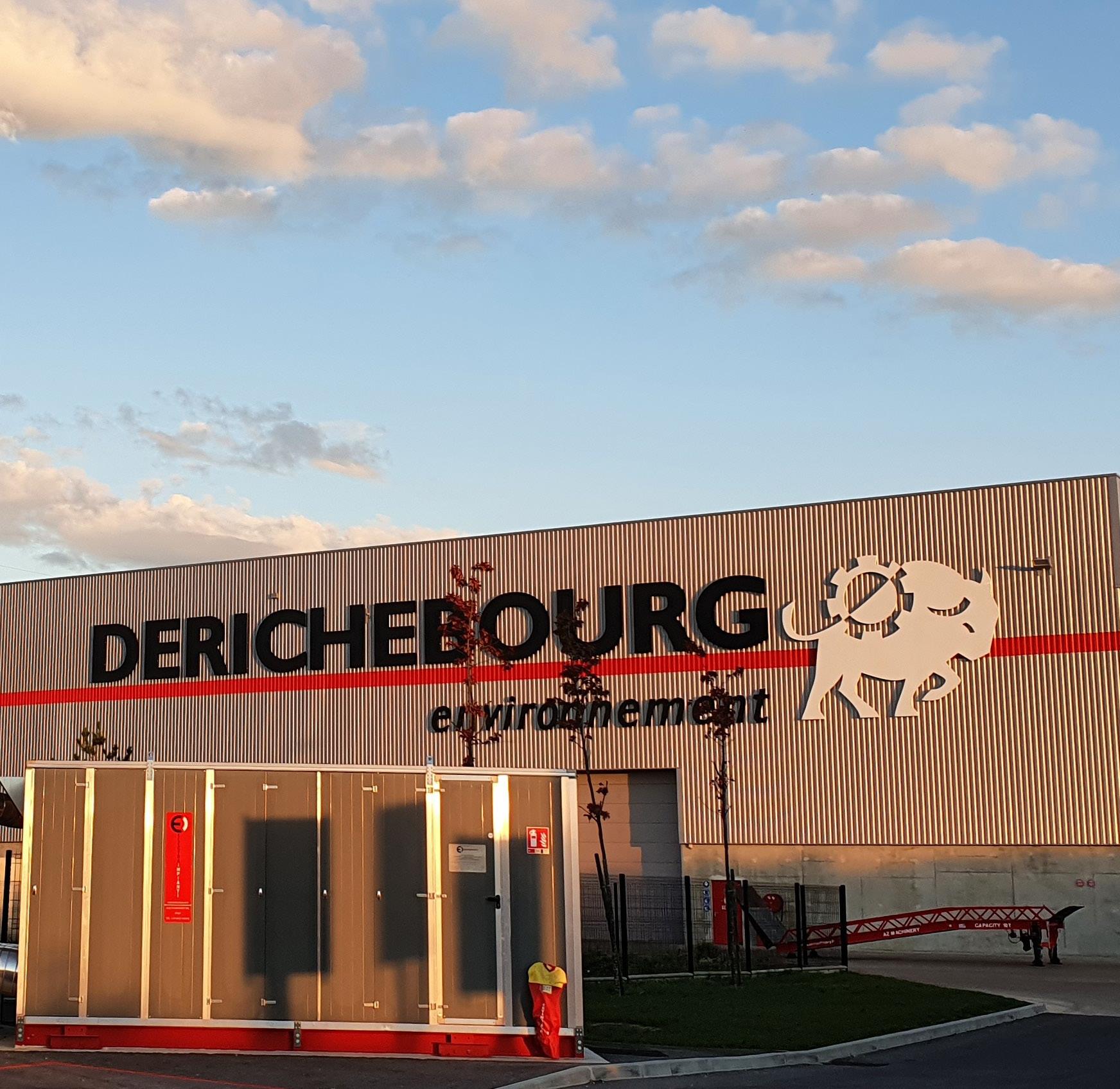
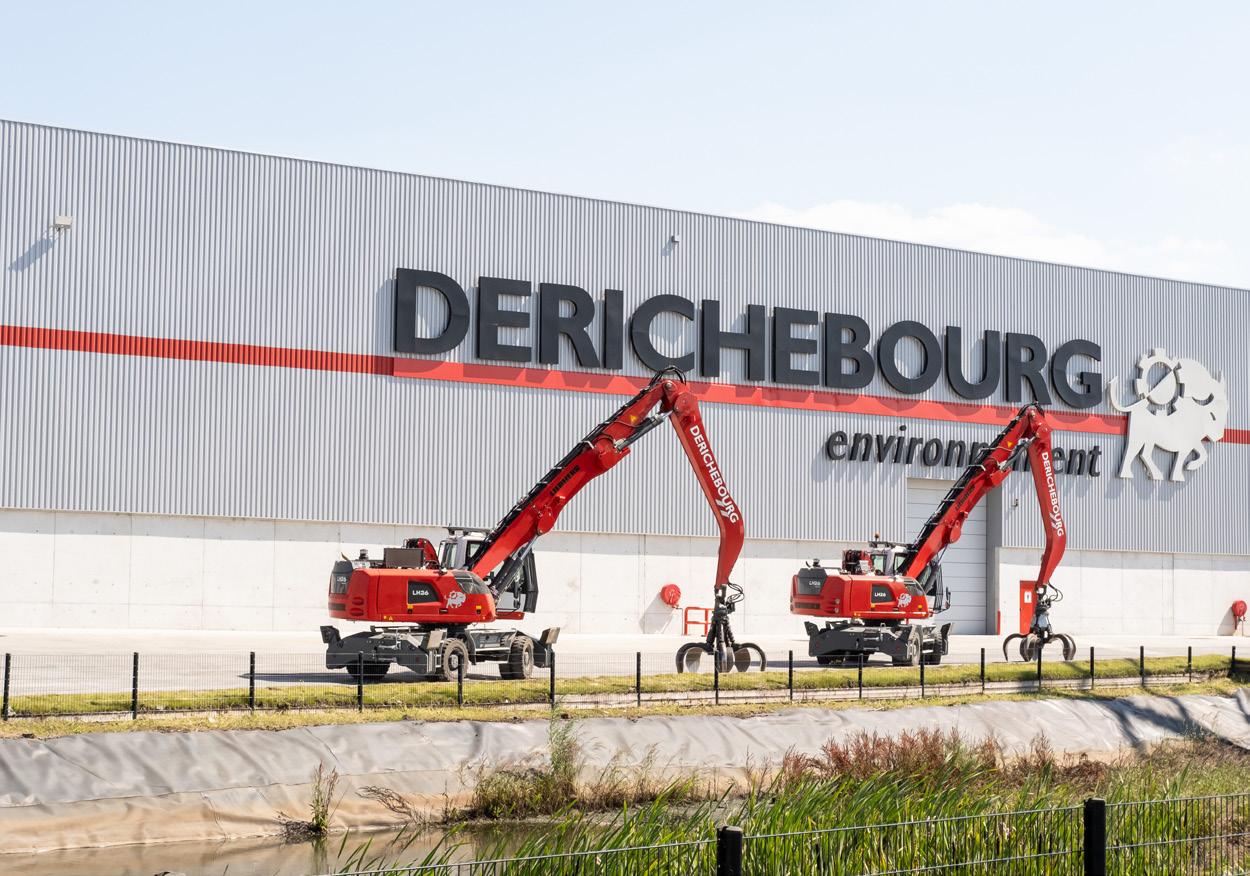
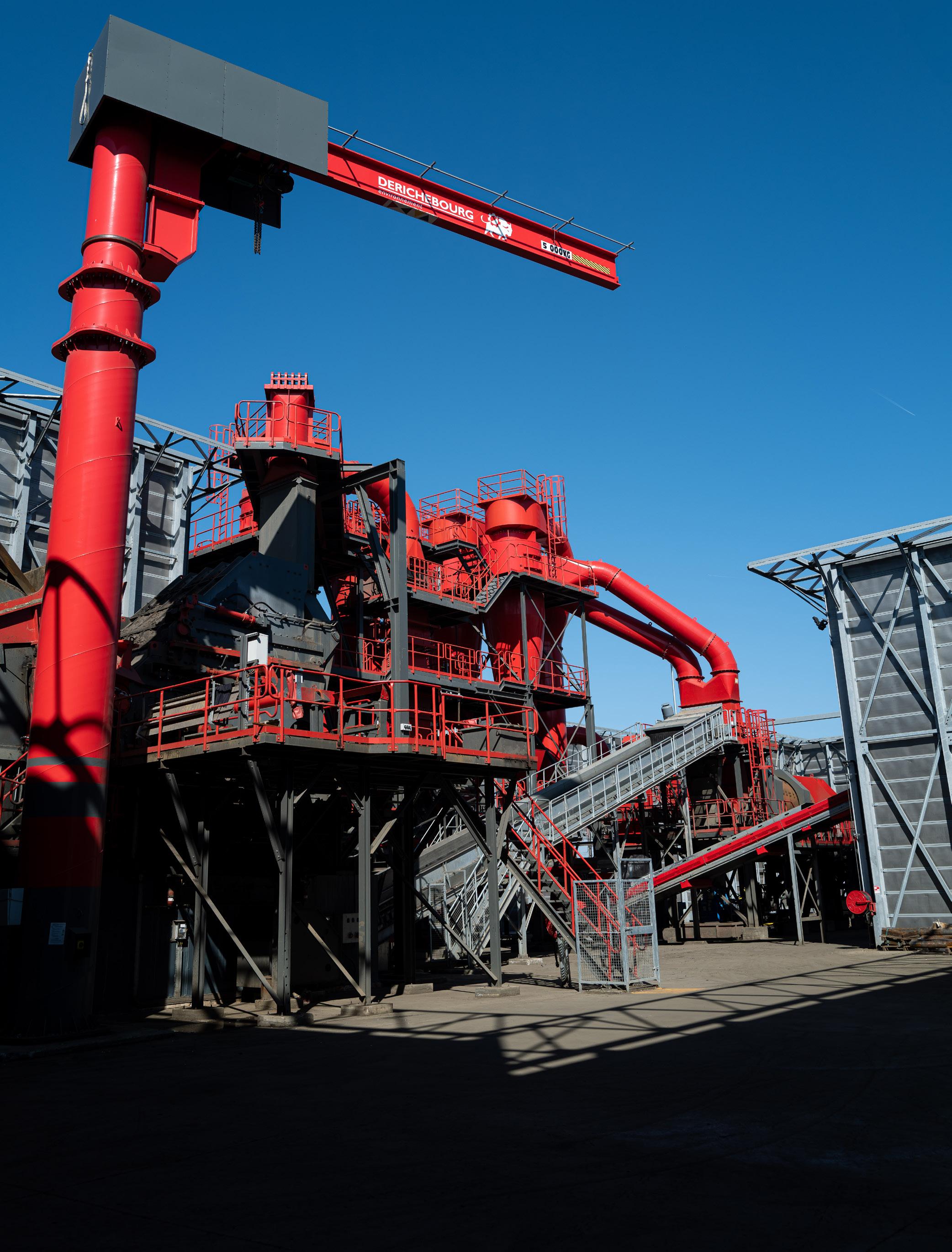
Derichebourg has grown over the last seven decades to be a major player in environmental services and circular economy solutions, with a strong presence across Europe and North America.
The company is organised around two main divisions: Environmental Services and Public Sector Services.
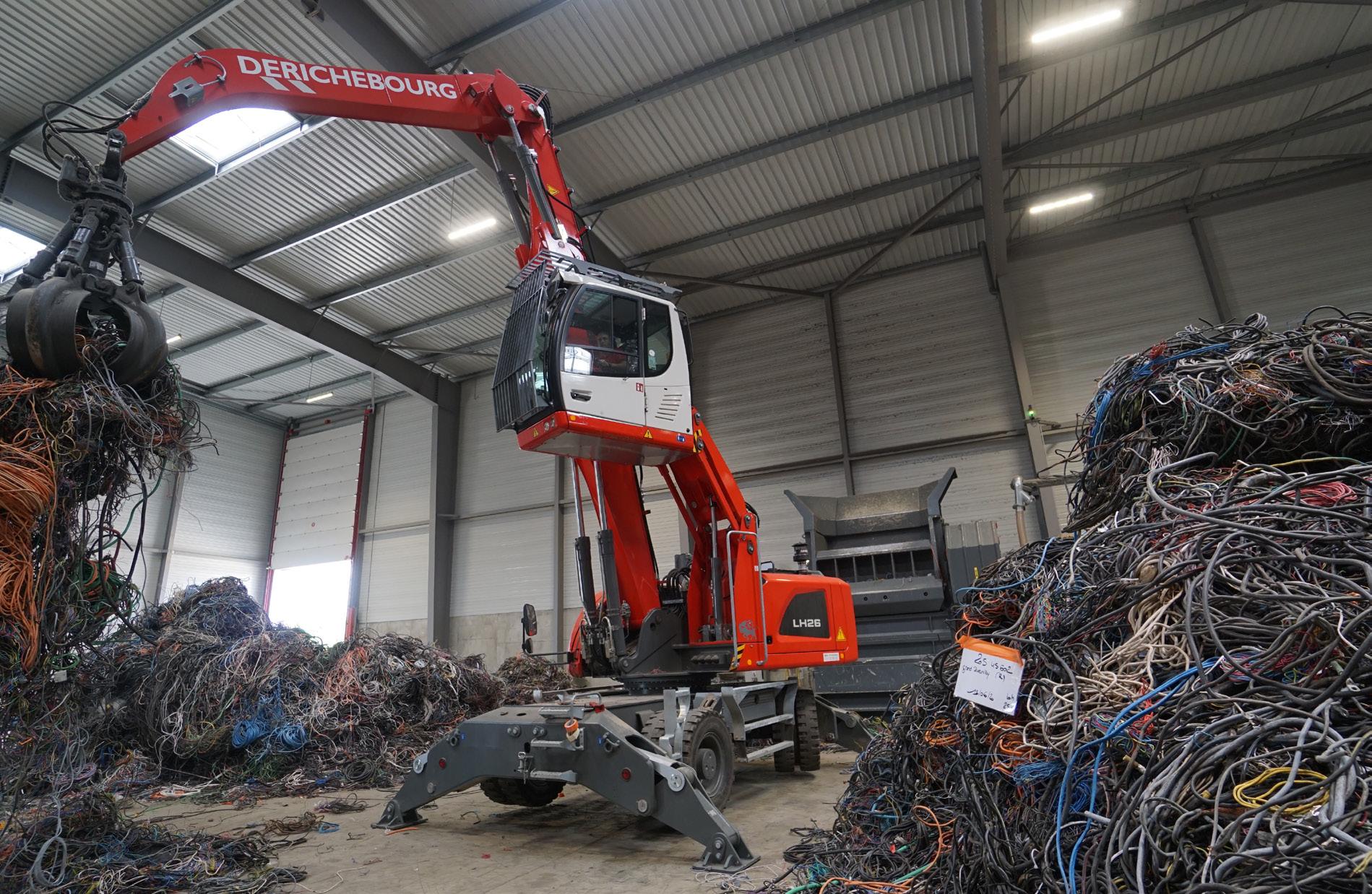
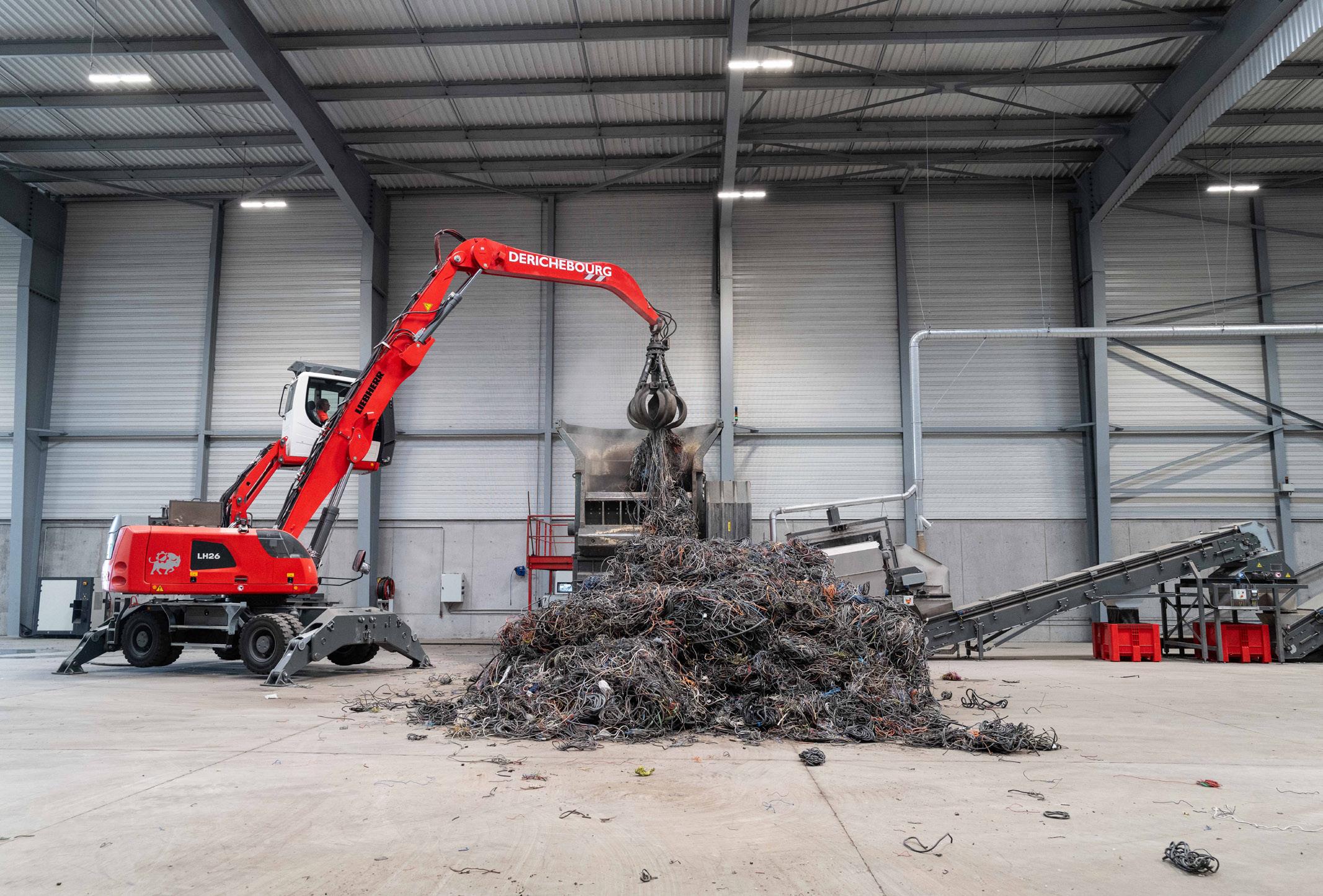
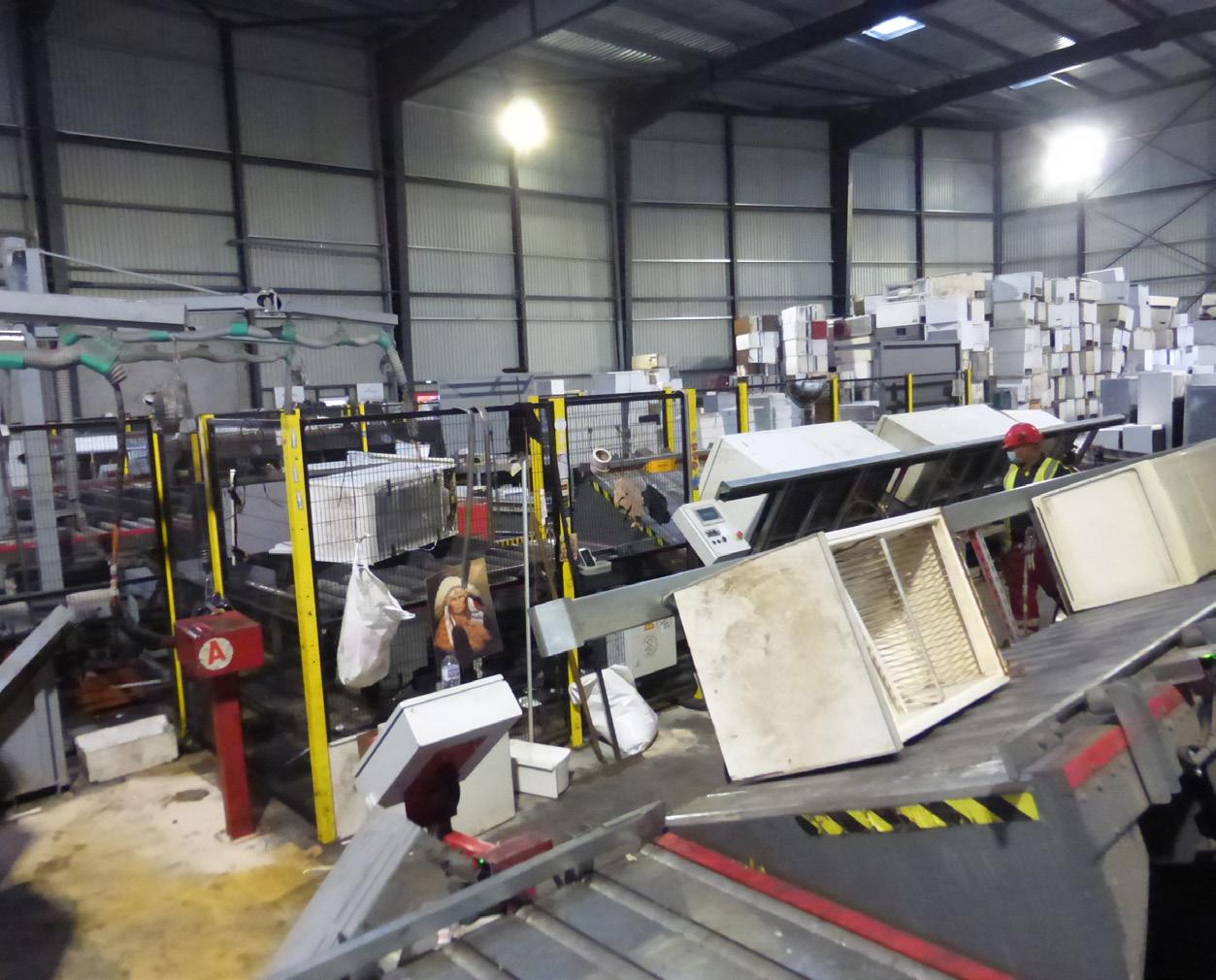
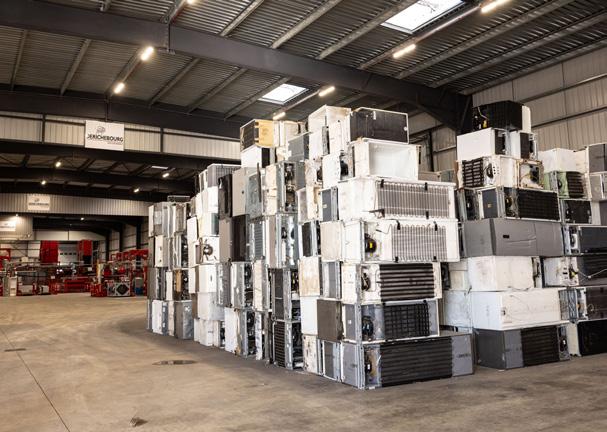
The former focuses primarily on collecting, recycling, recovering, and trading ferrous and non-ferrous metals, as well as end-of-life products comprising vehicles, waste electrical and electronic equipment (WEEE), and industrial waste streams.
Meanwhile, the Public Sector Services division provides local government services such as household waste collection and urban cleaning.
Collectively, Derichebourg serves a broad and diversified base, including steelmakers, foundries, manufacturers, and local authorities.
Indeed, the company’s roots
“From the very beginning, the company understood the value of recovering industrial materials and reintegrating them into the production cycle, long before the circular economy and decarbonisation became widely recognised”
– ABDERAMAN EL AOUFIR, CEO, DERICHEBOURG
date back to 1956 when it began developing activities linked to metal recovery and recycling in France.
“From the very beginning, the company understood the value of recovering industrial materials and reintegrating them into the production cycle, long before the circular economy and decarbonisation became widely recognised,” El Aoufir elaborates.
Over the decades, Derichebourg progressively expanded both geographically and operationally, investing heavily in industrial
infrastructure, shredding capacity, logistics, and advanced recycling technologies.
The company soon became one of the leading recycling operators in Europe and amongst the early pioneers in recognising that raw materials would play a critical role in the future of manufacturing and steel production.
“Our mission is to transform waste into resources and support a more circular industrial model where materials remain in the economy for as long as possible.
“We believe this is essential not only for increasing Europe’s recycling performance, but also reducing dependence on virgin raw materials and supporting long-term industrial decarbonisation,” he surmises.
MEETING EUROPE’S RECYCLING NEEDS
Derichebourg is deeply committed to its role of recovering valuable raw materials from industrial, commercial, and end-of-life products and reintroducing them into the manufacturing cycle under the highest quality conditions.
In the current context of the energy transition and geopolitical uncertainty, the company plays an active role in supporting the continent’s transition towards a more circular and resource-efficient economy.
ITALIAN TECHNOLOGY FOR GLOBAL RECYCLING
FOR REC presents its story through tailor-made plants, international growth and the development of efficient and reliable solutions capable of ensuring high-quality output fractions.
In the recycling technology sector—where operational efficiency, output quality and process sustainability are increasingly critical—plant manufacturers are required to evolve their role.
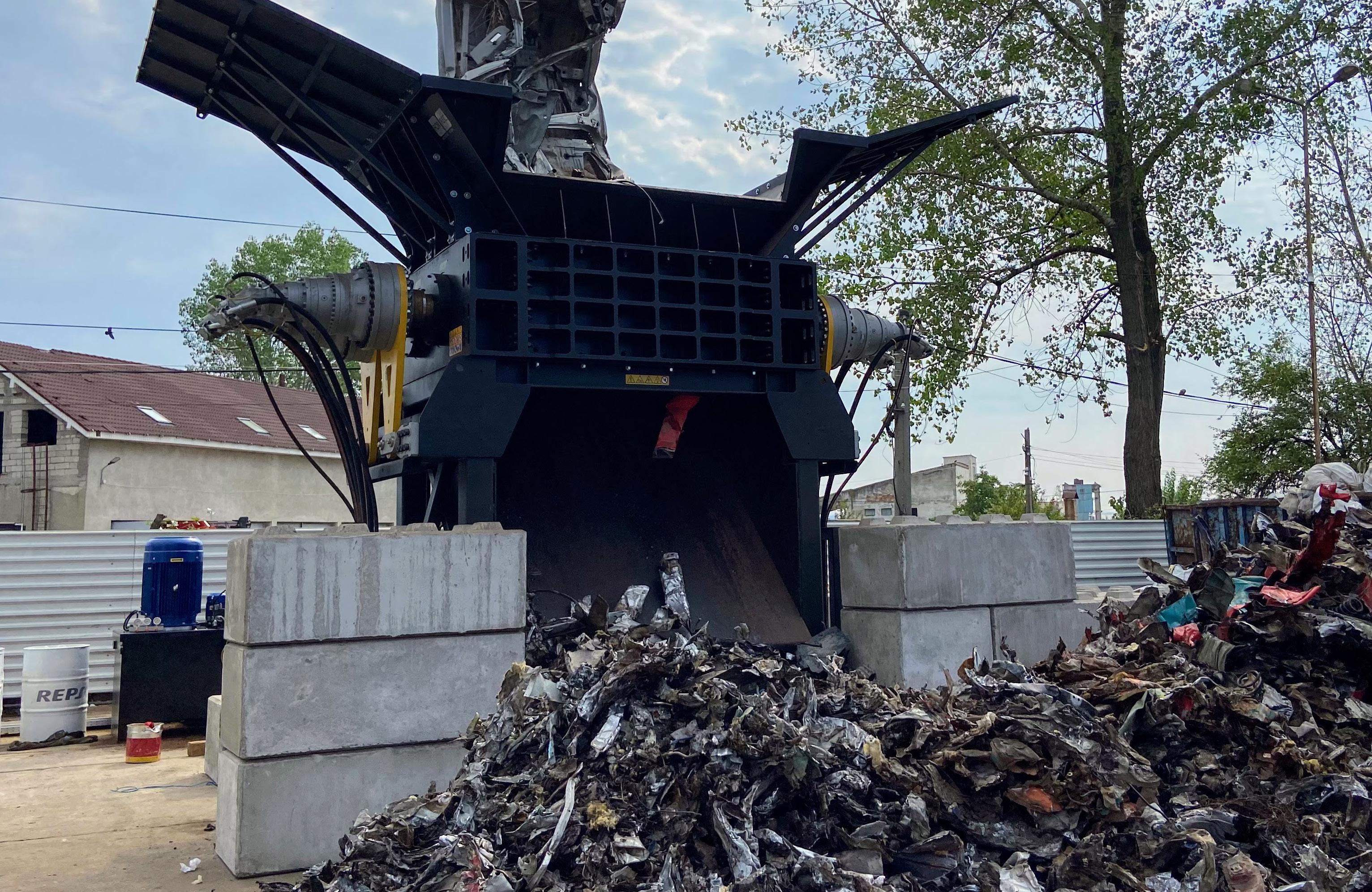
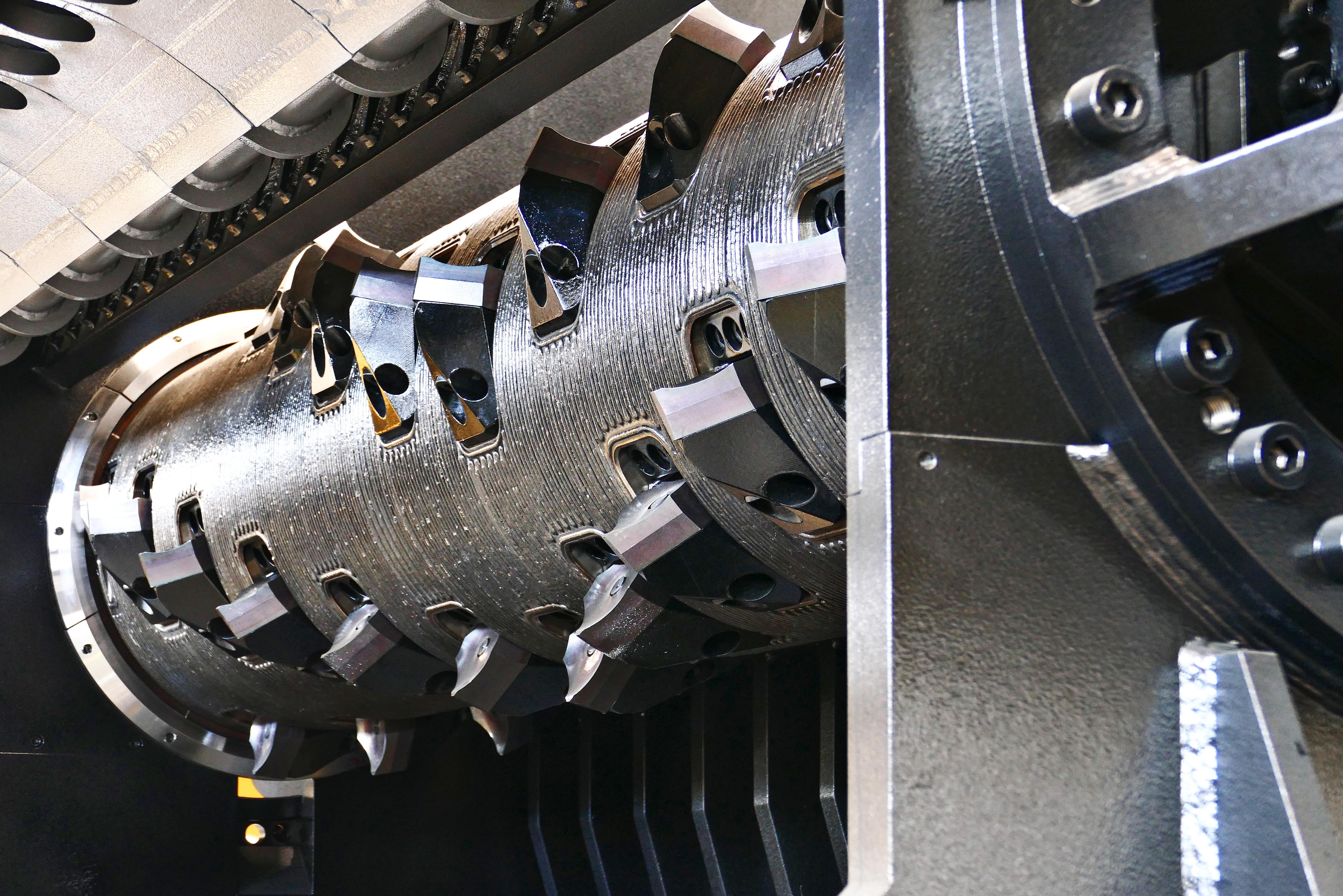
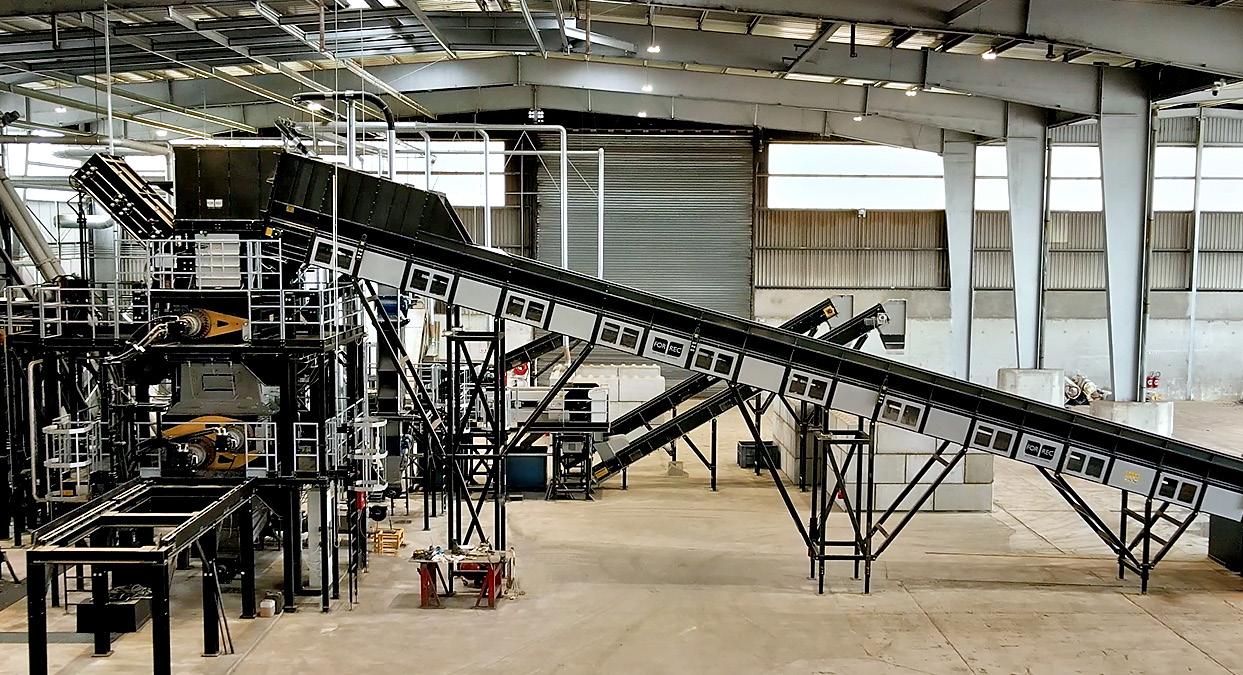
FOR REC designs, engineers, manufactures and installs machines and complete plants for the treatment of a wide range of waste streams, including WEEE, metals, municipal and industrial solid waste, cables and electric motors, photovoltaic panels, refrigerators, tires and aluminum, as well as many other types of materials.
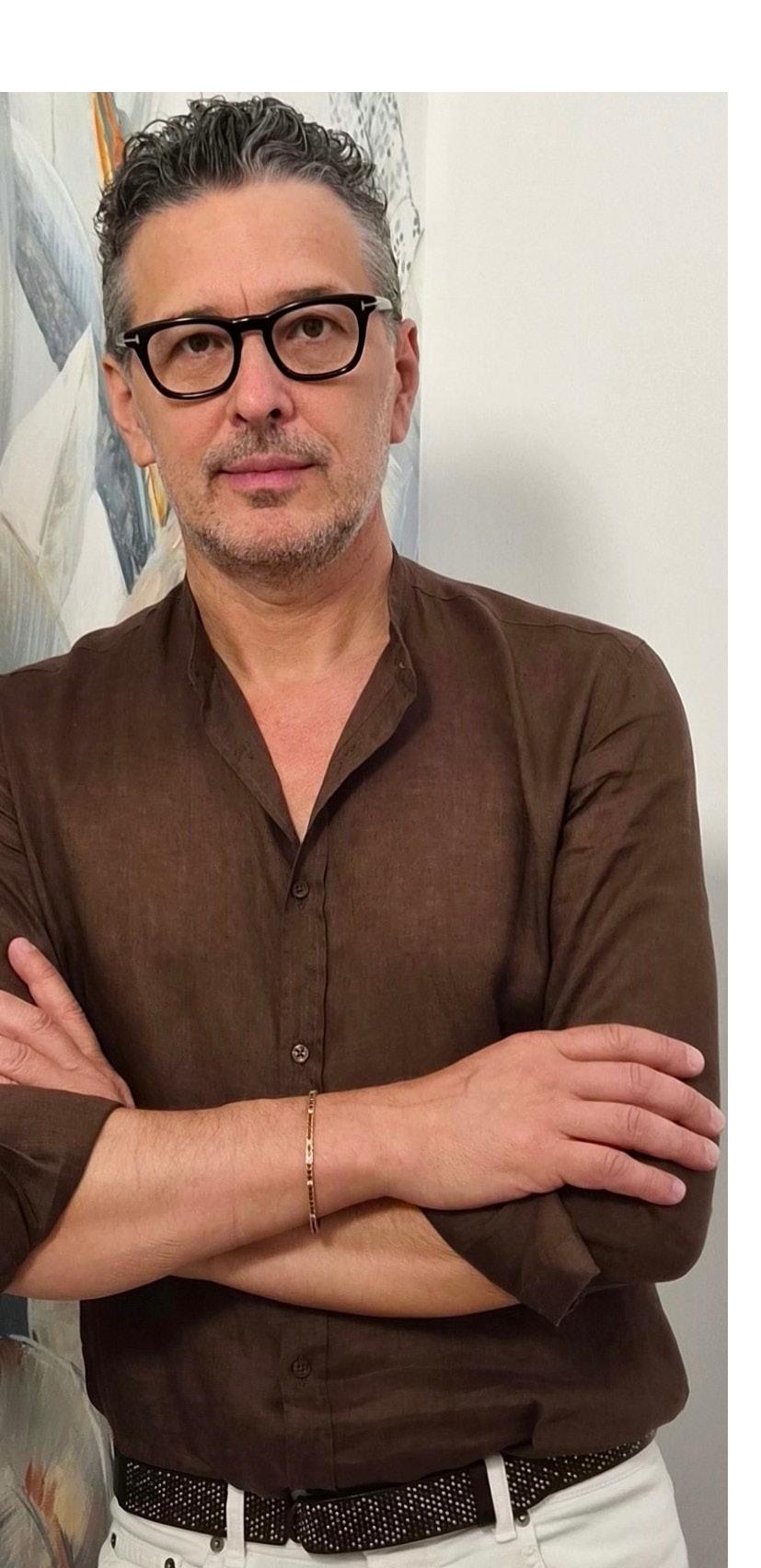
In an exclusive interview, Marco Zoccarato, CEO of FOR REC, describes the company’s positioning in a rapidly evolving market and explains the engineering-driven approach behind the development of tailor-made machines and plants designed for increasingly complex materials and applications.
“Our role is not to sell machines; it is to design the most efficient solution for each material flow, every operational context, and every recovery goal.” — Marco Zoccarato, CEO of FOR REC.
CEO’S PERSPECTIVE: INNOVATION, MARKET AND INTERNATIONAL GROWTH
FOR REC has been operating in the recycling technology sector for many years. What is your current market positioning and which customer needs do you feel you are most effective at addressing?
FOR REC is a highly specialized partner in the design and manufacturing of machinery and complete waste treatment plants, with a strong engineering approach that combines
performance, reliability, and efficiency. Today, the market demands robust, versatile systems capable of continuous operation, controlled costs and high-quality output fractions, with increasing focus on customized turnkey solutions and the valorization of secondary raw materials.
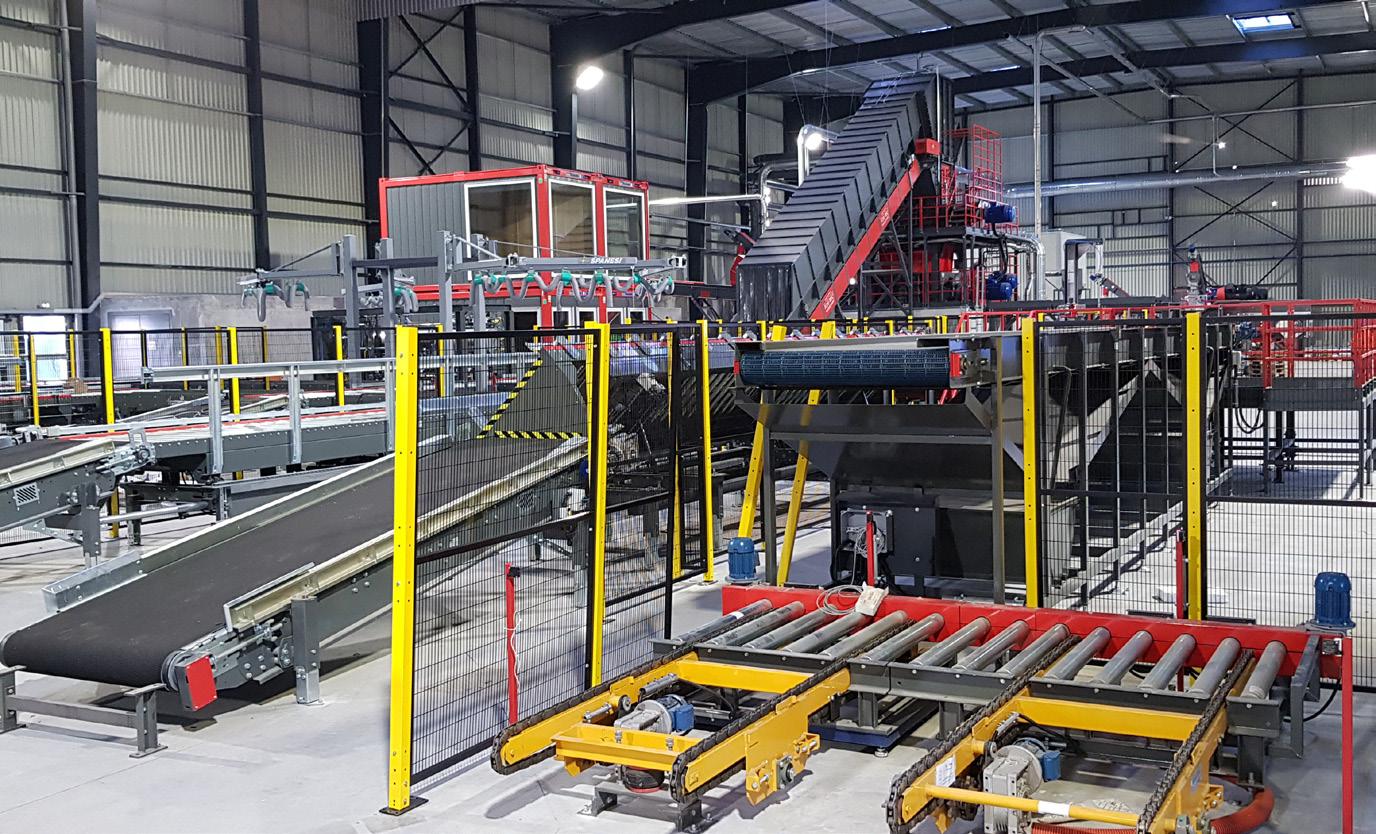
FOR REC meets these needs by delivering tailor-made plants designed for high capacity, operational continuity, and reduced environmental impact, through optimized energy consumption, efficient process flows, and advanced control systems.
More than a manufacturer, FOR REC acts as
an engineering partner, supporting clients with technical consultancy, rapid analysis and a structured after-sales service. This integrated approach ensures reliable, high-performance solutions aligned with the evolving demands of the circular economy.
Your product range covers a wide variety of materials and sectors. What are the design principles that unite your solutions and what differentiates you from other manufacturers in terms of technical approach?
All FOR REC solutions are built on consistent design principles that define the company’s technological identity. The core element is customization: each plant is tailor-made according to the material and the client’s objectives, ensuring effective solutions even for complex waste streams.
From a technical perspective, FOR REC systems combine robust construction, energy and production efficiency, simplified maintenance, modular flexibility and advanced separation technologies that guarantee high-quality output fractions.
What sets FOR REC apart is its engineeringdriven approach, based on material analysis, testing and close collaboration with customers. This allows the company to deliver reliable, high-performance solutions designed for continuous operation, high production capacity and optimized environmental impact.
In recent years, efficiency—energy, operational, and maintenance—has become a central theme in treatment plants. How do your machines respond to this evolving demand?
In recent years, efficiency has become a key factor in plant selection, with a focus on reduced consumption, operational continuity, ease of management and high-quality output fractions.
FOR REC addresses these needs by developing technologies designed for continuous operation, optimized energy use and stable performance, even with complex materials. Systems are engineered to minimize wear, simplify maintenance and reduce downtime through accessible components and modular configurations.
This approach is supported by a structured service organization, including scheduled maintenance, rapid interventions, remote assistance and fast spare parts availability worldwide.
For FOR REC, efficiency means reliable performance, controlled costs and sustainable processes capable of delivering long-term value. One of the most interesting aspects of your journey is your strong growth in international markets. Which geographical areas are responding best to your solutions, and what factors have driven this expansion?
In recent years, FOR REC has achieved strong international growth, with exports now accounting for 80% of turnover, driven by a flexible engineering approach and highly adaptable technologies. The company has built a global commercial and project network, with installations across Europe, the Middle East, Asia, North and South America, successfully adapting to diverse markets and operational contexts.
This expansion is not based on standardization, but on customization and direct customer relationships, supported by continuous investment in R&D and a high level of customer loyalty.
Key drivers include tailor-made design, highefficiency and low-impact technologies, system
“We are not just a manufacturer: we are a partner that stays close to the customer, providing high-level technical consultancy and a structured after-sales service.”
— Marco Zoccarato, CEO of FOR REC.
“In a rapidly changing market, customers are looking for partners able not only to supply machines but to build complete, high-performance solutions oriented towards ecological transition.”
— Marco Zoccarato, CEO
versatility across multiple waste streams, and a strong service and spare parts network. This combination enables FOR REC to deliver reliable solutions and continuously strengthen its presence in international markets.
Looking ahead to the coming years, what are the key development directions FOR REC is investing in: new markets, new applications, or technological evolution?
Looking ahead, FOR REC is investing in three key strategic directions to drive future growth. The first is international expansion, with a focus on strengthening our presence in high-demand regions such as Northern Europe, the Middle East, Asia, and the Americas.
The second is the development of new applications, particularly for emerging waste streams such as photovoltaic panels, complex industrial waste and next-generation WEEE, ensuring high-quality output fractions and economically sustainable recovery.
The third is continuous technological evolution, with ongoing investment in R&D to improve efficiency, reduce energy consumption and wear, increase production capacity and achieve zero environmental impact.
049 0990015
of FOR REC.
“Recycling and environmental services are activities that operate at the heart of local economies, creating industrial employment, supporting circular economy initiatives, and contributing directly to environmental protection and resource preservation”
– ABDERAMAN EL AOUFIR, CEO, DERICHEBOURG
Indeed, Derichebourg contributes to the resilience and sovereignty of European industry by helping secure local sources of secondary raw materials and providing integrated waste management and recycling solutions designed to maximise material recovery and reduce dependence on virgin raw materials.
One of the company’s key strengths in this regard is its ability to manage the entire value chain, from collection and sorting to processing, recovering, and reintegrating recycled materials into industrial production cycles.
“This integrated approach allows us to improve traceability, optimise recovery rates, and deliver highquality secondary raw materials that can be reused by steelmakers, foundries, refiners, and manufacturing industries across Europe,” details El Aoufir.
Metal recycling in particular has become strategically important for the continent’s industrial and environmental ambitions. Recycling ferrous and non-ferrous metals significantly reduces energy consumption and carbon dioxide
emissions compared to primary extraction and refining.
“By supplying high-quality recycled metals to industrial customers, we directly contribute to the decarbonisation of sectors such as steel, aluminium, automotive, and manufacturing,” he highlights.
LOCAL ANCHORING, INTERNATIONAL REACH
Both local and international suppliers play a critical role in the success of Derichebourg.
At a local level, the company’s operations rely heavily on strong relationships with regional suppliers, industrial partners, transport companies, maintenance providers, and equipment specialists.
“Recycling is fundamentally a proximity business: the ability to collect, process, and valorise materials efficiently depends on a dense local ecosystem and trusted long-term partnerships.
“Local suppliers also help us remain agile, responsive to customer needs, and compliant with national environmental and regulatory requirements,” El Aoufir notes.
At the same time, international suppliers are increasingly important as the recycling industry becomes more globalised and technologically advanced.
“Scrap flows, refined recycled materials, and end customers often operate across borders. Having a strong international supply chain enables us to secure outlets for recycled materials, diversify sourcing opportunities, and better support major industrial customers – particularly steelmakers and metallurgical groups transitioning towards more sustainable production models such as electric arc furnace (EAF) steelmaking,” illustrates El Aoufir.
Ultimately, Derichebourg’s balance between strong local anchoring and international reach is one of the key strengths of its business model, allowing the company to combine operational proximity with industrial scale and global market access.
PAN-EUROPEAN NETWORK
With a broad European footprint, Derichebourg strongly believes that an efficient supply chain cannot be managed exclusively from a central office.
“The strength of our organisation comes from combining a common industrial strategy with strong regional leadership teams that understand their local markets in depth,” El Aoufir tells us.
Indeed, the company’s regional supply chain heads play a key role in ensuring operational efficiency whilst adapting to the specific realities of each country and region.
This includes understanding local business practices, regulatory environments, transport infrastructures, customer expectations, and language and cultural nuances.
REINFORCING A LEADING POSITION
Derichebourg recently reached a major milestone in the acquisition agreement relating to Scholz Recycling – one of the leading metal recycling companies in Europe.
This project is strategically important to Derichebourg as it significantly strengthens the company’s industrial footprint in Germany, Austria, the Czech Republic, Slovenia, Poland, and Romania.
“Beyond this geographical expansion, the transaction will reinforce our position as a major supplier of high-quality recycled raw materials to the European steel industry, particularly as steelmakers accelerate their transition towards lower-carbon production models and EAF technologies,” El Aoufir points out.
“In industries such as recycling and environmental services, relationships and trust remain extremely important, and having local teams who speak the language and understand the culture creates a significant operational advantage,” he affirms.
“These regional teams also allow us to react more quickly to market fluctuations, logistical disruptions, or changes in material flows.”
At the same time, Derichebourg’s pan-European structure allows it to coordinate strategically across borders.
Indeed, best practices, market intelligence, industrial standards, and operational expertise are shared throughout the group, whilst procurement and logistics synergies are leveraged whenever relevant.
“This balance between local autonomy and European coordination helps us build a resilient, agile, and highly responsive supply chain,” adds El Aoufir.
In practical terms, this means Derichebourg can remain locally embedded whilst benefitting from
the scale, expertise, and international reach of a major European recycling and environmental services organisation.
THE HEART OF THE LOCAL ECONOMY
Derichebourg upholds a deep commitment to local communities across its operations.
“Recycling and environmental services are activities that operate at the heart of local economies, creating industrial employment, supporting circular economy initiatives, and contributing directly to environmental protection and resource preservation,” El Aoufir insights.
With this in mind, the company’s sites are long-standing industrial actors within their respective regions, demonstrated through strong and constructive relationships with stakeholders, including municipalities, residents, schools, associations, industrial partners, and public authorities.
Internally, social responsibility is also embedded in Derichebourg’s operational culture.
“Our industry remains highly people-oriented, and the expertise of our employees is one of the key drivers of our success. We therefore place significant emphasis on health and safety, professional development, internal promotion, and workforce stability,” he reveals.
Case in point, many of the company’s employees build longterm careers in the business, reflecting the importance it places on loyalty, knowledge sharing, and social cohesion.
Derichebourg’s staff base is also built on a social model centred around diversity and inclusion.
“The recycling industry brings together a wide variety of professions, skills, and backgrounds, and we see this diversity as a strength. We actively support vocational integration and seek to provide opportunities across different levels
of qualification and experience,” El Aoufir informs us.
In parallel, the company’s environmental mission naturally creates a positive social impact.
“By recovering and transforming waste into secondary raw materials, we help reduce the consumption of virgin natural resources, lower industrial carbon emissions, and support the transition towards a more circular and sustainable economy,” he prides.
DISCIPLINED GROWTH
With continued investment in industrial performance and operational excellence as one of its main priorities, Derichebourg intends to strengthen its position as a leading player in the circular economy.
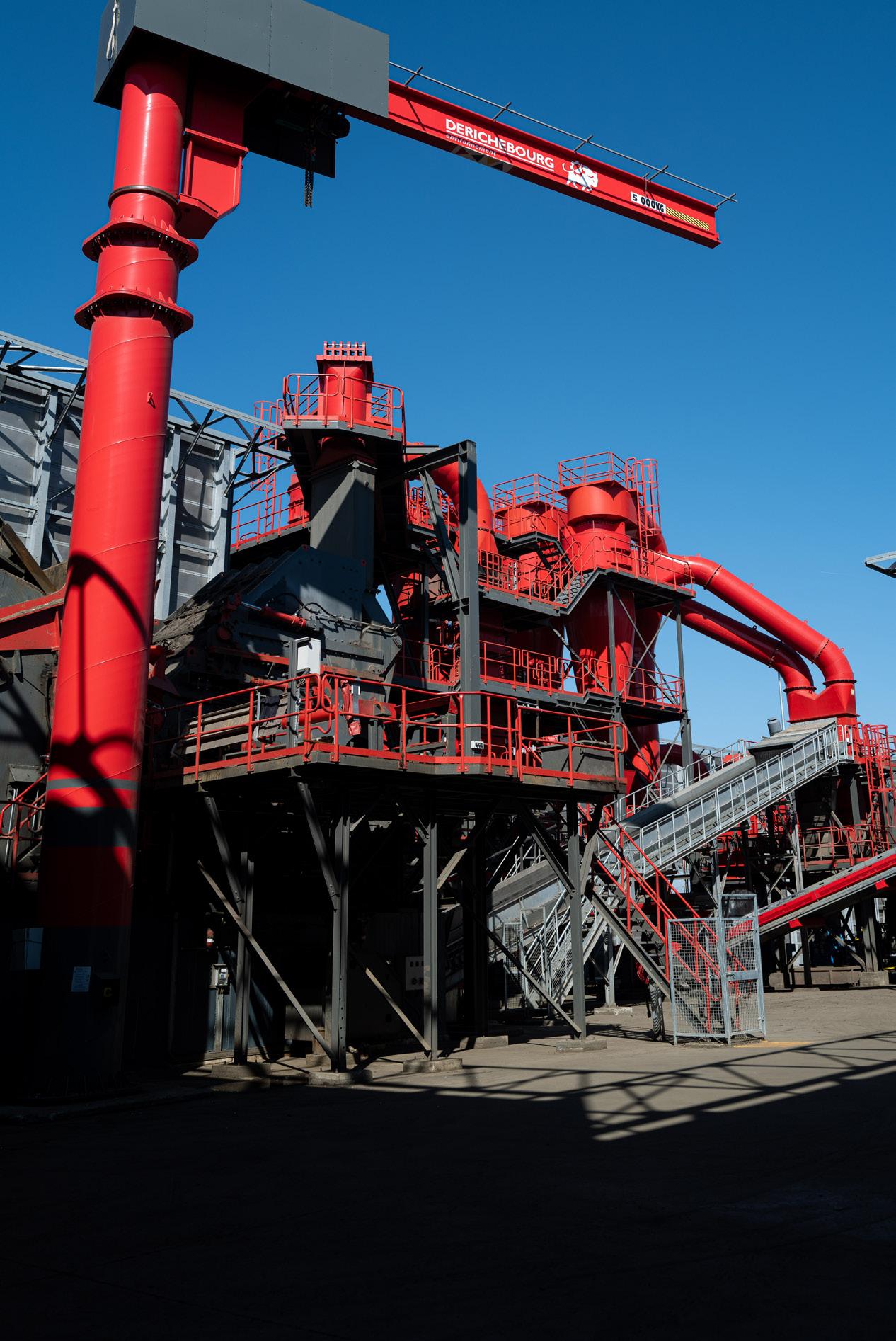
The company plans to modernise its equipment, improve recovery rates, increase automation where relevant, and further enhance safety and environmental standards across its facilities.
Supporting the decarbonisation of the industry also remains a steadfast focus.
“Steelmakers and manufacturers across Europe are accelerating their transition towards lower-carbon production models, particularly through EAF technologies, which require high-quality recycled raw materials.
“We see this transition as a major long-term opportunity for our sector, and we intend to further strengthen our ability to supply reliable, high-quality ferrous and nonferrous recycled materials to these industries,” El Aoufir sets out.
Geographical expansion and selective external growth also remain part of Derichebourg’s strategic vision, as it continues to evaluate opportunities that strengthen its industrial footprint, improve access to strategic markets, and complement existing expertise in recycling and environmental services.
“Our objective is not diversification for its own sake, but rather disciplined growth aligned with our core competencies and long-term industrial strategy.”
In parallel, the company is
continuing to accelerate its ESG and sustainability roadmap. This includes reducing the environmental footprint of its operations, improving energy efficiency, advancing decarbonisation initiatives, and strengthening transparency and governance practices in line with evolving European regulatory expectations.
“Ultimately, our ambition for the coming years is to combine sustainable growth, industrial leadership, and environmental responsibility, whilst continuing to reinforce our role as a key contributor to Europe’s circular economy and resource independence,” closes El Aoufir.