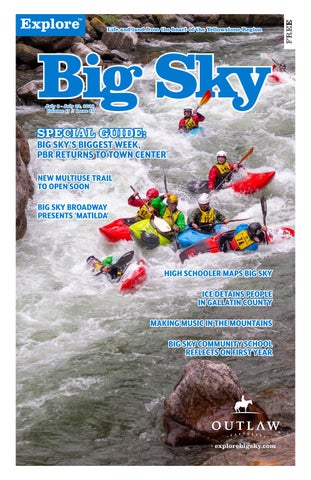
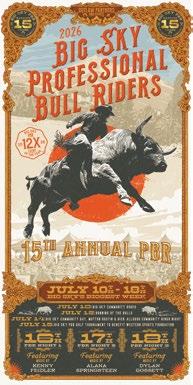
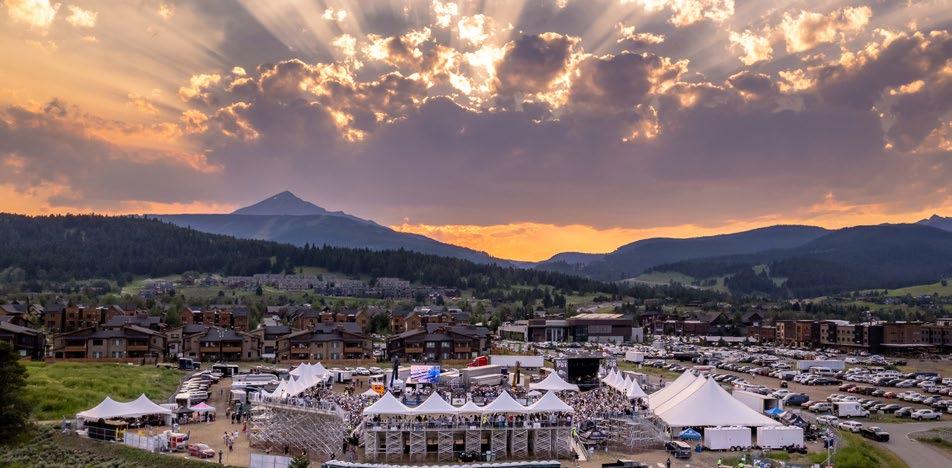
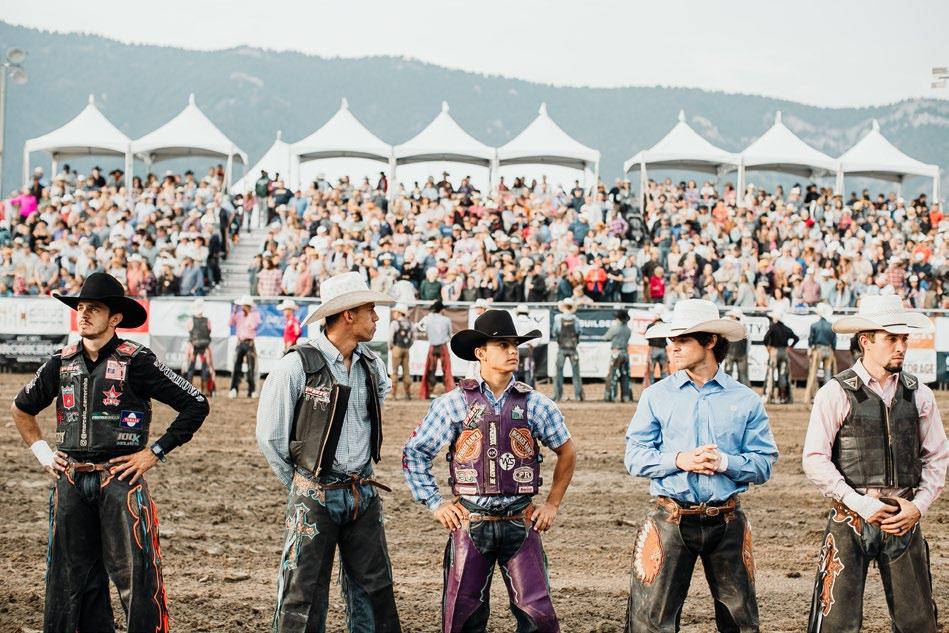
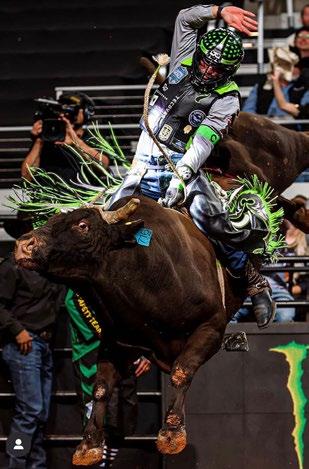
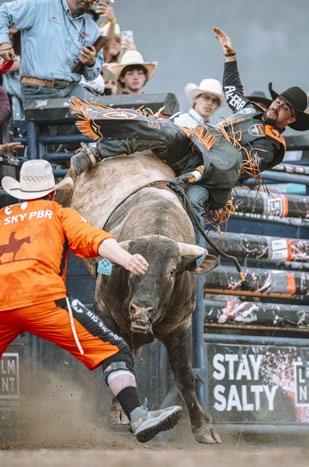
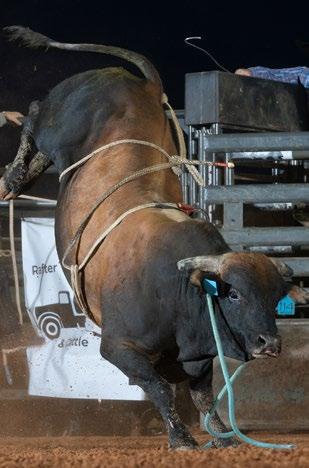
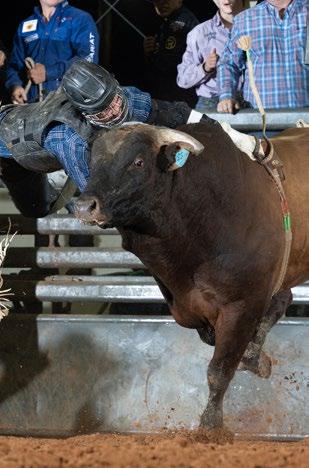
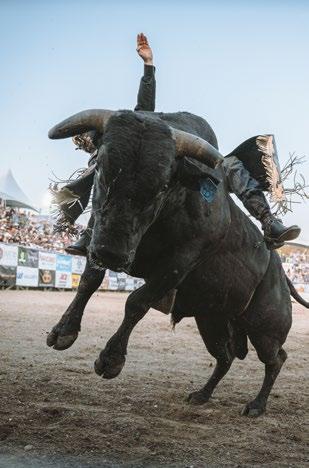
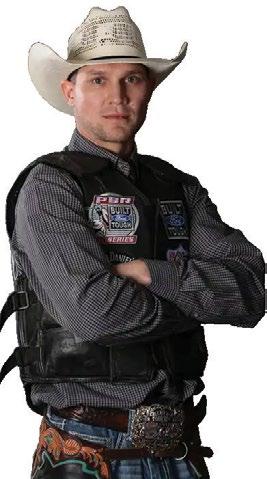
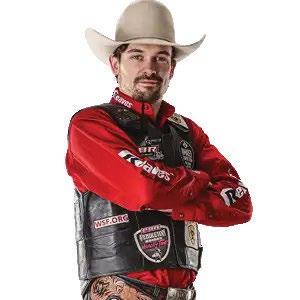
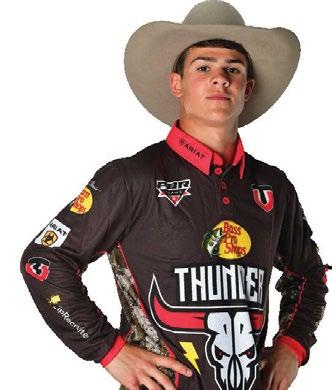
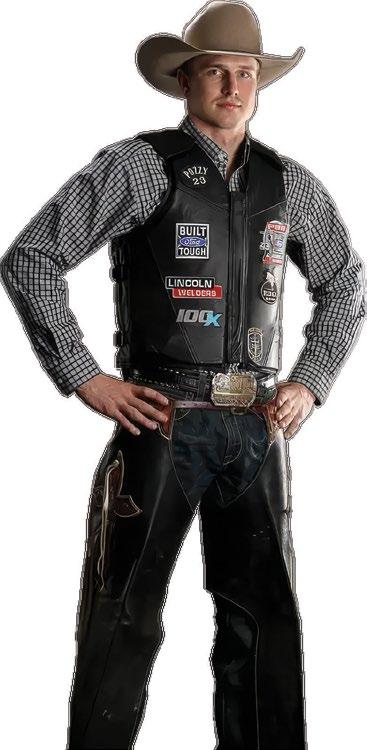
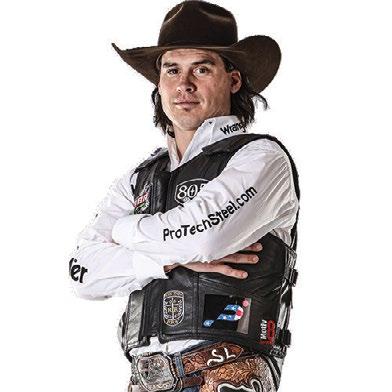
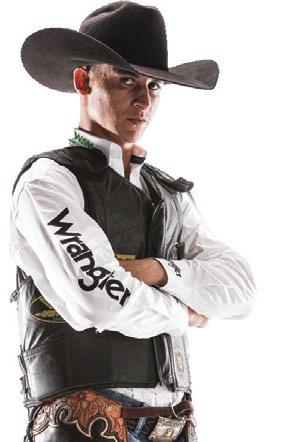
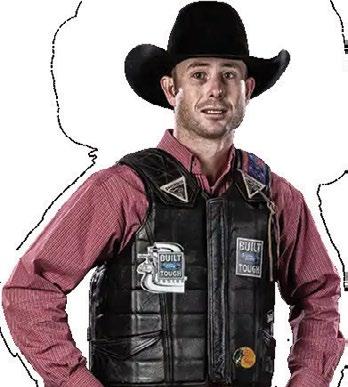
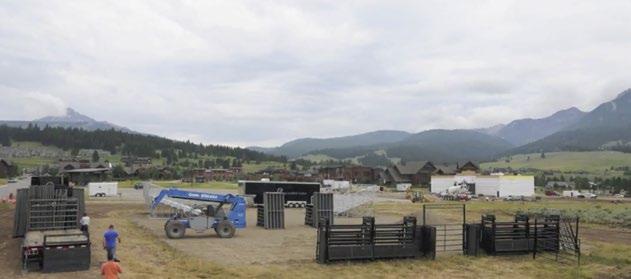
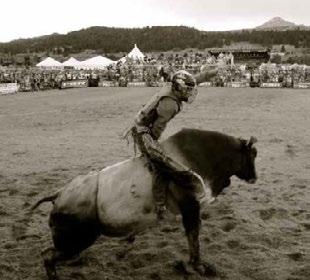
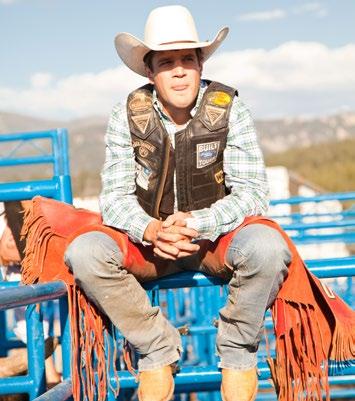
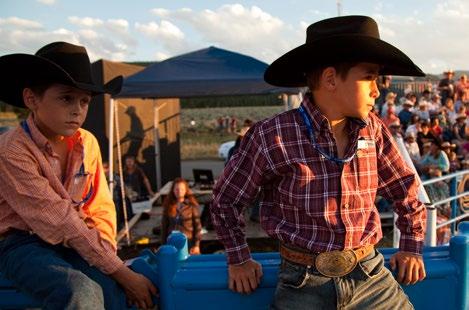
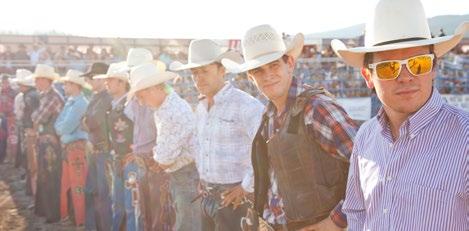
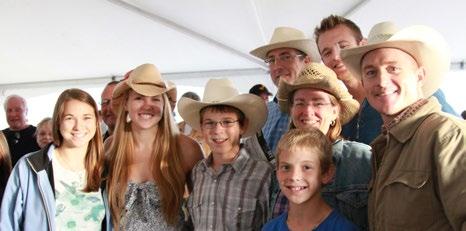
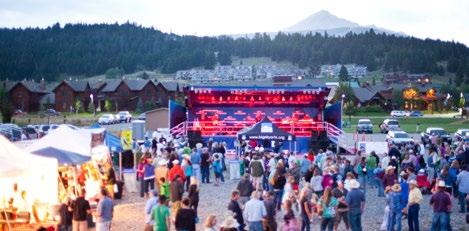
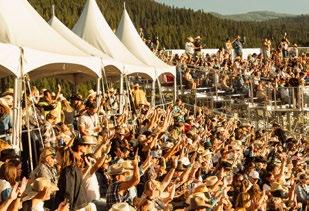
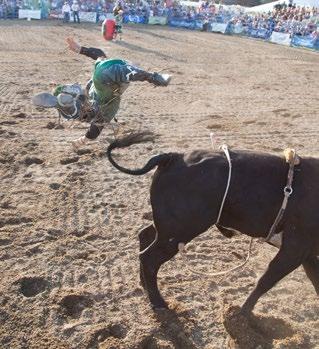
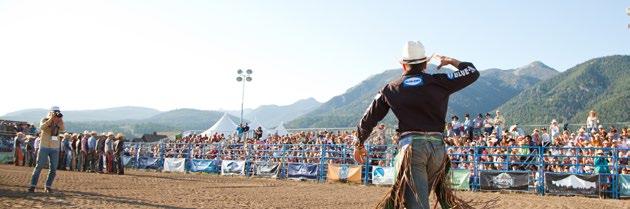
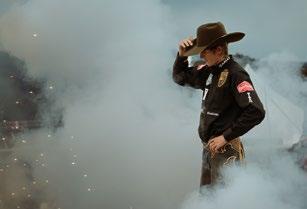
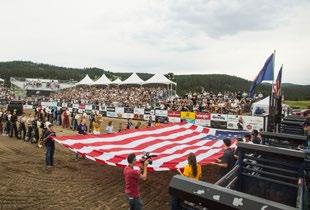
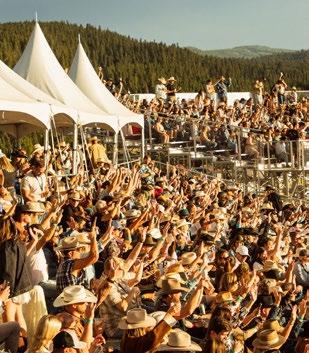
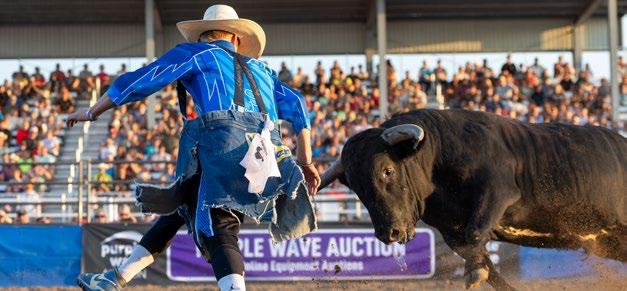
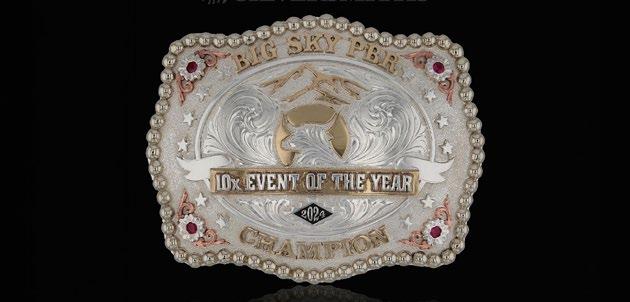
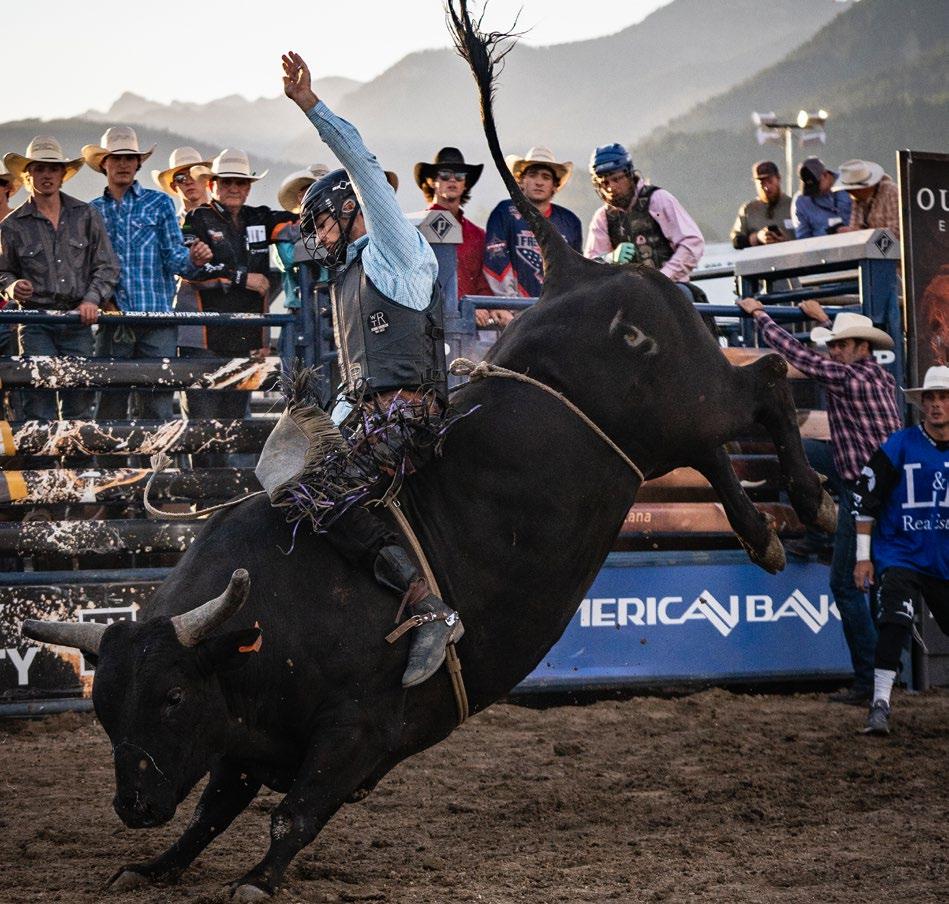
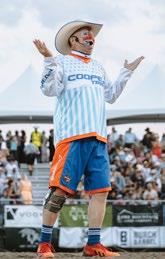
BIG SKY'S BIGGEST WEEK, PBR RETURNS TO TOWN CENTER
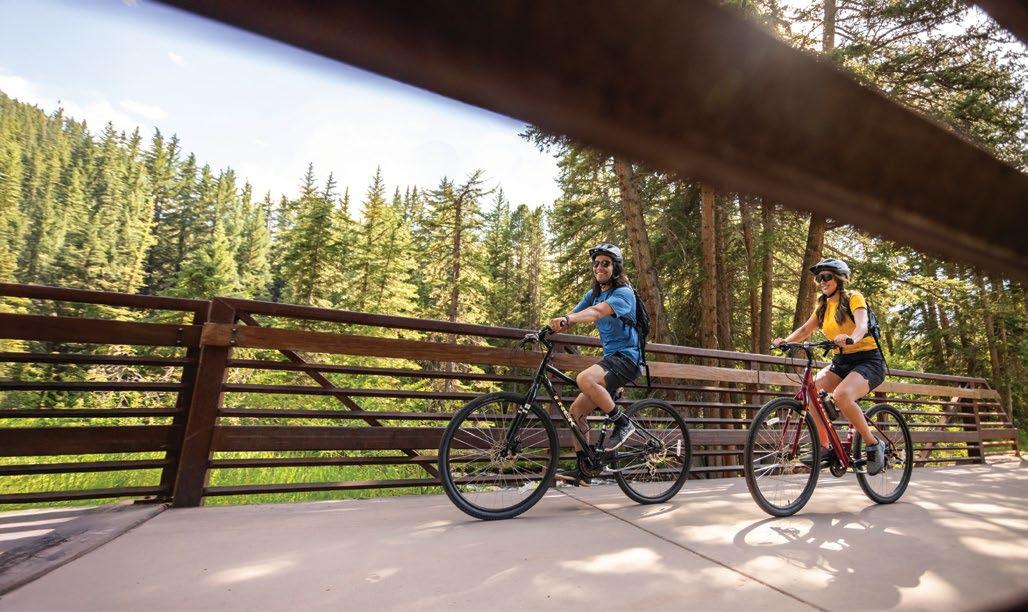
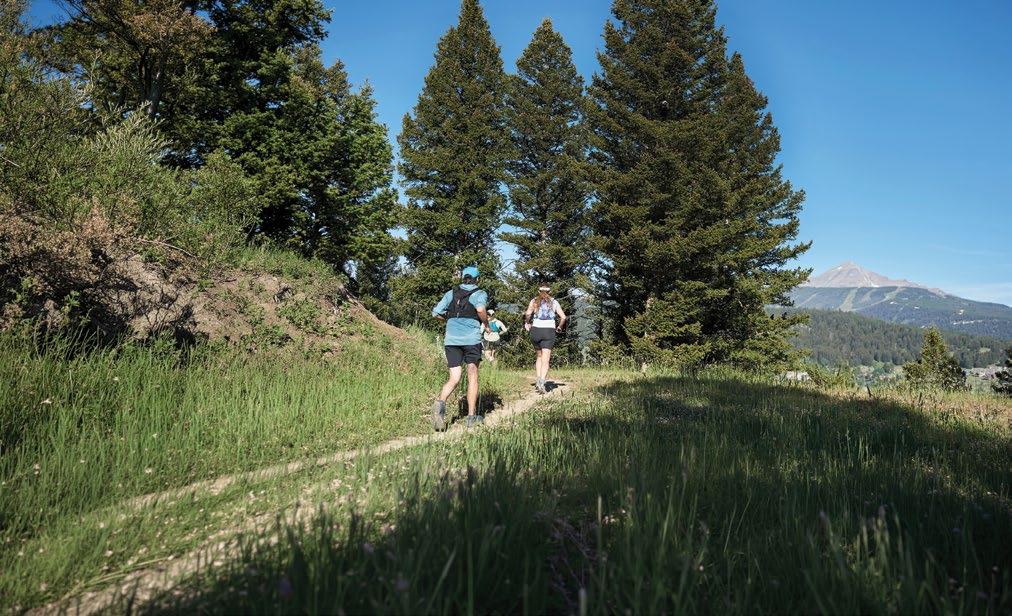
NEW MULTIUSE TRAIL TO OPEN SOON
NEW MULTIUSE TRAIL TO SOON
BIG SKY BROADWAY PRESENTS 'MATILDA'
BIG SKY BROADWAY PRESENTS 'MATILDA'
MAKING MUSIC IN THE MOUNTAINS
BIG SKY COMMUNITY SCHOOL REFLECTS ON FIRST YEAR
HIGH
MAPS BIG SKY
July 9 - July 22, 2026
Volume 17 // Issue 15
Owned and published in Big Sky, Montana
PUBLISHER
Eric Ladd | eric@theoutlawpartners.com
EDITORIAL
VP MEDIA
Mira Brody | mira@theoutlawpartners.com
STAFF WRITER
Jen Clancey | jen@theoutlawpartners.com
LOCAL JOURNALIST
Leslie Kilgore | leslie@theoutlawpartners.com
DIGITAL MEDIA LEAD
Fischer Genau | fischer@theoutlawpartners.com
STAFF WRITER
Carli Johnson | carli@theoutlawpartners.com
EDITORIAL INTERN
Annie O'Neill | annie@theoutlawpartners.com
CREATIVE
GRAPHIC DESIGNER
Luke Breum | luke@theoutlawpartners.com
SALES AND OPERATIONS
CHIEF OPERATING OFFICER
Josh Timon | josh@theoutlawpartners.com
CHIEF MARKETING OFFICER
Megan Paulson | megan@theoutlawpartners.com
VP DESIGN & PRODUCTION
Hiller Higman | hiller@theoutlawpartners.com
DIRECTOR OF RELATIONSHIPS
Ersin Ozer | ersin@theoutlawpartners.com
MARKETING MANAGER
Tucker Harris | tucker@theoutlawpartners.com
CONTENT MARKETING DIRECTOR
Taylor Owens | taylor.owens@theoutlawpartners.com
SENIOR ACCOUNTANT
Sara Sipe | sara@theoutlawpartners.com
BUSINESS DEVELOPMENT LEAD
Patrick Mahoney | patrick@theoutlawpartners.com
ACCOUNT COORDINATOR
Ellie Boeschenstein | ellie@theoutlawpartners.com
Benjamin Alva Polley, Rachel Hergett, Taeya Lauer
TABLE OF CONTENTS
NEW MULTIUSE TRAIL TO OPEN SOON
ON THE COVER:
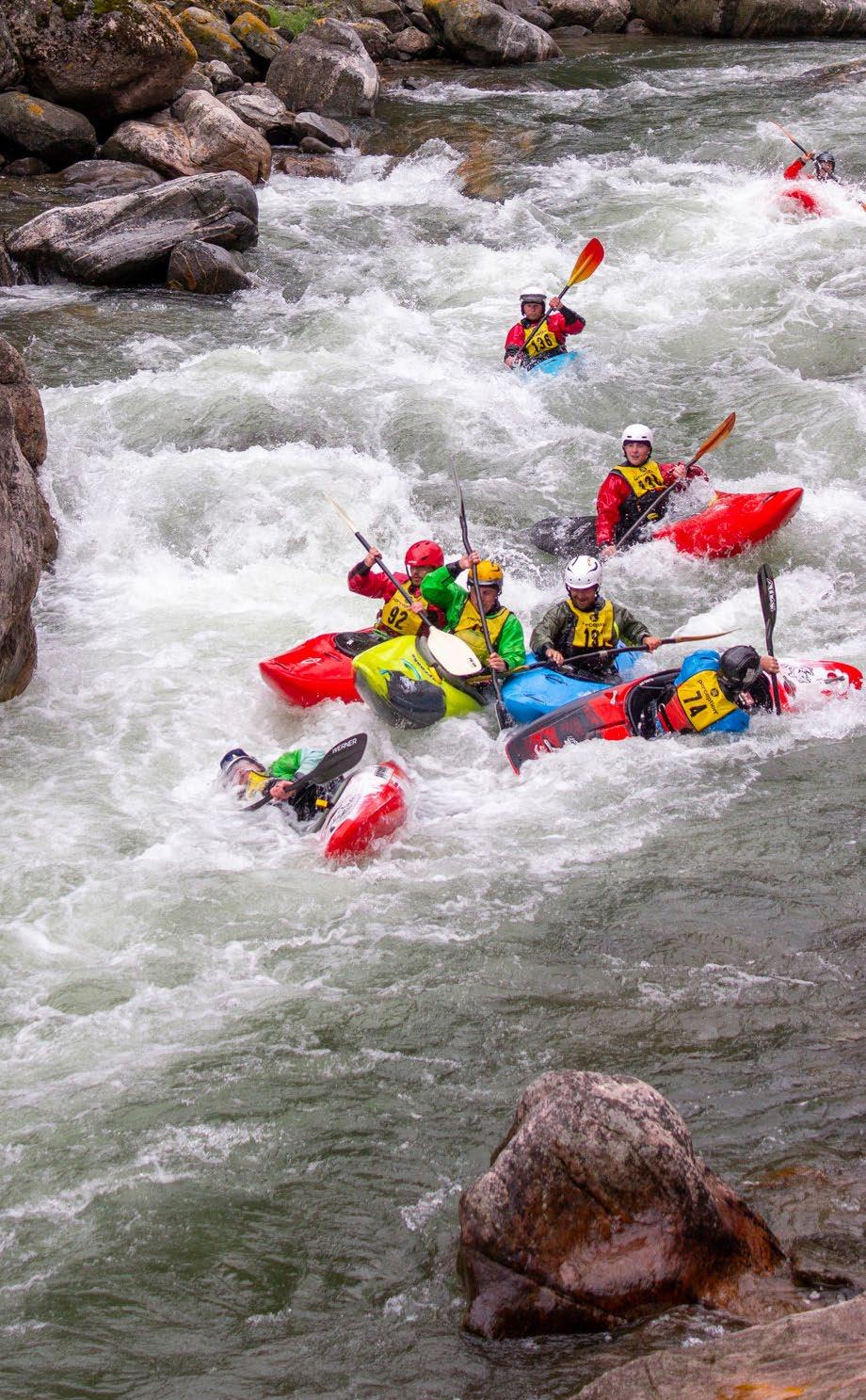
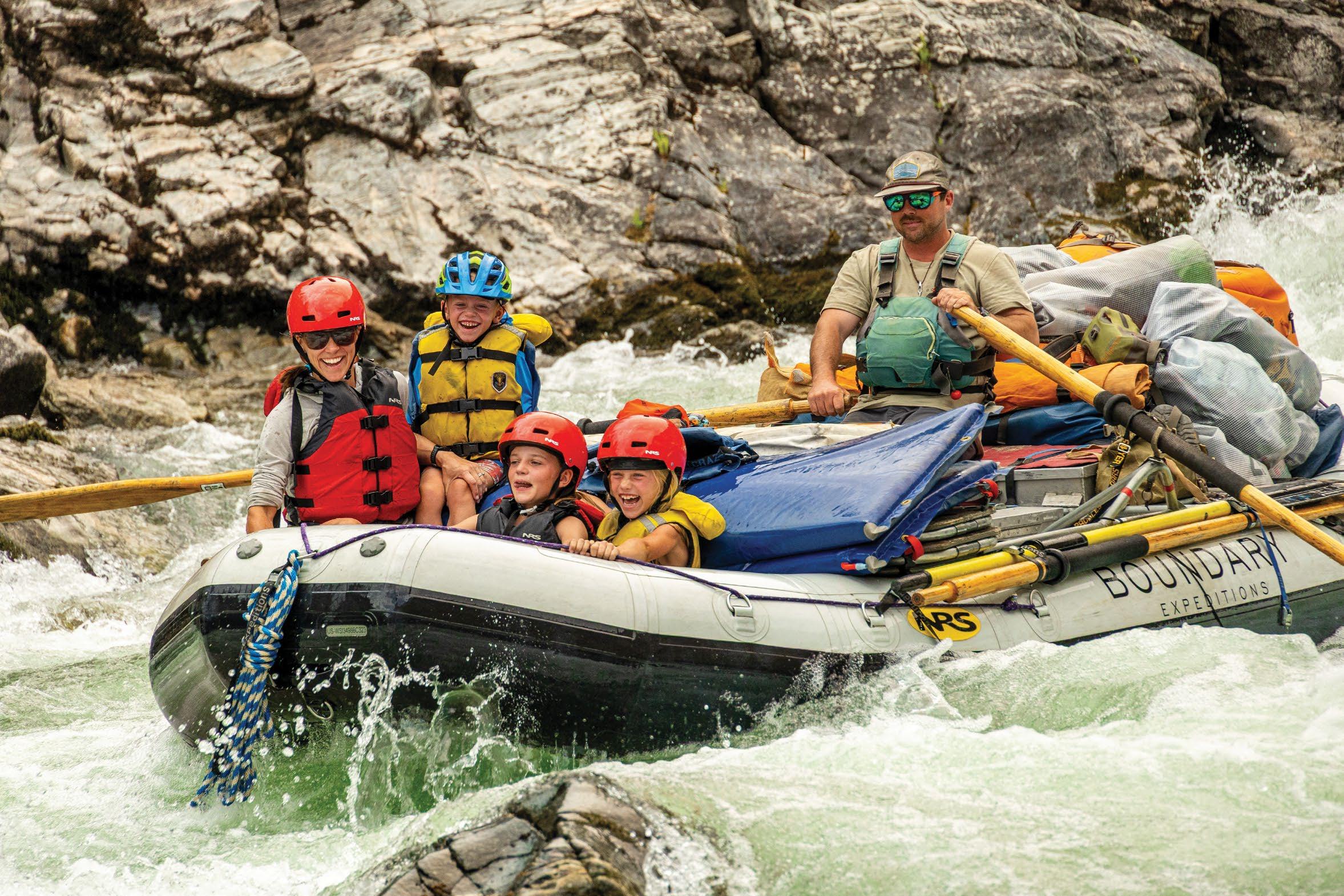
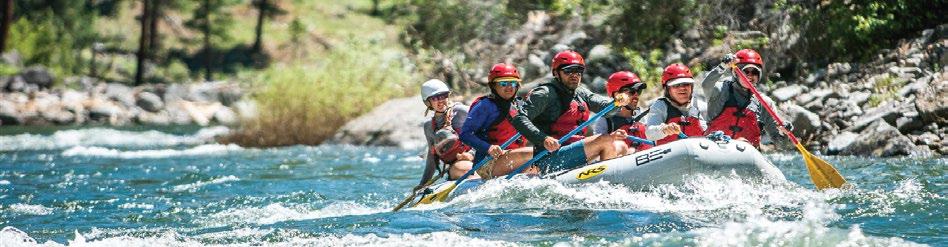
The Gallatin River dotted with colorful boats and rain-soaked spectators as paddlers competed in the annual Gallatin Whitewater Festival on Saturday, June 27. Hosted by the local kayak team Wave Train, the festival featured slalom races, time trials and a boater cross event, where kayakers, stand-up paddleboarders and rafters raced head-to-head for prizes. While this year’s snowpack was below average, frequent spring rains slowed the river’s seasonal drop, extending favorable boating conditions. PHOTO
BY CARLI JOHNSON
EDITORIAL POLICIES
EDITORIAL POLICY
Outlaw Partners, LLC is the sole owner of Explore Big Sky. EBS reserves the right to edit all submitted material. Printed material reflects the opinion of the author and is not necessarily the opinion of Outlaw Partners or its editors. EBS will not publish anything discriminatory or in bad taste.
EBS welcomes obituaries written by family members or from funeral homes. To place an obituary, please submit 500 words or less to media@theoutlawpartners.com.
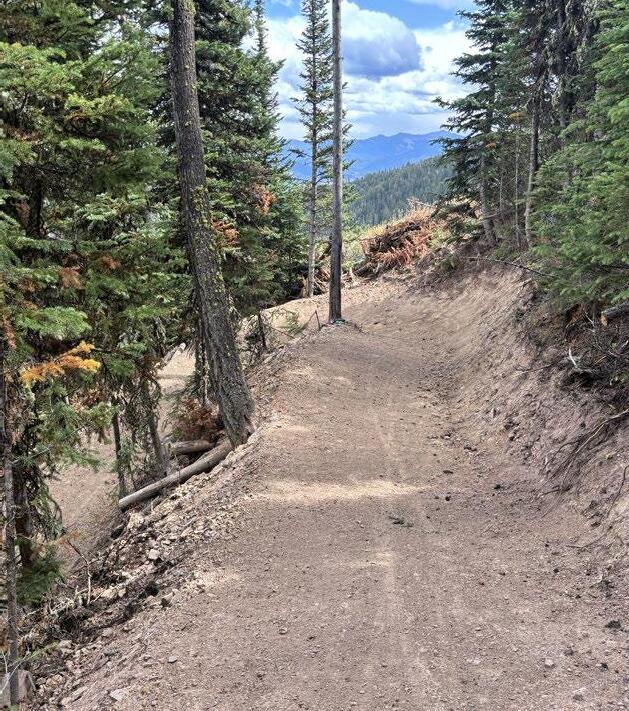
The beginner-friendly Hot Dog Trail is the latest planned trail in Big Sky for bikers and hikers. Three organizations worked together to create an alternative that runs from Big Sky Resort to Town Center and Meadow Village.
ICE DETAINS PEOPLE IN GALLATIN COUNTY
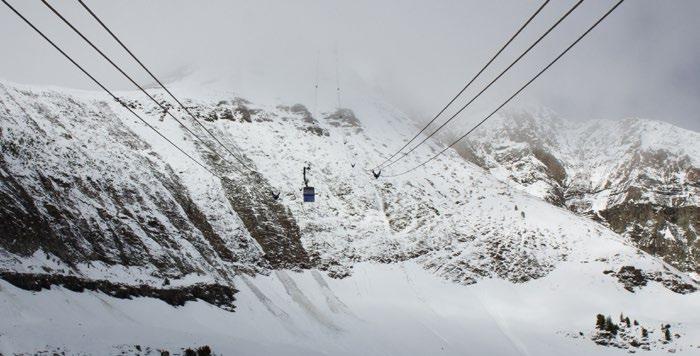
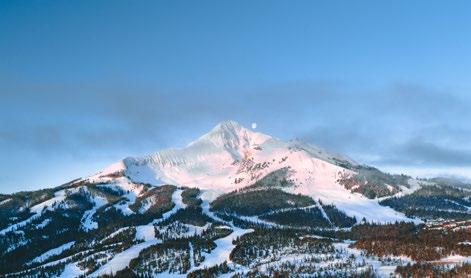
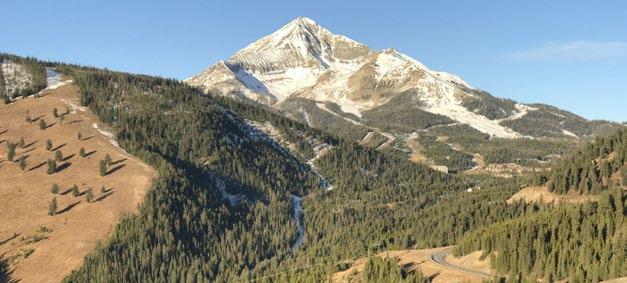
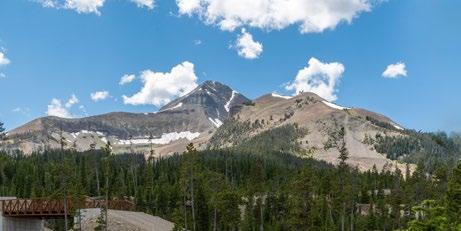
Shifting clouds surrounded the top of Lone Mountain at Big Sky Resort on June 30. Despite the calendar reading July the next day, Staff Writer Jen Clancey captured Big Sky’s recent show after a weekend storm. The new precipitation contrasted green pines and vegetation at lower elevations. The same could be said of the surrounding region. Bridger Bowl Ski Area's red chair clocked nearly 10 inches of snow on June 29. 26 25
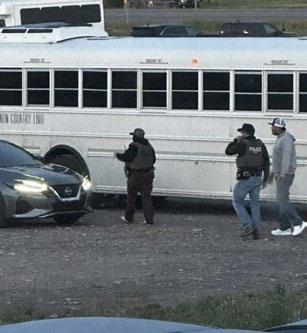
An ICE operation behind The Jump Restaurant & Bar was one of several incidents in Gallatin County starting at the end of June. Local organization Bienvenidos a Gallatin Valley noted the county’s immigrant population is “terrified,” and that ICE likely detained over 100 people in a week.
BIG SKY COMMUNITY SCHOOL REFLECTS ON FIRST YEAR
One year in, Big Sky Community School already has a waitlist, with enrollment doubling after one semester. Its leader Jeremy Harder reflected on how quickly families found and committed to the new school.
MAKING MUSIC IN THE MOUNTAINS
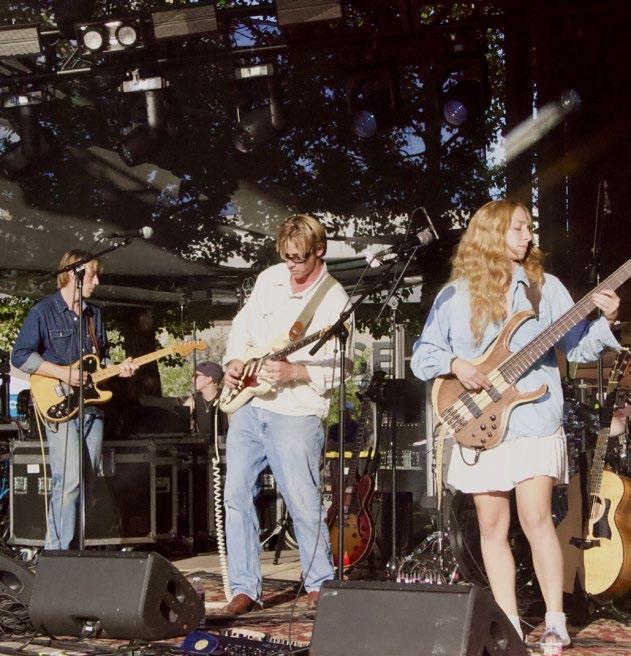
Since Music in the Mountains started in 2008, the free summer concert series has hosted acts like Jason Isbell, Lake Street Drive and Turnpike Troubadours before the rest of the world is privy to their talent.
HIGH SCHOOLER MAPS BIG SKY
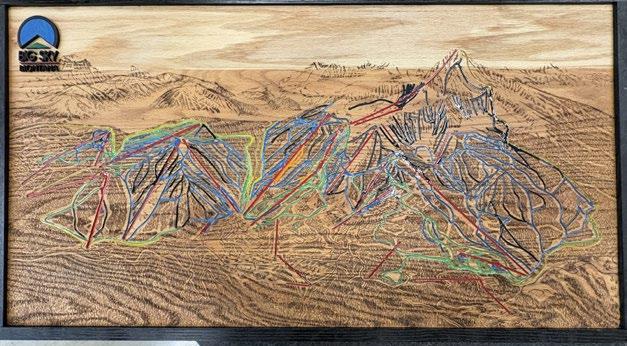
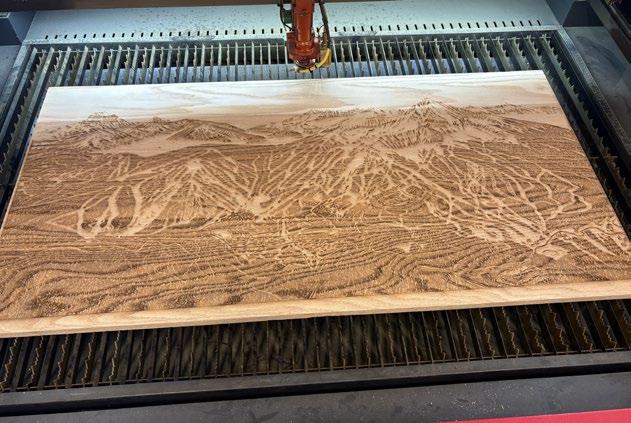
Benjamin Sands, a high schooler from Pennsylvania, first skied at Big Sky Resort when he was four years old. When he was assigned a woodworking project in school, he thought about how to preserve the place his family loves through carving and resin.
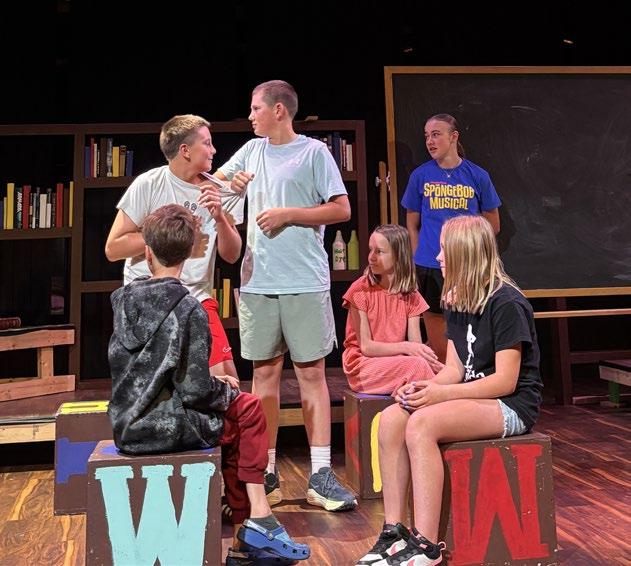
BIG SKY BROADWAY PRESENTS 'MATILDA'
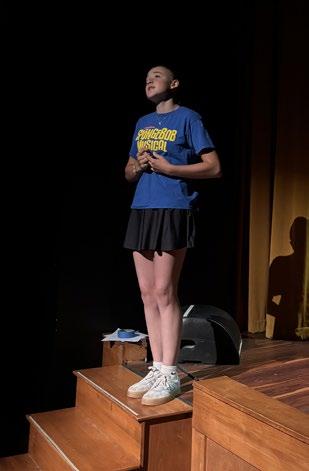
For 29 local Big Sky students, their summer starts on the Warren Miller Performing Arts Center stage. In the past 16 years, the Big Sky Broadway program has introduced and mentored young actors and singers in performing theater.
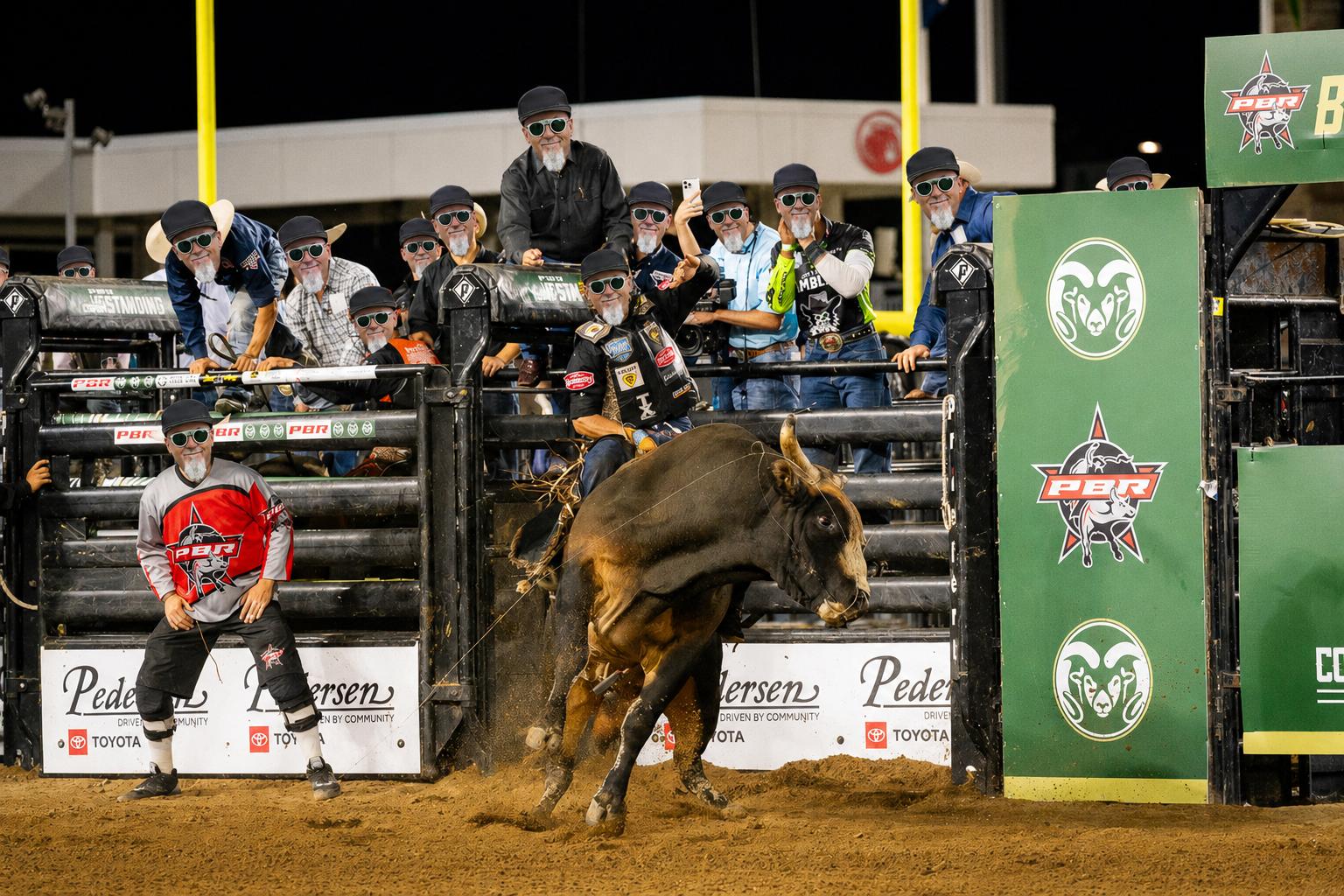
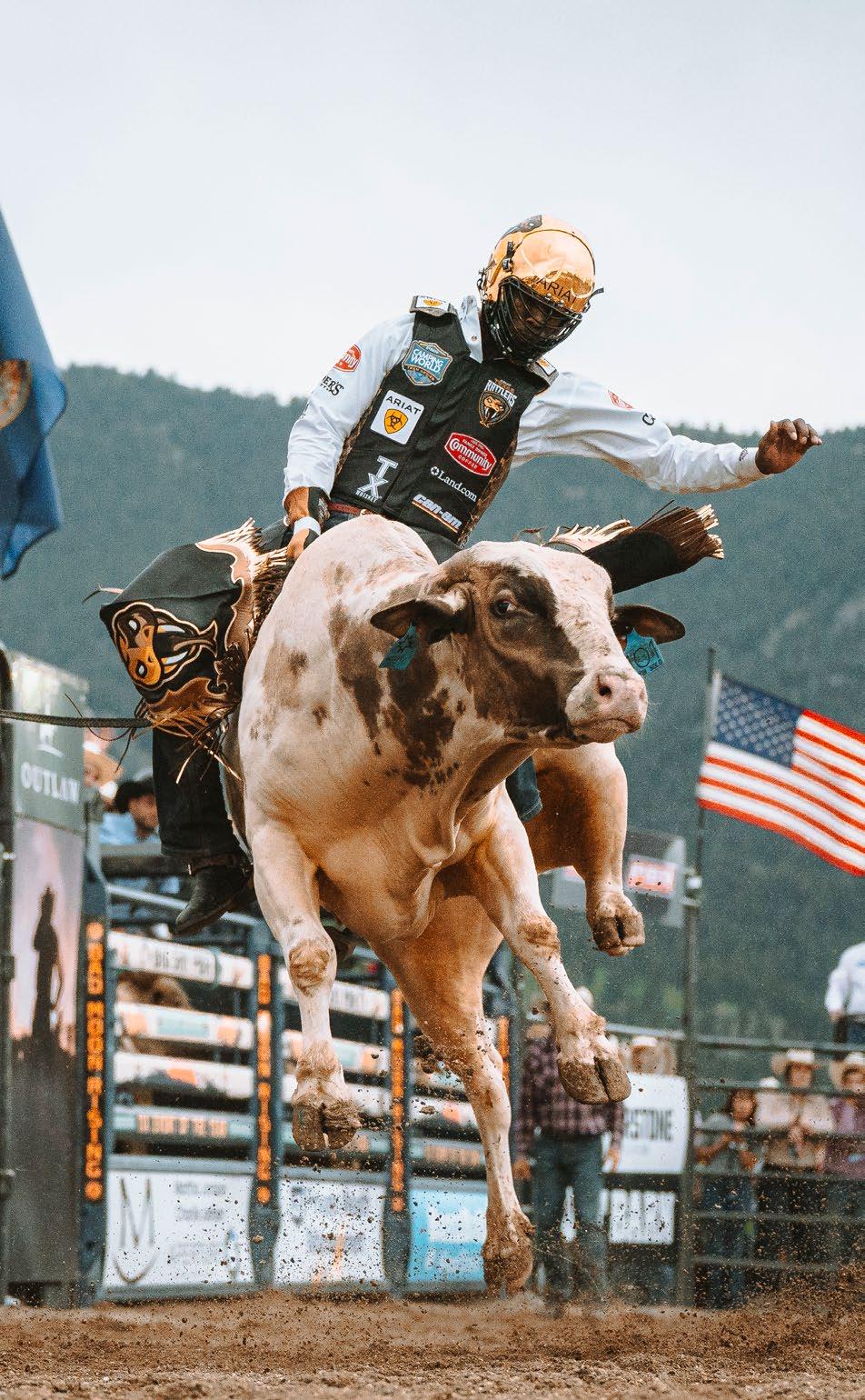
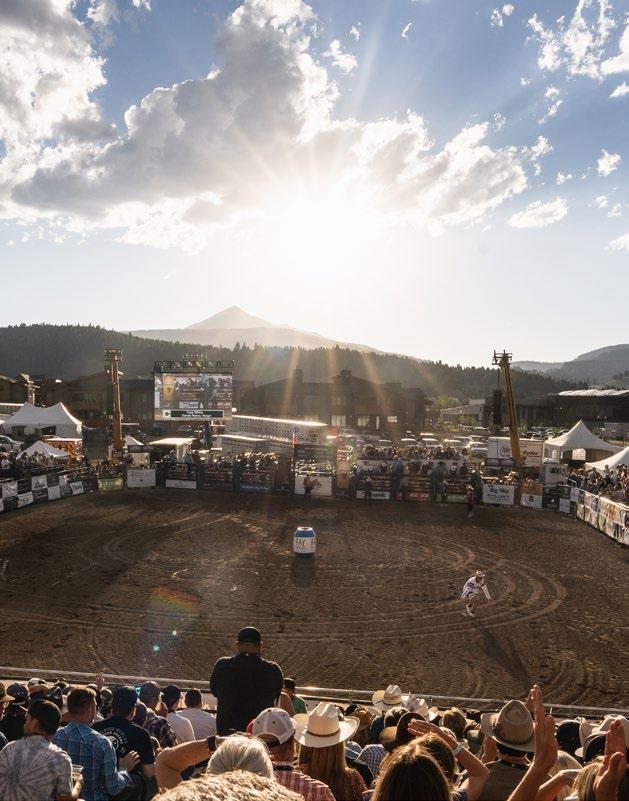
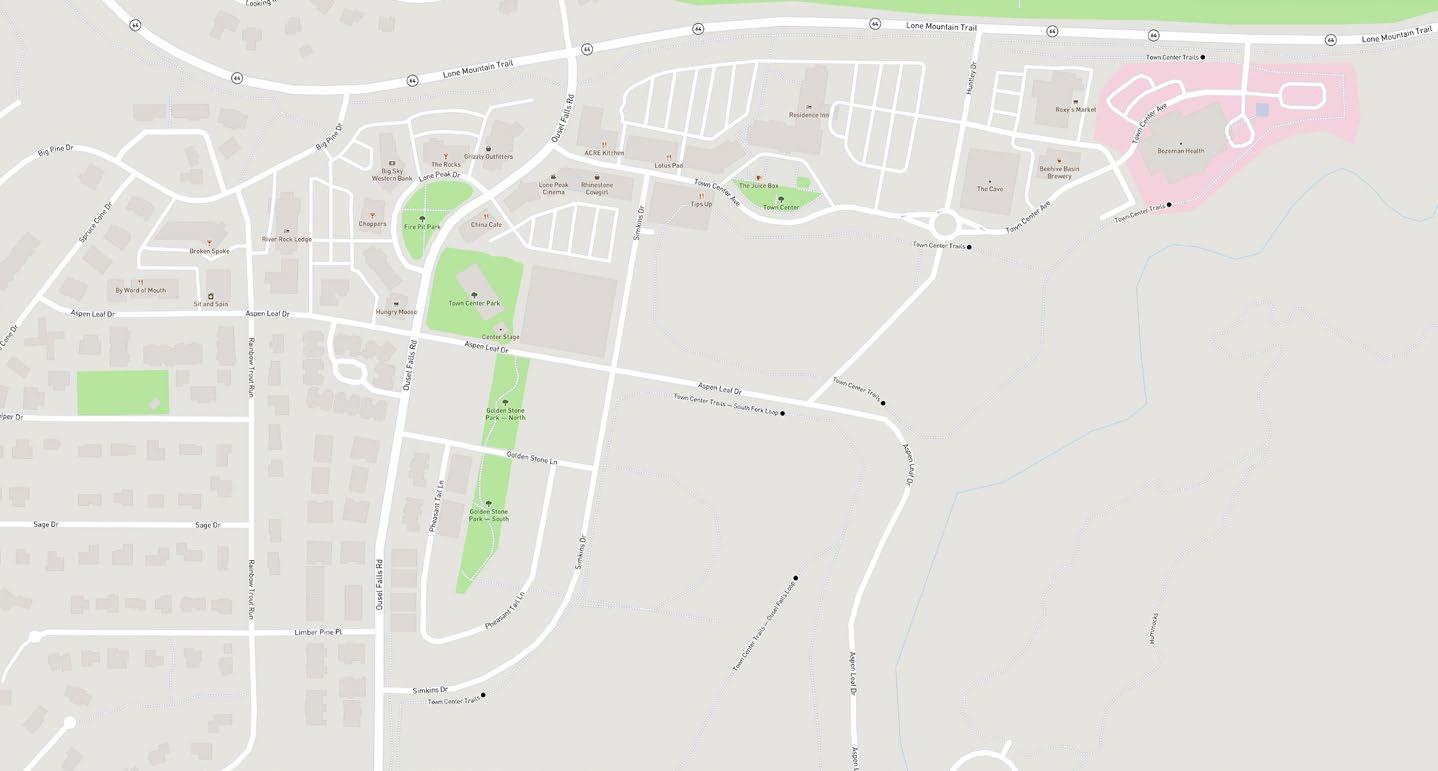
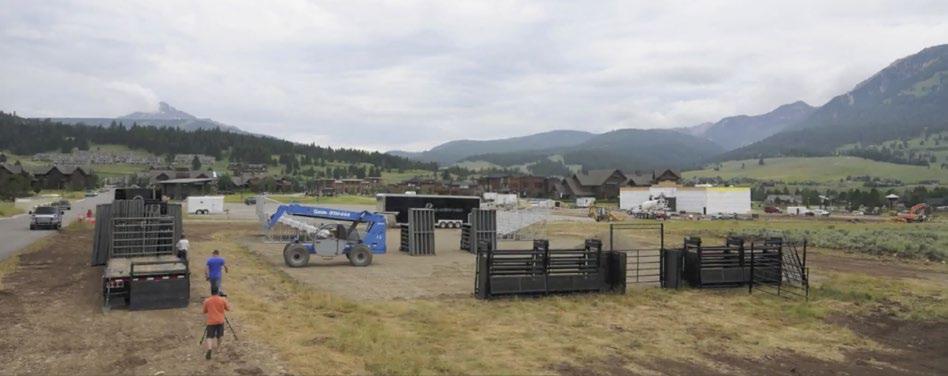
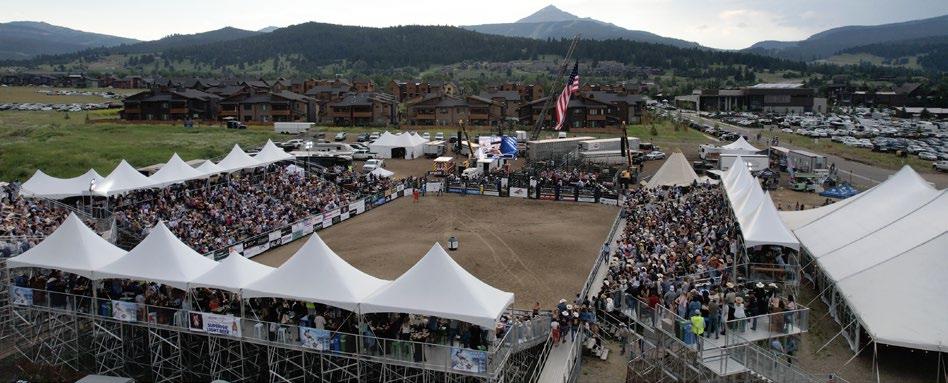
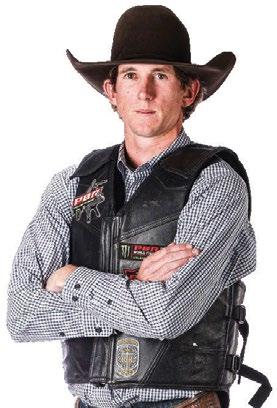
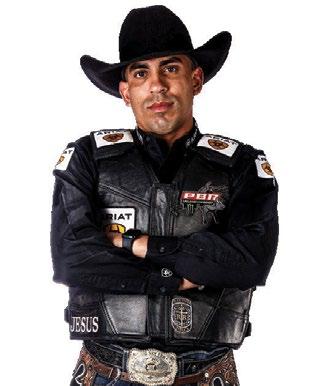
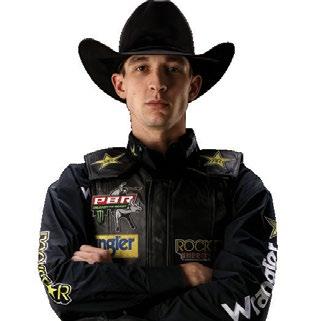
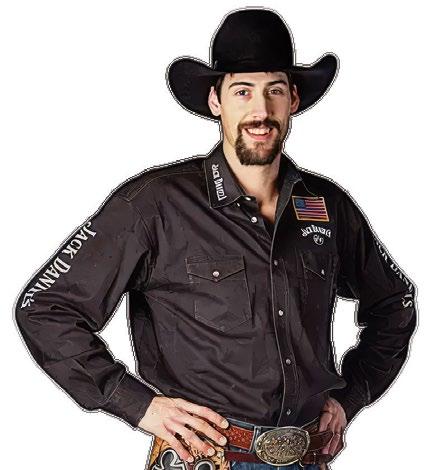
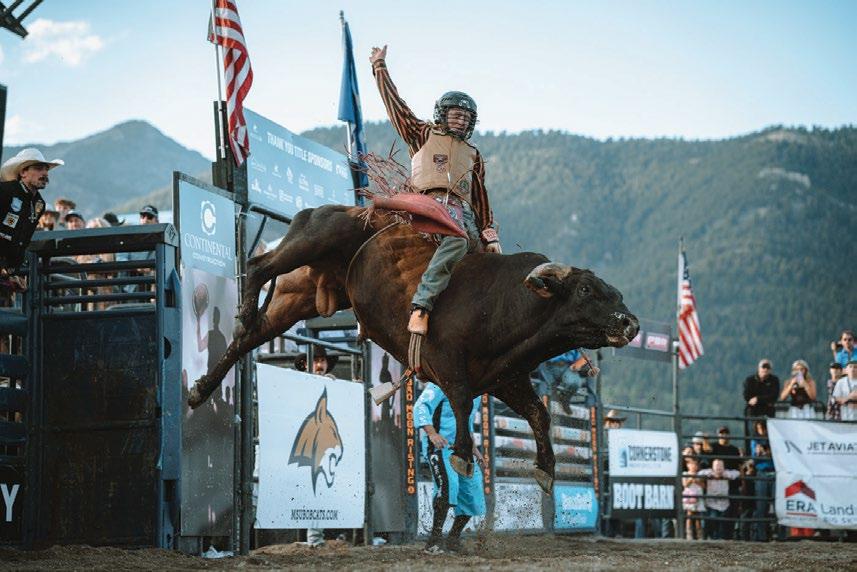
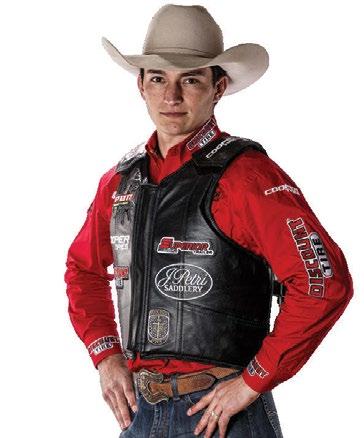
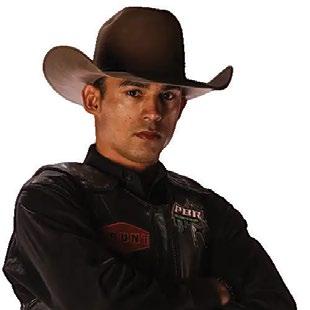
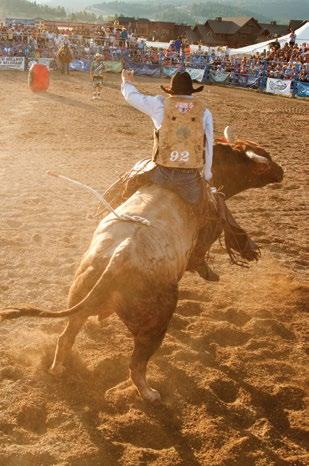
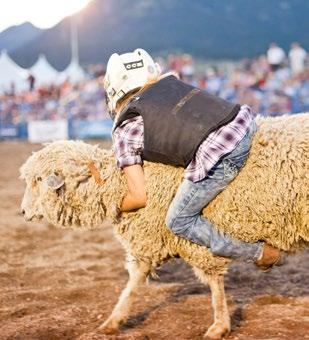
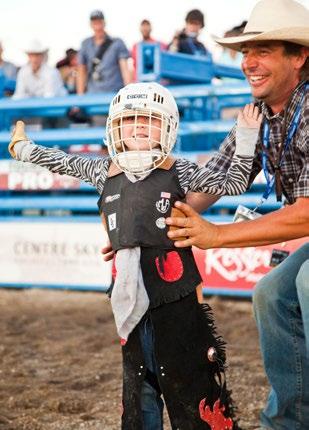
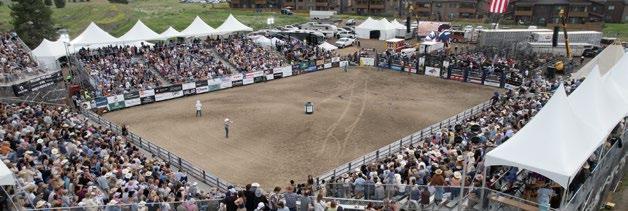
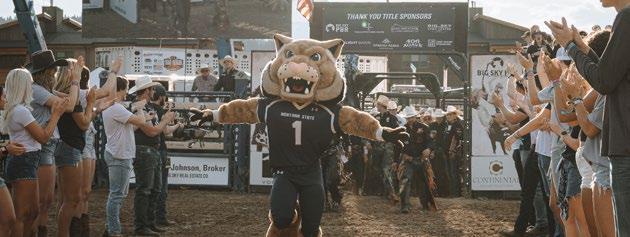
SPECIAL GUIDE: BIG SKY'S BIGGEST WEEK, PBR RETURNS TO TOWN CENTER
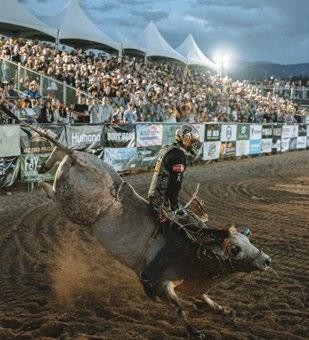
An exclusive guide to the biggest week in Big Sky, leading to three nights of professional bull riding.
LETTERS TO THE EDITOR
Letters to the editor allow EBS readers to express views and share how they would like to effect change. These are not Thank You notes. Letters should be 250 words or less, respectful, ethical, accurate, and proofread for grammar and content. We reserve the right to edit letters and will not publish individual grievances about specific businesses or letters that are abusive, malicious or potentially libelous. Include: full name, address, phone number and title. Submit to media@outlaw.partners.
ADVERTISING DEADLINE
For the July 23rd issue: July 15, 2026
CORRECTIONS
Please report errors to media@outlaw.partners.
OUTLAW PARTNERS & EXPLORE BIG SKY P.O. Box 160250, Big Sky, MT 59716 (406) 995-2055 • media@theoutlawpartners.com
FAIRY LAKE ROAD REMAINS CLOSED THROUGH JULY AMID CONSTRUCTION
EBS STAFF
Fairy Lake Road #74 remains closed to all uses as crews continue work on a major roadway improvement project, according to a news release from Custer Gallatin National Forest. Despite challenging weather in June, construction crews are making good progress, and the closure will stay in effect for public safety until critical project elements wrap up later in July.
The first 1.4 miles of the road remain open to the winter parking lot, though visitors should expect ongoing construction activity and occasional short delays in that section. There are no alternative vehicle routes to Fairy Lake during the closure.
Hikers can still reach the lake via the Fairy Creek Trail #500 from the Battle Ridge Trailhead. The Forest Service is encouraging visitors to consider other nearby areas, including the Bridger Range, Hyalite drainage and the Gallatin River corridor, while the project continues.
Officials say the work aims to improve long-term safety and sustainable access to the popular destination. For project updates, visit fs.usda.gov/r01/ custergallatin/alerts.
CONSTRUCTION CONTINUES, BOZEMAN TO ADD TURN LANES AT OAK STREET, FERGUSON AVENUE
EBS STAFF
Construction continues in Bozeman, specifically on the intersection of Oak Street and Ferguson Avenue, where crews will add left-turn lanes in all directions and update the traffic signal to include a dedicated left-turn phase. That project is set to start July 20. Nearby, the intersection of Oak Street and Ryun Sun Way will be converted to right-in, right-out turns only.
“Improving our roadway system is a key part of keeping our residents safe, something we take incredibly seriously,” said Bozeman Transportation and Engineering Director Nick Ross in a June 30 City of Bozeman press release. “In this project, we’ll create dedicated left-turn lanes, which will ultimately help reduce rear-end crashes and improve traffic flow.”
The intersection is expected to remain open throughout construction, though traffic will be reduced to a single lane at times. Work is slated to wrap up in October. The improvements stem from a 2025 engineering study of Oak Street intersections and were added to the city’s Capital Improvements Plan for 2026 at an estimated cost of $900,000.
Combined with a 2025 project at Oak Street and Flanders Mill Road, the city has invested more than $1 million in Oak Street upgrades over the past two years. Updates on the project are available at bozemanstreetreport.com.
STATE HEALTH DEPARTMENT SHARES ADVICE ON HARMFUL ALGAL BLOOMS
EBS STAFF
Montana’s Department of Health and Human Services advised outdoors enthusiasts to be on the lookout for harmful algal blooms this summer.
Exposure to HABs can result in skin irritation, illness in people and fatalities for pets and livestock due to the toxins the bacteria release into the water. HABs look like coloration or scum in the water and often look like blue or green spilled paint, pea soup or grass clippings. Features like this in Montana waterways, like reservoirs, lakes and streams may produce toxins.
“State officials encourage remembering the phrase, ‘When in doubt, stay out,’” a June press release stated, advising people not to drink, swallow or swim in water with signs of HAB.
If you suspect a HAB-related illness in a person or animal, call your health care provider or veterinarian. In an emergency, call Poison Control at 1-800222-1222. Residents should report suspected HABs at Report suspected HABs online and the Montana Department of Environmental Quality and DPHHS maintain a map for recreationists to view.
AUDIT PUBLICATION STATEMENT
An audit of the Gallatin Canyon County Water & Sewer District has been conducted by Nexus CPA Group, PLLC. The audit covered the fiscal year ended June 30, 2025. Section 2-7-521, MCA, requires the publication of the following summary of significant findings.
Summary of Significant Findings
The audit report for the Gallatin Canyon County Water & Sewer District for the fiscal year ended June 30, 2025, was unmodified. The audit report also contained several other auditors' reports. Following is a list of the reports and a summary of the findings included in each. This is only a summary and is not intended to be used as an audit report.
1. Independent Auditor's Report on Compliance and on Internal Control Over Financial Reporting Based on an Audit of Financial Statements Performed in Accordance with Government Auditing Standards. This report contained findings in the following matters: This report contained no findings.
2. Independent Auditor's Report on Compliance for Each Major Program and on Internal Control over Compliance Required by the Uniform Guidance. This report contained findings in the following matter: This report contained no findings.
3. Report on Other Compliance, Financial and Internal Accounting Control Matters.
This report contained no findings.
4. Report on Prior Year Audit Report Recommendations. This report summarized the findings from the prior audit report and noted the action taken on them.
This report contained no prior year audit report recommendations.
Public Inspection of Audit Report
The complete audit report is on file in its entirety and open to public inspection at the District's Office.
Very Truly Yours,
Scott Altman – President Gallatin Canyon County Water & Sewer District
PUBLIC NOTICE: CALL FOR RESORT TAX FY27 ANNUAL FUNDING APPLICATIONS
The Big Sky Resort Area District is accepting applications for the FY27 Annual Grant Program (11/1/26–10/31/27) beginning Wednesday, July 1, 2026.
Applications are being accepted for the following:
Small-Scale Capital Requests
● For capital projects requesting $25,000 to $1,000,000
● Eligible applicants include government, nonprofit, and other non-government entities
Administration & Programming Requests
● For administration and programming requests of $25,000 or more
● Eligible applicants include nonprofit and other non-government entities.
As required by law, an applicant must be a legal entity formed under the laws of the State of Montana. The applicant must be “an entity ” that is capable of both “legally and practically ” carrying out the purpose of the allocation and located within the Resort Area District. The applicant must be a government, nonprofit, or non-government entity with the capability of being legally bound by an agreement.
Applications and all supporting documents must be submitted through the District's online application portal by Monday, August 17, 2026, to be considered for funding. More information can be found at resorttax.org /funding or by contacting the District Office at 406-995-3234.
LOCAL
BIG SKY ADDS NEW BEGINNER-FRIENDLY BIKE TRAIL
BY FISCHER GENAU
Big Sky’s newest mountain bike and hiking trail will soon open to the public. The beginner-friendly Hot Dog Trail is a 3.5-mile multiuse trail that will provide a mellower alternative to the existing Mountain to Meadow Trail running from Big Sky Resort to Meadow Village and Town Center.
The green circle trail is a joint project from Trail Dogs, the Big Sky chapter of the Southwest Montana Mountain Bike Association, and the Big Sky Community Organization, and it will parallel the Mountain to Meadow Trail to the south.
“It’s an easier, beginner-oriented trail, so tourists and people just starting out mountain biking can dip their toe into flow trails without having more advanced user groups riding quickly around them and up onto them,” Marco DelGuidice, the director of parks and trails for BSCO, told EBS.
The Hot Dog Trail has been in the works for several years. Kevin Daily, the president of Trail Dogs, told EBS that during the creation of the Big Sky Trails Plan in 2018, an easy, family-friendly route from Big Sky to Town Center was the most desired trail based on resident surveys and input. Daily credits the original idea for the Hot Dog Trail to Max Erpenbach and Wes Hoecker, two longtime members of Trail Dogs. Now that the trail is finally complete, Daily is excited for people to ride it.
“I’ve never seen a trail like this in all my years of mountain biking,” Daily said. “It’s the widest mountain bike trail I’ve ever seen. It’s the smoothest bike trail I’ve ever seen. And it does have some berms and some fun sections, but it is so friendly for anyone to go down.”
The trail was built by Pete Costain and his company TerraFlow Trails, and its width ranges from six to nine feet. Costain told EBS that it’s the longest trail of that width he’s ever built. The Hot Dog Trail passes through old forests on steep slopes, and Costain said it was challenging to chart a course through them without cutting down massive trees.
“We routed through a lot of those big spruce groves, and it is a really cool experience,” Costain said. “Aesthetically, it’s awesome.”
The trail is designated as multiuse, but Daily expects it will mostly be used by mountain bikers. The Hot Dog Trail’s opening was delayed by this week’s wet weather, but it will likely be opened over the Fourth of July weekend as soon as the dirt dries out.
Blazing a trail
BSCO and Trail Dogs officially broke ground on the project in 2025. However, BSCO had to secure easements from three private landowners to build the trail, which delayed its construction.
Boyne Resorts granted BSCO an easement last year, allowing the builder Terraflow to construct the first portion of the trail. In 2026, BSCO finally secured an easement from Middle Fork Partners, which owns roughly 60% of the land that the Hot Dog Trail passes through. Lone Mountain Land
Company, which owns a small fraction of land at the end of the trail, eagerly supplied the third and final easement, and Terraflow completed the trail in June of 2026. The trail cost $212,000 to complete, and Trail Dogs led fundraising for the project.
“All of our funding is from donations, and it's a pretty long list of donors,” Daily said.
Individual donors contributed smaller donations through Give Big Gallatin Valley, and Trail Dogs also received funding from Resort Tax, small businesses like Gravity Haus, Gallatin Alpine Sports, Kelly Kern and the Hungry Moose, and Conoco, and the Moonlight, Yellowstone Club, and Spanish Peaks community foundations. Lone Mountain Land Company and Matt Kidd, LMLC’s president, also both donated money, and Daily said that LMLC’s support was “instrumental” in building the trail.
In addition to fundraising, Trail Dogs will help maintain the Hot Dog Trail once it’s in use.
The future of Big Sky’s trail network
According to DelGuidice, BSCO has an “endless” list of trail projects, and he’s optimistic that more will be built in the future.
“In the last couple years, we’ve added a handful of
new trails [in Big Sky],” DelGuidice said. “We’re building more trail ourselves in-house now, so that number’s going to be able to go up.”
One upcoming project is the Elkhorn downhill trail. The planned trail will be a pedal-up blue square flow trail at Moonlight Basin. Daily said it will depart from the top of the Elkhorn Spur Climb, summiting at the top of the Madison Eight and descending almost three miles down to the Madison Loop. The proposed trail is estimated to cost $135,000. Trail Dogs already has a $50,000 contribution from Resort Tax, and they intend to use it to build the first section of the trail this year. They plan to complete the trail in 2027. BSCO is also planning a network of hiking, Nordic skiing and mountain bike trails near the quarry development that will further expand the quantity and variety of trails in Big Sky.
The Hot Dog Trail, when it opens, will add one more thread to Big Sky’s growing web of trails.
“We're really excited to realize this project,” Daily said. “It definitely took a ton of work, and we're just so happy the easement is in place, and it can be something that the community can enjoy forever.”
Trail Dogs website and Instagram will announce the official opening of the new trail when conditions allow.
Big Sky’s new, family-friendly Hot Dog Trail. Trail Dogs, the Big Sky chapter of Southwest Montana Mountain Bike Association, named it "Hot Dog Trail" because of their group's tradition of grilling hot dogs on volunteer trail days.
PHOTO COURTESY OF KEVIN DAILY
LOCAL
COMMUNITY SUPPORT GROUP UNVEILS EVENTS FOR SUMMER WORKFORCE
BY FISCHER GENAU
Editor’s note: The Community Support Group is featured in “Stay for the Season,” an EBS documentary about seasonal workers in Big Sky.
BIG SKY—Big Sky’s Community Support Group announced their complete list of events for seasonal workers this summer, including discounted fly fishing lessons, whitewater rafting trips, horseback rides and tours through Yellowstone National Park.
The Community Support Group is an independent organization created in 2023 by Laura Seyfang to welcome the seasonal workforce in Big Sky to the area. The group organizes free and heavily discounted events and activities for those who travel to Big Sky to work for several months at places like the Montage, Big Sky Resort and the Yellowstone Club. It also helps direct them to helpful resources like free shuttle services and the Big Sky Community Food Bank. This summer, the CSG is arranging in-home dinners with locals, morning hikes, bowling nights at the montage and other events for seasonal workers to enjoy.
“The whole goal is to create a welcoming environment and help really facilitate opportunities for connection between our local community and the seasonal employees that are here for the summer,” Anna Johnson, the director of community engagement for Lone Mountain Land Company and a volunteer in the CSG, told EBS.
About half of Big Sky’s seasonal workforce come from the U.S., while the other half travel here on J-1 or H-2B work visas. Johnson said that during
the summer, workers tend to come from Eastern European countries like Bulgaria and Romania, Asian countries including the Philippines, China and Taiwan, and other regions like the Caribbean. This year, the multinational nature of Big Sky’s seasonal workforce posed an unforeseen difficulty for one of the CSG’s most popular summer events.
For the past two summers, the CSG has organized tours into Yellowstone for seasonal workers through Snow Country Limo. This year, however, the Trump administration instituted an additional $100 fee for admission to 11 of the country’s most popular national parks for non-U.S. residents, creating a financial hurdle for the CSG. The group relies on donations from Spanish Peaks Community Foundation, Moonlight Community Foundation, the Big Sky Chamber of Commerce, Lone Mountain Land Company and the Rotary Club to operate and to help lower the costs of activities for seasonal workers. Because of the price hike, the CSG can only afford to host three tours into the national park this summer compared to last year’s 11. However, the group has compensated by adding brand new activities like fly fishing lessons through Gallatin River Guides and ziplining at Big Sky Resort.
“Businesses have just been so supportive by providing low-cost or free events for employees,” Johnson said.
The CSG’s founder Laura Seyfang told EBS that one of the group’s main challenges is spreading awareness about the events and activities they organize.
“We have a whole new bunch of people every
season, so figuring out how you reach your demographics quickly is always our biggest challenge,” Seyfang said.
The group is also looking for more locals to host in-home dinners for seasonal workers, and Seyfang said that anyone can become a part of the group to volunteer at events or help organize them. The CSG will launch into their summer schedule this Saturday with a welcome party at Fire Pit Park in Big Sky’s Town Center. A complete list of summer events can be found on their website, along with a collection of resources like shuttle schedules and a seasonal worker welcome guide.
The Big Sky Resort Area District is accepting applications from government entities, nonprofit, and other non-government entities for capital requests beginning Wednesday, July 1, 2026. The Large-Scale Application is for capital projects requesting over $1,000,000 in funding. As required by law, an applicant must be a legal entity formed under the laws of the State of Montana. The applicant must be “an entity ” that is capable of both “legally and practically ” carrying out the purpose of the allocation and located within the Resort Area District. The applicant must be a government, nonprofit, or non-government entity with the capability of being legally bound by an agreement.
Applications and supporting documents must be completed using the online portal and must be submitted by Monday, August 17, to be considered for funding. More information can be found at resorttax.org /funding or by contacting the District Office at 406-995-3234.
A group of seasonal workers at the Community Support Group’s welcome party at Tips Up. PHOTO COURTESY OF COMMUNITY SUPPORT GROUP
PETITION PROCESS TO WITHDRAW FROM ENNIS SCHOOL DISTRICT BEGINS IN BIG SKY
BY JEN CLANCEY
The portion of Big Sky residents who live in Madison County may soon transfer from the Ennis School District to the Big Sky School District.
On Monday, June 15, Madison County’s clerk and recorder and attorney gave initial approval for Big Sky residents to start the transfer process. The Madison County area, composed of 538 registered voters, pays Ennis School District taxes, though the 16 public school students can only attend BSSD schools due to geographical hurdles. The county line problem results in a complicated payment system between Ennis and Big Sky to cover student education costs.
In 2025, the Montana Legislature offered a way out by passing Senate Bill 260.
Recently, SB 260 allowed Big Sky to gradually leave Madison County’s hospital district and create its own local wellness district. The legislation also allows residents to petition to withdraw from a school district when barriers to access exist.
The road for current Big Sky petitioners can go one of two ways: both school districts can agree
Heather Morris, a parent to students in the Madison County portion of Big Sky, and a part of the transfer effort, hopes the first option is successful.
“My pie in the sky hope would be that Ennis School District would release this portion of Madison County that falls to Big Sky and we can just move on from there,” Morris said. The transfer would allow for parents to have a say in the schools their kids attend, Morris noted.
“We can’t vote for school board members. We can’t run for school board. We can’t vote for levies and bond measures that impact our school. All of our voting for such school matters is done for Ennis School District, which in my mind, doesn’t make sense,” Morris said.
Withdrawal via SB 260 appeared as a “window of opportunity,” Morris said.
The taxable value in Ennis School District is about $619 million, according to the Montana Department of Revenue, making its mill levies a more financially powerful option compared to other school districts in the state. In the same county, Sheridan’s elementary and high school districts
levies are significantly lower than nearby district’s taxes—in Twin Bridges, residents pay 104.9 mills toward their schools’ general fund, while Ennis School District taxpayers pay 3.51 mills. Funding isn’t solely dependent on local property taxes though, as state dollars, special education and support for schools with low tax value also make up a school’s budget.
If the petition is successful, the taxable area of Big Sky that’s within Madison County will be split between Big Sky School District and Ennis School
Where Business Meets Passion
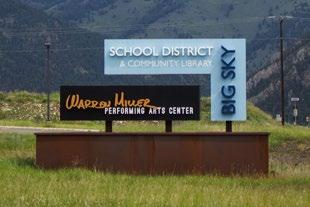
The Big Sky School District sign on June 25. PHOTO BY ANNIE O'NEILL
ICE ACTIVITY REPORTED IN GALLATIN GATEWAY LOCAL
BY JEN CLANCEY
GALLATIN GATEWAY—On the morning of July 1, Immigration and Customs Enforcement reportedly detained people in Gallatin Gateway behind The Jump Restaurant & Bar. Gallatin County Sheriff Dan Springer could not confirm any ICE operations this morning, but spoke on the general presence of ICE in Gallatin County.
“I can confirm that ICE is here,” Springer told EBS.
Springer did not comment further on local ICE operations. The Department of Homeland Security’s office overseeing Gallatin County directed EBS to a national phone line that was not available for calls ahead of press time. A representative for Montana Highway Patrol confirmed that the agency assisted ICE in an operation this morning, but did not provide further information.
Photos of the reported detainment this morning show two agents around a white Snow Country Limo bus early this morning around 7 a.m. The buses often transport employees to Big Sky workplaces. The photo was shared to ICEout.org, a site where residents across the U.S. can submit reports of ICE activity, and is the same photo provided to Gallatin County’s Community Rapid Response team. GCCRR is a group that tracks immigration enforcement in the area.
Bienvenidos a Gallatin Valley, an organization that supports Spanish-speaking families and the local migrant community, shared its response to recent ICE activity in a June 30 press release.
“In the last four days Bienvenidos has received reports from community members indicating that Immigration and Customs Enforcement (ICE) operations have occurred in Gallatin County,” the release stated. Bienvenidos noted in the release that as of the morning of June 30, an estimated 25-30 individuals were detained across the community, though numbers are likely higher due to “the lack of transparency in ICE operations.”
On Monday, June 29, Springer confirmed an ICE arrest in Bozeman, according to reporting by the Bozeman Daily Chronicle. Sally Moyce, a Bienvenidos board member, estimates the organization is tracking roughly 80 more people who were detained by ICE on July 1 in Gallatin County. She said the local immigrant community is “terrified” about recent ICE activity.
“People are not going to work. People are not leaving their houses,” Moyce said. According to to the June 30 release, several businesses made the decision to close temporarily as well.
“Our hearts are with every family experiencing fear, uncertainty and separation during this difficult time. No one should have to face moments like these alone,” the release stated.
“The presence of unmarked vehicles and individuals in tactical gear in our neighborhoods instill fear and confusion throughout Gallatin County, disrupting daily life and the sense of safety we all deserve,” the release stated. “Now is the time for our community to come together.”
On this note, the release shared options for volunteering, donating and sharing verified information about ICE operations, and cautioned
against spreading rumors that cause fear and confusion.
It’s unclear where people are being transported to after arrests in the county. The Gallatin County Sheriff’s Office’s immigration enforcement agreement, the 287(g) Warrant Service Officer model, was voided in June after a court hearing and county commission hearing. But the state still requires officers in Gallatin County to comply with ICE holds under a Montana law.
“Bienvenidos will continue to provide updates as verified information becomes available. We remain steadfast in our mission to ensure that every member of our community feels at home,” the release concluded.
ICE agents reportedly detained individuals behind The Jump Restaurant & Bar this morning, July 1. PHOTO COURTESY OF ICEOUT.ORG
NFL STARS AND MSU BOBCATS INSPIRE YOUNG ATHLETES AT ANNUAL BIG SKY FOOTBALL CAMP LOCAL
BY LESLIE KILGORE
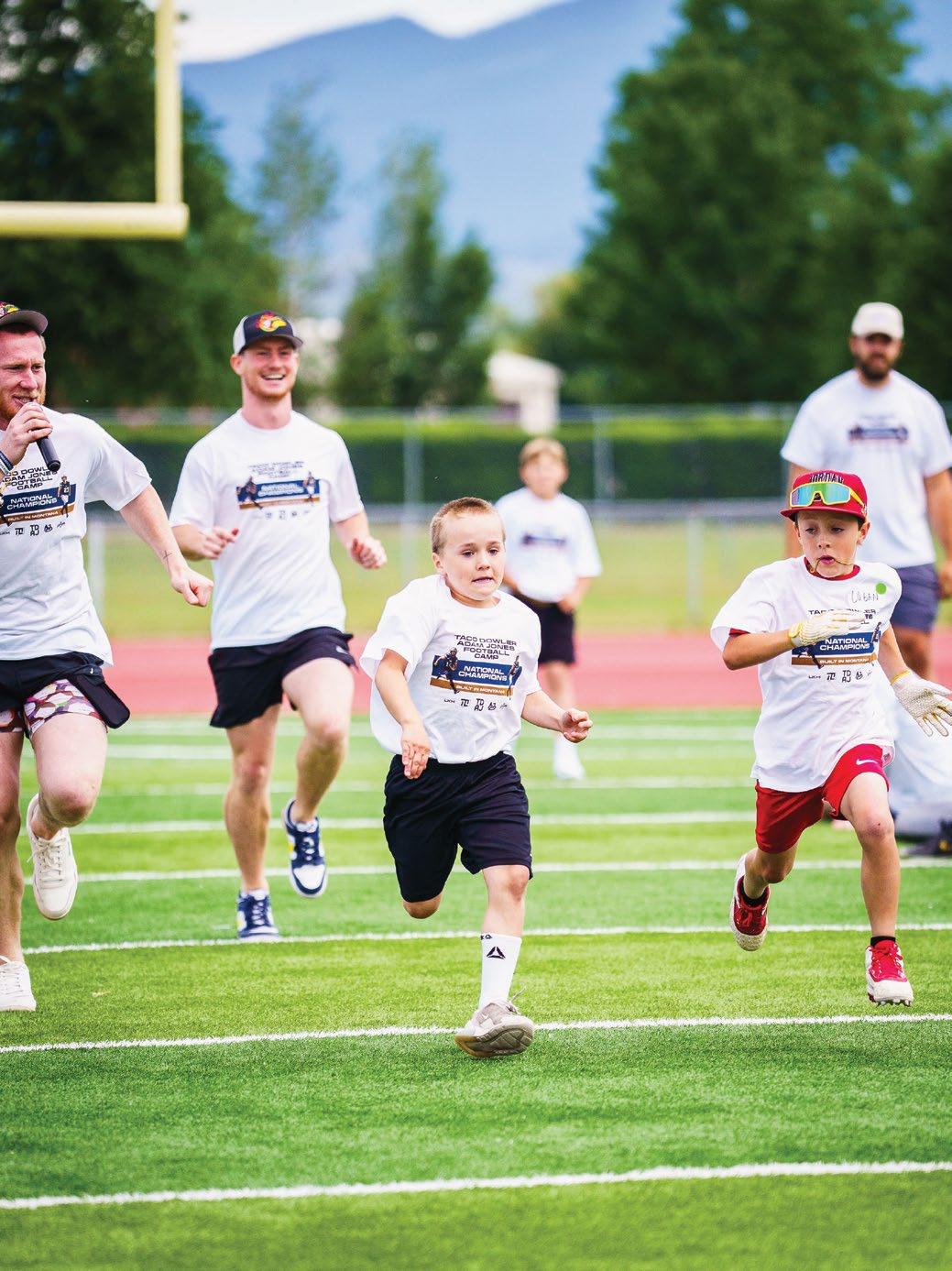
More than 150 young athletes took the field at Lone Peak High School on June 26 for the annual Bobcat Legacy NFL Kids Camp, where former Montana State standouts now playing in the NFL returned to Big Sky to mentor the next generation of football players.
Leading the camp were Lance McCutcheon of the Tennessee Titans, Daniel Hardy of the Chicago Bears, Lewis Kidd of the New Orleans Saints and James Campbell of the Seattle Seahawks. The NFL players joined Montana State Head Coach Brent Vigen, Bobcat assistant coaches, current student athletes and members of the Lone Peak High School football program. Hosted by Montana State University in partnership with Lone Peak High School, the free camp welcomed boys and girls of all skill levels from kindergarten to eighth grade.
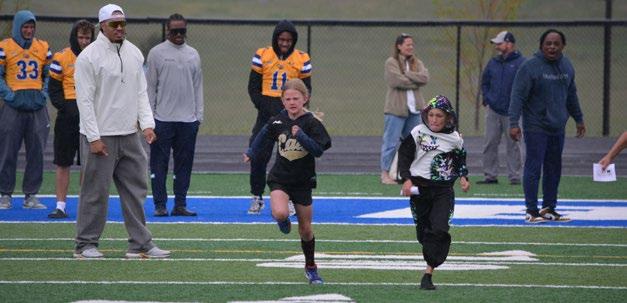
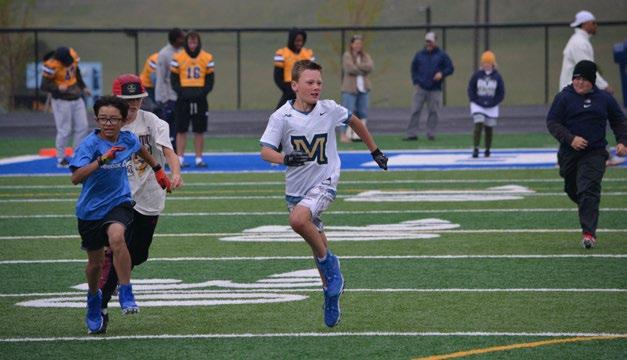
Campers rotated through drills focused on passing, receiving, footwork, agility and defensive fundamentals while learning directly from college coaches, Division I athletes and NFL players.
Between stations, the professional players shared advice from their football careers, answered questions, signed autographs and posed for photos, creating memorable moments for young athletes both on and off the field.
The event highlighted the strong partnership between MSU and the Big Sky community. Current and former Lone Peak football players volunteered alongside Bobcat student athletes to help run drills and encourage campers throughout the day.
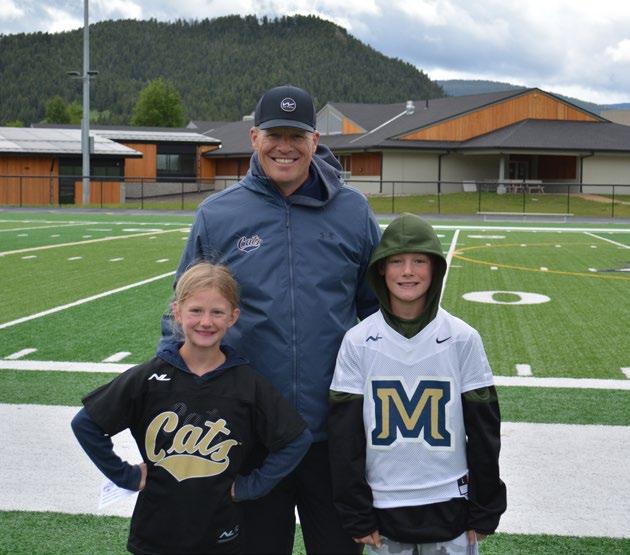
Coach Vigen said the camp continues to grow every year.
“I think it’s awesome to see so many kids come out. The numbers keep going up over the past few years that this camp has been put on, and next year there should be even more,” Vigen said. “Hopefully all of these kids stick with football and make an impact when they’re older like all of the NFL guys have done.”
LPHS head football coach and Big Sky School District superintendent, Dustin Shipman said the partnership with Montana State continues to create meaningful opportunities for local youth.
“MSU is a great partner, so we were more than thrilled to host this event on our school campus,” Shipman said. “Their players do a great job connecting with young people. As a lifelong member of Bobcat Nation, I’m always willing to partner with MSU as they continue to model excellence in Montana, both in the classroom and on the football field.”
By the end of the day, campers left with new skills, autographs and lasting memories, while the NFL players and Bobcats once again demonstrated that some of football’s most valuable lessons—hard work, teamwork and perseverance—are best passed from one generation to the next.
Around 150 kids attended the NFL football camp for a skills and drills with NFL players. PHOTO BY TIM MALONE
Each year, the NFL Kids Football Camp pairs kids with mentors, many former Lone Peak High School students. PHOTO BY TIM MALONE
MSU Coach Vigen at Lone Peak High School for NFL football camp. PHOTO BY TIM MALONE
ONE YEAR IN: BIG SKY COMMUNITY SCHOOL AFTER A
JUMP IN ENROLLMENT, SCHOOL HEAD JEREMY HARDER REFLECTS ON A FIRST YEAR THAT OUTPACED EXPECTATIONS
BY ANNIE O'NEILL
Big Sky has spent the last decade turning itself into a year-round community: new businesses, new housing, new reasons for people to stay put. A new school was, in some ways, inevitable. What wasn't inevitable was how fast it would fill up. One year in, Big Sky Community School already has a waitlist, and its leader is still catching his breath.
Jeremy Harder didn't plan to lead a school. He'd just wrapped up 25 years with the Big Sky School District, and retirement, it turned out, was the problem. "I think I lost my purpose or sense of purpose," he said. So when the opportunity found him, he took it.
The doubt came later, on a hike with his parents. "I was like, 'Oh, my God, what did I just do?'" Harder said. He credits his years in the district for making the leap possible. "There is absolutely no way I could try to make this work without that experience," he said.
Growth is the word that keeps coming up. Big Sky Community School opened its first year with 16 students. By the second semester, enrollment had doubled to 32. This fall, the school will welcome 54 students."I think it's like 230% growth in one year," Harder said, still sounding somewhat stunned by the figure himself. It's a pace he never anticipated.
When he first took on the role, his expectations were modest.
"I thought maybe in five years, we might get to 30 or 40," Harder said. Instead, the school passed that mark before finishing its first full school year. For Harder, the growth is less a logistics problem than a humbling one. "Hugely, like, humbling to me," he said, reflecting on how quickly families found and committed to a school that, a year ago, had no track record to point to.
Big Sky Community School pairs a structured online curriculum with extensive in-person support including mentorships, small groups, internships and community partnerships. The curriculum is built on the idea that fewer hours on screens can open up more time for real-world experience. Fridays are set aside for community
and outdoor immersion: skiing, art and hands-on projects around Big Sky. Harder pointed to one fifth grader as an example of how the structure plays out. Without classes scheduled for this student on Wednesdays, they spend two hours each week interning at Dr. Syd Desmarais’ Lone Peak Veterinary Hospital, all while training as a competitive ski racer.
The online component, Harder said, doesn't define the experience. "We're not just sitting on screens. It's actually kind of a misnomer," he said.
Beyond the accredited curriculum, students work with teachers, mentors and community partners, building connections that Harder said extend the school's reach well past its own walls, from local internships to virtual mentorships with professionals outside Montana altogether. That freedom, Harder said, takes time for students to fully grasp.
"It was typically three to four weeks that this light
would come on," he said. Once it did, students began to see the trade-off clearly: "If I lock in for two or three hours a day in the mornings, that opens up my afternoons. To go to work, to ski training, to internships, to service in the community."
Harder was quick to note the model isn't built for every student. "I don't know if this school is for everybody," he said. "I think there's great value in the public school system." What it requires, he said, is initiative. "There has to be a student who really wants to learn, is excited to learn."
Rapid enrollment growth has meant rapid hiring. Five new staff members are joining the school this fall. Mel2 Graham will lead humanities and writing instruction after 30 years teaching in Massachusetts, Connecticut and Maine; his wife, Victoria ScanlanStefanakos, is joining as a college guidance counselor. A teacher from Kansas City brings more than 20 years of classroom experience. A Bozemanbased sports performance coach will work with the school's student athletes, while a Big Sky local has been hired to support math instruction.
Behind the hiring is a bigger story, Harder said, one that has as much to do with Big Sky as it does with the school itself.
"It's a small microcosm of what's happening in Big Sky," he said, pointing to the wave of families moving to town as it builds its yearround community. That growth comes with a responsibility to stay accessible, he said, as more than half of the school's students are on financial aid. "We want to be bedded within the community, not something separate from the community," Harder said. Even so, the school plans to stay small by design, capping enrollment at around 55 students to preserve the culture and personalization Harder says defines the program.
"I don't know if I've actually wrapped my head around it," Harder admitted. Then, without missing a beat: "I'm already excited for next year."
So, it seems, are his students.
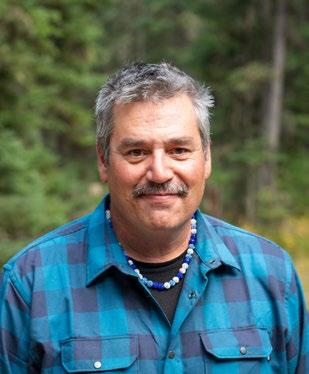
Jeremey Harder is the school head of Big Sky Community School. PHOTO COURTESY OF JEREMY HARDER
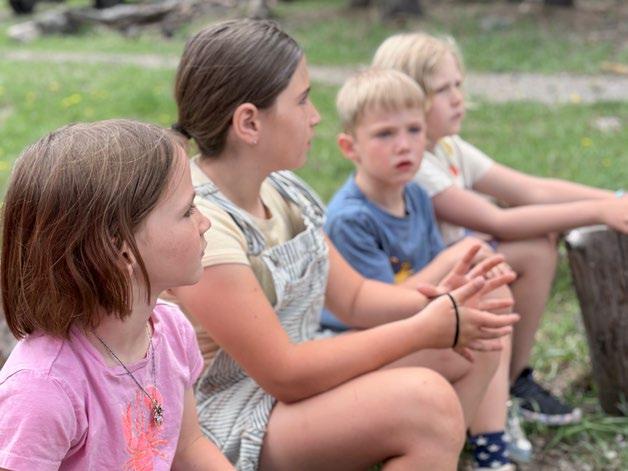
Big Sky Community School opened its first year with 16 students, then by the second semester, that doubled to 32. PHOTO COURTESY OF JEREMY HARDER
Big Sky Community School's curriculum is built on the idea that fewer hours on screens can open up more time for real-world experience. PHOTO COURTESY OF JEREMY HARDER
HEART OF THE VALLEY ANIMAL SHELTER LAUNCHES INAUGURAL TAILS & TRAILS FUNDRAISER AT BIG SKY RESORT LOCAL
BY LESLIE KILGORE
Heart of the Valley Animal Shelter is swapping snowshoes for hiking boots this summer as it brings its longtime winter fundraiser into a new season at the Madison Base Area at Big Sky Resort.
Known as the Snowshoe Shuffle in winter, the event returns as Tails & Trails this summer for a dog hike and fundraiser set for Saturday, July 11.
“We saw an opportunity to give a new spin on a fun event by bringing it to the summer season in Big Sky,” said Callie Houck, Heart of the Valley’s director of annual giving. “Attendees can expect to have a lot of fun and meet some wonderful dogs and pet lovers.”
The event invites participants and their dogs to begin the morning at the Madison Base Area parking lot before setting out on a 3.2-mile loop hike with 704 feet of elevation gain. The route is expected to take 1–2 hours and features views of Lone Mountain and water access for dogs along the trail.
“The hike is just challenging enough to be fun for all abilities and dogs,” Houck said.
The first 75 registered participants will receive a complimentary goodie bag for people and pets. After the hike, guests will return to the base area for lunch, a raffle and silent auction.
Raffle drawings will be held during lunch and the silent auction will remain open through Sunday, July 12 due to limited cell service at the venue. Items include artwork, pet-friendly packages and home goods. Online participation is available for those unable to attend.
“All the funds raised from Tails & Trails will go directly to help provide shelter, food, enrichment and medical care to the thousands of lost and homeless pets we service each year in Montana,” Houck said. “In 2025, Heart of the Valley provided
services to over 3,400 pets. We could not do this without our generous supporters.”
Heart of the Valley is the open-admission shelter serving Gallatin and Madison counties, and accepts any cat or dog regardless of circumstance. The shelter also partners with rescue organizations across Montana to help place animals in homes around the state.
Beyond adoption services, the organization offers education programs, canine training classes, behavioral consultations, low-cost microchipping, spay and neuter assistance, volunteer opportunities and youth programming such as their popular Pet Pals summer camp.
“Fundraising events like Tails & Trails gives us a chance to spread awareness of our mission to the people we serve,” Houck said. “We are currently Big Sky’s local animal shelter and a resource for those looking to adopt, volunteer, foster, enroll kids in our summer kid’s camp and more.”
Houck added that ultimately the goal is to blend fundraising with connection between people, pets and the wider community. The organization hopes to continue building on its presence in Big Sky with events like Tails & Trails in the years ahead, while also meeting new pet lovers and supporters of open admission shelters like Heart of the Valley.
“We love hosting an annual Big Sky event and will continue to be involved with the pet loving community here,” she said. “We hope that everyone who participates has a great time and that it’s successful as both a fundraiser and a friendraiser for Heart of the Valley and other animal shelters around the state.”
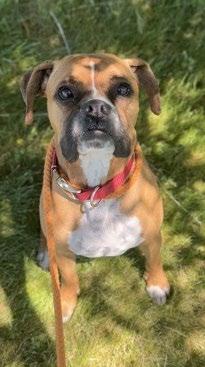
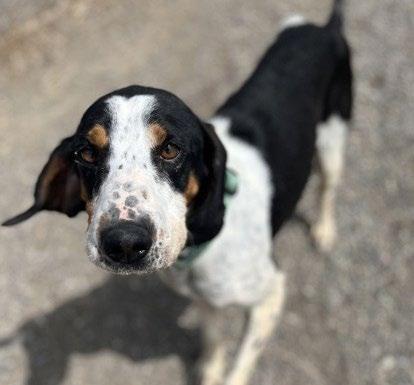
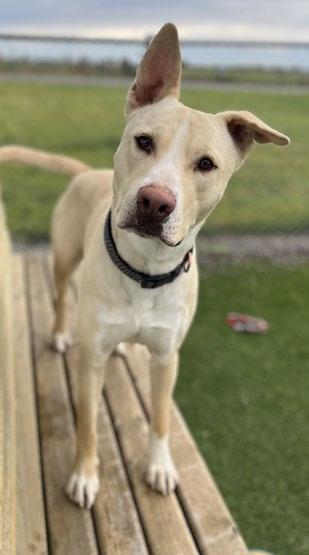
Timber is available for adoption at Heart of the Valley Animal Shelter. PHOTO COURTESY OF HEART OF THE VALLEY
Bruno is available for adoption at Heart of the Valley Animal Shelter. PHOTO COURTESY OF HEART OF THE VALLEY
Leo is available for adoption at Heart of the Valley Animal Shelter. PHOTO COURTESY OF HEART OF THE VALLEY
LISTED
ENJOYING THE RIDE: GETTING DIVORCED OR CONSIDERING IT? TEN STEPS TO TAKE TO SECURE YOUR FINANCES NOW BUSINESS
BY TAEYA LAUER
Sponsored article
Going through a divorce can be an overwhelming experience that changes nearly every part of your life, both personal and financial, and that includes your investments and financial plans. However, with so much to deal with during the divorce process, many people need more clarity on what to focus on.
Failing to update your investment plan during and after a divorce can have a number of consequences, many of which you may not have considered. Don’t rely on your divorce attorney to help you navigate your investment planning and investment needs. Additionally, don’t assume your existing plan, or financial professionals, will work for you as a newly single person. You need to take a fresh look at your personal financial health.
You should update your investment plan not only after your divorce is final, but as soon as you know a split is likely. The most effective divorce settlements are made in conjunction with a financial advisor who can help navigate the many issues that will arise. If you are not the primary breadwinner, or the person who has managed the family finances, you need to learn new skills quickly to adequately negotiate a divorce.
Here are few things to consider right away.
1. Get clear on what you own and what you owe
Understanding the value of your assets and debts is an important first step. Do not rely on your partner to tell you what is in your marital estate. You need to gather current statements and values for all assets and debts immediately. If this is a contested divorce sometimes partners will try to block access to information and although there is a legal process to find out those details, it can take time. If you are considering a split, the first thing you should do is create an inventory of assets and debts. My best advice is to work with a professional financial advisor to help you work on this inventory as they are familiar with the many different types of investments, retirement accounts and stock compensation. A financial professional can assist you in accurately valuing what you have.
2. Understand your income
While this may seem to be an obvious statement, there are many different types of compensation from salary, to profit sharing, stock awards and health insurance benefits. If you are close to retirement you need to consider what future social security and pension payments might look like if you are no longer married. Income from investments, trusts and family businesses count here too. Your family’s finances may be straight forward, and this might be a quick one for you. If there is any complexity, again, I recommend a conversation with a financial advisor who specializes in divorce
planning to help you get clear on this topic. Especially if you earn a smaller portion, or none, of the family income you need to get a grasp on this topic right away.
3. Get that budget in writing
Many families lack a formal budget, and this may have worked in a marriage, but once you begin a discussion on child or spousal support you will need to provide complete details of the existing budget. The next thing you will need to do is provide a projected budget for the future. If you have little ones, you will need to consider how the budget will change as they age and what you want to provide for post-secondary education. In this day and age, young adults often stay with their parents past age 18, so you should consider how that might play out as well. One of the most anxiety producing parts of divorce is not knowing how you will cover expenses during the divorce negotiation, and once it is final. The sooner you get the budget details down in writing the better your attorney will be able to represent you and advocate for you.
Now that you have clear picture of the finances, you can move on to the logistics of a potential split with your partner.
4. Who is living where?
This is a particularly tough one in the Pacific Northwest and most other metropolitan areas of the U.S. because real estate is expensive. Renting a property is equally pricey. Often the knee-jerk reaction if there are children involved is to let the primary parent stay in the family home, yet this can saddle that person with large bills they are not prepared to fund. If you have done your homework in the three steps above, you should be aware of the costs of maintaining the family home and can make an informed decision on who should remain there and how it will be funded. Or, perhaps the best option is for both parties to vacate the property? Divorce is a time of huge change and while it may not feel good to consider that option, it may make sense financially. The goal is for all parties involved
to have a comfortable and safe place to live that they can afford.
5. If there are minor children involved, how will you care for them?
A final parenting plan often takes many months or years to craft, but a temporary plan should be put in place as soon as possible. The psychological and emotional effects for everyone in the family are profound. Yet if a consistent schedule for parents and children alike can start quickly, it can be a comfort for all. It is also very important to stick to the schedule as much as possible. There will be times that it feels overwhelming to parent in this new paradigm, but consistency will create a better outcome for you and your children in the long run. Creating this temporary plan usually involves clarifying how expenses for the children will be supported, so when you get your budget down in writing, I recommend creating a section for the children that makes it clear what their needs are apart from the other costs of the marriage.
Okay, I am a wealth advisor, so let’s get back to the finances now.
6. Set a date of separation
Many couples overlook this step, and it can create real conflict down the road. The date of separation is sort of a line in the sand to delineate when you stopped functioning as a married couple. This is important in establishing the value of the marital estate and ultimately what will be divided between you. If you can agree to a specific date of separation, it may be possible to accumulate assets after that time that will not be split with your partner. Another key issue is whether or not you are sharing in the appreciation of your assets as the divorce process goes on. Finally, if your partner adds more debt to the pile, are you responsible for that? There are many pros and cons to setting a date of separation, and I think it is important to talk with both your attorney and a financial advisor to make this critical decision.
ADOBE STOCK PHOTO
7. Create a new investment or wealth plan that highlights your personal goals
While this may seem like an overwhelming time to think of your financial future, the ultimate outcome of your divorce settlement will be much better if you know what you are aiming for. There are many creative ways to split assets and income, so if you know what is important to you three, five, and ten years in the future you are more likely to be able to support your vision. It can also be very empowering to think deeply about your future at a time when the present may feel less than ideal. Without an investment plan at times, divorce settlements are more about simply balancing the accounts than optimizing the outcome. Decisions can be made that will affect your investment plans for years to come, it makes sense to have some guideposts to follow.
8. Make a plan to manage the investments and retirement plans
If you have not been involved in investment management during your marriage, it is time to step up and pay attention. In the best case scenario, you and your partner will agree on what to do with the investment and retirement accounts during the divorce proceedings. What if the stock market tanks? What if interest rates rise quickly? What happens if your certificates of deposit (CDs) or bonds reach their maturity date before you've finished negotiating? You may not be able to control some of the accounts during divorce, but it would be great to understand what you will have access to. Given this can be a time of conflict, do not assume that it is acceptable for you to make changes to accounts, or that your partner will continue to do what is in your best interest. Try to make a temporary investment management plan
BUSINESS
while the divorce is being negotiated that everyone can feel good about.
10. Pay attention to those credit cards and any HELOC balances
If there are no other agreements in place and a date of separation has not been established, you could be responsible for any new debts your partner takes on. Sometimes during the divorce process, people behave differently than when they were planning to remain married. Do not assume that your soon to be ex-spouse will not use the credit cards or incur debt on a home equity line of credit because they didn’t do this during the marriage. This can be a time when everyone is stretched thin and these open credit lines may be accessed without your knowledge. If you truly want to protect yourself, make sure you establish a date of separation and change your credit cards into your name only. You can also ask the bank to freeze or close a HELOC. But careful with this one, if you need to sell properties you may want to access these lines of credit to spruce them up before listing. Again, please talk this through with your attorney and financial advisor.
11. Don’t overlook tax outcomes
Starting with the fact that you don’t have to file as married, there are important tax decisions to make that can save or cost you a lot when filing jointly during your divorce process. How the income is structured creates different tax outcomes for both partners. Embedded capital gains or losses in investment accounts are hidden benefits or costs to accepting assets. If stock compensation is part of your income, the taxes there are very complex. Finally, if the family home is sold when you are a couple, the
capital gains exemption is twice as high then if you sell as a single person. Make sure you consult with a tax advisor or financial advisor on these topics. The level of knowledge divorce attorneys have on this topic varies widely, so do not expect them to create a plan that addresses tax issues.
Divorce is hard in the best of circumstances. However, it will also be a time of great personal growth. Although the marriage did not work out as you envisioned, you have a new opportunity to reimagine your life. You get another chance to create a path for yourself and your children, if you have them. Maybe, through all the emotions you experience, you can find a spark of excitement and feel hope in the possibilities.
Now is the time to make a plan for the life you want. Going through a divorce is never easy, but it’s essential that you make the time to update your investment plan and tackle the myriad of financial decisions that you face. I am available to assist you as you step through the divorce process and would be happy to partner with you during this time of change. I can be reached for consultation at (206) 832-1659 or taeya@shoretosummitwm.com.
Taeya Lauer is a Partner at Shore to Summit Wealth Management. She currently works and lives near the Seattle, WA office.
Wells Fargo Advisors Financial Network does not provide legal or tax advice.
Investment products and services are offered through Wells Fargo Advisors Financial Network, LLC (WFAFN), Member SIPC. Shore to Summit Wealth Management is a separate entity from WFAFN.
BUSINESS
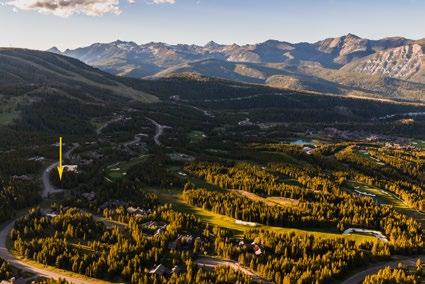
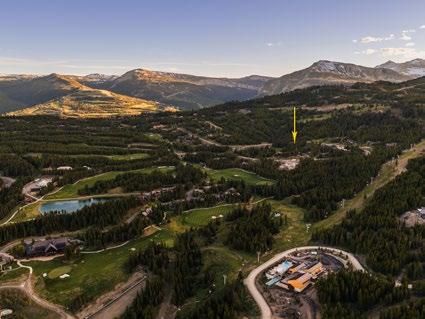
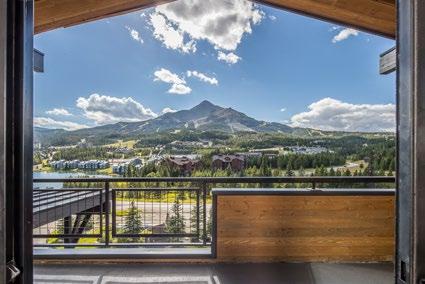
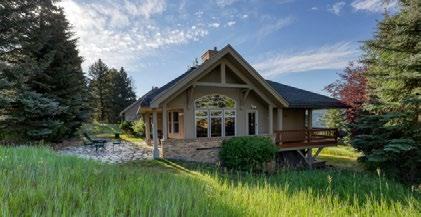
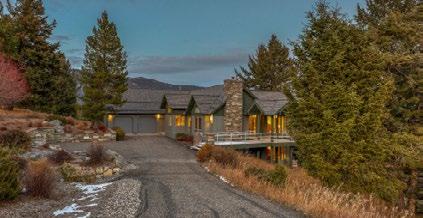
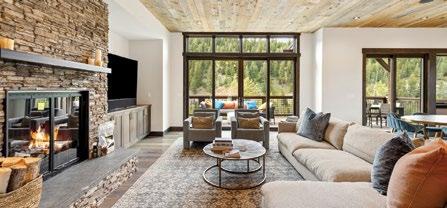
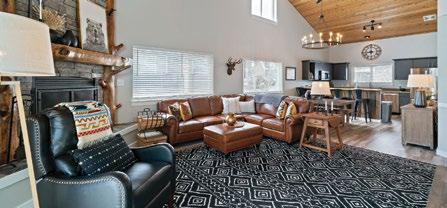
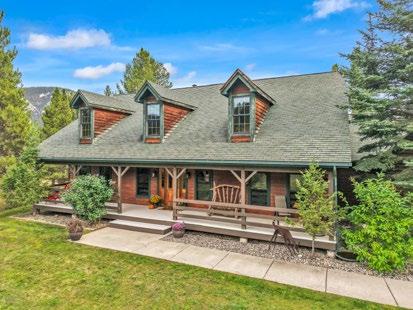
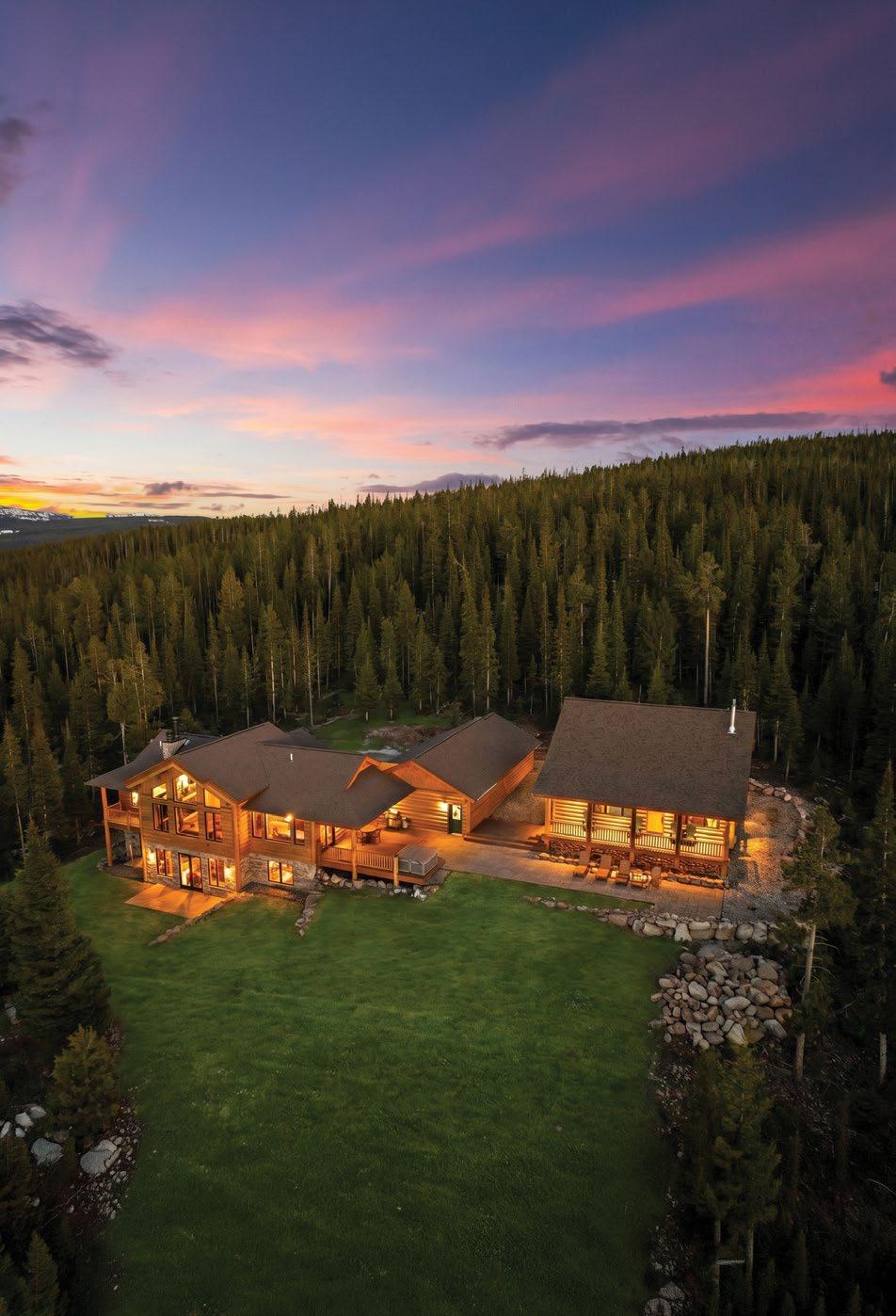
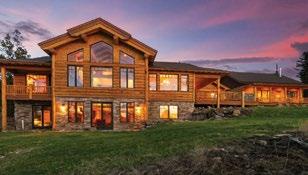
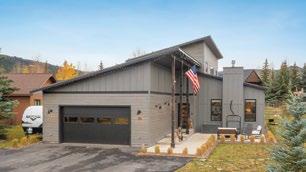
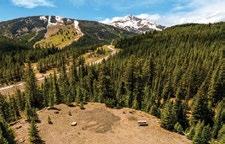
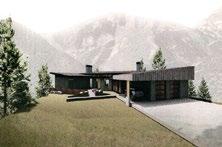
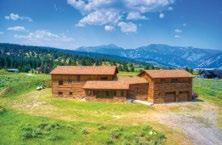
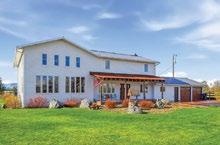
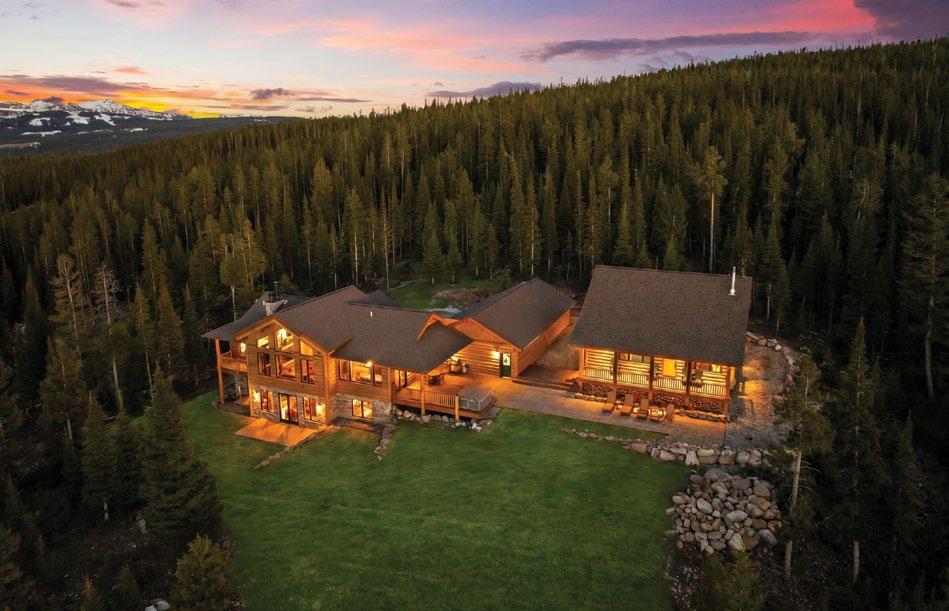
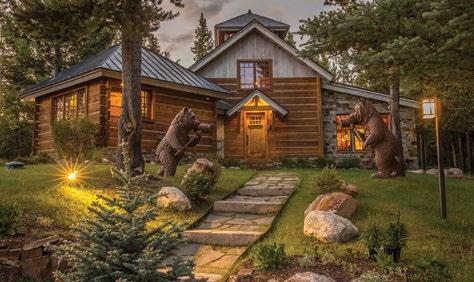
121 OLD TOBY ROAD: A LEGACY BIG SKY PROPERTY NOW FOR SALE
STORYBOOK WOODLANDS, MAJESTIC VIEWS AND AN UNMATCHED LOCATION
BY OUTLAW REALTY
Sponsored content
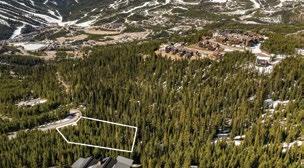
There are few places in the American West that still feel undiscovered. Not because they’re unknown, but because they remain protected from time, crowds and compromise. Big Sky is one of those places, and one of its rarest properties is now for sale.
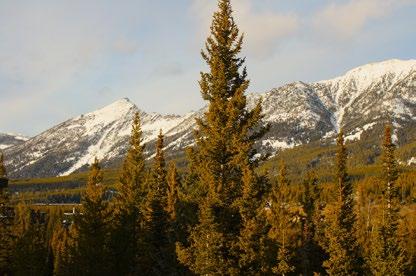
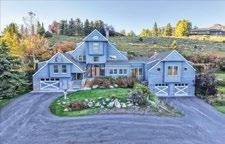
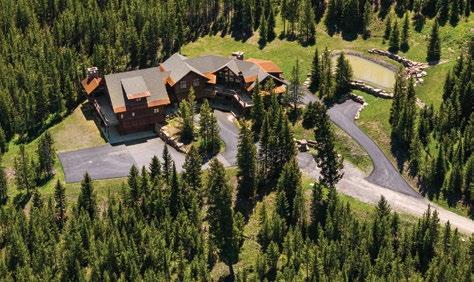
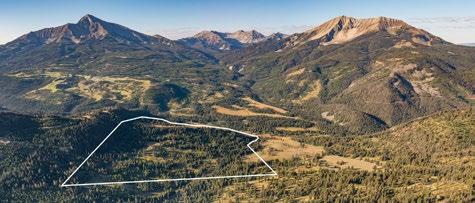
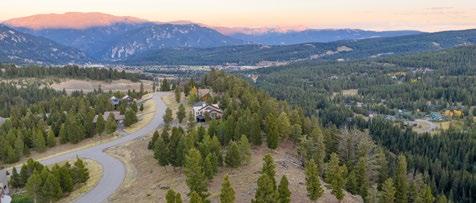
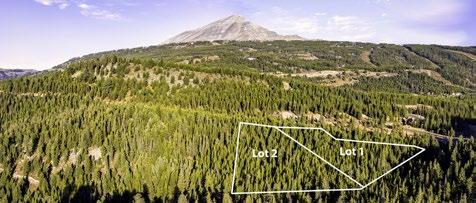
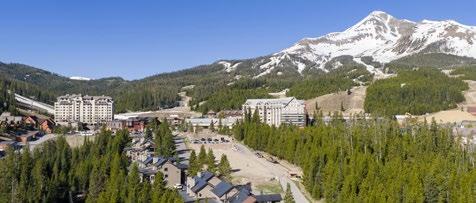
High above Big Sky is a 20-acre peninsula of land with sweeping views in three directions, nestled in the ultra-private, unspoiled community of Lost Trails. Accessed by a little-known mountain road halfway between the Meadow Village and the mountain, the area has buried electric and is just minutes from high-speed chairlifts in one direction and Blue Moon’s cheese bagels in the other. This is the trifecta of real estate’s “location, location, location” principle.
If that wasn’t enough, Lost Trails owners have direct (and gratis) access to Lone Mountain Ranch’s famous Boomerang Trail that winds through most of the parcels and connects to a world-class 80-kilometer cross country trail system. In a master-planned community of only eight 20-acre properties, 121 Old Toby Road is a spectacular standout.
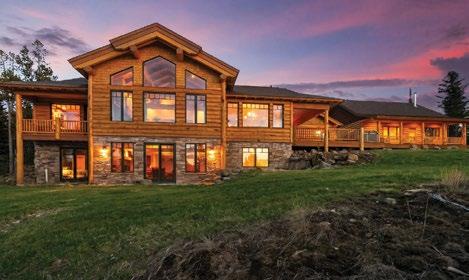
A softly illuminated driveway lined with wooden lamp posts curves through the pines, revealing epic views of Yellow Mountain and Wilson Peak. Turning the corner to the house, Lone Mountain’s dramatic landscape looms large, anchoring the west
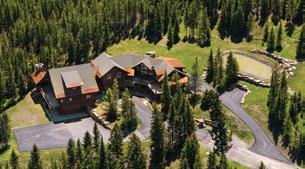
end of an astonishing view panorama that includes Buck Ridge, the Yellowstone Club, Spanish Peaks and down the valley to the Meadow Village. Sweeping lawns, rock gardens and storybook woods, meticulously groomed for more than two decades by the owners who built the house, surround two structures.
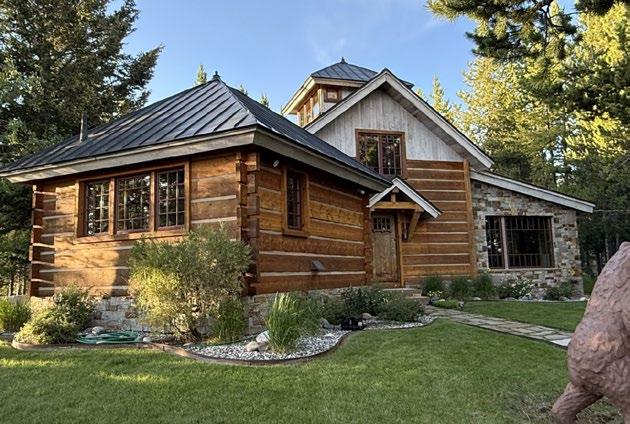
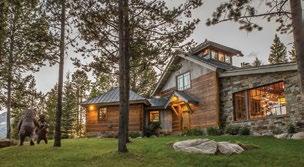
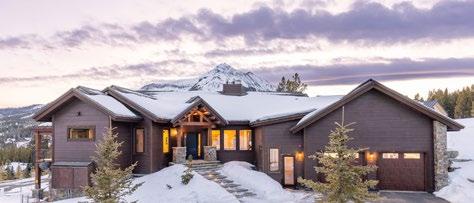
Perched atop a charming natural knoll with epic views in two directions is the masterfully crafted,
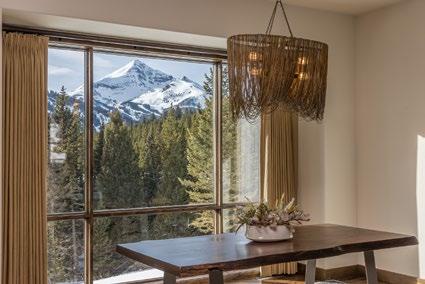
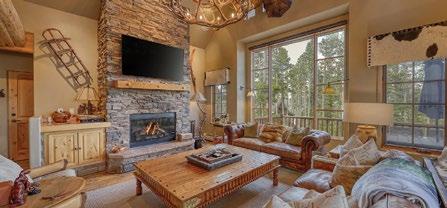
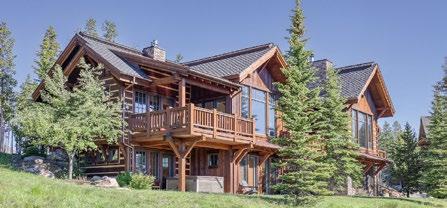
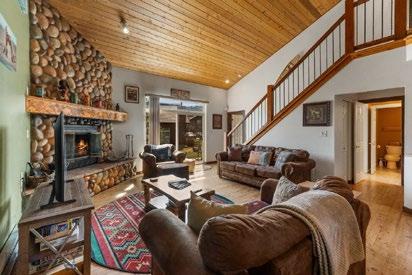
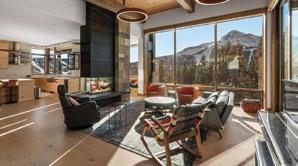
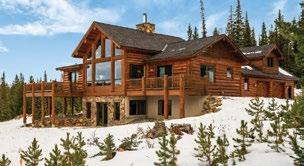
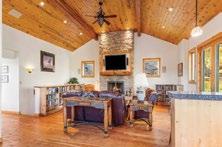
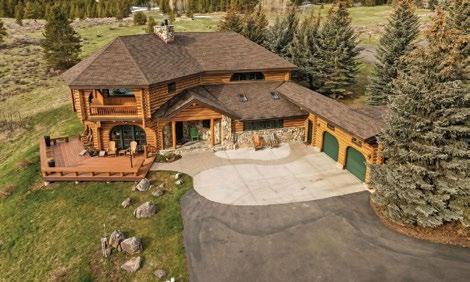
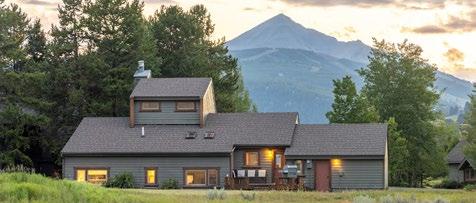
2,000 square foot home originally intended to be an oversized guest house. It overlooks a spacious garage and guest apartment that itself has breathtaking views of Lone Mountain from a high balcony. Both places are rich in master craftsmanship and whimsical details, including a glass floor in the cupola, reclaimed wood throughout and wide-plank, Douglas fir floors and a hand-crimped copper roof. A soaring fireplace in the living room was built by the same stonemasons who had just completed Bill Gates’ first home in the Yellowstone Club.
A large, landscaped meadow frames the site of a potential future main house that will connect to the garage, all ready to go with septic and utility conduits. Two stone patios create places and spaces to revel in the majesty of Montana to the west and south.
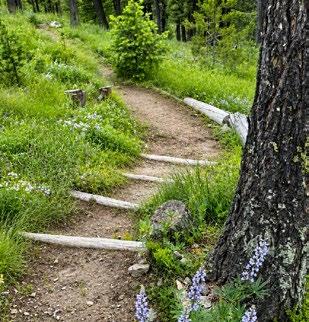
“We decided to buy this property within five minutes of stepping onto the land,” says Steve Barry, an outdoorsman who has climbed two of the world’s highest peaks and hunted all over the world. Barry’s wife, Carey O’Donnell, taught skiing on the Italian side of Mont Blanc and built a successful media career that got its start in the North American ski industry. Both know and love the mountains and have created pure magic from the natural beauty of their property. Carey spent four years improving existing game trails into remarkable hiking paths throughout the property, adding log stairways to help with the steepest sections. Steve has thinned the woods, disappeared fallen logs and trimmed low branches over at least 12 of the 20 acres, allowing grasses to grow and creating woodlands that set the local standard for both fire safety and aesthetics.
The local elk herd appreciates that most of all.
Carey O’Donnell is the listing agent for this extraordinary property and knows very well how rare it is to find 20 acres with a home that personifies the luxury Montana aesthetic so close to everything Big Sky offers. To learn more about 121 Old Toby Road or to set up a viewing, call or email her at carey@odonnell. agency or 561-762-7166.
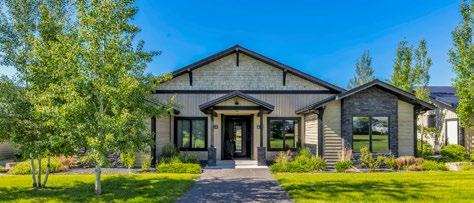
PHOTO COURTESY OF CAREY O’DONNELL
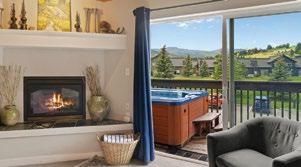
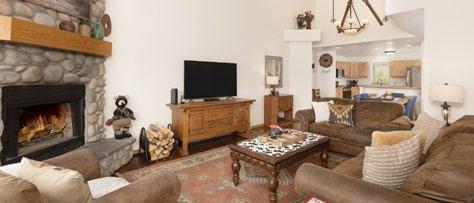
PHOTO COURTESY OF CAREY O’DONNELL
PHOTO COURTESY OF CAREY O’DONNELL
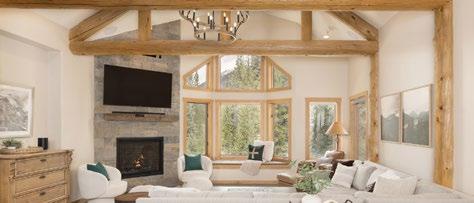
PHOTO COURTESY OF CAREY O’DONNELL
5
3
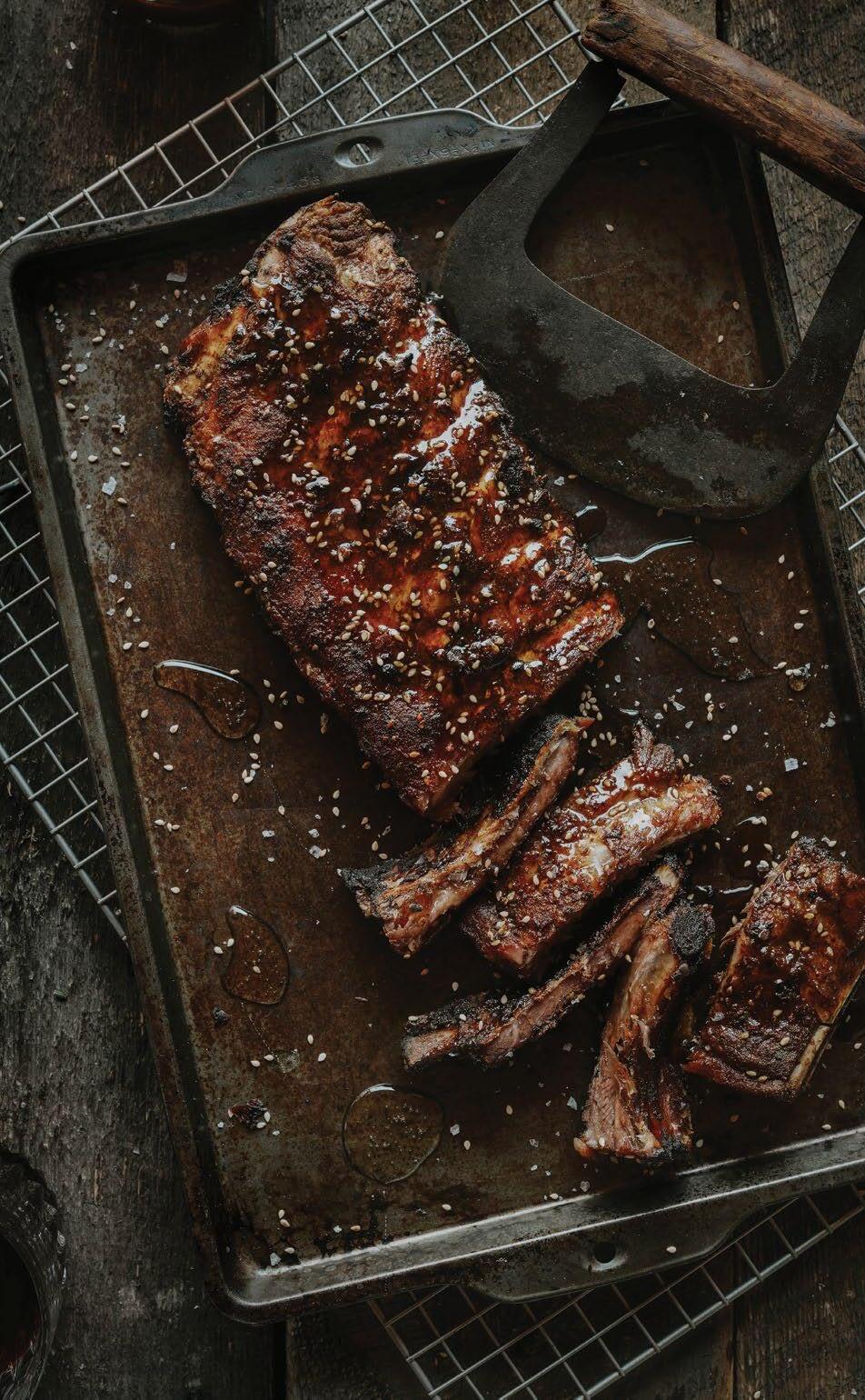
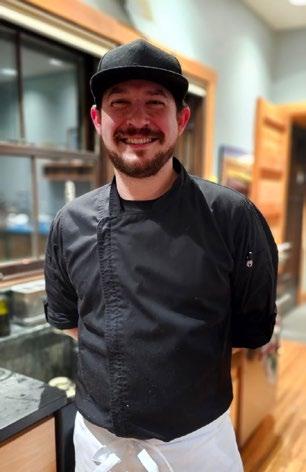
SLICE INTO PBR WEEKEND WITH CHEF SHELDON SIMEON AND NEW WEST KNIFEWORKS
BY TAYLOR OWENS
Sponsored article
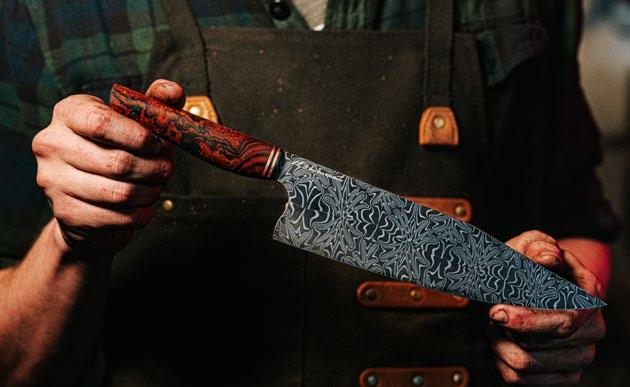
Before Big Sky PBR weekend is officially underway, New West KnifeWorks is inviting locals and visitors alike to gather around the cutting board for an evening that celebrates craftsmanship, great food and the lifestyle that connects them.
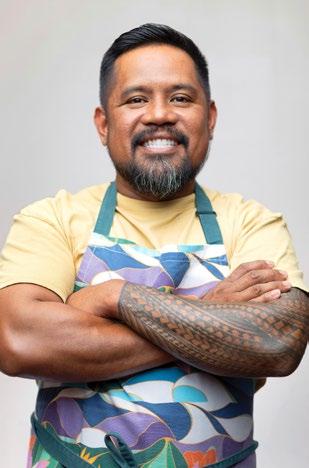
On Wednesday, July 15, from 5–7 p.m., New West KnifeWorks will host acclaimed chef, restaurateur, cookbook author, and two-time ”Top Chef” fan favorite Sheldon Simeon for an intimate pokemaking demonstration. While guests will learn techniques behind one of Hawaii's most iconic dishes, the evening is about much more than knife skills. It's a celebration of slowing down, cooking with intention, and bringing people together around food.
New West KnifeWorks partners with chefs whose approach to cooking reflects the company's philosophy—one centered on craftsmanship, family, hospitality, and living intentionally. Rather than simply showcasing knives, the company hopes to inspire the moments those tools help create.
"When I first stepped foot into New West KnifeWorks, it didn't feel like a knife shop, it felt more like an art museum," Chef Sheldon said. "I get the most compliments on my slotted fish spatula every time I use it. I love how it feels in my hand, and it's beautiful to look at."
“Chef Sheldon embodies so much of what New West KnifeWorks stands for,” Mike Milligan, VP of marketing for New West KnifeWorks said. “He's an extraordinary chef, but he's also someone who brings people together through food, storytelling, and hospitality. His approach to cooking reflects the same values we build into every knife:
craftsmanship, authenticity and creating memorable experiences around the table.”
The evening's focus on poke is especially fitting. The Hawaiian word poke means "to slice" or "cut into pieces," making the dish an ideal canvas for demonstrating the performance of these handcrafted knives. As Chef Sheldon prepares poke live, guests will have the opportunity to see firsthand how the right tools elevate both the cooking process and the final result.
“New West KnifeWorks knives are crafted to deliver exceptional sharpness, balance and control, allowing chefs to make clean, effortless cuts,” Milligan said. “Watching Chef Sheldon prepare poke will demonstrate how the right knife becomes an extension of the cook's hand, making technique feel natural while elevating the finished meal.”
Guests will also have the opportunity to sample Chef Sheldon's creations, meet the chef, have copies of his cookbook Ohana Style signed, and explore New West KnifeWorks' collection of Americanmade knives. Throughout the evening, visitors are encouraged to handle the knives themselves and experience the craftsmanship behind each blade.
“When guests can watch an accomplished chef use our knives and then hold them themselves, they quickly understand that these aren't simply beautiful objects, they're tools designed to be used, enjoyed, and trusted for years to come,” Milligan said.
Slice Into PBR Weekend with Chef Sheldon Simeon and New West KnifeWorks tickets are available at eventbrite.com/e/slice-into-pbr-weekend-withchef-sheldon-simeon-and-new-west-knifeworkstickets-1990797746651
New West KnifeWorks will be at Big Sky PBR next week, July 17-19. PHOTO COURTESY OF NEW WEST KNIFEWORKS
PHOTO COURTESY OF NEW WEST KNIFEWORKS
Chef Sheldon Simeon will host an intimate pokemaking demonstration on July 15. PHOTO COURTESY OF NEW WEST KNIFEWORKS
PUTTING BIG SKY ON THE MUSIC MAP
HOW ARTS COUNCIL’S MUSIC IN THE MOUNTAINS FINDS THEIR LOCAL TALENT
BY ANNIE O’NEILL
Brian Hurlbut, executive director of the Arts Council of Big Sky, has spent his career booking bands for Music in the Mountains with one strategy: watch the names in small print at the bottom of festival posters.
"I pay attention to who's on the underbill," Hurlbut said. "Those up-and-coming bands opening for big headliners... I try to find those and curate them."
His track record speaks for itself. Since the start of the free Music in the Mountains Series in 2008, the event has built a reputation for finding artists before the rest of the world catches up. Jason Isbell played Len Hill Park. So did Mt. Joy, Lake Street Dive and the Turnpike Troubadours, all before they became household names.
Hurlbut remembers each of them, but Lukas Nelson stands out.
"He was still like a really young kid," Hurlbut said of Nelson's 2016 appearance. "I'm getting a chill talking about it."
That instinct does come at a cost. Putting the festival on each week costs nearly $500,000, but admission remains free.
"Our goal is to keep it a real family friendly, free, event," Hurlbut said. The festival is supported by sponsors, volunteers and the Big Sky community, who share the belief that cost should never be a barrier to culture.
"When people walk into this space, they can sense it's something special," Hurlbut said.
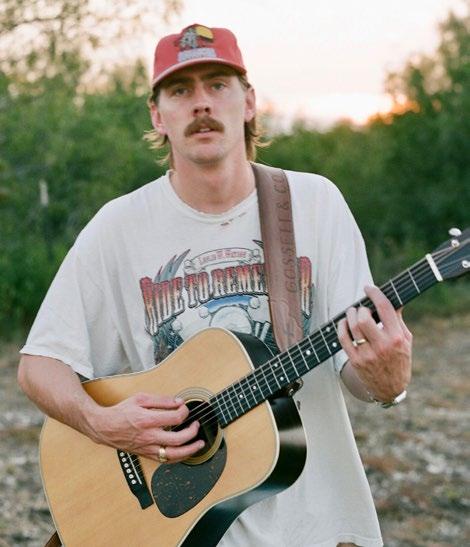
This summer, two acts demand attention. Sterling Drake is a Montana native who spent years thinking his ranching life and music career could not coexist. The Takes are a young Bozeman band fresh off a national tour. Both play Len Hill Park this summer as part of the Emerging Artist Series, which highlights local and regional talent. The Takes performed June 25. Drake plays July 16.
Drake grew up in Montana knowing he was both a rancher and a musician. For a long time, he viewed that as a problem.
"I've been a musician since I was younger, and they often felt like two different passions of mine that were at odds for a long time," Drake said. "Over the years I found a way to kind of blend my own personal story and relationship with the West and my artistry as a musician."
That merging separates Drake from artists who use Western imagery as a mere aesthetic. He does not perform a version of ranch life; he lives it.
"There's a lot of people that will don a cowboy hat and sing a country song," he said. "But I think it's just as important to make sure that we're not appropriating an image, but elevating those important messages and issues that we face here in the West."
Drake calls the album intentionally existential, but he built something practical around it. Working
with the American Farm Bureau, he connected "The Shape I'm In" to a mental health directory for agricultural and rural communities.
The Takes formed in Jackson, Wyoming, in 2020, less by design than by circumstance. Writing songs to pass time during the pandemic, the band brought together guitarist and vocalist Sumner Rahr, bassist Phoebe Webb and guitarist Guido Rahr. The group eventually added a fourth member, drummer Sam Beilenson, and toured the Pacific Northwest before recently landing in Bozeman.
Live, the band carries more energy than the recording suggests. They are high-energy and visually magnetic, often making a crowd forget they came for the headliner.
When asked to describe the band's sound, Webb laughed.
"I hate this question," she said. "We sound like The Takes, you know?"
The band's newest EP, "Uprooting Roses," blends folk, Southern rock and country blues. That restlessness is intentional.
"The music we just released is kind of all over the place, in a good way," Webb said. "It doesn't really fit into one genre."
The band recently toured as the opening act for The Runarounds, a group whose Prime Video series
built something of a cult following. Playing a string of sold-out shows changed The Takes' perspective on their own trajectory.
"Not a sense of stardom," Rahr said. "A sense that this is achievable. That a bigger stage isn't too far away."
Music in the Mountains carries its history into every performance. The Takes felt that connection immediately when they learned which artists had stood on the same stage.
"Those names are just another echelon," Rahr said. "To even be sharing the stage feels tremendous. There's imposter syndrome, but there's a point where you remind yourself, we've been at this five, six years. We've put a lot in."
Drake hopes the audience feels the same.
"I hope that they feel more connected, with music, but also with their own neighbors and everybody that's there," Drake said. "Unity through music."
That is what Hurlbut has spent his career building. He has watched the names at the bottom of the poster move to the top for almost two decades, and he sees it beginning again.
"Artists want to play Big Sky whether they're huge or up and coming," Hurlbut said. "The audience always responds. The bands are like, 'oh my God, this is amazing.’"
The Takes performs at the first 2026 Music in the Mountains in Big Sky’s Len Hill Park. PHOTO BY ANNIE O’NEILL
PENNSYLVANIA STUDENT CRAFTS INTRICATE WOODEN MAP OF BIG SKY TRAIL SYSTEM
BY CARLI JOHNSON
For Benjamin Sands, Big Sky isn't just a favorite ski destination—it's a place that has shaped his family's traditions for more than two decades.
"It's always been a place that I've loved," said Sands, a junior at Upper Perkiomen High School in Pennsylvania. "It's been cool to see the place grow, and Bozeman grow, because we fly into Bozeman, and it started much smaller than it is now."
This spring, Sands turned that connection into an ambitious woodworking project, creating a 47-by24-inch relief map of Big Sky Resort's trail system using laser engraving, CNC machining and handfilled epoxy resin. The project, completed through his school's X Lab program, took roughly three months to finish.
The idea grew out of his family's long history in Big Sky.
Sands said his grandfather first visited Big Sky during a business trip in the early 2000s and quickly fell in love with the area, prompting the family to purchase a home there before Sands was born.
"My grandfather kind of fell in love with the place," Sands said. He first skied in Big Sky when he was four or five years old, and since then, it’s become a yearly tradition. “We get out there in the winter a few times every year," Sands said.
The project also reflects the encouragement Sands found in the classroom.
He credited his X Lab instructor, Dan Moyer, with helping students transform their ideas into reality.
"He's a great teacher," Sands said. "He's very good with us kids and making our ideas and our creativity come to life, which you don't really get in high school in a lot of other classes."
After first creating a laser-cut Moonlight Basin logo, Sands decided to take on something much larger.
"I had this really cool idea," he said. "This is a huge trail map with so many trails and so many places that I feel like my family knows so well. I was like, 'Well, how can I do something in this class to kind of replicate that?'"
The first challenge was finding a piece of wood large enough for the project.
"We somehow were able to find a piece of wood that was pretty much identical and only took very little trimming to get the size," Sands said of the 47-by-24-inch board he discovered in the school's shop.
The first stage involved engraving the mountain's terrain using a Boss laser cutter before transferring the board to a CNC router, which carved each ski trail into the wood. The engraving alone took about 6 1/2 hours, making it the largest project the school's laser cutter had ever handled.
"We actually had to go in and delete, I think there was 180 old projects on there that were taking up memory," Sands said. "We had to delete all of them just for this to work."
The next hurdle came when the trail file failed to line up correctly on the CNC machine, leaving more carving to be done later on.
"It routed out the trails about half an inch low," Sands said. After several class periods troubleshooting the issue, Sands and Moyer corrected the alignment and moved on to what became the most painstaking phase of the project.
Using colored epoxy resin and a syringe, Sands filled every ski trail by hand, matching Big Sky Resort's trail difficulty colors.
"The hardest part was figuring out how to fill the trails without having the color overlap into the other trails," Sands said. To keep colors from bleeding, he inserted thin strips of styrofoam between adjacent runs before pouring the resin.
The first solution created another problem.
"When I tried to take the styrofoam out, the styrofoam just broke off, and it was stuck in there," he said. After each color, Sands had to use a hand router to individually route out the rest of the styrofoam. The resin work ultimately consumed about two months of the three-month project.
"It was very time-consuming," Sands said.
As a finishing touch, he laser-cut and painted a vintage-style Big Sky Resort logo, adding a black border to make the colors stand out.
"We figured just the old-fashioned colors kind of fit the project," he said.
Although the trail map began as a school assignment, Sands said it has become something much more personal. The completed piece will hang in his family's new home in Pennsylvania, a property where his father grew up and that the family has spent the past several years restoring.
"It's kind of just a place that we all love," Sands said. Like the Pennsylvania home, the Big Sky map preserves a piece of the Sands family history. "We always had these ideas of making it how it used to be for my dad, but putting a modern twist on it. They always had pictures and signs hung up and flags, so I thought this would be a perfect fit for our family."
The final project, finished with a vintage Big Sky Resort logo and black frame. PHOTO COURTESY OF BENJAMIN SANDS
The first stage of the project was uploading the trail map to the machine that lasered it onto the wood. PHOTO COURTESY OF BENJAMIN SANDS
ARTIST LANE TIMOTHY FINDS HIS FLOW STATE
HIS LATEST PIECE, DEFIANCE, WILL BE AUCTIONED TO BENEFIT WESTERN SPORTS FOUNDATION
BY MIRA BRODY
If there’s one thing Lane Timothy is sure about, it’s the fact that he set out to be an artist.
"Since I was a little kid... everybody [asks], 'What do you want to be, a fireman? I want to be a policeman. I want to be an astronaut.,”’ he said. “And I'm like, 'I want to be an artist,'"
Timothy was born and raised in Missoula, where he sold his first painting to a neighbor for ten dollars at age seven, and was commissioning gymwall murals for local schools by 16. That same year, he won the Charlie Russell National Art Scholarship, beating out seasoned painters, the youngest person ever to do so. He studied art and graphic design at the University of Montana, but left after two semesters to start his own design firm instead.
While the career paid the bills, it took time away from the medium he actually wanted to pursue. After a stretch in Salt Lake City working at a major outdoor advertising firm, a client's offer to paint a safari mural across her spiral staircase pulled him back toward painting full time. When the firm wouldn’t allow him the time, Timothy, then 21, quit to paint full time.
His early work worked with oil paints and hyperrealism. His favorite piece from that time is called The Honeymooners, where a woman and man are packed for their honeymoon and the man is distracted. Their expressions are “people caught in the moment,” explained Timothy, something he enjoy capturing.
A sold-out debut show in Missoula led to gallery representation in Scottsdale and beyond, magazine covers, and eventually a title as the country's top figurative artist at a Santa Barbara show. While grateful for the success in something he loved doing, the attention became a burden
"I've always struggled with anxiety and depression," he said. The pressure, a divorce, and what he now recognizes as agoraphobia pushed him into a fiveyear retreat from painting almost entirely.
In 2009 he picked up the brush again, but on his own terms. The style was aptly described by art writer Michele Corriel for Big Sky Journal as, “hand-colored tintypes washed in memory,” on "monumentally sized canvases seem to barely hold his subjects,” often featuring the subject’s faces staring at the viewer.
His signature technique features a heavily textured surface that absorbs paint rather than holding it on top, left with raw, unstretched edges and floated in frame.
"I needed to create a style that nobody can copy and nobody can reproduce," he said. "No one on earth is going to be able to do that."
His subjects, featuring weathered ranch hands, working cowboys and old Western history, come from a deep respect toward both history and Western culture. A former amateur bull rider, Timothy carries a shattered shoulder and a once-
severed nerve from a wreck that nearly cost him his painting arm before his art career had even started.
"I think living a hard life really adds to that grit that I put into my work," he said. "I know what it's like to be in a hell of a lot of pain... so I try to put some of my pain into them as well."
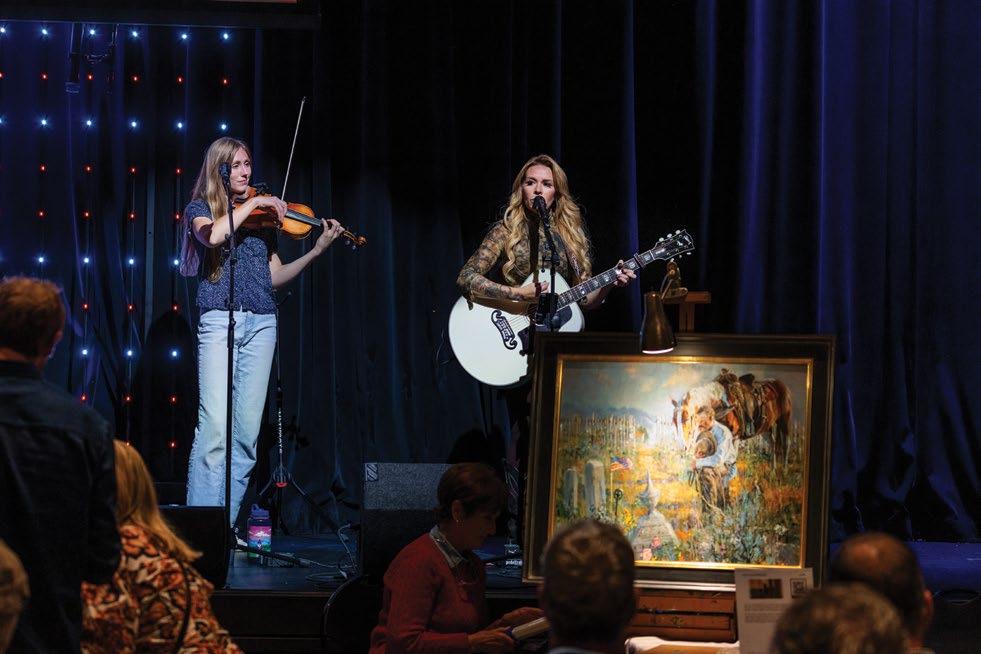
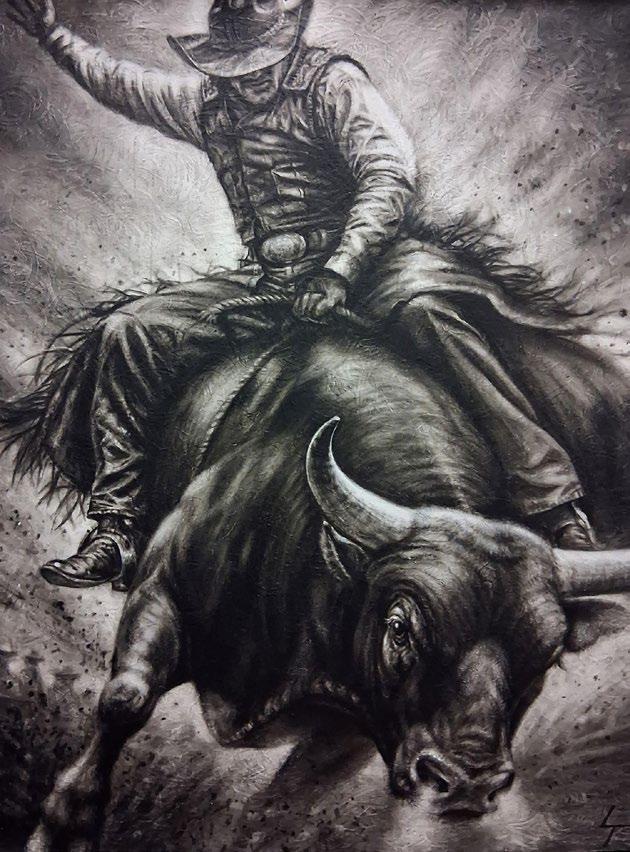
Timothy’s keen instinct toward purpose extends into giving back; he donates work every year to a range of causes, including a painting that once helped a Montana mother raise enough money to find her young son a kidney donor. This summer, his contribution goes toward bull riders themselves. Big Sky PBR producer Outlaw Partners has worked with the nonprofit Western Sports Foundation to support injured riders. Timothy’s piece, Defiance, will be auctioned live on Friday, July 19 on the dirt and proceeds will go toward WSF.
"This new one is insane," he said of the final stages of Defiance. "I'm really, really happy with it.”
"I want it to be insanely amazing," he added. "I want it to bring as much as it can."
The piece will anchor his Big Sky show, Angels and Outlaws, opening this summer at Courtney Collins Fine Art, a nearly 20-piece collection themed around cowboy life and Western history. The opening of that show is July 15 at 5 p.m.
As the interview wraps, Timothy mentions he’ll work more tonight; he often enjoys painting well into nighttime and the early morning hours, always chasing that flow state where he’s most comfortable.
Defiance will be up for auction on Friday night of Big Sky PBR, benefitting Western Sports Foundation. PHOTO COURTESY OF LANE TIMOTHY
THE CANYON NEVER LETS GO
AUTHOR KEVIN FEDARKO ON ADVENTURE, RESPONSIBILITY AND THE CONTRADICTIONS OF THE GRAND CANYON
BY MIRA BRODY
When asked if he’d hike the entirety of the Grand Canyon again, author Kevin Fedarko answered in one syllable.
“No.”
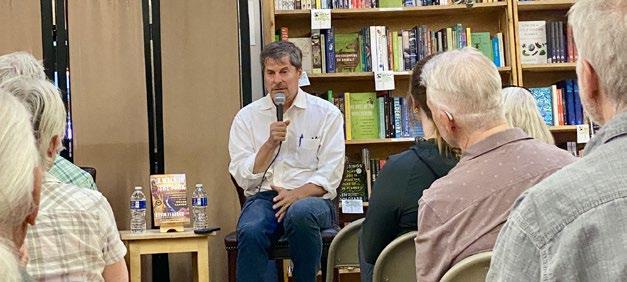
Do not mistake the simplicity of that syllable however, as a diminishment of the importance of his 750-mile odyssey outlined in his latest book, “A Walk in the Park, The True Story of a Spectacular Misadventure in the Grand Canyon.” It’s the book he’s on tour for at the Country Bookshelf in Bozeman on June 22 when he responded to the audience question.
Much of the 512 page memoir, featuring he and friend Pete McBride’s trek across the fabled Arizona chasm, outlines just why misadventures in a familiar landscape are vital. And while he stresses that adventure doesn’t have to be over 700 miles, or take more than a year to accomplish, or be the Grand Canyon, or even a national park for that matter, the location must at the very least, instill in you a deep sense of responsibility.
“I have picked one place and I've gone to it over and over again and I have returned over time accumulating layers of memory, and those layers stack upon one another just like the walls of the canyon,” Fedarko said at Country Bookshelf, one of a handful of Montana stops on his tour. “And I would urge each and every one of you to continue doing the same, to find a special place … go there over and over again and take your kids with you when you do.”
Fedarko’s first book is the award-winning “The Emerald Mile: The Epic Story of the Fastest Ride in History Through the Heart of the Grand Canyon,” which is 448 pages long, meaning the man has published just under 1,000 pages about the same landscape. He’s spent his life guiding the canyon, living near the canyon, writing about the canyon and—we can assume—thinking about the canyon, an archive that is resonant when he’s on the topic.
“The Emerald Mile” is a chronicle of the canyon’s history. From when it was formed by the Colorado River, to when mankind first set eyes on it, to building the robust dam system that makes civilization possible in the Southwest, finally culminating into Kenton Grua achieving the fastest boat ride in history through the canyon in a small, wooden dory.
“A Walk in the Park” is more personal. Wrapped in a tale of adventure, wherein our two real-life protagonists take on a National Geographic assignment to traverse the Grand Canyon from Lee’s Ferry to the Grand Wash Cliffs by foot, is a commentary on the responsibility we have toward wild places.
As Fedarko put it, “I tend to write books that have an adventure story at the heart of them and … I use that adventure story to tell a larger story that I feel is much more important.”
That June night in Bozeman, Fedarko was joined by Carrie Besnette Hauser, the president and chief executive officer of the Trust for Public Land. Hauser too has a deep connection with the canyon, having worked as a swamper, cooking, cleaning and
assisting the crew with boating operations for many seasons. In the role, she developed a deep love for the outdoors.
“It absolutely never leaves you,” Hauser said. “When surrounded by two billion years of history carved into stone, you begin to grasp almost physically how extraordinarily fragile and precious these places are.”
Their conversation naturally closed in on that larger story Fedarko mentioned, of landscape and our role in it.
"The moment that you stop thinking of these places as repositories that you can take things from … the moment you begin thinking of these places less as consumers and more as stewards, is the moment that these places begin to change you,” Fedarko said.
Even that isn’t as simple as it sounds, though. As outlined near the second half of “A Walk in the Park,” Fedarko and McBride enter Grand Canyon West, where each day hundreds of helicopters take visitors 4,000 feet below the canyon rims to the bottom in tour groups that create a deafening roar so unlike much of the rest of the canyon. The brute force of the helicopters served as the antithesis to the two mens’ journey; theirs is taken by foot over months, delicately.
The helicopters are operated by the Hualapai Tribe, one of 11 tribes who historically and presently inhabit the region. While he said he is “viscerally offended” by the industrial roar that mares Grand Canyon West, Fedarko acknowledges that the revenue from tourism operations on their ancestral land is vital to the Hualapai’s economic future, funding hospitals, education and lifting them out of over 150 years of injustice and displacement by the U.S. government.
“This space, like all of our public spaces, challenges, enriches us when we move into it,” Fedarko said. “It pushes us to think beyond the borders of our comfort zone, to wrestle with questions that do not have clean and simple answers. And this may be the best example of that, perhaps.”
It’s a contradiction that Fedarko contends with in parts of his book. Looking up from the canyon floor at mile-high walls of layered rock, Fedarko, McBride and other visitors and river guides who have spent time amid the cathedral of the Grand Canyon have felt the weight of what geologists call deep time, where the arc of human civilization registers as a footnote among the rusty layers of limestone, schist, shale and sandstone. In its
presence, you feel insignificant. The rock feels beyond the reach of human consequence.
Yet, in the roar of helicopters, amid proposals of tramways and other commercial installments, and 5 million annual visitors per year, we are reminded that we do in fact, matter.
“We do have a tremendous impact in a very short space of time which may be rendered irrelevant in the larger context of the time that the canyon bodies,” Fedarko said. “We create consequence. We are responsible for things that happen. And what the canyon does is it forces you to contemplate and hold those two contradictory ideas inside your head at the same time.”
The point isn't to resolve the paradox, but to find a landscape that presents you with these challenges, and forces you sit with them.
Doubly important, Fedarko asserted, is sharing that experience. Because he and McBride would have not succeeded in their trek—there would be no 750 miles, no book and no book tour—had it not been for the community that has devoted their lives to worshipping in those canyon walls.
To illustrate his point, Fedarko describes when he and McBride had to quit their initial descent from Lee’s Ferry, and a group of friends far more experienced than them offered support so the pair could try again, and ultimately complete their traverse.
“These are people who are part of this subculture, who are held in the canyon's thrall by virtue of the fact that they went into the place at some point in their lives, mostly as young people, and it set its hooks into them and it has never let go,” said Fedarko to a room full of listeners who too arrived that evening with a love for, or at the very least, a curiosity for the Grand Canyon.
“It taught me that as satisfying and important and revelatory as it can be to go into a space like the Grand Canyon as an individual, a far more fulfilling and satisfying way to experience it is through community,” he continued. “Because it was only through community that we could complete that journey.”
And while his dissent to repeating the journey was blunt, it’s clear Fedarko carries a piece of the odyssey with him and intends to spread the gospel to as many as he can. “No,” becomes not a syllable of dismissal, but of reverence.
Author Kevin Fedarko visits Bozeman's Country Bookshelf as a part of his book tour. PHOTO BY MIRA BRODY
Bozeman
FOR SOME BIG SKY KIDS, SUMMER DOESN'T START WITH VACATION. IT STARTS ON STAGE.
BY ANNIE O’NEILL
For 29 local students, the final school bell rang Friday, June 8, serving only as a prelude to their first day on set Monday for "Matilda." That rapid turnaround is the heart of Big Sky Broadway, a program that has spent the last 16 years showing that when you ask kids to do something real, they commit.
In 2010, Barbara Rowley founded Big Sky Broadway around a simple philosophy: need creates action. Rowley noticed a gap in Big Sky’s summer theatre programming and launched a tradition that has since reshaped the local arts scene, eventually forming a partnership with the Lone Peak High School's music and theater department.
This year, Big Sky High School music teacher Tim Sullivan directs the production with support from Ursula Blythe and Frieda Fabozzi, both former participants who have returned to work behind the scenes. Rowley and Sullivan double cast the show to give more students opportunities for leading roles.
"One of the reasons we do a musical is because you can always add more people to the chorus," Rowley said. This marks the second time the program has staged "Matilda," a show Rowley loves for its "empowerment and, to some degree, female empowerment."
The young actors arrived at rehearsals last week already knowing their lines and songs. Within days, they were blocking scenes and mastering choreography. Now, in the final week before opening, they run "stumble-throughs," rehearsals where production elements such as microphones and costumes are added daily.
The program casts every child who tries out, rooted in the belief that kids rise to meet high expectations. They finish school on a Friday and show up ready to work Monday. And the work is hard: long days and fast learning, yet they show up for it anyway, all to be part of something meaningful.
"It turns out, kids really like doing something real," Rowley said. It's an ethos known locally as "Big Sky Broadway magic."
The program operates out of Big Opportunities, a nonprofit, and relies on tuition, ticket sales and grants to cover its budget, reinvesting every dollar into staff, costumes and every child who hits the stage. For participants like Harper Bedell, an incoming eighth-grader who has played a villain in the last two productions, the appeal is simple: dancing, friends and learning every move and song.
"A show calls for a character mindset rather than a sports mindset," Bedell said at a recent rehearsal, adding that theater offers a unique support system: "There are more people to rely on to help you."
The hardest moment, she explained, is the week before the show, when the cast pulls together timing, costumes and microphones for the first time and the nerves creep in. Bedell said she doesn't get nervous.
The impact of the program extends far beyond the local stage. Frieda Fabozzi, who played the title role in 2019, now participates in theater at the University of Puget Sound in Tacoma, Washington. This summer, she will sing the national anthem at the Big Sky PBR on Thursday, July 16, an opportunity she credits to the confidence she built at Big Sky Broadway.
"The skills theater teaches extend well beyond the stage: thinking on your feet, staying kind under stress, committing to the work," Fabozzi said at rehearsal.
What Rowley built goes beyond a theater camp. What she ended up creating was a community, the kind students return to, year after year.
"Roald Dahl's Matilda: The Musical" runs June 26-27 at 6:30 p.m. at the Warren Miller Performing Arts Center, 45465 Gallatin Road, Big Sky. The production features students in grades 5-8. For tickets, visit the Warren Miller Performing Arts Center website.
A cast member rehearses a musical number for “Matilda the Musical.” PHOTO BY ANNIE O’NEILL
The Big Sky Broadway cast rehearses at the Warren Miller Performing Arts Center. PHOTO BY ANNIE O’NEILL
Cast members rehearse a scene from “Matilda the Musical,” as Miss Trunchbull confronts a young Bruce stand-in. PHOTO BY ANNIE O’NEILL
COMMUNITY EVENTS CALENDAR
MUSIC ON THE LAWN AT 320 GUEST RANCH
TUESDAY, JULY 14 AND AUG. 11
320 GUEST RANCH, 5:30 P.M.
On July 14 and Aug. 11 320 Guest Ranch will host live music by Clint Anderson and the MT Gazette Band and Scratchin’ Gravel, respectively. These free family-friendly events will take place on the lawn outside of 320’s McGills Restaurant & Saloon, where the restaurant will also hold a paid barbecue buffet.
ENVIRONMENT
WILD NEIGHBORS: LOOKING AT ANIMAL ACTIVITY IN GALLATIN GATEWAY
BY ANNIE O’NEILL
Brian Troth has been ranching around Gallatin Gateway for about 35 years now, and he says the elk get worse every year. When a herd shows up at night and tears through his hayfields, the damage adds up fast.
"The effect on farming and ranching is tremendous," Troth said. "An elk herd can ruin your hay in one night. I'm talking 10 to 20 grand gone in one night." At one point, he was getting up twice a night to chase elk off his property in 13-below weather.
He has tried using electric fencing, but said it’s ineffective. The only thing that actually works, according to him, is firing a shotgun into the air.
Troth's story was one of the more personal moments during the "Gallatin Gateway Elk Study and Other Wildlife Updates" presentation on June 30 at the Gallatin Gateway Community Center. The event was put on by the Gallatin Gateway Conservation Alliance, a coalition of local nonprofits, in partnership with Montana Fish, Wildlife and Parks.
Wildlife interactions like Troth experiences, is a familiar story across the valley. As the elk population grows and development pushes into their old territory, conflict between elk and humans is mounting.
"We've got to do something to stop these herds," Troth said. FWP staff acknowledged the toll on agriculture "cannot be understated" and pointed to habitat security work in forested areas and continued hunting pressure as the main ways to manage elk numbers.
About the study
The study presented, “Living with wildlife: movements of the Gallatin Gateway Elk Herd,” is a bit unusual for FWP. Usually, their work is paid for by hunting licenses and focuses on standard wildlife
management. This one was different because it started with the residents themselves.
Longtime locals noticed increasing elk populations for years, along with rising concern about wildlifevehicle collisions and elk congregating closer to homes. The community came to FWP and asked, in effect, how can we help animals move through here safely? That led to the study and in the winter of 2023-24, they began collaring elk in order to better understand their movement.
FWP wildlife biologists Julie Cunningham and Noah Starling led the effort. They managed to collar 32 elk with GPS units that log hourly locations, with no injuries to elk or people during capture. Twentysix of those collars remain active today.
What they learned
Local elk break into two distinct herds, and they behave very differently.
The East Herd has around 900 elk and stays east of U.S. Highway 191. Some migrate onto U.S. Forest Service land to calve in summer, and some head toward Bear Canyon southeast of Bozeman, but most of them just stay in one spot.
The West Herd is smaller; about 250 elk, and stays west of U.S. 191. This herd is largely non-migratory and crosses the highway often.
During highway crossings, the herd clusters and crosses in specific, identifiable spots. Data shows elk most commonly cross U.S. 191 between mile markers 76 and 74, near Bear Creek Subdivision and Wilson Creek Road, as well as between mile markers 73 and 71, near the mouth of the canyon. Drivers should be especially alert in those stretches.
Timing is a big factor, too. Elk are most likely to cross between midnight and 6 a.m. or between 8 a.m. and noon. There are fewer crossings in the summer, but they peak from January to May and again in September and October. They usually avoid crossing the Gallatin River itself and steer clear of dense housing.
The most vulnerable migration route is the path to Bear Canyon, where elk have to navigate an increasingly developed corridor that runs straight through the edge of Bozeman.
What comes next
The collaring phase is complete. Now researchers are watching and waiting to see what the data reveals. The study runs through Oct. 1, 2027.
"We don't need to be hasty," Cunningham said. "We wait until the elk show us what they actually need."
As one longtime resident put it at the meeting, there are simply "way more" elk now than there were 50 or 60 years ago. The study will not fix everything overnight, but the hope is that the data leads to some real solutions for the elk, for the drivers and the ranchers like Troth who are just trying to get through another winter.
ADOBE STOCK PHOTO
A presentation in Gallatin Gateway covered elk movement in the area. PHOTO BY ANNIE O'NEILL
For over 25 years, Outlaw Realty has helped families buy and sell more than $3 billion in real estate. Including over $42 million across Spanish Peaks and Moonlight Basin in the past 18 months alone. Whether you’re buying, selling, or just curious about the market, we’d be honored to be your trusted Big Sky real estate partner.
DISPATCHES FROM THE WILD: MONTANA AFTER YELLOWSTONE HOW
TAYLOR SHERIDAN’S WEST IS RESHAPING THE REAL ONE
BY BENJAMIN ALVA POLLEY EBS COLUMNIST
Taylor Sheridan's television empire— spanning Yellowstone and spin-offs like 1883, 1923, and The Madison—has done more than entertain millions. It has reshaped Montana itself. The franchise brought an undeniable economic jolt, job creation and global visibility. But beneath the sweeping vistas and cowboy swagger lies a more troubling legacy: a housing crisis, a distorted culture and an overburdened landscape that Montanans will be grappling with long after the credits roll.
The upside: Money and visibility
There is no question that the Yellowstone universe has pumped serious money into the state. A University of Montana study estimated that filming injected more than $834 million into Montana’s economy, generating millions in tax revenue and supporting thousands of local jobs—from carpenters and caterers, to wranglers and hotel staff. For small towns that had long watched their young people leave for better opportunities, those paychecks were a lifeline.
Tourism has surged as well. The shows have popularized a romantic version of “cowboy culture” and sparked an influx of visitors eager to experience the Dutton Ranch lifestyle for themselves. Hotels, dude ranches, outfitters and local restaurants have seen record business as fans schedule “Yellowstone tours” and seek out filming locations. For many local business owners, the franchise arrived like a once-in-a-generation marketing campaign they never had to pay for.
Then there is the global exposure. The franchise’s stunning, sweeping cinematography has put Montana’s mountains, rivers, and open range on screens around the world. For a rural state that often felt overlooked in national conversations, this visibility has boosted pride and awareness of Big Sky Country’s natural beauty and layered history.
The downside: A state under strain
But that same exposure has come at a steep cost for the people who already call Montana home. The series helped accelerate a demographic shift, drawing wealthy, remote-working out-of-staters to places like Bozeman, Missoula and Paradise Valley. Real estate agents openly market properties with “Yellowstone vibes,” and home prices have soared accordingly. For teachers, service workers and even multigenerational ranch families, staying in their own communities now feels increasingly impossible. The Montana on screen may be wide open; the real Montana is closing its doors to many of its own.
Infrastructure is also buckling under the pressure. Highways, airports and small-town water and sewer systems were never designed for Yellowstonelevel tourism and immigration. Trailheads are overcrowded, popular rivers are overfished and over-floated and wildlife is being pushed closer to roads and subdivisions. Local governments scramble to keep up with road maintenance and
emergency services while property values and with them, property taxes, shoot up. The shows sell an image of endless space; in reality, the strain on land, water and wildlife is becoming impossible to ignore.
Then there is the cultural distortion. Many locals bristle at how the series trades in melodrama, assassination attempts, shootouts and soap opera feuds rather than the quiet, grinding reality of ranch work and rural life. Tourists arrive expecting saloon brawls and cinematic sunsets, but not subzero winters, long commutes or the economic precarity that defines many Montana households. Worse, Indigenous communities and complex land histories are often reduced to backdrops or plot devices, flattening stories that deserve far more respect and nuance.
Montana beyond the screen
Sheridan’s shows tap into real tensions in the modern West, conflicts over land, water, Indigenous rights, corporate development and the future of ranching. But as art imitates life, life has begun
to imitate the show. Real estate listings flaunt “Dutton-style compounds.” Investors snap up acreage as a lifestyle brand rather than a livelihood. Quiet agricultural communities in southwest Montana are being remade into high-dollar destinations, their economies now yoked to a TV phenomenon that may fade as quickly as it arrived.
Montanans must now decide what kind of state they want once the cameras move on. The Yellowstone franchise brought jobs, dollars and global attention. It also helped turbocharge a housing crisis, strain fragile landscapes, and warp the way outsiders and sometimes insiders see this place. If we’re not careful, the version of Montana sold on screen could help erase the very Montana that made it worth filming here in the first place.
Benjamin Alva Polley is a place-based storyteller. His words have been published in Rolling Stone, Esquire, Field & Stream, The Guardian, Men’s Journal, Outside, Popular Science, Sierra, and WWF, among other notable outlets, and are available on his website.
ADOBE STOCK PHOTO
EBS STAFF CARTOON
ILLUSTRATION
MIRA BRODY
BY
Illustrated with Crayola's finest felt-tip markers, I channeled my inner Looney Tunes for this week's Big Sky PBR-themed knockout. Two bulls square off under the lights, gloves up, ready to settle things the oldfashioned way. Cud, the best corner of the pasture … who knows what they had beef about.
While this year's event will include new bull fighting programming, I'm sad to report it does not, in fact, include bulls in boxing gloves—though if the rodeo committee is looking for ideas, my inbox is open.
To apply send resume to ashley@purewestmt.com or call 406.751.5609 for more info
15BIG SKY , MT P ROFESSIONAL BULLRIDER S YEARS
BIG SKY
A LETTER FROM ERIC LADD FOUNDER, OUTLAW PARTNERS
Welcome to the 2026 Big Sky PBR and the celebration of our 15th year in Big Sky.
What began as an ambitious idea has grown into something far greater than any one person or company could have imagined. Being recognized as the 12-time PBR Event of the Year is an incredible honor, but more importantly, it reflects the people who have built this event together.
I want to thank my founding partners—Andy and Jacey Watson, Jim Murphy, and Megan Paulson— along with the countless team members, volunteers, sponsors, and community partners who have helped shape Big Sky PBR over the past fifteen years.
A special thank you to Professional Bull Riders CEO Sean Gleason and the entire PBR family for their partnership and continued recognition of Big Sky as one of the premier events in professional bull riding. We are proud to play a small role in a sport that now reaches millions of fans around the world.
To the riders, stock contractors, volunteers, staff, and fans—thank you. It takes all of you to create what has become the Biggest Week in Big Sky.
It also takes the teams at Outlaw Partners and Freestone Productions 364 days a year to prepare for this week. Their commitment, creativity, and attention to detail are what make this event possible, and they deserve tremendous credit for the experience you see around you today.
Over the course of this year’s celebration, more than 15,000 fans will participate in ten days of events. Along the way, this event has become more than a rodeo—it has become a gathering place for our community, an economic driver for local businesses, and a platform for meaningful charitable impact.
The Outlaw Foundation has been humbled to help raise millions of dollars for worthy causes over the years. This year, we are proud to support organizations including the The Epilepsy Foundation, MSU Athletics and Rodeo, Big Sky Bravery, and Warriors & Quiet Waters—groups that are making our communities stronger, healthier, and more resilient.
From the beginning, our goal has been simple: create an event that is welcoming to families, locals, and visitors alike while celebrating the Western spirit, the people of this region, and the place we are fortunate to call home.
Fifteen years in, Big Sky PBR has become more than an event. It is a tradition, a reunion, and a celebration of the community that makes Big Sky special.
Thank you for being part of this journey. We hope you enjoy every moment of the Biggest Week in Big Sky.
With gratitude, Eric Ladd Founder & CEO, Outlaw Partners
Executive
Producer, Big Sky PBR
BIG SKY PBR
VISIONARIES AND RISK TAKERS
FIFTEEN YEARS: HOW THE BIG SKY EVENTS ARENA TURNED SAGEBRUSH
INTO SUCCESS; WILD WEST TO ELITE
Fifteen years ago, the site of the Big Sky Events Arena was little more than a sagebrush field with temporary fencing, hay bales and a bold idea. Today, it draws thousands of visitors each summer for world-class rodeo, live music and community gatherings beneath the impressive backdrop of Lone Mountain.
The Big Sky Events Arena is celebrating 15 years of events this summer, a milestone built on risk-taking, collaboration and a belief that Big Sky needed more than winter tourism to thrive year-round. What began with a single night of professional bull riding has evolved into a summer events calendar that now includes Big Sky PBR, Wildlands, a horse auction, a trail running event, concerts and family-friendly programming that bring locals together and attracts visitors from around the world.
“It takes visionaries and risk takers to help build a community event as successful as the Big Sky PBR,” read the opening letter in the 2011 Big Sky PBR event program. Fifteen years later, those words still define the arena’s story.
“We sat around with people from the Big Sky Chamber, Town Center and other notable community members and were literally discussing how we can get people to stop in Big Sky in the summer,” said Megan Paulson, co-founder and chief marketing officer of Outlaw Partners. “The concern back then was there were millions of visitors driving by to visit Yellowstone, but few made the turn to experience Big Sky in the summer.”
At the time, Town Center was still in its infancy and summer business traffic remained inconsistent. Outlaw Partners teamed up with Freestone Productions’ Jacey and Andy Watson and Continental Construction’s Jim Murphy to launch the first Big Sky PBR in 2011. The first Big Sky PBR took place in the location where Big Sky BASE is today, thanks to a land agreement with the Simkins family. At that time, the entire land south of Ousel Falls road was an open sagebrush field. The venue moved two more times before finding
its current home. Lone Mountain Land Company, who acquired the Simkins property, continues to honor this important land use agreement that keeps the Big Sky PBR on Town Center turf.
“We are grateful for Lone Mountain Land Company’s generosity in providing an events space in the heart of town that benefits the community,” said Josh Timon, COO of Outlaw Partners.
With additional sponsor support from Yellowstone Club, Sam Byrne, and a handful of local partners, the inaugural event hosted 1,500 attendees and featured just five rows of bleachers in a field where spectators sat on hay bales and overflow viewers watched from atop rubber river rafts.
“The view of Lone Mountain is the key to the experience,” Paulson said. “Musicians, fans, sponsors and the athletes are always in awe of the setting. It’s intimate. The bull riders talk about how they can feel the energy, and the musicians say the same thing.”
That atmosphere quickly transformed Big Sky PBR into one of the premier stops on the professional bull riding circuit. The event has now earned Professional Bull Riders’ Event of the Year honor 12 consecutive times, cementing its reputation nationally while becoming one of the region’s largest annual community gatherings.
For many locals, the event’s significance extends beyond rodeo.
“It’s the event that brings the community together from all nooks and crannies of the community,” said Martha Johnson, founder and broker of Luxury Big Sky. “As the great community uniter, I love being a part of that.”
Johnson said the event often reconnects residents and second homeowners alike with the spirit of Big Sky.
“The energy is palpable,” she said. “You’re not meeting strangers, you’re meeting neighbors.”
Last summer’s Wildlands weekend brought attendees from all 50 states and nearly 1,000 cities for performances by Dave Matthews, Lukas Nelson and Molly Tuttle. This year, the arena will again welcome major country acts including Carrie Underwood, Riley Green, LeAnn Rimes and Kaitlin Butts.
Like Big Sky PBR, Wildlands has evolved into more than a concert series. The event combines live music with conservation fundraising and outdoor advocacy. Last year, it raised a record-breaking $1.3 million for local conservation nonprofits and this summer it aims to break that record with funds going to the Property and Environmental Research Center (PERC).
“I think it’s a combination of two things,” said Steve Anglin of Smith Anglin Financial. “The Outlaw team is really passionate about the event because it’s a fundraiser and it has charitable intent. And [for Big Sky PBR] they’re really focused on taking care of the cowboys. They pour their spirit into it.”
That impact extends beyond the arena grounds. According to a 2025 economic impact report, last year’s summer event season included 18 event days and generated an estimated $37 million economic impact to the Big Sky community and Gallatin County. Restaurants, hotels, retailers and neighboring community events all benefit from the influx of visitors.
“What’s different now is that Big Sky has become synonymous with some of the other long-standing events around the country,” said Ersin Ozer, Director of Partnerships at Outlaw Partners. “If you build it, they will come.”
Fifteen years after the first temporary arena rose from the sagebrush, the Big Sky Events Arena has become a symbol of what community-driven ambition can create: a gathering place where rodeo fans, music lovers, locals and visitors all share the same sunset beneath Lone Mountain.
BIG SKY PBR
FREQUENTLY ASKED QUESTIONS
What time does the event start?
Thursday, July 16: Gates open at 4:30 p.m., Calcutta starts at 5:30 p.m., PBR starts at 6 p.m. Friday, July 17: Gates open at 5:30 p.m., Calcutta starts at 6:30 p.m., PBR starts at 7 p.m. Saturday, July 18: Gates open at 5:30 p.m., Calcutta starts at 6:30 p.m., PBR starts at 7 p.m.
Can I bring in my own food and drink? No, outside food and drink is not allowed at the event. However, we do encourage attendees to bring an empty reusable water bottle that can be filled at the multiple water-filling stations throughout the arena.
Where do I park?
Limited free parking is available in Big Sky near the arena. The closest lot adjacent to the arena is reserved. We recommend walking from Town Center or carpooling.
Where and when do I pick up my tickets?
All tickets will be picked up at the Will Call trailer located outside of the Big Sky Events Arena. Will Call Hours:
Monday-Wednesday, July 13-15: 10 a.m. - 5 p.m. Thursday-Saturday, July 16-18: Opens at 11 a.m. We strongly encourage picking up your tickets (wristbands or lanyards) before the event to avoid lines.
What do I need to pick up my tickets?
Please bring your ID and your ticket confirmation email to pick up your tickets.
Do I need a ticket for the Music Afterparty?
Thursday, July 16 afterparty music with Kenny Feidler at 8 p.m. is free and open to the public in Len Hill Park as part of the Arts Council of Big Sky’s Music in the Mountains event. You do not need a ticket to attend.
Your purchase of a ticket to the PBR includes music access on Friday and Saturday, July 17 and 18 to see Alana Springsteen and Dylan Gossett respectively on the Aperture Global Real Estate Stage. The concerts will start promptly after the PBR ends. You must either have a music-only ticket or a PBR ticket to attend.
What are the Calcutta details?
Calcutta winner(s) are based on individual longgo rider score, not cumulative team score. The 45 riders are split into nine teams of five with each team auctioned off to the highest bidder. 50% of proceeds will be pooled into a ‘pot’ and split, with the other 50% going to charity. 1st place will receive 60%, 2nd place will receive 30% and 3rd place will receive 10%.
The charities for each night will include:
Thursday, July 16: Montana Epilepsy Foundation Friday, July 17: MSU Athletics
Saturday, July 18: Big Sky Bravery and Warriors & Quiet Waters
My kid is in mutton bustin'. Where do we go and when?
Mutton bustin’ takes place during intermission each night of the PBR. When announced, one adult and the child should head behind the bucking chutes to get set up. The child will be given a helmet and vest and lined up to ride their sheep.
Can I bring my dog to the PBR?
No, please leave your furry friends at home. Service dogs require strict pre-approval 72 hours in advance of the event. Email events@theoutlawpartners.com.
Will the Big Sky PBR Be Recorded, Photographed, Livestreamed, Video, or TV? By purchasing a ticket and attending the event
you and all individuals in your party acknowledge Big Sky PBR is a public event and you grant permission to the Event Organizer(s), partners, licensees and assigns, including but not limited to our brand and media partners, to utilize your image, likeness, acts, poses, and appearance at the event in any live or recorded video or photographic display for any purpose in any medium, without further authorization form, or compensation to, you or anyone acting on your behalf.
When is the best time to arrive?
The best time to arrive for PBR is early! Parking will fill up quickly and lines may start to form. Does the venue offer ADA accommodations? Yes, please contact us at events@theoutlawpartners. com prior to the event to request assistance.
Can I camp or park my RV on site?
No, camping and RV parking are not allowed on or near the venue. There are limited first-come, first-served Forest Service campgrounds near Big Sky including Red Cliff, Greek Creek, Moose Creek and Swan Creek. Dispersed camping may be available in other public land adjacent to Big Sky. We recommend booking a campsite through the US Forest Service website.
What should I wear?
Big Sky, Montana sits at about 7,000 feet and has mountain weather with chilly nights and warm days. Expect temps from the 30s–50s at night and 50s–70s during the day. Layering is smart, and bring a jacket or raincoat. The PBR venue is outdoors in a sagebrush field with dirt, rocks, and grass—closed-toed, supportive shoes are recommended.
BIG SKY PBR
MEET THE FEATURED PBR BULLS
OUTLAW
Outlaw has consistently lived up to his name, continuously bucking off cowboys and getting the job done. He is sure to bring the crowd to their feet at the Big Sky PBR and has goals to make it to the PBR World Finals in Las Vegas this coming December.
Cliff is the offspring of one of the rankest bulls in the world, Viper. Cliff has been to a handful of minor league pro events, but PBR in Big Sky will be the biggest days of his career thus far. He is definitely one to watch at the event this year.
Vueve is an emerging professional bucking bull who currently boasts a 100% buck-off rate across his early career outings. He frequently posts strong marking averages, including peak historical singleride bull scores of 42.5 points, signaling high agility and intensity.
Cliff Hanger continues to buck off top bull riders with ease. As the top scoring bull at the Big Sky PBR in 2022, Cliff Hanger is back this year to maintain the title. One of the biggest bulls you’ll see this weekend, Cliff Hanger is one to watch out for!
Cramer is a professional bucking bull known for his impressive power and athleticism. Owned by the Yellowstone/McCoy Rodeo group, he is a formidable bovine athlete that consistently challenges elite riders on the Unleash The Beast tour. He’s a star of highlight reels due to his sheer intensity in the arena.
MIDNIGHT ROCK
Midnight Rock has remained unridden for the past two years, consistently bucking off top bull riders before the clock strikes 8 seconds. As a young three-year-old World Champion, he remains in his prime at seven years old this summer. Midnight Rock is definitely one to watch for at the Big Sky PBR.
Thank you to Lone Mountain Ranch for housing the bull athletes of the PBR and helping make sure they perform at the top of their game while in Big Sky.
CLIFF
VUEVE
CLIFF HANGER
CRAMER
BIG SKY PBR
AFTER PARTY LIVE MUSIC
THURSDAY, JULY 16 | 8 p.m.
KENNY FEIDLER
LEN HILL PARK
Kenny Feidler’s voice is exactly what you’d expect from a rodeo cowboy turned country singer—gravelly, deep, and full of hard-earned emotion. Originally from Baltimore, Maryland, Feidler found his true home in the West, now living outside Rapid City, South Dakota, where his music reflects the grit, freedom, and soul of rodeo life. Since fully pursuing music in 2019, he’s built a loyal following with honest songwriting and a sound rooted in the cowboy way of life.
FRIDAY, JULY 17 | 9 p.m.
ALANA SPRINGSTEEN
APERTURE GLOBAL BIG SKY EVENTS ARENA STAGE
Alana Springsteen has quickly become one of country music’s brightest young stars, blending heartfelt storytelling with a soulful, modern country sound. Born in Virginia Beach, Virginia, she discovered her passion for performing at just eight years old singing the national anthem—a path that led to her discovery at a Chicago Cubs game and a move to Nashville at 14 to chase her dreams. Since releasing her debut EP in 2019, Springsteen has earned attention for her authentic lyrics, powerful voice, and natural stage presence, taking her to iconic stages like the Grand Ole Opry and a 2025 tour alongside Keith Urban.
SATURDAY, JULY 18 | 9 p.m.
DYLAN GOSSETT
APERTURE GLOBAL BIG SKY EVENTS ARENA STAGE
Dylan Gossett has quickly become one of country music’s most talked-about rising singer-songwriters, earning attention for his raw lyrics, stripped-down sound, and deeply personal storytelling. The Austin, Texas native began writing and recording music as a teenager using GarageBand on his mother’s computer, continuing to pursue music through college at Texas A&M and while working in Formula 1 racing. After sharing songs online in 2023, his breakout hit “Coal” launched him into the spotlight, leading to hundreds of millions of streams, sold-out shows across the U.S., Europe, and Australia, and a 2025 tour that included Stagecoach and headline dates worldwide.
BIG SKY EVENTS ARENA
ARE MADE Where Legends
15 YEARS OF BIG SKY PBR
Big Sky Events Arena | 2011
“A SAGEBRUSH FIELD, FIVE ROWS OF BLEACHERS, HAY BALES, AND A BOLD IDEA.”
BIG SKY PBR
WHAT THE FANS ARE SAYING
WHY WE LOVE BIG SKY PBR
For 15 years, the Big Sky PBR has brought together cowboys, locals, visitors and western enthusiasts for what has become one of the most anticipated traditions in Big Sky: three nights of pro bull riding in the Big Sky Events Arena.
Produced by Outlaw Partners and now voted the 12x PBR Event of the Year by competing bull riders, Big Sky’s PBR has evolved far beyond one more rodeo stop. It has become a hallmark of community connection, western heritage and philanthropy, set against the backdrop of Lone Mountain.
Longtime supporters say the event’s staying power comes from its unique ability to unite people from every corner of the community, while preserving the spirit and romance of the modern American West. We spoke to a few of them–those who have been around since the event’s inaugural year in 2011–to learn why the weekend is so special. Here are their words.
“We’re celebrating the West by having an authentic group of athletes and the support that comes with bringing the PBR to Big Sky. It brings back the romance of the cowboy, and that makes everybody feel good.”
- Martha Johnson, Big Sky real estate agent
A Big Sky resident for four decades and real estate agent and broker, Johnson says introducing newcomers and longtime homeowners alike to the PBR experience often reignites their connection to the community.
“It combines Montanans, tourists, cowboys and people of western heritage. It’s an amalgamation of people in an outdoor arena. The energy it brings — you don’t want to not be there.”
- Steve Anglin, co-founder of Smith Anglin Financial.
“We absolutely love PBR and rodeo season. I say season because the energy buildup is weeks before and continues for weeks after.”
“PBR is obviously a great revenue driver for all of our businesses in town, but I really love the energy that it brings. It’s cool that it’s a little bit of country, a little bit of rock ‘n’ roll, a little bit of bougie, and a whole lot of local fun. Who in the community doesn’t love the opportunity to get dressed up or dress down … and party down, all on the same weekend at one amazing place and time with all of our favorite people.”
- Twist Thompson, restaurant owner
NEW ADDITIONS TO THE BIG SKY PBR EXPERIENCE
Ultimate Bullfighters Freestyle Bullfighting
Presented By Inch & Co Construction
Get ready for one of the most adrenaline-filled additions to Big Sky PBR—Ultimate Bullfighters Freestyle Bullfighting. This fast-paced event features elite athletes going head-tohead with Spanish fighting bulls in a 60-second showdown of speed, agility and pure courage. As in traditional bullfighting, no animals are harmed as competitors rely solely on athleticism, timing and daring maneuvers to entertain the crowd. Expect nonstop action, jaw-dropping moves and edge-of-your-seat excitement inside the Big Sky Events Arena each night of PBR. The winners of Thursday night and Friday night will compete on Saturday for the final round.
Big Sky PBR Pinewood Derby
Community Day | July 14 | 4 - 5 p.m.
Presented by Tidal Wave
New this year, the Big Sky PBR Pinewood Derby invites kids and families to bring their creativity and competitive spirit to Community Day on July 14. Racers will check in their handcrafted cars at 3:30 p.m. before heats begin at 4:00 p.m. sharp inside the Big Sky Events Arena. Built from official derby kits and designed for speed, these miniature race cars will battle it out for bragging rights and awards before the annual Community Day Mutton Bustin’ Competition. It’s a fun-filled afternoon of family racing, community spirit and Big Sky PBR excitement. The winner and their two guardians, per heat, each get free tickets (3 total General Admission tickets per winner) to Thursday night of Big Sky PBR.
Anglin brings his entire family to Big Sky PBR each summer and says his kids look forward to it more than Christmas or Thanksgiving.
Twist Thompson and his wife Jamie are the owners of Blue Buddha Sushi Lounge, Tres Toros Tacos & Tequila, Blindside Burger and The Drunken Monk bar in Big Sky Town Center.
Big Sky PBR continues to grow with exciting new events for fans and families to enjoy all week long. From high-energy freestyle bullfighting to
competition, this year’s additions bring even more action to the Big Sky Events Arena.
THE EPILEPSY FOUNDATION ON PURPLE NIGHT
PRESENTED BY BOZEMAN HEALTH
The Epilepsy Foundation Montana and Outlaw Partners are teaming up this summer to bring epilepsy awareness to one of Montana’s biggest sporting events: the opening night of the Big Sky PBR on July 16 in Big Sky. Purple Night— representing the foundation’s symbolic color—will spotlight epilepsy awareness while raising funds for the nationwide Epilepsy Foundation.
During Purple Night, riders will wear purple ribbons during opening ceremonies, and representatives from the foundation will host informational booths, purple-themed merchandise, bracelets, stickers and other giveaways for the night’s attendees.
“This is so generous … I’ve been with the Foundation 14 years, and I’ve never seen anything like this,” said Jessica Veach, regional executive director of the Epilepsy
Foundation. “[This event] is going to be so amazing, and just so unique and special to Montana.”
A major portion of the fundraising effort will come from the event’s Calcutta auction, which has historically raised tens of thousands of dollars for charitable causes. Additional proceeds will come from raffles, merchandise sales and other donations throughout the night. Funds raised will be distributed through the Outlaw Foundation to support the Epilepsy Foundation Montana.
In addition to raising funds, Outlaw hopes to shine a light on potential legislative efforts that could have a positive impact on those living with epilepsy, including a potentially lifesaving bill that would mandate epilepsy training for teachers in classrooms.
The collaboration is expected to continue beyond the event itself, with Outlaw Partners expressing interest in featuring epilepsy-related stories, legislation efforts, research initiatives and personal experiences across its media platforms in the future.
How to get involved
Come to Big Sky PBR on Thursday, July 16 in your best purple outfit to show support! Visit our partner booths and
BIG SKY PBR
BIG SKY'S BIGGEST WEEK GIVES BACK
Big Sky’s Biggest Week, Big Sky PBR, and Outlaw Partners are proud to partner with area nonprofits to highlight their hard work in the community and give back. Since the event’s inception in 2011, we have raised over $10 million dollars for charity. Learn about the organizations we’re working with this year to help to raise funds.
WESTERN SPORTS FOUNDATION
When to support: Big Sky PBR Golf Tournament
Western Sports Foundation is dedicated to enhancing the overall success of western sports athletes by advancing their health and well-being by providing medical, life counseling and financial resources to meet immediate needs and prepare athletes for life beyond competition. Visit westernsportsfoundation.org to learn more.
BIG SKY SEARCH AND RESCUE
When to support: Dick Allgood Community Bingo Night
Big Sky Search and Rescue began serving the community in 1994 and has helped countless adventurers who find themselves in trouble in the backcountry. The all-volunteer Big Sky team is made up of people who can assist in a variety of activities including horseback riding, biking, kayaking, fishing, hunting, skiing and snowmobiling. Visit bssar.org to learn more.
TACO DOWLER FOUNDATION
When to support: Big Sky PBR 50/50 raffle beneficiary Friday & Saturday
The Taco Dowler Youth Foundation is a Montana-based nonprofit focused on removing financial barriers that prevent kids from accessing school supplies, sports and community opportunities. Its programs provide essentials like backpacks and hygiene kits, help fund youth participation in athletics and activities, and support local schools and youth organizations through community-driven fundraising initiatives. Founded by Montana State football player Taco Dowler, the foundation aims to build confidence, belonging and long-term opportunity for youth across Montana, including tribal communities. Learn more at https://tacodowleryouthfoundation.org
EPILEPSY FOUNDATION MONTANA
When to support: Big Sky PBR Calcutta and 50/50 raffle beneficiary Thursday night
The Epilepsy Foundation Montana supports individuals and families affected by epilepsy through education, advocacy, research and direct services across the state. Backed by a national network of epilepsy experts, the organization offers local programs, SUDEP support, seizure first aid education and a 24/7 helpline to improve understanding, accelerate treatments and help save lives. Learn more at https://www.epilepsy.com/local/montana
MSU ATHLETICS
When to support: Friday night’s Big Sky PBR Calcutta at Blue and Gold night
Montana State University Athletics includes all hardworking MSU athletes, including the standout MSU Rodeo team—one of the most storied programs in National Intercollegiate Rodeo Association history. Over nearly 30 years of hosting the College National Finals Rodeo, MSU Rodeo has earned nine national team titles, 34 individual championships, and numerous Big Sky Regional crowns. Support these athletes during Blue and Gold Night at Big Sky PBR! Visit montana.edu/rodeo to learn more.
BIG SKY BRAVERY
When to support: Saturday night’s Big Sky PBR Calcutta Big Sky Bravery is a nonprofit that serves active duty Special Operations Forces through weeklong, all-expense-paid programs in Montana. Founded in 2015, the organization’s “Task Forces” provide a world-class experience designed to help these elite warriors decompress, reconnect with their purpose and experience the freedom they defend. Learn more at bigskybravery.org.
WARRIORS & QUIET WATERS
When to support: Saturday night’s Big Sky PBR Calcutta Warriors & Quiet Waters Foundation (WQW) believes in the power of nature to heal and transform the lives of post-9/11 combat veterans and their loved ones. Founded in 2007, WQW began with the Solo Fishing Experience—a week-long flyfishing retreat in southwest Montana to help veterans process the physical, emotional and moral wounds of war. Since then, the program has served nearly a thousand veterans and expanded to include experiences for couples, families, and winter and backcountry adventures. Visit warriorsandquietwaters.org to learn more.
BUILDING A WORLD CLASS CAMPUS A
CONVERSATION WITH MONTANA STATE UNIVERSITY’S LEON COSTELLO AND BROCK TESSMAN
Montana State University is having a moment and two of its most prominent leaders are intent on sustaining it. Athletic Director Leon Costello, marking a decade with the Bobcats, and President Brock Tessman, one year into his tenure, sat down with Outlaw Partners to talk about what’s driving MSU’s rise and where the university is headed next.
Costello has spent ten years shaping MSU Athletics into one of the FCS’s most headlined programs, and he’s built that reputation on a simple but deliberate philosophy.
“I have always wanted athletics to be a part of the campus community, not separate,” he says. “I believe that athletics should complement, not compete with the academic mission, and if it does, athletics success can showcase the entire university. Athletics at MSU are often referred to as the ‘Front Porch,’ and if athletics is having success and doing it the right way, it can open Montana State University to a broader audience.”
When asked what has driven MSU’s success across multiple sports, Costello returns to the same theme: people. “From campus leadership starting with President Brock Tessman, the deans and vice presidents, athletics is supported in a championship way at MSU. Then you throw in the athletic staff, coaches and student-athletes, and there is no wonder why we are having success. When you get great people working together to achieve shared goals, that is a powerful tool.”
President Tessman arrived at MSU with deep Montana roots and a clarifying first year.
“Montana State is more powerful up close than it seems from a distance,” he says. “I knew MSU was excellent, right? I knew the research conducted here was top-tier and that Bobcat athletics is this unifying force across Montana. But
when you walk across campus, see the labs and farms and classrooms, you really feel how vital it is, and it’s the students who drive that, who bring MSU to life.”
He sees MSU’s land-grant identity as not only institutional history but a living directive. “Our university’s land-grant mission isn’t just words on a plaque somewhere. It’s a living thing. It’s there in our extension offices, in the programs that connect with rural communities, and in the students we see come from every corner of Montana,” Tessman said. The ambition is a distinctly Montana character. “We have confidence, but not arrogance. There is momentum, but also humility. That combination is rare, and it’s one I do not want us to lose.”
Tessman doesn’t see academics and athletics as competing ambitions, but as reinforcers for each other. “Athletics also play a powerful role in building community and connections,
SEVEN STARS RESORT
WHERE LUXURY MEETS PARADISE IN TURKS AND CAICOS
On the white-sand shores of Grace Bay Beach in Turks and Caicos, a resort rises like a beacon of elegance and tranquility. Seven Stars Resort is a curated escape into some of the most beautiful waters on earth.
One of the breathtaking features is its front yard: a beach that defines the term “tropical paradise.” The turquoise water kisses powder-soft sand in a way that feels unreal. This iconic view sets the tone for your stay, creating a sense of wonder and serenity from the moment of arrival.
Guests are welcomed with a guided tour of the property, often beginning with the beach, and continues through
lush grounds to the suites. Rooms are spacious, clean, and thoughtfully designed, many featuring full kitchens, laundry facilities, and large patios perfect for unwinding in the shade while watching the waves roll in.
With dining options that rival top restaurants around the globe, guests enjoy fresh, flavorful meals throughout the day. Highlights include the curried chicken sandwich and Greek salad served poolside, the rich and savory lobster bisque from The Farm, and expertly prepared local grouper at Seven. And when the appetite for exploration kicks in, a range of excellent restaurants and a well-stocked grocery store are all within walking distance in a welcoming neighborhood.
in welcoming people to MSU and in showing us all what is possible when talented people commit to something bigger than themselves.”
Both leaders share an optimism about what lies ahead. As Costello puts it, "We appreciate all of our accomplishments, and many have never been done in our history, but we are not satisfied yet. There is more to do and accomplish.”
Tessman’s vision is equally expansive, centered on access and outcomes. “I want MSU to continue to attract exceptional students, more Montana high school students, first-time college students, students from rural communities, adult learners, and students who may not yet think college is right for them. We want to help them graduate on time, with as little debt as possible, and leave here degree in hand, ready to contribute to their communities.”
For those seeking adventure, the resort’s excursions do not disappoint. A clear-bottom kayak trip offers a chance to float above coral gardens and observe sea turtles—sometimes close enough to hear them surface for air. It’s these kinds of moments that make a stay at Seven Stars feel magical.
“It was amazing,” said Cord McCoy, PBR stock contractor, who visited the resort this year as a break from his rigorous arena tour. “I have been around the world three times on the Amazing Race and rode bulls professionally in five different countries and Seven Stars was one of my favorite stops ever for my family.”
What truly elevates the experience is the warmth of the people. The staff are attentive, professional, and genuinely invested in creating an unforgettable stay. Combined with the vibrant island culture, the resort offers not just luxury, but a sense of connection and care.
Each year, that luxury is recognized on the dirt at the Big Sky Events Arena—the top cowboy of each year’s Big Sky PBR will earn a getaway at Seven Stars Resort. It’s a fitting reward for a season of grit and glory: a chance to trade in the arena for the ocean, and the roar of the crowd for the rhythm of the surf.
Whether you’re looking to unplug in paradise, explore the turquoise waters, or be pampered in style, Seven Stars Resort is the ultimate destination to do it all.
Book your next trip at sevenstarsgracebay.com
BIG SKY PBR
CAMP CHEF VIP EXPERIENCE
This year’s Golden Buckle Culinary Experience presented by Camp Chef brings an exciting culinary twist to Big Sky PBR’s 15-year anniversary. Outlaw Partners has teamed up once again with local chef Emily Hahn, owner of Mountain Provisions and a standout from Bravo’s Top Chef Season 14, to curate a five-star rodeo-inspired feast. Joining her are five celebrated chefs, including fellow Top Chef favorites and Montana-based James Beard nominated and award-winning chefs, each bringing their own flair to Montana’s local bounty. Together, they’ll serve up elevated, one-of-a-kind rodeo fare—a bold, flavorful tribute to the West.
James Beard-winning, Emmy-nominated Chef Eduardo Garcia is a Montana-based storyteller, cancer survivor, and founder of Montana Mex who channels his love of wild places and resilience into food, film, and advocacy.
An acclaimed chef and culinary innovator, celebrated for his bold flavors, meticulous craftsmanship, and sustainable approach to cuisine.
Chef & Owner of Mountain Provisions, elevated private dining + immersive outdoor farm to table culinary experiences. Emily showcases Montana’s local ingredients with vibrant flavor and global influence. Always cooking with love.
Chef, cookbook author & restaurateur with 22 years of experience in Asia. James Beard finalist behind Shan in Bozeman, MT.
Born and raised in Hawaii, Top Chef Fan Favorite Sheldon is a James Beard Award semi-finalist known for blending traditional Hawaiian flavors with innovative techniques.
Chef/owner of Campione & B-sides in Montana. Raised in Taiwan, James Beard semifinalist blending Asian roots with western cuisine.
EDUARDO GARCIA
JAMIE LYNCH
EMILY HAHN
JARRET WRISLEY
SHELDON SIMEON
JOSH ADAMS
WHERE THE RIDE STARTS
LUCCHESE BOZEMAN
Join us as we celebrate Big Sky PBR week with an evening of Western tradition and Lucchese style. Enjoy complimentary sips and light bites, special event experiences, and enter to win an exclusive Big Sky PBR giveaway available only during the event. Come early, stay awhile, and kick off PBR week the Lucchese way.
JULY 15 | 4 PM – 7 PM
BIG SKY PBR
MUTTON BUSTIN' A BRIEF HISTORY
BY MIRA BRODY
A sheep. A young cowboy or cowgirl. An arena of screaming fans. That’s mutton bustin’, the fan favorite during Big Sky PBR.
In mutton bustin’, a sheep is held still, either in a small chute or by an adult handler while a child is placed on top in a riding position. Once the child is seated on the sheep, the animal is released and runs into the arena in an attempt to get the child off. While there are not set rules or national organizations of the sport, the child that hangs on
the longest is usually crowned winner of locally celebrated events.
Mutton bustin’ was introduced to the National Western Stock Show by the 1980s when an event was sponsored by Nancy Stockdale Cervi, a former rodeo queen. At that event, children ages five to seven who weighed less than 55 pounds could apply, and ultimately seven contestants were selected to each ride a sheep for six seconds. While immensely entertaining, often the sport also considers mutton bustin’ a way to introduce young children to the adult rodeo “rough stock” riding events of bull riding, saddle bronc and bareback riding.
Big Sky’s Biggest Week hosts four Mutton Bustin’ events: one during Community Day on July 14, then all three nights of Big Sky PBR. A popular event, it fills up quickly and sends the smaller members of our community into the arena to get a taste of rodeo life.
All three nights of Big Sky PBR mutton bustin’ is sponsored by the new family-friendly neighborhood Big Sky Quarry.
THE ART OF THE BELT BUCKLE MONTANA SILVERSMITHS
BY TAYLOR OWENS
Walk around any Professional Bull Riders event and you’ll notice it: glints of silver at the waist, bold ovals that announce a champion’s grit, gleaming heirlooms that showcase family history. In the West, a belt buckle isn’t an accessory—it’s a résumé, a handshake and a trophy you can wear all at once.
“We don’t just make buckles—we tell stories in silver,” Callie Adams, director at the Columbus, Montana-based Montana Silversmiths, said. “A belt buckle becomes a piece of Western art when it captures that feeling of heritage, grit and pride. It’s more than metal—it’s legacy.”
Every buckle begins with craftsmanship—often hand-engraved scrollwork, metal overlays, semiprecious stones or personalized motifs. From classic silver filigree to intricate gold inlays, each detail is chosen to reflect the journey of the person wearing it. Whether it marks a rodeo win, represents a family ranch brand, or honors a loved one’s memory, no two buckles are exactly alike. Each one carries a story worth telling.
“We’ve crafted memorial buckles to honor loved ones, carved a beloved horse into a little girl’s birthday buckle, and even produced a buckle for Santa Claus,” the Montana Silversmiths team said.
“Each one is as unique as the journey behind it. Every buckle has a story.”
So how do you choose? Like a favorite hat or pair of boots, a buckle should not only fit—it should feel right.
For the everyday cowboy or cowgirl, something with classic silver scrollwork—timeless, elegant, and grounded in tradition—might be just right. It speaks softly, but it speaks true. On the other hand, if you’re walking into a rodeo arena, a gala, festival, concert or even a big family gathering, that oversized, gold-inlaid showpiece buckle might be exactly what the moment calls for. It’s not just about flash—it’s about confidence. Buckles can also be deeply personal.
“A trophy buckle is earned, not just worn,” Adams said. “It carries the weight of hard work, dust, sweat and pride. When someone wears one, it deserves respect.”
Whether the buckle comes from a local jackpot or the PBR’s biggest stage, the same rule applies: wear it with pride.
Buckles today might be worn by a rancher, a rodeo star, or someone working in town—boots dusty from the morning’s ride, phone buzzing with business calls.
“Today’s cowboy or cowgirl might be in the arena, or they might be running a business downtown with dirt still on their boots,” Adams said. “We design for both.”
In other words, the art of the belt buckle is alive, evolving—and proudly on display at every PBR event, whether you’re chasing 8 seconds or cheering from the stands. Each buckle flashing under the arena lights shines with stories—of grit, growth and heritage. And in that way, the belt buckle remains more than an accessory—it lives on as a symbol of identity, achievement and the enduring spirit of the West.
BIG SKY PBR
PROFESSIONAL BULL RIDING BASICS
SCORING
A rider must stay atop a bull for eight seconds, ride with one hand, and is disqualified if he touches himself or the bull.
Judges award higher marks to riders with good control and body position.
A rider who spurs the bull earns extra points. Half of the rider’s score is based on the bull’s performance and how difficult he is to ride, and the other half is determined by how well he matches the animal’s movement.
The clock begins when the bull’s shoulder or hip crosses the bucking chutes and stops when the rider’s hand comes out of the bull rope or he touches the ground.
Touring Pro Division events have two judges. Each can award up to 50 points for the ride (25 points for the bull and 25 for the rider). The total is added together to make up the score. The total score possible for a bull ride is 100 points. Riders earn points at each event based on their ride scores, their finish in each round, and their overall finish in the event.
If a bull doesn’t perform at the level of others in the competition, judges can award a re-ride, so the cowboy has a fair chance to earn points on a different animal.
THE FLANK STRAP
This is what makes the bull kick. The idea: Rig it just snug enough so it stays on, but loose enough so the bull thinks he can kick it off.
THE BULL ROPE
This is what the rider grips throughout his ride. A metal bell hanging at the bottom of the bull rope is designed to add weight, allowing the rope to fall off the bull as soon as the rider is bucked off or dismounts.
FOUL
If a rider is fouled, it means something happened during the eight-second ride that gave the bull an unfair advantage over the rider. This can include the animal hitting the rider or himself on the bucking chute before the ride, or the flank strap falling off before the ride is over. When a foul occurs, the judges often award a re-ride.
BOUNTY BULL BONUS RIDES
There are $5,000 bonus rides up for grabs both Thursday and Friday nights, presented by The Aperture Global Bounty Bull Bonus Rides. The top scoring riders on Thursday and Friday will each be invited back out for a bonus ride. If the cowboys manage to hang on for eight seconds, they’ll each win the $5,000 bounty. If the cowboy falls off on Thursday night, that night’s bounty will carry over to the next night, and the top rider on Friday will have a chance to win $10,000.
HIGH POINT BONUS
The High Point Ride Award (separate from the Bounty Bull) sponsored by Engel & Völkers and Flanagan State Bank is a $2,500 bonus given out on Saturday night of the PBR to the rider with the highest individual score from any of the long-go rounds on Thursday, Friday or Saturday nights.
FACES OF BIG SKY PBR BIG SKY PBR
CORD MCCOY
Cord McCoy is a premiere stock contractor, training bulls on his ranch in Atoka, Oklahoma. He became a champion saddle bronc rider at 16, starred on CBS’s “The Amazing Race” for three seasons with his brother, and graced the TEDxBigSky stage in 2019. He’s competed professionally in the PBR circuit, clinching six trips to the World Finals in Vegas and a spot on Team USA.
McCoy and his wife, Sara, operate McCoy Ranch in Lane, Oklahoma, specializing in raising ranch/performance horses and bucking bulls. With deep roots in the bucking bull business, Cord and Sara are always excited to contribute to the continued growth in the industry and join Big Sky PBR each summer.
MATT WEST
Matt West is hard to miss at Big Sky PBR. Sitting casually along the chute gates with a microphone often in hand bantering with the other announcers, West has held a passion for rodeo sports for most of his life and built a career around that passion. A well-known personality in the Western sports world, the native Oklahoman first began his career with the PBR in 2007 and quickly made a name for himself within the sport’s Velocity Tour and Touring Pro Division. West’s talent rapidly moved him along to work on the league’s premier tour and the milestone of announcing his first PBR World Finals in Las Vegas in 2010.
Today, West is an integral part of the PBR team including appearing on RidePass, the sport’s 24/7 western sports digital network, and representing PBR across international markets. When he’s not at the rodeo, West runs his own gym, Westfit, and a podcast, Matt West Now.
FLINT RASMUSSEN
Over his 30 years in the game Flint Rasmussen, in his familiar Cooper Tires jersey, straw cowboy hat and unmistakable mask, has walked (and danced) on a lot of rodeo dirt. He’s become familiar with arenas coast to coast, many boasting audience capacities of over 20,000. Born in Choteau, Montana, Rasmussen got his start as a sports broadcaster for the University of Montana Western and made his first appearance as a rodeo clown in Superior, Montana, at the age of 19 and has since stood as one of the most recognizable and beloved rodeo entertainers in the U.S.
On July 22, 2023, Rasmussen took his last bow as a rodeo clown at the Big Sky Events Arena on the final night of Big Sky PBR. “Montana is the only place I’ve lived,” he told Explore Big Sky newspaper after his final performance. “Why not end this great ride anywhere else than where it started, in Montana?”
Today, his familiar voice carries on as a sideline reporter for PBR and as an Outlaw Ambassador for special events.