Social manager Millie Guest social@ourplacemagazine.co.nz
Advertising inquiries
Rachelle Du y 021 032 7873 rachelle@ourplacemagazine.co.nz
Contributors
Zoe Hunter, Christopher Du y, Kristin Macfarlane, Stuart Whitaker, Claire Varley, Laura Boucher, Mary-Rose Norton, Madeleine Hughes, Cherie Metcalfe, Sonya Korohina
Photographers
Erin Cave, Adrienne Pitts, Cam Neate, Christopher Du y, Jane Keam, Tayla Keon, Julia Pearce, Jess Bicknell, Tastefully Studios, Cab Creative, Untitled Studio, Jereme Aubertin
Pick up your copy from The Little Big Markets, plus at selected cafes, restaurants, shops and businesses.
Want to receive regular copies of Our Place for your business to distribute? Email rachelle@ourplacemagazine.co.nz
Four steps, full hydration. Fruit-forward formulas, gentle actives, and your soonto-be signature glow.
To tell us about anything happening in your area right now, email zoe@ourplacemagazine.co.nz
Cover & contents
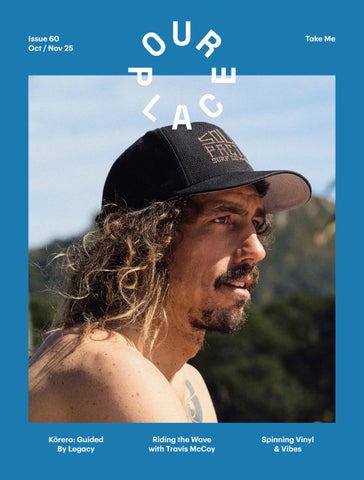
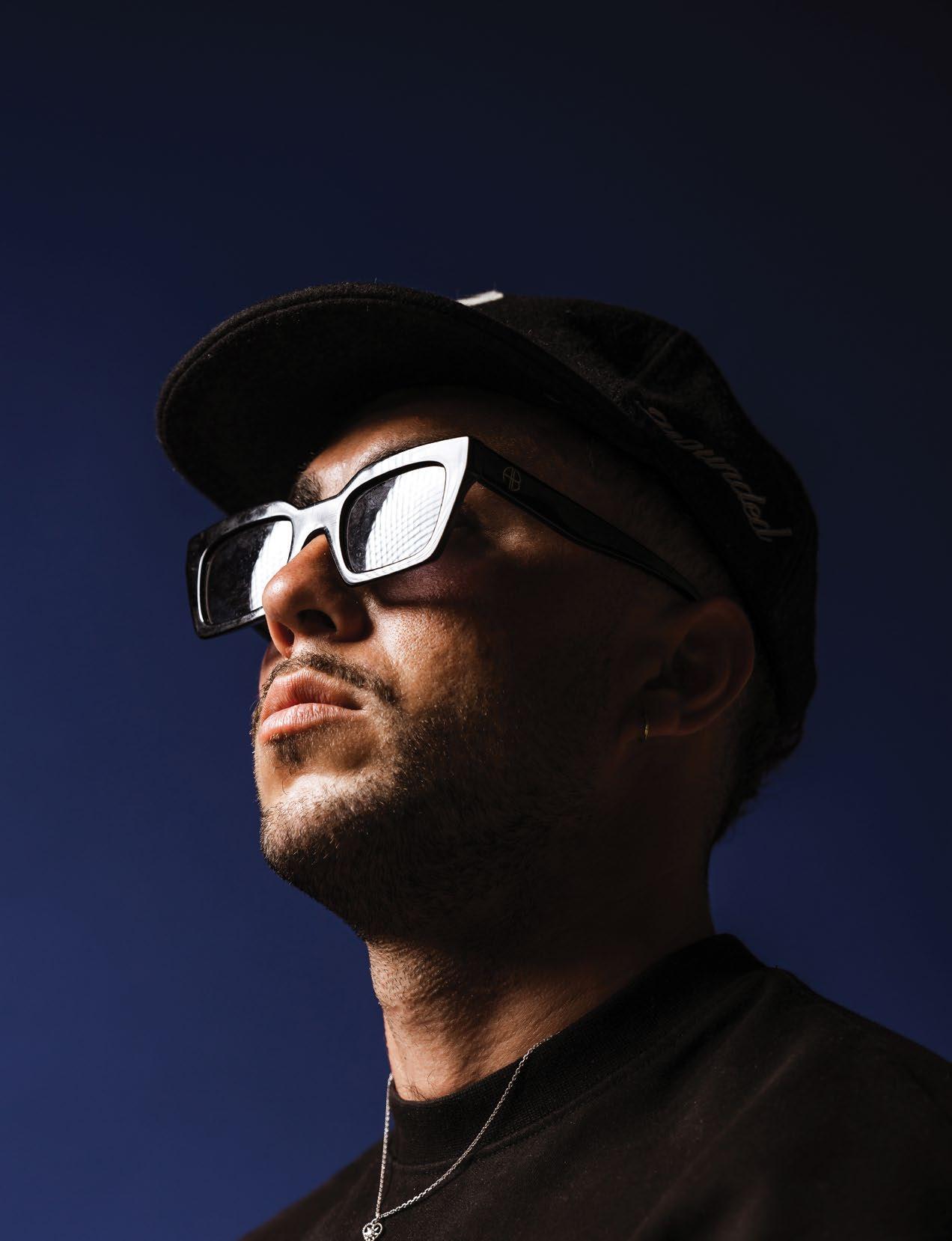
Cover photography: Travis McCoy by Cam Neate (page 37). Contents photography: Cori Marsters by Adrienne Pitts (page 70).
Follow us @ourplacemagazine ourplacemagazine.co.nz
Welcome to a very special issue of Our Place magazine. Put your hands together for our 60th edition!
We're marking the milestone by continuing to share the stories that Our Place magazine is known for – the tales that go behind the scenes, get up close and personal, and help to shape what makes our community so special.
In our main story, our creative director puts pen to paper to share how Travis McCoy's life-altering accident led him to create a surf school that goes beyond learning how to carve it up on the waves (37). Read on and our editor Zoe Hunter meets the wonderful Ray Crafts, a 90-year-old man keeping the age-old art of calligraphy alive (23).
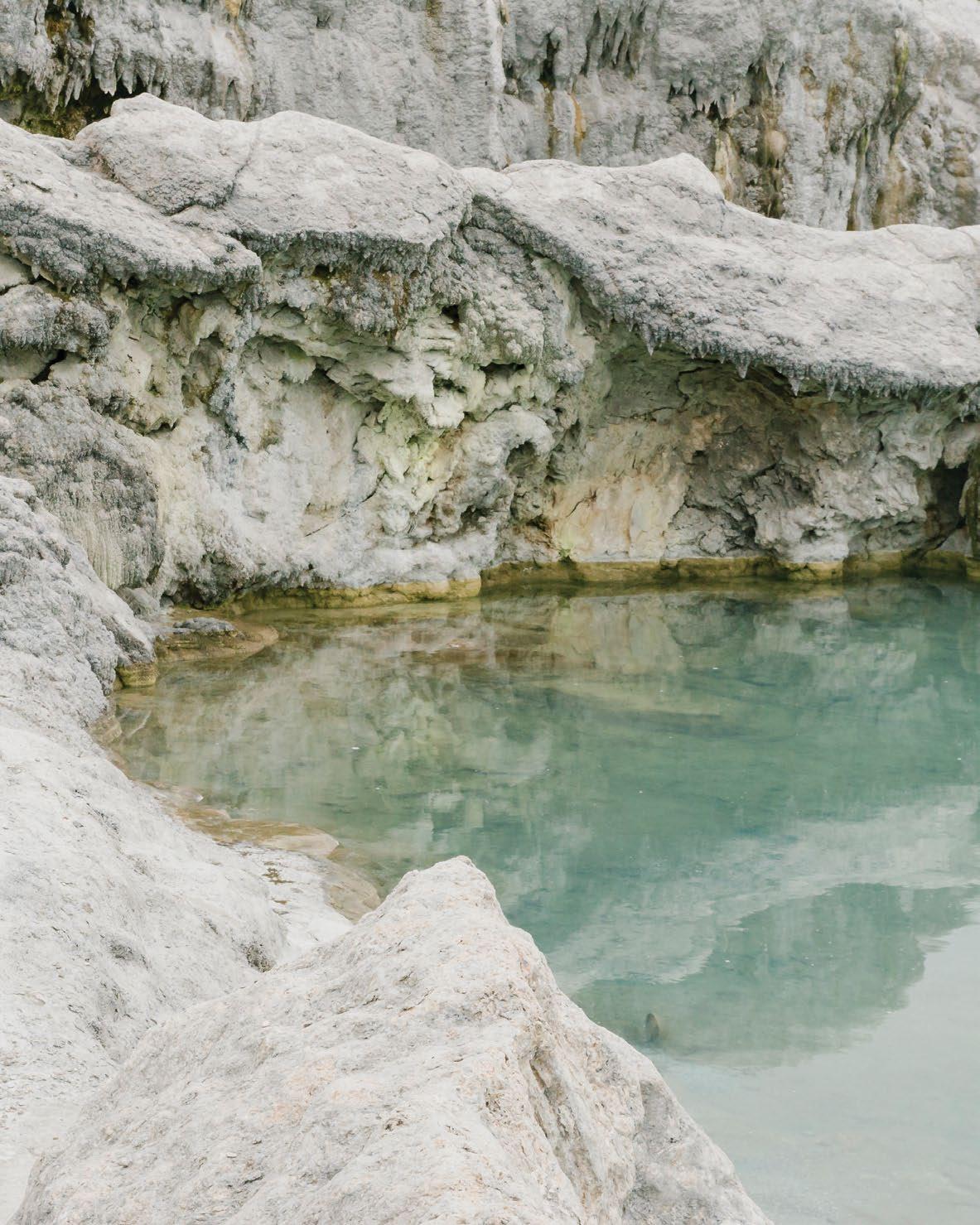
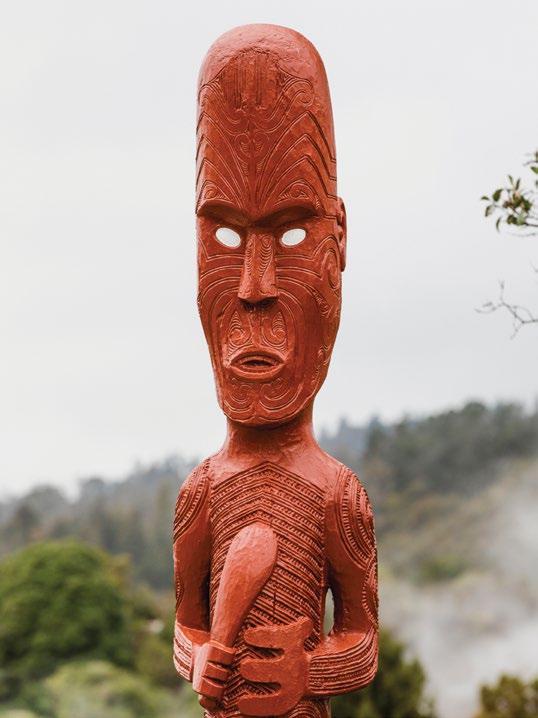
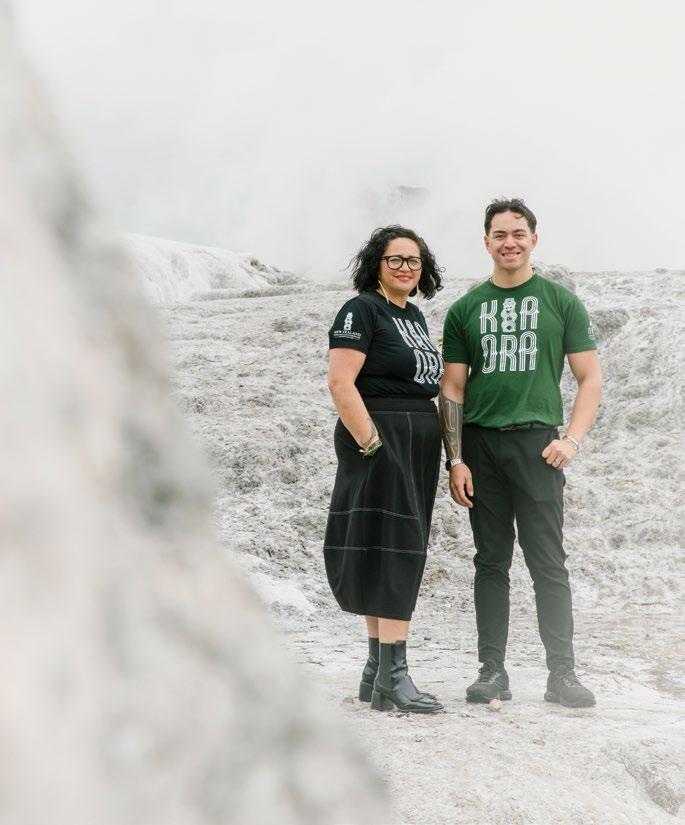
For our Kōrero feature, we join a very special tour through the historic Te Whakarewarewa Geothermal Valley of Te Puia led by a fourth generation guide (70). Plus, Mount Maunganui creative Claire Varley shares the very personal reason why production company Ten Canaries exists (79). We also asked what 'place' means to you in a special competition inviting readers to answer this question through art and photography. We announce your winners inside (59).
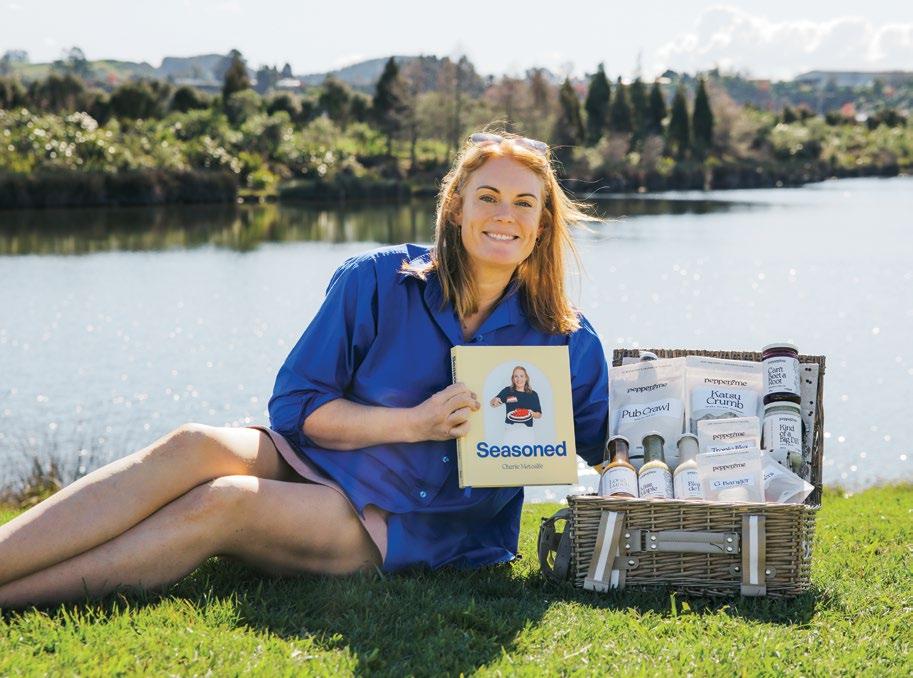
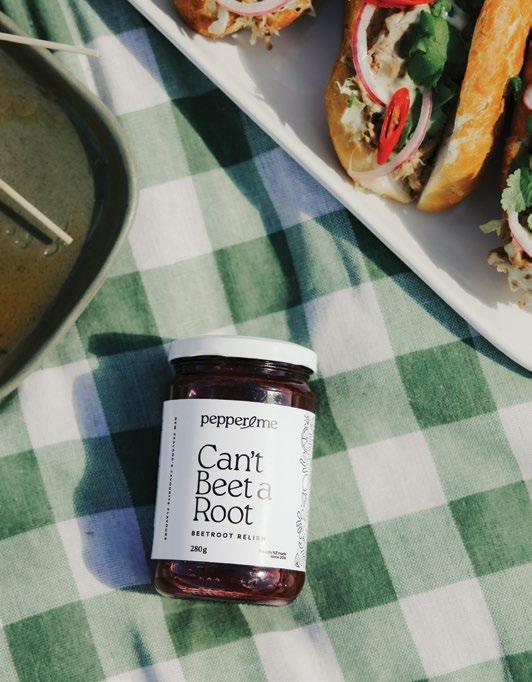
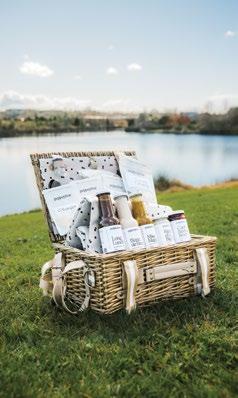
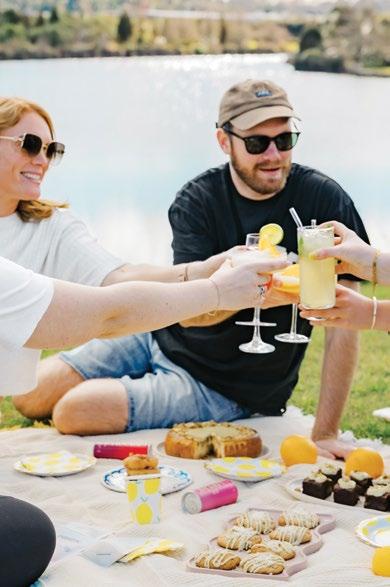
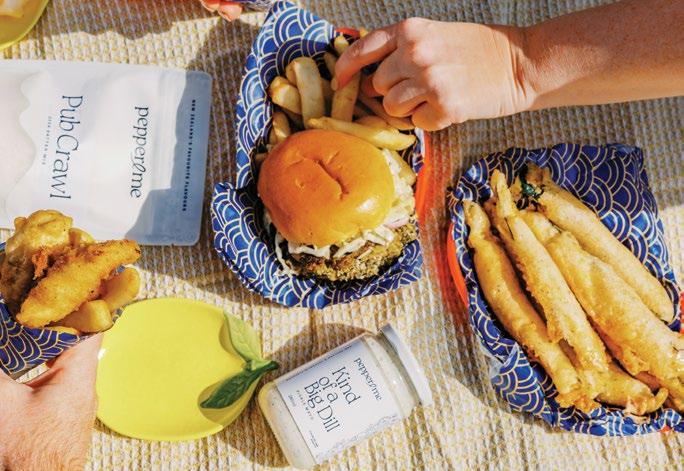
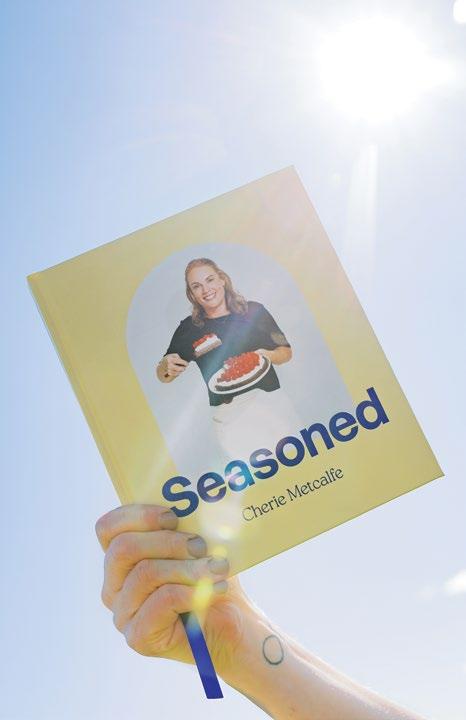
Our food writer and culinary queen Cherie Metcalfe is also celebrating in this issue, with the launch of her new cookbook. She shares the story behind her brand Pepper and Me (91). Meanwhile, Tauranga private chef Madeleine Hughes serves up some nourishing and light spring recipes (83).
Of course, there's much more inside! As we bring you our 60th edition, we want to thank everyone who has flicked through the pages while visiting your favourite local businesses or coffee shops, or taken Our Place into your place to enjoy at home. Your support means everything to us. Happy reading!
Regards, The Our Place team
What’s Up
Donate to Dine
Mārama Geyser Light Trail
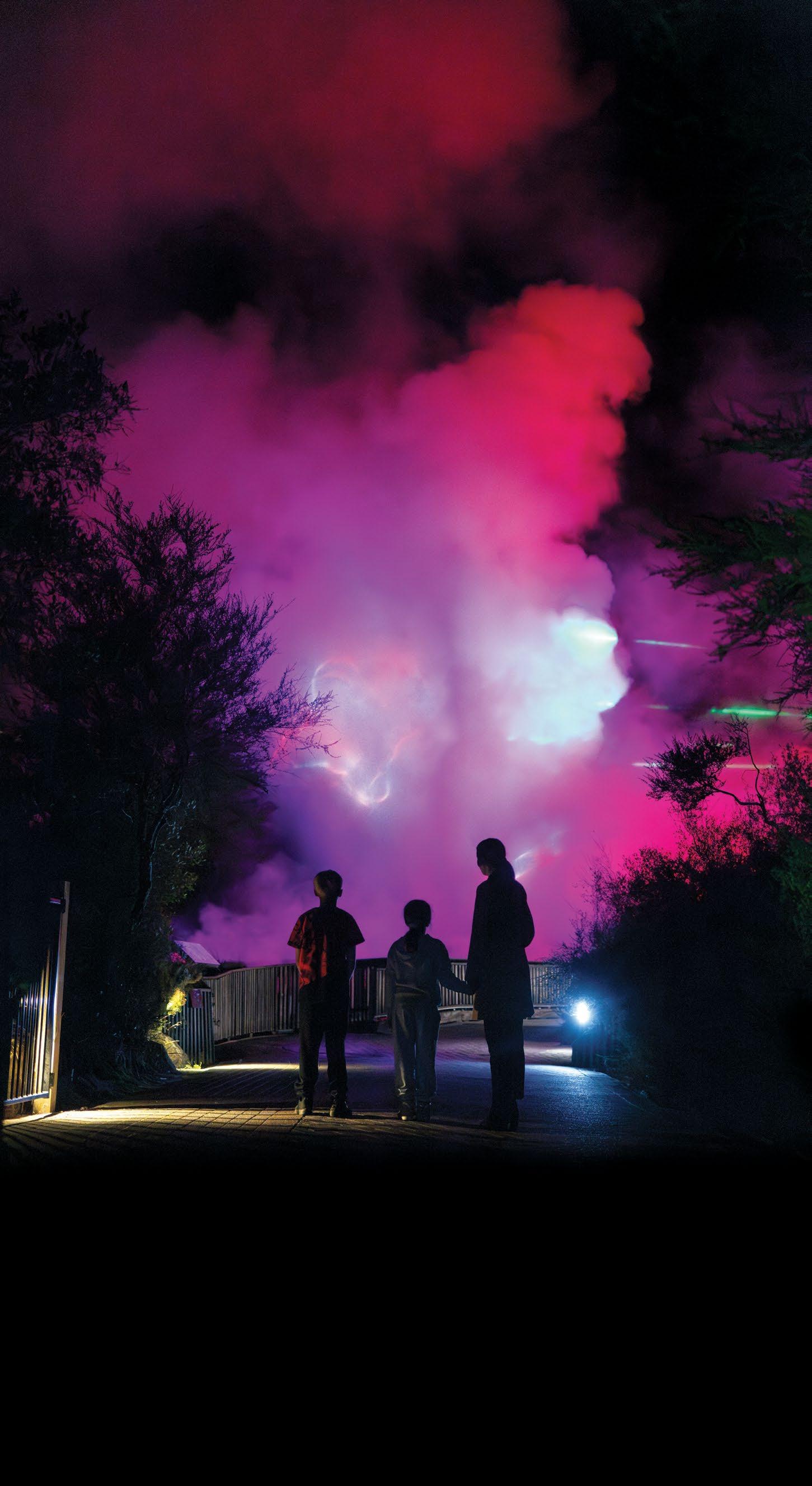
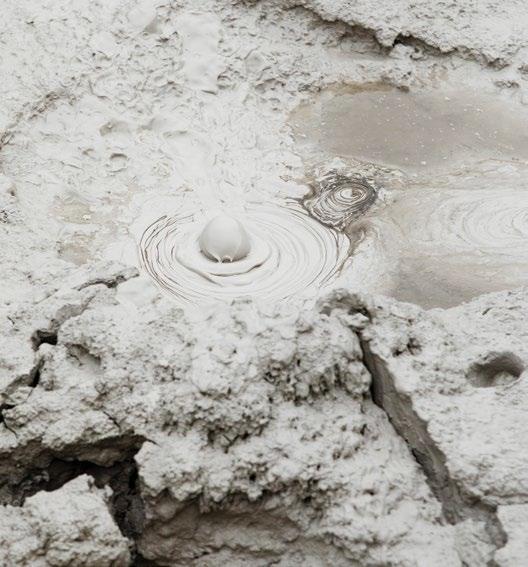
Swirling steam illuminates with laser lights, soundscapes of Maisey Rika fill the air, Māori artworks glow and bubbling mud pools reveal a world transformed with Mārama – Geyser Night Trail at Te Puia in Rotorua. The new hosted experience showcases Te Whakarewarewa Geothermal Valley like never before as paths, geysers and landscapes glow in a spectrum of colour. Journey from the depths of darkness into the world of light, with 10 unique scenes brought to life. Pause at the Terrace to enjoy a sweet treat or drink (available for purchase) with views of Pōhutu Geyser, before finishing beneath the glow of Mārama (the moon) in Pikirangi Village. September 10 to November 30: entry from 7.30pm. December 1 to April 18, 2026: entry from 8.30pm. See the website for Matariki 2026 relaunch. Tickets: $49 for adults and $25 for children.
→Book now at tepuia.com
Donate to Dine’s goal is simple yet powerful: bringing people together for a great time while supporting important causes. Their mission is to organise memorable evenings where guests enjoy a wonderful dinner, live music, and make a meaningful difference. A significant portion of every ticket sold goes directly to helping small, local charities amplify their impact in our community. On October 16, Donate to Dine is taking over Sugo for a special evening to support the Ōtūmoetai Social Supermarket, an initiative helping families access food with dignity and choice. Every ticket sold will help keep the supermarket’s shelves stocked. Tickets are $150 per person, with more than half going directly to the social supermarket. → For tickets, follow on Instagram and look out for more deserving charity events coming to our community.
@donatetodine
DROSAN’s Debut
Originally from Argentina, DROSAN’s Federico Daconti and Pablo Cordoba are now making waves in the jazz scene of Tauranga, with the launch of their debut album. Village Live Records is happy to announce the release of DROSAN’s debut self-titled LP. This genre-blending, nine-track album weaves through modern-day jazz and jazz-fusion, infused with elements of hip-hop and the spirit of 1970s experimental fusion. This is not just DROSAN’s debut album, it is a letter of presentation. This collection of original compositions invites listeners to experience how the band experiments with textures, sounds, and rhythm. Born from improvisation and shaped by decisionism, each track showcases how DROSAN tells a story without lyrics, transforming raw energy into instrumental expression. @drosan.music
A Shared Vision
Words by Zoe Hunter
Photography by Untitled Studio
063 Studio + Co Working is more than just a desk. It’s a reflection of two passionate founders who understand what creative professionals need to do their best work.
When creatives Ben Parry and Jason Macdonald joined forces to open Mount Maunganui’s newest co-working space, they weren’t just launching a new business. They were creating a dedicated space for professionals to create, connect and collaborate.
063 Studio + Co Working is more than just a desk, it’s a reflection of two passionate founders who understand what creative professionals need to do their best work.
Ben was running his multi-disciplinary creative agency Untitled Studio from the spare room at home and was looking for a space to share and collaborate with like-minded small business professionals.
While Jason, a local architectural designer, had seen a gap in the market for inspiring and professional shared workspaces.
“There was nothing like it around,” Ben said. “With my business at a point where I needed a dedicated space, and a baby on the way, I figured it was about time to get out of the house.”
After lining up the 63 Totara St property, he phoned friend and director of JMAC Architecture Jason to talk through some design ideas.
“He got the vision straight away and asked if I needed a 50/50 business partner on the project,” Ben said.
“Knowing what Jase could bring and what a good guy he is, the answer was yes.”
So, they got to work on building 063 Studio + Co Working.
The new open-plan shared workspace offers opportunity for eight long-term residences within a shared environment that supports individual workflow and thoughtful connection.
It features a 7m x 5m versatile, light-filled and multipurpose studio suitable for both content creation and small-scale events, while the shared eight-seater meeting room is a considered setting for team meetings, client sessions or focused group work.
“We wanted to create a space like nothing else in Mount Maunganui, an inspirational environment that residents would love to come into every day,” Ben and Jason said.
“The goal was to create a flow that supports both focused work and moments of creativity or collaboration, without either one disrupting the other.”
The idea was to create a more consistent environment than hot-desking, allowing people to truly settle in, focus and build business relationships.
“While some people are looking for flexibility and don’t need to be in an office every day, our residents tend to come and go based on their workloads and schedules,” Ben said.
“Having a dedicated desk means they can settle in and know their space is always there when they need it.”
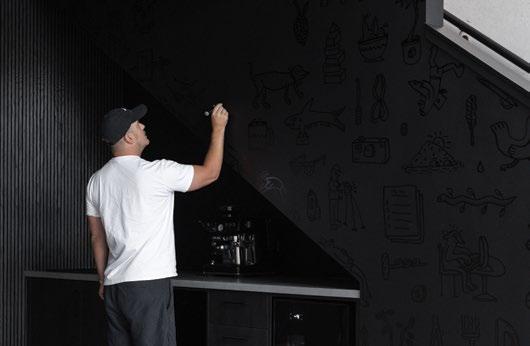
Attention to architectural detail is everywhere, from the custom 3D-printed divider wall by Special Studio and the blackened panelling by Feature Panel to the feature storytelling artwork of New Zealand contemporary artist Andrew Steel, which captures Ben and Jason’s connections to 063 and the local area.
Pairing functional works zones with relaxed communal areas are intentional details encouraging both focus and connection. It feels professional, not clinical. Welcoming, not distracting.
“Ultimately, when people feel both inspired and relaxed, they do their best work and enjoy being here,” Ben said.
“Naturally, creatives and content creators really thrive here. But it’s just as valuable for anyone who needs a dedicated desk and a professional environment to work from.”
The adaptability of the space supports focus
“Naturally, creatives and content creators really thrive here. But it’s just as valuable for anyone who needs a dedicated desk and a professional environment to work from.”
and collaboration, as well as creating a natural flow between working independently and building valuable connections.
“Everyone has their own dedicated area to get stuck into individual work,” Ben said.
“But having other business owners in the space means you can easily bounce ideas around, share experiences, and even leverage each other’s services when it makes sense.”
For Ben, having a dedicated space has been hugely beneficial.
“Getting out of the house and into the studio helps me lock in and focus while I’m at work.
“Just as importantly, it allows me to leave work behind when I walk out the door, which makes me far more present for my family and at home outside of work hours.”
Jason, who operates his team from his
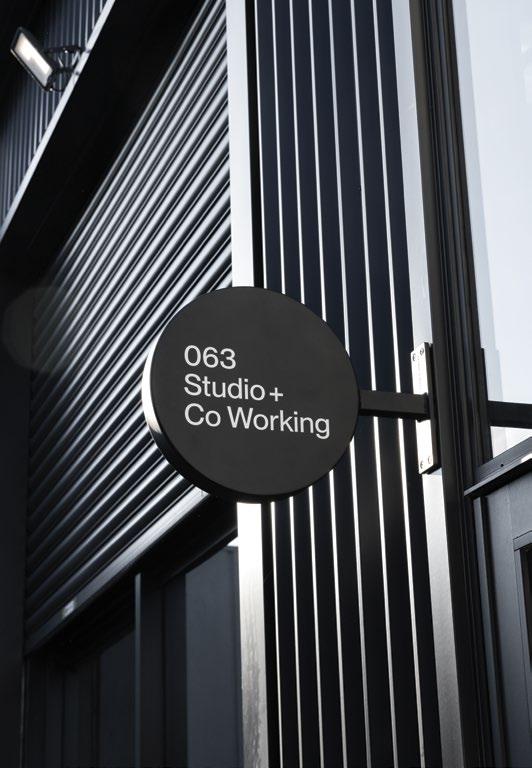
↑ Left: 063 Studio + Co Working is a dedicated space for professionals to create, connect and collaborate.
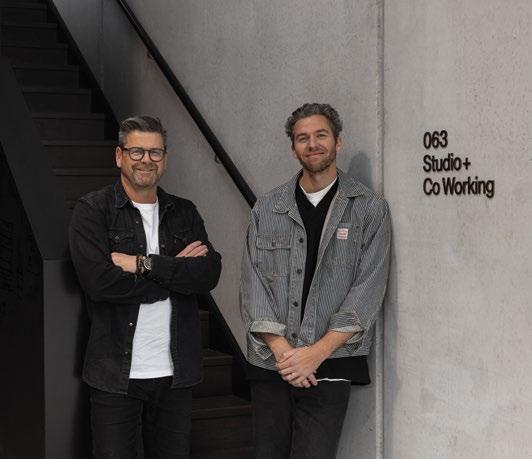
Right: The creatives behind 063: Jason Macdonald and Ben Parry.
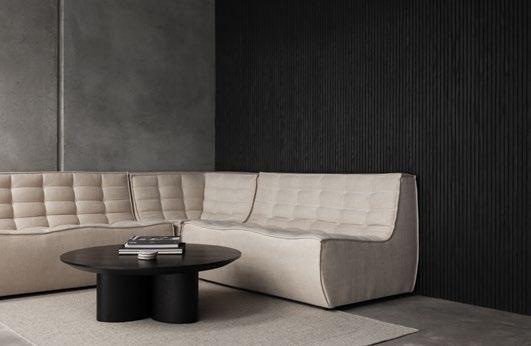
↑ The new open-plan shared workspace offers opportunity for eight long-term residences within a shared environment that supports individual workflow and thoughtful connection.
award-winning architectural studio downtown Mount Maunganui, said the repeat “wow-factor” he feels returning to 063 is always a rewarding moment.
“Seeing the success of the completed space, the use of the deliberate zones, and our resident’s focused mindset on their business’ speaks volumes to the success of the concept.
“To be able to have curated a workspace that inspires other creatives has certainly been a pay forward experience to help other small business owners into a space that provides opportunity for them to thrive.”
With Ben’s creative direction and brand knowledge and Jason’s eye for structural and architectural details, the pair has drawn on each other’s strengths to help bring 063 Studio + Co Working to life.
“I love the variety I get from working across different businesses and industries on a range of design and photography projects,” Ben said.
“Helping bring clients’ visions to life and supporting them to level up visually is incredibly rewarding.”
What Jason loves most about being a designer is the whole creative journey they get to share with clients.
“There’s something incredibly special about translating someone’s vision into a space that not only reflects who they are but also enhances how they live or work.
“Seeing that come to life gives me a real sense of pride and fulfilment for our clients, or in 063 case my own project.”
Anyone looking to escape the home office and into a more inspiring place to work, the doors at 063 Studio + Co Working are open.
063.co.nz @063.studio hello@063.co.nz
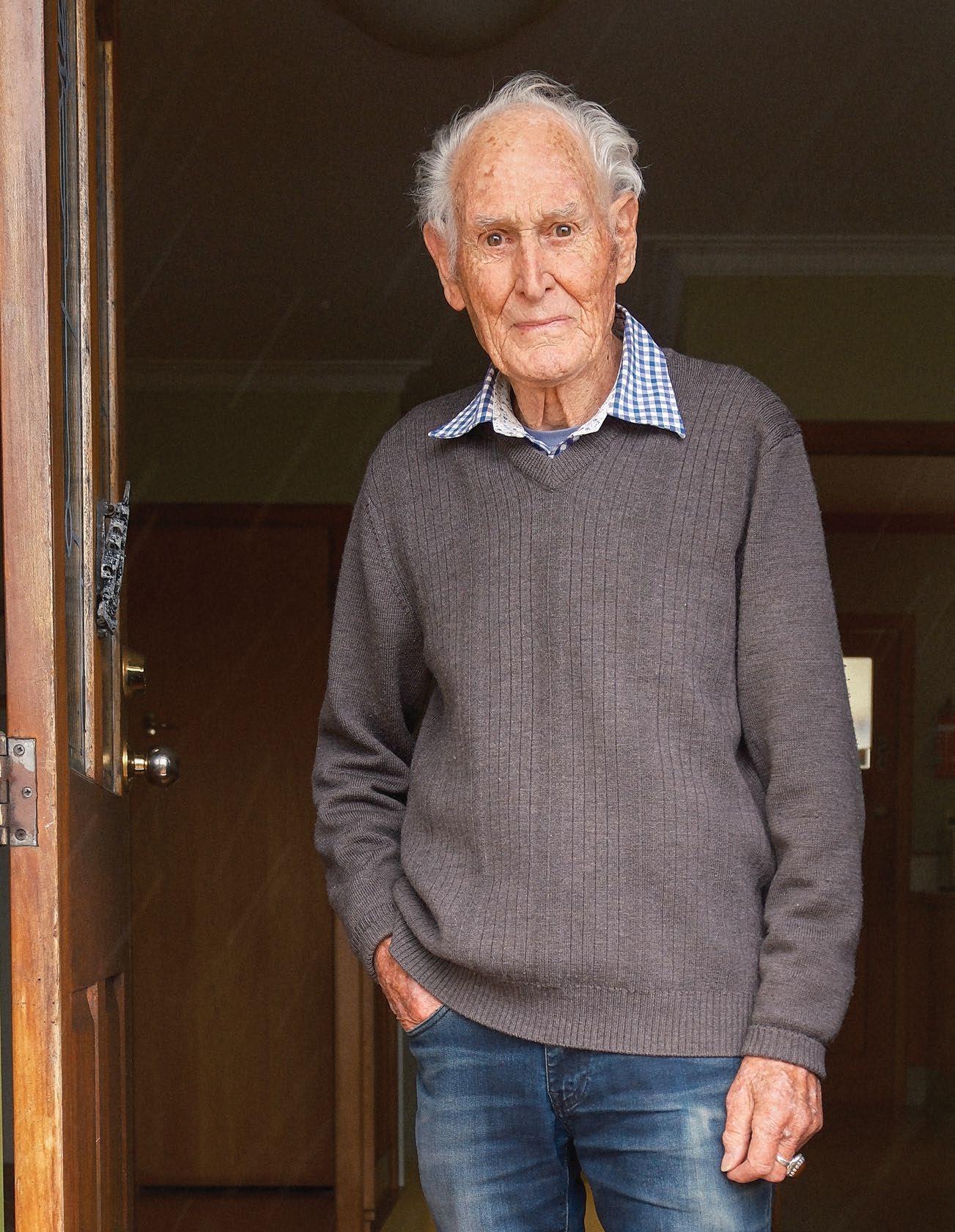
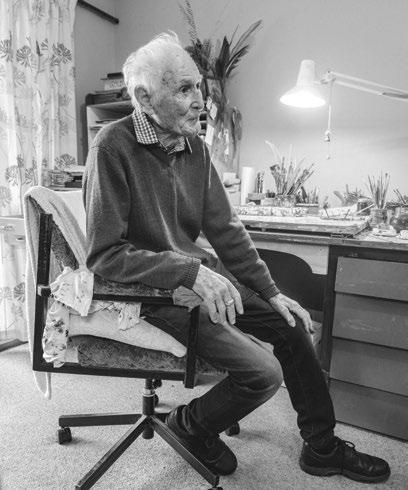
Ray Crafts has always had beautiful handwriting. But when this 90-year-old calligrapher and illuminator puts pen to paper, he’s guarding an ancient art form he hopes will stay alive for years to come.
Words by Zoe Hunter
Photography by Christopher Duffy
Stepping into Ray Crafts’ workshop is like walking into a medieval scriptorium.
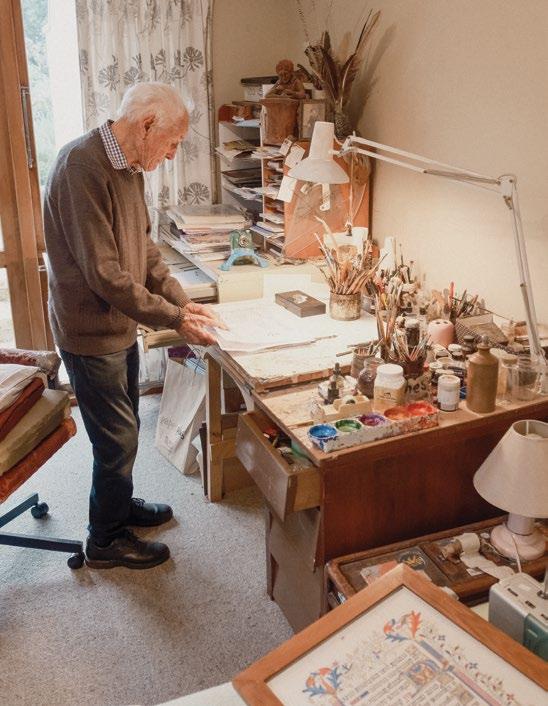
The small desk softly lit by a warm brass lamp is cluttered with different-sized nibs, feathered quills, and watercolour trays stained with years of careful mixing.
On the bed next to his desk are framed pieces of intricate, handwritten calligraphy illuminated with colour and gold leaf waiting to be hung on the walls.
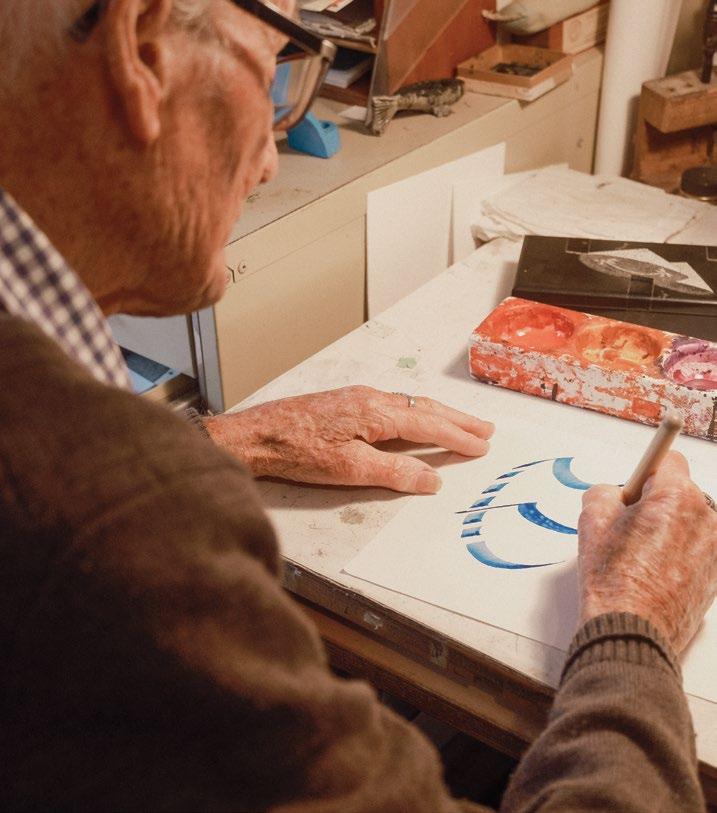
Perched on his office chair and glasses pushed to the edge of his nose, Ray dips his tool into a dark blue watercolour. He’s carefully writing the name ‘Goldie’ onto the white parchment.
“I just love writing children’s names,” says Ray, as he waves his hand through the air as if sensing the little girl’s energy to put to paper. Goldie has come along to this interview with her dad Christopher Duffy, who is behind the camera.
“This is what I call creative calligraphy. I have no idea how it’s going to turn out. I just put down what I see in my mind’s eye.”
At 90 years old, Ray’s hands are steady and his mind is as sharp as the steel nibs his grandfather
gave him as a boy. Every corner of his home features a handmade craft, including coffee tables and dressers, silverwork, and musical instruments.
Meet Ray, a calligrapher and illuminator, and master craftsman.
“I just love calligraphy. I’ve always been very good at handwriting,” says Ray, smiling at his finished piece.
Ray first discovered the art of beautiful writing as an eight-year-old boy growing up in Gisborne during World War II.
With his father away at war and his mother working long hours, Ray lived with his Scottish grandparents.
“I have a very strong Scottish background,” Ray says proudly, as he remembers how his Grandpa Currie would teach him calligraphy.
“Grandpa Currie was a very good copperplate writer. He taught me copperplate writing at the age of eight.”
Ray fell in love with curvy calligraphy script. He still uses his grandfather’s pens and nibs, which he keeps neatly inside a black case on his desk.
“Grandpa Currie was a very good copperplate writer. He taught me copperplate writing at the age of eight.”
“They’re all pretty much the same, very fine detailed nibs that are different widths to produce different thicknesses,” says Ray, as he runs his fingers through the hundreds of metal tips.
Calligraphy, Ray says, comes from the GreekLatin words cali (beautiful) and graphi (to write).
“It literally means beautiful writing.”
To Ray, it’s more than just an art form, it’s a family legacy.
He tells the story of back in 1953 when Grandpa Currie was commissioned by the nurses at Gisborne Hospital to write an illuminated address they could present to Queen Elizabeth II.
Decades later on the Queen’s 80th birthday, Ray was approached by the English Speaking Society in Tauranga to create one for her milestone celebration.
“It’s very interesting because history seems to go in a circle,” he says.
When creating a calligraphy piece, Ray will often begin with measuring the space and drawing
an outline with pencil. Once satisfied, he will trace the design onto 300 gram parchment using his chosen inked nib, often using special carbon paper.
Then, the final illuminating touches are done, with gold leaf or watercolour technique.
One paragraph could take him about 20 hours to complete, but often he loses track of time.
“Because when you do this sort of thing, time disappears,” Ray says.
In an art of perfection, mistakes do happen.
“If you make a mistake, there’s ways of getting around it, of course. But if you miss a letter and you can’t fit it in, you could juggle it around.
“But sometimes... I did one piece and I got to the last word and I made a mistake. I couldn’t do anything about it and had to start again.”
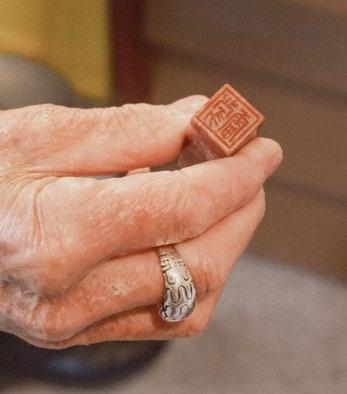
Ray signs most of his calligraphy pieces with an ancient stamp, the calligraphic symbol for a mouse, which represents concentration, flexibility and hard work. Walking through Ray’s house, historic
Above left: Ray’s desk of different-sized nibs, inks and brushes. Below left: The ancient calligraphy stamp. Right: Ray freehand draws the name ‘Goldie’.
and original works cover the walls. In his hallway entrance and lounge, there is a series of fifth-toseventh-century illuminated letters from the Book of Kells, the Elizabethan Herb Song and scripts named after famous calligraphers from the 1700s.
“This one is called the Tompkins Script,” says Ray pointing to another handmade calligraphy piece he has framed in the doorway.
A craftsman in every sense of the word, Ray has made dirks (traditional Scottish daggers) for each of his children.
He shares one he’s handmade for himself, which he has inscribed ‘By Land and By Sea’ on the silver knife. Then, Ray points to a table displaying his woodcrafting skills.
“This is a jewellery box I made for my newest great niece,” he says.
This 90-year-old is living up to his name: Crafts. “From what I understand, it’s actually AngloGerman and the word craft or croft means to work in a small place.”
A fitting name for an excellent craftsman.
He carries his Scottish heritage wherever he goes, whether that’s in the woolen tartan bonnet he wears to every calligraphy class, through the Scottish music he listens to while he works, or when the former pipe sergeant plays the bagpipes.
“Grandpa Currie used to take me down on Friday nights and we used to follow the pipe band,” he says.
Ray is continuing his grandfather’s legacy through teaching the art of calligraphy to anyone who wants to learn.
He has taught at the local polytechnic and schools including Tauranga Boys’ College and Otumoetai College.
“I would teach it on chalkboards because
Calligrapher and illuminator, Ray, flicks through a folder full of fonts.
back then that was the only way to teach calligraphy successfully,” Ray says.
He now teaches a monthly Calligraphy Club at the Historic Village. His students, mostly women aged between 30 and 70, come for many different reasons. Some want to write beautiful Christmas cards while others simply want to learn a new skill.
When Ray writes, he often thinks of his Grandpa Currie.
“I can even feel him sometimes, you know?” Ray will often be guided by his spirit when choosing which script to write.
“I am kind of psychic,” he says. “So, if somebody says, ‘I would like a particular project quotation done’, I’ll immediately see a picture up here of how it works,” he says pointing to his head.
When Ray sits down to write his calligraphy, he is continuing a legacy and guarding an ancient art form that he hopes will stay alive for many years to come.
“It’s just beautiful,” he says, as he stamps his script and passes it to his newest fan Goldie.
For more information on Ray’s Calligraphy Club, visit creativebop.org.nz
NOW
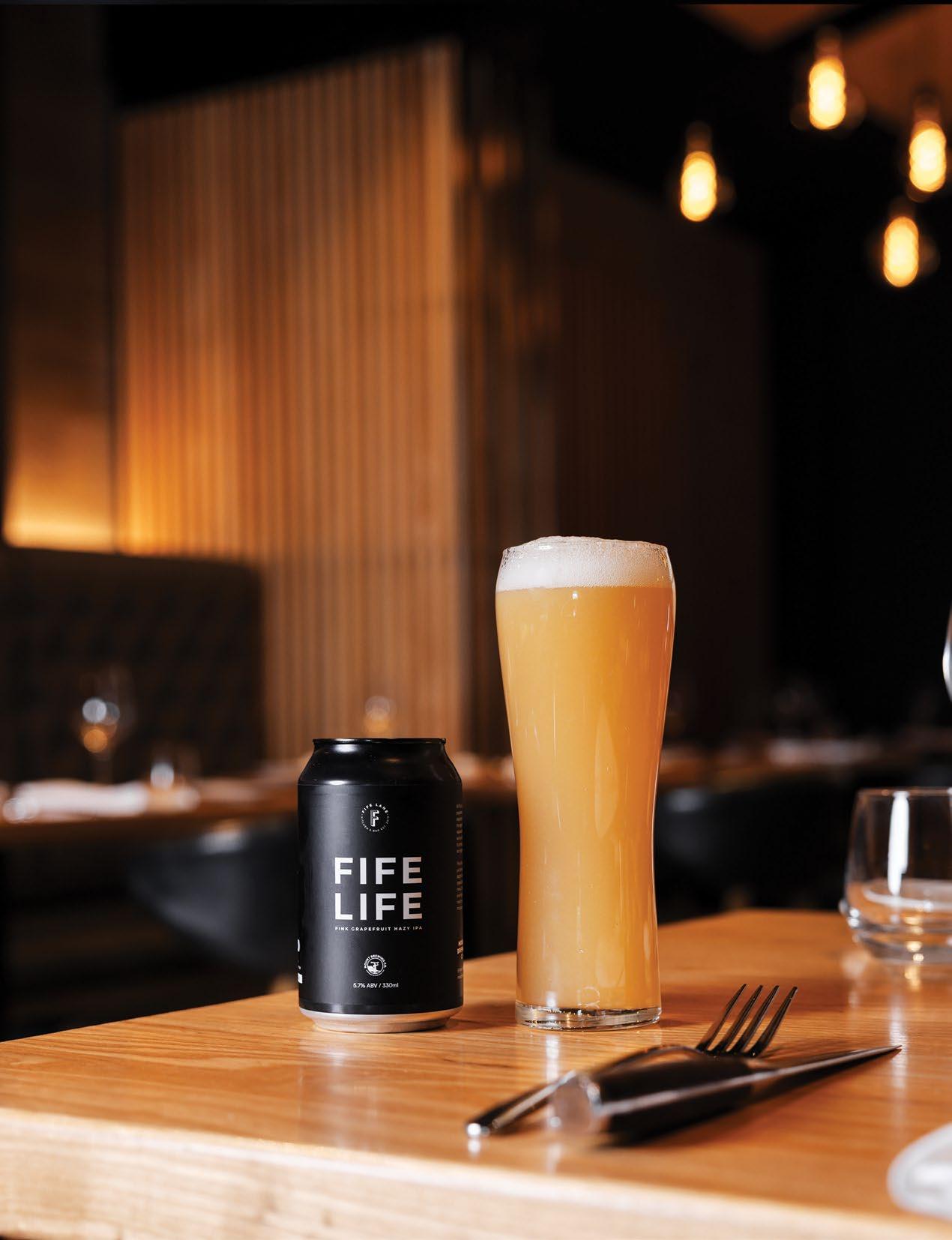
Fife Life
In collaboration with Mount Brewing Co. A bespoke hazy IPA designed to perfectly complement a select few of our signature steak cuts.
FIFELANE.CO.NZ
A Water-loving Legacy
Words by Zoe Hunter
Meet the family behind Tauranga’s favourite water and adventure park. How one father’s dream turned into generations of education, thrills, and a playground for world-class athletes.
It was sink or swim.
Fifty years ago, when most people saw overgrown weeds and more than 2.5 hectares of swamp land, Barry Anderson saw potential in the bend of the Wairoa River just outside of Bethlehem.
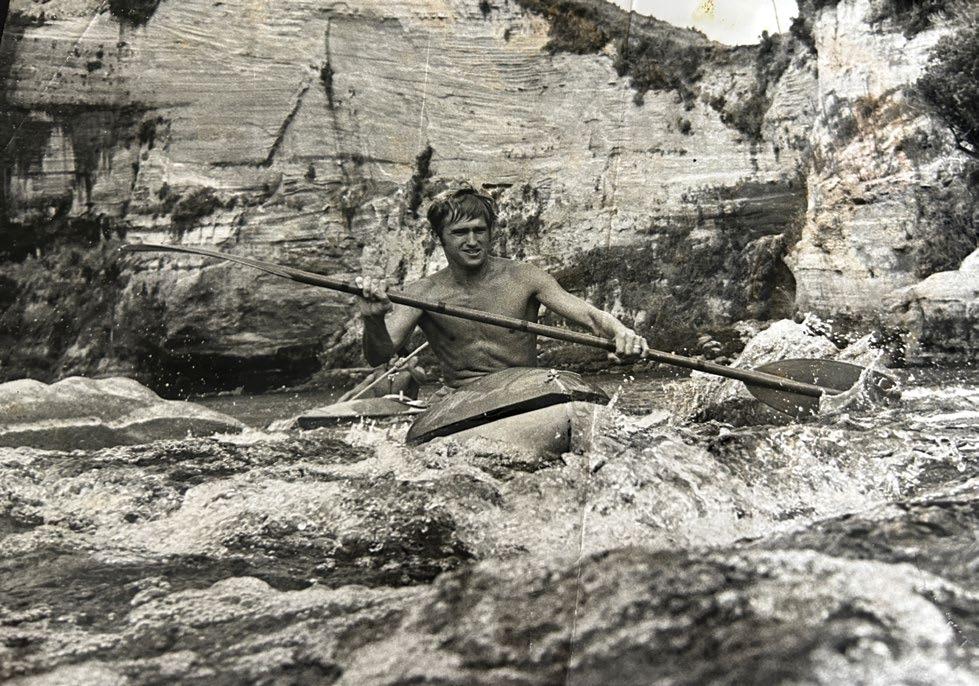
An avid water sports enthusiast and former kayak racer, Barry dreamed of one day creating somewhere children could learn to love the water
the way he did.
That dream became the iconic community cornerstone that is Waimarino Water and Adventure Park.
But beneath the tranquil surface has been generations of family working tirelessly to keep the business afloat.
“In the beginning, you could hardly see the river,” Barry says. “It was a jungle.”
“There was just one house and a
whole lot of weeds,” wife Barbara says. “If you wanted to do a degree in weeds, you could have done it here.”
Today, Waimarino has become a legacy of teaching children essential life skills around the water, while having fun in a big aquatic-based playground.
It has also been a place where Olympians and national kayaking champions have dipped their paddles,
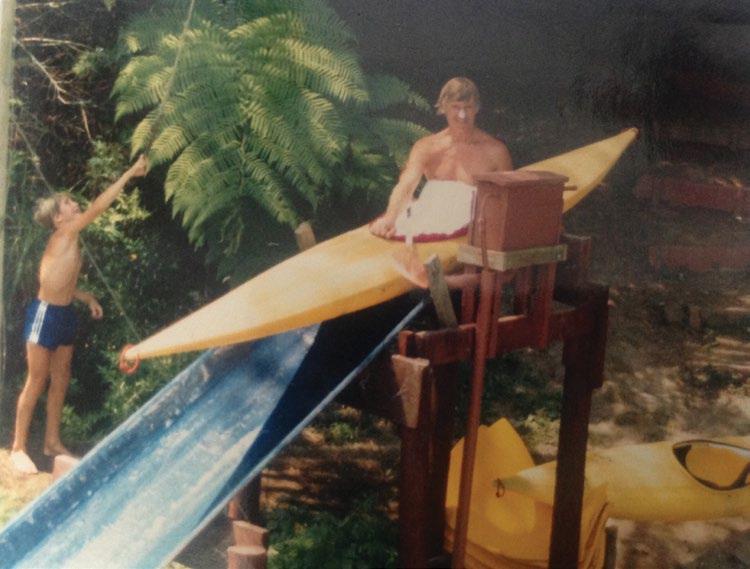
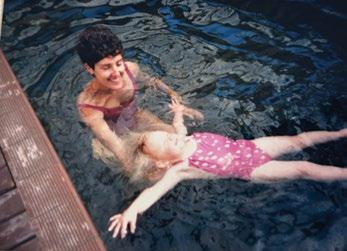
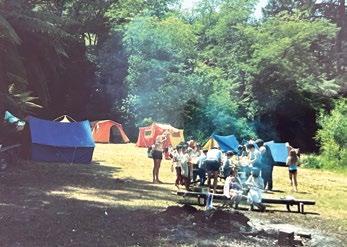
Barry about to race down the slide on a kayak. Top right: Barbara teaching swimming lessons from home. Bottom right: School holiday programmes and camps were held at Waimarino Adventure Park.
and where generations of families have come to play, reconnect, and share in the joy of outdoor adventure.
“My dream has come true,” says Barry.
It is on Barry’s 81st birthday that we sit down to hear how Waimarino began 50 years ago.
Growing up in the rural Manawatū town of Dannevirke, Barry’s love for water sports began when his father asked two men who lived across the road to make his son a kayak.
“It was like a minnow but it was made out of canvas. It was almost impossible to tip over.”
At age 23, Barry joined the Army Outward Bound School.
“I just loved the outdoors. They could see I was a water boy.”
In 1975, Barry and Barbara bought a section along the Wairoa River’s edge.
The pair worked to clear the section of overgrown blackberry gorse, weeds, and dig out the muddied pathways to what resembled an adventure park.
Armed with a shovel and a spade, the husband-and-wife duo did it all by hand.
“We were very fortunate it never turned into a nightmare,” Barry says with a chuckle.
When it came to naming their new business, it was the late Mrs Dene Reweti who suggested the name Waimarino, which in te reo Māori means “calm waters”.
At first, Barry and Barbara began operating with just six kayaks and a small wooden shed and slowly became a successful education facility.
“It was 50 cents for an hour to paddle on the river,” Barry remembers.
In 1978, the pair opened a plant nursery to help keep the kayaking business afloat and by 1983, they put in a pool for Barbara to teach swimming lessons from home. Barry began kayaking lessons for school groups.
Barbara would spend the year visiting schools from Katikati to Te Puke to tell them about Waimarino. “Very slowly they started to come.”
Nowadays, close to 300 school
classrooms a year visit the adventure park with the Waimarino Education Trust from Auckland to Palmerston North.
To Barry and Barbara’s children Blair, Brigitte and Ursula, catching fish and being on the water was normal.
“To me it was home,” Blair says. “To everybody else it would probably look like Walt Disney’s kids growing up in Disneyland. That freedom is something I never took for granted.”
In 1996, Blair returned home from university at age 21 to help with the family business. He added the rock climbing wall, opened the kayak shop and introduced computers to the business.
By 2003, Blair and his then wife Charlotte purchased the business and became Waimarino Ltd. Their sons Marco and Alec also work at Waimarino.
Blair and Charlotte expanded on Barry’s vision. Waimarino Kayak Tours was developed in 2007, beginning the company’s launch into international tourism.
“I feel privileged that Blair and the team have taken my dream and moved it to the next step.”
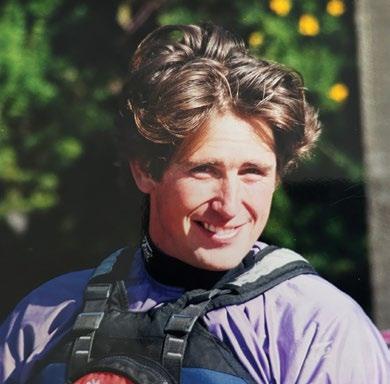
↑ Barry’s son Blair Anderson. Right: The inflatable ‘Mother’s Nightmare’ slide.
In 2011, the Waimarino Riverside venue (then Waverly on Wairoa) was opened for weddings, conferences and events. The Waimarino Education Trust was also founded to offer after school clubs and holiday programmes for children.
Blair has learned to love teaching water safety and kayaking skills as much as his dad did.
“When I get given a paddle I just know exactly what to do thanks to dad.”
When Covid-19 hit in 2020, Waimarino Kayak Tours was starting to expand into Rotorua and Waimarino Adventure Park was in for an epic season with new products in development.
“But overnight, the cancellations came flowing in and before we all knew it the booking calendar was empty and the work
had dried up,” Blair says. “It was heartbreaking.”
But with hardwork, patience, sacrifice and determination, Waimarino survived.
“As the borders re-opened and tourism resumed, our hearts were lifted and we began to dream again.”
In 2024, a-quarter of a million dollars was invested back into growing the Waimarino Group.
The conference and events venue was re-opened, Bazza’s Burger Bar – an ode to Barry and Barbara – was opened and a new inflatable slide dubbed “Mother’s Nightmare” was added to the adventure park. A new 18-seater Big Kanu was also purchased for the Rotorua operation.
This October, they will celebrate 50 years of adventure.
On Labour Weekend, they will be offering half price passes, giveaways
and challenges. There will also be a free manu competition and a tie dye session on the 25th, free water bomb competition and face painting on the 26th, and the chance to leave your mark on their special 50th canoe with Waimarino Education Trust on the 27th.
Blair, who also celebrates his 50th birthday this year, grew up alongside the Wairoa River. Now, he’s carrying his father’s legacy forward.
The mission remains clear: Keep the fun. “Every day is a good day here and I’m trying to keep that alive.”
When Barry looks out at the river now, it’s more than what he could ever have dreamed of.
“I feel privileged that Blair and the team have taken my dream and moved it to the next step.”.
waimarinogroup.com
Music and Mana
Words by Kristin Macfarlane
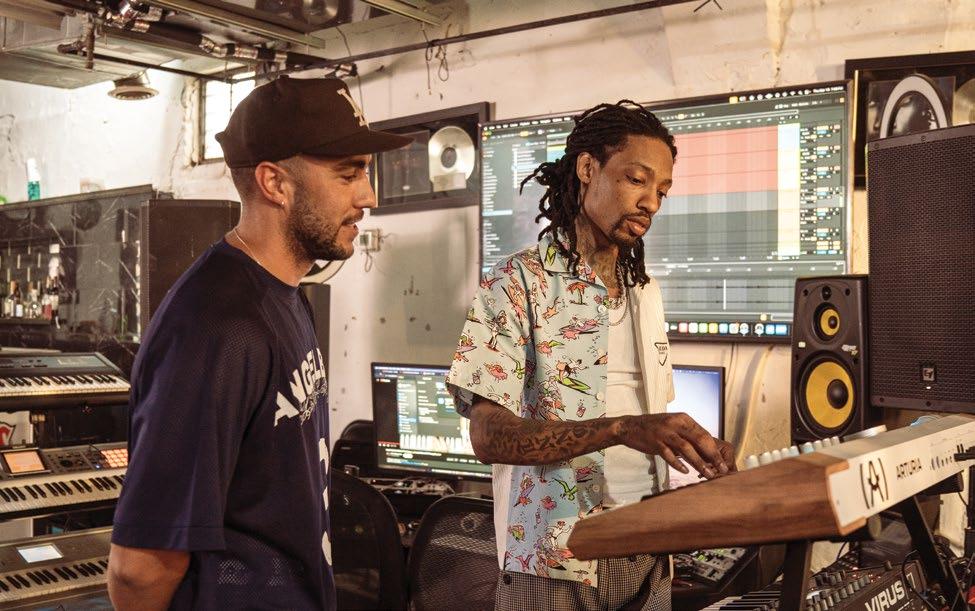
From Matapihi to the world. Max Yeager is a local music producer creating chart-topping beats for Grammy Award-winning musicians – and he’s proving that hometown roots don’t have to restrict you from having an international impact.
Max Yeager is living proof that taking your shot can change everything.
He doesn’t wait for an opportunity. He creates it. And if he didn’t, he may not be creating music with Grammy Award winning artists today.
Max (Ngāti Whakaue, Ngāti Ranginui, Ngāi Te Rangi) is a Matapihi-based music producer who is working with some of the biggest names in hip hop and RnB. At just 27, he has career highlights that many dream of.
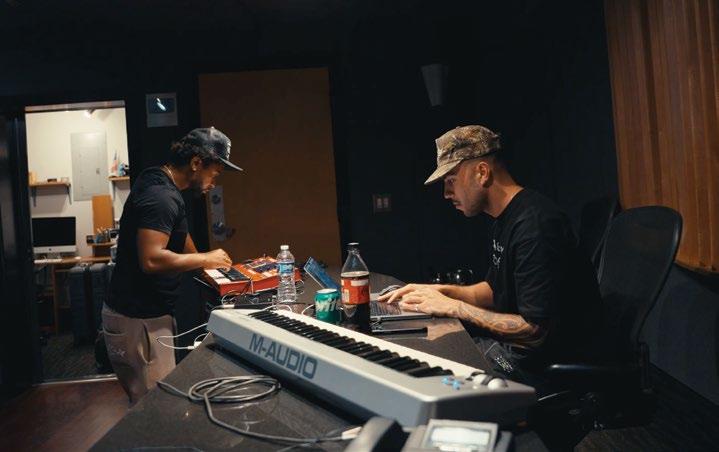
His work has reached top three on the Billboard charts, he has collaborated with Grammy Award winners Vory, Lil Durk and 2 Chainz, has produced three tracks on Hunxho’s new album For Her 2 including Damn, Gotta Make Sense and Look in the Mirror, and is hoping the unreleased music artists have made to his beats are revealed soon.
Musically, Max draws inspiration from diverse creatives. Behind the boards, he’s influenced by legendary and innovative producers such as The Neptunes (Pharrell Williams and Chad Hugo) and Kanye West, Allen Ritter, Vinylz, Boi-1da, Frank Dukes, and J-Louis.
Artist-wise, Max taps into creatives who are timeless, boundary pushing and nostalgic
while also being next-gen. The mix includes Travis Scott, Kanye West, Drake, Kendrick Lamar, PartyNextDoor, Jodeci, Erykah Badu, D’Angelo, Sade, Musiq Soulchild.
Max’s music producing journey began in the SoundCloud era, watching friends create while still a student at Mount Maunganui College. Curiosity took over and he observed and learned how to use the programmes to create his own sounds.
“I started producing in maybe the second year of high school, around 2013… the way music was consumed, and listened to back then was way different to how it is now. Everyone was just uploading stuff to SoundCloud and you could just blow up basically overnight if it took off and went viral,” he says.
It started off as a passion project for Max. At that time, he would never have thought that less than 10 years later he would be connecting with Grammy Award winners and artists he looked up to, and calling them friends.
The turning point for Max came in 2021, when he reached out to Vory on Instagram. Vory is a Grammy-winning songwriter who has worked with global music superstars such as Jay-Z, Beyoncé, Kanye West, Drake, Bryson Tiller,
Future and DJ Khaled to name a few. Max let Vory know he would love to work with him, offering to send him music.
“I’m just a big fan of his music and his sound and his beat selection,” Max says.
Vory was open to it and today, Max and Vory have built a strong collaborative working relationship.
“That was four years ago now, and ever since then, we’ve just been going back and forth. We’ve got hundreds of songs together now, and he’s one of my closest collaborators,” Max says.
That simple Instagram message changed everything for Max.
His first major placement was with rapper Lil Durk, facilitated by Vory. It was a surreal moment for Max.
“I just got this FaceTime from Vory… all I can hear is my beat playing in the background, and I can just hear vocals getting cut to it, like someone’s live in the studio right now working on it.
“I’m like I know that voice, that’s Lil Durk… I’ve been listening to him since high school, even before that. I’m tripping out.”
The track, Late Check Out featuring Hunxho, became the lead single on Durk’s latest album.
In March this year, Max made
Max Yeager is a Matapihi-based music producer who is working with some of the biggest names in hip hop and RnB, including Zaytoven and Sonny Digital (pictured opposite).
“I still sort of get imposter syndrome, like, how am I even here? How is this even possible? But actually, it is possible!”
his first trip to the United States as a producer and experienced a whirlwind of studio sessions and unexpected connections.
people I went to go and see, and he took me around and introduced me to a lot of people.”
On that trip he was able to meet and collaborate with Summer Walker, legendary producer Sonny Digital, 2 Chainz and Hitmaka. He was also getting introduced to stars such as Latto.
He says his first trip “paid off tenfold”.
Max returned later in 2025 to strengthen the relationships he began building during that first experience.
“Networking is the biggest cheat code you can have,” he says.
“The biggest goal for me is probably being able to give back and help the other younger producers.”
That’s part of his long-term goals, which also consist of being Grammy-nominated, Grammywinning and continuing to travel between the United States and New Zealand, working and connecting with artists and producers.
He also has a list of artists he’d love to work with, too. That includes Drake, Kendrick Lamar, Kehlani, Giveon, Bryson Tiller and Chris Brown are all in his sights.
“I can’t really say one, but
He had been working with Hunxho a lot remotely, but Hunxho was keen to get in the studio with Max in person to prepare for a new album.
“If this isn’t the universe telling me that I need to go do that then I don’t know what is.”
He traveled to Atlanta, spent three days working with Hunxho and linked up with Vory for the first time in person.
“When I first went over to the States, Vory was one of the first
“I still sort of get imposter syndrome, like, how am I even here? How is this even possible? But it is possible.”
He wants other young Māori creatives to know they too, can have success in this field, no matter how out of reach it may seem.
“I want to give that feeling, and inspiration to other younger people, especially Māori creatives and producers that, ‘bro, your ideas are valid. You can actually do this stuff’.”
yeah, all those artists are dream artists I’d like to work with, and I feel like they’re not out of reach.
“I think it’s just the right time, right place and a bit of luck,” Max says.
When Max isn’t in studios around the world however, he can be found in his home studio in Matapihi, surrounded by whānau and freely experimenting with his sound.
@Yegrr
Riding the Wave
Words by Christopher Duffy Photography by Cam Neate
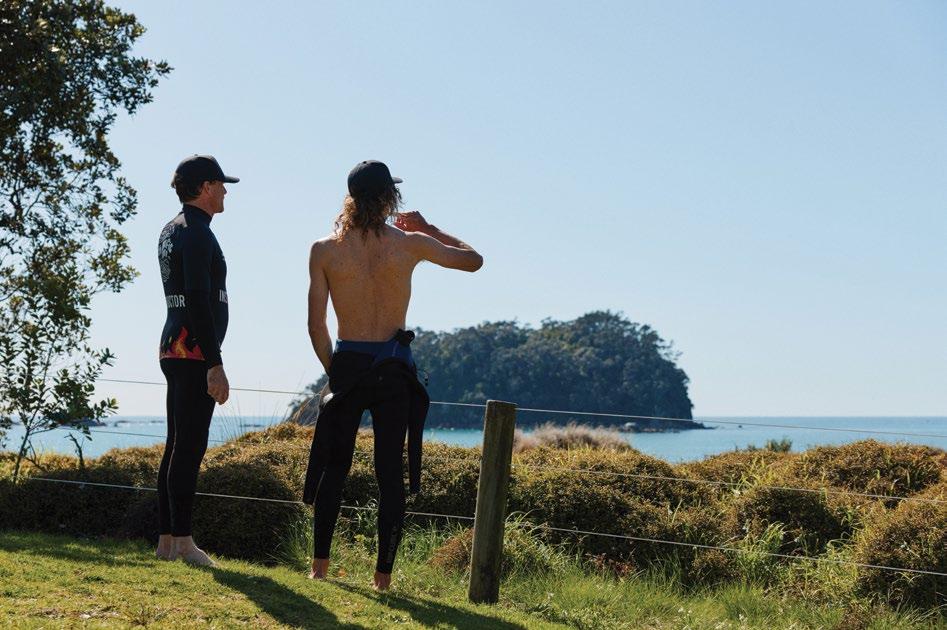
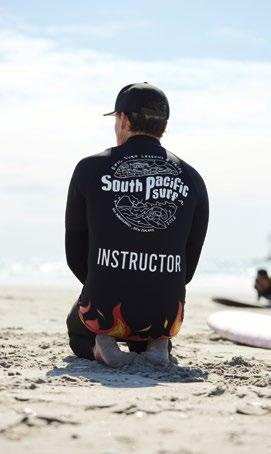
From a life-altering accident to chasing swells in the Namibian desert, Travis McCoy’s journey is a testament to the authentic, adventurous lifestyle he now teaches others through his school, South Pacific Surf.
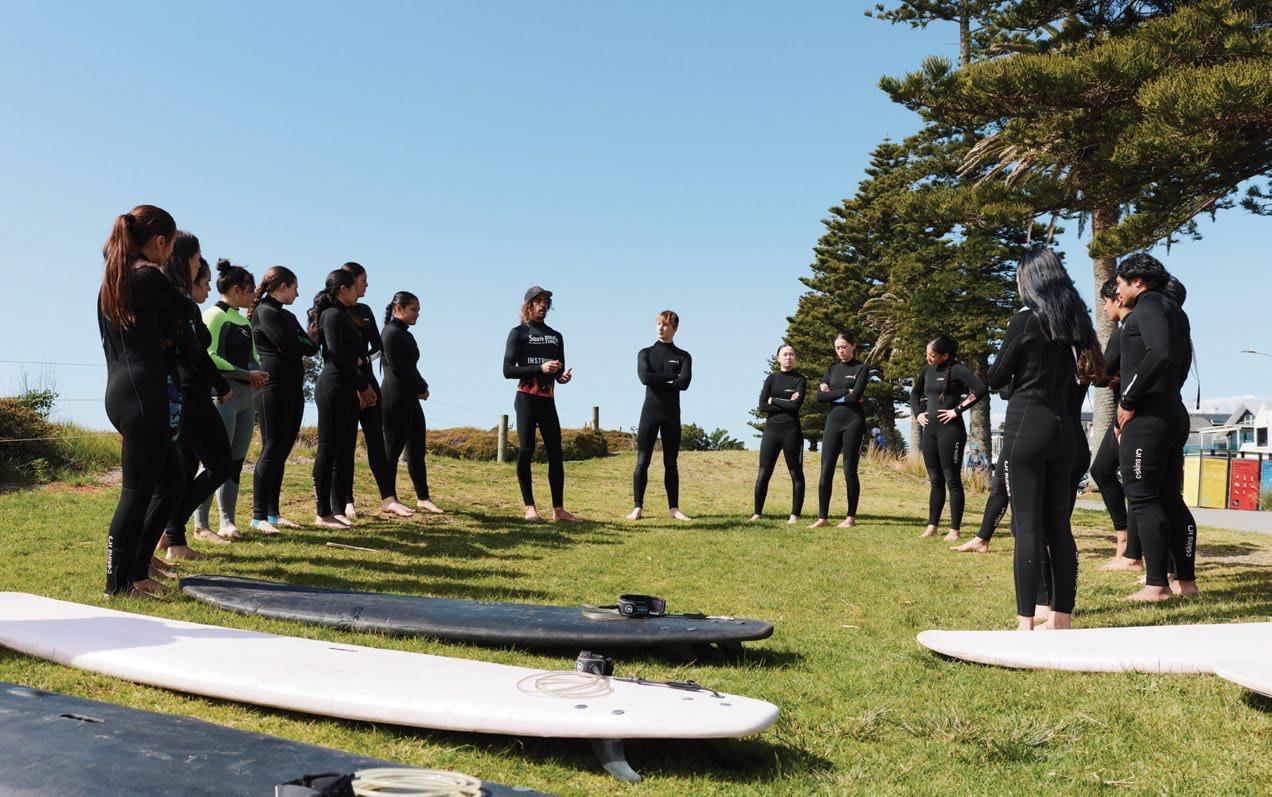
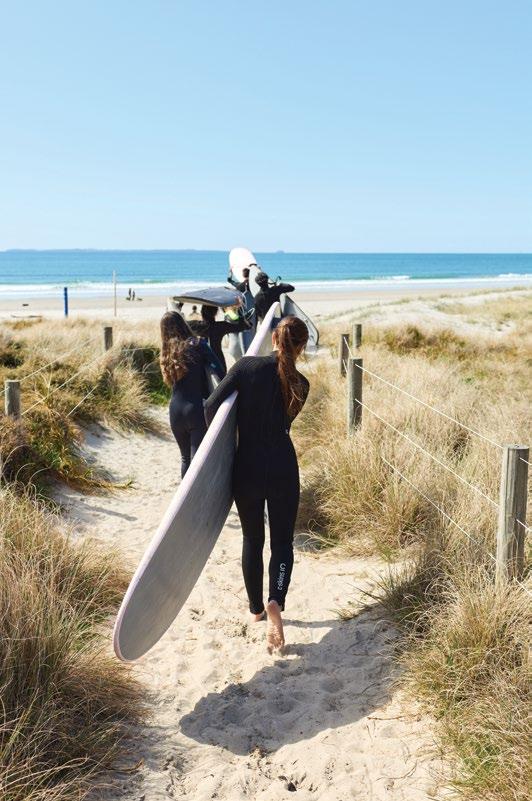
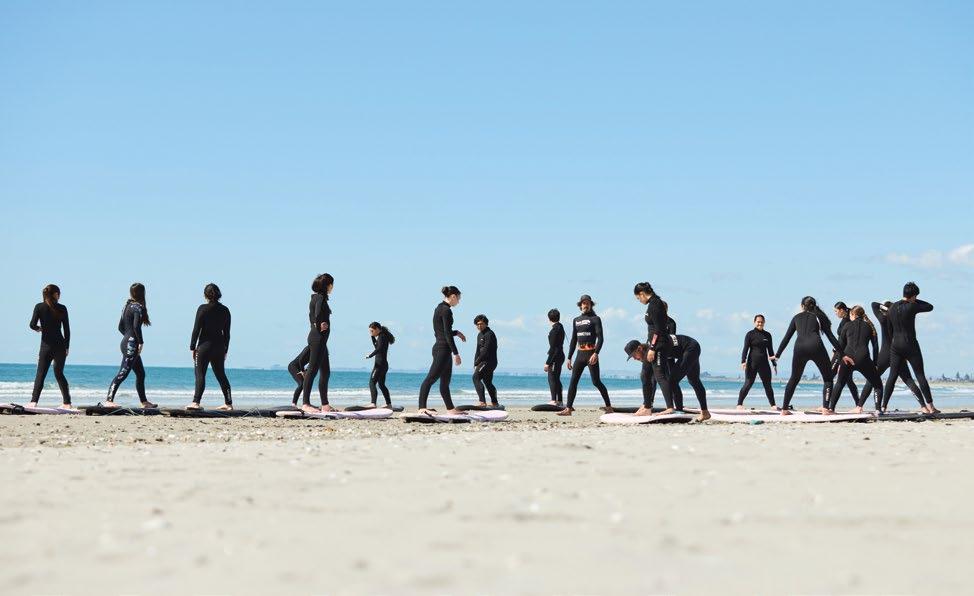
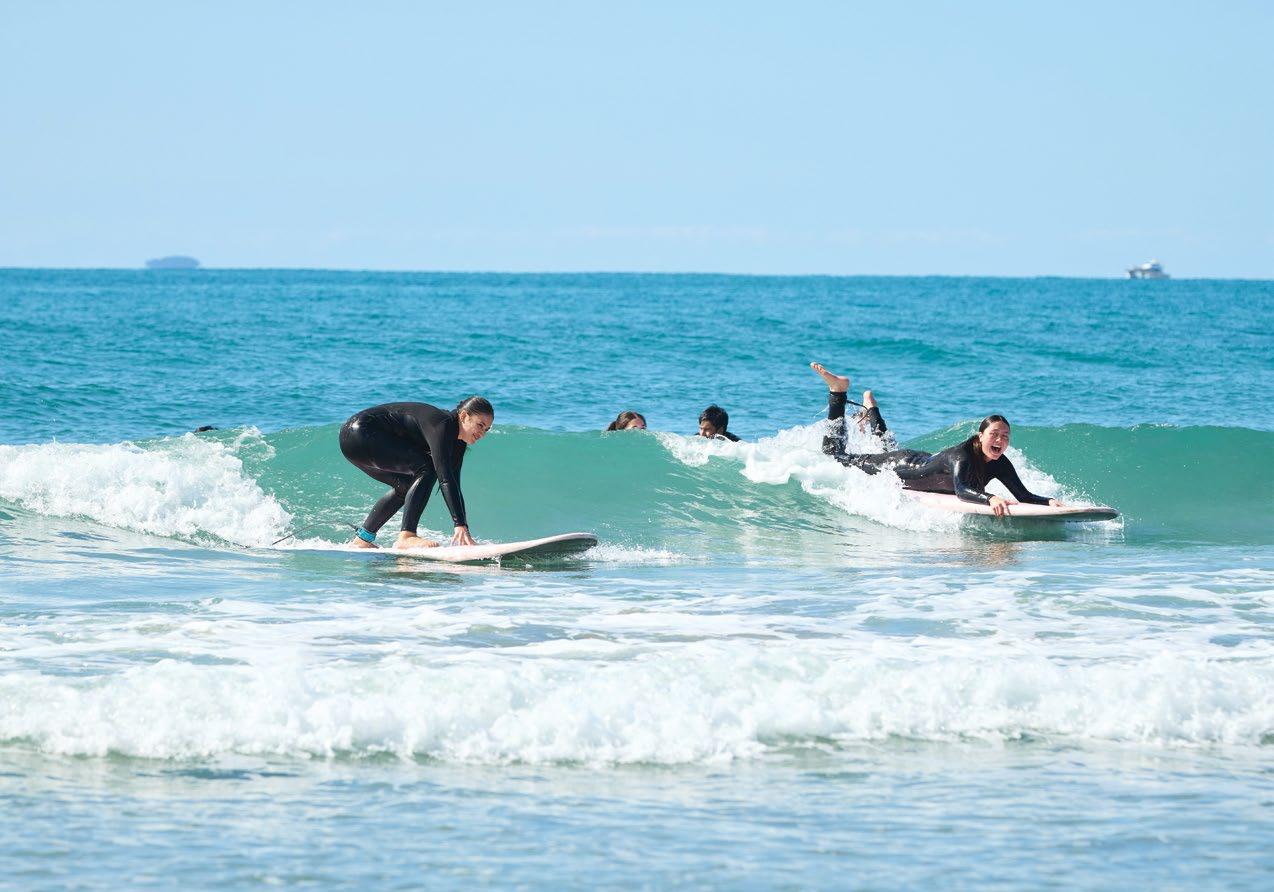
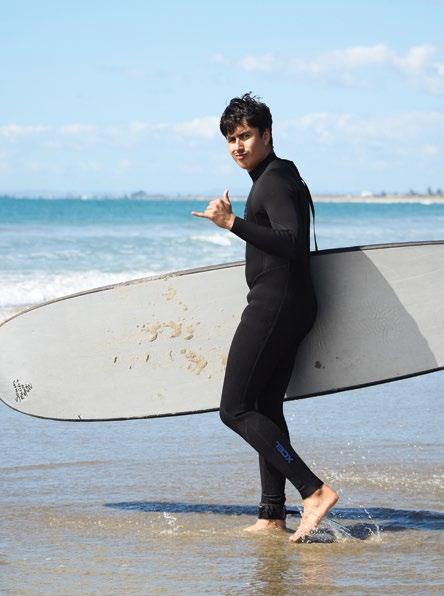
On any given day, the sight of Travis McCoy and his South Pacific Surf team guiding new surfers into the waves is a local fixture. The scene is a picture of focus and encouragement, and it speaks to a deep connection between a man, his passion, and his hometown. For Travis, this is more than a business, it’s the culmination of a life lived by the tides, dedicated to sharing the profound benefits the ocean can offer.
For a man who has built his life and livelihood around the water, Travis’ journey began with a surprising aversion. “The funniest thing is I never liked the water or being wet,” he admits with a laugh.
“I thought I’d look weird in a wetsuit, and I didn’t like the thought of being cold, so I fought it.” His father, a surfer himself since his youth in Lyall Bay, tried to introduce him to the sport earlier, but it wasn’t until a trip to Whangamatā at age nine that something finally clicked. “From that day on, I just remember the first time feeling, and it was the best feeling I ever felt in my life,” he recalls. “And then I chased it from nine years old and every day since.”
That feeling became the driving force, a passion he shared and amplified with his childhood friend, Alex Dive. “Me and him fed the passion to one another, and we chased it every day,” Travis says. Naturally, this daily pursuit led them into the structured world of competitive surfing. While he found some early success on a national level, the rigid and aggressive nature of the competition circuit began to clash with the very reason he fell in love with the waves.
“I found the more competitions I did, the harder I got on myself, and the harder it was to let it go, and the more of a negative impact that had on my mental state for surfing,” he reflects. For Travis, the soul of surfing wasn’t in a 20-minute heat with two waves to prove your worth; it was in the freedom and the art. “The competition side just really took away the freedom and the expression that you can draw from surfing,” he explains. “The competitiveness wasn’t in my nature, so I faded out from competitions when I was like 18.”
For Travis, the tension was palpable at events. A relaxed, friendly atmosphere among surfers would
McCoy
is a
man
who has
built his life and his livelihood around the water.
“I found the more competitions I did, the harder I got on myself, and the harder it was to let it go, and the more of a negative impact that had on my mental state for surfing.”
Opener: Travis
Photograph by Jereme Aubertin
A picture of focus and encouragement: Travis guides a new wave of surfers towards loving the water as much as he does.
evaporate as soon as the contest began. “It’s just this mood shift, and it’s so tense, no one’s friends,” he says. His father’s wisdom echoed his own feelings: “My old man was always saying, you don’t have to do them, eh? That’s not what surfing’s about.”
So, Travis instead embraced what he calls the true essence of the surfing lifestyle: travel and adventure. Supported by his parents, who took him on foundational trips to Bali and Fiji as a kid, he developed a hunger to chase waves around the world.
“That’s all I wanted to do when I left school,” he says, “which I ended up doing for probably seven years or something.”
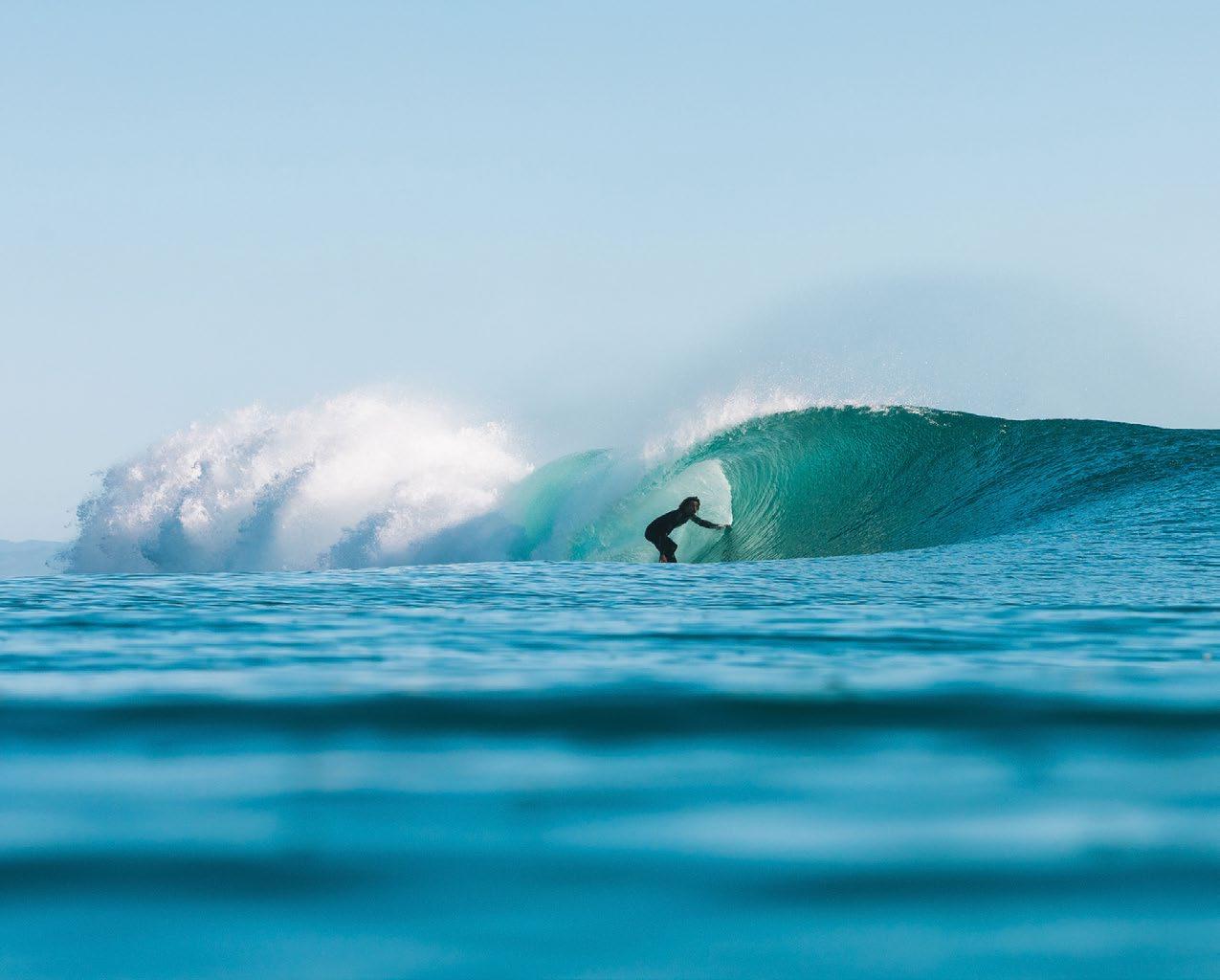
This pursuit took him to places most people only see on screens, seeking out remote, powerful waves in what he calls “strike missions”.
One such journey took him to Skeleton Bay in Namibia, a wave that had been a “pipe dream” for over a decade. “I thought I’d never get there, but we figured out a way,” he says, his voice lighting up with the memory.
The experience was more than just about the wave; it was a total immersion in a wild, raw, and untouched world. “You’re in the middle of the desert... and then you’re driving through flamingos, then you see whales are breaching, and seals are on the beach.”
The wave itself was “the best wave I’ve ever seen in my life, for sure,” a surreal experience of living
out something he’d only seen on a computer screen for 12 years. This passion for travel and authentic experiences would become a cornerstone of his future, but the path to creating South Pacific Surf was anything but direct. After school, Travis found himself adrift, trying his hand at everything from building and plumbing to beekeeping, but nothing stuck.
“I was basically lost,” he confesses. The turning point came from a moment of crisis that forced a total re-evaluation of his path. A severe surfing accident at Matakana Island left him with a serious head injury from his fin, requiring 36 stitches and causing significant memory loss.
Forced onto ACC and unable to continue his beekeeping job, he found himself back at square one. During the recovery from his head injury, he started fixing surfboards in his dad’s shed and began casually taking local kids surfing for free.
It was his parents who saw the seed of his business. “My dad and my mum said, ‘Do it for a year, you never know, it might work. If it doesn’t, go back to beekeeping’,” he recalls. With that encouragement, South Pacific Surf was born in 2017, starting with just six boards, nine wetsuits, and his dad’s van.
The early years demanded total commitment. “For the first five years, it felt like I never had a day off... you’ve got to throw everything at it,” he says. Every dollar earned was reinvested into more boards
“The local community sees what you put in is what you’re going to get back, and I feel like I have invested almost my life in the last eight years to South Pacific Surf... I think people see that in a positive way.”
Travis is fuelled by passion, authenticity and community.
and wetsuits. “It was a massive sacrifice, but it wasn’t like it was a painful sacrifice. It was like I just sacrificed everything, but in a positive way, because I wanted it to work so bad.”
That dedication has paid off, but running a surf school at the mercy of the elements and the transient nature of tourism comes with unique challenges. One of the biggest is staffing. Many of his best instructors are travellers on one-year visas. “You get someone really good and they become ingrained in the culture and your business... but when their visa’s gone... they go, and then you start that loop again,” he explains. This is tough not just on the business, but on the kids in his surf programmes who form strong bonds with their instructors.
Through it all, Travis’ connection to the Mount Maunganui community has been a source of strength. As one of the only surf schools at the Mount that is “born and bred,” he feels his deep local roots are recognised and appreciated. “The local community sees what you put in is what you’re going to get back,” he says. “And I feel like I have invested almost my life in the last eight years to South Pacific Surf... I think people see that in a positive way.” In return, he gives back, sponsoring the Mount Maunganui Primary school and working with youth groups for kids who feel alienated by traditional schooling. He shows them
that there are other paths. “You don’t have to feel like there’s this pressure. If you don’t do good at school, there’s no hope, you know?”
This cycle of passion, authenticity, and community is what fuels Travis. The surf school is not just a business; it’s the embodiment of a lifestyle he lives and breathes. His own adventures in the offseason, chasing swells in the world’s wildest corners, feed directly back into his teaching. “In the off-season it’s like you’re out there doing what you preach,” he says. It builds character and inspires the kids he teaches, showing them the incredible, off-the-beatentrack places that surfing can take you.
Ultimately, it all comes back to that initial feeling, a feeling of joy, freedom, and connection he discovered as a nine-year-old boy. His mission now is to share it. “The more people that can experience that, and especially if I can channel that through my personal experience, at least it feels like I’m having a positive impact on people’s lives,” he says. For Travis, surfing is more than a sport; it’s a “crazy breath of wind,” and his life’s work is helping others catch it.
To support a passionate, local story and start your own surfing journey, find out more information at: southpacificsurf.co.nz south_pacific_surf SouthPacificSurf
Behind the Smile
Photography
by Erin Cave and Cab Creative
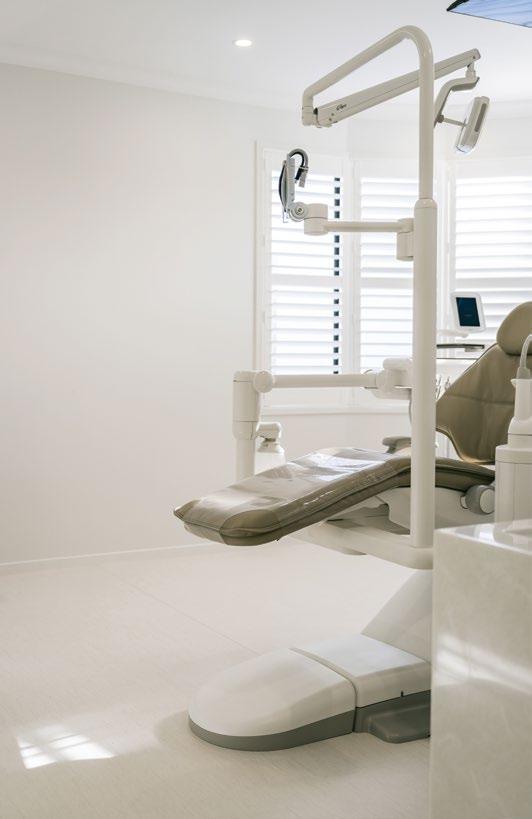
Holmes Dental has opened its doors in a beautifully restored character building in the heart of the Mount, fulfilling a long-held goal of Dr Philip Holmes.
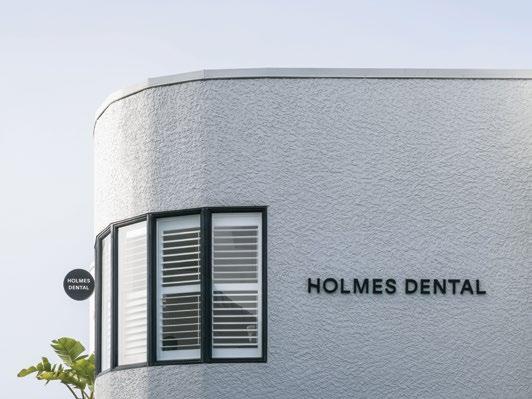
Holmes Dental, a local family-owned dental practice, has opened its doors in a beautifully restored character building in the main street of Mount Maunganui.
Blending modern technology with genuine, personal care, Holmes Dental brings with it a refreshing approach to oral health care.
Opening a dental clinic in the heart of Mount Maunganui has been a long-held goal of Dr Philip Holmes. He set about renovating a beautiful art deco
office space in the heart of the Mount late last year to create a modern, high-spec dental practice with an atmosphere to place patients at ease.
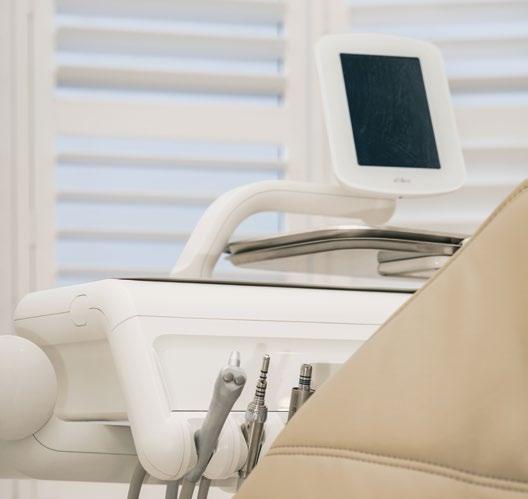
The practice, located at 233 Maunganui Rd, has ample off-street client parking and is equipped with the latest in dental technology and sterilisation equipment.
Phil says providing high level dental care isn’t just about the most up-to-date technology, it’s about the highly-qualified and experienced people behind it.
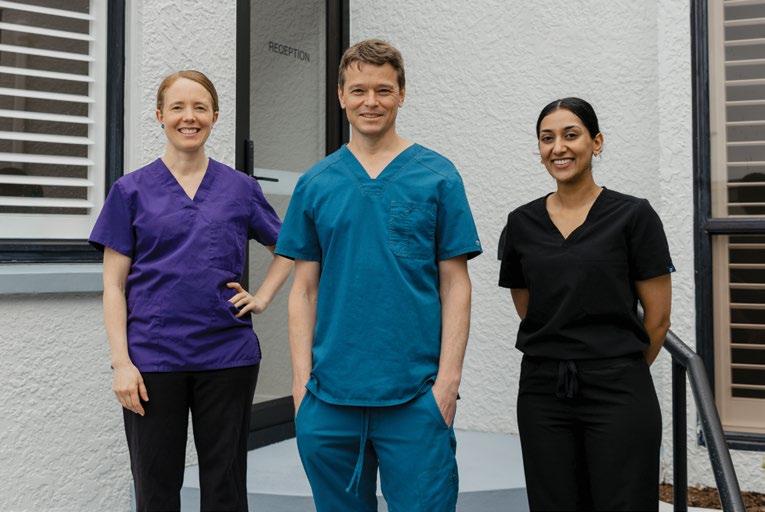
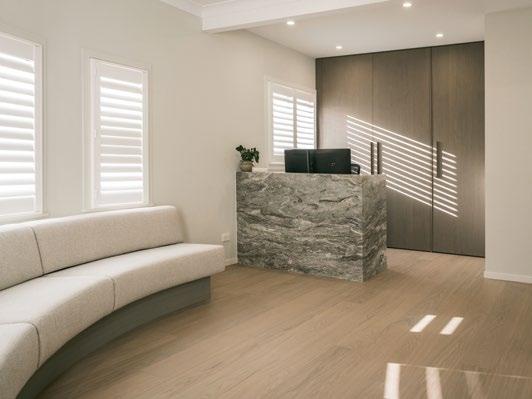
← Dr Fiona Paterson, Dr Philip Holmes and Sukhman Johal. ↑ The art deco office space has been renovated to create a modern, high-spec dental practice in the heart of Mount Maunganui.
Working alongside Phil is an exceptional team of highly experienced dental professionals and support staff.
Phil is very fortunate to have such a wonderful and experienced support team. “The knowledge and experience they bring is essential in the efficient dayto-day running of the practice,” he says. “This made for a seamless transition to the new location.”
Dr Fiona Paterson has worked with Phil for several years in their previous premises and has made the move over the bridge to join the team at Holmes Dental.
Fi has an engaging personality and quickly builds a natural rapport with her patients. She has built up a loyal following with her patients who continue to see her at the new location.
Dr Angus Colquhoun, specialist Oral and Maxillofacial Surgeon, brings a wealth of expertise from both hospital and private practice settings to Holmes Dental.
Angus provides specialist oral surgery services at Holmes Dental, including wisdom tooth removal and dental implant surgery, which can be performed under intravenous sedation.
Known for his calm, reassuring approach, he combines advanced surgical skill with genuine care for his patients.
Working alongside Angus is a full circle experience for Phil. Angus was a senior registrar at Waikato Hospital and mentored Phil as a new graduate dental house surgeon at Waikato Hospital in 2005.
The practice is equipped with the latest in dental technology and sterilisation equipment.
Sukhman Johal, dental hygienist, has a gentle touch and a passion for preventive care. She makes every appointment a positive experience. Her focus is on helping patients keep their teeth and gums healthy for life, combining thorough professional treatment with practical advice tailored to each individual. Patients love her friendly manner and the way she takes the time to ensure they feel comfortable during their dental hygiene visits.
Continuous training and education within the dental industry is very important to Phil and his team.
Phil completed a master’s degree in advanced restorative dentistry and dental implantology at the Eastman Dental Institute in London. He was awarded his degree with distinction and was awarded the top student in his masters programme.
After completing his studies and taking a bit of time out to do some travel, Phil moved back home to Mount Maunganui in 2010.
He worked for several years running his single chair practice out of the Cliff Road Dental Clinic before establishing Holmes Dental.
When it comes to patient care, Holmes Dental’s philosophy is to provide clear information and options, delivering high-quality, modern dental care in a welcoming setting to achieve healthy, confident smiles.
Focused on creating a calm, warm and inviting
environment, Holmes Dental aims to make every visit a positive and comfortable one.
Whether it’s a routine check-up or a more complex procedure, the team is committed to providing personalised and gentle care to meet each individual’s needs. At Holmes Dental, the team believes everyone deserves a strong, healthy smile.
Restorative treatments, from natural-looking fillings and crowns to advanced dental implants, are designed to repair damage, replace missing teeth and bring back full function and confidence to your smile.
Holmes Dental also offers cosmetic treatments, including professional teeth whitening, veneers, crowns and implants, to help you achieve a personalised, natural smile.
The team of clinicians aim to build long-term relationships with their clients.
Phil says dental health involves small, consistent steps, routine at-home care, healthy diet and a plan tailored for each individual.
Focusing on keeping teeth and gums healthy now builds good habits and reduces the need for more invasive dental care later in life.
For exceptional dentistry with local expertise, contact Holmes Dental. holmesdental.co.nz reception@holmesdental.co.nz @holmesdentalnz
by
Photograph
Kahn Caddy
Songs of Aotearoa
Words by Zoe Hunter
Inside this performing arts centre, Laughton Kora sees more than just kids learning a few chords. In his eyes, this is the next generation of Kiwi music. They are storytellers.
Behind the doors of an unassuming building in the heart of Mount Maunganui, the strum of a guitar, the beat of a drum, and the tap on a microphone breaks the silence.
At the front of the room stands a familiar face in Aotearoa music. Here, inside the Mauao Performing Arts Centre, he’s not on stage or under the spotlight, but in front of a group of wide-eyed students.
To Laughton Kora, they’re more than just kids
learning a few chords. They’re the next generation of Kiwi music.
“I look at them as storytellers,” he says.
To Laughton, each student has a story, a song, inside them just waiting to be heard.
This isn’t just a music programme. It’s a journey into self-expression, guided by a mentor who knows the most powerful stories often begin with a single sound.
Aura Music Mentoring is a three-day workshop facilitated by Kiwi musician, producer and director Laughton Kora (Ngāi Tūhoe, Ngāti Pūkeko) and local drummer and producer Tia Drumma in Tauranga Moana.
Originally from Whakatāne, Laughton has been playing music since he was six years old. He’s been mentoring as part of the New Zealand Music Commission for more than a decade, visiting high schools throughout Aotearoa.
“It’s pretty cool. I love it.”
Here in the Bay of Plenty, Laughton is a familiar face at the Mauao Performing Arts Centre on Totara St.
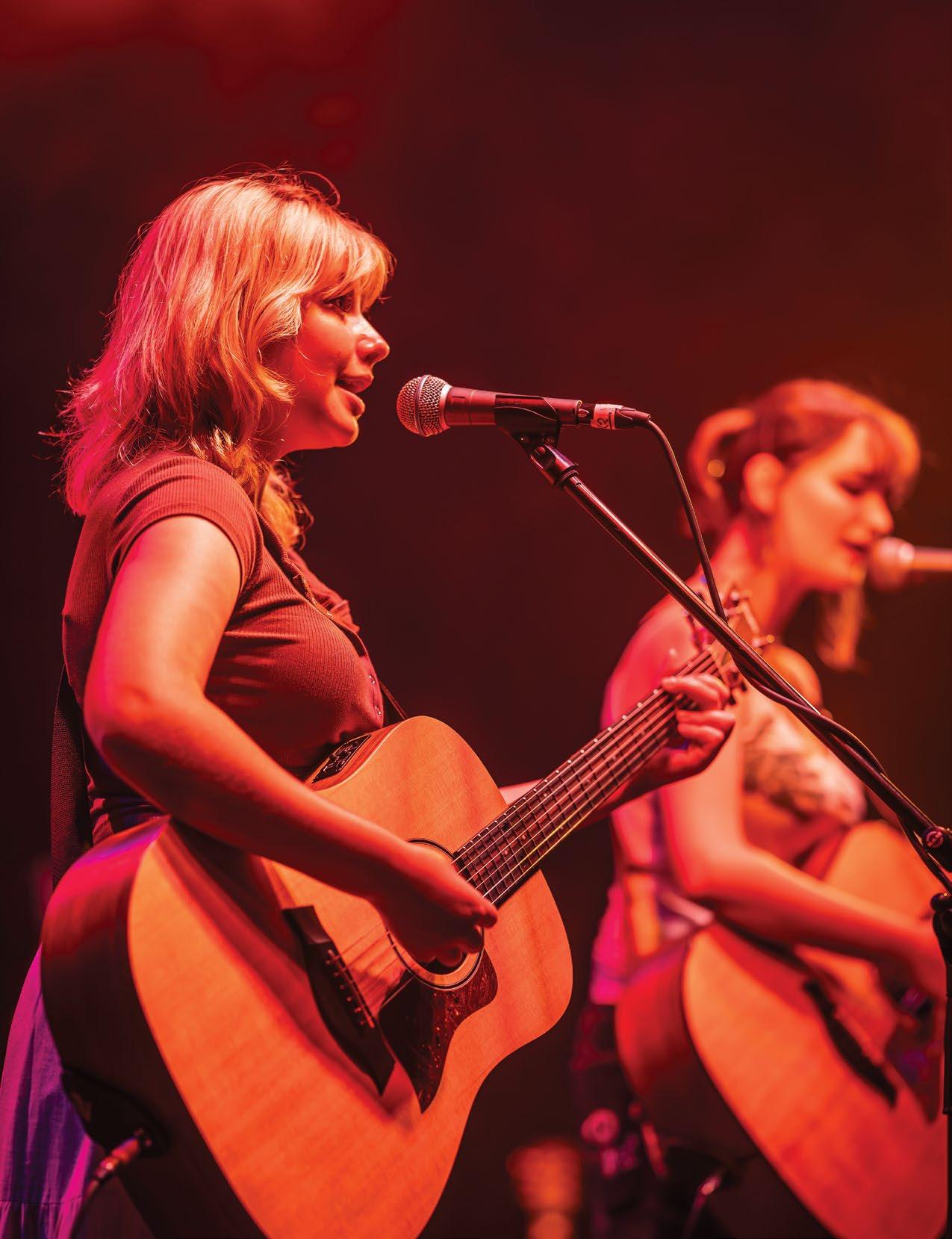
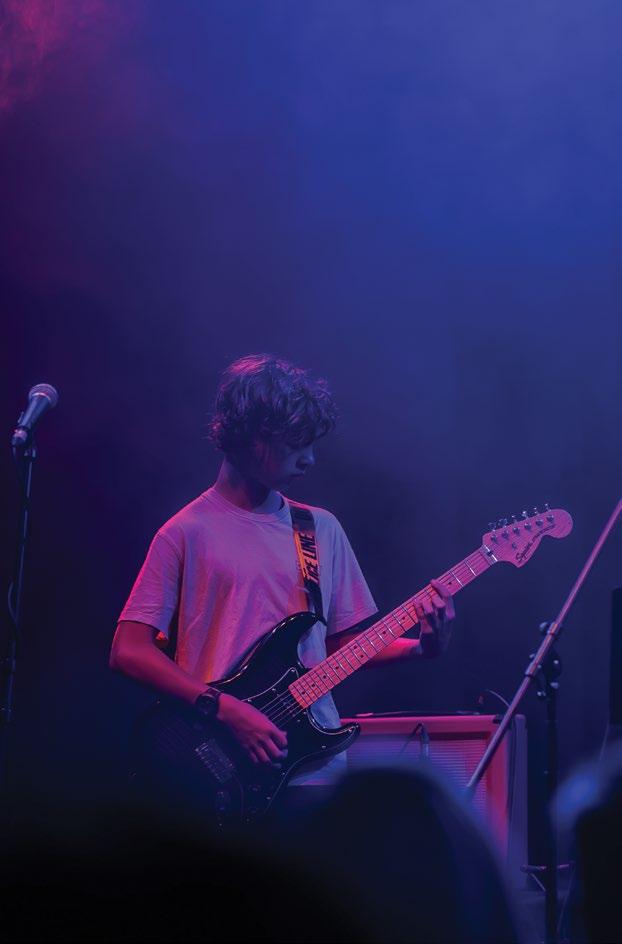
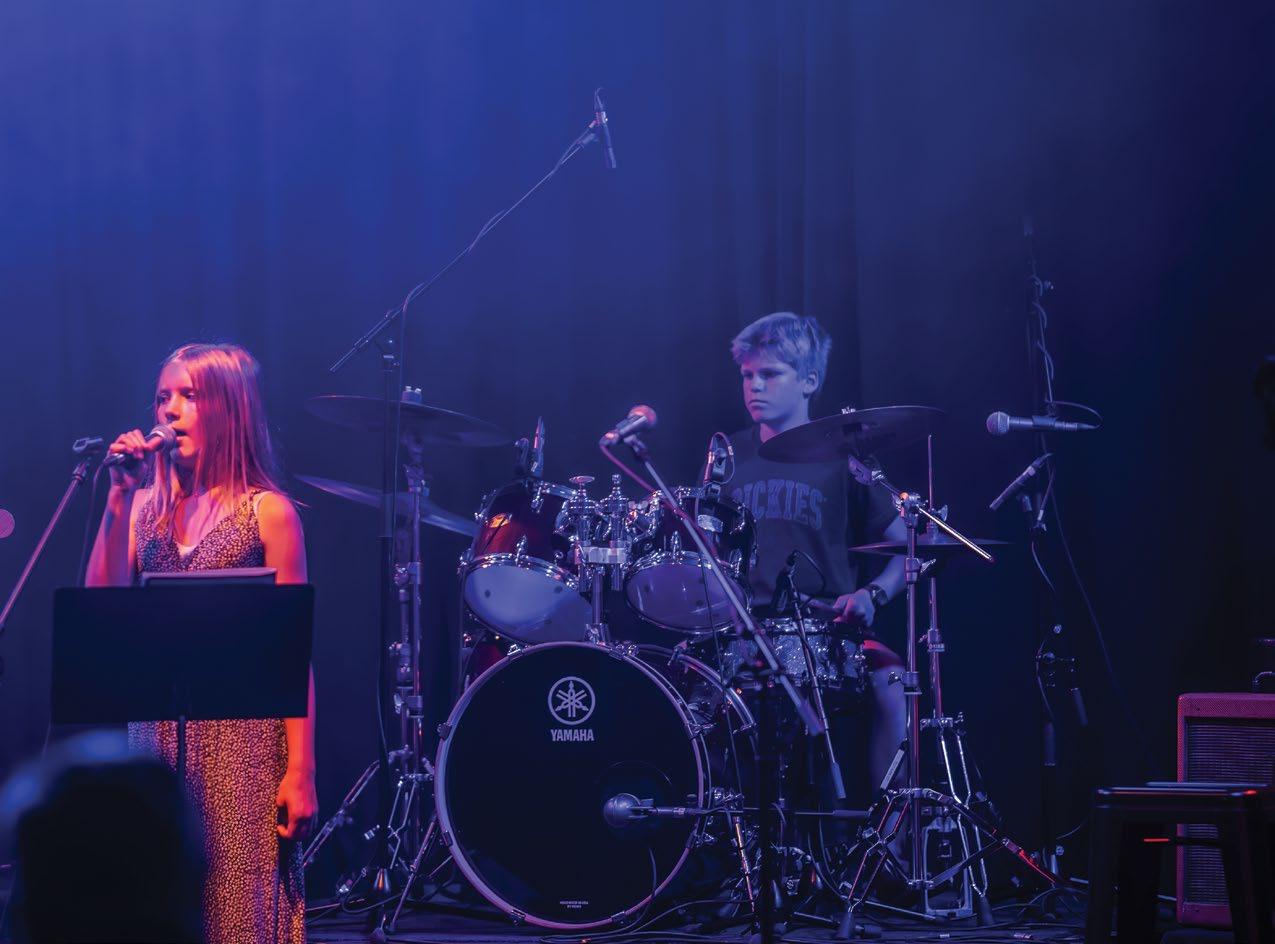
Students performing at one of Mauao Performing Arts Centre’s student concerts. Opener: Vocalists Evangeline and Lilka. Below: Band members Finn, Kaia and Hunter. Opposite: Laughton Kora.
Open the door to one of the five teaching studios and you’ll find a group of students buried in their music notes, headphones on, writing the next song to top the New Zealand music charts.
Inside the recording studio, the red light is on as another student sings their original lyrics through the microphone.
On stage in the Totara St performance space is where the magic happens. Equipped with a high-quality audio P.A system, in-house lighting and mezzanine floor - it’s like the real deal.
They’re not just learning the basics. They already know how to do that, says Laughton.
He’s teaching them beyond the beats, including how to use social media to promote music, how to write for radio, performance value, where to stand on stage, how to apply for funding, and learning about music royalties.
“It’s more than just: This is G, C, D. It’s more than just doing a cover,” he says.
“For me, I am trying to bridge the gap between the artist and the industry. I don’t want to teach
anyone their art.”
Laughton says platforms like Totara St and Mauao Performing Arts are important for musicians to have a space to “just be”.
Founded in 2010, Mauao Performing Arts Centre’s mission is to provide a fun and educational experience in the performing arts. Inside is a musiclovers’ dream, with a music academy and teaching studios, arts tuition area, staged theatre space and audio recording and video editing suite.
Students are taught a craft by skilled tutors who are each involved in different aspects within the music and performance industries. Bands, solo projects, recording and production experience enable them to bring a wealth of knowledge to their lessons.
Ten years ago, the doors swung open to its 420-capacity performance venue Totara St.
Since then, Totara St has become the Bay of Plenty’s premier live music, entertainment and events facility, playing host to some of New Zealand’s most prestigious artists and entertainers.
“Don’t just do one, do more and do it again. If a gumboot and chopsticks gives a good beat, then great. Record it, mix it up and make it yours.”
Above: Jordan on bass. Opposite: Lucas on the drums.
The Totara St stage has hosted well-known New Zealand and international artists including L.A.B, Hollie Smith, Tiki Taane, the Jordan Luck Band, Gin Wigmore, I Am Giant and Trinity Roots.
When Laughton visits, he is searching for the individual voices that stand out from the crowd.
“Your brand is your music. You’ve got to get your songs right.”
Laughton, one of four brothers in the originallyformed Kiwi band Kora, says he learned most of his stage craft while training at Toi Whakaari NZ Drama School.
“I’ve been playing music since I was six years old. My brothers and I would play for five or six hours a day, not to practice but just for fun,” he says.
“For me, music is a universal language. It’s a cool way of telling stories.”
The next generation of music artists, he says, are facing a flooded market with 6000 of songs submitted to Spotify each day and Artificial Intelligence challenging originality.
“Popularity is governed by streams and likes, not necessarily the technical side of things.”
Laughton likes to break it down.
He always begins with one important question: “Who are you and how do you want to be seen?”
“That will govern where you will go in the industry and the world,” he says.
“Your art is bravery and courage. It can also be therapy if that works too.”
“What becomes magic is when you get to see the person behind the music, their personality.”
Laughton remembers what he calls the “Golden Era” of Kiwi music in the early 2000s. Think The Black Seeds, Kora, Fat Freddy’s Drop,
Shapeshifter. “The community was so keen on original music. It invented Rhythm and Vines and heaps of other festivals. Everyone was into Aotearoa’s original sounds. It was rootsy.”
It’s those chilled, laid-back beats that Laughton doesn’t define as simply Kiwi music anymore.
“That’s because it’s on par with the rest of the world. It’s just music coming from Aotearoa.”
It’s not even a genre of music. Because that puts a time stamp on sound, Laughton says.
Music is songs, songs are stories, and stories are timeless. “And there’s plenty of stories to be told.”
Fast forward to the future and Laughton hopes Aura Music Mentoring will count towards a formal qualification. Not a diploma, but a Bachelor of Contemporary Art or something similar.
“There’s a lot of musicians, a lot of bedroom music players, out there. It’s quite hard to just do it on your own. We were on our own, but we were part of a whānau.”
He hopes his programme will continue to build a community for budding artists to become part of.
“It’s making a space for people to just be. I love watching music being born.”
Laughton’s advice for the next generation of music artists is: Practice, practice, practice. Whether that is on the instrument, writing songs or producing them.
“Don’t just do one, do more and do it again. If a gumboot and chopsticks gives a good beat, then great. Record it, mix it up and make it yours.”
At Fred, recruitment doesn’t begin with a job ad, it starts with a conversation. It’s where culture extends beyond the walls and into every business they partner with. That’s just the Fred way.
Photography
Eighteen months ago, four friends had a vision.
Not just to open a recruitment agency, but to create a workplace where people genuinely love going to work.
At Fred Recruitment, the culture extends beyond the walls and into every business they partner with.
That’s just the Fred way.
“Our culture is our compass. It guides the way we treat each other, the way we solve problems, and most importantly the way we partner with clients,” says Cherie Hill, one of the four cofounders of Fred Recruitment.
“For us, recruitment is about people, values, and shared success.”
In a recruitment market that’s changing more than ever before, Fred has built its success on peoplefirst values.
They’re not just recruiters, they’re culture carriers.
At Fred, recruitment doesn’t begin with a job ad, it starts with a conversation.
“We always ask, ‘What do you need? What are you trying to achieve?’,” Cherie says.
It’s having the right tools and technology to find the right fit. A jobseeker who shares the same values, a boss who values their people as much as their projects.
That’s a relationship that’s going to last, Cherie says.
Fred doesn’t rush to fill a position. It is an unorchestrated process, it’s intuitive.
For example, one local business approached Fred for help filling multiple different roles.
Cherie asked them to pause and prioritise. Together, they identified which role needed filling first.
Then, unexpectedly, Cherie met someone. They weren’t from the same industry, and they weren’t applying for the role. But Cherie had a hunch.
“I could just feel it,” she says. “I just knew they had to meet.”
They did and the role was filled. That’s the kind of matchmaking magic that happens with Fred.
The 11-person team is led by four expert recruiters here to shake up New Zealand’s recruitment scene, each with a shared passion for connecting talent with opportunity.
They partner with meaningful organisations and the best local and national talent to provide a simplified, attested and personalised experience.
Cherie’s wise and naturally curious personality means she loves to understand businesses, its people and their stories.
Mum-of-five Liz Beckett’s enduring nationwide client bonds attest to her trustworthiness and knack for connecting the right talent.
Laura Cooper’s emotional intelligence and ability to find the right fit is second to none and will leave no stone unturned to source the absolute best people in the market.
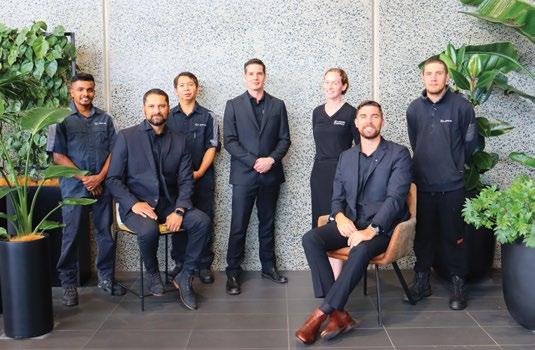
The Fred team: Cherie Hill, Shelby Cowley, Laura Cooper, Liz Beckett, and Bec Groves.
Fred Recruitment Promotion
“We value authenticity, good people and genuine connection. Work with us and discover how Fred’s culture can help shape yours, and find the right people for your business.”
While Khalid Elazrag, who heads up FredMed, is a dynamite recruiter and a man you’ll have to search far and wide to outshine.
Recruiting nationally, and most recently entering the Australian market, Fred employs across all industries filling permanent, fixed-term contract, contractor or temporary roles. Whatever is needed.
They’re known as generalist recruiters with a specialty arm FredMed, which focuses on health and medical roles.
Authenticity, collaboration, care and curiosity are the four pillars of Fred’s culture.
“We don’t just fill roles,” Cherie says. “We become an extension of our clients’ business, cocreating hiring strategies that work.”
Good talent can be hard to find.
So Cherie’s top tip for employers is to share their story of what makes them who they are, what makes them tick.
The details matter, like a website that really tells your story and a fair employment contract.
“The best thing is to open the doors. Be open to letting them meet the team, and be transparent through the recruitment process.”
For jobseekers, Cherie says the trick is to
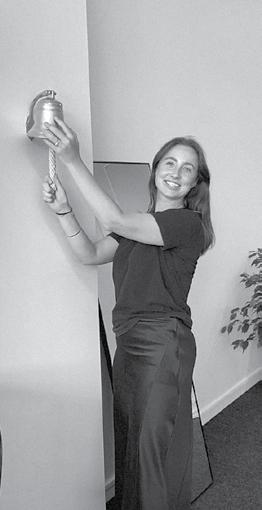
Above: Lucy Larkman rings the bell as part of a fun ritual and team culture at Fred. Below: The Fred team.
remember the CV is just what gets you through the doors.
“It doesn’t need to be long. 1-2 pages to give a snapshot of you and your skillset with a touch of personality.
“When the door is open, that’s your time to shine. Leave all your cards on the table at the interview.”
When Fred finds the right fit, the whole team celebrates with you.
There’s high fives and cheering in the company group chat (the team is based across the country) and a bell is rung. Yes, a bell. It’s another example of that team culture they talk about.
“Our rituals are fun, but they’re important to celebrate our wins and the hard bits,” Cherie says.
So why choose Fred? Because they’re good at what they do. They’ve got the technology, the tools and the team to find the right fit.
“We value authenticity, good people and genuine connection,” Cherie says. “Work with us and discover how Fred’s culture can help shape yours, and find the right people for your business.”
fredrecruitment.co.nz fredrecruitment
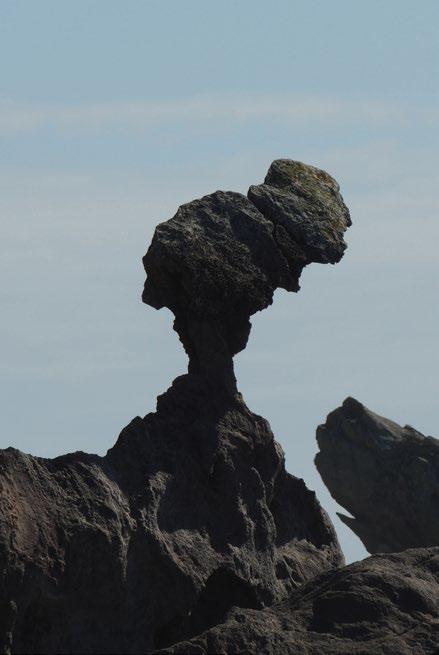
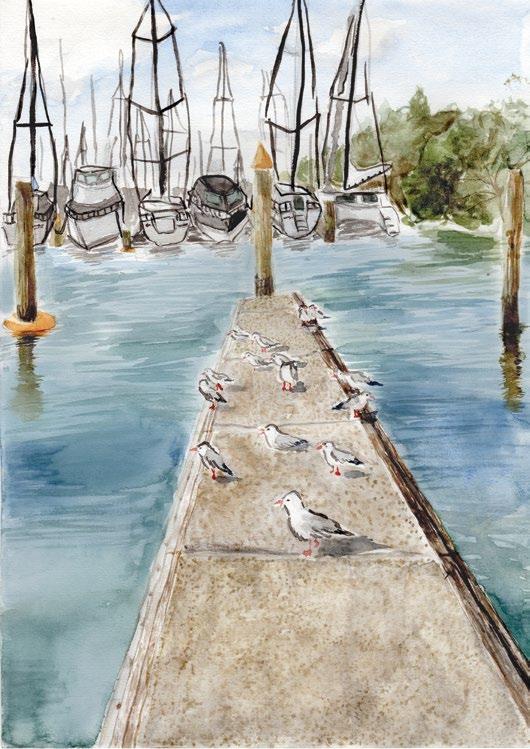
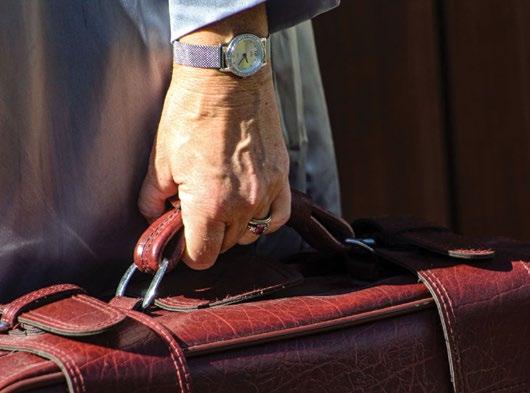
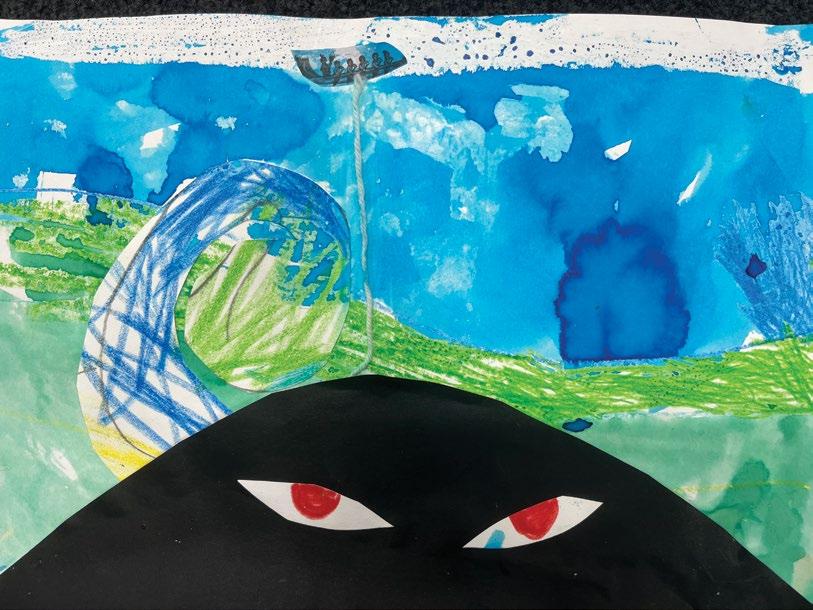
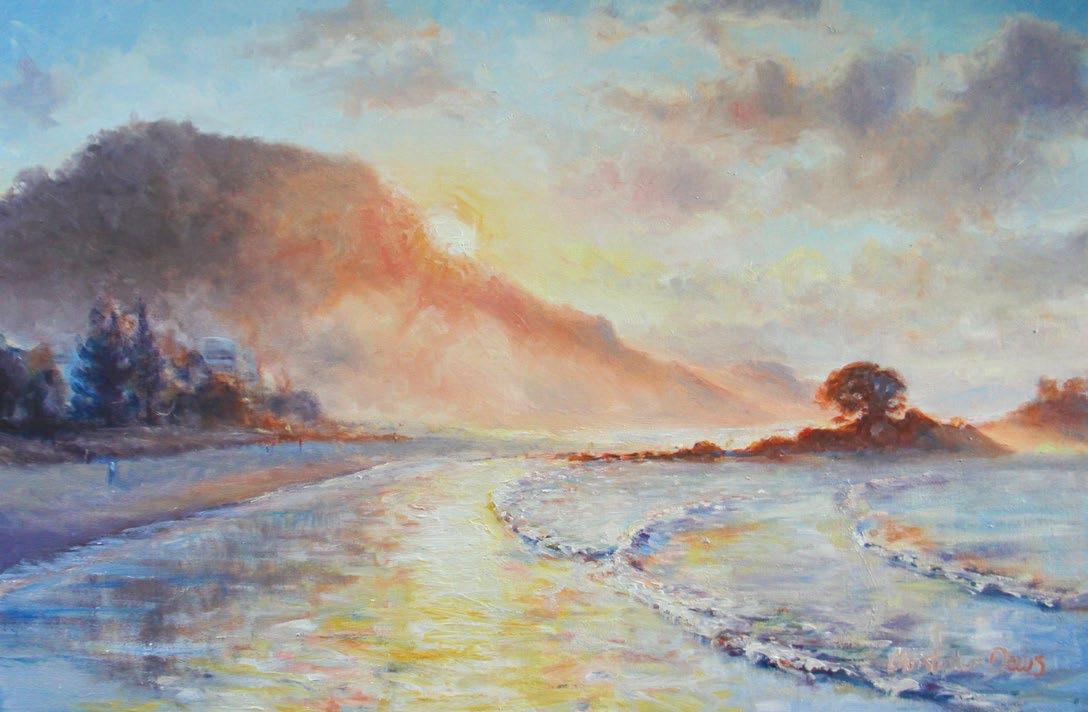
THIS PLACE THAT PLACE YOUR PLACE OUR PLACE
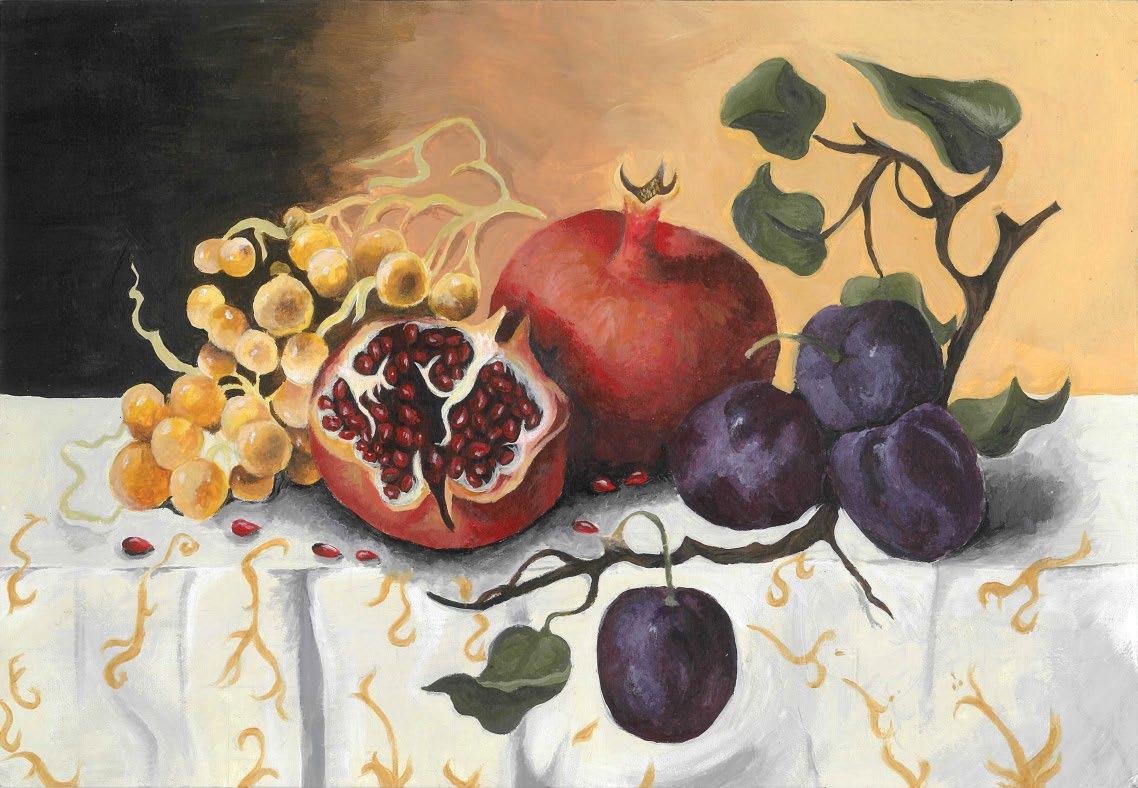
Winning photograph by Kendra Stone
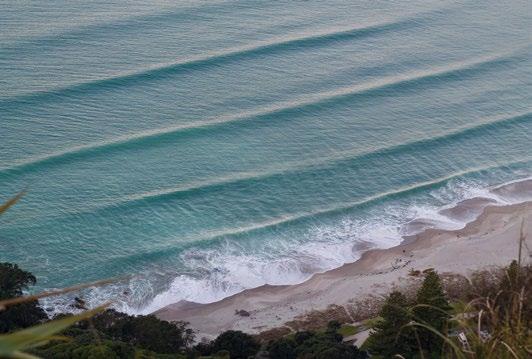
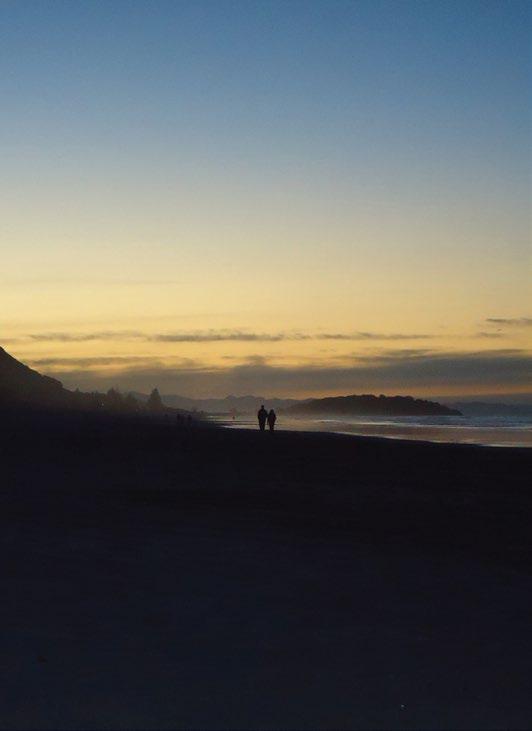
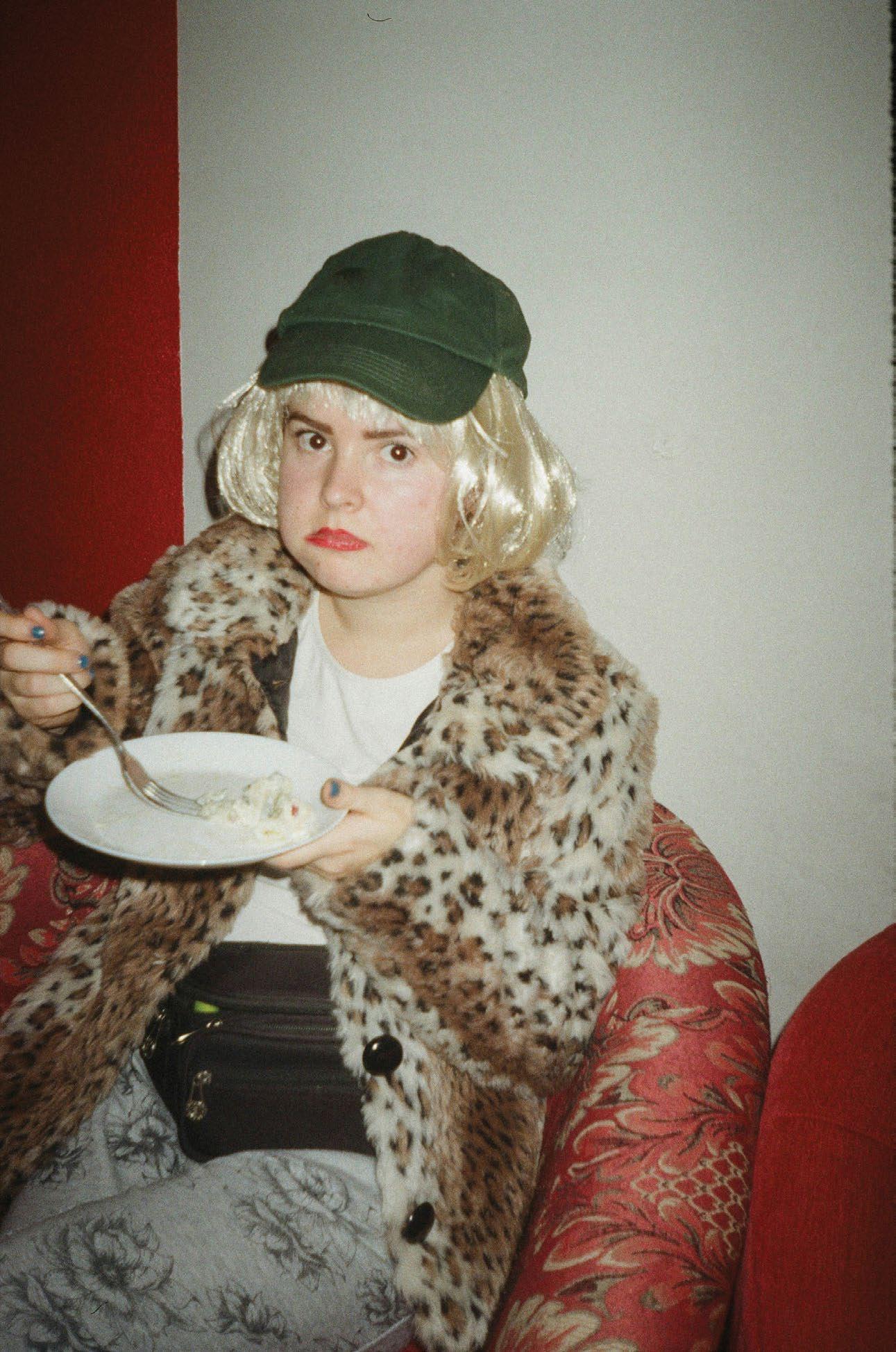
We asked what ‘place’ means to you. From sweeping landscapes to intimate moments, your photos revealed the beautifully varied perspectives that define our community.
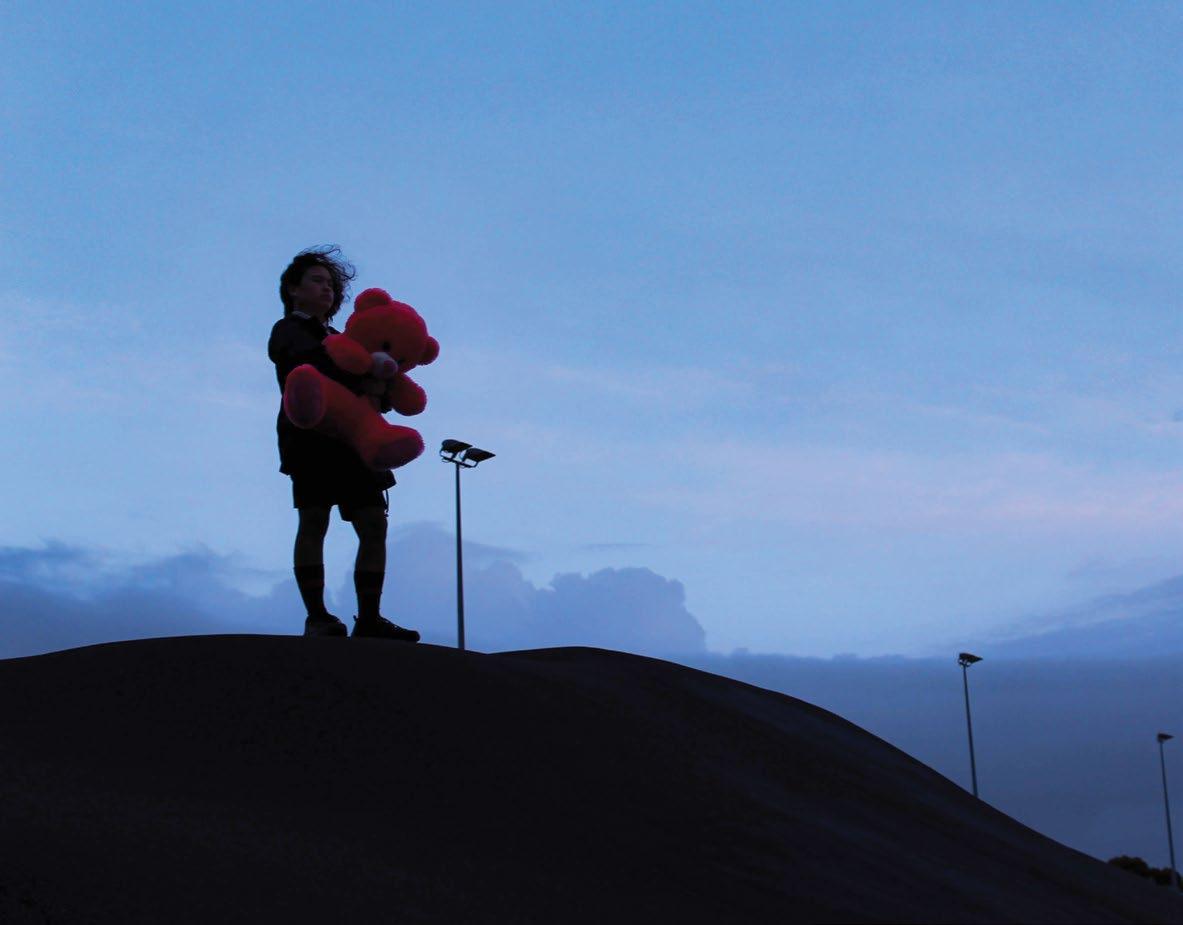
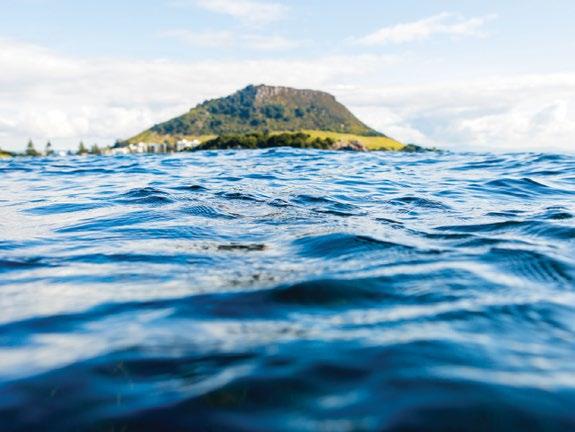
What makes a place truly ours? When we invited you to answer this question through art and photography, your submissions painted the beautifully complex portrait of community we had hoped for. You showed us that a sense of ‘place’ is deeply personal and wonderfully varied. For some, it is a landscape; for others, a person, or a state of mind.
While every piece offered a unique window into our community, one stood out. We are thrilled to announce Kendra Stone as our competition winner.
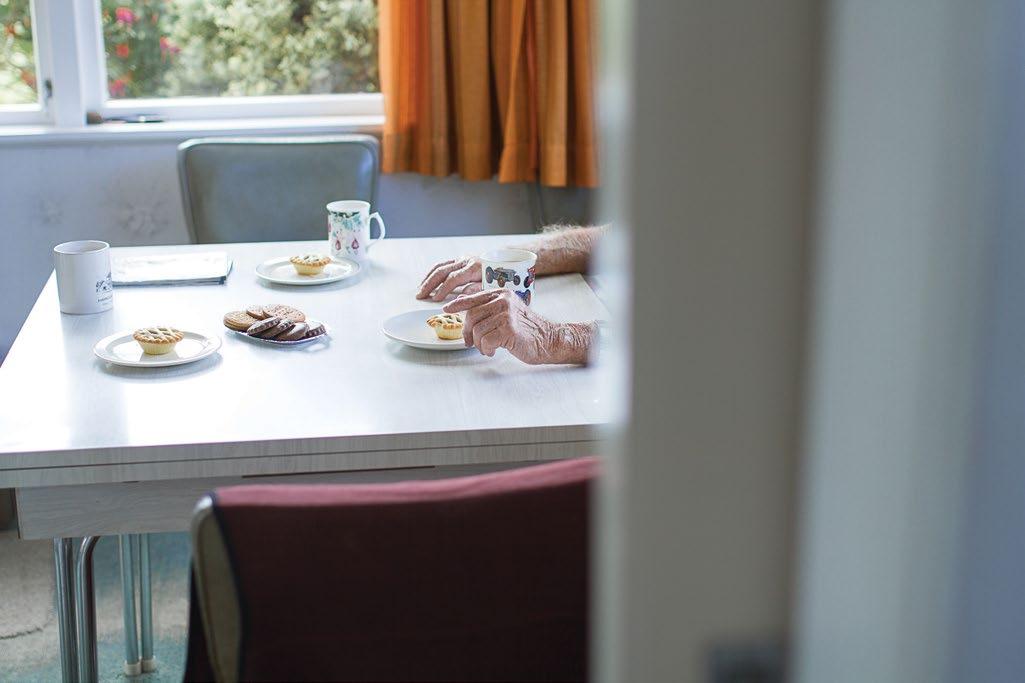
Her piece (opening page) captured the theme with exceptional heart. Kendra describes her interpretation of ‘place’ as follows: “A constant source of nostalgia, comfort, and peace: my grandparents’ house in Brookfield, Tauranga. This is my ‘place,’ defined by memories of morning tea rituals, jars of sweets, and lying under the orange trees.”
It was a privilege to see our world through your lens. We are honoured to present our winner’s entry alongside other powerful perspectives you shared.
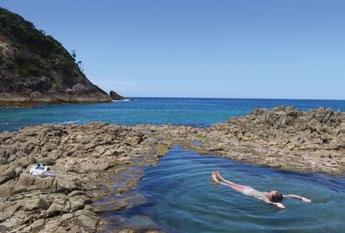
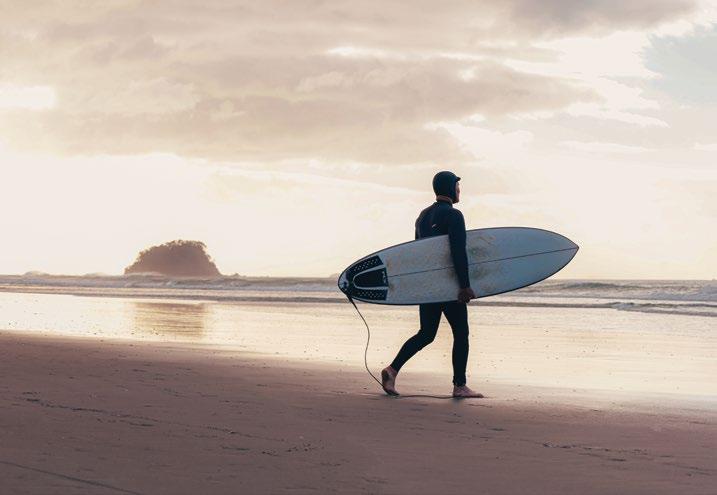
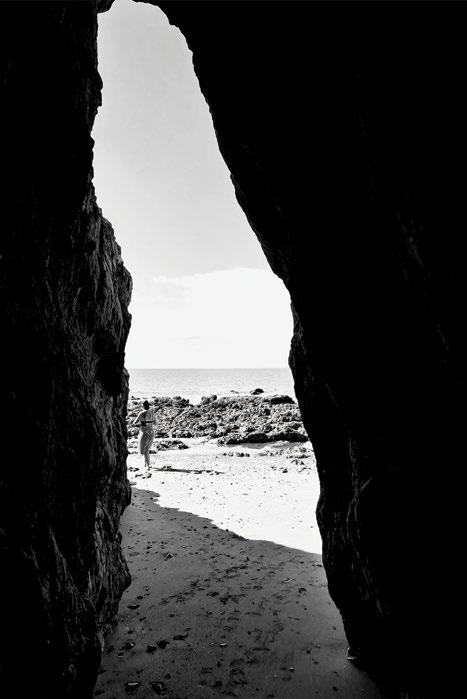
From left: Diana Hopkinson, Katie Cox, and Gracie Jackson.
From left: Ellowyn Culliford, Amareen (winner of the children’s category), Leah Catley, Alani Mcknezie, Sari Whiu, and Ross Lottering.
From left: Christopher Dews, Sophie Roberts, Dylan Orchard, Yumin, and Celina Garufi.
A heartfelt thank you to everyone who shared their vision of ‘place’ with us. Choosing from so many incredible entries was nearly impossible. While they don’t appear on these pages, we were deeply moved by the work of: Caleb Walsh, Georgia Anderson, Katelin Bloxham, Heath
Davies, Evabelle Duffy, Ashton Fowler, Alvaro Grasso, Paris Harding, Grace Murden, Finn van der Beek, Thomas Vincent, Nina Wagener, Gilmore Wall, and students Hannah, Remy, Milly, Skyla, Natalie, Benjamin and Goldie.
Ditch the couch & dine with us.
Every Thursday Pāpāmoa Pony Club 5—9pm
Every Sunday Matua Park 5—9pm
Starting Nov 27
The Fresh Life
Words by Stuart Whitaker Photography by Christopher Duffy
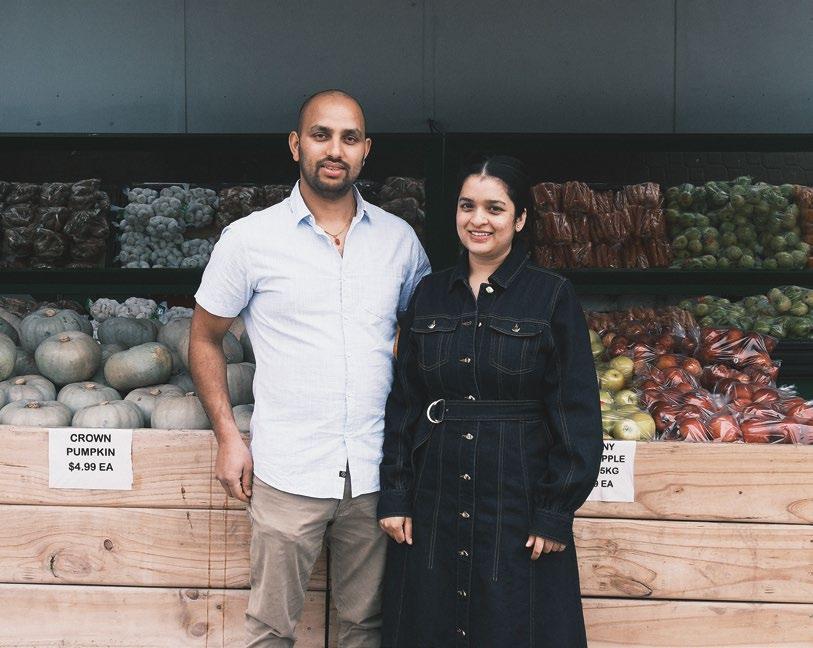
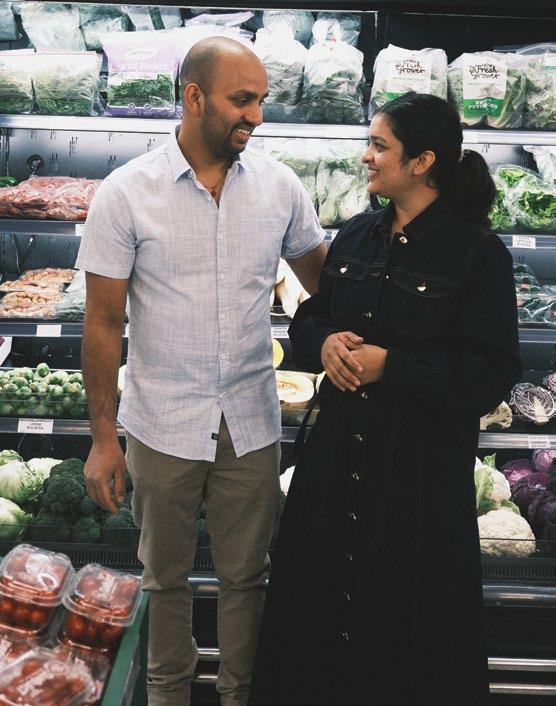
Pujan and Manisha share their personal story as part of a new series offering a glimpse behind the counter of our neighbourhood stores.
Mount Maunganui produce seller Pujan Adhikari loves citrus fruit. But after peeling 5kg of oranges, even he could have been forgiven for being sick of the sight of them. However, in retail, giving customers what they want is all part and parcel of providing a good service. So when a request to peel, pack and provide 5kg of oranges for an event came in, he obliged. “It took a while, but we did it with a smile,” he says.
Pujan and his wife Manisha Baral Adhikari have owned Papa’s Fruit and Vege in Rotorua since late 2021 and bought Mount Fresh Produce and Grocer at Central Parade in July 2024, refurbishing it and opening a month later.
They are living their dream, but that doesn’t mean Pujan has much time for sleep.
Six days a week he’s up before the sun, seeking out the freshest flavoursome fruit
and crunchiest most colourful vegetables. He scoots between three fresh produce wholesalers in Tauranga each morning in his quest to secure the best. Then, with a full van, he heads to the Mount shop to deliver and make sure everything is ready for the day before driving to Rotorua to check on things there. He doesn’t usually get home before 7pm. On Sundays there’s no early start as the markets are closed,
but with both shops open seven days, he often still has to work. Despite the toil, the early starts and all the driving, he says it’s worth it. “The community is the heart of our business. People who come in once, often come back – and not just for the prices or freshness, but because they see how much care and effort we put into everything.”
He estimates around 70-to80 per cent of customers at the Mount shop are from the local
community with even more, about 90 per cent, in Rotorua.
“We love seeing our regulars and building real relationships. Slowly we are becoming known faces in the neighbourhood, and that feels good.”
But it can be tough work.
“Every job has its challenges, but running a fruit shop is physically demanding, time consuming and full of responsibility – there’s a lot of work behind the scenes that people don’t always see.”
Both Pujan and Manisha are from the city of Pokhara in the Kaski district of Nepal’s Gandaki province, 200km west of Kathmandu, a place they say that is full of mountains, farms and warm hearted people. Before moving to New Zealand they were college students with big dreams. Pujan was studying science and was always curious and hard working. Manisha was studying hotel management while working part time as a radio presenter.
“The best part is knowing we’re bringing healthy, fresh food into people’s homes and it feels good to know our work makes a difference”
Pujan and Manisha bought Mount Fresh Produce and Grocer at Central Parade in 2024.
She loved talking to people and sharing stories, and still does.
Now 30, Pujan came to New Zealand when he was 18, chasing his dream, even though he wasn’t sure what he was going to do and, at the time, was too young to be planning his future. Manisha followed two years later and they have lived here since, but returned to Nepal for their wedding on Christmas Day 2015.
After a couple of years’ of study, Pujan had begun working in a supermarket in Auckland and then in food production. On a trip to Rotorua, they came across an empty unit at the Te Ngae Shopping Centre that screamed “potential” – a place Pujan could fulfil his desire to create something from the ground up.
“We believed we could fill a gap by bringing freshness, quality and heart to the community,” says Manisha. “We renovated the shop with our own hands, stocked it
with love and reopened it. That was the start of our dream.”
If they had a favourite customer it would be Krish, one of their first regulars, who dropped off a handwritten card one Christmas saying how much he appreciated them. “It meant everything to us,” says Manisha. Their second shop was already established, but that didn’t mean it was any less work. It needed a complete overhaul, with the old swept away in favour of the new.
Manisha works full time at VTNZ but is very much part of the business. “She is my support and everything, every decision we make, she’s there, we make it together. This might be my plan, but we are together and every step we take is together,” says Pujan.
Pujan’s biggest inspiration has always been his father, a farmer in Nepal. “He used to grow
fresh vegetables and taught Pujan the value of hard work, soil and honesty,” says Manisha.
Pujan recalls his father preparing cauliflower and cabbage he had grown, with the memories flooding back when he began working in a Kiwi supermarket’s fresh produce section. So, while he isn’t quite carrying on the family tradition, he is working in a closely related business, doing something he is passionate about.
“The best part is knowing we’re bringing healthy, fresh food into people’s homes and it feels good to know our work makes a difference. Local people genuinely support us and want us to do well and we thank them for that. And we want to give back to the community, so that’s what we are trying to do,” says Pujan.
Mount Fresh Produce and Grocer
Guided by Legacy
Words by Zoe Hunter
Photography by Adrienne Pitts
For the six generations of whānau at Te Puia, guiding is a responsibility. They’re kaitiaki of the whenua they grew up on.
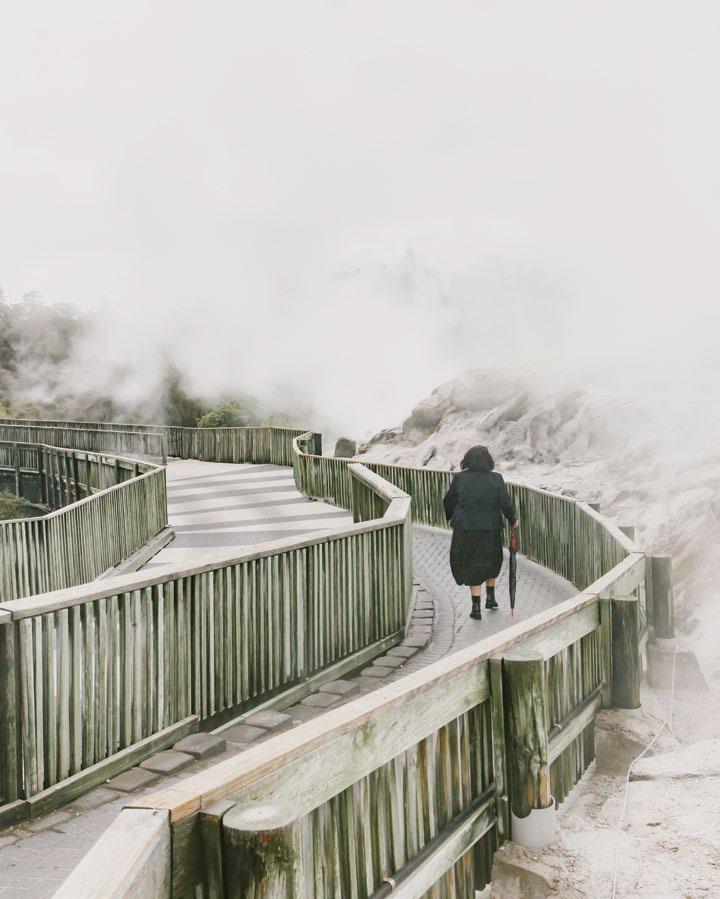
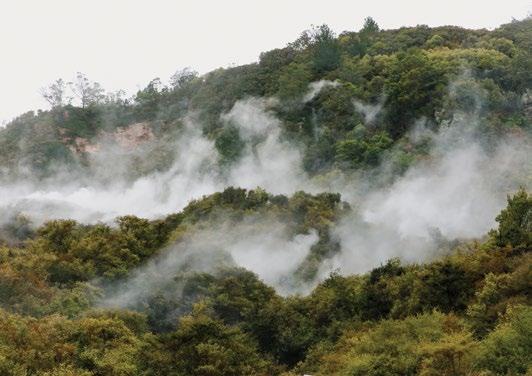
Steam curls through the cold morning air, rising from the geothermal valley in rhythmic bursts as if the land itself is breathing.
One by one, the geysers puff as if they’re performing a carefully rehearsed haka of steam and sound.
Mahanga first, then Kereru and Te Tohu will follow. Each burst and
bubble a curtain raiser to the main event: Pōhutu. Poised at the viewing platform like a proud parent watching over her children, Te Puia general manager of visitor experience Denise Emery gives her visitors a countdown.
“Usually once Mahanga has made itself known, our guides know that Pōhutu is about 10 minutes away. It’s like clockwork.”
Sure enough, the largest geyser in the Southern Hemisphere introduces itself sending a burst of water and steam soaring skyward.
Denise smiles as if she knew it would happen. It’s almost as if she felt it. Not all geysers in the valley are predictable though. Some like Papakura, whom legendary guide Maggie Papakura takes her name from, laid dormant for 35 years before erupting again. Others, like Mahanga, have only just begun to bubble again.
“Every now and then she
will blow, usually just before or after Pōhutu, and I get a little buzz,” Denise says. Growing up on the geothermal valley means some of the guides here at Te Puia have inherited knowledge that’s been passed through generations like a taonga.
Denise remembers swimming in the hot pools known as “The Blueys” as a child, when the tourists had gone and the gates were closed.
“We would run all through here. It never ceases to amaze me. There is nowhere like it anywhere else in the world.”
Navigating the rugged terrain in her black high-heeled boots, Denise walks the whenua the same way her great-grandmother, grandmother and mother did.
Denise isn’t just working on the land she grew up on, she’s continuing a legacy. Her husband, son, daughter and grandson all work
“We’re here to ensure that our whenua is handed over to the next generation in a much better position than we found it.”
Opener: Denise and Patrick Emery. ↑ The Tuku Iho Trail at Te Puia leads visitors through a premium experience of ancient mud pools, geysers and Māori culture.
here too. The Tūhourangi Ngāti Wāhiao tribe have been welcoming visitors to this waiariki for more than 150 years.
After the 1886 eruption of Mount Tarawera, many of Denise’s ancestors relocated to Whakarewarewa running guided experiences through the whenua.
Denise is the fourth generation of her whānau to guide visitors through the 70 hectares of historic Te Whakarewarewa Geothermal Valley in Rotorua. “It’s in the blood,” she says. “I didn’t actually know that my great grandmother was a guide until I started working here.”
Denise is known as “Guide
Timu” after her great grandmother.
At Te Puia, everyone knew the guides by one name. Guide Bella, Guide Maggie, Guide Bubbles. They’ve each become legends in their own right.
“Visitors would say, ‘Who did you have? I had Guide Bubbles’. They became quite famous guiding names.
“They were pioneers in selfemployment, they were earning good money and they were doing it with pride and elegance,” says Denise.
“For them, it was all about sharing our stories, while also being well presented, eloquent, and punctual.”
No matter what was going
on for them at home in what were challenging times in the world, as soon as the gates opened it was putting on their professional manner and focusing on manuhiri (visitors) first. “Always manuhiri first.”
In 1972 the Government decided to create a guiding certification programme through the New Zealand Māori Arts and Crafts Institute to help retain the tourism legacy of the likes of Guides Bella, Maggie and Rangi. Denise’s mother was one of the 10 wāhine selected for the programme, the first ever guides employed and paid by an organisation. This is something Denise is currently working on bringing back
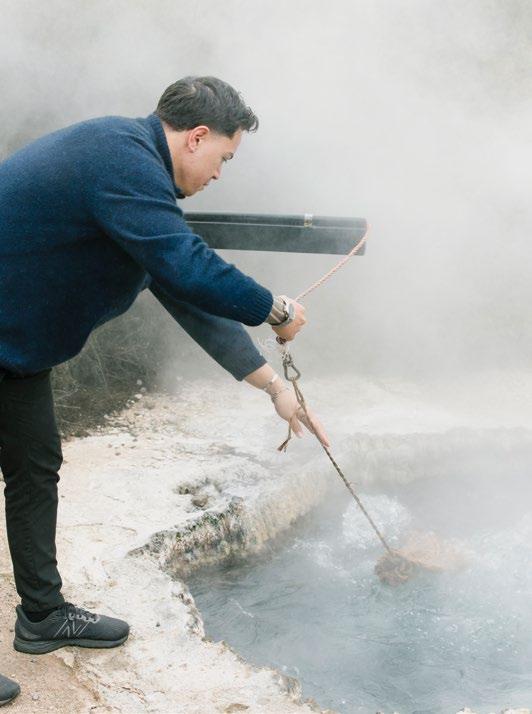
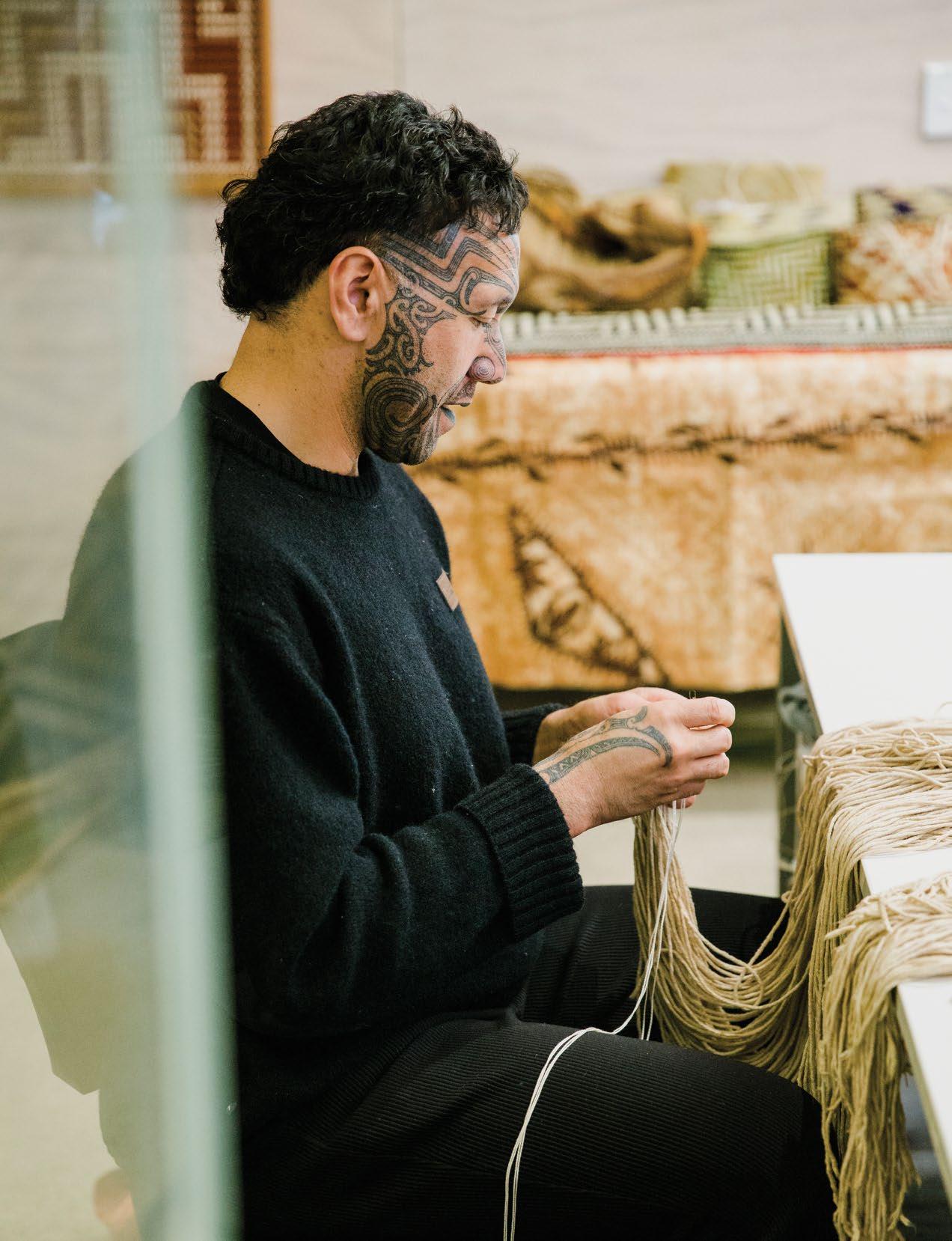
↑ Patrick Emery demonstrates how to cook eggs in the boiling mud pool. After eight minutes, he pulls the tkohu harakeke (flax) basket from the bubbling waters. → Tumu (head) of Te Rito o Rotowhio (The National Weaving School), Cori Marsters.
in her own way with a Guiding Tohu Certification as she leads the next generation of guides on the same paths, with the same pride.
She explains that for the guides at Te Puia, it isn’t just a job, it’s a responsibility.
“We’re here to ensure that our whenua is handed over to the next generation in a much better position than we found it,” Denise says.
The idea is to give the 240,000 visitors each year a quality experience.
Leading a tour through the Tuku Iho Trail, which literally means to be “handed down”, Denise shares the stories of her rich whānau history.
The 2 hour and 45 minute premium experience takes visitors to hidden areas of the valley, allowing people to discover how her ancestors used the mineral-rich geothermal pools for centuries.
Stopping at a ngāwhā (hot
pool), Denise’s son Patrick Emery demonstrates how to cook eggs in the boiling water. After eight minutes, he pulls the tkohu harakeke (flax) basket woven by students at the nearby Te Rito o Rotowhio (weaving) school from the bubbling hot pool.
“We have a responsibility to ensure that our legacy is passed on to our next generation and ensure we are representing our people and our legacy with the pride and mana that it deserves,” Denise says.
At the heart of Te Puia is the New Zealand Māori Arts and Crafts Institute (NZMACI), established on the Wakarewarewa site in 1963 but first formed by Sir Āpirana Ngata in 1926 to ensure traditional Māori arts would never be lost.
Today, the institute marks 60plus years since the 1963 NZMACI Act was signed, making it an important time to reflect on its legacy and what
lies ahead for the future.
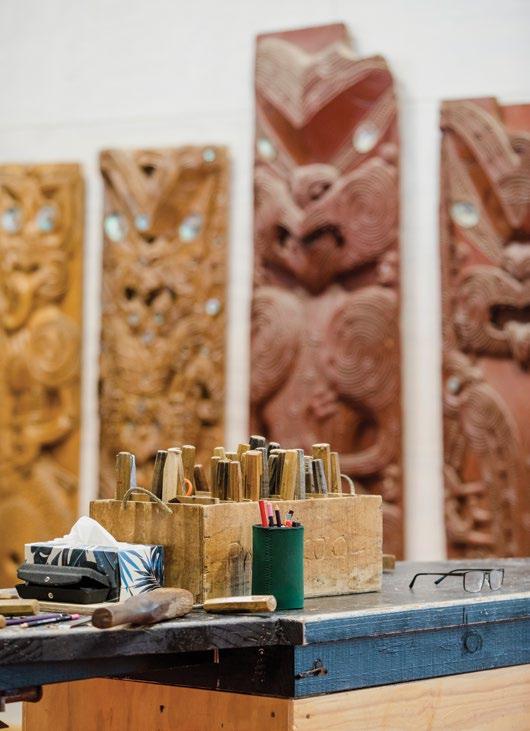
The institute is also now iwi-owned through the 2020 Vesting Act, placing stewardship firmly in the hands of mana whenua under the Te Puia NZMACI Limited Partnership. The partnership includes Wāhiao Tūhourangi o Whakarewarewa, Pukeroa Oruawhata Trust and Ngāti Hurungaterangi, Ngāti Taeotū and Ngāti Te Kahu o Ngāti Whakaue. The schools include Te Wānanga Whakairo Rākau (wood carving), Te Rito o Rotowhio (weaving) and Te Takapū o Rotowhio (stone and bone carving).
NZMACI is mandated to train Māori from iwi across Aotearoa and is open to a limited number of tauira (students) each year.
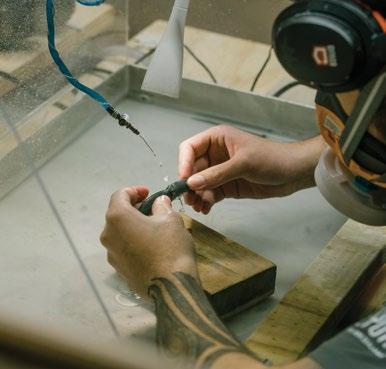
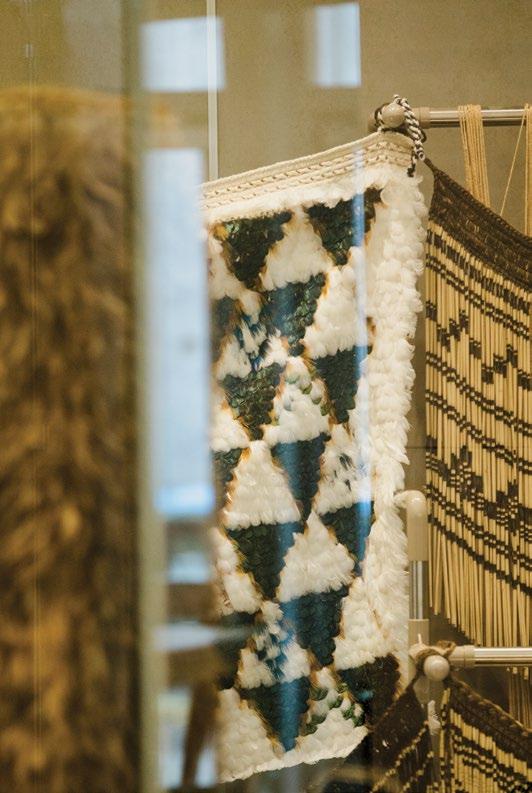
Behind these walls, students will dedicate two-to-three years crafting their legacies. From intricately woven cloaks to pounamu pendants,
“We have a responsibility to ensure that our legacy is passed on to our next generation and ensure we are representing our people and our legacy with the pride and mana that it deserves.”
- Denise Emery
↑ The New Zealand Māori Arts and Crafts Institute includes weaving, wood carving and stone and bone carving schools.
they learn traditional weaving and carving techniques under the guidance of master tutors who were once trainees at the school.
“It’s harder to get into than the All Blacks,” Denise says, as she watches over a student twisting a traditional tool made of wood and string to drill a hole into a piece of pounamu.
“We will spend hours over many days to drill this hole,” the student says. “It teaches us patience.”
Denise says there is so much history here.
“That’s what we’re passing on not only to the next generation, but to everyone from around the world who is interested in our culture.
“They come here thinking they’re going to see a geyser. By the time they leave here, they realise this is a family.
“This is a tribe who have looked after this land and have an obligation to ensure that it’s left in a better position than when they
found it. “We are kaitiaki of this land.”
That is the legacy and the stories Denise’s son Patrick Emery is helping to share with the world.
For the 23-year-old marketing and communications co-ordinator, and fifth generation in the guiding lineage, working here is more than “just a job”.
Whether collaborating with international or national media, or crafting social content, Patrick is driven by the same passion that fuelled his ancestors.
“It’s a great privilege and a great pride of what I get to do in order to carry on that story, carry on the history.
“You don’t think of it so much as your nine-to-five kind of work. I just think of it as coming to see the family every day.”
He says visitors love hearing the story of Te Puia.
“Some of our visitors from Tahiti, or the islands come here on a journey of self discovery, or are
trying to find that connection to the land,” he says.
“People are coming from all around the world to learn about our history and culture.
“It’s incredible to see the numbers that come through here each day, year after year, who just want to learn more about us. It’s pretty spectacular.”
Te Puia is more than a geothermal wonder, it’s a whānau. Every story shared, every cloak woven or carving shaped, and every geyser that blows a whisper back to the land is a thread in the tapestry stretching back generations.
“If somebody were to ask me where do I see the place in 50 years? My answer is, much like it is now,” Denise says. “Not much would have changed. It will still be pristine, it will still be a beautiful place for people to visit.”
tepuia.com @te_puia
Survival and Storytelling
Words by Claire Varley
Survival may have pushed Mount Maunganui creatives Claire Varley and Jake Mokomoko into self-employment, but storytelling is what gave it purpose. As they launch the newest season of their documentary series ‘Stolen Lands’, Claire shares the very special reason why their film and production company Ten Canaries exists.
Photography by Erin Cave and Jess Bicknell
When people ask how Ten Canaries began, they expect to hear about creative vision, a love of film, or a burning ambition to work for ourselves. The truth is simpler, rawer, and a lot more human. Ten Canaries was born because we had to survive. Life doesn’t always follow a plan.
I was already a mum of two boys when, very quickly, I became a mother four times over in less than two years. Four little girls, all under 18 months, including identical twins born at just 24 weeks.
It was overwhelming, terrifying, and consuming all at once. From the moment they arrived, survival was not guaranteed. The twins and I were struck by sepsis. We nearly lost everything before life had barely begun. Those weeks in the Neonatal Intensive Care Unit stretched into months – machines breathing for them, alarms we never got used to, doctors’ eyes that told us more than their words. When we finally came home, the fight didn’t stop. Fragile lungs, endless hospital visits, home oxygen and sleepless nights. That constant vigilance only parents of premature babies know.
We had already cheated death, but keeping them alive meant reshaping our whole world.
We quickly realised “normal” life – two parents working steady jobs, leaving the house at set hours, relying on daycare – simply wasn’t possible. We needed one income. And we needed flexibility. So we made the scariest choice of our lives: we stepped into self-employment and Jake began freelancing as a cameraman.
It wasn’t glamorous. It wasn’t part of a grand business strategy. It was pure necessity. To pay the bills, to feed our girls, to give them the care and presence they needed. But sometimes the scariest leaps land you exactly where you’re supposed to be.
There’s no poetic or symbolic story behind Ten Canaries. The truth is, it started at Jake’s family home on Kaniere St in Arataki, Mount Maunganui. Visitors often stumbled over the Māori name and jokingly called it “Canary St”. At the time, we needed some lightness, so we leaned into the humour. I’ll blame Jake for that one. But the name carried more than a joke – it tied us back to his place, the street he grew up on, and eventually the community we chose to raise our girls in.
Jake often worked overseas, mainly on live sport and big shows, while I held the fort at home.
“We had already cheated death, but keeping them alive meant reshaping our whole world. We quickly realised ‘normal’ life – two parents working steady jobs, leaving the house at set hours, relying on daycare – simply wasn’t possible.”
Opposite: Claire & Jake pictured with their four daughters. Above right: Claire & Jake. Above and below left: Claire & Jake on the film set of Stolen Lands - A Highlander’s Quest (season 2).
“Survival gave us the reason to begin. Storytelling gave us the way forward. And every step has been to support our children.”
Then Covid hit. Overnight, the big international gigs stopped. Another challenge, another cliff to climb. We realised we couldn’t rely on outside contracts forever. If we wanted to survive, we needed to start telling our own stories.
We began in the whare, the noise of small children filling the space, laptops glowing after dark. Work fitted itself around life – hospital visits, feeds, tears, and the occasional small miracle of sleep. That was the rhythm of Ten Canaries in its first years. It was messy and exhausting, but it taught us resilience. That resilience built a company.
Today, Ten Canaries works internationally, producing content with high production values and collaborating with major global clients. But we’ve never lost sight of why we started. Our whānau was the reason we took the leap, and their survival and wellbeing shaped every decision. For me, film is not just entertainment – it is memory, legacy, and a mirror of who we are. One of our most important projects is the Stolen Lands series – A Highlander’s Quest (season 2), a documentary exploring the intertwined histories of Māori and Scottish displacement. It’s a project that speaks directly to my own whakapapa. These are not just histories; they’re living legacies of whenua, identity, and resilience. Understanding where you’ve come from is how you
↑ Stolen Lands - A Highlander’s Quest (season 2) is a documentary exploring the intertwined histories of Māori and Scottish displacement.
know where you’re going. That belief sits at the heart of every Ten Canaries production. Whether we’re telling the story of a community, an athlete, or an ancestor, we look for the threads that connect past to future. Our kaupapa is to tell stories that give back – to preserve memory, to challenge history, to bring mana to voices too often silenced.
From a family home in Arataki to projects that travel the world, Ten Canaries was built out of survival and whānau, and it continues to be driven by those values today. We’re proud of the scale we’ve reached and the work we’ve created. But more than that, we’re proud of our daughters and that our company carries their story at its core. Our girls have grown up alongside Ten Canaries, sometimes literally on set. They’ve travelled with us, even to Scotland for Stolen Lands, and they’ve absorbed the creative world around them. For us, that’s the real success. Not just the projects we deliver, but the life it has allowed us to build for our tamariki. Survival gave us the reason to begin. Storytelling gave us the way forward. And every step has been to support our children – they’re the reason Ten Canaries exists.
Watch Stolen Lands – A Highlander’s Quest (season 2) or Stolen Lands – A Chief (season 1) on YouTube or rnz.co.nz
tencanaries.com @stolen_lands
Here’s to the Herbs!
Words by Madeleine Hughes
Finally, the nights are getting longer and the days are warming up. Local chef Madeleine Hughes is embracing the weather with some ‘gorgeously springy’ recipes. Zesty, fresh, but still cosy is everything she says we need to fill our bodies at this time of year!
Photography by Erin Cave
This recipe is the perfect spring dish, with equal parts nourishing and light, warming and cosy. The flavour is delicate, but completely perfect in my opinion. This recipe calls for a LOT of fresh herbs. So make this when your herb garden (or your neighbour’s) is bursting at the seams.
Spring Herb & Lemon Chicken Stew
SERVES 6-8
1 knob of butter
1 leek, finely sliced & rinsed
5 garlic cloves, roughly smashed
1 whole free range chicken (I always use the ‘Bostock’ brand)
1 cup Israeli couscous
3 tsp salt
1 tsp black pepper
Zest and juice of 3 lemons
A few big bunches of herbs (the more the merrier!) All soft herbs work well here: Dill, parsley, basil, mint, coriander, tarragon, sorrel, fennel fronds.
Parmesan cheese (for garnish)
Method
In a large heavy-bottomed pot or Dutch oven over medium-low heat, sweat the leeks and garlic in butter until softened, but don’t let them brown. Add the whole chicken, lemon zest and juice of one lemon (save the rest for later), salt, pepper, and enough cold water to come halfway up the chicken. Bring to a boil, then reduce to a gentle simmer. Cover and cook for 1.5-to-2 hours.
Remove the chicken and set it aside to cool slightly. Add the Israeli couscous to the broth and simmer for 10 minutes. While that cooks, pull the meat off the chicken bones – shred it or keep it chunky, your choice – then return it to the pot. Discard the bones and skin.
If the broth is too thick, add a bit more water. I like it brothy, more like a soup, but go with the texture you prefer.
Roughly chop your herbs. A few minutes before serving, stir them into the stew along with the remaining lemon juice. This keeps the herbs vibrant and fresh. Taste and adjust seasoning as needed. Ladle into bowls, finish with a drizzle of good olive oil and a generous grating of parmesan cheese.
Pea, Ricotta & Halloumi Fritters
SERVES 4-8
1 cup of peas, frozen or fresh
2 spring onions, finely sliced
200g halloumi, grated
150g ricotta
Handful each parsley and mint, finely chopped
3/4 cup plain flour
1 tsp baking powder
2 eggs
Half tsp salt
Pinch of chilli flakes
1/4 cup Greek yoghurt or milk
Method
Pulse the peas in a food processor a couple of times to break them up slightly. Transfer to a large bowl, add all remaining ingredients and mix until just combined.
Heat a frying pan over medium heat with a good splash of olive oil. Spoon in tablespoon-sized amounts of batter, flattening each to about 1cm thick. Cook until golden underneath, then flip and cook the other side – a few minutes per side to ensure they’re cooked through (no one wants a gooey fritter!)
Continue until all the batter is used. Alternatively, the batter keeps in the fridge for a day or two if you’d prefer to cook them fresh later.
Radish, Green Bean & Cucumber
Salad with Whipped Feta
SERVES 4
250g green beans, top and tailed, and sliced in half, 3 min blanch
100g radish, cut into wedges
2 spring onions, finely sliced
Half cucumber, chopped bitesized and angular
1 chilli, sliced
Fresh mint or dill to serve
Dressing
2 Tbsp good olive oil
1 Tbsp lemon juice
1 Tbsp apple cider vinegar
1 tsp each: grainy mustard and honey
Salt, to taste
Whipped feta
100g feta
100g Greek yoghurt
Olive oil to thin
Method
For the whipped feta, place feta and yoghurt in a food processor and blend until smooth. Add olive oil if it seems too thick. You’re wanting the consistency of mayonnaise.
For the dressing, place everything into a jar and shake until combined. Adjust seasoning to taste.
For assembly, spread the whipped feta on the bottom of your serving platter. Toss the salad ingredients and dressing in a large bowl, and pile on top of the whipped feta. Rip up the herbs and tumble on top. Serve immediately.
These fritters are easy to make and always a hit. Serve bite-sized as canapés, or make larger ones for breakfast to serve with poached eggs, a dollop of Greek yoghurt, and hot sauce. Or enjoy it for lunch with a simple side salad and quick pickled onions.
When the courier dropped o a delivery from Hawke’s Bay producer Swift Wines, he was barely back in his van before my box cutter tore into the tape in a frenzy. Inside was a quiver of Lauren Swift’s creations, fermented grape juices standing with intent, carrying a quiet challenge to discover what Hawke’s Bay can truly deliver. The invitation was clear, and my one-man tasting panel eagerly accepted, sweeping the workbench clean with urgency.
Swift Wines Cabernet Franc 2022
This wine arrives with a story. Its CV reads like a policy for doing things the hard way: hand-picked from the Bridge Pā Triangle, foot-crushed (yes, really), and naturally fermented. It is a true labour of love that talks a big game, and then it delivers. Forget the big, heavy-handed reds you might know. This one is light on its feet and full of personality. On the nose, it carries a smoky, herbaceous character, like a bonfire in your herb garden. The first sip is a jolt of life, all crunchy red fruits and juicy plum, lifted by a mineral freshness that tidies everything up.
It spent eight months resting in neutral oak, not to pick up any flashy vanilla flavours but simply to round out the edges and gain some polish. The result is memorable, intriguing, and juicy. It’s the kind of wine that needs no bush (look that one up before you judge me) and I can confirm that it pairs beautifully with Greek lamb and tzatziki pitas.
Better still, the label suggests serving it slightly chilled, or, for the less patient, “straight from the bottle”. A wine with a sense of humour? I’m all in.
Swift Wines Marceline Sparkling Wine 2023
You hear “Marceline Sparkling” and you immediately picture serious people in wine cellars talking about the industry in hushed voices. Then you find out it’s named after a sausage dog, and suddenly the world makes a bit more sense.
This isn’t just a gimmick; it’s a mission statement. Marceline, the sausage dog, looks cute, blonde, easily excitable, and is friends with everyone. And honestly, after a glass of this, I feel like I might adopt those same traits. It’s a wine that perfectly captures that fun, refreshing feeling.
It’s made the proper way from 100% handpicked Chardonnay from Bay View, Hawke’s Bay — bottle fermented, individually disgorged, soup to nuts. This isn’t about a fizzy bubbly; it’s about a delicate, persistent bead of air cavities that lift aromas of lemon zest and freshly baked pastry right out of the glass. On the palate, it’s crisp, clean, and ridiculously refreshing. The acidity is bright and zesty, leading to a finish that’s bone-dry and satisfyingly long.
This is a wine for the small wins. The “I survived work today” celebration. The “look, the sun’s out” moment. It’s too good to save for a special occasion because opening it is the special occasion. A beautiful tribute, and an even more beautiful drop of sparkling wine.
Swift Wines Chardonnay 2022
Chardonnay often has a reputation for being… a lot. You know the type: big, buttery, so oaked it tastes like a piece of furniture. This one, however, is less the shoulder-padded Chardonnay of the ’90s and more modern and poised.
It’s got beautiful stonefruit and citrus notes, think nectarine and a bit of lemon curd, with a hint of artisanal mixed nuts that adds a serious edge. It saw just enough French oak to develop a lovely creamy texture and complexity, but not so much that it forgot it was fruit to begin with.
The balance is spot on. It’s vibrant and fresh, but with enough weight to make you sit up and take notice.
The perfect partner for anything from fancy pan-seared scallops or chicken alfredo to a Tuesday night when you’ve decided cheese on toast counts as a meal.
Get your hands on a bottle (or the full set) from the Swift Wines website or by tracking them down at your favourite wine merchant. swiftwines.co.nz @swiftwines
Pepper and Me
It began with a duvet cover as a table cloth and a borrowed table at the local markets. Now, 2500 recipes and a few cookbooks later, this global brand is a family favourite. This is the story of Pepper and Me.
Words by Cherie Metcalfe Photography by Tastefully Studios
As you may or may not know, your favourite Our Place magazine food writer (me, Cherie Metcalfe) also moonlights as a podcast host, mum-of-two, business owner and cookbook author.
This month, I’ve been flat out with all of the above. So, I thought it might be a cool chance to tell you a bit more about Pepper and Me and ‘Seasoned’, which is the latest book in our collection that’s just been released!
Like many of your favourite local businesses, Pepper and Me was born as a market stall at our very own Little Big Markets in August 2016. I’d recently moved here from Auckland and had three-month-old baby Pepper on my hip.
I am a chef by trade and my background is in superyachts, so I was a little bit unsure on what direction my career would take with a new baby in tow.
I decided I would make some lactation aiding spice blends to take down and sell at the markets until I was ready to get a “real job”.
I had about $300 to my name at this point, so I used my duvet cover as a table cloth, borrowed a table and spent it all on ingredients, little jars and my stall fee.
I learnt pretty quickly during that first market the word ‘lactation’ puts off far more people than it attracts! So I recalibrated and removed the word ‘lactation’ from the labels. My brother Lorne made me a website so I could start shipping my salts and seasonings across New Zealand.
After a few markets, we quickly discovered the world of social media.
In 2016, it was kind of the social media sweet spot: free marketing, a great way to build a community and influencers were happy to share about your products in exchange for some seasonings. I tapped away at Snapchat, Facebook and Instagram daily for years to build the little spice market stall sales.
Unfortunately, it wasn’t enough income to survive on. So, I got a job working at Pepper’s daycare. I used to make jam sandwiches and butter chicken lunches for toddlers by day, then race home to mix and pack salts, label them and ship them, by night.
The first few years, I think Pepper and Me was almost just a hobby. But, I kept tapping away and the social media kept growing. I kept adding new seasonings and salts, and eventually sauces.
Cherie’s Foodie Finds
is
Cherie’s Pepper and Me brand
known for its clever, fun and cheeky labels. Almost 10 years later, the superstar mum-of-two, with many different hats, is launching her third cookbook ‘Seasoned’.
Our first birthday was when things really took off. I ran a free gift-with-purchase sale and people went mental. I remember having 600 packed parcels waiting down my hallway at home ready for the courier. Once everyone had tried the spices, they seemed to be hooked and kept coming back for more!
I was able to leave my job at the daycare and take on a small warehouse space in Tauriko.
I took on my first proper staff to help me, after having relied heavily on my family for cheap labour up until then.
My son Kit was born in 2018 and business continued to grow. We took on and filled two more warehouses, then eventually signed the lease for a 1000sq m purpose built warehouse space with retail shop, kitchen and machine room. We moved into the space a month or so before Covid-19 hit, which was a really lucky little bit of timing.
While Covid was such a brutal time for most, we were lucky enough to be able to continue to ship as a food supplier. It was a little melting pot of luck with people sitting at home on social media watching me cook all day, then being able to buy my products and add a little cheer to their days.
SKUs (Stock Keeping Units) and produce over one tonne of ‘Sesh oil’ per month to try and keep up with demand.
We have made, packed and sold four tonnes of our ‘Sander’s seasoning’, which we launched this year and is quickly on its way to becoming our most popular product.
As a team, we have developed 2500 recipes using our products, and through our fundraising programme have had $60,000 donated to local groups.
One of our most popular products is the Pepper and Me advent calendars, bringing the excitement of Christmas surprises to the adults of the world.
‘Seasoned’ is kind of a greatest hits from Pepper and Me over the last nine years.
The calendars include 12 brand new full-sized seasonings and sauces hidden behind a little window for you to open each morning in December, along with recipes to use all of your new goodies to build the perfect Christmas feast. This is our fourth year making these epic advent calendars, something we are really proud of.
Fast forward a few years and MANY speed bumps to today, we now have 23 full-time staff, 93
Our first cookbook ‘Keepers’ was published in 2020 and was a best seller nationwide. Hopefully, a staple cookbook in many of your households.
This was followed by ‘Together - food for sharing’ in 2022 and this month we are celebrating the release of ‘Seasoned’: a kind of a greatest hits, if you will, from Pepper and Me over the last nine years.
‘Seasoned’ is filled with weeknight dinners, family classics reinvented and loads of baking to do on the weekend with your kids. No fussy ingredients, simple instructions and big flavours the whole family will love.
I hope many of you have tried and loved some of our Pepper and Me favourites. I know we have an incredible customer base around the Bay of Plenty and it’s because of you guys that we have managed to be on this incredible journey that we are on.
And if you haven’t tried anything yet, hopefully next time you pass us by in your local New World, Four Square or Bin Inn, you’ll stop and think about that duvet cover used as a table cloth, and how cool it is that a market stall could end up here.
Keep an eye out for the happy yellow cover of ‘Seasoned’ stocked online, or at any Pepper and Me stockists. pepperandme.co.nz @pepperandme
Cherie’s Foodie Finds
Our Gallery
Toi Tauranga Art Gallery director Sonya Korohina shares her excitement about getting the same world-class art experience she first discovered overseas, right here at home.
Words by Sonya Korohina
Photography by Cab Creative
As a teenager growing up in Tauranga during the 1990s, it felt totally normal to head up to Auckland for big concerts like Guns N’ Roses, or to wander through the Auckland War Memorial Museum with a packed lunch on the steps.
It wasn’t until I left for university in Wellington that I realised some people actually live in cities where access to arts and culture is woven into everyday life.
Fast forward to the early 2000s, I was living in London. While my sister was out clubbing, I signed up for a Tate Modern membership, which gave me free entry to exhibitions, plus access to the members’ bar perched high above the River Thames.
It was there I first understood what a true gallery experience could be. There was the architecture drawing you in, the vastness of the Turbine Hall, Olafur Eliasson’s The Weather Project glowing like a new sun, audio guides walking me through a Picasso retrospective; or simply the quiet seating designed so you could lose yourself in the Rothko room.
Now, standing outside the soon-to-be-opened
Toi Tauranga Art Gallery, I’m thrilled our community is about to have that same world-class art experience, right here at home.
Toi Tauranga Art Gallery first opened in 2007, when Mitchell & Stout Architects transformed a 1960s
BNZ bank into a climate-controlled gallery space.
But when the vision for the cultural precinct Te Manawataki o Te Papa was conceived in 2020, one thing became clear: the gallery was facing the wrong direction.
Cue a bold new design, a new entrance opening directly onto Masonic Park and the precinct.
But, this was always about more than a doorway. It was about reimagining the visitor journey and honouring place.
A 2021 community survey made the wish list clear. They wanted a gallery that meets international exhibition standards, with the ability to host both major art-historical shows and cutting-edge contemporary projects.
What else was high on that list? A café, a place to connect and reflect.
Architect Vajini Pannila of Warren and Mahoney brought a passion for building community through design, while also recognising the whakapapa (genealogy), a history of the site overlooking Tauranga Harbour.
During concept design, we encouraged the team to explore the practices of artists who had recently exhibited at the gallery. The result is a new café and lobby space inspired by the work of artist Maraea Timutimu (Ngāi Tūhoe, Ngāti Ranginui, Ngāi Te Rangi).
Toi Tauranga Art Gallery
Inside the new Toi Tauranga Art Gallery features a curved retail space and hinuera stone. Below: An installation from the Maraea Timutimu exhibition, He Kāwai Whenua, He Kāwai Whakapapa at Toi
Toi Tauranga Art Gallery Promotion
Tauranga Art Gallery 2022.
“When we view whenua in its natural state, we see that it is made up of layers. These layers all have whakapapa, derived from the natural pigments of Papatūānuku (mother earth), connecting it to place and time. It depicts us and the makeup of our individual genealogy.”
Maraea’s practice, with its themes of layering, connection and composition, is echoed throughout.
As Maraea explains, “When we view whenua in its natural state, we see that it is made up of layers. These layers all have whakapapa, derived from the natural pigments of Papatūānuku (mother earth), connecting it to place and time. It depicts us and the makeup of our individual genealogy.”
Natural materials ground the design. Locally sourced hinuera stone wraps the exterior and the sweeping new lobby, while warm wooden floors draw you inward.
Curves continue into the new gallery store, reception, and café, where Breadhead will soon open their city-centre offering.
Textiles echo pipi shells, pōhutukawa hues appear in the seating, terrazzo shimmers like speckled sand, and brass accents nod to the building’s mid-century bones.
The result, sophistication with a strong sense of place.
Step into the Craigs Investment Partners atrium and you’re greeted by soaring 7.5 metre walls, one of the most impressive gallery spaces in Aotearoa (New Zealand).
For artists, it’s an incredible opportunity to create at scale. For audiences, it’s an experience you won’t forget.
The galleries loop around the atrium, offering glimpses back into the central space. New seating invites you to pause, reorient, and take it all in.
When the gallery reopens on Saturday, November 15, it does so with nine exhibitions.
These range from solo presentations, including a bold new artist billboard on the building’s exterior, to curated group shows.
A brand-new gallery debuts with Glimmer, an exhibition of three contemporary jewellery artists. For tamariki, we’ve created a secret exhibition hidden behind walls and doors just waiting to be discovered.
A free Curiosity Guide will offer hours of creative activities, both in-gallery and at home. Our new purpose-built Creativity Centre means school visits, holiday programmes, and hands-on art workshops are back.
Adults can look forward to art history lectures, talks, and workshops too.
Accessibility has been front of mind. Visitors can enjoy audio guides, artist videos, large-font wall texts, and even magnifying glasses to help explore the finer details.
And for those who want to support us further, the refreshed Friends of Toi Tauranga Art Gallery membership offers exclusive café, gallery shop, and partner discounts.Like spoken or written language, art is a visual language – a waharoa (entrance), a gateway to knowledge, new perspectives, and fresh understandings.
This November, Toi Tauranga Art Gallery invites you to step through and take that journey into your gallery.
artgallery.org.nz
@taurangaartgallery
Tauranga Art Gallery
Spinning Vinyl & Vibes
Words by Stuart Whitaker
Photography by Jane Keam
This isn’t your usual record shop. It’s a social hub, live music venue, re-creation of many-a-teenager’s bedroom and a place that attracts young and old, music lover or not.
Blackbird Records in Te Puke isn’t a store that simply “does what it says on the tin”.
Sure, it’s a record shop – selling new and second hand vinyl – but it’s also a social hub, a live music venue, a re-creation of many-a-teenager’s bedroom and a place that attracts young and old, music lover or not.
Justin and Angela Bruning opened Blackbird in April last year with plenty of input from their children Eliza and Murphy who are both still, to differing degrees, part of the business.
They previously operated Te Puke’s Marigold
but walk through a welcoming doorway next to the counter, past the listening room, and there’s a charming coffee lounge complete with mis-matched chairs, sofas and tables. Music posters cover the walls.
All the activity is in one corner where the coffee is made and where customers wait, scratching their heads or chins, wondering what to have to eat with their long black.
“We’d only been open two months when we started selling coffee ,” says Angela.
At first it was just takeaway – a little
Café, just a little way along the main drag, Jellicoe St.
Their interest in music and records, coupled with a desire for a less rigorous work life, guided them towards their new venture. Their goal was to make it a destination.
The first year wasn’t without its anxiety, but Angela says they are now where they want to be. Even if, in some respects, that’s quite a way from where they started.
The front of the shop is the record store,
enrichment of the music-buying experience. But slowly more and more food was added, places to sit provided, both indoors and in a sheltered courtyard, and the coffee lounge is now a thriving, busy spot where, at times, it’s not easy to find a space.
“We are still only doing what we planned foodwise, but we didn’t expect it to be as busy as it has been,” says Angela. “But that’s fine, it’s nice.”
Having escaped the headaches of employing lots of staff and long hours of running a café, they
The latest Billie Eilish album has sold well, but classic rock from the 1970s and grunge from the 1990s have always been a hit.
have no intention or revisiting the experience. They definitely won’t be serving dinner, they don’t want to open earlier and aren’t planning on serving breakfasts.
They keep the coffee lounge open for the same hours as the shop – giving people the option of a later afternoon coffee or tea and snack.
“We are starting to get a few people realising we are opening after everyone else is closed,” says Angela.
There’s been some advertising, but word of mouth has been the biggest driver of the growing customer numbers.
“People come in here, get a coffee, and end up staying for a couple of hours – they see someone they know and start chatting, then see someone else they know. And a lot of people have introduced friends and they have become regulars.”
Others spend time browsing the record racks, CDs and DVDs.
The music side of the business is steadily growing and there are plans to add an online store.
“A lot of people are coming back, so obviously that’s a good sign. They are happy and are coming back to buy stuff,” says Justin.
“We’ve started to get a lot more people coming in to sell good second hand records as well,” says Angela.
While the shop was still in the planning stages and just after it opened, Justin spent a lot of time
hunting for second hand records.
“I don’t need to bother any more, people are coming in selling stuff – and good collections.”
Among them are younger people selling recently released records.
“They say, ‘Actually I don’t like this, or I want the money’,” says Angela.
It’s led to a good mix of new and old in the shop. Although out the front there’s a couple of crates labelled “free”, a throwback to a less discerning time.
“Not every collection brought in is 100 per cent good enough to sell and to start with we were just happy to take anything – but now I know what’s selling. There’s stuff that you know is a well-known band, but it’s just not going to sell, so you don’t take it,” says Justin.
There’s a skill in knowing what will and what won’t sell, even among new releases, and Justin’s experience is growing.
“We generally don’t sell a lot of the brand new release stuff – but some stuff we do. The new Billie Eilish album, we sold so much of that. But then we get another new album that’s just come out and it might take three months to sell two copies.”
Classic rock from the 1970s and grunge from the 1990s offer safer ground, possibly because people who were into it first time around now have a decent amount of disposable income.
All the second hand stock has been cleaned, washed, graded and played.
“I probably listen to the Grease album once a week, which is like torture for me sometimes. But it sells, every time it’s out there, we always sell it. Saturday Night Fever, that’s another one.”
Justin Bruning opened Blackbird Records in Te Puke alongside his wife Angela in April last year.
It’s a process that has expanded Justin and Angela’s music horizons, but isn’t always a welcome way to pass the time.
“I listen to a lot of different stuff than I normally would and some of the stuff I’ve got into where I probably wouldn’t have heard it otherwise,” says Justin.
“I probably listen to the Grease album once a week, which is like torture for me sometimes. But it sells, every time it’s out there, we always sell it. Saturday Night Fever, that’s another one.”
They confess that some of the records go straight into their own collection and Angela sheepishly confesses to be listening to a lot of folk music recently.
A feature of the store’s opening was live music performances, but the conversion of the shop to a live music venue wasn’t really something that was on the radar at the start.
“Someone who worked for us for a little while was into punk music and said it would be a cool thing to do and organised a couple of bands to play and it went off, and now we are having bands asking us to play.”
It’s a tight space.
“We clear everything out [of the coffee lounge area], the bands set up where the couches are and
we cram in about 50 people,” says Angela.
Drinks and food are sold in the courtyard and people make a beeline for the area between bands.
As well as becoming a bit of an extension of the thriving Tauranga punk scene, featuring bands such as Sewerside Rats, Stunt Clown and Te Puke’s Punktuation, Blackbird has hosted bands from Auckland and Wellington.
“The groups are really good and the people who come to watch are just really good and it’s the same people that come, it’s just a cool scene,” says Angela.
“It’s good for the people of Te Puke because there’s not a lot going on at night and nothing musicwise,” says Justin.
As it was when it opened, Blackbird is still very much a family affair. Eliza works there; so does Angela’s nephew Patrick Dowling.
Although he is busy at university studying music, Murphy still also has an input.
There is also a symbiotic relationship with the nearby Christmas Magic Shop that often has people queuing outside who see Blackbird and then pop in after their visit.
It’s just another way Justin and Angela can offer a warm welcome.
@blackbirdrecords_tepuke
For the Love of the Land
Words by Laura Boucher Photography by Julia Pearce
Her title may be land management officer, but it’s so much more than just managing the land. Meet Kendall Smith, the woman helping locals care for the land they call home.
Kendall Smith is not one to sit behind a desk for long.
Whether she’s out chatting with landowners or getting her hands dirty on community planting days, the Bay of Plenty Regional Council land management officer is happiest when she’s on the ground, helping locals care for the land they call home.
“Our title is land management officer, but it’s so much more than ‘managing the land’,” she says.
“Most of what we do is about people, about relationships. The role is all about working alongside landowners, communities and tangata whenua, doing practical environmental work that can help soil conservation, improve water quality, and protect and enhance our unique biodiversity.”
Across the Bay of Plenty, the Regional Council has land management officers that support and encourage individuals and groups into better land use practices.
This includes reducing the amount of sediment and nutrients entering our waterways, encouraging retirement of unproductive land, adapting to climate change impacts, and protecting and increasing habitat for native birds and plants to thrive.
and community members from Ōtamarākau to Whangaparāoa on the East Coast, and all the way inland to the Rangitāiki River headwaters.
With a Bachelor of Agricultural Science, and previous roles in the dairy industry, the role ‘ticked all the boxes’ in terms of skills, experience and interest – plus, it meant spending a lot of time out and about around the rohe (region).
Help comes in many forms, from technical advice and guidance, through to potential coinvestment for high-priority areas or community funding for grassroots projects.
Kendall has been part of the regional council since 2018. For the past year, she has taken on the role of acting team leader for the Eastern Catchments team, where she leads a group of eight land management officers based in Whakatāne.
Together, her team works with landowners
And, while the nature of her current role means a few more office days, her motivation remains the same: Helping local communities make their ‘backyard’ a better place for all – big and small.
“What I loved about the job, and still love about it, is feeling like I am making a difference, and getting out there and working with people,” she reflects.
“The other benefit is the ongoing learning. Working in local government, we’ve got to be across quite a lot of stuff, from land use best practice to central government policies.
“You also learn a lot from the people you work with – colleagues, land owners, volunteers. In my time here, I have learned so much and I’m still learning now.”
One of Kendall’s biggest learnings early on was just how much local expertise her colleagues had. “The context and knowledge they had for these catchments was pretty incredible.”
That deep understanding of the Eastern Bay sub-region is something she’s worked hard to build herself and it’s central to the success of her work.
“Being here and on the ground is important because you can get to know people and the place well. Every property and every person is different, so everything starts with a visit to the property, having a
↑ Collaboration is key when it comes to making positive environment change across the region, including with local farmers.
chat and finding out what people want to do. Then, we see how we can help and what other agencies or partners can provide support too.”
Through this work, an environmental programme is usually established – an agreement for up to five years that sets out a clear plan for what environmental work will be done and why, who will do the work and when, and how it will be funded.
In a lot of cases, Kendall says landowners have been chipping away at the work themselves and they come to the Regional Council because they want to know how they can take it to the next level. For Kendall, it’s incredibly fulfilling to see a project start small and grow over time.
“It’s better to start small and see what you can handle, and once we’ve got parts of the project up and running, start adding more in time.
“You go back to the property each time and the trees are growing and the native birds are singing. To see that change is really positive.”
Kendall is also proud of the collaborative work that happens between the Regional Council and local volunteers – the backbone of community conservation efforts.
With about 100 care groups across the region, she says it’s heartening to see so many passionate people wanting to help support their local environment.
“They do phenomenal work and put in an
extraordinary number of hours a year. We might be able to support them with plants and materials, but they’re the ones putting in the time.”
The Coast Care programme – to restore and protect sand dunes along the region’s beaches – is an example of community-led success.
“In the Bay of Plenty, it’s been running for 30 years, one of the longest running Coast Care programmes in New Zealand,” Kendall says. “As well as care group volunteers, a huge number of school students get involved. We’re so lucky to have such motivated community members.”
At the heart of Kendall’s work is a simple message: Regional Council staff are here to help. Whether it’s restoring wetlands, improving water quality, or supporting biodiversity, Kendall and her team are working alongside locals to protect the environment – for today and for future generations.
“We’re not there to promote anything – other than the environment! We’re always looking for winwin situations,” she says. “The advice and support we give comes from a place that’s about finding the best outcome for everyone.”
If you’re thinking about how you can play your part in looking after the environment, Kendall’s advice is simple: Reach out. “We’re here to support you,” she says. “Let’s have a chat.”
boprc.govt.nz
Luxury with Heart
Words by Zoe Hunter
Lexus is luxury, but also about experience. What sets their team apart is their hospitality-focused approach. They’re not just selling a car, they’re selling an experience.
The Lexus RX500h F Sport performance hybrid hums almost silently as its driver, Mitchell Handcock, pulls smoothly into the dealership.
Mitchell embodies the very ethos he promotes, performance without compromise, sustainability with style, and luxury with heart.
As he arrives for work, the branch manager of Lexus of Tauranga knows every day is different to the last. That’s what he loves about his job.
Some days he and his team are grooming cars, personally collecting a customer’s vehicle from their home for servicing, others they’re learning about the latest technology in the ever-changing and evolving industry or selling customers their dream cars.
“One of the best feelings is pulling the cover off a brand-new car and seeing the customer’s reaction the very first time they see it in person, it never gets old.”
Part of the renowned Ebbett Group, Lexus of Tauranga is a Lexus dealership servicing the Bay of Plenty and Whakatāne. Since officially opening
its Tauranga branch in 2021, the dealership has continued to bring locals the best of Lexus alongside Ebbett’s longstanding reputation for excellence.
Mitchell has been with Lexus of Tauranga since 2021. In 2024, he stepped into leading the team as the sales manager and is now branch manager of the dealership, fulfilling a career goal that began in 2016 with a graduate role at Toyota New Zealand.
His motivation was the opportunity to shape the future of the dealership, to grow the brand’s presence and deliver a world-class experience.
“To do so at a young age and for such a desirable brand is a real privilege.”
Lexus is luxury, but also about experience. What sets their team apart is their hospitalityfocused approach.
A big part of Lexus is Omotenashi, which is the Japanese philosophy of wholehearted hospitality. It’s anticipating someone’s needs before they even ask and delivering service with sincerity, respect and attention to detail.
Lexus of Tauranga Promotion
“Our focus is on the entire ownership experience, we want to make sure every touchpoint a customer has with us feels effortless and personal.”
From the moment customers walk through the doors, they’re not only welcomed into a showroom and customer lounge but an experience more akin to a high-end hotel.
The calm and open space is warm and inviting, with soft seating, natural light, and carefully chosen finishes, showcasing a selection of Lexus models displayed with enough room to be able to take in their design details without feeling crowded.
“Our focus is on the entire ownership experience, we want to make sure every touchpoint a customer has with us feels effortless and personal,” Mitchell says.
“Consultants who take the time to understand each customer’s lifestyle, service teams who treat every appointment with the same care and detail.”
For Mitchell, the defining feature of a true luxury car can be summed up in just one word: refinement.
It’s all about the quietness of the cabin, the smoothness of the drive and the feeling of effortlessness combining to create something that is more than just transport.
But Mitchell says a luxury vehicle isn’t just about how the vehicle drives, it’s also about the craftmanship and the quality of materials used.
“A good luxury car should give people the sense of occasion every time they step inside.”
It’s the hybrid models that are capturing customer’s eyes.
Mitchell says more than 90 per cent of vehicles sold are hybrid, reflecting a strong local appetite for
efficiency, performance, and lower environmental impact without compromising on luxury.
The most popular models are the latest NX mid-size luxury SUV, which strikes the right balance for many families and professionals, or the compact SUV Lexus LBX that is attracting a younger demographic and already becoming New Zealand’s top-selling luxury vehicle for 2025.
“It’s exciting to see the way it’s reshaping the market and making the Lexus brand more accessible to a new generation of buyers.”
But the real stories that define Lexus of Tauranga are found in the relationships between staff and customers.
One customer for example, after enjoying the experience of buying a vehicle from the team, entrusted the dealership with servicing every car in their household.
Another customer, who bought a pre-owned Lexus elsewhere, asked for help learning how the car’s feature’s worked.
The Lexus of Tauranga team took the time to walk through every detail, answered every question to leave them feeling confident in the car.
They even surprised the customer with complimentary tickets to the Lexus Song Quest (national opera competition) after learning they were big fans of classical music.
When Lexus of Tauranga was employing a new team member, a customer introduced them to a friend who turned out to be the perfect fit.
“That kind of trust, where a sale becomes a long-term relationship and even helps us grow our staff, is incredibly rewarding,” Mitchell says.
So when he pulls up to work each morning, Mitchell and his team aren’t just there to sell luxury vehicles.
They’re offering an experience infused with genuine care, attention to detail and a level of hospitality rarely found in the automotive world.
lexusoftauranga.co.nz
Top left: Mitchell Handcock (right) and his team at Lexus of Tauranga, where luxury meets heart.
LEVEL UP YOUR FITNESS
Discover Your Strength at Bay Boxfit, Mount Maunganui
Whether you're lacing up gloves for the first time or you're an experienced athlete, Bay Boxfit is in your corner.
We've built a fun, friendly, and supportive community dedicated to helping you smash your goals and discover a fitness you never knew you had.
• Trainer led box fitness, functional & tech classes
• Full cardio & weights gym with after-hours access
• Youth programs
• Corporate group training
• 1-on-1 personal training
Five-Star Comfort Food
Words
by Mary-Rose Norton Photography by Erin Cave
Chef Andrew Fletcher’s ‘to die for’ slow-cooked lamb and ‘world’s best’ ginger crunch are winning the hearts, and the stomachs, of residents at The Bayview.
“I was just so curious about where food came from and how it was made,” starts Andrew Fletcher, as he harks back to the moments that inspired him to become a chef.
“As soon as I was alone in the house, I’d go through the cupboard,” he recalls, leaning back and laughing as he tells of a time his mum thought she’d caught him smoking, but it was actually an illicit attempt to make popcorn while she was out.
It was Andrew’s sense of wonder that drove him to leave home at age 16, beginning his culinary journey at Auckland University of Technology before entering the world of fine dining.
“I was just so curious. I spent my first three years in a five-star hotel and I didn’t take a holiday for those three years. I just loved it.”
Fast forward several decades of working in bigname restaurants around the world, including London’s Metropolitan Hotel and Goldman Sachs International, Andrew found himself back in New Zealand with a wife and two children.
His move to Tauranga was fuelled by the frustration of an hour-and-a-half commute to work each way.
“It was a good move; there was so much opportunity here, they were crying out for chefs.”
Landing a job at The Bayview Retirement Village was an unexpected turn of events for Andrew but, three years on, he has no regrets.
“I think the last thing on my mind was a retirement village. I applied for the job just because I liked the look of the place,” he admits as he lifts his gaze to the expansive view of the Mount and the ports from the village’s elevated position on Waihi Rd.
Starting from scratch, Andrew’s hard work has seen the café become the heart of the village.
The varied offering includes homestyle baking to complement the barista-made drinks, including cheese scones, Afghan biscuits and their best-seller: ‘the world’s best ginger crunch’.
There’s a weekly brunch special, lunch items including soups, salads and quiches, convenient takeaway meals, plus ‘Friday Pie-Day,’ and special fare for holidays and themed days.
Although he’s cooking more comfort food than haute cuisine, Andrew still relishes the challenge of elevating the ordinary and working with resident requests.
← From left: Chef Andrew Fletcher. Right: Residents enjoy lunch at The Bayview. ↑
Chef Andrew’s mouthwatering braised lamb shanks and winter veg. Right: The Bayview’s sales manager Catherine Weedon.
“You put a survey out asking, ‘What do you want?’ When they come back saying ‘sausage rolls,’ you say, ‘It’s going to be the best sausage roll you’ve ever had.’ You use your skills to make it that bit nicer, at an affordable price.”
Today is the Thursday lunch special, a varying two-course meal which on this occasion has been combined with a blue-ribbon fundraiser for the Prostate Cancer Foundation.
Our mouths water as the immaculately presented plates stream out of the kitchen: tender braised lamb shanks served with winter veg and a pinot noir jus, followed by a whopping slice of blueberry cheesecake beautifully garnished with an on-theme tuile.
One resident, Dave, comments that Andrew’s slow-cooked lamb is “to die for”.
More than just a creative challenge, Andrew has found a sense of community at The Bayview that he lacked in high-end restaurants.
“The residents are so appreciative. We go out of our way to make them feel really happy, knowing their names and their favourite coffee. I think they come up just to see us sometimes.
“A few of them are really cheeky… Jim will order something then ask to put it on someone else’s account. We’ve got the banter all right.”
The Bayview’s sales manager, Catherine Weedon, has seen these relationships grow first-hand.
“He has a big presence, but he’s really gentle. He’s very kind, and he genuinely cares about all of our residents.” Andrew tells us his biggest accomplishment.
“I think seeing the dining room full every day and knowing that they’re not coming here just for no reason. They love what we do. I come to work and think, ‘This is where I’m supposed to be’, even though I never thought I’d be here.”
This venture has become a place for residents to make new friends, entertain or celebrate with their family, or find a nourishing take-away so that they don’t have to worry about cooking or doing the dishes.
“As soon as we’re open from 9am, the place is buzzing, and it just brings back how important food really is, and it brings people together. I think people enjoy visiting because of what we have here. It is beautiful. It’s like being in a resort.”
Ever pushing himself, there’s no stopping Andrew in his pursuit of growing the café at The Bayview.
“It’s taking a blank canvas and having the vision to see where it is now. I think now after three years, we’re just beginning, it’s the tip of the iceberg. I’m extremely passionate and I think I’ve always been.
“That’s why I don’t really know what I’ll do without cooking because it’s been my whole life,” Andrew sums up.
We can’t wait to see what’s next on the menu.
thebayviewvillage.co.nz
The Bayview Village, 159 Waihi Rd, Tauranga
Left:
21-23 NOV 2025 9.30-4.30 daily
@bopopenstudios
Out East
From regular favourites, to hidden gems and new viral hits, there’s a food movement happening in the Eastern Bay of Plenty. Take a day trip or make a weekend of it and taste your way around the Eastern Bay.
Food from the land and sea is plentiful in the Eastern Bay of Plenty, with food gathering steeped in tradition as a way of life. Here is your curated list of local’s favourite spots to get your coffee fix or for casual bites and brews, foodie must-dos, hidden gems and viral hits.
Fisherman’s Wharf
Renowned chef Paul Patterson brings his love of hunting and fishing to his cuisine. With a focus on local kaimoana, game and produce, this is a destination in itself at Ōhope Beach. Spectacular sunsets over the harbour are an added bonus.
Fisherman’s Wharf Cafe
Gibbo’s on the Wharf
Gibbo’s is a local institution in Whakatāne. Fish and chips on the wharf with fish straight off their boats. For the fishing enthusiasts, take your own catch in and they’ll cook it for you. Ask for their special lemon crumb.
Gibbos On The Wharf
Tio Ōhiwa Oysters
Stop for a meal on the Ōhiwa Harbour’s edge, or take the full harbour tour, steeped in history with spectacular scenery and finished with oyster shucking and a seafood feast! ohiwaoysters.com
Food from the land and sea is plentiful in the Eastern Bay of Plenty. From good coffee and berry picking on local farms to casual brews or thriving markets, there’s always something to discover out East.
Berry Farms
It’s berry season and Whakatāne is one of the best spots in Aotearoa for the freshest, sweetest pick your own berries. There are three spots to choose from, including Julian’s Berry Farm, R n’ Bees, and Blueberry Corner.
juliansberryfarm.co.nz
blueberrycorner.co.nz
R n’ Bees
Cadera Bar and Restaurant
Cadera is a social dining experience at Ōhope Beach, serving up delicious food and seriously unmissable margaritas – push the boat out and try the coconut or chilli. It’s the perfect stop for groups of any size with a super-relaxed vibe, aligning seamlessly with the Ōhope way of life.
cadera.co.nz
Volk & Co Coffee Brew Bar
For the coffee connoisseurs. Specialising in espresso, filter and cold brew coffee.
Volk & Co - Coffee Brew Bar
Mata Brewery
Whakatāne’s friendly little brewery has been brewing their multi-award winning craft beers and cider since 2005. matabeer.nz
The Smokin’ Goose
Just north of Whakatāne township you’ll find this finger-licking good restaurant and beer garden for the slow cooked, American barbecue-style meat lovers. thesmokingoose.co.nz
Moxi Café
Strike up a conversation with Ōhope locals at this funky café, just a stroll from New Zealand’s most-loved beach. Great coffee, great food and great company.
Moxi Cafe
Mou Mou Kai Café
Journey into the heart of Te Urewera and arrive at the Oasis of Te Tii in Ruatāhuna. Offering accommodation and local bites at Mou Mou Kai café.
Mou Mou Kai Cafe
↑ Stop for a drink at one of the many dining spots.
Sunday Market
This thriving Sunday market in Whakatāne has been growing in popularity in recent years, due to its selection of impressive stall holders. Visit the local market for a foodie fix from some of the areas most creative producers and chefs, head here on a Sunday morning.
Whakatane Sunday Market
Drip Desserts
Fast becoming a national icon, Drip Desserts will have you stalled at deciding what to go for. That includes giant s’mores cookies, brookies (brownie cookies), cinnabuns and much more to make your mouth water.
Drip Desserts
The Brownie Bar
The newest kid on the block with queues out the door. These are not your average brownies. With customers ordering by the slab, you have to be quick to get your fix.
The Brownie Bar
For more adventures out East, visit: whakatane.com
than a Club. It’s a Community. Step inside Club Mount Maunganui and you’ll find more than just great facilities — you’ll find friends, fun, and a place where everyone feels at home. From bowls on the green to burgers with the family, quiz nights to live music, there’s always something happening. Whether you're here for a quiet pint, a game of pool, or your next big celebration — we’ve got you. A sports bar with heart, a restaurant with flavour, and a calendar packed with ways to connect — this is your club, your way.
NOV 5 NOV
7 DAYS LIVE
7.30pm
Addison Theatre
Comedy
Reserved seating
Tickets from $67.60
Round up your mates for the year’s funniest night out with seven of NZ’s best comedians, live on stage! Corbett, Henwood, Sproull, Ego, Thomson, Hurley and Smith bring stand-up and a wild new game of 7 Days.
23
THE BUBBLE SHOW
2pm X Space
Family
Reserved seating
Tickets from $27.12
Step into a world of wonder with The Bubble Show—an award-winning mix of magic, storytelling, and science. Join The Highland Joker for bubbles of every shape and size in this unforgettable family experience.
14 DEC
TAYLOR: A TRIBUTE TO THE ERAS OF TAYLROR SWIFT
7.00pm
Addison Theatre
Music Reserved seating
Tickets from $52.23
Calling all Swifties! Sing, dance, and celebrate every era of Taylor with Josette, international band, and dancers in this joyous tribute concert. You’ll experience all the sparkle, stunning costumes, epic production and so much more.
Our Place Events Guide
Sat Tauranga Farmers Market
7.45am–12pm, Tauranga Primary School
Sun Pāpāmoa Community Market
8.30am-12.30pm, Te Manawa o Pāpāmoa School, 72 Te Okuroa Dr
October 2O25
10. Hollie Smith - The Final Bones Performance
7-11pm, 11 Totara St, Mount Maunganui totara.flicket.co.nz
10– Bay Home Show
11. 10am-5pm, Mercury Baypark Door sales only
11. The Fleetwood Mac Experience
7.30pm, Baycourt Addison Theatre eventfinda.co.nz
Rug Tufting
10am-3pm, The Incubator Creative Hub, The Historic Village, Buy tickets 07 5713232
7.30-9pm, Club Mount Maunganui, 45 Kawaka St, eventfinda.co.nz
@ourplacemagazine
25. Tauranga Zinefest
10am-3pm, The Cargo Shed, 5 Dive Cr, Tauranga, Free entry
November 2O25
1. No Exit Band
7.30-10.30pm, Jack Dusty's Ale House, 50 Bureta Rd, Tauranga
Gindulgence
12-6pm, Soper Reserve, 95 Newton St, Mount Maunganui, gindulgence.flicket.co.nz
All The Things I Wish I Could Be 10-11am, Carrus Crystal Palace, Tauranga Waterfront, eventfinda.co.nz
Nicola Cheeseman Is Back
6-7.30pm, Baycourt X Space, eventfinda.co.nz
The Little Big Markets
9am-2pm, Coronation Park, Mount Maunganui
2. Thrifted Finds
9am-2pm, Coronation Park, Mount Maunganui
Waiata Mai
4pm, Festival Garden, Tauranga Waterfront Free entry
4. TINA The Ultimate Tribute to the Queen of Rock ‘n’ Roll
7pm, Baycourt Addison Theatre eventfinda.co.nz
5. 7 Days Live
7.30pm, Baycourt Addison Theatre eventfinda.co.nz
7– Tauranga Harbour City Lions Annual Book 9. Sale
9am-12pm, Somethin' Somethin' 2C Heath St, Mount Maunganui
9. The Little Big Markets 10am-2pm, The Strand, Tauranga Waterfront
9. Mitre 10 MEGA Tauranga City to Surf 7am-1.30pm, Mount Maunganui Main Beach, Marine Parade
10– A Celtic Christmas by A Taste of Ireland 11. Various times, Baycourt Community & Arts Centre, eventfinda.co.nz
14. Luke Kidgell: Good Intentions 7.30pm, Baycourt Addison Theatre eventfinda.co.nz
No Days Off 2025 5-11pm, Soper Reserve, 95 Newton St, Mount Maunganui, audiologytouring.flicket.co.nz
15. Community Celebration Day - Opening of Toi Tauranga Art Gallery 9.30am-4pm, Tauranga Art Gallery, corner of Wharf and Willow streets
16. Egyptian Piano - Keys to the Future 2.30-4.30pm, Baycourt Addison Theatre eventfinda.co.nz
20. Andrew Fagan – Passage Of Time Solo Tour 7.30pm, The Jam Factory - Music Platform, The Incubator Creative Hub, The Historic Village eventfinda.co.nz
21. Operatunity - It’s Beginning to Look a Lot Like Christmas 11am-12.45pm, Holy Trinity Church, Tauranga Buy tickets 0508 266 237
23. GENX Homes/Marra Construction Tinman Triathlon 7am-1pm, Pilot Bay, Mount Maunganui
27. Dinner in the Domain 5-9pm, Pāpāmoa Pony Club, Pāpāmoa
28. Dinner in the Park 5-9pm, Matua Park, Tauranga