People & Places Connections Oxford 5

Learning intention
We are learning about naming practices of Country and place, and why these names are important to Aboriginal and Torres Strait Islander peoples.

We are learning about naming practices of Country and place, and why these names are important to Aboriginal and Torres Strait Islander peoples.
For more than 65,000 years, Indigenous place names have carried knowledge passed down through generations. They are symbolic of Indigenous relationships to, and appreciation for, the land and water.
Akin to a story map, Indigenous place names link and identify natural resources and landmarks essential for safe navigation, hunting and foraging. They demonstrate a deep connection with Country, and an affinity for understanding Australia’s seasonal rhythms.
Take the eastern Sydney/Warrane suburb of Coogee, which means “place of bad smell”, a reference to the huge amounts of seaweed that would wash ashore. Then there is the northern Sydney/ Warrane suburb of Berowra (thought to mean “a place of many winds”), whose name hints at the need to seek suitable shelter here, and also suggests the types of flora and fauna that might be expected. Meanwhile, Aboriginal communities arriving in the West Australian region of Cunderdin knew they would have a reliable source of food – its name is widely thought to mean “place of the bandicoot” (small nocturnal marsupial).
words – the Queensland Sunshine Coast town of Noosa, for example, is thought to have gained its name from a Gubbi Gubbi language word meaning “shady place” – a growing number of Anglicised places have had their Indigenous names officially restored. Among the first was the sacred Northern Territory monolith formerly known as Ayers Rock, which has been officially recognised as Uluru (or “great pebble” to the Anangu) since 2002. In 2021, the spectacular Queensland sand island long known as Fraser Island had its name officially restored to K’gari (“paradise” in the Butchulla language).
While many Australian destinations have always been known by names derived from Indigenous language
The stories behind Indigenous place names not only demonstrate Aboriginal and Torres Strait Islander connection to Country, but will also deepen yours. Sign up to explore Western Australia’s Margaret River region with Koomal Dreaming, and you’ll learn that destination names ending with “up” mean “place of” in a dialect of the Noongar language. Yallingup sits on an extensive, wildly explorable cave network: its Noongar name means “place of caves”. Dwellingup means “place of nearby water”, while just north of Perth/ Boorloo, Gidgegannup translates as “place of spears” – this is where gidgie (spears) were made.
1. What does the word “Noosa” mean in Gubbi Gubbi language?
2. What can you understand about Noosa from this name?
3. Why do you think Aboriginal peoples would need to know that Coogee meant “place of bad smell”?
4. Match the below place names with their meanings given in the text.
Indigenous place name
Yallingup
Berowra
K’gari
Gidgegannup
Dwellingup
Meaning
Place of the bandicoot
Place of spears
A place of many winds
Place of nearby water
Place of caves
Cunderdin Paradise
5. Research a local site of significance to Aboriginal or Torres Strait Islander peoples in your state or territory. Find its name in the local Indigenous language, and the English name it was given post-colonisation.
Prepare a speech expressing your opinion on whether or not the name should be restored to its traditional Aboriginal or Torres Strait Islander language name, or given a dual name that recognises both the traditional and English name.

We are reviewing how Indigenous languages express identity and how communities keep these languages strong through Elders, place names and language revival.
Aboriginal and Torres Strait Islander languages are the first languages of Australia. For thousands of years, there were more than 250 Aboriginal and Torres Strait Islander languages and hundreds of dialects spoken across Australia.
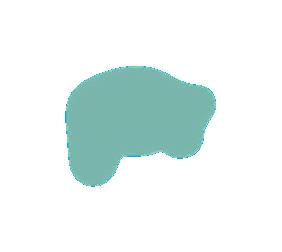
The language map below shows how many different language groups there are just in New South Wales. Each area shown on the map represents a group of people who shared a language and culture. When looking at all of Australia we see that there are hundreds more language and nation groups.
Language was and is an important way of sharing knowledge. Through the use of language, people could pass on stories, laws and deep knowledge of the land. Many Australian place
names today come from Indigenous languages. The names carry story and knowledge.
When British settlers arrived, Indigenous languages came under pressure. English was the main language which meant that some Indigenous languages were not spoken as much.
Some languages today are at risk because Elders who speak them are passing away. However, communities are working hard to keep their languages strong.
Restoring Indigenous place names, like Uluru and K’gari, helps everyone understand the deep and ongoing connection between First Nations peoples and Country.


















































1. What was the impact of the English language on Indigenous languages when settlers arrived?
2. What do the different areas shown on the language map represent?
3. Why do different places have different languages?
4. Why is it important to restore Indigenous place names?
5. What do you notice about how many language groups are shown on the map?
6. Based on the map, what can you tell about the diversity of Aboriginal cultures? You are working hard to learn something new!




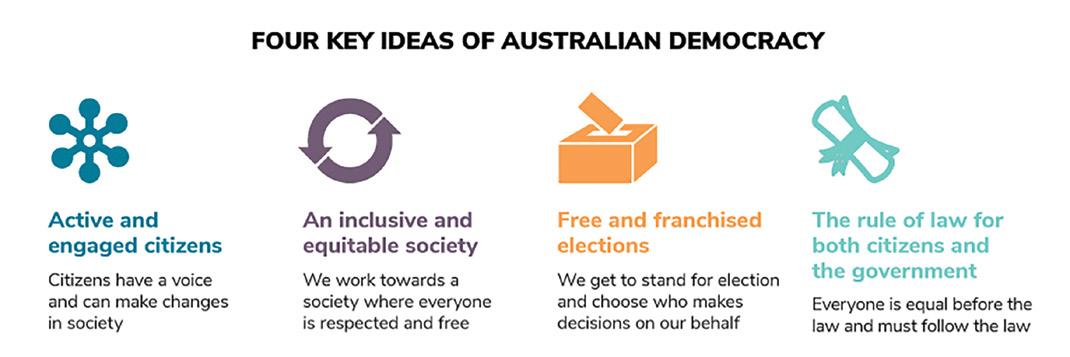
We are reviewing the origins, features and values of Australia’s democratic system.

Source: Parliamentary Education Office Volunteers in Australia
1. Identify the percentage of volunteers aged 15 and over who volunteer in Australia.
2. In your own words, explain the four key values of Australia’s democracy.
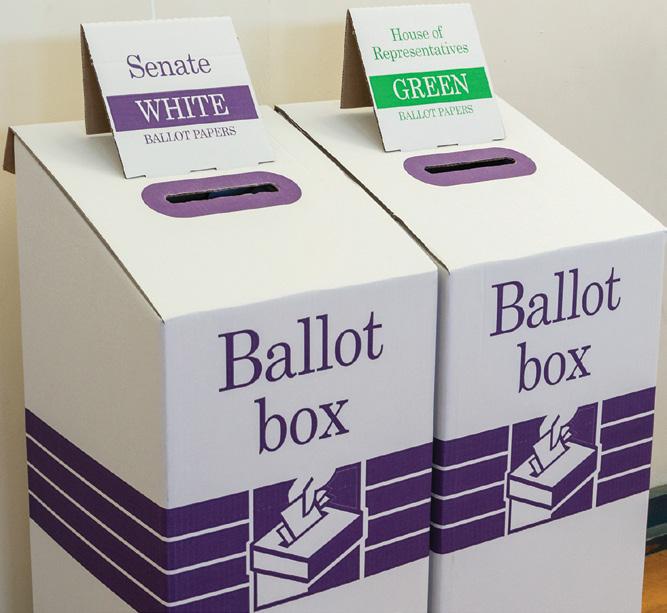
3. Why is there a separate ballot box for the House of Representatives and the Senate?
4. Explain what an inclusive and equitable society provides for all Australians.
5. Describe the benefits to Australian society of people volunteering.
6. Explain three different ways people can volunteer in Australia.
7. In your own words, explain the difference between the House of Representatives and the Senate.
You are working hard to learn something new!




We are learning about resources, what scarcity is, and how it affects the choices individuals, businesses and governments make.

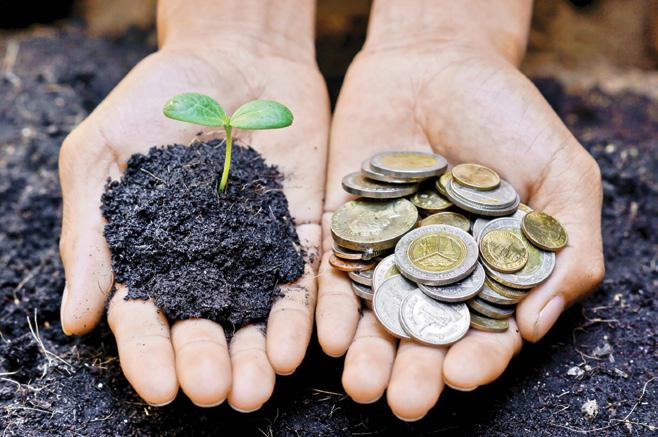
Every day, people make choices about what to buy, what to use and how to spend their time. But have you ever wondered why we can’t always have everything we want? The answer is scarcity. Scarcity happens because the resources we use, such as time, money, materials and workers, are limited.
Think about a popular new toy, for example a Labubu doll. If thousands of people want it but only a limited number are made, not everyone will be able to buy one. This is scarcity. It doesn’t just happen with toys, it happens with natural resources such as water and trees, human resources such as skilled workers, and capital resources such as machines and tools. Because resources are limited, people must make choices. When we choose one thing, we often give up something else. This is called a
trade‑off. For example, if a family spends money on a holiday, they might have to wait to buy a new computer. If a farmer uses land to grow wheat, they cannot use the same land to grow corn at the same time.
Scarcity also affects communities and governments. A town might want a new swimming pool, but if there isn’t enough money, they may choose to repair the local playground instead. These decisions shape how people live now and how they will live in the future.
Scarcity encourages us to think carefully about how we use resources. When we recycle, save water or choose renewable energy, we help ensure that resources last longer. Although scarcity is a challenge, it also helps us make thoughtful choices that support our wellbeing and the wellbeing of future generations.
2. Why can’t everyone have a popular item like a Labubu doll?
3. What is a trade‑off? Give an example from the passage.
4. How can scarcity affect a community or government?
5. How can people use resources more sustainably?
6. Write 3–5 questions to extend your thinking about scarcity and the choices people make. For example:
• What might happen if a community uses too many natural resources?
• Why do people sometimes choose wants over needs?
• How can governments decide which services are most important during scarcity?
• What could families do if the price of essential items increases?
• How does scarcity change the way businesses behave?
7. Write 2–3 sentences explaining how scarcity affects the choices people make.