People & Places Connections Oxford 4

Learning intention


First Nations peoples have gathered and prepared food from the land for tens of thousands of years. Their deep knowledge of nature has helped them to choose foods that are safe to eat and seasonal, and they have always taken care to collect food sustainably so that plants and animals can continue to grow for future generations.


One traditional Aboriginal and Torres Strait Islander cooking method uses local ingredients, often called bush tucker, such as kangaroo, emu, yams and bush fruits. Other methods use cooking food in an earth oven, where hot rocks are placed in a pit to slowly cook meat and vegetables, smoking and hot-rock cooking. These methods show their creativity and strong connection to Country.


We are reviewing how climate zones, landforms and natural resources create different environments, and how people use, look after and protect these environments. often called bush tucker, such as
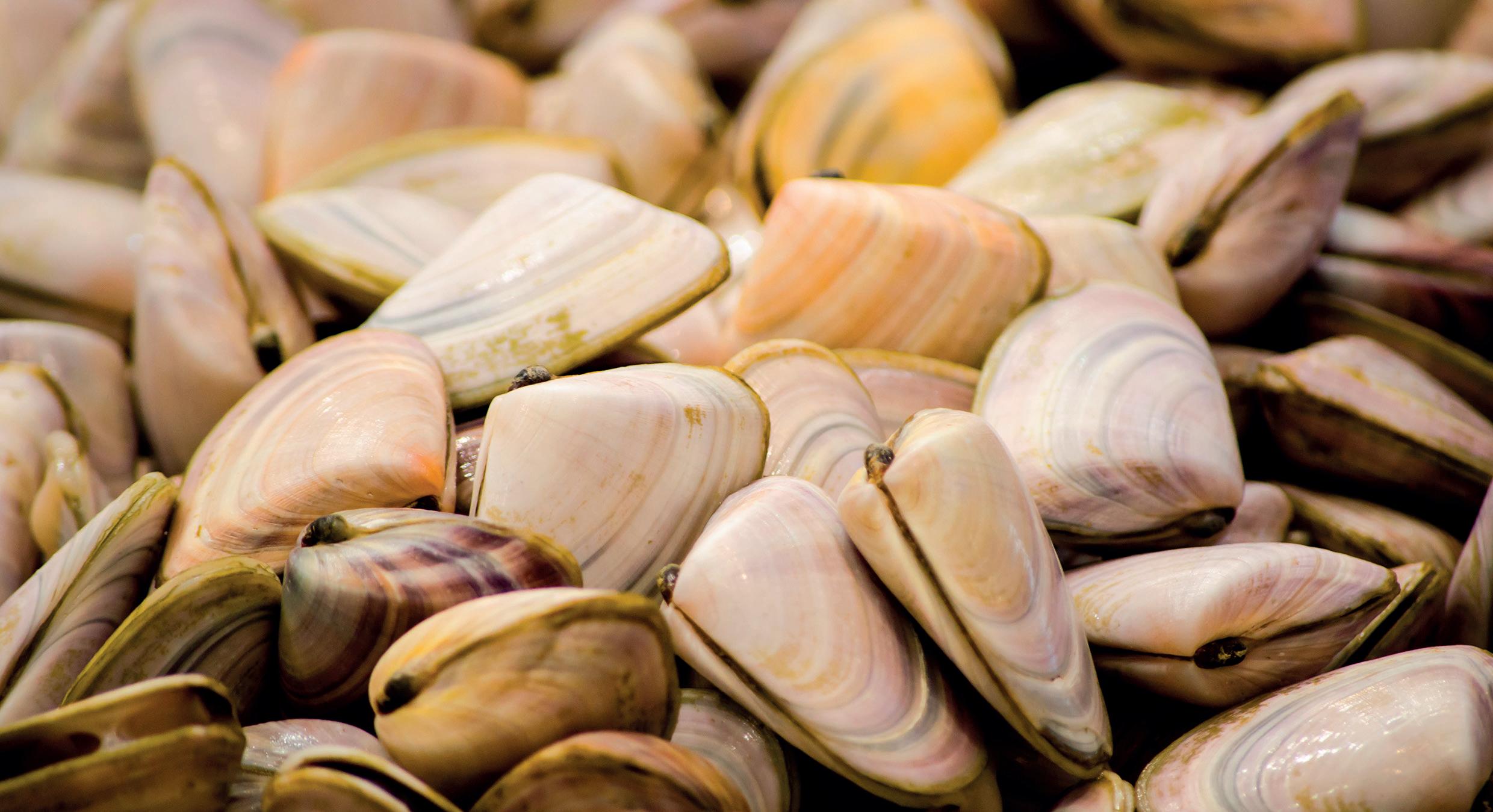
Cockles, or pipis, are a kind of clam and considered a sustainable seafood because they grow quickly and are carefully harvested from clean coastal waters. Many people think they are some of the best clams in the world because they come from such a clean environment.
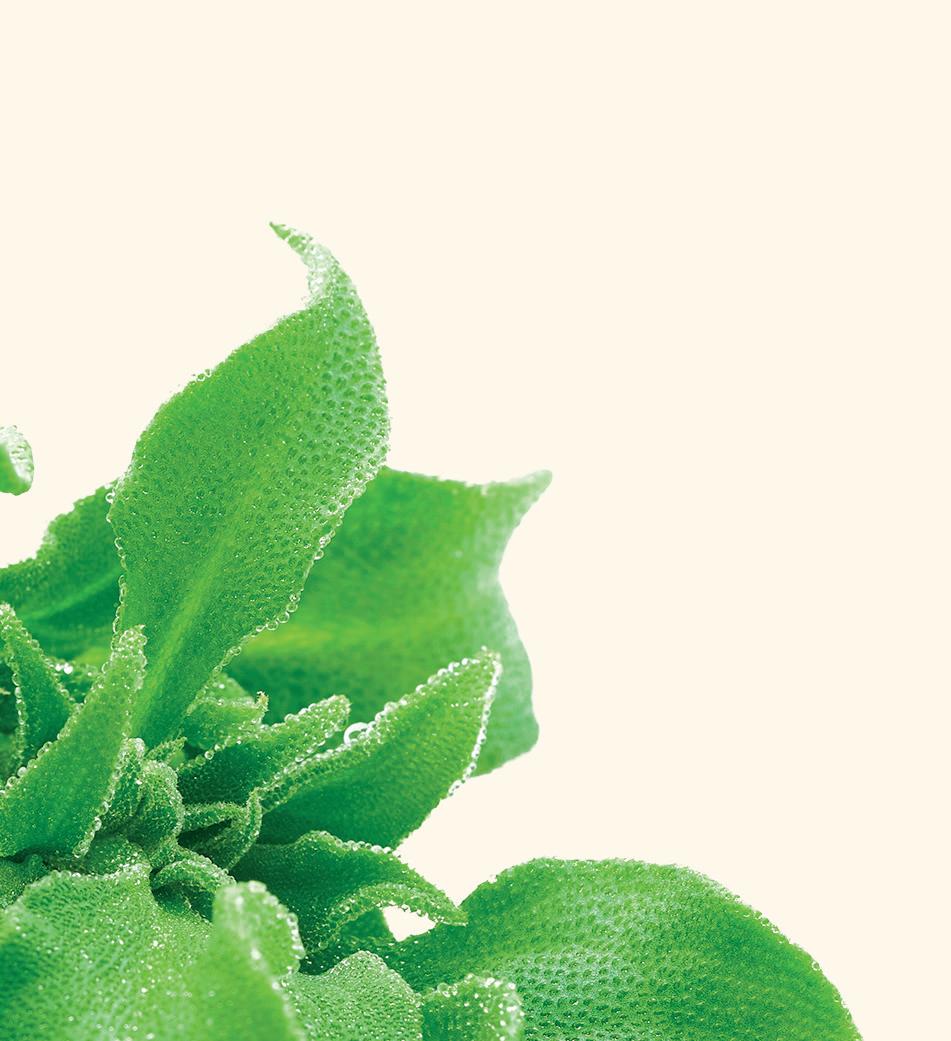
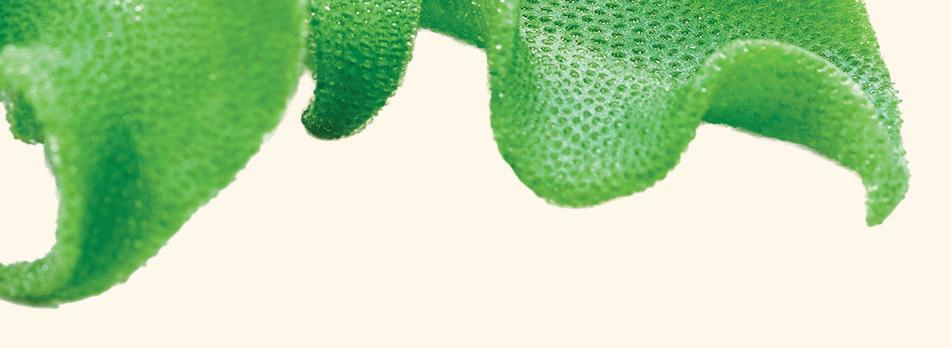
The sweet and salty ice plant gets its name because of its salty and sweet tasting leaves. This species grows in western New South Wales, Victoria, Tasmania, southern South Australia and southern and western Western Australia. It can be found as far north as Exmouth on the north-west coast of Western Australia.
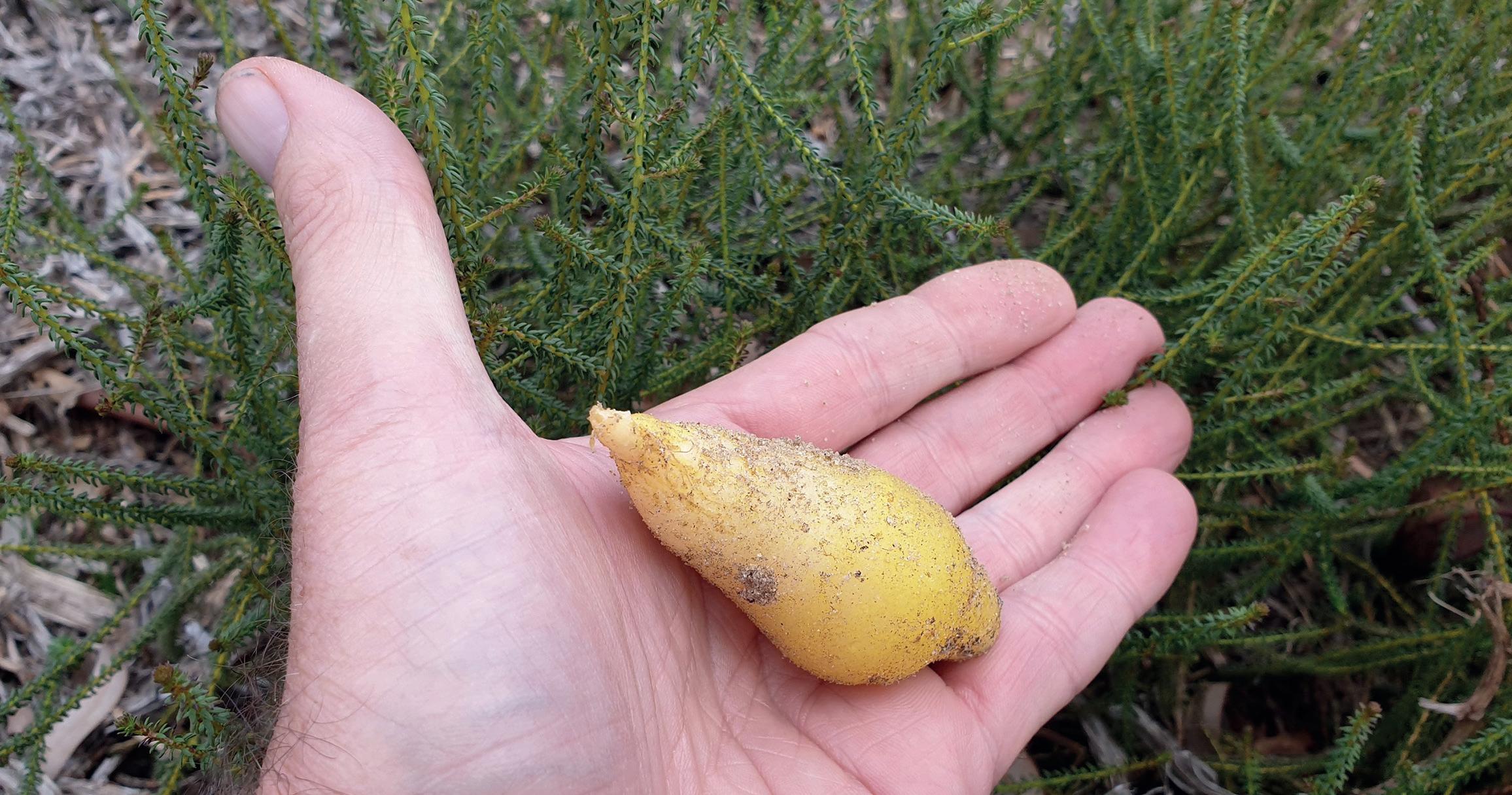
Youlk, also known as Ravensthorpe radish, is an edible bush root vegetable used in traditional cooking. You can find it growing across Ravensthorpe, Newdegate and Jerramungup in Western Australia.
1. What is bush tucker, and what are some examples mentioned?
2. How does an earth oven work, and why does it give the food a different flavour?
3. What do traditional cooking methods show about Aboriginal and Torres Strait Islander peoples’ relationship with the land?
4. Where in Australia is the sweet and salty ice plant commonly found?
5. What is Youlk, and where does it grow in Australia?
6. Write a reflection on what you have learnt about Aboriginal and Torres Strait Islander land and coastal management practices.
You are working hard to learn something new!










Learning intention
We are reviewing and connecting how navigation, exploration and the First Fleet led to the British colony at Sydney Cove and changed life for people in Australia.
1500s
Macassans start to trade with the Yolngu people of Arnhem Land
1570s
Invention of the chip log, which measured how fast a ship was moving in knots
1642
Abel Tasman sights Tasmania, then called Van Diemen’s Land
1600


1730
Invention of the sextant, improving on the astrolabe

1500
1800
1700
1606
Willem Janszoon sails to the Cape York Peninsula, in what is now Far North Queensland
1616

Dirk Hartog sails to the west coast of Australia
1770
James Cook lands in Botany Bay
1788
The First Fleet arrives and establishes a colony in Warrane, later called Sydney Cove by Governor Arthur Phillip
1789





Smallpox arrives and causes a major epidemic in Sydney Cove, which spreads across the wider Sydney region, killing many of the Gadigal, Wangal, Cammeraygal, Dharug and Bidjigal people
1. Carefully read the timeline. Use information you have learnt from the lessons in this unit to help answer the questions.
a. Which new tools or improvements helped sailors make long sea voyages?
b. Which explorers came to Australia before the British colony was established?
c. What important event took place in 1776?
2. Reflect on the timeline. Choose one of the consequences experienced by the Gadigal people who lived in Warrane before the First Fleet arrived. Explain what you think caused this consequence.
3. Think about what you have learnt about Australia’s history in this unit. How could you explain it to a younger sibling? In 3–5 sentences, explain what you have learnt about the Age of Discovery, using simple language that a younger sibling would understand.
You are working hard to learn something new!


We are learning to understand what local rules and laws are and why they are important in our community.
On a sunny Monday morning, the students of Greenhill Primary were buzzing with excitement.
The class had been given a special task by their teacher, Ms Yea, which was to learn about local rules and laws by exploring their neighbourhood. Before they left the school gates, Ms Yea reminded them about safety rules, like staying together and using pedestrian crossings.
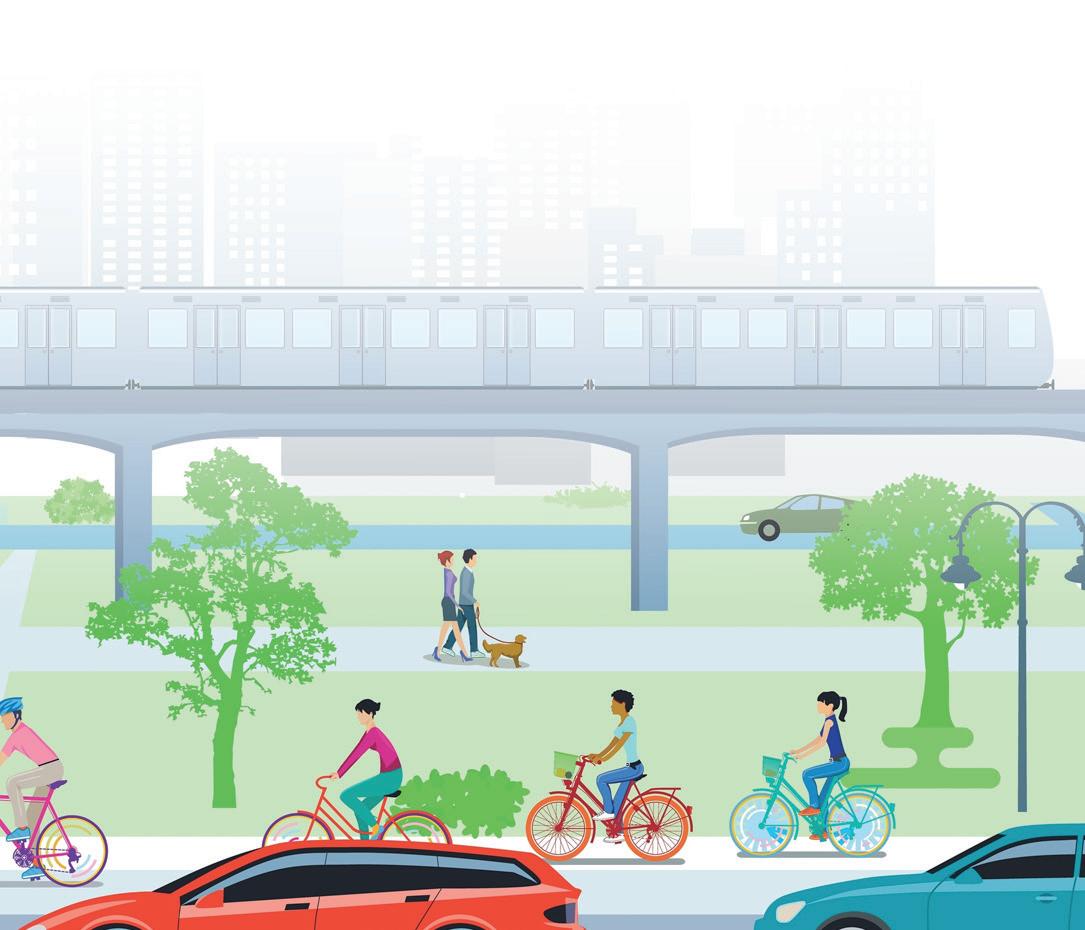
As the children walked through the park, they noticed signs showing rules about keeping dogs on leads and putting rubbish in bins. “These rules help everyone enjoy the park,” said Mia. Nearby, a council worker was fixing a broken
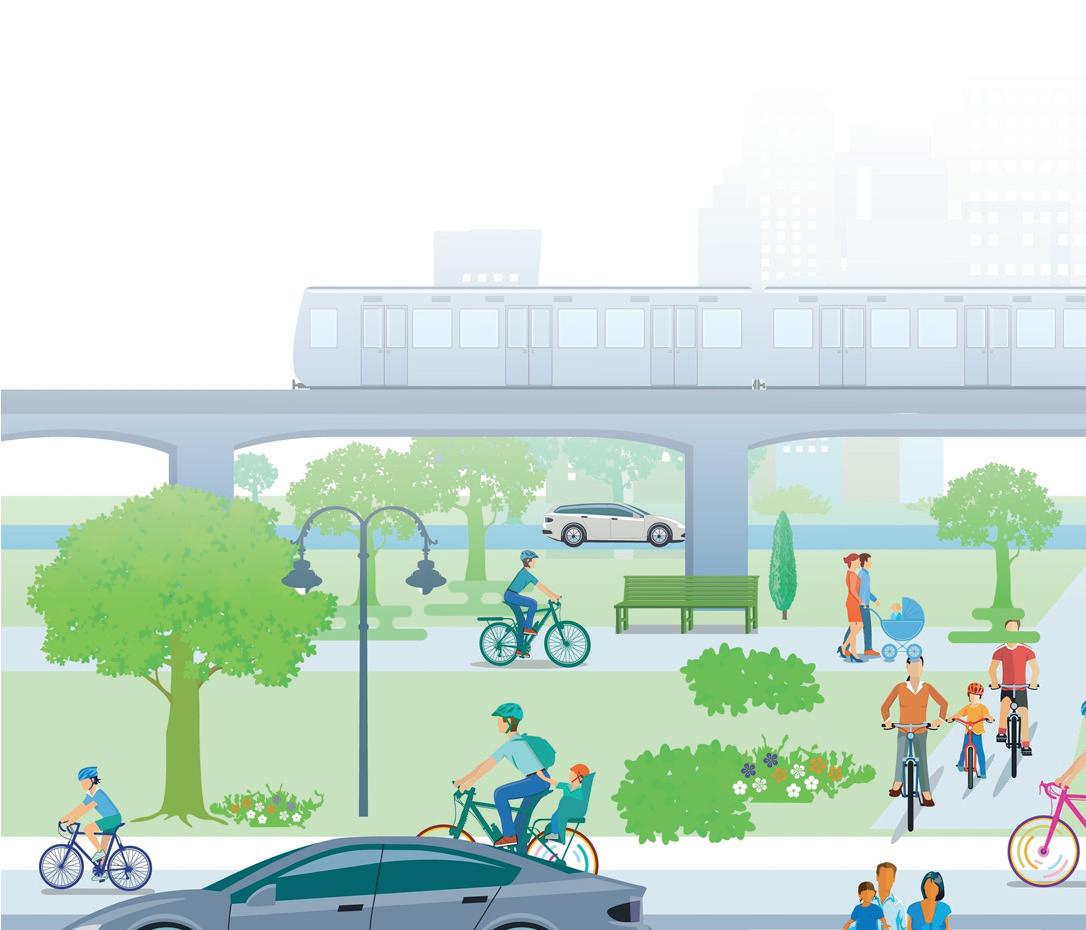
path, and he explained that local laws help keep public places safe.
Later, the group stopped at a busy road. The traffic lights changed, and everyone waited patiently before crossing. “If people ignored road rules, it would be very dangerous,” said Jack.
When the class returned to school, the students talked about what they had seen. They realised that local rules and laws were everywhere, helping people stay safe, be fair and care for their community. From that day on, the children felt proud knowing they were part of a community that worked best when everyone followed the rules.

1. Name two safety rules Ms Yea reminded the students about before they left school.
2. What are some rules that your school has about leaving the school grounds?
3. How can you tell that local rules help keep people safe, even if the text does not say this directly?
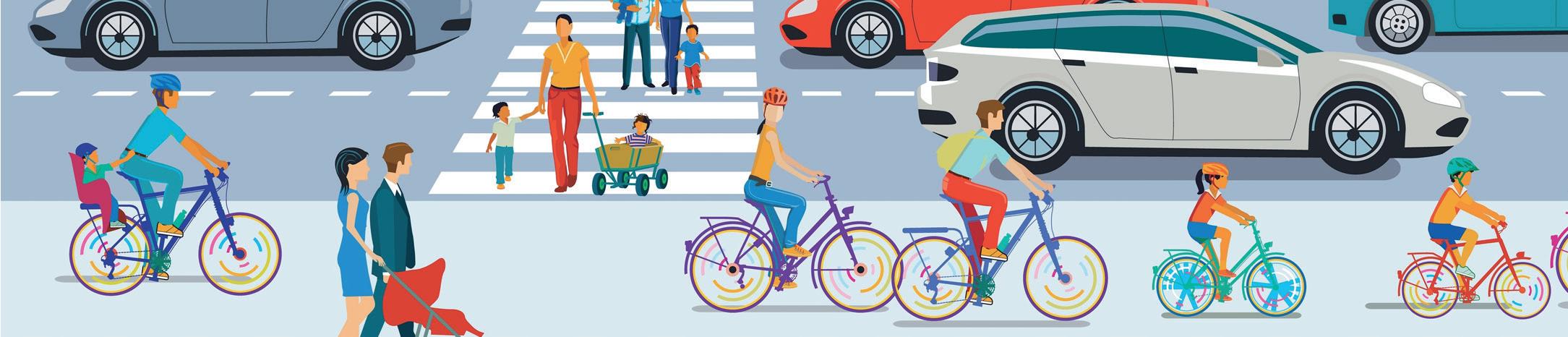
4. List examples of rules/laws that are shown in the picture.
5. Identify each of the following as a local rule or a local law.
a. Walking a dog on a lead
b. Stopping at a pedestrian crossing when driving
c. Raising your hand to speak in class
d. Placing rubbish in the correct bins for collection
e. Finishing homework before watching TV
f. Putting rubbish in the bin at home and school

We are reviewing how rules and laws, local government and active citizens help communities live fairly and work together.
Hi, my name is Mia! I am in Year 4 at Springfield Primary School. My school backs onto a community park where there is a playground, a sports oval and bush reserve. The footpath goes right past our school windows, so we can see people from the community walking their dogs, cycling and jogging.
Sometimes, we do activities for school in the park, which is really fun. Our teacher taught us how to recognise invasive weeds in the bush, and one day we counted all the weeds in a small section of the reserve. There were so many weeds!

My class decided to take action and organise a bushcare project. We contacted Landcare Australia, which is a volunteer-based organisation that has groups all around the country. They helped us to organise the weedremoval day and find the equipment we needed. Some local Landcare members came and educated us about safe weed removal. It was a great success, and in the end our school was in the news because of the project! The bush reserve is even better than it used to be, and now we know how to help keep it free of weeds.
1. After you have read the reading passage, consider the statements below. Are they true or false?
a. Mia and her classmates were taught by local Landcare members how to remove weeds safely.
b. It is against the law to remove weeds from bush reserve areas.
c. Weeds are a problem in bush reserve areas because they take nutrients, sunlight and water away from native plants and animals.
2. What would an active citizen do? Review the problems listed below and draw a line matching them to an appropriate solution.
You have noticed a lot of rubbish has been dumped behind a bush on a local footpath.
Many of the local playgrounds have broken equipment, which could be a danger to children.
You see an elderly woman fall over on a footpath. She does not get up.
You have noticed some smoke in the air above a local bush reserve.
Get the attention of an adult to help, and call for an ambulance if required.
Call 000 and ask for Fire. Give details about the location of the smoke.
Telephone or email the council and let them know where the rubbish is.
Write a persuasive letter to the council letting them know why the playgrounds need to be fixed.
You are working hard to learn something new!