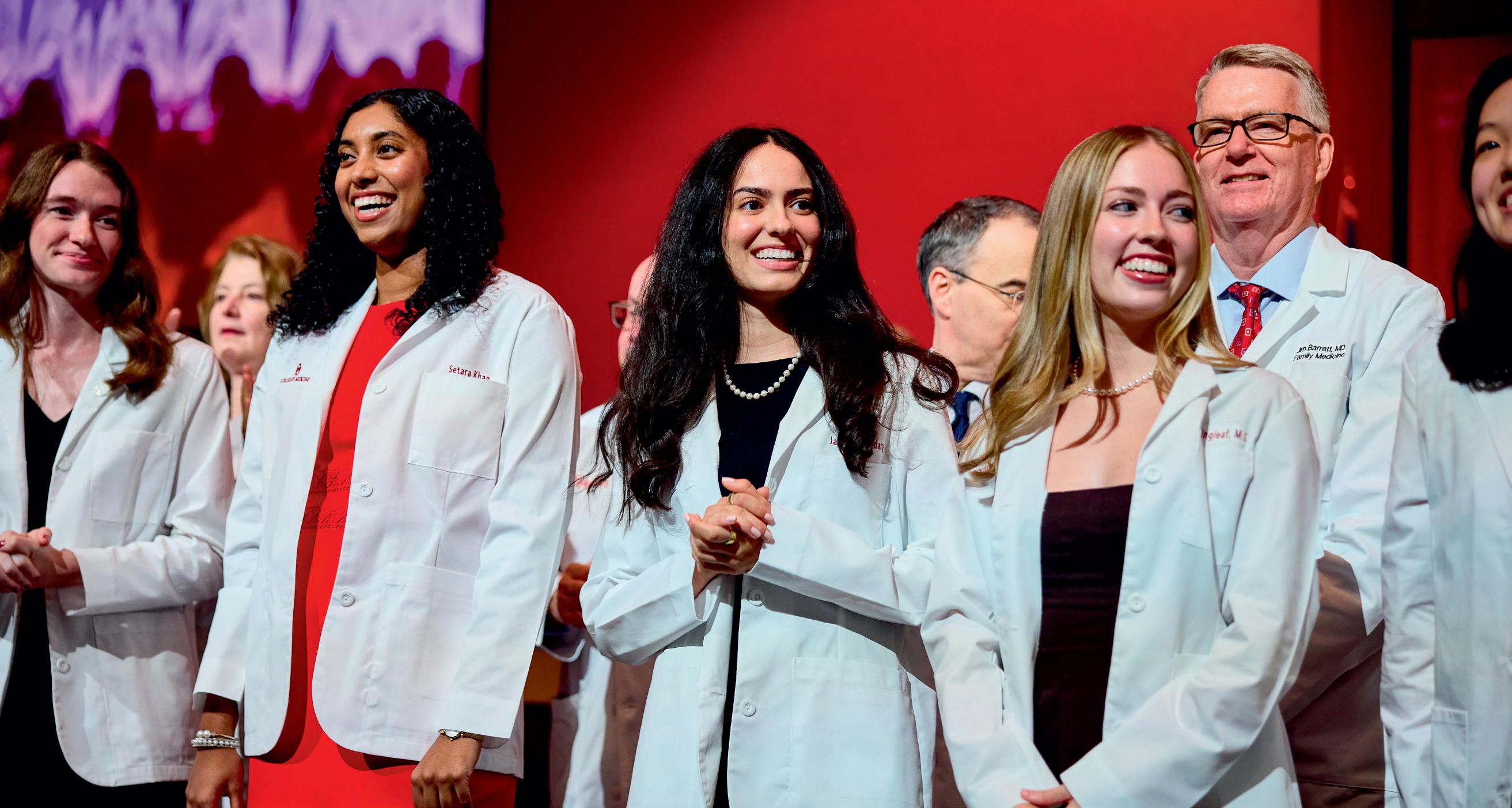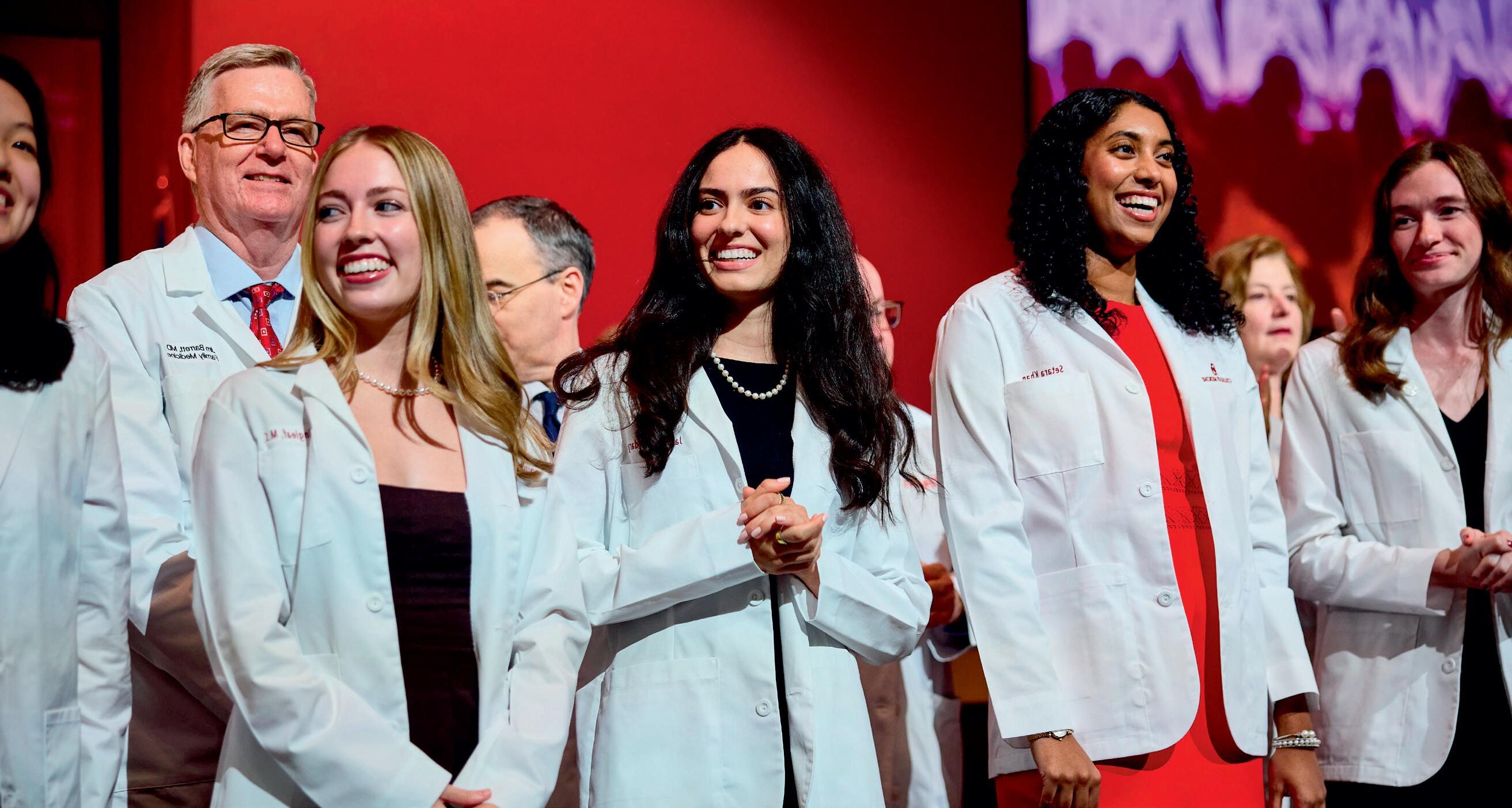






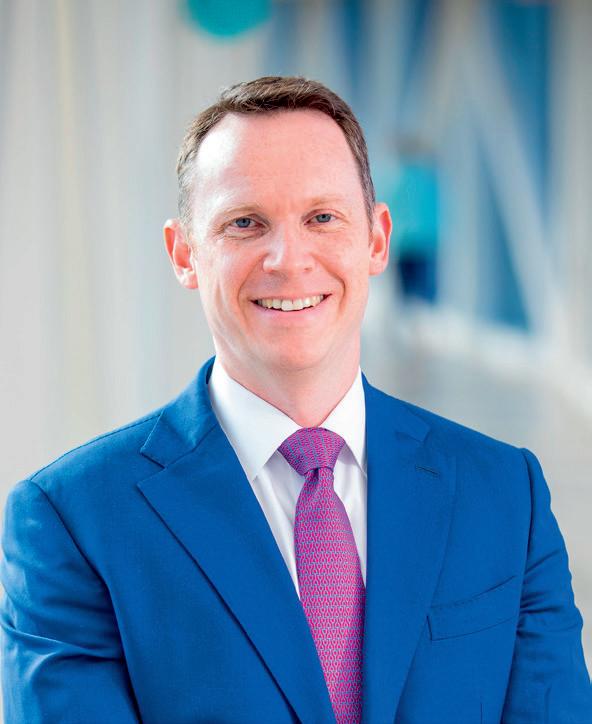
As the University of Oklahoma College of Medicine celebrates its 125th year of leading in education, research and practice of the medical sciences, I am thrilled about the work ahead for our institution. This year has encapsulated a powerful sense of renewal and momentum for the college, defined by growth, innovation, and optimism that we are truly lifting the health of Oklahoma.
The state is facing tremendous challenges in health care. Oklahoma ranks 49th in health outcomes, 48th in physicians per capita, and similarly low in the number of medical students per capita. The only way to improve these numbers is through intentional, collaborative effort. That is why I am so energized about our deep alignment with OU Health, the state’s leading academic health system. Together, we embrace the fundamental purpose of an academic health system: to provide access to cutting-edge, complex care; to train future clinicians; to conduct research that advances health outcomes and saves lives; and to be a great partner to community health systems across Oklahoma.
In September 2024, the OU Board of Regents approved an ambitious plan to increase enrollment in our M.D. program by more than 40% over the next five years – from 163 to 232 students annually. This fall, we welcomed the class of 2029, our largest ever, with 205 students. While most are proud Oklahomans, we also attracted talent from across the nation.
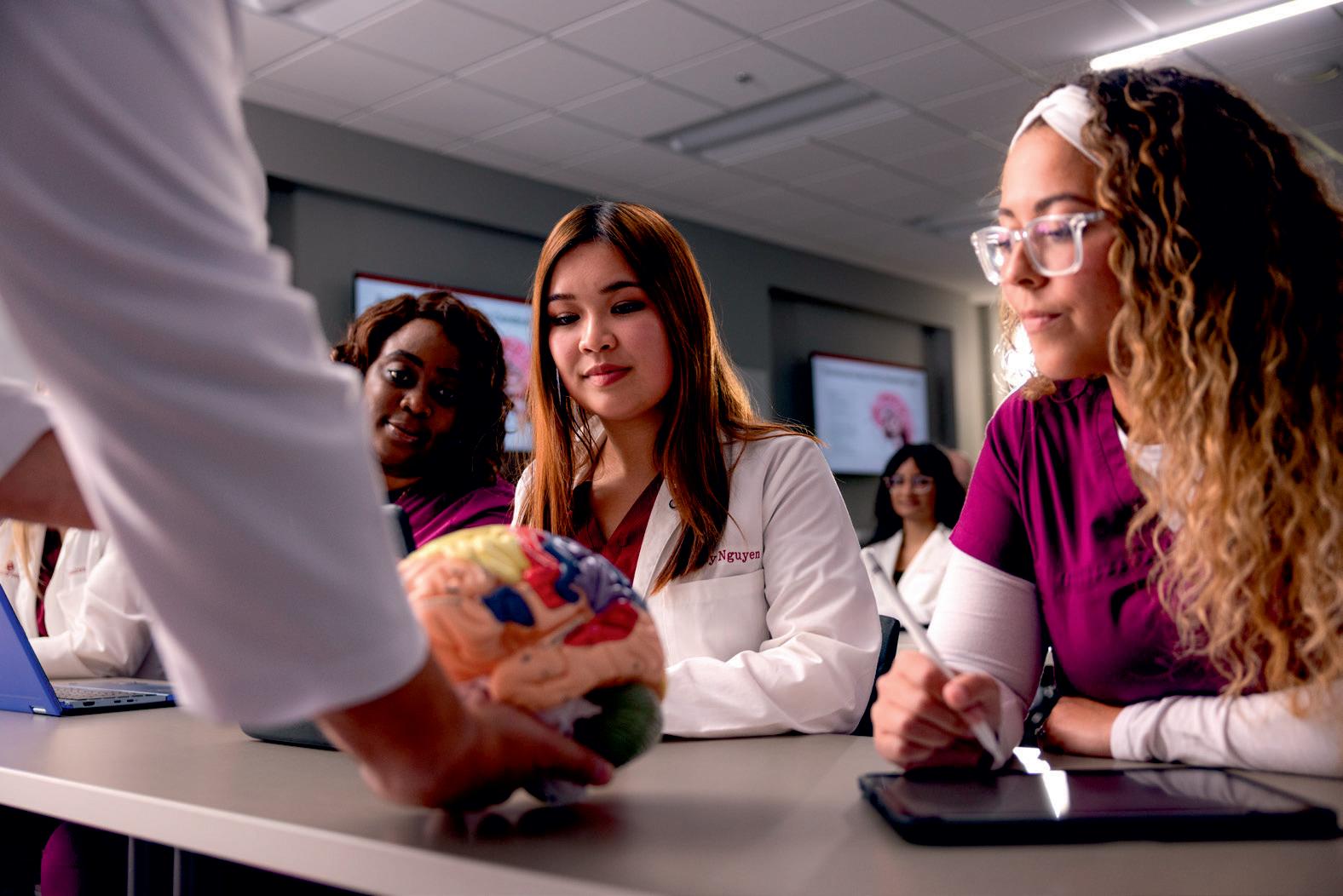
These new students will experience a brand-new curriculum – the most significant change to course structure in the history of the College of Medicine. Launched this summer, it shifts much of the coursework from traditional lectures to active learning in small groups, fostering collaboration, critical thinking and hands-on experience. Over the next two years, we are aiming to launch a three-year pilot curriculum, joining the 45% of medical schools already offering the pathway.
The College of Medicine has also experienced exciting growth in our academic and research infrastructure. In 2025, we established two new departments: the Department of Emergency Medicine and Department of Molecular Genetics and Genome Sciences.
For the first time in more than 30 years, emergency room physicians will be training at OU Health, the state’s leader in Level 1 trauma care. The new Department of Molecular Genetics and Genome Sciences represents a key investment in health care research, expanding our capabilities in areas such as cancer genetics, epigenetics, genomic technology, artificial intelligence approaches to drug discovery, and computational data science.
These initiatives underscore the essential link between education, research and clinical care. Research is the glue that binds them, and is what ultimately advances care and saves lives.
The College of Medicine has made promising strides in research awards. Currently, the college ranks 69th out of 148 medical colleges nationwide in NIH funding, with several departments ranking among the top 25 in their specialties: Family Medicine (No. 3), Obstetrics and Gynecology (No. 21) and Neurosurgery (No. 23). While ranking in the top half of all medical colleges is impressive, our goal is to reach the next level by joining the company of public institutions ranked in the top 50.
To achieve this, we are making significant investments in our research enterprise. Over the coming years, we plan to hire 150 new investigators, enhancing our ability to make meaningful contributions to health outcomes. We are promoting outstanding internal talent and recruiting talent from top institutions around the country while proving that world-class faculty can and will come to Oklahoma.
A key step in this commitment is the creation of our first vice dean of research, a milestone that cements research as a central pillar of our mission.
Finally, I want to recognize the role of philanthropy in all we do. The generosity of our donors multiplies our impact exponentially. Through their contributions, promising medical students can pursue their dreams. We are able to recruit and retain exceptional faculty, fund groundbreaking discoveries, and invest in state-of-the-art educational technology.
As we celebrate 125 years of excellence, I am honored to work alongside such a talented group of individuals and am excited to see all that we can achieve. Thank you for your support and continued contributions to our life-saving work.

Ian F. Dunn, MD, FACS, FAANS, Executive Dean
The University of Oklahoma College of Medicine
President, The University of Oklahoma
Joseph Harroz, Jr.
Senior Vice President and Provost, OU Health Sciences
Gary E. Raskob, Ph.D.
Executive Dean, College of Medicine
Ian F. Dunn, M.D.
Contributing Writers
Vallery Brown, OU Health
Edna Espino, OU Health
Kat Gebauer, OU MarComm
Jacob Guthrie, OU MarComm
Kristen Hoadley, OU Foundation
Megan Louk, OU MarComm
Jacob Munoz, OU MarComm
Lorene Robertson, OU MarComm
Bonnie Rucker, OU MarComm
Jennifer Walters, OU MarComm
April Wilkerson, OU MarComm
This magazine is published by the University of Oklahoma Office of Marketing and Communications on behalf of the OU College of Medicine. For more information, contact marcomm@ou.edu. Copies of this magazine were printed at no cost to the taxpayers of the state of Oklahoma.
The
of Oklahoma
an equal opportunity institution. www.ou.edu/eoo
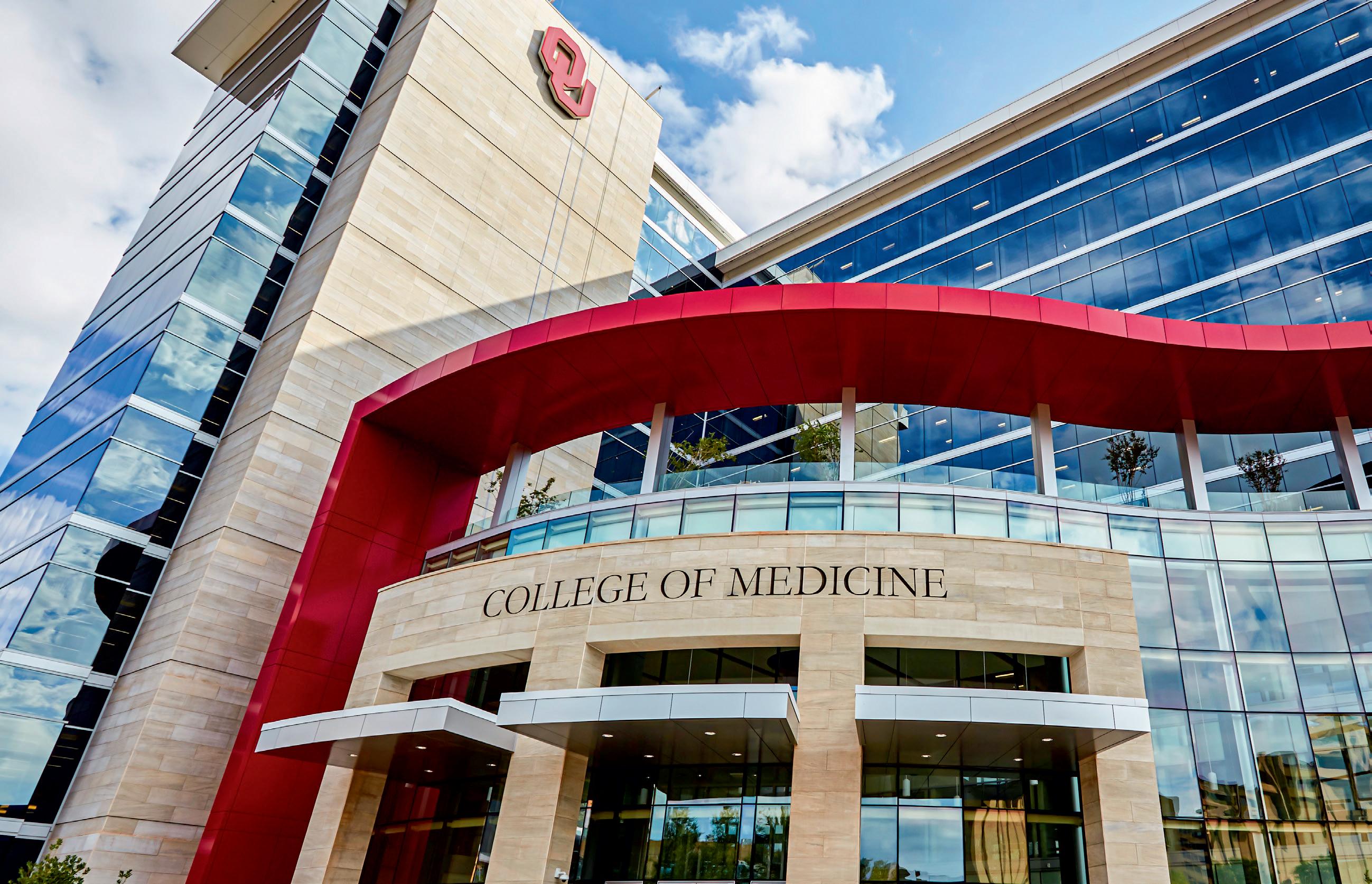
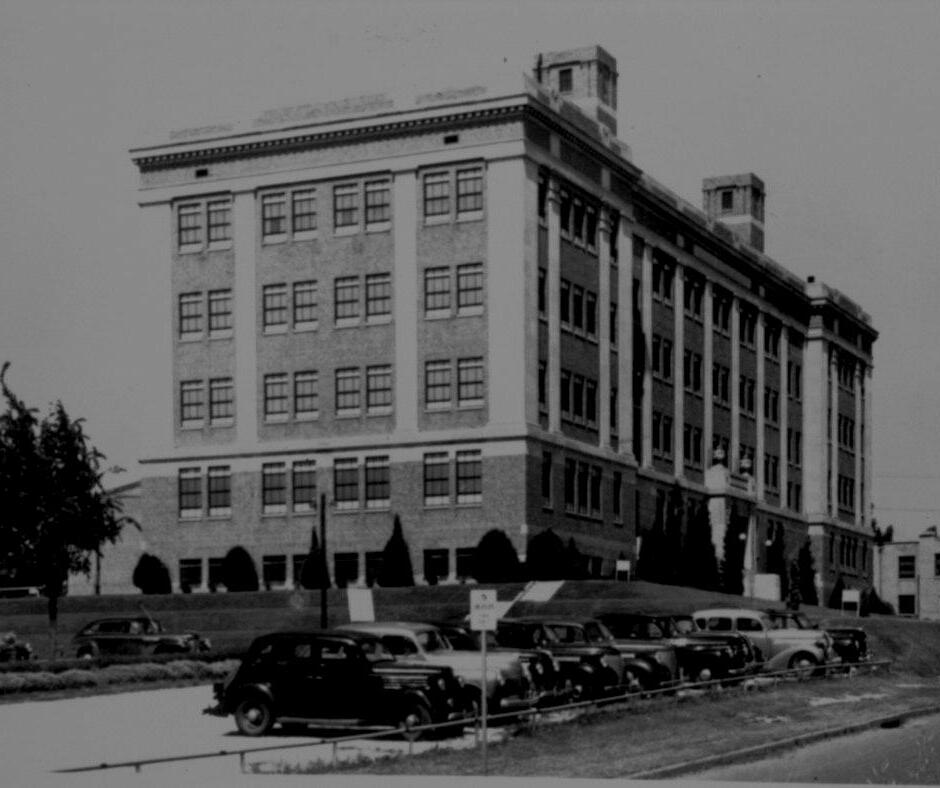
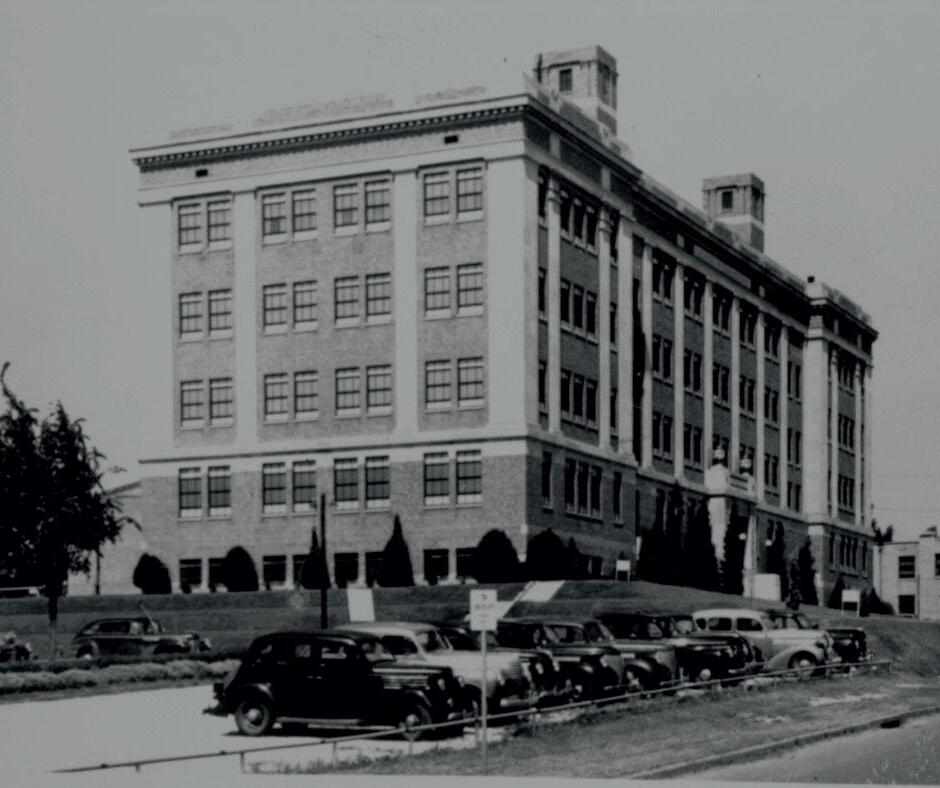
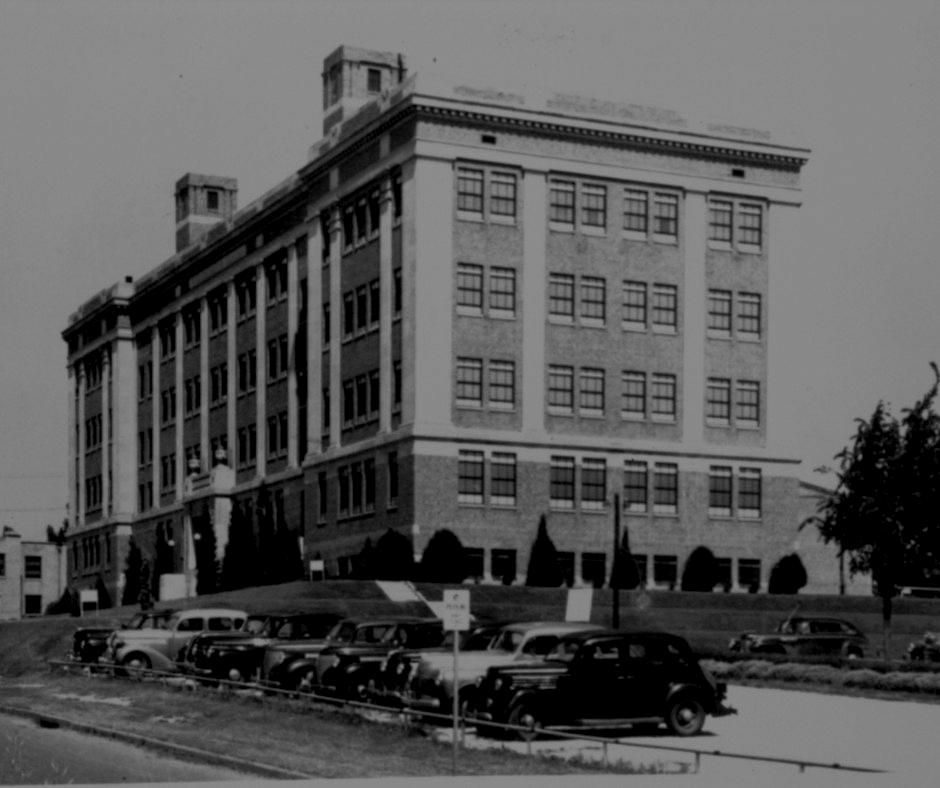
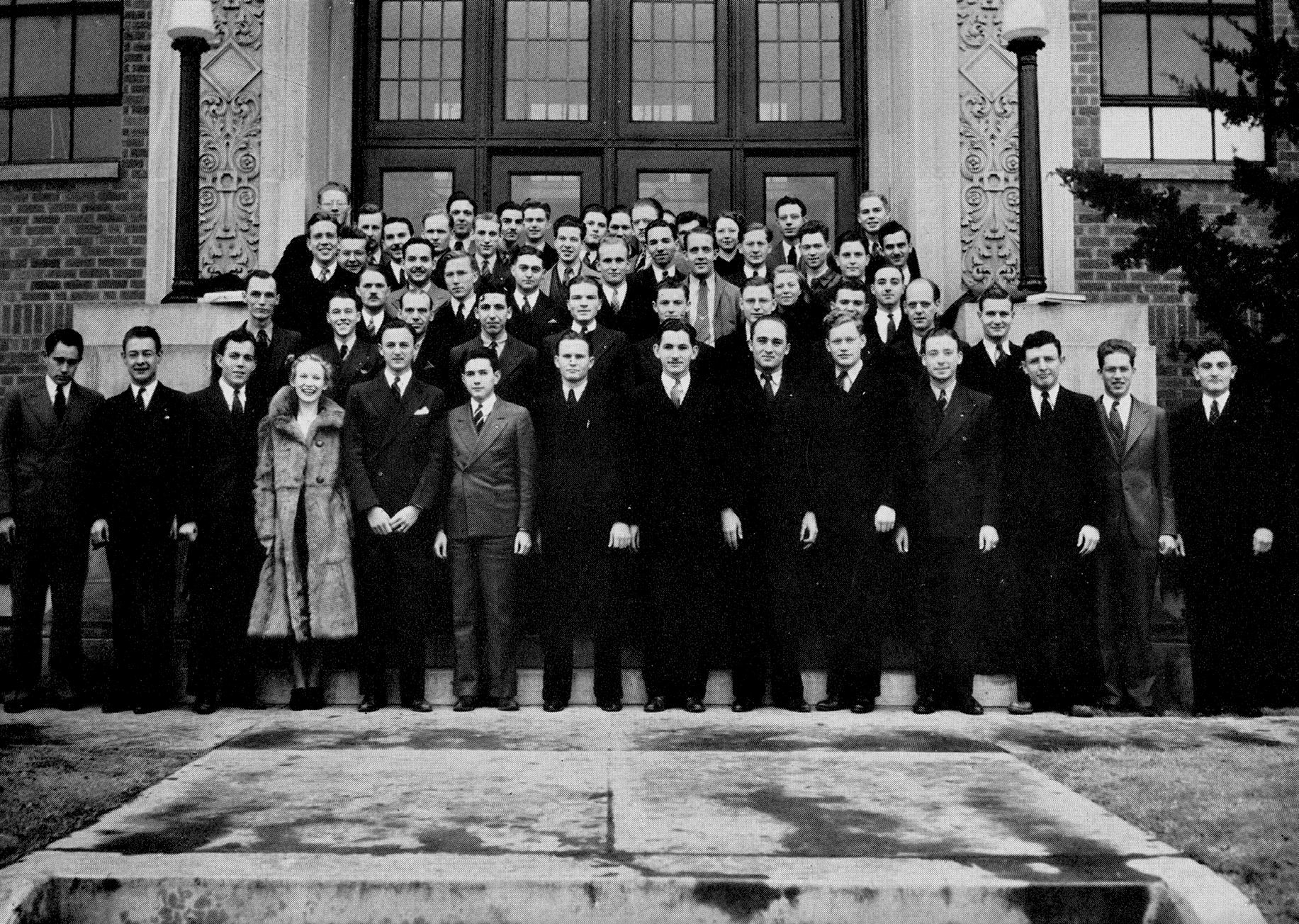
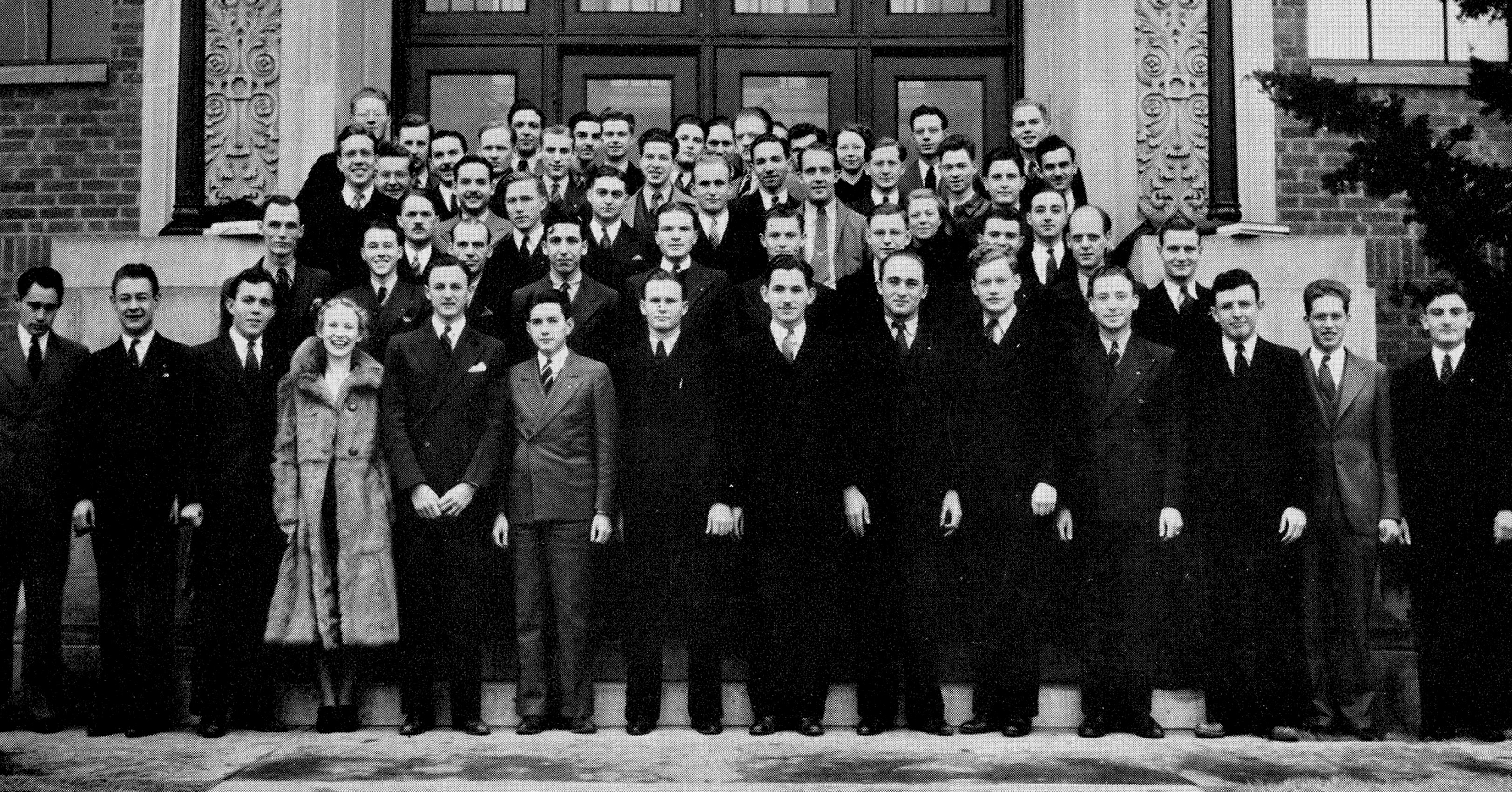
For 125 years, the University of Oklahoma College of Medicine has evolved alongside the state it serves, shaped by pivotal moments, visionary leadership and an enduring commitment to education, research and patient care. The modern College of Medicine took form in the early 20th century with its merger with Epworth College of Medicine in 1910-1911 and its relocation to Oklahoma City, where access to hospitals and practicing physicians created new opportunities for clinical training. That momentum continued with the opening of the first fully realized University Hospital in 1918 and, a decade later, the establishment of a dedicated Children’s Hospital – milestones that anchored the college at the heart of Oklahoma’s growing medical community.
The mid-20th century marked a profound transformation in the character of the college as it recruited full-time clinical department chairs and faculty. Influential leaders such as Drs. Stewart Wolf, John Schilling, Harris Riley, James Merrill, Jolly West, James Snow, James Hammarsten and others helped define an era of academic rigor and expanding national stature. During this time, Dean Mark Everett’s close working relationship with Lloyd Rader, head of the Department of Public Welfare, underscored the college’s deep connection to public service. The opening of a new University Hospital in 1973 further reflected the institution’s growth and ambition.

In the decades that followed, the College of Medicine continued to adapt to a changing health care landscape. Legislative action in 1998 created the University Hospitals Authority and Trust, enabling a long-term management agreement with the Hospital Corporation of America (HCA) and supporting continued clinical operations. Strategic partnerships, most notably with the Presbyterian Health Foundation, fueled major advances in biomedical research, and much-needed research space was developed with the opening of the Stanton L. Young
Biomedical Research Building in the early 2000s. The conversion of the former University Hospital into Children’s Hospital, plus the addition of a large new clinic building and new entrance for Children’s, led to the expansion of several pediatric programs. This also made the old Presbyterian Hospital the major adult facility. In 2018, the College of Medicine and University Hospitals Authority and Trust brought clinical operations back under unified local control, forming what is now OU Health.
As the College of Medicine marks its 125th anniversary, these defining chapters provide the backdrop for reflections from two former executive deans and the current executive dean, who have guided the institution through times of challenge, change and remarkable progress.
By Dr. M. Dewayne Andrews, Executive Dean, 2002-2017
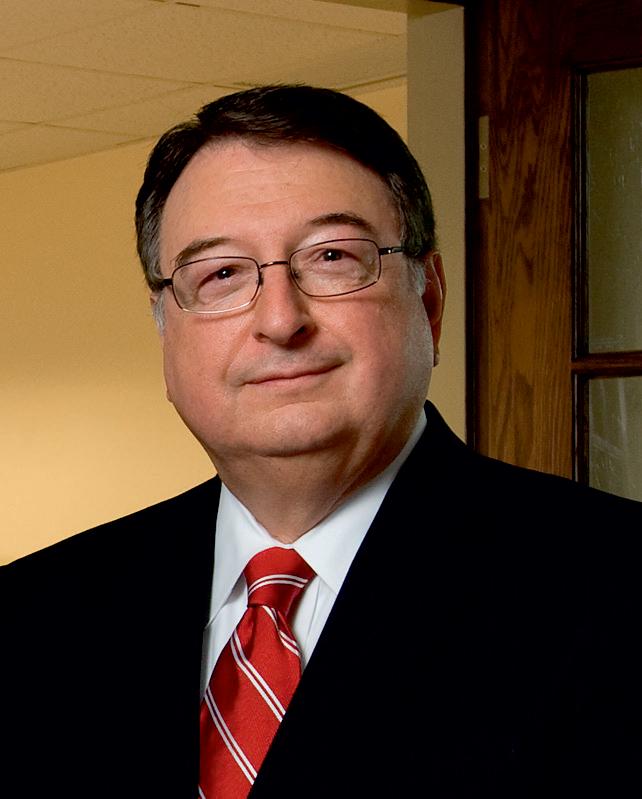
It was my privilege to provide significant leadership and involvement in all the major developments and strategic decisions for the College of Medicine, the OU Health Campus, and the medical center hospitals during my 15 years as executive dean.
I think much of the success we had was related to developing sustained, good working relationships with OU President David Boren, the OU Board of Regents, the Chancellor of Higher Education, the leadership at the Governor’s Office and Legislature, hospital administration, and especially the members and leaders of the University Hospitals Authority and Trust.
We also had a dedicated group of faculty and staff who were committed to making our strategic plans and goals a reality if possible. In so many areas, we succeeded. It’s not possible here to speak about each area of work and development. Some of the more significant areas are discussed below.
From 2002 to 2017, we experienced major growth in our faculty. In 2002, we had 510 full-time College of Medicine faculty in Oklahoma City and 69 at our Tulsa campus. When I retired in 2017, we had 830 in Oklahoma City and 124 in Tulsa, and we had grown to a total of 1,263 faculty, counting both full time and part time.
Strengthening leadership was a major priority, and I had the opportunity to recruit and appoint 18 department chairs during this time. We also expanded our endowed chairs and professorships, increasing from 91 in 2001 to 252 by FY2016. Likewise, our endowment grew from $140 million in 2002 to $440 million by 2017, providing a strong financial base for future initiatives.
During my time as executive dean, the college experienced three highly successful full accreditation site visits and assessments by the LCME, the authorized body for accreditation of U.S. medical schools. We also increased our class size from 142 per year to 165 per year, and we modernized the main building for preclinical student activity, the Basic Sciences Education Building.
In partnership with the University Hospitals Trust, we developed and created a 30,000-square-foot Clinical Skills Education and Training Center, giving students access to a robust environment for hands-on learning. A major renewal and reorganization of the medical education program led to higher student satisfaction and improved performance on national board exams. Financial support for students also grew dramatically, with scholarship endowment funds increasing from less than $6 million in 2002 to $21.2 million in 2016, and annual scholarship awards rising from $160,000 to more than $2.2 million annually. Our strengthened offerings attracted more applicants, rising from 893 in 2002 to more than 2,000 annually by 2014. We also further developed the Tulsa campus, enabling students to complete all four years of medical school there rather than just the final two.
Graduate Medical Education saw strong expansion as well. In 2002, the college supported 52 specialty and subspecialty training programs with 600 residents and fellows. By 2016, that number had grown to 78 programs training 766 residents and fellows, reflecting our commitment to preparing the next generation of physicians across a wide array of fields.
By 2003, it was clear that clinical practice funds were becoming ever more important for medical schools. As a result, we undertook substantial reorganization and enhancement of our faculty practice plan, OU Physicians. This fit with many of the other changes and developments mentioned above.
Outpatient visits served as one indicator of success, increasing from 280,000 visits in FY2002 (180,000 adults and 100,000 children) to 665,000 by FY2016 (440,820 adults and 223,870 children). Growth of the faculty practice also allowed substantial growth of the hospital systems in the medical center.
With approval of the OU Board of Regents, the college developed the Academic Physicians Insurance Company (APIC) to handle the increasingly complex and expensive professional liability insurance (commonly referred to as medical malpractice insurance) required for modern and large medical systems. It was developed outside the commercial marketplace, was highly successful and saved millions of dollars for the faculty and college.
From 2002 to 2017, the college developed more than 20 specialized centers dedicated to research and clinical care of
certain diseases and special clinical problems. Each of those is contributing in an important way. However, two of those centers required enormous effort, substantial investment, facilities, and complex administrative, research and clinical services.
The Harold Hamm Diabetes Center is dedicated to clinical care and to clinical and basic research of diabetes. Mr. Harold Hamm was the major benefactor in helping us to establish this important center named in his honor. International prominence of this center has continued to grow.
The Stephenson Cancer Center was developed after extensive planning, engagement with the Governor’s office and the Legislature, and significant fundraising. The Stephensons were major benefactors who made a lead gift that resulted in the center being named in their honor. This center was designated by the National Cancer Institute as a key center dedicated to cancer research and care. Substantial clinical trials research was also undertaken by the Stephenson Center.
A concerted effort was made to emphasize and promote basic science and clinical research in the College of Medicine and on the OU Health Campus. New research laboratories were made possible by the university’s purchase of the Presbyterian Health Foundation Research Park, completed during my time as the OU Health Campus provost. The development of specialized centers of excellence greatly enhanced clinical research, and total sponsored research funding on the OU Health Campus rose substantially – from approximately $80 million in 2002 to $137.3 million by 2016, with the majority of funding residing in the College of Medicine.
By 2012, it became obvious that the College of Medicine needed additional space and facilities to accommodate its growth, especially in the clinical departments. We undertook careful and detailed planning with the University Hospitals Trust to create a new “academic tower” that would provide much-needed space for the faculty of clinical departments and their administrative support staff. The Trust helped us create a beautiful, modern, large and well-designed office building. Its opening ceremony and dedication occurred in the fall of 2016. Because not all clinical departments could be moved, we also renovated many areas of the Williams Pavilion for use by other departments.
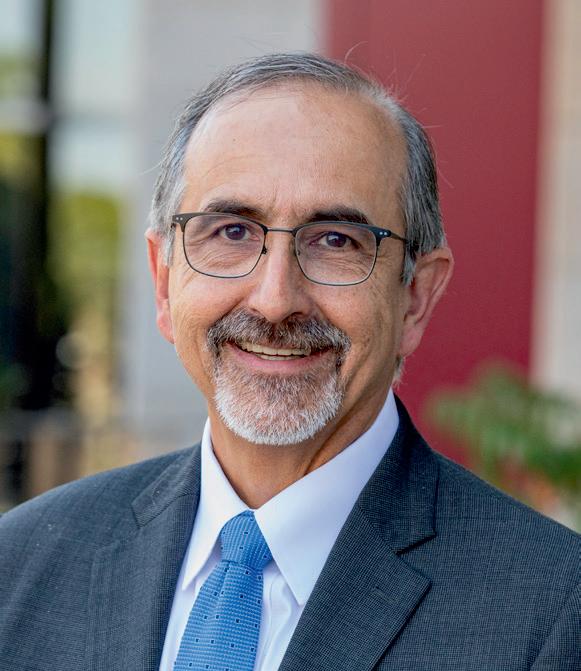
During my 30-plus years at the OU College of Medicine, I had the privilege of serving as associate dean for graduate medical education, senior associate dean, and as executive dean, in addition to caring for patients as a family medicine physician.
Both before and during my time of leadership, the college experienced
meaningful transformation due to the steady commitment of faculty, students and staff. We experienced significant changes in how we educate future physicians and train residents, how we engage with communities across Oklahoma, and how we translate research into real-world impact. Even amid unprecedented challenges, including the COVID-19 pandemic, the college adapted quickly and decisively, demonstrating the strength of its people and its purpose.
Together, these efforts culminated in lasting institutional achievements, including the creation of OU Health as the state’s first integrated academic health system. What follows is a reflection on some of the milestones that helped shape the OU College of Medicine.
In 2001, a major campus beautification project transformed what had once been a busy street cutting through campus into the Stanton L. Young Walk. This reimagined space quickly became a central gathering place, featuring welcoming entrance arches, a seven-tier fountain, a clock tower, the iconic Seed Sower statue and ample seating that encouraged community and reflection.
The Basic Sciences Educational Building (BSEB) underwent a significant refurbishment that reshaped the learning environment. A key innovation was the creation of modules, or “mods,” which organized students into smaller groups to foster camaraderie and collaborative study. The Liaison Committee on Medical Education (LCME) recognized this system as a unique and positive model for medical student education. Other student gathering spaces within the BSEB were also remodeled, boosting morale and providing areas to gather and relax.
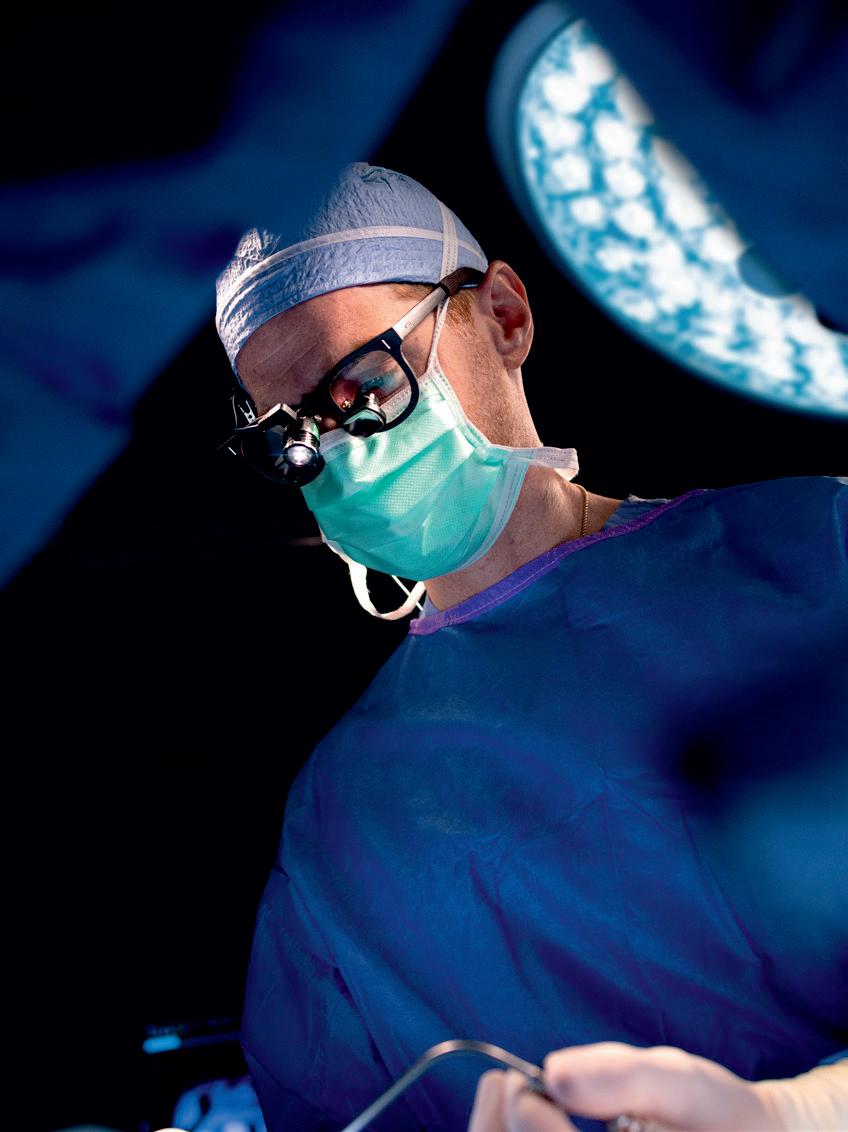
In addition to the modernization of the educational space to support modules and small-group learning experiences in the preclinical years, the preclinical curriculum underwent significant reorganization. This included a steady move toward more small-group learning experiences with higher-intensity faculty involvement. The college also strongly supported student volunteerism in community charitable clinics and population health programs with participation reaching an all-time high prior to the COVID-19 pandemic. All of these efforts paid off, with student scores on national testing improving and satisfaction ratings rising sharply, placing the college in the top 10% of medical schools nationwide on student satisfaction. The college also notably achieved the highest award of Accreditation with Commendation at its last LCME accreditation review.
During my tenure as associate dean for graduate medical education, the OU College of Medicine experienced sweeping changes that mirrored national shifts in medical training. The Accreditation Council for Graduate Medical Education (ACGME) transitioned from a “time on task” model to competency-based education, fundamentally changing how residents were trained and assessed. This shift was accompanied by the introduction of educational “milestones,” a structured evaluation system designed to ensure learners achieved specific competencies, as well as the implementation of the 80-hour work week, replacing unlimited duty hours. Together, these reforms were revolutionary for graduate medical education. Amid these changes, the college earned an Accreditation with Commendation from the ACGME, a significant and exciting achievement.
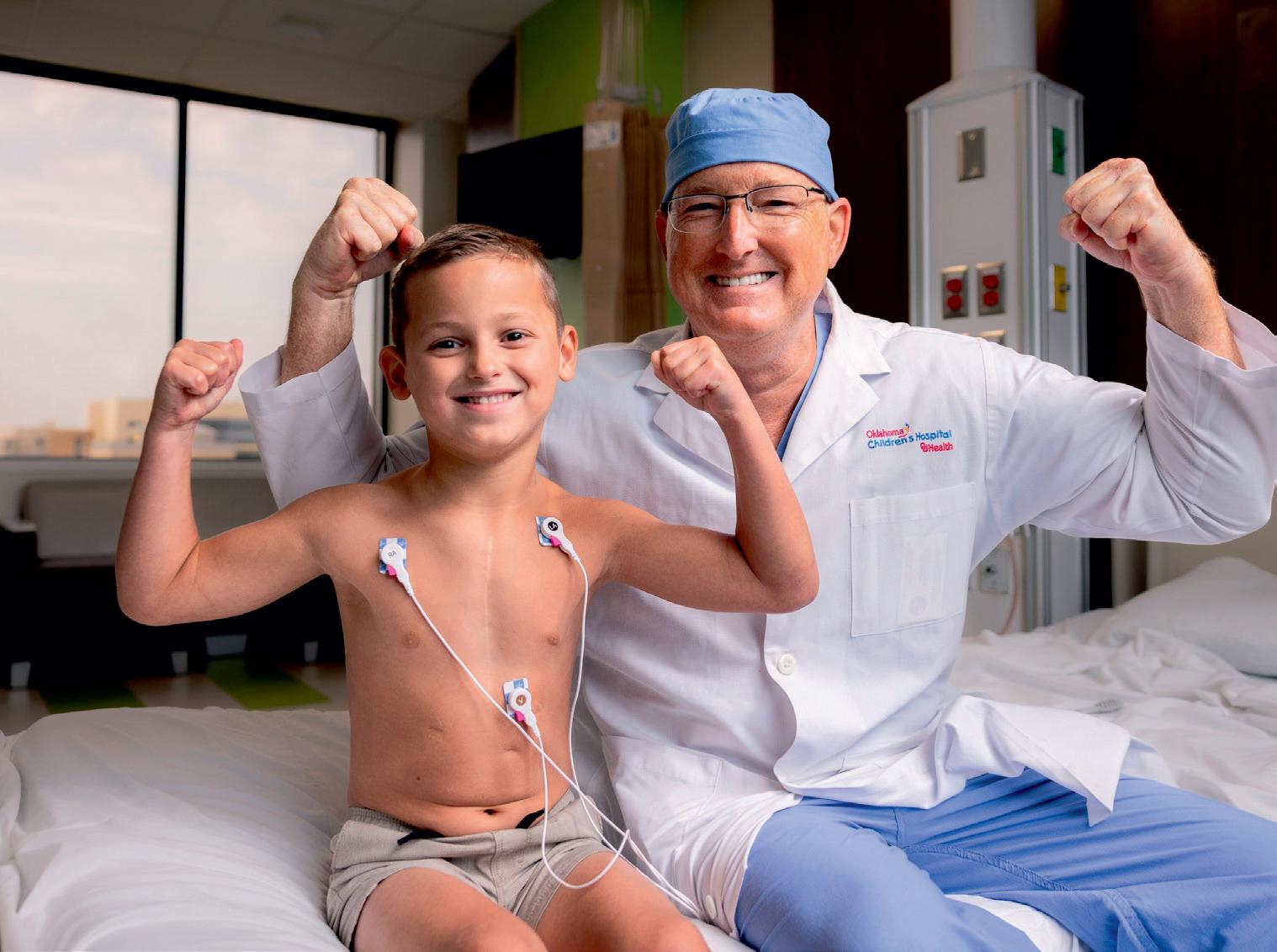
The School of Community Medicine – the Tulsa campus of the College of Medicine – has distinguished itself through its innovative focus on community medicine. Programs such as the Bedlam Clinics actively engaged students in addressing realworld community health issues. During my tenure as executive dean, the school further evolved by moving from a modularbased curriculum to a longitudinal curriculum, allowing students to integrate clinical learning earlier and more seamlessly into their education.
Research growth in the college continued as another milestone during my time as executive dean with total awards often exceeding $175 million. This included a doubling of our federal research awards, driven in large part by robust research within the OU Health Stephenson Cancer Center, basic sciences departments (including a new Department of Oncology Science), and substantial federal awards related to dissemination and implementation research.
An especially exciting area of research on campus has been the work of organizations such as the Oklahoma Shared Clinical and Translational Resources (OSCTR) and the Oklahoma Primary Healthcare Improvement Collaborative (OPHIC). These groups have played a critical role in helping primary care practices across the state “hard-wire” evidence-based improvements into everyday care. This type of dissemination and implementation research has become an integral part of our mission.
The arrival of the COVID-19 pandemic in spring 2020 changed everything at the OU College of Medicine, as it did for medical schools everywhere. We rapidly and dramatically modified curricula for both undergraduate and graduate medical education, while our research enterprise adapted to new safety guidelines. Although the height of the pandemic was challenging, our community rose to the occasion to continue caring for patients and advancing our missions of education and research. I am particularly proud of our students, who organized numerous COVID-19 vaccination clinics and administered thousands of vaccines not only on our campus but across central Oklahoma.
In the summer of 2021, during my time as executive dean, we officially created OU Health, the state’s first integrated, comprehensive academic health system. This unification brought together the College of Medicine’s faculty practice (then called OU Physicians) with hospitals and other entities under a single leadership, operational and financial structure. As a result, patients now experience more seamless care across clinics and hospitals, while researchers and physicians are better positioned to work side by side, accelerating the discovery and application of research-driven care throughout Oklahoma.
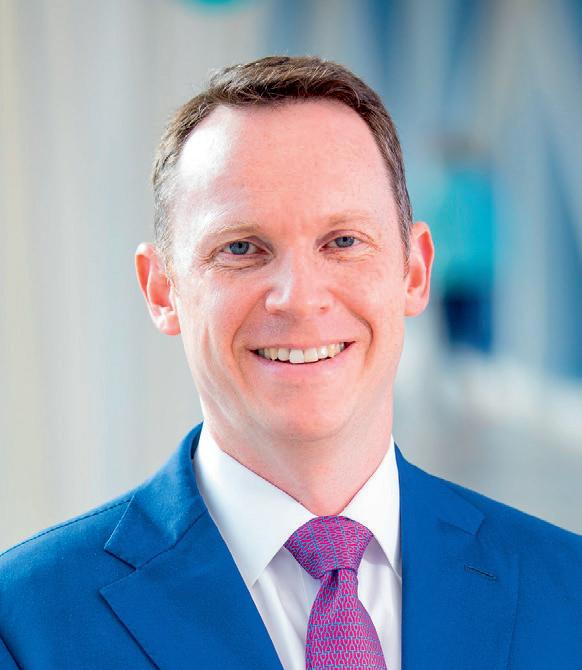
The University of Oklahoma College of Medicine is in the midst of transformation – making investments in research, education and clinical integration to strengthen its role as a top-tier, research-intensive medical school.
Key initiatives include the recruitment of 150 researchintensive faculty, a redesign of the medical curriculum to emphasize active learning and earlier clinical exposure, and an increase in class size to help expand the state’s physician workforce. Together, these changes position the college to accelerate discovery, modernize medical education and improve access to care.
As executive dean, I am grateful for all the work that came before me, and I am excited about our college’s future. Below are some of my thoughts about where our medical school is today and where we envision it going.
Our mission is to be a top-tier, research-intensive College of Medicine. Fundamentally, research advances knowledge, which ultimately saves lives. We are investing very heavily in research – we want to support our existing teams and build them through ambitious hiring initiatives. We just announced Project 200, in which the university will recruit 200 research-intensive faculty over the next five years. The college’s specific areas of focus are diabetes and cardiometabolic disease, cancer, and neuroscience, but we have a core commitment to basic, translational, clinical and health services research. This is our biggest investment in research in our 125 years of existence.
We are doing a lot, and fast! As with research, our recent curriculum revision is a radical transformation of how we deploy the elements of learning to students. There are two massive changes – one functional and one structural. Students will be learning much more in small groups and through active problem-based learning guided by faculty; this is much more contemporary and consistent with how medicine is practiced. Also, we have traditionally divided four years of medical school into two halves: two years of pre-clinical learning and two years of learning in the clinic and hospital. We are shortening the preclinical phase to 18 months, which has also become much more standard. This gets students into the hospital and clinic faster and provides more flexibility for other curricular revisions that are coming soon.
In addition, because we are part of a big university system with seven health professional colleges, we are working on a variety of other degree opportunities combined with the traditional medical degree.
Oklahoma is 49th in health outcomes and 48th in the number of physicians per capita, so we must graduate more physicians while ensuring our students are successful in the process. We plan to increase our class size across our Oklahoma City and Tulsa campuses by 40% over five years. This is just one part of a multipronged, multi-year approach to improving health outcomes, with this specific strategy aimed at improving access and expertise by increasing the number of physicians per capita. Just as importantly, we really hope our graduates stay in Oklahoma.
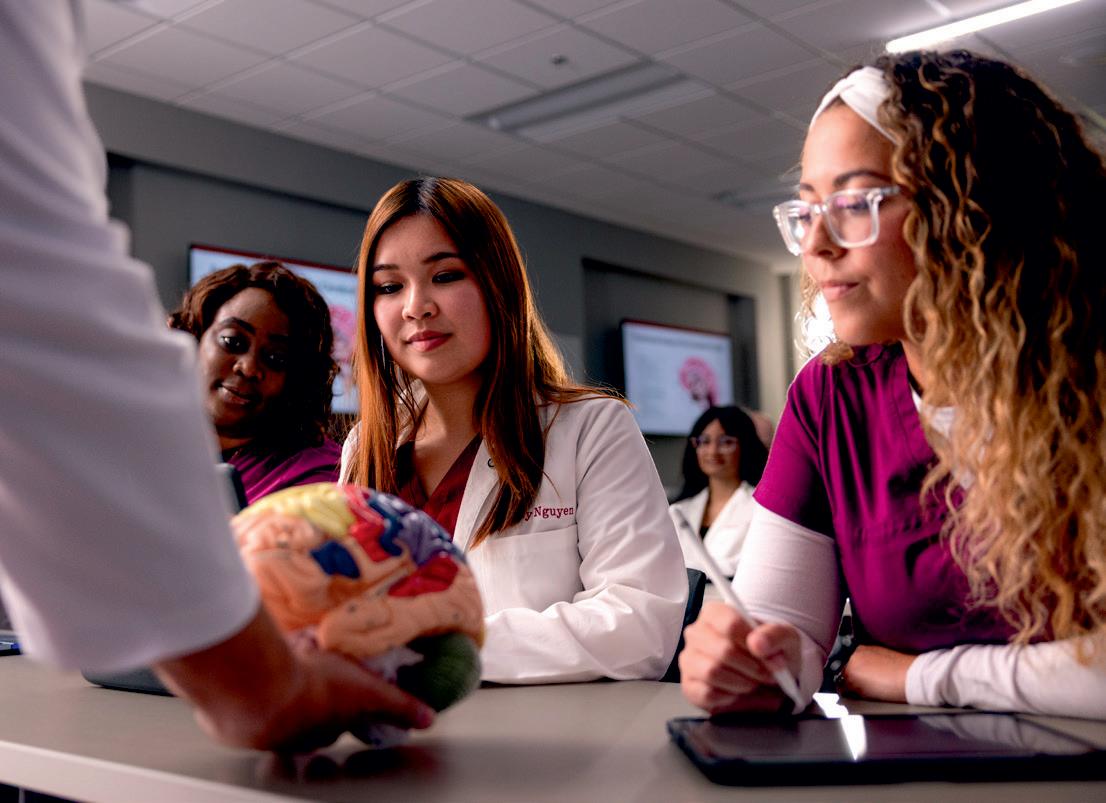
In 2025, we founded the Department of Emergency Medicine and the Department of Molecular Genetics and Genome Sciences with approval from the OU Board of Regents.
Clinically, we are known for providing emergency care. OU Health is the most established Level 1 trauma center in the state, a distinguishing feature of our University of Oklahoma health system that has its origins in one of the state’s darkest chapters –the Oklahoma City bombing.
Emergency and trauma services have since emerged as a critical hallmark of our system. It is thus the first impression for a large number of our patients. It is standard for a College of Medicine to have a Department of Emergency Medicine, charged with providing emergency clinical services, providing opportunities for medical student and resident education and training, and advancing clinical care through scholarship. Our Tulsa campus has had a great Department of Emergency Medicine for several years as well.
Founding a department focused on genetics also made sense. OU’s strategic plans declare an unprecedented focus on research that advances knowledge and changes lives. The importance of a Department of Molecular Genetics and Genome Sciences
is clearly recognized by the National Institutes of Health: In 2023, genetics departments ranked third among basic science departments in Colleges of Medicine nationally in the acquisition of NIH funding. Powerful advances in genetic and genomic analysis now provide the tools to answer fundamental questions, and an understanding of genetic alterations is the focal point for nearly all contemporary basic, translational and clinical research efforts. Thus, a genetics department plays a pivotal role in a research-intensive university and academic health system.
A new department will generate knowledge through its research programs; provide a critical mass of expertise to advance our university-wide research environment through broad collaboration; and provide mentored training for the next generation of scientists through the introduction of new graduate degree opportunities.
An academic health care system integrates clinical care delivery with a medical school, provides advanced clinical care, serves as a critical site for educating medical students and residents, and is a hub for innovative and transformative research. The nation’s leading health systems, such as Johns Hopkins, Mayo Clinic and Cleveland Clinic, all exemplify this model. The OU College of Medicine and OU Health constitute the academic health system of the University of Oklahoma.
Nationally, patient outcomes are unequivocally superior in academic health systems compared to community, nonacademic hospital systems; moreover, academic systems have a halo effect – that is, the presence of an academic medical center within a market is linked to superior outcomes even for patients treated at neighboring unaffiliated community hospitals.
The OU College of Medicine is an absolutely indispensable part of our academic health system – I would go so far as to say it is the engine. The physicians who provide advanced care at OU Health – at Harold Hamm Diabetes Center, Stephenson Cancer Center, University of Oklahoma Medical Center, Oklahoma Children’s Hospital, and in our clinics – are the same ones who teach and perform research to advance the field. These physicians are all faculty at the OU College of Medicine who work in concert with students, residents and fellows, all of whom amplify the quality of care. The college is the crucible for learners – medical and PA students, residents and fellows – who are also a huge part of our care teams. And the college is the sponsor of the huge majority of our research portfolio.
Thus, the OU College of Medicine’s success as an essential part of our academic health system with OU Health is critical to our state’s current and future health.
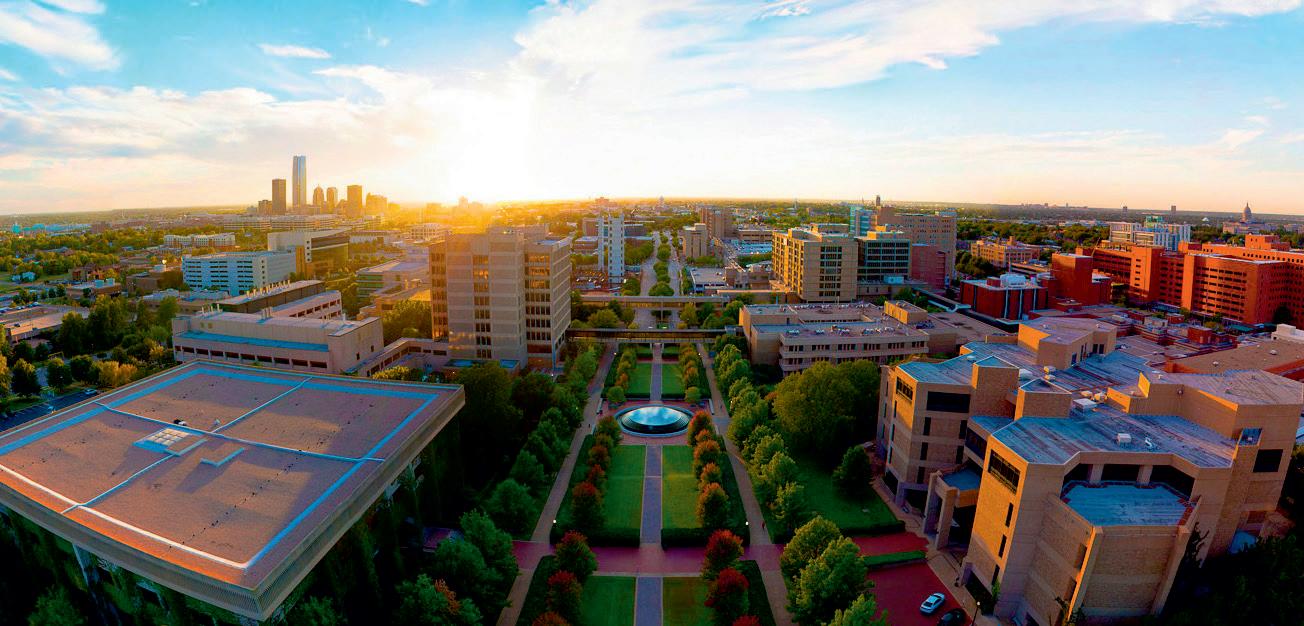
The University of Oklahoma Health Campus achieved its highest ranking ever in National Institutes of Health funding awarded for research. NIH funding increased to $75.2 million in the previous federal fiscal year, improving the campus’s ranking to 102 out of 2,838 institutions and other entities that receive NIH funding.
OU Health Campus’ previous ranking was 122. Of the total amount of funding, $65.3 million was awarded to the OU College of Medicine, whose faculty members span 23 academic departments and conduct a wide range of research.
The listing is compiled by the Blue Ridge Institute for Medical Research, which is regarded as the gold standard for ranking biomedical research institutions. Funding from the NIH is considered a key benchmark for research productivity and reputation in the health sciences.
“OU Health Campus’ Blue Ridge ranking of 102nd in NIH funding represents our ongoing commitment to making highimpact discoveries that will benefit the people and economy of Oklahoma,” said Senior Vice President and Provost Gary Raskob, Ph.D. “This is a testament to the skill and expertise of our faculty researchers across the OU Health Campus.”
OU Health Campus is the largest research institution in Oklahoma and is one of only a few comprehensive research universities in the nation to have six health professional colleges and an interdisciplinary Graduate College on the same campus. Strategic research areas are cancer, diabetes, neurosciences and vision, infectious diseases and geroscience.
Notable awards between Oct. 1, 2023, and Sept. 30, 2024, include a $17.2 million grant to partner with Tribal nations and
communities to improve cancer outcomes. This effort leverages research strategies to address three priorities identified by Tribal communities in Oklahoma: cancer prevention, cancer screening and cancer care coordination. The grant is led by the Native American Center for Cancer Health Equity (NACCHE) at OU Health Stephenson Cancer Center.
“OU Health Campus’ Blue Ridge ranking of 102nd in NIH funding represents our ongoing commitment to making highimpact discoveries that will benefit the people and economy of Oklahoma.”
- Gary Raskob, Ph.D., Senior Vice President and Provost
With a $2.3 million NIH grant, researchers studying geriatrics are examining whether people with dementia receive the type of endof-life care that aligns with their wishes. The findings will advance medical knowledge of how best to care for people with an incurable disease that often robs them of their cognition, causes swallowing disorders, and leads to immobility and falls.
A $5.3 million NIH grant supports advanced cancer research in Oklahoma. The Centers of Biomedical Research Excellence (COBRE) grant is designed to build research capacity and help early-career researchers establish independently funded laboratories, which also benefits the state economically.

The college also received a total of $5.4 million in NIH support to address the effects of obesity in pregnant women. A $2.3 million grant will allow researchers to study pregnant women with obesity, which raises the risk of Type 2 diabetes and liver disease for their offspring earlier in life. With a $3.1 million grant, OU Health Campus will lead a national clinical trial examining whether antibiotics administered at the beginning of labor induction can reduce the need for cesarean sections in women with obesity.
Another milestone for OU Health Campus is that, according to Blue Ridge, the OU College of Medicine ranks in the top half of all

medical colleges receiving NIH funding, coming in at No. 69 in the nation. “This is a notable jump from our last year’s ranking of No. 72,” said Executive Dean of the College of Medicine Ian F. Dunn, M.D.
The College of Medicine’s total NIH funding, including primary and subawards, rose 22.9% to $69.1 million in state fiscal year 2024. Faculty secured more than 75% of all NIH funding awarded to OU Health Sciences.
Three academic departments ranked in the Top 25 nationally in their specialties:
• No. 3, Family and Preventive Medicine
• No. 21, Obstetrics and Gynecology
• No. 23, Neurosurgery
Other departments in the Top 50 include:
• No. 31, Microbiology/Immunology
• No. 39, Ophthalmology
• No. 42, Cell Biology
• No. 48, Otolaryngology
• No. 50, Pediatrics
• No. 50, Physiology
• No. 50, Surgery
Also ranked:
• No. 56, Pathology
• No. 61, Internal Medicine
• No. 72, Radiology
“We will continue to highlight the groundbreaking research from our investigators, departments and centers as we amplify our commitment to advancing science and transforming health in Oklahoma and beyond,” Dunn said.
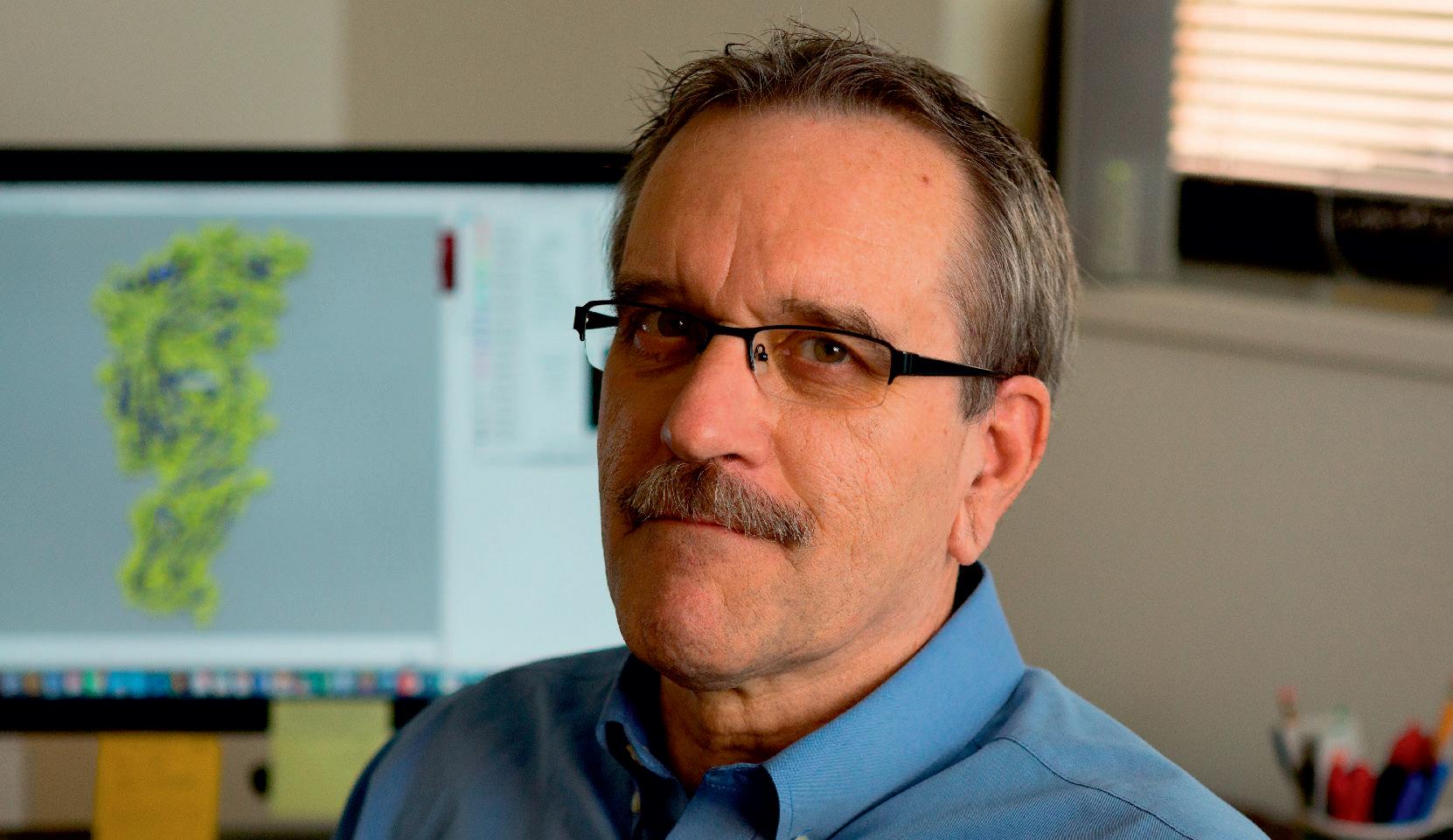
Rodney Tweten, Ph.D., a longtime professor in the University of Oklahoma College of Medicine’s Department of Microbiology and Immunology, has been elected to the National Academy of Sciences, one of the highest honors a scientist can receive.
Tweten was one of two OU faculty members elected this year, marking the first time in university history that two researchers have been honored in the same year. OU remains the only institution in Oklahoma with representation in the academy.
Tweten has built a distinguished 40-year career advancing the field of bacterial pathogenesis. His research has focused on the role of bacterial toxins and virulence factors in human disease, with a particular emphasis on Streptococcus pneumoniae, the bacterium that causes pneumonia. He developed a promising vaccine candidate designed to offer broad protection against the roughly 90 known variants of pneumococcal disease. That candidate entered a Phase 1 clinical trial in 2023 following the demonstration of strong protective effects in preclinical studies.
More recently, Tweten’s research has focused on the microbiome within the human gut, specifically studying Bacteroides, a dominant genus that comprises nearly half of the intestinal microbiome. These bacteria produce cholesterol-dependent cytolysin-like toxins, potent proteins that can destroy rival microbes. His work explores the potential for these proteins to be leveraged as therapeutic agents against harmful pathogens.
Throughout his career, Tweten has maintained continuous NIH funding and is among a select group at OU to receive the prestigious NIH MERIT Award. His contributions have been recognized through numerous honors, including his appointment as a George Lynn Cross Professor of Research and his election as a Fellow of the American Academy of Microbiology.
Tweten’s accomplishments have supported the College of Medicine’s continued momentum in research growth. In Federal Fiscal Year 2024, the college secured $65.4 million in NIH funding, up from $55.9 million the previous year. Faculty were responsible for securing more than 75% of all NIH dollars awarded to the OU Health Sciences campus.
“The election of Dr. Tweten underscores the strength and impact of the research enterprise at OU. The work we are doing ensures we are moving steadily toward the bold ambitions of our newly refreshed strategic plan – specifically, to lead as a top-tier public research university. We are proud of his extraordinary contributions to science and grateful for the role he plays in training the next generation of researchers,” said Ian F. Dunn, M.D., executive dean of the OU College of Medicine.
“The election of Dr. Tweten underscores the strength and impact of the research enterprise at OU. The work we are doing ensures we are moving steadily toward the bold ambitions of our newly refreshed strategic plan...”

In August of last year, Motolani Adedipe, Ph.D., associate professor in the Department of Family and Preventive Medicine at the University of Oklahoma College of Medicine, was awarded a Fulbright U.S. Scholar award to South Korea through the U.S.Korea Presidential STEM Initiative.
Later that month, Adedipe moved to Seoul, where she will live while conducting research at Seoul National University Hospital. Her Fulbright project, “Enhancing Prostate Cancer Survivorship in South Korea: A Mixed Methods, Community-Engaged Approach,” focuses on improving quality of life for prostate cancer survivors. While she is there, she will also lecture at the university’s College of Medicine on digital health innovation and community-engaged research methods.
“My work has always focused on equity in survivorship,” Adedipe said. “This Fulbright allows me to expand that mission to a new cultural context while fostering global collaboration.”
At OU, Adedipe led the Multidisciplinary Health Outcomes Research and Economics (MORE) Lab. In partnership with clinicians, Black prostate cancer survivors and research collaborators, she co-developed the SAFECaP app – a digital health tool that supports symptom tracking and care decisionmaking and is currently in clinical trials.
While the app won’t be implemented in Korea, Adedipe says its core principles – cultural humility, equity and community partnership – will guide her Fulbright work.
“Survivorship is a human experience. The most impactful science begins with listening,” she said. “This Fulbright award reflects not only my research but the voices of the survivors and community leaders who continue to shape it.”
A Nigerian-born, U.S.-trained scientist, Adedipe first encountered Korean culture through a graduate school friendship and became fluent in the language through years of mostly independent study. Her research focuses on health disparities, quality of life outcomes and digital tools that amplify the voices of marginalized individuals.
“Dr. Adedipe’s Fulbright award is a remarkable achievement that reflects her outstanding scholarship, innovative approach to research and commitment to improving health outcomes,” said Gary E. Raskob, Ph.D., senior vice president and provost of OU Health Campus. “Her work will strengthen global collaborations and bring valuable insights back to Oklahoma, advancing our mission to improve the lives of people in our state and around the world.”
“My work has always focused on equity in survivorship. This Fulbright allows me to expand that mission to a new cultural context while fostering global collaboration.”

On Oct. 14, 2025, OU Health Stephenson Cancer Center celebrated the expansion of its Oklahoma Phase 1 Clinical Trials Center, which will soon double the number of patients receiving early-stage cancer drugs. In addition, nearly 20,000 square feet of laboratory space has been added on the OU Health Campus to support the growth of cancer research.
The expansion is made possible through funding awarded in 2022 from the Build Back Better Regional Challenge of the U.S. Department of Commerce’s Economic Development Administration. Stephenson Cancer Center was among six investment projects to receive a total of $35 million in funding. Together, the projects represent the Oklahoma Biotech Innovation Cluster, an initiative spearheaded by the Greater Oklahoma City Chamber in partnership with OU, OU Health, the Oklahoma City Innovation District, Echo Investment Capital and numerous other coalition partners.
“Today’s ribbon-cutting represents our commitment to eliminating cancer in Oklahoma and beyond,” said Robert Mannel, M.D., director of Stephenson Cancer Center. “We will now be able to enroll nearly 500 patients a year on Phase 1 clinical trials, offering them the most advanced research-driven care in the state of Oklahoma. In doing so, we aim to be among the top five largest Phase 1 clinical trial centers in the United States.”
Stephenson Cancer Center offers the only Phase 1 clinical trials program in the state. The expanded footprint means more Oklahomans will have access to innovative new drugs, most of which are being made available to patients for the first time. The funds will also help expand the workforce dedicated to the program with the hiring of new clinical trial personnel to care for patients.
Newly built laboratory space, housed in the Biomedical Sciences Building just down the road from Stephenson Cancer Center, will serve as the new home of the Department of Oncology Science in the OU College of Medicine, which focuses its research on the cancers that are most prevalent among patients in Oklahoma.
The new space features the most advanced technology in cancer research and an open-concept floor design to enhance collaboration among researchers.
“This design will allow our researchers to work together in a way that was not possible when they were isolated in their individual labs,” said Pankaj Singh, Ph.D., professor and founding chair of the Department of Oncology Science. “Team science is becoming more and more important in cancer research. We expect this collaborative environment to speed the pace of research discoveries.”
Researchers in the Department of Oncology Science primarily study pancreatic, breast, lung, ovarian, colorectal and liver cancers. They also focus on translational research, which takes laboratory discoveries and translates them into potential methods of targeting cancerous cells.
“For example, we study how vulnerabilities in cancer cells could be targeted with treatment, and how the body’s own immune system can be primed to target cancer cells,” Singh said. “We also test new combinations of chemotherapies and radiotherapies to create more effective, precise treatments with fewer side effects.”
The expanded Phase 1 clinical trials program and new laboratory space are part of a larger effort to catalyze the bioscience sector in central Oklahoma through unique public-private partnerships.
The U.S. Economic Development Administration funding, earned through a highly competitive process, is a testament to the promise of biotechnology and related manufacturing in Oklahoma.
“This project is the physical manifestation of the vision we had in the development of the grant,” said Christy Gillenwater, president and CEO of the Greater Oklahoma City Chamber. “Being able to expand our community’s capacity to develop and manufacture treatments here will advance science, save lives and create growth for our economy. Every Oklahoman should take pride in this announcement and the hope for the future it brings.”
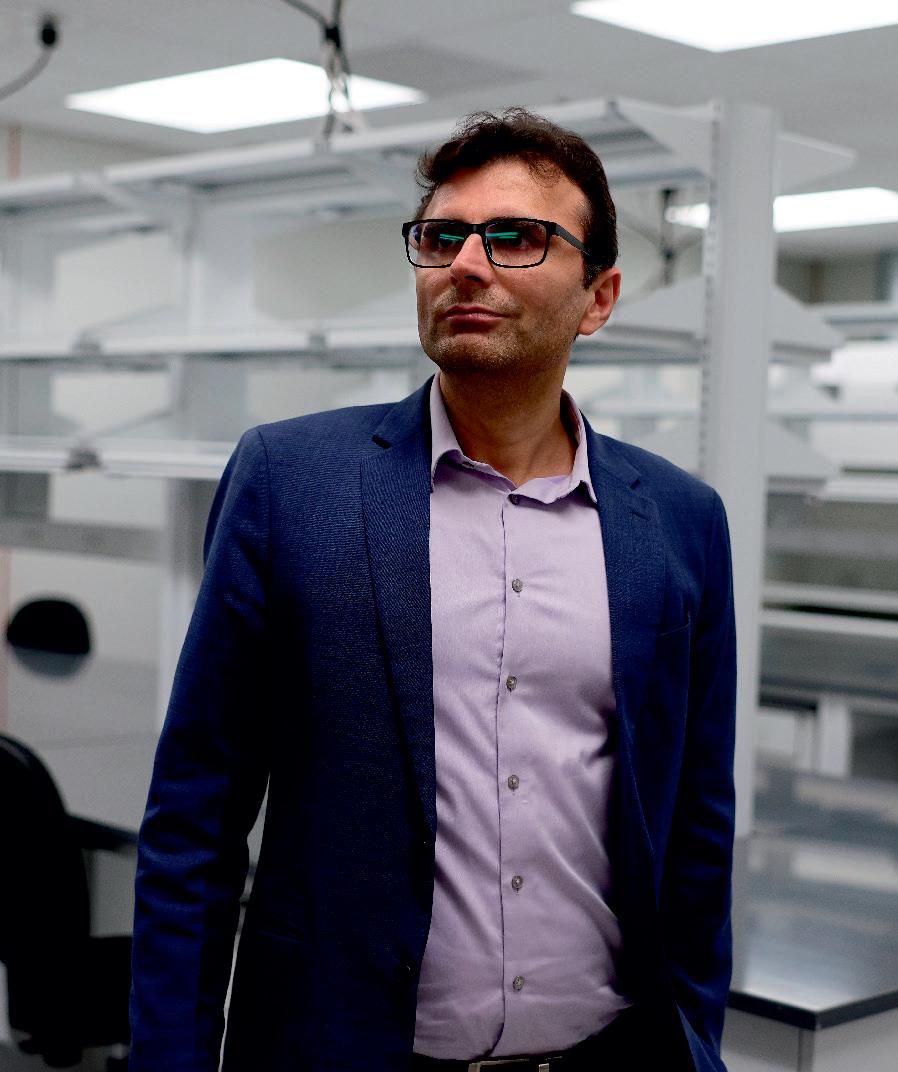
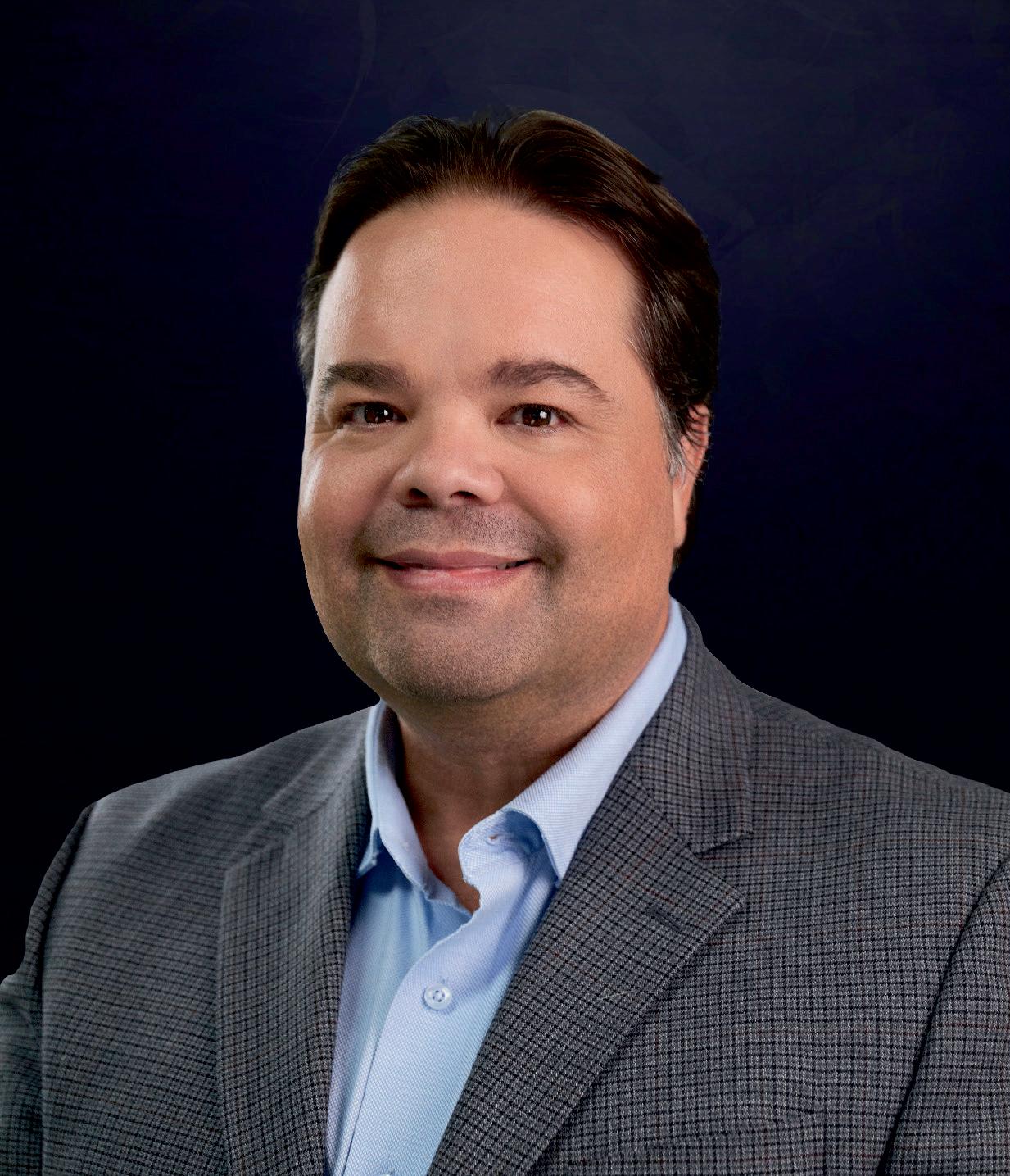
Carlos D. Bustamante, Ph.D., an internationally recognized leader in medical and population genetics, has been named the first vice dean of research at the University of Oklahoma College of Medicine.
Bustamante is a MacArthur Fellow whose research has advanced the understanding of human genetic variation and its role in health and disease. He previously taught at Cornell and Stanford universities, where he was the founding chair of the Department of Biomedical Data Science. His work developing statistical methods continues to influence the fields of medical and evolutionary genomics.
Bustamante has played a pivotal role in major National Institutes of Health initiatives, including the 1000 Genomes Project and ClinGen, where he co-led efforts to standardize the interpretation of genetic variants in a clinical context. As a principal investigator with the National Human Genome Research Institute Genome Sequencing and Analysis Centers, he contributed to early advancements in sequencing technologies and genomic annotation. Bustamante has led federally funded T32 training programs for emerging scientists and has published more than 250 research papers, influencing the careers of hundreds of researchers.
Beyond academia, Bustamante is the founder and CEO of Galatea Bio, a venture-backed genomics company focused on developing scalable precision health technologies. His experience in both academic and industry settings positions him to foster impactful partnerships and drive innovation through publicprivate collaboration.
The new role marks a significant milestone in the OU College of Medicine’s deepening commitment to research and scholarship as a central pillar of OU’s mission, said College of Medicine Executive Dean Ian Dunn, M.D.
Bustamante will collaborate closely with leaders across the College of Medicine, the OU Health Sciences, OU Health and the OU Office of the Vice President for Research and Partnerships.
“Dr. Bustamante’s leadership will help expand the college’s research infrastructure, support faculty and trainee development and elevate our impact in basic, translational, clinical and health outcomes research,” Dunn said.
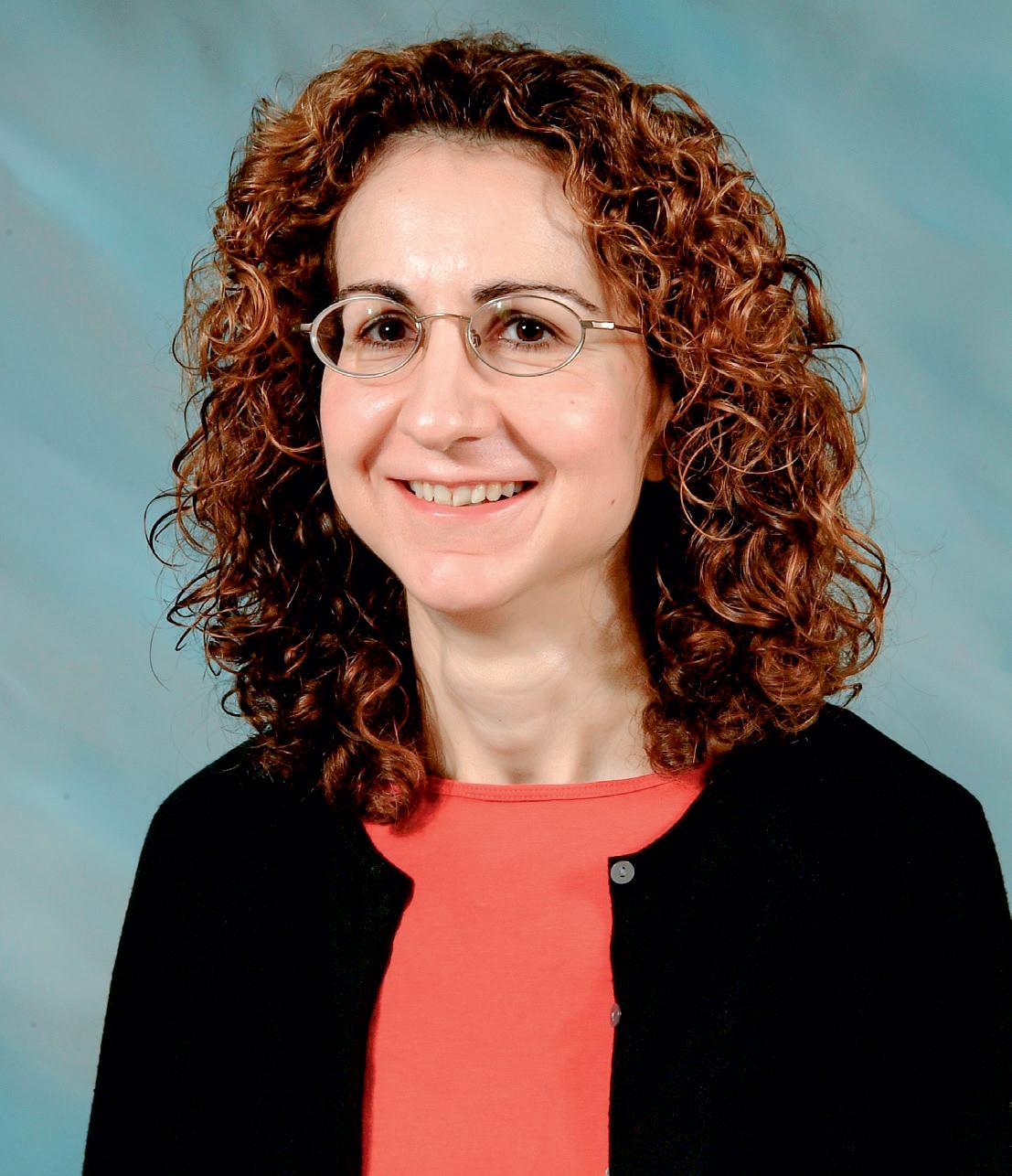
In May 2025, Irene Alexandraki, M.D., Ph.D., was named the inaugural vice dean of education at the University of Oklahoma College of Medicine. In this newly established role, Alexandraki will provide strategic leadership across the college’s full educational continuum and will work closely with the OU School of Community Medicine to strengthen alignment and collaboration across academic and clinical learning environments.
Alexandraki is a nationally recognized medical educator, clinician and scholar with a distinguished record of leadership in academic medicine. Prior to joining OU, she served as senior associate dean for Academic Affairs at the University of Arizona College of Medicine–Phoenix, where she was also a faculty member and clinical scholar. In that role, she led major initiatives in accreditation, curriculum redesign, faculty development and academic innovation, helping position the institution for longterm educational excellence and growth.
With dual doctoral degrees in medicine and adult education, along with advanced training in public health and business administration, Alexandraki brings a uniquely interdisciplinary perspective to medical education. She is a Fellow of the Hedwig van Ameringen Executive Leadership in Academic Medicine (ELAM) Program and holds an executive Master of Business Administration from Washington State University, credentials that reflect her deep expertise in both educational strategy and organizational leadership.
Throughout her career, Alexandraki has held leadership positions at institutions across the country, including Texas Tech University Health Sciences Center El Paso, Florida State University College of Medicine and the University of Florida. Her experience spans curriculum design and innovation, identification and development of clinical training sites, implementation of accelerated threeyear medical education models, accreditation leadership, clinical skills education and student affairs. Collectively, this work reflects a sustained commitment to learner-centered education and outcomes-driven program design.
As vice dean of education, Alexandraki will lead efforts to develop a unified educational philosophy and ensure continuity across the College of Medicine’s undergraduate, graduate and continuing medical education programs, as well as educational scholarship.
She will oversee initiatives designed to enhance learning environments, promote educational innovation and ensure that college programs prepare future physicians and physician associates to meet the complex health needs of today’s patients.
“It has been an honor to join the OU College of Medicine and work alongside a dedicated team of clinician-educators and scholars,” said Alexandraki. “Building on the College’s strong foundation in medical education, we will advance curricular excellence and innovation through technology, interprofessional learning, and a learner-centered environment that prepares compassionate leaders, agile thinkers, and lifelong learners. With the College’s exceptional talent and resources, we are well positioned to strengthen our reputation as a leader in medical education, patient care, and research.”
Azeemuddin Ahmed, M.D., has been appointed professor and chair of the newly established Department of Emergency Medicine at the University of Oklahoma College of Medicine in Oklahoma City. He also serves as clinical service chief of Emergency Medicine at OU Health, overseeing the department’s clinical, educational and research initiatives to advance the health system’s mission.
A nationally recognized leader in emergency medicine, Ahmed began his role Aug. 18, 2025. Under his leadership, the Department of Emergency Medicine in Oklahoma City will, for the first time in more than 30 years, train emergency physicians at the state’s leading Level I Trauma Center. In addition, emergency physicians will be directly employed by OU Health, strengthening clinical integration and fostering advancements in patient care, medical education and research.
“We are thrilled to welcome Dr. Ahmed as the chair of our new Department of Emergency Medicine,” said Ian F. Dunn, M.D., executive dean of the OU College of Medicine. “With his vast expertise, we are not only expanding opportunities for future physicians but also fostering a culture of innovation in emergency care. His leadership will shape a program that blends rigorous training, leading-edge research and a commitment to serving communities across the state.”
The OU Board of Regents approved the formation of the Department of Emergency Medicine in Oklahoma City in 2024 as part of a broader expansion plan to increase medical school enrollment and address critical health care needs across Oklahoma.
“The establishment of the Department of Emergency Medicine in Oklahoma City is a significant milestone for OU Health,” said Richard Lofgren, M.D., president and CEO of OU Health. “As the state’s flagship academic health system, it is our role to build out this critical program. Under Dr. Ahmed’s leadership, we will enhance emergency care delivery, train the next generation of emergency physicians and advance our mission of providing comprehensive, evidence-driven care for the most complex conditions.”
When Ahmed began his role in August 2025, Oklahoma and the nation had recently marked the 30th anniversary of the Oklahoma City bombing, an event that demonstrated the need for a coordinated emergency medical response and trauma care system.
Ahmed comes to Oklahoma from the University of Iowa Carver College of Medicine, where he served as clinical professor and executive vice chair of the Department of Emergency Medicine. He brings more than 20 years of academic and clinical expertise.
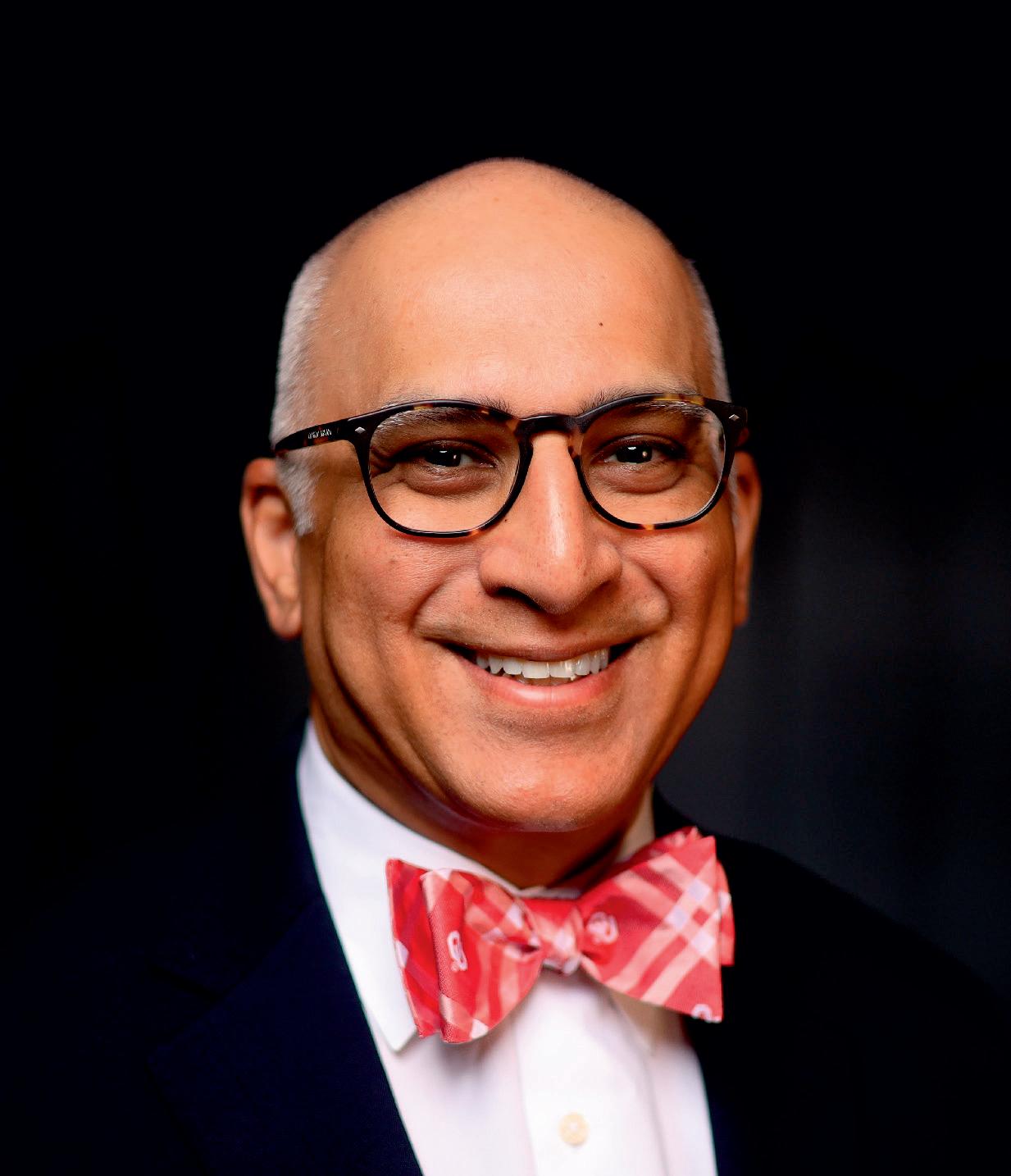
At the University of Iowa, he founded and directed the Division of Emergency Medical Services and the Emergency Medical Services Fellowship. He also served as medical director for Kinnick Stadium and Carver-Hawkeye Arena, and as medical director for the Bureau of Emergency Medical and Trauma Services at the Iowa Department of Health and Human Services.
“I am honored to join OU Health and lead the development of a comprehensive Department of Emergency Medicine in Oklahoma City,” Ahmed said. “Emergency medicine plays a crucial role in our health care system, ensuring patients receive immediate, life-saving care when they need it most. I look forward to working with the outstanding team at OU Health to expand emergency medical education, research and care for communities across Oklahoma.”
A fellow of the American College of Emergency Physicians and the Academy of Emergency Medical Services, Ahmed earned a medical degree from the University of Iowa Carver College of Medicine and completed his residency in emergency medicine at Michigan State University. He also holds a Master of Business Administration from the University of Iowa Tippie College of Business.
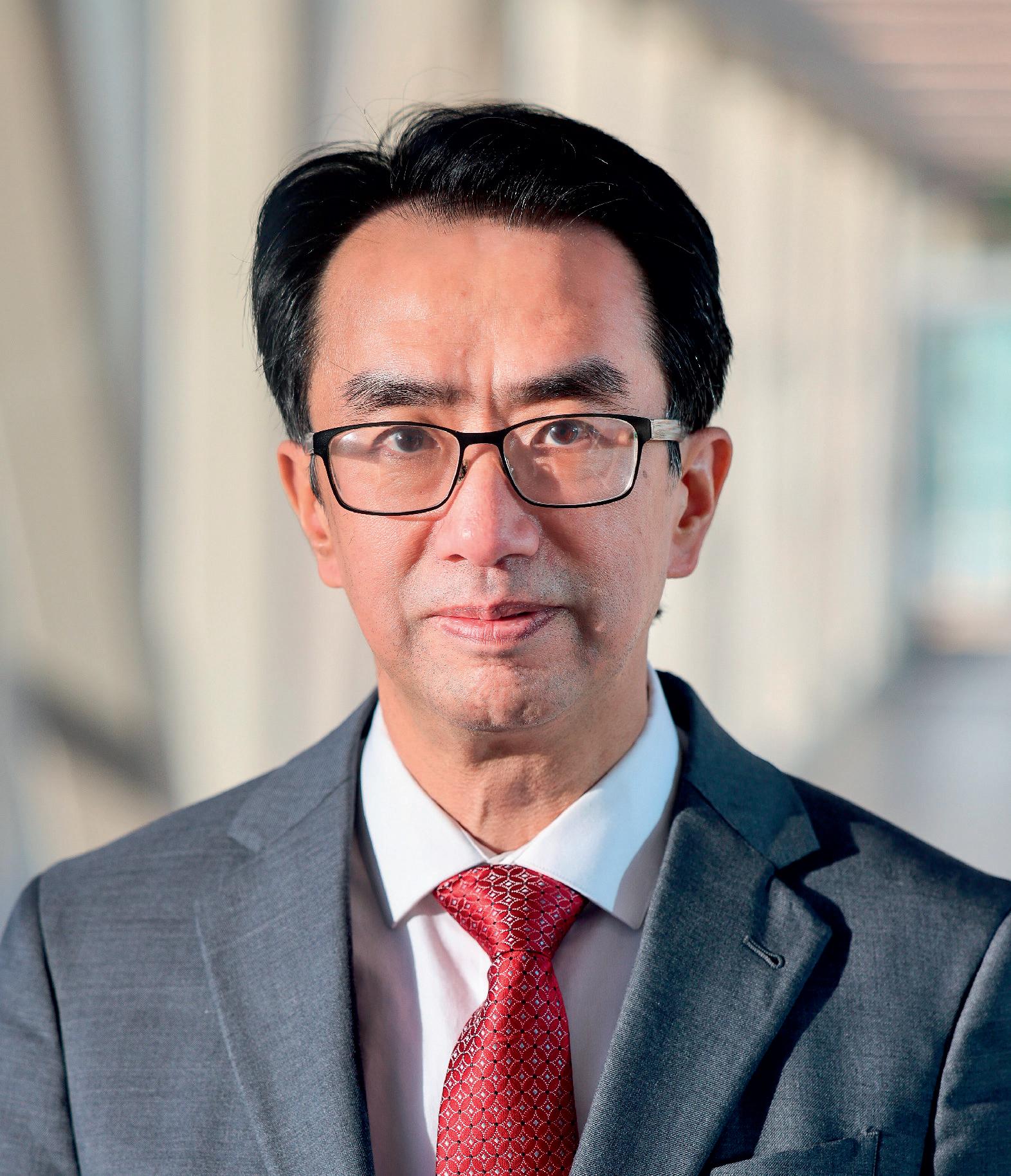
The University of Oklahoma College of Medicine has named Jun Li, Ph.D., the founding chair of the newly created Department of Molecular Genetics and Genome Sciences.
By focusing on genomics, Li will build a department critical to the study of human health and disease. The genome describes a person’s complete set of DNA and the epigenome describes the chemical changes that affect gene activity in tissues.
“We are thrilled to welcome Dr. Li to the OU College of Medicine to lead this new research-based department,” said Ian Dunn, M.D., executive dean of the OU College of Medicine. “Genetics and genome sciences are revolutionizing research, and they are crucial to our mission of making discoveries that benefit our patients’ lives. Dr. Li brings the expertise and commitment to expand our college’s mission in this field.”
Li comes to the OU College of Medicine from the University of Michigan Medical School, where he served as a professor of human genetics and a professor and associate chair of the Department of Computational Medicine and Bioinformatics. His undergraduate studies were in physics at Peking University in China, after which he earned a doctorate in biophysics and electrophysiology at the California Institute of Technology. He completed post-doctoral work in genetics and genomics at Stanford University.
An important component of developing the new Department of Molecular Genetics and Genome Sciences involves expanding the college’s training programs. During his career, Li has been an active educator, teaching and mentoring next-generation scientists at all levels of their development. He has also been involved in educational outreach, mentoring high school and college students interested in biological sciences.
The National Institutes of Health has extensively funded Li’s research activities and he has published more than 140 articles in peer-reviewed publications. In recent years, his teams have studied animal models of metabolic health, the genetics and epigenetics of drug abuse, cell and developmental biology of the reproductive system, and “multi-omic” analyses of human response to exercise, often involving careful integration of several types of biological data to understand complex processes better. In his previous role, he led discussions on the future of generative artificial intelligence in biomedical research.
For his innovations in computational biology and his leadership in fostering interdisciplinary genomic research, Li has been elected a fellow of the American Association for the Advancement of
Jun Li, Ph.D.
Science and the American Institute for Medical and Biomedical Engineering. He is a member of several professional societies, including the American Society of Human Genetics, the American Society of Cancer Research, the International Society for Computational Biology and the American Statistical Association.
“I began my career in genetics in the early 2000s, at a time when genomics was also just starting,” Li said. “Having grown up hand in hand with the field, I have seen its many powers and many promises to be fulfilled. After over 17 years as faculty in the country’s oldest genetics department, I am truly honored to have the opportunity to lead the youngest of its kind, in a state known for its frontier spirit.”
“Genetics and genome sciences are revolutionizing research, and they are crucial to our mission of making discoveries that benefit our patients’ lives. Dr. Li brings the expertise and commitment to expand our college’s mission in this field.”
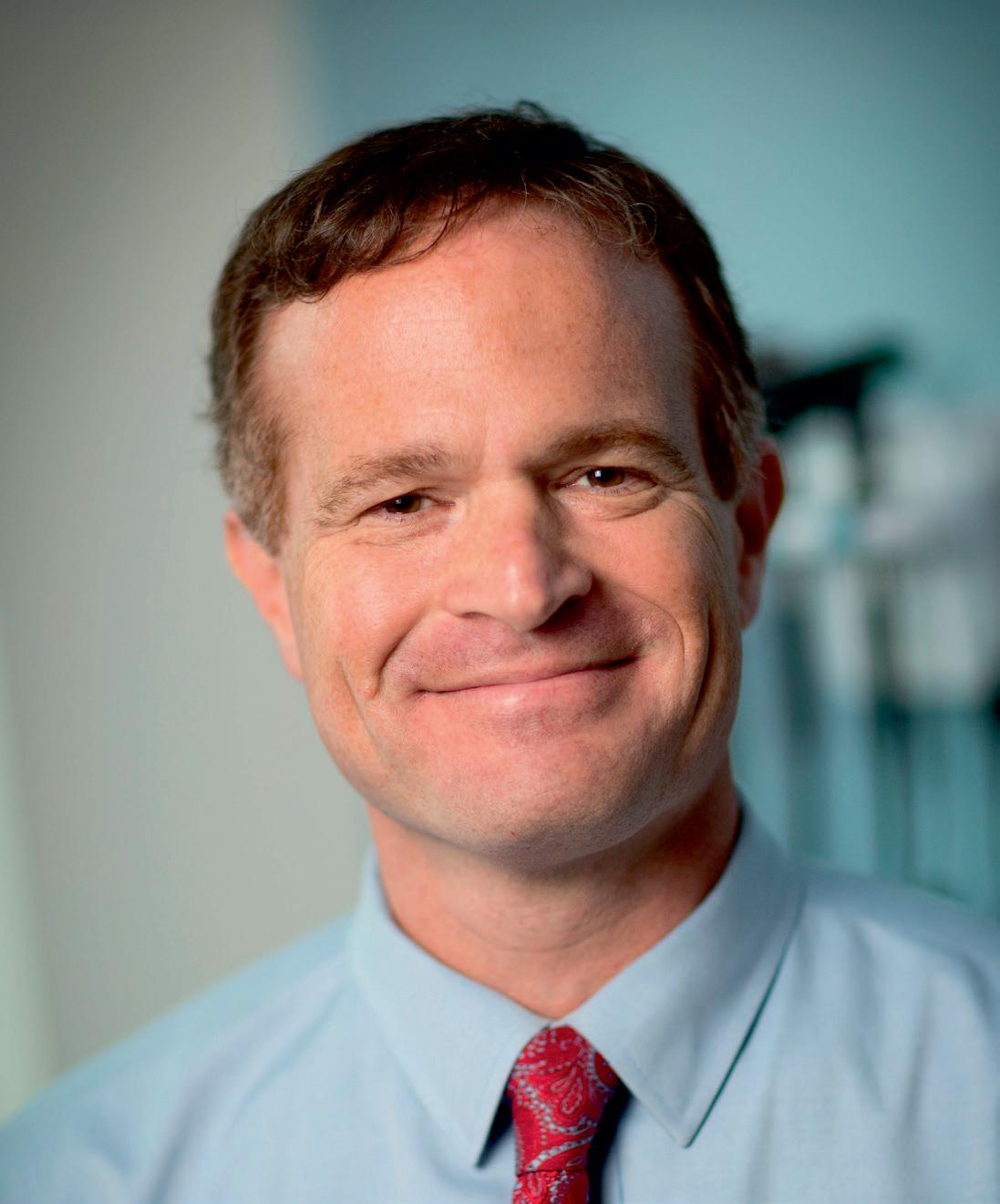
Michael Steiner, M.D., was named chair of the University of Oklahoma College of Medicine Department of Pediatrics and chief of pediatrics at OU Health. In the role, which he began in December 2025, Steiner directs the department’s clinical, research and educational programs, guiding efforts to improve child health across Oklahoma and the region.
As the state’s only academic health system, OU Health plays a central role in advancing pediatric care, research and training. Steiner’s leadership comes at a pivotal time, with priorities that include expanding access to specialized care, driving discovery in children’s health and preparing the next generation of pediatric physicians.
“Dr. Steiner is a proven leader in academic pediatrics whose experience and energy will strengthen our department and elevate children’s health across Oklahoma,” said Ian Dunn, M.D., executive dean of the OU College of Medicine and chief physician executive at OU Health. “He brings a deep understanding of clinical care, research and education, and a clear commitment to working alongside our faculty, learners and partners to advance our mission.”
Steiner joins OU Health from the University of North Carolina School of Medicine, where he served as professor of pediatrics, executive vice chair of the Department of Pediatrics and
pediatrician-in-chief at UNC Children’s Hospital. Over nearly two decades, he led clinical, research and educational programs that expanded access to care, strengthened statewide pediatric networks and advanced health equity.
He recruited more than 45 pediatric specialists, directed three clinical divisions and developed a regional campus with more than 80 pediatric subspecialists. He also built more than 30 affiliated partnerships to extend pediatric outreach across North Carolina. His research, focused on improving care for children with medical complexity, has secured more than $20 million in external funding.
As pediatrician-in-chief, Steiner led initiatives to improve the availability and quality of pediatric services throughout North Carolina. His focus on outreach, equity and innovation influenced many programs designed to serve a wide range of communities, including those with limited access.
“Dr. Steiner brings outstanding leadership experience and a clear vision for advancing pediatric care,” said Richard Lofgren, M.D., president and CEO of OU Health. “His track record of expanding access, building strong care networks and fostering academic excellence will be vital as we strengthen our mission to serve children and families across Oklahoma’s 77 counties and beyond.”
As a department chair and clinical service chief, Steiner will lead faculty, staff and learners in patient care, research and education. He will also help strengthen Oklahoma Children’s OU Health as the state’s top provider of pediatric care. The Department of Pediatrics is the largest in the OU College of Medicine, vital for training future doctors and improving child health across Oklahoma.
Steiner earned a medical degree from Temple University in Philadelphia. He completed a combined medicine and pediatrics residency at the University of North Carolina at Chapel Hill. Following residency, he served as a primary care physician with the National Health Service Corps in Lake Isabella, California. He then joined the faculty at Children’s Hospital Los Angeles and the University of Southern California/Keck School of Medicine, where he completed a fellowship in Leadership Education in Neurodevelopmental Disabilities. In 2006, Steiner returned to UNC to begin a career defined by leadership in clinical care, education and research.
Steiner succeeds Robert Katz, M.D., who is retiring after decades of leadership and service. Under Katz, the Department of Pediatrics expanded and gained recognition. His legacy provides a strong foundation for advancing pediatric health through OU Health.
Following a nationwide search, Isabella Grumbach, M.D., Ph.D., a nationally recognized physician-scientist in cardiovascular medicine, assumed the role of chair of the Department of Internal Medicine at the University of Oklahoma College of Medicine and clinical service chief at OU Health in July of last year. In addition to her clinical responsibilities with OU Health, she leads clinical, educational and research initiatives that advance the academic health system’s three-part mission of clinical care, research and education.
“Dr. Grumbach has built a career as a bona fide ‘triple threat’ physician-scientist and leader,” said Ian Dunn, M.D., FACS, FAAN, executive dean of the OU College of Medicine. “Her deep credibility and expertise in the clinical, research and educational missions are helping to drive our academic health system forward.”
“Dr. Grumbach’s extensive expertise and dedication to research, education and patient care align perfectly with our mission as the state’s flagship academic health system.”
Prior to coming to Oklahoma, Grumbach served in several key leadership positions at the University of Iowa, including interim chair of internal medicine, vice chair of research, chief of cardiology at the Iowa City VA Medical Center and associate director of the Cardiovascular Fellowship program. Her multidisciplinary research program earned international recognition in the field of cardiovascular medicine.
Grumbach’s research, supported by multiple National Institutes of Health grants and a VA Merit Award, focuses on signaling pathways in atherosclerosis and vascular disease, as well as radiation effects on the vasculature. A University of Iowa Distinguished Scholar, Grumbach has held national leadership roles in the American Heart Association and is a member of the Association of University Cardiologists.
“Dr. Grumbach’s extensive expertise and dedication to research, education and patient care align perfectly with our mission as the state’s flagship academic health system, said OU Health President and CEO Richard Lofgren, M.D., MPH, FACP. “Internal
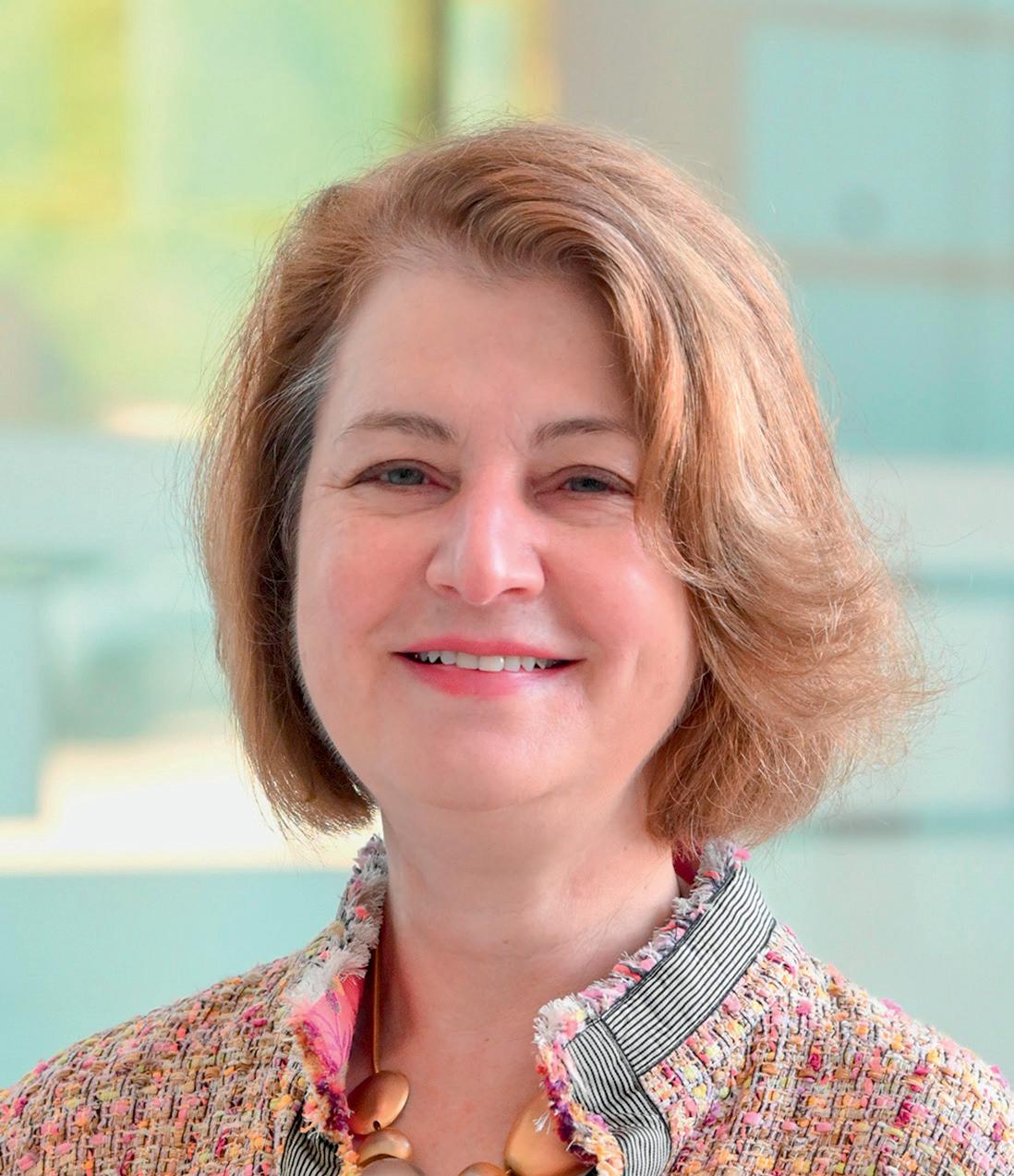
medicine specialists, with their deep understanding of complex diseases, play a vital role in guiding patients through effective management strategies. Dr. Grumbach’s leadership will further enhance our ability to provide comprehensive, evidence-driven care for the most complex conditions, while also serving as a safety net for our community, underscoring our commitment to being a destination health system that excels in both specialized and accessible care.”
Grumbach received a Doctor of Medicine and a doctoral degree in neuroanatomy from Ruhr University Medical School in Bochum, Germany. She completed her internal medicine residency at Georg-August-University Medical Center in Göttingen, Germany, and at Cook County Hospital in Chicago, followed by a cardiovascular medicine fellowship at Emory University in Atlanta.
Grumbach succeeds Michael Bronze, M.D., who had an extraordinary 25-year tenure as department chair.
The University of Oklahoma College of Medicine has appointed Kristina Booth, Christina Henson and Mubeen Shakir as assistant deans in its Graduate Medical Education program. The expansion of the leadership team will support advancements in program management, learner assessment and wellness initiatives for residents and fellows.
With new Accreditation Council for Graduate Medical Education requirements on the horizon, the OU College of Medicine is strengthening the connection between the sponsoring institution and its core clinical sites, says Jason Lees, M.D., associate dean of graduate medical education and a general and trauma surgeon at OU Health.
“The role is becoming more expansive, requiring a broader skill set and offering significant opportunities for program development. We are focused on helping directors and coordinators learn best practices from each other and on setting high standards in program quality,” Lees said.
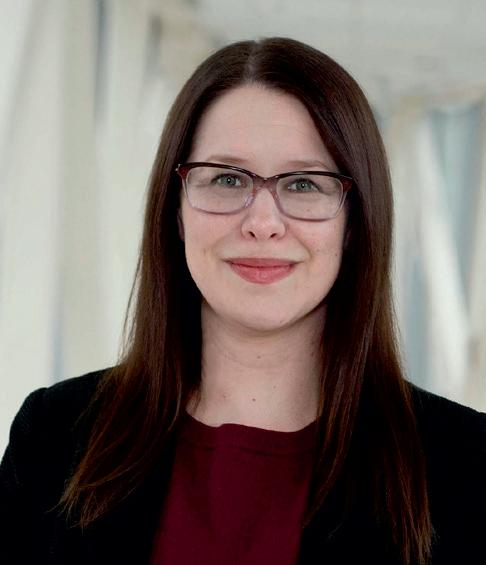
Kristina Booth, M.D., now serves as assistant dean for program development, learner assessment and wellness. An associate professor in the OU Department of Surgery, she has been associate program director for the general surgery residency for six years, where she launched a well-being curriculum that includes policies for lactating residents, resident competitions and social activities. She has led faculty development efforts, introducing innovative evaluation techniques and is nationally recognized for advancing competency-based education through the Society for Improving Medical Professional Learning and the American Board of Surgery’s Entrustable Professional Activities initiative. She has also contributed to national education projects, presented nationally and mentored associate program directors.
Within the OU College of Medicine, she serves on the Academy of Teaching Scholars Executive Committee, is a Student Learning Community Mentor and received the Dewayne Andrews Excellence in GME Teaching award. A native Oklahoman, she earned a bachelor’s degree at Oklahoma Baptist University, a medical degree and surgical training at OU College of Medicine and a fellowship in colorectal surgery at Texas Health Presbyterian/UT Southwestern. In the new role, she will promote GME best practices, support program development and enhance resident wellness initiatives.

Christina Henson, M.D., is assistant dean for program assessment and compliance. An associate professor in radiation oncology, she has led the residency program since 2019, achieving full accreditation compliance with zero citations and prioritizing continuous improvement through close collaboration with residents, faculty and coordinators. She is an active member of the OU Graduate Medical Education Committee, serves on the executive committee for the Association of Directors of Radiation Oncology Programs and represents the OU College of Medicine to the Association of American Medical College’s Council of Faculty and Academic Societies.
Beyond her educational leadership, she is a principal investigator on numerous national trials in cancer therapies, has authored over 50 peer-reviewed articles and presented nationally. A native Oklahoman and National Merit Scholar, she graduated summa cum laude from OU and completed a medical degree and radiation oncology training at the OU College of Medicine. In the role, she helps programs establish core assessment metrics, improve accreditation compliance and enhance annual program assessments and reviews.
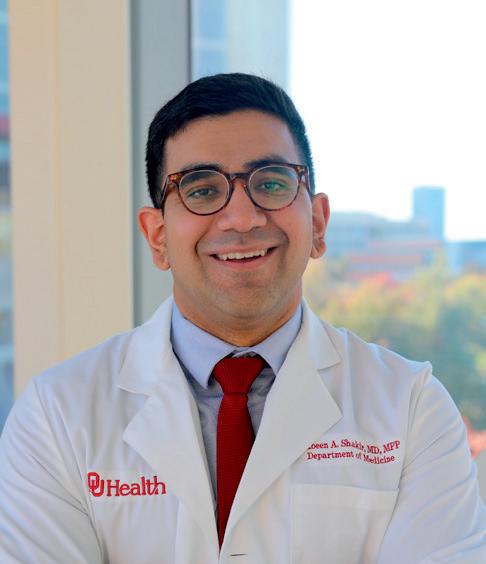
Mubeen Shakir, M.D., is assistant dean for quality and safety. An assistant professor of medicine and chief quality and safety officer for OU Health, he joined OU’s clinical faculty in 2022, providing primary care and serving as an academic hospitalist. He also has an adjunct appointment at the Hudson College of Public Health. His work has focused on patient safety and harm reduction, including co-leading the Quality Safety Service Symposium, developing a patient safety team and significantly reducing hospital-acquired infections.
A native Oklahoman, he studied at OU, earned a Rhodes Scholarship to Oxford, completed a medical degree at Harvard and trained in internal medicine at Massachusetts General. In this role, he leads quality and safety curricula for all graduate medical education learners and enhances resident involvement in quality initiatives within OU Health. The position supports mission alignment and strengthens institutional strategy, ensuring full coordination between the sponsoring institution and clinical learning environments.
Mark W. Perdue, Ph.D., was appointed director of the University of Oklahoma College of Medicine’s Physician Associate program in April.
“We are thrilled to welcome Dr. Perdue to the OU College of Medicine,” said Ian F. Dunn, M.D., the college’s executive dean. “Dr. Perdue brings a wealth of knowledge and experience to this leadership position, having a strong academic and clinical background, as well as a proven track record in physician associate program management and development.”
Perdue earned a bachelor of arts from the University of Tulsa, a master of health science and a doctor ofphilosophy in instructional leadership and academic curriculum with a specialization in biomedical science education, both from OU. Over the years, he has excelled in various academic and medical roles, contributing to the growth and success of physician assistant programs at several medical education institutions in Oklahoma.
Most recently, Perdue served as the program director of the physician associate program at Northeastern State University, where he played an integral role in establishing and growing the program. His work at Northeastern included faculty recruitment and retention, curriculum development and successful outcomes in accreditation site visits.
“Dr. Perdue’s expertise in program leadership, along with his experience in clinical education, will be invaluable to our Physicians Associate Program as we continue to grow and refine our offerings,” Dunn said. “We are confident that his leadership will help propel our program to new heights and we look forward to the exciting work ahead.”
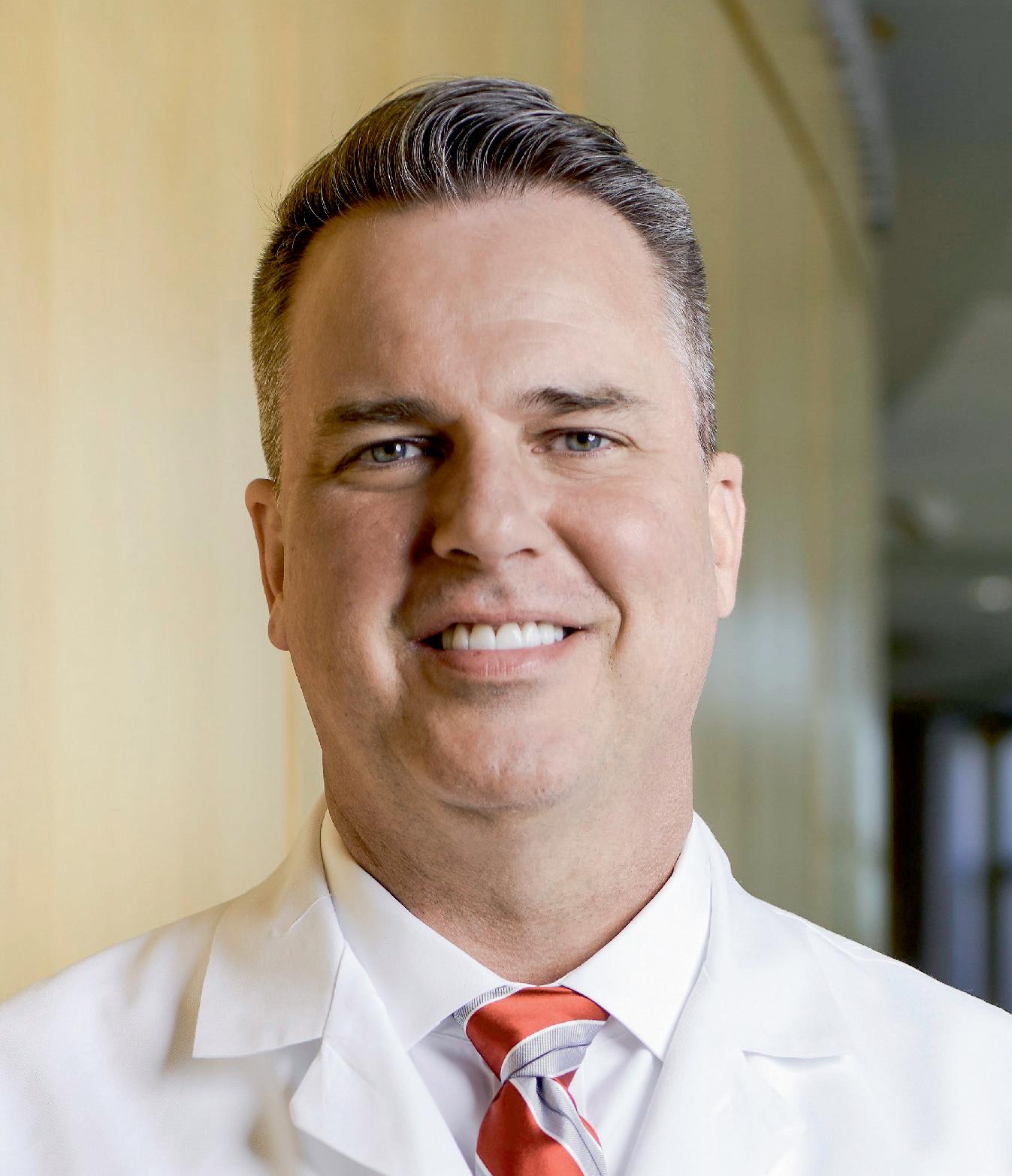
“Dr. Perdue brings a wealth of knowledge and experience to this leadership position, having a strong academic and clinical background, as well as a proven track record in physician associate program management and development.”

Patients with certain subtypes of breast cancer may face a higher risk of death from the cancer if they wait more than 42 days after diagnosis to have surgery, according to published research from the University of Oklahoma.
The research team was surprised that the subtypes of breast cancer most affected by delayed surgery were those with the best prognosis: hormone receptor-positive breast cancers, meaning the cancer uses estrogen or progesterone to grow, and HER2negative cancers, which do not have high levels of the HER2 protein that is associated with more aggressive cancer growth. These subtypes, whose initial treatment is surgery, tend to grow more slowly. But when surgery was delayed in the study, patients’ risk of death from the cancer increased exponentially.
The risk began to increase at 42 days without surgery, and by 60 days, the patient’s risk of death was 21% higher. By 90 days, the risk was 79% higher, and by 120 days, the risk was 183% higher.
In contrast, hormone receptor-negative and “triple negative” subtypes, which are aggressive and invasive, changed very little during treatment delays.
“This is an important finding because 42 days can go by very quickly, but it’s also concerning because recent studies show that both the frequency and length of delay are increasing,” said lead author Takemi Tanaka, Ph.D., a professor of pathology in the OU College of Medicine. The study is published in the journal Breast Cancer Research.
Many factors can cause surgery delays, Tanaka said. The diagnosis and pre-operative process can take several days, and patients may have work or family obligations that further delay the surgery date. Some may want a second opinion, and other women of childbearing age may want to pursue egg preservation (if they will undergo chemotherapy after surgery), so they can have a baby in the future. All are important considerations, she said.
“In 2022, the Commission on Cancer recommended that most women with breast cancer undergo surgery within 60 days. That was a major victory, but some women may need to have surgery sooner than 60 days,” Tanaka said. “And while we want people to understand the risk of delaying treatment, we also want them to have time to pursue egg preservation or get a second opinion.”
Researchers have several hypotheses as to why treatment delay
increases the risk of death in these particular subtypes of breast cancer. One is that, because they are slower-growing, they have more room for change, unlike cancers that are already invasive. Another hypothesis focuses on the biopsy, which appears to cause an inflammatory response that may fuel tumor growth. In a publication last year, Tanaka showed that non-steroidal antiinflammatory drugs (NSAIDs) can suppress inflammation in a mouse model of breast cancer after biopsy.
Research in this area has been ongoing. In 2020, Canadian researchers analyzed 34 studies on 17 types of cancer and found that treatment delay was a critical contributing factor to risk of death in several types of solid tumors, notably a 6% to 8% increased risk for each four-week delay in treatment.
However, Tanaka’s research is believed to be the first to study whether all breast cancer patients have an equal risk of death, or if the risk differs among subtypes. Importantly, she also measured whether patients died specifically from their breast cancer. Other studies have looked at overall survival, which includes causes of death other than cancer.
Tanaka’s new study also both confirms and builds on her previous study showing that patients with a hormone receptor-positive breast cancer who didn’t receive surgery until 61 to 90 days after diagnosis were 18% more likely to have their tumor size upstaged (changed to a more serious stage) compared to patients who received surgery within the first 30 days after diagnosis. There was a 47% likelihood of tumor upstaging for patients who underwent surgery beyond 90 days.
In addition, her previous study used data from the National Cancer Database, a hospital-based database that collects cancer data from across the nation. For the current study, she used data from The National Cancer Institute’s Surveillance, Epidemiology, and End Results (SEER)-Medicare-linked database, which is more representative of the population, she said.
Further study is warranted, Tanaka said, and she will soon launch a clinical trial on the OU Health Campus in Oklahoma City to seek more answers about how treatment delay contributes to an increased risk of death.
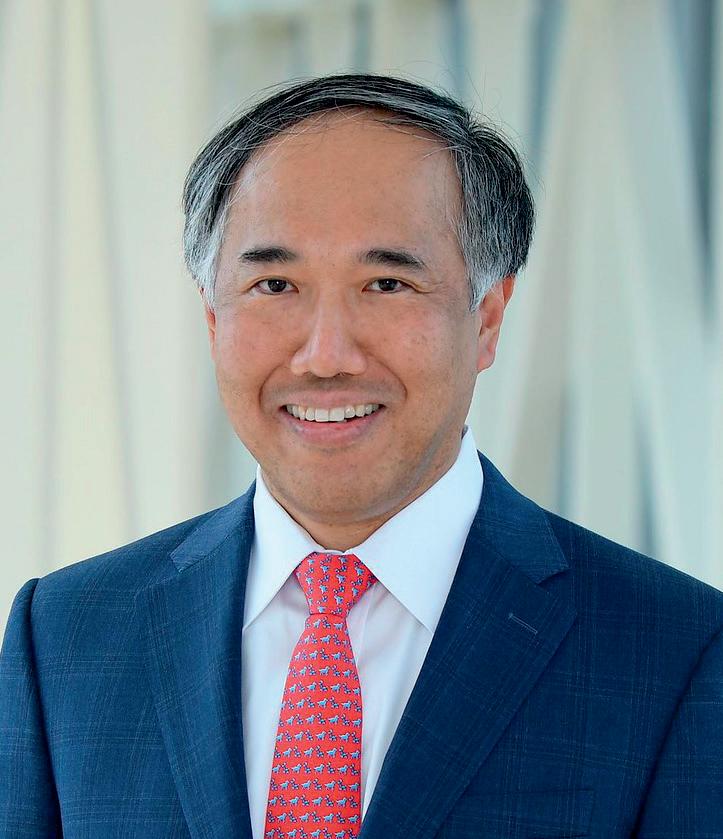
A University of Oklahoma study published in JAMA Surgery reports that acute normovolemic hemodilution (ANH) – a bloodsaving method in which a patient’s blood is collected before going on heart-lung bypass and reinfused near the end of cardiac surgery – remains underused in the United States at 14.7%. Yet the study found that ANH lowered the likelihood of a transfusion by 27%, a decrease in blood use that could cut costs substantially while still protecting patient safety and outcomes.
Global demand for cardiac surgery is increasing, with more than 1 million procedures performed annually worldwide. In highincome countries like the United States, cardiac surgery remains the largest consumer of blood products, with 30% to 50% of patients receiving red blood cell transfusions.
The lead author of the study, Kenichi Tanaka, M.D., professor and chair of the Department of Anesthesiology at the University of Oklahoma College of Medicine, said he hopes the study jumpstarts a new conversation about the validity of ANH in the United
“Most heart surgery patients are on aspirin prior to their procedures, but with ANH, we can preserve the patient’s own platelets and protect them from damage caused by the heart-lung machine, allowing them to function more effectively at the end of surgery.”
States. An international study published in the New England Journal of Medicine showed that ANH does not reduce the need for red blood cell transfusions. However, less than 5% of participants were from the United States, and U.S. patients differ in several important ways.
“We know that patients receiving ANH have survival rates and duration of hospitalization similar to those who receive transfusions, but I believe we are improving resource utilization by performing ANH,” Tanaka said. “That is especially true when we take a bleeding patient to the ICU, where we tend to use more resources, therefore leading to higher costs.”
“Blood may look reasonably inexpensive compared to some of the medications we use every day, but when you think about how blood is administered, there are multiple steps involved, including testing and typing the blood, before we even purchase it,” he added. “Our study estimates that these costs associated with blood processing are almost three times higher than just the cost of acquiring the blood.”
In addition to a 27% lower chance of a blood transfusion among those receiving ANH, the study showed that platelet usage was lower in the ANH group. This is clinically significant, as platelets begin to lose functionality if stored in a blood bank for more than a few days.
“Most heart surgery patients are on aspirin prior to their procedures,” Tanaka said, “but with ANH, we can preserve the patient’s own platelets and protect them from damage caused by the heart-lung machine, allowing them to function more effectively at the end of surgery.”
The retrospective study analyzed 16,795 patients from 52 sites in the United States. ANH was performed at 28 sites, representing 2,463 cases, or 14.7%. A limitation of the study is that there is no standardized protocol for ANH, so the study team did not know how much blood was removed nor how much solution was given to maintain a normal volume while the patient was on bypass, Tanaka said.
Tanaka said he plans to continue performing ANH and hopes other centers start using it as well. Future research could combine ANH with clotting factor concentrates, which has been shown to reduce the need for transfusions.
“Even a small reduction in blood usage could significantly impact overall demand, particularly given the rising cost of blood components and the more than 300,000 adult cardiac surgical cases performed annually in the U.S.,” he said. “Blood donations are also declining, making an effort to reduce transfusions even more important.”
A pioneering research study published in Cell Metabolism details how the hormone FGF21 (fibroblast growth factor 21) can reverse the effects of fatty liver disease in mice. The hormone works primarily by signaling the brain to improve liver function.
University of Oklahoma researcher Matthew Potthoff, Ph.D., is the lead author of the study, which provides valuable insight about the mechanism of action of the hormone. This hormone is a target for a new class of highly anticipated drugs that are in Phase 3 clinical trials.
“Fatty liver disease, or MASLD (metabolic dysfunctionassociated steatotic liver disease), is a buildup of fat in the liver. It can progress to MASH (metabolic dysfunction-associated steatohepatitis) during which fibrosis and, ultimately, cirrhosis can occur. MASLD is becoming a very big problem in the United States, affecting 40% of people worldwide, and there is currently only one treatment approved by the Food and Drug Administration to treat MASH. A new class of drugs, based on FGF21 signaling, is showing good therapeutic benefits in clinical trials, but until now, the mechanism for how they work has been unclear,” said Potthoff, a professor of biochemistry and physiology at the University of Oklahoma College of Medicine and deputy director of OU Health Harold Hamm Diabetes Center.
“It’s a feedback loop where the hormone sends a signal to the brain, and the brain changes nerve activity to the liver to protect it. “
The study’s results demonstrated that FGF21 was effective at causing signaling in the model species that changed the liver’s metabolism. In doing so, the liver’s fat was lowered, and the fibrosis was reversed. The hormone also sent a separate signal directly to the liver, specifically to lower cholesterol.
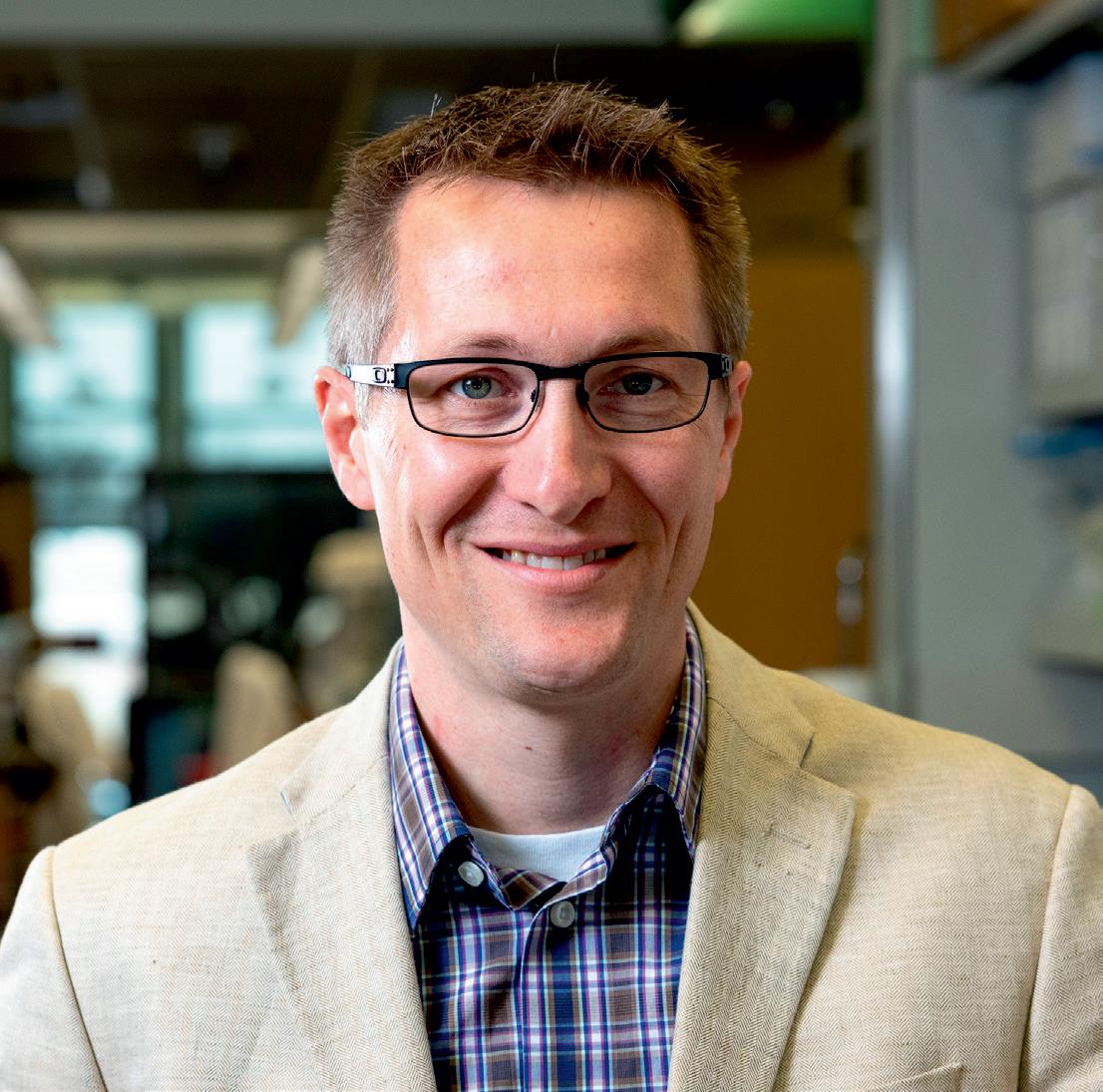
“It’s a feedback loop where the hormone sends a signal to the brain, and the brain changes nerve activity to the liver to protect it,” Potthoff said. “The majority of the effect comes from the signal to the brain as opposed to signaling the liver directly, but together, the two signals are powerful in their ability to regulate the different types of lipids in the liver.”
Similar to the family of weight loss drugs known as GLP-1s (glucagon-like peptide 1), which help regulate blood sugar levels and appetite, FGF21 acts on the brain to regulate metabolism. In addition, both are hormones produced from peripheral tissues – GLP-1 from the intestine and FGF21 from the liver – and both work by sending a signal to the brain.
“It is interesting that this metabolic hormone/drug works primarily by signaling to the brain instead of to the liver directly, in this case,” he said. “FGF21 is quite powerful because it not only led to a reduction of fat, but it also mediated the reversal of fibrosis, which is the pathological part of the disease, and it did so while the mice were still eating a diet that would cause the disease. Now, we not only understand how the hormone works, but it may guide us in creating even more targeted therapies in the future.”
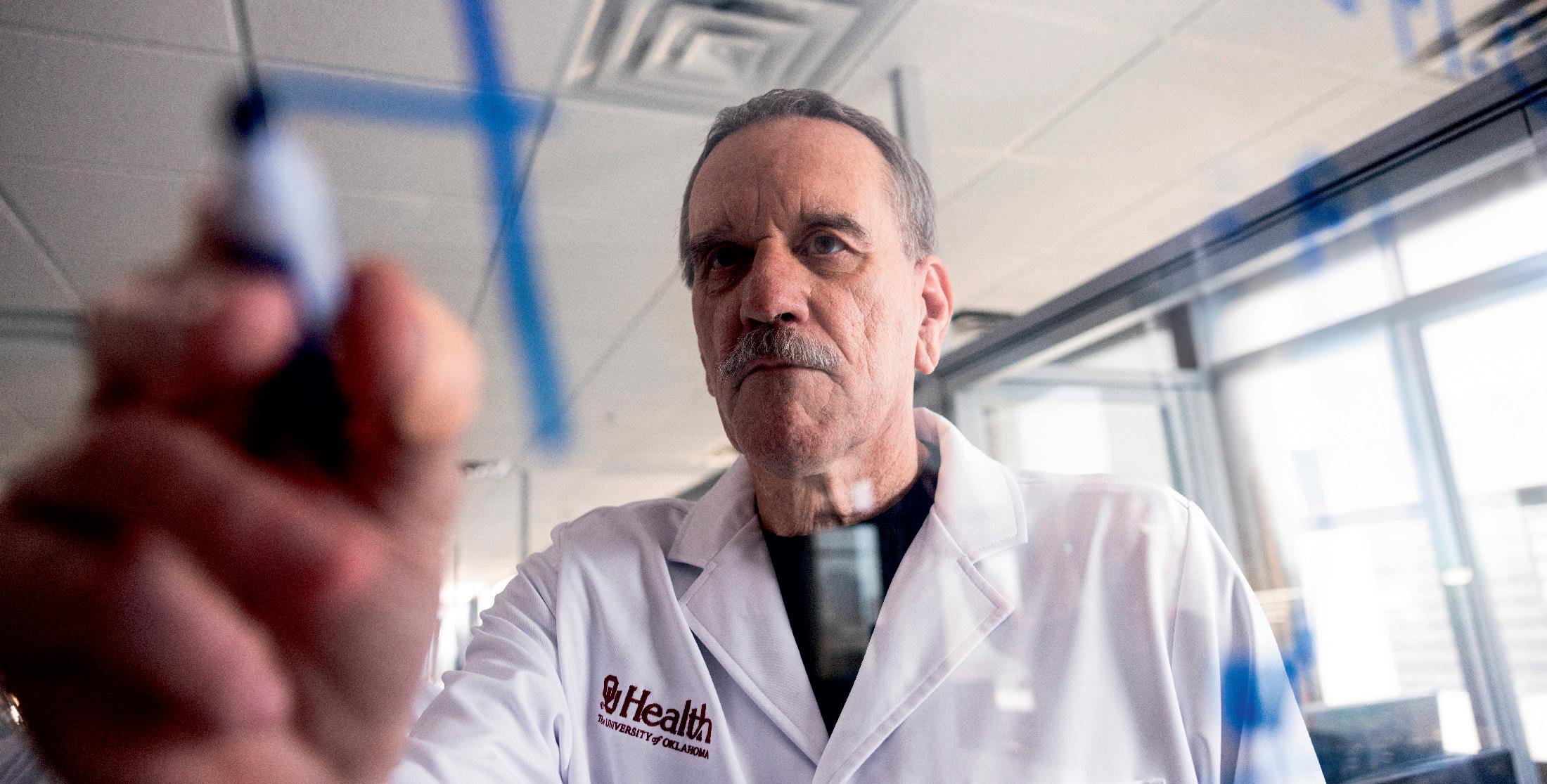
University of Oklahoma researchers have discovered that some bacteria in the gut have their own unique “weapon system” to compete against other bacteria for dominance. Importantly, there is promising evidence that this system can be repurposed to target diseased cells like cancer.
The research is from the laboratory of Rodney Tweten, Ph.D., professor of microbiology and immunology at the University of Oklahoma College of Medicine and recent National Academy of Sciences inductee. His lab studies a genus of bacteria called Bacteroides, which constitutes nearly 50% of the microbes that live in the intestines. The bacteria play an important role in good health, helping the body break down complex carbohydrates and nutrients.
“It’s like the guidance system in your car saying, ‘Make a right turn here.’ That’s basically what we’ve done – we’ve told these proteins what to target.”
The bacteria are also fierce protectors of their own turf. They produce proteins called cholesterol-dependent cytolysin-like toxins that punch holes in rival bacteria, causing them to burst and die. The toxins only activate their weapons when they touch an enzyme on the surface of the target bacteria; otherwise, they remain harmless. The CDCLs can also shield themselves from harm by employing a protective protein over their surface.
“There are trillions of these bacteria in your gut,” said Hunter Abrahamsen, a doctoral student in Tweten’s lab. “It’s a competitive atmosphere, and they need all the tools they can get to win the fight.”
Tweten’s team published its discovery of CDCLs in the journal Nature Communications. In a recent follow-up study in Science Advances, they provide detailed images of how the CDCLs actually form pores (or punch holes) in other bacteria.
Now, they are using CDCLs to target their hole-punching weapon against the cells of deadly diseases, including glioblastoma and HER2-positive breast cancer. The research team essentially teaches the CDCLs to recognize things other than their fellow bacteria, in this case, the binding receptors for cancer cells.
“It’s like the guidance system in your car saying, ‘Make a right turn here.’ That’s basically what we’ve done – we’ve told these proteins what to target,” said doctoral student Tristan Sanford. Both Sanford and Abrahamsen were co-authors on the papers.
Such targeted immuno-toxins are not new, Tweten said, but they have been largely unsuccessful. His lab’s toxins operate differently – they kill cells from the outside through punching holes; others have to find their way into the cell and kill from the inside.
“They work surprisingly well in the lab,” Tweten said. “The way we would envision them working is with glioblastoma, for example, we would place these toxins into the tumor cavity after surgery so they can kill off any remaining tumor cells that weren’t removed. This is an exciting new area of research for our lab.”
Medications don’t work for everyone, highlighting need for targeted drugs
A new study published in Communications Medicine, a Nature publication, details the discovery of rare gene variants that increase the prevalence of Type 2 diabetes in multiple generations of Asian Indian people. The unusual finding is a step toward more targeted treatment for all people with Type 2 diabetes, a disease with complex genetic influences.
“We wanted to study several generations of Asian Indians because understanding genetics in families can give us better information, and Asian Indians have up to six times higher risk of developing Type 2 diabetes than Europeans. In addition, Asian Indians tend to live clustered together and marry within the same caste system, which helped us to identify these rare variants,” said lead author Dharambir Sanghera, Ph.D., a professor of pediatric genetics at the University of Oklahoma College of Medicine.
“Our study found that the participants have their own rare gene changes, which aren’t found in other unrelated populations around the world,” Sanghera added. “This is important because it helps us understand the different causes of diabetes. It also gives us ideas for creating new medications that target specific proteins or pathways. Treating diabetes in a tailored way is important because not everyone responds well to metformin or other medications that lower blood sugar. Moreover, we need to prevent or delay diabetes in children from families who carry many of these gene changes.”
When people develop Type 2 diabetes, their genes contribute about 50% to the onset of the disease, and the other 50% is due to lifestyle factors such as poor diet and lack of physical activity. There are three main ways genes can affect diabetes: monogenic, where one gene causes the disease; oligogenic, where a few genes have a big impact, regardless of diet or exercise; and polygenic, where some portion of many genes (over 400) each contribute a small effect, combined with lifestyle factors. Scientists have found these genes by studying millions of people, mostly of European descent. The rare gene variations that Sanghera’s team found are an example of oligogenic diabetes, she said.
Sanghera and her team also made an unexpected finding: The gene variants were non-coding. While coding genes are like a “recipe” for building a protein, non-coding gene variants are like “instructions” for when to use the recipe, therefore controlling when and where a protein is made.
“Because these families have multiple generations of diabetes,
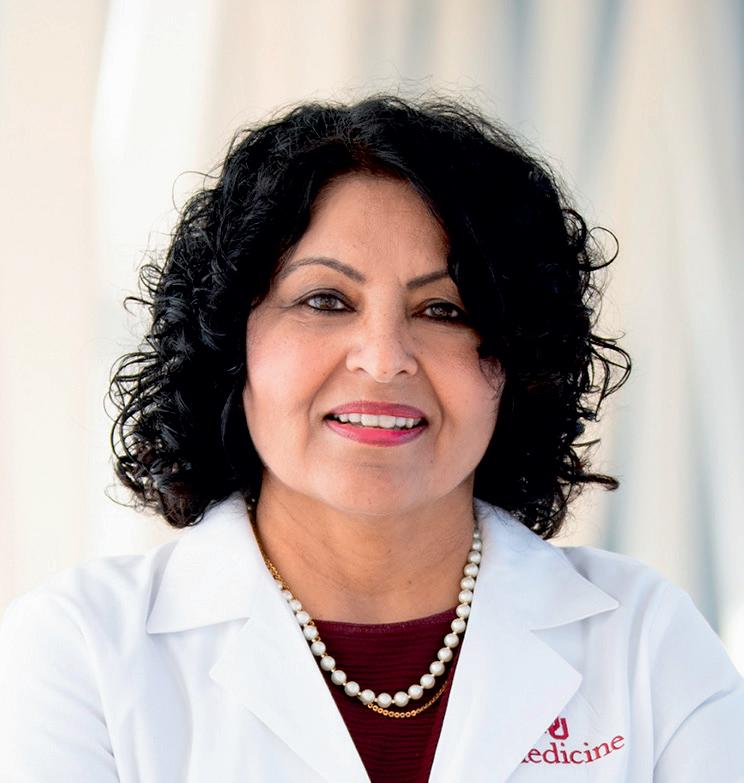
we thought we would discover coding genes because they directly affect a person’s susceptibility to diabetes,” Sanghera said. “But by finding rare non-coding variants in a handful of genes correlating strongly with diabetes, we realized this is an example of oligogenic diabetes.”
In an incidental finding, the researchers discovered that three of the genes with many rare variations are MODY genes (maturityonset diabetes in youth). A single MODY gene can cause diabetes (monogenic) no matter how healthy a person’s lifestyle is, Sanghera said. There are about 14 MODY genes that cause this kind of diabetes in young adults, but their link to Type 2 diabetes isn’t well understood.
“These findings suggest we need to study the role of MODY genes in Type 2 diabetes more closely by looking at the genes of families affected by it,” Sanghera said. “The most interesting part of this study was that families with many cases of late-onset Type 2 diabetes and a number of rare non-coding gene changes had fewer common genetic risk factors, known as the ‘polygenic risk score.’ Usually, people with higher polygenic scores have more rare genetic changes.
“The genetic component of diabetes is very complex because the condition is so heterogeneous (has several root causes), just like there are several types of breast cancer and different treatments based on the subtypes of breast cancer,” Sanghera added. “The more we understand about the genetics of diabetes, the closer we move to precision medicine – treating people according to the specific type of diabetes that they have.”
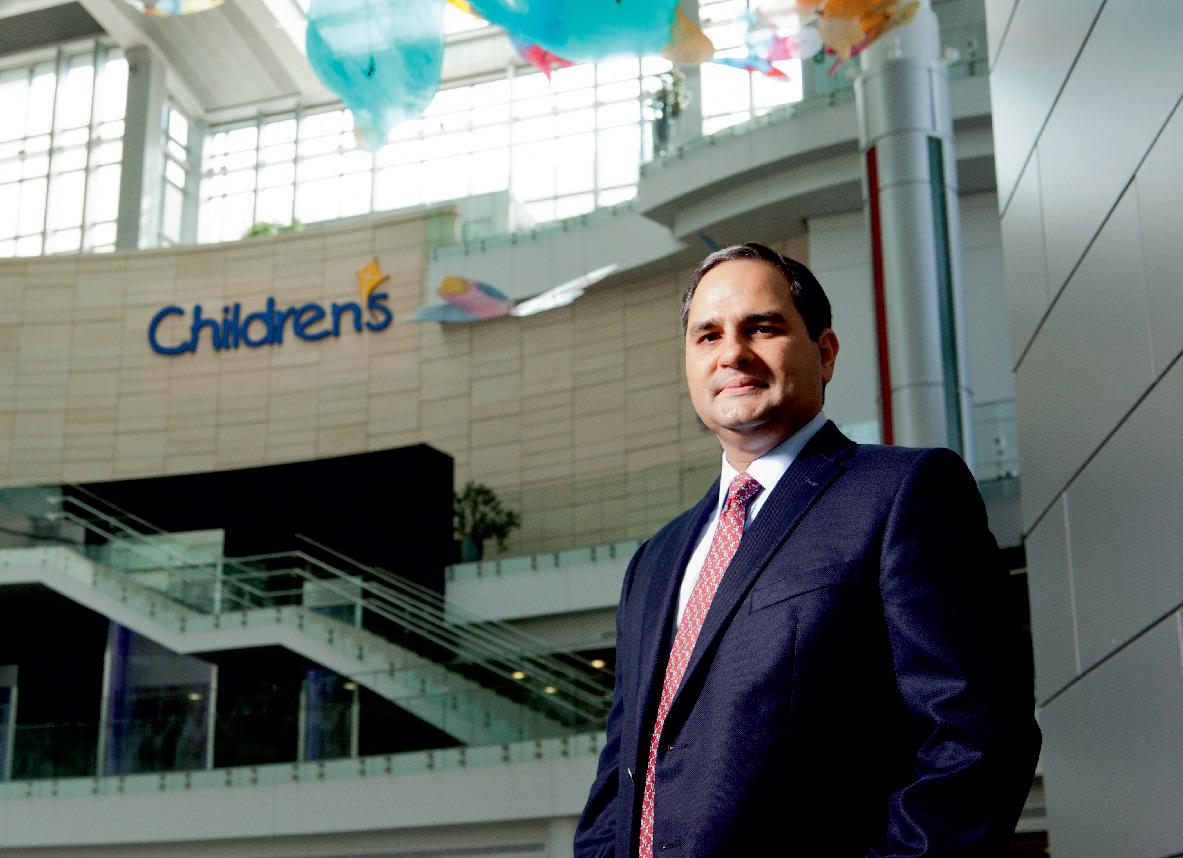
Sanjay Bidichandani, MBBS, Ph.D.
U.S. Department of Defense Awards $2.8 Million for Continued Investigation
A University of Oklahoma researcher is the first to discover that the sequence of the genetic defect in the neuromuscular disease Friedreich’s ataxia isn’t always as uniform as previously thought, a breakthrough finding that could spark changes in how the condition is diagnosed and studied.
“It is a whole new level of genetic variability that was not being taken into account in the diagnosis and prognosis of Friedreich’s ataxia.”
To further the research, Sanjay Bidichandani, MBBS, Ph.D., a professor of pediatrics at the University of Oklahoma College of Medicine, has received a $2.8 million grant from the U.S. Department of Defense.
Friedreich’s ataxia appears in the teenage years with balance and walking problems and can lead to heart issues, vision and hearing loss, and other symptoms. The disorder is inherited, caused by a defect in a gene called FXN, and it is recessive, meaning a person needs a copy of the gene defect from both parents to be affected.
Since the FXN gene was discovered in 1996, a finding in which Bidichandani played a role, the sequence of the genetic defect was thought to be standard. The disease is indicated by an expansion of the letters GAA in the gene sequence. A person without Friedreich’s ataxia typically has fewer than 30 of the triplet letters GAA in a row. However, people with the condition have 100 to 1,500 GAAs, an expansion of the naturally occurring sequence.
The test to discover this expansion is straightforward, but Bidichandani’s team wondered if there was more to the story than a greater length of GAA letters. When they used a new technology called long-read sequencing, they discovered something that no one had found before: “spelling errors” in the long string of GAA letters in some people with the condition.
“Instead of GAA expanded 1,500 times, we found different combinations of G’s and A’s that the original test could not detect,” Bidichandani said. “It is a whole new level of genetic variability that was not being taken into account in the diagnosis and prognosis of Friedreich’s ataxia.”
Bidichandani’s grant was one of only 19 Impact Awards funded nationally through the fiscal year 2024 Peer Reviewed Medical Research Program of the Congressionally Directed Medical Research Program within the Department of Defense.
The discovery is significant for several reasons. Bidichandani’s preliminary research using long-read sequencing shows that people with GAA letter irregularities seem to have a milder version of the disease in which they experience slower progression. His data thus far also shows that about 30% of people with the condition have this irregular spelling.
“But they have been told they have the classic type of Friedreich’s ataxia,” he said. “Our first goal with this new grant is to determine the real diversity of genotypes in people with Friedreich’s ataxia, and then to determine whether their condition is actually less severe.”
The research has major implications for clinical trials, Bidichandani said. People in ongoing trials have been enrolled based on the assumption that there is one presentation of Friedreich’s ataxia with a straightforward expansion of GAA letters. If trial participants appear to be responding to a drug, they actually could have a milder version of the condition instead, Bidichandani said.
Understanding the different genotypes is also essential for people who want to undergo testing before deciding to have children. “Because the standard test performed by many clinical diagnostic labs does not detect the spelling errors, people may receive a false negative result for carrier testing,” he said. “We have already discovered several families who’ve been told they’re not carriers, but when we do our specialized test, it turns out that they are carriers.”
Bidichandani’s grant was one of only 19 Impact Awards funded nationally through the fiscal year 2024 Peer Reviewed Medical Research Program of the Congressionally Directed Medical Research Program within the Department of Defense. It is called an Impact Award because grant recipients are expected to make discoveries that have an immediate effect on patient care.
Friedreich’s ataxia is rare; about 5,000 people in the United States have the condition, and there is currently only one drug approved by the Food and Drug Administration for treatment. To expand his research on patients with Friedreich’s ataxia, Bidichandani is collaborating with David R. Lynch, M.D., Ph.D., of Children’s Hospital of Philadelphia, who shares a portion of the grant.
They have also been supported by the Friedreich’s Ataxia Research Alliance, the largest patient advocacy group in the world for the condition. The organization provided initial funding that allowed Bidichandani and Lynch to gather the data needed to apply for the Department of Defense grant.
“This is an exciting time for our research program,” Bidichandani said. “We believe our findings will have a beneficial impact on people with Friedreich’s ataxia and their families.”
The U.S. Food and Drug Administration has granted Fast Track Designation to a new drug combination for metastatic colorectal cancer, following encouraging results from a clinical trial led in part by the University of Oklahoma Health Stephenson Cancer Center. The treatment offers potential hope for patients whose tumors lack a key DNA repair protein called ATM.
The drug combination pairs alnodesertib, a targeted therapy that blocks cancer cells’ ability to repair DNA damage, and a low dose of irinotecan, a chemotherapy drug that causes that damage. Together, the drugs exploit a weakness in cancer cells that are already deficient in the ATM protein.
In the trial, a substantial number of patients with ATM-deficient tumors who received the treatment experienced reductions in the size of their cancers.
“We consider this a triple hit because we target the cancer in three different ways. We target the right tumor (those with ATM deficiency) and then we attack it with two treatments that work synergistically, one that damages the DNA and the other that prevents the cancer cell from repairing the DNA and surviving,” said Susanna Ulahannan, M.D., OU Health oncologist and associate professor in the OU College of Medicine, who was the national principal investigator for the cohort of colorectal cancer patients. “The treatment responses we have seen are very exciting, and they are in a patient group that has very few options.”
According to the American Cancer Society, more than 154,000 people will be diagnosed with colorectal cancer in 2025, and 52,000 people are expected to die from the disease.
Like other forms of chemotherapy, irinotecan damages the DNA of cancer cells. Normally, a protein called ATR would try to repair that damage before the cells divide again. But alnodesertib, an ATR inhibitor, blocks the repair signal, preventing cancer cells from recovering and multiplying. This mechanism is particularly effective in cancers that already have defective repair systems, such as those lacking ATM.
The drug combination’s Fast Track Designation is for patients who have already received at least two rounds of other colorectal cancer treatments that have not been effective. Alnodesertib is from Artios Pharma Limited and was tested in the STELLA clinical trial.
According to the American Cancer Society, more than 154,000 people will be diagnosed with colorectal cancer in 2025, and 52,000 people are expected to die from the disease. The lifetime risk of developing colorectal cancer is 1 in 24 for men and 1 in 26 for women.
“We have had only two good treatment options for metastatic colorectal cancer, so there is a very high unmet need. While colorectal cancer overall is declining, it is increasing in people under 50. We are seeing young, otherwise healthy patients who have limited treatment options. This clinical trial has produced very promising results,” Ulahannan said.
The success of GLP-1 medications for treating Type 2 diabetes and obesity naturally leads to a related question: Do GLP-1 drugs affect cancer risk, which is often associated with obesity and Type 2 diabetes?
University of Oklahoma researcher Elizabeth Wellberg, Ph.D., is the senior author of a review article in The Journal of Clinical Investigation that gathers current research evidence about the effects of GLP-1 drugs on cancer risk. The data suggest that GLP-1s do not increase the risk of cancer and may even reduce the risk of several types of cancer, particularly in people with obesity or Type 2 diabetes. Researchers reviewed clinical studies as well as laboratory and animal research.
“In people, we don’t have the answer to that question yet, but in animal research models, there seems to be evidence that GLP-1s are beneficial by themselves, even in the absence of obesity.”
“In our analysis of clinical studies, we found evidence that people using GLP-1 drugs do not experience higher overall cancer rates compared with non-users. Some studies even reported lower incidence of cancer, including colorectal, liver, prostate and endometrial cancers,” said Wellberg, an assistant professor in the OU College of Medicine and research member of OU Health Stephenson Cancer Center. “However, these studies are observational, not randomized trials, so we cannot yet interpret the findings as proof of a cancer risk reduction.”
The review also addressed the question of whether GLP-1s reduce cancer risk because they cause weight loss and improved metabolism, or because they have a direct anti-cancer effect.
“In people, we don’t have the answer to that question yet,” Wellberg said, “but in animal research models, there seems to be evidence that GLP-1s are beneficial by themselves, even in the absence of obesity.”
Some research suggests that GLP-1 drugs may affect the immune system, rather than lowering the risk for specific cancers, Wellberg said. “It may be that GLP-1s create a heightened surveillance in immune cells that makes them better at getting rid of damaged cells before they turn cancerous,” she said.
Although the findings are encouraging, Wellberg said much more research is needed to determine whether GLP-1 drugs could be used to prevent cancer or serve as part of cancer treatment strategies. Clinical trials are being developed to study GLP-1s in patients receiving ongoing cancer treatment, as well as in patients who do not have diabetes or obesity. Long-term data is also needed because widespread GLP-1 use is still relatively recent.
Wellberg is also speaking to her fellow scientists through the review article. She encourages researchers to look at what the clinical data say and carefully design their studies accordingly.
“As we look ahead, we urge our preclinical colleagues to dig deeper into how GLP-1s influence tumor biology, not only through metabolic pathways, but through their emerging effects on the immune system,” she said. “We need rigorous models that distinguish cancer risk from progression, as well as studies that carefully vary treatment timing, duration and combinations with standard therapies. Clarifying these mechanisms will be essential for translating the promise of GLP-1–based therapies into effective cancer applications.”
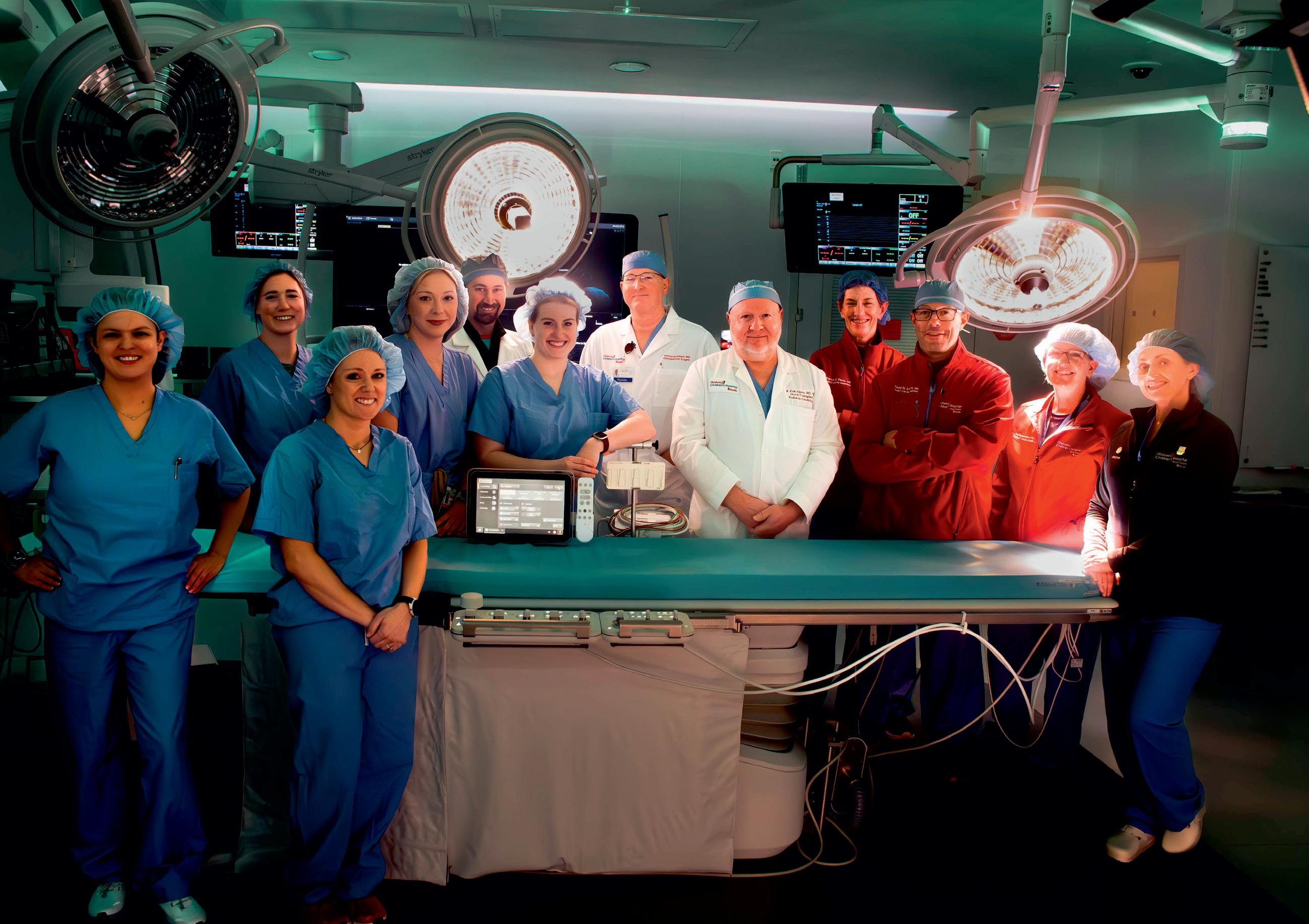
Oklahoma Children’s Hospital OU Health achieved a major milestone on Oct. 6, 2024, performing its first pediatric heart transplant in decades and offering renewed hope for children and families across the state.
A multidisciplinary team of more than 20 OU Health physicians, nurses and specialists successfully completed the surgery, establishing the Oklahoma Children’s Hospital OU Health Heart Center as the only pediatric heart transplant program in Oklahoma.
Ten-month-old Parker Helmerich was born with critical pulmonary stenosis, a congenital heart defect. Parker spent nearly 300 days in the hospital’s pediatric cardiac intensive care unit, waiting for a new heart. Born in December 2023 in Tulsa, he was quickly airlifted to Oklahoma Children’s Hospital and added to the transplant list in March 2024.
Parker’s parents, Faith and David, expressed their gratitude with the words, “An angel in heaven left their heart for our child.”
The new program means Oklahoma families no longer have to travel out of state for life-saving pediatric heart transplants. An estimated five Oklahoma children each year previously left the state for this specialized procedure.
Oklahoma Children’s Hospital OU Health now joins an exclusive group of about 65 health systems nationwide offering advanced pediatric cardiac surgery.
“With a successful pediatric heart transplant in Oklahoma, this is the final step in ensuring that the children of Oklahoma have access to all cardiac care without having to leave the state,” said pediatric cardiothoracic surgeon Harold Burkhart, M.D., professor of surgery and chief of the Division of Cardiac, Thoracic and Vascular Surgery at the OU College of Medicine and director of the Pediatric Cardiothoracic Surgical Program at Oklahoma Children’s Hospital.
“This incredibly important milestone is 10 years in the making and I am deeply honored and immensely proud of our team’s lifesaving efforts,” Burkhart said.
Oklahoma Children’s Hospital OU Health now joins an exclusive group of about 65 health systems nationwide offering advanced pediatric cardiac surgery. Its team includes pediatric cardiothoracic surgeons, cardiologists and advanced practice providers who use the latest techniques and participate in clinical trials that have led to major breakthroughs in children’s heart care.
For the Helmerich family, the milestone meant staying close to home during Parker’s treatment and recovery, surrounded by their support network.
“Our mission at OU Health is to be the premier destination for Oklahomans facing severe and life-threatening conditions, leveraging our academic environment and expert teams equipped with advanced technology and knowledge.”
“Oklahoma now boasts a fully comprehensive pediatric heart transplant center, enabling us to deliver the highest level of coordinated care for our young transplant patients,” said pediatric cardiologist R. Erik Edens, M.D. “This program bridges the final gap in treating pediatric patients with congenital heart disease. This first successful pediatric heart transplant is just another step in ensuring our youngest patients can receive toptier heart care right here at home.”
Burkhart joined Oklahoma Children’s Hospital in 2014 to build its pediatric cardiac surgery program. Since then, the program has expanded to include Oklahoma’s only 25-bed pediatric cardiac intensive care unit, opened in 2022 and dedicated to children with heart conditions, including transplant patients. In 2024, the Oklahoma Children’s Hospital OU Health Heart Center listed its
first pediatric patient for a donor heart with the United Network for Organ Sharing, reviving a transplant program that had been dormant since the 1990s.
As the state’s only pediatric heart transplant center, the Heart Center now serves as a regional hub for advanced cardiac care, performing more than 500 surgeries each year with a 98.8% survival rate for open-heart surgery — above the national average regardless of complexity.
U.S. News & World Report ranked the program among the nation’s Top 50 children’s hospitals for pediatric cardiology and heart surgery in its 2022-2023, 2023-2024 and 2024-2025 reports. The hospital also received the 2021 Mended Hearts International, Regional, Divisional and National Hospital of the Year awards.
“Our mission at OU Health is to be the premier destination for Oklahomans facing severe and life-threatening conditions, leveraging our academic environment and expert teams equipped with advanced technology and knowledge,” said Richard Lofgren, M.D., president and CEO of OU Health. “When it comes to children, no parent wants to face an away game for their children’s health care, and this major milestone for our team is another step forward in keeping Oklahoma’s kids here in Oklahoma for the advanced care they need.”
Each year, about 450 pediatric heart transplants take place in the United States. Heart failure in children can result from cardiomyopathy, congenital heart defects or other conditions that damage the heart. For many, transplantation offers the only path to survival and improved quality of life.
Children with congenital heart disease often undergo multiple open-heart surgeries before receiving a transplant. The wait for a donor organ can last from days to years, with allocation determined by medical urgency, blood type and proximity between donor and recipient hospitals.

OU Health performed the first single-port robotic thoracic surgery in a seven-state region, marking a groundbreaking advancement in minimally invasive surgery that could transform patient care across the region.
Thoracic surgeon J. Matthew Reinersman, M.D., associate professor and chief of the Section of Thoracic and Foregut Surgery in the Department of Surgery at the University of Oklahoma College of Medicine, successfully completed the first single-port thymectomy on a patient with severe myasthenia gravis, an autoimmune disorder that affects muscles.
The patient experienced almost no pain and was discharged home the following morning, marking a dramatic improvement over the traditional surgical approach.
Traditional thoracic surgery for conditions like myasthenia gravis usually involves four separate incisions on the sides of the chest, each about one centimeter long. The new single-port robotic technology enables the entire procedure to be done through just one small incision below the xiphoid process, which is the pointed tip of the breastbone located just above the abdomen.
“We’re not going through the ribs anymore. We are going below the ribs,” Reinersman said. “Going between the ribs can cause irritation to the nerve that runs along the rib and injure the muscles between the ribs. Every time you take a deep breath, cough, move or twist a certain way, it’s going to hurt. If the rib spaces are not violated, patients experience less pain, recover quicker and return to normal function faster.”
The single-port approach also offers superior visualization for surgeons.
“Previously, it was challenging to obtain a clear view across the entire chest from one side,” Reinersman said. “However, by approaching just below the sternum and observing from above, it is now possible to rotate the camera and gain a comprehensive view of both sides. This method significantly improves visibility of both phrenic nerves and the entire mediastinum.”
Myasthenia gravis is an autoimmune disorder in which patients produce antibodies that target their muscle receptors, leading to progressive weakness throughout the day as they use their muscles.
“They can’t maintain muscle strength, experiencing drooping eyelids, swallowing difficulties and worsening muscle weakness,” Reinersman said. “Removing their thymus gland can sometimes lead to significant improvement in symptoms and reduced medication.”
The da Vinci SP robotic surgical system used in the procedure received FDA approval for thoracic surgery over a year ago. Reinersman was among the first 20 thoracic surgeons worldwide to receive specialized training in this advanced technology.
OU Health was uniquely positioned to launch the program due to Reinersman’s experience. “I was already a high-volume multi-port robotic surgeon with the experience and expertise to transition to the single-port system,” he said. As one of only two thoracic oncology surgeons at OU Health, Reinersman brought the specialized skills needed for the groundbreaking technology.
The training process involved simulation training, hands-on experience at the company’s facility performing operations and oversight by a proctor during initial cases.
OU Health is currently the only program in Oklahoma offering the technology. The procedure marked the first thoracic singleport operation performed in Oklahoma, Kansas, New Mexico, Arkansas, Colorado, Missouri and Louisiana.
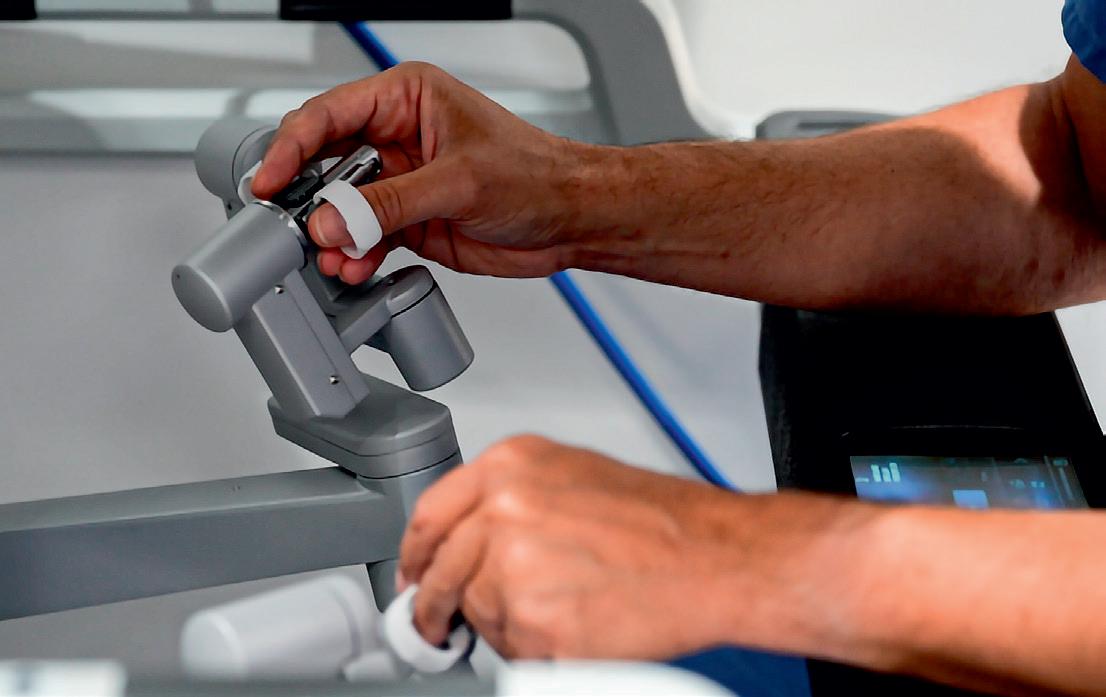
The single-port approach offers several advantages over traditional multi-port surgery:
Benefits of the procedure include:
• Significantly reduced pain, with patients experiencing minimal discomfort compared with traditional methods
• Faster recovery times, allowing patients to return home and resume normal activities sooner
• Improved cosmetic results, with only one small scar instead of multiple incisions
• Lower risk of nerve damage, since avoiding cuts between ribs helps prevent intercostal nerve injury
“This technology represents the next evolution in minimally invasive surgery,” Reinersman said. “We can now take procedures that were already minimally invasive and make them even less traumatic for patients.”
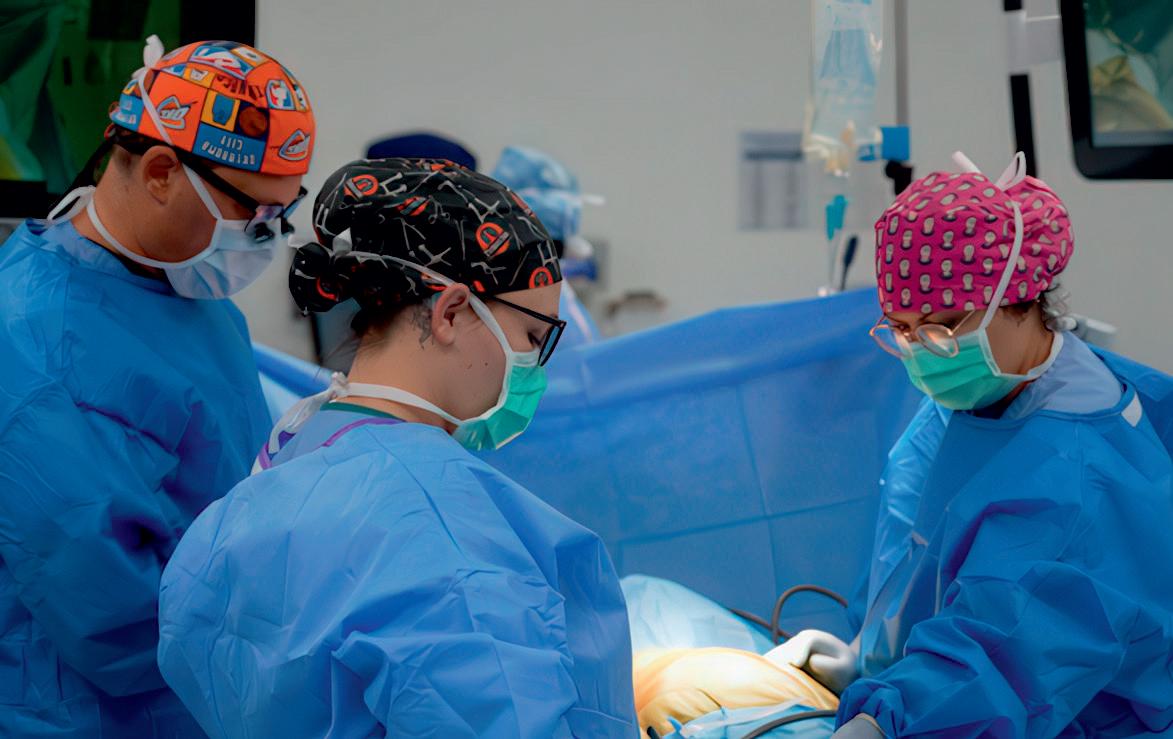
The system can be used to treat:
• Myasthenia gravis (through thymectomy)
• Lung tumors and cancers
• Mediastinal masses (tumors in the chest cavity)
• Esophageal conditions
• Other diseases affecting organs in the chest
“This technology represents the next evolution in minimally invasive surgery. We can now take procedures that were already minimally invasive and make them even less traumatic for patients.”
OU Health plans to expand its single-port robotic program as Reinersman continues performing additional procedures and transitions most eligible cases to the method. He describes the approach as “the most technically advanced” thoracic surgery available today. The program aims to improve patient outcomes and serve as a regional center for advanced, minimally invasive care. Many patients who once traveled out of state for complex thoracic procedures can now receive treatment closer to home.

OU Health Stephenson Cancer Center and Norman Regional Health System marked the opening of OU Health Stephenson Cancer Center at Norman Regional, a 50,000-square-foot facility that brings medical and radiation oncology services under one roof. The center, which began seeing patients on June 16, has expanded access to advanced, research-driven cancer care for residents of Norman and south-central Oklahoma.
The American Cancer Society estimates that approximately 24,000 new cancer cases will be diagnosed in Oklahoma in 2025 – slightly higher than the state’s recent annual average of about 23,000. While the state’s overall cancer incidence is comparable to national averages, mortality rates remain high, particularly in rural and underserved communities. In Cleveland County and south-central Oklahoma alone, over 2,000 people are diagnosed each year, highlighting the need for better access to high-quality, multidisciplinary care closer to home.
Located on the Norman Regional Hospital campus, the new facility leverages the expertise of OU Health Stephenson Cancer Center, Oklahoma’s only National Cancer Institute-Designated Cancer Center, to provide increased access to patient-centered, research-driven cancer care.
“This new facility represents our mission of providing our community personalized and compassionate care,” said Norman Regional Health System President and CEO Aaron L. Boyd,
M.D. “We are thrilled to partner with OU Health to bring these advanced services to Norman. They share our passion for treating each patient as a unique and special individual. Part of that treatment is ensuring close-to-home care, especially during difficult times such as a cancer diagnosis.”
OU President Joseph Harroz Jr. highlighted the importance of expanding access to NCI-level cancer care for all Oklahomans.
“The expansion of Stephenson Cancer Center to Norman is a proud milestone in lifting the health of our state,” Harroz said.
“It reflects our unwavering commitment to deliver world-class, research-driven cancer care across Oklahoma through a growing statewide network. As part of Oklahoma’s flagship academic health system, Stephenson Cancer Center is bringing advanced treatments and life-saving clinical trials closer to home – helping patients receive exceptional care while staying connected to their families and communities.”
Stephenson Cancer Center’s NCI status means patients have access to innovative, research-based treatments available nowhere else in Oklahoma, and expanding this reach across the state is one of the OU’s highest priorities. The growth directly supports a goal of OU’s Strategic Plan to reduce cancer mortality in Oklahoma by 10% over the next five years – bringing life-saving care to more communities and improving outcomes for countless families.
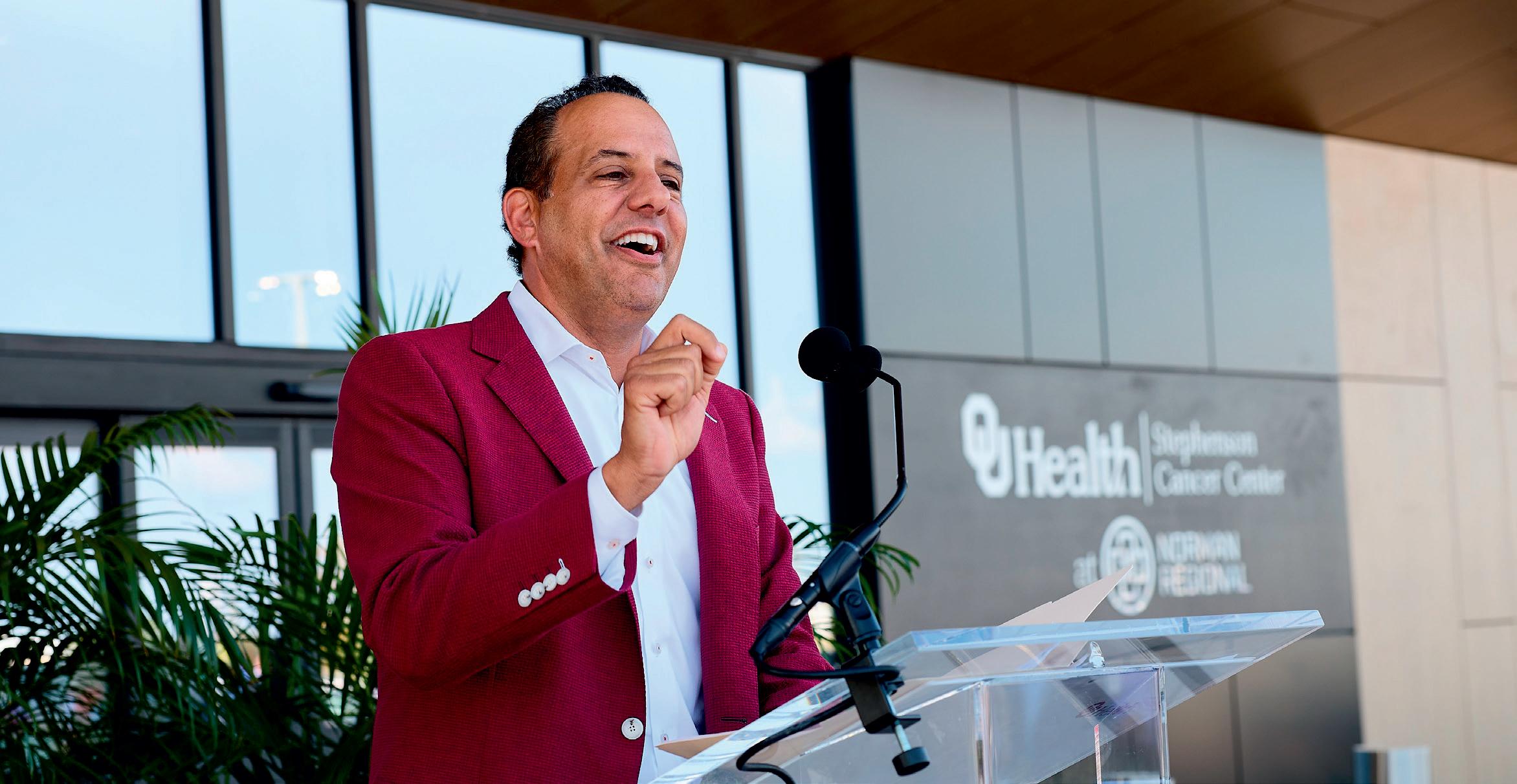
“As part of Oklahoma’s flagship academic health system, Stephenson Cancer Center is bringing advanced treatments and life-saving clinical trials closer to home – helping patients receive exceptional care while staying connected to their families and communities.”
OU Health President and CEO Richard Lofgren, M.D., emphasized the impact of access to local care.
“No Oklahoman should ever have to leave the state to receive world-class cancer care. With the opening of this new facility, residents of Norman and south-central Oklahoma will have access to the most advanced treatments and clinical trials –right in their own community. This isn’t just about convenience; it’s about delivering hope, improving outcomes and ensuring that every patient receives the highest standard of care, close to home where support systems are strongest and the impact is most profound.”
The new facility doubles the capacity for infusion services, ensuring timely and efficient patient care. It also features dedicated spaces for research coordinators and nurses, enhancing patient engagement in clinical trials and enabling timely eligibility and enrollment assessments.
“Stephenson Cancer Center’s patient-centered care model is focused on eliminating barriers to accessing top-tier cancer care across the state,” said Robert Mannel, M.D., director of the Stephenson Cancer Center. “The opening of our new facility at Norman Regional is a crucial step in our mission to serve all Oklahomans, ensuring that patients receive the most innovative treatments close to home.”
Stephenson Cancer Center currently offers about 300 active trials, including the state’s only Phase I Clinical Trials Program. While Phase I trials will remain based at Stephenson Cancer Center in Oklahoma City, the Norman facility represents a significant step in expanding access to cancer research. The center is designed to support participation in select Phase II and III trials, allowing more patients in the region to receive treatments closer to home.
The facility also provides comprehensive support services, including diet and nutrition counseling, social work and genetic counseling. Advanced diagnostic and treatment technologies include two linear accelerators for targeted radiation therapy, a computed tomography simulator and positron emission tomography – computed tomography systems to improve diagnostic accuracy.
In addition to the partnership with Norman Regional, Stephenson Cancer Center expanded its reach in 2024 through a collaboration with Hillcrest HealthCare System in Tulsa. These initiatives support the center’s goal of earning a Comprehensive Cancer Center designation from the National Cancer Institute by 2028 – the highest federal recognition for cancer centers. Comprehensive centers are distinguished by excellence in multidisciplinary research, education and the delivery of clinical and public health advances to the communities they serve.

The Presbyterian Health Foundation announced a $20 million gift to establish the Oklahoma Children’s OU Health Presbyterian Health Foundation Heart Center. The contribution – the largest in the foundation’s 40-year history – will fund a new facility to centralize and expand cardiac care for children across Oklahoma and the region.
The announcement took place during the foundation’s 40 Years of Impact celebration, recognizing four decades of investment in medical research and improved health outcomes across the state.
Many Oklahoma families must leave the state for specialized pediatric heart care, facing emotional and financial hardship at the very moment they need support most. The new center will change that, positioning Oklahoma as a destination for advanced pediatric cardiac care.
“This entire project embodies the very heart of our mission,” said Tom R. Gray III, the foundation’s chair. “It will drive cutting-edge research, deliver lifesaving pediatric heart care to children and families, elevate the entire Oklahoma Children’s system and strengthen a proven center of excellence that is transforming patient outcomes in remarkable ways.”
The new center consolidates cardiac services that were previously spread across multiple areas, creating a purpose-built space that improves coordination and efficiency for care teams and families.
“We are proud to advance heart care and serve generations of families with world-class care,” said OU Health President and CEO Richard Lofgren, M.D. “No child should have to leave Oklahoma to receive the highest level of cardiac care. The investment from Presbyterian Health Foundation and our state Legislature helps us propel Oklahoma Children’s as a true destination for pediatric heart care where expertise, compassion and innovation converge to give every child the best chance at life, right here at home.”
With expanded inpatient capacity and enhanced diagnostic capabilities, the center will significantly increase OU Health’s ability to care for more children with complex heart conditions. As part of an academic health system, it also strengthens OU Health’s mission by integrating research, education and clinical excellence within a child-focused environment designed to support healing and innovation.
“The new center will redefine pediatric cardiac care in Oklahoma, ensuring children and families have access to the most advanced treatments without leaving the state,” said OU President Joseph Harroz Jr. “This historic investment from Presbyterian Health Foundation, paired with the Legislature’s bold support, reflects the power of partnership to achieve something truly extraordinary. Together, we are strengthening the health of our children and shaping a stronger future for Oklahoma.”

• About 90 beds dedicated to cardiac care, including intensive care, step-down and adult congenital units
• Two advanced heart operating rooms and multiple cardiac catheterization and hybrid labs
• Comprehensive imaging and diagnostics, including cardiac magnetic resonance imaging, computed tomography, echocardiography and stress testing
• Thirty exam rooms supporting high-volume outpatient heart clinics
• Advanced extracorporeal membrane oxygenation capabilities for critical cardiac support
• Expanded transplant facilities for complex cardiac cases
• Dedicated family support and education spaces
Oklahoma Children’s already demonstrates exceptional clinical outcomes, earning recognition as one of the Top 50 Best Children’s Hospitals for Pediatric Cardiology and Heart Surgery by U.S. News & World Report. The program is one of only nine in the United States with a “very high survival” rating, performing more than 500 heart surgeries annually with a 98.8% survival rate and 15,000 pediatric cardiology visits each year.
“This new facility will allow us to deliver the most advanced care in a space designed specifically for children and families,” said Harold Burkhart, M.D., pediatric cardiothoracic surgeon and chief of pediatric cardiac surgery at the OU College of Medicine. “It’s a game-changer for Oklahoma and the entire region.”
Campaign ambassadors Faith and David Helmerich were inspired by their personal experience with the center’s team. Their son, Parker, received a lifesaving heart transplant at Oklahoma Children’s after spending more than 300 days in the pediatric cardiac intensive care unit.
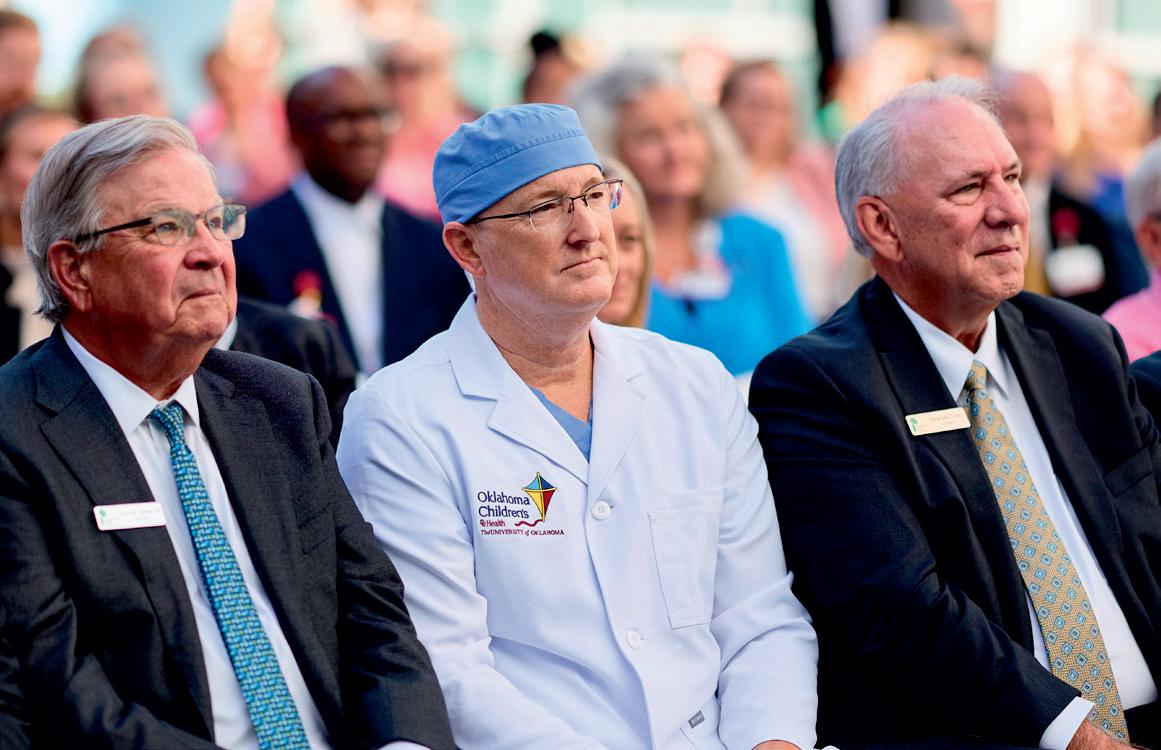
Parker’s journey reflects the center’s impact. Born with a critical heart condition, he became the first child in more than 30 years to receive a pediatric heart transplant at Oklahoma Children’s. His recovery – from being intubated and on life support to celebrating his first birthday at home – represents the hope this center brings to families across the state.
The project represents a strong public-private partnership, combining legislative vision with philanthropic commitment.
The $20 million gift complements a $200 million investment approved by the 60th Oklahoma Legislature, bringing the total project investment to $220 million – one of the largest health care infrastructure efforts in state history. Additional gifts from Lisha Lowell-Oshman and family, Carter Chevrolet and Paula DiVincenzo of the Beating Hearts Foundation also supported the project.
“This is a shining example of what’s possible when state leadership and private philanthropy unite for a common cause,” said Randy Dowell, CEO of University Hospitals Authority and Trust. “We are grateful to Capitol leaders for their $200 million investment, which provided the foundation for this transformational project.”
The new center will strengthen Oklahoma’s role in pediatric cardiac care, keeping families close to home and supported by world-class expertise. Pre-design and analysis are underway. Design and schematic work begin in 2026, with construction starting in early 2027. The building is expected to open to patients in early 2030.

OU Health celebrated a Topping Out Ceremony for the Oklahoma Children’s Hospital OU Health Behavioral Health Center, marking a significant milestone in the construction project for the state’s first and only comprehensive pediatric behavioral and mental health center.
Leaders from OU Health, the University of Oklahoma, University Hospitals Authority and Trust, state lawmakers, project and construction teams, philanthropic donors, patients, physicians and key stakeholders gathered to mark the final stages of construction on the building’s exterior.
Set to open its doors in December 2026, the new 172,775-squarefoot, six-story Behavioral Health Center will play a vital role in treating Oklahoma’s youth experiencing mental health crises. Bringing much-needed services to Oklahoma families, it will be the only such facility in the state that is part of a comprehensive children’s hospital.
“Currently, many patients and families in Oklahoma struggle to find the necessary care for their children experiencing a behavioral health crisis, and as the state’s leading academic health system, OU Health is committed to expanding our services to address this critical need,” said Richard Lofgren, M.D., president and CEO of OU Health. “The new Behavioral Health Center will bridge this gap by offering access to specialized expertise and treatment for a variety of conditions. The Topping Out Ceremony marks an important milestone in the creation of the center.”
As the academic partner of OU Health, OU will also train the state’s future mental health care workforce at the facility, helping to improve the state’s overall well-being.
“The University of Oklahoma is honored to contribute to the Behavioral Health Center, where our students will gain essential clinical experience, preparing them to address our state’s critical mental and behavioral health needs,” said OU President Joseph Harroz Jr. “OU’s longstanding history of educating the vast majority of Oklahoma’s health care professionals has been instrumental in improving the health of our state, with the Behavioral Health Center standing ready to proudly continue this important work.”
One in five Oklahoma youth faces mental health challenges, affecting children from all backgrounds and income levels. During the 2019-20 school year, nearly 10% of middle and high school students reported attempting suicide and more than 17% said they had considered it. At Oklahoma Children’s Hospital, emergency room visits for suicidal thoughts have risen sharply – from one or two cases a week to as many as one or two each shift.
“Many children with significant mental health concerns require more extensive and specialized care than is currently available in Oklahoma,” said child and adolescent psychiatrist Rachel Zettl, M.D. “The new Behavioral Health Center is designed to

significantly improve outcomes for children by providing a dedicated space where children can receive the comprehensive care they need, whether it’s for a brief inpatient stay, long-term treatment or intensive outpatient services.”
Oklahoma is currently ranked 33rd in the nation for access to mental health services and support and suicide remains one of the leading causes of death among young people aged 10 to 24 in the state. It’s estimated that 40% of youth who need mental health services aren’t receiving them.
“The topping out of the new Behavioral Health Center marks a significant milestone in our commitment to providing essential mental health services to Oklahoma children. This facility will ensure that quality care is accessible to all, paving the way for a brighter future for our state,” said state Sen. Pro Tem Greg Treat of Oklahoma City.
“The State of Oklahoma is proud to play a role in the launch of the Behavioral Health Center. This facility will not only provide essential support to children with mental health challenges but also attract mental health professionals from across the nation, improving health outcomes statewide,” said state Rep. Kevin Wallace of Wellston.
The Behavioral Health Center reimagines care for children and adolescents with a focus on safety, family involvement, stress reduction and evidence-based practices. The facility is designed to promote the well-being of patients, families and staff.
Key features include:
• Inpatient services: Two floors dedicated to inpatient care, adding 72 beds for both short-term stabilization and long-term treatment. Each room allows a parent to stay
with their child – a family-centered option not available elsewhere in Oklahoma.
• Outpatient services: Intensive outpatient and partial hospitalization programs.
• Specialized units: A neurodevelopmental unit tailored to specific patient needs.
• Recreational facilities: A two-story gymnasium and multiple outdoor and garden areas to support healing.
• Support areas: Conference and family resource spaces.
Philanthropic gifts from the E.L. and Thelma Gaylord Foundation, Devon Energy, Junior League of Oklahoma City, Fred Jones Family Foundation, Sarkeys Foundation, Presbyterian Health Foundation and the Robert Glenn Rapp Foundation have helped establish the foundation for the capital campaign. Oklahoma First Lady Sara Stitt serves as honorary chair of the campaign alongside former Oklahoma first ladies Kim Henry, Cathy Keating and Rhonda Walters.
The Behavioral Health Center is estimated to cost around $140 million. The Oklahoma state Legislature has allocated $59.2 million in state and federal funds. Additionally, the University Hospitals Authority and Trust have pledged $46.4 million. The rest of the funds are being raised through philanthropic efforts.
“The foresight and dedication of so many who have made this crucial facility a reality cannot be understated,” said Rainey Williams Jr., University Hospitals Authority and Trust Board Chair and OU Health Board of Directors chair. “We are grateful to the Legislature and donors for their financial support, as well as to those individuals who’ve contributed ideas, resources and time.”

Stillwater Medical, in partnership with Oklahoma Children’s Hospital OU Health, marked the opening of the OnCue Neonatal Intensive Care Unit, the only Level II Neonatal Intensive Care Unit in north-central Oklahoma with a dedicated neonatologist and 24-hour neonatal nurse practitioner coverage. The $2.5 million facility expands access to specialized newborn care, reducing the need for patient transfers outside the region.
The ribbon-cutting ceremony, held in February, brought together community members, donors and health care leaders to recognize the collaboration that made the project possible.
“Today is a testament to the power of community,” said Michal Shaw, vice president of foundation and community relations at Stillwater Medical. “Together, we’ve created a space where families will be held in care, compassion and community, right here in Stillwater.”
The OnCue NICU is expected to begin admitting patients in midMarch.
OnCue provided the lead gift to name the facility. Company President Laura Aufleger shared her family’s experience with neonatal care while living in Dallas.
“Our experience inspired us to ensure families in Stillwater have access to the same elevated level of care, closer to home,” Aufleger said.
The new NICU includes 10 nurseries, a C-section procedure room, a lactation room, family spaces and advanced medical equipment to treat premature and ill newborns. The unit will care for infants born at or after 32 weeks of gestation who need treatment for conditions such as jaundice, feeding issues and mild respiratory complications. A team of neonatologists, specialized nurses and respiratory therapists will provide around-the-clock care.
“By bringing specialized care closer to home, we ensure that newborns receive the high-level medical attention they need without the added stress of traveling long distances,” said Trent Tipple, M.D., chief of neonatology at Oklahoma Children’s Hospital. “Having care closer to home means families can stay in their communities while their children receive treatment rather than traveling to Oklahoma City or Tulsa. This facility ensures that even when higher levels of care are needed, the transition will be seamless, minimizing the disruption to families and their support systems.”
Prematurity is the leading cause of neonatal death and disability. In Oklahoma, nearly one in eight babies is born too early, with 11.9% of births classified as preterm in 2021, compared with the national average of 10.5%. The new NICU will help address this need by offering care for babies who require more support than routine newborn care while allowing families to remain close to home.
Research shows that babies who stay near their families recover faster and experience better bonding, breastfeeding rates and emotional well-being.
OU Health President and CEO Richard Lofgren, M.D., said the partnership broadens access to neonatal intensive care across the state.
“Every child and family in Oklahoma deserves access to the highest quality health care close to home,” Lofgren said. “Providing care within the community ensures the best outcomes and supports families during critical times. As the flagship academic health system, we are committed to delivering essential specialty and sub-specialty services. This partnership with Stillwater Medical is a significant step toward ensuring no child in our state must travel far to receive the care they need.”
Stillwater Medical CEO Denise Webber said the facility reflects the hospital’s mission to serve the region.
“The OnCue NICU is a shining example of our commitment to improving lives through excellent, quality care close to home. It’s personal for us at Stillwater Medical, and this new facility allows us to serve our neighbors – and the state – like never before,” Webber said.
Stillwater Medical is a not-for-profit, public trust health system providing care to north-central Oklahoma since 1978. The organization offers comprehensive women’s and family health services and continues to evolve to meet community needs.
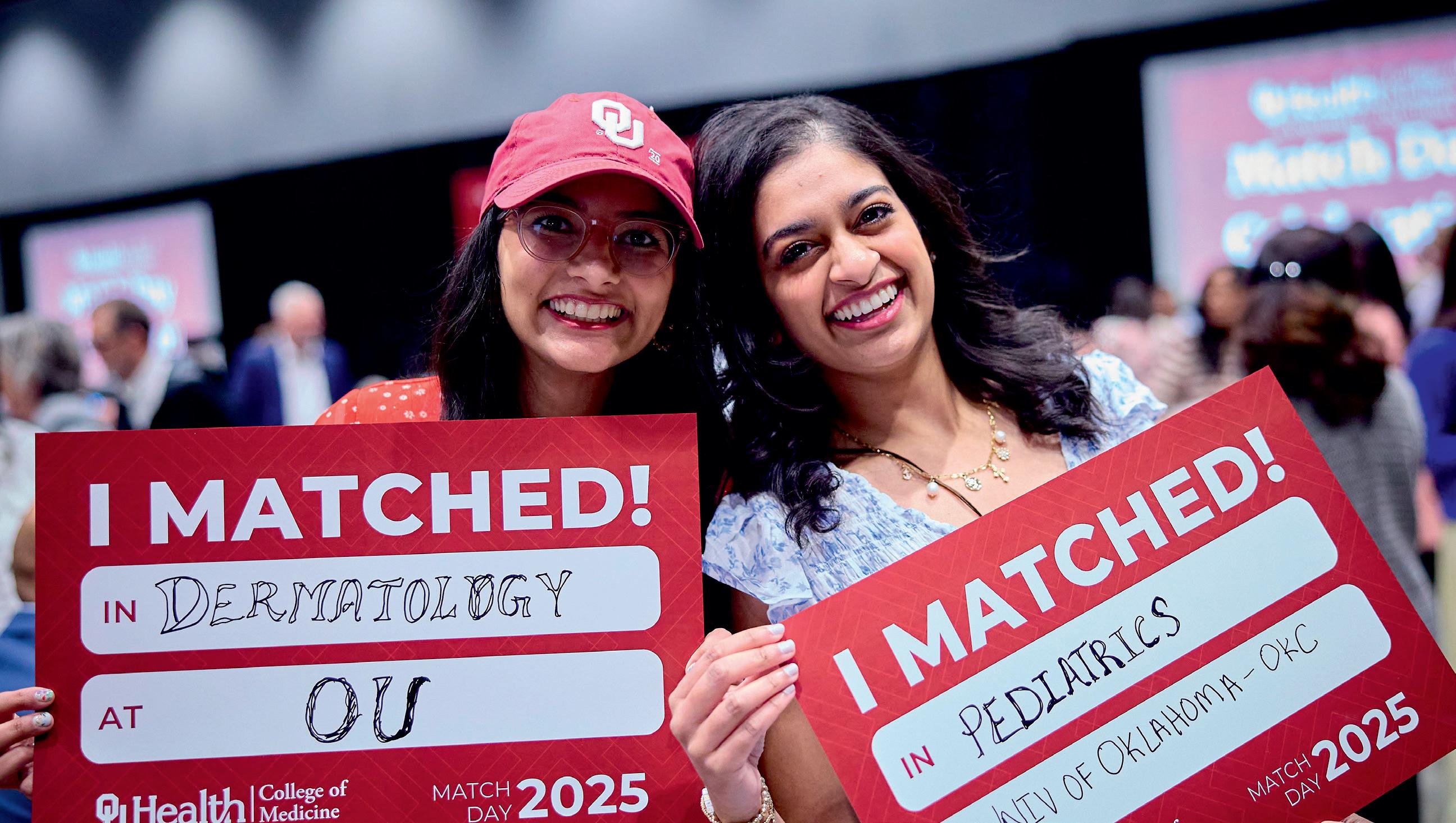
Last March, University of Oklahoma medical students joined thousands of their peers across the nation in celebrating Match Day, the highly anticipated event when graduating medical students learn where they will complete their residency training. Across the OU College of Medicine in Oklahoma City and the OU School of Community Medicine in Tulsa, 152 students matched into residency programs, with 44% remaining in Oklahoma to continue their training.
“Match Day is a powerful reminder of our purpose at the OU College of Medicine — to train the next generation of physicians and scientists who will shape the future of health care,” said Ian Dunn, M.D., executive dean of the College of Medicine. “Whether they stay in Oklahoma or serve communities across the country, our graduates carry forward a legacy of excellence in education, service through compassionate care, and a responsibility to advance medical knowledge through research.”
Match Day represents the culmination of years of study, preparation, and dedication for fourth-year medical students. The matching process is coordinated by the National Resident Matching Program, an independent, nonprofit organization that works with more than 10,000 programs and 50,000 applicants each year. After interviewing with residency programs, students and programs submit rank-ordered preference lists, which are paired through a matching algorithm. Each March, applicants and programs receive their results on the same day, with newly matched residents beginning their training on July 1.
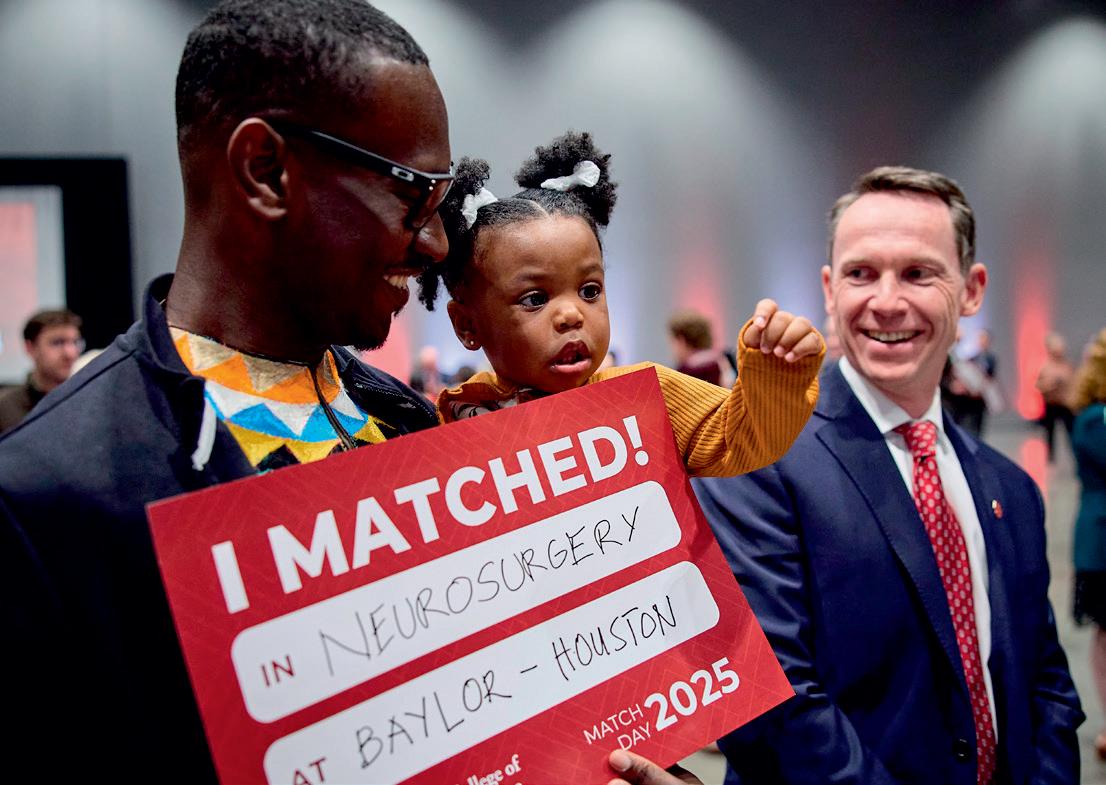
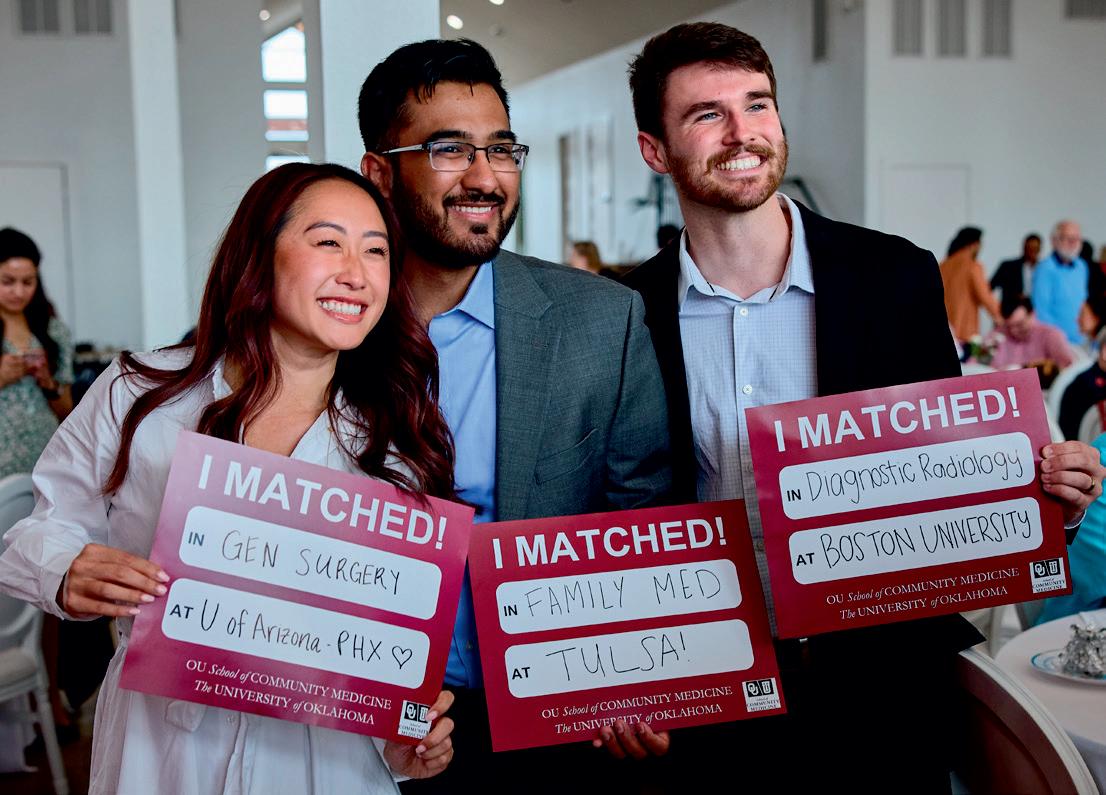




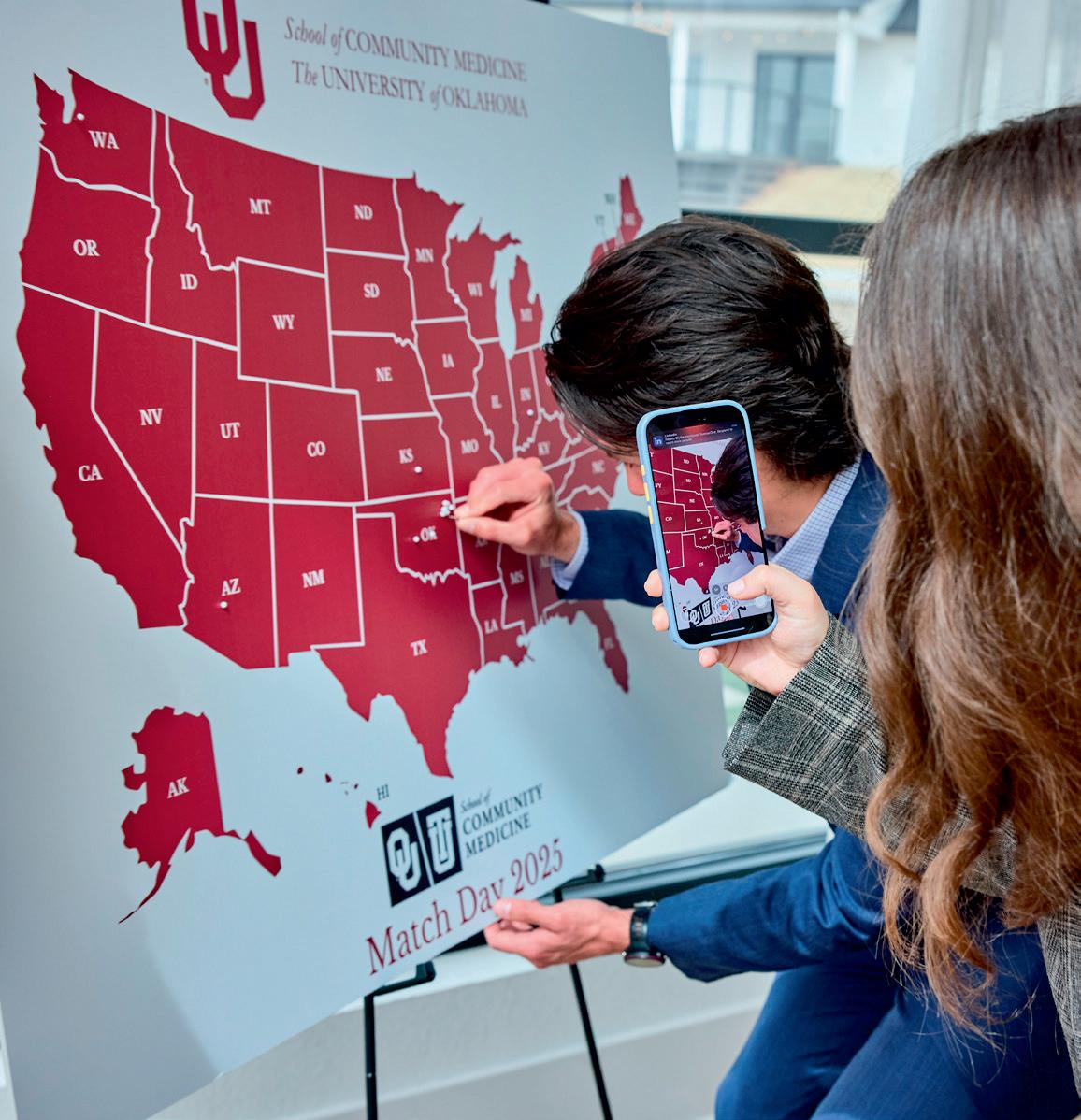
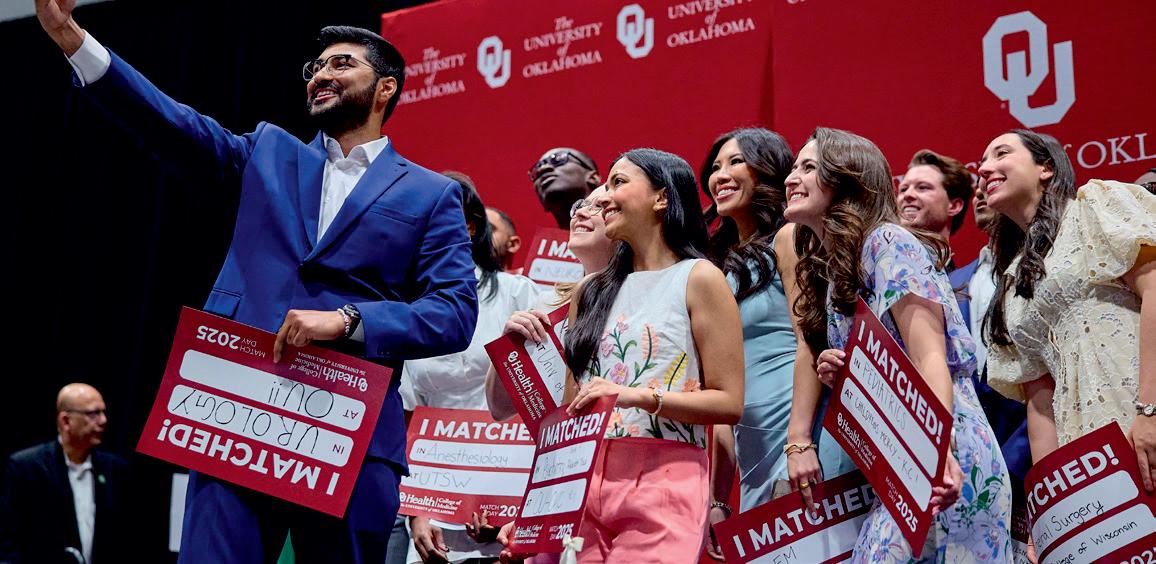

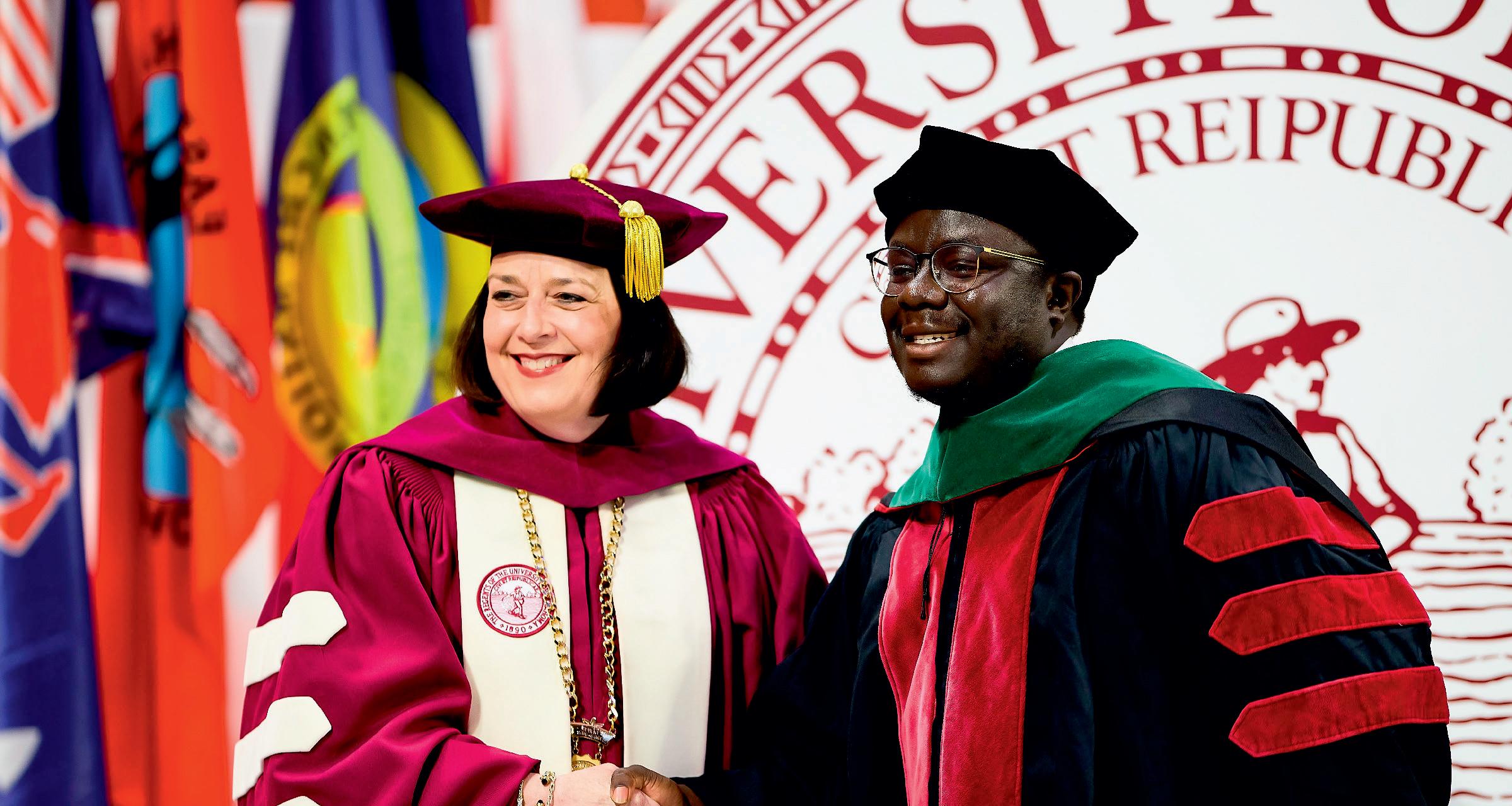
In May, the OU College of Medicine graduated 153 medical students. Commencement ceremonies were held in both Norman and Tulsa in celebration of the Class of 2025, marking the culmination of four years of dedication, perseverance and academic rigor. Families, faculty and friends gathered to witness this significant milestone as graduates transitioned from students to physicians.
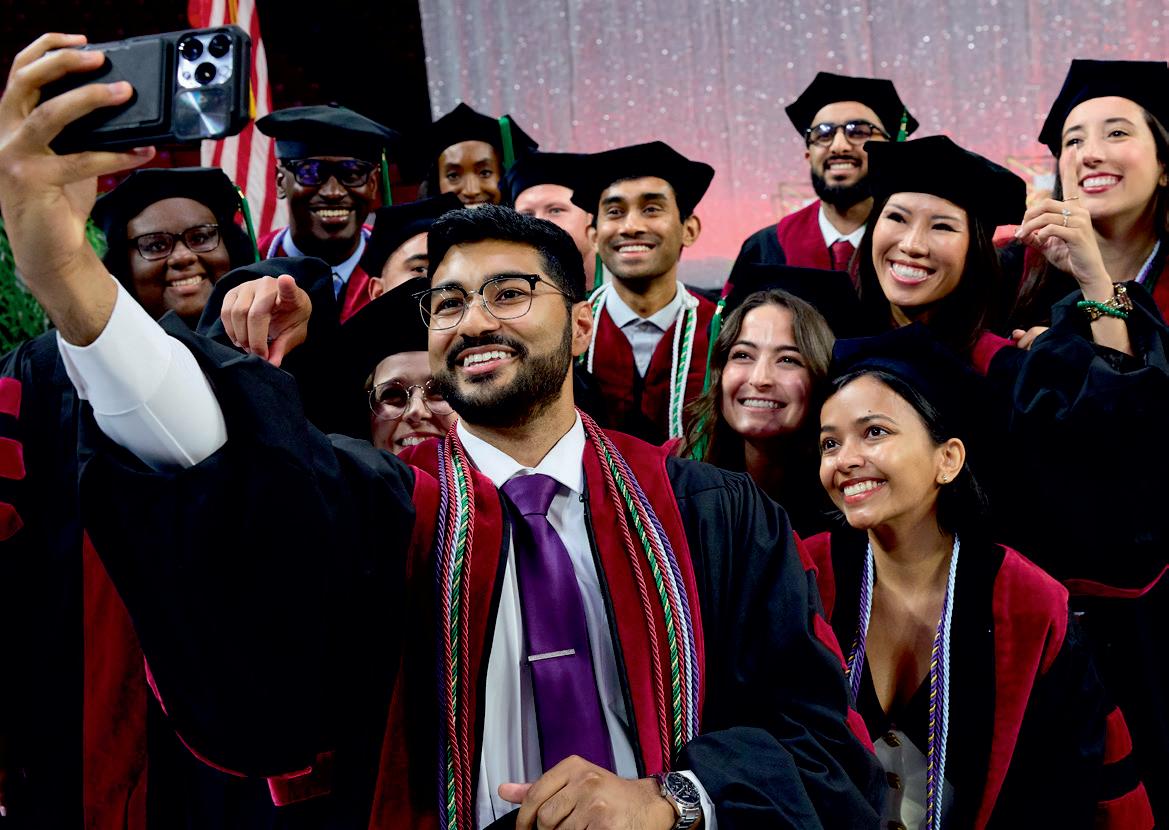
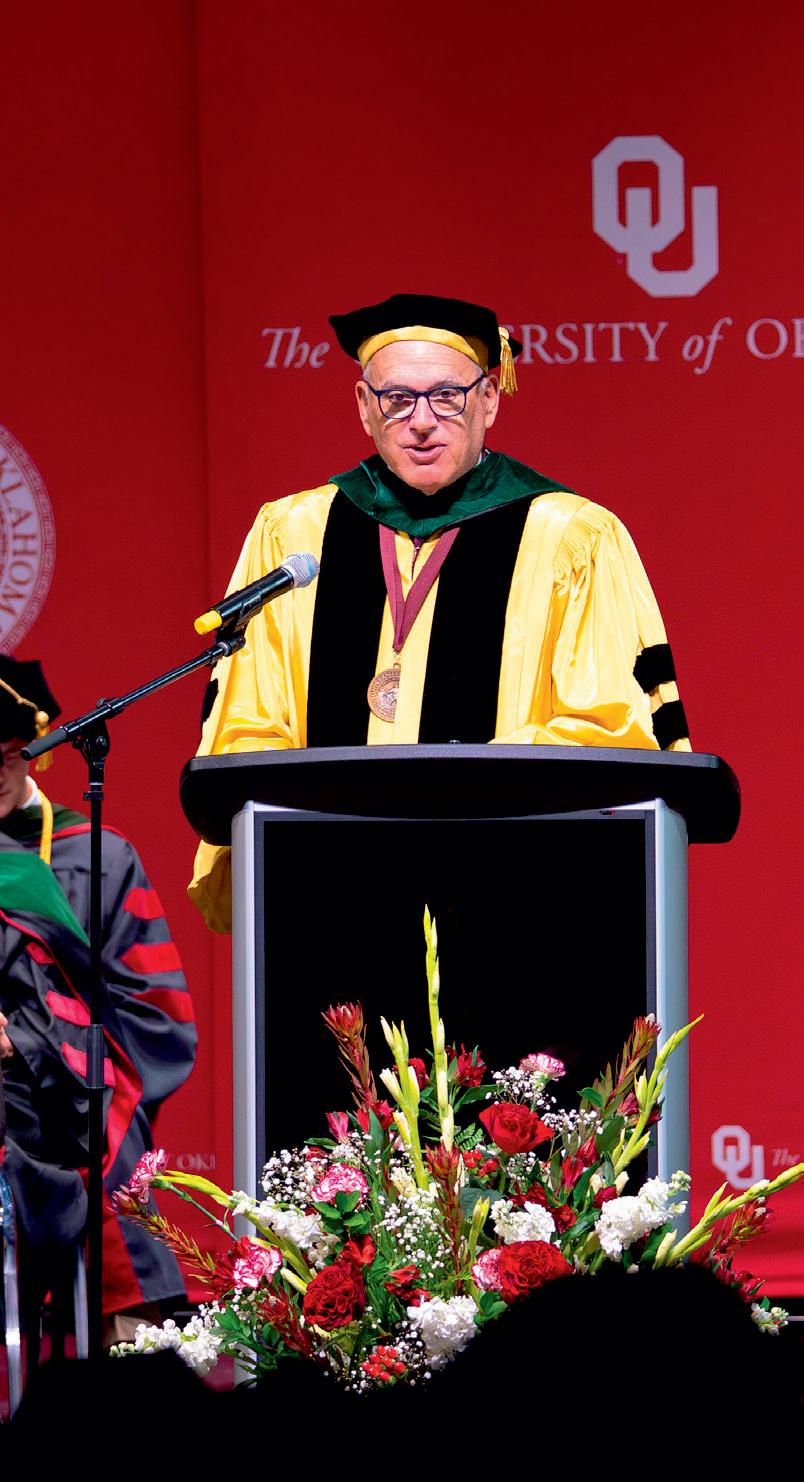
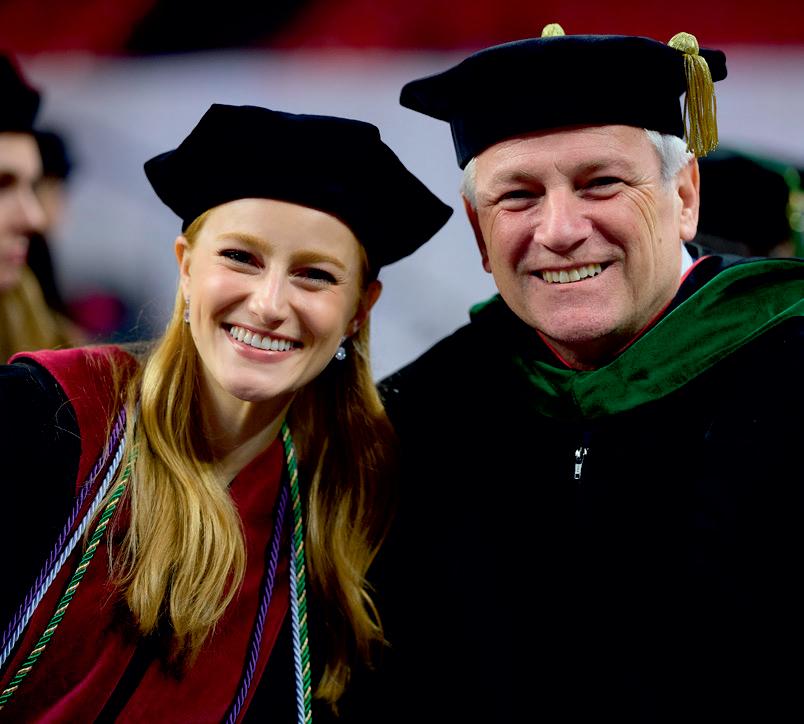

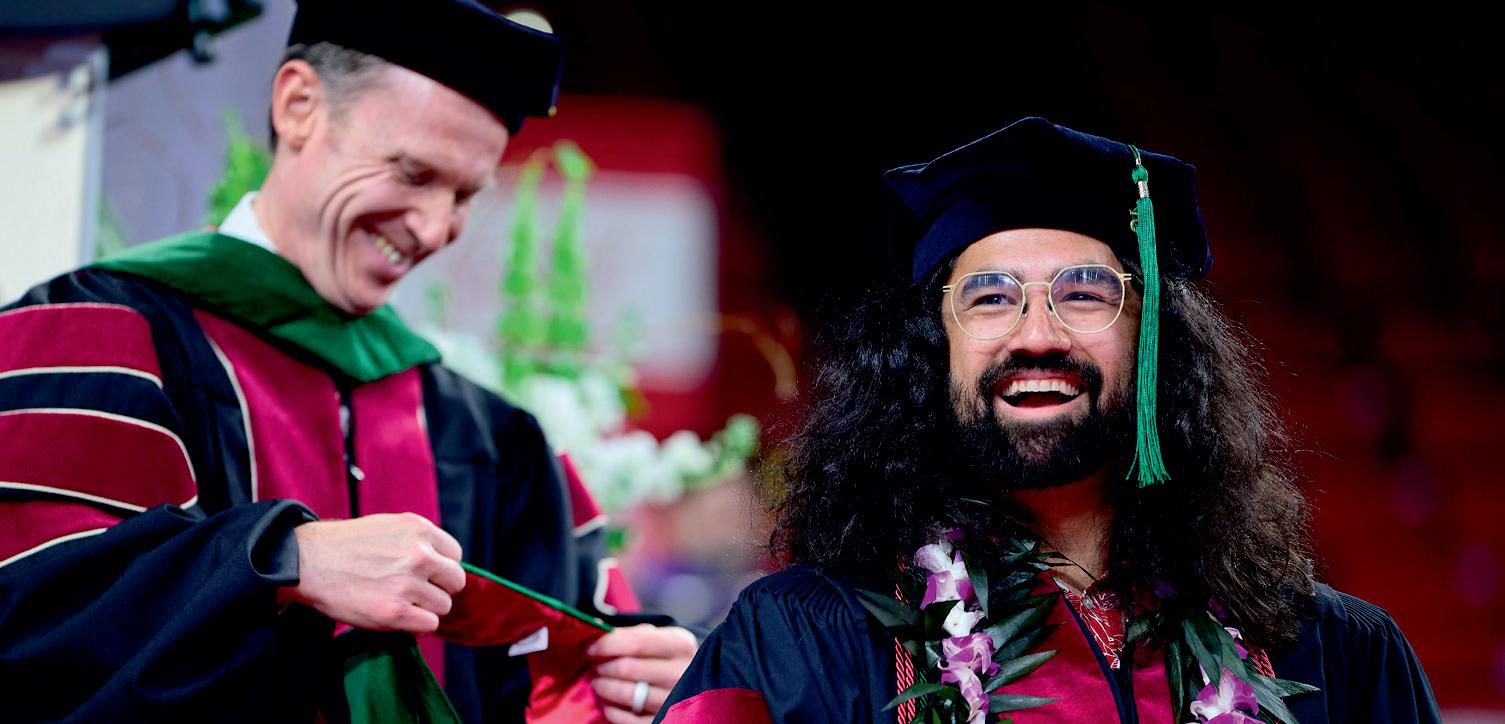
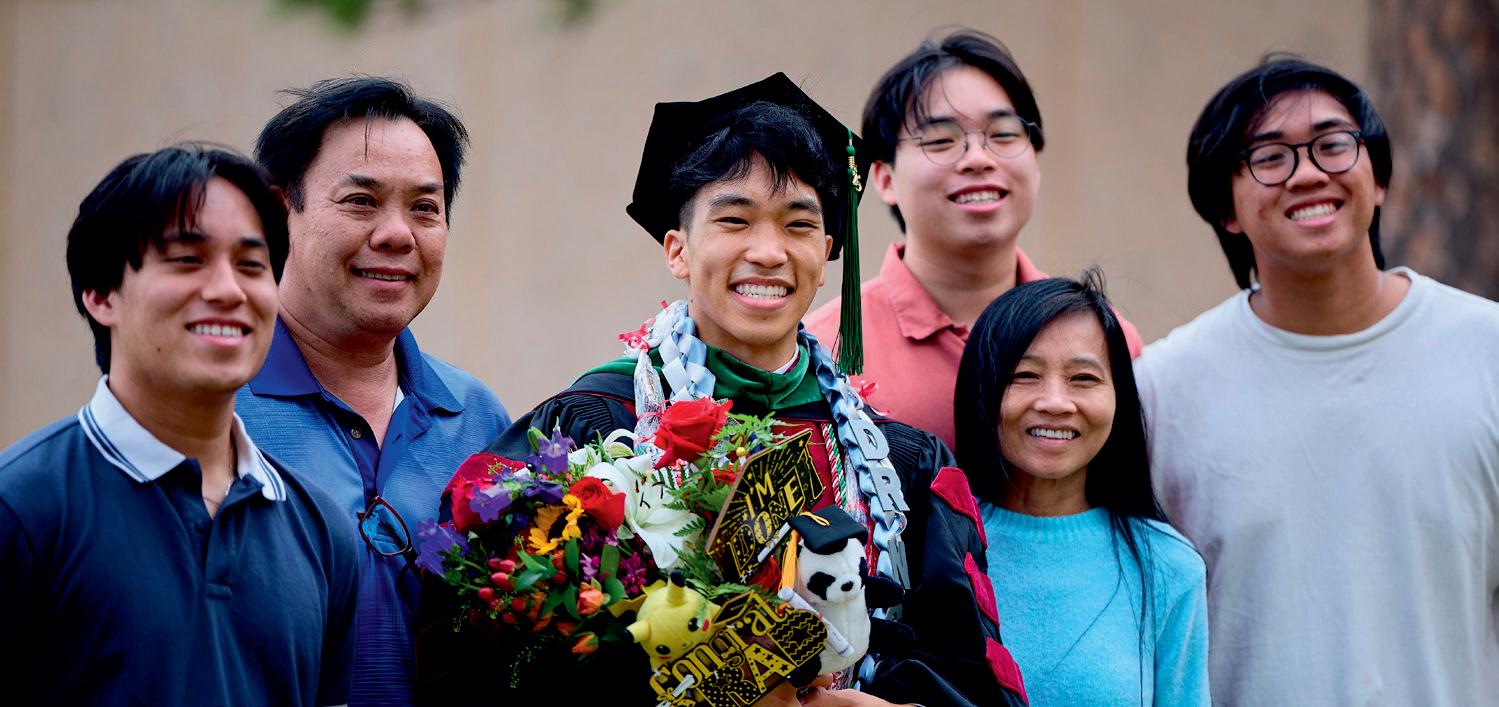
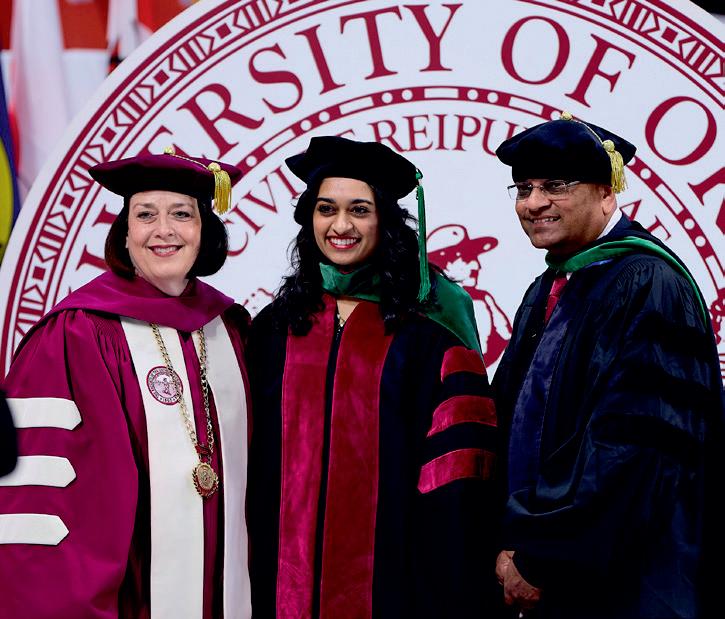
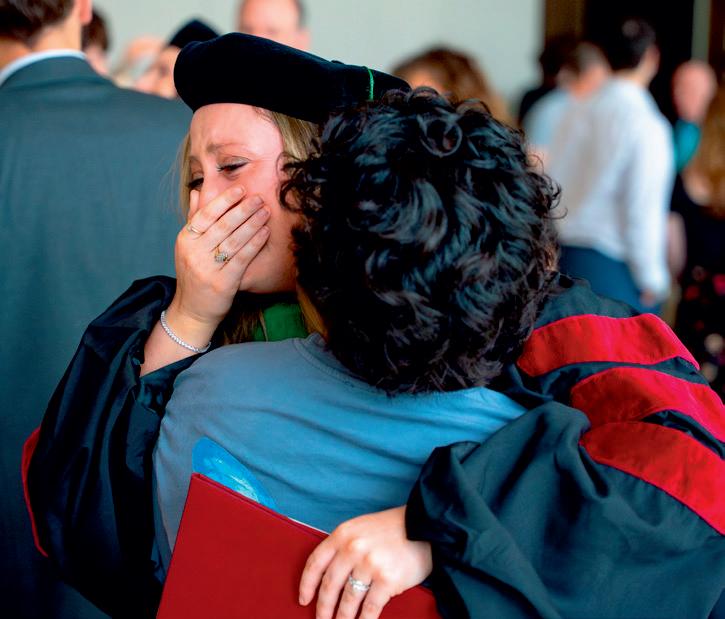
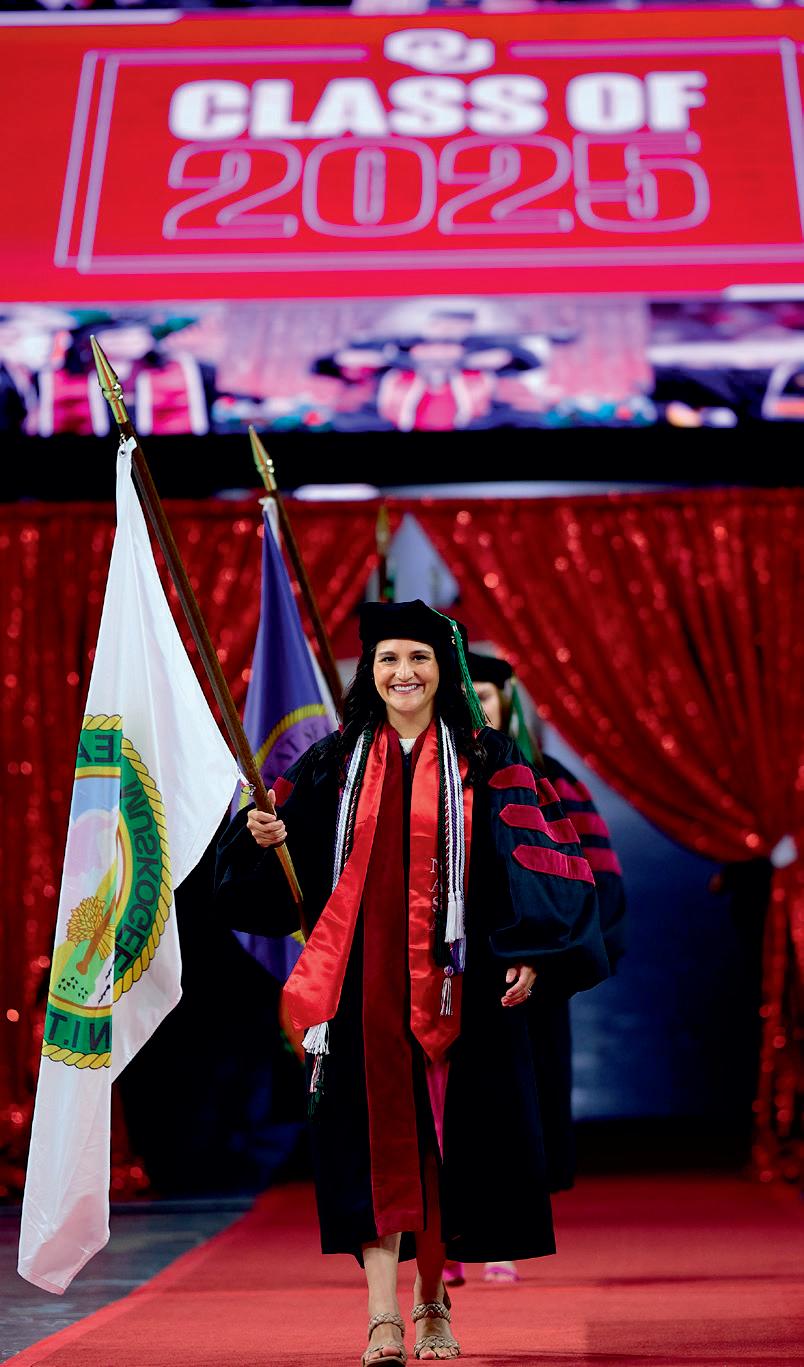
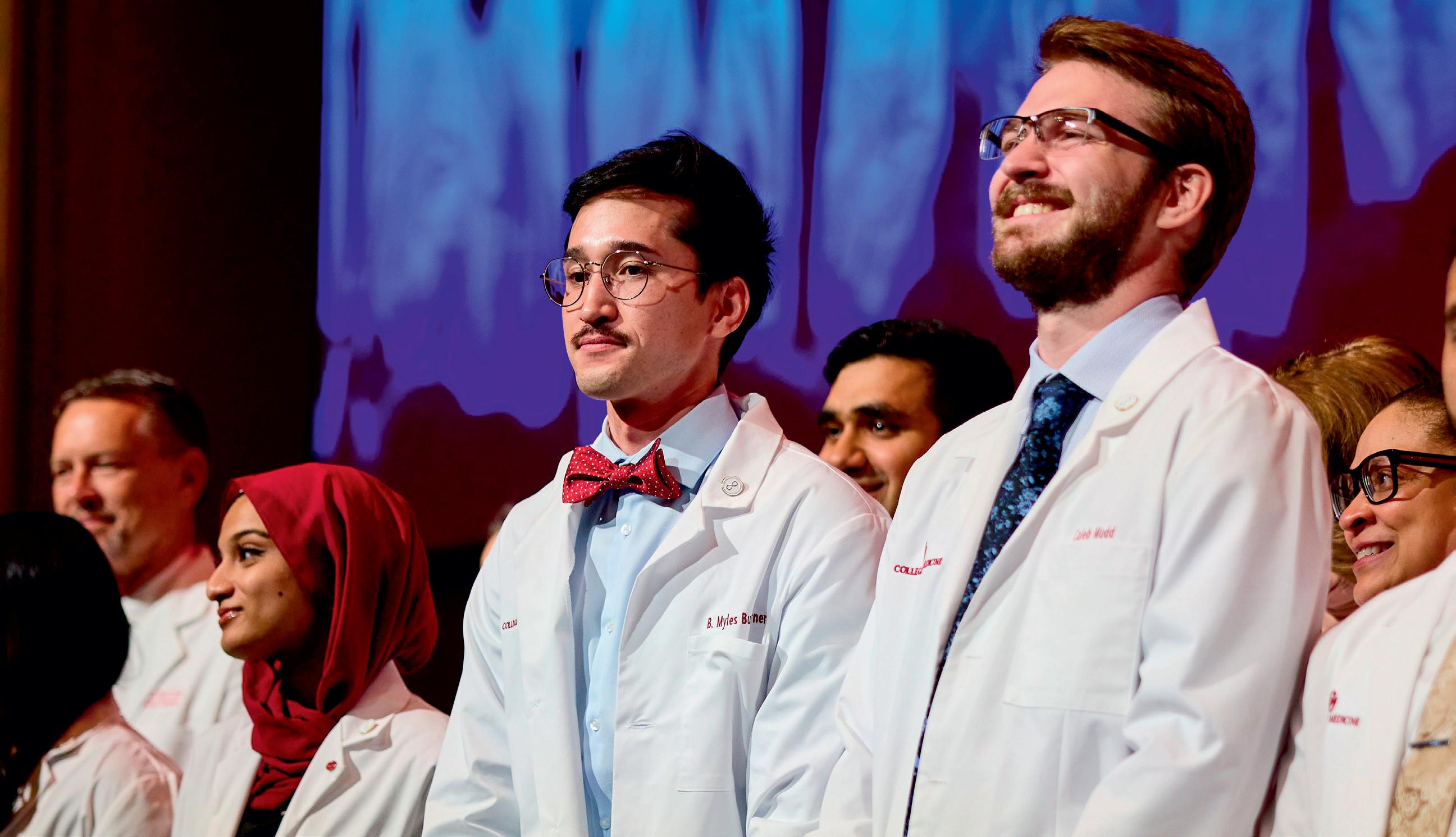
This summer, the University of Oklahoma College of Medicine welcomed incoming medical and physician associate students with white coat ceremonies, celebrating the beginning of their journeys into education and service.
The college made history with its largest-ever incoming class, with 169 first-year medical students officially donning their white coats at a ceremony in Oklahoma City. Thirty-four medical students and 24 physician assistant students also received their white coats from the OU School of Community Medicine in Tulsa. The white coat ceremony is a meaningful rite of passage, symbolizing the students’ entrance into the profession and their commitment to compassionate, ethical care.
“The White Coat Ceremony is a solemn and powerful moment – it marks the beginning of a lifelong responsibility,” said Ian Dunn, M.D., FACS, FAANS, executive dean of the OU College of Medicine. “It signifies our students’ commitment to excellence and professionalism as they begin the serious work of becoming physicians.”
This year’s events also reflect OU Health Sciences’ broader commitment to improving access to care and strengthening the state’s health outcomes through education. With many graduates choosing to practice in Oklahoma communities after completing their education, this record-breaking class represents a significant investment in the state’s health care future.
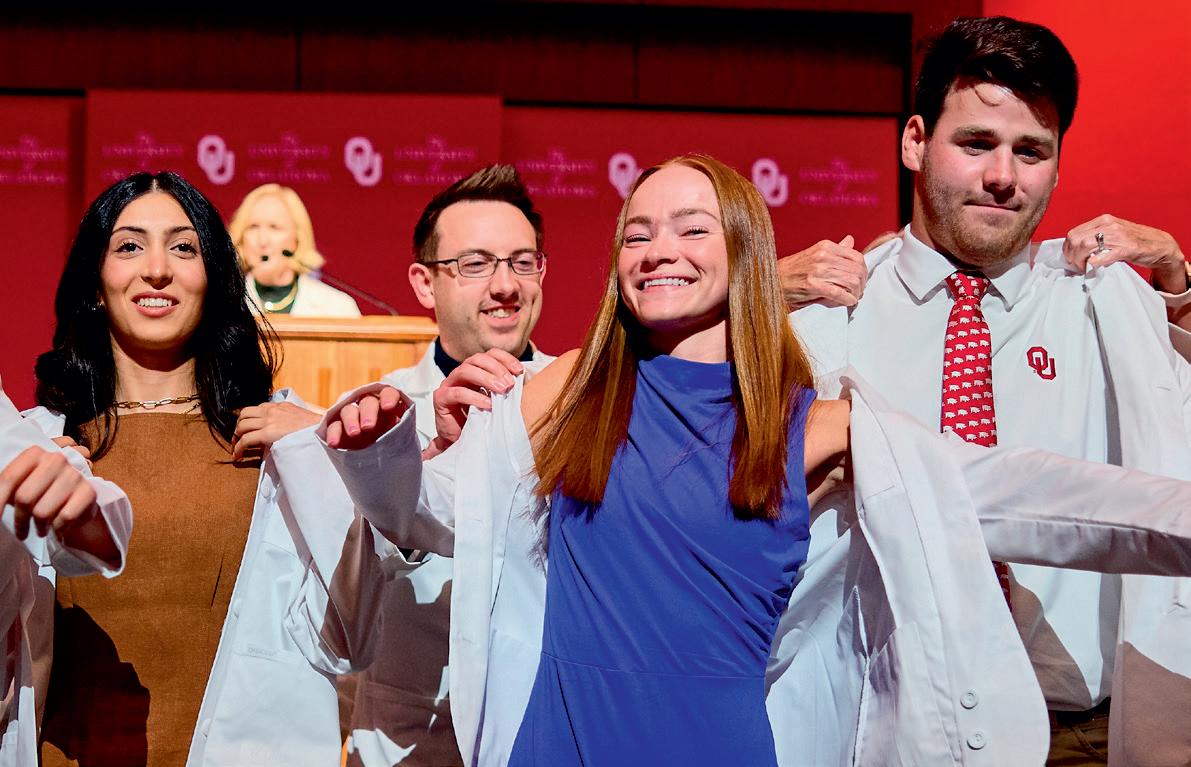
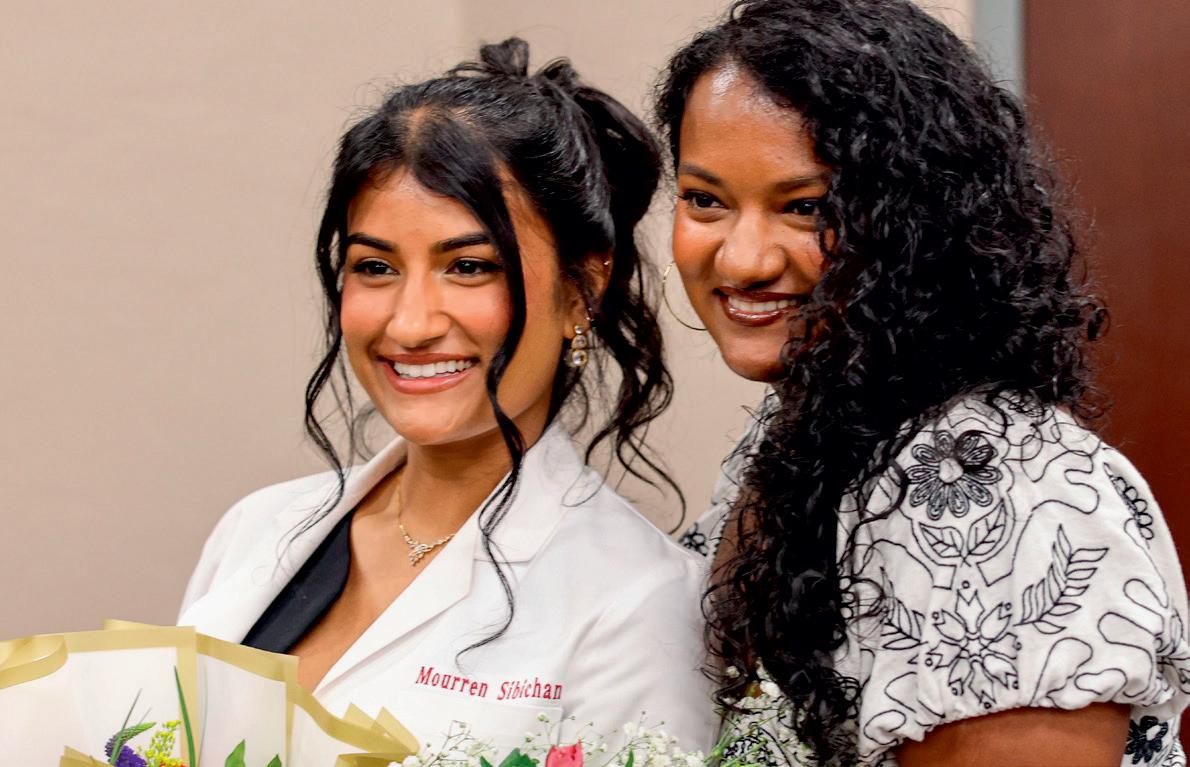


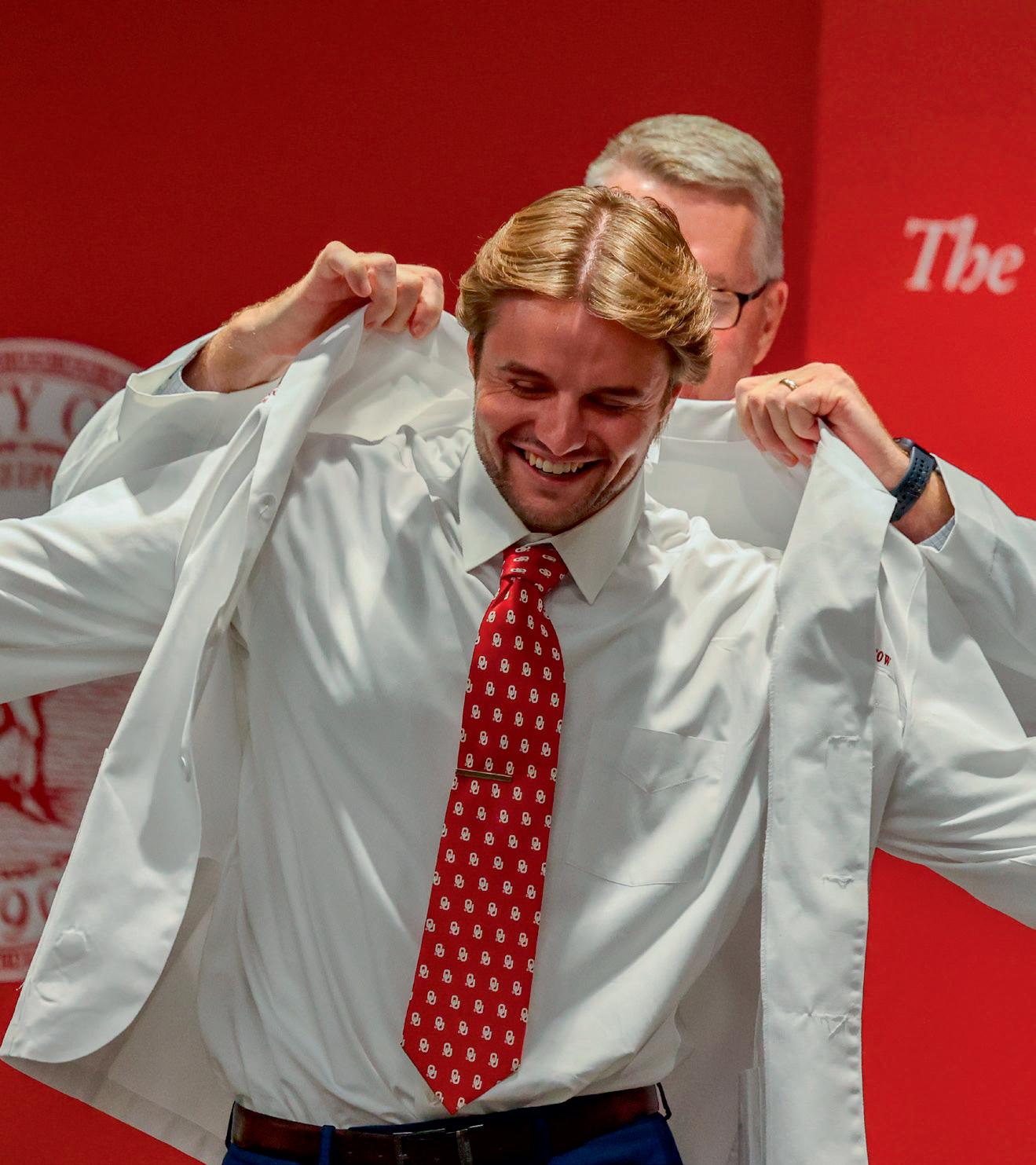

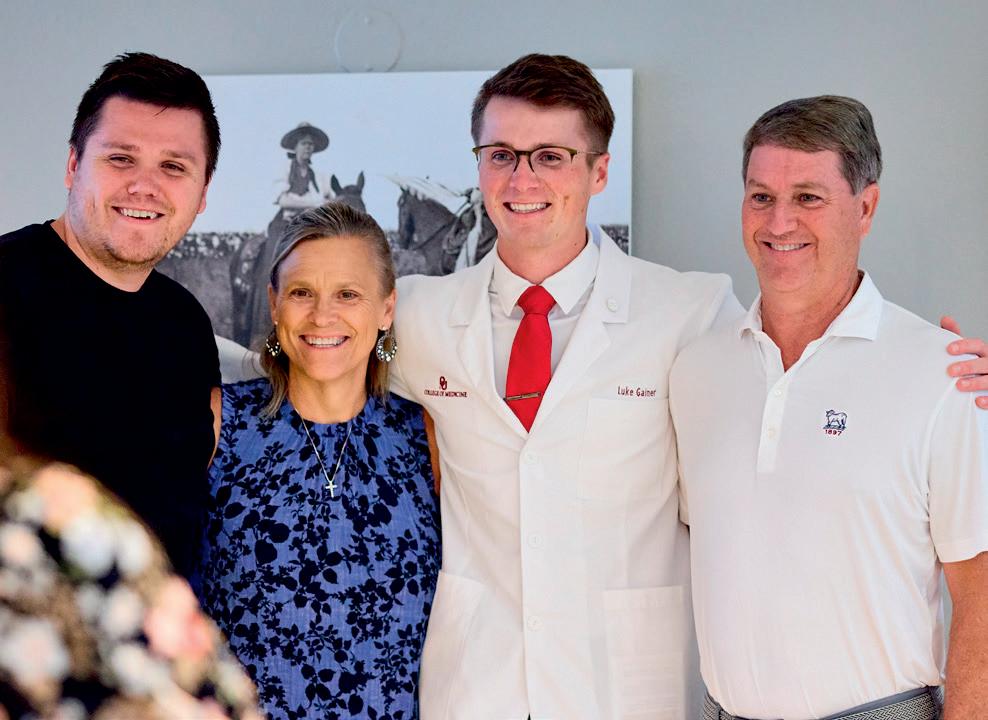
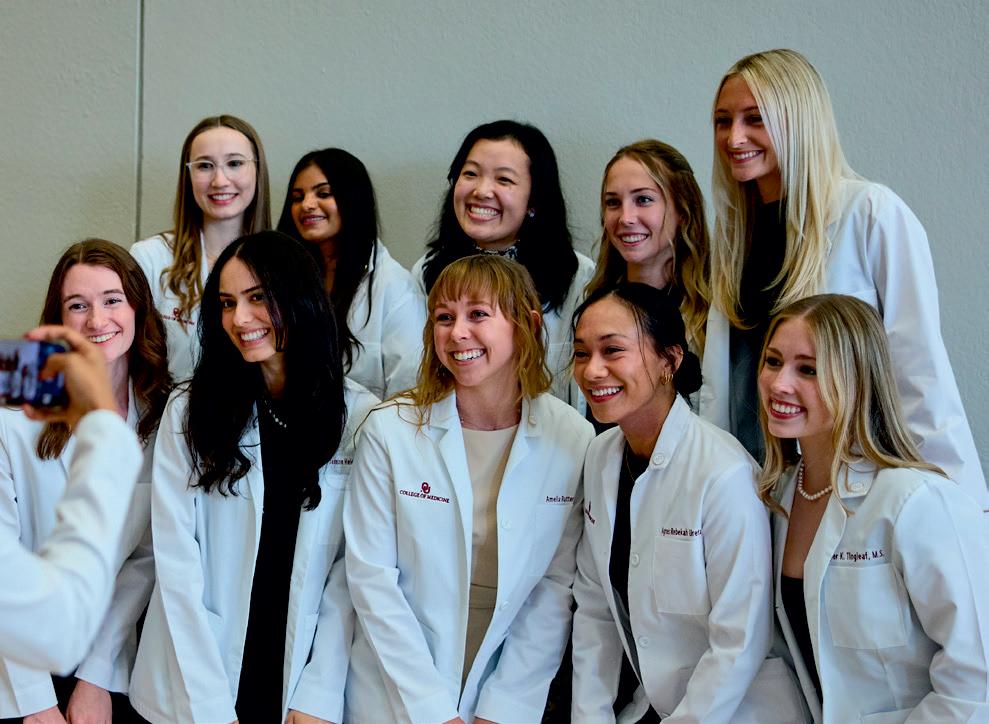
University of Oklahoma College of Medicine student Michael Lee has received two national honors recognizing his academic excellence and commitment to the field of pathology.
Lee was named one of eight medical students nationwide to receive the Society of ’67 Thomas D. Kinney Scholar Award, a program of the Association for Academic Pathology. He also earned the American Society for Clinical Pathology Medical Student Award, one of only 10 students nationwide selected for the honor.
The ASCP Medical Student Award honors medical students who have achieved academic excellence, demonstrated leadership ability and shown a strong interest in the pathology profession.
“During my preclinical education, I realized that pathology is a specialty that is deeply connected to the mechanisms of disease,” Lee said. “Now, during my clinical training, I see pathology in every part of the hospital. Pathology provides objective information and is a pivotal and guiding force in the kind of treatment a patient receives and their outcomes.”
Lee said the Society of ’67 Thomas D. Kinney Scholar program lets him deepen his understanding of the role of pathology in health care delivery, research and education. As part of the program, he attended the 2025 AAPath annual meeting in Colorado, where he gained insight from national leaders in academic pathology. The program was named in 2021 in honor of Dr. Thomas D. Kinney, one of the founders of AAPath and a leader in pathology education and training.
“It’s a great honor to be selected,” Lee said. “This is a valuable and unique opportunity to attend the AAPath annual meeting and explore academic pathology, the challenges facing the field, and what my role might be in the future. It will be a great learning experience to connect with others in the field.”
Lee is president of the OU College of Medicine Pathology Interest Group and plans to pursue a career in academic pathology, combining research and education. He is interested in dermatopathology, which focuses on diagnosing skin diseases, and hematopathology, which centers on diseases affecting the blood.
“But I’m definitely keeping an open mind,” he said. “There are pathology specialties for pretty much every organ system, so there are a lot to choose from.”
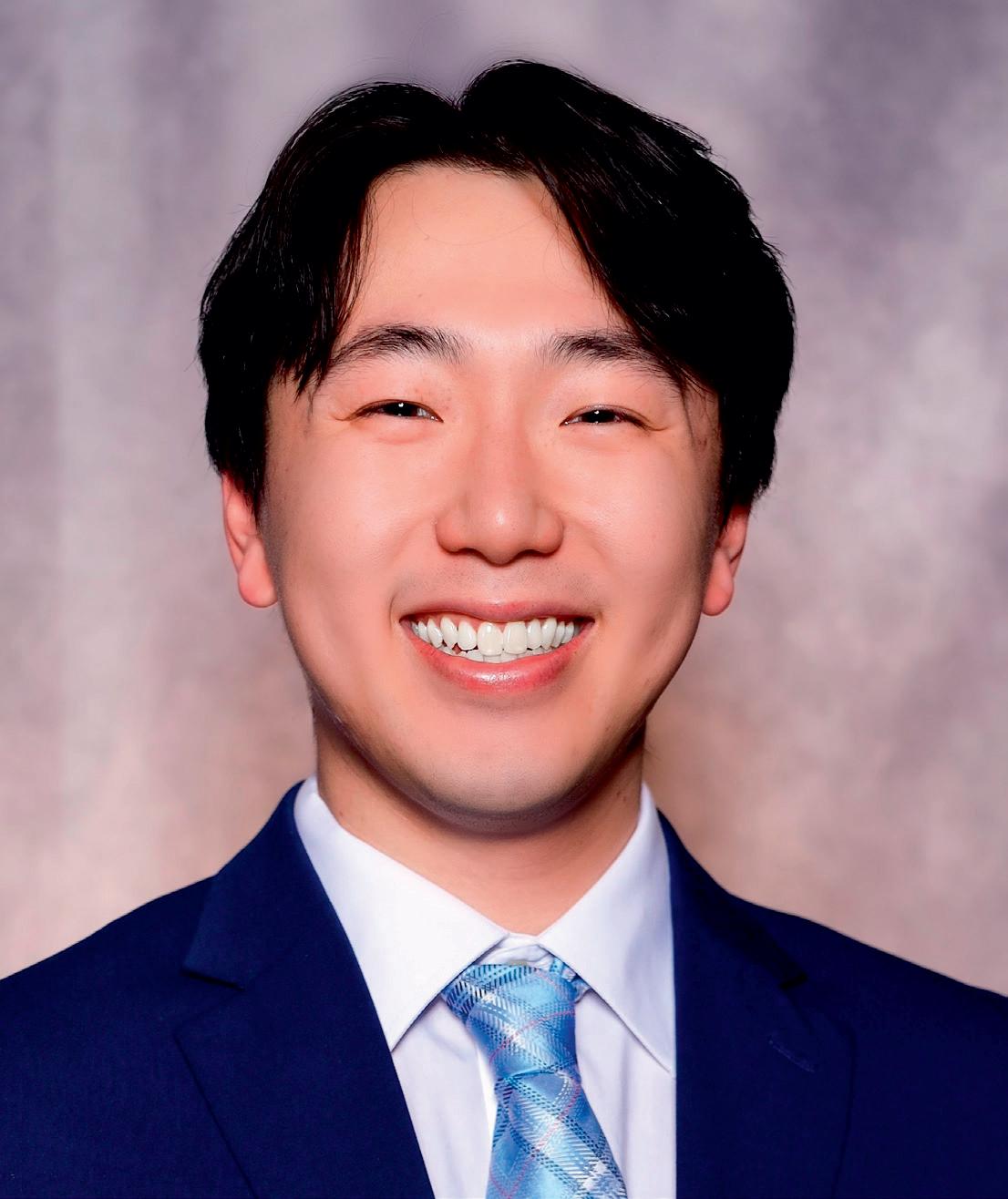
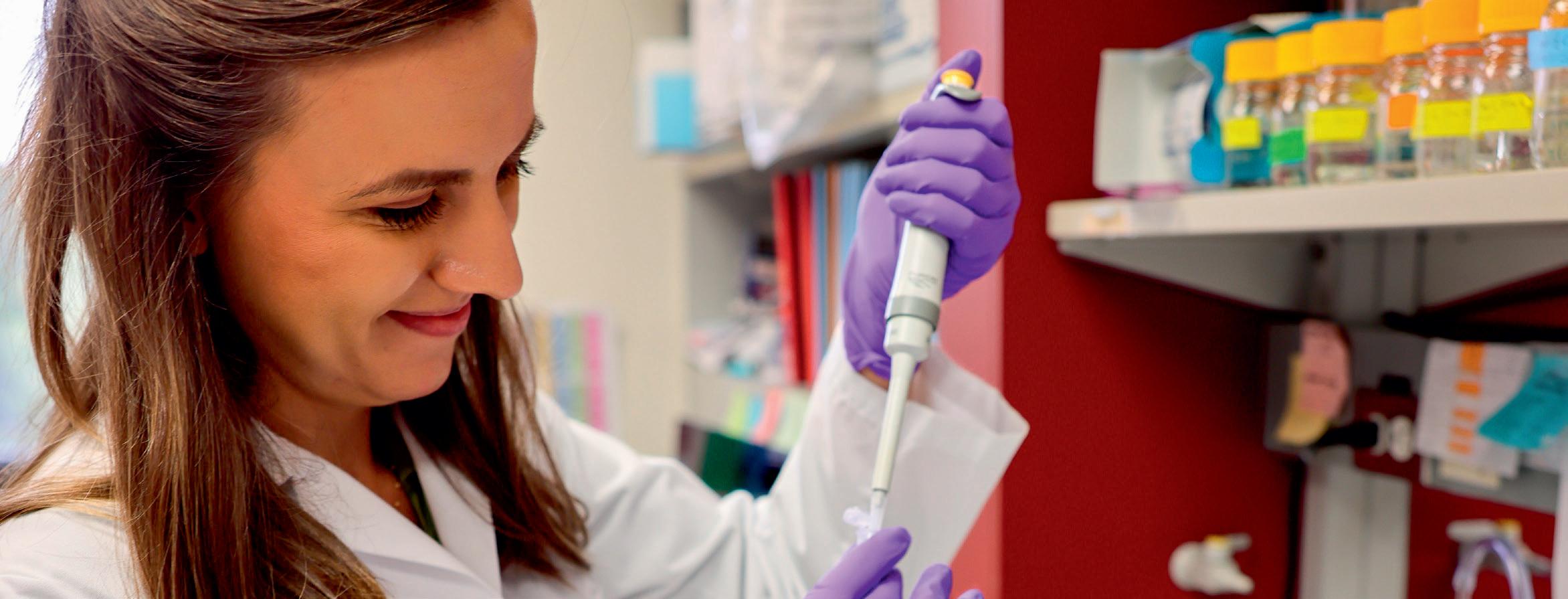
With weight-loss medications so often dominating late-night TV commercials, a University of Oklahoma doctoral student is helping explain how the hormones behind these drugs actually work.
Sandra Gostynska, a Ph.D. student in the OU College of Medicine’s Department of Biochemistry and Physiology, is the lead author of a new study published in Science Signaling, a journal of the American Association for the Advancement of Science – the same organization that publishes Science. Her research provides long-sought insight into how amylin, a hormone that suppresses appetite and regulates blood sugar, interacts with its receptors in the brain.
“The paper shows the new biochemical and pharmacological methods we developed that will enable the field, for the first time, to understand exactly what drugs in development do at each of the three amylin receptors,” said Augen Pioszak, Ph.D., associate professor of biochemistry and physiology and the study’s senior author. “Amylin receptors are very complicated and each has very different and unique properties. What we have discovered has eluded researchers for many years.”
Amylin, released from the pancreas along with insulin after a meal, binds to receptors in the brain that belong to the same family as the GLP-1 receptors targeted by today’s most popular weight-loss medications. Gostynska’s work provides a first clear picture of how the three types of amylin receptors behave when activated – knowledge that could help pharmaceutical scientists design the next generation of obesity drugs.
“There has been a lot of interest in the pharmaceutical industry for developing new obesity drugs,” Gostynska said. “What we have done is given the new tools for understanding how a drug can affect amylin receptors.”
Gostynska’s research revealed two key findings:
• Each receptor is unique. All three amylin receptors share a core component but differ in their accessory subunits, much like wearing the same outfit with different accessories. She developed a new laboratory method to map those differences, which could be crucial for designing drugs that achieve the greatest weight loss with the fewest side effects.
• Drugs can change receptor shape. She also found that some drugs cause receptor subunits to move closer together, while others push them apart – a discovery that may explain why certain compounds act differently in the body.
Pioszak said pharmaceutical companies are already testing drugs that act on amylin and OU’s research provides a framework for understanding exactly how those compounds interact with complex receptor systems.
“We believe our findings will further the study of drugs because what pharmaceutical and biotech companies want to know is what their drug does at each amylin receptor,” Pioszak said. “Now we have a method of answering those questions that were previously unanswerable.”
Gostynska earned her bachelor’s and master’s degrees in biotechnology from Adam Mickiewicz University in Poznań, Poland. A Fulbright scholar, she conducted research at the Oklahoma Medical Research Foundation, where she focused on cardiovascular biology and fibrosis. Her paper, “Amylin receptor subunit interactions are modulated by agonists and determine signaling,” is available online at Science Signaling.
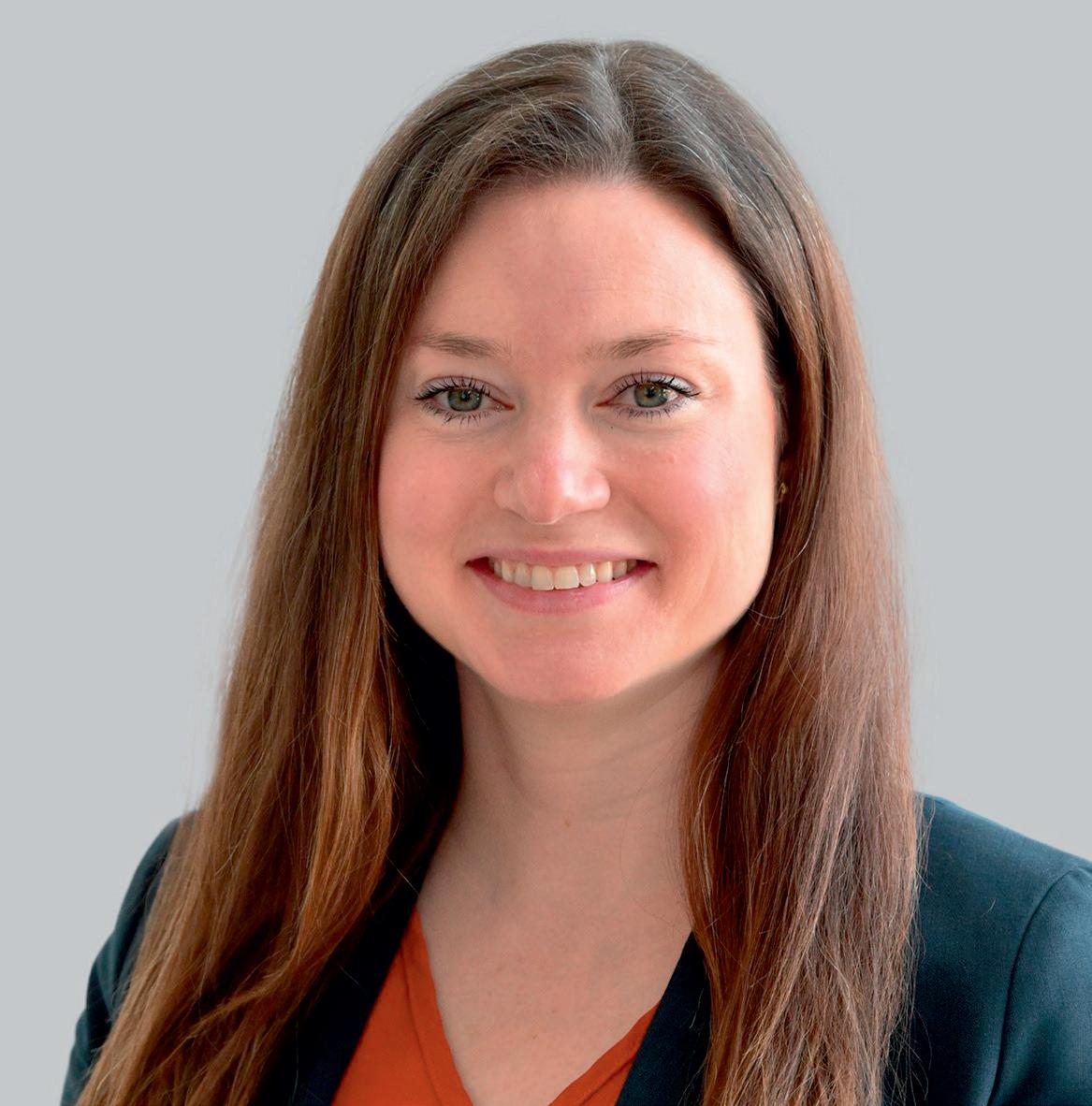
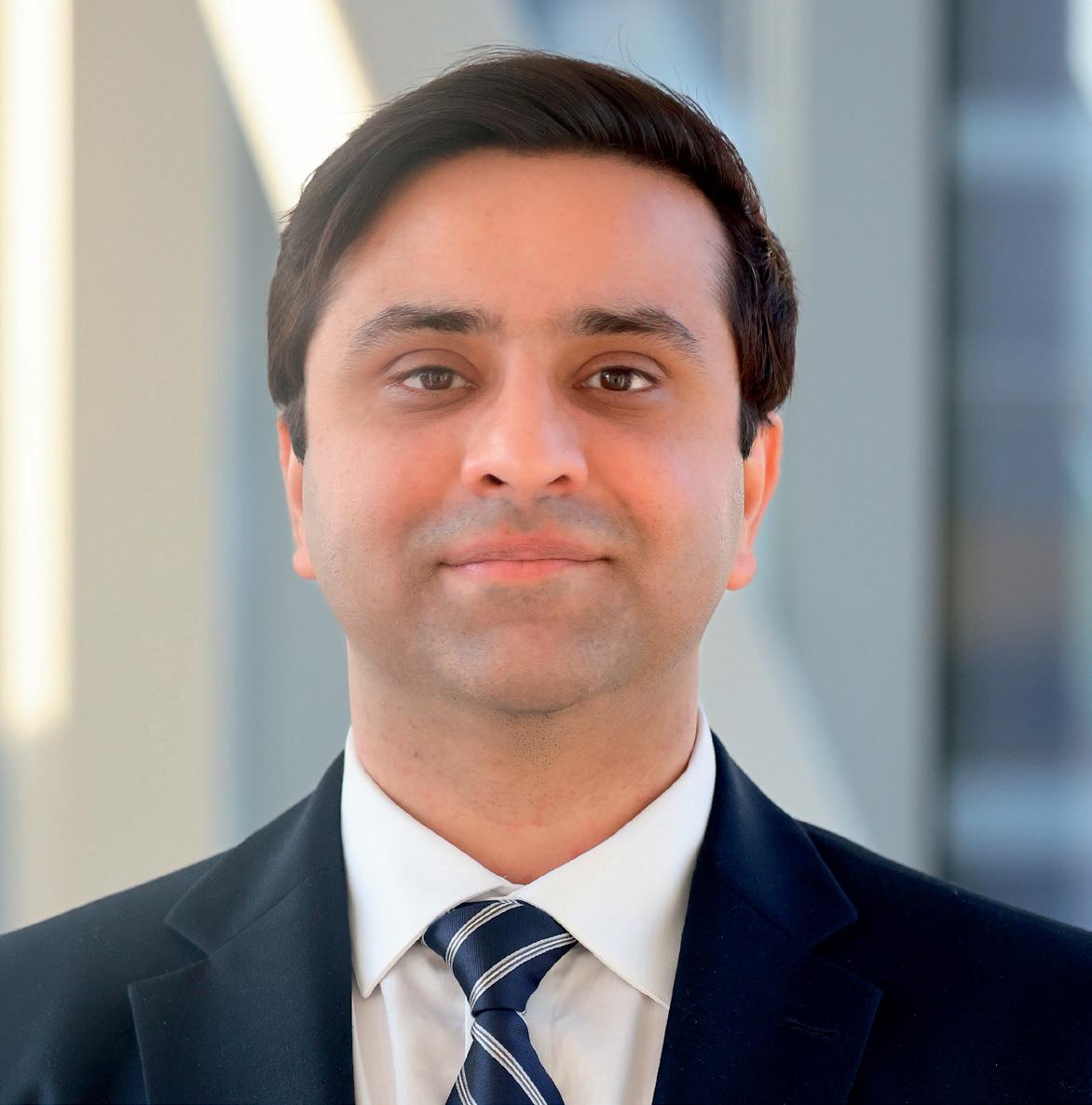
The University of Oklahoma College of Medicine has recognized resident physicians Elizabeth Joy Trimble, M.D., and Khawaja Hassan Akhtar, M.D., as recipients of the 2025 Lloyd Rader Award for their achievements in clinical care, research and leadership during residency training.
“The Lloyd Rader Award represents the highest ideals of our residency programs – clinical excellence, a commitment to discovery and compassionate leadership,” said Jason Lees, M.D., associate dean of Graduate Medical Education. “Dr. Trimble and Dr. Akhtar exemplify these values through their dedication to patients, peers and the advancement of medical science.”
Trimble, a surgery resident, distinguished herself through both scholarly productivity and patient care. She contributed to 11 publications and presentations and continues to advance surgical education and pediatric care. Colleagues and mentors commended her integrity, communication skills and compassion.
“Dr. Trimble has deep compassion for others – colleagues, staff and patients alike,” said Ajay Jain, M.D., her nominating program director. “She takes her responsibilities seriously, holds herself accountable and is someone whose word can always be trusted.”
Akhtar, a chief fellow in cardiovascular medicine, earned recognition for his research, teaching and clinical leadership. With 22 peer-reviewed publications and multiple national research awards, he is known for combining excellence with humility and empathy.
“Dr. Akhtar is a true triple threat – an outstanding clinician, dedicated educator and accomplished researcher,” said Zain Ul Adideen Asad, M.D., who nominated Akhtar. “He is widely respected by peers and faculty alike and was unanimously elected chief fellow, reflecting his leadership and collegiality.”
“The Lloyd Rader Award represents the highest ideals of our residency programs – clinical excellence, a commitment to discovery and compassionate leadership.”
Established in 1978 by the Lloyd and Ruth Rader family, the Lloyd Rader Award honors residents who demonstrate exceptional promise in clinical practice or medical research. The annual award includes a $500 cash prize and is presented to one or two residents who exemplify excellence and integrity in medicine.
The University of Oklahoma School of Community Medicine has entered a new chapter of leadership following the retirement of James M. Herman, M.D., MSPH, who concluded a decade of dedicated service in June 2025. His successor, Boyd (Bo) D. Burns, D.O., now serves as interim dean, continuing the school’s mission to advance health equity and medical education across Oklahoma and beyond.
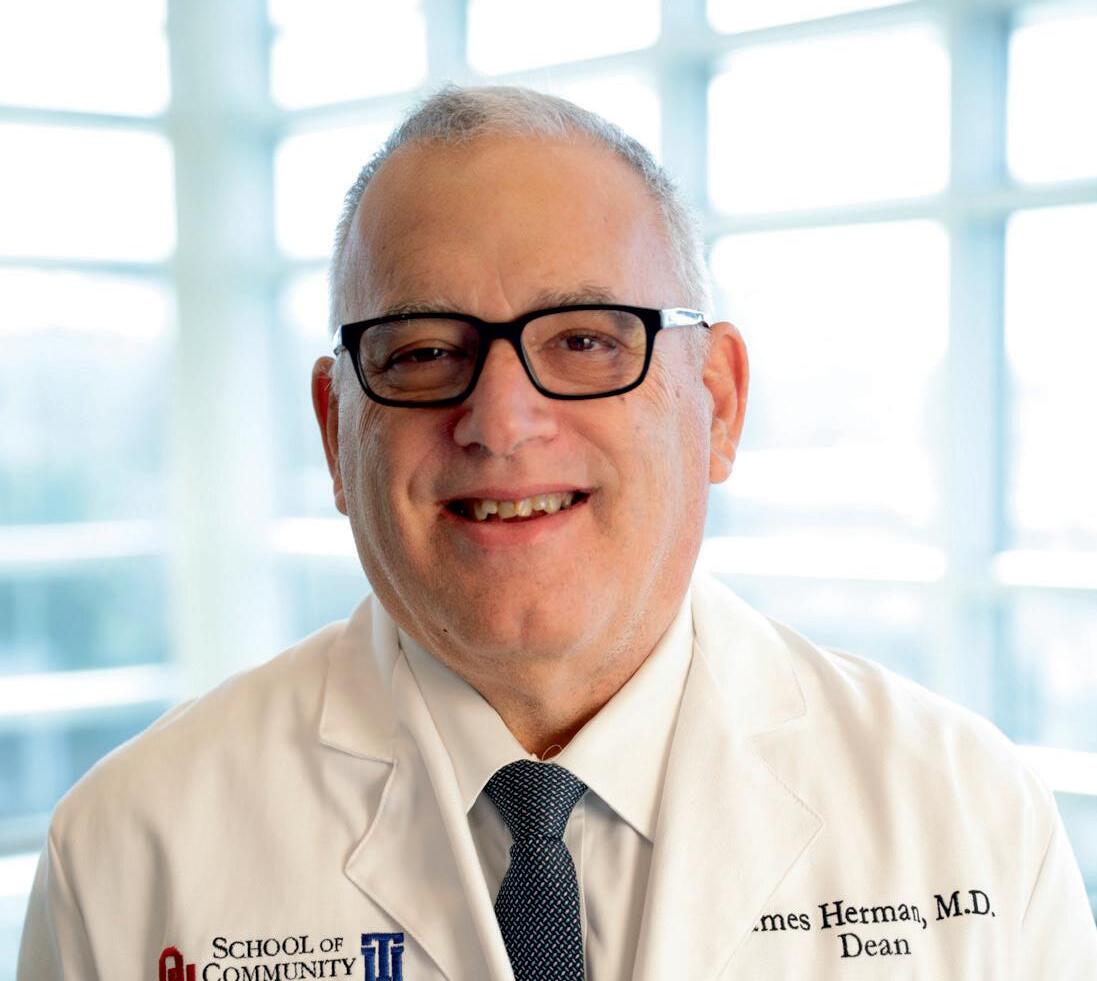
Herman joined OU in 2015 and made a lasting impact on both the university and the Tulsa community. As dean of the School of Community Medicine and holder of the Morningcrest Endowed Leadership Chair, he was a tireless advocate for learners, faculty, staff and patients. His leadership fostered innovation in education, including the development and piloting of a highly progressive three-year medical school curriculum—one of the first of its kind in the region.
He led with a steadfast commitment to improving community health, and his vision strengthened the school’s role as a national model for integrating medical education with public and population health initiatives.
Gary E. Raskob, Ph.D., senior vice president and provost of the OU Health Campus, praised Dr. Herman’s contributions and the transformative impact of his tenure. “Dr. Herman strengthened every facet of the School of Community Medicine— from its educational mission to its engagement with the Tulsa community,” Raskob said. “He leaves behind a foundation of excellence and collaboration that continues to benefit Oklahoma and the university as a whole.”
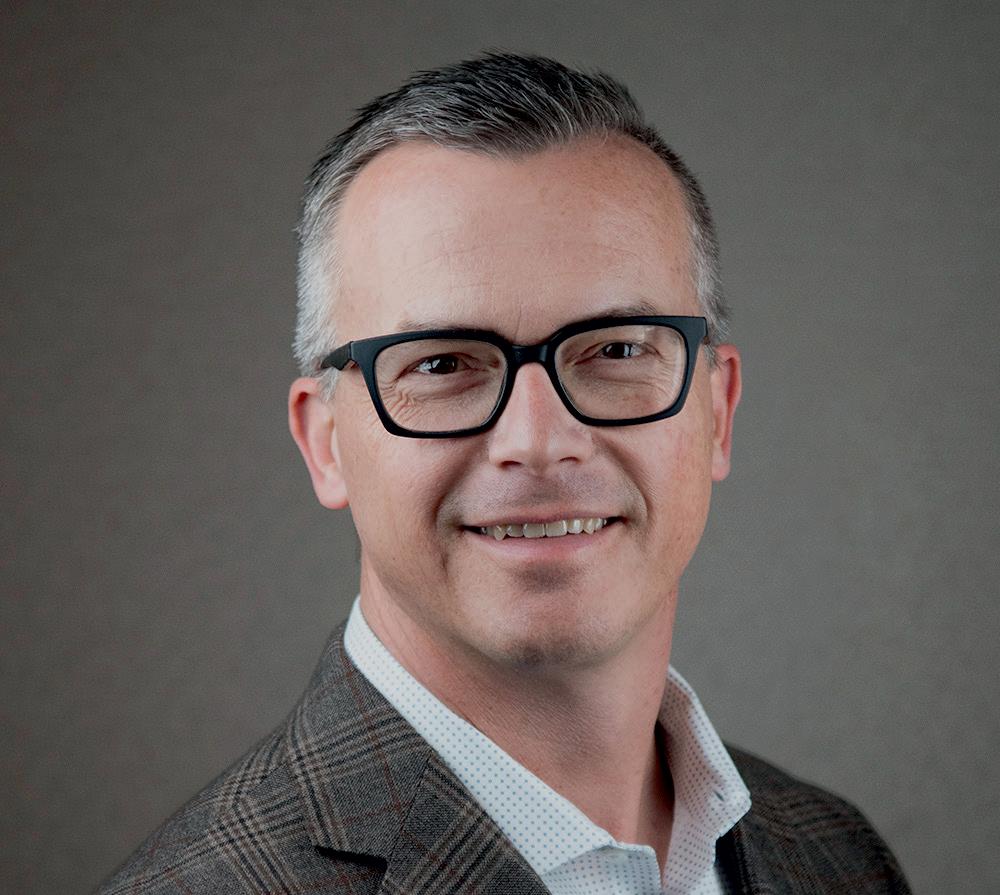
Following Dr. Herman’s retirement, Burns stepped into the role of interim dean, bringing with him more than two decades of leadership in academic medicine. As the George Kaiser Family Foundation Endowed Chair in Emergency Medicine, Burns built one of the region’s most respected residency programs, tripling its faculty and expanding clinical training opportunities across multiple health systems.
A nationally recognized voice in his field, Dr. Burns previously served as president of the Council of Residency Directors in Emergency Medicine, where he championed innovation in graduate medical education. His leadership as chief of staff at Hillcrest Medical Center further underscores his commitment to quality, safety and interdisciplinary collaboration.
“Dr. Burns is a trusted and inspiring leader whose vision reflects the heart of the School of Community Medicine,” Dr. Dunn said. “His ability to bring people together — across disciplines and institutions — ensures the school will continue to thrive as a leader in community-focused medical education and care.”
Today, under Burns’ leadership, the School of Community Medicine remains steadfast in its mission to educate compassionate physicians and health care professionals committed to improving the health and well-being of all Oklahomans. Guided by the values established during Herman’s tenure and energized by a forward-looking vision, the school continues to stand as a beacon for innovation, service, and excellence in community medicine.

Oklahoma Complete Health has designated Fostering Hope of Tulsa, staffed by OU School of Community Medicine providers, as the first Foster Care Center of Excellence (FCCOE). The designation recognizes the clinic’s commitment to providing trauma-informed care to youth and their families impacted by foster care.
FCCOEs serve as a “one-stop shop,” working closely with caseworkers and families to quickly connect children and youth to behavioral and physical health services.
“This launch marks a major step forward in addressing health disparities and ensuring continuity of care for some of Oklahoma’s most vulnerable children,” said Oklahoma Complete Health CEO and President Clay Franklin. “We are proud to partner with the University of Oklahoma to bring this level of care to Tulsa and find ways to apply even more expertise in trauma-informed care.”
Oklahoma Complete Health’s FCCOE program is designed to close gaps in care by ensuring that foster youth have access to providers who are clinically skilled and trained in the effects of trauma and the importance of stability in care.
“We surround each child and family with comprehensive support,” said Michael Baxter, DO, OU School of Community Medicine Child Abuse Fellowship program director and pediatrician at Fostering Hope of Tulsa. “This includes developmental screenings, early intervention referrals, mental health evaluations, on-site psychiatric care and social work support, referrals for individual
and family counseling, and access to a strong network of community resources. Our goal is to serve as the primary medical home and a source of stability for our patients as they navigate foster care placement, reunification or adoption.”
Youth impacted by foster care often experience inconsistent health care access, resulting in missed well-child visits, delayed immunizations, and a lack of preventive care.
The event naming Fostering Hope of Tulsa as the first FCCOE by Oklahoma Complete Health brought together state agency partners, health care leaders, community-based organizations and foster families to highlight the importance of consistent, specialized care for foster youth who often face barriers to access to care, missed preventive services and long-term health disparities.
Youth impacted by foster care often experience inconsistent health care access, resulting in missed well-child visits, delayed immunizations, and a lack of preventive care. These gaps in care can contribute to long-term health disparities. Those who have earned the FCCOE designation are addressing these gaps for better health outcomes.
“Being in foster care is a traumatic experience, no matter the reason for placement,” said Lauren Conway, DO, OU School of Community Medicine associate professor of pediatrics and pediatrician at Fostering Hope of Tulsa. “At Fostering Hope of Tulsa, we recognize this trauma. Our staff and physicians provide care through a trauma-informed, culturally compassionate lens.”
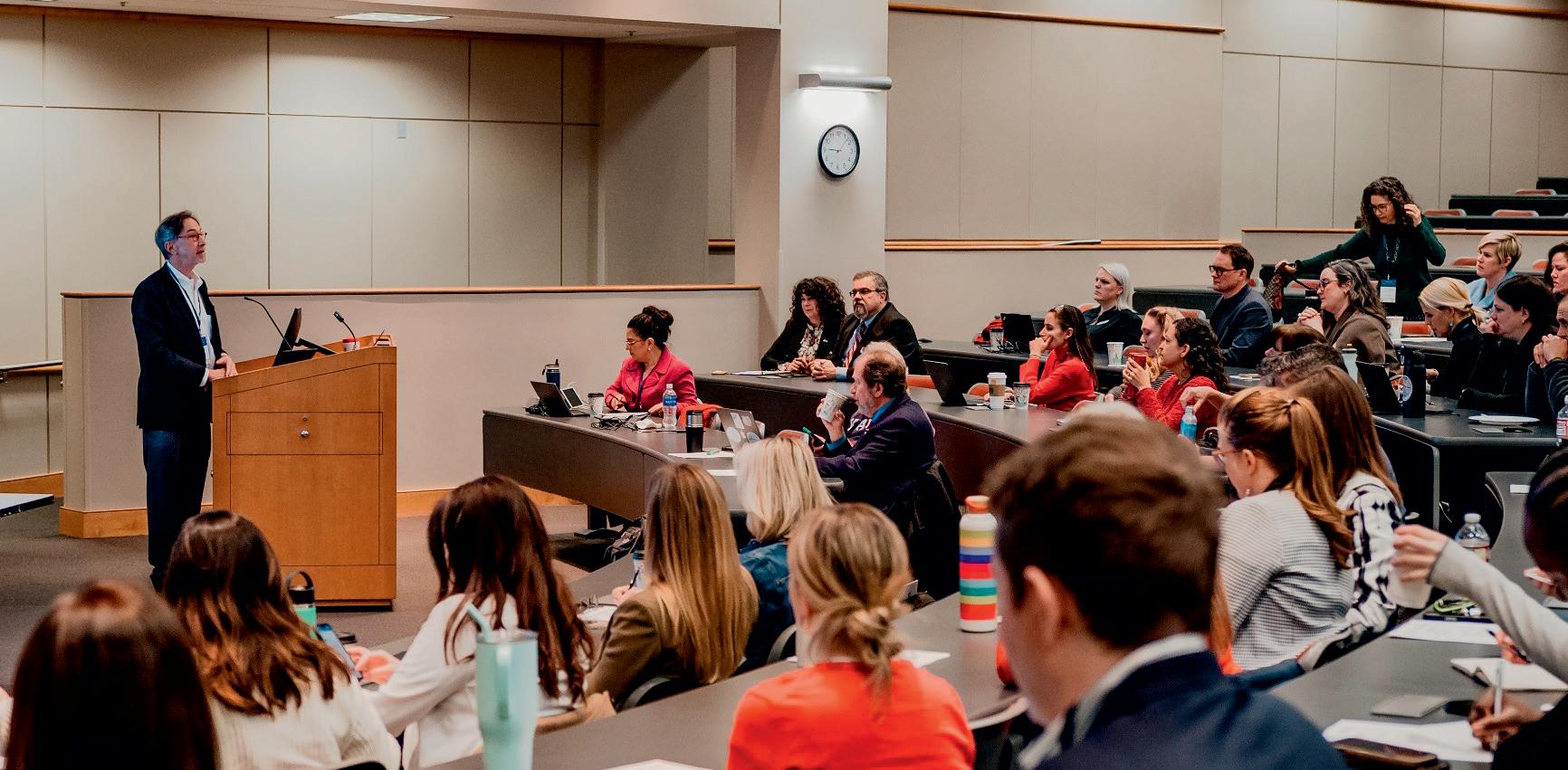
Food & Society at the Aspen Institute, Ardmore Institute of Health, and the American College of Lifestyle Medicine partnered with the University of Oklahoma Culinary Medicine program to bring a national-level convening to Tulsa in January 2025. The discussion revolved around their strategic partnership, which focused on the role of food as medicine in the prevention and management of diabetes. The results from “food is medicine” research being led by OU-Tulsa were included, along with studies shared and discussed at this event.
“I came already excited about Tulsa and the work being done at OU,” says Corby Kummer, executive director and founder of Food & Society at The Aspen Institute. “I left even more excited. They’re constantly learning more about how diets and food you make and learn how to make can improve health and how they, as health care workers, can help people eat better and improve key health metrics.”
According to the Aspen Institute, there is a well-documented intersection between Food is Medicine patients and patients with Type 2 diabetes. The convening aimed to document critical insights and best practices so that those working on diabetes can better understand and deploy Food is Medicine tools as part of
a broader prevention and management strategy. The convening brought together diverse participants, including representatives from community-based organizations, health care providers, and rural and Indigenous health leaders. This ensured that a wide range of perspectives and experiences were included in the discussions.
“The diverse backgrounds of the people who came together made this convening truly unique,” said Marianna Wetherill, Ph.D., associate director of the culinary medicine program at OU-Tulsa. “We’re all doing innovative work, we have a lot of challenges that we’re facing, and whenever we come together, we can collectively work through, talk through, exchange ideas, and then bring those back and have those solutions amplified throughout the United States.”
This event was part of a series of workshops convened by Food & Society, built off the fully updated Food is Medicine Research Action Plan, released in the spring of 2024. During the event, participants heard from speakers from local health care organizations and those from around the country. They also enjoyed a tour and meal at the Food Bank of Eastern Oklahoma and a tour of the new Culinary Medicine Teaching Kitchen on the OU-Tulsa campus.
“Food intersects with basically every single aspect of our lives,” said Wetherill. “There is a place for food to facilitate healing and change.”
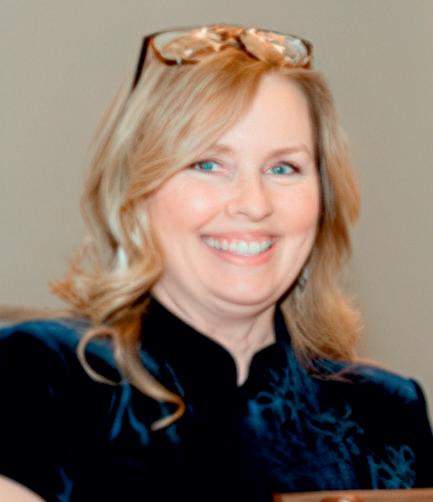
Last April, the Tulsa County Medical Society inaugurated Ondria Gleason, M.D., as president for 2025. Gleason is a professor and chair of the Department of Psychiatry at the University of Oklahoma School of Community Medicine and a practicing psychiatrist with OU Health Physicians in Tulsa.
Gleason has a clear vision for TCMS for 2025 and has spent time gaining wisdom and insight from previous leaders and the organization’s staff. She plans for an energized focus on the purpose and mission of TCMS. Her goals for the organization this year include supporting physicianled health care, increasing physician and community awareness of the adverse effects of cannabis on mental and physical health, and joining efforts toward Medicare reform and addressing dangerous insurance practices.
“In reviewing information to plan for this year, I was especially struck by the stated purpose and mission of the organization,” said Gleason. “I was inspired to absorb the words, think about how TCMS is achieving these ideals, and consider the opportunities that exist to increase our impact in the future.”
Earlier in 2025, Gleason joined the Oklahoma State Medical Association members in Washington, D.C., to participate in the American Medical Association’s annual National Advocacy Conference. She plans to meet with Oklahoma legislators to discuss the pressing issues that affect the delivery of quality health care in Oklahoma and the nation.
Gleason received her medical degree from the University of Nebraska College of Medicine. She completed her residency training in psychiatry at the University of Iowa before joining the faculty of the University of Oklahoma College of Medicine in Tulsa in 1998. She has served in numerous leadership roles, including more than two years as interim dean of the OU School of Community Medicine and, since 2008, as chairman of the Department of Psychiatry. Her volunteer efforts have included both local and national appointments. She was the president of the Tulsa Psychiatric Association and the Oklahoma Psychiatric Physicians Association, as well as the president of the National American Association of Chairs of Departments of Psychiatry.
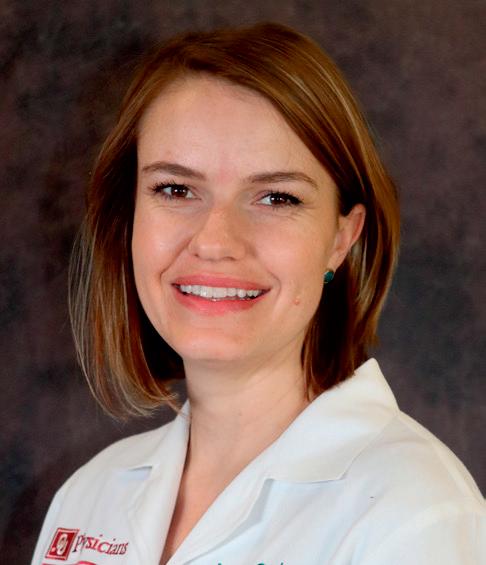
The OU School of Community Medicine has announced the appointment of Audrey Corbett, M.D., MBA, FACP, as interim chair of the Department of Internal Medicine.
The school extends its gratitude to Mike Weisz, M.D., MACP, for his dedicated service and his leadership within the Department of Internal Medicine. His commitment to patient care, education and mentorship has left a lasting impact on generations of learners and colleagues.
Corbett has become a well-established and recognized leader within the Department of Internal Medicine and SCM. A proud SCM alumna, Corbett returned to Tulsa after postgraduate training at the University of Missouri – Kansas City, followed by academic appointments at the University of Colorado and Harvard Medical School. Since rejoining SCM, she has risen through the faculty ranks and now serves as associate professor of internal medicine, associate dean for clinical affairs and chief medical officer for OU Health Physicians – Tulsa.
Her leadership in clinical operations, quality improvement and interprofessional care delivery has been instrumental in advancing our clinical enterprise across four health systems. She has also earned repeated recognition as an educator and mentor, receiving multiple teaching and service awards from students and faculty alike.
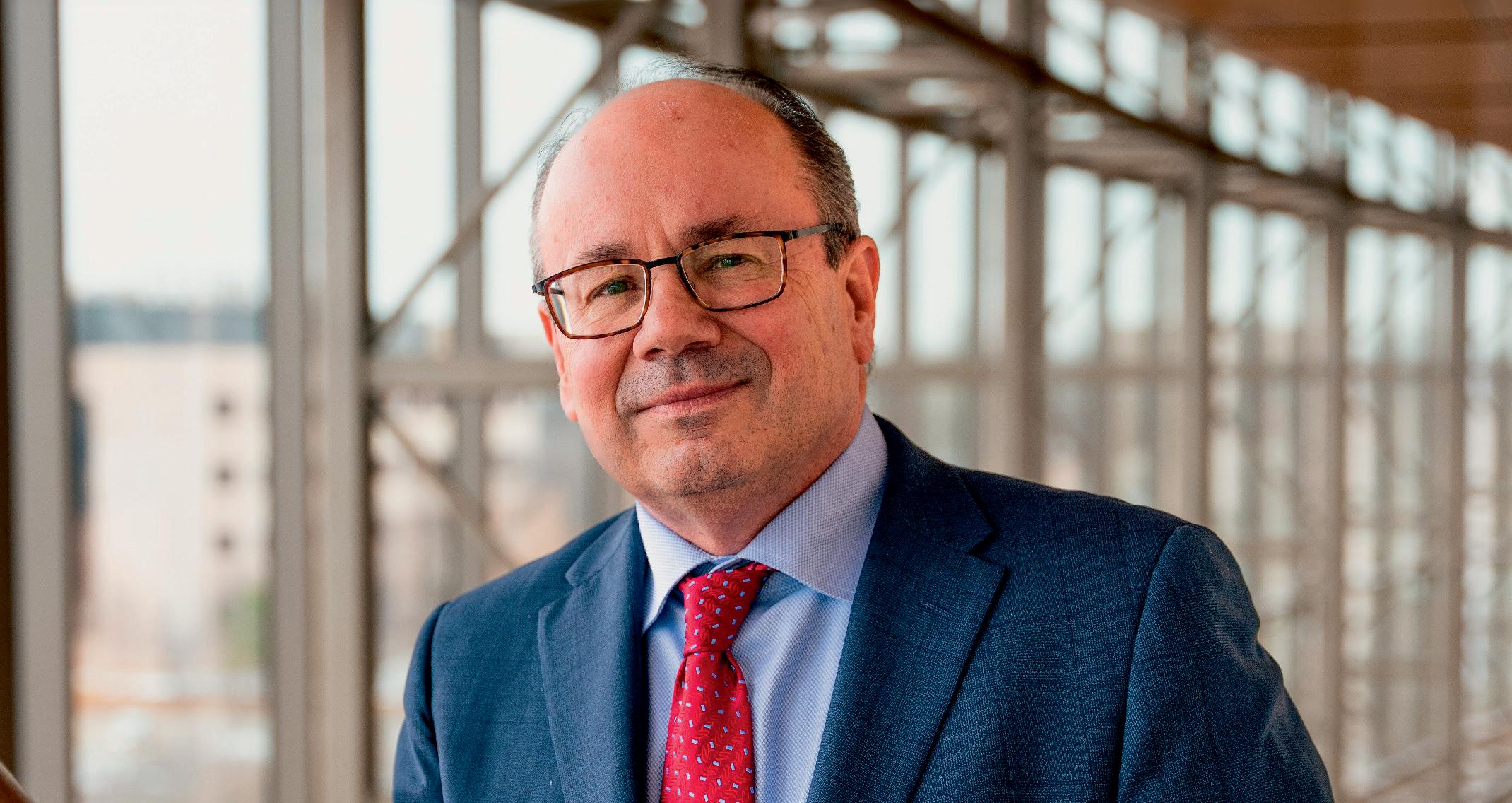
Michael S. Cookson, M.D., professor and chair of the Department of Urology at the University of Oklahoma College of Medicine, and holder of several distinguished appointments, including the Donald D. Albers Endowed Chair in Urology, the David Ross Boyd Professorship and associate chief physician executive for OU Health’s Stephenson Cancer Center, began serving a sixyear term in March 2025 as a trustee of the American Board of Urology, following his nomination by the American Urological Association.
Founded in 1935, the American Board of Urology serves the public by establishing and maintaining standards of certification for urologists. It works with certified urologists to support lifelong learning, ensuring the delivery of high-quality, safe and ethical urologic care. Six urologic societies nominate members to the board and sponsor its activities, including the American Urological Association, the American Association of Genitourinary Surgeons, the American Association of Clinical Urologists, the American College of Surgeons, the Society of Academic Urologists and the Societies for Pediatric Urology.
Cookson earned a bachelor of arts in journalism with honors from OU in 1984. He attended medical school at the OU College of Medicine, graduating in 1988. He completed his urology residency at the University of Texas San Antonio and a Fellowship in Urologic Oncology at Memorial Sloan Kettering Cancer Center. After spending 15 years on the faculty at Vanderbilt University, he returned to his alma mater in 2013 to chair the Department of
Urology and develop the Prostate and Urologic Cancer Team at the Stephenson Cancer Center.
Focused on urologic cancer education and research, Cookson has helped establish the prostate and urologic cancer service line as one of the nation’s best. He has led efforts in integrating screening and early detection for prostate cancer, clinical pathways, enhanced guidelines and minimally invasive surgical treatments for affected patients.
Nationally, Cookson has served on the AUA/ABU Exam Committee and the Society for Urologic Oncology and developed a national benchmarking test called the Oncology Knowledge Assessment Examination. He currently sits on the editorial board of the AUA Update Series and was co-editor of the Urology Times in 2021-2022. He has also chaired the AUA’s CastrationResistant Prostate Cancer guidelines panel and served as vice chair of the AUA/SUO Advanced Prostate Cancer guidelines panel. Additionally, he has served as president of the SUO and the South-Central Section of the AUA.
Cookson is internationally recognized for his contributions to urologic oncology. He is one of only 70 academic urologists nationally to be elected to the prestigious American Association of Genitourinary Surgeons and was recently elected to the Clinical Society of Genitourinary Surgeons. An accomplished researcher and lecturer, he has authored over 270 peer-reviewed journal publications and 34 textbook chapters.
Abdul Rafeh Naqash, M.D., associate professor at the University of Oklahoma College of Medicine and an oncologist at OU Health Stephenson Cancer Center, has been named a fellow of the American Society of Clinical Oncology.
The title is given to members of the American Society of Clinical Oncology who have shown extraordinary service to the society, the specialty of oncology, and the patients they serve. Naqash is among a select group of physicians recognized with the FASCO designation early in their faculty careers.
“I am thrilled and honored to be named a fellow of FASCO, which reflects my years of growth and engagement with ASCO,” he said. “It has been an honor to serve a patient-centered, global oncology community that has shaped both my personal and professional journey – from my early days as a trainee member to my recent role as track leader for the Annual Meeting Scientific Committee.”
Earlier this year, Naqash was awarded a 2025 Conquer Cancer Career Development Award by the ASCO Foundation. The CDA is a highly competitive, three-year grant that supports earlycareer clinical investigators in establishing independent research programs. This year, only 19 recipients were selected globally, underscoring the significance of Naqash’s recognition.
“Receiving the ASCO Conquer Cancer Career Development Award is deeply personal,” said Naqash. “It’s a recognition not only of my work in understanding the biology and biomarkers in rare cancers like alveolar soft part sarcoma, but of the belief that even the rarest of cancers deserve cutting-edge answers. This award — and the critical funding behind it — gives physicianscientists like me the platform to pursue bold, high-risk ideas that traditional funding often overlooks. Finding biomarkers and targets within the tumors has always been a passion, and this CDA further helps advance those ambitions with the help of collaboration within and outside of OU. I’m incredibly grateful to Conquer Cancer and proud to carry this mission forward here at the University of Oklahoma and the OU Health Stephenson Cancer Center.”
Naqash is a physician-scientist with a clinical and research focus on lung cancers, rare cancers, immunotherapy biomarkers, immune-related toxicities, and early phase drug development. As part of the TSET Phase I Program at Stephenson Cancer Center, he integrates genomically driven strategies into early-phase clinical trials.
in Kashmir,
completed his internal medicine residency at the University of Buffalo and specialized training in hematology/ oncology at East Carolina University. He also completed a fellowship in early-phase clinical trials at the National Cancer Institute.
His research has been published in leading journals such as the New England Journal of Medicine, Lancet Oncology, Nature Reviews, Journal of Clinical Oncology, and JAMA Oncology, among others. Naqash has earned several distinguished honors, including ASCO Merit Awards, the ASCO-SITC Award, the ASCO Young Investigator Award, the National Cancer Institute Director’s Award, and the NIH Director’s Award of Merit. He is actively engaged in leadership roles across national oncology organizations and contributes to outreach and education initiatives with ASCO, the International Association for the Study of Lung Cancer, and the Society of Immunotherapy of Cancer through editorial and social media roles with ASCO journals.
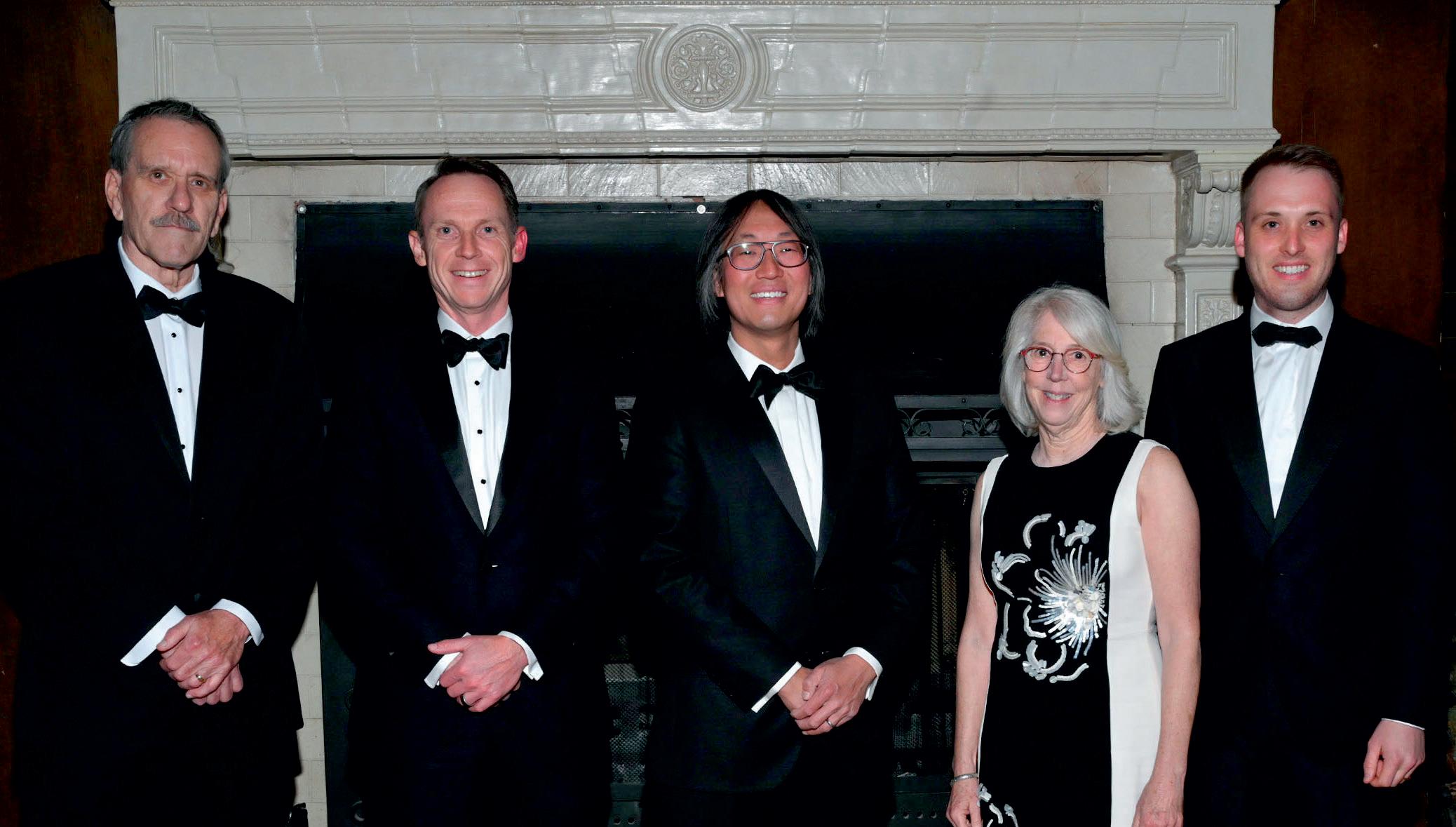
Andrew Liew, M.D., associate professor in the Department of Child and Adolescent Psychiatry and associate dean of undergraduate medical education at the University of Oklahoma School of Community Medicine in Tulsa, received the OU College of Medicine’s 2025 Stanton L. Young Master Teacher Award. Rodney Tweten, Ph.D., a George Lynn Cross Professor of Research in the Department of Microbiology and Immunology in the OU College of Medicine, received the inaugural Stanton L. Young Excellence in Research Award.
Created by the late Mr. Stanton L. Young and his wife, Barbara, the Master Teacher Award, currently in its 42nd year, is given to a truly inspiring teacher, one who goes beyond excellence in conveying knowledge and touching lives. Master Teachers are respected for their professionalism, excellence in their discipline, and strong personal involvement with students. They inspire students by exemplifying their commitment as physicians and scientists and by their qualities as human beings. This award comes with a $15,000 prize.
“Dr. Andrew Liew embodies the essence of the Stanton L. Young Master Teacher Award in his ability to teach while also serving as a role model,” said Ian F. Dunn, M.D., executive dean of the
OU College of Medicine. “His impact extends far beyond the classroom, shaping the future of medicine through mentorship and inspiring leadership.”
“Dr. Andrew Liew embodies the essence of the Stanton L. Young Master Teacher Award in his ability to teach while also serving as a role model.”
After earning an undergraduate degree at the University of Chicago and graduating from the OU College of Medicine, Liew started his academic medicine career in 2016 as an assistant professor in the Department of Psychiatry, rising to associate professor and directing the psychiatry clerkship for five years. In 2022, he took on the role of assistant dean of undergraduate medical education for the OU School of Community Medicine and now serves in the associate dean role. He is board-certified in adult psychiatry and child and adolescent psychiatry.
Liew teaches across all levels of medical education, including medical students, physician assistant students, residents and fellows.
In their nomination letters, Liew’s students shared that when they look back at their medical school experience, they will clearly remember working with him and try “to emulate his compassion, communication skills, knowledge and excellent patient care.” He
“Dr. Tweten’s long-term commitment to a high level of research over decades sets him apart from his peers. His example of mentorship will allow his legacy to live on in his students and his work.”
is described as an excellent mentor and role model, dedicated to his students’ growth and success. Nominees said his ability to break down the challenging material, while fostering a sense of teamwork and curiosity, sets him apart as an educator and beloved teacher.
Created this year, the Stanton L. Young Excellence in Research Award was established with the support of the Stanton L. Young Foundation, the University Hospitals Authority and Trust and the Presbyterian Health Foundation. This award highlights the incredible contributions of research in academic medicine. It is awarded to recognize and support groundbreaking research that advances knowledge, has the potential to improve patients’ lives, and drives the university’s academic mission forward. This prestigious award of recognition and a $15,000 prize is the highest honor bestowed by the College of Medicine to honor faculty whose research is characterized by innovation and scientific rigor.
Rodney Tweten is an endowed professor in microbiology and immunology, a President’s Associate’s Presidential Professor and was named the Joseph J. Ferretti Endowed Chair in 2025. In 1985, he came to OU to embark on a career-long focus on studying bacterial toxins and virulence factors in human diseases. His discoveries have broadly impacted vaccine design, microbiome dynamics and immunology.
“The Excellence in Research Award promotes the important research work being done in the College of Medicine. Dr. Tweten’s long-term commitment to a high level of research over decades sets him apart from his peers,” said Dunn. “His example of mentorship will allow his legacy to live on in his students and his work.”
The inaugural Excellence in Research honoree has spent the last 40 years building an internationally recognized research program. His colleagues say he is well-known for his unwavering commitment to the highest standards of experimental rigor, and by every measure, he is in the top echelon of scientists in his field.
Tweten completed his doctorate in microbiology from Kansas State University and did post-doctoral work at the University of California.
His record of excellence has lasted decades. His publications include more than 20 papers with an impact factor greater than 10. Remarkably, he maintained funding from the National Institutes of Health continuously for over 40 years and is one of only three recipients of the highly prestigious NIH MERIT (Method to Extend Research in Time) awards in the history of the OU Health Sciences campus. According to the NIH, these awards “provide long-term grant support to investigators whose research competence and productivity are distinctly superior and who are highly likely to continue to perform in an outstanding manner.”
The University of Oklahoma College of Medicine is proud to announce that Michel Torbey, M.D., MBA, MPH, chair of the Department of Neurology and clinical service chief of neurology at OU Health, has been elected to the board of directors for the United Council for Neurologic Subspecialties. His term began last May and will continue through April 30, 2028.
Torbey will represent the Association of University Professors of Neurology on the UCNS board, contributing his expertise to guide the organization’s mission of promoting the highest quality subspecialty training and certification in neurologic care.
A nationally recognized leader in neurology and neurocritical care, Torbey has built an impressive career marked by groundbreaking research, clinical innovation and visionary academic leadership. Since joining the OU College of Medicine on Sept. 1, 2024, he has continued to foster growth in clinical services, research and education, solidifying the university’s reputation as a destination for advanced neurologic care in Oklahoma and the region.
Torbey’s appointment to the UCNS board underscores the depth of talent within the University of Oklahoma and highlights the College of Medicine’s influential role in shaping the future of neurologic subspecialties on a national level.
“Dr. Torbey’s election to the UCNS board of directors is a testament to his exceptional leadership and commitment to advancing the field of neurology,” said Ian F. Dunn, M.D., executive dean of the OU College of Medicine and chief academic officer at OU Health. “We are proud to see our faculty recognized nationally and look forward to the impact he will make in this important role.”
Robert Mannel, M.D., director of OU Health Stephenson Cancer Center and a professor of obstetrics and gynecology at the University of Oklahoma College of Medicine, has been re-elected as one of three group chairs of NRG Oncology.
NRG Oncology is the largest of four cooperative groups that form the foundation of the National Clinical Trials Network, a program of the National Cancer Institute that represents hundreds of clinical research sites in the United States and globally.
NRG Oncology represents the combined expertise of the National Surgical Adjuvant Breast and Bowel Project, the Radiation Therapy Oncology Group, and the Gynecologic Oncology Group. The clinical cooperative has more than 150 years of cumulative experience in conducting multi-institutional Phase II and III trials sponsored primarily by the National Cancer Institute, as well as a history of undertaking the type of Phase I trials and translational biological studies that will be imperative for future clinical cancer research.
As a group chair, Mannel helps to oversee NRG Oncology’s research into seven disease sites: adult brain tumors, head and neck cancer, localized and locally advanced lung cancer, breast cancer, gastrointestinal cancer, genitourinary cancer, and gynecologic cancer.
Mannel has been an active member of the National Cancer Institute cooperative group system since 1989 and has been an author of more than 100 research publications stemming from this work. He served as an inaugural deputy group chair for NRG Oncology, and in 2017, he was appointed as a group chair. In 2022, he was named presiding group chair. His fellow chairs are Quynh-Thu Le, M.D., of Stanford University and Norman Wolmark, M.D., of Drexel University School of Medicine, University of Pittsburgh School of Medicine and the University of Pittsburgh Hillman Cancer Center.
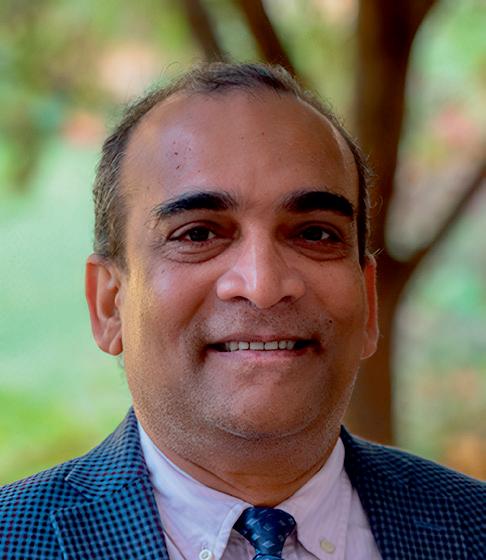
Citing a background of innovative cancer research, the Indian National Science Academy has elected OU’s Priyabrata Mukherjee, Ph.D., as a foreign fellow, beginning Jan. 1, 2026.
Mukherjee is a tenured professor of pathology at the OU College of Medicine whose work focuses on tumor microenvironments and the interactions between proteins and nanoparticles. He holds the George Lynn Cross Research Professorship and the Presbyterian Health Foundation Presidential Professorship.
His laboratory carries out fundamental research at the interface of biology and materials science. Mukherjee’s emphasis on the interconnectedness of all things has been carried throughout his career to portray a full picture of human physiology, including disease. As a result, his research has explored various processes, such as drug delivery, the creation of new blood vessels from existing ones, known as angiogenesis, and tumor metabolism.
Mukherjee has pioneered research into how cancer cells survive under stressful conditions, like lack of oxygen, which includes discovering how hydrogen sulfide puts cancer cells in a hibernation-like state to protect them from oxygen loss.
Established in 1935 to cultivate and promote scientific knowledge in India, INSA offers foreign fellowships to scientists who are internationally renowned leaders in their fields and have close ties to the Indian scientific community.
“I am deeply honored and truly humbled by this recognition,” Mukherjee said. “I am thankful to INSA for electing me as a foreign fellow and including me among the stalwarts in the field. I am truly grateful to all of my mentors, mentees, colleagues, collaborators and friends who contributed immensely to my professional development and made this recognition possible. This is also important recognition for our institution and a reflection of the high-quality research that our faculty perform here.”
Mukherjee also serves as the Peggy and Charles Stephenson Endowed Chair of Laboratory Cancer Research and the senior director for research partnership and collaboration at the Stephenson Cancer Center. He is a co-director of the cancer center’s nanomedicine program and is an Oklahoma TSET Research Scholar.
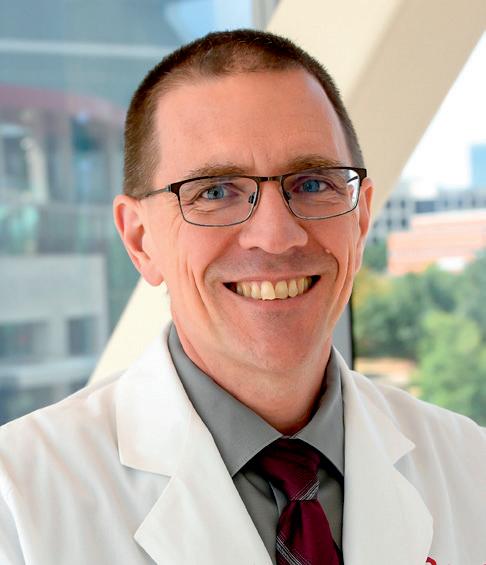
The University of Oklahoma College of Medicine is proud to announce that Jason Wagner, M.D., professor and vice chair of the Department of Radiological Sciences, was elected to a fiveyear term on the executive board of the Society of Radiologists in Ultrasound. Wagner began his term as secretary in 2025, will serve as treasurer in 2026, president-elect in 2027, and president of society in 2028. His term will conclude as immediate past-president in 2029.
Wagner’s leadership will guide the society’s mission to advance the practice of high-quality ultrasound within radiology. Founded in 1975, the Society of Radiologists in Ultrasound is the premier international organization promoting excellence in ultrasound. Known for organizing influential consensus conferences, the society has played a critical role in standardizing clinical practices in areas such as carotid stenosis, liver elastography, and early pregnancy assessment.
Wagner is a highly respected expert in radiology with an impressive background in ultrasound, abdominal imaging and radiology education. After completing medical school at the University of Missouri – Columbia and his residency at Washington University in St. Louis, he served in the U.S. Air Force as officer-in-charge of radiology at Tinker Air Force Base. He later completed a fellowship in abdominal imaging at the University of Wisconsin – Madison before joining the University of Oklahoma faculty in 2010.
Wagner was the chief of ultrasound at OU from 2011 to 2021 and has served on the Society of Radiologists in Ultrasound program committee, including as chair from 2022 to 2023. His dedication to education is evident through his directorship of radiology education for pre-clinical medical students at OU and his role as medical director for the university’s sonographer training program.
Wagner’s clinical expertise spans advanced head and neck ultrasound, image-guided biopsy, and imaging informatics. His leadership on the Society of Radiologists in Ultrasound board will further enhance the society’s commitment to fostering advancements in ultrasound technology and practices.

Chittur A. Sivaram, M.D., a David Ross Boyd Professor in the University of Oklahoma College of Medicine and a cardiologist with OU Health, was named a Master of the American College of Cardiology. This is the first time an Oklahoma cardiologist has received the honor.
The MACC designation recognizes a highly selective group of physicians with dedicated service to the field of cardiology and to the American College of Cardiology over many years and who have demonstrated excellence in education, patient care and scholarship. Only four members of the American College of Cardiology receive this recognition each year.
“This is an incredible honor and a capstone recognition of Dr. Sivaram’s illustrious career; to be the first such designee in the history of our state is even more special. We at the College of Medicine are very proud of him,” said Ian Dunn, M.D., executive dean of the OU College of Medicine.
Sivaram is in his 33rd year at the OU College of Medicine, where he serves as vice chief for education and training in the Section of Cardiovascular Diseases in the Department of Internal Medicine and vice chair of medicine for undergraduate medical education. Previously, he directed the cardiovascular diseases fellowship program and served as the associate dean for continuing professional development for the College of Medicine, overseeing a program that provides continuing medical education to physicians and other providers in the health care workforce.
During his time on campus, Sivaram has been actively involved in educating medical students, residents and cardiology fellows. He has received numerous university honors for teaching, including the Stanton L. Young Master Teacher Award, the OU Regents’ Award for Superior Teaching, the Edgar Young Lifetime Teaching Award, and the Aesculapian Award, which is awarded by medical students. His trainees hold prominent positions in cardiology throughout the United States.
Sivaram has been active as a researcher with nearly 70 peerreviewed publications and numerous abstracts. He also serves as an associate director for cardiovascular imaging case reports (CASE), a journal of the American Society of Echocardiography.
He is a member of several other professional and scientific societies, including the American Heart Association (Council on Clinical Cardiology), Society of Academic Continuing Medical Education, and Alpha Omega Honor Society. He is also a fellow of the American Society of Echocardiography and a master of the American College of Physicians. Other honors include the Gifted Educator Award from the American College of Cardiology and the Laennec Master Clinician Award from the American Heart Association.
“I am honored to receive master designation from the American College of Cardiology and privileged to work with its members across the nation in advancing the field of cardiology,” Sivaram said. “It has also been my honor to witness so much growth in cardiology at the OU Health Sciences Center in each of our mission areas of education, patient care and research. I cherish my work family here on campus.”
Min Li, Ph.D., George Lynn Cross Research Professor of Medicine, Surgery and Cell Biology at the University of Oklahoma College of Medicine, has been named president-elect of the International Association of Pancreatology.
The IAP, established in 1985, works with national and regional societies to promote pancreatology throughout the world and to find new treatments for pancreatic disorders. The organization has more than 3,500 members, both basic scientists and clinical investigators, from 32 countries.
“It is a tremendous honor to serve as president-elect of the International Association of Pancreatology,” Li said. “Pancreatic diseases remain among the most challenging in medicine. Through international collaboration, we can accelerate discovery, improve patient outcomes and bring hope to those affected worldwide. I look forward to working with colleagues across the globe to advance research, education and innovation in pancreatology.”
Li has been with the OU College of Medicine since 2014. He has been awarded a significant amount of federal funding for his research on pancreatic cancer and cachexia, a muscle-wasting condition that often occurs in people with pancreatic cancer. He has published high-impact articles for several consecutive years in leading journals, including Cancer Cell, Proceedings of the National Academy of Sciences (PNAS), EMBO Molecular Medicine, Gastroenterology, Cancer Research, and Clinical Cancer Research. To date, he has published 225 articles in peerreviewed or refereed journals.
Several of his publications have focused on the protein ZIP4, which transports zinc throughout the body. Each study has focused on a different role for ZIP4, which serves as a “master switch” for several things to occur in pancreatic cancer and cachexia. He discovered that overexpression of ZIP4 causes pancreatic cancer cells to be more resistant to chemotherapy and prompts tumor cells to transform themselves so they can stealthily travel to the body’s other organs. In addition, he found that ZIP4 plays a critical role in the onset of cachexia.
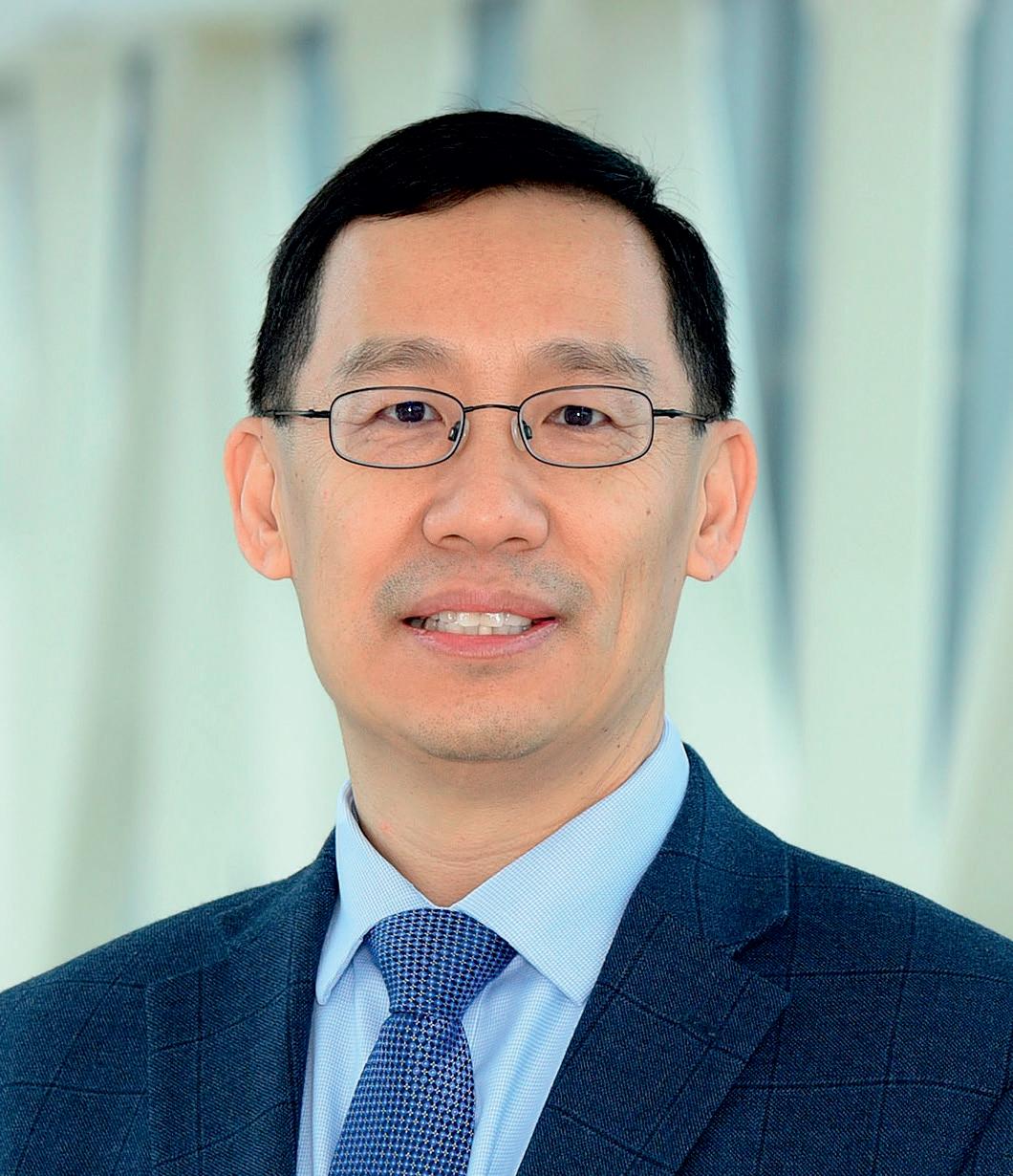
Li is past president of the American Pancreatic Association, and he is editor-in-chief of the journal Cancer Letters. He also holds the Virginia Kerley Cade Endowed Chair in Cancer Treatment at the OU College of Medicine, and he serves as associate director for global oncology for OU Health Stephenson Cancer Center.
In 2024, Lin was awarded the 2024 Palade Prize from the International Association of Pancreatology. The Palade Prize, the IAP’s most distinguished award for research excellence, recognizes Li’s contributions to the field of pancreatology, which is dedicated to discovering new methods of identifying, diagnosing and treating diseases of the pancreas such as pancreatic cancer. The award is named after George E. Palade, who won the Nobel Prize in 1974 for his pioneering work involving a specialized pancreatic cell type.
Last year, Ian F. Dunn, M.D., executive dean of the University of Oklahoma College of Medicine and professor of neurosurgery, was named a new member of the American Academy of Neurological Surgery, a premier neurosurgical professional society in North America.
Membership is capped at 200 and recognizes each member’s contributions to the field of neurosurgery. The academy was founded in 1938 to foster scientific discovery that seeks to improve the lives of patients suffering from neurological disorders. Dunn is known internationally for his expertise in the surgery and science of brain tumors, with meningioma as a particular area of specialization.
“Dr. Dunn is an exceptional leader in the discipline of neurosurgery, and we are thrilled that he has been welcomed into the American Academy of Neurological Surgery,” said Gary Raskob, Ph.D., senior vice president and provost of the OU Health Campus. “He is highly respected as a physician-scientist, educator and college dean and is most deserving of this honor.”
Dunn joined the OU College of Medicine in 2018, serving as professor and chair of the Department of Neurosurgery and holding the Harry Wilkins, M.D. Chair in Neurosurgery. In 2022, he was named senior associate dean for clinical affairs at the OU College of Medicine, and in January 2024, he began serving as executive dean.
As chair of the Department of Neurosurgery, Dunn led efforts to increase the number of faculty members and advanced practice providers, recruiting the most comprehensive neurosurgical group in the state. The department has leveraged innovative approaches such as telehealth to expand clinical services and neurosurgical care to more Oklahomans.
He grew the neurosurgery residency program and emphasized the importance of medical student mentorship, supporting a medical student research program. He also supported the Graduate Program in Neuroscience, recruiting graduate students and postdoctoral fellows to grow the research enterprise. Dunn is also a prolific researcher, publishing more than 250 peerreviewed journal articles and writing 35 chapters for various books. He has lectured across the nation and the world.
As an executive leadership team member for the university’s clinical partner, OU Health, Dunn played a key role in creating a comprehensive, integrated academic health center. Currently, he is chair of the board for OU Health Physicians, Inc. and chief physician executive for OU Health.
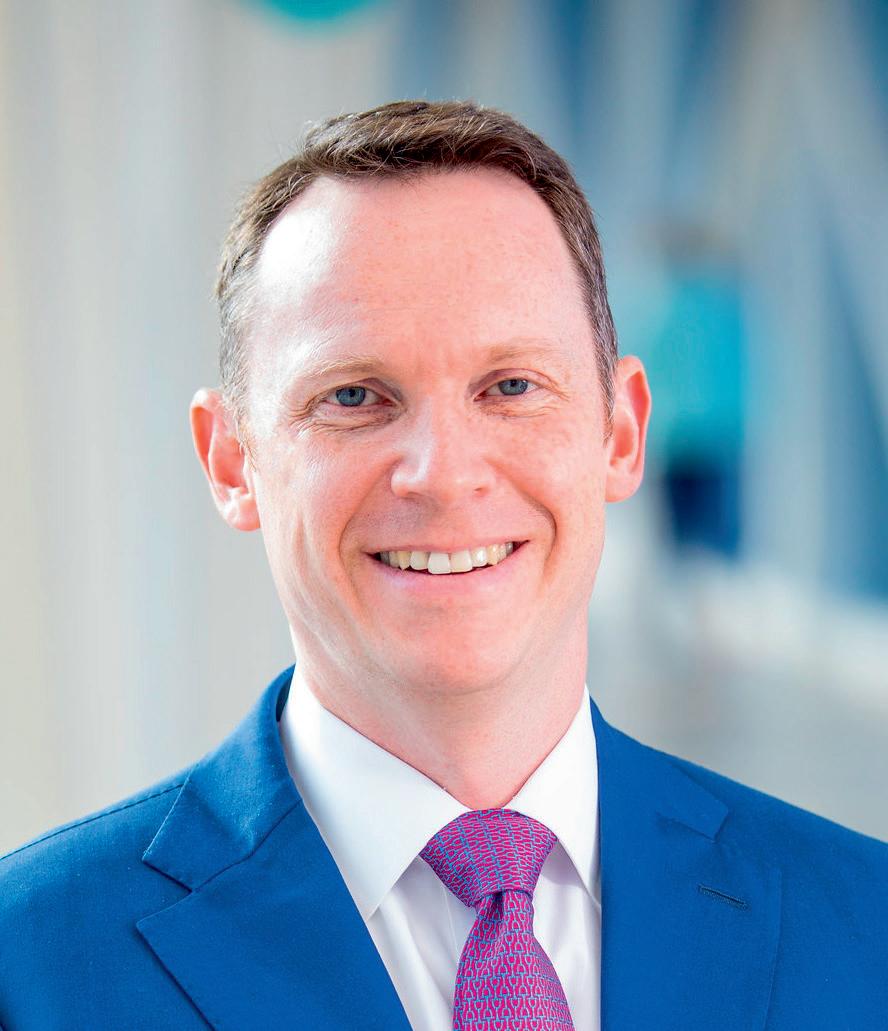
Dunn is passionate about serving the state and region through an academic health system that leverages the tripartite mission of patient care, education and research. As the OU College of Medicine celebrates its 125th year, he envisions the college playing a crucial role in addressing the state’s physician workforce shortage.
Prior to arriving at OU, Dunn served eight years as an associate professor in the Department of Neurosurgery at Harvard Medical School and as director for the Center for Pituitary and Skull Base Surgery at Brigham and Women’s Hospital.
Dunn earned his medical degree from Harvard Medical School and completed his residency in neurosurgery at Brigham and Women’s Hospital/Children’s Hospital of Boston, serving as chief resident in his final year. During his time in residency, he also completed a post-doctoral research fellowship in the functional genomics of cancer at Dana-Farber Cancer Institute/Broad Institute in Boston. He then completed a fellowship in skull base neurosurgery at the University of Arkansas for Medical Sciences/ St. Vincent Infirmary Medical Center in Little Rock.

The Jerry Vannatta, M.D., Academy of Teaching Scholars, an organization that recognizes and fosters excellence in medical education at the OU College of Medicine, inducted new members and presented honors during its annual Education Week activities in October 2025.
Awards are presented to faculty members on both the Oklahoma City and Tulsa campuses in the areas of preclinical, clinical and graduate medical education, as well as physician associate education. This year, a new category was created: Extramural OU Educator, for those College of Medicine faculty whose main impact is teaching outside of the College of Medicine.
Recipients are nominated by students, faculty and colleagues. The awards, called the Dewayne Andrews, M.D., Excellence in Teaching Awards, are named for the former executive dean who founded the organization more than a decade ago.
In the area of preclinical medical education, awards were presented to:
• Allie Regens, M.D., Department of Obstetrics and Gynecology, Oklahoma City
In clinical medical education, awards were presented to:
• Kamran M. Riaz, M.D., Department of Ophthalmology, Oklahoma City
• Allison Huebert, M.D., Department of Obstetrics & Gynecology, Tulsa
• Shashank Shettar, M.D., FASA, Department of Anesthesiology, Oklahoma City
• Faddi Ghassan Mohammed Saleh Velez, M.D., Department of Neurology, Oklahoma City
In graduate medical education, awards were presented to:
• Tony Abdo, M.D., Department of Internal Medicine, Oklahoma City
• Kailee May, M.D., Department of Anesthesiology, Oklahoma City
• Laura Campion, M.D., Department of Pediatrics, Tulsa
• Jeffrey D. McBride, M.D., Ph.D., FAAD, Department of Dermatology, Oklahoma City
• Morgan Bonds, M.D., FACS, Department of Surgery, Oklahoma City
• Raman Rana, Ph.D., Department of Radiological Sciences, Oklahoma City
In the PA program, awards were presented to:
• Mary Moon, Ph.D., Department of Cell Biology, Oklahoma City
• Marci Deck, MHS, PA-C, Physician Associate program, Tulsa
In the area of Extramural OU Educator, awards were presented to:
• Shannon Conley, Ph.D., Department of Cell Biology, Oklahoma City
• Rebecca Mannel, MPH, IBCLC, FILCA, Department of Obstetrics and Gynecology, Oklahoma City
Recipients are nominated by students, faculty and colleagues. The awards, called the Dewayne Andrews, M.D., Excellence in Teaching Awards, are named for the former executive dean who founded the organization more than a decade ago.

Nearly 600 alumni, faculty, students and friends gathered Sept. 4 at the Omni Oklahoma City Downtown Hotel for the University of Oklahoma College of Medicine’s Evening of Excellence, a gala celebrating the college’s 125th anniversary. The event also honored four leaders whose service, vision and commitment to improving lives earned them induction into the College of Medicine Hall of Fame.
For more than a century, the OU College of Medicine has trained generations of physicians and advanced health care in Oklahoma and beyond, a legacy reflected in this year’s honorees. This year’s honorees are:
A gifted endocrinologist, educator and clinician, Mary Zoe Baker, M.D., has dedicated more than four decades to the OU College of Medicine. After earning a medical degree from OU in 1982, where she served as senior class president, she returned as faculty in 1988 and has since advanced through roles that now include interim section chief of Diabetes and Endocrinology. Known as a mentor and role model, she has guided countless students and residents while maintaining a thriving practice and advancing research in her field. Her teaching excellence has been recognized with one of the college’s highest honors, the student-selected Aesculapian Award.
Baker’s career reflects her belief that “medicine is a team sport.” Throughout her journey, she has leaned on and given back to a community of colleagues and friends, including the “Birthday Club,” a circle of classmates who went on to establish a scholarship supporting future female physicians. Her story is one of resilience as well, overcoming an early rejection from medical school with determination that ultimately inspired others. Admired for her global perspective, warmth and dedication, she continues to serve as a leader in the ongoing work of education, patient care and mentorship.

Mary Zoe Baker, M.D.
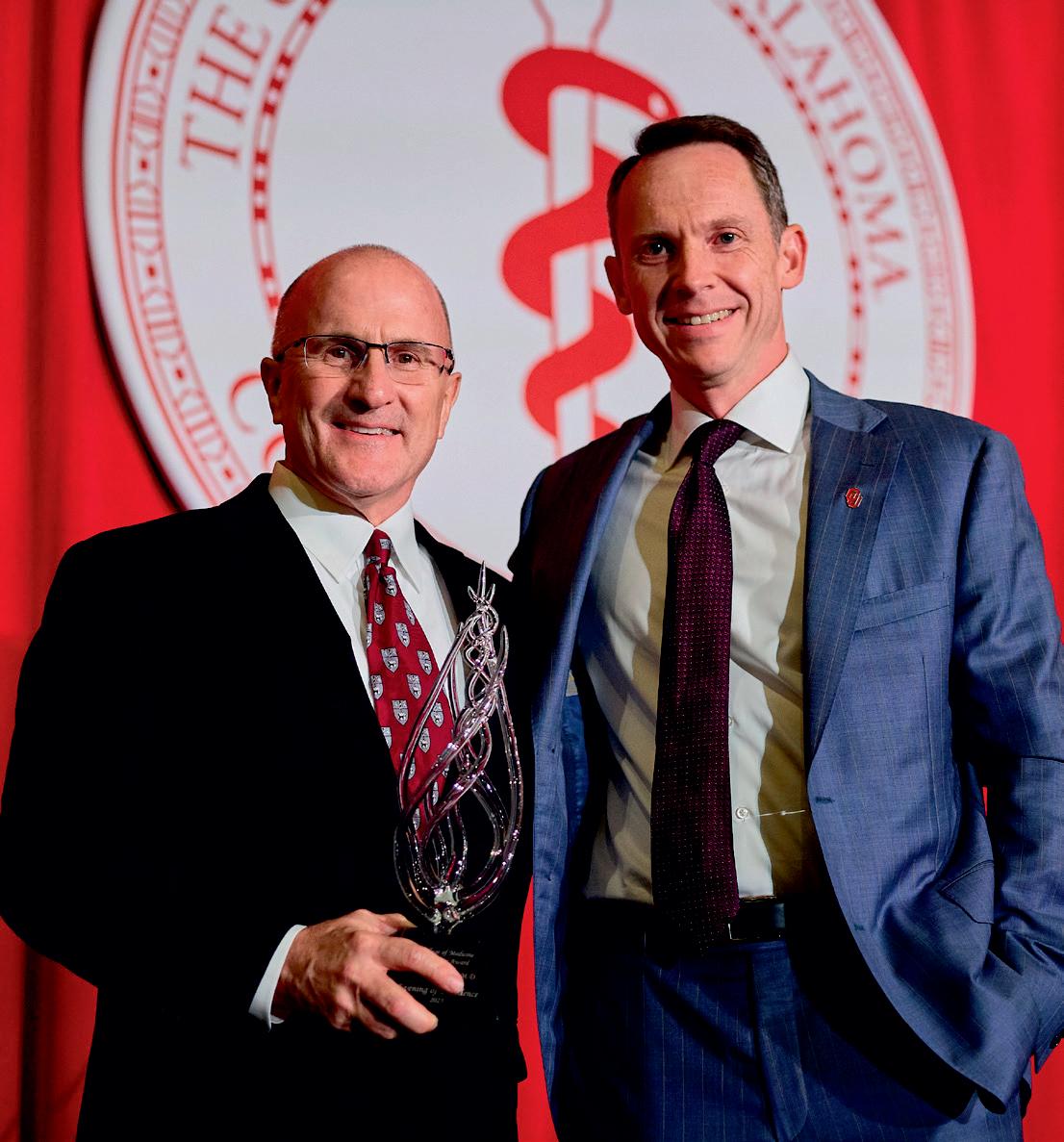
For nearly 30 years, Charles Pasque, M.D., has been a cornerstone of orthopedic surgery at OU. As a faculty leader and longtime director of the Orthopedic Surgery Residency Program, he expanded training opportunities, introduced state-of-the-art simulation labs and ensured a perfect board certification rate for his residents. He is also a constant presence in OU Athletics, serving as a team physician for a wide range of sports and caring for athletes and patients with compassion and skill. His service extends into the community, including more than two decades volunteering with Special Olympics Oklahoma.
Pasque served more than 30 years in the U.S. Navy Medical Corps, retiring as a captain and completing three overseas deployments. He is believed to be the first Navy officer to earn the Army’s prestigious Expert Field Medical Badge, a recognition of his extraordinary endurance and expertise. Colleagues describe him as the consummate physician, one who practices “the old-fashioned way – with compassion and conviction.” Whether in the operating room or on the sidelines, Pasque embodies service and selfless dedication.
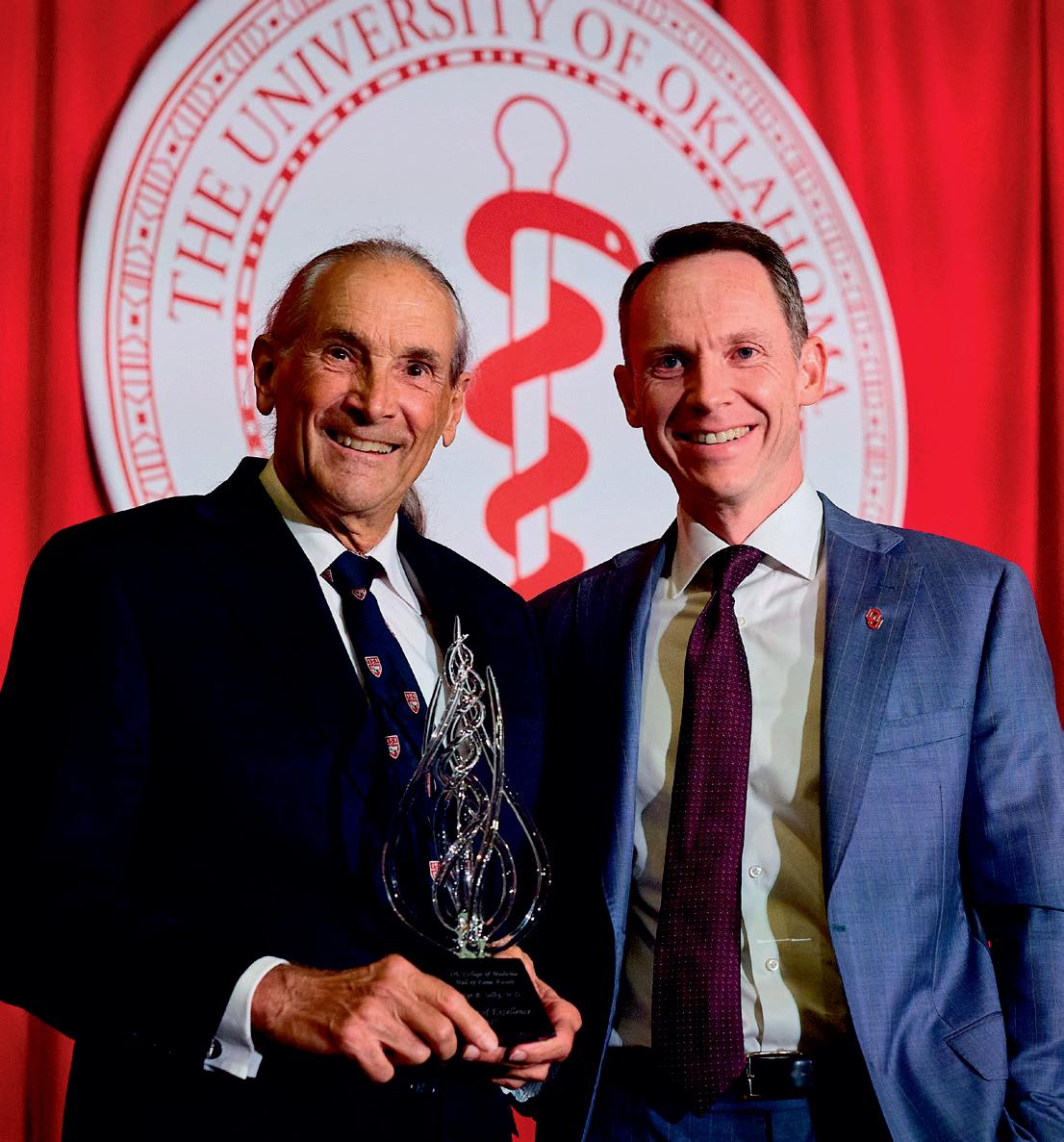
Over a 35-year career, George Selby, M.D., transformed cancer care in Oklahoma and brought hope to thousands of families. As director of the Transplant and Cellular Therapy Clinic at OU Health Stephenson Cancer Center, he led efforts that enabled more than 100 children each year to receive bone marrow transplants and cellular therapies. His decision to train in pediatric stem cell therapy at the University of Minnesota and bring that expertise back to Oklahoma changed the trajectory of care for children with leukemia across the state. Colleagues and patients alike have been touched by his unique combination of competence, vision and humility.
A wide range of life experiences shaped Selby’s path to medicine – from cab driver and cattle rancher to rodent exterminator at a chicken farm – before entering the OU College of Medicine. His colleagues recall not only his brilliance but also his warmth, whether teaching, mentoring or quietly encouraging patients through complex journeys. Retirement has not slowed him down: He now volunteers with Cavett Kids, teaches swim lessons and continues to inspire others with his adventurous spirit. To those who know him, he is more than a physician – he is a healer, mentor, husband, father and friend whose lifelong service continues to ripple outward.
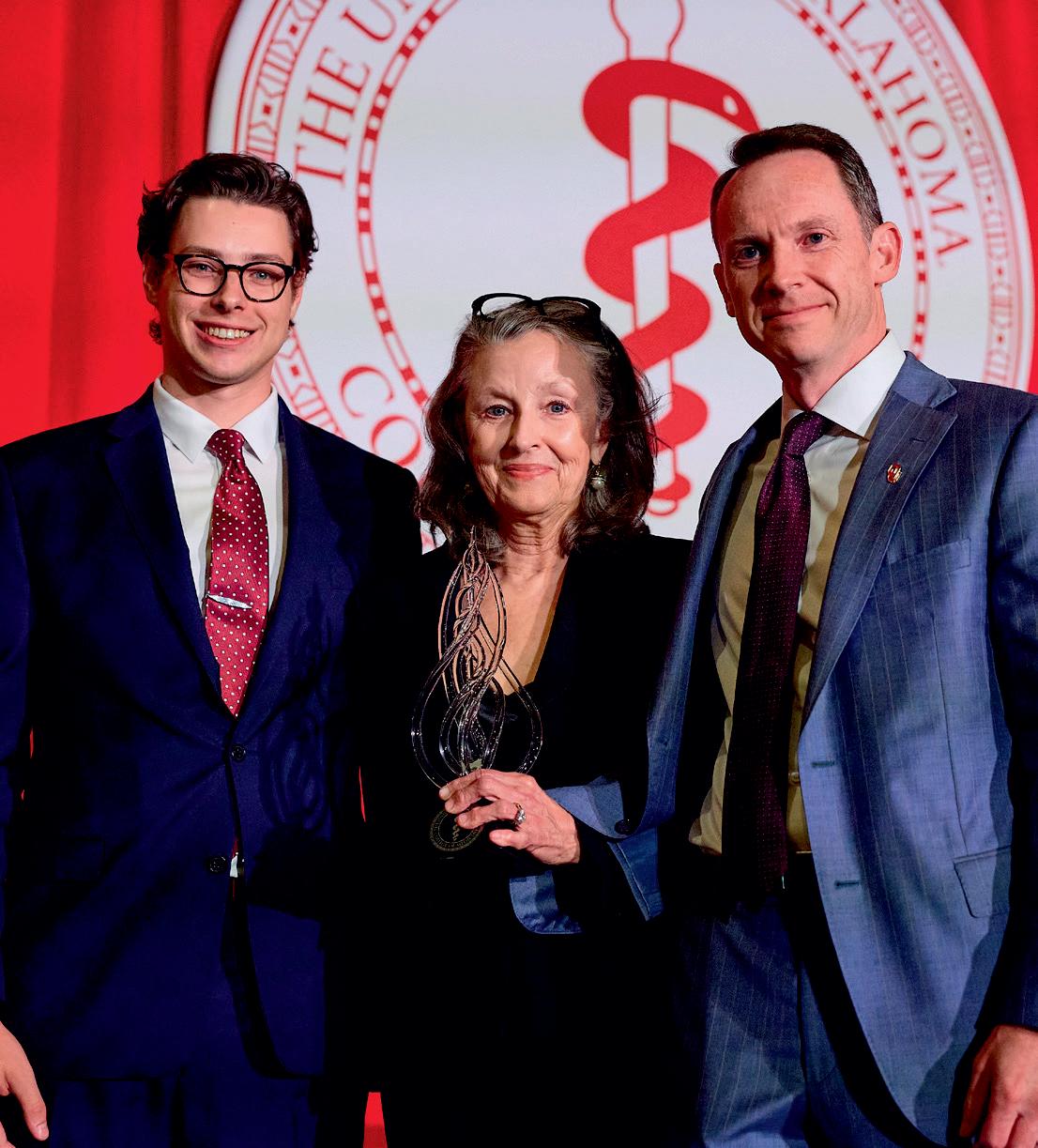
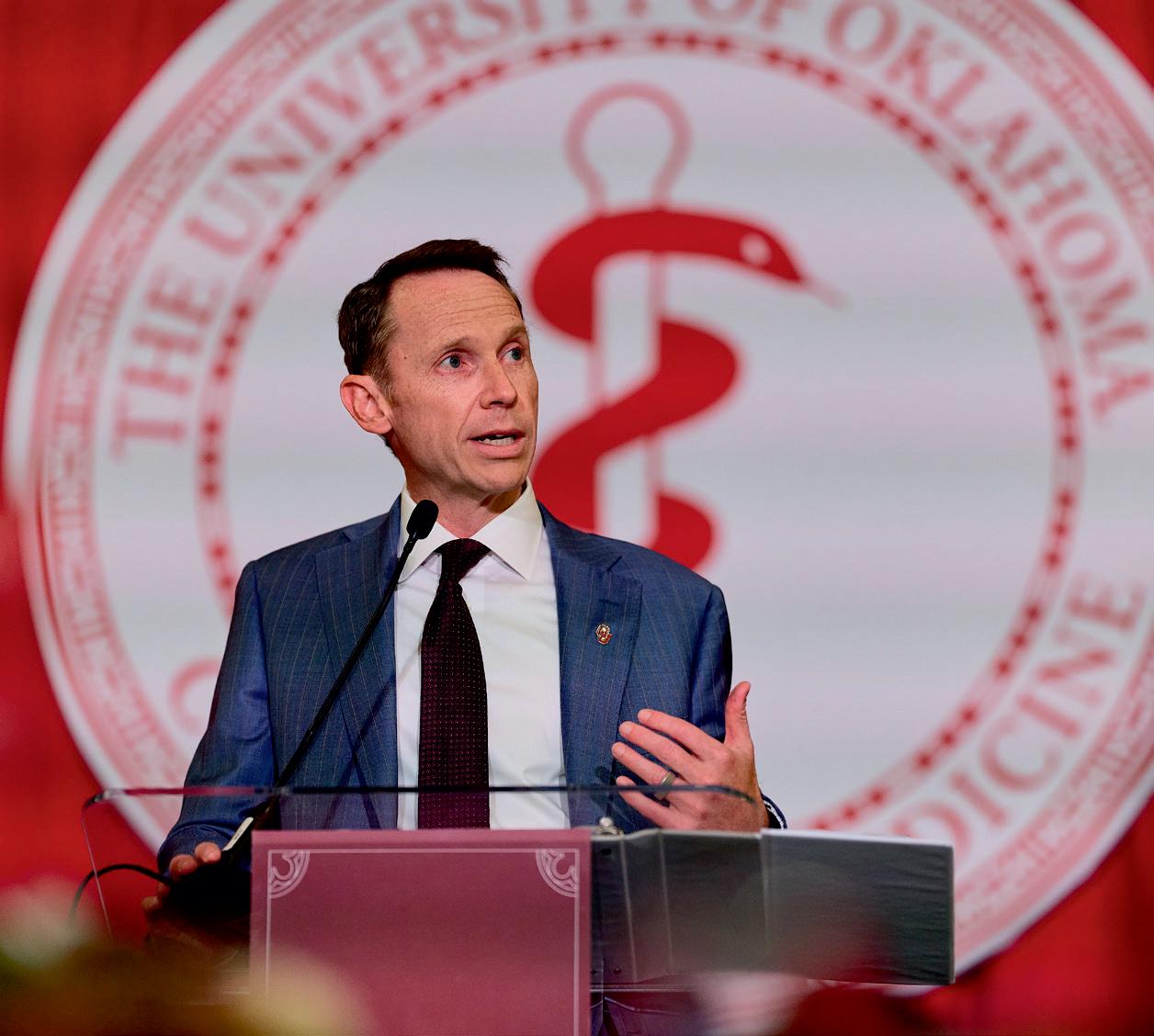
Recipient of the Distinguished Community Service Award, Leslie Simcox Hudson, Ph.D., has devoted her career to advancing public health, education and community well-being. Trained in epidemiology at OU, she began her career as a faculty member in biostatistics and epidemiology before stepping into roles in service and philanthropy. With her husband, Clifford, she established scholarships and fellowships to support future public health leaders at the OU Hudson College of Public Health, which now bears her family’s name. She continues to shape public health education as an advisory board member for the college.
Hudson’s influence extends well beyond OU. She played a key role in founding the Oklahoma City-County Health Department Foundation, continues to serve on its board and also acts as a trustee of the Kirkpatrick Family Fund, advocating for initiatives that improve access to care and support vulnerable populations. Her leadership has helped reduce teen birth rates in Oklahoma County, strengthen youth health initiatives and advance organizations such as Planned Parenthood of Central Oklahoma and Thrive: A Sexual Health Collective for Youth. Described as a “quiet force” who brings people together, she is admired for her empathy, wisdom and unwavering commitment to community service.

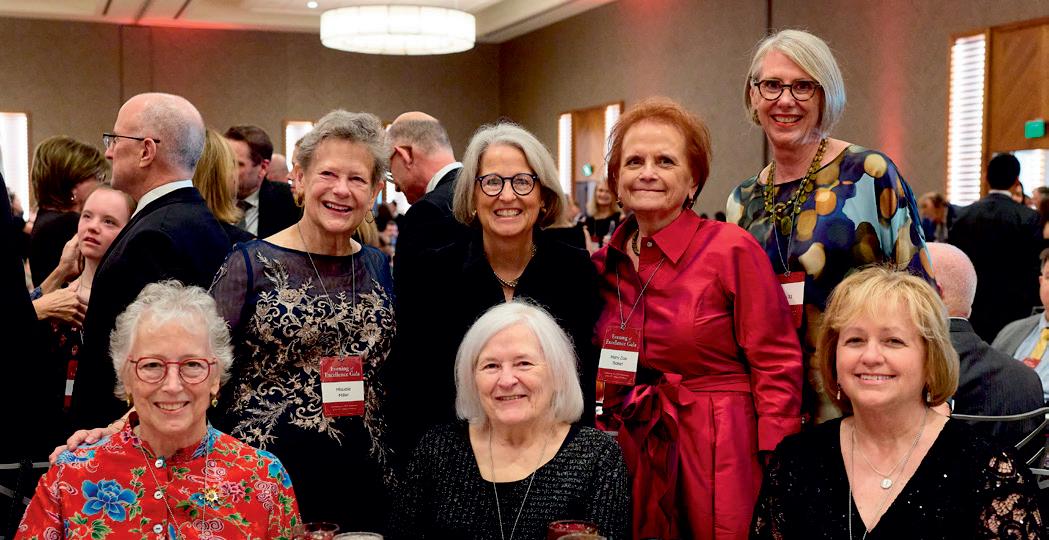
The OU College of Medicine is proud to announce that the second class of inductees into the College of Medicine Hall of Fame will be honored during Alumni Weekend in fall 2026, with formal recognition taking place at the annual Evening of Excellence celebration. We invite our community to help us recognize exceptional alumni and friends of the college whose careers reflect extraordinary impact on the medical field. Nominations or inquiries may be submitted to medicine@oufoundation.org, and any nominations received after March 2026 will be considered for the 2027 awards cycle. To learn more, visit medicine.ouhsc.edu/alumni
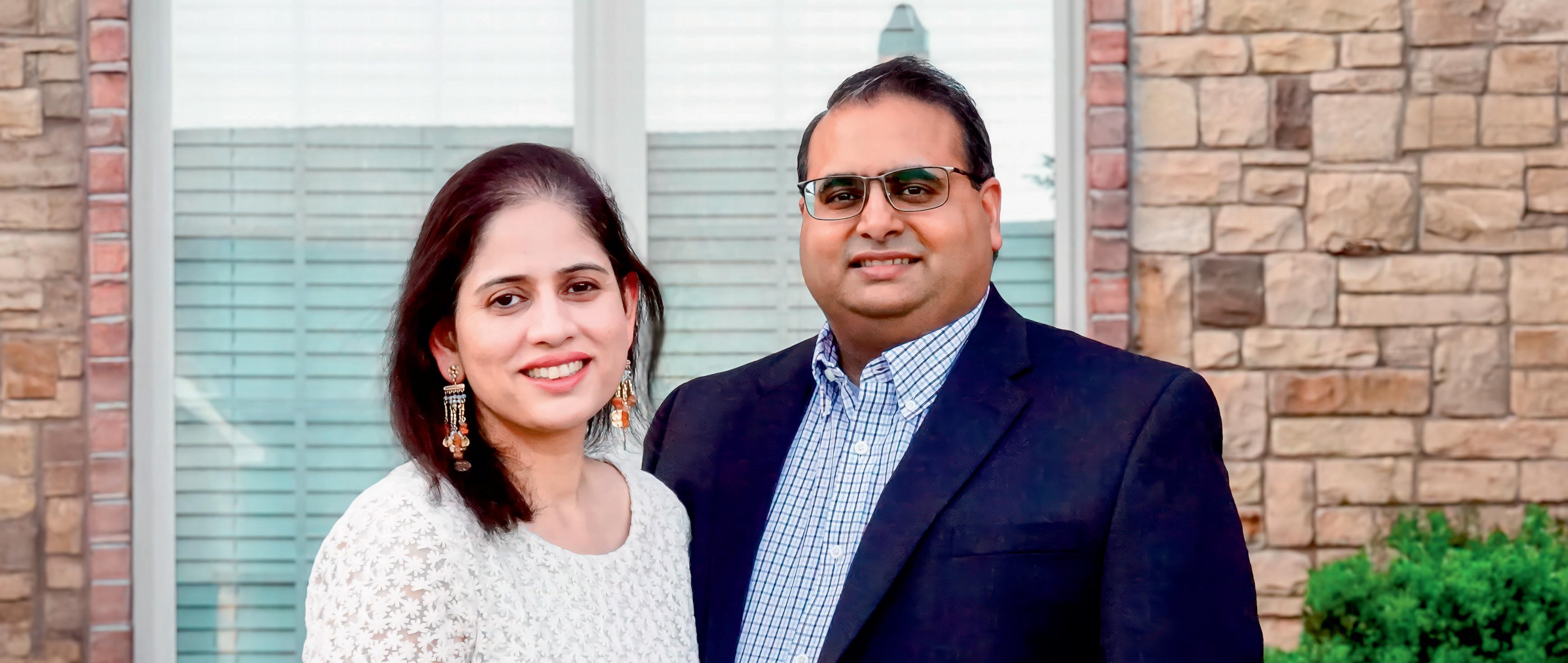
For Alok and Archana Gautam, the University of Oklahoma shaped their roots, values and shared belief in the power of community. Now, the couple is committed to giving back by creating the Gautam Family Scholarship to help future medical students find the same opportunities they did at their alma mater.
For Alok, a Norman native, attending OU was a dream nurtured since childhood. “Growing up here, going to OU was always the dream,” he recalls. “The University of Oklahoma is a great institution doing real service to the state.” His deep connection to the university was strengthened by family ties and the professors who became lifelong influences. “It was home,” he says simply.
Archana’s path to OU began after she and Alok married. Moving from India, she immediately felt welcomed in Oklahoma’s tightknit community. “I fell in love with Oklahoma,” she says. “The College of Medicine has always held a special place in my heart — it takes dedicated people to be part of it, both faculty and students.” After completing her residency and fellowship at OU, Archana joined the faculty, following in the footsteps of her father, a surgeon in India.
The couple’s decision to create a scholarship grew naturally from their shared gratitude. “We wanted to help someone who really needed it,” Alok explains. “OU gave us our professional foundation. By giving back, we’re strengthening Oklahoma’s future and offering others the same chance we had to attend this great institution.”
Archana echoes that sentiment, emphasizing the lasting impact of mentorship. “It’s the people — the professors, the students — who make OU special. The values they teach stay with you. I still keep in touch with many of my mentors to this day. OU
Health serves as the focal point of health care for the state, and the dedication of Dr. Michael Bronze and Dr. Chittur Sivaram is profoundly respected.”
Their hope is that the scholarship will encourage students not only to pursue medicine but also to embrace its deeper purpose. “Medicine is hard work,” Archana advises. “You need empathy, honesty and passion.”
Alok adds, “In medicine, there’s a lot of talk among peers –perhaps you have an unusual case and you’ll ask others for their opinions. That is a unique and interesting aspect of medicine that is not common in other professions.”
Through their generosity, the Gautams are helping shape that vision for the next generation of physicians — rooted in hard work, community and a lifelong commitment to care.
Archana Gautam, M.D., completed her residency in internal medicine at the University of Oklahoma’s College of Medicine from 2001 to 2004. She completed her fellowship in cardiology in 2007 and served as an assistant clinical professor at OU from 2007 to 2009. She then pursued further specialization in interventional cardiology in 2010, also at OU. She currently serves as the chief of cardiology and medical director of the Chest Pain Center at Norman Regional Health System’s Heart and Vascular Associates.
Alok Gautam is “Sooner born and Sooner bred.” He earned a bachelor of science degree in physics in 1989 and an master of science degree in engineering in 1992, both from the University of Oklahoma. He is a senior engineer at the Federal Aviation Administration in Oklahoma City.
Jerome Adams, M.D., Class of 1953, Wichita Falls, TX
John Atkin, M.D., Class of 1961, Yates Center, KS
Larry Balzer, M.D., Class of 1971, Hooker, OK
Wayne Bennett, M.D., Class of 1953, El Cajon, CA
Dennis Berry, M.D., Class of 1969, Prescott, AZ
Philip Bird, M.D., Class of 1971, Norman, OK
Jerry Blankenship, M.D., Class of 1962, Enid, OK
Joe Bledsoe, M.D., Class of 1959, Chickasha, OK
Karl Boatman, M.D., Class of 1952, Oklahoma City, OK
William Bosworth, M.D., Class of 1960, Cleburne, TX
John Campbell, M.D., Class of 1979, San Diego, CA
Danny Cassidy, M.D., Class of 1973, Ponca City, OK
Bruce Darrow, M.D., Class of 1969, Duncan, OK
Robert Dickey, M.D., Class of 1967, Oklahoma City, OK
Thomas Duff, M.D., Class of 1950, Stockton, CA
Gregory Green, M.D., Class of 1958, Tulsa, OK
Sam Hamra, M.D., Class of 1963, Dallas, TX
Don Hess, M.D., Class of 1972, Chickasha, OK
Thomas Hodges, M.D., Class of 1950, Hampton, VA
Sherman Hope, M.D., Class of 1957, Lubbock, TX
Daniel Lalli Hills, M.D., Class of 2012, Oklahoma City, OK
Cary Leverett, M.D., Class of 1963, New Braunfels, TX
Thomas Marberry, M.D., Class of 1975, Tulsa, OK
Scott Marberry, M.D., Class of 2013, Ponte Vedra, FL
James McDoniel, M.D., Class of 1956, Chickasha, OK
Don Meinders, M.D., Class of 1965, Woodward, OK
Jon Miller, M.D., Class of 1991, Simpsonville, KY
Charles Neal, M.D., Class of 1968, Ruston, LA
Carl Osborn, M.D., Class of 1977, Decatur, TN
William Pingleton, M.D., Class of 1967, Fairway, KS
John Poarch, M.D., Class of 1964, Edmond, OK
Ira Pryor, M.D., Class of 1968, Sunrise, FL
Merrell Reiss, M.D., Class of 1955, Oak Brook, IL
Fred Reynolds, M.D., Class of 1962, Tulsa, OK
John Sacra, M.D., Class of 1970, Tulsa, OK
Bennie Scott, M.D., Class of 1970, Dallas, TX
Jack Sexton, M.D., Class of 1955
Jerry Simmons, M.D., Class of 1975, Mexia, TX
Richard Slagle, M.D., Class of 1969, Tulsa, OK
Robert Smiley, M.D., Class of 1956, Friendswood, TX
Bruce Splane, M.D., Class of 1982, Broken Arrow, OK
Danny Stehr, M.D., Class of 1962, Guthrie, OK
Max Taxter, M.D., Class of 1969, Newport, WA
Robert Thompson, M.D., Class of 1972, Norman, OK
John Trammell, M.D., Class of 1959, Edmond, OK
Elmer Treat, M.D., Class of 1967, Maryville, TN
William Wiggs, M.D., Class of 1983, Norman, OK
Renee Willis, M.D., Class of 1979, Stillwater, OK
James Young, M.D., Class of 1964, Bartlesville, OK