H i g h i m p a c t c a s e s t u d i e s
J u l y , 2 0 2 6
INSPECTOR Trial Shapes Global Policy for the Radical Cure of Plasmodium vivax Malaria
Reducing death and disability from tuberculous meningitis
Dr Abhilasha Karkey Director of OUCRU Nepal
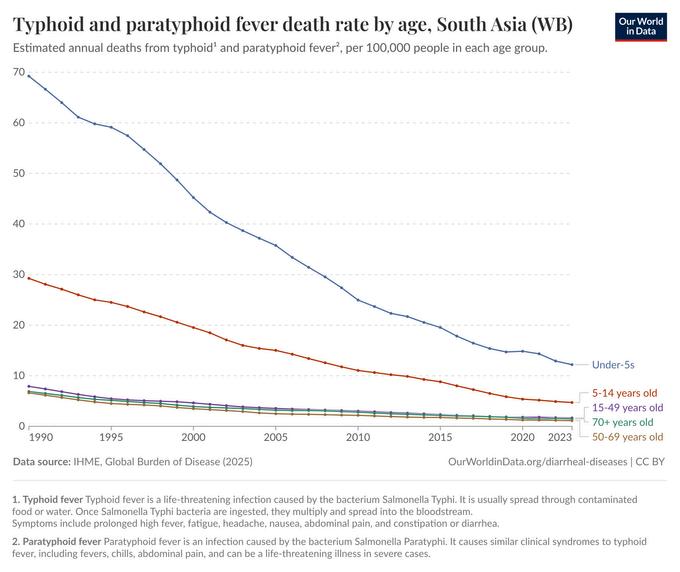
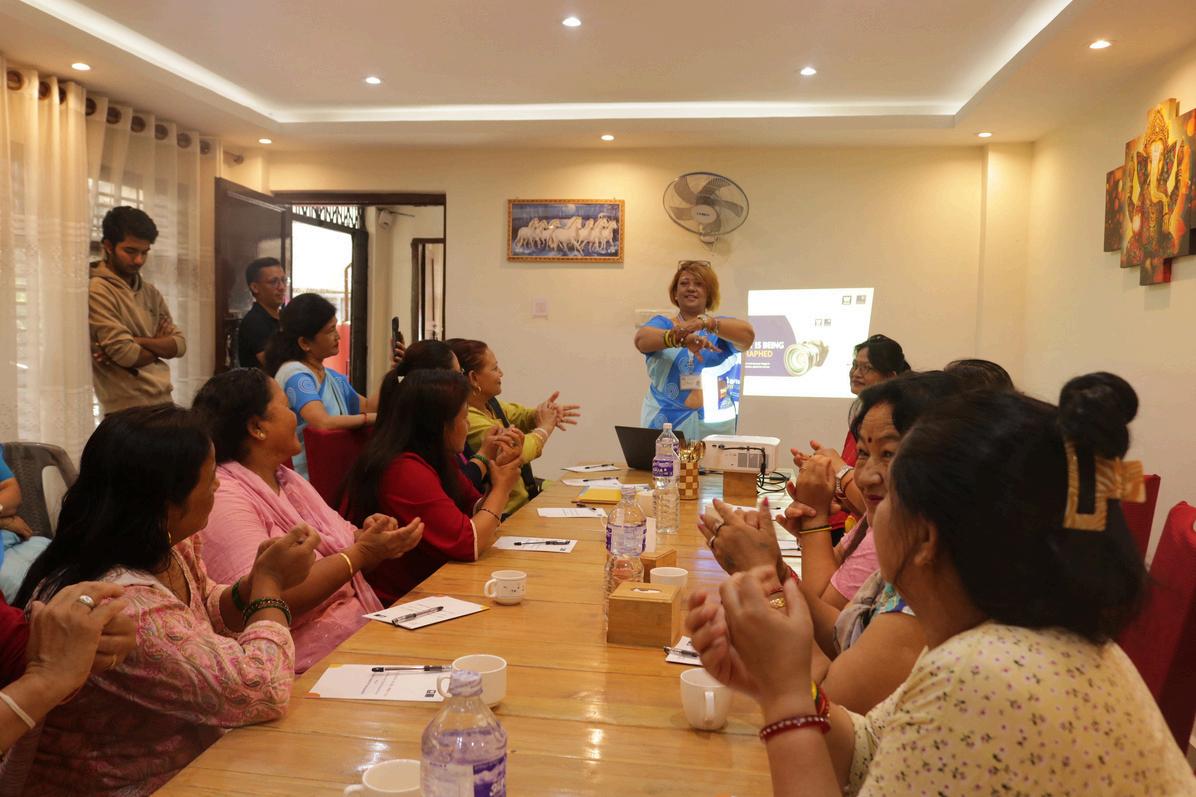
It can take a long time for our research outcomes to be directly visible as impacts on health in the countries where we work. However, the phenomenon of research leading to policy change and improved health outcomes for people is clearly visible in our typhoid research – which has been a key focus for OUCRU Nepal for more than 20 years. Our research efforts have not only influenced international treatment guidelines but have also played a crucial role in vaccine development and implementation strategies.
Typhoid fever remains a major public health threat In South Asia, which accounts for a significant proportion of the global burden, each year more than 14 million people are affected worldwide, with up to 1% dying from the disease In South Asia alone, an estimated 7 million cases occur annually
The disease disproportionately affects children and lowincome populations, often leading to prolonged illness, complications, and significant financial hardship for families At the same time, the emergence and spread of antimicrobial resistance (AMR) has reduced the effectiveness of standard treatments, creating an urgent need for new therapeutic strategies and preventive measures.
Impact on treatment guidelines
Our clinical trial research findings led to recommendations by the World Health Organization (WHO) against the use of fluoroquinolones in the treatment of uncomplicated typhoid fever in South Asia This change in guidelines aimed to combat the emergence of antimicrobial resistance and optimize treatment outcomes for patients.
Vaccine Trials and Implementation
We conducted a groundbreaking vaccine trial – The TyVAC study - evaluating the efficacy of the typhoid conjugate vaccine
Following successful clinical trials, the typhoid conjugate vaccine was incorporated into the national immunization schedule for children in 2020. By October 2023, over 8 million children had been vaccinated, marking a significant milestone in the prevention of typhoid fever
TyVOID was an important continuation of the TyVAC study, and provided further evidence for the Nepalese government that typhoid conjugate vaccine was both safe and effective for use in children.
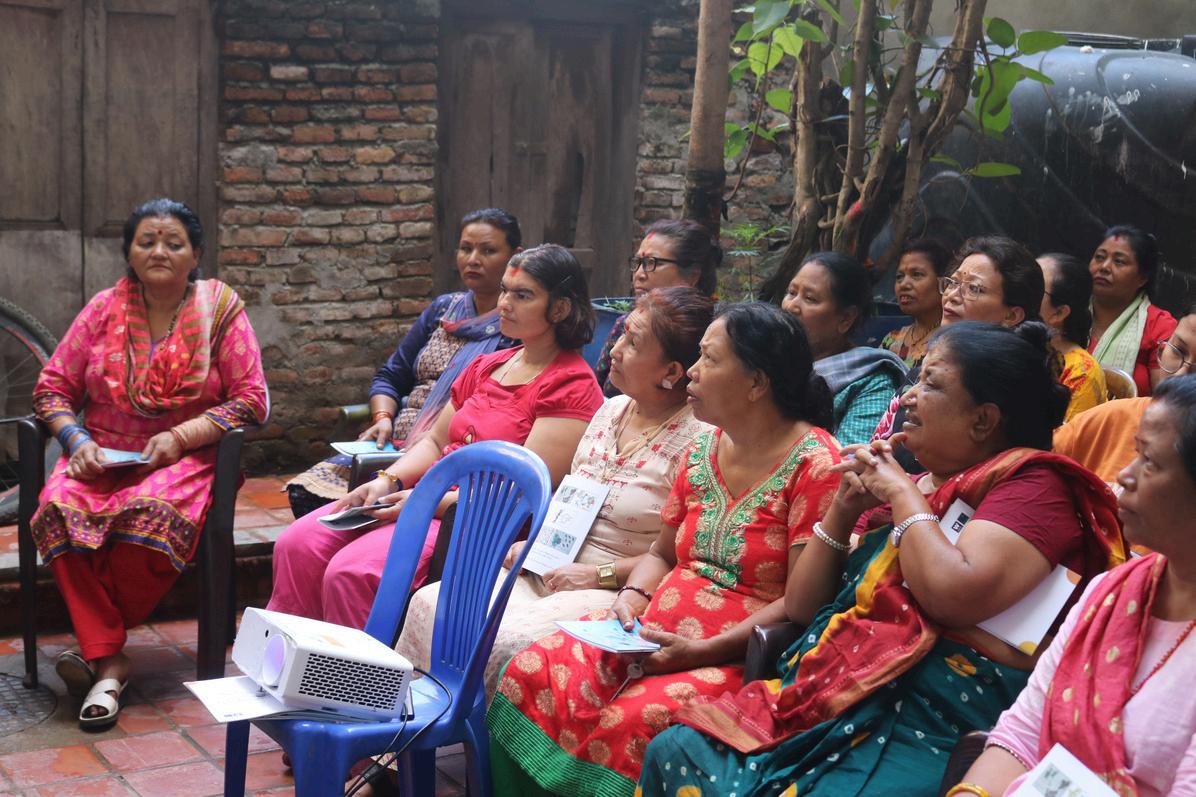
To assist with uptake and acceptability, the TyVOID study included a qualitative component to assess the perception of the community regarding typhoid conjugate vaccination All the participants who were enrolled in the initial TyVAC study were eligible for inclusion in this study. As with TyVAC, the entire population within a selected geographical catchment area of Lalitpur, Kathmandu (17 wards of Lalitpur) was included in the background typhoid surveillance and WASH assessment which enabled the study teams to be very embedded in the local context
The final results of this study showed that the typhoid conjugate vaccine (Vi-TCV) is efficacious, safe and immunogenic.
Emergence of antimicrobial resistance
During our clinical trials, we observed a concerning trend of increasing antimicrobial resistance among Salmonella strains responsible for typhoid fever. This observation underscores the urgent need for alternative treatment strategies to combat multidrugresistant strains
Our research, demonstrated the evolution of multidrug antibiotic resistance in Salmonella Typhi, and was taken up by WHO in its 2020 recommendation: Target product profile for therapy of uncomplicated enteric fever, helping to lay the groundwork for our ACT South Asia treatment trial
This study was also linked to Dr Pham Thanh Duy’s Wellcome Fellowship, which identified azithromycin resistant Salmonella Typhi isolates in Nepal in 2020. .
Enhancements in Clinical Trials Unit and Surveillance
OUCRU Nepal has leveraged the opportunities presented by multiple research projects to make significant advancements in the clinical trials unit.
We have invested in training experienced staff to conduct high-quality trials and equipped our laboratories to perform comprehensive surveillance for antimicrobial resistance This enhanced surveillance, combined with our vast hospital network allows for the early detection of resistant bacteria and informs treatment strategies accordingly.
A long-term commitment for long-term impact
Our dedication to advancing the treatment of typhoid fever has led to impactful contributions in both clinical practice and public health policy. We have influenced treatment guidelines, facilitated the development and implementation of effective vaccination strategies, and initiated innovative approaches to combat antimicrobial resistance Moving forward, we remain committed to furthering our understanding of typhoid fever and improving patient outcomes through evidence-based interventions.
S E A C O V A R I A N T S
A sustainable, scalable model for responding to future infectious disease threats.
The COVID-19 pandemic exposed critical gaps in Southeast Asia’s ability to rapidly detect, analyse and respond to emerging viral variants. The Wellcomefunded Southeast Asia Initiative to Combat SARSCoV-2 Variants (SEACOVARIANTS), launched in late 2022, has transformed this landscape. By building a locally led research platform across multiple countries, strengthening immunology and genomic capabilities, and fostering collaboration between scientists, policymakers and communities, SEACOVARIANTS has delivered lasting improvements in pandemic preparedness.
Led by Professor Lê Văn Tấn, SEACOVARIANTS brings together partners across Vietnam, Indonesia, Thailand, Singapore, the UK and the US. It represents a large-scale, multidisciplinary collaboration connecting laboratory science, clinical research, and public engagement.
During COVID-19, countries across Southeast Asia faced significant constraints in understanding and responding to emerging variants
Limited access to advanced laboratory techniques, fragmented collaboration across borders, and insufficient integration between science, policy and public communication hindered timely, evidence-based decisions
At the same time, Southeast Asia is a recognised global hotspot for emerging infectious diseases. Without strengthened regional capacity, future outbreaks risk repeating the delays and inequities experienced during COVID-19
SEACOVARIANTS was designed to address these gaps through four integrated objectives:
Establish a Southeast Asia–led research platform for investigating emerging SARS CoV 2 variants and future emerging infectious disease threats
Deploy advanced structural biology and immunology tools to rapidly assess variant risks, including immune escape and treatment resistance.
Generate region-specific evidence on immune responses and clinical outcomes
Develop effective communication and engagement frameworks linking scientists, policymakers and the public.
Over the first two years, the programme delivered 15 specialist training programmes to more than 20 researchers across Southeast Asia
These included:
Antibody and T-cell response assays (e.g., ELISpot, intracellular cytokine staining)
Luninex, pseudovirus and neutralisation assays
Advanced flow cytometry and peptide design
Through hands-on training and international exchanges, local scientists gained the expertise needed to independently conduct advanced immunological analyses.
Prof Lê Văn TấnHead of Emerging Infections Interim Director of OUCRU HCMC
Strengthening Laboratory Infrastructure
The network also supported the development of standard operating procedures (SOPs) and facilitated reagent sharing across countries, ensuring consistency and reproducibility of data As a result, laboratories in Indonesia, Thailand, and Vietnam now have sustainable immunology and virology capabilities.
The strengthened capacity enabled locally generated data to inform global understanding of COVID-19.
Research conducted through SEACOVARIANTS has:
Revealed new insights into immune responses following vaccination and natural infection in Southeast Asian populations
Enabled the discovery of multiple monoclonal antibodies with potential therapeutic use
Produced peer-reviewed publications and international conference presentations, positioning regional scientists at the forefront of the field
Integration into Global Surveillance Systems
A major milestone has been the inclusion of OUCRU and its partner, the Hospital for Tropical Diseases (HTD), in the World Health Organization’s Coronavirus Network (CoViNet) in 2026. As a designated reference laboratory, the team now contributes to:
Early detection and monitoring of coronaviruses
Risk assessment of emerging variants
Coordinated international responses
This recognition reflects both the technical excellence and the sustained impact of the SEACOVARIANTS network.
Transforming Public Engagement and Policy Dialogues
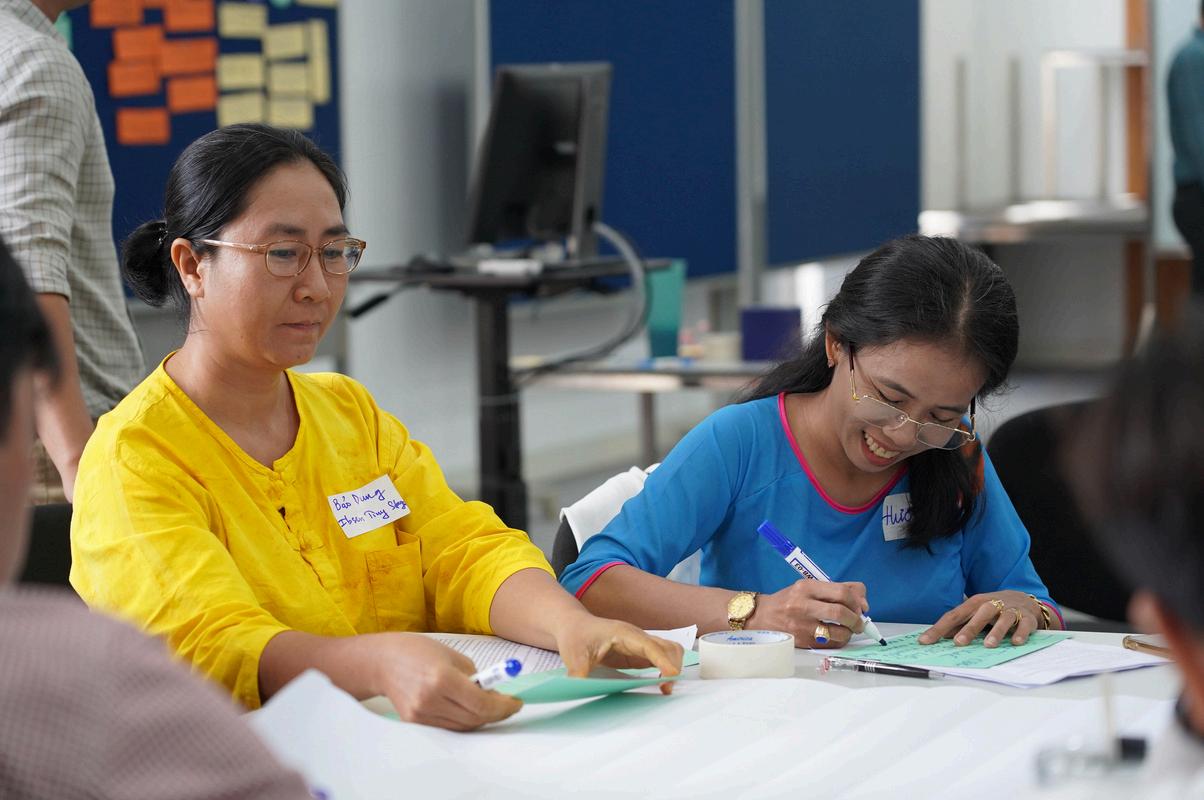
SEACOVARIANTS recognised that scientific evidence alone is insufficient without effective communication Between 2023 and 2024, teams conducted stakeholder workshops across Thailand, Indonesia and Vietnam, engaging policymakers, healthcare professionals, community representatives and media. These workshops identified:
Barriers to effective pandemic communication
Opportunities for collaboration between scientists and decision-makers
Characteristics of hard-to-reach groups in each country
Developing Engagement Frameworks
The project developed country-specific engagement frameworks designed to improve information flow during outbreaks These frameworks emphasise: Early and transparent communication
Inclusive approaches that reach vulnerable and marginalised groups
Active collaboration between scientists, policymakers and communities
A regional workshop held in Vietnam in February 2025 brought together experts from five countries to refine these frameworks and share best practices. The discussions highlighted the critical role of citizenled and youth-led initiatives in strengthening preparedness
Stakeholders work together at the 2024 SEACOVARIANTS workshop
Expanding to New Pathogens
Although rooted in COVID-19, SEACOVARIANTS has rapidly expanded its scope to include other infectious diseases of regional and global concern, such as:
Avian influenza (H5N1)
Mpox
Enterovirus A71 (EV-A71), a major cause of severe hand, foot and mouth disease Measles
Chikugunya virus
The network has already achieved significant advances, including:
Determining the 3D structure of an EV-A71 variant responsible for a major outbreak in Vietnam
Developing diagnostic tools and assays to measure immune responses
Establishing multi-disciplinary working groups, with diverse research focuses, including vaccine development and pathogen characterisation
A Sustainable Model for Pandemic Preparedness
One of SEACOVARIANTS’ most important contributions is demonstrating that high-quality, cutting-edge research can be designed and led within low- and middle-income countries, while remaining fully integrated into global systems
The initiative has delivered:
A trained workforce capable of responding rapidly to new threats
A robust regional and international collaboration network, involving partners from 13 countries in 4 continents
Attracted further funding support from Wellcome, UKRI, Singapore PREPARE and Vietnam NAFOSTED to expand network, and further strengthen the local scientific capacity for pandemic preparedness
Established pathways for science-policy engagement
Together, these elements create a sustainable foundation for future outbreak response.
A Platform for the Future
The systems developed through SEACOVARIANTS are pathogen-agnostic and adaptable. This means they can be rapidly mobilised to address new and emerging threats, ensuring that Southeast Asia is better prepared for the next pandemic
Why Wellcome’s Investment Matters
Wellcome’s funding has enabled more than a research project it has catalysed a transformational shift in regional capacity and leadership. Key outcomes include:
Empowering Southeast Asian scientists to lead globally relevant research
Reducing reliance on external laboratories for critical analyses
Accelerating the translation of science into policy and public health action
Strengthening equity in global health research
The programme exemplifies Wellcome’s commitment to supporting locally led science, fostering collaboration, and building sustainable solutions to global health challenges.
Looking Ahead
SEACOVARIANTS continues to evolve as a cornerstone of infectious disease research in Southeast Asia. As new pathogens emerge and existing ones adapt, the network is uniquely positioned to respond quickly and effectively. Its legacy is clear: a region that once faced significant constraints in responding to viral threats now has the tools, expertise and partnerships needed to lead the response locally, regionally and globally.
Plasmodium vivax malaria infects millions of people worldwide and remains a major cause of preventable illness and deaths. Unlike one of the most common malaria parasites, Plasmodium falciparum, this species can lie dormant in the liver and later cause the infection to return. These dormant forms are called hypnozoites. Those dormant forms awaken and provoke renewed attacks of acute malaria in the weeks, months, and few years following the infectious mosquito bite. In endemic zones, over 80% of acute vivax malaria stem from hypnozoites rather than new infectious bites.
Achieving a “radical cure” requires treatment of both the acute blood-stage infection and the dormant liver-stage parasites. Tafenoquine, approved in 2018, offered a promising single-dose alternative to the 14-day primaquine regimen and was expected to simplify treatment delivery and improve adherence However, its effectiveness in combination with modern antimalarial therapies widely used in Asia had not been established.
Between April 2018 and October 2019, OUCRU Nepal and Indonesian partners conducted the INSPECTOR trial.
Funded by GSK, Medicines for Malaria Venture (MMV), and Wellcome Core-supported research infrastructure in Indonesia, the trial was the first study to evaluate tafenoquine in combination with the artemisinin-based combination therapy dihydroartemisinin-piperaquine (DP) for the radical cure of P vivax malaria
The double-blind, randomised controlled trial enrolled 150 Indonesian soldiers returning from a malaria-endemic region of Papua to malaria-free areas of East Java
Participants were assigned to one of three treatment arms:
Primaquine + DP (standard of care)
Tafenoquine + DP (experimental regimen)
Placebo + DP (control)
Professor J. Kevin Baird Interim Director of OUCRU
The subjects were Indonesian infantry soldiers returned to their malaria-free home bases in East Java following 12 months of security duties in the highly malarious Keerom area of north eastern Indonesian Papua During the 6 months following that return, the OUCRU team enrolled consenting soldiers diagnosed with acute uncomplicated P vivax malaria, randomly assigning those to the treatment arms (50:50:50).
Participants were followed for six months after treatment.
The results of this trial came as quite a shock to all involved.
TQ-DP was only very slightly more efficacious that placebo-DP. The Figure below was published in Lancet Infectious Diseases in October 2023. Although PQ-DP performed to expectation, TQ-DP clearly did not.
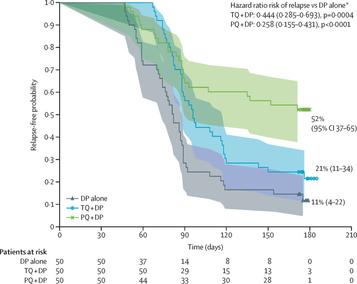
The findings brought to the very fore a longneglected aspect of the radical cure of malaria – the hypnozoitocidal and blood schizontocidal drugs were interacting in wholly unexpected ways In the case of both PQ and TQ, chloroquine decreased the minimally effective dose of those drugs by a factor of 10. Chloroquine was potentiating the killing of hypnozoites by PQ and TQ despite having no impact on latent hypnozoites whatsoever when administered alone Think of successful radical as a moving automobile that requires both a driver (hypnozoitocide) and a car key (blood schizontocide). The chloroquine key in the hands of the PQ or TQ driver successfully moves the car. In another trial, OUCRU showed that DP-PQ also moved the car, but INSPECTOR showed that the DP key in the hands of a TQ driver moved nothing The unknown character of the interaction of 8-aminoquinolines with blood schizontocides in radical cure suddenly had real world implications of impact.
The INSPECTOR findings had rapid and substantial policy influence.
The 2018 regulatory approval of tafenoquine for radical cure of vivax malaria recommended its use with any given blood schizontocide partner. That recommendation then appeared in numerous national malaria treatment guidelines. Though INSPECTOR was published in 2023, its findings were made available to the US FDA by early 2021 Based on this evidence, the FDA revised its recommendations for tafenoquine radical cure, specifying that it should only be used in combination with chloroquine.
Many national malaria treatment guidelines subsequently aligned with this revised recommendation The evidence also informed World Health Organization guidance when WHO first recommended tafenoquine for radical cure in 2024.
As a result, INSPECTOR helped define the global conditions under which tafenoquine should be used, ensuring that treatment recommendations reflected the best available evidence By identifying an unforeseen limitation in a newly approved therapy, the study prevented inappropriate expansion of tafenoquine use and redirected global research efforts towards a more evidence-based approach to radical cure.
Beyond influencing treatment policy, the INSPECTOR trial reshaped scientific understanding of radical cure.
The findings highlighted the critical role of interactions between anti-relapse medicines and partner blood-stage therapies, prompting multiple scientific efforts to understand the nature of the potentiation of 8-aminoquinoline activity against latent malaria by chloroquine, along with the character of the DP failure to do so These investigations remain active and are expected to inform both the design of future drug combinations and the development of new malaria treatments.
The INSPECTOR trial demonstrates the value of Wellcome-supported research ecosystems that bring together:
Long-term international partnerships.
Research capacity embedded in endemic settings.
Clinical trial infrastructure capable of addressing globally important questions
Strong links between researchers, funders, regulators, and policymakers
These foundations enabled rapid translation of research findings into global policy and practice, magnifying the impact of the study beyond the original trial population and strengthening the benefits to patients through more evidence-based guidance on the safe and effective use of tafenoquine.
From evidence to global policy change
Tuberculous meningitis (TBM) is the most severe form of tuberculosis and one of the world's deadliest infectious diseases. Despite treatment, around half of those affected die or are left with permanent disability.
Over the past 25 years, OUCRU’s programme of TBM research has transformed understanding of disease pathogenesis, delivered improvements in diagnosis, generated high-quality clinical trial evidence that has influenced practice worldwide, and established global research networks to drive further advancements in this field.
Until recently, treatment recommendations for TBM were largely extrapolated from pulmonary tuberculosis, despite the disease affecting a different organ system and carrying a far higher risk of death and disability. Evidence to guide treatment decisions was limited, particularly for vulnerable groups such as people living with HIV and children Diagnosis was also difficult, causing delays in treatment that further worsened outcomes.
Delivering the evidence that changed global practice
A major breakthrough came in 2004 when OUCRU researchers led by Professor Guy Thwaites demonstrated that adjunctive dexamethasone reduced mortality from TBM by around 30% This was the first robust evidence demonstrating that controlling inflammation could be critical to saving lives from TBM. These findings directly informed World Health Organization (WHO) recommendations and national tuberculosis treatment guidelines worldwide, which now recommend corticosteroids for patients with TBM
Building on this landmark study, OUCRU continued to address critical evidence gaps through high-quality randomised controlled trials. The ACT-HIV trial, enrolling 520 adults with HIV-associated TBM in Vietnam and Indonesia, provided the first definitive evidence for corticosteroid use in this high-risk population Published in 2023, the trial showed that dexamethasone was safe but did not deliver the same clear survival benefit seen in patients without HIV co-infection, highlighting the need for new therapeutic approaches.
Assoc Prof Nguyễn Thụy Thương Thương Head of TB, OUCRU HCMC
OUCRU's influence on clinical practice reached another milestone in 2025 with its leading role in developing the first international clinical practice guideline for tuberculous meningitis. Led by Dr. Joseph Donovan, this project brought together 33 experts from around the world The guideline provides clinicians with a single evidence-based and expert opinion resource covering diagnosis, treatment, inflammation management, and complications of TBM. For the first time, global practice is supported by dedicated TBMspecific recommendations.
Improving treatment through precision medicine
OUCRU researchers have demonstrated that genetic differences influence how patients respond to TBM treatment. Variations in the leukotriene A4 hydrolase (LTA4H) gene appeared to influence TBM inflammation and predict which patients benefited most from corticosteroids This discovery opened the possibility of personalised treatment strategies for TBM and established a new scientific direction for the field
Building on this, the LAST-ACT trial enrolled 720 adults with TBM, without HIV co-infection, and evaluated a genotype-guided treatment approach to therapy Although focused on improving patient outcomes, OUCRU’s TBM research has also advanced precision medicine concepts within tuberculosis care
OUCRU has also led and contributed to major trials evaluating other treatment strategies for TBM, including the multinational SURE trial in children, and HARVEST trial in Indonesia, South Africa, and Uganda. Both trials provided important evidence by ruling out interventions that did not improve outcomes. These results prevent ineffective treatments from being adopted and help ensure clinical guidelines remain grounded in robust evidence
Earlier diagnosis, faster treatment
Because delayed diagnosis is a major contributor to mortality and disability, OUCRU has invested heavily in developing practical diagnostic tools for clinicians. Using data from 659 patients with suspected brain infections in Vietnam, early-career researcher Đồng
Hữu Khánh Trình, supported through Wellcome funding, led the development of a diagnostic model that estimates the probability of TBM before laboratory confirmation is available. The simplified tool uses clinical information and chest X-ray findings and is particularly valuable in resourcelimited settings where comprehensive laboratory testing may not be accessible The model has been made freely available through an online application, expanding access beyond specialist centres. Utilising data from the Wellcome funded ACT-HIV and LAST-ACT trials, OUCRU researchers have also investigated whether host blood transcriptional signatures can identify those with TBM rather than other brain infections, including in people living with HIV. This work provides a promising pathway toward rapid, non-invasive diagnostics that could enable earlier treatment and better outcomes.
Building a global research field
Beyond individual discoveries, OUCRU has played a central role in creating the international infrastructure required to tackle TBM Following a meeting in Cape Town in 2008, an international TBM research consortium was formed, with the aim of promoting collaborative TBM research that increases understanding of the disease and improves clinical outcomes There has been a substantial increase in funded research activity surrounding TBM in the last few years, much of which has been stimulated and led by the consortium and its membership, and the landscape of TB meningitis research is more dynamic now that at any time in its history. Publications from the consortium are hosted in a collection on Wellcome Open Research: TBM International Research Consortium
The future
Recent data have suggested that it is the balance of Mycobacterial killing (through optimising antituberculosis drug regimens) and control of host inflammation (which should be appropriate but not excessive), that may be critical to survival A new project, funded by a recent Wellcome Discovery Award to Professor Guy Thwaites, brings together an international team from OUCRU Vietnam, CIDRIAfrica in Cape Town, South Africa, the UK, and the USA, to discover new approaches to antituberculosis therapy This project – OPTIMUM-TBM – will create a platform for the pre-clinical and clinical discovery and development of new therapeutic strategies for TBM, linking bacterial killing, inflammation, and outcome.
OUCRU researchers are also investigating the molecular determinants of pathogenesis and treatment outcome in TBM (and pulmonary TB) through a Wellcome Discovery Award to DrAssoc Prof Nguyen Thuy Thuong Thuong This project will follow more than 3,500 patients in Vietnam, combining clinical data, laboratory results, and biological samples collected over time. Using stateof-the-art technologies – including multi-omics, single-cell genomics, and cell infection modelsresearchers will investigate how genetic and immune factors shape the course of TB
The impact of OUCRU's Wellcome-supported TBM programme extends far beyond academic publications.
Its research led directly to international recommendations on corticosteroid treatment, informed revisions to clinical practice for people living with HIV and contributed to the development of the first dedicated global TBM guideline. It has generated tools that support earlier diagnosis, established foundations for precision medicine approaches, and created an international research network that continues to drive innovation in the field.
Most importantly, the programme has transformed a neglected area of infectious disease research into an active, globally connected field focused on improving survival and reducing disability Through a sustained combination of clinical trials, translational science, capacity strengthening and international leadership, Wellcome's investment has helped deliver evidence that continues to shape policy and improve care for patients with one of the world's most devastating infectious diseases