Advancing Evidence and Policy for Leprosy Elimination in Indonesia
As a child growing up in Bandung, Indonesia, Marlous Grijsen remembers seeing people affected by leprosy on the streets. At the time, she did not know that those early encounters would shape the course of her career. Decades later, after training as a dermatologist in the Netherlands, she returned to Indonesia with a determination to address one of the country's most neglected diseases
Dr Marlous Grijsen
Dermatologist & Senior Clinician Scientist of OUCRU Indonesia
‘Skin diseases are often visible, and can can attract social stigma What I love about dermatology is that sometimes a relatively small intervention can make a huge difference; not just to someone’s skin, but also to their confidence and overall quality of life.’
Leprosy disproportionately affects people living in poverty and marginalised communities. Yet despite more than 200,000 new cases being diagnosed globally every year, the disease remains chronically underresearched and widely misunderstood Many people still believe leprosy belongs to the distant past In reality, millions continue to live with its consequences, including disability, stigma, and social exclusion.
Soon after returning to Indonesia, Marlous partnered with Professor Hardyanto Soebono from Universitas Gadjah Mada to tackle one of the most urgent challenges facing people with leprosy: severe inflammatory reactions that can cause irreversible nerve damage. These complications affect more than half of patients and are a major cause of disability but treatment options have changed little in almost 50 years
Together, they secured funding for the MetLep trial, an ambitious study investigating whether metformin an inexpensive drug used worldwide to treat diabetes could help reduce these damaging reactions. If successful, the research could lead to safer and more effective treatment approaches for people affected by leprosy, helping to prevent long-term disability and improve quality of life
Leprosy research has historically received limited attention and funding. As a result, researchers often have little evidence on which to build new studies, slowing progress towards improved treatments Through MetLep, OUCRU Indonesia and its partners are helping to fill a critical evidence gap and strengthen the global pipeline of research into new interventions for neglected infectious diseases.
The programme has also built a powerful network of collaborators spanning Indonesia, Europe, and five clinical sites across Java, Sulawesi, and Papua Researchers, clinicians, and healthcare professionals from Universitas Gadjah Mada, Leiden University Medical Center, the London School of Hygiene &
Tropical Medicine, and OUCRU Indonesia are working together to generate new evidence that is locally relevant and internationally significant Importantly, the work is already reaching beyond research and into policy.
Recognising that evidence alone cannot eliminate leprosy, Marlous and colleagues from OUCRU’s Indonesia’s geospatial epidemiology department have worked closely with Indonesia's Ministry of Health to estimate the true burden of leprosy across the country. Their work suggests that the actual number of leprosy cases may be substantially higher than officially reported
By generating new evidence on where cases are occurring and the scale of unmet need, the collaboration is helping strengthen the evidence base for national decision-making and future elimination strategies.
In 2025, the team convened a national workshop ahead of the International Leprosy Congress in Bali, bringing together policymakers, researchers, NGOs, international experts, and people affected by leprosy. For many participants, it was a rare opportunity for those shaping research, policy, and lived experience to sit at the same table The meeting produced a shared national research agenda and broad agreement that clinical drug trials should be a priority for improving treatment guidelines and achieving zero leprosy in Indonesia. This consensus is now helping guide future funding proposals and research investments.
These achievements align closely with Wellcome's outcomes framework by generating evidence, engaging policymakers, strengthening research ecosystems, and creating pathways through which research can influence future policies, clinical guidelines, and health interventions. For Marlous, however, impact is measured not only in trials, publications, or policy discussions, it is also reflected in how society sees people affected by leprosy
To challenge stigma and raise awareness, OUCRU Indonesia has partnered with the Sumba Foundation and renowned Indonesian photographer Yoppy Pieter to create a series of public photo exhibitions. Rather than portraying leprosy through the lens of disease alone, the exhibitions focus on individuals, their families, and their journeys towards recovery
Through these stories, audiences encounter the humanity behind a condition that has too often been hidden from public view.
This combination of research, policy engagement, and community partnership is helping shift the national conversation around leprosy What was once seen as a forgotten disease is increasingly recognised as a public health priority that demands evidence-based action.
For Marlous, returning to Indonesia was a personal journey For the people affected by leprosy, it is becoming something much larger: a growing movement to ensure that neglected communities are no longer overlooked, that better treatments are developed, and that research translates into lasting health and policy change.
Leading tuberculosis research while building the scientists who will shape its future.
‘I always wanted the techniques and knowledge we learned to be applied here in Vietnam. If something was difficult to do locally, my instinct was to ask how we could make it possible here.’
Over 25 years at OUCRU, Thương has helped transform Vietnam's capacity to conduct internationally competitive tuberculosis research, while generating evidence that is shaping scientific understanding of tuberculous meningitis, informing approaches to drug-resistant TB control, and developing the next generation of Vietnamese research leaders.
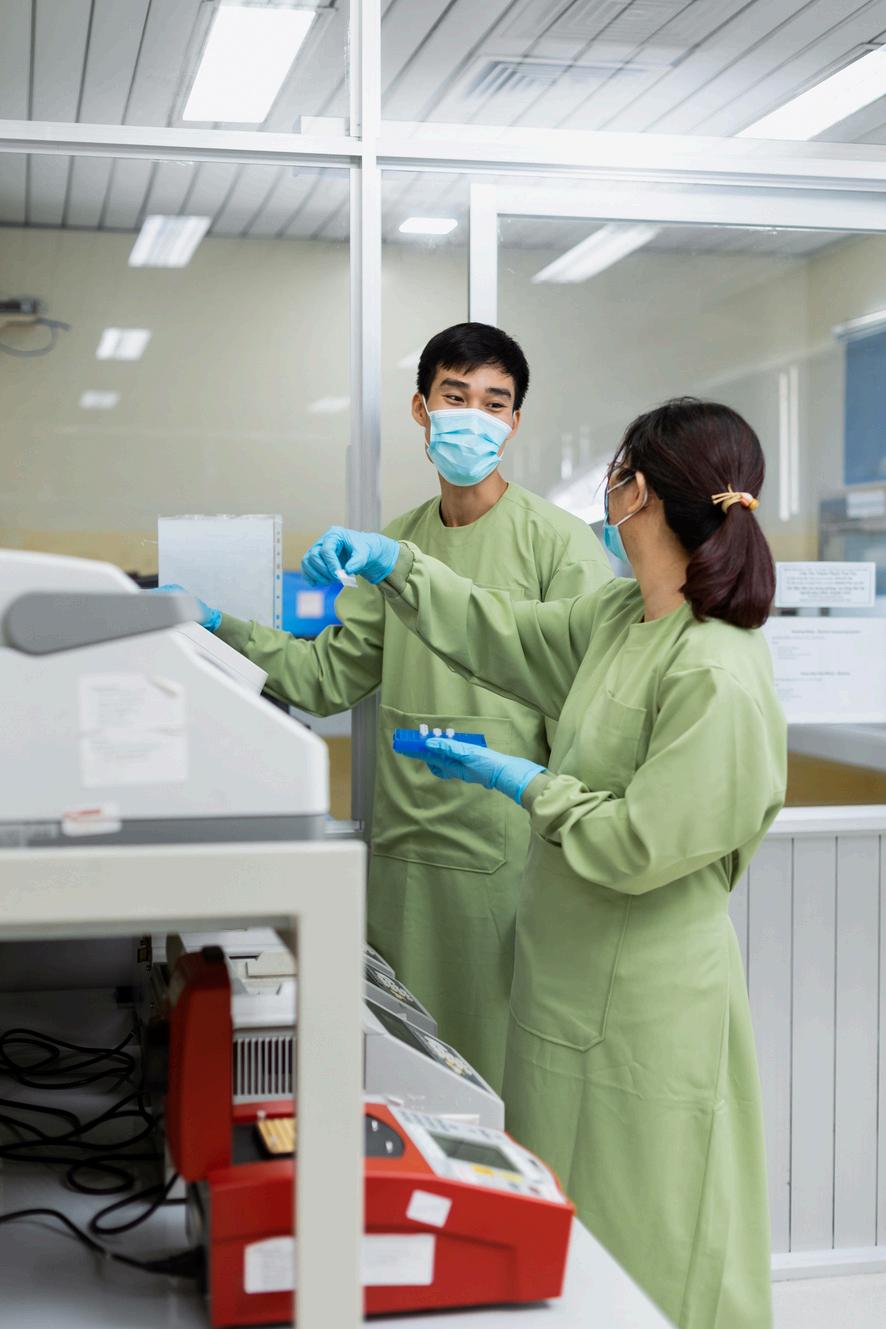
Thương leads OUCRU’s Tuberculosis (TB) Group, one of our largest research programmes. Yet when reflecting on her career, she rarely begins with scientific achievements Instead, she talks about people, capabilities, and creating an environment where others can grow
Leadership was never part of her original plan. When the opportunity first arose, she hesitated, believing management would take her away from research. A mentor challenged that assumption, explaining that some opportunities to create change only become possible from a leadership position
‘That was the biggest shift,’ she says. ‘My role was no longer only about my own research. It became about helping other people develop and succeed.’
That philosophy has shaped both her leadership and her science
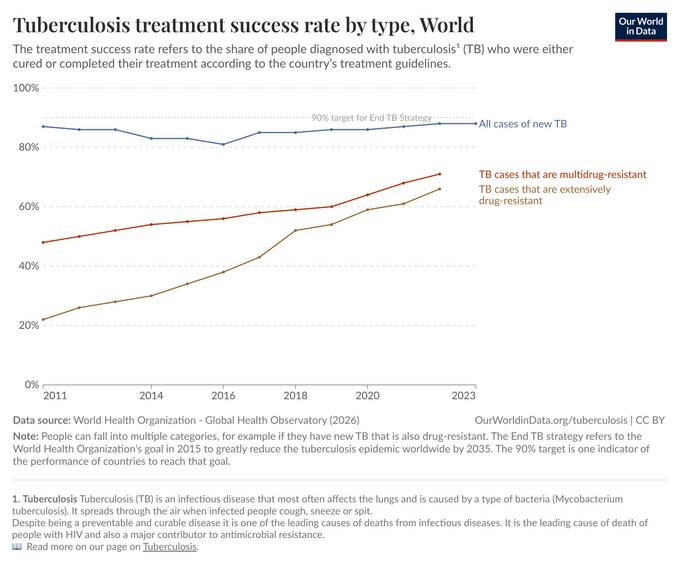
Tuberculosis remains one of the world's leading infectious diseases, and many questions surrounding diagnosis, treatment and drug resistance remain unanswered Over the years, Thương’s group has focused on improving TB diagnosis, understanding host immune responses, developing better treatments, and tackling drug-resistant disease
Addressing these challenges has required more than scientific curiosity When Thương began working in immunology, host genetics and molecular profiling, many of the necessary technologies were not yet available in Vietnam. Rather than relying entirely on overseas laboratories, her group worked to establish advanced approaches locally, including transcriptomics, host-response profiling, immune-cell analysis and, more recently, single-cell technologies
Assoc Prof Nguyễn Thụy Thương Thương Head of TB, OUCRU HCMC
Beyond the scientific findings, the programme has fundamentally changed what can be done locally Technologies including advanced immunology, transcriptomics, host genetics, and single-cell analysis, once largely inaccessible in Vietnam, are now embedded within OUCRU’s TB work and led by Vietnamese scientists. This has enabled researchers to ask increasingly sophisticated scientific questions without relying entirely on overseas laboratories, strengthening national research capacity and creating a sustainable platform for future discovery
Through projects such as Host Genetic and Inflammatory Determinants of Tuberculous Meningitis and the Dexamethasone Adjunctive Therapy for Tuberculous Meningitis clinical trial, the group has investigated why many patients continue to experience severe neurological complications or die despite receiving appropriate antimicrobial treatment.
In 2025, several strands of this work came together. Studies using transcriptomic and single-cell technologies identified immune-cell populations and inflammatory pathways associated with severe disease and poor outcomes, provided new insights into the biological mechanisms driving TBM and helping to guide future therapeutic research.
For Thương, these discoveries are valuable because they open the next stage of scientific inquiry
‘Sometimes the most important achievement is understanding the problem well enough to know what the next question should be.’
The findings have already contributed to discussions with the Ho Chi Minh City Department of Health and Pham Ngoc Thach Hospital regarding responses to rising TB case numbers. By demonstrating that most rifampicin-resistant tuberculosis arises from transmission of already-resistant strains and that transmission is dispersed across the city, the research challenges assumptions that control efforts should focus primarily on identified hotspots. Instead, it provides evidence supporting broader city-wide approaches to earlier case detection and rapid treatment initiation
While the full policy implications are still emerging, the evidence is helping inform discussions around diagnostic strategies and resistance testing and
contributes to the evidence base used by national and international tuberculosis programmes
For Thương, however, the greatest achievement is not a publication or a clinical trial. It is seeing people develop, and this is one of the most visible legacies of her leadership.
clinicians, laboratory scientists, PhD students, and early-career researchers who have progressed into independent leadership roles. Several researchers have gone on to lead studies spanning genomics, immunology, clinical research, and public health, strengthening the pipeline of scientific leadership in Vietnam
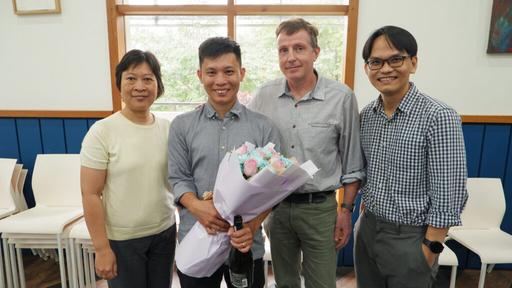
One example is Dr Hoàng Thanh Hải, who completed his PhD in 2025, reflecting a broader pattern of investment in people that is helping ensure that future research questions will increasingly be led by Vietnamese scientists
For Thương, building research capacity ultimately means building people. Technologies can be purchased and laboratories equipped, but sustainable scientific progress depends on motivated researchers with the skills and confidence to pursue difficult questions over the long term
That belief shapes how she builds her team - focusing on creating opportunities for researchers to grow, contribute ideas and develop independent careers. It is an approach that mirrors science itself: meaningful progress rarely comes from a single breakthrough, but from years of incremental discoveries that create the foundation for the next generation
Through her leadership, Thương's impact extends beyond individual discoveries. By generating evidence that advances global understanding of tuberculosis, strengthening local research infrastructure, influencing public-health thinking, and developing future scientific leaders, she is helping create the conditions for lasting improvements in health both in Vietnam and beyond.
Strengthening evidence, systems and capacity in Nepal.
When Dr. Sabina Dongol began her career in the microbiology laboratory at Patan Hospital in Nepal, every sample represented a patient waiting for answers
Drawn to microbiology by a fascination with the invisible organisms that can profoundly affect human health, she spent her early years processing clinical samples, identifying pathogens, performing antimicrobial susceptibility testing, and ensuring results reached clinicians on time. The work was meticulous and demanding, but deeply meaningful
Dr
Sabina Dongol
Head of Lab, OUCRU Nepal
One experience has stayed with her throughout her career While examining a cerebrospinal fluid sample, she identified bacteria on a Gram stain, providing a critical clue that would guide urgent treatment.
‘That experience taught me that laboratory work is much more than producing reports,’ she recalls. ‘Behind every result is a patient waiting for answers ’
Yet those years also exposed her to a wider challenge Many patients with serious infections presented with similar symptoms, but the tools available could not always provide a rapid or accurate diagnosis. The experience revealed how gaps in diagnostic systems affect not only individual patients but also treatment decisions, antibiotic use, and public health responses across communities
At the time, Sabina held a permanent position, a role many people in Nepal would consider highly desirable. It offered stability, security and a predictable future. Leaving it meant stepping into the unknown ‘It wasn’t an easy decision to leave, but I knew I wanted to continue learning and growing,’ she says ‘Sometimes you don’t have all the answers, but you move forward because you know staying still is no longer enough.’
Joining OUCRU Nepal marked a shift from delivering individual laboratory results to generating evidence that could inform diagnostic practice at scale Through collaborative infectious disease research, she became part of efforts to understand how patients with fever can be diagnosed more accurately, how antibiotics can
be used more effectively, and how health systems can respond to growing antimicrobial resistance.
In Nepal, patients presenting with fever often face delayed or uncertain diagnosis because many infectious diseases share similar symptoms Without reliable diagnostic tools, clinicians may have to make treatment decisions based on limited information. In a setting where enteric fever remains a major public health challenge and antimicrobial resistance is increasing, the consequences of getting those decisions wrong can be significant
Sabina's research focuses on addressing a common challenge in Nepal and across South Asia: distinguishing enteric fever from other causes of fever that often present with similar symptoms Her work has evaluated rapid diagnostic tests in real-world clinical settings, investigated approaches for identifying multiple pathogens simultaneously, and contributed evidence to improve diagnostic decisionmaking.
Much of this work has been undertaken through large multidisciplinary collaborations, including the ACT South Asia typhoid treatment trial and partnerships with regional and global research networks By linking diagnostic findings with clinical outcomes, these
studies generate evidence that can guide more targeted treatment decisions, support antimicrobial stewardship efforts, and contribute to the development of new diagnostic approaches suitable for resource-constrained settings.
Beyond individual studies, the research contributes to a growing body of evidence that helps advance infectious disease research agendas, informs future diagnostic innovation, and supports the development of solutions that are relevant to the needs of patients and health systems across the region.
For Sabina, however, the significance of diagnostics can be summed up much more simply: ‘Better diagnostics lead to better decisions Better decisions lead to better patient care, more appropriate use of antibiotics, and stronger health systems That's why diagnostics matter.’
As her scientific responsibilities expanded, so did her commitment to developing the skills needed to lead research and support others Through doctoral training at the University of Oxford and leadership development programmes including MAD, MODRA and the ISARIC International Leadership Programme, she strengthened not only her research expertise but also her capacity to mentor teams, manage collaborations and contribute to research leadership in the region
‘There were moments of self-doubt,’ she reflects ‘But those experiences taught me resilience.’
These experiences reflect an important aspect of research capacity strengthening: developing local and regional leaders who can define research priorities, lead multidisciplinary teams and shape the future direction of research in their own settings
Today, as Head of Laboratory at OUCRU Nepal, Sabina's role extends beyond conducting research She helps strengthen the laboratory infrastructure and quality systems that underpin high-quality research and clinical studies. Through Good Clinical Laboratory Practice training and support for partner institutions, she contributes to building sustainable laboratory capability, strengthening operational standards, and supporting the development of the wider research ecosystem in Nepal
This work reflects the importance of creating an enabling environment for research one in which strong laboratory systems, skilled staff, quality standards and collaborative partnerships enable scientific excellence and long-term impact
‘Research is not only about generating evidence,’ she says. ‘It’s also about creating opportunities for others to grow, lead and make a difference.’
Looking back, Sabina sees a career shaped by curiosity, resilience, and a willingness to embrace uncertainty The decision to leave a secure job, pursue research and continue learning opened a career path that has evolved from generating laboratory results to helping build the evidence, systems and people needed for better health outcomes Her work demonstrates how locally led research can contribute not only to scientific knowledge but also to stronger diagnostics, more effective use of antibiotics, stronger research capacity and improved healthcare decision-making.
As infectious disease challenges continue to emerge, Sabina remains focused on ensuring that research evidence translates into meaningful benefits for patients, health systems and communities in Nepal and beyond
B u i l d i n g t h e f o u n d a t i o n s f o r c l i n i c a l r e s e a r c h a c r o s s A s i a
Across Nepal, Vietnam and Indonesia, OUCRU’s Clinical Trials Unit staff are helping strengthen the systems, relationships and standards that make high-quality clinical research possible.
Clinical research requires trusted partnerships It requires hospitals that are ready to participate in studies It requires governance systems, operational processes, and quality standards that ensure research can be conducted safely, ethically, and effectively.
OUCRU's Clinical Trial Units are helping build these foundations Dr Suchita Shrestha in Nepal, Lâm Hồng Bảo Ngọc in Vietnam and Atika Rimainar in Indonesia share a common mission: helping clinical research move beyond individual projects towards stronger, more sustainable systems that can support healthcare for years to come.
Building capacity
As Head of CTU in OUCRU Nepal, Dr Suchita Shrestha reflects on how strengthening research systems can create new opportunities for healthcare workers and institutions.
Dr Suchita Shrestha Head of CTU, OUCRU Nepal
When she joined OUCRU Nepal in 2020, research activities were largely coordinated through a single hospital. While clinicians across the country were eager to contribute to research, limited infrastructure and operational support often made it difficult to conduct studies alongside routine patient care.
The COVID-19 pandemic brought these challenges into sharp focus Through major international studies such as RECOVERY and COPCOV, what began as an urgent response to a global health emergency became an opportunity to build something more lasting. More than 50 clinicians, nurses, coordinators, and research staff received training in international clinical trial standards Research governance and operational readiness were strengthened, and new partnerships were established across Nepal's healthcare system.
The result has been a growing network of hospitals and healthcare professionals better equipped to participate in high-quality clinical research and generate evidence that is relevant to local health needs
While capacity is essential, research also depends on relationships
For Ngọc, CTU Manager at OUCRU Ha Noi, trust has been the foundation of nearly a decade spent supporting clinical research in Vietnam.
Working closely with hospitals, research institutions, and government stakeholders, she has shared that successful research is rarely about science alone Hospitals must balance research with patient care. Different organizations have different priorities and processes. Bringing people together requires continuous communication and mutual understanding.
‘Trust is not built through a single agreement; it is built through years of open communication, mutual support and respect, and shared commitment.’ Ngọc says.
Lâm Hồng Bảo Ngọc CTU Manager, OUCRU Ha Noi
That philosophy has helped sustain long-term partnerships with institutions such as the National Hospital for Tropical Diseases and the National Institute of Hygiene and Epidemiology Through years of collaboration, training and mentoring, healthcare professionals have become increasingly active contributors to research, taking on greater responsibility for study design, implementation and leadership
These relationships have helped embed research more deeply within healthcare settings, ensuring that studies remain connected to clinical priorities and capable of informing public health decision-making.
Building quality
If trust creates the conditions for research, quality ensures that research can deliver reliable and meaningful results.
For Atika Rimainar, Quality Manager at OUCRU Indonesia, that responsibility begins with protecting the people who participate in research
After building a career in clinical trials across the pharmaceutical industry and contract research organizations, Atika joined OUCRU Indonesia in 2020. Since then, she has helped strengthen the quality systems that underpin research activities across the unit
Her work has included localizing Oxford's Studyline project management platform for Indonesia's regulatory environment, helping develop the EVIDENT deviation tracking system, and contributing to datadriven oversight tools that improve operational visibility across research projects.
Yet behind the systems, dashboards and procedures is a deeply personal motivation ‘Every patient is a human being,’ Atika says ‘Someone loves them and needs them We must treat them as people, not just as numbers or data points.’
By embedding quality into everyday practice, she helps ensure that research remains ethical, trustworthy and centered on the people it is intended to benefit
One shared outcome
Together, Suchita, Ngoc and Atika are helping build the foundations that allow clinical research to thrive: stronger institutions, stronger partnerships, and stronger systems
The impact can be seen across the region More healthcare workers are participating in research. Hospitals are becoming better prepared to deliver complex studies. Governance, quality assurance, and operational processes are improving Research networks are expanding beyond individual institutions and across national borders
Atika Rimainar Quality Manager, OUCRU Indonesia
OUCRU’s Public and Community Engagement teams are helping researchers turn complex science into inclusive dialogues, strengthening connections with local communities.
Every year, OUCRU researchers generate new knowledge to tackle infectious diseases and improve health. But research creates its greatest value when it is shaped by, understood by, and connected to the people it aims to serve.
Across Vietnam, Indonesia and beyond, OUCRU's Public and Community Engagement (PCE) team is helping make that connection possible By creating opportunities for young people, community members and researchers to learn from one another, the team is doing more than communicating science. It is helping build confidence, skills, leadership and new pathways into research and public health
Whether through youth ambassador programmes, community forums, internships or school outreach activities, these initiatives place people at the centre of research - creating spaces where communities contribute their lived experience, young people develop as health advocates, and researchers gain perspectives that strengthen the relevance of their work
‘Excellent research only creates impact when it reaches beyond the laboratory,’ explains Mary Chambers, Head of Public and Community Engagement. ‘Public and community engagement creates opportunities for meaningful dialogue, helping researchers understand the perspectives of the communities they work with while supporting people to become active contributors to science and health.’
Developing young leaders in science and health
For many young people, participating in a science engagement programme can become the first step toward a future role in research, healthcare or community leadership.
OUCRU's Youth Science Ambassadors (YSA) programme gives young people the opportunity to work alongside scientists, develop communication and leadership skills, and design projects that address health challenges within their own communities.
One example is the 2025 Protect Us From Tetanus project Recognising persistent gaps in awareness about tetanus prevention, the ambassadors used forum theatre to create a space where community members could explore real-world health dilemmas, question assumptions and identify practical solutions together. Rather than being passive recipients of information, participants actively shaped discussions through their own experiences and perspectives
'Forum Theatre reminded me that effective communication starts with listening. Watching audiences respond to the performances and hearing their questions highlighted perspectives and misconceptions that we might not encounter in a clinical setting. Those conversations have influenced how I think about explaining health information in ways that resonate with the communities we serve ' Dr Le Thai Kim Thu, former doctor at the Hospital for Tropical Diseases reflected.
Turning research into conversations by collaborating with young people
Another highlight of YSA programme is Collab Lab, a co-creation platform that demonstrates how engagement can strengthen capabilities on both sides of the research process. Through the programme, researchers and young people work together to translate scientific findings into accessible content, developing communication, collaboration and problem-solving skills while creating resources for wider audiences
"What makes Collab Lab unique is that researchers and young people learn from one another throughout the process," says Senior Youth Engagement Coordinator Phan Thị Thanh Thư
In 2025, Collab Lab produced two animated research summaries and organised a series of workshops in several universities and Meet The Scientists events that attracted hundreds of passionate young people online and in Ho Chi Minh City.
Creating pathways into research and community engagement careers
Building a strong research ecosystem requires talent from many disciplines, not only biomedical science. Through internship opportunities in Indonesia, OUCRU is helping young professionals explore how their own skills from political science and community development to design and communications can contribute to improving health outcomes
Last year, the PCE team in Indonesia hosted two interns, coming from very different backgrounds; political science graduate Andre Doloksaribu and Nibras Azeenshia Winarno, a fresh graduate from Universitas Indonesia majoring in nutrition
While Andre, with the background and passion in community engagement, discovered how important community participation is throughout the research process; Nibras, a graphic design hobbyist and selftaught illustrator, was initially unsure of how to combine her passion for health with graphic design.
By helping to organise FORUM meetings (Forum Masyarakat untuk Riset Kesehatan), where community members were invited to provide feedback on informed consent documents and ongoing or proposed health research; Andre realised that community feedback offered invaluable perspectives come from lived experience.
'Listening to community members made me realise they have concerns researchers might not immediately see,' Andre reflected 'Meaningful change happens when people are involved in decisions that affect their lives.'
The internship at OUCRU ultimately strengthened Andre’s commitment to continue working in fields that serve and empower local communities
Meanwhile, as Nibras designed content for PCE’s social media campaigns as well as created hand-drawn illustrations for educational merchandise distributed as far as Papua, she learned that a science background is not the only entry point into health research, passion matters just as much
'Community engagement isn’t just about sharing what we’re doing today,' Nibras shared. 'It’s about inspiring youth to join the journey and become contributors to research themselves.'
Different programmes, one shared purpose
For many students, a visit to a research institute can be the first time they meet a scientist or see biomedical research in action
Science Visits in Vietnam and Indonesia aim to open that door. By bringing students into laboratories and creating opportunities for conversation with researchers, the programme helps young people imagine themselves as future contributors to science and public health
For researchers, these interactions also build important communication skills and provide valuable insight into the questions and priorities of younger generations
As Dương Vân Anh - Scientific Liaison Officer explains, 'Science Visits gives researchers the opportunity to step outside the laboratory and talk directly with students about their work. Those conversations make research more approachable, but they also give researchers valuable insight into what young people are curious about and how they interpret scientific concepts That exchange benefits both sides '
Moving forward: supporting the young community to become health advocates
In both Indonesia and Hanoi, young people are moving beyond learning about antimicrobial resistance (AMR) to becoming advocates for responsible antibiotic use within their schools and communities.
In Jakarta, PAPRA Indonesia, in collaboration with OUCRU Indonesia and Dr Cipto Mangunkusumo
National Central Public Hospital (RSCM), launched an innovative public engagement project to raise awareness about the responsible use of antibiotics, Youth Peer Educators Combat AMR. Meanwhile, the Hanoi team developed the AMR Ambassador Competition, a school-based engagement activity that would transform secondary school students from passive learners into active health communicators
Rather than simply receiving information, participants in these programmes develop the confidence and communication skills needed to engage their peers around one of the world's most pressing health threats
Stronger and more meaningful connections
Across OUCRU's Public and Community Engagement programmes, success is not measured only by the number of events delivered or people reached It is reflected in the young person who discovers a pathway into research, the community member whose lived experience shapes a research discussion, and the researcher who learns to see their work through new perspectives
From Youth Science Ambassadors and Collab Lab to internships, community forums and AMR advocacy programmes, these initiatives are helping build the people and capabilities needed for a stronger research ecosystem. Young people are developing skills, confidence and leadership Communities are becoming active partners in research Researchers are building deeper relationships with the people their work is intended to benefit.
'Young people bring fresh perspectives, creativity and a strong understanding of how to communicate with their peers and communities This not only strengthens engagement activities but also helps researchers think differently about how they communicate their work '
Vũ Thanh Phương, Senior Youth Engagement Coordinator, says.
Although each PCE programme takes a different approach, they all contribute to the same goal: creating opportunities for two-way dialogues between researchers and communities
As a result, engagement becomes more than communication. It becomes a process of strengthening local capacity, fostering community agency and creating the conditions for research that is more relevant, inclusive and impactful
Dr Mary Chambers Head of Public and Community Engagement
'Building stronger relationships between researchers and communities is an ongoing process. Every conversation, collaboration and engagement activity helps create a deeper understanding on both sides.
We want OUCRU’s science to be something that communities can engage with, ask questions about and feel connected to, because those relationships ultimately strengthen both our research and its impact.'
How Raph Hamers is building partnerships, developing researchers and turning evidence into better health outcomes
Assoc Prof Raph L. Hamers Head of Clinial Infectious Diseases Research Programme, Interim Director, OUCRU Indonesia
When tackling infectious disease threats in the real world, scientific evidence alone is rarely enough The research needs to answer the right questions, tackle challenges that are important to the local context, and work in effective partnerships, so that change can actually happen. Much of Assoc Prof Raph Hamers’ work is about closing that gap
‘I've always been interested in research that can make a difference beyond academia’
As Interim Director of OUCRU Indonesia and Head of its Clinical Infectious Diseases Research Programme, he leads research spanning HIV, antimicrobial resistance (AMR), and tuberculosis Across these areas, his focus is consistent: producing evidence that informs policy, improves clinical practice and strengthens public health responses.
That commitment has its roots in his early experiences as a medical student volunteering in low-income communities in Brazil Working alongside local healthcare workers to deliver health education and basic health services, he saw first-hand how deeply health and well-being are shaped by social determinants and access to basic healthcare
'I fell in love with public health because of my formative experience in Brazil,' Raph recalls
More than two decades later, that commitment continues to shape how he approaches research.
Designing research for real-world impact
One of the best examples that illustrate this is INTERACT, an implementation research programme designed to improve HIV diagnosis and treatment among key populations at substantial risk of HIV in Indonesia.
Indonesia’s epidemic mainly affects key populations, including men who have sex with men (MSM) Many infections are diagnosed late after the earliest stage called acute HIV infection when the risk of transmitting the virus to sexual partners is highest.
Working with healthcare providers, community organisations and sexual health services across Jakarta and Bali, the project sought to redesign how people move through HIV testing and treatment The project designed a same-day test-and-treat pathway focused on identifying individuals with acute HIV infection, when people are most infectious and rapid treatment can have the greatest impact.
Completed this year, early findings suggest that the pathway was feasible and was indeed able to detect more people with HIV, at an earlier stage and reduce onward transmission. Raph believes this work could transform how Indonesia, and other similar settings, tackles the virus. 'The clinical pathway we developed could help Indonesia detect infections earlier and reduce onward transmissions,' he notes 'It means people can start treatment on the same day and partners can be notified more quickly '
The significance of the project extends beyond HIV. It demonstrates how research can be designed from the outset with implementation in mind, making it possible for health systems to adopt successful approaches
Shaping global priorities
The same philosophy underpins Raph's work on antimicrobial resistance.
In 2024, working with the WHO and a global team of colleagues, Raph co-led the effort to develop the first WHO Global Research Agenda for AMR. The ambition was to identify the research questions that matter most over the next five years and build international consensus around them. The resulting Agenda outlines 40 priority research questions that will guide investments and priorities from funding agencies, governments and the scientific community worldwide
This year, Raph led another major international collaboration contributing to the 2025 WHO Global Antimicrobial Resistance and Use Surveillance System (GLASS) report Working with the WHO, the University of Calgary and a global team of approximately 100 researchers, he coordinated large-scale evidence reviews examining patterns of AMR across major infectious syndromes.
By bringing together data from regions that are often underrepresented in global surveillance, the work revealed resistance trends that might otherwise have remained unnoticed The findings contributed directly to the 2025 GLASS report and a series of high-impact scientific publications.
Together, these projects strengthen not only the evidence base but also the decisions built upon it, helping governments, researchers and funders better understand where AMR surveillance, interventions and investments are most urgently needed.
Developing capacity and people to conduct high quality research
As Raph's responsibilities have grown, so too has another part of his role: creating the environment in which impactful research can happen Much of his work involves developing people’s skills, expertise and experience to tackle complex public health challenges.
'What keeps me going every day is the sense that I grow together with the communities I work with, especially the local researchers at OUCRU Indonesia and our collaborators,' he says 'None of what I do is possible without them.'
For Raph, leadership is not simply about directing research programmes. It is about building teams, creating opportunities and strengthening partnerships that will generate sustainable impact and development for Indonesia His work reflects a consistent belief: research has its greatest value when it helps people make better decisions. Achieving that requires collaboration, trust and sustained investment in the people and partnerships that turn evidence into action.
Zamzam Djaelani and the team racing to transform real-time health data at the front lines of Indonesian healthcare
SPHERES (Scalable Public Health Empowerment, Research and Education Sites) is helping transform how local health systems use data to respond to community health needs. Led by OUCRU Indonesia in partnership with government and health-sector stakeholders, the project is strengthening the ability of frontline healthcare workers and decision-makers to use timely evidence to improve healthcare delivery and public health outcomes
As Implementation Lead on the project, Dr Zamzam Djaelani represents a new generation of Indonesian health leaders working at the intersection of clinical practice, research management and public health innovation. His role reflects the growing importance of locally led solutions that are designed, implemented and scaled within the communities they aim to serve
SPHERES is being piloted in two districts in Indonesia, Purbalingga and Lombok Barat, and will eventually involve a total of 42 primary healthcare centres (Puskesmas) across both locations. Managing an initiative of this scale requires coordinating massive teams and working across dozens of local health facilities simultaneously The project is funded by the Gates Foundation.
‘This project is highly ambitious, and nothing quite like it has been done in Indonesia before,’ Zamzam notes. ‘The sheer scale of managing 42 health centres within a tight two-year timeline is a major challenge ’
Zamzam joined OUCRU Indonesia with unique combination of clinical knowledge, commercial discipline, and management skills. Originally trained as a medical doctor he spent a few years practising as a GP in private clinics, making a career switch into the healthcare corporate sector and then pursuing an MBA before joining the SPHERES project
Zamzam found himself attracted to SPHERES for its emphasis on improving healthcare at the front lines. ‘The future of healthcare is going to be front line,’ Zamzam explains ‘The focus is shifting away from large hospitals towards community clinics, moving to disease
prevention instead of just treating illnesses, and making interventions early and localised SPHERES helps to actively build this future in Indonesia ’
In mid-2025, the SPHERES team built Public Health Data Theatres (PHDT) in both pilot districts. A PHDT is a dedicated centre that functions as a central hub for health information. Through the PHDT, district health authorities can access near real-time information on disease patterns and healthcare service delivery By translating routine health data into actionable insights, SPHERES is helping local government make evidenceinformed decisions about resource allocation, disease surveillance, and public health interventions.
Frontline workers face an overwhelming administrative burden ‘They currently navigate up to 70 or 80 separate digital applications and dashboards,’ Zamzam explains ‘SPHERES directly addresses this bottleneck by streamlining data systems, so we can focus on making the best use of the data that we already have.’
SPHERES embeds dedicated training teams within the districts who provide ongoing, hands-on guidance to help frontline workers adapt to these new digital tools
Dr Zamzam Djaelani OUCRU Indonesia
The training also extends to local health authorities at the PHDT, who are taught how to look at these health trends and turn them into immediate, practical decisions They are also trained to monitor data quality and look out for specific irregularities. By learning to spot errors early, authorities can ensure their health interventions are always based on reliable, real-world evidence
The SPHERES project processes data quickly, to facilitate rapid responses and informed decision making. Because Puskesmas data is only uploaded at the close of daily business, the district teams have to work extremely hard to quickly clean, verify, and synchronise the records ‘We want a strict 24-hour window to keep the data fresh and ready to power local health interventions the very next morning,’ Zamzam emphasised
Sustaining this level of operational discipline requires a large number of people working simultaneously in Jakarta and across the pilot districts
‘Coordinating a team of this scale can be challenging, but the incredible dedication of everyone on the SPHERES team fills me with confidence,’ Zamzam shares. ‘What excites me most as an Implementation Lead is watching everyone come together and seeing the vital part each person plays ’
SPHERES is a collaborative effort between national and local government, OUCRU researchers, technical experts GSI Lab and non-profit Summit Institute of Development to strengthen Indonesia's public health infrastructure. These partnerships help ensure that solutions are grounded in local priorities while drawing on diverse expertise to maximise impact and sustainability
A core objective of SPHERES is to build sustainable local capability. The project works alongside healthcare workers, data managers and district health officials to strengthen skills in data quality, analysis and evidencebased decision-making Rather than introducing a short-term solution, the project aims to leave behind stronger systems and local expertise that can continue delivering benefits long after the study concludes.
Ultimately, the goal is to ensure communities benefit from faster and more effective public health responses Earlier identification of emerging health threats and improved use of routine health data can support timely interventions, helping health services respond more effectively to local needs.
‘This is exactly the kind of work I was searching for,’ Zamzam reflects ‘The real reward is seeing this initiative reshape how healthcare is delivered and how policies protect people, from the ground up ’
Dr Hồ Quang Chánh is leading a new generation of dengue research that combines clinical insight, technology and collaboration to improve patient care.
‘Clinical medicine is immediate and deeply personal,’ reflects Dr Hồ Quang Chánh, ‘but it only works one bedside at a time.’
Research, he has learned to understand, is the best way that he can change things at scale While clinical medicine helps individual patients, research creates the evidence, tools and interventions that can improve care across entire health systems.
Chánh trained as a paediatrician at children's hospitals in Hồ Chí Minh City, where dengue has become a yearround reality. Up to 200,000 cases are recorded in the city each year, and children bear the worst of it.
There is no cure for dengue, only careful management of what the body goes through Most patients recover without complication, but a small number deteriorate rapidly, and the difference between the two groups is not always visible early enough to act on. Good clinical care comes down to close observation and intuition: watching vital signs, tracking symptoms, making judgement calls on the data available
Chánh has witnessed the pressure the disease places on hospitals. During major outbreaks, wards fill with children needing care, stretching staff and resources to their limits. Yet the same pattern returns year after year and is only getting worse
That realisation led him to a Master of Public Health on a Chevening scholarship, and then back to Vietnam to begin a DPhil at the University of Oxford through OUCRU. He finished his PhD in 2025 and was appointed head of the dengue research group shortly afterwards
‘Each kind of uncertainty is difficult in its own way,’ he says ‘In the clinic, you are reasoning your way toward a decision for the patient in front of you, the uncertainty is focused but high stakes. In research, it is broader and more open-ended. There also wasn't a clear career path for clinicians moving into research That experience has shaped how I think about leadership today and the importance of creating opportunities for other clinicianscientists to develop research careers ’
Becoming group head straight after finishing his PhD was, he admits, ‘both exciting and overwhelming. Management was new ground for me, but I had a clear vision: to bring research and clinical practice closer together That vision gave me something solid to build from And I was lucky to have full support from the team, the organisation and our collaborators.’
Dr Hồ Quang Chánh Head of Dengue - OUCRU HCMC
The translational challenge
In recent years there has been a major shift in what technology can do: wearable devices, AI-powered prediction models, and large linked datasets Chánh's ambition is to bring these developments together through an interdisciplinary approach that spans forecasting, clinical management and treatment. The goal is not simply to generate new knowledge, but to develop practical tools that clinicians can use to identify high-risk patients earlier and improve care
A physician at the Hospital for Tropical Diseases put the challenge to Chánh plainly: ‘I know the prediction models can help and I would love to use them, but only if they are simple and convenient.’
The group is currently working across several fronts, including projects that test wearable devices such as D-SCAPE (Dengue Shock and Classification Prediction wEarable) and D-CAT (Dengue Clinical Assessment Tool) to help monitor and predict patient outcomes.
Both tools were built on decades of patient data from southern Vietnam and co-designed with the clinicians who will use them Together, they aim to shift dengue care from reactive to proactive, helping clinicians identify patients at risk of deterioration earlier and intervene before severe complications develop.
In parallel, the group is participating in DEN-HOST - the largest clinical trial ever attempted for dengue therapeutics, testing three affordable, repurposed drugs across multiple countries to prevent severe disease progression in hospitalised patients. This collaborative effort points toward something quietly hopeful: that affordable, widely available drugs might have a role to play in changing dengue outcomes. Together, these studies contribute to a growing global pipeline of dengue therapeutics, addressing one of the most important unmet needs in dengue management
On the therapeutics side, one of the group's results of 2025, MeDO, tested metformin in patients with dengue and obesity, a group at higher risk of severe disease. While metformin has shown antiviral and immunomodulatory effects in vitro, the trial found it was poorly tolerated, and did not improve clinical or virological outcomes over supportive care Although the trial did not demonstrate clinical benefit, it provided important evidence that can help guide future dengue therapeutic research and avoid investment in ineffective approaches.
The group continues to pursue two complementary strategies: targeting the virus directly and targeting the body's response to it ADAPT (Adaptive Dengue Antiviral Platform Trial) is a Phase 2 adaptive platform trial testing candidate drugs that rapidly clear the dengue virus from patients' blood, running across Vietnam and Malaysia with results expected in 2026
Creating conditions for best ideas to surface Our dengue group has 25 members and more than 10 active international collaborations. Many are seasoned researchers and experts in their own fields: Dr Nguyễn Minh Nguyệt in clinical research, Dr Dương Thị Huệ Kiên in viral-host genetics, Ms Tran Thuy Vi in molecular virology, Dr Võ Thị Mỹ Hòa in immunology
‘I see my role less as the person with all the answers and more as the one who brings the team's collective expertise together around a shared vision,’ he says. ‘I want to give others the chance to lead , and to see research and clinical care as two sides of the same coin, not separate worlds ’
Once a disease of seasons and specific geographies, dengue is spreading into new regions and new populations, driven by climate change and human movement. What Chánh is trying to build, carefully and with good people around him, is the next generation of dengue research: tools that work in real-world settings, treatments that can reduce severe disease, and a research team capable of responding to the evolving challenges dengue presents.
As the disease spreads into new regions and populations, he hopes the evidence generated by his team will help shape both clinical practice and future approaches to dengue control
B
How Nguyễn Thị Hồng and Bùi Huyền Trang help create the partnerships, trust and systems that enable research to influence policy and improve health.
When people think about research, they often picture scientists, laboratories, field sites, and discoveries What they rarely see are the relationships, partnerships and systems that help research move from an idea to something that can influence policy, improve healthcare and ultimately benefit communities.
At OUCRU Ha Noi, Nguyễn Thị Hồng and Bùi Huyền Trang work in very different parts of the organisation
One help connect research with policymakers and health system stakeholders. The other helps ensure OUCRU can operate effectively within Vietnam’s regulatory and administrative framework.
Yet despite their different roles, both spend much of their time doing something remarkably similar: building trust
‘People see the event,’ says Hồng. ‘They don’t see the time and effort required to bring all those stakeholders together ’
As Policy Engagement Coordinator, Hồng helps researchers connect with the people and organisations who can use research evidence, from government agencies and healthcare institutions to professional networks and policymakers. Her role helps ensure that research findings do not remain within academic circles, but can contribute to discussions about health policy and practice
Much of this work happens long before a meeting takes place. It involves identifying the right stakeholders, understanding institutional priorities, maintaining relationships, and creating opportunities for dialogue
‘Building relationships is not only important for one study,’ she says. ‘It affects future research as well.’
One example is OUCRU’s long-standing relationship with the Health Strategy and Policy Institute (HSPI), a key policy advisory institute under Vietnam’s Ministry of Health What began as informal conversations around individual projects gradually developed into a strategic partnership. In 2025, the two organisations formalised their collaboration through a Memorandum of Understanding, creating opportunities to identify research priorities and develop projects together from
the earliest stages, rather than only after funding had been secured.
For Hồng, the partnership demonstrates how longterm relationship building can create opportunities not only to share evidence, but also to shape research questions and priorities together with policymakers from the outset
Over time, she has also helped develop systems that strengthen OUCRU’s institutional memory, from tracking policy engagement activities to mapping stakeholder networks These systems help preserve organisational knowledge, support continuity across projects, and make it easier for future research teams to build on existing relationships and partnerships.
For Hồng, one of the most rewarding parts of the role is seeing researchers increasingly recognise the importance of policy engagement themselves ‘We hope policy engagement becomes something all researchers think about, not just our team,’ she says.
Nguyễn Thị Hồng Policy Engagement Coordinator, OUCRU Ha Noi
While Hồng focuses on helping researchers connect with external stakeholders, Bùi Huyền Trang works on another critical but often invisible part of the research ecosystem
After more than twenty years at OUCRU, Trang has become one of the organisation’s most experienced guides through the complex regulatory landscape that surrounds international health research in Vietnam
‘Finding funding is important,’ she says ‘But good research depends on strong governance, compliance and trusted partnerships, even if much of that work happens behind the scenes.’
Researchers may see grants, studies, and scientific outputs Trang sees something else as well: the reporting obligations, partnership requirements, compliance frameworks, and government regulations that allow those activities to continue.
Her work often involves translating between different worlds - helping researchers understand administrative requirements while working closely with authorities and regulatory bodies to ensure OUCRU's work remains aligned with national regulations, priorities and expectations.
It requires persistence. ‘The work requires a lot of patience,’ she says with a laugh. ‘I explain the same things year after year ’
But perhaps the most surprising aspect of Trang’s role is how much of it depends on relationships.
Many people associate finance with numbers, reports, and spreadsheets. Trang talks instead about trust, openness, and long-term professional relationships
Over the years, she has built strong working relationships with government counterparts and regulatory partners. Not through formal negotiations or transactions, but through honesty, consistency, and mutual respect.
Bùi Huyền Trang Head of Finance, OUCRU Ha Noi
For both Hong and Trang, relationships are not a separate part of the job. They are the job. Whether helping evidence reach decision-makers or helping researchers navigate regulatory requirements, both recognise that meaningful progress depends on people understanding one another and working towards a shared goal.
Research does not move through systems on its own. It requires people who can connect institutions, build trust, maintain partnerships, and help navigate complexity
In many ways, Hong and Trang represent an essential part of OUCRU's enabling environment. Through partnerships, policy engagement, governance and regulatory stewardship, they help create the conditions that allow researchers to focus on generating evidence and addressing health challenges
Their work rarely appears in scientific papers or conference presentations. Yet it helps strengthen the systems, relationships and trust that allow research to thrive, partnerships to endure and evidence to reach the people who can use it It is the work behind the work and a vital part of how research moves from ambition to impact.
‘Without relationships, you cannot do this work.’
The human side of governance: building systems that help people and research flourish.
Behind every study, partnership and publication are people working to ensure research is conducted safely, responsibly and sustainably Their work shapes an organisation's ability to protect its staff, maintain public trust, meet regulatory obligations, and continue delivering high-quality research over the long term.
Trần Duy Thanh Trúc Programme Risk and Health & Safety (H&S) Manager
For Trần Duy Thanh Trúc, OUCRU's Programme Risk and Health & Safety (H&S) Manager, and Rizky Baihaqi Halim, Operations Manager at OUCRU Indonesia, governance is about much more than compliance. It is about stewardship: creating an environment where people can do their best work and institutions can remain resilient in the face of growth, change and uncertainty
For Trúc, that responsibility begins with people.
Having previously worked in laboratory quality management, she developed a strong interest in Health & Safety and the role it plays in shaping organisational culture Over the years, she has worked closely with teams across Vietnam, Nepal and Indonesia, helping strengthen risk management systems, improve safety practices and support local colleagues responsible for H&S activities in their own units.
But she is quick to emphasise that governance is not simply about creating rules
‘The goal is to build a culture where each person knows how to protect themselves,’ she says.
For Trúc, policies are only effective when people understand why they matter and feel empowered to take ownership of them Researchers, clinicians, field teams and professional services staff all have a role in creating a safe and supportive working environment Rather than treating Health & Safety as a separate administrative requirement, she sees it as an essential part of research culture.
That philosophy has guided OUCRU's approach to continuous improvement As the programme has expanded across multiple countries and settings, Truc has worked with local teams to build a shared approach to managing risks while recognising the specific challenges each site faces. Regular engagement, training and collaboration have helped make Health & Safety an increasingly visible part of day-to-day operations
The results can be seen across the organisation By the end of 2025, all OUCRU units had established risk and legal registers, while H&S risk assessments had been integrated into studies throughout the programme. Staff became increasingly familiar with emergency preparedness procedures, incident reporting processes and risk management tools
‘When people feel that their contribution matters and that they are being cared for, they work with greater confidence,’ Trúc explains. ‘They can focus on what they do best, knowing there are systems in place to support and protect them.’
If Trúc’s work focuses on culture, Rizky's focuses on structure.
In 2025, after several years of planning and preparation, OUCRU Indonesia established Yayasan Jalin Kemitraan Nusantara (YJKN), a local Indonesian foundation designed to provide a stronger and more sustainable platform for research operations in the country. The transition represented one of the most significant institutional developments in the unit's history
The new foundation allows OUCRU Indonesia to recruit employees directly, manage its own banking arrangements and operate with greater clarity under Indonesian regulations. It also provides an Indonesiabased governance structure that gives confidence to staff, partners, funders, and government agencies as the organisation continues to expand its research activities.
Achieving that goal required a huge amount of work behind the scenes. Governance structures had to be established, contracts transferred, banking systems created and legal requirements navigated The contribution and support of the University of Oxford throughout this transition was ciritical to its success, as OUCRU was able to draw on the expertise and funding support of the University. Throughout the process, Rizky and his team also had to ensure that ongoing research activities continued without interruption
‘My team and I did our best to ensure the transition caused little to no disruption to our ongoing research activities.’
Rizky's commitment to organisational resilience is rooted in personal experience.
As a student in Banda Aceh during the 2004 Indian Ocean tsunami, he witnessed first-hand how vulnerable communities become when systems fail. In the aftermath, he worked alongside international aid organisations supporting recovery efforts and saw how effective coordination, strong institutions and good governance could help communities rebuild The experience inspired a career in the non-profit sector that eventually led him to OUCRU Indonesia in 2020
‘I want to be of use to society at large,’ he says, ‘no matter how small my contribution is.’
For Rizky, strong governance is not about bureaucracy It is about creating stability, accountability and trust, particularly during periods of change Institutions that
Rizky Baihaqi Halim Operations Manager, OUCRU Indonesia
invest in strong foundations are better able to support their staff, maintain partnerships and pursue ambitious goals over the long term.
Although Trúc and Rizky work in different countries and different functions, they share a common objective. Both are helping build an organisation that people can trust.
For staff, that trust comes from knowing their wellbeing matters For researchers, it comes from confidence that governance systems will support their work For funders and partners, it comes from transparency, accountability and compliance. And for communities, it comes from knowing that research is being conducted responsibly and sustainably.
Their stories demonstrate that governance is not separate from research excellence It is one of its foundations Through attention to safety, risk management, institutional development and organisational resilience, they help create the conditions in which research can thrive.
From recruitment to career development, Nguyễn Thị Hồng Phúc has helped foster the inclusive and supportive environment that underpins research excellence at OUCRU. S
Nguyễn Thị Hồng Phúc
Senior HR Officer, OUCRU HCMC
When Nguyễn Thị Hồng Phúc joined OUCRU Vietnam in 2014, most research groups were led by international scientists Today, Vietnamese researchers are increasingly stepping into senior leadership roles and leading their own research groups. Phúc has watched much of that transformation unfold from a unique vantage point: the interview room. Over the past decade, she has helped recruit and support the people who are shaping the future of health research in Vietnam
A decade of change at OUCRU Nguyễn Thị Hồng Phúc has worked at OUCRU Ho Chi Minh City for 12 years and is now Senior Human Resources Officer Over that time, she has managed recruitment end-to-end across almost every level of the organisation
Handling up to 50 vacancies a year, Phúc has sat on more panels than she can count. And yet every so often, a candidate still surprises her with a fresh perspective ‘Sometimes, we get so used to the job that we think we know everything there is about it,’ Phúc says Staying curious, she finds, is what keeps the work fresh and exciting after a decade.
Before OUCRU, Phúc spent three and a half years at a small start-up She knew she wanted to move towards something with more purpose, work that could sustain her but also matter beyond the bottom line She prepared carefully for the interview with OUCRU and eventually got the job. ‘I wanted to work for a purposedriven organisation,’ she says. ‘Something that could make a real difference.’
That sense of purpose has guided her work ever since Phúc’s role covers many aspects of human resources, including staff engagement, international staff onboarding, and career development.
But recruitment is the part of her job she loves most, and the one that carries the most weight.
‘The most important quality in recruitment is objectivity,’ she says ‘You have to be able to see people's strengths and the good in them, even if they are not someone you immediately connect with.’
A hiring decision can change someone’s entire career trajectory. Over time, those decisions also shape an organisation’s ability to develop talent, strengthen expertise, and build the next generation of research leaders.
When she arrived, international scientists dominated the group head positions. Gradually, through deliberate development and a thoughtful hiring process that Phúc is part of, that has changed Vietnamese staff began taking on more senior roles Then group head roles. Then the dynamic flipped. Today, most group heads in Hồ Chí Minh City are Vietnamese, leading teams that include international researchers.
For Phúc, this shift reflects years of investment in recruitment, staff development and leadership opportunities that have helped build a strong pipeline of local scientific talent.
The values that define OUCRU
None of these changes happened by chance ‘Organisational values are the guidance for all things big and small, and it is not performative here,’ she says That shows up most clearly in how people feel about staying. Nearly half of OUCRU staff in Vietnam have stayed for over ten years, building successful careers and contributing to a stable, experienced research community
‘People stay because they feel trusted,’ she says The culture gives genuine autonomy, you can push back and challenge upwards without bracing for consequences. For a research institution, that freedom is essential as the ability to question the status quo is the very foundation of scientific innovation
That spirit extends to Equity, Diversity and Inclusion Phúc believes an open and international working culture helps create an environment where people from different backgrounds can contribute, develop and succeed.
‘OUCRU was progressive long before it was fashionable,’ she says
The greatest reward of all Twelve years in, Phúc is still curious, still learning. She has just completed a master’s degree in Environment, Social, and Governance (ESG), gaining formal training in sustainable framework and long-term organisational impact
She has already put it into practical use: calculating the carbon footprint of OUCRU's large-scale clinical trial on Hepatitis-C as part of her Master’s thesis, contributing to understanding and reducing the environmental impact of health research in Vietnam. For Phúc, it was an opportunity to apply new skills to a practical challenge and support more sustainable approaches to conducting health research
She also takes pride in what the Human Resources team delivered in 2025. They filled multiple programme-wide leadership roles across Translational Research, Data Governance, and Training and Development These positions help strengthen the systems, expertise and leadership capacity needed to support high-quality research across OUCRU.
The team also digitised the performance review process to make feedback and progression more consistent - behind-the-scenes work that helps create clearer pathways for progression and supports staff to grow throughout their careers at OUCRU
Phúc has spent her career making sure everybody in the programme is treated fairly and given the chance to grow And every day, she finds herself in a place that does the same for her She can speak her mind, take the lead on ideas she believes in, and grow alongside an organisation that is continually investing in its people.
As she watches colleagues progress from new recruits to experienced professionals and leaders, she sees the long-term impact of the work she has helped shape Every so often, she is still surprised by a candidate with a fresh perspective ‘That is the greatest reward of all,’ she says.
The experience that inspired Iqbal Elyazar's career is now driving his efforts to improve health equity and disease control across Papua.
Dr Iqbal Elyazar Head of Geospatial Epidemiology OUCRU Indonesia
In 1998, fresh out of university, Iqbal Elyazar arrived in Armopa, a remote village in Papua, Indonesia, to work as a data analyst What he encountered there would shape the course of his career
The village had recently experienced a devastating malaria outbreak. Many residents, particularly families who had migrated from other parts of Indonesia and lacked immunity to the disease, had been affected. For Iqbal, it was a stark introduction to the health challenges facing Papua and to the profound impact infectious diseases can have on communities
‘It stayed with me,’ he recalls. ‘I knew I wanted to come back one day and contribute to improving health in Papua.’
Nearly three decades later, that commitment has come full circle.
Papua, with a population of around 1 million, continues to face some of Indonesia’s most complex public health challenges Malaria remains a significant burden, particularly in remote communities where access to healthcare can be limited These challenges are compounded by difficult geography, shortages of health workers, and persistent health inequities
‘Papua is an incredibly rich land, yet its people have lived with profound health inequities for far too long,’ says Iqbal. ‘It feels unfair that so much wealth is generated here, while basic well-being does not return to the communities who need it most. I want to work alongside the Papuan people and use science to ensure they finally get the better, healthier lives they deserve ’
Determined to make a meaningful contribution, Iqbal pursued further training in public health and epidemiology, including a DPhil at the University of Oxford. During this time, he became fascinated by the emerging field of geospatial epidemiology and the power of maps and geographic data to reveal patterns of disease, and the ability of geographic and health data to reveal patterns of disease, identify those most at risk, and support better public health decisionmaking
He joined OUCRU Indonesia in 2010, initially supporting a range of research projects as a biostatistician As his expertise in disease mapping grew, so did his vision for how geographic data could be used to improve public health In 2017, he established OUCRU Indonesia’s Geospatial Epidemiology Research Programme, creating a dedicated team focused on understanding and predicting disease patterns across Indonesia.
Today, that work is helping drive one of the largest health initiatives in Papua: SHIELD Papua, which stands for Strengthening Health Initiatives for Eliminating Infectious Diseases in Papua
Led by Iqbal and his team, SHIELD Papua aims to strengthen how infectious diseases are detected, anticipated and controlled across the province. The programme brings together expertise from multiple disciplines, combining disease surveillance, digital health technologies, climate and environmental data, mathematical modelling, and social science research to generate evidence that can support more effective interventions and policies.
At its heart is the concept of precision public health: delivering the right interventions to the right populations at the right time
‘Papuan communities are diverse, just like their geographies,’ Iqbal explains. ‘Diseases may behave differently in different places, which is why a one-size-fitsall solution cannot work in Papua SHIELD Papua is about using geographic and health data to develop tailored, localised solutions that respond to community needs and protect the most vulnerable.’
Achieving that vision requires collaboration on an equally ambitious scale. SHIELD Papua brings together central and local governments, universities, nongovernmental organisations, international development partners, community representatives, and healthcare providers, all working towards a shared goal.
For Iqbal, this collective effort is one of the most rewarding aspects of the programme
‘What excites me most is seeing all these different groups work together,’ he says. ‘Eliminating infectious diseases requires a genuine team effort. This collective commitment, from government officials to local communities, is what will allow us to reach our goals and sustain the successes we achieve ’
Nearly thirty years after first arriving in Papua as a young data analyst, Iqbal is once again working on the island that inspired his life’s mission. This time, however, he is supported by a broad network of partners and a growing body of evidence, all focused on strengthening local capacity, improving disease control, and building a healthier future for Papua’s communities
Through her PhD research, Nguyễn Thị Hoa is helping turn antimicrobial resistance surveillance into evidence that clinicians can use.
Nguyễn Thị Hoa
PhD Student, OUCRU Ha Noi
For Nguyễn Thị Hoa, antimicrobial resistance surveillance is not only a matter of counting resistant bacteria. As a PhD student at OUCRU Ha Noi and a clinical microbiologist at the National Lung Hospital, she is interested in how data can better reflect the patients behind the samples, and how it can support more informed antibiotic decisions in hospitals. Ultimately, she wants surveillance data to become more useful for the clinicians caring for patients every day.
Hoa’s PhD is supported through the Open University UK, with funding linked to ACORN, and she has been working full-time on her doctoral research since 2023 She expects to complete the PhD in February 2027, before returning more fully to her hospital role Her PhD work focuses on gaps in AMR surveillance in Viet Nam. Many current surveillance systems rely mainly on microbiology laboratory data alone. These data are important, but they can be difficult to interpret without clinical context Not all patients have microbiology tests, and laboratory results alone do not always show whether an organism is the true cause of infection or a contaminant ‘If we rely only on microbiology data, its role in guiding treatment is still very limited,’ Hoa explained. ‘ACORN starts from the patient and the infection, and then links to the microbiology data.’
During the 2025 reporting period, ACORN2 moved from data collection and study close-out into analysis and publication outputs In Viet Nam, Hoa led a country-focused ACORN2 analysis using data from three hospitals, examining how AMR patterns differed when infections were classified by clinical context and infection origin This was complemented by a multicountry ACORN2 paper in Clinical Infectious Diseases, to which Hoa contributed as a co-author, analysing mortality and length of stay associated with community-acquired E. coli and S. aureus bloodstream
infections across nine low- and middle-income countries. Together, these outputs show the value of ACORN2’s clinically linked surveillance model: combining microbiology results with patient-level clinical and outcome data, rather than relying on laboratory data alone
For Hoa, one of the important insights was that resistance patterns were not the same across infection groups Routine reporting often does not separate community-acquired, healthcare-associated and hospital-acquired infections ACORN2 did, and the differences were clear ‘We cannot treat all infections as if they are the same,’ she said. ‘If we know whether an infection is community-acquired, hospital-acquired, or healthcare-associated, that can guide different antibiotic choices and may help reduce unnecessary use of broadspectrum antibiotics ’
Hoa’s perspective is shaped by her clinical background In hospital practice, she reviews culture, identification and antibiotic susceptibility data, and discusses diagnosis and treatment with clinicians when needed. This experience helps her see both the value and the limitations of routine microbiology data For Hoa, the importance of ACORN2 lies in making surveillance more clinically interpretable: not only showing which bacteria are resistant, but also linking resistance
patterns to the type and origin of infection. This could help inform more appropriate antibiotic choices, particularly when distinguishing between communityacquired, healthcare-associated and hospital-acquired infections. While the research has not yet been described in the interview as a formal guideline or dissemination activity, it points towards the kind of evidence clinicians need in order to use AMR data more meaningfully in treatment discussions
The work also showed the effort required to build better surveillance. Collecting patient-level clinical data takes time and relies on the engagement of clinical teams. Hoa described time and human resources as major challenges. At the same time, ACORN2 used routine microbiology data from patient care rather than adding research-only tests, making it more closely aligned with existing hospital workflows This gives the model potential to be adapted across healthcare facilities in a sustainable way, helping hospitals generate actionable AMR data to guide antibiotic use, improve patient care, and support public health decision-making
Lessons from ACORN2 have also informed the development of a more pragmatic and scalable version of the protocol, known as ACORN-lite, designed to be implemented as part of routine hospital surveillance ACORN-lite has been used by the Fleming Fund and in several other research projects as a data collection platform, while ACORN teams continue to seek funding and collaborations for wider roll-out.
Looking ahead, Hoa is particularly interested in ACORN’s real-time data monitoring ‘I would like to apply this kind of real-time AMR data monitoring in my hospital,’ she said, ‘and eventually in the lung hospital network.’ For her, ACORN2 is both a PhD milestone and a step towards AMR surveillance that is closer to clinical reality
What is ACORN?
A Clinically-Oriented Antimicrobial Resistance Surveillance Network (ACORN) is a Wellcome-funded surveillance programme led by MORU and OUCRU that links patient clinical information, infection syndromes and outcomes with routine microbiology data Unlike many AMR surveillance systems that rely on laboratory results alone, ACORN was designed to generate evidence that can support treatment guidelines, antimicrobial stewardship and infection prevention and control ACORN2 expanded this approach across hospitals in Asia and Africa, while ACORN Lite is being developed as a more scalable version for routine use.